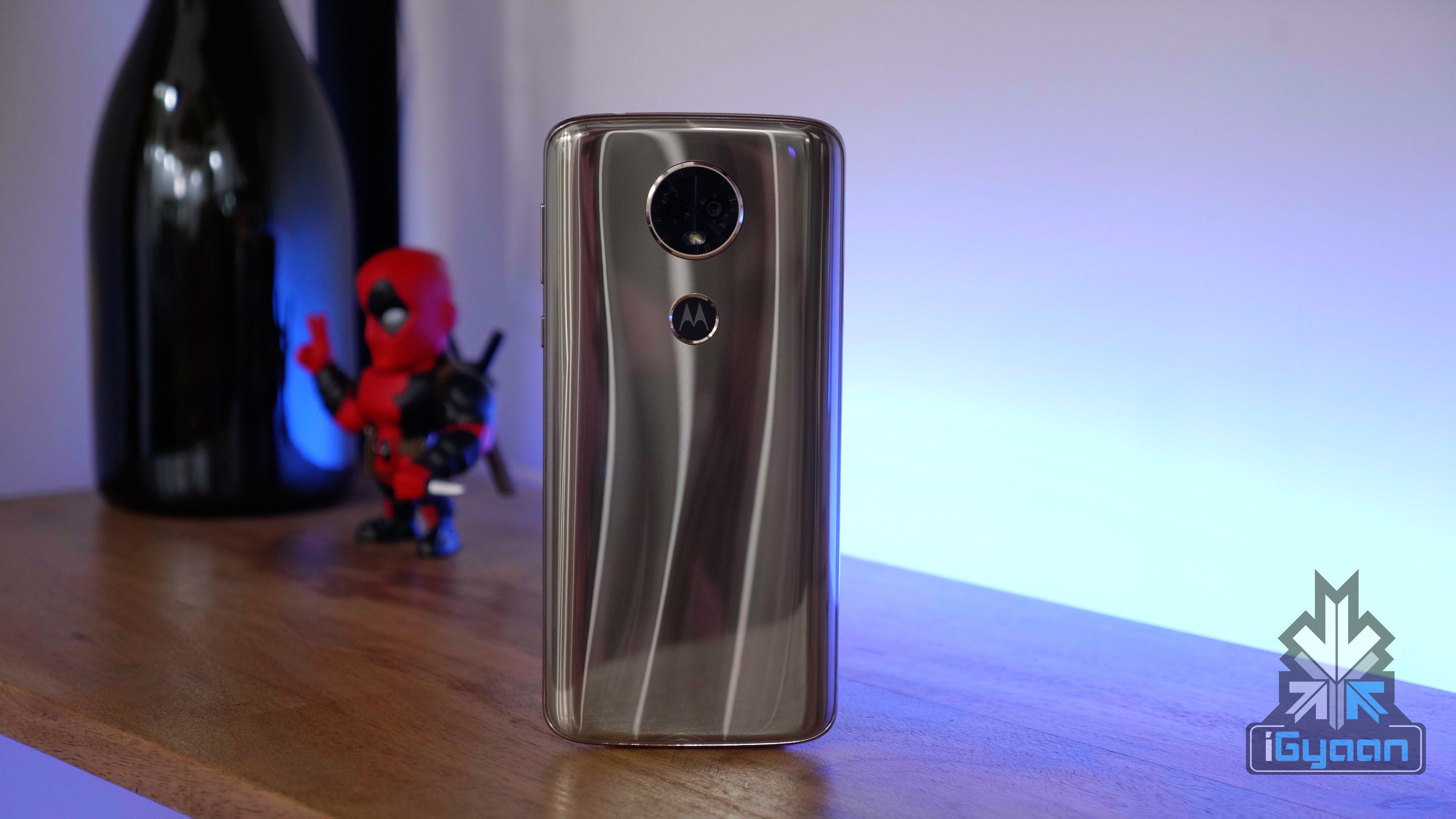
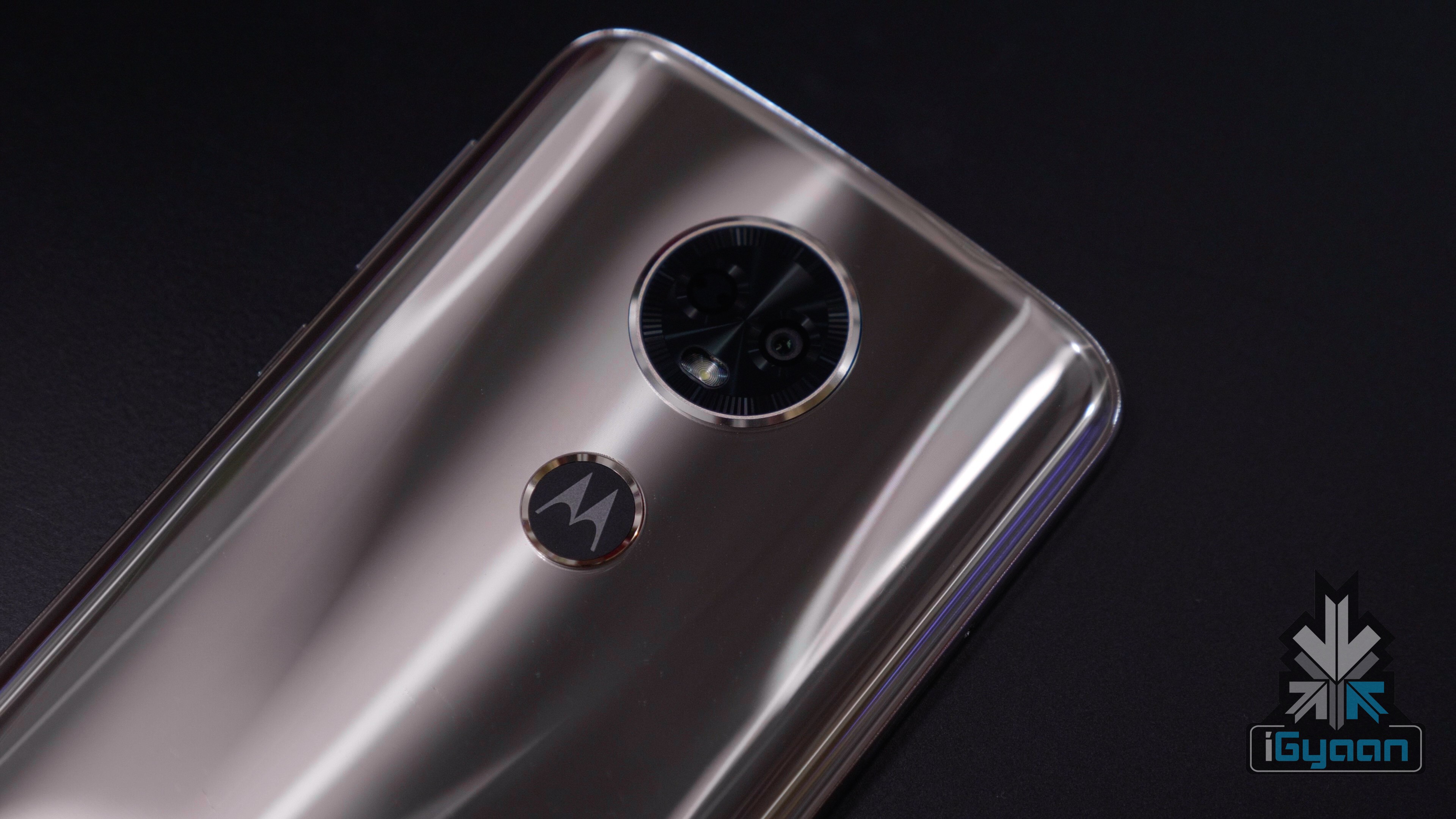
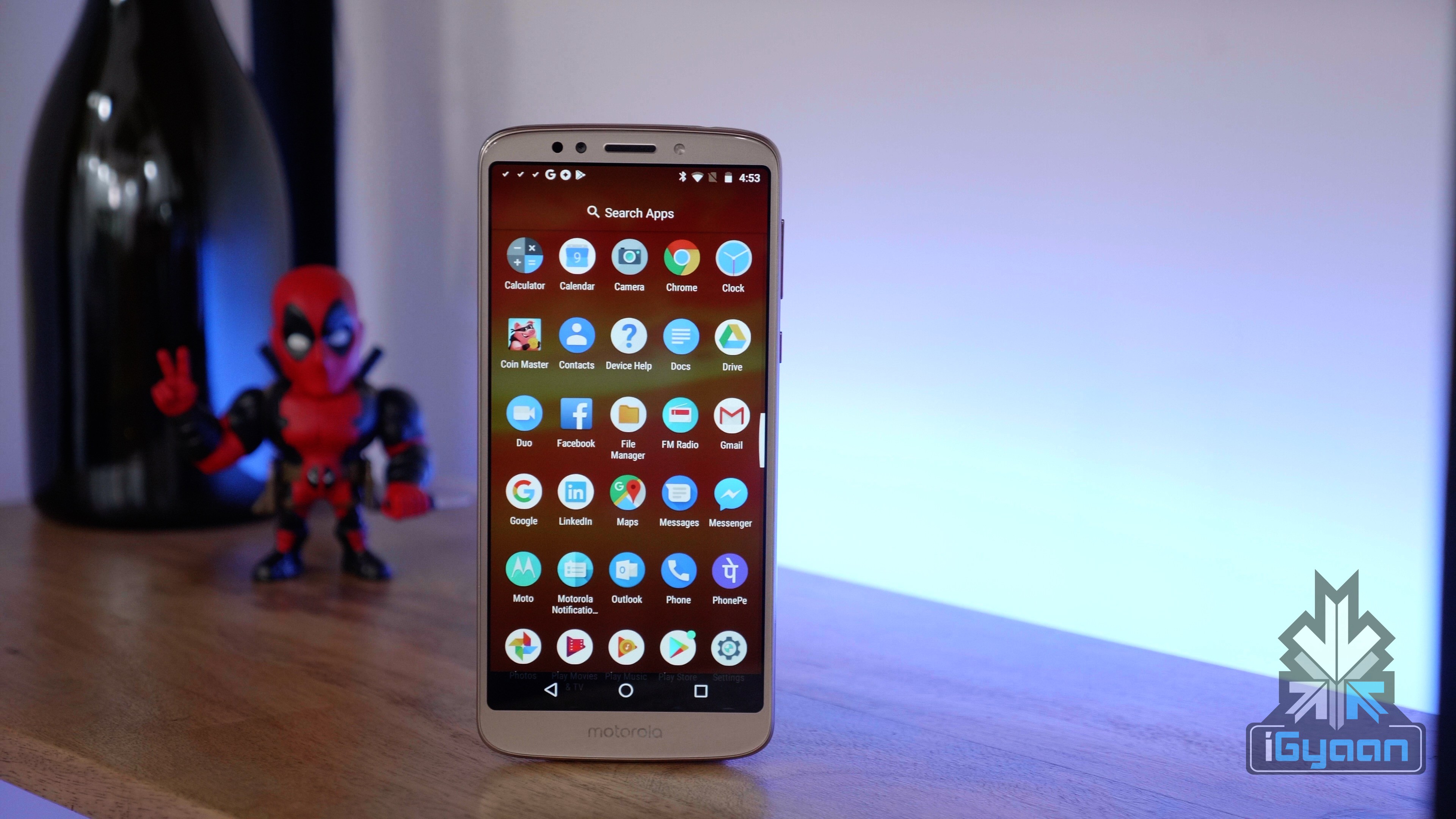
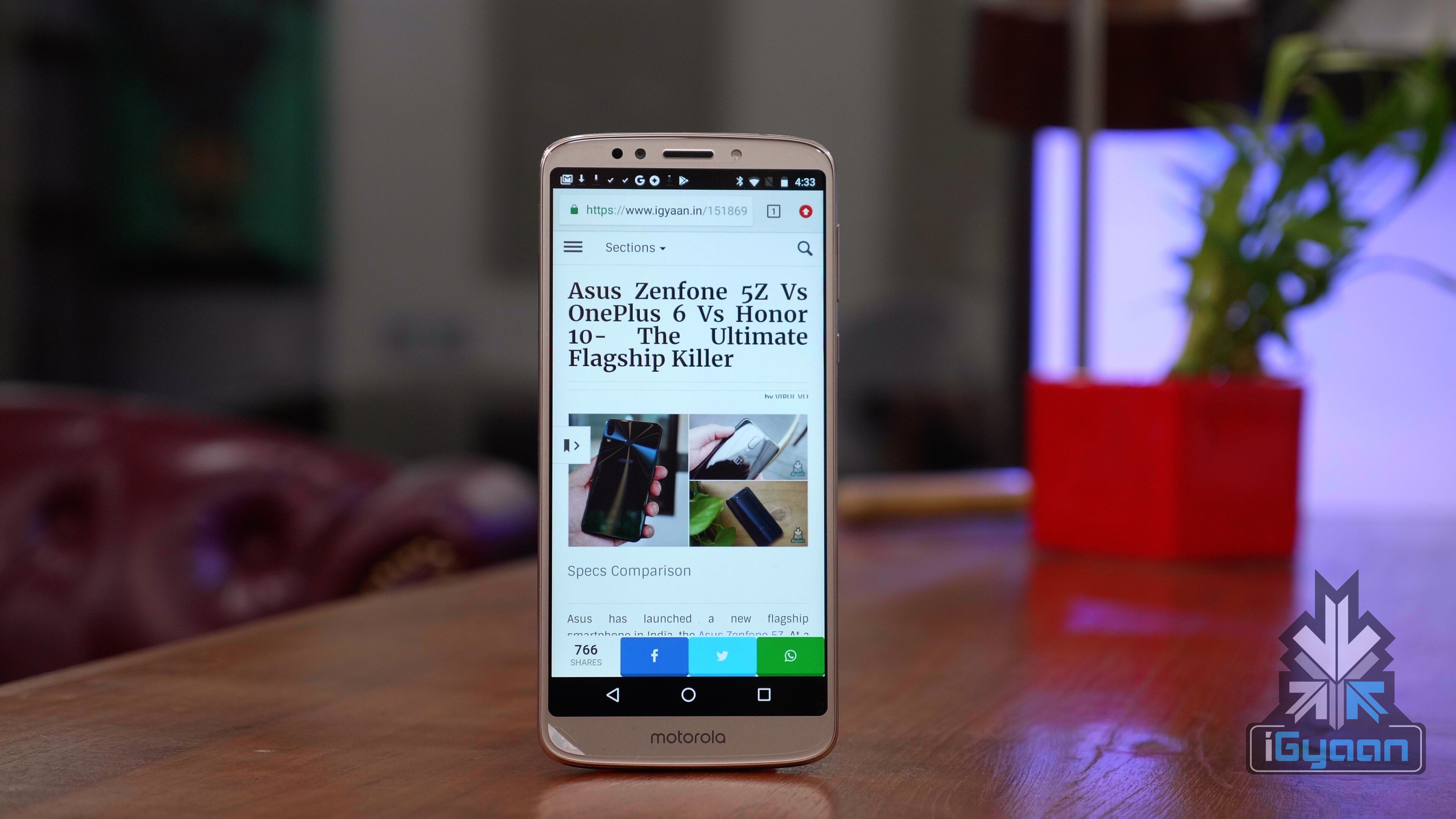
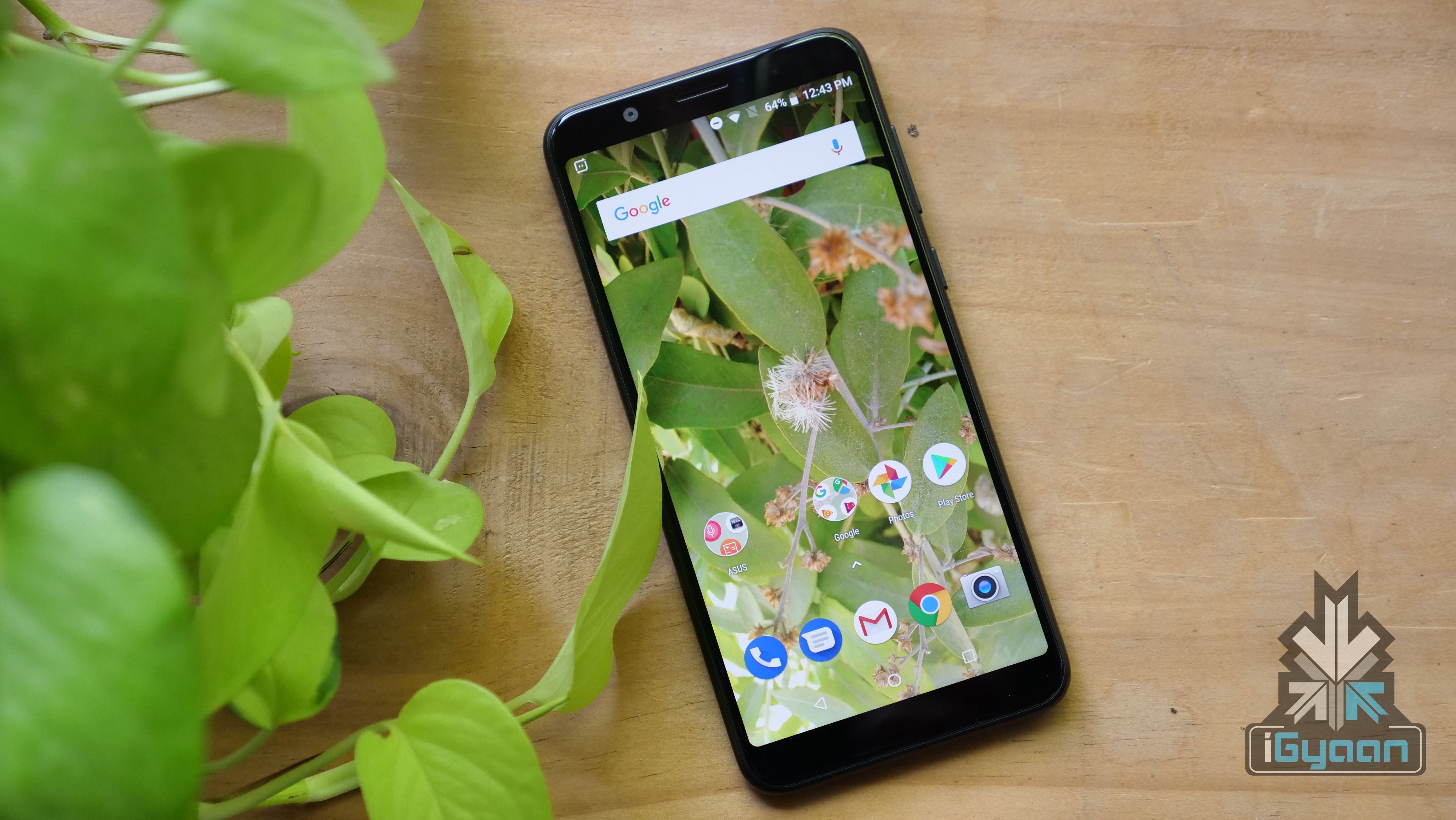
The E5 Plus has a plastic body with a glass finish for the rear panel. Surprisingly enough, Motorola still hasn’t opted for the notch trend. Regardless the phone maintains the 2018 display aspect ratio. The Moto E5 Plus has a 6 inch IPS LCD panel with a resolution of 1440 x 720 pixels. The aspect ratio of the display is set to be 18:9, given that the phone has no notch.
The E5 Plus runs on a Snapdragon 430 SoC under the hood which is a quad-core processor running at 1.4 GHz. The smartphone will be available in one variant only, with 3GB of RAM and 32GB of onboard storage with a dedicated microSD card slot for memory expansion.
The fingerprint sensor on the Moto E5 Plus is rear-mounted and has the Motorola logo embossed into it which gives the sensor a unique look.
The Moto E5 Plus has a single primary 12 MP camera with a f/2.0 aperture which allows you to shoot 1080p videos at 30fps. The secondary camera will be a 5MP camera with a f/2.0 aperture with a front-facing LED flash. The US version of the device will have an 8 MP secondary sensor.
The Moto E5 Plus enters a market segment where smartphones like the Asus Zenfone Max Pro and the Realme 1 are already available, while the E5 Plus has a glass finish over a plastic body. Considering the price segment for which the device is being launched, the smartphone sure packs a lot of punches all the while cutting necessary corners. We already have an unboxing video for the device and will give a final verdict in the full review.
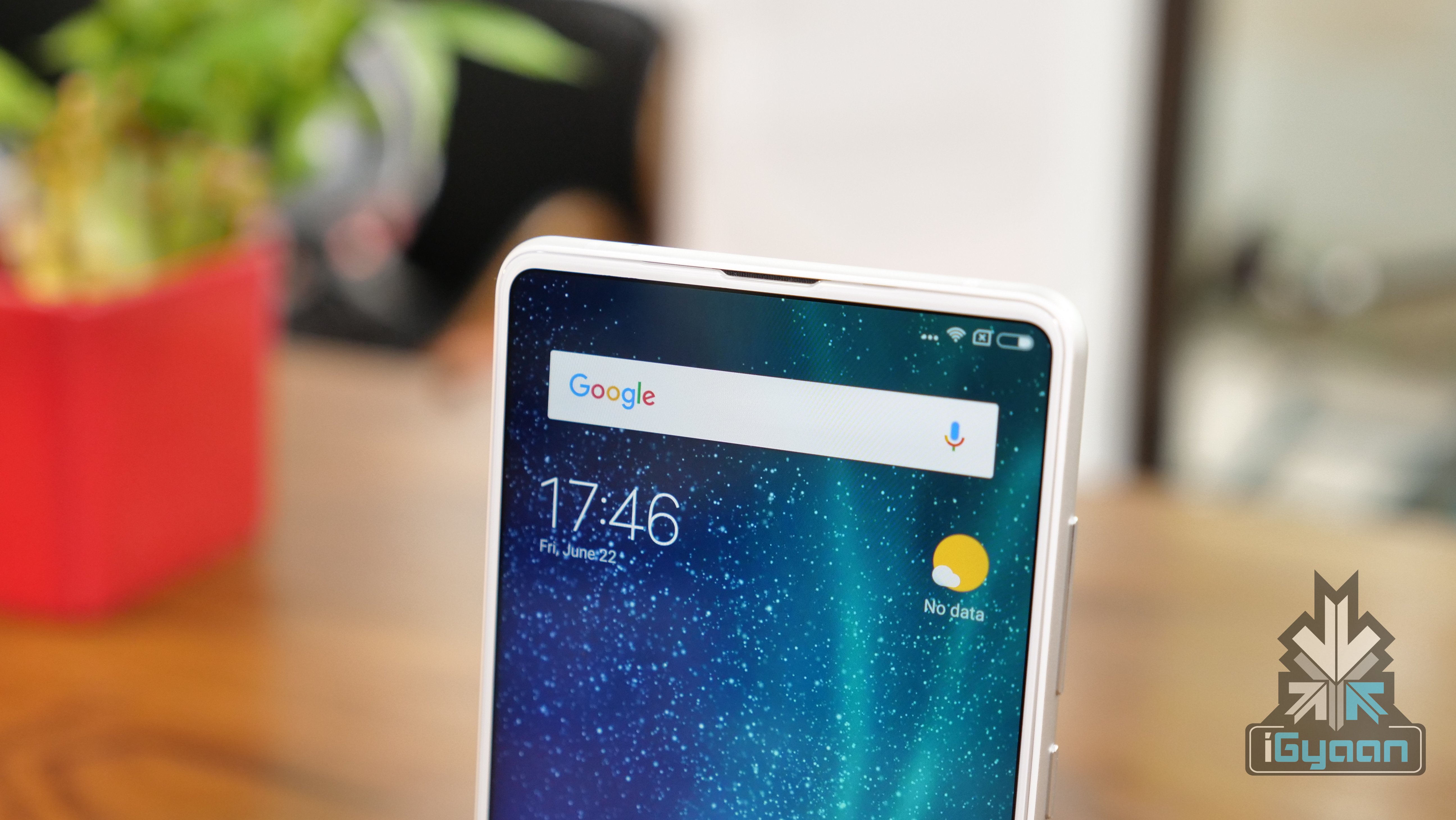
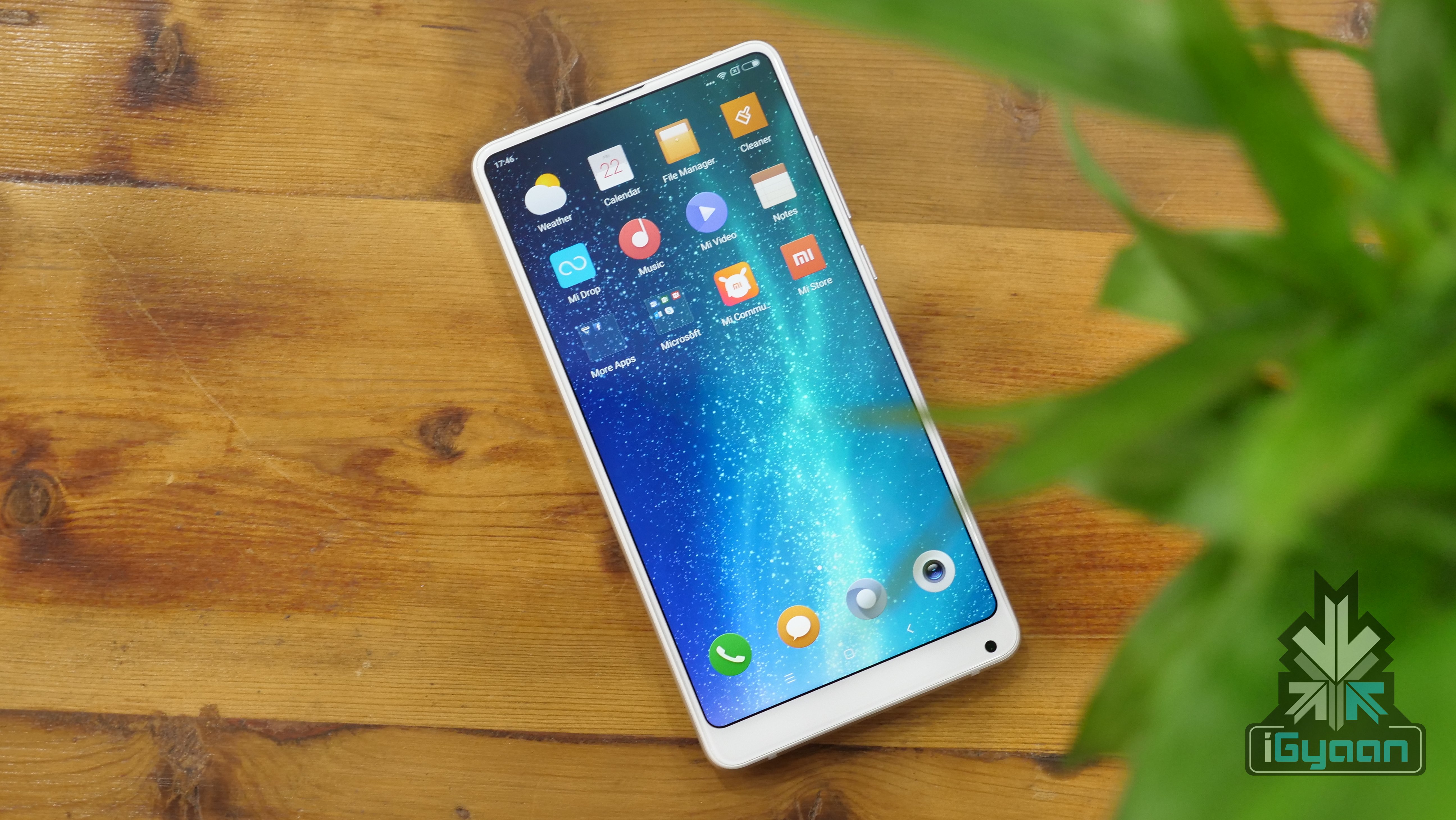
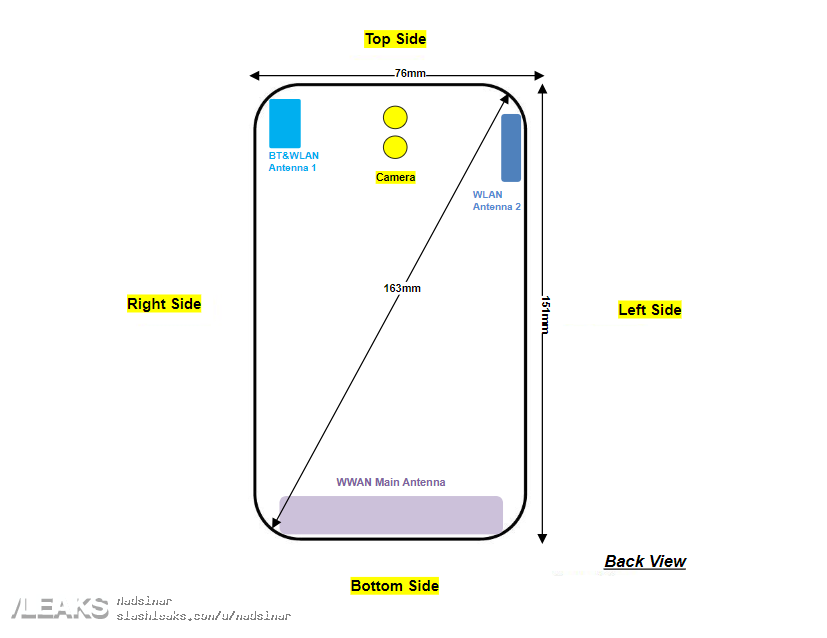
Xiaomi is ready to unveil yet another smartphone globally and the rumor is, that the launch will be for India first. Xiaomi is currently one of the leading smartphone brands in India, this new flagship, according to the leaks, is code-named Beryllium. This phone is expected to have the Qualcomm Snapdragon 845 SoC, making it the third phone from the Chinese manufacturer to feature this chipset. The FCC filing of a similar device reveals that Xiaomi may call this the “Xiaomi Pocophone”.
Xiaomi is known for using code-names for its devices, for instance, the Xiaomi Mix 2s was code-named “Polaris” and the Mi 8 launched on 5th June in China, was code-named “dipper”.
Since Xiaomi has kept the device under wraps, not much is known about it but, the speculations suggest that the smartphone may have a notch display. Not unlike the current smartphone trend. The notch would give the phone at least an 18:9 aspect ratio. The specifications of this Xiaomi device were extracted from the firmware files of the MIUI Global ROM. There is a high likelihood, however, that the specifications may vary when the device is officially launched. Regardless, the following are the alleged specifications of Beryllium as found on a post on XDA Developers.
After the launch of a flagship under the Black Shark name, the Chinese manufacturer has trademarked yet another brand by the name “POCOPHONE”. This could mean that Beryllium may launch under this brand name.
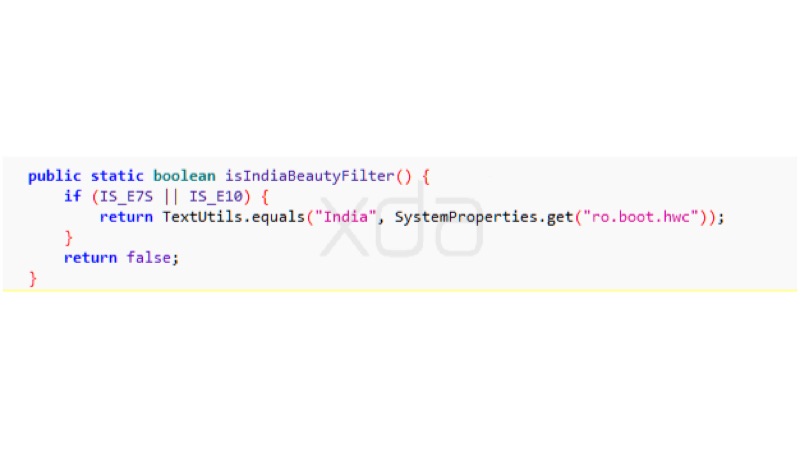
For the Indian customers looking forward to a new flagship from Xiaomi, there is another piece of information which was extracted from the firmware code which may be found only in the Indian variant of the device. The following is a snippet which shows the same. This code checks certain build properties and would return a true value only if it is “India”.
Most of the information about the smartphone is speculated and there has been no official word from the company about its global or even Indian release date for that matter. But we will be keeping an eye out for any further details for the device so stay tuned.
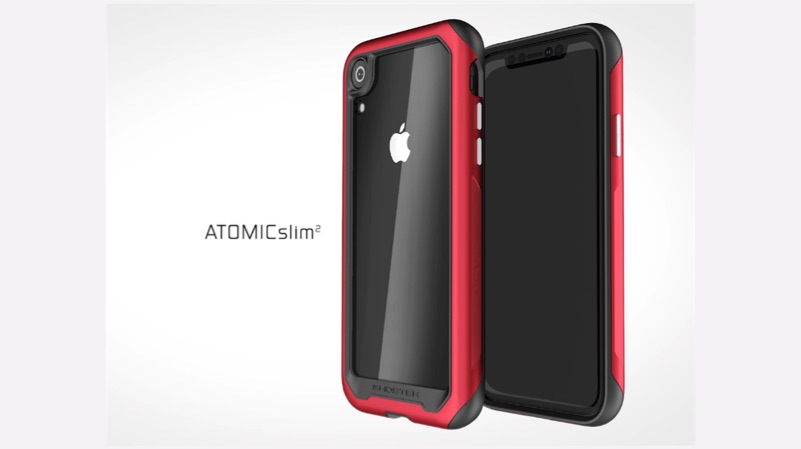
A smartphone case maker out of New York, Ghostek has leaked a design render of a smartphone case which shows an iPhone with a single rear-mounted camera and a display panel with a notch which looks same as the one found on the iPhone X. Apart from the beautiful case, what is also worth noting is that the phone follows the iPhone X design pattern yet it is rumored to be relatively cheaper. While there is no word on what the device will be called, we speculate that it could be the iPhone 9.
iPhone 9 Case Renders
Apple may have finally decided to bring up to speed the entire iPhone lineup, as suggested by image of the Ghostek case. The new device will be priced similar to the iPhone 8 while still retaining features from the iPhone X, primarily the notch.
This is exciting news for the people who wanted the iPhone X experience, but were not willing to spend the high price of the flagship. The iPhone 9 ( as we call it) will still miss out on a few features of Apple’s 2018 flagship, like the decision to stick with a single camera and other features like the portrait mode. It is also rumored that the iPhone 9 will have FaceID but it won’t be the same as the one found on the more expensive 2018 devices.
A few schematics of the phone show that the notch is a little more highlighted on this new iPhone and it will also sport a larger 6.1 inch display in comparison to the iPhone 8’s 4.7 inch display. The dimensions of the phone are said to be about 147.12 x 71.52 mm. To no surprise, the render does not show a headphone jack on this iPhone either.
It should be kept in mind that the device will be released alongside the new flagship iPhone. Nonetheless, we will be closely covering this story till both the phones are released in September this year.
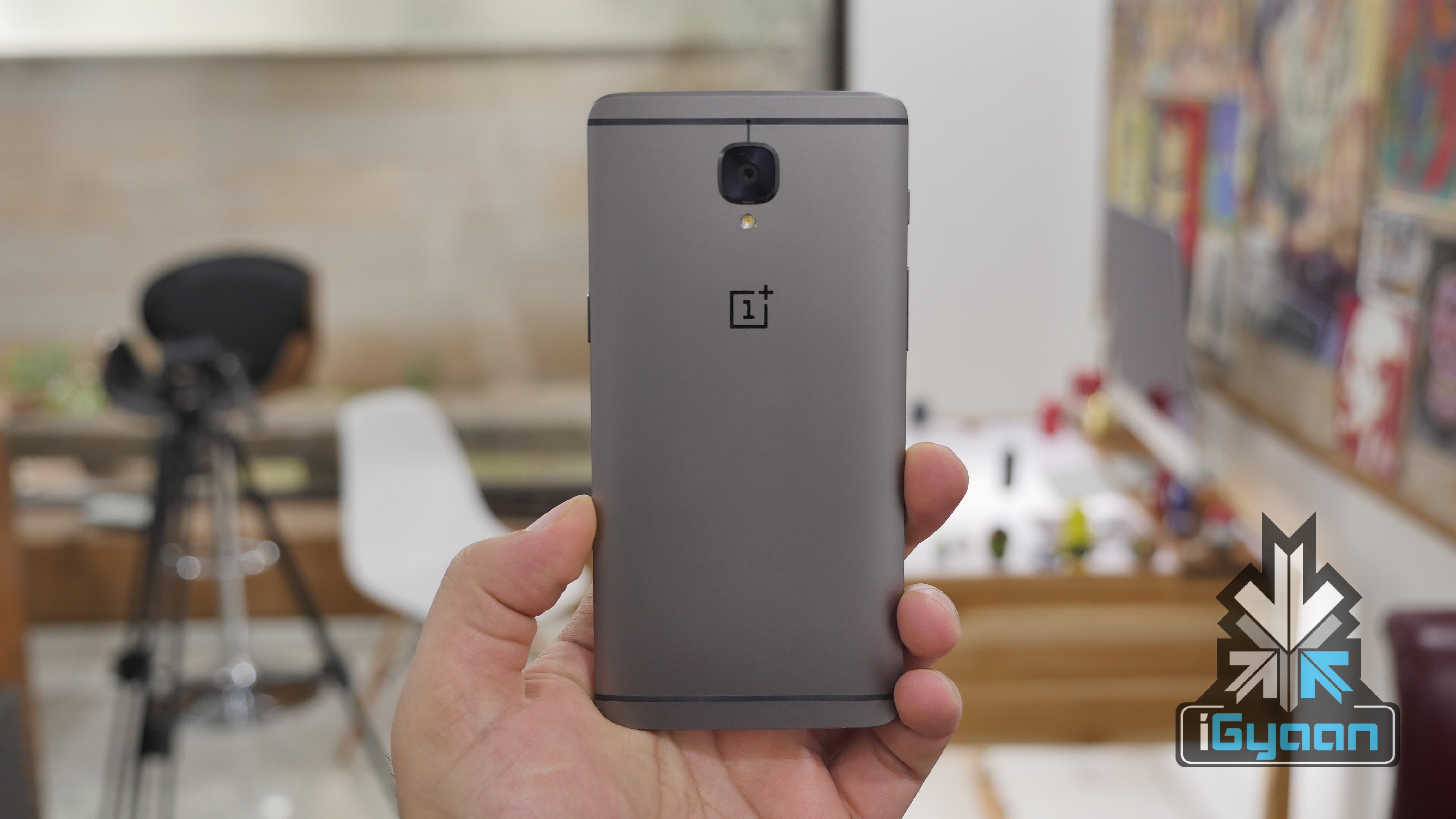
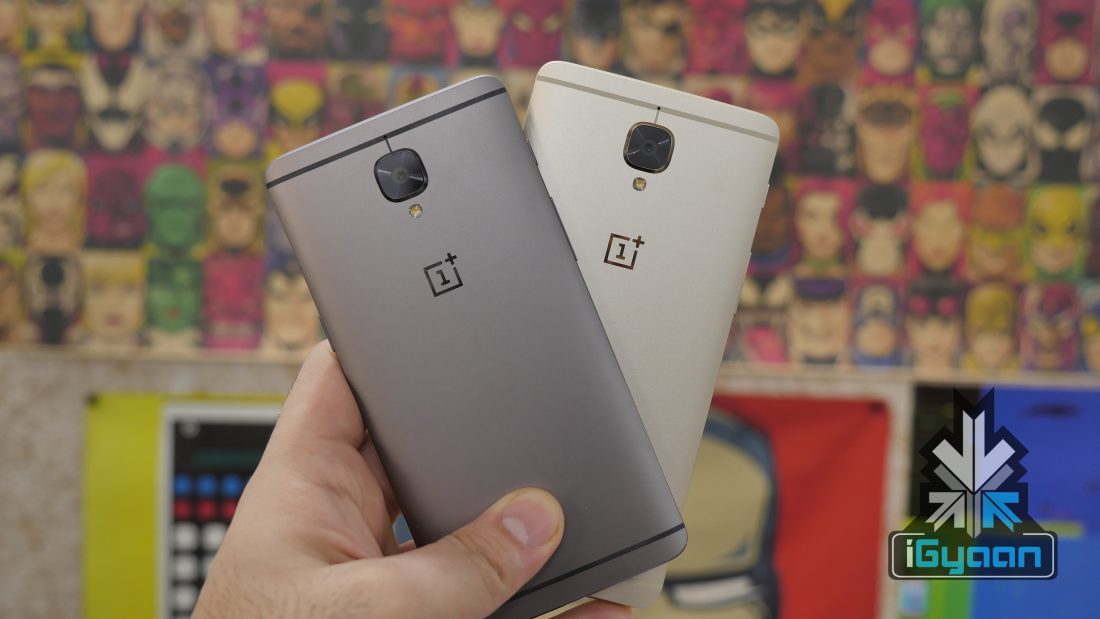
OnePlus has released OxygenOS Open Beta 39 and Open Beta 40 for the OnePlus 3 and the 3T, respectively. These new updates bring a few significant changes to the devices’ software. The users who have opted for the Open Beta will receive an OTA update which requires a standard installation procedure. While the users running the stable build may have to follow certain stepsto sign up for the beta program.
OnePlus 3T
With their latest flagship, the company has yet again taken the smartphone industry by storm. The number of OnePlus 6 sold in India in the first 10 minutes is proof enough that OnePlus has become one of the top smartphone sellers in the nation. However, the brand is not only known for the new devices that it launches but also for the software support it provides for its older devices.
The latest build for both the OnePlus 3 & 3T bring few handy features for those devices. The following is the release note for the updates as posted on the OnePlus forum by a staff member.
Launcher
Improved search tags in App drawer
Added “New installs” category tag in App drawer
Improved app list for hidden space and toolbox
Camera
Optimized switching between front and rear camera
Multimedia
Added capability to scrub/seek through AAC audio file timelines
The app drawer will now have improved search tags and a separate category for newly installed apps along with an improved list for apps in hidden space. The software was also optimized to quickly switch between the front and the rear camera. Apart from these features, under the hood bug fixes were also implemented with these Open Beta updates.
One thing users need to consider is that the Open Beta program is meant to test certain features so it is natural to come across bugs and bottlenecks throughout the operating system. With that said, this program is an efficient way for the company to test out new features and for OnePlus to embrace this idea, will make the usage experience better for its buyers.
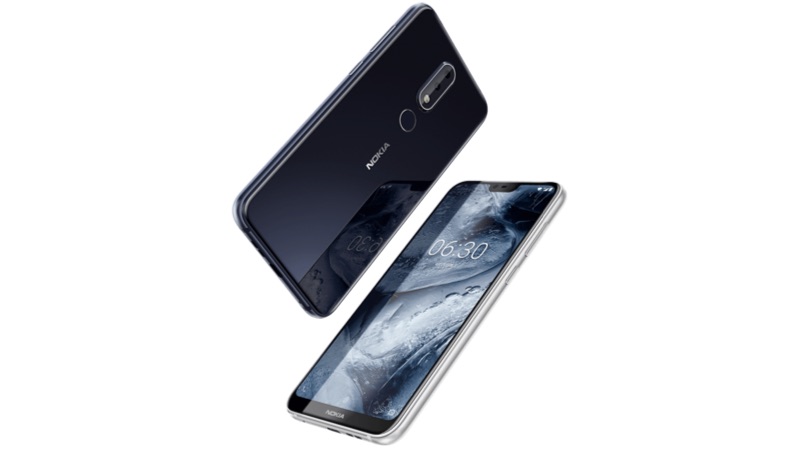
The fresh line of Nokia smartphones launching under the HMD Global umbrella has a new addition, the Nokia 5.1 Plus. Nokia fans witnessed smartphones in the flagship as well as the mid-range section which turned a lot of heads. Smartphones like the Nokia 7, 7 Plus, and the Nokia 8 Sirroco which launched in the month of April this year, have become a benchmark for what the company has to offer. To that list, HMD Global is expected to add a couple more smartphones this month and one of them will be the Nokia 5.1 Plus. The company has teased its launch for the 11th of July in China.
Nokia X6
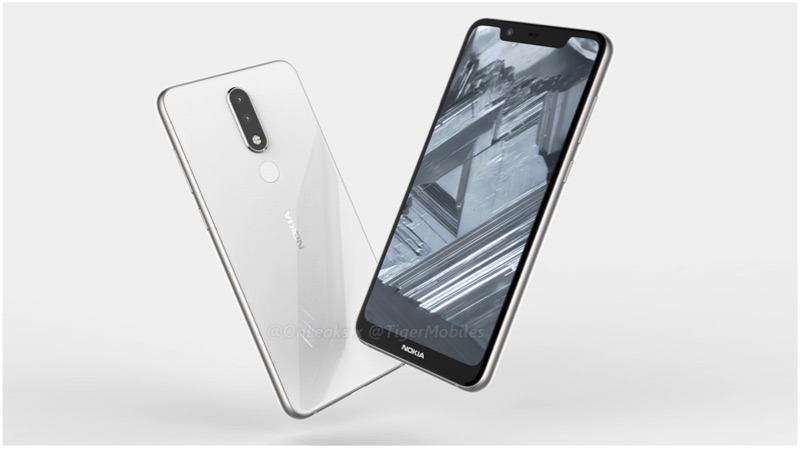
The phone could also launch under the alias of Nokia X5. Leaks for the smartphone started when a poster was released on Baidu. This leak was followed by an official post from Nokia on Weibo which suggests that the Nokia 5.1 Plus is all set to launch in China at 8 PM (IST: 5.30 PM) as the Nokia X5. Nokia 5.1 Plus will cater to the budget-oriented audience as per the leaks, starting at approximately CNY 799 (Rs. 8,300 approx.). Although the phone will sport a notch and an almost bezel-less display, it is still expected to keep the chin which many other Android smartphone manufacturers haven’t been able to get rid of yet.
Nokia 5.1 Plus
We expect that the Nokia 5.1 Plus will launch in 3, 4, and 6GB RAM variants coupled with either 32GB or a 64GB internal storage. The onboard chipset will be an octa-core processor however the chip manufacturer is not yet specified. With that said, if Qualcomm provides the SoC then the phone may have a Snapdragon 600 series processor.
The specifications of the Nokia 5.1 Plus suggest that it might be a mid-range smartphone. The phone is expected to have a 5.86-inch display and a 19:9 aspect ratio. This is rumored to be an HD+ TFT panel which puts the resolution at 1520 x 720 pixels. The smartphone is expected to have a rear-facing dual camera setup consisting of a 13 MP primary and an 8MP secondary sensor. There is no word on whether these cameras will have any sort of image stabilisation technology but, given the price range of the device, we speculate that there won’t be any.
In the budget-oriented line of smartphones, the competition for manufacturers is a tough nut to crack. Especially with Xiaomi leading the Indian market in the mid-range sector, it will be interesting to see how the Nokia 5.1 Plus fairs against the competition and whether the company decides to launch it in India in the first place.
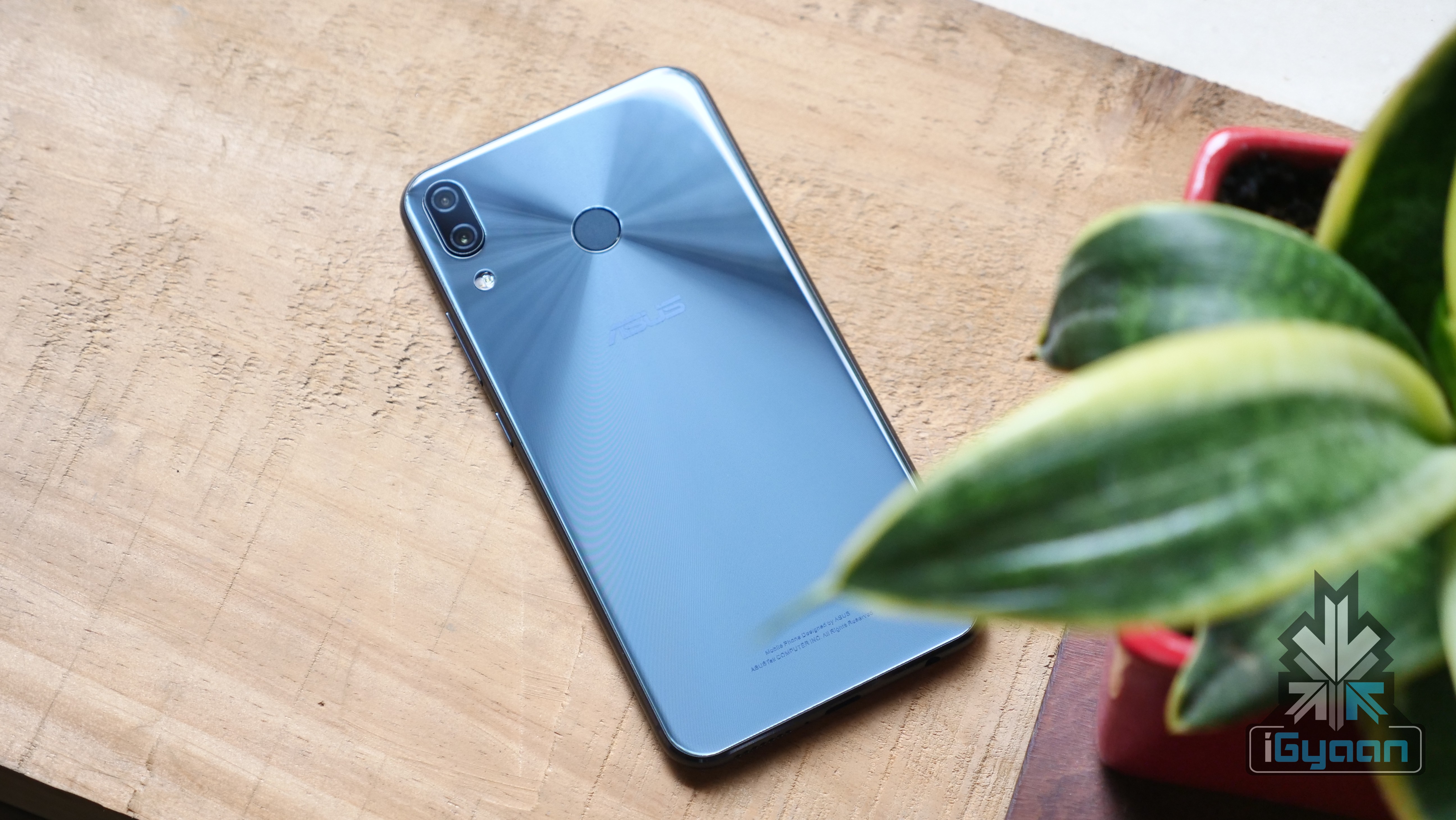
On 4th July, Asus launched its latest flagship device, the Asus Zenfone 5Z in India. The smartphone retails for a starting price of Rs 29999 and is available in three variants. With a competitive price and flagship specifications, the Zenfone 5Z has a lot going on for it, especially when compared to the OnePlus 6. The device has gone on sale via Flipkart and to everyone’s satisfaction, the smartphone is available via an open sale.
Flash sale has peeved a lot of Indian consumers over the past couple of years. Xiaomi still does it with most of its smartphones and OnePlus used to do it till not very long ago. The Asus Zenfone 5Z will be available at all times for consumers to buy. This essentially means that the OnePlus 6 has no advantage over the 5Z, in terms of accessibility at least. At this price, it was expected that Asus would go the Zenfone Max Pro route and sell the latest flagship smartphone via flash sales.
Asus Zenfone Max Pro
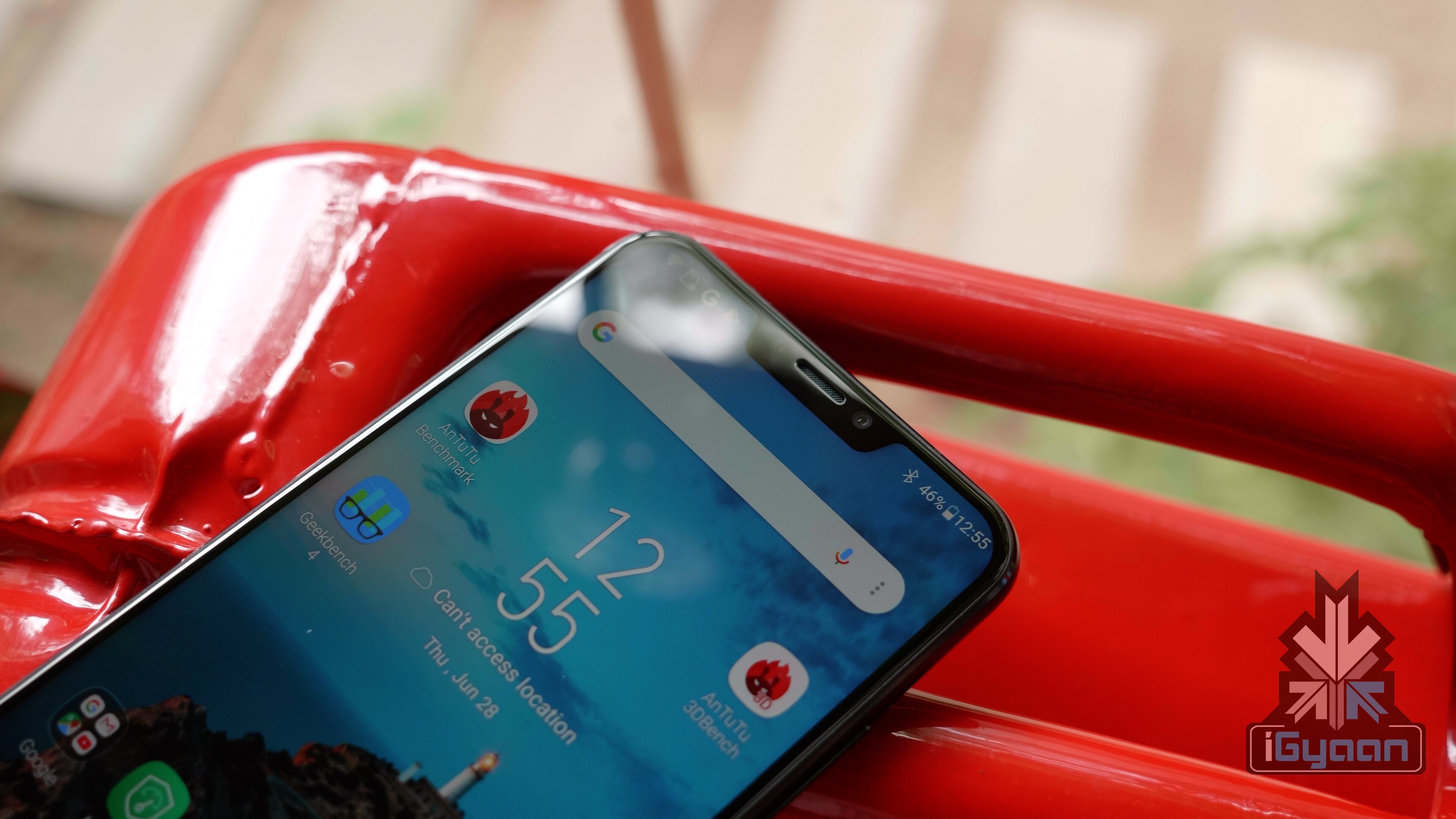
The Asus Zenfone 5Z has a 6.2 inch Super IPS+ display with a 2246 x 1080 px resolution. This translates into a 19:9 aspect ratio, just like the OnePlus 6 which also has a 19:9 aspect ratio.
Under the hood, the smartphone runs on the Qualcomm Snapdragon 845 chipset. The flagship chipset is coupled with either 6GB or 8GB of RAM. In India, the Zenfone 5Z will retail in three models, one with 64GB of storage, the second one with 128GB storage coupled with 6GB of RAM. The third variant has 256GB of onboard storage and 8GB of RAM. The onboard storage will be expandable up to 2TB via a microSD card which will use up the second SIM slot.
The Zenfone 5Z has all the features of a flagship smartphone. Moreover, it severely undercuts the OnePlus 6 and Honor 10 in terms of pricing. The OnePlus 6 retails for Rs 34999 while the Honor 10 is priced at Rs 32999. At a starting price of Rs 29999, the Zenfone 5Z gives consumers a lot to think about before buying their next flagship smartphone.
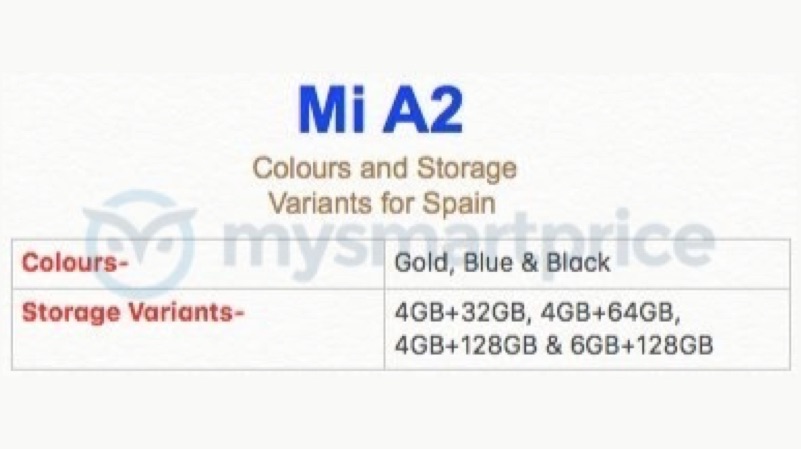
The Xiaomi Mi A2 has been subject to a lot of speculations over the past few weeks. With the Mi 8 launch in the past, the Mi A2 is the next big smartphone to launch in global markets, especially India. The successor to the Mi A1 has been highly anticipated in India and will be one of the most sought-after budget devices. A new leak has revealed the colour and storage variants of the Mi A2 which will be available in India and other countries.
According to the leak, the Xiaomi Mi A2 will be available in four variants. The most affordable one will have 4GB of RAM and 32GB of onboard storage, the second on the list will have 64GB storage and the same RAM. The third variant on the list will have 6GB of RAM and 64GB storage while the most premium variant will have 6GB RAM and 128GB of onboard storage.
It is worth noting that the Mi A2 will essentially be the recently launched Mi 6X but, with stock Android. It does appear that Xiaomi has tweaked things for the global variant since, in China, the Mi 6X did not launch in a 32GB storage variant. This also means that we might see the beloved 3.5mm headphone jack make an appearance on the Mi A2. The Xiaomi Mi 6X does not have a headphone jack and in India, this might not go down well with the consumers.
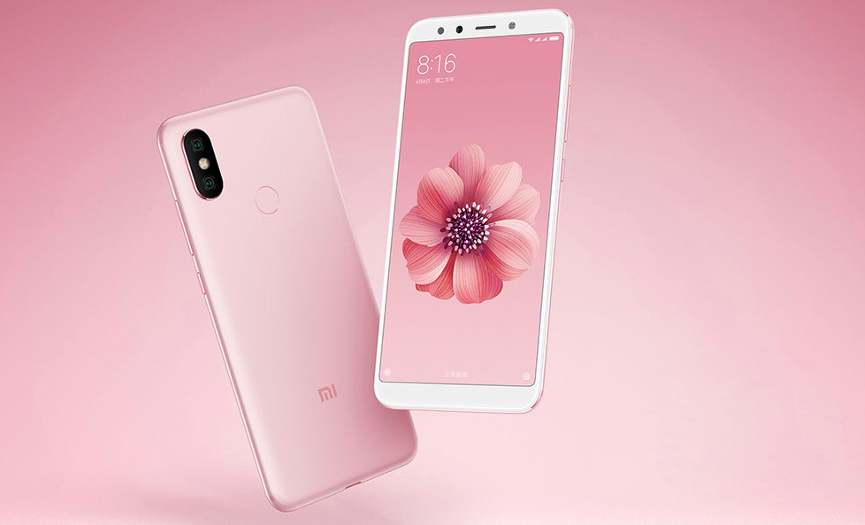
Mi 6X Pink Variant
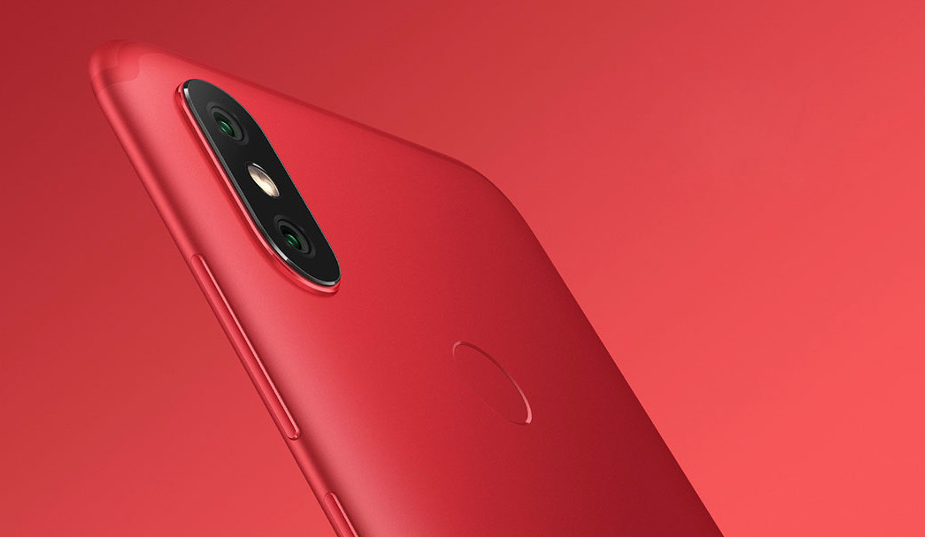
Another aspect of the Xiaomi Mi A2 revealed in the leak is the colour options. The smartphone will be available in Gold, Blue and Black colour variants in India. In China, the Mi 6X also available in a Red and Pink colour variant which might not make their way to the Indian market. However, looking at the marketing strategy of many smartphone makers, Xiaomi could launch a special red colour edition a couple of months after the Mi A2 launch.
While the company has not officially confirmed the launch of the Xiaomi Mi A2, a July 25th launch is scheduled in Spain. The Mi A2 is expected to be the star of the show while the Mi Band 3 could also see its global unveiling.
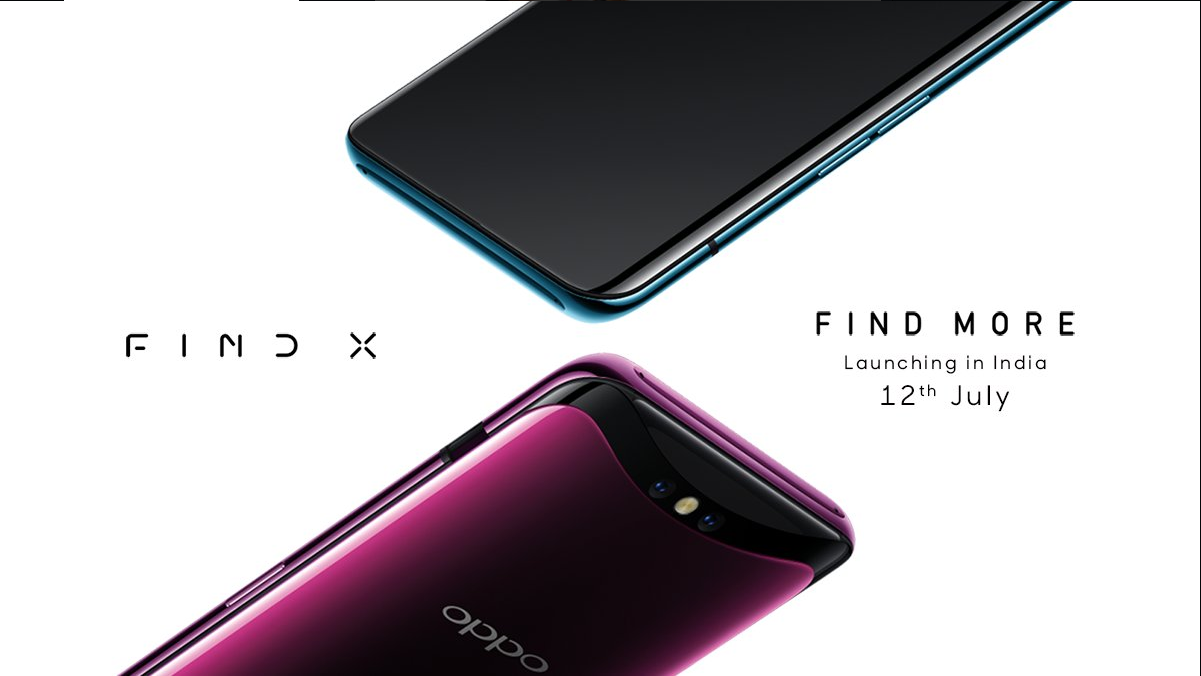
A truly bezel-less smartphone is the dream we all have. We have seen smartphones mimicking the look of a bezel-less smartphone but, we are still quite a distance away from that sweet 100% screen-to-body ratio. But, that doesn’t mean smartphone makers aren’t making advancements toward that future. OPPO, the popular Chinese smartphone maker is the new entrant to the race for the highest screen-to-body ratio with the OPPO Find X. The unique smartphone was recently launched in China and is set to launch in India on July 12th.
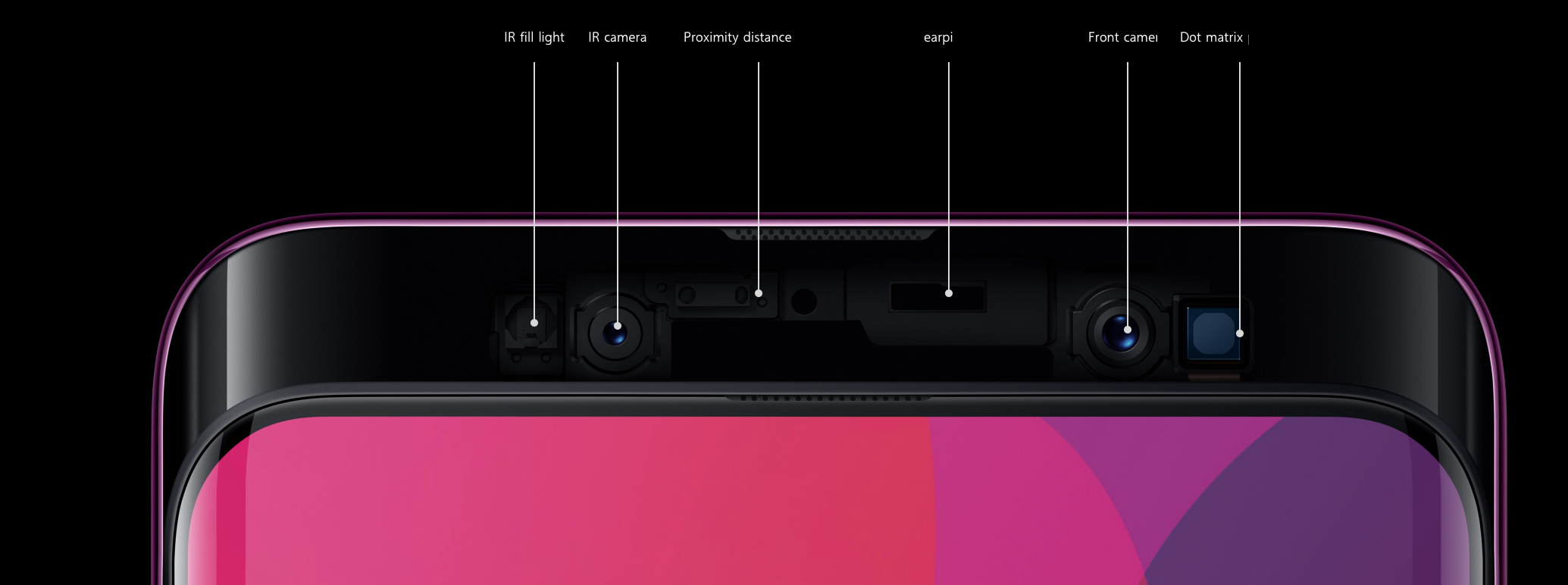
The highlight of the OPPO Find X is its design. To achieve a high screen-to-body ratio, the company decided to move the front camera behind the display. However, we still don’t have the technology to embed a camera under the display. To counter that, the company took a page from the Vivo NEX S handbook and went for a pop-up camera. However, unlike the NEX S, the pop-up mechanism houses both the front camera and a rear facing dual camera setup.
Face Unlock Mechanism
Interestingly, the OPPO Find X misses out on a fingerprint sensor. It instead uses Face Unlock which is a bit more advanced than the software-based Face Unlock found on modern day devices. This means that the camera would pop-up a lot more than the NEX S. Hence, the durability of the mechanism can be questioned. OPPO conceded that the pop-up mechanism was tested to 300,000 slides, and the company says that the average person unlocks their phone 100-150 times a day. This means that durability won’t be an issue for at least 5 years.
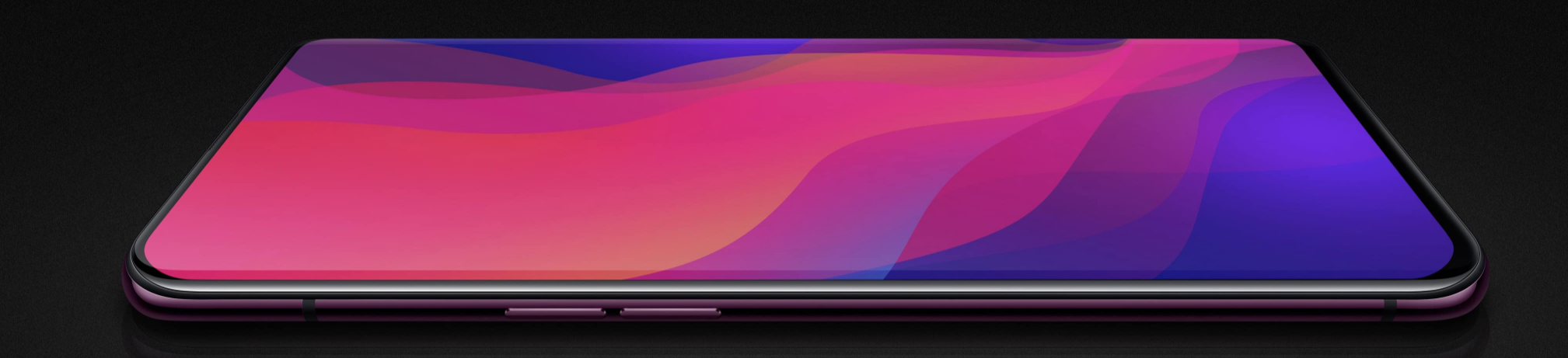
With the slider doing the bulk of the heavy lifting usually dedicated to the bezels, the front of the smartphone is almost entirely made of a 6.4 inch OLED display with a 2160 x 1080 px resolution. The company claims that the screen-to-body ratio stands at 92.5%.
Under the hood, the smartphone runs on the Qualcomm Snapdragon 845 chipset coupled with 8GB of RAM and 256GB of storage. Powering the smartphone is a 3730 mAh battery with support for VOOC fast charging. Out of the box, the smartphone will run Android 8.1 Oreo with ColorOS 5.1 on top of it.
The sliding module houses a 16MP and a 20MP rear facing dual camera setup. The smartphone is capable of recording 4K videos at 30fps but, we know that the chipset can handle 4K videos at 60fps. The camera on the front is a 25MP sensor with an f/2.0 aperture.
The OPPO Find X retails in Europe for 999 Euros which translates to about Rs 80000. However, that is not how the pricing of smartphones is done and the device could launch at a lower price in India. The pricing will be announced at the launch event is just a few days.
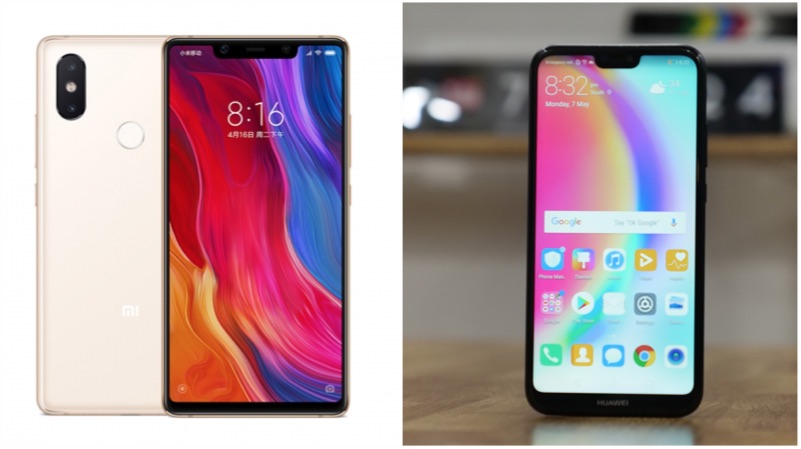
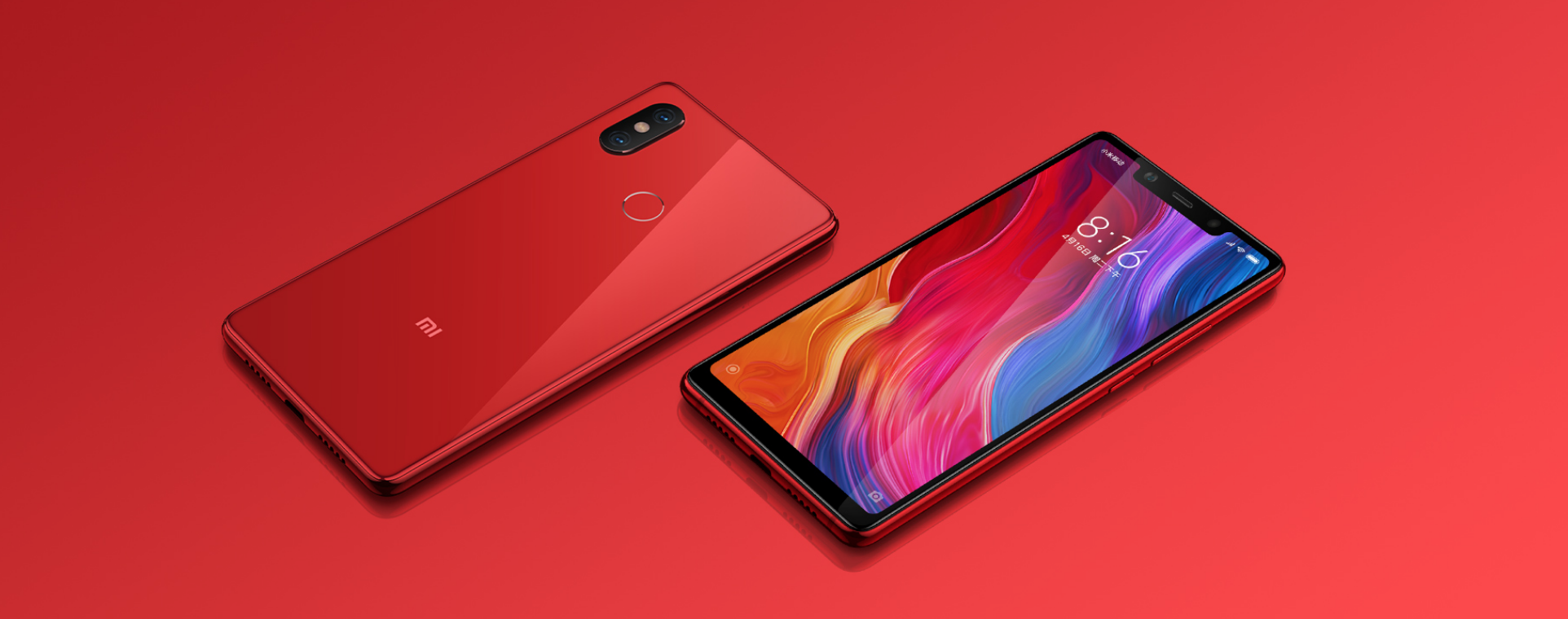
Xiaomi recently launched the Mi 8 and the Mi 8 Explorer Edition at an event in China. While the two flagship devices grabbed deserved headlines, the Mi 8 SEwas also unveiled at the same event. The new budget smartphone from Xiaomi is likely to launch in India in the coming months as the company prepares the Mi 8 launch for India as well. If launched in India, the Xiaomi Mi 8 SE will compete with the Huawei P20 Lite for the best smartphone for Rs 20,000.
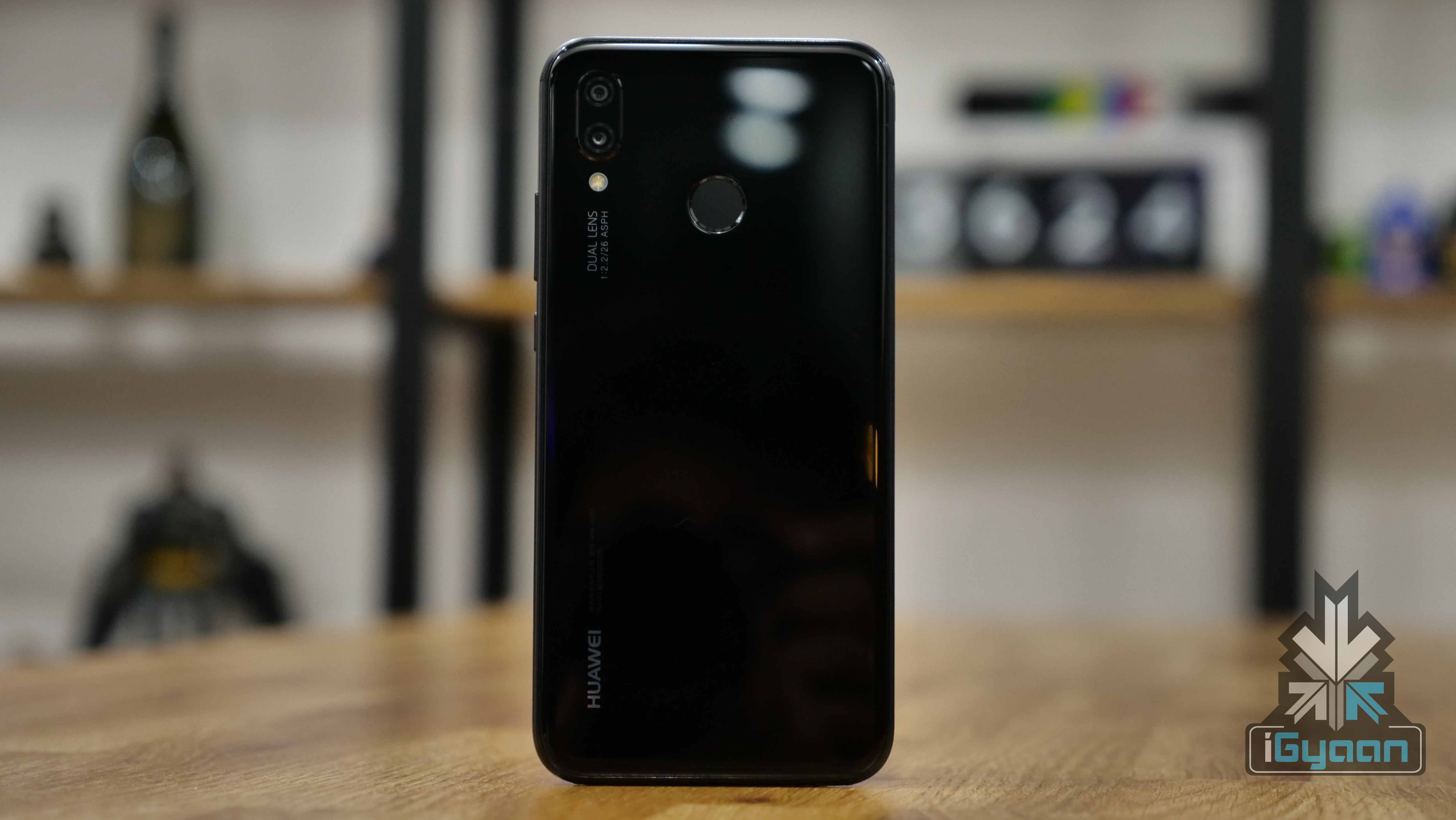
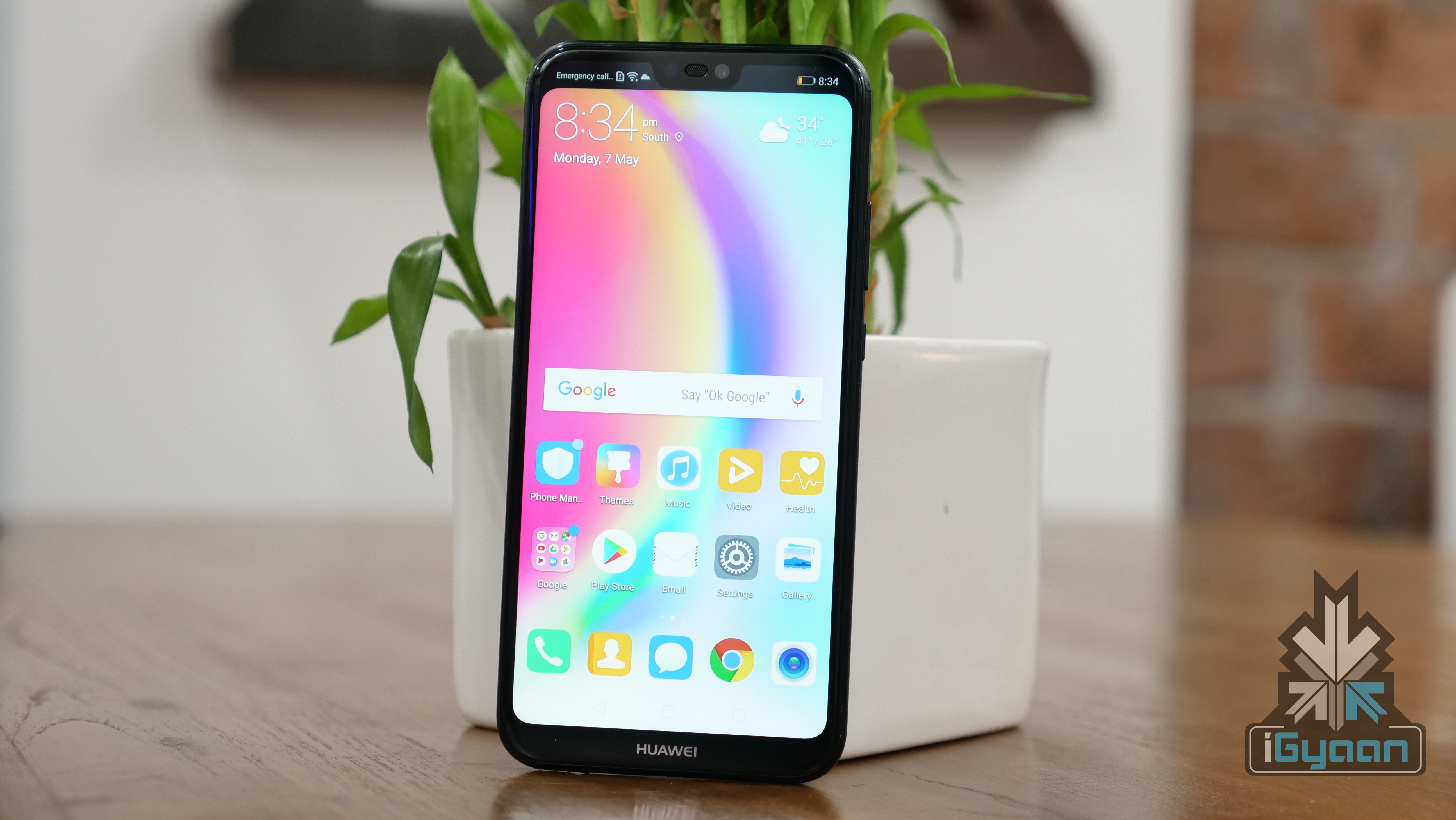
The Huawei P20 Lite was launched in India along with the Huawei P20 Pro. Just like the Mi 8 SE, the P20 Lite was overshadowed by its bigger sibling. However, the P20 Lite continues to be one of the best smartphones for the price range. The P20 Lite is priced at Rs 19999 in India. The Xiaomi Mi 8 SE is priced at CNY 1,799 (Rs 19000 approx.) for the 4GB RAM variant and CNY 1999 (Rs 21000) for the 6GB RAM variant.
The Mi 8 SE has a 5.88 inch Super AMOLED display with a 2248 x 1080 px resolution. The aspect ratio is 18.7:9, which is the same as the Mi 8. The P20 Lite, on the other hand, has a 5.84 inch LTPS IPS LCD display with a 2280 x 1080 px resolution. Both the smartphones have glass on the front and back with an aluminium frame.
The P20 Lite runs on the HiSilicon Kirin 659 chipset which is coupled with 4GB of RAM and 64GB of storage. The Mi 8 SE, however, runs on the Qualcomm Snapdragon 710 chipset. It is worth noting that the Xiaomi Mi 8 SE is the first-ever smartphone to be powered by Qualcomm’s new mid-range chipset. The Mi 8 SE is available in two variants, one with 4GB RAM and 64GB storage and the other one with 6GB of RAM and 128GB of onboard storage.
Both the smartphones stray away from the popular stock Android interface. The P20 Lite runs EMUI 8.0 on top of Android 8 Oreo while the Mi 8 SE runs MIUI 9.5 on top of Android 8 Oreo. The P20 Lite is powered by a 3000 mAh battery with support for SuperCharge. The Mi 8 SE is powered by a 3120 mAh battery with QuickCharge 3.0. Both the devices have a USB-C port which is great in budget phones, especially. The Xiaomi Mi 8 SE does miss out on a headphone jack.
The Xiaomi Mi 8 SE has a 12MP RGB sensor with an f/1.9 aperture mated with a 5MP depth sensor with an f/2.0 aperture. To the front is a 20MP camera with a 2-micron pixel size and f/2.0 aperture. The P20 Lite has a 16MP primary sensor with an f/2.2 aperture coupled with a 2MP depth sensor. On the front is a 24MP camera with an f/2.0 aperture. Both the front and back cameras record 1080P videos while the front camera also has 3D Portrait Lighting, similar iPhone’s Portrait Lighting.
The Xiaomi Mi 8 SE is a popular choice in India. Its pricing and specifications suit the Indian market as well, something Xiaomi would be aware of. The P20 Lite offers a great design and specifications and is readily available in India. Huawei would hope that Xiaomi doesn’t launch the Mi 8 SE in India and the P20 Lit continues to have a free run at the 20K category.
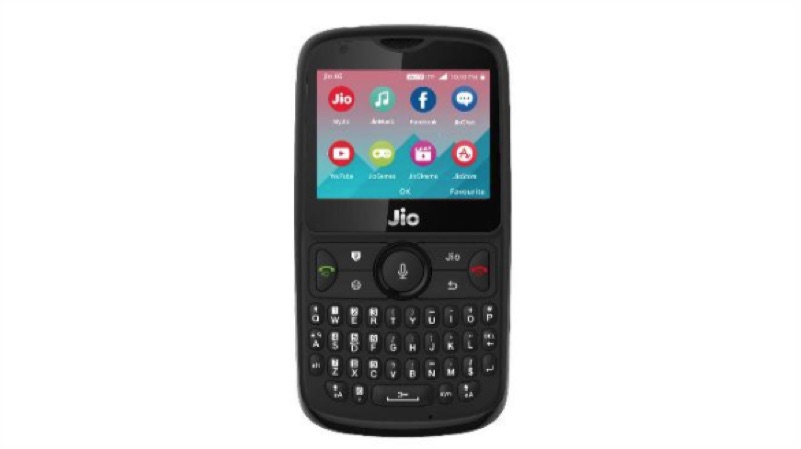
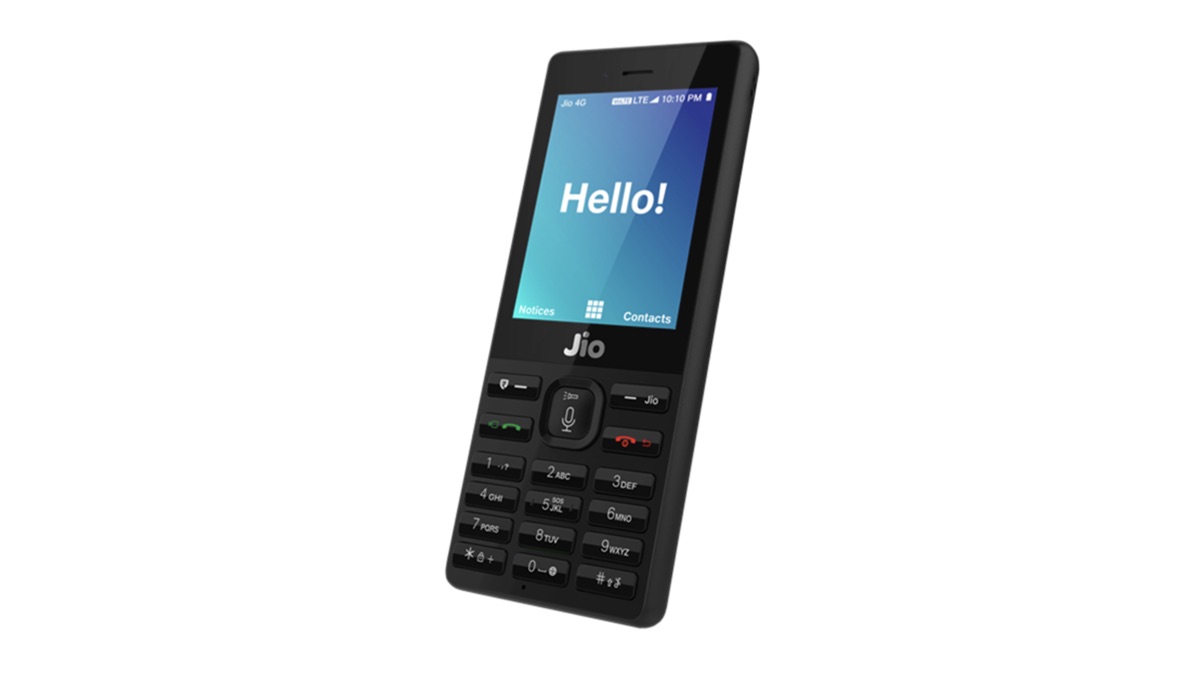
Almost a year after announcing its first-ever feature phone, Reliance Industries Limited has unveiled the JioPhone 2. The new smart feature phone will retail for Rs 2999 from August 15th and is an upgrade over the JioPhone. In 2017, the JioPhone grabbed the headlines for being “effectively” free of cost. The JioPhone 2, however, will be marketed as a smarter alternative to the JioPhone.
One of the highlights of the JioPhone 2 will be its support for popular applications like YouTube, WhatsApp and Facebook. The JioPhone will get a FOTA update on August 15th which will also bring in support for these applications. RIL has also made it clear that the JioPhone won’t be phased out now that its successor has launched. The JioPhone will co-exist and continue to be the effectively free phone.
One of the key changes in the JioPhone successor is the keyboard layout. The JioPhone 2 features a QWERTY keyboard, made popular by BlackBerry and Nokia phones in the pre-Android and iPhone days. RIL says that this decision stemmed from the customer feedback which also called for a horizontal viewing display. The JioPhone 2 serves both the purposes and is powered by a 2000 mAh battery. In terms of connectivity, the JioPhone 2 has 4G, VoLTE, VoWiFi, 3.5G, 2G, WiFi, LTE Cat4 DL, Radio, Bluetooth, GPS, and NFC.
Out of the box, the JioPhone 2 will run KaiOS, based on Firefox OS. Google recently invested US$22 million in the platform and the OS should benefit from that. Google apps might be coming to the platform as well in the future. Apart from that, Google had announced that the JioPhone will soon get Google Assistant, and the same can be expected for the JioPhone 2.
The JioPhone 2, at a price of Rs 2999 and all the benefits of Jio should be a great deal for people still in the feature phone ecosystem. The presence of apps like YouTube should benefit the consumer and the platform as well since there are millions of feature phone users in India still.
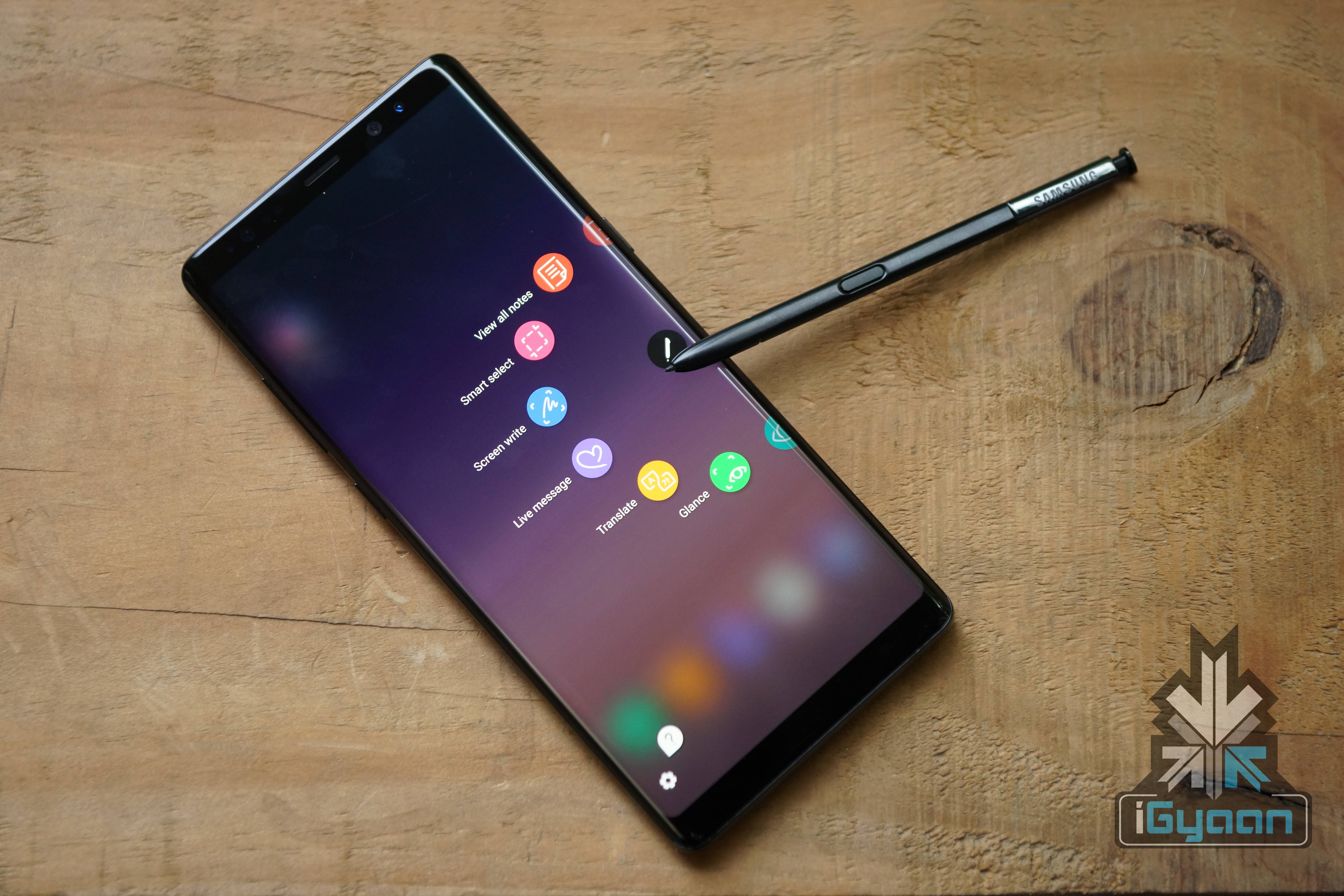
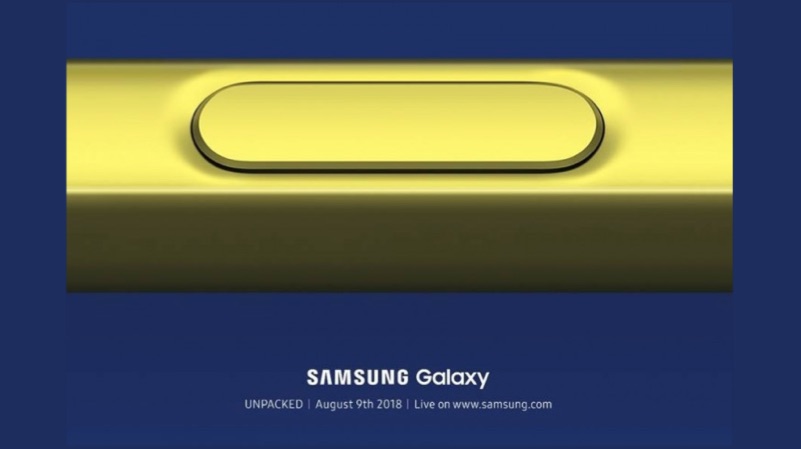
In the second half of 2018, Samsung will host one of the three most anticipated global launch events. On August 9th in New York, the Samsung Galaxy Note9 will be unveiled. By the leaks of it, the Galaxy Note9 doesn’t look like much of an upgrade over the Galaxy Note8. The design is expected to remain similar while the specifications will get the usual upgrade. However, it appears that the S Pen will get a huge upgrade over its previous version.
The documentation filed by Samsung with the FCC reveals that the S Pen will have Bluetooth connectivity. This is a feature we haven’t seen in the stylus before and should open a huge prospect for the S Pen and its usage. A popular Samsung leaker, Ice Universe also delved into the possible feature of the S Pen.
The Galaxy Note9 SPen can be used to control long-range self-timer, control music playback, because it is a Bluetooth device, it will do something unrelated to the pen. pic.twitter.com/WPS83xUskq
As mentioned in the tweet, the S Pen for the Galaxy Note9 will do much more than editing or writing notes. Thanks to Bluetooth, it can be used to control music playback and timers, among other things. The S Pen could also be paired with third-party devices that can use a stylus, or have features that can be controlled with a button. The button could also be used to trigger Bixby. And maybe, Samsung will get rid of the Bixby button although, renders suggest otherwise.
Apart from the S Pen upgrade, the Galaxy Note9 will follow in the footsteps of the Galaxy S9. The Galaxy S9 for a mere incremental upgrade over the Galaxy S8 and similarly, the Galaxy Note9 will also be an incremental upgrade. That is if the leaks so far turn out to be true. Nothing is official until Samsung’s launch event kicks off in just over a month’s time.
The OnePlus 6 was launched in India on 17th May at a starting price of Rs 34999. Apart from its specifications and design, one thing a lot of consumers were satisfied with, was the presence of the headphone jack. OnePlus continues to be one of the last few smartphone makers to stick with the beloved 3.5mm headphone jack as the industry, at large, prepares us for a wireless future. However, OnePlus did consider removing the headphone from the OnePlus 6.
OnePlus recently showed off a slew OnePlus 6 prototypes to PCMag. Apart from the range of colour variants on display, an interesting aspect was that some prototypes did not have a 3.5mm headphone jack. Considering that OnePlus also launched its first-ever pair of Bluetooth earphones, it isn’t a giant leap to assume that removal of the headphone jack was discussed. And this poll might have helped tip the decision in favour of the headphone jack.
With the Bullets Wireless earphones being praised for their price to performance ratio, it does seem like the company is preparing its loyal users for a headphone jack-less OnePlus device. However, it is anybody’s guess for now when that will happen. The OnePlus 6T is expected to launch in the fourth quarter of 2018 but, it is not likely that the company will pull the plug on the headphone jack so soon.
The colour variants on display also give us an insight on how many prototypes a company goes through before choosing one variant. OnePlus even had a colour shifting variant like the Huawei P20 Pro on display. However, one of the engineers conceded that it was never a part of the discussion about the OnePlus 6 colour variants. It was merely a representation of what the engineering team was capable of producing.
Apple’s decision to remove the headphone jack in 2016 was not a very popular one. However, two years on and the industry, more or less, has complied. OnePlus will also soon get rid of the port as it increases its Bluetooth accessories portfolio.
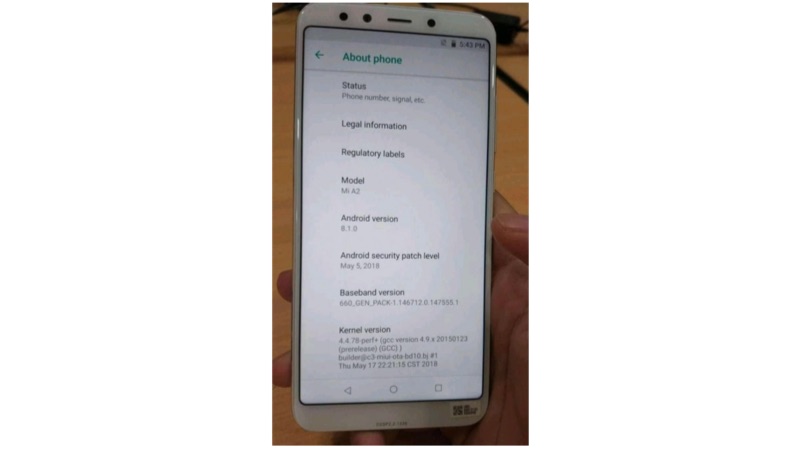
The Xiaomi Mi A2 is one of the most anticipated budget smartphones in India. Its predecessor, the Mi A1 was one of the best budget devices of 2017 hence, a lot is expected from the Mi A2. Xiaomi appears to be moving at its own sweet pace in making the smartphone official even though we have had a number of leaks confirming almost everything there is to know. A new leaked image reveals the ‘About’ screen of the Mi A2, revealing the Android version it’ll run and a few other details.
The image confirms that the Mi A1 successor will indeed be the Mi A2 and not Mi A1 (2018) which many suspected. This makes sense for Xiaomi especially if the company wants to make this a prominent series of smartphones in India. Just changing the year in the moniker of the device will be cumbersome. The image also confirms that the Mi A2 will run the latest version of Android, Android 8.1 Oreo.
We already know that the Xiaomi Mi A2 will essentially be the Mi 6X but, with stock Android. This means that the smartphone will run on the Snapdragon 660 chipset. The image is also in line with this assumption. The Mi A2 will have bezels like the Redmi Note 5 Pro and the one in the leaked image has white bezels around the display.
The Xiaomi Mi A1 was launched in India in September 2017. However, the Mi A2 is expected to go on sale in India in the month of August. This means that the smartphone should be announced sooner rather than later. With the budget smartphone market seeing new entrants like the Realme 1 and Asus Zenfone Max Pro, Xiaomi will have to nail the pricing of its Android One smartphone.
Asus has launched its latest flagship smartphone, the Zenfone 5Z in India. While the device is impressive, hands down its most attractive quality is its price. It will go on sale in India on 9th July at a starting price of Rs 29999. Another Asus device that has grabbed the headlines recently is the Asus ROG gaming smartphone, which was recently announced at Computex in Taipei. It has now been confirmed that the new gaming smartphone will launch in India in Q3 of 2018.
Speaking at the launch event of the Zenfone 5Z in New Delhi, Asus CEO Jerry Shen conceded that Asus has plans on launching the ROG phone in India in the third quarter of 2018. This essentially means that the device will launch in India before September ends.
For sure, we will launch the ROG phone here in India. I cannot tell you the exact date, but it will arrive in Q3. It is already Q3, so we have three months to do so.
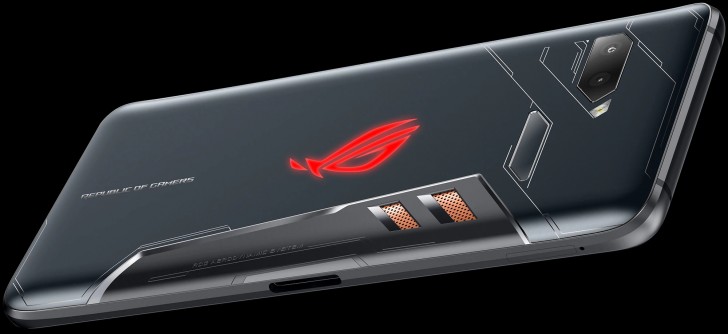
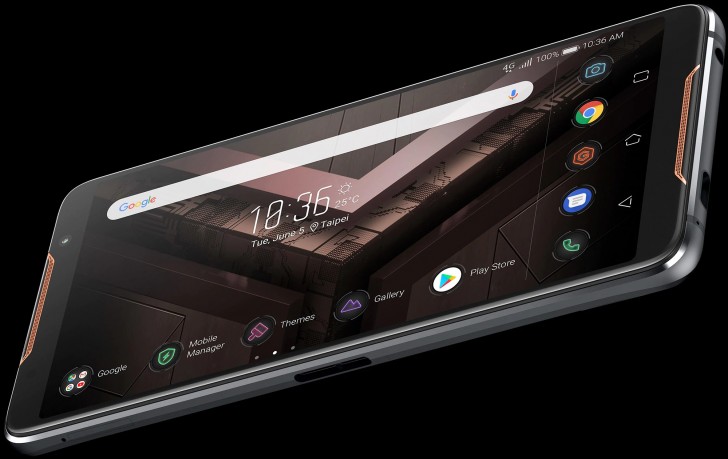
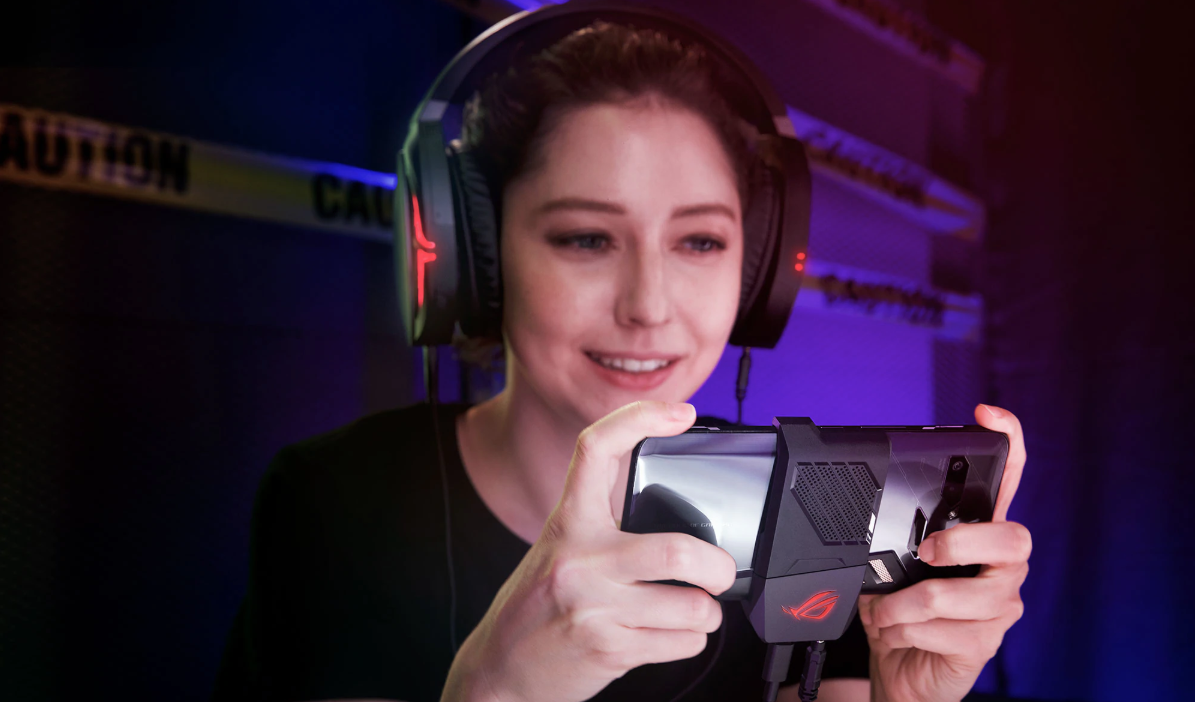
From the images of the smartphone, at least, the Asus ROG phone looks like a quintessential gaming device. The ROG logo at the back has RGB lights which can be customised and be used as a notification light as well. The all-glass build is in line with modern flagship smartphones. The fingerprint sensor has a unique shape and gives off a very gamer vibe. Even the speakers have a unique placement, to make sure the sound is muffled while playing games in landscape mode.
The Asus ROG (Republic Of Gamers) smartphone has a 6 inch AMOLED display with a 2160 x 1080 px resolution and a 90Hz refresh rate. Unlike the Zenfone 5Z, the ROG smartphone does not have a notch. Asus has certainly worked a lot on the display of its gaming device. The screen has a 1ms response rate, 1000:1 contrast ratio and a 108.6% DCI-P3 colour gamut. Moreover, thanks to a distinct image processing chipset, the display has HDR playback capabilities.
Under the hood, the Asus ROG smartphone is powered by the Snapdragon 845 chipset specifically overclocked to 2.96GHz (compared to 2.8GHz). The overclocked chipset is coupled with 8GB of LPDDR4 RAM, and 512GB of UFS onboard storage. To deal with the overheating caused due to intensive usage (something the phone is built to do), it has a vapour cooling system called GameCool. It uses a copper heat spreader and a 3D vapour chamber to transfer heat away from the processor and disperse it evenly around the body of the device.
Powering the smartphone is a 4000 mAh battery which charges via a USB C port. Out of the box, the ROG smartphone will run Android 8.1 Oreo. Apart from the USB C port and a headphone jack at the bottom, the device also has an accessory port on the left in the centre. This port can be used for charging the device while gaming so that the cable doesn’t hinder your gaming experience. This is a very smart move by Asus. The port can be used to connect AeroActive Cooler accessory.
To the back of the device is a 12MP primary sensor coupled with an 8MP secondary sensor. The dual camera setup is capable of recording 4K videos at 30fps. The front of the device houses an 8MP camera. There are no details about the pricing of the Asus ROG smartphone as of now. However, it is expected to be priced at around Rs 60000, considering the high-end specifications and the over the top features it possesses.
Asus has launched a new flagship smartphone in India, the Asus Zenfone 5Z. At a starting price of Rs 29999, it is the most affordable smartphone in India running on the latest Snapdragon 845 chipset. The Taiwanese smartphone maker has nailed the pricing for the Indian market as the Zenfone 5Z competes with the OnePlus 6 and Honor 10. All three smartphones are marquee devices for their respective companies in the Indian market and feature flagship-grade specifications.
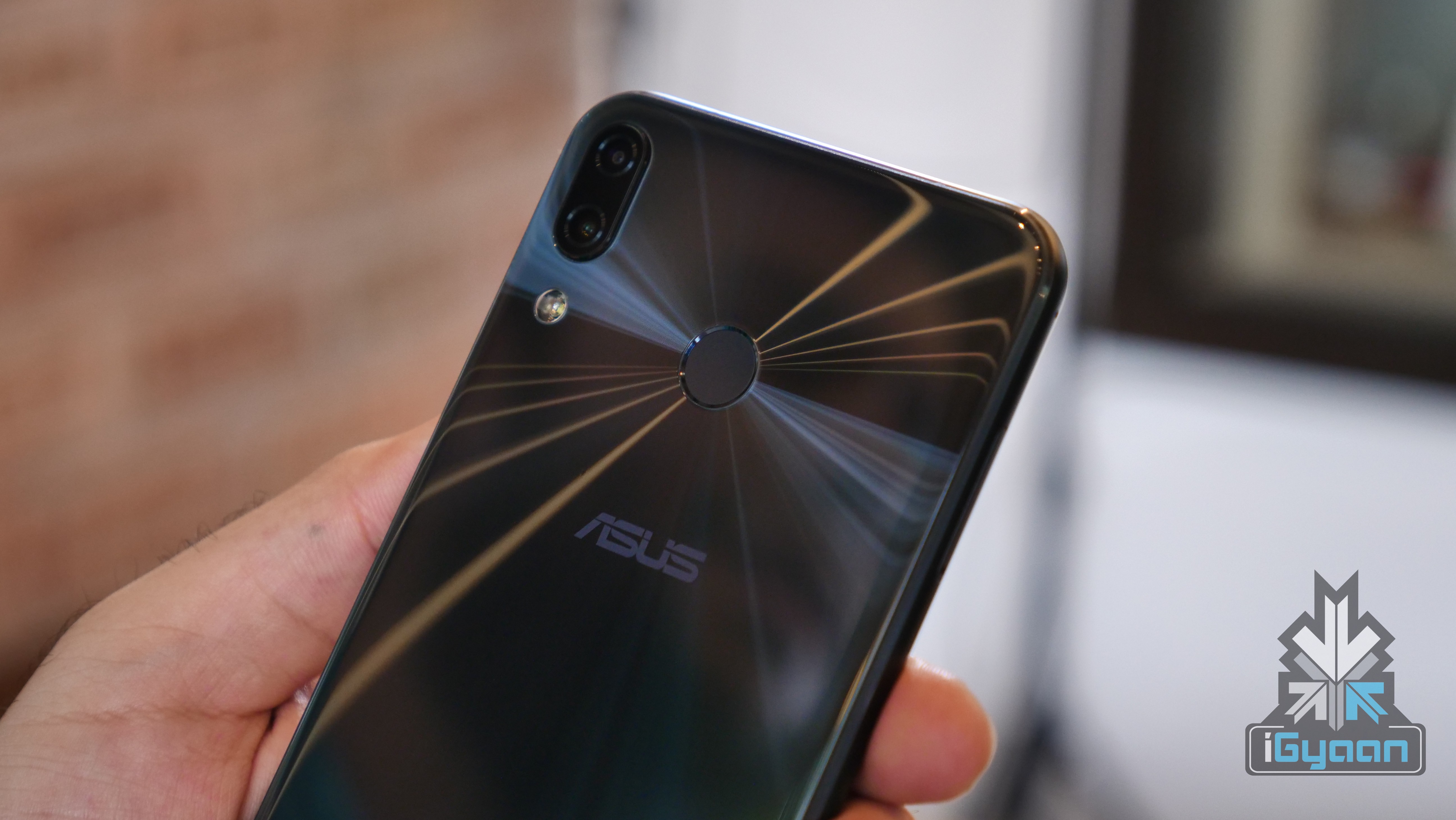
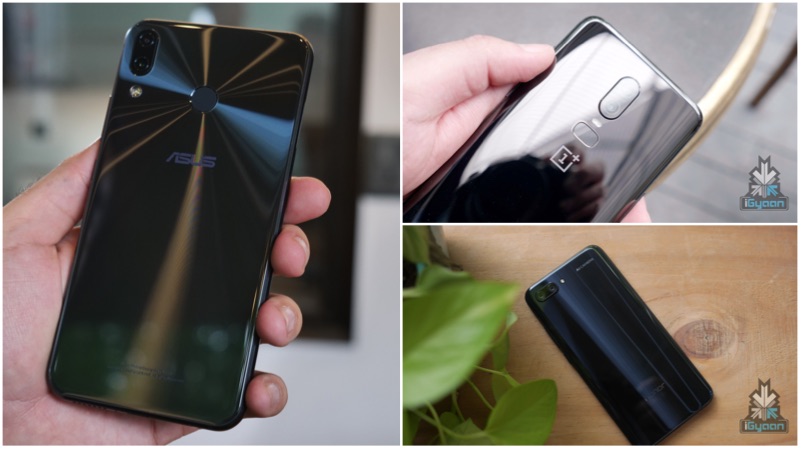
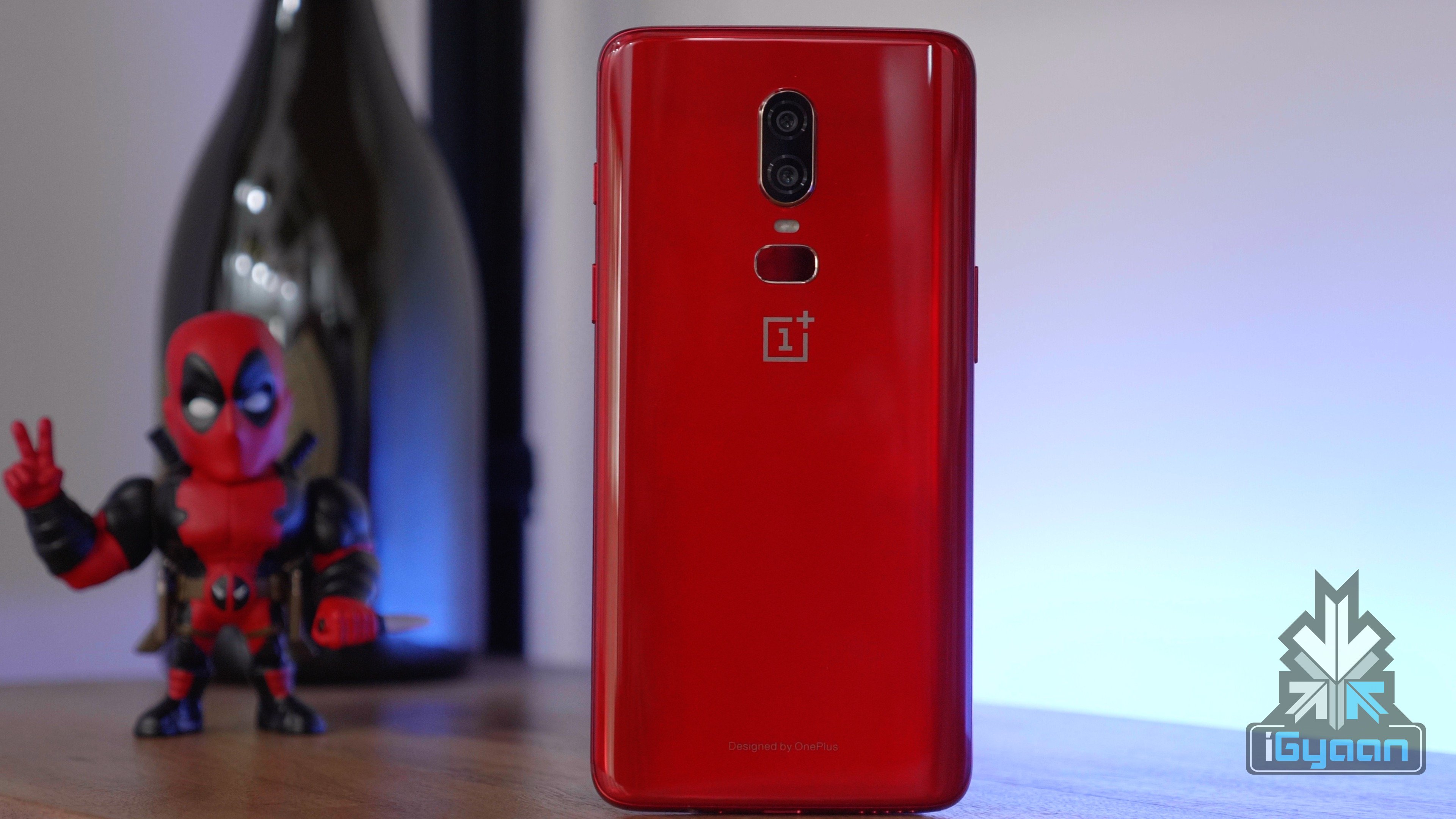
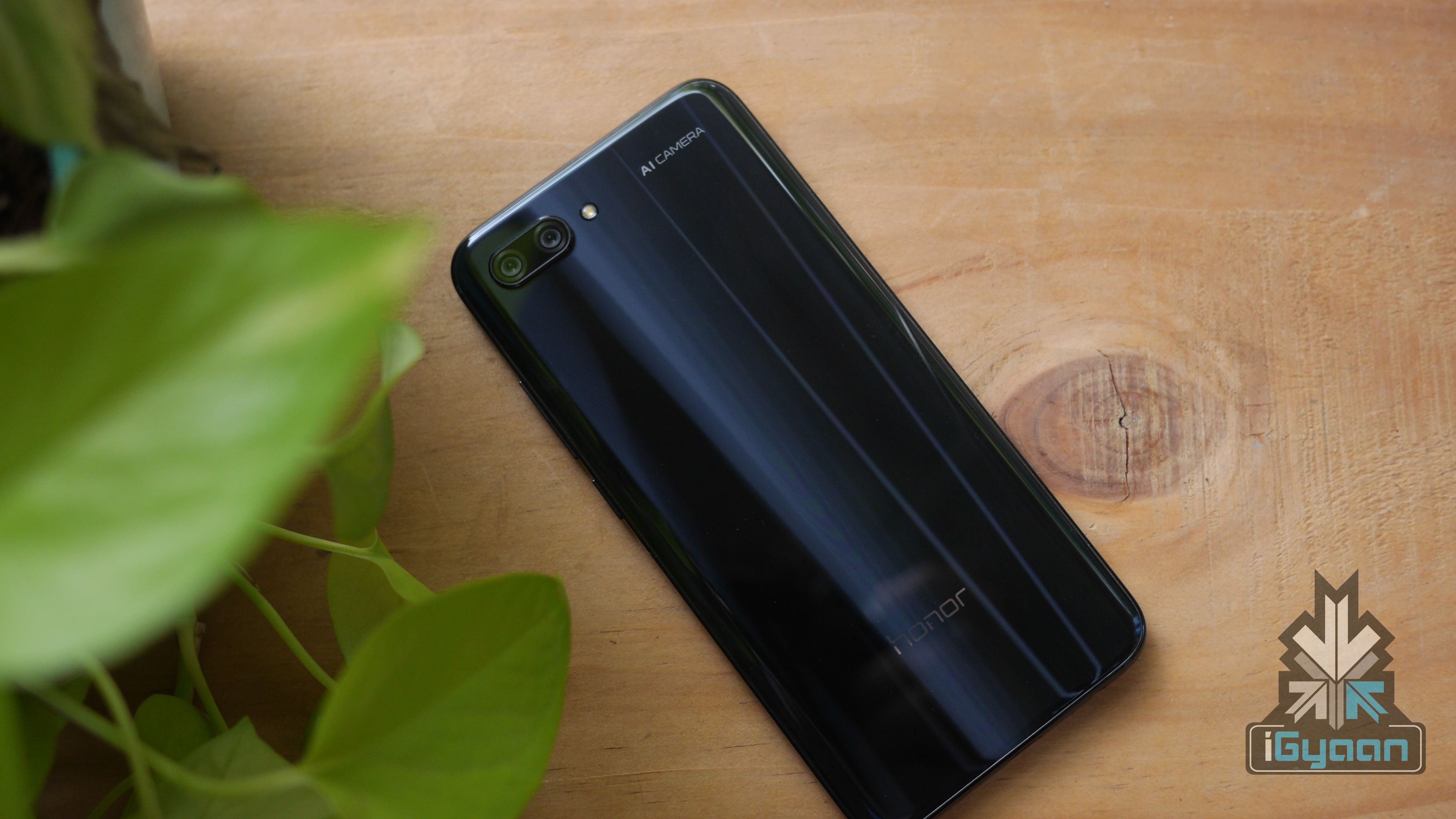
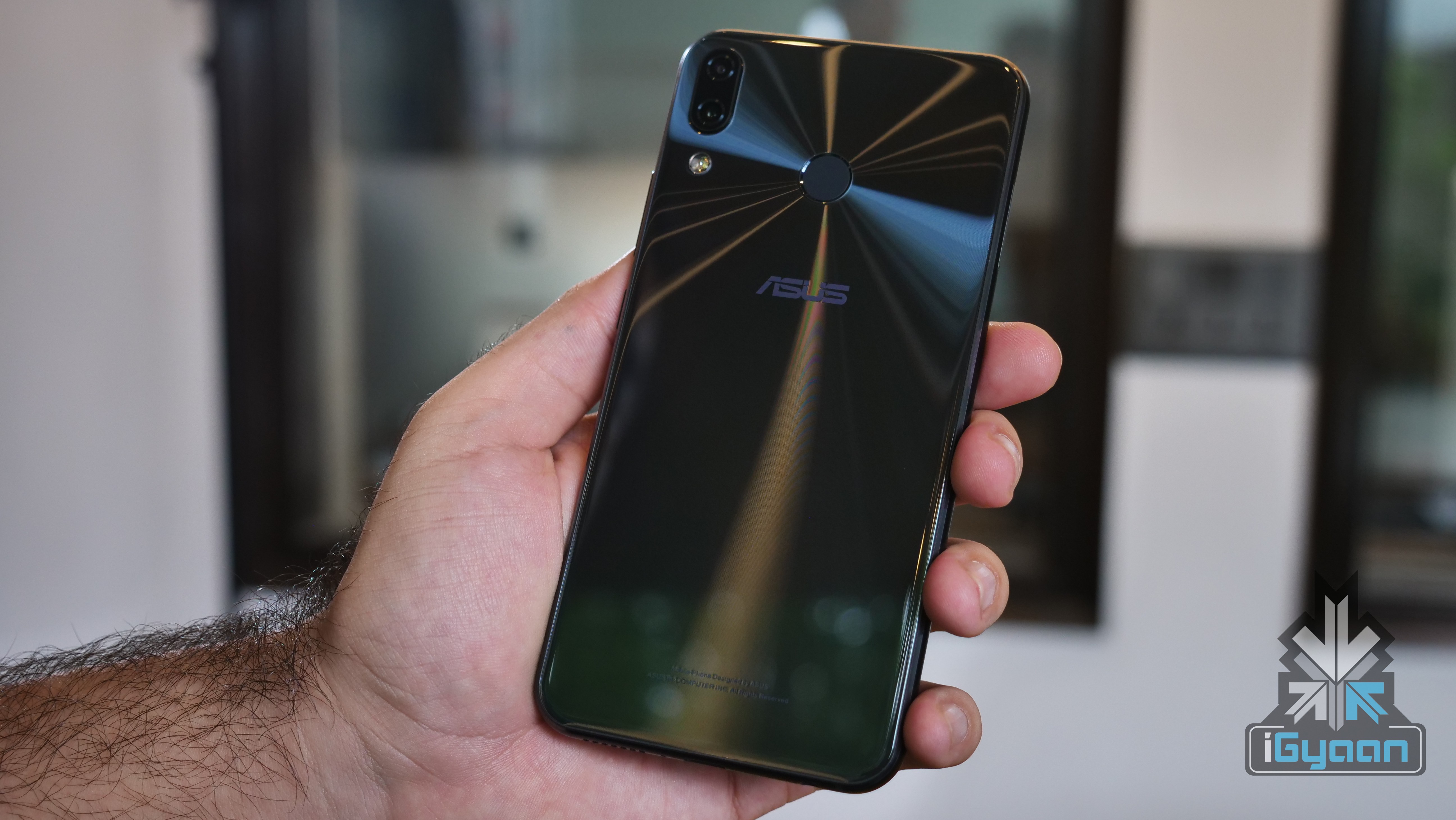
As has been the industry trend for a while now, all three smartphones have an all-glass build and design. Despite the similar build quality, all three smartphones feature a different finish on the glass. Essentially, the devices have a unique way of reflecting light and no two devices have a similar implementation here. It is hard to differentiate here and would boil down to personal preferences. The OnePlus 6 does have more colour options to choose from, recently launching the OnePlus 6 Red Edition.
The Asus Zenfone 5Z has a 6.2 inch Super IPS+ display with a 2246 x 1080 px resolution. The OnePlus 6 has a 6.28 inch Optic AMOLED display with a 2280 x 1080 px resolution while the Honor 10 has a 5.84 inch IPS LCD display and the same resolution. The OnePlus 6 has an AMOLED display which is known for producing more accurate colours.
Where the Zenfone 5Z and OnePlus 6 feel similar, the Honor 10 stands out. The Honor 10 runs on the HiSilicon Kirin 970 chipset with 6GB of RAM. The other two run on the Qualcomm Snapdragon 845 chipset. The flagship chipset is coupled with either 6GB or 8GB of RAM. Both the OnePlus 6 and Zenfone 5Z are available in three storage variants, 64GB, 128GB and 256GB.
Ever since the launch of the iPhone X, Face Unlock has been a fairly talked-about feature in smartphones. None of the devices miss out on jumping on that bandwagon but, it is software-based and not the most secure authentification way. The fingerprint sensor on the Zenfone 5Z and OnePlus 6 is placed on the back, albeit, different shapes. The Honor 10, on the other hand, has an invisible ultrasonic fingerprint sensor that can also detect a wet finger. It is also front-facing since it is housed inside the chin of the smartphone.
While most of the flagship specifications are similar to each other, these smartphones hugely differ when it comes to the optics. The Honor 10 has a 16MP RBG primary sensor and a 24MP secondary monochrome sensor. The OnePlus 6 takes a different route with two RGB sensors. It has a 16MP Sony IMX 519 sensor and a 20MP Sony IMX 376K sensor. The newly launched Zenfone 5Z has a 12MP primary sensor with an f/1.8 aperture and an 8MP wide-angle secondary sensor with a 120º field of view.
As a result of drastically different implementations, the cameras on these smartphones have their own advantages. However, it is worth noting that both the OnePlus 6 and Zenfone 5Z feature OIS and EIS while the Honor 10 misses out on both the features. The Honor 10 also doesn’t record 4K videos at 60fps.
At a price of Rs 29999, the Asus Zenfone 5Z is the most affordable flagship smartphone in India. It also holds its own in front of the OnePlus 6 and Honor 10, on paper, at least. We will soon be comparing the three devices in depth for a much clearer winner.