Blog

  • Xiaomi Redmi Y2 Launched In India Starting Rs 9999

    Xiaomi Redmi Y2 Launched In India Starting Rs 9999

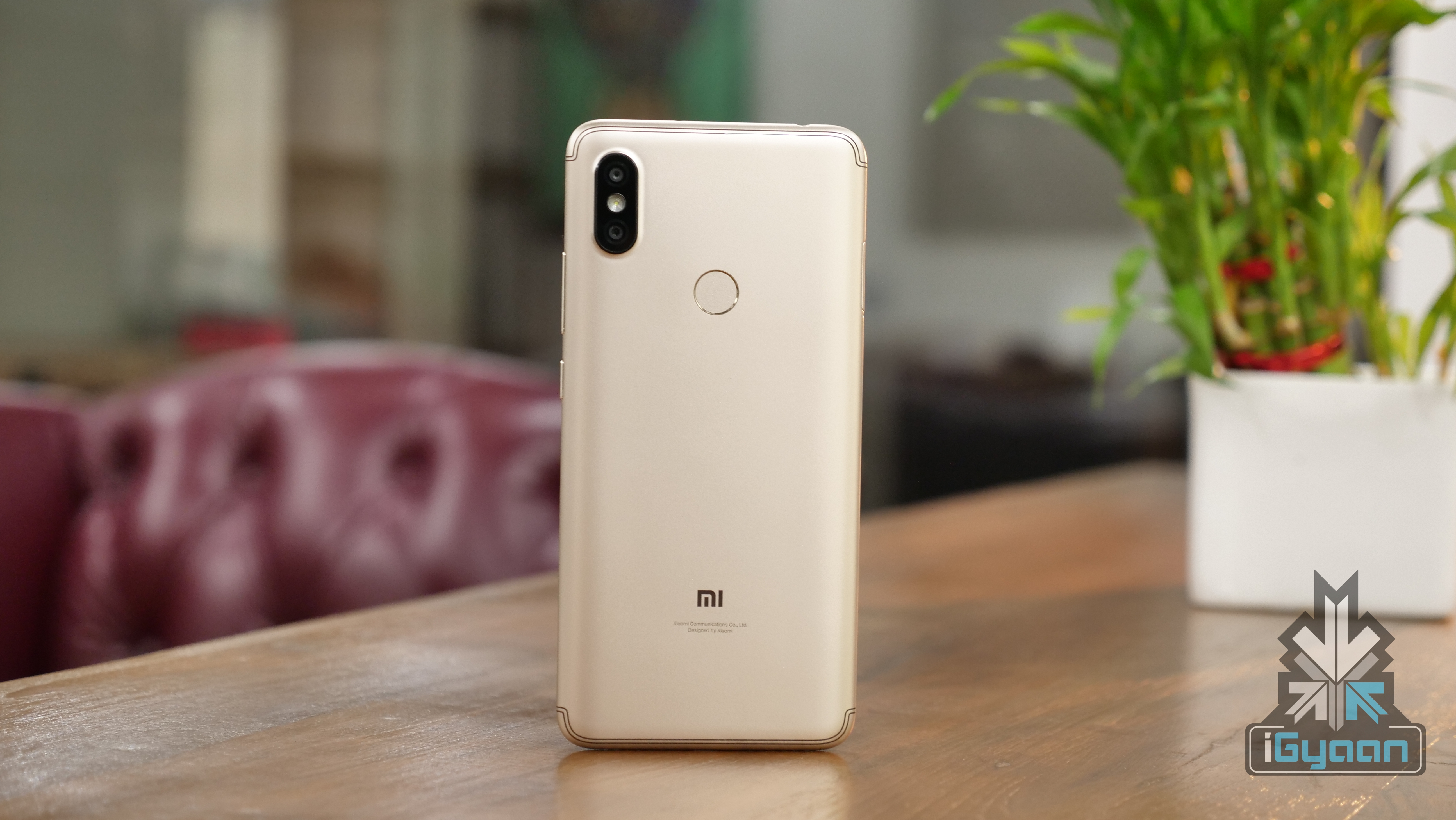
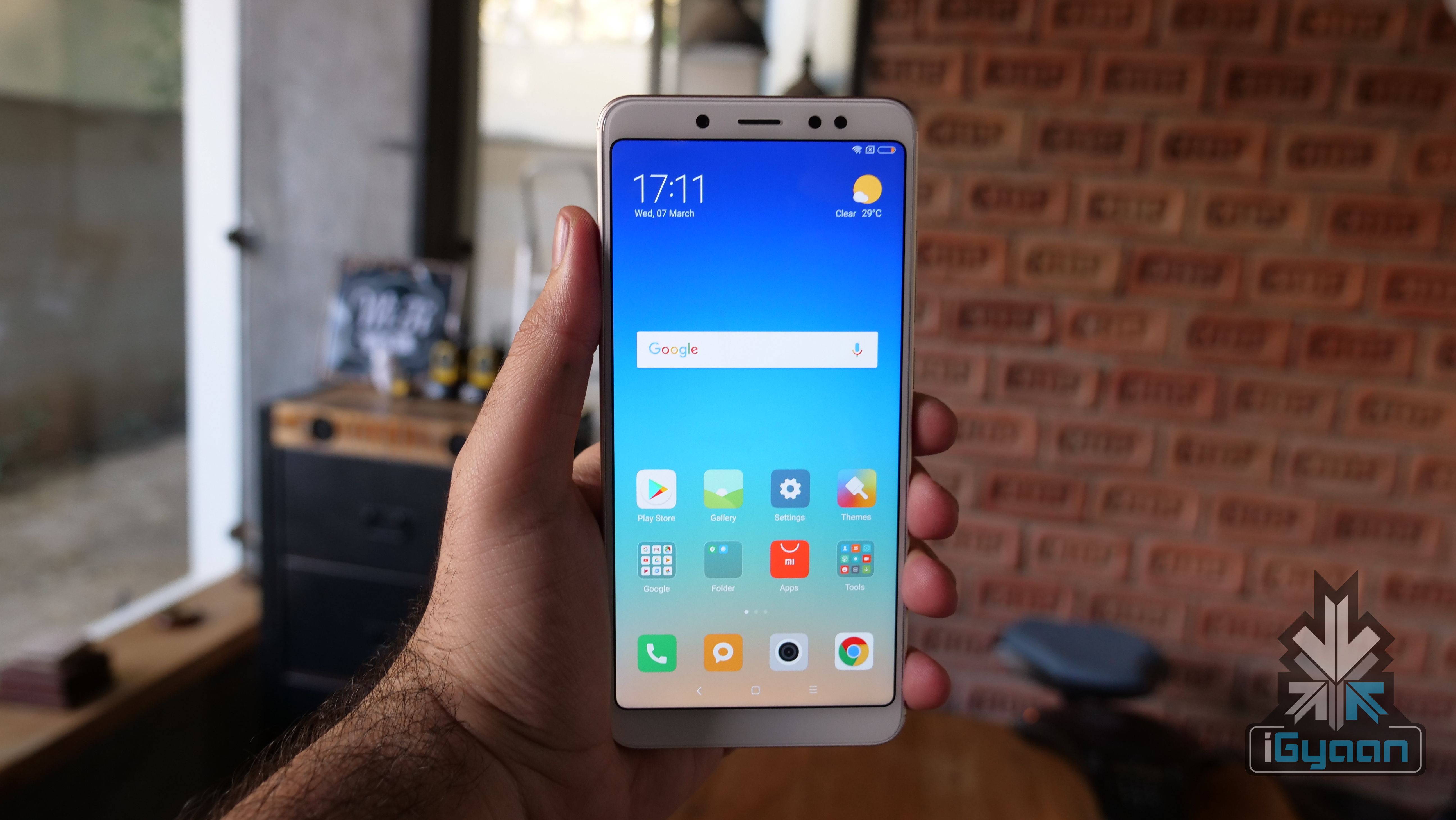
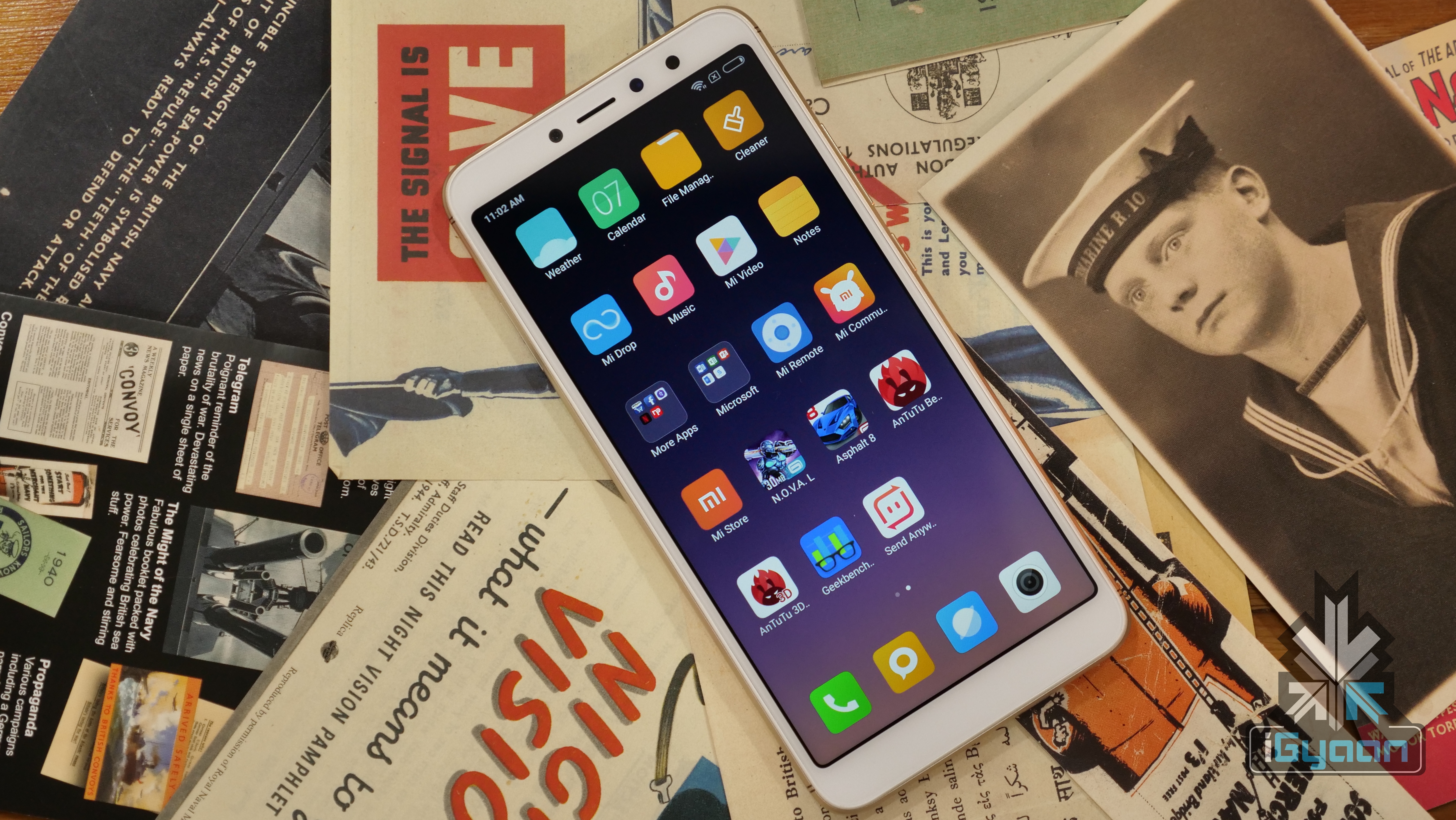
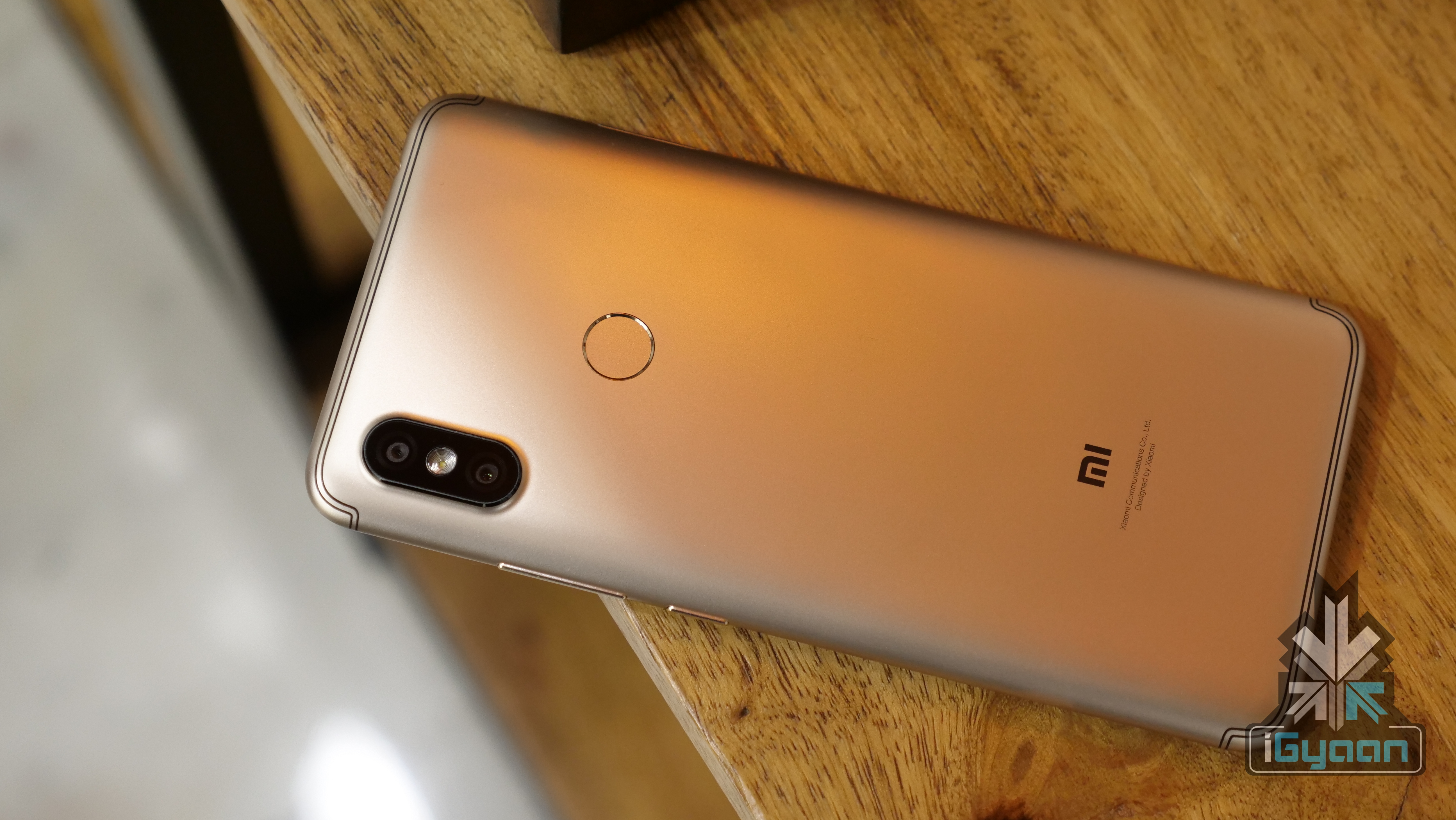
    Xiaomi has launched yet another budget smartphone in the Indian market. This time around, it is a part of Xiaomi’s selfie-centric Redmi Y lineup. The Xiaomi Redmi Y2 succeeds the Redmi Y1 which was launched in late-2017 along with the Redmi Y1 Lite. The Redmi Y1 Lite won’t see a successor right now. The Redmi Y2 will retail for Rs 9999 for the base model with 3GB of RAM. It goes on sale via offline retailers on June 12th.

    The Xiaomi Redmi Y2 is targeted at the selfie-loving consumers in India. At a price of Rs 9999, the smartphone has an identical price as the Redmi Note 5 which offers a FullHD+ display and the same chipset.

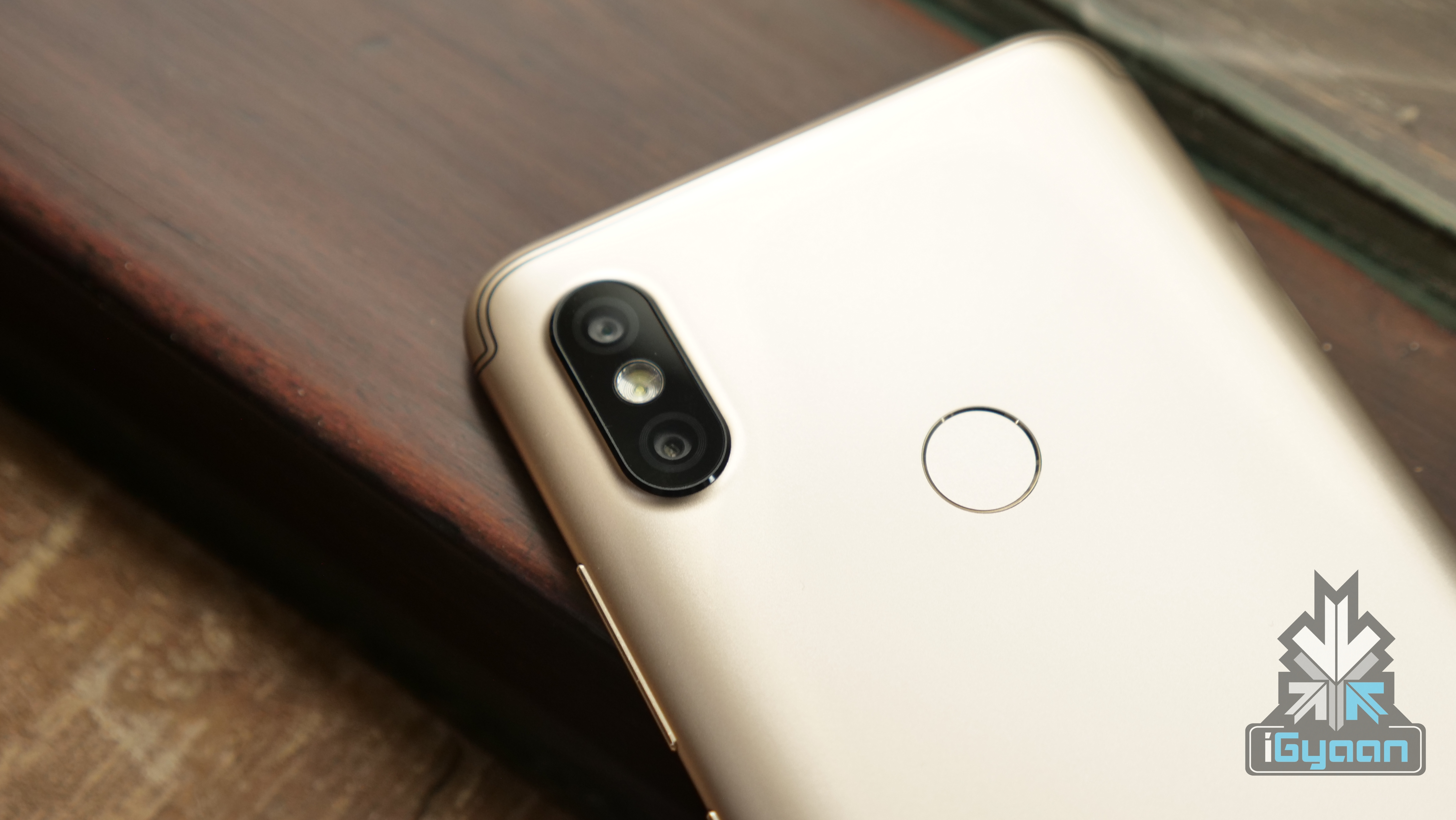
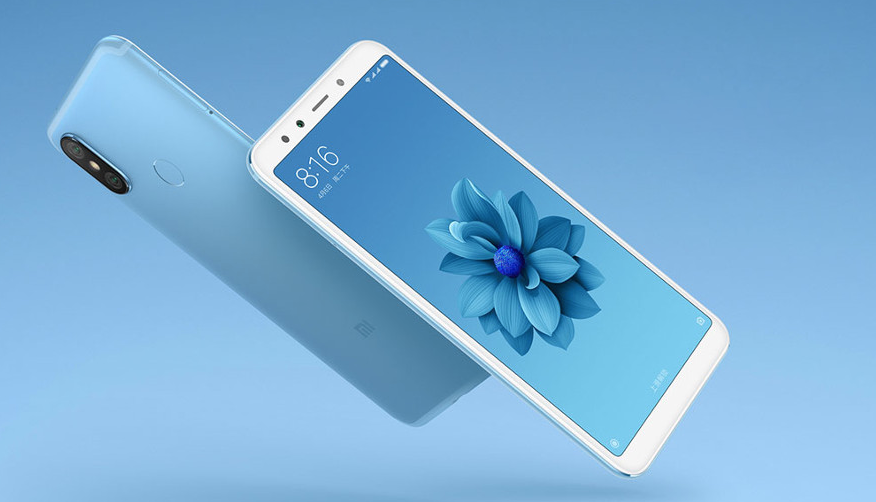
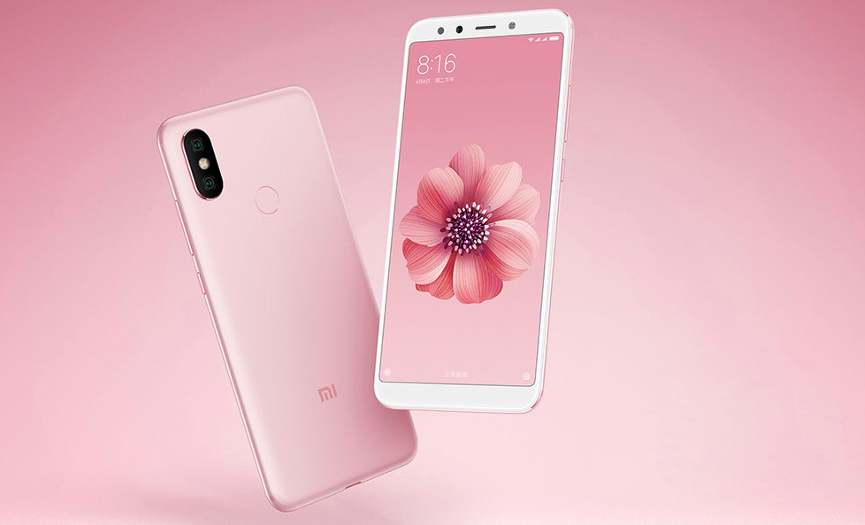
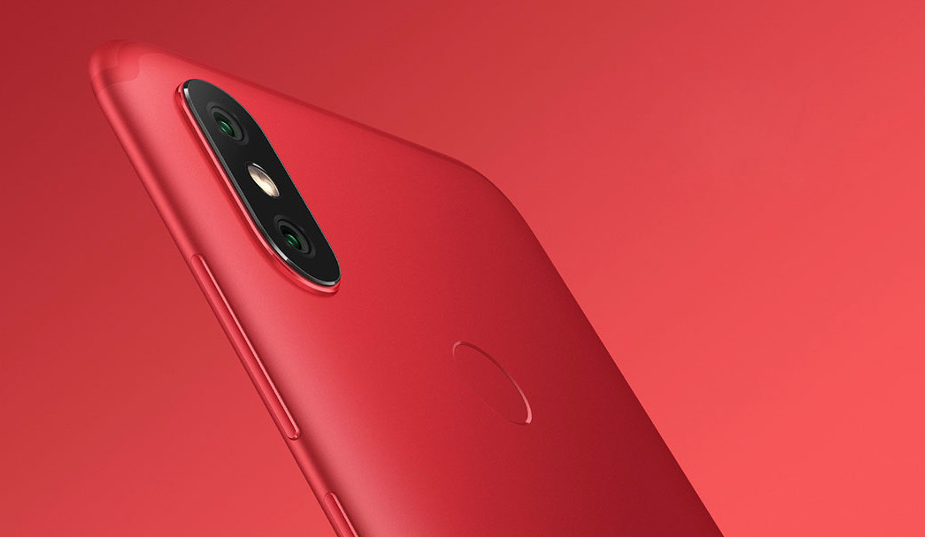
    The Redmi Y2 takes a lot of design cues from other Xiaomi smartphones launched in 2018. It has the same vertically place dual-camera setup found on the Mi MIX 2s and Redmi Note 5 Pro. The circular fingerprint sensor is also placed on the back of the smartphone.

    The Xiaomi Redmi Y2 has a 5.99 inch IPS LCD display with a 1440 x 720 px resolution. This translates into an 18:9 aspect ratio which has become the norm for even budget smartphones.

    Under the hood, the Redmi Y2 runs on the Snapdragon 625 chipset, a tried and tested SoC for Xiaomi. That chipset is coupled with either 3GB or 4GB of RAM along with either 32GB or 64GB of storage which is expandable via a microSD card. Powering the device is a 3080 mAh battery, which will charge via a micro USB port.

    The Xiaomi Redmi Y2 runs Android 8 Oreo out of the box with MIUI 9 on top. With MIUI 9.5, the Redmi Y2 will have features like Face Unlock and gestures for navigation. Xiaomi’s implementation of gestures has been impressive and they feel quite natural compared to other Android OEMs implementation of the same.

    To the back of the smartphone is a 12MP primary sensor with an f/2.2 aperture along with a 5MP depth sensor. To the front is a 16MP AI-powered camera which is capable of clicking portrait mode selfies using just the software. There is also a front-facing LED flash for better low-light images which has a 4500K brightness.

    The Xiaomi Redmi Y2 has a peculiar price. Xiaomi believes that there are people who would prefer the Redmi Y2’s camera capabilities over the Redmi Note 5’s bigger battery and better display. One thing in favour of the Redmi Y2 is its accessibility. Since it will be available offline, people won’t have to wait for flash sales in order to purchase it.

  • Moto Z3 Play Running On Snapdragon 636 Officially Launched

    Moto Z3 Play Running On Snapdragon 636 Officially Launched

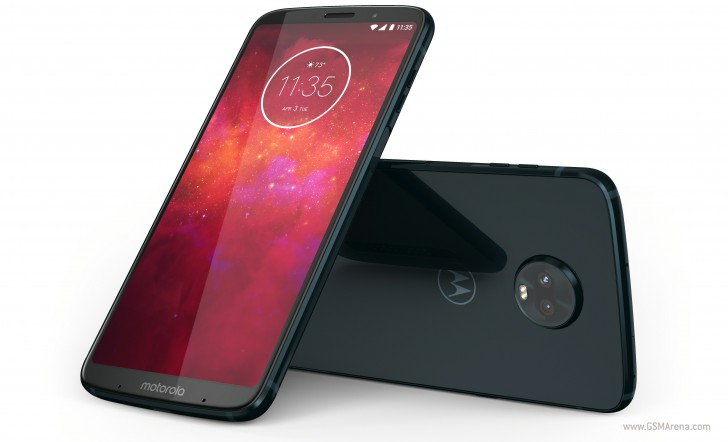
    After weeks of leaks, Lenovo-owned Motorola has launched the next iteration of Motorola’s budget modular series, the Moto Z3 Play in Brazil. The smartphone will retail for US$ 499 (Rs 33000 approx.) and come bundled with the Battery Mod. There are no details about the smartphone’s availability in India as of now.

    All smartphones in the Moto Z series are compatible with the Moto Mods and so is the Moto Z3 Play. This, despite the smartphone having a 6 inch display. The company retained the dimensions of the previous Moto Z devices and managed to fit in a sizeably larger display. The Moto Z3 Play is the first smartphone in the lineup to have an 18:9 aspect ratio.

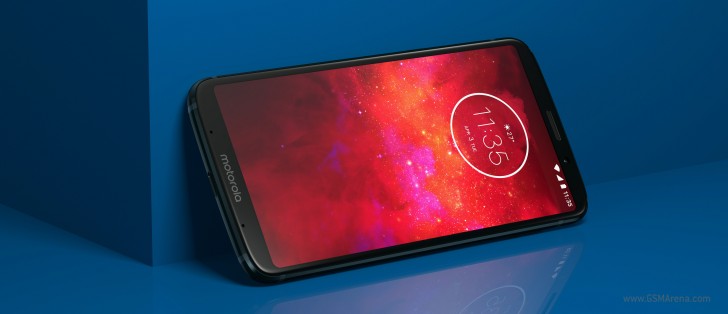
    The Moto Z3 Play has a 6 inch Super AMOLED display with a 2160 x 1080 px resolution. Just like the G and E series, Motorola has stayed away from the notch trend, which many people would appreciate. The device has an 18:9 aspect ratio, which has become the norm these days.

    Under the hood, the smartphone runs on the Qualcomm Snapdragon 636 chipset. The new budget chipset has been well-received in devices like the Redmi Note 5 Pro and Zenfone Max Pro. The smartphone will be available in two variants, one with 32GB storage and the other with 64GB storage which will be expandable via a microSD card. Both the variants will have 4GB of RAM which should be enough for almost everybody.

    The fingerprint sensor is no longer on the front of the device thanks to thinner bezels. The sensor has now been moved to the right-hand side of the device, similar to Xperia smartphones from back in the day. powering the smartphone is a 3000 man battery which will charge via a USB-C port. Out of the box the Z3 Play will run Android 8 Oreo out of the box with very little customisations done by Motorola.

    The smartphone has a dual-camera setup on the back. It has a 12MP primary sensor with an f/1.7 aperture which is paired with a 5MP sensor which will collect all the depth information. To the front is an 8MP with an f/2.0 aperture.

    The Moto Z3 Play appears like a sizeable upgrade over its predecessor with the new design and the Snapdragon 636 SoC. The pricing in India will be crucial for Motorola and the Z3 Play. More details to follow.

  • Honor Play Gaming Smartphone Running On Kirin 970 Launched

    Honor Play Gaming Smartphone Running On Kirin 970 Launched

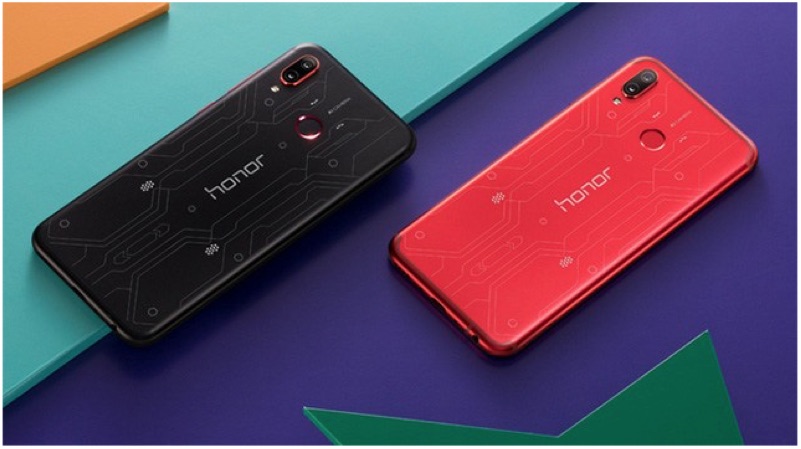
    Gaming smartphones are gaining popularity by the day. After Razer, Nubia, Black Shark and Asus, Honor has launched its own gaming smartphone. After weeks of leaks, the Honor Play is now official and will be available in China exclusively for now. One of the highlights of this gaming smartphone is its pricing and should give other gaming Android devices a run for their money. The base model with 4GB RAM and 64GB storage is priced at CNY 1999 (Rs 21000 approx.) and the 6GB RAM model will retail for CNY 2399 (Rs 25000 approx.).

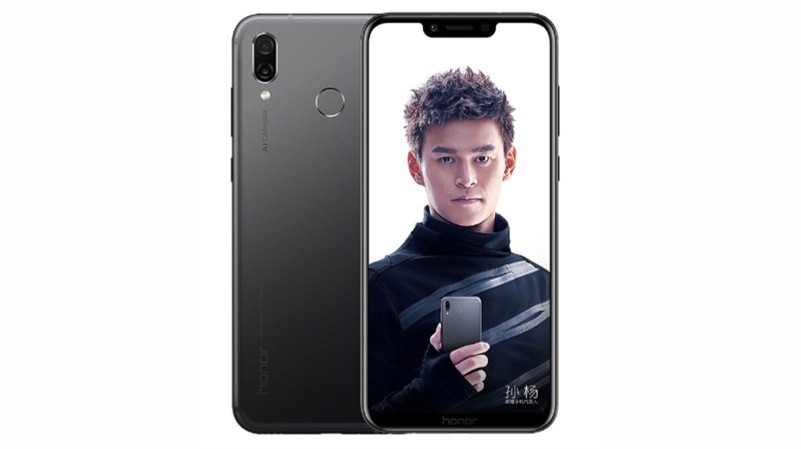
    The Honor Play takes design cues from the likes of Honor 10. It follows the notch trend but, unlike the Mi 8, it has a narrower notch which can be hidden using software. The all-glass design with an aluminium frame is something we have seen already in devices like the Honor 10 and Huawei P20 Pro. The Honor Play is no different here. There is a special edition Honor Play with a textured back and two colour options which will be retail for CNY 2499 (Rs 26100 approx.).

    The Honor Play has a 6.3 inch IPS LCD display with a 2280 x 1080 px resolution. Like the Honor 10, this translates into a 19:9 aspect ratio which will come in handy when users hide the notch. Once the notch is hidden, the display will revert to a more traditional 18:9 aspect ratio.

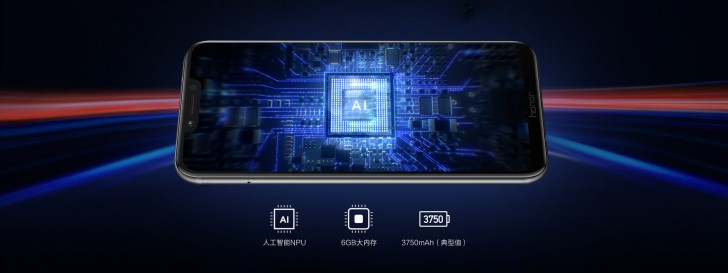
    Under the hood, the device runs on the HiSilicon Kirin 970 SoC with a dedicated NPU for AI capabilities. This is the same SoC that powers the Huawei P20 Pro, which is priced at Rs 64999 in India. Honor claims that its new GPU Turbo technology not only improves the performance of the device but, runs games twice as stable as the Xiaomi Mi 8. This can only be tested once we get our hands on the device. Coupled with the flagship chipset is either 4GB or 6GB of RAM and 64GB of onboard storage. The storage is expandable via microSD card.

    The fingerprint sensor is placed on the back of the smartphone at a central and ergonomic location. Powering the Honor Play is a 3750 mAh battery which, according to Honor, will last up to 1.5 days even after heavy usage. Again, we will test this once we get our hands on the device and won’t vouch for any claims the company makes. The Lenovo Z5 has taught us an important lesson here.

    To the back is a 16MP primary RGB sensor mated with a 2MP depth sensor. The depth sensor will enable bokeh effect and portrait mode shots. The notch houses a 16MP camera with AI capabilities such as portrait lighting, like the iPhone X and Huawei P20 Pro.

    At this price point, the Honor Play, at least on paper, looks like an impressive device. There is no information about whether Honor will make the Honor Play available in other markets like India.

  • HTC Desire 12, Desire 12+ Launched In India Starting Rs 15800

    HTC Desire 12, Desire 12+ Launched In India Starting Rs 15800

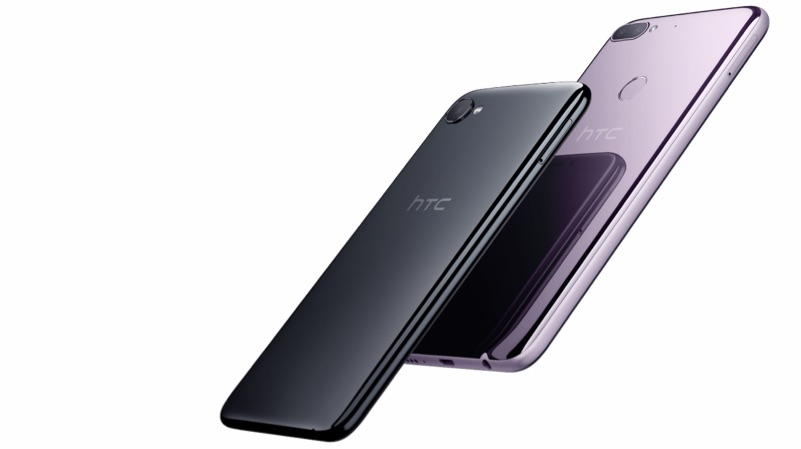
    HTC has launched two new budget smartphones in India, the Desire 12 and Desire 12+. Both the smartphones were initially launched on March 20th in Europe and have now made their way to the Indian shores. The HTC Desire 12 is priced at Rs 15800 while the Desire 12+ will retail for Rs 19790. Pre-order will be done exclusively on HTC India E-Store. Both the smartphones will be available in retail from the 11th of June onwards.

    HTC recently launched its new flagship device, the HTC U12+ to much fanfare. The company, however, has decided not to bring the new device in India just yet. Instead, the Desire 12 and Desire 12+ have been unveiled in the country’s highly congested budget smartphone market. At a price of Rs 15800 and Rs 19790 respectively, the two devices will be up against the likes of Redmi Note 5 Pro and Huawei P20 Lite.

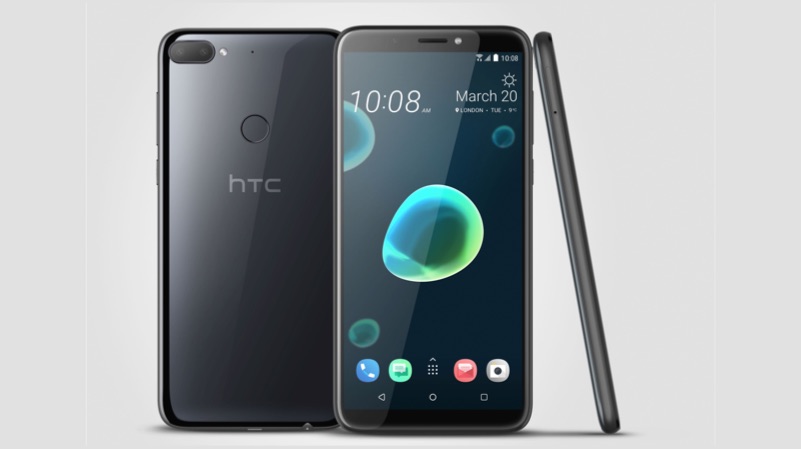
    HTC Desire 12+

    The HTC Desire 12+ has a 6 inch IPS LCD display with a 1440 x 720 px resolution. This translates into an 18:9 aspect ratio and is the first budget smartphone from HTC to adopt the new aspect ratio.

    Under the hood, the device has the Qualcomm Snapdragon 450 octa-core chipset with 3GB RAM and 32GB storage. The storage is user expandable up to 2TB using a micro SD card. It is worth noting that the Redmi Note 5 Pro, priced at Rs 14999 in India, runs on the Snapdragon 636 chipset while the Huawei P20 Lite is powered by the Kirin 659 SoC. The fingerprint sensor is placed on the back of the device due to thin bezels.

    Must Read: Top Smartphones In India Under Rs 20000

    Powering the smartphone is a 2965 mAh battery which charges via a micro USB port. It runs Android 8 Oreo out of the box with HTC SenseUI on top. The custom skin from HTC has bettered over the years and allows a ton of customisation options to the users.

    The smartphone has a dual primary camera setup with a 13MP RGB sensor and a 2MP depth sensor. To the front, the device has an 8MP front-facing camera. Both the camera units can record videos at up to 1080p at 30fps. Before the HTC U12+ was launched, this was the only HTC smartphone with a dual-camera available in the market.

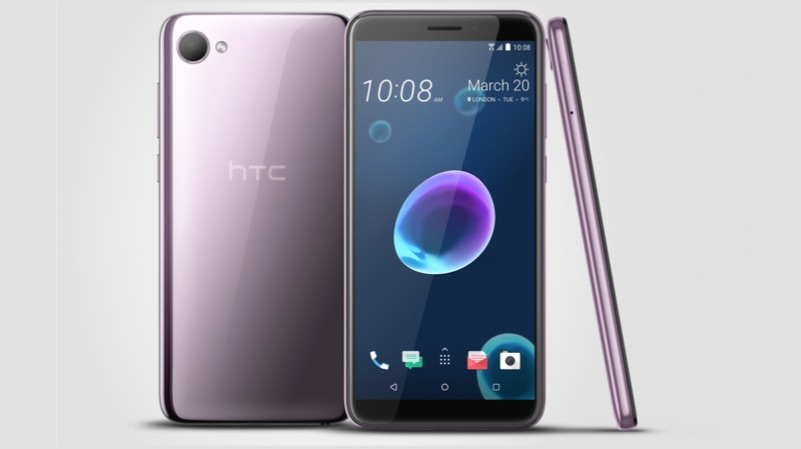
    HTC Desire 12

    The HTC Desire 12 is a miniature version of the Desire 12+ with a few other changes. Unlike the ‘Plus’ variant, the Desire 12 misses out on a fingerprint sensor and dual camera setup. The HTC Desire 12 has a 5.5 inch IPS LCD display with a 1440 x 720 px resolution. Under the hood, it runs on the MediaTek 6739 Quad-core chipset with 3GB RAM and 32GB storage. Similarly, the storage is user expandable up to 400GB using a micro SD card.

    Powering the smartphone is a 2730 mAh battery which charges via a micro USB port. It runs Android 8 Oreo out of the box with HTC SenseUI on top. The smartphone has a 13MP primary camera but misses out on the depth sensor. The front houses a 5MP camera with an f/2.4 aperture that records 720P videos at 30fps.

    At this price point, the Indian smartphone market already offers stellar devices like the Zenfone Max Pro, Redmi Note 5 Pro, Realme 1 and Huawei P20 Lite. The Desire 12 and Desire 12+ barely offer anything when compared to these smartphones and it’s hard to pin down the target audience for the new HTC budget devices.

  • BlackBerry KEY2 Design, Specifications Leaked Ahead Of June 7th Launch

    BlackBerry KEY2 Design, Specifications Leaked Ahead Of June 7th Launch

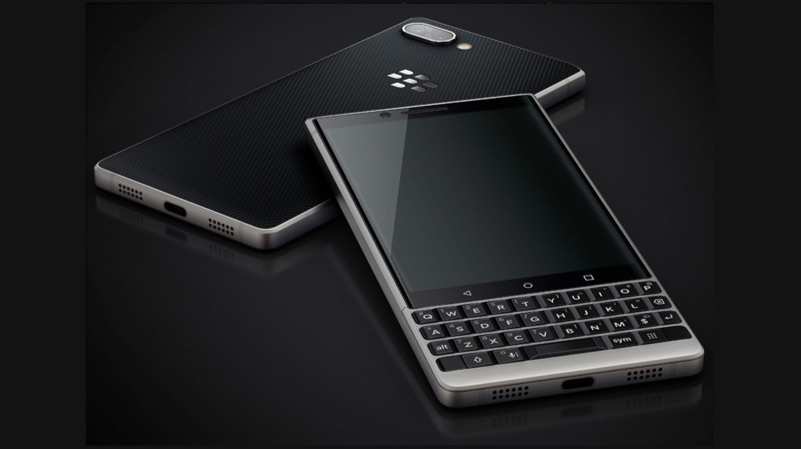
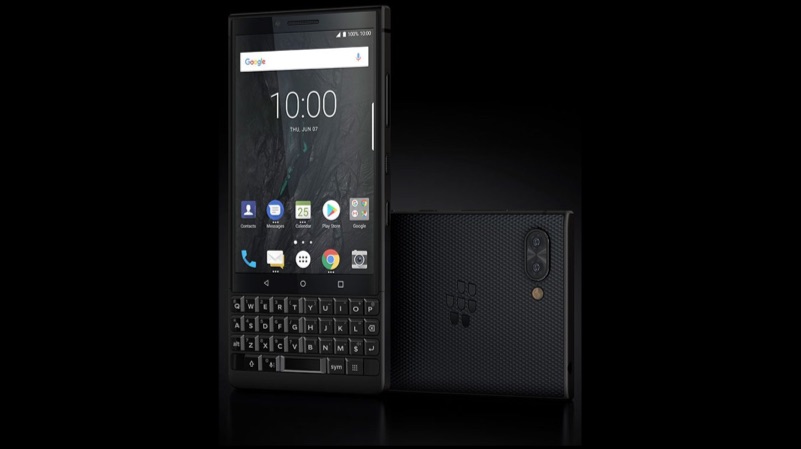
    BlackBerry KEY2 will be the next Android smartphone by the Canadian smartphone maker. The company’s BlackBerry KEYone had a nice design and the physical keyboard was appreciated by many. However, its price in India was steep and devices like the OnePlus 5T offered more value for money. With the KEY2, BlackBerry would want to rectify that shortcoming and launch the KEY2 at a much more affordable price than its predecessor.

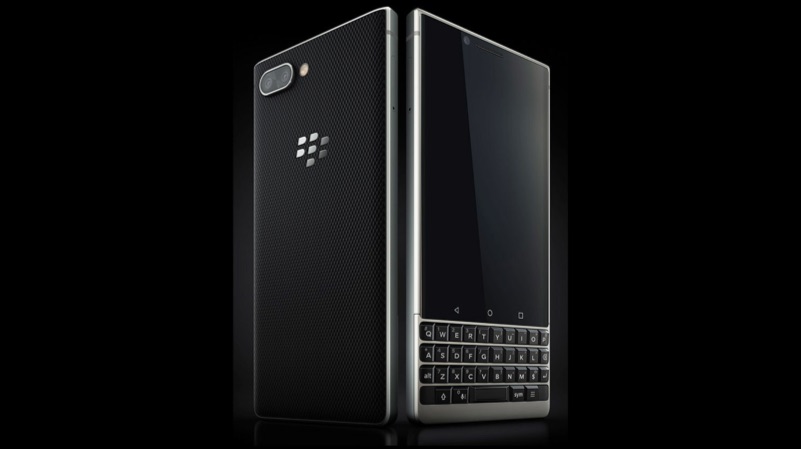
    Evan Blass, one of the most trusted smartphone leakers on Twitter has released a few images revealing the design of the BlackBerry KEY2. Apart from that, he recently tweeted an image of the specs sheet of the KEY2, leaving nothing to the imagination of the consumer. He also claims that the KEY2 will retail at a starting price of US$ 649 (Rs 43000 approx.). If true, the KEY2 might not be all that different in terms of pricing from its predecessor.

    The BlackBerry KEY2 has 4.5 inch IPS LCD display with a 1620 x 1080 px resolution. The 3:2 aspect ratio is mainly because the smartphone will have a physical keyboard making it a large device to hold. The bezels aren’t very thin either and it retains the three touch capacitive buttons from the KEYone.

    Under the hood, the smartphone will run on the Snapdragon 660 chipset. The SoC will be coupled with 6GB of RAM and either 64GB or 128GB of onboard storage. The storage will be expandable up to 256GB using a microSD card. The fingerprint sensor is housed inside the space bar just like its predecessor. Powering the smartphone will be a 3500 mAh battery with support for Qualcomm QuickCharge 3.0. The headphone jack will be present as well, which has become a rare sight in 2018.

    The dual-camera setup on the back consists of a 12MP primary sensor with an f/1.8 aperture. The secondary sensor is a 12MP sensor with an f/2.6 aperture. The smartphone has an 8MP front-facing camera with the display acting as a flash for low-light selfies. The dual camera at the back can record 4K videos at 30fps while the front camera will record 1080P videos.

    The BlackBerry KEY2 is scheduled to launch on June 7th. However, there is barely anything left to be unveiled for the Canadian smartphone maker. One thing that the company will be able to shed light upon is that BlackBerry key next to the spacebar. It’ll be interesting to see what BlackBerry has in store for a hardware button with the company’s logo on it. Could it trigger Google Assistant? Possibly. We will keep you updated with all the information from the launch event.

  • Motorola One Power Specifications Revealed By 3C Certification Listing

    Motorola One Power Specifications Revealed By 3C Certification Listing

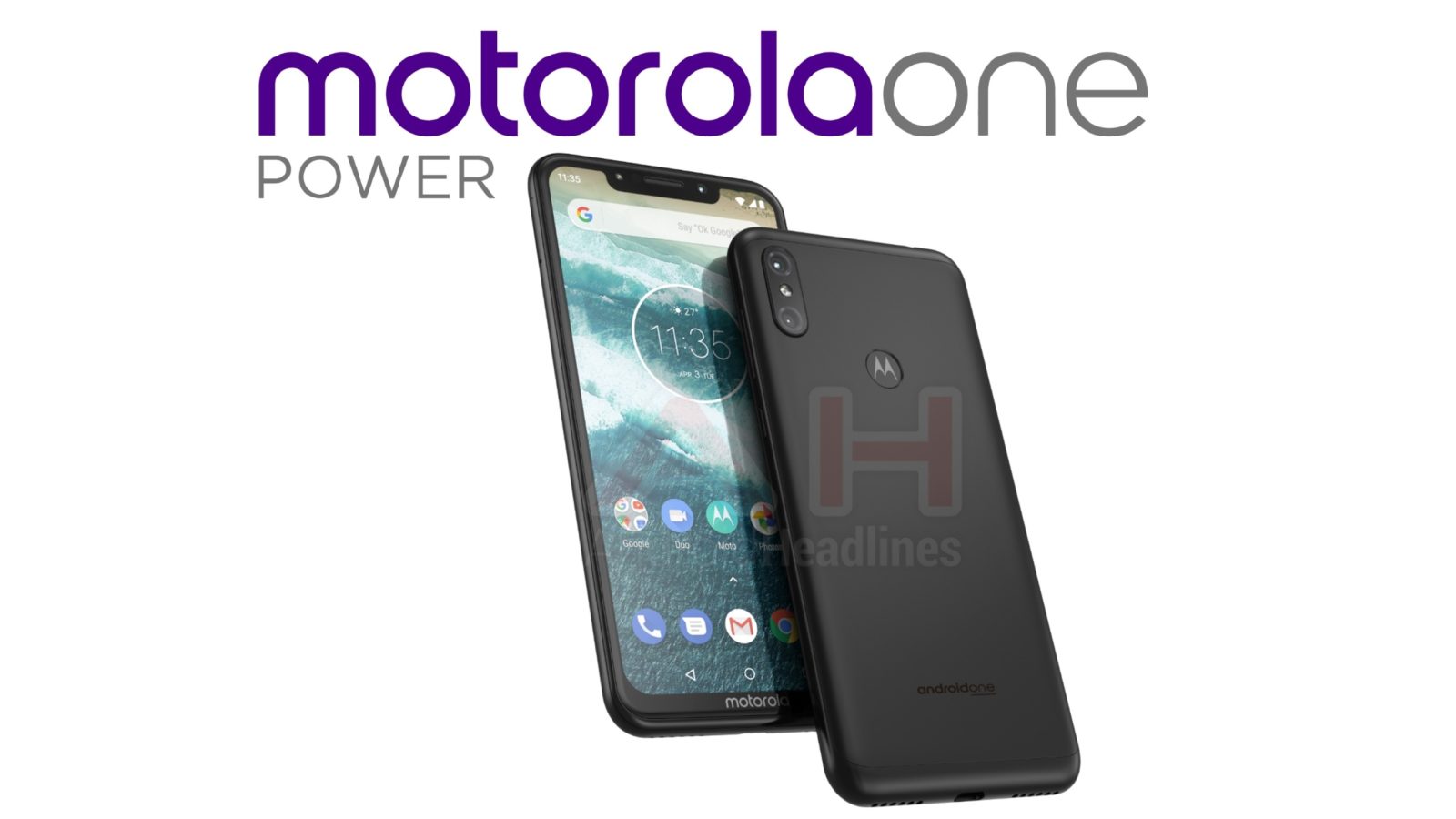
    Lenovo-owned Motorola has had an eventful past couple of months. The company recently launched the Moto G6 and G6 Play in India and is scheduled to launch the Moto Z3 Play in Brazil today. One smartphone that has come out of the blue has been the Motorola One Power. Apart from a design different from other Moto devices, the nomenclature is also different. The smartphone has now passed through 3C Certification, giving us a bit more information about the soon to be launched device.

    So far, we do not have an extensive list of leaks about this device. Unfortunately, the 3C Certification listing doesn’t tell us a lot either about the smartphone. The listing mentions that the device will carry the model number XT1942-1. Apart from the model number, the listing reveals the supported charging speeds, 5V/3A, 9V/2A and 12V/1.5A. The maximum 18W output is supported, confirming the presence of Qualcomm QuickCharge.

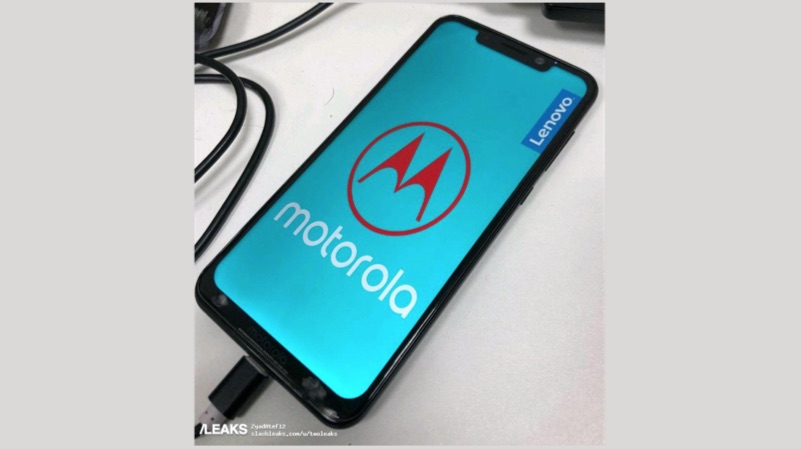
    The name of the smartphone suggests that it is an Android One smartphone. Motorola has been known for keeping the software on its smartphones close to stock. The company even launched an Android One version of the Moto X4. Hence, there is a high probability of this being a repackaged Moto X5. Long before the launch of the Moto G6 series, a series of leaks revealed the design of the upcoming Moto X5 with a similar notch. If true, the Motorola One Power could be the first Android One smartphone with a notch.

    The leaked images and renders reveal that the Motorola One Power will have a wide notch like the iPhone X. So far, we have seen Android smartphone makers go for a very thin notch, like the OnePlus 6 and Huawei P20 Pro. The recently launched Mi 8 has a wider notch but, that is mainly because it has 3D facial recognition. It is highly unlikely that the Motorola One Power will feature any sort of 3D Face Unlock feature. This notch could just be a design decision more than anything else.

    It appears that Motorola will plan a different launch event for the Motorola One Power instead of unveiling with the Z3 Play. More details to follow.

  • Xiaomi Redmi 6, Redmi 6A To Launch On June 12th

    Xiaomi Redmi 6, Redmi 6A To Launch On June 12th

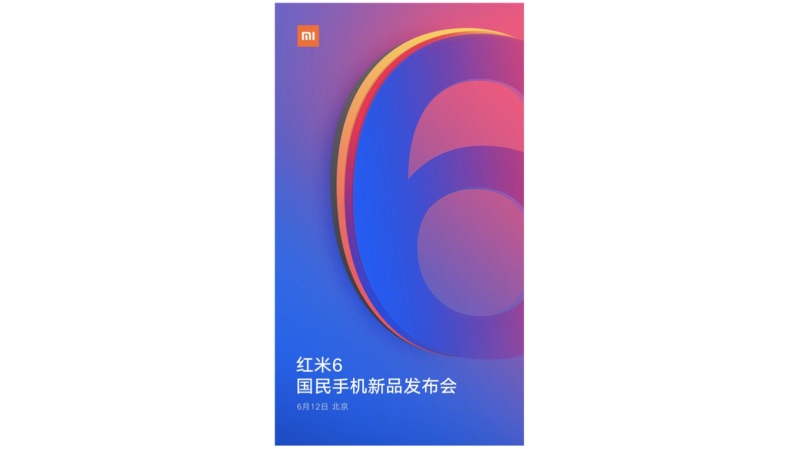
    Xiaomi has built its smartphone brand around affordable devices with great specifications. The company’s sub-brand, Redmi has launched some stellar smartphones in India over the past couple of months. The Redmi Note 4 is still Xiaomi’s most successful smartphone in India. While Redmi prepares to launch a new smartphone in India on June 7th, an event in China on June 12th will unveil the company’s new Redmi 6 series of smartphones.

    An official poster released by Xiaomi on its Weibo page reveals that a June 12th launch event is scheduled. The poster has a large ‘6’ in the background hinting at the launch of the Redmi 6 series of smartphones. The Redmi 6 will be accompanied by the Redmi 6A and possibly, the Redmi 6 Plus/Pro. Specifications of the Redmi 6 and 6A were recently leaked on TENNA.

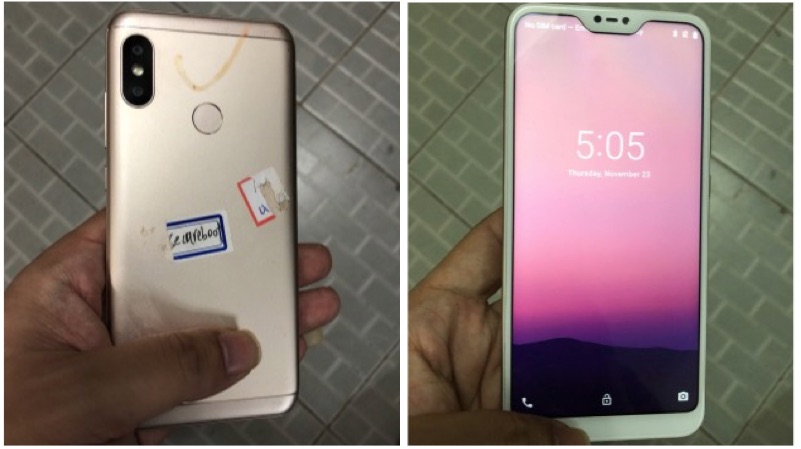
    The Redmi 6 appeared in live images sporting a rather peculiar design. The leaked images reveal that the Redmi 6 will have a notch very similar to the Huawei P20 Pro. This design differs from the Mi 8, which is expected to have a bigger notch, similar to the iPhone X. One thing that sticks out like a sore thumb in the images is the white colour of the bezels. Not many people would be pleased with this colour combination. A white coloured notch also means that users don’t have an option to hide it via software.

    Redmi 6

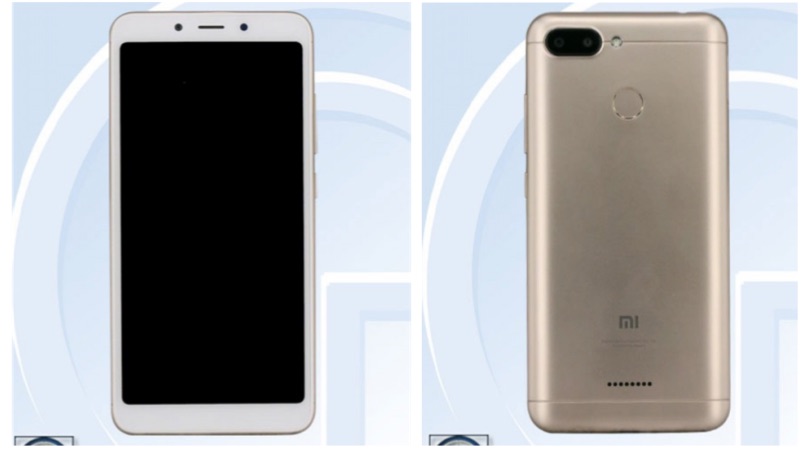
    According to the listing on TENNA, the notched smartphone will bear the model numbers 1805D1SC, M1805D1SE, and M1805D1ST. Different model numbers represent the different variants the smartphone will launch in since rarely a smartphone launches in only one variant. The device will have a 5.84 inch display with a 2280 x 1080 px resolution which translates into a 19:9 aspect ratio. The smartphone, which could be named the Redmi 6, is expected to run on a 2GHz octa-core CPU that could either by a Snapdragon 625 or a Snapdragon 660.

    Must Read: Asus Zenfone Max Pro M1 Vs Xiaomi Redmi Note 5 Pro

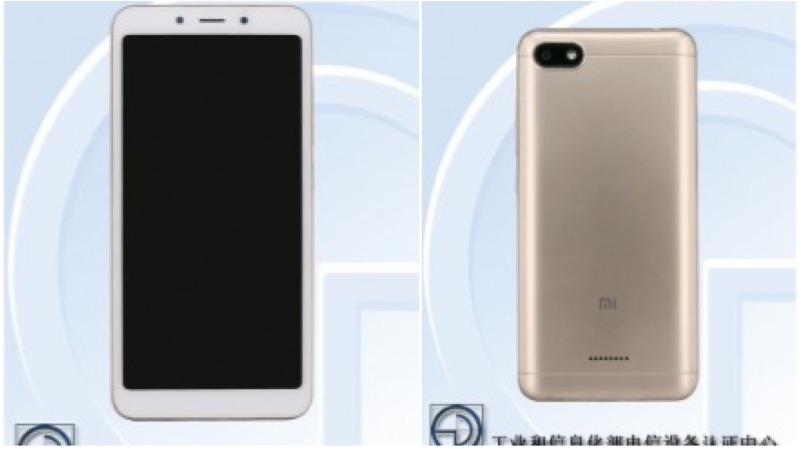
    The specifications of the Redmi 6A were leaked via TENNA recently as well. According to the listing, there are three model numbers of the Redmi 6A, the M1804C3CT and the M1804C3DT/M1804C3DC. The only difference being that the M1804C3CT has a single 8MP camera, while the M1804C3DT/M1804C3DC have dual cameras, possibly a 12MP+8MP setup.

    The rest of the specifications are identical for all the model numbers. The Xiaomi Redmi 6A will have a 5.45 inch display with a 1440 x 720 px resolution.

    The Xiaomi Redmi 6A will likely run on the Snapdragon 625 chipset with 2GB/3GB/4GB of RAM. The storage variants could be 16GB/32GB/64GB with an option to expand the storage via a microSD card. The fingerprint sensor, as visible in the images, will be placed on the back of the device in a central position.

    Must Read: Xiaomi Redmi Note 5 Vs Realme 1

    To the front of the smartphone will be a 5MP camera. The back of the device will either house an 8MP sensor or a combination of a 12MP and 8MP sensors. The type of sensors that will be used is not clear as of now. Powering the Xiaomi Redmi 6A will be a 3000 mAh battery which will charge via a micro USB port (this is an educated guess considering we haven’t moved on to USB C ports on budget devices yet). Out of the box, it will run Android 8.1 Oreo with MIUI 9.5 on top. This means the smartphone is likely to come with gesture support as well.

    The Redmi 6 and Redmi 6A might be China-exclusive as the company only recently launched the Redmi 5 in India. With a lot of budget Xiaomi smartphones in India, it will be interesting to see if the company finally launches a Mi flagship device in India. The Xiaomi Mi 8 is priced competitively in China and should the company launch it at a similar price in India, the Mi 8 could give the OnePlus 6 a run for its money.

  • Xiaomi Mi A2 Running On Snapdragon 660 To Launch In India Soon

    Xiaomi Mi A2 Running On Snapdragon 660 To Launch In India Soon

    Xiaomi has launched a few interesting smartphones in 2018 so far. The Redmi Note 5 Pro continues to be one of the most sought-after budget devices in India as the Redmi Note 5 has also found its audience. On June 7th, the company will launch another Redmi smartphone in India, a week after unveiling the flagship device, Mi 8 in China. One smartphone that everyone is looking forward to, is the Xiaomi Mi A2, the successor to the very popular Mi A1. After months of speculations, it appears that the Mi A2 does exist and should launch in India soon.

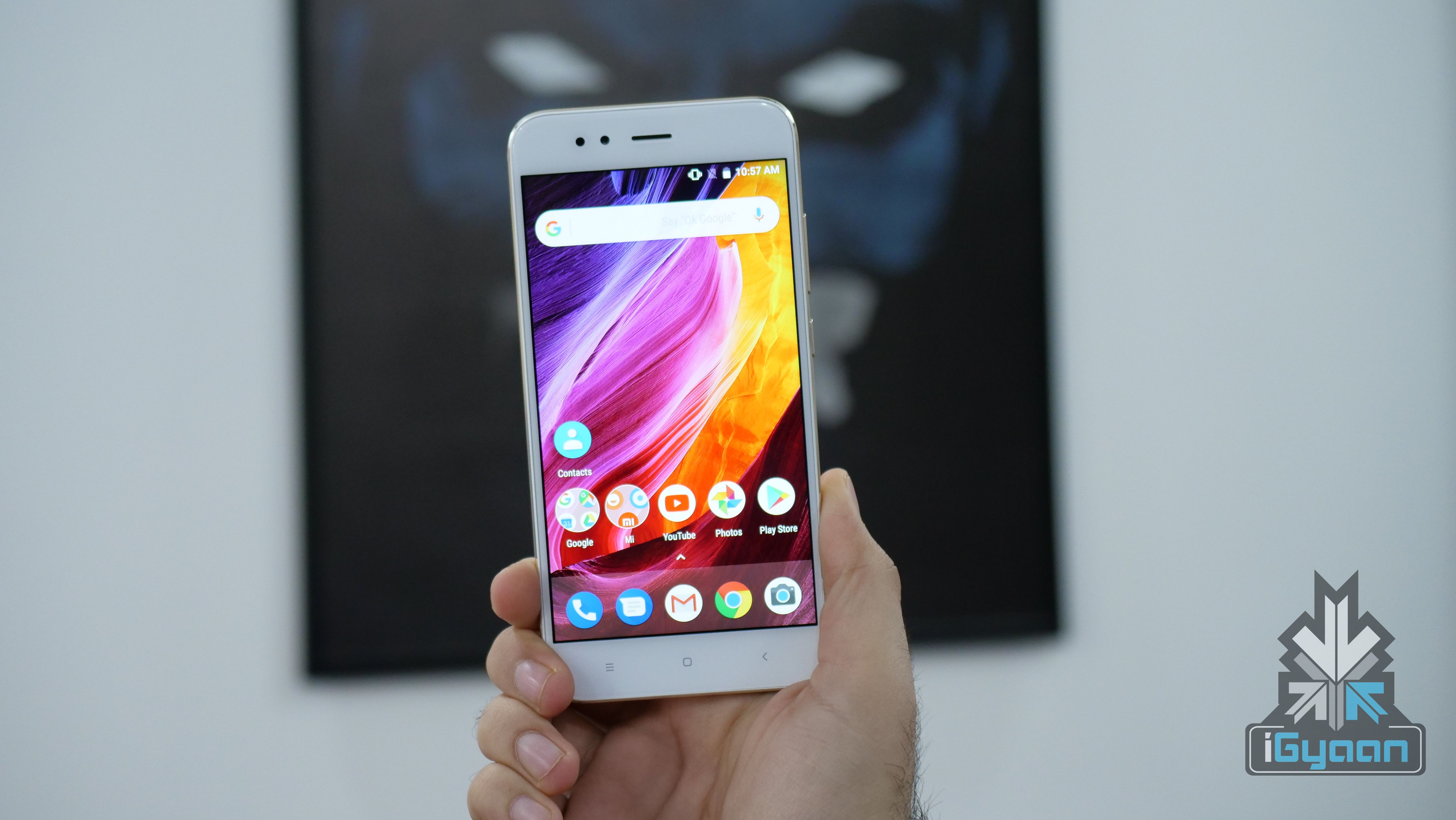
    Xiaomi Mi A1

    A new report claims to have “confirmation from an inside source regarding the existence of the Xiaomi Mi A2.” The report claims that the Mi A2 will be a rebranded Mi 6X which launched in April in China. The Mi A2 will first launch in Taiwan along with the Mi 8 and then make its way to the Indian market. This means that Xiaomi might be planning to stick to the September timeframe since the Mi A1 was also launched in the month of September in 2017.

    Must Read: Xiaomi Mi 8 Officially Launched With 3D Face Unlock

    The Xiaomi Mi A1 was also just a rebranded Mi 5X so, this information is not surprising. This information does solidify the argument that the Mi A1 will see a successor in India. With the Mi A1 being so popular, a follow-up was anticipated but, nothing can be said for sure. The Xiaomi Mi 6X has impressive specifications and should be a worthy successor to the Mi A1, provided it has better camera performance.

    Mi 6X

    The Xiaomi Mi 6X has a 5.99 inch IPS LCD display with a 2160 x 1080 px resolution. This is the same display found on the Redmi Note 5 Pro in India and the size of the bezels is also identical.

    Under the hood, the Xiaomi Mi 6X runs on the Snapdragon 660 chipset, coupled with either 4GB or 6GB of RAM and 64GB or 128GB of onboard storage which won’t be expandable. The fingerprint sensor is placed on the back of the smartphone which has been the case with almost every Xiaomi smartphone.

    Must Read: Top Tech: 10 Products By Xiaomi Not Easily Available In India

    Powering the smartphone 3010 mAh battery. Interestingly, the smartphone supports QuickCharge 3.0 which means it also has a USB type C port, something that a lot of Xiaomi fans wanted on the Redmi Note 5 Pro. Out of the box, the Mi 6X will run on Android 8 Oreo with MIUI 9.5 on top.

    Out of the two cameras on the back, the main sensor is a 20MP Sony IMX486 with an f/1.75 aperture and 2-micron pixel size. The secondary sensor is 12MP Sony IMX486 telephoto lens with an f/1.75 aperture and 1.25-micron pixel size. The AI is used to identify over 206 scenes in the camera app which includes food mode, text, greenery, sky, beach, snow, cats, dogs and many more. Once a scene is detected, the camera automatically tweaks its settings for, in theory, a better image. On the front of the Mi 6X is a 20MP Sony IMX376 sensor with soft light LED flash.

    As we said before, the Mi 6Xor the Xiaomi Mi A2 appears to be a worthy successor to the Mi A1. Whether these specifications will translate into real-world performance is yet to be seen.

  • Lenovo Z5 Running On Snapdragon 636, With An iPhone X Like Notch Launched

    Lenovo Z5 Running On Snapdragon 636, With An iPhone X Like Notch Launched

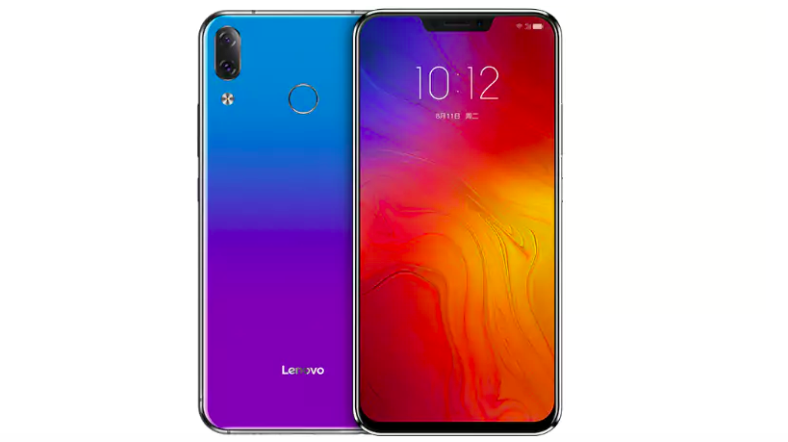
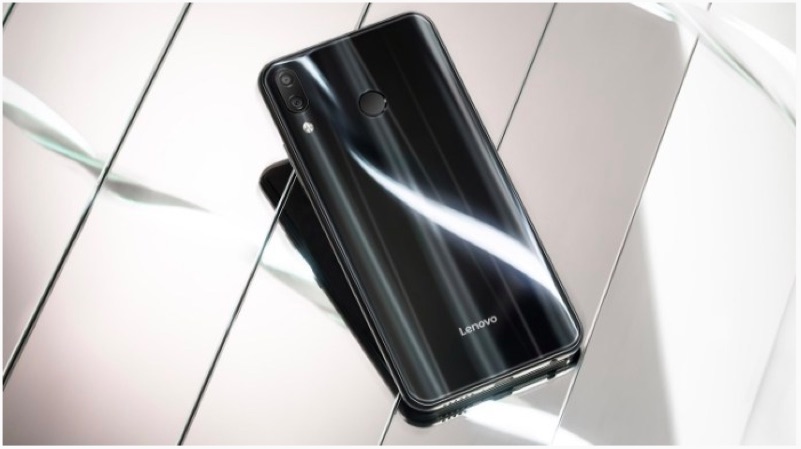
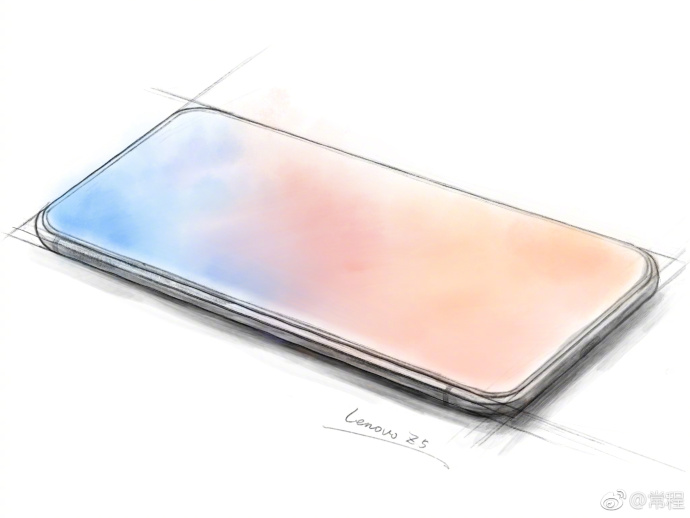
    Lenovo started teasing its revolutionary “all-screen” Lenovo Z5 a few weeks ago. The teaser images posted by Lenovo’s Vice President Chang Cheng painted a very rosy image of what the Lenovo Z5 might look like. However, the launch of the Lenovo Z5 revealed that the new smartphone doesn’t look all too different from many Android smartphones of 2018.

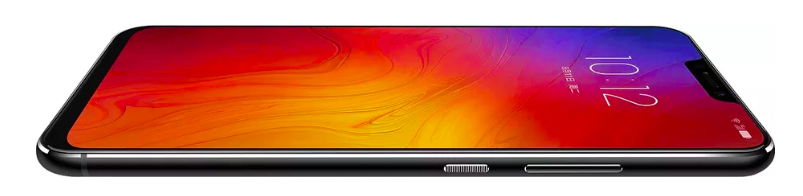
    The Chinese smartphone maker claims that the Lenovo Z5 has thinner bezels compared to the Mi 8 and the iPhone X. The notch, as well, is smaller on the Z5 compared to the two smartphones. This is true but, it is also worth noting that both the Mi 8 and iPhone X have 3D facial recognition system. This means that the notch on these smartphones solves a purpose, while the notch on the Z5 only houses the necessary sensors and the front camera. The company claims that the Z5 has a 90% screen-to-body which is impressive.

    The Lenovo Z5 is priced at CNY 1399 (Rs 14700 approx.) for 64GB storage variant and CNY 1799 (Rs 18,900 approx.) for the 128GB storage model. It goes on sale in China on 12th June at 10 am.

    The Lenovo Z5 has a 6.2 inch IPS LCD display with a 2246 x 1080 px resolution. This translates into an 18.7:9 aspect ratio which is mainly because of the notch. The display has the DCI-P3 colour gamut and has a brightness of up to 700 nits.

    Teaser Sketch Didn’t Reveal A Notch

    Under the hood, the Lenovo Z5 runs on the Snapdragon 636 chipset. This chipset made its global debut with the Redmi Note 5 Pro and has since been used in devices like the Zenfone Max Pro as well. Coupled with the Snapdragon 636 will be 6GB of RAM and either 64GB or 128GB of onboard storage. The fingerprint sensor is placed on the back of the smartphone and not under the display. This is another feature which was anticipated in the device.

    Powering the smartphone is a 3300 mAh battery which will charge via a USB-C port and 18W fast charging support. The 45 days standby time is a software feature, just like we anticipated. Out of the box, the device will run Android 8.1 Oreo with ZenUI 3.9 on top. Lenovo did adopt stock Android last year for devices like the K8 Note but, has stuck to its custom skin for the Z5.

    The back of the smartphone houses a vertically-placed dual-camera setup which is uncannily similar to the iPhone X and many other Android devices. Back when the iPhone X was launched, it was mocked for “lack of imagination” as the company barely changed the orientation of the dual-camera. However, here we are with almost every Android device now launching with a vertically-placed dual camera setup. It has a 16MP primary sensor with an f/2.0 aperture and an 8MP secondary sensor. To the front is an 8MP camera with f/2.0 aperture.

    The Lenovo Z5 is, without a doubt, far from the promised land. It has features that every other Android device in 2018 possesses and the design as well, is no different from the likes of OnePlus 6 and Mi 8. There are no details about the smartphone launching in India yet, but, we do expect Lenovo to launch the Z5 in other markets as well.

  • iOS 12: Everything You Need To Know

    iOS 12: Everything You Need To Know

    The first day of the World Wide Developer’s Conference 2018 was an eventful one. Many expected announcements were made and a few anticipated features were yet again snubbed. One of the highlights of WWDC 2018 was the unveiling of iOS 12. The next iteration of Apple’s mobile operating system which will, according to the company, see the biggest software roll-out yet. Apple announced that all the devices that were updated to iOS 11 will receive an update to iOS 12. Here is a list of all the iOS 12 compatible devices:

    • iPhone 5s
    • iPhone 6/6 Plus
    • iPhone 6s/6s Plus
    • iPhone SE
    • iPhone 7/7Plus
    • iPhone 8/8Plus
    • iPhone X
    • 12.9-inch iPad Pro (2017)
    • 12.9-inch iPad Pro (2016)
    • 10.5-inch iPad Pro
    • 9.7-inch iPad Pro
    • iPad Air 2
    • iPad Air
    • iPad (2017)
    • iPad Mini 4
    • iPad Mini 3
    • iPad Mini 2
    • iPod touch 6th generation

    One of the issues with iOS 11 was that older devices became agonisingly slow with the new update. Apple has conceded that with iOS 12, the older devices will be about 40% faster and app-load times will be significantly lesser. This is great news for people who are still clinging on to their iPhone 5s or iPhone 6 and would want to upgrade to the latest version of iOS. Apple followed through with Tim Cook’s earlier remarks about iOS 12. The new version will not be a huge visual upgrade, in fact, it will be a performance upgrade for all devices, and not just older iPhones and iPads.

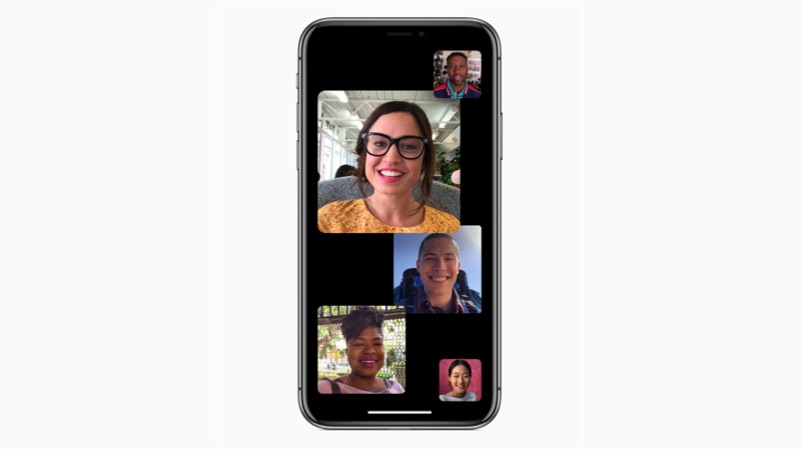
    Apple also introduced a group calling feature in FaceTime.  Group FaceTime makes it easy to chat with multiple people at the same time. Participants can be added at any time, join later if the conversation is still active and choose to join using video or audio from an iPhone, iPad or Mac — or even participate using FaceTime audio from Apple Watch. Another interesting feature is the use of Memoji within FaceTime which just adds an extra bit of fun to video calls.

    Apple also introduced a few features to Siri, Apple’s AI voice assistant. One of the new features added to Siri is Shortcuts. This will allow any app to access Siri using a particular phrase which can be personalised. Apps will have an ‘add to Siri’ option. For example, if you say “Siri I lost my keys,” Siri will automatically open the Tile app. Siri will also track a user’s activity within an app and predict actions for users at specific times. For example, if a user orders a coffee in the morning, Siri will automatically notify them to order the coffee with the usual order pre-decided.

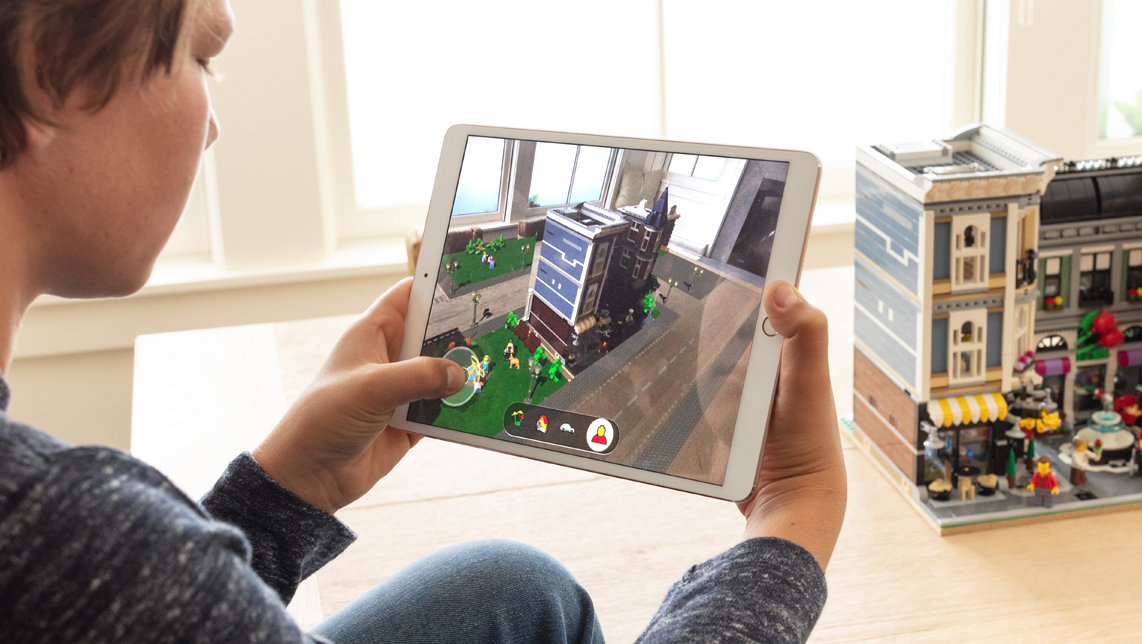
    Apple also claimed that new AR features will be introduced to iOS 12. One of the features is the new AR app called, Measure. As the name suggests, the app lets users measure real-life objects thanks to AR. It also automatically recognises rectangles and gives instant measurements. Impressively, the app can also measure in 3D, which means you can measure more than just the length or breadth of an object.

    Apple also unveiled the AR sharing experience thanks ARKit 2.0. This means that developers can create apps that will let multiple users share the same experience or play the same game. Won’t be too long before we AR Beer Pong being played on iPad Pros in dorm rooms.

    One of the biggest pain points of iOS users has been notifications. Any moderately social media savvy user knows the struggles of managing notifications from different apps on an iOS device. With iOS 12, Apple has addressed this issue. One of the most talked-about features of iOS 12, before WWDC began, was notifications.

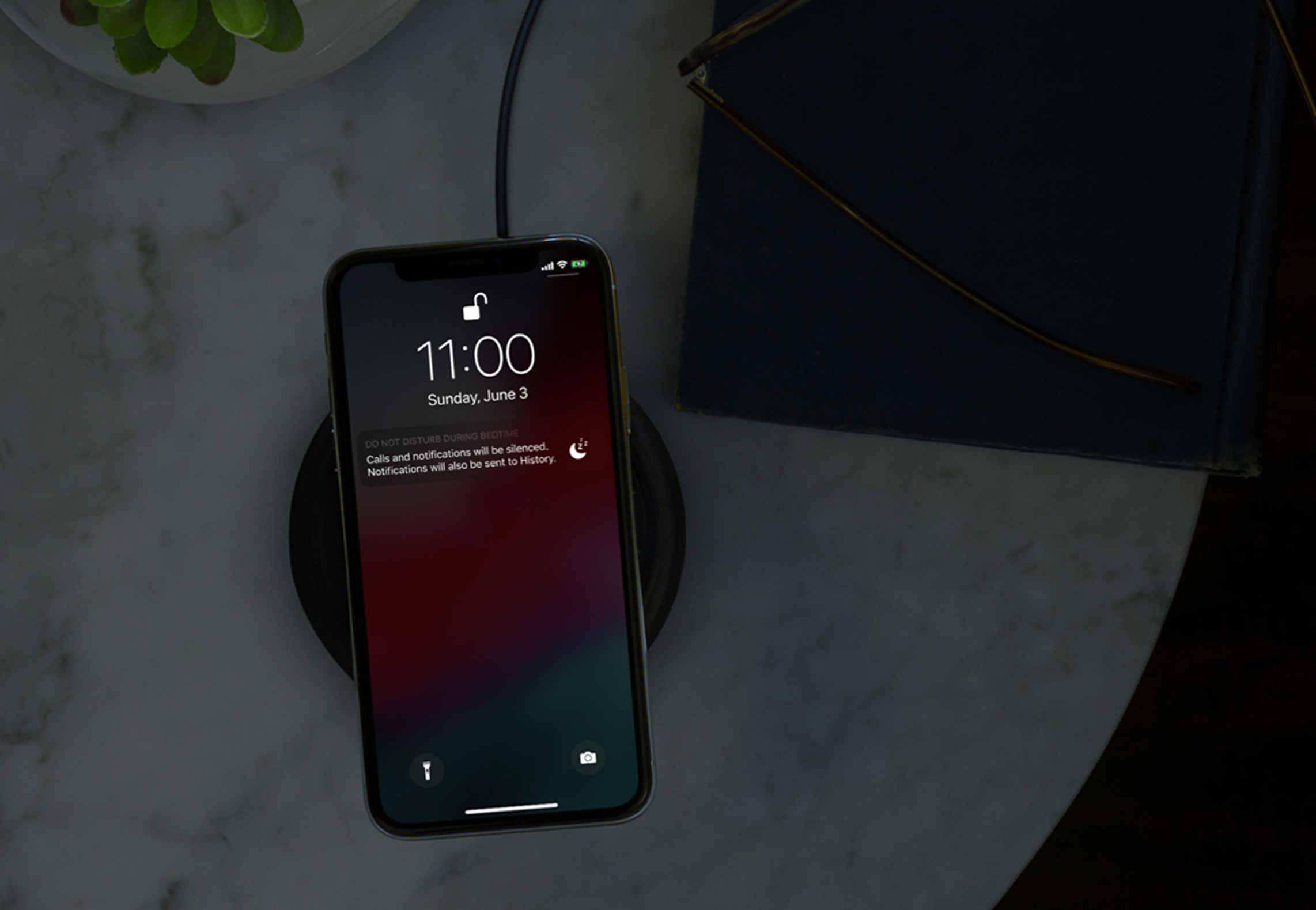
    First up is Do Not Disturb mode for notifications. This means that during a user’s specified ‘Night Time’, the iPhone won’t display any notifications. The iPhone won’t light up for a notification meaning less disturbance and users will be able to deal with the notifications once they’re up.

    Must Read: WWDC 2018: macOS Mojave With Dark Mode Unveiled

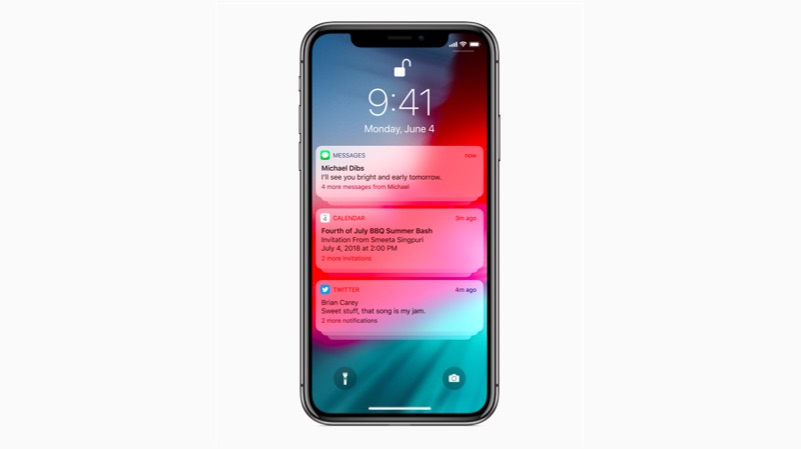
    The second important feature is grouped notifications. Unlike any iOS versions so far, iOS 12 will group all the notifications from one app resulting in a much less cluttered lock screen and notification panel. With one swipe, users will get an option to either manage, open or dismiss all the notifications at once.

    On paper, these are very important updates to iOS, especially for users with older devices. Many people were anticipating a Dark Mode to make its way to iOS but, they’ll have to make do with Smart Invert for the time being. Apple did, however, commit to the Dark Mode but, on macOS Mojave instead. Whether iOS 12 will be that performance upgrade everyone was hoping for, only time will tell as we expect the final version of iOS 12 to roll-out a few days after the 2018 iPhone lineup is launched.

  • WWDC 2018: macOS Mojave With Dark Mode Unveiled

    WWDC 2018: macOS Mojave With Dark Mode Unveiled

    Apple’s annual World Wide Developer’s conference has mostly focused on software. This time around, there was a lot of chatter around some hardware products being launched at WWDC 2018. Devices like the iPhone SE 2, AirPower were expected to be unveiled, however, that did not happen. One rumour that did get confirmed pertains to macOS. Apple unveiled macOS Mojave, the successor to macOS High Sierra which will roll out to compatible Macs later in the year.

    Dark Mode

    One of the most requested features for iOS has made its way to macOS. The Dark Mode has been on the wishlist of iOS users for many years but, iOS 12 won’t be getting it. Instead, macOS Mojave will take advantage of this famed feature. With the dark mode, the UI will become dark and it will work with all system apps. The Photos app, Pages, Keynote and all other pre-installed apps on macOS will have a dark UI once this feature is enabled.

    While this is not a performance upgrade, we expect it to be one of the most talked about macOS updates in the coming months. This also means that Apple is open to a darker UI and iOS 13, or a future iOS 12 update might bring in this feature, too.

    Desktop and Finder

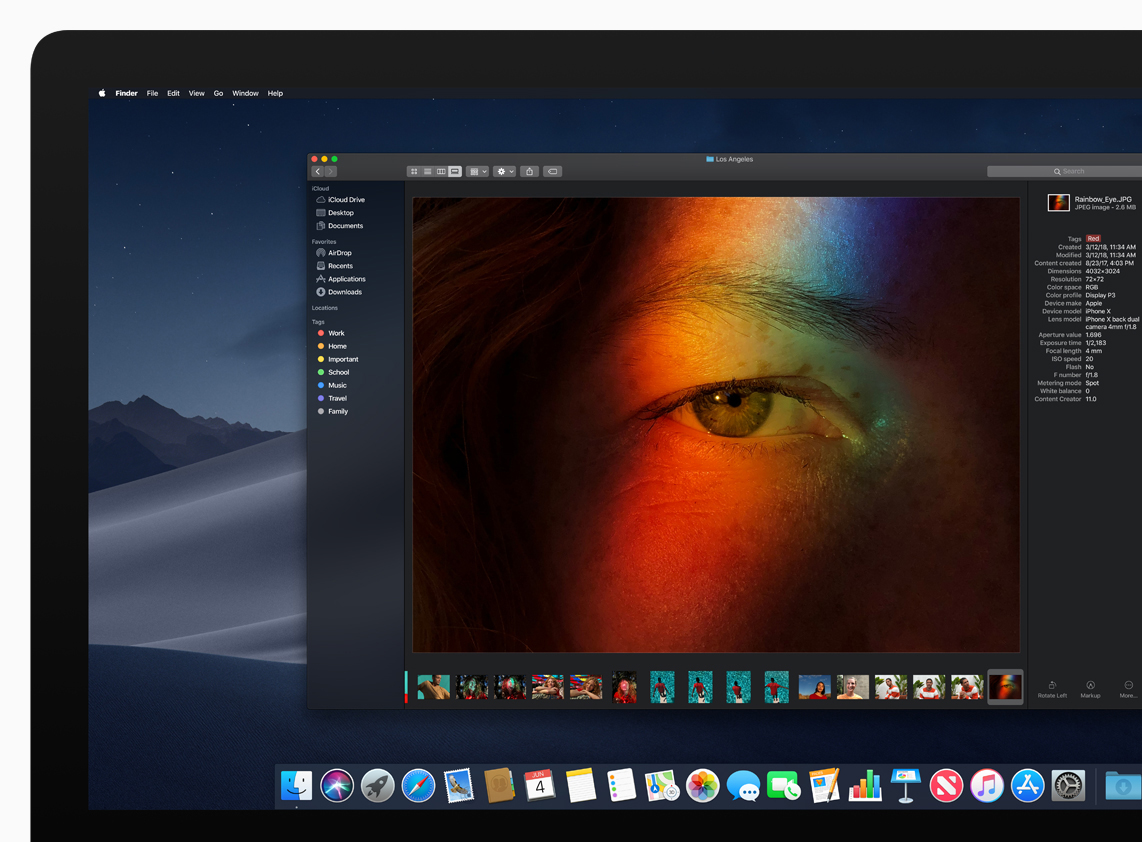
    People who intensively use their Macs know the pain of a cluttered desktop. A macOS desktop can get cluttered very soon and the new Stack feature will help users sort that out. Users can customize their Stacks to sort based on other file attributes like date and tags. Finder also gets a significant update in macOS Mojave with an all-new Gallery View that lets users skim through files visually. The Preview Pane now shows all of a file’s metadata, making it easier to manage media assets.

    Group FaceTime

    The iOS feature reaches the new macOS Mojave as well. Group FaceTime makes it easy to chat with multiple people at the same time. Participants can be added at any time, join later if the conversation is still active and choose to join using video or audio from an iPhone, iPad or Mac — or even participate using FaceTime audio from Apple Watch.

  • Apple’s Memoji Feature Will Let Users Create Personalised Animojis

    Apple’s Memoji Feature Will Let Users Create Personalised Animojis

    At WWDC 2018, Apple unveiled the new version of iOS which will see to iOS devices later this year. Along with new features to Siri and a better notification management, Apple also unveiled new additions to Animojis. In September, Apple introduced Animojis along with the iPhone X and for all the fancy Face ID tech it possessed, Animojis soon became its most famous feature. Apple appears to have recognised that and has gone a step further Memoji.

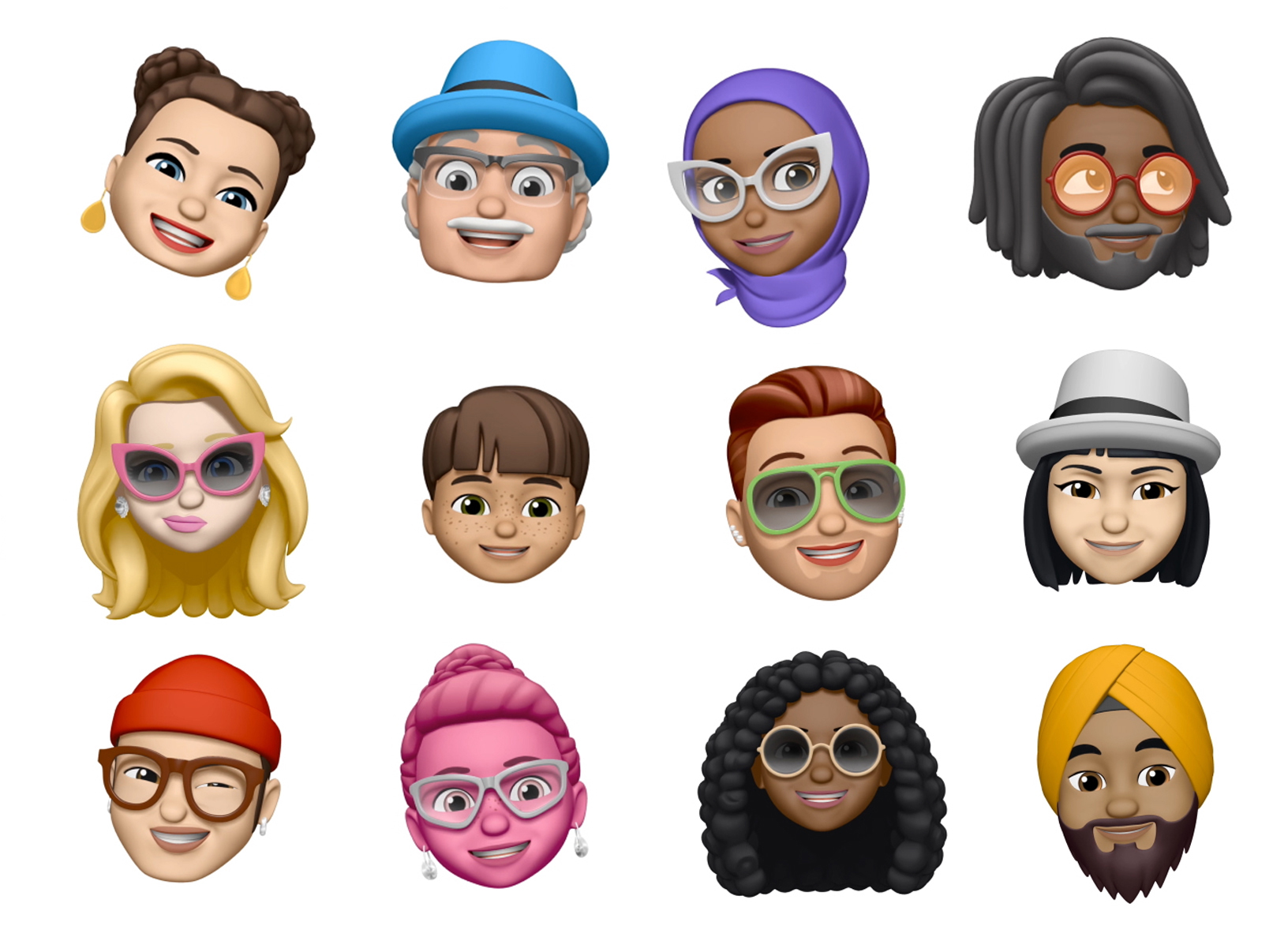
    Memoji is what Samsung tried to do with AR Emojis and did not succeed. In iMessage, where you would usually select an Animoji, users will soon be able to swipe right and click on the add button to create a custom Memoji. In this window, users will be able to build their own Animoji-type characters from the ground up. Apple will let users decide minute details like freckles, hair colour, hair style, accessories like hats, glasses and more. Once done, users can save it to use in iMessages, or it can be overlaid on the user’s own face while taking a selfie.

    Animojis also get a new feature which Apple quipped as “revolutionary,” Tongue Detection. Bizarrely enough, many users were disappointed that animojis did not track their tongues. Well, Apple has admittedly addressed that very specific complaint and users will be able to use their toungue to express through animojis as well. Along with tongue detection, animojis also get new characters like a ghost, koala, tiger, and T-rex.

    With Samsung’s attempt failing to take off, it will be interesting to see how Memoji takes off with iOS 12.

  • WWDC 2018: iOS 12 Launched With Performance Updates And New AR Capabilities

    WWDC 2018: iOS 12 Launched With Performance Updates And New AR Capabilities

    The first day of Apple’s World Wide Developer’s Conference kicked off in San Jose, California today. Historically, WWDC has concentrated on the software aspect of Apple’s portfolio. At WWDC 2018, Apple unveiled iOS 12, the successor to iOS 11 which was seeded to compatible devices in September 2017. iOS 12 will be seeded to the iPhone 5s and newer, meaning an iPhone launched in 2014 will run on the latest version of iOS.

    While iOS 11 had a rocky start, about 81% of iOS devices run iOS 11 at this point. Compared to this, only 6% of Android devices run on the latest version of Android Oreo. Apple has announced that all the devices that received the iOS 11 update will also receive the iOS 12 update. The company claims that this is the biggest software roll-out so far. Here is a list of all the iOS devices which will receive the iOS 12 update later in the year:

    • iPhone 5s
    • iPhone 6/6 Plus
    • iPhone 6s/6s Plus
    • iPhone SE
    • iPhone 7/7Plus
    • iPhone 8/8Plus
    • iPhone X
    • 12.9-inch iPad Pro (2017)
    • 12.9-inch iPad Pro (2016)
    • 10.5-inch iPad Pro
    • 9.7-inch iPad Pro
    • iPad Air 2
    • iPad Air
    • iPad (2017)
    • iPad Mini 4
    • iPad Mini 3
    • iPad Mini 2
    • iPod touch 6th generation

    With iOS 12, Apple has confirmed what it claimed a few months ago. Tim Cook said that iOS 12 will concentrate a lot more on performance than the visuals. Since older devices like the iPhone 5s, iPhone 6 will be updated to iOS 12, the company claims that this won’t slow down the performance. In fact, app load times could be two times faster with the new iOS update.

    AR

    Google introduced some really cool features to Google Lens at the Google I/O. Apple has also claimed that new AR features will be introduced to iOS 12. One of the features is the new AR app called, Measure. As the name suggests, the app lets users measure real-life objects thanks to AR. It also automatically recognises rectangles and gives instant measurements. Impressively, the app can also measure in 3D, which means you can measure more than just the length or breadth of an object.

    Apple also unveiled the AR sharing experience thanks ARKit 2.0. This means that developers can create apps that will let multiple users share the same experience or play the same game. Won’t be too long before we AR Beer Pong being played on iPad Pros in dorm rooms.

    Siri

    Siri, Apple’s AI voice assistant is the oldest in the industry right now. However, with Google Assistant’s advancements, it has fallen behind the pecking order in the last year or so. With WWC 2018, Apple was expected to announce a major overhaul to Siri, considering how the new iOS version concentrates on performance and efficiency more than anything else. However, while Apple did introduce new Siri functionalities, there weren’t any major announcements regarding Apple’s famed voice assistant.

    One of the new features added to Siri is Shortcuts. This will allow any app to access Siri using a particular phrase which can be personalised. Apps will have an ‘add to Siri’ option. For example, if you say “Siri I lost my keys,” Siri will automatically open the Tile app. Siri will also track a user’s activity within an app and predict actions for users at specific times. For example, if a user orders a coffee in the morning, Siri will automatically notify them to order the coffee with the usual order pre-decided. This means that the user just has to tap on the notification and confirm the order. Similarly, if a user is late for a meeting, the search brings up an option to text another person that you’re late.

    Notifications

    One of the biggest pain points of iOS users has been notifications. Any moderately social media savvy user knows the struggles of managing notifications from different apps on an iOS device. With iOS 12, Apple has addressed this issue. One of the most talked-about features of iOS 12, before WWDC began, was notifications. With Google doing so much for users to handle notifications more efficiently, Apple’s response was well anticipated. And it looks like Apple has delivered.

    First up is Do Not Disturb mode for notifications. This means that during a user’s specified ‘Night Time’, the iPhone won’t display any notifications. The iPhone won’t light up for a notification meaning less disturbance and users will be able to deal with the notifications once they’re up.

    The second important feature is grouped notifications. Unlike any iOS versions so far, iOS 12 will group all the notifications from one app resulting in a much less cluttered lock screen and notification panel. With one swipe, users will get an option to either manage, open or dismiss all the notifications at once. This will come in handy for a lot of people who don’t necessarily turn off notifications of a lot of apps.

    Apple’s Digital Well-Being

    At Google I/O, one of the main themes was an average user’s worrying usage time of a smartphone. Apple appears to have addressed this issue as well with iOS 12. Apple wants its users to spend a limited amount of time on their iPhones and their iPhones will in fact remind them of that. Users can set a time limit to certain apps they feel they’re “addicted” to. Once that time runs out, the iPhone will display a window that says it is time to move on. Users then have the option to either close the app and move on or ignore the warning and extend their time on the app.

    This will work on all iOS devices which means that whether you’re on your iPhone or iPad, you can spend a limited time on Instagram. This will come in handy for parents as well, as they try to limit their child’s usage of electronic devices. The timing can be set to any app and the notification goes to every iOS device connected to the certain Apple ID.
  • Unboxing The Moto G6

    Unboxing The Moto G6

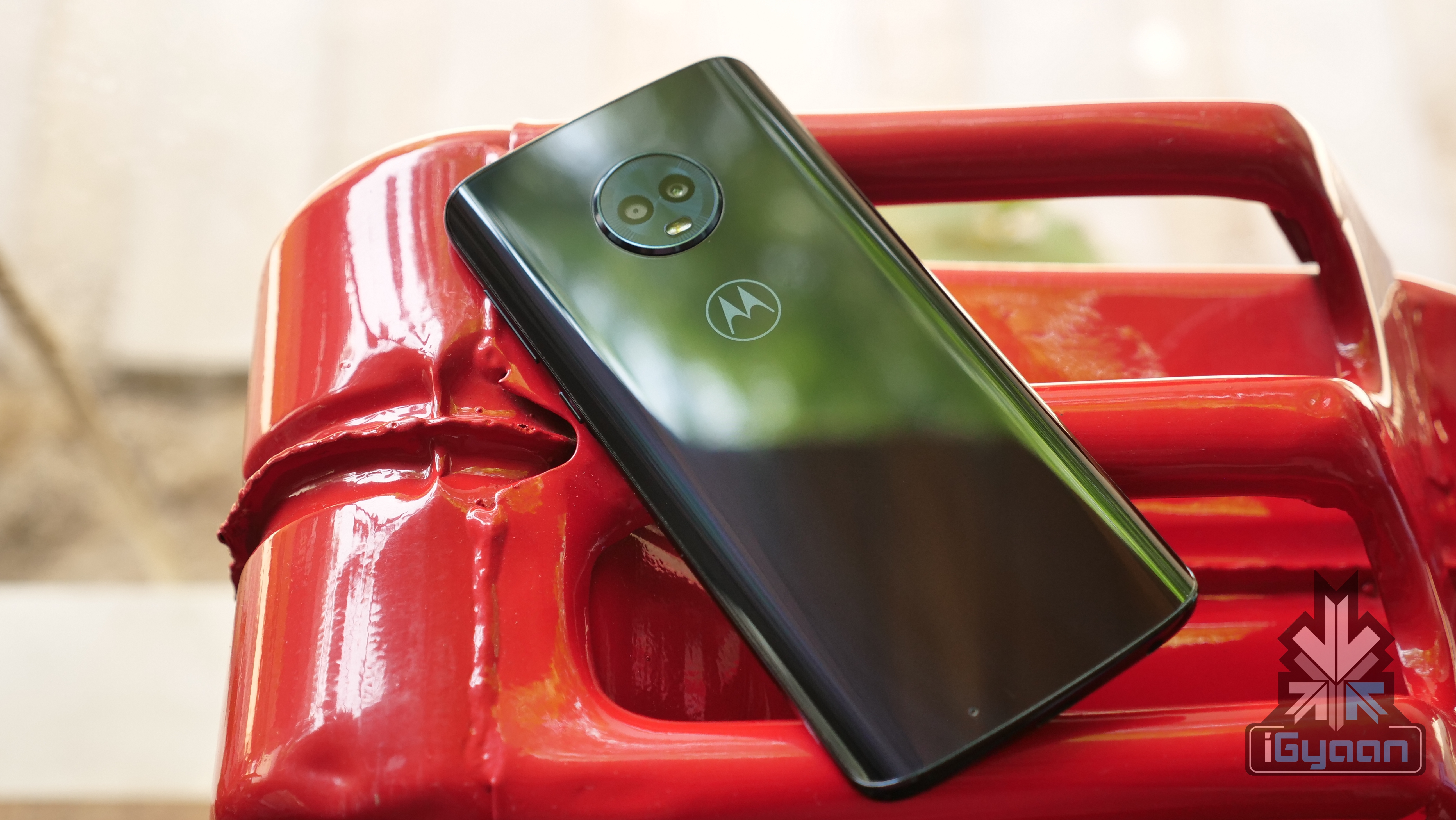
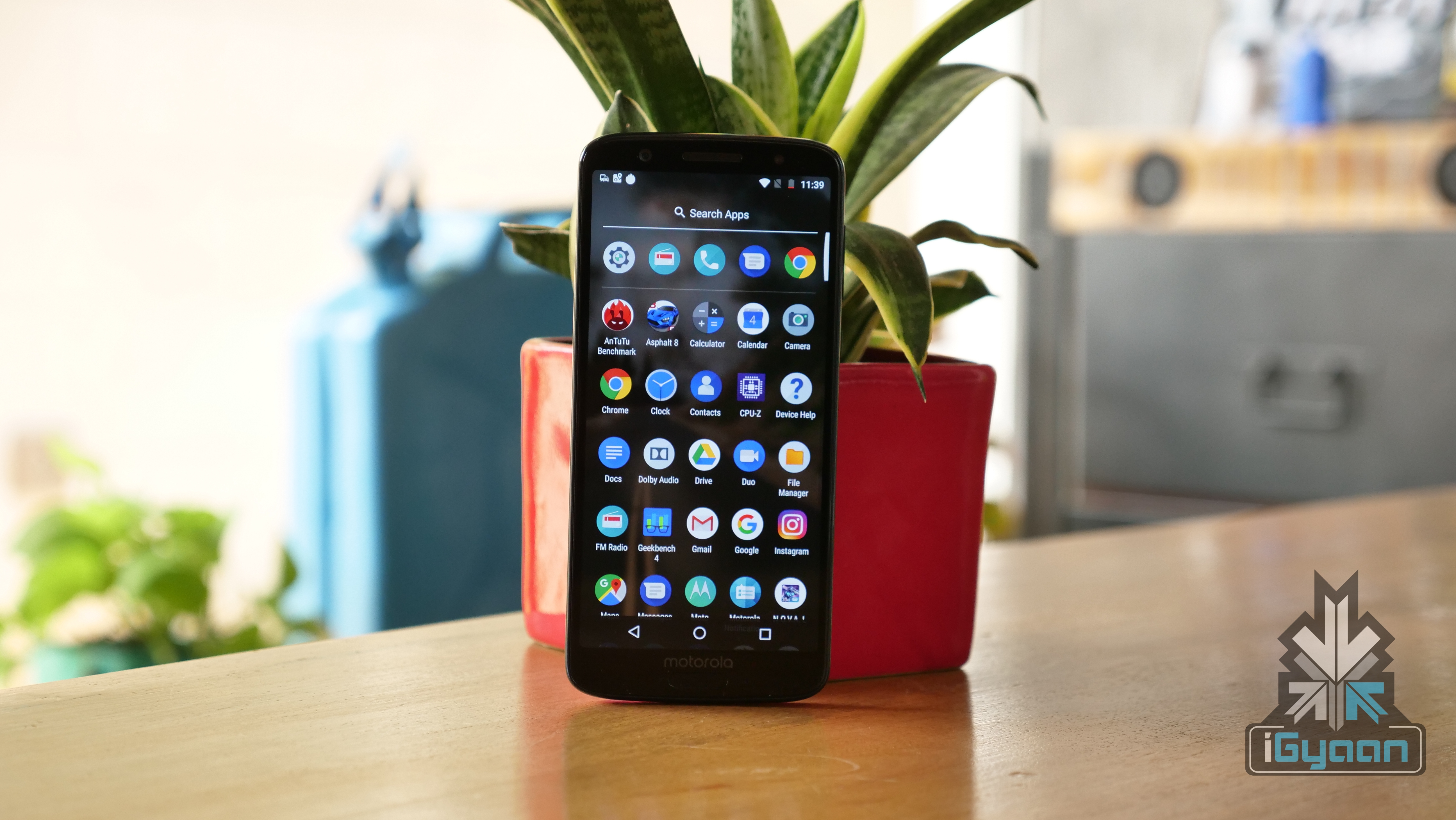
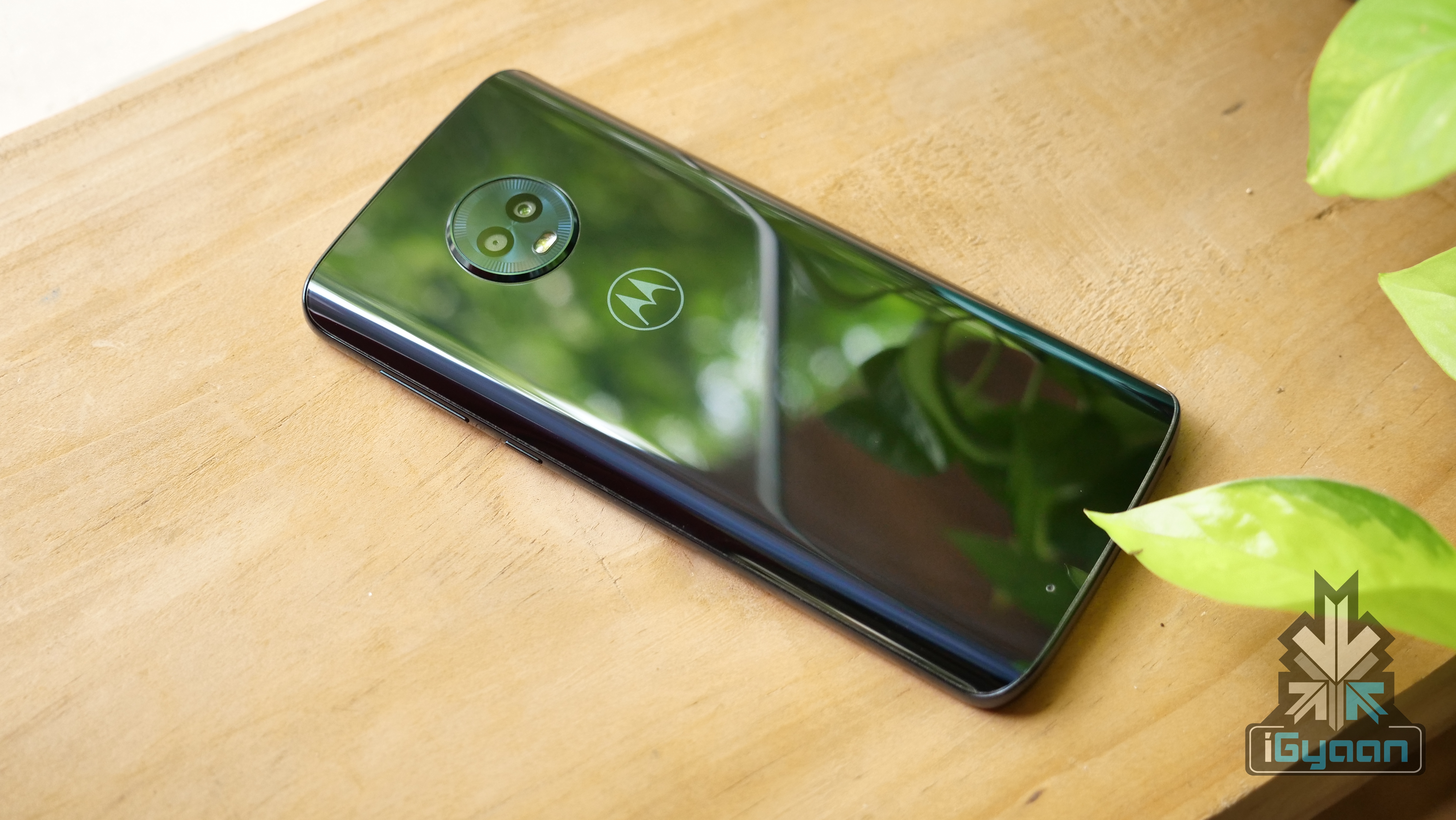
    The sixth generation of Motorola’s highly acclaimed Moto G series has launched in India. The Moto G6, initially launched back on Apilr 19th in Brazil has made its way to India for a starting price of Rs 13999. The Moto G6 is the successor to the Moto G5s which was launched in August 2017 and it will go on sale via Amazon exclusively.

    Buy The Moto G6 Here

    The Moto G6 is a significant upgrade over the Moto G5s in terms of design and build quality. During the Moto G5s launch, there were premium smartphones with the 18:9 aspect ratio but, not many budget devices had adopted the feature. Since then, however, the 18:9 aspect ratio has become the norm across the board. The Moto G6 follows the norm as well and has thin bezels around the display with an 18:9 aspect ratio.

    [section label=”Unboxing”]

    Inside the box of the Moto G6
    • Moto G6
    • Documentation
    • Sim Ejector Tool
    • Wall Charger
    • USB-C Cable

    [section label=”First Impressions”]

    A few years ago, most budget smartphones were flimsy and had a plastic build. That slowly transitioned into a metal unibody which is much more sturdier, if not the best-looking. 2018 appears to be the year of embracing the glass build quality. Honor did it with Honor 9 Lite and now Motorola has also adopted the all-glass design. The Moto G6 features Corning Gorilla Glass3 on the front and back with an aluminium frame. With the new design, the G6 will be a fingerprint magnet which means a skin or a case is highly recommended for people who like to keep their smartphones clean and pretty.

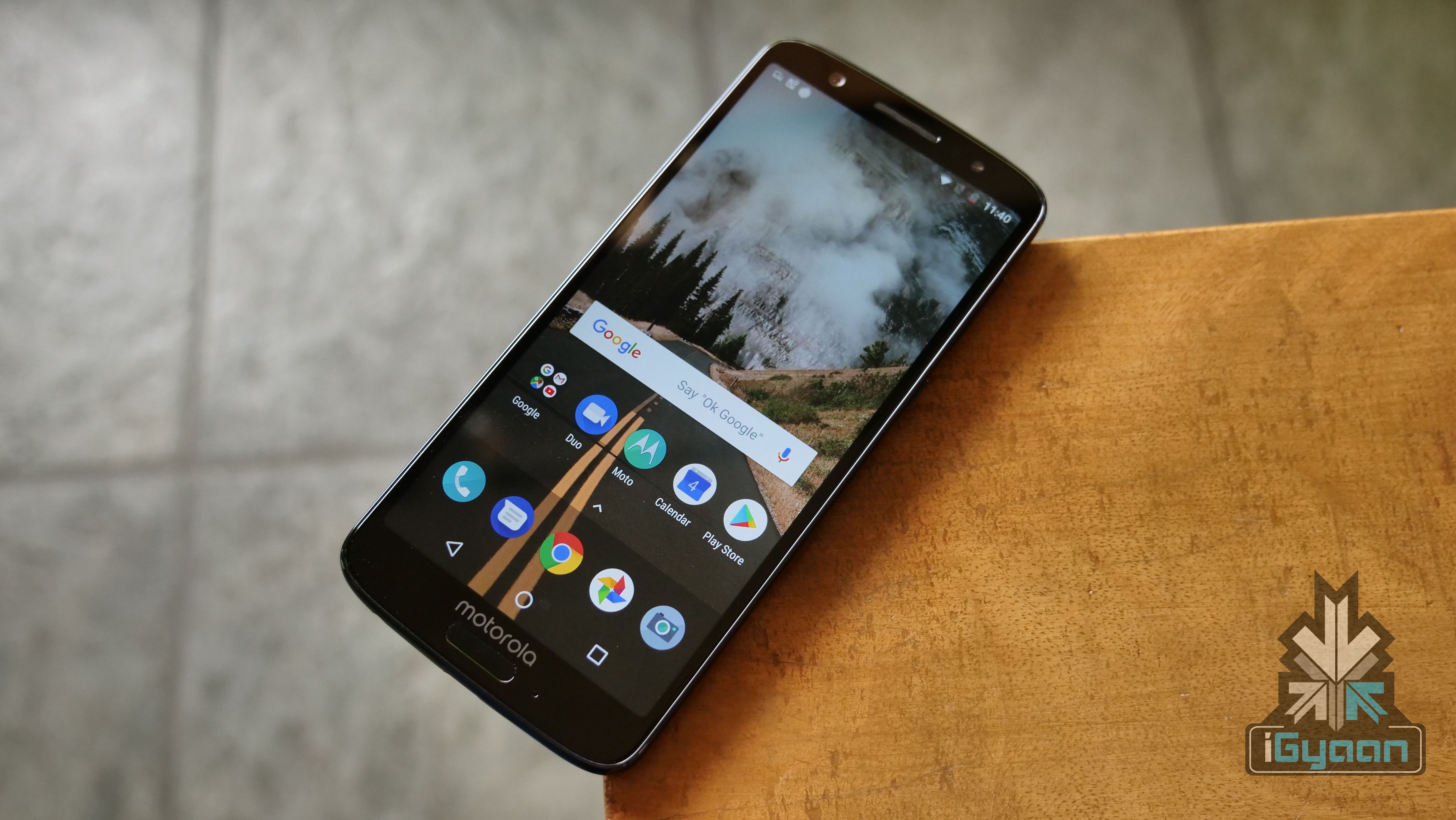
    The G6 has a 5.7 inch LCD display with a 2160×1080. This translates into an 18:9 aspect ratio and thankfully for many, it doesn’t have a notch. Even though it has an 18:9 aspect ratio, the bezels are not the thinnest and it has a 74.4% screen-to-body ratio which is not very high.

    Under the hood, the smartphone runs on the Snapdragon 450 chipset which has eight 1.8GHz Cortex A53 Cores (14nm) and is basically the rebranded Snapdragon 625. The Adreno 506 GPU adds the graphical prowess with either 3GB or 4GB RAM option bundled with a 32GB or 64GB storage option. The storage is expandable via a microSD card which will use up the second SIM slot.

    The Moto G6 does get the USB C charging capabilities along with a 15W charger, which is bundled with a 3000mAh battery. The G6 will run close to stock Android 8 Oreo out of the box in typical Motorola fashion. There were talks of Motorola adopting Lenovo’s custom skin for the G and E series in 2018 but, it turned out to be a hoax.

    At the back is a dual camera setup, consisting of a primary 12MP RGB sensor with an f/1.8 aperture along with a 5MP depth sensor with an f/2.2 aperture. Much like previous smartphones from the company, users can apply a depth-of-field effect to a photo after it is shot, thanks to the saved depth information. Users will also get effects like a selective black-and-white mode, a time-lapse feature, face filters, motion photos and visual search for objects and landmarks. The front houses a 16MP camera with an f/2.2 aperture and an LED flash.

    The Moto G6 feels like a worthy upgrade over the Moto G5s. At this price point, however, the consumers also have the options of going for the Redmi Note 5 Pro or the Zenfone Max Pro which are powered by the Snapdragon 636. The G6 does have a better design with its a–glass build but, it’ll be interesting to see how the smartphone is received by the Indian consumers.

  • Moto G6

    Moto G6

    Motorola has launched the sixth generation of its highly successful Moto G series in India. The Moto G6 was globally launched on 19th April in Sao Paulo, Brazil. Over the past few days, Motorola India had been teasing the launch of the Moto G6 on social media. The new Moto G6 succeeds the Moto G5s which was launched in India in August 2017. At a starting price of Rs 13999, the Moto G6 will go on sale on 9th May via Amazon exclusively.

    Buy The Moto G6 Here

    The Moto G6 is a significant upgrade over the Moto G5s in terms of design and build quality. During the Moto G5s launch, there were premium smartphones with the 18:9 aspect ratio but, not many budget devices had adopted the feature. Since then, however, the 18:9 aspect ratio has become the norm across the board. The Moto G6 follows the norm as well and has thin bezels around a display with an 18:9 aspect ratio.

    [section label=”Latest News”]

    Latest News

    [loop included_tags=”40153,40154″ loading=”paged” layout=”c” postsperpage=”6″ disable_ads=”true” disable_excerpt=”true”]

    [section label=”Videos”]

    Videos

iGyaan Network
Privacy Overview

This website uses cookies so that we can provide you with the best user experience possible. Cookie information is stored in your browser and performs functions such as recognising you when you return to our website and helping our team to understand which sections of the website you find most interesting and useful.