Blog

  • OnePlus 6 Vs Xiaomi Mi 8: Top Notch Flagships

    OnePlus 6 Vs Xiaomi Mi 8: Top Notch Flagships

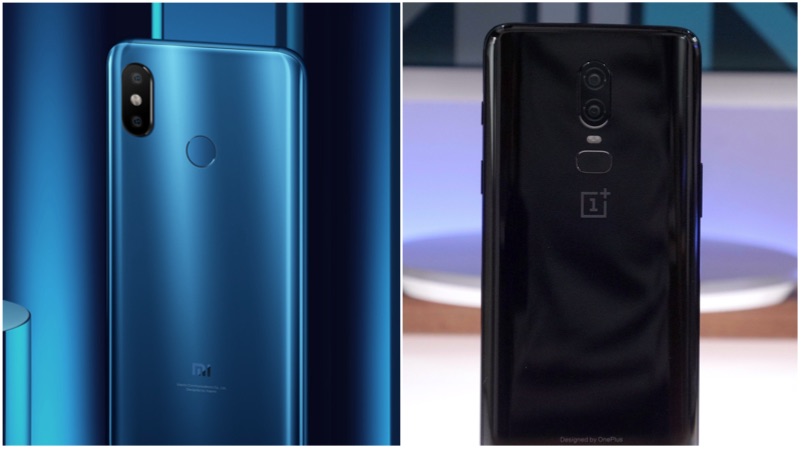
    If 2017 was all about that dual-camera setup, then 2018 is about that notch. Before MWC 2018, many expected this year’s smartphones to focus on AI and machine learning. However, the iPhone X set the trend of the notch in motion. The OnePlus 6 and Xiaomi Mi 8 are two 2018 flagship devices that have implemented the notch but, in two completely different ways.
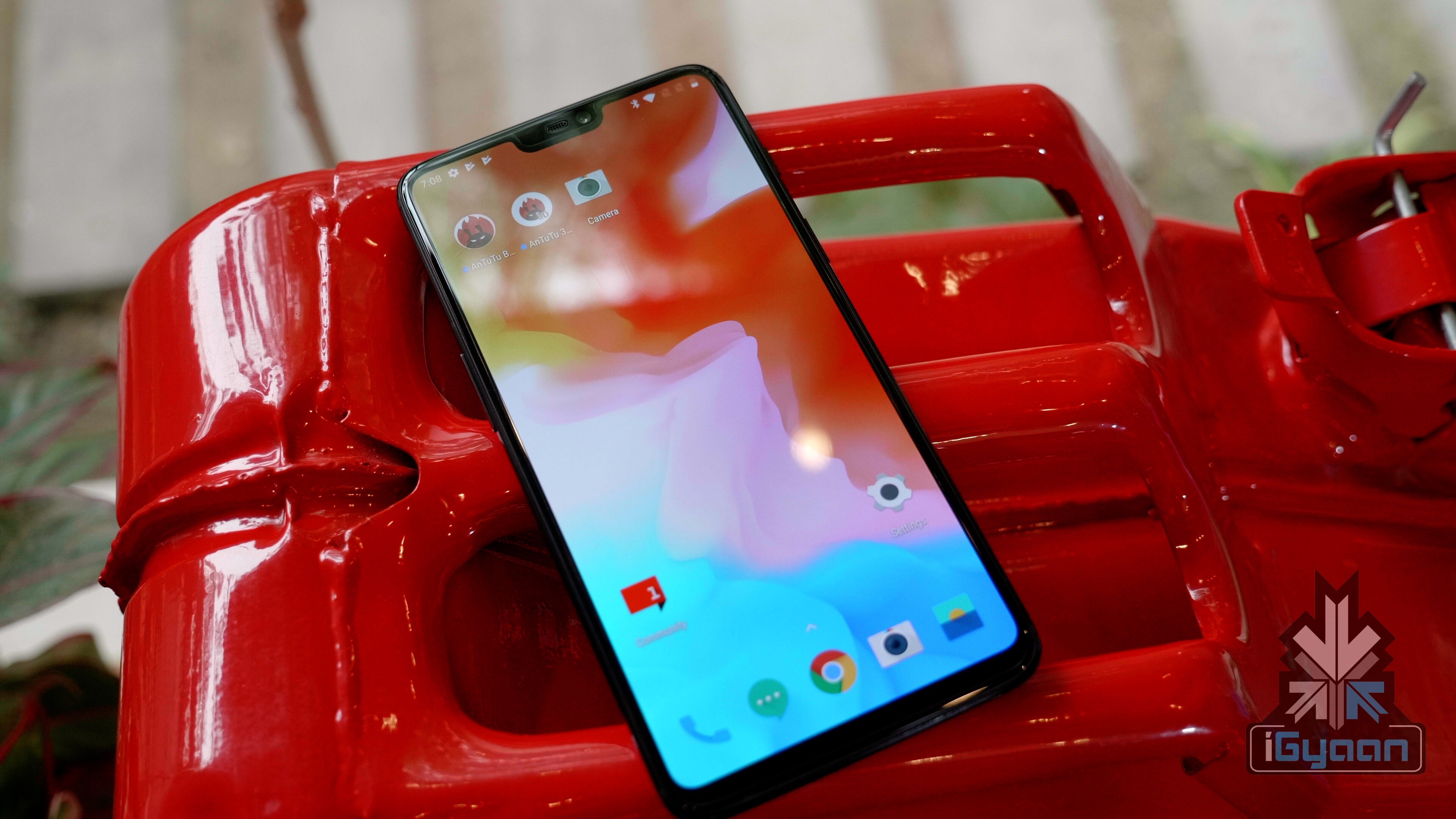
    The Xiaomi Mi 8 has a wider notch but, it also houses all the tech required for 3D facial recognition. After the iPhone X, the Mi 8 is the first smartphone to feature 3D facial recognition technology, similar to Apple’s Face ID. The OnePlus 6, on the other hand, features a narrower notch which helps the company reduce the size of the bezels and incorporate a bigger display without really increasing the overall footprint of the smartphone.

    In a lot of ways, the Xiaomi Mi 8 and OnePlus 6 are similar. Both the devices use an AMOLED display with FullHD+ resolution and run on the latest Snapdragon 845 chipset. Even in terms of pricing, both the devices are much more affordable when compared to the likes of Galaxy S9, HTC U12+ or the iPhone X. The Mi 8 starts at a price of CNY 2,699 (Rs 28400 approx.) while the OnePlus 6 in China starts at a price of CNY 3199 (Rs 33800 approx.). In India, while the OnePlus 6 retails for Rs 34999 (base model), the Mi 8 might never launch.
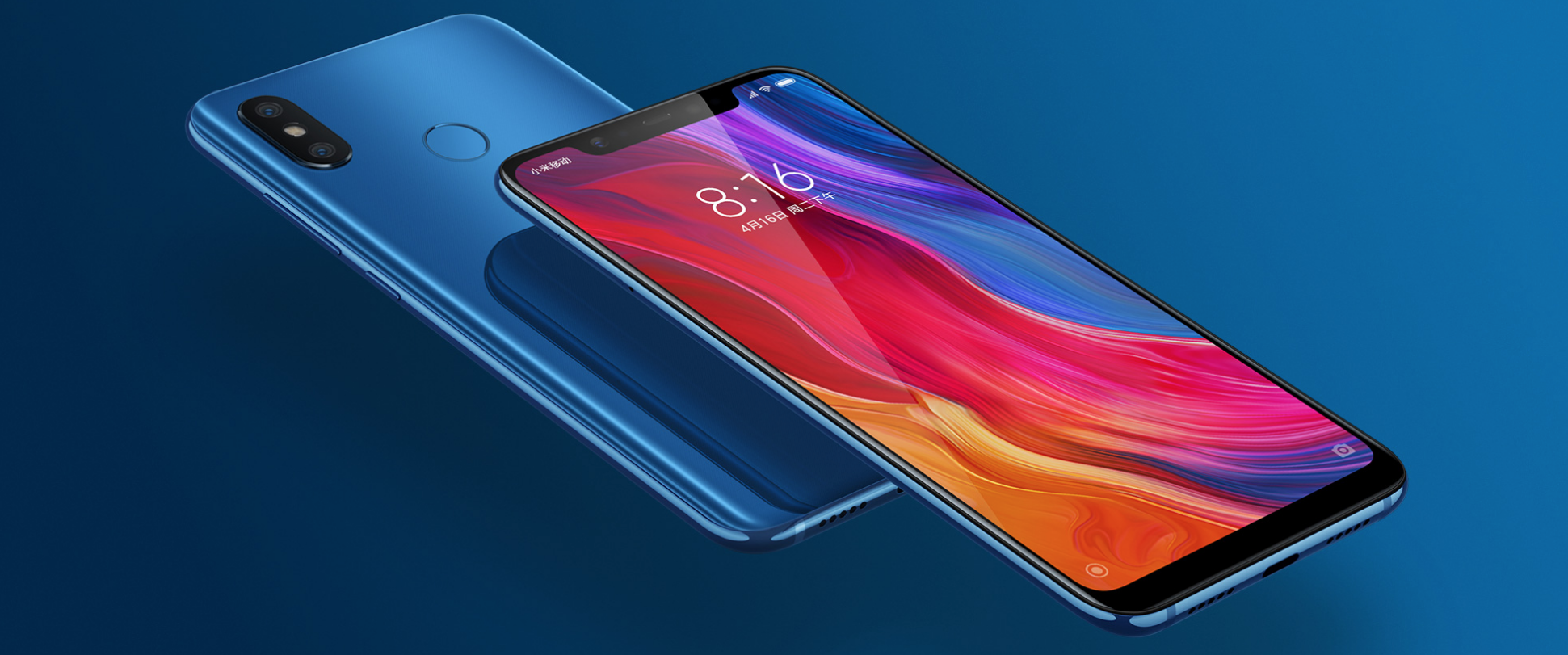
    The Xiaomi Mi 8, design-wise, takes a lot of inspiration from the iPhone X. The presence of a wide notch like the iPhone X and the vertically placed dual camera setup is very similar to Apple’s current flagship. The Mi 8, however, fails to replicate one of the most impressive design features of the iPhone X. The iPhone X doesn’t have a chin, while the Mi 8 has a chin very similar to the OnePlus 6.

    [amazon_link asins=’B0756Z43QS’ template=’ProductAd’ store=’igyaan-21′ marketplace=’IN’ link_id=’b9bd77f0-7095-11e8-abbc-7f3e3c854b77′]

    Both the Mi 8 and OnePlus 6 also feature a dual-camera setup on the back. The Mi 8 has a primary 12MP RGB sensor with an f/1.8 aperture coupled with a 12MP telephoto lens with an f/2.4 aperture and 1-micron pixel size. The notch houses a 20MP AI camera with an f/2.0 aperture. Just like the iPhone X, it also has a portrait lighting feature and Xiaomi’s own take on the animojis.

    The OnePlus 6 has a 16MP Sony IMX 519 sensor and a 20MP Sony IMX 376K sensor. Both are RGB sensors and have an f/1.7 aperture with OIS, another first for a OnePlus device. The cameras also record 4K videos at 60fps which is a great feature for content creators. To the front of the smartphone is a 16MP Sony IMX 371 sensor with an f/2.0 aperture and EIS which records 1080P videos.

    Let’s compare the specifications of the two smartphones!

    Specifications
    Specs OnePlus 6 Xiaomi Mi 8
    Price Starting Rs 34999 (India) Starting CNY 2,699 (Rs 28400 approx.)
    Display 6.28 inch
    Optic AMOLED
    6.21 inch
    Super AMOLED
    Resolution 2280 x 1080 px
    402 ppi
    2248 x 1080 px
    402 ppi
    Battery 3300 mAh
    Dash Charge
    3400 mAh
    QuickCharge 3.0
    Chipset Snapdragon 845 Snapdragon 845
    RAM 6GB/8GB  6GB
    Storage 64GB/128GB/256GB 64GB/128GB/256GB
    Primary Camera 16MP Sony IMX 519
    20MP Sony IMX 376K
    f/1.7
    OIS
    12MP RGB
    f/1.8
    4-axis OIS
    12MP Telephoto
    f/2.4
    Primary Camera Video 4K @ 60fps
    1080P @ 240fps
    4K @ 60fps
    1080P @ 240fps
    Secondary Camera 16MP Sony IMX 371
    f/2.0
    EIS
    20MP
    f/2.0
    Animojis
    OS Andrpoid 8.1 Oreo
    OxygenOS
    Android 8 Oreo
    MIUI 9.5
    Add-Ons Fingerprint Sensor
    Face Unlock (not secure)
    3.5mm headphone jack
    3D Face Unlock
    Fingerprint Sensor
    Dual GPS
  • New Apple India Chief Dismisses Discounts For Apple Products

    New Apple India Chief Dismisses Discounts For Apple Products

    Apple India’s new country head, Michel Coulomb has some radical plans for the company. Reports claim that he plans to dismantle the current sales strategy set by predecessor Sanjay Kaul to achieve a more ‘organised distribution’ structure for iPhones, iPads and Macs. This essentially means that consumers in India won’t be seeing discounts on Apple products like they’re used to.

    With this new strategy, distributors of Apple products in India will be trimmed. Hence, the company will look to maintain the prices of its products since up until now, distributors had the freedom to sell to any retailer, even at lower prices. All these details were shared by three persons directly aware of the development in the company.

    The earlier ‘open distribution’ strategy at Apple India had created a lot of discontent amongst its offline trade partners, since the distributors would often indulge in wholesaling to achieve targets leading to rampant deep discounting online and fluctuation in prices almost every day. So much so, Apple was even considered as a discounted brand. The new country head is pulling the plug after reviewing the scenario.

    [amazon_link asins=’B06ZXWWD6R’ template=’ProductAd’ store=’igyaan-21′ marketplace=’IN’ link_id=’9f6c459b-708e-11e8-93e6-5db4d94d1b7a’]

    Coulomb took charge of India for Apple back in December 2017. He also served as MD, Apple for the Middle East, Turkey and Africa. According to the executives, he will retain only two national distributors–Ingram Micro and Redington. Brightstar, Rashi Peripherals and HCL Infosystems will be slowly phased out of the system.

    Must Read: Apple Wins US$ 539 Million From Samsung In The Ongoing Patent Infringement Trial

    This doesn’t mean consumers will never see a discounted iPhone ever again. According to the executives,

    While there will still be special promotions online for Apple products, the days of deep price cuts seem to be over.

    The move does make sense for Apple. However, it’ll be interesting to see how much this will affect the sales of iPhones in India, a country that is so price-sensitive.

  • Xiaomi Redmi 6 Pro To Launch In Late-2018

    Xiaomi Redmi 6 Pro To Launch In Late-2018

    The Xiaomi Redmi Note 5 Pro is one of the most popular budget smartphones in India right now. The fact that it first launched in India before any other country made it an even sweeter deal for many users. With the success of this Pro device, Xiaomi appears to be already working on a new smartphone with this moniker and could launch it in late-2018. Apart from the Redmi 6 Pro, the existence of the Mi Max 3 and Mi Pad 4 has also been confirmed.

    A new report claims that references to all the three devices were found on the Mi China website. This means that these smartphones will launch in China before anywhere else in the world. While the Redmi Note 5 Pro was an India-first device, it seems unlikely that Xiaomi will continue this trend.

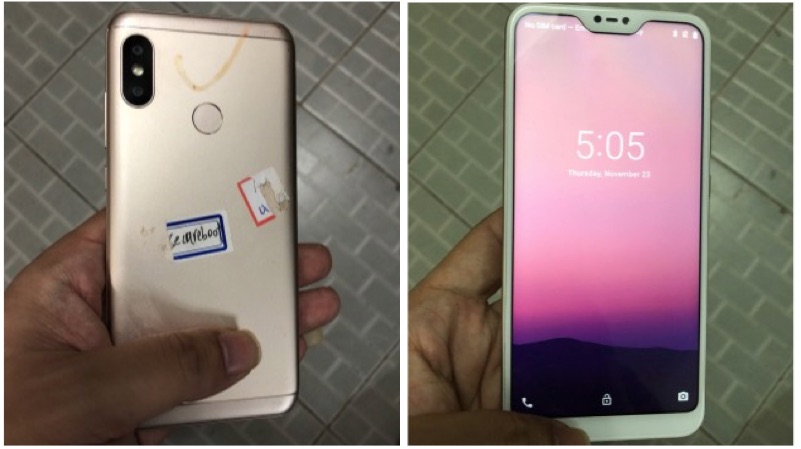
    Recently, a Xiaomi smartphone with a notched display was leaked on TENNA. While it was initially expected to the Redmi 6 Plus, it now appears to be the Redmi 6 Pro. Xiaomi recently launched the Redmi 6 and 6A while there were no traces of a Redmi 6 Plus being launched in the near future. While the design is plausible, we hope Xiaomi fixes the colour of the bezels and notch and go with a black colour instead.

    Must Read: Xiaomi Mi A2 Running On Snapdragon 660 Spotted On Geekbench

    The Redmi 6 Pro could have a 5.84 inch display with a 2280 x 1080 px resolution. This translates into a 19:9 aspect ratio which is common for smartphones with a notch.

    [amazon_link asins=’B07CJYMDNQ’ template=’ProductAd’ store=’igyaan-21′ marketplace=’IN’ link_id=’e350f7b1-707c-11e8-af31-ebdc419c195f’]

    The listing mentions that the device will run on an octa-core 2.0GHz processor which could well be the Snapdragon 660 SoC. The Xiaomi Redmi 6 Pro is expected to be available in three configurations, 2GB RAM/16GB storage, 3GB RAM/32GB storage, and 4GB RAM/64GB storage. Like the Redmi Note 5 Pro, the 6 Pro is also expected to offer expandable storage via microSD card.

    On the back of the smartphone will be a dual-camera setup. The listing mentions a 12MP primary sensor and 5MP secondary sensor. This is the exact configuration found on the Redmi Note 5 Pro. Xiaomi would probably improve the quality of the sensors and add a few software features as well. Powering the Redmi 6 Pro will be a 4000 mAh battery. Hopefully, with the 6 Pro, we will see the inclusion of a USB Type C port.

    Mi Max 2

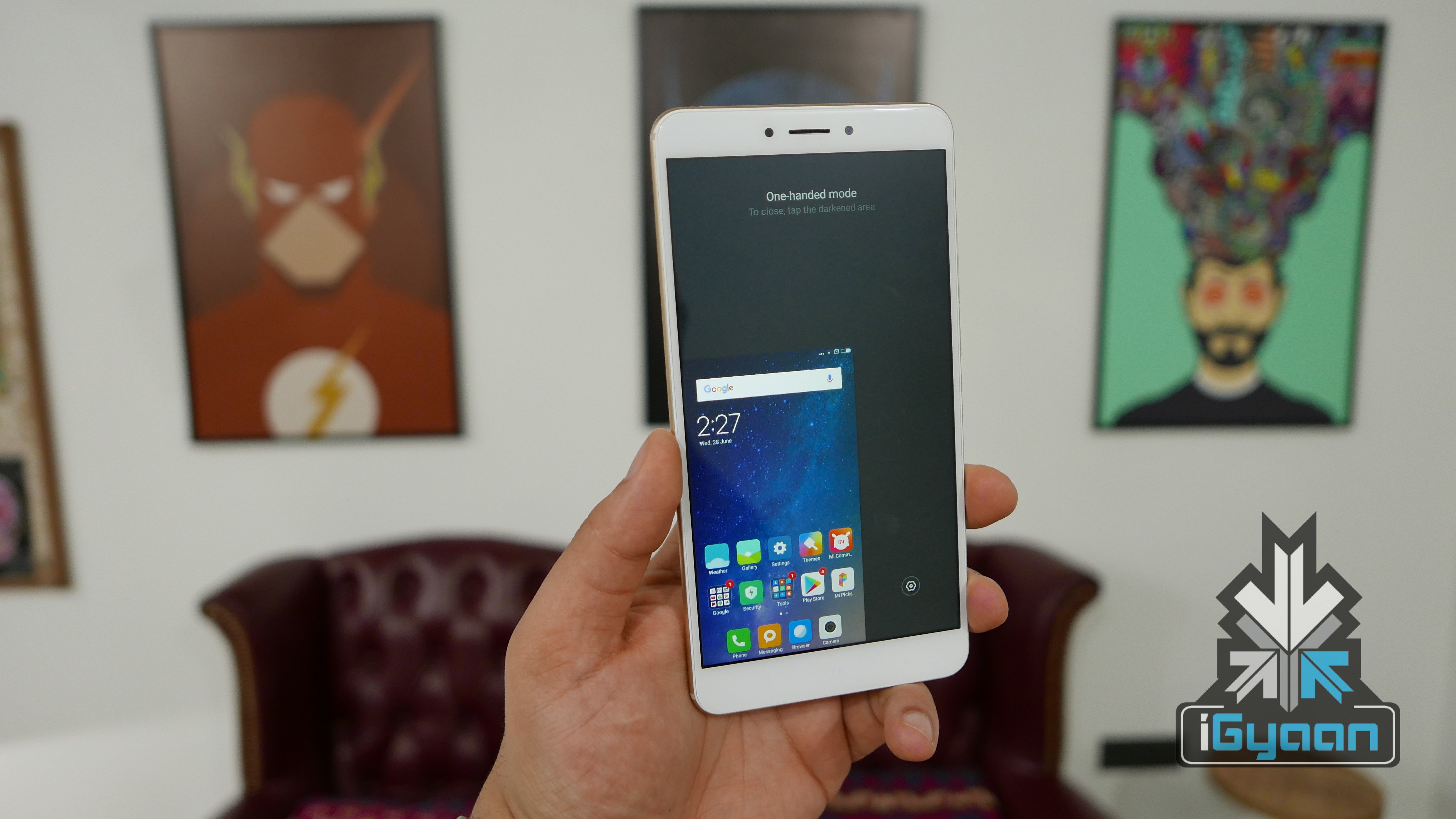
    The Mi Max 3 has been in the news for quite a while now. Xiaomi is one of the few companies that still makes phablets. The Mi Max 3 will succeed the Mi Max 2 and is expected to launch in July. Just like the recently launched Mi 8 SE, the Mi Max 3 is expected to run on the Qualcomm Snapdragon 710 chipset. This could be coupled with 6GB of RAM and up to 64GB of onboard storage.

    The Xiaomi Mi Pad 4 will be one of the few exciting Android-running tablets to launch in 2018. Xiaomi has not given up on tablets yet and the Mi Pad 4 could launch soon as well. Recent leaks suggest the Mi Pad 4 will run on Snapdragon 660 chipset and sport an 18:9 aspect ratio. If true, this will be a headline-grabber as well since no other tablets with this aspect ratio have launched so far.

    The list of smartphones that Xiaomi could launch is exciting. At the end of the day, these are leaks and a lot can happen by the time these smartphones are launched.

  • Samsung Galaxy S9+ Sunrise Gold Limited Edition Launched In India For Rs 68900

    Samsung Galaxy S9+ Sunrise Gold Limited Edition Launched In India For Rs 68900

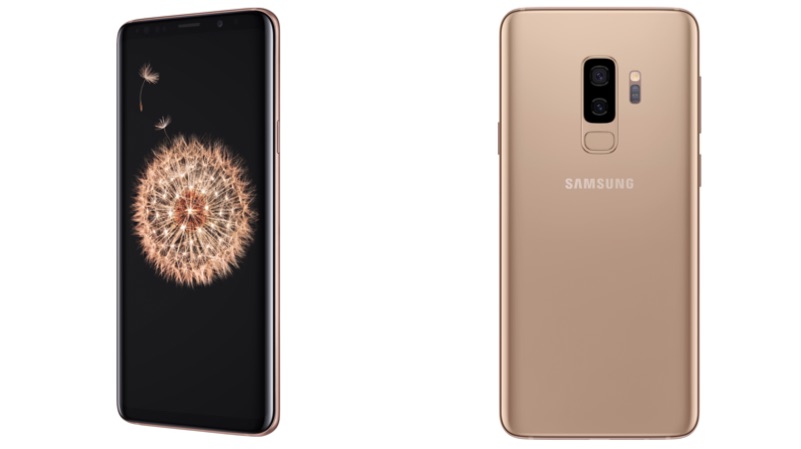
    Samsung has carried on its trend of launching special edition variants of flagship devices. A few months after launching the Galaxy S9 and S9+ in India, the company has unveiled the new Galaxy S9+ Sunrise Gold edition. As the name suggests, the new variant has a gold colour back with a  satin gloss finish. The new variant will be available in the 128GB storage variant only and retail for Rs 68900.

    Samsung is offering a special one-time screen replacement offer and Rs.9000 cashback when customers pay using Paytm Mall or ICICI Bank credit cards. The Galaxy S9+ Sunrise Gold edition can be bought across selected retail stores from June 20th2018. Customers looking to buy this variant online will have the option to pre-book the device starting June 15th2018 on Samsung Shop and Flipkart.

    Samsung Galaxy S9+

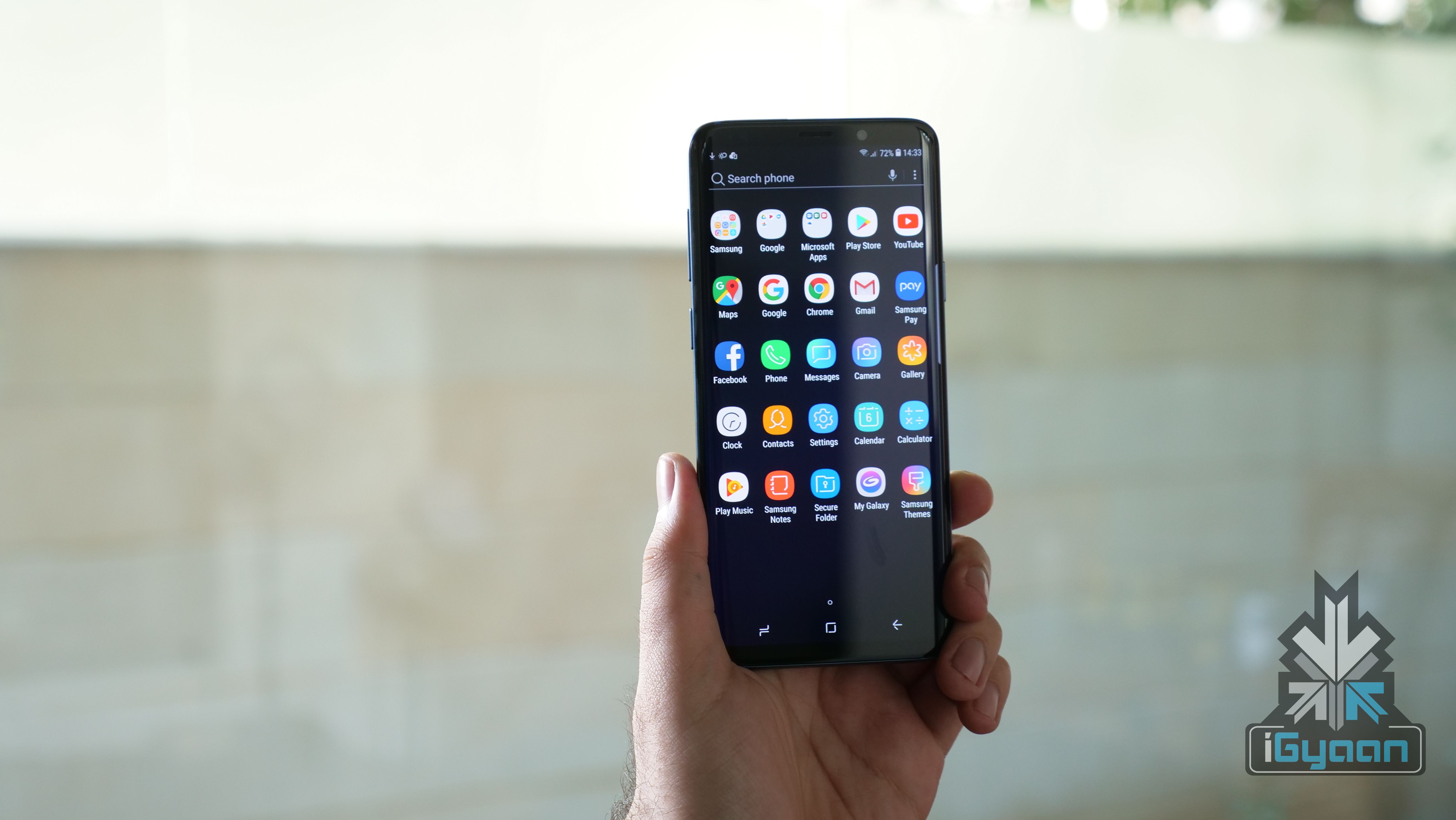
    As is with its smaller sibling, the Galaxy S9+ has the same screen size as the Galaxy S8+. It sports a 6.2 inch Super AMOLED display with a 2960 x 1440 px resolution. The smartphone has an 18.5:9 aspect ratio.

    Under the hood, the smartphone runs on the Exynos 9810 chipset. The Galaxy S9+ Sunrise Gold will only be available in 6GB RAM/128GB storage variant in India. Out of the box, the Galaxy S9+ runs Android 8 Oreo with Experience 9.0 on top. Powering the smartphone is a 3500 mAh battery, just like the Galaxy S8+. The smartphone will support wireless charging as well. Similar to its predecessor, the Galaxy S9+ also has an IP68 rating for water and dust resistance.

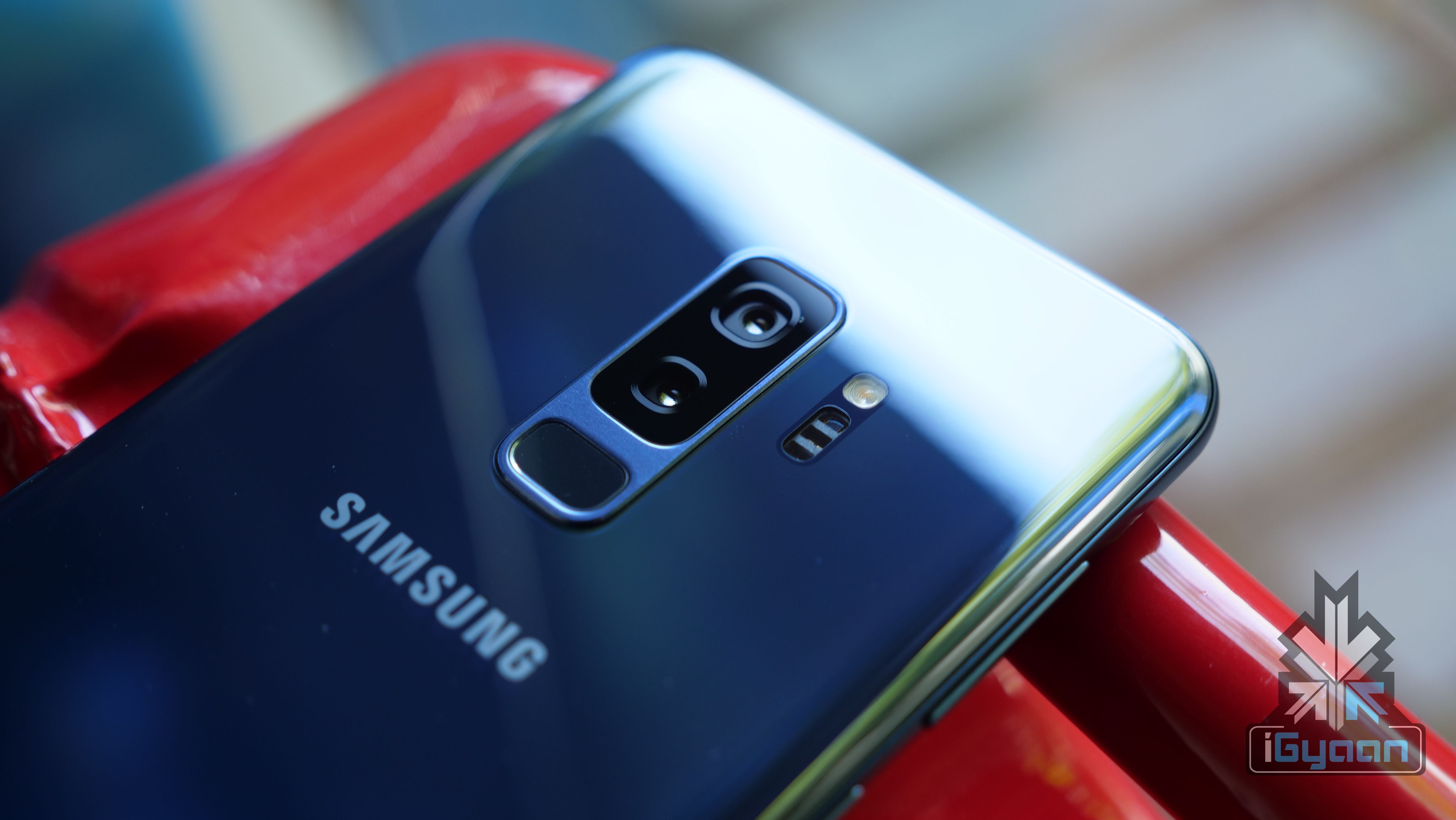
    The Galaxy S9+ has a dual-camera setup on the back. It has one wide-angle 12MP camera with an f/1.5 aperture and the other is a 12MP telephoto lens with an f/2.4 aperture. The telephoto lens is the same one found on the Galaxy Note8, which means it has OIS. On the front of the smartphone is an 8MP camera with an f/1.6 aperture and it records 4K videos.

    The new Galaxy S9+ Sunrise Gold edition gives consumers another option to choose from. Since it is a limited edition model, we expect it go out of stock soon. Hence, make sure you either pre-order it online or head to one of the authorised stores to pick up the new and shiny gold colour variant of the Galaxy S9+.

    Buy The Galaxy S9+ Here

  • Google Pixel 3 XL Renders Reveal A Thick Chin, A Notch And Colourful Power Buttons

    Google Pixel 3 XL Renders Reveal A Thick Chin, A Notch And Colourful Power Buttons

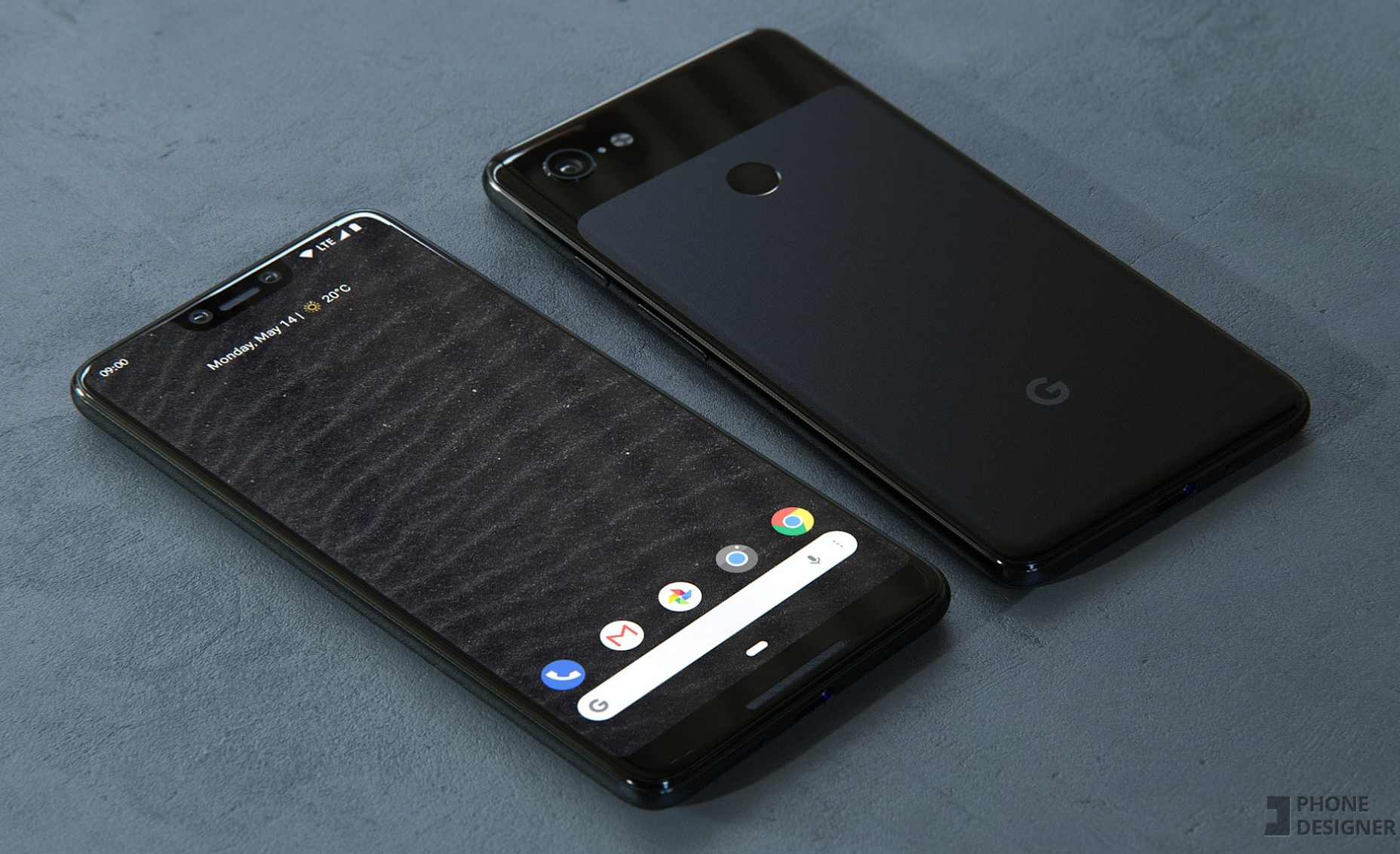
    With a few major smartphone launches of 2018 done and dusted, we are now looking forward to three more. Samsung will launch the Galaxy Note9 in August followed by Apple hosting its annual launch event in September. In October, Google will launch the Pixel 3 and Google Pixel 3 XL. The Pixel 3 XL has been in the news recently and new renders of the device reveal its design and the possible colour variants it’ll be available in.

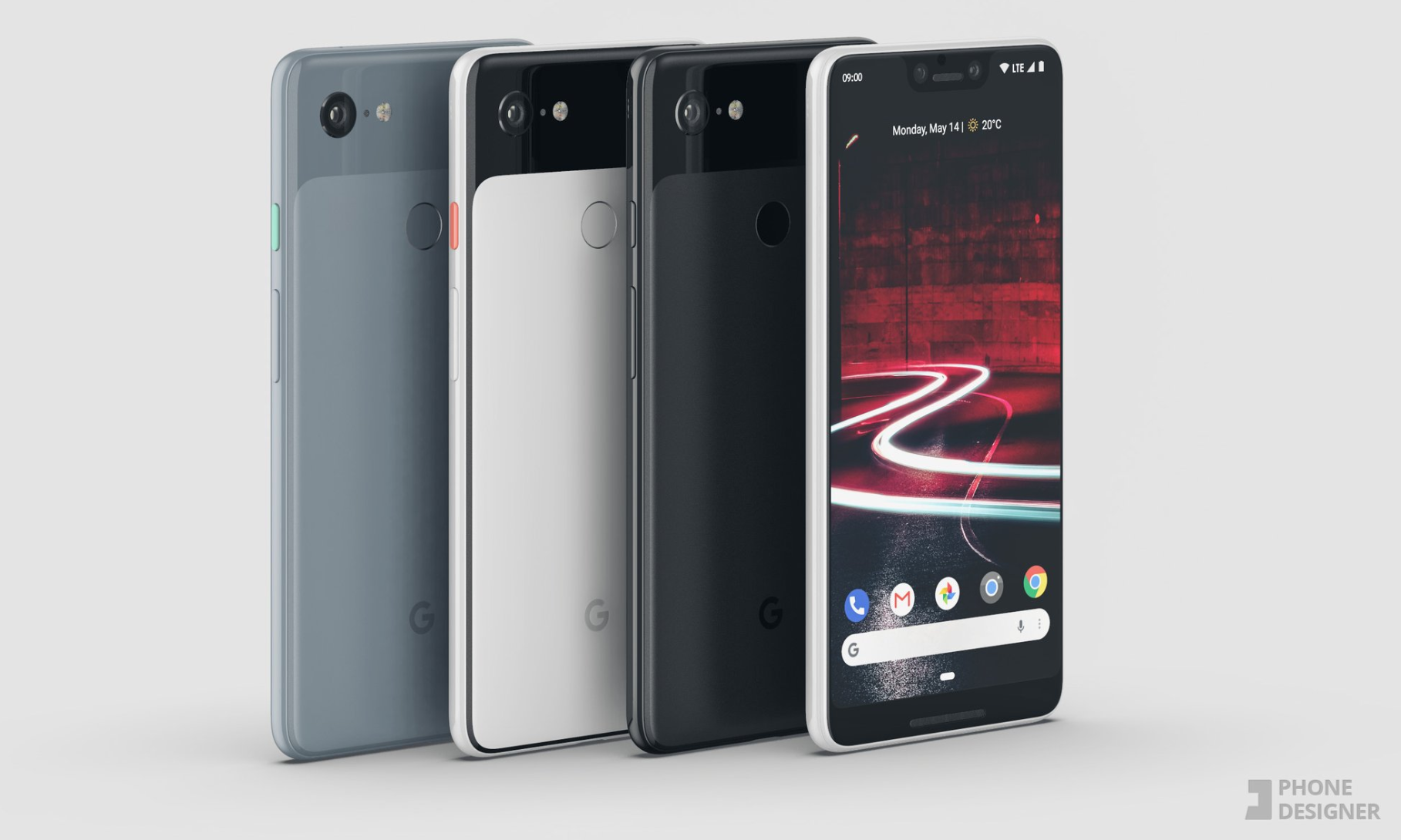
    Rumours of the Pixel 3 devices sporting a notch revved up after the first developer’s preview of Android P rolled out. Many believed that Google adding support for a notch is a hint at the fact that its own smartphone lineup will adopt the design. It now seems more and more likely that the Pixel 3 XL, at least, will sport a notch. The smaller Pixel 3 will have an 18:9 aspect ratio and uniform bezels.

    The new renders showcase a not-so-impressive design of the Pixel 3 XL. Again, this is subjective and some people might love the design. While the notch itself is no longer an issue as so many Android devices now sport it, the chin is. According to the renders, Google would want to retain the dual front-facing speakers (one of the few impressive features of Pixel 2 devices). With that, the company will also have to maintain a rather thick chin. With a notch, a thick chin feels redundant and not the smartest design decision.

    The back of the Google Pixel 3 XL, as rumoured, will be made of glass. This means the flagship smartphones will finally incorporate wireless charging. However, the company will maintain the dual shade design on the back which is definitely a stand-out feature among the more and more generic-looking flagship smartphones. The power buttons are also colourful, something we saw with last year’s Pixel devices as well.

    The notch on the Pixel 3 XL is interesting for many reasons. Apart from it being a result of definite inspiration from Apple, it could house a dual-camera setup. Google famously claimed that its software does the job and it won’t require a dual-camera setup, unlike many other smartphones. However, things might change with the Pixel 3 XL. It is possible that the second lens could be a 3D sensor for facial recognition, in which case, nobody would complain about the notch.

    It is still early days for concrete Pixel 3 rumours but, these renders do look close to what might be the final product.

  • Samsung’s Foldable Smartphone Will Cost Around US$ 2000, Launch In Early-2019

    Samsung’s Foldable Smartphone Will Cost Around US$ 2000, Launch In Early-2019

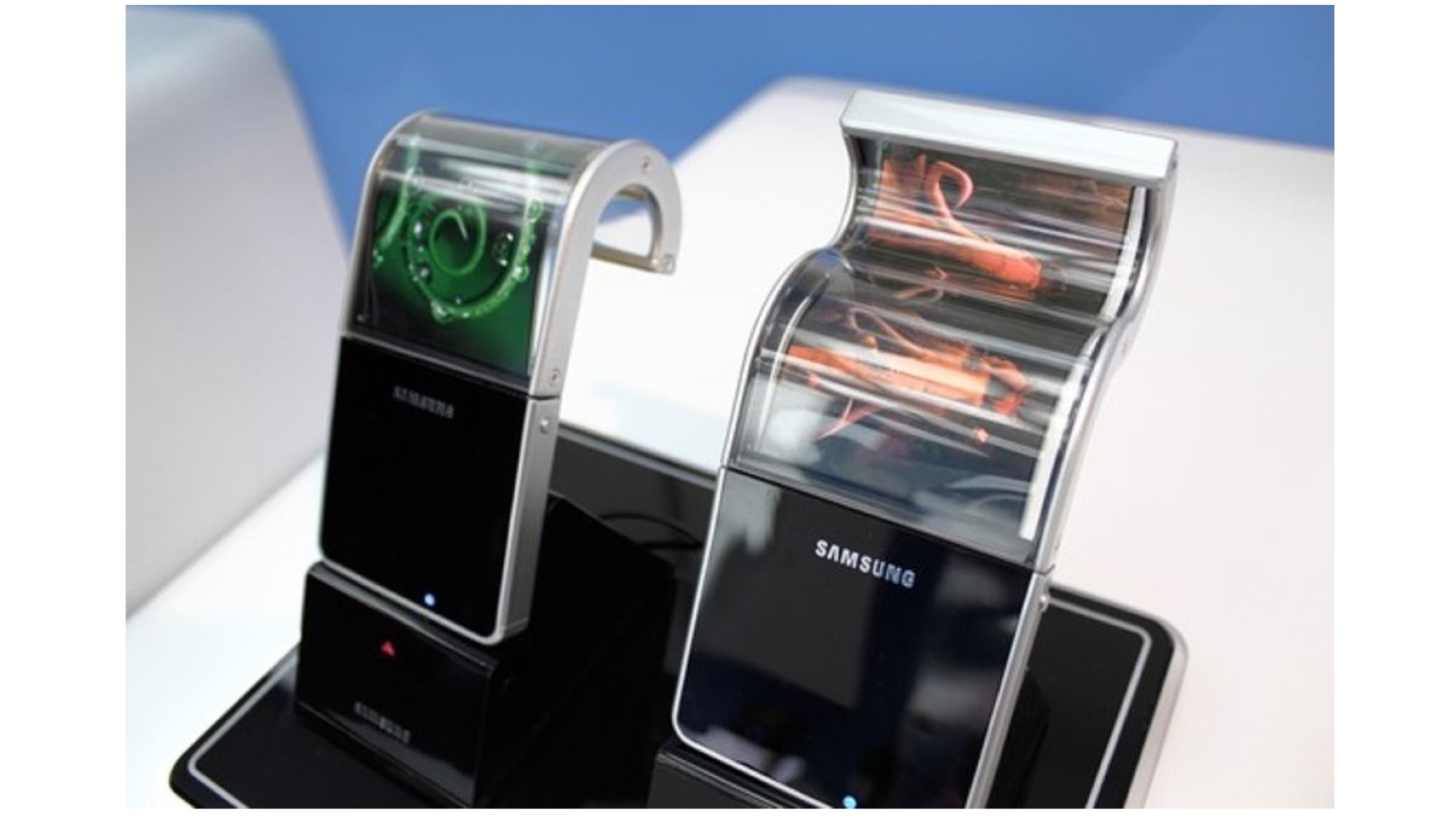
    Samsung’s highly-anticipated foldable smartphone has been in the works for quite a while now. The company was first expected to unveil the Galaxy X at CES 2018, however, that seems highly unlikely. There were reports that Samsung showcased a working prototype of the Galaxy X behind closed doors at Mobile World Congress. After spending so much of time and money in the new smartphone, Samsung is hoping to unveil the device in early-2019.

    We have known about the Samsung Galaxy X for a while now. A few years ago, Samsung showcased foldable displays at tech conventions. However, only last year did the company start dropping hints at a possible consumer-ready foldable smartphone. As expected, the Galaxy X won’t be a cheap commodity to own. It is expected to be priced at US$ 1850 which could rise up when taxes are included. This means its final price could be US$ 2000.

    With this price tag, one thing is certain. This won’t a gadget for an average consumer. Only tech enthusiasts will be willing to shell out US$ 2000 on a first-gen foldable smartphone. One aspect of the phone that will bring solace to future owners is that the foldable display won’t just be a gimmick. Samsung’s CEO DJ Koh, after unveiling the Galaxy S9 back in February, told reporters that the Galaxy X’s display will have real-world usage and won’t just be a marketing gimmick.

    According to an earlier report, the Galaxy X would feature a 7.3-inch, flexible OLED display (built by Samsung Display) which would fold open like a book.

    It is also worth noting that Samsung isn’t the only one vying a foldable smartphone launch. Huawei, as well, has joined the race. Huawei recently filed a new patent on a smartphone with a foldable display technology. This new patent from Huawei has a similar mechanism, that is found on the Microsoft Surface Book. The smartphone is will have similar dimensions as of a standard smartphone. Unfolding the device will offer a bigger tablet-like screen.

  • Honor 7A Vs Xiaomi Redmi 5: The Best Under Rs 10000?

    Honor 7A Vs Xiaomi Redmi 5: The Best Under Rs 10000?

    Xiaomi has been on a roll since the turn of the year. The company has constantly launched either a budget or a flagship device in China and other markets like India. Honor, as well, has launched a few impressive budget smartphones in India in the past few months. The Honor 7X was a great device and so was the Honor 9 Lite. The company recently launched the Honor 7A and Honor 7C in India.

    The Honor 7A is the more affordable of the two and is priced at Rs 8999 (3GB RAM) in India. The Xiaomi Redmi 5, even though starts at a price of Rs 7999, is priced at Rs 8999 for the 3GB RAM variant. While the Honor 7A is available via Flipkart and HiHonor.com, the Redmi 5 retails via Amazon and Mi.com Both the smartphones, unlike some of their more expensive counterparts, are readily available and users don’t have to wait for flash sales.

    [amazon_link asins=’B077PWBC7J’ template=’ProductAd’ store=’igyaan-21′ marketplace=’IN’ link_id=’36aaa1a1-6fc6-11e8-87f4-8de3dcd7228d’]

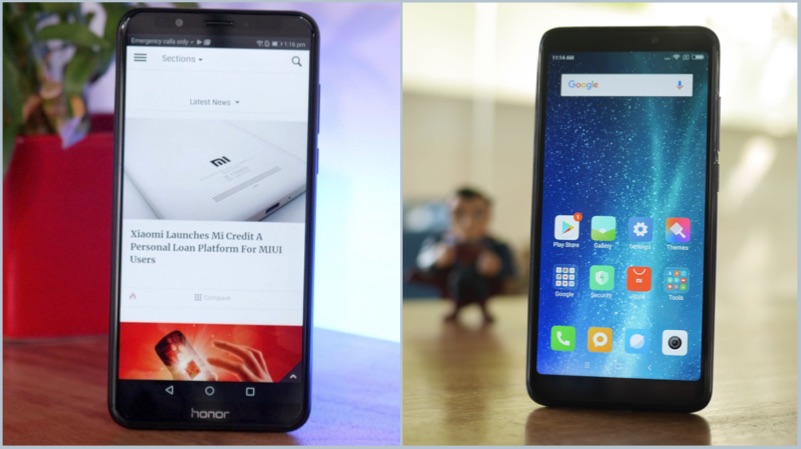
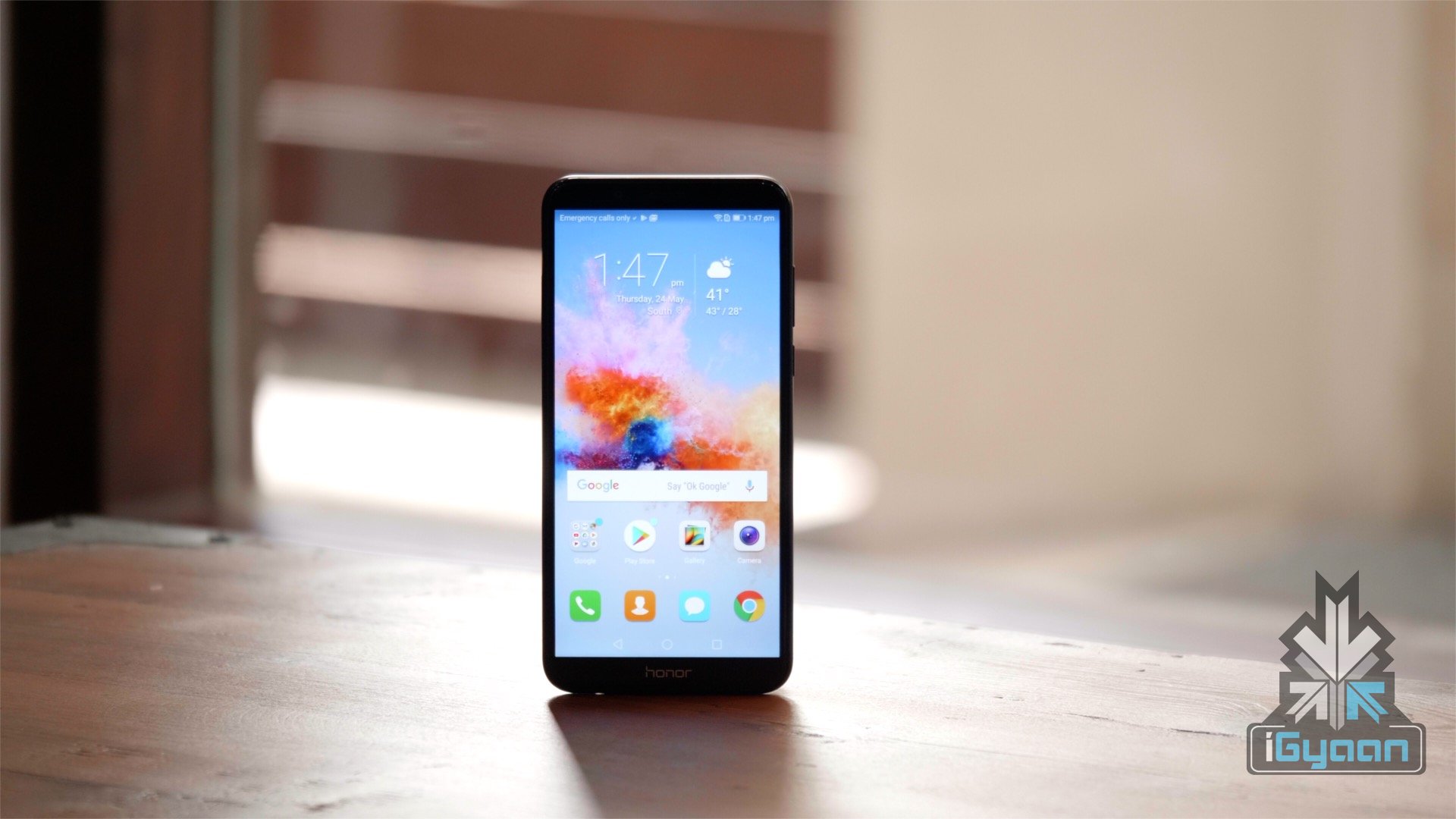
    While both the smartphones sport an 18:9 aspect ratio, the bezels are thicker on both the devices compared to some premium devices. However, a screen-to-body ratio of over 75% for both the smartphones is a respectable number. The Honor 7A sports a 5.7 inch IPS LCD display with a 1440 x 720 px and a 2.5 D curved glass for protection. The Redmi 5 also has a 5.7 inch IPS LCD 1440 x 720 px display.

    The main differentiating factor between the two smartphones is on the back. The Redmi 5 has a 12MP camera at the back with 1.25-micron pixel size and an f/2.2 aperture. The Honor 7A, on the other hand, has a dual-camera setup with a 13MP RGB sensor and a 2MP depth sensor. The main sensor helps the smartphone to capture the picture and the secondary sensor adds the depth effect. While the Honor 7A is priced only Rs 1000 higher than the Redmi 5, it does offer better camera specifications thanks to the presence of a dual-camera setup. To the front of the Redmi 5 is a 5MP camera while the Honor 7A has an 8MP sensor with an f/2.0 aperture and an LED flash.

    The Redmi 5 runs on the Qualcomm Snapdragon 450 chipset while the Honor 7A runs on the Snapdragon 430 SoC. The Honor 7A is only available in one variant with 3GB of RAM and 32GB storage while the Redmi 5 has 2GB, 3GB or 4GB of RAM, and 16GB, 32GB or 64GB of onboard storage. Both the smartphones offer storage expandability, although the Honor 7A has a dedicated microSD card slot while the Redmi 5 has a hybrid microSD card slot. The fingerprint sensor is placed on the back of both the devices.

    Let’s now compare the specifications of both the smartphones. For a level playing field, we’re comparing the 3GB RAM model of the Redmi 5 with the Honor 7A since both the smartphones are priced exactly the same.

    Specs
    Specifications Honor 7A Redmi 5
    Price Rs 8999 (3GB RAM) Rs 8999 (3GB RAM)
    Display 5.7 inch
    IPS LCD
    5.7 inch
    IPS LCD
    Resolution 1440 x 720 px
    18:9 aspect ratio
    1440 x 720 px
    18:9 aspect ratio
    Primary Camera 13MP RBG sensor
    2MP depth sensor
    12MP f/2.2
    Primary Camera Video 1080P @ 30fps 1080P @ 30fps
    Secondary Camera 8MP
    f/2.0
    5MP
    f/2.0
    Chipset Snapdragon 430 Snapdragon 450
    Processor Octa-core
    4 x 1.4 GHz Cortex-A53
    4 x 1.1 GHz Cortex A53
    Octa-core
    1.8 GHz Cortex-A53
    RAM 3GB 3GB
    Storage 32GB
    Dedicated microSD card slot
    32GB
    Hybrid microSD card slot
    Battery 3000 mAh 3300 mAh
    Add-Ons Fingerprint sensor
    Face Unlock
    Fingerprint sensor
    Face Unlock

  • OnePlus Bullets Wireless Earphones Unboxing And Review

    OnePlus Bullets Wireless Earphones Unboxing And Review

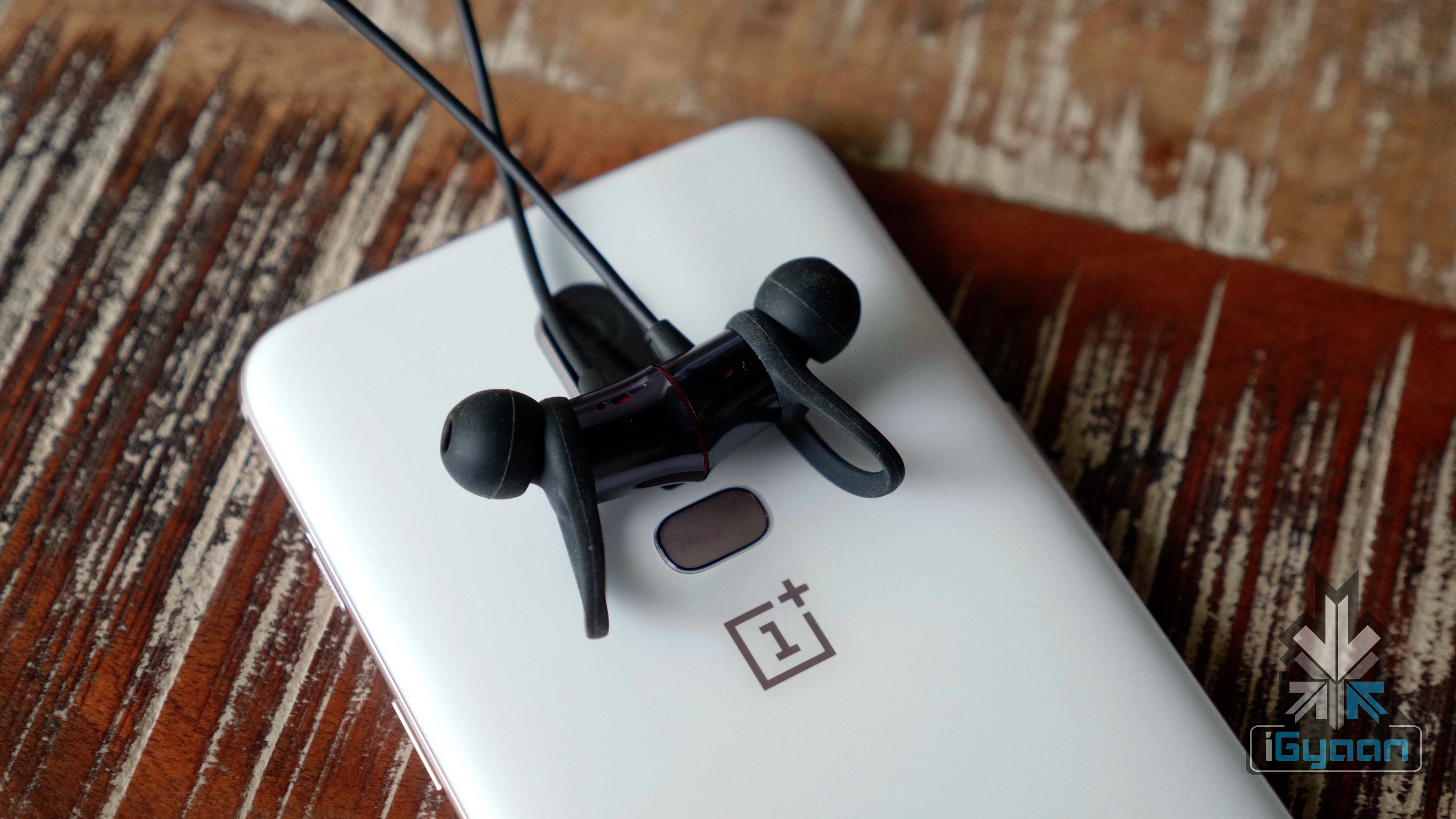
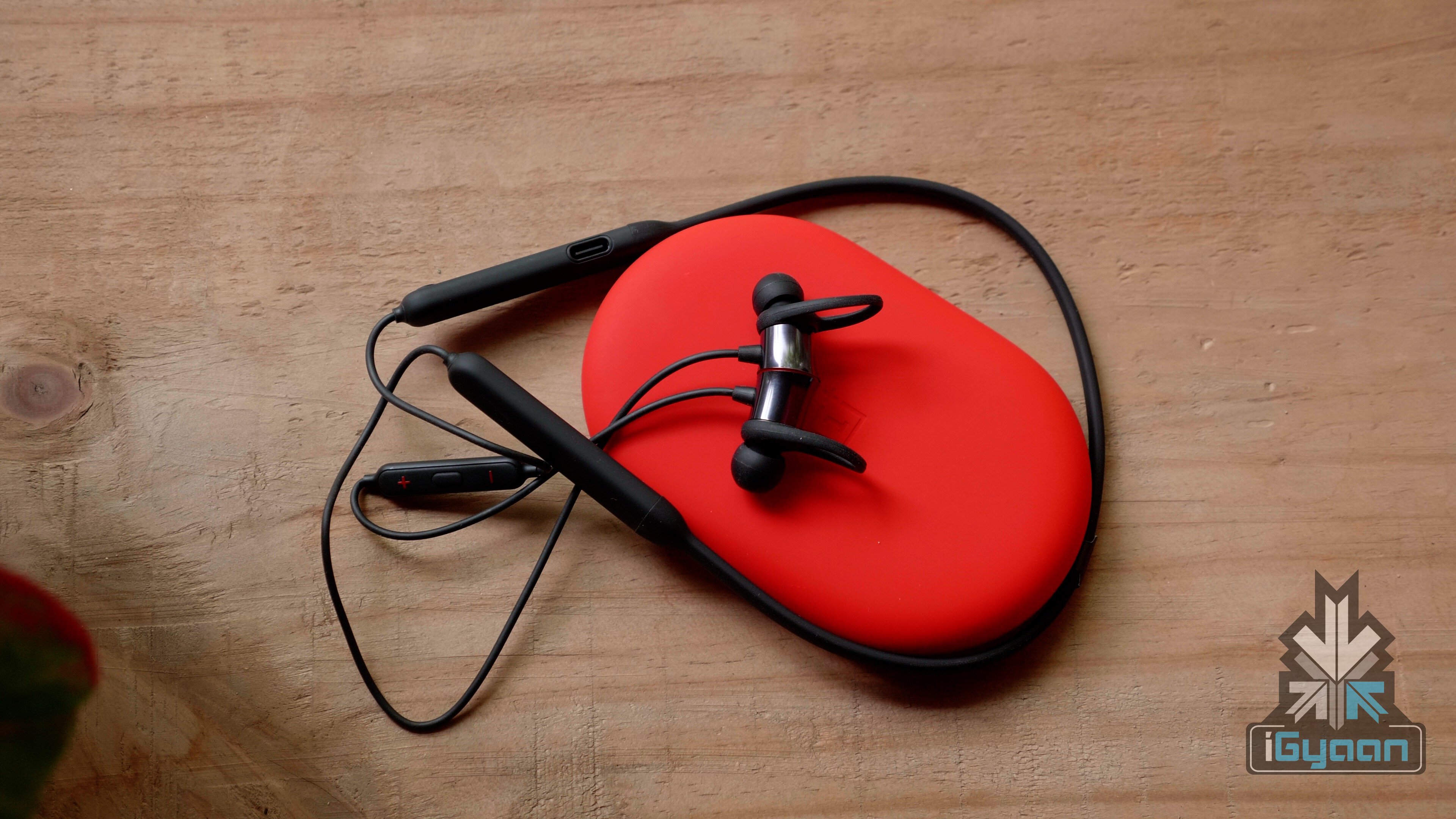
    OnePlus launched its first-ever Bluetooth earbuds along with the OnePlus 6 in May. Just like its smartphones, OnePlus claims that its Bullets Wireless earbuds will be a value for money proposition for consumers across the world. Priced at US$ 69 or Rs 3990, the OnePlus Bullets Wireless earbuds will go on sale in India on June 19th via the company’s official online store.

    [section label=”Unboxing”]

    Let’s unbox the new earbuds and see what all we get inside the retail unit!

    • OnePlus Bullets Wireless
    • USB Type C Cable
    • Carrying Case
    • Documentation
    • 3 x Earplugs
    • 3 x Fins

    [section label=”Initial Impressions”]

    The OnePlus Bullets Wireless earphones are not truly wireless earbuds like the AirPods. The left and the right earbuds are connected via a wire that goes around the user’s neck. Interestingly, the earbuds have fast charging, and can be charged using a type C cable. OnePlus claims that just 10 minutes of charge can provide up to 5 hours of battery life. The earbuds have a range of up to 10 meters and are powered by the Google Assistant. Just like the OnePlus 6, the OnePlus Bullets Wireless earbuds are splash resistant but, do not have an IP rating.

    The battery of earbuds rests on the neck and there is also an inline control for music and call-taking. OnePlus also announced that the earbuds are magnetic, and once connected together, the earbuds switch off automatically to save battery life. Interestingly enough, users can pick up incoming calls by simply detaching the earbuds. These features are backwards compatible with the OnePlus 5 and OnePlus 5T. Interestingly, this feature is disabled by default, however, users can head to Settings > Sound & vibration > Earphone mode and toggle Auto Play to enable it.

    Must Read: OnePlus Explains Why OnePlus 6 Doesn’t Have Wireless Technology

    The Bullets Wireless earbuds auto-pair with any modern OnePlus device but, Google’s Fast Pair is missing. Adding this little feature would have the made the experience of using the OnePlus Bullets Wireless seamless with non-OnePlus Android devices as well. However, OnePlus decided to give that feature a miss, probably to maintain some sort of exclusivity for its own smartphones.

    [section label=” Specifications”]

    Specifications
    Specifications OnePlus Bullets Wireless Earbuds
    Price Rs 3990
    Effective Range Up to 10 meters
    Battery  8 hours
    Talk time: 10.5 hours
    Driver 9.2mm
    Colours Black
  • ASUS Zenfone 5Z Could Be The Cheapest Flagship Smartphone In India

    ASUS Zenfone 5Z Could Be The Cheapest Flagship Smartphone In India

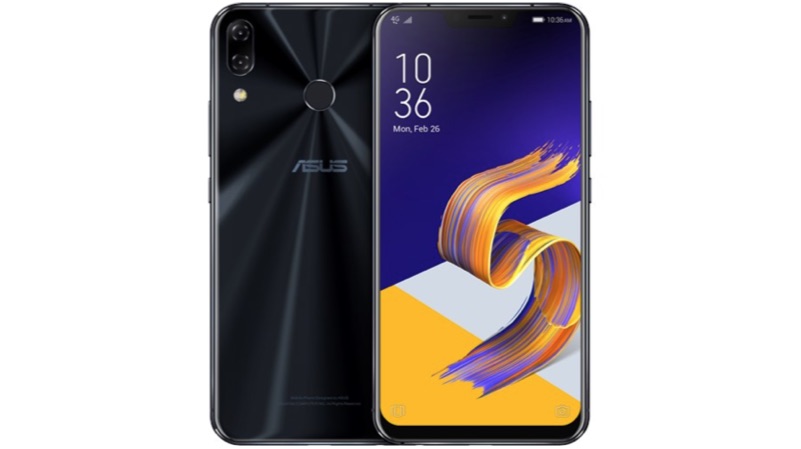
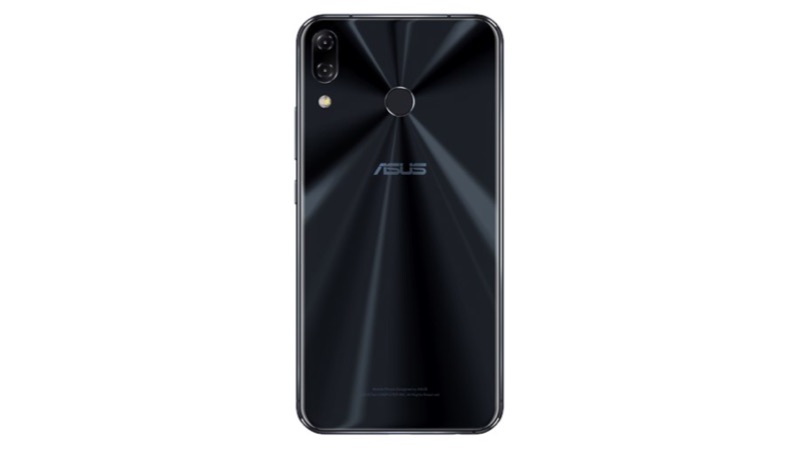
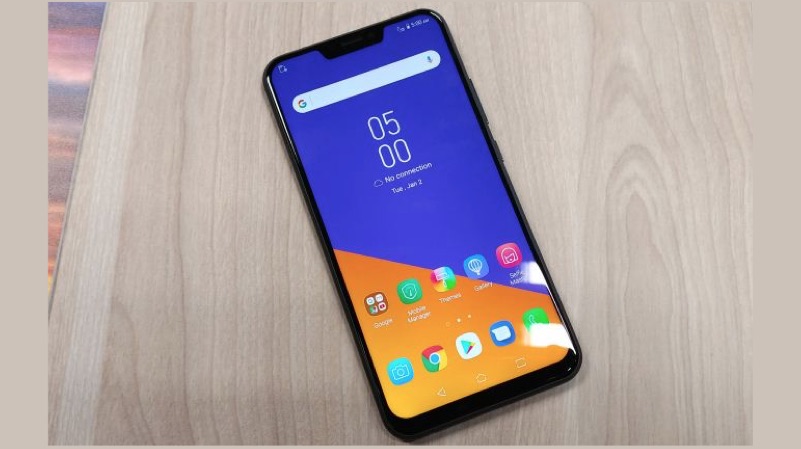
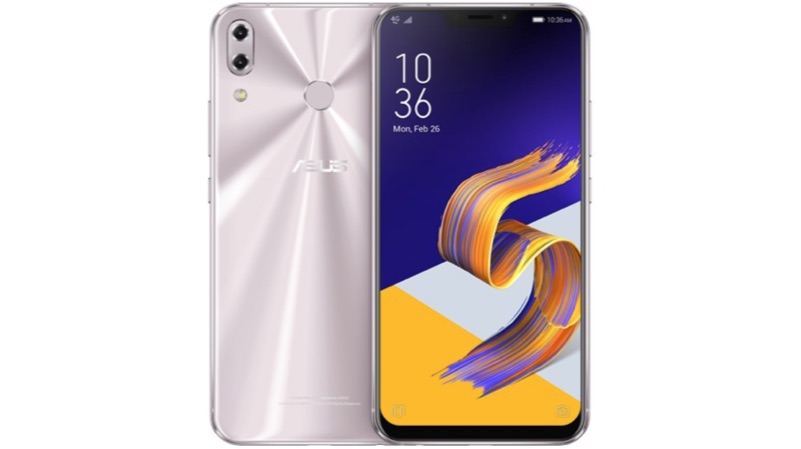
    At the Mobile World Congress 2018, we saw the shifting trend of the notch in Android smartphones. Vivo announced the truly bezel-less Vivo APEX concept phone and many other OEMs like Nokia launched a plethora of devices. ASUS as well announced a few interesting products and the Zenfone 5Z was one of them. With a very familiar notched display, the ASUS Zenf0ne 5Z runs on the Snapdragon 845 SoC and it could be the most affordable flagship device if and when it launches in India.

    The new flagship smartphone has gone on sale in France and Italy for 499 Euros (Rs 39785 approx.) for the 6GB RAM variant. While the currency conversion makes it more expensive than the OnePlus 6, it’s price in India (if launched) will be different. There is also an 8GB RAM variant which is priced at 599 Euros (Rs. 47,770 approx.). The OnePlus 6, for context, retails for 519 Euros (Rs 41,400 approx.) for the 6GB RAM variant.

    With the ASUS Zenfone Max Pro, the company proved that it has a refreshed strategy for the Indian market. The Zenfone Max Pro is very competitively priced especially compared to its Snapdragon 636-running counterpart Redmi Note 5 Pro. This means that the ASUS Zenfone 5Z could also be priced competitively in India, should the company decide to bring it here.

    The ASUS Zenfone 5Z has a 6.2 inch IPS LCD display with a 2280 x 1080 px resolution. The device has a 19:9 aspect ratio and a whopping 90% screen-to-body ratio, the same as the overblown Lenovo Z5.

    Under the hood, the smartphone runs on the flagship Snapdragon 845 chipset. Coupled with this SoC is either 6GB or 8GB of RAM and either 128GB or 256GB of onboard storage. The back has the signature ASUS finish on a glass, which means the device an all-glass build with an aluminium frame. The fingerprint sensor is placed on the back of the smartphone.

    The smartphone has a dual primary camera stacked up vertically like the Apple iPhone X. The primary lens in the primary camera is a 12MP Sony IMX363 sensor with an f/1.8 aperture and an 83-degree field of view while the second lens is an 8MP sensor with a 120-degree field of view. For the front-facing camera, the phone uses an 8MP sensor with an 84-degree field of view. The primary and the front-facing cameras are optically stabilised using 3-axial optical image stabilisation method.

    On paper, the ASUS Zenfone 5Z is as good as the next affordable flagship smartphone. It is to be seen whether ASUS jumps the gun and launches the device in India before it’s too late. It’ll be interesting to see if Xiaomi ever launches the Mi 8 in India. The battle between the Mi 8, OnePlus 6 and Zenfone 5Z will be an interesting one and a great prospect for Indian consumers.

  • Xiaomi Redmi 6, Redmi 6A Running On MediaTek Chipsets Launched

    Xiaomi Redmi 6, Redmi 6A Running On MediaTek Chipsets Launched

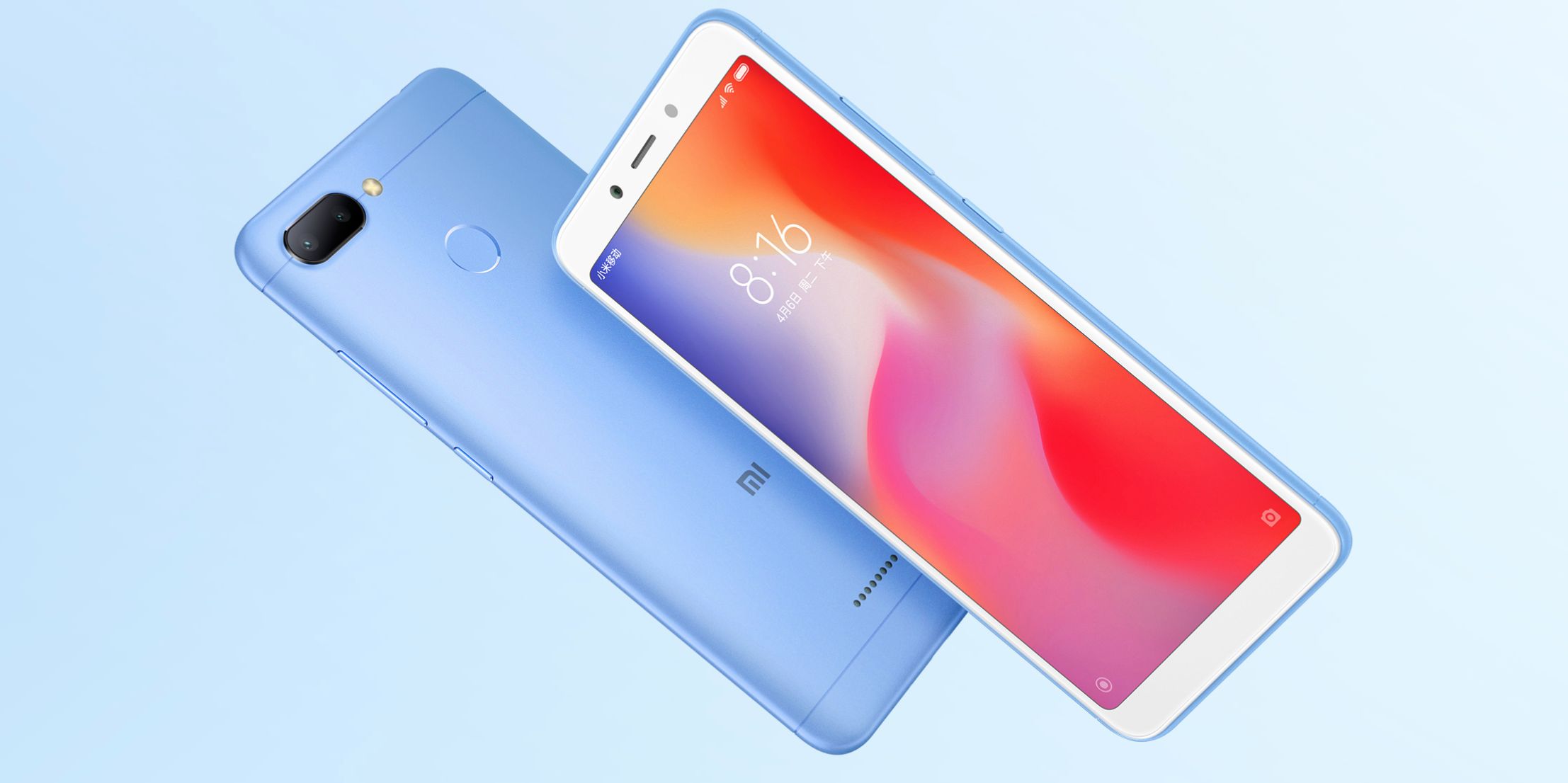
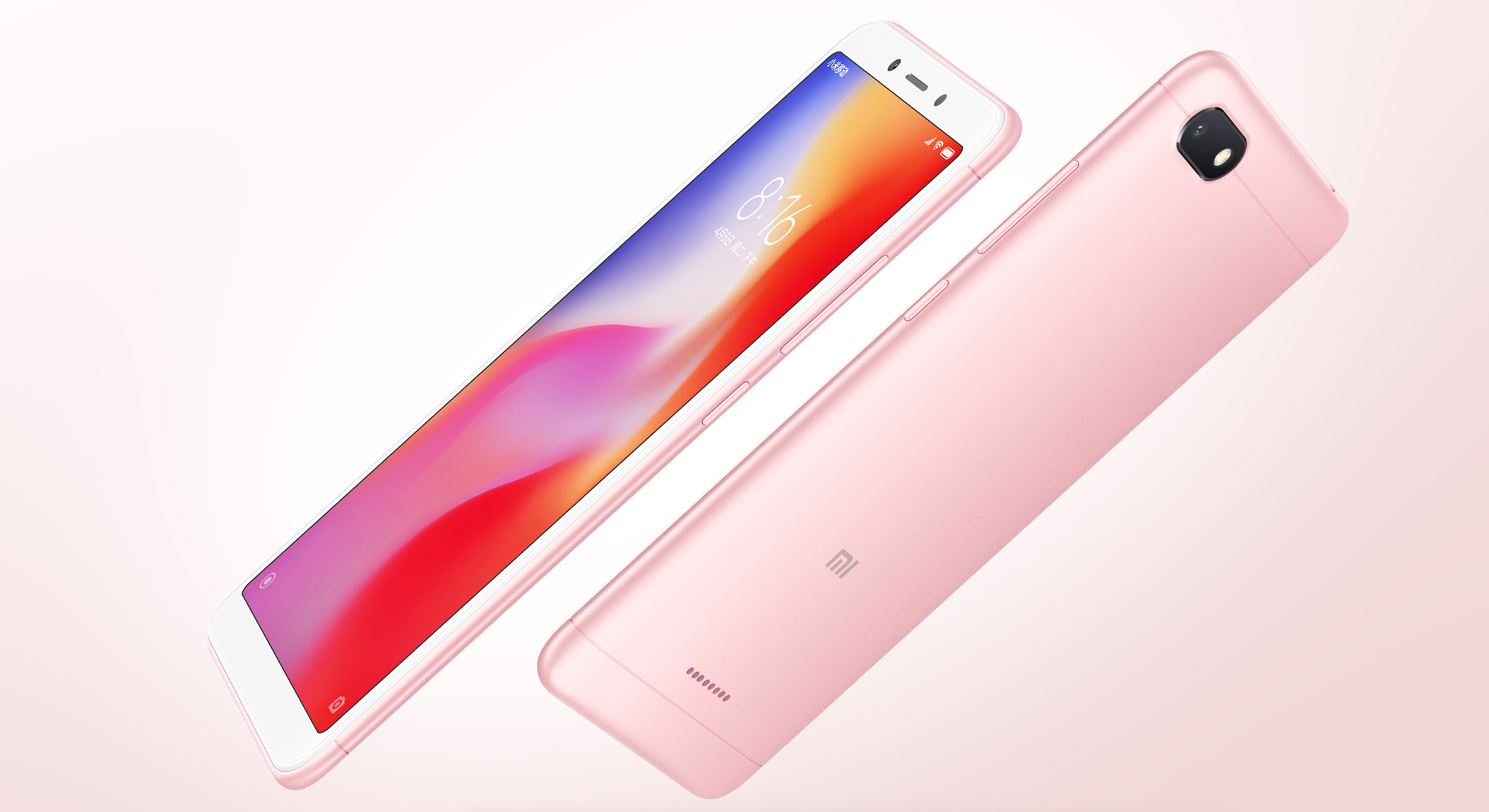
    Xiaomi has launched two new budget smartphones in China today. The Xiaomi Redmi 6 and Redmi 6A succeed the Redmi 5 and Redmi 5A which were launched in 2017. The Redmi 5 and Redmi 5A both have been launched in India at different times but, it’s unlikely that Xiaomi would launch the new budget devices in India. The Redmi 6A is priced at CNY 599 (Rs 6,500 approx.). The Redmi 6, on the other hand, will retail for CNY 799 (Rs 8,500 approx.) for the base model, and the higher end variant will cost CNY 999 (Rs 10,500 approx.).

    Both the Redmi 6 and Redmi 6A sport a 5.54 inch IPS display with a 1440 x 720 px resolution. It was rumoured that Xiaomi would launch a Redmi device with a notch but, that turned out to be a hoax. The smartphones have an 18:9 aspect ratio and it’ll be tough to find going forward that will have the age-old 16:9 aspect ratio.

    Under the hood, the Redmi 6 runs on the MediaTek Helio P22 chipset. The smartphone will be available in two configurations – one with 3GB and 32GB onboard storage and the other with 4GB RAM and 64GB onboard storage. The storage will be expandable up to 256GB via microSD card. The Redmi 6A, on the other hand, runs on the MediaTek Helio A22 SoC. The device will only be available in one variant with 2GB RAM and 16GB onboard storage.

    Powering both the smartphones is a 3000 mAh battery which charges via a Micro USB port. The fingerprint sensor is placed on the back of the Redmi 6 while the Redmi 6A misses out on one. For convenience, Xiaomi has also added Face Unlock, which is not as secure, but, is an easier way to unlock your phone.

    Another differentiating factor between the two smartphones in optics. To the back of the Redmi 6 is a 12MP sensor with an f/2.2 aperture paired with a 5MP sensor with an f/2.2 aperture. The Redmi 6A, meanwhile, has a single 13MP sensor with an f/2.2 aperture. Both the devices feature a 5MP front-facing camera with an f/2.2 aperture.

    The Xiaomi Redmi 6 and Redmi 6A are another entrants to China’s ever-growing budget segment. It seems unlikely that these devices will launch elsewhere.

  • Sony Announces The Last Of Us Part II, Marvels Spider-Man And More Games At E3

    Sony Announces The Last Of Us Part II, Marvels Spider-Man And More Games At E3

    The Electronic Entertainment Expo 2018 in ongoing in Los Angeles, California. After a massive Xbox press conference, the onus was on Sony to steal the spotlight. However, Sony did not announce 50 titles, instead, it had a rather short event and announced a few but, crucial titles for the Sony PlayStation. There were some follow-ups, some new titles but, no major announcements from the Japanese tech giant.

    The Last of Us II

    One of the most popular survival games, The Last Of Us gets a much-anticipated sequel. The Last Of Us II is gory, horrific, and spectacular. The gameplay trailer released by Sony showcases the advanced graphics that will surely grip any player. As was with the first one, we expect the Last of Us II to have a brilliant soundtrack as well.

    Death Stranding

    The 8-minute trailer of Death Stranding, developed by Kojima Productions has quite a few stars in it. In the trailer, you can see Norman Reedus, popular for his portrayal in The Walking Dead ripping off his toenail. The game is studded with stars like mads Mikkelsen who played Dr Hannibal Lecter in the famous TV series Hannibal. Guillermo Del Torro will also contribute his likeness to another character through facial and body scanning.

    Marvels Spider-Man

    We knew this announcement was coming and yet, there was a sense of excitement around it. After the roaring success of Avengers: Infinity War and the audience’s rekindled love for the friendly neighbourhood, the timing was perfect for the new Spider-Man game. The seven-minute-long trailer showcases the game’s most exciting aspect, web swinging. The trailer also shows some great actions scenes where the Spider-Man fights famous supervillains in the Marvel Universe. The game comes out in September which isn’t too far!

    Resident Evil 2

    In 2015, Capcom announced that it was remaking Resident Evil 2. Three years after that announcement, we finally have the first look at the gameplay of the new game. The game is already up for pre-order and goes on sale in January.

    Control

    https://youtu.be/euBPEYR1HSo

    This is a very interesting game from Remedy. The creators are known for being the brains behind popular titles like Quantum Break and Alan Wake. The gameplay trailer has a few interesting time-control combats. The visuals are trippy and the concept is very cool.

    Sony has announced a few interesting titles here. They’re not close to the quantity of Microfost’s but, the buzz around these titles will be great. Which title are you looking forward to?


  • BlackBerry KEY2 To Launch In India Soon As KEYone Receives A Price Cut

    BlackBerry KEY2 To Launch In India Soon As KEYone Receives A Price Cut

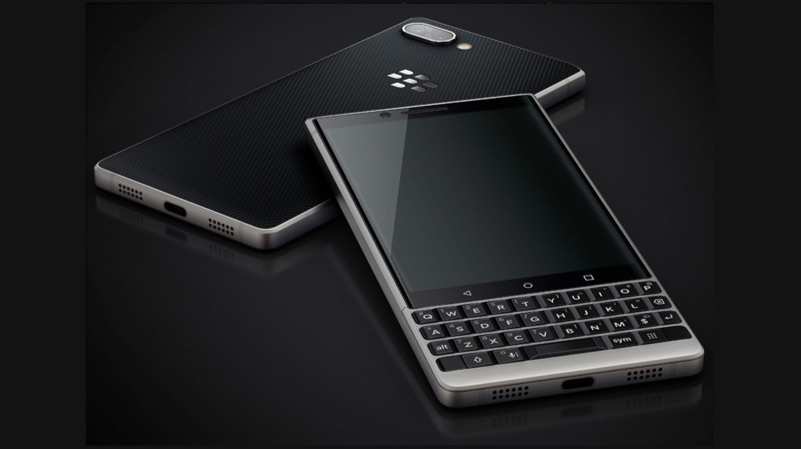
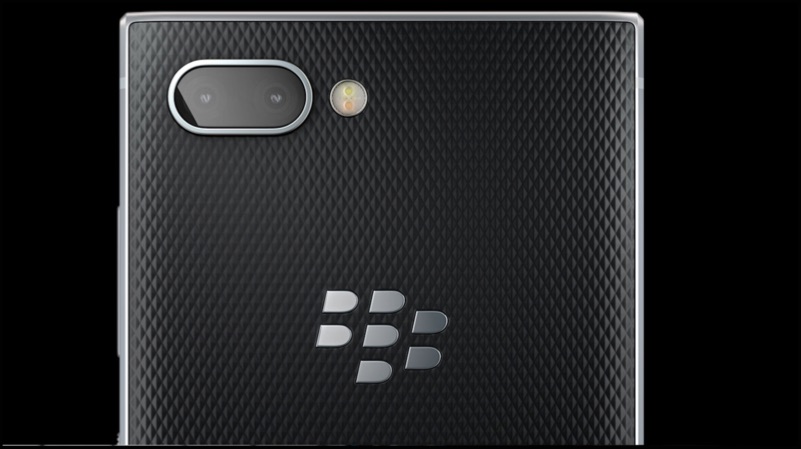
    BlackBerry, the once colossal mobile maker has found it difficult in the past few years. The company has stuck to its guns in certain aspects and is slowly carving out a niche audience for its Android-powered smartphones. The latest in its portfolio is the BlackBerry KEY2 which was launched on June 7th. It now appears that the device could soon launch in India as the BlackBerry KEYone received a price cut.

    Launched in India in August 2017 at a price of Rs 39999, the KEYone was a unique offering. The smartphone is now retailing for Rs 33975 after receiving a price cut of Rs 6024. This usually hints at the launch of a successor and considering the KEY2 was recently launched, it’s not that big a leap. The company has stuck to a similar design and should attract users who crave a physical keyboard.

    KEY2

    [amazon_link asins=’B073ZLLVQ9′ template=’ProductAd’ store=’igyaan-21′ marketplace=’IN’ link_id=’57010157-6e07-11e8-a777-3755840a087f’]

    The BlackBerry KEY2 is priced at US$ 649 (Rs 43700 approx.) for the base model. This suggests that the smartphone could launch in India at the same price as the KEYone. At Rs 39999, users in India will have an option to buy the OnePlus 6 (8GB RAM model) while the KEY2 runs on the Snapdragon 660 chipset.

    The BlackBerry KEY2 has a 4.5 inch IPS LCD display with a 1620 x 1080 px resolution. The 3:2 aspect ratio is mainly because the smartphone will have a physical keyboard making it a large device to hold. The bezels aren’t very thin either and it retains the three touch capacitive buttons from the KEYone.

    The SoC is coupled with 6GB of RAM and either 64GB or 128GB of onboard storage. The storage is expandable up to 256GB using a microSD card. The fingerprint sensor is housed inside the space bar just like its predecessor. Powering the smartphone is a 3500 mAh battery with support for Qualcomm QuickCharge 3.0. The headphone jack is present as well, which has become a rare sight in 2018.

    The dual-camera setup on the back consists of a 12MP primary sensor with an f/1.8 aperture. The secondary sensor is a 12MP sensor with an f/2.6 aperture. The smartphone has an 8MP front-facing camera with the display acting as a flash for low-light selfies. The dual camera at the back can record 4K videos at 30fps while the front camera will record 1080P videos.

    There is no official confirmation about the launch of the BlackBerry KEY2 in India as of now. However, with a significant price cut to the KEYone, we expect the new device to launch in India soon.

  • Nokia X6 Could Soon Launch In India, Global Variant Gets NCC Certification

    Nokia X6 Could Soon Launch In India, Global Variant Gets NCC Certification

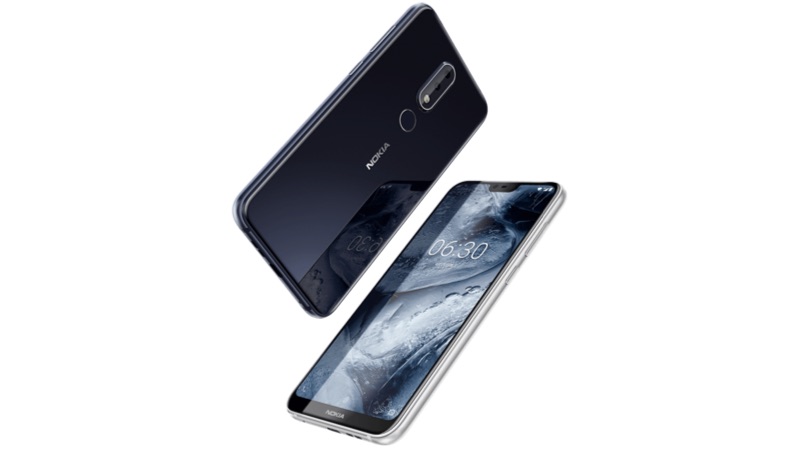
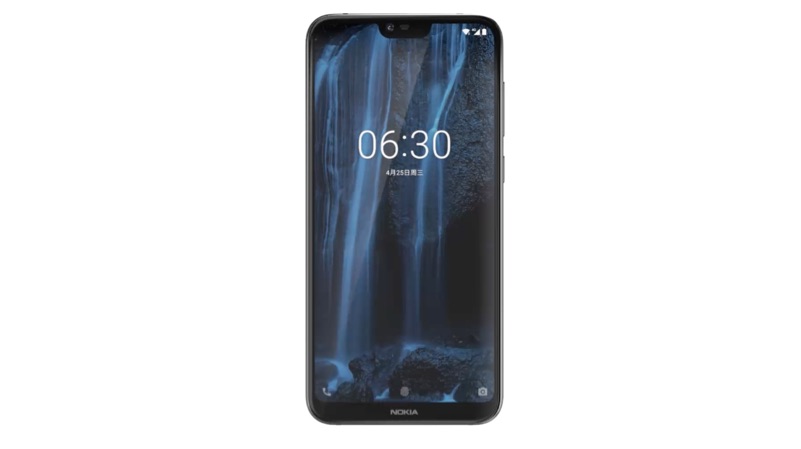
    It is hard to fathom that the company is still launching new devices regularly after it unveiled five new smartphones at MWC 2018. The Nokia X6 is one of the new ones. The Nokia X6 is also hands down one of the most exciting smartphones launched by HMD Global this year. It was launched in China last month and is expected to make its global debut soon. That debut might be closer than we thought as a global variant of the budget device has passed through NCC in Taiwan.

    NCC is similar to China’s TENNA. Every electronic device to launch in Taiwan has to be certified by NCC first. A new report by DealnTech claims that HMD Global plans on launching the X6 first in Taiwan (apart from China, of course). Taiwan is expected to be one of the many countries where HMD Global will launch its new budget smartphone.

    The company will take heart from the fact that the Nokia X6 has been well-received in China. The world’s largest smartphone market does not have a dearth of options in price category with companies like Xiaomi, Huawei continuously launching China-exclusive devices. The Snapdragon 636-powered Nokia X6 has gained a lot of popularity in the country and HMD Global would like to replicate similar success in countries like India.

    India, just like China, also has a very congested budget smartphone category. In fact, the Redmi Note 5 Pro and Asus Zenfone Max Pro, two popular budget smartphones in India are also powered by the Snapdragon 636 SoC. This means that the Nokia X6 will have to be priced very competitively to stand any chance in India. It has an all-glass build which, on paper, looks better than the aluminium unibody design of the Redmi Note 5 Pro and Asus Zenfone Max Pro.

    [amazon_link asins=’B077PWJP92′ template=’ProductAd’ store=’igyaan-21′ marketplace=’IN’ link_id=’aacb5ead-6e00-11e8-8b66-bf00c0148e28′]

    The notched budget device from HMD Global has a 5.8 inch TFT display with a 2280 x 1080 px resolution. The smartphone runs on the Qualcomm Snapdragon 636 chipset along with either 4GB or 6GB of RAM coupled with either 32GB or 64Gb of onboard storage. The onboard storage will be expandable via microSD card. The fingerprint sensor is placed on the back which has a glossy finish thanks to an all-glass design.

    Powering the device is a 3060 mAh battery which charges via a USB C port. Out of the box, the Nokia X6 will run stock-ish Android 8.1 Oreo with little customisations done by HMD Global. The back has a 16MP primary sensor along with a 5MP secondary sensor. The dual-camera setup will be able to take portrait shots, a feature that has become very popular recently. The front houses as a 16MP camera with an f/2.0 aperture.

    The Nokia X6, if priced close to Rs 15000 to 16000, should be a great contender. However, HMD Global has missed the mark with its pricing in India so far.

  • Moto G6 Full Review

    Moto G6 Full Review

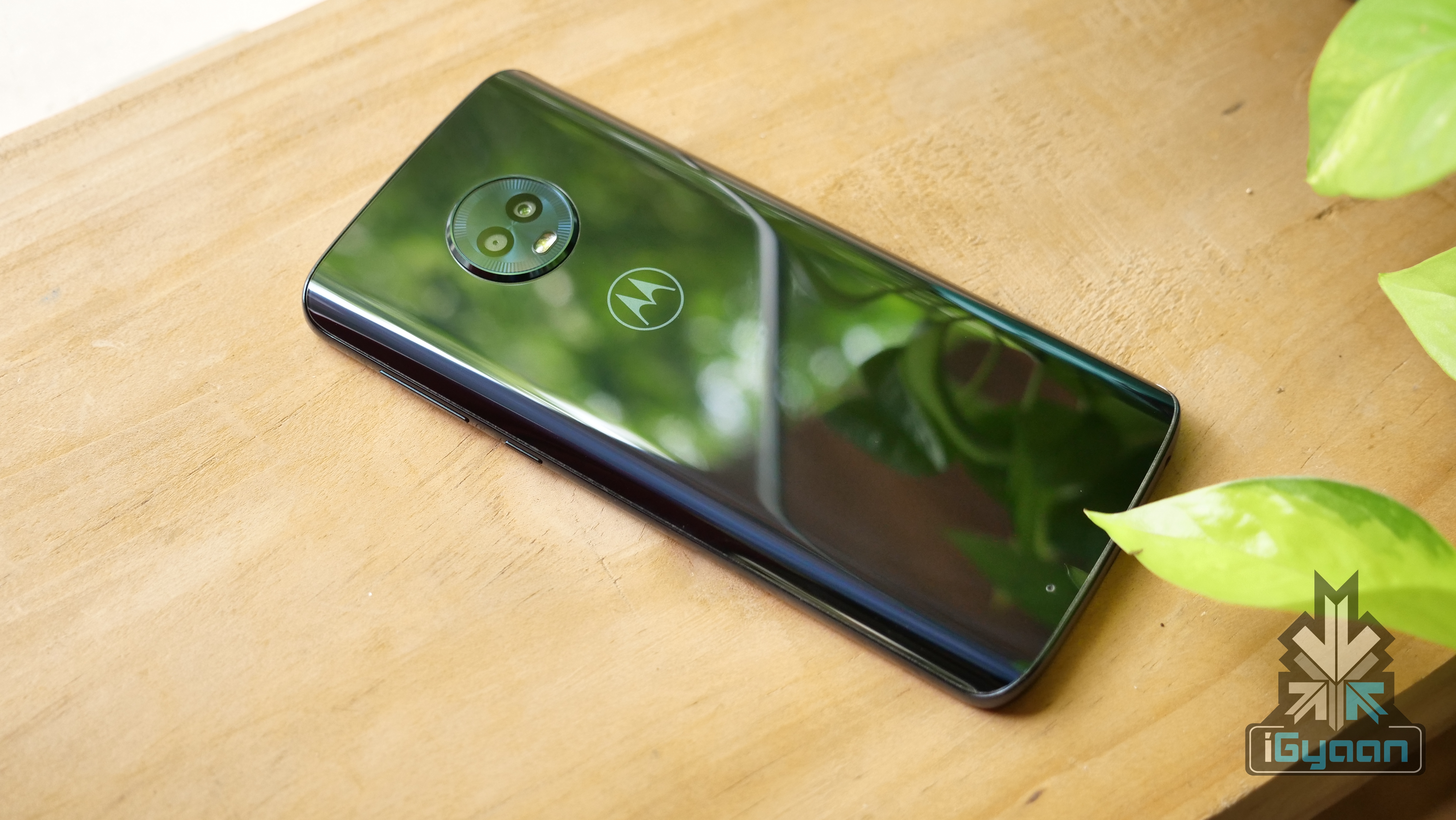
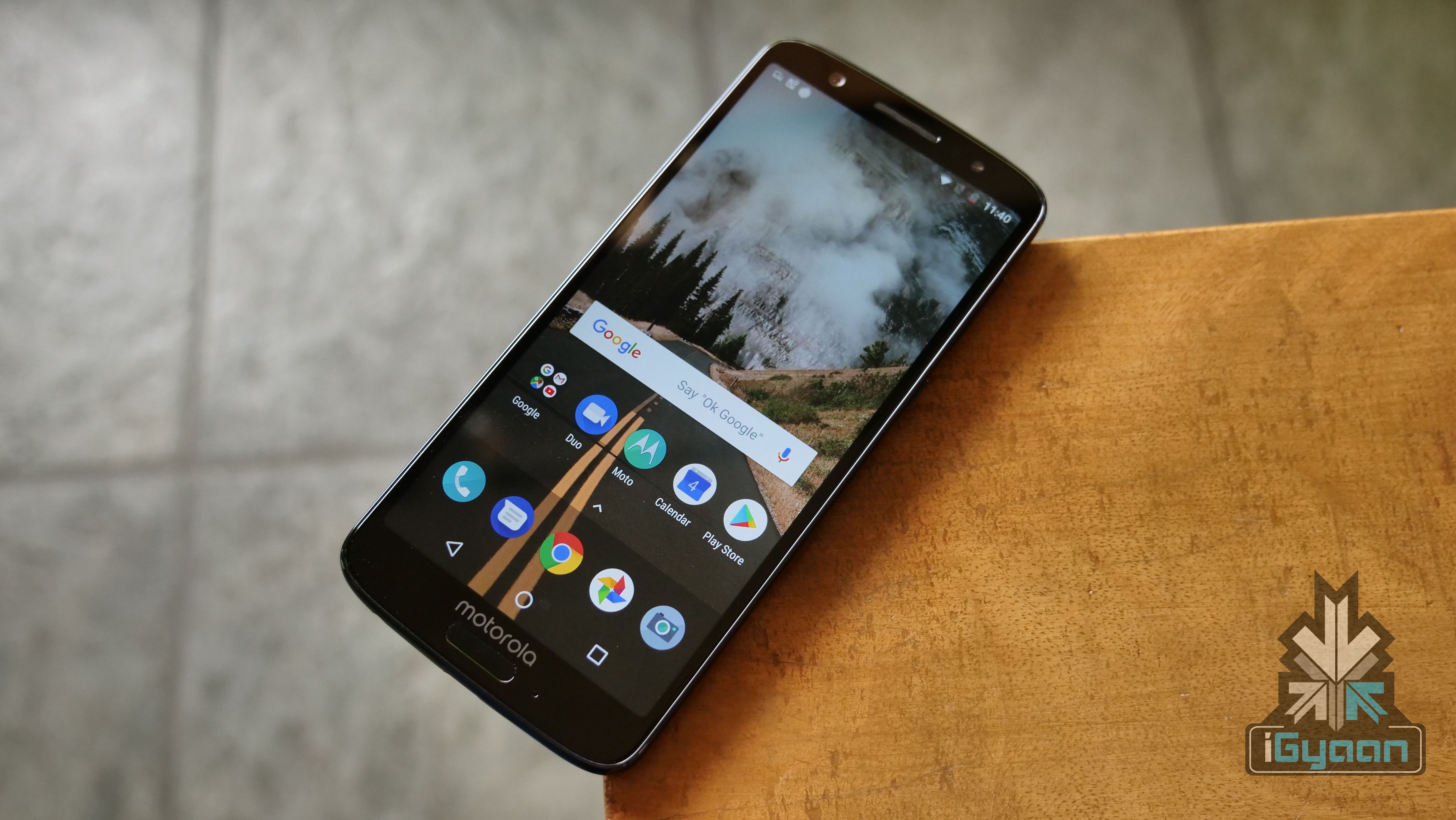
    The sixth generation of Motorola’s highly acclaimed Moto G series has launched in India. The Moto G6, initially launched back on Apilr 19th in Brazil has made its way to India for a starting price of Rs 13999. The Moto G6 is the successor to the Moto G5s which was launched in August 2017 and it will go on sale via Amazon exclusively.

    Buy The Moto G6 Here

    The Moto G6 is a significant upgrade over the Moto G5s in terms of design and build quality. During the Moto G5s launch, there were premium smartphones with the 18:9 aspect ratio but, not many budget devices had adopted the feature. Since then, however, the 18:9 aspect ratio has become the norm across the board. The Moto G6 follows the norm as well and has thin bezels around the display with an 18:9 aspect ratio.


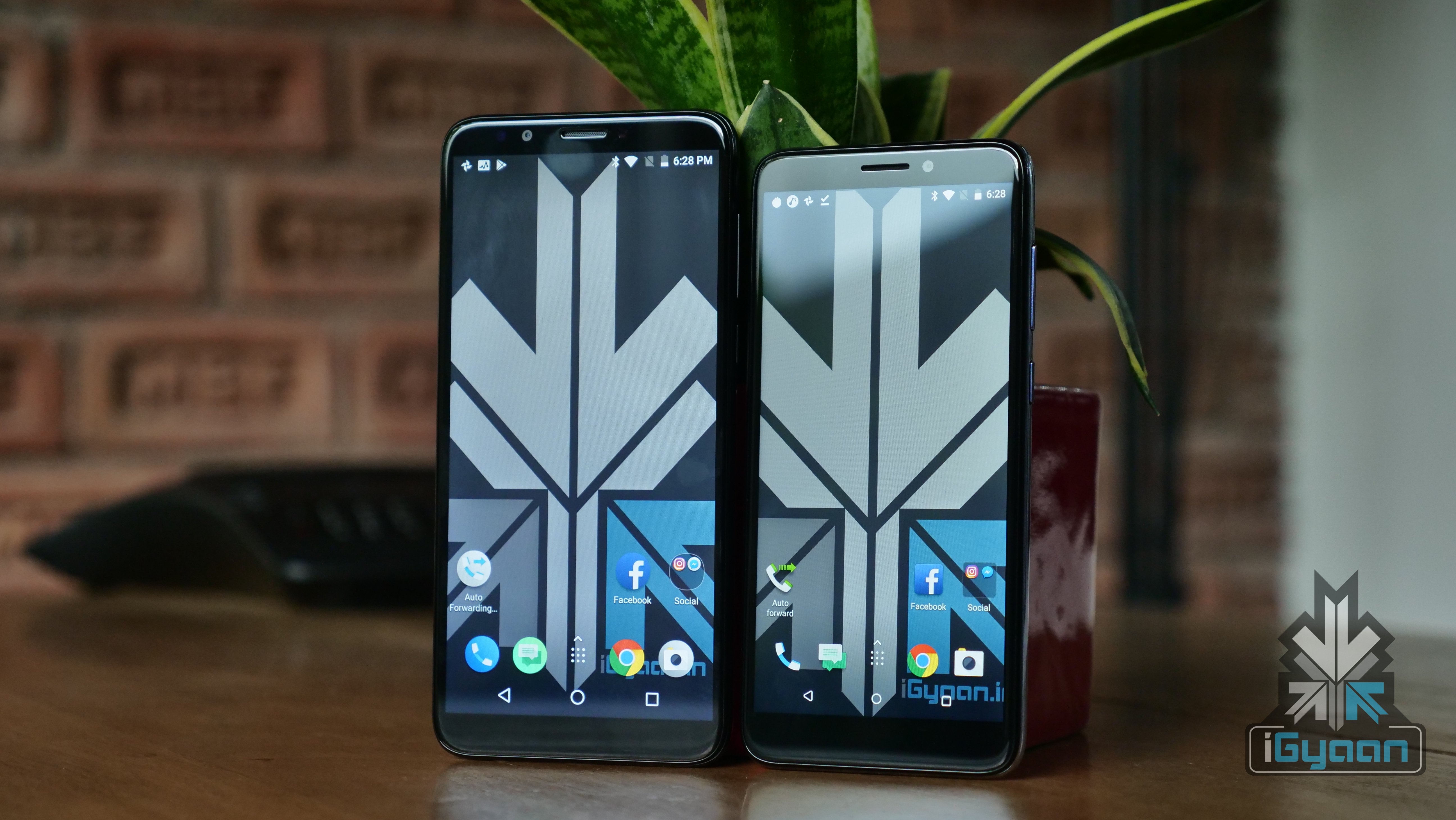
  • Unboxing The HTC Desire 12, Desire 12+

    Unboxing The HTC Desire 12, Desire 12+

    HTC launched two new budget smartphones in India this month. The HTC Desire 12 and Desire 12+ were launched in the sub-20K category where the Indian market already has devices like the Huawei P20 Lite and Redmi Note 5 Pro. The Desire 12+ is also the first budget HTC smartphone to sport a dual-camera setup on the back.

    The HTC Desire 12 is priced at Rs 15800 while the Desire 12+ will retail for Rs 19790. Pre-order will be done exclusively on HTC India E-Store. Both the smartphones are available in retail since the 11th of June. With the competition quite steep, can the two HTC smartphones hold their own? Let’s unbox the two devices first and do a quick one-over before we dive deep into a review.

    [section label=”Unboxing”]

    Inside The Box Of HTC Desire 12, Desire 12+
    • HTC Desire 12/Desire 12+
    • Documentation
    • Wall Charger
    • Micro USB Cable
    • Earphones

    [section label=”Initial Impressions”]

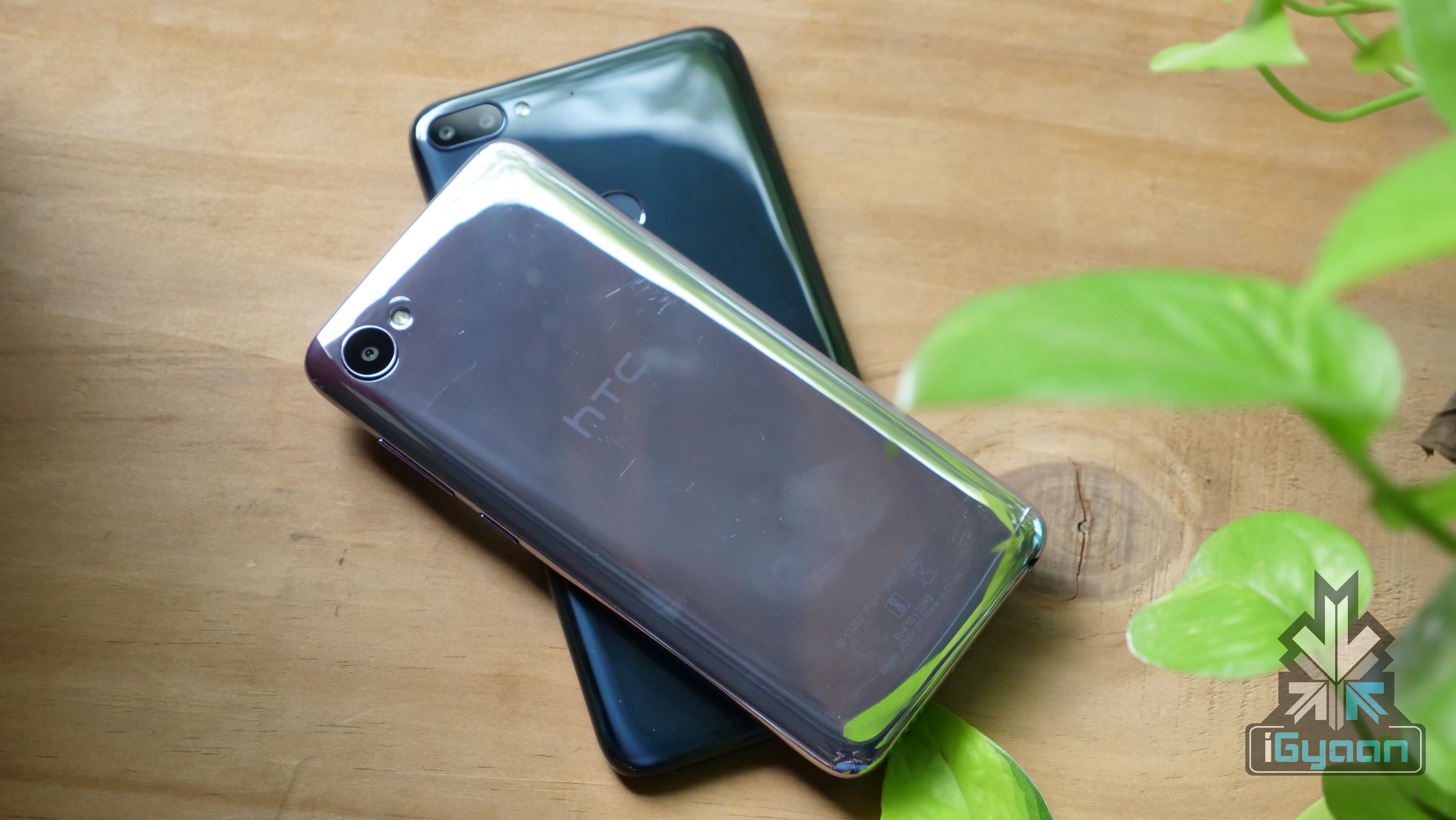
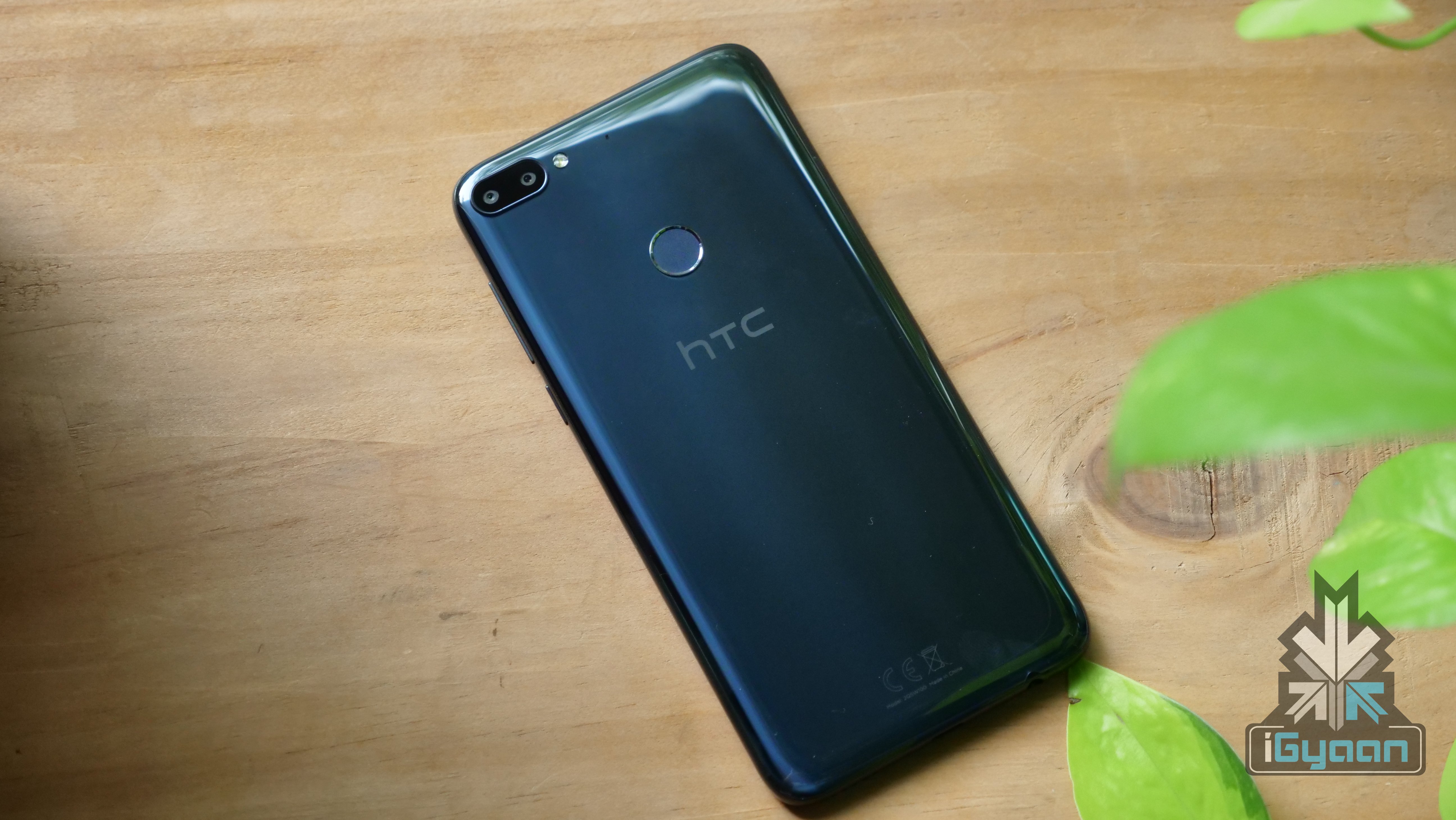
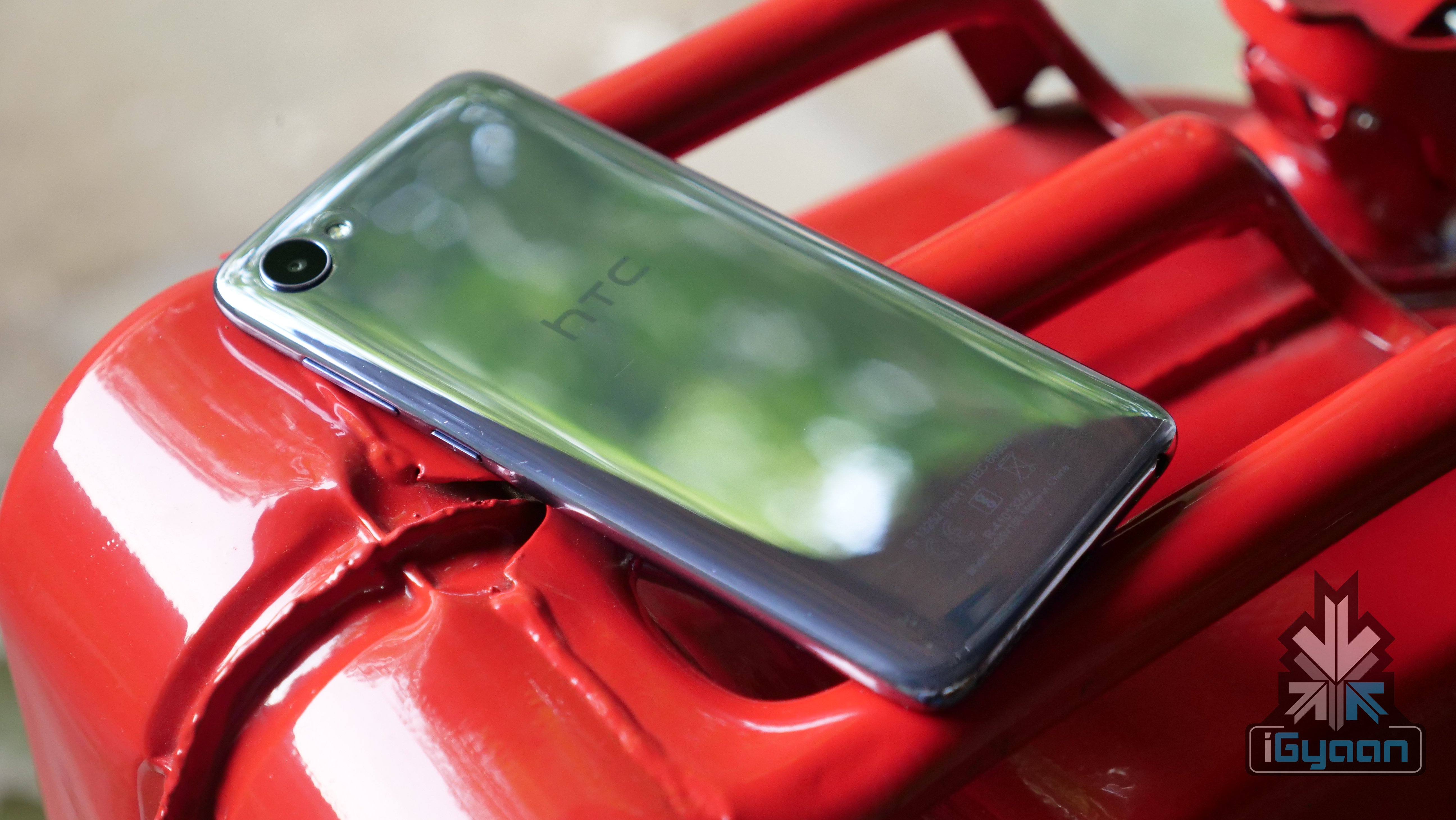
    The moment you hold the two devices you feel that they’re built well. The Desire 12 and Desire 12+ have an all-glass design which is on par with devices like the Huawei P20 Lite. The Desire 12 has a way more glossy finish on the back which is almost like a mirror. The finish on the Desire 12+ is a tad more subtle and at the end of the day, preferences are subjective.

    Both the smartphones sport a shoddy HD+ resolution which was bad even in 2016, let alone 2018. We already have devices like the Realme 1 or Zenfone Max Pro which cost way less and have a FullHD+ resolution. The fingerprint sensor on the Desire 12+ is placed on the back in a central position which is ergonomic. At a price of Rs 15800, the Desire 12 does not even have a fingerprint sensor.

    The HTC Desire 12+ has a 6 inch IPS LCD display with a 1440 x 720 px resolution. This translates into an 18:9 aspect ratio and is the first budget smartphone from HTC to adopt the new aspect ratio.

    Under the hood, the device has the Qualcomm Snapdragon 450 octa-core chipset with 3GB RAM and 32GB storage. The storage is user expandable up to 2TB using a micro SD card. It is worth noting that the Redmi Note 5 Pro, priced at Rs 14999 in India, runs on the Snapdragon 636 chipset while the Huawei P20 Lite is powered by the Kirin 659 SoC. The fingerprint sensor is placed on the back of the device due to thin bezels.

    HTC Desire 12+

    Powering the smartphone is a 2965 mAh battery which charges via a micro USB port. It runs Android 8 Oreo out of the box with HTC SenseUI on top. The custom skin from HTC has bettered over the years and allows a ton of customisation options to the users.

    The smartphone has a dual primary camera setup with a 13MP RGB sensor and a 2MP depth sensor. To the front, the device has an 8MP front-facing camera. Both the camera units can record videos at up to 1080p at 30fps. Before the HTC U12+ was launched, this was the only HTC smartphone with a dual-camera available in the market.

    The HTC Desire 12 is a miniature version of the Desire 12+ with a few other changes. Unlike the ‘Plus’ variant, the Desire 12 misses out on a fingerprint sensor and dual camera setup. The HTC Desire 12 has a 5.5 inch IPS LCD display with a 1440 x 720 px resolution. Under the hood, it runs on the MediaTek 6739 Quad-core chipset with 3GB RAM and 32GB storage. Similarly, the storage is user expandable up to 400GB using a micro SD card.

    Powering the smartphone is a 2730 mAh battery which charges via a micro USB port. It runs Android 8 Oreo out of the box with HTC SenseUI on top. The smartphone has a 13MP primary camera but misses out on the depth sensor. The front houses a 5MP camera with an f/2.4 aperture that records 720P videos at 30fps.

    The HTC Desire 12 and Desire 12+ needed to be priced under Rs 10000 to have any sort of hope in the Indian market. A majority of Indian consumers have grown out of brand consciousness and really want a good device for their money. The HTC devices falter on paper, but, only an in-depth review will give us the full picture. Stay tuned for that!

iGyaan Network
Privacy Overview

This website uses cookies so that we can provide you with the best user experience possible. Cookie information is stored in your browser and performs functions such as recognising you when you return to our website and helping our team to understand which sections of the website you find most interesting and useful.