Blog

  • 2018 Apple iPhone With LCD Display Won’t Have 3D Touch

    2018 Apple iPhone With LCD Display Won’t Have 3D Touch

    Apple has just launched the iPhone 8 and 8 Plus (Product) RED in India. This launch comes halfway through Apple’s iPhone cycle as the next batch of iPhones is expected to be launched in September 2018. So far, we know that Apple will launch three new iPhones in September and the most affordable of the lot will the one with an LCD display. Now, a new research note Ming-Chi Kuo has revealed a few key details about the 6.1 inch LCD iPhone.

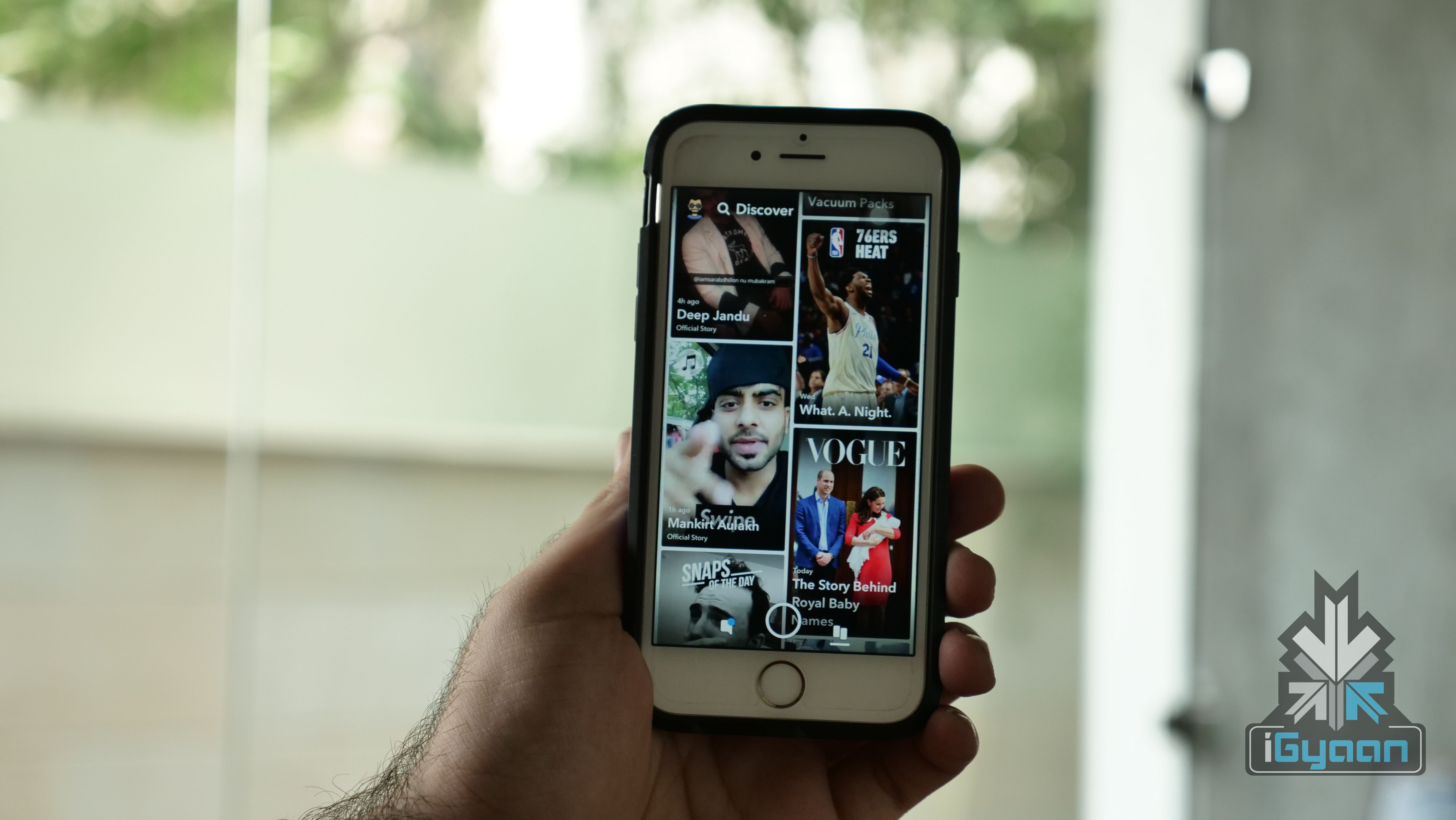
    According to Kuo, the 6.1-inch iPhone will use what he calls “Cover Glass Sensor” (CGS) technology, relocating the iPhone’s touch module from the display panel (in-cell technology) to the surface glass. He says that this method results in a display that’s lighter and more shock resistant. Apple will apparently add a thin-film sensor to the touch film sensor in the CGS. This method will also result in a 15% increase in the cost of the touch panel. This means that the purchase price of the panel will increase from US$ 23 to US$ 26.

    2018 Apple iPhone lineup

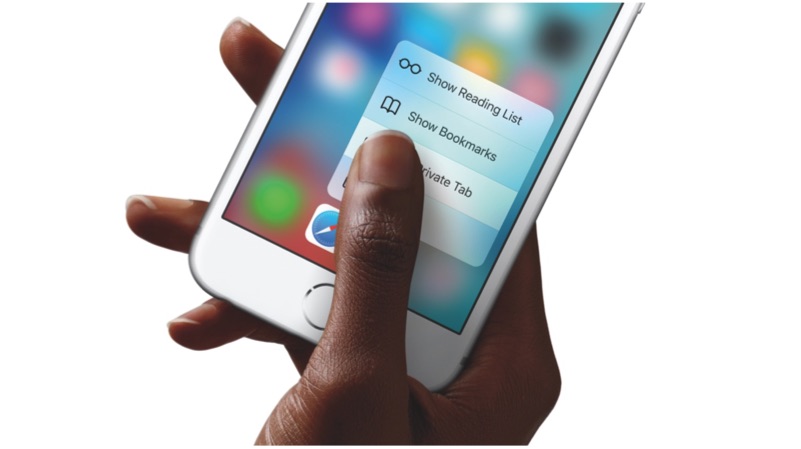
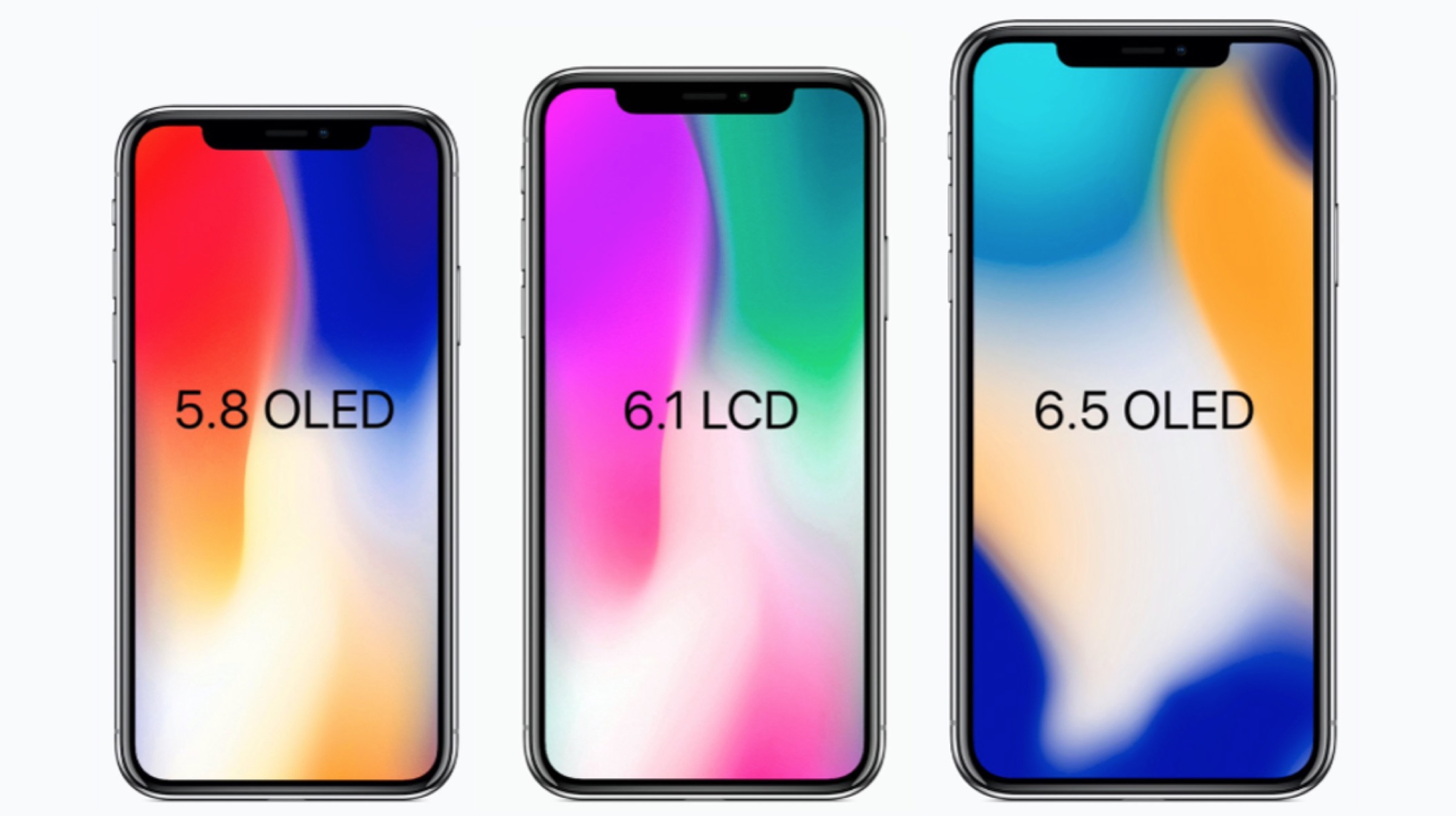
    Kuo believes that to maintain the cost of the iPhone and obtain parity, Apple will remove 3D Touch on the 6.1-inch iPhone. So far, 3D Touch functionalities are well integrated within iOS since it has been present in all iPhones since the iPhone 6s launch. Apple wants to implement the CGS technology in all future iPhones, which means that 3D Touch could be removed from iPhones altogether in the future. That being said, the 5.8 inch iPhone and the iPhone X Plus, both of which will have an OLED panel will have 3D Touch functionalities.

    Kuo also believes that the 6.1 inch LCD iPhone will make up 65 to 75% of iPhone shipments during the year. This is mainly attributed to its much more affordable price tag and the similarities in features with the pricier 2018 iPhone X and iPhone X Plus.

  • Snapchat Spectacles 2 Launched At US$ 150

    Snapchat Spectacles 2 Launched At US$ 150

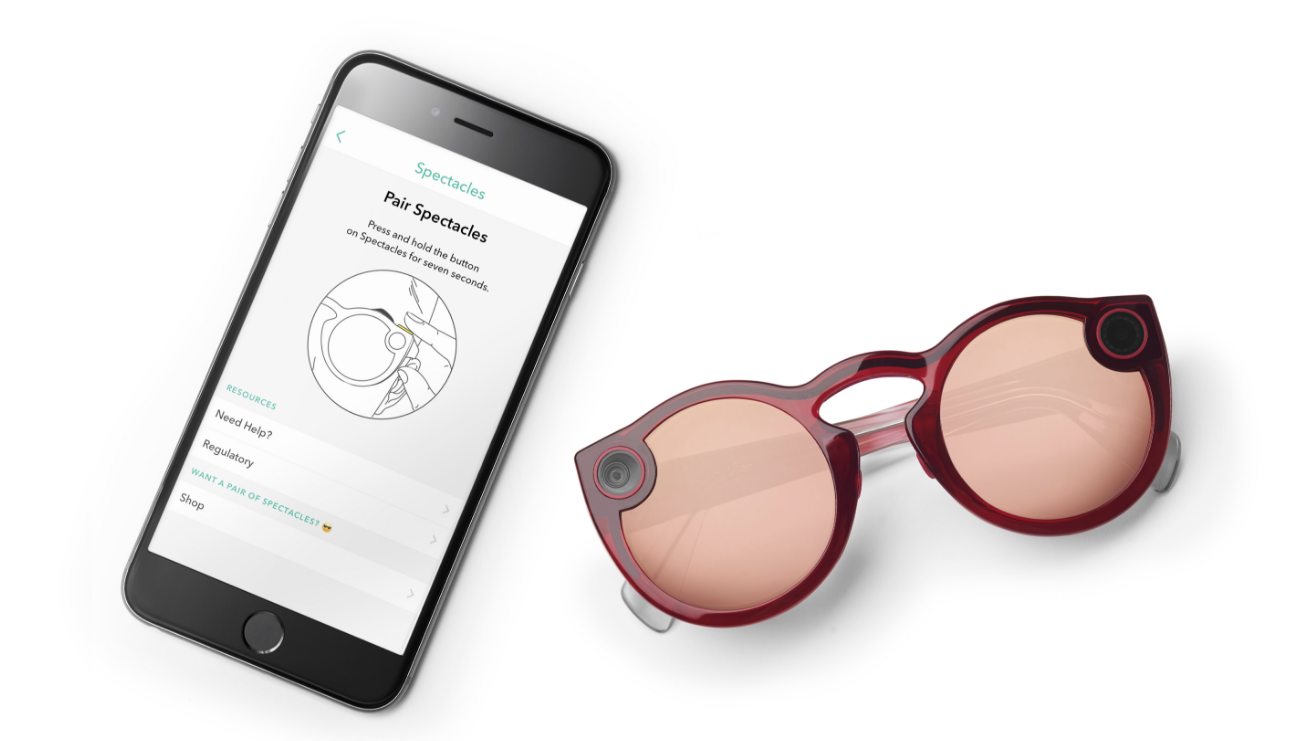
    Snapchat has launched the second iteration of its wearable product, the Snap Spectacles V2. This is not the official name of the specs, as Snapchat is just calling them the Spectacles. The new Spectacles cost US$ 150, which US$ 20 more than the original Specs. This time around, the company appears to have fixed many of the issues that users had with the original Spectacles.

    Unlike the original model, the new Spectacles can also take images along with videos. As is with Snapchat, the videos are recorded for 10 seconds, and users can take continuous videos up to 30 seconds. The glasses are water-resistant at shallow depths, and the company says you can safely dive into a pool with them or splash around in the ocean. The case for the glasses, which also acts as a charger, has also been made splash-proof. The case can charge the glasses up to 4 times on a single charge. This time around, the carrying case is also much smaller.
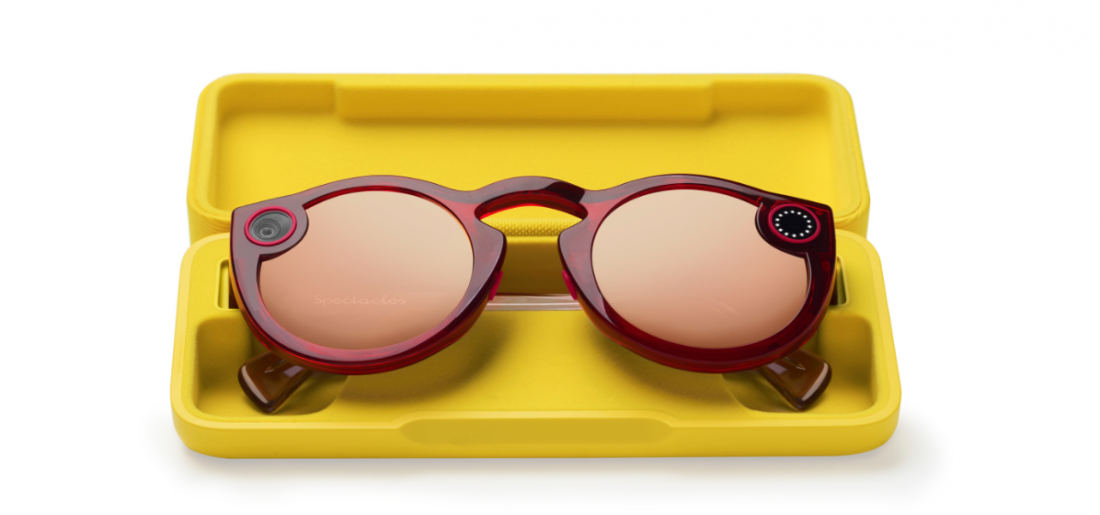
    The carrying case is smaller because Snap has made the Spectacles thinner and lighter. The specs now have a lot of different glass designs and colour options to choose from. For users in the US, there is also support for people who wear polarised glasses. Snap is working with a company called Lensabl to offer prescription and polarised lenses. This will only be applicable when buying the spectacles from Spectacles.com.

    Snapchat also claims that the file sharing process between the glasses and your smartphone is 4X faster. The pairing process remains the same, wherein users have to wear the specs and point them at their Snapcode. Once paired, their smartphone then has to join a Wi-Fi network created by the glasses. Once that is done, the file sharing process begins wirelessly.
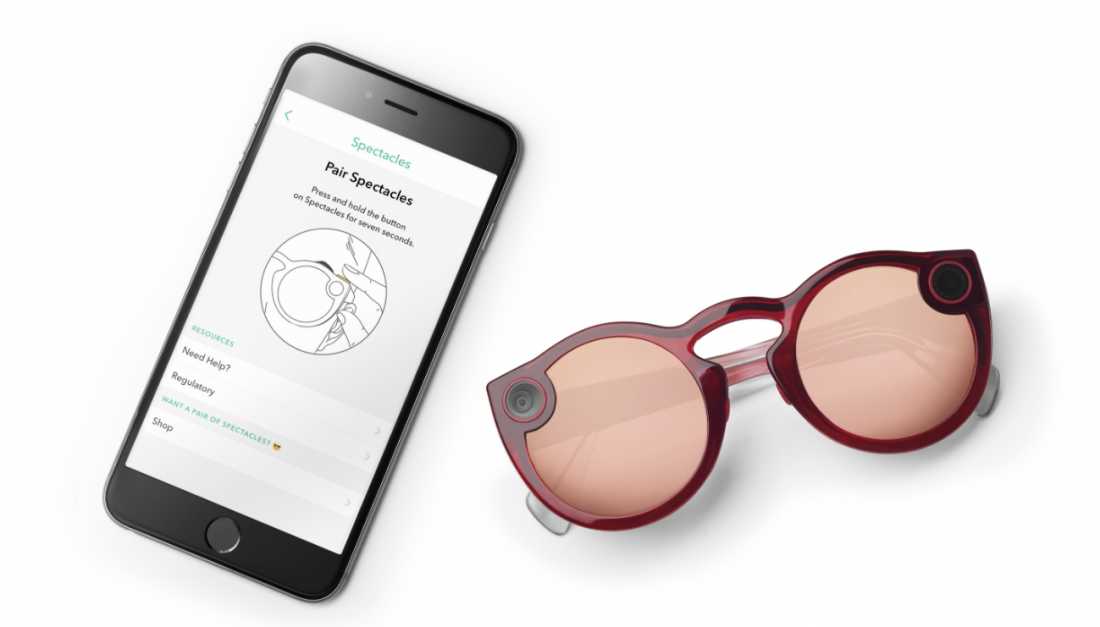
    Compared to the original model, the new Spectacles look much more realistic and closer to regular glasses thanks to the new design and colours. The camera is still visible and should alert bystanders but, the yellow ring around it is gone which helps the lens blend in with the specs a bit more. The Snap Spectacles are on sale in three jewel tones: onyx (black), ruby (red), and sapphire (blue). As of now, these are available in the United States, Canada, the United Kingdom, and France. May 3rd onwards, they’ll be available May 3rd in the Netherlands, Norway, Denmark, Belgium, Finland, Poland, Spain, Italy, and Ireland.

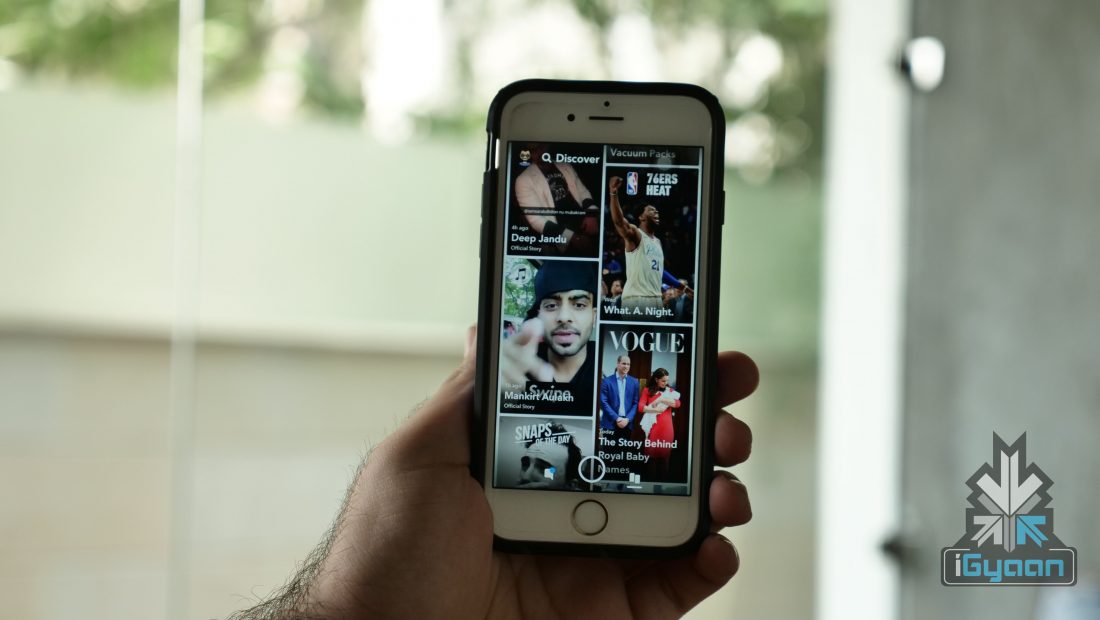
    There have also been reports of Snapchat introducing a dubious feature in its app. Not too long ago, Snapchat went through a complete UI overhaul which, to say the least, did not please its users. Now, it could potentially introduce a feature that might annoy its remaining daily users to a point of no return. Snapchat is reportedly preparing to introduce unskippable advertisements which will only please its stakeholders.

    According to a report by Digiday, citing three sources with “direct knowledge” of the company’s plans, the company will soon insert six-second video ads that will run during select Snapchat Shows. These are short-form video programming from major media companies that run on the platform. The tests for the new advertising format will begin on May 15th. As of now, these ads won’t appear in the app’s Discover feed or in between Stories posted by users.
    Instering unskippable ads on its platform is a telltale sign of the company’s failing business model. It posted its most successful quarter ever in the Q4 of 2017, and still managed to lose about US$ 350 million. It is clear that things are not going well for Snapchat even after recently going public.

    Snapchat was the first was to do what has now become a trend in social media. Personal messages with an exhaustion time limit to adding “stories” in your profile are what made it so famous among teenagers and young adults. However, Facebook, and then Facebook-owned social media platforms Instagram and WhatsApp also adopted that pattern and has been more successful than Snapchat.

    Whether this new advertising format will anyway help the company is yet to be seen. It isn’t clear right now how successful Snapchat Shows is and how many people actually watch it for users to be annoyed with unskippable ads.
  • Xiaomi Mi Pad 4 Might Have An 18:9 Aspect Ratio

    Xiaomi Mi Pad 4 Might Have An 18:9 Aspect Ratio

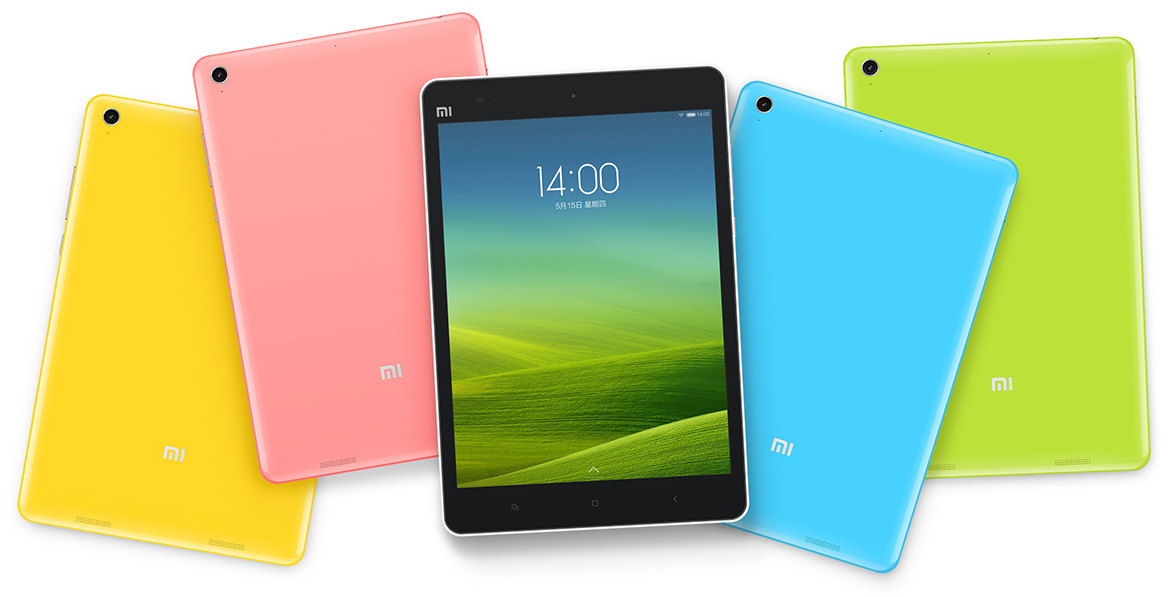
    Xiaomi has had a lot of success with its smartphones in India. The Chinese company is now the top smartphone vendor in India, which is one of the largest smartphone markets in the world. The Chinese tech giant also makes very impressive Android tablets, something that cannot be said for most major Android OEMs. The Mi Pad 3 was launched in April 2017 and the launch of its successor, the Mi Pad 4, is imminent.

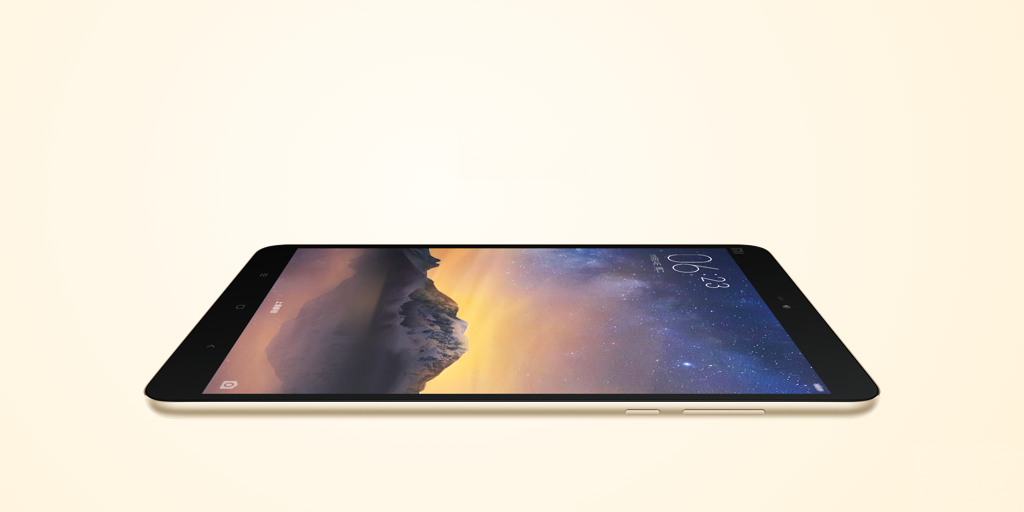
    XDA Developers have now got hold of a few firmware files that shed some light on the Mi Tab 4. According to the files, the Xiaomi Mi Tab 4 could have an 18:9 aspect ratio but, it cannot be confirmed right now. The boolean value in the MIUI configuration file called “is_18x9_ratio_screen” is set to “true.” While this a hint of a tall display, folks over at XDA Developers are not very confident about this particular piece of information.

    The Mi pad 4 will run on the Snapdragon 660 chipset, same as the recently launched Mi 6X. The maximum CPU frequency in MIUI’s configuration file is set to 2.0GHz for the big cluster, which hints at the Snapdragon 660 rather than the Snapdragon 636 which is found in the Redmi Note 5 Pro. There is no information on the RAM and storage options, but, it is possible the Mi Pad 4 could have 4GB of RAM and 64GB onboard storage. This particular configuration is extremely common among budget devices.

    The Mi Pad 4 will have a single camera on the front and back. The rear-facing camera will be a 13MP OmniVision OV13855 sensor with an f/2.0 aperture. To the front will be a 5MP Samsung S5K5E8 sensor with an f/2.0 aperture. Tablets are rarely judged for their camera capabilities because it tends to be the least used function on a large sized device. However, a good front-facing camera is ideal for video calling .

    The tablet industry has been dominated by Apple iPads for a while now. With most Android manufacturers shying away from manufacture of tablets, Samsung and Xiaomi are the only major brands especially in the budget category. Hence, the Mi Pad 4 could fill in a gaping hole in the tablet industry. Whether it will be successful at that or not, is yet to be seen.

  • Apple iPhone SE 2 Leaked Images Reveal A Glass Back And Headphone Jack

    Apple iPhone SE 2 Leaked Images Reveal A Glass Back And Headphone Jack

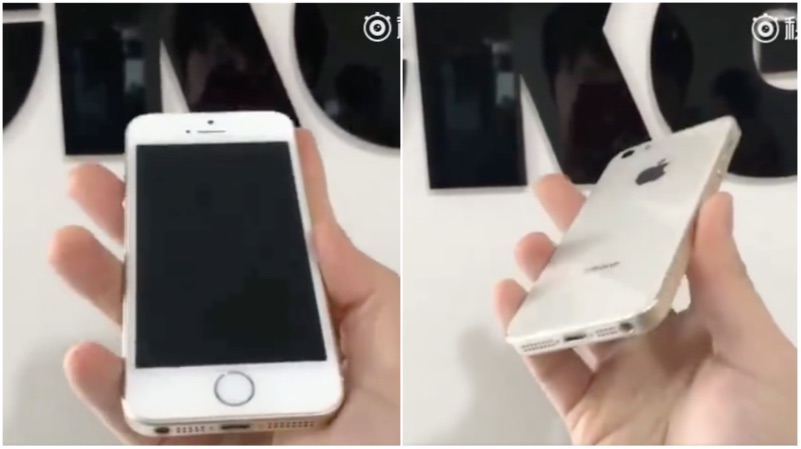
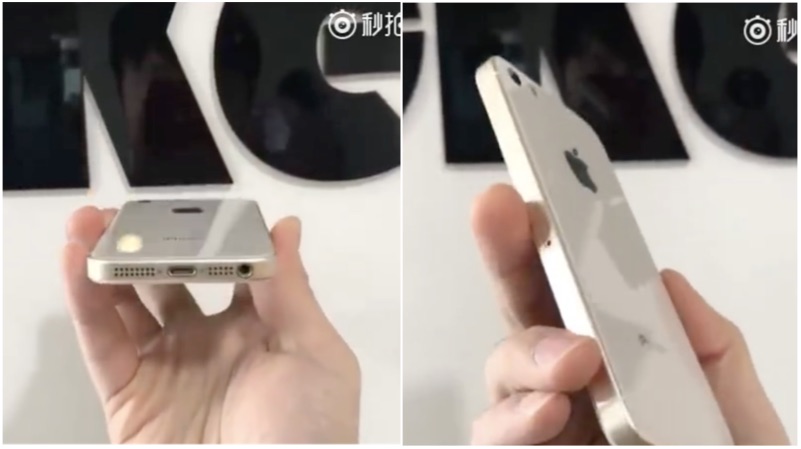
    The Apple iPhone SE 2 is expected to be a successor to the highly popular and compact iPhone SE model. The clouds of uncertainty around the iPhone SE 2’s existence have certainly gone away as we approach a possible launch in May. However, we have received very conflicting reports so far regarding the features and design of the iPhone SE 2. A new set of images, possibly of the iPhone SE 2 reveal a few key details about the upcoming budget iPhone.

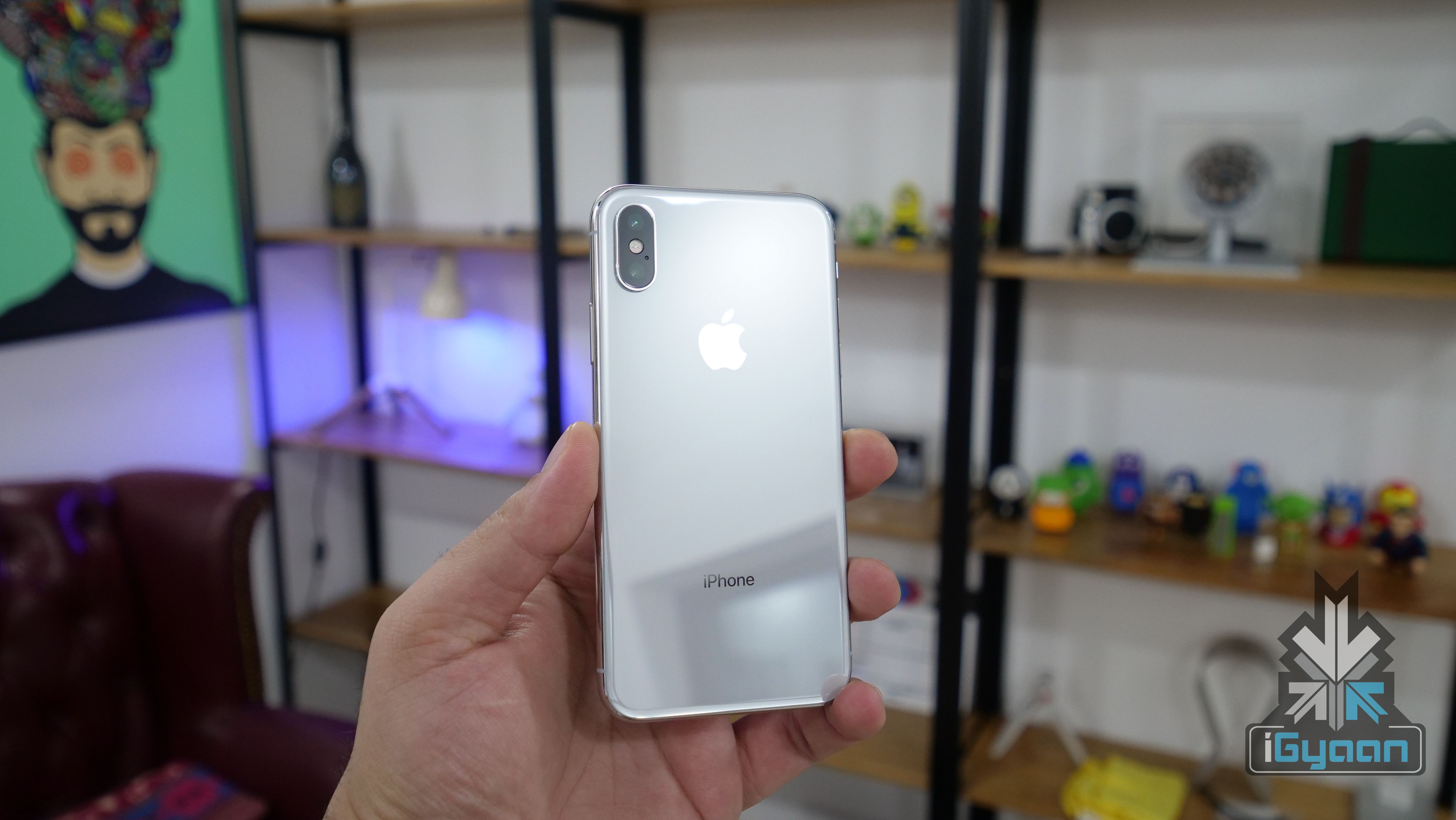
    As is visible in the images, it appears that the iPhone SE 2 will indeed have a glass back, similar to the iPhone 8 and iPhone X. The design is very similar to the iPhone SE 2 with a single camera on the back. The front of the iPhone SE 2 has the same bezels as the iPhone SE along with the home button, which will house Touch ID as well. These images reaffirm that Apple won’t go for a radical upgrade with its budget iPhone and instead and introduce a few modern features along with updated hardware.

    The interesting bit about these images is the presence of the headphone jack. The iPhone SE was the last iPhone that Apple launched with a headphone jack. In September 2016, Apple launched the iPhone 7 and 7 Plus which meant the end of the 3.5mm headphone jack in iPhones. Even previous reports have claimed that the iPhone SE 2 won’t have a headphone jack. It won’t make sense for Apple to claim that wireless technology is the future and then take a step back with the headphone jack.

    You May Also Like to Read: Apple iPhone SE 2: Everything We Know

    We expect the iPhone SE 2 to be launched in India soon after its global launch, considering the success the iPhone SE has had in India. The Apple iPhone SE 2 could be manufactured in India at the Bengaluru plant, along with the current iPhone SE and the iPhone 6s Plus. The iPhone SE 2 for certain markets like India could also feature Dual- SIM capability as there are already reports of the Apple launching iPhones with this capability. The iPhone SE is Expected to start at US$ 550 for the 64 GB variant. In India, the iPhone SE 2 can launch for around Rs. 36,999.

  • 76% iOS Devices Are On iOS 11 While Only 4.1% Android Devices Are On Android 8 Oreo

    76% iOS Devices Are On iOS 11 While Only 4.1% Android Devices Are On Android 8 Oreo

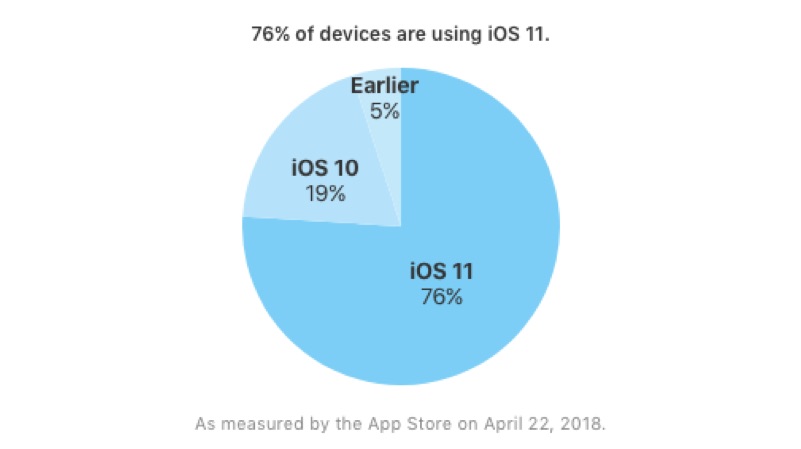
    The debate of Android vs iOS might never reach a conclusion. However, there is one area where Android has to always accept defeat, and that is OS adoption rate. Thanks to so many Android OEMs and their own custom skins, new versions of Android are very slow to reach to a majority of Android devices. iPhones on the other hand, are only made by Apple, which means the adoption rate of iOS is extremely high. And new data proves just that.

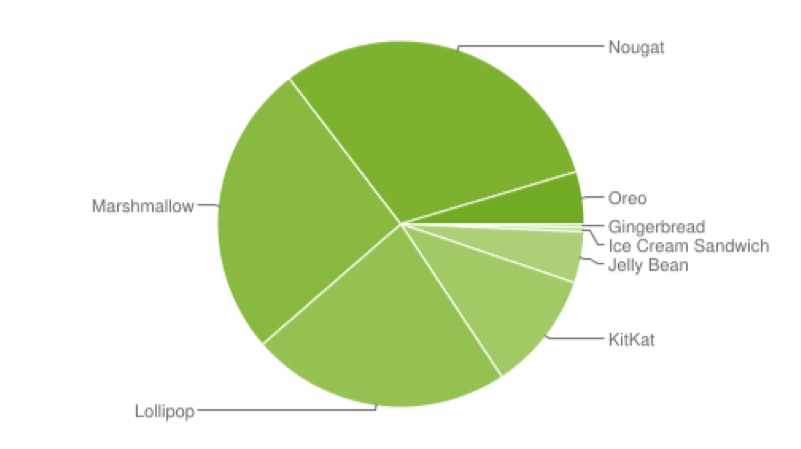
    As of April 16th, 2018, Android 8.1 Oreo, the latest version of Android is only available on 0.5% Android devices. Android 8.0 Oreo, which was launched in August 2017, is only available 4.1% of devices. Astonishingly, the most predominant Android version is Android 6 Marshmallow, with a 26% adoption rate. Android 7.0 Nougat is a close second at 23%.

    While on the iOS side of things, as of April 22nd, 2018, iOS 11 is running on 75% of the iOS devices. It is worth noting that this also includes iPads as well since they also run iOS. Apple’s latest iOS version, iOS 11 had a rocky start to life with a lot of bugs pailing its initial phase. However, constant updates to fix various bugs has made iOS 11 a much better upgrade to iOS 10, as we noted in our iPhone X review.

    You may also like: Why Are New Android Phones Launching With Old Android OS?

    Project Treble is Google’s effort at reducing the time it takes for OEMs to receive the new OS and optimise it for its devices and then push out the update. A few months ago, Android received a new Vendor Interface, which is largely what Project Treble is about. The VI’s aim is to separate the “Vendor Implementation” (that is, “the device-specific, lower-level software written in large part by the silicon manufacturers”), from the Android OS framework.

    The new VI is supposed to sit between the Android OS framework and Vendor Implementation. And the new VI will be validated by a Vendor Test Suite (VTS), which is analogous to the Compatibility Test Suite (CTS) that Google has been using for API testing of apps. The VTS ensures forward-compatibility of the VI.

    Time will tell whether Google’s efforts will be of any fruition. Right now, however, iOS is way ahead of Android OS in the race of OS adoption.

  • 2018 Apple Lineup to Include iPhone , iPhone X and iPhone X Plus

    2018 Apple Lineup to Include iPhone , iPhone X and iPhone X Plus

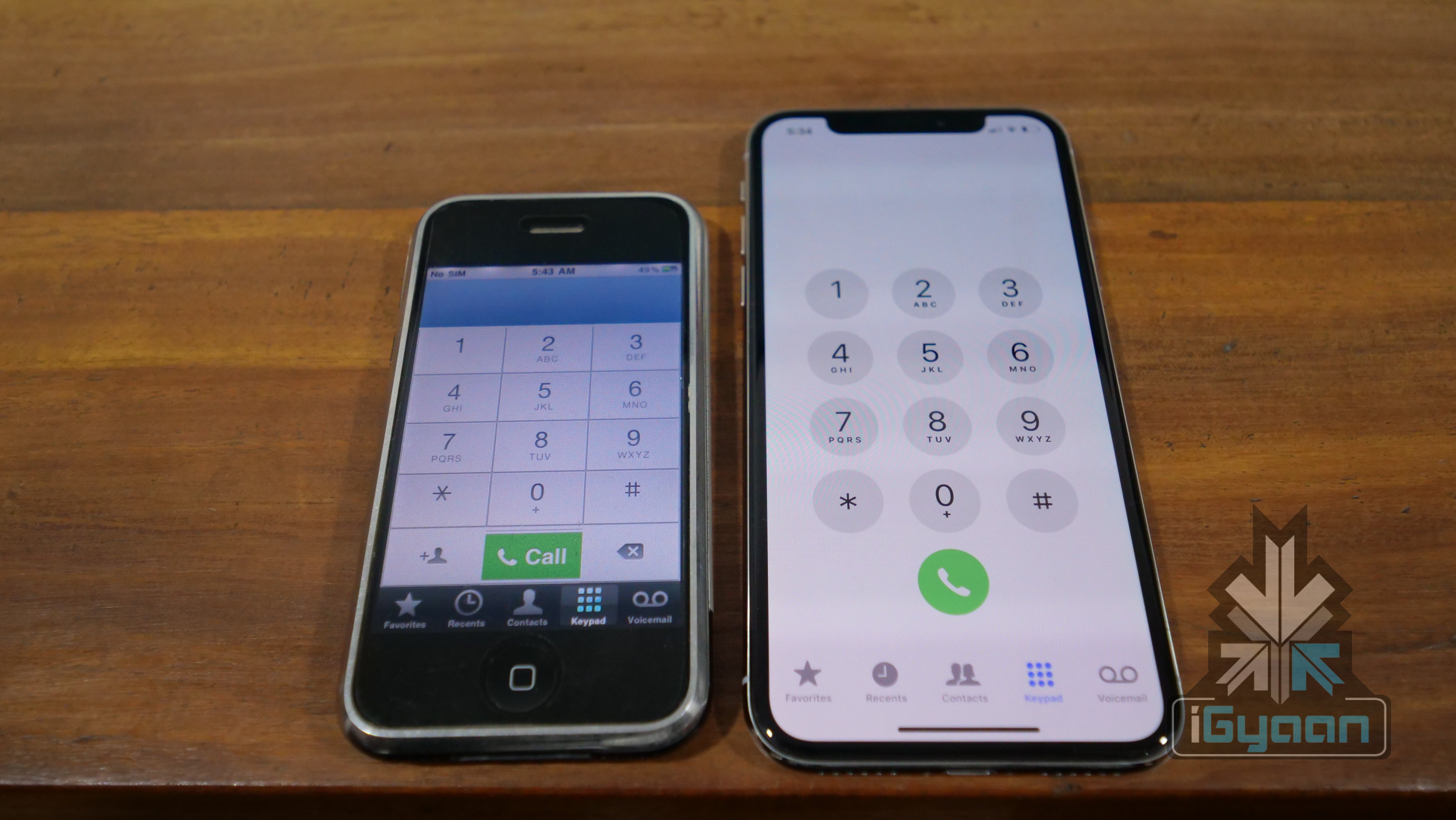
    In 2017, Apple launched three new iPhones. While the iPhone 8 and 8 Plus were successors to the 7 and 7 Plus, the X was billed as a true successor to the original iPhone. The “X” is pronounced as “ten” and represents the 10th anniversary of iPhones. While the three iPhones have enjoyed success, they have raised a few question marks regarding the names of upcoming iPhones.

    Reports claim that Apple will launch three iPhones in 2018. All the three iPhones will have a design like the iPhone X and also feature the infamous notch. The most affordable of the three iPhones will be an LCD model. Then there will be an iPhone X successor with the same screen size and the third model will sport a 6.5 inch OLED display. For reporting, we have so far used the type of display to refer to that device. However, Apple won’t name its new iPhones on the basis of the display technology used.

    iPhone

    The LCD model is more or less is a successor to the iPhone 8/8 Plus but, it won’t carry the number ‘9’. A new research note by Robert Cihra, an analyst at Guggenheim claims that Apple would drop the numbers from the nomenclature in 2018. This also seems like the easiest way to fix the naming conundrum.

    We think Apple may use this upcoming cycle to formally change its iPhone’s naming/branding pattern

    Cihra suggests that the LCD variant would just be called the “iPhone.” The 5.8 inch OLED model would retain the iPhone X moniker and the bigger version will be called the X Plus. Having two iPhones with the same name could be confusing but, we can always refer to the particular smartphone using its year of launch.

    The launch of 2018 iPhones is still a few months away. What route Apple takes to fix the nomenclature issue, only time will tell. That being said, dropping the numbers from the name does make sense as well.

  • Google Updates Gmail For Web With New UI And Features

    Google Updates Gmail For Web With New UI And Features

    Gmail is the most popular email service in the world. It has over 1.2 billion active users and so far, there aren’t many rivals to it. Despite the popularity, Google has ignored Gmail for web for way too long. The UI has been the same for many years which, honestly, is the one thing that most users care about. However, that has finally changed as Google has announced a few changes for Gmail in a new blog.

    In its blog, Google has talked about the new UI design which is rolling out to all Gmail users along with a few but, important changes with regards to security. The new Gmail for web now looks more similar to the Gmail app in terms of design. Google has also added a new shortcut bar on the right-hand side of the inbox. In that bar, users can access the Calender app to set reminders about follow-up emails. There is also a marketplace where users can download shortcuts for apps like Trello etc. Gmail will also “nudge” users to follow up and respond to messages with quick reminders that appear next to their email messages to help make sure nothing slips through the cracks.

    The inbox has three modes, in Default, the attachments in an email are present right in the inbox, meaning users can cess attachments without clicking on the email. However, that can feel a bit congested hence, the other two modes, Comfortable and Compact move to a traditional way of showing attachments. One interesting feature trickling down to Gmail for web from the Gmail app is Smart Reply. It essentially allows users to send quick replies that Gmail suggests like “Got It,” “I’ll be there” and many more. These suggestions of quick replied obviously depends on the email users are replying to.

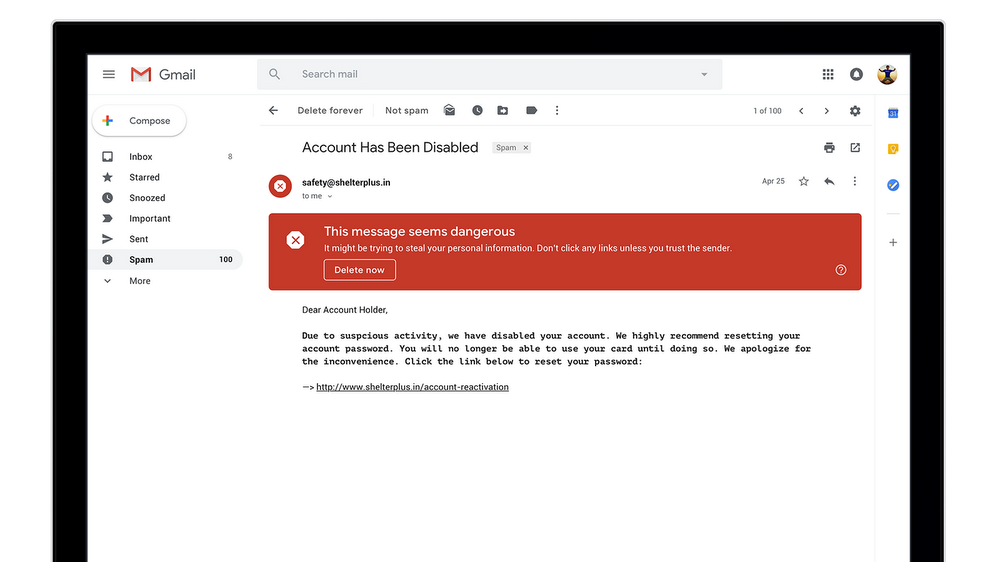
    In terms of security, Google has updated the warning message for risky emails. Now, it is a huge red box which is much harder to ignore and should help users identify risky emails and deal with them accordingly. A new Confidential Mode is Google’s email version of Snapchat. It allows users to remove the option to forward, copy, download or print messages—useful for when they have to send sensitive information via email like a tax return. Users can also make a message expire after a set period of time to help them stay in control of their information.

     Google has not rolled out this feature to everyone and is not readily available as a default option. To check if you have received this update, click on the settings icon in the top-right corner. If the new Gmail is available to you, the top option should be “Try The New Gmail.”
  • OnePlus Teases OnePlus 6 Avengers Edition

    OnePlus Teases OnePlus 6 Avengers Edition

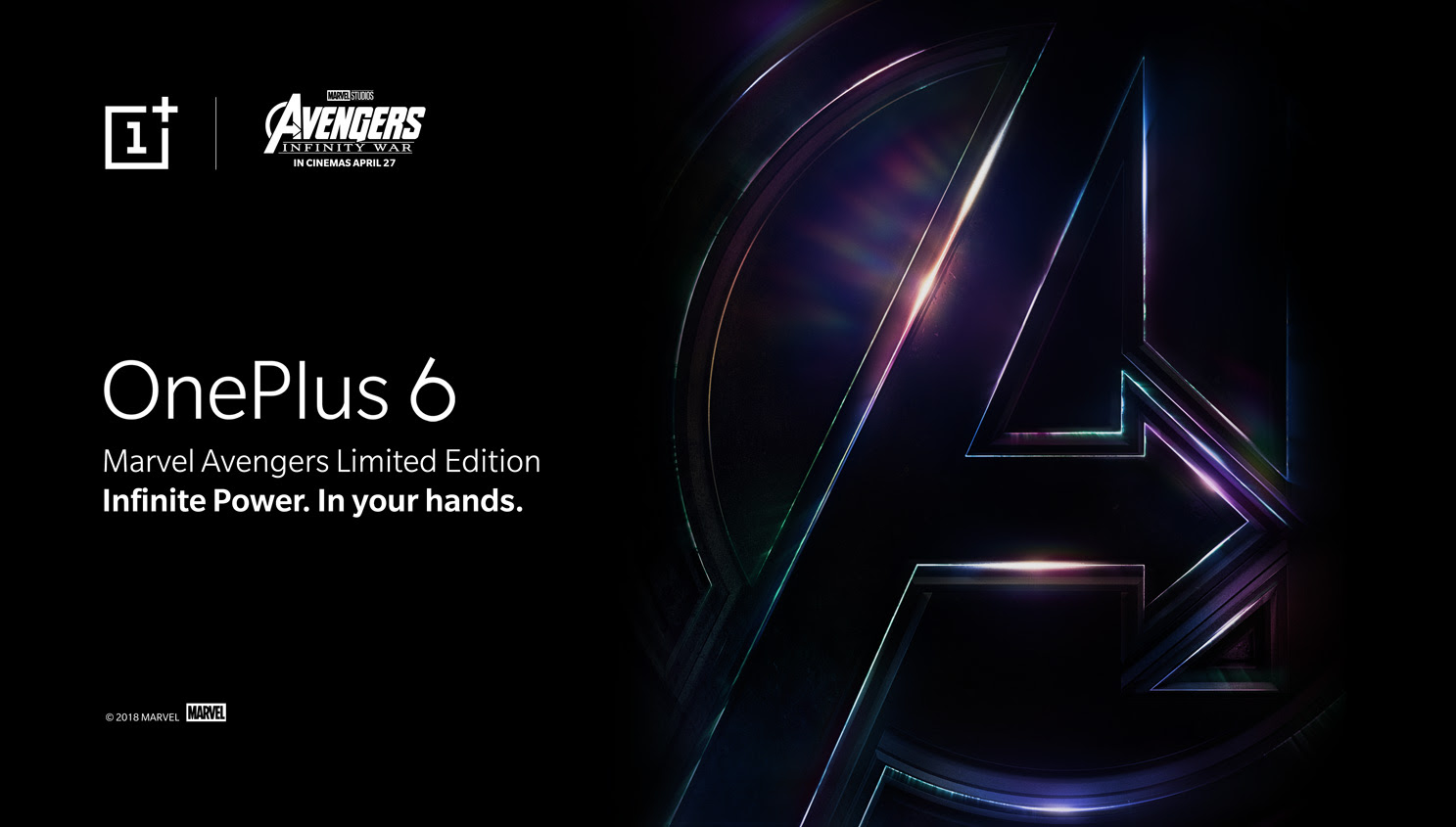
    OnePlus has once again teased its upcoming flagship smartphone, the OnePlus 6. This time around, it isn’t a feature, but, the OnePlus 6 Avengers Limited Edition which will launch along with the regular OnePlus 6 in India on May 17th.

    Following the overwhelming success of OnePlus 5T Star Wars Edition, OnePlus and Disney have further bolstered their relationship with the announcement of OnePlus’ partnership with Marvel Studios in light of the upcoming release, Avengers: Infinity War.

    A few days ago, OnePlus confirmed its partnership with Marvel Avengers: Infinity War, an upcoming superhero film that, in fact, releases today in India. However, in that announcement, the Chinese smartphone maker did not explicitly mention an Avengers-themed OnePlus 6. The new teaser released by the company now confirms the smartphone. The teaser shows glimpses of the movie and barely gives anything away about the smartphone. However, it appears that the OnePlus 6 Avengers Edition could have a glass back with a Carbon Fibre finish. A one-second shot of the device shows a Carbon Fibre-like back panel, which was one of the back panels users could buy for the OnePlus One and OnePlus Two.

    This could be possible, considering the company brought back the famed Sandstone finish on the OnePlus 5T Star Wars Edition. It is worth noting that the OnePlus 5T STar Wars Edition was launched in other countries as the Sandstone Edition, meaning a Carbon Fibre Edition could be in the pipeline for OnePlus in other countries. The company has already confirmed that the OnePlus 6 will have a glass back, and the Avengers Edition could be a unique offering from OnePlus.

    The OnePlus 6 Avengers Edition is expected to be only available in the 8GB and 256GB storage model. Considering OnePlus’ pricing strategy, the OnePlus 6 Avengers Edition will be priced slightly higher than the regular OnePlus 6 256GB storage model.

    OnePlus 6

    The launch of the OnePlus 6 is scheduled for 17th May and will go on sale in India on the 21st of May via Amazon. Stay tuned for more updates.

    [embedyt] https://www.youtube.com/watch?v=R3ruRowQ-Lo[/embedyt]

  • Xiaomi Mi A1 To Mi 6X Here Is What Has Changed

    Xiaomi Mi A1 To Mi 6X Here Is What Has Changed

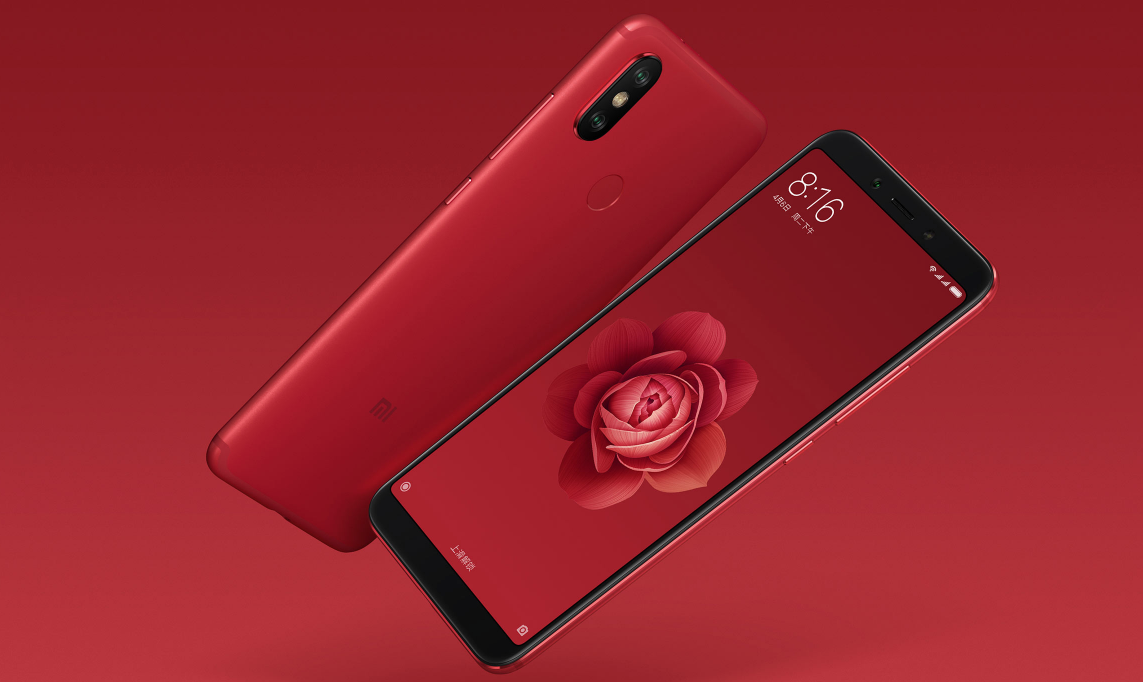
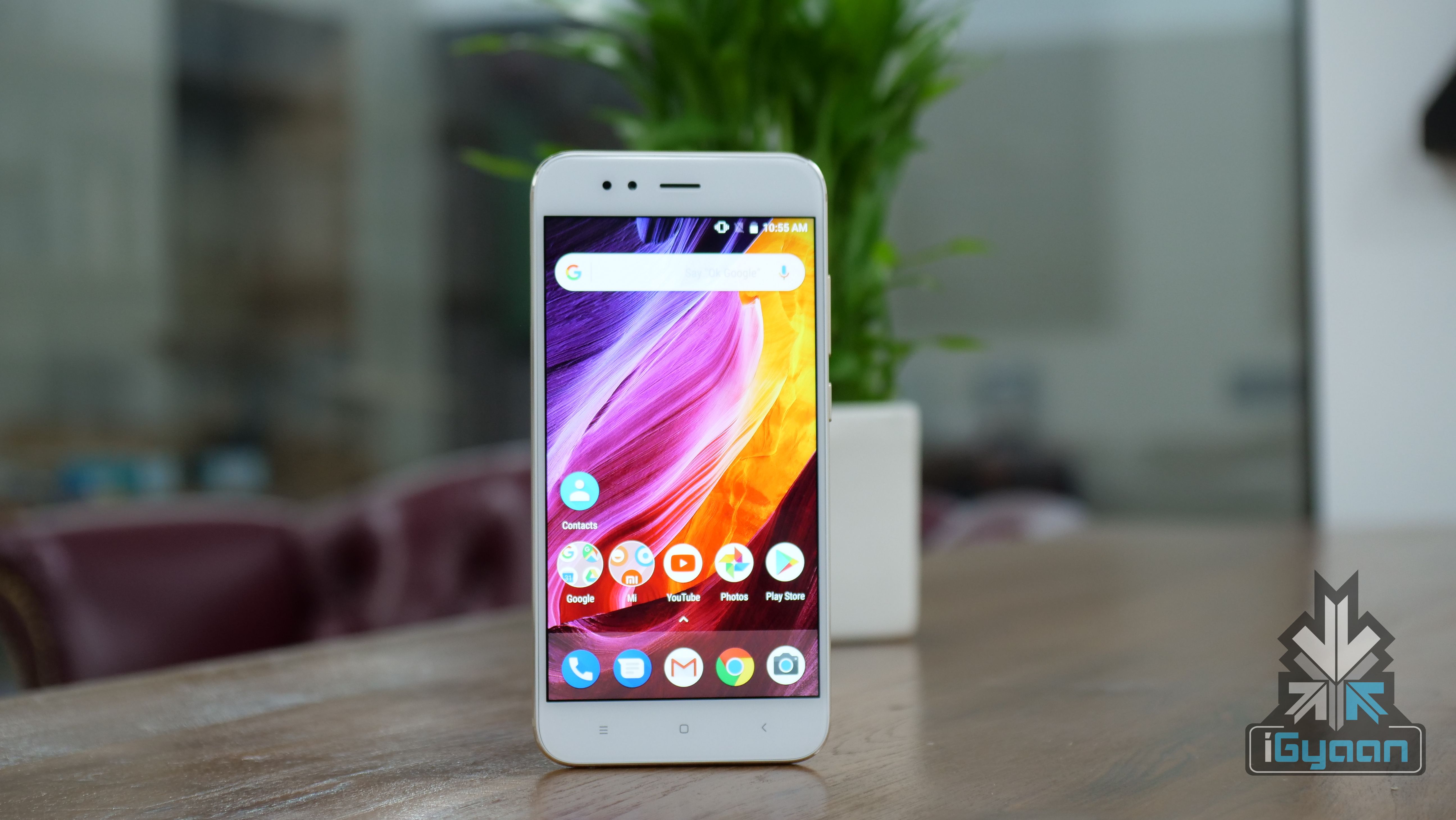
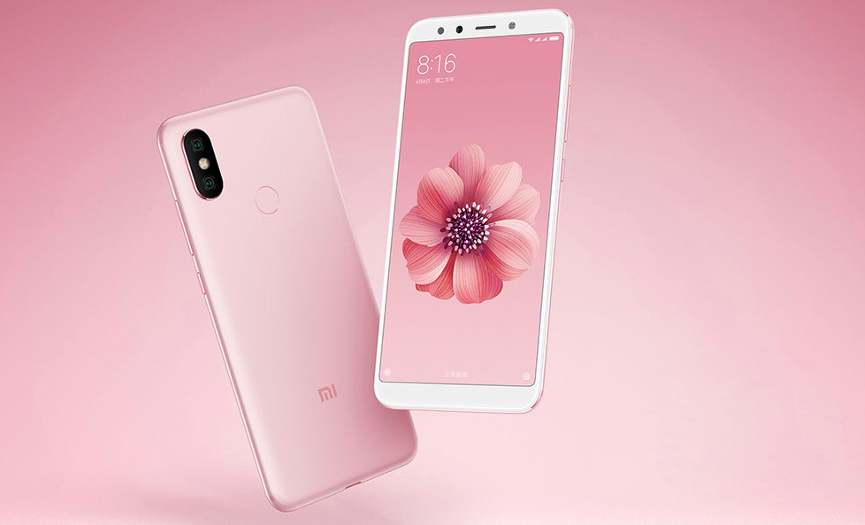
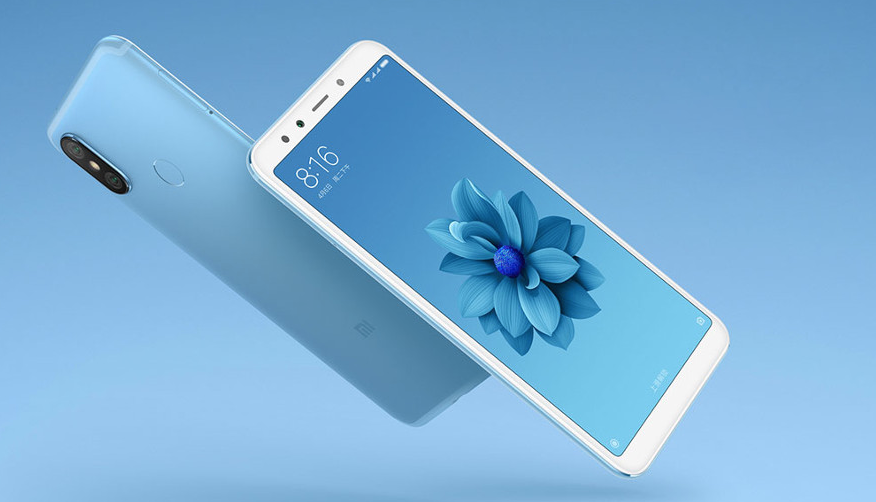
    Xiaomi has launched the Xiaomi Mi 6X in China as a successor to the Mi 5X, which was a highly popular smartphone in both China and in India launched as the Mi A1. The pricing will start at CNY 1599 (Rs 16800 approx.) for the 4GB RAM/64GB storage variant. The 6GB RAM/64GB storage variant will be priced at CNY 1799 (Rs 19,000 approx.), while the 128GB storage model will retail for CNY 1999 (Rs 21,200 approx.). As was evident from previous teasers of the smartphone, the Mi 6X will be available in Cherry Pink, Flame Red, Sand Gold, Glacier Blue, and Black colour variants.

    In India, if it happens, the Xiaomi Mi 6X will be launched as the Mi A2 or the Mi A1 (2018) with stock Android OS instead of MIUI. The Mi A1 was launched at a price of Rs 14999 in 2017 and considering the pricing of Mi 6X, the Mi A2 could be a bit pricier this year. However, by the looks of it, the Mi 6X looks like a sizeable upgrade over the Mi A1.

    So, what has changed from the Mi A1 of 2017 to the Mi 6X or possibly, the Mi A2 in 2018? Let’s find out!

    Specifications Xiaomi Mi A1 Xiaomi Mi 6X
    Price Rs 13999 Starts at CNY 1599 (Rs 16800 approx.)
    Display 5.5 inch
    LTPS IPS LCD
    5.99 inch
    IPS LCD
    Resolution 1920 x 1080 px

    16:9
    403 ppi

    2160 x 1080 px

    18:9
    403 ppi

    Battery 3080 mAh 3010 mAh
    QuickCharge 3.0
    Chipset Snapdragon 625 Snapdragon 660
    RAM 4GB 4GB/6GB
    Storage 64GB
    Expandable up to 256GB
    64GB/128GB
    Expandable up to 256GB
    Primary Camera 12MP f/2.2
    12MP f/2.6 Telephoto
    20MP Sony IMX486
    f/1.75
    12MP Sony IMX486 Telephoto
    f/1.75
    Primary Camera Video 4K @ 30fps 4K @ 30fps
    Secondary Camera 5MP 20MP Sony IMX376
    Soft light LED flash
    Add-Ons Fingerprint sensor  Fingerprint Sensor
    Face Unlock

    As the specs sheet tell us, the Mik 6X is a very substantial upgrade over the Mi A1. The Mi A1 turned out to be a smash hit for Xiaomi and the company would want to build on the Mi A1’s popularity in India. This should convince Xiaomi to launch a successor to the Mi A1 and the Mi 6X, at least on paper, looks like an ideal candidate for that.

  • Xiaomi Mi 6X Launched With Snapdragon 660 SoC

    Xiaomi Mi 6X Launched With Snapdragon 660 SoC

    Xiaomi has launched the follow up of its highly popular Mi 5X, the Xiaomi Mi 6X at an event in China. The Mi 6X will be available in three variants, the base model will have 4GB RAM and 64GB storage, the second will have the same storage and 6GB of RAM and the priciest version of the Mi 6X will have 6GB of RAM and 128GB of onboard storage.

    The pricing will start at CNY 1599 (Rs 16800 approx.) for the 4GB RAM/64GB storage variant. The 6GB RAM/64GB storage variant will be priced at CNY 1799 (Rs 19,000 approx.), while the 128GB storage model will retail for CNY 1999 (Rs 21,200 approx.). As was evident from previous teasers of the smartphone, the Mi 6X will be available in Cherry Pink, Flame Red, Sand Gold, Glacier Blue, and Black colour variants.

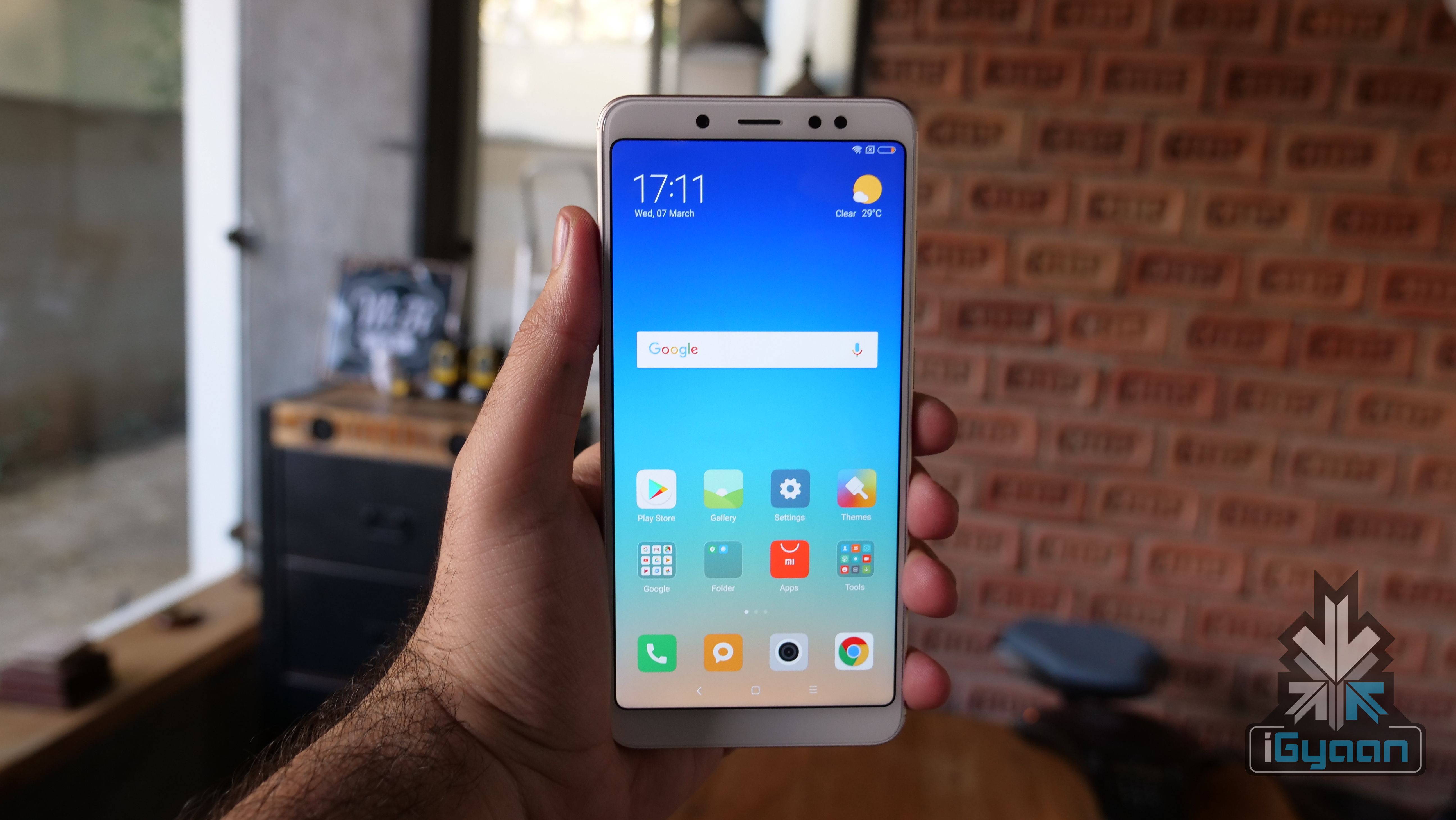
    The Xiaomi Mi 6X has a 5.99 inch IPS LCD display with a 2160 x 1080 px resolution. This is the same display found on the Redmi Note 5 Pro in India and the size of the bezels is also identical.

    Redmi Note 5 Pro

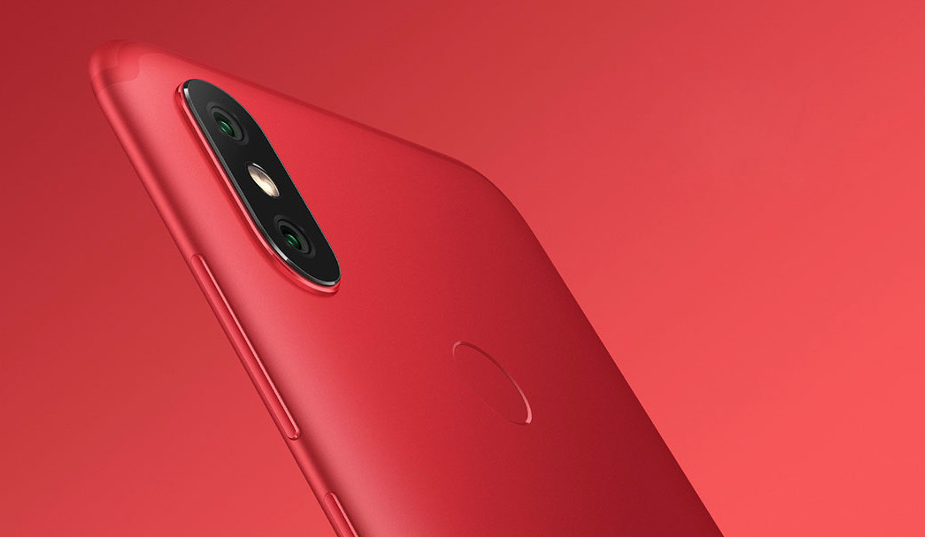
    Under the hood, the Xiaomi Mi 6X runs on the Snapdragon 660 chipset, coupled with either 4GB or 6GB of RAM and 64GB or 128GB of onboard storage which won’t be expandable. The fingerprint sensor is placed on the back of the smartphone which has been the case with almost every Xiaomi smartphone.

    Powering the smartphone 3010 mAh battery. Interestingly, the smartphone supports QuickCharge 3.0 which means it also has a USB type C port, something that a lot of Xiaomi fans wanted on the Redmi Note 5 Pro. Out of the box, the Mi 6X will run on Android 8 Oreo with MIUI 9.5 on top. This means that the Mi 6X will also have Face Unlock feature, like the Redmi Note 5 Pro. The Mi 6X will also support Project Treble for faster software updates.

    The AI-powered dual-camera setup was teased a lot leading up to the launch. Out of the two cameras on the back, the main sensor is a 20MP Sony IMX486 with an f/1.75 aperture and 2-micron pixel size. The secondary sensor is 12MP Sony IMX486 telephoto lens with an f/1.75 aperture and 1.25-micron pixel size. The AI is used to identify over 206 scenes in the camera app which includes food mode, text, greenery, sky, beach, snow, cats, dogs and many more. Once a scene is detected, the camera automatically tweaks its settings for, in theory, a better image. On the front of the Mi 6X is a 20MP Sony IMX376 sensor with soft light LED flash.

    The Mi 5X was launched in India as the Mi A1 with stock Android OS. The Mi A1 turned out to be a smash hit for Xiaomi and the company would want to build on the Mi A1’s popularity in India. The Mi 6X, if launched as the Mi A2 or Mi A1 (2018) would be a sizeable upgrade over the Mi A1, provided Xiaomi keeps the pricing of the device competitive.

  • Apple AirPower, AirPods Wireless Charging Case To Launch Alongside iPhone SE 2 In May

    Apple AirPower, AirPods Wireless Charging Case To Launch Alongside iPhone SE 2 In May

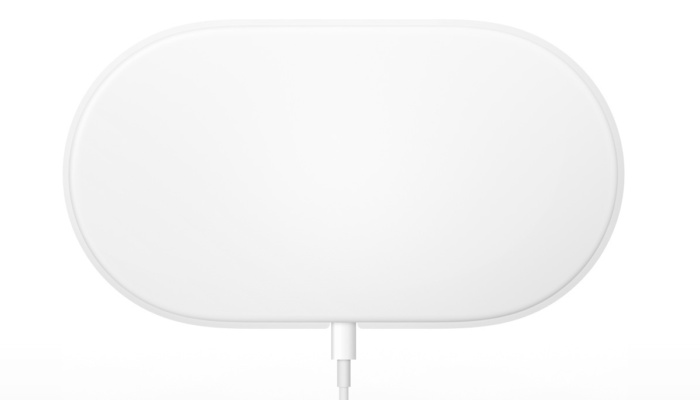
    Apple will host an event in May before the World Wide Developer’s Conference commences in June where the iPhone SE 2 will be launched. The Apple iPhone SE 2, after initial scepticism, seems more real than ever after recent reports. The renders of the iPhone SE 2 have revealed a glass back which means that there is a high possibility of it being wireless charging-compliant. The AirPower mat, which was unveiled at the iPhone X launch event and was supposed to launch in January 2018. However, after many delays, it appears that Apple will finally launch the AirPower along with the iPhone SE 2 in May. It makes sense for Apple to finally launch the AirPower along with the iPhone SE 2 since the SE 2 will also have wireless charging.


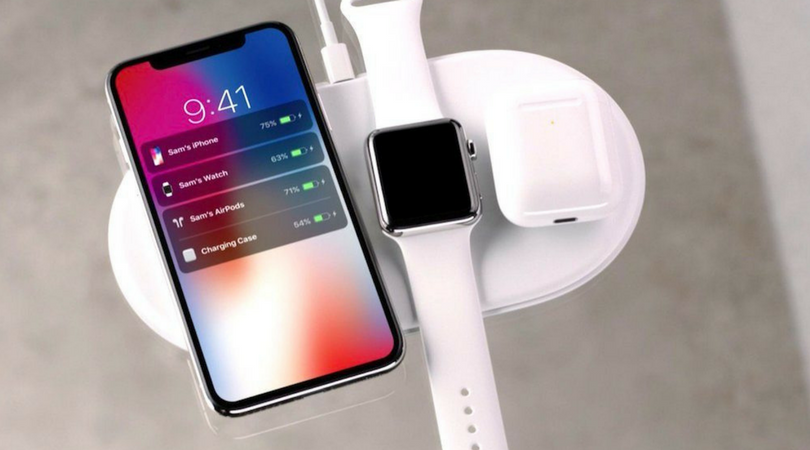
    There is also a good chance that Apple will launch a few accessories for the Apple Watch Series 3 as well at the event. So far we know that the AirPower mat will connect via a USB type C cable and charge via a minimum of 25W Apple charger. The wireless charging mat will have a charging speed of up to 10W. Another interesting feature is that it will help devices communicate with each other to manage power consumption. In the demo video, the iPhone screen is shown tracking all the devices currently on the charger, and their battery status.

    Apple users will be able to charge their wireless charging enabled iPhone, Apple Watch and the AirPods at the same time. However, Apple has still not launched the AirPods wireless charging case. This is another accessory that Apple will launch along with the iPhone SE 2. Since the AirPower will be able to charge 3 devices simultaneously, it is possible that users will be able to charge at least two iPhones simultaneously.

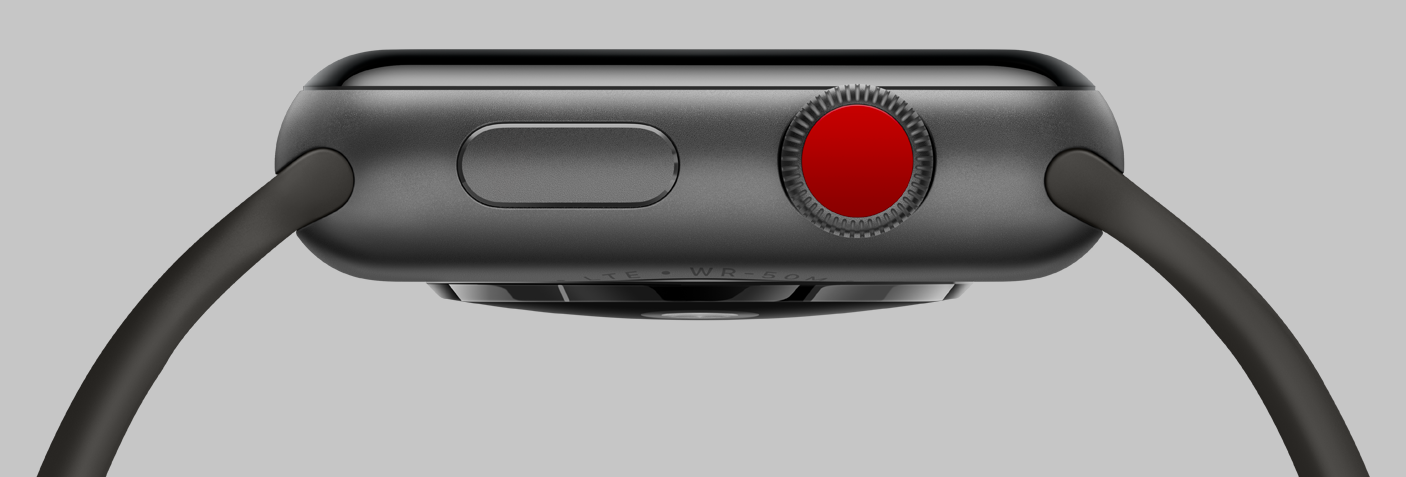
    Apple has just announced the launch of the Apple Watch Series 3 in India. At the event in May, the company will also launch accessories like new watch bands for the Apple Watch. There have also been rumours of the Apple Watch soon supporting third-party watchfaces. This feature will likely be unveiled at the World Wide Developer’s Conference that will commence on the 4th of June.

    The AirPower, in the future, might also be compatible with non-iPhone smartphones that support wireless charging. Apple said that it was working on the AirPower to be Qi-compliant and when that happens, the AirPower will become compatible with non-Apple Qi-compliant products like Galaxy S9, LG V30 and more.

    The AirPower wireless charging mat, unlike the HomePod, will be globally available post its launch. Since the Apple Watch Series 3 has been announced in India and AirPods being popular among iPhone owners, we expect the AirPods wireless charging case and AirPower to launch in India soon after its global launch.

  • LG G7 ThinQ Will Have A ‘Super Bright’ 6.1 inch LCD Display

    LG G7 ThinQ Will Have A ‘Super Bright’ 6.1 inch LCD Display

    Last year, leading up to the LG V30 launch, the company teased a few features of the smartphone. The company has resumed its practices with the LG G7 ThinQ launch just a few days away. LG has confirmed what was being rumoured for a long time regarding the display. The LG G7 ThinQ will have an LCD display, just like the LG G6 did.

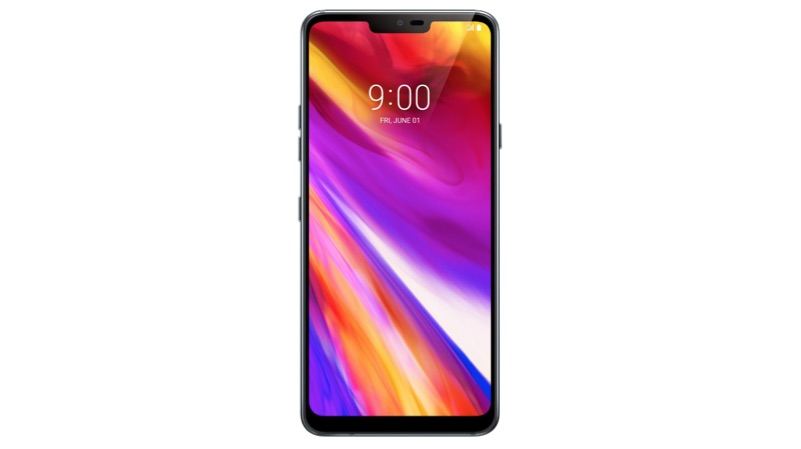
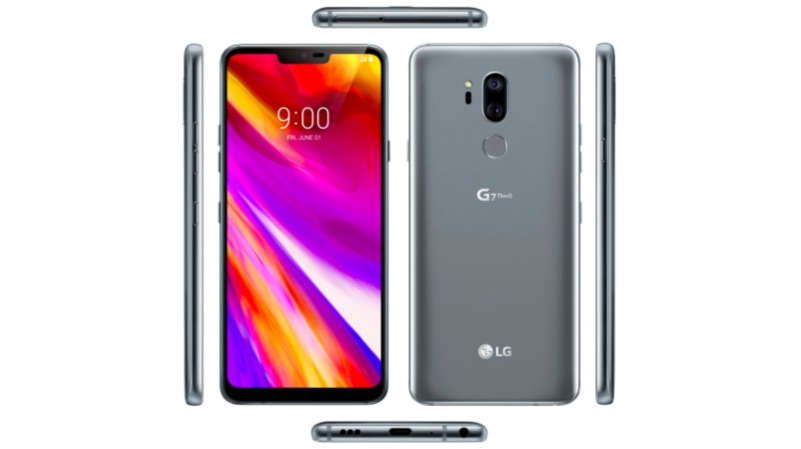
    The company has confirmed that the LG G7 ThinQ will have a 6.1 inch LCD display with a resolution of 3210 x 1440 px. The highlight of the LG G7 ThinQ, according to the company, will be the brightness of the display. The ‘Super Bright Display’ goes up to 1000 nits while consuming up to 30% less power than the LG G6’s. Apparently, the screen also covers 100 percent of the DCI-P3 colour gamut. The specifications mentioned are not the best in class or nothing we haven’t  seen before. However, if LG is talking up the display of the G7 ThinQ so much, then there has to be something in the execution that LG has done differently. Nothing is certain until the smartphone launches on May 2nd.

    The LG G7 ThinQ will have a 19.5:9 aspect ratio, same as the iPhone X and taller than the 18:9 G6. This taller aspect ratio is the result of a notch on the display which has become quite common for Android smartphones in 2018. LG has also claimed that the chin of the G7 ThinQ is about 50% smaller than the chin on the G6. However, it still won’t be as thin as the iPhone X and would be comparable to the OnePlus 6 (which also has a notch).

    Before the LG V30 launch, LG talked a lot about its shift to an OLED display. However, the display failed to compare with the likes of Galaxy S8 and iPhone X. Furthermore, LG’s OLED technology was scrutinised on the Pixel 2 XL which has suffered a lot of display issues since its launch. Using an LCD panel for the G7 ThinQ also meant that LG could not curve the display from the bottom to remove the chin like Apple did. However, LG does talk about using curved tempered glass on the G7 ThinQ, though it doesn’t sound like the screen itself will curve, thanks to the use of an LCD panel instead of OLED.

    The LG G7 ThinQ is just a few days away from its official launch and LG would be banking on the new flagship smartphone to help revive the flailing smartphone business of LG. The availability and pricing of the G7 ThinQ in India will be revealed soon after its global launch.

  • Amazon Echo Spot With Circular Display And Touchscreen Launched in India

    Amazon Echo Spot With Circular Display And Touchscreen Launched in India

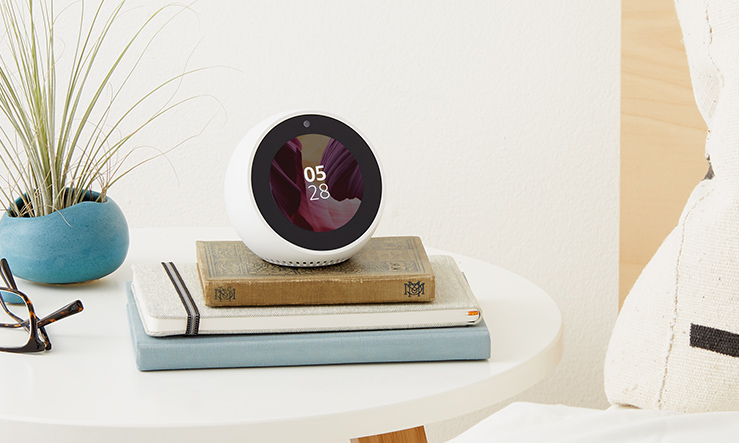
    Amazon has added another Alexa-powered smart home speaker to its repertoire in India. After launching it in the US in September 2017, the company has now launched the Echo Spot in India. The smart speaker with a display is on sale in India for Rs 12999. However, it is available for Rs 10999 for now, as an introductory offer.

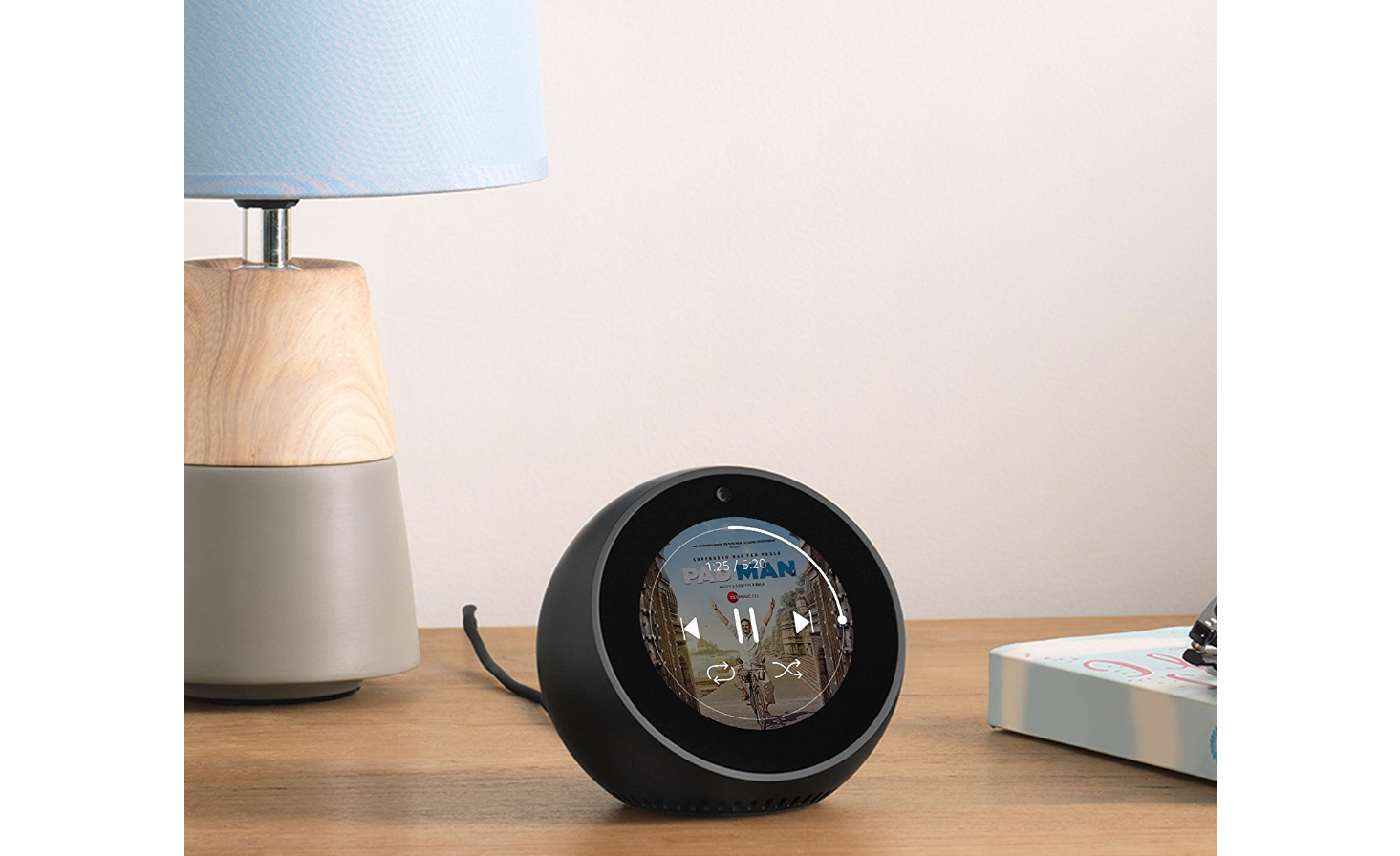
    The Amazon Echo Spot is a mix of the Echo Dot and the Echo Spot. The Spot has a 2.5 inch circular display with a resolution of 480 x 480 px. The Echo Spot is like a smart alarm clock powered by Alexa which can also be connected to external speakers via Bluetooth or a 3.5mm headphone jack. This means that users can retail the smart functionality of an Echo Spot and add better sound quality to the system using their own speakers.

    Other than a display, the Spot does what a smart speaker powered by Alexa would do. It can make calls, call an Ola, order food on Zomato, play music and more. However, thanks to its display and a camera, the Spot can also make video calls by just asking it do it. Users can also watch news from NDTV, Times Now, ESPN Cricinfo, Aaj Tak, and more.

    Amazon Echo Spot Specs
    Specifications Amazon Echo Spot
    Display 2.5 inch
    Resolution 480 x 480 px
    Dimensions 104 x 96 x 91 mm
    Weight 419 grams
    Speaker Size 1.4? speaker
  • OnePlus 6 Launch Confirmed For May 17th

    OnePlus 6 Launch Confirmed For May 17th

    Update: The OnePlus 6 will be launched in India on the 17th of May at an event in Mumbai. The event will be live streamed on oneplus.in/launch-6 at 3 pm IST. The smartphone will subsequently go on sale on the 21st of May via Amazon at 12:00 IST.

    The OnePlus 6 will officially launch in China on the 17th of May. The company has posted an official invite on its China website for the launch. Interestingly, OnePlus fans can buy tickets to the launch event, similar to what OnePlus did with the OnePlus 5T launch in India. After its official launch in China, the OnePlus 6 could launch on the 18th of May in India.

    OnePlus has been slowly creating a hype around the OnePlus 6 by teasing a few interesting features on social media. So far, the company has already confirmed that the smartphone will have a notch, an all-glass build and design and run on the Snapdragon 845 chipset. We also know that the OnePlus 6 will be water resistant, although the exact certification is still not clear.

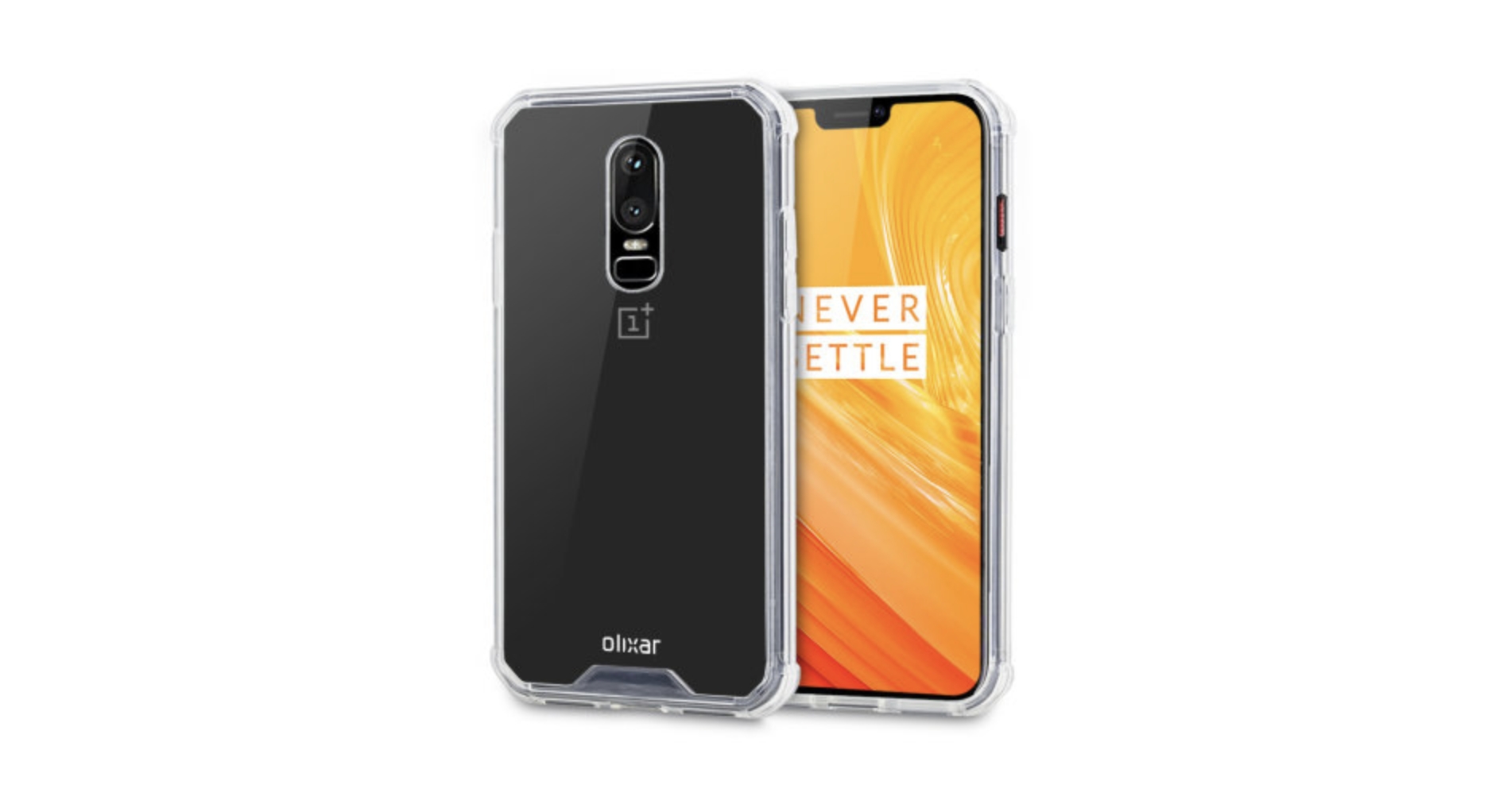
    Apart from the pricing and specifications of the cameras, we pretty much know everything else about the OnePlus 6. Renders of the OnePlus 6 reveal that this time around, the dual-camera setup on the back will be placed vertically, similar to the Samsung Galaxy S9+. WIth the notch, we expect the screen-to-body ratio of the nePlus 6 to be superior to that of the 5T.

    The smartphone has also been confirmed to be an Amazon exclusive smartphone in India, like its predecessors. However, like it did with the OnePlus 5 and OnePlus 5T, the 6 will also, eventually, make its way to offline stores as OnePlus is now trying to capture a market that strays away from shopping online.

    OnePlus 6

    In terms of pricing, there was a leak that suggested the OnePlus 6 could cost up to Rs 48999. This year, the company will launch the OnePlus 6 in three different variants. Two variants will be similar to the OnePlus 5T with 6GB/8GB RAM and 64GB/128GB storage. These models will be priced between Rs 33,999- 36,999 and Rs 38,999-42,999, respectively. There will also be a special edition called the OnePlus 6 Premium, which will have 8GB RAM and 256GB storage, and is expected to be priced between Rs 44,999- 48,999.


    With the launch date now confirmed, the only thing left to do is wait. However, we expect more leaks and renders to surface online before the launch date arrives.

  • YouTube Removed 8.3 Million Videos For Violating Guidelines In Q3 Of 2017

    YouTube Removed 8.3 Million Videos For Violating Guidelines In Q3 Of 2017

    YouTube has published its first-ever community guidelines enforcement report. According to the report, YouTube removed 8.3 million videos between October and December 2017. Along with the report, it also launched a Reporting Dashboard that lets users see the status of videos they’ve flagged for review.

    This report comes after the video streaming company promised more transparency in terms of how it handles abuse and decides what videos will be removed. In a blog post, the video-streaming giant said:

    This regular update will help show the progress we’re making in removing violative content from our platform. By the end of the year, we plan to refine our reporting systems and add additional data, including data on comments, speed or removal and policy removal reasons.

    Google-owned YouTube came under the cosh last year when it was reported that a lot of disturbing videos were masquerading as kid-friendly content. Advertisers, in turn, were upset that their commercials had played before videos with violent extremist content. The report also mentions the competence of its bots as 6.7 million of the 8.3 million videos were flagged for review by machines without anyone even viewing them for the first time.

    The company’s AI method of flagging off videos has been criticised time and again as many content creators have complained that they are unable to monetize their videos despite abiding the guidelines set by the company. The report by YouTube, however, differs from these claims. In 2017, about 8% videos were removed from the platform before anyone viewed them. After YouTube implemented machine learning, that number has increased to more than 50%.

    The report seems like YouTube’s way of appeasing the upset advertisers after the controversy broke out regarding child-exploiting videos. It is, however, an insight of sorts into how YouTube handles offensive content and it should be useful in the long run for everyone.

iGyaan Network
Privacy Overview

This website uses cookies so that we can provide you with the best user experience possible. Cookie information is stored in your browser and performs functions such as recognising you when you return to our website and helping our team to understand which sections of the website you find most interesting and useful.