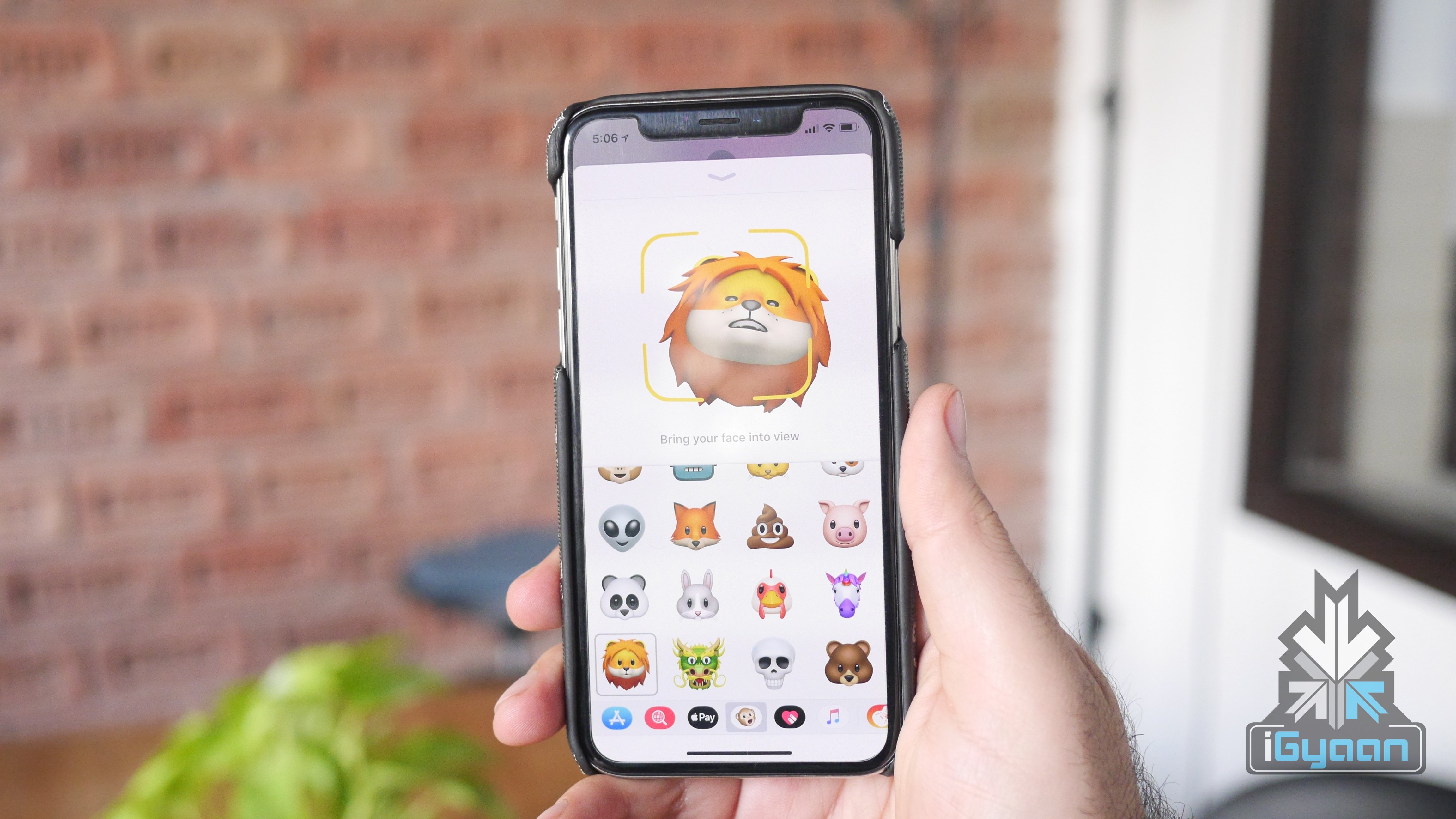
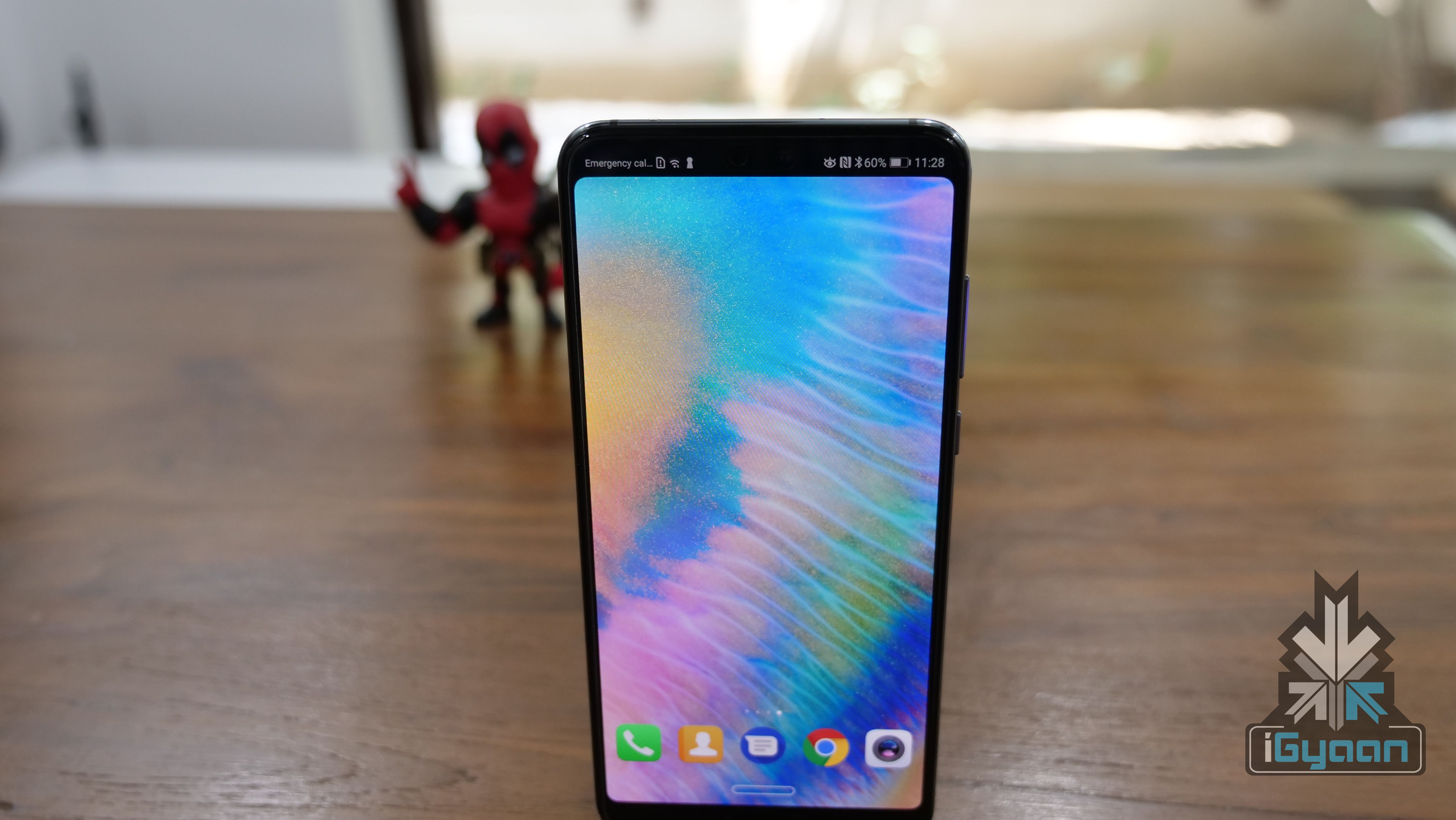
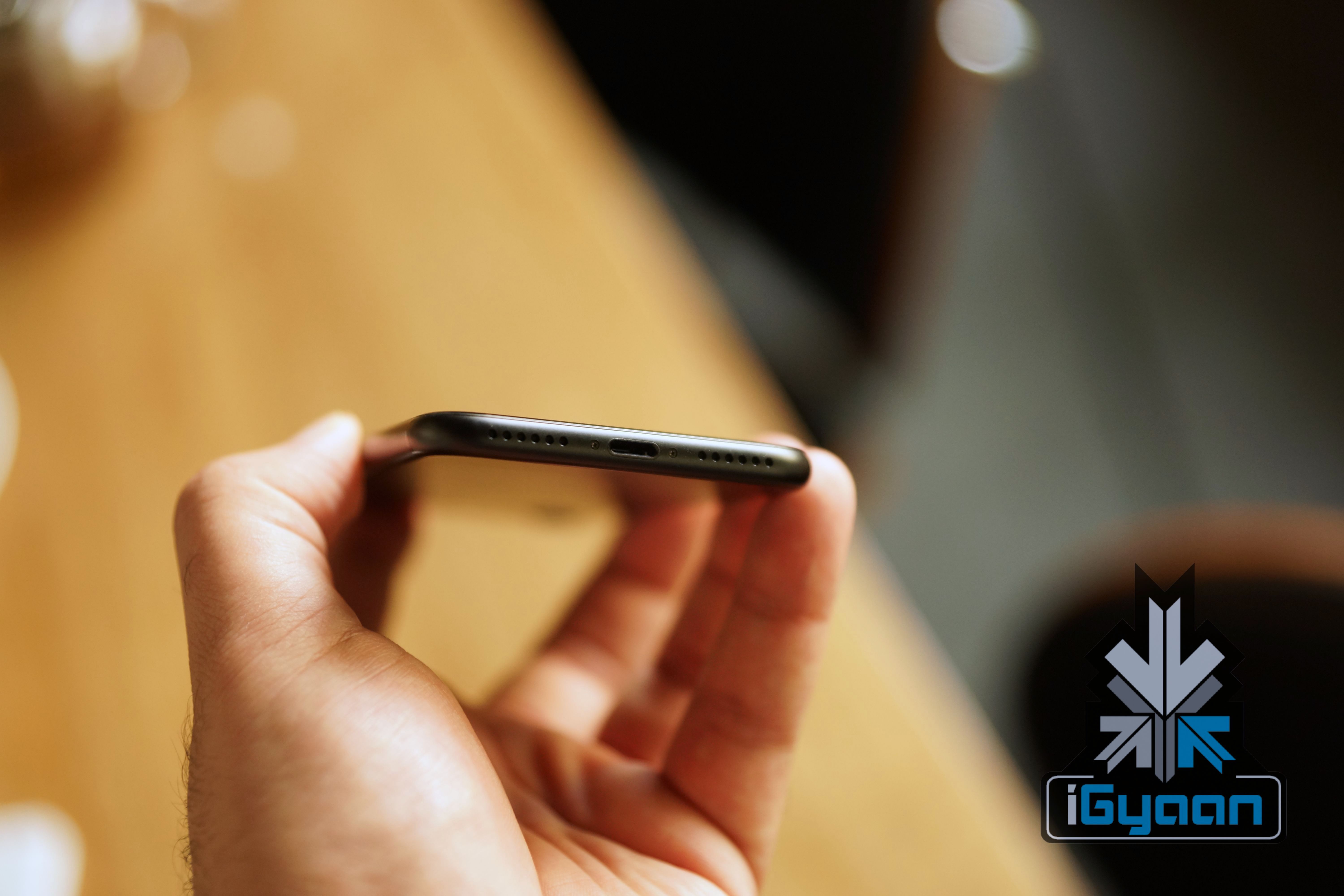
The Apple iPhone X, even before its launch, garnered a lot of attention for its possible design. On 12th September, Apple confirmed those rumours and unveiled the iPhone X with a notch and nearly bezel-less design. Face ID, introduced with the iPhone X as a replacement for Touch ID was met with scepticism at first but, has since been praised for accuracy and ease of use. This was further reaffirmed by a recent survey conducted by Creative Strategies which concluded that 97% of early adopters of iPhone X are satisfied by their new iPhone.
According to the survey, 85% of the participants said that they were “very satisfied” with the iPhone X. Creative Strategies analyst Ben Bajarin has said that this is among the highest he has ever seen in all the customer satisfaction studies they have conducted across a range of technology products. 12% respondents said they were “satisfied” with the iPhone X. The remaining 3% were unsatisfied to various degrees.
Apple conducted a similar survey of 451 people and said that 99% respondents were satisfied with their iPhone X. However, Creative Strategies has 1746 people which meant there was more room for slight variance. According to the research firm, the respondents were profiled as early adopters based on a series of questions about their purchasing habits. Also, early adopters tend to be more critical than mainstream consumers of technology, according to the research firm.
Coming down to the nitty-gritty of the survey, Face ID and battery life saw satisfaction rates of above 90%. Other features were also very well accepted by early adopters of the iPhone X, apart from Siri. The Apple voice assistant scored only a 20% satisfaction rate among the 1746 respondents.
Siri has been under the cosh recently after details about the dwindling HomePod sales were released. It is believed that HomePod has had an underwhelming start mainly because of its price and Siri. Its competitors like Amazon Alexa and Google Assistant are considered to be far superior in smartphones as well as smart speakers. With WWDC 2018 coming up, we expect Apple to unveil new Siri features which will make the user experience much better than what it is right now.
Three weeks after launching the Huawei P20 and P20 Pro in Paris, Huawei has launched the Huawei P20 Lite and P20 Pro in India. The P20 Lite is priced at Rs 19999 and the Huawei P20 Pro will retail for Rs 64999. Both the smartphones will be exclusively available online via Amazon from the 3rd of May.
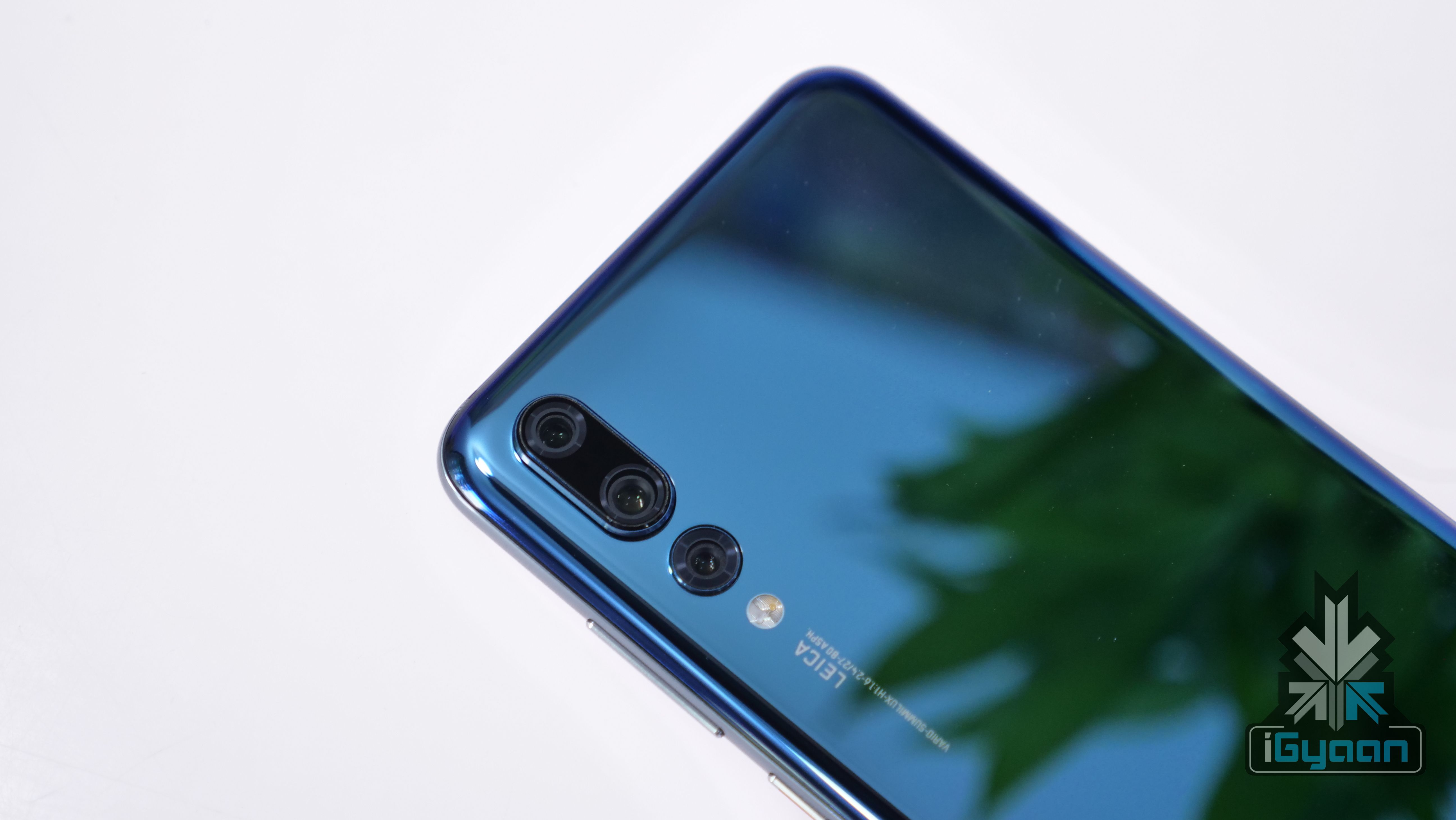
The Huawei P20 Pro is the flagship smartphone from Huawei that has grabbed a lot of headlines recently. Apart from the striking design of the device, it is also the first-ever smartphone with a triple-camera setup on the back. The Huawei P20 Pro will also be available in the new Twilight colour which, so far, is one of the most interesting colour variants of a smartphone.
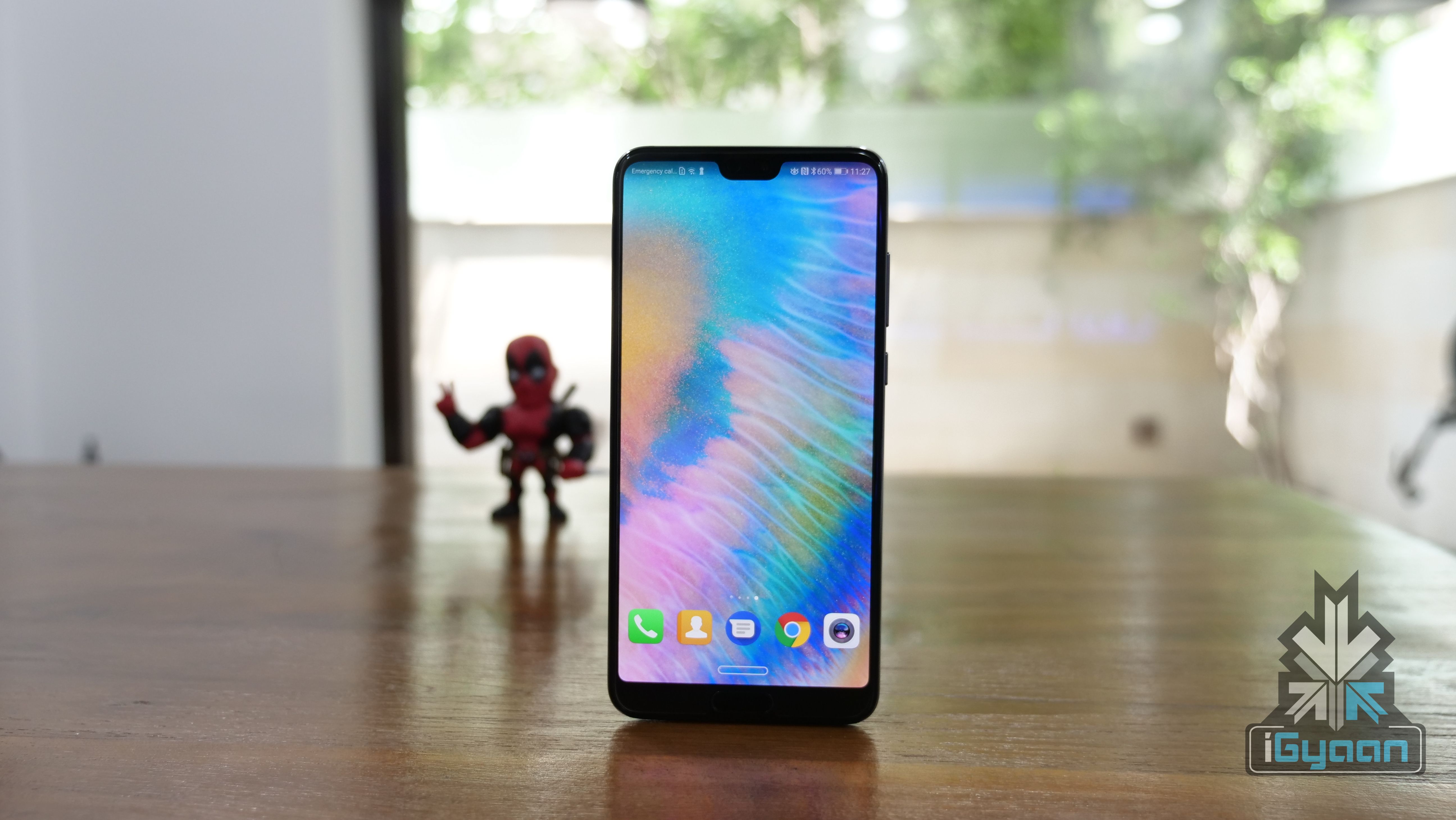
The Huawei P20 Pro has a 6.1 inch RGBW full-colour OLED display with a 2244 x 1080 px resolution. This translates into a 19:9 aspect ratio which has its advantages. The Huawei P20 Pro also has an IP67 rating for water and dust resistance.
The Huawei P20 Lite has a smaller 5.84 inch LTPS IPS LCD display with a 2280 x 1080 px resolution. The 19:9 aspect ratio will come in handy when users decide to hide the notch. Once hidden, the device moves to a more conventional 18:9 aspect ratio as the screen real estate on either side of the notch is blackened out.
The Huawei P20 Lite runs on the HiSilicon Kirin 659 Octa-core chipset while the P20 Pro runs on the HiSilicon Kirin 970 chipset with NPU (Neural Processing Unit). Huawei has talked a lot about the integration of AI within the Huawei software. A lot of AI features can be found in the camera app like scene detection, portrait lighting etc. The Huawei P20 Lite has 4GB RAM and 64GB storage while the P20 Pro has 6GB RAM and 128GB of onboard storage.
On the back of the smartphones is where the two differentiate the most. The Huawei P20 Pro has a 40MP primary sensor, which supports 5x hybrid zoom. There is a secondary 8MP sensor, which offers 3x optical zoom, which also helps to create portrait mode. Similarly, there is a third sensor with 20MP resolution. Unlike the other two sensors, this is a monochrome sensor which helps to capture contrast and sharpness. Another mindboggling feature of this camera setup is a maximum ISO of 102,400.
The Huawei P20 Lite has a 16MP RGB sensor and a 2MP depth sensor. In fact, this dual camera setup is similar to the one found on the Honor 7X. The Huawei P20 Lite and P20 Pro have a 24MP front-facing camera with 3D Portrait Lighting effect. This is very similar to the Portrait Lighting effect found on the iPhone X.
At a price of Rs 19999, the Huawei P20 Lite is a solid offering. The Huawei P20 Pro, on the other hand, will go toe-to-toe with the likes of Galaxy S9+ and iPhone 8 Plus. The registrations for both the smartphones have started and the smartphones will go on sale on the 3rd of May via Amazon.
LG will be banking on its upcoming flagship smartphone to kickstart a flailing smartphone business. LG’s flagship smartphones, over the year, have got most of the things right but, always failed to impress against the likes of Galaxy S series and Apple iPhones. With the LG G7 ThinQ, LG would want to change that perception.
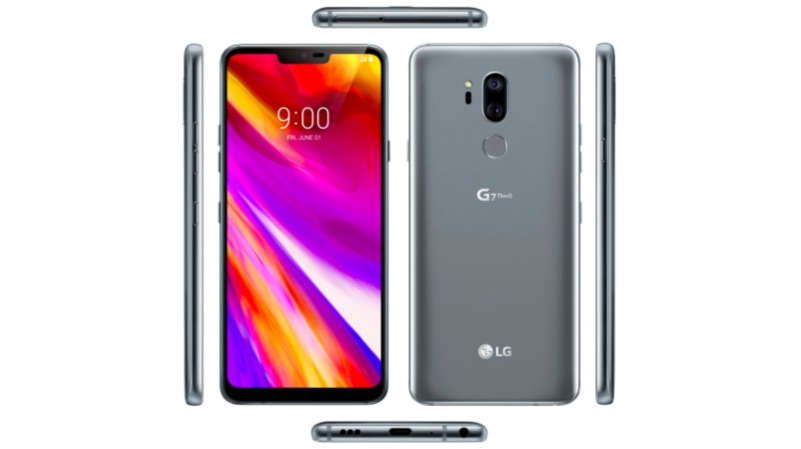
Evan Blass, who recently posted a render of the G7 ThinQ, hs not posted a new image that shows off the upcoming flagship device from all angles. Interestingly, the renders also confirm that the LG G7 ThinQ will indeed have a Google Assistant button, similar to the Bixby Button found on recent Samsung flagship smartphones. As has been the case with other LG smartphones, the company has retained the 3.5mm headphone jack at the bottom of the device. We expect the G7 ThinQ to also have a high-quality DAC for better sound production via the headphone jack.
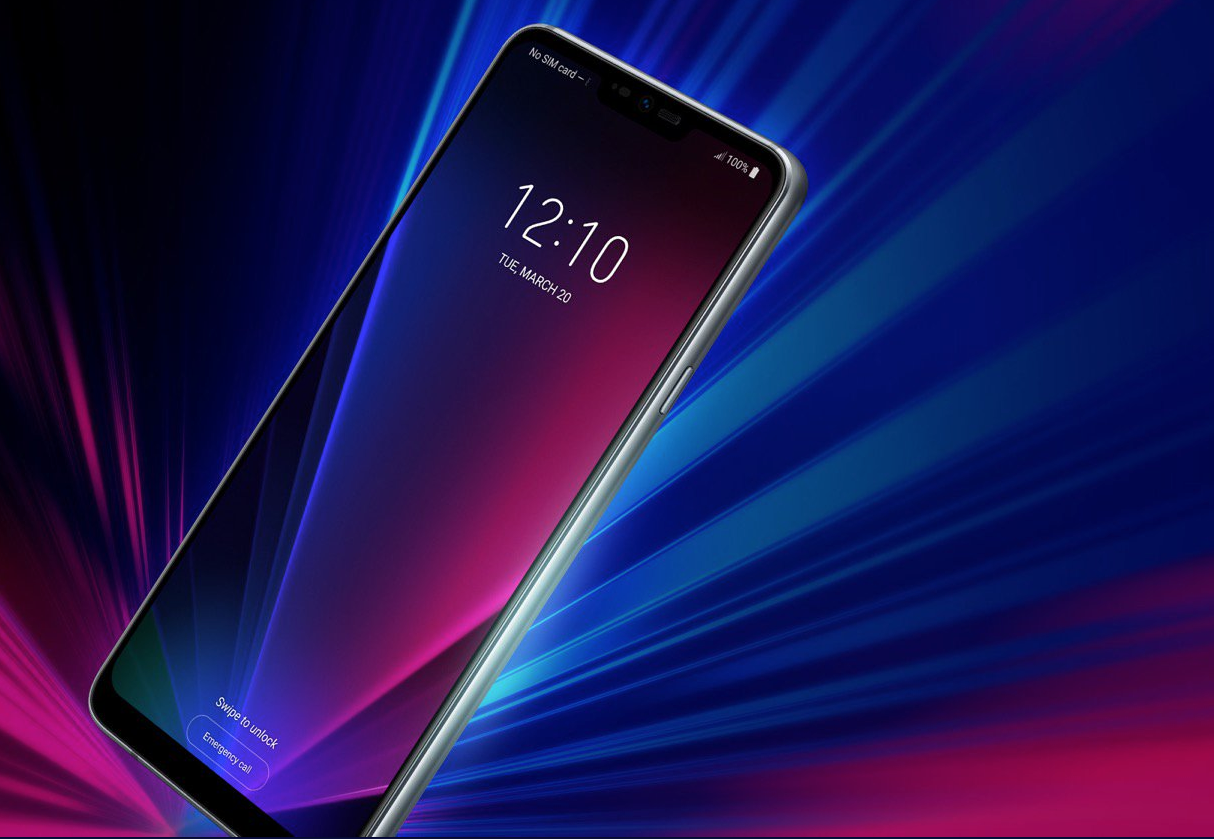
Other than that, the render just reaffirms a few aspects of the G7 ThinQ that we already knew of. The LG G7 ThinQ will have an iPhone X like notch at the top but, also have a chin at the bottom. While Apple was able to maintain uniform bezels across the three sides of the iPhone X by curving the OLED display from the bottom, LG might not go that route. As the CEO of OnePlus explained, while that is an effective way to get rid of the chin, it is also a very expensive way. Keeping that in mind, LG would want to make sure the G7 ThinQ is priced close to the Galaxy S9 to make it competitive.
The fingerprint sensor is placed on the back of the device, just below a vertically dual-camera setup. Unlike previous LG phones, the fingerprint sensor won’t double up as a power button. Instead, this time around, LG has taken a more conventional route by placing the power button on the side.
The launch of the LG G7 ThinQ is scheduled for May 2nd where we will get all the details about the pricing and availability of the device. With so much of chopping and changing leading up to this launch, let’s see how the LG G7 ThinQ performs in the real world.
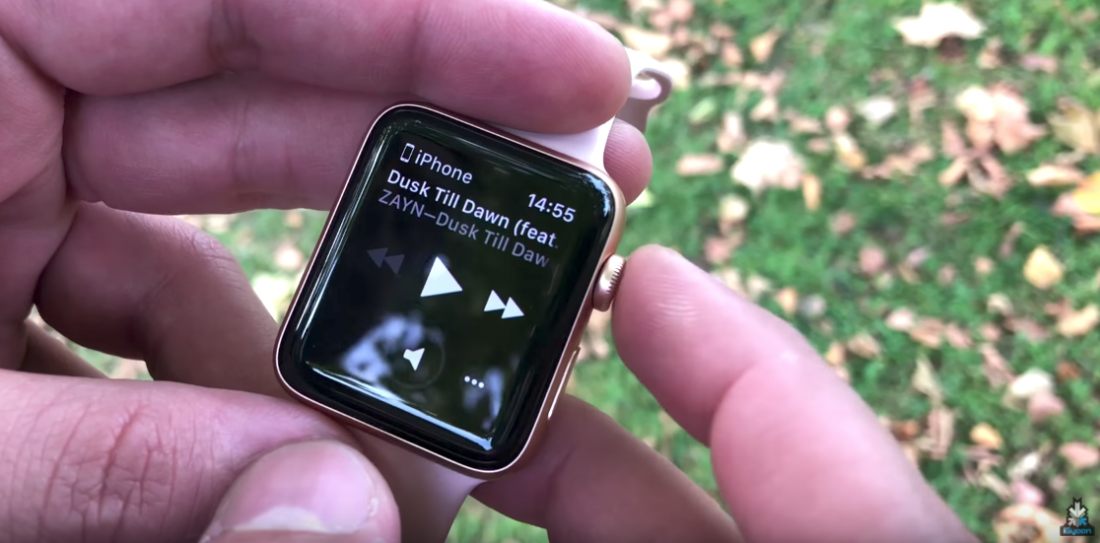
Apple and Airtel have announced that the Apple Watch Series 3 will be available to buy in India from the 11th of May. The 3rd generation of Apple Watch has cellular support, which means that users can leave their iPhones behind and still be able to make calls, send texts and surf the web. The pre-registration for Apple Watch Series 3 begins on the 4th of May and it goes on sale on the 14th of May via all the major Apple authorised sellers across the country. Cellular services on the watch will be free for Airtel postpaid customers on an Airtel My Plan or Infinity Plan.
Apple Watch
It is worth noting that to activate cellular service with Apple Watch Series 3, a user’s iPhone has to be updated to iOS 11.3. Once updated, tap Settings on iPhone > General > About and follow the prompt to update to the latest carrier settings.
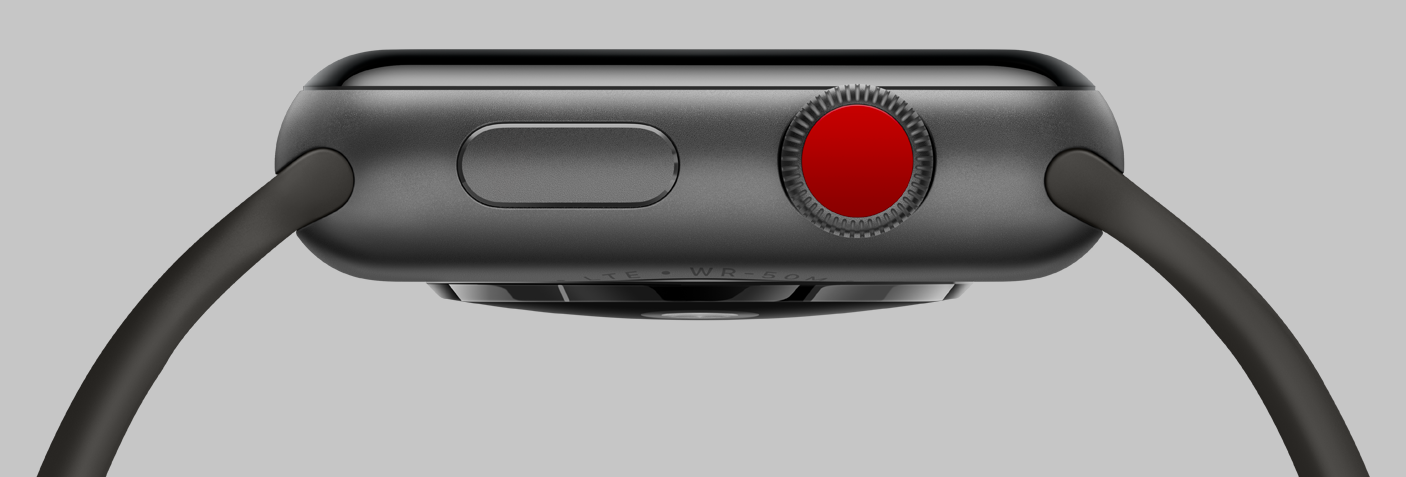
The new Apple Watch Series 3 has an improved heart rate sensor and a SIM card slot. This has resulted in a 0.2mm thickness increment which is commendable. Apple also claims that the new Watch Series 3 is swim-proof, which means athletes can track their activities even when they’re swimming.
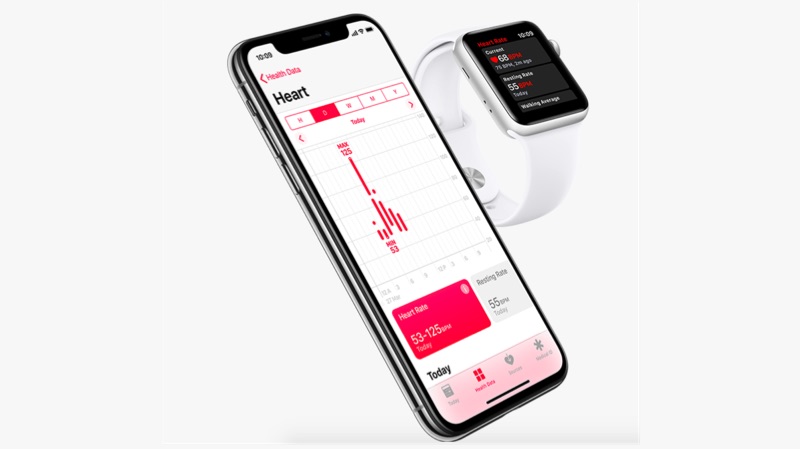
With the new and advanced heart rate sensor, the watch will notify an increased heart rate if you’re not active. Interestingly, in the new Apple Watch, the cellular number will remain the same as your iPhone and users can perform tasks such as iMessage directly from their watch without having their smartphone connected to it. The Apple Watch Series 3 will also stream 40 million songs from the iTunes and the Music App. The Siri on the smartwatch is also be voice-enabled for communication with the watch without looking at the screen. The display of the watch acts as an antenna and an electronic SIM card which is smaller than a nano-SIM card is used in the smartwatch.
The smartwatch has a dual-core processor to carry out all the tasks. The smartwatch will run Apple Watch OS 4 out of the box and has a battery life of up to 18 hours, Apple claims. The new W2 chip inside delivers 85 percent faster Wi-Fi while also being 50 percent more power efficient, which will be crucial because of the cellular connectivity feature using up more battery than usual.
Apple has not confirmed the pricing of the Apple Watch Series 3 in India right now. However, we expect to learn more about the pricing details before the pre-registrations begin on the 4th of May.
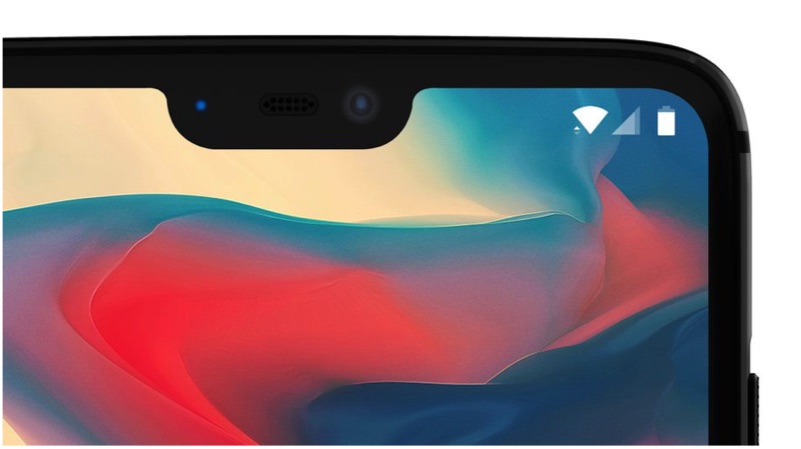
The launch of the OnePlus 6 seems closer than ever despite the company keeping the launch date under wraps. OnePlus has, slowly, unveiled a few key details about the OnePlus 6 over the past few weeks. OnePlus co-founder Carl Pei started it off by confirming the OnePlus 6 will have an iPhone X like notch. Now, Pete Lau, the other co-founder of OnePlus has confirmed that the OnePlus 6 will have a glass back.
This will be a departure from previous OnePlus devices which have had an aluminium unibody build and design. The OnePlus X being the only exception which also had an all-glass design. According to OnePlus, its team design team tested over 70 glass prototypes before selecting the best one.
OnePlus 6’s glass back contains five printed layers of Nanotech Coating, a first in the smartphone industry. The phone has five layers of Nanotech Coating instead of three, even though the degree of separation between each layer is extremely subtle and tough to discern as the additional layers give the back of the device a stronger impression of depth.
In the statement, however, OnePlus did not confirm whether a glass back also means the presence of wireless charging. Last year, OnePlus conceded that it believed DashCharge technology was superior to wireless charging. However, with such a drastic design shift, it appears that OnePlus would want to justify that by adding such a crowd favourite feature.
The OnePlus 6, so far, seems like a sizeable upgrade over the OnePlus 5/5T. OnePlus has also confirmed that 6 will be water resistant. This is another feature that a lot of consumers have asked for but, so far, OnePlus has maintained that its DashCharge technology is superior to the current wireless charging technology.
The smartphone has also been confirmed to be an Amazon exclusive smartphone in India, like its predecessors. However, like it did with the OnePlus 5 and OnePlus 5T, the 6 will also, eventually, make its way to offline stores as OnePlus is now trying to capture a market that strays away from shopping online.
We expect OnePlus to unravel a few more details about the upcoming smartphone before its official launch. Stay tuned for more updates.
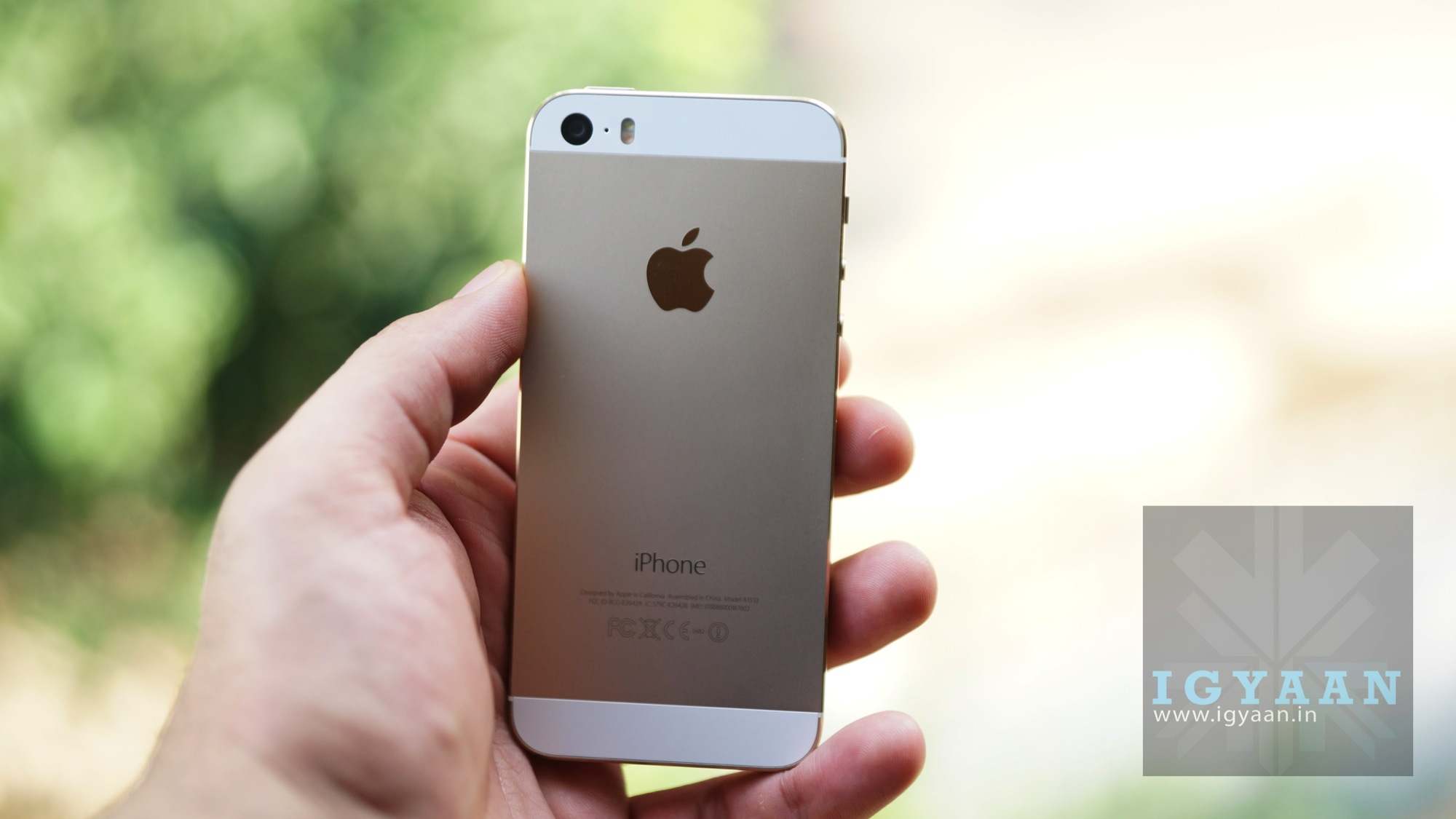
Launched back in September 2013, the iPhone 5s was one of the many iPhones to receive an update to iOS 11. Since the iPhone 5 was left out of the lot, it appeared that iOS 11 would be the last major update for the 5s. However, that might not be completely true as Apple might be planning to update the 5s to iOS 12 this year.
In a test on WebKit (an open source browser engine that’s used within Safari), iPhone 5s was shown running on iOS 12 software. While this does not guarantee an update for the iPhone 5s, it certainly means that Apple has fiddled around with the idea. If Apple does update the iPhone 5s to iOS 12, it will mean that a five-year-old iPhone would be running the official version of the latest iOS.
An update to iOS 12 will hinge upon how the iPhone 5s’ hardware handles the new update. Our iPhone 5s became considerably laggy after the update to iOS 11 which means that another update might be asking too much from its A7 chipset. However, Apple has conceded that iOS 12 will focus on reliability and improved battery life on all devices, instead of adding new features to change the usability of iOS. This could mean that iOS 12 might not be as big an upgrade as iOS 11 was from iOS 10.
Apple’s annual World Wide Developer’s Conference is scheduled to begin on June 4th, 2018 where we will learn more about iOS 12 and its new features. The official update will start seeding in mid-September after the launch of the 2018 iPhone lineup. We expect to learn about the fate of iPhone 5s and iOS 12 during the conference.
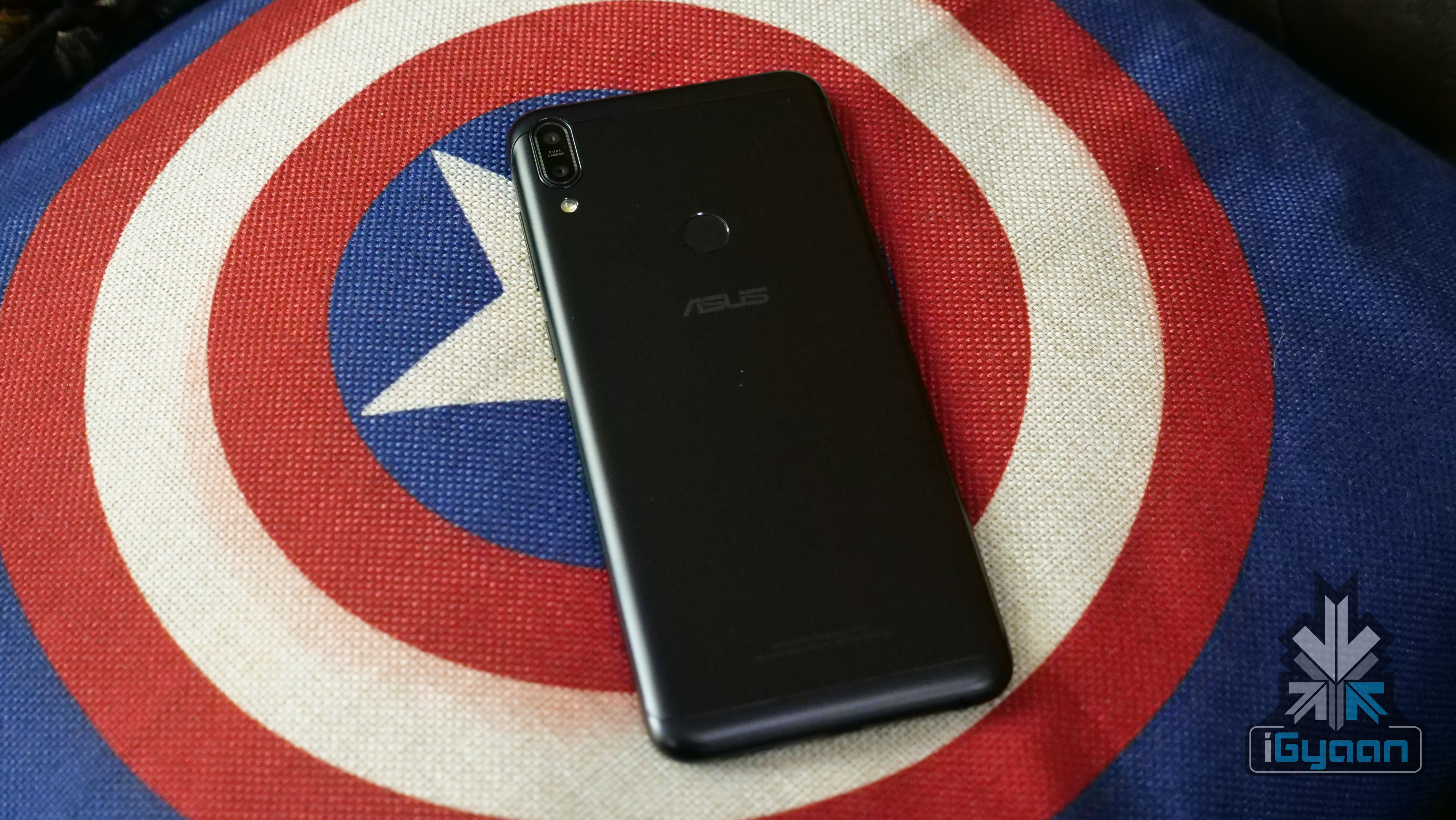
Asus has launched its latest budget offering for the India market, the Zenfone Max Pro. The newly launched smartphone will go on sale via Flipkart on the 3rd of May at a starting price of Rs 10999. The Zenfone Max Pro, in the beginning, will be available two variants, one with 3GB RAM and 32GB storage and the other one with 4GB RAM and 64GB storage. The company also announced that a 6GB RAM and 128GB storage variant with improved camera capabilities will also launch soon in India.
At such a price range, the Zenfone Max Pro directly competes with the Redmi Note 5. However, in terms of features and hardware, it stacks up against the Redmi Note 5 Pro. The Xiaomi Redmi Note 5 Pro was launched in February of this year and has garnered great reviews so far. The only caveat being its annoying flash sales which is still the only way to buy the smartphone. It starts at a price of Rs 13999 for the 4GB RAM and the 6GB RAM model costs Rs 16999.
In a price sensitive market like India, such a price gap between two smartphones can be telling. But, does the Asus Zenfone Max Pro hold up against highly successful Redmi Note 5 Pro? Let’s find out!
Design
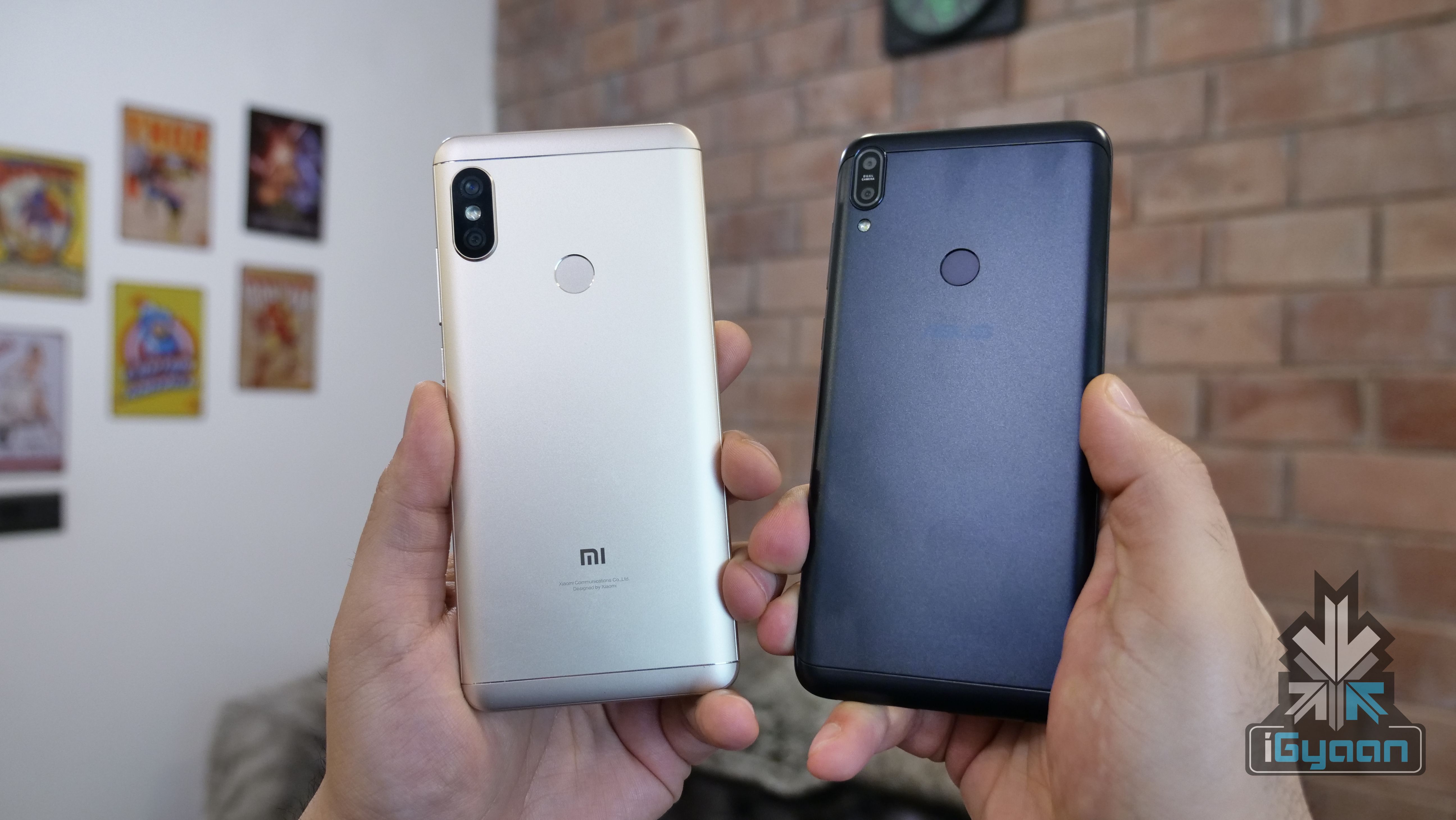
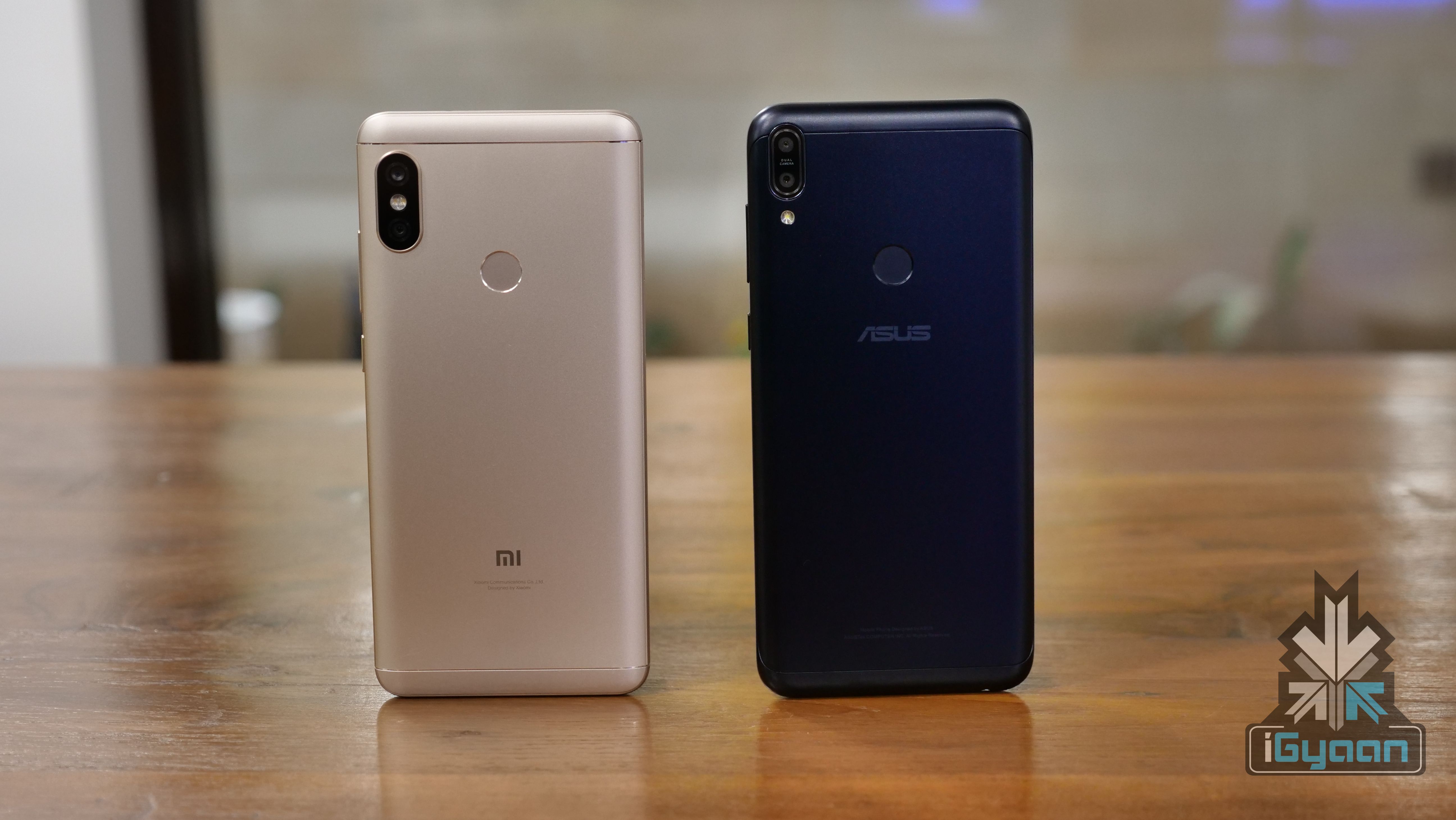
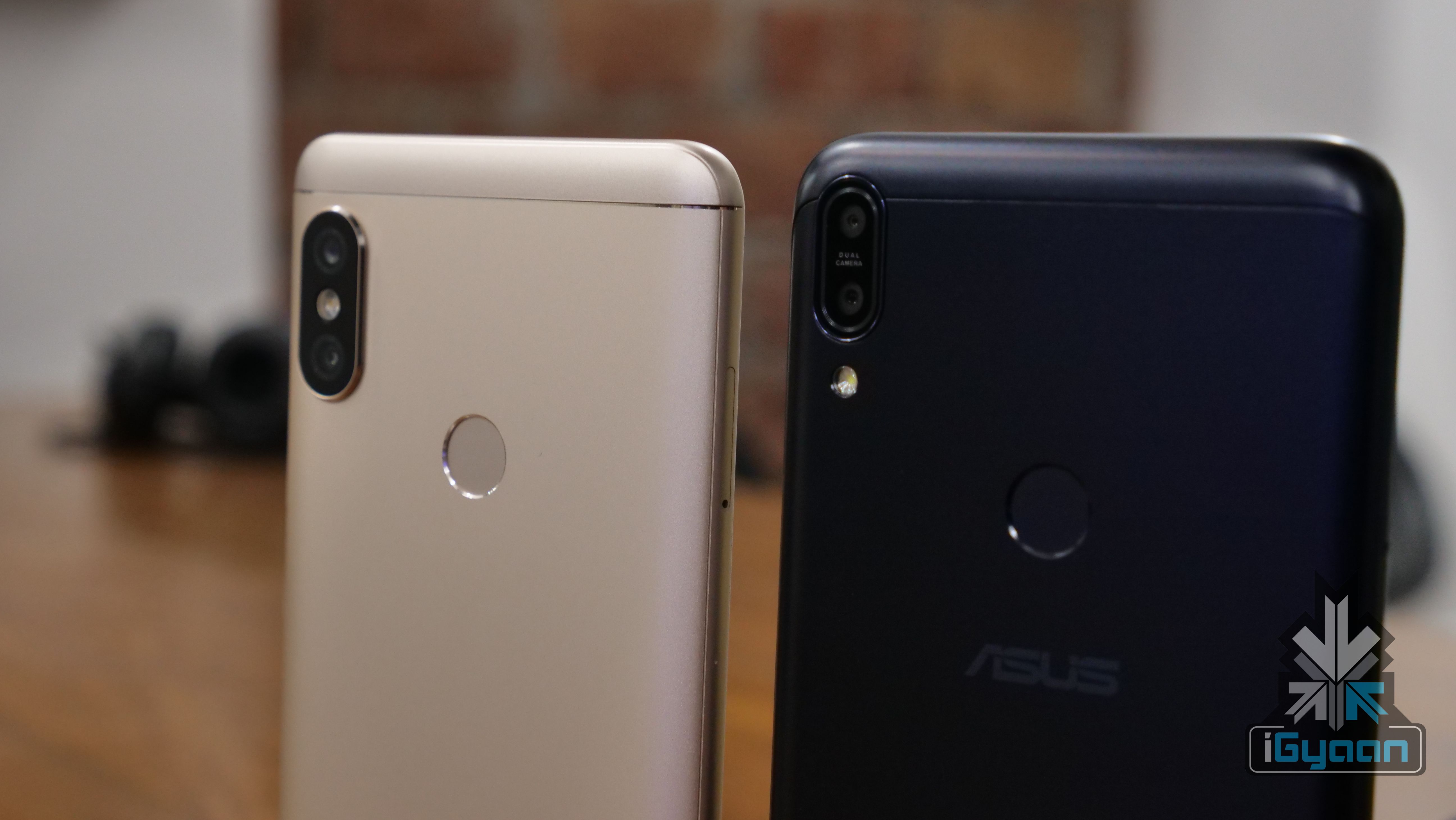
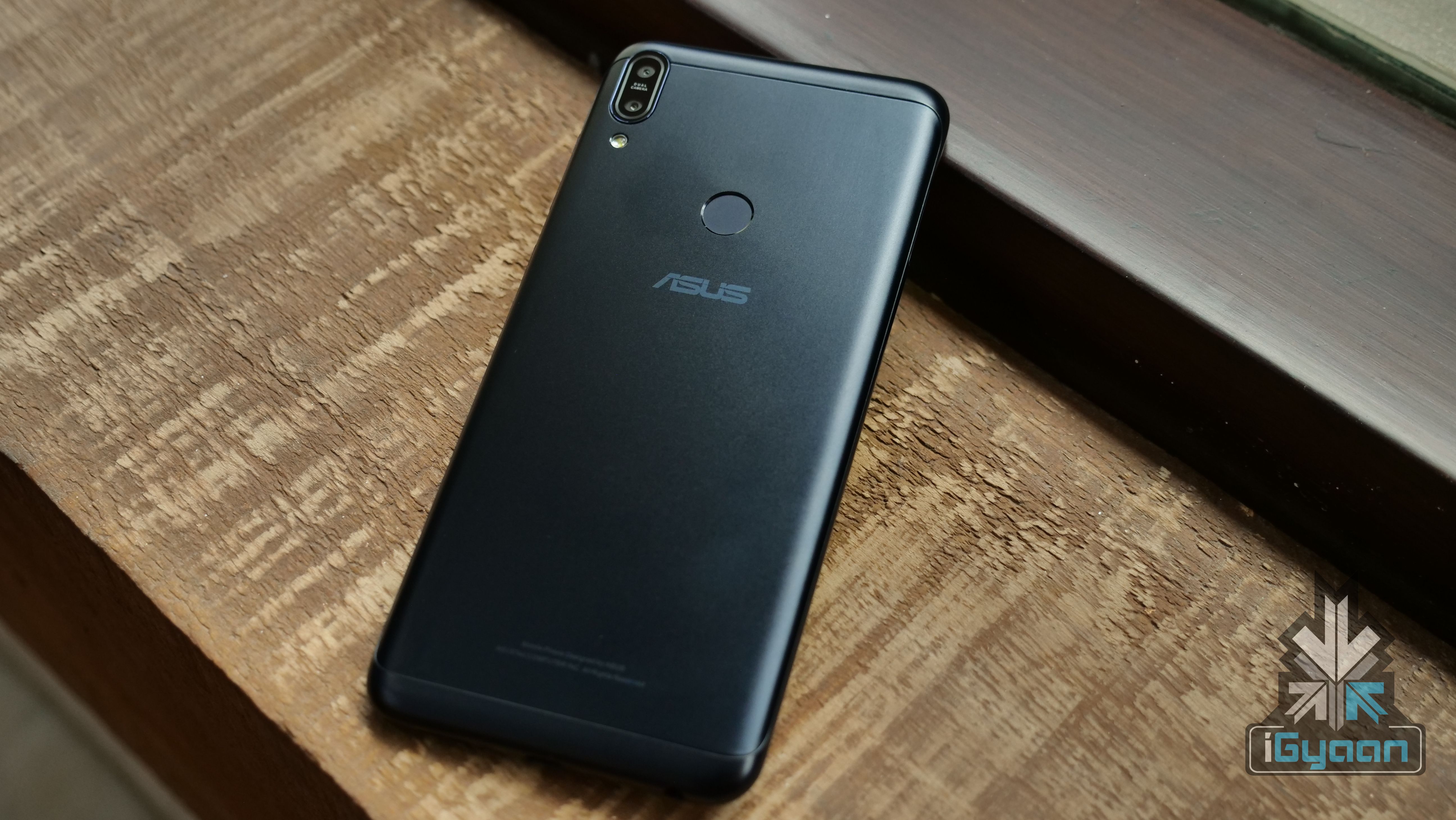
The Xiaomi Redmi Note 5 Pro and Asus Zenfone Max Pro look identical in more than one way. On the front, the bezels have a similar size around the displays of both the phones. On the back, both the devices have a vertically placed dual camera setup with very similar placements as well. However, the LED flash on the Note 5 Pro is placed between the two cameras while on Zenfone Max Pro, it is placed beneath the dual camera setup. The brushed metal finish on both the phones means that the devices can be a bit slippery, especially if you have smaller hands and cannot get a proper grip.
It is also worth noting here that the Redmi Note 5 Pro has a camera bump on the back while the cameras on the Zenfone Max Pro are flush along the body.
Display
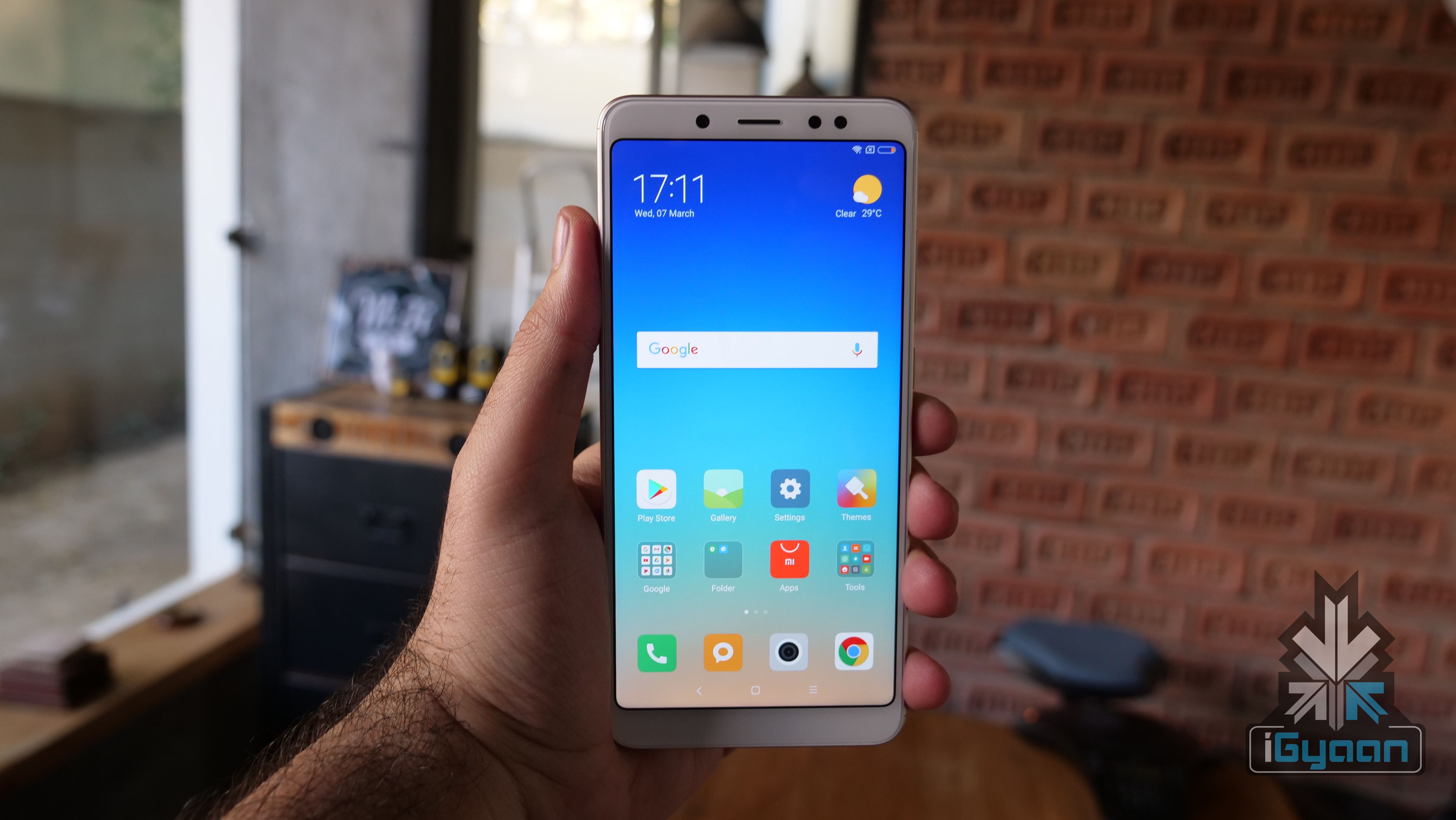
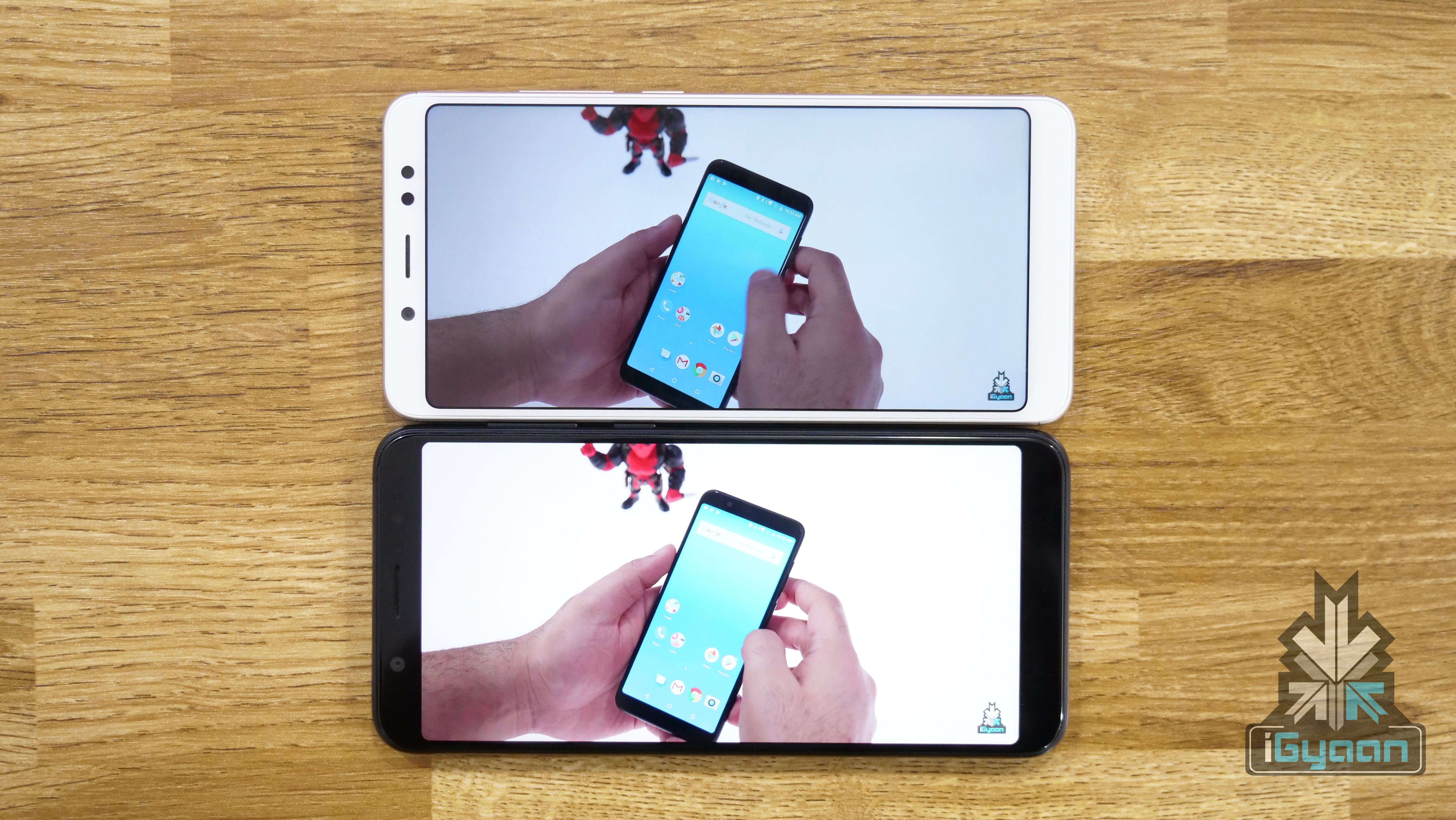
The display on both the smartphones is identical. It is a 5.99 inch IPS LCD display with a 2160 x 1080 px resolution. This translates into an 18:9 aspect ratio. The corners of the displays are curved giving the smartphones a bit more premium look compared to sharp corners found on something like the Honor 7X.
The viewing angles are great and the colour reproduction is exactly what you would expect from an HD+ LCD panel. Considering how smartphones are the primary source of media consumption for a lot of users, both the devices do a great job with their respective displays. Another advantage of a tall display and thin bezels is the ability to fit a larger display in a relatively smaller body.
Hardware
When the Redmi Note 5 Pro was launched, its chipset was one of the highlights. It was the only smartphone to run on the Snapdragon 636 chipset before the Zenfone Max Pro’s launch. The Zenfone Max Pro is available in three different RAM and storage options, while the Note 5 Pro is only available in two RAM and one storage options.
A department where the Zenfone Max Pro hands down one-ups the Note 5 Pro is the battery. The Zenfone Max Pro has a 5000 mAh battery compared to Redmi Note 5 Pro’s 4000 mAh battery. Also, Asus has managed to keep the weight of the Zenfone Max Pro at 180 grams, identical to that of the Redmi Note 5 Pro.
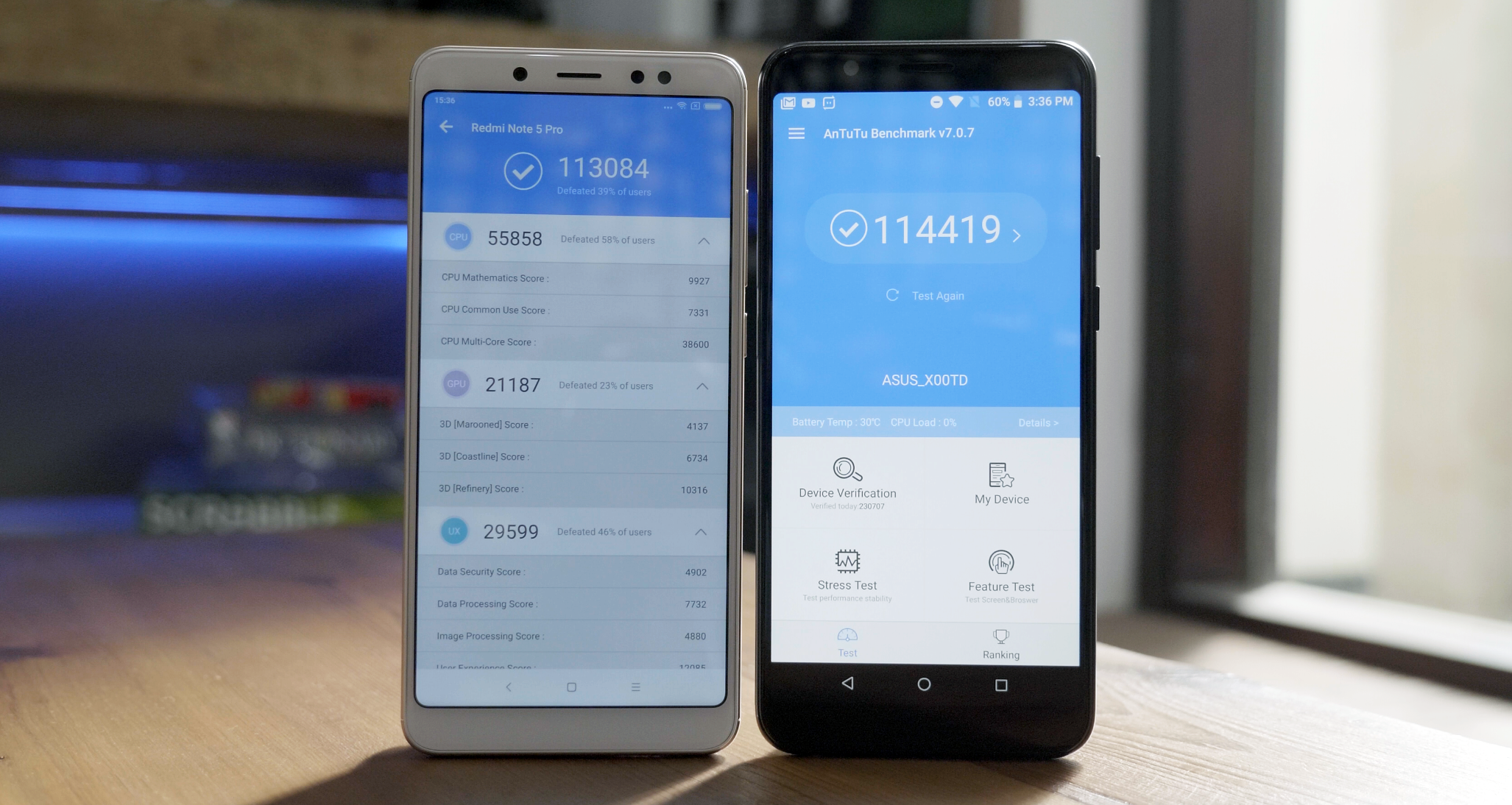
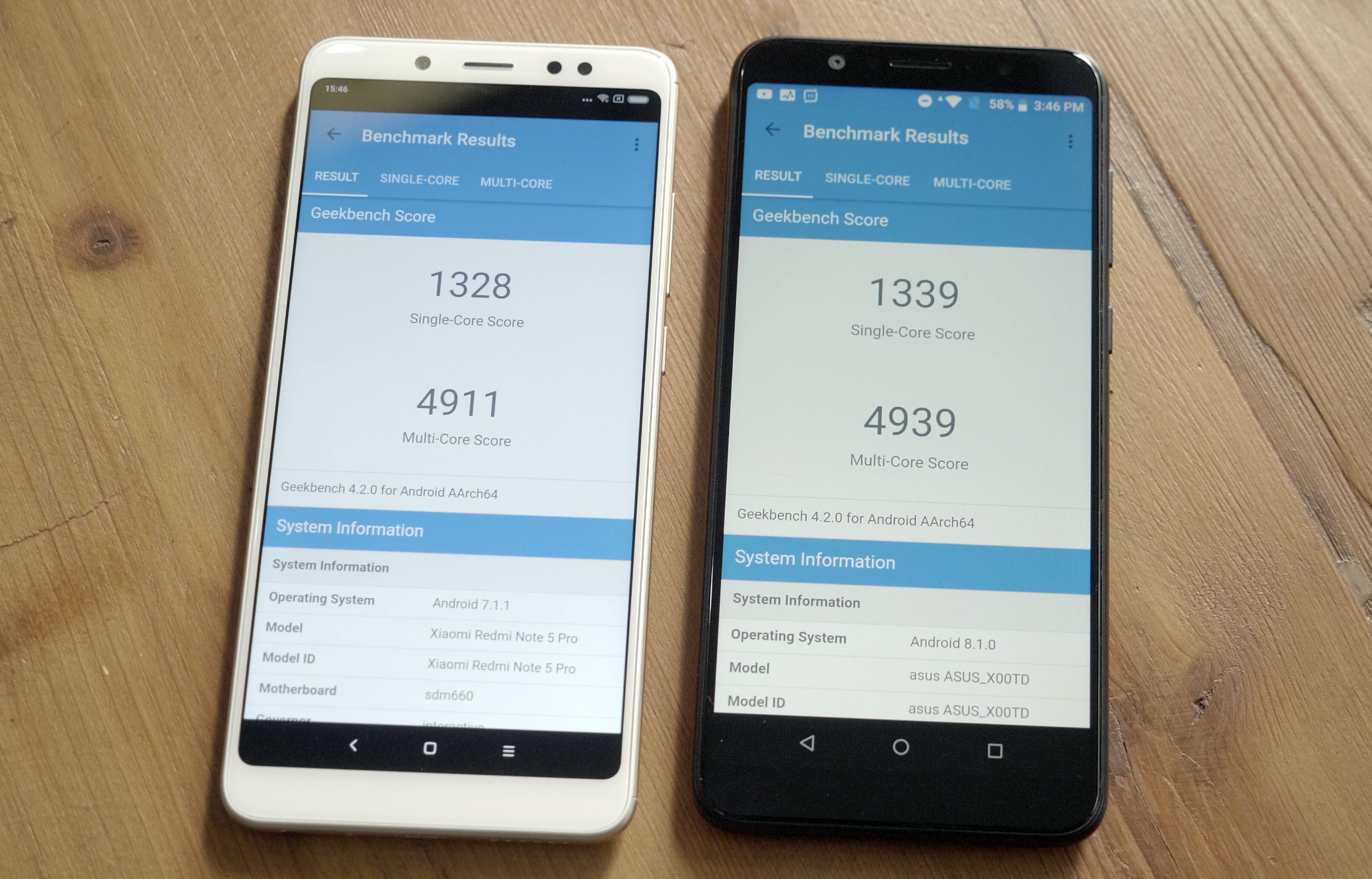
If you are someone who swears by the benchmark scores, here they are for both the devices:
Antutu BenchmarkGeekbench
Camera
The Xiaomi Redmi Note 5 Pro has a 20MP Sony IMX376 camera on the front with an LED light. To the back of the smartphone is a vertically placed dual-camera setup. It is a 12MP colour sensor with an f/2.2 and a 5MPcolour sensor with an f/2.0 aperture setup. The smartphone clicks portrait mode photos from the front and rear cameras.
The Asus Zenfone Max Pro has a 13MP primary sensor with an f/2.2 aperture and the depth sensor is a 5MP camera. The front of the device houses an 8MP camera with an f/2.0 aperture and an LED flash. The Zenfone Max Pro records 4K videos at 30fps while the Redmi Note 5 Pro can only record 1080P videos. Both the smartphones have EIS (electronic image stabilisation) when recording 1080P videos.
The herd behaviour of the smartphone industry is at showcase every year. This year and a better part of 2017 was all about 18:9 aspect ratio and thin bezels. However, a dubious trend has also caught on this year, and that is of the notch. Ever since the iPhone X was launched, a lot of smartphone makers have embraced the notch, without actually implementing it the way Apple did. Meizu, on the other hand, has gone a completely different route with its trio of Meizu 15 smartphones.
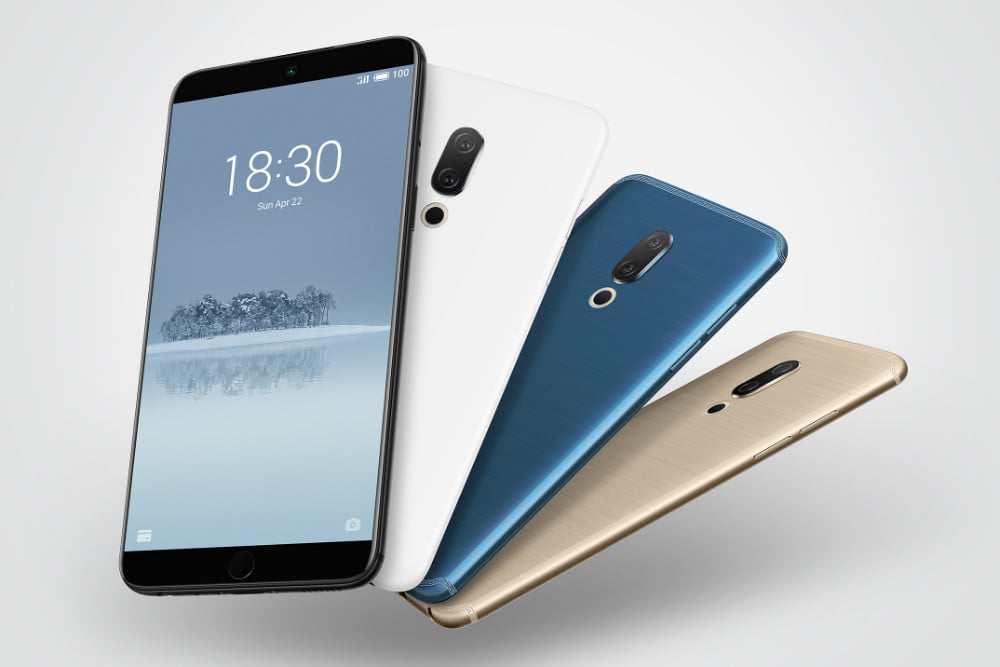
Meizu, the Chinese smartphone maker celebrated its 15th anniversary by launching the Meizu 15 lineup of smartphones. The new Android devices follow an old formula to stand out from the crowd. The Meizu 15 Plus, Meizu 15 and Meizu 15 Lite have a 16:9 aspect ratio and no notch. This is not a very common sight for new smartphone launches from Chinese smartphone makers, especially in 2018.
Meizu 15 Plus
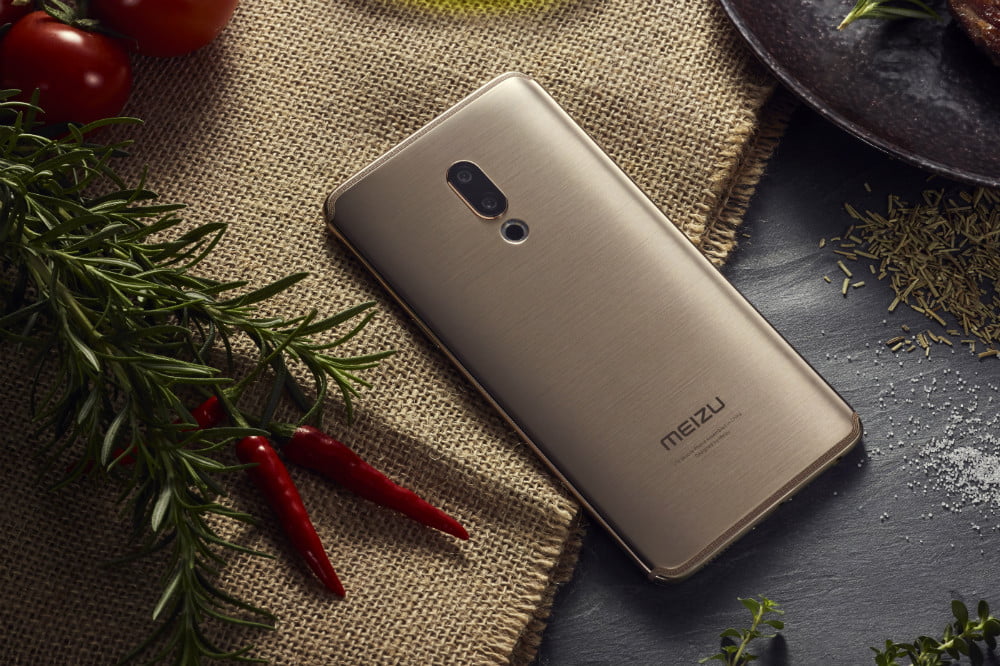
The most high-end of the three smartphones, the Meizu 15 Plus has a 5.95 inch Super AMOLED display with a 2560 x 1440 px resolution. Under the hood, the Meizu 15 Plus runs on the Samsung-made Exynos 8890 chipset. This is the same chipset found on the Galaxy S8 in India. This chipset is coupled with 6GB of RAM. Powering the smartphone is a 3500 mAh battery which charges via a USB Type C port. Interestingly, the round fingerprint sensor sits below the display in the bottom bezel. The fingerprint sensor looks a lot of like a smaller version of Touch ID.
To the back of the smartphone is a dual-camera setup placed vertically. Both the sensors are produced by Sony and have 20 megapixels and 12 megapixels, with 3X lossless zoom, a 1.55nm pixel size, OIS, an f/1.8 aperture, and a six-LED dual-tone flash. The front of the smartphone houses a 20MP camera with an f/2.0 aperture.
Meizu 15
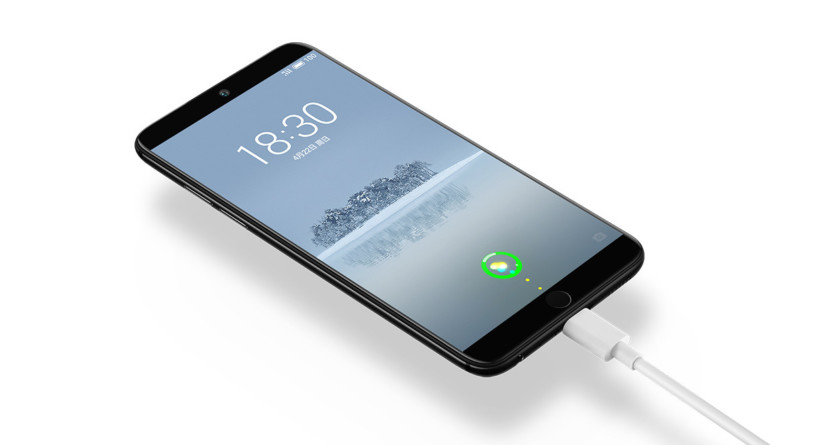
The Meizu 15 sits right between the Meizu 15 Plus and 15 Lite. It has a 5.46 inch Super AMOLED display with a 1920 x 1080 px resolution. The Meizu 15 runs on the Snapdragon 660 chipset coupled with 4GB of RAM and either 64GB or 128GB onboard storage. Powering the device is a 3000 mAh battery which charges via a USB C port. The proprietary mCharge wall charger takes the cell to 54% capacity in 30 minutes.
The camera setup is identical to that on the Meizu 15 Plus, with a 20 megapixels and 12 megapixels, with 3X lossless zoom, a 1.55nm pixel size, OIS, an f/1.8 aperture, and a six-LED dual-tone flash. The front of the smartphone houses a 20MP camera with an f/2.0 aperture.
Meizu 15 Lite
The Meizu 15 Lite has a 5.46 inch IPS LCD display with a 1920 x 1080 px resolution. It runs on the Snapdragon 626 chipset which is coupled with 4GB RAM and 64GB of onboard storage. The Meizu 15 Lite also gets rid of the dual-camera setup and replaces it with a 12MP with an f/1.9 aperture. The front has the same 20MP camera with an f/2.0 aperture.
Starting 1,699 Yuan, roughly Rs. 17000, the range of the Meizu 15 goes all the way to 2,999 Yuan ( or Rs. 32000) for the basic variant of the Meizu 15 plus. When and if we should expect these phones in India, but if they do launch, the company might be in some serious need for price checks, and may be able to create some stiff competition in the Under Rs. 20,000 price bracket.
Asus launched the Zenfone Max Pro in India on the 23rd of April. The Zenfone Max Pro will be available online via Flipkart exclusively. The smartphone runs on the Qualcomm Snapdragon 636 chipset, which makes it only the 2nd smartphone in India to run on this particular chipset. The Zenfone Max Pro will directly compete with the Redmi Note 5 Pro which also runs on the Snapdragon 636 chipset in India.
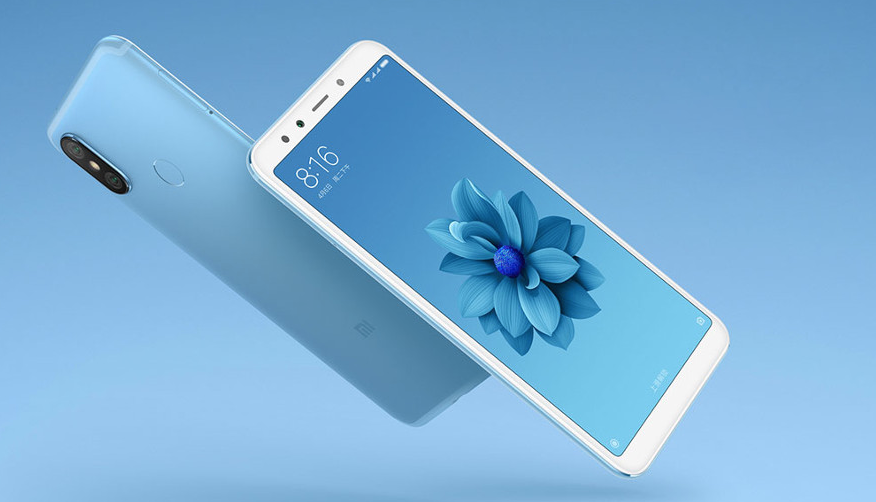
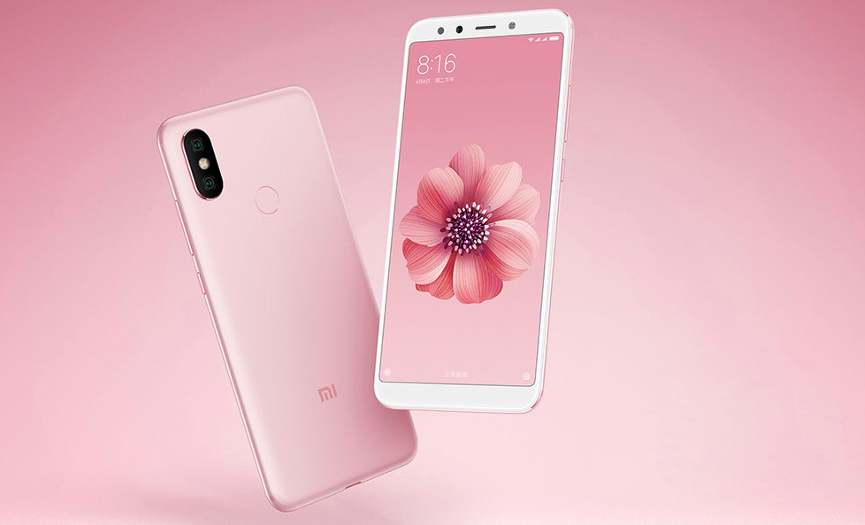
Xiaomi has launched the follow up of its highly popular Mi 5X, the Xiaomi Mi 6X at an event in China. The Mi 6X will be available in three variants, the base model will have 4GB RAM and 64GB storage, the second will have the same storage and 6GB of RAM and the priciest version of the Mi 6X will have 6GB of RAM and 128GB of onboard storage.
Apple has introduced a new battery replacement program for some 13 inch non-Touch Bar MacBook Pro. Under this program, Apple would replace the batteries of these MacBook Pros for free.
According to Apple, there is an issue with a small number of MacBook Pros manufactured between October 2016 and October 2017. Apple notes that some non-Touch Bar MacBook Pros manufactured in the mentioned time frame have a faulty component which causes the battery to expand. In order to check eligibility, head to this page and enter the serial number of your MacBook Pro (non-Touch Bar).
It is worth noting that users who have already replaced their batteries can contact Apple for a refund. Once a MacBook Pro qualifies for the program, owners can either visit an authorised Apple retail store or can mail it to Apple’s repair centre.
Apple’s preemptive move will be appreciated by MacBook Pro owners especially considering the program will be valid for 5 years since the original release of the 13-inch MacBook Pro (non-Touch Bar). Apple has recently been criticised for not handling the iPhone slow-down debacle well. The company’s efforts of prolonging the life of older iPhones were misconstrued as a deliberate way of influencing users into buying new iPhones. However, Apple has since come out and made its intentions clear.
The company also released a feature in the latest iOS 11 update wherein users can choose between peak performance or better battery health. Apart from that, Apple also announced that the battery replacement charges will be reduced to US$ 29 for out of warranty iPhones.
Asus has officially launched the Zenfone Max Pro in India at an event in Delhi. The Zenfone Max Pro will go on sale in India via Flipkart. The Asus Zenfone Max Pro will be available in two variants in India for now, one with 3GB RAM and 32GB storage and the other with 4GB RAM and 64GB storage You can buy it by clicking here. At the launch, the company also announced that a 6GB RAM/128GB storage variant with better camera capabilities will be launched at a price of Rs 14999. However, no specific timeline for that launch was mentioned.
The new smartphone has a few interesting features and specifications and at this price, it will compete with the Redmi Note 5 Pro in this highly congested budget smartphone segment in India.
Asus, with the Zenfone Max Pro, is taking a different approach towards to the budget segment of the Indian smartphone market. There are a few aspects of the smartphone that will an “Asus-first,” especially for India. The Zenfone Max Pro launch is also a world first launch, just like the Redmi Note 5 Pro was.
[section label=”Unboxing”]
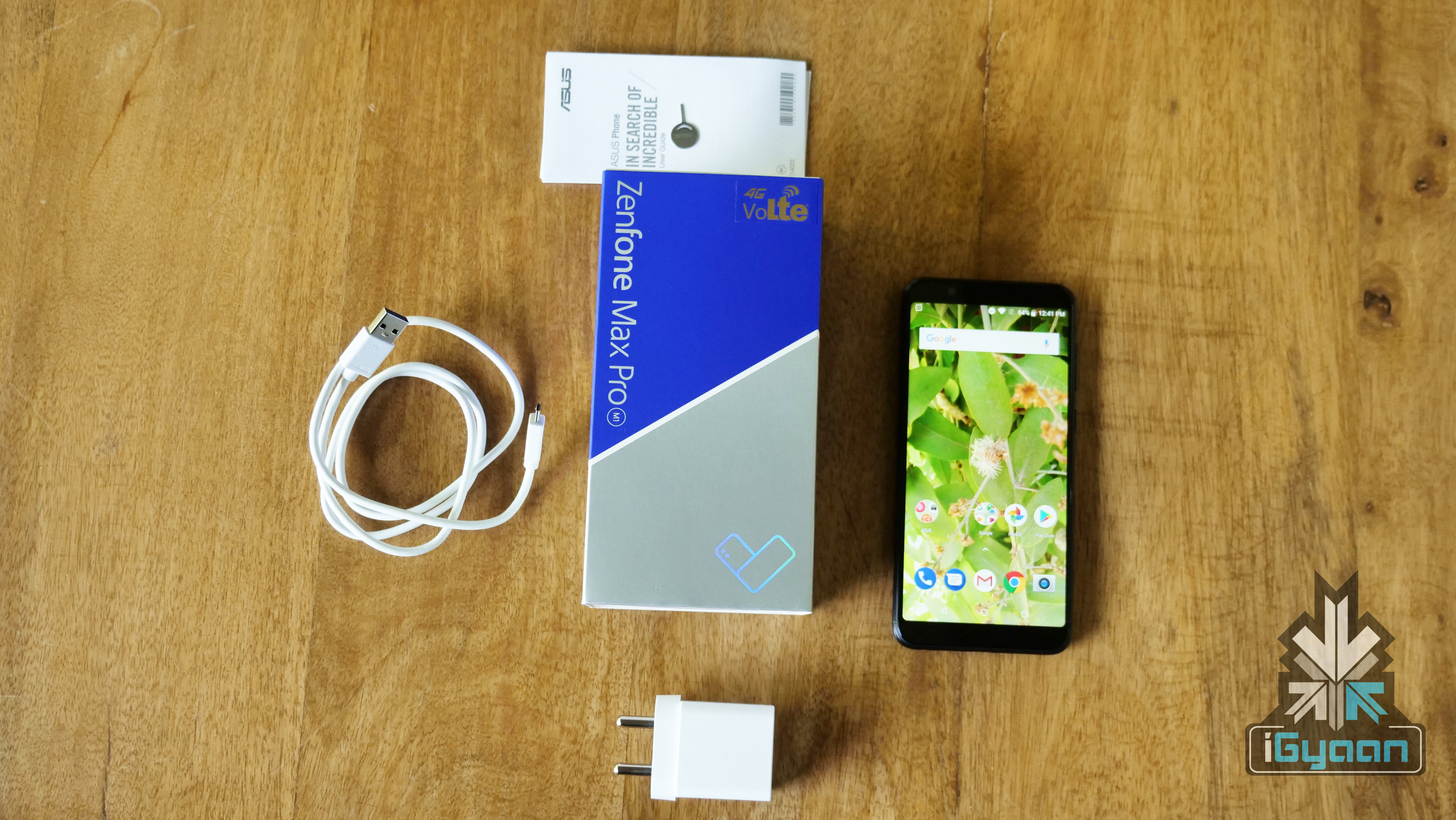
Inside the box of the Asus Zenfone Max Pro:
Asus Zenfone Max Pro
Documentation
Micro USB Cable
10W Wall Charger
Sim Ejector Tool
[section label=”Initial Impressions”]
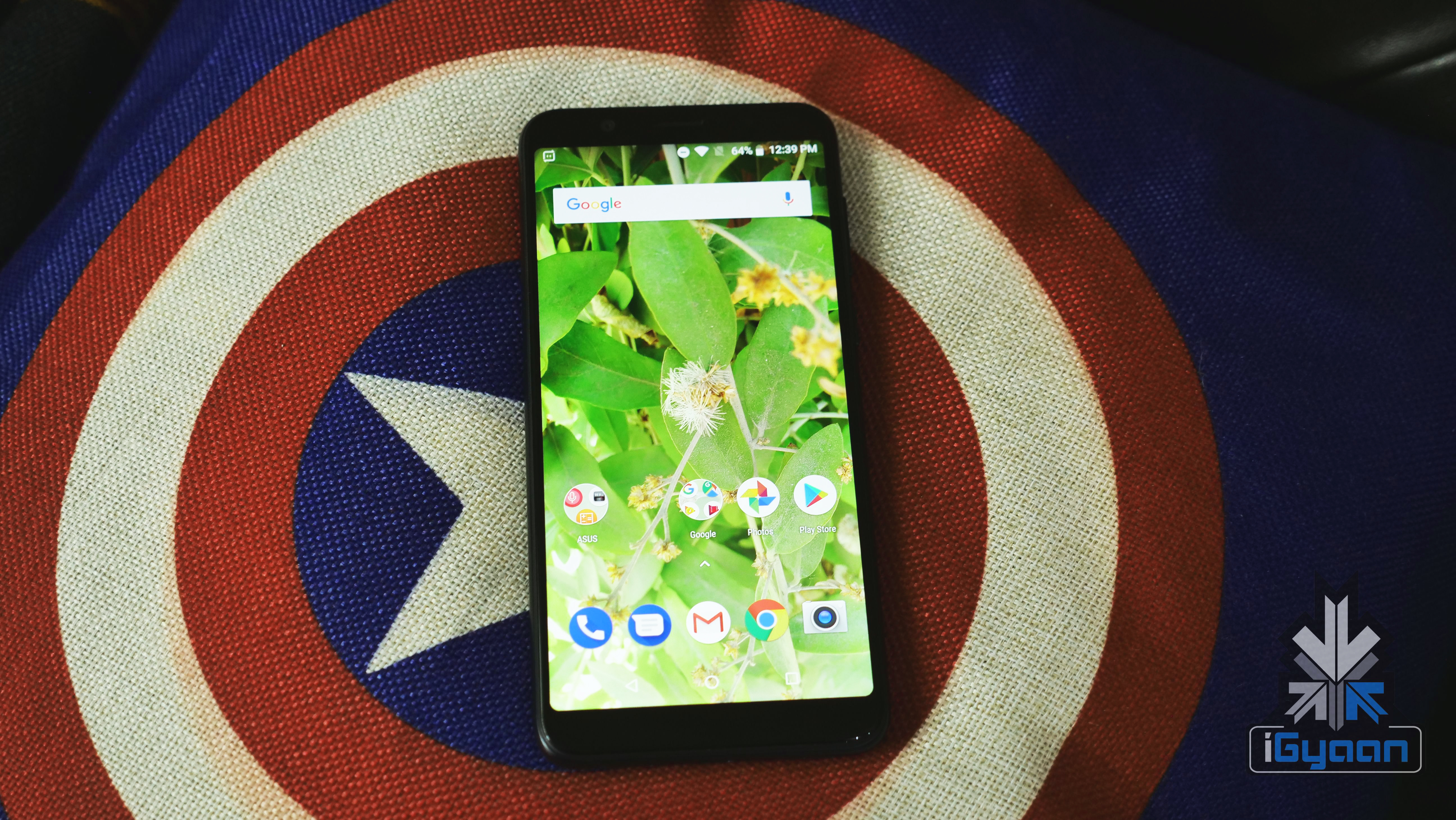
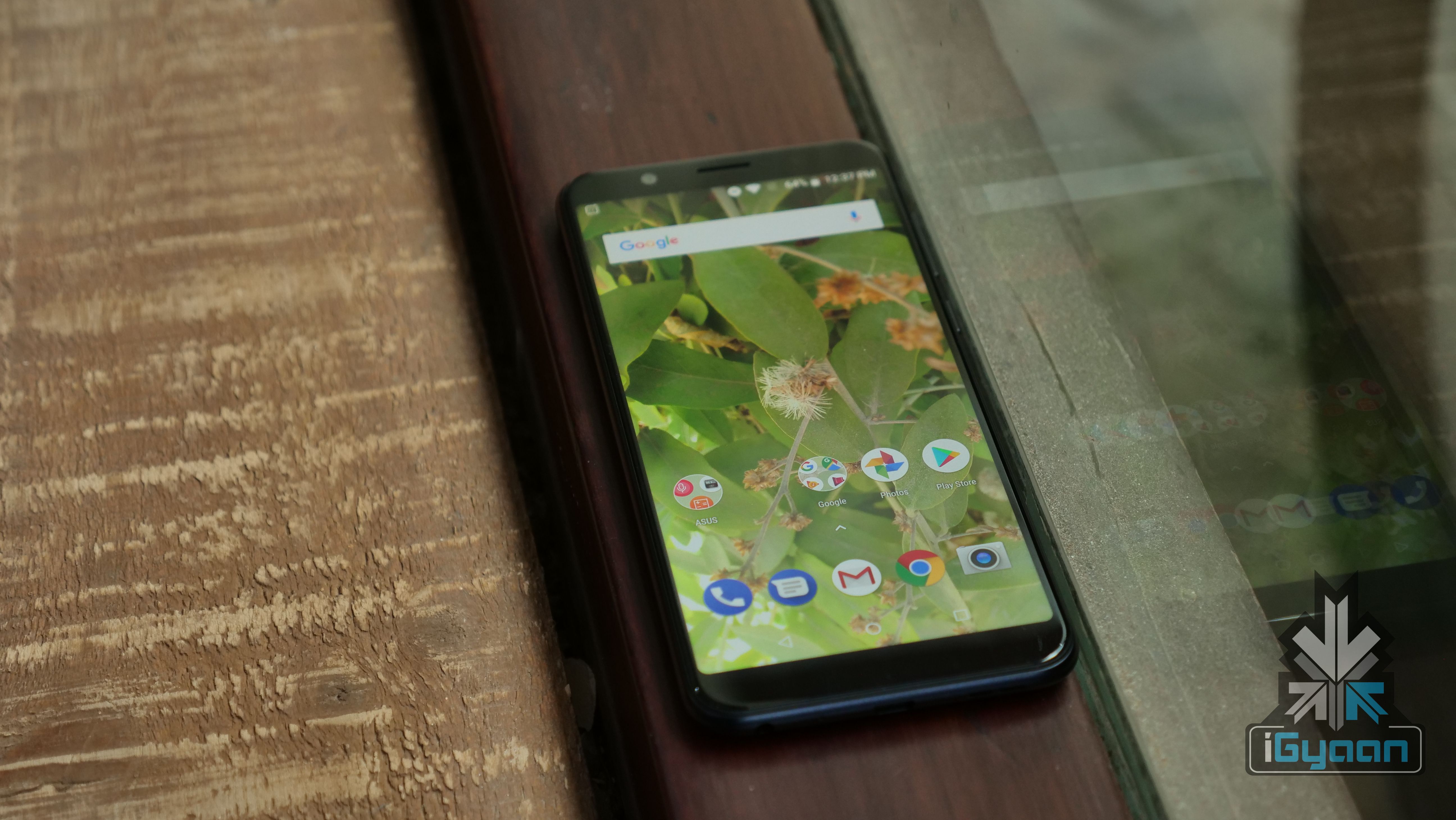
Right off the bat, the Asus Zenfone Max Pro exuberates a sense of familiarity. The aluminium unibody design is prevalent across the budget category of smartphones and the Zenfone Max Pro is no different. The 18:9 aspect ratio and thinner bezels mean that a 5.99 inch display fits into the body of a regular 16:9 smartphone with a 5.5 inch display. Fair to say that the 18:9 aspect ratio has become the norm even in sub-15K smartphones. It is worth noting that even though the bezels are thin, they are still substantial and not as thin as some of the flagship devices.
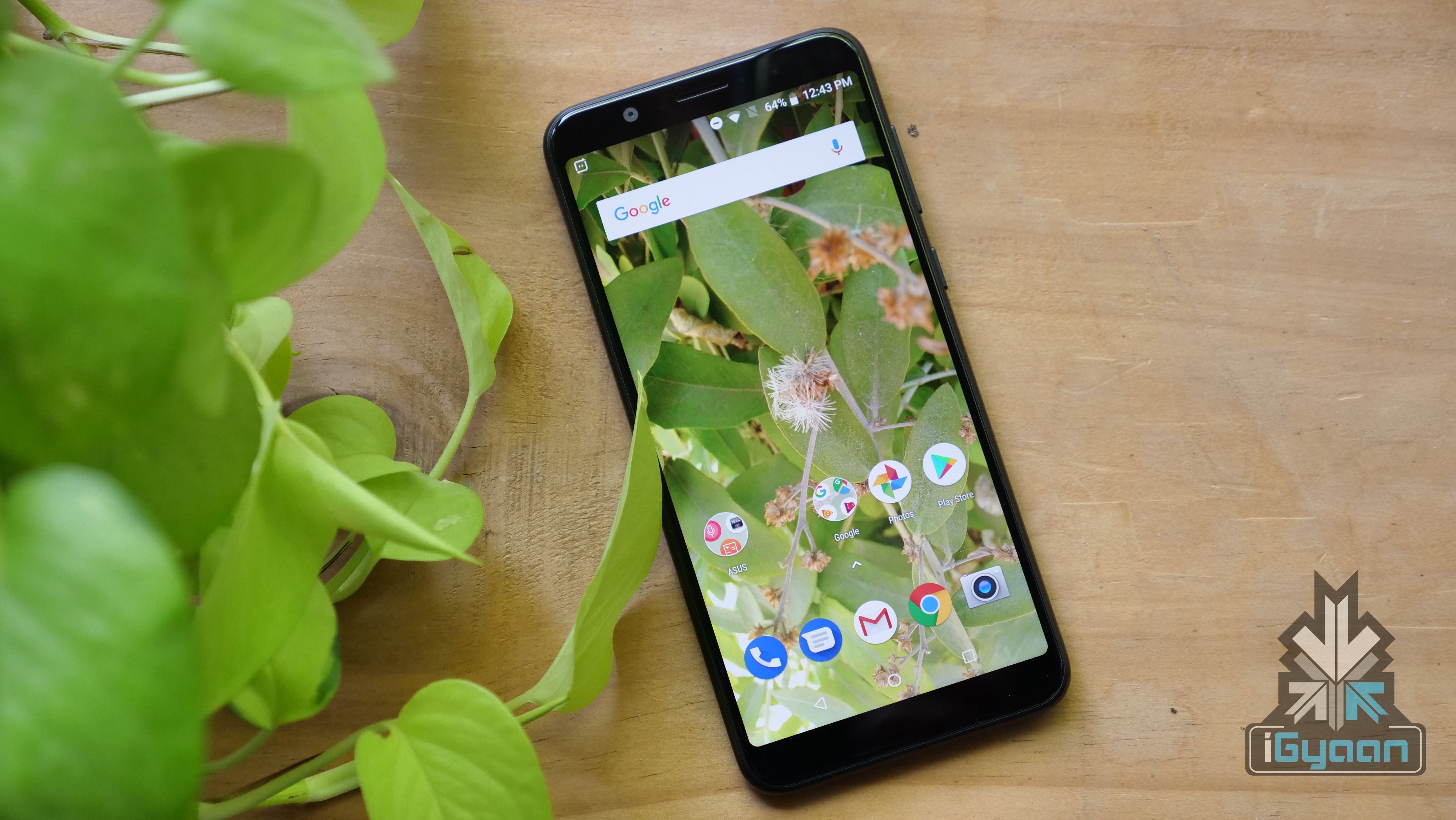
Another interesting feature of the Asus Zenfone Max Pro is its OS. So far, we have become accustomed to the heavily customised ZenUI on all Asus Android smartphones. However, with the new Asus Zenfone Max Pro, the company has decided to go for stock Android OS. Now, it is not Android One, which means it is not completely stock OS and there are a few pre-installed apps as well. However, it is much lighter than ZenUI which should bode well with the powerful Snapdragon 636 chipset.
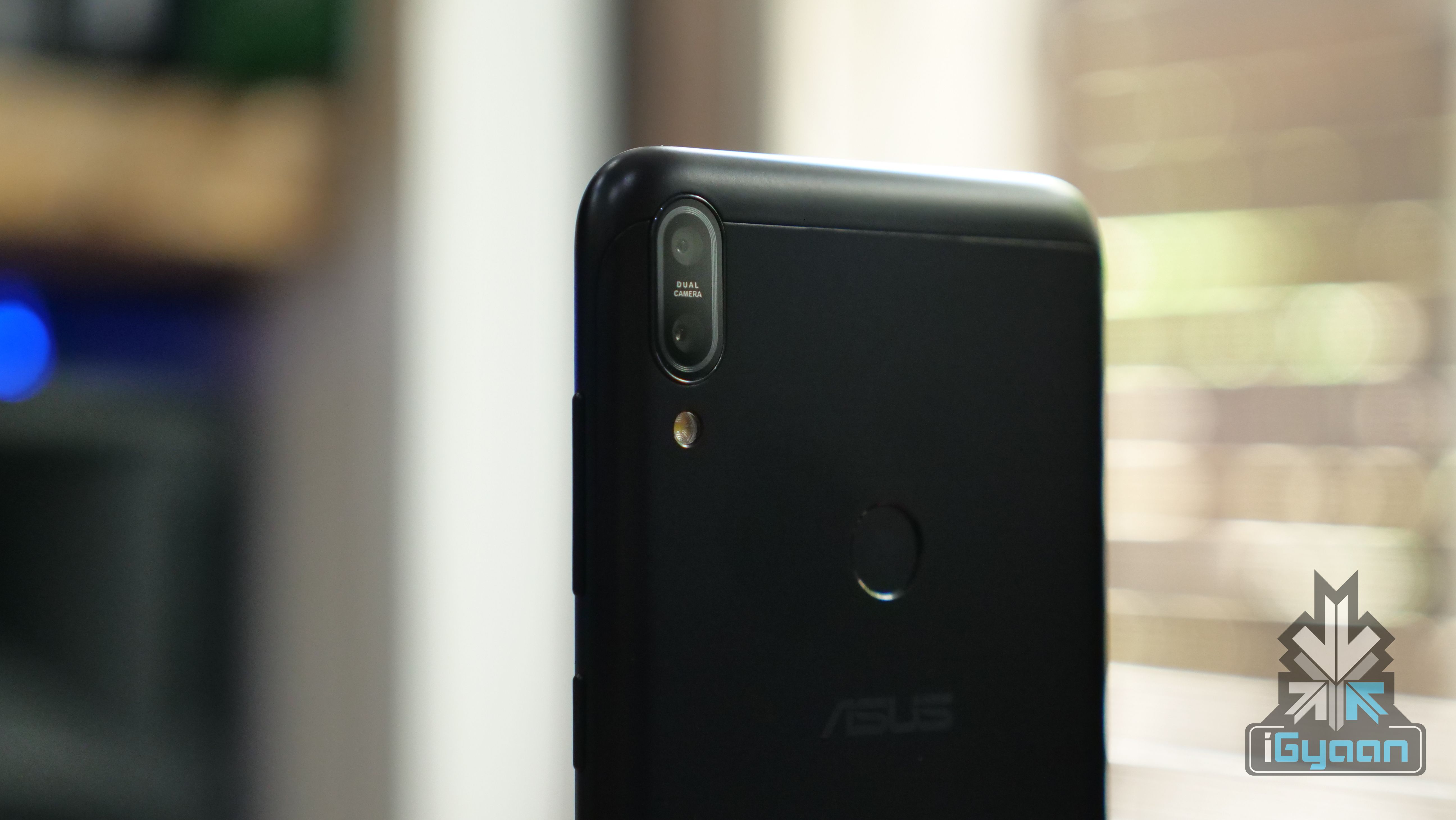
The back of the smartphone also houses a vertically placed dual-camera setup which looks uncannily similar to the Redmi Note 5 Pro. It appears that this trend of vertically placed dual-camera setup on the side of the smartphone also took off with the iPhone X. The dual-camera setup consists of a depth sensor which will be used for portrait mode shots. It has a 13MP primary sensor with an f/2.2 aperture and the depth sensor is a 5MP camera. The front of the device houses an 8MP camera with an f/2.0 aperture and an LED flash.
At a starting price of Rs 10999, the Zenfone Max Pro, despite its specifications matching the Redmi Note 5 Pro, will compete with the Redmi Note 5. Maybe, the launch of the Zenfone Max Pro will push Xiaomi into launching a follow-up to the Mi A1.
Asus has launched a new budget smartphone in India, the Zenfone Max Pro. The new smartphone will be priced at Rs 10999 for the entry-level variant and will be sold via Flipkart. There are no details about the offline availability of the smartphone as of now. The Asus Zenfone Max Pro will be available in two variants in India for now, one with 3GB RAM and 32GB storage and the other with 4GB RAM and 64GB storage. Interestingly, this a world first launch of the Zenfone Max Pro and will eventually launch in other markets as well.
At the launch, the company also announced that a 6GB RAM/128GB storage variant with better camera capabilities will be launched at a price of Rs 14999. However, no specific timeline for that launch was mentioned.
Unboxing Video
The Asus Zenfone Max Pro is also only the second smartphone running on the Snapdragon 636 chipset to be launched in India. This means that it is a direct competitor of the highly popular Xiaomi Redmi Note 5 Pro. Both the smartphones also have a lot of similarities in terms of design and pricing.
Without a doubt, one of the highlights of the Zenfone Max Pro is its battery capacity. It is powered by a 5000 mAh battery while the size and weight of the smartphone are almost equivalent to that of the Redmi Note 5 Pro. For context, the Redmi Note 5 Pro is powered by a 4000 mAh battery. However, the Zenfone Max Pro will charge via a micro USB port which means it could take a while to fully charge from 0%.
That 5000 mAh battery will be powering a 5.99 inch IPS LCD display with a 2160 x 1080 px resolution.
So far, Asus smartphones have had the custom ZenUI on top of Android. However, Asus has gone the stock Android route with the Zenfone Max Pro. Out of the box, the Zenfone Max Pro will run on Android 8.1 Oreo, which is the latest version of Android available right now. Asus has also promised timely software upgrades for their new budget smartphone up to Android Q.
The Asus Zenfone Max Pro will go on sale in India on May 3rd. With such a competitive pricing and specifications, it will be interesting to see how the Zenfone Max Pro holds up in the Indian market.
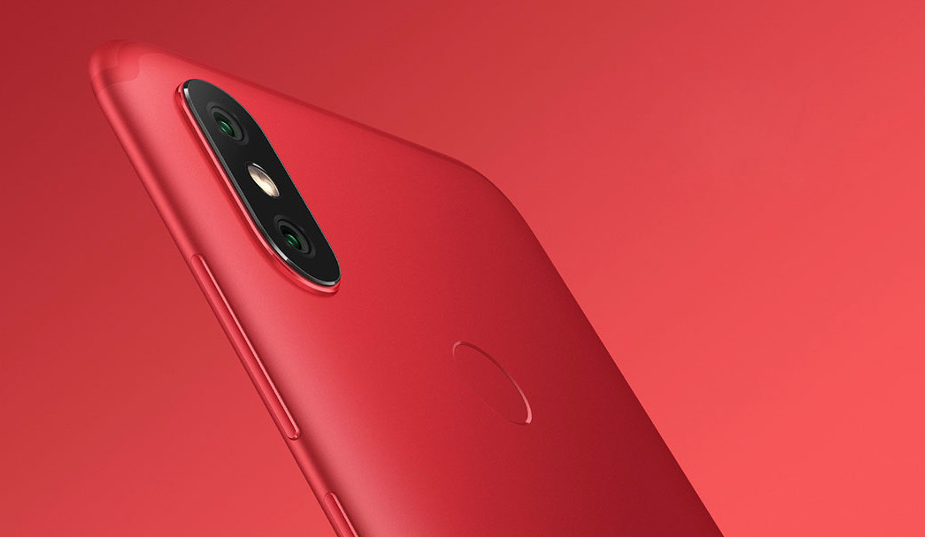
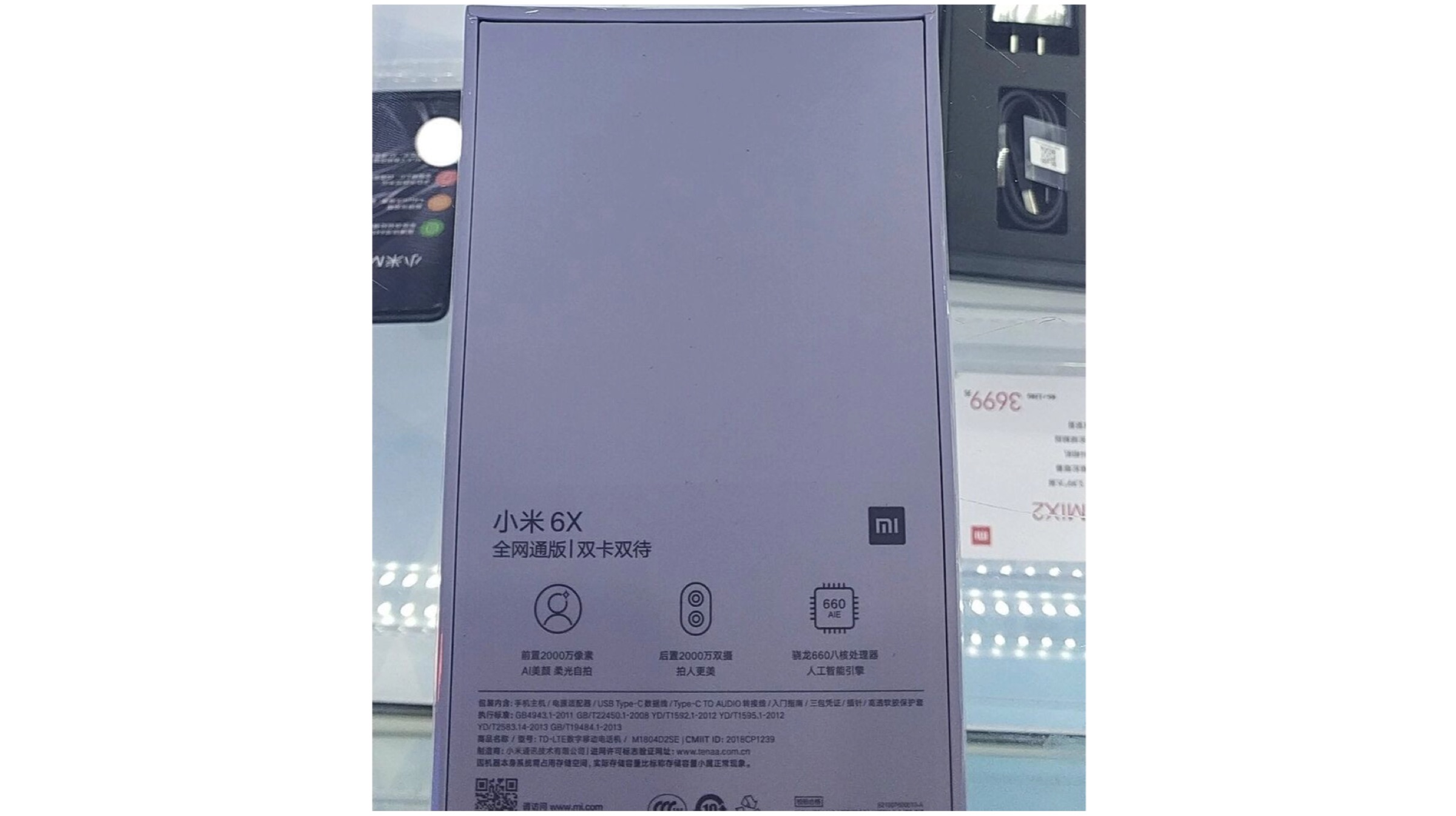
Xiaomi has launched a lot of smartphones in the first three months of 2018 and will add another to its lineup in April. The Chinese smartphone maker will unveil the Xiaomi Mi 6X in China on the 25th of April. Xiaomi, in official teasers of the device, has revealed the key aspects of the design of the Mi 6X. However, information about the specifications has only been available through leaks. Now, a new leaked image of the retail box of the Mi 6X has revealed a few key details about the smartphone.
According to the leaked image, the Xiaomi Mi 6X will run on the Qualcomm Snapdragon 660 chipset. This is quite an upgrade over the Mi 5X/Mi A1 which ran on the Qualcomm Snapdragon 625 chipset. Interestingly, the Mi 6X will not have a 3.5mm headphone jack and instead retail with a USB C to 3.5mm dongle. To the front of the smartphone will be a 20MP camera with AI software like Beautify.
Other information about the smartphone was leaked via a recent TENNA listing. It will have a 5.99 inch IPS LCD 2160 x 1080 px display with 18:9 aspect ratio. Coupled with the Snapdragon 660 chipset will be either 4/6GB RAM with 64/128GB onboard storage.
The device has a dual 20MP and a 12MP sensor. However, the exact implementation of this dual camera setup is yet to be known. The front-facing camera is likely to support Face Unlock, like the Redmi Note 5 Pro. The Mi 6X will be powered by a 2910 mAh battery and support Fast Charging via a USB C port, as confirmed by the packaging.
In a recent teaser, we also learned that the Xiaomi Mi 6X will be available in a lot of colour variants. The Mi 6X will be available in Red, Gold, Rose Gold, Black and Blue colour variants. How many of these will make their way to the Indian shores is yet to be seen. The Xiaomi Mi 6X could be launched in India as the Mi A1 (2018) or the Mi A2. However, nothing is confirmed for now and the company might announce its global availability at the launch event.
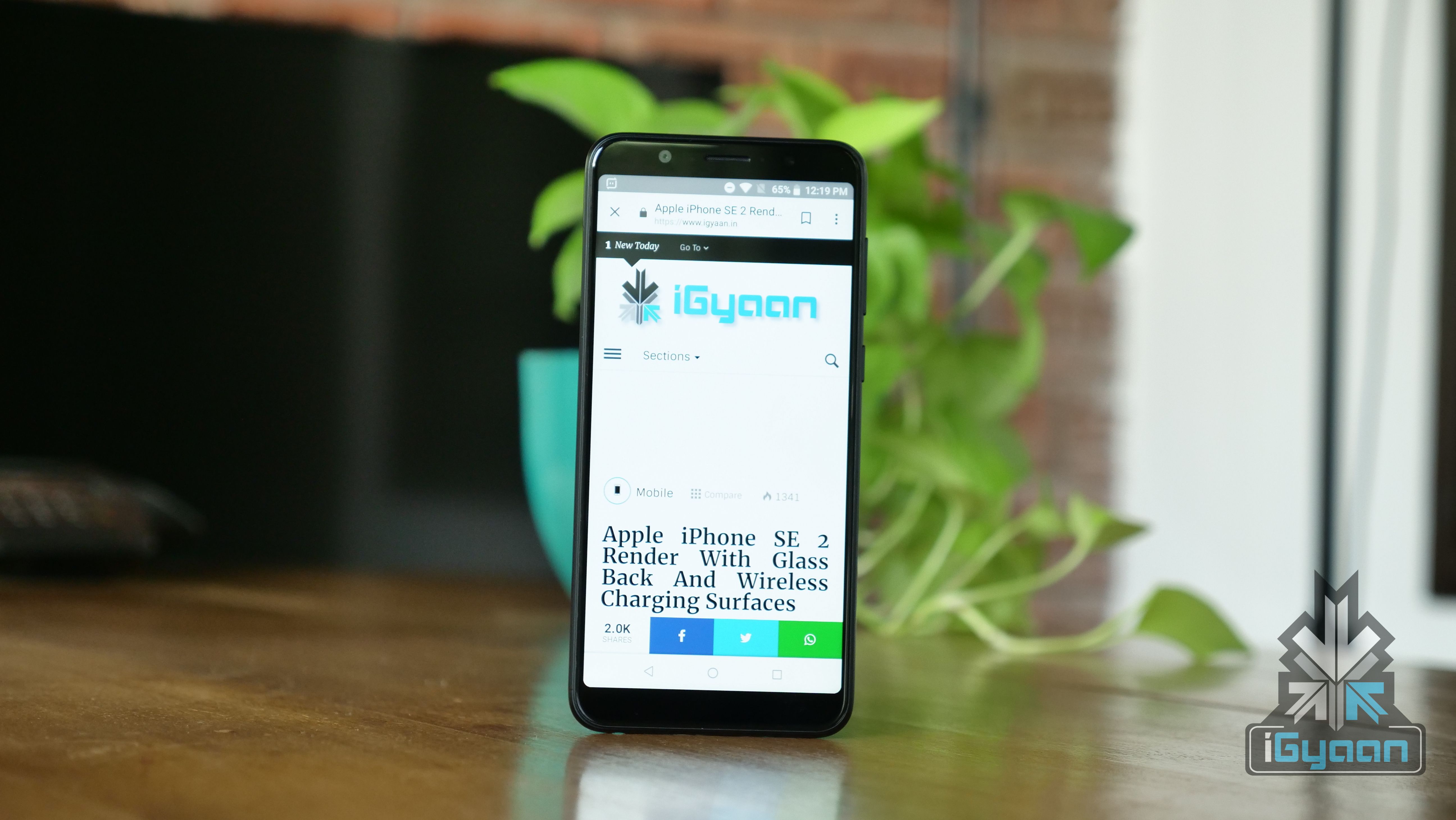
While for a while there have been serious doubts about the existence of the Apple iPhone SE 2. Despite the fact that, a lot of leaks and renders point towards the existence of the iPhone SE 2. We recently learned that the iPhone SE 2 could be launched in May instead of June at WWDC 2018. Now, a new render by prolific leaker/render artist, Venya Geskin has revealed the possible design of the iPhone SE 2.
New iPhone (probably SE2) coming soon – code name: Jaguar Glass Case, Wireless Charging, In Mass Production already. pic.twitter.com/vhcq71VPxJ
In the tweet, Geskin mentions that the iPhone SE 2 will have a glass back and also feature wireless charging. Apart from that, he claims that the iPhone SE 2 is under mass production already which means Apple could soon launch the smartphone. This information corroborates with a previous report that claimed that the iPhone SE 2 will launch in May and also feature wireless charging. This is also inline with reports from our source that claims that iPhone SE 2 is already in production in India. If true, the iPhone SE 2 will be the fourth iPhone ever to feature wireless charging, after the iPhone X, iPhone 8 and 8 Plus. Also, the iPhone SE 2 will be the most affordable iPhone with wireless charging.
The one thing this render doesn’t reveal is the presence or absence of the headphone jack. A previous report claimed that the iPhone SE 2 will not have a headphone jack, something that Apple has not provided in an iPhone since the launch of the iPhone 7 and 7 Plus.
We expect the iPhone SE 2 to be launched in India soon after its global launch, considering the success the iPhone SE has had in India. The Apple iPhone SE 2 could be manufactured in India at the Bengaluru plant, along with the current iPhone SE and the iPhone 6s Plus. The iPhone SE 2 for certain markets like India could also feature Dual- SIM capability as there are already reports of the Apple launching iPhones with this capability. The iPhone SE is Expected to Start at US$ 550 for the 64 GB variant. In India the iPhone SE 2 can launch for around Rs. 36,999.