Blog

  • HTC U12+ To Launch On May 23rd

    HTC U12+ To Launch On May 23rd

    Flagship smartphones in 2018 have not disappointed so far. From the Samsung Galaxy S9 to the Huawei P20 Pro, we have seen some impressive flagship devices being launched. A few high profile launches are scheduled for the month of May. The LG G7 ThinQ was launched on the 2nd of May while the OnePlus 6 will be unveiled on May 16th in London. Now, HTC has announced that it will launch a new smartphone on the 23rd of May. The company is expected to launch its follow up to the HTC U11, the HTC U12 or HTC U12+.

    The teaser shows the upcoming device stripped to its bare bones. While companies usually resort to showing glimpses of the design of the smartphone, HTC has gone for something different. The caption, “A phone that is more than the sum of its specs,” is either a cliched tagline or a hint at the name of the smartphone. Recently, we have seen leaks of the HTC U12+, suggesting that the company might launch the U12+ instead of the U12. A ‘Plus’ moniker could signify a huge upgrade over the HTC U11+ since technically, it does succeed the U11+ and not the U12+.

    The HTC U11 was a well-received smartphone even though it did not have a dual-camera setup or thin bezels. The device’s camera performance and build quality were appreciated and we expect HTC to build on that with the HTC U12+. The HTC U11+, launched in November 2017 became HTC’s first smartphone to sport an 18:9 aspect ratio and thin bezels.

    The HTC U12+ is also expected to have an 18:9 aspect ratio and an all-glass build. According to a recent leak, the HTC U12+ might have a 5.99 inch IPS LCD display with 2960 x 1440 px resolution QHD+ panel. Under the hood, the device will run on the latest Qualcomm Snapdragon 845 Octa-core chipset. The base variant might have 6GB RAM and 128GB storage. The smartphone might have a 3420 mAh Li-ion battery and run Android 8 Oreo out of the box.

    The U12+ will also be the first HTC flagship smartphone to sport a dual-camera setup on the back. Leaks suggest that it would be a 16MP primary sensor paired with a 12MP secondary sensor. The type of sensors used has not been revealed yet.

    The launch of the U12+ is a few days away and as we move closer to the launch, more details about it are expected to be leaked. We will keep you updated with all the news about the HTC U12+.

  • Apple iPhone SE 2 Renders With Face ID And iPhone X Style Notch Leaked

    Apple iPhone SE 2 Renders With Face ID And iPhone X Style Notch Leaked

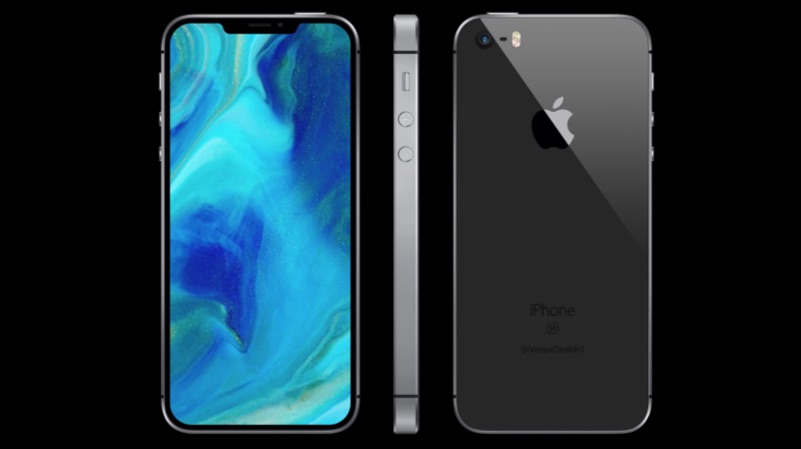
    The Apple iPhone SE 2 is one of the most highly anticipated smartphones of 2018. The follow-up to the successful iPhone SE has divided opinions and renders for the past few months. Some reports claim that Apple will play it safe and not tweak the design too much with iPhone SE 2. The other side of the spectrum consists of renders that claim that the iPhone SE 2 will have a design similar to the iPhone X complete with Face ID and a notch.

    New renders posted on Twitter by popular leaker Ben Geskin reveal the iPhone SE 2 as an extension of the iPhone X. According to the renders, the iPhone SE 2 will have a bezel-less design and a notch, just like the iPhone X. There is no chin on the iPhone SE 2 here, which means no LCD display. Since Apple folds the display from the bottom to get rid of the chin, an OLED panel is necessary for that. If this turns out to be true, the iPhone SE 2 will likely have a better display than the iPhone 8/8Plus which have an LCD panel.

    Must Read: 2018 Apple iPhone With LCD Display Won’t Have 3D Touch

    Geskin first posted renders of the iPhone SE 2 without a glass back. However, he followed that up with two separate renders of the iPhone SE 2 sporting a glass back. One of those images were of the iPhone SE 2 with an iPhone 4-like back. For people who don’t remember, the iPhone 4 had a glass back after which Apple moved on to an aluminium back. An iPhone X-style front mixed with an iPhone 4 back does give the iPhone SE 2 a very interesting look.

    One thing consistent with all iPhone SE 2 renders is the presence of a single camera on the back of the smartphone. Apple will likely use the iPhone 7 sensors for the iPhone SE 2. Under the hood, the iPhone SE 2 is expected to run on the Apple A10 Fusion chipset, the same SoC that powers the iPhone 7/7 Plus and the new entry-level iPad.

    Must Read: OnePlus 6 To Launch In India On May 17th

    We expect the iPhone SE 2 to launch before WWDC 2018 commences in June. This means that the iPhone SE 2 could be launched in May, joining a huge list of other flagship devices launching in this month. India will be one of the first few countries where the Apple iPhone SE 2 goes on sale. It will be manufactured at the Bengaluru plant where the current iPhone SE and iPhone 6s Plus are manufactured.

  • Asus Zenfone Max Pro Receives Face Unlock Feature Via New Software Update

    Asus Zenfone Max Pro Receives Face Unlock Feature Via New Software Update

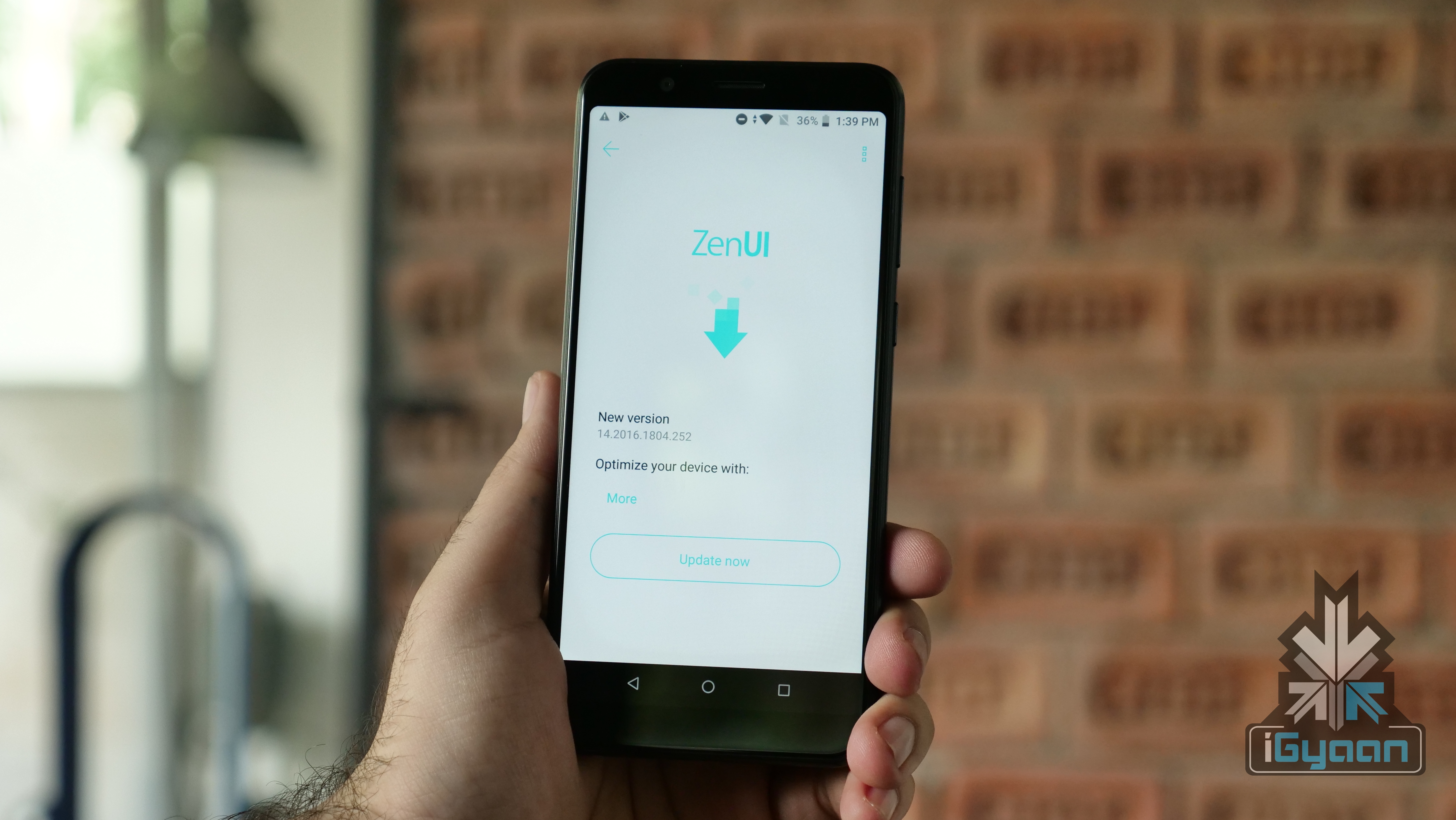
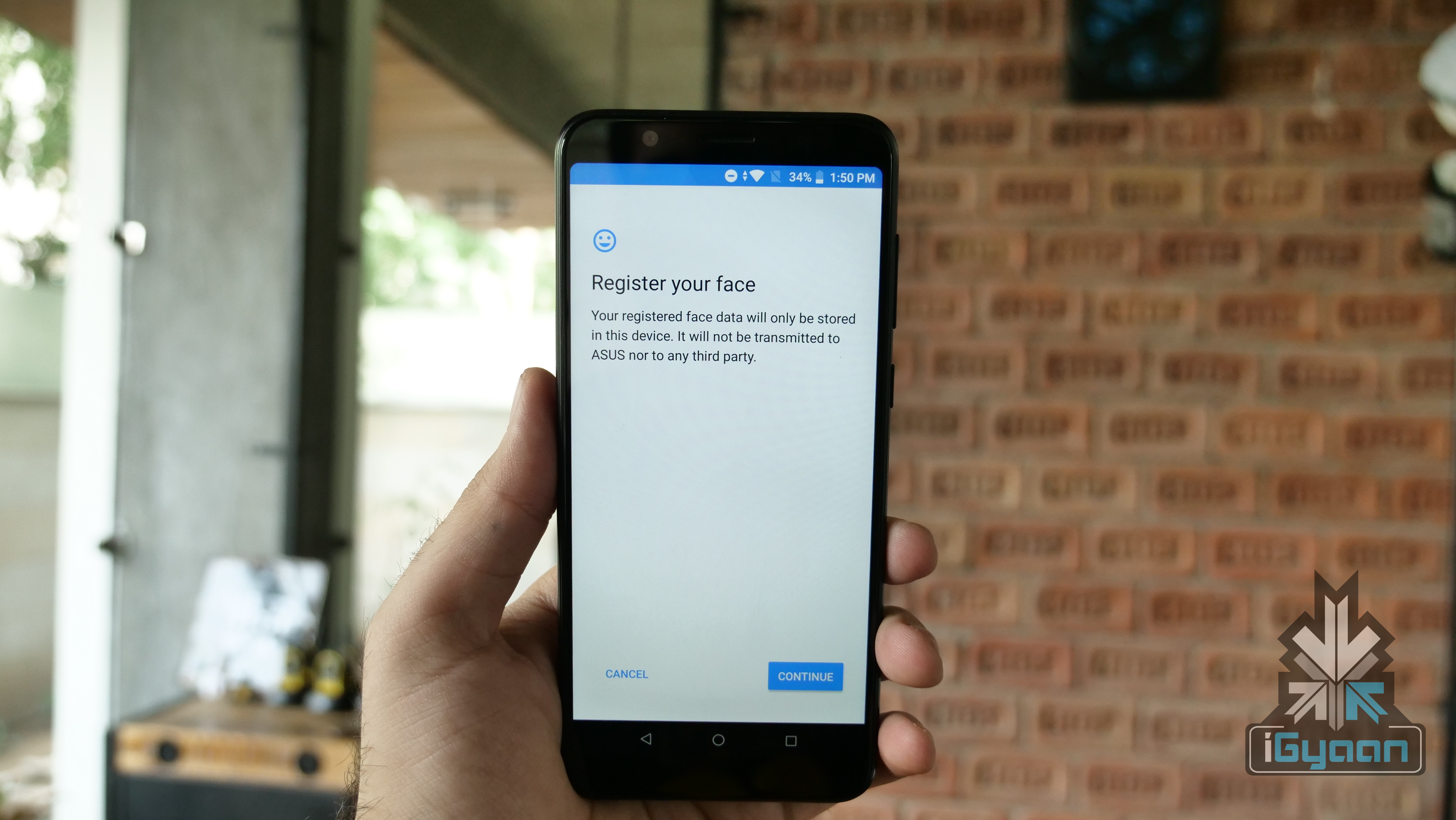
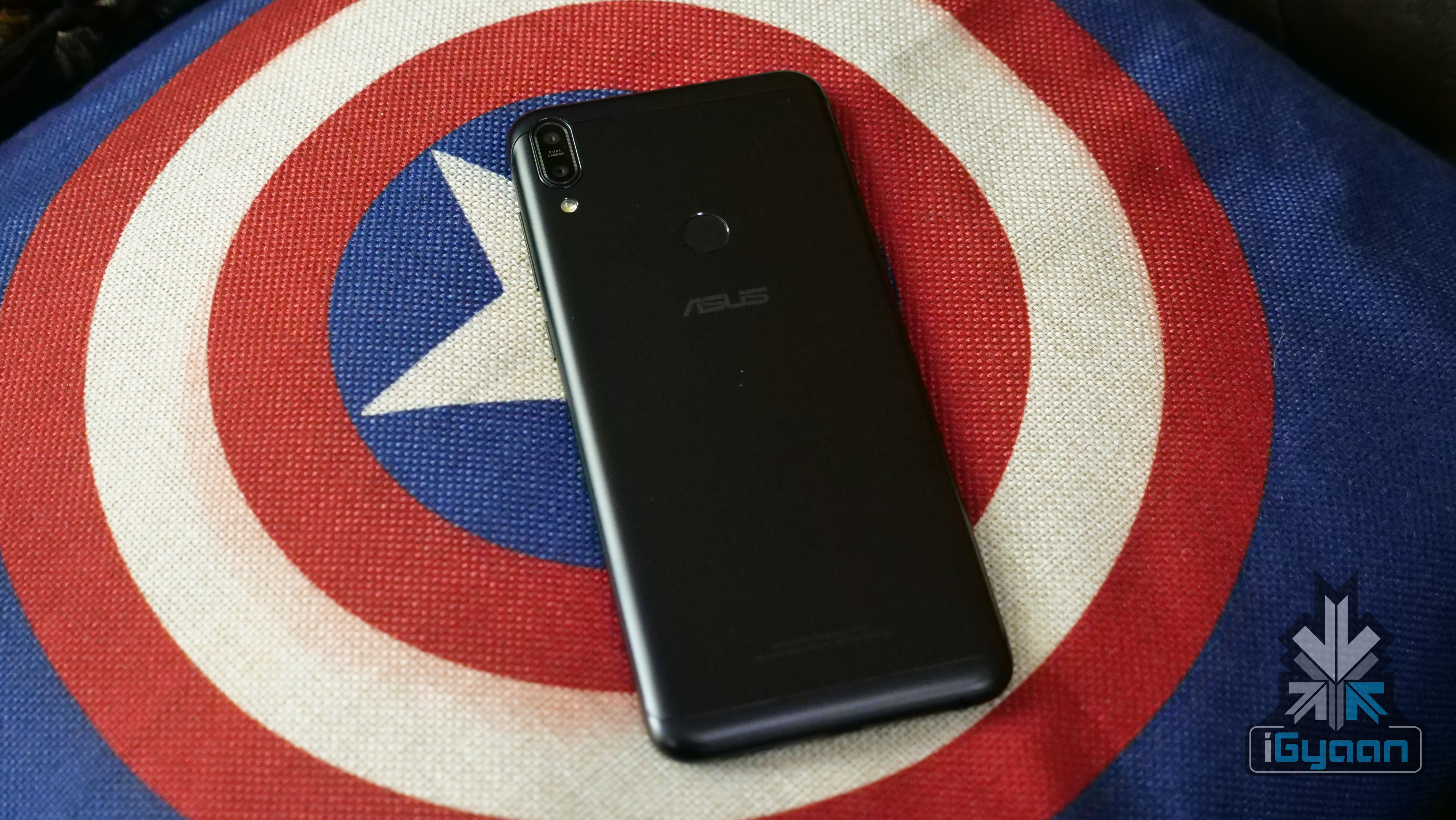
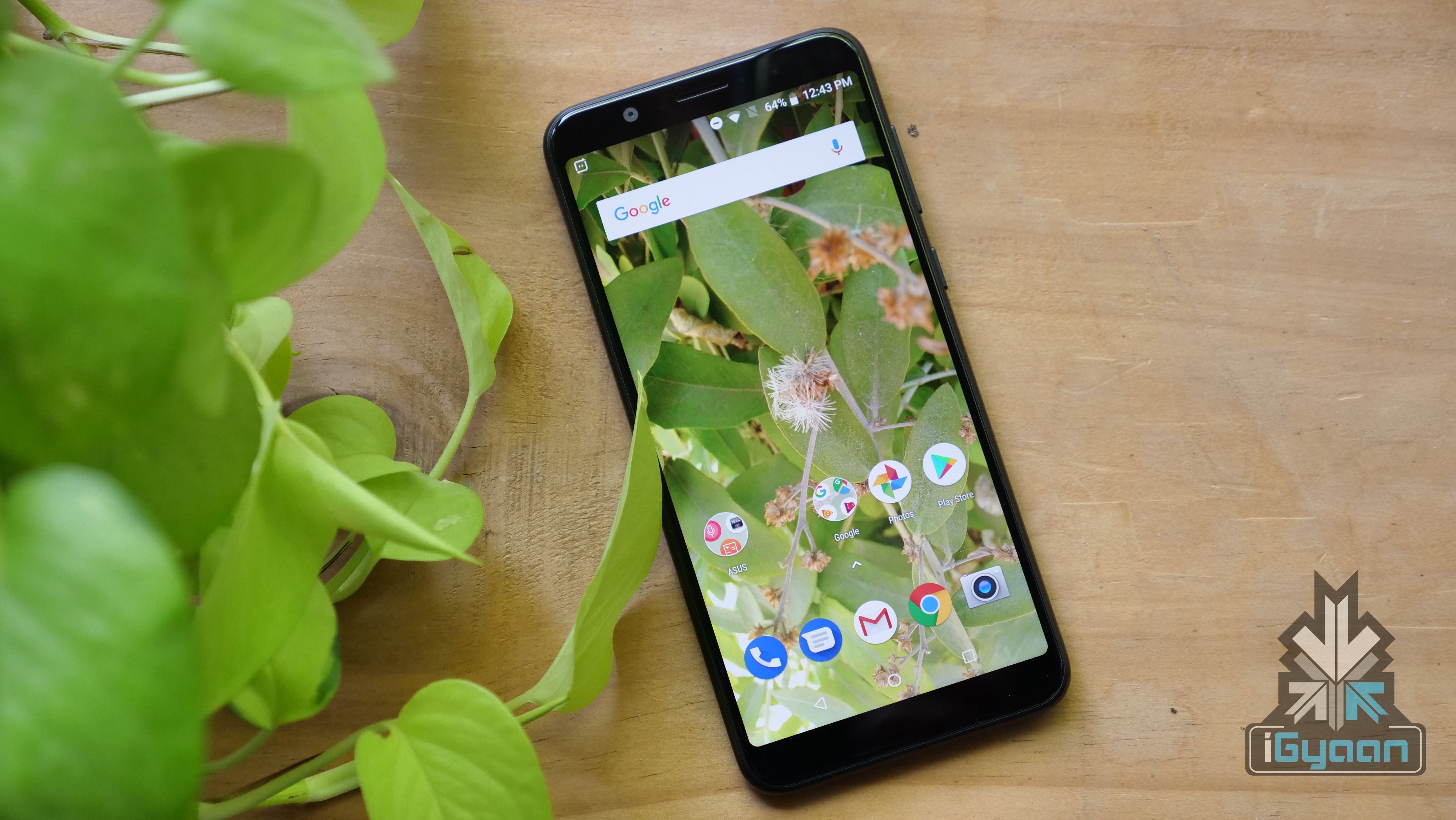
    Asus launched its new budget smartphone, the Asus Zenfone Max Pro on April 23rd. The smartphone retails for Rs 10999 for the base variant and the company has already promised to launch a 6GB RAM variant with better camera performance. Asus has been pushing out a few software updates to the Zenfone Max Pro before its first sale and the new update brings the Face Unlock feature to the device.

    The Face Unlock feature is definitely the marquee addition with the new software. However, there are a few other changes that might improve the day-to-day usage of the smartphone. The update brings improvement to the gyroscope functionality and some audio parameters. Asus claims that the response speed of the fingerprint sensor will also improve. There are a few improvements in the camera department as well like colour correction, HDR Algorithm, low light photography and more.

    Must Read: Asus Zenfone Max Pro Vs Xiaomi Redmi Note 5 Pro

    The Asus Zenfone Max Pro is also only the second smartphone running on the Snapdragon 636 chipset to be launched in India. This means that it is a direct competitor of the highly popular Xiaomi Redmi Note 5 Pro.

    Without a doubt, one of the highlights of the Zenfone Max Pro is its battery capacity. It is powered by a 5000 mAh battery while the size and weight of the smartphone are almost equivalent to that of the Redmi Note 5 Pro. For context, the Redmi Note 5 Pro is powered by a 4000 mAh battery. However, the Zenfone Max Pro will charge via a micro USB port which means it could take a while to fully charge from 0%.

    Must Read: Xiaomi Redmi Note 5 Pro Price Hiked 

    The Asus Zenfone Max Pro is available in two variants in India for now, one with 3GB RAM and 32GB storage and the other with 4GB RAM and 64GB storage You can buy it by clicking here. At the launch, the company also announced that a 6GB RAM/128GB storage variant with better camera capabilities will be launched at a price of Rs 14999.

    That 5000 mAh battery will be powering a 5.99 inch IPS LCD display with a 2160 x 1080 px resolution.

    So far, Asus smartphones have had the custom ZenUI on top of Android. However, Asus has gone the stock Android route with the Zenfone Max Pro. Out of the box, the Zenfone Max Pro will run on Android 8.1 Oreo, which is the latest version of Android available right now. Asus has also promised timely software upgrades for their new budget smartphone up to Android Q.

  • LG G7 ThinQ To launch In India On May 25th

    LG G7 ThinQ To launch In India On May 25th

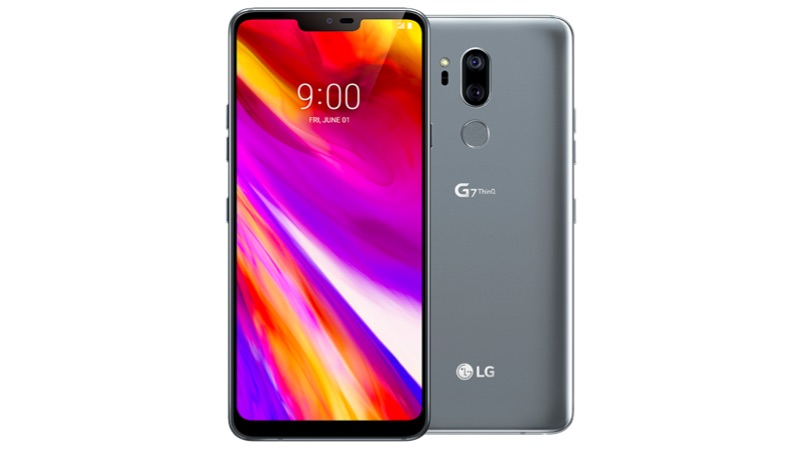
    After a rehashed launch strategy and new design, the LG G7 ThinQ is official. LG has launched its new flagship smartphone with an unusually long name that might put some people off. Nevertheless, the smartphone has high-end specs, build and design as the company plans to resurrect its smartphone business.

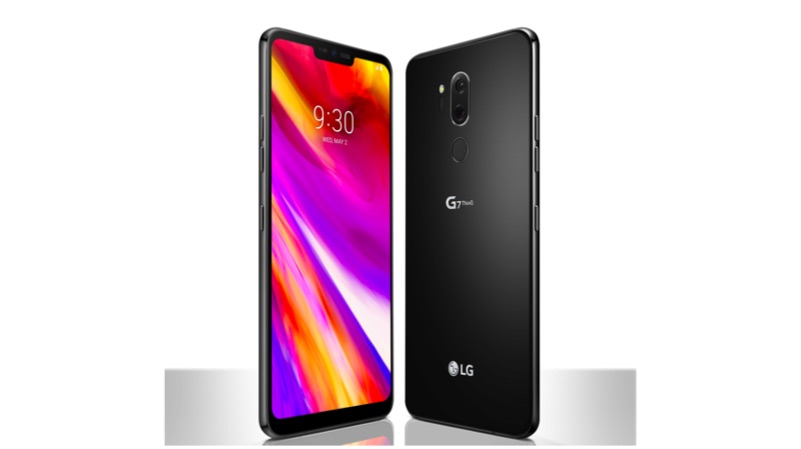
    The G7 ThinQ will launch in India on the 25th of May and could be priced at Rs 54999 for the 4GB RAM model. The company has announced that the smartphone will be available in Platinum Gray, Aurora Black, Moroccan Blue and Raspberry Red colour variants. Even before the launch, LG started hinting at a few new features of the LG G7 ThinQ like its Boombox speakers. Apparently, this speaker will increase the base sound level by more than 6dB with twice the amount of bass. LG believes that this translates to more than ten times the loudness than that of an average smartphone. The bass can further be amplified by placing the device on a solid surface or box.

    Colour Variants

    The G7 ThinQ has a 6.1 inch IPS LCD display with a 3120 x 1440 px resolution. The device has a 19.5:9 aspect ratio which will come in handy when the user decides to hide the notch.

    Under the hood, the smartphone runs on the latest Qualcomm Snapdragon 845 chipset coupled with 4GB of RAM and 64GB of onboard storage. The storage will be expandable via a microSD card. Powering the G7 ThinQ is a 3000 mAh battery with QuickCharge 4.o and wireless charging. The G7 ThinQ+ will have 6GB of RAM and 128GB of onboard storage.

    The new flagship smartphone will run Android 8 Oreo out of the box LG’s AI Pack 2.0. LG has announced that it plans to push out an update for Android P as soon as Google launches it.

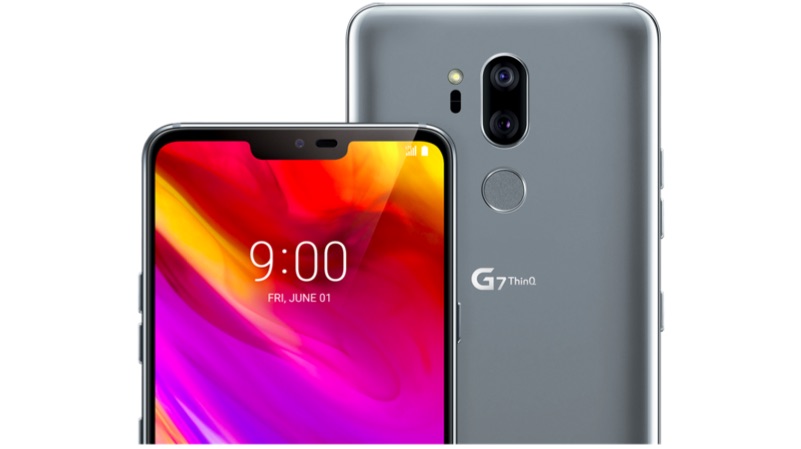
    The fingerprint sensor placed on the back of the smartphone no longer doubled up as a power button. The power button now sits on the right side of the device in a more conventional position. Interestingly, there is a Google Assistant button placed below the volume rockers on the left side. The button is not remappable right now and can only be disabled if a user is not a fan of the Google Assistant. AI is a theme well spread out throughout LG’s UI here. The camera app has an AI Cam button wherein the camera can sense a scene and automatically tweak certain settings for, theoretically, a better shot.

    To the back of the smartphone is a vertically placed dual-camera setup. The primary 16MP wide-angle sensor has an f/1.9 aperture while the secondary 16MP RGB sensor has an f/1.9 aperture. To the front of the device is an 8MP camera with an f/1.9 aperture.

    The LG G7 ThinQ looks a lot like an Android flagship smartphone of 2018 with a notch and an all-glass design. How well it resonates with LG loyalists and Android users, in general, is a question that only time will answer. In India, the G7 ThinQ will be up against the likes of the Galaxy S9, OnePlus 6 and even Xiaomi could launch the Mi MIX 2s in India soon.

  • LG G7 ThinQ Specifications Leaked Ahead Of May 2nd Launch

    LG G7 ThinQ Specifications Leaked Ahead Of May 2nd Launch

    The LG G7 ThinQ will launch on the 2nd of May. The smartphone was supposed to launch at MWC 2018 but, the company decided to skip the event and work on its next flagship a bit more. Now, after months of speculations around the future of LG G series of smartphones, the G7 ThinQ is ready for its debut. So far, the smartphone maker has revealed a few details about the device and now, detailed specifications of the G7 have been leaked.

    According to the report, the LG G7 ThinQ will probably be priced below under 640 Euros in some markets. This is a significantly lower price than the Galaxy S9 that retails for 849 Euros.

    LG revealed that the G7 ThinQ will have a 6.1 inch LCD display with a resolution of 3210 x 1440 px. The highlight of the LG G7 ThinQ, according to the company, will be the brightness of the display. The ‘Super Bright Display’ goes up to 1000 nits while consuming up to 30% less power than the LG G6’s. Apparently, the screen also covers 100 percent of the DCI-P3 colour gamut. The specifications mentioned are not the best in class or nothing we haven’t seen before. However, if LG is talking up the display of the G7 ThinQ so much, then there has to be something in the execution that LG has done differently.

    The LG G7 ThinQ will have a 19.5:9 aspect ratio, same as the iPhone X and taller than the 18:9 G6. This taller aspect ratio is the result of a notch on the display which has become quite common for Android smartphones in 2018. LG has also claimed that the chin of the G7 ThinQ is about 50% smaller than the chin on the G6. However, it still won’t be as thin as the iPhone X and would be comparable to the OnePlus 6 (which also has a notch).

    Under the hood, the G7 will run on the Qualcomm Snapdragon 845 chipset which will be coupled with either 4GB or 6GB RAM and 64GB of onboard storage. The fingerprint sensor will sit on the rear of the device which won’t double up as a power button. The power button has now been moved to the side of the smartphone in a more conventional position. Also, the G7 ThinQ will have a hardware button dedicated to the Google Assistant, just like the Bixby button found on new Galaxy flagship devices.

    Powering the device will be a 3000 mAh battery and support for QuickCharge 4.0. The G7 ThinQ will run Android 8 Oreo out of the box with LG’s own custom skin on top. According to the LG, the upcoming smartphone will have a “Boombox Speaker.” Apparently, this speaker will increase the base sound level by more than 6dB with twice the amount of bass. LG believes that this translates to more than ten times the loudness than that of an average smartphone. Considering the size of the smartphone, this could be a remarkable achievement for LG. The bass can further be amplified by placing the device on a solid surface or box.

    The G7 ThinQ will also have a dual-camera setup on the back. The 16MP primary camera will be an RGB sensor with an f/1.6 aperture while the secondary 16MP camera will also have the same f/1.6 aperture. Similar to previous gen LG flagship devices, the secondary 16Mp camera could also be equipped with a wide-angle lens.

    The LG G7 ThinQ has a huge job of reviving a dwindling smartphone business of LG. With a refreshed design and new launch strategy, the LG G7 ThinQ would want to replicate the success of some of the earlier LG smartphones.

  • WhatsApp Co-Founder Jan Koum Leaves Facebook Amid Data Privacy Concerns

    WhatsApp Co-Founder Jan Koum Leaves Facebook Amid Data Privacy Concerns

    Facebook has been embroiled in a huge debate about the internet as a whole. As social media has grown to become such an integral part of our lives, it is no secret that users have given more personal information than needed to various social media platforms over the years. Facebook has been under the cosh for allegedly, not using that information in an ethical manner. Now, it appears that the conversation of privacy has trickled down to Facebook-owned properties, mainly WhatsApp. Co-founder and CEO of WhatsApp, Jan Koum has announced that he will be leaving WhatsApp soon.

    https://www.facebook.com/jan.koum/posts/10156227307390011

    Jan took to his Facebook page to announce his departure, making sure he doesn’t give away any reasons that made him quit the company he started. A report by Washington Post claimed that he had a clash with Facebook and the company’s plans of using users’ private data. It also claimed that Jan plans to step down from Facebook’s board of directors.

    In 2014, Facebook bought WhatsApp from Jan for a reported US$ 19 billion. The app has since become the most famous instant messaging service. In July 2017, the company announced that it had reached 1 billion active daily users who were sending 55 billion messages per day, 4.5 billion photos and 1 billion videos.

    Jan Koum

    WhatsApp has always pledged to protect user data and promised to protect that when Facebook bought the messaging service. In 2016, it further solidified its stance by introducing end-to-end encryption. However, Facebook, WhatsApp’s parent company has been accused of letting third parties use sensitive user data to their advantage. His departure will certainly be a blow for Facebook, especially after Brian Acton, co-founder of WhatsApp quit the company in November. Brian Acton, for that matter, has joined the rising voices of people concerned about data protection. The social media campaign, #DeleteFacebook has also gained impetus in the last few months.

    Facebook is yet to respond to reports of Jan quitting due to differences with Facebook about handling user data. However, Mark Zuckerberg, CEO of Facebook did reply to Jan’s post, saying:

    I will miss working so closely with you. I’m grateful for everything you’ve done to help connect the world, and for everything you’ve taught me, including about encryption and its ability to take power from centralized systems and put it back in people’s hands.

    It’ll be interesting to see the repercussions now since both the founders have quit the company. Facebook will be eager to continue building the legacy of its largest-ever acquisition in the wake of questionable times for the parent company.


  • Xiaomi Mi 7 Leak Reveals It Will Have An iPhone X Like Notch

    Xiaomi Mi 7 Leak Reveals It Will Have An iPhone X Like Notch

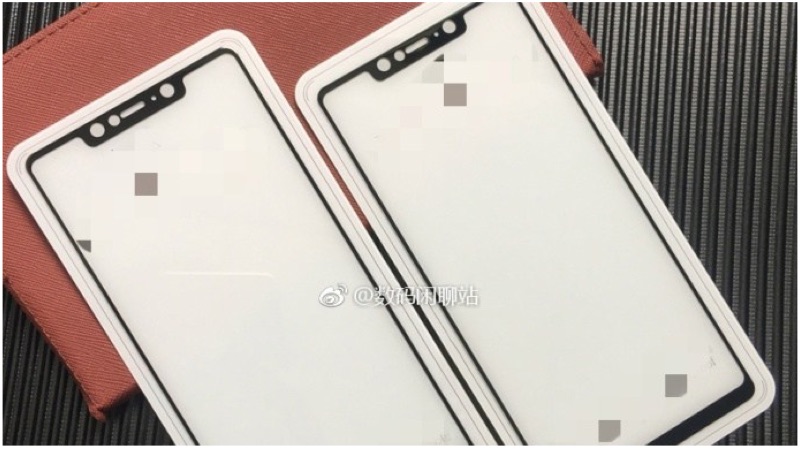
    Most of the flagship smartphones in 2018 will have a notch. We have already seen a few Android OEMs embracing the notch and upcoming smartphones like the OnePlus 6, LG G7 ThinQ will also sport it. Xiaomi was expected it to launch the Mi MIX 2s with a notch but, the company stuck to its original MIX design and avoided a lot of backlash. However, it looks like Xiaomi will give in to the industry trend with the launch of the Mi 7. New images of the Mi 7’s tempered glass reveal that it will have a notch as well.

    The images do look real are taken from different angles. Unlike a lot of leaked images, these are high-res images giving us a clear view of what the display of the Mi 7 might look like. It is clearly visible that the glass has a cutout for a fairly large notch. It is worth noting that this notch is bigger than the ones found on the Huawei P20 Pro, Asus Zenfone 5Z or even the upcoming OnePlus 6. In fact, it resembles the iPhone X in terms of the size of the notch.

    Must Read: 2018 Apple iPhone With LCD Display Won’t Have 3D Touch

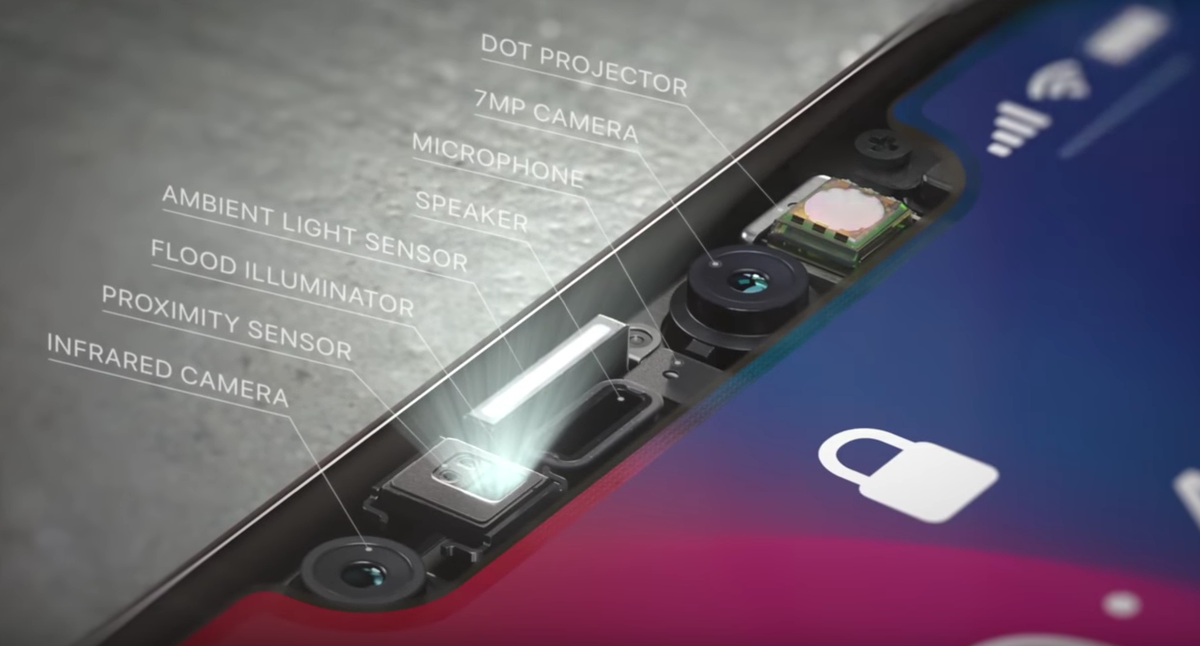
    The reason behind a bigger notch compared to other Android devices could be facial recognition. For weeks it has been rumoured that the Xiaomi Mi 7 will have an iPhone X like facial recognition system. This means that its Face Unlock feature won’t rely on just software and have the hardware for a much secure facial recognition system. Hence, there are quite a few cutouts in the notch as well. These cutouts could be for the depth-sensing cameras, similar to the iPhone X.

    iPhone X Face ID

    A previous report claimed that this technology won’t make its way to the market before the third quarter of 2018, which is when we can expect the Mi 7 to be launched. The report also mentions that Qualcomm, Himax Technologies and Truly Opto-Electronics have a joint venture for creating a 3D sensing module. However, this only works on the Qualcomm Snapdragon 845 platform. Since smartphone makers like Samsung and Huawei use their own chipset, they won’t be the first OEMs to introduce Face ID like technology on an Android smartphone.

    Must Read: OnePlus 6: Everything We Know So Far

    This means that a recent leaked official-looking poster of the Mi 7 is fake. The poster claims that the Mi 7 will be launched on the 23rd of May. The Xiaomi Mi 7 will certainly be an exciting Android smartphone with its 3D facial recognition technology. However, it does seem that the launch of the Mi 7 is still a few months away. So far, a launch in the third quarter of 2018 seems most likely.


  • OnePlus 6 Price In India Leaked, Starts At Rs 36999

    OnePlus 6 Price In India Leaked, Starts At Rs 36999

    The OnePlus 6 is scheduled for a global launch on the 16th of May in London. That will be followed up by launch events in China and Mumbai on the 17th of May. So far, OnePlus has been teasing a few of the features of the OnePlus 6 but, has steered clear of revealing anything related to the price of the device. However, a new leak has shed some light on the possible pricing of the OnePlus 6 in India.

    According to a report, the 64GB storage variant of the OnePlus 6 will be priced at Rs 36999 while the 128GB storage variant will retail for Rs 39999. OnePlus will also launch a 256GB variant of the smartphone that will be paired with 8GB of RAM. The leak does not disclose the price of this particular variant. A previous leak suggested that the OnePlus 6 256GB variant could cost a whopping Rs 48999, however, OnePlus claimed that to be untrue.

    OnePlus 6

    It is worth noting that True-Tech.net, the source of this report accurately leaked the price of the OnePlus 5 before its launch in July 2017. The pricing, however, does not fall in line with what our sources have revealed. With the company trying to keep the excitement going for the OnePlus 6, the base variant is expected to launch for Rs. 34999.

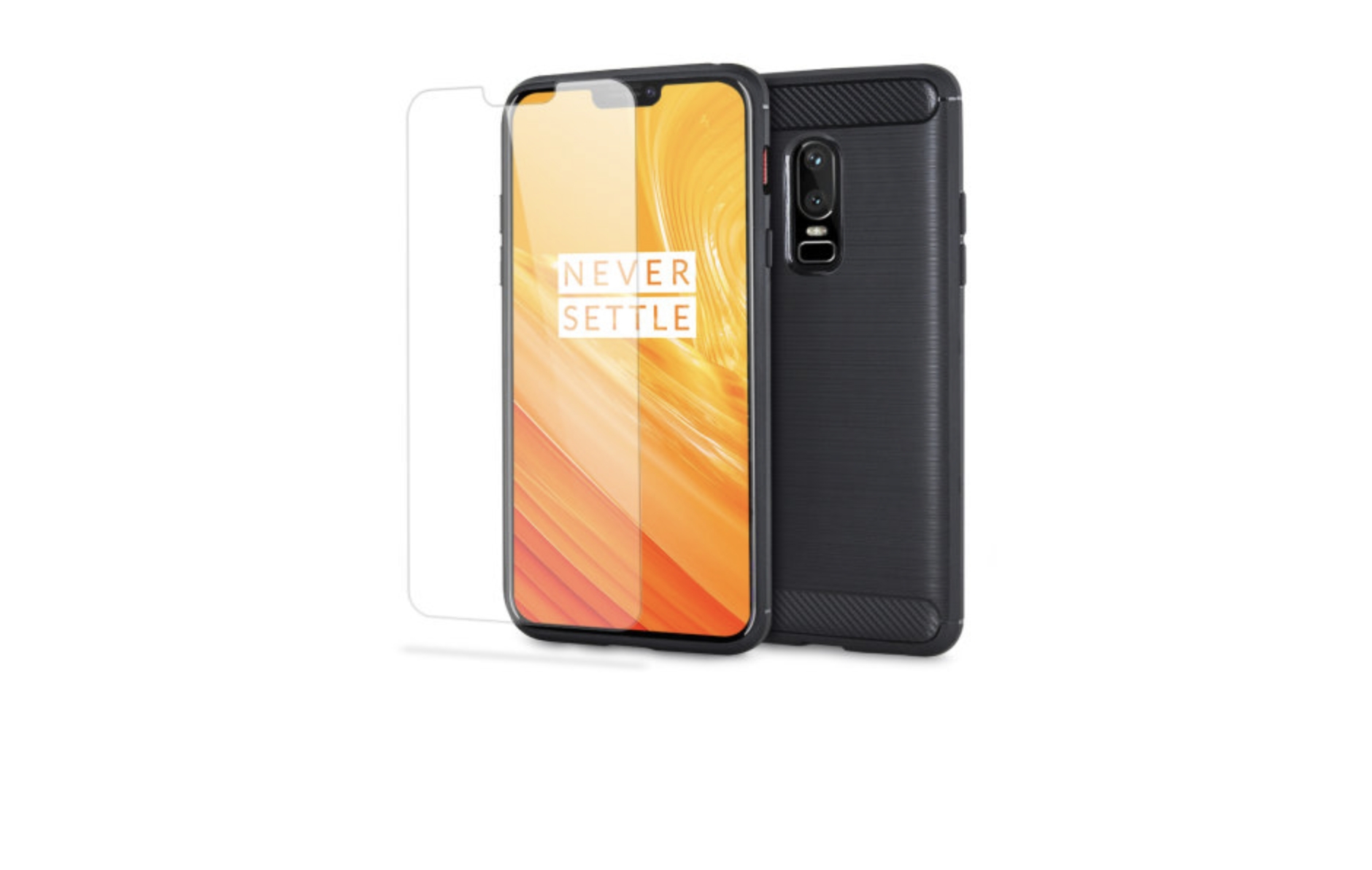
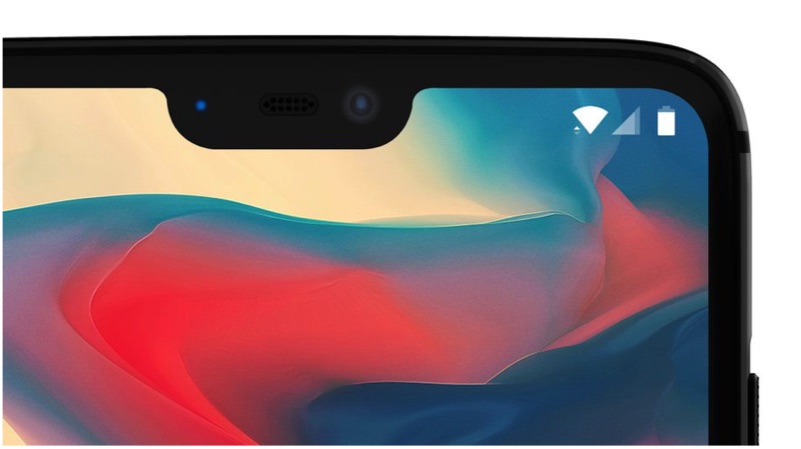
    OnePlus has been slowly creating a hype around the OnePlus 6 by teasing a few interesting features on social media. So far, the company has already confirmed that the smartphone will have a notch, an all-glass build and design and run on the Snapdragon 845 chipset. We also know that the OnePlus 6 will be water resistant, although the exact certification is still not clear.

    Must Read: OnePlus 6 Everything We Know So Far

    Renders of the OnePlus 6 reveal that this time around, the dual-camera setup on the back will be placed vertically, similar to the Samsung Galaxy S9+. WIth the notch, we expect the screen-to-body ratio of the nePlus 6 to be superior to that of the 5T. The smartphone has also been confirmed to be an Amazon exclusive smartphone in India, like its predecessors. However, like it did with the OnePlus 5 and OnePlus 5T, the 6 will also, eventually, make its way to offline stores as OnePlus is now trying to capture a market that strays away from shopping online.

    OnePlus 6

    The OnePlus 6 goes on sale in India on the 21st of May. Whether the smartphone will be sold out in a few seconds or not, will depend on the pricing. The launch is a few days away where the official pricing of the smartphone will be revealed.

    Read Also: 2018 iPhone Lineup Revealed 

  • Xiaomi Could Launch 2 Android One Devices In India

    Xiaomi Could Launch 2 Android One Devices In India

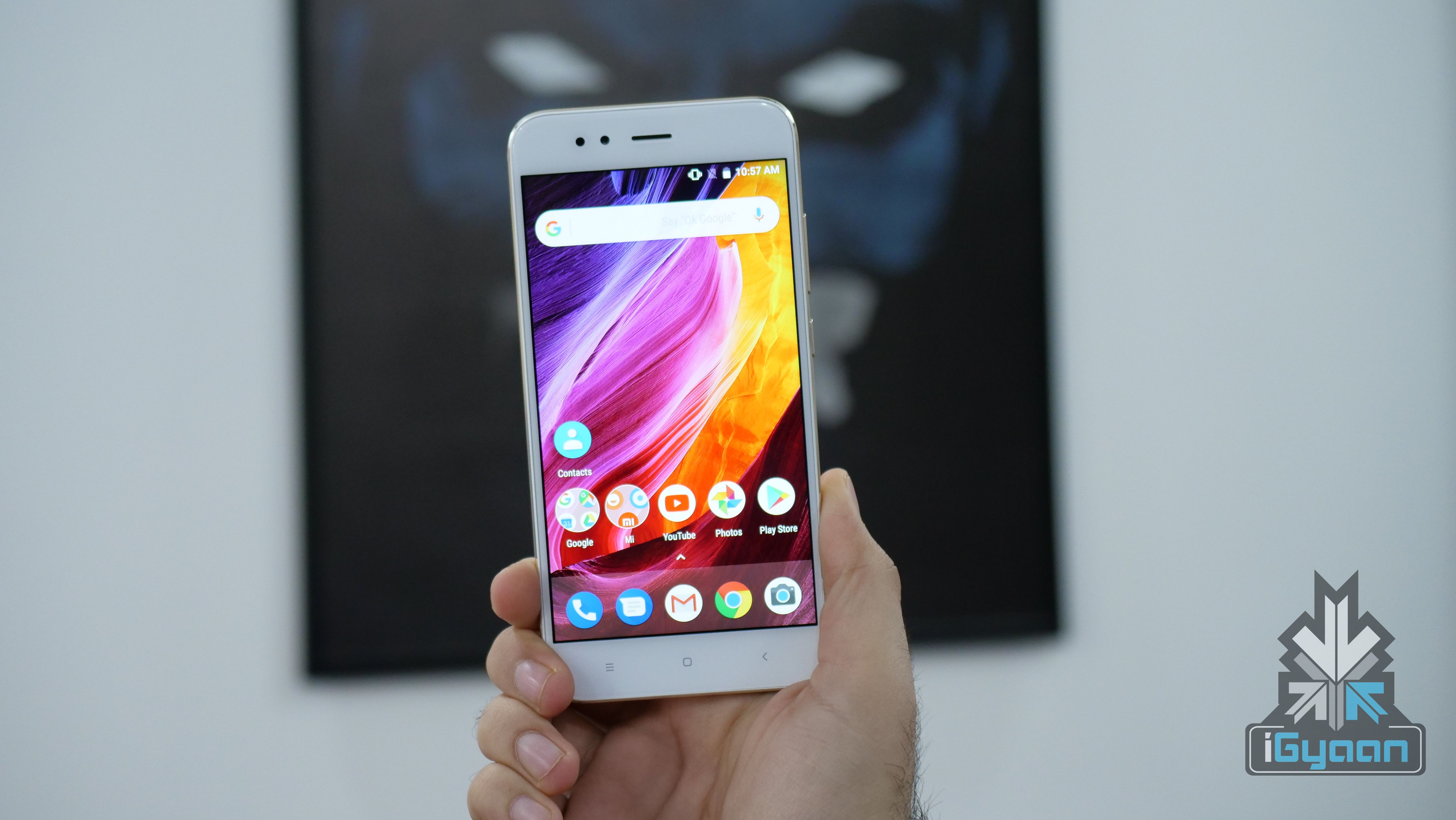
    On September 5th, 2017, Xiaomi launched the Mi A1 in India. It was the first-ever Xiaomi smartphone to run stock Android OS and so far, it is the only one. On 25th April, Xiaomi launched the Mi 6X in China, which is highly anticipated to succeed the Mi A1 in India. That is mainly due to the fact that the Mi A1 was nothing but a rebranded Mi 5X. Hence, a similar move is expected from Xiaomi this year as well. However, it appears that Xiaomi might be planning something else for its stock Android loving Indian consumers. New firmware files obtained by XDA Developers reveal that the company might launch two Android One smartphones in India.

    Xiaomi Mi A1

    Along with a Mi series Android One device, Xiaomi is expected to launch a Redmi smartphone running stock Android OS as well. CEO of Xiaomi, Lei Jun hinted at this possibility last week:

    Yes, we plan to have more Android One devices. Some of our users in India seem to like stock Android, and we are willing to bring in more devices with Android One including the Redmi series.

    Now, the the firmware files of a device codenamed “daisy-sprout” were accessed. It is worth noting that the “sprout” was the codename for the first generation Android One devices. This Redmi Android One smartphone will run on the Qualcomm Snapdragon 625 chipset, the same SoC found in the Xiaomi Mi A1. However, considering this will be a Redmi device, it will be marketed as a budget smartphone.

    This is all the more interesting considering the Redmi S2 will soon launch in China. It is extremely likely that the Redmi S2 might be rebranded as an Android One device for India. If true, we can expect this Redmi Android One smartphone to be launched under Rs 10,000 in India.

    Mi 6X

    The next set of files retrieved are of a device codenamed “jasmine_sprout.” The codename of the Mi A1 was “tissot_sprout” where “sprout” signifies Android One. According to the report, the Mi A1 successor will be based on the recently launched Mi 6X but, whether it will be a rebranded Mi 6X or not can not be confirmed right now.

    Certain similarities between the mystery ‘Mi’ series Android One device and Mi 6X have been found. For starters, the “jasmine_sprout” will run on the Qualcomm Snapdragon 660 chipset, the same chipset found in the Mi 6X. Also, the Mi 6X and the Android One smartphone will have the same front-facing 20MP Sony IMX376 sensor.

    These files certainly point towards a Xiaomi strategy that wants to build on the success of the Mi A1 in India. It does make sense for Xiaomi to launch a more affordable Android One device considering how price sensitive the Indian market is. Having two solid offerings under Rs 10000 and Rs 15000 running stock Android OS could be a game changer for the Chinese smartphone maker.

  • Xiaomi Redmi Note 5 Pro Prices Hiked, Starts At Rs 14999 Now

    Xiaomi Redmi Note 5 Pro Prices Hiked, Starts At Rs 14999 Now

    Xiaomi has just announced that the Redmi Note 5 Pro has received a price hike. The budget smartphone’s base model with 4GB RAM and 64GB storage will now retail for Rs 14999 instead of its original price of Rs 13999. Manu Kumar Jain, MD of Xiaomi India announced the news via Twitter and said that the price hike is an effort to ramp up the supply of the smartphone after recent changes in PCBA import taxes and the depreciation of INR since the beginning of the year.

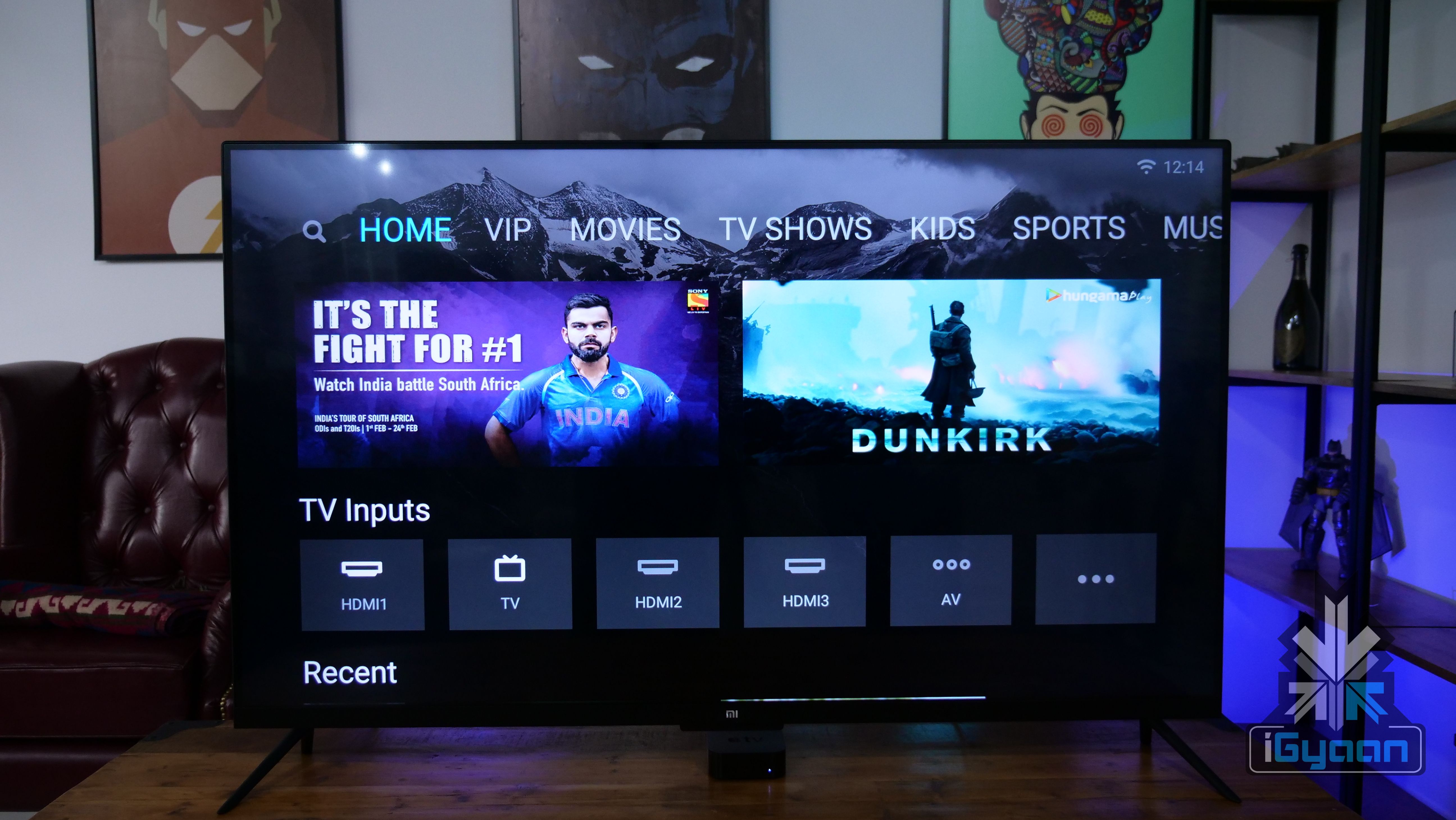
    The Mi TV 4, Xiaomi’s 55 inch smart LED TV has also received a price hike. The company has cited the same reasons and increased the price of the TV to Rs 44999. This is an increase of Rs 5000 since the original price of the television was Rs 39999. Xiaomi has also announced that it will honour the preorders of the Redmi Note 5 Pro and charge the consumers Rs 13999 only. For new orders and subsequent flash sales, the Redmi Note 5 Pro will retail for Rs 14999.

    Mi TV 4

    The Xiaomi Redmi Note 5 Pro was launched in India on the 14th of February at a starting price of Rs 13999. At the time of the launch, it was the only smartphone in India to run on the Snapdragon 636 chipset and is still one of the best budget smartphones in the country. However, we have recently seen strong smartphones being launched in that price category. Asus has launched the Zenfone Max Pro in India at a starting price of Rs 10999 which runs on the same Snapdragon 636 chipset. In fact, the Zenfone Max Pro also runs stock version Android 8.1 Oreo out of the box.

    Also Read: Xiaomi Redmi Note 5 Pro Vs Asus Zenfone Max Pro

    The price hike of Rs 1000 means that Xiaomi wants to get rid of the flash sales and increase the supply of the in-demand Redmi Note 5 Pro. However, in a price sensitive market like India, any sort of price hike can be colossal, especially considering that the Zenfone Max Pro is very able replacement for the Redmi Note 5 Pro.

  • Samsung Galaxy A6, Galaxy A6+ Design And Specifications Leaked

    Samsung Galaxy A6, Galaxy A6+ Design And Specifications Leaked

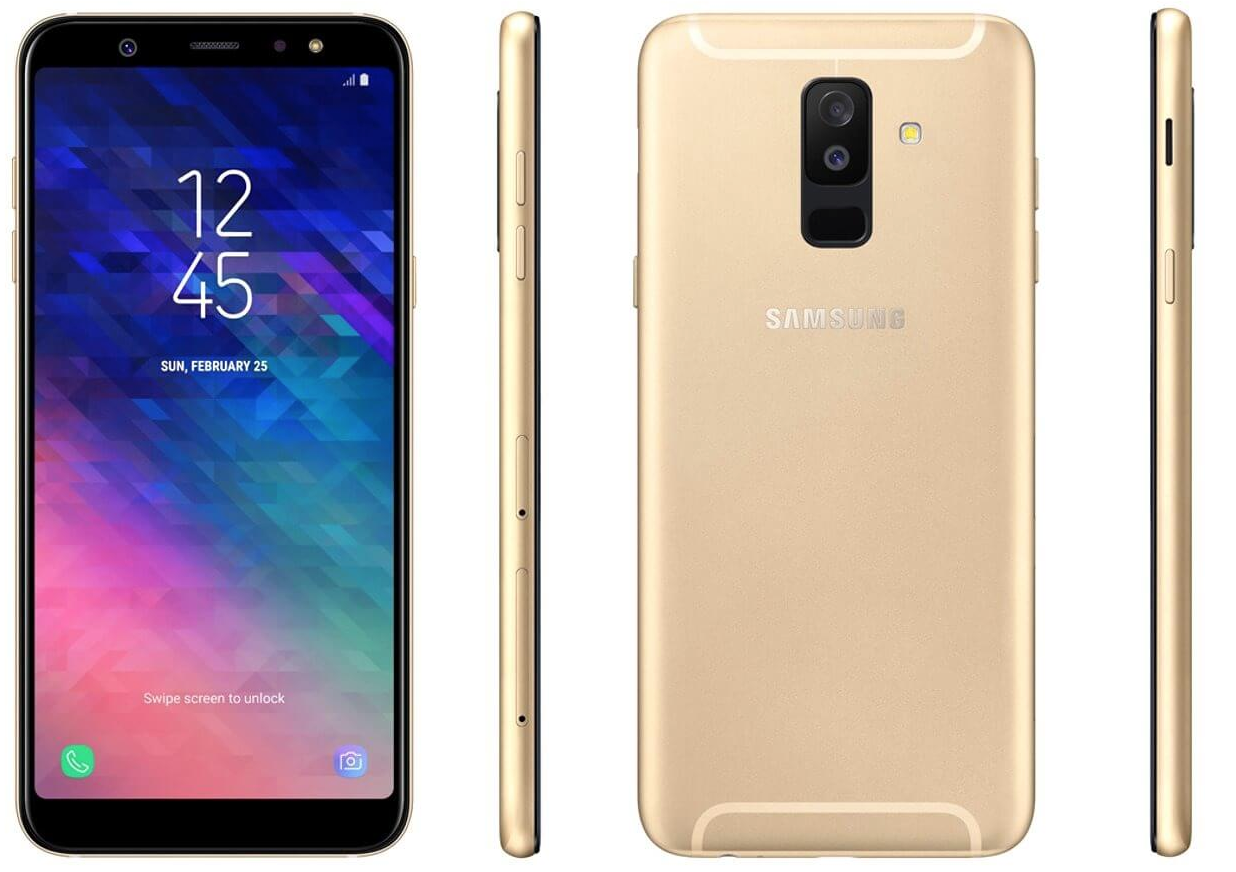
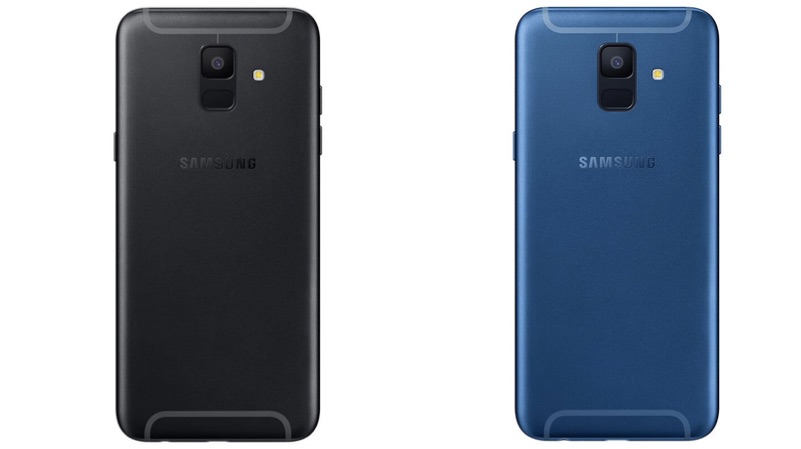
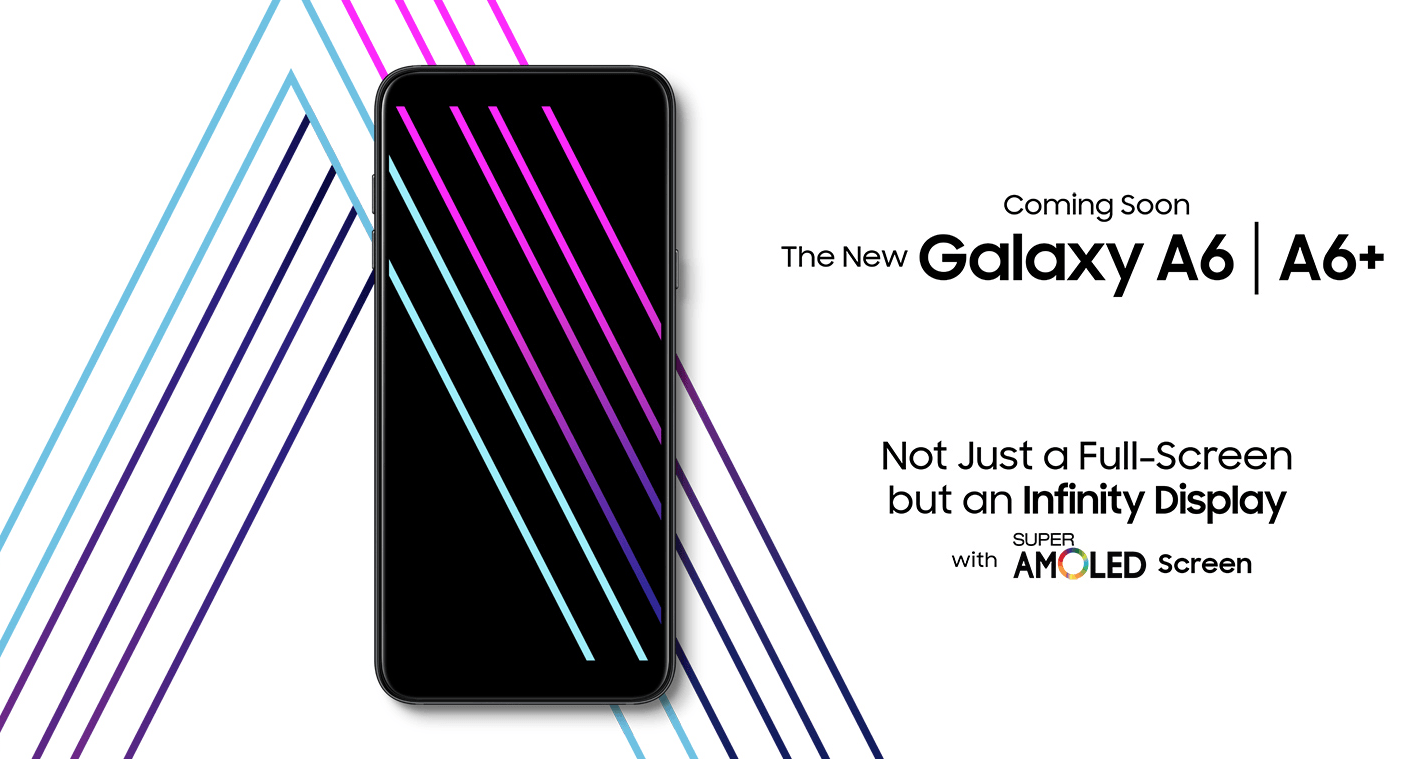
    Samsung launched the highly anticipated Galaxy S9 and S9+ in late-February. The two flagship smartphones have been well-received so far as more flagship smartphones are slated to launch in May. Now, Samsung is moving its focus to the budget smartphones and it appears that the company will soon launch the Samsung Galaxy A6 and Galaxy A6+. Multiple leaks and rumours have surfaced lately and now detailed specifications and design of the two smartphones have been leaked.

    Samsung Galaxy A6

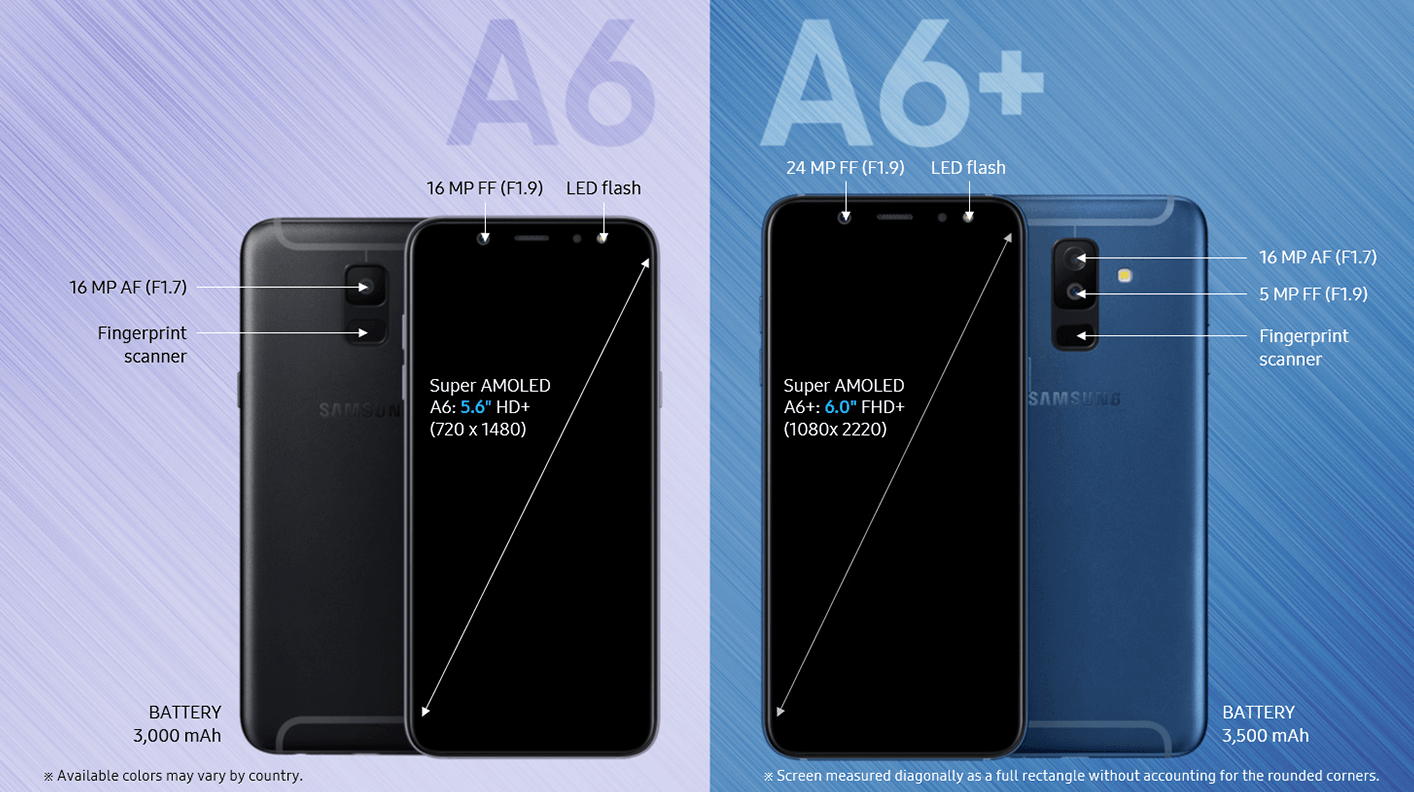
    The Samsung Galaxy A6 will be the more affordable of the two siblings. According to the leaks, it might have a 5.6 inch Super AMOLED display with a 1480 x 720 px resolution. This translates into an 18.5:9 aspect ratio which is slightly taller than the usual 18:9 aspect ratio smartphones.

    Under the hood, the Galaxy A6 will run on the Exynos 9 Octa 7870 chipset paired with 3GB RAM and 32GB onboard storage. The storage will be expandable vias microSD card. There are reports of Samsung introducing a 4GB RAM and 64GB storage variant in a few select countries. Powering the smartphone will be a 3000 mAh battery which will, in all likelihood, charge via a micro USB port.

    The Galaxy A6 will run Android 8 Oreo out of the box Samsung’s Experience UI 9 on top. It will also have support for Samsung Pay which is great for a budget device like A6.

    The Galaxy A6 will have a single camera setup both on the front and back. It will have a 16MP rear-facing camera with an f/1.7 aperture. The front of the device will house a 16MP camera with an f/1.9 aperture and an LED flash.

    Samsung Galaxy A6+

    The Galaxy A6+ will have a few upgraded over the Galaxy A6 as Samsung would want to justify its higher price tag. The smartphone will have the same 5.6 inch Super AMOLED display but, with a 2280 x 1080 px resolution.

    Under the hood, the Galaxy A6+ will run on the Qualcomm Snapdragon 450 chipset coupled with either 3GB RAM/32GB storage or 4GB RAM/64GB storage. The configuration will depend on the country the smartphone will be available in. As the display gets a bump in the resolution, so does the battery. The Galaxy A6+ might be powered by a 3500 mAh battery.

    The Galaxy A6+ will run Android 8 Oreo out of the box Samsung’s Experience UI 9 on top. It will also have support for Samsung Pay.

    unlike the Galaxy A6, the Galaxy A6+ might have a dual-camera setup on the back. The 16MP primary sensor will have an f/1.6 aperture while the secondary 5MP camera will have an f/1.9 aperture. The front of the smartphone will house a 24MP camera with an f/1.9 aperture and an LED flash.

    There are no details about the launch of the smartphones as of now. However, the report does mention that the Galaxy A6 will be priced between 300-340 Euros while the Galaxy A6+ will retail for an estimated price between 360 to 400 Euros.

  • HTC U12+ Leaked In Live Images

    HTC U12+ Leaked In Live Images

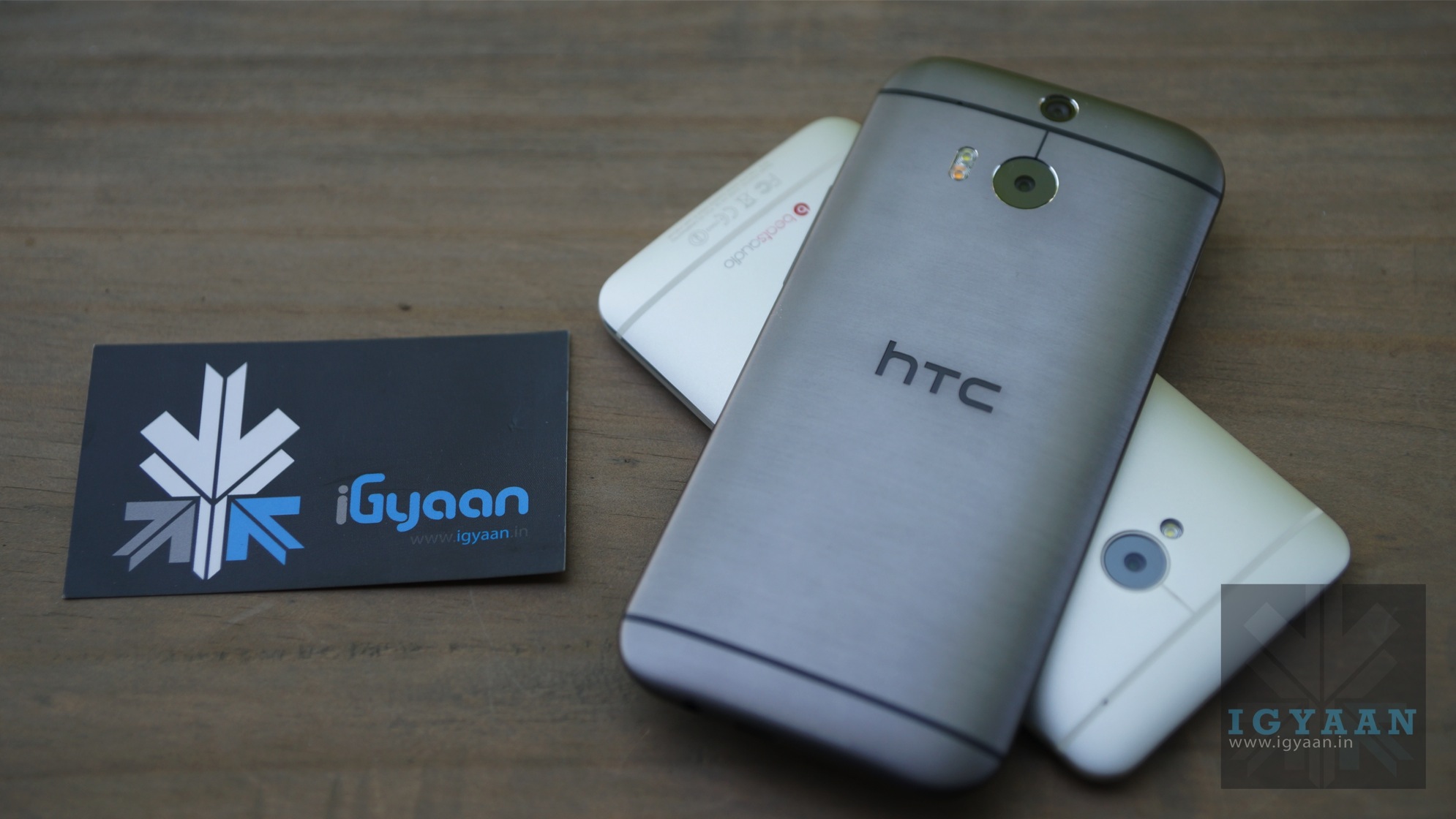
    HTC last launched a flagship smartphone in late-November, the HTC U11+. Since then, Qualcomm has launched its new flagship chipset which is already present in a handful of smartphones like the Galaxy S9 (USA and South Korea), Mi MIX 2s, Sony Xperia XZ2 and more. HTC’s upcoming flagship smartphone, the HTC U12+ is expected to have a few features not found on previous flagship HTC devices.

    New leaked images of the HTC U12+ re-affirm previous rumours of a dual-camera setup on the back. HTC introduced the dual camera setup way back in 2012 with the HTC Evo 3D. Later on, the company launched the HTC M8 Eye, in 2014 with a dual camera setup albeit, a different implementation. However, HTC has since then shied away from using a dual-camera setup on its line of flagship smartphones even though companies like Apple, Samsung, OnePlus, LG etc have adopted the new trend of dual-camera setups. In early-2018, HTC did launch the HTC Desire 12+ with a dual-camera setup but, it was a budget smartphone with not a lot of global appeal.

    HTC One M8 Eye

    The leaked images also show the back of the smartphone that will be made of Corning Gorilla Glass 5, just like the HTC U11 and U11+. The dual-camera setup is horizontally placed with the LED flash and a fingerprint sensor placed beneath the camera module. The front of the smartphone has thin bezels and an 18:9 aspect ratio display. This also means that HTC won’t give in to the new trend of having a notch.

    The front of the smartphone also houses a dual-camera setup along with the earpiece and a notification light.

    According to a recent leak, the HTC U12+ might have a 5.99 inch IPS LCD display with 2960 x 1440 px resolution QHD+ panel.  Under the hood, the device will run on the latest Qualcomm Snapdragon 845 Octa-core chipset. The base variant might have 6GB RAM and 128GB storage. The smartphone might have a 3420 mAh Li-ion battery and run Android 8 Oreo out of the box.

    So far, there are no rumours about a possible launch date of the HTC U12+. The HTC U11 was launched in July 2017 which means HTC could launch its first flagship smartphone of 2018 in or around July. Stay tuned for all the updates about the HTC U12+.
  • Xiaomi Redmi S2 Images And Specs Leaked

    Xiaomi Redmi S2 Images And Specs Leaked

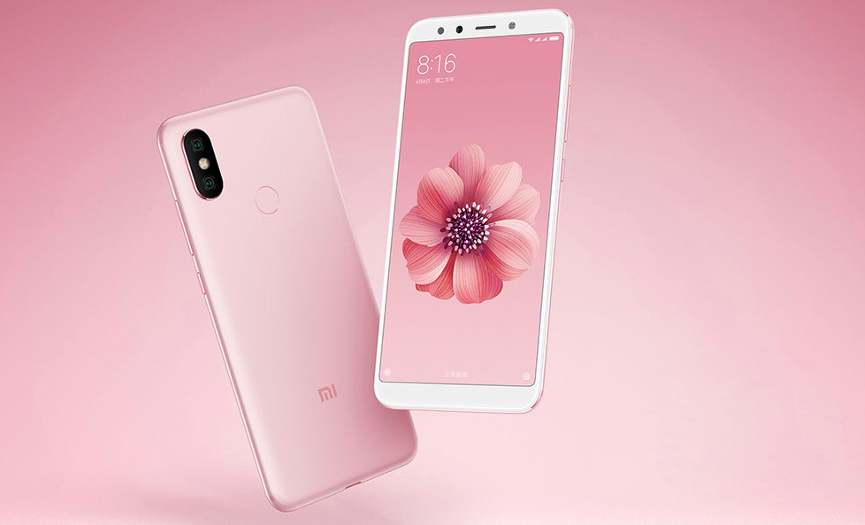
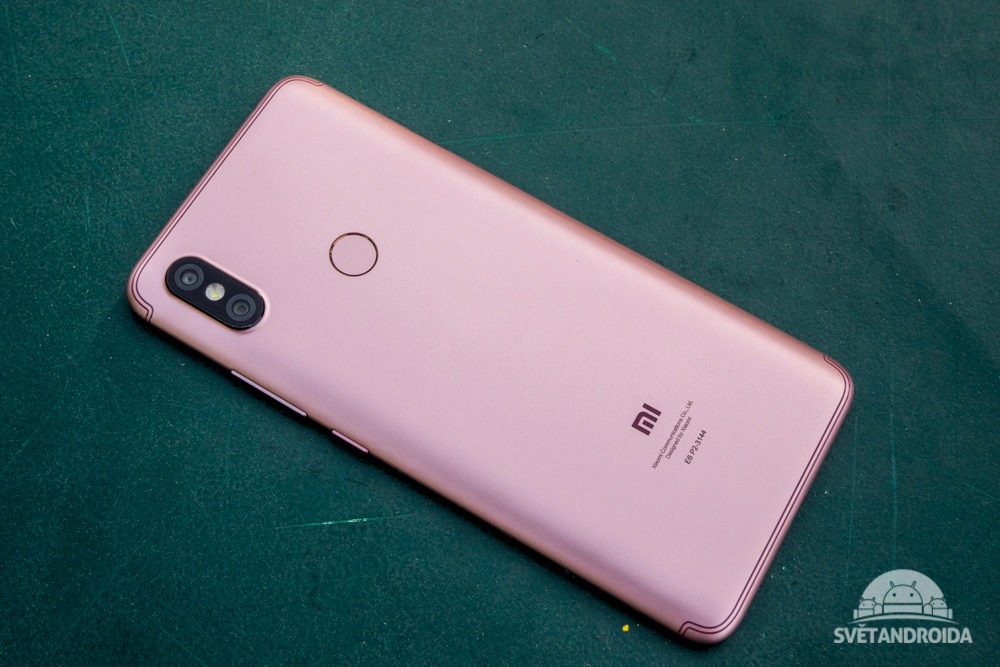
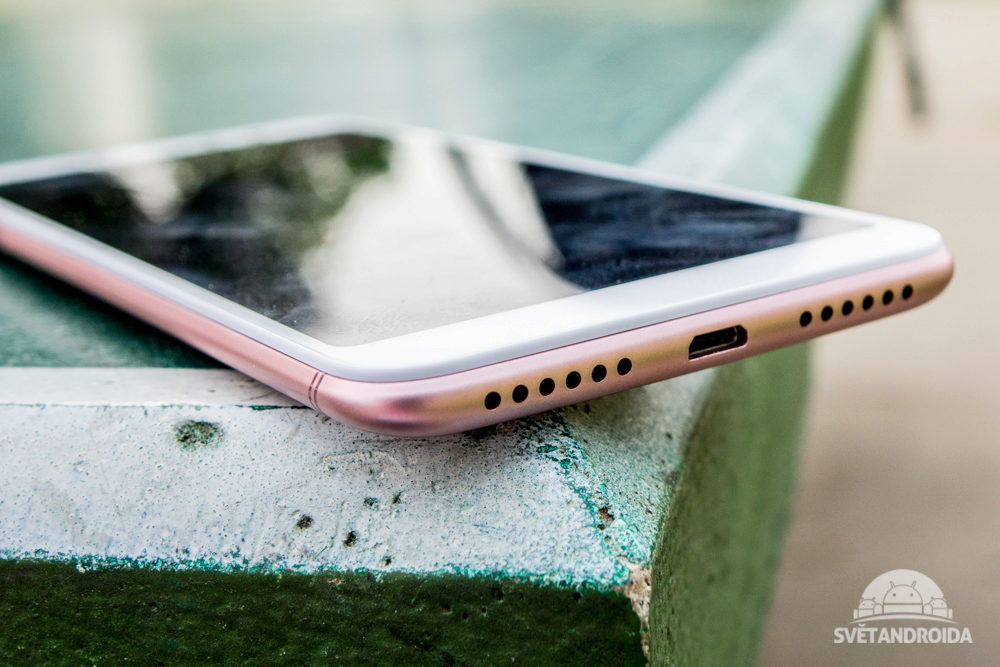
    Xiaomi has recently been launching a lot of mid-range smartphones in China and other major smartphone markets like India. For a while now, a new budget smartphone, part of the Redmi series has been doing the rounds on the internet. New images of the Xiaomi Redmi S2 have been leaked by a Czech Republic publication. However, unlike the usual sketchy looking leaked images that we are used to seeing, these are high-resolution images which have been clicked with a lot of time in hand.
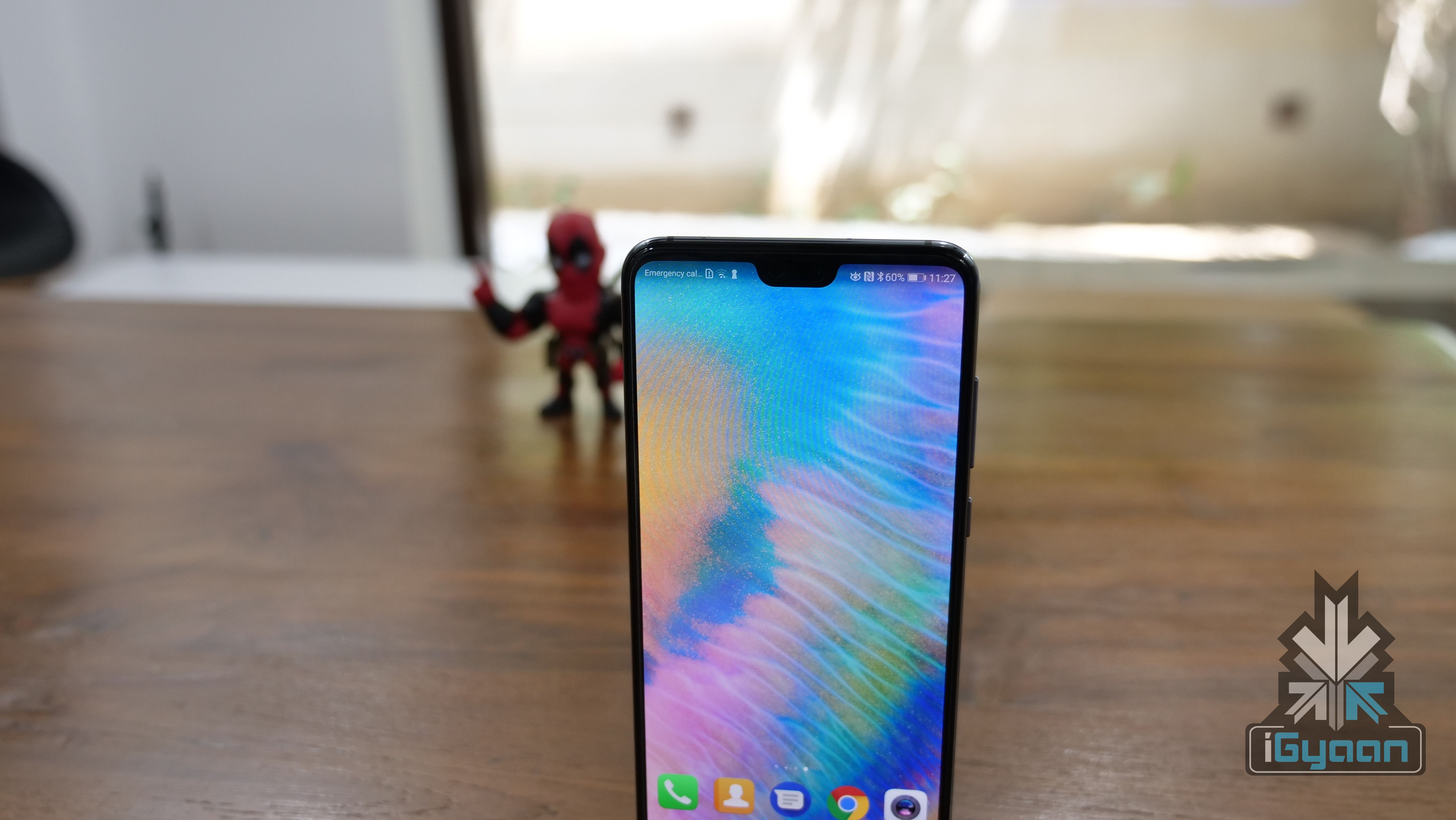
    The leaked images remind us a lot of the recently launched Redmi Note 5 Pro and Mi 6X. The smartphone has the 18:9 aspect ratio and a vertically placed dual-camera setup on the back. It appears that this will become a staple design for Xiaomi mid-rangers in 2018. It also appears that just like the Mi 6X, the Redmi S2 will be available in few colourful options as the one in the images is Pink in colour.


    The publication has also revealed all the specifications of the smartphones. It has a 5.99 inch IPS LCD display with a 1440 x 720 px resolution.

    Under the hood, the Redmi S2 will run on the Snapdragon 625 chipset, a tried and tested SoC for Xiaomi. That chipset will be coupled with 3GB of RAM and 32GB of storage which will be expandable via a microSD card. Powering the device will be a 4000 mAh battery, which is an upgrade over the previously suggested 3000 mAh battery.

    The Xiaomi Redmi S2 will run Android 8 Oreo out of the box with MIUI 9 out of the box. To the back of the smartphone will be a 12MP primary sensor along with a 5MP sensor. There are no details about the front-facing camera so far.

    The Redmi S2 should be launched soon considering such detailed specifications and images of the smartphone have been leaked now. Xiaomi, however, has not hinted at any launch event so far.

  • Nokia X Looks Like The Huawei P20 Lite Running Stock Android

    Nokia X Looks Like The Huawei P20 Lite Running Stock Android

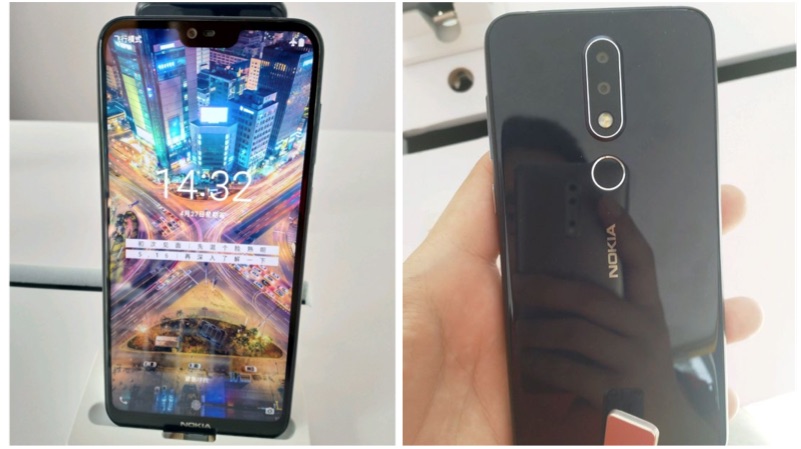
    Nokia appears to be riding the notch bandwagon as well. There have been multiple leaks of the Nokia X so far and now, new live images of the upcoming smartphone have popped up on the internet. The Nokia X or the Nokia X6 will be a new mid-range smartphone from the company and some reports suggest that it could launch on the 16th of May, the same day that OnePlus launches the much-awaited OnePlus 6.

    According to the images, the Nokia X will have a notch on the display which will house the necessary sensors, an earpiece and the front-facing camera. The notch has become incredibly common these days to a point that you can barely make out the differences between many phones. The Nokia X, for example, looks a lot like the Huawei P20 Lite from the front. Obviously, the branding on the front is that of Nokia instead of Huawei but, the placement of the branding, and with the notch, the differences between the two are minimal.

    The Nokia X will supposedly sport a 5.8 inch IPS LCD display with a 2280 x 1080 px resolution. This translates into a 19:9 aspect ratio, the same as the P20 Lite.

    The back of the smartphone has a shiny finish as you can see the reflection of the person taking the images. This could mean that the Nokia X has an all-glass design as it doesn’t seem like Nokia would revert to a shiny plastic build that looks like faux glass. The vertically placed dual-camera setup is in the usual Nokia position but, the “Carl Zeiss” branding is missing. This means that the Nokia X will cost somewhere between the Nokia 7 Plus and Nokia 6 2018. There are rumours that the device will have two variants, one running on the Snapdragon 636 with 6GB of RAM and the other with the MediaTek Helio P60 chipset coupled with 4GB of RAM.

    Nokia in 2018 has launched a few impressive smartphones. The Nokia 7 Plus in India has a great set of specifications and price. The Nokia 8 Sirocco, despite running on an older chipset looks great and is priced equal to the Galaxy S8. The Nokia X would be a step in a new direction as Nokia tries to catch up with the industry trends. It was late to implement the 18:9 aspect ratio but it appears that it won’t hold back when it comes to launching smartphones with a notch.

  • Apple Working On An AR/VR Headset With 16K Resolution Display

    Apple Working On An AR/VR Headset With 16K Resolution Display

    Last Year at the World Wide Developer’s Conference 2017, Apple talked a lot about the Augmented Reality. The following iPhone X launch had a 15-minute segment of an Apple employee demonstrating the AR capabilities of the new iPhones with the A11 Bionic chipset. It is a known fact that Apple has invested a lot in AR/VR and by 2020, the company could launch a game-changing device. A report has claimed that Apple is working on a standalone AR/VR headset with a whopping 8K display for each eye.

    The report comes from CNET and cites a single source “familiar with the matter.” The report also mentions that internally, the project is being referred as ‘T288’. This headset will apparently come with technology that so far does not exist. It will have two 8K displays, one for each eye, which brings the total to a jaw-dropping 16K resolution. For context, even the best in class VR headsets right now barely reach 4K resolution per eye. The HTC Vive Pro, for example, has a resolution of 1400 x 1600 per eye.

    HTC Vive Pro

    The headset will also have cameras on the outside that will detect its surroundings. The report further claims that the VR headset will connect wirelessly to a dedicated ‘box’ using a high-speed short-range wireless technology called 60GHz WiGig. the source said that the box will be powered by a 5-nanometer proprietary Apple processor that will be ‘more powerful than anything currently available’ in the market.

    Apple VR Patent

    One of the main issues of the current VR market is that it has too many wires. By the looks of it, Apple could potentially solve that issue with this T288 headset. It is obviously too early to call it but, if the report turns out to be true, expect an eye-watering price for the behemoth of an AR headset.

iGyaan Network
Privacy Overview

This website uses cookies so that we can provide you with the best user experience possible. Cookie information is stored in your browser and performs functions such as recognising you when you return to our website and helping our team to understand which sections of the website you find most interesting and useful.