Blog

  • Asus Might Launch A Gaming-Centric Smartphone At MWC

    Asus Might Launch A Gaming-Centric Smartphone At MWC

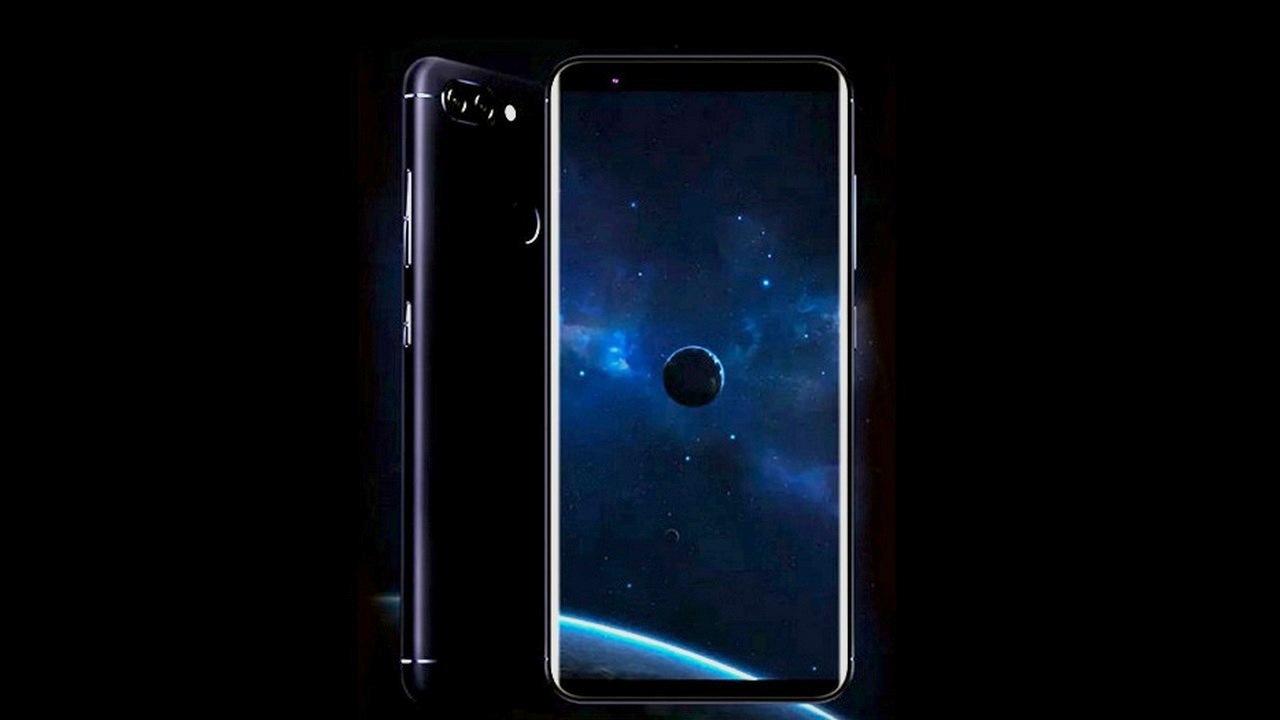
    Asus will be launching its next generation of Zenfone series smartphones in MWC 2018. Along with that, it could also launch a gaming-centric Android smartphone. As the brand has already established itself in notebook gaming territory, this upcoming device will have a lot to live up to.
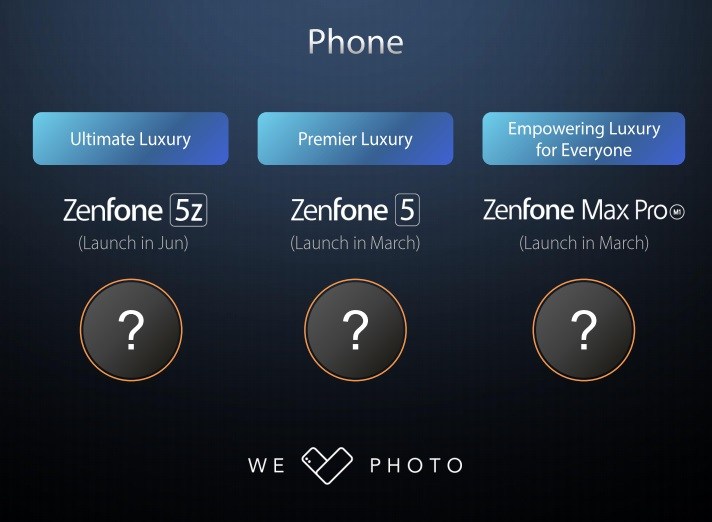
    Upcoming Asus ZenFone series

    Along with Asus ROG, the brand will also announce a bunch of smartphones like ZenFone 5, ZenFone 5z, and ZenFone Max Pro. These smartphones will feature newer processor (Qualcomm Snapdragon 636) with taller 18:9 aspect ratio screen and a dual rear-camera setup. All three smartphones will be powered by Android Oreo 8.0 with custom Zen UI on the top.

    According to sources, the smartphone will be named after ROG (gaming laptop series from Asus). Presently, there is no confirmation of the additional details of the phone. The only thing is that the brand should launch a phone with competitive pricing.

    As Razer Phone has already set up an example for a gaming smartphone, here is the list of features that might feature on Asus ROG smartphone.

    Speculated specifications:

    Following the footsteps of the Razer Phone, the device will have a 120Hz display. It will have an IPS LCD display with a 2880 x 1440 px resolution.

    Under the hood, the smartphone is expected to have either the Qualcomm Snapdragon 835 or the 845 chipsets. Depending on when the phone is launched, the chipset inside may vary. To handle the sort of heavy gaming, the chipset will be paired with either 6GB or 8GB of RAM. It will also have either 64 GB or 128 GB onboard flash storage based on UFS 3.0. To tackle overheating, it will apparently have a Liquid Cooling System

    Similar to the Razer Phone, the device from Asus will have dual front-firing stereo speakers.

    In the day and age of all premium smartphones having top-notch specifications, does a gaming phone make sense? Let us know your thoughts in the comments!
  • Samsung Galaxy Note9 May Not Have An In-Display Fingerprint Sensor

    Samsung Galaxy Note9 May Not Have An In-Display Fingerprint Sensor

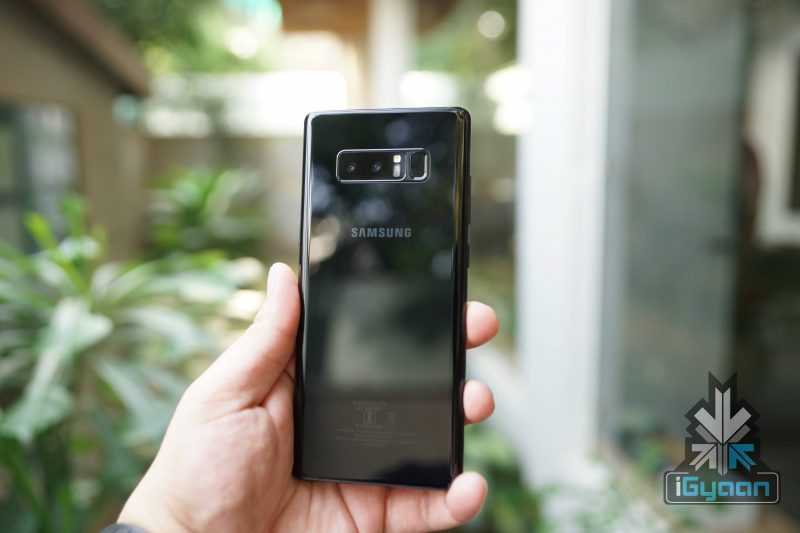
    The under-the-display fingerprint scanner is now a real thing, thanks to the Vivo X20 Plus UD. The Samsung Galaxy Note8 was widely expected to be the first-ever device with this technology. However, for some reasons only known to Samsung, that did not happen. A few days ago, it was rumoured that the Galaxy Note9 will finally implement this technology. However, according to recent rumours, Samsung has decided not to implement this technology.

    The report claims Samsung has stopped working on this technology for an unknown reason. Therefore, the Korean tech giant will stick with the rear-mounted scanner like the Samsung Galaxy Note 8.

    Theoretically, to implement this technology the device must have OLED display (doesn’t work on IPS LCD) with a capacitive touchscreen. The scanner sits behind the display. (accesses fingerprint through a semi-transparent layer).

    Possible reason:

    Samsung might go with the Quantum-dot display technology instead of OLED, which makes it impossible to implement this technology. Which might have made an exclusive deal with Vivo that prevents other smartphone manufacturers to implement this technology.

    The technical difficulties in the manufacturing these chips might be it. An earlier report claimed that Samsung didn’t want to rely on Synaptics and wanted the in-screen fingerprint sensor of the Galaxy Note9 to be based on its own technology. However, it might have run into some trouble which made it drop the technology altogether.

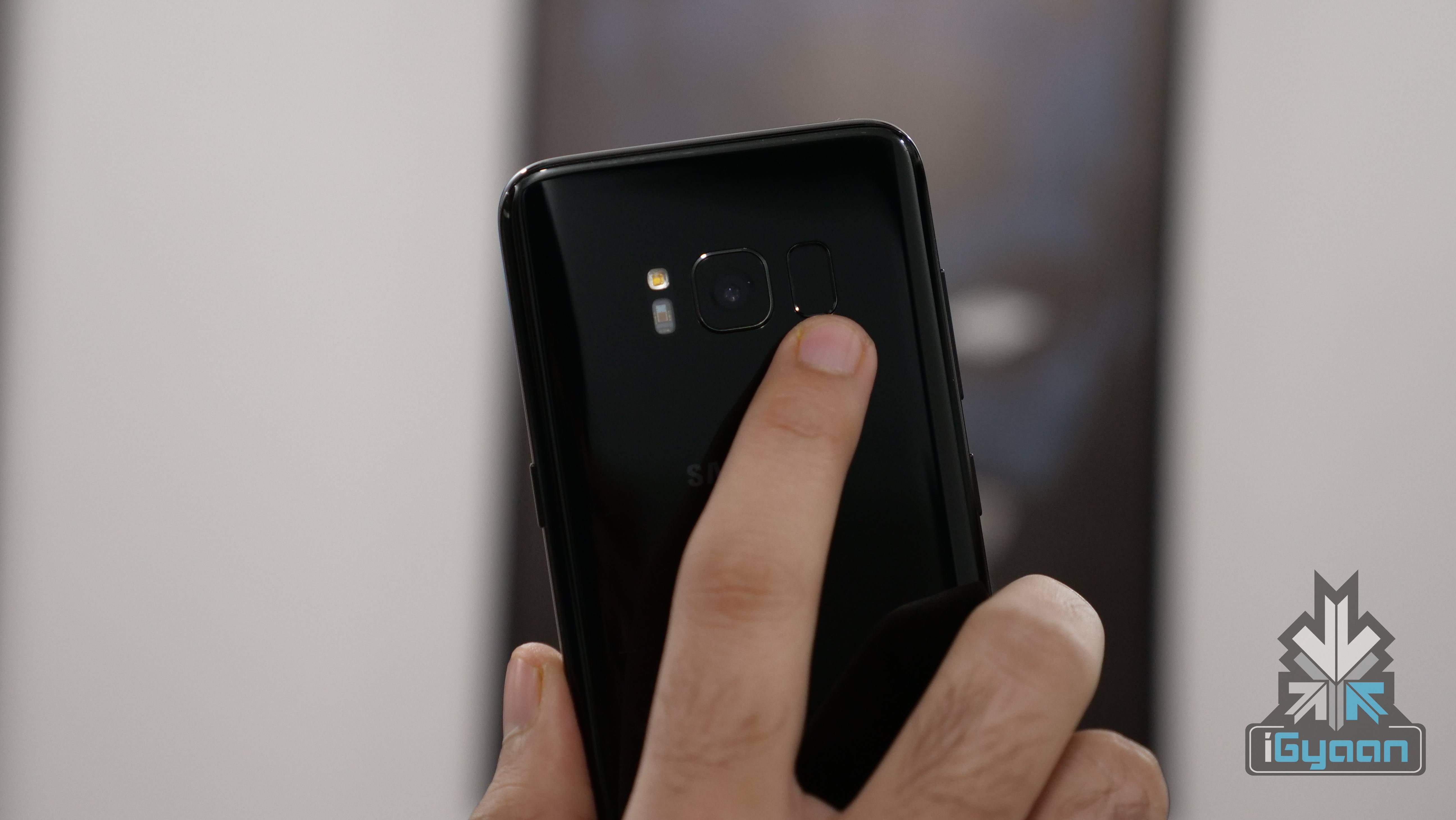
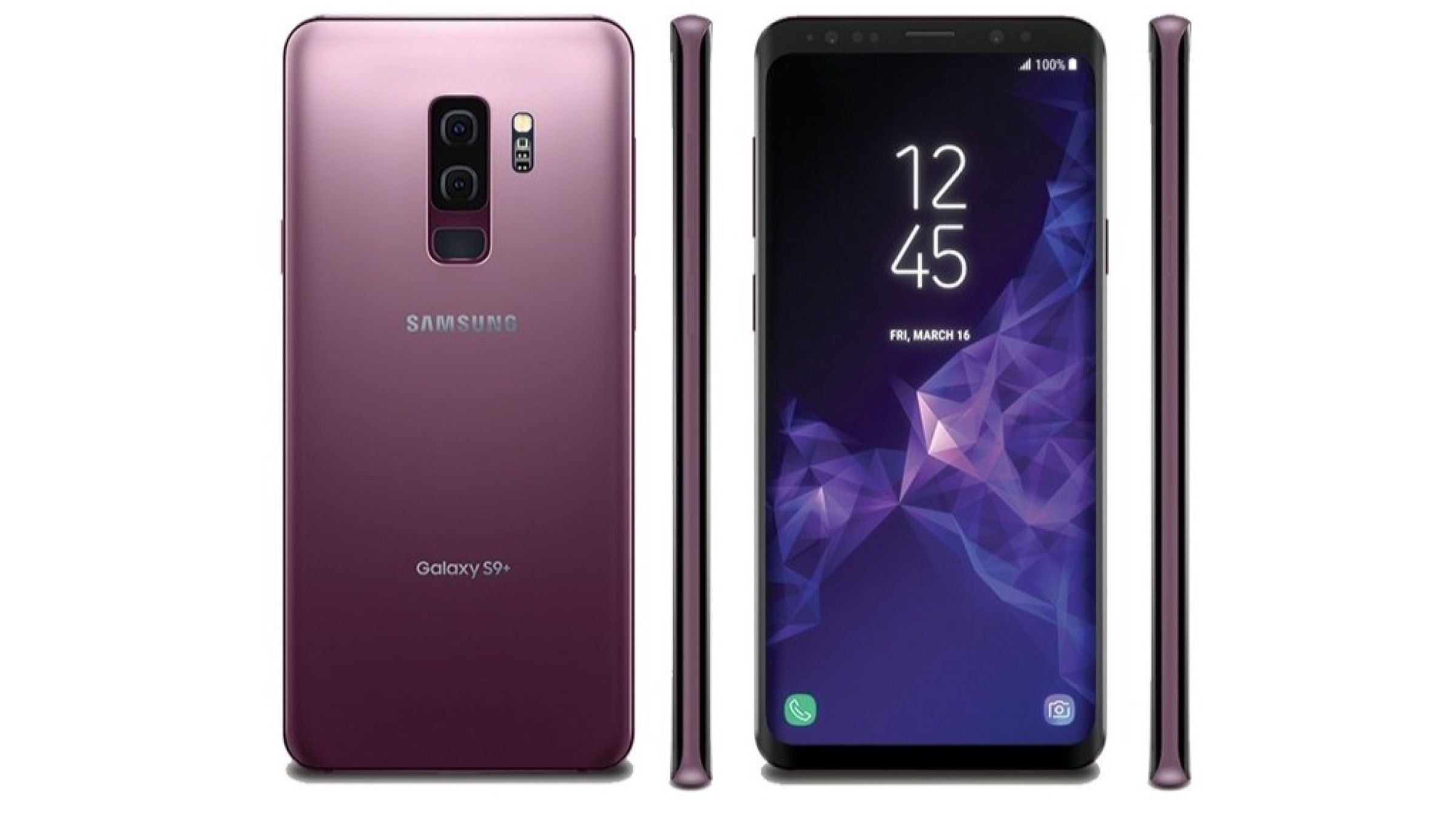
    Cumbersome Placement of the Fingerprint sensor placement on the Galaxy S8 and Galaxy Note8

    Another reason for this decision could be Apple. Apple has already confirmed that it believes Face ID is the future. In order to compete with Apple and it face ID tech, Samsung could implement better facial/iris recognition in the Galaxy Note9.

    Conclusion:

    A recent report, the Samsung Galaxy Note 9 will feature the under-the-display fingerprint scanner. Now, a new report completely disapproves the last report. Finally, Samsung might implement this feature on Samsung Galaxy S X or Samsung Galaxy Note X.

  • Xiaomi Mi Mix 2S Will Run Android 8 Oreo And Have A 3400 mAh Battery

    Xiaomi Mi Mix 2S Will Run Android 8 Oreo And Have A 3400 mAh Battery

    The certainty of Xiaomi launching the Mi Mix 2S is increasing every second. Every passing day, a new leak reveals more information about the Mi Mix 2S. A little over a month ago, the Mi Mix 2S felt like a fragment of someone’s imagination and now, it is one of the most anticipated devices of MWC 2018.

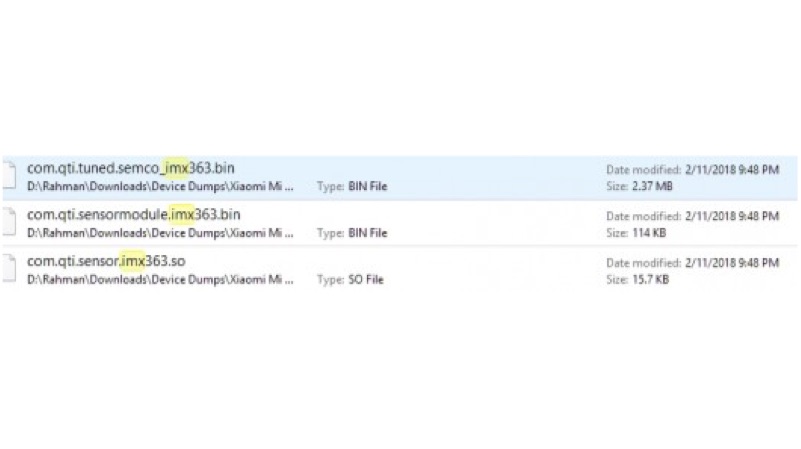
    Xiaomi won’t launch the Mi 7 right now, which means that the Mi Mix 2S will be launched at MWC 2018. A new leak has revealed further information about the upcoming device. The Mi Mix 2S will be the first device in the Mi Mix series to sport a dual-camera setup. Moreover, Xiaomi will use the Sony IMX363 sensor. Powering the device will be a 3400 mAh battery which should support QuickCharge 4.0+ technology.

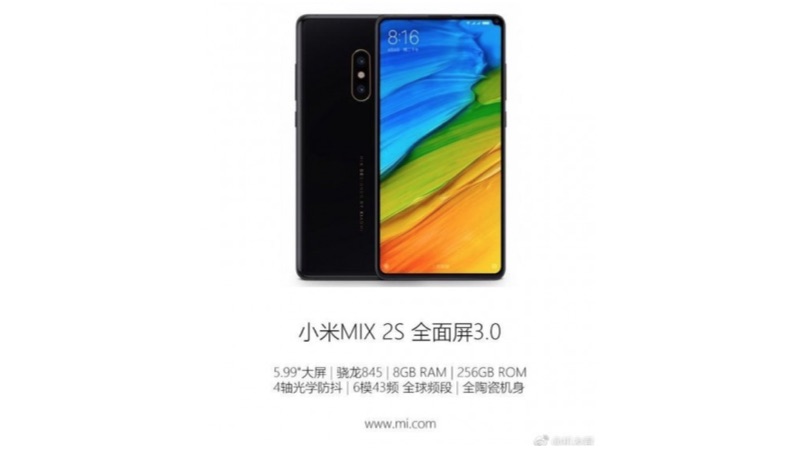
    A few days ago, an official-looking banner ad for the Mi Mix 2s was leaked. It revealed further specifications of the Mi Mix 2s which are very believable.

    Mi Mix 2s

    Xiaomi Mi Mix 2s Expectations

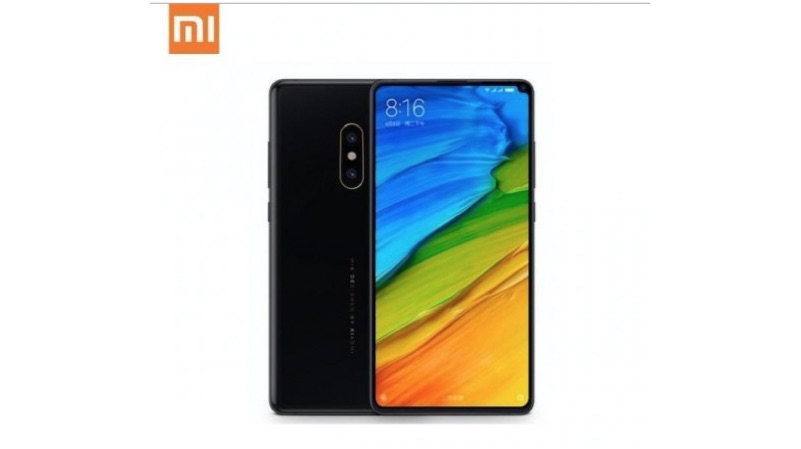
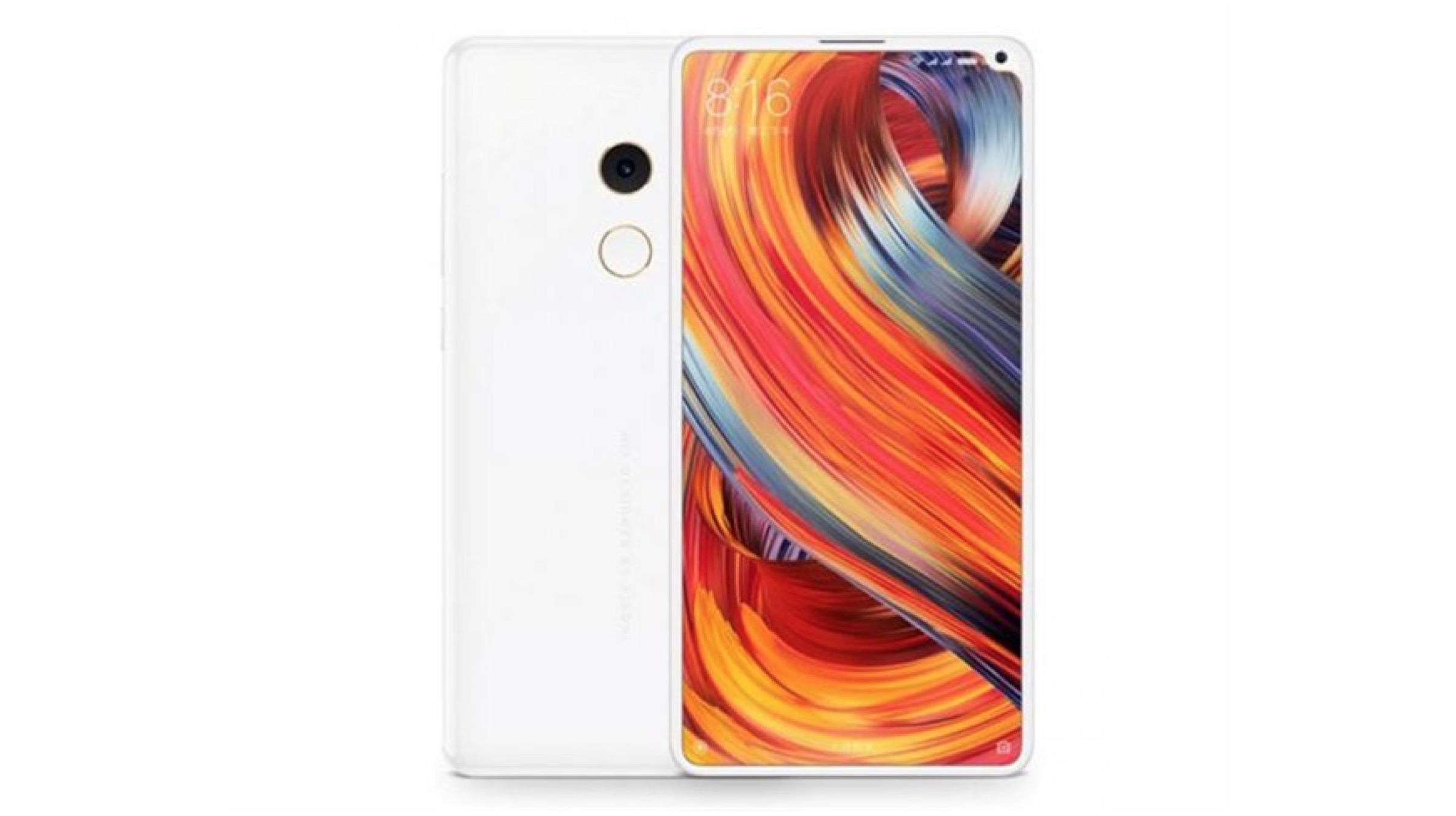
    The back of the Mi Mix 2S is expected to be the same as the Mi Mix 2. It will be made of ceramic which means it’ll be a fingerprint magnet. However, that is a price you have to pay for a device that looks as premium as the Mi Mix 2S. The significant change will be in the camera department. This time around, the Mi Mix 2S will have a dual-camera setup, which could be similar to the one found on the Mi A1, albeit of better quality.

    On the front is where Xiaomi will look to one-up the much-famed Samsung Galaxy S9 and S9+. The leaked image confirms that the smartphone will have a different take on the notch. The bezels all around the display will be uniform but, the top right corner will protrude a bit and that will house the front-facing camera.

    Apart from the design, the image reveals some specifications of the device. It will be powered by the Qualcomm Snapdragon 845 chipset coupled with 8GB of RAM and 256GB onboard storage.

    What’s missing in the render is a fingerprint sensor. This means that Xiaomi could be the second company to launch a smartphone with an in-display fingerprint sensor. This would also mean that Xiaomi will use an OLED panel for the upcoming device as opposed to the IPS LCD panel used on the Mi Mix 2.

    Mi Mix 2s
    Mi Mix 2s Renders
    Conclusion

    As we all know, the Samsung Galaxy S9 and S9+ won’t look very different from their predecessors. This means that design-wise, Samsung won’t have much to show, and that is where the Mi Mix 2S could excel. A lot of smartphone makers will skip MWC because of the popularity of the Galaxy S devices but, Xiaomi could grab a lot of eyeballs with the launch of this smartphone. That being said, this could very well be the Mi 7. Xiaomi will have to move on from the 16:9 aspect ratio for its flagship Mi series. This means that this could be the Mi 7, just like the Mi6 X was the Redmi Note 5 Pro.


  • Apple HomePods Are Leaving A White Stain On Wooden Surfaces

    Apple HomePods Are Leaving A White Stain On Wooden Surfaces

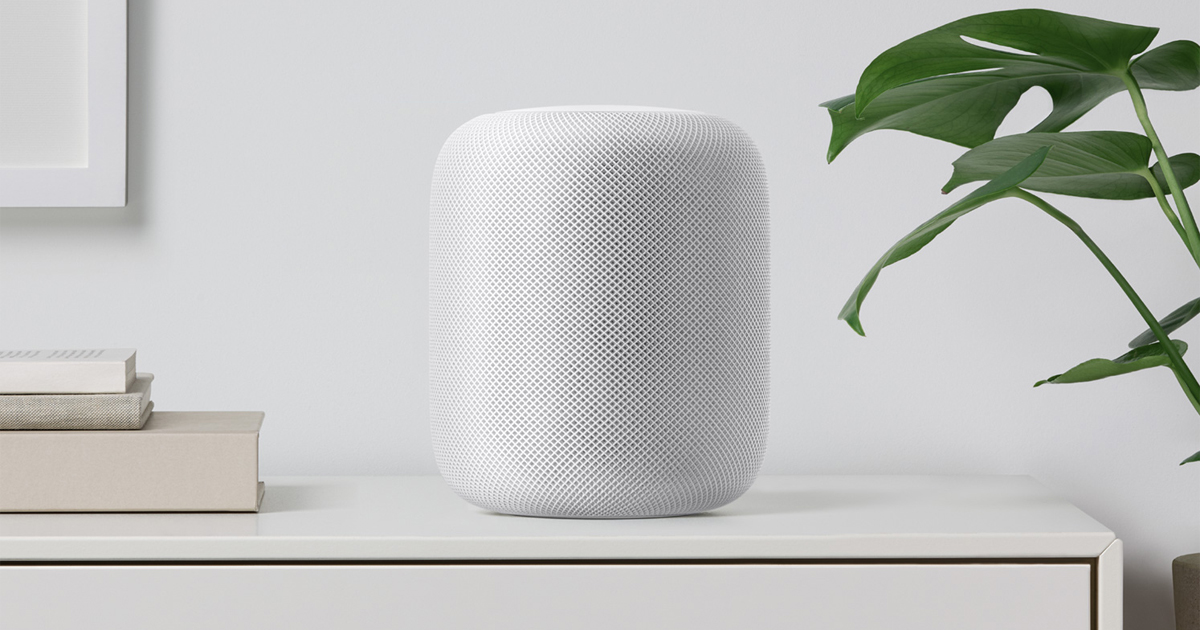
    The Apple HomePod is Apple’s answer to Amazon Echo and Google Home. Ever since its launch, the HomePod has received rave reviews. It is even being termed as the best-sounding smart speaker on the market right now. According to a number of HomePod users, the Siri-powered speaker tends to leave a permanent mark on the wooden surface. The marks are quite reminiscent of a hollow circle, that has a major effect on the oil-based wood table.

    After such complaints, Apple updated its official support page for HomePod. It now reads:

    It is not unusual for any speaker with a vibration-dampening silicone base to leave mild marks when placed on some wooden surfaces. The marks can be caused by oils diffusing between the silicone base and the table surface, and will often go away after several days when the speaker is removed from the wooden surface.

    If not, wiping the surface gently with a soft damp or dry cloth may remove the marks. However, if marks persist, clean the surface with the furniture manufacturer’s recommended cleaning process. If you’re concerned about this, we recommend placing your HomePod on a different surface.

    HomePod’s Base is made using soft Silicone, which is known to observe oil on a molecular level, which makes the table dry creating a permanent mark. Apple announced its Siri-powered smart speaker HomePod at its developer conference in June 2017. At the time, the company said it would go on sale in December 2017. However, due to some reasons, Apple pushed the release and it went on sale on the 9th of February.

    Apple HomePod

    Powered by the same chipset as the iPhone 6, the smart speaker runs on the A8 chipset. It has built-in Siri, six microphones and HomeKit support to control compatible smart home devices. An interesting feature is the ability to automatically optimise sound for a given room. The Google Home Max also has a similar feature where it automatically optimises the sound based on where it is kept in a room. It also has seven tweeters and a high excursion woofer.

    Despite the late launch, the HomePod will ship without features like AirPlay 2, which allows pairing and multiroom audio.


  • 2Gbps Download Speeds A Thing Of Reality With The Qualcomm X24 LTE Modem

    2Gbps Download Speeds A Thing Of Reality With The Qualcomm X24 LTE Modem

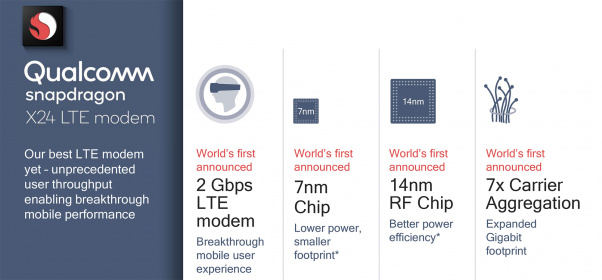
    Qualcomm, the pioneer in the smartphone chipset business has officially announced a new X24 LTE modem. The modem offers LTE download speeds of up to 2 Gbps. These speeds are almost double of what the X20 LTE modem (used in Qualcomm Snapdragon 845) offers. Rumours also suggest that the modem will be used in the upcoming Qualcomm Snapdragon 855 SoC (which is due until 2019).

    The technology is called 4.9G by Nokia communications, which will be the last phase of the 4G era. As a matter of fact, this is faster than the Gigabit LTE (which offers up to 1.2 Gbps). This makes it the fastest wireless modem that is currently in mass production.

    Samsung Galaxy S9 Will Run On Snapdragon 845
    Specifications:

    The chipset is based on 7nm FinFET process, with support for Cat 20 LTE. 4×4 MIMO with a maximum of 20 spatial streams.

    Maximum download speed of 2 Gbps and an upload speed of 316 Mbps has been achieved in the test run. The chipset does offer dual VoLte and dual LTE dual standby. In layman’s term, one can use two Jio SIM simultaneously.

    The modem does support all the exciting cellular technologies like LTE FDD, LTE TDD, and LTE-U etc. The 3×20 Mhz carrier aggregation will make this one of the best standalone modems for upload speeds.

    Conclusion:

    The year 2019 will be a great year for smartphone enthusiasts as the chipset maker is also developing a 5G modem by the name X50 5G modem. This is set to debut in late 2019. So, the OEM will have to make a choice between newbie X50 with the 5G capability or well-versed X24 modem with 4.9G capability.

  • Moto Z2 Force Vs OnePlus 5T Vs Xiaomi Mi Mix 2

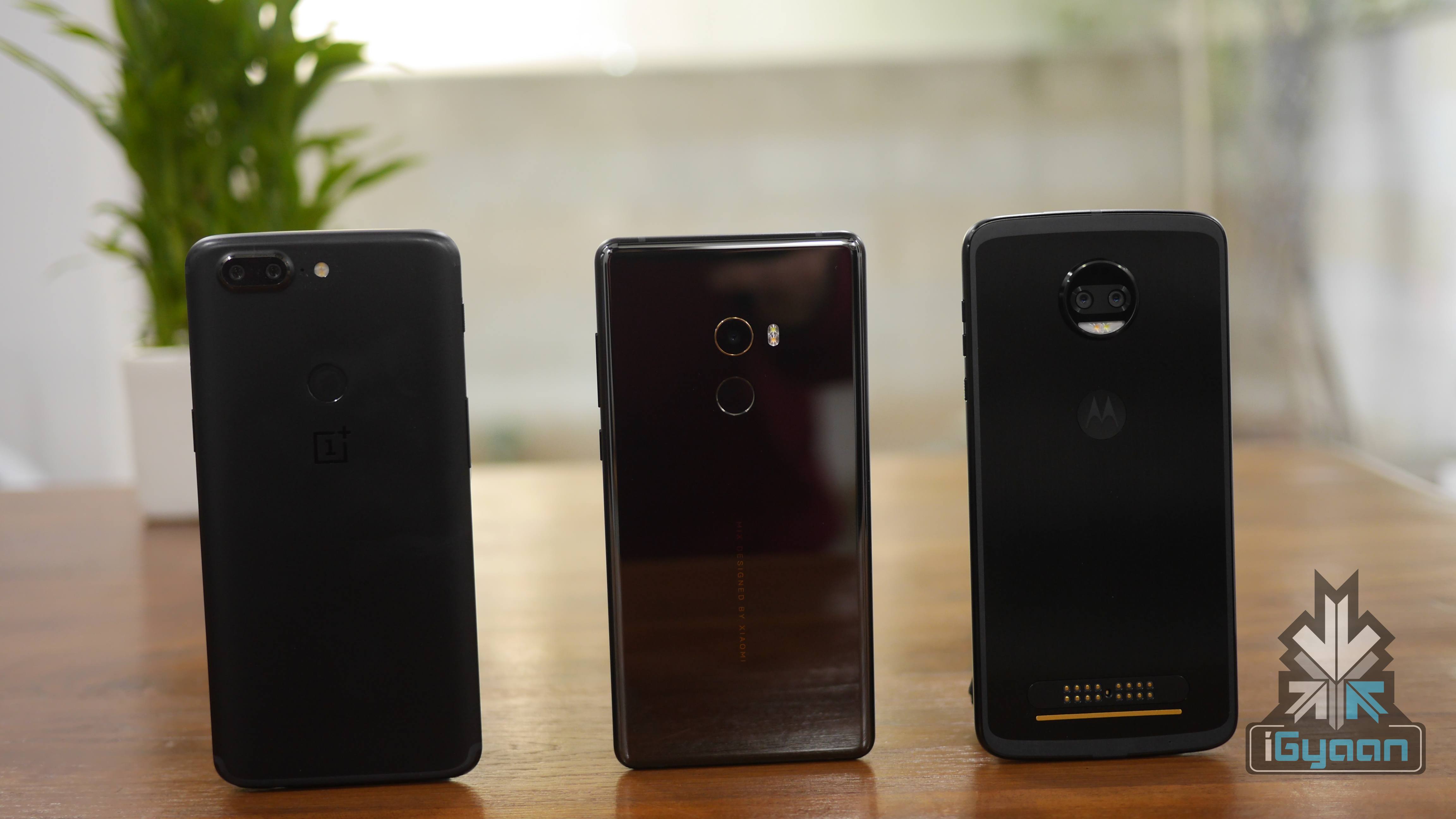
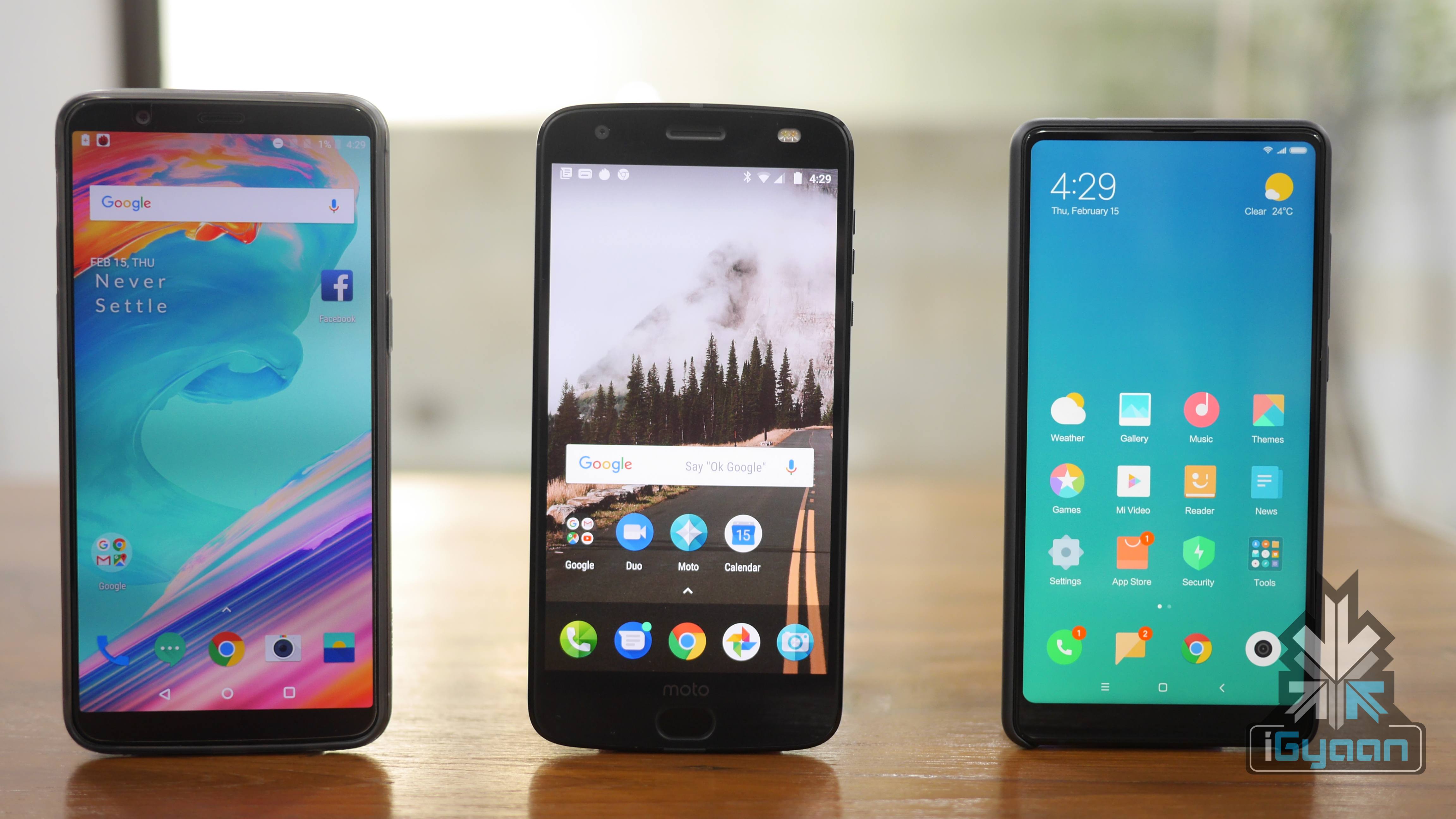
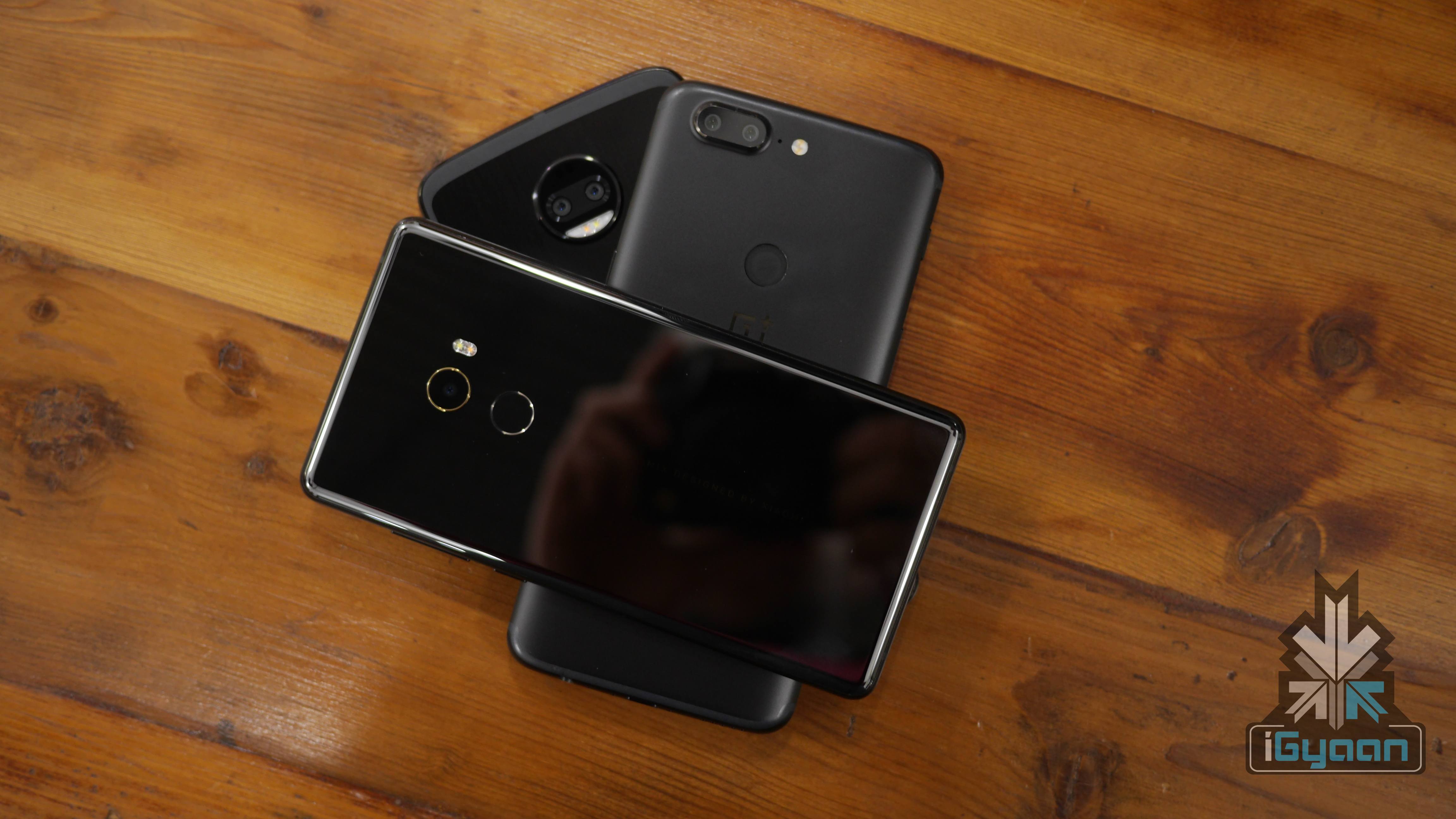
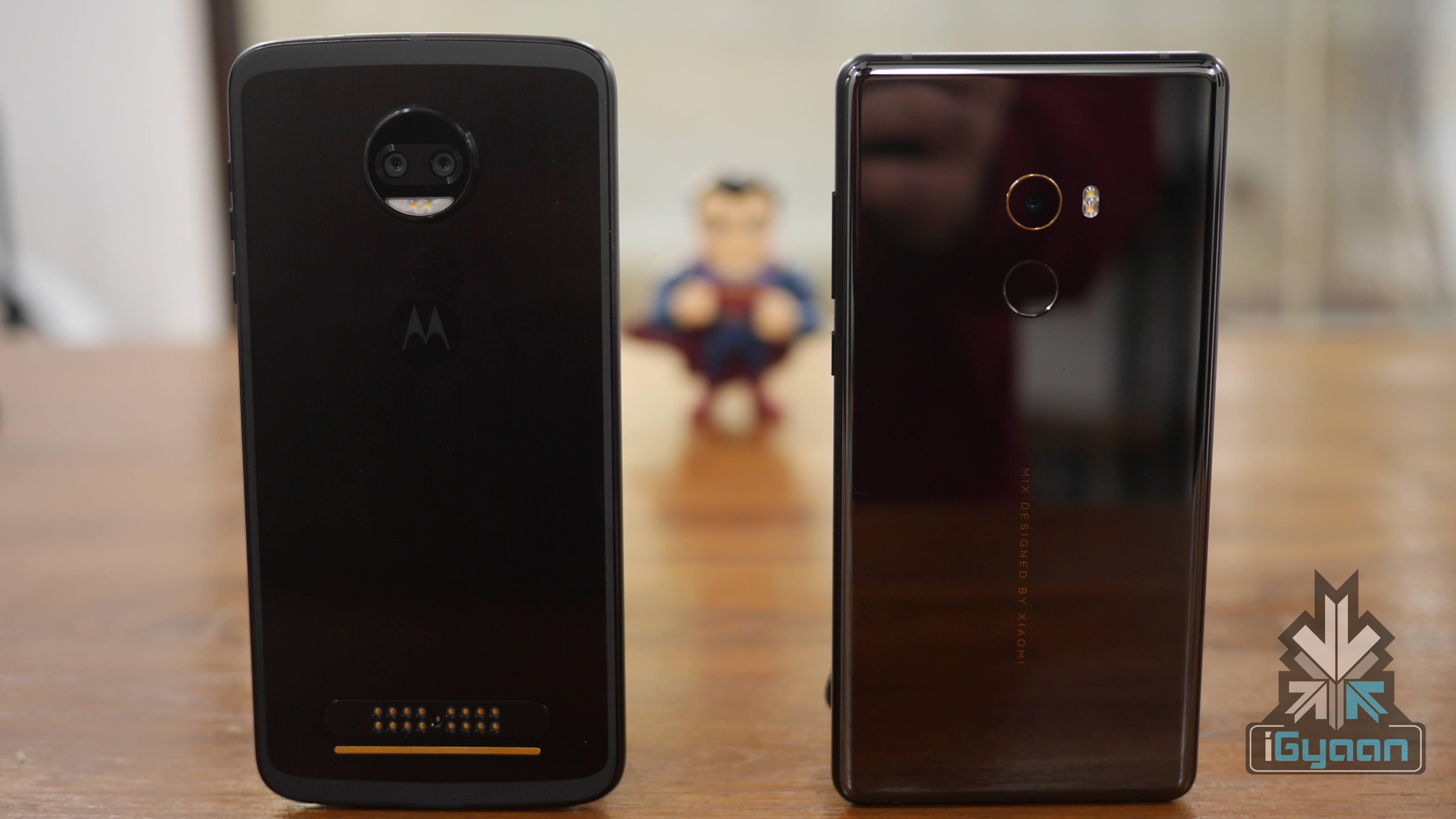
    Moto Z2 Force Vs OnePlus 5T Vs Xiaomi Mi Mix 2

    Motorola has finally launched its flagship smartphone, the Moto Z2 Force in India. It is priced at Rs. 34,999 which took everyone by surprise. It was globally launched for US$ 720 (Rs. 47,000 approx.) which means that it is considerably cheaper than its global price. The pricing makes sense for Motorola as the Z2 Force runs on the Snapdragon 835 chipset, which will soon be outdated.

    At such a price, the Moto Z2 Force will go head-to-head with the likes of Xiaomi Mi Mix 2 and OnePlus 5T. The OnePlus 5T, in particular, has been very successful in the Indian market. The Moto Z2 Force matches with the OnePlus 5T in almost every aspect and then does a bit more. The Moto Z2 Force, apart from being shatterproof, also has modular capabilities. This is something that is missing in the OnePlus 5T and the Mi Mix 2.

    Moto Z2 Force

    Where the Moto Z2 Force might fall behind the design department, it makes it up in functionality. That being said, the Moto Z2 Force still has a stunning design despite the 16:9 aspect ratio.Being a mid-2017 flagship, the Moto Z2 Force has bigger bezels and a 16:9 aspect ratio while the other two devices sport a modern design. The OnePlus 5T and Mi Mix 2 have thin bezels and an 18:9 aspect ratio.

    Under the hood, all the three smartphones run on the same Qualcomm Snapdragon 835 chipset. The base model of the OnePlus 5T, priced at Rs. 32999, has 6GB of RAM and 64GB storage. The Mi Mix 2 is also priced at Rs. 32999 and offers the same RAM with 128GB storage. The Moto Z2 Force also has 6GB RAM and 64GB storage. However, it is the only one to offer expandable storage up to 2TB. That can be a dealmaker for people whose primary media consumption happens through a smartphone. The flexibility of storage matters a great deal for a few.

    The Mot Z2 Force also runs Android 8 Oreo out of the box while the Mi Mix 2 is still stuck at Android 7 Nougat. The OnePlus 5T recently received an update to Android 8 Oreo as well. The Moto Z2 Force and OnePlus 5T run close to stock Android OS while the Mi Mix 2 comes with MIUI 9 on top. As we have said it in the past, preference for stock OS or custom skin is very subjective.

    The OnePlus 5T retains the 3.5mm headphone jack while the Mi Mix 2 and Z2 Force both don’t have a headphone jack. This, again, can be a huge deal for a few consumers. The Moto Z2 Force is also the most durable smartphone thanks to its shattershield display. Due to the plastic coating on top, the Moto Z2 Force will be able to survive a few drops where the other two might crumble.

    Specifications
    Specs Moto Z2 Force OnePlus 5T Xiaomi Mi Mix 2
    Price Rs. 34,999 Starting at Rs. 32999 Rs. 32999
    Display 5.5 inch
    P-OLED
    6 inch
    Optic AMOLED
    5.99 inch
    IPS LCD
    Resolution 2560 x 1440 px
    534ppi
    2160 x 1080 px
    401ppi
    2160 x 1080 px
    403ppi
    Battery 2750 mAh
    TurboCharge
    3300 mAh
    DashCharge
    3400 mAh
    QuickCharge
    Chipset Qualcomm Snapdragon 835 Qualcomm Snapdragon 835 Qualcomm Snapdragon 835
    RAM 6GB 6GB
    8GB
    6GB
    Storage 64GB
    Expandable up to 2TB
    64GB/128GB
    Not expandable
    128GB
    Not expandable
    Primary Camera 12MP RGB+12MP Monochrome
    f/2.0
    16MP+20MP
    f/1.7
    12MP
    f/2.0
    Primary Camera Video 4K @ 30fps 4K @ 30fps 4K @ 30fps
    Secondary Camera 5MP
    LED Flash
    f/2.2
    16MP
    f/2.0
    EIS
    5MP
    f/2.0
    Add-Ons Fingerprint Sensor
    Moto Mods Support
    Fingerprint Sensor
    Face Unlock
    Fingerprint Sensor
  • Unboxing The Moto Z2 Force

    Unboxing The Moto Z2 Force

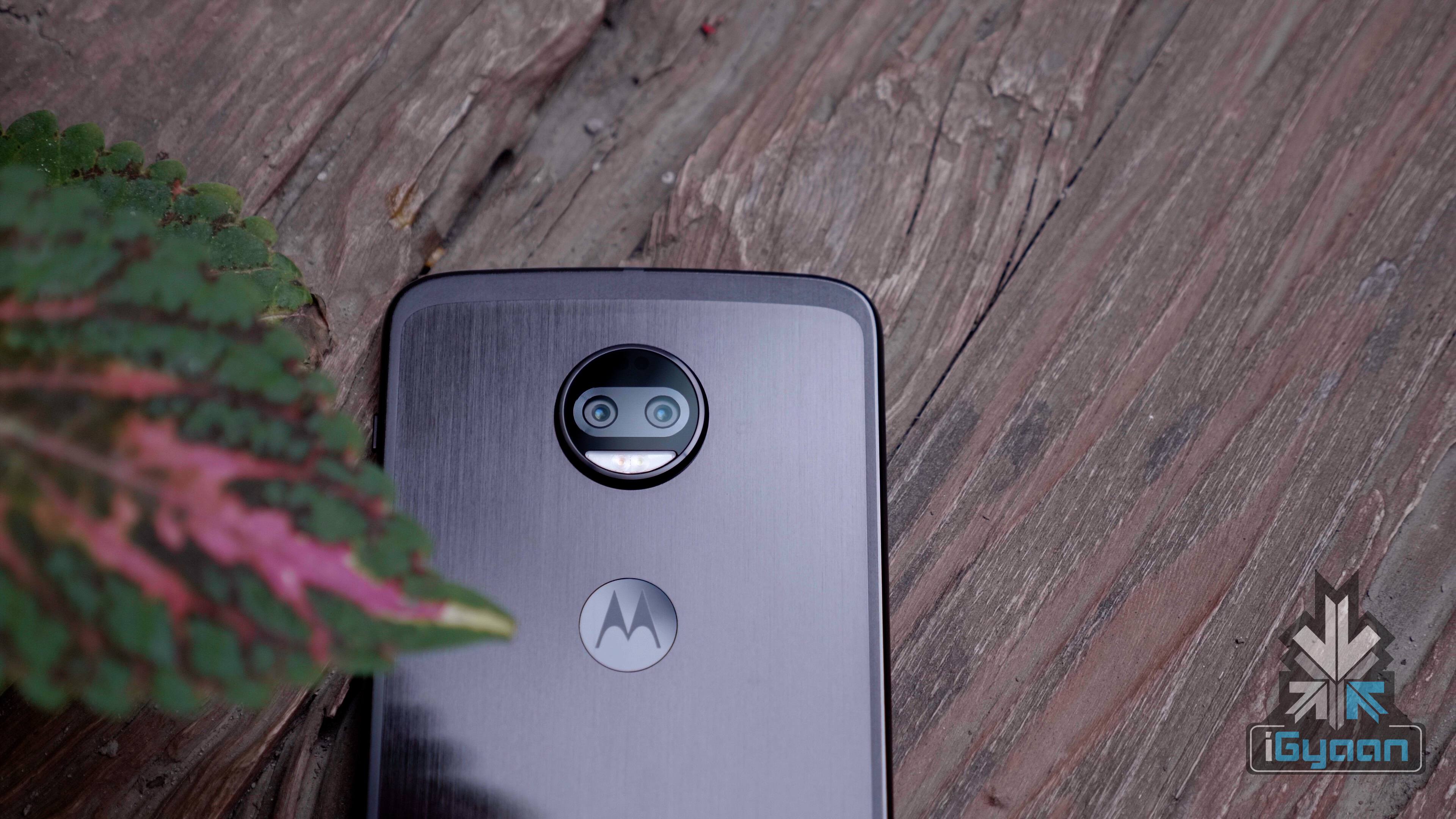
    Lenovo-owned Motorola has launched the Moto Z2 Force in India. It is priced at Rs. 34,999 in India and will go on sale at midnight via Flipkart and Moto Hub stores. Motorola has launched the device in India, almost six months after its global launch. Although the Moto Z2 Force is competitively priced, it won’t be long before the OnePlus 6 is launched at a similar price and Snapdragon 845 chipset.

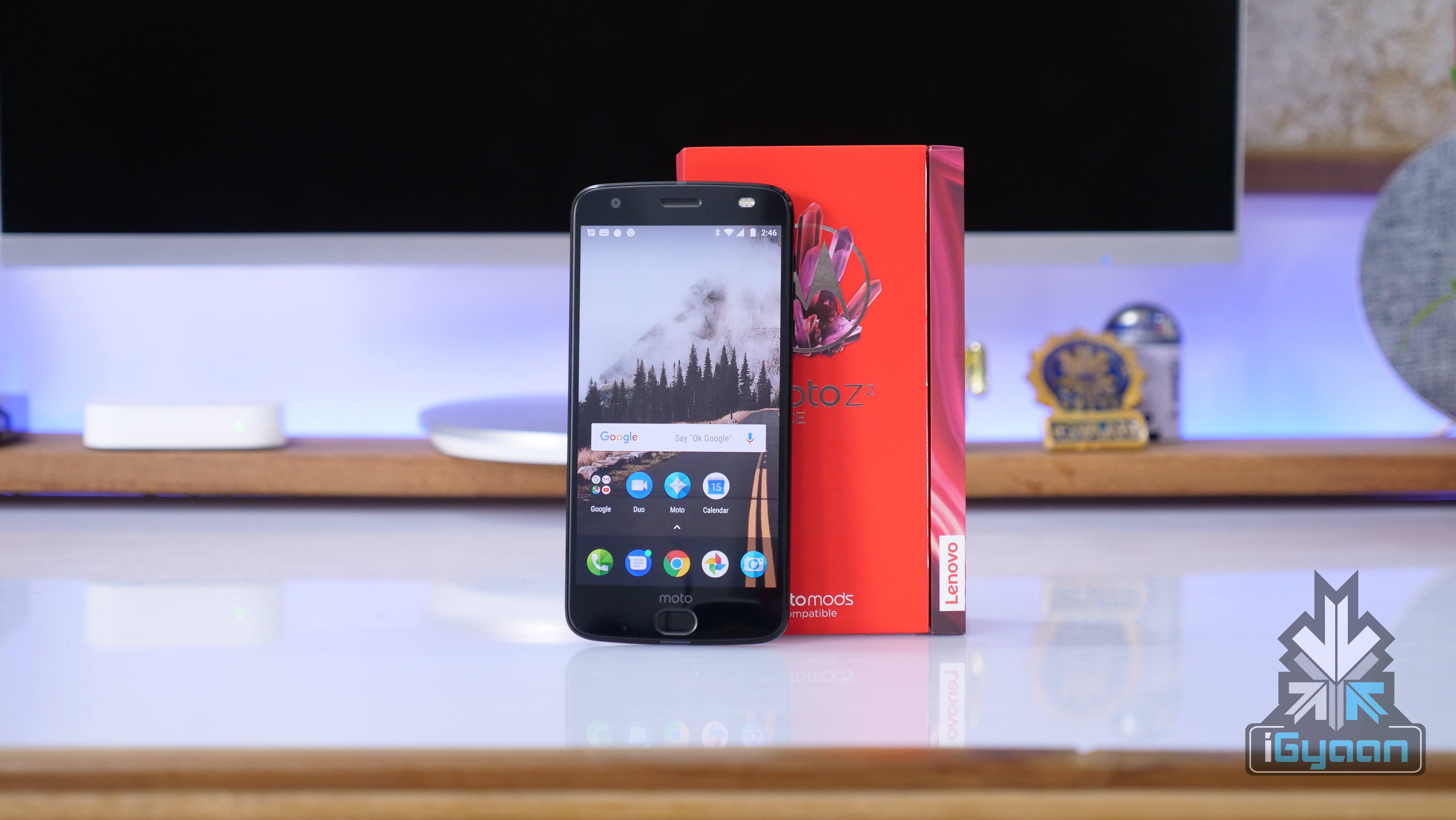
    Let’s unbox the Moto Z2 Force and see what we get inside:

    Moto Z2 Force

    • Moto Z2 Force
    • Documentations
    • Sim Ejector Tool
    • Earphones
    • Type C to 3.5mm dongle
    • USB Type C Cable
    • TurboCharge Wall Charger
    First Impressions

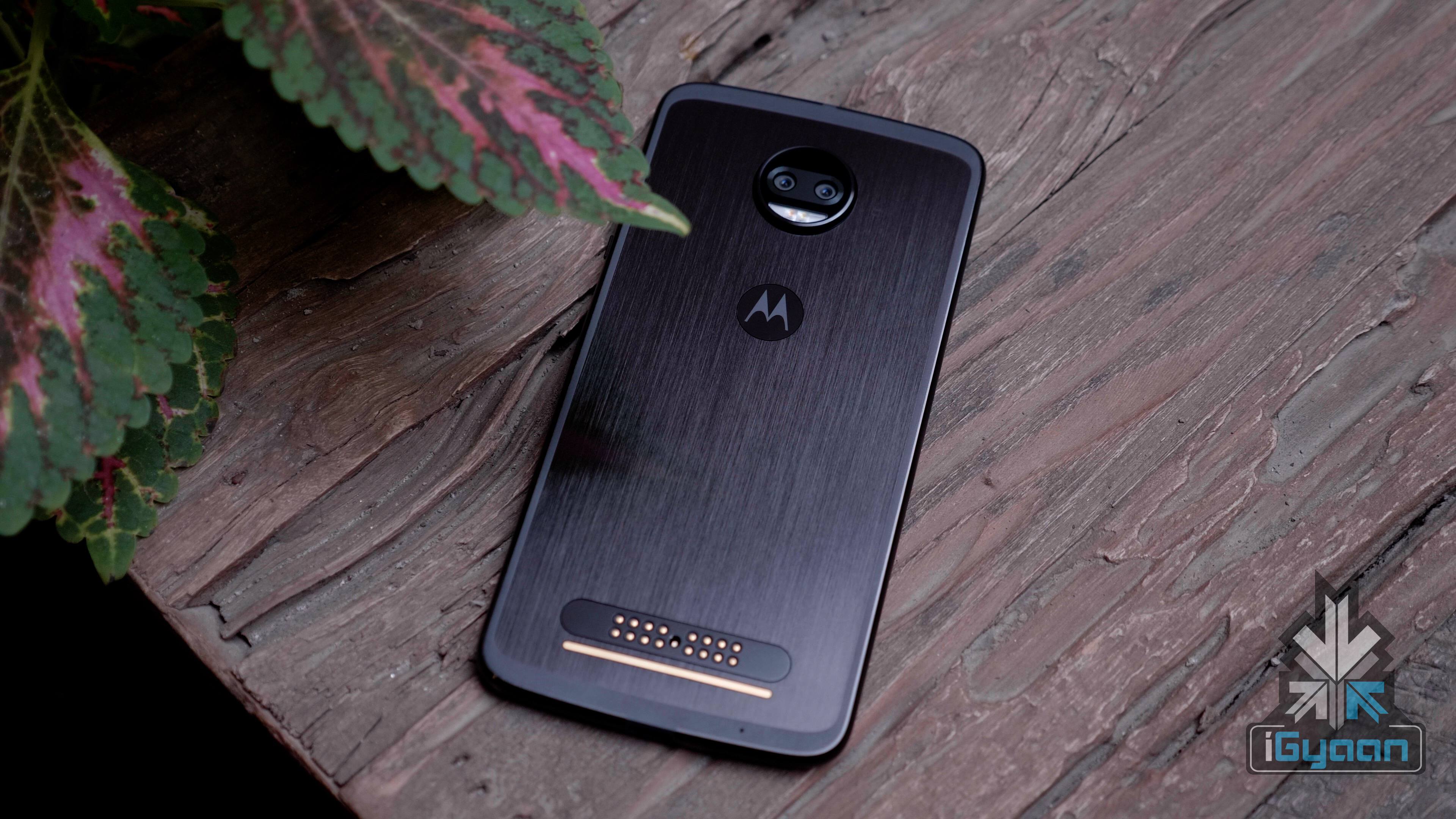
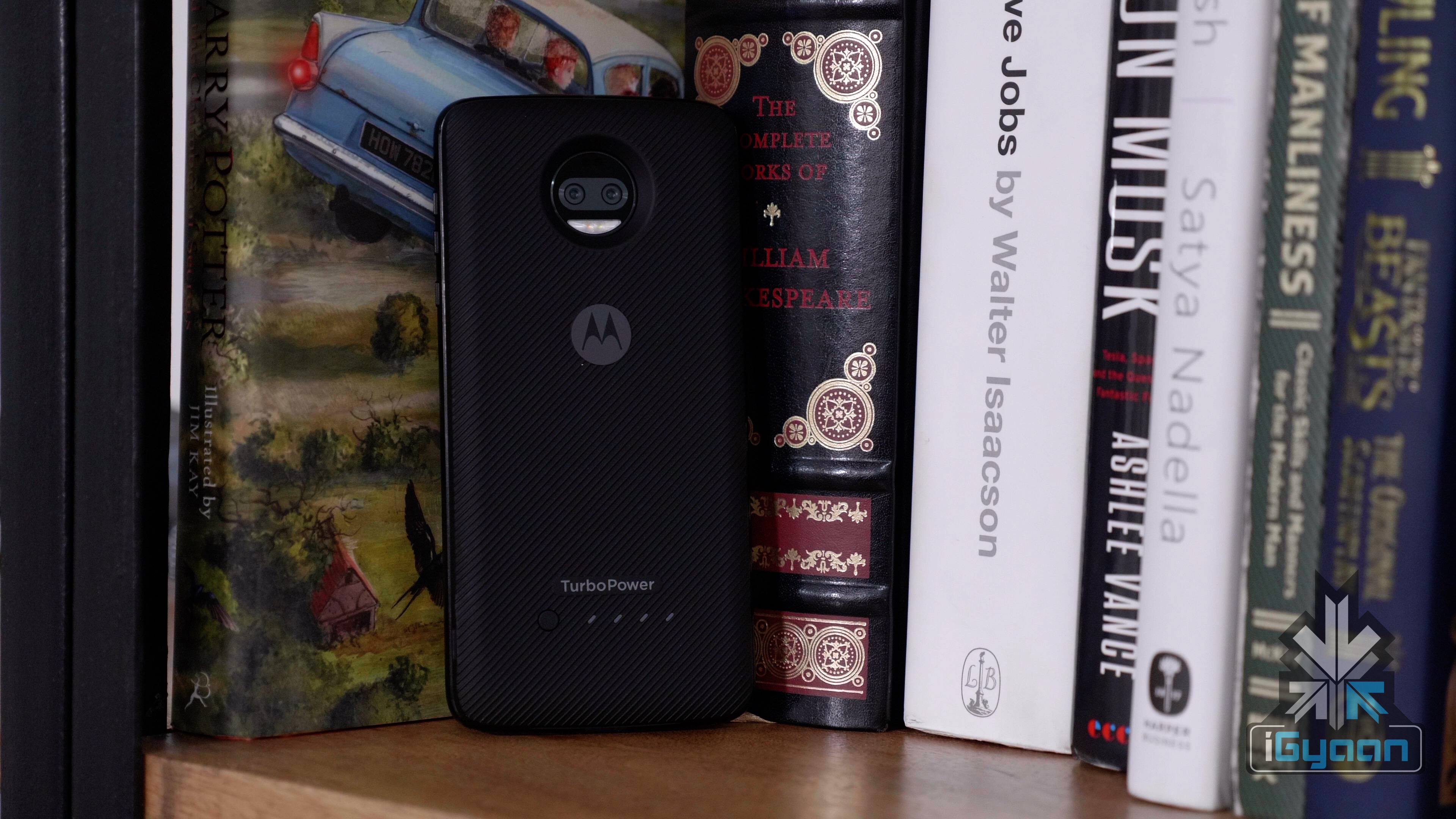
    To maintain the device’s compatibility with Moto Mods, the Z2 Force doesn’t look too different from its predecessor. It is thinner for sure and has a very sturdy build. This time around, Moto has implemented s dual-camera setup on the back which has become a norm. At a price of Rs. 34999, along with the TurboPower Mod, the Moto Z2 Force is a great alternative to the OnePlus 5T.

    Moto Z2 Force
    Moto Z2 Force With TurboPower Mod
    Moto Z2 Force Specifications

    The Moto Z2 Force has a 5.5 inch P-OLED display with a 2560 x 1440 px resolution. The Z2 Force does not have Corning Gorilla Glass on top, instead has a plastic shattershield coating on top. This means that the Z2 Force will survive drops more than a regular device with Corning Gorilla Glass. However, thanks to the presence of a plastic coating, it would be more susceptible to smaller scratches.

    Moto Z2 Force
    Moto Z2 Force
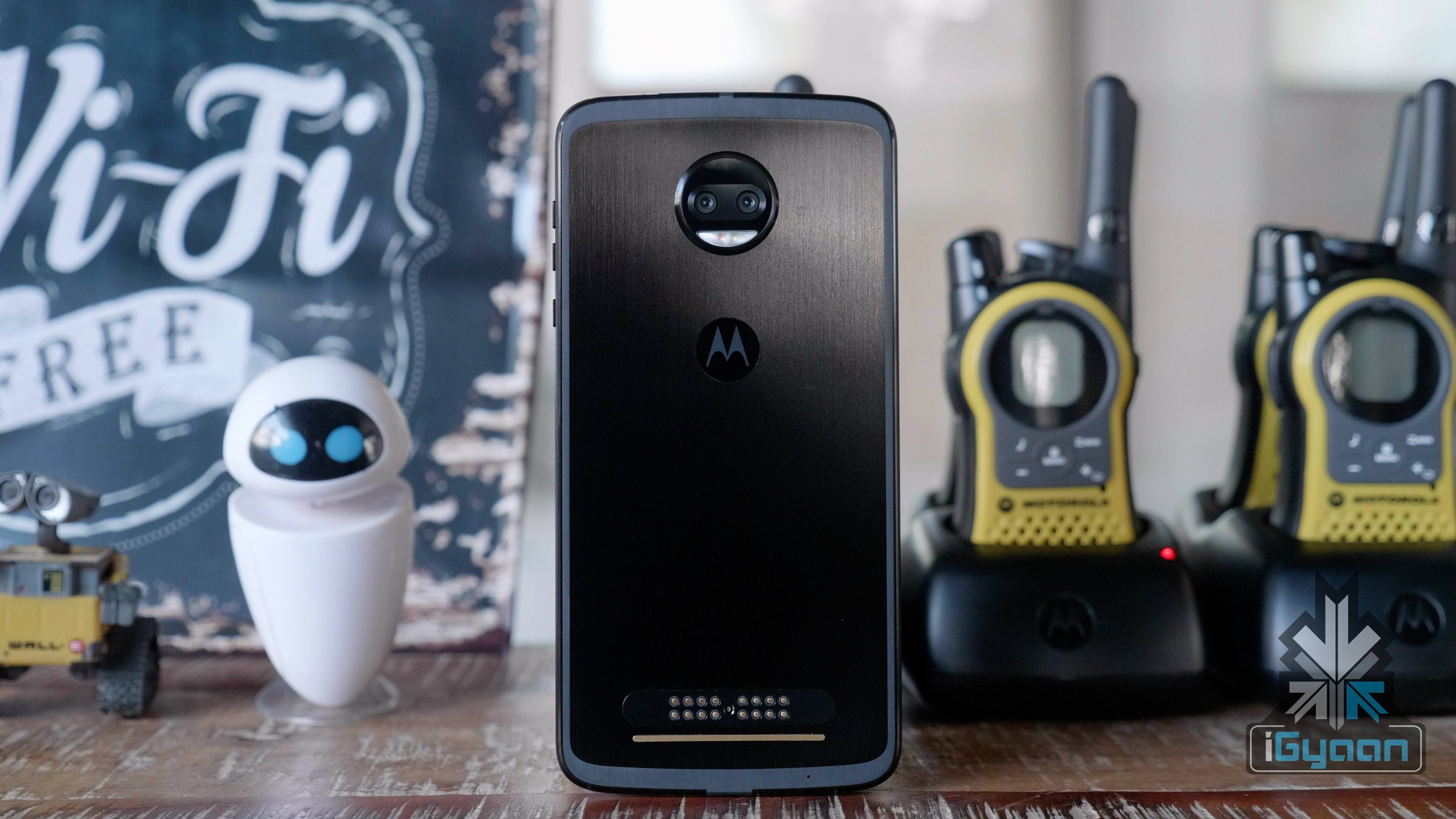
    Under the hood, the device has the Qualcomm Snapdragon 835 chipset along with 6GB of RAM and 64GB of onboard storage. The storage is expandable up to 2TB via a microSD card. The fingerprint sensor is placed on the front of the smartphone as it retains the size and design of a ‘Moto Z’ device. As a result, the Z2 Force is compatible with Moto Mods.

    Probably, a possible let down could be the missing of the 3.5mm headphone jack. However, it will come with a dongle inside the box to still use your beloved wired headphones.

    Another modern element, which has now truly become a norm is in the camera department. The Z2 Force, like many flagship phones, has a dual 12MP camera setup on the back with an f/2.0 aperture. One of them has an RGB sensor while the other one has a monochrome sensor. The smartphone records 4K videos at 30fps. On the front of the device is a 5MP camera with a dual-tone LED flash.

    Moto Z2 Force
    Moto Z2 Force

    [embedyt] https://www.youtube.com/watch?v=vdrhrkUMFMg[/embedyt]

  • JioPhone Gets Official Facebook App Support

    JioPhone Gets Official Facebook App Support

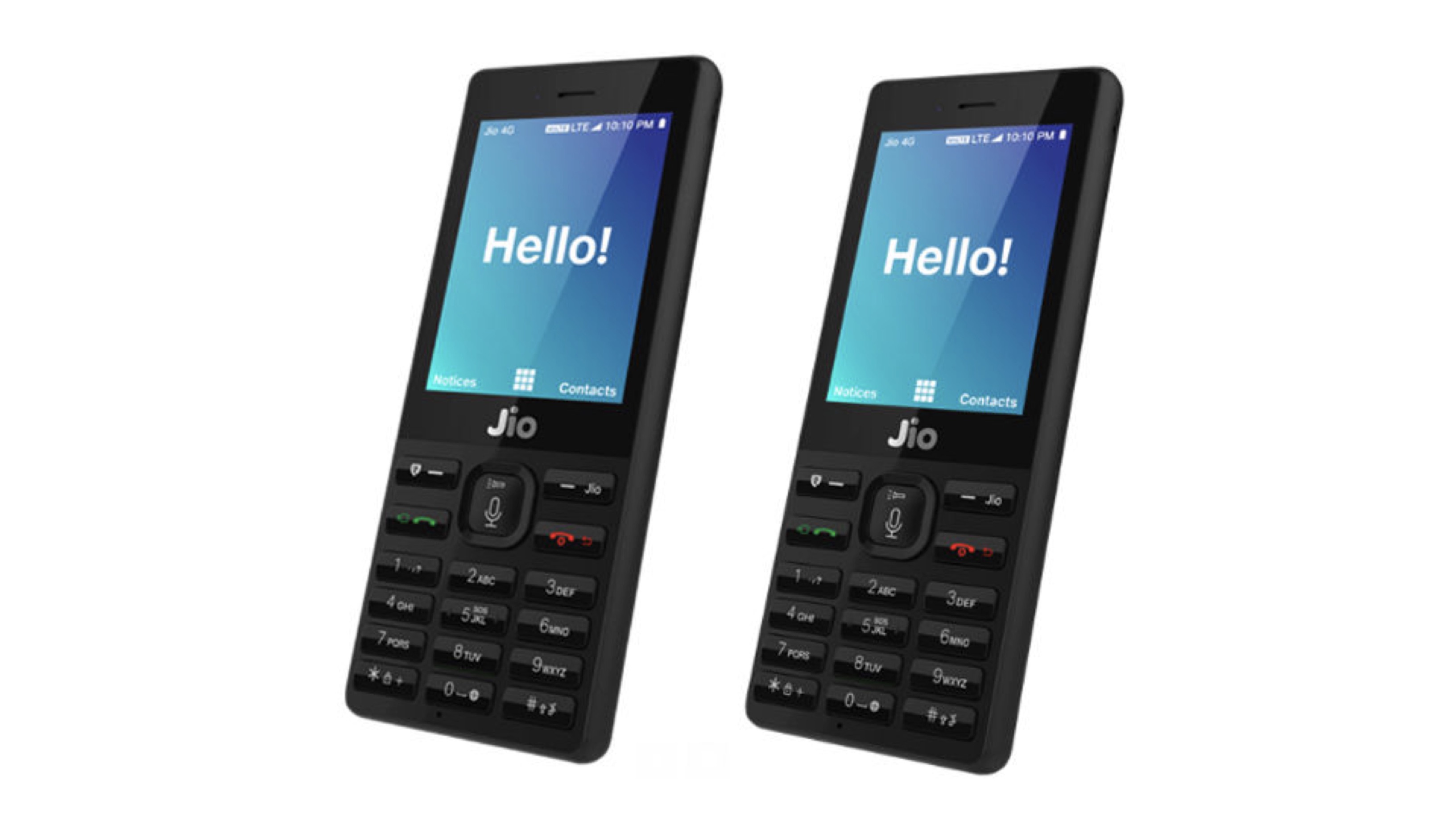
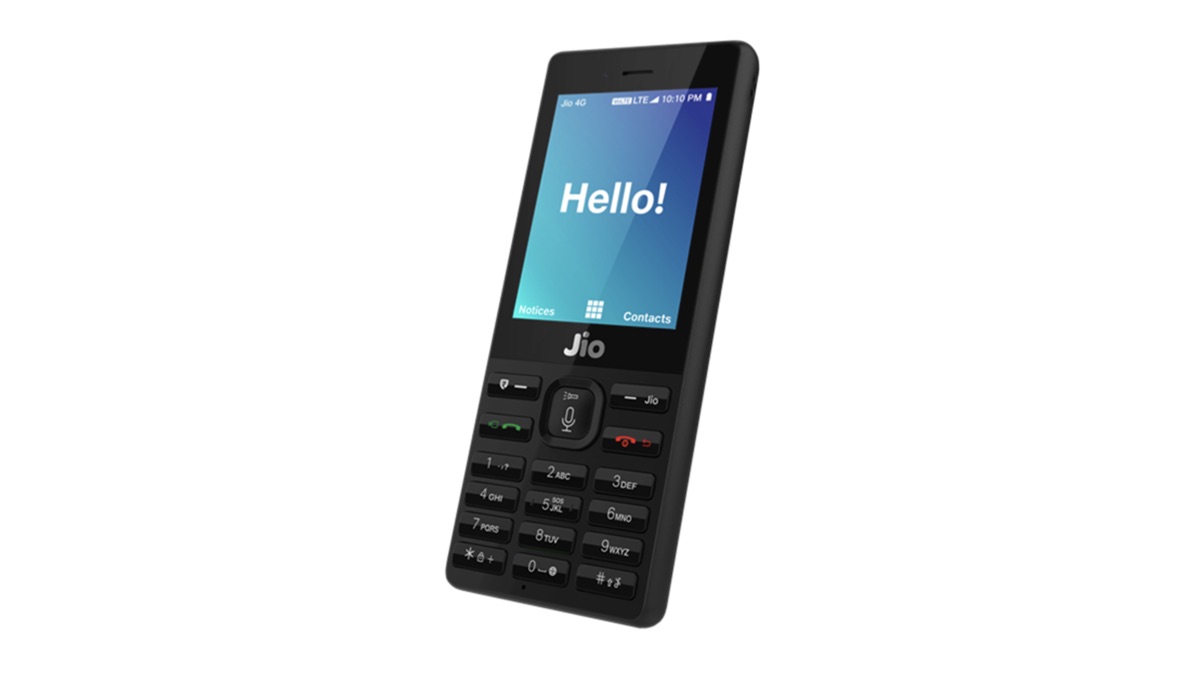
    JioPhone has received a much-needed feature. The JioPhone users can now enjoy fully fledged Facebook natively. The app includes features like push notification, videos, and an optimised news feed. The app has been specially designed by the Facebook team for the KaiOS (special OS based on Firefox OS). The JioPhone will also receive its own version of Google Assistant in the coming months.

    JioPhone is one of the cheapest feature phones that supports 4G LTE with VoLte. The smartphone literally costs nothing (with refundable security deposit), which make sense in the booming market like India. Though the phone supports universal GSM network, the company has locked it to Jio-network only to reduce the misuse. Users can recharge their number for as low as INR 49, which includes unlimited calling and data for 28 days. The company has sold more than 5 million phones, and it is still hard to get a JioPhone without pre-ordering it.

    Specifications:

    For a phone of this calibre, the phone packs decent hardware. The 2.4-inch non-touch panel runs on 1.2 GHz SoC paired with 512 MB RAM and 4 GB storage.

    The phone packs a 2 MP main camera and a VGA selfie camera, which aids in video calling. The 2500 mAh Li-ion battery is user replaceable and will last for an entire day. The phone does offer screen mirroring via a proprietary cable that connects via micro USB port.

    The built-in KaiOS offers exclusive Jio apps like Jio Music, Jio Tv, Jio Magazine, and My Jio. Users can also access Youtube and other streaming services via the web browser.

    Conclusion:

    At the time of launch, the company announced that the phone will feature necessary apps like WhatsApp and Facebook. This looks like a right move in right direction. However, the company haven’t shed any light on the availability of WhatsApp which is the most requested app from the user.

  • Nokia 6 With 4 GB RAM And 64 GB Storage Announced

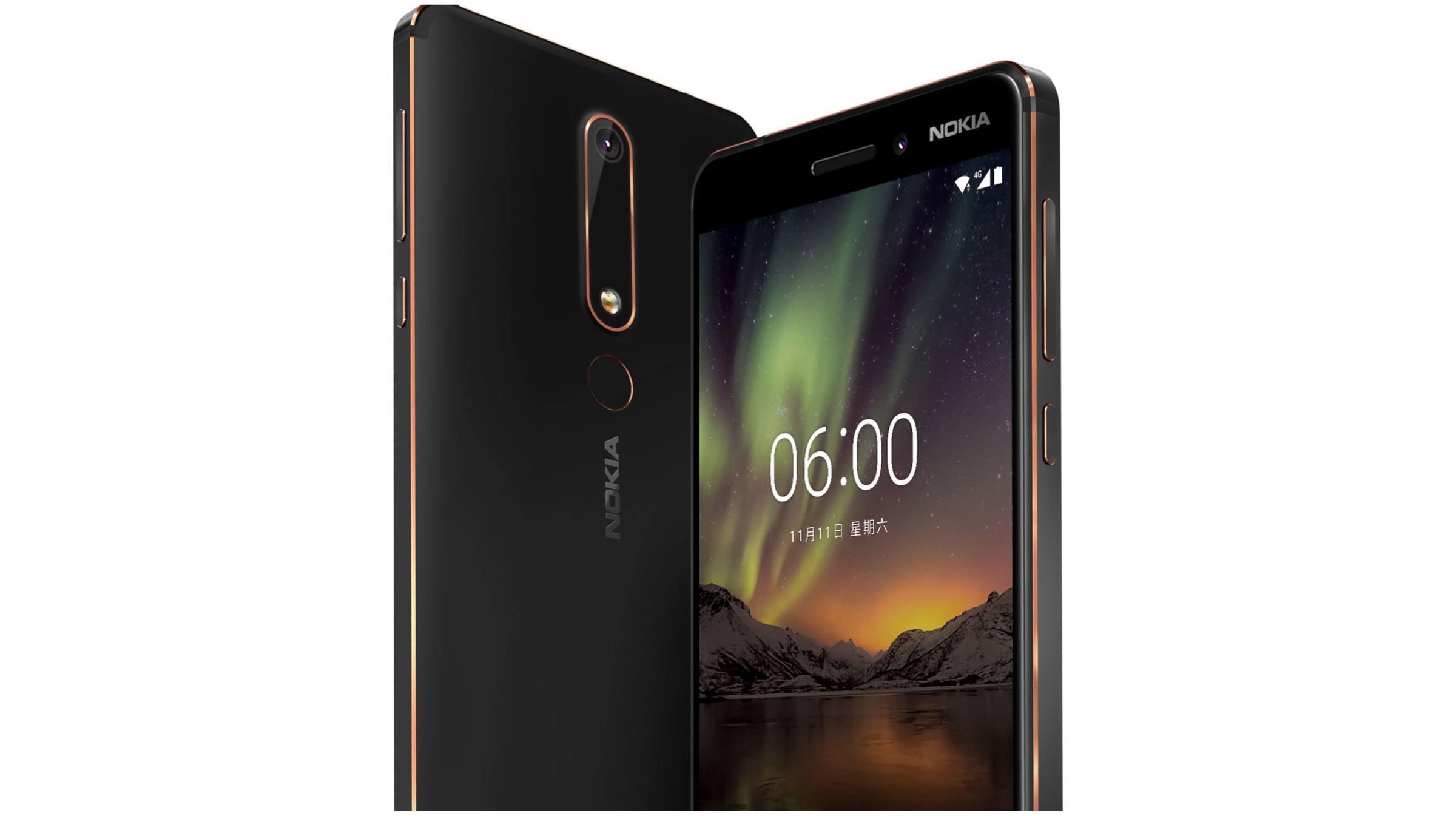
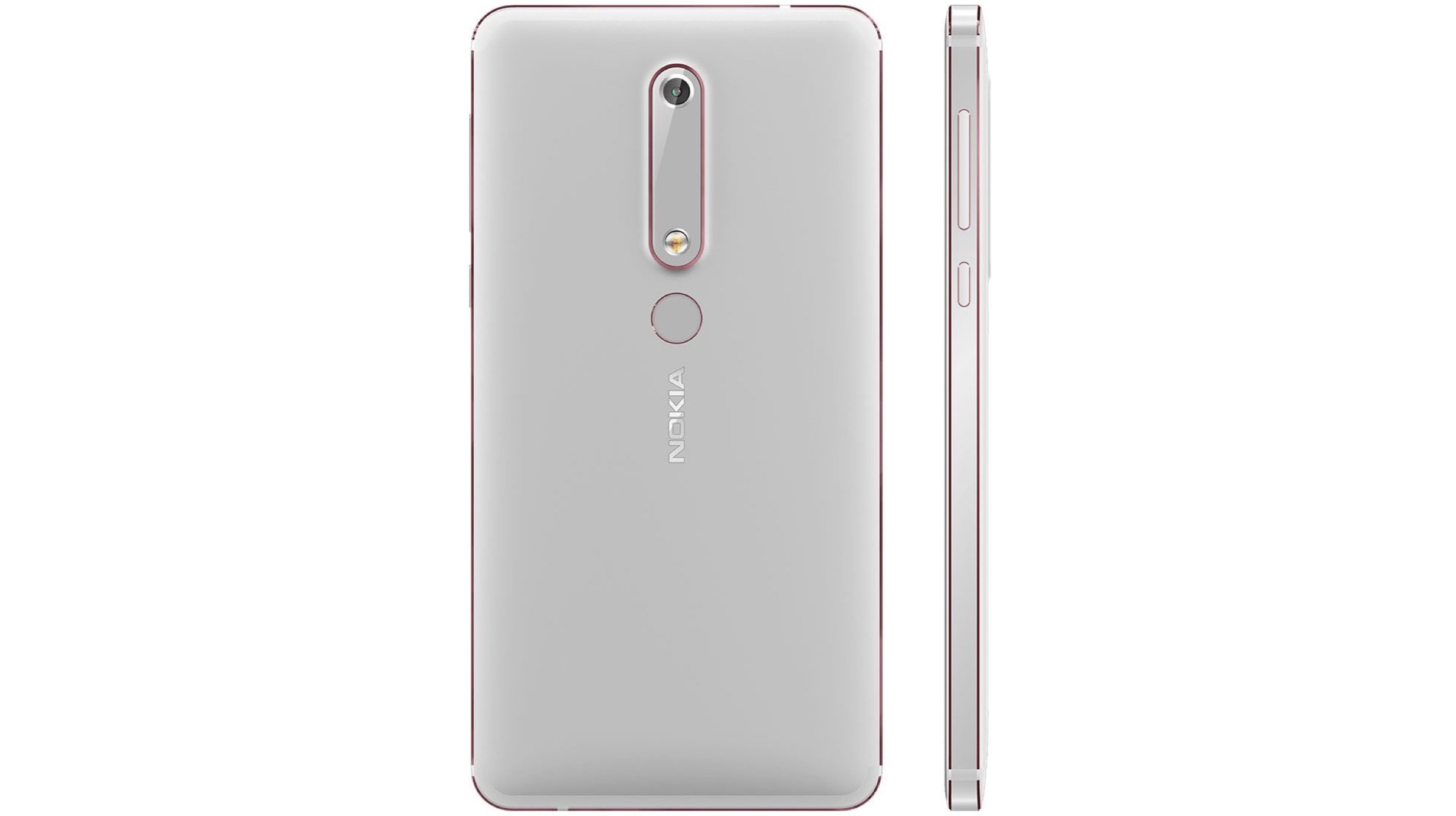
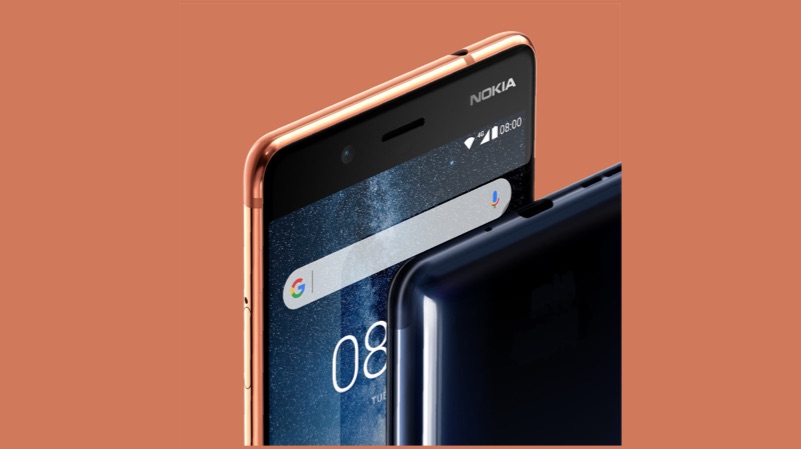
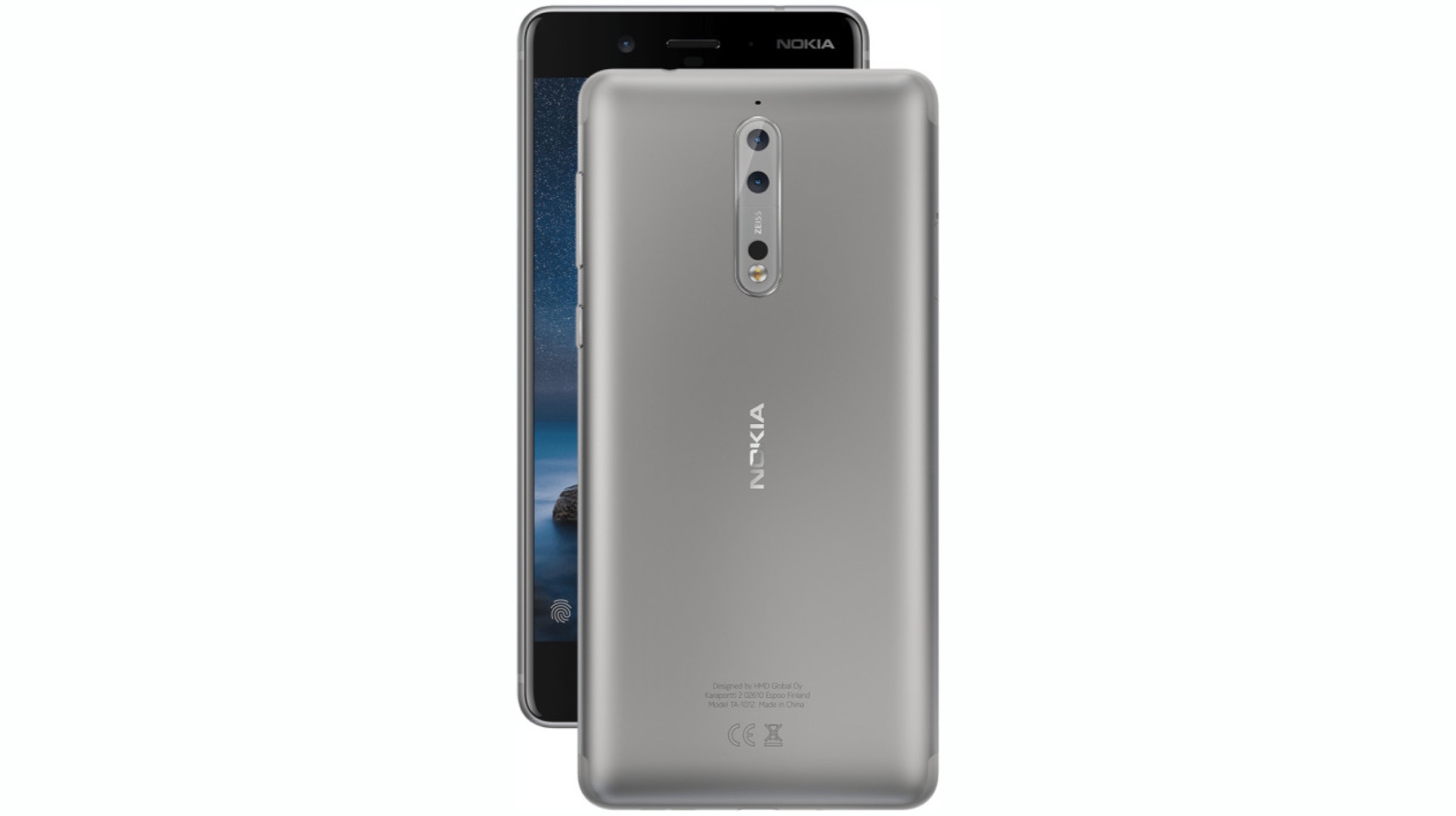
    HMD Global has launched a new iteration of the Nokia 6 in India. Compared to the original Nokia 6 the new version comes with 4GB LPDDR3 RAM and 64 GB onboard flash storage. The smartphone will be available on Flipkart and offline retail stores from the 20th of February. It is priced at Rs. 16,999, whereas the original model retails for Rs. 14,999.

    Nokia 6
    Nokia 6 2018

    The original Nokia 6 with a metal unibody design was one of the best-looking smartphones in its price category. However, the smartphone failed to capture the imagination of consumers in India. This was mainly due to its price-to-performance ratio. Smartphones like the Xiaomi Mi A1, Moto G5s Plus and Honor 7X provided much more at a similar price tag.

    Specifications:

    The original Nokia 6 was one of the first set of smartphones from the brand. The phone featured an industry-accepted full metal unibody design, with a 5.5-inch (16:9) aspect ratio display and a 1920 x 1080 px resolution.

    Under the hood, the smartphone runs on Qualcomm Snapdragon 430 Octa-core processor. Paired with either 3 GB or 4 GB RAM with 32 GB or 64 GB onboard flash storage. The Hybrid SIM cum Micro SD card slot can accept either 2 SIM or 1 SIM and a Micro SD card (up to 128 GB).

    The smartphone runs on stock Android Oreo 8.0 with the latest security patch. Everything runs on a 3000 mAh sealed battery, with support for USB OTG via micro USB port. The Nokia 6 is equipped with a 16 MP rear-facing camera and an 8 MP front-facing selfie camera.

    Conclusion:

    Launching a newer version with an extra gig of RAM and double the storage might not work in the present Indian market. As smartphone enthusiasts are looking for features like 18:9 aspect ratio screen, dual camera setup, faster processor and so on. If Nokia wants to capture the mid-tier smartphone segment in India, then it has to launch a smartphone like the Nokia 7 Plus, which happens to have all the bells and whistles.

  • Moto Z2 Force Launched In India At Rs. 34,999

    Moto Z2 Force Launched In India At Rs. 34,999

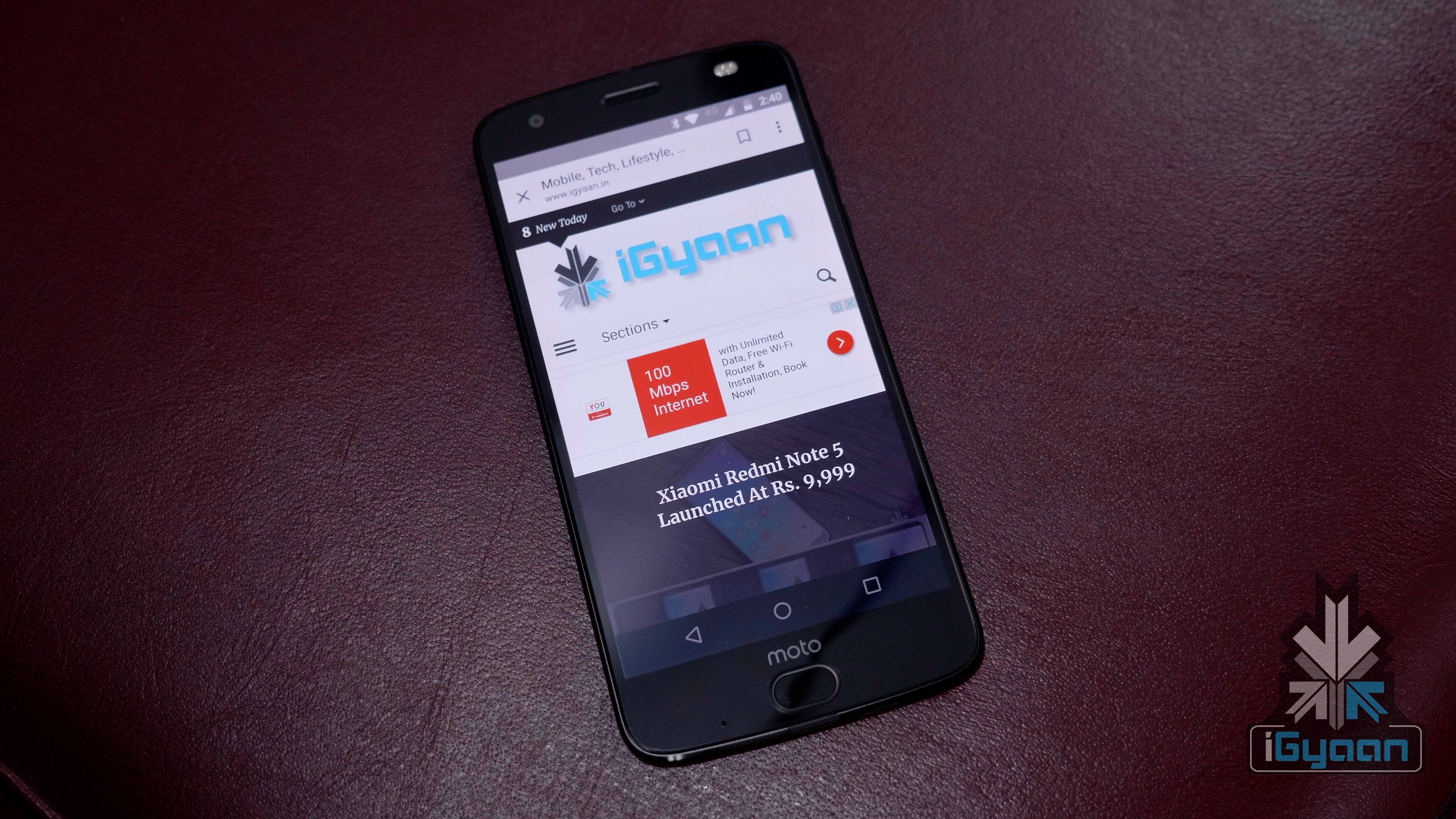
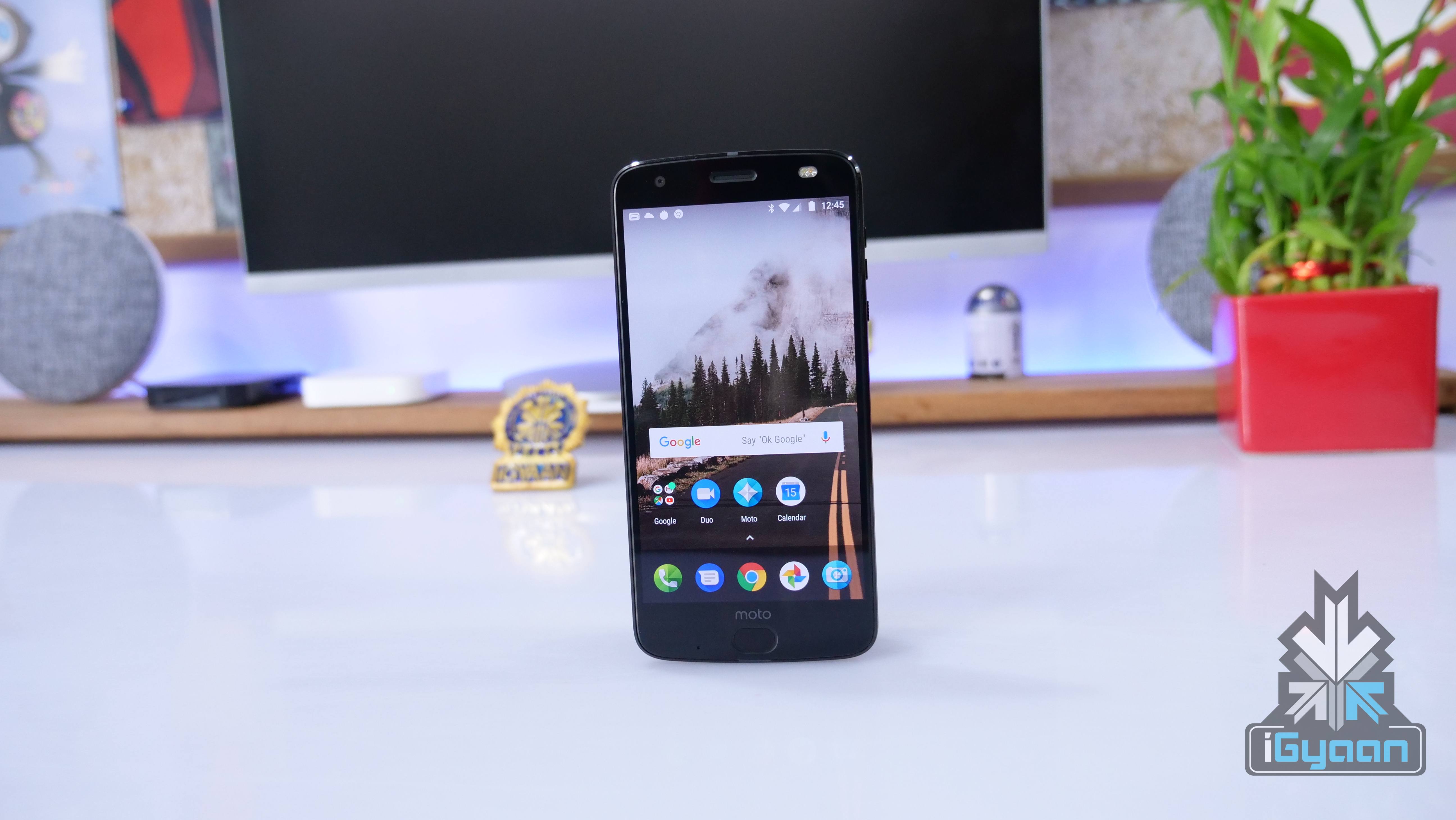
    Lenovo-owned Motorola has launched its 2017 flagship device, the Moto Z2 Force in India. The device is priced at Rs. 34,999 and will go on sale at midnight. It will be available via Flipkart and Moto Hub stores for purchase. To sweeten the deal, Motorola has included its Turbo Mod along with the device.

    The Moto Z2 Force is without a doubt, a late entrant in the India market. It was globally launched back in July 2017 and has taken a lot of time to hit the Indian shores. At a price of Rs. 34,999, the Moto Z2 Force falls in the territory dominated by the OnePlus 5T. The 8GB RAM variant of the OnePlus 5T is priced at Rs. 37,999. Moreover, a Snapdragon 845 device is not expected anytime soon in this price category.

    The Moto Z2 Force, like all the other Moto Z devices, has modular capabilities. Motorola has introduced quite a few interesting Mods in the recent past, like the GamePad or an instant printer.

    Moto Z2 Force
    Moto Z2 Force With TurboPower Mod
    Moto Z2 Force Specifications

    The Moto Z2 Force has a 5.5 inch P-OLED display with a 2560 x 1440 px resolution. The Moto Z2 Force does not have Corning Gorilla Glass on top, instead has a plastic shattershield coating on top. This means that the Moto Z2 Force will survive drops more than a regular device with Corning Gorilla Glass. However, thanks to the presence of a plastic coating, it would be more susceptible to smaller scratches.

    Moto Z2 Force
    Moto Z2 Force
    Under the hood, the device has the Qualcomm Snapdragon 835 chipset along with 6GB of RAM and 64GB of onboard storage. The storage is expandable up to 2TB via a microSD card. The fingerprint sensor is placed on the front of the smartphone as it retains the size and design of a ‘Moto Z’ device. As a result, the Moto Z2 Force is compatible with Moto Mods.

    Probably, a possible let down could be the missing of the 3.5mm headphone jack. However, it will come with a dongle inside the box to still use your beloved wired headphones.

    Another modern element, which has now truly become a norm is in the camera department. The Moto Z2 Force, like many flagship phones, has a dual 12MP camera setup on the back with an f/2.0 aperture. One of them has an RGB sensor while the other one has a monochrome sensor. The smartphone records 4K videos at 30fps. On the front of the device is a 5MP camera with a dual-tone LED flash.

    Moto Z2 Force
    Moto Z2 Force
    Conclusion

    The Moto Z2 Force is probably a great prospect for people who prefer Moto devices. The addition of a TurboPower mod makes it a very good deal right now hence, we expect the device to do well in India. However, there are a host of budget premium devices like the OnePlus 6 expected to launch in mid-2018. Due to the possible launch of such devices, the Moto Z2 Force might face a steep battle to be a success in India.

    Buy the Moto Z2 Force here
  • Nokia 7 Plus, Nokia 1 Images Leaked

    Nokia 7 Plus, Nokia 1 Images Leaked

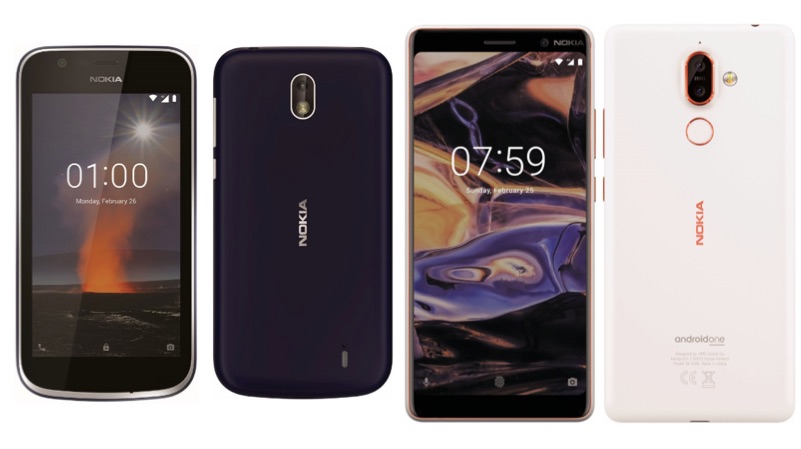
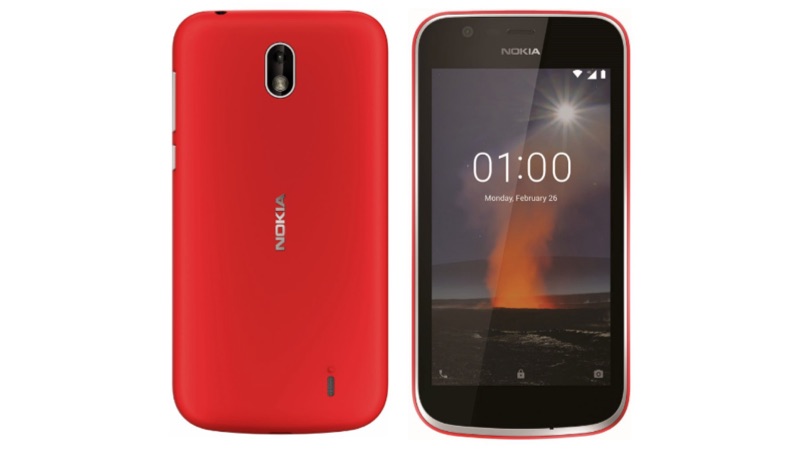
    HMD Global is set for an eventful MWC 2018. The company will be announcing a few new smartphones along with the Penta-lens Nokia 10 concept. Expected to make their debuts are the Nokia 1 and Nokia 7 Plus. The Nokia 1 could be the first Android Go device and the Nokia 7 Plus will be a follow up to the recently launched Nokia 7.

    Nokia 1
    Nokia 1

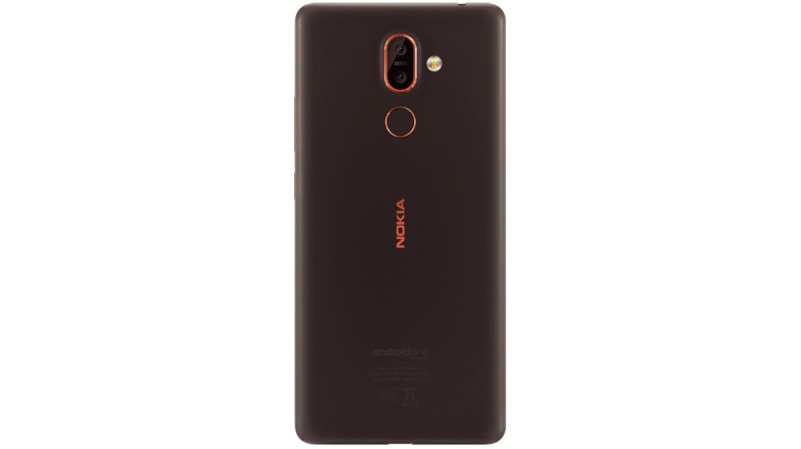
    While there has been a few Nokia 7 Plus leaks, images of the Nokia 1 have also been finally revealed. A popular tipster on Twitter shared the renders of the Nokia 1 and Nokia 7 Plus. The design of the Nokia 7 Plus looks particularly impressive while the Nokia 1 seems like an ideal entry-level device. The Nokia 7 Plus will have an 18:9 aspect ratio along with thin top and bottom bezels. The Nokia 1, on the other hand, looks quite simple but, it will be an entry-level smartphone.

    Nokia 7 Plus will also have colour accents similar to the Nokia 6 (2018). The white colour variant will have orange accents on the back camera and the fingerprint sensor rim. The design is expected to be hugely popular, at least in China after the Nokia 7 was a hit. Another revelation is that the Nokia 7 Plus will be an Android One device, which means stock Android OS and timely software updates. Nokia, to its credit, has been pushing out timely updates so far.

    Nokia 1
    Nokia 7 Plus
    Expectations

    The Nokia 1, being an Android Go device, will have entry-level specifications. It is expected to have up to 1GB of RAM, 8GB of internal storage and a Snapdragon or MediaTek chipset. It will run Android 8.1 Oreo out of the box.

    The Nokia 7 Plus, however, is expected to have updated specifications over the Nokia 7. It will have a will have a 6 inch display with an 18:9 aspect ratio hence, the “Plus” moniker. The fingerprint sensor will be placed on the back, just like the Nokia 7 although, the device had a 16:9 aspect ratio and thick bezels.

    Nokia 1
    Nokia 7 Plus Live Images

    Under the hood, the Nokia 7 Plus is expected to have the Snapdragon 660 chipset. That could be coupled with up to 6GB of RAM and 64GB of onboard storage.

    With MWC 2018 just around the corner, the anticipation has increased. HMD Global will also announce the global availability of these devices. Looking at India’s feature phone market, it could be one of the first countries to get the Nokia 1.

  • From Xiaomi Redmi Note 4 To Redmi Note 5 : What Has Changed?

    From Xiaomi Redmi Note 4 To Redmi Note 5 : What Has Changed?

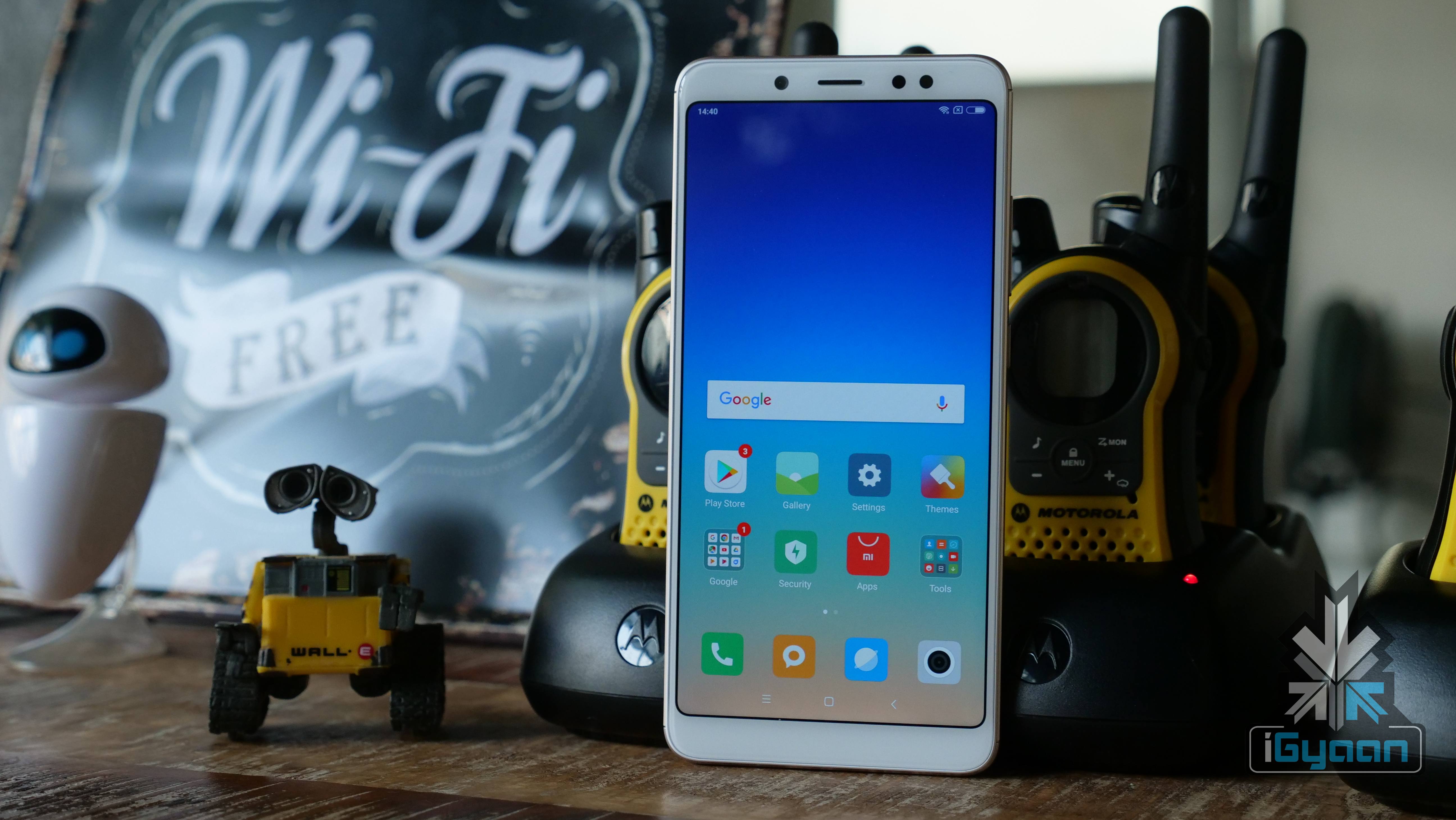
    Xiaomi has launched the Redmi Note 5 in India at a starting price of Rs. 9,999. The device will finally go on sale on the 22nd of February in India. The Redmi Note 5 has huge shoes to fill in, considering the Redmi Note 4 is the bestselling smartphone by Xiaomi.

    Redmi Note 5
    Xiaomi Redmi Note 4

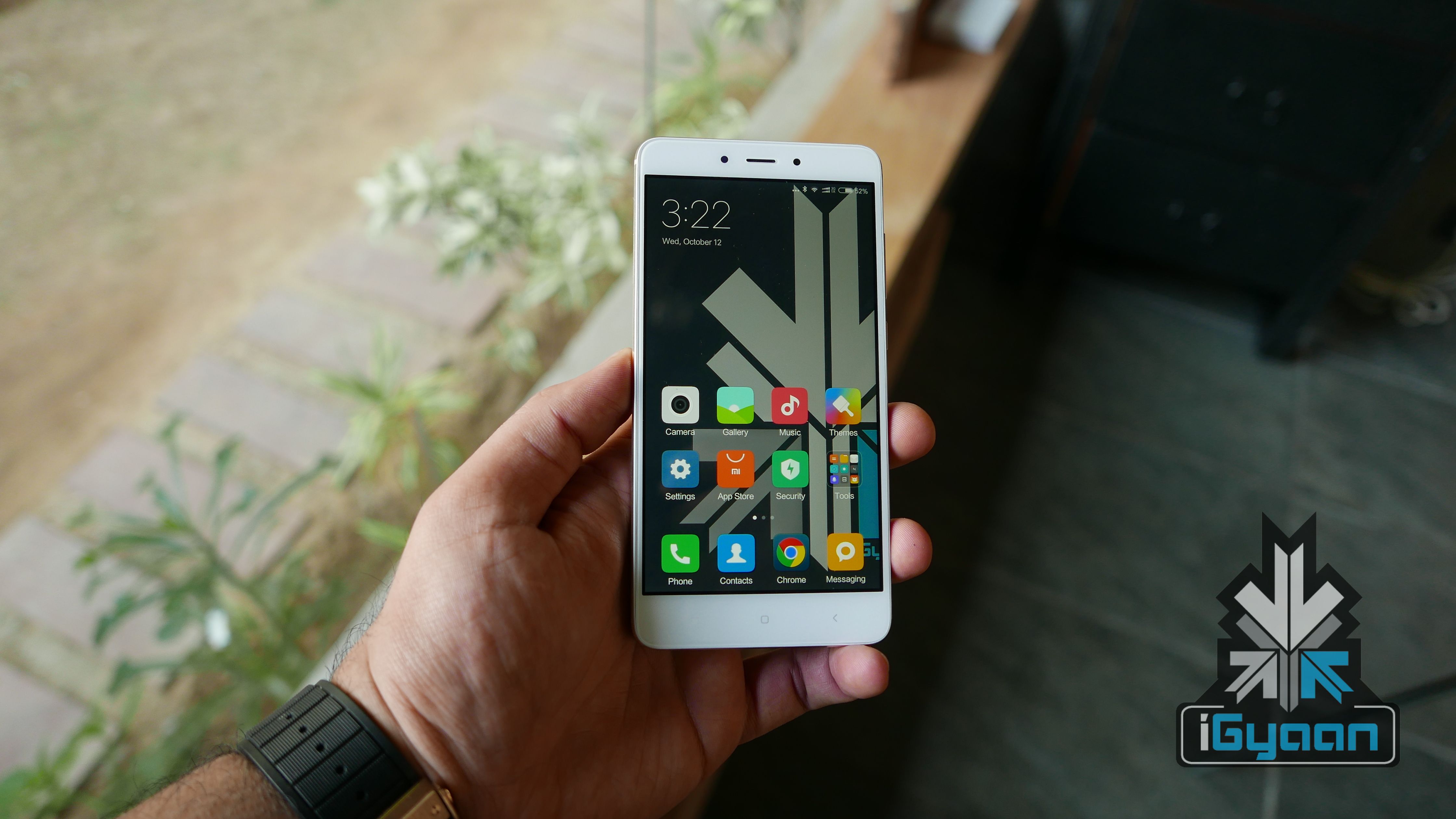
    A few weeks ago, a news from China claimed that Xiaomi won’t launch a Redmi Note 5 in China and instead rename the Redmi 5 Plus as Redmi Note 5 for the Indian market. While many were sceptical about this move, it felt more plausible at that time. Now, it is official that the Redmi 5 Plus is indeed the Redmi Note 5. So, what has changed between the two generations?

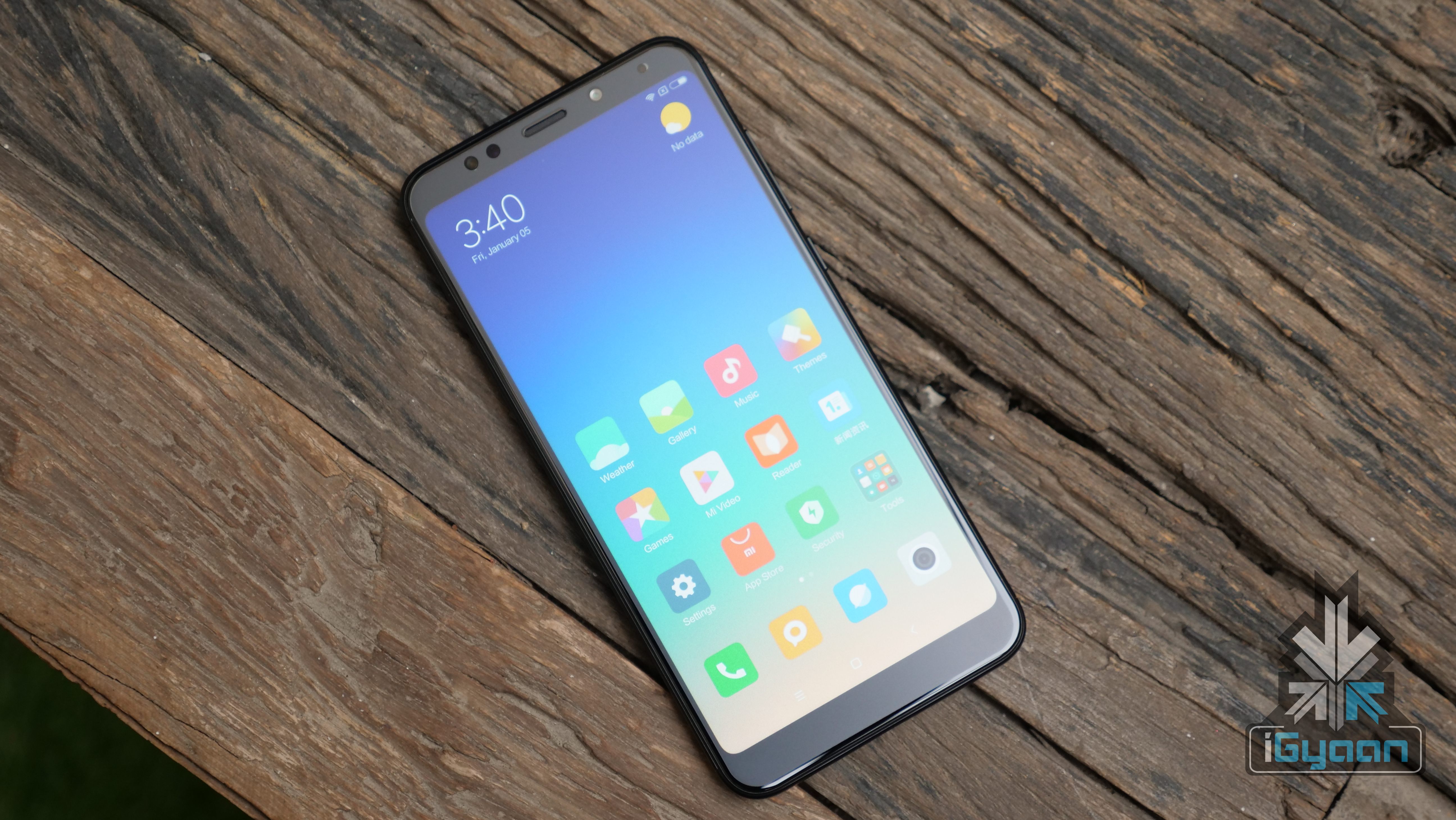
    The first thing you notice when you hold the new Note 5 is the display and its 18:9 aspect ratio. The smartphone industry has moved on from the 16:9 aspect ratio and it made sense for Xiaomi to launch a modern looking device in 2018. The Redmi Note 5 provides that with its relatively thinner bezels. The Redmi Note 5 is not a bezel-less device by any means and the Gold colour makes the presence of the bezels more prominent, thanks to the white colour.

    Redmi Note 5
    Redmi Note 5

    Having said that, the Redmi Note 5, in terms of design, is a definite upgrade over the Redmi Note 4. It is still built very sturdily with an aluminium unibody design.

    Under the hood, the Redmi Note 5 has the same the Qualcomm Snapdragon 625 chipset as the Redmi Note 4. The company claims that the Snapdragon 625 is one of the best budget chipsets and that is one of the reasons the Note 5 has maintained the chipset. When you look at flagship devices, a 2018 flagship phone launching with the Snapdragon 835 would not make sense because the Snapdragon 845 exists. Similarly, the Note 5 should have had a better chipset, like the Redmi Note 5 Pro has the Snapdragon 636 chipset.

    This move might stop a lot of Redmi Note 4 owners from upgrading in 2018. Since, the Redmi Note 4 continues to perform great and its succesor won’t really provide anything better. A lot of customers usually look for hardware upgrade rather than design changes, especially in the budget category. Probably, Redmi Note 4 users could get tempted to update to the Note 5 Pro considering it has a newer and better chipset under the hood.

    Redmi Note 5
    Redmi Note 4

    The Redmi Note 4’s biggest issue was its camera performance. Xiaomi claims that the Redmi Note 5 has much better camera performance than the Redmi Note 4. It has a 12MP primary camera with an f/2.2 aperture. On paper, these aren’t the most flattering numbers but, it performs better than the Redmi Note 4. But again, is that worthy enough for a generational upgrade?

    The Xiaomi Redmi Note 4 had a great battery performance thanks to the Snapdragon 625 chipset and the 4000 mAh battery. In a world where companies are making smartphones slimmer by reducing battery sizes, Xiaomi has done something else. The Redmi Note 5 has the same combination of the Snapdragon 625 chipset and a 4000 mAh battery. But, it also has a bigger display which means that the battery performance might be affected slightly.

    At a price of Rs. 9999, this smartphone is a great prospect for some with a Redmi Note 3 or older phone. However, people who own a Redmi Note 4 would be hard pressed not to take out their wallets for the Redmi Note 5. What are your thoughts? let us know in the comments.

    Buy The Redmi Note 5 here


  • Nokia 8 Starts Receiving Android 8.1 Oreo Update

    Nokia 8 Starts Receiving Android 8.1 Oreo Update

    HMD Global launched the Nokia 8 in India in September 2017. At the time of the launch, the company promised an update to Android 8 Oreo soon as the device was running Android 7 Nougat out of the box.

    The company has now confirmed that the Nokia 8 has started receiving an update to Android 8.1 Oreo via OTA. Chief Product Manager at HMD Global, Hujo Sarvikas took to Twitter to share the news.

    As per the official changelog, the Android 8.1 Oreo update for the Nokia 8 includes battery saving navigation buttons, a revamped power menu, new settings menu, and Bluetooth battery percentage. Also included are various core Android features such as Neural Networks API, Autofill framework updates, and a SharedMemory API. Along with these changes, there will obviously be enhanced performance and necessary bug fixes.

    The Nokia 8 recently received a permanent price cut and is now available in India at a price of Rs. 28,999.

    Nokia 8 Specifications

    The Nokia 8 has a 5.3 inch 2560 x 1440 px display and 2.5D Corning Gorilla Glass 5 for protection.

    [amazon_link asins=’B072LNNSQQ’ template=’ProductAd’ store=’igyaan-21′ marketplace=’IN’ link_id=’a44a6421-1173-11e8-894b-43f3c8f10cbe’]

    Under the hood is the Qualcomm Snapdragon 835 chipset and a 2.45GHz octa-core processor, the Adreno 540 GPU, 4GB of RAM and 64GB of onboard storage which is expandable via microSD card. The smartphone has an aluminium unibody design and an IP54 rating for splash resistance. The fingerprint sensor is housed inside a physical home button which sits between two navigation touch capacitive buttons below the screen.

    Powering the device is a 3090mAh battery with QuickCharge 3.0 support via USB Type-C port. It runs stock Android 7.1.1 OS and the company has promised monthly security updates and yearly Android updates.

    The Nokia 8 is the first Nokia Android device to feature Carl Zeiss optics. The Nokia 8 boasts a Zeiss powered dual camera setup at the rear – a primary 13MP RGB (colour) sensor with optical image stabilisation paired with a 13MP secondary monochrome (black and white) sensor and an f/2.0 aperture. The dual-camera setup is capable of recording videos in 4K at 30 FPS and has a portrait mode for bokeh effect. On the front is a 13MP camera with an f/2.0 aperture which can also record 4K videos at 30FPS.

  • Xiaomi Redmi Note 5 Pro

    Xiaomi Redmi Note 5 Pro

    Xiaomi has launched a ‘Pro’ version of the Redmi Note 5 in India at a launch event in Delhi. The Redmi Note 5 Pro will go on sale in India at a starting price of Rs. via Flipkart. The Redmi Note 5 Pro has better hardware and the company claims that the camera performance of the Redmi Note 5 Pro is its highlight. For context, the Redmi Note 5 is priced at Rs 10999.

    From the front, the Redmi Note 5 Pro looks very similar to the Redmi Note 5. It has the same display and 18:9 aspect ratio like the Redmi Note 5. Once you flip the device is when you see the difference. In a move that will garner a lot of eyeballs, Xiaomi has gone for a vertically placed dual-camera setup which is positioned uncannily similar to the iPhone X. Even the LED flash is placed between the two sensors, like the iPhone X.

    [section label=”Latest News”]

    Latest News

    [loop included_tags=”40211,39981″ loading=”paged” layout=”f” postsperpage=”6″ disable_ads=”true” disable_excerpt=”true”]

    [section label=”Videos”]

    Videos

    [embedyt] https://www.youtube.com/watch?v=0aFnAF63j2o[/embedyt]

  • Xiaomi Mi LED Smart TV 4 Launched In India At Rs. 39,999

    Xiaomi Mi LED Smart TV 4 Launched In India At Rs. 39,999

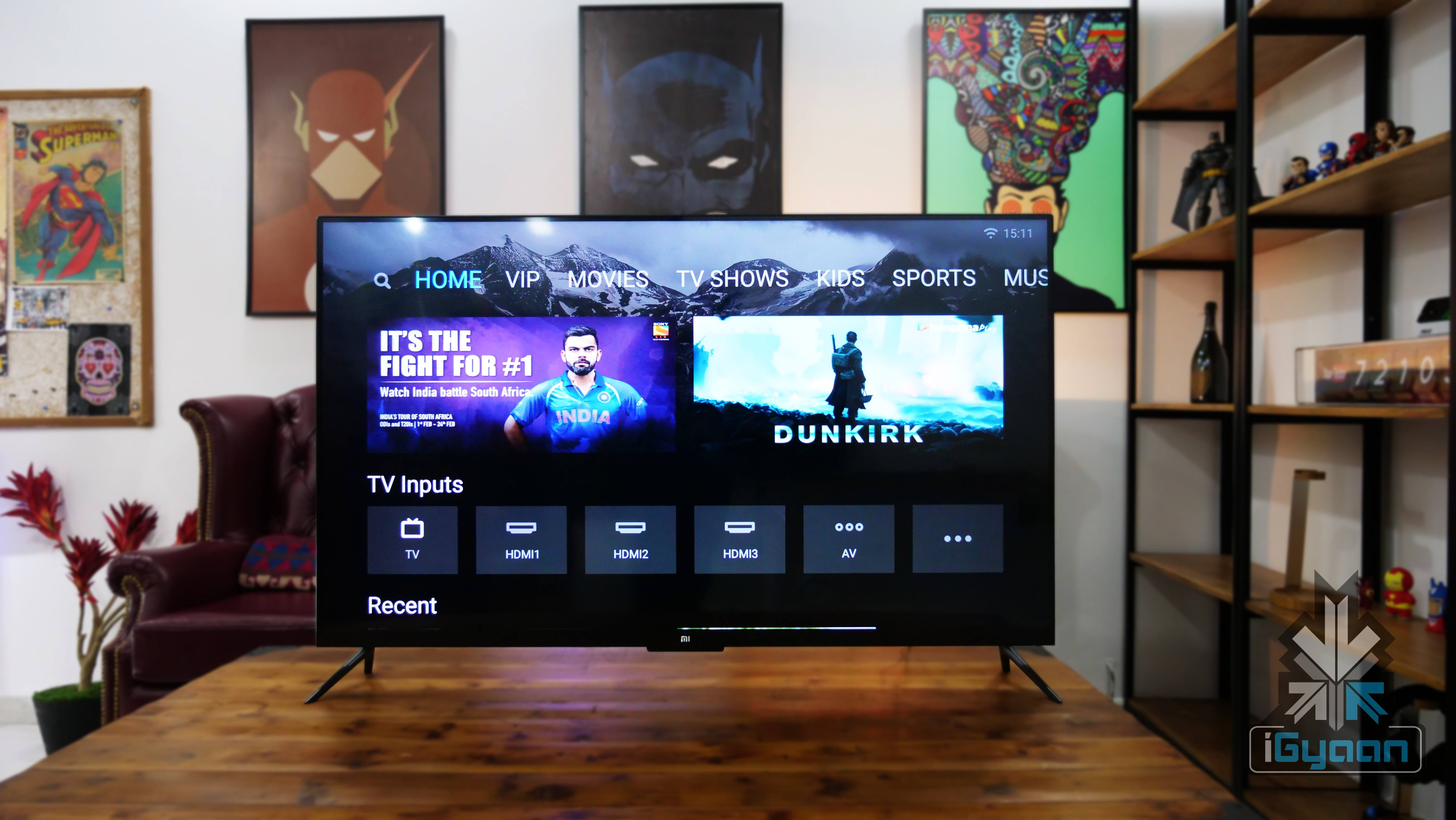
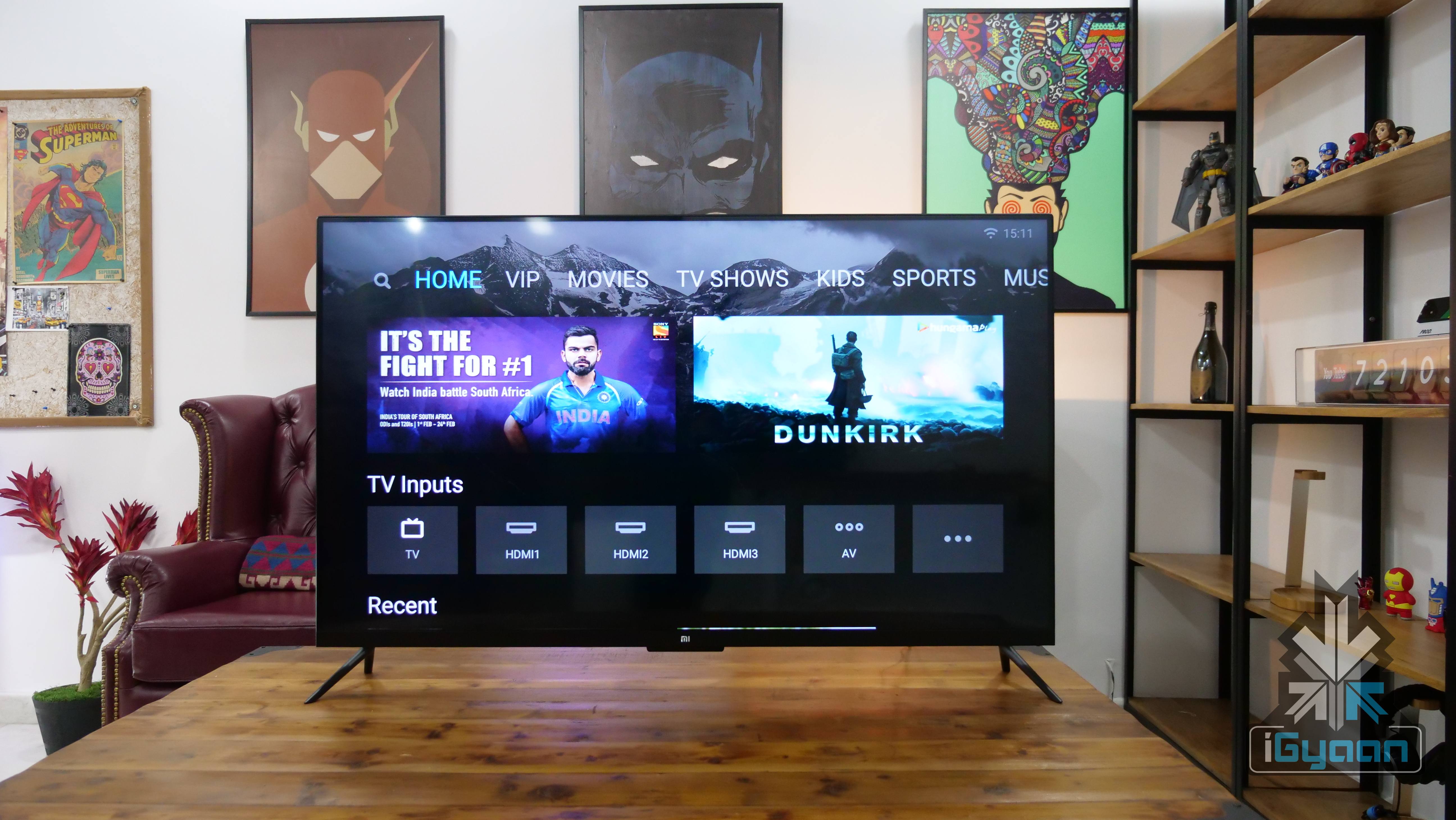
    Along with two smartphones, Xiaomi has launched its first ever smart TV in India. The Xiaomi Mi LED Smart TV 4 will go on sale in India at a price of Rs. 39,999 on the 22nd of February.

    Overview

    The 55 inch Xiaomi Mi TV 4 comes with a 4K UHD display with a 3840 x 2160 resolution and a 178-degree viewing angle. The TV has a refresh rate of 60Hz and it also offers support for HDR10+ HLG. The device has a “frameless design” and also comes with Dolby Atmos audio technology.

    Interestingly, the trend of AI and machine learning is bleeding into the television industry as well, it seems. The Xiaomi Mi LED Smart TV comes with AI support and can make recommendations. It has a UI called PatchWall and is based on Android OS which allows for content curation based on recommendations. The TV also has speech recognition and voice control, but, since it is only available in China as of now, it doesn’t work with the English language.

    Under the hood, the Mi LED Smart TV is powered by a 64-bit Amlogic L962 chipset with four 1.5GHz Cortex-A53 cores along with 2GB of RAM and 8GB of onboard storage. As for connectivity, the Xiaomi Mi TV 4 has Wi-Fi ac, Bluetooth 4.2, three HDMI ports, two USB ports, AV in, Ethernet port, and S/PDIF audio output. There is also the new Xiaomi remote for controlling the TV which has infrared as well Bluetooth connectivity options.

    [embedyt] https://www.youtube.com/watch?v=s0q4V3wwPIs[/embedyt]
iGyaan Network
Privacy Overview

This website uses cookies so that we can provide you with the best user experience possible. Cookie information is stored in your browser and performs functions such as recognising you when you return to our website and helping our team to understand which sections of the website you find most interesting and useful.