Blog

  • Xiaomi Mi LED TV 4 Review

    Xiaomi Mi LED TV 4 Review

    With several television brands in the country trying to cash in on the big screen market, Xiaomi has finally launched their Mi TV 4 in India. The LED panel is Xiaomi’s first entrant into the market of television displays in the country but not the last. The television goes on sale on the  22nd of February at an aggressive price of Rs. 39999. This price point allows Xiaomi to capture a market that traditionally chose smaller displays for a better feature set. But, is the Xiaomi TV worth the money? Let’s find out!
    Design and Build

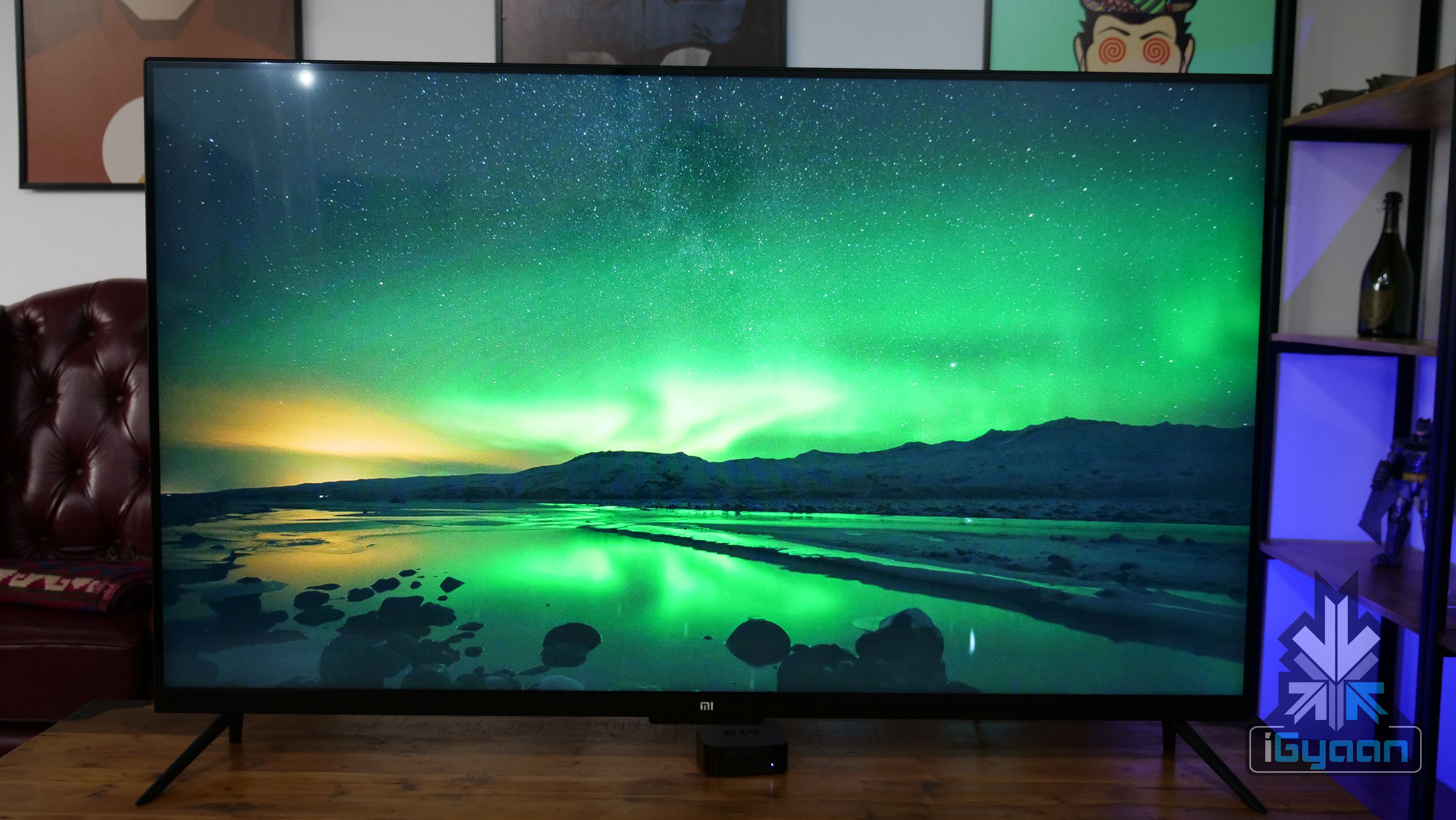
    The Mi TV 4 has a brilliant design with minimal use of materials. The panel is left mostly bare and is strengthened by a single sheet of brushed steel backing to Add support to the otherwise flimsy screen. At the thinnest point, the television is only 4.9mm thin. While the television does widen out at the bottom where most of the electronics are housed. The stand is also made out of solid metal and is extremely sturdy, with it the television weighs in at 17.8 Kilogram.  Without the stand at a comfortable 17.2 KG, the television is easily wall mountable using the 400 x 200 mm bracket at the back. The wall mount is not included.
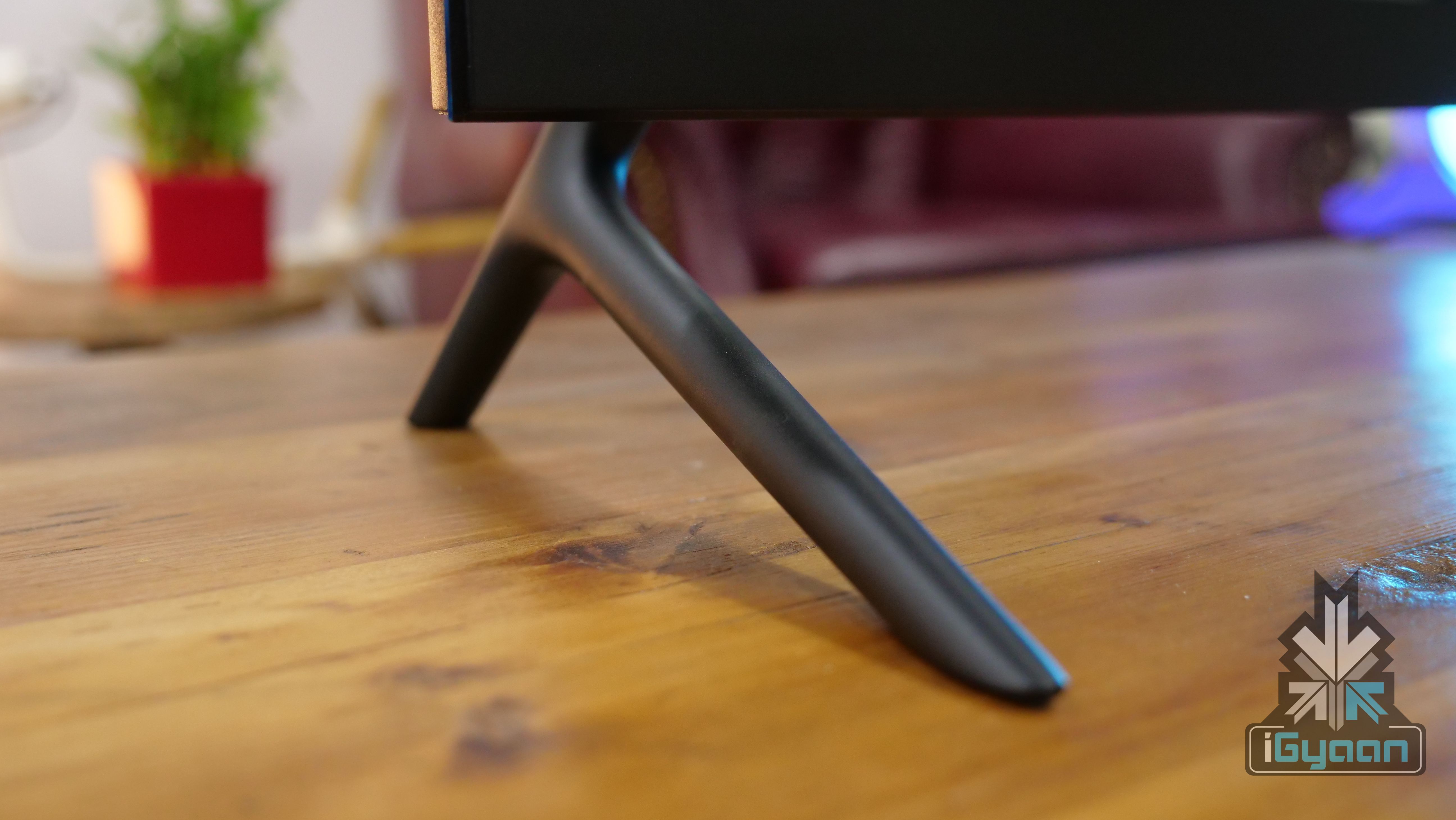
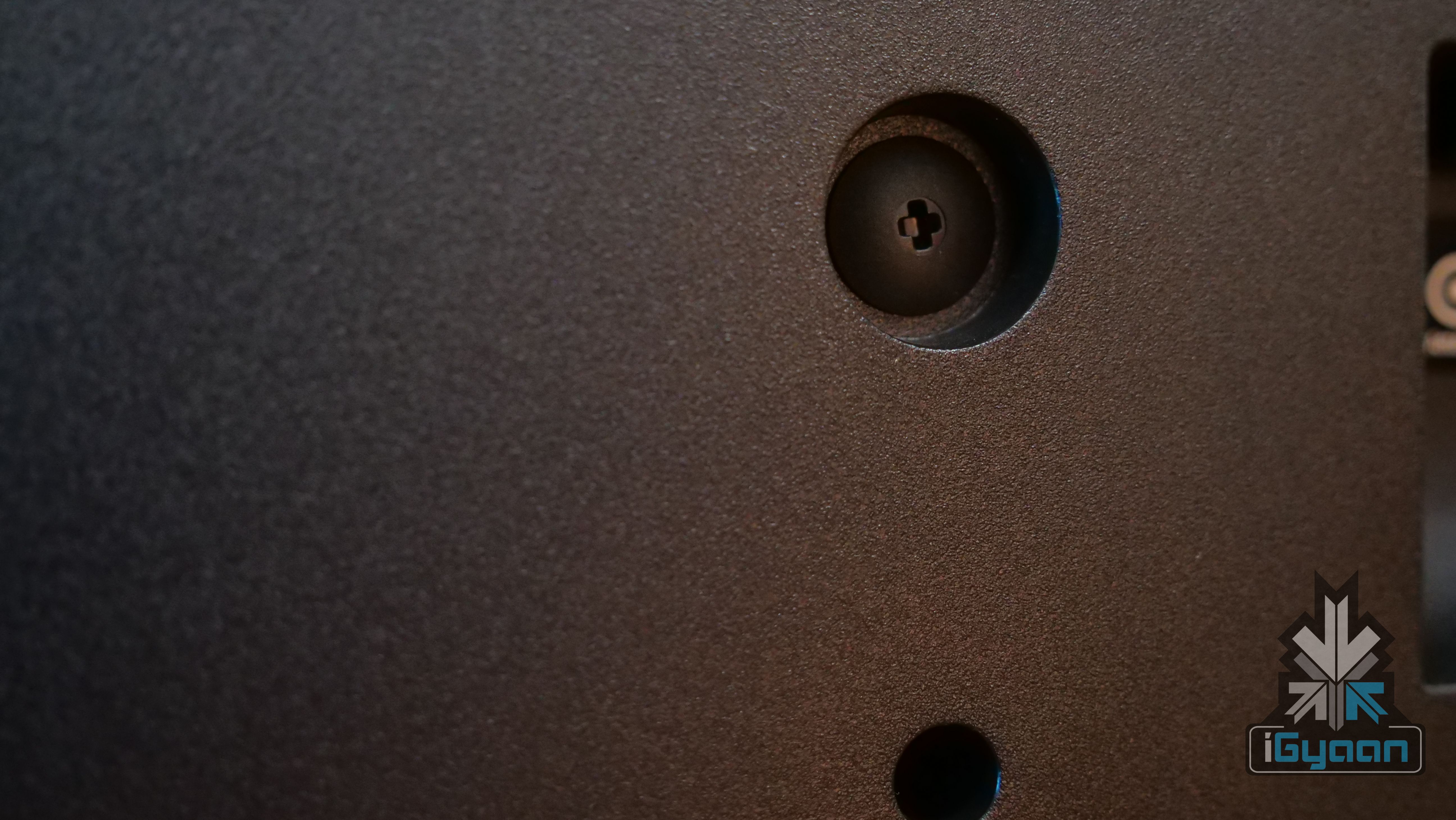
    Design wise the television has a pleasing look. The TV is mostly black in colour with no real flashy materials and a subtle Mi logo at the bottom front. This allows the TV to fit into the best of living spaces. There is no doubt that most wouldn’t mind installing this TV in their homes.
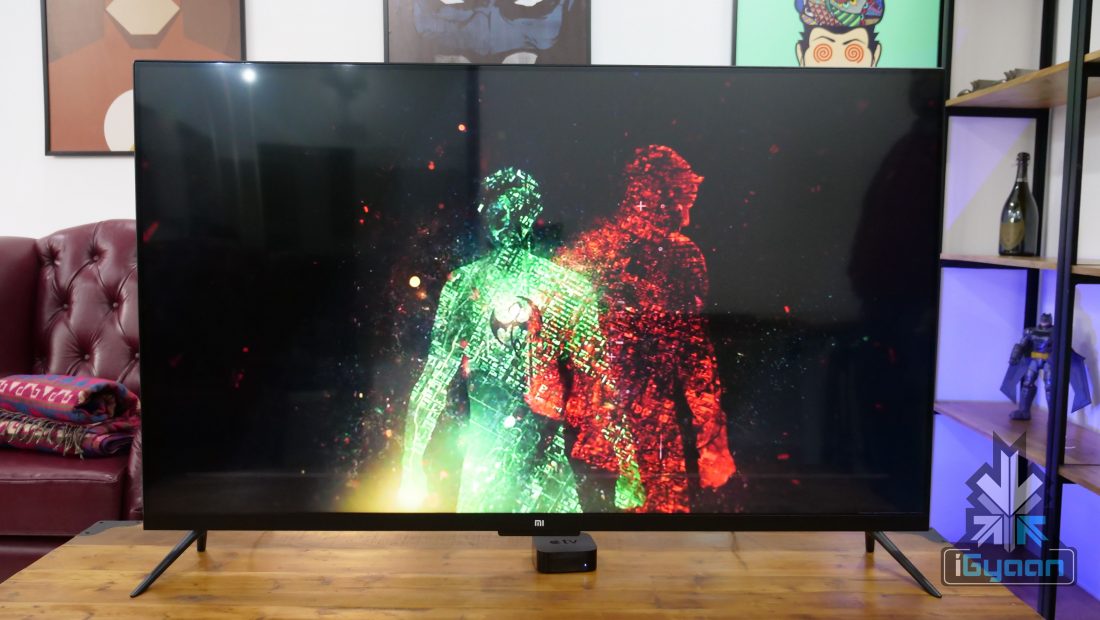
    The MI TV Supports HDR10

    The Panel

    The Mi Tv 4 uses a premium range 54.6 inch Samsung VA panel. It has a static contrast ratio of 6000:1 and a viewing angle of 178º (vertical and horizontal). The Panel boasts a 85% NTSC colour gamut which is more than its sRGB sibling, however not as wide as the P3 colour gamut now becoming popular. With a 3820 x 2160 px resolution, the panel boasts a solid pixel density of 80 ppi considering its 54.6 inch display size. The screen offers a 60Hz refresh rate (vertical frequency) and does also support HDR. This makes the Mi TV 4 a unique proposition at the price point it sells at.

    The Smart TV

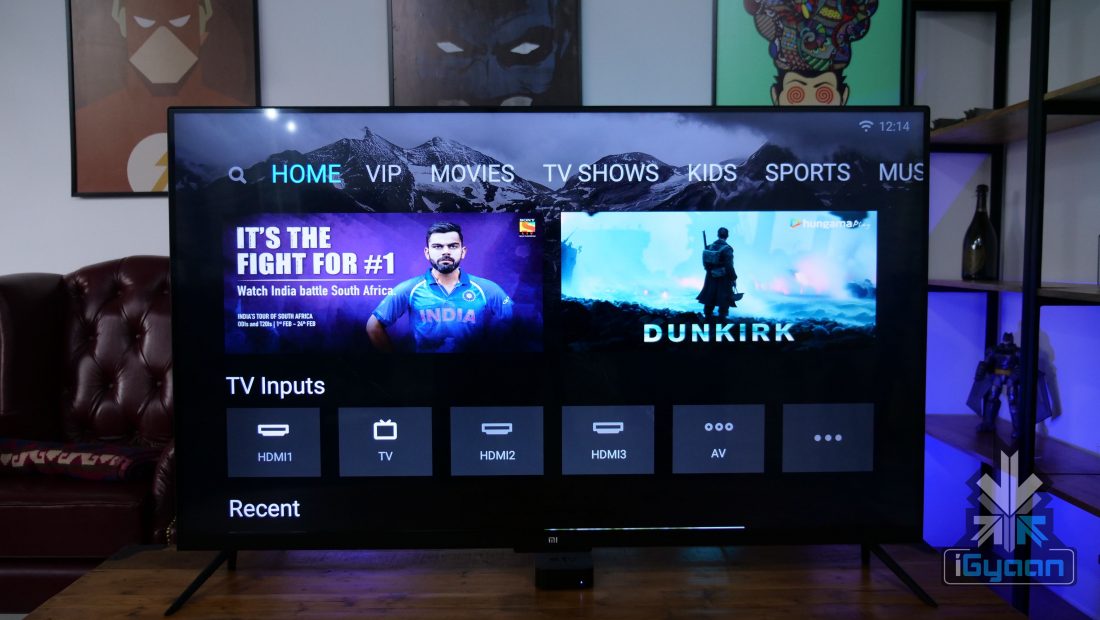
    The Mi TV 4 runs Android TV with a MIUI TV skin and a Patchwall interface. This allows for Xiaomi to display content for viewers in a unique way. The included IR controller allows the TV to also natively control your Set Top boxes. Interestingly, almost all Set-Top box providers of the country are already supported.
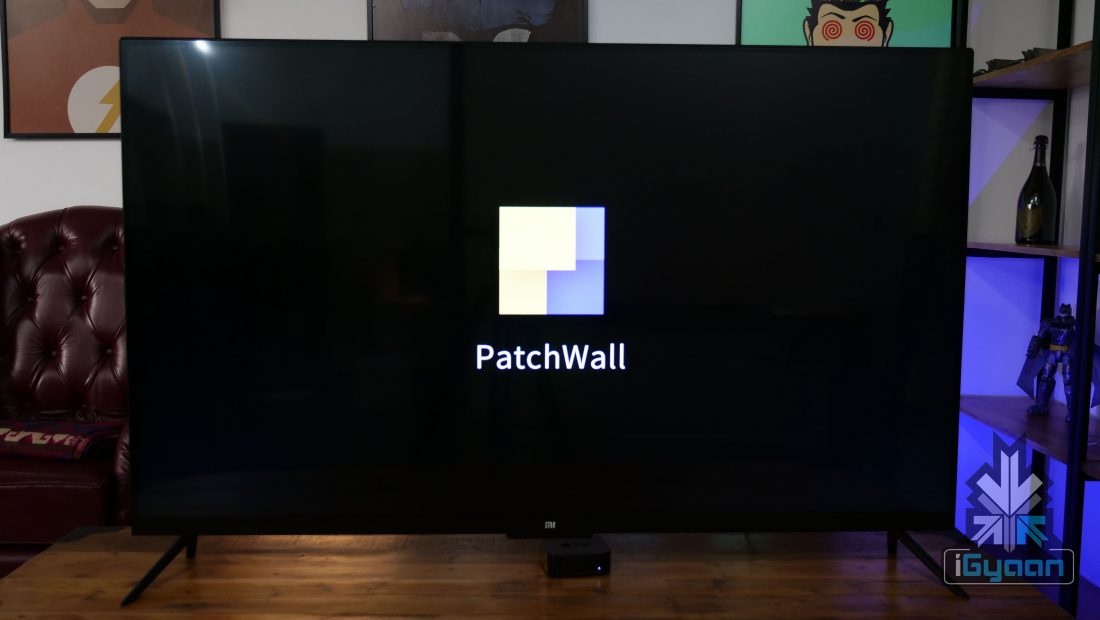
    Patchwall AI Allows For Better Content Curation

    The Patchwall interface uses AI (according to Xiaomi) to display your content in easy to view boxes on the Home screen. What is also great is that the Mi TV 4 can display content not only from the streaming services but from your Set Top Box as well. So , if there is a show that you may want to watch, it will display the current run duration of the show and also the reaming time, so that you can decide whether you want to catch it now or wait for the Re-run.

    Content-wise at the moment the MI TV 4 only supports content from Hungama Play, and does not presently support streaming apps like Spuul, Netflix or Prime Video. Because it is a Android TV based television we were able to Side-load the play store and Netflix on the TV, both of which did not run properly on the television.
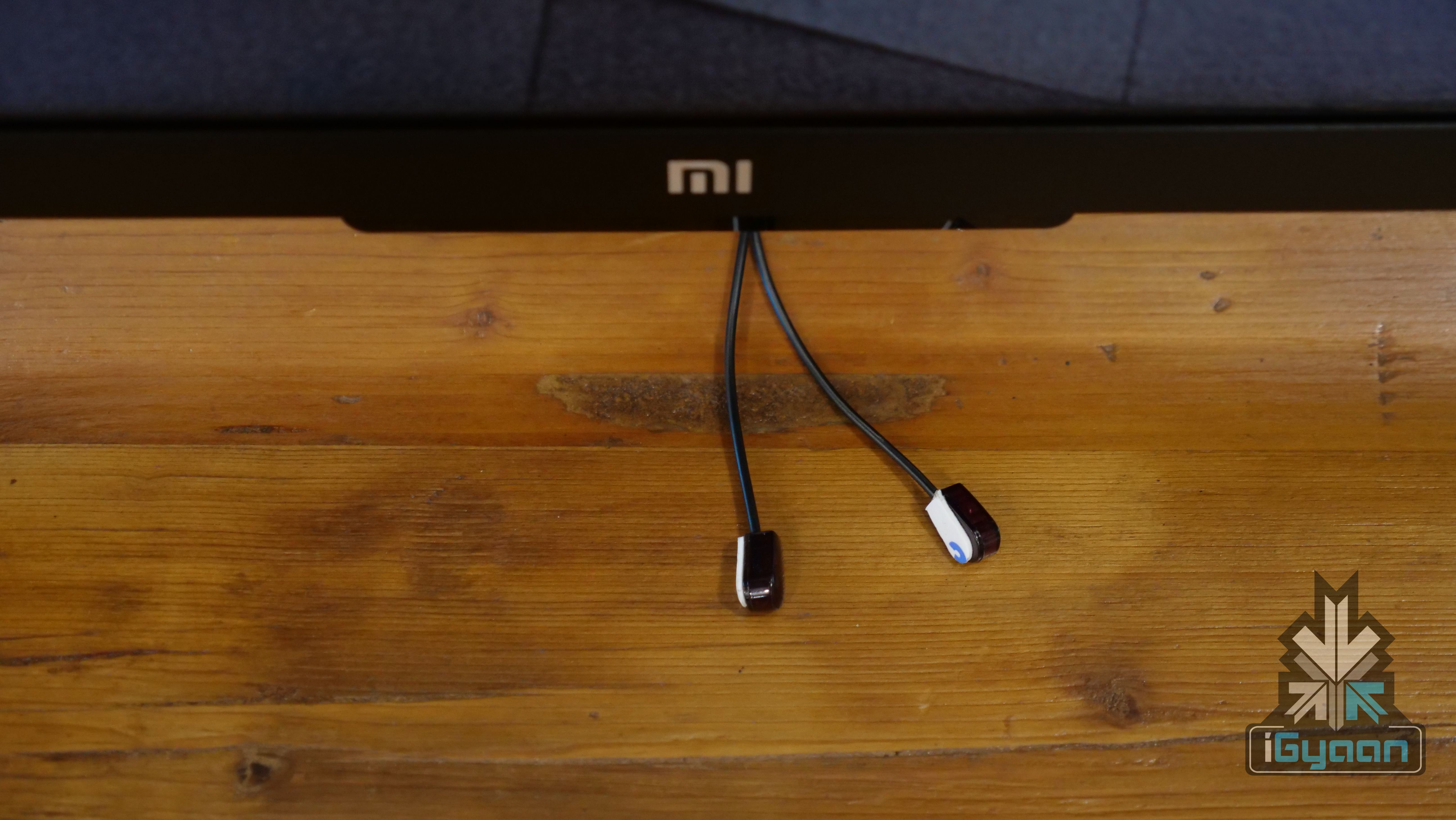
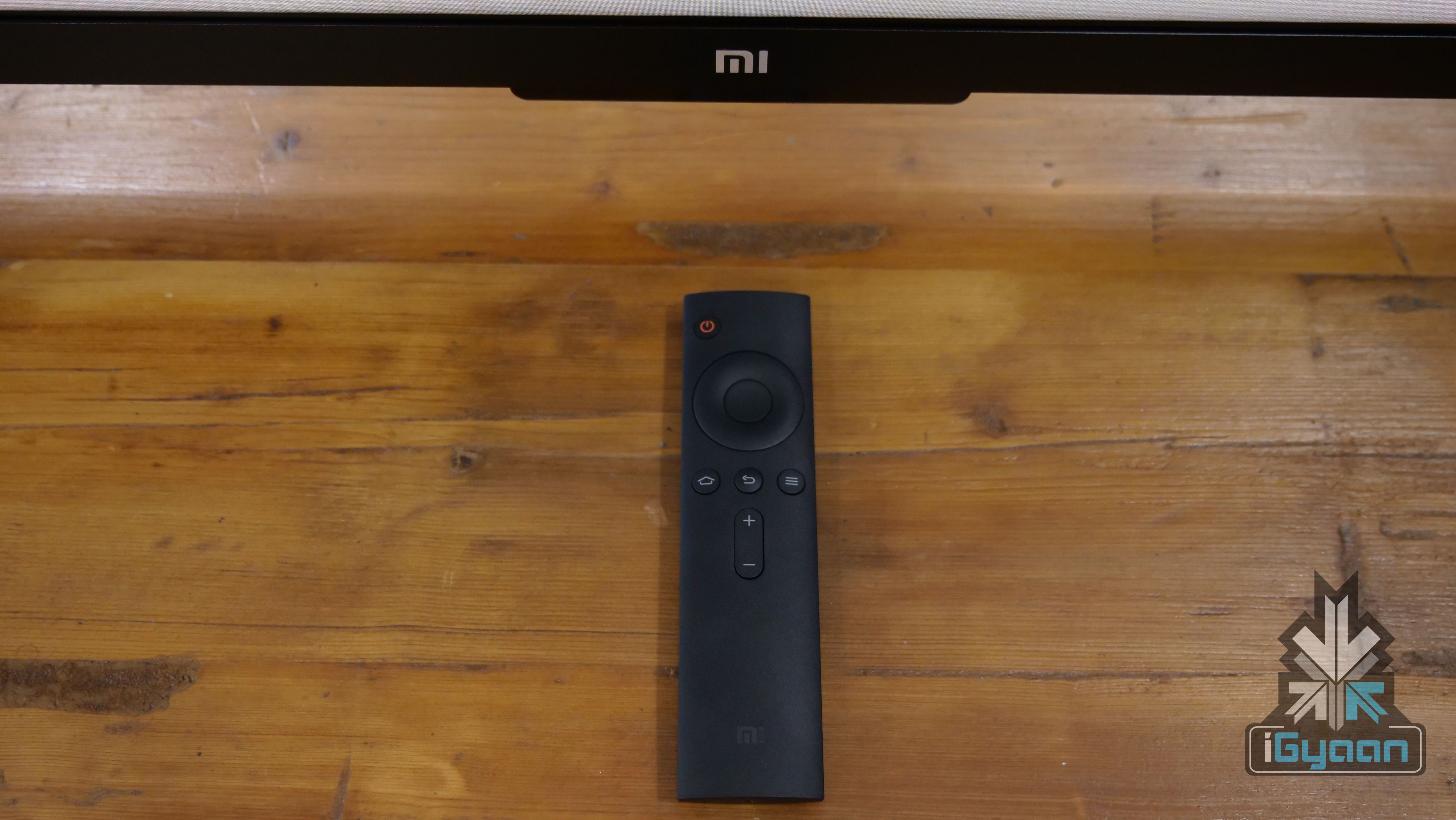
    Xiaomi is said to be working with providers like Netflix and Prime Video to get those apps fully available on the Mi TV 4 and that may happen soon.


    Display Performance and Gaming Capability

    The display despite being an EDGE LED lit panel has really good local dimming, and control over black levels. The colour reproduction is vivid and accurate, being based on the NTSC color gamut the TV supports a wide 85% range. You will truly enjoy the HDR experience on the TV if you can manage to get your hands on a device which will allow you to score some HDR content on this display. We used an Apple TV 4th Gen with 4k HDR and it works flawlessly. The television also supports Amazon’s Fire stick with 4K and HDR along with PS4 pro with HDR. Users can also easily connect and use traditional PS4 consoles or regular 1080p streaming or casting devices like Chromecast.

    The Panel supports HDR10 and plays back Dolby Vision content. However, does not support the full range of Dolby vision. According to Xiaomi, if there is enough content and demand the company will enable Dolby-Vision on the panel, and it should co-incide with the enabling of apps like Netflix which stream Dolby Vision content. The display performance especially in HDR, with how much it enhances the viewing experience is truly impressive. The Mi TV 4 also has 3 HDMI 2.0 ports which means that you are future ready to plug in HDR capable devices into the unit.
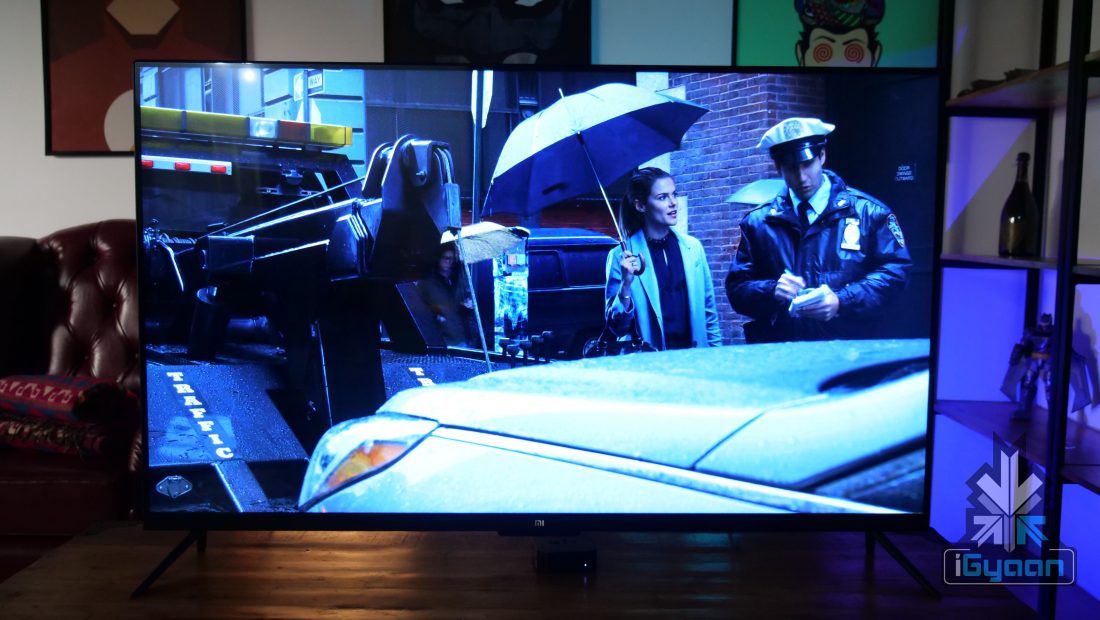
    Due to the 60hz refresh rate and an 8ms response time, it also makes for a good Gaming TV. But, definitely not something seasoned gamers will enjoy. There is an input lag of 38ms according to our testing.

    However, for simply plugging in your PlayStation (especially Pro with HDR outputs) or connecting it to a gaming rig, the TV can add a giant screen experience to an otherwise dull gaming environment.

    Conclusion

    The Mi TV 4 is exactly what India needs to bring down the crazy prices of the TV market. The Mi TV 4 shows that quality panels can be manufactured at really user affordable prices and that they can perform equally well. Expect this TV to sell out quickly, and aggressively in every flash sale that the company holds. Once enough televisions are out there, streaming services like Netflix and Prime Video will have no option but to get on board.

    With such a demand for this TV, also come a lot of questions.

    FAQ

    Does the Mi TV 4 run on Android?

    Yes, the Mi LED Smart TV 4 runs on MIUI TV with a Patchwall AI interface which is based on Android TV. Patchwall is different from a standard Android TV UI and is definitely much more intuitive. It has features such as endless scroll and single page content display.

    What is the Refresh Rate of the TV?

    The refresh rate of the Mi LED Smart TV 4 is 60Hz.

    What Streaming Services does the Television support?

    Right now, the TV supports Hungama Play and YouTube (though a browser). Xiaomi has confirmed that it is working on bringing more content providers on board.

    Does the Television support downloaded Apps?

    No, you do not need to download any apps. Xiaomi has said that it will push out consistent updates and that users don’t have to manually update the TV. The TV will automatically get updated as long as it is connected to the internet. If and when Xiaomi adds Netflix, a new update will automatically add it to the list and you can simply just log in.

    How thin is the Mi LED TV 4?

    At its thinnest, the Mi LED TV 4 is only 4.9mm thick (or thin).

    Does the Television work with Bluetooth Headphones?

    The Mi TV 4 has Bluetooth 4.2, hence, it works with Bluetooth headphones and Bluetooth speakers. However, there is no headphone jack on the TV. It also works with Bluetooth receivers.

    Does the Mi TV 4 come with a Soundbar?

    The Mi TV 4 in China and certain other markets was launched with a sound bar. However, the Soundbar will be sold separately at a later date in India.

    What is the Input Lag of the Mi TV 4?

    The input lag of the TV is 38ms while the response time is 8ms.

    Does the Mi LED TV 4 Support Sideloaded apps?

    You can sideload apps, however, they are not working right now. Maybe the support will come in a future update. We tried installing Netflix and Google Play store, which did install, but, did not work.

    Warning: Sideloading apps like Google Play services at this moment breaks the functionality of the TV.

    Watch Our Full Review Of The Xiaomi Mi TV 4

    Watch Our Unboxing Of The Xiaomi Mi TV 4
     

  • Tata Indicom To End CDMA Service In Delhi From 19th March

    Tata Indicom To End CDMA Service In Delhi From 19th March

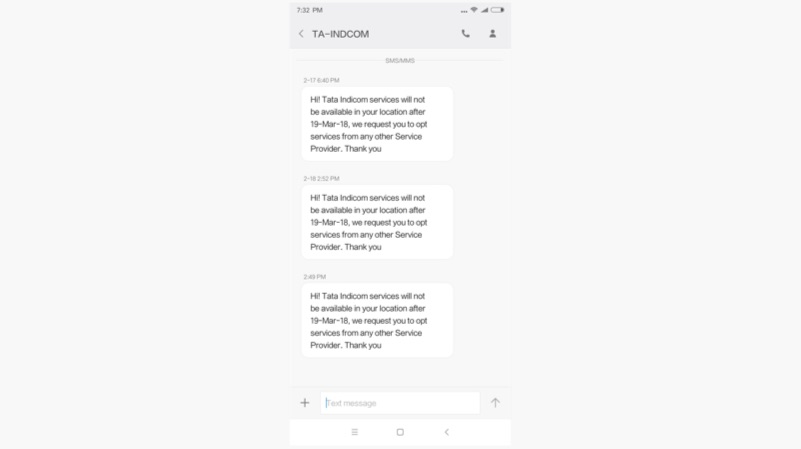
    Due to the continuous number of subscriber loss, Tata Indicom is shutting down its CDMA services in Delhi. In fact, in 2016 alone, the company has lost 19,08,994 customers. The company will be scrapping of the operation from 19th March 2018. Due to continues subscriber fall and financial losses, the company is all set to wrap of the services to prevent the financial burden.

    Reliance and Tata Indicom were the major CDMA service providers in India. Reliance recently shut down its service and now its Tata Indicom’s turn to do the same.

    All active customers are receiving a text message to opt out of the service within the above-mentioned date. If not, the user will witness the permanent disconnection from the services.

    If a user likes to retain his number, then he has to use Mobile number portability service.

    How to use MNP to opt out of Tata Indicom services?
    • Send a message PORT<space> your mobile number to 1900
    • You will receive alphanumeric unique code (do not disclose the code to anyone)
    • Get a customer Aquisition form from the cellular provider of your choice
    • Fill in Your details and complete KYC to active your new connection.
  • Nokia 8 Pro With Penta-Lens Camera Setup Might Launch At MWC 2018

    Nokia 8 Pro With Penta-Lens Camera Setup Might Launch At MWC 2018

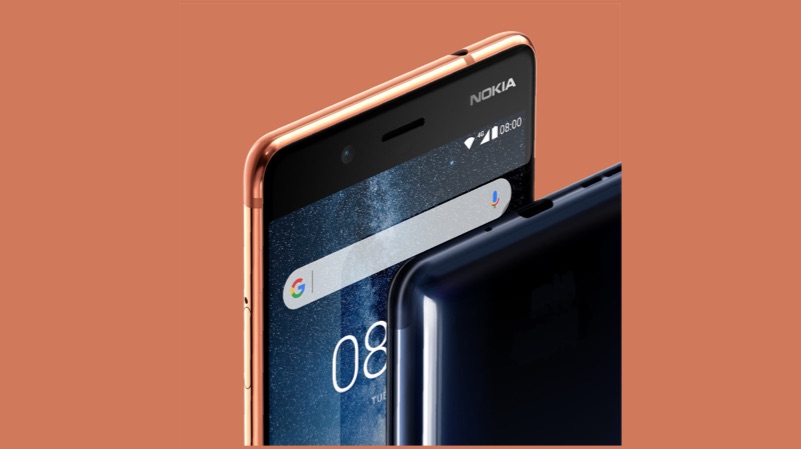
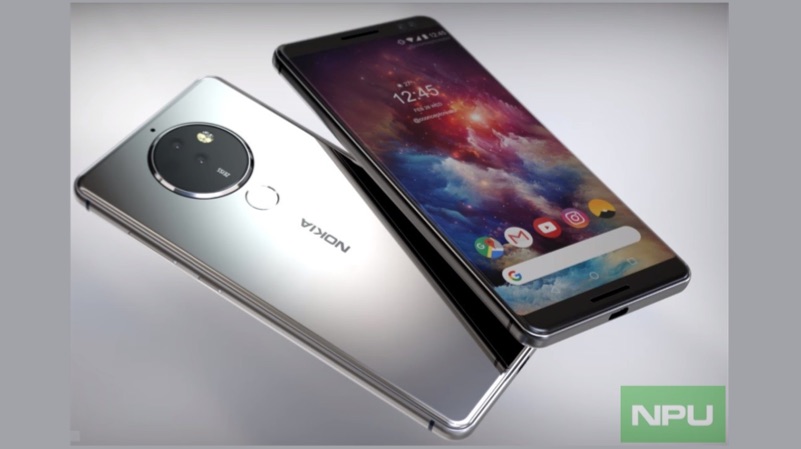
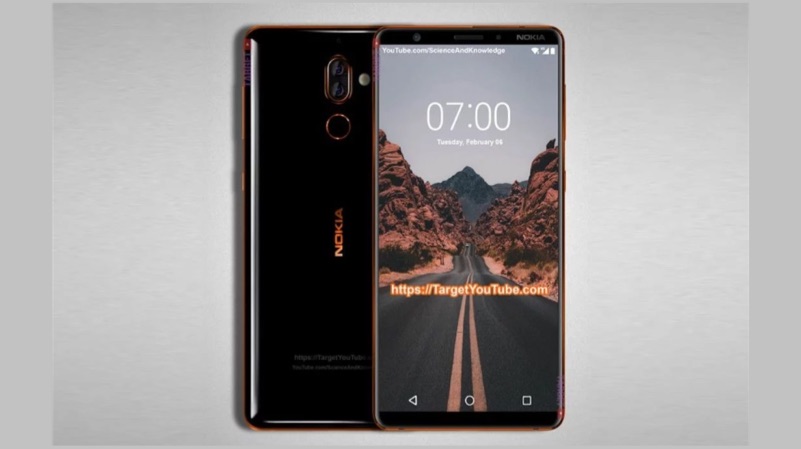
    The alleged Nokia 10 might, in fact, be the Nokia 8 Pro. A new report claims that the company will soon launch the Nokia 8 Pro. The device will have a camera setup, originally rumoured for the Nokia 10. The Nokia 8 Pro will succeed the Nokia 8, which was the flagship device of 2017 for Nokia.

    The Nokia 8 was the first flagship smartphone from HMD Global, which offered flagship grade specifications. Nokia 8 was bested by the likes of the OnePlus 5T and Xiaomi Mi Mix 2. This was largely due to their superior design. The Nokia 8 also did not impress with its camera quality which was hyped by the company.

    It looks like HMD Global’s plan of launching a Penta-lens smartphone will be more than just a concept. It was rumoured that the Nokia 10 will be unveiled as a concept phone at MWC 2018 and go into production in late-2018. However, it looks like the Nokia 8 Pro will be launched alongside the likes of Nokia 7 Plus at the upcoming event.

    If true, the Nokia 8 Pro will definitely grab quite a few headlines. It is also expected to run on the latest Snapdragon 845 chipset. However, the Nokia 8 Pro won’t be the device running on this chipset. Smartphones like the Galaxy S9 and Mi Mix 2S are also expected to be unveiled running on the Snapdragon 845 chipset.

    Specifications:

    Like the Nokia 8, the Nokia 8 Pro is expected to offer top of the line specifications. As per the leaks, the smartphone will be powered by Qualcomm Snapdragon 845 SoC, coupled with either 4 or 6GB RAM. Like most other flagship smartphones of 2018, the Nokia 8 Pro will offer an 18:9 aspect ratio with minimal bezels. The exact screen size of the device is yet to be revealed, but, as per the trend, we might see a 6 inch display with rounded corners.

    The smartphone might house a dual-camera setup at the back, with a possible wide angle sensor and a telephoto sensor. The smartphone does offer dual front-facing camera which is expected to offer features like portrait mode.

    Design:

    Nokia 8 Pro is expected to follow the trend by offering all glass back panel, with a possible support for Qi-based wireless charging. The dual grills on the front also suggest that the smartphone might offer dual front-facing stereo speaker like the Google Pixel 2 XL.

    Conclusion:

    We expected this smartphone to go live at MWC. But the recent APK tear-down suggests that the Nokia 8 Pro might get launched in August-September of 2018. However, the company might showcase a prototype at the mobile world congress.

  • Top 5 Free Music Players For Android

    Top 5 Free Music Players For Android

    Music is the strongest form of magic. Listening to music cheers any soul that requires relaxation. In fact, we have multiple genres of music. Hindustani, Karnatik, Folk are originally from India, whereas Hip-Hop, Rock, Pop, and RAP belongs to western countries. Be it the 90s Jazz or the latest I am in love with the shape of you, everyone has a different taste in music.

    With the mobile data plans getting cheaper day by day, these music players not only play locally saved tracks but can stream the latest song at free of cost.

    Here are the top music players that are available for Android smartphones for free of cost.

    Hungama:

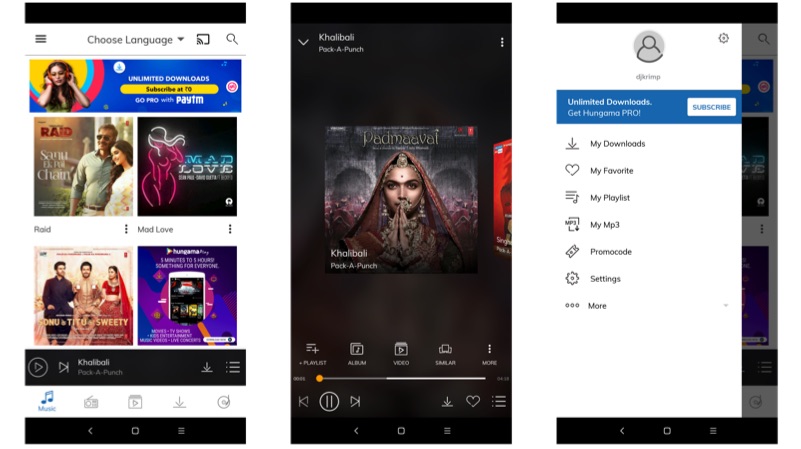
    Hungama is one of the oldest music player, that exists. The clean user interface is one of the highlights of the Hungama. One can play songs which are locally saved on the smartphone or just search for newer song altogether. The app is free to download, however, one can also choose a premium version which offers ads free user experience with the free MP3 download. In fact, this is the only app that allows the native MP3 download. The app looks a bit dated, with an unpolished user interface. The Hungama Pro plan stars at Rs. 99 per month.

    Pros: Free music streaming + offline download

    Cons: Boring user interface with annoying ads

    Gaana:

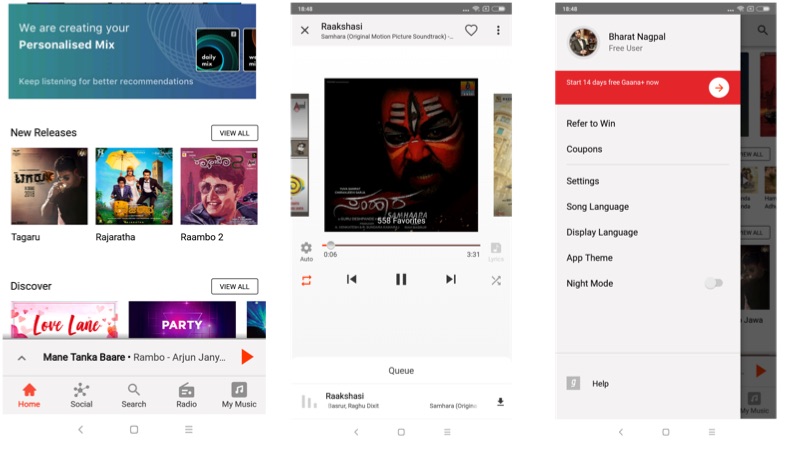
    Gaana is pretty similar to Hungama, with a few drawbacks. One can stream free music on Ganaa, but one has to subscribe to Gaana+ to save tracks offline. The app is free for download, which plays in-app ads in the free version. If we look at the UI, the Gaana looks more polished than that of the Hungama. The choice of music is unlimited, you can choose from Hollywood to Bollywood. One can experience premium Gaana Plus service for free for the first 14 days, later on, one has to pay Rs. 99 per month.

    Pros: Modern user interface

    Cons: No option for offline downloads for free

    SoundCloud:

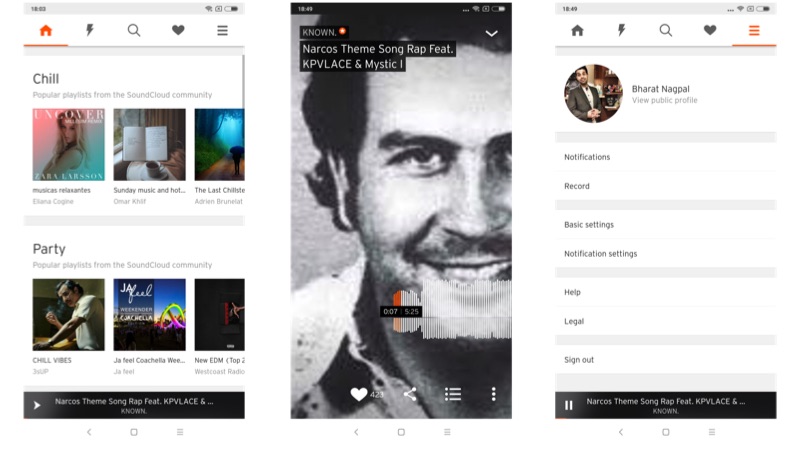
    SoundCloud is one of the most used music distribution services. The Berlin-based company provides a platform for users to create, record, or to share the originally created music or sound bits. Most of the music found on SoundCloud is created by users. It also gives a platform for the new music creators with free access to the ever-growing library. However, this app cannot play native MP3 files, which makes it a bummer.

    Pros: Brilliant UI with unique music collection

    Cons: Doesn’t support native MP3 playback

    JioMusic:

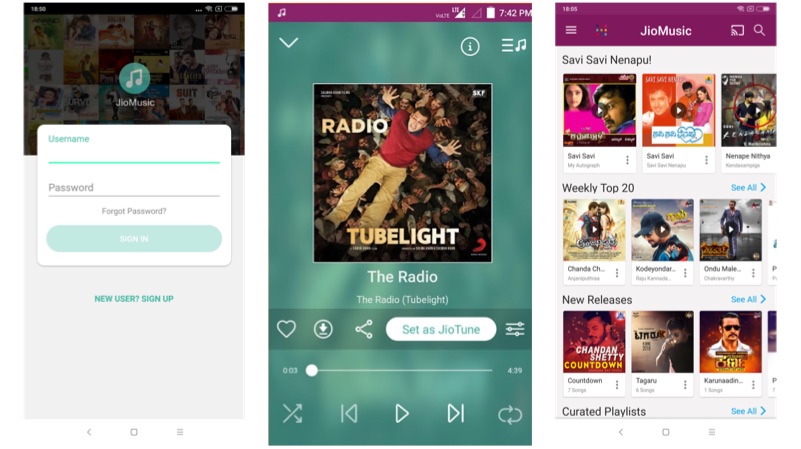
    This is one of the best free music apps for the Android platform. It offers ad-free user experience, free streaming, free offline-downloading. However, the access is limited to Jio network users. One has to have a Jio SIM card with an action plan to use this application. Using Jio Music, one can set caller tune for free of cost at a click of a button.

    Pros: Ad-free UI with extensive library of music

    Cons: Restricted to Jio network

    Wynk:

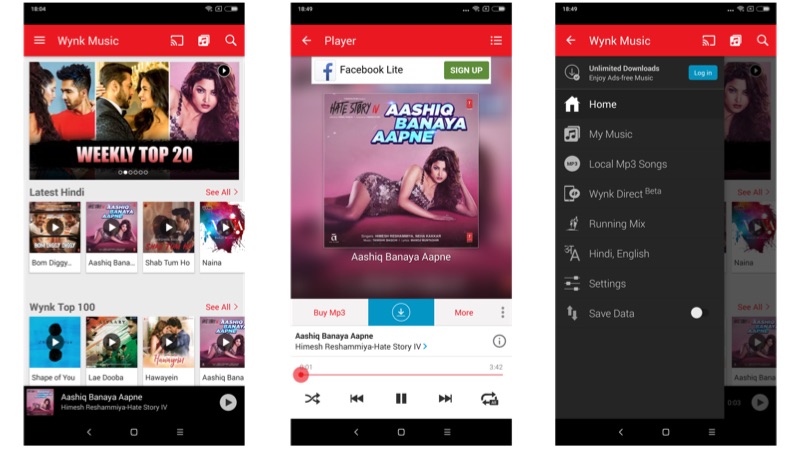
    This music service is run by Airtel. Users of Airtel network will get free access to millions of songs, but the experience is not ad-free. To get ad-free user experience, one has to make get a premium account by paying Rs.99 per month. If you are an Airtel user, then Wynk is a must-have application, which can fulfil all your music needs.

    Pros: Open to all with a privilege for Airtel users

    Cons: ads playing between the music

  • Samsung Galaxy Tab S4 Specifications Leaked

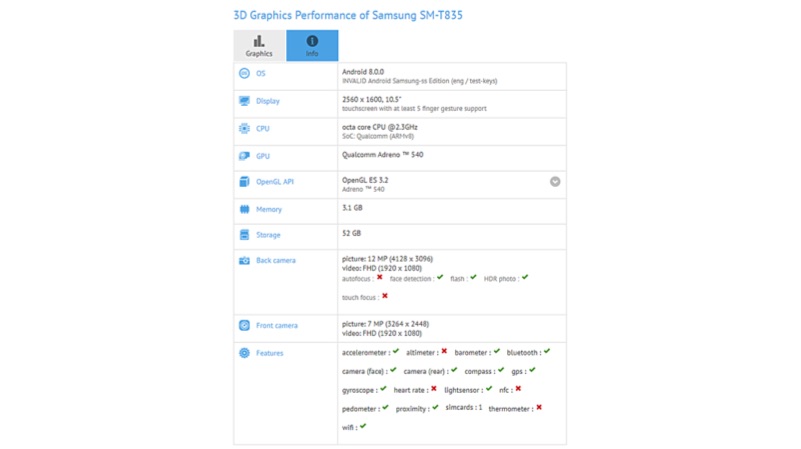
    A new tablet from Samsung was recently listed on GFXBench with the model number SM-T835. The last year’s Samsung Galaxy Tab S3 came with a model number SM-T835. Which suggests that this is indeed the upcoming Samsung Galaxy Tab S4.

    The Samsung Galaxy Tab S3 came with a glass sandwich design with flagship specifications. In fact, the sound profile of the tablet was fine-tuned by AKG.  The flagship tablet from Samsung offered a unique user experience with the latest specifications and a 2k display. Visually, the Tab S3 was one of the most appealing tablets in its times. In fact, it is the only tablet, which offers a 10.5-inch Super OLED panel with rich blacks and punchy colours. So, the Samsung Galaxy Tab S4 is also expected to feature flagship specifications with a premium design.

    The Galaxy Tab S3 was originally launched in India for a price of Rs. 47,990, so, the Galaxy Tab S4 is also expected to be priced on the same line.

    Tab S4 listed on GFXBench
    Specifications:

    The Galaxy Tab S4 features a large 10.5-inch 2560 x 1600 QHD+ Super AMOLED display, protected by tempered glass. The device is powered by Qualcomm Snapdragon 835 Octa-core processor, paired with 4 GB RAM and 64 GB storage with a dedicated SD card slot.

    Coming to the optics, the device is fitted with a single 12 MP main camera and a 7 MP front-facing camera. The video recording capability is limited to 1080p on both the cameras.

    Galaxy Tab S3

    The Samsung Galaxy Tab S4 does offer a single SIM card slot, which is expected to support 4G LTE and VoLte, 3G, and 2G networks. The tablet is powered by Android Oreo 8.0 OS with custom Samsung UX on the top.

    Conclusion:

    Along with the Samsung Galaxy S9 and the Samsung Galaxy S9+, the company might also unveil the Samsung Galaxy Tab S4 at MWC 2018. This seems possible since the Galaxy Tab S3 was launched at MWC 2017.

  • Xiaomi Redmi Note 5 Pro Vs Honor 7X Vs Xiaomi Mi A1: Camera Shootout!

    Xiaomi Redmi Note 5 Pro Vs Honor 7X Vs Xiaomi Mi A1: Camera Shootout!

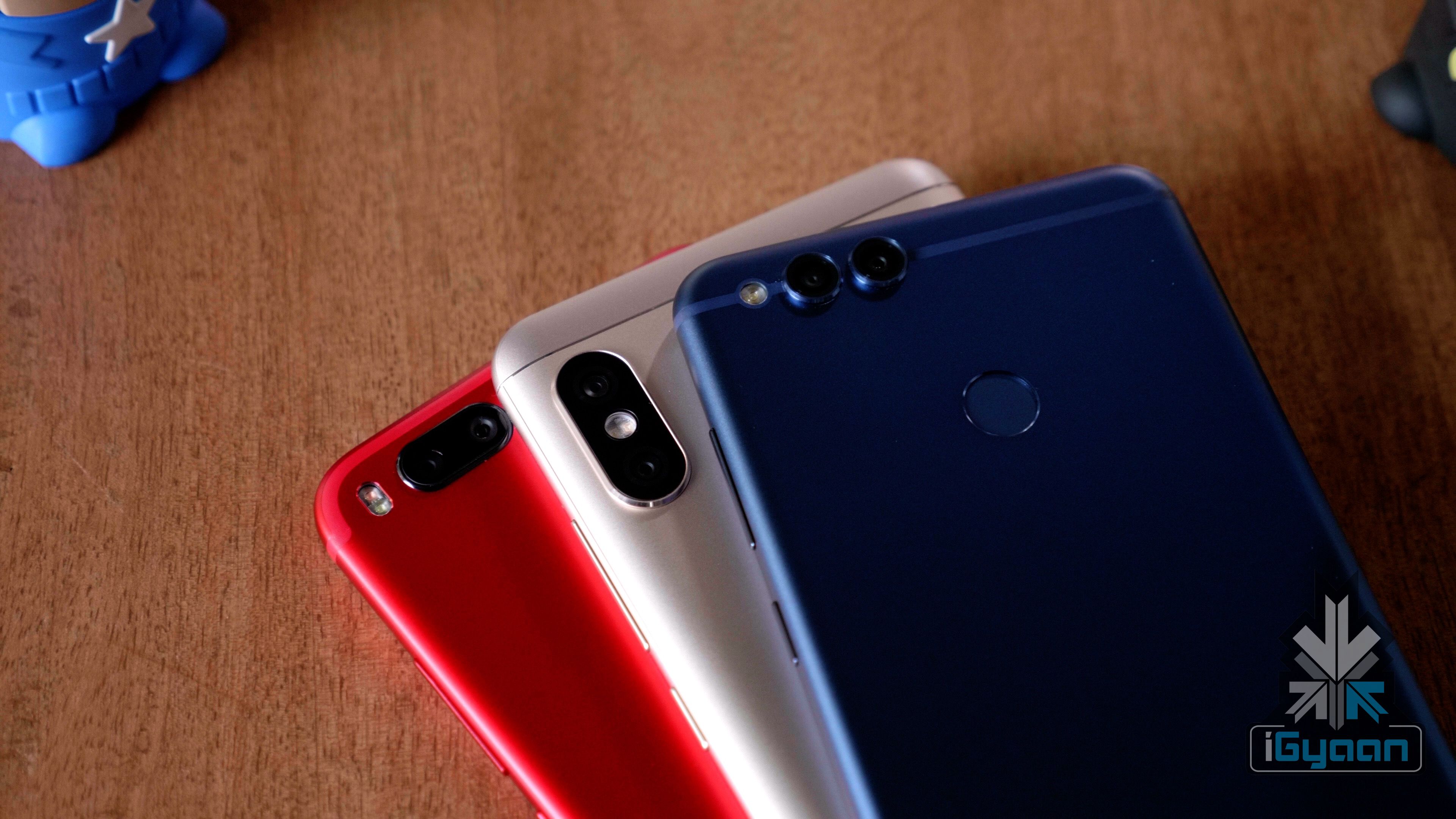
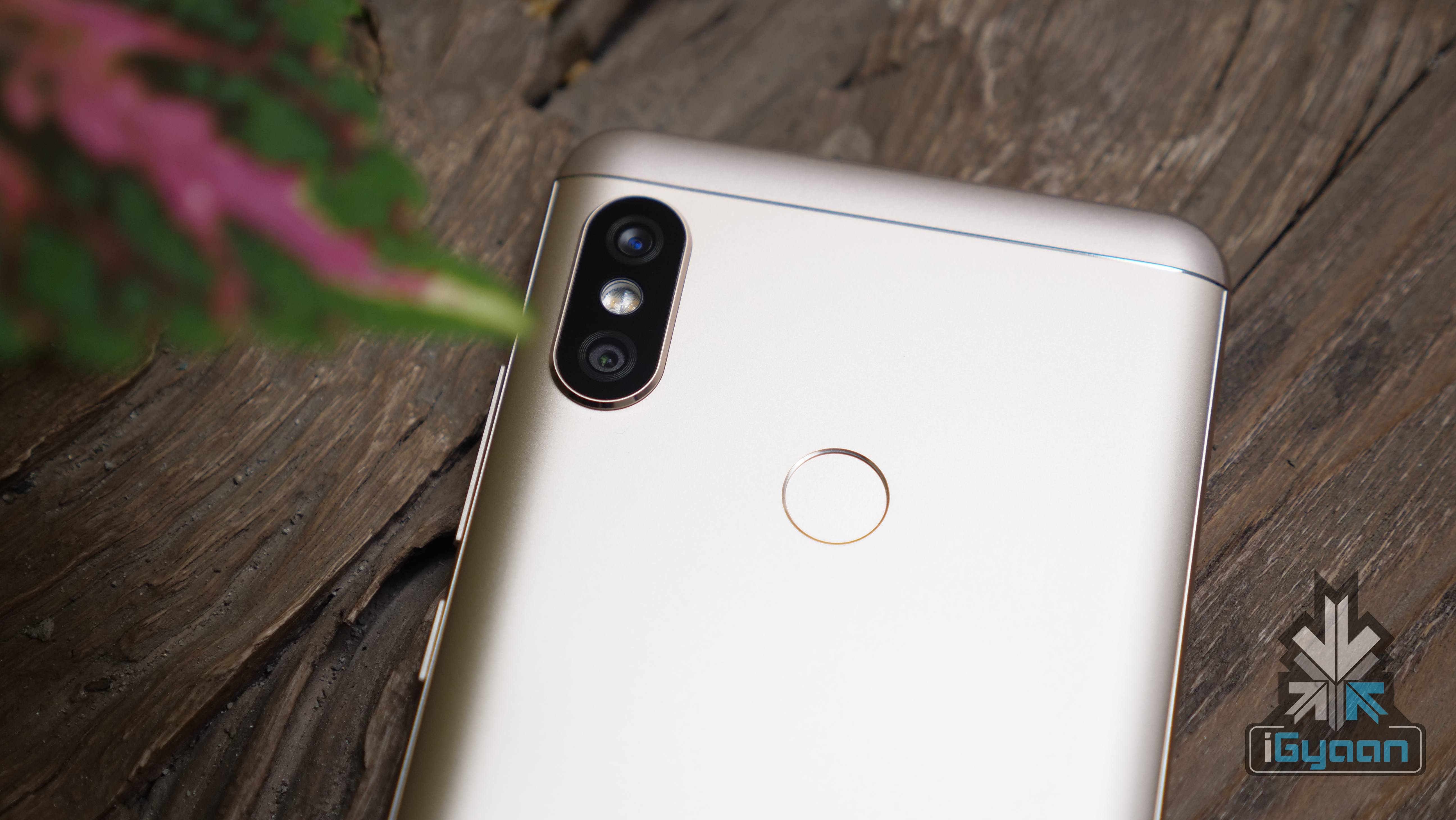
    Xiaomi recently launched the Redmi Note 5 Pro in India at a starting price of Rs. 13999. Keeping up with the industry trends, the Redmi Note 5 Pro has an 18:9 aspect ratio and a dual-camera on the back. Unlike a lot of other smartphones with a dual camera setup, the Redmi Note 5 Pro has two RGB sensors.

    Redmi Note 5 Pro
    Dual-Camera Redmi Note 5 Pro

    At this price tag, the Note 5 Pro directly competes with the likes of the Honor 7X and Xiaomi’s own Mi A1. The Honor 7X and Mi A1 also have the best cameras in this price segment. Despite the 18:9 aspect ratio, the Redmi Note 5 Pro has thicker bezels than the Honor 7X which are even more prominent in the Gold colour variant. The Mi A1 has a 16:9 aspect ratio and definitely looks archaic when put next to the Note 5 Pro and Honor 7X.

    Where the Mi A1 one-ups the other two devices is the software. It runs stock Android OS and is part of the Android One program. Hence, it will get the latest software update for the next two years at least. However, the same cannot be said about the Honor 7X and Redmi Note 5 Pro since they run custom UI on top of Android. In fact, the Honor 7X and Note 5 Pro still run Android 7 Nougat, while the Mi A1 has been updated to Android 8 Oreo.

    With the three devices priced similarly, we decided to put them through their paces. Let’s see which one came out on top:

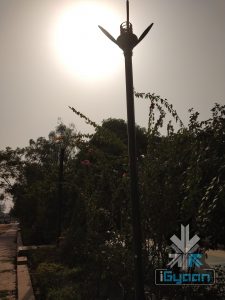
    Camera Samples

    Xiaomi Redmi Note 5 Pro

    Honor 7X

    Xiaomi Mi A1


    Specifications Redmi Note 5 Pro Honor 7X Xiaomi Mi A1
    Price Starting Rs. 13999 Starting Rs. 12999 Rs. 13999
    Display 5.99 inch
    18:9 Aspect Ratio
    IPS LCD
    5.93-inch
    18:9 Aspect Ratio
    LTPS IPS LCD
    5.5 inch
    16:9 Aspect Ratio
    LTPS IPS LCD
    Resolution 2160 x 1080 px
    403ppi
    2160 x 1080 px
    407 ppi
    1920 x 1080 px
    403 ppi
    Battery 4000 mAh 3340 mAh 3080 mAh
    Chipset Snapdragon 636 HiSilicon Kirin 659 Snapdragon 625
    RAM 4GB
    6GB
    3GB
    4GB
    4GB
    Storage 64GB
    Expandable Up to 256GB
    32GB
    64GB
    Expandable up to 256GB
    64GB
    Expandable up to 128GB
    Primary Camera 12MP f/2.2
    5MP f/2.0
    1.25-micron
    16MP
    2MP depth sensor
    12MP f/2.2 Wide-Angle
    12MP f/2.6 Telephoto
    1.25-micron
    Primary Camera Video 1920 x 1080 px @ 30fps 1920 x 1080 px @ 30fps 4K @ 30fps
    Secondary Camera 20MP Sony IMX376
    Beautify 4.0
    LED flash
    8MP 5MP
    f/2.0
    Add-Ons Fingerprint Sensor Fingerprint Sensor Fingerprint Sensor

    Photos are extremely subjective, hence, we will let you choose your winner. Let us know your choice in the comments below!

  • Nokia 4 Specifications Leaked Ahead Of Imminent MWC 2018 Launch

    Nokia 4 Specifications Leaked Ahead Of Imminent MWC 2018 Launch

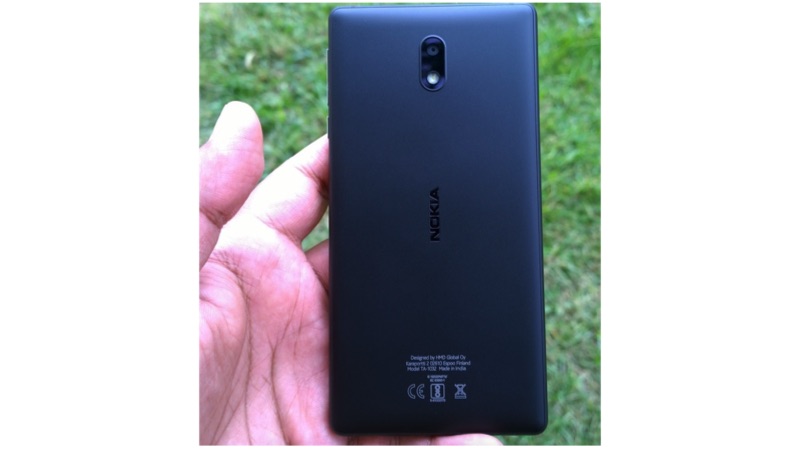
    A new Nokia smartphone from HMD Global is all set to debut on MWC 2018. This time its Nokia 4, which is likely to replace the Nokia 3. A new report claims that the Nokia 4 will have a badge on the back with a model number TA-1032.

    HMD Global didn’t launch either Nokia 3 or the Nokia 5 in China. Which means, there is a great chance that the company might not launch Nokia 4 in China as well. It also comes with a tag Made in India, which means that the Nokia 4 might have a very competitive price tag in India.

    The Nokia 3 was one of the affordable Android smartphones from Nokia, based on a MediaTek processor. Like a lot of affordable phones from Nokia, the Nokia 3 was also overpriced. Hence, it could not really have an impact on the Indian market. With a newer processor, the company might be planning to get back the attention of the users. However, the build quality, from the image, still leaves a lot to be desired. 

    Specifications:

    In terms of specifications, the only known information about the Nokia 4 is the that, the smartphone runs on Qualcomm Snapdragon 450 Octa-core SoC. Considering the specifications of Nokia 3, the device is expected to feature 5.2-inch 720p IPS LCD screen with Corning Gorilla Glass Protection. The Nokia 4 will feature at least 2 GB RAM and 16 GB storage like the Nokia 3 with an expandable SD card slot.

    There are no details regarding the camera or the battery. In terms of operating system, the smartphone will be based on Android Oreo 8.0 with the stock user experience.

    Conclusion:

    The Nokia 4 will be the newest addition to that list of smartphones that Nokia might launch at MWC 2018. It looks like Nokia will launch at least 4 smartphones at MWC. The Nokia 10 with a rotating 5-camera setup, the Nokia 7 Plus with dual Zeiss camera and a most affordable Nokia 1 with entry-level specs.

  • Xbox One X And One S Will Soon Support 1440P Streaming

    Xbox One X And One S Will Soon Support 1440P Streaming

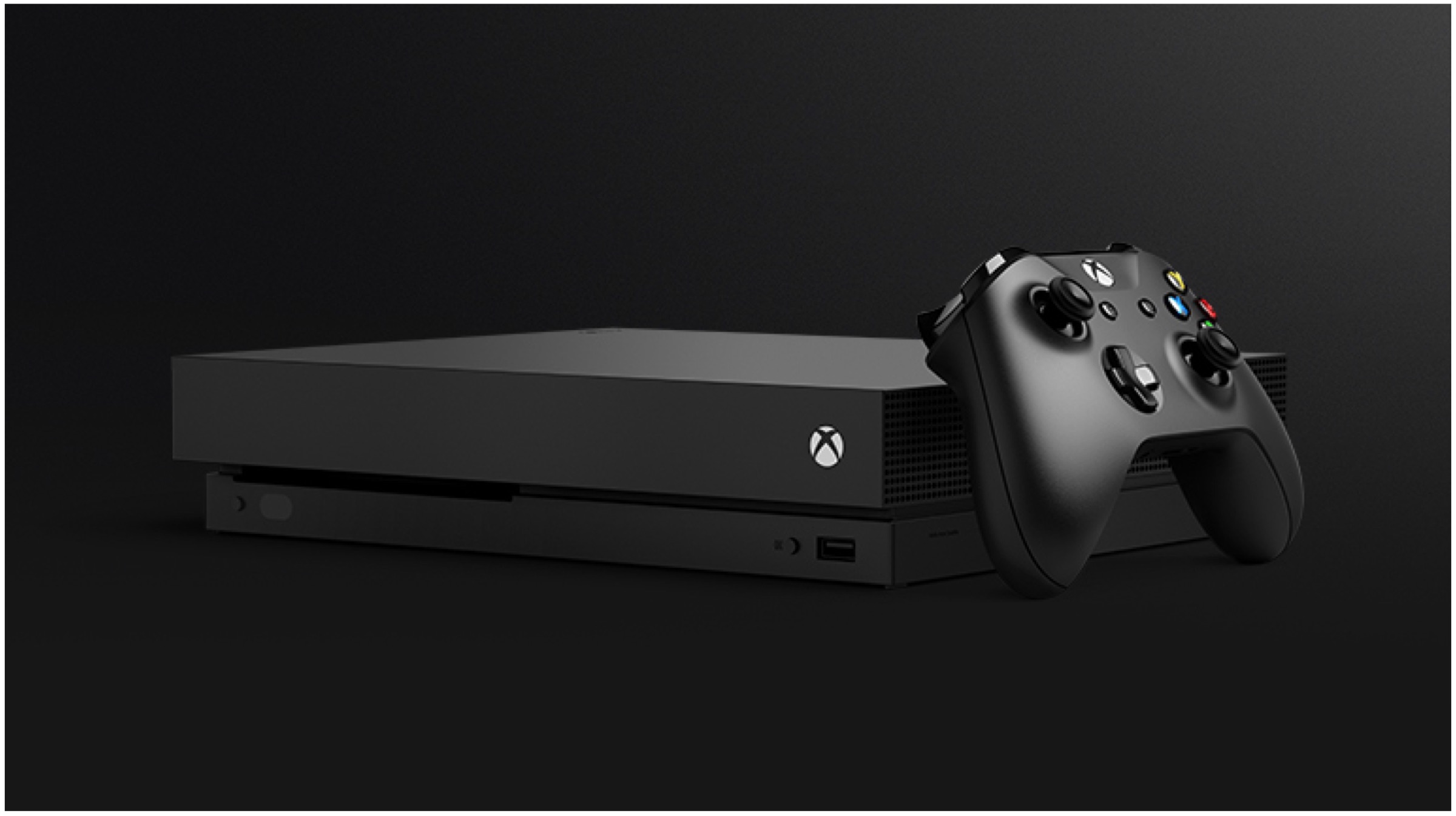
    Here is a good news for both Xbox One X and Xbox One S console gamers. According to Kevin Gammill, the Xbox program manager, both the Xbox One and Xbox One S will receive an update to support native 1440p content streaming. There is no mention of the actual time frame, with the next software update the feature could be rolled out.

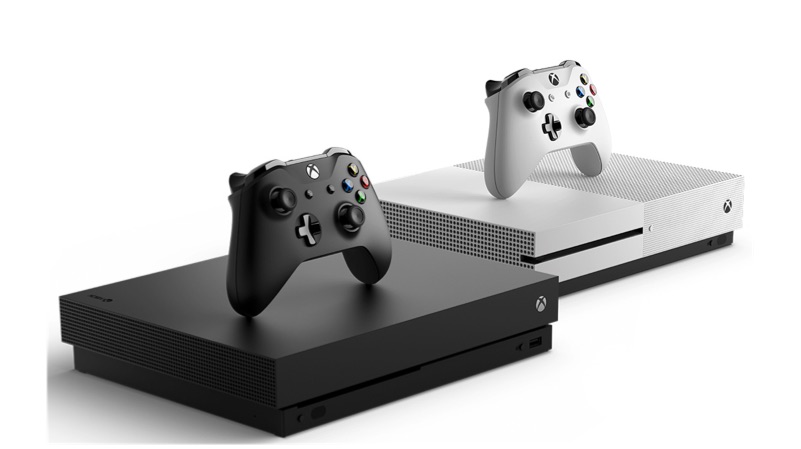
    Xbox One X and Xbox One S are the most powerful gaming consoles from Microsoft to date. However, both models downscale the content from 1440p to 1080p, which makes us to play the games at a lower resolution.

    Specifications:

    The Xbox One X is powered by 12 GB LPDDR5 custom GPU with 8 GB RAM and 1 TB storage. The device does support 4K UHD Blueray optical discs with HDR 10 and Dolby Atmos. Additionally, dual HDMI, thripple USB 3.0, and an ethernet port are also included. Wireless connectivity features like dual-band WiFi and WiFi direct will enable seamless streaming across the devices.

    The Xbox One S comes with a slightly compact form factor with 8 GB DDR3 RAM and 500 GB storage. The support Blueray optical discs with HDR 10 remains the same with Dolby Atmos audio. This one also has a similar choice of ports, the only difference is in actual performance.

    Both models are powered by the same 8-core Jaguar CPU, the One X has a clock speed of 2.45 GHz, whereas the One S’s speed is limited to 1.75 GHz. In terms of pricing the One X retails for US$ 499, whereas the One S retails for US$ 249.

    Conclusion:

    If you are looking for a gaming console with native 4k streaming capability, then Xbox One S and Xbox One X are the ones, to choose from. If compact One S offers a great value for money, One X offers impeccable performance. The 4k capability just takes the console gaming performance to next level.

  • Asus ZenFone 5 Specifications Leaked Before Its MWC 2018 Launch

    Asus ZenFone 5 Specifications Leaked Before Its MWC 2018 Launch

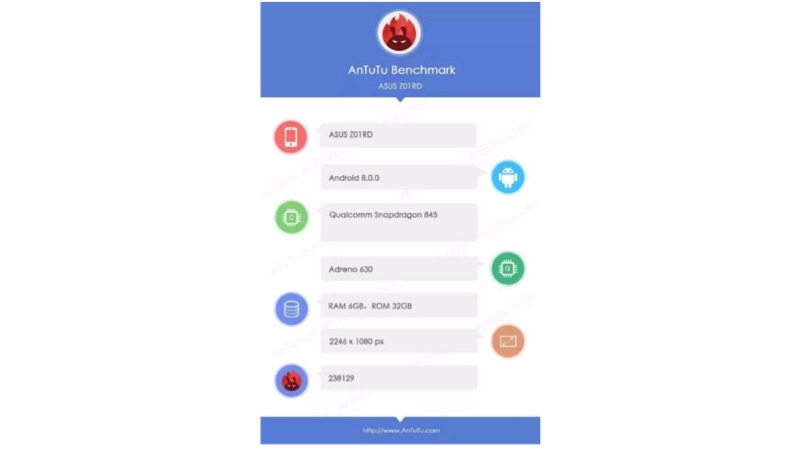
    As per the recent leaks and benchmarks listing, Asus might launch it’s flagship ZenFone 5 at MWC 2018. The Asus ZenFone 5 was spotted on AnTuTu with a brief insight into specifications. The one with the top of the line specifications is expected to have the model number Z01RD. We might see multiple variants of the ZenFone 5 with this one being the most powerful of the lot.

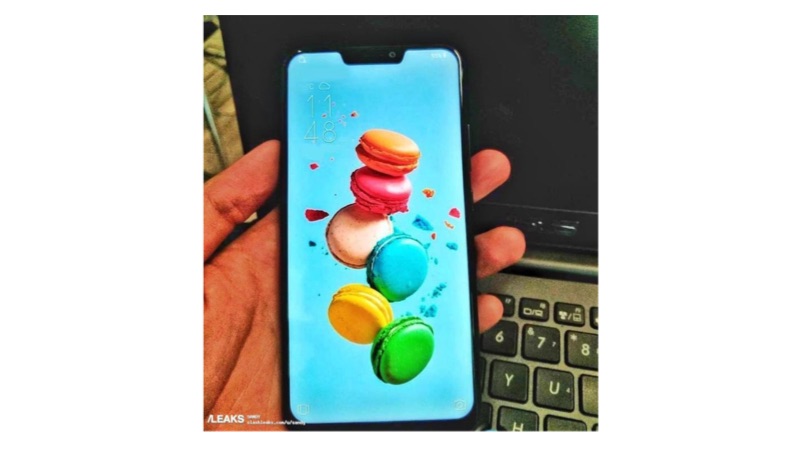
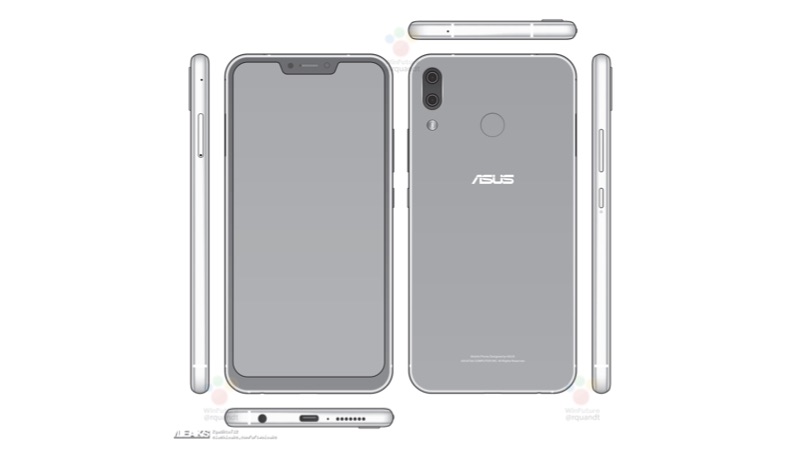
    Another leak about the ZenFone 5 reveals an interesting detail about its design. The leaked image shows off an iPhone X-like notch on top of the display, similar to the likes of Huawei P11. However, unlike the iPhone X, the ZenFone 5 might just house a front-facing camera and an earpiece inside the notch. The notch on the iPhone X, on the other hand, serves a much more important purpose.

    Early ZenFone 5 Sketches

    The notch on the iPhone X was met with scepticism at the time of the launch. However, the users and reviewers have appreciated the notch since its launch. Leaks also suggest that Android P is expected to support the notch natively, which suggests, the upcoming Google Pixel 3 and Pixis3 XL could also come with a notch. However, it will be interesting to see what the implementation of the notch will be like.


    ZenFone 5 AnTuTu listing
    Specifications:

    The AnTuTu listing reveals that the smartphone might be powered by the Snapdragon 845 SoC with 6 GB RAM. The internal storage is listed as 32 GB, which sounds quite weird for a modern day flagship smartphone. Like every other smartphone maker, Asus has planned to go with 18:9 aspect ratio display with 2240 x 1080p resolution.

    The ZenFone 5 runs on Android Oreo 8.0 out of the box with custom Zen UI. The ZenFone 5 scores 238129 points, which is marginally less than the 265267 points scored by Galaxy S9. Does it point towards the fact that, ZenFone 5 is using a slightly underpowered processor that the Galaxy S9?

    The ZenFone 5 is expected to feature a dual camera setup at the back, possibly with a regular and a telephoto lens. The front notch is expected to house a front-facing camera with hardware for facial recognition like the one on the Apple iPhone X. However, the implementation of the facial recognition technology might differ from Face ID. The smartphone is expected to be available in Midnight Black, Moonlight White, and Rouge Red colour, with a full metal unibody design.

    Conclusion:

    MWC is a week away and we are already seeing smartphones which are expected to go official at the event. It looks like we will be seeing a lot of Android devices with a notch. With these set of specifications, we are also expecting a price tag of at least US$ 600 for the entry-level model.

  • Video Shows Xiaomi Mi Mix 2S And iPhone X-Style Gestures For Navigation

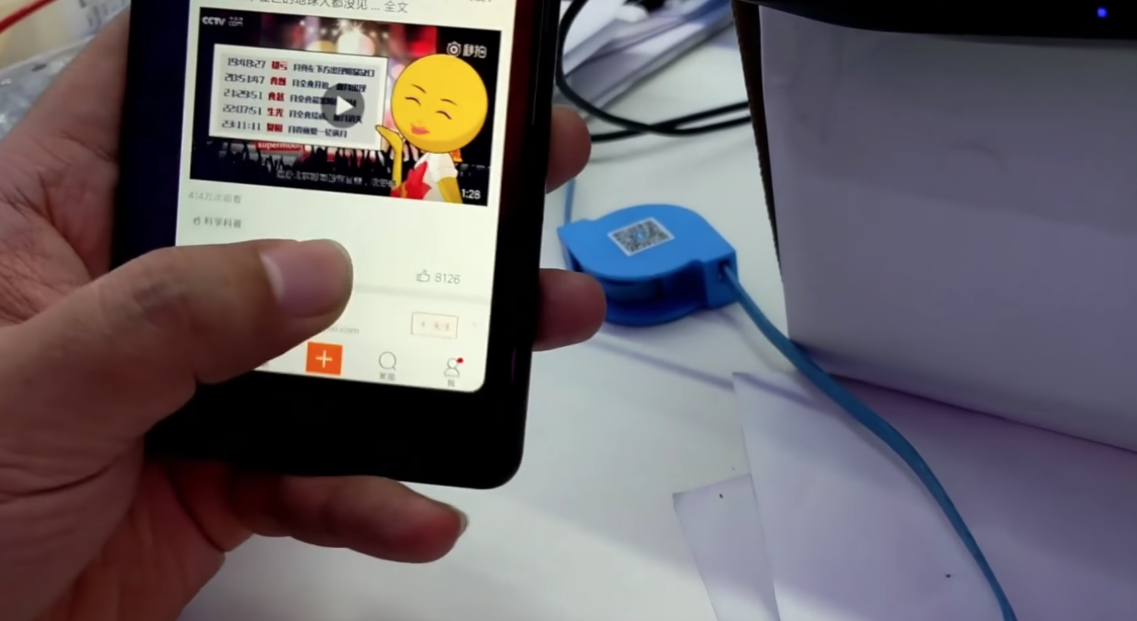
    With MWC 2018 just a few days away, the anticipation around potential launches is increasing. One of the most anticipated devices after the Galaxy S9 is the Mi Mix 2S. Xiaomi is expected to launch its 2018 flagship device at MWC 2018 which will be one of the first few devices to run on Snapdragon 845. Leaks also suggest that it will have a nearly bezel-less design.

    A new video has surfaced only which apparently shows off the bottom part of the Mi Mix 2S. In the video, someone is seen handling the Mi Mix 2S with support for gestures. Now, this doesn’t come as a surprise as Xiaomi recently introduced gestures in a Beta build of MIUI 9. Apparently, the Mi Mix 2S will come with gesture support out of the box.

    The video, unfortunately, doesn’t reveal the top half of the device. Hence, it is not possible to confirm whether the Mi Mix 2S will indeed come with a notch on top. However, this also means that we can’t confirm whether the device in question is the Mi Mix 2S. The bottom bezels of the phone are unlike any other Xiaomi phone and definitely resemble the renders of the Mi Mix 2S.

    However, this could well be the Mi Mix 2 upside down. The company has already introduced gesture support for the device and once rotated, the smartphone’s UI also rotates. So, we would suggest that you take this leak with a pinch of scepticism.

    Mi Mix 2S Expectations

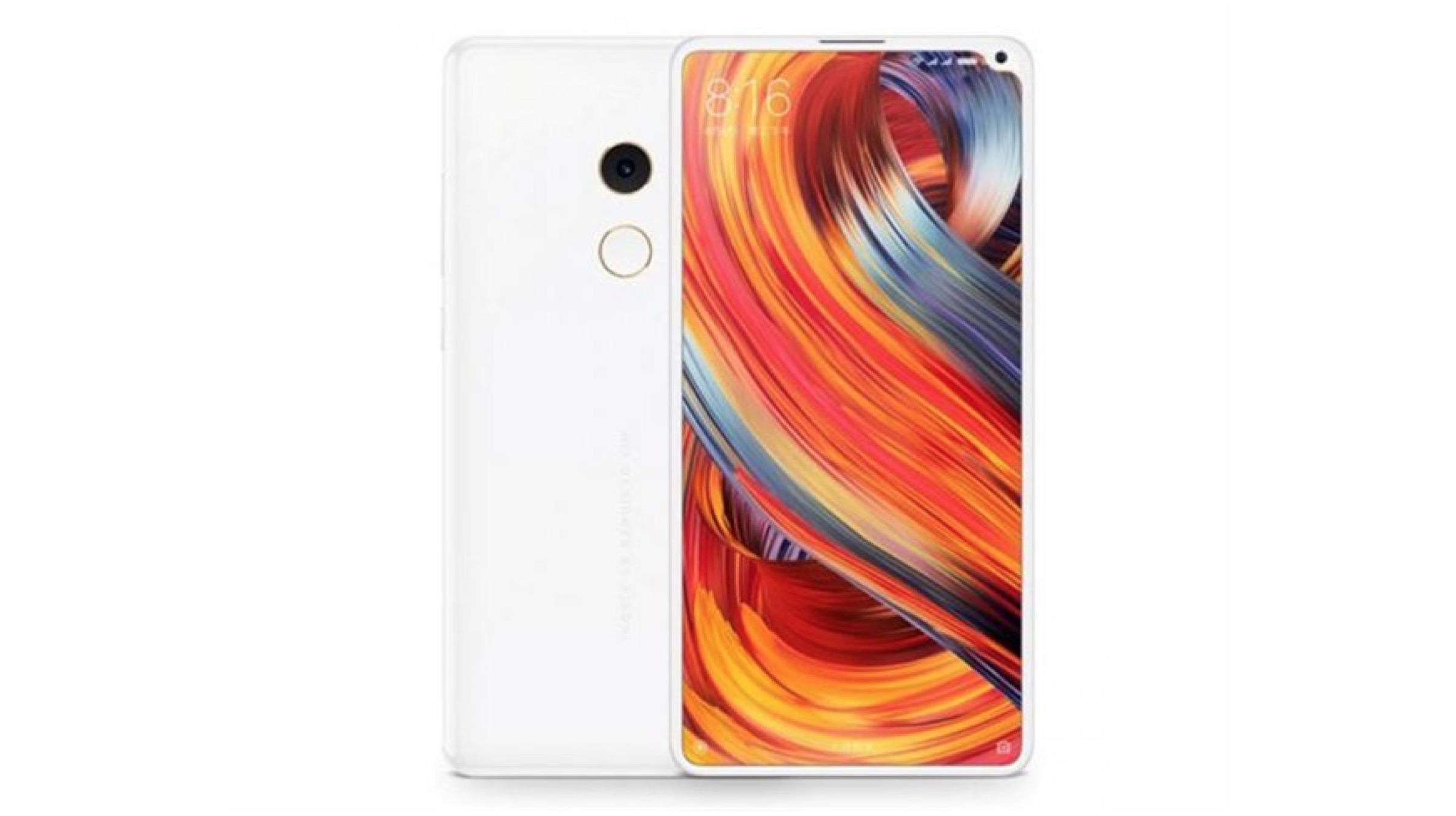
    The back of the Mi Mix 2S is expected to be the same as the Mi Mix 2. It will be made of ceramic which means it’ll be a fingerprint magnet. However, that is a price you have to pay for a device that looks as premium as the Mi Mix 2S. The significant change will be in the camera department. This time around, the Mi Mix 2S will have a dual-camera setup, which could be similar to the one found on the Mi A1, albeit of better quality.

    On the front is where Xiaomi will look to one-up the much-famed Samsung Galaxy S9 and S9+. The leaked image confirms that the smartphone will have a different take on the notch. The bezels all around the display will be uniform but, the top right corner will protrude a bit and that will house the front-facing camera.

    It will be powered by the Qualcomm Snapdragon 845 chipset coupled with 8GB of RAM and 256GB onboard storage.

    Mi Mix 2s
    Mi Mix 2s Renders
    Conclusion

    The Xiaomi Mi Mix 2s will be launching a day or two after the Galaxy S9 and S9+. The alleged design of the phone, along with these new gestures will surely grab a few headlines. After the iPhone X, Android smartphone makers like OnePlus and Xiaomi have dug deep into the possibilities surrounding gestures for navigation. While the shift for iPhone users to gestures was more organic, it could be a bit tough for Android users since the OS has used only buttons so far. iOS, on the other hand, had gestures inside the UI before the iPhone X came along.

  • Essential Ph-1 Could Launch In India At A Price Of Rs.30,000

    Essential Ph-1 Could Launch In India At A Price Of Rs.30,000

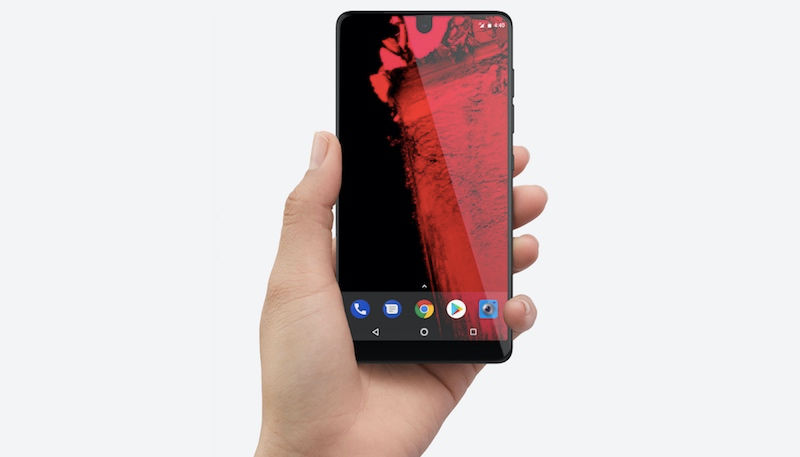
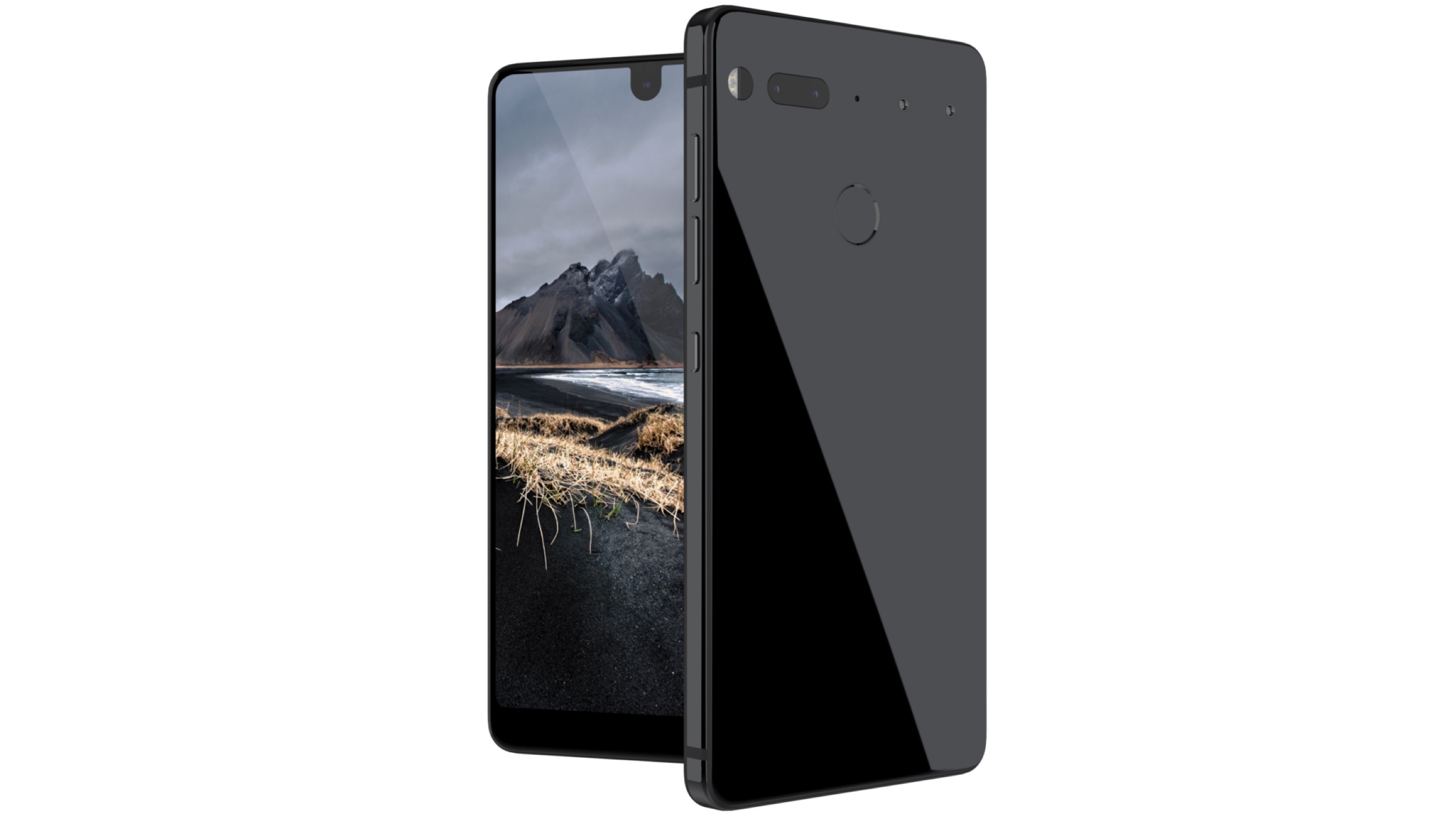
    Essential Ph-1, the first Android smartphone with a notch is coming to India. A report claims that the smartphone will be available exclusively via Amazon for less than Rs. 30,000. At this price tag, the Essential Ph-1 will be a great offering for Indian consumers.

    The smartphone was officially launched in the US for US$699, and the price has been brought down to US$450 due to unimpressive sales numbers. The phone does offer one of a kind design language, with a sturdy build quality. Though it has flagship specifications, the camera performance was highly criticised, which explains the global shipping number of 88,000 units.

    Specifications:

    On the front, the Essential Ph-1 packs in a 5.71-inch IPS LCD QHD+ touch panel with 19:10 aspect ratio, protected by Corning Gorilla Glass 5. Under the hood, the smartphone is powered by Qualcomm Snapdragon 835 Octa-core processor, coupled with 4 GB RAM and 128 GB storage.

    Like most of the modern flagship smartphones, the phone offers dual camera setup (13 MP + 13 MP) RGB + monochrome setup. In this case, the monochrome sensor helps to capture the depth details to give bokeh effect. The front-notch on the display houses an 8 MP selfie camera with 4K video recording capability.

    The smartphone packs in a 3040 mAh sealed battery with Quickcharge 4.0+ capability. The smartphone runs on stock Android 7.1 Nougat and expected to receive Oreo update soon via OTA.

     Conclusion:

    The affordable flagship segment in India is getting more competitive with the recent offerings like Moto Z2 Force and Honor View10. The addition of the Essential Ph-1 makes it more exciting for the consumers. But, with devices like the Mi Mix 2S and OnePlus 6 expected to be launched soon, is it too little too late for Essential Ph-1?

  • Google Pixel 2 Devices Face Overheating Issues After February Security Patch

    Google Pixel 2 Devices Face Overheating Issues After February Security Patch

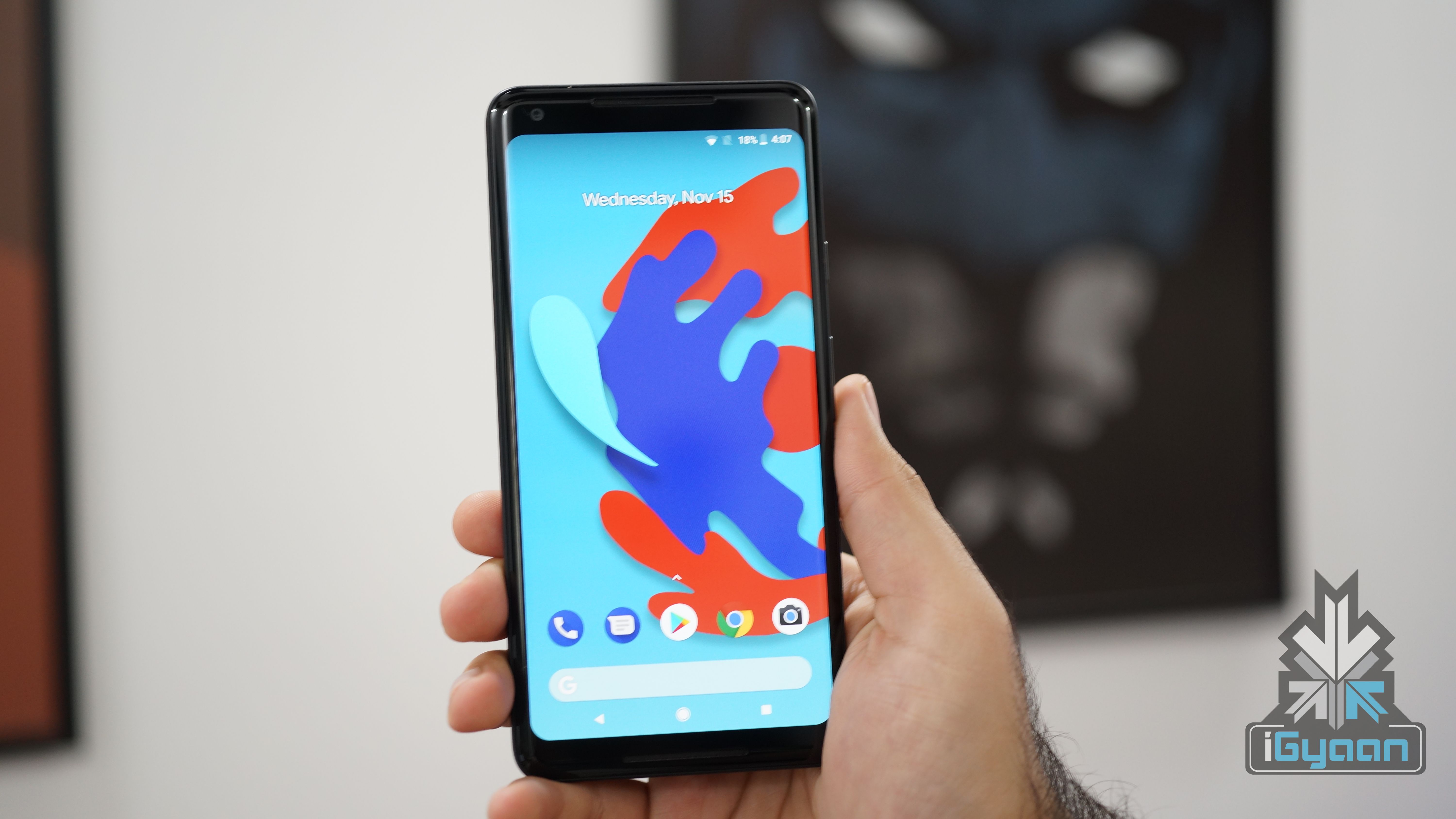
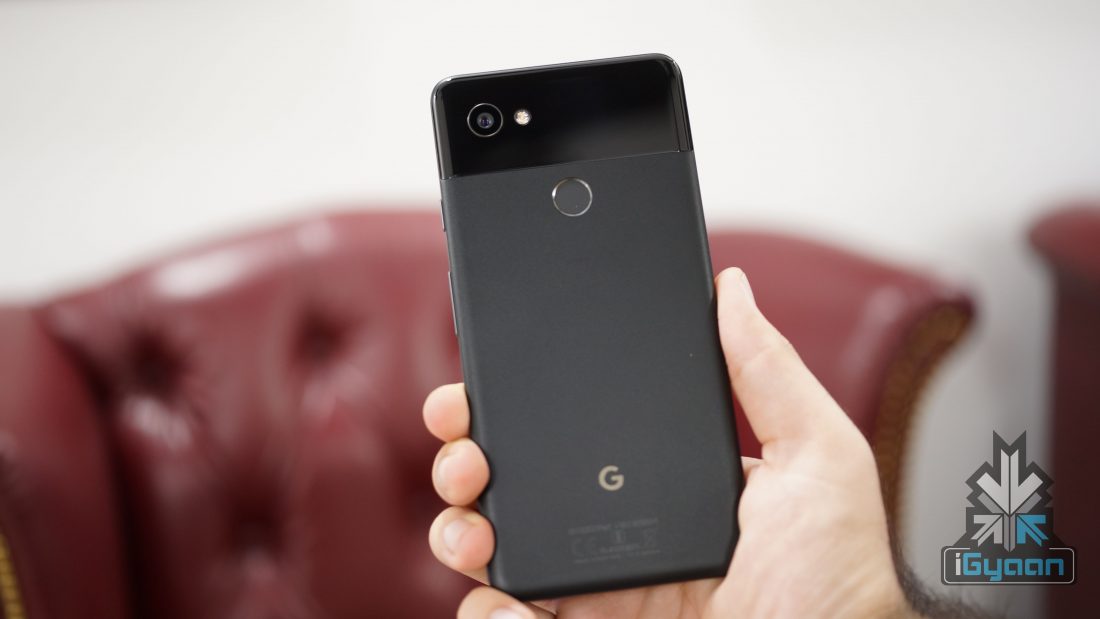
    Google Pixel 2 devices have started receiving the February security patch. These updates are pushed to patch any vulnerability or a bug. However, sometimes these updates themselves start to create a new bug. Users of Google Pixel 2 and Google Pixel 2 XL are have started reporting that their smartphones have started heating up.

    According to users, after the February security update, the smartphone tends to heat up a lot. Not only that, even the battery life of the smartphones has taken a hit.

    A user on Reddit wrote that:

    I recently updated my Pixel 2 to the latest security patch. I’ve checked it’s not a recently downloaded app, I’ve uninstalled all the apps I downloaded before it started getting hot just to check. It gets fairly warm almost instantly after starting to use it, within about a minute or so of anything really. Anyone got any advice? Battery life seems unaffected.

    Another user said:

    Battery is terrible since the latest update. Phone is getting pretty warm just using reddit anymore.


    Google Pixel 2 and Pixel 2 XL are the smartphones which launched with great potential. However, these devices have been in the limelight for all the reasons. Here are some of the issues reported by Google Pixel 2 or Pixel 2 XL users.

    The first known issue on the Google Pixel 2 XL was the display issue. Users complained that the display on the smartphone bit dull compared to other smartphones. The company then patched the issue with a software update. Still, a few users have a complain that the display shows cooler colour with a blue tint on a slight shift.

    Soon after that, users of Pixel 2 XL started complaining about voicemail issue, which causes users low volume on outgoing voicemail via Google Allo application. Which was later on patched with a software update. Users also raised a concern about buzzing or rattling issue on the stereo speakers, which was later on patched with a software update.

    Conclusion:

    However, the issue doesn’t seem to be universal, as a few users have commented that they haven’t experienced anything unusual and their devices are performing normally. Google is yet to comment on this issue, with whats wrong with the latest security update or is this caused by some third party application.

  • BlackBerry To Launch Three Android Devices At MWC 2018

    BlackBerry To Launch Three Android Devices At MWC 2018

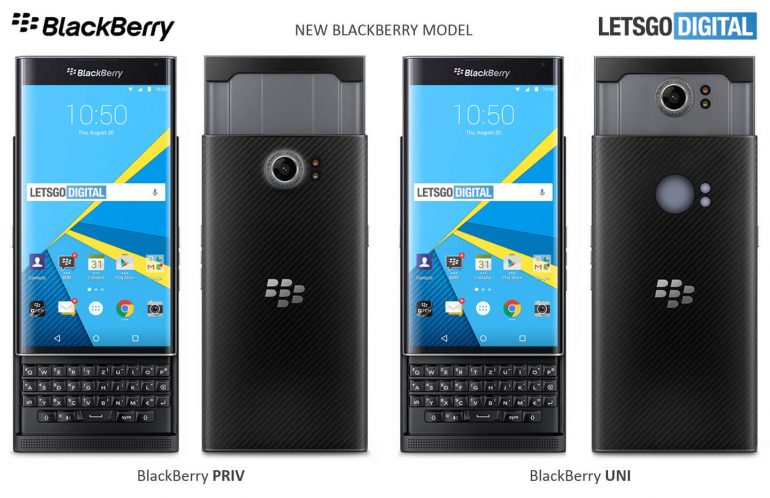
    BlackBerry is all set to launch three new smartphones in the coming days. According to a recent leak, these phones come with code name Athena, Luna, and Uni. After years of dominating the smartphone market along with Nokia, BlackBerry has gone off the rails. WIth another set of Android devices, the company would want to establish a strong foothold.

    In the last couple of years, the company has launched smartphones like the BlackBerry Priv,  BlackBerry KeyOne, and BlackBerry Passport. Now, the company is all set to refresh this lineup with these newer offerings. These devices are expected to be officially launched at the upcoming MWC 2018 in Barcelona.

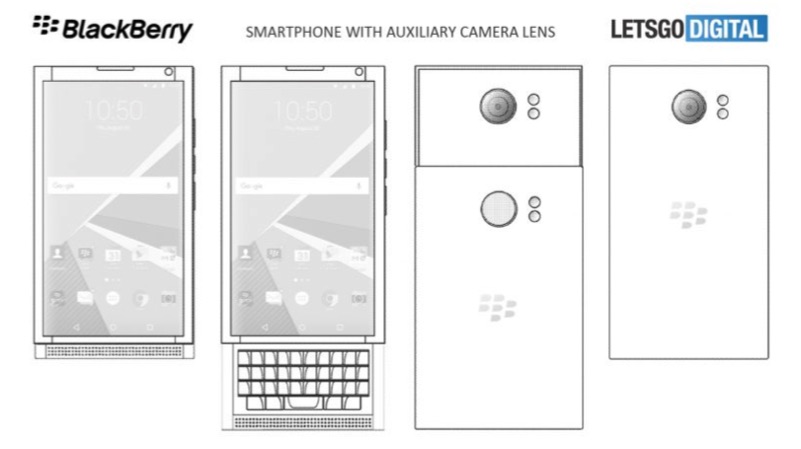
    WIPO has published a new patent from BlackBerry Limited for a smartphone with a sliding mechanism. In fact, the sketch resembles the BlackBerry Priv, which was launched in 2015. Back in the October 2017, a report claimed that the company is working on a new smartphone, is this one in the question?

    The only difference between these models is the placement of the camera. The camera will be hidden until the slide is open. The back-case offers a camera lens, which might offer features like a wide-angle lens, fish-eye vision, a zoom lens or a macro lens.

    Registered Patent for upcoming BlackBerry smartphone


    Specifications of BlackBerry Uni, Luna, and, Athen:

    As of now, we just have the specifications of the BlackBerry Uni. It is powered by Qualcomm Snapdragon 660 Octa-core processor with 6 GB or 8 GB RAM and 64 GB storage. The screen resolution of Uni (1620 x 1080) hints that the phone might resemble the BlackBerry KeyOne. This confuses a bit, as it has a mechanism like Priv, but a screen resolution of KeyOne? Considering that these devices will be launched in 2018, BlackBerry might go for a bezel-less design, which might be the reason for this different screen resolution.

    Presently, the specifications of the other two models are still unclear. As the MWC approaches, we will have a clear idea about all three devices.

    Conclusion:

    At least on paper, these smartphones look promising. BlackBerry should make sure that these devices run on latest Android OS with a competitive price tag at the time of launch.

  • Samsung Galaxy S9+ Secrets Revealed By A Reddit User

    Samsung Galaxy S9+ Secrets Revealed By A Reddit User

    The launch of Samsung Galaxy S9 and Galaxy S9+ is just a few days away. In the weeks of leading up to the official launch, we have had enough leaks to reveal almost everything about the device. However, the leaks don’t really stop until a phone is officially launched. Similarly, there has been another revelation in the story of the Galaxy S9 and Galaxy S9+.

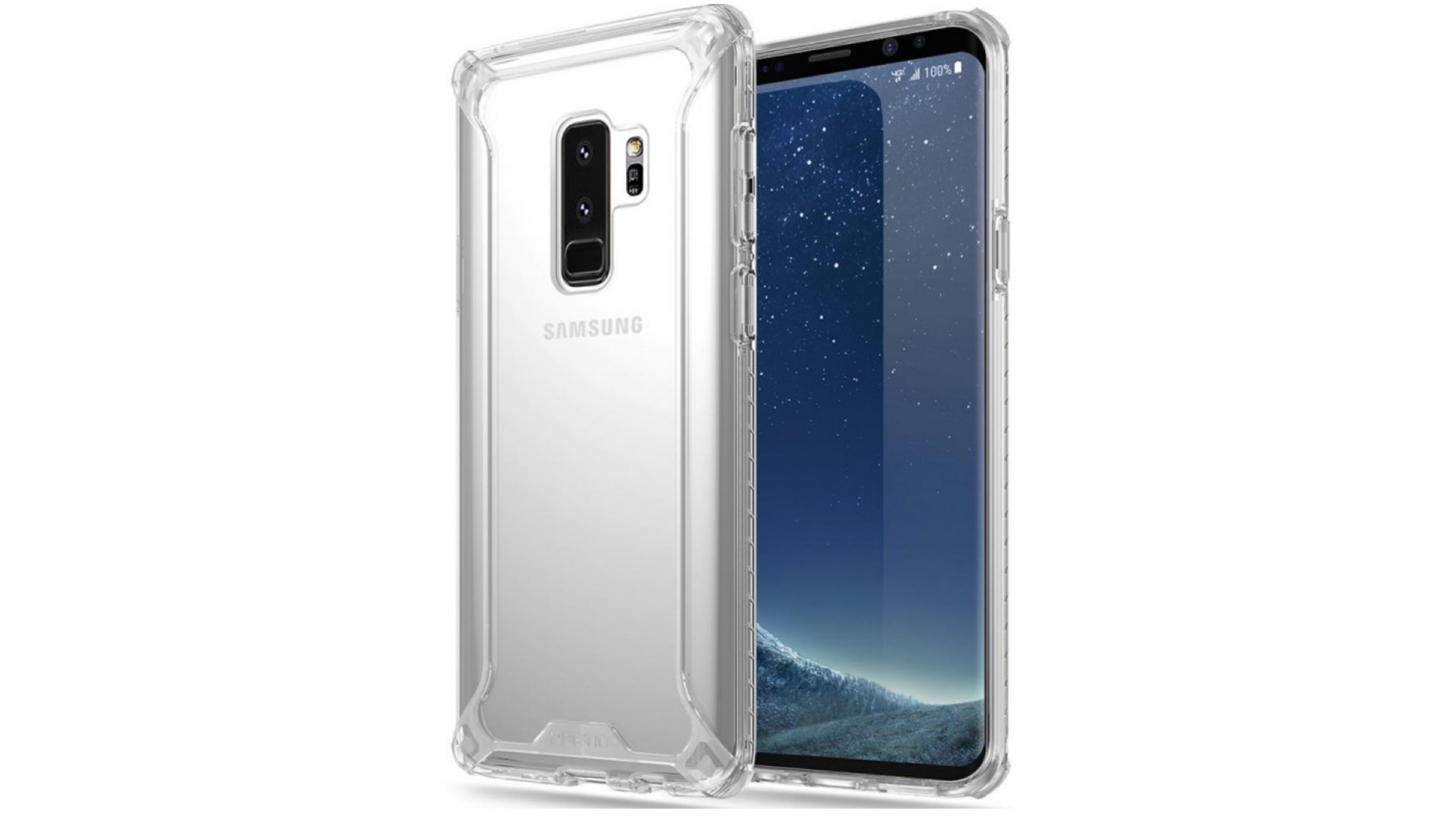
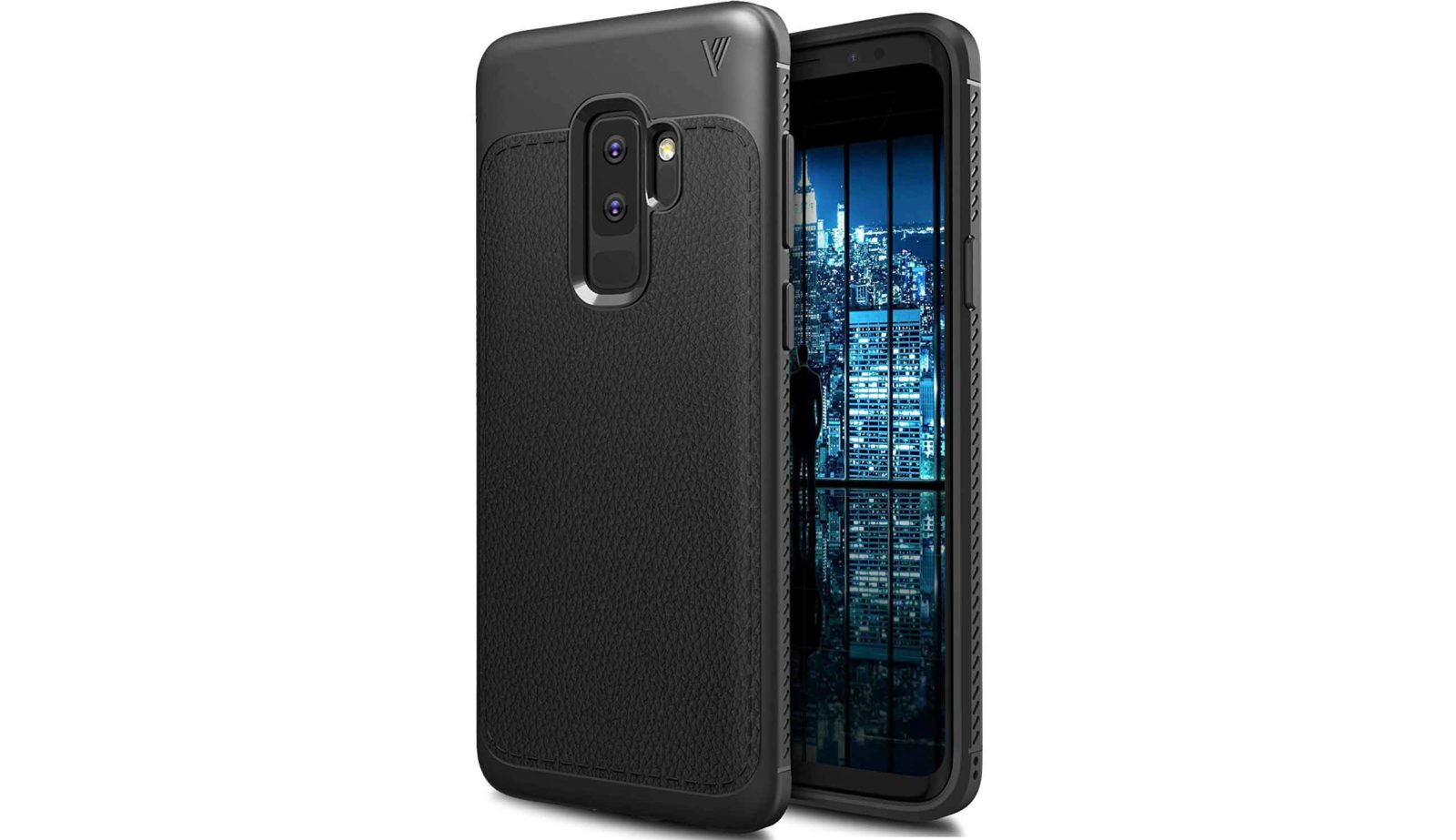
    Galaxy S9+ Case Renders

    An anonymous Reddit user claimed that he/she used the Galaxy S9+ for about 20 minutes. They hosted an AMA and answered a lot of questions pertaining to the Galaxy S9+ in particular. While there have been enough renders to reveal what the devices might look like, a few key details were still missing. Ever since the AMA was hosted, a few of the comments have been deleted. However, enough information was revealed to shed more light on what to expect from the devices.

    Also Read: Samsung Galaxy S9, Galaxy S9+: Everything We Know So Far

    [amazon_link asins=’B06Y3GYZKW’ template=’ProductAd’ store=’igyaan-21′ marketplace=’IN’ link_id=’eb8a7f84-13e9-11e8-97f2-df16584a5600′]

    The user has revealed that the Galaxy S9+ looks and feels very similar to the Galaxy S8+. The user said that “I was really so [surprised] at the fact that it looked like I was holding an s8. It’s really that similar.” The fingerprint sensor has been moved to a more central position, similar to the Galaxy A8+. The user claimed that the Galaxy S9 has stereo speakers, one in the earpiece and a second at the bottom of the phone. This is similar to what is found in recent Apple iPhones.

    Galaxy S9+
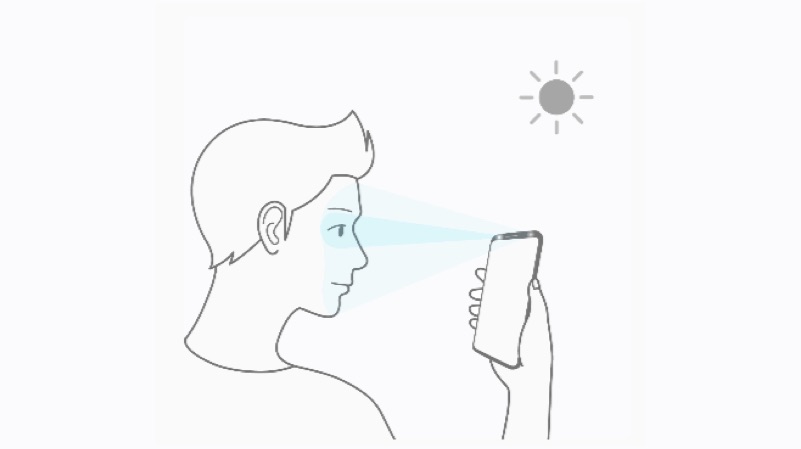
    Intelligent Scan

    One of the most talked-about features of the iPhone X is its Animojis. There were reports that claimed the Galaxy S9 and S9+ will come with its own rendition of talking emojis. According to the user, it is not an exact copy of Animoji. In fact, it offers a different user experience that is better in some ways, but worse in others.

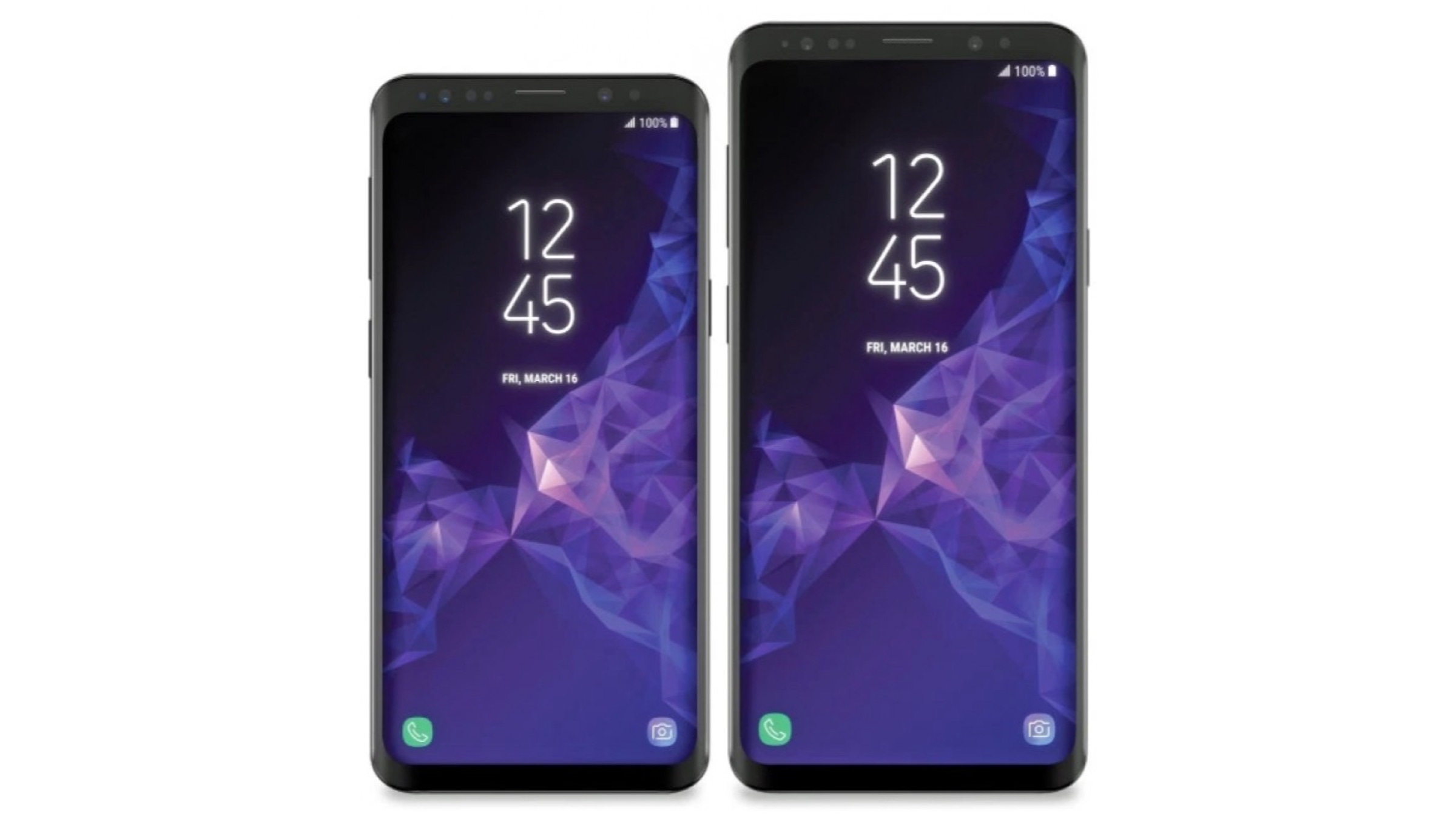
    Samsung Galaxy S9 and Galaxy S9+ Overview

    The smaller sibling will have a 5.8 inch Super AMOLED display while the Galaxy S9+ will have a 6.2 inch display. Both the devices will have a 2960 x 1440 px resolution.

    Galaxy S9
    Press Renders

    Similar to its predecessor, the Galaxy S9 will have a single 12MP SuperSpeed Dual Pixel camera. This time around, however, the camera will have an f/1.5 aperture and record super slow motion videos at 480fps. The Samsung Galaxy S9+ will become the second phone from Samsung to feature a dual-camera setup on the back after the Galaxy Note8. The Galaxy S9+ will have a 12MP camera with an f/1.4 aperture along with another 12MP camera with an f/2.5 aperture

    Owing to the launch of the Samsung flagship phones, a lot of companies have restrained from making significant announcements. The Galaxy S9 is expected to be priced at Rs. 69,000 in India.

  • 13 Russians Indicted For Swaying 2016 US Presidential Elections Using Social Media

    13 Russians Indicted For Swaying 2016 US Presidential Elections Using Social Media

    Donal J. Trump is the President of the United States. He won the 2016 Presidential Elections by beating Hilary Clinton. On November 8, 2016, Trump received 306 pledged electoral votes versus 232 for Clinton. The victory was unforeseen by many experts and over the course of the past year, lots of information about the campaign has been unearthed. On the 16th of February, the Justice Department indicted 13 Russian nationals and 3 companies for interfering in the 2016 presidential election.

    The Russians stole the identities of American citizens and posed as political activists to deviate the public opinion against a certain Presidential candidate. However, there was no accusation that President Trump or his associates were knowingly part of the conspiracy.

    The Story

    The Russian nationals used the power and reach of social media to sway public opinions. In today’s world, where the majority of the public gets their news from social media, this is a dangerous proposition. The fact that a few individuals with malice intentions can influence one of the biggest events in the world is quite frightening. This also proves that so many people believe whatever is on social media without fact-checking.

    The Russians carried out a campaign called “Project Lakhta”. It began in early-2014 and targeted a few individuals while siding with others. In early-2016, they intended to attack Hillary Clinton, Senator Ted Cruz, and Senator Marco Rubio, while supporting Bernie Sanders and Donald Trump. After that, they attacked Hilary Clinton and focused on supporting the campaign of Donald Trump.

    Russians

    The accused Russian nationals created fake social media accounts and bought ads to promote their agendas. These advertisements ran between April 2016 and October 2016 and targeted Hilary Clinton. One of the ads mentioned equated Hilary to Satan and Trump to Jesus. This indictment also goes against President Trump’s claims that Russia did not meddle in the elections and that it was all “fake news.”

    While President Trump has not been mentioned as a complicit, same cannot be said about Vladimir Putin. American intelligence officials have publicly said that President Vladimir V. Putin of Russia directed and oversaw Project Lakhta. Two of the three companies hold Russian government contracts.

    Such is the power of social media that if not single-handedly, it can at least sway the public reaction. The use of social media by Russian nationals prove that we believe memes and videos over trusted news outlets. Therefore, we need to take a hard look at what we see on social media and what is really worth believing.

iGyaan Network
Privacy Overview

This website uses cookies so that we can provide you with the best user experience possible. Cookie information is stored in your browser and performs functions such as recognising you when you return to our website and helping our team to understand which sections of the website you find most interesting and useful.