Blog

  • Motorola Releases List of Phones To Get Android Oreo Update

    Motorola Releases List of Phones To Get Android Oreo Update

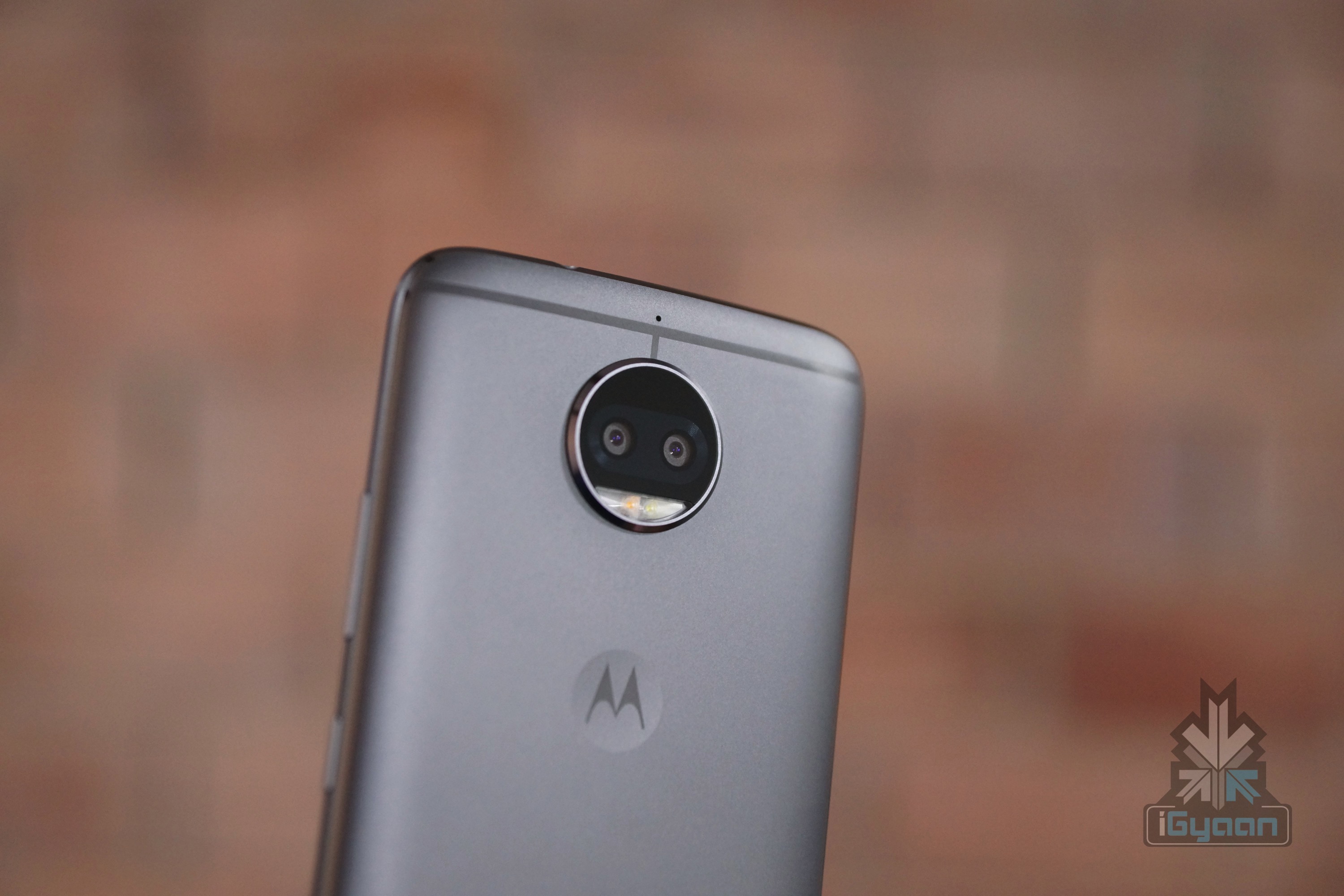
    Lenovo-owned Motorola has released a list of phones to receive Android 8.0 Oreo update. Motorola has long promised that most of its new smartphones will receive an update to Android 8.0 Oreo. Here’s the list of phones that Motorola launched

    A noteworthy omission here is the Moto G4 Plus which the company promised will get an Android O update. So much so that the promotional images specifically said that the Moto G4 Plus will receive the said update. This resulted in social media outburst and the promotional images from Motorola were shared extensively. However, Motorola did reply to a few people confirming that the Moto G4 Plus will receive the update. This begs the question then why was it omitted from the official list?

    https://twitter.com/motorolaindia/status/908590594070519808

    A lot of other smartphones makers have confirmed that their smartphones will receive the updates in the coming months. HTC announced that the U11, HTC 10 and U Ultra will be the first HTC smartphones to be updated to Android 8.0 Oreo. Budget smartphones like the Lenovo K8 Note and Nokia’s Android lineup will also receive the update. OnePlus also announced that the OnePlus 3, 3T and 5 will receive Oreo update, and that this will be the last major software update for the 3 and 3T.

    Motorola seems to have delivered on its promise of fast software updates and after some misunderstanding, it looks like the G4 Plus won’t be left out of the list. The smartphone maker insists that the updates will start rolling out this fall, which means somewhere between October and December.

  • Pixel 2 And Pixel XL 2 To Launch On October 4th – Here’s What To Expect

    Pixel 2 And Pixel XL 2 To Launch On October 4th – Here’s What To Expect

    Google just announced that the Pixel 2 and Pixel XL 2 will be launched on October 4th. The two of the most anticipated Android OS devices will go on sale subsequently in global markets in late October. The price of the two new phones has not been revealed but, rumours suggest that the phones will be priced a little higher than the previous gen because of the bumped up storage variants. Here’s what to expect from the Pixel 2 and Pixel XL 2

    Pixel 2

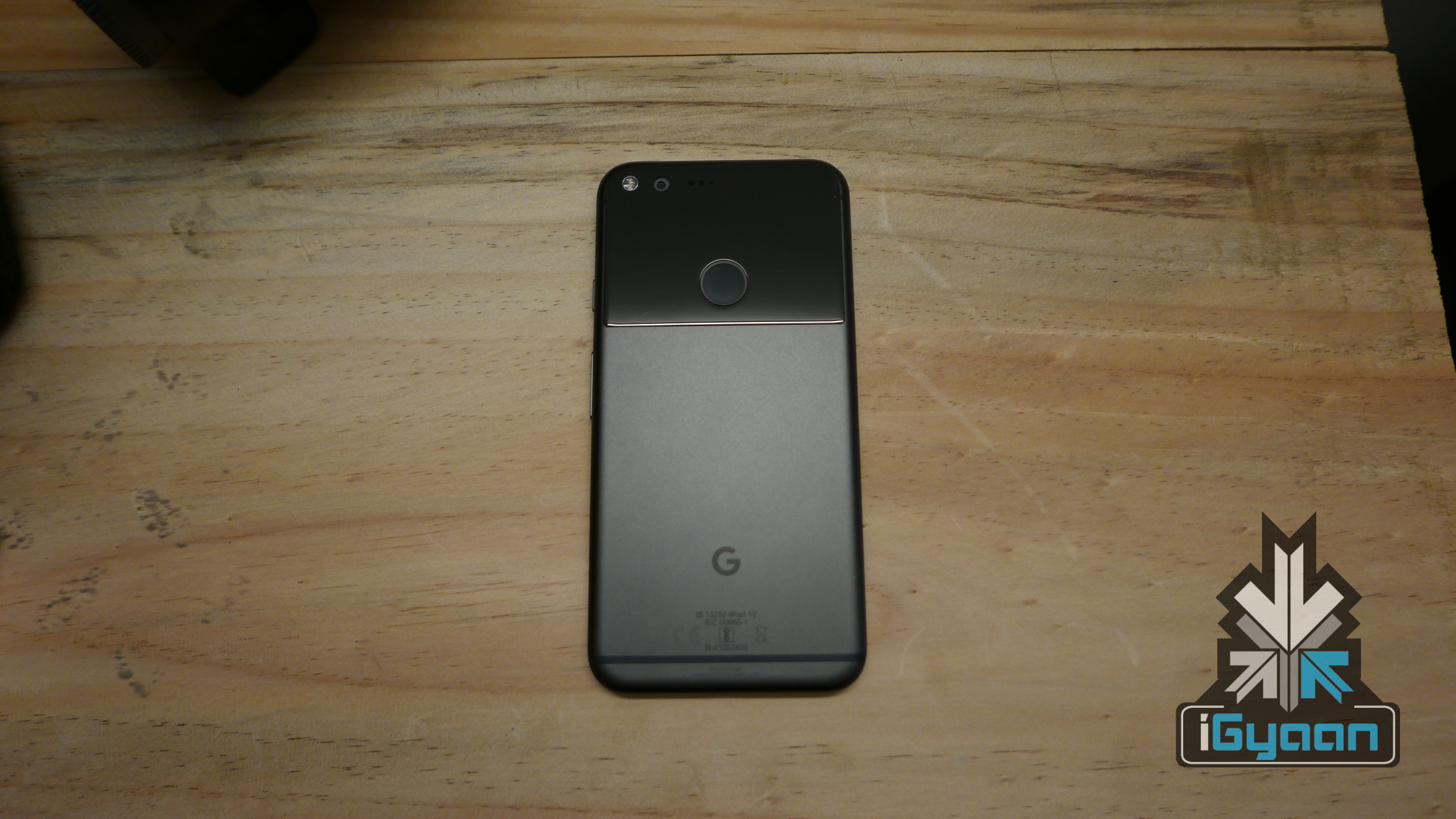
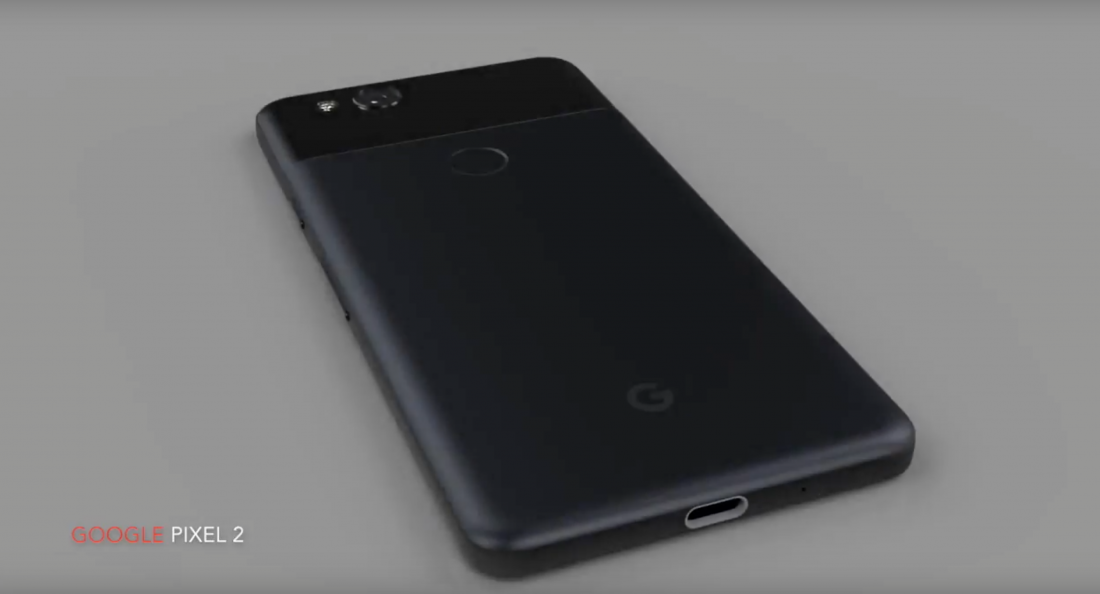
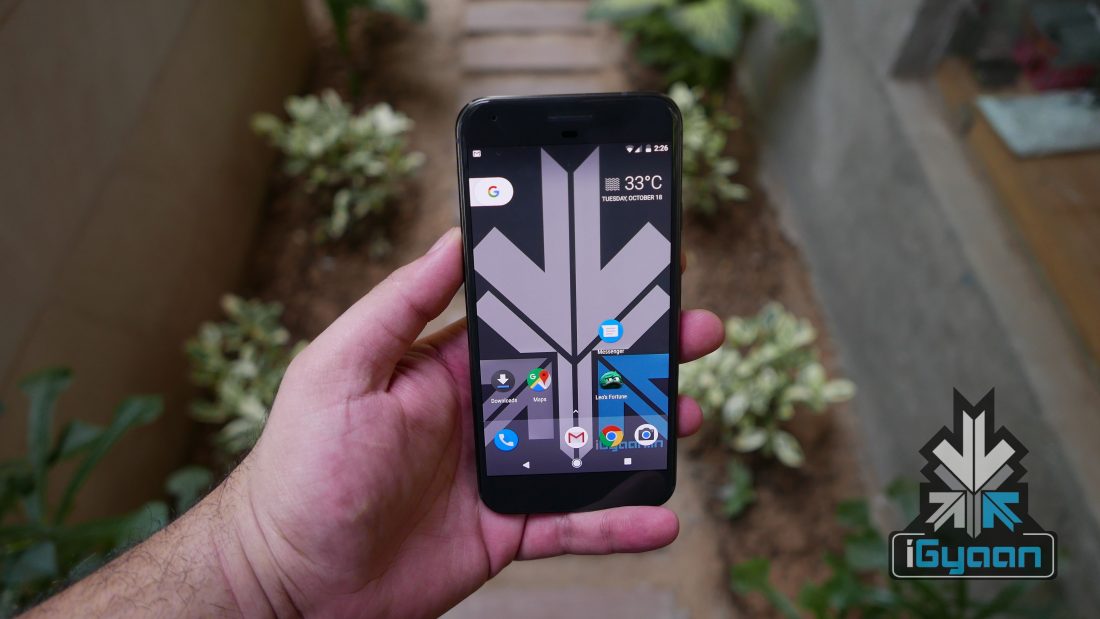
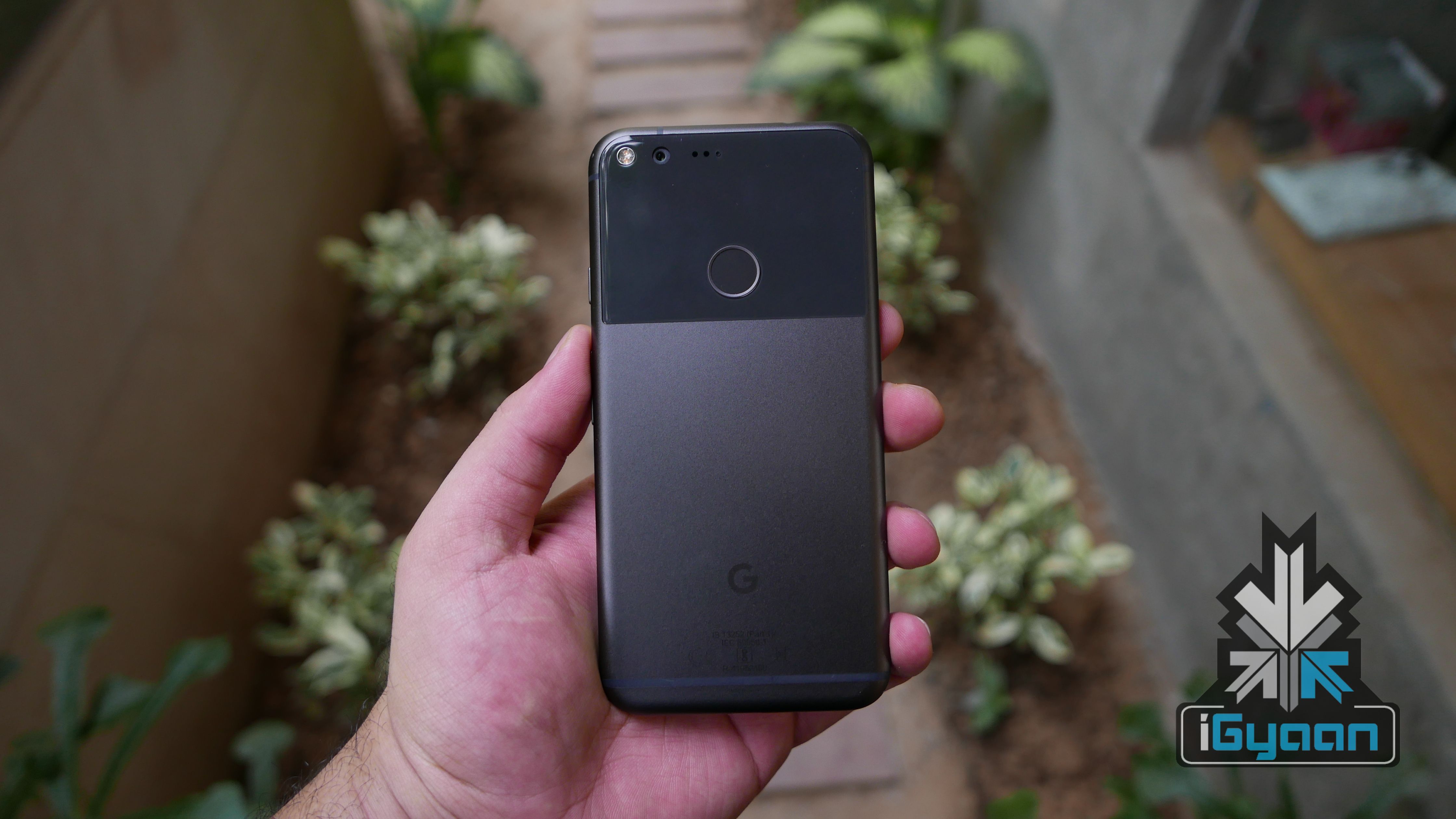
    The smaller sibling of the two will have a 5-inch 2560 x 1440 px AMOLED display with thick bezels around it. A recent FCC filing leak revealed that the Pixel 2 will have HTC U11’s ‘Active Edge’ feature which allows users to squeeze the frame of the device and launch an app or perform an action like taking a picture. Under the hood, it was rumoured to have the Qualcomm Snapdragon 836 chipset but, Qualcomm came out and said that it has no plans of launching a Snapdragon 836 chipset, which means the Snapdragon 835 will make its way into the Pixel 2. Google’s event announcement video said that the new Pixel phones will solve the issue of storage. This could mean 64GB onboard storage will replace 32GB as the base variant and might also introduce microSD card support. The fingerprint sensor will remain at the back of the device and the “glass window” will be smaller this time around.

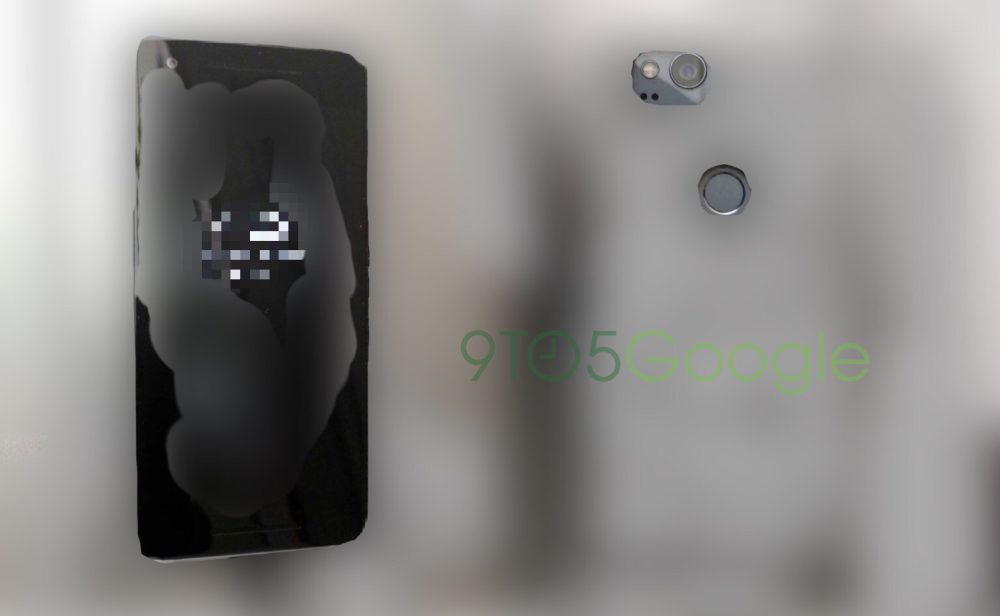
    In terms of optics, the Pixel 2 will have a single camera at the back but leaked images suggest that camera sensor will be bigger this time. Last year’s Pixel and Pixel XL were very well received for their camera performance and expect something similar in the 2nd gen smartphones as well. The headphone jack is expected to be missing on the Pixel 2 as well.

    Pixel XL 2

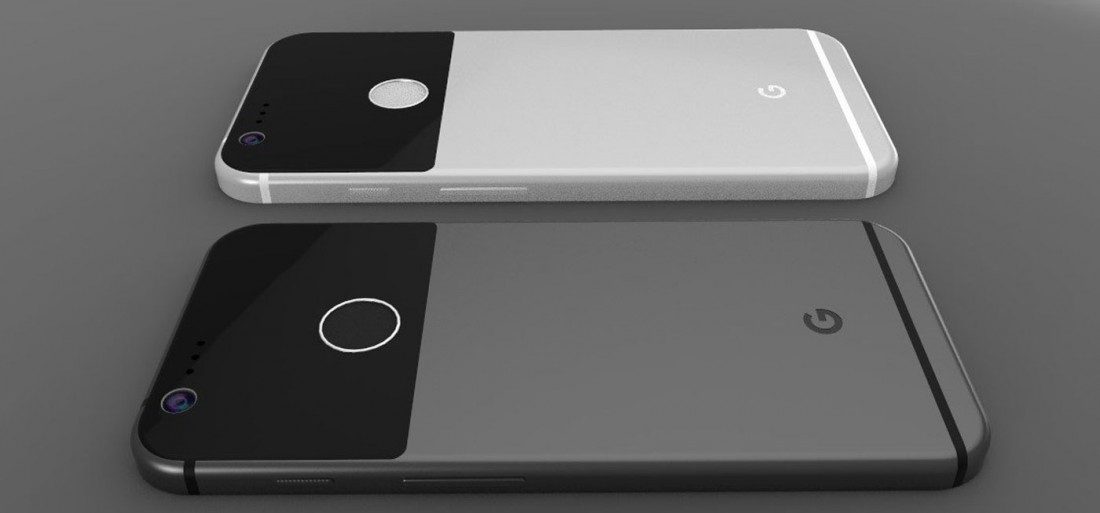
    The Google Pixel XL 2 will have a 6 inch 2560 x 1440 AMOLED display with an 18:9 aspect ratio due to thin bezels. this translates into a more 2017 flagship look and will be a departure from last year’s Pixel devices’ design. The glass window at the back will reportedly be smaller and the fingerprint sensor will sit below it. Improved Google Assistant functionalities are expected to enhance the user experience. Although initial leaks of the Pixel 2 suggested a missing headphone jack, Google might remove it from the Pixel XL 2, too.

    As is the Pixel 2, the Pixel XL 2 will have Qualcomm Snapdragon 835 chipset and run Android 8.0 Oreo out of the box. The base storage variant will be 64GB with 4GB or 6GB of RAM. The ‘Active Edge’ technology will make its way into the Pixel XL 2 as well and is expected to an improvement over HTC’s implementation in U11. The battery capacity will likely remain 3500 mAh, just like the Pixel XL from last year. The Pixel XL 2 is expected to have a single camera at the back, which is not a bad thing, as many phones with a single camera still perform and compete with dual-camera setups.

    The launch will unveil all the features and pit it against the Galaxy Note8 and iPhone X as the flagships of late-2017. With reports of Google acquiring HTC mobile division, the Pixel 2 and Pixel XL 2 might be last two phones before Gppgle starts making the devices its own and invest in the hardware the way it wants to. iGyaan will keep you updated with all the news following up to the Google launch event. Let us know what you feel about the leaks of the Pixel 2 series so far.

  • Google Confirms 4th October For The Launch Of The New Pixel Smartphones

    Google Confirms 4th October For The Launch Of The New Pixel Smartphones

    Google has confirmed that it will be launching the Pixel 2 and Pixel XL 2 on October 4th. The company tweeted a video suggesting that all the issues people have with their smartphones like battery drain, inadequate camera, and bad AI integration will be solved by the new Pixel 2 and Pixel XL 2. It was earlier reported that the Pixel 2 and Pixel XL 2 would be unveiled on October 5th. Google’s two new phones will compete with the likes of Samsung Galaxy S8/S8+, Galaxy Note8, iPhone 8/8Plus and iPhone X for smartphone supremacy.

    Interestingly, the teaser talks about smartphones running out of storage, which was the case with Pixel and Pixel XL 32GB variant as it did not have a microSD card slot. This may mean that either the new Pixel smartphones will come up bumped up storage even for the base variants or have a microSD card slot for storage expansion. Other pain points mentioned in the teaser are “why doesn’t my phone understand me?” and “why is my phone so dumb?” The new Pixel phones may have an improved Google Assistant functionalities and a wider language support.

    Last year’s Pixel and Pixel XL were well received for their cameras and the teaser for the launch suggests that Google has improved on the camera front this time around. Early leaks suggest that the two phones will have a similar “glass window” at the back, just like last year’s Pixel device, albeit a smaller one. The Pixel XL 2 is expected to look like a 2017 flagship with thin bezels while the Pixel 2 will retain the last year’s thick bezels design.

    All the speculations will finally rest in peace when Google announces the Pixel 2 and Pixel XL 2 on October 4th. Stay tuned for more updates on the launch and all the news about the new Pixel smartphones.

  • Asus Launches Zenfone 4 Selfie Series In India

    Asus Launches Zenfone 4 Selfie Series In India

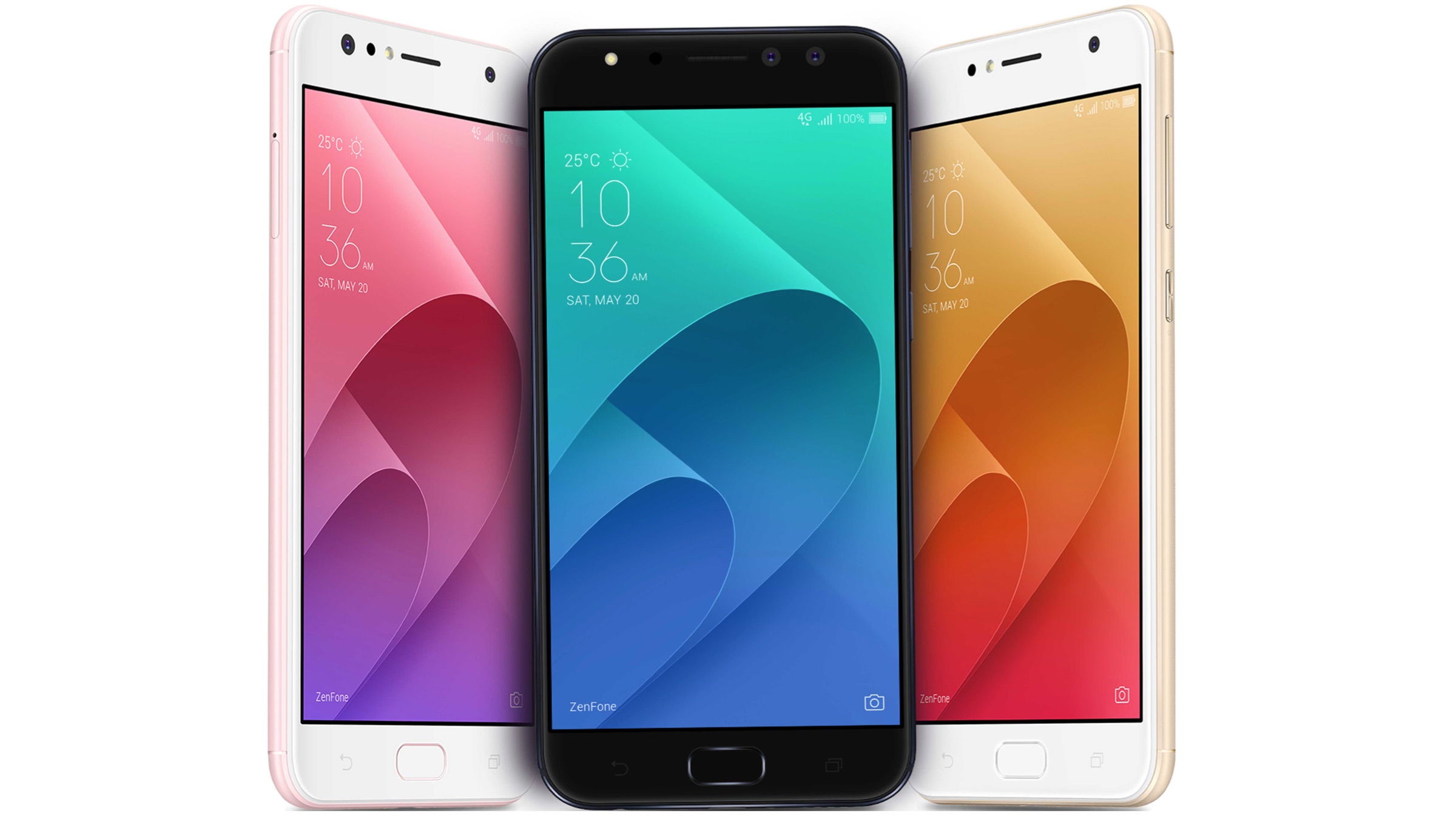
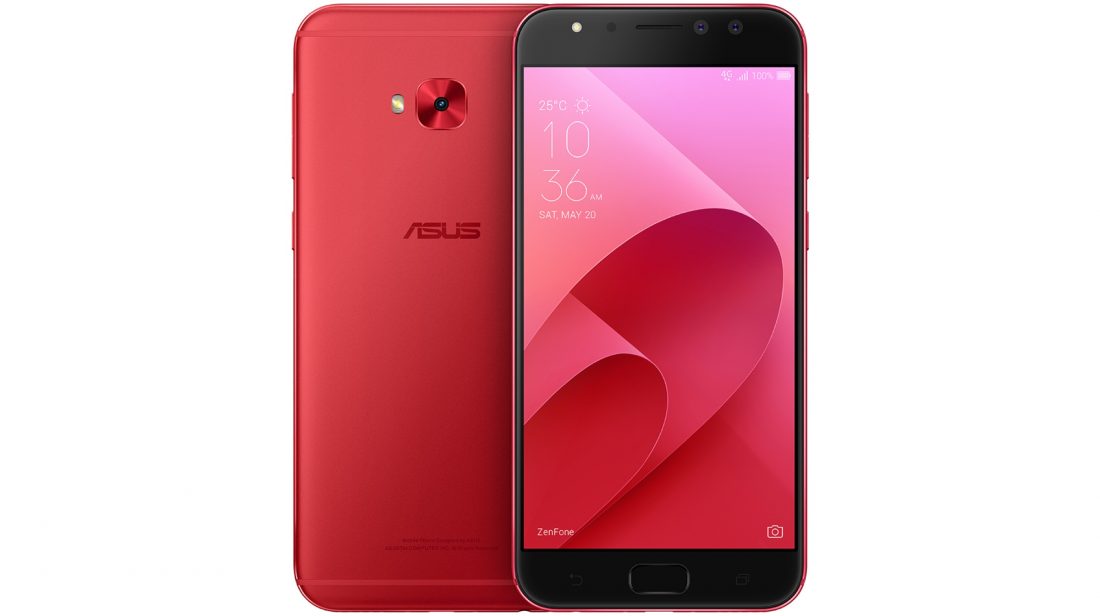
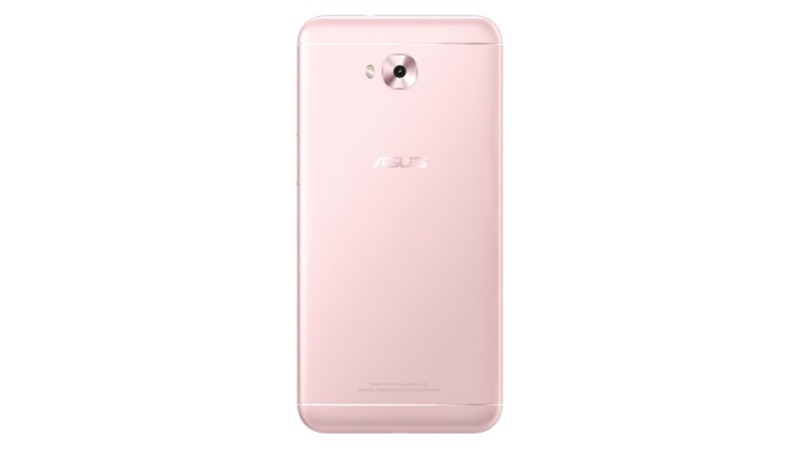
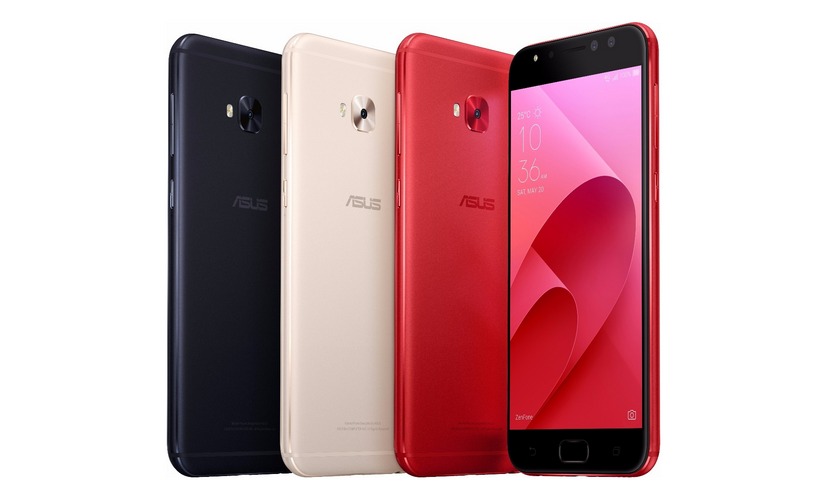
    Asus has launched the Zenfone 4 Selfie, Zenfone 4 Selfie (Dual Cameras), and Zenfone 4 Selfie Pro in India. The smartphones, as the names suggest, are selfie-centric Android devices. The phones will go on sale in India on 21st September at Flipkart exclusively.

    Asus Zenfone 4 Selfie (Dual Cameras)

    Designed with a focus on front-facing pictures, the smartphone sports a 5.5 inch 1280 x 720 px IPS LCD display and a 3000 mAh battery. The ZenFone 4 Selfie runs Android 7.0 Nougat with Asus’s ZenUI 4.0 on top. Powering the device is a Qualcomm Snapdragon 430 chipset with 4GB RAM and 64GB of onboard storage which is expandable via a microSD card of up to 256GB. As the name suggests, the smartphone’s USP is its selfie-taking capabilities. The device sports a 20MP with an f/2.2 aperture and an 8MP wide angle lens with an f/2.4 aperture on the front along with a LED flash. The rear of the phone has a 16MP camera with PDAF and a LED flash. The fingerprint sensor is housed in the home button which sits below the screen and between two touch capacitive navigation buttons. The smartphone is priced at Rs 14999.

    Zenfone 4 Selfie

    The Zenfone 4 Selfie sports a 5.5 inch 1280 x 720 px IPS LCD display and a 3000 mAh battery. The ZenFone 4 Selfie runs Android 7.0 Nougat with Asus’s ZenUI 4.0 on top. Powering the device is a Qualcomm Snapdragon 430 chipset with 3GB RAM and 64GB of onboard storage which is expandable via a microSD card of up to 256GB. As the name suggests, the smartphone’s USP is its selfie-taking capabilities. The fingerprint sits inside the home button on the front of the device below the display. On the front of the device is also a 13MP camera with an f/2.0 aperture and a LED flash. The back of the device houses a 13MP camera with an f/2.2 aperture and a LED flash. The Zenfone 4 Selfie is priced at Rs 9999.

    Zenfone 4 Selfie Pro

    The ZenFone 4 Selfie Pro is an upgraded variant of the ZenFone 4 Selfie with a 5.5 inch 1920 x 1080 px full HD IPS LCD display and the same 3000 mAh battery. Under the hood is the Qualcomm Snapdragon 625 chipset with 4GB RAM and 64GB of onboard storage which is expandable via a microSD card of up to 256GB. The fingerprint sensor is housed in the home button which sits below the screen and between two touch capacitive navigation buttons. As with the base variant, selfies are the highlight here, with a front-facing 12MP Sony IMX362 sensor with an f/1.8 aperture and a 5MP secondary camera for wide-angle selfies with an f/2.2 aperture. It features the same 16MP camera with PDAF and a LED flash at the back. The Selfie Pro is priced at Rs 23999.

  • Apple iPhone X Vs The Competition

    Apple iPhone X Vs The Competition

    Samsung has been the number one smartphone maker in the world for a while and Apple has always been a close second. Recently, Huawei overtook Apple as the second largest smartphone maker because of the sales in Q2 of 2017. Apple is expected to take that position back and challenge Samsung once again with the launch of the iPhone 8, iPhone 8 Plus and the iPhone X. Samsung has been riding high on the success of its flagship Galaxy S8 and S8+ and the newly launched Galaxy Note8 has already received record breaking pre-orders in the United States and South Korea.

    With the Samsung Galaxy S8+, iPhone 8+, iPhone X and the Galaxy Note8 competing for the best flagship of 2017, let’s see how each of them stack up against each other.

    Apple iPhone X
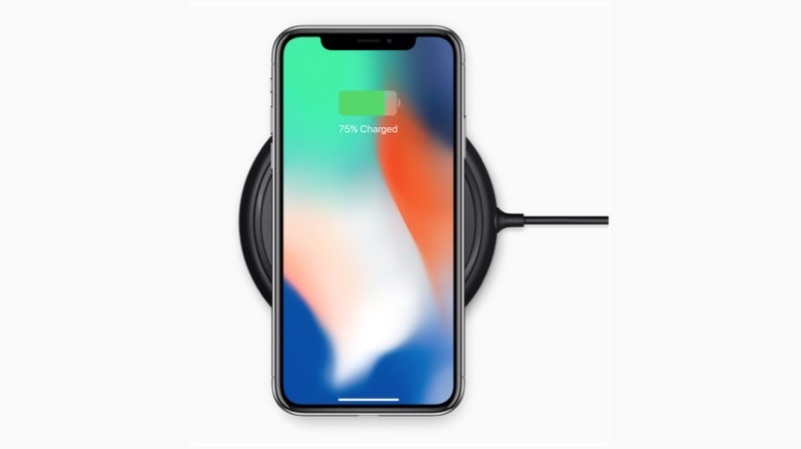
    The iPhone X has a 5.8-inch 2436 x 1125 px OLED True Tone Super Retina display with minimal bezels around it. The phone runs iOS 11 and is powered by a 3,000 mAh battery which charges through the Apple signature lightning port placed at the bottom of the phone. Because of the all-glass design, the iPhone 8 also has wireless charging. Under the hood, the smartphone has the Apple A11 Bionic chipset with a neural engine, a hexacore processor, 3GB of RAM and storage options of 64GB, and 256GB. Apple has also gotten rid of TouchID and replaced it with facial recognition called FaceID which Apple claims has a security breach chances of 1 in a million.

    On the optics front, the iPhone X has dual 12-megapixel rear cameras, and it’s equipped with dual optical image stabilization. The main camera is equipped with a wide angle lens and has an f/1.8 aperture while the secondary telephoto lens has an f/2.4 aperture.

    Samsung Galaxy S8 and Galaxy S8+
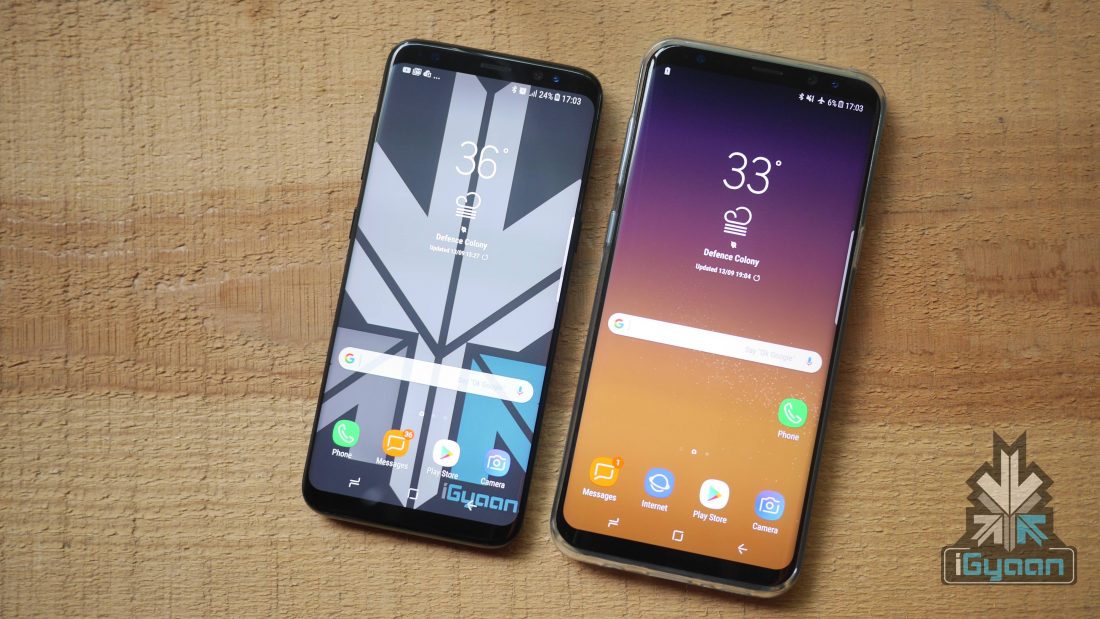
    The Samsung Galaxy S8 has a 5.8” 2960×1440 px display with a 570ppi while the S8+ has a 6.2” 2960×1440 px display with a 529ppi density. Both have Samsung’s own super-AMOLED display. The Galaxy S8 is powered by a 3000 mAh battery while the Galaxy S8+ has a 3500 mAh battery. Both the smartphones run Android 7.1.1 Nougat out of the box and Samsung has confirmed an update Android 8.0 Oreo soon. Under the hood, both the smartphones have Exynos 8895 chipset, 64GB or 128GB onboard storae options which is expandable up to 256GB via microSD card. The Galaxy S8 has 4GB RAM while the Galaxy S8+ has 4GB or 6GB RAM variants.

    For cameras, both phones get a main Dual Pixel 12MP OIS (F1.7), Front: 8MP AF (F1.7). While the battery on the Galaxy S8 is 3000 man, the S8plus has a 3500 mAh battery. Both support fast charging and wireless charging as well.

    Apple iPhone 8 and iPhone 8 Plus
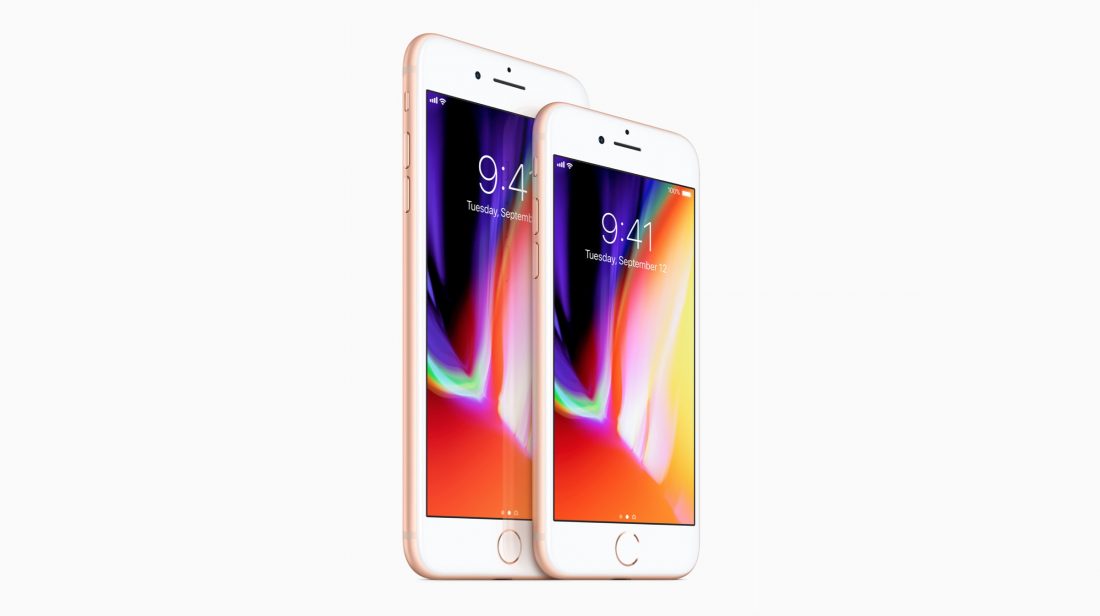
    The Apple iPhone 8 has a 4.7 inch 1334 x 750 px True Tone display and the iPhone 8 Plus has a 5.5 inch 1920 x 1080 px True Tone Display. Under the hood, the iPhone 8 and iPhone 8 Plus have the A11 Bionic chipset with a hexacore processor and the new Apple GPU. Both the phones now have wireless charging capabilities. Both the phones run iOS 11 and the battery of the iPhone 8 and 8 Plus is identical to the iPhone 7 and iPhone 7 Plus respectively.

    On the camera front, there’s a 12-megapixel sensor on the iPhone 8 that is larger, faster and has optical image stabilization. The iPhone 8 Plus also has new 12 MP sensors. The main camera is equipped with a wide angle lens and has an f/1.8 aperture while the secondary telephoto lens has an f/2.8 aperture. The dual cameras on the iPhone 8 Plus also have a new “Portrait Lighting” feature to adjust the lighting for portrait shots.


    Samsung Galaxy Note8
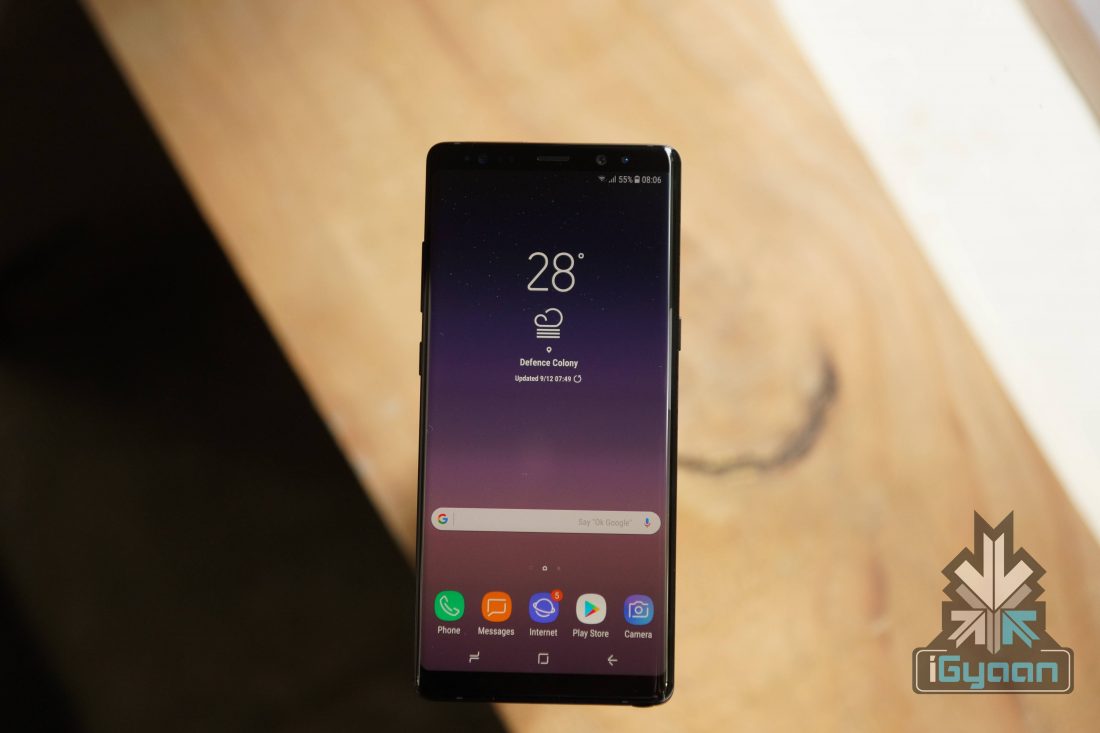
    The Galaxy Note8 has a 6.3 inch 2960 x 1440 px Super AMOLED display with an 18.5:9 aspect ratio, which is the same aspect ratio found on the Galaxy S8 and S8+. Powering the device is a 3300 mAh battery which is smaller than the 3500 mAh battery found on the Galaxy Note7 with wireless charging capabilities, and runs Android Nougat 7.1.1 with Samsung’s custom skin on top. The device has the Exynos 8895 chipset, 2.3GHz Quad-Core (Custom CPU) + 1.7GHz Quad-Core (Cortex-A53) processor, 6GB of RAM and 128GB onboard storage, which is expandable up to 256GB via microSD card. The graphics are handled by the Mali-G71 MP20 GPU.

    The new Note8 has a 12MP dual-camera setup, one of which has a wide lens and the other a telephoto. The telephoto lens allows a user to zoom in losslessly for an up to 2x magnification. The use of dual camera allows for the ability to blur out the background for professional looking bokeh effect shots, something that seems to be common in smartphones in 2017. The Galaxy Note8, Samsung claims, is the first smartphone to feature OIS in both the cameras at the back.

    Specifications Samsung Galaxy S8/S8+ iPhone 8/iPhone 8 Plus iPhone X Samsung Galaxy Note8
    Price S8- Rs 57900 onwards (Click Here To Buy)

    S8+- Rs 64900 onwards (Click Here To Buy)

    iPhone 8 – Rs 64000 onwards Rs 89000 onwards  Rs 67990

    Display size and type 5.8 inch Super AMOLED

    6.2 inch Super AMOLED

    iPhone 8 – 4.7 inch Retina Display
    iPhone 8 Plus – 5.5 inch Retina Display
    5.8 inch Super Retina Display  6.3 inch Super AMOLED
    Display Resolution  2960×1440 px 570ppi

    2960×1440 px 529ppi

    1334 x 750 px True Tone display
    1920 x 1080 px True Tone display
    2436 x 1125 px OLED True Tone  2960 x 1440 px
    Dimensions 148.9 x 68.1 x 8.0 mm
    159.5 x 73.4 x 8.1 mm
    138.4 x 67.3 x 7.3 mm
    158.4 x 78.1 x 7.5 mm
     143.6 x 70.9 x 7.7 mm

    162.5 x 74.8 x 8.6 mm

    Weight 155g
    173g
    148 gm
    202 gm
    174 gm  195 gm
    Chipset Exynos 8895 A11 Bionic with neural transmitter A11 Bionic with neural transmitter Exynos 8895
    Processor Octa core (2.3GHz Quad + 1.7GHz Quad), 64 bit, 10 nm process Hexacore processor with 2 high performing and 4 low cores Hexacore processor with 2 high performing and 4 low cores Octa core (2.3GHz Quad + 1.7GHz Quad), 64 bit, 10 nm process
    RAM 4GB

    4GB/6GB

    3GB  3GB  6GB
    Storage 64GB (expandable up to 256GB)

    64GB/128GB (expandable up to 256GB)

    64GB/256GB (non-expandable) 64GB/256GB (non-expandable) 64GB (expandable up to 256GB)
    Primary Camera Dual Pixel 12MP with an f/1.7 aperture  12MP with an f/1.8 aperture
    12MP wide-angle and telephoto cameras – Wide-angle: ƒ/1.8 aperture | Telephoto: ƒ/2.8 aperture
    12MP wide-angle and telephoto cameras
    Wide-angle: ƒ/1.8 aperture
    Telephoto: ƒ/2.4 aperture
    Dual 12MP camera
    Wide-angle: ƒ/1.7 aperture
    Telephoto: ƒ/2.4 aperture
    Primary Camera Features OIS

    PDAF


    Both Models-
    Optical image stabilization
    Six?element lens
    Quad-LED True Tone flash with Slow Sync

    iPhone 8 Plus
    Portrait mode
    Portrait Lighting (beta)

    PRIMARY VIDEO

    Portrait mode
    Portrait Lighting (beta)
    Dual optical image stabilization
    Six?element lens
    Quad-LED True Tone flash with Slow Sync
    PDAF
    2X lossless optical zoom
    Bokeh Effect
    Dual OIS
    Secondary Camera 8MP AF (F1.7)  7MP with an f/2.2 aperture 7MP camera
    f/2.2 aperture
     8MP with an f/1.7 aperture
    Colours  Midnight Black, Maple Gold, Orchid Grey Space Gray, Silver, Blush Gold Space Gray, Silver  Midnight Black, Maple Gold
    Specifications Samsung Galaxy S8/S8+ iPhone 8/iPhone 8 Plus iPhone X Samsung Galaxy Note8
    Price S8- Rs 57900 onwards (Click Here To Buy)

    S8+- Rs 64900 onwards (Click Here To Buy)

    iPhone 8 – Rs 64000 onwards Rs 89000 onwards  Rs 67990

    Display size and type 5.8 inch Super AMOLED

    6.2 inch Super AMOLED

    iPhone 8 – 4.7 inch Retina Display
    iPhone 8 Plus – 5.5 inch Retina Display
    5.8 inch Super Retina Display  6.3 inch Super AMOLED
    Display Resolution  2960×1440 px 570ppi

    2960×1440 px 529ppi

    1334 x 750 px True Tone display
    1920 x 1080 px True Tone display
    2436 x 1125 px OLED True Tone  2960 x 1440 px
    Dimensions 148.9 x 68.1 x 8.0 mm
    159.5 x 73.4 x 8.1 mm
    138.4 x 67.3 x 7.3 mm
    158.4 x 78.1 x 7.5 mm
     143.6 x 70.9 x 7.7 mm

    162.5 x 74.8 x 8.6 mm

    Weight 155g
    173g
    148 gm
    202 gm
    174 gm  195 gm
    Chipset Exynos 8895 A11 Bionic with neural transmitter A11 Bionic with neural transmitter Exynos 8895
    Processor Octa core (2.3GHz Quad + 1.7GHz Quad), 64 bit, 10 nm process Hexacore processor with 2 high performing and 4 low cores Hexacore processor with 2 high performing and 4 low cores Octa core (2.3GHz Quad + 1.7GHz Quad), 64 bit, 10 nm process
    RAM 4GB

    4GB/6GB

    3GB  3GB  6GB
    Storage 64GB (expandable up to 256GB)

    64GB/128GB (expandable up to 256GB)

    64GB/256GB (non-expandable) 64GB/256GB (non-expandable) 64GB (expandable up to 256GB)
    Primary Camera Dual Pixel 12MP with an f/1.7 aperture  12MP with an f/1.8 aperture
    12MP wide-angle and telephoto cameras – Wide-angle: ƒ/1.8 aperture | Telephoto: ƒ/2.8 aperture
    12MP wide-angle and telephoto cameras
    Wide-angle: ƒ/1.8 aperture
    Telephoto: ƒ/2.4 aperture
    Dual 12MP camera
    Wide-angle: ƒ/1.7 aperture
    Telephoto: ƒ/2.4 aperture
    Primary Camera Features OIS

    PDAF


    Both Models-
    Optical image stabilization
    Six?element lens
    Quad-LED True Tone flash with Slow Sync

    iPhone 8 Plus
    Portrait mode
    Portrait Lighting (beta)

    PRIMARY VIDEO

    Portrait mode
    Portrait Lighting (beta)
    Dual optical image stabilization
    Six?element lens
    Quad-LED True Tone flash with Slow Sync
    PDAF
    2X lossless optical zoom
    Bokeh Effect
    Dual OIS
    Secondary Camera 8MP AF (F1.7)  7MP with an f/2.2 aperture 7MP camera
    f/2.2 aperture
     8MP with an f/1.7 aperture
    Colours  Midnight Black, Maple Gold, Orchid Grey Space Gray, Silver, Blush Gold Space Gray, Silver  Midnight Black, Maple Gold
  • Unboxing The Asus RT AC5300 Router

    Unboxing The Asus RT AC5300 Router

    Most of us upgrade to new smartphones and more powerful laptops but still end up complaining about low and inconsistent internet speeds. What we forget to do is upgrading our WiFi routers to keep up with the new network bands supported by our high-end smartphones and laptops. New smartphones support A/C WiFi connectivity while our routers are stuck at b or g bands. The new Asus RT AC5300 is not just the most powerful, but, also one of the best routers out there.

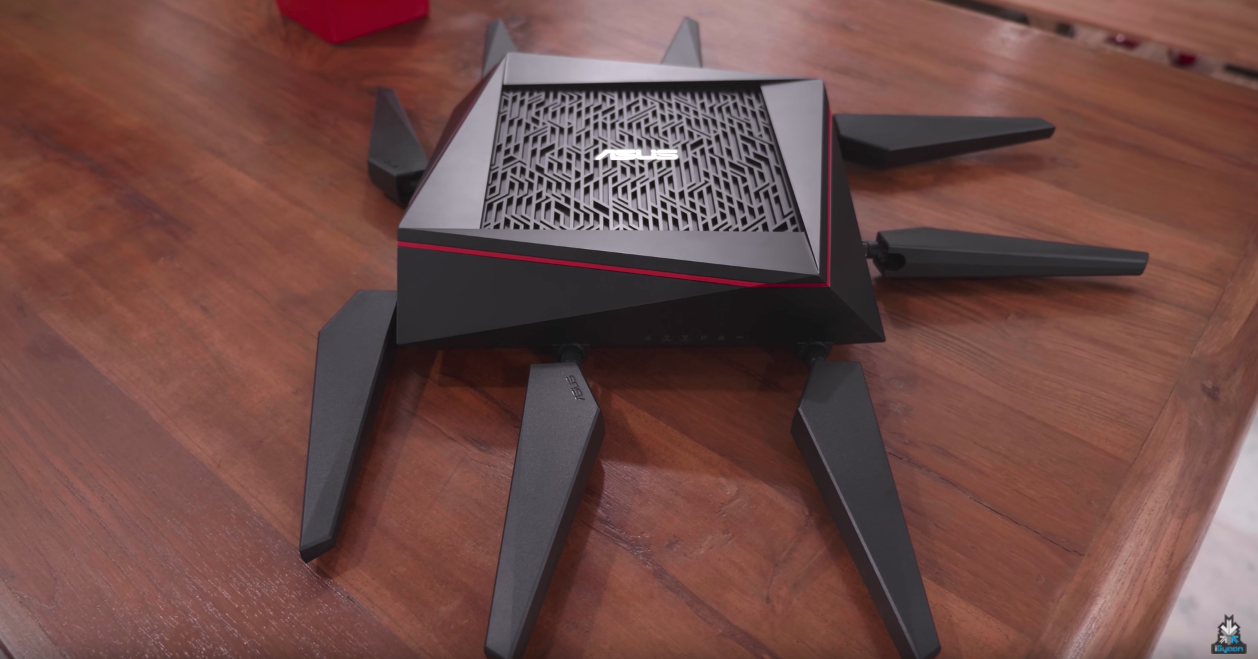
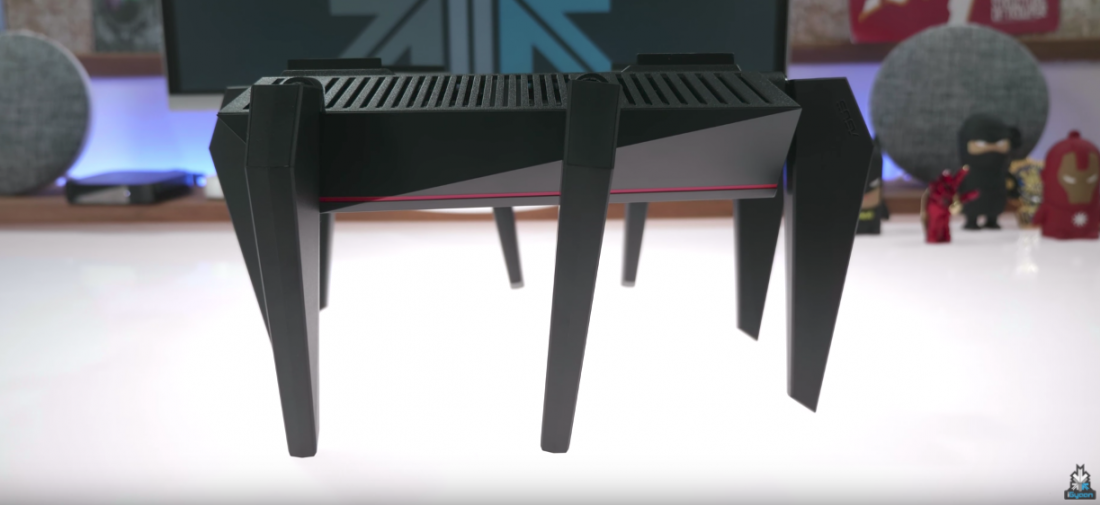
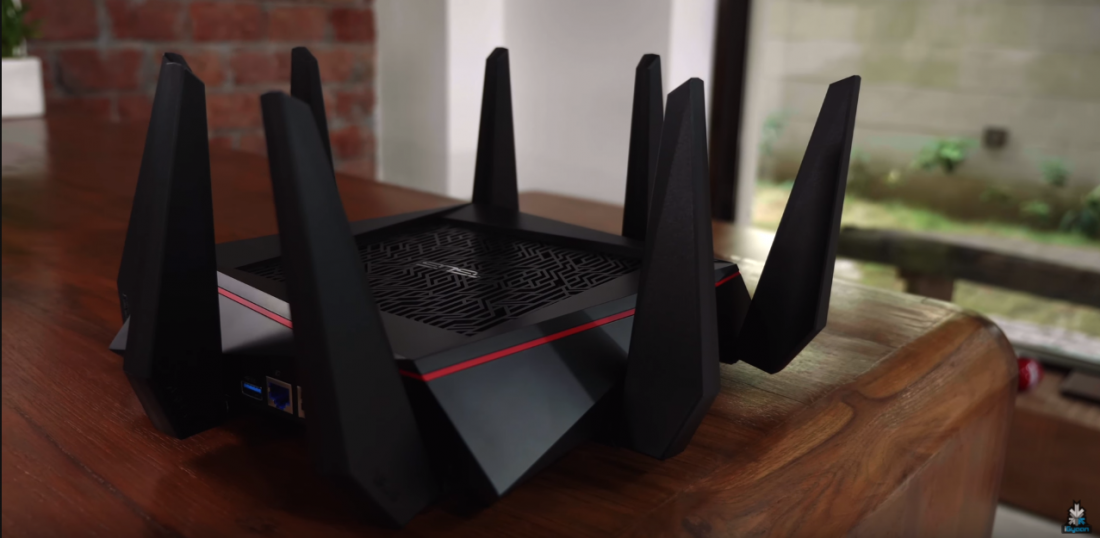
    Want to play online games without losing connection or slowing speeds or stream 4K videos from your smartphones straight to your television sets? This router will handle it all. The Asus RT AC5300 Router has 8 antennas and is perfect for people who require high-speed internet in a larger space. The router is massive and twice the size of a regular large router and the 8 antennas make it look like a spider.

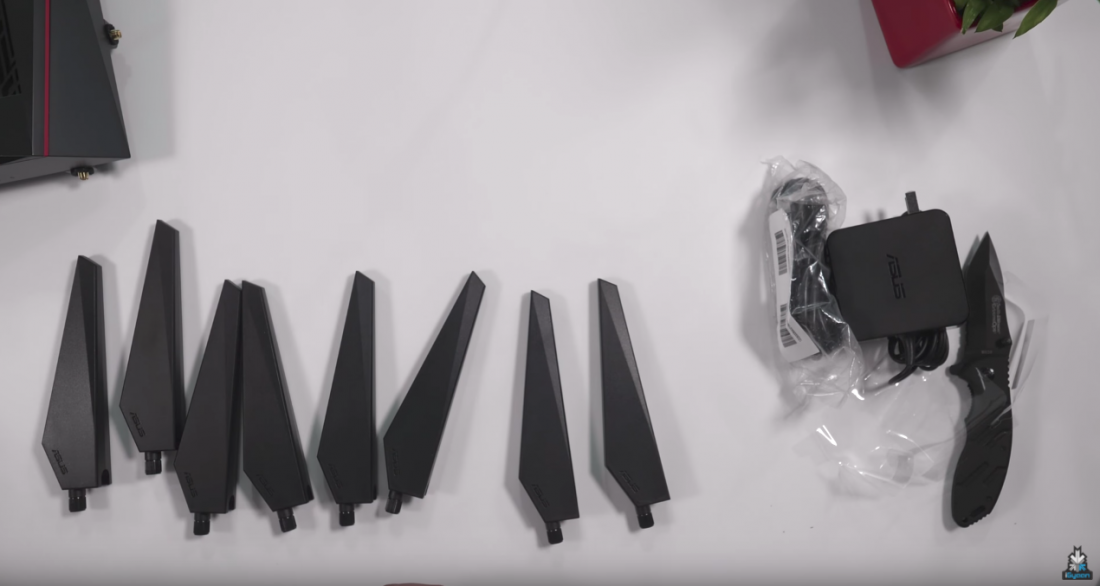
    Let’s unbox the Asus RT AC5300 Router and see what we get

    • The Router
    • Documentation
    • CD for setup
    • 8 antennas
    • Cable

    As far as specifications are concerned, the Asus router has a combined tri-band data rate of 5334Mbps. The router weighs about 1.8kgs and the dimensions are 9.65 x 9.65 x 2.56 inches. The Broadcom NitroQAMTM Technology boosts two 5GHz data rates up to 4334Mbps and 2.4GHz up to 1000Mbps. The router has a Tri-Band Smart Connect feature which automatically selects the fastest of the three available frequency bands for each device, based on the device’s speed, signal strength and how busy each band is. The router also has parental control feature to block certain websites from being accessible to their kids’ devices. The app for the router lets you set it up if you don’t want to use the CD provided in the box.


  • You Will Soon Be Able To Recall Sent Messages On WhatsApp

    You Will Soon Be Able To Recall Sent Messages On WhatsApp

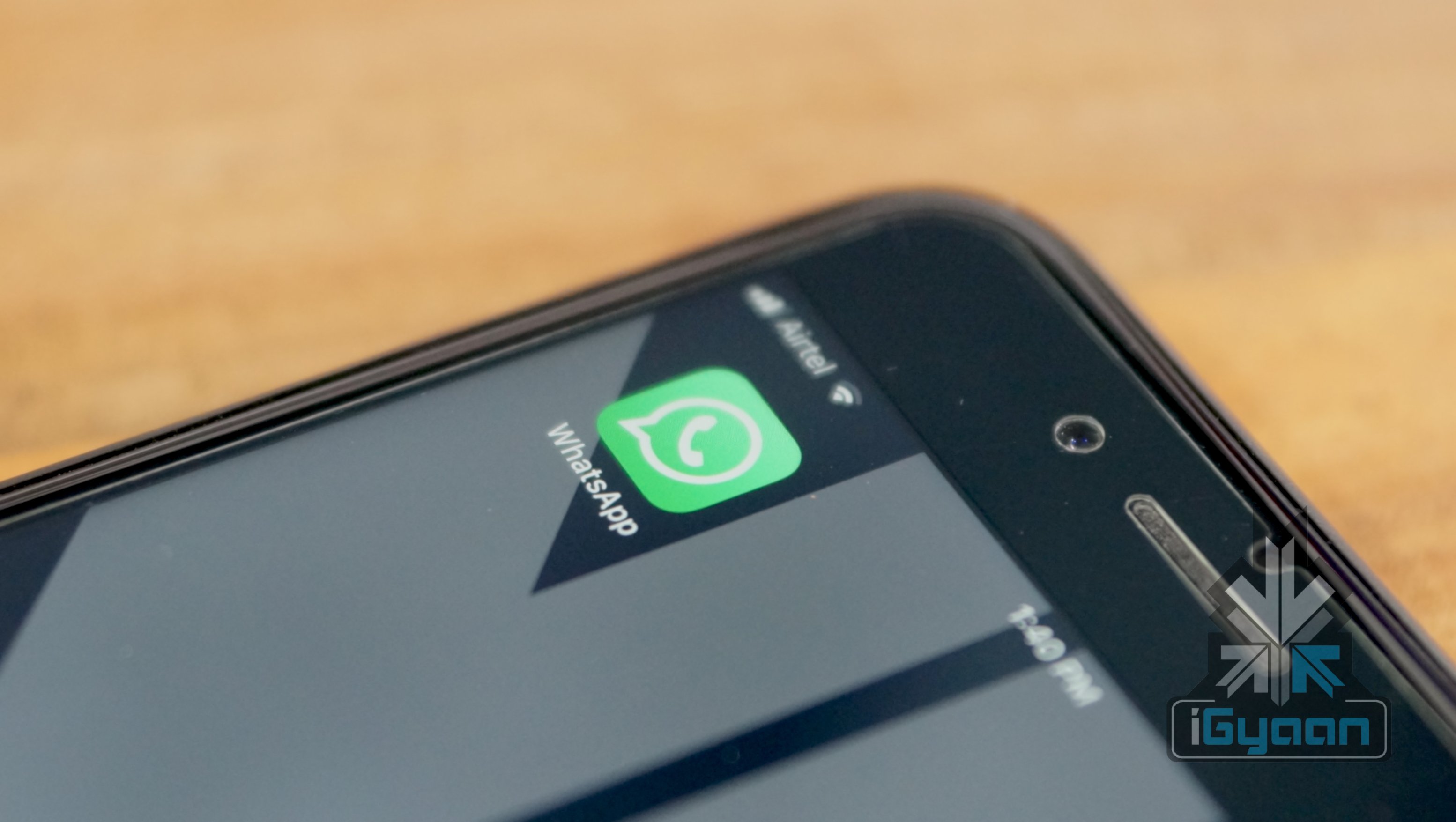
    The instant messaging app WhatsApp has long been a fan favourite and the most successful IM app in the world right now. WhatsApp has added a lot of new features in 2017 to keep the consumers interested and the latest feature spotted might be the most important of them all. WhatsApp will finally add an ‘Unsend’ feature to recall sent messages. A WhatsApp fan site that tests new features of the app tweeted that the Facebook-owned company is testing this feature and will enable the feature worldwide in the coming months.

    A report about the same feature reveals that users will be able to ‘unsend’ the message within 5 minutes of sending it. The feature will be applicable for images, videos and GIFs as well. However, it is worth noting that the feature will only work if the message is not read by the recipient in that time frame of 5 minutes.

    The news of WhatsApp testing this long awaited feature is not new. WABetaInfo had said that the feature will roll out in WhatsApp version 2.17.30 onwards. Even though this version is already available on App Store, the recall feature is nowhere to be seen. Let’s hope the Beta testing is a success and this new feature makes its way to our smartphones soon. We could all make full use of this feature!

  • New OnePlus 5 Variant To be Launched On September 19th

    New OnePlus 5 Variant To be Launched On September 19th

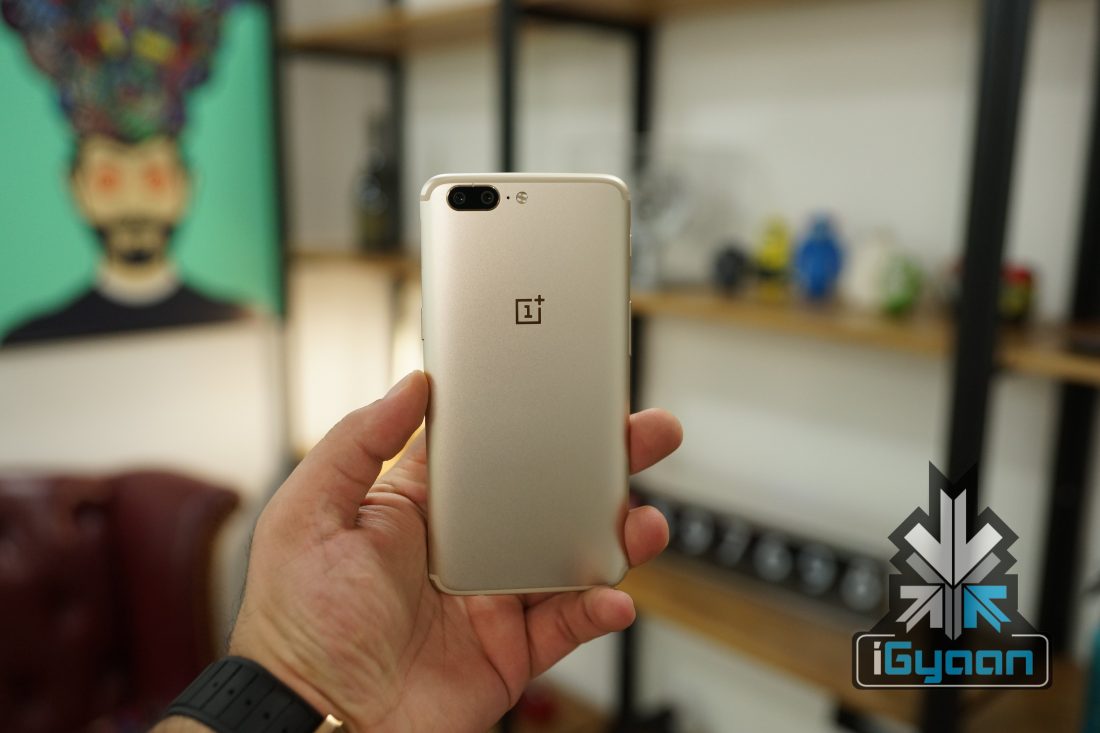
    OnePlus is hosting an event on September 19 in Paris and it seems like a special edition OnePlus 5 might be launched. It’s more than likely that the new edition will have the same specifications but a fancier name for the colour of the new variant. OnePlus has confirmed that it is collaborating with designer Jean-Charles de Castelbajac. The invite of the event, however, doesn’t reveal much about the phone but, the collaboration is clearly mentioned in the graphic.

    OnPlus’ social media activities quite often hint to what’s coming but it looks like this time around, the Chinese smartphone startup is going all out to keep it a secret. The invite mentions style and machine, which means that the new OnePlus 5 variant will be a special edition and may have a unique colour to go with it. OnePlus, in the past, has released special edition colour variants of its flagship like the Black Colette edition of the OnePlus 3T and then the Soft Gold variant of the OnePlus 5.

    Before OnePlus launched the Soft Gold variant, it was heavily speculated that a RED edition OnePlus 5 will be unveiled just like the iPhone 7 Plus Product RED variant but, sadly that wasn;t the case. OnePlus 5’s uncanny similarity with the iPhone 7 Plus in terms of the design was also one of the reasons the Red colour OnePlus 5 was expected. Before the OnePlus 5 was launched, it was rumoured that the smartphone will launch in a Blue colour variant and accurate renders were even posted online. The blue and yellow in the invite might be a hint towards the new colours or a variant that uses both the blue and yellow colour which will be very interesting.

    Whatever colour the OnePlus team decides to launch come September 19, it will be a special edition and everyone may not get a chance to own one of these. Watch our in-depth review of the OnePlus 5 here


  • Apple iPhone 8 And iPhone 8 Plus To Go On Sale In India Starting Rs 64000

    Apple iPhone 8 And iPhone 8 Plus To Go On Sale In India Starting Rs 64000

    Apple launched the new iPhone 8 and iPhone 8 Plus at its annual iPhone launch event on September 12 event. The two new iPhones will go on sale in India on September 29 at a starting price of Rs, 64000.

    Apple usually follows up its new iPhone lineup with their ‘S’ versions and something similar was expected this year as well. However, Apple believes that the new iPhones have enough upgrades to be a new lineup altogether, rather than being labeled as the ‘successors to the iPhone 7 and 7 Plus’.

    iPhone 8

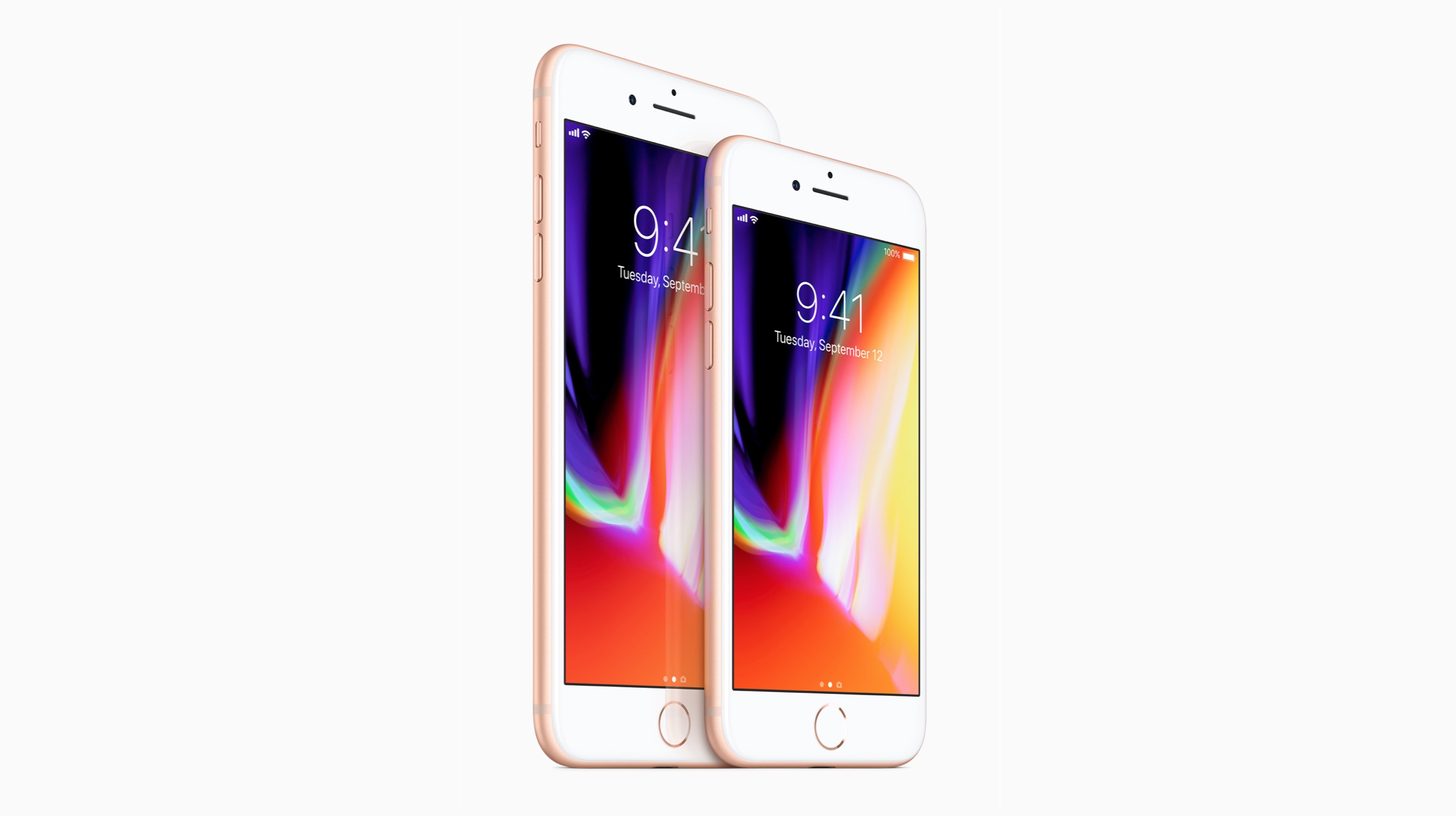
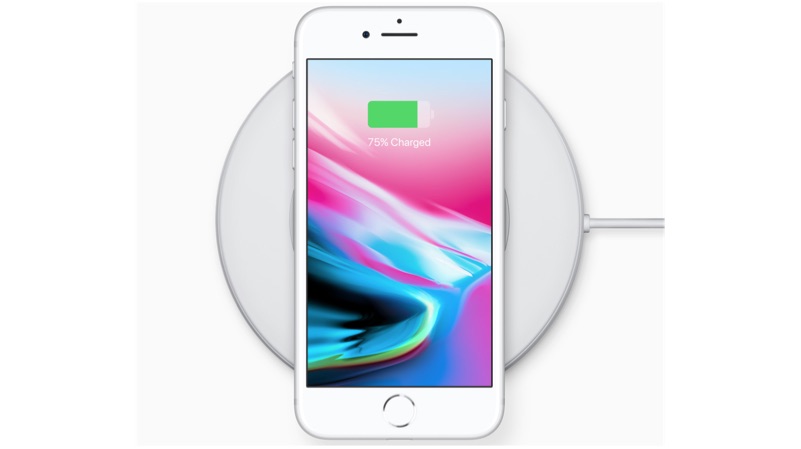
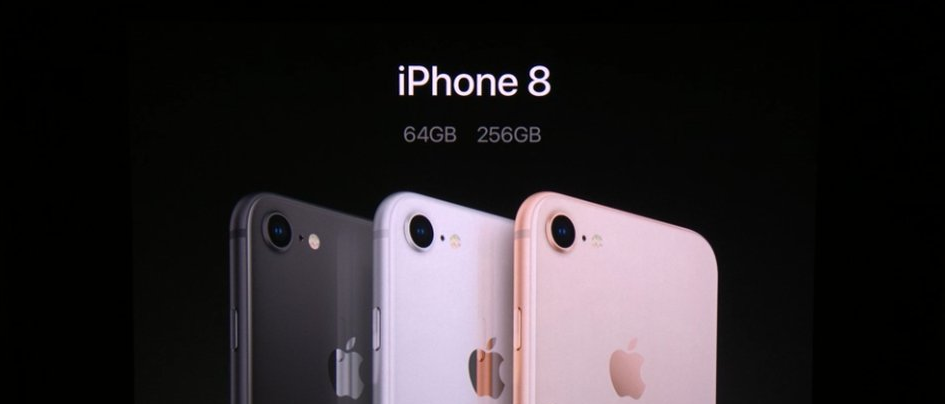
    The Apple iPhone 8 has a 4.7 inch 1334 x 750 px True Tone display and thick bezels around it. The smartphone now has a glass back and a metal frame around it for wireless charging. In terms of the display and overall footprint of the phone, not much has changed from the iPhone 7. The display size, resolution and bezels are the same except for the wireless charging capabilities. The new iPhone 8 will run iOS 11 and has the same battery size as the iPhone 7. Under the hood, the Phone 8 has the new A11 Bionic chipset with a neural transmitter. It’s a six-core chip with two high-performance cores that are 25 percent faster than the A10, and four low-performance cores that the company says are 70 percent faster than the old model. There’s also a new Apple-designed GPU that’s 30 percent faster, with the same performance as the A10 at half the power. The phone will be available in Space Gray, Gold and Silver, and have two storage variants, 64GB and 256GB

    In terms of optics, the new iPhone 8 has the same 12MP sensor with an f/1.8 aperture with a few software upgrades and OIS. Apple claims the new camera is larger and faster than the previous generation. On the front is a 7MP camera with an f/2.2 aperture which records 1920 x 1080 px videos at 30fps The Apple iPhone 8 will be available to buy online in India on Amazon, Flipkart and Apple India’s official website. The phone will also be available offline at Apple retail outlets and select retailers. The price of the 64GB variant of the iPhone 8 is Rs 64000 while the price of the 256GB variant has not been announced yet.

    iPhone 8 Plus

    The Apple iPhone 8 Plus has a 5.5 inch 1920 x 1080 px True Tone display. The display size, resolution and the thick bezels are reminiscent of the iPhone 7 Plus with the exception of the glass back panel, same as the iPhone 8. The iPhone 8 Plus will also run iOS 11 out of the box and shares the same battery size as the iPhone 7 Plus. Under the hood, the iPhone 8 Plus the Apple A11 Bionic chipset with a neural transmitter and the new Apple GPU, same as the iPhone 8. The iPhone 8 Plus will also be available in Space Gray, Silver, and Gold, and have two storage variants, 64GB and 256GB.

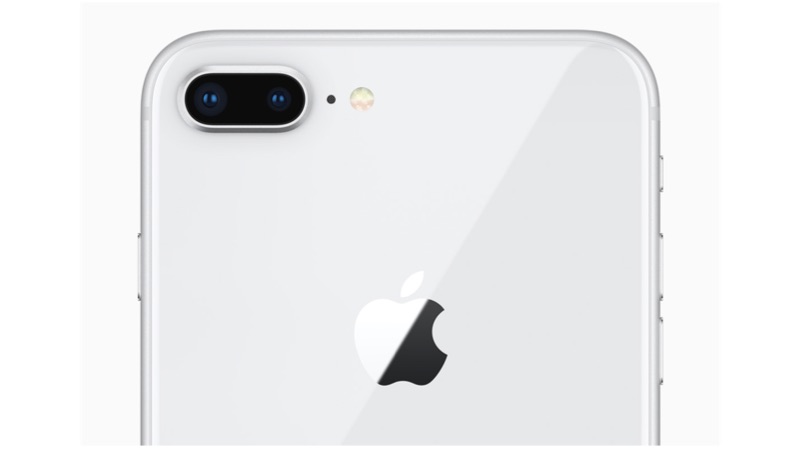
    On the camera front, the iPhone 8 Plus features a 12MP dual-camera setup. The primary wide angle lens has an f/1.7 aperture and the secondary telephoto lens has an f/2.8 aperture. The new “Portrait Lighting” feature allows users to adjust the lighting for portrait shots. On the front is a 7MP camera with an f/2.2 aperture which records 1920 x 1080 px videos at 30fps. The dual-cameras at the back record 4K videos at 60fps. The iPhone 8 Plus will be available to buy from September 29 at Amazon, Flipkart, and Apple India’s official website.Just like the iPhone 8, the 8 Plus variant will also be available offline at Apple retail outlets and select retailers across India.  Apple-designed accessories including leather and silicone cases will be available starting at Rs 3,100. Lightning Docks in colour-matching metallic finishes will also be available for Rs 4,700.

  • Apple iPhone X To Go On Sale In India On November 3 Starting At Rs 89000

    Apple iPhone X To Go On Sale In India On November 3 Starting At Rs 89000

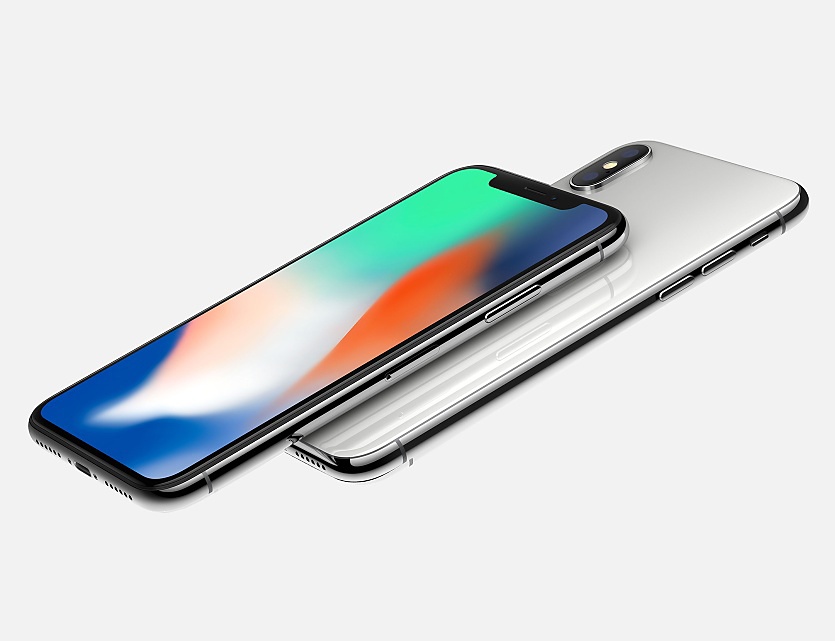
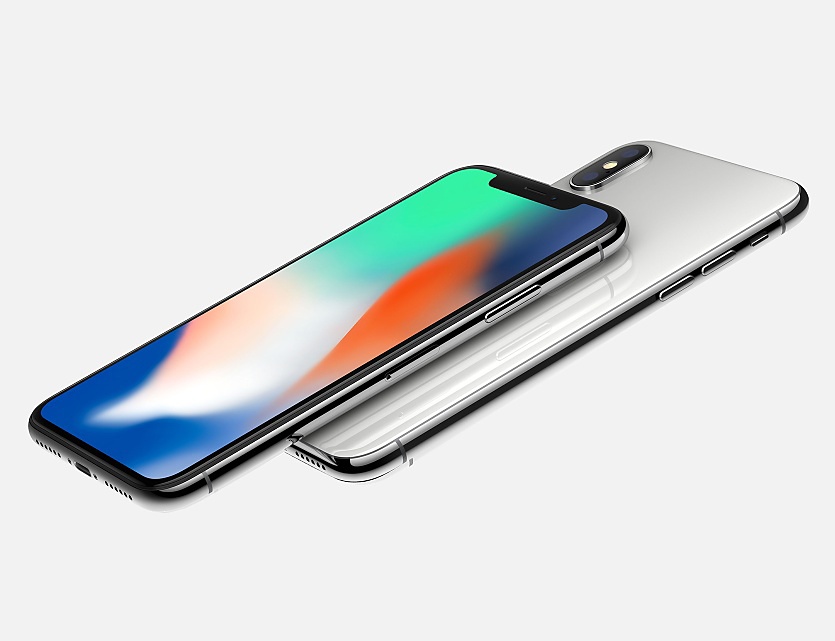
    Tim Cook took the Steve Jobs Theater stage to introduce the successor the to original iPhone from 2007 on September 12. The iPhone X (pronounced as iPhone Ten) is touted as the future of phones by Apple and features a huge design departure from the previous generation iPhones. The iPhone X has an all-glass design with a stainless steel frame around the edges.

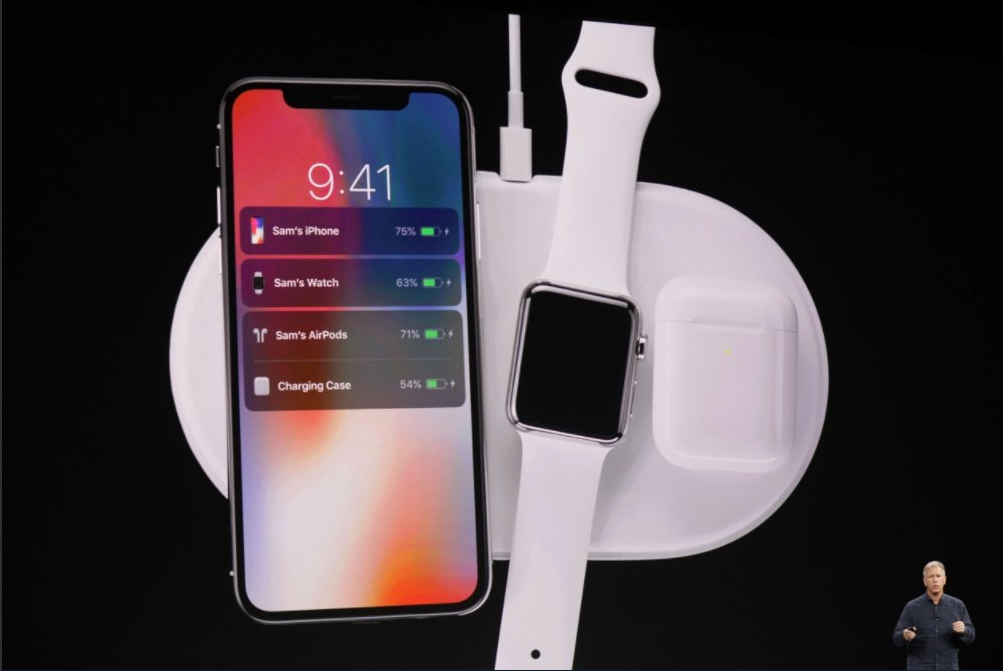
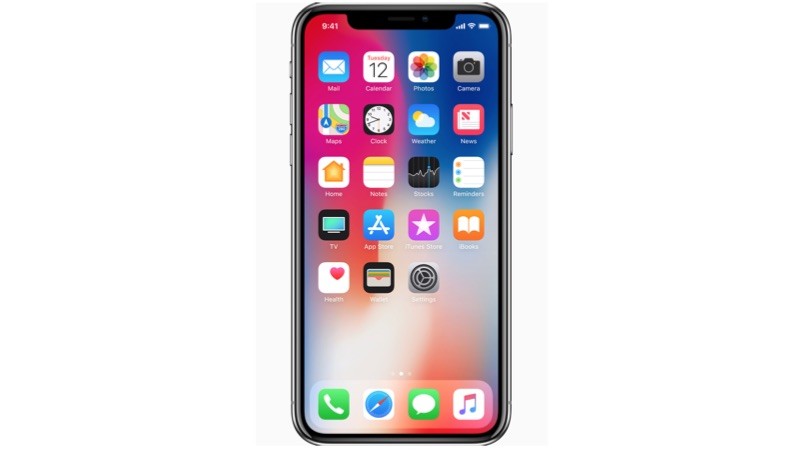
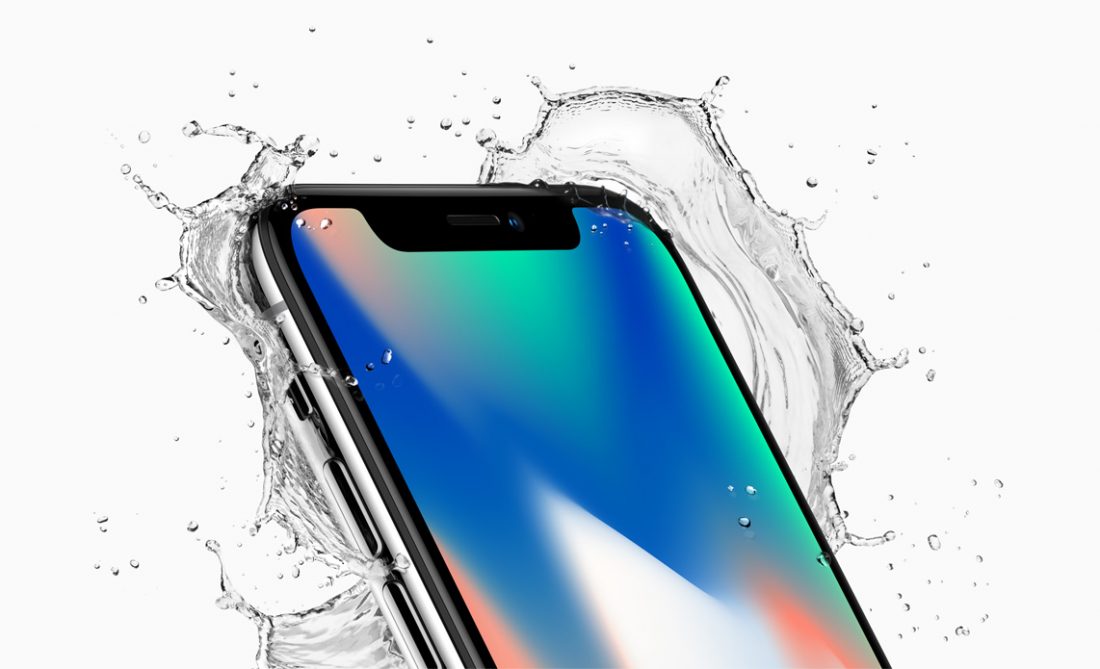
    The flagship iPhone X has a 5.8-inch 2436 x 1125 px OLED True Tone Super Retina display with minimal bezels around it. The phone runs iOS 11 and is powered by a 3,000 mAh battery which charges through the Apple signature lightning port placed at the bottom of the phone. Because of the all-glass design, the iPhone 8 also has wireless charging. Under the hood, the smartphone has the Apple A11 Bionic chipset with a neural engine, a hexacore processor, 3GB of RAM and storage options of 64GB, and 256GB. As is with every iPhone, the onboard storage can not be expanded via a microSD card. The small bezels mean there is no physical home button, which is now replaced with gestures for navigation. Siri is activated by pressing the now larger lock/unlock button. The iPhone X is also IP67 certified for water and dust resistance, and wireless charging.

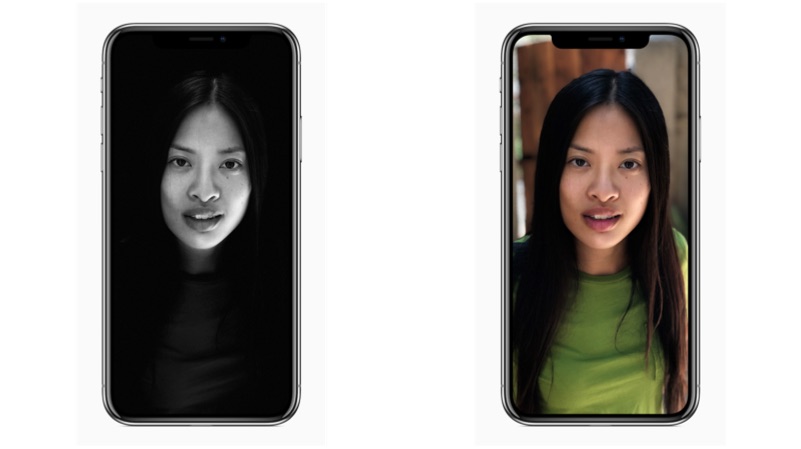
    Apple has gotten rid of the TouchID and replaced it with 3D facial recognition. The technology is called FaceID and unlocks the phone by just looking at it. The new iPhone X will detect your face even in the dark by mapping your face. Apple claims the chances of someone else unlocking your iPhone through FaceID is one in a million. FaceID will work with Apple Pay and third party apps that supported TouchID. Another feature is called Animojis. Yiu can create emojis controlled by your face and share it on iMessage.

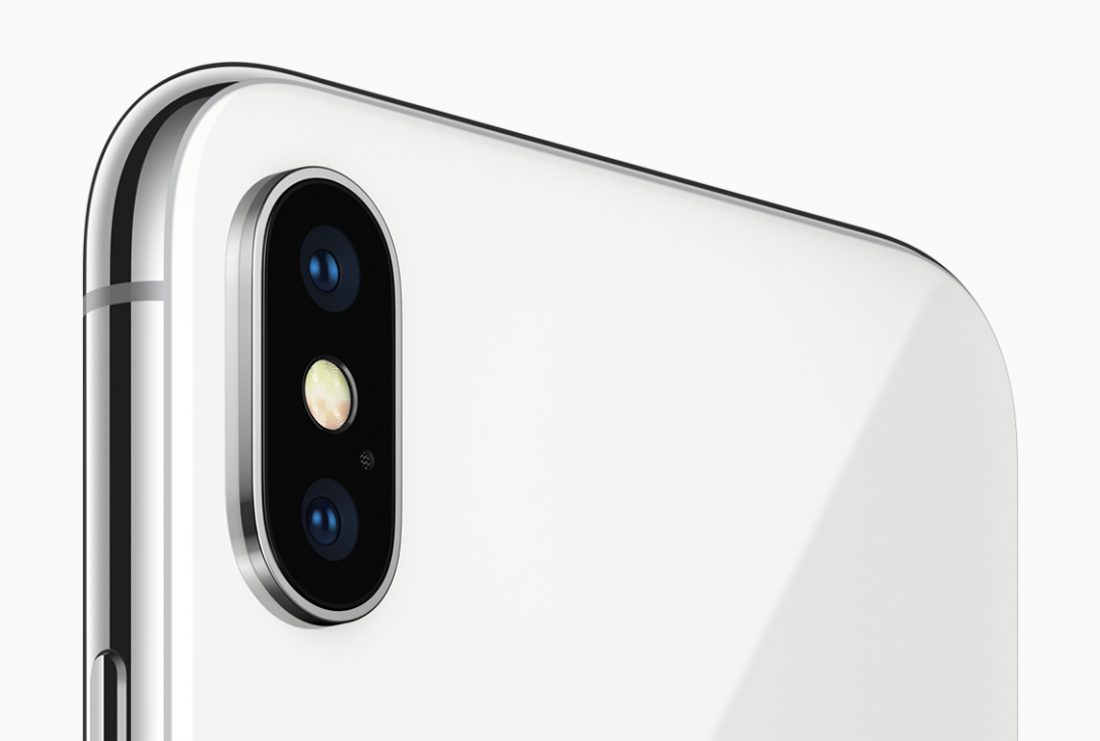
    On the optics front, the iPhone X has dual 12-megapixel rear cameras, and it’s equipped with dual optical image stabilization. The sensors are both larger and faster, according to Apple, and the main camera is equipped with a wide angle lens and has an f/1.8 aperture while the secondary telephoto lens has an f/2.4 aperture. In between the two cameras is a quad-LED True Tone flash. Both the front and back cameras have the portrait mode. The rear cameras have the portrait lighting feature, just like the iPhone 8 and iPhone 8 Plus.

    In India, the 64GB variant of the iPhone X will be available at a price of Rs 89000 and go on sale on 3rd November on Amazon, Flipkart, and Apple India’s official website. For offline purchase, the iPhone X will be available at Apple Retail outlets and select partner retailers.

  • Samsung Wants To Launch A Foldable Galaxy Device In 2018

    Samsung Wants To Launch A Foldable Galaxy Device In 2018

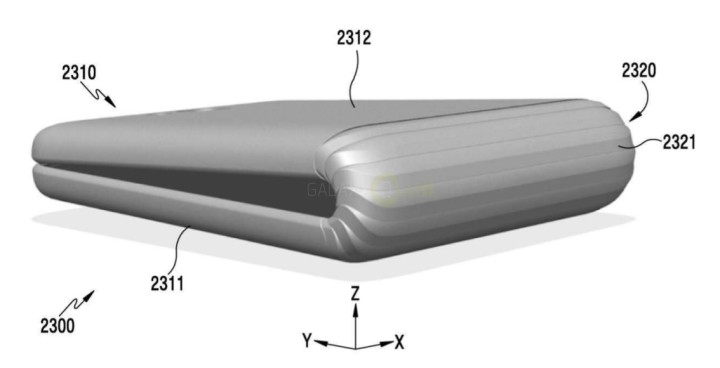
    While Apple took to the Steve Jobs Theater to launch the all-new iPhone X, Samsung has expressed its aim to release a foldable display based Android device in 2018. According to a report by the Associated Press, the phone would feature a bendable display and will be released under the company’s flagship Galaxy Note line. Samsung unveiled the foldable tab/phone concept in 2013 and unveiled an improved prototype at the MWC 2017, which suggests that a working retail model of the ambitious foldable smartphone might not be too far away.

    Dongjin Koh, President of mobile business at Samsung told some reporters at a news conference in South Korea that there are still hurdles to overcome and a possible release would be pushed back if the issues are not resolved in time.

    When we can overcome some problems for sure, we will launch the product. We are digging thoroughly into several issues we must overcome, as we don’t want to just make a few, sell a few and be done. We want to hear that Samsung made a very good product. We have a plan to adopt a foldable display in our roadmap.

    The foldable smartphone has long been touted as the Galaxy X, which now sounds like a rip-off of the iPhone X which means Samsung will definitely not go with this name. A number of patents as well as Samsung’s own concept video from CES 2013 tell us what to expect from the Galaxy X. Samsung is most likely to start small, with a smartphone that folds halfway like a wallet. Another design, in line with Samsung’s prototype unveiling, could see the phone unfold into a full-size tablet.


  • Apple iPhone X Launched Starting US$999

    Apple iPhone X Launched Starting US$999

    After months of speculation and numerous leaks, Apple has finally launched the iPhone X. Apple announced the new iPhone during the annual launch event being held at the Steve Jobs Theater in San Cupertino. The Apple iPhone X will be available in Space Gray and Silver colour variants.

    The iPhone 8 has an all-glass design with a stainless steel frame around the edges. The design of the iPhone 8 is a huge departure from the previous generation and the vertically placed dual-camera setup might divide opinions.

    Over the past decade, we’ve pushed forward with innovation after innovation, bringing us to this moment, when we can create devices that are far more intelligent, far more capable, and far more creative than ever before.

    The flagship iPhone X has a 5.8-inch 2436 x 1125 px OLED True Tone Super Retina display with minimal bezels around it. The phone runs iOS 11 and is powered by a 3,000 mAh battery which charges through the Apple signature lightning port placed at the bottom of the phone. Because of the all-glass design, the iPhone 8 also has wireless charging. Under the hood, the smartphone has the Apple A11 Bionic chipset with a neural engine, a hexacore processor, 3GB of RAM and storage options of 64GB, and 256GB. As is with every iPhone, the onboard storage can not be expanded via a microSD card. The small bezels mean there is no physical home button, which is now replaced with gestures for navigation. Siri is activated by pressing the now larger lock/unlock button. The iPhone X is also IP67 certified for water and dust resistance, and wireless charging.

    A move that was heavily leaked has also been confirmed. Apple has gotten rid of the TouchID and replaced it with 3D facial recognition. The technology is called FaceID and unlocks the phone by just looking at it. The new iPhone X will detect your face even in the dark by mapping your face. Apple claims the chances of someone else unlocking your iPhone through FaceID is one in a million. FaceID will work with Apple Pay and third party apps that supported TouchID. Another feature is called Animojis. Yiu can create emojis controlled by your face and share it on iMessage.

    On the optics front, the iPhone X has dual 12-megapixel rear cameras, and it’s equipped with dual optical image stabilization. The sensors are both larger and faster, according to Apple, and the main camera is equipped with a wide angle lens and has an f/1.8 aperture while the secondary telephoto lens has an f/2.4 aperture. In between the two cameras is a quad-LED True Tone flash. Both the front and back cameras have the portrait mode. The rear cameras have the portrait lighting feature, just like the iPhone 8 and iPhone 8 Plus.

    The iPhone 8 is priced at USD 999 for the 64GB variant and USD 1149 for the 256GB variant. The smartphone will go on sale in the United States on 24th October 2017 and subsequently make its way to the global market in late September and early October. In India, the iPhone X 64GB variant is priced at Rs 89000 and will be available in India from November 3, 2017.

  • Apple iPhone 8 And Apple iPhone 8 Plus Launched Starting At US$699

    Apple iPhone 8 And Apple iPhone 8 Plus Launched Starting At US$699

    Along with the iPhone 8, Apple has also launched the iPhone 8 and iPhone 8 Plus. The two new smartphones are a new iteration of the previous year’s iPhone 7 and iPhone 7 Plus with upgraded cameras. Apple has improved the display on the iPhone 8 lineup, adding the same True Tone technology it has on the 10.5-inch iPad Pro to automatically adjust the screen based on the ambient light in the room to offer more accurate colors.

    Both the smartphones retain thick bezels around the display but, have a glass back and front. Among the internal upgrades, the iPhone 7S and iPhone 7S Plus also feature wireless charging this time, just like the iPhone 8. Apple is touting the iPhone 8 as the first smartphone designed for AR, with cameras calibrated for AR, along with a new gyroscope and accelerometer for better motion tracking.

    The Apple iPhone 8 has a 4.7 inch 1334 x 750 px True Tone display and the iPhone 8 Plus has a 5.5 inch 1920 x 1080 px True Tone Display. Under the hood, the iPhone 8 and iPhone 8 Plus have the A11 Bionic chipset with a hexacore processor and the new Apple GPU. It’s a six-core chip with two performance cores that are 25 percent faster than the A10, and four performance cores that the company says are 70 percent faster than the old model. There’s also a new Apple-designed GPU that’s 30 percent faster, with the same performance as the A10 at half the power. Apple claims that the batteries on the iPhone 8 and iPhone 8 Plus are identical to the iPhone 7 and iPhone 7 Plus respectively.

    On the camera front, there’s a 12-megapixel sensor on the iPhone 8 that is larger, faster and has optical image stabilization. The iPhone 8 Plus also has new 12 MP sensors. The main camera is equipped with a wide angle lens and has an f/1.8 aperture while the secondary telephoto lens has an f/2.8 aperture. The dual cameras on the iPhone 8 Plus also have a new “Portrait Lighting” feature to adjust the lighting for portrait shots. Both the phones will record 4K videos at 60 FPS and 1080P videos at 240 FPS.

    The iPhone 8 and iPhone 8 Plus will be available in three colors, Space Gray, Silver, and Gold. The iPhone8 model will start at USD 699 for a 64GB model, while the iPhone8 Plus will start at USD 799 for 64GB of storage. Both the models also have larger 256GB models, for $849 and $949, respectively. The two phones will be available for preorder starting Friday, September 15th, with a release date a week later on September 22nd. In India, the price of the iPhone 8 64GB variant is Rs 64000.

  • Apple Launches The Apple Watch Series 3 At US$399 For The Cellular Variant

    Apple Launches The Apple Watch Series 3 At US$399 For The Cellular Variant

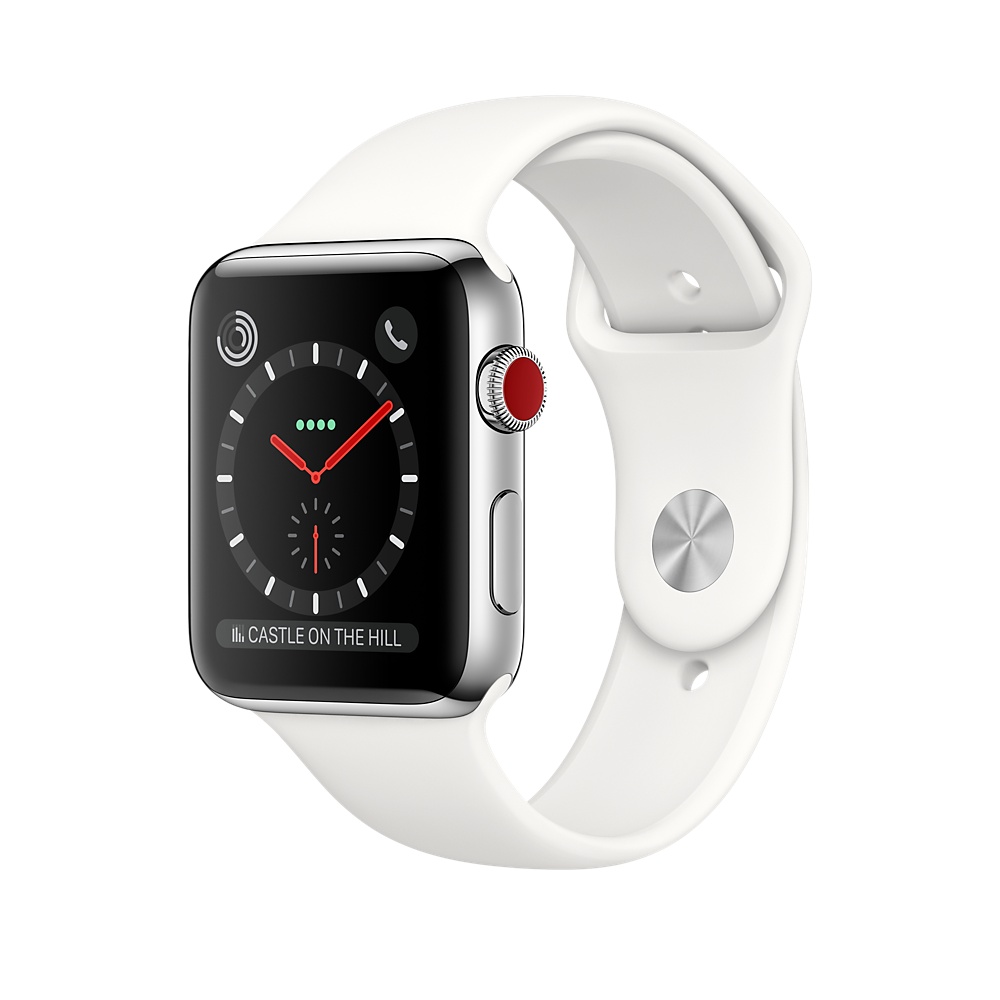
    Apple has launched the Apple Watch Series 3 during the September 12 launch event at the Steve Jobs Theater in Cupertino, California. The new Apple Watch has LTE connectivity and can replace your iPhone if you manage to forget it at home or somewhere else.

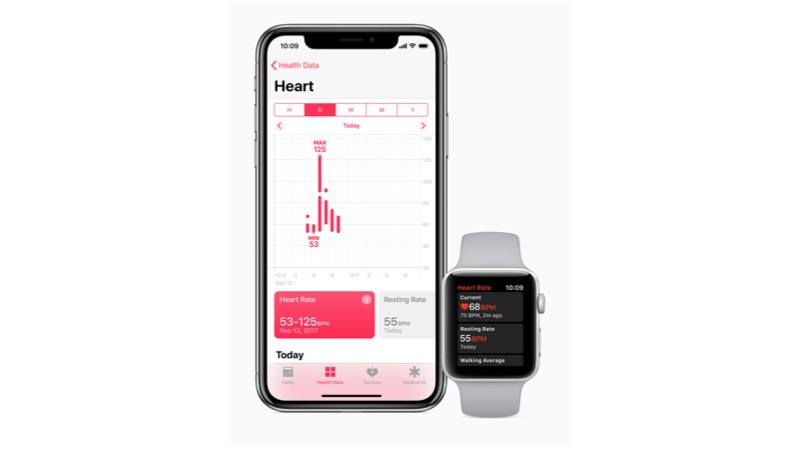
    The new Apple Watch OS 4 has an advanced heart rate sensor wherein the watch will notify an increased heart rate if you’re not active. Apple also announced that Apple Watch OS 4 will be available to all the Apple Watch owners from September 19th.

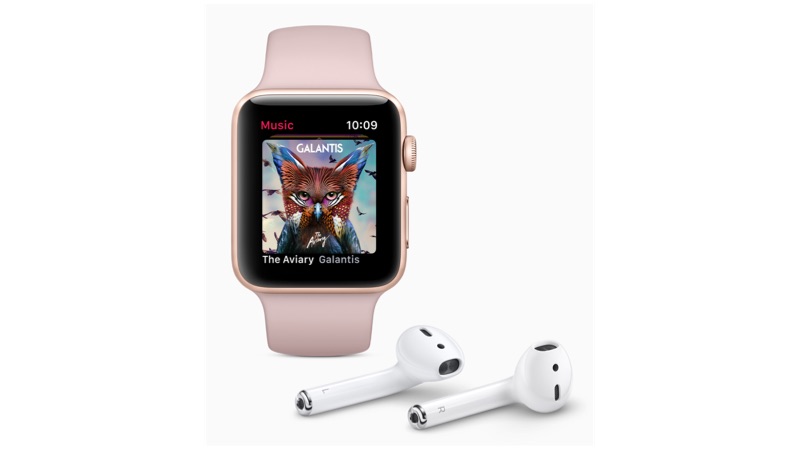
    In the new Apple Watch, the number will remain the same as your iPhone and you can perform tasks such as iMessage directly from your watch without having your smartphone connected to it. The Apple Watch Series 3 will also stream 40 million songs from the iTunes and the Music App. The Siri on the smartwatch will also be voice enabled for communication with the watch without looking at the screen. The display of the watch will act as an antenna and an electronic SIM card which is smaller than a nano SIM card. The smartwatch has a dual-core processor to carry out all the tasks. The smartwatch will run Apple Watch OS 4 out of the box and has a battery life of up to 18 hours, Apple claims. The new W2 chip inside delivers 85 percent faster Wi-Fi while also being 50 percent more power efficient, which will be crucial because of the cellular connectivity feature using up more battery than usual.

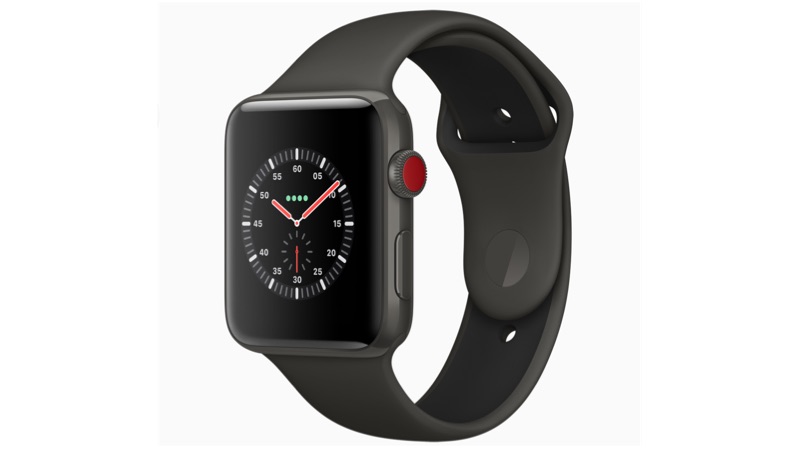
    Even with the cellular connectivity, the Apple Watch Series 3 is the same size as the Series 2, but the back is expanded by 2.5mm. The Apple Watch Series 3 will retail in a ceramic gray colour finish as well. The Apple Watch Series 3 will retail at a price of Rs 29,900 for the cellular variant and will be available from October 5th in India.

  • Apple Launches Apple TV 4K Starting At US$179

    Apple Launches Apple TV 4K Starting At US$179

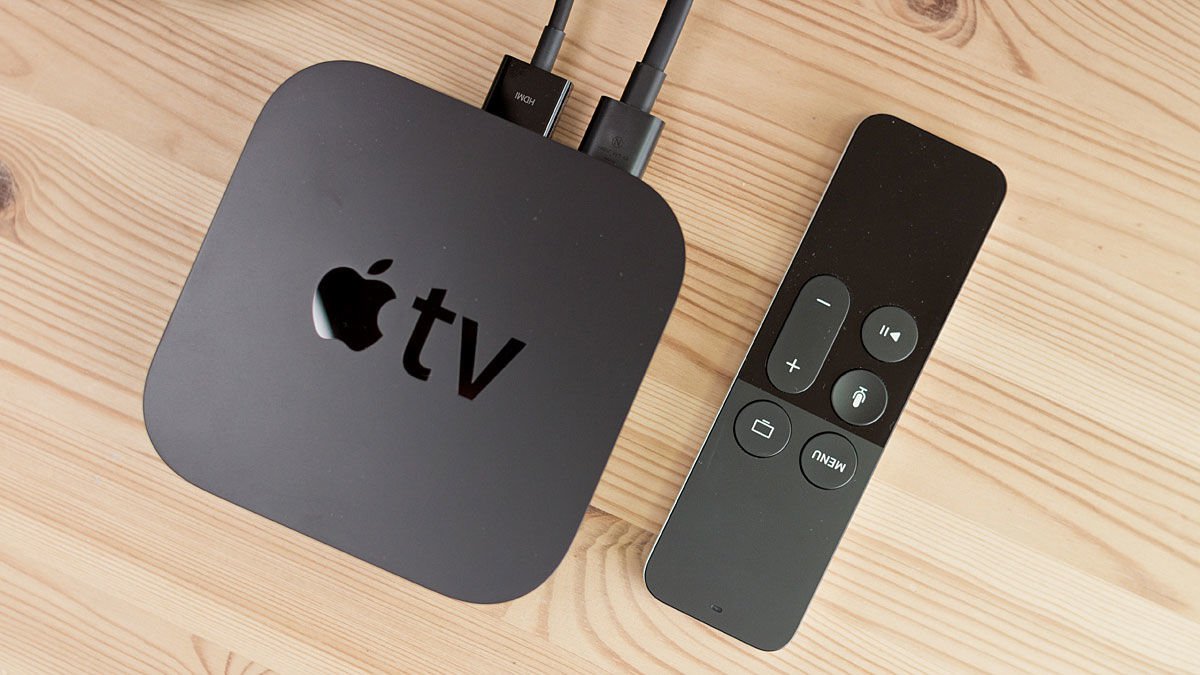
    Apple has announced a much-awaited upgrade to its Apple TV lineup which is now capable of playing movies and TV shows at 4K Ultra HD resolution.

    Under the hood, the Apple TV 4K now features an A10X Fusion processor, the same as what’s currently in the iPad Pro and 3GB of RAM. This upgraded internals should allow for smooth playback of 4K content at up to 60 frames per second. Apple is also concentrating on HDR with the latest Apple TV, as it supports both Dolby Vision and HDR10. These high dynamic range technologies allow for brighter highlights and an expanded range of colors on television sets that support HDR.

    The Apple TV 4K will also start streaming live sports later in 2017. Apple has announced that Netflix and Amazon Prime Video will bring its titles to Apple TV 4K. With the A10X Fusion chip, Apple TV 4K will be able to handle high-end gaming as well which can be streamed to your 4K TV.

    The Apple TV 4K starts at Rs 15900 for 32GB or Rs 17900 for 64GB and will go on sale in India later this month or early October.

iGyaan Network
Privacy Overview

This website uses cookies so that we can provide you with the best user experience possible. Cookie information is stored in your browser and performs functions such as recognising you when you return to our website and helping our team to understand which sections of the website you find most interesting and useful.