Blog

  • Android 8.0 Oreo Launched – What’s New?

    Android 8.0 Oreo Launched – What’s New?

    Google officially launched the next generation of its Android OS, 8.0 Oreo during the first Solar Eclipse in the USA since 1917. Developers have had access to a preview version of Google’s latest mobile operating system since mid-March, with updated versions releasing in May, June, and July. Rumours of the new version being named Oatmeal Cookie were put to rest when Google launched Android 8.0 Oreo through a live stream.

    So, what has changed from Android 7.0 Nougat to 8.0 Oreo? Let’s take a look

    User Interface

    Users can now organise notifications into custom channels and modify the alerts for the entire channel. This can be specifying the sounds if the notification triggers a vibration, and if the notification is allowed to override the do not disturb setting. An autofill framework in the operating system makes the repeated filling of forms easy for the user. This can range from sign up information to a new service, or credit card information to make a payment. The feature will prevent frustration and repetitiveness by allowing users to quickly fill in a form. Users will have to opt-in for the Autofill framework, after which new and existing applications can make use of the feature.
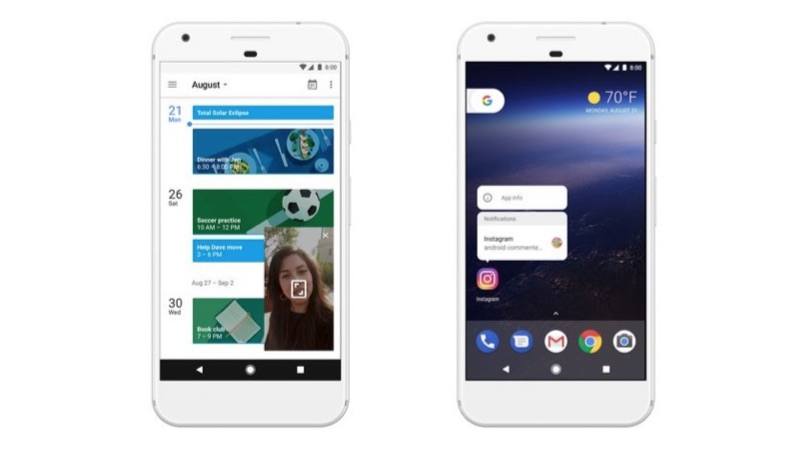
     

    Picture-In-Picture Mode and New Notifications

    A new picture-in-picture feature allows users to continue operating the device without interruptions for things like watching a video. Another interesting change in the UI this time around is Adaptive Icons. Original Equipment Manufacturers (OEM) can specify a look and feel for the UI by choosing between various icon shapes. Different shapes can be used on some models. The feat is achieved by applying masks over a base layer. The supported shapes are Circle, Squircle, Rounded Square and Square. Adaptive icons can be created using Android Studio.

    Behind The Screen

    Each application is now allocated a cache budget. When the system is low on resources, the applications that exceed the cache budget the most will be the first to have their cached files deleted. Content refreshing is now a more streamline experienced. Also, there is now an easier way for applications to check if they are displaying the latest content on the screen. Developers can also set custom triggers to update the content when it is stale or outdated, even without a specific request from the user. There are also background execution limits, which ensures that applications running in the background don’t use up a lot of system resources.

    Media playback should be significantly improved for users, as now there is fine-grained control to scrub to a particular frame in a video. Applications can also now mix multiple audio and video tracks at once, for streaming purposes. This can be useful in gameplay videos where users can capture the screen, themselves through the front-facing camera, the audio from a game, and any commentary from the user.

    A smart sharing feature allows the operating system to guess the context of a photo, and pick the best application to hand the image over to. For example, if you click a selfie, social networking applications are pulled up but, if you click a photo of a receipt, expense tracking applications will open up. The more you use your phone, the more your smartphone will learn about your behaviour and act accordingly. A smart copy feature enables similar functionality but for text, where the smartphone recognises if the text copied is an address, a phone number or name of an entity, and suggest opening a relevant app. For example, if you copy a phone number, a floating bar will suggest opening up the Dialer app or the Contacts app.

    Connectivity

    Android 8.0 Oreo has support for Wi-Fi Aware, an energy-efficient way by which supported hardware can discover and chat with each other without a Wi-Fi hotspot or an internet connection. There is also a support for the new Bluetooth Low-Energy (BLE) 5.0 standard.

    It is expected that the first smartphone to run Android 8.0 Oreo will be the new Pixel 2 and Pixel XL 2 while the Pixel and Pixel XL will get an update soon after the launch.

    Expected devices to receive Android 8.0 Oreo update

    Nexus 

    Nexus 5X

    Nexus 6P

    Samsung

    Samsung will push out the Android 8.0 update when it launches the Samsung Galaxy S9 next year. Devices expected to receive the update are-

    Galaxy S7, Galaxy S7 Edge, Galaxy S8, Galaxy S8+, Galaxy Note 8.

    HTC

    HTC has already announced that the U11 will get Android 8.0 Oreo update in December.

    HTC 10, HTC U Ultra, HTC U11.

    OnePlus

    OnePlus 3, OnePlus 3T, OnePlus 5.

    Motorola

    Moto Z2 Play, Moto Z2 Force, Moto G5, Moto G5 Plus, Moto G5S, Moto G5S Plus.

    LG

    LG G6, LG V20.

  • Top Bezel-Less Smartphones You can Buy If You’re On A Tight Budget

    Top Bezel-Less Smartphones You can Buy If You’re On A Tight Budget

    2017 has so far been the year of the “bezel-less” smartphone, starting early with the LG G6 and the Samsung Galaxy S8 and S8+ then the likes of the iPhone 8 and the Essential phone. These smartphones however, also usually come with a hefty price tag. There are a lot of smartphones that sport a “bezel-less” display and won’t cost you a fortune.

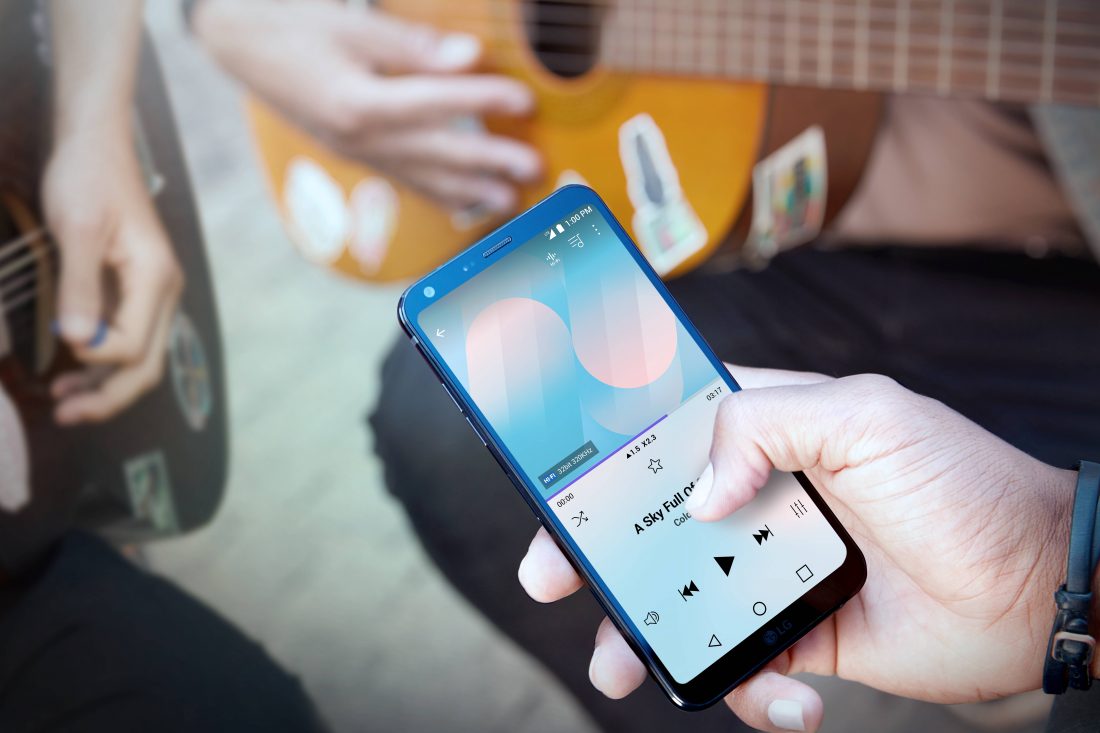
    LG Q6

    The LG Q6 was recently launched in India for a price of Rs 14,990. It sports a 5.5 inch 2160 x 1080 px IPS LCD display with a pixel density of 442ppi and a 78% screen-to-body ratio. The device is powered by a 3,000mAh non-removable battery and runs Android 7.1.1 Nougat with LG’s custom skin on top of it. The LG Q6 packs the Qualcomm Snapdragon 435 chipset with a 1.4GHz octa-core processor and Adreno 505 GPU along with 3GB RAM and 32GB onboard storage which is expandable via microSD card up to 2TB.
    It features a single 13MP rear-facing camera with a single LED flash and on the front is a wide angle 5MP sensor. The rear camera records video at 1920 x 1080 px at 30 FPS. LG also claims that the Q6 has US Military Standard-810G Certification which means that it can survive quite a few drops.

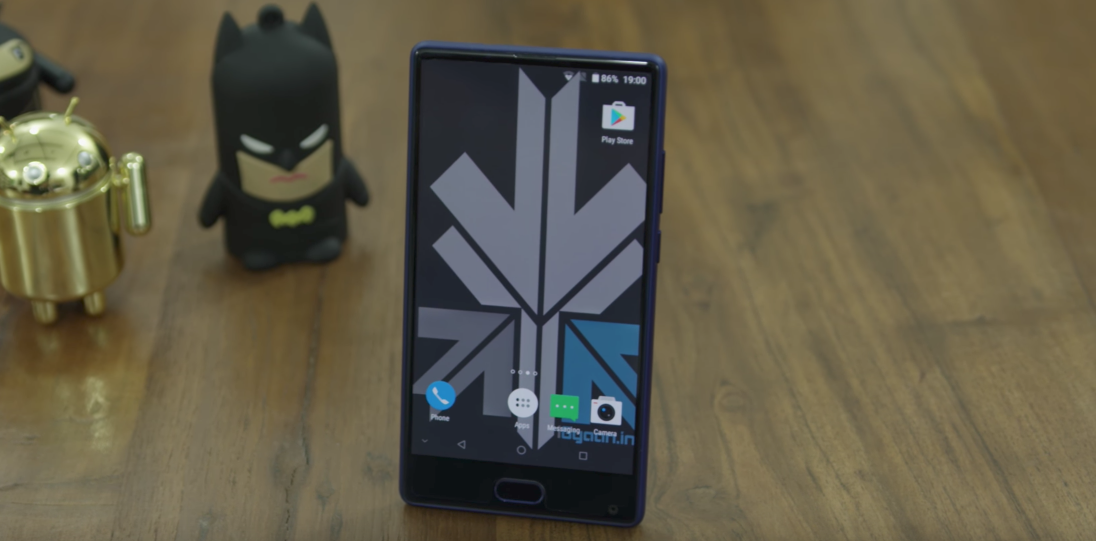
    Doogee Mix

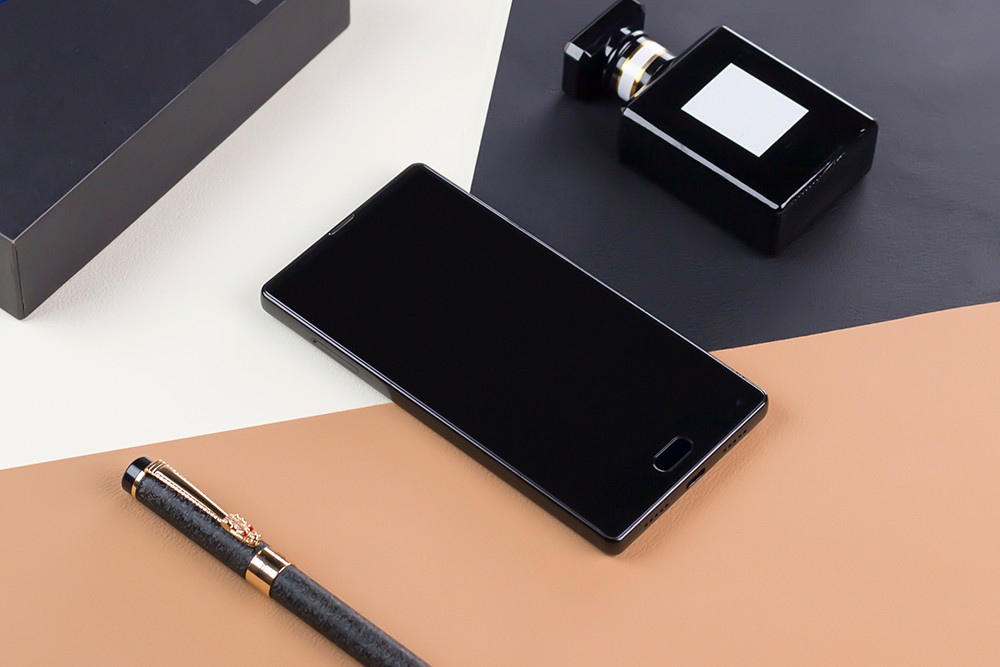
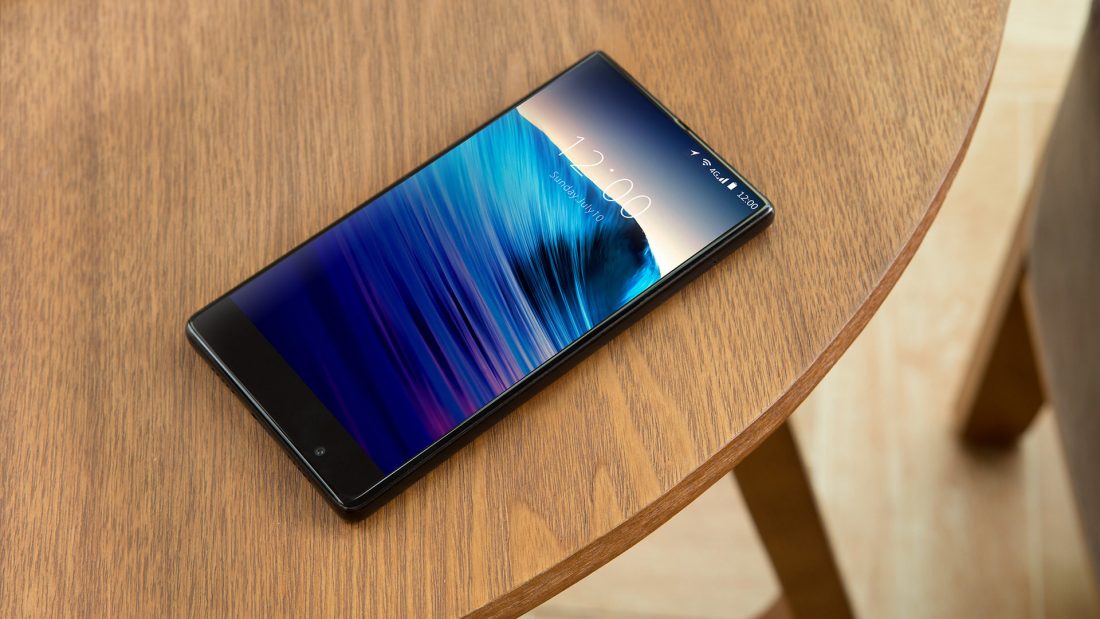
    The Doogee Mix costs US $180 (Rs 11,500 approx.) and sports a 5.5 inch 1920 x 1080 px IPS LCD display. The device has minimal bezels on the top, left and right side of the display but the bottom bezel is huge in order to accommodate the fingerprint sensor and the 5MP front camera. The device is powered by a 3,380 mAh battery and runs on Android 7.0 Nougat. the MediaTek MT6757CD Helio P25 chipset along with 6GB RAM and 128GB onboard storage complete the innards. The smartphone also features a 16MP + 8MP dual-camera setup at the back capable of depth effect mode and video recording in 4K at 30 FPS.

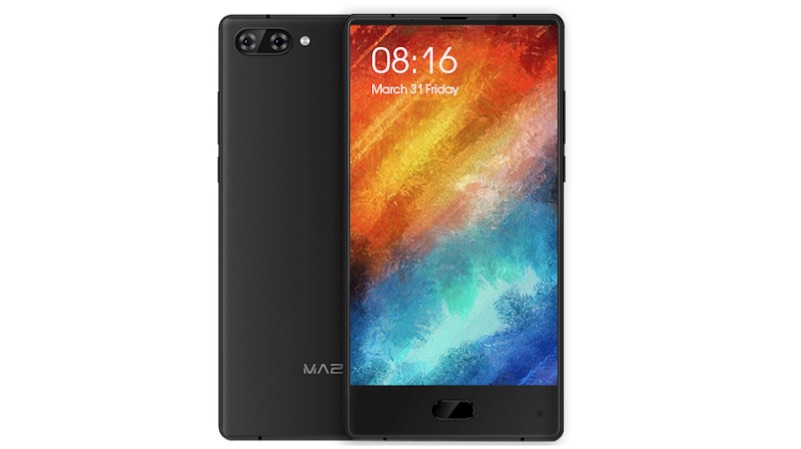
    Maze Alpha


    The Maze Alpha has a design similar to the Doogee Mix, with a huge bottom chin and ultra-thin bezels on the two sides and top of the device. The phone has a 6 inch 1920 x 1080 px display with an 83% screen-to-body ratio and Corning Gorilla Glass 4 for protection. The smartphone costs $224 (Rs 14,300 approx.) which is slightly more than the Doogee Mix and at par with the LG Q6. The Maze Alpha packs a 4,000 mAh battery and supports Quick Charge through the USB Type C port. Just like the Doogee Mix, it runs on the MediaTek MT6757CD Helio P25 chipset along but, with 4GB RAM and 64GB onboard storage which is expandable via microSD card up to 256GB. The back of the device features a 13Mp + 5MP dual-camera setup with Samsung S5K3L8 sensor and an f/2.2 aperture  the front has a 5MP camera.

    Click Here To Buy

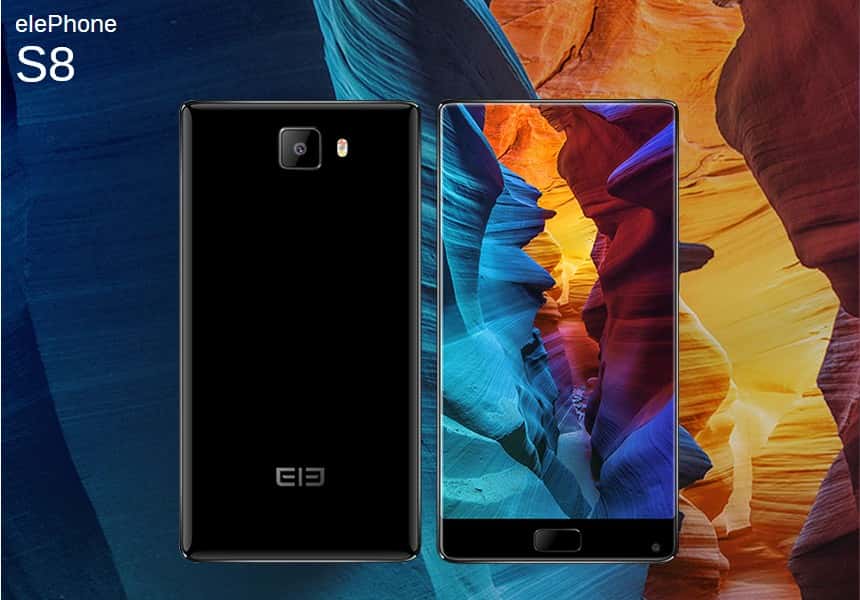
    Elephone S8

    The Elephone S8 sports a 6 inch 1920 x 1080 px IPS LCD display. The bezel-less display is restricted to the top, left and right sides as the large bottom chin houses the fingerprint sensor and the front camera. The device is powered by a 3,300mAh battery and runs on Android 7.0 Nougat. Under the hood is the MediaTek Helio X20 chipset along with 4GB RAM and 128GB onboard storage which is expandable via microSD card. In terms of optics, the device features a 21MP rear-facing camera and a 13MP front-facing camera.

    Click Here To Buy

    Bluboo S1

    Next in line is the Bluboo S1 with an impressive 90% screen-to-body ratio and costs around $200 (RS 12,800 approx.). It sports a  5.5 inch 1920 x 1080 display with Corning Gorilla Glass 4 for protection. Running Android 7.0 and powered by a 3,500mAh battery, the Bluboo S1 packs the MediaTek Helio P25 chipset. The device also has 4GB RAM and 64GB onboard storage which is expandable via microSD card up to 256GB. For the cameras, it features a 13MP + 3MP dual camera setup at the back and a 5MP front-facing camera which is placed below the display.

    Click Here To Buy

    UMDIGI Crystal

    Our next pick in the budget friendly bezel-less smartphones category is the UMDIGI Crystal which starts at US $109 (Rs 7,000 approx.). The device sports a 5.5 inch 1920 x 1080 px display with Corning Gorilla Glass 4. The smartphone features a 3,300 mAh battery and runs on Android 7.0 Nougat. The UMDIGI Crystal is powered by the MediaTek MTK6750T chipset and comes in two variants – one with 2GB RAM/16GB storage and the other with 4GB RAM/64GB storage. In terms of the cameras, it features a 13MP + 5MP dual-camera setup at the back and a 5MP front-facing camera which is located below the screen. The fingerprint sensor is located at the back just below the dual cameras.


    Ulefone Future

    The last one our list is the Ulefone Crystal which costs about $260 (Rs 16,000 approx.) and sports a 5.5 inch 1920 x 1080 px display along with Corning Gorilla Glass 3 on top. The ‘Future’ runs on the not-so-futuristic Android 6.0 Marshmallow and running all of it under the hood is a 3,090 mAh battery. The device is powered by the MediaTek MT6755 chipset along with 4GB RAM and 32GB onboard storage which is expandable via microSD card up to 128GB.Another not-so-futuristic feature is the single camera 16MP sensor at the back with an f/2.0 aperture and dual-tone LED flash. On the front is a 5MP camera. The fingerprint sensor is mounted on the right edge of the phone just under the lock button.

    Click Here To Buy

  • OnePlus 5 Slate Gray Colour Now Available In 8GB RAM Variant

    OnePlus 5 Slate Gray Colour Now Available In 8GB RAM Variant

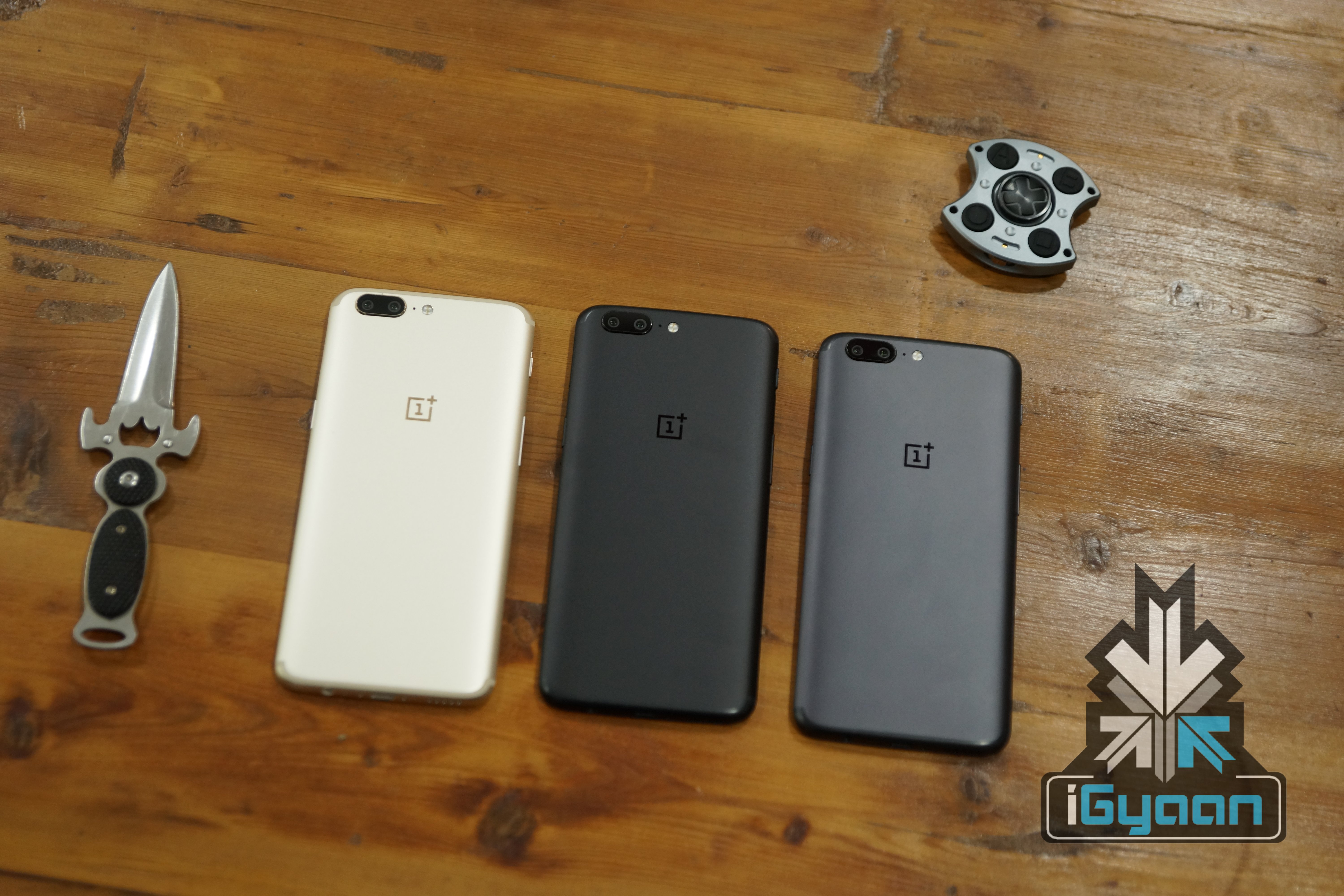
    OnePlus had recently launched a limited edition Soft Gold colour variant for the OnePlus 5. The Chinese smartphone maker has now announced that the OnePlus 5 will be available in Slate Gray colour for the 8GB RAM/128GB storage variant. The new variant is available to buy on Amazon India and the OnePlus’ native online store.

    Up until now, only the Midnight Black edition was available in the 8GB RAM variant. The Slate Gray and the newly introduced Soft Gold had been limited only to the 6 GB RAM variant. However, now the Slate Gray colour will be available in the 8 GB RAM model while the Soft Gold remains currently confined to the 6 GB RAM variant.

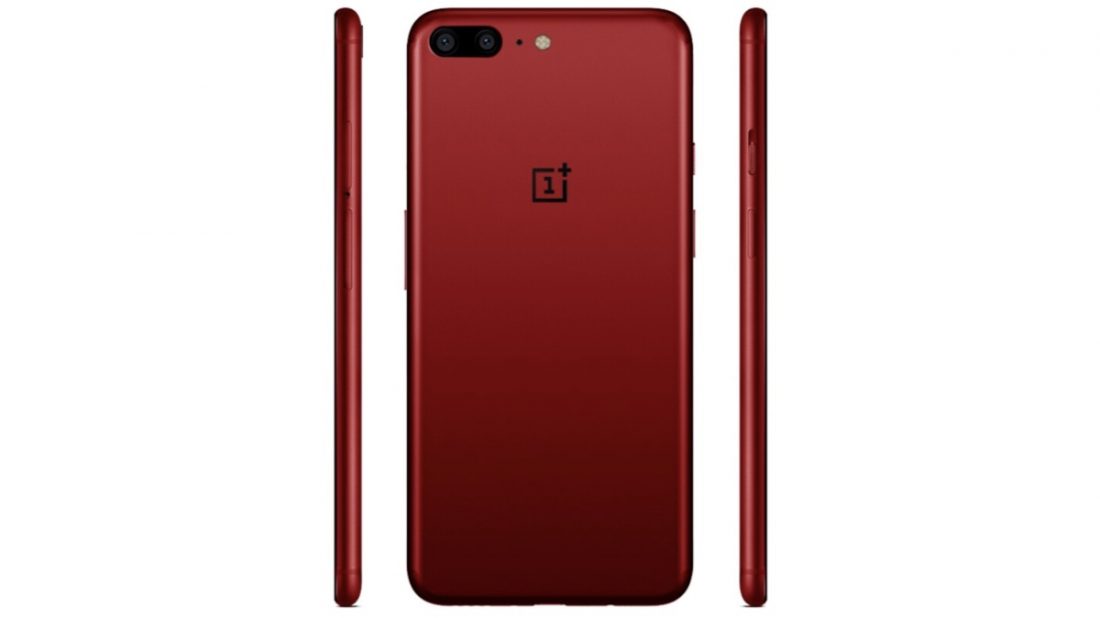
    When OnePlus teased a new colour variant for the OnePlus 5, it was widely anticipated that a RED variant would be introduced. Keeping OnePlus 5’s design and the dual camera setup’s uncanny resemblance to the iPhone 7 Plus in mind, a RED colour variant was not a far-fetched idea. All of that, however, was just speculation as the Soft Gold variant was announced on 7th August.

    The OnePlus 5 sports a 5.5 inch 1920 x 1080 px AMOLED display with Corning Gorilla Glass 5 on top for protection. The smartphone runs Android 7.1.1 Nougat with OnePlus’ Oxygen OS on top. The 2017 flagship has the Qualcomm Snapdragon 835 chipset with a combination of either 6GB RAM and 64GB of storage or a whopping 8GB RAM and 128 of storage which can not be expanded. The OnePlus 5 also features dual cameras on the back, one of the main cameras is a 20 MP sensor with an f/2.6 aperture, while the other is a 16 MP camera with an aperture of F/1.7 . The secondary telephoto lens is used for 2X lossless optical zoom and an Apple-esque ‘portrait mode’.

    OnePlus recently rolled out OxygenOS update 4.5.7 which seemingly enabled EIS (electronic image stabilisation) in 4K video in the OnePlus 5 and even featured a new Slate font. However, soon after the update, there were reports of the device facing stutters during gaming and battery drain issues for Jio users. These complaints along with previous reports of a jelly scrolling effect prompted OnePlus to abort the 4.5.7 update. OnePlus later announced that it has started rolling out 4.5.8 update fixing the issues while still featuring EIS in 4K video and the new font.

  • Meizu M6 Note Spotted On Geekbench

    Meizu M6 Note Spotted On Geekbench

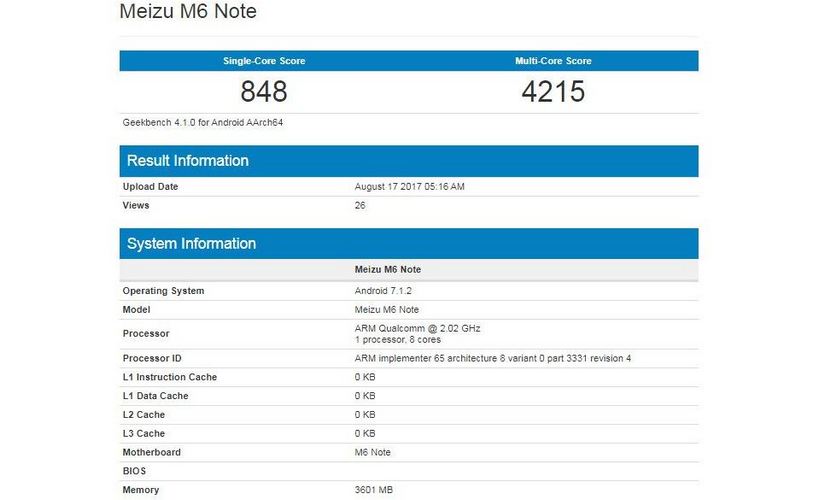
    The Meizu M6 Note has been spotted on benchmark app Geekbench’s website ahead of its August 23 launch. Earlier leaks suggested that the device might come with the Helio P25 chipset, however, the new listings on Geekbench hint at the Qualcomm Snapdragon 625 chipset.

    The device has an octa-core processor clocked at 2.02 GHz and 4GB of RAM. The smartphone will run Android 7.1.2 Nougat out of the box. For a single-core test, the device managed to score 848 points and for a multi-core test, it had a score of 4215.

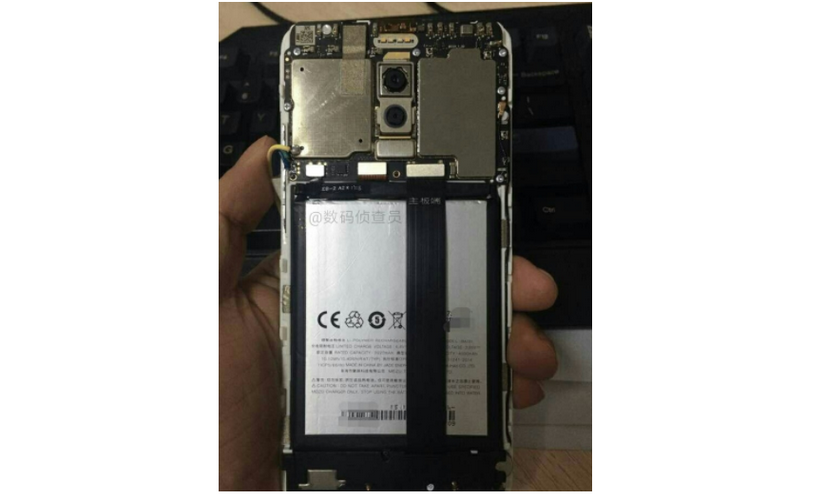
    The Meizu M6 Note is expected to sport a dual-camera module and a quad-LED flash. The leaked photo which revealed this information also showed the battery module, which according to earlier leaks has a 4000 mAh capacity.

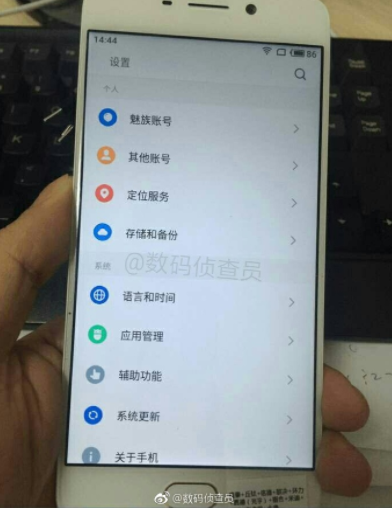
    A leaked image of the front of the device also surfaced a few days ago. The M6 Note will feature a 5.5 inch 1920 x 1080 px display and the fingerprint will sit below the display. The image also confirms that the phone will have a considerable amount of bezel around the display. This is justified since the device will enter the mid-range category and bezel-less phone costs more to make, even the LG Q6 though advertised as bezel-less mid-ranger, it has thicker bezels than its flagship sibling.

    The phone is expected to be priced at CNY 1599 which comes to around Rs 16,000.


  • iPhone 8 OLED Display And Power Cable Leaked

    iPhone 8 OLED Display And Power Cable Leaked

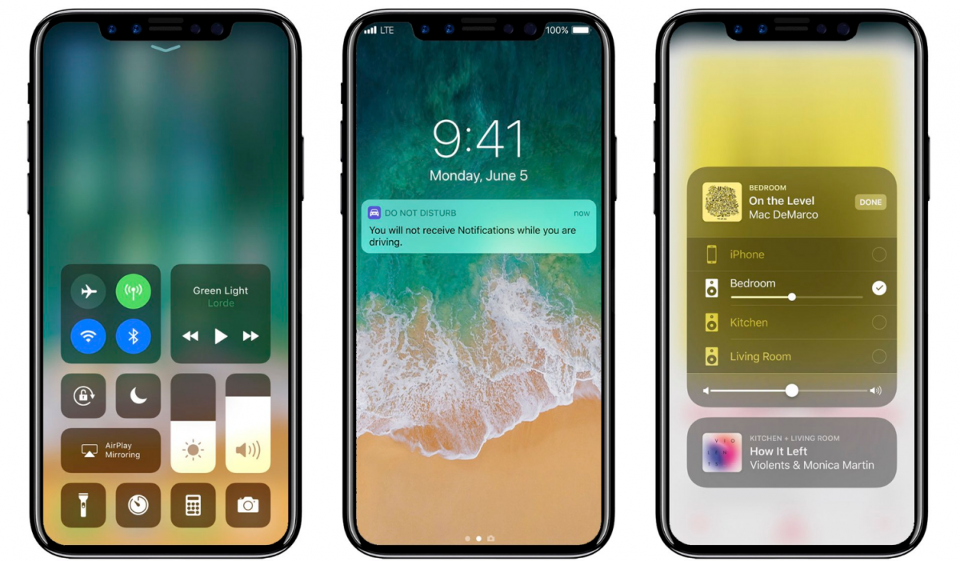
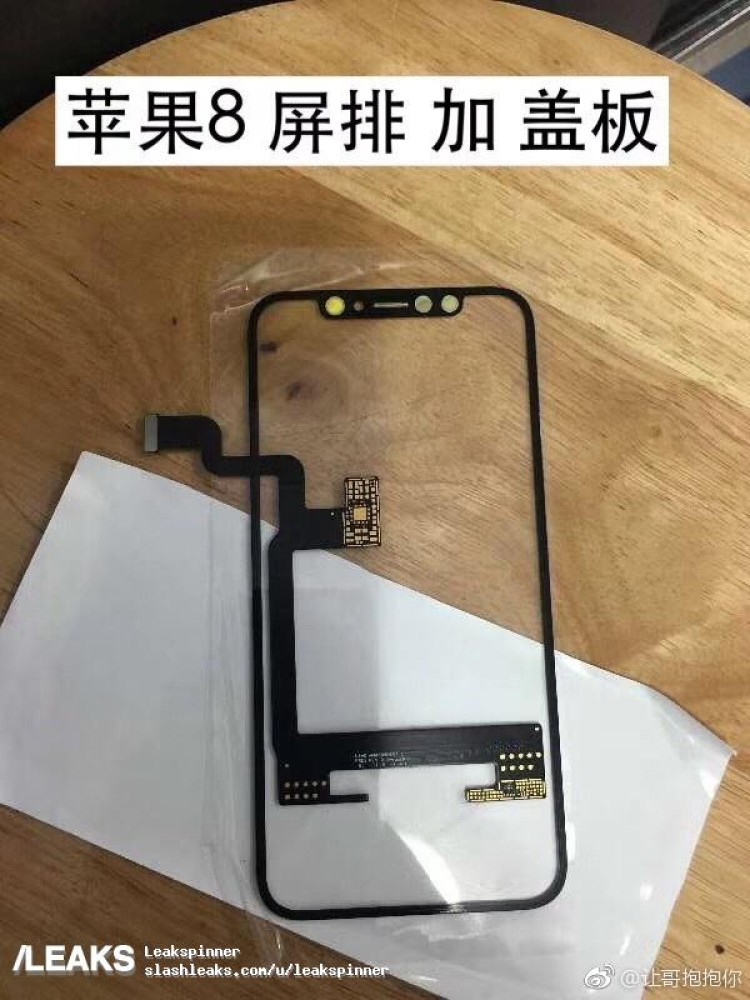
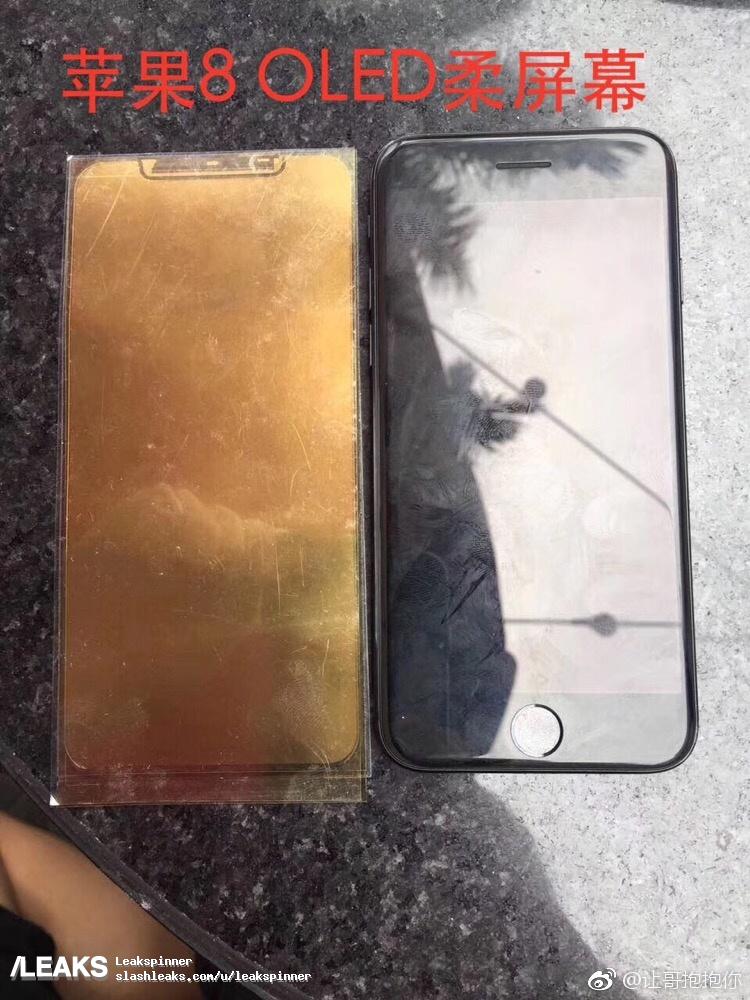
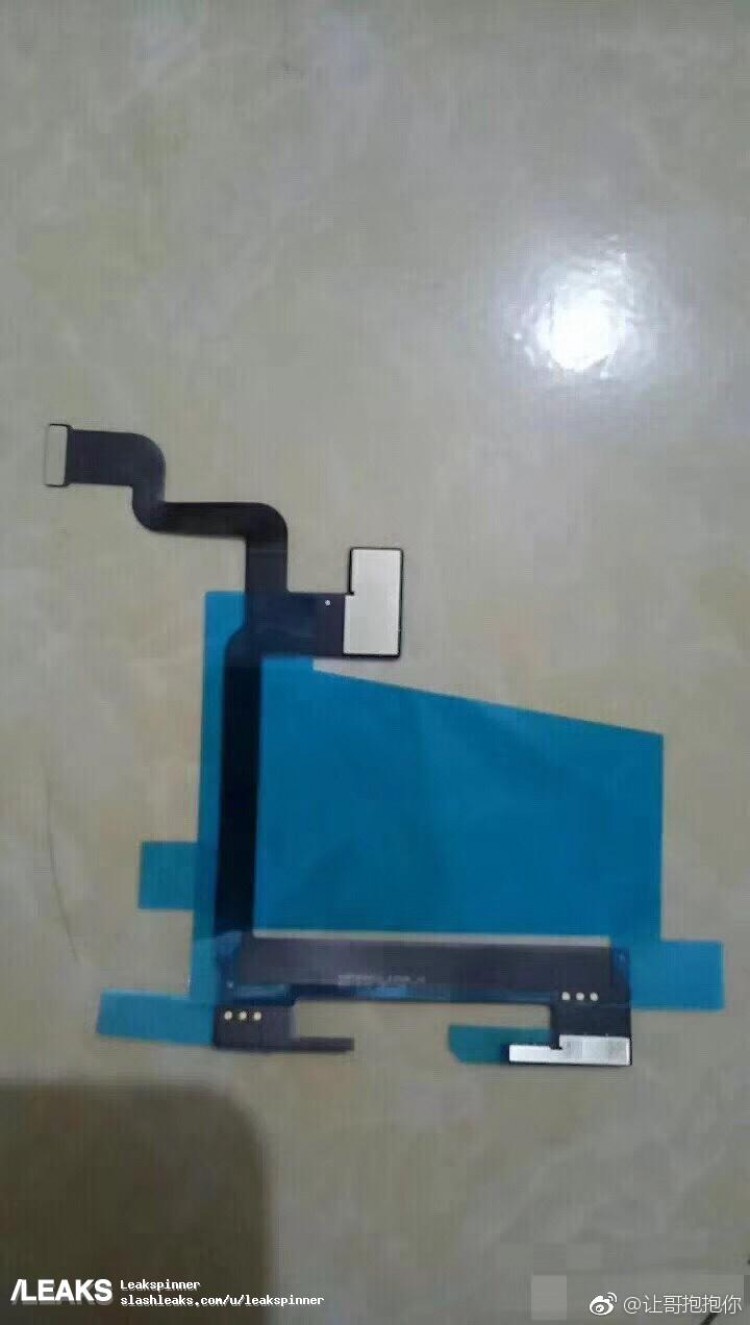
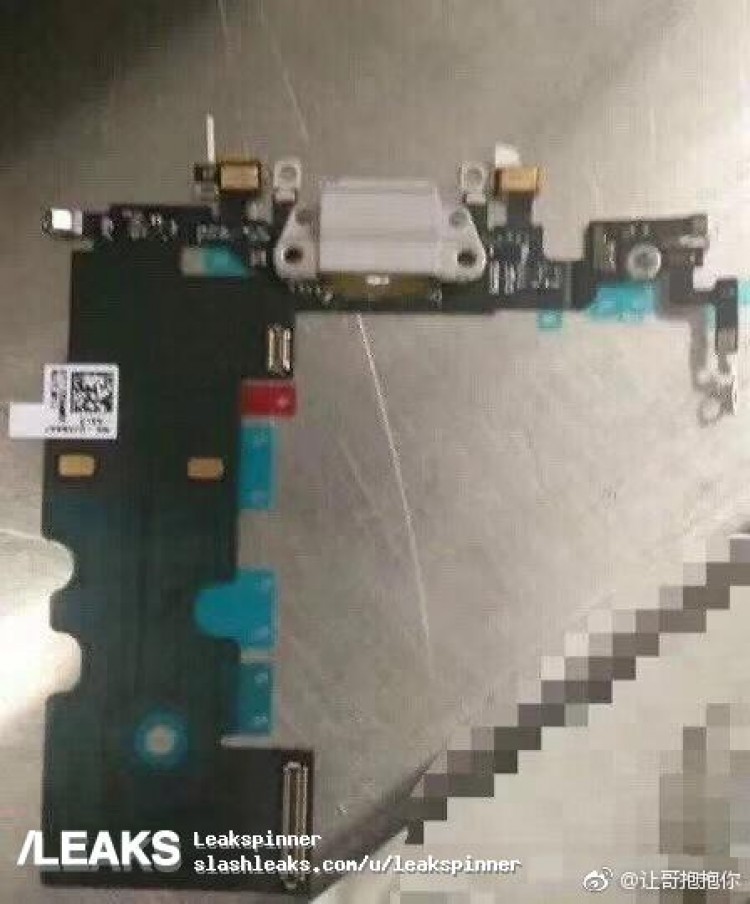
    Apple is prepping for the September launch of the widely anticipated iPhone 8. Though the launch is nearer than ever, the smartphone still doesn’t seem to be catching a break from leaks and rumors. An image leak shows iPhone 8’s OLED display assembly, lightning and power flex cables, further corroborating the existing reports.

    These images, though blurry give a close look of the iPhone 8’s internals.  The display panel picture confirm the curved edges and bezel less design. No physical home button could be seen on the images, indicating that the iPhone 8 will feature a virtual home button and most likely launch without Apple’s iconic Touch ID.


    The OLED panel image also displays the notch on the top of the smartphone which houses the sensors and the dual-cameras used for 3D mapping for FaceID. The  HomePod firmware leak had confirmed that the iPhone 8 will arrive with facial recognition technology. The smartphone’s front camera, which was rumored to feature 4K video recording at 60 FPS can also be seen in the leak.

    The display has always been a major component of the iPhone (or any smartphone) and Apple may finally be throwing OLED panels into the mix, all thanks to Samsung ramping up its manufacturing facilities after Apple termed the latter as the sole provider of the iPhone 8’s display.

    Apart from the display assembly, the image leak also includes lightning and power flex cables.There have been multiple reports suggesting that Apple will launch the iPhone 8 with wireless charging capabilities.

    The smartphone is expected to run on the Apple A11 Chipset and will be available in 128GB and 256GB variants for the iPhone 8. To be launched with iOS 11, the smartphone is speculated to range from US $ 1,100 to US $ 1,200.

  • Xbox One X Project Scorpio Edition Launched

    Xbox One X Project Scorpio Edition Launched

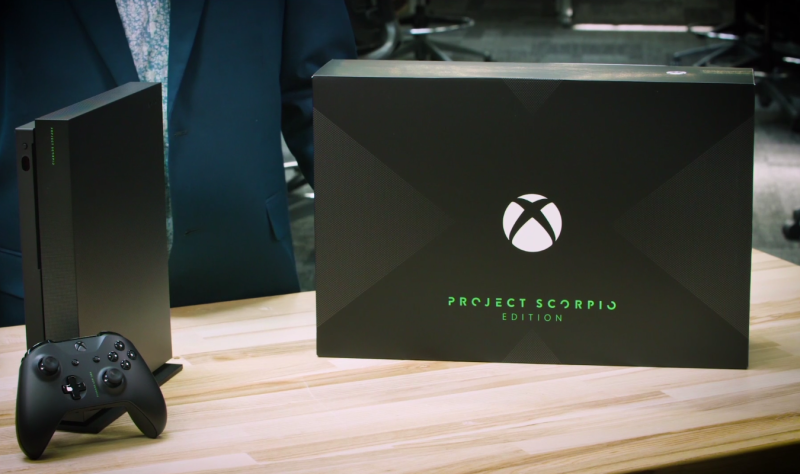
    Microsoft has launched its new gaming console, the Xbox One X in June 2017 at the Entertainment Expo. The Xbox One X, Microsoft’s much awaited Project Scorpio is touted to be the world’s first true 4K gaming console. The console will be available to buy in the US from November 7 for $499 (Rs 32,000). At the same time, the company announced a limited period Xbox One X Project Scorpio Edition for consumers who’d prefer a more cosmetically enhanced version of the Xbox One Day One Edition.

    The limited edition console, as mentioned earlier, features a slightly more gradient design, and the Project Scorpio code name etched on both the console as well on the controller. Microsoft confirmed that all initial Xbox One X units up for grabs will be a Project Scorpio Edition, and will sell for the same price as the Xbox One Day One Edition.

    The Xbox One X is a mid-cycle Xbox refresh from Microsoft but, has enough horsepower under the hood to grant it the label of being the most powerful gaming console in the world when it arrives in November.

    Since the new console runs on the Scorpio engine, it is backward compatible to run all 900px and 1080px Xbox one and 360 titles at upscaled 4K. Which means all existing Xbox One titles should look better on the Xbox One X due to enhanced visual fidelity, anisotropic filtering, and faster loading times. The new console will also work with all current Xbox One accessories, Microsoft has confirmed.

    4K will largely be the buzzword, all Scorpio-exclusive games will super sample down to 1080p and all Scorpio-exclusive game modes will be available for all users regardless of their display. Technically, players will not require a 4K-ready monitor to use the Xbox One X. The console will use supersampling to improve visuals on 1080p screens while offering true 4K UHD playback on 4K screens.

  • Top 5 Free Android Keyboard Replacements

    Top 5 Free Android Keyboard Replacements

    If you are like us and use your phones a lot, a better keyboard may be out there for you. A simple ‘keyboard’ search on the Google Play Store brings up thousands of options for you to choose from, but, which ones are worth your time and effort?

    SwiftKey

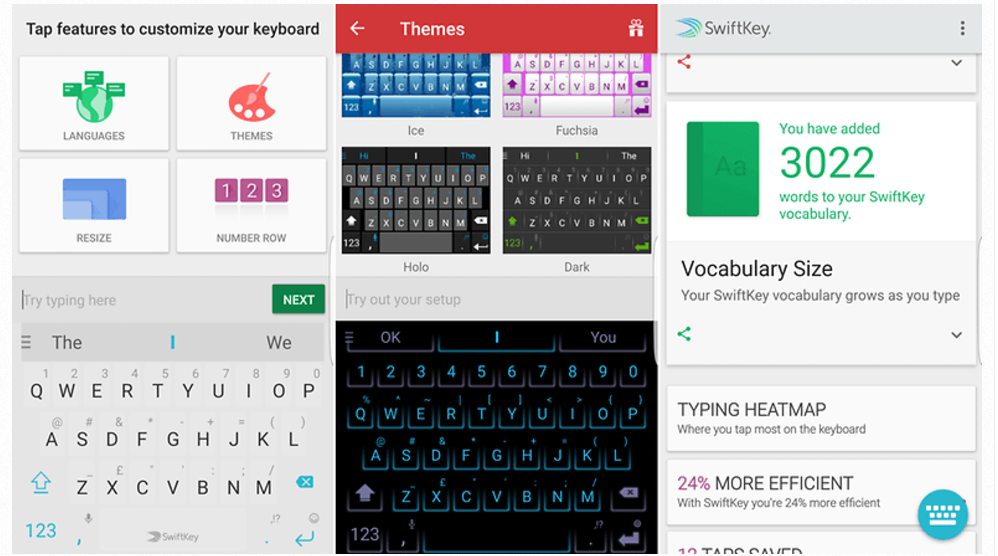
    You’ve either used or at least heard about this keyboard. One of the most downloaded keyboards in the Play Store. SwiftKey supports a host of different themes which can be downloaded free of cost once you sign in with your Google account. The SwiftKey-board also has multi-language support from Zulu to Hindi to even ‘Hinglish’ and also has a host of emojis while it can also access the inbuilt emojis in your device. You can even resize the keyboard according to your reachability.

    The best thing about the keyboard, apart from all the customisations, is the accuracy of its prediction. It learns your typing pattern over time, and can literally have a generic conversation on your behalf. It also has an interesting stats for you, like the typing heat map, the time you’ve saved by using the SwiftKey keyboard.

    Download SwiftKey

    Fleksy

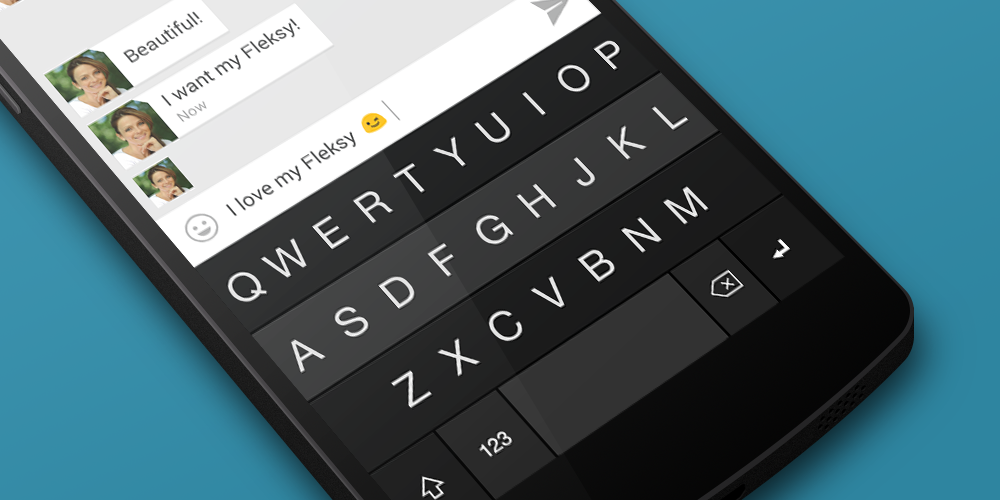
    Forget using the backspace key and discover a whole new way of ‘swiping’ on your keyboard. Fleksy is colourful, customisable and a lot of fun to use. It takes you a while to get used to the style of operating the keyboard but, its hard to give that up once you’re accustomed to it. With Fleksy, you can type fast and inaccurately and let the keyboard to do the correction, and more often than not, it does the job well.

    You can choose from a host of themes, and even use a personal image as the background for the keyboard. Just like SwiftKey, it also has support for multiple languages. Fleksy also allows you to send emoji, stickers and GIFs directly from the keyboard. You can also select predicted words as you type or customize the size of the spacebar to suit your needs. You can also swipe on the keyboard to perform actions such swiping right to left on the keyboard deletes the current word.

    Download Fleksy

    Gboard

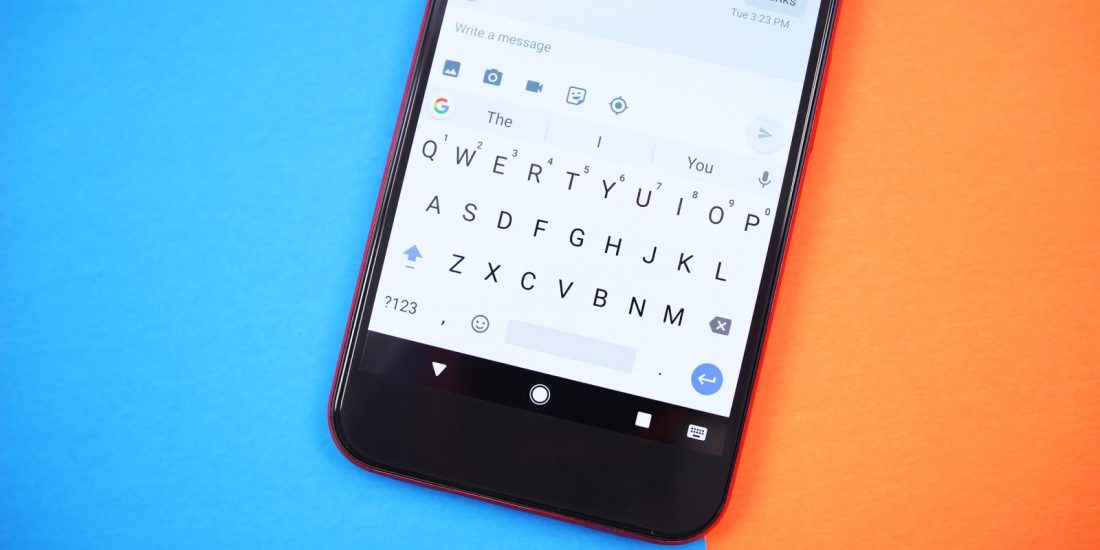
    The Google Keyboard offers a clean interface and quite a few smart features. Just like the previous two keyboards, it has support for themes and multiple languages. The auto predict is accurate and so is the swipe feature. All you need to do is swipe over the letters and it predicts the words accurately more often than not.

    One standout feature is the speech-to-text feature which is pretty accurate as well and doesn’t confuse the accents. Just like Swiftkey, Google’s keyboard remembers everything you type and is able to optimise its suggestions.

    Download Gboard

    Chrooma Keyboard

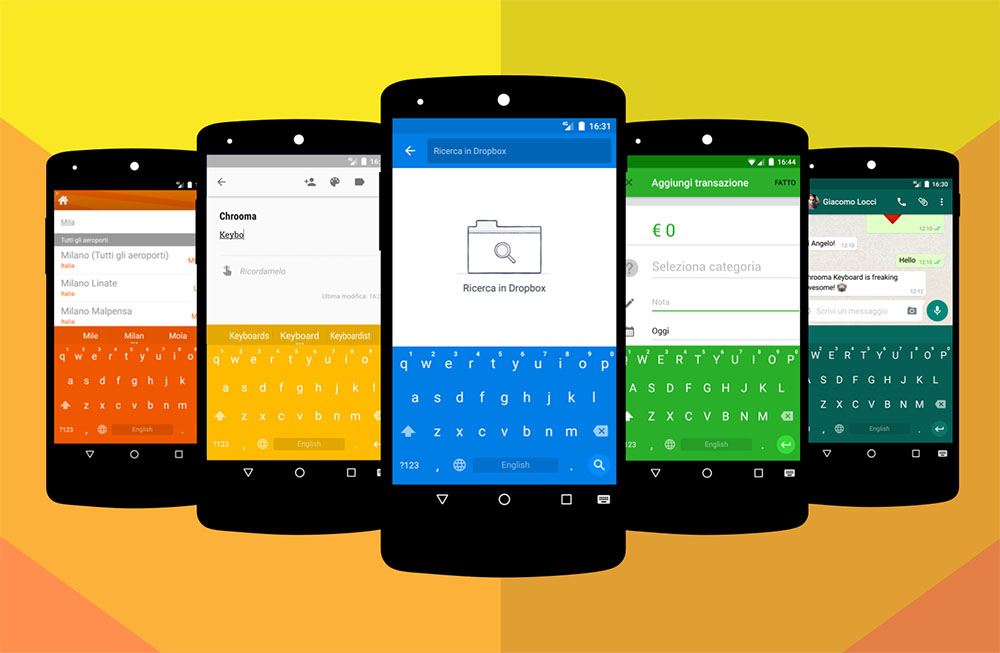
    Chrooma keyboard has a standout feature for all the people who like to mix it up with the themes on their run-of-the-mill keyboards. It has an adaptive theme feature in which it changes its colour according to the application you’re using. For example, while typing in the Facebook Messenger, the keyboard will have a blue accent and will change to green if you switch to WhatsApp.

    Other than the customisations, it has support for multiple languages and you can send emojis and GIFs right from the keyboard. The top row of the keyboard can be swiped right or left to display the number pad or predictive words/emojis.

    Download Chrooma Keyboard

    GIF Keyboard by Tenor

    Arguably the most fun keyboard on this list, the GIF keyboard lets you send tons of GIFs (as the name suggests) to friends across platforms. It doesn’t become your default keyboard, but you can integrate it with your keyboard of choice and send GIFs by simply typing ‘#’ followed by the theme you’re looking for.

    Among other features, you can also record a snippet from a video on your phone and create a custom GIF or use your device’s camera to record and create a GIF of your own. This keyboard is all about that perfect GIF!

    Download GIF Keyboard by Tenor


  • Apple iPhone 7s And 7s Plus Will Still Have Significant Bezels

    Apple iPhone 7s And 7s Plus Will Still Have Significant Bezels

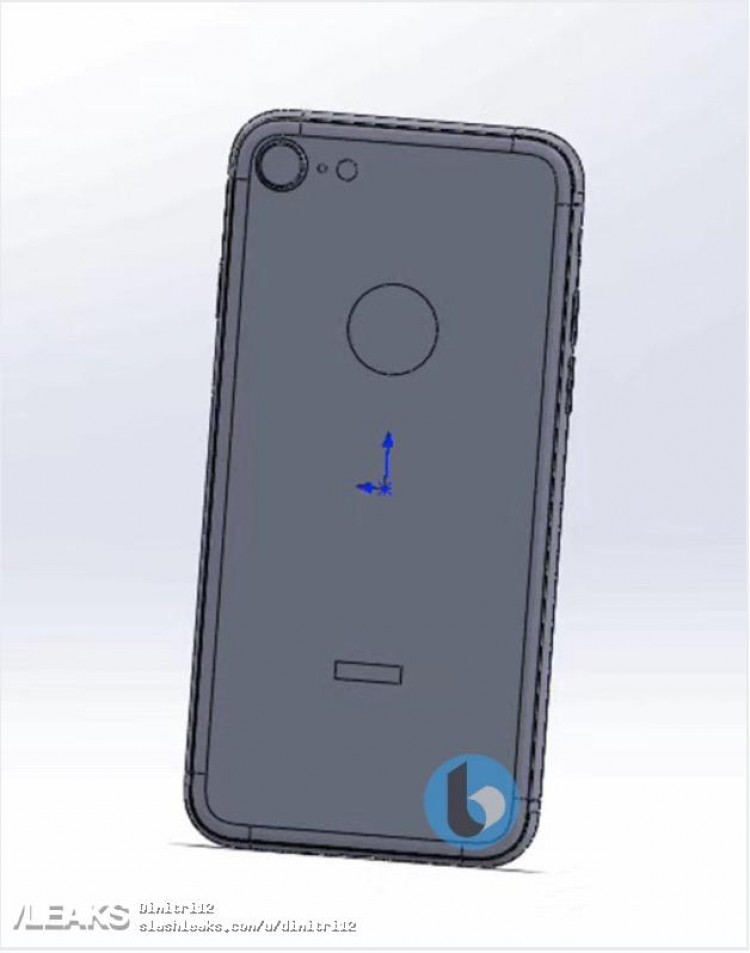
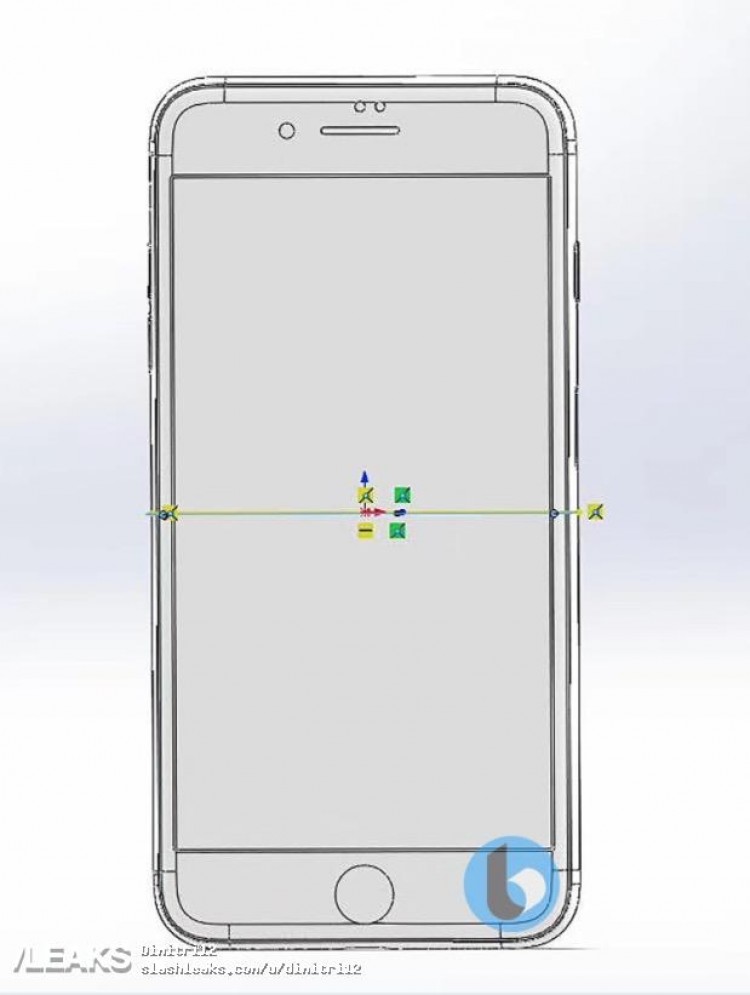
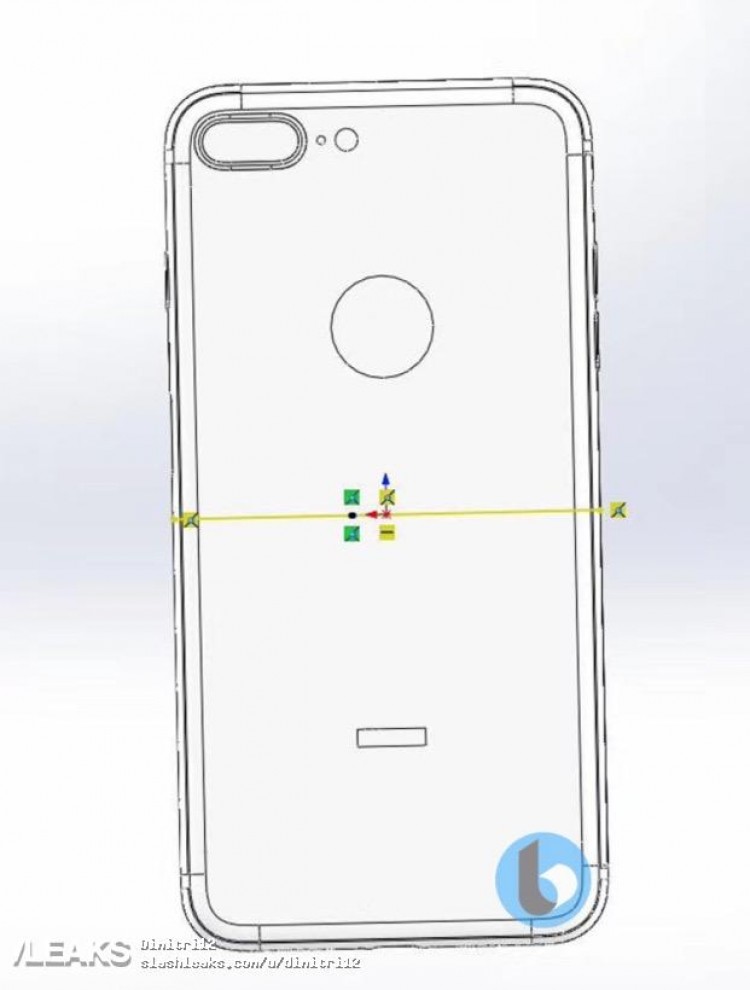
    Apple is expected to launch the new iPhone 7S models alongside the iPhone 8. Though the redesigned iPhone 8 has had its fair share of leaks, but we haven’t seen a whole lot of information for the iPhone 7S and 7S plus. Newly surfaced CAD images offer a pretty close look of the yet to be revealed iPhone 7S and 7S Plus.

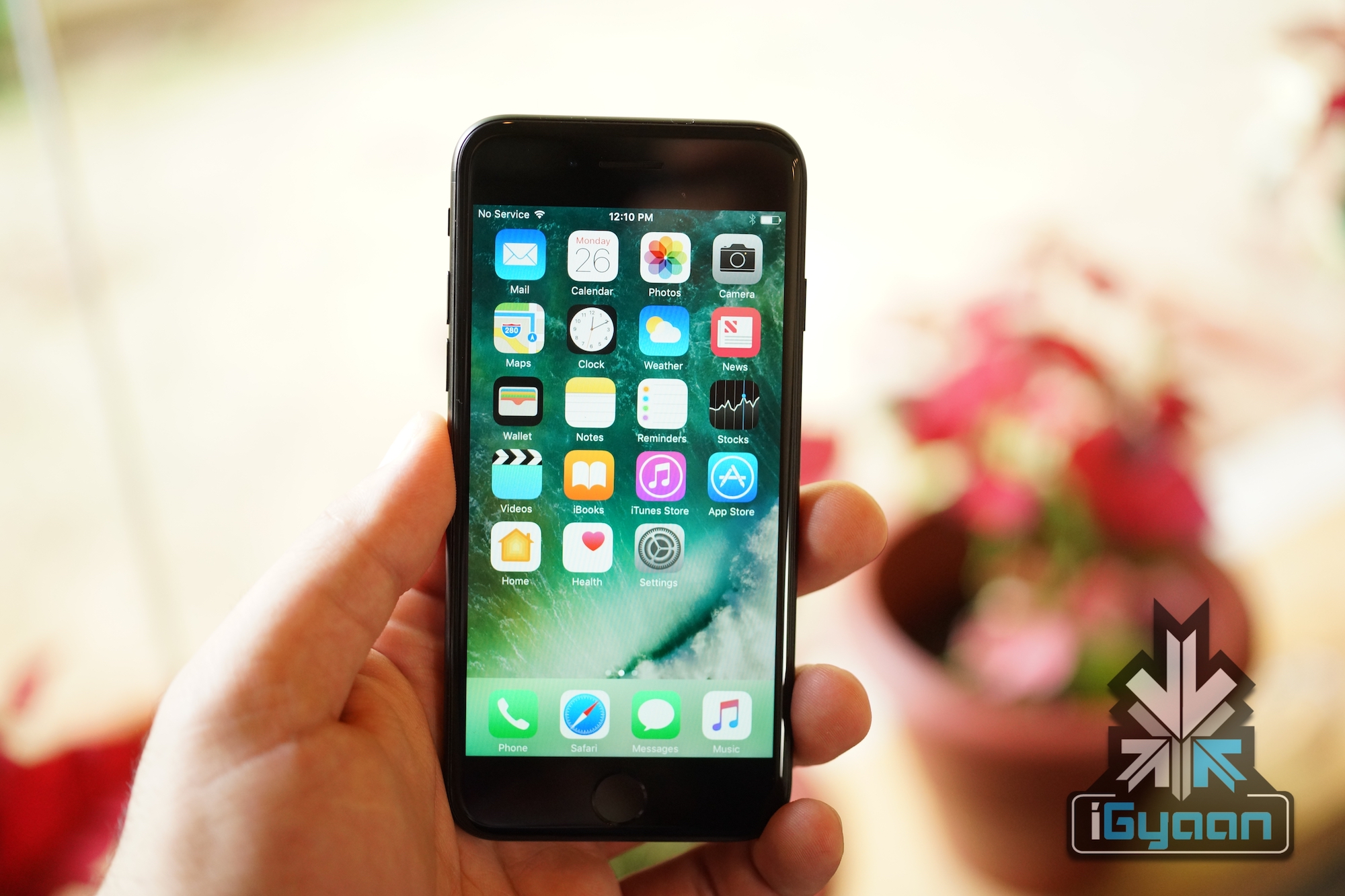
    Both the devices have the similar haptic home button at the bottom, volume buttons on the left and the power button on the right. The iPhone 7 iteration has the sensors placed at the top of the screen and so does the the 7s and 7s Plus. According to the leaked images, the iPhone 7S Plus will feature a dual camera setup, whereas the 7S will have a single lens camera.


    Sticking with same LCD panels used by Apple, the 7s and 7s Plus will feature the Apple logo at the back. Not much is expected to change on the design front, apart from the few tweaks like a glass back on the 7S.

    The S models are known to receive internal upgrades and same applies to the iPhone 7S iterations. Apple is expected to upgrade both iPhone 7S and iPhone 7S Plus with the A11 Fusion chip and hopefully increased RAM. It is widely reported that Apple’s long awaited wireless charging feature will be arriving with the next iPhone lineup. But for now, Apple seems to be sticking to the same size display on the front with the thick bezels on the top and bottom.

  • Android Oreo Is What Google Wants to Call Android O 8.0

    Android Oreo Is What Google Wants to Call Android O 8.0

    After a lot of speculation surrounding the official name for the next Android OS, it seems that Google itself may have just spilled the (jelly) beans on the name of Android O, and it’s not Oatmeal Cookie, it’s Oreo.

    Google put out a teaser on Google+ to promote the August 21 event where the Android O and its official name will be unveiled. The teaser video for the launch reveal was named ‘GoogleOreo_Teaser_0817_noDroids (1).mp4‘. If that doesn’t confirm the name, we don’t know what will.

    But, in an attempt to right the wrong, Google took down the teaser and uploaded it again with the name ‘OctopusTeaser.mp4′, which just reassured what we have all been speculating. Google’s decision to go with Oreo makes sense since the famous cookies are known worldwide.

    Android 8.0 brings new features such as Notification Dots, Autofill, Smart text selection and Picture-In-Picture. Google has also said to improve the security and increased the booting speed in the new OS. Notification Dots show the notification of an app after a long press.

    A small notification bar pops up at the top right corner of the app and shows the notification of the particular app. The Autofill feature helps in filling forms inside an app. Smart Selection feature is a machine learning based features that select only important text to be copied. Android O also comes with a multitude of back-end improvements such as better battery management algorithms, app optimisations, audio enhancements like improved Bluetooth audio and more.

    As is with every Google launch event, it will be live streamed to the world and there is a lot of mention of the ‘eclipse’ on the launch website. The website and the teaser s in-line with the rumours that Google is planning a spectacle this time around rather than “hey. this is the official name of Android 8.0.” The reveal event is scheduled for 21 August in New York, which coincides with the Solar Eclipse and from the looks of it, Google will take full advantage of it.

  • Toyota Has Patented A ‘Cloaking Device’

    Toyota Has Patented A ‘Cloaking Device’

    From the One Ring to conceal the wearer’s identity to Harry Potter’s disappearing blanket, invisibility has been a fascinating feature of Science Fiction. Scientists have been hard at work to make this technology see the light of day for many years now. Joining the research is Toyota, the Japenese carmaker which has patented a “cloaking device.”

    The company recently acquired a patent from the United States Patent and Trademark Office (USPTO) for “Apparatuses and methods for making an object appear transparent,” which Toyota filed on June 17. The company has forayed into the invisibility tech, not to make its cars invisible, but, a part of it at least.

    The patent describes the cloaking device designed to turn the A-pillars on the right and left side of the car’s dashboard invisible. The aim to make the pillar invisible is to improve the on-road visibility for the driver. Ironic how making something invisible will improve the visibility on the road, isn’t it? Toyota has said that this is the way to move forward since the A-pillars have become broader to follow crash-safety standards. It’s logical since the wider these pillars are, the more they’ll obstruct the driver’s vision. The cloaking device would use mirrors to bend visible light around the A-pillars to allow the driver to “see” through them. This would give drivers a wider view of the road and their surroundings. It also benefits pedestrians, as drivers would see them better.

    Light from an object on an object-side of the cloaking device [i.e., facing the road] is directed around an article [the A-pillars] ]within the cloaking region and forms an image on an image-side of the cloaking device [i.e., facing the driver’s seat] such the article appears transparent to an observer looking towards the object

    The way to make things transparent or “invisible” is by manipulating light. Studies around the world currently working on some variant or the other of a possible cloaking device are also trying to do the same. For example, researchers from the Max Planck Institute are working on mimicking the biology of moths’ eyes to turn lenses and glass invisible. All these researches are working on bringing us closer to a technology that can make objects invisible, or at least transparent and Toyota’s venture into the same is proof that a “cloaking device” may just be a few years away from existence.


  • Amazon Echo Dot, Prime Music Might Be Arriving In India This Diwali

    Amazon Echo Dot, Prime Music Might Be Arriving In India This Diwali

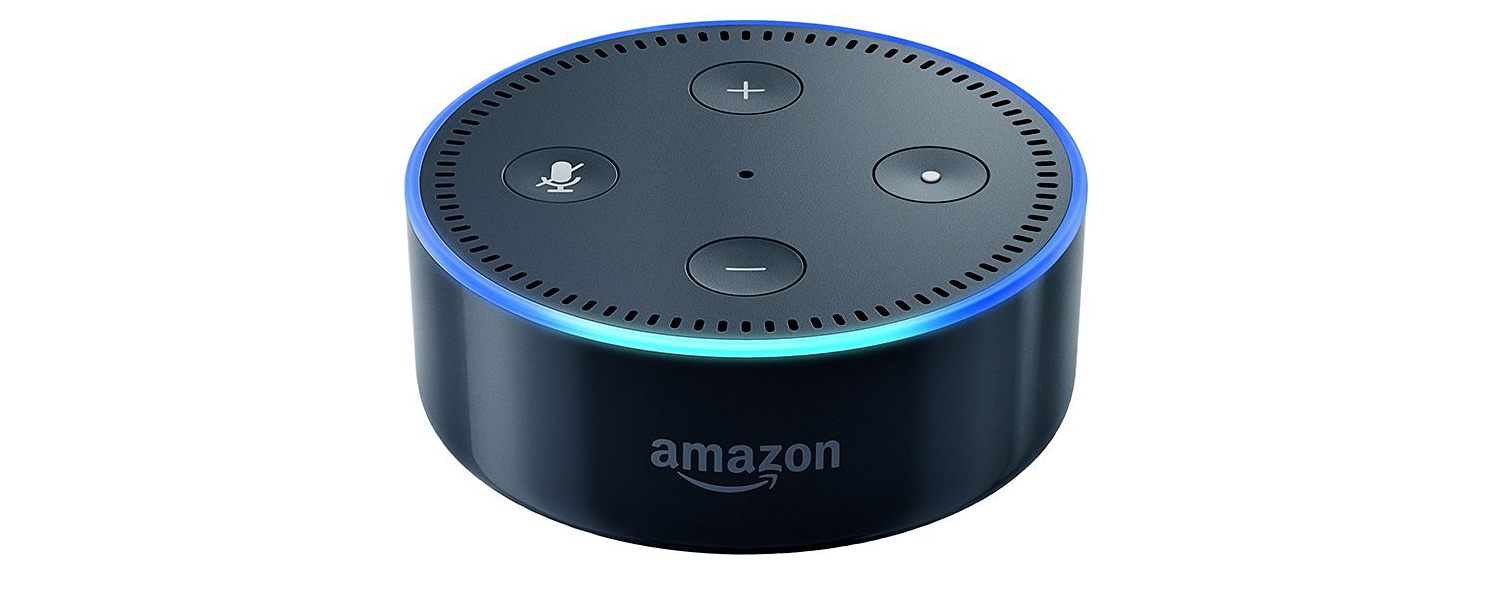
    Looks like Amazon’s Echo Dot will be there to share the workload this Diwali. From placing online orders for sweets and firecrackers to selecting outlets for Diwali shopping, the smart speaker will do it all.

    According to latest reports, Amazon’s much famed Echo Dot may go on sale in India this Diwali, along with the Prime Music service. The Alexa powered smart speaker does a host of things on the tip of your command such as, ordering pizza, booking Uber rides, etc . The Amazon Echo Dot, which costs $50 in the USA, might be priced at Rs 3,000 in India, whereas, its bigger sibling, Amazon Echo may not arrive in India due to its heftier price tag.

    Amazon’s Prime Music services will rival Apple Music and Google Play Music in India with a library of over 2 million songs available to all the Amazon Prime customers. The Amazon Prime subscription is available in India at Rs 450 per year, but, there are reports that the subscription fee will go up in the coming months. The Echo Dot, currently available in the United States and several other markets, supports a range of music integrations and other skills. Though most of the music services supported by Amazon, including Spotify and Pandoro are not yet available in India, but the soon to be arriving Echo Dot will support services like Prime Music and Gaana.

    Aside from the basic features, Amazon Echo Dot will enable users to control the smart lights in their home/office via voice commands. With the help of Alexa, Amazon’s AI assistant, users can get answers to trivia questions, play music, order food, book cab rides, check your calendar and much more by just calling out “Alexa.”

    Jan Dawson of Jackdaw research says, “The big challenge with Echo will be language support since it’s basically only worked in English so far, and they’ll need to localize for Indian pronunciations and idioms (not to mention other local languages eventually too).” Amazon began hiring people in India for Alexa and Echo device late last year, according to job postings on the website. Furthermore, the company has been offering  several incentives to the developers such as free t-shirts and other goodies for writing Alexa-enabled skills.

    Meanwhile, Google Home, the smart speaker from Google has been unofficially available on Amazon India for Rs 17,999 and so is the Amazon Echo Dot eBay for Rs 3,000. With smart home systems not prominent in India right now, time will tell how the Echo Dot is received by the consumers. A majority of the consumers in India still shy away from paying for media consumption, hence the arrival of Prime Music with Echo Dot to rival Apple Music and Google Play Music will be an interesting battle.

  • Samsung Galaxy Note 4 Batteries Recalled

    Samsung Galaxy Note 4 Batteries Recalled

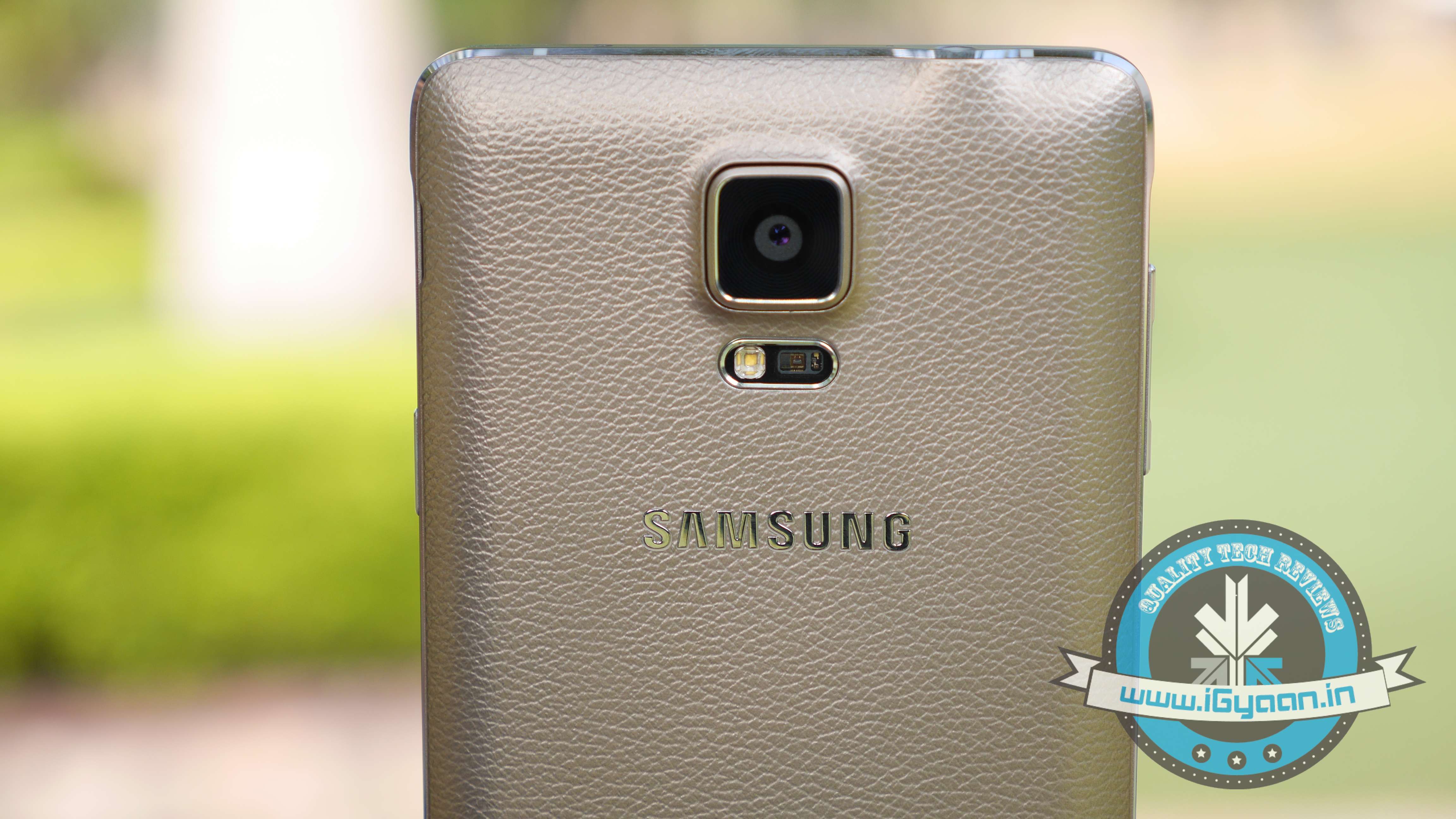
    Samsung doesn’t seem to catch a break as far as their batteries are concerned. Last year, Samsung’s Galaxy Note 7 was recalled after the smartphone’s battery randomly started overheating and catching fire. Samsung is again on the radar as Consumer Product Safety Commission (CPSC) has issued  a recall on certain Galaxy Note 4 batteries. The CPSC fear that these batteries might have a tendency to overheat, posing a risk of burns and fire hazards.

    Although Samsung has had a past with faulty batteries, the same might not be the case with the recalled Galaxy Note 4 batteries. It has been reported that the affected batteries were found in refurbished Note 4s which were distributed by particularly FedEx Supply Chain as replacement phones for an AT&T’s insurance program. It was further revealed that the faulty batteries were not genuine Samsung parts. Though the device was launched in 2014, the affected batteries were distributed between December 2016 and April 2017.

    A company spokesperson said,”FedEx Supply Chain has recalled a batch of lithium batteries that were installed in the mobile devices,” and “As some of the batteries may be counterfeit. We are closely engaged with our customer to make sure all of these lithium batteries are safely and quickly returned, and will replace those lithium batteries free of charge for consumers.” CPSC estimated a recall of approximately 10,200 faulty batteries, unlike the Galaxy Note 7’s 3 million recalled complete devices.

    Post the Note 7 recall,  Samsung has been taking extra measures to ensure safer batteries and has even instituted an eight-point battery check . Considering the upcoming launch of the Note series successor, the Galaxy Note 8, on August 23, these steps seem wise and somewhat mandatory. Regardless, the current scenario (definitely not an ideal one), may not be what Samsung hoped for just a few days before the Note 8’s crucial launch.

  • Asus Zenfone 4, Zenfone 4 Pro , Zenfone Selfie and Selfie Pro Launched

    Asus Zenfone 4, Zenfone 4 Pro , Zenfone Selfie and Selfie Pro Launched

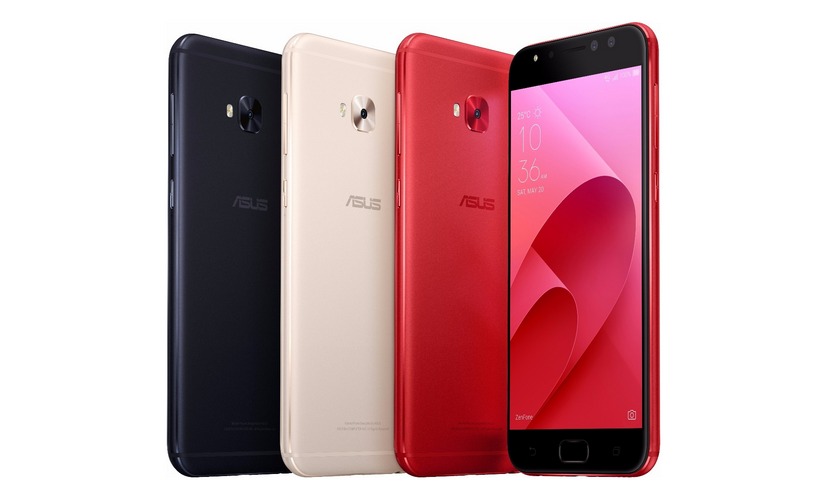
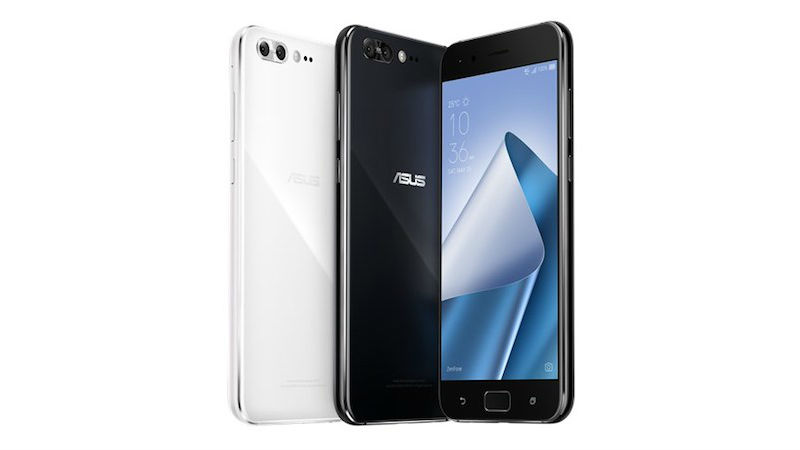
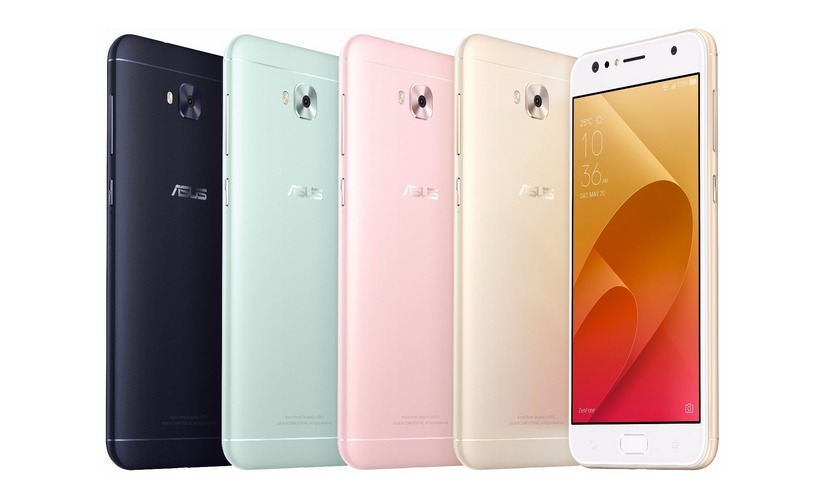
    The Taiwanese smartphone maker has announced the ZenFone 4 lineup consisting of 4 devices – the ZenFone 4, ZenFone 4 Pro, ZenFone 4 Selfie and the ZenFone 4 Selfie Pro. Asus also announced that the ZenFone Zoom S will be available in India for Rs 26,999. The pro variants have similar hardware with higher-end chipsets and a few other upgrades over the base variants.

    Asus ZenFone 4 Selfie

    Designed with a focus on front facing pictures, the smartphone sports a 5.5 inch 1280 x 720 px IPS LCD display and a 3,000 mAh battery. The ZenFone 4 Selfie runs Android 7.0 Nougat with Asus’s ZenUI 4.0 on top. Powering the device is a Qualcomm Snapdragon 430 chipset with 4GB RAM and 64GB of onboard storage which is expandable via a microSD card of up to 256GB. As the name suggests, the smartphone’s USP is its selfie-taking capabilities. The device sports a 20MP + 8MP dual-camera setup on the front along with an a LED flash. The rear of the phone houses a 16MP camera with PDAF and a LED flash. The fingerprint sensor is housed in the home button which sits below the screen and between two touch capacitive navigation buttons.

    Asus ZenFone 4 Selfie Pro

    The ZenFone 4 Selfie Pro is an upgraded variant of the ZenFone 4 Selfie with a 5.5 inch 1920 x 1080 px full HD IPS LCD display and the same 3,000 mAh battery. Under the hood is the Qualcomm Snapdragon 625 chipset with 4GB RAM and 64GB of onboard storage which is expandable via a microSD card of up to 256GB. The fingerprint sensor is housed in the home button which sits below the screen and between two touch capacitive navigation buttons. As with the base variant, selfies are the highlight here, with a front-facing 12MP Sony IMX362 sensor and a 5MP secondary camera for wide-angle selfies, which the company calls “welfies”. It features the same 16MP camera with PDAF and a LED flash at the back.

    Asus ZenFone 4

    The Asus ZenFone 4 sports a 5.5 inch 1920 x 1080 px fullHD display and runs on a 3,300 mAh battery. The fingerprint sensor is housed in the home button which sits below the screen and between two touch capacitive navigation buttons. The ZenFone 4 has a Qualcomm Snapdragon 660 chipset and will be available in two variants- one with 4GB RAM and 64GB storage and the other with 6GB RAM and 64GB storage. The onboard storage can be expanded up to an additional 2TB via microSD card. The device sports a dual camera setup with a 12MP primary camera with an f/1.8 aperture and an 8MP wide angle lens and can record videos in 4K at 30 FPS. On the front is an 8MP camera with an f/2.0 aperture.

    Asu ZenFone 4 Pro

    The new flagship features a 5.5 inch 1920 x 1080 px full HD AMOLED display and a 3,600 mAh battery. The Zenfone 4 Pro has a Qualcomm Snapdragon 835 with 6GB RAM and storage options of 64GB or 128GB. Much like the Zenfone 4 there is a dual camera set up at the rear with the main 12 MP camera with an f/1.7 aperture, OIS and laser autofocus and a secondary camera with a 16 MP sensor which enables 2X lossless optical zoom. The rear-facing dual camera setup records videos in 4K at 30 FPS. On the front is an 8MP camera with an 87.4-degree wide field of view. The fingerprint sensor is housed in the home button which sits below the screen and between two touch capacitive navigation buttons. You get the standard flagship connectivity options including the Wi-Fi 802.11b/g/n/ac, Bluetooth v5.0, NFC and USB 2.0 with Type-C port and there are dual speakers as well.

    All the phones currently run Android 7.0 Nougat with Asus’s custom ZenUI 4.0 skin on top.

    Specifications ZenFone 4 Pro ZenFone 4 Selfie ZenFone 4 Selfie Pro
    Price $599 $279 $379
    Dimensions  156.9 x 75.6 x 7.6 mm 155.7 x 75.9 x 7.9 mm  154 x 74.8 x 7 mm
    Weight 175 grams 144 grams 145 grams
    Display Size and Type 5.5 inch AMOLED 5.5 inch IPS LCD 5.5 inch IPS LCD
    Display Resolution 1920 x 1080 px 1080 x 720 px 1920 x 1080 px
    OS Android 7.0 Nougat with ZenUI 4.0  Android 7.0 Nougat with ZenUI 4.0  Android 7.0 Nougat with ZenUI 4.0
    Battery 3,600mAh 3,000mAh 3,000mAh
    Chipset Qualcomm Snapdragon 835 Qualcomm Snapdragon 430 Qualcomm Snapdragon 625
    Processor 2.4GHz octa-core 1.4GHz octa-core 2GHz octa-core
    RAM 6GB 4GB 4GB
    Storage 64GB/128GB 64GB 64GB
    Expandability microSD card

    up to 2TB

    microSD card

    up to 256GB

     microSD cardup to 256GB
    Rear Camera 12MP primary sensor with an f/1.7 aperture
    16MP secondary telephoto lens for 2X lossless optical zoom
    16MP with PDAF 16MP with PDAF
    Rear Camera Video 4K at 30 FPS 1080P at 30FPS 1080P at 30FPS
    Front Camera 8MP with an 87.4-degree field of view  20MP + 8MP  12-megapixel Sony IMX362 sensor and 5MP secondary wide angle lens
     Other features Fingerprint sensor  Fingerprint sensor  Fingerprint sensor
    Colour variants Pure Black

    Moonlight While

     Pure Black

    Mint Green

    Gold

    Pink

    Black

    Gold

    Red

  • Samsung Galaxy Note 8 Dummy Unit Images Surface

    Samsung Galaxy Note 8 Dummy Unit Images Surface

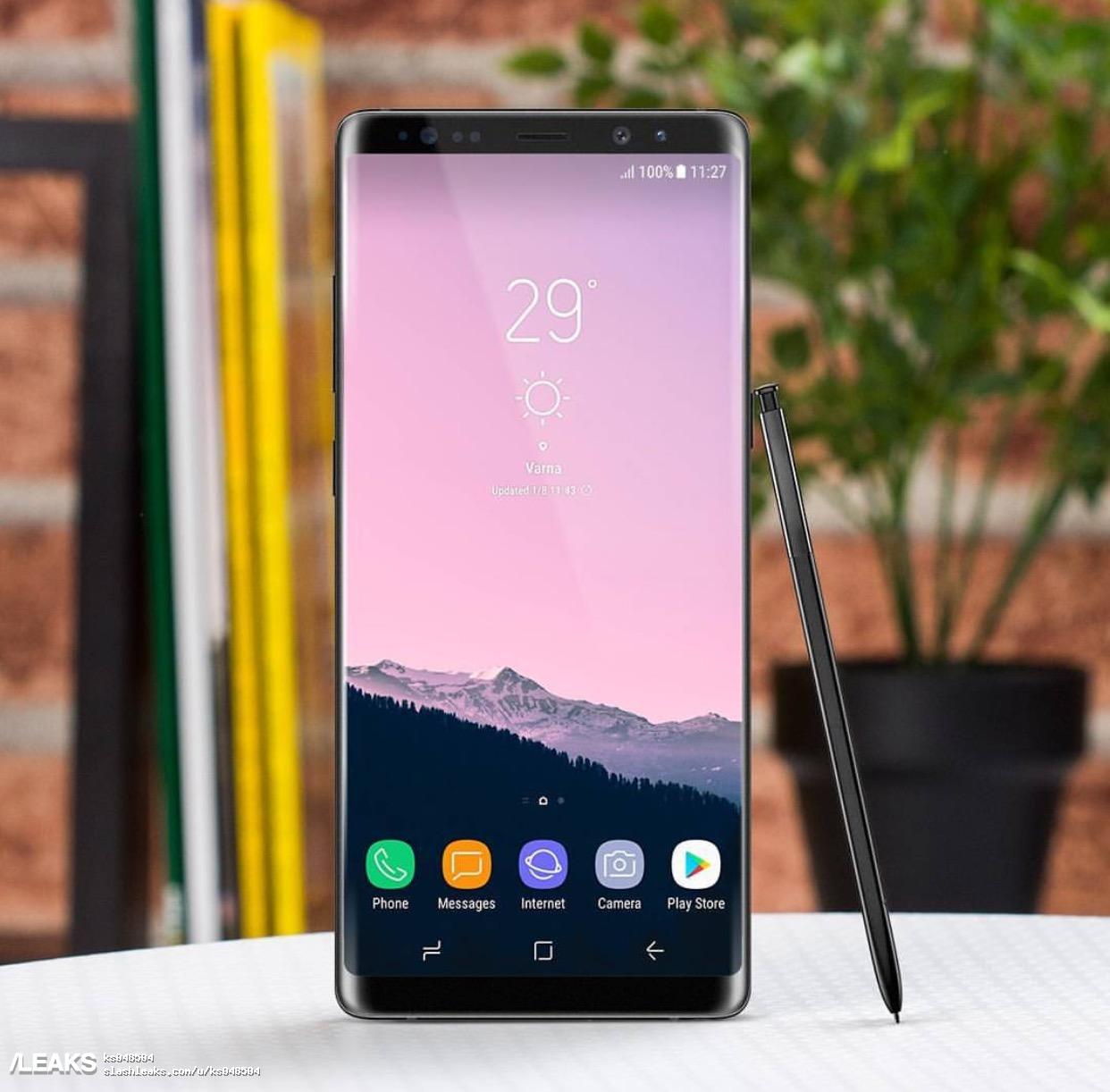
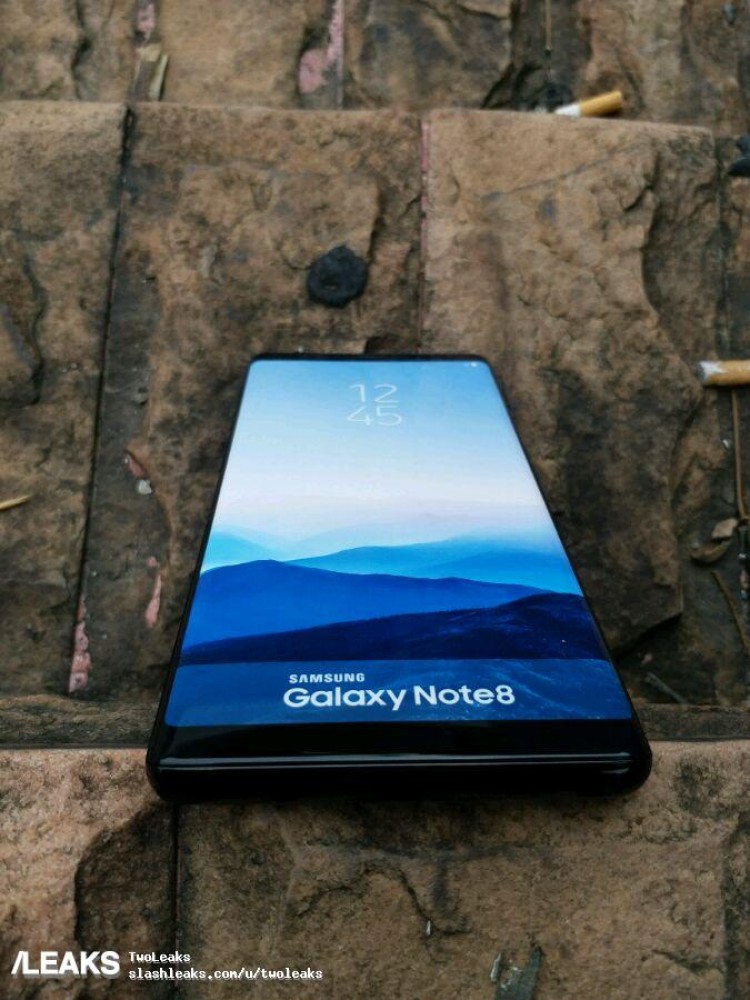
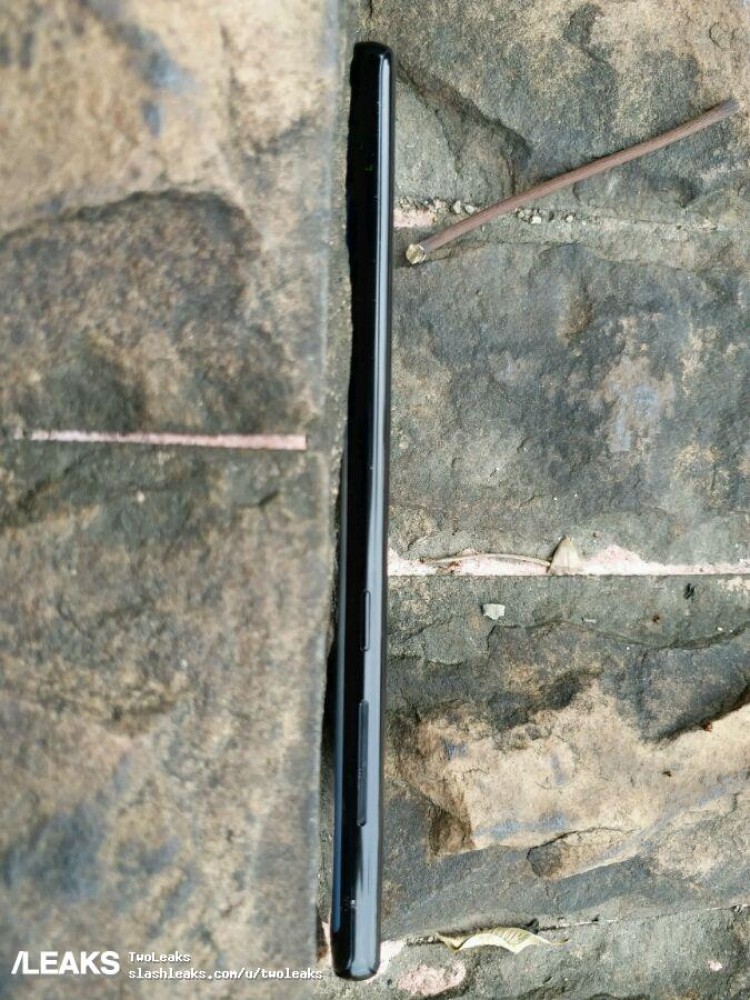
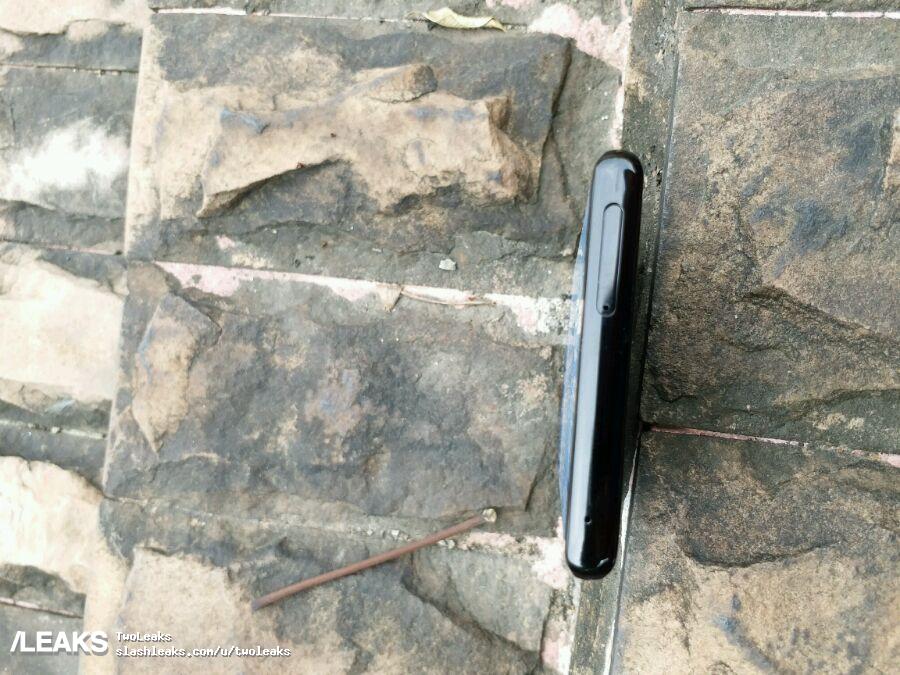
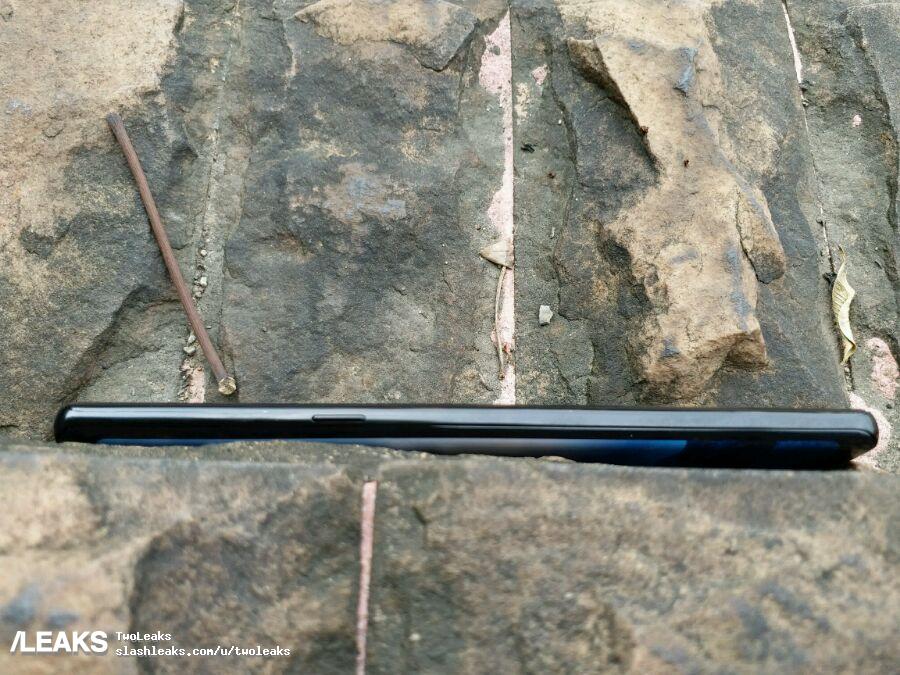
    Samsung Galaxy Note 8 renders are a thing of past. It’s time to move on to a much more realistic Galaxy Note 8 dummy. Samsung’s flagship device is less than a week away from its official launch and the dummy  gives a good look at exactly what to expect from the unreleased phone.

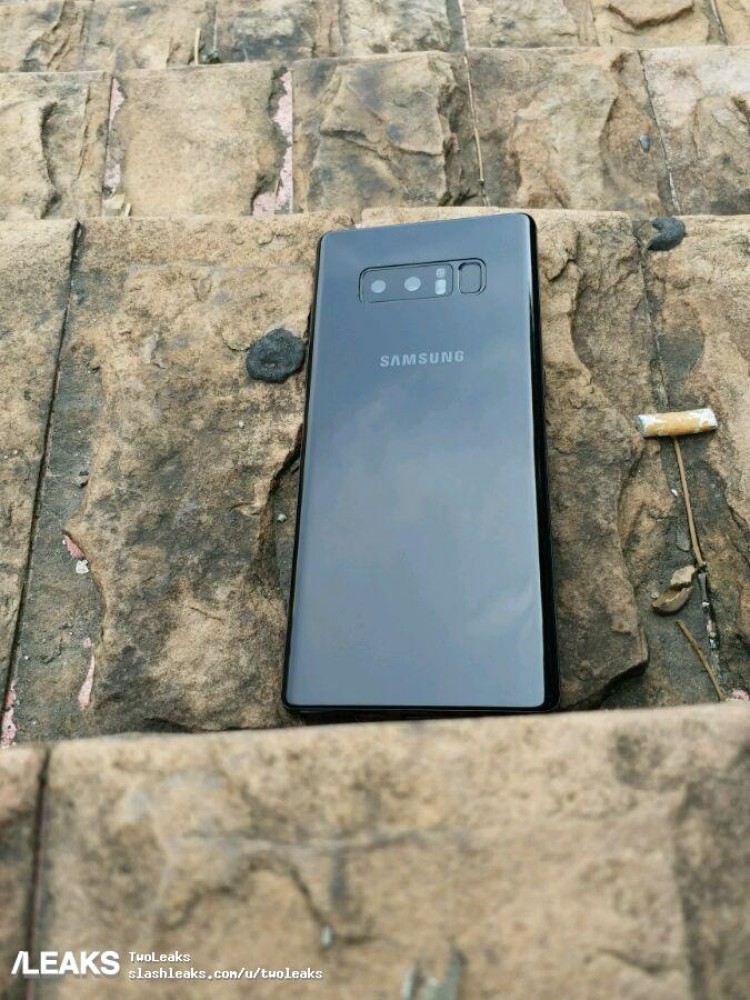
    The latest leak shows the Galaxy Note 8 from various angles – rear, front, bottom and sides. The dummy of the smartphone appears to be in line with the past rumours and leaks. As earlier speculated, the Galaxy Note 8 dummy features an Infinity display, similar to the Galaxy S8. The images show a horizontally placed dual lens camera along with the heart rate sensor and the rear-facing fingerprint sensor.

    [carousel arrows=”display” buttons=”display” caption=”display” interval=”0″]
    [panel title=”Dummy Back “][/panel]
    [panel][/panel]
    [panel][/panel]
    [panel][/panel]
    [/carousel]

    Earlier reports claimed that Samsung will also be introducing the new and improved S- Pen and according to the recent image leaks, it is expected that the stylus and the device will be of same colour. Although, the widely speculated S-Pen could not be spotted in the images, but, we did find a dedicated Bixby button right next to the volume buttons. The power button is on the opposite side. The images confirm that Samsung is following Galaxy S8’s suit in terms of design elements for the upcoming Galaxy Note 8.

    The listing also state that the Galaxy Note 8 will run Android 7.1.1 Nougat with Samsung’s TouchWiz UI on top. The smartphone will have a Exynos 8895/Snapdragon 835 chipset along with 6GB RAM and 64GB of onboard storage, expandable with an additional card, upto 256 GB.

    It wasn’t long ago when Samsung’s yet to be launched Note 8 was leaked in live images and soon after, two colour variants, “Midnight Black” and “Deep Blue Sea” were revealed. This is pretty much as close as it gets to the real thing, the Samsung Galaxy Note 8 will be unveiled in New York in a few days. The Note 8 is expected to be priced at US$ 999 at the time of launch.

  • USB 3.2 : Double The Speed Using Existing USB Type C Connectors

    USB 3.2 : Double The Speed Using Existing USB Type C Connectors

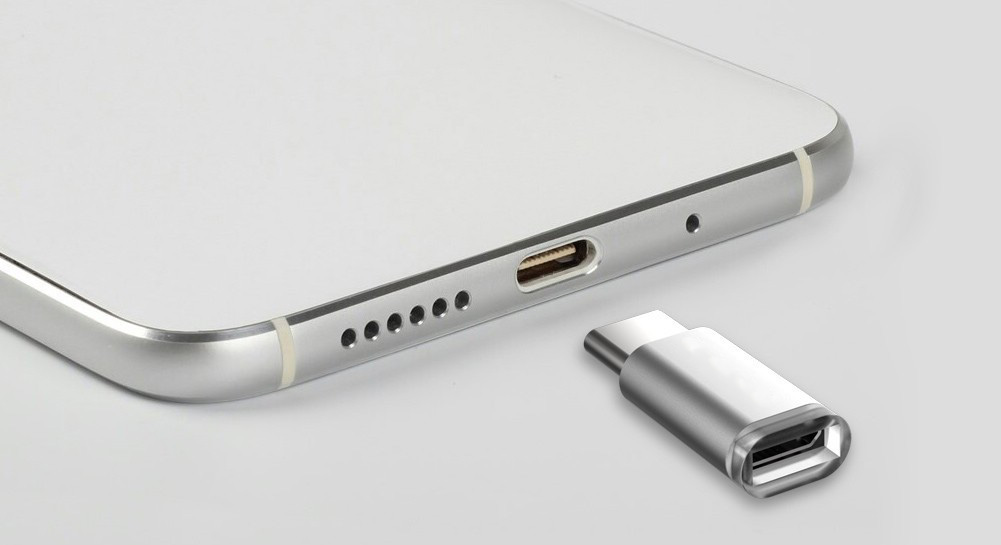
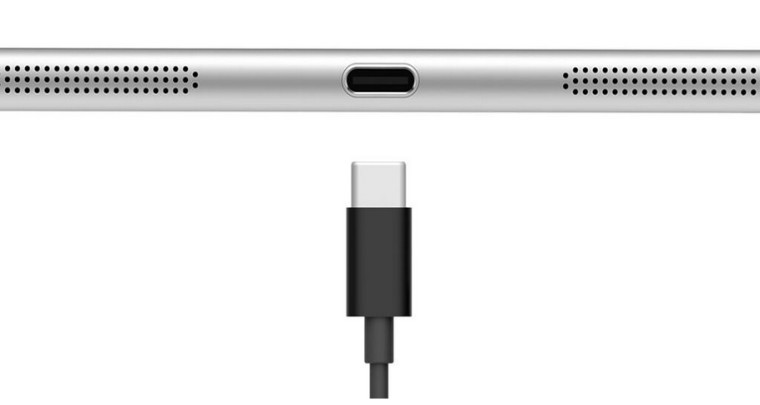
    When Apple removed all the ports in its new MacBook and replaced them with USB Type-C ports, the world anticipated that we’re moving towards devices with a universal port for everything. However, with different voltage requirements, specifications for data transfer and power, and more make it complicated to ensure that one port will satisfy all needs in any part of the world.

    The USB 3.0 Promoter Group, which consists of Apple, HP, Intel, Microsoft, Texas Instruments, and others of its members has announced a new USB Type C specification, the USB 3.2. USB 3.1 or, to be accurate, USB 3.1 Gen 2 Superspeed+ sports up to 10Gbps. This is made possible by combining two individual 5Gbps lanes. USB 3.2 will now double these two lanes to 10Gbps each, resulting in a whopping 20Gbps transfer speed. Assuming the host and recipient devices are compatible with USB 3.2, even older USB 3.0 cables will see faster speeds of up to 2oGbps. So, even if you don’t upgrade all your tech from USB 3.0 to 3.2, you may see an increase in transfer speeds if the manufacturers start to support it.

    It is also worth noting that not every USB Type C cable is capable of transferring these 2 lanes of 10Gbps, so even though different USB Type C cables might look the same, it doesn’t necessarily mean that they are the same. In order for it to support these new transfer speeds, the cable needs to be Superspeed+ certified.

    The USB 3.2 is not expected to be finalised until later this year, which means it’ll probably be a while before we see a standard roll out to devices. The USB Developer Days event is scheduled for September 2017 and a lot of other announcements are anticipated to happen in Vancouver, Canada.

iGyaan Network
Privacy Overview

This website uses cookies so that we can provide you with the best user experience possible. Cookie information is stored in your browser and performs functions such as recognising you when you return to our website and helping our team to understand which sections of the website you find most interesting and useful.