Blog

  • Sony Xperia XZ1 With Android 8.0 Spotted

    Sony Xperia XZ1 With Android 8.0 Spotted

    A new leak suggests that the Sony Xperia XZ1 will feature a 19 MP camera and Android 8.0. Sony is expected to launch the Xperia XZ1, Xperia XZ1 Compact and the Xperia X during the Sony pre-IFA launch event on August 31.

    The listing on GFXbenchmarking shows two models – G8341 and G8342. As per the listing, the Sony Xperia XZ1 will have a 5.1-inch 1920 x 1080 px display and 5-finger gesture support. The device will feature a 2.4GHZ octa-core processor along with Adreno 540 GPU. The device will run on Android 8.0 and has 4GB RAM and 64GB onboard storage out of which 50GB will be available to the user. The listing doesn’t show the battery size or whether the onboard storage is expandable or not.
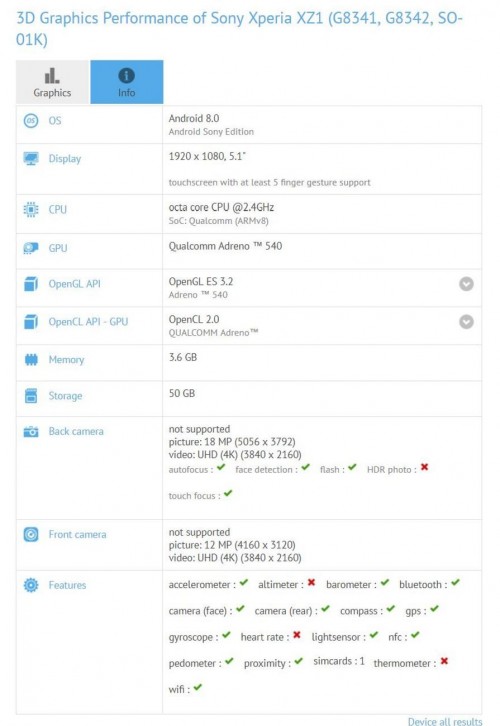
    The rear camera on Xperia XZ1 will be an 18MP with autofocus and an LED flash which will record videos at 3840 x 2160 px. The front-facing camera is a 12MP lens which will also record video at 3840 x 2160 px (4K). The GFX listing shows that the device has connectivity features like Bluetooth, GPS, NFC and WiFi. As per the GFX listing, the device has an accelerometer, gyroscope, light sensor and proximity sensor as well.

    An earlier Geekbench leak suggested that the Xperia XZ1 will be powered by the Qualcomm Snapdragon 835 chipset making it the flagship device out of the three phones. The phones will be unveiled come IFA, Berlin by Sony and the latest leak suggests that the XZ1 might be one of the first few phones to run on Android 8.0. the Xperia XZ1 Compact will be a smaller version of the XZ1 with a 4.6-inch 1080 x 720 px display and a 2,800mAh battery.


  • LG V30 Gets Leaked in LG’s own Marketing Campaign

    LG V30 Gets Leaked in LG’s own Marketing Campaign

    Every phone launch is preceded with plenty of rumours and renders which are to be taken with a pinch of salt. But rarely does a marketing campaign by the manufacturer of the device, leak its own most anticipated phone of the year. The LG V30 is an exception. If you don’t know it yet, LG and Joseph Gordon-Lewitt, the Hollywood actor/filmmaker has been collaborating to host annual creative competitions that often involve participants filming something with an LG phone for the past couple of years. This year is no different, apparently.

    This year, the recent video submissions feature an unreleased phone which is slated to launch on August 31 at IFA, Berlin. Yes, we are talking about the highly anticipated 2017 flagship, the LG V30. This year’s competition ended on July 31st, and the submissions went live on 7th August. The stills from these entries match up with numerous rumours about the V30. The images, although hazy, clearly show a dual-camera setup and a fingerprint scanner at the back, just like its predecessor the LG V20. The more minimalistic and rounded off bezels are also visible in a front-angle image.

    LG recently announced that it’s shifting to OLED panels from now and the LG V30 will be the first device to feature one. This will be the key difference between the V30 and the V20, along with a spec bump, of course. The launch of the new flagship is just a few days away now, so let’s take a look at what might be the key specifications of the V30 –

    • Launch: August 31
    • Price : $700 (Rs 45,000 approx.)
    • Display: 6-inch POLED
    • OS: Android Nougat 7.1.1
    • Chipset: Qualcomm Snapdragon 835
    • RAM: 4GB or 6GB
    • Storage: 32GB/64GB/128GB
    • Battery: 3,300 mAh battery
    • Fingerprint sensor
    • Camera: 13-megapixel dual-camera
    • Wireless charging
    • ESS Quad DAC

    The Joseph Gordon-Lewitt collaboration seems to have put LG’s marketing team in hot waters. The launch is now imminent and we seem to have a clearer picture of what the device might look like.

  • OnePlus 5 Launched In Soft Gold Colour Variant

    OnePlus 5 Launched In Soft Gold Colour Variant

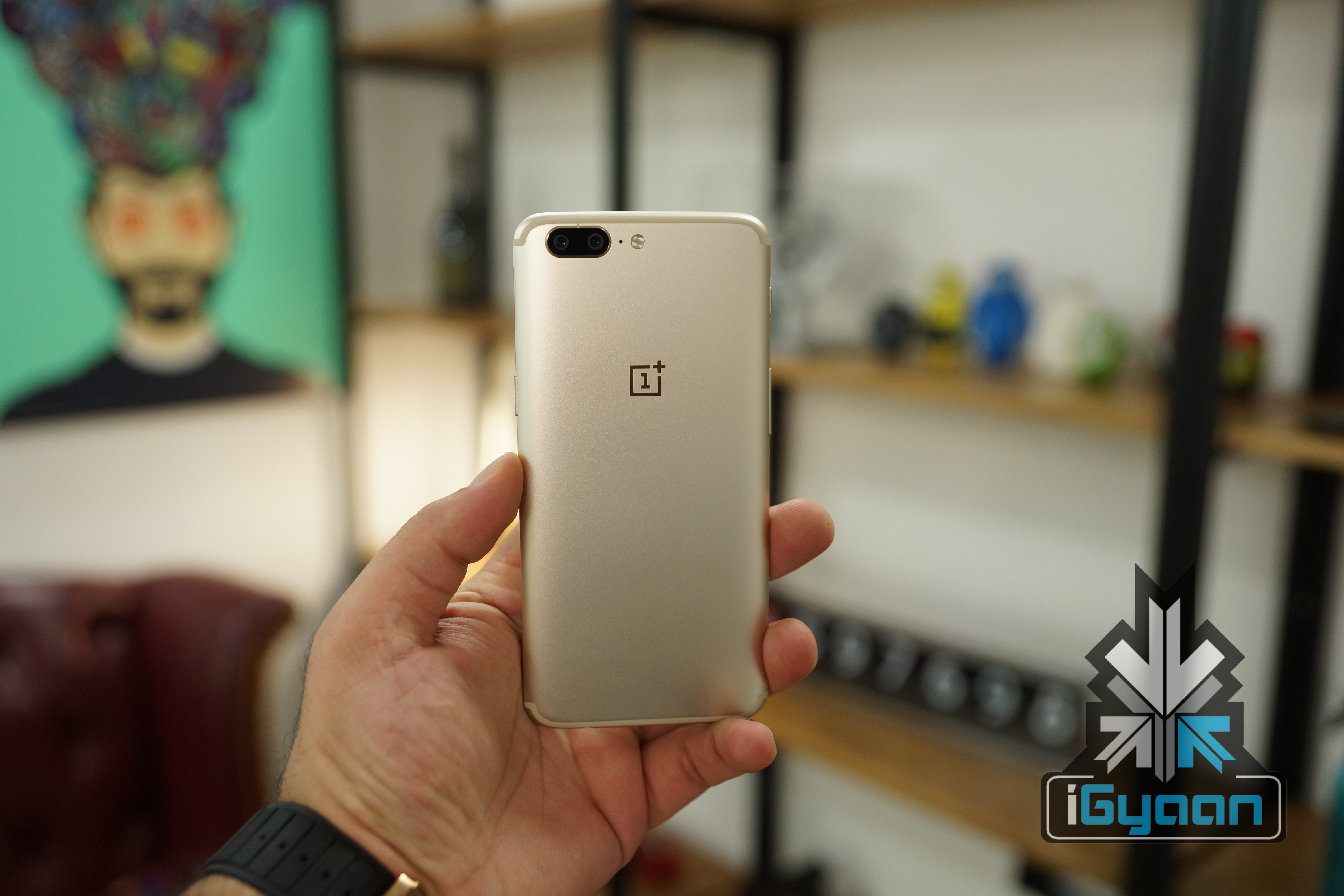
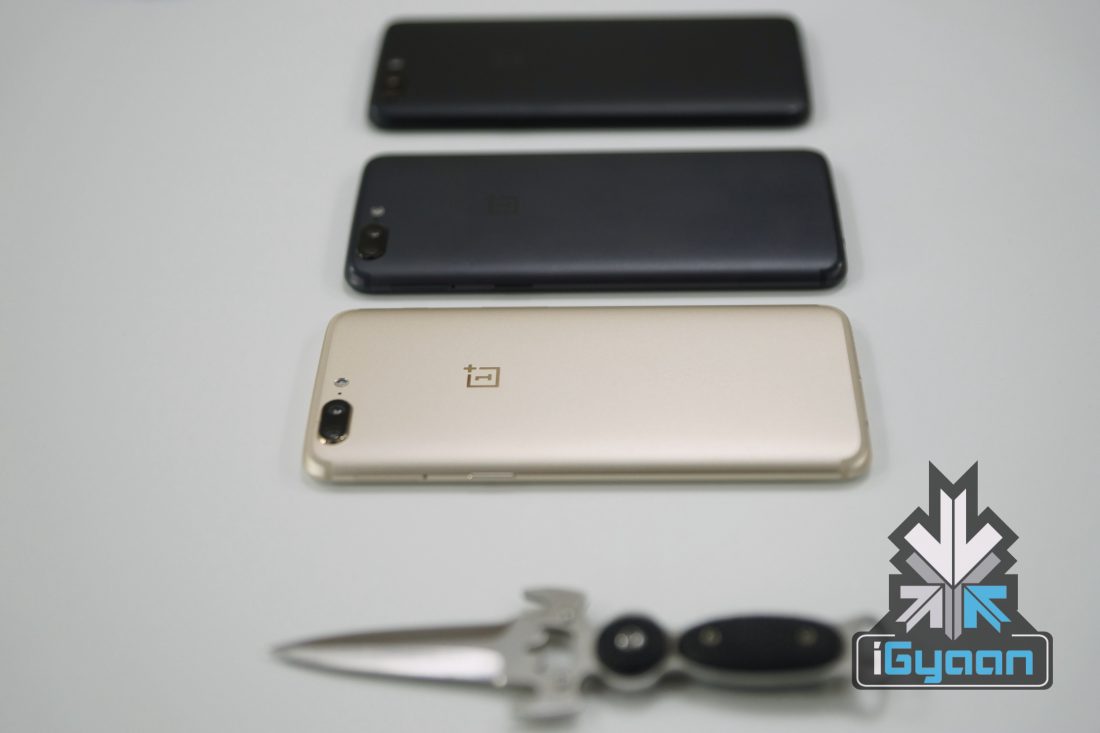
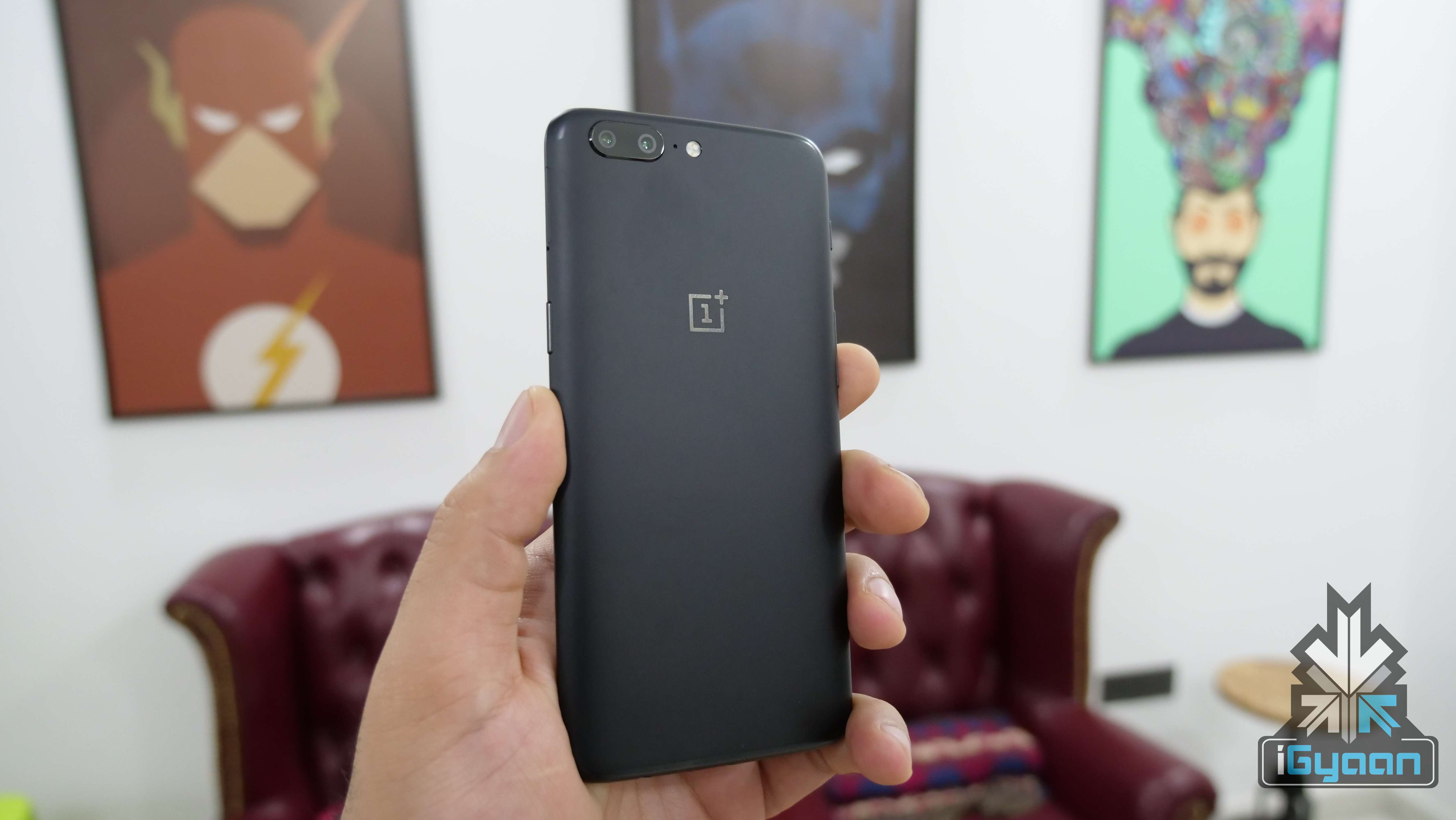
    OnePlus has announced that the OnePlus 5 will be available in a limited edition gold colour variant. Much like the OnePlus 3, the new colour will be called the “Soft Gold” colour, it will be available with 6GB RAM and 64GB onboard storage. The new colour variant’s front is white, unlike the black front on the Slate Gray and Midnight Black colour variants. OnePlus has also announced that the Slate Gray colour variant will soon be available with 8GB RAM and 128GB onboard storage which was only available in 6GB RAM/64GB onboard storage till now.

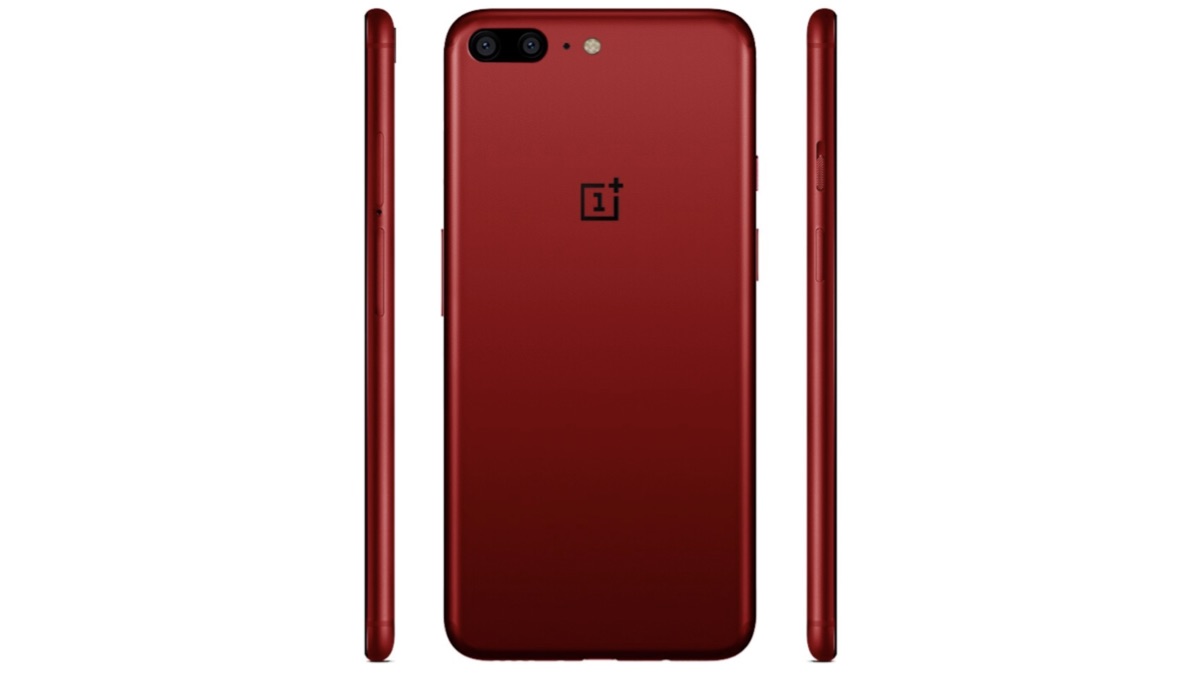
    OnePlus teased its followers on social media a few days ago that a new colour variant of the OnePlus 5 will be unveiled soon, and everyone anticipated a RED device. Prior to the launch of the OnePlus 5, it was speculated that it will be launched in a red as well as a blue colour variant. Sadly, that was not to be and OnePlus launched its 2017 flagship in a Slate Gray and Midnight Black colours. The Soft Gold colour is just like the one on the 3 and 3T and has a soft finish at the back.

    Keeping OnePlus 5’s design and the dual camera setup’s uncanny resemblance to the iPhone 7 Plus in mind, a RED colour variant was not a far-fetched idea. All of that, however, it was just speculation as the Soft Gold variant was announced on 7th August. The new limited edition colour variant will be an Amazon exclusive but the date for India launch has not been announced yet.

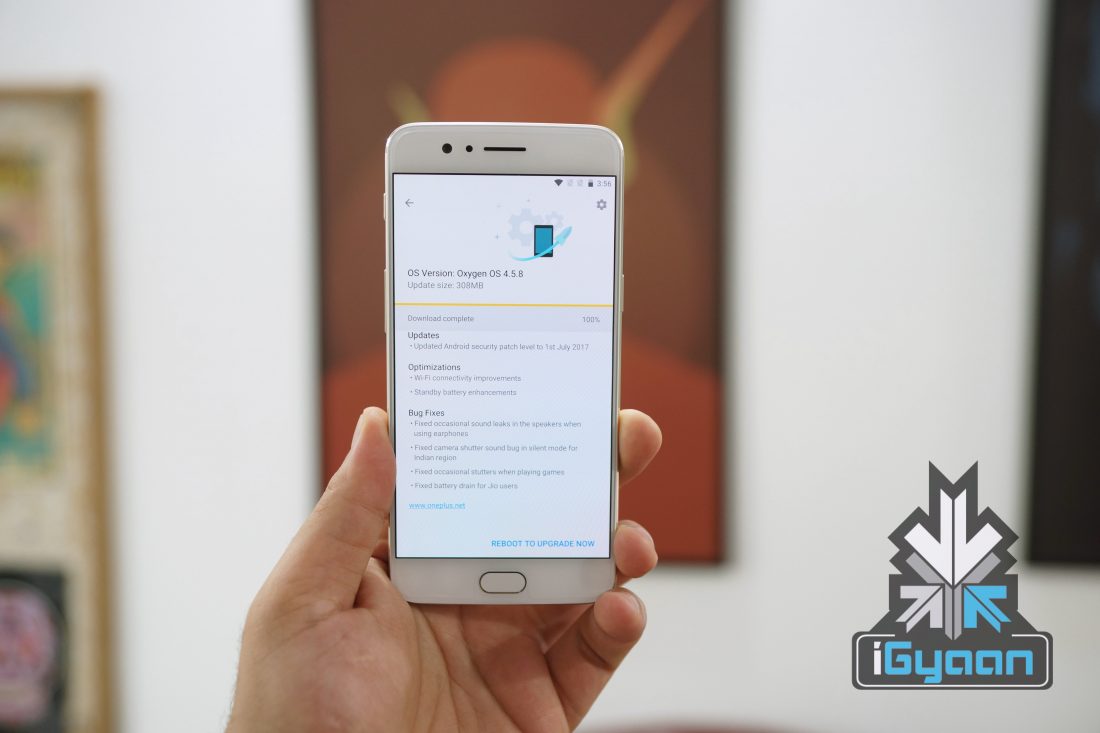
    OnePlus recently rolled out OxygenOS update 4.5.7 which seemingly fixed EIS (electronic image stabilisation) in 4K video in the OnePlus 5 and even featured a new Slate font. However, soon after the update there were reports of the device facing stutters during gaming and battery drain issues for Jio users. These complaints along with previous reports of a jelly scrolling effect prompted OnePlus to abort the 4.5.7 update. OnePlus later announced that it has started rolling out 4.5.8 update fixing the issues while featuring EIS in 4K video and the new font.

    The white front on the new colour of variant of the OnePlus 5, makes its lack of an edge-to-edge display that more prominent and the look of the phone doesn’t hold up against many flagships of 2017 so far. Apart from the colour, the new variant of the OnePlus 5 has all the flagship specifications just like the other two variants. It runs on the Qualcomm Snapdragon 835 Chipset along with 6GB RAM and 128GB onboard storage. The device has a 3,300mAh battery, a 5.5-inch 1920 x 1080 px AMOLED display and a 16MP and 20MP dual camera setup at the back. The 20MP camera is a telephoto lens that enables 2X lossless optical zoom.


  • Samsung Has Shipped Over 20 Million Galaxy S8 Units

    Samsung Has Shipped Over 20 Million Galaxy S8 Units

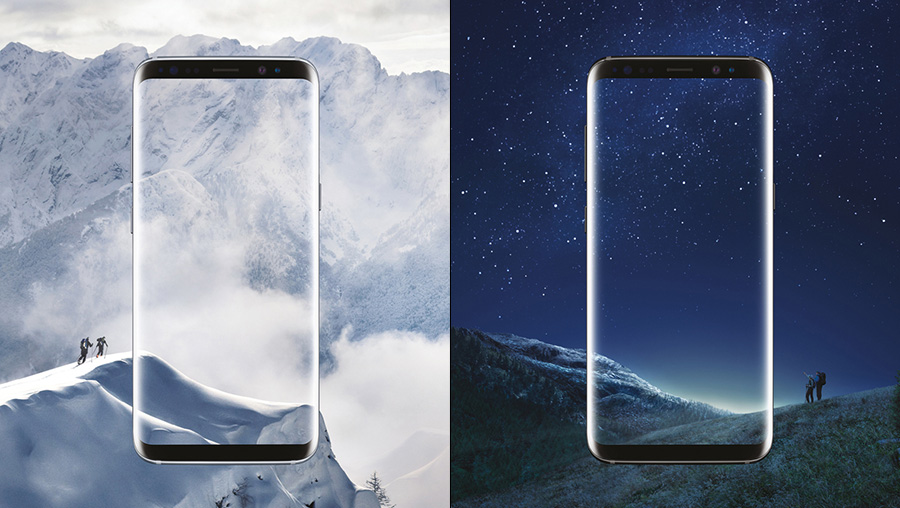
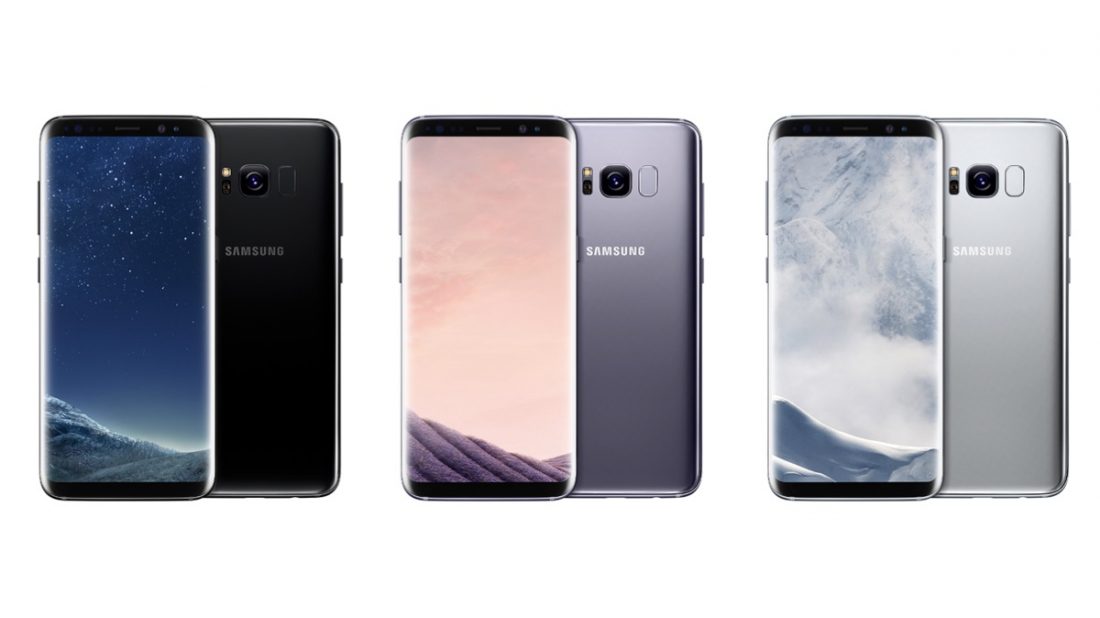
    Samsung Galaxy S8 and S8+ was launched back in April and received rave reviews for its display and camera performance. And now, a report by market research firm, suggests that Samsung has already shipped over 20 million units of the Galaxy S8/S8+ since its launch.

    While we eagerly await the launch of the Galaxy Note 8, the Galaxy S8 and S8+ aren’t faring too bad in the market even after three-and-a-half months post their launch.  The reported 20 million+ units shipped so far, translates to about 2,78,000 units per day, since April 21st. Compared to Samsung’s shipping volume of last year’s Galaxy S7, the company’s Mobile Division Chief, Koh Dong-Jin, says that S8 shipments have increased by approximately 15% in comparison to the S7 shipments sent out in 2016.

    This news follows another report that claimed that Samsung had shipped a total of 79 million smartphone units in Q2 of 2017. This figure helped Samsung maintain its spot as the number one smartphone maker in the world. Huawei will be vying for the second spot which currently belongs to Apple. With the launch of the Galaxy Note 8 just a few days away, Samsung looks all set to solidify its top position.

    Samsung Galaxy S8 and S8+ was extremely well-received for its bezel-less curved edge display and superior camera quality. It launched with top-of-the-line specifications like the Qualcomm Snapdragon 835 chipset along with 4GB RAM and 64GB internal storage. Samsung decided to go with a single 12MP camera with an f/1.7 aperture. The improved performance of Samsung’s TouchWiz UI was a welcome change which ran on top Android Nougat 7.1.

  • LG V30 Image Leak Showing A Prototype Of The Upcoming Smartphone

    LG V30 Image Leak Showing A Prototype Of The Upcoming Smartphone

    LG has recently announced that the LG V30 will be the ‘first smartphone from LG to sport a plastic OLED FullVision display.’  The company is expected to launch its V30 flagship in a press event on 31st August at IFA in Berlin.

    Following the LG V30’s renders, a leaked image of the smartphone’s prototype has recently surfaced. The image is reported to be an engineering unit of V30. This hands-on photo of the device confirms the widely reported features like the P-OLED display, and the bezel-less 18:9 form factor, similar to this year’s LG G6.

    Leaked Image Of The LG V30 Prototype

    The picture showcases the V30’s front-facing camera on the top-left and a 6-inch POLED display. By the looks of the leaked image, LG’s claims of reducing the top and bottom bezels by 20 per cent and 50 per cent appear to be true. LG will be replacing the ‘V’ series hallmark feature, the secondary display at the top with a “floating bar.” Speculations are, that the newly introduced feature will work similar to the V10 and V20’s secondary display by revealing the time, date, notifications, etc.

    So far, here’s what we know about the LG V30

    LG’s flagship device is expected to run on the Qualcomm Snapdragon 835 Chipset with 4GB RAM and 64GB onboard storage. Along with a POLED display, the LG V30 is rumoured to be powered by a 3,300mAh battery with support for wireless charging. On the camera front, the smartphone will feature a 13MP dual-camera setup along with a fingerprint sensor at the back, much like the other flagships of the year.

    Rumoured to be priced at around USD 700 (approximately INR 45000), LG V30 is expected to go on sale about a month after its launch in August, with pre-orders starting on September 17.

  • OnePlus 5 Receives Update Fixing EIS In 4K Video

    OnePlus 5 Receives Update Fixing EIS In 4K Video

    OnePlus burst onto the scene in 2014 by claiming that its device, the OnePlus One had flagship specifications on a budget price. OnePlus further delivered on the promise with its OnePlus 2, 3 and 3T. After the success of its first four devices, the OnePlus 5 was heavily anticipated.

    Despite the controversies and design plagiarism claims, OnePlus 5 was well-received for its premium user experience and snappy performance. OnePlus has finally started rolling out an OxygenOS update that brings in EIS for 4K videos.

    The company had removed optical image stabilisation (OIS) from the OnePlus 5 and capped EIS to only 1080P videos. The decision to discontinue OIS in OnePlus 5 which featured on the cheaper 3T raised a few eyebrows, but OnePlus promised that an update will fix that issue. Lack of OIS meant that the OnePlus 5 had shaky low-light performance and the 4K video quality was heavily panned.

    The OxygenOS 4.5.7 update, which is now rolling out to users in a phased manner, brings along EIS feature for 4K recording, as per the changelog posted by the company. This feature brings image stabilisation to 4K videos for more stable footage from the OnePlus 5. Apart from the EIS, the update also brings along a new OnePlus Slate font, which will offer font customisation option to the users. The OxygenOS update, additionally comes with July security patch for the OnePlus 5, along with the latest GMS (Google Mobile Services). The company says that the update brings along optimisations for Wi-Fi connectivity, standby battery life, and automatic backlight adjustments.

    OnePlus has also recently teased a new colour variant, widely rumoured to be Soft Gold for the 2017 flagship. The company finally looks set to leave the controversies in the past and move ahead with strengthening its current device with timely updates.

    NOTE– OnePlus has aborted the OxygenOS update 4.5.7 due to complaints of gaming glitches and battery drain for Jio users. OnePlus has announced that it is rolling out 4.5.8 update fixing all the bugs as well as bringing EIS to 4K video recording and the new Slate font to all OnePlus 5 devices.

  • LG Q6 to Launch In India On August 10 For Rs 14,990

    LG Q6 to Launch In India On August 10 For Rs 14,990

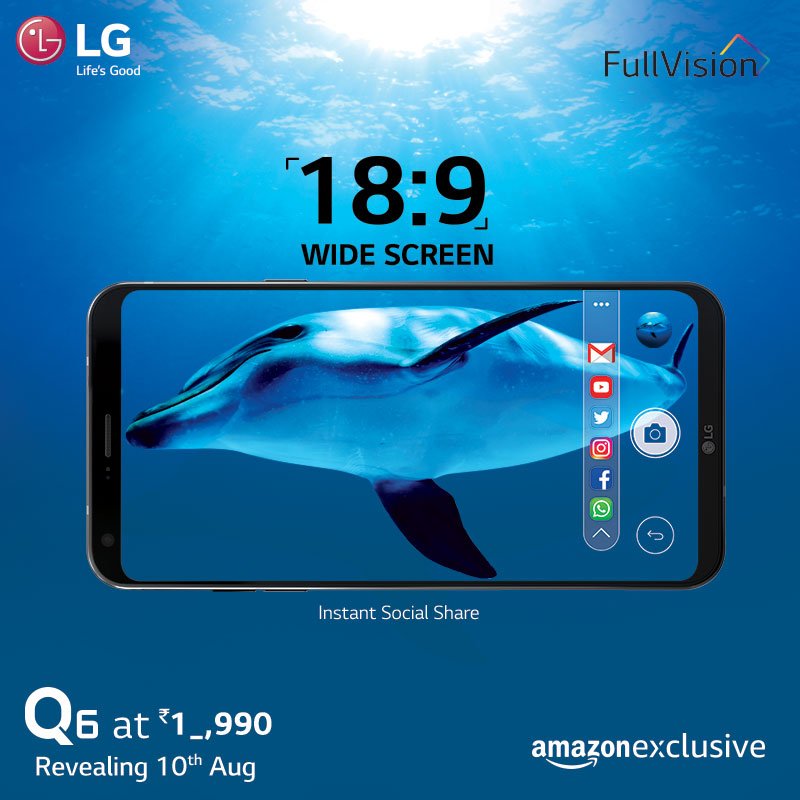
    LG recently unveiled the Q6, a less powerful variant of the G6 with the same bezel-less FullVision display. And now, LG has announced that the Q6 will launch in India on August 10 at a price of “Rs 1_,990” and will be an Amazon-exclusive. LG launched the Q6 in three variants in South Korea – Q6a, Q6, and Q6+ and might launch the Q6+ in India as the Q6.

    The LG Q6 features a 5.5-inch 2160 x 1080 px full HD display with an impressive 78% screen-to-body ratio. The device is powered by the Qualcomm Snapdragon 435 Chipset with an octa-core 1.3GHz Cortex-A53 processor. The smartphone will be available in 2Gb/3GB/4GB RAM and 16Gb/32GB/64GB onboard storage variants. The onboard storage can be expanded up to 256GB via a microSD card. As stated earlier, India might get the most powerful variant, the Q6 with 4GB RAM and 64GB onboard storage. In terms of optics, the smartphone is equipped with a 13MP single rear camera sensor, unlike the dual-camera setup on the flagship G6. On the front of the device is a 5MP front-facing camera with a wide-angle lens.

    The device is powered by a 3,000mAh battery with support for fast charging. The version of fast charging is not confirmed yet. A big omission from the Q6 is the fingerprint sensor, which nowadays is a standard feature even in mid-range devices. LG has also added a facial recognition feature, but its accuracy is for the consumer to judge.

    The mid-ranger will be available in Astro Black, Ice Platinum, Mystic White and Terra Gold colour variants. LG might have decided to go with a mediocre chipset and single camera setup, but made up for the mid-range specs with a near bezel-less display. The teaser shared by LG doesn’t confirm the price yet, but the LG Q6 is expected to cost between Rs 17,000-Rs 20,000.

  • Google Pixel 2 Image Leak, Showing Familiar Thick Bezels

    Google Pixel 2 Image Leak, Showing Familiar Thick Bezels

    Google’s next in the Pixel lineup, the Pixel 2 and the Pixel XL 2 are set to release later this year. Google’s 2017 Pixel smartphones have been at the centre of various rumours for a while now. Though no official announcements have been made yet, the speculations and leaks have offered a good enough idea about how the next flagship devices will turn out to be.

    New reports have surfaced, offering further insight to the Pixel 2. The current updates confirm few of the earlier speculations, like the lack of a headphone jack and offer the first live image of the device.

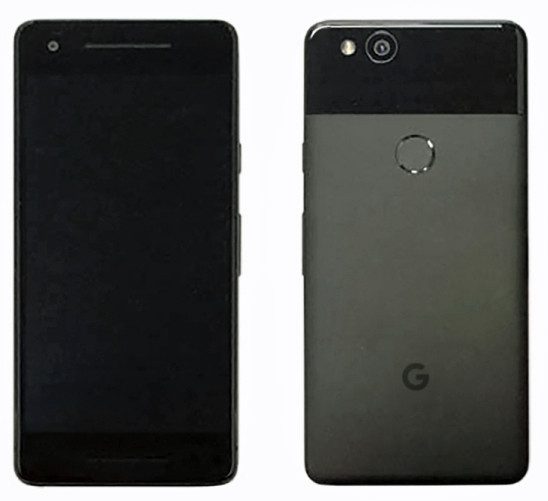
    Google Pixel 2 Leaked Image

    The image shows that the Pixel 2, contrary to the past leaks, will adopt a similar design of its predecessor. The top and bottom bezels on the front side remain just as large as last year’s Pixel. Whereas, its larger sibling, the Pixel XL 2 is reported will have have the top bezel cut-out similar to the iPhone 8.

    Apart from that, both the Pixel 2 and the Pixel XL 2 are expected to feature a 5-inch and a 6-inch curved glass around the flat OLED display. Speculated to have an improved processor and a single-lens, dual-flash rear camera setup, both the devices will most likely be water resistant and are expected to run on Snapdragon 835 chipset and with 4GB RAM and 64GB onboard storage.

    On the design front, the smartphones will have the back panel similar to the Pixel. However, this time the rear has been redesigned to match the Pixel XL’s shorter glass frame that no longer encompasses the fingerprint sensor.

    According to the reports, Google’s Pixel 2 and Pixel XL 2 will be manufactured by LG, whereas, the last year’s Pixel lineup was manufactured by HTC. Despite the change of hands, the upcoming Pixel 2 and Pixel XL 2 will feature HTC’s squeezable frame. And though the reports of Google ditching the 3.5mm headphone jack seem to be in tandem with the current speculation, the recent image also showcase front-facing stereo speakers in both the devices.

  • Samsung Will Continue With Rear-Mounted Fingerprint Sensor on The S9, Note 9 To Feature Screen Embedded Sensor

    Samsung Will Continue With Rear-Mounted Fingerprint Sensor on The S9, Note 9 To Feature Screen Embedded Sensor

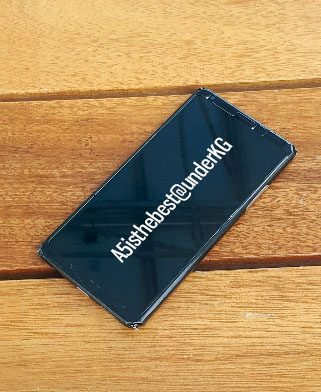
    Samsung Galaxy S8/S8+ launched earlier this year to great reviews for its great display and camera performance. Though the devices were dubbed as the phones to beat in 2017, not all was rosy in the Samsung world. Samsung received a lot of flak for the awkward placement of the rear-mounted fingerprint sensor. And according to KGI, the Galaxy S9 may be no different from its predecessors.

    KGI has reported that the Galaxy S9, which is expected to release next year, will feature the same rear placed fingerprint sensor, while the Galaxy Note 9 will feature a screen embedded fingerprint sensor. The news of Samsung going with a similar fingerprint sensor setup as the S8 may be a little disappointing, but it doesn’t that mean that Samsung can’t change its placement to a little more ergonomic location.

    The news of the Galaxy Note 9 featuring a screen embedded fingerprint sensor is a welcome one for consumers. Reports have suggested that since Apple dropped the technology for its upcoming iPhone 8, Samsung is not willing to risk the nascent technology in its Galaxy S9 either. It will, in fact, launch the Note 9 later in 2018 with the screen embedded fingerprint sensor. Samsung believes that the Galaxy S9 will have enough new features likes an improved iris scanner, dual-cameras etc. to become a hot-seller, come 2018. Hence, it can afford to preserve the screen embedded sensor for its fall release.

    Although the Galaxy Note 9 will be revealed as the first Samsung smartphone to carry screen embedded technology, it is worth noting that the screen embedded sensors will cost 4-5 times more than the previously employed fingerprint sensors. Samsung will also switch from Synaptics to Egis at the time of the Note’s release to supply the company with fingerprint sensors on the Galaxy Note 9.

    Samsung will unveil the Galaxy Note 8 on August 23 and although the Galaxy S9 and Galaxy Note 9 are far from its release, these reports suggest that the 2018 flagships have some interesting features in store for the consumers.

  • Samsung OLED Production Lines For iPhone 8 Ramping Up To Full Capacity

    Samsung OLED Production Lines For iPhone 8 Ramping Up To Full Capacity

    As the launch of the iPhone 8 approaches, a new report suggests that Apple is claiming almost one third of Samsung’s OLED displays for the upcoming iPhone 8’s screens.

    Samsung has reportedly geared up to operate seven of its next-generation OLED production lines at full capacity, all of which are dedicated to Apple and the iPhone 8. By ramping up their scale of production, Samsung Display, a unit of Samsung, is now able to manufacture about 45,000 panels a month for OLED displays, out of which 15,000 of them are allegedly reserved for Apple.

    Samsung Display being the only supplier of the Apple iPhone 8’s OLED screens, the manufacturer, is said to further increase the production from 15,000 panels per month for Apple to 105,000 panels per month. The report says that full-scale production will begin later this month, with output capacity increasing by 700%.

    At this rate and capacity, Samsung Display facilities are expected to yield approximately 130 million 5.8-inch screens per year. However, due to Apple’s specific requests, which involve “high degree of technical difficulty”, the actual production may decrease to 60% (which will amount to about 79 million displays for Apple iPhone 8).

    Subsequently, the current reports of Samsung facing technical challenges during OLED display manufacturer for its future iPhones, seem to validate the rumours of production delays for the next iPhone, potentially leading to a limited iPhone 8 launch.

    Though Samsung is currently reported to be the sole supplier of the OLED displays for the iPhone 8, it might not be the case for long. Apple seems to be already on a hunt for a new OLED display supplier for its future iPhones.

    Recent announcements of Apple investing  $2.7 billion in LG Display to help set up new OLED production lines dedicated for the future iPhones seems a little less than promising for Samsung. Subsequently, LG is also planning to invest $13 billion in OLED production over the next three years in order to continue its dominance in the OLED TV screen market. The company hopes to “make inroads against rival Samsung in smartphone displays.” Irrespective, Samsung is building the world’s largest OLED production plant in hopes of getting future Apple orders.

  • iPhone X May Support 4K Video Recording 60 FPS

    iPhone X May Support 4K Video Recording 60 FPS

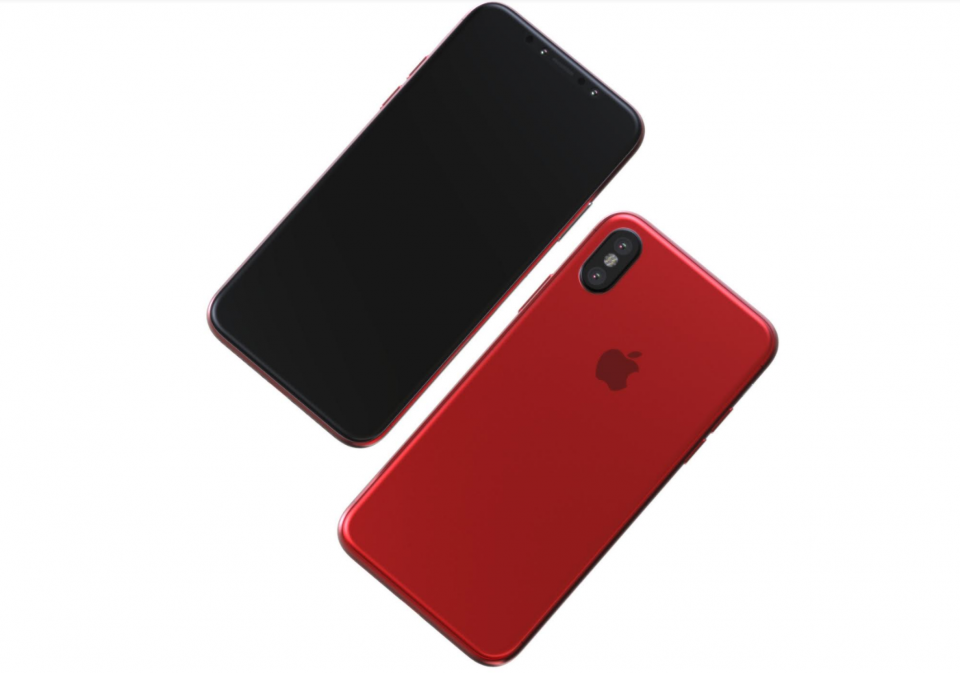
    Rumours surrounding the iPhone 8 refuse to fizzle out as we approach the launch of Apple’s next gen iPhone. A few days ago, Apple’s HomePod firmware was leaked, which seemingly confirmed the front design of the iPhone 8 along with features such as face recognition, virtual home button and AR support.

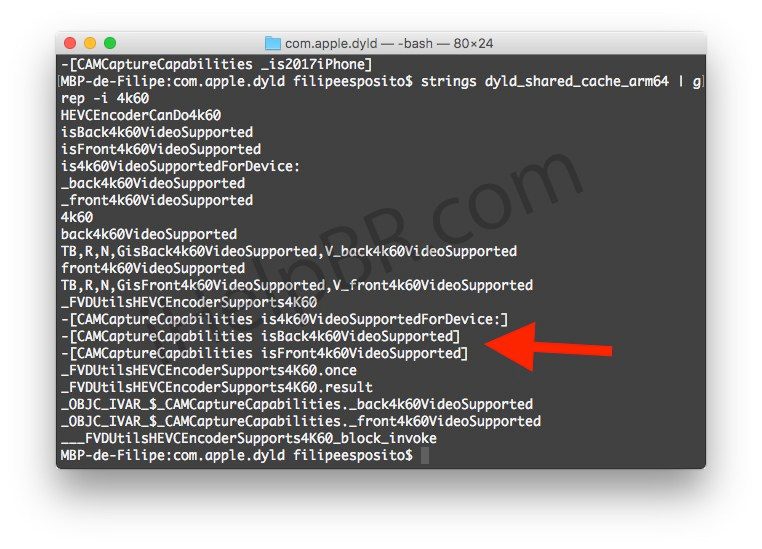
    A Portuguese news site iHelp has unearthed that the iPhone 8 will record 3840 x 2160 px 4K videos at 60 FPS with both the rear and front camera. The code, visible in the screenshot mentions a device that supports 4K video at 60 FPS. Interestingly, there’s also a mention of “front4k60” and “back4k60”, suggesting that the iPhone 8 will indeed feature the high-resolution video recording with both the cameras.

    Currently, the iPhone 7 and 7 Plus support 4K video recording at 30 FPS with the rear camera while the front camera caps out at 1080P at 30 FPS. The introduction of 4K videos at 60 FPS puts the impetus on the rumours of the next iPhone will have augmented reality capabilities. The jump to 60 FPS will increase depth recognition of the rear camera resulting in better AR experience.

    The Apple HomePod firmware also suggests that the 4K video from the front and rear cameras will support Apple’s new HVEC file type, which reduces the file size by a significant amount. This makes sense because 4K videos generally have large file sizes and HVEC can reduce the size by almost 50 per cent resulting in better storage management. More study of the firmware suggests features like tap to wake, a new “smartcam” mode and support for FaceID.

    From what we’ve gathered so far, the iPhone 8 may have the following key specifications-

    • Launch- September
    • Price- $1,200 (Rs. 77,000 approx.)
    • Display- 5.8-inch OLED display
    • Chipset- A11 chip
    • OS- iOS 11
    • RAM- 3GB
    • Storage- 128GB/256GB
    • Camera- Vertically-placed dual camera setup
    • Video Recording- 3840 x 2160 px 4K video at 60 FPS with front and rear camera
    • Face recognition for unlocking the iPhone 8, called  the ‘FaceID’
    • TouchID- integrated in the lock button

    These rumours are more reliable than others since they stem out of an actual Apple firmware leak, but nothing is set in stone until Apple unveils the new iPhone 8 come September.

  • Apple May Launch An LTE – Enabled Apple Watch

    Apple May Launch An LTE – Enabled Apple Watch

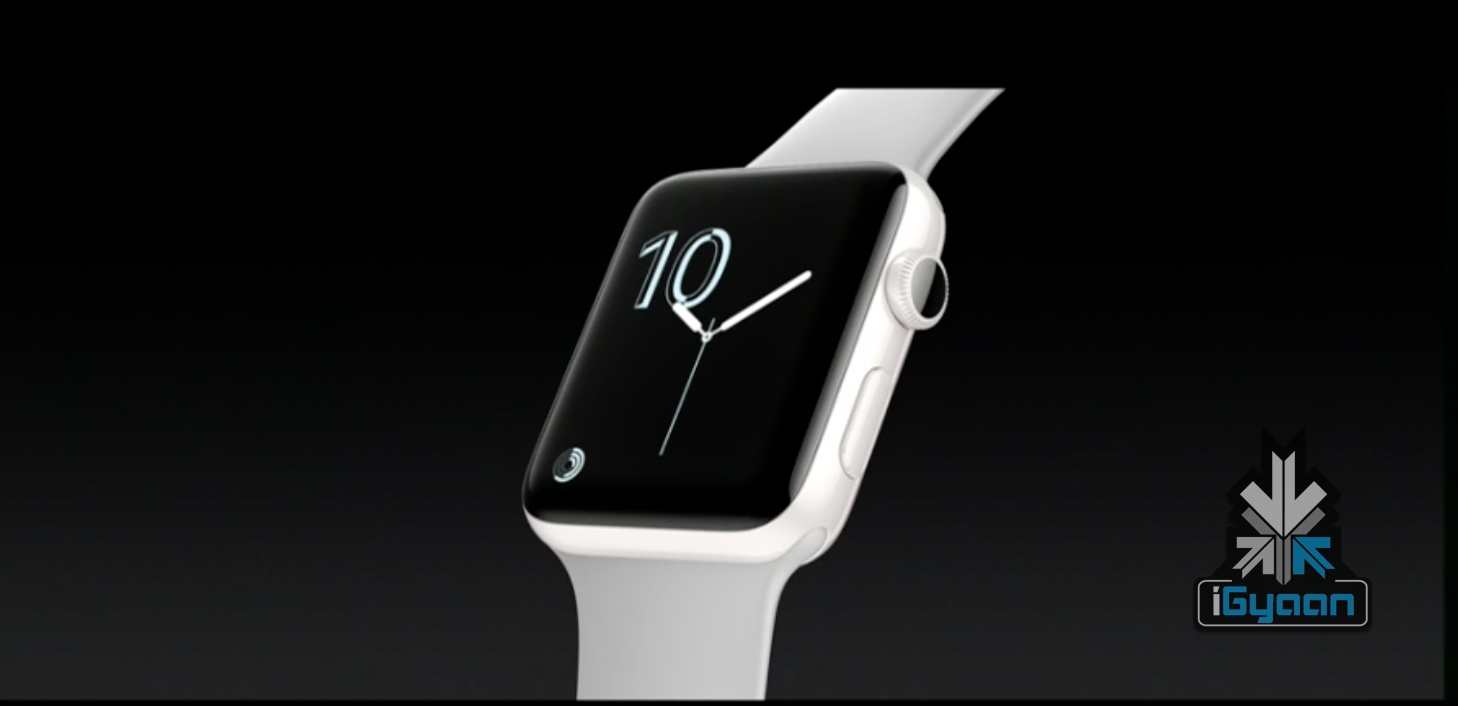
    Apple Inc. is planning to launch a cellular network compatible Apple Watch to reduce the wearable device’s reliance on the iPhone. The Apple Watch currently needs to be connected to an iPhone to do most of its tasks, such as receive notifications, stream music, send messages on the go, etc.

    This move is designed to make the smartwatch a stand alone replacement for your iPhone. The LTE-enabled smartwatch is touted to do a lot more work than the current Apple Watch (when it’s not wirelessly connected to the phone). For example, a user can send text messages, check notifications, download songs or use the maps, even if they’ve left their phone at home. The smartwatch, however, will not replace the current version of the Apple Watch, and instead go on sale as an LTE version of the same watch, much like the iPads have over the years.

    Intel will be the LTE chip supplier for the new smartwatch. Qualcomm has long been the chip supplier for Apple mobile devices, but since the companies are embroiled in a legal dispute, Apple has chosen Intel for the task at hand. Intel also supplied chips for some of the iPhones last year. Apple is already in talks with network carriers in the US and Europe, such AT&T, T-Mobile etc for the next gen Apple Watch.

    The move to make the Apple Watch a standalone device may boost its sales and make it a more viable option for Android users as well. As it will be able to do most of the tasks of a cell phone without being connected to one. Tim Cook, CEO of Apple Inc has conceded that the smartwatch is a very small part of Apple’s revenue but is still the most popular smartwatch in the world right now. Apple’s decision to add a GPS chip to the Apple Watch Series 2 was to enable consumers to leave their phones at home while going for a run.

    Apple had planned to release an LTE enabled smartwatch last year but pushed the release due to battery draining issues. With watchOS 4 releasing this fall, and new improvements in Siri, along with new features such as payments via iMessage, and the ability to interact with gym equipment , The Apple Watch will attract some serious buyers.

    Apple is all set the release the next iPhones in the coming month, and there is a large possibility that the next Apple Watch will be introduced alongside the next iPhones.

  • Xiaomi Mi 360 Wireless Security Camera

    Xiaomi Mi 360 Wireless Security Camera

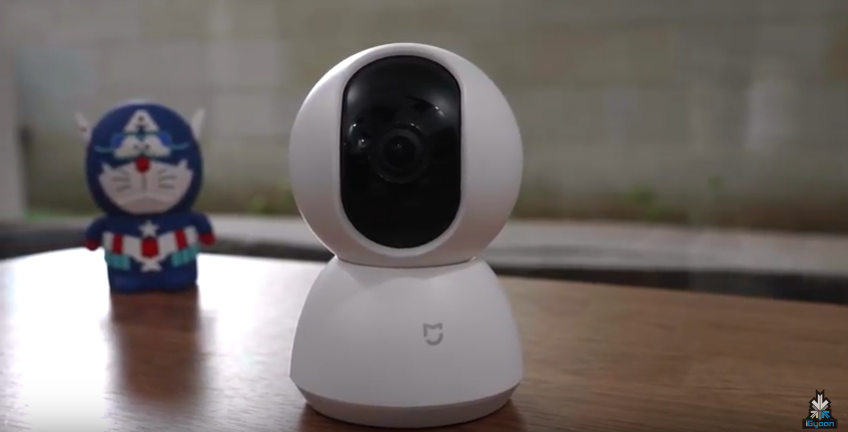
    Xiaomi has a lot of cool tech to showcase in its smart products lineup. The Xiaomi Mi 360 Wireless Camera is another top offering from the Chinese manufacturer at an affordable price. This security camera looks after your house/office while you take a much-deserved nap.

    The Mi Wireless Camera is available in two variants, one that captures footage in 720P and one in 1080P. Priced at USD 37 and USD 78 respectively, the device has everything you need in a security camera. To set it up, you need to download mi home app on your smartphone and scan the QR code to connect. Once connected, it will start streaming will start to stream footage directly to the app on your smartphone. As the camera is tied to your mi account you can securely view live video from anywhere in the world provided the camera is connected to Wi-Fi

    The size of the camera is compact and it is lightweight. You can mount the camera on a wall or place it anywhere in your home or office. At USD 37 and USD 78, it is an extremely competitive alternative to a lot of expensive pan-and-tilt security cameras. Speaking of pan-and-tilt, the Mi Wireless Camera has a 360 pan along auto-follow mode which is enabled because of motion sensors.

    The Mi 360 Wireless Camera ships worldwide for free and the customs may vary from area to area if you plan on buying one.

    Key Specifications-

    • Brand- Xiaomi
    • Network-Protocol: DHCP,HTTP,P2P,UDP
      Wireless: WiFi 802.11 b/g/n
      WiFi Distance : 100m ( indoor )
    • Mobile Access- Android,IOS
    • Pan/Tilt-Horizontal Angle- 360 degree
    • Pan/Tilt-Vertical Angle- 115 degree
    • Video Resolution- 1080 x 720 px at 15fps
      1920 x 1080 px at 15fps
    • Night Vision- Infrared LED: 10pcs 940nm LEDs
      Infrared Distance: 9m
    • Audio- Input: Built-in mic.
      Output: Built-in speaker

    [embedyt] https://www.youtube.com/watch?v=uXXCq84AoZc[/embedyt]

    Click here to buy

  • “Smart Stickers” Which Will Detect And Prevent Sexual Assault

    “Smart Stickers” Which Will Detect And Prevent Sexual Assault

    Manisha Mohan, an Indian grad student and researcher at the MIT, invented “Intrepid” –  an electronic sticker that can detect forcible grabbing. The smart clothing detects “forcible touch” and sends a distress signal to your network of friends and family via message or a phone call.

    The Intrepid can be attached to any piece of clothing and connected to user’s phone via Bluetooth. If the piece of clothing attached to the device is taken off forcibly, the device waits for 30 seconds after which a “loud alert” goes off for 20 seconds. If there is still no response from the wearer, an SOS is sent to the listed emergency contacts. With the help of an accompanying app, Intrepid can also record encounters in the case of no timely response from the wearer. These recordings can be further used in the court in the case of legal proceedings.

    [embedyt] https://www.youtube.com/watch?v=RgU_evcSPrs[/embedyt]

    The “Smart Stickers” operate in two modes – active and passive. Manisha explains that, “An active mode [for] for instances when the victim is unconscious or cannot fight against the assaulter, for example in the case of infants, bed-ridden patients, elderly, disabled, intoxicated people and the passive mode where the victim can self-actuate the safety mechanism.”

    The Intrepid uses methods like olfactory stimuli (sense of smell) to detect initial signs of assault. It differentiates between the effect of smells on sexual arousal and partner selection with the effect of smells on forced touch or disrobing.

    Sexual abuse, assault, and harassment are regarded as some of the most common human rights violations in the world. As per the data release by the NCRB and Delhi Police, cases of sexual assault across the country remain high, with India’s “rape capital” Delhi registering six cases of rape on an average every day. The reports paint a pretty bleak picture in regard to ensuring safety against sexual assault.

    With crimes against women on the rise, and women being left with no choice but to stay indoors after dark, a device like Intrepid can not only help by improving the response time in cases of sexual assault but more importantly, it can make women feel safer when stepping out on the streets.

    The proposed solution, as Manisha states, can help combat rape, assault, harassment, child sexual abuse, abuse of elderly and disabled and might offer some peace of mind.

  • Vector’s Micro Rocket Took Off Successfully For The Second Time

    Vector’s Micro Rocket Took Off Successfully For The Second Time

    Vector Space Systems, a private spaceflight startup, was founded in 2016 by Jim Cantrell. (Interestingly, Jim is also one of the founding members of Elon Musk’s venture -SpaceX.)

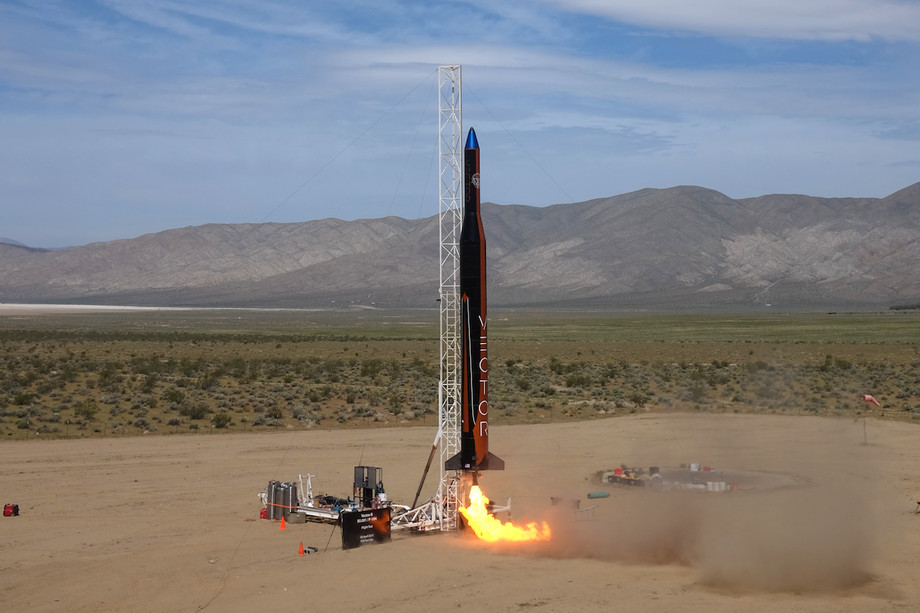
    Vector Space Systems (VSS)  is a micro satellite company based out of Tuscan, Arizona, and in contrast to SpaceX’s huge probes, it focuses on small satellites, weighing a few dozen pounds. The company had received over $1 million to work on its first vehicle called the “Vector – R”, which took off for its first test flight on 3rd May 2017.

    Following the successful flight test of the Vector – R, Jim Cantrell commented, “We always wanted to build micro-rockets” and “We were more attracted to the smaller stuff.”

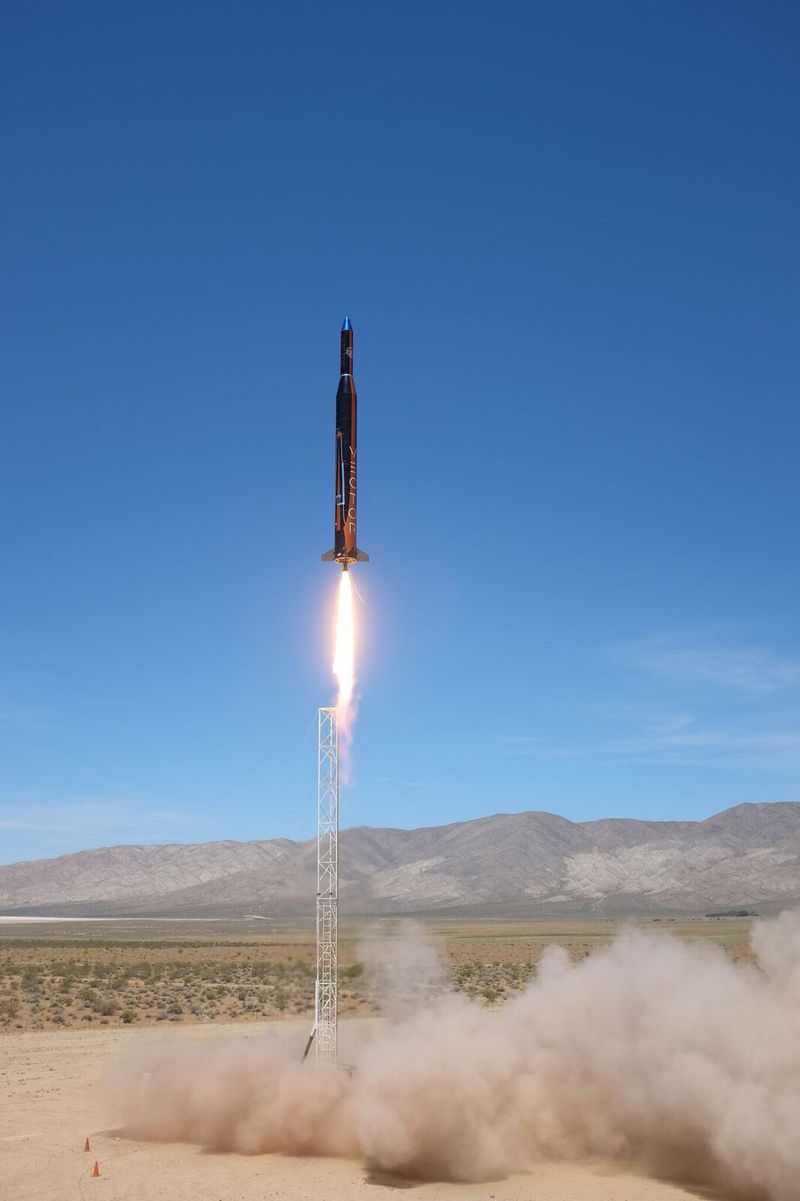
    The first sub-orbital launch of the Vector-R on 3rd May 2017

    Instead of taking the conventional route of building and assembling multiple parts, the company switched to using 3D-printing technology to build everything in one piece for the Vector-R. Employing the 3D-printing technology helped minimize costs and made the assembling of the parts easier.

    After Vector-R’s first successful flight test, the company successfully pulled off the second test flight launch of the 40-foot-tall vehicle from a spaceport in Georgia. It was the second flight of the Vector-R, a full-scale prototype of the company’s micro rockets.

    Designed to launch small payloads weighing up to 145 pounds into lower Earth orbit, Vector-R is one of two rockets the company hopes to start launching on a regular basis. The other vehicle, Vector-H, is still under development and is expected to be slightly larger than Vector-R. Once ready, Vector-H will be able carry payloads weighing over 350 pounds into orbit.

    VSS plans to launch both the rockets “hundreds of times a year” once the initial testing phase concludes successfully. This would help in getting small probes into space a lot faster than the typical bulky vehicles.

    Jim Cantrell, CEO and co-founder of Vector, said, “We’re not going to be the guys developing new rockets,” and “We hope to get these two vehicles running and milk the hell out of them… We’re going to be building the same thing over and over — like the McDonald’s of rocket business.”

    On the financial front, Vector recently raised $21 million, which amounts to more than $30 million in overall funding. The company has also managed to strike a chord with a few major players in the aerospace industry. Today’s launch was fully funded by Vector’s customers and carried test payloads from NASA’s Ames Research Center, the Center for Applied Space Technology, and Astro Digital (it specializes in small imaging satellites).

    Today’s test launch was the first rocket flight ever out of Camden Spaceport, located near the coast of Georgia. Though the vehicle didn’t reach Earth’s orbit, these test flights will help mark the beginning of launching tiny satellites to into space.

iGyaan Network
Privacy Overview

This website uses cookies so that we can provide you with the best user experience possible. Cookie information is stored in your browser and performs functions such as recognising you when you return to our website and helping our team to understand which sections of the website you find most interesting and useful.