Blog

  • Lenovo To Ship The K8 Note With Stock Android

    Lenovo To Ship The K8 Note With Stock Android

    Lenovo is gearing up for the launch of the K8 Note on August 9. The successor to the K6 Note will now run on stock Android as per Lenovo’s announcement. In addition to that, Lenovo will drop their custom skin Vibe Pure UI entirely and all future devices will feature stock Android OS. Lenovo has struggled to hit the ground running with its Vibe Pure UI in the past because of the inhibitions of a custom skin.

    Lenovo’s decision to move from Vibe Pure UI to stock Android OS is an attempt to remove bloatware and also push software updates quicker. The removal of bloatware is a welcome news for customers as nobody likes to have the pre-installed applications with no use than just takes up useful space on your device. Much like the Motorola devices, Lenovo phones will feature a few customisations such as Dolby Atmos and the TheaterMax.

    Lenovo has also stated that running stock Android will mean that the K8 Note users will receive the Android O update, although the timeline will vary as per chip manufacturer support, internal development and testing requirements. The introduction of pure Android OS means that the K8 Note and the subsequent Lenovo phones will also feature Google Assistant.

    The Lenovo K8 Note is rumoured to run on the MediaTek Helio X20 chipset with 4GB RAM and 32GB onboard storage. Along with the confirmed stock Android 7.1.1, the phone will feature a 5.5-inch display. The new device will be K6 Note’s India-exclusive successor and the rumoured specs surely back that up. It is also reported that the K8 Note will be manufactured at Lenovo’s Chennai-based plant.

    It’ll be interesting to see the bearing of stock Android OS on the K8 Note, which Lenovo claims will kill the ‘ordinary speed.’

  • Samsung Launches Leader 8, Flagship Flip Smart Phone

    Samsung Launches Leader 8, Flagship Flip Smart Phone

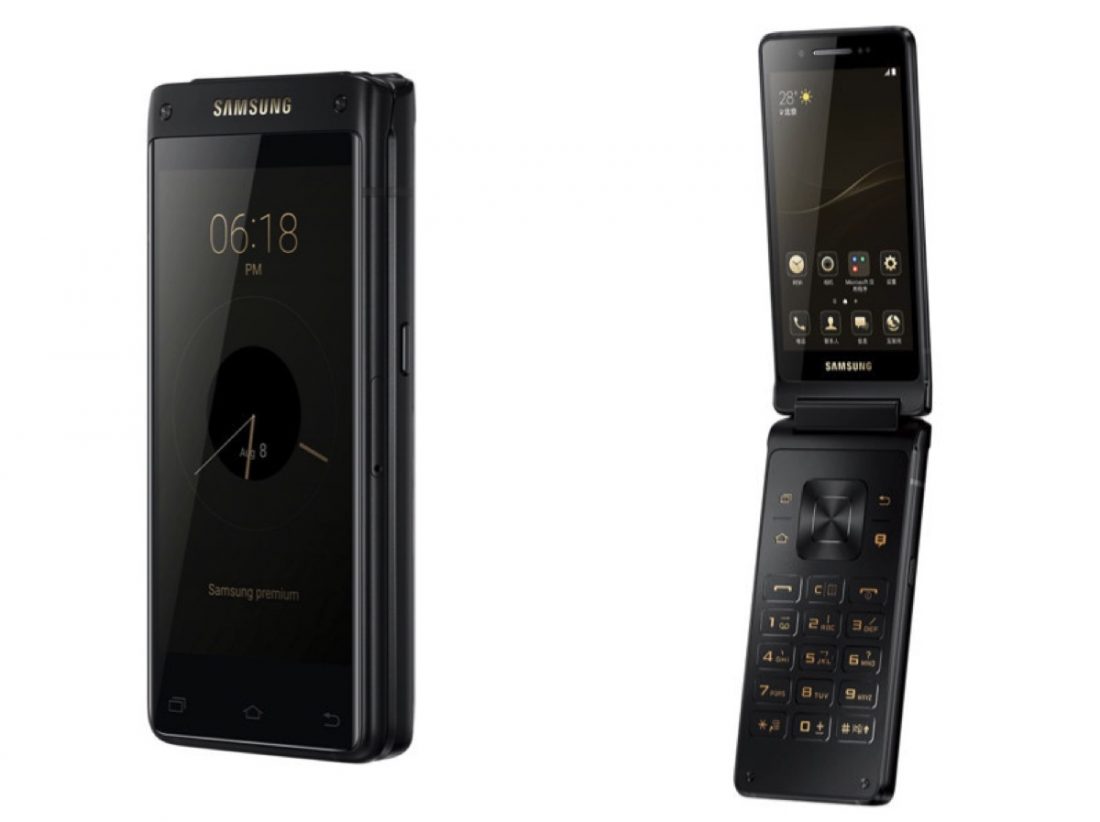
    In order to continue being the flag-bearer of flip smartphones, Samsung has announced the new Leader 8 in the Chinese market. The new device will succeed last year’s SM-W2017 as the Samsung flagship flip phone for 2017. The Leader 8 was announced on Samsung’s website along with all the specifications.

    4.2″ Super AMOLED Internal and External Panels


    The flip smartphone, codenamed SM-G9298 packs two 4.2-inch Super AMOLED display panels with a 1920 x 1080 px resolution, one on the outside of the device and one inside. The Leader 8 runs on the Qualcomm Snapdragon 821 chipset along with 4GB RAM and 64GB of onboard storage, expandable up to 256GB. Samsung has decided to go with a Qualcomm Snapdragon chipset this time around unlike last year’s Exynos Chipset in the SM-W2017. The Leader 8 has a 2,300mAH battery with wireless charging capabilities. Among other features, Samsung has also packed in Samsung Pay, a digital wallet for mobile payment.

    12MP Rear-Facing Camera, Fingerprint Sensor and Heart-rate Sensor

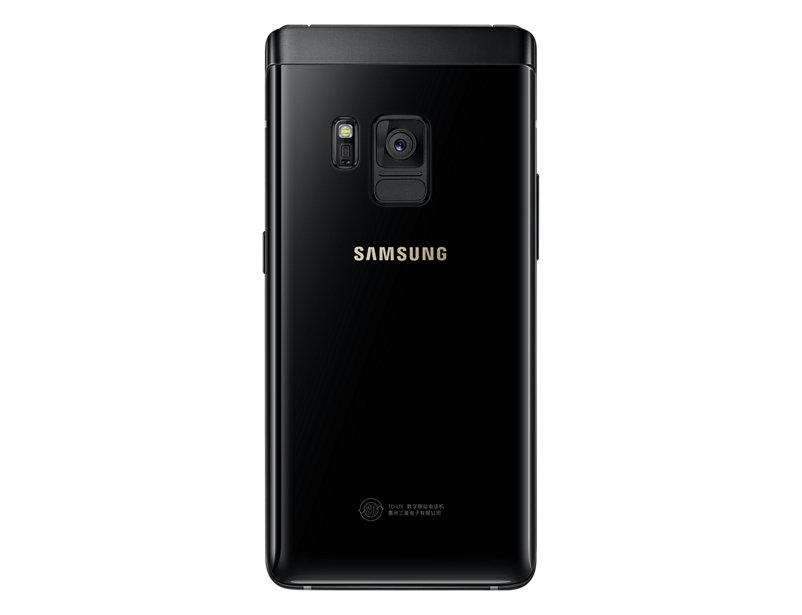
    On the camera front, it houses a 12 MP rear-facing camera with an f/1.7 aperture for better low-light performance and a 5 MP front-facing camera with an f/1.9 aperture. The rear facing camera records 3840 x 2160 px video at 30fps and supports autofocus. There is no mention of OIS (Optical Image Stabilisation) in Samsung’s announcement post. The fingerprint sensor sits just below the rear camera along with Samsung’s standard heart rate sensor.

    A flip smartphone in the era of bezel-less sleek phones is a different move from Samsung, but it has identified an audience for new-age flip phones. The specifications of the Leader 8 will hold up against many smartphones of 2017. Details of pricing and the availability of the phone have not been shared by Samsung yet. This puts a question mark on whether this device will be made available for international markets.

  • Human Embryos Edited For The First Time In The US-Using CRISPR

    Human Embryos Edited For The First Time In The US-Using CRISPR

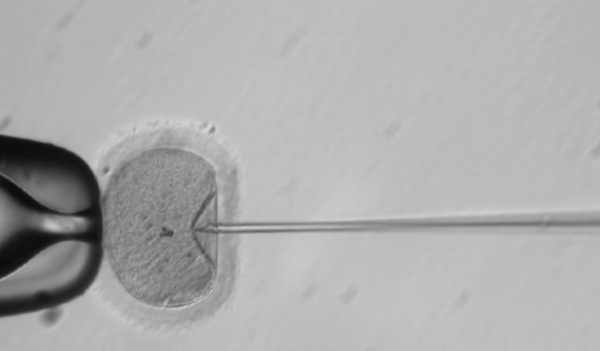
    A new era of genetically modified humans may arrive sooner than we expected. Recent reports show that researchers in the US have been successful in their first attempt at creating genetically modified human embryos. This research was carried out by a team in Portland, Oregon. Scientists used a gene altering tool called CRISPR to edit the DNA of viable human embryos.

    Source – MIT Technology Review

    The yet to be published research was led by Shoukhrat Mitalipov of Oregon Health and Science University. According to reports, the research included fertilising donated human eggs with sperm carrying inherited diseases. The team used CRISPR to correct the disease-related mutations and allowed the embryos to develop for a few days. The reports state that a series of tests resulted in embryos accepting the desired genetic changes in the majority of their cells with minor errors.

    This is not the first time human embryos have been edited. China has also experimented on altering the human embryos using CRISPR.

    Considering the NIH’s (National Institutes of Health) ban on using gene-editing technologies in human embryos, this research of editing viable human embryos can be termed controversial. However, in February, a committee created by the National Academy of Sciences and the National Academy of Medicine encouraged the use of genetic altering of human embryos in case of  no “reasonable alternative” available.

    The ability to edit human DNA can allow scientists to correct defective genes causing inherited diseases. It is also a big leap in the medical sector as the research may prevent incurable diseases or disabilities in new born babies.

    Despite being a revolutionary breakthrough, this research may raise concerns regarding genetically modified humans. And though the DNA editing tool – CRISPR is extremely precise, it still has a long way to go. Few fear that the tool may pose danger of minor errors leading to permanent problems. Also, many skeptics question the power of making genetic tweaks in a human due to ethical reasons.

    CRISPR engineered humans may still be a far fetched dream, as according to the research, the embryos were developed for a few days and were not implanted. Without implantation, embryos cannot develop into babies. This raised questions about the “ground breaking” research. Many believe that the real breakthrough will be when the scientists will actually be able to develop a genetically modified human being.

    Regardless, the research shows how far gene editing has come. It may not be long before the concept of customised designer babies becomes more than just a theory.

  • LG Confirms Switch To OLED Display For The Upcoming V30

    LG Confirms Switch To OLED Display For The Upcoming V30

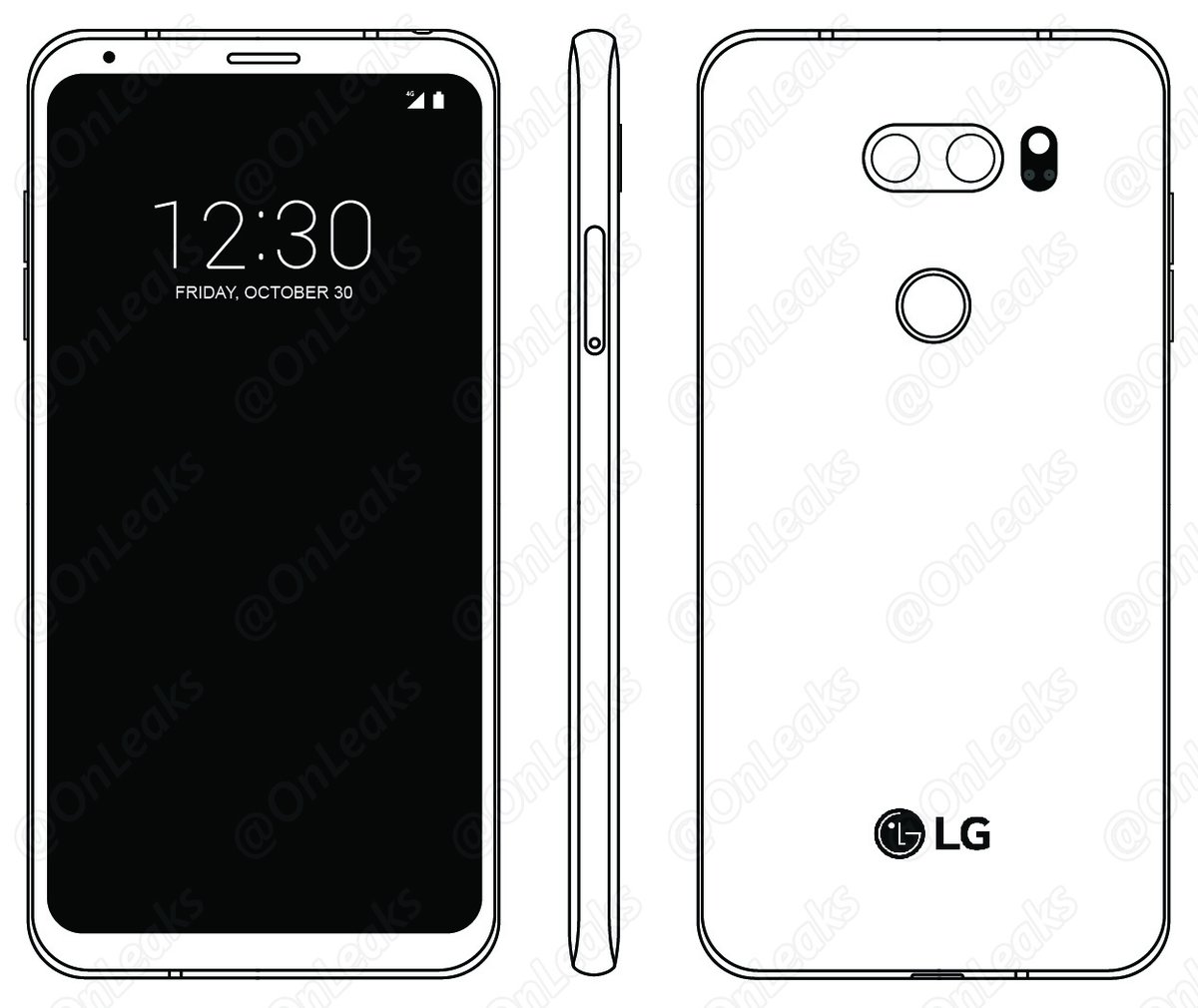
    LG has announced that its next flagship device will be the ‘first smartphone from LG to sport a plastic OLED FullVision display.’ The LG V30 was widely reported to feature an OLED display and this announcement confirms those rumours. LG has specified that it’ll be a FullVision display much like the one on the G6. It’s worth noting that LG will feature POLED technology on a smartphone for the first time since the G Flex 2, which was launched a couple of years ago.

    The upcoming smartphone will be smaller than last year’s V20 despite sporting a larger 6-inch display. LG claims to have reduced the top and bottom bezels by 20 per cent and 50 per cent respectively while the LG logo is moved to the back of the device. The Plastic OLED screen on the device means that the edges can be curved for a more ergonomic fit in the user’s hand. Although from the image released, it doesn’t seem like LG has taken Samsung’s route of fully curved edges. A Corning Gorilla Glass 5, which incorporates shatter-resistance technology will protect the screen.

    LG V30 render leaks

    The screen resolution will be 1440 x 2880, which translates to a QHD+ display and enhance the device’s VR capabilities. The advantage of an OLED display is the operational response time, which is a lot faster than LCD. This accelerated response time effectively eliminates afterimages, an important consideration for action movies and VR.

    Along with a POLED display, the LG V30 is rumoured to run on the Qualcomm Snapdragon 835 Chipset with 4GB RAM and 64GB onboard storage. The device will be powered by a 3,300mAh battery with support for wireless charging. On the camera front, it will take the G6’s route and sport a 13MP dual-camera setup along with a fingerprint sensor at the back.

    The LG V30 is expected to launch at the IFA 2017 in Berlin on August 31. Rumoured to be priced at around USD 700 (approximately INR 45000), it will compete with the soon-to-be-announced Samsung Galaxy Note 8.

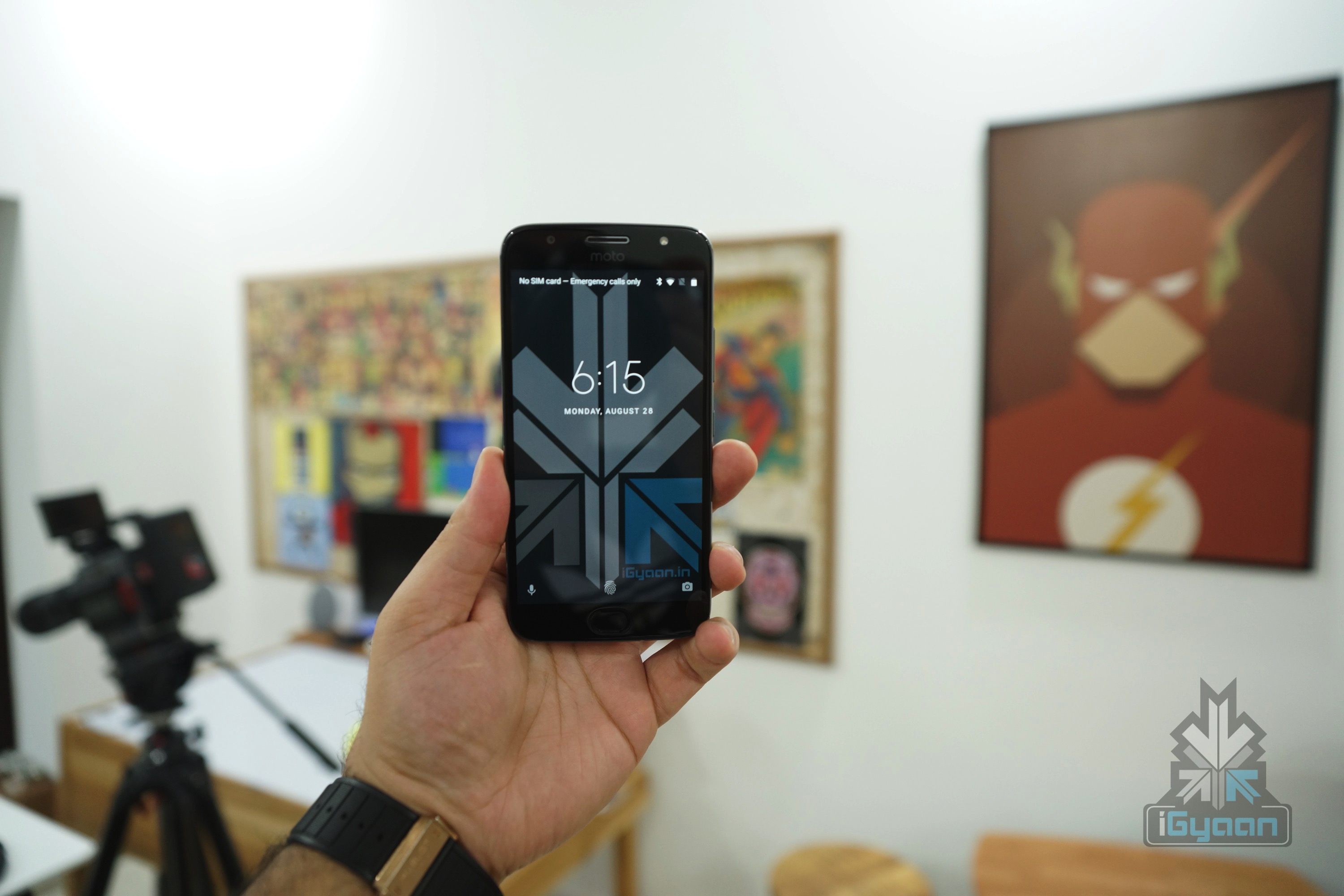
  • From the Moto G5 Plus to The Moto G5S Plus – What Has Changed?

    From the Moto G5 Plus to The Moto G5S Plus – What Has Changed?

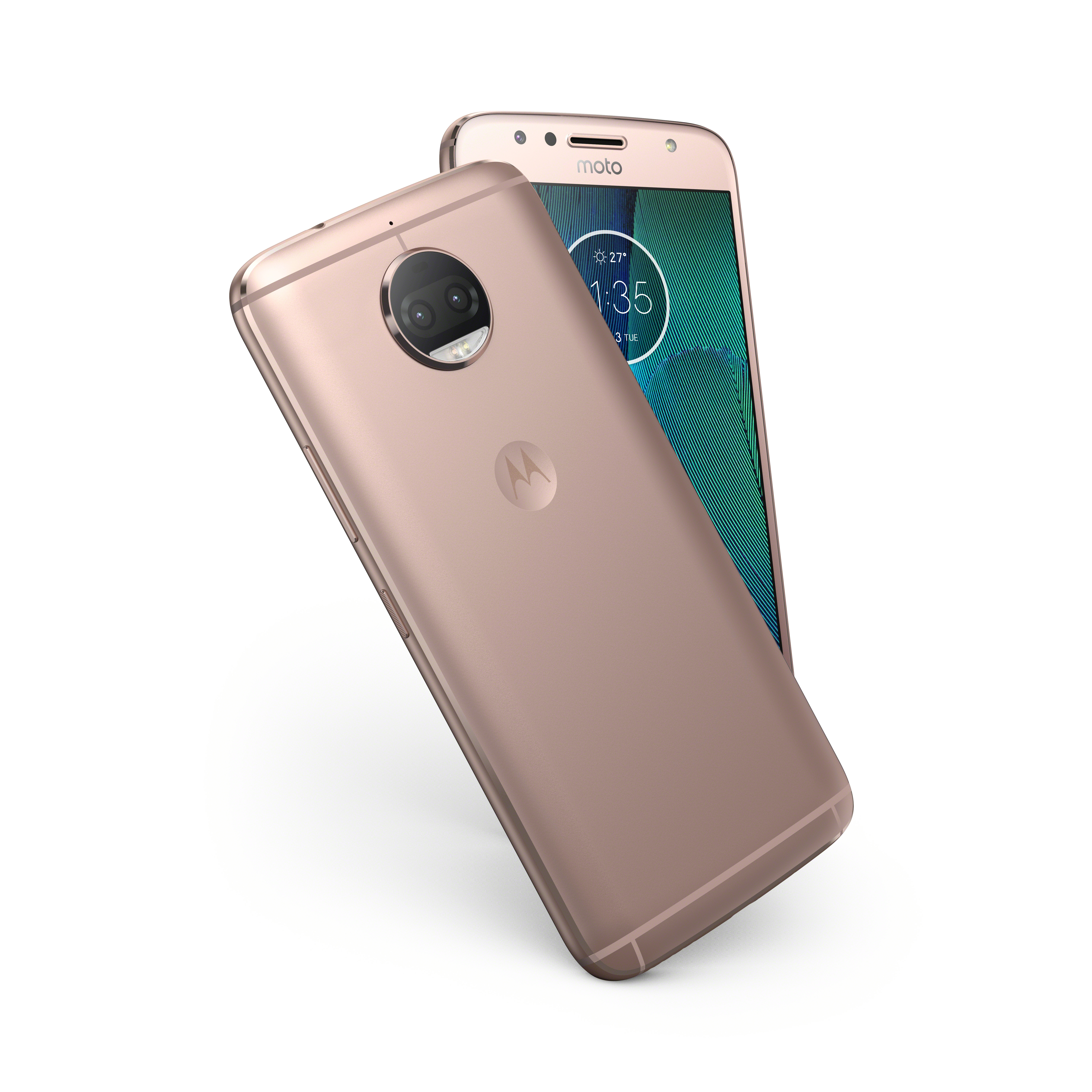
    Lenovo-owned Motorola just announced the Moto G5S Plus, successor to its popular mid-ranger the Moto G5 plus. Priced at Rs 15,999, the Moto G5S Plus is at par with the Moto G5 Plus which is priced at Rs 14,999.

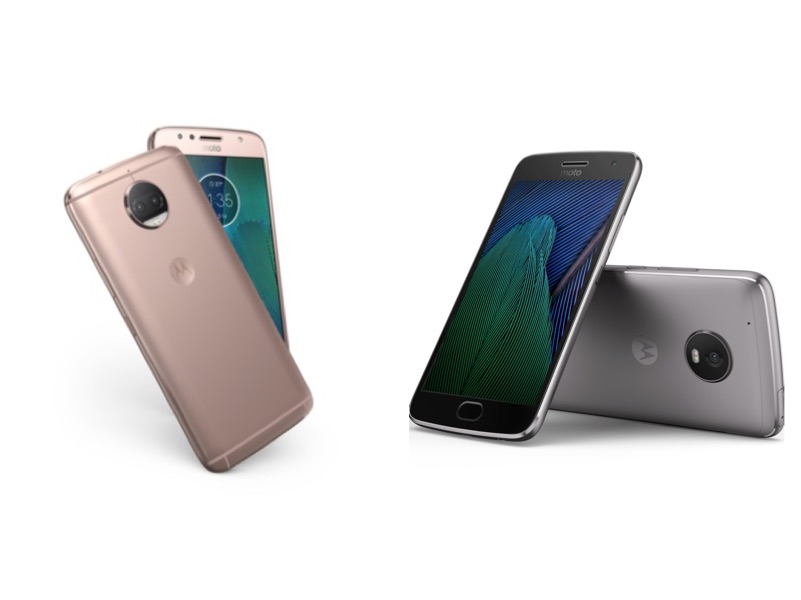
    The Moto G5 plus, like its predecessor the Moto G4 Plus has superior camera performance especially considering its price point. Add to that, an all metal design and fast user experience thanks to Motorola’s stock-ish take on Android 7.0 made the Moto G5 Plus a success.

    Moto G5 Plus

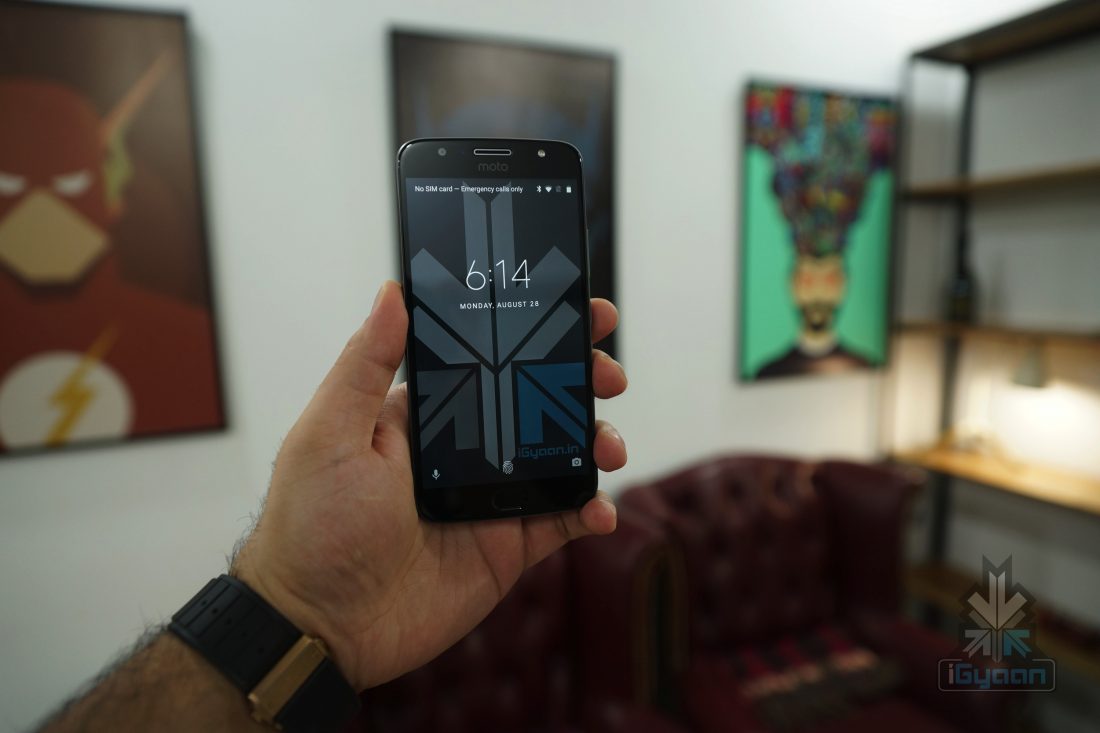
    Motorola has decided not tinker with the design of the G5S Plus and it is reminiscent of the G5 Plus with the addition of antenna lines on the top and bottom of the back. The G5S Plus gets the same 1920 x 1080 px display but a bumped up display size of 5.5-inch. The fingerprint sensor sits below the display and can double up as a single-navigation button as well and the screen is protected by Corning Gorilla Glass 3. The highlight of the new device is the 13MP dual-camera setup with an f/2.0 aperture. The dual camera captures Bokeh, and selective focus shots, along with other capabilities of background replacement and exposure management.

    The G5 Plus became the phone to beat in its price segment because of superior camera performance when it was launched earlier this year and the G5S Plus will enter the market with high expectations. How does theG5S Plus stack up against the G5 Plus? Let’s find out.

     Specifications Moto G5 Plus Moto G5S plus
    Price Starting at Rs 14,999 Rs 15,999
    Display 5.2-inch IPS LCD 5.5-inch IPS LCD
    Weight 155 g 168 g
    Screen Resolution 920×1080 px 1920×1080 px
     PPI (Pixels Per Inch) 424ppi 401ppi
     Display Protection Corning Gorilla Glass 3 Corning Gorilla Glass 3
     Battery 3,000mAh 3,000mAh
     Operating System Android Nougat 7.0 Android Nougat 7.1
     Storage 16GB/32GB 32GB
     Expandability  microSD card up to 256GB microSD card up to 128 GB
     Chipset Qualcomm Snapdragon 625 Qualcomm Snapdragon 625
     RAM 3Gb 3GB
     CPU  Octa-core 2.0 GHz Cortex-A53 Octa-core 2.0 GHz Cortex-A53
     GPU Adreno 506 Adreno 506
     Primary Camera 2MP with f/1.7 13MP dual-camera with f/2.0
    Primary Camera features Good performance under low-light conditions. Bokeh, Selective focus, exposure management.
     Secondary Camera 5MP with f/2.2 8MP wide angle lens with f/2.0
     Primary Camera Video Recording 4K (3840 x 2160) at 30fps 4K (3840 x 2160) at 30fps
     Secondary Camera Video Recording 1920×1080 at 30fps 1920×1080 at 30fps

    The Moto G5S Plus will enter the budget smartphone segment which already has big players like Xiaomi and Huawei’s sub-brand, Honor. Motorola’s focus on the camera performance suggests that it has identified a  certain section that rates camera performance highly and on a budget, and the new G5S Plus’ camera performance may just decide its fate in the highly competitive price-segment.

    The spec-bump other than the camera is nothing to ride home about. Although the Moto G5S Plus will feature a dual-camera setup, the aperture is now f/2.2 which may effect low-light image quality. How the Moto G5S Plus performs in the real world is yet to be seen and a camera comparison with the G5 Plus will be an interesting one. Stay tuned on iGyaan for more updates.

  • Honor Note 9 Specifications Leaked

    Honor Note 9 Specifications Leaked

    Honor, the sub-brand of Huawei has recently launched the Honor 9 in China and is expected to hit other markets like India soon. Amidst that, leaks of the Honor Note 9 has surfaced. The successor to the Honor Note 8 is expected to go on sale in September.

    The Honor Note 9 will house a massive 4,600 mAh battery, which is an upgrade, albeit a small one over the Honor Note 8’s 4,500mAh battery. As far as the chipset is concerned, it is expected to run on HiSilicon Kirin 965 along with 6GB of RAM and 64GB onboard storage. The device will sport a 12MP dual-camera setup at the back, just like many other flagships of 2017. Whether it will be a telephoto lens setup like the one on the iPhone 7 Plus or a monochrome lens setup like the Honor 8 Pro is still not clear.

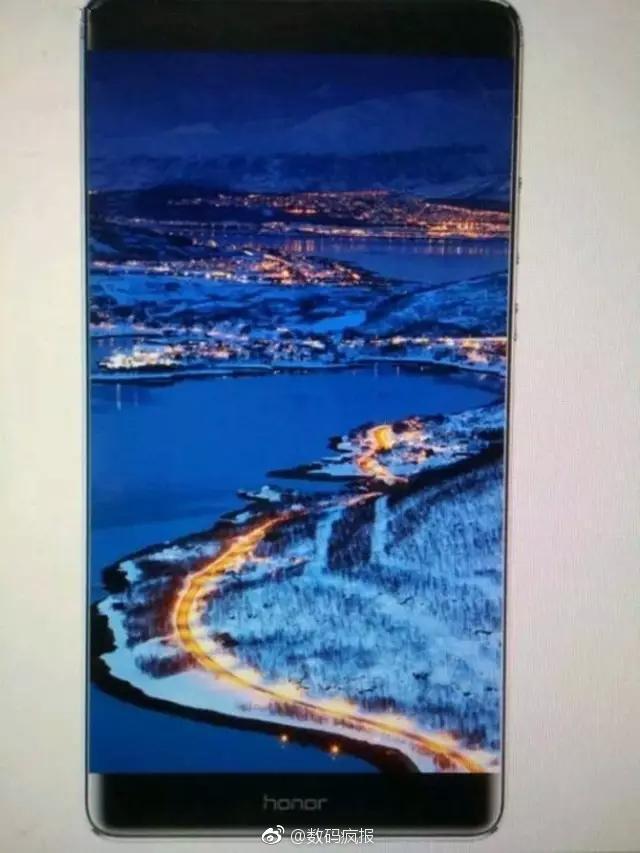
    Honor Note 9 Leaked Image

    The image shows that the Honor Note 9 will be a massive device with an edge-to-edge display. The top and bottom of the front of the phone do possess a considerable bezel compared to other flagships of 2017 like the LG G6 and the Samsung Galaxy S8/S8+.

    The Honor Note series is a budget offering of large display phones with excellent battery life, something that even flagships of 2017 have lacked. The Honor Note 8 launched at a price of 2799 Yuan (approximately Rs 28,144) for its 128GB onboard storage variant. The Honor Note 9 is expected to follow suit in terms of budget pricing.

    Rumoured Key Specifications of the Honor Note 9 are-

    • cameExpected Launch- September 2017
    • Battery- 4,600mAh
    • Chipset- HiSilicon Kirin 965
    • Edge-to-edge display
    • 12MP dual camera setup

    The Honor Note 8 launched with a 6.6-inch Super AMOLED display and a 4,500mAh battery. It runs on the Kirin 955 chipset and a 2.5GHz octa-core processor. It also houses the Mali-T880GPU and 4GB of RAM along with 32GB/64GB/128GB onboard storage. The Honor Note 8 was a budget phablet and the Honor Note 9, expected to launch in September of this year will take Honor’s Note series forward with high-end specifications at a mid-range price tag.

  • Google Pixel 2 And Pixel 2 XL Image Revealed

    Google Pixel 2 And Pixel 2 XL Image Revealed

    Google’s first Android smartphone – Pixel was launched on 20 October, 2016. Confirming the rumors, Osterloh announced last year that Pixel will pave way for its successors, the Pixel 2 and the Pixel 2 XL. He said, “There is an annual rhythm in the industry. So, you can count on us to follow it. You can (also) count on a successor this year, even if you don’t hear a date from me now”.

    Google is expected to launch the two Pixel successors later this year – Google Pixel 2 and Pixel 2 XL. Though no release dates have been announced yet, the rumors offer a hint at what Google has in store for us.

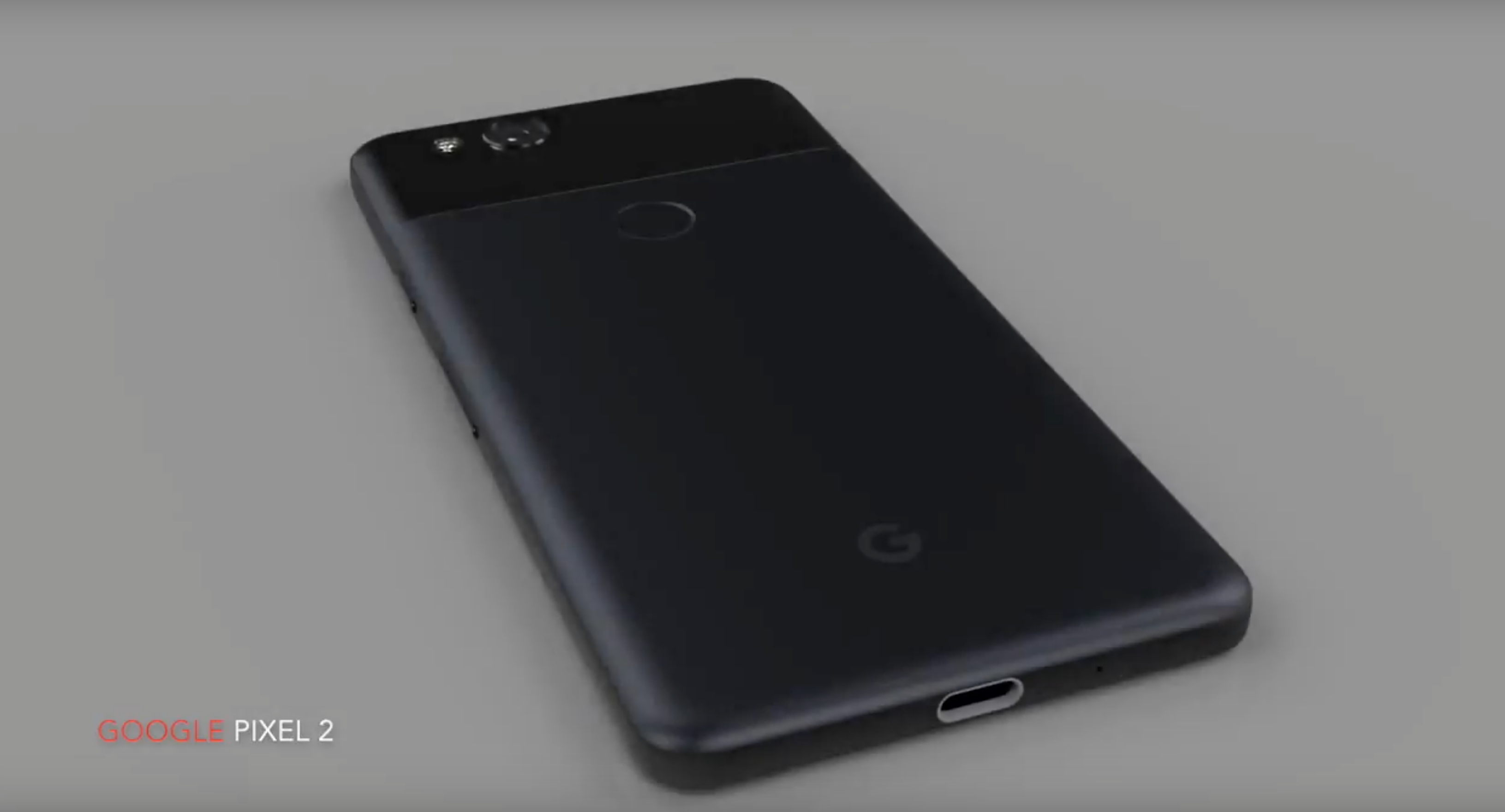
    Recent render leaks from one of the case makers show that the upcoming Pixel successors will be getting the best of both the worlds. The renders of the Pixel 2 and Pixel 2 XL  show that the devices will reportedly employ polarizing curved edges of the Galaxy Note 8 and top bezel cut-out of the iPhone 8.

    Furthermore, Olixar has made the Pixel 2 and Pixel 2 XL cases available for pre-orders with prices starting from $5.99 for the basic FlexiShield range in UK and US.


    Though the details about the Google’s upcoming smartphones have been hard to come by, here’s all we know about the next Pixel lineup.

    Several reports suggested that only the Pixel 2 XL will be launched with these features, but according to updated renders, Google seems to follow last year’s strategy of making both the phones almost identical with few exceptions. Given the previous rumors of LG manufacturing the smartphones, both the Pixel 2 and Pixel 2 XL look similar to the LG G6.

    Evident from the recent case images, both the Pixel 2 and 2 XL are expected to feature curved glass around the flat OLED display with small bezels. Speculations about the Pixel 2 XL sporting a slightly larger OLED display at 6 inches have also been doing the rounds, whereas the Pixel 2 is said to have a 5-inch, 1080p display in a chassis similar to the previous model.

    Reports suggest that the Pixel 2 and Pixel 2 XL will have an improved processor and a single-lens, dual-flash rear camera setup. Both the devices will most likely be water resistant and are expected to run on Snapdragon 835 chipset and with 4GB RAM and 64GB onboard storage.

    A recently updated image suggested that Google may be planning to replace the good ol’ 3.5mm headphone jack with a single USB-C port. But it can’t be said for sure as the case images of the top or bottom of the Pixel 2 and Pixel 2 XL are still unavailable.

    Other than that, both the smartphones will have the back panel much like the original Pixel – a mix of metal and glass. However, this time the fingerprint sensor might not be covered with the glass.

    The word on the street is that Google may launch the not so“affordable” Pixel successors by the end of this year. Osterloh hinted that the second edition of the highly-priced smartphones may not be ideal for a budget buyer. Therefore, we can expect the Google Pixel 2 to be in the same or slightly higher price bracket than its predecessor.

  • Motorola Opens Its First Offline MotoHub Stores In India

    Motorola Opens Its First Offline MotoHub Stores In India

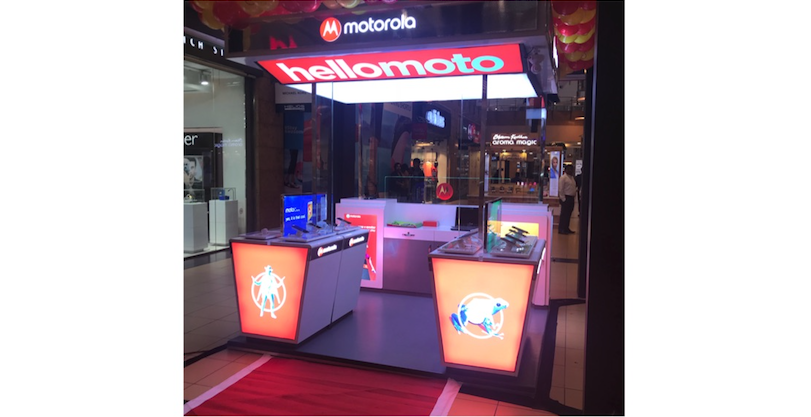
    Motorola announced the opening of its retail stores “Moto Hub” at the Great India Place Mall, Noida today.  Six MotoHub stores were established across the country – 3 in Delhi and 3 in Mumbai. The offline stores are expected to strengthen Motorola’s offline presence in India and enhance the customer base.

    The MotoHub retail stores will house the entire range of Motorola smartphones ranging from the exclusively available online devices to the ones meant only for offline retail like the Moto E, Moto C, etc. Along with the smartphones, the company will also stock accessories like Moto MODs, on-ear and in-ear headphones, Moto shells, covers etc. The stores aim to offer a hands-on experience of all devices. Motorola plans to open 50 Moto Hubs across the metropolitan cities in India, within the next two years.

    When Motorola’s resurgence began in 2013 with the Moto G and Moto X, they stuck to following an online only sales model in India to cut costs. Now, as ownership has shifted from Google to Lenovo, the company has once again started venturing into the offline retail channel. Here’s a list of first six Moto Hub stores :

    Stores In Delhi Stores In Mumbai
    Great India Place, NOIDA Xperia Mall, Dombivali
    Logix Mall, NOIDA Korum Mall, Thane
    Shipra Mall, Indirapuram Viviana Mall, Thane

    With the recent launch of Motorola smartphones, establishing of the Moto Hub stores can be an important step towards building a strong on-ground presence for the brand. Few of the USPs of the Moto Hub stores will be –

    • Offline Availability Of The Exclusively Available Online Smartphones
    • Same Price As Online Stores
    • Hands-On Experience Of The Smartphones
    • Easy Availability
  • Samsung Galaxy Note 8 Final Specifications Leaked Before Official Launch On August 23

    Samsung Galaxy Note 8 Final Specifications Leaked Before Official Launch On August 23

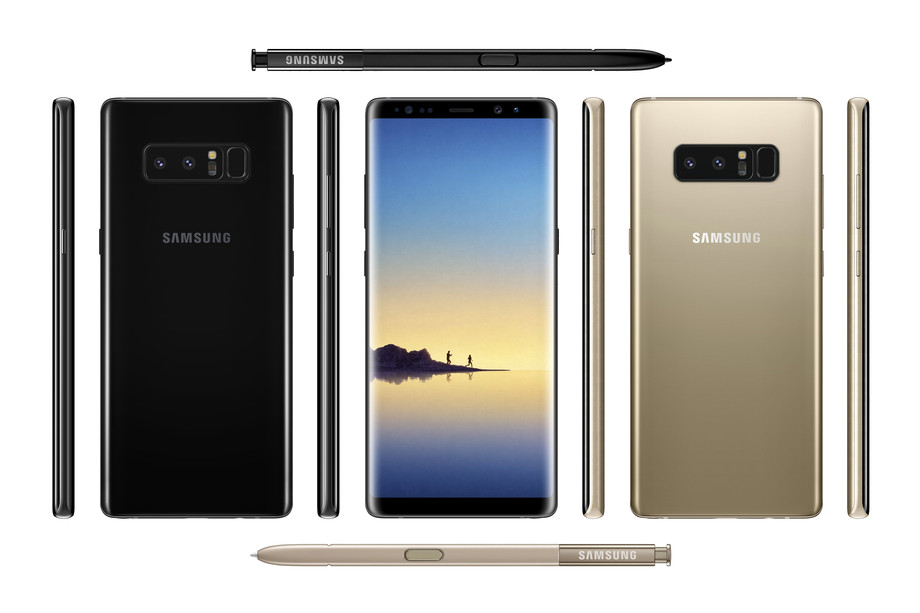
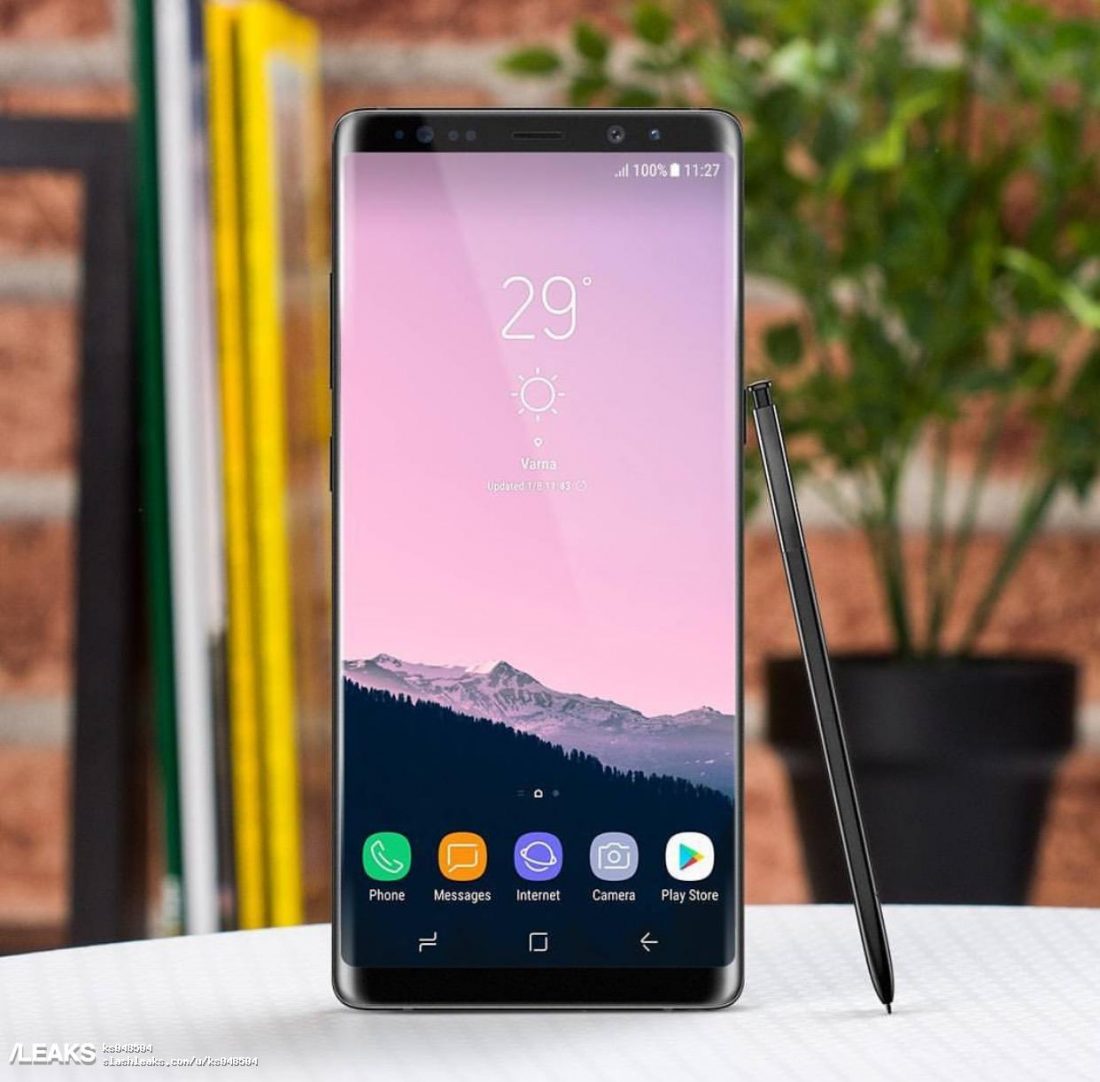
    Samsung is gearing up for the launch of its 8th gen Note device, the Galaxy Note 8 on August 23rd. After the debacle of the Note 7, Samsung is relying heavily on the performance of its new device to keep the Note series up and kicking in the highly competitive smartphone market. A new leak has given us all the detailed specifications of the Galaxy Note 8.

    The Galaxy Note 8 will feature a 6.3-inch Super AMOLED 2960 x1440 px display in an 18.5:9 aspect ratio, much like the Galaxy S8 and S8+. In fact, the 6.3-inch display is barely larger than that on the S8+, but as is with every Note phone, the device will have a more square-ish look. Samsung will also ship the Note 8 in two variants, one with the Exynos 8895 Chipset and the other one with the Qualcomm Snapdragon 835 and will feature 6GB RAM and 64GB onboard storage which will be expandable via a microSD card. The device will run on a 3,300mAh battery with Qualcomm’s QuickCharge 3.0 via a USB Type C port along with wireless charging capabilities.

    On the camera front is where the Note 8 will make headlines with a 12MP dual-camera setup, featuring on a Samsung phone for the first time. The primary, wide-angle camera will have an f/1.7 aperture and dual-pixel autofocus, while the telephoto lens will have an f/2.4 aperture and will enable a 2x optical zoom. The presence of OIS means that the 4K video recording will be stable and low-light images will have less noise. The front-facing selfie snapper will be an 8MP camera with an f/1.7 aperture. The fingerprint sensor will still be placed at the back of the device next to the cameras. It seems that we won’t see a screen embedded fingerprint sensor this year either.

    Here are the key specifications of the Samsung Galaxy Note 8-

    • Price- EUR 1,000
    • Launch- August 23
    • Display- 6.3-inch Super AMOLED
    • Screen Resolution- 2960 x1440 px, 18.5:9 aspect ratio
    • Dimensions- 162.5mm x 74.6mm, 8.5mm thickness
    • Battery- 3,300mAh with QuickCharge 3.0
    • OS- Android 7.1 Nougat
    • Chipset- Exynos 8895/Qualcomm Snapdragon 835
    • RAM- 6GB
    • Storage- 64GB
    • Expandability- microSD card
    • Rear Camera- 12MP dual-camera, primary camera with f/1.7 aperture and telephoto lens with f/2.4 aperture
      Front Camera- 8MP with f/1.7 aperture
    • Rear Camera Features- Dual-pixel autofocus, 2x optical lossless zoom.
    • Video- 4K (3840 x 2160) at 30fps

    The Galaxy Note 8 will be available in Midnight Black and Maple Gold colours initially, and later ship in Orchid Grey and Deep Sea Blue colour variants as well. 23rd August is just round the corner and all the speculations will come to rest when Samsung officially unveils the Galaxy Note 8.

  • Microsoft Windows 10 Preview Released with Built-In Eye Tracking

    Microsoft Windows 10 Preview Released with Built-In Eye Tracking

    Microsoft announced its Windows 10 tester edition on 2 August 2017. The new Windows 10 Insider Preview Build 16257 includes support for a beta version of Eye Control aka built-in eye tracking feature and improvements to Edge, Console, input, and Windows Defender Application Guard (WDAG). This is the ninth build of the upcoming Windows 10 Fall Creators Update, which is slated to arrive in September.

    The Windows 10 Insider Preview was introduced as a service, setting it aside from its predecessors in terms of built. This could mean that the regular updates would include a little more than just bug fixes, maybe new features. But first here’s a look at the newly added and updated features.

    Eye Control

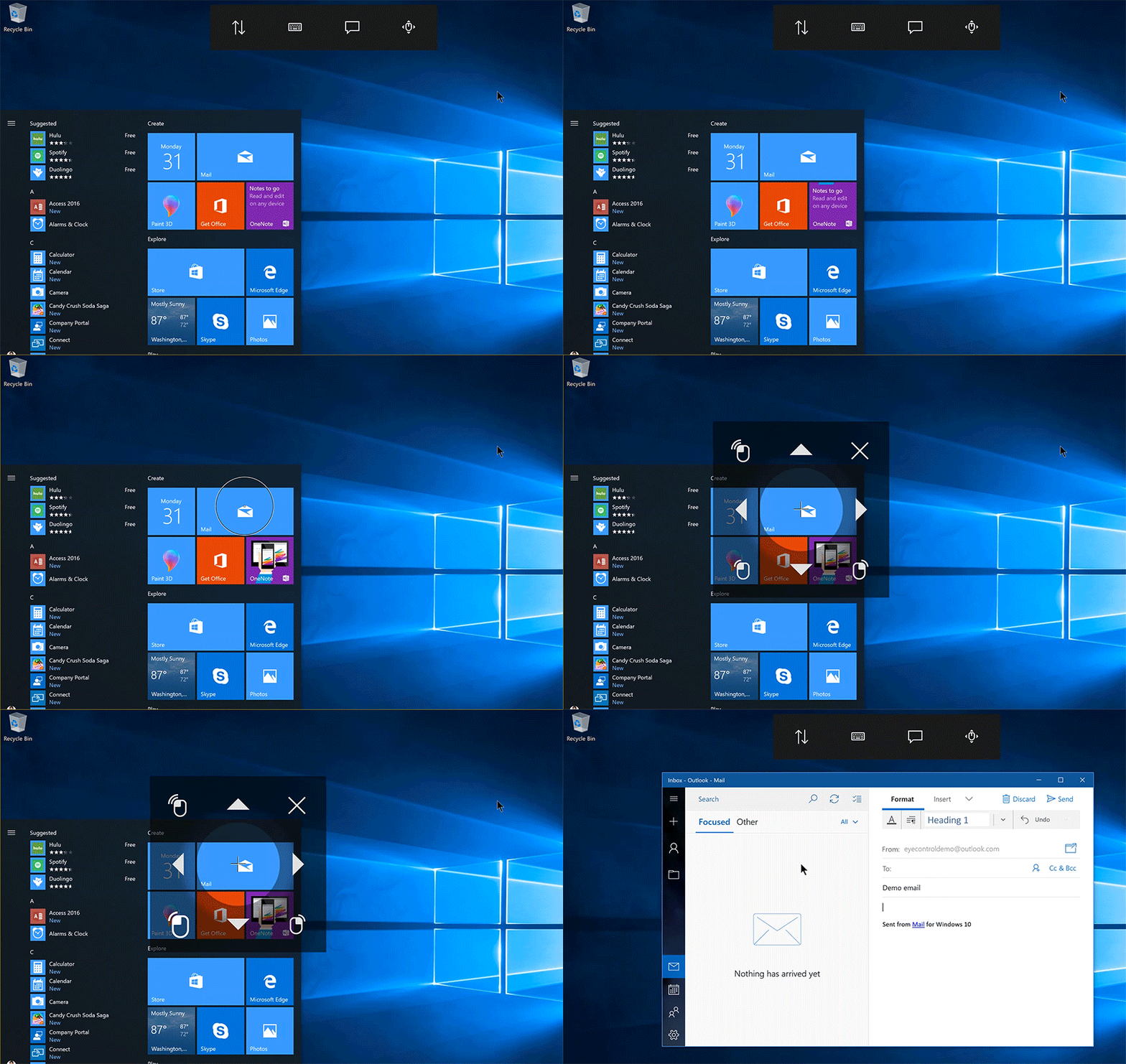
    The major addition to the Windows 10 preview is the Eye Control technology which would make the Windows 10 much more accessible to people with disabilities. The eye tracking feature will make it easier for people to operate an on-screen mouse or keyboard and convert text-to-speech. The Eye Control feature requires a compatible eye tracker – Tobii Eye Tracker 4C, to access the windows OS.  The Tobii Eye Tracker 4C enables a user to carry out tasks which were previously accomplished via a physical mouse or a keyboard with just their eyes.

    In the preview blog post, Microsoft mentioned that it will be supporting only the US English language keyboard layout but plans on adding more layouts sometime in future.

    Microsoft Edge

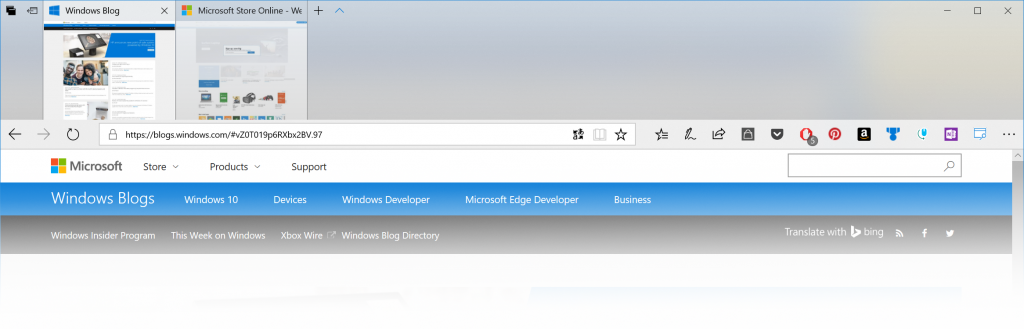
    Apart from the eye tracking feature, Microsoft Edge was also updated for a more modern look in the browser frame and other fixes for copying images, closing tabs in full screen mode and tab ordering. According to the company, ” The use of Acrylic material provides depth and transparency to the tab bar and other controls” and button animations are “more responsive”.

    Microsoft also made changes to the address bar. So now, when you click and drag the text it will remain under the cursor, even if the address bar isn’t in focus. Whereas , previously the text would shift as the “http://” appeared, making it difficult to edit the URL.

    WDAG and Input Upgrades

    As for input improvements, the touch keyboard now launches faster from the taskbar and the bugs in dictation and Japanese keyboards have been fixed. WDAG has also received performance upgrades, specific to container launch times. The tool has also received new status strings for providing more detailed information when starting up, plus networking and launching bug fixes.

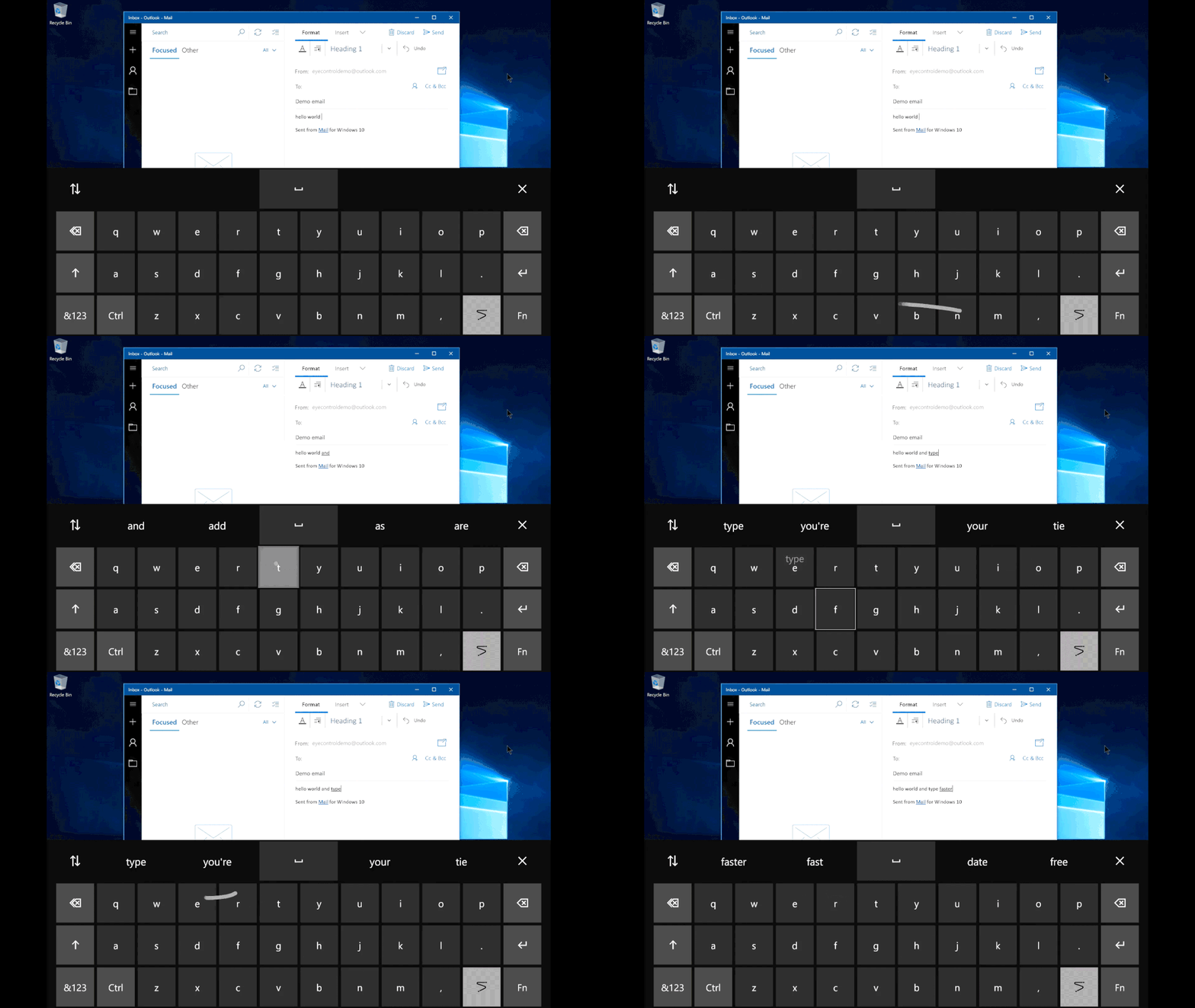
    Aside to the general improvement and fixes, Microsoft introduced another feature included in Eye Control called “shape writing,” . This feature allows a user to speed up typing by just looking at the first and last letters of a word and “simply glancing at letters in between.” And to make things easier, a “hint of the word predicted will appear on the last key of the word,” but if the prediction is incorrect, it can be swapped with another predicted alternative.

    Shape Writing

    It’s still unclear when the built-in eye tracking will roll out as a fully baked feature. But, it may not be long before we see a fully functioning version of the new Windows 10.

  • IBM  Breaks The Record – Stores 330TB Data Into A Tiny Tape

    IBM Breaks The Record – Stores 330TB Data Into A Tiny Tape

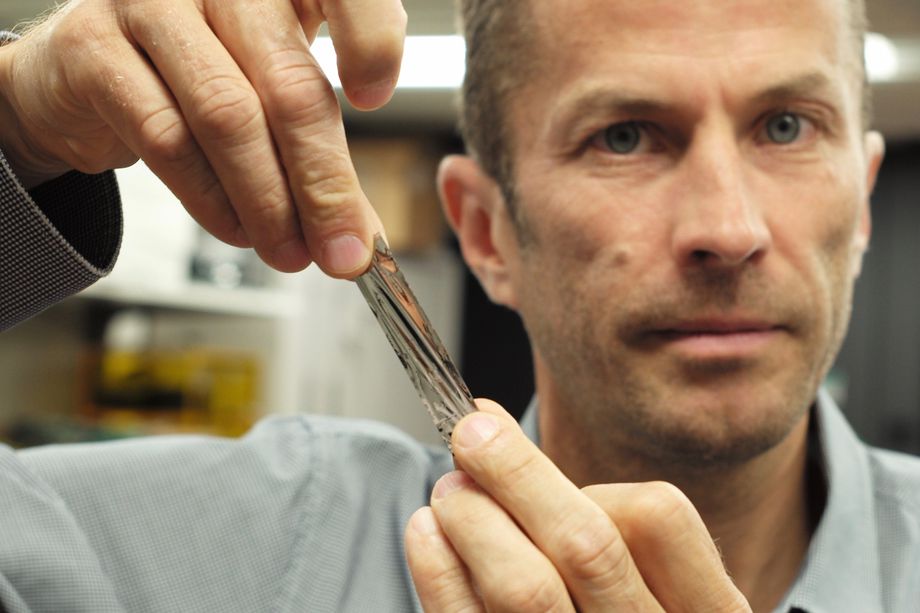
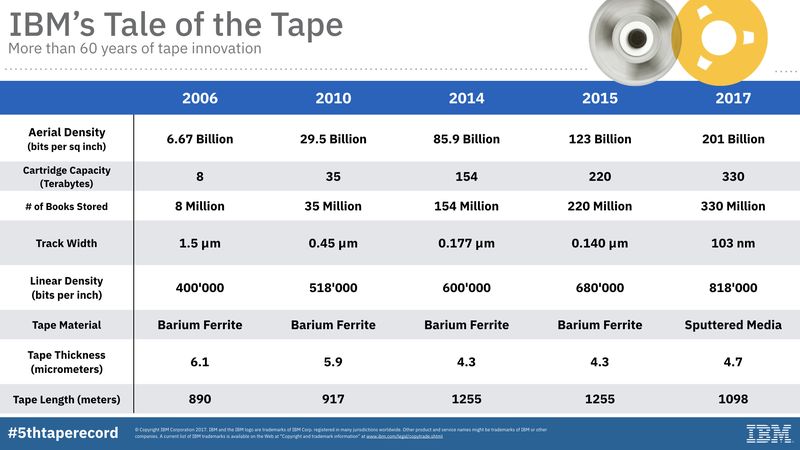
    IBM Research Scientists created a new world record in tape storage. Their latest invention can capture 330 terabytes of uncompressed data (equivalent to 330 million books) into a single tape cartridge that can fit into the palm of your hand.

    The new record of 201 gigabits per square inch in areal density was achieved on a prototype sputtered magnetic tape developed in collaboration with Sony Storage Media Solutions.

    The tape holds 330 terabytes per square inch,  beating the earlier record of 220 terabytes of uncompressed data per square inch. The prototype tape is more than 20 times the areal density currently used in commercial tape drives. (Areal recording density is the amount of information that can be stored on a given area of surface.) Since IBM’s first tape unit which could hold upto 2 megabytes of data, this invention is a huge step forward into the future of tape storage. Invented over 60 years ago, storage tapes are typically used by businesses to archive huge amounts of data like tax documents, health care records, etc.

     Evangelos Eleftheriou from IBM said

    Tape has traditionally been used for video archives, back-up files, replicas for disaster recovery and retention of information on premise, but the industry is also expanding to off-premise applications in the cloud,  and While sputtered tape is expected to cost a little more to manufacture than current commercial tape, the potential for very high capacity will make the cost per terabyte very attractive, making this technology practical for cold storage in the cloud.”

    Analysts predict that by 2020, global data storage will amount to 40 trillion gigabytes – around 5,200 gigabytes per person. According to experts, using tape is a cheaper and more energy efficient way of storing data in comparison to power-consuming, bulky data centres full of drives.

    It wasn’t an easy task creating a tape that could hold 201 gigabits per square inch, as IBM researchers had to develop several new technologies. Working in collaboration with Sony, IBM was able to develop this tech, particularly on enabling increased areal recording densities.

    However, retrieving data from tape is a far slower process. In a storage tape, data can only be accessed in the order in which it was written, in other word – sequential access. But IBM and Sony are apparently working on speeding up the data retrieval process.

  • Apple Hints At September Launch of The iPhone 8 with US$ 50 Billion in Q4 Earnings

    Apple Hints At September Launch of The iPhone 8 with US$ 50 Billion in Q4 Earnings

    The rumours of delay in launch of the Apple iPhone 8 have been innumerous, but Apple’s Q3 earnings announcement suggested quite the opposite. Tim Cook said that Apple is expected to earn revenue anywhere from US $49 billion to US $52 billion in the next quarter, which ends in September.

    The earnings represented by Apple are high enough to hint that the iPhone 8 may go on sale in September itself, during the fourth financial quarter.

    Further to support the claims of an early iPhone 8 launch is the statement made by Tim Cook, saying that Apple would have “very exciting Fall.” He also said :

    We’ve put everything we know into coming up with the guidance…we really like what we see for the beginning of the back-to-school season.”

    Though nothing can be confirmed, but we certainly hope that the iPhone 8 is one of the reasons for quoting such optimistic earnings prediction. A September release would impact Apple’s Fourth Quarter revenue immensely.

    That said, the earlier reports of manufacturers backing out from contracts with Apple, problems with installing few features like the Touch ID, etc have led the analysts to make a common prediction. They expect that the delays and shortage of supplies may mean that iPhone 8 will see a very limited release in September.

    We have also been receiving constant updates about the next iPhone’s design, features etc. – courtesy the leaked HomePod firmware. But that doesn’t mean the redesigned iPhone is what Apple plans to release this September. There has been some speculations about Apple splitting the iPhone line by releasing theiPhone 7S in September, and the redesigned model – iPhone 8, a few months later.

    These speculations could also mean that the significant earnings predicted by Apple could be from expectations of people upgrading to the rumoured iPhone lineup – iPhone 7s and 7s Plus. Or maybe Apple is banking on massive HomePod sales, either way Apple is definitely prepared for  something “very exciting” this fall.

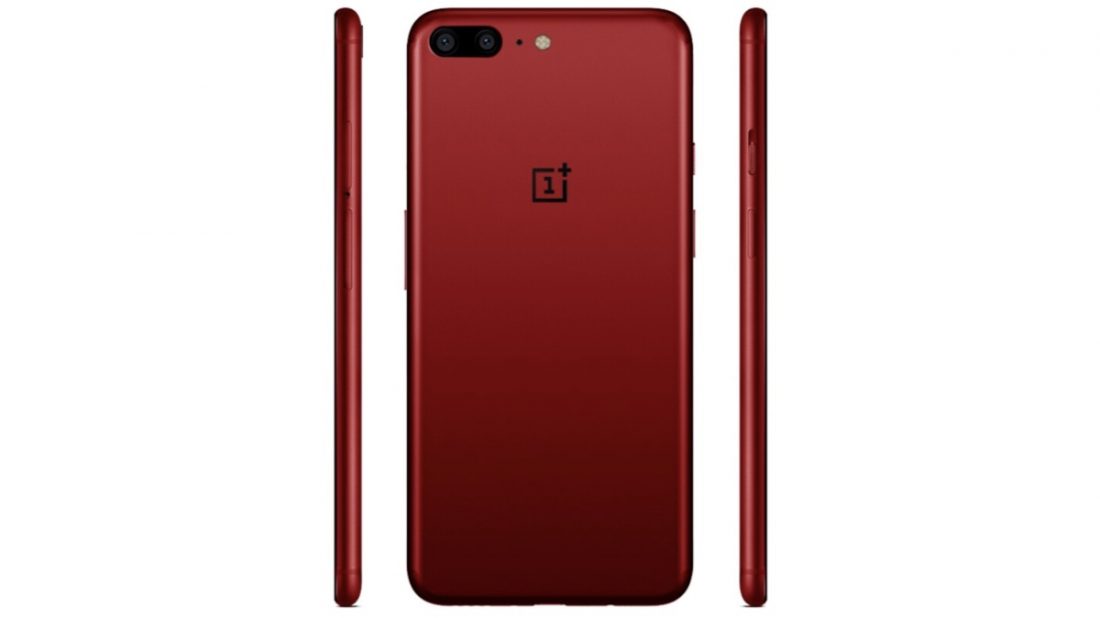
  • OnePlus 5 May Soon Be Launched In A Swanky Red Variant

    OnePlus 5 May Soon Be Launched In A Swanky Red Variant

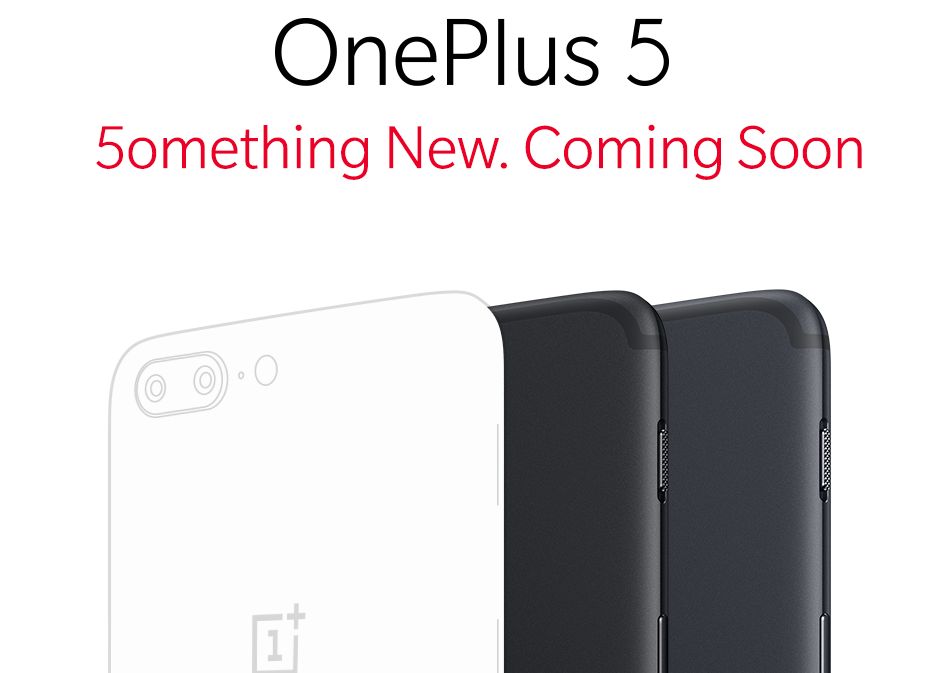
    Oneplus has just posted a new image on their social media suggest a brand new colour for their 2017 flagship the Oneplus 5. The OnePlus 5 was launched in June and was embroiled in controversy because of botched benchmark scores and a higher price than expected from OnePlus devices, which left a lot of people questioning OnePlus’ decisions.

    The OnePlus 5 runs on the Qualcomm Snapdragon 835 Chipset it has 6GB or 8GB of RAM along with 64GB or 128GB  onboard storage. The highlight of the OnePlus 5 was the dual 16MP+20MP camera setup which has features like portrait mode, and background defocus, the design and features of the camera were also said to be copied from the Apple iPhone 7 Plus.

    OnePlus didn’t make any changes on the display on the OnePlus 5 keeping the same 5.5-inch screen with a 1920 x 1080 px resolution. OnePlus has also kept the Optic AMOLED display seen on the OnePlus 3 and OnePlus 3t along with the fingerprint sensor sitting below the screen.

    The OnePlus 5, is presently, available in two colour variants; the Slate Gray and Midnight Black. The Midnight Black colour variant is only available in the 8GB of RAM and 128 GB of storage variant, and is priced at Rs 37,999. OnePlus has experimented with colors in the past, way back with the OnePlus One the company launched replacement panels, which would change the back of the OnePlus One to a bamboo finish. Last year, with the OnePlus 3T the company launched a Limited Colette edition black phone which was lated sold globally as the limited edition Midnight Black. The Midnight Black colour is the same as the one on the OnePlus 5 top variant.

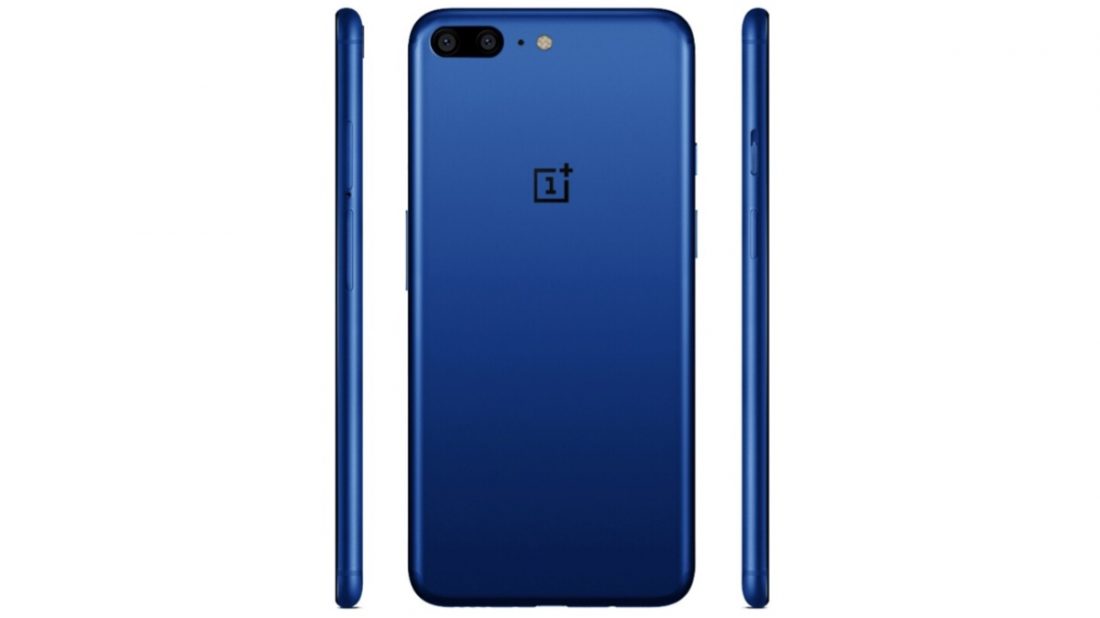
    Prior to launch the leaks had suggested that OnePlus will launch the OnePlus 5 in a RED, much like the iPhone 7 RED colour, and later images for a blue OnePlus 5 surfaced. These may finally be revealed, or one of them at least. As the posted image shows a black canvas on the OnePlus 5 and the text “5ometing New. Coming Soon” is written in bright Red indicating a red colour variant. We honestly, wouldn’t mind a blue colour version either.

    Despite the controversies, the OnePlus 5 has received good reviews for its snappy performance and is one of the popular flagships of 2017. A new colour variant, possibly blue or red should re-ignite the dwindling conversation for the Oneplus 5. Stay tuned for updates, and an iGyaan Hands-On, when and if a RED colour launches.

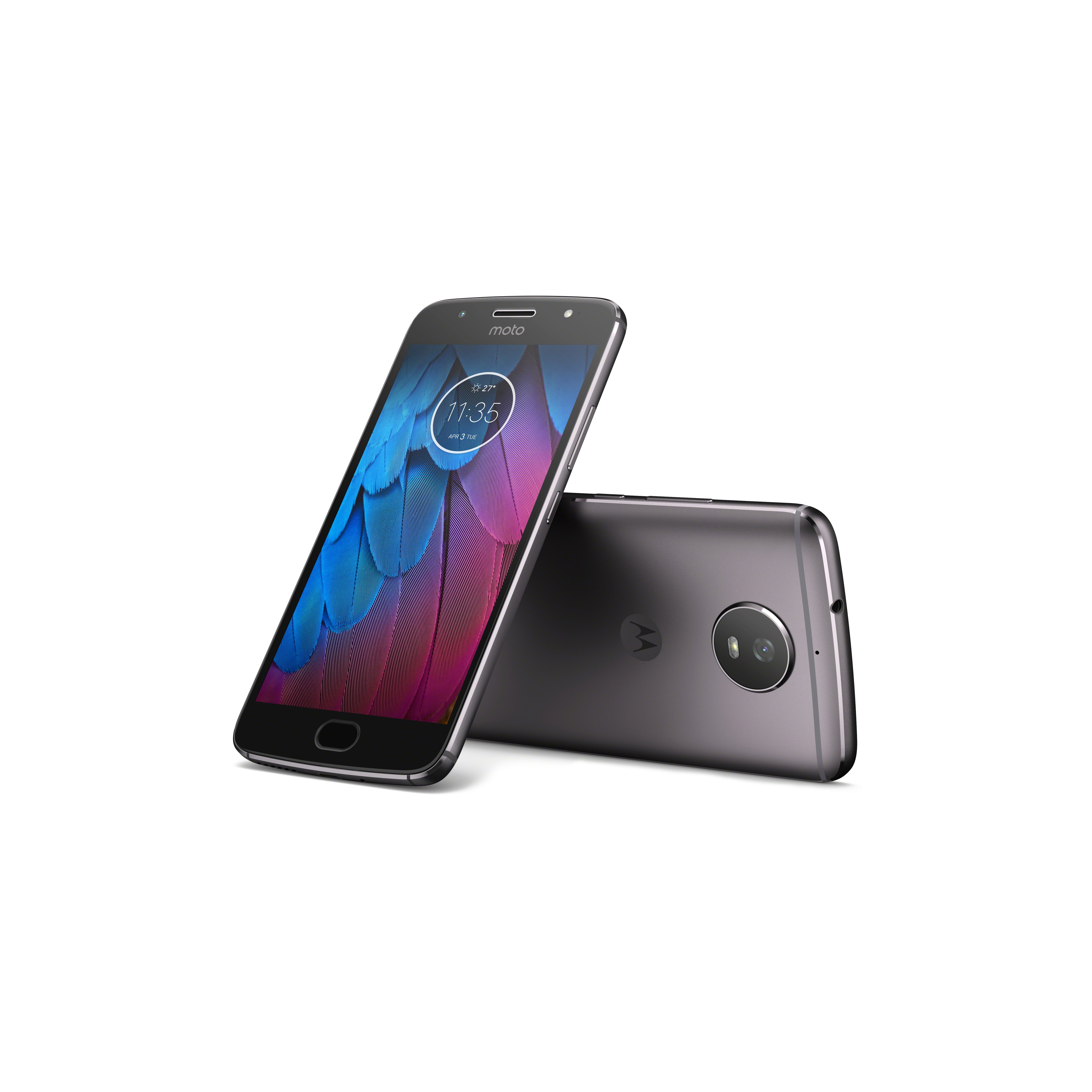
  • Moto G5S And G5S Plus Announced, India Launch Mid August

    Moto G5S And G5S Plus Announced, India Launch Mid August

    Lenovo-owned Motorola has announced the much awaited Moto G5S and Moto G5S Plus. The Moto G5S is priced at EUR 249 (Rs 18,000 approx.) and the Moto G5S Plus is priced at EUR 299 (Rs 22,600 approx.) and will be available in two colours – Lunar Grey and Fine Gold.

    The Moto G5S

    The smaller of the two siblings, the Moto G5S features a 5.2 inch 1920 x 1080 px display with a fingerprint sensor sitting below it which can also double up as a single navigation button. It has a Corning Gorilla Glass 3 protection.  A 3,000mAh battery powers the Moto G5S and features Moto turbo charge. Motorola claims that with turbo charge, you get “5 hours of battery life in just 15 minutes of charging.” The Moto G5S runs on the Qualcomm Snapdragon 430 chipset with a 1.4 GHz octa-core CPU along with 3 GB of RAM and 32 GB of onboard storage. The phone supports storage expansion up to 128GB via a microSD card. The Moto G5S features a 16MP primary camera with an f/2.0 aperture with rapid focus technology, a single LED flash and a 5MP wide angle front camera with an LED flash, the main camera captures 1920 x 1080 px video. . There are additional Moto features like Night Display and Quick Reply.

    Moto G5S Lunar Grey


    The Moto G5S Plus

    The bigger variant, the Moto G5S plus features a 5.5 inch 1920 x 1080 px display with a Corning Gorilla Glass 3 protecting it. Just like the Moto G5S, this one is also powered by a 3,000 mAh battery with included turbo charge capabilities. The Moto G5S plus differs from the Moto G5S also with the chipset, as the plus variant runs on the Qualcomm Snapdragon 625 chipset, a 2.0 GHz octa-core CPU with 3GB RAM and 32GB of onboard storage. Just like the Moto G5S, the storage can be expanded via a microSD card.

    The next big difference is in the camera department, the Moto G5S Plus features a dual-camera setup at the back. Two 13MP cameras placed horizontally with an f/2.0 aperture and 4K video capture. The dual camera captures Bokeh, and selective focus shots, along with other capabilities of background replacement and exposure management. On the front is a wide angle 8MP camera with a single LED flash and a new panoramic mode. There are additional features such as Night Display and Quick Reply as part of a more meaningful software experience according to Motorola.


    Moto G5S Plus Fine Gold

    While the announcement makes the phones official, they will be available later this month, with a launch in India expected mid August. The Moto G5s Plus is expected to launch in India for 17,999 even though the US price is much higher.

  • Everything We Know About The Apple iPhone 8

    Everything We Know About The Apple iPhone 8

    Ever since the original iPhone was launched in 2007, each next-gen Apple iPhone has been highly anticipated. Every year, new leaks and reports emerge to tell us something new about the next iPhone, and with the September launch now less than two months away, here is everything on the upcoming iPhone8/X/Pro –

    Launch Date

    The iPhone 8 is expected to be launched on September 12. Apple has been hosting its iPhone launch events in September since 2012. September 12 also falls on a Tuesday, which is in line with the ongoing tradition.

    Price

    The iPhone has always been placed as a premium smartphone. The iPhone 8 will take that premium to a notch higher, with a report at Forbes claiming that pricing could start at a whopping US $ 1,100 to US $ 1,200, with Apple only offering the iPhone in 128GB and 256GB configurations. Studying the price of each new iPhone also suggests that the new iPhone 8 could easily cross the $1,000 mark and become the most expensive iPhone yet. A new report by Mac4Ever suggests that the iPhone 8 will retail at a starting price of US $999 for the 64GB variant, US $1099 for the 256GB variant and US $1199 for the 512GB variant.

    Display

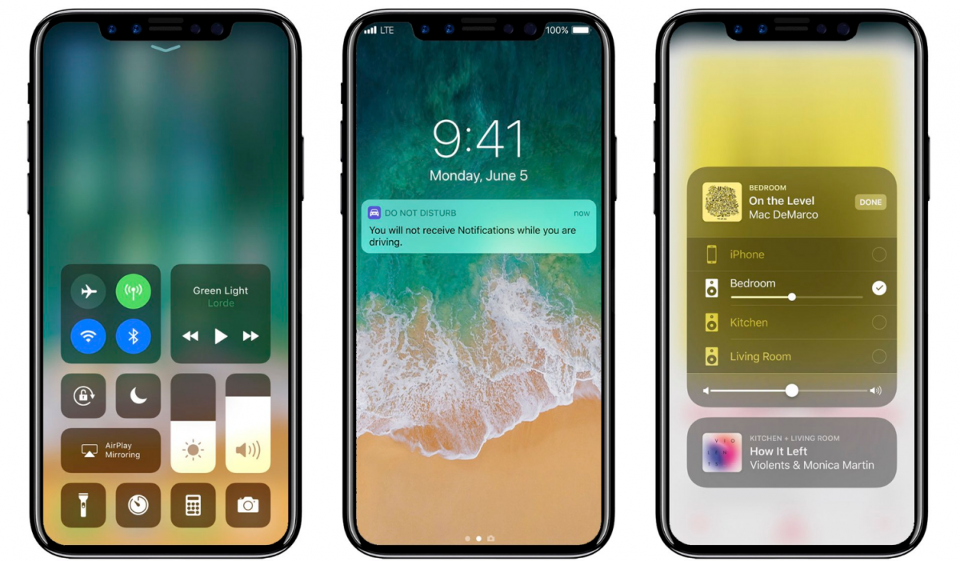
    The most talked-about feature of the upcoming iPhone 8 is its bezel less display. Ever since the launch of the Samsung Galaxy S8 and S8+ with the infinity display, rumors have suggested a bezel-less display on the next iPhone. Apple is also said to finally be using OLED panels, and rumors suggest that the iPhone 8 will feature a curved OLED display which will pit it against the Samsung Galaxy S8 and S8+’s display. 
    FaceID/TouchID – No Home Button?

    An edge-to-edge to display means that just like Samsung, Apple will have to figure out the placement of the beloved TouchID home button. Apple appears to have grown weary of any buttons and instead FaceID is said to be used for the next iPhone 8. Recently, Apple has released the first build of the upcoming HomePod’s firmware which contains code for FaceID, codenamed PearlID due to the presence of infra-red face unlock in the biometric kit. What route Apple takes is yet to be seen but the latest leak all but confirms that FaceID will make its way into the iPhone 8. The leaked firmware of Apple’s HomePod has also revealed that the physical home button will be replaced with a virtual button.

    Camera

    The Apple iPhone 7 Plus was Apple’s foray into dual-camera setups. The horizontally placed dual-camera setup was well-received after a few initial updates fixed the ‘portrait mode.’ Numerous leaks and renders of the iPhone 8 have pointed towards vertically placed dual-cameras. According to Korea Economic Daily, Apple is working on facial recognition technology leveraging the cameras for “biometric” identification. Like Touch ID — but with your face instead of your thumbprint. In addition to that, a leaked patent application spills out the details of a sensor that will tell you if you’re human or not. This is Apple’s effort towards developing a rear-facing 3D laser system that would improve AR depth detection as well autofocus for photography.

    The iPhone 8 will record 3840 x 2160 px 4K videos at 60 FPS with both the rear and front camera, according to the HomePod firmware leaks. The Apple HomePod firmware also suggests that the 4K video from the front and rear cameras will support Apple’s new HVEC file type, which reduces the file size by a significant amount. This makes sense because 4K videos generally have large file sizes and HVEC can reduce the size by almost 50 per cent resulting in better storage management.

    New Colours

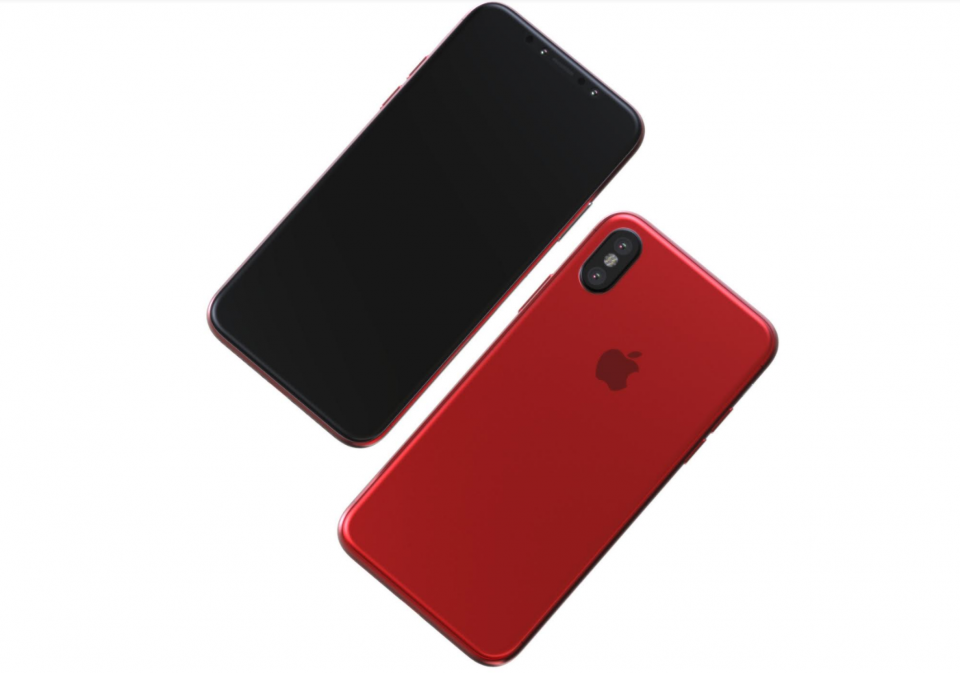
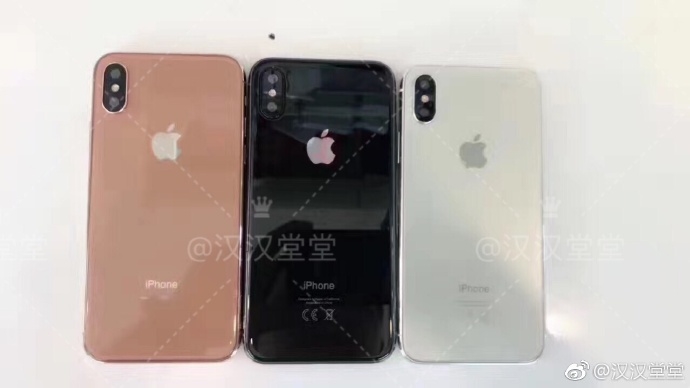
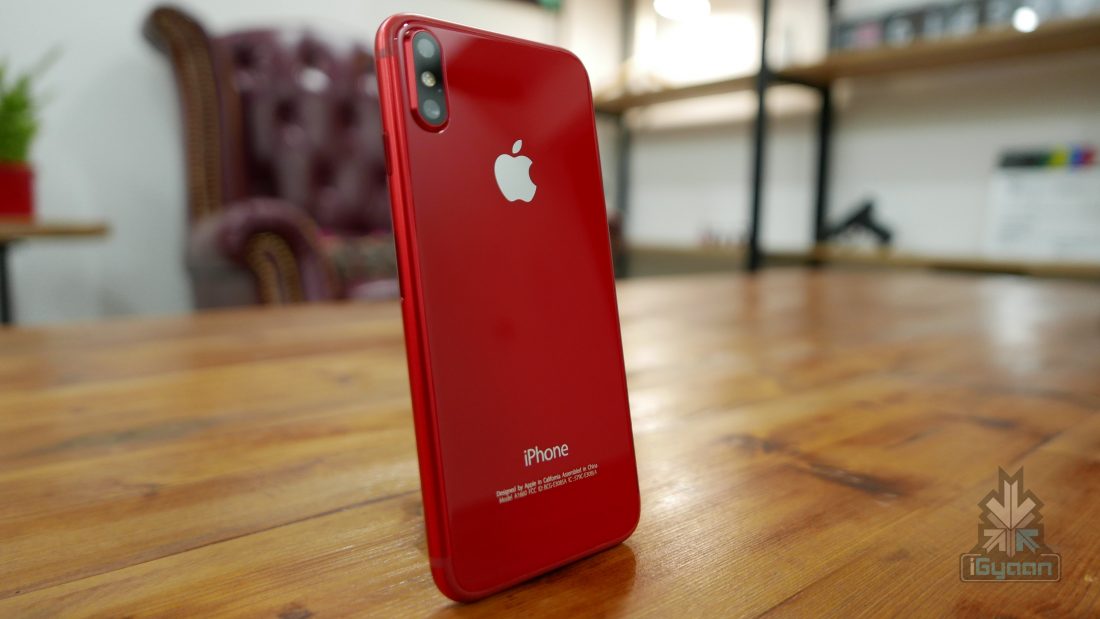
    There were reports that Apple will be ditching the ‘Rose Gold’ colour variant for the iPhone 8. An image of three colour variants, Copper Gold, Silver and Black for the iPhone 8 was leaked on Weibo. The Copper Gold clour has never been used by Apple for its iPhone lineup and will be an interesting addition for the consumers. The silver colour indicates that the phone’s minimal bezels will be white in colour. The iPhone 8 is also expected to make an appearance in the colour RED as a limited edition variant.
    Wireless Charging

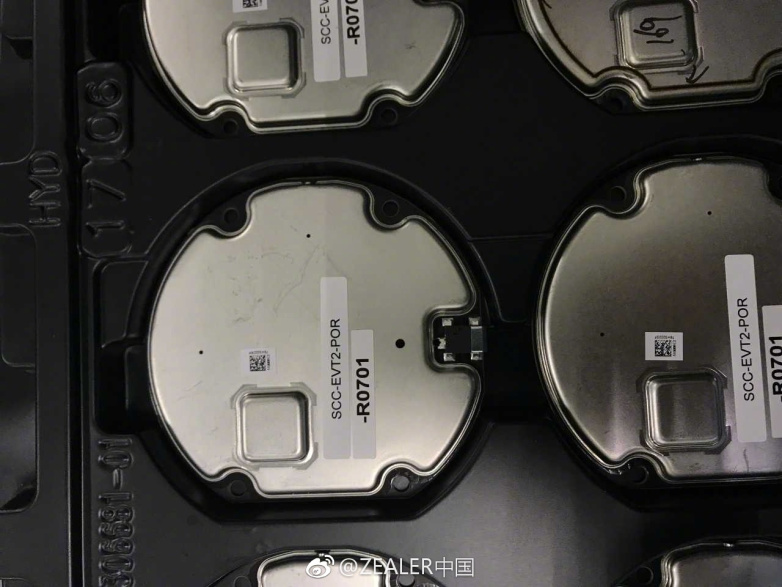
    The images of the components of the new iPhones first appeared on Weibo. The images show the purported component that will enable wireless charging on all of Apple’s next-generation iPhones. The part will be placed on the back of the iPhone 8, right under the rear glass shell. It has been already reported that the iPhone lineup will have a “glass sandwich” design, which means glass front and back. This news further legitimises the HomePod firmware leak which suggested that wireless charging support will be built into iOS. Having an all glass design allows manufacturers to add wireless charging capabilities even though it’s not as durable as having an all metal design.

    Under The Hood

    The Apple iPhone 8 is expected to run on the Apple A11 Chipset and have 4GB RAM. The iPhone 8 will be shipped in 64GB, 256GB and 512GB onboard storage variants.

    iOS

    Apple at WWDC 2017 announced iOS 11 and the developer preview has already been seeded.  iOS 11 has a newly redesigned control center, improved Siri functionalities and a screen record function among other things like a new file system, camera, and network functionality. Apple also unveiled an array of AR applications which will be compatible with the iPhone 7 Plus and the next iPhone due to the requirement of a dual-camera setup. The leaked firmware has also unearthed a new ‘tap to wake’ feature on the iPhone which will be a welcome addition.
iGyaan Network
Privacy Overview

This website uses cookies so that we can provide you with the best user experience possible. Cookie information is stored in your browser and performs functions such as recognising you when you return to our website and helping our team to understand which sections of the website you find most interesting and useful.