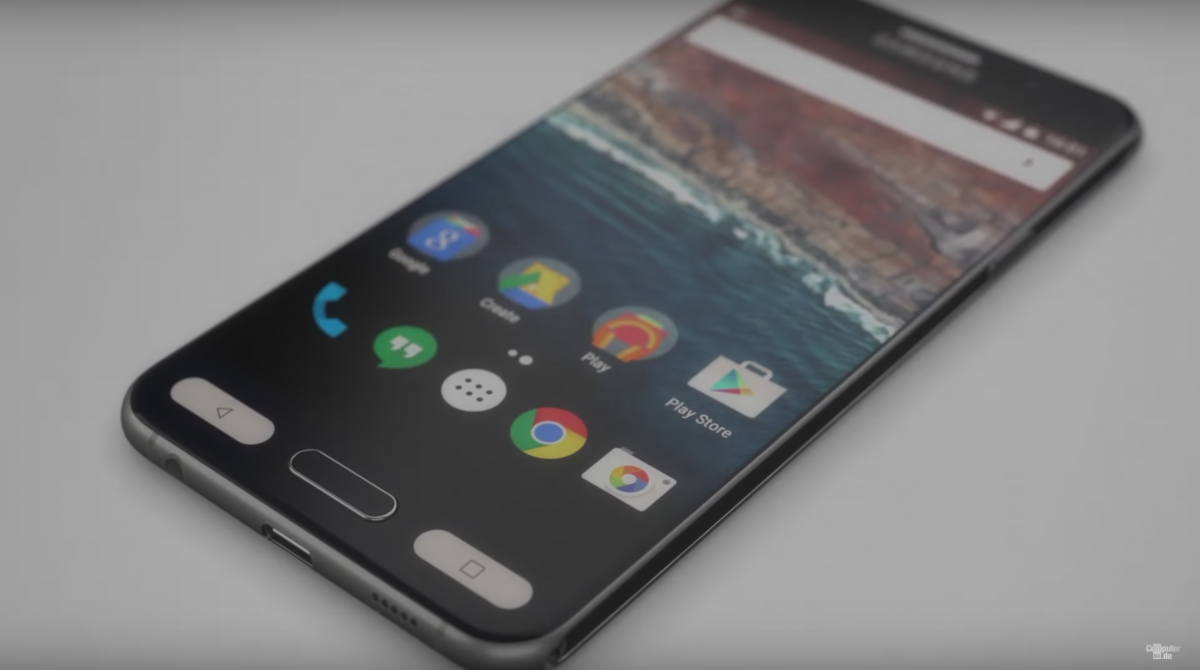
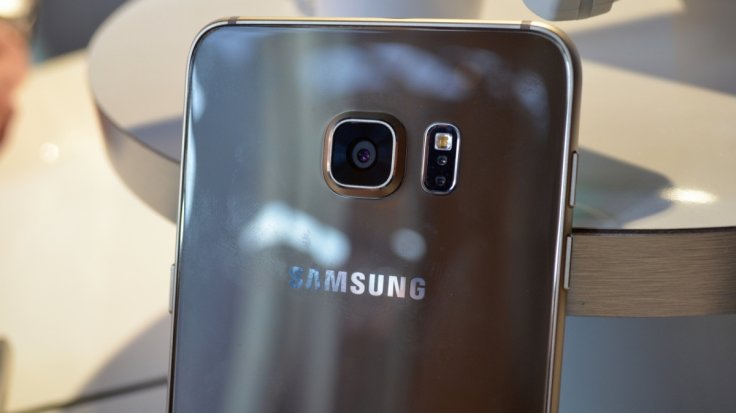
As we get closer and closer to the Unpacked event on 21st February at MWC where Samsung is all set to launch its Galaxy S7 devices, updates about it just keep pouring in. And now, according to the latest announcement from Samsung, this launch event can be watched all over the world via a 360-degree live stream on PCs, Android and iOS devices, as well as on Samsung’s own Gear VR head set.
Watching the event on an iOS or Android device requires the download of Samsung’s official Unpacked 360 View app. For Gear VR users, the Unpacked 360 View app can be downloaded through the Oculus store.
Watching the event in the 360-mode would allow users to choose from four different positions. These include centre stage, stage left, stage right or the auditorium. The event can also be watched on the official website where once again viewers would be allowed to choose from four different camera positions.
So far there have been lots of ‘leaked’ images and renders of the devices, along with specifications. With only three days to go for the official launch, watch this space for more updates.
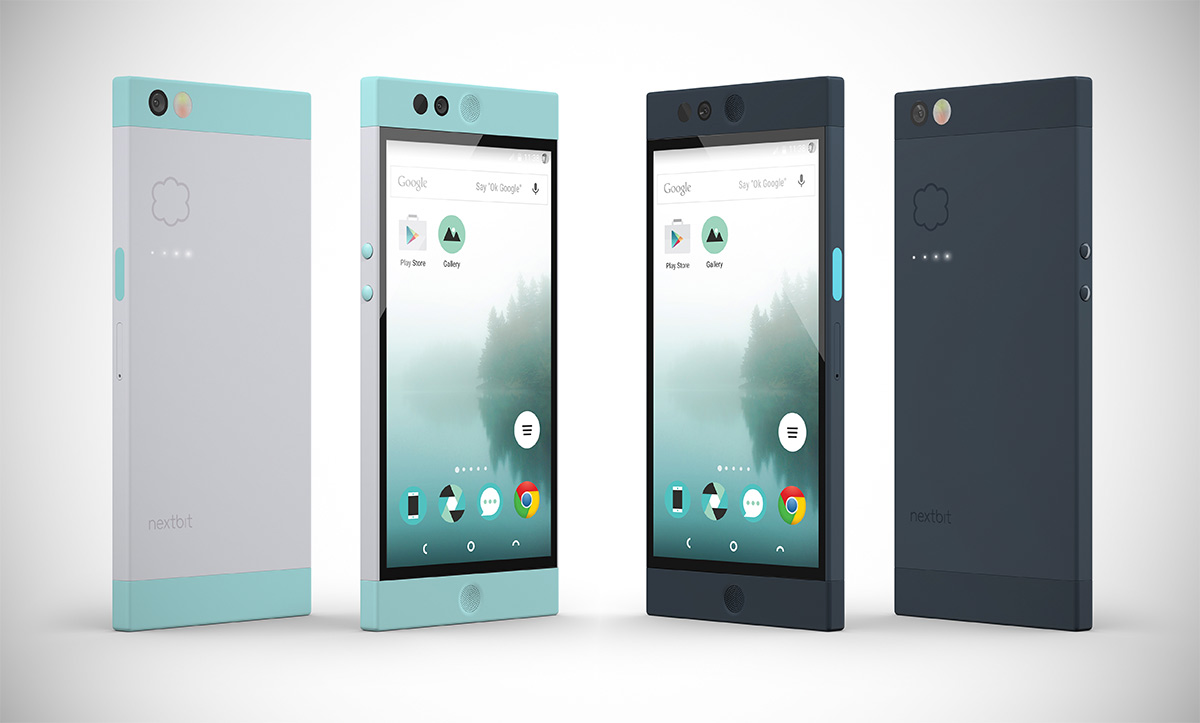
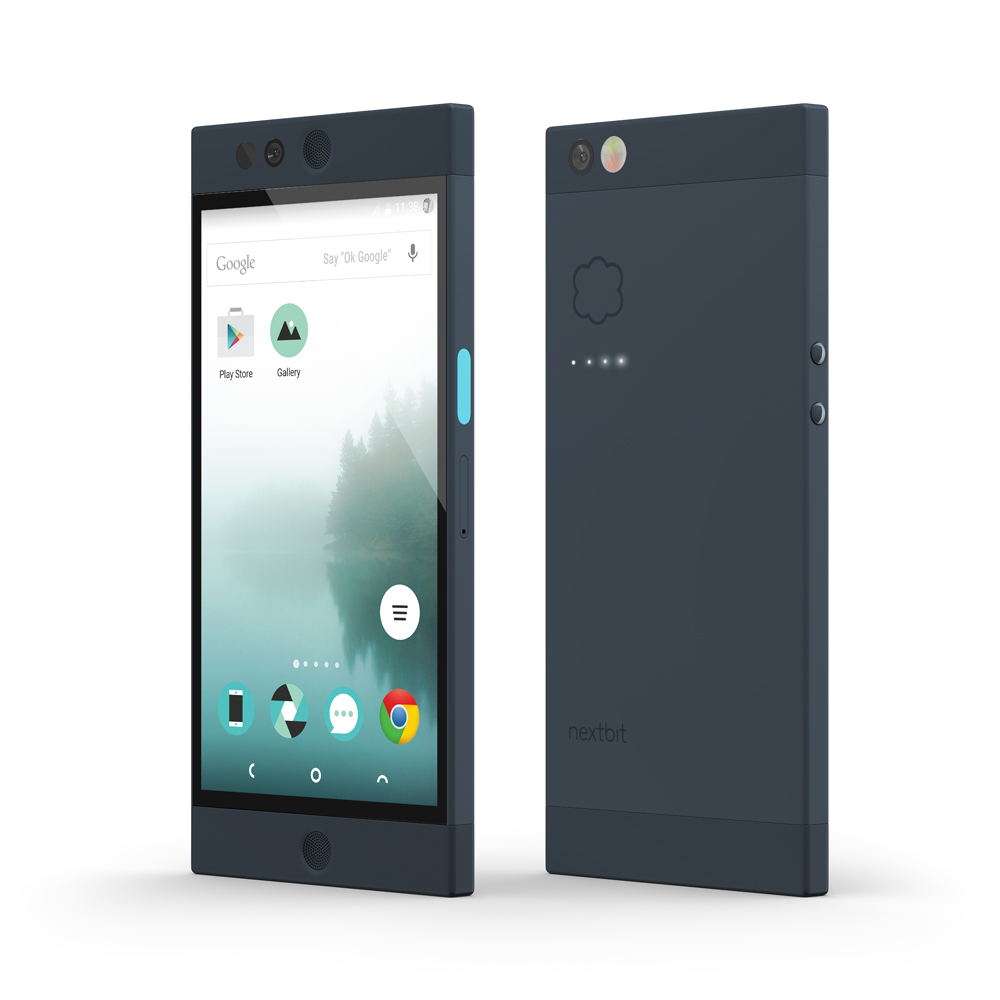
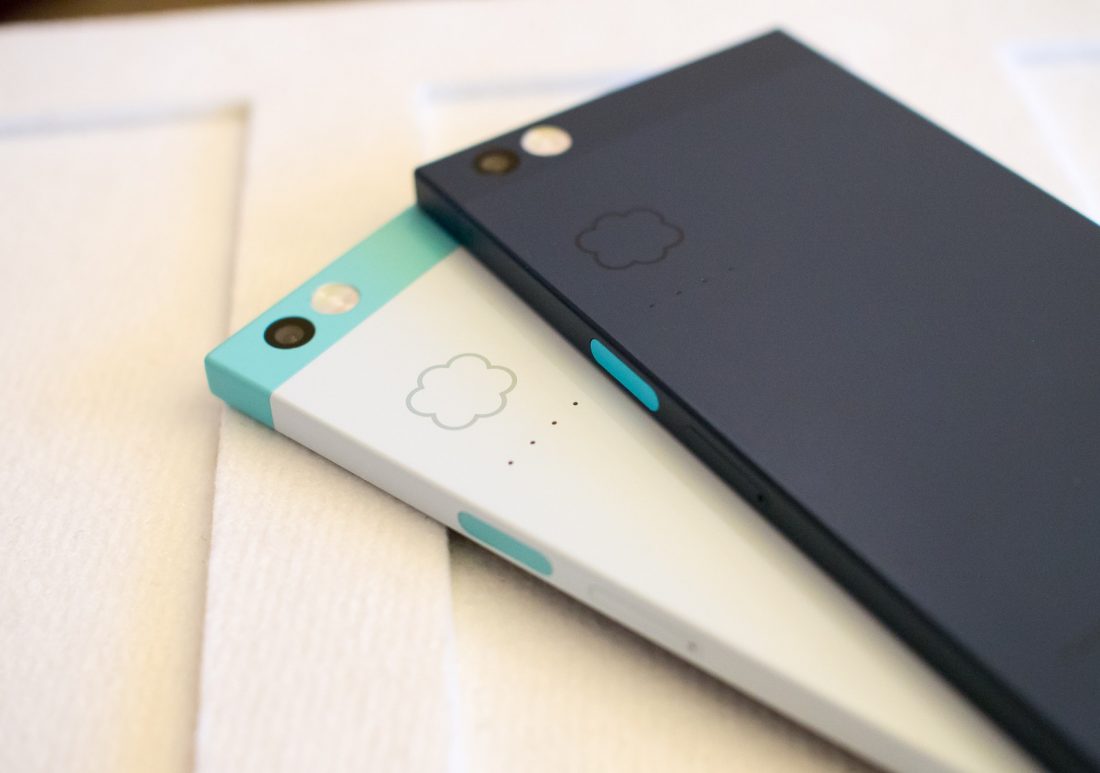
Back in September, we brought you news that Nextbit Robin – the first smartphone to offer cloud storage, which was started as a Kickstarter campaign, had begun pre-orders in India along with a bunch of other regions. The price of the phone is Rs. 26,000 ($399), which excludes shipping charges of Rs. 4,600 ($70). After initially selling the Robin to the first 1000 people who backed the project on February 16, the device is now availble for purchase and is listed on the company’s website.
Nextbit Robin Midnight
Nextbit Robin comes equipped with features sure to woo customers, the highlight of which is the cloud-based storage option. The phone promises no more storage woes by automatically backing up your data to the cloud, and therefore emptying the phone’s inherent storage.
The specifications of Nexbit Robin include a 5.2 inch HD screen along with 1080×1920 p resolution. The plastic body of the phone has Qualcomm hexa-core Snapdragon 808 processor on the inside. 3 GB RAM and 32 GB of in-built non-expandable storage are some of its other specs. The phone also boasts of a fingerprint sensor.
In terms of the two cameras, the phone packs a 13 MP for the main camera and a 5 MP for the front camera. The battery is marked at a 2,689 mAh, and it has a USB Type-C port. The operating system is Android 6.0 Marshmallow. There are two colour variants for the handset: Mint and Midnight.
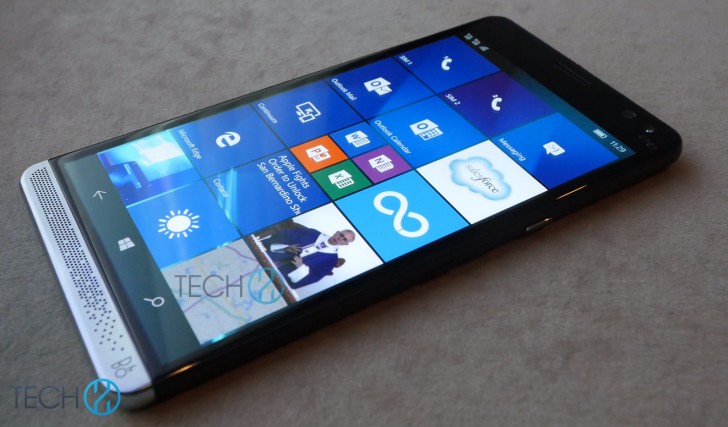
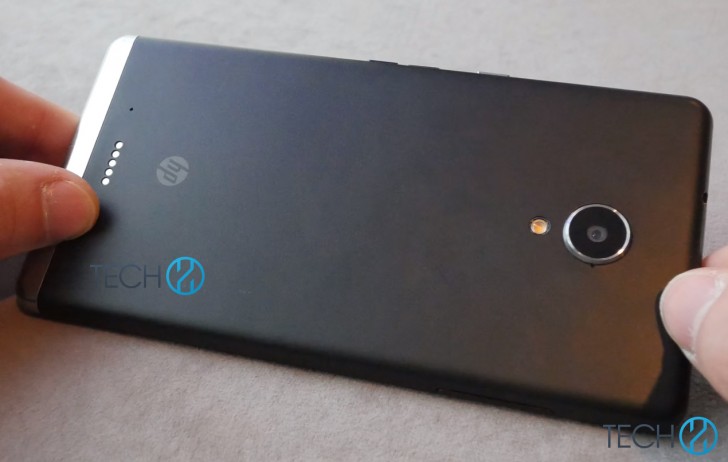
It’s hardly been a week that the rumours of HP readying a new weapon to take on the smartphone market reached the Internet, and now latest leaks are here to reveal the might of the smartphone, HP Elite x3 in all its glory.
HP is expected to announce the Elite x3 at MWC next week, and as such, it’s not too big of a surprise images and specs of the device have leaked today. The Elite x3 which will be a Windows phone will pit itself against the Microsoft’s Lumia 950 XL in the Windows 10 mobile ecosystem, as it packs some very high-end innards.
The phone will come with a 5.96-inch QHD touchscreen, a 16-megapixel camera at the back, an 8-megapixel camera at the front for clicking selfies. It will be powered by Qualcomm’s Snapdragon 820 SoC paired with 4GB of RAM and 32GB of expandable storage. It will also come with support for USB Type-C and will also support USB 3.0, Qi wireless charging.
The Elite x3 will also house a fingerprint scanner, a fancy iris sensor, a special docking connection, IP67 certification for water and dust resistance, as well as MIL-STD-810G rating for withstanding drops from 1 meter or less. It will also support Microsoft’s Continuum feature. Pretty impressive we say.
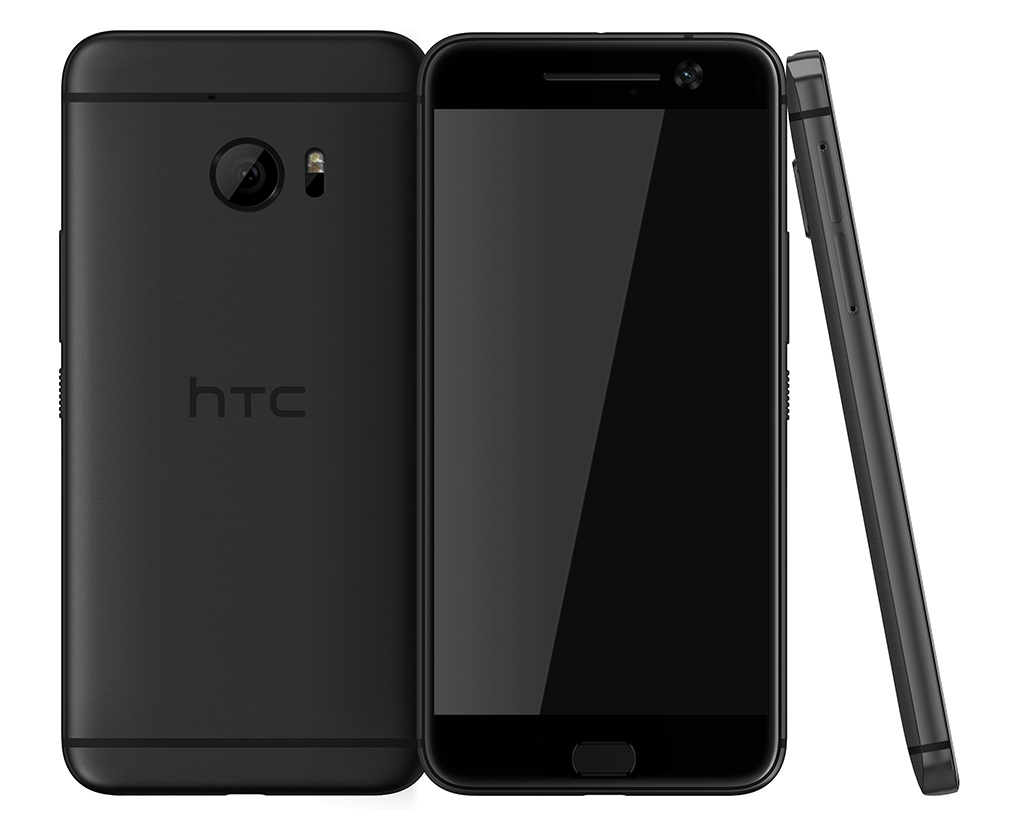
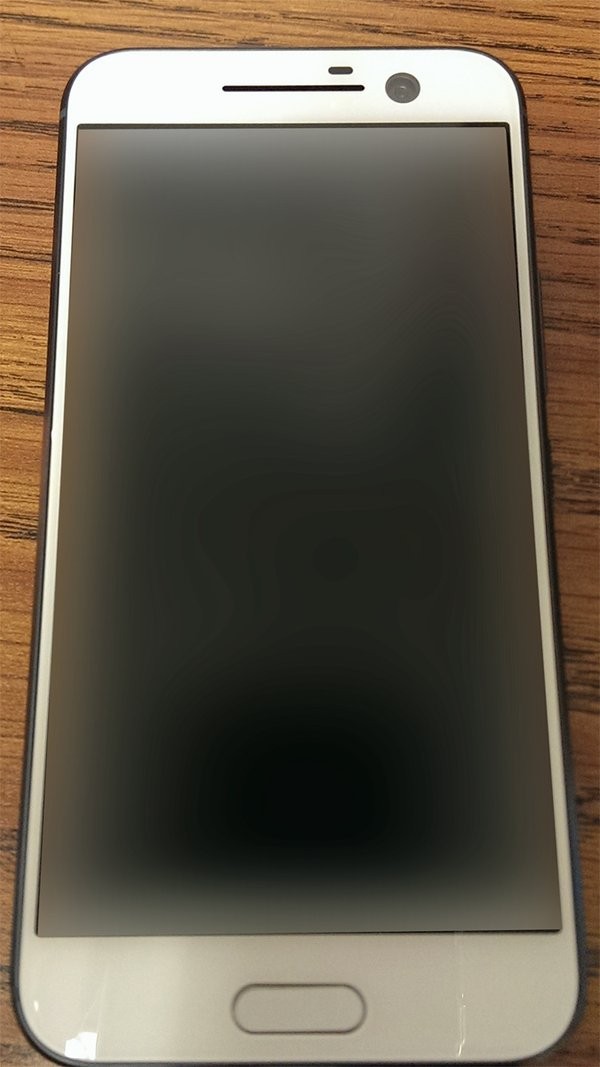
A couple of weeks ago, popular leaskster Evan Blass leaked a live image, albiet poorly lit live image, of an alleged HTC One M10 in black. Today, Blass posted another image of the device in its white option. The image is a lot clearer and shows off the front really well, although we still do not know what the sides or the back look like apart from some renders.
Right off the bat then, the live image of the HTC One M10 is similar to the previous one and supports rumours that the device is based on the HTC One A9. It’s safe to say that HTC has created an uninspiring new flagship, at least on the design front. The One M10 clearly ditches the BoomSound dual front speakers for a cleaner, bezel-less look, and you also see a physical home button there.
However, it is necessary for HTC to come out with an absolutely special phone if it wants to make a dent in the market, seeing how the One M9 and the One A9 did not fare well. What was expected from the company is an absolutely original design, something unique more along the lines of the One M7. We’re not sure if HTC has played it safe, going with an A9-like design and standard 2016 specifications. We’ll have to wait until April for the company’s standalone event to see just how the One M10 (otherwise called Perfume) will turn out.
The rumoured specs of the One M10 suggest a 5.1-inch QHD AMOLED touchscreen, Qualcomm’s Snapdragon 820 chipset powering the device with 4GB of RAM, 32GB of storage and a microSD card slot. On the camera front lies a 12 MP UltraPixel rear camera with laser autofocus and optical image stabilization. The device will likely run Android 6.0.1 Marshmallow with HTC Sense 8 atop.
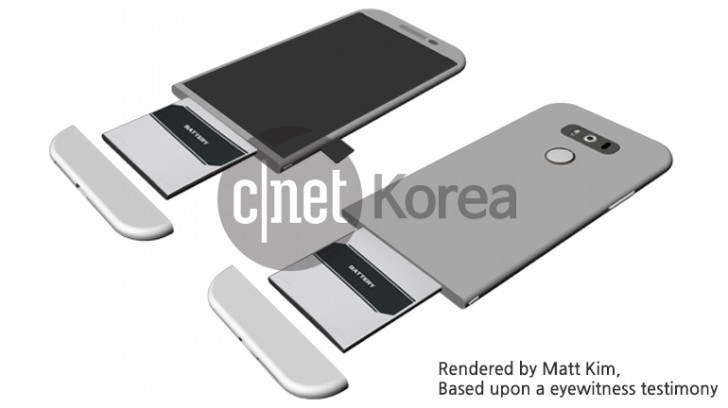
LG stated a while ago that its upcoming G5 flagship smartphone will come with market distruptive features. For LG to stay true to that promise, it looks like it won’t just rely on the G5 alone but on what the G5 can do with a little help from its friends. The LG G5 is said to launch with a mini-ecosystem of hardware add-ons and accessories collectively known as “G5 and Friends.” Reports claim that these could be a VR camera, a smartphone-controlled robot and, at least, two modular add-ons – for photography and audio – that will fit into the previously rumoured modular design of the G5 that has a removable bottom.
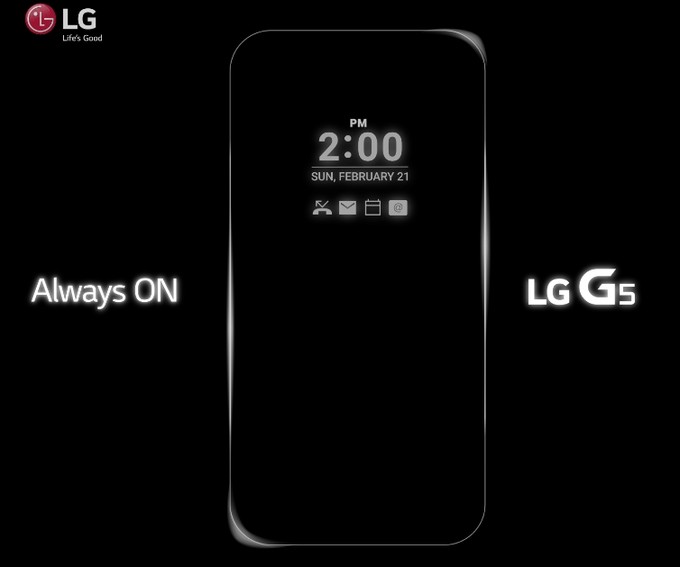
According to popular leakster Evan Blass, one of LG G5’s photography add-ons will include an 1100mAh battery and physical buttons for various camera functions — zoom, flash, shutter release, etc. A recent image of the module shows a large bump on the bottom back of the G5. It could also be that the modules will fit inside the G5 to its modular nature, if rumours are true. LG also recently revealed that the G5 will have an ‘Always On’ mode.
The audio add-on is being made in partnership with Bang & Olufsen, and adds a DAC (digital to analog converter) to the G5 to improve its sounds quality. Blass claims that the audio module is called LG Hi-Fi Plus, while the camera add-on is called LG Cam Plus. Additionally, it is also reported that LG will be launching a spherical camera for capturing 360-degree video and stills, called the LG 360 VR. There’s also a smartphone-controlled robot named the Rolling Bot (along the same lines as Sphero’s BB-8 toy).
We’re just a few days away from the MWC 2016 in Barcelona, where LG wlll unveil the G5. The tag line LG is going for is “Play Begins”, which is what LG plans on giving with the G5, a lot to play with.
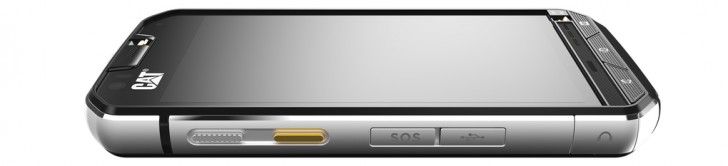
As big name brands set themselves to launch their latest and greatest phones at the Mobile World Congress 2016, a brand which makes relatively niche products, Cat, will look to steal the limelight with an offering that might not give any of the flagships a run for their money in terms of specs, but lacks behind none in terms of innovation.
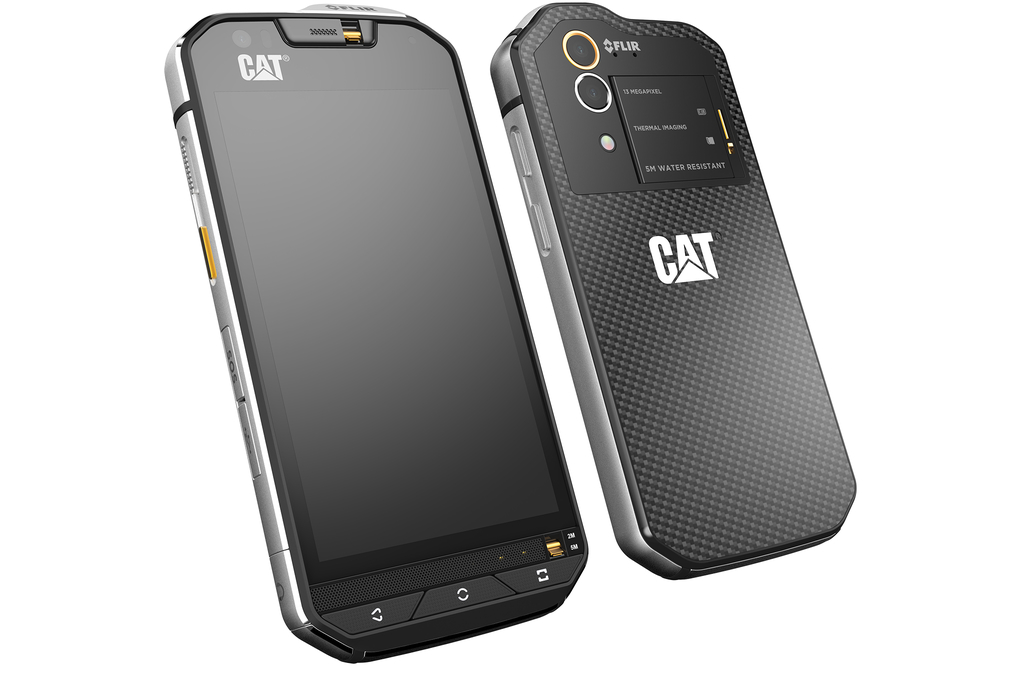
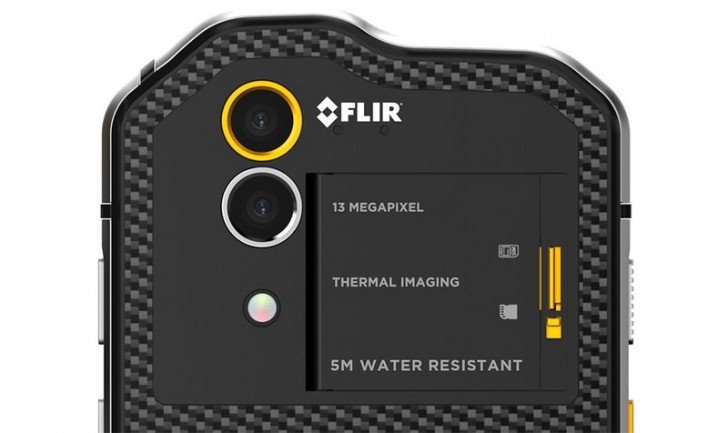
Cat’s new S60 is the latest in the line of rugged smartphones from the United Kingdom based brand, and it comes with two very unique features. Cat has added a FLIR thermal imaging camera and the first waterproof rating to a depth of 5 meters for up to an hour on this rugged phone.
The Cat S60 features a military-grade thermal imaging C2 camera module from FLIR. This is the same technology used in the Intel-powered Daqri smart helmet, enabling the Cat S60 to show temperature changes.
The sensor is the smallest of its kind, and can measure surface temperatures from a distance of up to 100ft. It can see through obscurants such as smoke, and is aimed at building professionals, utility workers, and outdoor sport enthusiasts.
The Cat S60 comes with added protection for its display too which even after being covered by a 1mm ( normal phones get 0.4mm) thick sheet of Gorilla Glass 4 works pretty well, and has a brightness rating of 540nits.
Other specs of the phone include a 4.7-inch 720p display, Snapdragon 617 with 3GB of RAM and 32GB storage. The phone runs Android 6.0 Marshmallow and offers 4G LTE connectivity. It also comes with a 13MP main camera, 5MP front camera. A massive 3,800mAh battery powers the device.
In this age of streaming and downloading, where our hunger for data is exponentially growing, most users often find themselves struggling with this ever losing battle of trying to not exceed or finish up their data allowances.
Data plans have become so expensive that most of us live in constant fear of exceeding our monthly smartphone data allowance, forcing us to run from one Wifi hotspot to another just to conserve as much data as possible.
Today, iGyaan brings to you tips and tricks for Android users to conserve data, and help them keep more of their hard earned money away from the clutches of the evil ISPs.
Chrome Webpage Compression
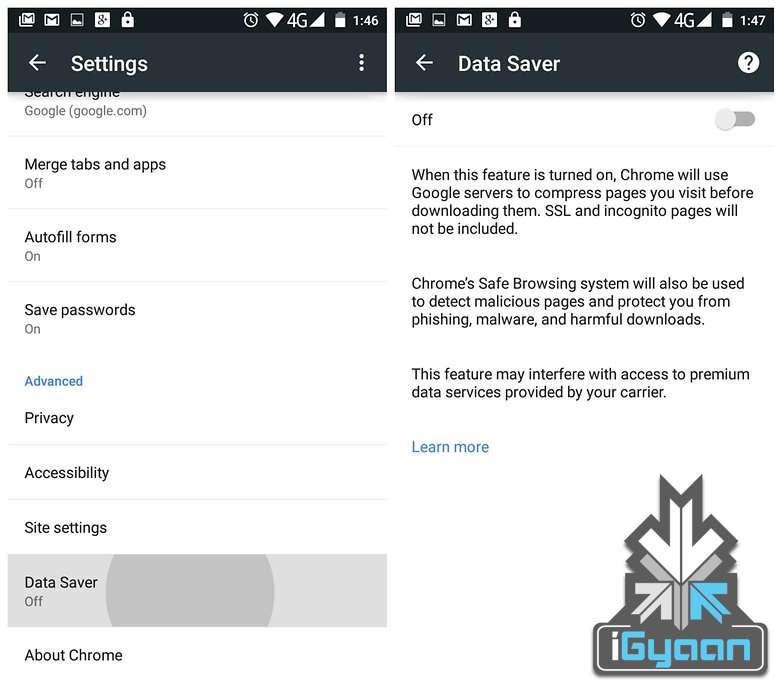
For users who use Google Chrome for browsing the Internet this tip can help them cut down significantly on data used for browsing. Google claims you can save upwards of 35% of data while using Chrome’s Data Saver feature. When enabled, Google’s servers reduce the amount of data that is downloaded when you visit a web page.
But such extreme data saving comes at a cost. When the data saver is enabled, certain websites might load slow, while ones with a lot of images displayed not at their best, but to us it seems like a fair trade for the major data savings that this feature provides.
To activate this feature, the user needs to launch Chrome, tap the three dots in the top right-hand corner, scroll down to the settings buttonand then click omData Saver. Just to see the results for yourself monitor Chrome’s data usage after switching the data saver feature on.
Use Opera for Saving Data on Watching Videos
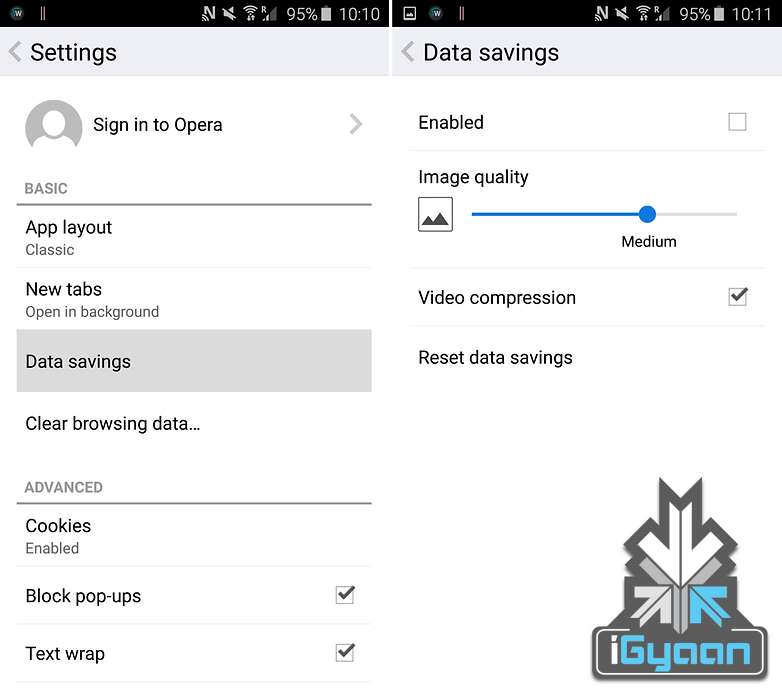
Much like the Chrome browsers compression technology for web pages Opera for Android provides users with a very nifty trick that allows them to watch compressed videos, resulting in almost similar quality content, but greatly reduced size.
The end result being reduced data usage for a very faster loading videos. Can’t say we don’t approve. the Opera browser, go to Settings > Data savingsand tick the box that says Video compression.
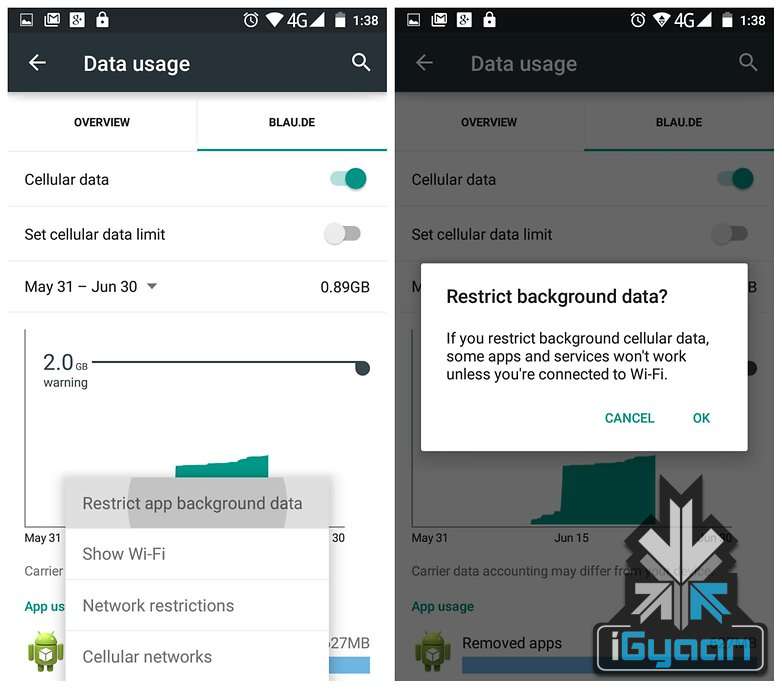
Restrict Background Data
One of the best ways to conserve data that Google provides Android users is with the option of restricting background data using the inbuilt data saving mechanism of the Android operating system.
With this feature users can tell Android to restrict background data usage of specific apps, hence helping in greatly reduce data usage. Apps and tasks such as email syncing, feeds updating, weather widgets and so on can be stopped temporarily, and be taken care of when in a Wifi Hotspot area.
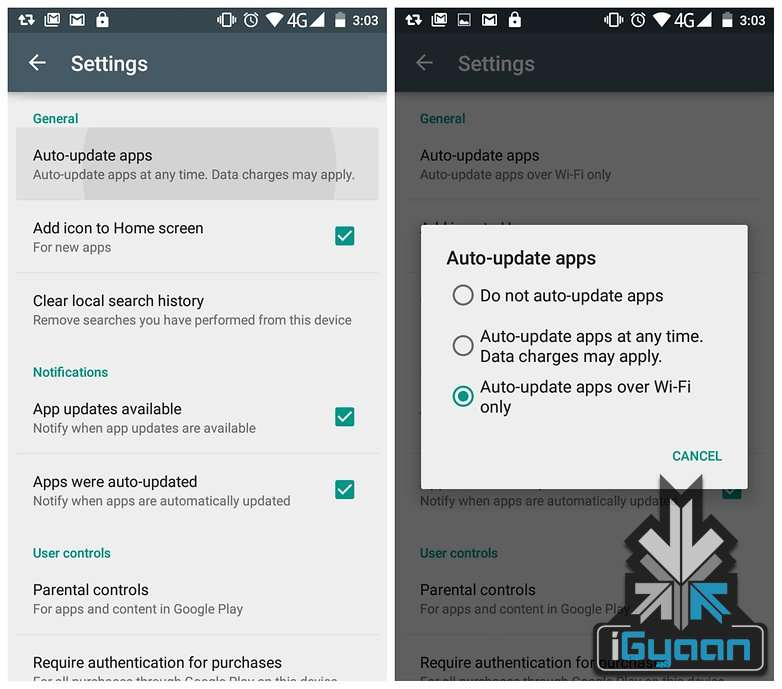
Turn Auto Update Off for Apps
Android by default sets the Play Store to download updates to apps the moment they are available. Depending on your internet speed, this particular feature if left unattended, can eat through your phone’s data pack very quickly. Switching this to Auto Update Apps Over Wifi Only is recommended.
Head to the Play Store and head towards the Settings button.On the page you’ll see Auto-Update Apps. Tap this and make sure you either have it set to ‘Do not auto-update apps’ or ‘Auto-update apps over Wi-Fi only’.
For users looking for more customization, and want to manage individual apps, they can make way to the My Apps page, select an app and then tap the overflow menu to un-check Auto-Update.
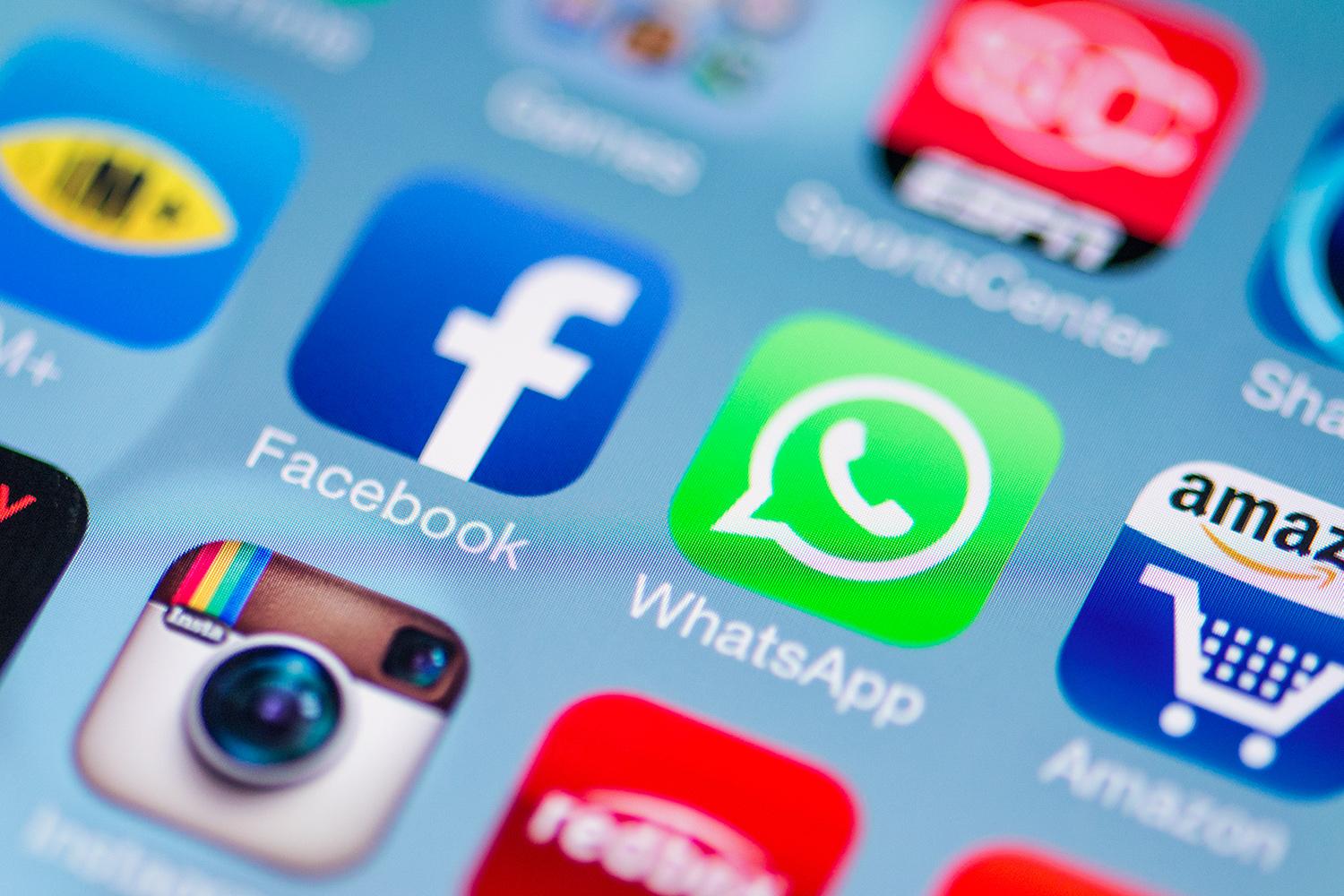
Say Bye to the Facebook App
The Facebook App is infamous for its habit of eating through mobile data for fun. Several reports have found that Facebook’s recommended app is a great drain on mobile data on the Android System along with being a dreaded enemy of your battery life. As such, uninstalling it in favour of the Facebook Lite App is highly recommended.
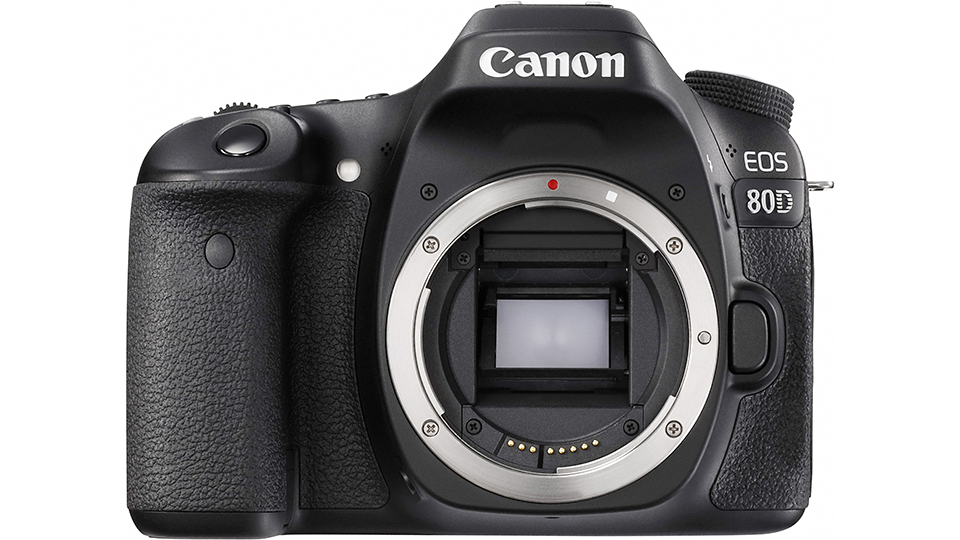
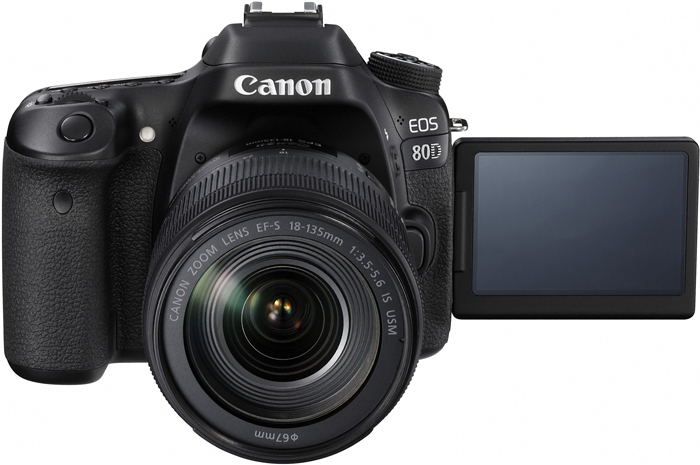
Canon has been unveiling a bunch of new cameras in the recent few months. Earlier this month, the company unveiled the 4K-capable EOS-1D X Mark II and today it has unveiled the mid-range EOS 80D DSLR Camera with a versatile EF-S 18-135mm f/3.5-5.6 IS USM Lens, which come alongside the DM-E1 Directional Microphone and the unique PZ-E1 Power Zoom Adapter.
Canon also unveiled two point-and-shoot cameras for those who are looking for more pocket-friendly options. the svelte and powerful PowerShot G7 X Mark II Digital Camera and the compact long-zoom PowerShot SX720 HS Digital Camera. video -The new 80D comes with 24.2MP APS- C CMOS sensor and the DIGIC 6 image processor. Dual Pixel CMOS AF has received a boost for improved focusing accuracy and speed when recording video.
Image quality has been given a bump and the images captured promise exquisite detail and colur.The camera comes with Full HD 1080p at up to 60 fps in the MP4 format, headphone and microphone jacks, and a 3.0” vari-angle touchscreen Clear View II LCD monitor which offers flexible positioning. Additionally, the camera has Wi-Fi with NFC, HDR Movie, Time-Lapse Movie, and Creative Filter options.
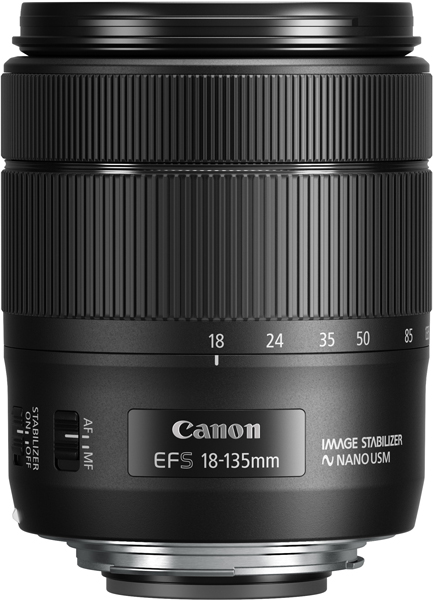
Along with this, Canon is offering a EF-S 18-135mm f/3.5-5.6 IS USM Lens which is compatible with APS-C cameras like the 80D. The focal length range goes from 28.8-216mm and allows faster autofocusing than before. The lens also works with PZ-E1 Power Zoom Adapter, allowing users to perform more controlled zooms and making it ideal for video use. The lens comes with Optical Image Stabilizer and a Dynamic IS system.
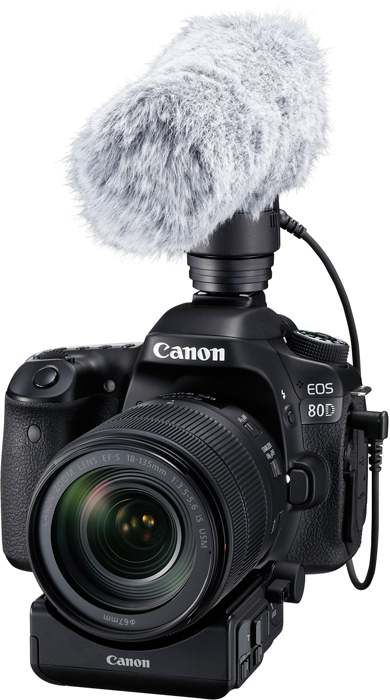
Canon finally unveiled the DM-E1 Directional Microphone, the DM-E1 which comes with a windjammer to reduce noise and a shock mount to lessen handling noise. It has a frequency response of 50 Hz to 16 kHz and runs on a single button-type lithium cell battery.
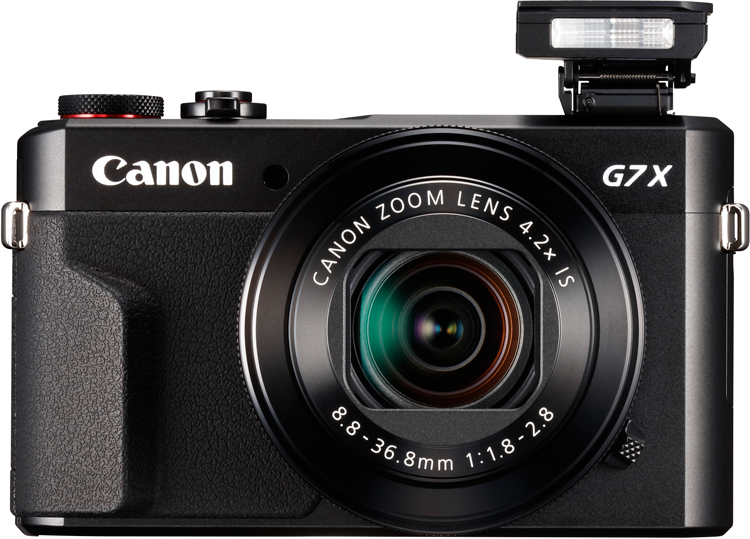
Finally, Canon wrapped up the announcement with two new PowerShot cameras.The first one is the PowerShot G7 X Mark II that features the latest DIGIC 7 image processor which powers a high-speed continuous shooting rate of 8 fps with raw or JPEG. It comes with a 20.1MP 1” CMOS sensor and 24-100mm equivalent f/1.8-2.8 lens combination.
PowerShot G7 X Mark II
It has a multi-angle 3.0” 1.04m-dot touchscreen LCD that can flip 180° for selfies. In addition to stills, the G7 X Mark II can record Full HD 1080p video and offers built-in Wi-Fi with NFC for connecting to a mobile device.
PowerShot SX 720HS
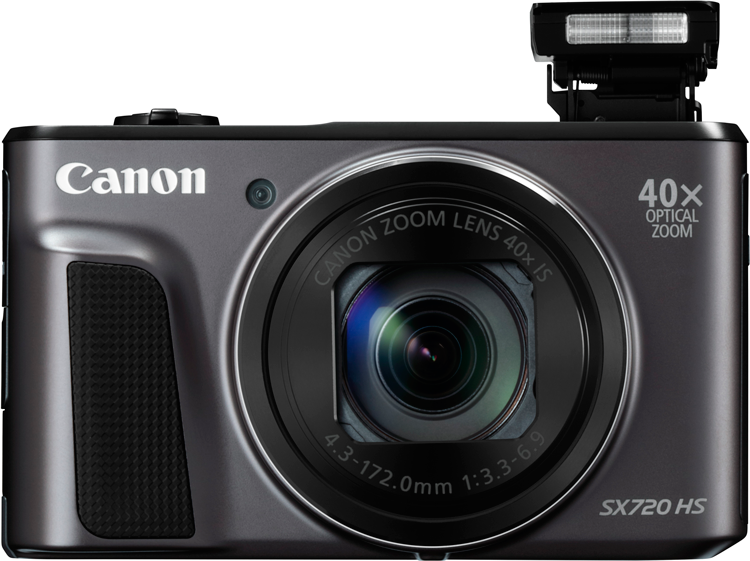
The second one is the PowerShot SX720 HS with a 40x optical zoom range and a relatively compact body. It features a 20.3MP CMOS sensor along with the DIGIC 6 image processor to create high-resolution, low-noise images and Full HD 1080p60 video. It also comes equipped with a large 3.0” 922k-dot LCD for easy viewing.
The FBI got hold of the iPhone of dead San Bernardino terrorism suspect, Syed Rizwan Farook back in December, but sophisticated encryption technology present on the Apple made phone has prevented the authorities from accessing its contents.
Hardly two weeks back, the Federal Bureau of Investigation accepting defeat called Apple’s headquarters in Cupertino, California, asking the company to help them get into his iPhone. Apple politely refused.
Things quickly escalated on 16th February, when a federal judge in California on the request of the FBI ordered Apple to provide the investigative agency with the tools required to unlock Farooq’s phone which according to the FBI was used by the shooter in the San Bernardino attack.
And just last night, Apple CEO Tim Cook responded to this new development with a strong-worded open letter to its customers. Cook in his letter described the FBI’s actions as an “unprecedented step which threatens the security of all customers” hinting that the actions involved in this one case could have far-reaching repercussions beyond just this one isolated case. And, for once, Tim Cook has got things spot on.
The FBI’s request to violate the privacy rights of a dead suspected terrorist may not ring any alarm bells or the consequent order of the court asking Apple to cook up a custom version of its iOS specifically for this phone to help the authorities gain access to it does not sound malicious in isolation, but As Tim Cook points out this small step has the potential to undermine the security of each and every iPhone around the globe.
“The government suggests this tool could only be used once, on one phone,” Cook wrote. “But that’s simply not true. Once created, the technique could be used over and over again, on any number of devices.”
What essentially the FBI wants Apple to do is help it get around crucial privacy features meant for safeguarding the phone from criminals using brute force attack. If Apple complies, and puts its best minds to cook up a software to nullify the encryption chip on its phone, and bypass the AES 256 bit encryption system on it, this will not only set the precedent for further legal or illegal use of this new technique by the government for any iPhone in the world, but also leave the door wide open for criminals to get their hands on this tech, and compromise the privacy of everyone with an iPhone.
In today’s digital world, the “key” to an encrypted system is a piece of information that unlocks the data, and it is only as secure as the protections around it. Once the information is known, or a way to bypass the code is revealed, the encryption can be defeated by anyone with that knowledge.
In the physical world, it would be the equivalent of a master key, capable of opening hundreds of millions of locks — from restaurants and banks to stores and homes. No reasonable person would find that acceptable.
Google’s CEO, Sundar Pichai has in a list of tweets backed Tim Cook’s open letter giving strength to the argument that giving the authorities such overreaching powers could have serious repercussions. The FBI’s request, however innocent, and noble in intention should be rejected at every chance possible because it holds in itself the possibility of malice that if unleashed could undermine our privacy going forward.
Giving the government access to user data occasionally is wholly different than giving them the power to hack into our phones, and invade our privacy. If the FBI succeeds in this then it could indeed be a troubling precedent going ahead for users not just in the United States, but also here in India.
It’s been over 30 years to the date when the digital world first met its dreaded nemesis, the computer virus back in 1986. Unlike the ever connected machines of today, the first MS-DOS virus that the world saw back in the day, the Brain, was transmitted through an old school floppy disk which carried the source code of this virus from one machine to the other, each time replicating it to the host machine’s boot sector.
The Good
The Brain is the first known virus to infect the MS-DOS system, and more importantly, the oldest to hit personal computers. The code for the Brain was conceived closer to home than we might want to believe. This virus which was meant to protect a proprietary software created by the coders of the Brain from pirates was created in a small office space in Lahore, Pakistan.
It’s creators, Basit and Amjad Farooq Alvi, wrote a code which when initiated would display the contact information of the Alvi Brothers with a message intended to scare away pirates. The Brain hence proved to be a code not malicious in nature, a “friendly virus,” as termed by its creators. But since the Brain arrived long before the Internet was born, it remains a relic of another age.
The Bad
With the advent of the Internet and the untethered connectivity it provided to a digital world that controls our very being today, the virus started to grow more sophisticated and sadly its intentions malicious.
A bigger playing field, and higher stakes because of the ever increasing number of computers on the connected platform led to pirates, and hackers using the code for forgery and invading people’s privacy. The Morris worm being the first in the long line of malware which starting in 1988 rendred affected systems connected to the internet unusable, causing over $10 Million in damages to the United States authorities.
The Ugly
Fast forward to what looks to be the future of the Virus, the Stuxnet, a tool of cyber warfare, which can infiltrate government servers and take over nuclear facilities leading to possible destabilization of the whole world. Compare this complicated worm(sub class of virus)to the Brain, and you know the computer virus has traveled a long way. The virus going into the future looks to be more powerful than ever, enjoying almost unbridled power that it has never seen before.
A new battleground has been created in the sky, accessible through complex hardware which can change the course of the destiny of human kind forever. Most countries are spending billions of dollars on creating a system for education and building a knowledge base of how attacks can be perpetrated and what defenses are needed for such complicated worms. The Stuxnet hence is a far cry from the first virus, Brain, created to scare pirates away, which now sees its descendants being used for malice, forgery, and war.
Stuxnet whose code was supposedly created by the CIA to dismantle the unstable nuclear arsenals of countries like North Korea and Iran is in itself a weapon of aggression, so looking at the virus from a contemporary perspective, important questions arise.
Has the virus really lost its way during the course of its evolution, and become a bane that needs to be rooted out from the digital space once and for all? Or does the code still have in itself to evolve and do some good as the Basit brothers intended for it?
Well, if humanity, the creator of this intelligent race of digital beings finds finds itself stumbling to answer no, then probably the time has come to accept the computer virus for what it actually is, and will be, an ugly convenience like in the case of Stuxnet which could well, for better or for worse, change the course of humanity forever.
Last year saw some incredible smartphones that pushed the boundaries of design and specification, making it difficult to pick out just one favourite. This year promises to do the same. We take a look at some of the most anticipated smartphone launches expected in 2016 and what we know about them so far.
iPhone 7
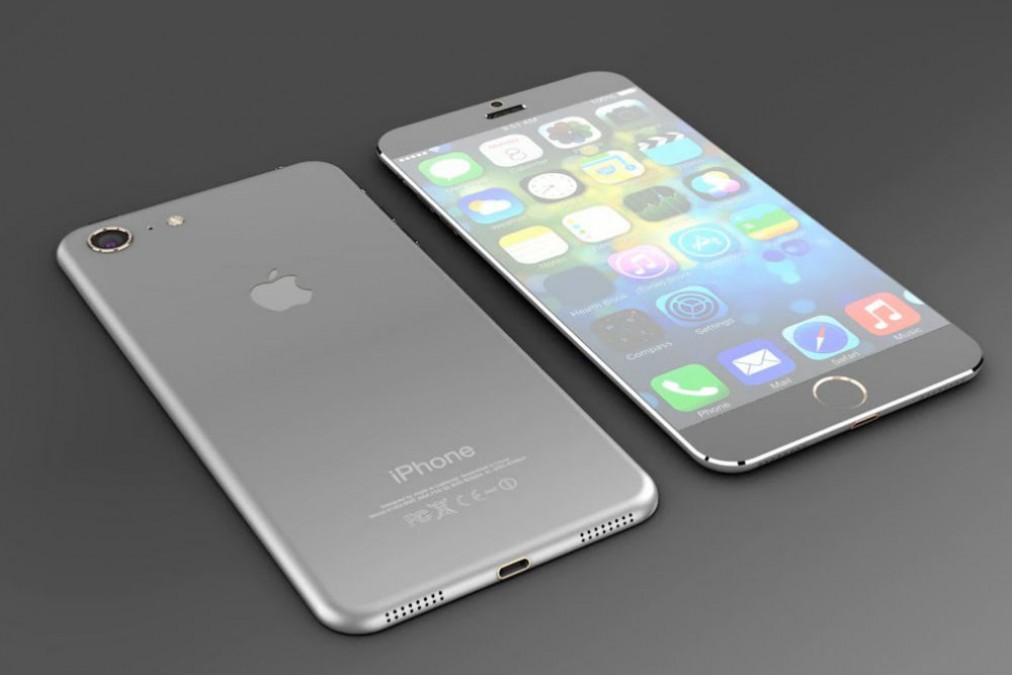
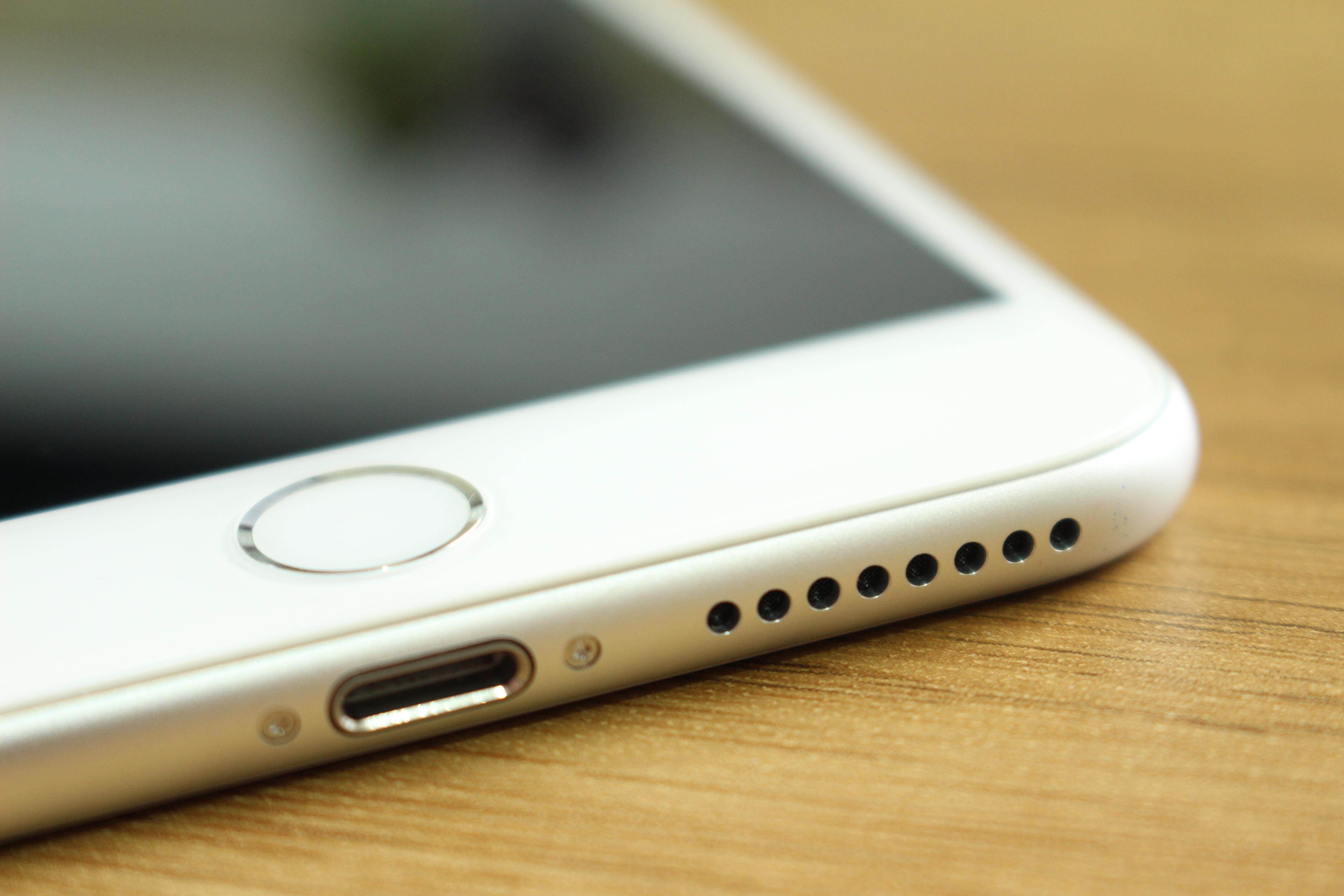
Apple’s iPhone 7 and Samsung’ Galaxy S7 are perhaps the most talked about flagship devices today. There’s just a lot of anticipation attached to the upcoming handsets and along with it a lot of rumours as well. The first round of rumours a few months ago suggested that the iPhone 7 will lose the home button and will sport an OLED display thereby giving up on LCD display that it has relied on so far. Apple followers will know that the Apple Watch is the only Apple device to sport an OLED display currently. Furthermore, the OLED display will either be supplied by LG or Samsung, or both.
Next up, the iPhone 7 is rumoured to be waterproof and will feature 3 GB of RAM. More recently, there have been talks related to Apple’s decision to ditch the headphone jack. This is part of Apple’s plan to improve the quality of music streaming. Furthermore, the loss of a headphone jack means more space for Apple to add a larger battery to the iPhone 7, as well as make the device thinner. We’ll just have to wait and see how this strategy plays out.
Samsung Galaxy S7 and S7 Edge
There have been a lot of rumours and a lot of questions regarding the launch and specs of Samsung’s upcoming flagship Galaxy S7 devices. What everyone is expecting is Samsung to pull out another stunning flagship that pushes the boundaries of design and power, like it did with the Galaxy S6 series.
It’s almost confirmed that the Galaxy S7 will arrive in two variants – one powered by the new Snapdragon 820 chipset and the other by Exynos 8890.
Among the many rumours that have been making the rounds, some that have caught our attention is that the S7 devices will feature Apple’s 3D Touch-like pressure sensitive display called ClearForce that’s being developed by Synaptics. Additionally, the Galaxy S7 will have a Type C USB Port which means the device will charge significantly faster.
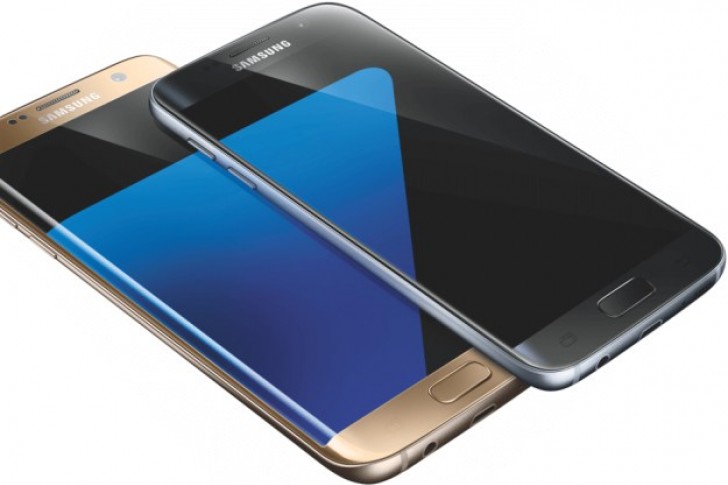
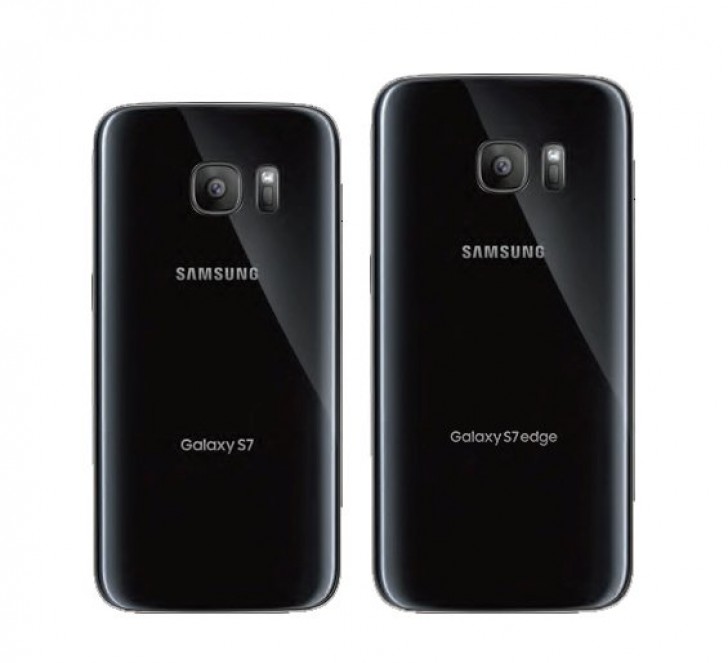
The flat Galaxy S7 will likely sport a 5.2-inch Super AMOLED display while the ‘Edge’ variant will come with a 5.5-inch display of the same kind. In terms of design, Samsung is sticking to the S6 design language only upgrading the specs, which we’re not complaining about. The flagship devices are slated to be unveiled on February 21 at the MWC ‘Unpacked’ event.
HTC One M10
Being a successor to the One M9, the HTC One M10 will look to improve on specs wherever it can. The new iteration is said to come with a 5.5-inch QHD display. You can expect some bright, crisp colours under a Gorilla Glass 4 protection.
On the design front, the device will have the all-metal, unibody form associated with HTC flagships, along with curved edges and bezels to give it an attractive look. The One M10 will look a lot more like the One A9 than the One M9. From what recent renders tell us, HTC is ditching the BoomSound front speakers as well as the much-hated logo on the front that was found on the One M10. The HTC One M10 will sport a Snapdragon 820 chipset under the hood along with a powerful graphics card.
Other features include a Touch ID fingerprint scanner housed inside the home button, 4 GB of RAM with 16 GB and 32 GB internal storage variants, and a battery capacity of 3,500 mAh. The device is expected to come out sometime in March.
Xiaomi Mi 5
Xiaomi fans have been eagerly awaiting the Mi 5 flagship smartphone, which has been delayed due to the launch of the Snapdragon 820 chipset. Since Samsung has claimed exclusivity of the new chipset for the first quarter, the Mi 5 along with any other device sporting the new, powerful processor will all likely see a post-March release.
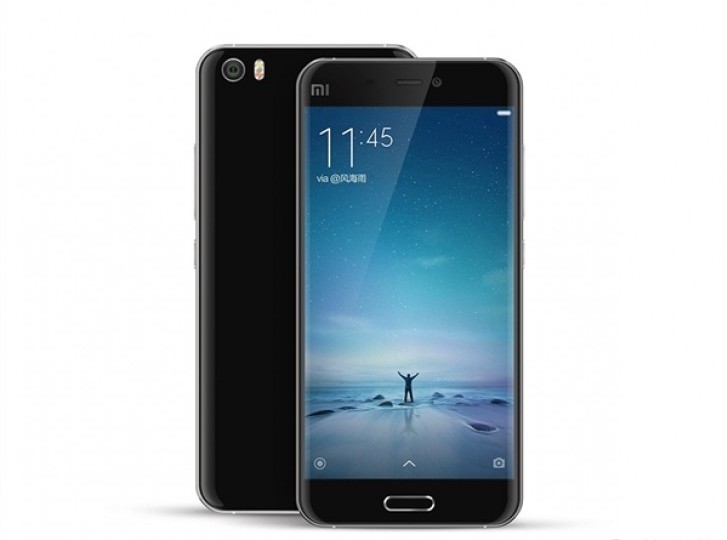
Recent rumours about the specs of the Mi 5 are contradictory with some claiming the Mi 5 will sport a 5.5-inch screen with quad HD (2560×1440) display and the others pointing to a 5.7-inch with Full HD display. What’s almost confirmed is a Snapdragon 820 chipset, 20MP primary camera and an 8MP front cameras. The device will also come with 3,800mAh battery and 4G LTE support. RAM is set at 4GB and the phone will offer 16GB/64GB/128GB storage options.
OnePlus 3
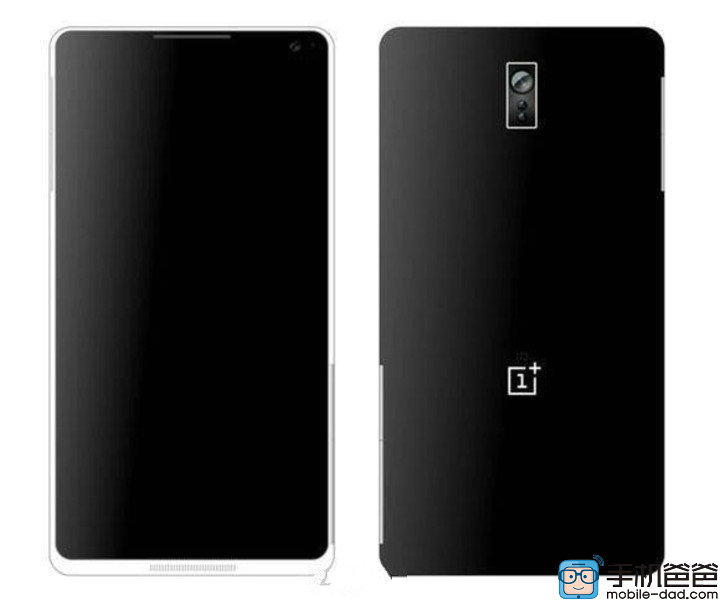
OnePlus 3 Render
OnePlus has done so much in so little time. The company, still in its infancy, has already released 3 spectacular devices -OnePlus One, OnePlus 2 and OnePlus X in the span of two years. This year, OnePlus will look to reclaim the title of the ‘flagship killer’ with the upcoming OnePlus 3 smartphone. Not much is known about the third flagship device, and only a couple of leaked renders have appeared giving rise to possible hardware specs.
The image above shows a brushed metal back instead of the usual sandstone panels. The new OnePlus might also feature a front speaker. The render shows that the handset could possibly come in two different colours.
From what we’ve heard so far, the new OnePlus device will sport a 5.5-inch UHD display with 5GB RAM. Sources also reveal a little about the hardware and display citing that the handset could arrive with the Snapdragon 820 chipset and a 1080p display resolution.
LG G5
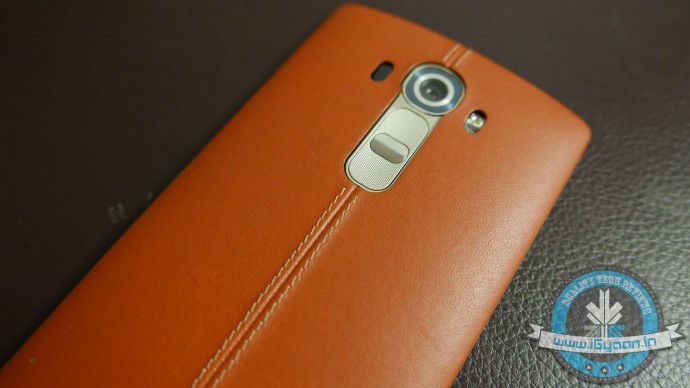
LG G4
A Redditor recently leaked some specs and images of the LG G5. The device will sport a 5.3-inch Quad HD display, powered by the new Snapdragon 820 SoC with 3 GB of RAM and an 8 MP front camera. Other specs include a full metal body, SIM and MicroSD slot, heart rate sensor that’s under the camera module, a fingerprint sensor embedded in the power button, a USB Type-C port, bottom firing speaker and an IR blaster on top.
Some recent rumours have suggested a modular design for the LG G5 where the bottom is detachable so as to easily remove the battery pack. This, however, is still a long shot and nothing has been confirmed on that front.
A leaked image also suggests that the LG G5 will sport a dual camera set-up at the back – 16 MP and 8 MP. LG will launch the G5 flagship smartphone at the MWC next week.
Sony Xperia Z6
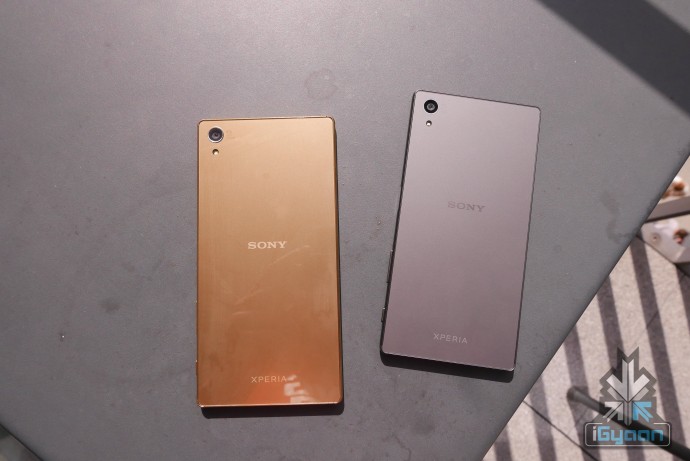
Sony Xperia Z5 Premium
It looks like Sony is planning to launch a slew of devices under the Z6 line. It is rumoured that a total of six Z6 devices will be launched this year: a 4-inch Xperia Z6 Mini, a 4.6-inch Xperia Z6 Compact, a 5.2-inch Xperia Z6, a 5.8-inch Xperia Z6 Plus, a 6.4-inch Xperia Z6 Ultra, and a 5-inch Z6 Lite. Now, Sony is yet to confirm the rumours, but you can expect some, if not all, to be true.
What you can expect from the Xperia Z6 is a build that’ll reflect the Z5 with a squarer, flatter design rather than the traditional rounded edges that Sony had previously stuck to with the older models. The Z6 will also come with a fingerprint scanner added to the power side button.
The burning question is whether Sony will go for a 2K display with the 5.2-inch Xperia Z6 or will it continue with a Full HD display as it has with the Z5. Doing the former would mean having to sacrifice battery life, which Sony isn’t all too fond of doing at the moment.
Nokia C1
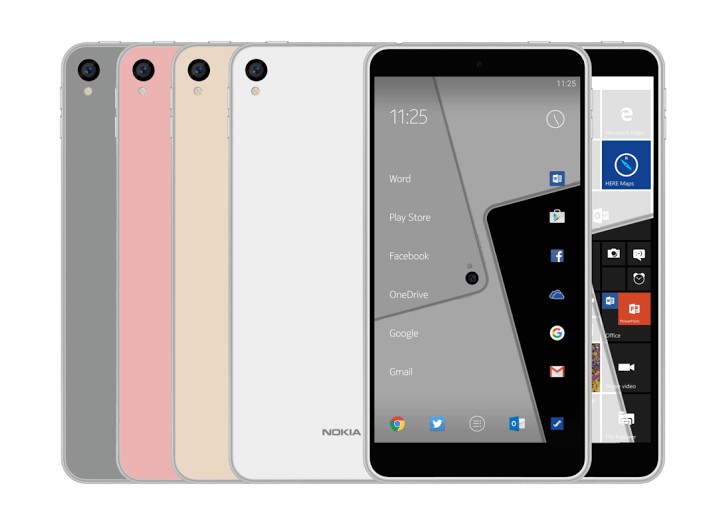
Nokia C1 Render
Nokia is all set to make a comeback with a new smartphone. This new device, allegedly called the C1, will be the first flagship device to bear the Nokia logo since the Finnish company was sold to Microsoft a few years ago.
There have been a number of leaked renders that claim the design of the C1, though each source has leaked different designs. One of the more recent renders show a very minimalist and sleek design, which actually looks pretty good, if confirmed as legit. The C1 is also depicted running both Android and well as Windows 10 OS.
Rumours suggest that the Nokia C1 will come in two variants. The first one will sport a 5.5-inch Full HD display and a 13 MP rear camera and 5 MP front camera. The device will also come with 3 GB of RAM and 64 GB of internal memory expandable via microSD card slot.
The second variant will have a 5-inch Full HD display and will sport an 8 MP rear camera and 5 MP front camera, 2 GB of RAM and 32 GB of memory.
Countless leaks have already talked at length about how the upcoming flagship from LG, the G5 will come packing a Snapdragon 820 SoC upon its MWC 2016 launch, and today, Qualcomm, the company behind the Snapdragon chipsets has with a reader tweet all but confirmed that the phone will sport the best chipset that Qualcomm currently has to offer.
This will come as great news for Qualcomm which infamously saw the South Korean tech giant choose to ignore the previous top of the line chipset from Qualcomm for the better thermals of the 808.
Other specifications of the phone detail it to come equipped with 4GB RAM, a 5.6-inch QHD display, along with 8-Megapixel camera at the front, and a Dual 20-Megapixel, with laser autofocus and Optical Image Stabilization at the back. The device is also said to come in a modular design for easy access to the battery.
According to new reports, a small start-up company named Energous has partnered with Apple to bring its WattUp technology to the iPhone. Reportedly, Apple will have the exclusive rights to the technology, which allows devices to be charged wirelessly from as far as 15 feet. The Energous chip that is added to the phone is so small that it won’t affect the size of the phone.
The chip works with a transmitter that can be placed anywhere in a room. If the WattUp chip is placed inside the iPhone 7, and you put a transmitter inside your office, your phone will Be able to charge through the day. If you put a transmitter in your bedroom, it will charge wirelessly all night.
Neither Apple not Energous have confirmed these rumours and it may be unlikely that the iPhone 7 may not feature this technology, but it doesn’t rule it out for the iPhone 7s or so.
In what is the most clear indication of a launch date for the Playstation VR, GameSpot’s CEO has all but spilled the beans on what will be a September-October launch for the eagerly awaited VR headset from PlayStation.
GameStop CEO Paul Raines was talking about the industry early Tuesday morning on Fox Business when he was asked about the coming year for VR technology. In response, Raines revealed that GameStop as a retailer is preparing for the launches of the Oculus Rift, the HTC Vive and PlayStation VR. The first two not being done deals as of now for GameStop, but for Sony revealed that “Gamespot will launch the Sony product this fall.”
This though does not go in line with what Sony had revealed last year when they announced that the PlayStation VR could hit the markets as early as first half of 2016. PlayStation has still to react on Paul Raines gaffe, and as such the confusion is expected to prevail just a bit longer.
This news about the PlayStation VR launch in fall if true would also mean that Sony’s VR offering will crucially give theOculus Rift and HTC Vive a headstart in the market as both these products are set for a public release this spring. But, having said that, this will also give Sony the benefit of fine tune its VR hardware for just a bit longer ensuring increased chances of it being approved by the end consumer.
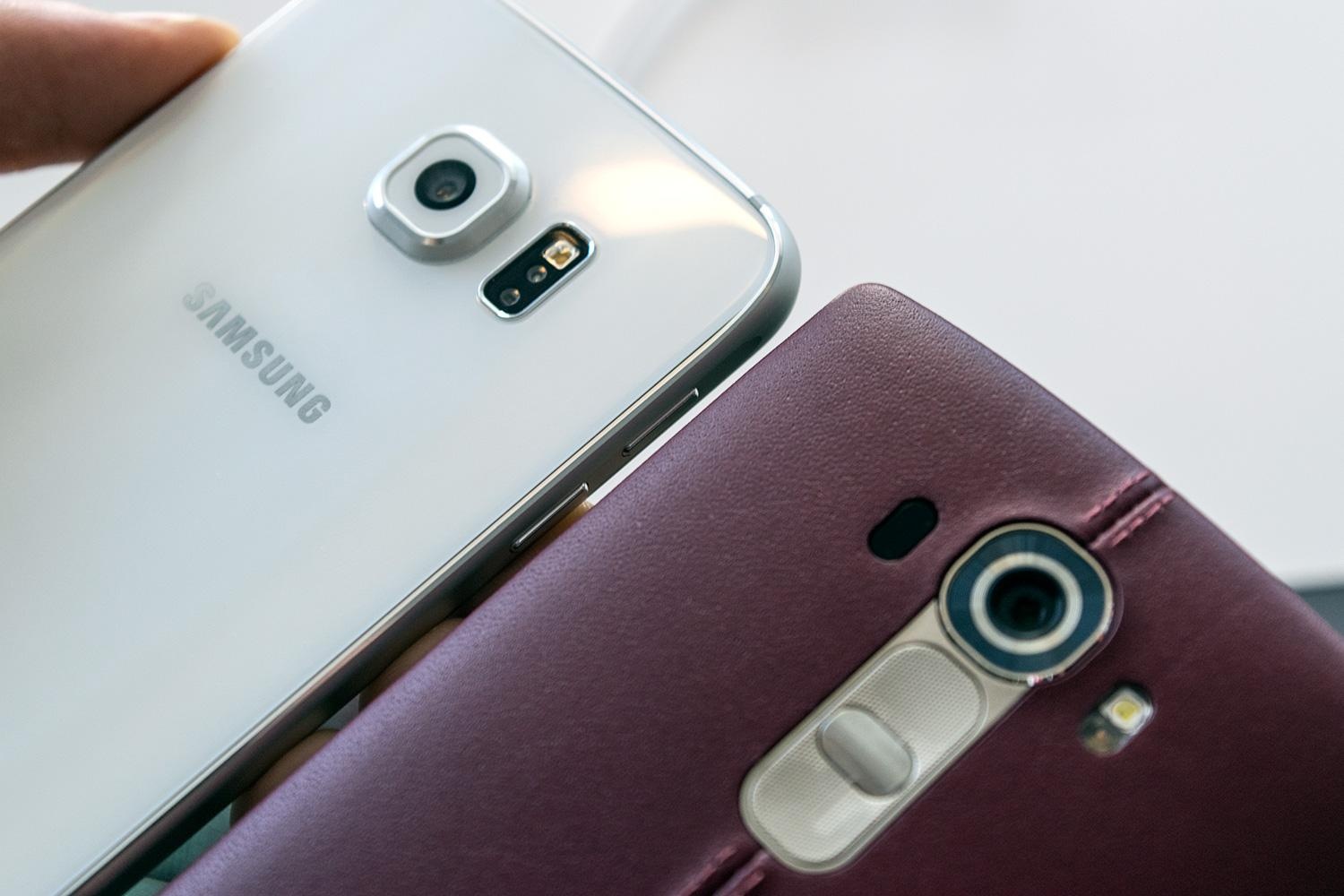
The Mobile World Congress 2016 is just a day away. The technology fest will see some major unveiling and some next-gen tech on display. In the smartphone department, two names have been given a lot of hype for many weeks now, and rightly so. Samsung and LG are both ready to unveil their flagship devices. We’ve heard rumours and leaked renders of both and now it’s time to see which flagship does better based on what we know so far.
Design
Samsung achieved a beautifully crafted phone with the Galaxy S6 and S6 Edge and there is no reason why the Korean-based giant would want to steer away from that. From what the renders have told us the upcoming Galaxy S7 and S7 Edge will follow the same design language as their S6 counterparts. Only the standard 5.1-inch S7 will have a curved edge at the back rather than a flat one seen on in the S6. The renders of the devices look great and Samsung may just have another great looking device on their hands.
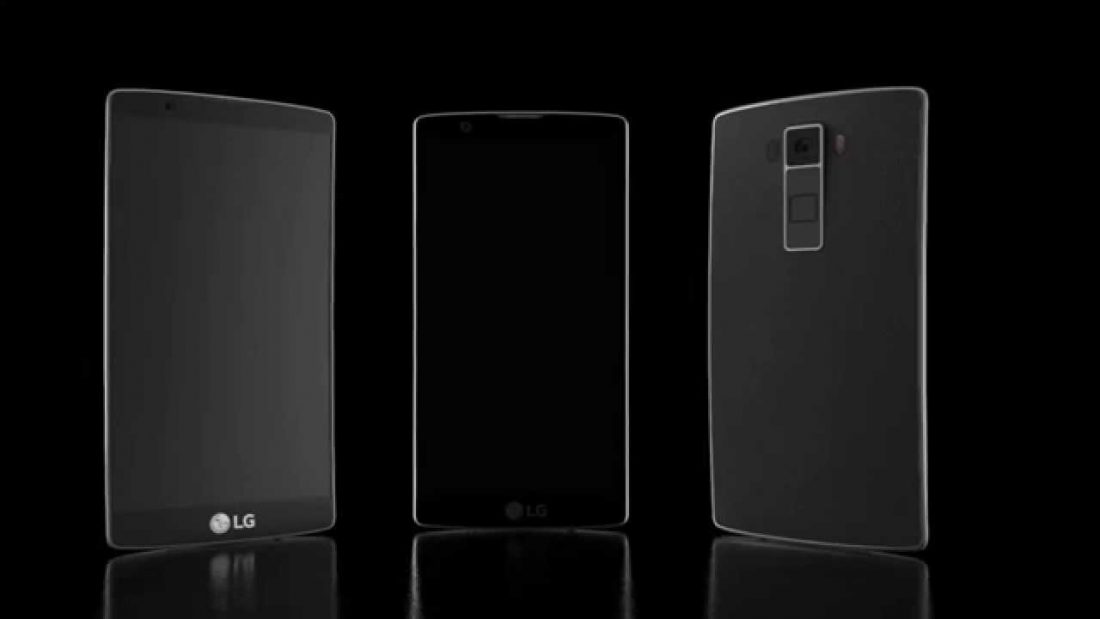
The LG G5, on the other hand, is likely to go with a more squarish look as compared to the G4. The back may not be as curved as its predecessor. It is also rumoured that LG is incorporating a modular design with the G5. The G5’s modular design, according to rumors, involves a detachable bottom, which will reveal the battery and allow it to simply slide in and out. Not only does this design help in making a thinner looking device, but it also gives easy access to the removable battery. Furthermore, it is also rumoured that the G5 will feature a secondary display above the primary one that will display apps and notifications, similar to the LG V10.
Camera
When it comes to the camera, Samsung has done extremely well in decimating its competition with some superb camera modules in the S-series. The Galaxy S6 and S6 Edge Plus had incredible cameras that won last year. This year, Samsung wants to take its camera up a notch which is why it’s using a new Britecell technology for the Galaxy S7. Rumours peg the rear camera at 12MP with f/1.7 aperture, which means that Samsung is focusing a lot more on quality while the front camera will be at 5MP.
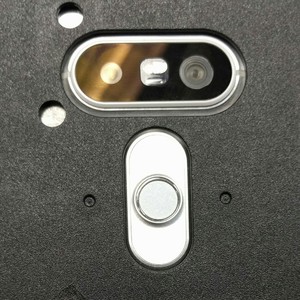
The LG G5 is set to sport a dual camera set-up at the back – 16 MP and 8 MP. Leaked images posted in December show a dual camera fitted under a back panel. There’s also a flash and what looks like a fingerprint sensor below which is also expected to double up as the power button. LG has also done extremely well in the camera department and the V10 is one such phone in LG’s lineup that stands as proof. The cameras on the G5 is said to be developed by Sony.
Hardware
Both the flagship devices are expected to feature top-of-the-line and next-gen specifications. The Samsung Galaxy S7 upon launch is expected to to feature a 5.1-inch Super AMOLED display with Quad HD resolution, a new 12 MP BRITECELL camera with f/1.7 aperture, and a 5 MP secondary camera. Two SoC configurations are expected – one being the new Exynos 8890 and the other being Qualcomm’s Snapdragon 820. 4GB of RAM and 64GB of internal storage is expected as well as a MicroSD card slot this time around and the battery is expected to be upwards of 3500mAh. A fingerprint sensor will be housed in the home button.
The LG G5 is rumoured to come equipped with a 5.3-inch QHD display, sporting a Snapdragon 820 processor and 3GB of RAM with 32GB of internal storage. It’s also suggested that LG G5 might include an eye scanner, USB-C connectivity and a fingerprint sensor.
Features
It has been rumoured that Samsung has been working on an Apple 3D Touch-like feature for the Galaxy S7 devices. The pressure sensitive feature, reportedly called ClearForce, is being developed by Synaptics. If this is true, we may just see apps for Android being updated to include pressure sensitive features as well, much like the apps for iOS. Meanwhile, another set of rumours suggest that the S7 will have Apple Live Photos-like feature which makes tiny GIF-like videos.
A recent teaser video posted by Samsung’s Indonesian page showed that the Galaxy S7 will be waterproof to some extent.
LG is planning to launch the G5 with market disrupting specs and features, according to rumours. Now while one unconfirmed feature involves a modular design with a removable bottom, LG has teased some other features as well such as an ‘Always On’ mode which displays notifications on the screen without having to turn the screen on. A dual rear camera setup and a secondary display will be the other highlights of the G5.