Blog

  • Google to Manufacture In-House Nexus Devices, OEMs to Exit

    Google to Manufacture In-House Nexus Devices, OEMs to Exit

    According to reports emanating from Google headquarters in Calfornia, the tech giant is reportedly looking at going the Apple way when it comes the manufacturing of its Nexus devices. Currently, Google shares the branding of its Nexus devices with the hardware manufacturers who have a significant input in both the hardware and designing of the device.

    Google wants to change this from the ground up; it plans to bring to users in the future pure Nexus branded devices which will be designed fully by Google. From the hardware to the aesthetics, these phones will be a creation of minds at Google, and as such will not sport any branding of manufacturers.  As the tech giant does not have any manufacturing units, the Nexus handsets of the future will take birth in manufacturing plants of handset makers on a contractual basis.

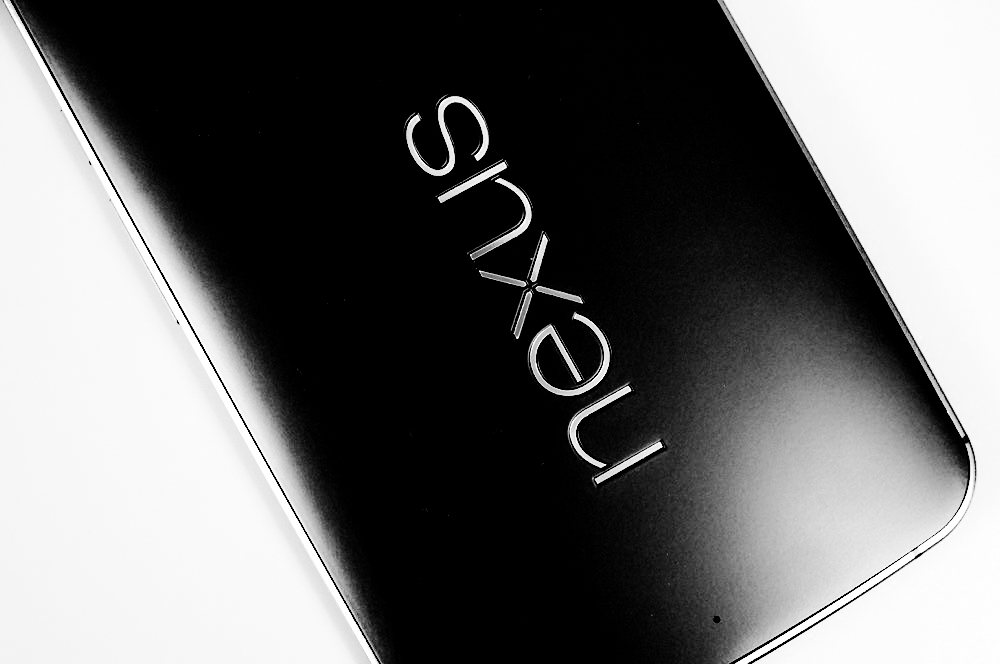
    nexus-6

    If and when this switch takes place, it won’t be a jump in the unknown for Google as it has already tried its hand at a task like this in the form of Pixel which are also 100% Google designed smartphones.This lineup which was originally created to use the Chrome OS was seen using the Android OS for its last product.

    Reports suggest the murmurs for this switch in tactics for Google have made their way directly from the high offices of its CEO Sundar Pichhai who is said to have signaled to his associates at Google as well as outsiders of what could be the road-map ahead for Google.

    Suggestions are Google’s extreme step of alienating itself from its current OEM partners is a result of the company’s growing frustration at Apple’s monopoly over the high-end Smartphone market. Google as of now has not been able to influence Android phone hardware so that it can enable new experiences which has lead the Nexus program to not gain the kind of traction with consumers that Google had previously hoped for.

  • Best Smartphones with Fingerprint Scanners

    Best Smartphones with Fingerprint Scanners

    When it comes to buying a new smartphone, there are certain key features one always looks for. With technology evolving as fast as it does, smartphones need to adapt to the change or risk getting shunned into the background. Fingerprint scanners is one of the more recent features that has become a necessity when pondering over the next smartphone. So here’s a list of some of the best smartphones out there that come with a fingerprint scanner.

    Under Rs 10, 000

    Coolpad Note 3 Lite
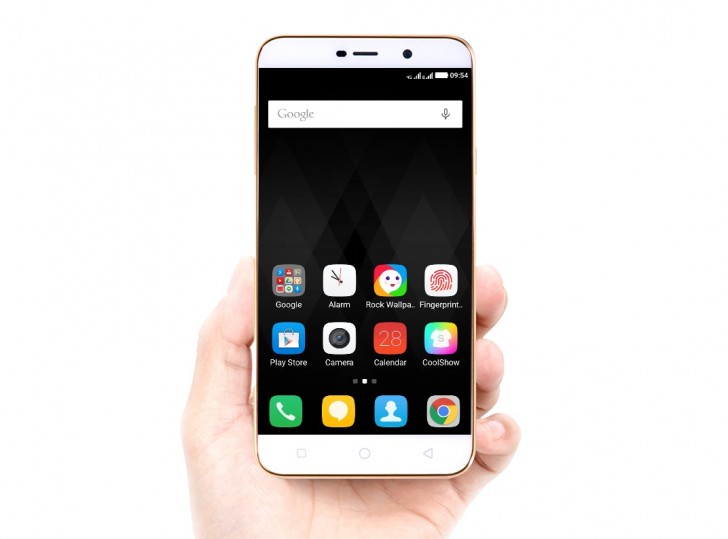
    Coolpad Note 3 Lite

    There’s only one device currently that can brag about being the cheapest smartphone with a fingerprint scanner, and that’s the Cooldpad Note 3 Lite which comes priced at Rs 6, 999. The display on the phone is a 5-inch 720p HD, 320ppi IPS panel. It is run by a 64-bit 1GHz Quad-Core Mediatek MT6735 processor with 3GB Ram, and 16 GB internal storage with MicroSd card support.


    It is run by a 64-bit 1GHz Quad-Core Mediatek MT6735 processor with 3GB Ram, and 16 GB internal storage with MicroSd card support. Camera on the back is a 13-MP shooter, and at the front it boasts of a 5MP camera which clicks nice selfies.  The fingerprint scanner on the phone is a square shaped sensor situated at the back of the phone. The device goes on sale on 4th of February. Registrations are open on Amazon India.

    Under Rs 20,000

    LeEco Le 1s
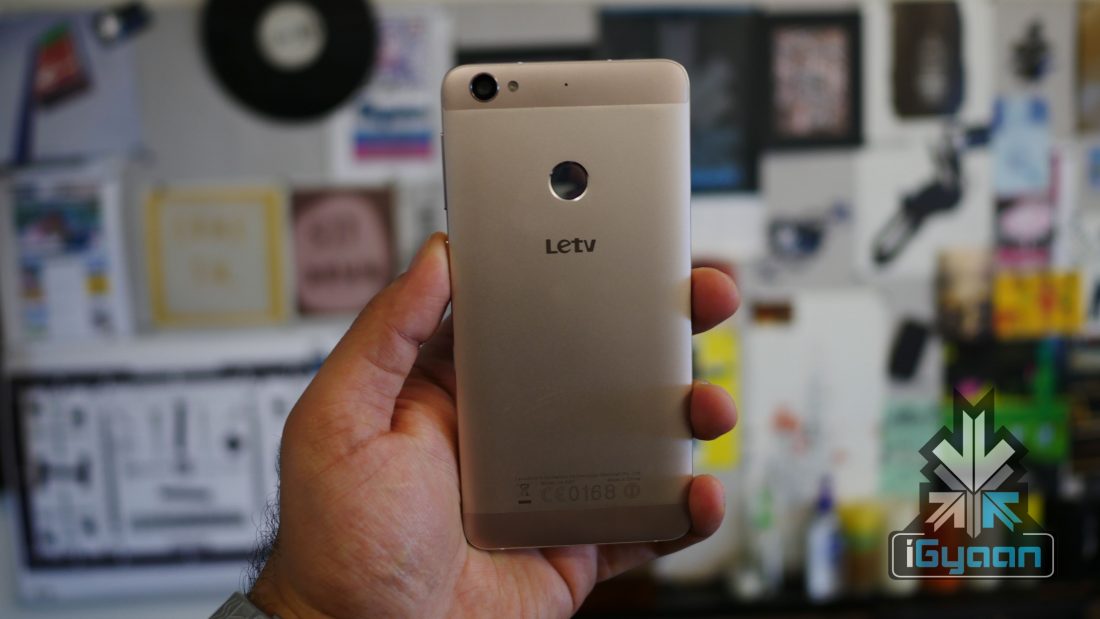
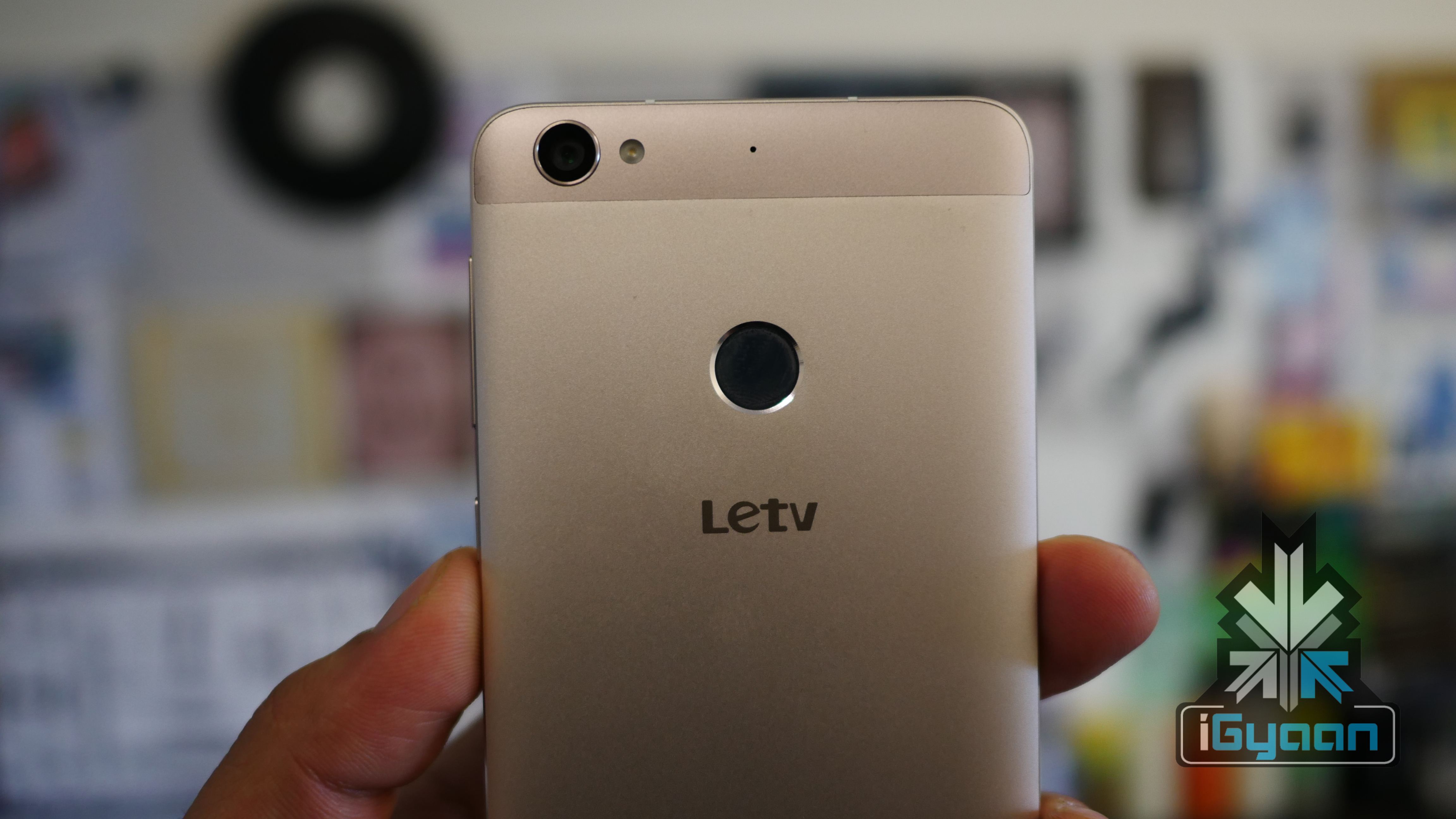
    Letv LeEco 1s iGyaan 9

    LeEco launched the Le 1s recently along with the Le Max. The Le 1s sports a 5.5-inch Full HD display and is powered by a MediaTek’s Helio X10 processor. It features a 13MP rear camera and a 5MP front camera. The smartphone will run on Android 5.1 with custom EUI on top. It is a Dual-SIM device with an AnTuTu score of 55844, beating HTC One M9.

    It has a type-C USB port which ensures 3.5 hours of usage in 5 minutes of charging, along with a double chamber, symmetrical design, and super-slim, full-metal body with 7.5 mm of thickness. The fingerprint scanner of the device called LeTouch, is mirror-surfaced with 99.3% accuracy and .15 seconds flash recognization. Le 1s is available for Rs 10,999. 

    Lenovo K4 Note
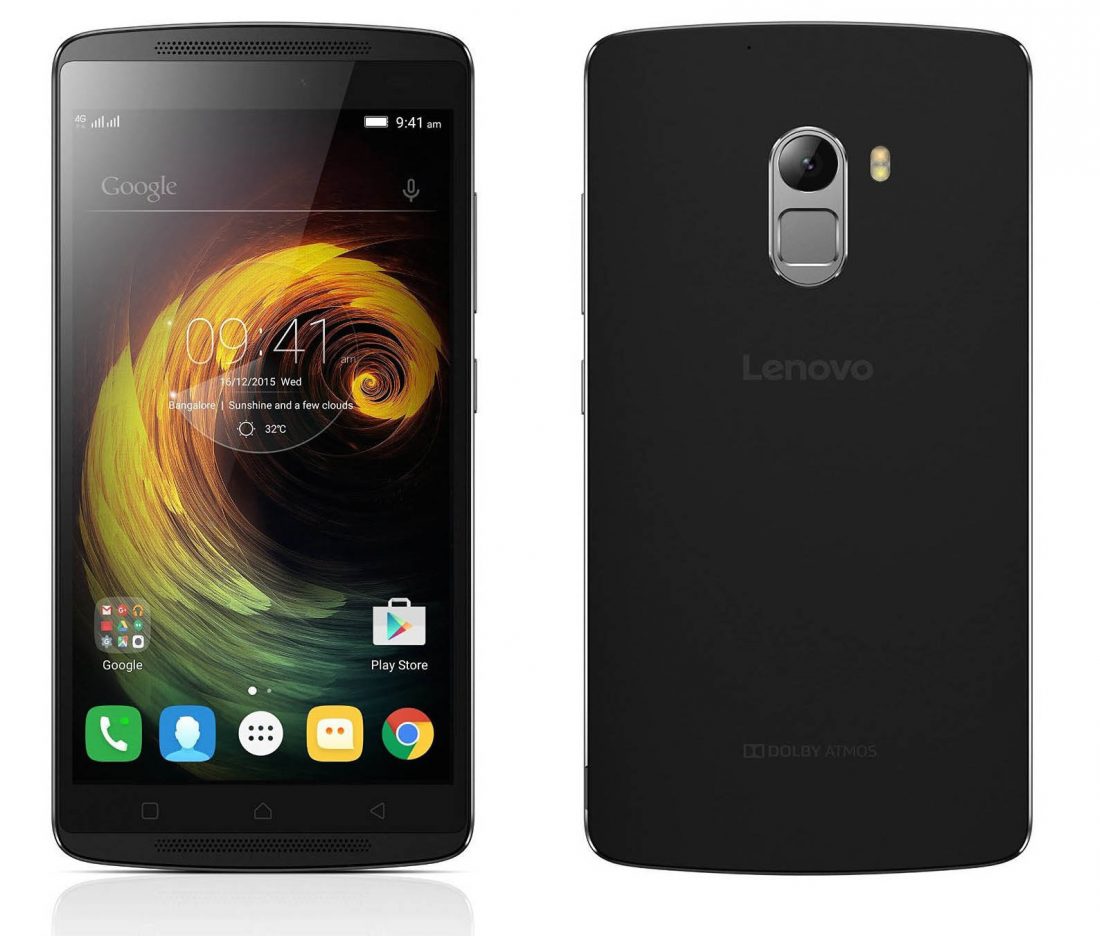
    Lenovo Vibe K4 Note

    The phone has a fingerprint scanner at the back just below the camera module and dual-front speakers with Dolby Atmos audio. The device is dual-SIM, has 4G LTE support and has a 5.5-inch display. On the camera front, it packs a 13 MP main camera and a 5 front camera.


    The phone is run by a 1.3 Ghz Octa-Core MediaTek MT6753 processor with Mali-T720MP3 GPU, and comes with 3GB of DDR3 RAM. Storage options on the phone include a single variant of 16GB internal memory which can be expanded to 128GB using a MicroSD card. The device goes on sale on the 3rd of February and is priced at Rs 11,998

    Honor 5X
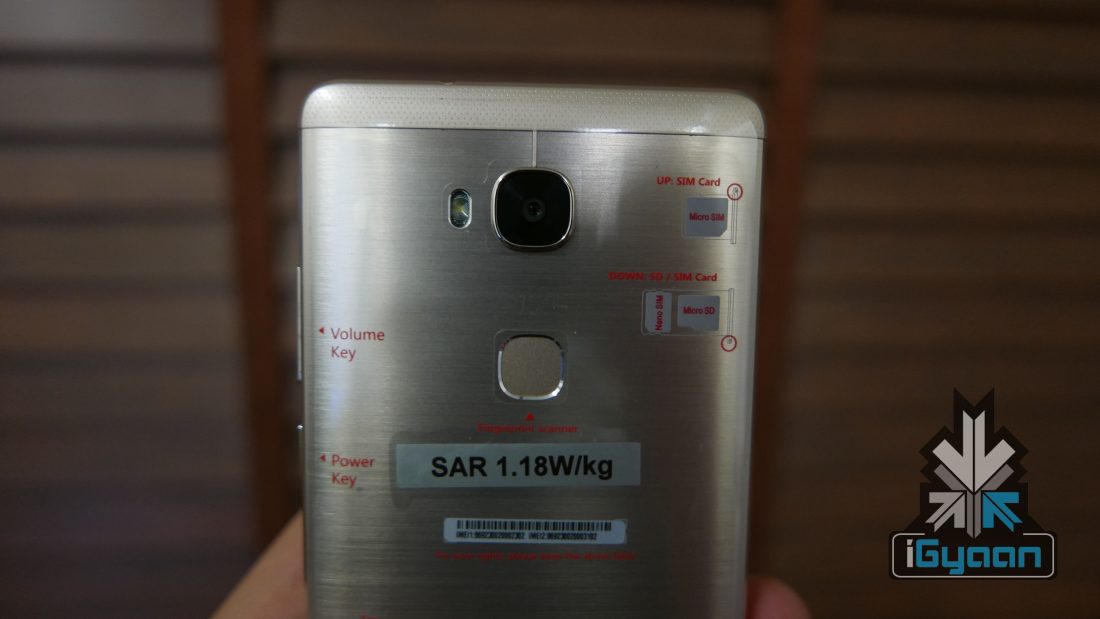
    Huawei Honor 5X iGyaan 4

    The recently launched Honor 5X sports a 5.5-inch Full HD IPS LCD display with a 1920 x 1080p resolution, and a pixel density of 401 ppi. It is powered by a 64-bit octa-core 1.5GHz Qualcomm Snapdragon 615 SoC with Adreno 405 GPU. The 5X is available in 2GB of RAM with 16GB onboard storage that is expandable up to 128GB via microSD card slot.


    In terms of design, the Honor 5X sports an aircraft-grade metal unibody construction with a fingerprint scanner at the back that can also be used to take photos. The device gives a premium look for a budget-friendly smartphone, keeping it on par with the Le 1s that was launched last week. These devices show us that budget phones are turning out to be the new premium. The device is priced at Rs 12,999 on Amazon India.

    Lenovo Vibe P1
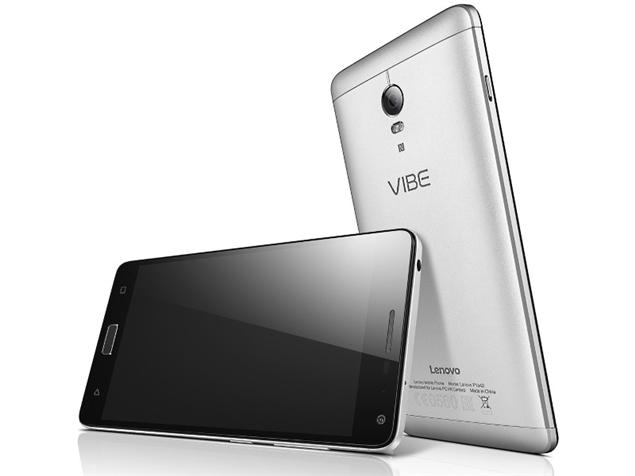
    Lenovo Vibe P1 with fingerprint scanner

    The Vibe P1 features a 5.5-inch full-HD (1080×1920 pixels) IPS display with Corning Gorilla Glass 3. It is powered by a Snapdragon 615 octa-core processor clocked at 1.5GHz with Adreno 405 GPU; 2GB of RAM and 32GB storage with expandable storage via microSD card. The device features a 13-megapixel rear camera and a 5-megapixel front; dual-SIM with dual 4G LTE support.The Vibe P1 is also equipped with a nice Home Key that houses a fingerprint scanner within it.

    Lenovo Vibe P1 comes with a price tag of Rs 15, 999 and is available on Flipkart.

    Qiku Q Terra
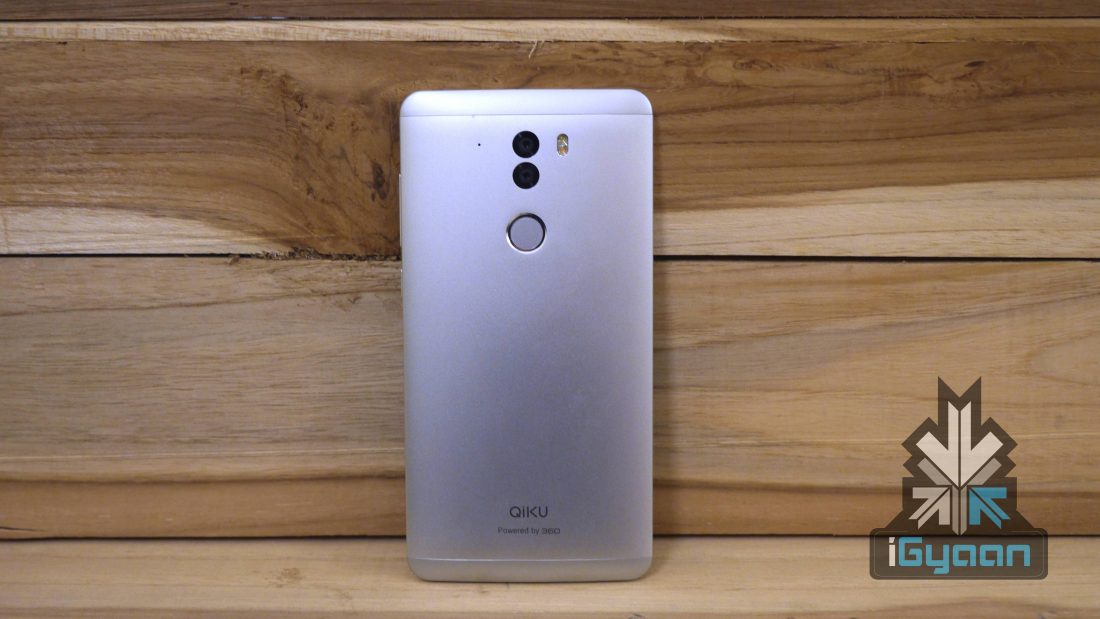
    qiku terra 1

    The Qiku Q Terra a massive phone with a 6 inch FHD display with 1080 X 1920 pixel resolution. It is powered by the Qualcomm Snapdragon 808 64-bit processor and comes with a 3GB RAM. Along with this, it also has a 16GB of internal storage capacity that is expandable up to 128GB.

    What sets the Q Terra apart from the other handsets in the list is that it uses a DuoScopic Camera System that integrates two 13MP Sony back cameras – a IMX278 color sensor along with a B/W IMX214 sensor. Adding to this, the phone also offers an 8MP front camera with f/2.4 aperture.

    Qiku has chosen to place the fingerprint scanner at the rear panel of the phone, just below the camera module. The device falls just below the Rs 20,000 mark.

    Under Rs 30,000

    Nexus 5X
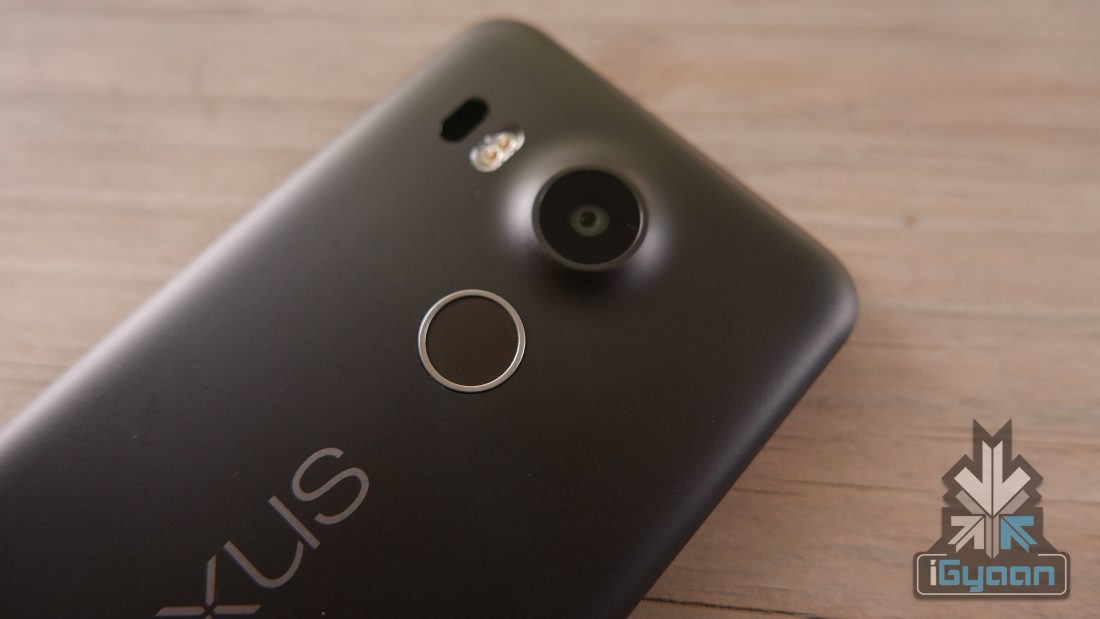
    Nexus 5x Review 6

    The Nexus 5X comes with a 5.2-inch FHD display, USB Type-C which allows almost 4 hours of battery post a 10-minute charging routine, and is available in three colors – Carbon black, Quartz white and Ice blue.

    It is further packed with a 2 GB RAM, Qualcomm Snapdragon 808 chipset and OS Android Marshmallow 6.0. On the camera front, the device comes equipped with a 12.3 MP rear camera and a 5 MP selfie camera. The smartphone is capable of capturing 4K and slow-motion videos, making this phone the most advanced multimedia Nexus device to date.

    The fingerprint scanner on the Nexus 5X is at the back conveniently resting just below the rear camera on the phone. The device is priced around Rs 21,000 for the 16GB variant on Flipkart and Amazon.

    OnePlus 2
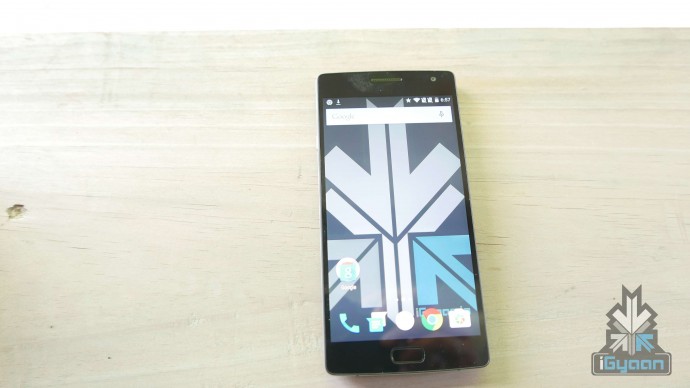
    OnePlus 2 9

    This beast of a phone comes in with a 5.5-inch 1080p display, and, as of 29th of January, is available in two storage variants, 16GB and 64GB. The latter will be equipped with 4GB RAM, while the former comes in with 3GB RAM on board. It is powered by a 64-bit octa-core Snapdragon 810 v2.1 SoC clocked at 1.8GHz and Adreno 430 GPU. The smartphone also comes equipped with Dual 4G Nano-SIM cards slots, as well as the popular USB Type-C.


    The camera sports a 12.3MP sensor with laser autofocus, dual-LED flash at the rear and a rather impressive 8MP on the front. This pure Android phone will run on the latest Marshmallow operating system. It also has a USB Type-C port. A 3450mAh battery pack provides the juice required to run this device. The 32GB variant of the 6P falls just under Rs 40,000.

    Galaxy Note 5
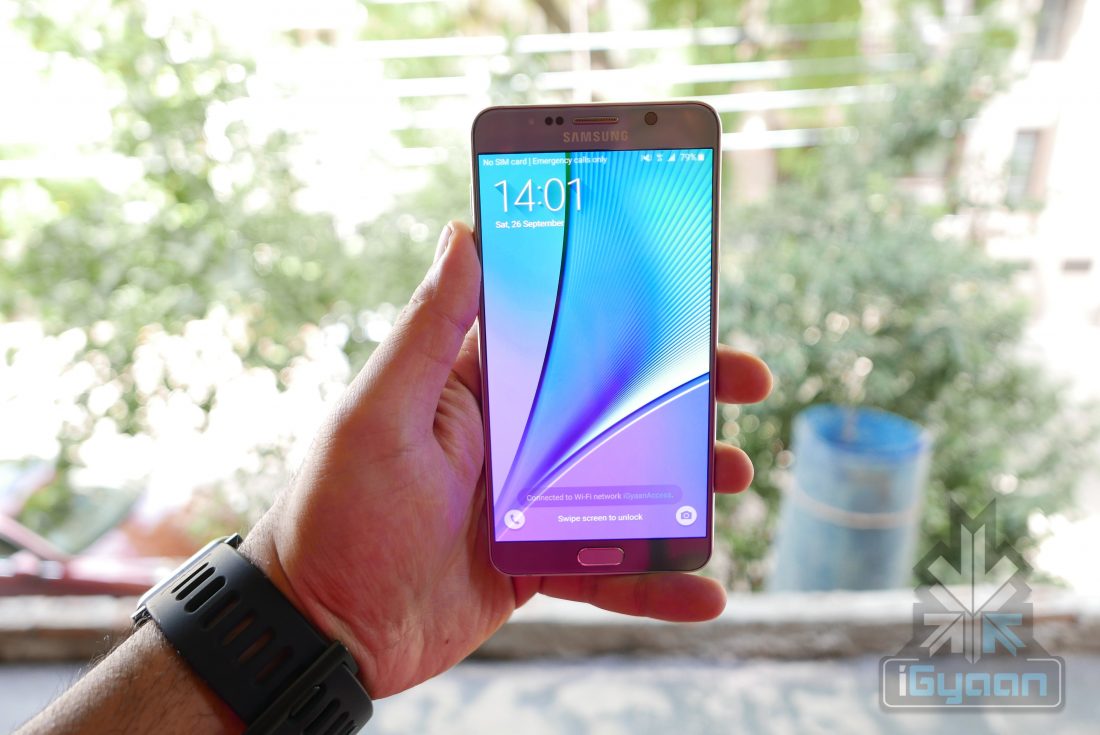
    Samsung Galaxy Note 5 17

    The much-loved Galaxy Note 5 runs on the Android OS, v5.1.1 (Lollipop) powered by an Exynos 7420 chipset which consists of Quad-core 1.5 GHz Cortex-A53 & Quad-core 2.1 GHz Cortex-A57 CPU and a Mali-T760MP8 GPU. The SoC is paired with 4GB of RAM for smooth performance.

    As far as storage capacity is concerned, this handset comes in two variants – 32 and 64 GB, but does not feature a MicroSD slot for expanding memory via an external card. The display is a stunning 5.7 inches, Gorilla Glass 4 Super AMOLED capable of producing 1440 x 2560 pixels at 518 ppi.

    A 16MP rear, and 5MP front cameras are also included with a massive 3000mAh battery pack. Connectivity options include Dual Nano-SIM, Wi-Fi 802.11 a/b/g/n/ac, dual-band, Wi-Fi Direct, hotspot,Bluetooth v4.2, A2DP, EDR, LE, GPS with A-GPS, GLONASS, Beidou, NFC. It also comes equipped with a Type-C reversible connector. The Galaxy Note 5 features a very responsive fingerprint scanner integrated with the home button. All of this comes at cost of Rs 47, 400

    iPhone 6s

    iPhone 6s and 6s plus igyaan 3

    This phone that hardly needs any introduction comes with a 4.7-inch Retina HD display with 3D Touch and LED-backlit widescreen. The display can output a maximum 1334×750-pixel resolution at 326 ppi. The processor on board is a Dual-core 1.84GHz A9 chip with 64-bit architecture with Embedded M9 motion coprocessor.

    It packs what can be deceptive 2GBs of RAM that coupled with the chipset provides lag-free performance. The phone comes in storage options of  16GB/64GB/128GB. Camera options on the 6s include a 12-megapixel iSight camera with 1.22µ pixels ƒ/2.2 aperture at the back, and a 5-megapixel photos ƒ/2.2 aperture with Retina Flash on the front of the phone.

    The fingerprint sensor for the phone is at the front, housed in the home button. The 16GB Rose Gold model is currently priced at Rs 45,999 on Amazon.

  • Xiaomi to Unveil a Mi 5 Windows 10 Variant

    Xiaomi to Unveil a Mi 5 Windows 10 Variant

    Xiaomi which has recently announced the launch date for its upcoming handset, Xiaomi MI 5, has now according to reports plans of bringing the flagship to its users in a variant which will run using the Windows 10 OS. According to reports, the launch of the Windows 10 variant will be seen alongside the launch of the Android variant of the handset.

    This move comes in continuation of Xiaomi releasing a Windows 10 ROM for the LTE version of its Mi 4 smartphone. It also announced a Windows 10 version of its Mi Pad 2 tablet last month. Other than the OS, the new Windows 10 variant will be identical to the Android variant. ‘

    On the specifications front, not much is known apart from the fact that the Mi 5 will sport a Snapdragon 820 SoC, but according to reports, the device will be equipped with impressive under the hood specs that should be a match for the other flagships in the market.

    Leaks claim the smartphone will have a 5.2-inch Quad HD display coated in 2.5D Corning Gorilla Glass 4. It’s also suggested the phone will have a 6-element 16MP camera on the back with f/2.2 aperture and 4K video recording.

  • This is Why Artificial Intelligence Scares Elon Musk, Bill Gates and Stephen Hawking

    This is Why Artificial Intelligence Scares Elon Musk, Bill Gates and Stephen Hawking

    When Artificial Intelligence begins to make some very intelligent people nervous, you know it’s time to sit up and listen. AI triggered enough anxiety during the last couple of months to lead to the birth of OpenAI in December, a project concerned with safe development and sharing of all AI research on a wide scale.

    Artificial Intelligence is Giving Tesla’s Elon Musk the Heebie-Jeebies

    Needless to say, Elon Musk, an open and well-known critic of AI  has invested heavily in the project. A sum of $1 billion has already been committed to the project, which would also keep some of its research private if it seems like a security threat to humanity.

    Calling AI “our biggest existential threat”, Musk says, “Humanity’s position on this planet depends on its intelligence, so if our intelligence is exceeded, it’s unlikely we will remain in charge of the planet.” He further says that he has invested in AI companies “to keep an eye on them” and likens AI to “summoning the demon”.

    Stephen Hawking and Bill Gates Join the Club

    Elon Musk is not alone in his apprehensions against  AI. Stephen Hawking and Bill Gates both have gone on record accepting that this field of tech could turn out to be as destructive as nuclear warfare if its development and growth is not regulated and monitored.

    Bill Gates and Artificial Intelligence
    Bill Gates doesn’t look happy about AI taking over the world.

    Stephen Hawking has famously commented on the topic, “…humans, limited by slow biological evolution, couldn’t compete and would be superseded by AI”. Bill Gates, on the other hand, wonders why others are not as concerned about bestowing the immeasurable power of independent thought to robots.

    Other famous names to have recently become associated with AI are Mark Zuckerberg and Ashton Kutcher who have, along with Musk, invested in Vicarious – a company working on a computer capable of imitating those parts of the brain that control visual functions, locomotion and speech. Zuckerberg is also working on developing an AI butler for his home a la Jarvis.

    Why is AI Making Everyone Freak Out?

    All the fears and apprehensions stem from the understanding that something as powerful as AI in the wrong hands is capable of wreaking immense havoc on the world. What is worse is that once machines become capable of independent thought -common sense will only be the first step towards eventual super-intelligence. With the right exposure to data and algorithms, we wouldn’t even need humans to threaten mankind; the machines themselves would take care of that.Artificial Intelligence

    It may sound like a scene out of a dystopic sci-fi story, but it’s real enough to make thinkers like Hawking, Gates and Musk uneasy. To add more cheer to the party, there are companies like Google and Facebook, on the other hand, doing the exact opposite of OpenAI.

    The Other Side of the Story

    There might not be entirely altruistic intentions behind the attempts of making a common, shared platform for AI research. Google and Tesla are both building self-driven cars, and thus, both stand to benefit from AI.

    In November last year, Google open sourced part of its software that is the main thrust of its AI services. Facebook followed suit and open sourced its own set of AI contributions. OpenAI, however, took this to another level by promising to share all of its research.

    Our very own real-life Tony Stark is here to save the day. Or not?
    Elon Musk, our very own real-life Tony Stark is here to save the day. Or is he?

    An open platform for AI research would mean that all companies benefit from each other’s research while at the same time ensuring that no one name becomes a central, controlling authority for this tremendous source of power.

    So, while Google and Facebook are working round the clock on developing their own AI-based projects, Elon Musk and his team of AI experts are trying to keep this tech from getting concentrated under a single source which could spell doom for the world. The forward movement in this field is inevitable. The least that can be done is to aim for a path that would jeopardize humanity as little as possible, and this is perhaps what OpenAI hopes to achieve.Artificial Intelligence

    If we do end up with a scenario where mankind is pitted against AI, we know our sci-fi enough to be clear about which side to place the stakes on. While Hollywood can continue to make us feel good about the victories of a kind human race over sentient machines devoid of feelings, reality offers a far different picture. Just hold on tight for now and see where the ride lands us.


  • Spec Battle: Moto X Force vs Lumia 950XL vs Nexus 6P vs HTC One M9 vs Galaxy S6 Edge+

    Spec Battle: Moto X Force vs Lumia 950XL vs Nexus 6P vs HTC One M9 vs Galaxy S6 Edge+

    Motorola launched the Moto X Force in India with a price tag of Rs 49,999 for the 32GB variant and Rs 53,999 for 64GB option. The phone was launched globally last year as Droid Turbo 2 and now it has arrived here with its much talked about ShatterShield display.

    On the specs front, Moto X Force packs a 5.4 inch Quad HD display with a resolution of 2560×1440 pixels. It is powered by Qualcomm Snapdragon 810 octa-core chipset along with 3 GB of RAM. The two internal storage options of 32 GB and 64 GB are expandable up to 2 TB with the help of a microSD card.

    Moto X Force Hands On iGyaan 09

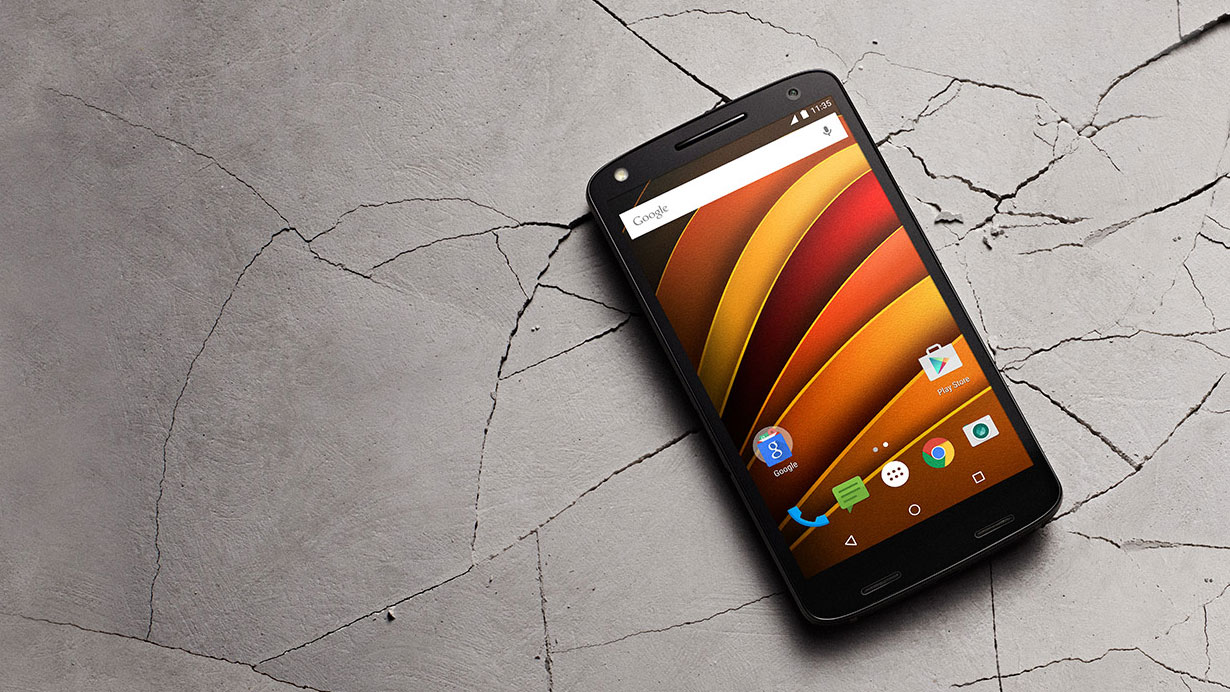
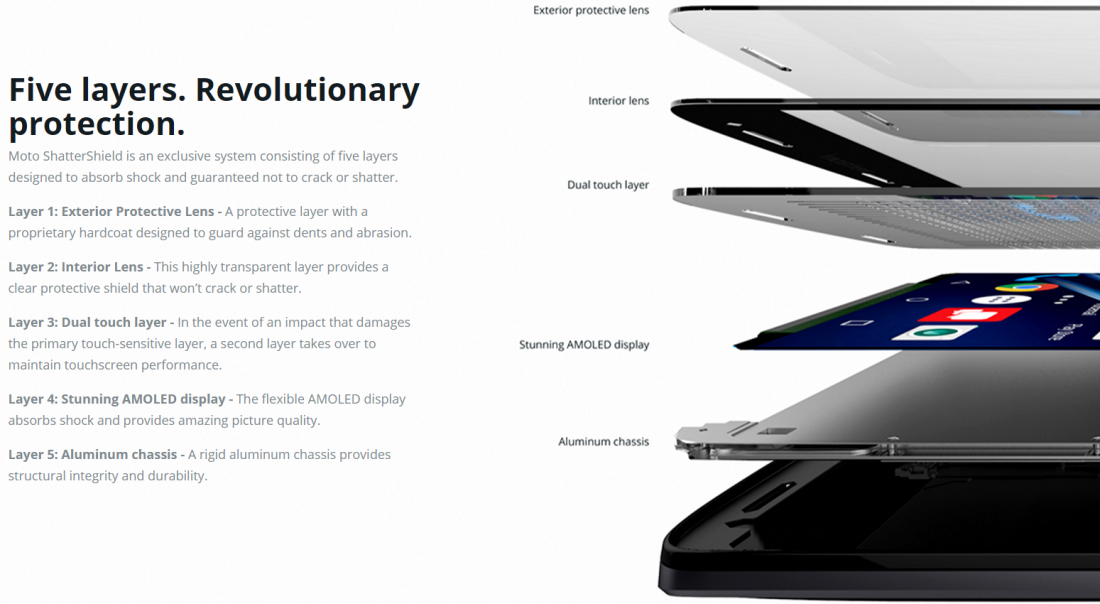
    The USP of the device is its super-hardy screen. Motorola claims to have integrated a ‘Moto Shattershield’ technology in the display of Moto Force which, it says, is the first shatterproof screen in a phone ever. The company feels confident enough to affirm the screen would stay intact for up to four years, owing to the multiple layers of different materials used in making it capable of absorbing shock and providing protection against cracking. The phone also boasts of two touchscreen layers, which make sure that the smartphone can be used even if one of the layers is cracked.

    With the given specs and price tag, a few other devices come to mind like the Lumia 950XL, Nexus 6P, HTC One M9 and Samsung Galaxy S6 Edge+. The Moto X Force not only has a strong exterior but does impressively in the hardware department as well. The AMOLED display is sharp and bright despite the layers of glass on top. The X Force also has a giant battery that will provide enough of juice to get you through the day and then some.

    Moto X Force Hands On iGyaan 02

    However, the camera in the moto X Force isn’t the best, especially when compared to the Galaxy S6 Edge+, Lumia 950XL and even the dubious HTC One M9. The Moto X Force also comes with a pretty bland design, which pales in front of the Galaxy S6 Edge+ and the Nexus 6P which come with a premium look and feel to it that fit the price bracket.

    Let’s see where the Moto X Force stands when compared to these devices. Based on the specs, let us know your winner in the comments below.

    Specification Moto X Force Lumia950XL  Nexus 6P  HTC One M9 Galaxy S6 Edge+
    Display 5.4 inch Quad HD AMOLED 5.7-inch Quad HD AMOLED  5.7-inch QHD Corning Gorilla Glass 4 5.2-inch WQHD, Corning Gorilla Glass 3 5.7 inches Super AMOLED capacitive touchscreen with Corning Gorilla Glass 4
    Resolution 1440 x 2560 (~540 ppi pixel density) 2560×1440 (518ppi)   2560 x 1440 pixels (518ppi) 1440x2560p (441ppi) 1440 x 2560 pixels (518 ppi)
    Processor Qualcomm Snapdragon 810 octa-core Qualcomm Snapdragon 810, Octa-core 64-bit Qualcomm Snapdragon octa-core 810 v2.1 2.2GHz octa-core MediaTek MT6795T Exynos 7420
    GPU Adreno 430  Adreno 430  Adreno 430  Adreno 430 Mali-T760MP8
    RAM 3 GB 3GB  3 GB 3GB 4GB
    Storage 32 GB, 64 GB 32GB  32 GB/ 64 GB/ 128 GB 32 GB 32/64 GB
    Expandability 2 TB  200GB N/A 128GB N/A
    Rear Camera 21 MP,  f/2.0, phase detection autofocus, dual-LED (dual tone) flash 20MP, PureView, Zeiss optics, OIS, triple LED natural flash, and4K video recording 12.3 MP, laser autofocus, dual-LED flash 20MP + 2MP Duo Camera 16 MP, f/1.9, 28mm, OIS, autofocus, LED flash
    Front Camera 5 MP,  f/2.0, LED flash 5MP, wide-angle 1080p  8 MP, 720p@30fps 4MP HTC UltraPixel  5MP, f/1.9
    Battery 3,760mAh 3340mAh 3450mAh 2840mAh 3000mAh
    Connectivity Wi-Fi 802.11a/b/g/n/ac, dual-band, hotspot, Bluetooth v4.1, A2DP, EDR, LE, GPS with A-GPS, GLONASS, NFC, Infrared port, microUSB v2.0 Wi-Fi: MIMO, WLAN IEEE 802.11 a/b/g/n/ac, Bluetooth 4.1, 4G LTE  Wi-Fi 802.11 b/g/n/ac; Wi-Fi MIMO support; Bluetooth 4.0 LE; GSM bands 850/1900; 3G bands; GPS with AGPS; NFC, USB Type-C  Wi-Fi 802.11 a/b/g/n/ac, dual-band, Wi-Fi Direct, DLNA, hotspot, bluetooth v4.1, A-GPS, GLONASS, NFC, microUSB v2.0 Wi-Fi 802.11 a/b/g/n/ac, dual-band, Wi-Fi Direct, hotspot, bluetooth v4.2, A-GPS, GLONASS, BDS, NFC
    Operating System Android OS, v5.1.1 (Lollipop) Windows 10 Android 6.0 Marshmallow Android 5.1.1 Lollipop with HTC Sense 7 Android OS, v5.1.1 (Lollipop)
    Price Rs 49,999 (32GB)/ Rs 53,999 (64GB) Rs 49,399  Rs 39,999 Rs 52,500 Rs 53,900
  • Mobile Phone Manufacturing Crosses 100 Million Mark in India

    Mobile Phone Manufacturing Crosses 100 Million Mark in India

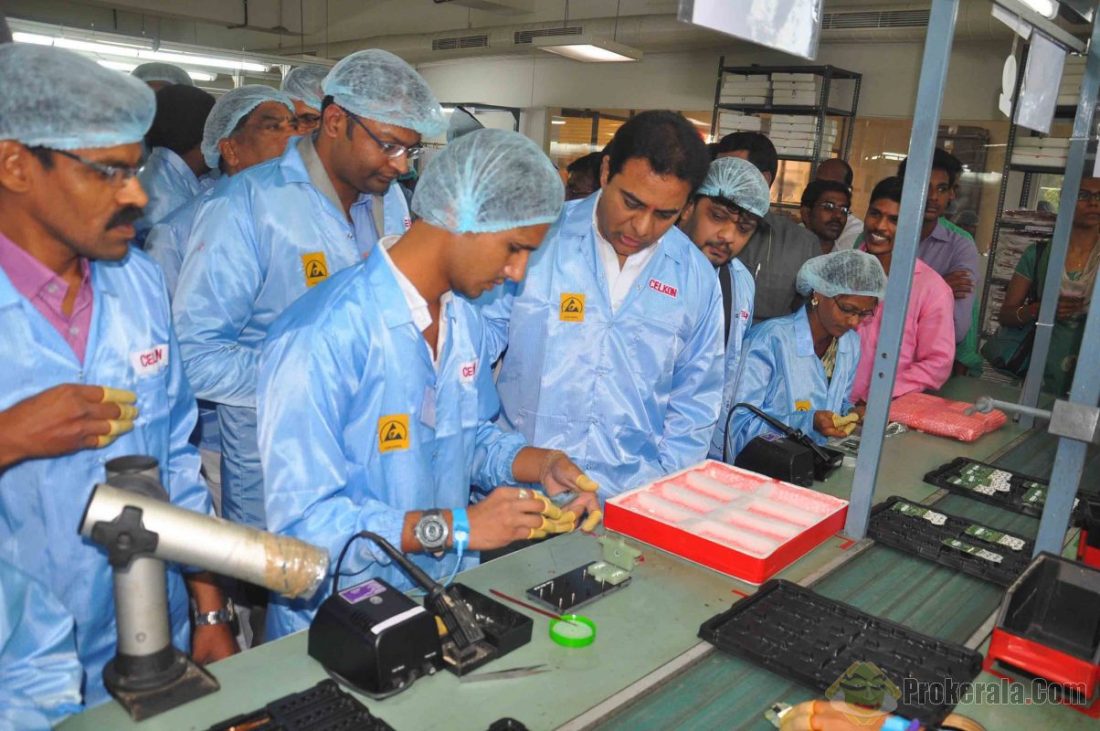
    Telecom Minister of India, Ravi Shankar Prasad on Saturday revealed that mobile phone production in India had crossed the 100 million mark while also telling the media that many leading companies also want to set up their manufacturing units in the country in the coming year. This favourable news comes in at a time when there is an increased push from the country’s government for its pet project, “Make in India”.

    “Today, I am happy to announce that in December, Rs 1.14 lakh crore investment has come in electronic manufacturing in India. We have attracted around 15 new mobile plants. Earlier in 2014, 68 million (mobile phones) were being manufactured and now 100 million are being manufactured,” Prasad said at Global Business Summit here.

    telangana-it-minister-k-t-rama-rao-during-the-315588

    He added, “All the major companies in the world namely Panasonic, Mitsubishi, Nidec, Samsung, Bosch, Jabil, Flextronics, Continental are in India besides all the top Indian companies who are already here,” Prasad said.

    In addition to this, the president of the Indian Cellular Association, Pankaj Mahindroo was quoted as saying “In terms of value, mobile phone production in India increased 95% in the current financial year as compared to the previous year”

    “Government has made sincere efforts to boost mobile phone production in the country. The new investment has created 30,000 new jobs in the country and state governments have shown keen interest in attracting these investments,”

    The tech savvy telecom minister when asked about the experimentation of new technologies in the country, including that of Project Loon by Google and White space spectrum use for broadband by Microsoft, had this to say, “Once the pilot becomes successful, then depending on security concerns, final call will be taken,”

  • Moto X Force : Benchmark and Gaming

    Moto X Force : Benchmark and Gaming

    The new kid on the block, Moto X Force which has been in the news for bullying its way out of drop tests without a scratch will today be put to task in our extremely strenuous benchmark, gaming and heat test. Let’s find out how it fares when it comes to handling the most demanding games available on the Play Store.

    When it comes to gaming the Moto X Force promises to handle anything and everything you throw at it. Backed by some serious under the hood power in the form of an Adreno 430 GPU coupled with a Snapdragon 810 Quad Core rocking at 2GHz the Moto X Force gives users great gaming performance.

    The Moto X Force does not show any signs of stutter, and we noticed little or lag with seamless animations while gaming. 3GB of LPDDR3 RAM on board works in overdrive to provide users Graphics as smooth as butter, and with the help of the sturdy Quad HD AMOLED display gaming on the Moto X Force turns into a visual treat.

    Moto X Force Hands On iGyaan 13

    Speakers at the front provide great surround audio which adds to the overall gaming experience. The device also does not seem to heat too much, with the temperature staying around 35 degrees. Motorola’s use of ballistic nylon to the back of the phone helps keep the hands from feeling any rise in temperature.

    The Moto X Force clocked impressive benchmark scores. The device scored 70839 on AnTuTu while still on Android Lollipop OS. The switch to Marshmallow OS is expected to offer better results.

    Meanwhile, the device scored 7288 on Vellamo’s Chrome browser benchmark, beating the Galaxy S6 and LG G4. The Moto X Force’s multicore performance was also good, scoring 2437, though not as impressive as many other flagships currently out there.

    To round it off, the Moto X Force not only promises a strong build with its shatterproof display, but does exceedingly well in benchmarks scores and real-world performance.

  • Moto X Force: Unboxing and Hands On

    Moto X Force: Unboxing and Hands On

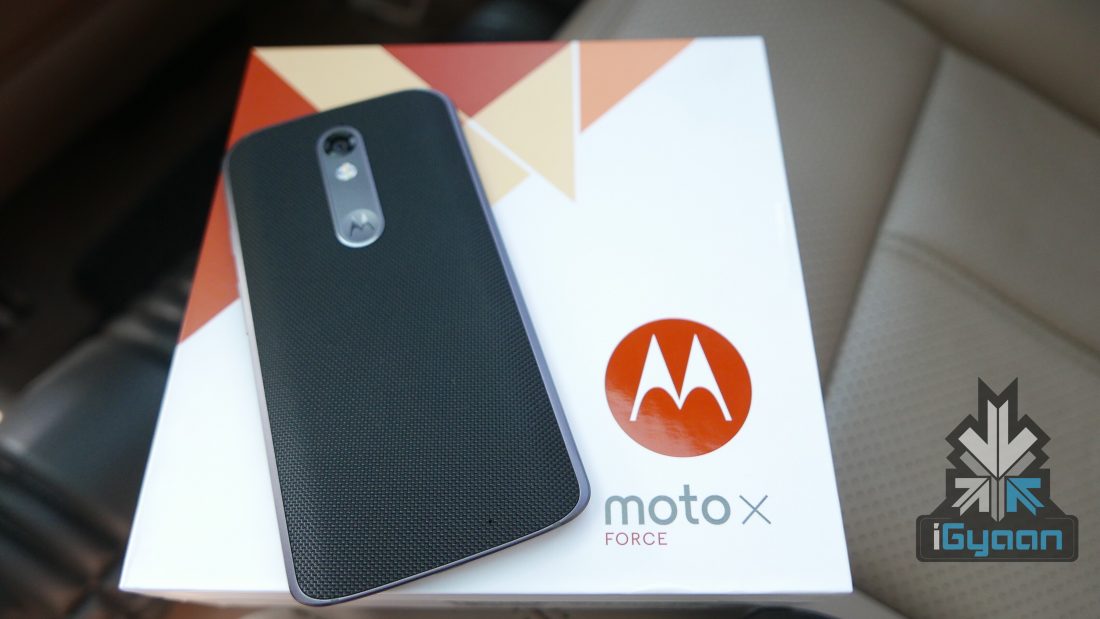
    The much awaited phone with the “unbreakable display”, The Moto X Force is finally here. But before we put our hammers to work, check out our quick unboxing and hands-on of this handset.

    The Moto X Force has come to India in two storage variants, 32GB, and 64GB. Pricing is set at a steep Rs 49,990 only for the former while the beefier 64GB variant will come to stores for Rs 53,999.

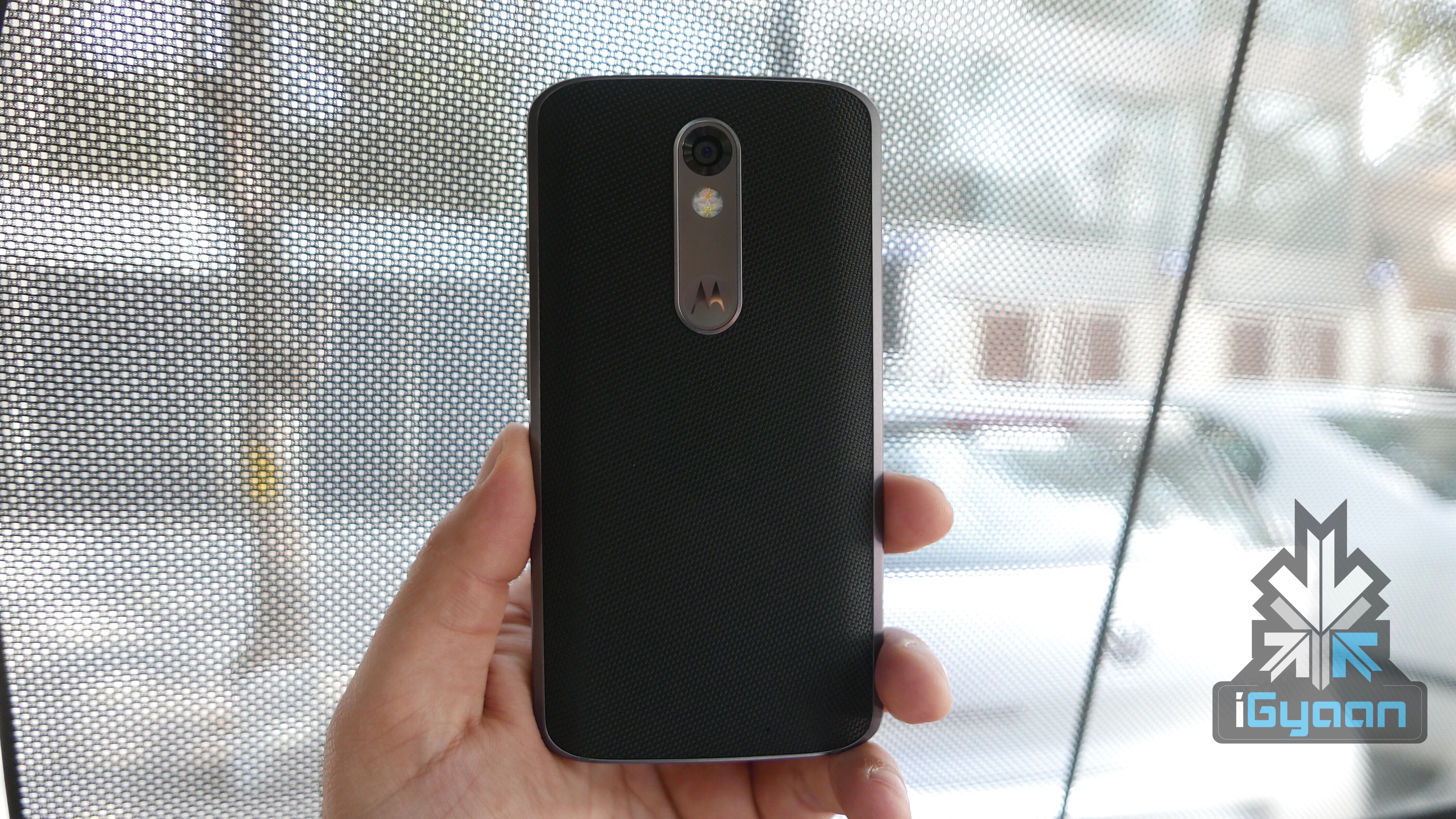
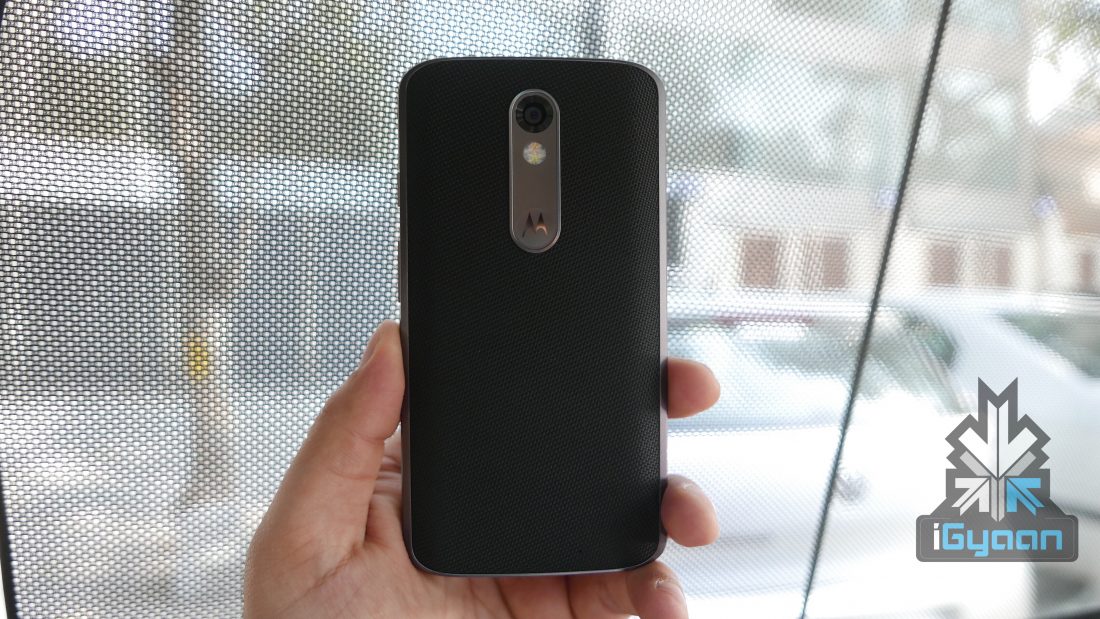
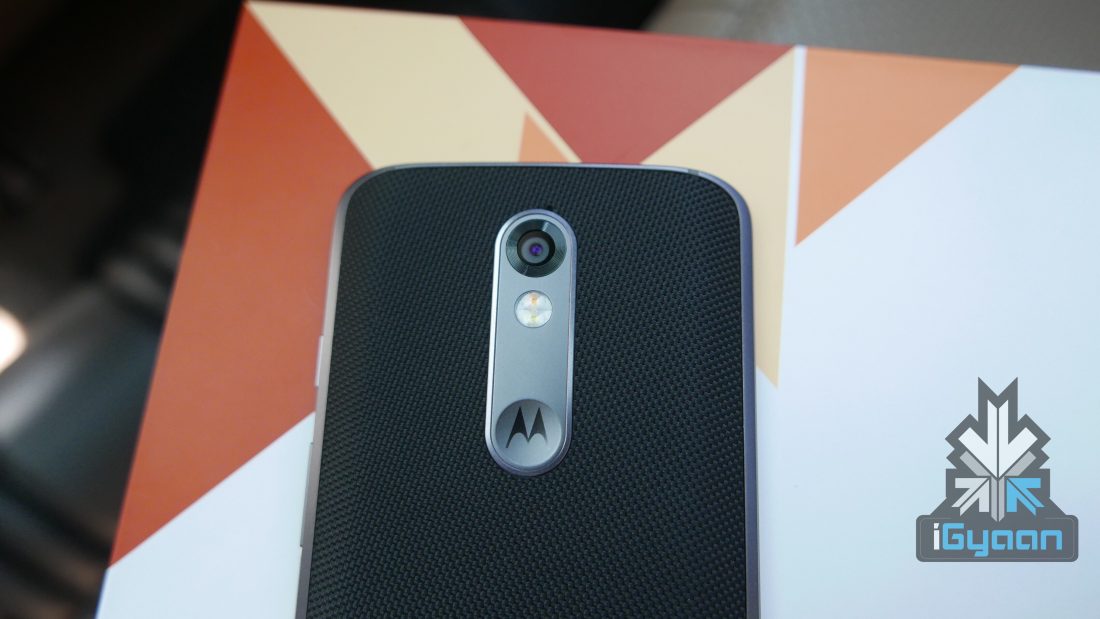
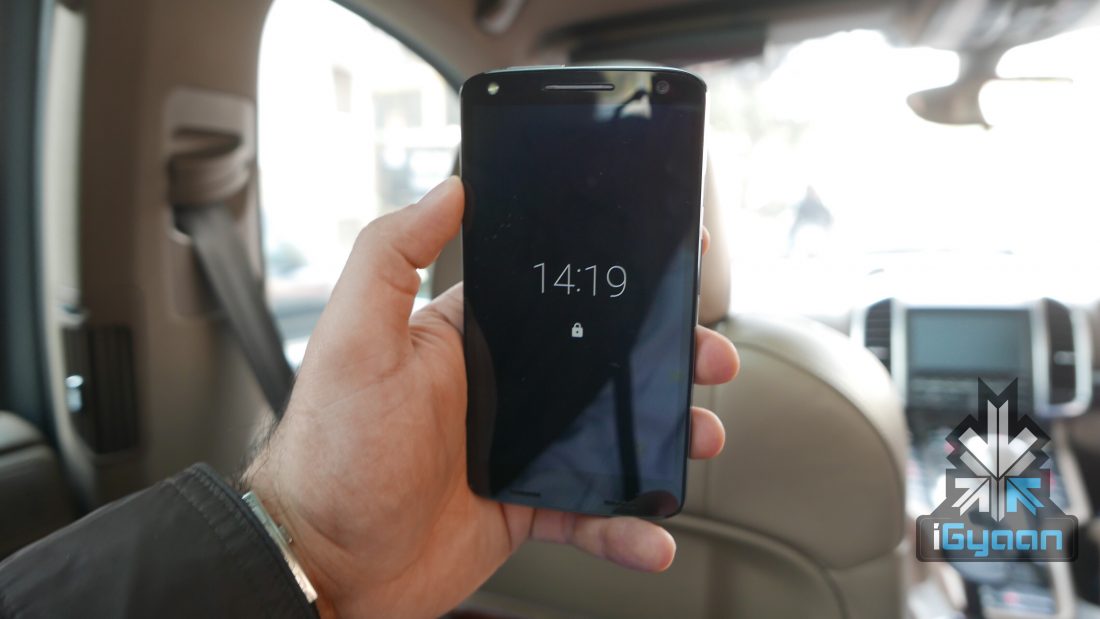
    In terms of design, the phone does not stand out from any other Motorola phone in the family. It shares the DNA of most Moto phones already available in the market. The textured pattern at the back makes it easy to hold.

    Moto X Force Hands On iGyaan 13

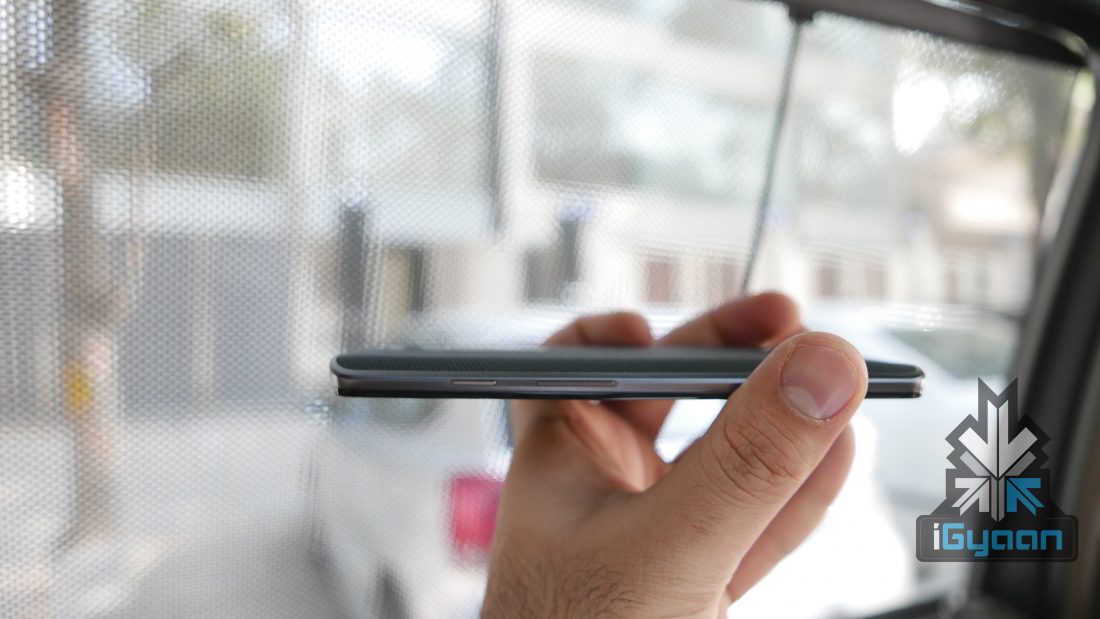
    The X Force comes with a design scheme which features a flat back merged with curved edges. The addition of the ShatterShield tech makes the bezel a bit thick for our liking but does not take anything away from the looks of the phone. To sum it up, the phone is not too big on looks, but you wouldn’t call it ugly. It’s plain, but pleasant to look at.

    Moto X Force Hands On iGyaan 02

    The phone’s display is where all the magic happens. Moto X Force with its ShatterShield 5.4-inch Quad HD AMOLED display is the selling point of the phone, and to be honest, it does not disappoint. The display from beneath the multiple layer system shines bright and nice. Text, videos and games look crisp without any blurring or any such apprehensions that one might have using a phone with display protection technology like this.

    Moto X Force Hands On iGyaan 02

    The phone comes packing a Qualcomm Snapdragon 810 octa-core SoC clocked at 2GHz and Adreno 430 GPU. There will be 3GB of LPDDR4 RAM on board, and it will be available in 32GB and 64GB inbuilt storage options. The phone will support expandable storage up to 2TB via a microSD card slot, and will be powered by a mammoth 3760mAh battery with Quick Charging support.

    Moto X Force Hands On iGyaan 08

    The Moto X Force packs a 21-megapixel snapper with f/2.0 aperture, dual-LED flash and Phase Detect Autofocus around the back, and a 5-megapixel selfie camera with flash and f/2.0 aperture. The 21MP rear does well in outdoor conditions but low-light captures are still poor. The device is equipped with a bunch of gesture controls that let you unlock the camera, turn on LED flash, wake up the device from sleep mode.

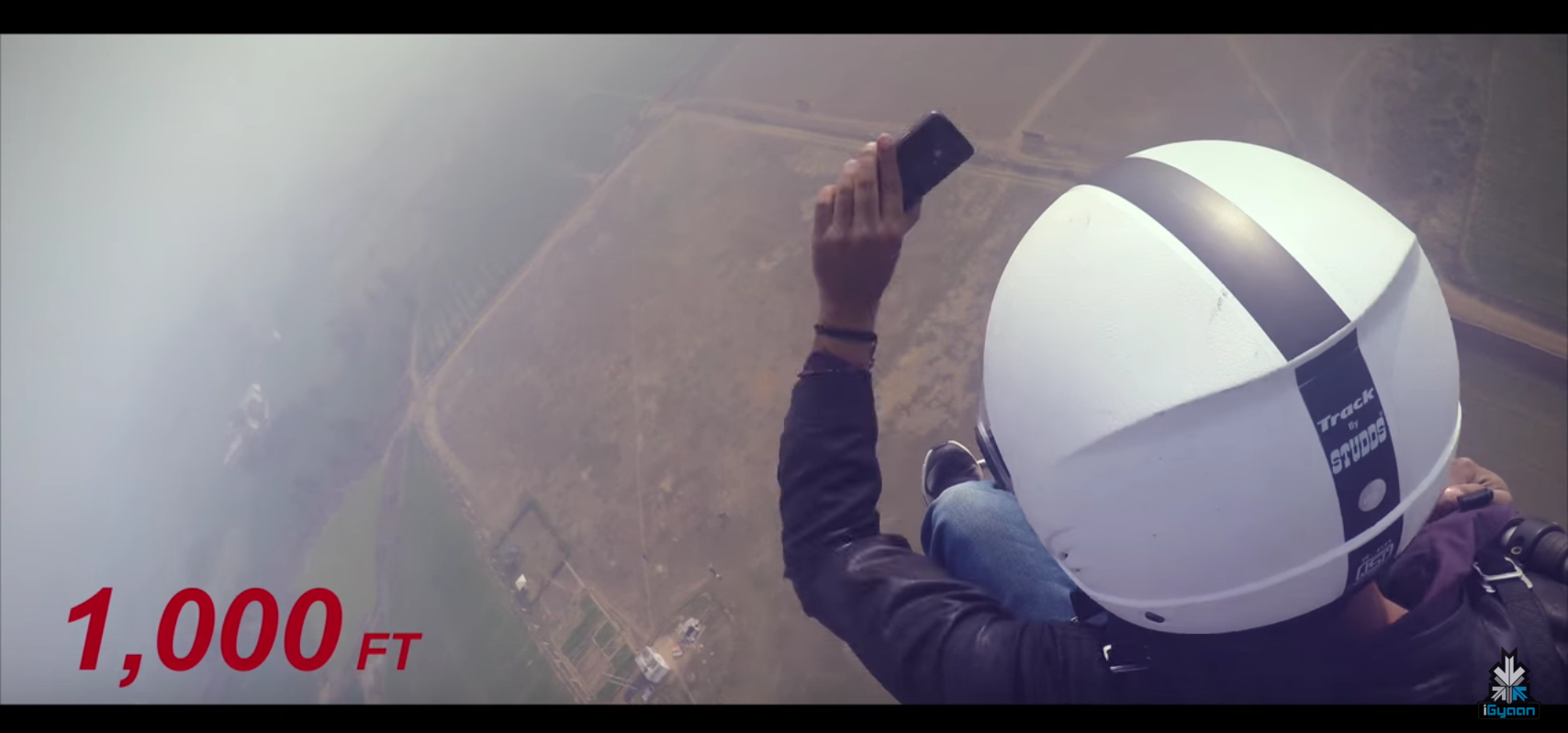
    To put the device’s shatterproof display to test, we dropped the Moto X Force from about a 1000-foot high and you can check what happens next by clicking on the video below.

    Specification Moto X Force
    Display 5.4 inch Quad HD AMOLED with ShatterShield technology
    Resolution 1440 x 2560 (~540 ppi pixel density)
    Processor Qualcomm Snapdragon 810 octa-core
    GPU Adreno 430
    RAM 3 GB
    Front Camera 5 MP,  f/2.0, LED flash
    Rear Camera 21 MP,  f/2.0, phase detection autofocus, dual-LED (dual tone) flash
    Storage 32 GB, 64 GB
    Expandability 2TB
    Battery 3,760 mAh
    Connectivity Wi-Fi 802.11a/b/g/n/ac, dual-band, hotspot, Bluetooth v4.1, A2DP, EDR, LE, GPS with A-GPS, GLONASS, NFC, Infrared port, microUSB v2.0
    Operating System Android OS, v5.1.1 (Lollipop)
    Price Rs. 49,999(32 GB), Rs 53,999(64GB)
  • Moto X Force 1000 Foot Mega Drop Test

    Moto X Force 1000 Foot Mega Drop Test

    Motorola launched the Moto X Force in India today at a price of Rs 49,999 for the 32GB variant. The smartphone’s main attraction is its ‘Shattershield’ technology. The 5.4-inch 2,560 x 1,440 panel (QHD) panel is protected by a five layer system which has allowed Motorola to brand it the “world’s first shatterproof smartphone display” thanks to what Moto calls the ShatterShield technology. The company claims the screen would stay intact for up to four years absorbing shock and providing protection against cracks.

    With so much going on with the construction of the Moto X Force, there’s really only one way to test it out – a good old fashioned drop test. We took the device up to a 1000-foot high from where we let it drop. Take a look at the video below to see whether the Moto X Force survived the fall.

  • Moto X Force Launches in India

    Moto X Force Launches in India

    Moto X Force launches in India with a price tag of Rs.49,999 for the 32 GB variant and Rs 53,999 for the 64 GB variant. It was launched globally last year as Droid Turbo 2 and now it has arrived here with its much talked about ‘shattershield’ display. The device will be available on Flipkart and Amazon as well as offline stores starting 8th of February. It will come in three colour variants – Soft Rubber in White and Ballistic Nylon in Black and Grey.

    On the specs front, Moto X Force packs a 5.4 inch Quad HD display with a resolution of 2560×1440 pixels. It is powered by Qualcomm Snapdragon 810 octa-core chipset along with 3 GB of RAM. The two internal storage options of 32 GB and 64 GB are expandable up to 2 TB with the help of a microSD card.Moto X Force Hands On iGyaan 14

    The highlight of the device is its super-hardy screen. Motorola claims to have integrated a ‘Moto Shattershield’ technology in the display of Moto Force which, it says, is the first shatterproof screen in a phone ever. The company feels confident enough to affirm the screen would stay intact for up to four years, owing to the multiple layers of different materials used in making it capable of absorbing shock and providing protection against cracking. The phone also boasts of two touchscreen layers, which make sure that the smartphone can be used even if one of the layers is cracked.

    Moto X Force Hands On iGyaan 13

    Motorola has not stopped talking about the sturdiness of its latest device and one wonders if the company would be able to live up to all the hype. During the last couple of days, Motorola has released a series of teasers taking a dig at companies like Samsung, Apple and HTC and their devices. We’ll soon be uploading the video of our own drop-test for Moto X Force. Check it out on iGyaan.

    Find below the complete specifications of the Moto X Force.

    Specification Moto X Force
    Display 5.4 inch Quad HD AMOLED
    Resolution 1440 x 2560 (~540 ppi pixel density)
    Processor Qualcomm Snapdragon 810 octa-core
    GPU Adreno 430
    RAM 3 GB
    Front Camera 5 MP,  f/2.0, LED flash
    Rear Camera 21 MP,  f/2.0, phase detection autofocus, dual-LED (dual tone) flash
    Storage 32GB, 64GB
    Expandability 2TB
    Battery 3,760 mAh
    Connectivity Wi-Fi 802.11a/b/g/n/ac, dual-band, hotspot, Bluetooth v4.1, A2DP, EDR, LE, GPS with A-GPS, GLONASS, NFC, Infrared port, microUSB v2.0
    Operating System Android OS, v5.1.1 (Lollipop)
    Price Rs.49,999 (32GB)/ Rs 53,999 (64GB)
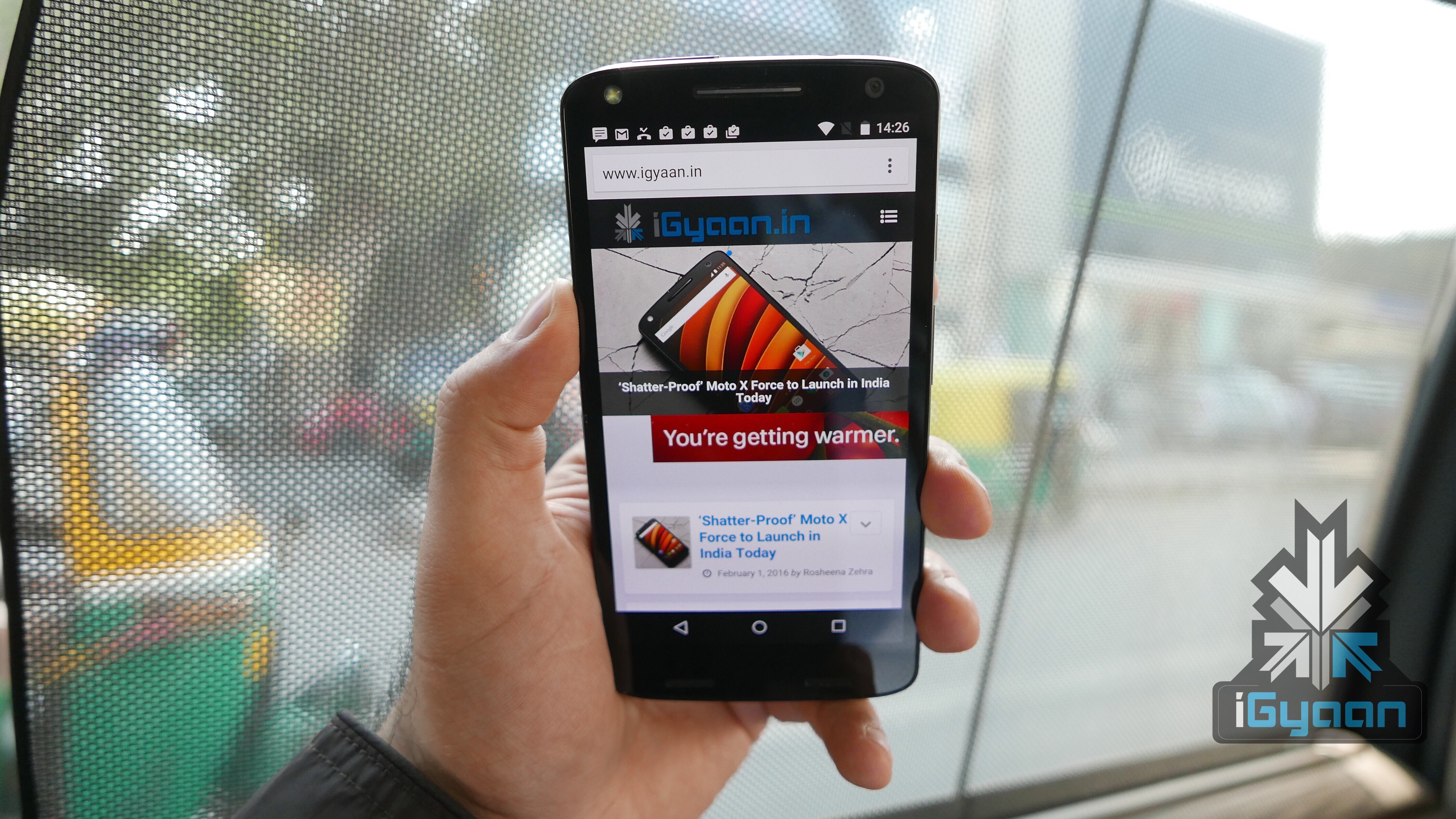
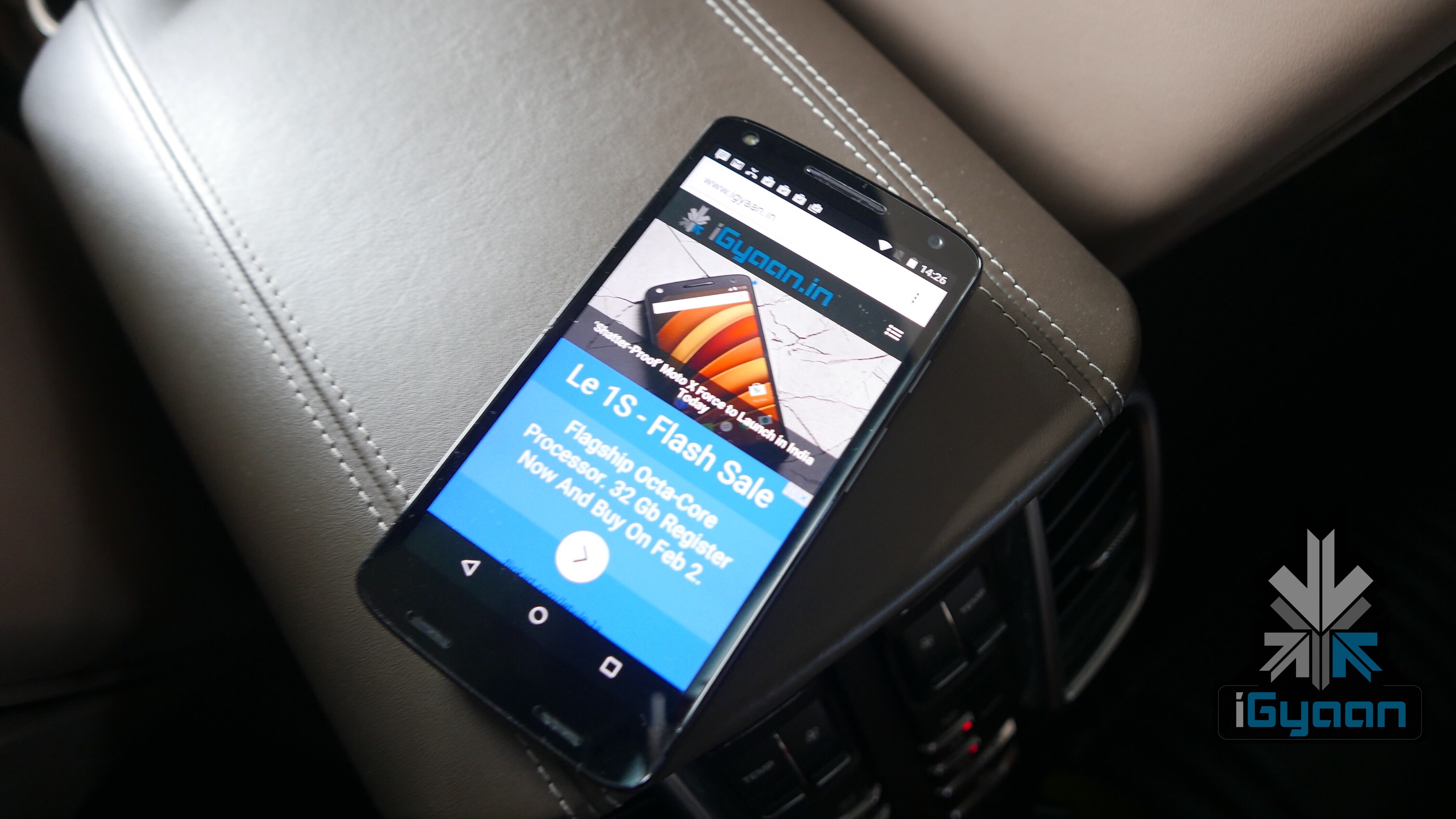
  • ‘Shatter-Proof’ Moto X Force to Launch in India Today

    ‘Shatter-Proof’ Moto X Force to Launch in India Today

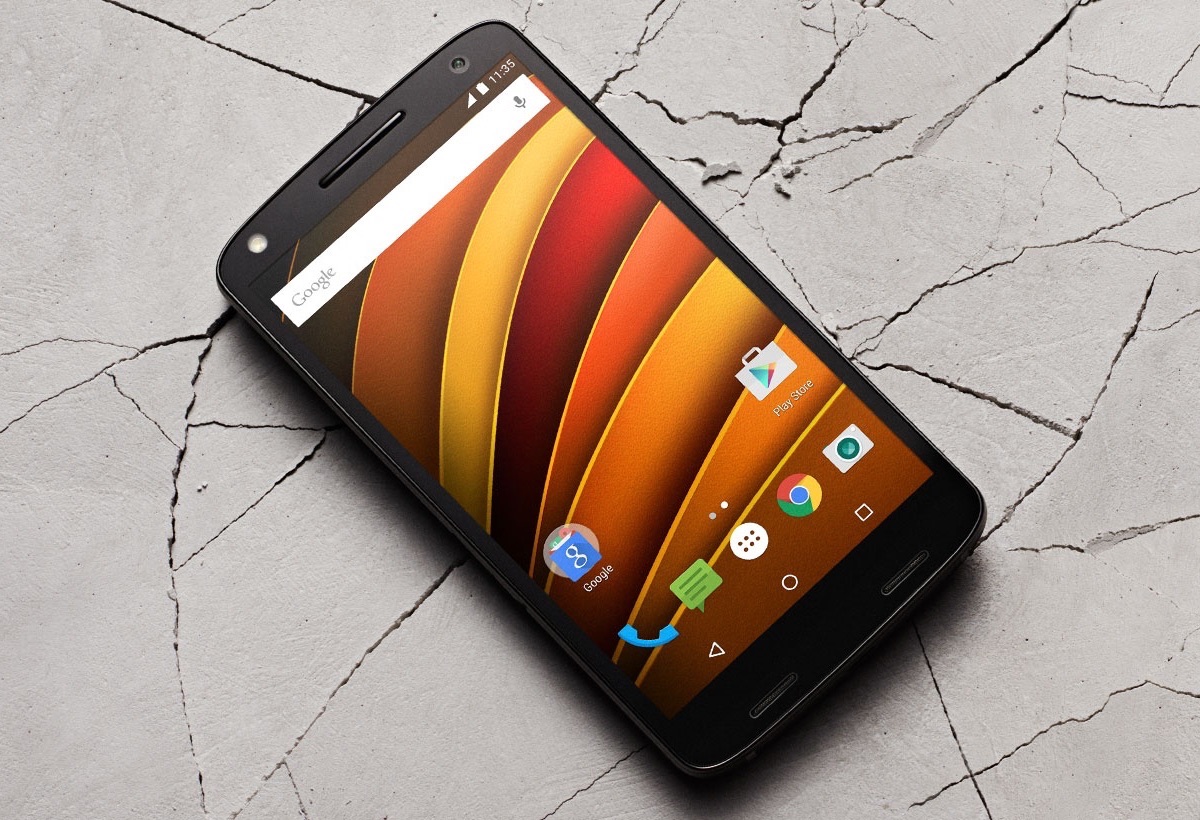
    Moto X Force, internationally called Droid Turbo 2, is all set to release in India today. The phone is dubbed as “shatter-proof” for what Motorola claims is its unbreakable display.Moto X Force

    The company has been coming out with teasers the past couple of days, taking a dig at Apple, Samsung and HTC and performing break tests with their devices. If we are to go by the teasers, Moto X Force does indeed appear to be a tough, unbreakable device.

    On the specs front, Moto X Force would be powered by Snapdragon 810 octa-core processor and 3 GB of RAM. The phone is expected to have a 21 MP main camera and a 5 MP front camera and come with a price tag in the Rs. 40,000 range.

    Let’s see if the phone is truly as strong as Motorola is making it sound to be or if it would be another downer after all the type. You can catch the live-streaming of the official event which starts  by clicking on the link below. Stay tuned for all the latest updates.

    https://www.youtube.com/watch?v=3kmgJnsSN44&feature=youtu.be&linkId=20776415

  • Leaked iPad Air 3 Case Images Suggests Potential Design Changes

    Leaked iPad Air 3 Case Images Suggests Potential Design Changes

    Apple will hold a press event in March where it will announce new Apple Watch models along with a new and updated iPad Air.  Latest update from this front comes in the form of a leaked case design for the iPad Air 3 which suggests potential design changes.

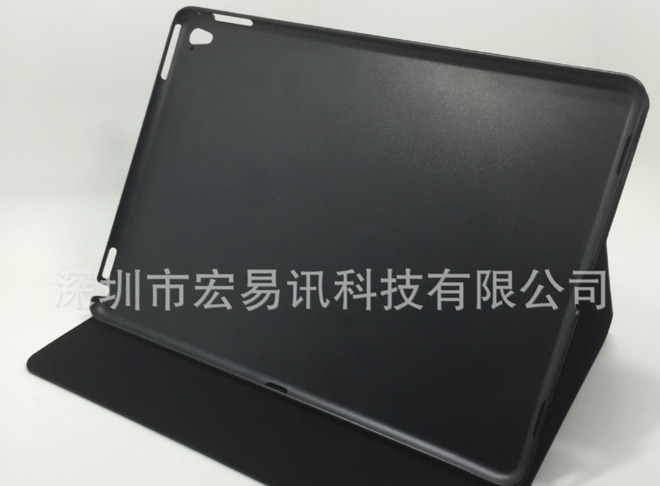
    The image that appeared online shows a cut-out for the Smart Connector. Apple had introduced this feature first in the iPad Pro, to ensure stable connections with other devices. Looks like the Smart Connector could feature in the iPad Air 3 as well.

    iPad Air 3 cover

    The leaked design also shows four cut outs for speakers -a feature reported only a couple of weeks ago. The cut-out for the camera on the back is also longer and bigger, hinting at the presence of rear camera flash for the device.

    However, rumours that stem from cover designs should be taken with a hint of salt. Cover designs are often conceptualised and circulated without an official confirmation from the company, as is true for this iPad Air case as well.

    The iPad Air 3 is expected to be launched in March, alongside iPhone 5se and the new Apple Watch variants.

  • Sony to Launch USB Type-C Flash Drives

    Sony to Launch USB Type-C Flash Drives

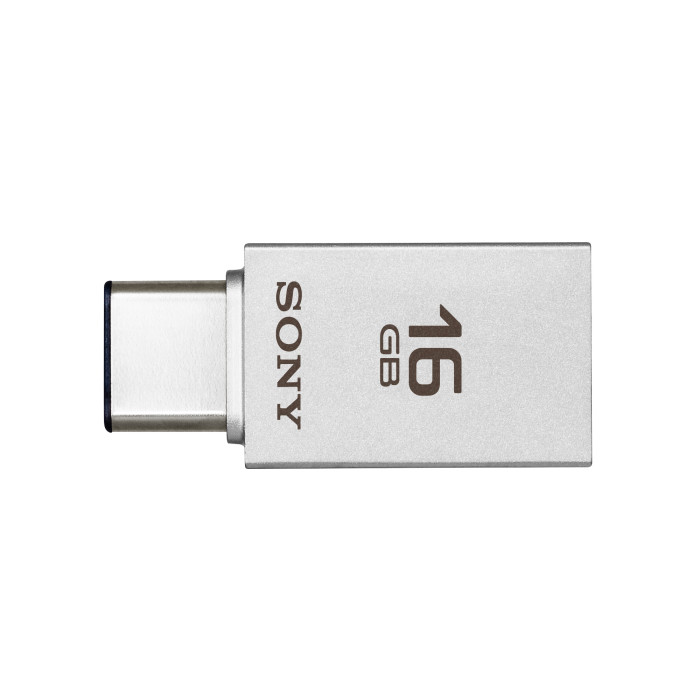
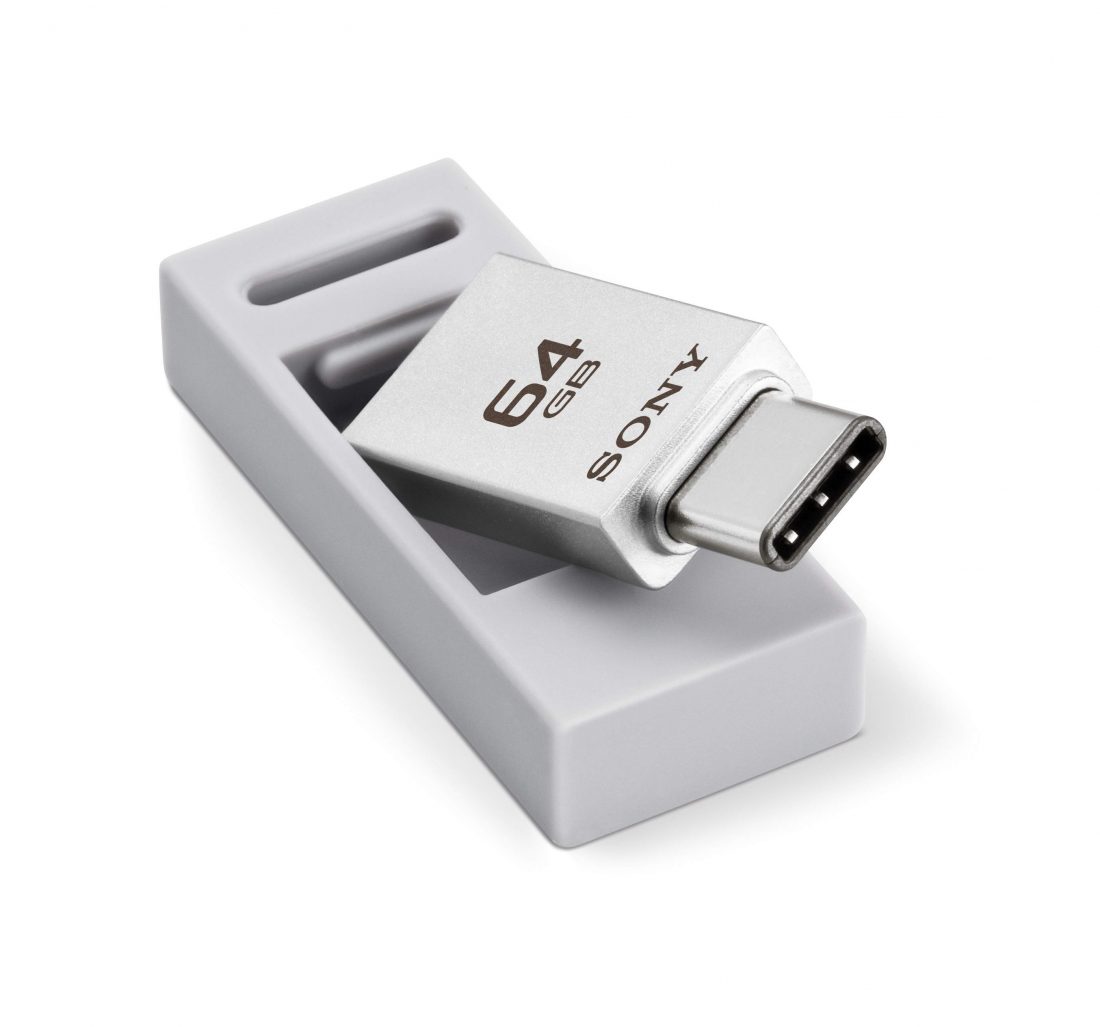
    Sony has launched a new portable flash drive that will be compatible for use with both USB-A connectors, along with USB-C ports.This might not come as the biggest news of the day, but for most struggling between older and new generation systems, these USB Type-C drives will be nothing short of godsend coming with a promise to make their lives a lot easier than before.

    USB-Type-C™-Flash-Drive

    USM-CA1 according to Sony will feature dual connectors to allow for wider connectivity. These will be available in three sizes, 16GB/32GB/64GB, and will have write speeds of up to 130 Mb/s.

    The USM-C1 will be available starting sometime next week. No information on pricing has been revealed. Sony also revealed that these drives will support Windows 7 and abov, OS X 10.8 and higher along with compatibility for Android 5 and above.

  • Samsung to Hold their Galaxy S7 Unpacked Event on 21 February

    Samsung to Hold their Galaxy S7 Unpacked Event on 21 February

    Over the past few months, the rumours and speculations regarding Samsung’s upcoming Galaxy S7 flagship smartphones have come in plenty. Right from specifications to design, everything has been subject to a lot of speculations, and 3 weeks from today, we’ll know just how many of those rumours were true.

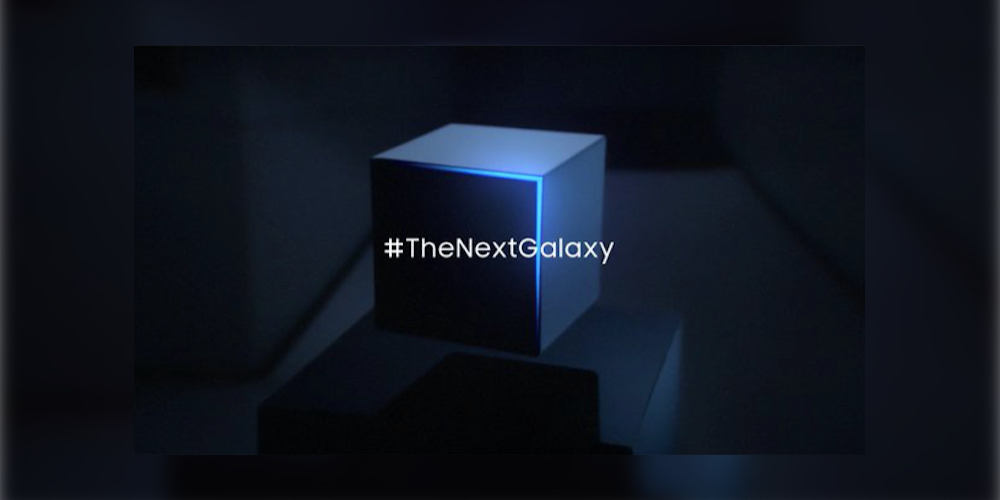
    Yes, Samsung has confirmed the unveiling of the Galaxy S7 at the ‘Unpacked’ event on Sunday, February 21st, a day before the MWC kicks off. The Korean-based giant sent out invitations that include an image of a shadowy cube with two edges glowing to form a “7”. Meanwhile, the teaser trailer shows sees someone staring at the cube through Gear VR goggles.

    https://www.youtube.com/watch?v=3g3O94WALV8

    So far, some of the rumours that have caught people’s attention include the design, which is being said will be similar to the Galaxy S6, suggesting that the company is focusing more on hardware. The Galaxy S7 is said to have a microSD slot, a pressure-sensitive screen, USB Type-C port, water resistance, and will be in ‘Edge’ form for all the variants. Finally, some models will come with the Snapdragon 820 chipset.

    In three weeks, we’ll know just what the Galaxy S7 will look like. Follow this space for all on Samsung’s upcoming flagship.

  • Moto X Force : Everything We Know

    Moto X Force : Everything We Know

    After storming the markets with the Moto X Style/Play, and Moto G Turbo, Motorola is all set to bring to Indian customers its new smartphone, the “unbreakable” Moto X Force. The phone which claims to come with a ‘crack-proof’ screen, will soon hit the Indian markets. The smartphone will launch in India tomorrow with an expected price tag of around $624 (Rs. 40,000 approximately) and $720 (Rs. 47,000 approximately) for the 32GB and 64GB variants respectively.

    Design 

    Moto X Force

    The X Force has a lot in common with other Motorola phones, and the evidence of it sharing DNA with Motorola handsets is available from the first time you lay hands on the smartphone. Having said that, there are subtle changes to the design scheme which make it distinct from the other members of the Motorola family. The device is flatter at the back with curved edges. It has a textured back panel to avoid costly slips out of the hand.

    Display with ShatterShield Tech

    Numerous-protective-layers-form-the-ShatterShield-panel

    The ShatterShield Tech of the Moto X Force is a marvel of modern day technology and quite rightly is the one feature that the company is heavily banking on to drive the sales ahead when the handset finally makes it way to the markets.

    The 5.4-inch 2,560 x 1,440 panel (QHD) panel is protected by a five layer system which has allowed Motorola to brand it the “world’s first shatterproof smartphone display” thanks to what Moto calls the ShatterShield technology. The company claims the screen would stay intact for up to four years absorbing shock and providing protection against cracks.

    Under-the-hood Specifications

    The phone will be powered by a Qualcomm Snapdragon 810 octa-core SoC clocked at 2GHz. There will be 3GB of LPDDR4 RAM on board, and it will be available in 32GB and 64GB inbuilt storage options. The phone will support expandable storage up to 200GB via a microSD card slot, and will be powered by a mammoth 3760mAh battery with Quick Charging support.

    Camera

    Motorola’s new super tough Moto X Force packs a 21-megapixel snapper with an f/2.0 aperture and dual-LED flash and Phase Detect Autofocus around the back and a 5-megapixel selfie camera at the front with flash and an f/2.0 aperture.

iGyaan Network
Privacy Overview

This website uses cookies so that we can provide you with the best user experience possible. Cookie information is stored in your browser and performs functions such as recognising you when you return to our website and helping our team to understand which sections of the website you find most interesting and useful.