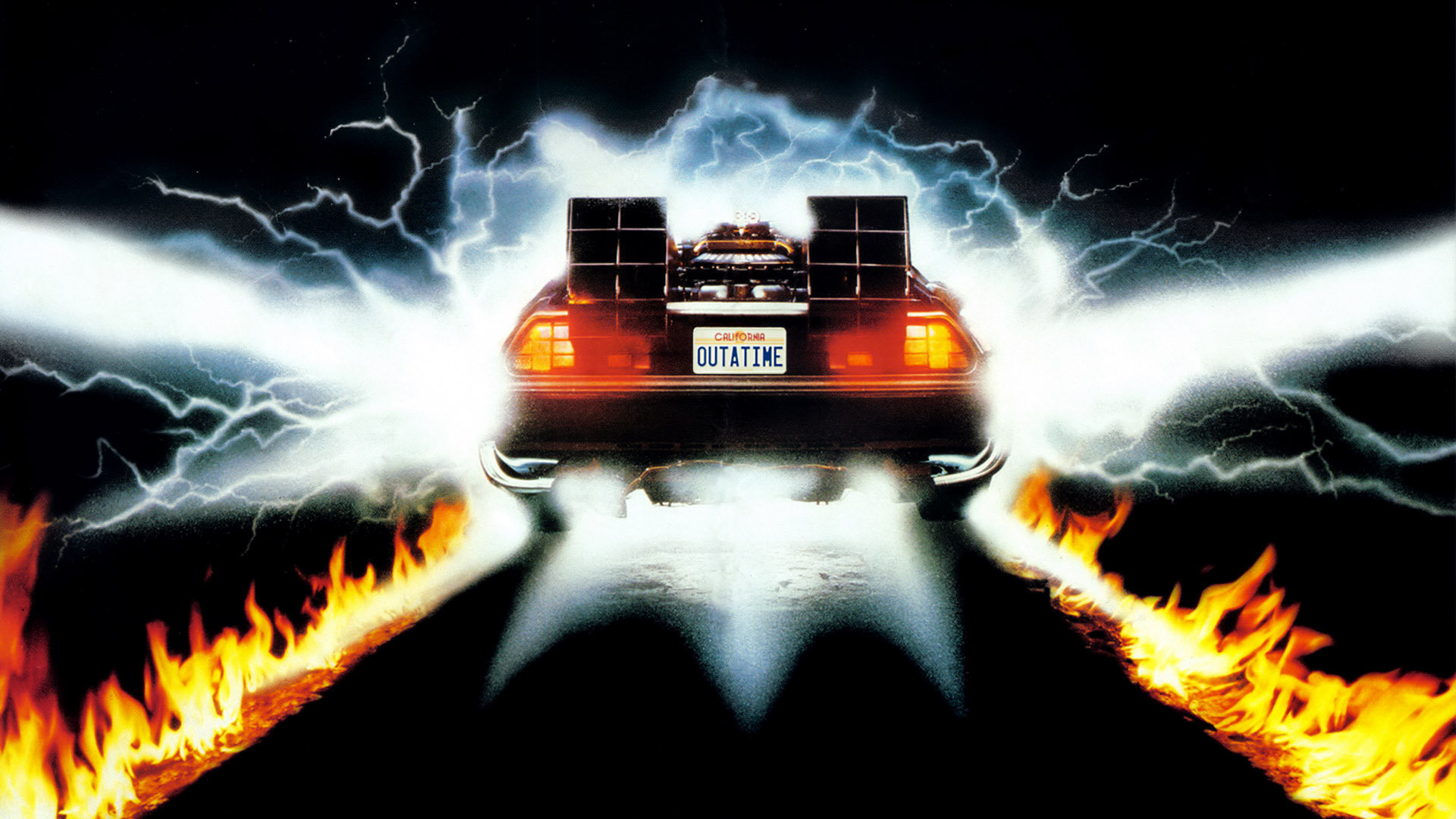
Yesterday was Back to the Future Day around the world. For those who aren’t familiar with the concept, Back to the Future Day comes only once a lifetime, and that was on 21st October, 2015. This day is celebrated because in 1989’s Back to the Future II film, Marty McFly and Doc Brown travel 26 years to the future and land on October 21st, 2015. So naturally, fans of the film around the world were excited to have finally reached the ‘future’.
https://www.youtube.com/watch?v=plwX5NtF530
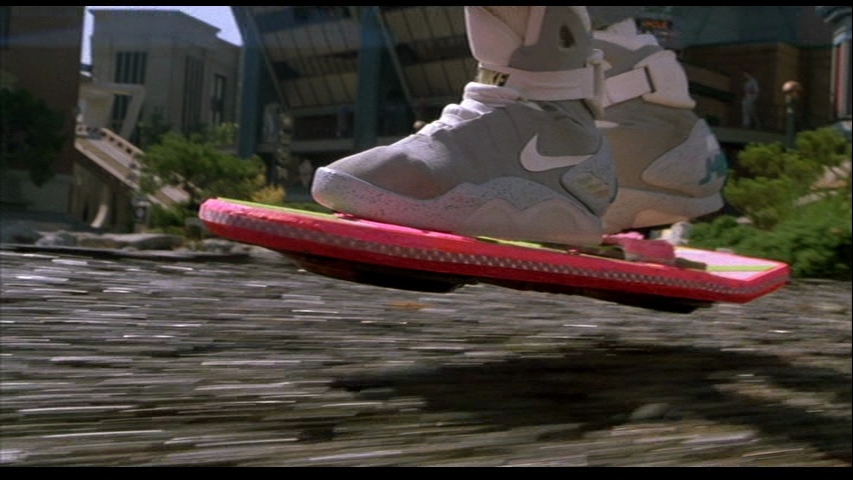
One of the things that makes the day so exciting is that in the movie, the 2015 future had a hoard of futuristic technology like self-tying shoes, hoverboard, artificial intelligence and all that jazz. And what’s more exciting is that the movie got most of the predictions right.
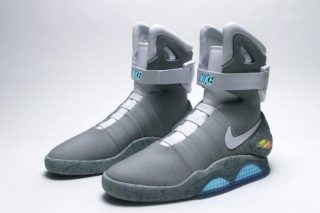
We celebrated the day in our own way as well by listing 6 techs that the movie predicted correctly about 2015. Companies like Nike were also paying homage to the cult franchise by launching self-tying shoes that were seen in the movie. But no Back to the Future Day is complete without a hoverboard. So the makers behind the Hendo overboard also joined the celebration with their newest version of the hoverboard.
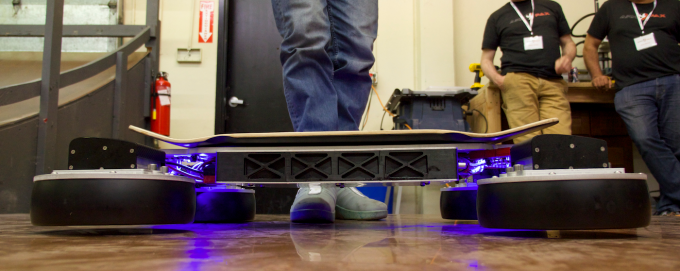
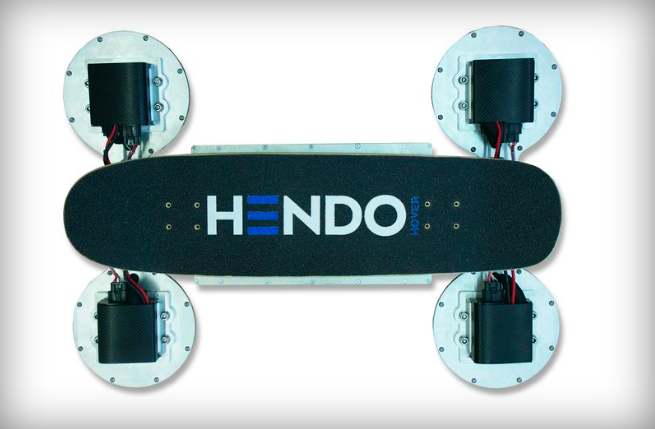
Arx Pax teased new details about the hoverboard last week, like better battery life, USB connectivity, stronger hover engines, and a safety kill switch.The new design looks quite spectacular and in keeping with the future.
The skateboard deck sits on traditional skateboard trucks, which is also where four hover engines connect to the main body. This will help riders shift their weight around much like a traditional skateboard. Another cool piece of information is that the new hoverboard is designed by none other than pro-skater Tony Hawk.
Just to be clear, none of the Hendo Hoverboards run on the street. The magnets below the board need a copper flooring to repel off in order to hover. So you can push off and hover as as long as there is a copper runway. But it’s a start.
The new hoverboard will first go to Kickstarter backers who pledged $10,000 to the company last year. Are Pax has said that the backers were companies who wish to open hoverboard parks of their own. The company has also stated that the hover boards won’t be consumer ready but there has been great progress in the hovering technology that would even make Marty proud. And it does bring the dream of owning your own overboard closer than ever.
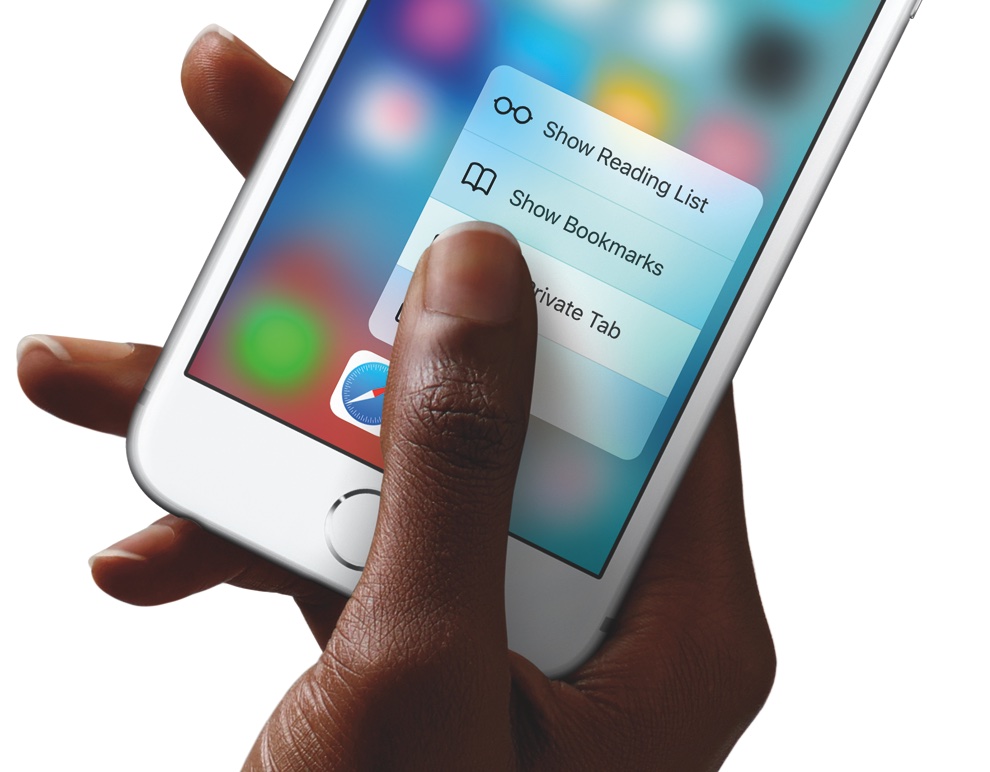
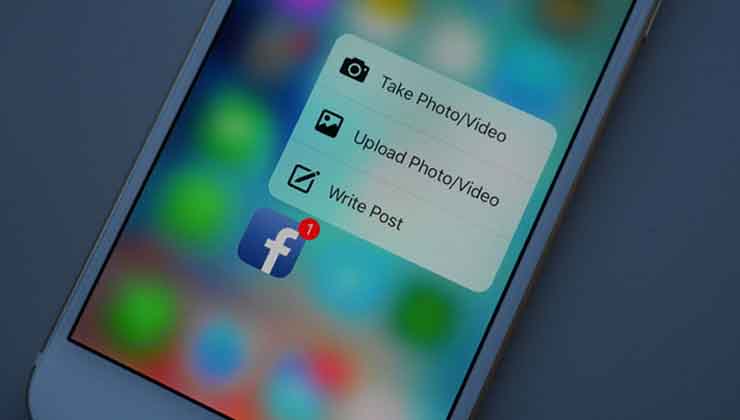
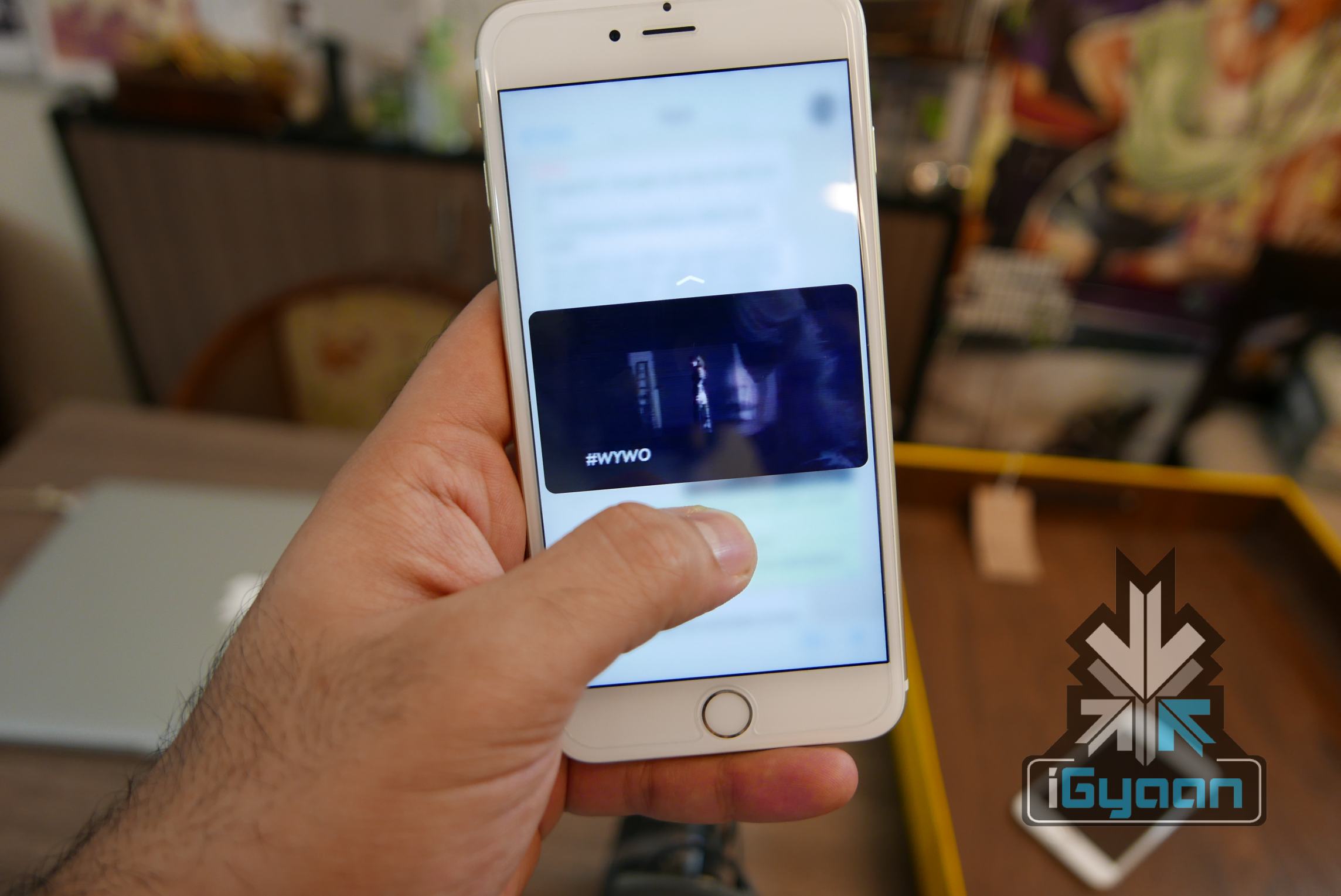
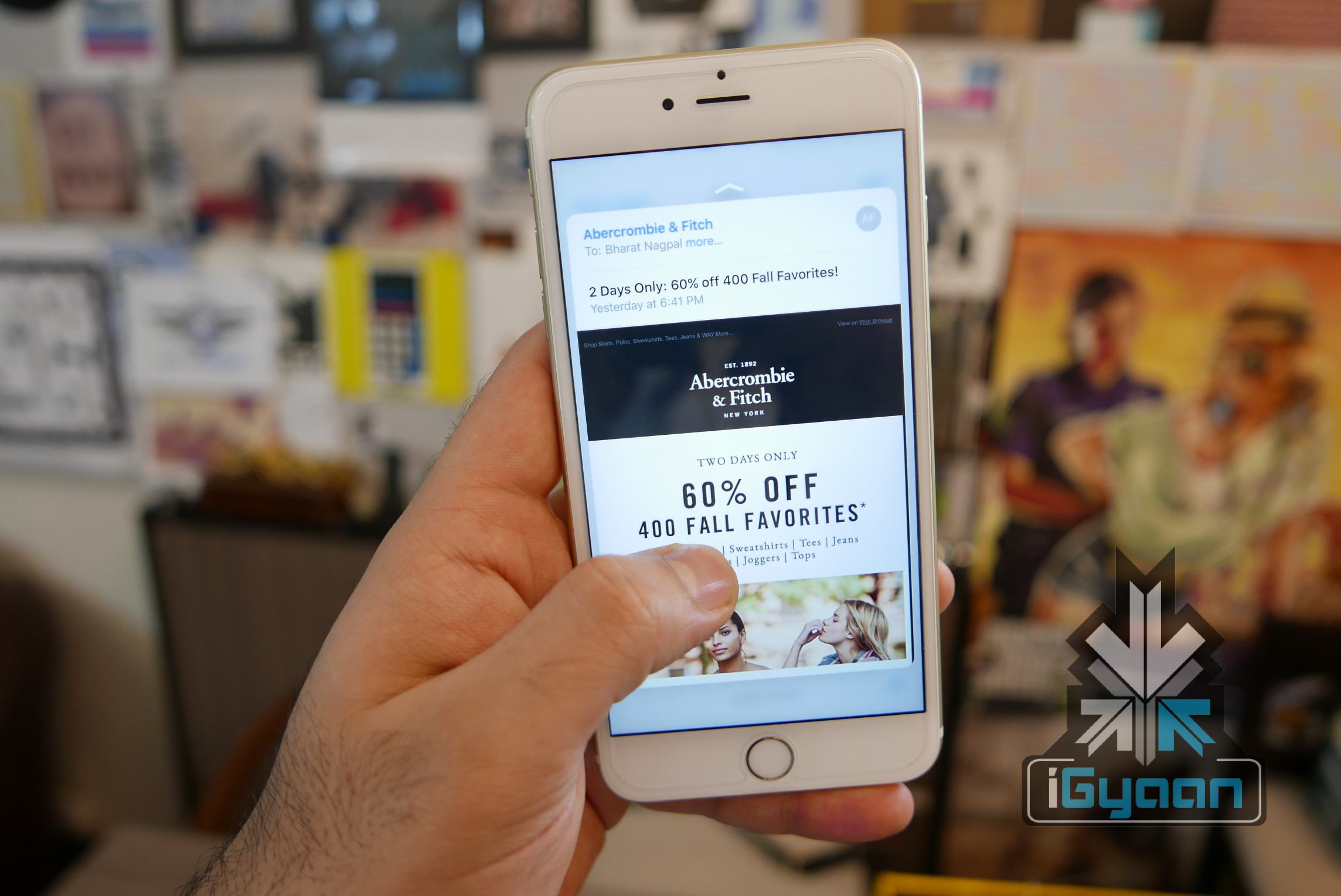
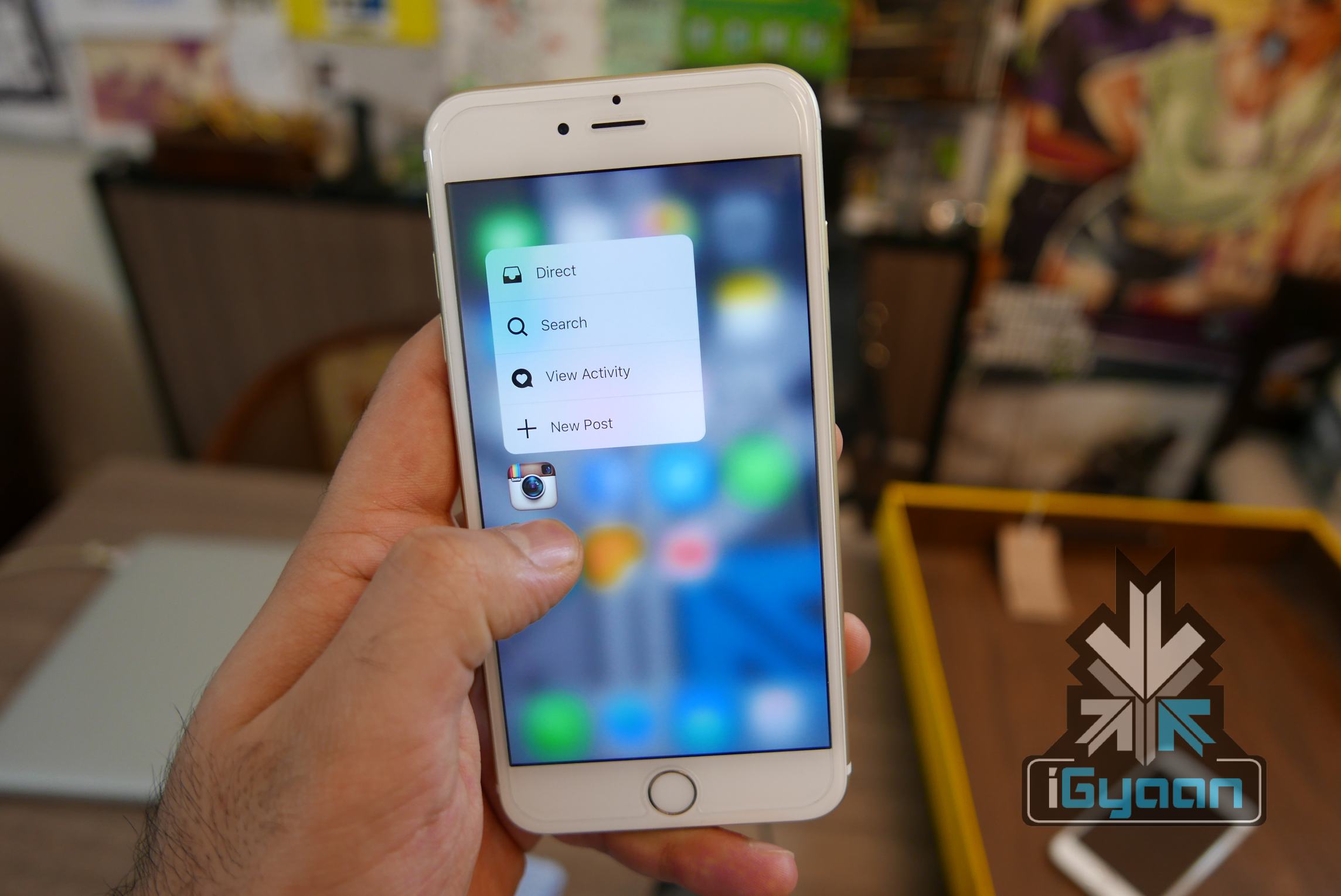
3D Touch is definitely one of the most talked about features of the new iPhones. This is a highly sensitive touch technology which is able to differentiate between three different kinds of touch. In simpler terms it means easier, quicker shortcuts for the iPhone 6s and 6s Plus users.
However, Apple deliberately limited the functionality of this new feature, according to sources. Developer Victor Baro says,
“We need to take into account that, because 3D Touch is only available in iPhone 6S and 6S Plus, no action should be completed just by using this feature,” he said. “The user should be able to achieve any action without using 3D Touch (just like Peek & Pop does), and 3D Touch should only provide an extra level of interaction.”
Similarly, other developers have also pointed out how 3D Touch would allow users an entire range of features likethe ability to apply filters to images only using force on the screen, being an example. Take a look at developer FlexMonkey’s blog post right here to see what else 3D Touch has to offer.
One of the main reasons why Apple didn’t introduce many features with 3D Touch this time is that the company wants users to be more familiar with the technology first. The introduction of 3D Touch to iPhone 6s and 6s Plus is an attempt to familiarise users before they can be introduced to a more complex technological advancement.
Additionally, Apple also wants the same set of core features for all iOS users, irrespective of the device they’re using. Granted, all such devices are different from each other in many ways, but the essential requirements for apps to run is quite similar in all iOS 9 gadgets. Apple has thus made life easier for developers by making sure 3D Touch is only used for shortcuts at the moment.
iPhone 7 is the Apple device which is likely to bring in more 3D Touch features with it. Following from the rumours of getting rid of the home button we talked about yesterday, 3D Touch might be used to take care of tasks by replacing it. It seems like a long wait until iPhone 7 for us to find out more about 3D Force, but waiting is what we shall do for now.
Starting 28th of October, YouTube is introducing a new membership called YouTube Red.
For years, YouTube’s fans have been telling us they want more—more choice when watching their favorite content, more ways to support their favorite creators and, above all, the option to watch their favorite videos uninterrupted.
On October 28, we’re giving fans exactly what they want. Introducing YouTube Red — a new membership designed to provide you with the ultimate YouTube experience.
This membership involves a monthly payment of $9.99 and will give users access to videos across YouTube without ads, while allowing saving videos to watch offline on the phone or tablet and play videos in the background. The membership will extend across devices and include the recently launched Gaming app and a new YouTube Music app announced yesterday. The latter will be made available soon. Monthly trials for YouTube Red begin in the US on the 28th of this month.
https://youtu.be/YL9RetC0ook
YouTube confirmed that any “partner” creator who earns a portion of the ad revenue but doesn’t agree to sign up for this membership will have their videos hidden from public view on both the ad-supported and ad-free tiers. This includes numerous stand-up comedians, musicians, commentators, and DIY instructors. However this will not affect the average YouTube users uploading or commenting on videos.
Though this step is viewed as a little too drastic by many, YouTube defends it as an attempt to maintain a “consistent” user experience. The company promises to ensure availability of content always with its paid as well as free services.
It’s a myth that your Mac is the most malware-free PC out there. That perhaps used to be the case, and one reason behind it was that hackers were more attracted to Windows due to their larger presence in the market. But not anymore. Over the years there has been a change. Apple’s share of the PC has grown and, of course, hackers are all too aware of that.
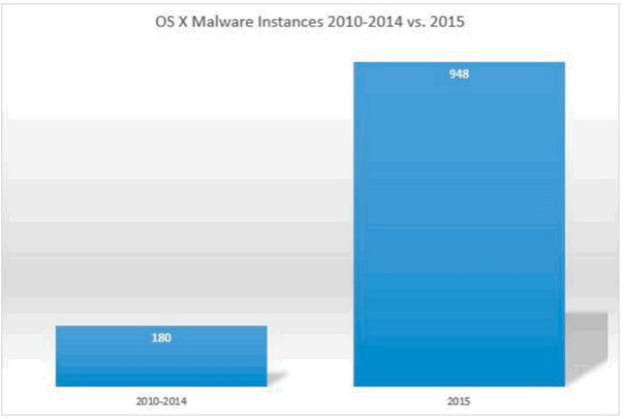
There has been an increase in malware specifically targeting Apple’s Mac platform. What’s more is that the malware is a lot more dangerous and sophisticated than one would think. According to reports from BleepingComputer, 2015 was the most malware-ridden year for the Mac. The reports summarised the findings from Bit9 and Carbon Black that state that OS X malware this year was five times more prevalent than the preceding five years combined.
Bit9 and Carbon Black also released a chart that leaves everything quite clear.
According to the chart, there was about 180 instances of malware during the period of 2010-2014, while 2015 saw a whopping 948 instances, and there’s still a couple of months to the end of this year.
BleepingComputer also listed some of the most common OS X malware found this year. This is based on a 10 week study with over 1400 unique malware samples collected and analysed. The common ones are narrowed down were:
Lamadai – backdoor Trojan targeting a Java vulnerability.
Kitm – ran commands on machines for victims at the Oslo Freedom Forum
Hackback – ran commands on machines for victims at the Oslo Freedom Forum
LaoShu – spam via undelivered mail parcels
Appetite – Trojan targeting government organizations
Coin Thief – stole bitcoin login credentials via cracked AngryBird applications.
Another point to note is that while there are a number of malware being floating around these days, not all are dangerous. Apple has protected itself from most. The issue is, however, that there is a rise in the number of malware targeting Macs. The onus is on Apple to take this into serious consideration and work to make its future OS X updates safer.
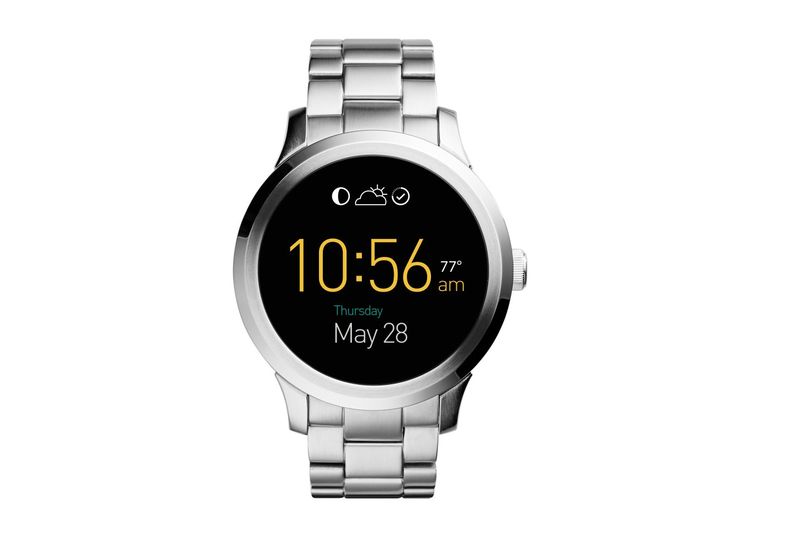
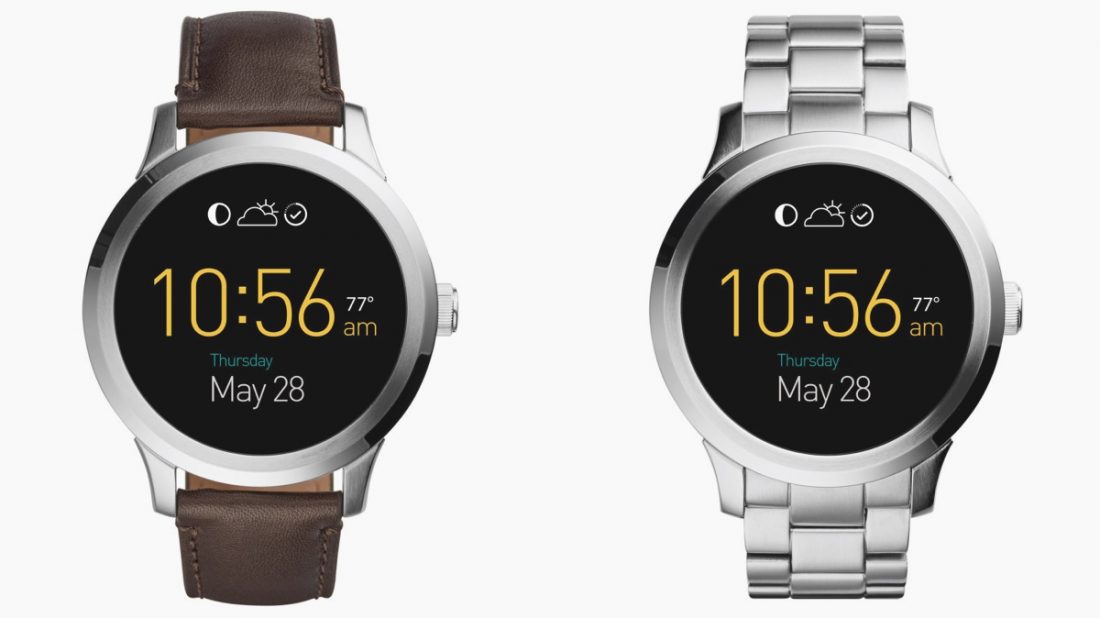
We’ve all seen Apple, Samsung and Motorola coming out with smartwatches, and people are slowly but surely getting used to the idea of having a watch that also functions as a phone. So it only makes sense that a brand that has been in the watch making business forever comes out with a smartwatch and joins the next-gen party. Fossil has unveiled its newest Android Wear smartwatches headed by the Q Founder. The Q Founder is the flagship device and is part of Fossil’s Q lineup of connected wearables.
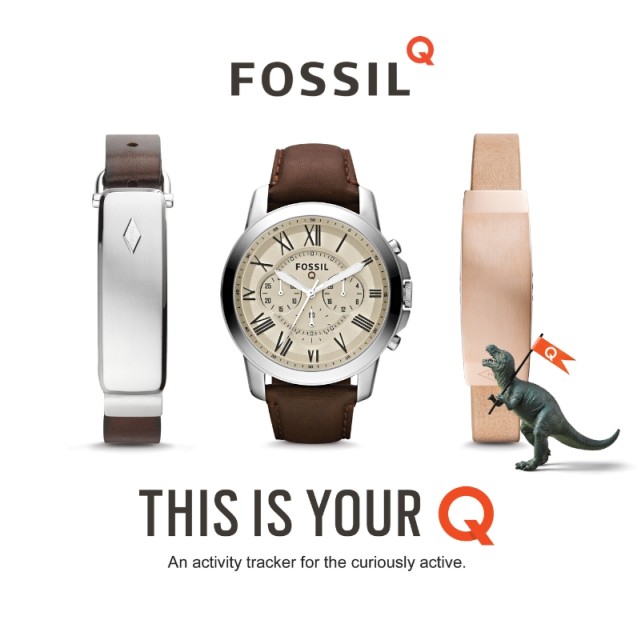
Fossil has four new smartwatches in its kitty – the Q Reveler, Q Dreamer, Q Grant and, of course, the Q Founder. The first three are standard analogue timepieces with electronics built into the bands. The Fossil Q Grant is an analogue fitness tracker while the Q Reveler and the Q Dreamer are a pair of connected smart bracelets. Moreover, the Q Reveler and Q Dreamer are $125 each, while the Q Grant is priced between $175-$195.
The flagship Q Founder runs Android Wear and features a full touchscreen display. The Founder will start at a price of $275. While many companies have opted for Qualcomm-powered chipset in their Android Wear, Fossil and Tag Heuer have announced watches with an Intel CPU. Fossil has not revealed the official release date of the device but sources suggest that it could come in time for the holiday season.
This is a major game changer in the smartwatch department since Fossil will give brands like Apple and Motorola a run for its money. Fossil not only has a more traditional looking design with its smartwatch, but it also knows the business a lot more and its retail footprint means people are more likely to notice Fossil’s Android Wear device than those that are only seen online or at electronic stores. Tag Heuer will also launch its own smartwatch some time in November.
There is no possibility that we’re getting a look at the next iPhone before the second half of next year, but why should that stop us from speculating about that one device everyone loves to hate?
Piper Jaffrey analyst Gene Munster writes in a blog post,
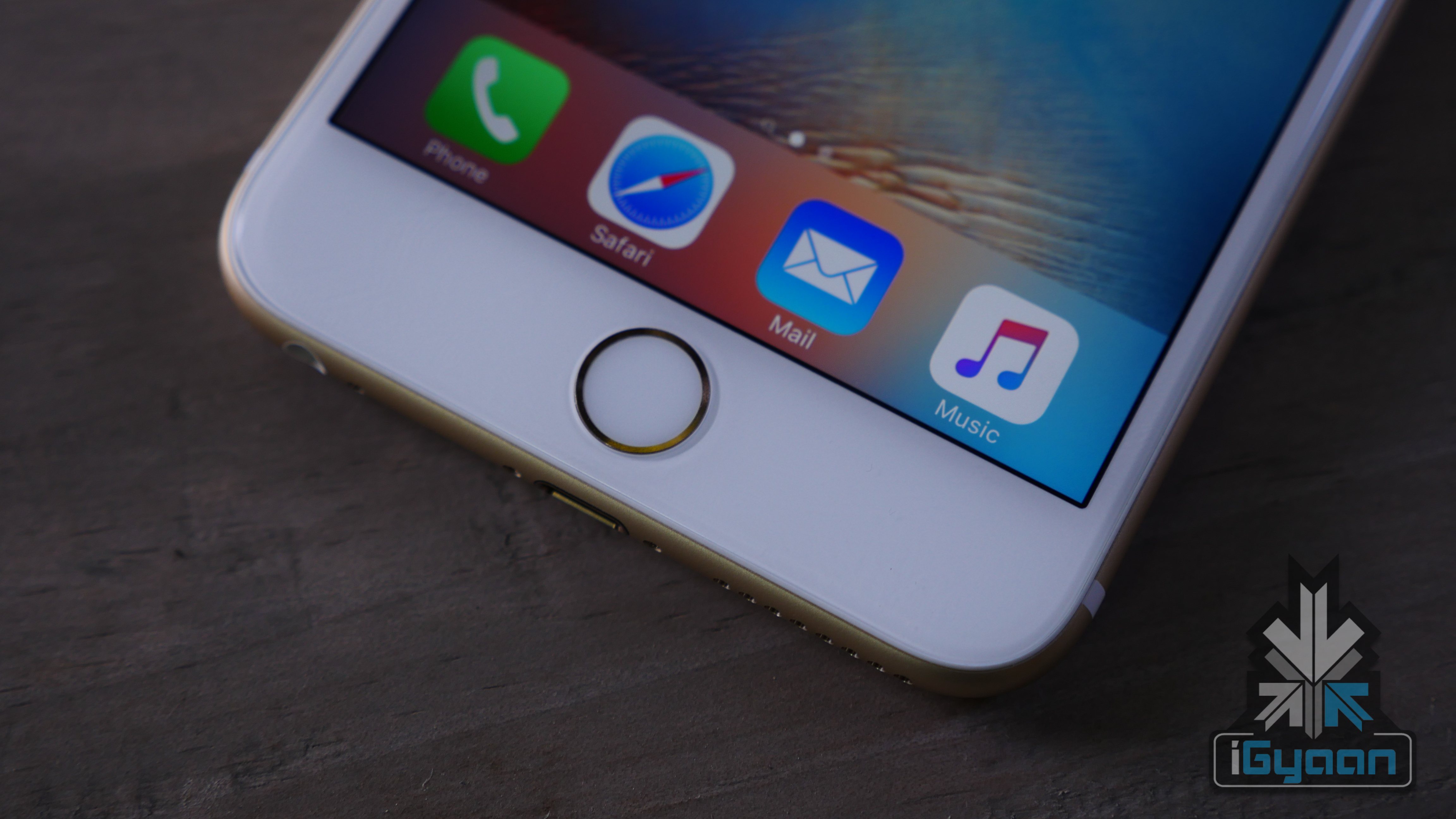
“3D Touch may provide Apple with a way to eliminate the home button on the phone and use the additional space to make the screen bigger or make the device smaller. One barrier to this could be Touch ID, which is integrated into the home button currently. Apple would need to move the Touch ID reader to potentially the side of the phone to remove the home button.”
Could it be possible then? iPhone 7 is also expected to be smaller in design with negligible or no changes to the screen size. Additionally, Apple recently filed a patent which suggests that the company wants to put Touch ID behind the display instead of the side, same as what Munster mentions.
At the same time, there have been other patents as well which have hinted at not only keeping the home button but also adding new features and technology to it. The tech giant recently patented a way to use the Touch ID as type of a track pad. This feature would be able to identify the direction of your fingerprint movement and provide two user interfaces based on the movement of the swipe.
There is a 50% chance of Apple getting rid of its home button, if Munster’s speculations are to be taken into account.. Do you think Apple will actually do away with one of the most characteristic feature of its iPhone? Let us know in the comments below.
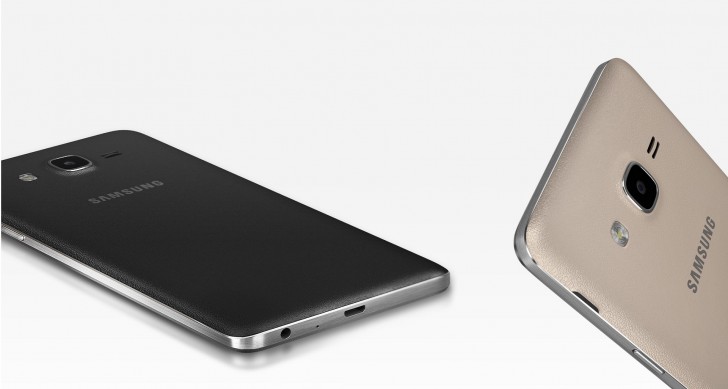
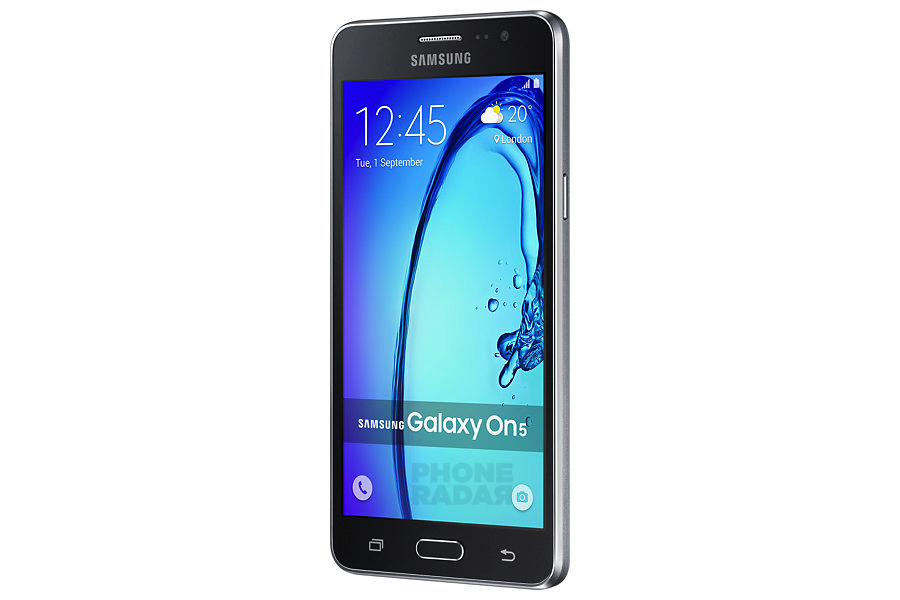
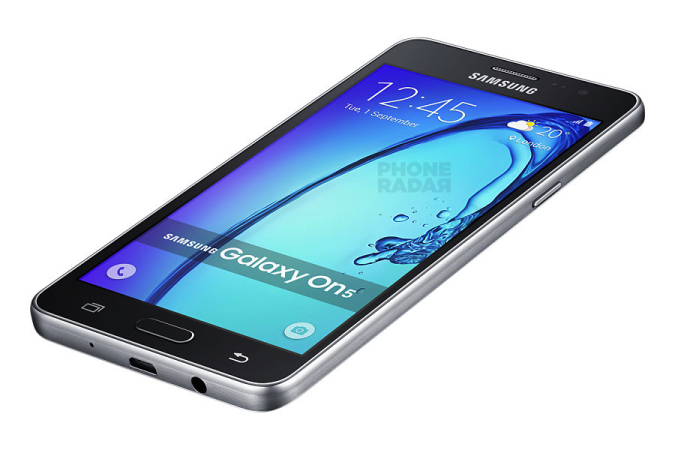
Images, specs and other details of Samsung Galaxy On5 were accidentally put up on the company’s official website. The On7 variant was revealed too but only with its user manual going up on the site. The listing has now been removed, but the images of the two phones are available online.
Galaxy On5 is an entry-level phone which comes with “an unprecedentedly thin frame and bezel”. It consists of a 5-inch screen with 720p resolution. Its physical measurements are 142.3 x 72.1 x 8.5 mm along with a faux leather back. A Exynos chipset with quad-core processor and 1.5 GB RAM are some of its other specs. Even though the phone comes with 8 GB of total storage, only half of it is available to the user. However, it does include a microSD card slot to ensure expandability to the user. The phone will run on the Android OS, but the Android version remains unclear at the moment.
In terms of the camera, On5 packs an 8 MP main camera capable of 1080p video recording, along with a 5 MP front camera. It’s a dual-SIM phone (microSIMs) with LTE connectivity (TDD and FDD). The phone is equipped with a 2,600 mAh battery which claims up to 13 hours of browsing on Wi-Fi, 11 hours on 3G, and 12 hours of video playback. The price of this smartphone in the country is expected to be Rs. 10,000.
The other smartphone to have been made official briefly on the Samsung website is Galaxy On7. This phone comes with a larger screen of 5.5-inches but the resolution is the same as On5, that is 720p. It packs a more impressive main camera at 13 MP along with faring better on the battery front as well with 3,000 mAh. The site didn’t mention any other specs except for a manual. Galaxy On7 is expected to be priced around Rs. 13,000.
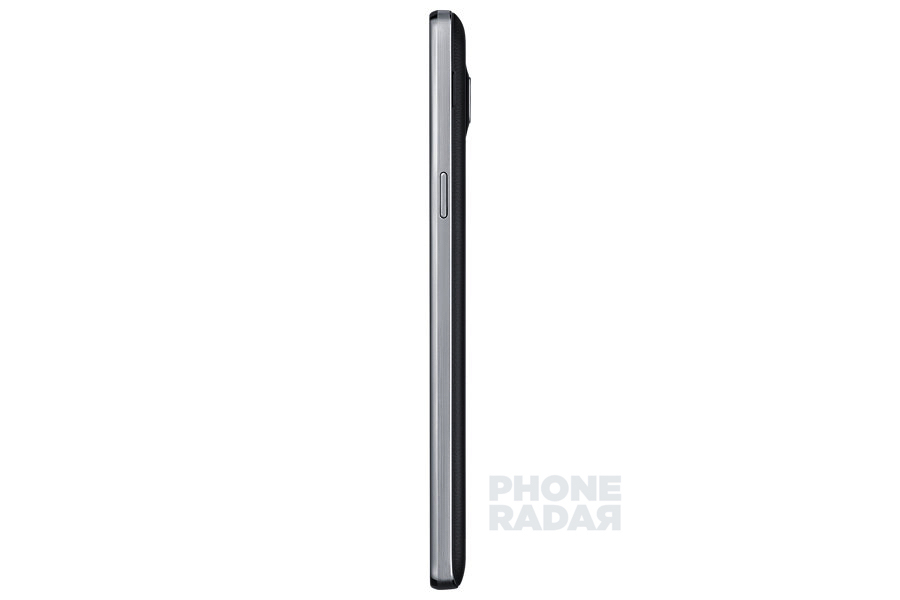
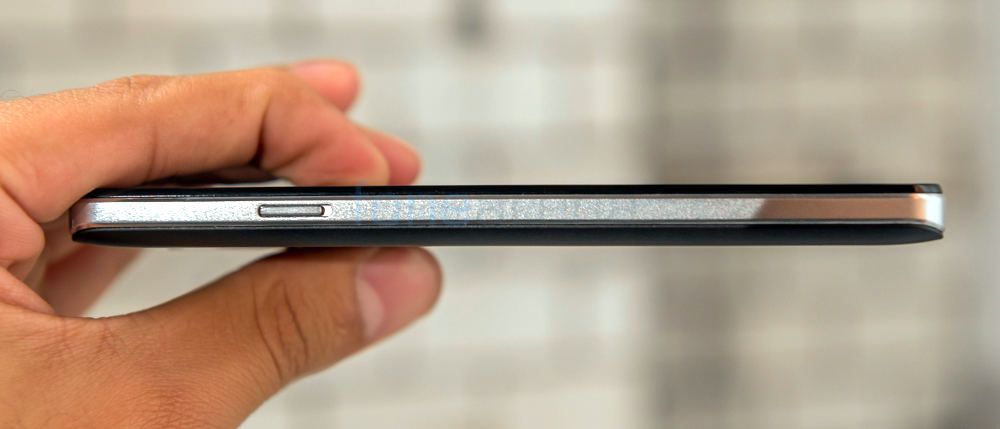
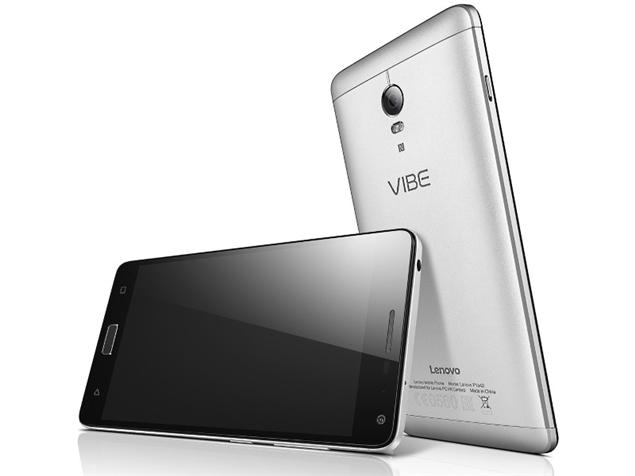
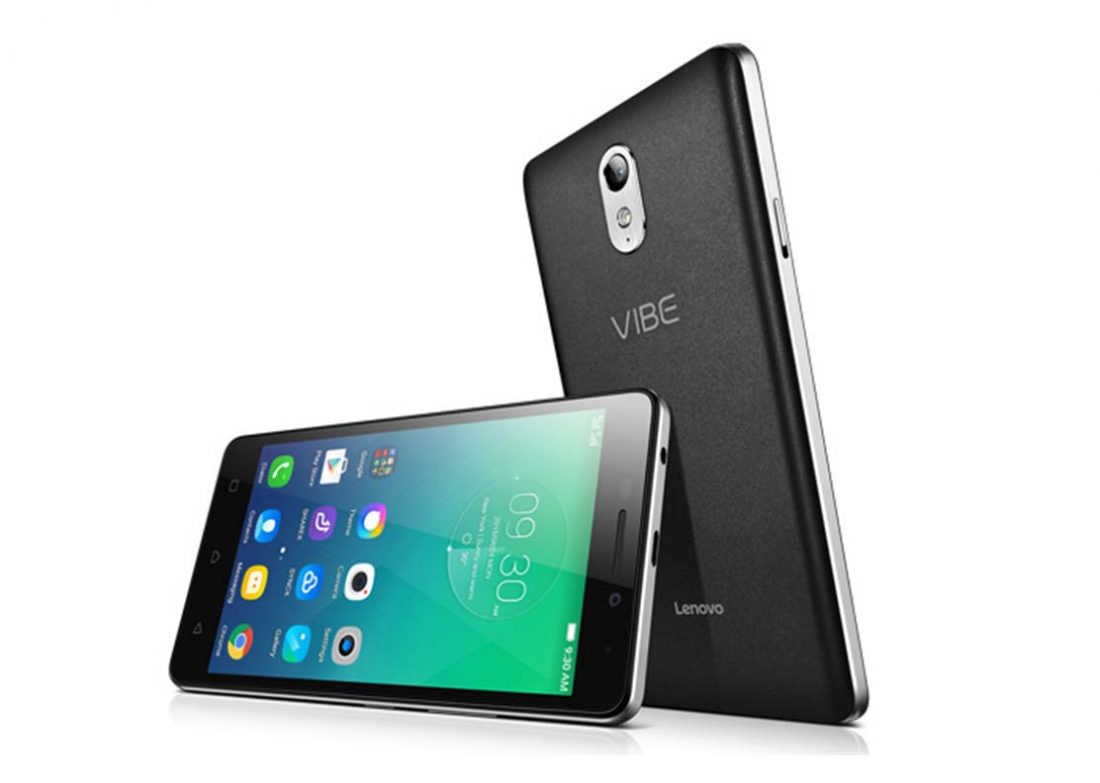
Lenovo has launched its latest smartphones, the Vibe P1 and Vibe P1m, ahead of Diwali. The company is looking to get some early buyers going into the Diwali sale. And one of the reasons the phone could find potential buyers are the massive batteries that come with the devices. The Vibe P1 and P1m will come with 5000mAh and 4000mAh batteries, respectively.
Priced at Rs. 15, 999 for the Vibe P1 and Rs. 7999 for the Vibe P1m, the smartphones are exclusive to Flipkart. The Vibe P1 will go on sale from Tuesday while the Vibe P1m will see a flash sale from Wednesday. Registrations for the P1m start from today.
Lenovo Vibe P1
The Vibe P1 features a 5.5-inch full-HD (1080×1920 pixels) IPS display with Corning Gorilla Glass 3. It is powered by a Snapdragon 615 octa-core processor clocked at 1.5GHz with Adreno 405 GPU; 2GB of RAM and 32GB storage with expandable storage via microSD card. The device features a 13-megapixel rear camera and a 5-megapixel front; dual-SIM with dual 4G LTE support.
The Vibe P1m, on the other hand, sports a 5-inch HD (1280×720) display. It is powered by a 64-bit quad-core MediaTek MT6735 processor with 2GB RAM and 16GB storage. Like the Vibe P1, the P1m supports expandable storage as well.
The Flipkart Big Billion Day offer helped Lenovo sell over 600,000 Lenovo and Motorolla phones in 3 days. The company will look to get some more numbers in with their newest devices during the expected Diwali sale. Another point in favour of Lenovo is that despite having such gigantic batteries, the devices are still slim and light.
Sony might have been getting flak for being slow on innovation for the past few years. However, with the launch of the new Sony Xperia Z5 Premium along side the more mainstream Xperia Z5 and Xperia Z5 compact, the Japanese giant is ready to set the record straight.
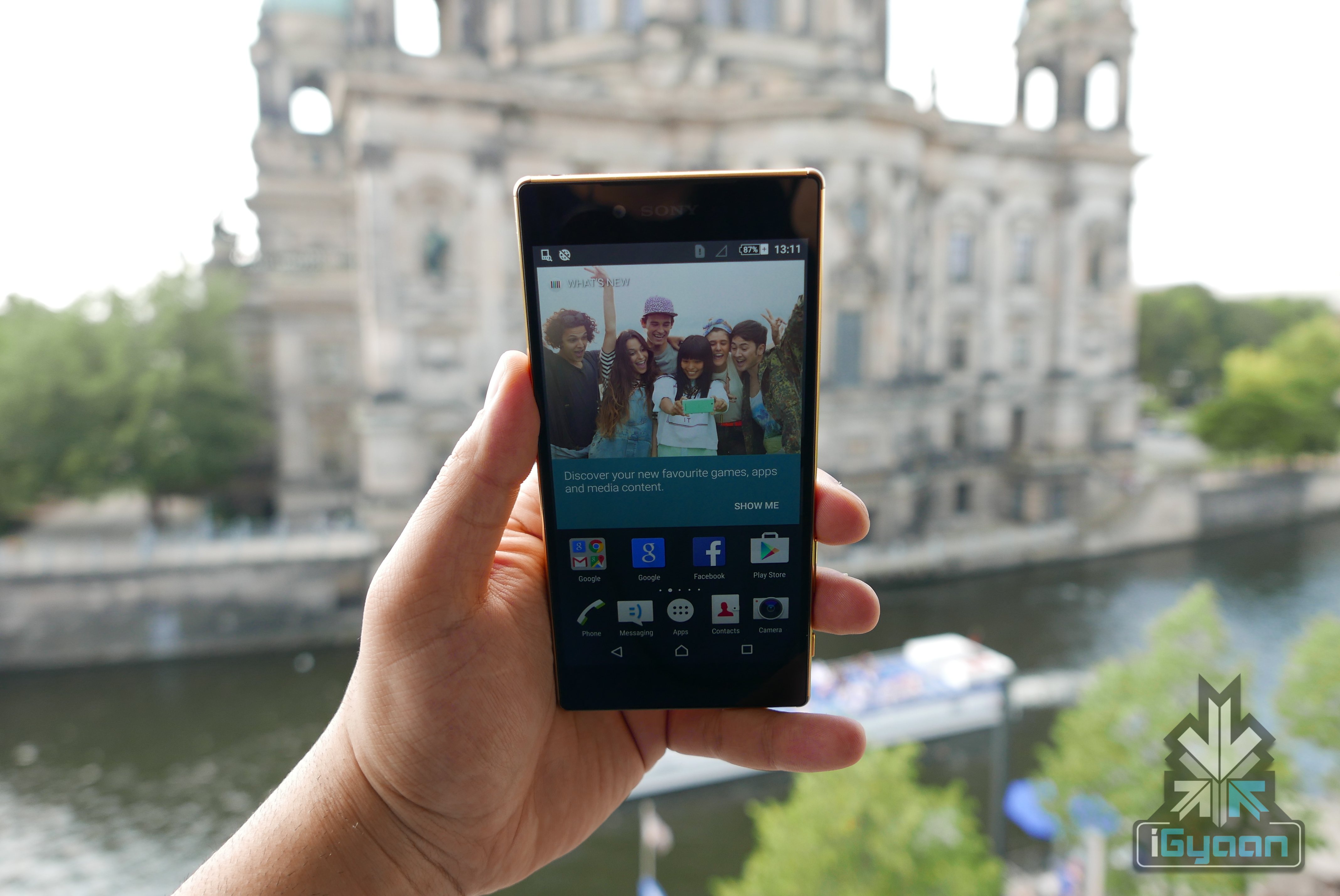
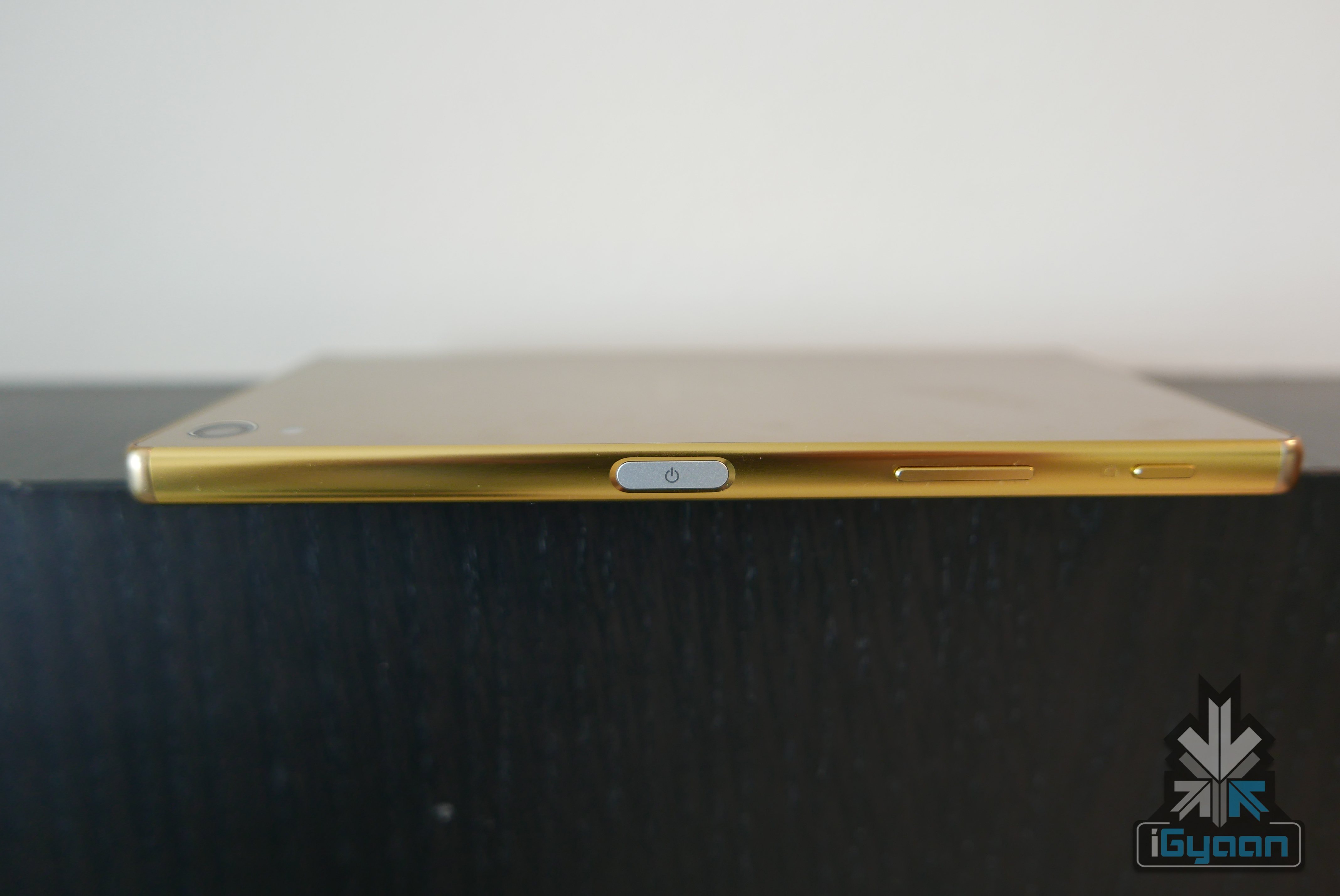
The Sony Xperia Z5 Premium is the worlds first 4k display equipped smartphone. Sony has also included a new fingerprint scanner at an innovative location, right on the power button. The fingerprint scanner makes it easy to unlock the device efficiently, its quick and very accurate, making it a pleasure to use.
Fingerprint scanner on the power button
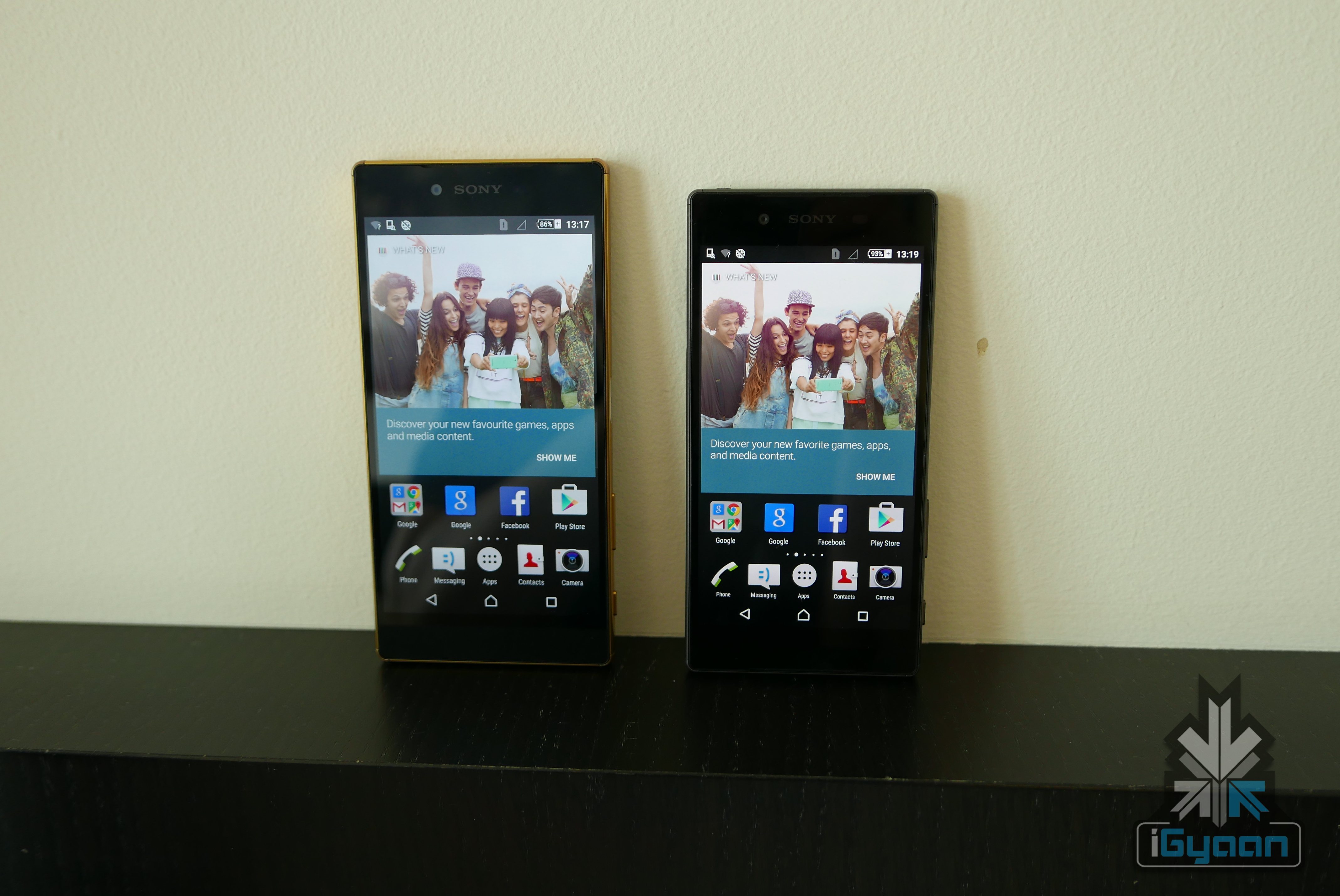
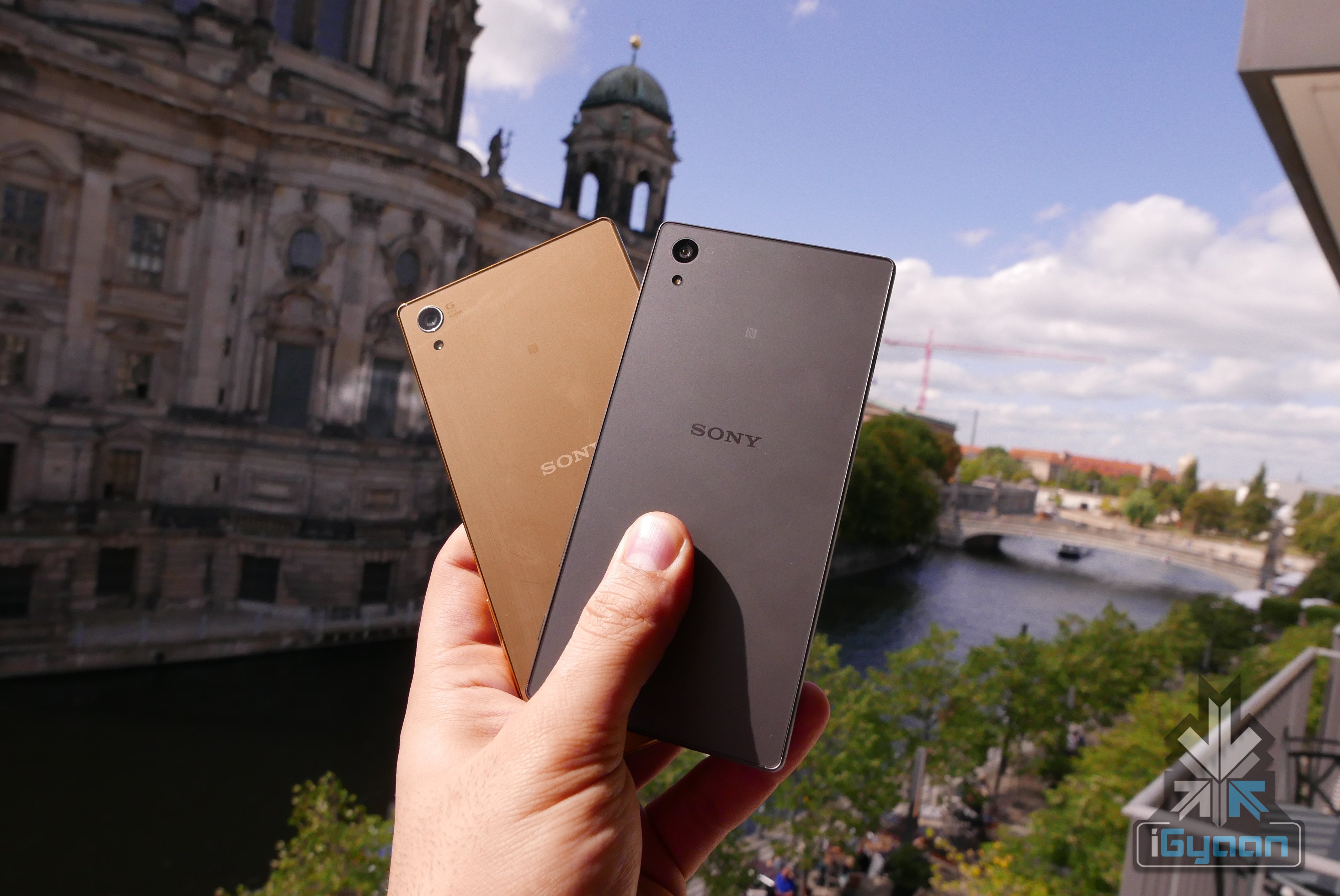
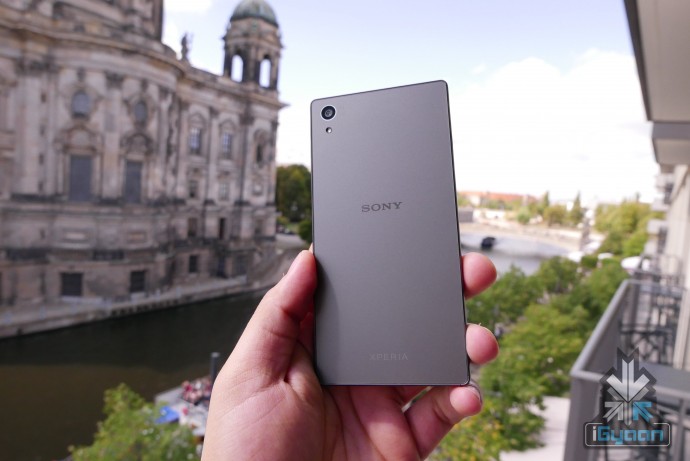
Sony has not done much about the design apart from adding a matte finish on the Z5 and a ultra glossy finish on the Z5 Premium which will be available in Gold or Chrome. The remaining design is based on the use of metal as a structure and Gorilla Glass 4 on the front and back of all the devices.
The premium with its 5.5 inch display is just a bit bigger and comfortable for most and also sits in the same size dimensions as the iPhone 6 Plus. Th rounded metal frame feels great and easy to hold.
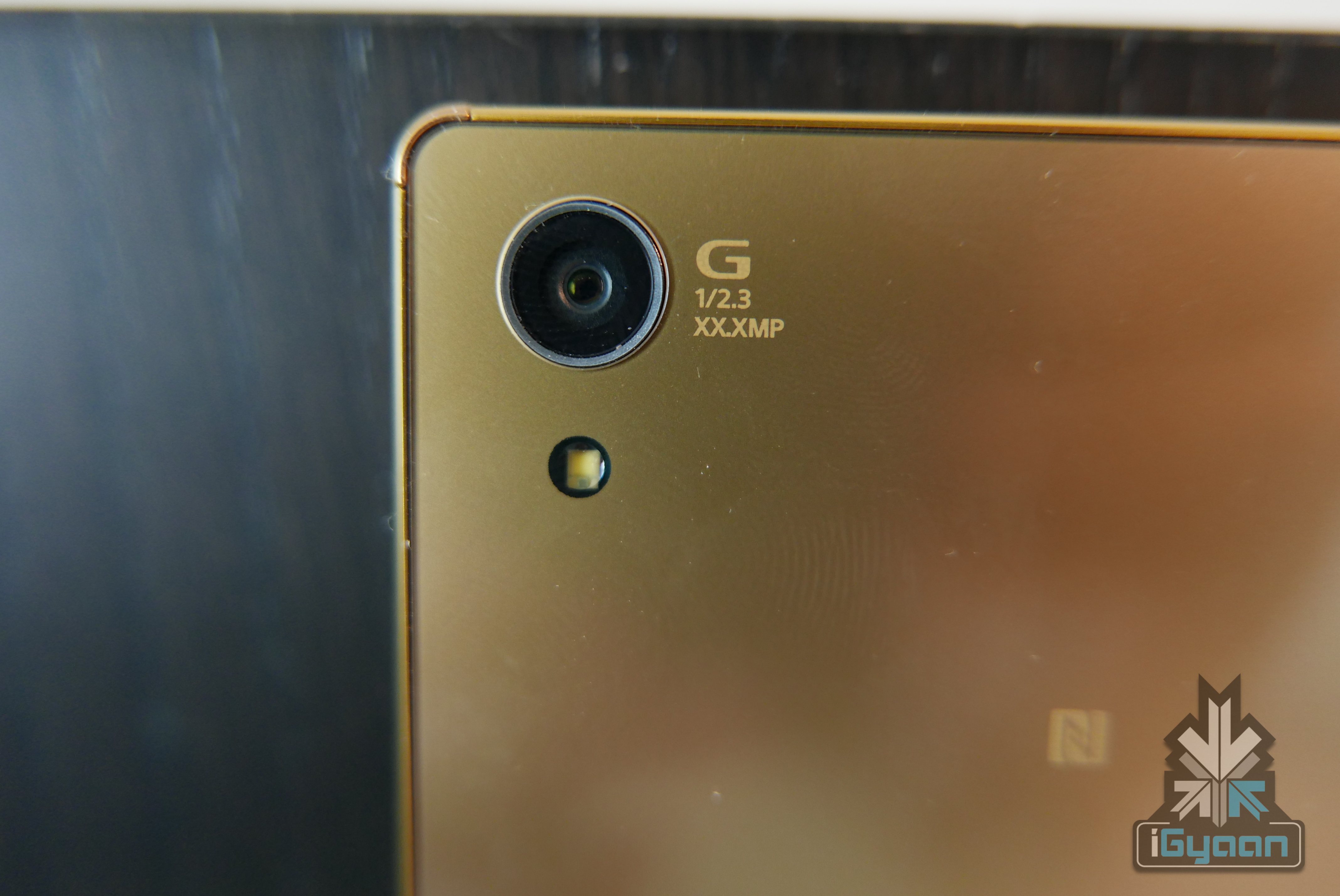
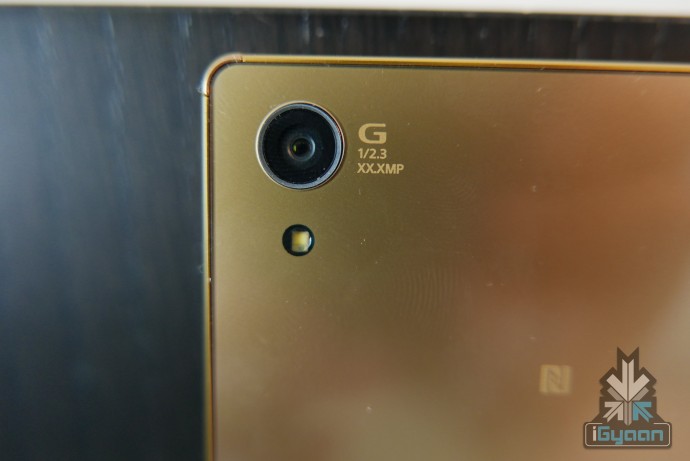
The 23MP camera is an immense pleasure to use, with the dedicated shutter button. Images are captured quickly and look sharp, especially thanks to the 4k display. The in body image stabalization that we were able to test also looks fantastic.
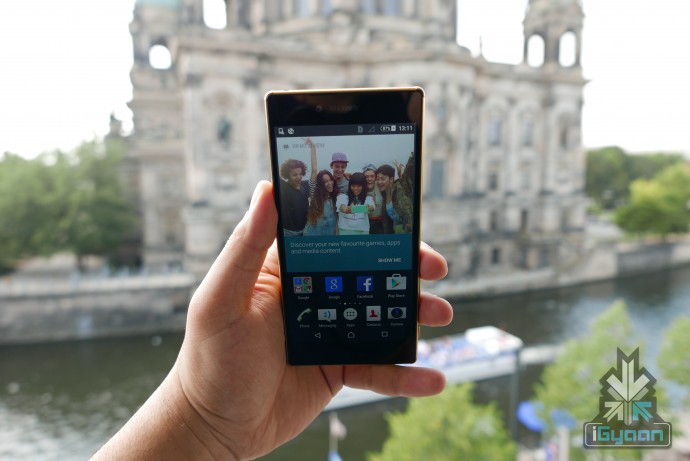
While most of the interface is still designed like olden Sony Timescape, the UI is fast and responsive and looks glorious on the UHD display. Android 5.1.1 is pre-installed and will be updated frequently and promptly promises Sony.
The front of the device also houses- boom sound style dual stereo speakers which is nice and loud. The audio is crisp and well balanced.
Sony has been able to truly capture our attention with the launch of these new handsets, but do we really need a 4k display smartphone and how will it affect the battery life? These are almost the same questions we asked at the time of QHD display. Stay tuned for our Review on the Xperia Z5 and Z5 premium soon and check out the spec sheet below:
Specification
Sony Xperia Z5
Sony Xperia Z5 Premium
Sony Xperia Z5 Compact
Display
5.2 inch display
5.5 inch 4K Ultra HD
4.6 inch display
Resolution
1920 x 1080p
4k – 806ppi
1920 x 1080p
Chipset
Qualcomm Snapdragon 810
Qualcomm Snapdragon 810
Qualcomm Snapdragon 810
Processor
Octa Core – 64 bit
Octa Core – 64 bit
Octa Core – 64 bit
GPU
Adreno 430
Adreno 430
Adreno 430
RAM
3GB
3GB
3GB
Storage
32GB internal memory
32GB internal memory
32GB internal memory
Expandability
–
200 GB
–
Rear Camera
23MP sensor, F2.0 G Lens, 1/2.3 Exmor RS
23MP sensor, F2.0 G Lens, 1/2.3 Exmor RS
23MP sensor, F2.0 G Lens, 1/2.3 Exmor RS
Rear Camera Video
4k
4k
4k
Front Camera
5MP
5MP
5MP
Front Camera Video
1080p
1080p
1080p
Battery
2 days stamina with Qualcomm Quick Charger
3430 mAh battery lasting for up to two days, with quick charge
2 days stamina with Qualcomm Quick Charger
Operating System
Android 5.1
Android 5.1
Android 5.1
Connectivity
4G LTE, Single SIM and Dual SIM
Single SIM and Dual SIM
4G LTE
Miscellaneous
Fingerprint sensor, Colours: White, Graphite Black, Gold and Green
Sony today launched the Xperia Z5 and Z5 Premium smartphones in India starting at Rs. 52,990 and Rs. 62,990, respectively. The devices were first unveiled along with the Xperia Z5 Compact at the IFA Berlin last month. However, the Z5 Concept is yet to come to India.
Sony Xperia Z5
So, getting right into the main selling point of the Z5 Premium, which is its 5.5-inch 4K display. The Z5 Premium is the world’s first 4K display smartphone and comes with a bigger 3430 mAh battery than the Xperia Z5. The rest of the specs of the two phones are pretty much the same.
Sony Xperia Z5 Premium
The Sony Xpreria Z5 features a 5.2-inch full HD screen and 2900mAh battery. Both the devices run on Android Lollipop 5.1, powered by a 64-bit octa-core Snapdragon 810 chipset with Adreno 430 GPU, 3GB RAM, 32GB storage (expandable to 200 GB). The devices also come with a 23MP primary camera and 5MP front, and a fingerprint scanner in the power button on the side of the device.
Images are captured on the Xperia Z5 Premium are quick and look sharp, thanks to the 4k display. The in-body image stabalization that we were able to test also looks fantastic.
The front of the device has BoomSound-styled dual speakers that are loud and gives a crisp, well balanced sound.
The Xperia Z5 has a matt finish that looks great. The Z5 Premium, on the other hand, has a glossy finish and will be available in Gold or Chrome. The Xperia Z5 and Xperia Z5 Premium will be available in both single SIM and dual-SIM variants. Have a look at the specs of both the devices below.
Specification
Sony Xperia Z5
Sony Xperia Z5 Premium
Display
5.2 inch display Full HD with Gorilla Glass 4
5.5 inch 4K Ultra HD with Gorilla Glass 4
Resolution
1920 x 1080p, 428ppi
4k – 806ppi
Chipset
Qualcomm Snapdragon 810
Qualcomm Snapdragon 810
Processor
Octa Core – 64 bit
Octa Core – 64 bit
GPU
Adreno 430
Adreno 430
RAM
3GB
3GB
Storage
32GB internal memory
32GB internal memory
Expandability
Up to 200 GB via MicroSD card
Up to 200 GB via MicroSD card
Rear Camera
23MP sensor, F2.0 G Lens, 1/2.3 Exmor RS
23MP sensor, F2.0 G Lens, 1/2.3 Exmor RS
Rear Camera Video
4k
4k
Front Camera
5MP
5MP
Front Camera Video
1080p
1080p
Battery
2900mAh battery with Quick Charger feature
3430mAh battery with Quick Charge
Operating System
Android 5.1
Android 5.1
Connectivity
4G LTE, Single SIM and Dual SIM
4G LTE, Single SIM and Dual SIM
Miscellaneous
Fingerprint sensor, Colours: White, Graphite Black, Gold and Green
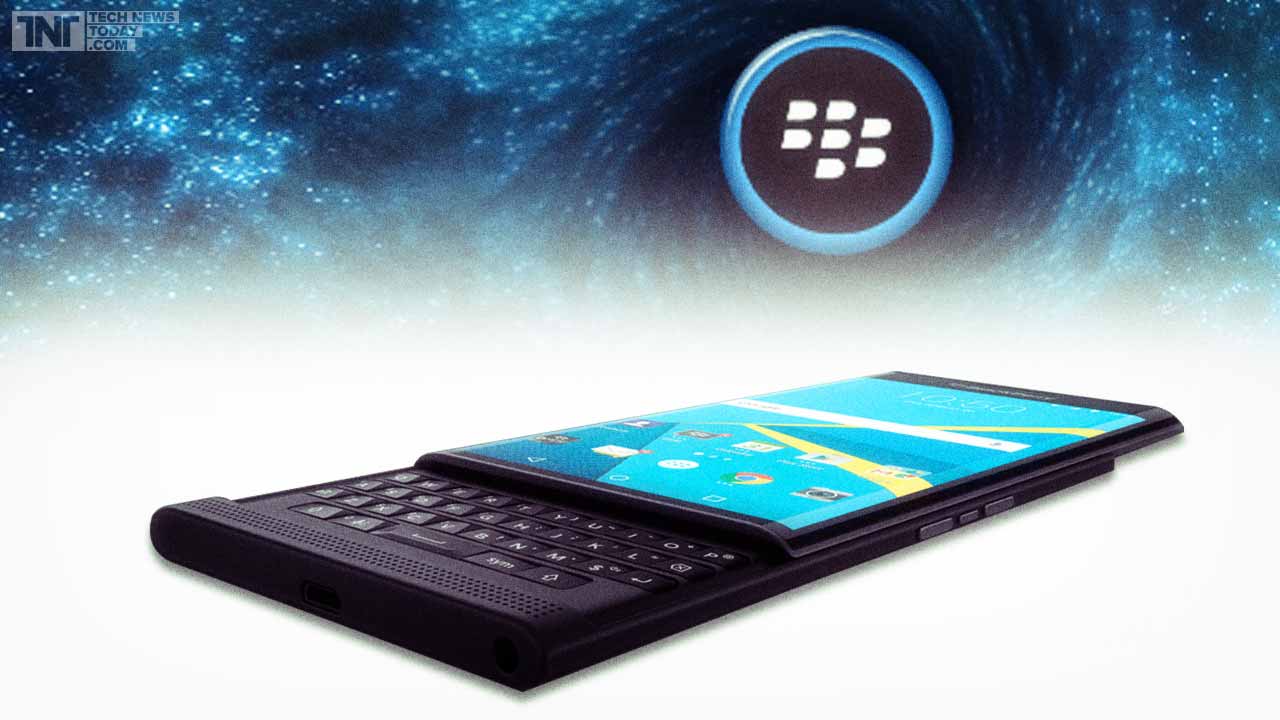
Though BlackBerry Priv is marked at a price of $630, latest rumours suggest the smartphone would cost around $780 (over Rs. 50,000) in the country.
Zauba informs us that four BlackBerry Privs have been recently imported to the country for testing and evaluation purposes. The site shows them marked at a price of $780. Though this doesn’t necessarily mean that this will be the final price of the device in India, we can assume it to be a rough estimate.
Priv will be BlackBerry’s first phone to run on the Android OS and is viewed by many as a comeback for the company in the tech world. It would be sad to see a price tag which discourages eagerly awaiting customers from getting to lay their hands on the phone.
Priv will have a slide-out keyboard feature and a curved display that is reminiscent of Samsung’s Galaxy S6 Edge. Registration for the device has already begun on the official website, along with a few officially confirmed specs put up as description. They include a 5.4 inch screen, 3410 mAh battery and Schneider-Kreuznach certified camera. Watch this space for more updates on the BlackBerry Priv.
You know the feeling you get when you come across a cool GIF someone posted on Facebook and wish that you could do it too? GIFs are the new way to communicate feelings because, let’s face it, emojis and memes have run its course. So, it’s time to catch up with the trend and learn how to make GIFs the easy way. Well, Giphy, the GIF website, has done just that. They have launched a GIF creator that is so easy that even monkeys can work it.
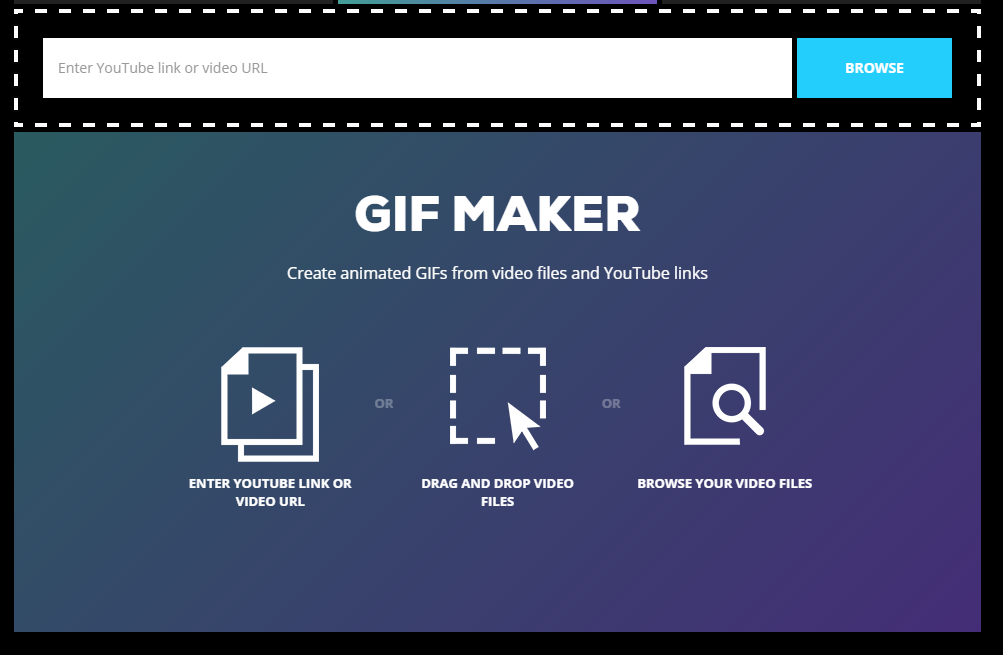
Giphy’s GIF Maker lets you turn that GIF-worthy YouTube video that you saw into a GIF in the simplest way possible. Here’s a step by step instruction.
Step 1: Drop your desired YouTube link or video URL in the drop bar. Your video will the pop up below.
Step 2: Navigate to the point where you want your GIF to begin in. It could be somewhere from the start, the middle, or the end.
Step 3: Choose how long you want the GIF to run for. Since GIFs are essentially short looped videos, you’ll get a maximum duration of about 10 seconds while the minimum is 0.24 seconds, which is as good as no GIF. So you should try and keep your GIF length somewhere above 1 second.
Step 4: The last step is to add a caption for your GIF and then all you have to do is hit the ‘Create GIF’ button at the bottom and you’re good to go.
Using the GIF Maker is really simple and if you have the right video, you can create a GIF in less than 3 minutes. We know this because we tried it, of course.
Although GIF Maker is not the first of its kind easy-to-make GIF application out there (Imgur came out with one of its own back in January), it still gives you a better caption option than many others. Giphy’s GIF Maker offers direct video links from YouTube or you can upload a video from your library.
Giphy has been experimenting with GIFs for a while. It also came out with an easy GIF making app for iOS called Giphy Cam, which is again extremely fun lets you creat GIFs using your iPhone’s camera. Now that you know, go ahead and GIF on.
Apple drops a not-so-subtle reminder once again and says it cannot and will not reveal personal details of iPhone users to cops. It started with iOS 8 when Apple made it clear to law enforcement that it’s incapable of retrieving data from locked iPhones.
It was at the invitation of the U.S. Magistrate Judge James Orenstein and the Justice Department that Apple was asked to help extract information from a seized iPhone. The invitation led to the filing of the following brief by Apple:
In most cases now and in the future, the government’s requested order would be substantially burdensome, as it would be impossible to perform. For devices running iOS 8 or higher, Apple would not have the technical ability to do what the government requests—take possession of a password protected device from the government and extract unencrypted user data from that device for the government. Among the security features in iOS 8 is a feature that prevents anyone without the device’s passcode from accessing the device’s encrypted data. This includes Apple.
Apple is essentially confirming what we already know: there’s no backdoor built into iOS, meaning that in theory no-one can pull data off an iPhone running iOS 8 or later—the information is protected by encryption that is tied to the user’s PIN.
However it should be made clear at this juncture that because Apple refuses to dirty its hands with the deep, dark secrets of your phones, this in no way means that others can’t. When iOS first came out with its ‘improved’ security, security researcher Jonathan Zdziarski did a blog post revealing how some user information can still be grasped by the government.
Apple is being the knight in tin foil for iPhone users, promising security as well as discretion, which is a comforting gesture, needless to say. However, let it not mislead you into believing that your iPhone is beyond security breaches and access to personal data.
Our apologies for focusing on Apple and Samsung for so long when there are people out there making hover boards. The world needs more hover boards and other technologies that Back to the Future expected from 2015.
Yes, we are celebrating the 30th anniversary of the cult and cultural phenomenon that is Back to the Future. Released in 1985, the first Back to the Future was all things groundbreaking, had everything a science nerd could ask for including a time-travelling DeLorean, Marty McFly and Doc Brown, ’nuff said. The massive success of the first movie led to a trilogy.
If you watched the equally awesome sequel, Back to the Future Part 2 (1989), you’d remember that Marty traveled 26 years into the future, or more precisely, October 21, 2015. And that’s today. Fans of the movie have been eagerly waiting to see if the 2015 as shown in Back to the Future 2 matches the 2015 of today. The movie promised flying cars, flat TVs, hover boards, Artificial Intelligence and a championship season for the Chicago Cubs. Well, we can’t say much about the Cubs, but how about all that technological stuff?
Flat TVs are already here and have been here for a while, so we can check that off the list. Flying cars are still a way off so we might have to wait a few more years before that can happen. It’s the 21st of October, 2015, so let’s see if our present is what Marty saw 26 years.
Hover Boards
One of the coolest moments in the sequel was when we saw Marty riding a hover board. Back in the ’80s this was a pretty exciting scene on the big screen mostly because people were only aware of a normal skateboard. For fans like myself, this remained something awesome even in the early ’00s.
The hover board needed three specific requirements to work: the ability to hover above ground, the ability to bear your weight, and the ability to last long. While these aspects were seen fulfilled in the movie, it took a long time for reality to get there, but we finally did get there. There are a number of prototypes today that have actually succeeded in making the hoverboard a reality.
Take the Hendo Hoverboard, for example. In 2011, Greg Henderson invented a hover board that used four maglev engines to rise about an inch off the ground and a 135-kilogram payload. However, the battery lasted only about seven minutes. But this was just the start. Unveiled in August 2015, the most recent hover board created by Lexus is undoubtedly awe inspiring. It’s a prototype hoverboard that uses magnetic levitation technology. The board has two reservoirs of superconducting material that’s kept at -197 degrees C through immersion in liquid nitrogen and can be operated when placed above a track that contains permanent magnets.
The video showing the board in action makes you want to scream out “Great Scott!” like Doc Brown. Watch the it below and imagine how Marty would love getting on to one of these babies.
https://www.youtube.com/watch?v=ZwSwZ2Y0Ops
Artificial Intelligence
Mart, Doc Brown, and Biff speak into computerized gadgets and the devices respond intelligently. Sound familiar?
Way before Siri even entered the picture, artificial intelligence already made its appearance on many sci-fi movies, and of course, Back to the Future as well. AI is a process of ‘deep learning’. The ability for a computer to understand human language and respond precisely is something almost every major tech brand today is working on to perfect. AI assistance like Siri and Cortana (first seen in the Halo series) have all drawn inspiration from movies like 2001: A Space Odyssey which featured HAL, the computer in charge of the spaceship.
AI has come a long way and today it’s become extremely intelligent. And yet, AI knows no bounds. Developers are still exploring, looking at how far and wide AI can reach. Today, AI looks to please consumer needs, so much so that physicists like Stephen Hawkins worry about intelligent machines taking over the world.
Fingerprint Biometrics
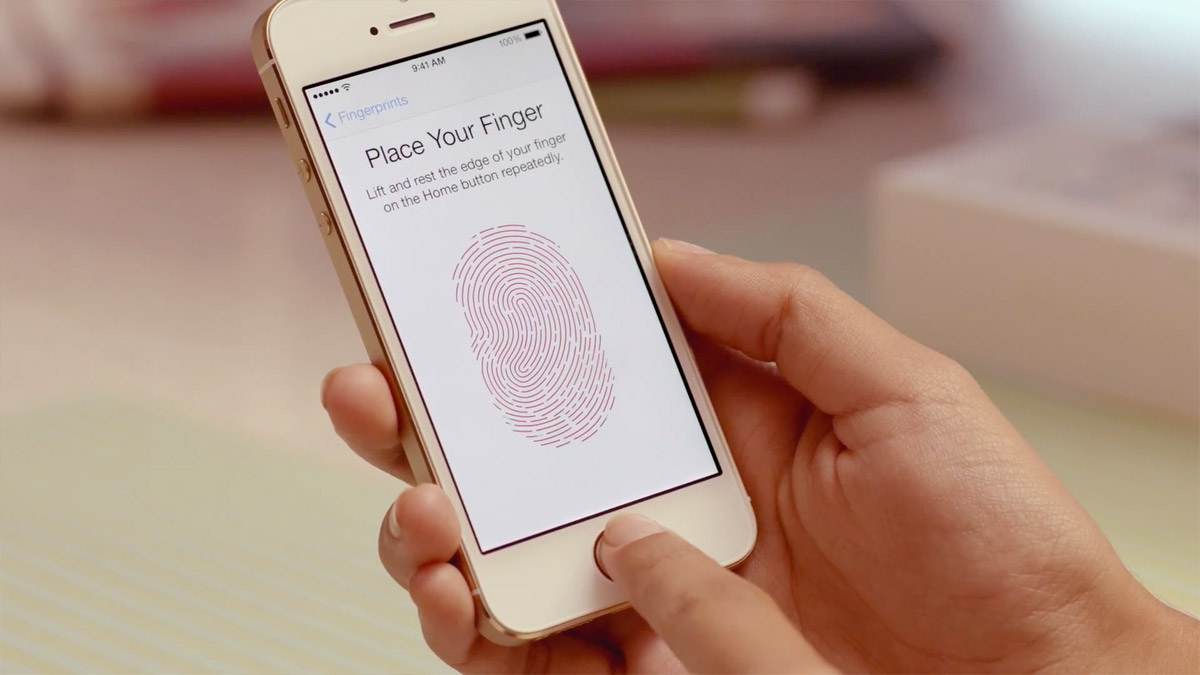
In the movie, when police officers dropped the 1985 Jennifer to her 2015 home, they had to use her thumbprint to enter the house. The door did not have a typical door knob lock. The thumbpad was also seen on currency devices used by taxi drivers in the movie.
Biometric doorknobs are currently present in the market and work just like they do in the movie. Even smartphones and other gadgets use fingerprint scanners these days for a variety of purposes including that added safety that you need to keep your device protected.
Visual Displays
Throughout the movie, you find a number of visual gadgets being used for a number of reasons. You have a flat-screen TV for video conversations, robotic waiters in the shape of flat screen monitors, and you also see a tablet.
Small flat-screens have have been in existence since the 1960’s, but it wasn’t until 2005 that the LCD and Plasma screen TVs took over the traditional Cathode Ray Tube TVs, and could also be mounted on walls like you see in the movie.
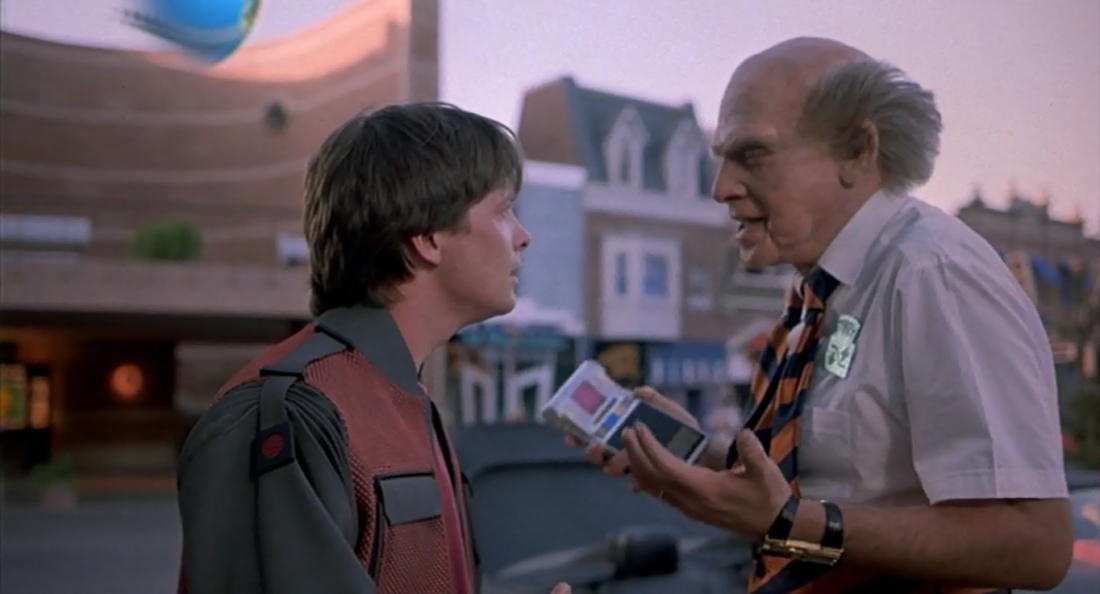
Now for tablet computers. In the movie, Terry walks up to Marty and asks him to pay via a thumbprint on a pad. It’s interesting to see that the thumbpad is mounted on what looks like a tablet computer. Many years after this you would see Apple making the very first tablet called the iPad.
Wearable Technology
Back to the Future 2 also foresaw visual glasses. In a dinner scene with his future kids, Marty Jr. and Marleen are seen sporting electronic video glasses that can also make and receive phone calls. Interestingly, the scene also shows Marty’s mom hydrating a 2-inch pizza in a Black&Decker machine to a size that could easily feed four. Sadly, this technology has not yet been invented in reality by the company yet.
In recent years, we have seen Google trying to create tech goggles with Google Glass. There’s also the more popular Oculus Rift gaming headset. With these devices in the works, virtual reality is not far. Microsoft also recently announced HoloLens which is supposed to bear some resemblance to junior Marty’s glasses.
Microsoft demonstrating HoloLens
Self-tying Shoes
Marty’s self-tying shoes were one of the more bizarre but neat inventions when he visited 2015. As the name suggests, they were shoes that could tie the laces by itself, and they were Nike. As a homage to the movie, Nike designer Tinker Hatfield has confirmed that the team is working on the very same self-tying shoes as seen in the movie and hopes to have them ready for sale by the end of 2015. It’s a beautiful thing when fiction meets reality, isn’t it now?
Finally, we had to add this last one in because it’s too brilliant to leave out. Among the things Marty saw in 2015, there was Jaws 19 being shown at a theater. Let us assure you that there is no Jaws 19 in existence and the series ended with only three sequels being made, none of which were as commercially successful as the original.
Jaws 19 was one of the few false predictions in the movie (no flying cars yet), but that didn’t stop Universal Pictures to release a trailer for a fake Jaws 19 movie in celebration of Back to the Future’s 30th anniversary. The trailer is hilarious and you can’t help wonder at how spot on the naming of the titles are if it were true.
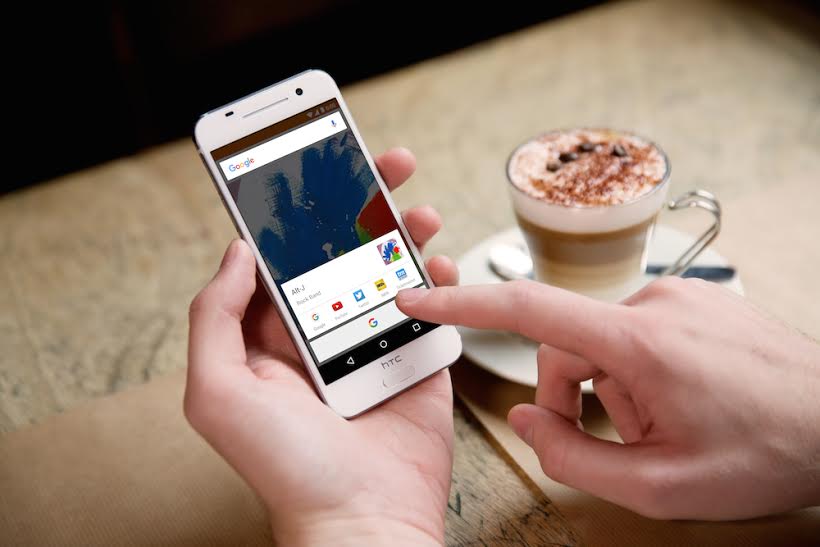
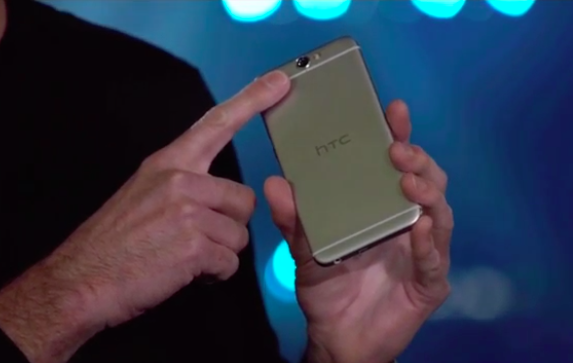
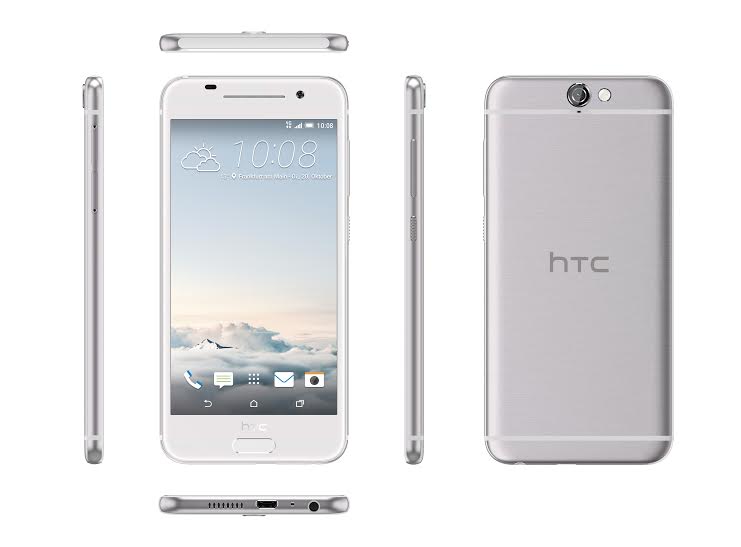
HTC has finally lifted the veil off their newest smartphone, the One A9. We had already seen some leaks of the rumored handset that suggested an iPhone 6-like design and now it can be established that the rumours were true. The HTC One A9 is indeed an iPhone 6 look-alike, and that may not be such a bad thing. For one, it comes as a good alternative to the high-end iPhone 6s as HTC CEO Cher Wang said so herself. The other fact, whether you would like to admit or not, is that there are Android fans out there who still admire the iPhone when it comes to design and creativity.
The event began with HTC’s Jason Mackenzie taking a dig at Apple’s iPhones having a lot of restrictions with what one can do with a phone, as well as commenting on Android’s bloatware. He then presented a video introducing the One A9. Next up was the designer who spoke about the the inspiration behind the phone, taking cues from the One M7, especially in the antenna front. The phone also “draws on the natural beauty around us by using rich, striking colors and unique finishes – an approach called “metalmorphics.” The dual finish is brushed with hairline detail and bread blasted before the sides are polished. The device is available in Carbon Gray, Opal Silver, Topaz Gold and Deep Garnet.
HTC has worked closely with Google in bringing the best of Android to the smartphone. The HTC One A9 is the first non-Nexus device to come pre-loaded with the Android 6.0 Marshmallow. And the company has cut down on preloaded apps, opting for a purer Android experience.
The official specs of the phone are pretty much the same as what leaks have suggested. The One A9 sports a 5-inch Full HD AMOLED display with Corning Gorilla Glass 4 with 1080 x 1920 resolution, a fingerprint sensor, 13-megapixel rear camera with low light OIS and also features a Hyperlapse editing tool. and a 4MP Ultrapbixel front and f/2.0 aperture. Nothing in the processor was revealed during the launch so you’ll have to wait a little longer for that but it is likely that the handset will feature a Snapdragon 617 processor.
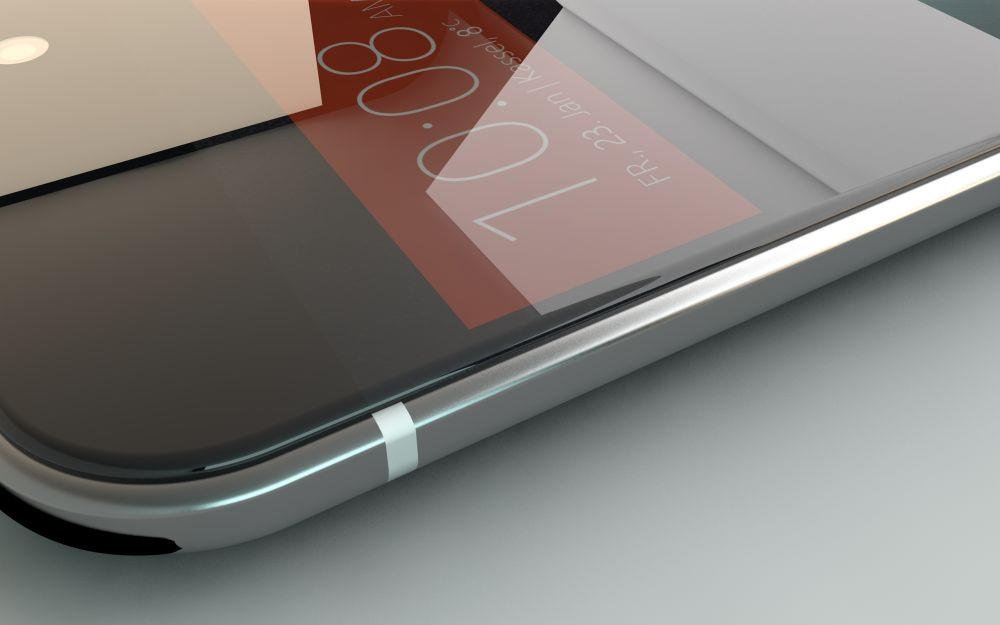
On the design front, the HTC One A9 has a curved, aluminium unibody design with oblong SIM and MicroSD tray and plastic antenna lines at the back similar to the iPhone 6. It is also rightly pointed by HTC fans that Apple has previously taken cues from HTC, so this iPhone-like design levels the field. It also makes sense if you think about it. Yes, it is a blatant iPhone rip-off but it’s possibly a part of the company’s strategy. HTC knows that the iPhone 6 is one of the best-selling handsets around, and it just wants to bank on the same magic. But at a $399 price tag, we’re not sure whether consumers would go for the iPhone-ish One A9 or would rather spend a little more and go for the actual iPhone device.
The HTC One A9 is big on sound as well. The phone boasts of amazing sound quality, with HTC BoomSound integrated into the headset combined with Dolby Audio surround technology.
The One A9 will begin rolling out globally from the first week of November. HTC will offer a special unlocked edition in the U.S, and will ship with less pre-installed software. The price of the handset stands at $399.
So without further ado, here’s the spec table of the HTC One A9. Some specs were not revealed during the launch and will be added once official details are out.
Specs
HTC One A9
Display
5-inch Full HD AMOLED with 2.5D Corning Gorilla Glass 4