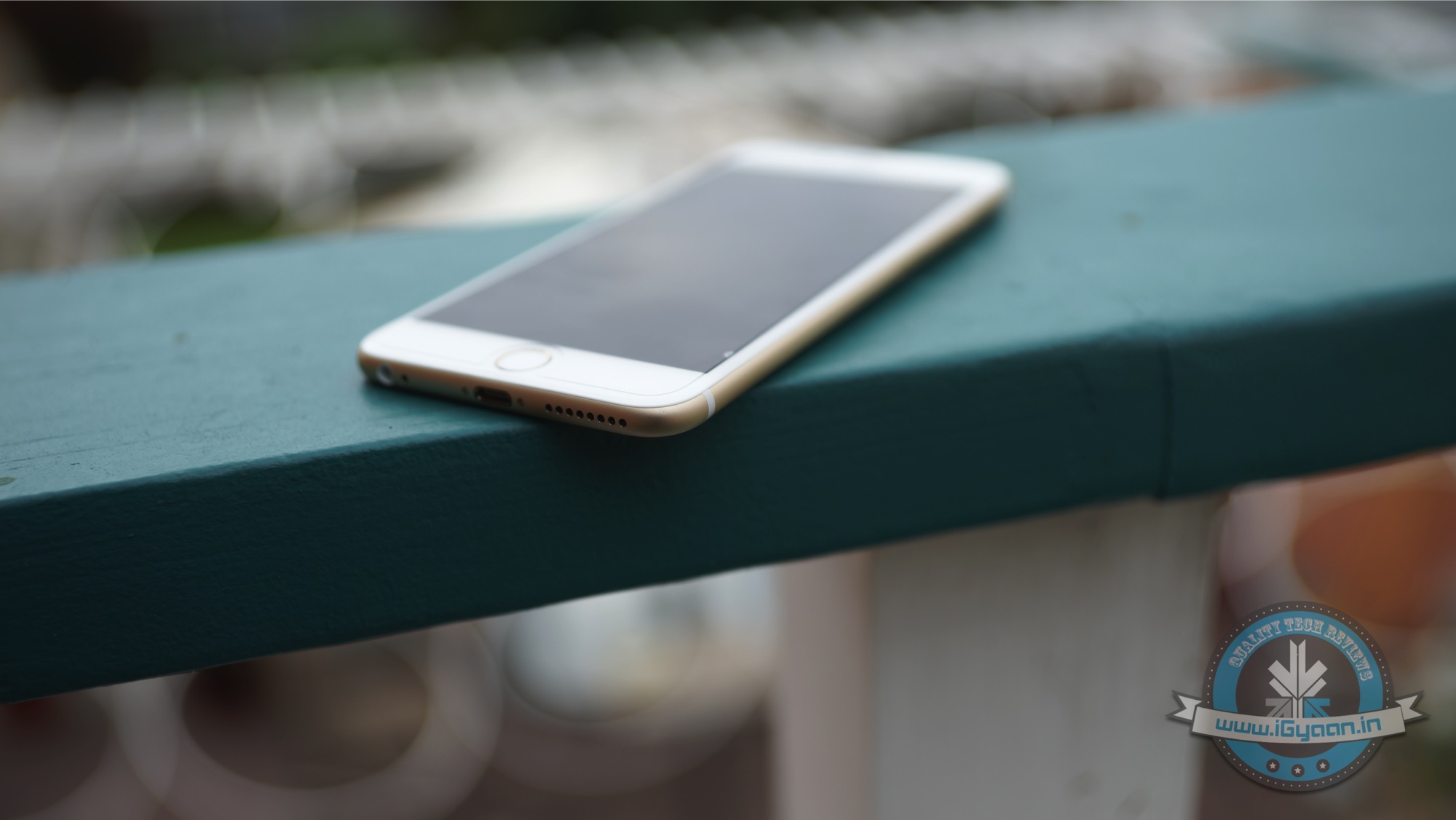
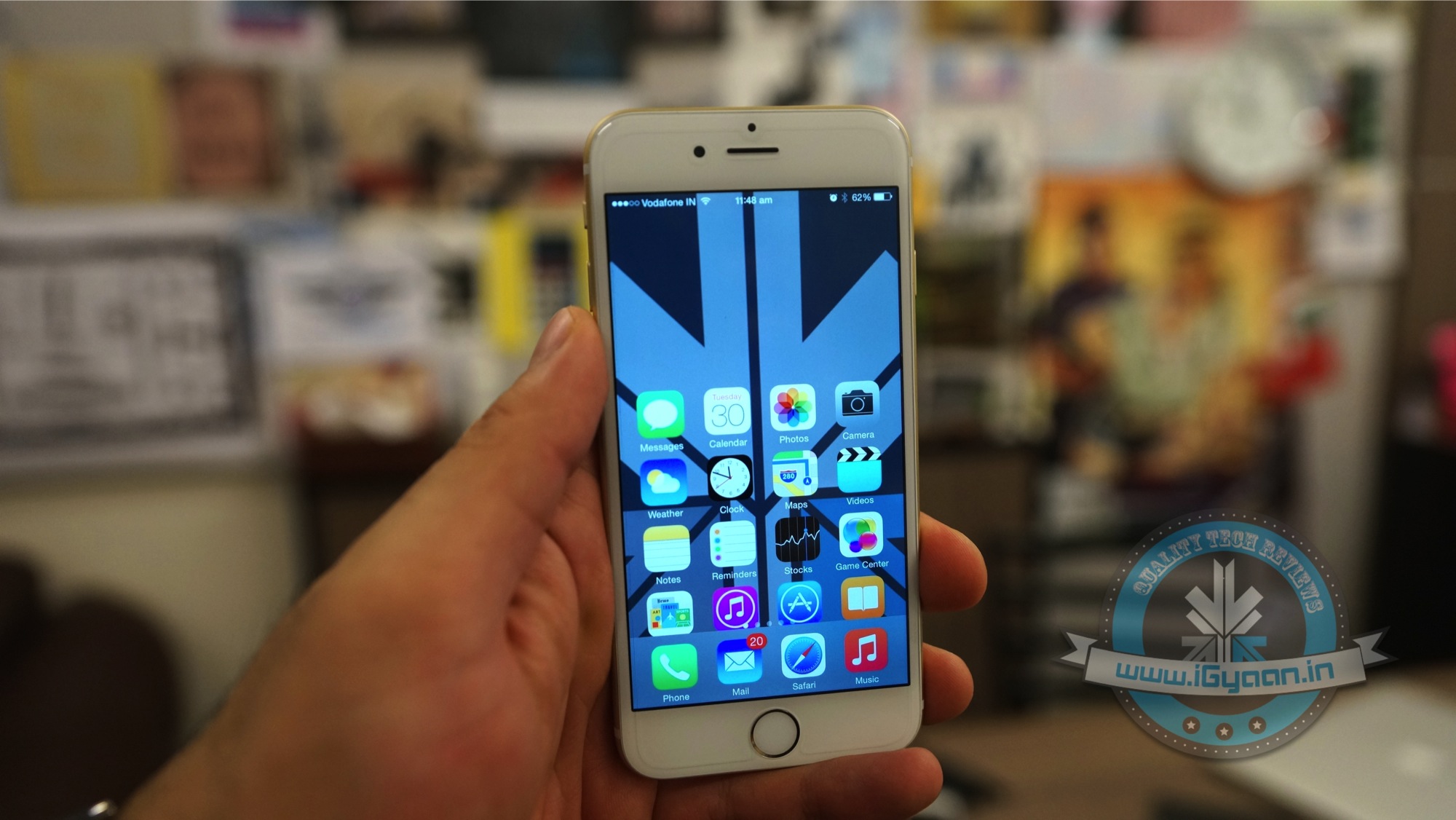
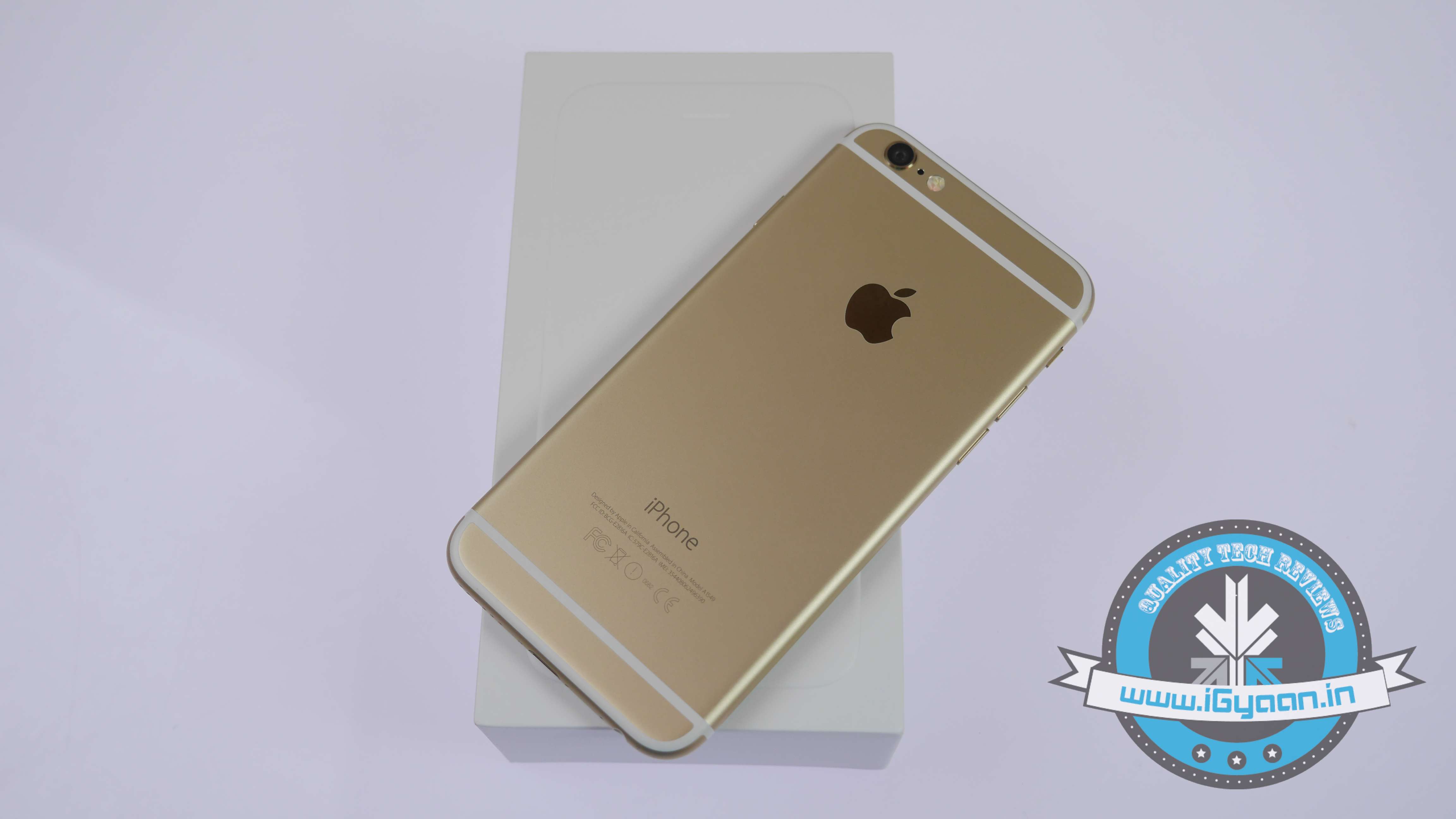
An Apple iPhone prototype has reportedly been created, and the new device is said to come with a tri-core CPU on the Apple A9, a single-core number of 1811 and a multi-core score of 4577. These statistics are more than the HTC One M9, out of water.
More reports by Geekbench reveal that the iPhone 6S might have 2GB of RAM with a tri-core CPU running at 1.5 GHz.
The iPhone 6S and 6S Plus are said to release on the 9th of September 2015. Stay tuned for more updates like these.
Meizu, one of China’s top 10 smartphone brands, is said to be soon launching a new product in India on the 26th of August 2015.
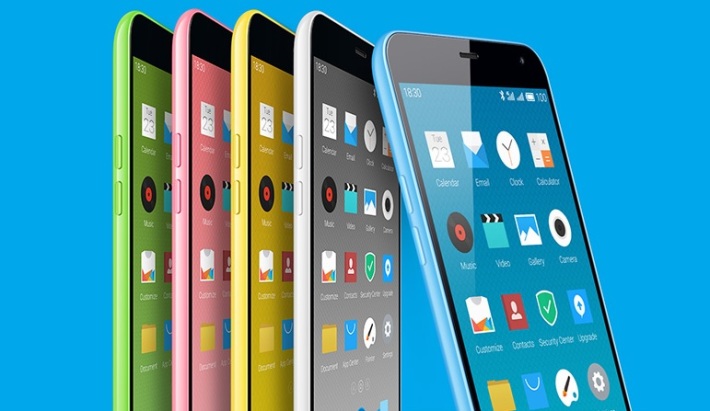
Reports suggest that this new product could be the MX5 smartphone which was announced in China back in June this year. The expected pricing of this product is quoted as being in the sub-20,000 range.
The MX5 is priced at 260 euros (approx. Rs.18,826) with features such as – a 5.5 inch screen with an AMOLED captive touchscreen and a 20.7 MP camera and a 5MP front camera.
The MX5 is reportedly being closely followed by other Chinese vendors, especially OnePlus. As Kiranjeet Kaur, Research Manager with IDC’s Asia/Pacific MobilePhone team said:
“Key to the success of the Chinese vendors has been popular flash sales through online players such as Flipkart, Snapdeal and Amazon. At the same time, they also focused on bringing more 4G phones at affordable $100-150 price points which is left unattended by Indian and global vendors”.
It is yet to be seen whether India will be the new battlefield for Chinese vendors.
Remember the last time we asked you to guess what the next version of Android will be named? It’s entertaining to see which candy will get to hold the coveted title of being the latest Android OS’ name. Last year, it was Lolllipop and this October, we should hopefully see what Android M is going to stand for.
Googlers Nat and Lo were seen having some fun with the names as well as giving us a sneak peak of the new Android statue that will be displayed in the front lawn of the Google HQ, like every year. Take a look at the video below:
Apart from a new name, the Android OS will see a hoard of updates like support for Android’s version of Touch ID, better battery life management, improved permissions settings for apps and a smarter Google Now.
Th funfilled video leaves you thinking of all the delectable edibles that start with the letter M. So go ahead, tell us what you think it’s going to be as we wait for October to come.
Up until now, all we knew about Apple’s mysterious car project is that the company had been on a recruiting spree, hiring about a hundred new professionals from Tesla, Ford, Mercedes-Benz and the like. They have also hired former deputy director of the Autonomous Systems Lab at the Swiss Federal Institute of Technology, Paul Furgale.
These are several factors which strongly indicate that the iPhone manufacturer may soon be bring out its very own iCar. Now, a recent report by the Guardian confirms that the iCar is not just a baseless theory and is indeed in the works. The reports speaks of Apple’s execs meeting with GoMentum Station, a 2,100-acre former naval base near San Francisco. The base is closed to the public and is guarded by the military. These factors alone make it the perfect secure environment Apple needs to test its upcoming project.
This, at the same time indicates that Apple may already have a car which is ready to hit the roads.
This initiative from Apple Inc. comes at a time when many other software companies are looking at opportunities in the automobile industry by creating software savvy, driver-less cars. Google and Uber have also been reported as developing and testing what might be called the next-gen automobiles.
Google stopped selling its 2014 Nexus Flagship earlier this year, and all tech fanatics are now looking forward to the possibility of a new and improved version of the Nexus 5 releasing. A rumour of course, stated that Google along with its partners LG and Huawei were working on producing two new Nexus phones this year.
A photo leaked via twitter showed us what could possibly be a peak at the new Nexus 5. The picture simply shows the back of the device that has a red circle at the end, which is probably the LG logo suggesting that it isn’t a Huawei collaboration, this time. Also can be seen, is a camera lens and similar sized circle that looks like a fingerprint scanner.
Renders also showed the rumoured Huawei Nexus 6, that was leaked around the same time. If these rumours are to be believed, then this new upcoming Nexus could actually prove as a boon for not just just Google in its forbidden territory, China, but will also help Huawei to establish a hold in the United States.
There are no official statements issued by either of the companies as of now, and report suggested that the phones are likely to hit the market, this fall. Watch this space for more updates.
With Samsung’s major Unpacked event out of the way, we now have two big events to look forward to in September – IFA Berlin and Apple’s iPhone unveiling. Apple’s annual event, held in September, usually showcases the latest iteration of its flagship smartphone, along with which Apple also throws light on several other peripherals. Last year, along with the iPhone 6, 6 Plus all the attention was grabbed by the Apple Watch.
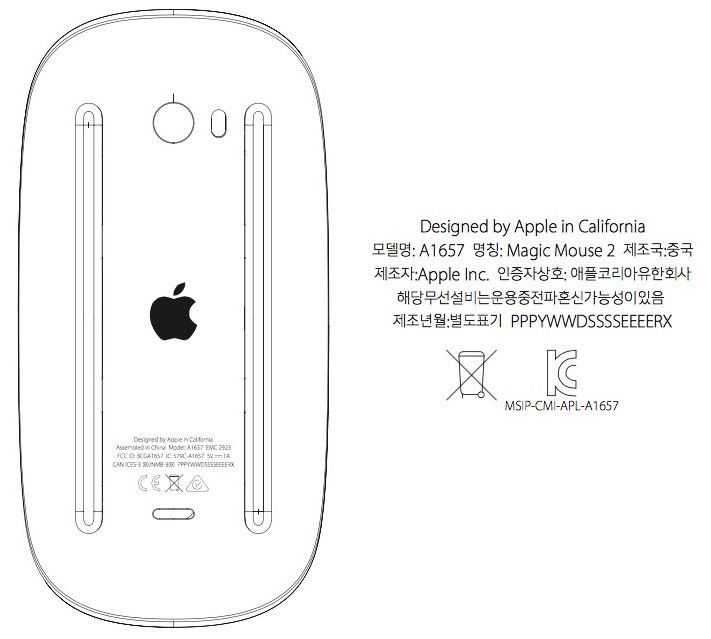
We’re now hearing that this year we can expect to see the upgrades to Apple’s Magic Mouse and Wireless Keyboard. According to a FCC filing, the two accessories will see a major overhaul in the connectivity department. They will get rid of the Bluetooth 2.1, and jump to the latest, Bluetooth 4.2. This should smoothen the interaction between the main device and the accessory.
Along with this, there is also a mention about the battery used within the two devices. According to the reports, the company may include rechargeable batteries, instead of the swappable kinds that are currently in use. All in all, the AA batteries will be replaced by integrated lithium battery packs.
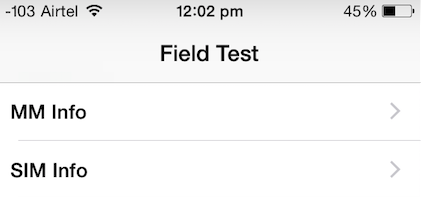
Telecom companies in India are putting us through a lot these days. If it’s not the ever increasing bills we face monthly, it’s the incessant call drops. We now know a trick for iPhone users that will help detect the amount of network you have, other than the signal bars. Field Test Mode makes things slightly easier.
How to initiate Field Test Mode on an iPhone:
1. Open the phone’s keypad, as if making a call.
2. Add *3001#12345#* and hit the call button.
3. Now on the top left corner you will see a number indicating your network strength.
If you hit the home button, the sign will return to signal bars. Here’s how you can retain the number:
Follow the earlier three steps. Once the page appears on your screen, hold your power button till “Slide to Power Off” comes on the screen. Release the power button, and hold the Home button until Field Test Mode quits. You can now tap on the signal bar, to switch between the bar and numbers. To opt out of this, you can simply restart your iPhone.
How to Read the Numbers : It’s simple – the lower the number, the more likely you are to experience bad signal. Anything lower than -110 is a problem, and anything above -80 is considered good. With this feature, you’re more likely to know when you would be experiencing problematic call drops.
The world in which we live in is now filled with technology. Perhaps, we cannot even imagine our lives without being connected to one another. But, what if you had no choice but to give up the comforts of technology and live in the 80’s era today?
This is what goes on in the small town of Green Bank, located in West Virginia. Green Bank falls within the National Radio Quiet Zone. It is possibly one of the quietest places in the world, where you won’t find any cell phone reception, no Wi-Fi, not even a radio or a television. However, this town is not technologically backward and here’s why.
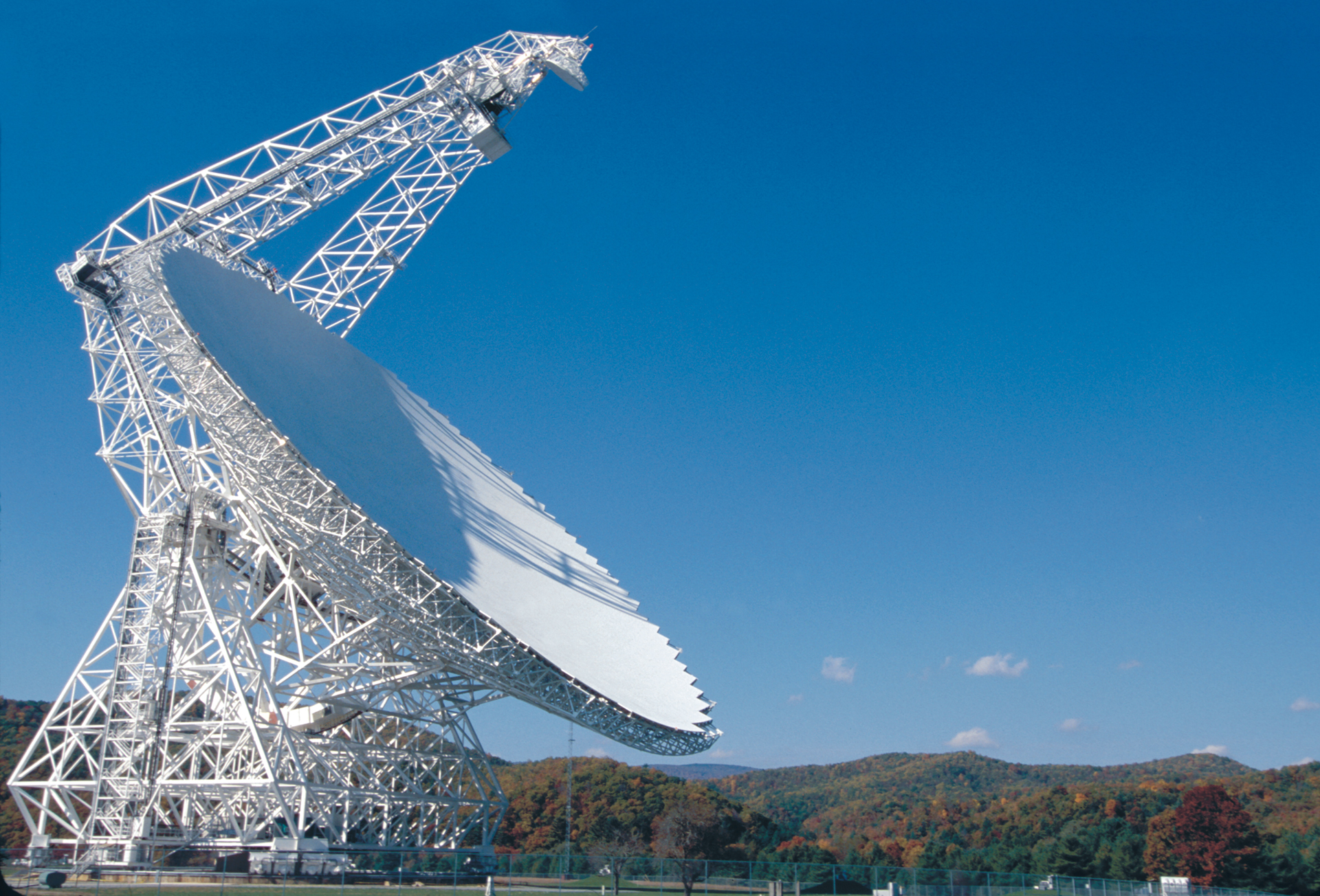
The reason why Green Bank is cut off from the world in terms of Internet or any other digital form of communication, is because it is home to the world’s largest fully steerable radio telescope on earth – the Robert C. Byrd Green Bank Telescope (GBT),which is operated by the National Radio Astronomy Observatory. The GBT is the reason this town is electromagnetically silent.
Radio telescopes work by identifying electromagnetic waves that come from distant galaxies. These signs are so faint that the slightest emission of radio waves from electronic gadgets can be in a conflict with the readings of the radio telescopes. For this reason, all cell phones, Wi-Fi, radio and other communication devices are banned. There are no cell phone towers for miles around; no music plays on the radio or soap performances on the television. Even petrol cars are not allowed because gasoline engines use spark plugs to ignite the fuel-air mixture, and electric sparks produce electromagnetic waves.
Almost all types of radio transmissions and individual electronic devices are banned here so that the powerful Green Bank Radio Telescopes can work without disturbance.
So, how is the lifestyle there?
With a population of just over 150, this tech-free life is somewhat a bliss. People are able to interact on a more personal level, without the existence of various technological devices. If one needs to use a phone, the now vintage, pay phone is readily available. However, the lack of awareness about modern technology could also have its downside.
Some of the residents are not even aware of the technological advances elsewhere in the world, after living under the shadow of the giant telescope for so long.
A short documentary has been made and uploaded on Seeker’s Network YouTube Channel, where journalist Laura Ling asks the principle scientist, Jay Lockman about the residents of Green Bank. He says:
“In a sense, I feel like I live in a little wonderland. Because we have this great science going on here. And I suppose that there are people that can’t imagine living without cellular service, but for most of human history, you know, we managed quite well. Think of it as living in 1980.”
Due to an electromagnetic free environment, people all around the world are slowly taking up residence here. Especially people suffering from electromagnetic hypersensitivity, a condition unrecognized by the scientific community in which exposure to electromagnetic fields is thought to trigger symptoms such as headache, fatigue, stress, sleep disturbances, rashes and muscle pain.
Watch the documentary below and be astounded by their mobile-free world.
Would you be able to survive in such a world? Let us know your thoughts in the comments, below.
The Apple iPhones seem to be very efficient in every respect, except for the fact that they do not ever come with a dual-SIM feature. This may or may not be a huge factor for many people, but there are a select few perhaps,s who would like to use just one phone for their work as well as their personal calls/messages/emails.
Kickstarter has the perfect solution to your problems, if you are in the latter category of users. They aim to launch a product called Piece that allow the iPhone 6 and other older iPhone models to handle two different SIMs on one phone.
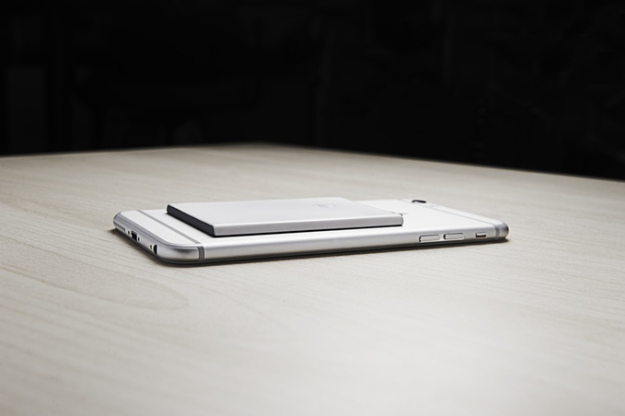
The gadget is small enough to fit in a wallet, without jutting out and can connect to the iPhone via Bluetooth. It is said to have a slot for your second SIM and has a battery that lasts for up to 150 hours.
To activate this, there is a special iOS app that lets you manage the Piece SIM. This device also allows you to locate your handset when the two devices are more than 30 feet apart. So in case you forget to carry your Piece, your iPhone automatically beeps, in order to remind you that you’re forgetting something important and vice versa in case you leave your iPhone – then your Piece starts beeping.
The campaign has is around the corner and has already amassed a healthy amount of $35,000. The device is small and affordable at $70, that is, around Rs.4,533, and is said to start shipping sometime around September.
The Piece is also compatible with Android devices and will also release an Apple Watch App as soon as it crosses $100,000 in funding.
In a rather exciting turn of events, the Delhi Government has moved a step closer to their promise of free WiFi. They have proposed to provide free WiFi usage of 1GB for a month.
Supposedly a phase by phase initiative, the government will provide the much needed facility first to all government and private college said Ashish Khetan, vice-chairman of Delhi Dialogue Commission. In the second and third phases, Khetan has stated that WiFi will reach other parts like rural areas and unauthorised colonies respectively.
“The minimum speed of the WiFi that we are proposing is 1 Mbps for good user experience and each user should get 1 GB of downloads for a month free.”
While it is great news that the government has finally listened to its citizens and proposed such a novel idea, they have said that they won’t be taking any infrastructural responsibility. They expect companies which have expertise in that field to develop the infrastructure while they provide the WiFi service only, thereby making sure the quality of services provided is impeccable.
“One thing that we want to do is that when we announce public wi-fi, the experience of the service should be best. When we announce a policy, it should be on an expected line. It should be on the expectations and aspirations of the people,” Khetan said.
The government believes that free WiFi will help the business sector and boost the tourism in India. He stressed on the fact that this was the AAP governments best received proposition and that they will cease to disappoint. Let’s keep our fingers crossed and hope for the same.
Unless you’ve been living under a rock, you would know the key smartphone buying trend these days; people want their money’s worth, it’s as simple as that. BlackBerry ran a winning streak at the beginning of the noughties, however it is currently struggling to keep up with a market dominated by companies selling affordable smartphones.
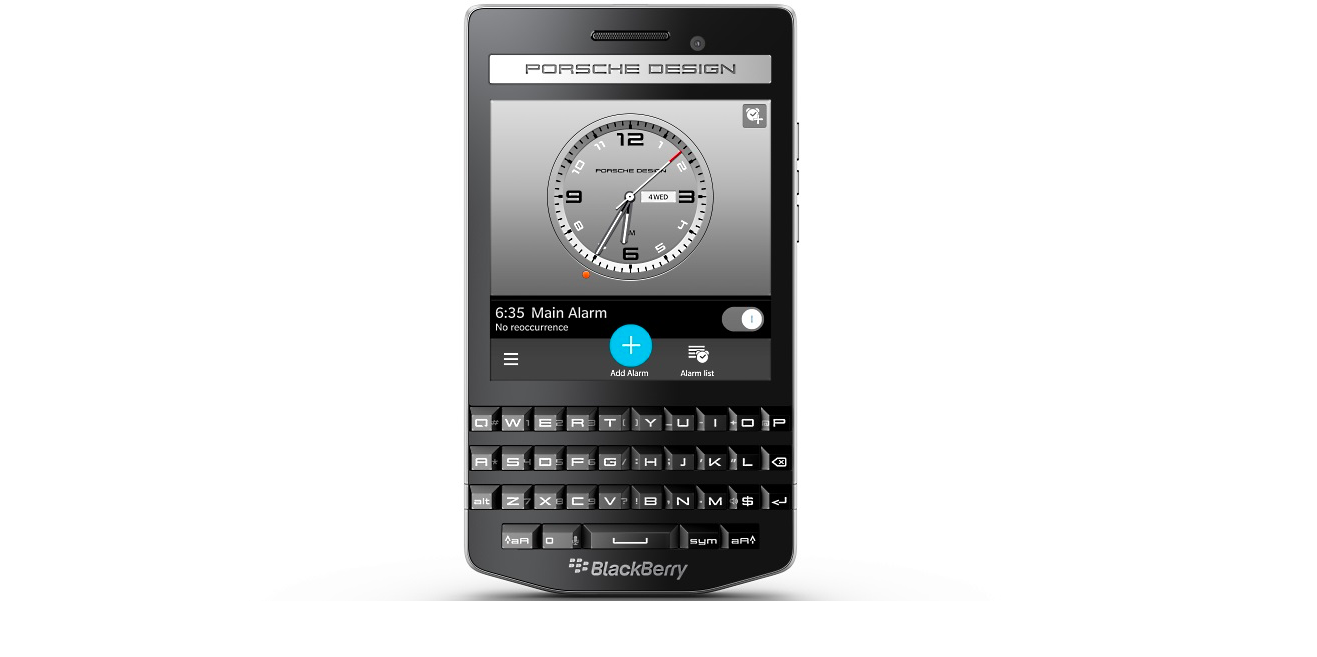
Today, BlackBerry announced the addition of another smartphone in its range of Indian offerings – the BlackBerry Porsche Design P’9983 Graphite, priced at Rs. 99,990.
If anyone ever decides to buy this phone it will surely be for its design. According to the company’s statement the device has been created by Porsche Design and uses quality materials. It includes a graphite stainless steel colour frame and keypad features crafted glass-like keys.
The smartphone comes with a 3.1-inch display, 720×720 resolution and 330ppi. It is powered by a 1.5GHz dual-core Qualcomm Snapdragon S4 (MSM8960) processor complemented by 2GB of RAM. Storage capability is 64GB which is expandable up to 128GB. Camera-wise BlackBerry is offering a measly 8MP rear camera, and 2MP front camera. The smartphone is fuelled by a 2100mAh battery.
Note to BlackBerry: If you do decide to offer a smartphone which is priced a lakh, the least you can do is offer top notch specs.
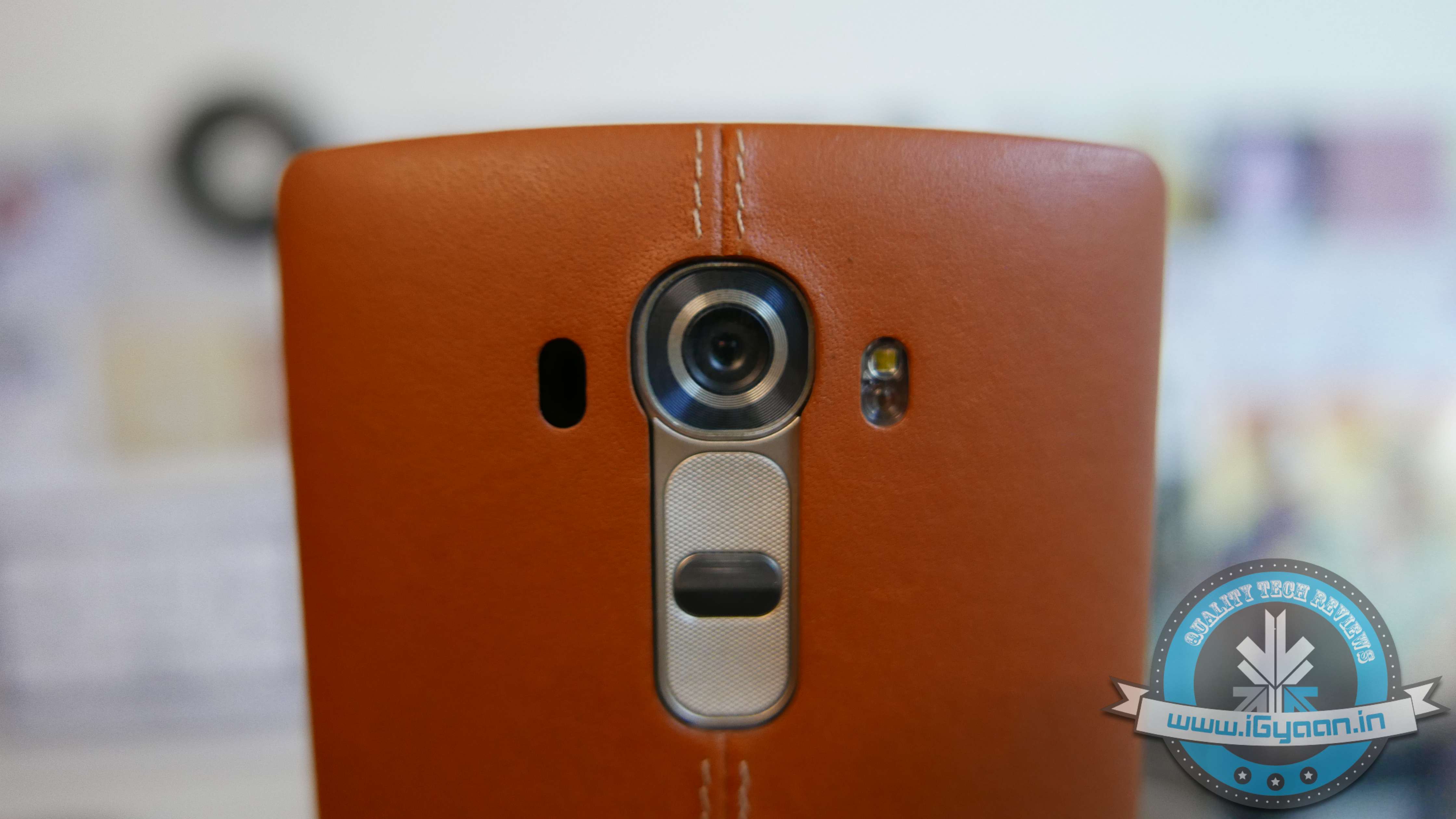
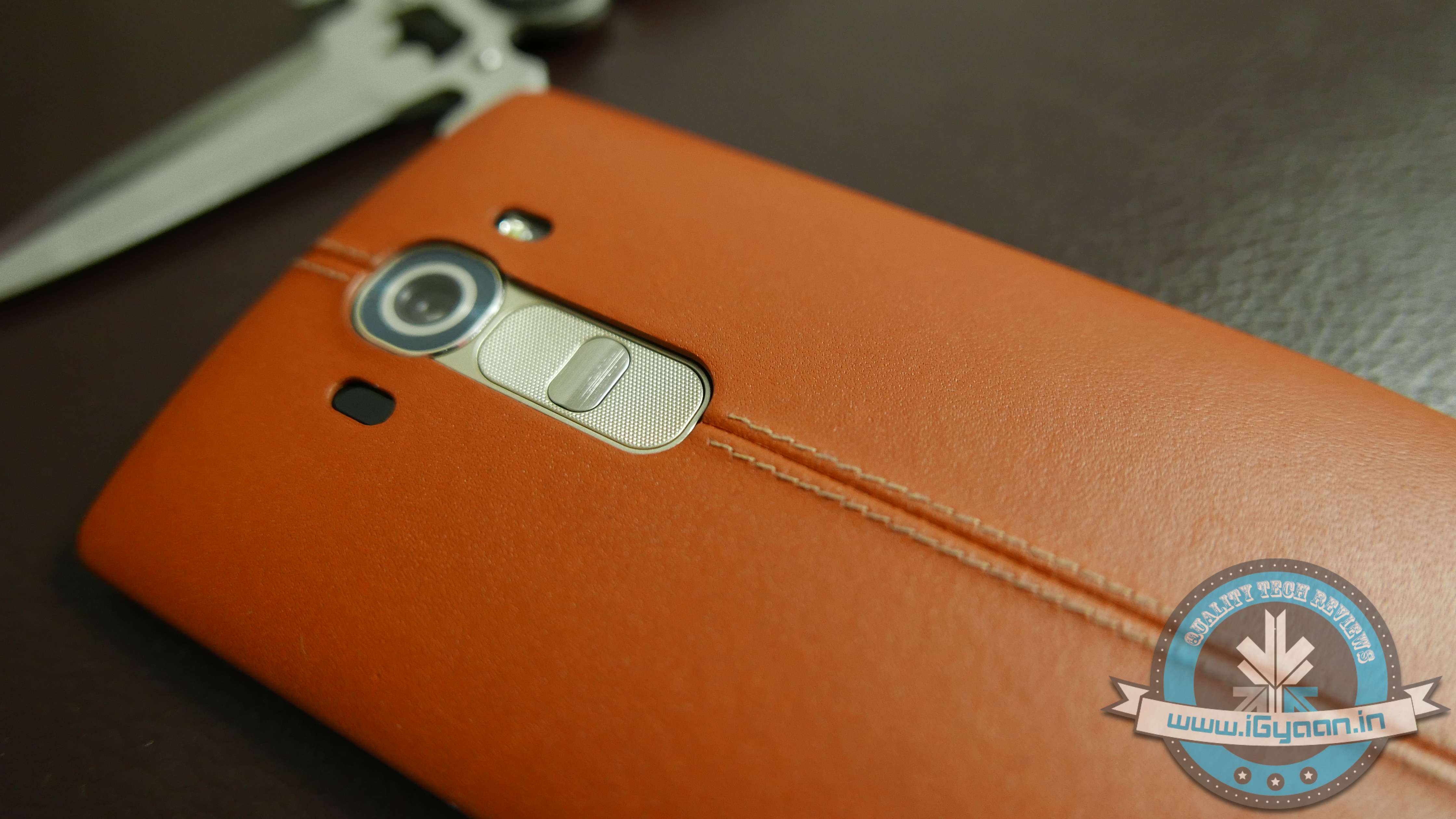
LG in an official press statement revealed, that the LG G4 will now be available at a cheaper price. The smartphone which was only made available in India by the end of June, is already facing a price cut. LG’s flagship for 2015 which was initially launched with a price tag of Rs. 51,500, is now available for Rs. 45,000 for the Leather back cover variant and Rs. 40,000 for the ceramic white variant. The company also stated that the LG G4 Stylus is now available for Rs. 21,000 (down from Rs. 24,990).
The company says that the promotion is for the upcoming festive season, with no mention if the price cut is temporary or permanent. It looks like LG is following in the footsteps of Samsung, which is notorious for slashing prices of their devices soon after the launch. This is one of the reasons we wouldn’t recommend anyone to pick up the Samsung Galaxy Note 5 at its launch price.
Coming back to the G4, it features a 5.5-inch Quad HD IPS LCD display (2560x1440p resolution) that uses quantum dot technology. The screen is protected by a Gorilla Glass 3. The processor fitted on the device is a 1.8GHz Hexa-core Qualcomm Snapdragon 808 processor with an Adreno 418 GPU. The device also come with a 3GB RAM, an internal storage space of 32GB, which can be expanded via a MicroSD card up to 2TB. The smartphone runs on Android 5.1 Lollipop.
It boasts a 16MP camera with f/1.8 aperture (widest aperture on any smartphone camera) equipped with Optical Image Stabilization 2.0, color spectrum sensor, and Laser Auto Focus functionality.
The camera on the phone offers a manual operation mode which brings in a variety of options like exposure, white balance, color temperature, ISO, aperture, RAW mode and many other features. The front facing camera with 8MP also with f/1.8 aperture. The handset is powered by a removable 3,000 mAh battery.
With a 10k price cut, now would be the right time to pick up the LG G4. Its main competitors at the moment, Samsung Galaxy S6 and the iPhone 6 are available for a price of Rs 41,900 (32GB variant) and Rs. 45,830 (16GB variant), respectively.
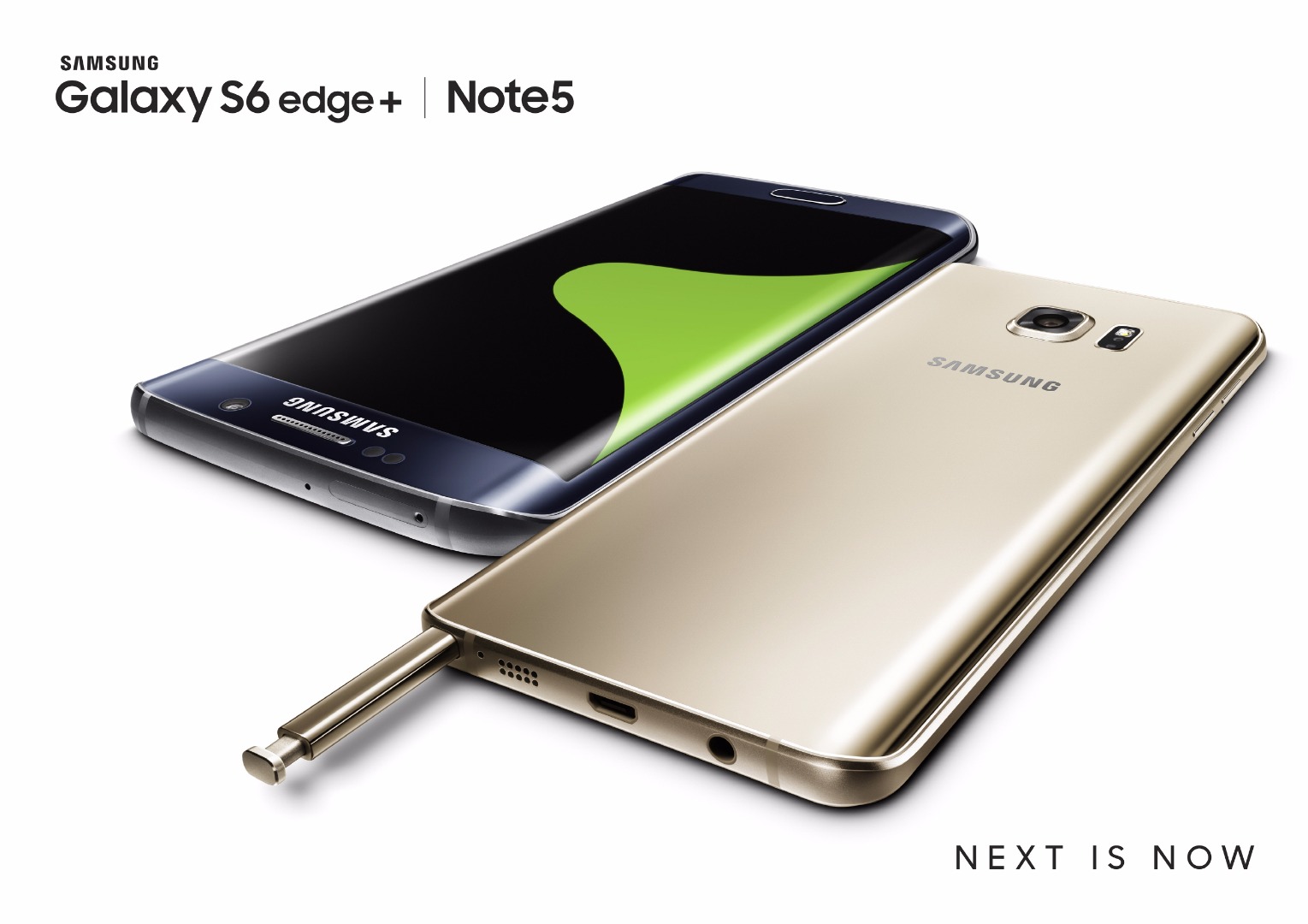
Last night, Samsung unveiled its newest flagships at a grand event held in New York. Other than the Samsung Galaxy Note 5 and the Galaxy S6 Edge+, there were several major announcements which caught our attention.
Here’s a quick wrap up of everything important the company announced:
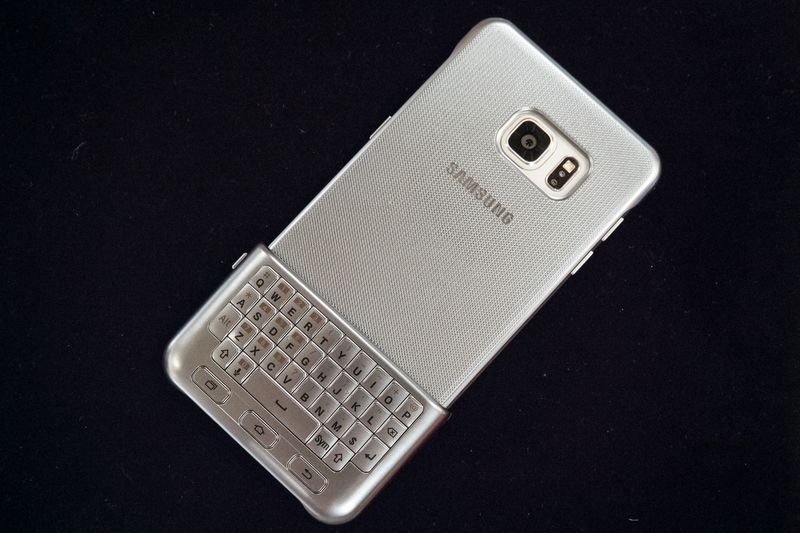
The Physical Keyboard Accessory
This one is a welcoming addition for anyone who misses punching on good old buttons while texting. At the event, Samsung announced a strap-on keyboard for the new S6 Edge Plus and the Note 5. The built-in keyboard which also works as a cover and has been aptly named ‘Keyboard Cover.’ When the keyboard cover is strapped on the screen, the smartphone automatically recognises it and the screen is adjusted accordingly.
The company hasn’t revealed the cover’s availability or pricing, just yet.
Samsung Pay Takes a Leap Ahead
Samsung has taken a big step forward in the e-payment game. Unlike its competitors, which only work on specific card terminals, the company claims that their phones will be able to entirely replace the credit card system. They’re no longer solely relying on the NFC system for payments, hence you can swipe for a payment anywhere you want. The addition of magnetic secure transmission tech will make it usable with any store’s standard credit card swipe reader. Along with credit cards, it will also store memberships cards. The only question remains is if it’s secure.
Samsung Pay will launch in the US on 28th September.
Directly Broadcast to YouTube
Live streaming is one of the current tech trends and Samsung has found a unique way to use the feature on its new phones. Instead of downloading a third-party app, you can use a feature on the camera terminal to directly stream to YouTube. With this, Samsung jumps ahead of apps such as Meerkat, Periscope etc.
Samsung Finally Makes Good Use of the ‘Edge’
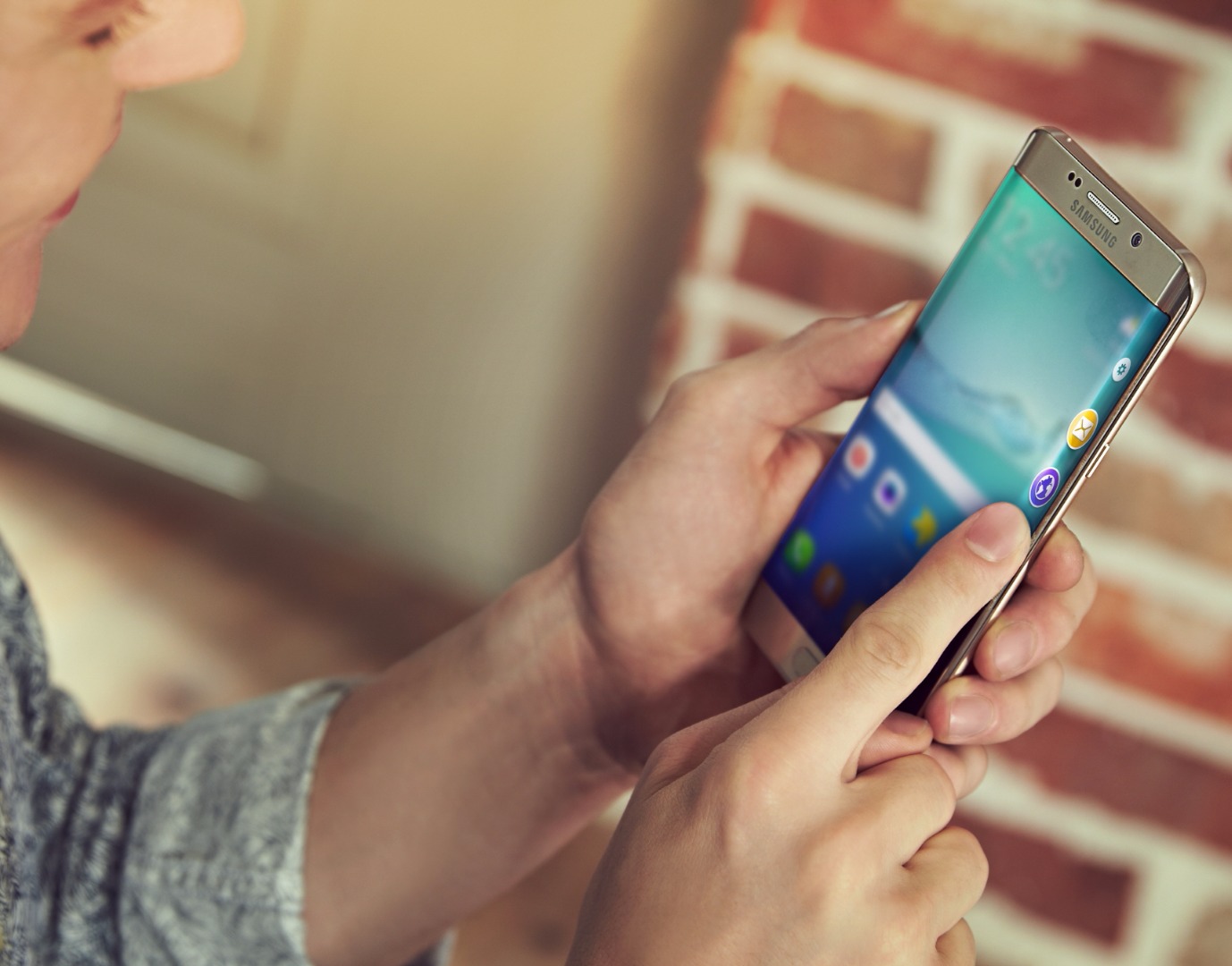
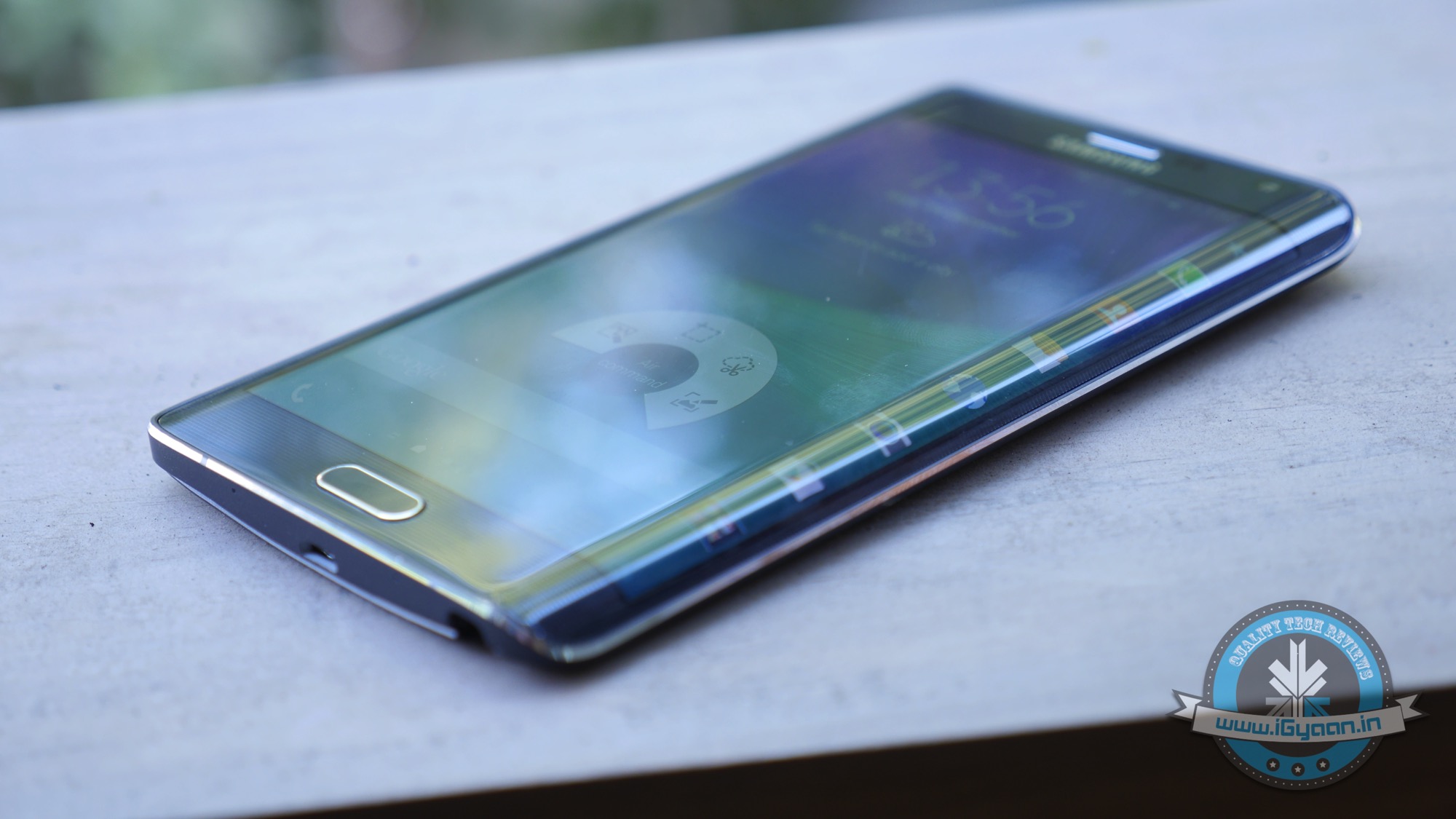
Other than a few nominal features on the Samsung Galaxy Note 4 and S6 Edge, there was not much value to the curved edge display. Now the company has added an extremely useful functionality to the display. You can pin your most used apps on the edge, and swipe to launch. The feature is called ‘Apps Edge’.
The Gear S2
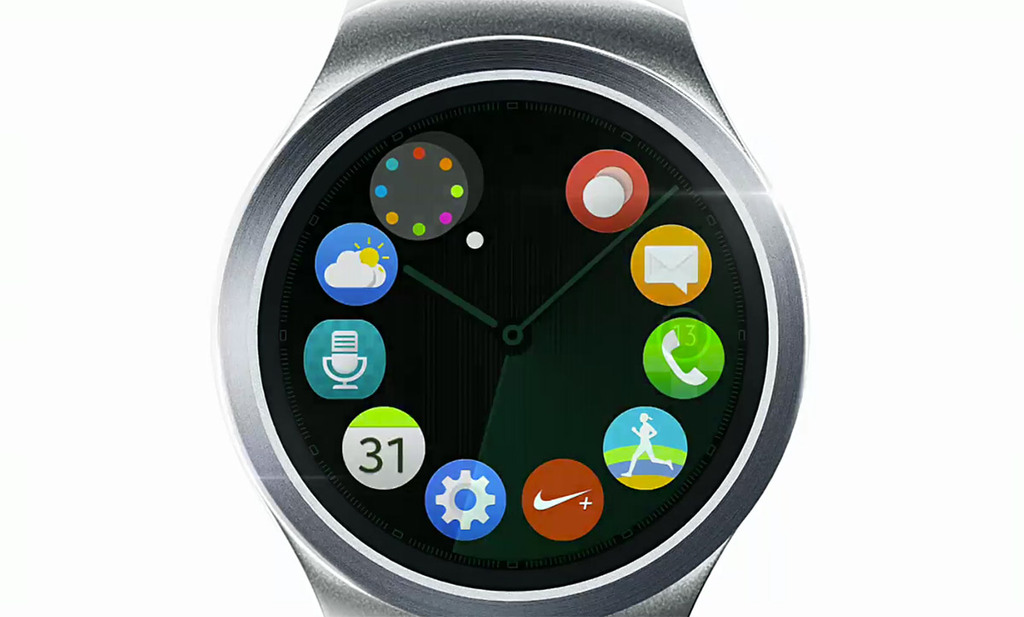
Samsung chose the Unpacked event to tease the new Gear S2 smart watch. The model seems to have stylised itself quite a bit, with a round face, metal body and new user interface. It likely to run on Samsung’s Tizen OS rather than Android Wear, like the original Gear S. It will be unveiled on 3th September.
Read more about the Note 5 here and for the S6 Edge + here.
The Unpacked Event, saw the launch of two devices – the Galaxy Note 5 and the Galaxy S6 Edge+. The S6 Edge+ is the bigger and the edgier sibling to the glamorous Galaxy S6 Edge.
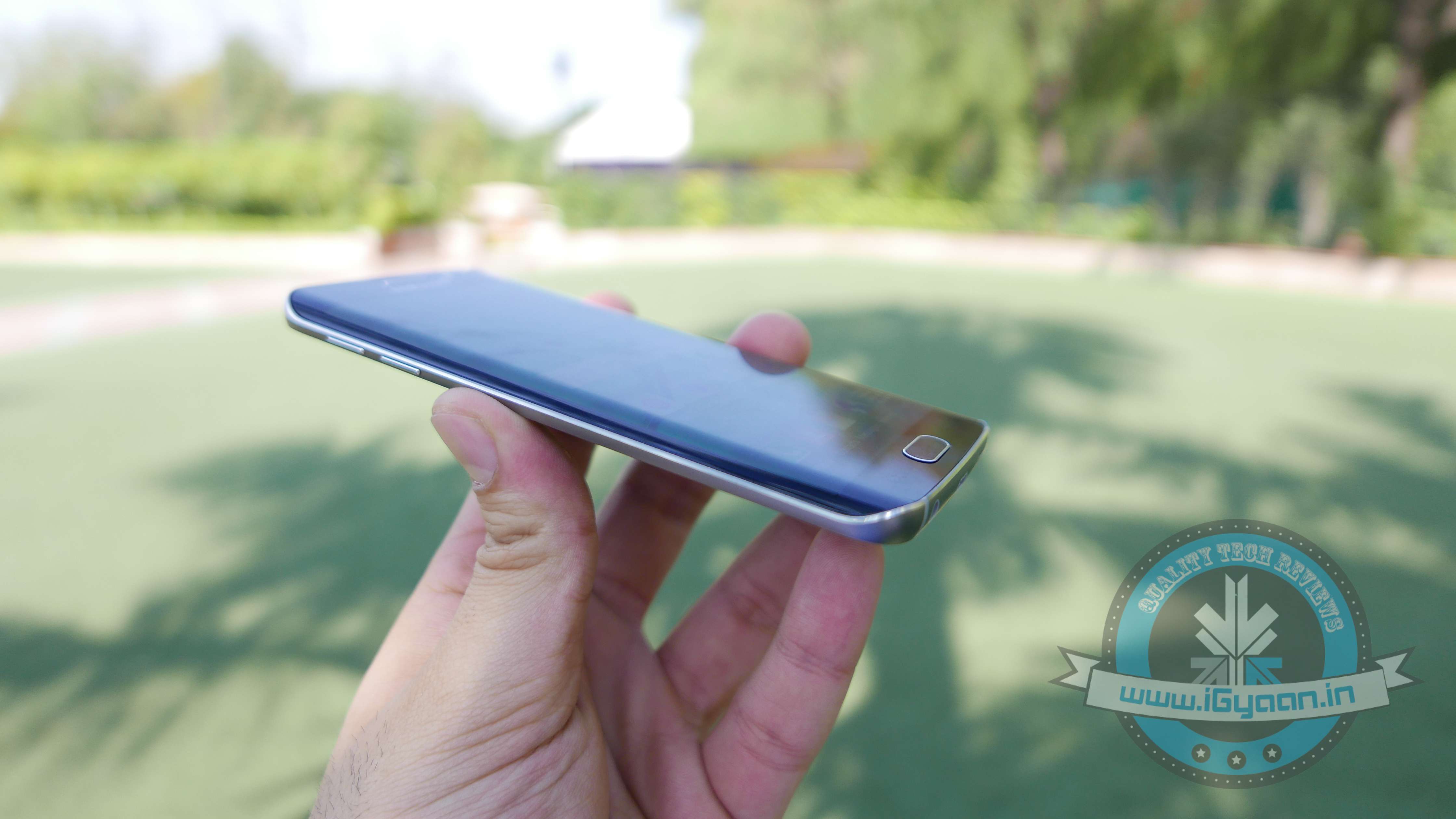
The Galaxy S6 Edge+ is noted to have a bigger display but yet is a smaller and more compact when compared to devices like the iPhone 6 Plus which have a smaller 5.5 inch display. The S6 Edge seemed to be the only premium look and feed Samsung device which even came close to the iPhone 6. But, with the S6 Edge+ it seems like that mission might have reached closer to its target, especially by excluding the expandable memory feature.
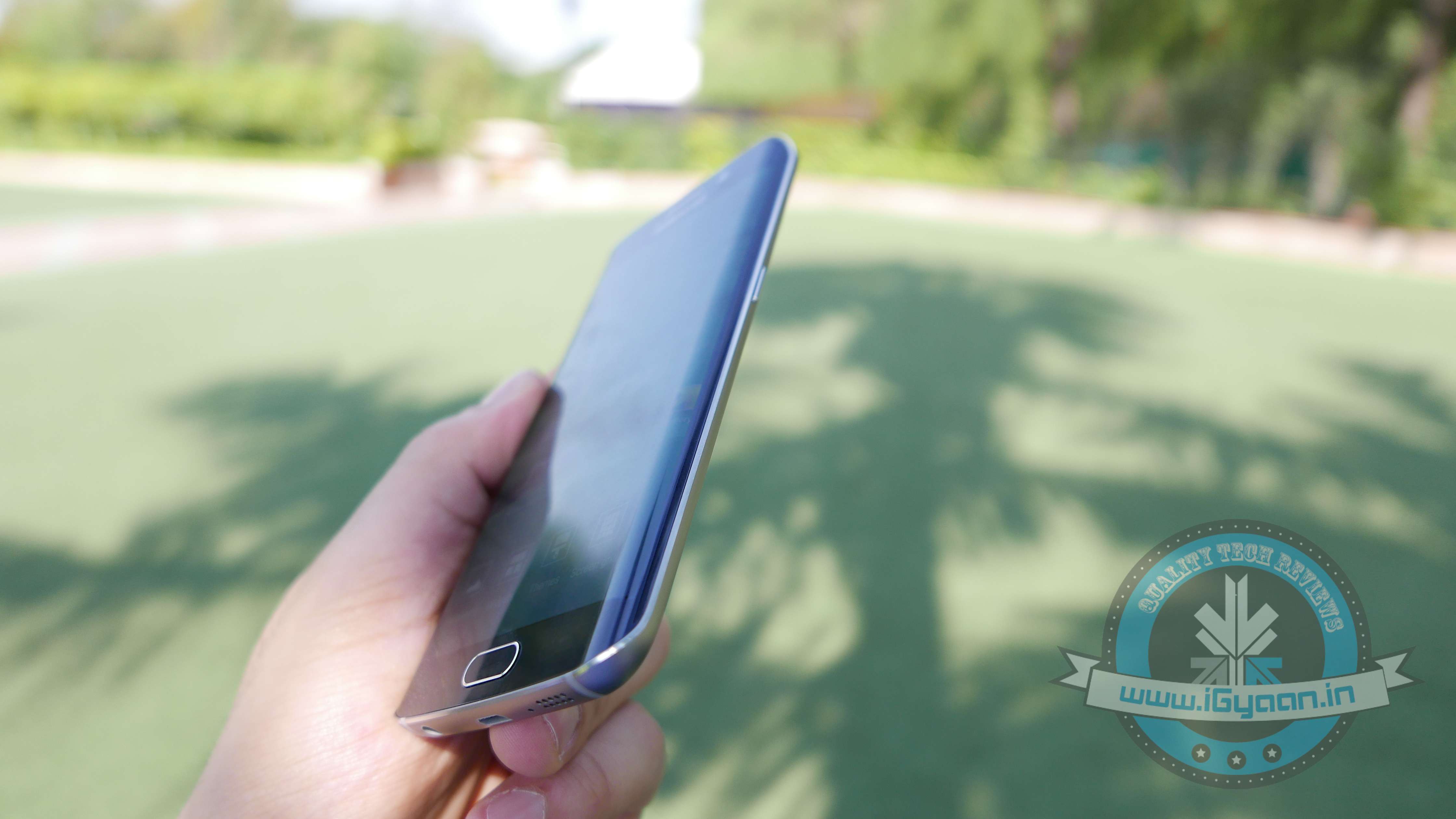
The device seems almost impeccable when it comes to its design – the S6 Edge had an aluminum frame and was protected by the Gorilla Glass 4 on both sides, this feature has been retained by the S6 Edge+ too. However, the new device looks sleeker with a display that extends up to the edges of the curved screen.
The S6 Edge had been applauded as being the first dual edged display smartphone and the S6 Edge+ continues to be applauded with a slight change of making the edges softer and thereby enhancing the visual appeal of the smartphone, the bigger stance of the phone allows for more display real estate.
Fast Wireless Charging
Samsung has kept most of the hardware intact loosing some pixel density to the larger display. However the LPDDR4 RAM sees a bump up to 4 GB and so does the battery by about 400 mAh.
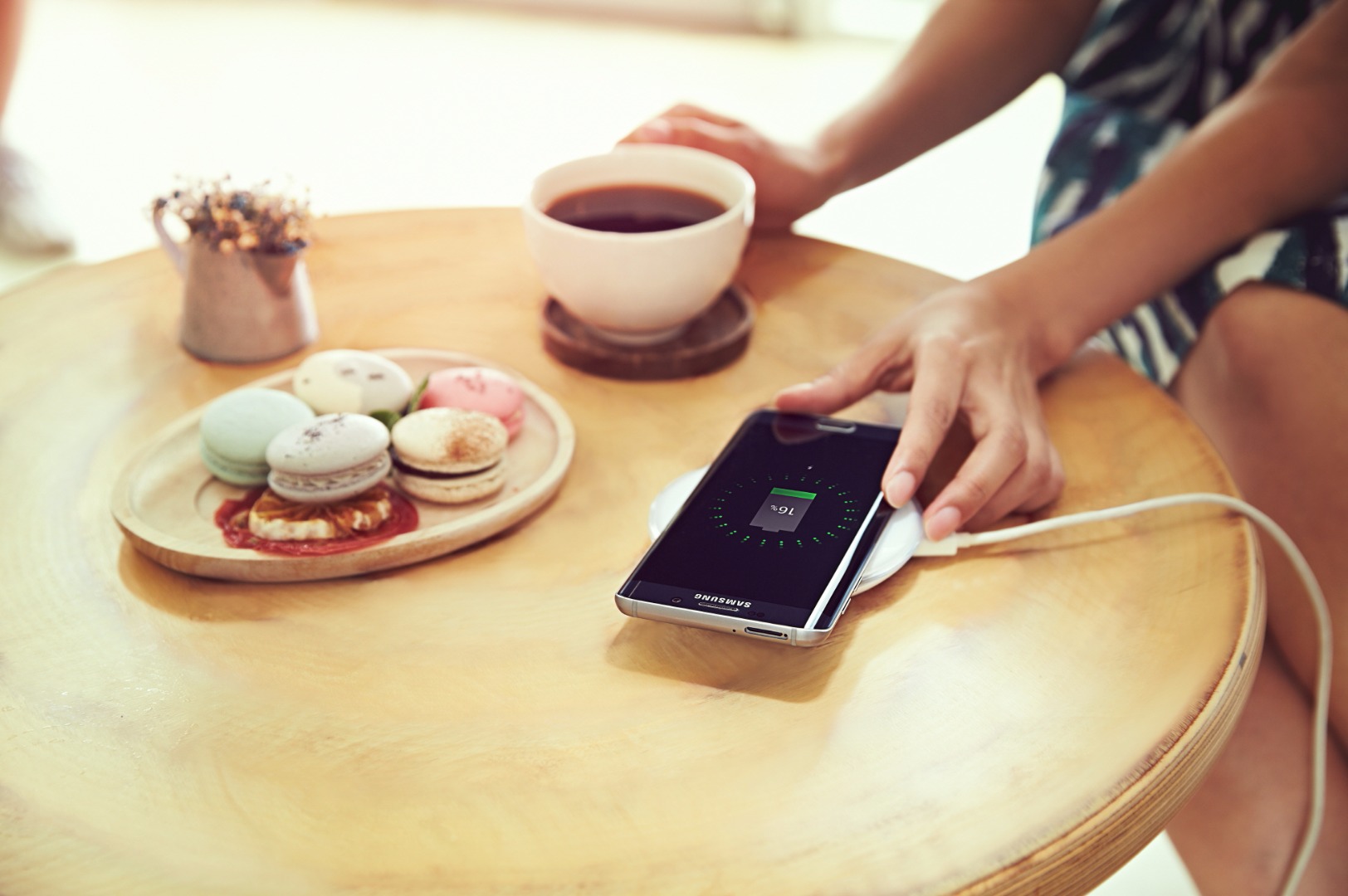
The new S6 Edge+ features fast wireless charging, which is a mix of the fast charging seen on the S6 along with a new wireless charging standard developed by Samsung, which is said to fully charge the handset in about 120 minutes wirelessly.
SideSync
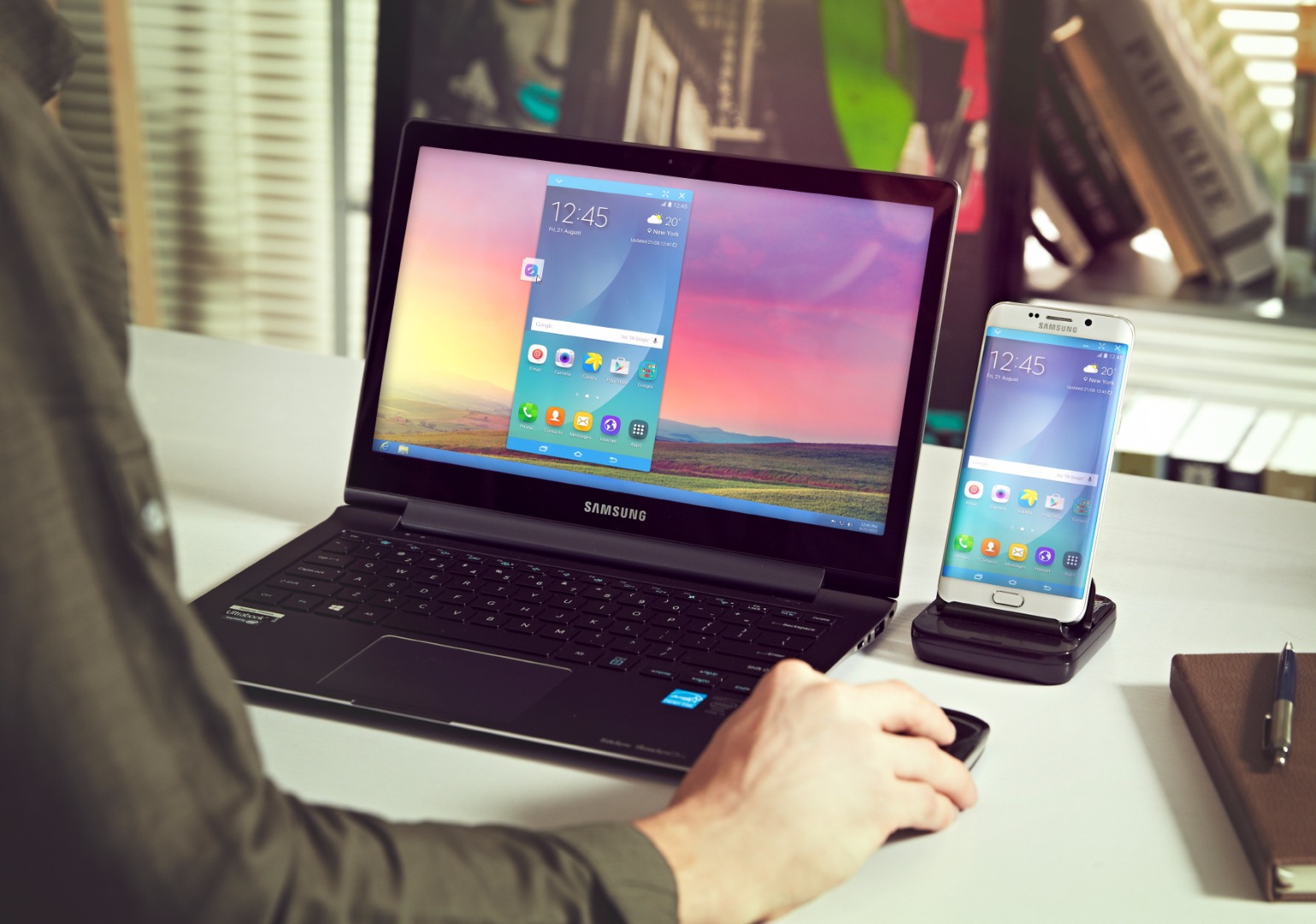
The S6 Edge+ along with Samsung’s new Galaxy Note 5 both support a new feature called SideSync which is much like Apple’s continuity however it goes further by letting you use your phone from the computer screen and share files. This feature is also said to work on both Windows and Mac platforms.
For a comparison between the specs, take a look at the spec sheet below:
Features
Galaxy S6 Edge
Galaxy S6 Edge+
Display
5.1 inches (1440X2560 pixels)
5.7 inches(1440X2560 pixels)
Processor
Exynos 7420
Exynos 7420
OS
Android OS, v5.0.2 (Lollipop), upgradable to v5.1.1 (Lollipop)
The Galaxy Note 5 is the newest Flagship for Samsung. The phablet category maker that changed everything for Samsung gets an overhaul, it also is a change in the way Samsung thinks design.
Last year the Note 4 was a Samsung first too, when the Phablet saw an Edge variant and a metal framed body construction. Learning heavily from that and the uber-success of the S6 in global markets, the Galaxy Note 5 is an all new metal and glass clad flagship for the company and prospective buyers will be pleased.
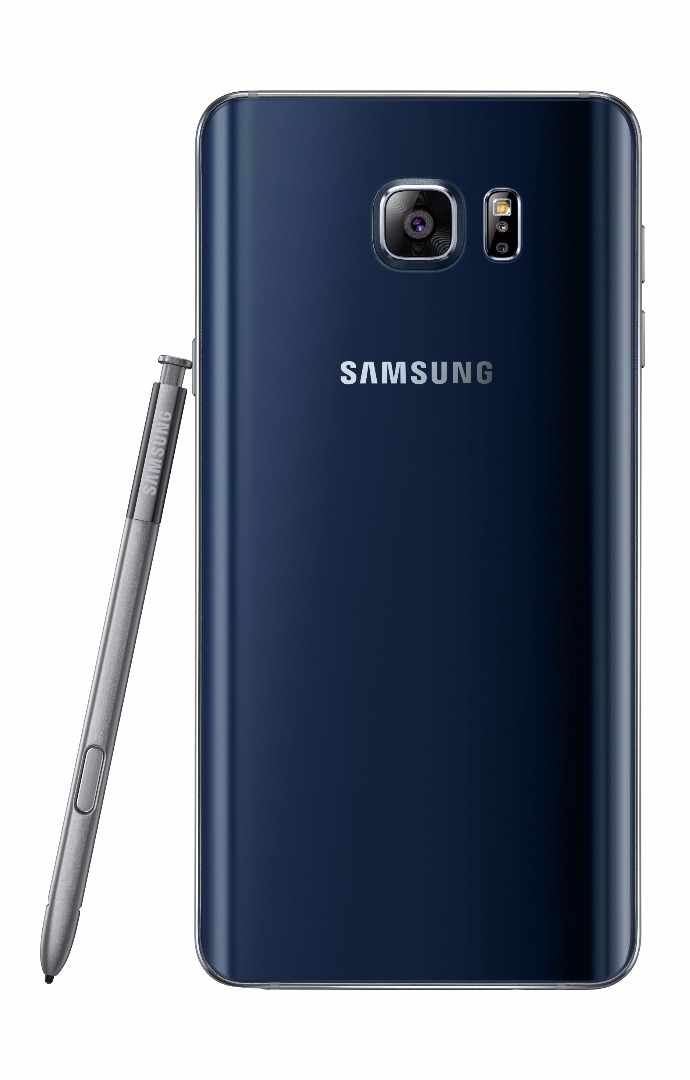
Samsung does also bring the flaws of the Galaxy S6 into the mix. Many have disliked the non removable battery and non expandable store on the Galaxy S6 and the Galaxy Note 5 also lacks in the same areas. Samsung brings an all new Gorilla Glass 4 front and back to the Note device, with coloured glass panels as seen on the S6 and S6 edge. Last year’s Note 4 took a more traditional Samsung approach of the leather look back panel seen on the Note 3 and Galaxy S5. This year the more premium looking Samsung Galaxy Note 5 will grab all the attention prior to the next iPhone launch, especially because that is what the company was gunning for.
Samsung seems to have liked what they did with the Galaxy S6 and the S6 Edge, as they bring the same Octacore chipset as on the S6 and S6 Edge onto the Note 5. The LPDDR-4 RAM and newer camera optics, all of which are shared by younger siblings the Galaxy S6 and Galaxy S6 Edge, have also been added to the Note 5 (the Note 5 gets 4 GB RAM). The Note 4 was run on Snapdragon chipsets, and with instability issues, Samsung chose not to use the Snapdragon chipsets and rather went with their own chipsets on the Note 5 as well.
The inclusion of colour options on the Note 5 means that Samsung is now targeting a wider array of prospective buyers, especially those who have loved the gold and blue variants on the S6. While the company had chosen a more traditional black and white approach last year with the Note 4.
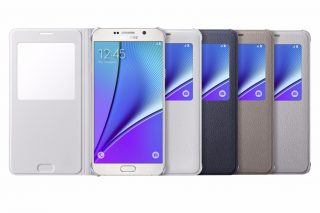
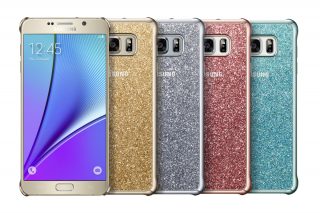
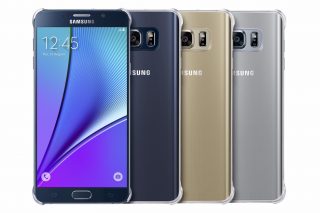
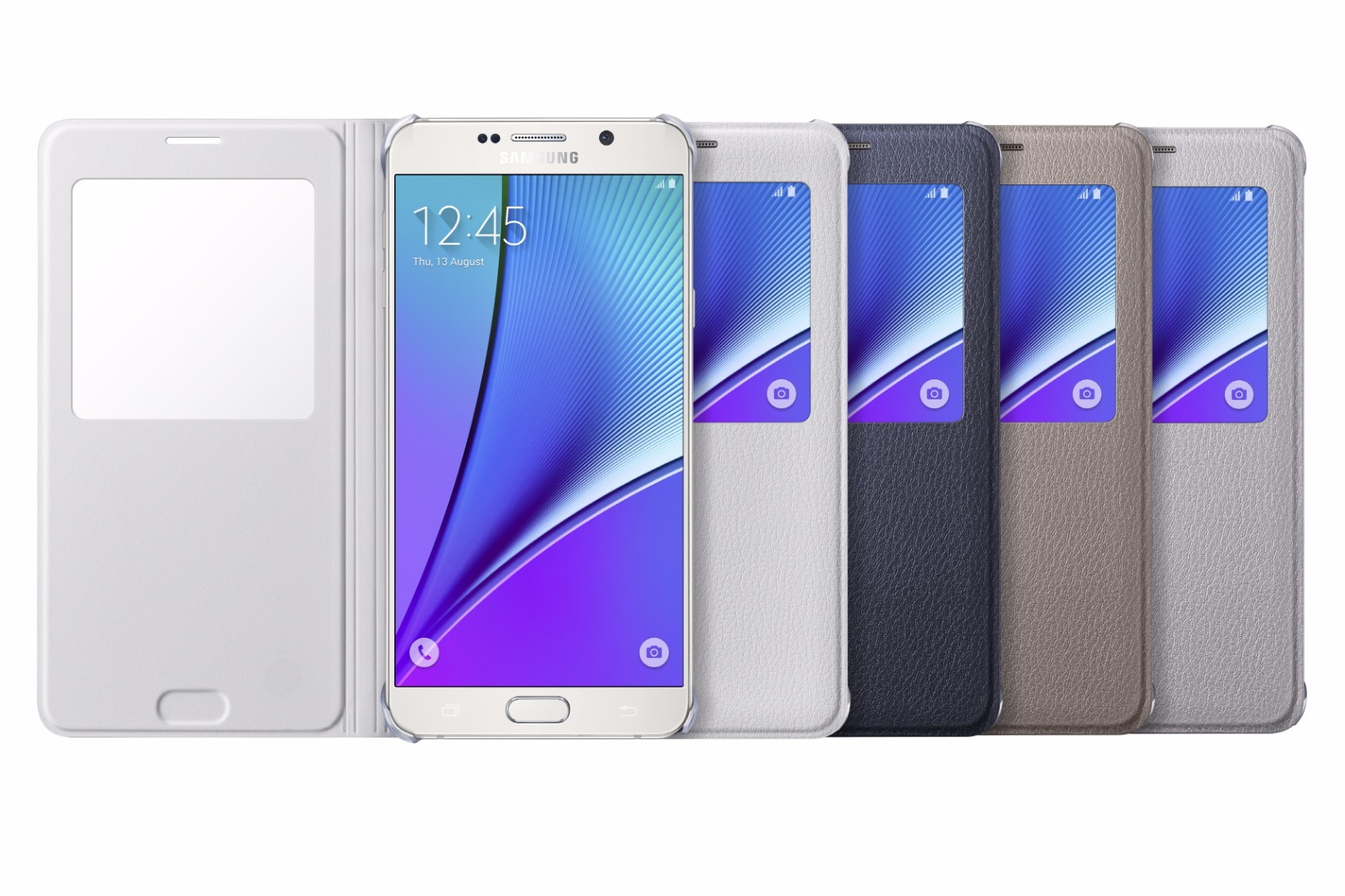
This years Note 5 will also see cover options and accessories all of which are built to highlight and use features like the new S-Pen with ease.
The S-Pen is also new, with a click mechanism at the back that lets you easily mount and unmount the pen from the Galaxy Note 5. The S-Pen software features are also improved with a simpler UI and a dark scribble note mode which basically lets you scribble a note when the screen is turned off.
What is also new in the Note 5 when compared to Note 4 is Samsung Pay, a transaction system designed and made to run with virtually all credit card machines globally. This will currently be launched in the US and Korea and will later be available to the world.
Samsung Pay
Samsung has also added something that they call fast wireless charging into the mix with their new Galaxy Note 5. The Samsung Galaxy S6 supported fast charging via microUSB and wireless charging over various standards. Samsung claims to have combined these technologies and have launched a fast wireless charger, which in theory should also be backward compatible with the Galaxy S6 and S6 Edge.
Feature
Galaxy Note 4
Galaxy Note 5
Display
5.7 inches with a Super AMOLED capacitive touchscreen










 Samsung seems to have liked what they did with the Galaxy S6 and the S6 Edge, as they bring the same Octacore chipset as on the S6 and S6 Edge onto the Note 5. The LPDDR-4 RAM and newer camera optics, all of which are shared by younger siblings the Galaxy S6 and Galaxy S6 Edge, have also been added to the Note 5 (the Note 5 gets 4 GB RAM). The Note 4 was run on Snapdragon chipsets, and with instability issues, Samsung chose not to use the Snapdragon chipsets and rather went with their own chipsets on the Note 5 as well.