Blog

  • 5 Facts About Google CEO Sundar Pichai that Ought to Inspire You

    5 Facts About Google CEO Sundar Pichai that Ought to Inspire You

    While every Indian is ecstatic at the thought of Sundar Pichai becoming the newly appointed CEO of Google, how much do we really know about the whizkid who made it to the top ranks of the $66-billion revenue, $16-billion profit, company?

    Here are a few things we should know about the Indian who made it to the top, for the sake of making our morning a little inspiring.
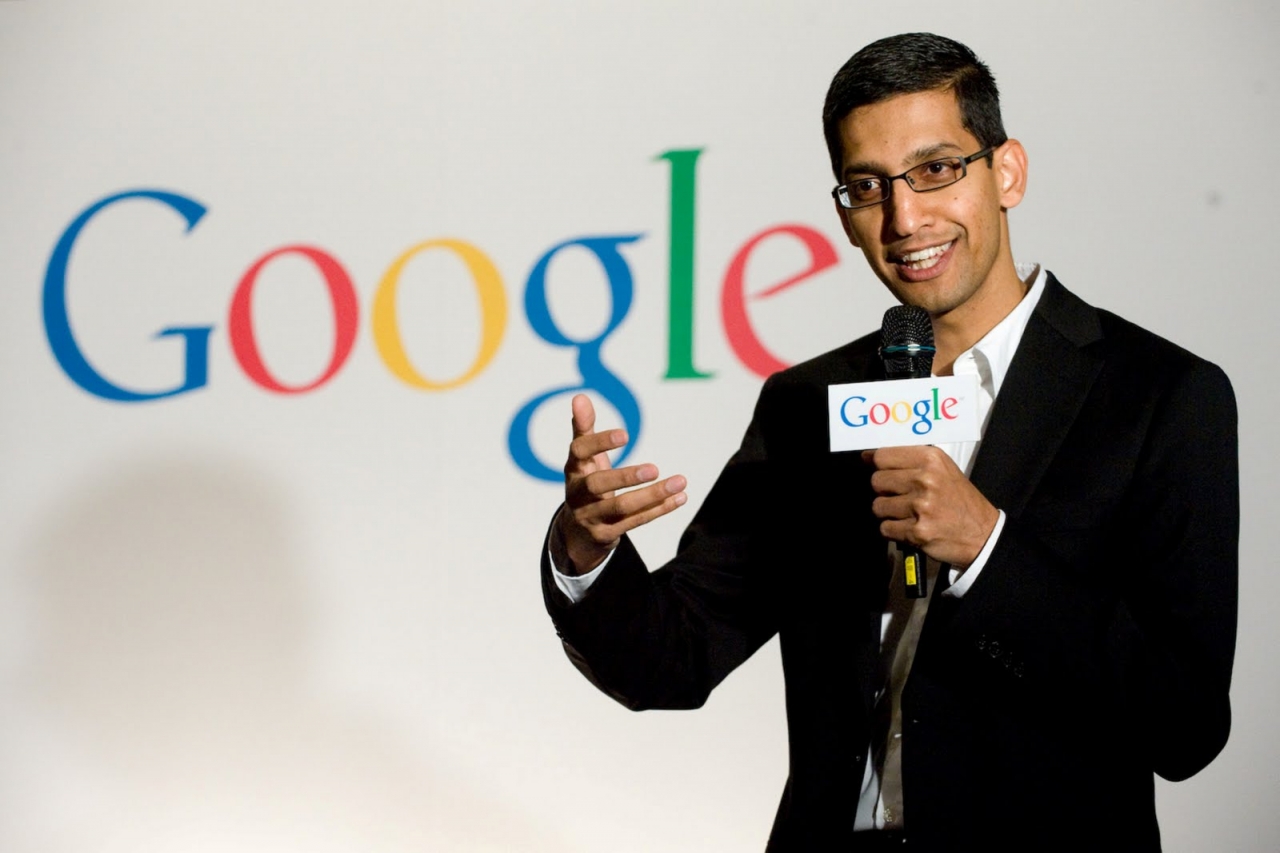
    sundar-pichai

    1. He was born in Chennai and did his schooling in PSBB Jawahar Vidyalay. He belonged to a modest family where his dad managed a warehouse that made electric components. It is from there that Pichai developed an inclination towards technology and went on to pursue an undergraduate degree in metallurgical engineering from IIT Kharagpur.
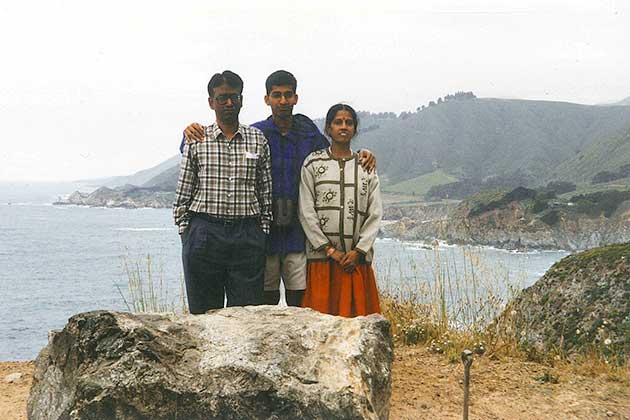
    Pichai parents
    Source: www.bloomberg.com Pichai with his parents in 1997

    2. Pichai also has an MS degree from Stanford University and an MBA from the prestigious Wharton School of Business (where he was awarded the Siebel scholar and the Palmer scholar). So he was always at the top of his class and continues to be so, even to this day. He’s only 43, after all.
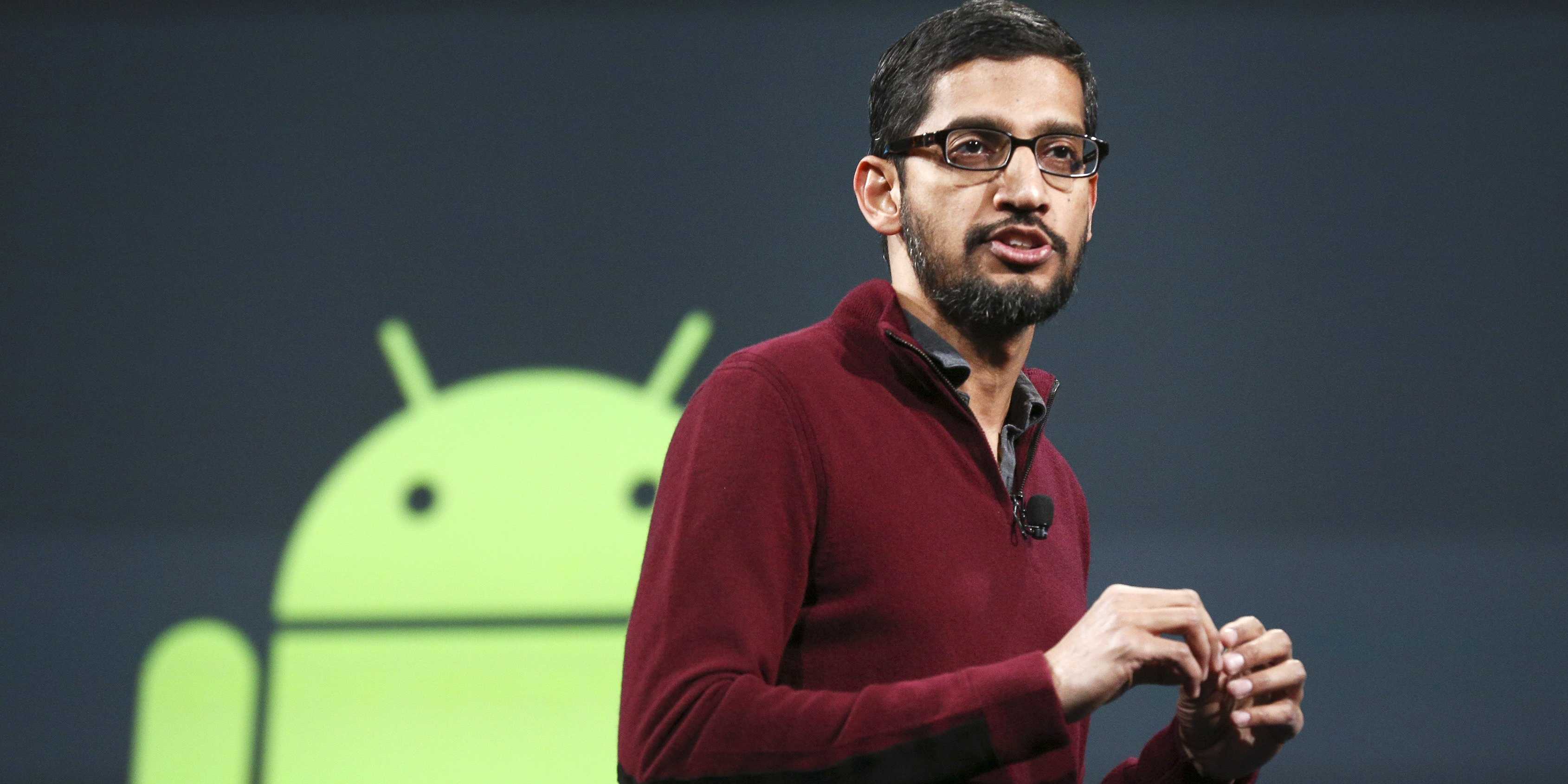
    sundar pichai

    3. While work politics play a huge role in most offices, and ego clashes occur on a regular basis, the reason that Pichai stood out so much is due to his simplicity and his ability to create brilliant teams. Caesar Sengupta, a Vice President at Google who worked with Pichai for eight years said, “I would challenge you to find anyone at Google who doesn’t like Sundar or who thinks Sundar is a jerk.” How many of us can find one person like that at our respective workplaces?
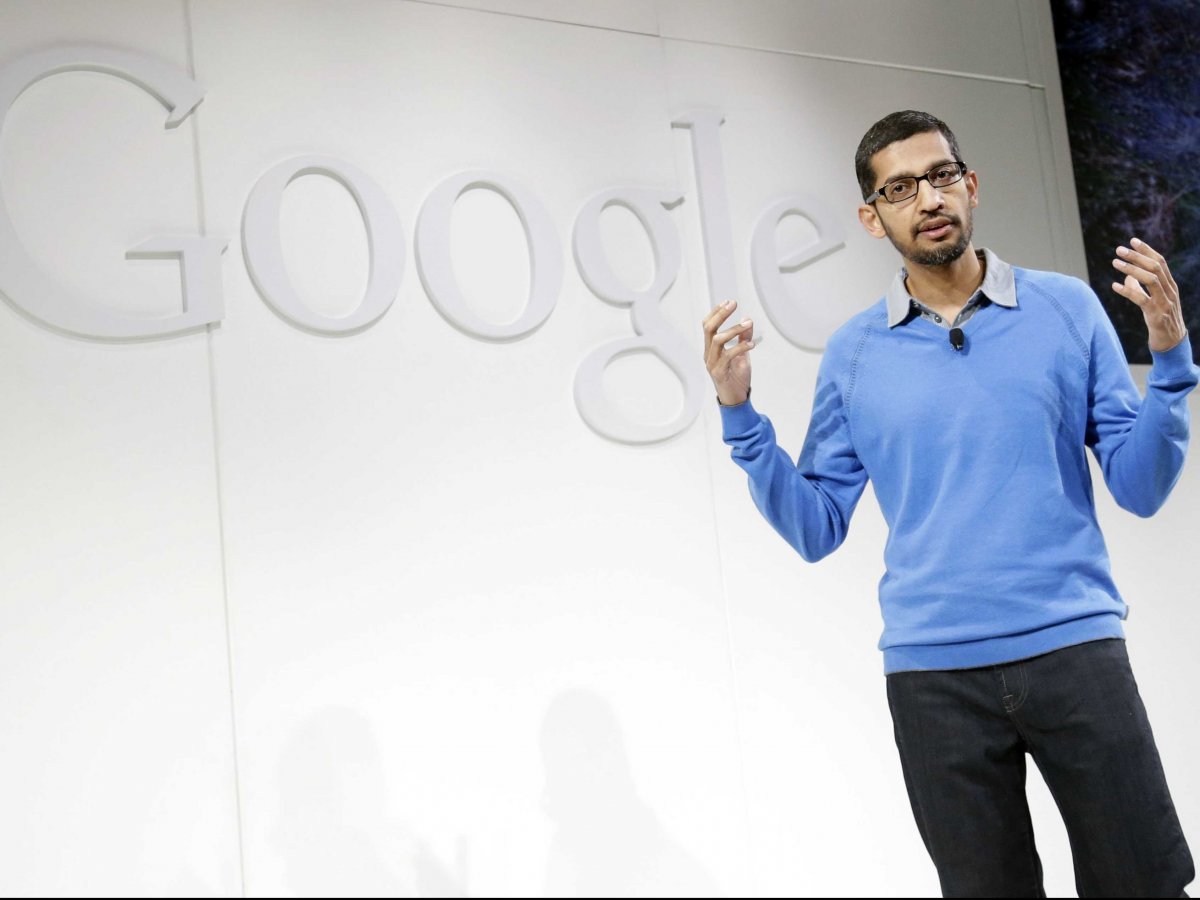
    sundar pichai

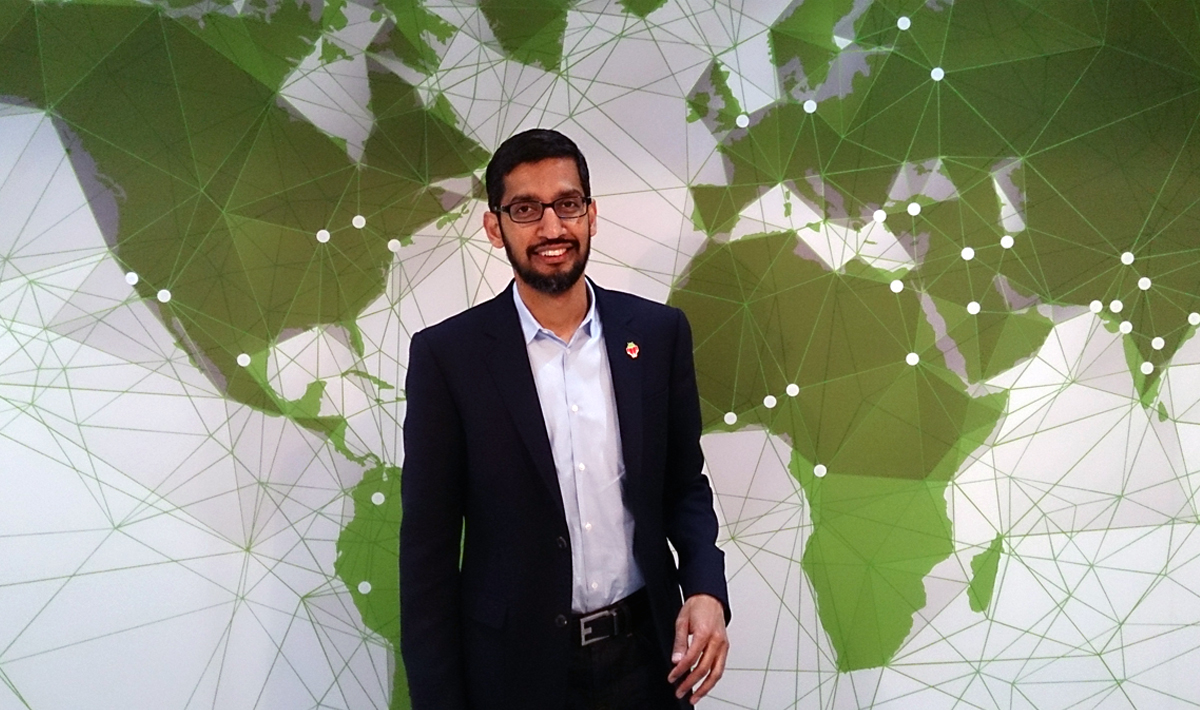
    4. Pichai made a breakthrough in Google after he was given the opportunity to handle Toolbar. Although he joined in 2004, he created a lot of revenue for the company as the toolbar was a huge success and made Google come up with its own Browser in 2008.
    Sundar Pichai

    5. Lastly, Pichai almost left Google in 2011 to become the Product Head at Twitter. However, his work and reputation had reached such heights that Google offered him a whooping 50 million dollars to stay back in the company. Naturally, he declined Twitter’s offer and look where he is today!
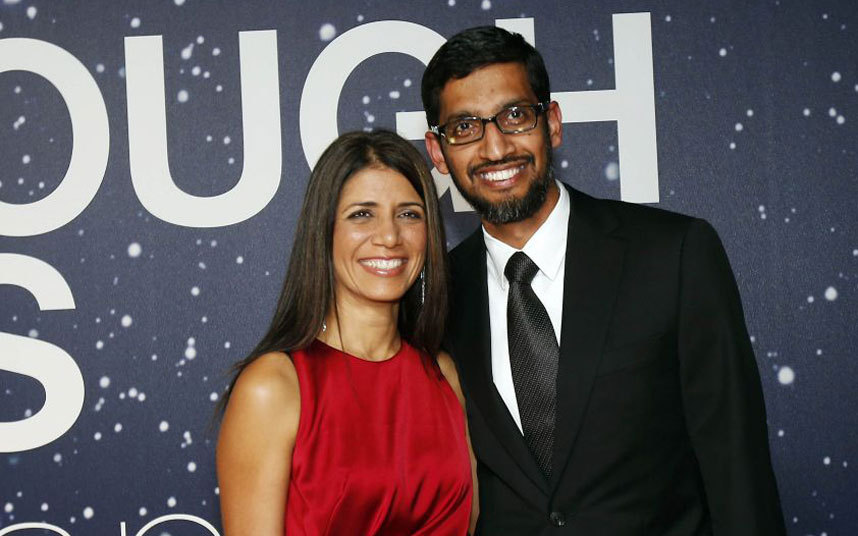
    Source: free-stock-illustration.com   Sundar Pichai with his wife,  Anjali Pichai
    Source: free-stock-illustration.com
    Sundar Pichai with his wife, Anjali Pichai

    Pichai is a family man with a wife and two children and enjoys playing chess in his free time. He isn’t known to be a workaholic and is popular for his impeccable work ethics. While we as Indians, feel extremely proud of his accomplishment, let’s be inspired by his success. Don’t you think?
  • Future Tech: Scientists Take First Step Towards Developing 3D Mouse Cursor

    Future Tech: Scientists Take First Step Towards Developing 3D Mouse Cursor

    Over the years, our knowledge about technology has become so vast that we can now create 3D holograms and programs to interact with us. We have mastered the fields of robotics and flying vehicles. But, all our advances have started with an ordinary single click. Yes, a single click of a mouse that hovers the cursor to our desired files and folders.

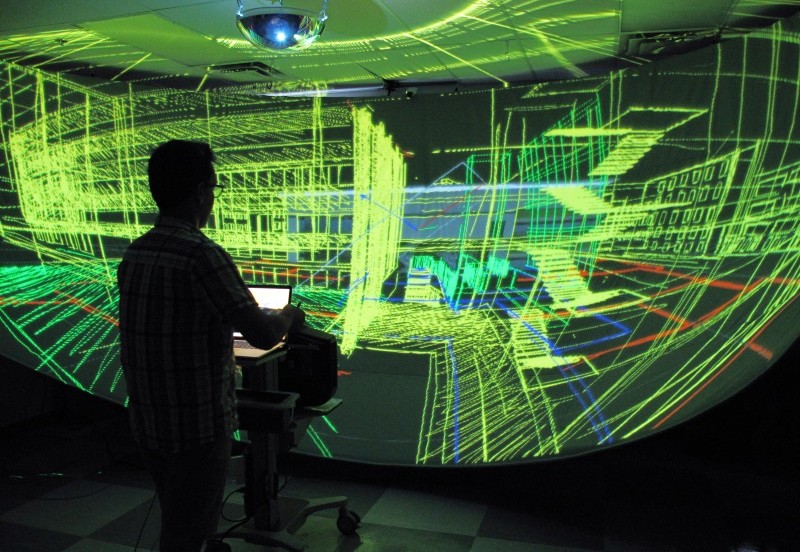
    While most technology requires 3D modeling, the mouse cursor continued to play along the 2D frame. But now, advancing a step further into the 3D world, some scientists have developed techniques to enable computer cursors to interact in 3D for single or multiple users in both, local and remote, collaboration scenarios.

    whyusea2dcur

    Unveiled at the SIGGRAPH 2015 conference in Los Angeles, researchers from the University of Montreal say the innovation of such technology would help designers to modify their creations in 3D at a whole new level.

    Lead researcher Professor Tomas Dorta from the university’s school of Design, said:

    Our new technology challenges the notion of what a cursor is and does.

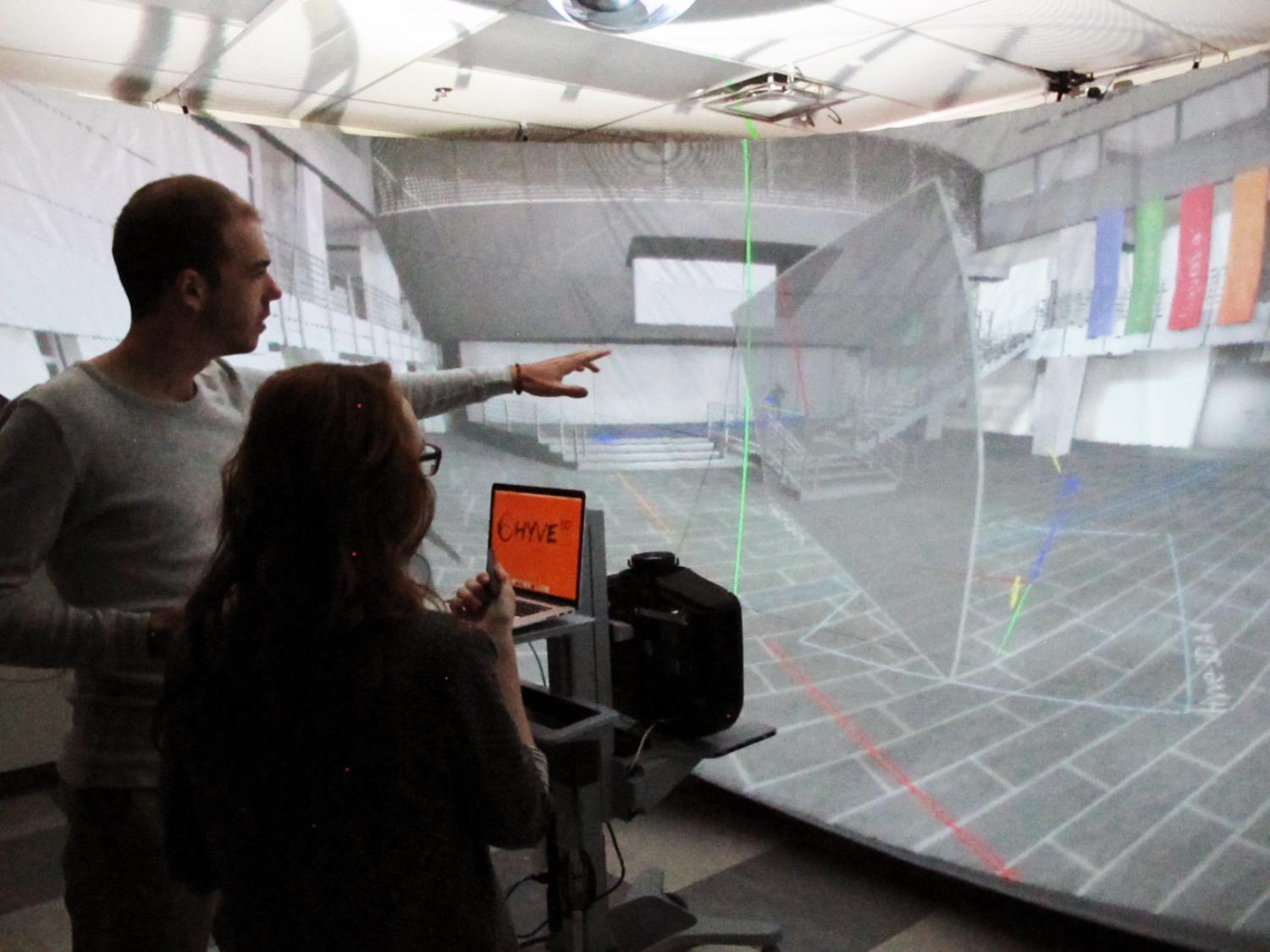
    Professor Tomas Dorta, explains that the cursor becomes a drawing and controlling plane. They explained that, for now, the technology uses a tablet to hover the cursor around in a 3D environment, but as time passes by, will soon be used in smartphones and smartwatches. 

    The team explained how the cursor selects objects in space. The users just sweep the 3D cursors through. Dora added that for manipulations of objects, the users can use signs and movements such as pinching and orientation.

    Scientists have also stated that the technology would be able to be used in a wide range of fields like architecture, medicines and computer games.

    For example, for an interior designer, while designing a room, they can test different furniture options according to the scale and even work on interior detailing.

    This wasn’t a gimmicky rebirth of the cursor, it’s about rethinking how humans interact with computers as part of the creative process.

    The technology has been named as Hyve-3D system and the 3D cursor and is supported by Univalor, the university’s technology commercialization unit and, Hybridlab Inc., a startup. Several patents are due for signing.

  • Report : Samsung Galaxy S7 to Come With a Qualcomm Snapdragon 820 Chipset

    Report : Samsung Galaxy S7 to Come With a Qualcomm Snapdragon 820 Chipset

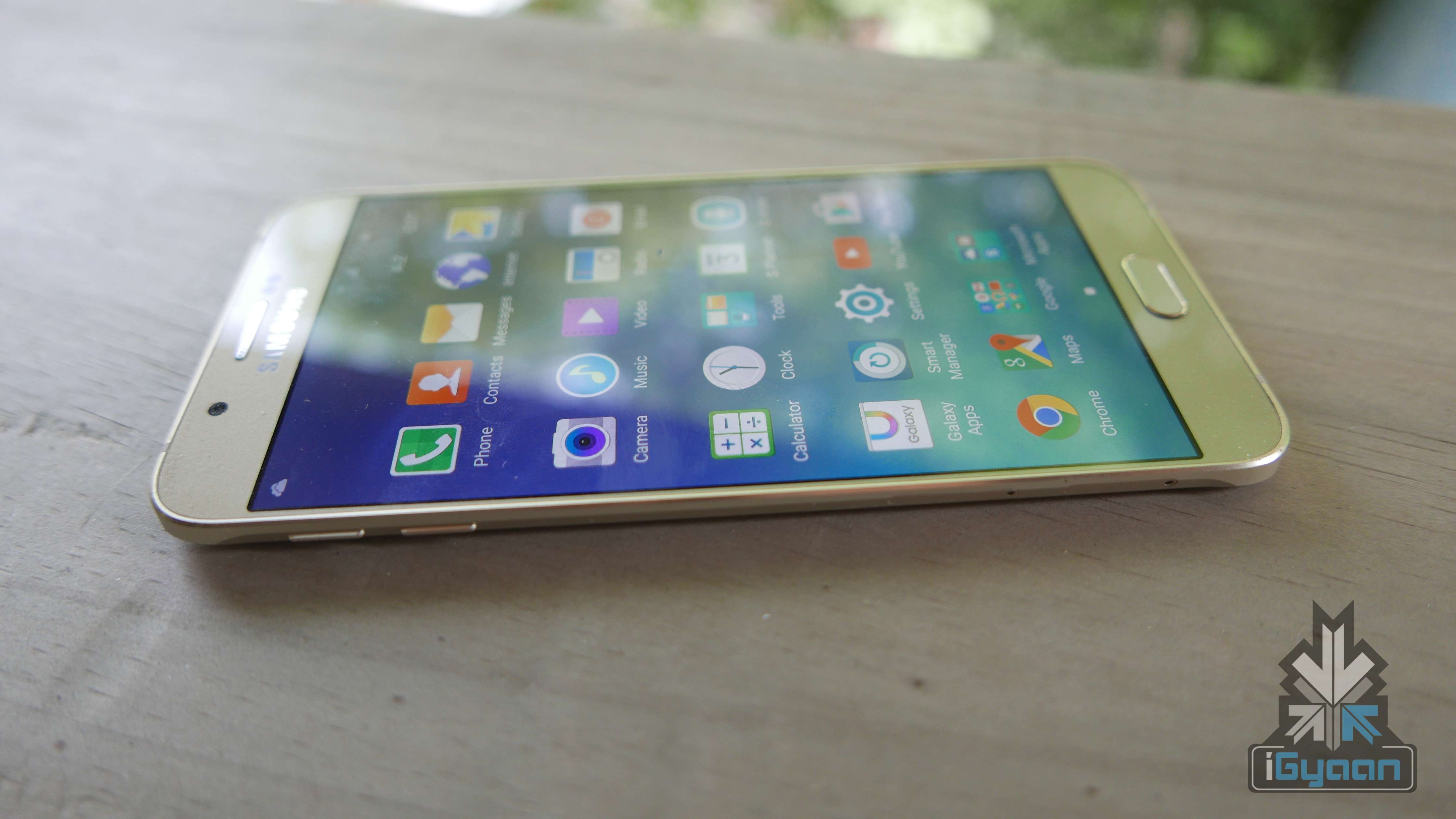
    Samsung has not even released its Galaxy Note 5and S6 edge+, and there are already leaks and rumours about the Galaxy S7.

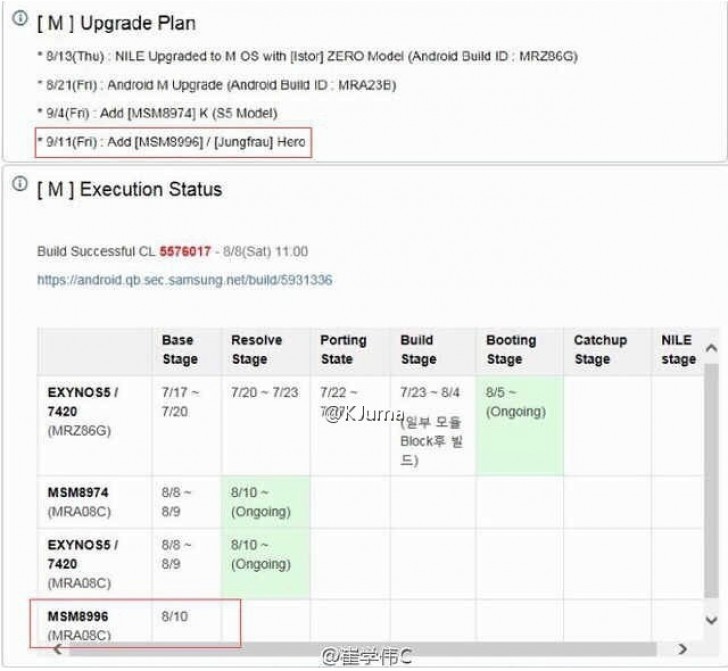
    According to reports, today in China, a document depicting an internal Samsung communication suggested that “Jungfrau”, which is rumoured to be the code name for the Galaxy S7, is being added to the company and along with it the “MSM8996” , which is the model number for the Qualcomm Snapdragom 820, as part of its software development plan for Android M.

    S7 leak 1

    This suggests that Samsung may be beginning to test the Qualcomm Snapdragon 820 inside its next flagship. This also means that after the company’s usage of an Exynos silicon chipset throughout 2015, it is again planning on using Qualcomm chipsets for its devices.

    Reports also say that Qualcomm’s new chip should be out in devices by the end of 2015.

  • Google Rebrands Itself as ‘Alphabet’

    Google Rebrands Itself as ‘Alphabet’

    The biggest Internet-based tech company in the world has major announcements for us today. The latest news on Google Inc. is that it has renamed itself as Alphabet. Alphabet is now the umbrella company that owns Google and the other companies that Google owned. Google founders Larry Page and Sergey Brin will run Alphabet as CEO and President, respectively, while Sundar Pichai will be the new CEO of Google under Alphabet.

    What is Alphabet? Alphabet is mostly a collection of companies. The largest of which, of course, is Google.

    In an official blog post, former Google CEO Larry Page claimed that the major restructuring is to make “things cleaner and more accountable.” The official Google announcement on its blog, suggest that there will be a new placeholder site called abc.xyz. However, the entire list of companies that come under Alphabet is unclear.

    “The whole point is that Alphabet companies should have independence and develop their own brands” – says Larry Page, CEO of Alphabet.

    Alphabet’s aim, as mentioned in their official blog – is to have a strong CEO who runs each business, while the CEO and President of the umbrella company, handles capital allocation and work, to make sure that each business is doing well. This seems like a more consolidated administrative measure, more than anything else. It will help the founders to have a better hold over all the companies along with competent leadership. As of now there are no reports suggesting that this interior change would in any way affect the user’s day to day dealings.

    [tw-toggle title=”A draft list of the companies under Alphabet”]
    Alphabet (the main company) B (rumoured to be Boston Dynamics, however it is unclear whether it is under Google or not) Calico (focused on longevity) Capital (investment) D E Fiber Google (now led by Sundar Pichai and includes search, ads, maps, apps, YouTube, and Android) Hooli J K Life Sciences M Nest O P Q R S T U Ventures W X lab Y Z Please note that this is only a suggested list and not the confirmed one

    [/tw-toggle]
    For more information: [tw-button size=”medium” background=”#07ABE2″ color=”” target=”_self” link=”http://googleblog.blogspot.in/2015/08/google-alphabet.html”]Google Blogspot[/tw-button]

    [tw-button size=”medium” background=”#07ABE2″ color=”” target=”_blank” link=”https://abc.xyz/”]abc.xyz[/tw-button]


  • Chennai-Born Sundar Pichai is Now the CEO of Google

    Chennai-Born Sundar Pichai is Now the CEO of Google

    It’s always good news when we see a fellow Indian speedily climbing the ladder of success. Google’s Sundar Pichai, who earlier used to head the company’s strategic businesses, has been given more responsibility.

    Larry Page, former CEO has handed over his responsibilities (and title) to Sundar Pichai. Meanwhile Larry Page, along with Sergey Brin, will be handling their new company – Alphabet.

    And it is clear to us and our board that it is time for Sundar to be CEO of Google.

    Before this Pichai, as the Senior Vice President, headed the most widely used OS in the world – Android, along with which he was incharge of Google Chrome, and oversaw the company’s suite of apps including Gmail and Docs. He was also working on research, search, maps, Google+ social network, ads and infrastructure. In October last year, the then CEO, Larry Page wanted to focus more on overall business strategy, off loading some of his responsibilities to Pichai. Now it seems like the entire responsibility has been handed over, and Sundar Pichai is officially incharge of Google.

    Want to know more about the new Google CEO? Click here.

    Source : [tw-button size=”medium” background=”#07ABE2″ color=”” target=”_blank” link=”https://investor.google.com/releases/2015/0810.html”]Google Blog [/tw-button]

  • Xiaomi’s Redmi Note 2 Leaked

    Xiaomi’s Redmi Note 2 Leaked

    The image of the Xiaomi Redmi Note 2, which is due for release soon, has been leaked, along with a picture of the box too. Latest reports suggest that the device will be priced at $177 (Rs.11,303 approx.)

    The Redmi Note 2 is said to have been certified by the TENAA in China and that there will be two variants of this handset – a Snapdragon 615 SoC version, and a MediaTek MT6795 chipset version.

    The other rumoured specifications include – a 5.5-inch 1080 x 1920 resolution screen, 2GB of RAM with 16GB of non-expandable storage, 13MP rear and a 5MP camera in front. The device measures 8.05mm thin and weighs 159 grams and comes with a 3100mAh battery and the Android 5.0.2 is pre-installed.

    The Xiaomi Redmi is expected to be unveiled on the 13th of August 2015, along with the rumoured Xiaomi’s MIUI 7 UI and the Samsung’s Unpacked event in New york. Watch this space for more details.

    Source: [tw-button size=”medium” background=”#07ABE2″ color=”” target=”_blank” link=”http://www.phonearena.com/news/Xiaomi-Redmi-Note-2-image-is-revealed-along-with-its-box-and-pricing_id72441″]Phone Arena[/tw-button]

  • Watch John Oliver’s Hilarious Take on the Porn Ban in India

    Watch John Oliver’s Hilarious Take on the Porn Ban in India

    So, we have covered the whole ‘Indian government bans porn’ story and we’ve also covered the ‘Indian govt removes ban on porn’ story; but guess who else has a take on it? John Oliver!

    He begins the headlines with a British-India joke and goes on to comment about how ironic it is that India – the land that created the Kama Sutra (because that’s all we’ve ever done), can actually ban porn and then revoke it.

    Even though, his comments might be predictable and made from a generic knowledge of the idea of Incredible India; the video overall is quite hilarious, even as he goes on to throw in a little suggestion at the end too.

    https://www.youtube.com/watch?v=2bSdp8VHgCY

  • This is One of the Cheapest 4G Enabled Smartphones You Can Buy Today

    This is One of the Cheapest 4G Enabled Smartphones You Can Buy Today

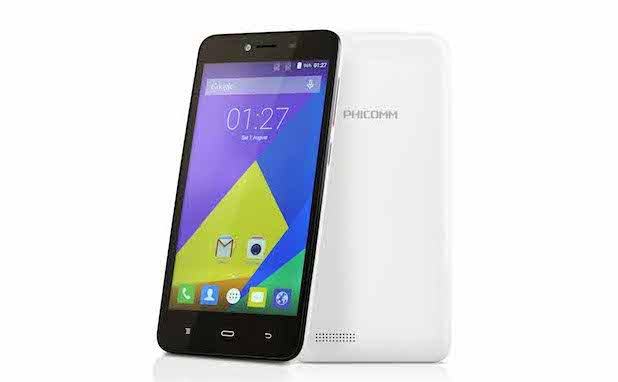
    Phicomm has launched its second smartphone in India today, called the Energy 653, and priced it at Rs.4,999. This is in direct competition with the recently launched Micromax Canvas Xpress 2, which comes with a price tag of Rs. 5,999. The homegrown company at the time proclaimed that it had brought out the cheapest 4G enabled smartphone in the market.

    Well, it didn’t take time before Phicomm took over its glory. Another one in the market with the same price tag, is the ZTE Blade Qlux, which also is LTE enabled.

    The new smartphone, Energy 653, features a 5-inch HD (1280×720 pixels) display, and is powered by a 1.1GHz Snapdragon 210 quad-core processor, an Adreno 304 GPU chipset, and a 1GB of RAM. It also has an 8GB internal memory, expandable up to 64GB via microSD card.

    The rear camera comes with an 8MP display with f/2.4 aperture and LED flash, while the front has a 2MP selfie camera. Connectivity options include dual-SIM card slots, 4G LTE support, Wi-Fi 802.11 b/g/n, Bluetooth 4.0 and GPS with a battery of 2,230mAh. The device is run by the Android 5.1 Lollipop out-of-the-box and is currently, said to be the most affordable 4G LTE capable smartphone in India, along with an HD display.

    On paper, it seems like quite a good deal for the price. Here are the full specifications:

    Features Phicomm Energy 653
    Display 5-inch HD (1280×720 pixels)
    OS Android 5.1 Lollipop out-of-the-box
    Processor 1.1GHz Snapdragon 210 quad-core processor
    RAM 1GB
    Storage 8GB internal memory, expandable to 64GB using a microSD card slot
    Rear Camera 8MP display with f/2.4 aperture and LED flash
    Front Camera 2MP selfie camera
    Connectivity dual-SIM card slots, 4G LTE support, Wi-Fi 802.11 b/g/n, Bluetooth 4.0 and GPS
    Battery 2,230mAh
    Price Rs.4,999

    The Energy 653 is said to be exclusively available on Amazon India. Click here to buy now:


  • Xiaomi Launches Redmi 2 Prime In India at Rs.6,999

    Xiaomi Launches Redmi 2 Prime In India at Rs.6,999

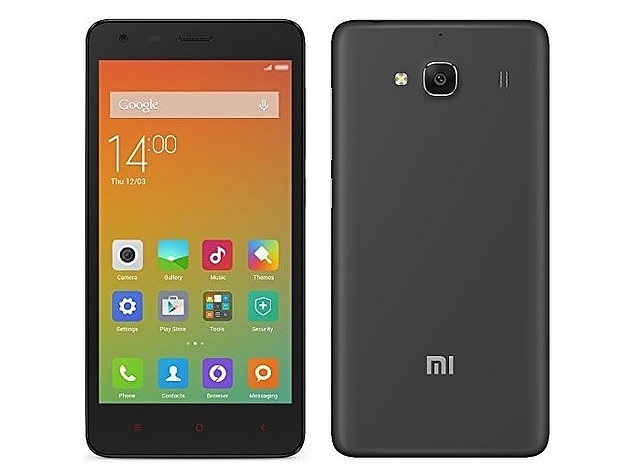
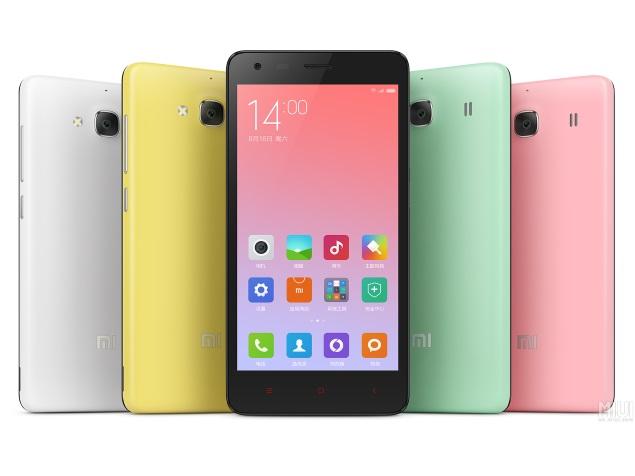
    We had earlier reported that Xiaomi was going to release its first made-in-India smartphone today – it has; and it’s called the Redmi 2 Prime, which is priced at Rs.6,999. The phone is available on Mi.com/in, Amazon, Flipkart and Snapdeal in an open sale.

    redmi 2 prime

    The Redmi 2 Prime was first launched in China as the Redmi 2 Limited Edition and in Singapore as the Redmi 2 Enhanced. It features 2GB of RAM space, 16GB internal storage expandable up to 32GB via a microSD card slot, a 4.7-inch HD (1280×720 pixels) display with Asahi Dragontrail glass which is powered by a 1.2GHz Snapdragon 410 64-bit quad-core processor.

    redmi 2 1

    It also features an 8MP rear camera with LED flash and a 2MP selfie front camera with a 2,200mAh battery which runs for up to 14 hours of talktime.

    Other connectivity and function options include dual-SIM card slots, 4G LTE support, Wi-Fi, and Bluetooth, run on the MIUI 6 that is based on the Android KitKat.

    The specifications are as follows:

    Features Redmi 2 Prime
    OS MIUI 6
    Processor 1.2GHz Snapdragon 410 64-bit quad-core processor
    Display 4.7-inch HD (1280×720 pixels), Asahi Dragontrail glass
    Rear Camera 8MP with LED flash
    Front Camera 2MP selfie
    RAM 2GB
    Storage 16GB expandable up to 32GB via microSD slot
    Connectivity dual-SIM card slots, 4G LTE support, Wi-Fi
    Price Rs.6,999
  • New Reports Suggest Cyanogen Has More Users Than Windows Mobile

    New Reports Suggest Cyanogen Has More Users Than Windows Mobile

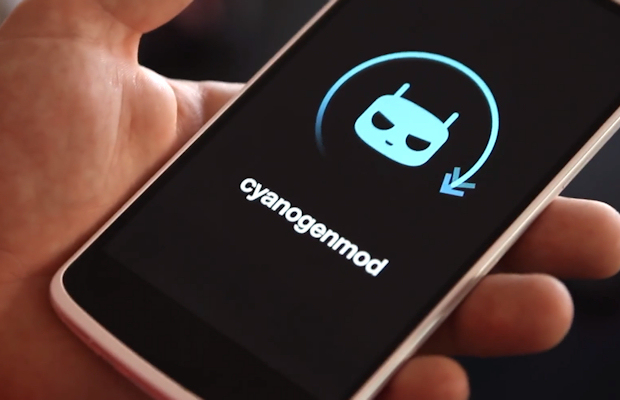
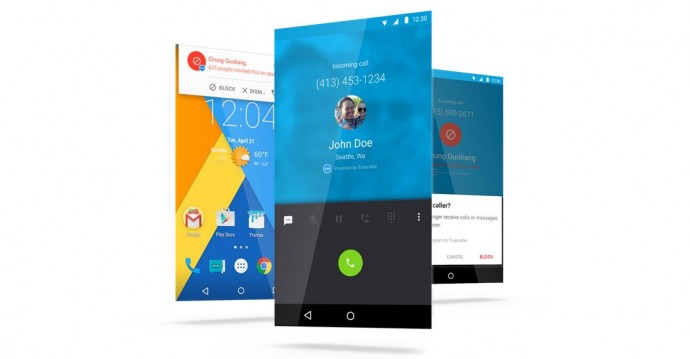
    Cyanogen – commonly known as, the modified version of Android, has managed to spread its sphere of influence above both Blackberry and Windows mobile users; suggests new reports.

    Just like custom ROM's like CyanogenMod, users can easily install and try out Windows 10 on their Android devices.

    Reports also suggest that while the Windows Mobile’s market share is at 2.7% and Blackberry’s at 0.3%; Cyanogen alone has worked up a feat of 3%. It is said that with Cyanogen getting huge funding and hiring new talent, their chart doesn’t seem to be coming down anytime soon.

    cyanogen truecaller

    Their OnePlus deal having ended, they now look forward to partnering with bigger Chinese vendors. With their approximately 50 million users, it looks like Cyanogen is here to stay.

    Source: [tw-button size=”medium” background=”#07ABE2″ color=”” target=”_blank” link=”http://www.idc.com/prodserv/smartphone-os-market-share.jsp”]IDC[/tw-button]

  • Now Use Your Home Button to Summon Cortana Instead of Google Now

    Now Use Your Home Button to Summon Cortana Instead of Google Now

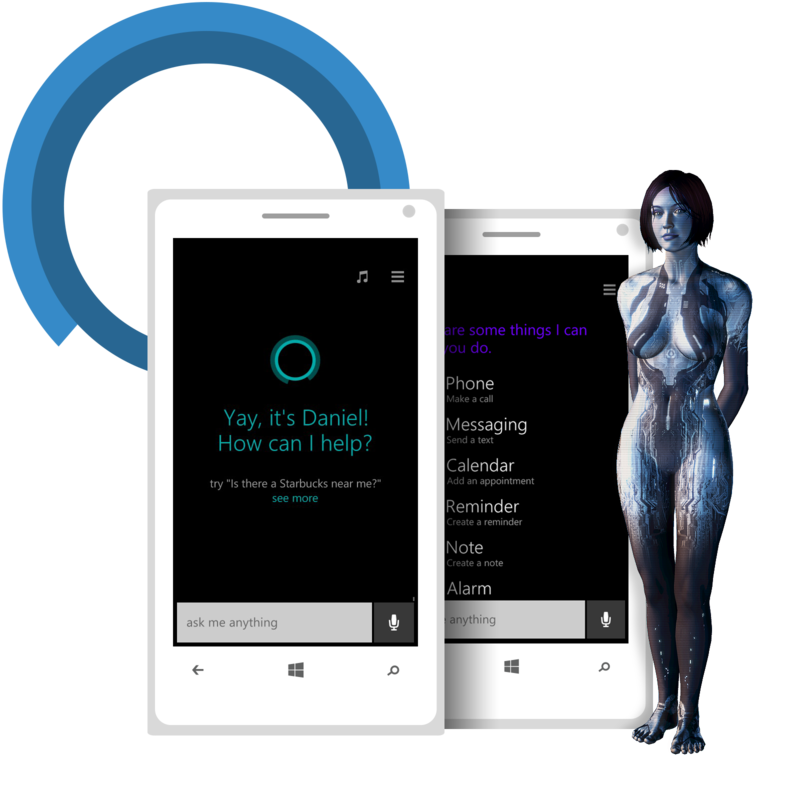
    Just last month, Microsoft released a private beta version of its Cortana digital assistant which had similar features to the Windows 10 and Windows phone version. Now, Microsoft, while going further in Android’s direction, has come up with an updated app. You will now be able to replace the Google Now shortcut (by pressing and holding the home button) with Cortana, instead.

    The updated Cortana version will not include the “Hey Cortana” support because of hardware limitations that prevent her from always listening to your command. This new update lets Microsoft take over a common way of launching Google Now, although, you will still be able to access Google Now’s features. Microsoft hopes that Android users will experience Cortana and even make it their default home button setting, if possible.

    Click here if you want to test Cortana.

  • Panasonic Launches Eluga Icon, Priced at Rs.10,999

    Panasonic Launches Eluga Icon, Priced at Rs.10,999

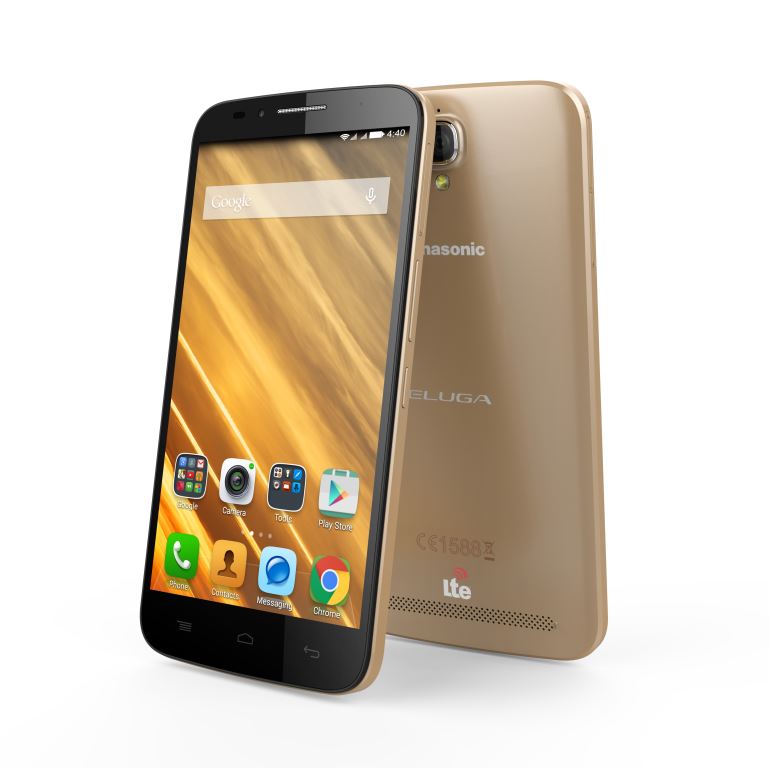
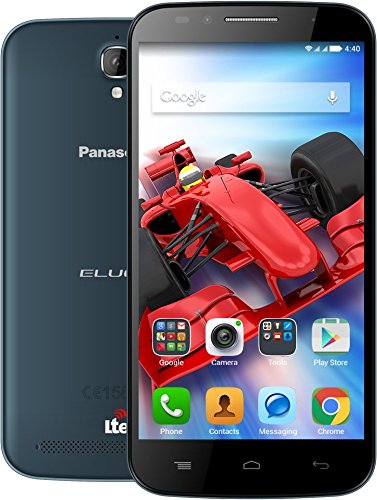
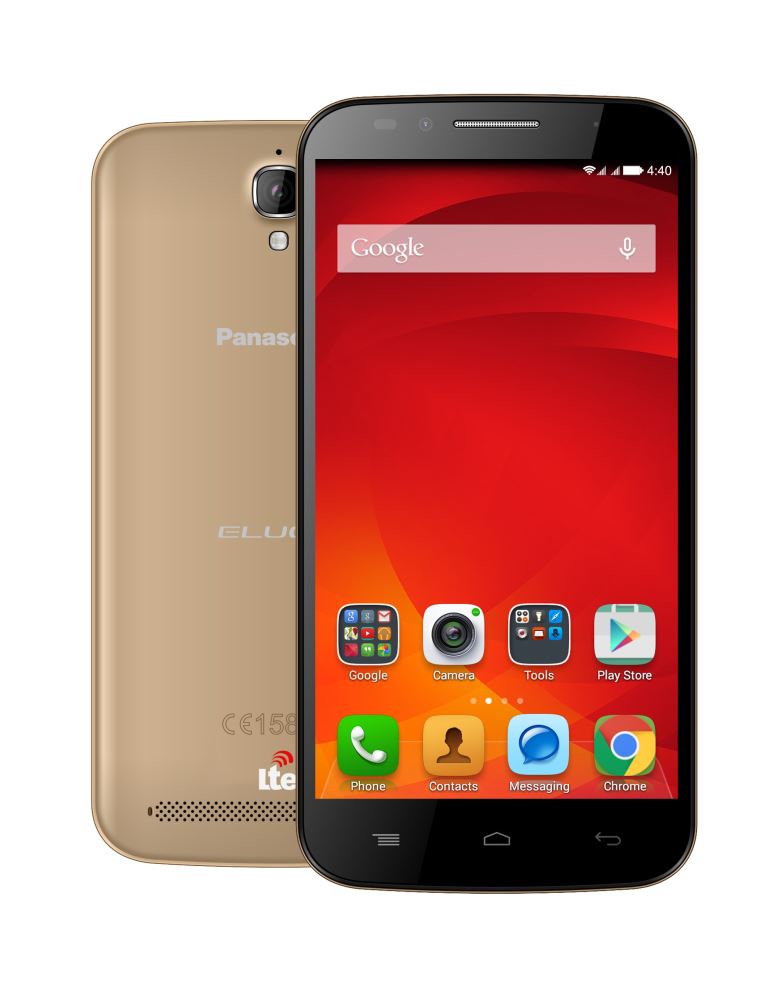
    Panasonic India is all set to launch its new smartphone – the Eluga Icon at Rs.10,999. Panasonic has exclusively tied up with Amazon.in for this project, which has gone live today, on its ‘Exclusive’ page.

    Eluga Icon 1
    Image Source: Amazon.in

    The Eluga Icon comes with a 5.5 HD IPS screen and promises an enhanced colour display, it will also support the new 4G/LTE band network with a 1.5 GHz True Octa Core Processor, allowing one to truly enjoy the games and video experience with its speed.

    Eluga 3

    The camera has an 8MP front camera and a 13MP rear camera with auto focus and LED flash. Other features include the ICON User Interface that provides single access to apps and arranges them in thematic folders , it also supports the iSense, Smart Awake, Air Swipe, Mediatek Hot-Knot and Blink Play.

    “At Panasonic, we believe in incorporating phenomenal features in our devices which cater to the changing customers demand. In line with this, we have come up with our new Eluga Icon which offers advanced features like the Smart iSense Technology which supports Single Tap & Blink Play which in turn enhances user experience.” said  Mr. Pankaj Rana, Business Head – Mobility Division, Panasonic India

    The Eluga Icon is supported by a 3500mAh battery, weighing 147 gms, a RAM space of 2GB and a 16GB ROM that is expandable to up to 32GB.

    Eluga  1.1
    Here are the specs:

    Features Panasonic Eluga Icon
    OS Android
    Display 5.5 HD IPS screen
    Processor 1.5 GHz True Octa Core Processor
    Item Weight 145 g
    Product Dimensions 7.9mm Uni-body Eluga
    Storage 16 GB ROM expandable upto 32 GB
    RAM 2GB
    Rear Camera 13 MP with auto focus and LED flash
    Front Camera 8MP
    Wireless connectivity Bluetooth, WiFi Hotspot, Wi-Fi Direct, Global Positioning System, FM, 4G/LTE.
    Special features Video Calls, Dual SIM, GPS, Music Player, Video Player, E-mail, FM Radio, Accelerometer, Proximity sensor, Ambient Light sensor
    Form factor Touchscreen Phone
    Colour Slate
    Price on Amazon Rs.10,999
  • Google is Reworking Its Android One Strategy In India

    According to reports, Google is set to relaunch its Android cut-price smartphone project in India with a goal of delivering an efficient Android device at an approximate rate of $50 (Rs.3,187 approx.). Android One is a set of specifications that helps manufacturers make cheap and good quality smartphones. This project launched in New Delhi last September, but has struggled since.

    Google Maps

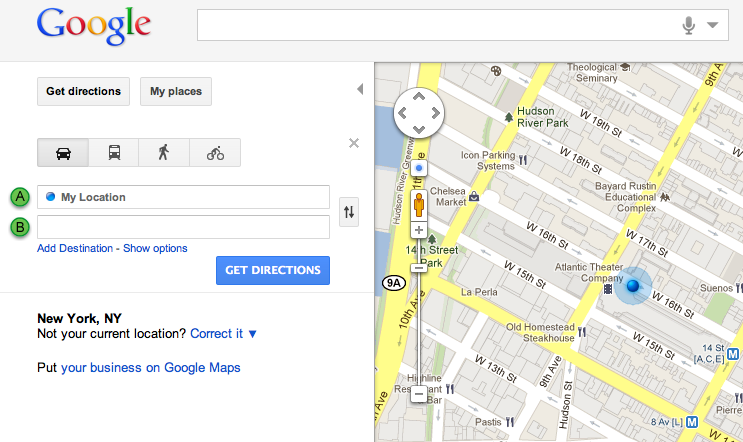
    Mr Anandan, the managing director in India and Southeast Asia, has reportedly attributed this to supply chain issues that are imported from China, however, the plans for a reboot are said to be revealed in “the next few weeks”. The Android One phones, when launched last year, were priced at about $100 (Rs. 6376 approx.) but, it has been reported that the company would like to target the cost-conscious smartphone users in India and price the phones at $31 to $47, that is around Rs.2000 and Rs.3000.

    Over the new few years Google aims “to bring to market high-quality, even more affordable devices… from 6,000 rupees to 5,000 rupees, 4,000 rupees to 3,000 rupees”, he added.

    However, there are certain problems that Google faces in India, one of them being – the small size of the local market for digital advertising accompanied by India’s slow bandwidth that hampers their apps such as YouTube and maps; both of which require fast internet connections.

    YouTube

    Their response to this, is to fend off local competitors by developing products that are suitable for Indian customers with slow data connections. And an example of this, would be their recently launched offline versions of YouTube and Maps.

    It is yet to be seen whether this Google initiative will catch up with the Indian market, and 10 years from now, which big company will dominate India’s ever growing online population.

    Source: [tw-button size=”medium” background=”#07ABE2″ color=”” target=”_blank” link=”http://www.ft.com/intl/cms/s/0%2F6009c540-3ce0-11e5-8613-07d16aad2152.html#axzz3iNsgHeJK”]ft.com[/tw-button]

  • Xiaomi Expected to Launch its First Made-in-India Smartphone Today

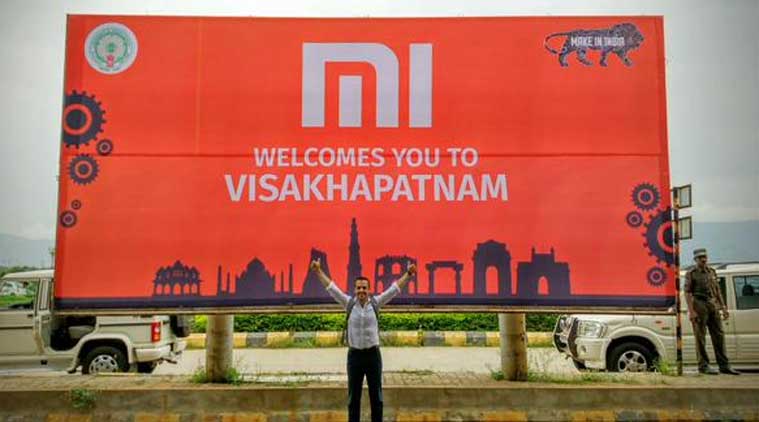
    Last year in July, when Xiaomi entered the Indian market, it took the country by surprise. More than its potential buyers, the Chinese smartphone manufacturer managed to shake up the ground for its competitors. Today, a year later, the company has come a long way. Xiaomi is going to launch its first ‘Made in India’ smartphone, in Visakhapatnam, today. The launch will be conducted by the Chief Minister of Andhra Pradesh, N Chandrababu Naidu; this event will also see Xiaomi make announcements for further expansion plans in India.

    Mi Visakhapatnam

    The seed of this project is said to have been planted, when the CM visited China, earlier this year. The event today will see CEO Xiaomi India, Manu Jain delivering the welcome address and Hugo Barra, VP Global Xiaomi, briefing the audience on the ‘Journey of Xiaomi in India’. It has also been reported, that Secretary DIPP, Govt. of India, Amitabh Kant, will be the Guest of Honour.

    With India estimated to become the second largest smartphone market by 2017, after China, it is said, that many companies will be looking to invest in India, in the near future. However, China is not the first country to show interest in India, and specifically Andhra Pradesh; Japan and Malaysia have all shown an interest in being partners in capital construction and have also come forward to contribute to the construction of people’s capital. It has also been reported that PM Narendra Modi suggested Naidu to send a delegation to cities like Astana and Asghabat, to study and incorporate some of the best practices they follow.

    xiaomi mi 4i

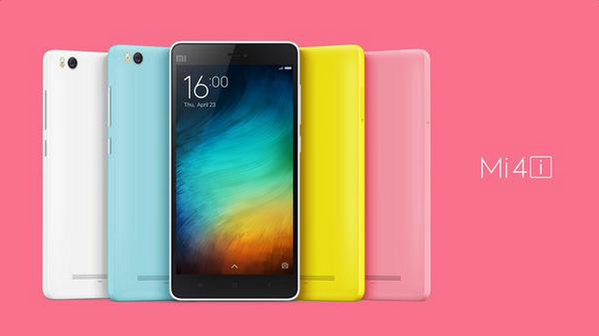
    Xiaomi is the third largest smartphone maker in the world, following Samsung and Apple, that has come to Visakhapatnam to launch its first main-in-India smartphone. The phone is being re-branded as MI and is looking forward to a successful launch.

    Source: [tw-button size=”medium” background=”#07ABE2″ color=”” target=”_blank” link=”http://indianexpress.com/article/technology/mobile-tabs/chandrababu-naidu-to-launch-first-made-in-india-xiaomi-phone-on-monday/”]Indian Express[/tw-button]

  • Here’s How  Windows 10 Can Be Installed On Your Mac

    Here’s How Windows 10 Can Be Installed On Your Mac

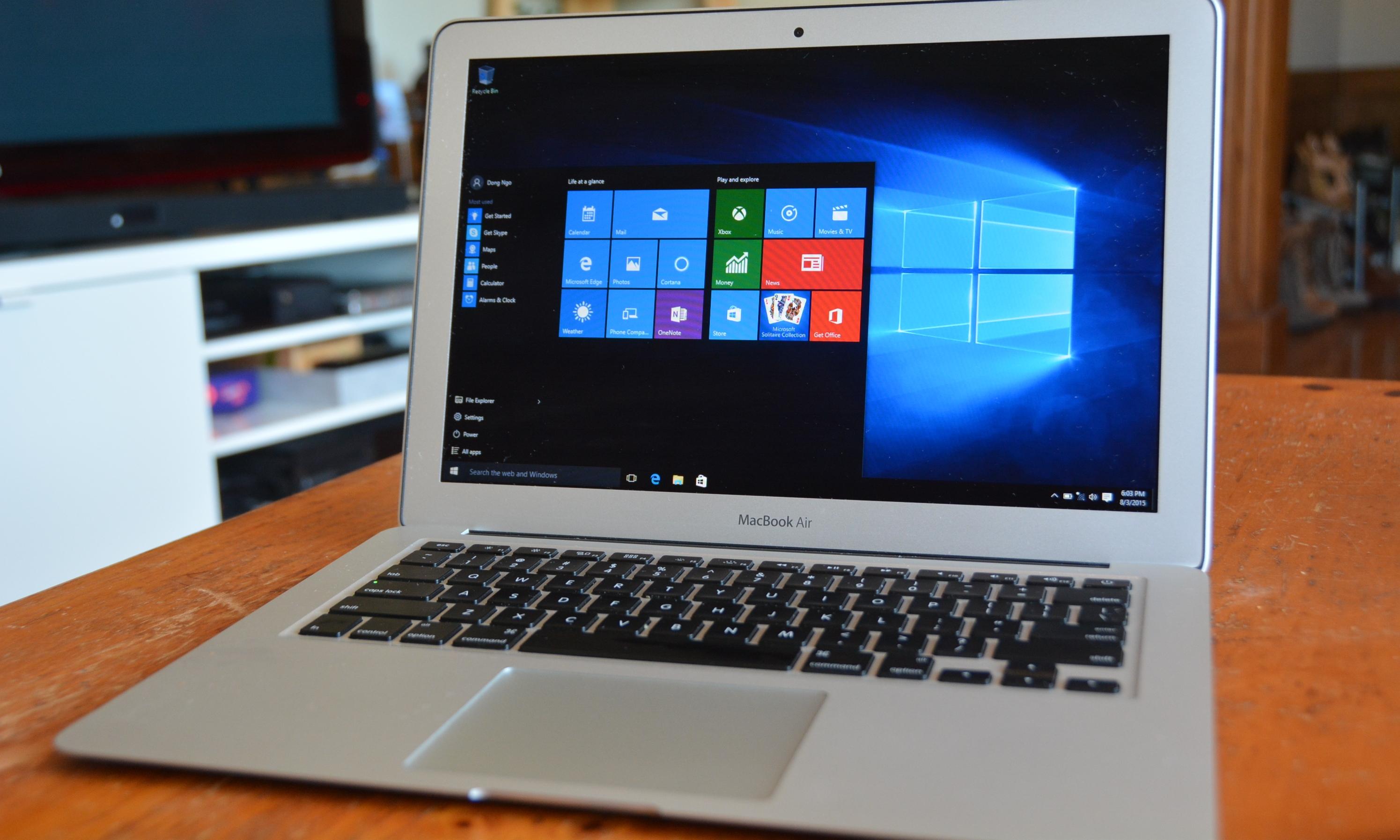
    After getting tremendous positive reviews, Windows 10 makes itself available even to Mac users. However, if you want to use it after the 30 day trial period, then you will have to buy it. You will require two things in order to complete this process – a 5GB pen drive and a second computer that runs on Windows 10.

    Windows on Mac 1

    Step 1: Download Windows 10 from the Windows run laptop and copy it on to your pen drive. You can copy it from the media creation tool on Windows; there are two versions, a 34 bit and a 64 bit version, pick the one that’s compatible with your computer.

    Step 2: Go to the downloaded media creation tool and choose ‘Create installation media for another PC’ and click Next.

    virtualbox windows selection

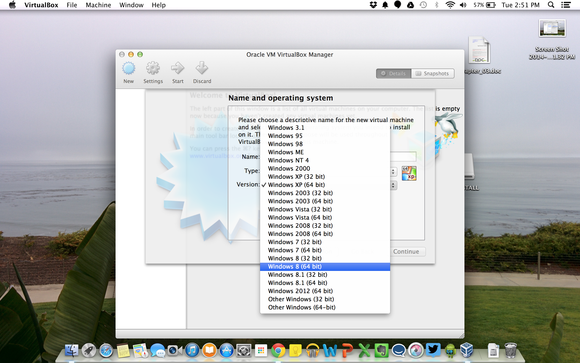
    Step 3: Then select Language, edition and the 64 bit architecture for Windows 10.

    Step 4: Save the Windows 10 installer as an ISO file. It is suggested that you avoid using the USB flash drive option.

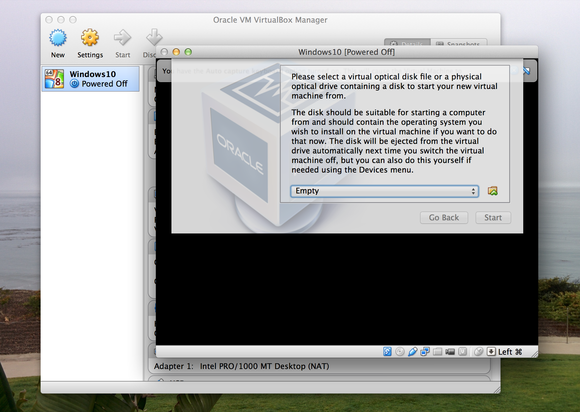
    Step 5: Save the Windows ISO file on your pen drive and then insert it into the Mac.

    virtualbox optical disk

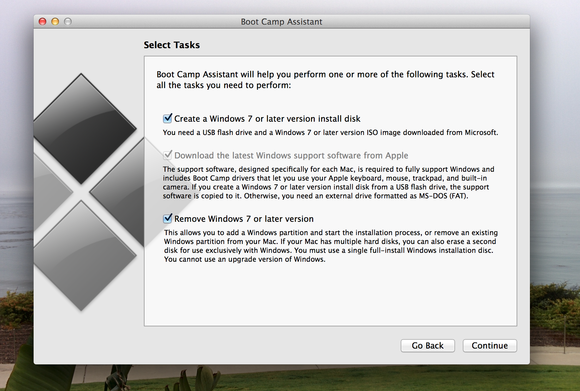
    Step 6: With the pen drive still attached to your Mac, run the ‘Boot camp assistant’, which is located in the Applications folder.

    Step 7: After the above procedure is complete, download the latest Windows support software from Apple and try installing windows 7 or a later version.


    screenshot

    Step 8: If you have copied the Windows ISO on to the desktop then you can automatically locate it, otherwise you will have to click on Choose and look for it. After selecting the pen drive as the install disk, verify everything and Continue.

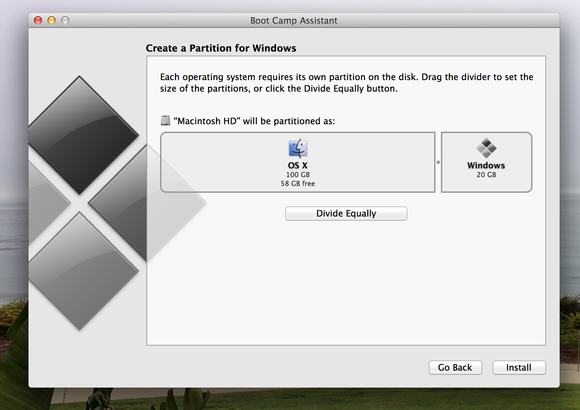
    Step 9: You will then be asked to choose the size of the partition required for Windows usage; use the slider to select the size. You will need 20GB of space to install the software. Then click Install.

    Step 10: The Mac should boot up from the flash drive automatically and start the Windows set up process. However, in case the Mac doesn’t automatically boot up, you can restart it and “hold down the Option Key after the Apple startup sound and then choose to boot from the flash drive.”

    boot camp partition

    Step 11: After agreeing to the installation term and conditions, you may proceed further.

    Step 12: After this, your will be shown all the existing partitions; pick the one marked ‘Bootcamp’ and click on Format.

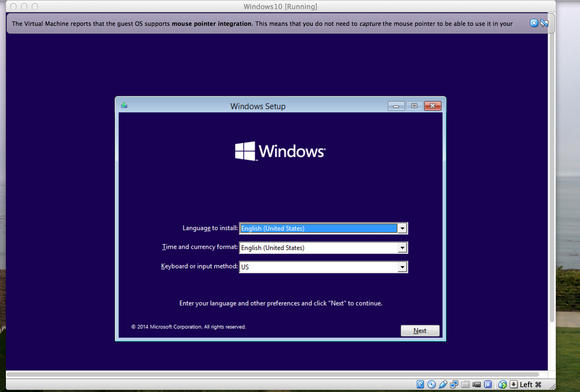
    Step 13: Confirm Windows setup

    boot camp launch

    Step 14: Windows Setup will complete the rest of the process for you, after which your mac should start back up with Windows 10. The process for creating a Windows user account will be the same as in all other Windows computers.

    Step 15: You will be greeted with a Boot Camp installation message, click on Next and follow up on the rest, reboot your computer. And Voila.

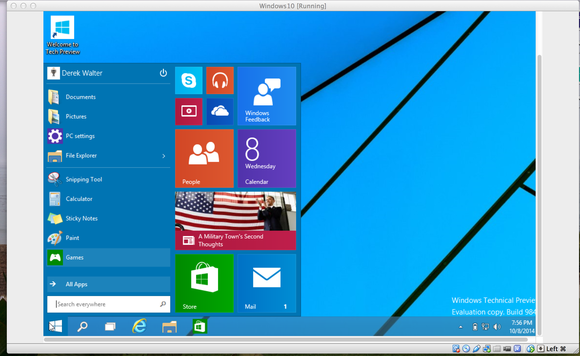
    This entire process will now allow you to have both the Mac OS and Windows 10 running on the same machine. However, you can only run one at a time. You can also manually select which operating system to run – hold down the Option key after the Apple startup sound and use the left and right keys to select which one you want to run.

    windows 10 mac start menu

    One can also permanently remove Windows by booting into the Mac OS and running the Boot Camp Assistant again.

    Clearly, this is a long process, and takes up time, energy, and your peace of mind. However, having both of the most efficient operating systems on your device and being able to choose which one you want, seems to be worth the trouble.

    For more information : [tw-button size=”medium” background=”#07ABE2″ color=”” target=”_blank” link=”http://www.cnet.com/how-to/how-to-install-windows-10-on-a-mac/”]Cnet[/tw-button]

    [tw-button size=”medium” background=”#07ABE2″ color=”” target=”_blank” link=”http://www.pcworld.com/article/2824227/how-to-install-the-windows-10-technical-preview-on-a-mac.html”]PC World[/tw-button]

iGyaan Network
Privacy Overview

This website uses cookies so that we can provide you with the best user experience possible. Cookie information is stored in your browser and performs functions such as recognising you when you return to our website and helping our team to understand which sections of the website you find most interesting and useful.