Blog

  • Apple Quietly Updates the MacBook Pro and Introduces a Cheaper 5K iMac

    Apple Quietly Updates the MacBook Pro and Introduces a Cheaper 5K iMac

    Just a month ahead of the Worldwide Developers Conference (WWDC), Apple has unveiled two newest additions to its Mac family, the new 15-inch MacBook Pro and the huge 27-inch iMac in India.

    The new 15-inch MacBook Pro features Force Touch trackpad that promises of a new level of interactivity to the Mac. Simply put, Force Touch is a mechanism that senses pressure. It is an entirely novel innovation that merges the previously released Multi-Touch with force sensors.

    Apple Macbook 1

    This Mac also has new PCIe-based flash storage that provides up to 2.5 times better performance than its predecessor. It has an Intel Iris Pro graphics and offers additional hours of battery life, with up to 9 hours of wireless web browsing and 9 hours of movie playback. Other than this, standard options include a 2.2 GHz quad-core Intel Core i7 with 16GB of RAM and 256GB of flash, with, of course, Intel Iris Pro graphics.

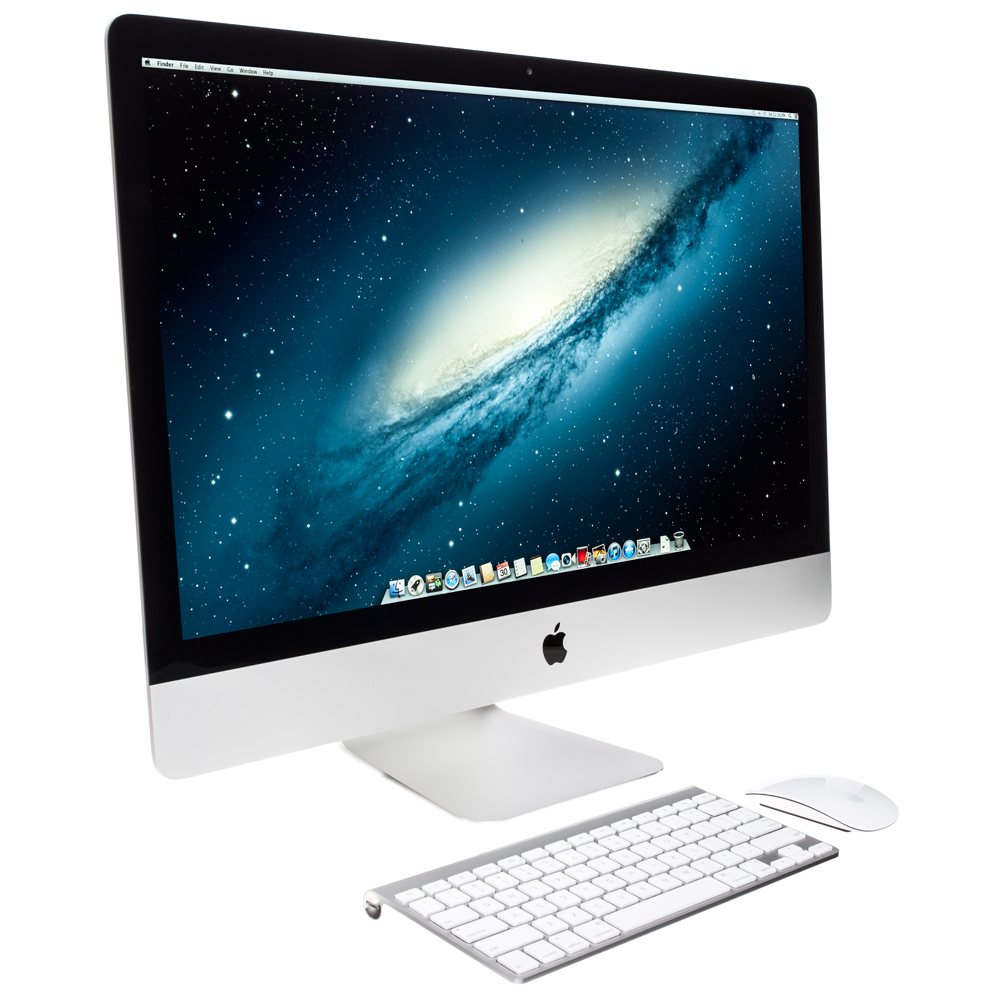
    The new iMac boasts of Retina 5K Display, which has 67% more pixels than a 4K Display. It features a 3.3 GHz quad-core Intel Core i5 processor with Turbo Boost Speeds up to 3.7 GHz and AMD Radeon R9 M290 graphics. It includes 8GB of memory and 1TB of storage, along with four USB 3.0 ports and two Thunderbolt 2 ports that are capable of delivering up to 20Gbps each.

    imac

    Every Mac will come along with OS X Yosemite. The updated 15-inch MacBook Pro with Retina display is accessible from today on selected Apple Authorised Stores and is priced at Rs 1,59,900. Configure-to-order options include faster quad-core Intel Core i7 processors up to 2.8 GHz with Turbo Boost speeds up to 4.0 GHz and Flash storage up to 1TB.

    The 27-inch iMac is also available on selected Apple Stores and is available for Rs 1,59,900. Configure-to-order options include faster quad-core Intel Core i7 processors up to 4.0 GHz with Turbo Boost speeds up to 4.4 GHz and Flash storage up to 1TB.

  • These Newly Developed Contact Lens Can Give You High-Definition Vision

    These Newly Developed Contact Lens Can Give You High-Definition Vision

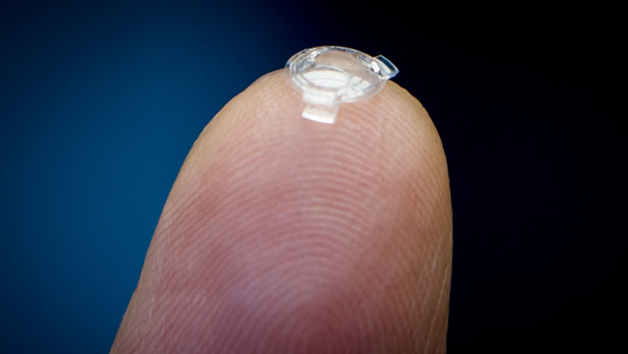
    Today is the era of high-definition. From Television sets, camera lenses to phone screens, almost everything now mandatorily has superior viewing quality. Medical technology is also striving to catch up with the rapidly evolving world and is showing signs of achievement. Thus, a bionic contact lens has been invented by a British Columbia optometrist, Dr. Garth Webb that can give its wearer a vision three times better than 20/20.

    Titled as Ocumetic Bionic Lens, the custom-made contact lens technology is said to become the holy grail of excellent vision at all ranges. Any adult till the age of 100 or more can implant the bionic lens, and can get impeccable vision without wearing spectacles or lenses. According to Webb, a user wearing specialized lenses will never get cataracts as their natural lens would replace with Ocumetic Bionic Lens. Dr. Garth Webb said in a statement –

    This is vision enhancement that the world has never seen before. If you can just barely see the clock at 10 feet, when you get the Bionic Lens you can see the clock at 30 feet away.

    The procedure of implanting the bionic lens is similar to cataract surgery. The lens is surgically inserted into the eyes through a syringe. The lens is folded in a saline-filled syringe and placed inside the eyes. The whole process takes 8 minutes in total and the person gets a perfect vision immediately after the operation.

    This breakthrough innovation would be extremely beneficial to mankind. At a time when people face different vision-related problems, the Ocumetic Bionic Lens will prove to be a saviour and one-stop solution for all eye complications. The technology is under trial on animals and the visually impaired for now, and is expected to come out in the next two years.

  • OnePlus DR-1 | Unboxing, Hands-On and Giveaway Announcement

    OnePlus DR-1 | Unboxing, Hands-On and Giveaway Announcement

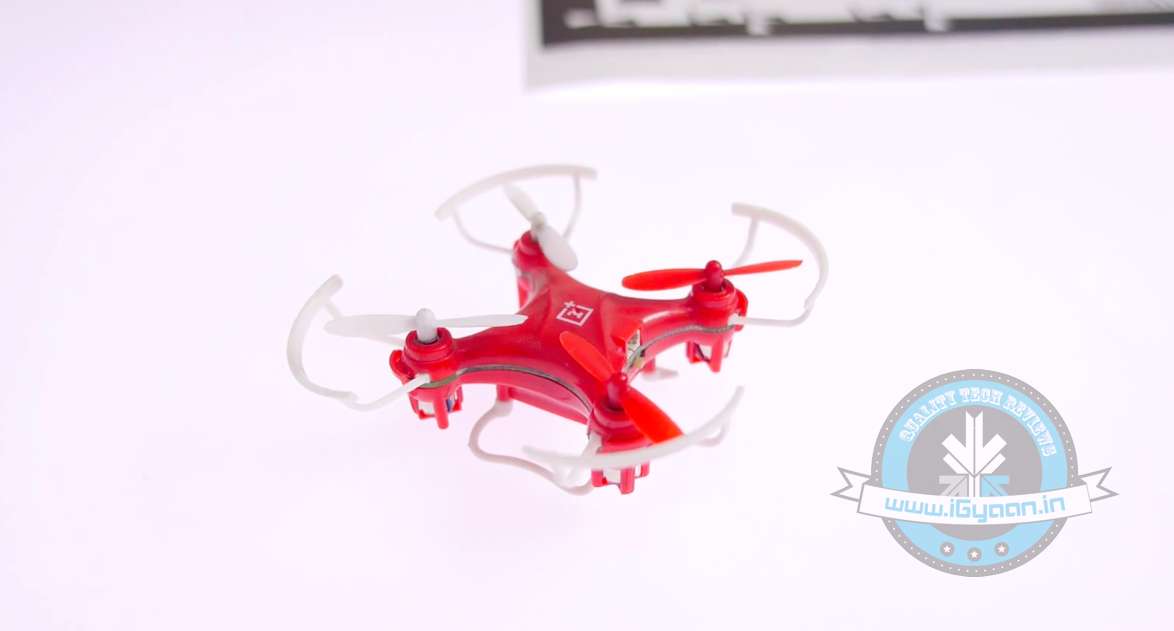
    The OnePlus DR-1 arrived on 1st April, this year. Hence, it was no surprise that most considered it an April Fool’s prank and had trouble taking it seriously. Well, we checked out the quadcopter and we have to admit that it is no joke.

    Watch the Unboxing and Hands-On with the OnePlus DR-1 here:

    Along with the unboxing and hands on, we also announced that we’re giving away a OnePlus DR-1 to one lucky winner.  To play, all you need to do is share the following video on Twitter, Google+ or Facebook and tell us why you want it. Use the hashtag #iGDR1 and make sure your posts are public! Read the terms and conditions of the giveaway here. 

    Update: We’d like to congratulate the winner, Vishal Kalia. Hope you have as much fun flying the drone as we did!

  • WhatsApp Will Soon Allow You To Make Purchases And Download Apps

    WhatsApp Will Soon Allow You To Make Purchases And Download Apps

    When Facebook acquired WhatsApp for $19 billion last year, we weren’t sure how the social media giant would make use of the messaging app. However, at the F8 conference 2015, Facebook announced a new Business for Messenger initiative, through which the company might be able to make some profit. According to this initiative, Business for its Messenger app will give users the choice to install apps and make purchases with the Facebook Messenger app itself.

    The company said that they would include some of the features of Facebook Messenger and experiment with it on WhatsApp, to promote business to consumer communications that could be paid up by marketers.

    [quote text_size=”small” author=”David Wehner” author_title=”Facebook’s Chief Financial Officer”]

    We think that enabling that [business to consumer] messaging has an excellent business potential for us. As we learn those things, I think there are going to be opportunities to bring some of those things to WhatsApp, but that’s more longer-term than the near-term.

    [/quote]

    Facebook CEO, Mark Zuckerberg says that once WhatsApp reaches 1 billion users, will business through the messaging app is meaningful. For now, WhatsApp has got around 800 million users. After the $22 billion acquisition by Facebook, WhatsApp Chief Jan Koum said that the messaging app will be ad-free.

    Currently, Facebook is working with more business partners and will soon begin Business for its Messenger app.

  • LG Brings Out Cheaper Alternatives of the G4

    LG Brings Out Cheaper Alternatives of the G4

    Soon after LG announced the global roll out of LG G4 yesterday, the Korea-based firm came up with yet another announcement that may entice LG followers. The consumer electronics manufacturer made official two new smartphones, G4 Stylus and G4c, expanding the G4 line-up with low-budget devices. Both the handsets borrow some of the features and looks of the newest LG flagship.

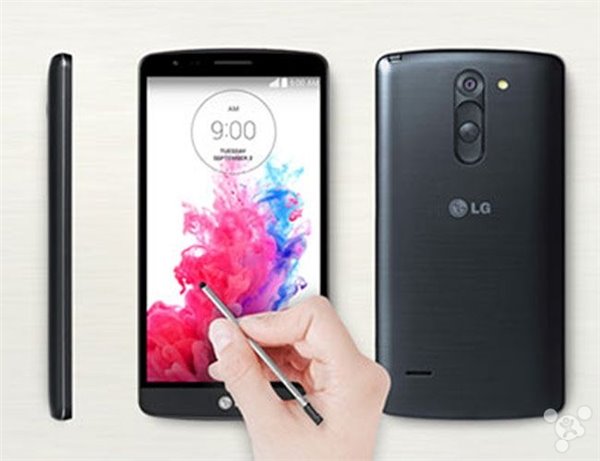
    Talking about the G4 Stylus first, the device features a bigger 5.7-inch HD IPS display with 258ppi pixel density. As the name suggests, the handset is accompanied by a versatile Rubberdium Stylus, allowing for easy note taking and drawing on the generously-sized screen. The device comes in two variants, LTE and 3G, both embedding different chipsets. The LTE version comes with a 1.2GHz Quad-Core chipset, while a 1.4GHz Octa-Core chipset is stuffed in the other. It has 1GB RAM, 8GB ROM and holds support for a MicroSD card. Google’s latest Android 5.0 Lollipop runs on the device.

    lg g4 stylus

    Coming to the optics, the rear camera of LTE is 13MP and that of 3G variant is 8MP. The front shooter of both the models are same at 5MP. A 3,000mAh removable battery is fitted at its back. Other features include Laser Auto Focus, Gesture Shot, Glance View, and Knock Code. Connectivity options include Wi-Fi, Bluetooth 4.1, NFC, A-GPS, Glonass and USB 2.0. It will be available in two colour choices – Metallic Silver and Floral White.

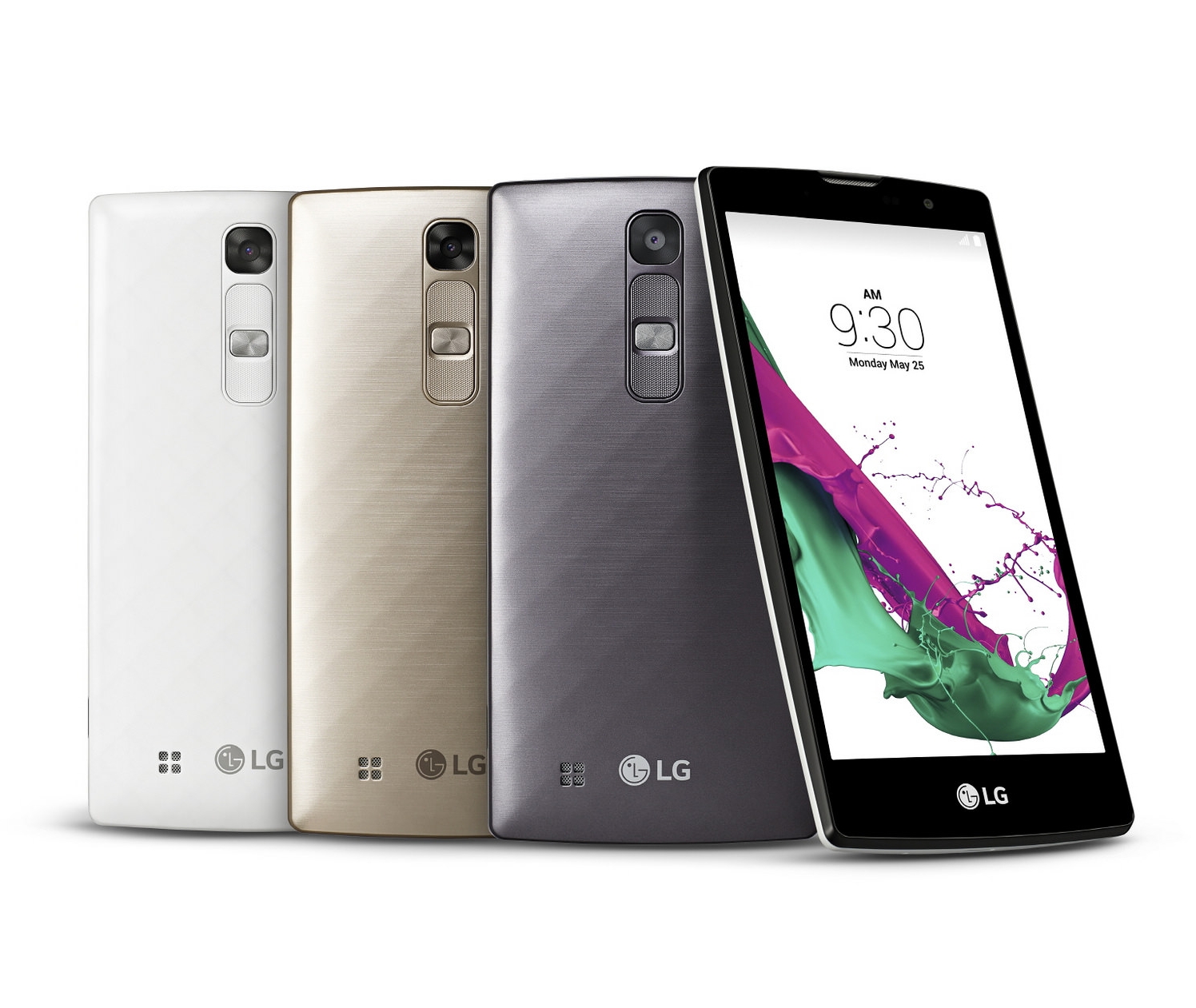
    The second device, LG G4c, is a smaller sibling of the G4. The display size of this model is a 5.0-inch HD IPS with 294ppi pixel density. It is an LTE only model, equipped with a 1.2GHz Quad-Core chipset. Memory specifications include 1GB RAM and 8GM ROM, along with MicroSD card support. Just like the G4 Stylus, it also runs on Android 5.0 Lollipop.

    LG-G4c

    The camera specs of the model stands identical to the 3G model of LG G4 Stylus. The rear camera is 8MP, and the secondary snapper is 5MP. The 2,540mAh battery is sufficient to keep the device running for a full day. Additional features comprise of Gesture Shot, Glance View, and Knock Code. Connectivity options include Wi-Fi, Bluetooth 4.1, NFC, A-GPS, Glonass and USB 2.0. Customers can choose from Metallic Gray, Ceramic White, and Shiny Gold colour options.

    The company hasn’t spoke about the price and availability of both the handsets as yet. Prices and participating carriers will be announced locally at the time of availability. Both the handsets are scheduled to launch in key strategic markets in weeks to come.

    Here’s the spec sheet of the two handsets:

    Specifications

    LG G4 Stylus

    LG G4c

    Display 5.7-inch HD IPS, 258ppi 5.0-inch HD IPS, 294ppi
    Chipset 1.2GHz Quad-Core (LTE), 1.4GHz Octa-Core (3G) 1.2GHz Quad-Core
    RAM 1GB 1GB
    Storage 8GB, expandable 8GB, expandable
    Rear Camera 13MP (LTE), 8MP (3G) 8MP
    Front Camera 5MP 5MP
    Battery 3,000mAh 2,540mAh
    Operating System Android 5.0 Lollipop Android 5.0 Lollipop
  • Meizu Brings iPhone Look-Alike to Indian Market

    Meizu Brings iPhone Look-Alike to Indian Market

    The Chinese consumer electronics brand Meizu, debuted into the Indian smartphone market, as per schedule. It brought the much-anticipated flagship Meizu M1 Note to India from its long product catalogue. The device will be available from May 20th after 2PM exclusively on Amazon India. The price of the device is still under wraps and is expected to be disclosed on the release date itself.

    Meizu India made a formal announcement about the M1 Note on Twitter:

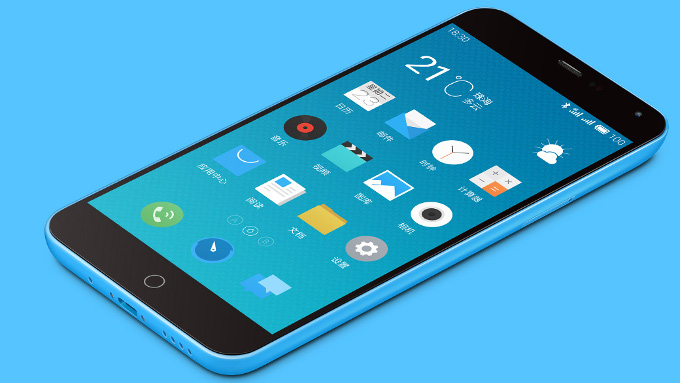
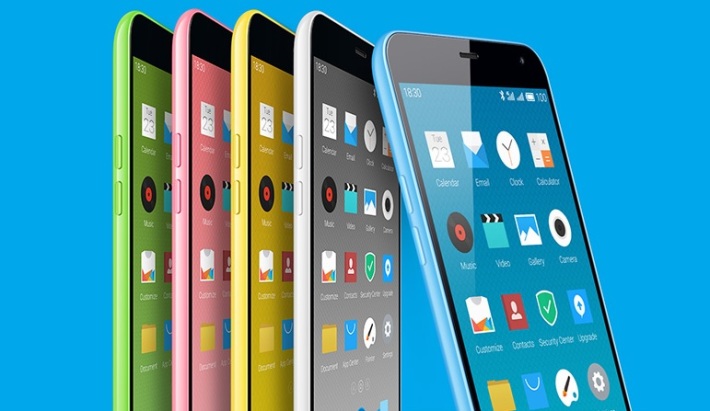
    The Meizu M1 Note bears a strong resemblance with the iPhone 5c. Talking about the specification, the device sports a 5.5-inch 1080p display with 403ppi pixel density. Inside is a 64-bit 1.7GHzocta-core MediaTek MT6752 SoC powering the device along with 2GB of  RAM. The device comes in two memory options – 16GB and 32GB, which cannot be expanded. The Dual-SIM handset runs on Android KitKat with Flyme 4.0 UI on top.

    meizu m1 note

    Optics include a 13MP rear camera along with 5MP snapper upfront. A robust battery of 3,140mAh is fitted at its back to keep it running all day long. There will be four colour options available in M1 Note – green, pink, blue, yellow and white.

    The smartphone costs CNY 999 on its home ground, which translates to around Rs. 10,000. The phone has to compete with Yu Yuphoria, Xiaomi Mi 4i and more.

    Check out its specifications here:

    Specifications

    Meizu M1 Note

    Display 5.5-inch 1080p, 403ppi
    Processor 64-bit 1.7GHz octa-core MediaTek MT6752
    RAM 2GB
    Storage 16GB/32GB, non-expandable
    Rear Camera 13MP
    Front Camera 5MP
    Battery 3,140mAh
    Operating System Android KitKat with Flyme 4.0 UI on top

  • Indian Mobile Market Plunges for the First Time in 20 Years

    Indian Mobile Market Plunges for the First Time in 20 Years

    India’s mobile market has developed over the past few years. Every global firm is eyeing to set up a manufacturing plant in the country, and many Chinese firms have already taken progressive steps in this direction. Amid all these advancements, the recent report have raised concern over the future of mobiles in the country. According to research firm CyberMedia Research, the mobile phone sales in India has shrinked consecutively for the second time in Q1 2015.

    phone sale

    The statistics released by the firm clearly speaks of the dropped sales in Q1 2015 (January – March) and in the last quarter of 2014 (October – December). In the first quarter of this year, the mobile phone sales in total dropped 14.5% that is, from 62 million to 53 million. Out of this, feature phones sale rolled down to 34 million, while that of smartphones remained 20 million.

    phone sale india

    The Lead Analyst at CyberMedia Faisal Kawoosa spoke on the same –

    With major announcements of new handsets and with the entry of some new brands happening in a big way in Q4 2014, there wasn’t really something very exciting in the market for customers that could push up sales in Q1 2015. At the same time, a change in duty structure and the longer continuation of Chinese new year festivities which generally conclude by mid-February each year, affected the supply chain and inventories

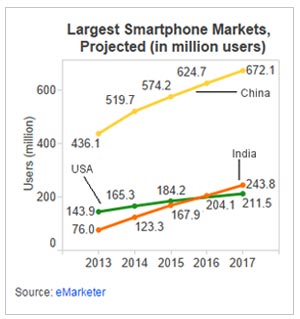
    India is one of the tremendously booming electronic markets in the world. In 2014, the nation emerged as the fastest growing smartphone market in Asia-Pacific, and was speculated to overtake the US as the second-largest smartphone market across the globe after China.

    The slow down of mobile sales in India reportedly depends on a number of factors like unexciting phones, increased tax, mounting competition and the extended Chinese new year festivities. The smartphone brands need to think of innovative device structures that stand out of the pack; immediately enticing the customers to buy one. LG’s G Flex series is one such example of innovation and style, which makes it ahead of the league. The increased tax is another area which is pulling smartphone vendors to offer devices at cheaper rates. Oppo, Xiaomi, and a few more manufacturers have found a solution to this, but there are many more who are yet to find an answer.

  • Apple’s Latest Acquisition May Finally Help it Compete Against Google Maps

    Apple’s Latest Acquisition May Finally Help it Compete Against Google Maps

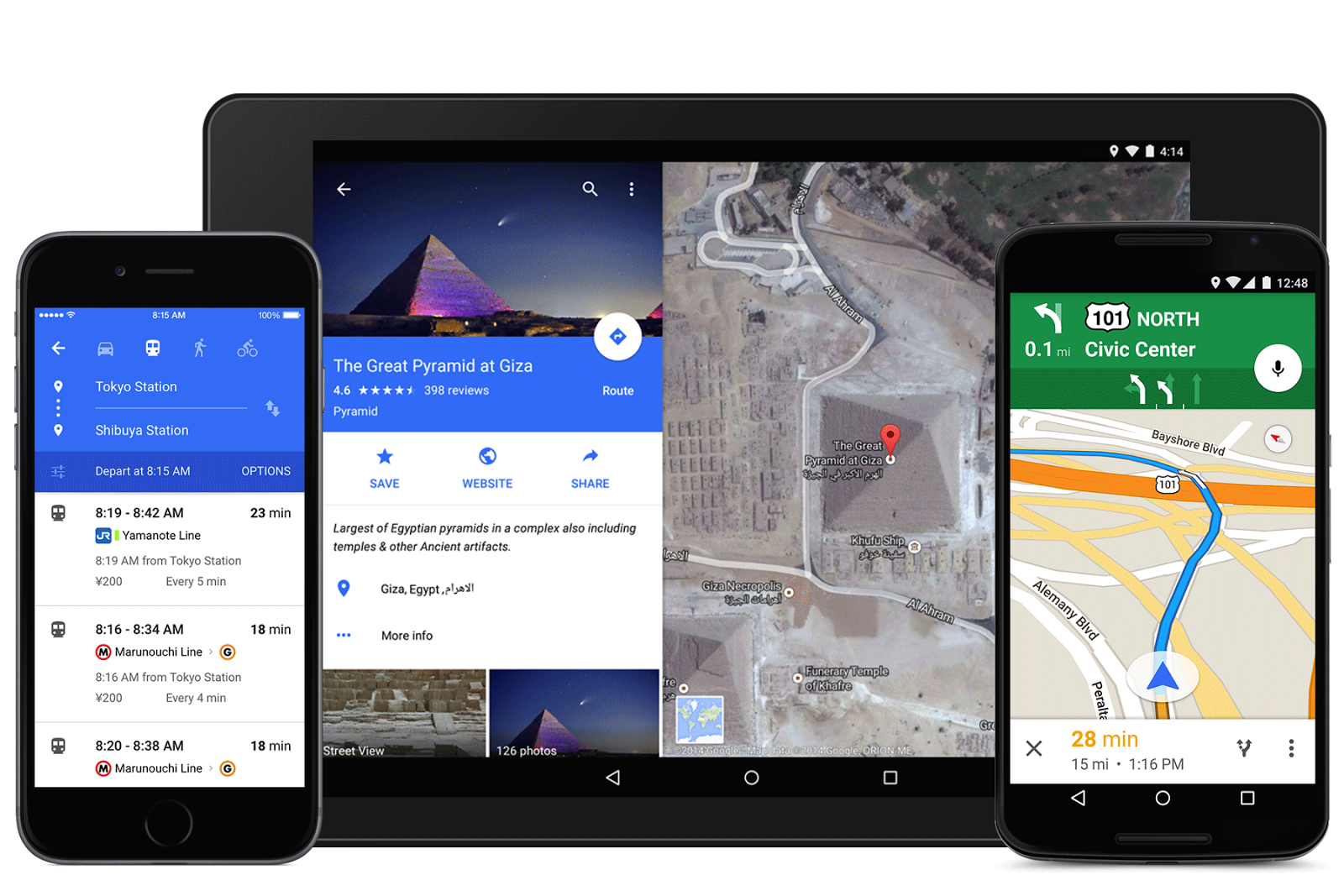
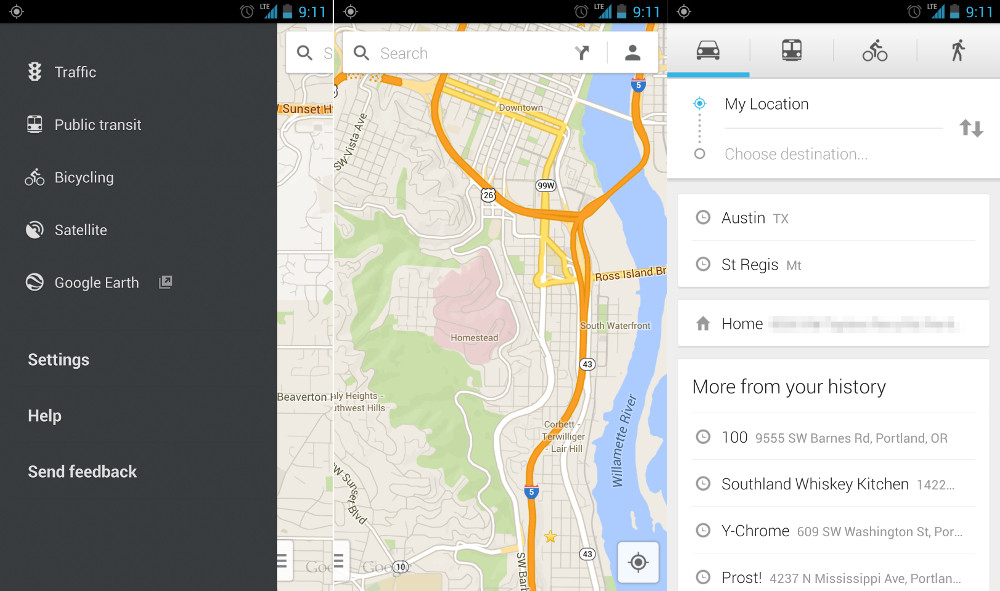
    Apple has been facing stiff competition on its Maps services from Google Maps. But, according to MacRumors, one company has been added to Apple’s roster to help it improve its Mapping service exponentially. The Silicon Valley technology company has confirmed the purchase of Coherent Navigation, a Bay Area global positioning company that will help Apple to further boost its location technology and services.

    Google maps has always been ahead of the game
    Google maps has always been ahead of the game

    Coherent Navigation was formed back in 2008 and focused on creating commercial navigation services that were based on partnerships with companies like Boeing and Iridium, a satellite network operator. This company has worked on highly precise navigation technologies, which are accurate to up to 3-5 metres. Coherent Navigation had also worked on autonomous navigation and robotics previously. The company is known for its High Integrity GPS system, which combined signals from mid-earth orbit GPS satellites with low-earth satellites to offer improved precision and accuracy.

    According to MacRumors, some key employees have started working for Apple, including CEO Paul Lego in January and co-founders William Bencze and Brett Ledvina in April. Their Linkedin profile also confirmed that they are working at Apple. The company’s website is currently offline but was updated to Apple servers on 30th April.

    For now, neither Apple nor Coherent Navigation has provided any information about how this partnership will be moved forward or what technology would be used. It is likely that Apple may show off the new navigation system at the WWDC next month. Watch out, Google Maps!

  • Samsung’s Smartglass is What Google was Aiming to Build

    Samsung’s Smartglass is What Google was Aiming to Build

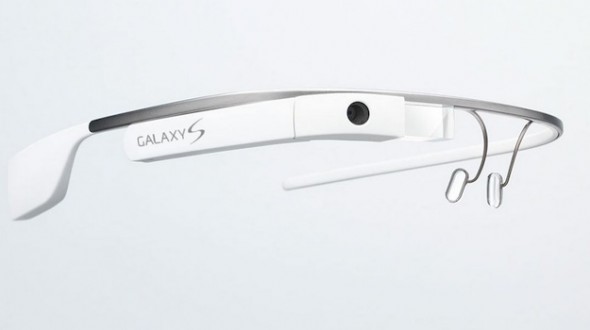
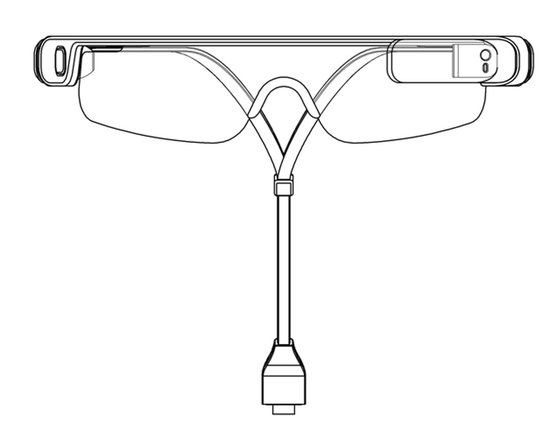
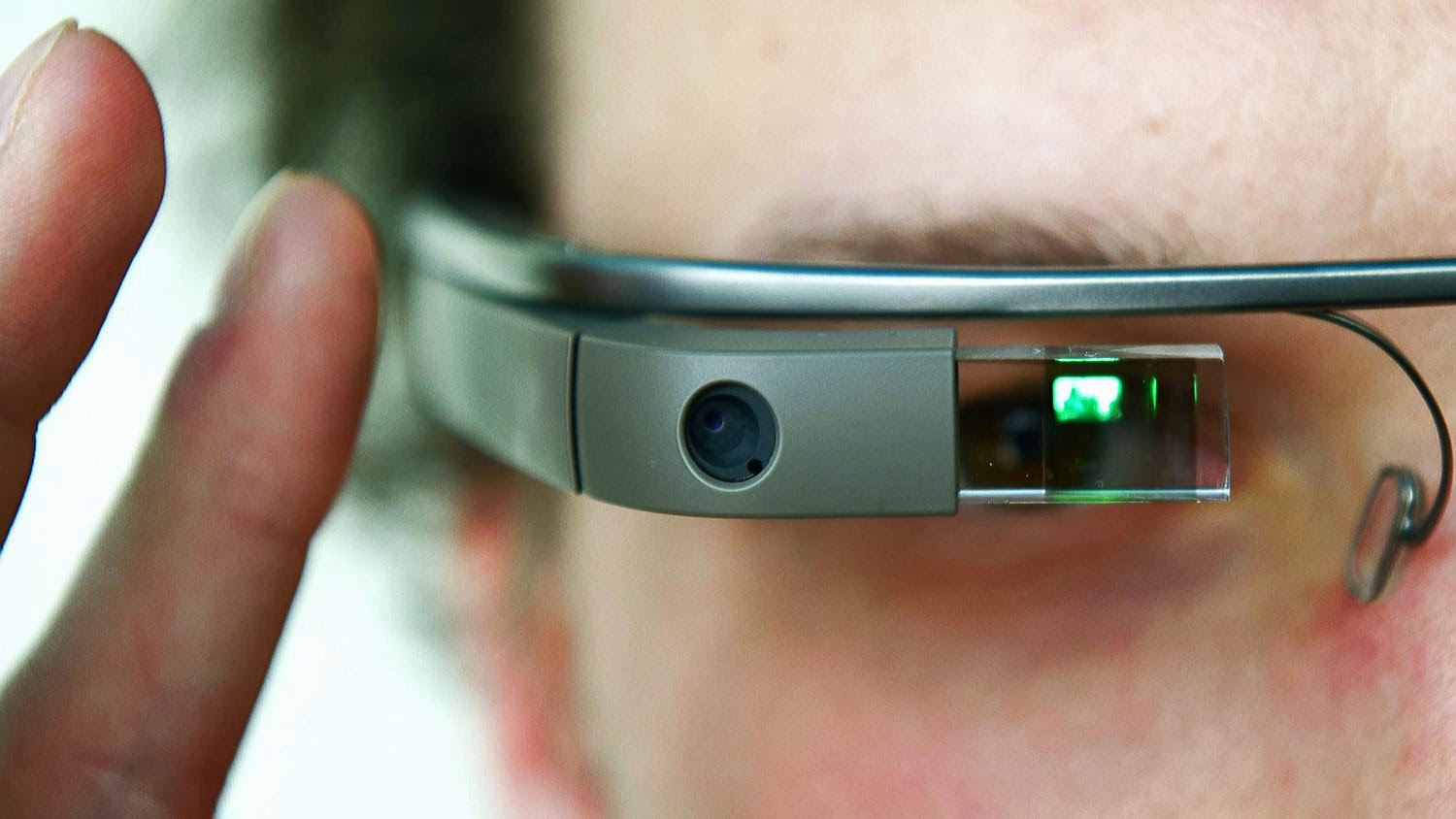
    Samsung enjoys a niche in almost every segment, be it gadgets, home appliances and kitchen appliances. The tech powerhouse is gearing to introduce a new product line in the wearable technology domain that will pit it against the world’s most reputed company in the search arena. The South Korean consumer electronics manufacturer has issued a patent application which discloses that Samsung has developed a smart glass, which is far ahead of Google Glass. The patent application is published by the U.S. Patent & Trademark Office (USPTO).

    This has given certification to leaked reports which reiterated that Samsung is looking forward to bringing its own smart glass. According to the patent application of Samsung, the future smart glasses will integrate with almost all devices like gaming consoles, cameras, smartphones, tablets, in-vehicle infotainment systems, medical machines and many others.

    samsung smartglass

    Tentatively named Gear Glass, the Glass will come with many exciting features like mirroring live TV or movies running on the connected device. The patent filing suggests another feature that would bring messages and emails right on the smart glass screen, just like Google Glass. Samsung’s upcoming product will be able to capture pictures and record video footage, and will incorporate voice assistant like Siri on iOS and Google Now on Android.

    samsung smart glass

    Another impressive highlight would be the support of subtitles while watching movies in foreign languages. Samsung illustrates how the smart glass would work both as a gadget and an accessory, when required. The smart glass will undergo colour change to camouflage as a regular sunglass in sunlight.

    The features sound extraordinary. If Samsung succeeds to bring such a product for public use, it would definitely give an edge to Samsung over Google, who scraped its project in January this year. Furthermore, Samsung can get a larger share of the market with the new offering. One needs to take into account that Samsung’s Smart glass is not going to be a reality anytime soon. The patents for the smart glass are still to be granted and it can be delayed for a good 4-5 years. Lets watch how Samsung decides to go about it.

    We will update you with more information on Gear Glass. Keep checking here.

  • SKYEYE Nano Drone is the Smallest QuadCopter Yet

    SKYEYE Nano Drone is the Smallest QuadCopter Yet

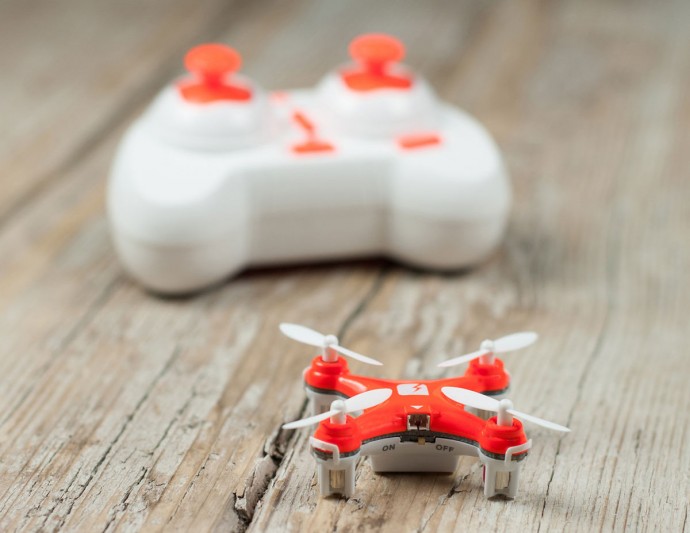
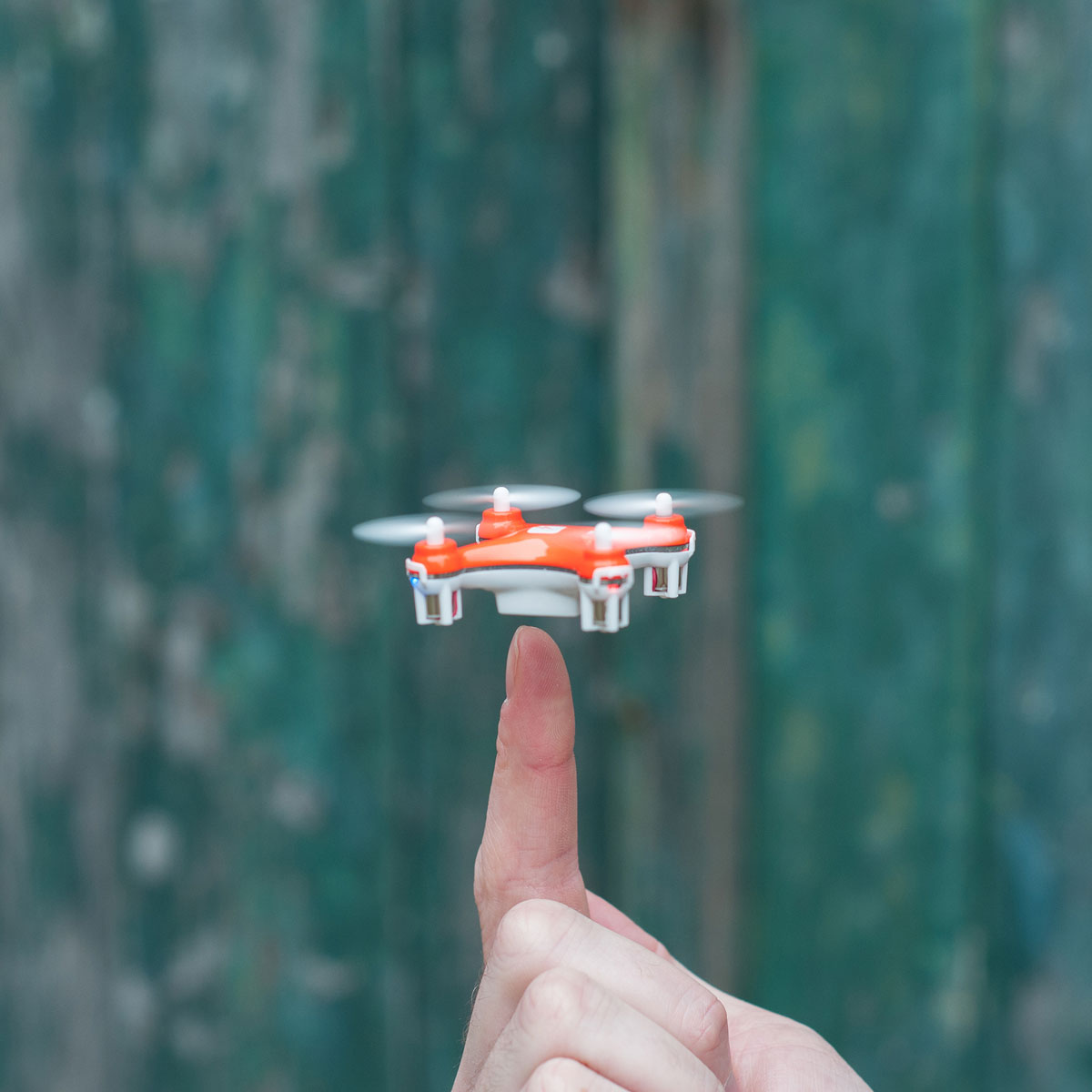
    Drones are the newest thing technology has to offer right now. From delivering pizzas to being used in disaster management, drones are slowly playing an indispensable role in society.  With technology getting smaller day after day, it wont be surprising if one day you could just carry around a drone in your pocket. Yes, TRNDLabs, which specialises in developing unique and innovative products, have successfully built the world’s smallest drone called ‘SKYEYE Nano Drone’.

    nano drone

    With dimensions measuring less than 2-inches at 1.57″ x 1.57″ x 0.87″, the quadcopter comes in three different modes: Beginner, Advance and Seasoned Flight Veteran. The bright orange coloured drone is equipped with RTF (Ready-to-Fly) technology and six-axis flight control system with adjustable gyro sensitivity. The most awesome feature of this device is the Aerobic Flip capability and possesses LED lights for night time flight.

    It is powered by a 100mAh Li-Polymer battery and takes approximately 30 minutes to charge fully. On a full charge, its flight time is up to 7-8 minutes. TRNDLabs also said that if thrown into the air while throttling up, the drone will self-stabilize. The device’s remote has a coverage up to 50 metres.

    The SKEYE Nano Drone is billed at $60 but is currently retailing at a promo price of $34.99 (Rs.2,200). You can order SKYEYE Nano drone from here. The company offers free shipping to anywhere in the world.

  • Samsung Might Launch the Galaxy Note 5 this July

    Samsung Might Launch the Galaxy Note 5 this July

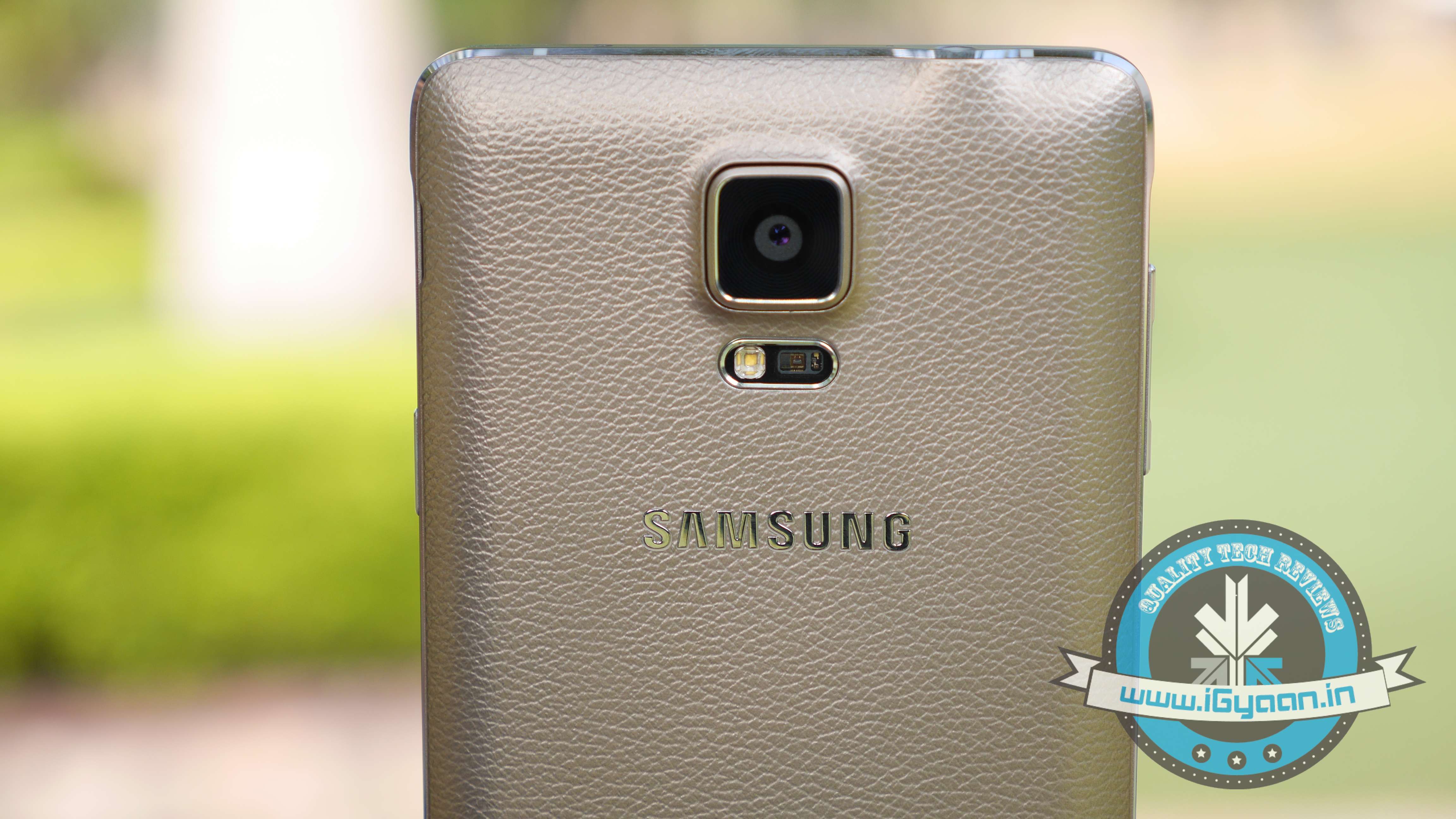
    Samsung Galaxy Note 4 release last September was a major overhaul of the previous iteration. It was showered with critical acclaims for its fine screen quality, excellent construction and versatile S pen stylus. However, the sheen was short-lived for Samsung and was soon seized by the latest iPhone 6 series. The Korean smartphone maker is planning to wind up the honeymoon period of the premium smartphone, with the early launch of its Galaxy Note 5. As per Whowired, the next flagship model by Samsung will be unveiled at the end of July, much before the expected time in September.

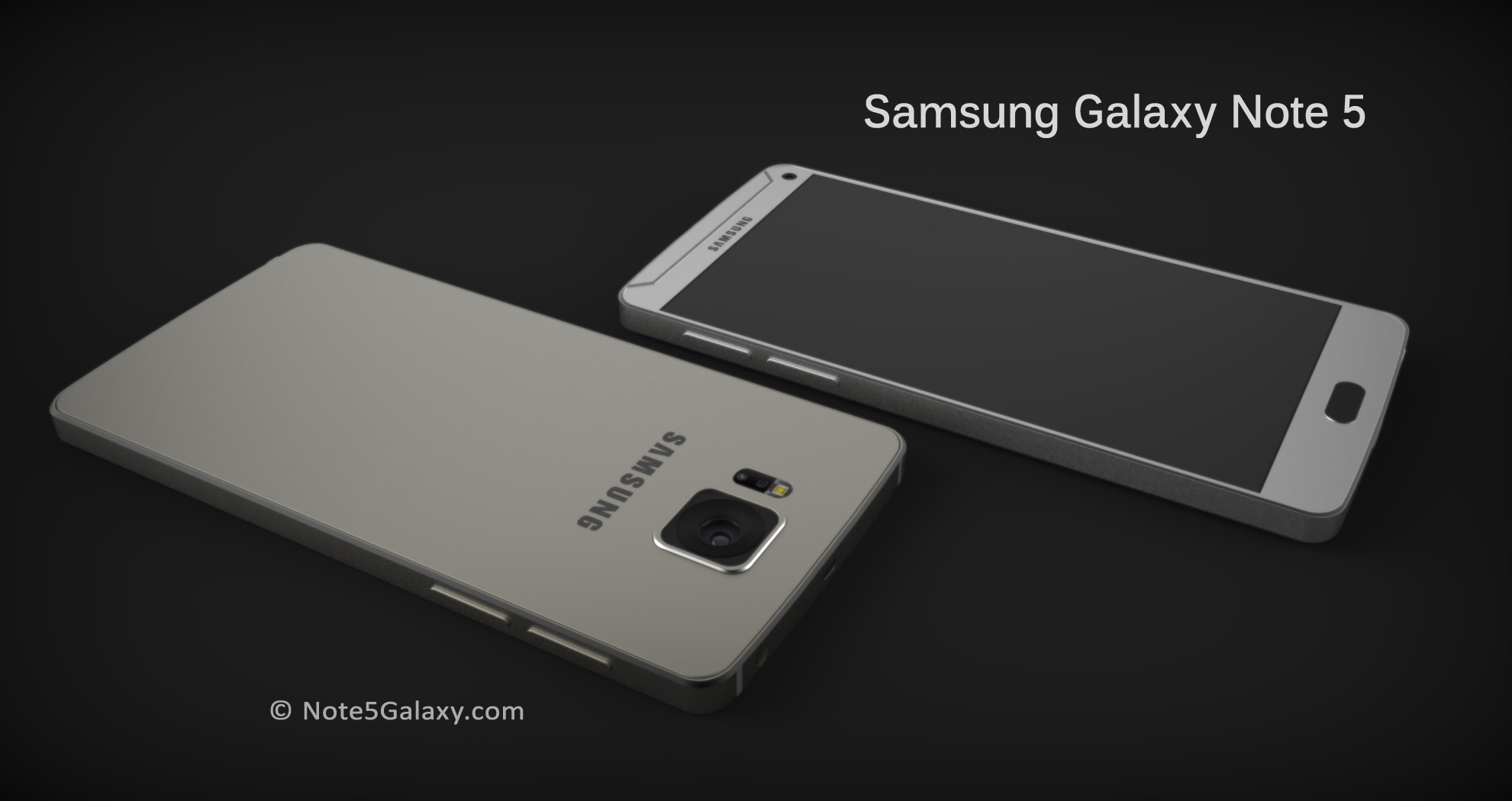
    Galaxy-Note-5

    Galaxy Note 5’s early launch seems to be a strategic plan to eclipse the market of iPhone, who’s sales exceed 50 million per quarter. However, the source claims that it is due to the early development of the handset. Samsung enjoyed a monopoly in the phablet arena with the large screen of its Note series, but the Cupertino-based firm quashed the Note dominance with the iPhone 6 Plus. Samsung is now geared to reacquire the market share with the superior and even bigger Galaxy Note 5.

    galaxy note 5

    If we go by speculations, the next Samsung phablet will sport a 5.9-inch Super AMOLED 784ppi display. The battery capacity is speculated to be robust at 4100mAh. The device might come in two variants with 64GB and 128GB internal storage space, which can be extended as much as 256GB. A powerful Exynos chipset is reported to power the device, besides Qualcomm Snapdragon. The latest Android operating system will be preloaded in the device. Know more about the device here.

    With Galaxy Note 5, Samsung will break the traditional practice of introducing the Note flagship before the IFA opening. The Korean firm hasn’t stated anything about the same, and things about the gadget will be clear with an official announcement soon. Stay tuned for more updates on Samsung Galaxy Note 5.

  • The New ‘Steve Jobs’ Movie Teaser is Out! Watch it Here

    The New ‘Steve Jobs’ Movie Teaser is Out! Watch it Here

    After director Joshua Stern received lukewarm reviews for ‘Jobs’ in 2013, Hollywood is set to release another and rather promising docu-drama of the late Steve Jobs, this autumn.

    The movie titled, ‘Steve Jobs’, is directed by academy award winner Danny Boyle and stars Michael Fassbender as the late Apple CEO. The film boasts of an impressive supporting cast with academy award winner Kate Winslet and comedian Seth Rogen. The movie is set for release in October and will definitely be watched by avid admirers, all over the world.

    Catch the first look of ‘Steve Jobs’ here:

  • Top LTE-Capable Budget Smartphones Under 10K

    Top LTE-Capable Budget Smartphones Under 10K

    4G LTE is deemed to be roughly 10-20 times faster than 3G standards. With the popular carriers embracing 4G LTE and offering attractive tariff plans, smartphone makers have come out with a handful of budget devices with LTE support.

    Want a future-proof smartphone but don’t have the budget to shell out money for a high-end device? We are listing the top 4 LTE capable Smartphones under 10K:

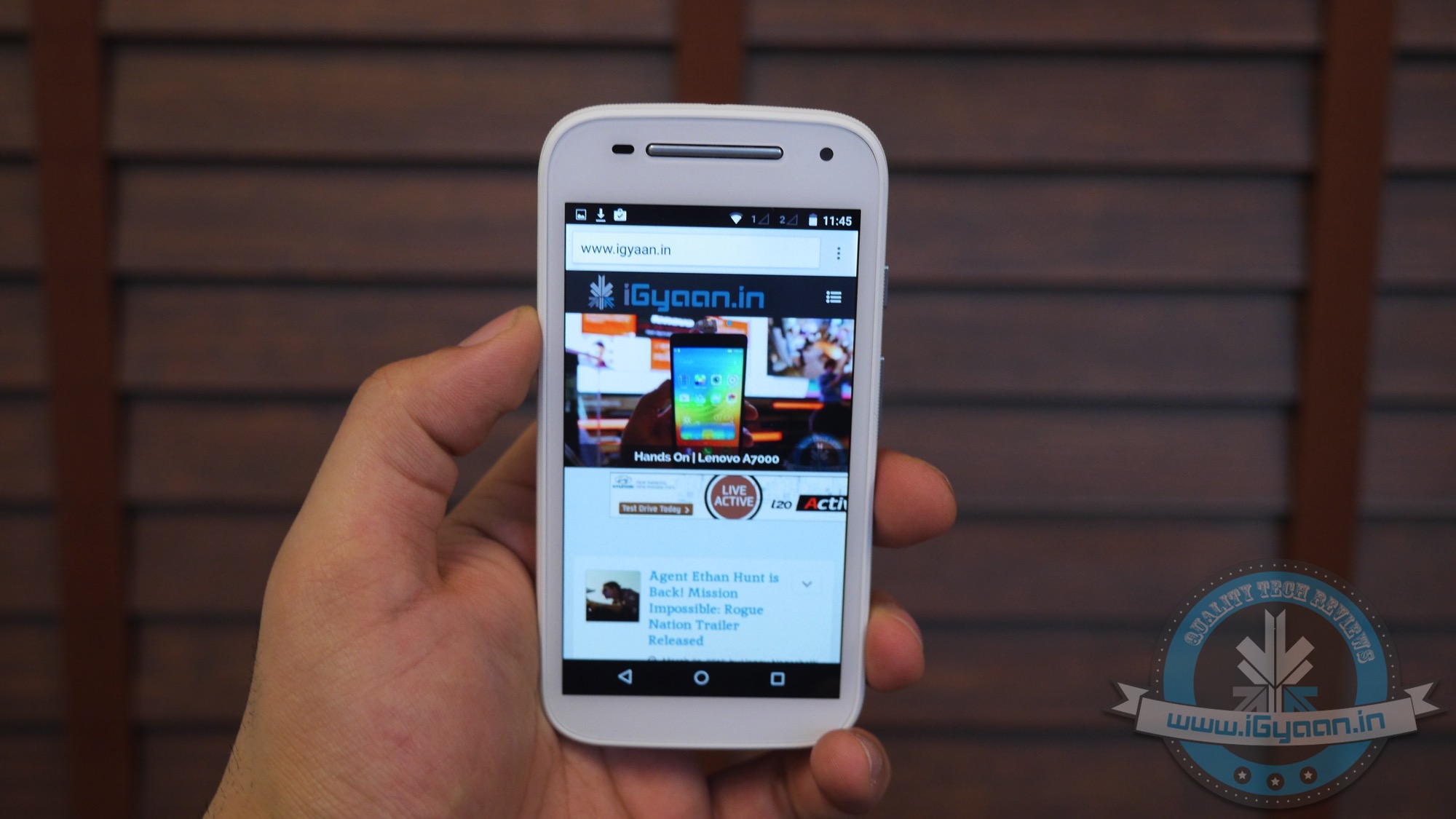
    Motorola Moto E (Gen 2) 4G

    motorola moto e 2015 - 5

    Priced at Rs 7,999, the Motorola Moto E is one of the highly recommended phones available in the market within Rs 10,000. This handset sports a 4.5-inch qHD display with 960×540-pixel resolution. It is powered by a 1.2GHz Snapdragon quad-core processor paired with 1GB RAM. It can store 8GB of data internally and can be expanded via microSD up to GB. Other than this,  the handset also features a 5-megapixel primary camera, VGA secondary camera, 2,390mAh battery, and connectivity options like dual-SIM card slots, LTE support, Wi-Fi, Bluetooth, and GPS. It runs on Android Lollipop.

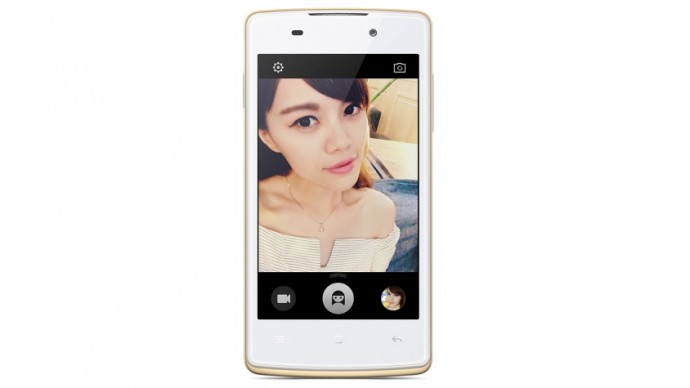
    OPPO Joy Plus

    oppo joy plus

    OPPO launched the Joy smartphone back in April 2014. After almost a year after, OPPO launched its successor, the OPPO Joy Plus. The dual-SIM smartphone runs on Android 4.4.2 KitKat united with the company’s ColorOS 2.0 UI. Display features include a 4-inch WVGA IPS screen with 480x800p resolution and 234ppi pixel density. It equips a 1.3GHz dual-core MediaTek (MT6572) coupled along with a 1GB RAM. The memory capacity of the device comprises of 4GB of internal memory, which can be extended up to 32GB via microSD card. It has a 3MP primary camera with LED flash and a 0.3MP front shooter and picks up power from a 1,700mAh removable Li-ion battery. On the connectivity front, the Joy Plus offers 3G, GPRS/EDGE, Wi-Fi 802.11 b/g/n, Micro-USB and Bluetooth options and is priced at Rs 6,990.

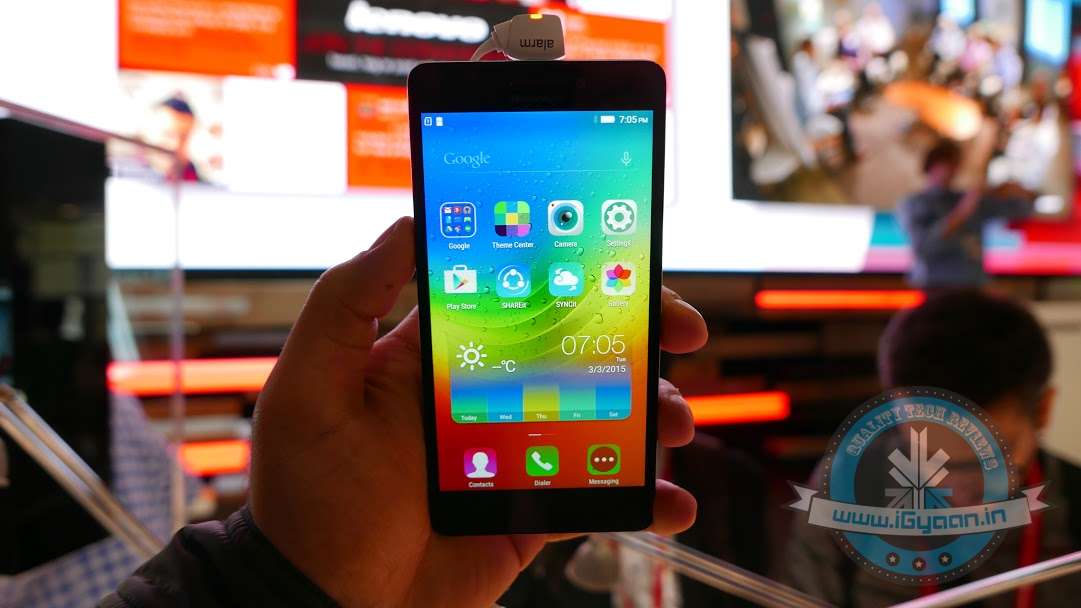
    Lenovo A7000

    Lenovo A7000 4

    According to a source cited by Times of India, the Lenovo A7000 will cost users somewhere around Rs. 8,999 to Rs. 9,999. Talking about the specifications, the Lenovo A7000 sports a 5.5 inch HD display. It is powered by a 1.5 GHz MediaTek True8Core processor with 4G LTE. It boasts 2 GB RAM and 8 GB internal storage which is expandable through MicroSD. The smartphone runs on Android 5.0 Lollipop. While looking at the camera, this device offers an 8 MP shooter on the back and a 5 MP front camera on the front. It gets its juice from a 2,900 mAh battery.


    Yu Yuphoria

    yu yuphoria  0

    Not long after Micromax set up a new company by the name YU Televentures and launched a new device called the YU Yureka, the company launched the new YU Yuphoria. The device is the first to be designed by YU and is Made in India. It has been launched at a price of Rs. 6,999. It runs on a Qualcomm 410 64bit Chipset, with a 1.2 GHz Quad-Core CPU and Adreno A306 GPU, with 2 GB of RAM and 16 GB of storage and 64 GB expandability option. It has an 8MP primary camera and a 5MP front camera. The battery is kept at 2230 mAh and is priced at Rs. 6,999

    Click here to register for Yuphoria.

  • Tech Meets Sports : How Technology is Shaping the Future of Football

    Tech Meets Sports : How Technology is Shaping the Future of Football

    With the invention of television, tech changed the way we interacted with sports. Now, almost a century later, technology still strongly influences the way we watch, train for and play sports. These days, advanced fitness technology has been infiltrating professional sports, giving coaches and players detailed insights on how their bodies work and what they need to excel at, on the field. Taking it to a whole new level, with apps like Ubersense which provide real time video analysis and feedback on smartphones.

    Soccer being the most beloved sport in the world surely gets the most advanced treatment when it comes to tech. Earlier this year the smartphone manufacturer HTC and the “futurologist” Dr Ian Pearson collaborated on a document titled The Future of Football. In the next few decades, robot football could become common, shirts might come with tiny cameras and fans could end up controlling players with smartphones. It all sounds a little strange, yes, and from a rather distant future but recently we have witnessed many changes in the football scenario that have been fuelled by tech.

    Lets see how technology has taken soccer to a new level, promoting both player performance and comfort.

    Real Time Performance Analysis

    Ubersense_2-578-80

    With the advancement in technology, many developers have come up with sophisticated apps and softwares which can analyze players performance in real time. Such apps including UberSense, V1sports and many more saves the coaches and players the tiresome task of collecting data on a number of laptops, charts and spreadsheets to keep videos and stats of the players. Wearable technology has also made training easy as players are now getting the help of fitness devices to get an edge on their competition. Devices like Adidas, miCoach, Speed_Cell and various heart rate monitors lets coaches analyse various parameters important in the game. For example, the Speed_Cell clips on to shoelaces or adidas shoes and measures maximum speed, distance, stride rate and game time. Coaches then take that data and analyse it to find ways to improve each player’s performance.

    Wearable tech

    spurs

    Wearable tech in sports isn’t limited to fitness trackers anymore. Even the uniforms of soccer players have got a tech makeover. There are high-tech shirts with sensors that track information and promote player comfort during matches. In the 2014 world cup tournament, players wore shirts that were fit for the warm, humid conditions in Brazil, allowing players to keep cool and dry during the game, affecting overall stamina and performance.

    Protective gears also make use of technology to ensure the safety of players. Most notably; cleats, shin guards, athletic taping and compression-fit fabric work to micro-massage players’ muscles to prevent excessive vibration and promote muscle health and energy supply. Sensors in shin guards allow players and coaches to collect data and analyse performance, too.

    High Tech Soccer Balls

    02_Goal-Control

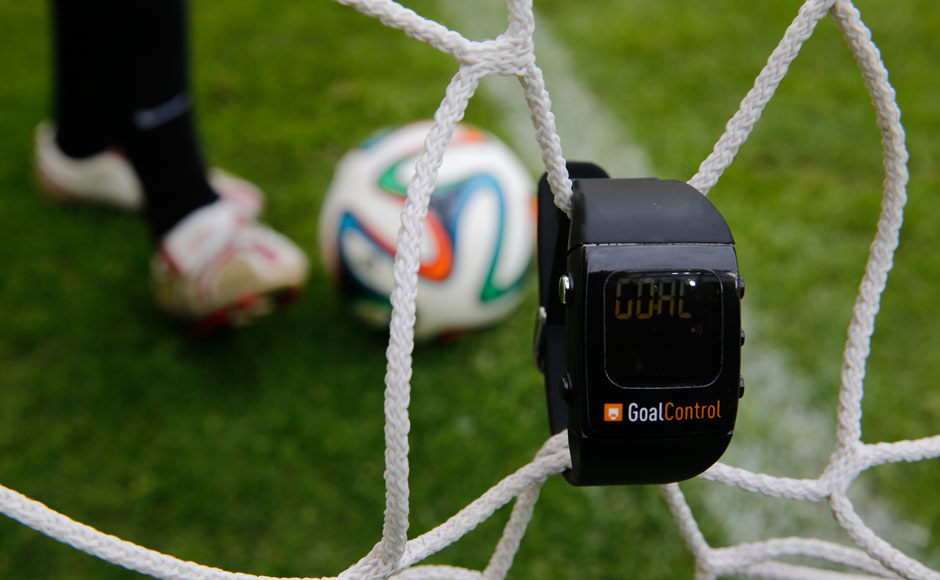
    One of the most important highlights of this year’s world cup was the inclusion of the GoalControl technology in the soccer balls. Also called the Goal-line tech, it helps referees to determine whether the ball has completely crossed the goal line or not. Also, there are balls  that measure impact and trajectory. Equipped with internal sensors, the ball sends feedback to its compatible app via Bluetooth technology. This data can help players improve their game.

    Sideline viewing system
    NFLSurfacelead

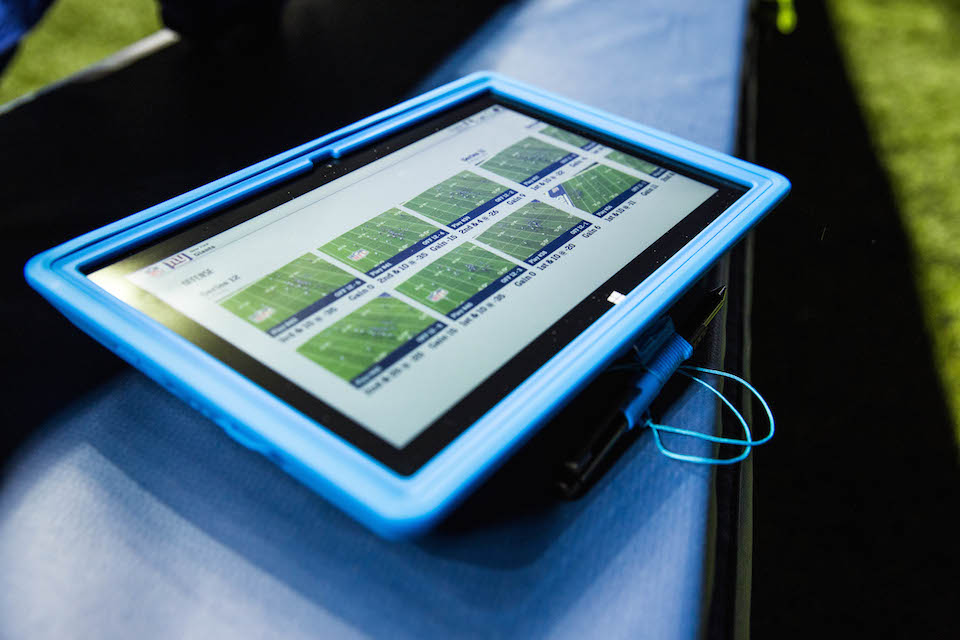
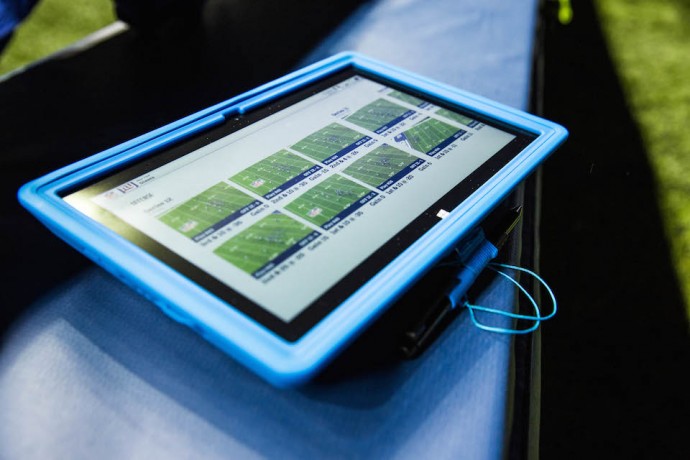
    This is latest development in the field of NFL. Sideline viewing system hasn’t been used in Soccer as of now but the application of this system, which uses Microsoft’s Surface Pro, is much more practical for the soccer field. It allows NFL teams to review photos of plays instantly on the sidelines and up in the booths. For example, when the quarterback goes back to the bench, the Surface can then be used to see the opposing team’s defensive formation during the most recent drive and the same goes for the coaching staff that keeps an eye on the game from higher grounds. Even though the whole campaign was to promote Surface Pro, the application of this system is very beneficial on field for both players and coaches.
  • Apple Watch May Hit the Indian Market Sooner than Expected

    Apple Watch May Hit the Indian Market Sooner than Expected

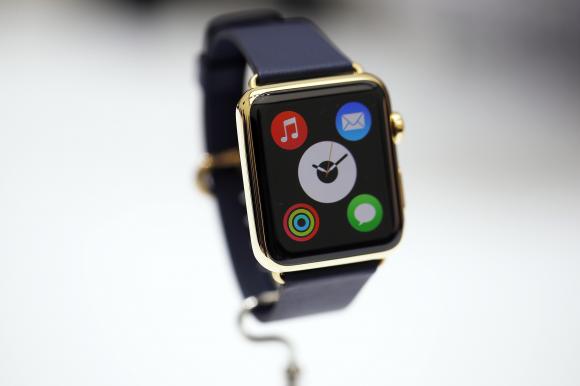
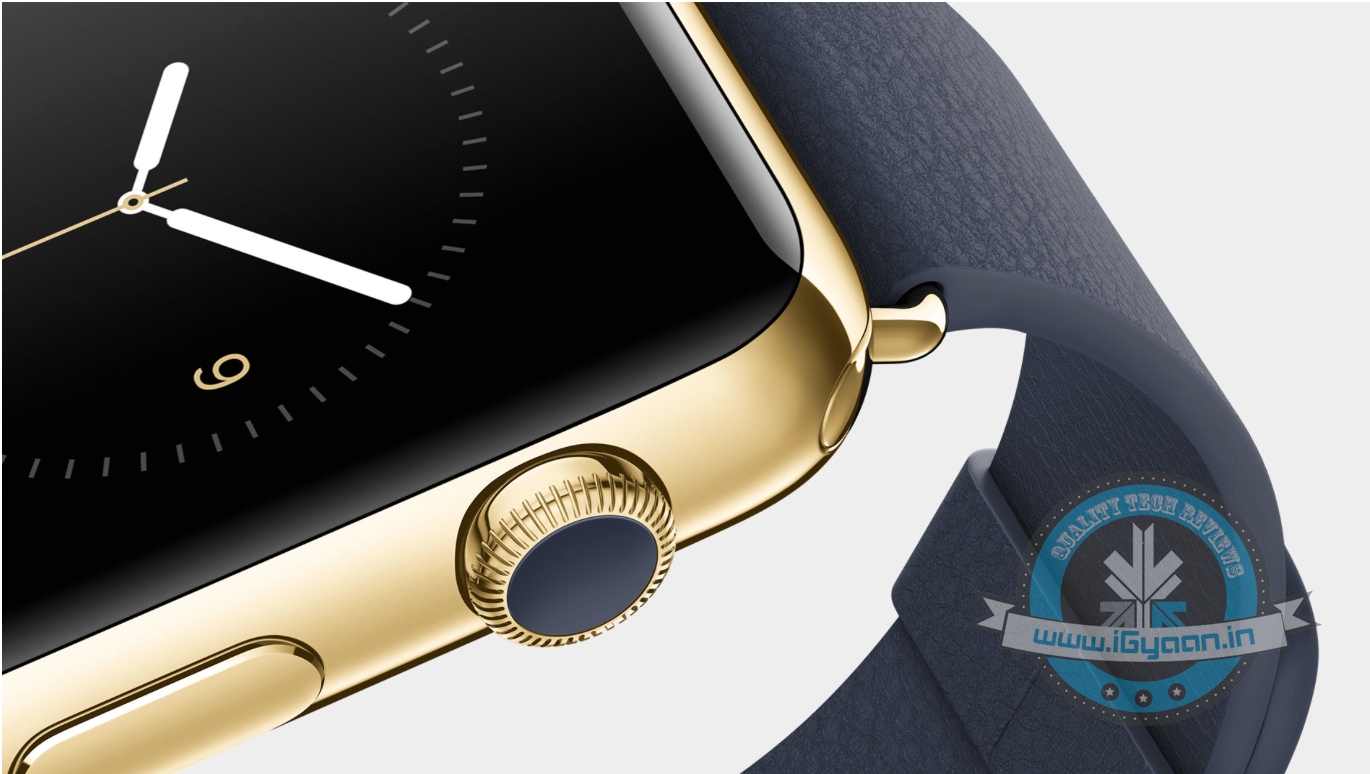
    The first smartwatch to mark the debut of Apple in the wearable segment was struck by manufacturing hiccups at the time of its release. The elusive Apple Watch which was to go up for sale from April 24 onwards, was missing from the Apple retail stores. Only customers of a few countries have access to order the same via the Apple online store. But it looks like Apple has sorted the initial issues. A supplier responsible for producing the Apple Watch hinted that there are no more production issues and that supplies will improve in the coming time.

    The online tech publication Digitimes quoted the Vice Chairman CC Leung of Quanta Computer saying, “its client’s wearable device is no longer a challenge to Quanta in both technology and quality.” He also clarified that labour problem during Lunar New Year holidays forced them to borrow manpower from other manufacturers, which led to the shortage of the product. The provider now has sufficient supplies and is said to make a “giant contribution from its wearable device business in the second quarter.”

    Apple watch 1

    However, Leung didn’t name the Apple Watch but pointed towards it saying the “wearable device is unlike the smartwatches it produced before and has a lot of functions in it and its client is satisfied with the product.”

    This means that the innovative gadget will land in India ahead of the speculated date. People might walk into the Apple Store to own a Watch later this month or in the beginning of June. The device is otherwise speculated to hit the Indian wearables market in July.

iGyaan Network
Privacy Overview

This website uses cookies so that we can provide you with the best user experience possible. Cookie information is stored in your browser and performs functions such as recognising you when you return to our website and helping our team to understand which sections of the website you find most interesting and useful.