Blog

  • The 6 Biggest Announcements Microsoft Made About Windows 10 Today

    The 6 Biggest Announcements Microsoft Made About Windows 10 Today

    While smartphone brands are grabbing the spotlight with the launch of bigger and better smartphones, Microsoft is holding the attention of the audience with its latest Windows OS. Recently, the Redmond-based company publicized that it is releasing the premier operating system Windows 10 in 190 countries, and China will be the first one to receive it. The company made several other major announcements such as the introduction of Windows Hello, the Voice App and many other innovative features, which got overshadowed.

    We have made an elaborate list of all the important announcements made by Microsoft today. We explain the new developments in detail below:

    Software Pirates Included in Windows 10 Receivers’ List
    1375356846_asus-perestaet-vypuskat-planshety-na-platforme-windows-rt

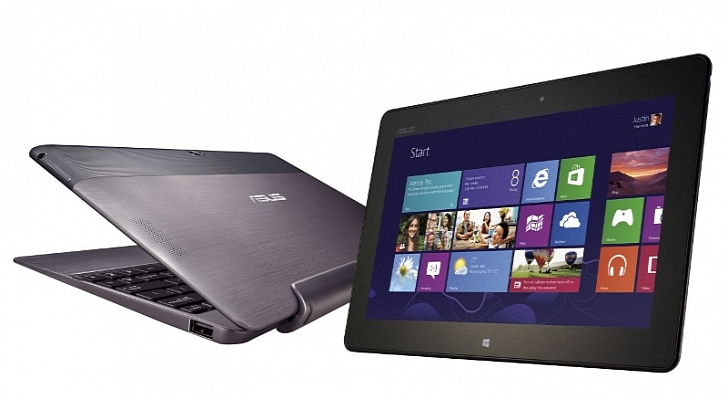
    No matter if you’re running pirated version of Windows 7 and 8, you will still be able to update to the latest legitimate version of Windows 10. The electronics manufacturer has given a nod to the users running dodgy softwares and said that the upgraded version will be sent directly. It’s still under wraps how the company will provide the latest iteration to people using pirated Windows copy.

    The End of Passwords with Windows Hello

    https://www.youtube.com/watch?v=1AsoSnOmhvU

    Microsoft’s new feature is a cool new tool to personalised computing. It eliminates the need for passwords and secret codes and offers unlocking devices through your personal characteristics.

    Windows Hello works on biometric authentication supported by the system. This means the new tool marks your personal features such as your face, iris, fingerprints as the password and gives you instant access to your device. No need to remember complicated alphanumeric arrangements. This subtracts the possibilities of hacking as well. In all, your Windows 10 devices are entirely safe with Windows Hello.

    Windows 10 is coming to 190 Countries, this summer
    Lenovo-Yoga-Tablet-2-10-inch-with-Windows

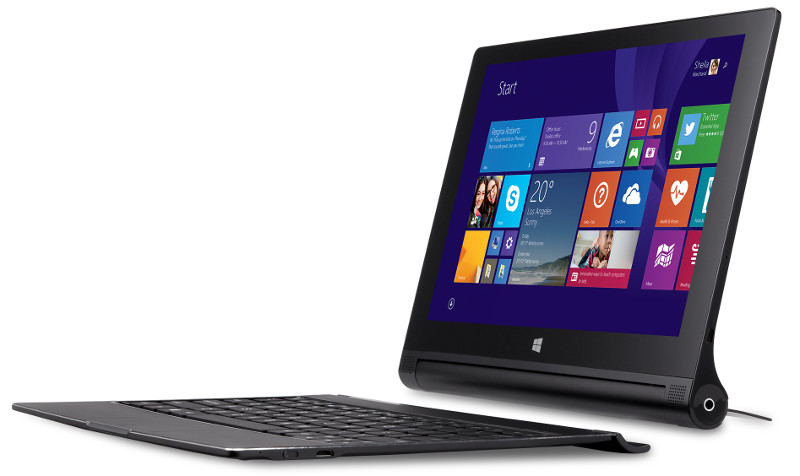
    The announcement that spread a smile among the Windows users across the world is the early arrival of the official release of Windows 10 this summer. The rollout will start with China and 189 will soon follow. All the nations will receive the update by summer, as per the company statement.

    Microsoft will offer a one-year free subscription of the upgrade, which will be available to the customers running Windows 7, Windows 8.1 and Windows Phone 8.1. Users can choose from 111 language options for the new operating system.

    New ROM to convert Android phones to Windows
    samsung windows

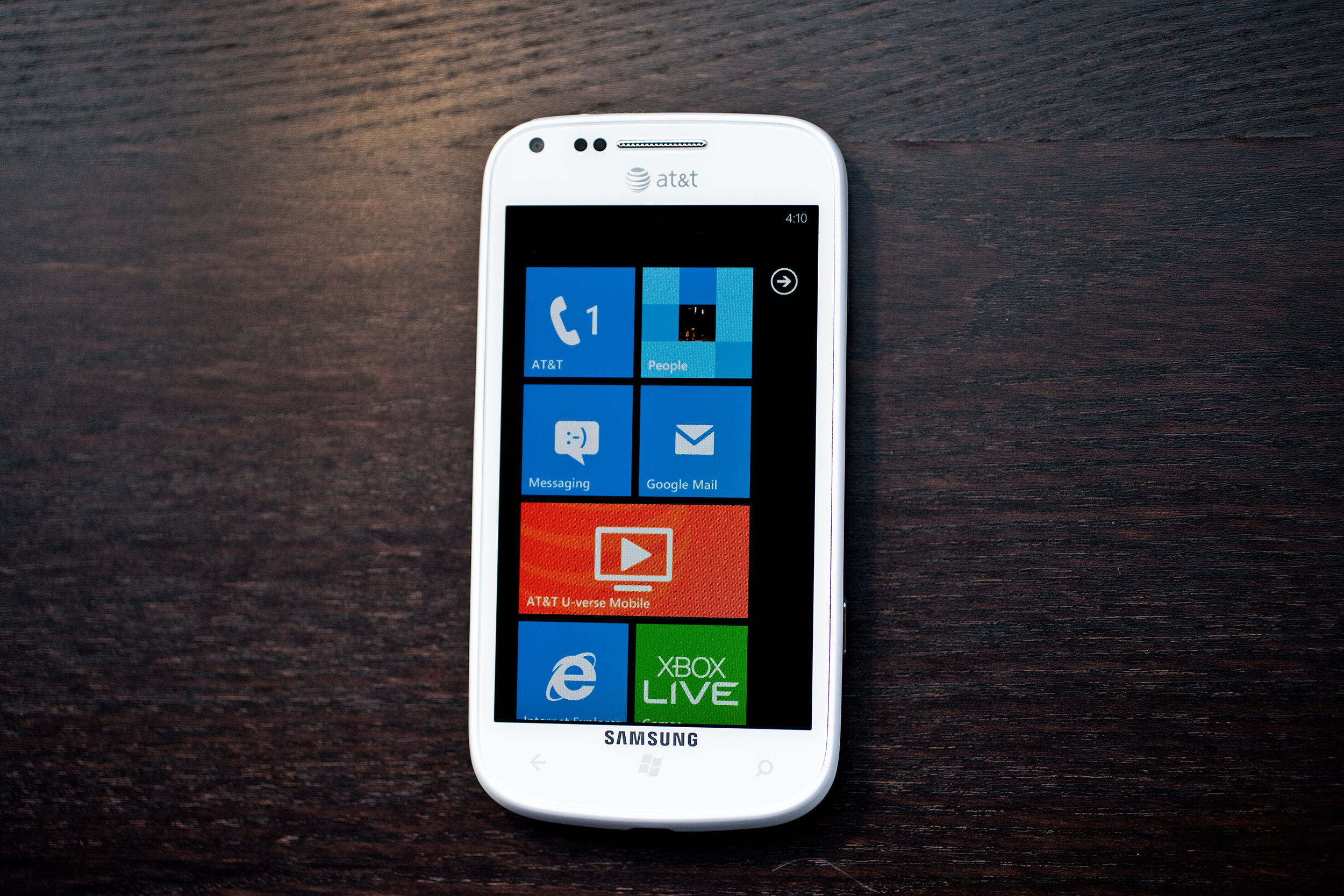
    A big revelation from Microsoft was testing of a new ROM based on Windows. The company has tied up with Xiaomi and is testing the new Windows 10 with a select group of Mi 4 ‘Power users’. The new concept is original and seems to be a budding effort to overtake Android ecosystem in one go.

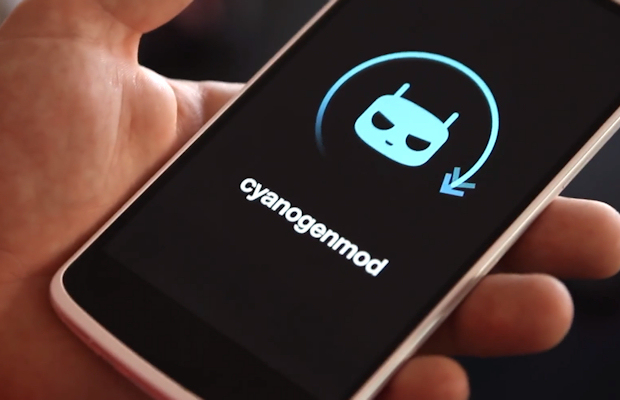
    The new ROM doesn’t offer dual-boot solution. Once installed, Windows 10 becomes the default OS of the smartphone. It is comparable to the CyanogenMod or any other custom ROM. The Windows-based ROM is designed to get Android users to try Windows 10 native user interface and the Windows-centric apps. Through this, Microsoft hopes to encourage users switch from Android to Windows OS.

    New Windows Version for IoT Devices

    Internet of Things

    Internet of Things (IoT) is the major revolution that the tech world is heading towards. A new version of Windows was introduced by Microsoft that comes free with Windows 10. The new version can go with a diverse IoT devices like ATMs, ultrasonic machines, gateways, and more. The company plans to connect with more machines and is in talks to collaborate with companies like the Raspberry Pi Foundation, Intel, Qualcomm and other tech organizations.

    Compactness with Windows 10
    windows 10

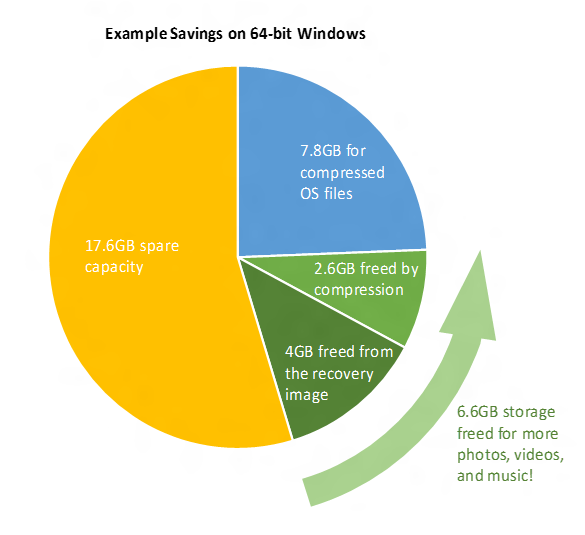
    Microsoft has opted for an approach to squeeze down Windows 10. The new Windows OS compresses files to provide more storage space on the device, offering more free space for music, photos, and videos.

    The condensation of system files on Windows 10 is done through compression algorithm. It restores approximately 1.5GB of storage for 32-bit and 2.6GB of storage for 64-bit Windows. The same is applicable for the Windows phone as well.


  • NTT Partners With The Vatican to Digitize Precious History

    NTT Partners With The Vatican to Digitize Precious History

    The Vatican Apostolic Library is a rich repository of historical knowledge. The library was founded in fifteenth century by Pope Nicholas V Parentucelli (1447-1455). This library has over the centuries gathered 82,000 manuscripts, 100,000 archival units, 1,600,000 printed books, 400,000 coins and medals, and a lot more valuable pieces of history. Considering their importance and delicateness of these items, Vatican invests heavy resources in their maintenance and preservation. Vatican decided to give access to the general public to a large number of documents and they partnered with NTT to bring the rare documents to the Internet.

    Japanese IT service company NTT provided the digitization solutions to Vatican. NTT Data is a leading IT services provider and global innovation partner headquartered in Tokyo, with business operations in over 40 countries. Their emphasis is on long-term commitment, which combines global reach with local intimacy to provide premier professional services varying from consulting and systems development to outsourcing.

    One of their key service includes archiving digital manuscripts as high-definition data, supported with special measures for long-term storage and safekeeping. This includes use of a highly sustainable storage format, metadata management to increase search efficiency, optimized search algorithms and a user-friendly search interface.

    NTT brought in its digital archive technology AMLAD which lets users view high definition images when viewed through a special application. The delicate documents were scanned with great caution and archived.

    NTT Vatican
    Most of the ancient texts require intense care as they are written on delicate materials like papyrus.

    AMLAD (Advanced Museum Library Archives Deposit) is a service that helps to preserve and disseminate valuable ancient books, manuscripts, prints, visual and audio data into digital data. Those digital archives can be opened to the public as indexed data that is searchable from computers, smartphones, and tablets. NTT has also worked with the Akita Prefectural Library in Japan where they digitized thousands of images and documents. They also consolidated data from multiple databases from multiple institutions into one easily searchable formats.

    Vatican has signed a contract worth Euro 18 million with NTT to digitize about 3000 manuscripts by 2018. In the long term Vatican wants to digitize all the treasures in its library. It would sure be an herculean task as it would amount to about 41 million pages in its entirety.

    “We gladly accepted the collaboration of NTT to support the further improvement of the project of digital archiving of our manuscripts using their innovative technologies,” explained Monsignor Cesare Pasini, Prefect of the Vatican Apostolic Library. “In so doing, we will further nurture our mission of preserving these treasures of humankind and making them more widely available and known in a deep spirit of universality-including the universality of knowledge and the universality of collaboration and agreement with institutions and companies throughout the world.”

    History is an essential bit of our existence whose lessons pave the path for the future. The knowledge contained in the documents released by Vatican belongs to all of humankind and hence should be in public domain. This move by Vatican is commendable and we hope these documents raise new debates and discussion about our history in the popular culture.

    This is a sponsored post
  • LG Brings the World’s First 105-inch 5K Television to India at Rs. 59,99,900

    LG Brings the World’s First 105-inch 5K Television to India at Rs. 59,99,900

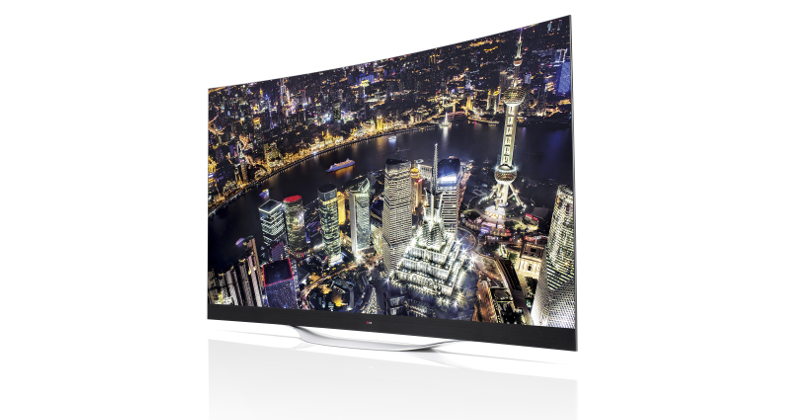
    Today, LG announced the nation-wide release of the world’s first 105-inch 5K television in India. This television beast was first showcased back at CES last year and comes at a price of Rs. 59,99,900. The device was showcased as a part of the company’s annual tech show in New Delhi.

    The MD of LG Electronics India Soon Kwon stated India as one of the important market places and said –

    India is a strategic market for LG. So we have been thinking in terms of a product mix based on global products as well as locally designed products. This is important to stay ahead.

    Being 5K, the picture quality of the mammoth television is quite high. The gigantic screen offers a more realistic viewing experience. With a CinemaScope aspect ratio of 21:9, users can frame their movies with authentic cinema formatting and can remove the black bars from top and bottom.

    Meticulous approach has been  adopted to the audio quality of the 5K television. The 7.2 channel surround sound solution rated at 150W is equipped with the massive piece, designed by audio specialists Harman Kardon. The smart TV runs on Web OS and comes along with the Magic Remote. The curved display uses an IPS panel and incorporated LG’s True 4K Engine Pro. This allows the Smart TV to eliminate ‘visual error’ and even upscale low-res videos to almost HD  level.

    Apart from the 5K television, LG has announced the release of LG G Flex 2 in India.

  • LG’s Curvy G Flex 2 Hits the Indian Market, Priced at Rs. 55,000

    LG’s Curvy G Flex 2 Hits the Indian Market, Priced at Rs. 55,000

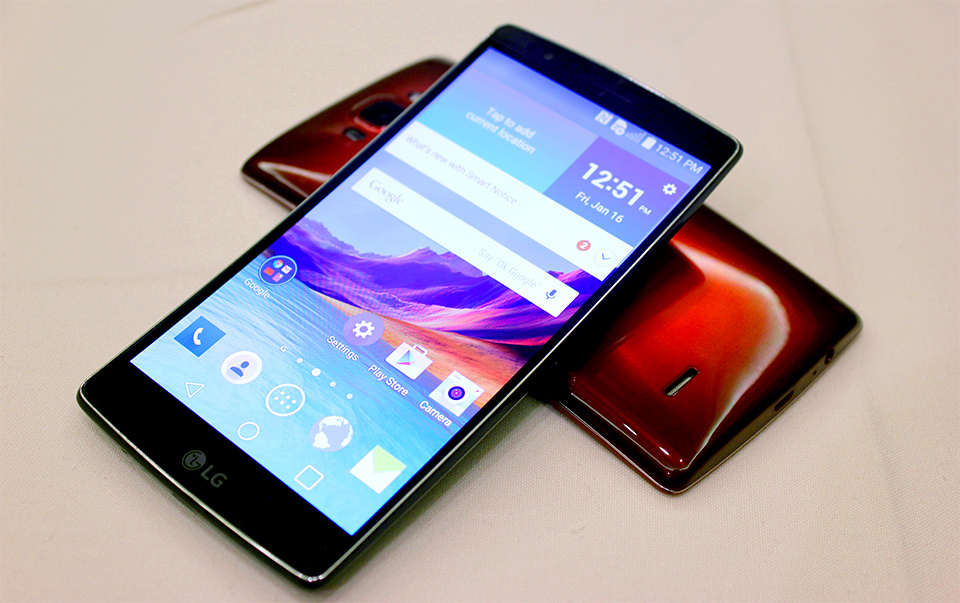
    At the CES this year, LG got a huge round of applause for its sleek, refurbished curvy device G Flex 2. It was the complete overhaul of the original G Flex released in November 2013. The Korean multinational company today released the innovative smartphone on the Indian soil at its annual tech show. The smartphone comes with a hefty price tag of Rs. 55,000.

    The upgraded smartphone has got a specifications boost and sports a more flexible body. When compared to its predecessor, the latest G Flex 2, when bent, can restore its original position in around 10 seconds, while the first generation LG G Flex took three minutes to achieve that feat.

    g flex 2

    Coming to the specifications of the smartphone, the new G Flex 2 boasts of a 5.5-inch full HD Curved P-OLED (1920×1080 pixels) display. Powered by the latest 64-bit Snapdragon 810 Octa-core processor, the device offers 2 GB of RAM and runs on Android 5.0 Lollipop.

    On the camera front, the G Flex 2 houses a 13MP rear shooter along with a secondary 2.1MP front selfie snapper. The connectivity options of the device include Wi-Fi, Bluetooth Smart Ready 4.1, LTE support, USB 2.0 and NFC.

    Besides the G Flex 2, LG released the world’s first 5K television in the trade show. The 105-inch 5K television runs on Web OS and comes with LG’s magic remote control.

    [poll id=”28″]

  • Microsoft Developing a Windows 10 ROM For Android Devices

    Microsoft Developing a Windows 10 ROM For Android Devices

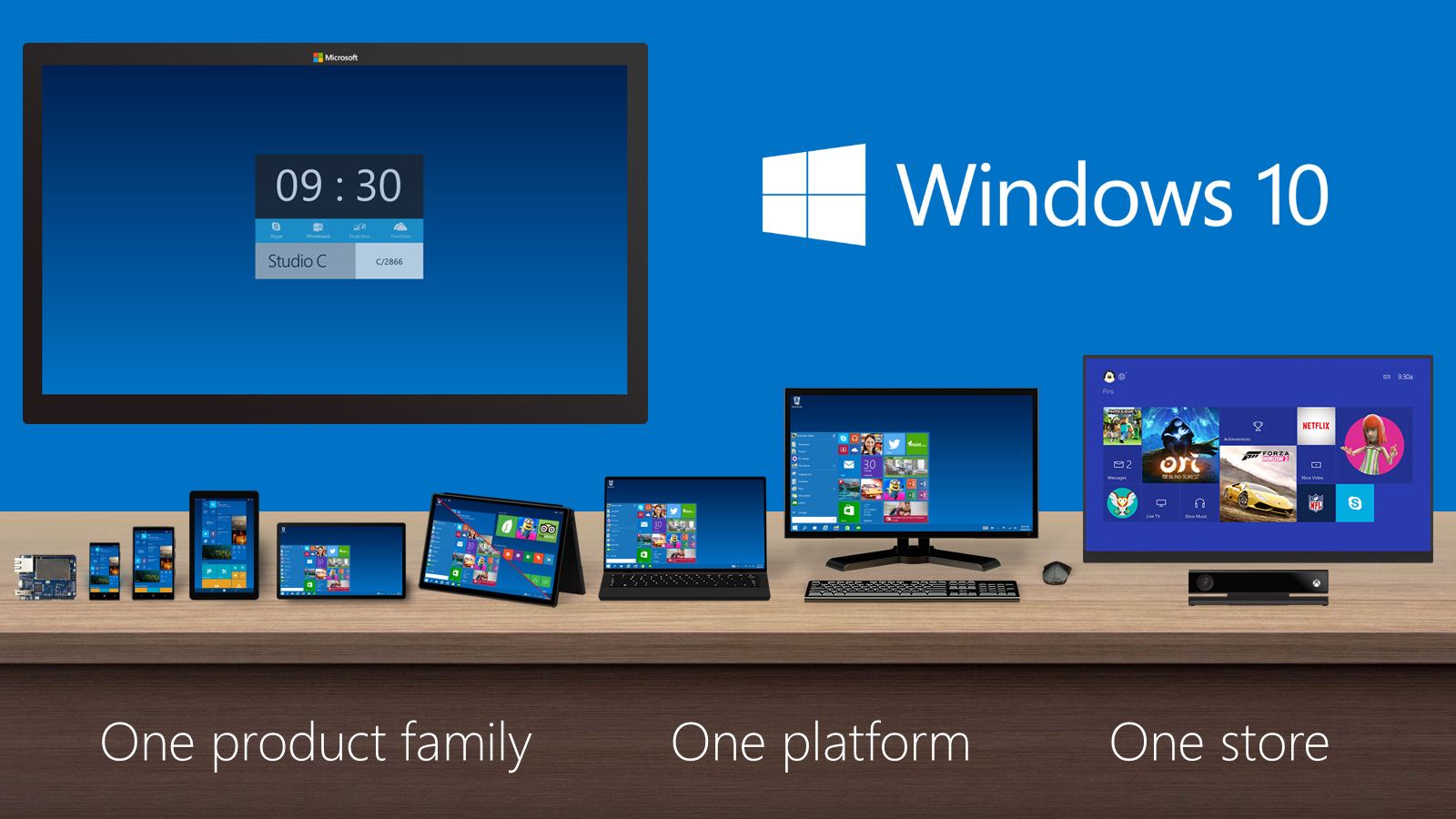
    Microsoft has announced today that it will be bringing its premier operating system, Windows 10 to 190 countries around the world this summer. The company also hinted at plans to expand its market share in the portable devices market. Microsoft’s collaboration with Xiaomi also led to many speculations in the market as to how the Chinese smartphone powerhouse would play in Microsoft’s plan to expand its mobile market share. The details aren’t out yet, but it seems Microsoft is offering a ROM that will replace Android to make Windows 10 the primary OS of a smartphone.

    Microsoft has announced that under its deal with Xiaomi, a select group of Mi 4 ‘Power users’ will get a chance to test the new Windows 10. Xiaomi made clear that it is not a partnership between the two companies, and Xiaomi is just “assisting” Microsoft in its efforts.

    The new ROM doesn’t offer dual-boot solution, and Windows 10 becomes the default OS of the smartphone. It is comparable to the CyanogenMod or any other custom ROM. The ROM is basically designed to get Android users to try Windows 10 native user interface and the Windows-centric apps. This, Microsoft hopes will encourage the users the to switch from Android to Windows OS.

    Just like custom ROM's like CyanogenMod, users can easily install and try out Windows 10 on their Android devices.

    At present, Microsoft is testing the ROM in China but it is definitely planning on expanding its reach to other countries. It has started with Xiaomi as the company has a proactive user base that constantly sends back feedback through the companies portal. Microsoft will find it easier to gather suggestions and feedbacks through Xiaomi’s already available infrastructure.

    Microsoft is trying hard to find takers for its smartphone devices. According to the last IDC listing Android is a behemoth in the smartphone market which controls 82.3 percent of the global smartphone market followed by Apple’s iOS which holds 13.8 percent while Microsoft Windows Phone OS accounts for just 2.7 percent at present.

    Microsoft has also talked about introducing advanced features which let users connect and work on their desktop and mobile devices seamlessly. If these features work in Microsoft’s favour, you can anticipate a rise in Microsoft’s smartphone market share because in the desktop OS space, Microsoft still rules with a comfortable majority. In fact, at present, the various Windows OS’s (Windows 7,8, 8.1) are running on over 69% of the computers while Windows XP accounts for about 19% of the global market. By offering unique interconnectivity features, Windows can attract its massive desktop user base to give its smartphone ecosystem a try.

  • OnePlus Assures Lollipop, OxygenOS Updates Arrive Before March End

    OnePlus Assures Lollipop, OxygenOS Updates Arrive Before March End

    OnePlus has put an end to the speculations. The Chinese company has provided a set release date for Lollipop updates on One devices, and it looks like the firm will not keep its huge fans waiting too long. Earlier, the Chinese electronics producer issued the upgrade launch date and had disappointed the customers by not delivering the same. But this time, OnePlus has spread a word through the official forum page of its website saying that Android Lollipop will be available on or before March 30.

    The company declared the precise launch date of the update:

    CM 12S: The official OTA update for the OnePlus One will be released on or before March 30, 2015

    OxygenOS: The official release of our own Lollipop-based ROM will be available for download on or before March 27, 2015

    The official forum page of OnePlus mentions the reasons behind the delayed Lollipop update roll out. The firm remarks that unforeseen complications like OS singing issue, instability of the camera module and many crucial driver flaws cropping in the new Lollipop version.

    Not only this, to make its customers believe that they will release the new update unfailingly, OnePlus has made a bold statement of giving away five 64GB OnePlus One devices in case it misses either of the deadlines. Well, this shows how dedicated OnePlus is to keeping its promise.

  • Here’s Why the OnePlus Power Bank Hasn’t Arrived in India

    Here’s Why the OnePlus Power Bank Hasn’t Arrived in India

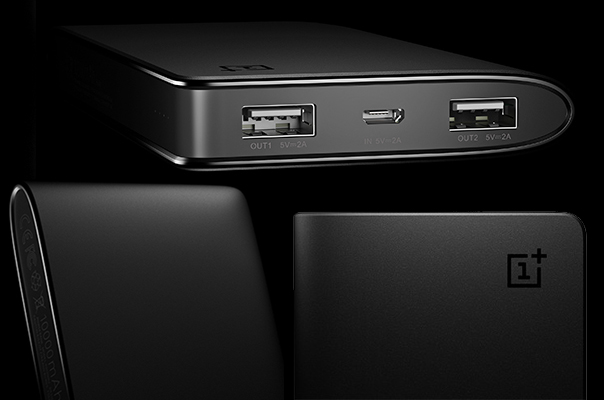
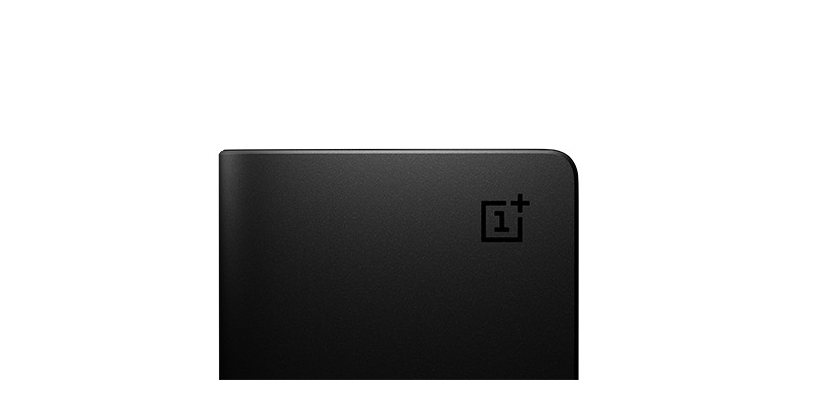
    OnePlus Powerbank, one of the most powerful devices by the company, was introduced in December last year. With a price tag of $14.99 (approx Rs. 950), the device delivers a massive power with 10,000 mAh. Enough to charge a OnePlus handset three times in a row.

    Unfortunately the release date of 17th March (i.e. yesterday) was meant for US customers only. For potential buyers in Europe and India, the wait has been extended indefinitely.

    oneplus power bank
    OnePlus’ Compact and Powerful Power Bank

    According to the company, the logistics are being ironed out for smooth processing. Due to the fact the OnePlus power banks are pure batteries (and not connected to any other product); they require special shipping requirements. Due to the safety concerns posed by the power banks in large numbers, the IATA (International Air Transport Association) have tightened the rules and regulations concerning the same and airlines enforcing these regulations more strictly.

    Also keeping in mind the fact that administering battery certification is time-consuming. Different countries have different requirements and regulations. OnePlus’ hope of finalizing the certifications did not go as quickly as they had previously assumed.

    From the above facts, the OnePlus Power bank may not be seen in the Indian market soon, but its clear that the company is working to get them here as soon as possible. Although we have a feeling, the fuel banks may be worth the wait.

  • The Wait is Over, Windows 10 Arriving in 190 Countries This Summer

    The Wait is Over, Windows 10 Arriving in 190 Countries This Summer

    Ever since Microsoft announced the latest iteration of the Windows operating system last year, users have been patiently waiting for its arrival in the market. The demos presented by the company has got the market excited for the plethora of cool features. Microsoft also corrects its blunder of removing the start menu in its last offering by bring back the menu in Windows 10. The company is now ready to bring the latest OS to its customers worldwide and will be launching it this summer in 190 countries.

    Microsoft will offer a one-year free upgrade which will be available to the customers running Windows 7, Windows 8.1 and Windows Phone 8.1. Users can choose from 111 language options for the new operating system.

    Terry Myerson of Microsoft commented on the official blog post –

    We continue to make great development progress and shared today that Windows 10 will be available this summer in 190 countries and 111 languages.

    Microsoft has a strategic plan to roll out Windows 10 in China. The firm stated that it would partner with leading companies like Lenovo, Tencent and Qihu 360 to deliver the new Windows OS to its customers. As said earlier, more countries will soon get the update by summer this year.

    continuum windows 10

    Along with announcing the launch time of Windows 10, Microsoft brought out few more interesting tools to make computing more personal. Windows Hello is one of the recent features added on Windows 10. This innovative offering eliminates the need for passwords and gives instant access to your devices through biometric authentication, i.e. analyzing your face, iris or fingerprint.

    Microsoft has also put major focus on Internet of Things(IoT) devices with this new launch. This advanced Windows OS will also work with major institutional devices like ATM’s, ultrasound machines, gateways, and more. The company plans to connect with more machines and is in talks to collaborate with companies lke the Raspberry Pi Foundation, Intel, Qualcomm and other tech organizations.

    One revelation that caught the eye was that Microsoft signing up with Chinese smartphone Xiaomi for the developmental of Windows 10. A select group of Xiaomi Mi 4 power users will be invited to test Windows 10 and share their feedback with the company. Seems like Microsoft is trying everything its powers to capture some of Android’s massive market share. Microsoft though would not have to convince the massive number of Windows desktop users as they would be elated to get the free upgrade and of course the Start menu that comes with it.

    To know more about Windows Hello, check the video below:

    https://www.youtube.com/watch?v=1AsoSnOmhvU

  • Xiaomi Beats OnePlus, Brings Out a Bamboo Version of the Mi Note

    Xiaomi Beats OnePlus, Brings Out a Bamboo Version of the Mi Note

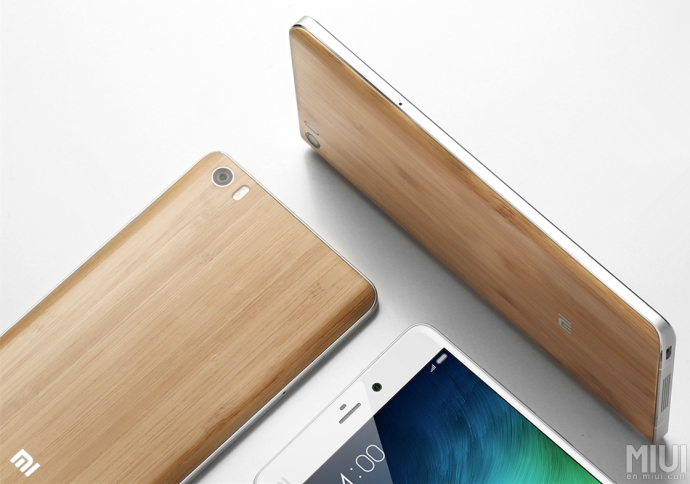
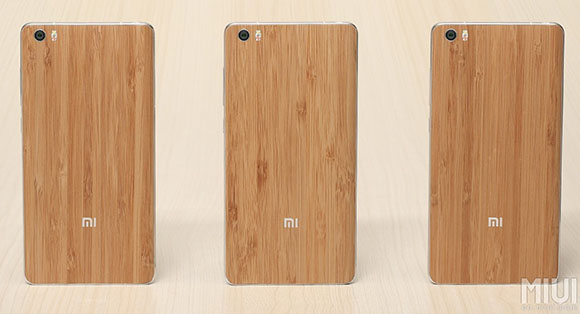
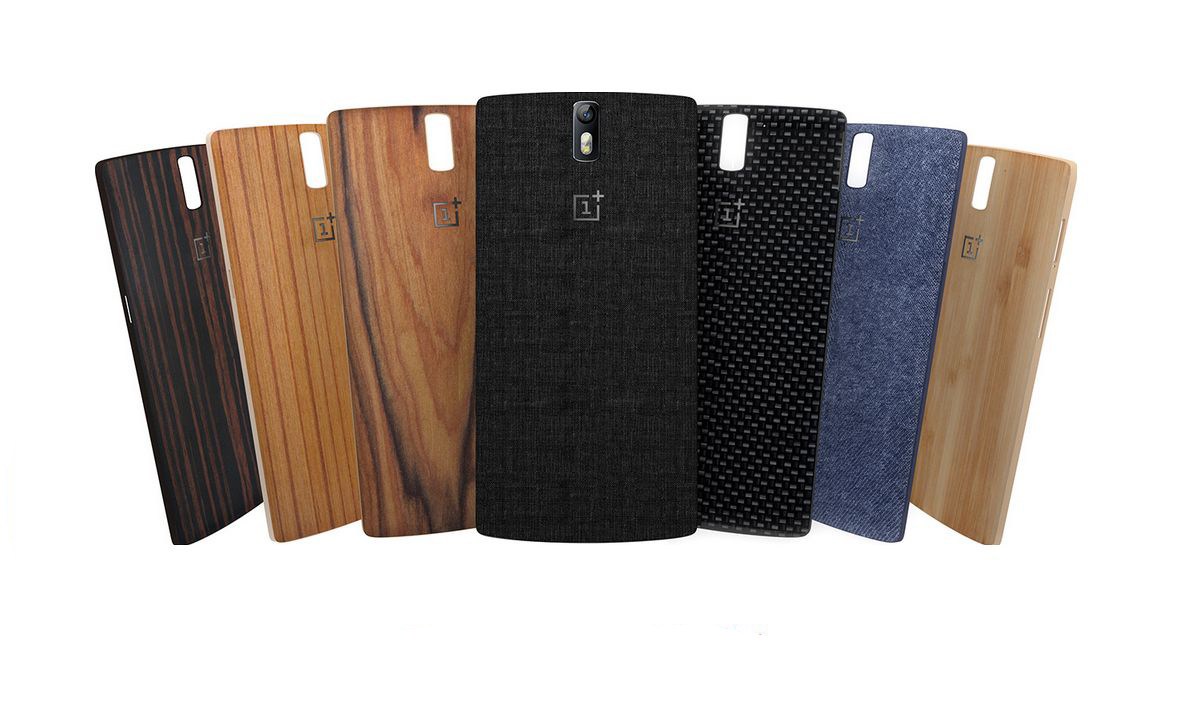
    One of the most awaited features of the OnePlus One were the multiple textured back panels which were called the StyleSwap Covers by the company. But citing technical issues during production, the company said last year that they were stopping production of the covers as they didn’t meet the standards. That news disheartened a lot of users who wanted to customize their devices with those innovative covers. OnePlus’s compatriot, Xiaomi though has raced ahead of OnePlus in this regard and has brought out a new Bamboo edition of the recently launched Mi Note.

    mi note bamboo 2

    The Mi Note Natural Bamboo edition is priced at $370 (approx Rs. 23000). It is powered by a quad-core Qualcomm Snapdragon 801 processor along with 3 GB RAM. It flaunts a 5.7-inch Full HD display (1080×1920) with 386 pixel density. It offers support for 4G networks on both of its SIM slots. The device runs MIUI v6, which is based on Android 4.4.4 KitKat. It offers 13MP rear camera with dual-tone dual-LED flash and a 4 MP front camera for clicking selfies. The handset gets its juice from a 3,000 mAh battery.

    The kickass back panels promised by OnePlus that never came to the market.
    The kickass back panels promised by OnePlus that never came to the market.

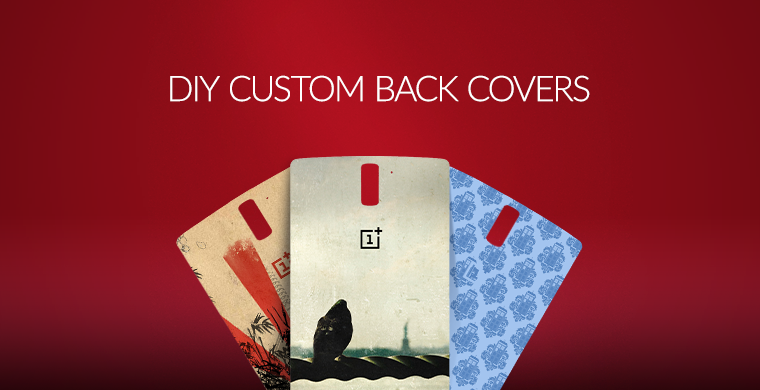
    Not to be outdone by Xiaomi, OnePlus also came out with a DIY (Do It Yourself) post which shows how you can easily create customized back panel graphics for your One. The instructions are simple, and it’s really easy to create the back panels which broadcasts your personality to onlookers. All you need is a OnePlus clear case, a printer, photo-editing software, the downloadable OnePlus One blueprint file and a pair of scissors. The blog post by OnePlus also shows some amazing designs that you choose for your One.

    The DIY backpanels for the OnePlus One.
    The DIY backpanels for the OnePlus One.

    The Bamboo edition of the Mi Note will go on Sale in China from March 24th. The textured or back panels are necessary as they transform the monotonous bar shaped devices into personalised art pieces. We hope that more companies start bringing out customizable back panels for the Indian consumers as there is a demand for it especially from the youth market.

  • Xiaomi is India’s Biggest 4G Device Vendor for January, Knocks Down Apple and Samsung

    Xiaomi is India’s Biggest 4G Device Vendor for January, Knocks Down Apple and Samsung

    The battle to become the top smartphone vendor is getting tougher and steamier. After conquering China’s smartphone market, Xiaomi has once again proved itself, but this time of India. According to a report by the market analysis firm CyberMedia Research (CMR), the Chinese electronics maker Xiaomi brought down the leaders Samsung and Apple, and emerged as the biggest 4G handset seller in India. The fresh records are of January this year.

    According to the data released by the research firm for January, Xiaomi is ahead of the reputed smartphone manufacturers and holds a market share of 30.8 percent. Apple, Samsung, HTC, and Micromax follow respectively at 23.8 percent, 12.1 percent, 10 percent, and 8.3 percent. Few months back, another analysis firm reported Apple as the frontrunner of the fourth quarter of 2014. The Cupertino-based tech giant held the 45 percent market share, which was followed by HTC and Samsung.

    mi4 xiaomi

    These figures showcase the shipment of only 4G handsets in India. Samsung still leads the pack with 17.3 percent market share which includes feature phones, smartphones, 3G and 4G mobile phones. Lava, Microsoft, Micromax, Intex have comparatively lesser share with 11.9 percent, 10.3 percent, 9.7 percent and 8.5 percent respectively.

    This outcome by CMR is a massive blow for the world’s largest smartphone vendors. Although, the numbers represent the sales figure of a month only, but it’s an indication that Samsung and Apple need to take Xiaomi as seriously as any other contender out there.

  • While We Wait for OnePlus’ Powerbank, Here Are 5 Available for Purchase Today

    While We Wait for OnePlus’ Powerbank, Here Are 5 Available for Purchase Today

    Smartphones have become our primary source to instantly connect to the world around. To walk with the pace of the world, smartphones need to keep working; here’s where the dependant power banks come into the picture.

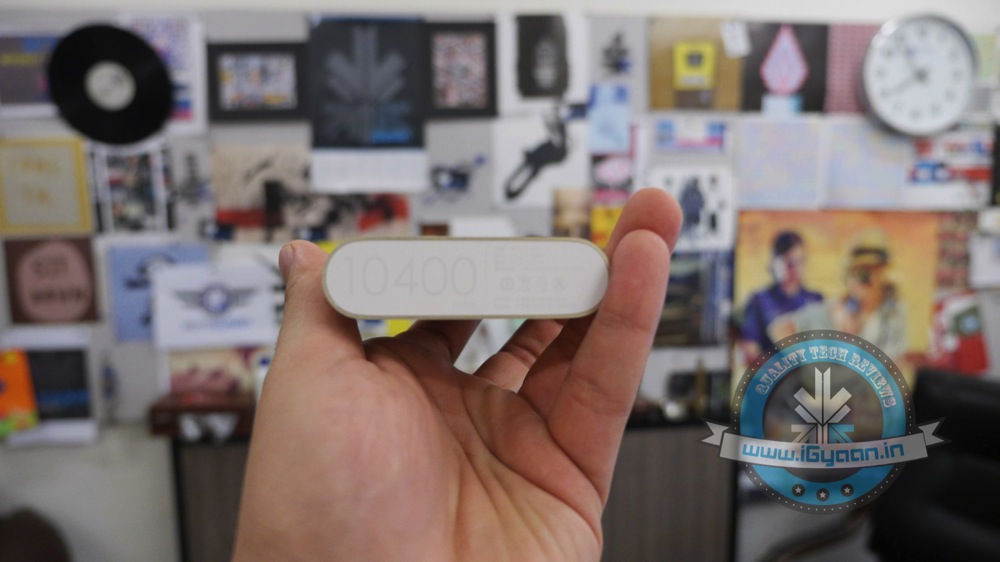
    There are many power banks in the market that promise to charge the devices instantly while on the go. The top amongst them is Xiaomi’s 10,400mAh Mi power bank, which is the most powerful of all and is affordably priced. Unfortunately the Mi power has not been available for a while now. In a recent event, top officials of the company commented that it may take a while for the device to be back in stock. OnePlus is also geared to launch its power bank with 10,000mAh capacity, but the company is not releasing the same in India anytime soon.

    So meanwhile, we decided to compile a list of powerful power banks that are worth your money. One can choose any from the below-provided list:

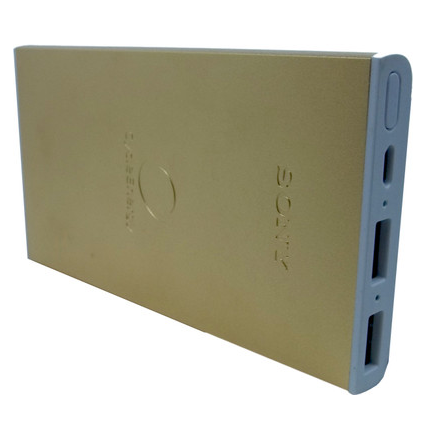
    Sony PB574SJG

    sony power bank

    The power bank from Sony comes in elegant gold colour option. It has a battery capacity of 10,000mAh and can restock a regular battery of 2500mAh four times on a single charge. Every unit of Sony PB574SJG power bank has two ports: Micro-B USB, Mini USB. The device is priced at Rs. 1,449.

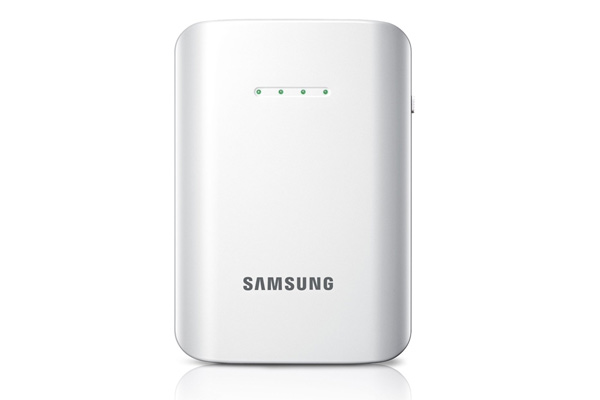
    Samsung 9,000mAh

    samsung powerbank

    The battery support by Samsung is little less than others in the list at 9,000mAh, but can power the device more than twice once the source is fully charged. The Li-Ion Battery comes in black colour and houses one USB port. The power backup is priced at Rs. 1,000.

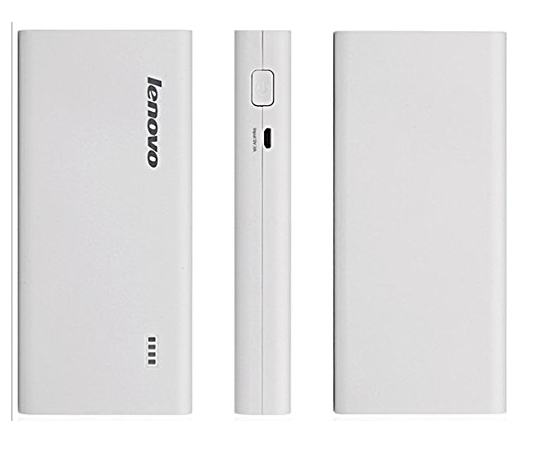
    Lenovo 10,400mAh

    lenovo powerbank

    The Lenovo’s external battery support is mammoth at 10,400mAh. Weighing at a mere 340 g, the battery is efficient in power conservation and features electricity-saving function. The portable machine has an LED power indicator, along with dual USB output. Every unit of Lenovo GXV0F78691 costs Rs 1,777.

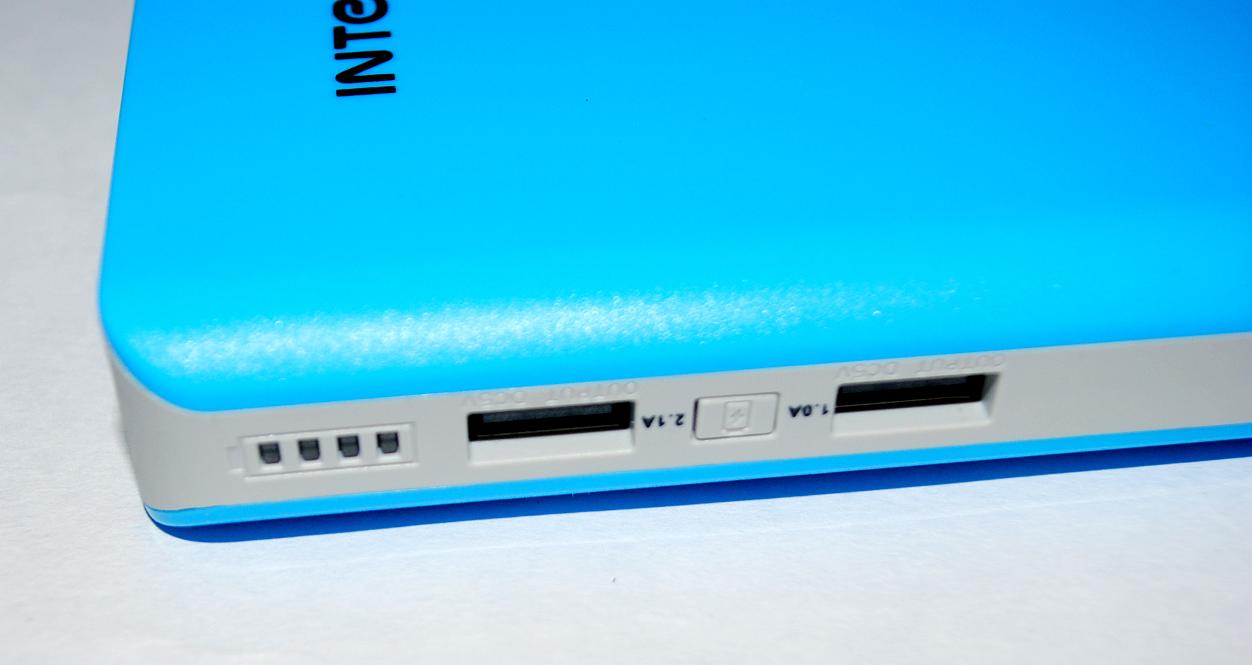
    Intex 10000 mAh

    intex powerbank

    Intex’s power bank is another robust gadget designed to charge not only mobiles, but also Sony Cyber-shot cameras. The Li-Ion Battery comprises of two ports, Micro-B USB and Mini USB. The battery support is small and fits in hand perfectly. The ultra-portable gadget slip into the pocket and is extremely light. It comes in two colours, white and blue, and costs Rs. 1,199.

    PNY 10400mAH Power Bank

    cheers

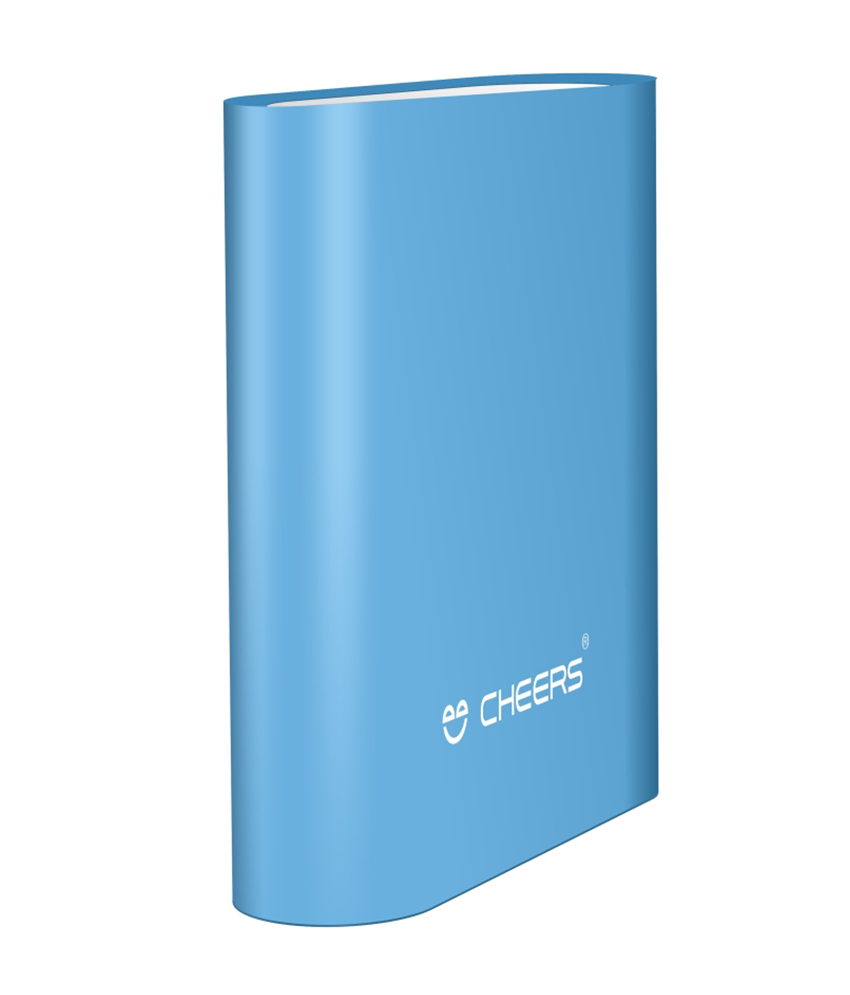
    One of the top contenders in power bank arena presently is PNY. The device has a potential of storing 10,400mAh and it can be grabbed at just Rs. 999. The device has 4-lights of LED power indicator, which displays the battery level status. However it only allows a single USB, so two devices cannot be simultaneously charged.

  • Latest Google Chromecast Update Adds a Super Useful New Feature

    Latest Google Chromecast Update Adds a Super Useful New Feature

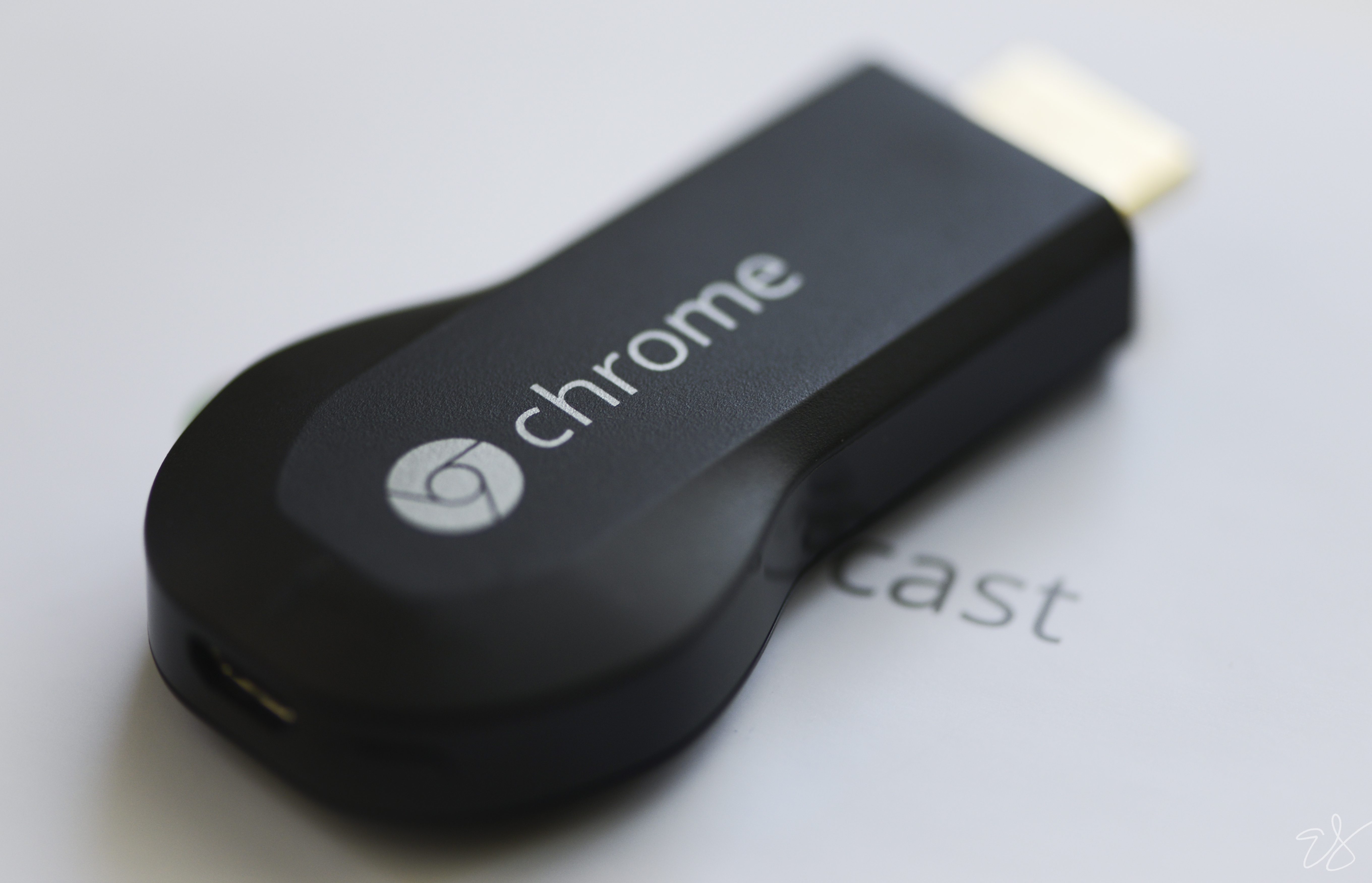
    The Google Chromecast has given a new meaning to entertainment by allowing us to stream content onto our television sets with minimum difficulty. The only minute problem with this had been, that you could only control the content using your smartphone or laptop, by opening the app you are running on Chromecast and put in the commands like play/pause. But now, for the first time, Google’s Chromecast allows you to pause and play videos using your television’s infrared signals, thanks to the device’s 27946 firmware update. So basically, you can now control Google Chromecast using your TV’s remote.

    The device works on HDMI-CEC, the same modus operandi which allows the Chromecast to turn on the Smart TV. This feature was tested with selected applications like WatchESPN, HBO Go, YouTube, Google Play Music.

    For this to work, you can check whether your television has HDMI-CEC enabled from the manual, and a remote with a dedicated play/pause button. The HDMI-CEC enabled device, the Chromecast or the TV, can then be controlled using the one remote without any further setting up.

    Chromecast already supported HDMI-CEC from day one, but the feature was limited only to switching on/off the television set or switch inputs to cast media. Also the fact that there was no surety whether it would work on all the television sets since not all sets are HDMI-CEC enabled.

  • Motorola’s New Moto Turbo is Now Available on Flipkart

    Motorola’s New Moto Turbo is Now Available on Flipkart

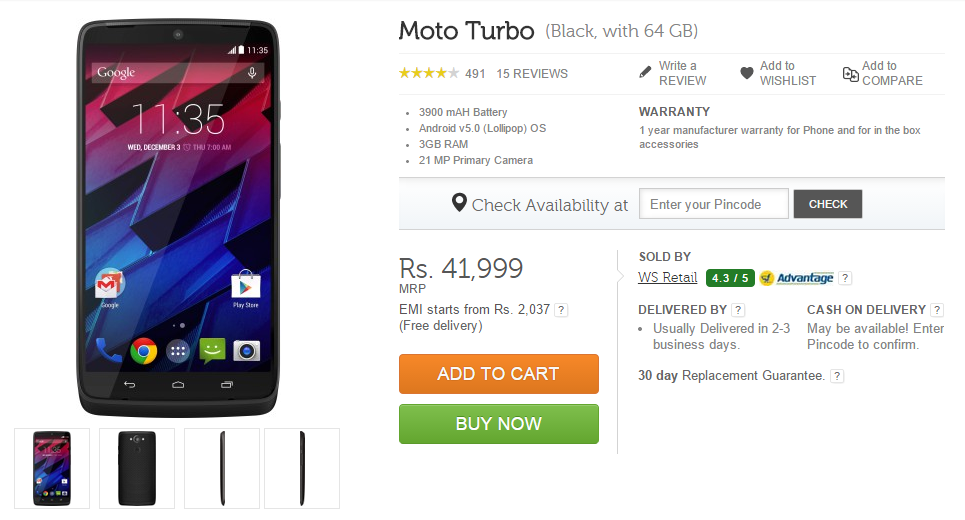
    A while back, Motorola announced the arrival of the powerful Moto Turbo in India. The company has established itself in the Indian market at as a reliable budget smartphone provider, and the Turbo is its most expensive offering in the market. The device was up for pre-order since the time of its launch with the price tag of Rs. 41,999. The phone is up for grabs in India from today onwards.

    The cash on delivery option is applicable on this device, and one can also buy the same on EMIs. The product can be delivered at the buyer’s doorstep in 2-3 business days.

    moto turbo

    The new Moto Turbo sports a 5.2-inch Quad HD display with 565 ppi pixel density. Powered by quad-core Qualcomm Snapdragon 805 processor, the device holds Adreno 420 GPU along with 3GB of RAM. A water-repellent coating is incorporated on the screen that protects the device. The battery support of Moto Turbo is 3,900mAh, and it comes with Motorola’s Turbo Charge feature that powers the device for up to seven hours of usage in just 15 minutes of charging.

    The optics of the phone is also top-notch. A 21MP autofocus snapper with dual-LED flash sits at the back along with other features like slow motion video, burst mode, auto HDR, Panorama, and a few more. Though, the front camera is a conventional 2MP. The device runs on Android 5.0 Lollipop, and the connectivity options include Bluetooth, Wi-Fi, 4G LTE with LTE Cat 4 and Micro-USB.

    Click here to buy now:

  • Details of Xiaomi Mi Note Plus Revealed

    Details of Xiaomi Mi Note Plus Revealed

    It’s safe to say, Xiaomi has been on a roll. It has unveiled several new smartphones in the market, which are undoubtedly remarkable and are gaining fame for being reasonable priced. The Chinese smartphone brand showcased a new smartphone line back in January called Mi Note, which comprises of Xiaomi Mi Note and Mi Note Pro. It appears like the firm has one more device in the Mi Note series to offer which is being worked on secretly.

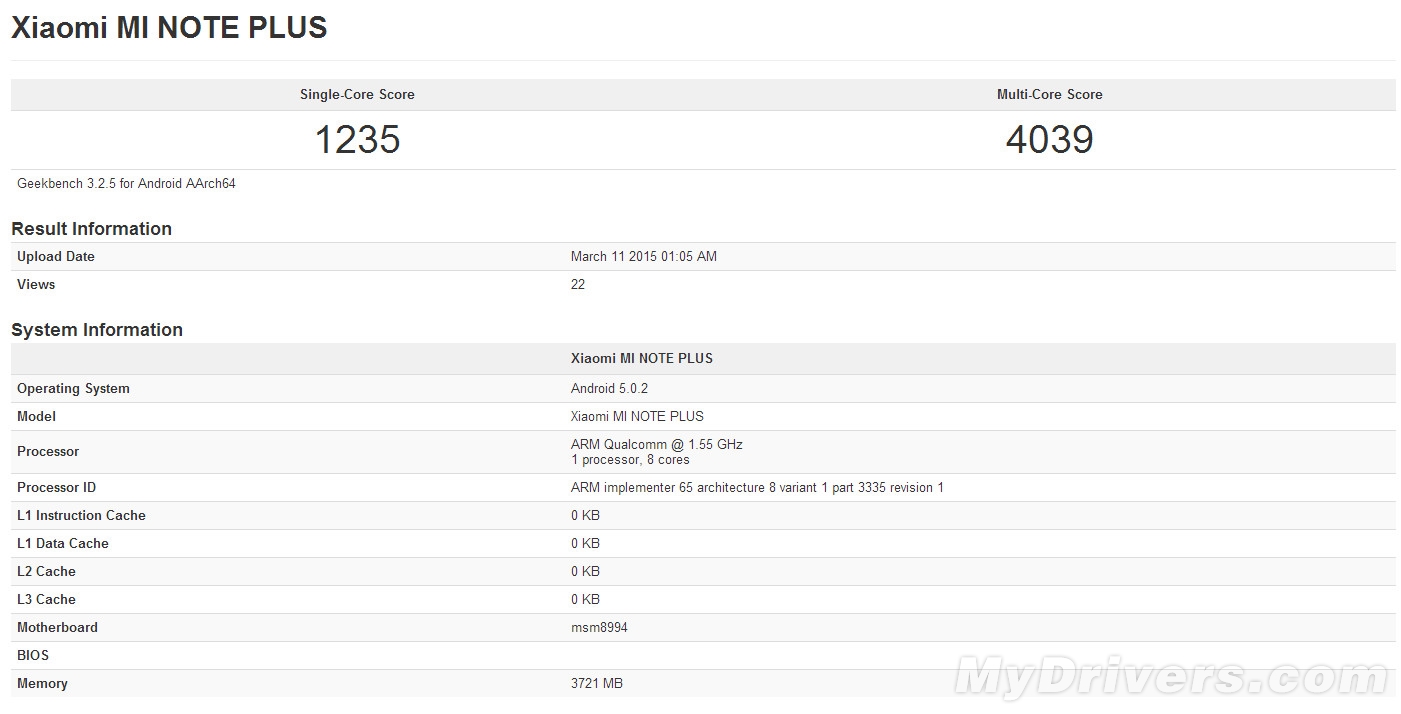
    A new premium device showed up on GeekBench that speaks of the high specifications of the forthcoming device. It also illustrated the benchmark scores of Mi Note Plus, along with Samsung Galaxy S6 and HTC One M9. According to the cross-platform processor benchmark, Xiaomi Mi Note Plus sports a Qualcomm Snapdragon 810 processor and 4GB of RAM, just like the Mi Note Pro. The device will run on Android 5.0.2 Lollipop.

    mi mote plus

    From the revelations, it is observed that the fundamental specifications of the Plus version of Mi Note are identical to Mi Note Pro. Also the GeekBench scores, the Mi Note Plus stood close to HTC One M9 with single-core score at 1282 and multi-core score at 3928. The Mi Note Plus, on the other hand, scored 1235 and 4039 in single-core and multi-core score respectively.

    We doubt Xiaomi’s new offering will give th Galaxy S6 tough competition, but given the price range of the Galaxy S6, the Mi Note Plus is expected to attract more customers. Recently, Lin Bin, Co-Founder and President of Xiaomi also hinted that a special edition of Mi Note would be coming out soon. The fresh device is expected to release today. It is uncertain if Xiaomi is pointing to the Plus version as the special edition, but once the firm makes the announcement, things will come to light.

  • Boeing Looking to Provide High Speed Satellites for Top Tech Giants

    Boeing Looking to Provide High Speed Satellites for Top Tech Giants

    Boeing, one of the leading aerospace giants, is getting ready to grab a major big deal which will be signed by some of the biggest names in the technology industry. If it gets the deal, Boeing will be responsible for building high-throughput communications satellite for companies such as Google, Amazon, Facebook or Apple.

    High-throughput communications satellite offer high data transmission rates for uploads and downloads. Jim Simpson, the vice president of business development and chief strategist for Boeing Network and Space Systems, told Reuters that the tech companies were actively looking to enlarge the area under internet connectivity to expand their business. Mr. Simpson also added that they looking to provide gigabytes, terrabytes, pedabytes of capabilities to the companies.

    There are many companies who are looking into the possibilities of establishing a satellite based space internet. Elon Musk’s SpaceX and Greg Wyler’s OneWeb are the ones who are fiercely contesting to be the first to establish a global constellation of internet providing satellites. SpaceX has already got $1 Billion in assistance from Google for their venture of building 4000 lower earth orbit satellites. The tech companies are excited with these developments, as more coverage means new customers for their services. It seems like the world will soon be covered in a blanket of internet providing satellites.

iGyaan Network
Privacy Overview

This website uses cookies so that we can provide you with the best user experience possible. Cookie information is stored in your browser and performs functions such as recognising you when you return to our website and helping our team to understand which sections of the website you find most interesting and useful.