Blog

  • Xiaomi Allowed To Sell Devices Till March 18 Despite Ericsson Complaint

    Xiaomi Allowed To Sell Devices Till March 18 Despite Ericsson Complaint

    Late last year telecom equipment maker, Ericsson filed a complaint in Delhi High Court that Xioami was violating their patents. This complaint had led to a temporary ban on the Chinese smartphone maker. The ban was later lifted, and Xiaomi was allowed to import and sell their devices in the country till the 5th of February with the condition that these devices only have Qualcomm processors. Now Ericsson is alleging that Xiaomi is violating by selling non-Qualcomm devices through a website.

    The lawyers for Ericsson claimed that Xiaomi was selling its non-Qualcomm devices through a website called www.xiaomishop.com. The website at present seems to have been taken down.

    Responding to the complaint, Xiaomi’s lawyer said that the company has no stake in the website, and someone else was misusing their name. He also added that the company was complying with the court order, and this is a case of third party sale where Xiaomi has no control.

    There was also good news for Xiaomi as a single judge allowed the company to further sell their devices till March 18. The company would have to deposit Rs.100 per imported device to the Registrar General of the Delhi High Court.

    Xiaomi is currently selling its last flagship, the Mi4 in India and the extension of the sale period would be a good news for the company’s consumers. The next sale will be held on February 10th where the Mi4 and the Redmi Note 4G will go on sale.

  • World’s First Ubuntu Phone to Go on Sale on 9th February

    World’s First Ubuntu Phone to Go on Sale on 9th February

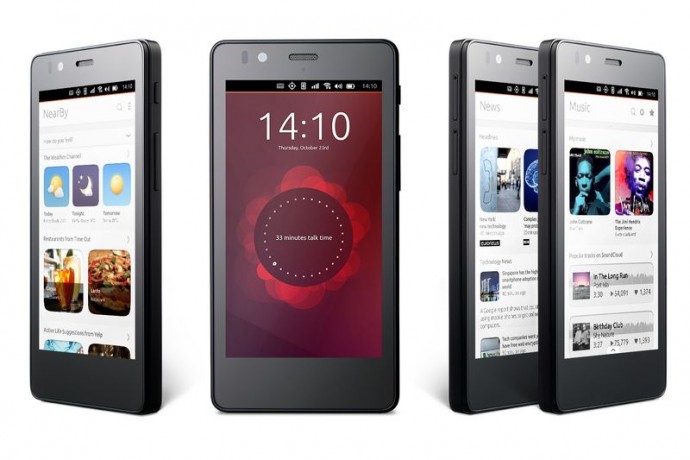
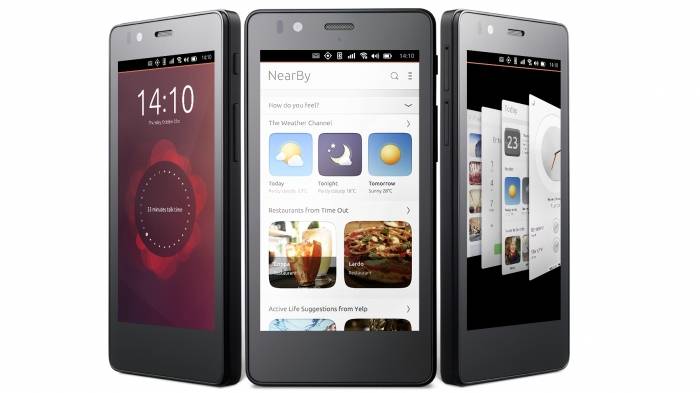
    Ubuntu, a powerful, fast, and clean operating system (OS) debuted over two years back, but failed to make space in this over-flooded market. But finally, the operating system has got direction and an Ubuntu Phone is coming out next week.

    Titled Aquaris E4.5 Ubuntu Edition, the phone is built by the Spanish company BQ. The low-budget handset sports a 4.5-inch qHD display. It is powered by MediaTek Quad Core Cortex A7 processor clocked at 1.3 GHz paired with 1 GB of RAM and a Mali 400 GPU. The device has an internal storage capacity of 8 GB along with a battery of 2150mAh. An 8MP rear shooter and a 5MP front snapper sits on the handset.

    The phone is expected to be priced at $195 (somewhere around Rs. 12,000) and will go on sale in Europe on February 9 via flash sale model.

    ubuntu phone

    Ubuntu Phones will come with a new user interface (UI) called Scopes that will change the way we interact with our phones. “A new UI paradigm, designed to deliver content and services directly to categorized home screens, giving users a rich, unfragmented experience.” Scopes will give categorized home screens to pull content from multiple sources. Users can get the content from YouTube, Vimeo and other sources on the same page.

    A new operating system means native apps need to build up. But Canonical, the company behind the operating system, doesn’t want its users to wait that long. It is making a way to port apps from its desktop Linux distribution Ubuntu to the Ubuntu Phones. So, around 1,000 apps would be available to download. It has been learnt that WhatsApp is not backing Ubuntu, so the instant messaging service will not be a part of it for now.

    Canonical is planning to release it in the US market soon. An Ubuntu-based smartphone is a big step by the company and was much-needed to bring it to mainstream. It would be interesting to see how users respond to the new OS.

  • China to Employ More Robots Than Any Other Country by 2017

    China to Employ More Robots Than Any Other Country by 2017

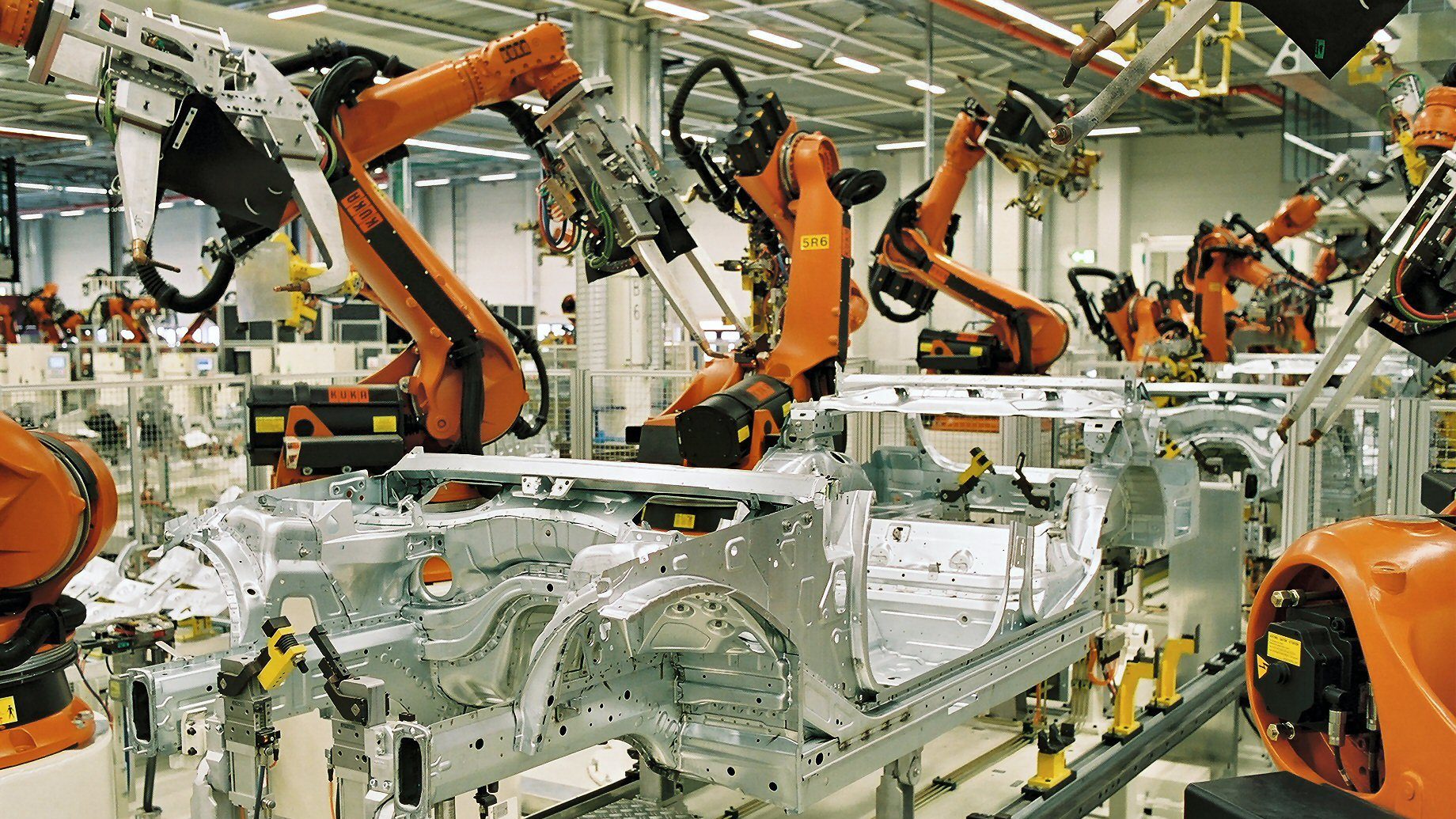
    China is the biggest manufacturing hub in the world. State provided incentives, low wages and the lack of strict labour laws have helped the country become a formidable force in the field of manufacturing. The country is slated to become the biggest employer for robots by 2017.

    To give a boost to its automotive and electronics production the country is in an active automation-drive. The wages have grown over the years and hence the companies are being forced to invest in robots.

    The trend has started with automobile production, but specialists believe it will soon be seen in the electronics production. The automobile industry accounts for about 40 percent of robots currently in operation.

    China is still lagging behind in terms of numbers of robot it employs now. While China has 30 robots per 10000 workers, South Korea boasts of 437; Japan has 323, and the United States has 152. But the the International Federation of Robotics (IFR) estimates the numbers of Chinese robots to grow exponentially.

    Japanese robot suppliers lead the race to supply to the industry and hold 60 percent of the market. Chinese suppliers are also fast gaining ground and have captured a quarter of the market.

    The robots will also actively take jobs away from human workers so its left to be seen how China will address that issue.

  • Assassin’s Creed: Rogue PC Out on 10th March, PC Requirements Revealed

    Assassin’s Creed: Rogue PC Out on 10th March, PC Requirements Revealed

    Ubisoft has officially confirmed the launch of Assassin’s Creed: Rogue PC version for the 10th of March. While, those of you who order the game via Uplay also get one of the seven other Assassin’s Creed title as a bonus. Digital Pre-orders also come bundled with two bonus DLC packs – The Siege of Fort de Sable and The Explorer, though we are not sure whether these will be available on retail pre-orders in India.

    Meanwhile, Ubisoft also announced that the PC version of Rogue will feature eye tracking technology, where SteelSeries Sentry owners can control the in-game camera simply with their head motion.

    For those you, interested in the PC version, you should check out the minimum PC requirements below:

    OS: Windows 7 SP1 or Windows 8/8.1 (64bit versions only)
    CPU: Intel Core2Quad Q6600 @ 2.4 GHz or AMD Athlon II X4 620 @ 2.6 GHzH
    RAM: 2 GB
    Graphics: Nvidia GeForce GTS450 or AMD Radeon HD5670 (1024MB VRAM) or Intel HD4600
    DirectX: DirectX June 2010 Redistributable
    Sound: DirectX Compatible Sound Card with latest driver
    Hard drive: 11.4 GB

    Supported video cards at launch:

    • Nvidia Geforce GTS 450 or better, Geforce 500, 600, 700, 900 series
    • AMD Radeon HD 5670 or better, Radeon HD 6000, 7000, R7, R9 series
    • Intel HD4600, HD5200

    Note: Laptop versions of these cards may work but are not officially supported.

  • Lava Officially Brings Out a New Budget Smartphone, The Iris X8

    Lava Officially Brings Out a New Budget Smartphone, The Iris X8

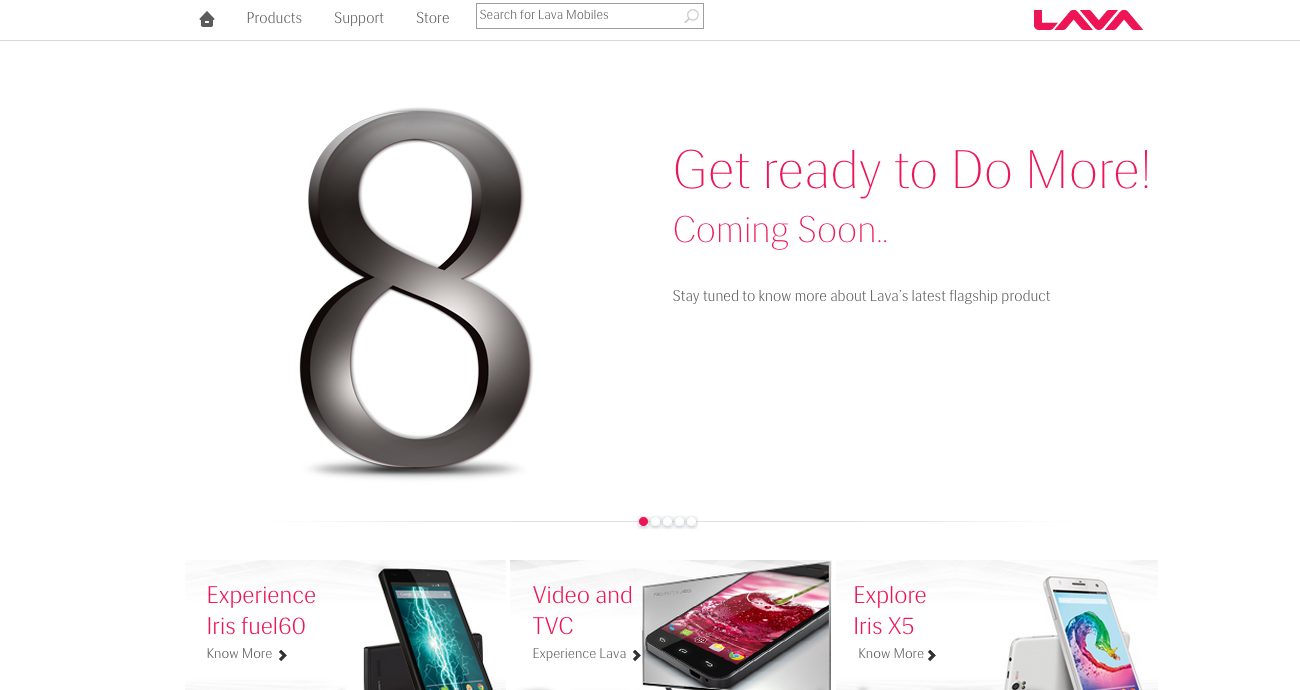
    Indian mobile phone brand Lava was all ready to unveil its brand new device to take on the likes of the Redmi Note and the Yureka. On its website, it only posted the number 8 with the tagline “Get Ready to do more!” calling it their latest flagship offering. Now the company has officially launched the device and its called the Lava Iris X8.

    Earlier Flipkart had mistakenly leaked the specs of the device. The listing was later removed, but it did flaunt off some impressive specs which got folks excited for the device.

    The Website listing for the upcoming Lava Iris X8
    The Website listing for the Lava Iris X8

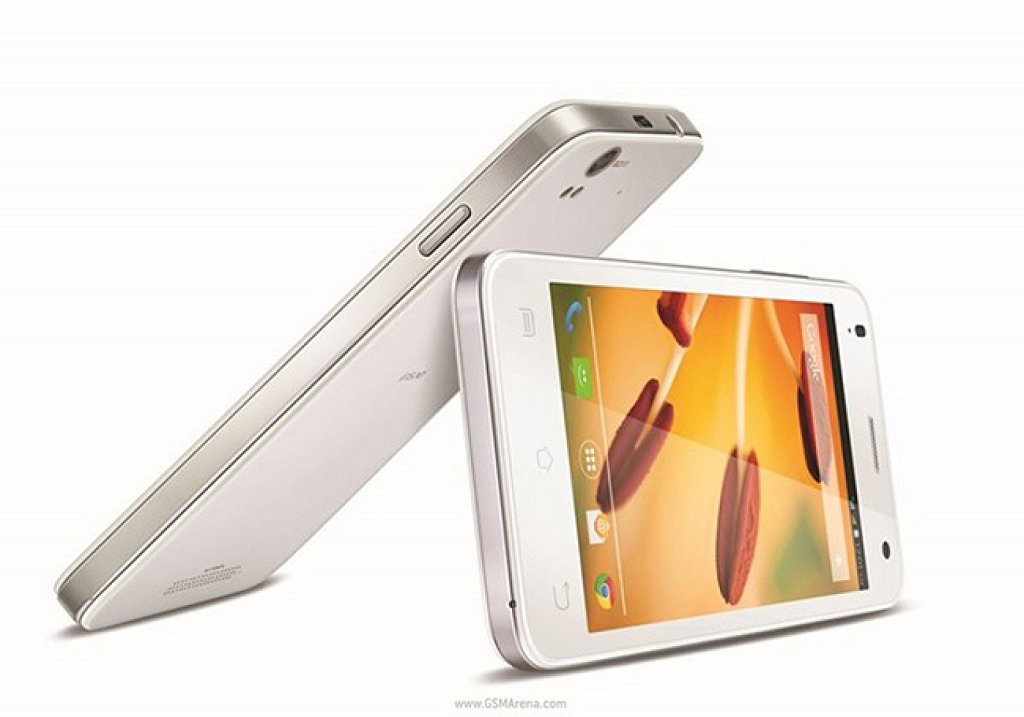
    The Iris X8 sports a 5.0 inch, 1280×720 IPS HD display. The display will be protected with Asahi Dragontrail glass. The device is powered by a 1.4GHz octa-core MediaTek processor along with 2 GB RAM. It has 16 GB internal storage that is expandable up to 32 GB.

    On the camera front, the Iris X8 packs an 8 MP camera on the back along with dual LED flash, while a 3 MP selfie camera sits on the front. The device is powered by a 2500 mAh battery. It also offers features like Smart Wake-up and Gesture controls.

    The Iris X8 comes with Android KitkKat 4.4 out of the box and is apparently upgradeable to Lollipop. Lava has also tied up with Airtel to provide 500 MB of bundled 3G data per month for two months.

    By the looks of it, the X8 seems like a great device for anyone who doesn’t want to wait in line for the YU Yureka or the Redmi Note. With a price tag of Rs. 8,999, the device has good enough features to compete efficiently in the sub-Rs.10,000 market. Wait for the hands-on and full review of the Lava Iris X8 on iGyaan, coming up soon.

  • Uber Gets Responsible, Adds Panic Button in its Mobile App for India

    Uber Gets Responsible, Adds Panic Button in its Mobile App for India

    Uber has faced a barrage of criticism in the past. Whether it’s for unethical business practices or the behavior of its drivers. The company was in the news again in India last year following an incident of rape which also led to it facing a temporary ban. Now the company is trying to revamp its perception and has added security features on its smartphone app.

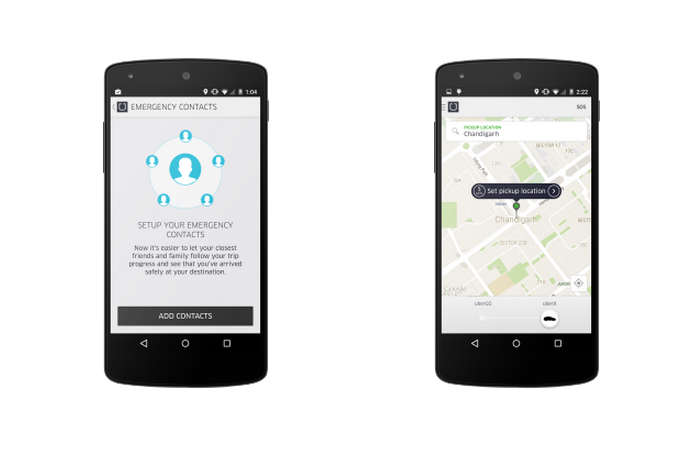
    From February 11th, Uber users will get a panic (SOS) button in their app which will allow users to share their location with up to five friends. In the case of an emergency, the user would just have to press the button, and it will alert the nearest police station.

    Uber panic

    Apart from the new in-app features, Uber will also establish local Incident Response Team to handle emergency situations. This team would also be alerted when the panic button is pressed, and it will assist the riders during the emergency situation.

    In its blog post, the company has also mentioned its focus on police verification. It says that every new driver interested in partnering with Uber is directed to the crime branch for police verification.

    Uber has been credited with revamping the cab business for the 21st century and now with these enhanced security features, it seems everything will be back on track.

  • At 50 Megapixel, Canon 5DS is the Highest Resolution Full-Frame DSLR

    At 50 Megapixel, Canon 5DS is the Highest Resolution Full-Frame DSLR

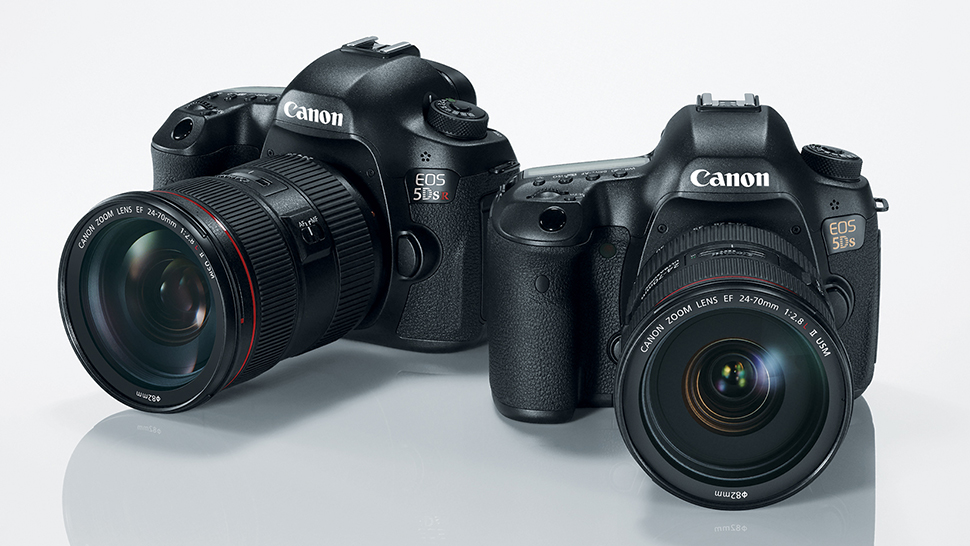
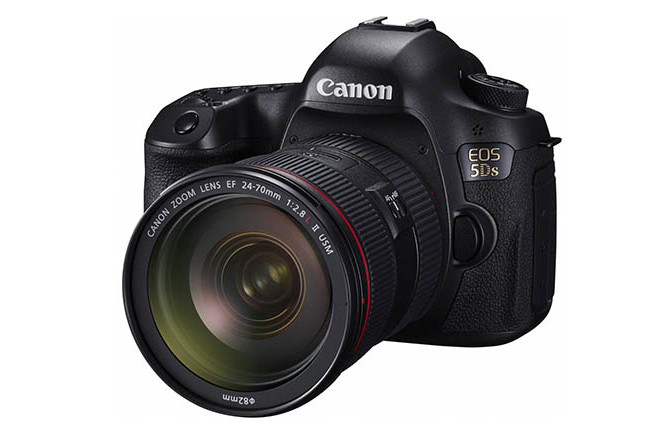
    Canon is one of the top choices for prosumers and professionals when it comes to DSLRs. The company has given a boost to photography with its wide choices of lenses and accessories. It is now trying to take on all its competition in the premium segment with the introduction of the 5DS and 5DS R.

    Canon has packed in a mammoth 50 megapixels into the camera that makes it the highest resolution full frame camera ever. The 5DS R is almost the same as the 5DS, but it gives you the option for canceling the anti-aliasing filter which helps give much finer details.

    Canon 5DS 1

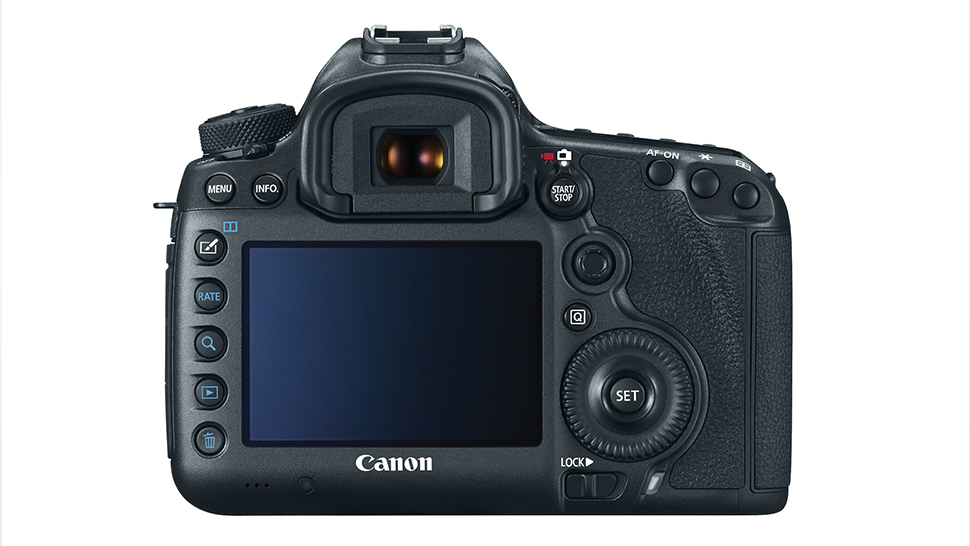
    The cameras are powered by dual DIGIC 6 processor and offers 61-point autofocus system that would provide it with snappy autofocus capabilities. The offering of 50 MP also means that the camera allows you to shoot 19 MP images on cropped APS-C sensor, which is fantastic.

    Canon 5Ds 2

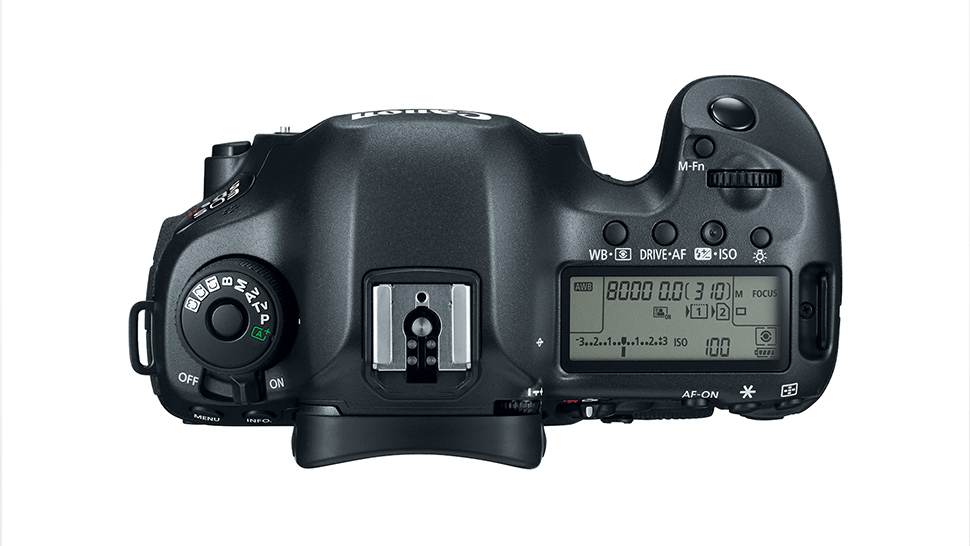
    What maybe a disappointment to some would be the lack of advanced video features in the camera. Canon DSLRs are seen as a great tool for video production, but this camera doesn’t offer any extra features for video shooting. It does offer the usual 1080p video recording.

    Canon 5DS 3

    Overall, these new products from Canon’s stable seem only for the battle-hardened photographers and will help them create spell bounding images. The Canon 5DS is priced at $3700 while the 5Ds R will be $3900, and they will be available June onwards. For the normal folks going on their Sunday morning photo walks, your 18-20MP DSLR would work just fine, you would be better off investing in quality lenses for your camera instead of these monstrosities.

  • HP Launches New Economical Desktop PCs in India

    HP Launches New Economical Desktop PCs in India

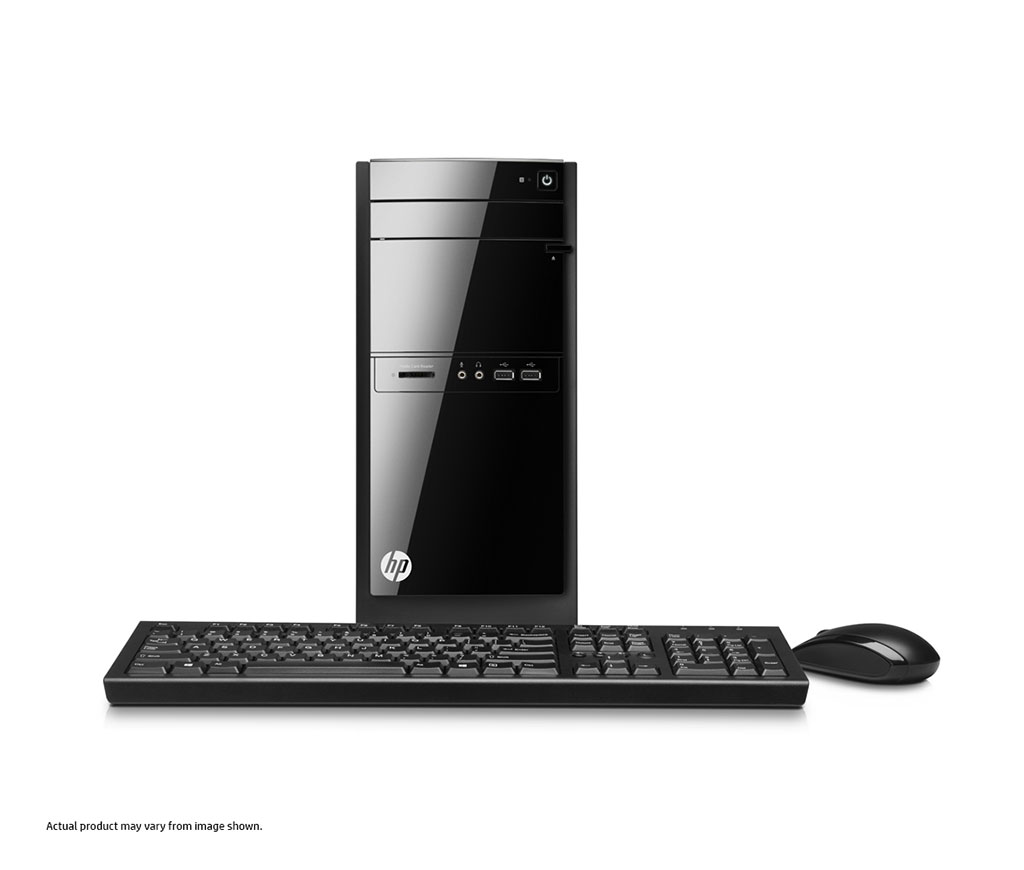
    HP has officially launched its new HP 110 and HP 120 desktops PCs for the Indian market. HP says these affordable desktop PCs are designed specially for everyday use for both small businesses and home users.

    The HP 120 is powered by a 4th gen 64-bit Intel Core i3 Processor, with a speed clocked at 3.6Ghz. It runs on Microsoft Windows 8.1 and users can customize the system with additional memory and graphics card. It comes bundled with 2GB of SDRAM which can be upgraded to 4GB. The HP 120 desktop features a 500GB HDD and comes with an included keyboard and a mouse.

    Meanwhile, the HP 110 desktop PC is powered by a 64-bit Intel Quad-Core processor bundled with 2GB of DDRL3 RAM along with Intel HD graphics. In terms of storage, the HP 110 comes with a 500GB HDD and comes bundled with a mouse and a keyboard.

    The HP 110 Desktop is now available in the market at a starting price of Rs. 23,990 (including taxes). It can also be purchased via the HP online store. However, the exact price of the HP 120 is not yet known though it should start at more or less the same price as the HP 110.

    In addition, HP is also offering a 3 year on-site warranty option for Rs.1,499.

  • Apple Tests Faster Photos App for OS X to Replace iPhoto

    Apple Tests Faster Photos App for OS X to Replace iPhoto

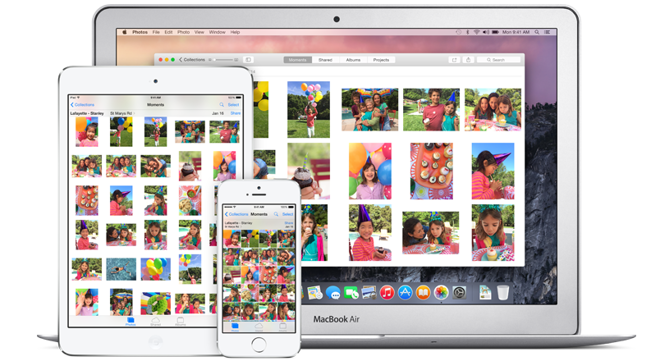
    Last year, Apple announced that it would discontinue its consumer photo library, iPhoto, and Aperture, the professional photo editing suite. The company has finally made up its mind. Recently, the firm released a developer version of the iPhoto successor app called Photos for OS X and soon it will be followed by a public Photos beta. The update will be absolutely free and will release for Mac users by spring this year.

    The new app is expected to have a cleaner design and a file management system that is more convinent. As per the previous declaration by Apple, the new Photos app will be linked to iCloud, which is Apple’s photo backup.

    photos app for os x

    As per The Verge, the new Photos app is just like iPhoto, so users would not have any problem navigating the app. Photos for OS X has four main tabs – Photos, Shared, Albums, and Projects. It contains all your photos in chronological format. Shared holds images from the shared photo streams, and an activity feed for likes and comments on those streams. Albums simply carries albums created by users and Projects stores slideshows. It’s a storefront for products with printed photos like cards, books, calendars, and so on.

    Not just this, Phtotos for OS X can perform many other functions. The Albums section can segregate different kinds of images, e.g. panoramas, slo-mo videos, and time lapses. The app is said to be really fast, no matter how many pictures you stuff in it.

    The central feature is its amazing syncronization capabiliy. If someone clicks on a picture from the iCloud-connected iPhone, it will automatically appear on the Photos app on Mac. Overall, the new app sounds quite promising and with this big step, the app should be able to gain some attention.

  • Assassin’s Creed Rogue to Get Eye-Control Motion Soon

    Assassin’s Creed Rogue to Get Eye-Control Motion Soon

    The next installment of the wildly popular Assassins Creed franchise could get more wilder – as you’ll be able to control the assassin with your own eyes. Put simply, where you look, the assassin looks (in this case Shay Patrick Cormac). Now your view and the in-game character’s view will be the same.

    Ubisoft has announced that the upcoming PC version (no consoles) of Assassin’s Creed Rogue will be compatible with eye-tracking tech, making it the first AAA title to do so. The game will support the Steel Series Sentry eye-tracking device – designed specially for gaming.

    Ubisoft has collaborated with Tobii for this venture. The eye tracking technology will primarily be used to control the game’s camera. The game will still be played using a keyboard and mouse, though when you look somewhere on the screen, the game’s character will do the same. While if you look away from the screen, it will pause automatically.

    [quote text_size=”small” author=”Corneliu Vasiliu ” author_title=”Producer at Ubisoft’s Kiev Studio”]

    Eye tracking is such a natural way to interact with a game and creates tons of potential opportunities for gameplay immersion.

    [/quote]

    Asassin’s Creed Rogue was launched last year for consoles, though the PC version is slated for a release sometime this year.

    Meanwhile, Tobii says its working on a range of other projects from indies to big studios, so we can expect more titles in the future who’ll milk this technology.

    [quote text_size=”small” author=”Oscar Werner.” author_title=”President of Tobii”]

    This is only the beginning of eye-tracking in gaming.

    [/quote]

    You can check out other games that have used the technology at Tobii Arcade. Do check out the video below showing off the eye tracking integration:

  • WhatsApp Adds Voice-Calling Button on iOS, Tests Voice Calls on Select Android Devices

    WhatsApp Adds Voice-Calling Button on iOS, Tests Voice Calls on Select Android Devices

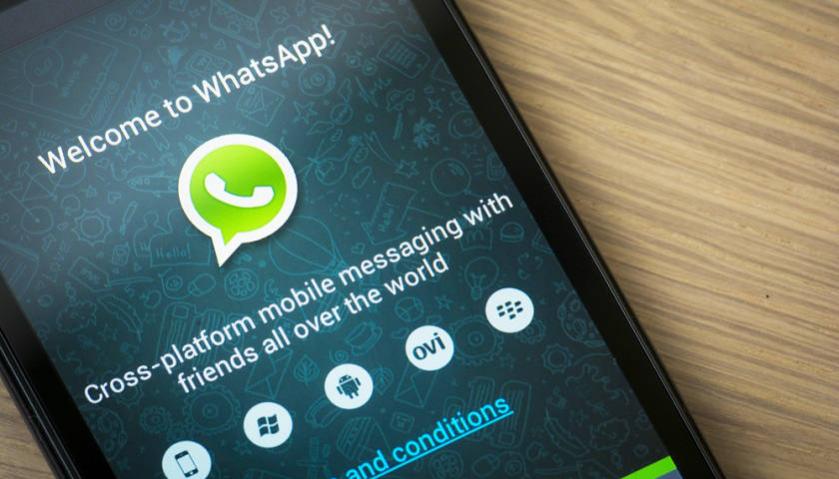
    WhatsApp’s big plans for the new voice calling feature have been received well by the crowds. After receiving news that the instant messaging service is being tested for Android devices, the company has released a voice-calling button for iOS users.

    The news broke out yesterday evening and it is very easy to use. A calling button in WhatsApp appears on iOS handsets within the chat window. This button is placed next to the contact name and profile picture. The app uses phone’s dialler for making outgoing calls.

    Whatsapp Voice calling
    The voice calling button, next to the profile picture.


    Though, the changelog of the update doesn’t notify about the calling feature and mentions addition of Dynamic Type support throughout the app, quick camera button in chat that let’s you quickly choose a recent camera roll photo, but it’s there in the new update.

    For Android, WhatsApp is currently passing on the feature to a select number of users, so we’d recommend you to keep a lookout for the update. Once WhatsApp is satisfied with the response of the service, it would be available for everyone to use.

    The reason that this upcoming feature is so popular is that it would allow users to make calls without having to pay for the call (only for their data service.) Few days back, WhatsApp rolled out the voice-calling feature to select users became viral and only people with invite could use the new tool. But it was barely useful as other people with the same feature could only be contacted.

  • Apple Watch to be Used by Major US Hospitals for Health Report

    Apple Watch to be Used by Major US Hospitals for Health Report

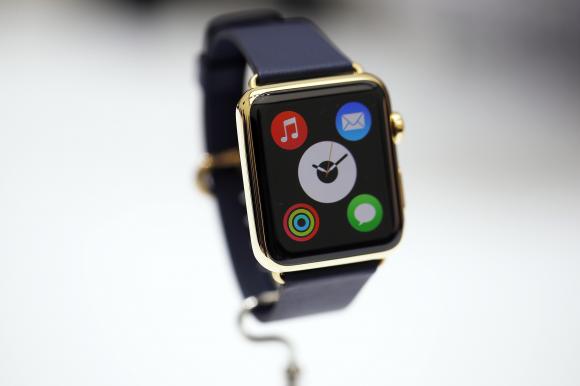
    Smartwatches are built with an aim to use technology to make lives easier for its users. Many manufacturers have now launched smartwatches to keep up with the wearable technology race, but it seems like Apple is working hard to remain at the top of this game. A new report states that Apple’s healthcare gadget is the top choice of major US hospital doctors to monitor patients.

    According to a survey conducted by Reuters, top hospitals prefer Apple’s smartwatch rather than the wrist-worn gadgets by Samsung and Google. The hospitals are in talks to start a program of Apple’s HealthKit service that will assist doctors read the recorded health information like blood pressure, weight or heart rate, so that the chronic conditions can be detected.

    Apple watch Features Design 10

    The Apple Heathkit gathers data such as glucose measurement tools, tracking apps to measure food intake and exercise and Wi-Fi connected scales. The forthcoming watch, set to release in April, is expected to come with some features that would allow doctors to view the heath records of a person just by sending it through the watch.

    The Chief Clinical Transformation Officer Dr. Richard Milani clarified the use of Apple Watch saying, “If we had more data, like daily weights, we could give the patient a call before they need to be hospitalized.” An industry advisor John Halamka spoke about the use of Apple Watch commenting, “Can I interface to every possible device that every patient uses? No. But Apple can.”

    The health technology is growing at a rapid speed and there are chances that Apple will invest more by 2018 in technology including apps, wearables, virtual care and remote monitoring.

  • Next Step in Smartphone Evolution: A Handheld Disease Detector

    Next Step in Smartphone Evolution: A Handheld Disease Detector

    Smartphones have brought immense convenience to our lives. It has become an essential, part of our daily life and to some extent even control the schedule of our day. As the reach of these devices grows widespread, a lot of new uses are coming into prominence. One major field, where smartphones are proving useful, is medicine. These handheld machines can be a great tool for detection of diseases before they become life threatening.

    Detecting Aids and Syphilis
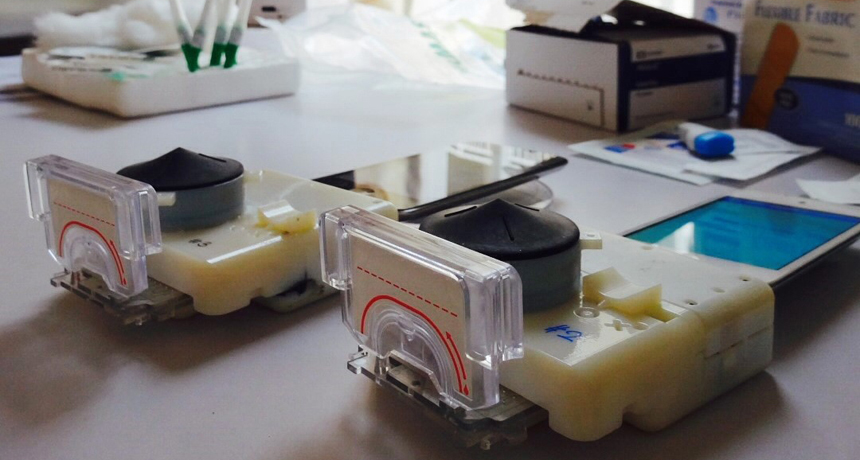
    Dongle Aids

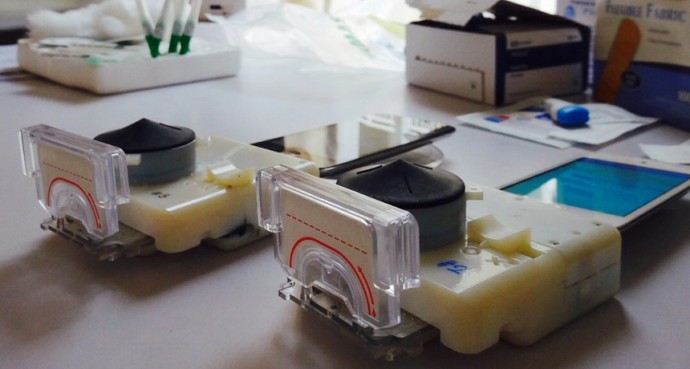
    Recently, researchers at the University of Columbia have unveiled a cheap accessory that can be plugged into the smartphone and could detect HIV and Syphilis. The device that costs just $34 and has been tested on 96 volunteers in Rwanda with promising results. Called a Dongle, it takes a fingerprick of blood, like a home glucose test and displays the result in just 15 minutes. This could come in as a handy detection tool as people can check themselves in the privacy of their home. So while the governments can work towards battling the stigma, this tool can get the patients to detect their disease and seek medical treatment.

    This is just one of the latest in the line of valuable research which hopes to give the power of disease detection to the public through their trusty smartphones. Smartphones have been actively seen as the tools for providing low-cost disease detection. Below are few of the instances where the smartphones can come handy in medical situations.

    Parkinson’s disease

    Researchers at Aston University have developed a phone app that can spot signs of Parkinson disease with more than 90 per cent accuracy. The app tests the individual through voice analysis by asking the person to pronounce a sound in the phone recorder. Then it asks the person to walk 20 paces so that it can record the moments through the accelerometer. Finally, the person has to complete a simple finger dexterity test on the touchscreen.
    Usually, Parkinson is tough to diagnose in the initial stages so a handy tool that is also accurate will help a long way to fight the disease.

    Mobile Eye Care
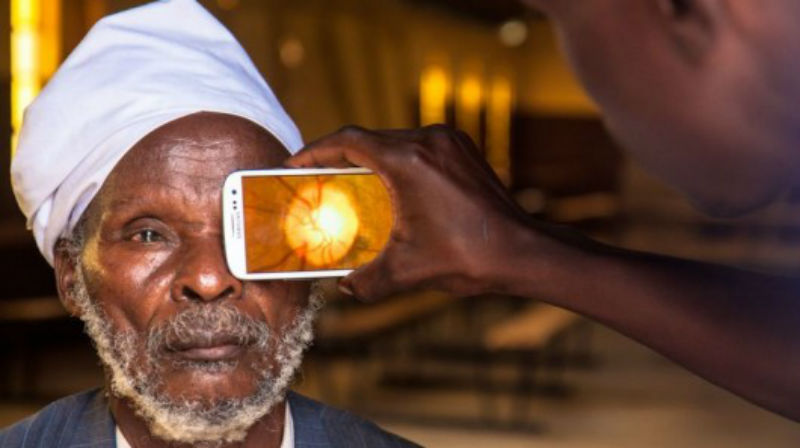
    peek-app

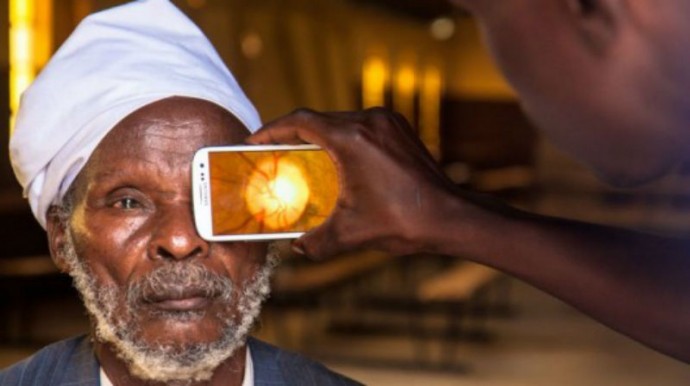
    The camera of the smartphone can be a boon for people living in poor regions of the world. The visually impaired population of these areas don’t have regular access to medical facilities and doctors. Most of these illnesses are avoidable, but the lack of medical attention makes matters worse for the patients. Dr. Andrew Bastawrous wanted to give these people the gift of prolonged eyesight and hence created a smartphone app called Peek. To further check the retina of the eye, his team created a clip on a 3D printed attachment that costs less than $5 to produce. This attachment gives high-quality view of the back of the eye which is almost as good as the expensive laboratory equipment. The results gathered by the app are stored in a database accessible by doctors from all corners of the world who can stay in touch with their patients.

    Urine Check
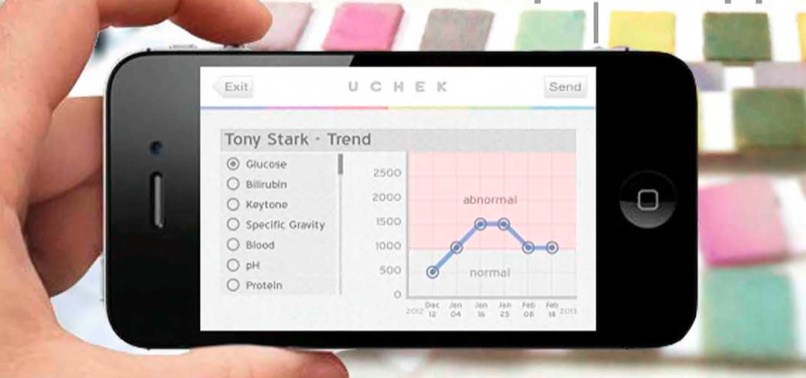
    Ucheck

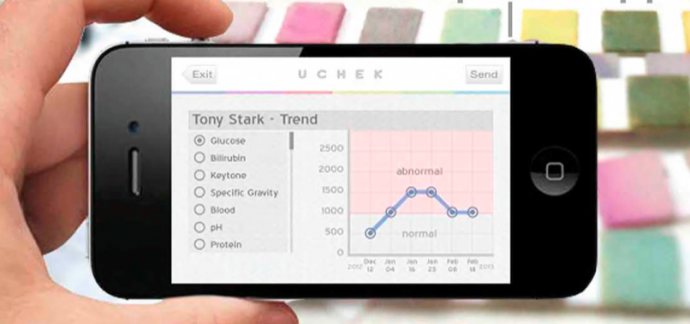
    MIT entrepreneur Myshkin Ingawale unveiled his new mobile app Uchek at TED conference. An individual has to dip in a urinalysis strip in a cup and just take a photo of the strip; that’s it. Uchek can measure the levels of glucose, proteins, ketones and other values in the body through the image. It can be used to detect diabetes, urinary tract infections and up to 25 other diseases. Tests have shown that the app is more accurate that humans are at interpreting the color coded strips. The app costs a meager 99 cents while the color-coded strips are priced at $20. This might be one of the cheapest and beneficial tools for self-monitoring.

    These are just a few ways in which smartphones are helping to make the lives of people better. It’s great to see how smartphone are evolving from simple communication tools into powerful machinery that can take care of our health and well being. People now have more access to smartphones than drinking and running water, and so they can come in handy to battle some of the most difficult human issues. Of course, smartphones won’t be able to take the place of doctors and health care workers any time soon, but they can become a valuable companion. With the arrival of healthcare wearables, it would become easier than ever to live a healthy life. The future looks good for a healthy humanity and smartphones may become one of the major reasons for that. And it definitely is a lot better use of these devices than crushing candies.

  • Kolkata On Its Way To Become India’s First WiFi Connected City

    Kolkata On Its Way To Become India’s First WiFi Connected City

    Kolkata has just taken the first step in becoming the first ever WiFi city in India. The city’s first WiFi zone will be implemented at Park Street and will be inaugurated by Mamata Banerjee. The service is provided by Reliance JIO, which will be free of charge initially and will be available next in the Ghariahat-Gol Park area of south Kolkata.

    Reliance JIO spokesperson quoted-

    We have already laid cables along a 500-km stretch of the city. While the major part of Kolkata has been covered, work is in progress in some pockets. We are aiming to bring the entire Kolkata Telephones area under our 4G coverage. It might take another eight months to a year to do the job

    Once the Park Street hotspot is launched, any WiFi enabled device can log on into the internet zone using a password provided. Smartphone users will be able to log in with a click on the WiFi option. “As a long-term believer in the power of social media, I think the city should be proud of this development. However, we need to be patient during the rollout phase for it takes time,” said Derek O’ Brien, Trinamool Rajya Sabha MP.

    New Delhi too is on its way to develop this facility soon. We have already seen a rollout of free WiFi in parts of Delhi like Khan Market and Connaught Place.

  • Xiaomi Reportedly Setting Up a Manufacturing Unit in India

    Xiaomi Reportedly Setting Up a Manufacturing Unit in India

    Xiaomi is doing incredibly well in India as well as overseas. Infact India is one of the most critical markets for Xiaomi both in terms of user base as well as revenue. That’s the reason, the heads at Xiaomi are seeing India as the major market place. A report has arrived which says that the China-based smartphone manufacturer may enter India soon.

    The Chinese producer is planning to expand outside China, and India and Brazil are reportedly the possible destinations. With latest updates coming from Digitimes, the Chinese giant has joined hands with Inventec and the former company will be doing its manufacturing business in Chennai, India, through the Inventec. It is said that the smartphone production will commence in second or third quarter of 2015.

    Xiaomi Redmi 1s Unboxing 4A few days ago, Xiaomi said that it would soon retail its devices in India on its official Mi India website, rather than Flipkart. It shows the company’s inclination towards the Indian smartphone market. Additionally if this deal does materialise there would be an even further reduction in the prices on account of savings due to custom duty and octroi.

    Meanwhile, there is no official word from the company and these continue to be mere speculations. An event is going to take place on February 12 in San Francisco, in which Xiaomi is expected to make certain announcements including this one.

iGyaan Network
Privacy Overview

This website uses cookies so that we can provide you with the best user experience possible. Cookie information is stored in your browser and performs functions such as recognising you when you return to our website and helping our team to understand which sections of the website you find most interesting and useful.