Blog

  • Jolla Released its First Smartphone in India for Rs. 16,499

    Jolla Released its First Smartphone in India for Rs. 16,499

    As we reported earlier, Jolla was expected to launch its first smartphone in India. The Finnish handset maker has now launched its debut smartphone that runs on company-owned Sailfish OS in India. The handset will be available exclusively on Snapdeal for Rs. 16,499.

    Sailfish OS has born from the Nokia-backed project, Meego. The Sailfish OS is unique in the sense of its gesture heavy interface. Multiple functions on the phone can be targeted through interactive gestures. The learning curve is minimal if you have the basic smartphone experience. The best part, Sailfish is compatible with Android applications which will definitely make it desirable for many enthusiasts.

    The company also heavily promotes Sailfish OS’ multi-tasking abilities that allows users to see all the running apps on one screen. A feature which isn’t available on any other mobile operating system. It is also capable of running Android apps which you can download via the Yandex and Aptoide Stores and other third-party Android marketplaces.

    Specs

    Jolla smartphone

    Display 4.5-inch IPS qHD display
    Processor 1.4GHz dual-core processor
    RAM 1GB
    Storage 16GB expanable
    Camera 8-megapixel rear camera / 2-megapixel front-facing camera
    Operating System Sailfish OS, based on Linux and runs Android apps through third-party app stores
    Battery 2,100mAh battery
    Connectivity LTE support, Wi-Fi, Bluetooth 4.0 and GPS
  • Adobe to Expand its Cloud Offering with the New Aviary Acquisition

    Adobe to Expand its Cloud Offering with the New Aviary Acquisition

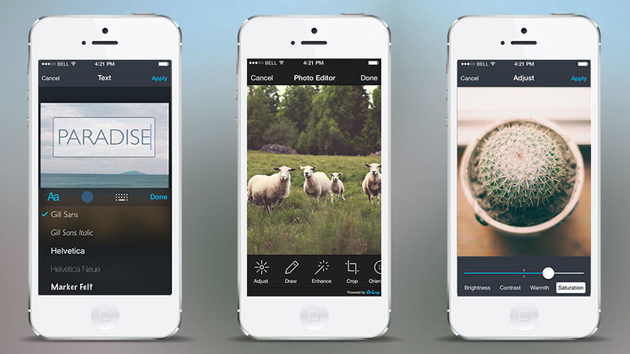
    Adobe offers wide range of cloud-based features for designers and developers which continues to flourish everyday. Now, Aviary just announced that it has been acquired by Adobe. Aviary provides developers (and companies like Yahoo) with a set of photo-editing tools they can build into their own apps.

    Adobe plans to integrate Aviary into the Creative Cloud and possibly provide a new “Creative SDK” intended to be more friendly with third-party apps. The two firms will work together on bringing Adobe’s editing tools and Creative Cloud services to more mobile apps.

    Adobe said it’s developing a new software library—called Creative SDK—that will allow app developers to tap into the company’s offerings and aim to expand connections between mobile devices and its products. Adobe’s Creative SDK will also give third-party developers access to company application programming interfaces which were previously only available to the company’s internal engineering team.

    aviary-ios-7

    According to the reports, Aviary has seen 10 billion photos processed through the service last year alone. In addition to a toolkit for developers, Aviary also offers a popular iOS and Android app for editing photos, also called Aviary. Aviary will continue operations as usual for now.

    The company hinted at a collaboration with another Adobe unit, Behance, an online social media platform for creative professionals acquired by Adobe in 2012. The Aviary team will work closely with both Adobe-owned creative communities, Behance and Adobe’s creative cloud platform.

  • HTC Brings Out the Dual-SIM Desire 816G in India For Rs.18,990

    HTC Brings Out the Dual-SIM Desire 816G in India For Rs.18,990

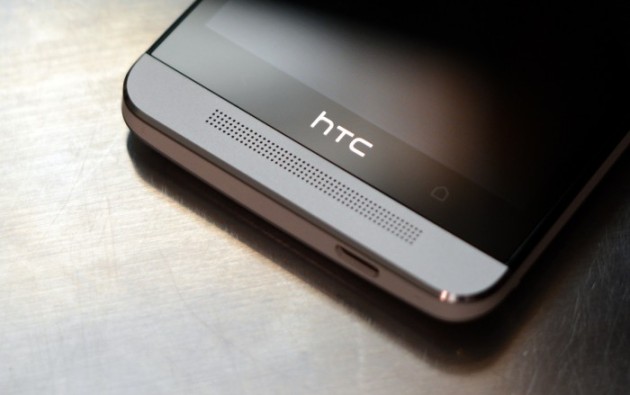
    HTC at an event today in New Delhi has launched three new devices in its Desire series – Desire 820, Desire 820Q and Desire 816G. While the Desire 816G is already available in the market, the first two will ship during the first week of November in India.

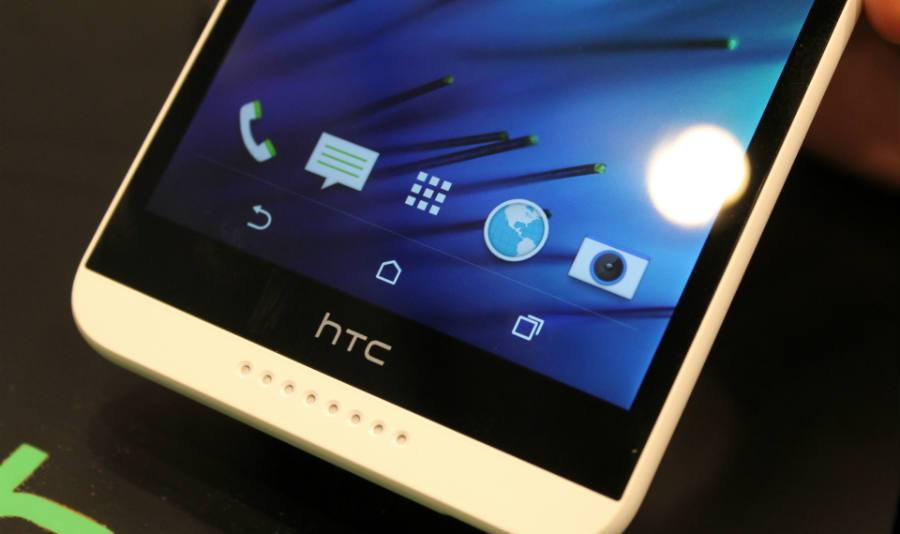
    The Desire 816G is a brand new variant of the company’s previously released blockbuster, Desire 816. The GSM-only dual-sim version of Desire 816, has toned down specifications and hardware. The smartphone packs 5.5-inch HD display, 1.3GHz MediaTek quad-core processor, 13MP rear camera F/2.2, 5MP front shooter. It comes with 1GB RAM with 8GB of internal memory which can be expanded upto 32GB with microSD card.

    htc-desire-816-81

    The device is powered by 2600 mAh battery, same as the other handsets launched today. The device runs on Android 4.4 KitKat. The Desire 816G is already available at the price tag of Rs. 18,990.

    SPECS

    HTC Desire 816G

    Display 5.5-inch, 720×1280 pixels, ~267ppi
    Processor 1.3GHz MediaTek quad-core
    RAM 1GB
    Storage  8GB expandable upto 32GB
    Battery capacity (mAh) 2600, non-removable
    Camera Rear camera 13-megapixel
    Front camera 5-megapixel
    Operating System Android 4.4


  • HTC Brings Out the Colourful Desire 820 and Desire 820Q Dual-SIM in India

    HTC Brings Out the Colourful Desire 820 and Desire 820Q Dual-SIM in India

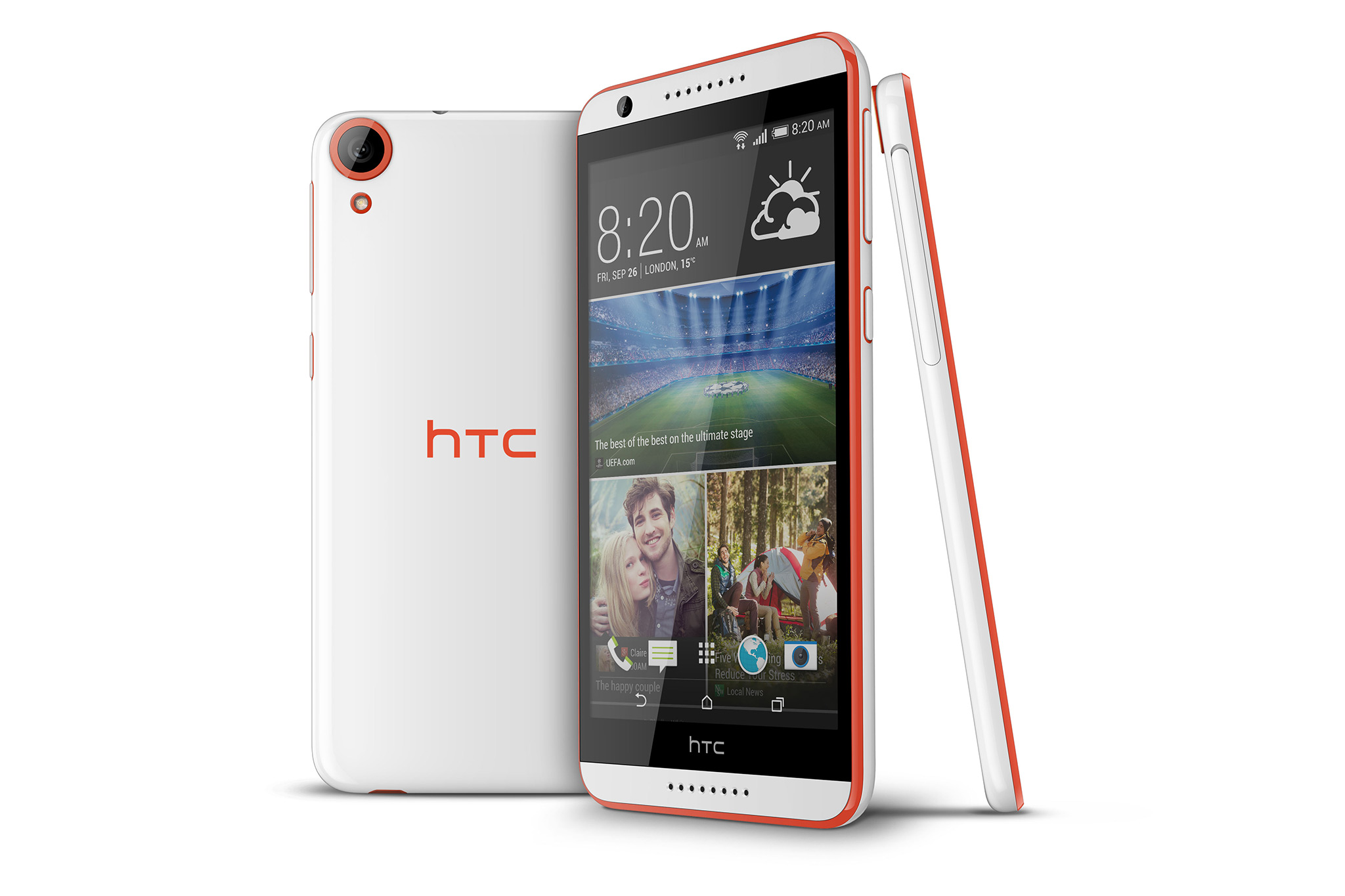
    HTC has launched its new offerings Desire 820 and Desire 820Q Dual SIM in India, which the company showcased at the IFA Berlin 2014. HTC has been one of the front runners in the smartphone game with its One M8 and the Desire line-up, which have been a favourite amongst Android lovers.

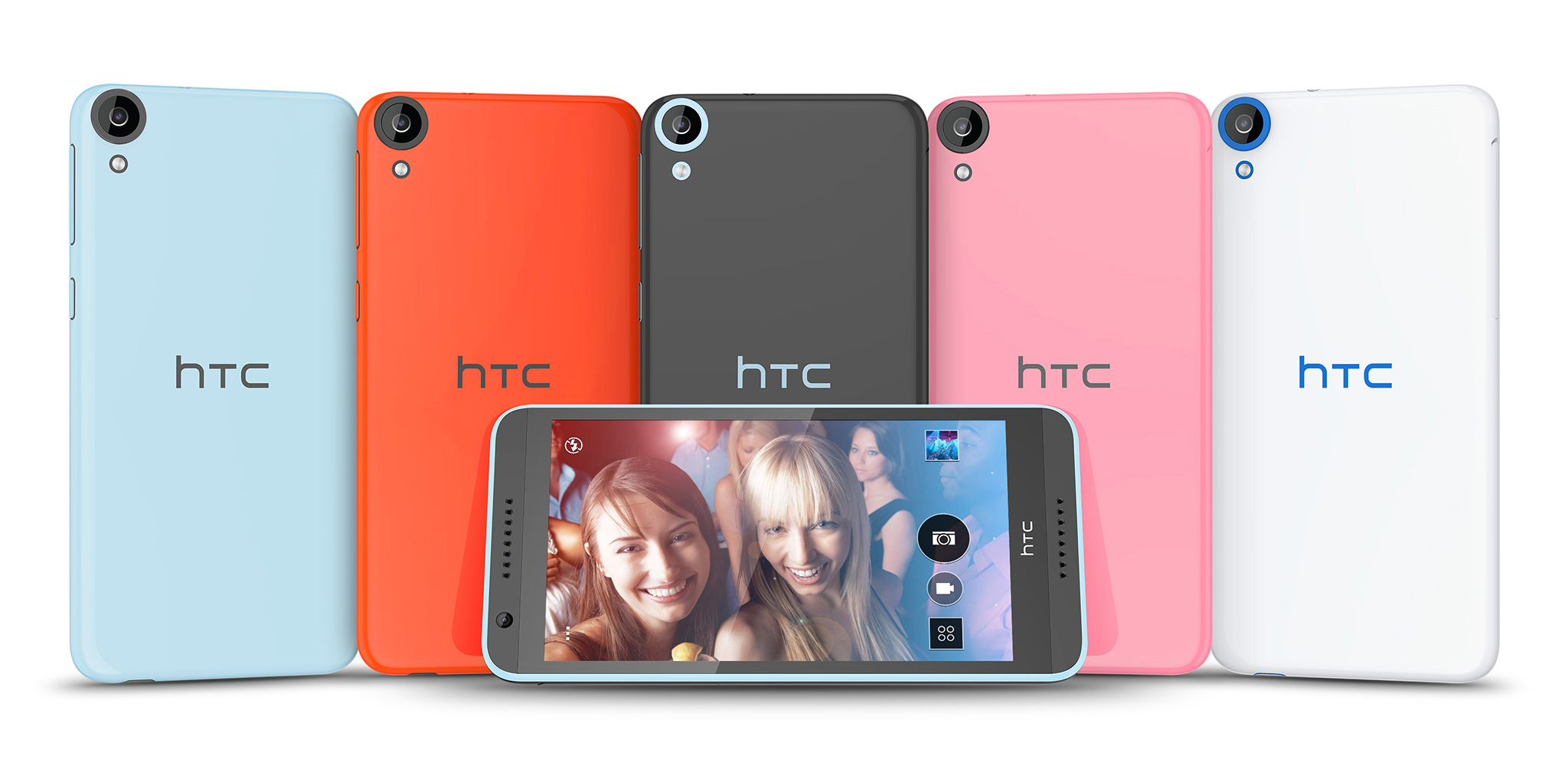
    The smartphones have been given an amazing look and feel. They come with a bold two-tone color scheme that makes the devices standout. Even the HTC logo on the back gets a different color treatment for each phone color option. The devices are made in a unibody, polycarbonate casing that HTC defines as its “double shot color technology.”

    With the Colors and powerful front camera makes it a youth friendly device.
    The Colors and powerful front camera makes it a youth friendly device.

    Same as its predecessor Desire 816, new desire 820 comes with a 5.5 inch 720p HD screen. The new handset is one of the first phones to come with a 64 bit Qualcomm’s octa-core Snapdragon 615 chipset. The processor runs on two quad-core chips of 1.5GHz and 1.0GHz with 2 GB RAM and 16 GB internal storage.

    On the imaging side, the main camera on the device is a 13 MP shooter with f/2.2 aperture and the front camera packs an 8 MP which is one of the main highlight of the handset. The device is powered through a 2600 mAh battery. On the software front, it runs on Android 4.4.2 KitKat wrapped under Sense UI. The Desire 820 comes with latest Category 4 LTE.

    The HTC Desire 820Q is essentially the mini version of Desire 820. It comes with a 64 bit Snapdragon 410 1.2 GHz  quad core processor and 1GB of RAM. The handset borrows rest of the specs from its bigger brother. Both smartphones will have DLNA to stream wireless on TV.

    Back in IFA, HTC said that the phones will be updated with Android L when it comes out which makes it one of the first companies to promise the Android L upgrades. They come with HTC’s Dual Boomsound front facing speakers and also its own version of the dot view case. Both devices will be shipped in early November, however, the pricing is not revealed yet, the company said that they will announce the pricing near the release date.

    Specs

    HTC Desire 820

    HTC Desire 820Q Dual-SIM

    Display 5.5 inch, 720×1280 pixels, ~267ppi 5.5 inch, 720×1280 pixels, ~267ppi
    Processor Qualcomm Snapdragon 615 1.5 GHz  octa-core (64 bit) Qualcomm Snapdragon 410 1.2 GHz  octa-core (64 bit)
    RAM 2GB 1GB
    Storage  16GB expandable upto 128GB 16GB expandable upto 128GB
    Battery capacity (mAh) 2600, non-removable 2600, non-removable
    Camera Rear camera 13-megapixel
    Front camera 8-megapixel
    Rear camera 13-megapixel
    Front camera 8-megapixel
    Operating System Android 4.4 Android 4.4
  • Apple Reportedly Plans to Kill the Beats Music Service

    Apple Reportedly Plans to Kill the Beats Music Service

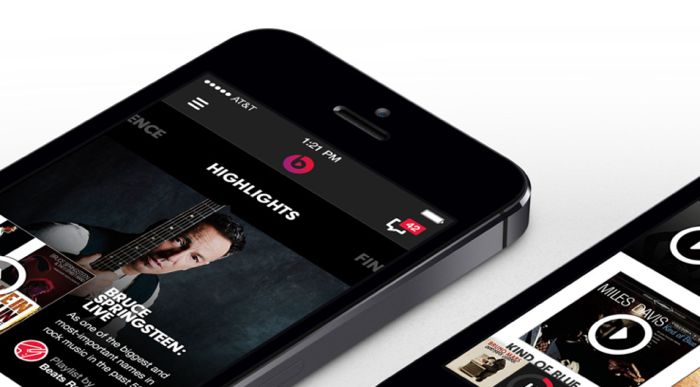
    According to a new report, Beats as a brand is going to fade away as Apple plans to modify it over time and integrate it into its own music streaming service through iTunes. TechCrunch reported that Apple plans to eliminate the Beats Music streaming service, which it acquired in May.

    Earlier, the reports said that the Cupertino, California based company will shutdown the service. However, Apple declined the reports saying, “Company (Beats) may modify over time, and one of those changes could involved changing the Beats Music brand.” It is still unclear what Apple is planning to do with the service. It seems quite possible that the Beats Music product could be rolled into iTunes rather than being shuttered.

    If Apple rolls Beats Music into iTunes and removes the dedicated Beats Music app from the App Store, it might be the end of the service. Beats Music itself came from a rebranding MOG music streaming service it acquired back in its heydays.

    beats-music-131007

    Apple has been tight-lipped about its plans for Beats since it acquired the popular headphone maker back in May for $3 Billion. Prior to the mega launch event of the iPhone 6 and the Apple Watch, there had been rumours that Apple will include Beats earphones within the new white box. There was also nothing said about Beats Music during the Apple Watch reveal, even though the service could have worked well on the wearable. Seems like an odd decision on Apple’s part to simply eliminate or ignore a service they paid billions for.

    Also, the iPhones which are recently launched did not come pre-installed with Beats Music, while several other Apple apps came loaded on the 6 and 6 Plus. All of these point towards the company’s plan to show red flag to the Beats. This, or they may be working on something and better for the to combine Apple services with Beats. Let’s hope for Beats sake, it’s the latter.

  • HTC to Return to Tablets With a New Nexus Device

    HTC to Return to Tablets With a New Nexus Device

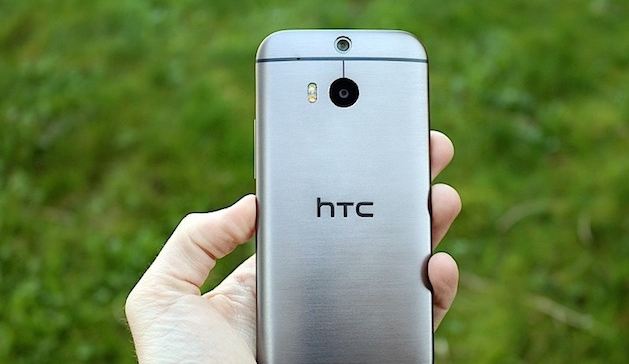
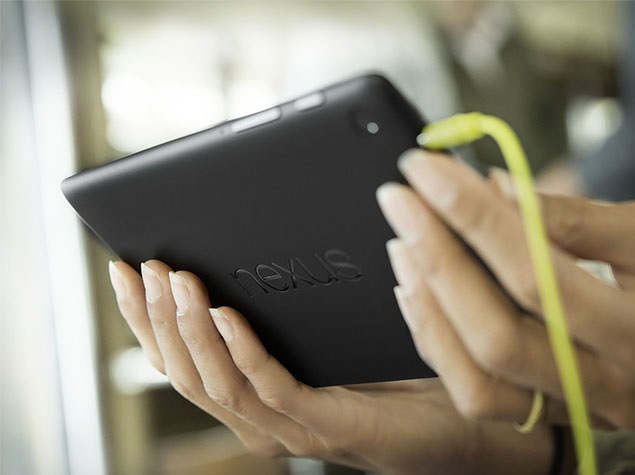
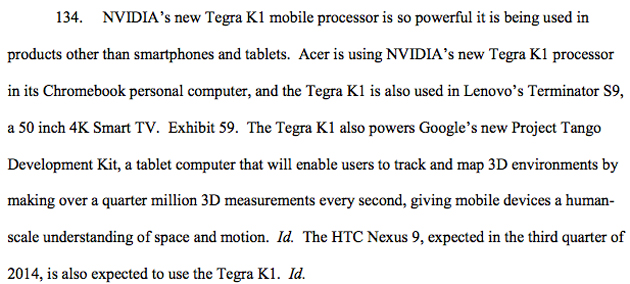
    Rumours about HTC-made Nexus tablet has been around since past few months. However, details about this new device were scarce until now. Recently, NVIDIA inadvertently leaked that the Taiwanese company is linking up with Google to launch the Nexus 9.

    And now, Wall Street Journal  has added more credibility to the report. According to the report,  HTC engineers have been flying to the Googleplex in Mountain View in recent months to work on the project. The reports added that Google has choose HTC over  more experienced tablet makers like Samsung to make its upcoming 9-inch Nexus tablet to avoid one single manufacturer gaining monopoly.

    nexus_7_

    However, it is also pointed out that HTC has a bad tablet track-record and focuses almost exclusively on smartphones. The company have not come up with any tablet since 2011 when they launched Flyer tablet which failed miserably in the market.

    Google and HTC both declined to comment on this matter, however, Google said, “Android is a vibrant ecosystem, and many of the industry players are doing very well. There’s room for many partners to do well and to innovate with Android.”

    htc-nexus-9-nvidia-teaser

    As for HTC, the Taiwanese company has been eager to gain a footing in new sectors as it loses ground in the smartphone market. The company’s executives have promised this year that they are working on fresh areas such as wearable devices. HTC had made Google’s first Nexus smartphone, the Nexus One, in 2010, but hasn’t made a device for the line since.

  • Indian Students Create a Solar Powered Fridge That Can Be a Boon to Farmers

    Indian Students Create a Solar Powered Fridge That Can Be a Boon to Farmers

    India has been facing a huge food inflation issue. Food prices are hefty and are really hitting pockets hard. One of the major issues with food supply is storage. Even with massive investment in food storage by the government, issues arise which leads to a tremendous amount of spoilage. It is estimated that India loses around 30 per cent of food production every year due to wastage and contamination, which is a huge concern. To address the wastage issue, students of IIT Kharagpur have developed a micro cold storage system has been successfully tested in a Karnataka farmland.

    The device has been developed at Science and Technology entrepreneurship Park (STEP) of the IIT. It is made by mechanical engineering student Vivek Pandey and his team. They call their start-up, Ecofrost Technologies. The team is now ready to move out of campus and set up a manufacturing and assembly unit in Pune by next month.

    Presently food storage requires a lot of energy and causes wastage by decay.
    Presently food storage requires a lot of energy and causes wastage by decay.

    According to Vivek Pandey it is a one of a kind device with no running costs to the farmer and works for all the 12 months of the year.

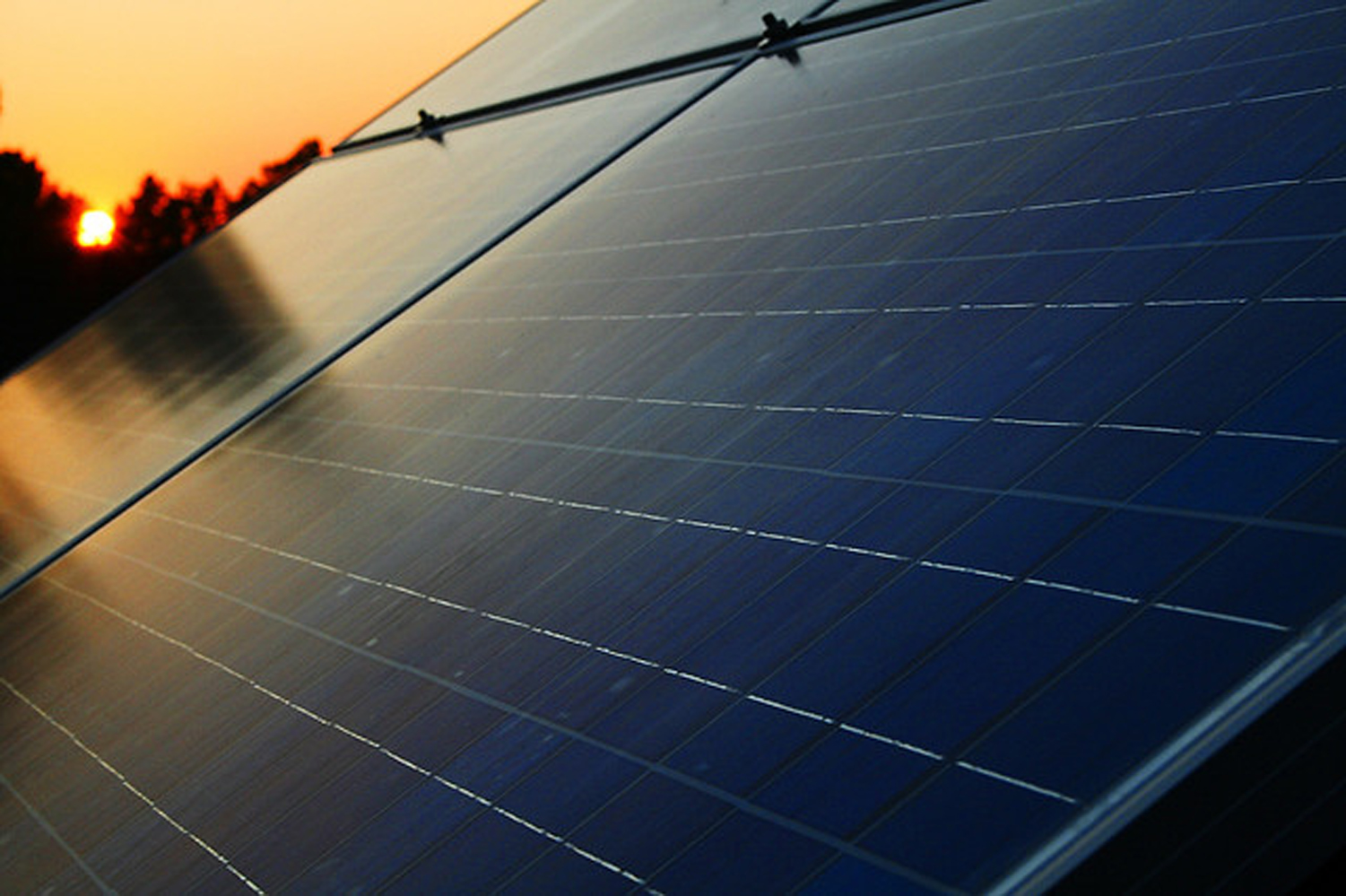
    The cold storage system makes use of an exclusive thermal storage methodology. This technique controls the cooling of compartments in tandem with regular cooling. The system is powered using a 2.5 KW- 3.5 KW solar panel. The power generated through these panels is stored in a thermal storage unit that can power the system for more than 36 hours, in case of bad weather. The compressor in this device can run at various speeds depending on the need of cooling.

    The team wants to make this an off-grid device which means it should require no electricity from the grid. This will be great for farmers living in far off villages with limited facilities to sell their produce. They believe that by increasing the shelf life of agriculture produce, farmers’ livelihood would improve by reducing losses and allowing better price realization.

    Being an agricultural equipment, the micro cold storage system has a capacity of 5 metric tonnes. It comes for a price of Rs 5 to 6 lakhs, about the price of a tractor.

    The team targets to manufacture 20,000 such cold storage units in the next five years. The have also won the first prize worth Rs 10 lakh at the national university competition ‘DuPont: The Power of Shunya.’

    This is a great new product and if will be economical for farmers as their fresh produce will fetch a higher price. They wouldn’t even have to worry about spoilage or energy costs. It is great to know that they are ready to manufacture the device that will hopefully generate interest in the field and will invite more people to join the untapped solar innovation market. This also has the potential to make headway in the wholesale market thereby saving food products and bringing fresh produce to many more people. We wish these fine young lads all the best for their endeavors.

  • Samsung Might Release Galaxy Alpha in India on 27th September

    Samsung Might Release Galaxy Alpha in India on 27th September

    With the Xiaomi fever slowly subsiding and people looking back at major manufacturers, Samsung seems ready to give the Indian market some serious consideration. The company is expected to launch the recently unveiled Galaxy Alpha in India on the 27th of September.

    Samsung sent out an invite claiming they would be launching “Next Generation Stylephone.” It is assumed that the phone is Galaxy Alpha that Samsung released in the international markets in August. The phone is a metal-bodied device, a rarity in Samsung’s line-up of products.

    The Galaxy Alpha is powered by an Exynos 5 Octa 5430 processor (1.8GHz quad-core Cortex A51 + 1.3GHz quad-core Cortex A7.) It has 2 GB of RAM and 32 GB of internal storage. The device has a 4.7-inch 1280x 720 Super AMOLED display.

    The main camera on the device is a 12 MP shooter while the front camera is a 2.1 MP selfie shooter. The Alpha gets its juice from an 1860 mAh battery. The phone runs Android Kitkat 4.4.4 out of the box.

    The Alpha was the first to get the metal frame and was followed by the Note 4. The back cover on the devices are still plastic, but Samsung claims the metal frame provides enhanced safety to the phone. We’ll have to wait till the 27th to see what Samsung is really cooking.

  • Moto G (Gen 2) vs Xiaomi Mi3 Comparison

    Moto G (Gen 2) vs Xiaomi Mi3 Comparison

    Moto G (Gen 2) comes with considerable improvement over its trendsetting predecessor. Moto G had essentially set a foot forward in terms of bringing cheap Android devices with good built quality and great hardware. Xiaomi Mi3, also recently launched in India, belongs to the same price bracket.

    However, the latter has been facing problems in terms of availability , as it has been made available in limited stock exclusively on Flipkart. One of the main highlight of Mi3 is that it comes with quad core Snapdragon 800 processor which is quite an achievement in its price bracket. We are are comparing the Motorola Moto G (gen 2) and Xiaomi Mi3 head to head. Check out the video below:

    SPECS

    Motorola Moto G (Gen 2)

    XIAOMI MI 3

    Display 5 inch, 294 ppi 5 inch, 441 ppi
    Processor Qualcomm Snapdragon 400 processor,
    1.2 GHz quad-core CPU
    Qualcomm Snapdragon 800,
    2.3 GHz Quad-core
    RAM 1 GB 2 GB
    Storage 16 GB 16/64 GB
    Expandable Upto 32 GB
    Main Camera 8 MP  13 MP
    Front Camera 2 MP  2 MP
    Battery Non-removable 2070 mAh Non-removable 3050 mAh
    Operating System Android KitKat 4.4.4 Android 4.3 upgradable to 4.4.2 (KitKat)

  • Getty Images Releases New Free App for iOS Called Stream

    Getty Images Releases New Free App for iOS Called Stream

    Six months ago, Getty Images dropped the watermark for the bulk of its collection, in exchange for an open-embed program that will let users drop in any image they want, as long as they add a footer at the bottom of the picture with a credit and link to the licensing page.

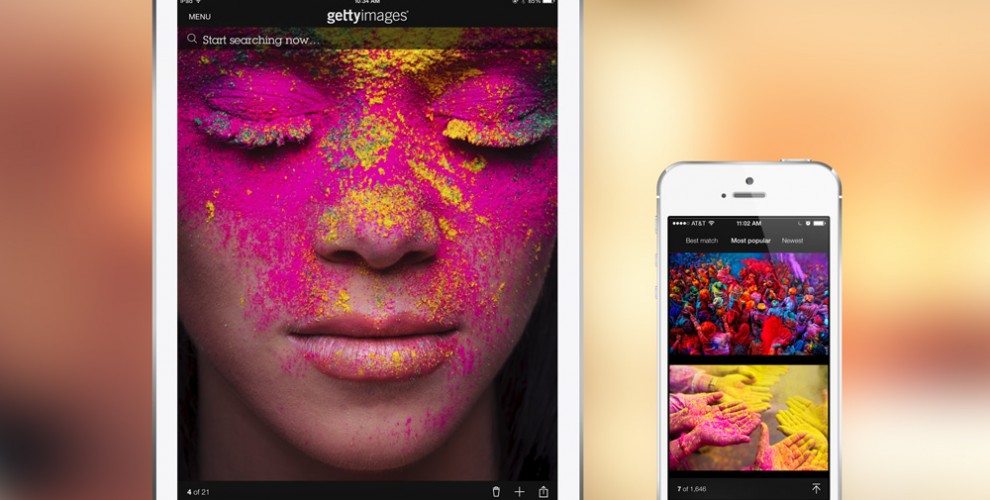
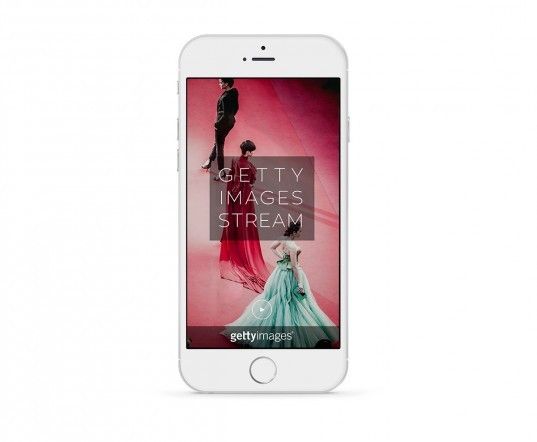
    Now, the company has released an iOS app designed to help you browse and share its massive collection. New app, which is called Stream, lets you search Getty’s archives to find images that you can legally share and embed for non-commercial purposes on blogs and social media.

    stream_ondevice_loading_b-537x442.0

    The app also allows you to browse photo streams created by Getty editors in categories like news, sports, entertainment and special section called “archival,” which highlights photos of historical significance. It connects to Airplay which lets you display a stream on Apple TV. Also, the app gives you options of social media sharing  directly from the app interface.

    stream1

    However, you can not copy the image to your camera roll, instead, you can “copy” an image, which saves an embed code to your clipboard. This gives the company control over the image and could eventually be used to earn money by inserting advertising or collecting user information.


  • Oculus Reveals New VR Headset Prototype Codenamed ‘Crescent Bay’

    Oculus Reveals New VR Headset Prototype Codenamed ‘Crescent Bay’

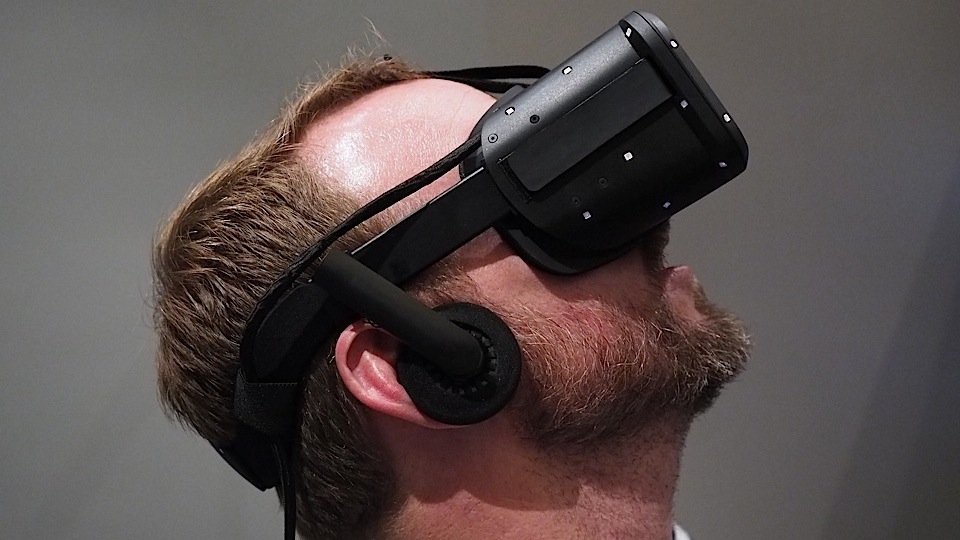
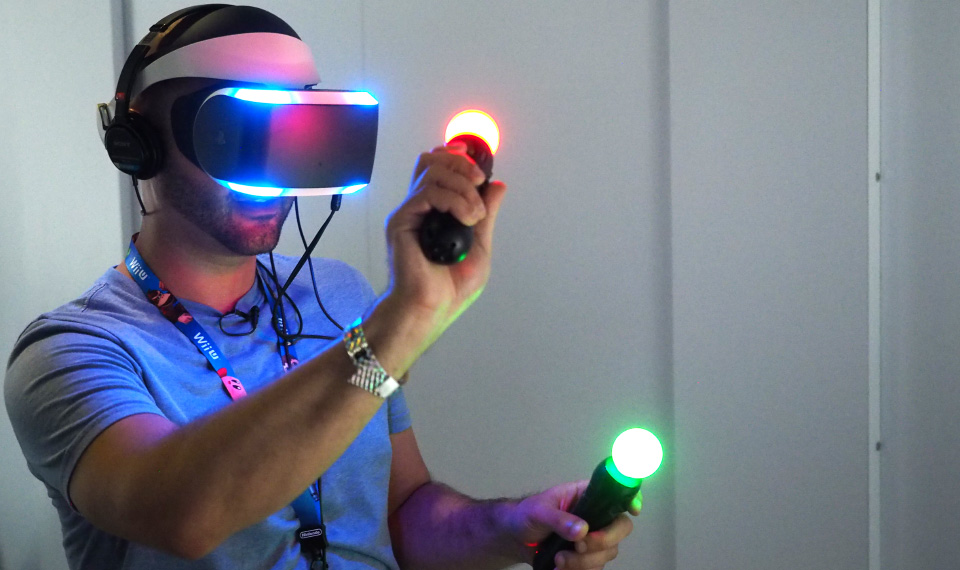
    Unlike Google’s Cardboard and Samsung Gear VR, which use a smartphone, Facebook and Oculus VR are aiming at a much more sophisticated, independent and ultra-high-res experience with their new VR prototype codenamed as Crescent Bay.

    The company revealed the new prototype, which is an upgraded version DK2 Headset, at the recent Oculus connect conference. “It’s as big of a leap as we made from DK1 to DK2,” says Oculus CEO Brendan Iribe, referring to the first two versions of the Rift development kit. The new headset comes with 360-degree tracking, letting the Rift’s external camera track the back of the headset as well as the front, making it easier for people to move without feeling constrained by staying in the camera’s range.

    crecentbay oculus

    The first Oculus Rift VR headsets were shipped in the spring of 2013, but a consumer version has not yet been announced. According to the company so far, over 100,000 Rift development kits have been shipped to 130 countries, and the company is still filling pre-orders for its second-generation model. The Crescent Bay prototype follows “Crystal Cove,” which was first shown off at CES 2014 in January — the DK2, which is based on it, came out a couple of months later.

    morpheus

    Oculus and Samsung announced their Gear VR mobile headset earlier this month, and it is believed mobile and desktop VR will ultimately complement each other in coming time. Oculus created its first real in-headset user interface for the Gear VR, and it’s now said that it will be releasing a mobile app for VR games.

  • Everything We Know About the Upcoming Windows 9

    Everything We Know About the Upcoming Windows 9

    Microsoft is all set to launch the “Windows Technical Preview” for Windows on September 30th at San Francisco. Windows 8 has been a huge failure despite the fact that the company has been updating it regularly since the past two years when it was officially released. The new upgrade is said to be focused on traditional desktop PC users. With the new update, the company aims to fix and improve the Windows 8 mistakes with the return of the Start menu, flexible app windowing, virtual desktops, Microsoft’s Cortana digital assistant, and a whole lot more.

    Let us look back at rumors and leaks to show what is expected from the Windows 9:

    The Name

    Most of the leaks and rumours have come with the codename “Project Threshold,” it is certain that this is the next version of Windows. The only mystery here is, what will the new update be called once it is made official for public use. For now, Windows 9 seems like an obvious option.

    Return of the Start Menu

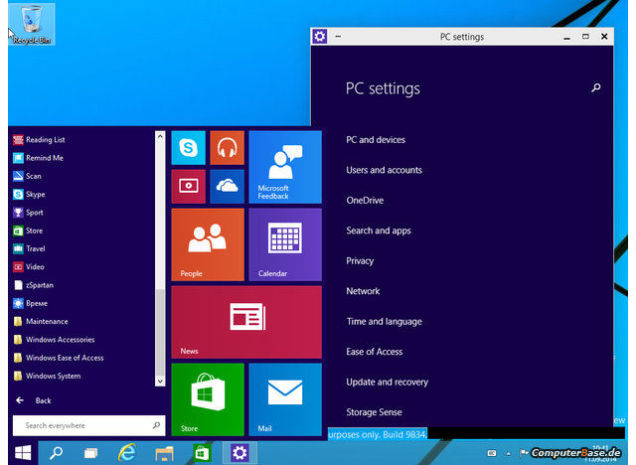
    Well, it has been pointed out in numerous leaks and rumors that with the arrival of the new update, the company will include the traditional Start menu which has been missing in the Windows 8. The Metro-style Start Screen isn’t exactly gone. Instead, it will just be condensed down into the Start Menu with live tiles. However, the Start Menu will be optionally expandable into a full-screen view for those who are comfortable with a full-screen version now.
    hokqhflr5fm4hqowpzsq

    Change in Apps

    As a noticeable change, rumors illustrate that the charm bar will be removed, and the metro-style apps will run on Windows 9 instead of a full screen-only app mode. Windows Phone’s voice assistant ‘Cortana’ is expected to be among these newly Window-able apps. Windows 9 is also expected to bring virtual desktops into the desktop ecosystem.

    Windows Phone

    Windows 9 version for the smartphones will apparently strip out the Windows RT desktop and include the Notification Center in it, same as the Windows Phone 8.1. It will turn Windows RT (Window 8 version for smartphones) into a Metro-only tablet-first operating system that straddles the line between desktops and phones by offering a more traditional tablet experience. Also, it is said that the new mobile version of Windows 9 would be limited to running only Marketplace apps much like Windows Phone and Windows RT we have today.
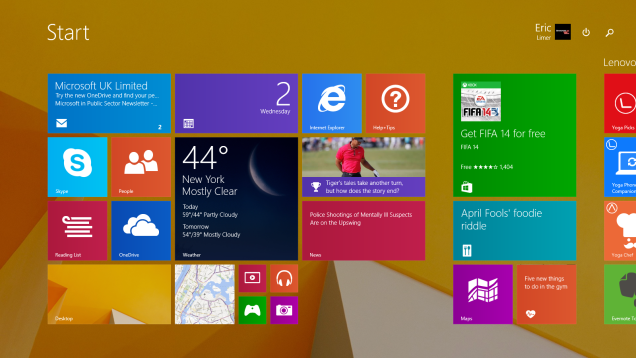
    878094801785562403

    How Much Will it Cost?

    Various rumors have pointed out the new update may come at a price. However, it also said that it will be cheap, not more than $20. Meanwhile, Microsoft is said to offer unknown incentive to get people off old Windows XP, which has been Microsoft’s most successful windows update in recent years. It is also Windows 7 users may have to pay a bit more than the others.

    When Will it Arrive?

    Microsoft has already sent out invites for an event on September 30th. They promise to reveal “what’s next for Windows and enterprise.” It is certain that it will be the Windows 9, and most likely the release of a early developer version known as the “Technical Preview”, in Microsoft’s terms. When the real version hits the market is still unknown. However, all the rumors have pointed out to a spring 2015 arrival.
  • MIT’s THAW Brings Ultimate Seamless Interconnectivity Between Smartphones and PC

    MIT’s THAW Brings Ultimate Seamless Interconnectivity Between Smartphones and PC

    With a PC and Mobiles being an absolute necessity, it is necessary to have seamless interaction between them. Apple’s latest ecosystem attempts to do just that. Continuity features like Handoff let users continue their work from their phone to their Mac PC’s without a delay. Not to be left behind, Google also announced some interconnectivity features between Android desktops and Chrome systems. But these attempts are still futile in comparison to MIT’s THAW which takes seamless interconnectivity to a whole new level.

    THAW

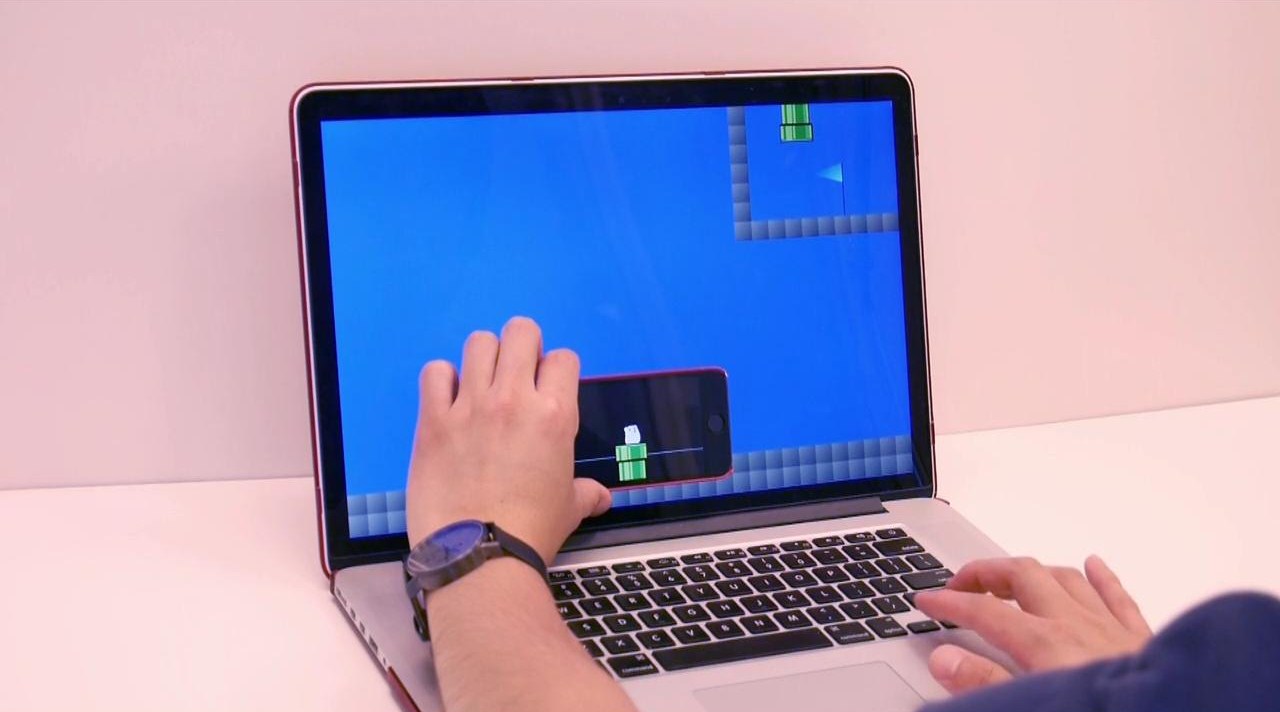
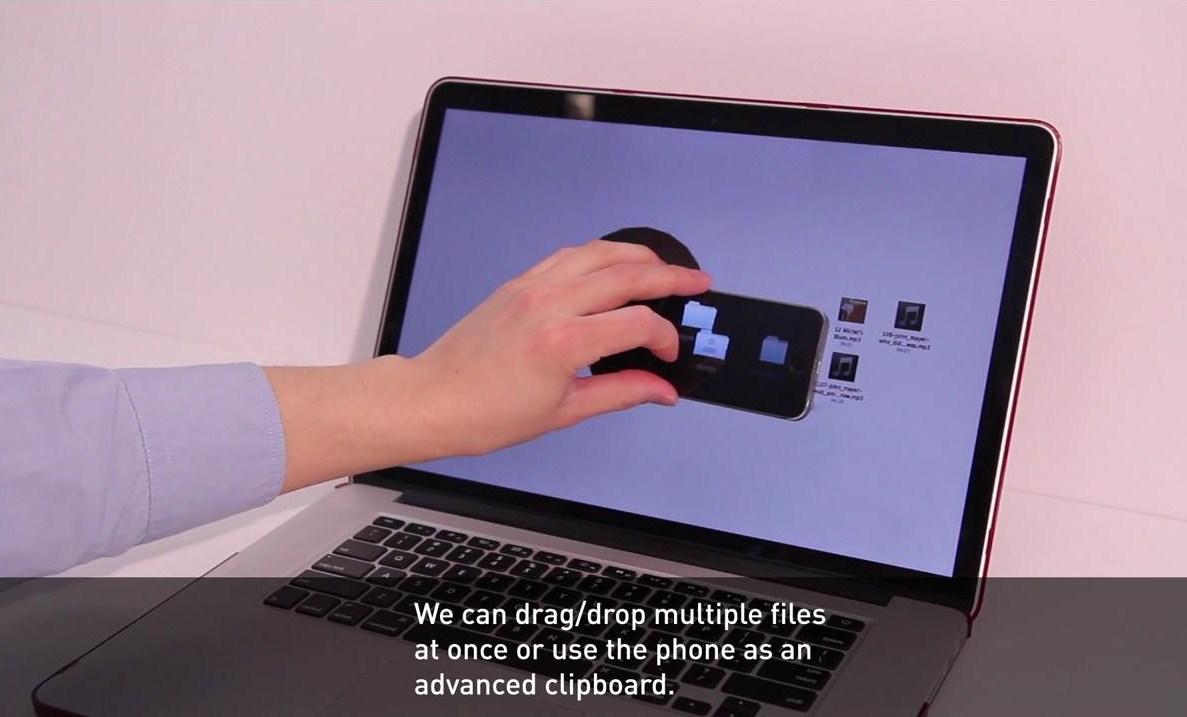
    Two teams of researchers at MIT have developed a smartphone system called THAW which allows users to transfer files through and fro from PC to a smartphone. This can be done simply by touching the phone to the screen of the desktop PC. You can take the webpage you were working on your phone by just touching the phone to the screen. It almost feels like those screens in sci-fi flicks which can be shifted from one display to another, like Avatar.

    THAW makes you phone a physical handle through which you can send or receive files directly from the screen. The secret behind the technology is the phone camera. The camera takes the image from the desktop screen and then through software manipulations the files are accessible on the phone. This feature will help solve the file management clarity issue that everyone is trying to address. Apple’s Cloud Storage now gives the ability to change the content, and it will appear the same from all your devices. THAW just takes it a bit further.

    Now this project is still in its infancy and may or may not come to the market. But just the knowledge of the possibility of this technology will create a boom for devices with such functionalities. This looks like an excellent feature to have and looks so simplistic and effortless. Hopefully, the companies are watching; this is one feature that everyone will love. MIT researchers claim that this can work with practically any smartphone with accelerometer, so come on Samsung, here’s an idea for the Galaxy S6.

  • Google Glass Competitor Sony SmartEyeGlass to Arrive Next March

    Google Glass Competitor Sony SmartEyeGlass to Arrive Next March

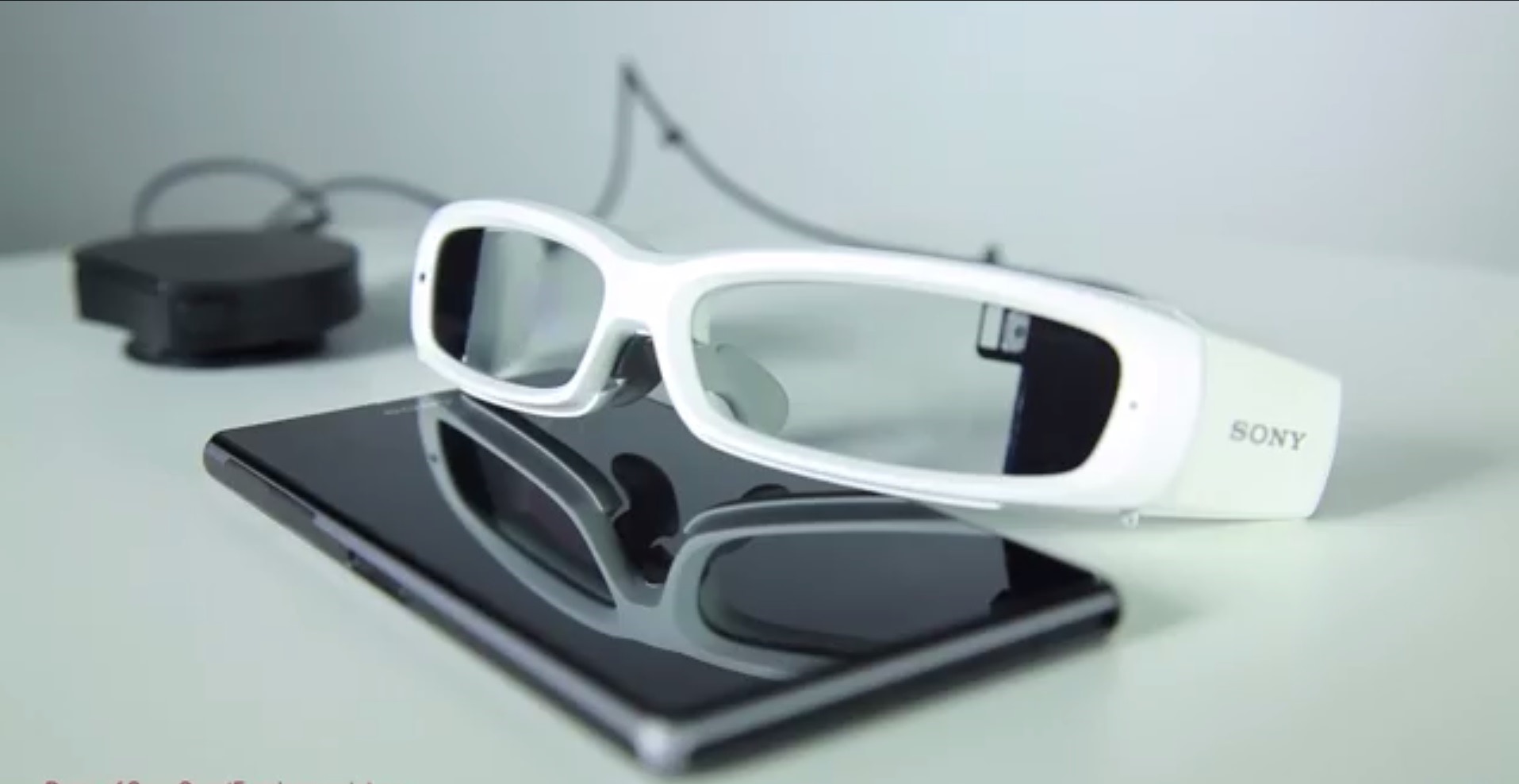
    Even though wearables have caused a lot of excitement in the tech scene, there has been barely any competition matching up to Google Glass. And it has been a year since Google Glass was launched. Now Sony will soon launch a device in the market that would be competing with the Google Glass headset.

    Sony’s new SmartEyeGlass was first shown off back in January at CES 2014. The device aims to be as versatile as Glass while bettering it in some respects as well. However, Sony has made quite a few changes in the device.

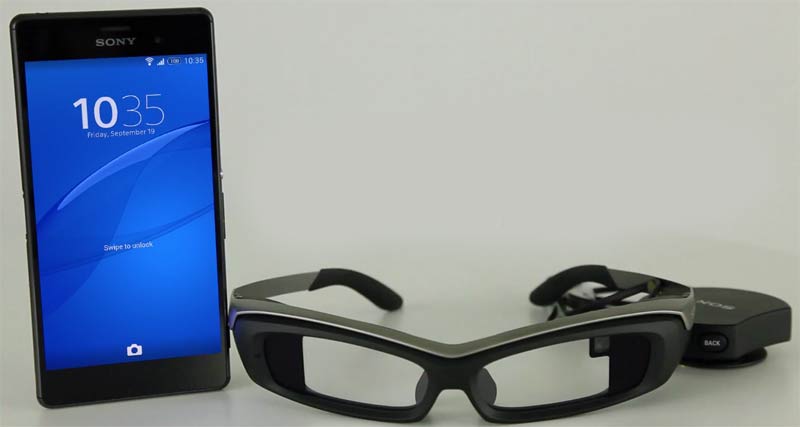
    There’s an accelerometer, gyroscope, electronic compass, ambient light sensor, and a 3-megapixel camera. And what sets it apart from the Google Glass is that it comes with a wire connecting it to an external battery pack equipped with an extra touch sensor and microphone.

    smart-eyeglass

    Sony has released the software development kit (SDK) for SmartEyeGlass yesterday for developers. The company also promised to have hardware kits available for developers to buy by the end of March. Apart from the battery set up the key difference between this heads-up display and Glass is that Sony uses a green monochrome display to overlay information atop the user’s general view.

    The Google Glass rival will work in sync with compatible Android smartphones to provide the users with notifications and other useful information like navigation directions.

  • Samsung Unveils Affordable 27-Inch Curved Monitors

    Samsung Unveils Affordable 27-Inch Curved Monitors

    When you talk of curved convex displays, LG immediately pops up in your mind. Why wouldn’t it, LG was the first company to come with a curved display on a smartphone (LG G-Flex.) It has proactively marketed itself as the curved screen master. But its compatriot and global electronics giant; Samsung is not going to let LG have a free run. The company has introduced consumer level curved displays for just around $450.

    Samsung had recently wowed the audience at IFA Berlin with a massive 105 inch screen that can bend at a press of a remote. In July, it had also released a curved 105-inch 4K TV which cost a king’s ransom of $129,000 which converts to around Rs. 78,48,360. I’d rather buy a Tesla Model S which comes at almost half the price, well if you want to dream, dream good, right?

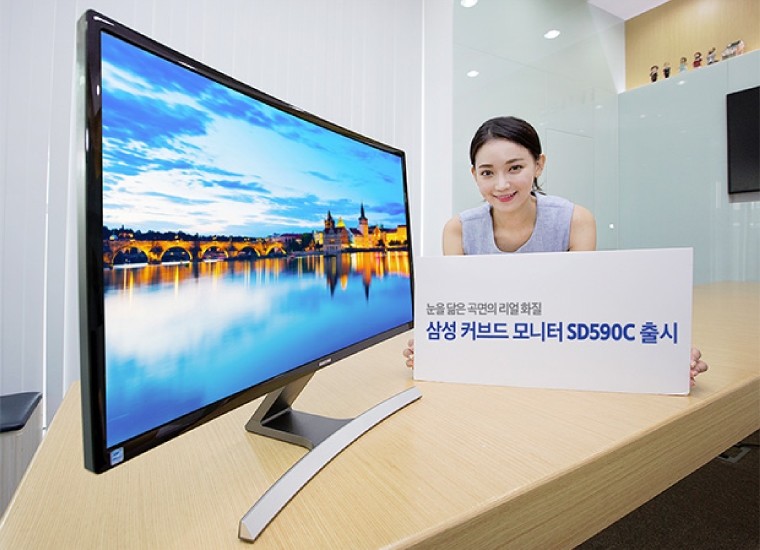
    Samsung claims the 27 inch display
    Samsung claims the 27-inch curved display provides a wider field of view and a greater sense of depth

    Coming back to the display at hand. The new curved monitors have 27-inch display. They have a contrast ratio of 3000:1. It would be great for a desktop monitor or for a gaming system.

    Samsung UK’s Phil Gaut claimed that the S27D590C offers “a truly immersive and unforgettable experience. It takes movie watching and gaming to new heights, from the monitor’s unique curved screen and comprehensive entertainment features to the incredible picture quality and the impressive sleek design.”

    Samsung has included a feature called the Game mode. This feature, the company claims, intelligently detects on-screen changes and corrects blurry images. It also enhances colors and alters contrast for improved visibility of in-game action. According to the company, the curve of the screen also provides a wider field of view and a greater sense of depth.

    The monitor definitely looks impressive and is the cheapest curved screen option out there. The price is great for what it offers. We hope it comes to India soon so we can get our hands on it and know for sure of its “immersive and unforgettable experiences” capabilities. Come on Samsung, we have given you a lot of business; we deserve this treat.

iGyaan Network
Privacy Overview

This website uses cookies so that we can provide you with the best user experience possible. Cookie information is stored in your browser and performs functions such as recognising you when you return to our website and helping our team to understand which sections of the website you find most interesting and useful.