Tag: android os

  • BlackBerry Priv to Launch in India on January 28

    BlackBerry Priv to Launch in India on January 28

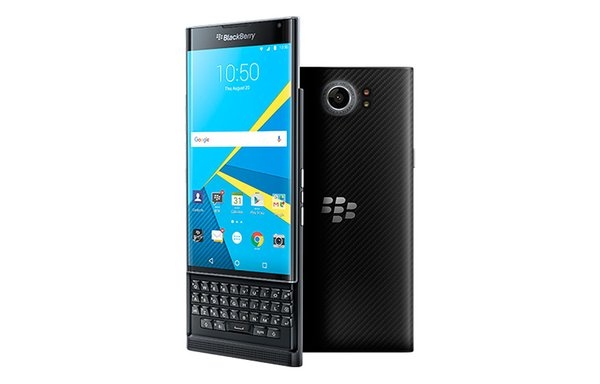
    BlackBerry today has sent out invites of a launch event for its first Android OS based device in India. The Canadian company has scheduled this event for 28th January, in Delhi, and at the event it has promised to launch to its patient Indian customers the BlackBerry Priv.

    The Priv, which was first unveiled in October is a make or break project for BlackBerry as it sees it leaving its own OS behind in search of greener pastures that Android provides. This shift by BlackBerry is being seen as a move aimed at helping the ailing company’s return to its previous highs.
    BlackBerry in its previous interactions with the media had also hinted the company may soon unveil another Android phone this year.

    BlackBerry Priv

    In terms of specs, this offering from the Candian company comes loaded with decent firepower. The  Priv on the outside has a 5.4-inch dual-curved Plastic AMOLED screen with a maximum resolution of 2560 x 1440 pixels (540ppi). Under its beautiful display, the device packs a Qualcomm Snapdragon 808 Hexa-Core, 64-bit processor with an Adreno 418 GPU clocked at 600 MHz.

    Blackberry Priv further boasts of 3GB low powered RAM and internal storage of up to 32 GB, which is expandable up to an impressive 2 TB. The battery pack that makes this device run is rated at 3410 mAh. It is also equipped with an 18 MP dual-flash Schneider-Kreuznach certified camera to click amazing pictures.

    Blackberry which has dubbed the Priv as the ” secure smartphone powered by Android” is going to roll out the smartphone  ‘pre-loaded with the brand new BlackBerry DTEK application, designed to help you manage and protect your privacy.’ Blackberry claims that the DTEK app will tell you which apps access your personal data and shows the overall security assessment of your device.

  • Why a Chrome and Android Merger Could Spell Disaster for Google

    Why a Chrome and Android Merger Could Spell Disaster for Google

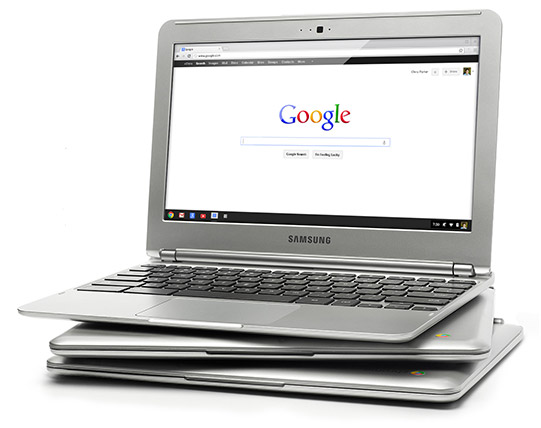
    In a merger that could probably spell disaster for Google, the company is planning to fold its Chrome OS into its Android OS. Why is this a bad thing? Well, the Chromebook with Chrome OS was introduced as a lightweight operating system with limited native apps for low-powered netbooks. It was meant for students who would do most of their networking through the browser.

    With this merger, Google has basically stated that the Chromebook is opening the gates for a horde of Android apps. This will not only leave the Chromebook more cluttered, but could also invite potential security concerns.

    Samsung Chromebook
    Samsung Chromebook

    The news is not unexpected, though. Plans for a Chrome and Android merger have been on the cards since 2013. In the past few years, Google has been getting Android apps to run on Chrome, and back in 2009, Google co-founder Sergey Brin himself said that Chrome OS and Android would “likely converge over time”.

    The end result of this merger will be an all encompassing OS for both mobile devices and notebooks. Again, net security is the primary concern for people after this merger news. While Chrome OS has been relatively malware-free due to its minimalism, Android apps have been riddles with vulnerabilities. As expected, users took to Twitter to express their disappointment at Google’s latest move.


  • Everything You Need to Know About Google I/O 2015 Launches

    Everything You Need to Know About Google I/O 2015 Launches

    Google kicked off its annual developers’ conference, the 2015 I/O yesterday in San Francisco, California. As anticipated, the search engine giant threw light on the much-awaited version of Android OS, disclosing functions of Android M in fine detail. Along with some anticipated features like app permissions, Photo app, Android Pay; there are many more additions to the Google ecosystem.

    Here are all the important announcements by the company:

    1. App Permissions
    android m

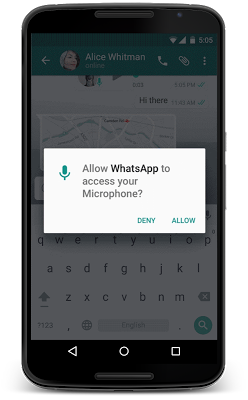
    Google has tweaked Android M to terminate the traditional way of gaining app permissions. Unlike the current practice, users can permit apps to use a particular function and can also revoke its use. Google has defined eight parameters to give apps permission. These include camera, location, contacts, calendar and few more. With Android M, users can now easily understand the different parameters an app is accessing.

    2. Resolved Battery Issue
    andorid m 2

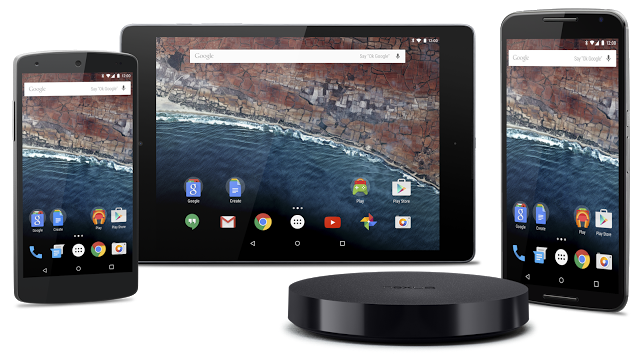
    With Android Lollipop, Battery drain was one of the major issues that ticked off Android users to a large extent. The tech giant has introduced a new feature that helps the phone battery run for an extended period of time. Dubbed as Doze, the feature uses motion detection to check if the smartphone is left unattended for a while. The screen then automatically goes to sleep, reducing the background activity; hence giving the phone a longer battery life.

    3. Chrome Custom Tabs to Switch Between Apps

    android m custom tabs

    Android M comes with an interesting feature called Chrome Custom Tabs that appear like an in-app Chrome browser. It loads pages faster, filling vital information like email and password. Another important function is that it allows developers to add custom features on top of the apps. For example, Twitter can provide a tweet on any app, which will direct the user to the Twitter app loading it automatically. It allows for quick movements between two applications.

    4. New Google Photos App
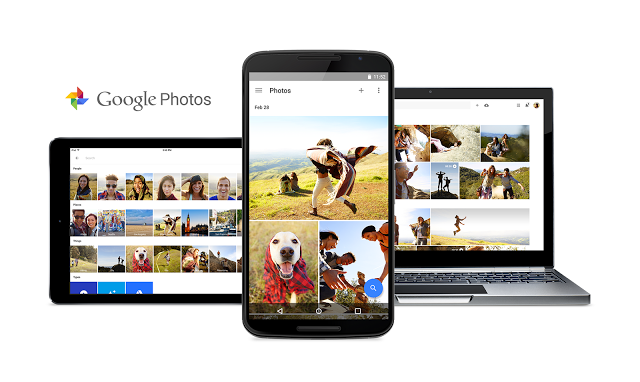
    google photo app

    Google Photo app is a refurbished app with an ability to back up photos and videos, and that too free of cost. However, there is a restriction on their size, but you can upload as many as you wish. These images can be segregated on the basis of location, people, time interval and more. Besides the new app, some interface tools were also introduced for the purpose of sharing and making collages and turning them into movies. As per the company, the app is now available on Android, iOS and web.

    5. Maps and Chrome Go Offline
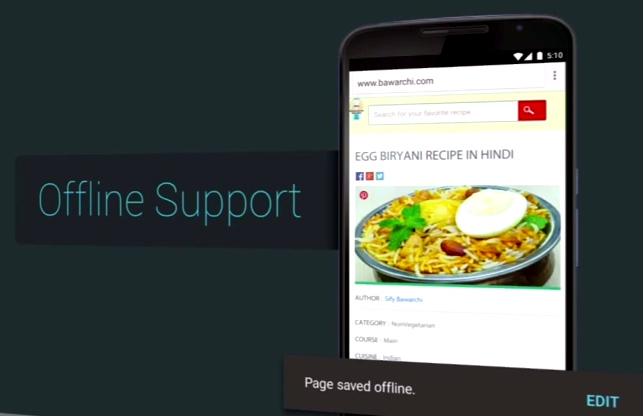
    Google-Chrome-Offline-Support

    This new feature by Google will help internet users access its products in every corner of the world. A dedicated search results page is built for faster loading by showing fewer images. Users will be able to save web pages offline just like YouTube videos. Along with that, Google Maps has been given a push offline where users can access a bunch of features with no internet connectivity like reviews and information, and give turn-by-turn directions offline. The feature will work in areas with poor internet connectivity.

    6. Revamped Android Wear
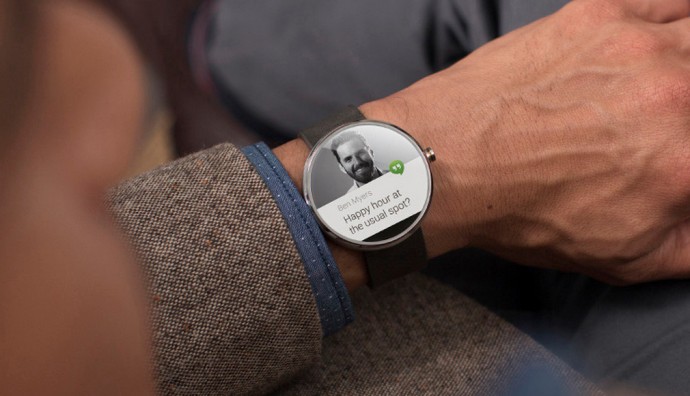
    moto-360-3

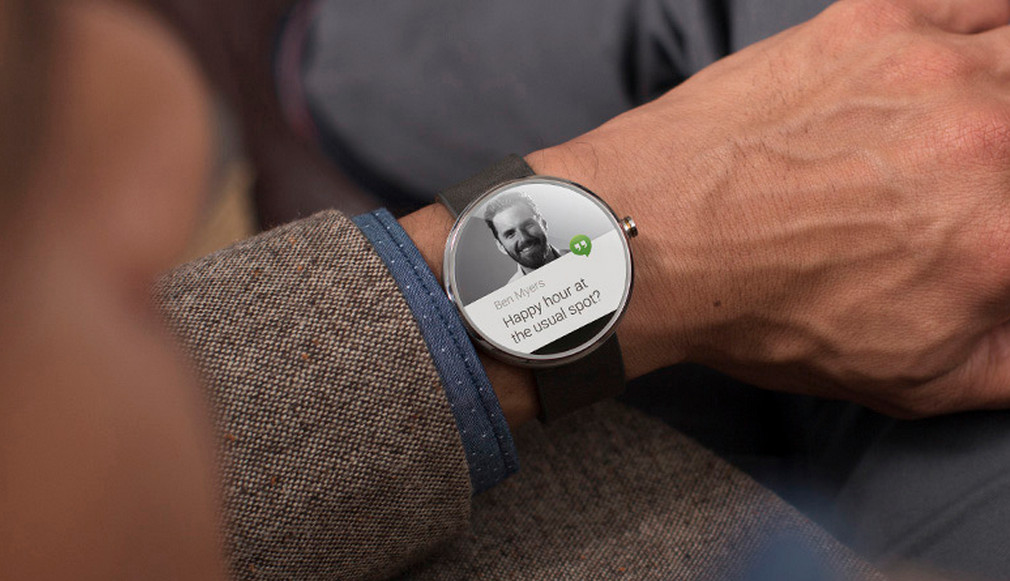
    Android Wear has been updated with a slew of new apps and features. There will be a convenient option to call Uber cabs now. Just like the always-on screen, apps will also remain on always showing information in black and white mode, taking care of the battery. Navigating through Google Maps to get constant direction status and many more features that requires the screen to be on, will be a lot easier. A new app launcher is inculcated as well, along with a feature to convert drawings to emojis.

    7. Smart Home
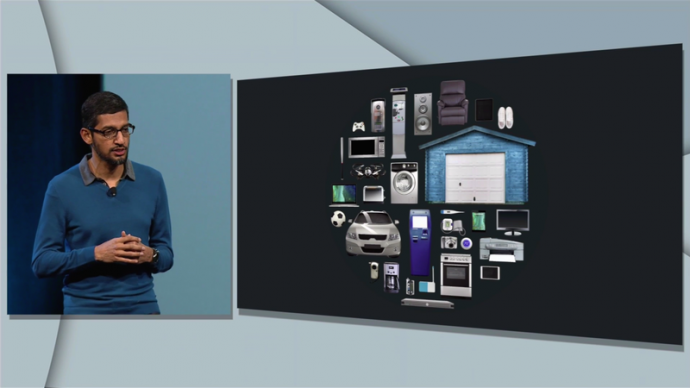
    android m smart homes

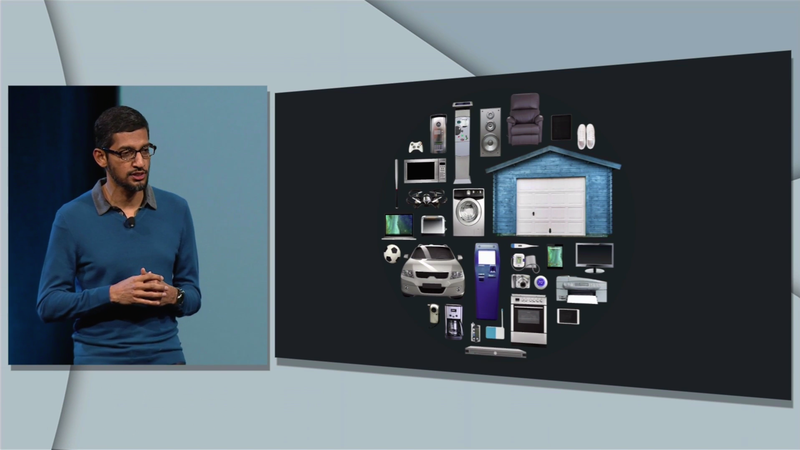
    Another expected update was the Smart Home launched along with an operating system Project Brillo and a communication system Weave. Brillo is a trimmed down version of Android, while the latter is Google’s IoT that allows devices to communicate with each other. Both the softwares work together to make your homes truly smart homes. Once both Brillo and Weave are installed on the smart devices, Weave can command devices like refrigerators, ovens, lift bulbs, door locks, etc. The system has build-in Wi-Fi and Bluetooth support.

    8. HBO Now on Android
    hbo now

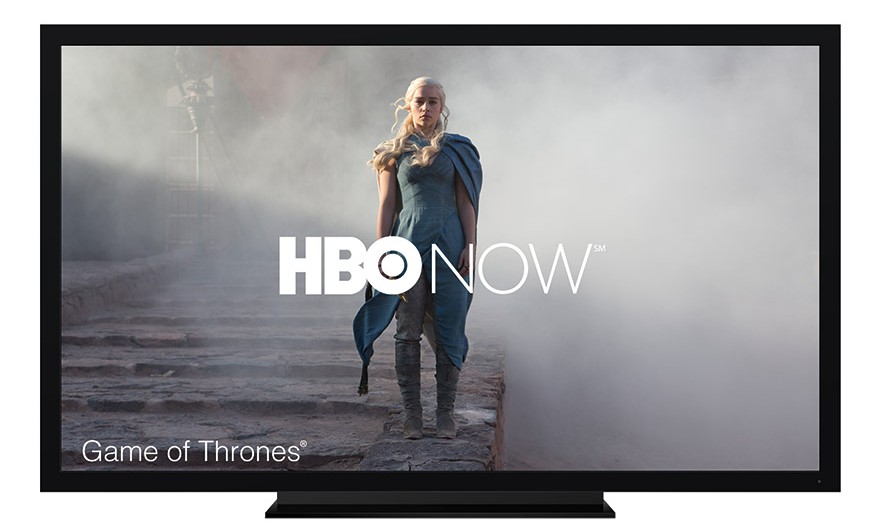
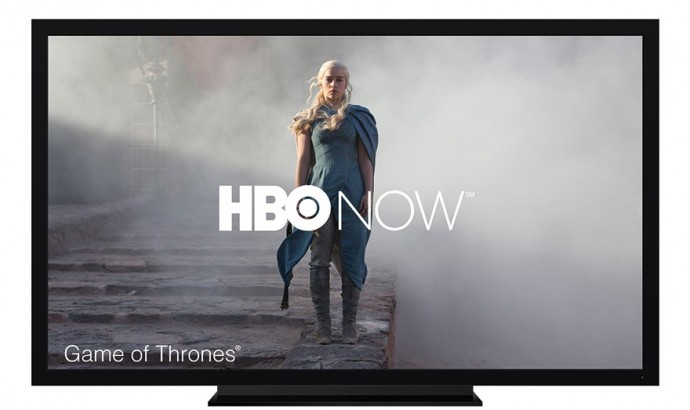
    Far from our anticipation, Google announced the arrival of the streaming-only service HBO Now on Android and Chromecast. There is no definite time of its launch on the platform, but speculations are rife about it coming in June this year. Surprisingly, there are no fresh Chromecast or Android TV this time.

    9. Redesigned Google Cardboard

    google cardboard

    Seeing the current trends of bigger phones, the tech major decided to reconstruct its affordable VR headset, Google Cardboard. The new version of Google Cardboard can hold phones with six inch displays. A cardboard button will appear on the new version instead of the original magnet clicker that is said to work with any phone. Google has launched a dedicated Cardboard app, along with a virtual reality education tool Expeditions for educational purpose. The bigger VR headset can be acquired through Google’s partners.

    10. Google VR Camera Rig
    google-camera-rig

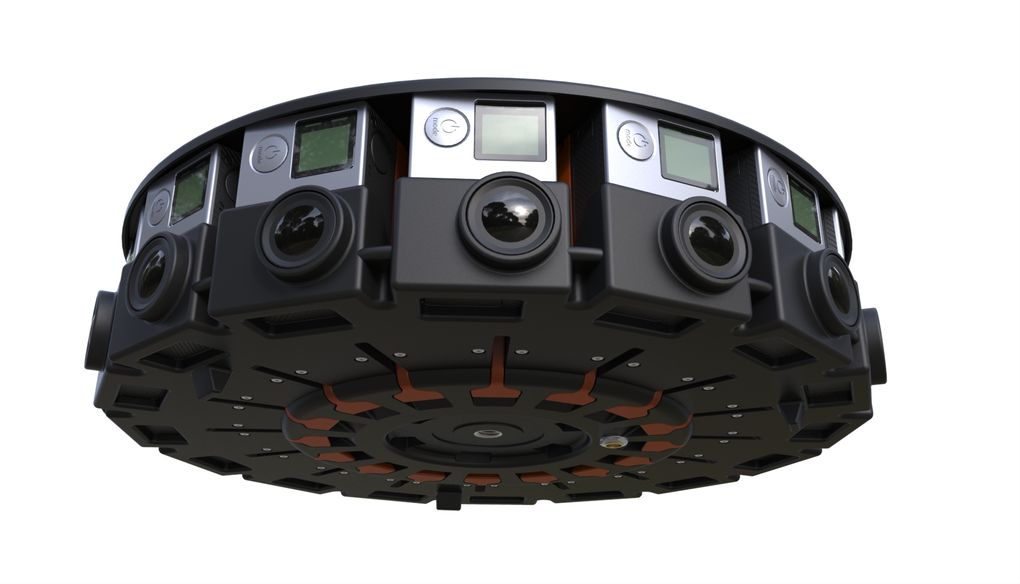
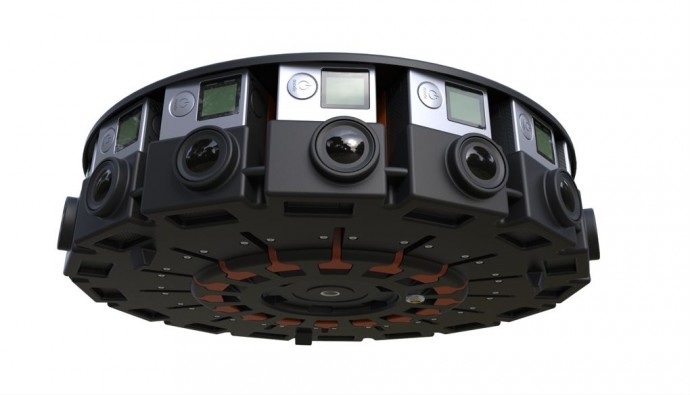
    The company seems to have given a deeper thought to the recently explored virtual reality domain. VR headsets have been available for quite a while, but the content for them was missing. Google in partnership with GoPro has built a VR camera rig, Jump, that is a 16-camera array designed to shoot 3D VR content. The VR camera rig will shoot content and the assembler of Google will weave them together figuring out the depth of different images. It can build content for the VR headsets as well as video-sharing websites like YouTube.

  • Fresh Round of Rumours Emerge About Google’s Android M

    Fresh Round of Rumours Emerge About Google’s Android M

    Google is restlessly dispatching the Lollipop version of its Android operating system to maximum number of devices. Some smartphones are enjoying the sweetness of the Android Lollipop, but there is a huge per cent patiently waiting to for an OTA update on their handsets. Google is simultaneously working on bringing out a fresh version of Android OS, temporarily titled as Android M, that is estimated to see a launch in the forthcoming Google I/O conference. Rumours have been rife about Android M for quite a while. Let’s see what they have to say about the upcoming mobile OS.

    Much to our surprise, the next Android OS won’t have any special design aspects to wait for, as per a report by Android PIT. It is reported to be a minor upgrade of the present Android version with slight changes in design and features. The report by Android PIT cites that the upcoming version will not be a major overhaul in terms of design. It said to “expect evolutionary change and refinement rather than a gee-whiz new look.”

    211-android-apple

    If we talk about the features, the Android M is speculated to bring a major improvement that will bring Android OS closer to Windows OS and iOS, by a step. If rumours are to be believed, the forthcoming Android M will have a revamped notifications setting where alerts are unified across different platforms. That means, the notifications will appear on your smartphone, the tablet and the PC as well.

    Connected devices will be another area of focus on Android M. The Smart Home feature will be tweaked majorly to improve wireless control over connected devices.

    Meanwhile, there were reports of the new OS handling over the privacy policy to users, which was needed since quite long. However, there has been no confirmation on any of these reports as yet. Know more about Android M here.

  • YouTube’s New Kid-Friendly App is Coming to Android Devices on 23 February

    YouTube’s New Kid-Friendly App is Coming to Android Devices on 23 February

    Google’s video-sharing service, YouTube is attempting to expand its user base by including the tech generation kids to its audience. The company announced in a statement that it would launch an app for kids called YouTube Kids app, which will have children specific content to create a safer environment for kids.

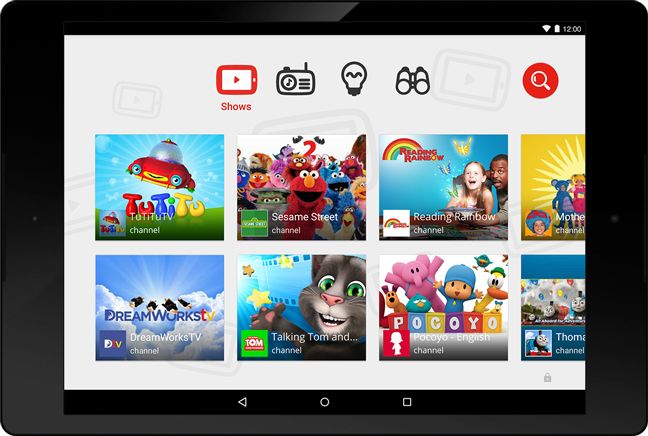
    The new app will be an entirely separate division of the main YouTube service and will include age-appropriate content (videos, channels and playlists). YouTube Kids will feature a homescreen and will have eight options including kids TV shows and more. Kids can search for videos by typing in the standard search bar and can even browse through their voice.

    youtube kids1

    Richard Goldsmith, Executive Vice President, Global Distribution and International Consumer Products at Jim Henson Co. said –

    The app is extremely kid-friendly and features a variety of content, including several of our series such as Sid the Science Kid, Pajanimals, and Fraggle Rock.

    Google has partnered with many content providers like DreamWorks TV, National Geographic and The Jim Henson Co. to provide content. Earlier this month, it acquired mobile application maker Launchpad Toys Inc., the developer responsible for building Toontastic storytelling tool, to help provide kids with more games and services.

    YouTube Kids allow parents to have a control over the content and for how long will your child be watching a particular channel. The free app will be available on Android devices through Play Store from February 23, and meanwhile, it’s limited to just US kids. The company  is expected to extend the service to other nations as well. The app would be appreciated by the parents who wanted to keep their kids away from the massive inventory of non-kids friendly content on Youtube.

  • Jelly Bean Now On 16.5% Android Devices, ICS Drops Slightly From Last Month

    Jelly Bean Now On 16.5% Android Devices, ICS Drops Slightly From Last Month

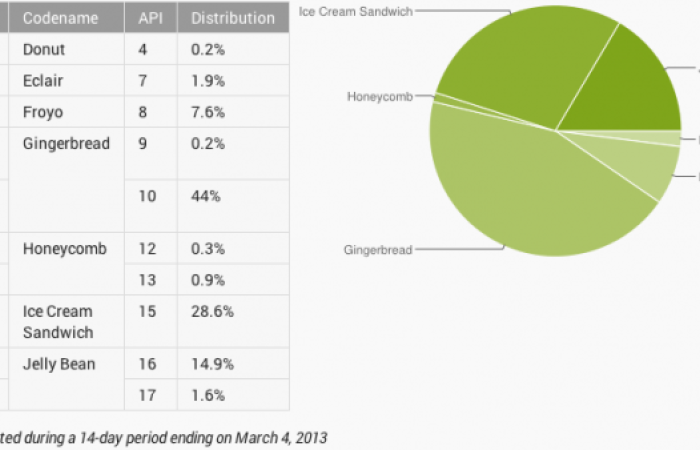
    Google today updated its developer dashboard, which showed that Jelly Bean (version 4.1 and 4.2 combined) increasing its market share of the Android platform usage on devices by 2.9 percent month-over-month from 13.6 percent last month to 16.5 percent this month. Gingerbread, the hands-down leading version of the OS running on active devices, dropped in market share by 1.4 percent to 44.2 percent of devices.

    Android Ice Cream Sandwich, the second newest Android version behind Jelly Bean, saw its market share fall slightly from 29.0 percent to 28.6 percent.

    Froyo and Eclair, Android 2.2 and 2.1 respectively, also dropped slightly, but Donut remained static at 0.2%. Honeycomb also seems to be steady at 1.2%.

    Slowly, manufacturers are updating compatible phones to Jelly Bean – most of these updates are only Android 4.1.x upgradess for now – but also announcing new machines that will run Android 4.1.x out of the box.

    Most Nexus devices have been updated to the latest Jelly Bean version, Android 4.2.2, but it will probably be a while until more devices will be updated to the latest Android version in a timely fashion.

    Overall it looks like things are progressing fairly nicely for the newer versions of the OS, though we’d love to see Gingerbread drop more quickly.

    All the data from Google’s developer dashboard was collected from android devices that had accessed Google Play within a 14-period, which ended on March 4.

  • Opera Browser Beta With Webkit Rendering Engine Now Available In The Play Store

    Opera Browser Beta With Webkit Rendering Engine Now Available In The Play Store

    Opera has switching over to the open source WebKit engine to power its mobile browser on the Android platform, instead of the Presto engine it is currently using. WebKit is the same engine that powers browsers such as Safari, Chrome and the stock Android browser. While opinions vary, it’s generally regarded as the fastest option around, routinely beating competitors like Mozilla’s Gecko.

    The browser is in beta mode, and is now available to Android users via the Google Play Store.

    The new browser centres around its homepage which features three columns that you can swipe left and right between. The left most is the familiar history while central is Speed Dial and to the right is Discover. 

    Speed Dial is a place to store bookmarks to your favourite sites, which are laid out in a grid pattern and can be combined into folders just like apps. 

    As for Discover, its yet another variation on these news feed apps that present curated content in a stylised column of pictures. It does go a step further than many such offerings though as it also caches the first couple of paragraphs of the article saving having to download the whole lot.

    Also key is the new Off-road mode which when engaged, like Opera mini, routes page requests through Opera’s servers where they’re compressed before being delivered to your device. 

    Other features of the new browser include tabbed browsing, a combined search and address bar and an offline mode for saving whole webpages for reading later.

    The download manager can be used to save, rename, start, stop, and resume downloads. The browser’s compatibility is currently listed as “varies with device.” Have you downloaded it yet? Tell us what you think in the comments!

  • Sony Xperia Tablet Images and Specification Leaked

    Sony Xperia Tablet Images and Specification Leaked

    The IFA trade show in Berlin, Germany seems to be the ground center for several new devices that run on Google’s Android mobile operating system. Samsung is probably one of the most-discussed companies that are expected to launch new smartphones at the event, but Sony doesn’t fall too far behind.

    If rumors are anything to go by, the Japanese electronics giant has three smartphones and one tablet lined up for this event.

    This Xperia-branded tablet has earlier leaked via a set of slides, which detailed some very attractive specifications. A 9.4-inch 1280 x 800 screen can be seen up front, while a quad-core NVIDIA Tegra 3 chipset provides the power. It boasts an 8-megapixel and a 1-megapixel camera, a 6,000mAh battery that promises up to 10 hours of endurance, and wireless connectivity options that include 3G, Bluetooth 3.0 and Wi-Fi. Models with 16, 32 and 64GB of internal storage will be available.

    Ice Cream Sandwich should be the most likely operating system of the device, but the presentation leaves open the possibility of some Jelly Bean action going on. The slides also include one with pricing details for the tablets themselves as well as the planned accessories. The base price for the entry-level 16GB unit falls at $450, while the larger options tack on $100 or $200 on top.

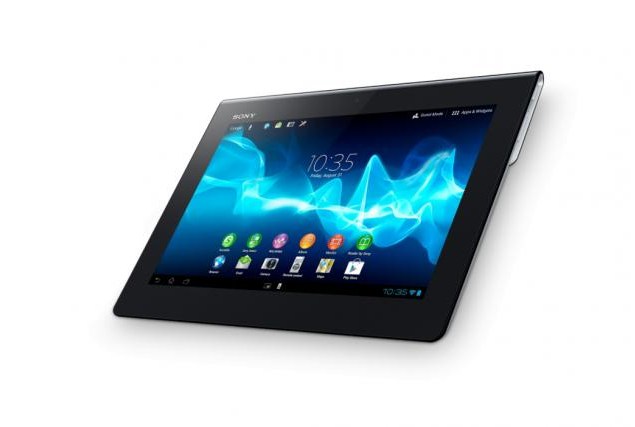
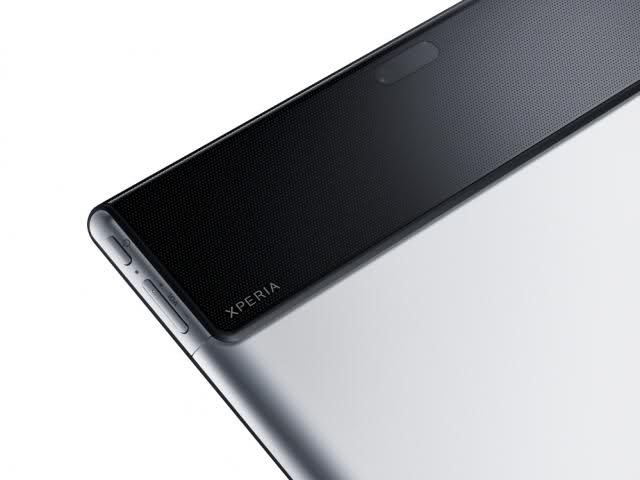
    Photos of the upcoming device also reveal an evolutionary shift from the current Sony Tablet S, which de-emphasizes the latter’s wedge shape, while keeping its folded paper-like styling cues.

  • Forget 5.0 Jelly Bean, Android 6 to be called Key Lime Pie

    Forget 5.0 Jelly Bean, Android 6 to be called Key Lime Pie

    Wow, only a day ago we found out that the next version of Android – 5.0 aka Jelly Bean was named. Today many sources from the inter webs are pointing to a confirmation of the next moniker for the Android name lineup. The next version of Android that comes in 2013 rich after Google releases Jelly Bean in 2012, will be called “Key Lime Pie”. Oh Yeah and its gonna be “KLP” all the way #KLP.

     [Read]

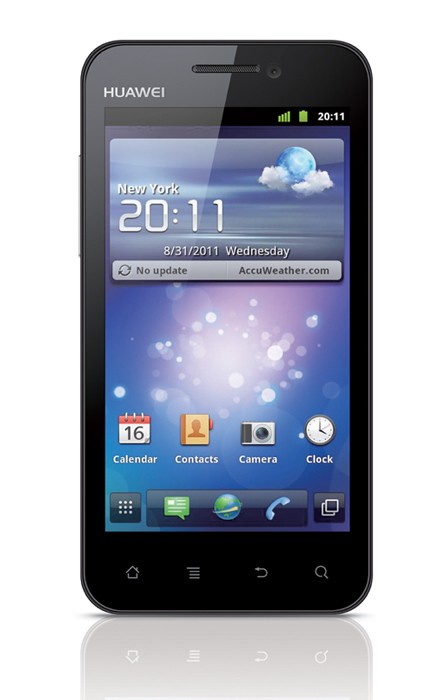
  • Microsoft Asks Huawei to share its Android Profits

    Microsoft Asks Huawei to share its Android Profits

    Huawei just got to know that Microsoft Patent teams are after their Android usage benefits. Just like HTC, Huawei is been a beneficiary of Microsoft’s initial up-process in terms of Mobile operations. So today when they start making a profit over Android OS they need to share their benefits, right? Well thats what Microsoft feels anyway.


    “Microsoft has come to us, negotiations are in progress”

    -Huawei chief marketing officer.

iGyaan Network
Privacy Overview

This website uses cookies so that we can provide you with the best user experience possible. Cookie information is stored in your browser and performs functions such as recognising you when you return to our website and helping our team to understand which sections of the website you find most interesting and useful.