Tag: battery

  • Sony Takes a Jibe at iPhone 6s Battery

    Sony Takes a Jibe at iPhone 6s Battery

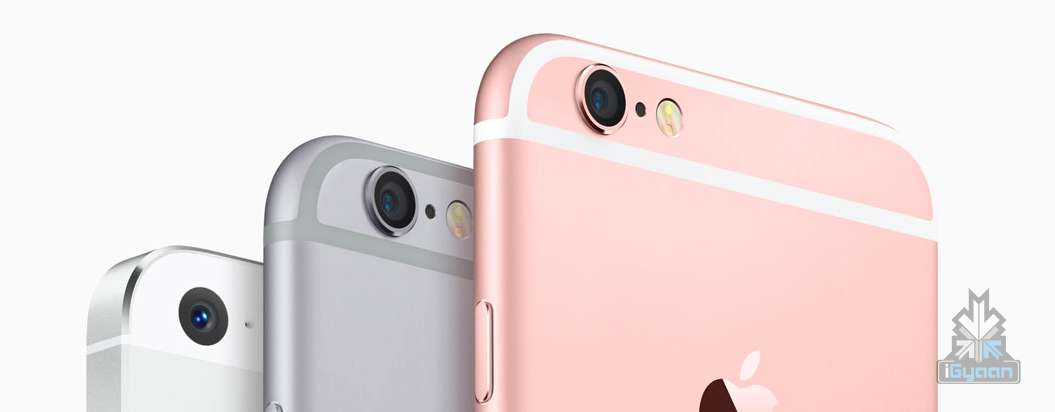
    Sony tweeted an image similar to the one Apple had used for its invites to have a laugh at the expense of Apple’s newest phones. The image (below) read as: “Hey Siri, what about the battery life?”, followed by “Switch to Sony”.

    The tweet also included a message which says, “A battery life worth talking about… Up to 2 days’ battery with #Xperia Z5 series SwitchToSony”. The new range of Sony’s Xperia Z5 series is indeed a formidable rival in the smartphone industry. It includes some interesting features among which high capacity batteries is an important one. Mostly around 3,000 mAh, Sony has managed to accommodate a battery of 3,430 mAh in its Z5 Premium range for phones with a physical structure as big as iPhone 6s Plus which has a battery capacity of 2,915 mAh.

  • iPhone 6s to Have a Battery Smaller Than iPhone 6

    iPhone 6s to Have a Battery Smaller Than iPhone 6

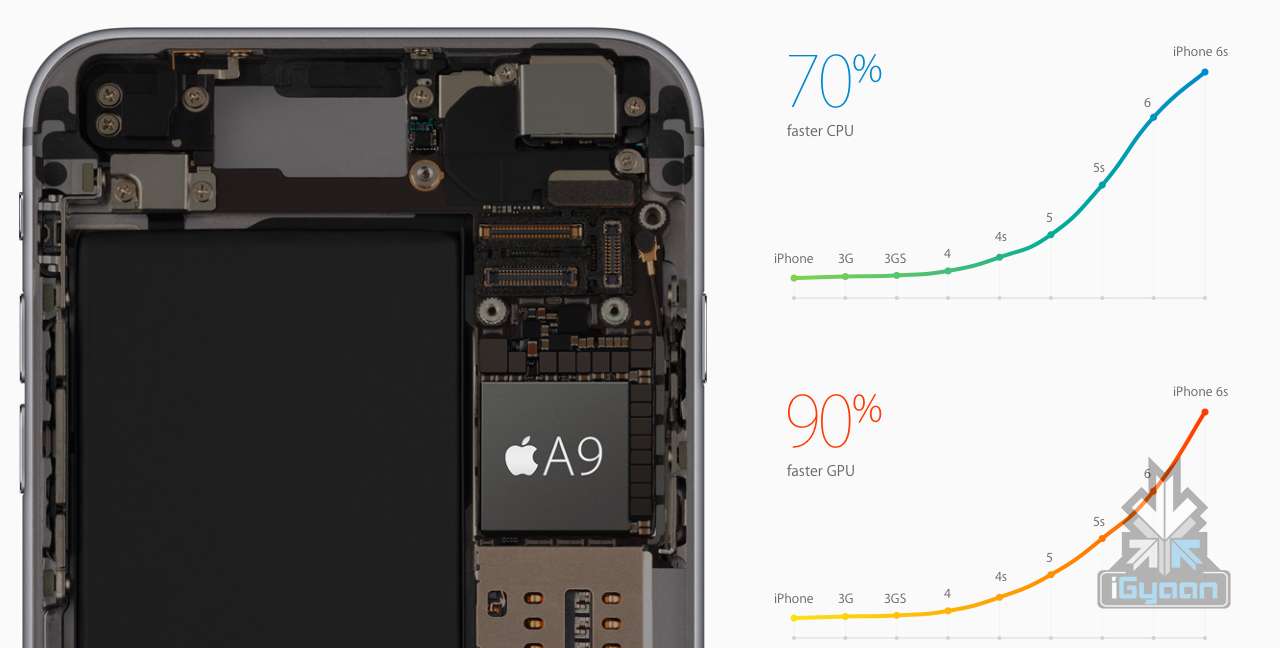
    A Force Touch promotional video released by Apple seems to confirm that the battery of the newest iPhone will be less than its predecessor. Speculations about the reduced battery capacity of the iPhone 6s have been doing the rounds for weeks now. Finally this video comes across as some sort of an acknowledgement of the rumours. According to GSMArena, it shows the battery at a “1715 mAh”, less than the iPhone 6’s 1810 mAh.

    The reason for the reduced battery is perhaps to make space for new features like the Taptic Engine and Force Touch-enabled display. At the same time, this in no way implies fewer hours of usage. The specs at the Apple event last night show that the iPhone 6s will have the same talk, Internet browsing, and video playback time as the iPhone 6. This is ensured by the increased efficiency of the phone in terms of power usage.

  • Apple Files Patent For Laptop Battery That Runs for Weeks Without Charge

    Apple Files Patent For Laptop Battery That Runs for Weeks Without Charge

    According to a report by CNET, Apple is working on tackling the one universal problem of the tech industry; battery life. The company has reportedly filed a patent application published by US Patent and Trademark Office on Thursday, for a “Fuel Cell System to Power a Portable Computing Device.” According to the application, it is an internal power system that would make the device run for “days or even weeks without refueling.”

    Though Apple was unavailable for comment, it is public knowledge it wasn’t their first patent application. First reported by 9to5Mac, the application from last week is Apple’s second attempt since the first application in 2011. The company hopes to create a power source using fuel cells that would be designed into electronics without adding extra weight.

    Though similar designs have been explored in the past, none of those plans have truly materialized. Fuel cells have mostly been used as portable charging sources but Apple aims to create fuel cells in-built within the device itself. The technology has gained importance in the recent past mainly because not only is it a reliable and convenient battery replacement but also because it’s a potential alternative to traditional fossil fuels, like oil and gas. If achieved, this would be a major breakthrough in the tech world.

  • Upcoming Samsung Note 5 Variant Might Come With a 4100 mAh Battery

    Upcoming Samsung Note 5 Variant Might Come With a 4100 mAh Battery

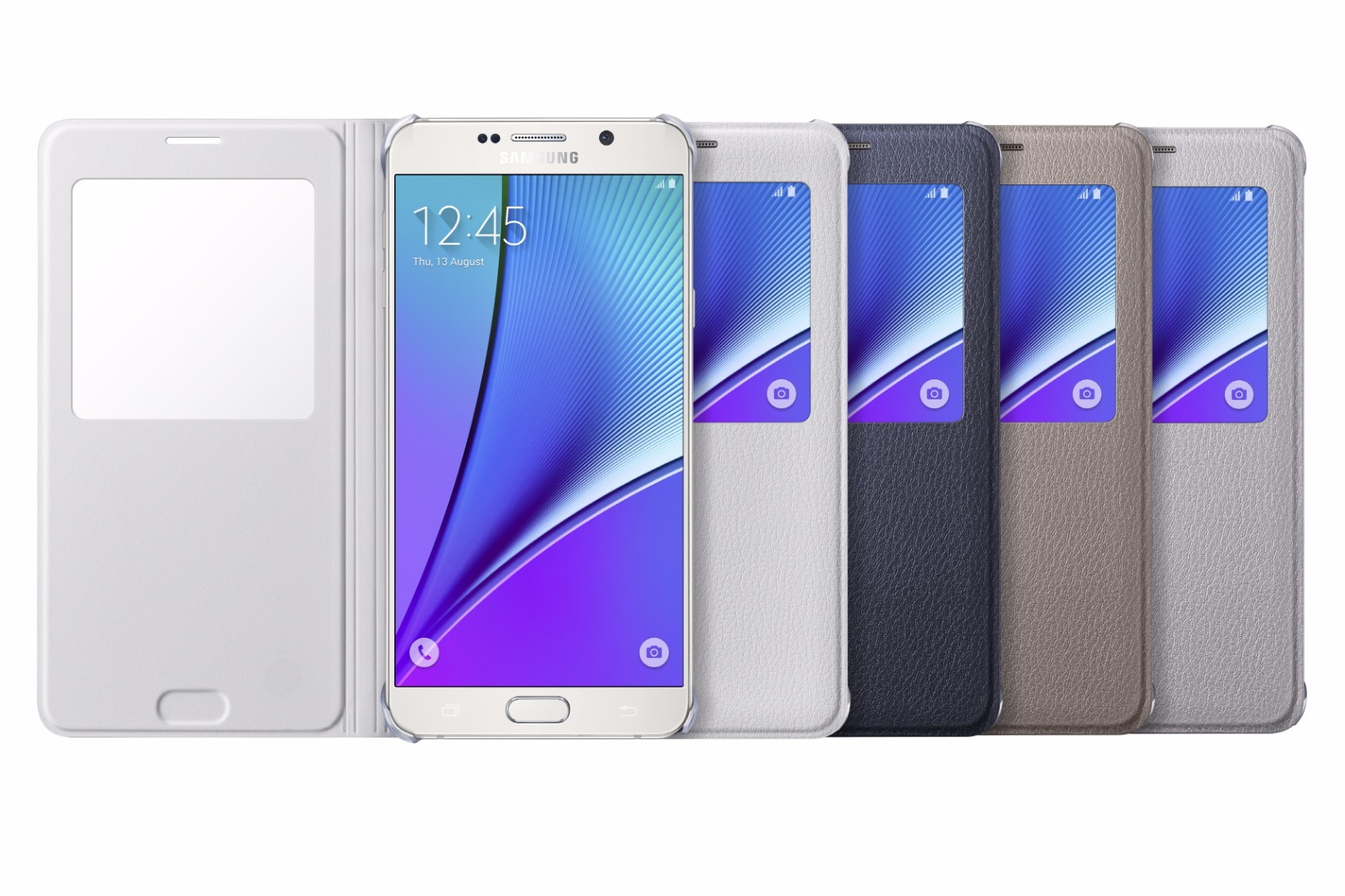
    Recent rumours suggest that the Galaxy Note 5 might actually come with a 4,100 mAh battery after all. These rumours were flying around even before the product released, however, were proved wrong once the Galaxy Note 5 was seen to arrive with a 3,000 mAh battery only.

    PhoneArena reports that the Galaxy Note 5 Active model, which will be released in November this year will sport a 4,100 mAh battery. This upgraded device is said to release on AT&T, and along with the new battery will come with an IP68 waterproofing certification.

    Even though these rumours remain unconfirmed, we do know that Samsung had once upgraded the Galaxy S6 Active similarly. So, this might after all be good news for Samsung users.

    The speculated date of release is – 8th of November 2015.

  • Samsung’s New Tech Promises Longer Battery Life

    Samsung’s New Tech Promises Longer Battery Life

    Smartphone users across the world face the same problem regardless of which phone they use – the inevitable dying battery in a short period of time. Our phones run multiple tasks while using bluetooth, wi-fi and cellular networks at the same time. For faster workflow, the processors will use more power, thus resulting in battery drain and the headache of finding ways to charge our phones.

    It seems Samsung may have found a solution to our power woes.

    Scientists at the company have developed lithium-ion battery technology that promises longer-lasting power. The battery uses a silicon anode, which increases the battery capacity and has layers of graphene on top to improve its density and longevity. Thus, the battery is at least 1.5 times denser than the current battery packs. As a result, the phone, which can previously run on 12 hours of battery, can now function for 21 hours, at least theoretically.

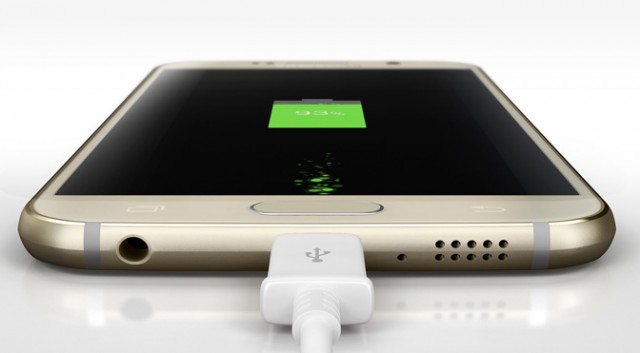
    Since the project is still in its research stage, the improved battery will not be expected in the next Galaxy series or any new phones in the coming years. Every year, the phones continue to get better and faster and require a larger battery for the same, which results in an increase in size. That is why Samsung’s breakthrough is important since adding a larger battery won’t be a solution in the future. Plus, as this ad by Samsung shows, we shouldn’t hassle with white cords every time our phone dies.

  • Smartphone with a 10,000mAh Battery May Soon Be a Reality

    Smartphone with a 10,000mAh Battery May Soon Be a Reality

    These days, battery life is the most crucial aspect of a mobile phone. Sure, we were happy about the devices equipped with around 3,500 mAh battery packs, such as Lenovo P70, Lenovo A5000, Huawei Honor 6 Plus and Acer Liquid E700. We were impressed since these phones could survive more than a whole day’s use.

    But, what if you get a chance to trade a few phone features for an extra dollop of battery life?

    ml-1

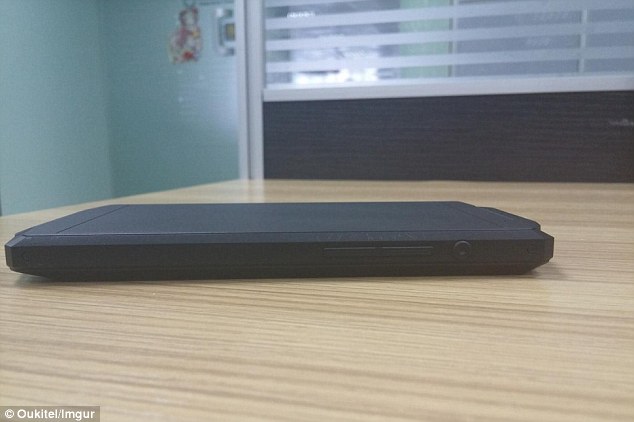
    Yes, this feature may soon come very true. Rumours suggest that Chinese phone company, Oukitel, is currently working on a smartphone model with a battery pack that holds a substantial power of 10,000 mAh. Here’s the best part – it’s been said that the smartphone may even last an entire week of usage.

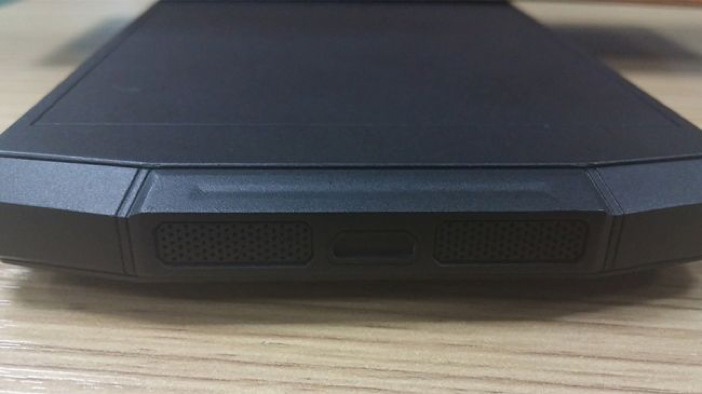
    The phone has been leaked, and these pictures are all we have got for now.

    Oukitel-Smartphone

    From the images, it seems that the new Oukitel device is a work in progress, and there has not been official approval yet from the company. But it would be great for many people to have the choice of a bulkier, longer-lasting device.

    Till the phone becomes a reality, users will still have to settle with using portable external battery packs that give their devices a few extra hours to live.

  • Power Struggle: Xiaomi and OnePlus Play Tug of War

    Power Struggle: Xiaomi and OnePlus Play Tug of War

    These days if there is another gadget which is more sought after than a smartphone, it’s a powerbank. Since smartphone manufacturers have failed miserably at providing batteries that last more than a day, the powerbank industry is currently booming.

    OnePlus and Xiaomi, two manufactures that entered the Indian market last year, recently launched their own battery packs in the country.  If you haven’t noticed, the young Chinese companies have kept an eye on each other. Their current flagships, the Mi4 and the One, both come with similar specifications and a similar price tag. So much so that the OnePlus One and Xiaomi Mi4 have even faced price cuts at the same time.

     Now it seems like OnePlus and Xiaomi are playing the same game with their powerbanks.

    OnePlus, after teasing their portable charger endlessly, finally brought it to India earlier this month. The charger provides 10,000mAh of power, can easily slip in your pocket and apparently charges the OnePlus One 3 times on a single charge. OnePlus introduced the power bank at an affordable price tag of Rs. 1,399.  Less than a month later, Xiaomi retaliated.

    Yesterday, Xiaomi announced they’re bringing in the massive 16,000mAh external battery, priced same as OnePlus’ power bank, down to the last Rupee.

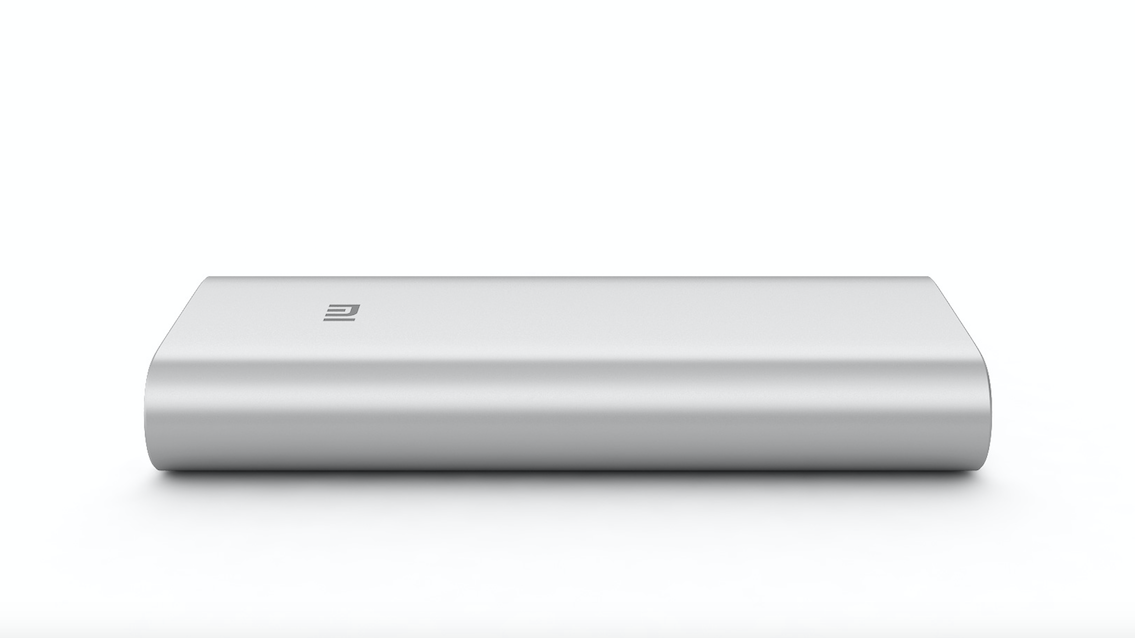
    xiaomi powerbank

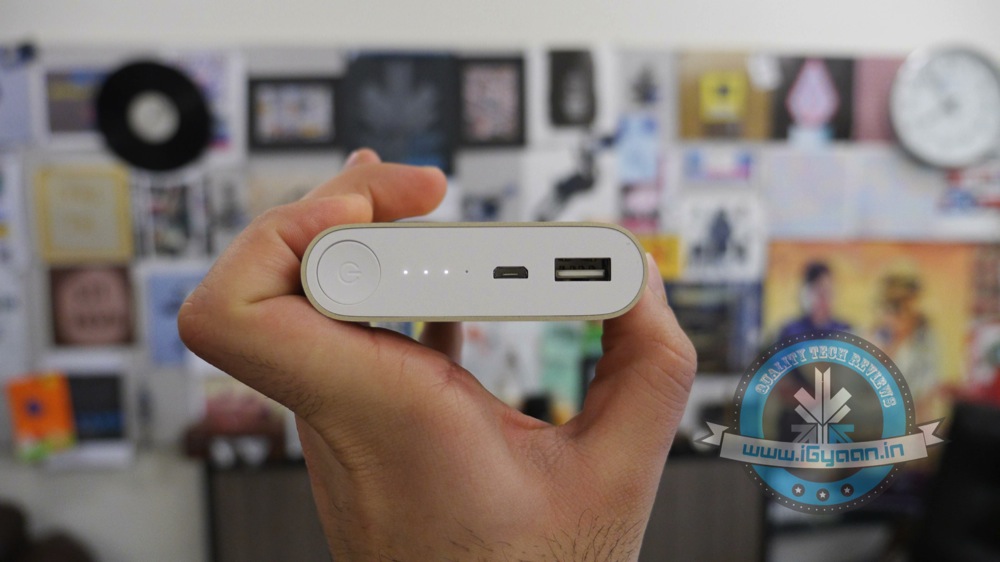
    Other than the amount of power they provide and their design, the two power banks are almost identical in features. Both feature two USB 2.0 ports and one Micro-USB port; both can charge two devices at the same time.  Since it’s an additional device you need to carry around, it is worth mentioning that the OnePlus power bank weighs 225g and the Xiaomi power bank weighs, 350g.

    We have an inkling that the OnePlus powerbank may face a price cut within the next few weeks. Only time will tell how the company decides to play its cards – it’s time for their move.

  • Google is Reportedly Working on a Mysterious Battery Project

    Google has joined forces to develop a more productive battery technology for its line of consumer devices and other hardware projects. The search behemoth reportedly has a small team of researchers who are working on future batteries and is devising measures to advance present batteries for better outcomes.

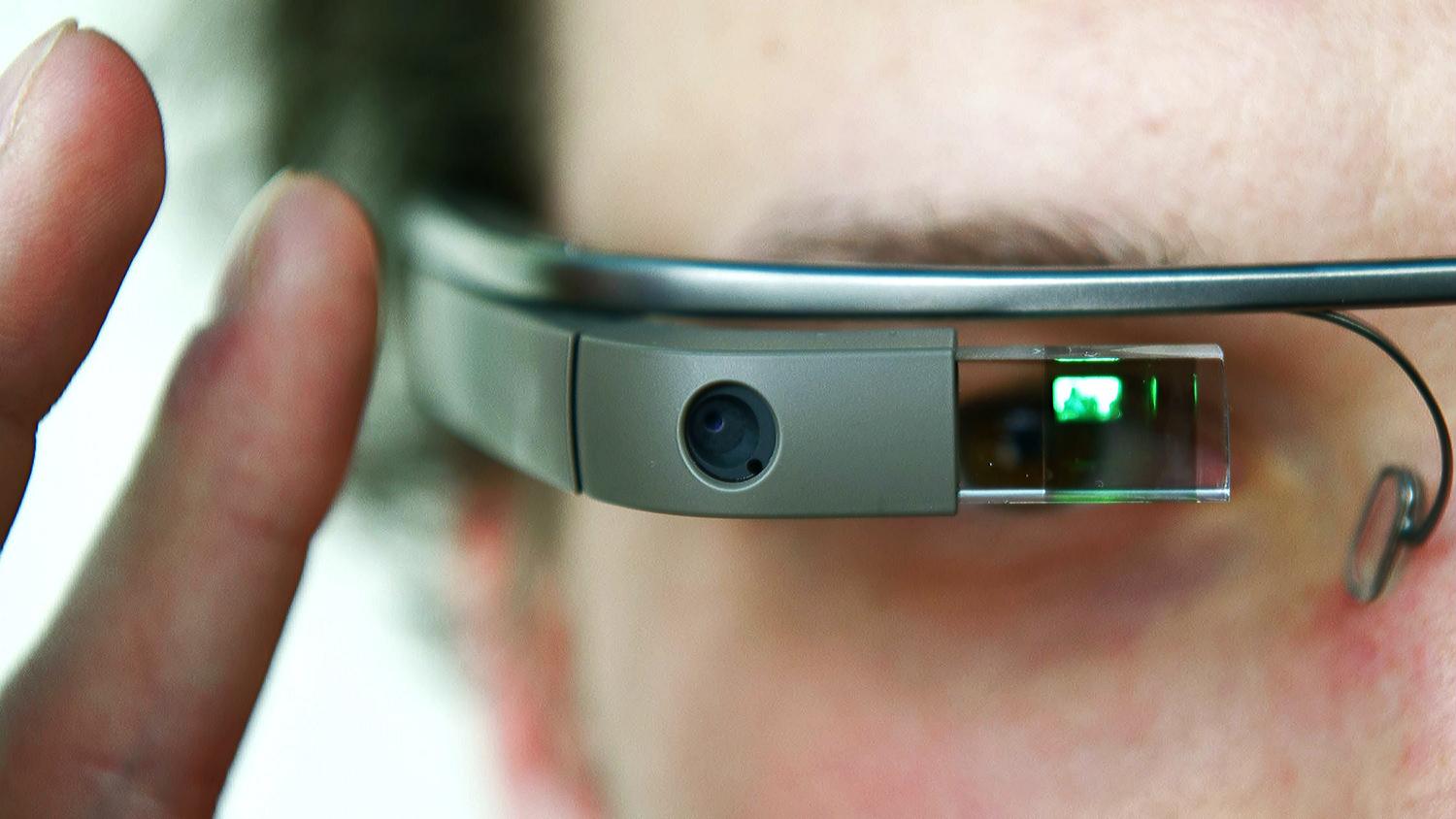
    The report by Wall Street Journal suggests that the team working on future battery technology is headed by Apple’s former battery expert Dr. Ramesh Bhardwaj. The four-member team is a part of Google X research lab, a facility dedicated to making major technological advancements like Project Loon and driver-less cars. Meanwhile, the battery research wing is working on enhancing lithium-ion and the advanced solid-state batteries for a range of consumer products like Google Glass and the contact lens that helps measure glucose level in blood.

    Google is not a confined body limiting to consumer manufacturing electronics and offers its services to various industries like transportation, robotics, healthcare, and communications. Being in the hardware business, Google needs efficient batteries that can power their devices for a longer span of time.

    Google Glass is being used to research the behaviour of passengers to offer them more convinence in the future.

    Dr. Bhardwaj disclosed ideas in a February presentation of a new-age battery technology that can be equipped to wearables, and smartphones and can also be implanted in the human body. The internet supreme requires such a revolutionary technology that can give new life to its projects that got overshadowed because of shorter battery life, e.g. Google Glass.

    The report said that other research teams are working in conjunction with the Chicago-based technology firm that can bring more potent batteries for four bigger projects including Project Loon. The internet-broadcasting plan to beam Internet down the earth is presently using traditional batteries and has to suffer high-temperature issues. The latest innovation is likely to resolve the current complexities along with being cost effective.

    Several companies are coming with battery prototypes that can charge mobile devices within half a minute, but there is no certainty if they will be inexpensive if produced in large numbers. If the report turns out to be true and Google succeeds in developing a super slim battery for flexible displays, it will be a landmark of the threshold of a new era. The batteries will make room for a new line of products that will be more compact and powerful.

  • Stanford University Scientists Invent Batteries Which Can Fully Charge Your Device Within a Minute

    Stanford University Scientists Invent Batteries Which Can Fully Charge Your Device Within a Minute

    Scientists at Stanford University have invented an aluminium battery that could potentially allow smartphones to charge within a minute. This battery, according to its inventors, is so powerful that it could revolutionise the industry. The new battery is claimed to go from flat to full within a minute and pulls in enough electricity to fully charge a phone, a laptop or a tablet.

    The Apple iPhone takes around two hours to completely charge its inbuilt battery. But if it were fitted with the aluminium power source, it would completely top up within 60 seconds. Though the invention is still in its infant stage, scientists claim that the aluminium battery can withstand more than seven times of charging cycles than traditional battery. If a traditional battery can be recharged around 1,000 times,  then the aluminium battery can withstand 7,500 cycles.

    [quote text_size=”small” author=”Hongjie Dai” author_title=”Professor of chemistry at Stanford University”]

    Otherwise, our battery has everything else you’d dream that a battery should have: inexpensive electrodes, good safety, high-speed charging, flexibility and long cycle life. We have developed a rechargeable aluminium battery that may replace existing storage devices, such as alkaline batteries, which are bad for the environment, and lithium-ion batteries, which occasionally burst into flames. I see this as a new battery in its early days. It’s quite exciting.

    [/quote]

    As of now, the aluminium battery cannot produce more than half the voltage of a lithium battery, scientists are confident they will improve the output within the next few years. Another feature of aluminium batteries is that these can be bent or folded, and can be used in flexible electric devices and are also cheaper than lithium. Aluminium batteries are safer than conventional lithium-ion batteries used in millions of laptops and cell phones today, Hongjie Dai added.

  • The Innards of the New Apple Macbook Are Made Mostly of Batteries

    The Innards of the New Apple Macbook Are Made Mostly of Batteries

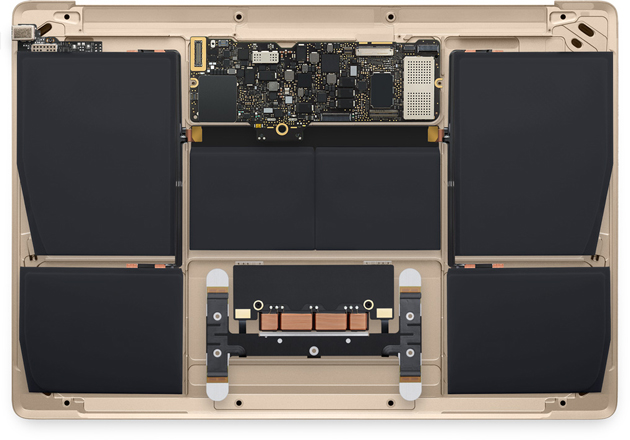
    Apple finally brought the Apple Watch to the market. The smartwatch line up comes with varied shapes, features and customization options. They are a bit on the pricier side but with their premium look and Apple logo, they may not find it difficult to find customers. But along with the much-awaited smartwatch, Apple also launched the revamped Macbook with a thickness of just 13.1 mm. Even with the slim design, most of the insides of the new notebook is made up only of batteries while a tiny portion is taken by the other hardware bits.

    Apple Redesigned their batteries for the new device to maximize battery availability.
    Apple Redesigned their batteries for the new device to maximize battery availability.

    The new Macbook’s have been put through immense redesigning process. The battery design, as well as the insides of the device, have been designed to offer maximum battery storage space.

    There have been immense efforts and breakthroughs in the miniaturization of the internal components but the battery technology still has a long way to go. So Apple decided to offer maximum space to the battery in the device. The company says that the new Macbook has 35% more battery capacity in comparison with the current mainstream technology. Apple has made every attempt to make most of the available space and has packed in as much space as possible with the newly designed battery.

    Miniturized logic board and the battery.
    The miniaturized logic-board is covered all around with batteries.

    The new MacBook packs in a high definition 2304×1440 display that will demand a great deal of energy. Even with such high-def display, Apple claims that the ultra slim notebook offers a full day of battery life. It is also said to offer 9 hours of battery life when browsing the web continuously and 10 hours worth of iTunes film playback with a single charge.

    Apple has been known for its tryst with the slim. It was one of the first companies to introduce the ultra-thin laptops with the MacBook Air, and now it has taken things further with the new MacBook lineup. Even with the barrage of smart device offered in the market, a notebook is still an essential device for work and entertainment purposes. Apple’s efforts in making the notebooks more portable, yet more powerful will surely be appreciated by the consumers in the market.

  • Tesla to Unveil Breakthrough Battery Tech to Help Power Your Entire House

    Tesla to Unveil Breakthrough Battery Tech to Help Power Your Entire House

    Tesla, the market leader in electric vehicles, is all set to deliver a battery pack that powers your entire house. This will give Tesla the ability to take on the hydrogen car market where cars like the Toyota Mirai lets users charge their home through their car’s fuel.

    The designs for the new battery pack has already been finalized, and the company might be putting it into production in the coming six months. Tesla head, Elon Musk has said that the company might be unveiling the battery in the coming couple of months.

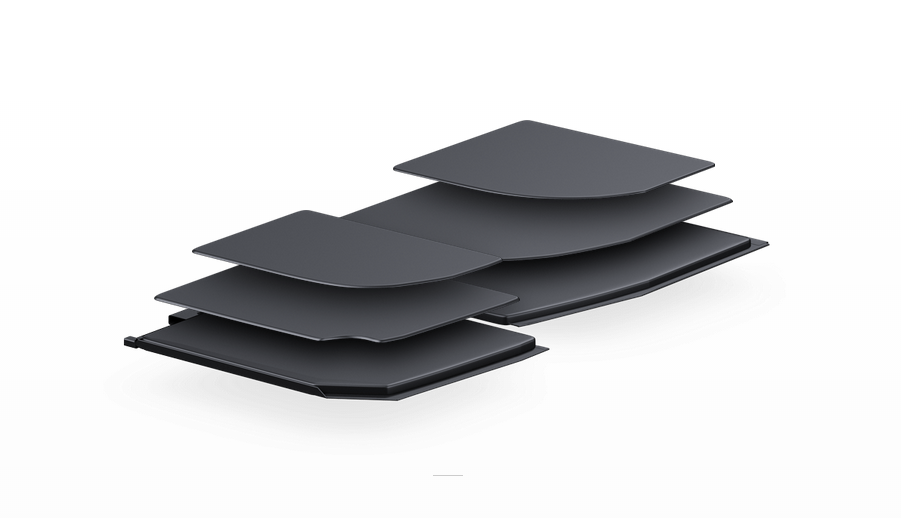
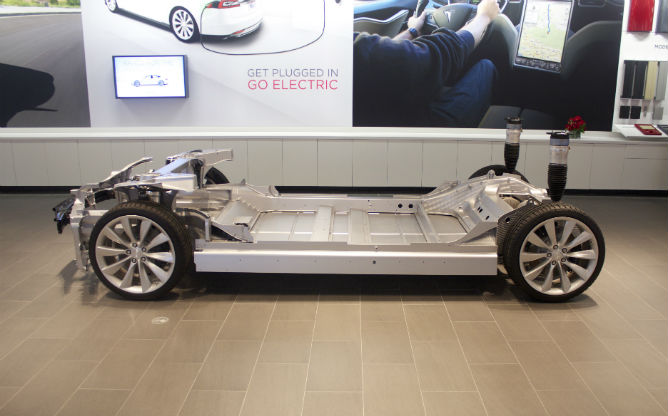
    Elon told Forbes that the batteries will be like the Model S pack: something flat, 5 inches off the wall, wall-mounted, with a beautiful cover, an integrated bi-directional inverter, and plug and play.

    Model S Battery
    Model S Battery

    Tesla is one of the most environmentally active companies in the world. It is also building a massive battery manufacturing unit called the Gigafactory. Another of Elon’s venture is the SolarCity, which provides solar energy solutions to residents and businesses. The company wants to be a frontrunner in the energy storage business and encourage off grid living where electricity is produced locally through renewable sources. Battery based living in conjunction with solar or wind energy would be economical as well as ecological.

  • Top 5 ‘Lite’ Apps You Should Download to Save Battery and Storage

    Top 5 ‘Lite’ Apps You Should Download to Save Battery and Storage

    Apps help us stay connected, book movie tickets, message our loved ones and improve our overall daily efficiency. But it’s not all pretty; they also tend to suck up our phone’s battery life. As apps improve and become more sophisticated, they tend to drain more battery from your smartphones. Well, there’s an easy way out to this problem, there are plenty of free ‘lite’ versions you can use as alternatives.

    We are listing top 5 Lite-versions of your favorite apps that will help save your smartphone’s battery life.
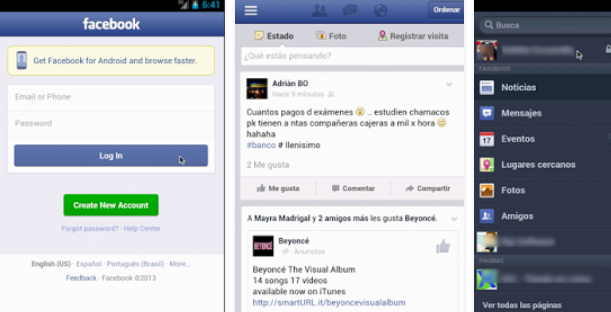
    1. Lite WebApp for Facebook

    Facebook Lite

    As much as we appreciate Facebook’s strategy to continuously keep updating their app with new features, we have to admit that the official Facebook app slows down and exhausts our smartphones. Lite WebApp is a Facebook look-alike app designed for phones with low memory and can save some of your battery. The best part that you’re sure to appreciate, it still syncs your Facebook inbox, which Facebook recently dropped in the favour of their standalone Messenger App. Since we still don’t have access to the newly launched Facebook Lite, we’ll have to make do with this one.

    2. Tweedle for Twitter

    Tweedle for Twitter

    The worst part about the official app for Twitter is that it constantly refreshes the feed. This is the reason it consumes a ton of battery life. Tweedle, an alternative to Twitter, runs smoothly, consumes less battery and has a clean interface. The app saves battery as the user needs to manually refresh the feed to use it.

    3. YTMovies (Lite) for YouTube

    YT Movies

    YT Movies lets you watch YouTube clips and send them to your smart TV and other media players. YTMovies(Lite) is ad-supported with limited options, and is only available for Android devices. It also offers a pro version called Pro YT Movies, which however, is not free.

    4. CloudMagic for E-mails

    Cloud Magic for EMails

    Mail apps can destroy your battery life as they are constantly synced to the e-mail websites to refresh the feeds. A great alternative to your e-mail apps is CloudMagic, which simply merges all of your email accounts into one app. You can find emails quickly and, most importantly, it’s easy on battery life.
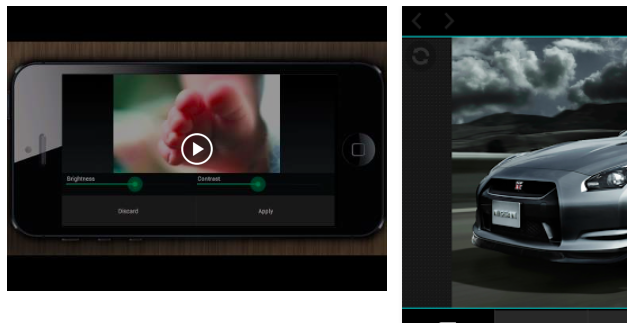
    5. PicShop Lite for photo editing

    PicShop Lite

    Smartphones come handy when you need to edit photo directly from the phone gallery. There are loads of photo-editing apps available in the app store such as Hipstamatic, Snapseed, Pixlr-o-matic and many more. But on-the-go photo editing apps eat up your phone’s memory and suck battery really fast. PicShop Lite app massively reduces memory usage and allows you to edit, add filters and frames, and share your photos.

  • Newly Discovered Glass Material Can Help Increase Your Smartphone’s Battery Life

    Newly Discovered Glass Material Can Help Increase Your Smartphone’s Battery Life

    Ever thought of a display that can prove useful in extending the battery life of your smartphone? Well, we certainly didn’t consider it. However, with the new glass material developed by researchers, the devices will last for double the amount of time they used to with normal lithium-ion batteries.

    A team of ETH Zurich researchers led by Dr. Semih Afyon and Reinhard Nesper invented a Vanadate-borate glass that when embedded on the phone will act as an electrode in lithium-ion batteries. An electrode is a conductor that transfers electric current from one substance to another. The materials used in the formation of the glass are the chemical components – vanadium oxide (V2O5) and lithium-borate (LiBO2) precursors. These chemicals are later covered with a coating of reduced graphite oxide (RGO). The coating is done to increase the electrode properties of the material.

    The purpose of using Vanadate as one of the compounds is that vanadate is a transition material, and the powered vanadium pentoxide and borate are mixed to produce the desired material. The scientists heated the powder at 900 degree Celsius and then cooled it promptly to form glass. These glass sheets are later crashed into powder to increase the surface area along with creating more pore space.

    The research team drew light on its study saying, “Borate is a glass former; that’s why the borate compounds were used, and the resulting glass compound is a new kind of material, neither V2O5 nor LiBO2 at the end.”

    Both the Vanadate and borate compounds are inexpensive and are efficient to produce energy density of approximately 1000 watt-hour per kilogram when coated with graphite oxide (RGO). The energy generated is enough to power a device 1.5 to 2 times more than the usual lithium-ion batteries.

    Since the glass material is said to be cheap, there’s quite a possibility that we can see future smartphones embedded with the Vanadate-borate glass.

  • Lava’s Affordable Iris Fuel 60 Comes with a Massive 4000 mAh Battery

    Lava’s Affordable Iris Fuel 60 Comes with a Massive 4000 mAh Battery

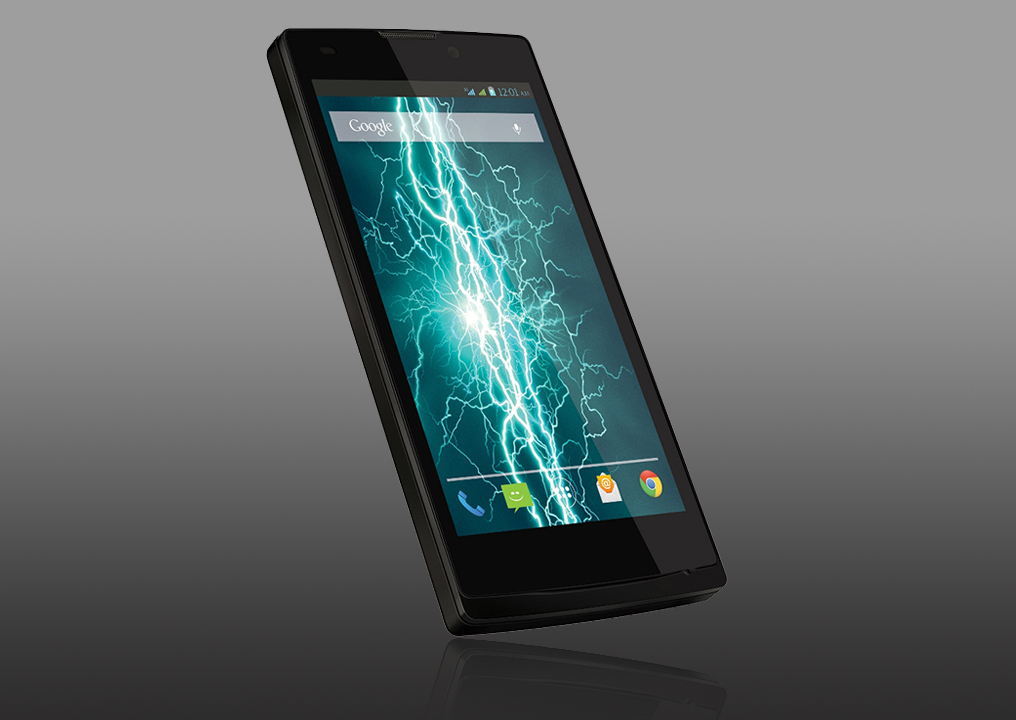
    Indian smartphone company, Lava has launched the Iris Fuel 60. The phone’s USP is the massive 4000 mAh battery which extends its usage time and decreases the frequency of charging. The phone also has multiple gesture features which might make it more attractive to the buyers.

    The Iris Fuel 60 is only 1000 mAh short of Gionee’s Marathon M3 which comes with 5000 mAh behemoth. But while the Marathon M3 can set you back by Rs. 13,999, Lava’s big battery bombshell comes at a rather affordable price of Rs. 8,888.

    But even at a low price, the device isn’t short on accompanying specs. It comes with a quad-core, 1.3 GHz processor along with 1 GB RAM, which is the same as the Marathon M3. The internal storage stands at 8 GB; that is expandable up to 32 GB, a standard at this price point. It also provides USB OTG support which will take its storage capacity further.

    The device flaunts a 720p HD IPS display and is protected by scratch resistant Corning Gorilla Glass 3o. The main camera on the device is a 10 MP shooter while on the front is a 2 MP shooter. The device presently runs on Android 4.4, but the company claims that it will soon be bringing an Android L update for the device.

    If battery woes are your biggest concern for a smartphone, then this phone can be your ideal option. It has pretty much the same specs as the Marathon M3 but comes at Rs. 5000 cheaper at a loss of 1000 mAh worth of battery storage. Lava has put a serious contender in the big battery game.

  • This Nano-Technology Based Battery Can Charge Your Phone in 30 Seconds

    This Nano-Technology Based Battery Can Charge Your Phone in 30 Seconds

    We are living in a tech-driven society and with the excessive need of gadgets to get the work done, we need them charged all day long, well we try to. In a potentially ground-breaking development, an Israeli company called StoreDot claims that it has invented a battery that can drastically reduce the charging time up to 30 seconds on your smartphone.

    The game-changing battery uses nanotechnology to synthesise artificial molecules, which allows this battery to store a higher charge in less time than the existing technology. It can be likened to a super-dense power sponge. According to a  research firm, the prototype battery could be ready for the market sooner, potentially transforming the smartphone and electric car industry.

    However, the battery is very bulky to be used in a smartphone right now. The company believes that it will be ready to market a slim battery by 2016 that can absorb and deliver a day’s power for a smartphone in just 30 seconds, as mentioned above.

    Back in April, the Tel Aviv-based StoreDot revealed at the Microsoft Think Next Conference that it had developed a prototype battery that charged a dead Samsung Galaxy S4 to full power in just 26 seconds. The technology is based on ‘nanodots’, described by StoreDot as bio-organic peptide molecules. Nanodots change the behavior of the battery to allow for rapid absorption and retention of power.

    Backers have so far invested $48 million over two rounds of funding. One significant backer is an unnamed Asian mobile phone manufacturer. This year, the number of smartphone users is expected to reach 1.75 billion, a big market for StoreDot. Experts predict that the company could be a winner if it continues to develop its product.

iGyaan Network
Privacy Overview

This website uses cookies so that we can provide you with the best user experience possible. Cookie information is stored in your browser and performs functions such as recognising you when you return to our website and helping our team to understand which sections of the website you find most interesting and useful.