Tag: chipset

  • Apple iPhone XI 7 nm+ SOC Risk Production Started By TSMC

    Apple iPhone XI 7 nm+ SOC Risk Production Started By TSMC

    TSMC, a Taiwanese OEM that produces semiconductors and chipsets. Founded in the year 1987 the company currently holds the title for world’s largest dedicated independent semiconductor foundry. Corporations including Apple, Qualcomm and AMD are one of the few customers of TSMC.

    The company has qualified a significant achievement in the field of chipset technology which is starting risk production of 5 nm chips. This step would allow the company to reduce the size of a given chipset by up to 45% in comparison to the current technology which is 7 nm. Furthermore, it will provide a performance boost of up to 15% in devices that incorporate the chipset. Even though the size of the foundation die has changed, the architecture of a particular chipset remains the same (eg: A73, Kryo 460). Accrediting to the size reduction, devices using the chipset manufactured using 5 nm process will be more power efficient. Therefore, proving for a longer battery backup on portable devices.

    Except for the 5 nm process node, TSMC is also working on the 5 nm+ technology which will push a chipsets performance even further. However, the risk production of chipsets with this fabrication process will reportedly begin next year and they will be production ready by Q1 of 2021. For chipsets originating later this year, the company has 7 nm+ process ready. It should offer 20 % higher transistor density and 6-12% reduction in power consumption.

    2019 iPhone Renders

    Also Read: Asus ZenFone 6 To Launch With Snapdragon 855

    Notable companies that are lined up for the 7 nm+ based chipsets manufactured by TSMC include Qualcomm and Apple. TSMC being the sole chip supplier for Apple, at least until now, will manufacture SoCs for 2019 iPhones. Consequently, the upcoming smartphones from Apple will be kitted with 7 nm+ based chipsets which is assumed to carry the A13 Bionic moniker. 

  • What Does 7nm, 10nm Mean In Mobile CPUs?

    What Does 7nm, 10nm Mean In Mobile CPUs?

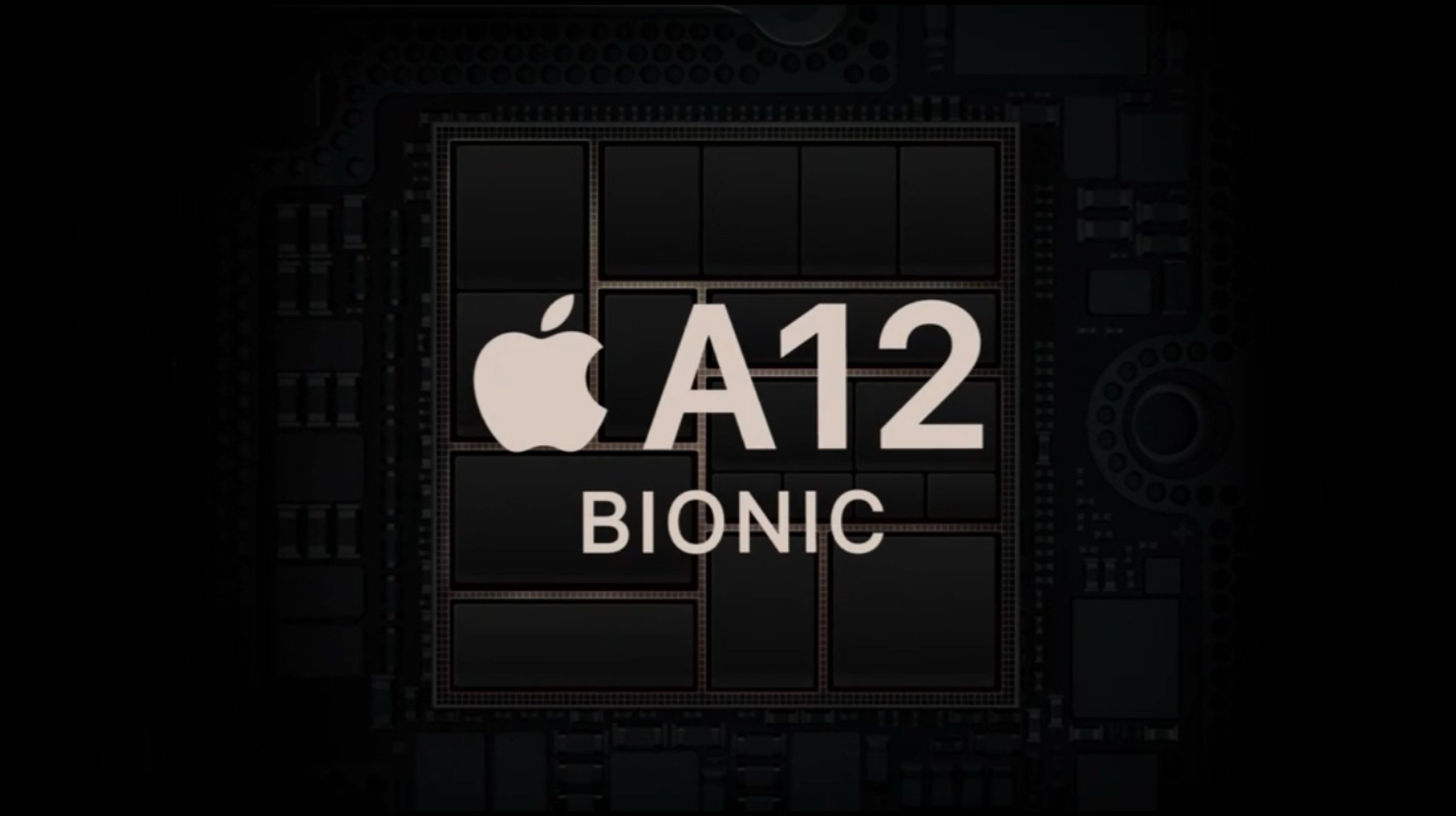
    Apple showed off the A12 Bionic mobile processors last year with the launch of the iPhone XS, iPhone XS Max and the iPhone XR. It was the first smartphone chipset to be built on a 7nm fabrication process. Soon after, chipset manufacturers including Qualcomm, Huawei released their 7nm mobile System on Chip (SoC) named Snapdragon 855 and Kirin 980 respectively. But what does ‘nm’ mean in CPUs and does reducing the size of the processor really change anything?

    Understanding The Composition Of CPUs

    Every CPU whether it is of a mobile device or a personal computer is comprised up of billions of tiny transistors, which is a semiconductor used to amplify or switch electronic signals and electrical power. The transistors essentially act as electrical gates which switch on and off to facilitate calculations. This obviously requires power to function. So theoretically, if a transistor is made smaller, it will use a lesser amount of power. This is because of the transistor’s ability to store electric charge decreases. 

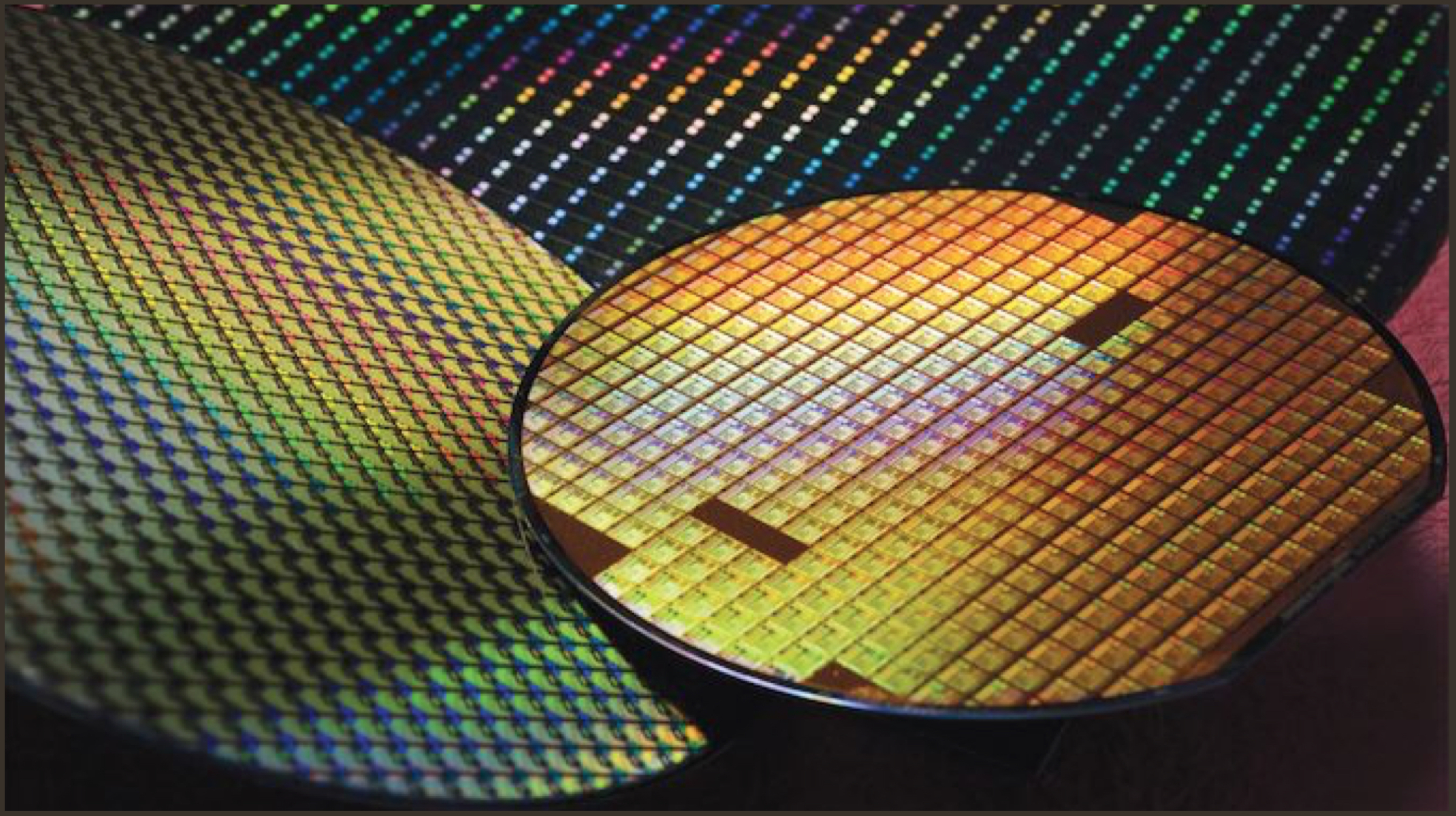
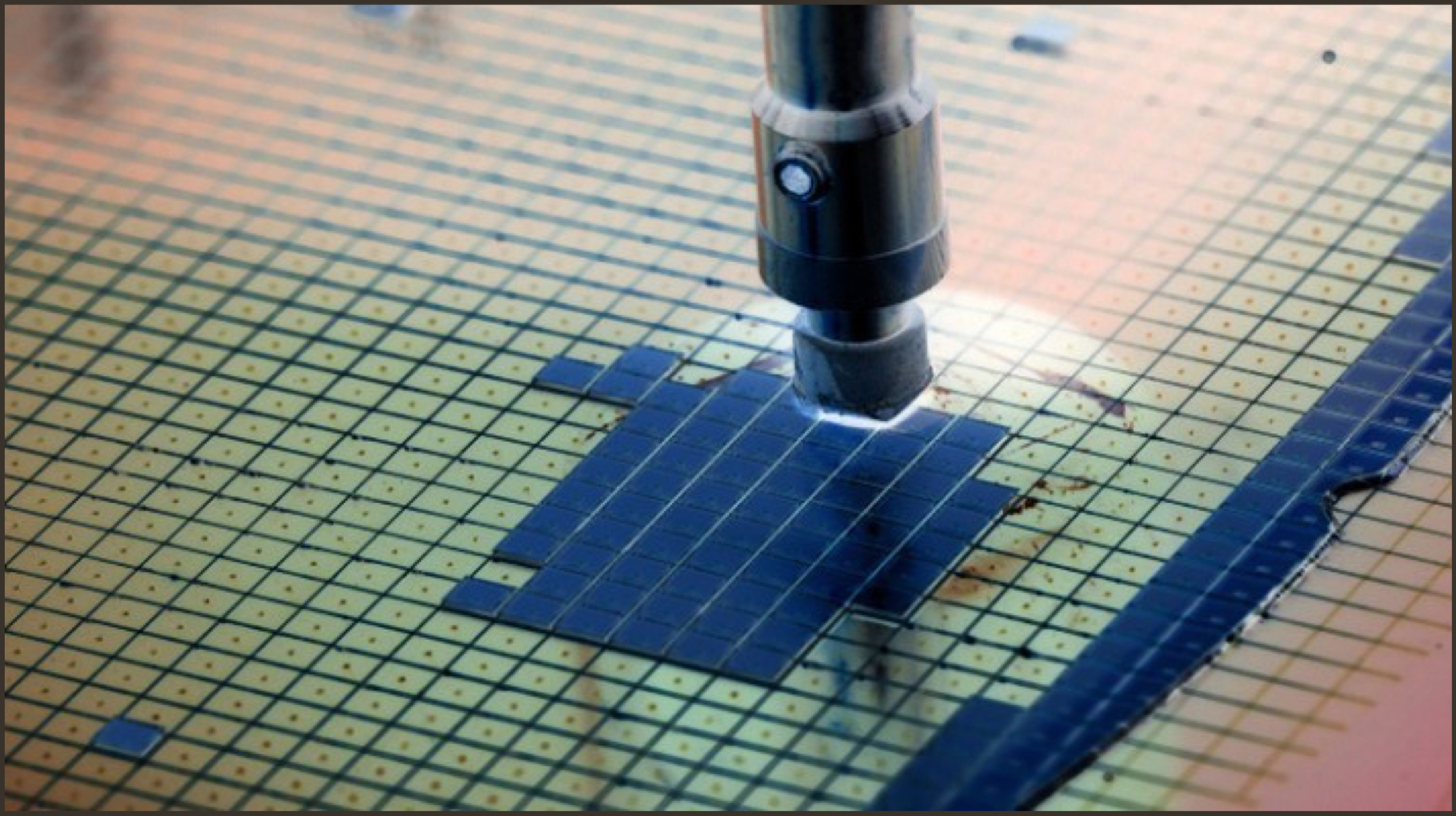
    CPUs are manufactured using photolithography, which is a process where an image of the CPU and its components is etched drawn onto a piece of silicon, which is created from sand. The method of how this is achieved is referred to as the process node. The measure of how small the transistors can be made is counted in ‘nm’ which is the short form of nanometer and is a minuscule size. Notably, the first transistor that was ever created in 1971 measured 10µm which means 10 micrometres. It is also a small size in its own merit but is nowhere near the size we have achieved using the technology available today.  

    Does A Smaller Size Of CPU Matter?

    So, if a manufacturer claims that the newest CPU it has employed is smaller in size and will thus improve performance and efficiency, is it a correct thing to say? Well, technically yes as the power efficiency is improved by a smaller size of the chipset as explained above. Performance is also an aspect which is affected but not necessarily in a big way. While the faster a transistor toggles itself on and off, the better performance a device will have. But the difference can change with every manufacturer. Apple, Huawei and Qualcomm all have achieved 7nm fabrication process for their processors, but the performance differs a significant margin with each device.

    A way that manufacturers tackle performance difference is by providing better cooling technology with their CPU. Heating in a CPU can cause its performance to throttle, which means it will adjust the clock speed of the CPU based on the amount of heat it is currently generating. So more heating would cause the clock speed to decrease, ultimately affecting the performance of the device.

    What’s Next For Mobile CPUs

    The biggest change with the reduction in the size of processors will be seen on mobile devices. With major manufacturers already making the switch to 7nm technology for manufacturing the mobile processors, the next obvious step will be to go even further. A few weeks ago, reports claimed that Apple may introduce 5nm SoCs in iPhones starting the year 2021. This would implicate even better battery life and a significant performance boost. More chipset manufacturers like Qualcomm, Samsung and Huawei will also most probably make the switch by the same year.

    Downsides Of A Smaller Mobile Processor


    Also read: Worlds First Side Sliding Smartphone, The ZTE Axon S Surfaces Online

    No matter how much faster or efficient a smaller transistor size makes a mobile CPU, there are downsides. The most prevalent is the manufacturing of smaller chips. 7nm is already a substantially small number and going even smaller than that is not an easy process. Another problem with smaller SoCs is called ‘leakage’. It is a measure of the electrical charge the transistor allows to pass when it is off. This would mean that the transistor that allows more current to pass when the CPU is idle would consume more power. This drains battery faster and would certainly not be an ideal choice to be installed in devices. Smaller transistors are tricky to manufacture, which increases the chances of leakage if anything goes wrong in the production.

  • Apple Accused Of Unpaid Chip Royalties By Qualcomm

    Apple Accused Of Unpaid Chip Royalties By Qualcomm

    Apple and Qualcomm are at it again. Apple recently had accused Qualcomm of unfair patent licensing practices and Qualcomm has in turn accused Apple of patent infringement. Qualcomm revealed the amount of unpaid royalties by Apple in a hearing. The hearing was of one of the cases in a Federal court in San Diego. Apple however, have disputes about the amount. At this moment, the companies are involved in about 100 legal proceedings around the world. Qualcomm wishes 56 patents to be dropped and wants to follow the licensing dispute between the two companies instead. According to Qualcomm, Apple has $7 billion in unpaid chip royalty payments.

    Apple’s Reply

    Apple has, in a statement, said that for many years Qualcomm has unfairly insisted on charging royalties for technologies they have nothing to do with.  The company has also accused Qualcomm stating that the more Apple innovates with unique features for phones, the more money Qualcomm collects. Apple claims that this makes it more expensive to fund these innovations. Apple has accused Qualcomm of building its business on older, legacy, standards. They claim that Qualcomm has reinforced its dominance through exclusionary tactics and excessive royalties. The smartphone giant also said that the latter insists on charging Apple at least five times more in payments. This is in comparison to all the other cellular patent licensors they have agreements with combined.

    Also readApple Demands Bloomberg To Take Down Chinese Chip Hacking Report

    A U.S. International Trade Commission administrative law judge had, in September, ruled in favour of Qualcomm, stating that Apple had infringed on a power saving patent to extend battery life in mobile devices. The judge had also said that this will not hinder Apple from selling their phones in the US. Apple also said that Qualcomm is withholding nearly $1 Billion in payments from Apple as ‘retaliation for responding truthfully to law enforcement agencies investigating them’.

  • Snapdragon 820 Beats Apple A9 in AnTuTu’s Top-10 Performance Smartphone Chips

    Snapdragon 820 Beats Apple A9 in AnTuTu’s Top-10 Performance Smartphone Chips

    This year, we’ve already seen some brand new smartphone launches that are ready to take the crown for 2016. Most flagship devices that you will see this year will feature Qualcomm’s new Snapdragon 820 chipset. Meanwhile, Apple launched the iPhone 6s late last year with the A9 chipset. Consumers are already spoilt for choice with the number of new, beautifully crafted smartphones but what they really want to know is which chipset takes the cake when it comes to performance.

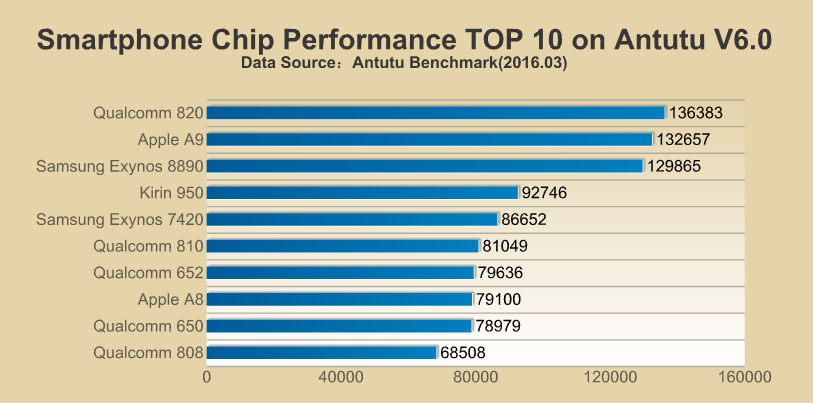
    AnTuTu updated its list of Top-10 performance smartphone chips and it appears that the Snapdragon 820 chip beats all, taking first spot in both performance and GPU tests. The Snapdragon 820 scores 136,383, which is close to 4000 higher than that of Apple A9, while Samsung’s Exynos 8890 chip comes in at third with 129,865. Note that these scores are based on averages and actual running results will be different.

    Antutu chip 01

    Qualcomm Snapdragon 820-powered smartphones include Samsung Galaxy S7, LeEco Max Pro, Xiaomi Mi5, LG G5, Sony Xperia X Performance, among others.

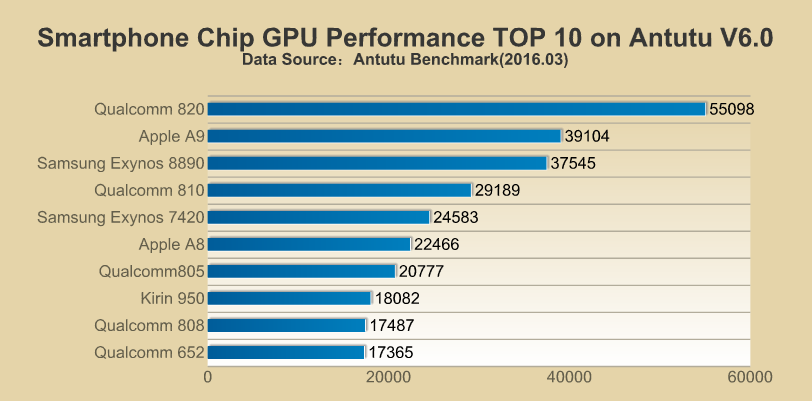
    In GPU performance as well, the Snapdragon 820 chipset rules the lot, scoring an impressive 55098 which is miles ahead of Apple A9’s 39104. The Exynos 8890, again, comes in at third with a score of 37545. Over the past few years, smartphone makers have been paying a lot of importance to GPU performance. After all, mobile gaming is a huge market of its own and has slowly become an important aspect when consumers consider purchasing a smartphone.

    Antutu chip

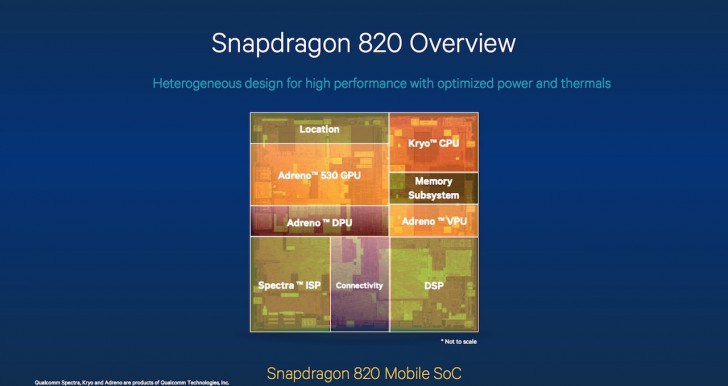
    The Snapdragon 820 chip currently has the highest-performing GPU (Adreno 530). While Apple’s A9 (PowerVR GT7600) and Samsung’s Exynos 8890 (Mali-T880 MP12) battle for the second place, HiSilicon Kirin 950 (Mali-T880 MP4) doesn’t fare too well and stays low alongside Qualcomm Snapdragon 808 (Adreno418) and Snapdragon 652 (Adreno510).

    It’s also important to note that the GPU directly relates to screen resolution. Since most phones these days offer 1080p, and 2K resolution, it requires a powerful GPU to allow users to get the most experience out of their smartphone’s display. But GPU and CPU alone aren’t enough to tell you about how a smartphone will perform.

    In hand use is the best way to judge what the phone offers the user. Apple may have scored low with the A9 chip, but it still gives a terrific performance. Similarly, the Exynos 8890 also performs impressively, which is probably why Samsung may launch both it and Snapdragon 820 variants in the Indian market when the Galaxy S7 and S7 Edge launch tomorrow.

  • Apple Chooses TSMC Over Samsung as Chip Manufacturer

    Apple Chooses TSMC Over Samsung as Chip Manufacturer

    We love hearing about the love-hate relationship between Apple and Samsung. From lawsuits to manufacturing chipsets, the relationship is as diverse and complicated as it can get. Speaking of complications, Samsung has now been shunned by Apple and will not manufacture processors for the Cupertino-based giant this year.

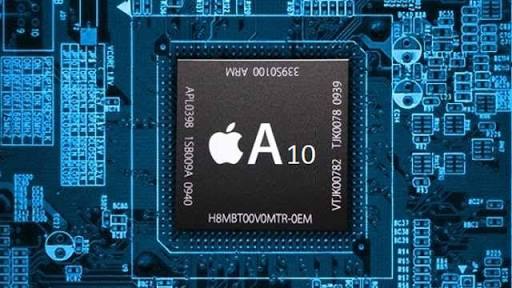
    According to reports, Apple has given TSMC the sole authority to manufacture the next-gen iPhone 7 processors this year, which are most likely the A10. One of the reasons behind this decision is that TSMC uses 10-nanometer processors which would result in smaller and more power efficient chipsets. This is something Apple would gladly fall head over heals for as the company is all about making its iPhone thinner without compromising on battery life.

    iphone-6s-display-1200x737

    Although people wouldn’t mind if Apple kept the same thickness of the iPhone if it means better battery life. However, keeping some major rumours in mind, if Apple is indeed ditching the headphone jack for the iPhone 7, it could mean more space for a bigger battery. In other words, we could be looking at an iPhone 7 with a thinner look, faster chipset, and a longer battery life. But let’s not get ahead of ourselves just yet. There’s still a while before Apple unveils its next-gen iPhone. So until then, let’s just speculate with the information we have.

  • Samsung to Manufacture Qualcomm’s Snapdragon 820 Chipset

    Samsung to Manufacture Qualcomm’s Snapdragon 820 Chipset

    Qualcomm has struck a deal with Samsung which will see the latter manufacturing the former’s newest Snapdragon 820 chipsets. In a news that is surely going to make the tech world take notice, Qualcomm’s deal could see the two companies handle the chip manufacturing for a majority of flagship devices for the first half of 2016.

    We’ve been hearing a lot of rumors and speculations regarding Samsung’s upcoming Galaxy S7 flagship devices. The general word going around is that at least one variant will be featuring the Snapdragon 820 chip while the others will sport Samsung’s Exynos chipset.

    Samsung today announced that it has begin mass production of chips using 2nd generation of its 14-nanometer LPP (Low-Power Plus) process – a technology that will power both Samsung’s Exynos 8 octa processor and Qualcomm’s Snapdragon processor.

    Galaxy S7 rENDER 02

    Here’s why the Qualcomm-Samsung deal is likely to be a win-win for both companies. Using Samsung’s 14nm process will not only help produce cheaper chipsets that consume less power, but will also help Qualcomm emerge once again as a leader in performance processors, especially after the pubic’s anger over the Snapdragon 810’s heating issues and power consumption. Since the new SD820 is supported by 14nm chips (down from 20nm for the S810), it’s only fitting for Qualcomm to seek Samsung’s technology.

    Secondly, the move will benefit Samsung as well because the 820 offers better performance than the Exynos. “I do believe Samsung must use the 820 to be more competitive with Apple. 820 hits performance per watt levels Exynos just can’t hit,” said Patrick Moorhead, president and principal analyst at Moor Insights & Strategy.

    Snapdragon 820

    Together, Samsung and Qualcomm are likely to produce the bulk of processors for major flagship devices this year. Samsung has claimed that the new 14nm  LPP process delivers up to 15 percent higher speed and 15 percent less power consumption over the previous 14nm LPE (Low-Power Early) process.

    This news, however, still doesn’t confirm whether Samsung will use the Snapdragon chip for its own S7 flagship devices, and the Korean giant has yet comment on the same. Looks like the two companies are ready to renew their friendship, and we’ll just have to wait and see how the Qualcomm’s new chip in the hands of Samsung will turn out.

  • Samsung Exynos 8870 Will be Sold to Meizu and Other Companies

    Samsung Exynos 8870 Will be Sold to Meizu and Other Companies

    If rumours are to be believed, Samsung is working on releasing a Exynos 8870 chipset. This chipset would be mainly for Samsung’s external clients like Meizu. Additionally, rumours further suggest that Meizu Pro 6 and Pro 6 Mini are expected to come equipped with this chipset next year. The performance of the chipset is expected to be as good as that of Qualcomm Snapdragon 820.Exynos Samsung

    The rumour which has emerged out of China expects the chipset to be official sometime in 2016. Samsung, however, is expected to make use of Exynos 8890 as the chipset of its own high-end devices instead of this rumoured Exynos 8870. Speculations will continue making the rounds for a while until something gets confirmed by Meizu or Samsung.

  • Samsung to Have Snapdragon 820 Exclusivity Until April

    Samsung to Have Snapdragon 820 Exclusivity Until April

    As we all know, Qualcomm is ready to start off the new year with its new and powerful Snapdragon 820 chipset. And it has also been rumoured that many of 2016’s flagship devices will sport the new chipset. However, word around the rumour mill is that Samsung is planning to keep the chipset to itself for the first three months.

    Here’s why that is. As you may also know that Samsung is planning to unveil its next flagship Galaxy S7 devices. These devices will come in two versions. One will sport Qualcomm’s newest chipset while the other will feature the Exynos 8890 chipset. And Samsung wants exclusive rights to the Snapdragon 820, at least initially. The company wants to show off the new SoC with the Galaxy S7 before anyone else gets there.

    samsung-galaxy-s7

    So what does this mean for other companies like Xiaomi which is ready to launch the Mi 5 flagship smartphone with the Snapdragon 820 chipset? The Chinese company had already delayed the launch that was initially supposed to take place in December due to the launch of the Snapdragon 820 chipset. Now, if rumours are true and Samsung does indeed hold exclusive rights to the next-gen SoC until April, then this would mean that other flagship devices like the Mi 5 and LG G5 won’t see a launch in the first quarter.

    Samsung’s next flagship smartphone has been rumoured to come with a pressure sensitive screen (like Apple’s 3D Touch), a retina scanner, a USB Type-C port, and an improved camera, among other things.

  • Samsung Galaxy S7’s Exynos Chipset Scores Over 100k On Antutu Benchmark

    Samsung Galaxy S7’s Exynos Chipset Scores Over 100k On Antutu Benchmark

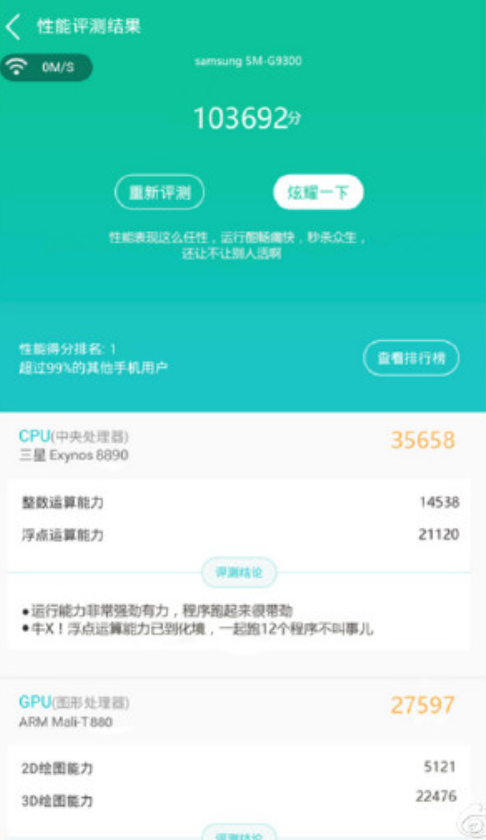
    Samsung’s new chip-set – the Exynos 8890 has earned a record score of 100K in the AnTuTu benchmark test; this new chip-set is also expected to come packed within the upcoming Galaxy S7. The Exynos 8890 has beat out competition from the likes of Huawei’s Kirin 950 SoC (79K points) and the Mate 8, which secured more than 94K points.

    Exynos 8890 AnTuTu

    The Exynos 8890 is expected to be incorporated in a number of high-end Galaxy series devices next year. AnTuTu isn’t the only benchmark where the chipset has scored high points; it has also scored a top-score of 6,908 points on the multi-core test and 2,294 on the single-core test on Geekbench. The Exynos 8890 has been manufactured by the 14 nm FinFET process, that promises to be energy efficient.

    Despite rumours that this is the chipset that will power the upcoming Galaxy S7 and S7 Edge; further reports also mention that Qualcomm’s Snapdragon 820 chip could also be in this race to power the Galaxy S7. Stay tuned for more updates.

  • Samsung Galaxy S7 Could Launch in January

    Samsung Galaxy S7 Could Launch in January

    According to reports that have emerged from South Korea itself, Samsung is expected to launch its new Galaxy S7 in January. Galaxy S6 and S6 Edge had been unveiled in March this year. Therefore it’s assumed that the next Samsung flagship would hit the markets at least an entire month before March next year.

    This news comes in the wake of other companies having released their own flagships over the past couple of weeks. Samsung is likely to be facing the pressure of the competition, especially by the likes of the new iPhones, launched last month.Galaxy-s7

    Furthermore, it is rumoured that there will be two variants of S7 -premium and sub-premium -designs which had already been finalised in September.  The processor and modem is expected to be on a single chip for the premium model’s Exynos chipset, while on different ones for the sub-premium model.

    Leaked information have also mentioned three different chipset variations used in the Galaxy S7, along with 3D Touch-like features and a USB Type C port. Sit tight until we get more updates on Samsung’s newest smartphone.

  • Samsung to Provide Chipset and Displays for Apple’s Upcoming Products

    Samsung to Provide Chipset and Displays for Apple’s Upcoming Products

    It looks like the world’s biggest rivals in the tech world will soon be announcing major collaborations. According to the grapevine, Samsung will be manufacturing Apple’s core chip for the next iPhone as well as displays for other Apple products. This unexpected alliance was formed when Apple Chief Executive agreed to tone down the battle of patent suits against Samsung, thereby leading to this association.

    Samsung will be budgeting $14 billion dollars for setting up new plants and equipment for manufacturing Apple’s newest device parts. Samsung had used the latest SoC for their flagship Galaxy S6 and Galaxy S6 Edge. The chip uses 14nm technology whose standards are matched by Exynos 7420, Samsung’s home made processor. The 14Nm chip is more powerful than the 16Nm chips that are standardly used in the company’s handsets.

    Samsung-AppleBut from this partnership, Apple’s former partners like Taiwan Semiconductor Manufacturing Company (TSMC) and Sandisk may get a significant blow. TSMC used to manufacture chips for all the previous models of the iPhone and SanDisk was given the responsibility of memory chips for iPhone, iPad and Mac.

    There are no official confirmations from both the tech power houses, but if true, we may soon see something very different from this alliance. Although Samsung is manufacturing Apple’s new chipset, the Korean company will continue to make its own smartphones.

  • Samsung’s Exynos 5 will run all Eight Cores Together By End of 2013

    Samsung’s Exynos 5 will run all Eight Cores Together By End of 2013

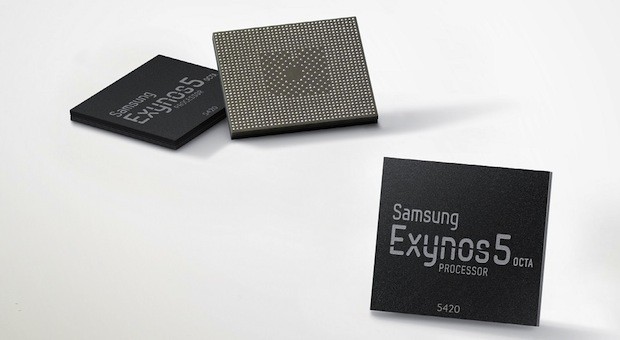
    Samsung today announced its Heterogeneous Multi-Processing (HMP) solution for the Exynos 5 Octa to fully maximize the benefits of the ARM big.LITTLE technology. The HMP capability gives system-level designers the ability to develop solutions that might deliver the right combination of high-performance and low-power to carry out tasks like  3D gaming, complex augmented reality and advanced web browsing.

    It’s usually assumed that the big CPU will do all the performance-critical work, however, power-efficient little cores can handle many significant workloads all on their own, so the workload is balanced within the system,” said Taehoon Kim, vice president of System LSI marketing, Samsung Electronics. “big.LITTLE processing is designed to deliver the right combination of processors for a specific job. An eight-core processor with HMP is the truest form of the big.LITTLE technology with limitless benefits to the users of high-performance, low-power mobile products.”

    Exynos 5 Octa

    This technology will be available in the 4th quarter of this year, it will let devices access both sides of the big.LITTLE ARM configuration simultaneously, which the company claims will increase both performance and efficiency. While software threads with high priority use the “big” A15 core, lower priority tasks can run on the “small” A7 without needing to switch back and forth, says Samsung. Samsung isn’t the only one running this setup, as MediaTek also announced an improvement for its MT8135 back in July. 

    ARM big.LITTLE multi-processing technology delivers the highest performance and efficiency across the widest range of workloads,” said Noel Hurley, vice president, Strategy and Marketing, Processor Division, ARM. “We welcome Samsung’s continued commitment to deploying the leading-edge technology on their latest chips featuring the ARM Cortex™-A series of processors, ARM Mali™ GPUs and ARM Artisan™ physical IP.” 

    The video below shows, the Samsung Exynos 5 Octa has eight core processor, four little ones for small always on application, and four bigger application for graphic intensives stuff. 

    [youtube id=”Zwbeb08W27U” width=”100%” height=”300px”]

    [toggle title=”Press Release “]Samsung Electronics Co., Ltd., a world leader in advanced semiconductor solutions, today announced its Heterogeneous Multi-Processing (HMP) solution for the Exynos 5 Octa to fully maximize the benefits of the ARM® big.LITTLE™ technology. The HMP capability gives system-level designers the ability to develop solutions that deliver the right combination of high-performance and low-power to carry out tasks such as 3D gaming, complex augmented reality and advanced web browsing.

    “It’s usually assumed that the big CPU will do all the performance-critical work, however, power-efficient little cores can handle many significant workloads all on their own, so the workload is balanced within the system,” said Taehoon Kim, vice president of System LSI marketing, Samsung Electronics. “big.LITTLE processing is designed to deliver the right combination of processors for a specific job. An eight-core processor with HMP is the truest form of the big.LITTLE technology with limitless benefits to the users of high-performance, low-power mobile products.”

    “ARM big.LITTLE multi-processing technology delivers the highest performance and efficiency across the widest range of workloads,” said Noel Hurley, vice president, Strategy and Marketing, Processor Division, ARM. “We welcome Samsung’s continued commitment to deploying the leading-edge technology on their latest chips featuring the ARM Cortex™-A series of processors, ARM Mali™ GPUs and ARM Artisan™ physical IP.”

    HMP is the most powerful use model for ARM big.LITTLE technology, as it enables the use of all physical cores at the same time. Software threads with high priority or high computational intensity can be allocated to the ‘big’ Cortex-A15 cores while threads with less priority or are less computationally intensive, can be performed by the ‘LITTLE’ Cortex-A7 cores, enabling a highly responsive, low-energy system to be built.

    Software implementation is essential to maximizing the benefits of big.LITTLE technology. Multi-processing software controls the scheduling of threads of execution to the appropriate core. In earlier versions of the big.LITTLE software, the whole processor context is moved up to the ‘big’ core or down to the ‘LITTLE’ core based on the measured work load. In-depth study and analysis of diverse use case scenarios enable Samsung to achieve efficiency and high-performance, while managing power levels to deliver optimal user environments.

    The HMP solution for Samsung’s Exynos 5 Octa application processors will be available to customers in 4Q of 2013.

    About Samsung Electronics Co., Ltd.

    Samsung Electronics Co., Ltd. is a global leader in technology, opening new possibilities for people everywhere. Through relentless innovation and discovery, we are transforming the worlds of televisions, smartphones, personal computers, printers, cameras, home appliances, LTE systems, medical devices, semiconductors and LED solutions. We employ 236,000 people across 79 countries with annual sales exceeding US$187.8 billion. To discover more, please visit www.samsung.com.
    [/toggle]
     

  • Qualcomm Snapdragon 800 To Enter Mass Production In May

    Qualcomm Snapdragon 800 To Enter Mass Production In May

    The next big thing in mobile chipsets, Qualcomm’s Snapdragon 800 system-on-a-chip (SoC), is set to enter mass production in May, according to a senior product manager. The company was showing off its newest chipset on development devices, indicating the advantages, both in speed and thermal efficiency, over the current high-end Snapdragon 600.

    snapdragon 800

    While the Snapdragon 800 is built using the same 28nm manufacturing process as its predecessor, there are a number of improvements to its Krait core, in addition to boosting clock speeds to 2.3Ghz. The Snapdragon 800 will include four Krait 400 cores, each operating asynchronously to ensure optimal battery life; all but one can be disabled on an as-needed basis depending on processing workload. The new chip boasts improved memory bandwidth and a faster Adreno 330 graphics processor, which is up to 50% faster than the current-gen Adreno 320, though it’s unknown whether those gains come from architecture improvements or just higher clock speeds.

    With an integrated baseband boasting LTE speeds up to 150Mbps, 802.11ac WiFi and USB 3.0, it boasts substantial IO improvements as well.

    The Snapdragon 800 will likely debut in tablets first, but will come to Android smartphones by end of the year or early 2014. More information about the chip and its OEM partners will be released in June, says Qualcomm, though you only have to look at the current swath of Android devices, from Samsung to HTC to LG, to ascertain the inevitable success of the Snapdragon 800.

    Qualcomm recently reported its Q2 earnings and found itself triumphantly in the black, boasting revenues above $6 billion and, incredibly, profits above $2 billion.

    [Engadget]

iGyaan Network
Privacy Overview

This website uses cookies so that we can provide you with the best user experience possible. Cookie information is stored in your browser and performs functions such as recognising you when you return to our website and helping our team to understand which sections of the website you find most interesting and useful.