Over the past few years, the competition in the smartphone market has gotten so tough that it has become overwhelming for customers to choose the best option depending on their need and usage. In this article, we will take a look at top smartphones under Rs 15000 which excel in their own way.
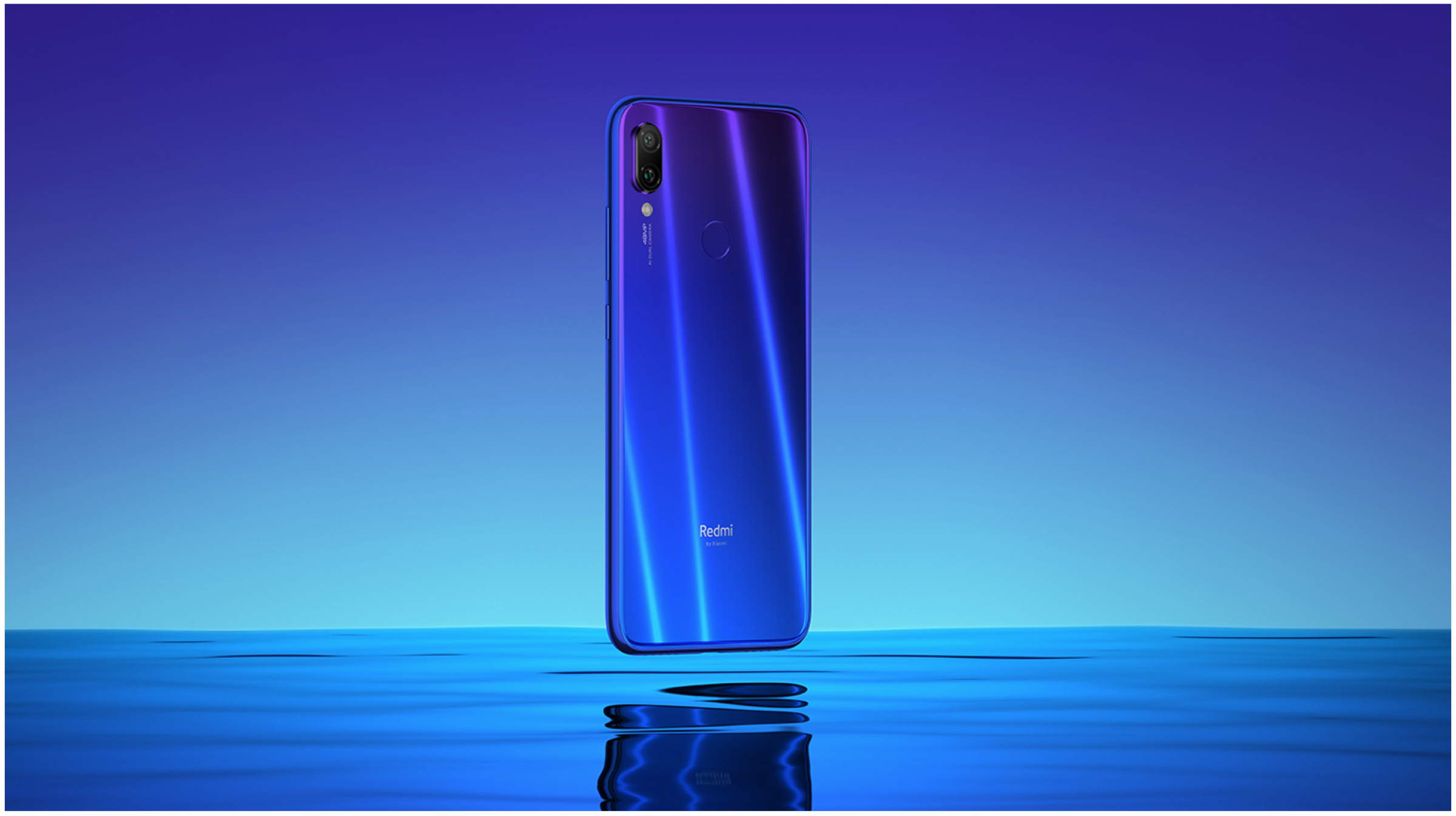
The Powerful Slayer – Redmi Note 7 Pro
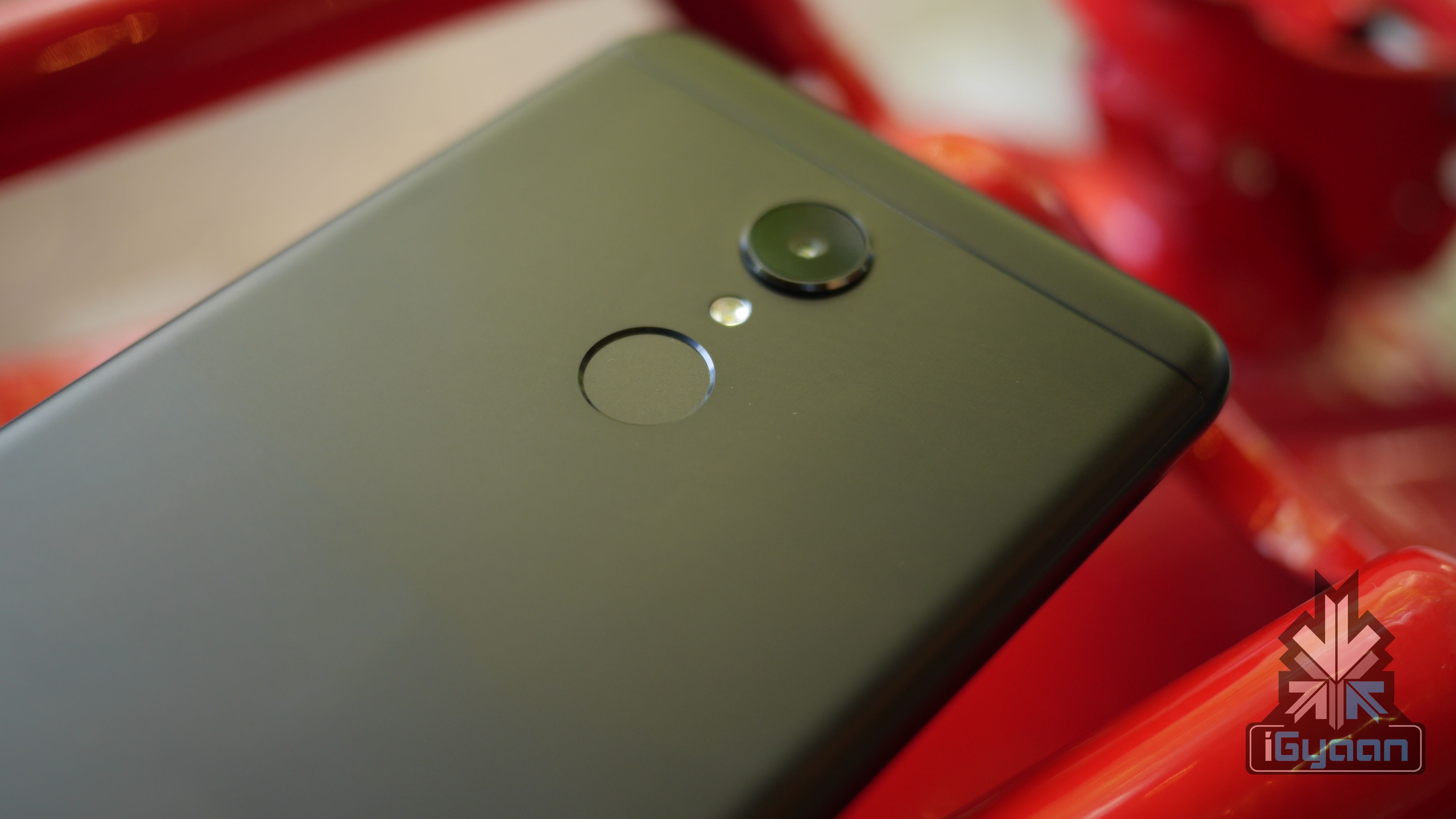
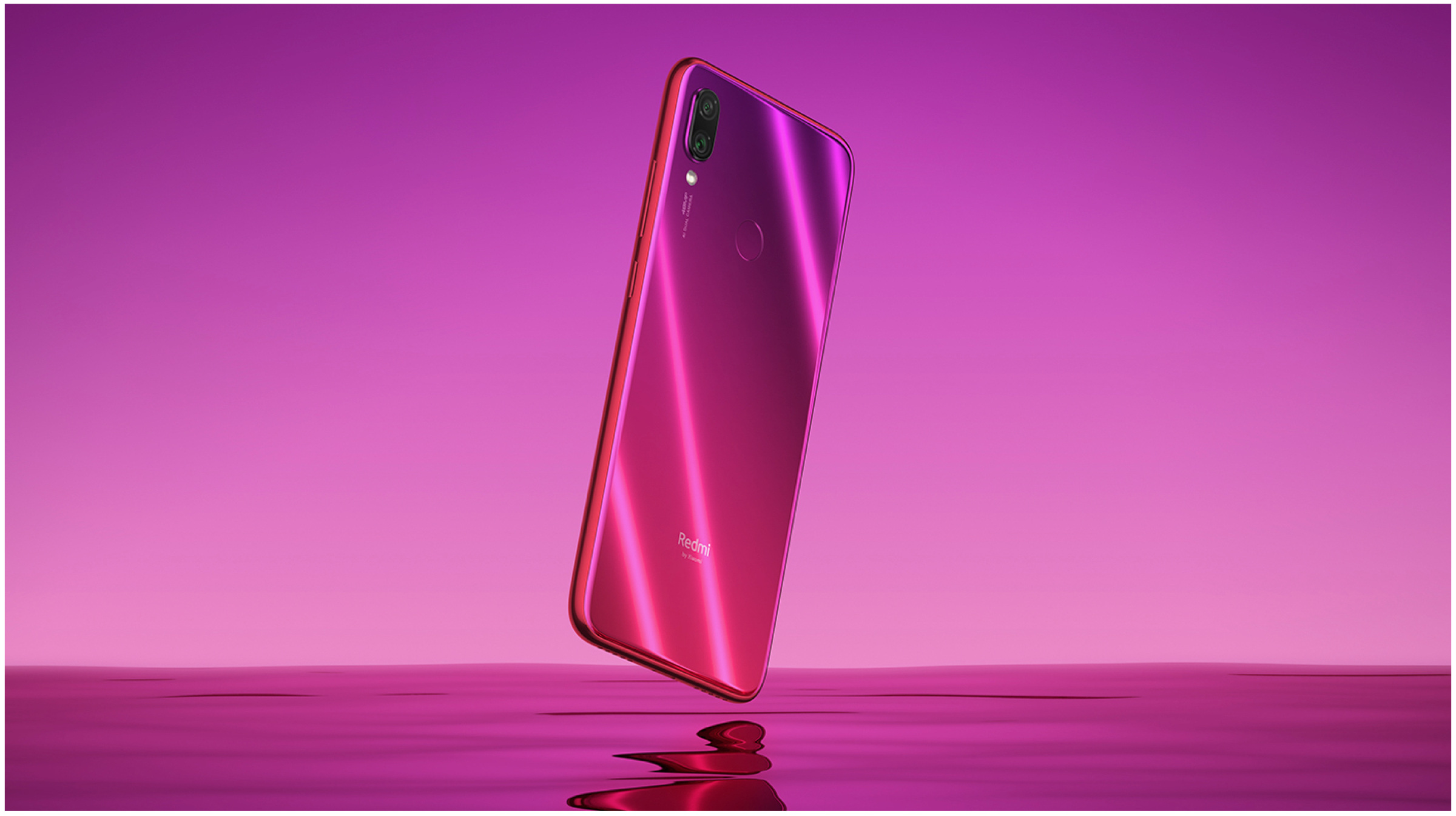
The newly launched Redmi Note 7 Pro is a stellar smartphone accrediting to its powerful chipset and praiseworthy camera. It is kitted with the Snapdragon 675 chipset which is unheard of in this price segment. The second highlight of the device is its 48 MP rear facing Sony IMX586 sensor which is usually seen on high end devices like the Honor View 20. All in all, it is one of the best smartphones that are currently available at this price point.
Specifications Summary:
- Price: Rs 13,999
- Display: 6.3 inch IPS LCD, 409 ppi
- Rear Camera: 48 MP + 5 MP, Front Camera: 13 MP
- SoC: Snapdragon 675, Octa-Core CPU, Adreno 612 GPU
- Battery: 4,000 mAh, 18W Fast Charge Support (Charger sold separately)
- Storage: 4 GB + 64 GB, Expandable upto 256 GB, uses SIM 2 slot
Click Here To Pre-book The Redmi Note 7 Pro
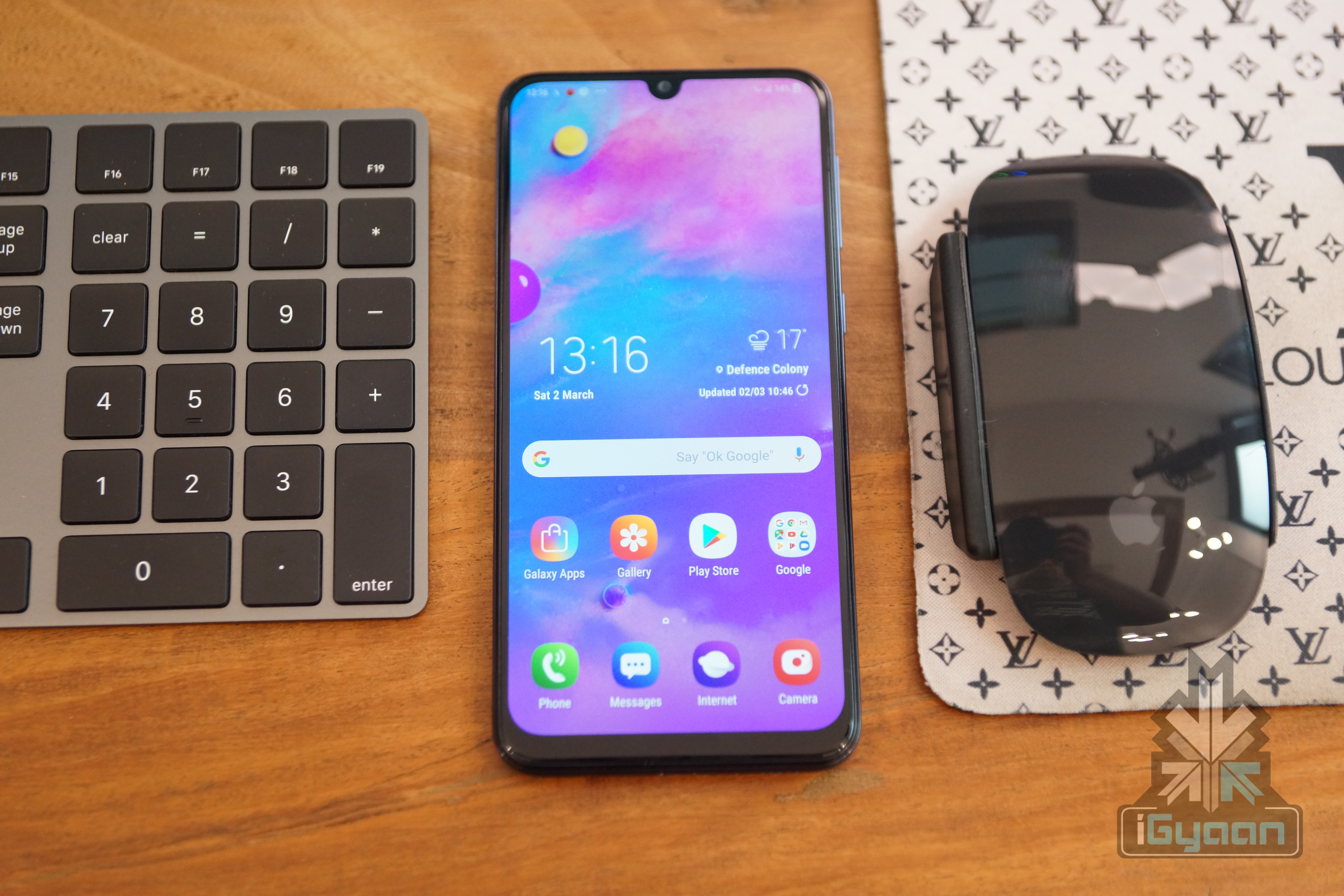
The One With The Best Display and Battery – Galaxy M30
Like the Redmi Note 7 Pro, the Galaxy M30 has been newly launched. It sports a 6.4 inch Super AMOLED display which has never been seen on a device in this segment. Furthermore, it is powered by a massive 5000 mAh battery which supports 15 w fast charging. Pleasingly, Samsung ships the smartphone with a fast charger. Noteworthy, the Galaxy M30 features a triple rear camera which consists of a 13 MP PDAF sensor, 5 MP depth sensor and a 5 MP sensor with 12 mm lens that can capture ultrawide pictures and videos. Another feature that the M30 offers is expandable memory upto 512 GB via a dedicated microSD slot.
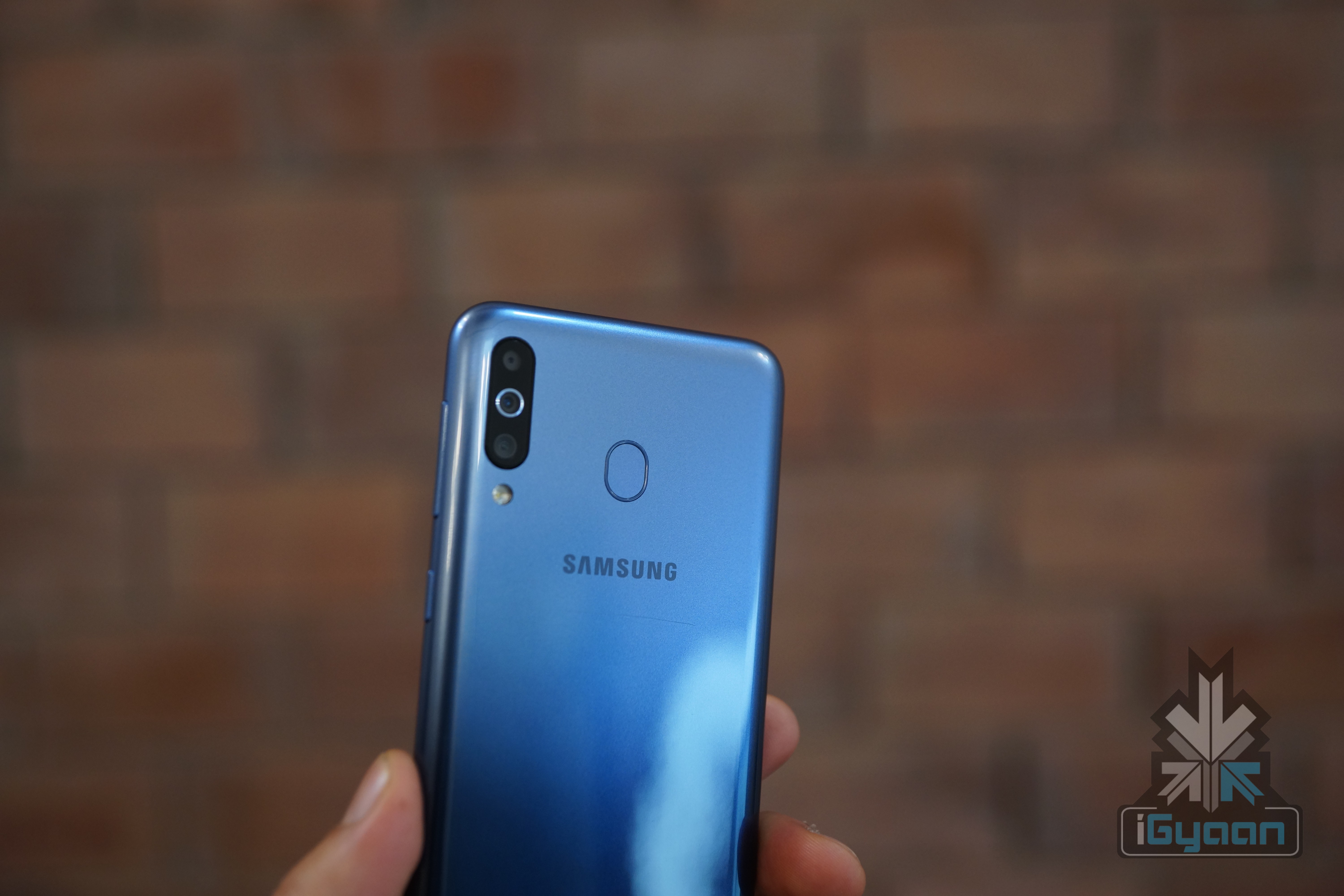
Specifications Summary:
- Price: Rs 14,990
- Display: 6.4 inch Super AMOLE, 394 ppi
- Rear Camera: 13 MP + 5 MP + 5 MP (ultrawide), Front Camera: 16 MP
- SoC: Exynos 7904, Octa-Core CPU, Mali G71 MP2 GPU
- Battery: 5,000 mAh, 15W Fast Charge Support (included in box)
- Storage: 4 GB + 64 GB, Expandable upto 512 GB, dedicated slot
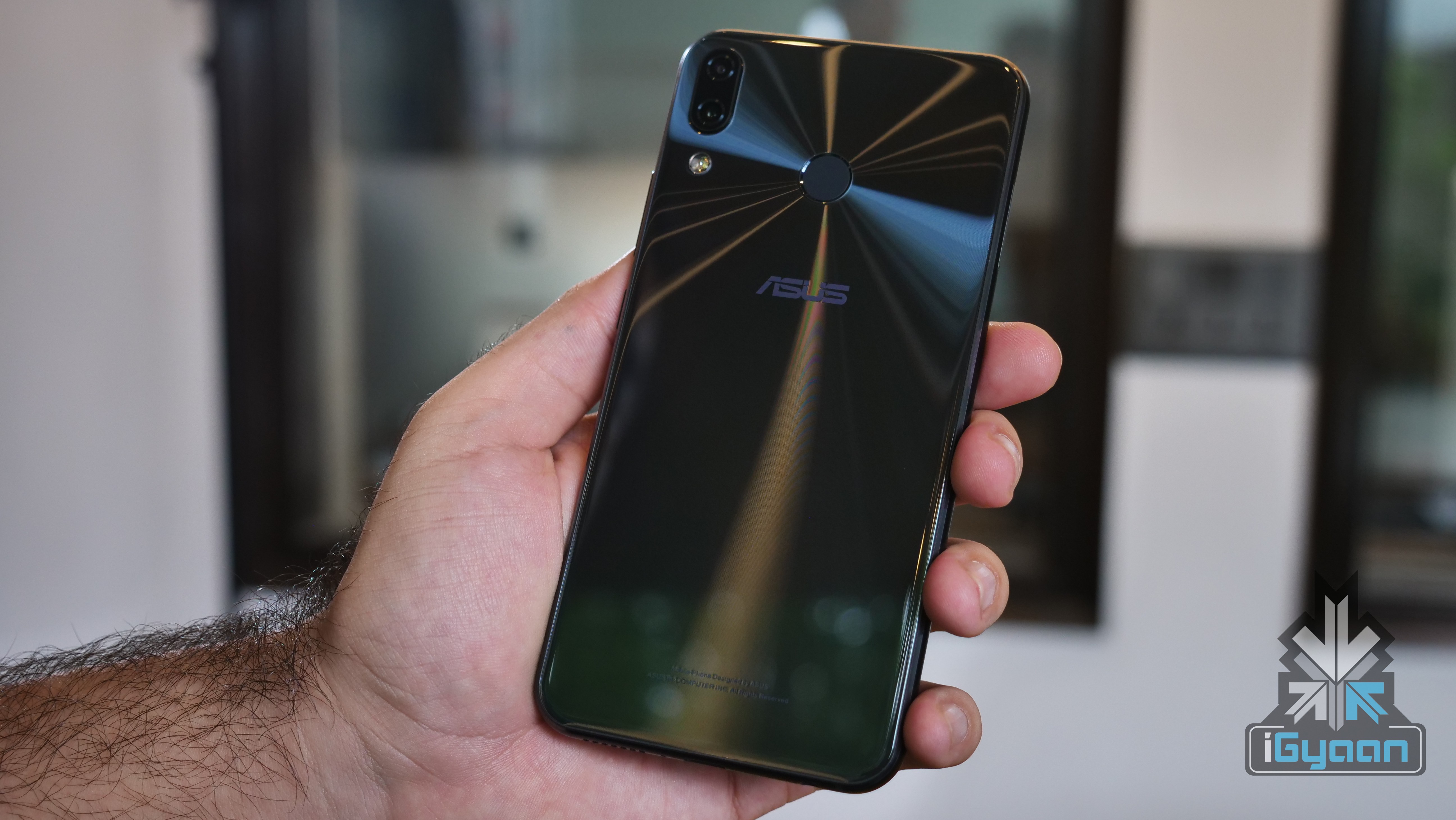
Memory Monster – ZenFone Max Pro M2
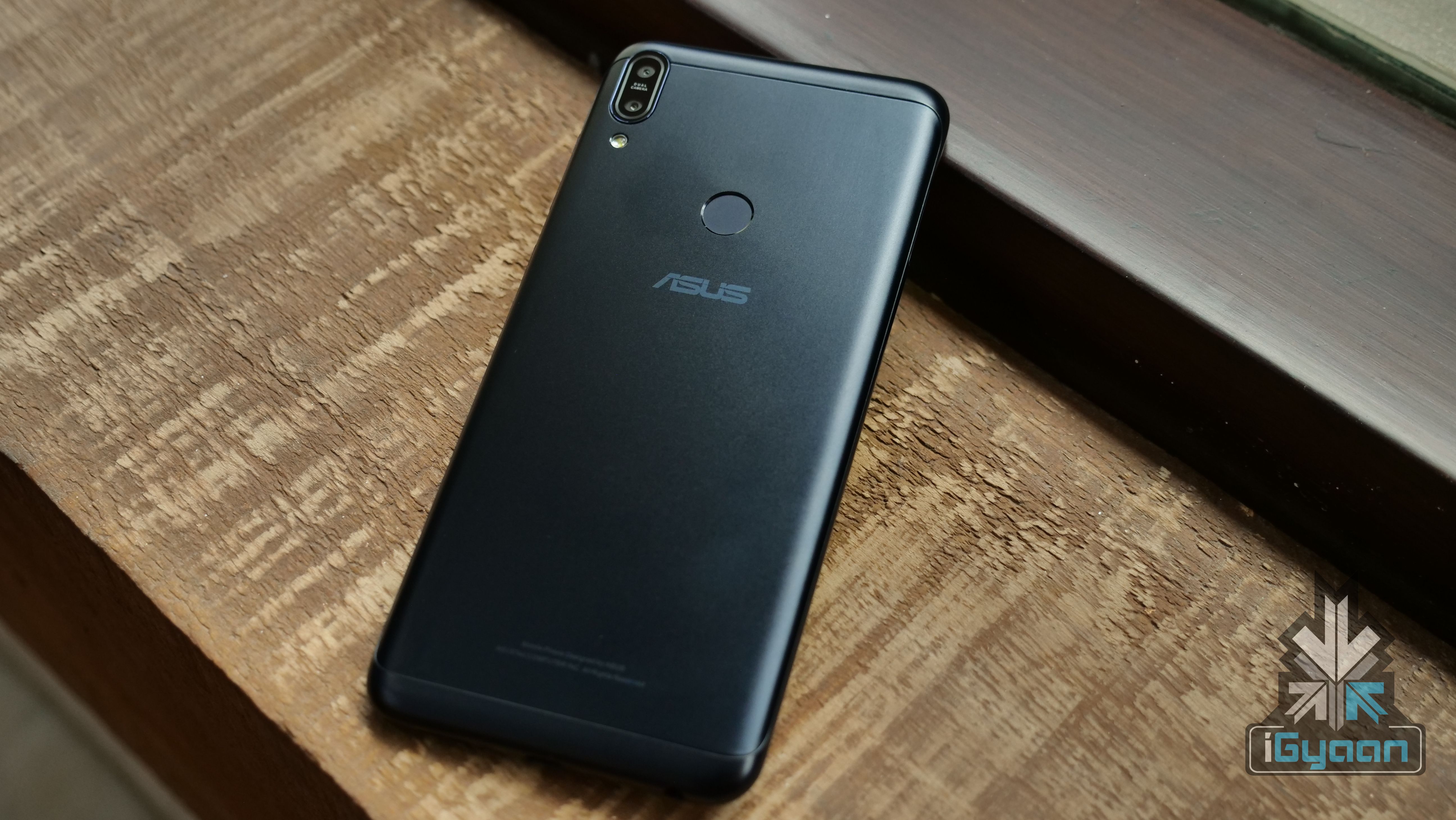
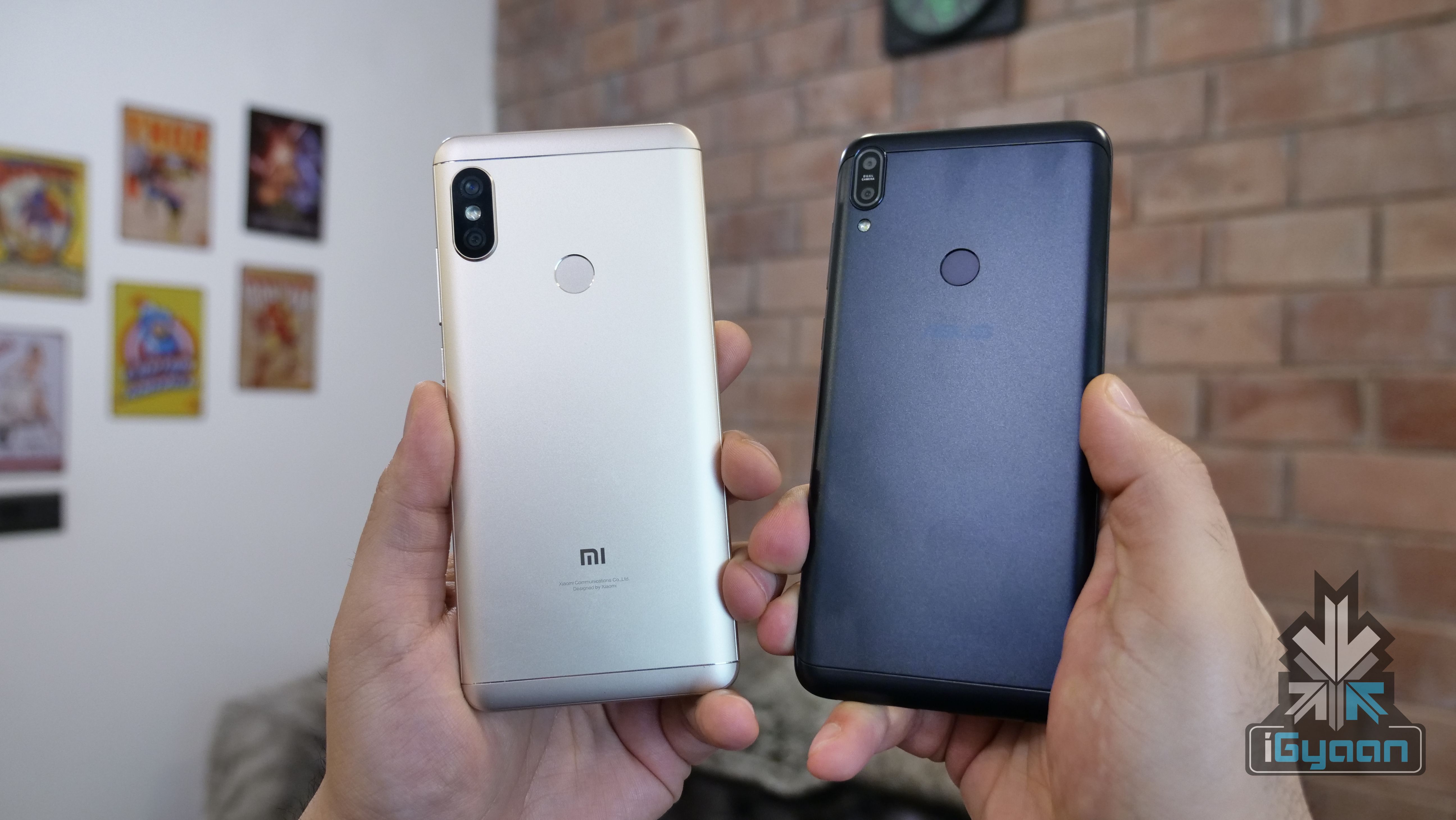
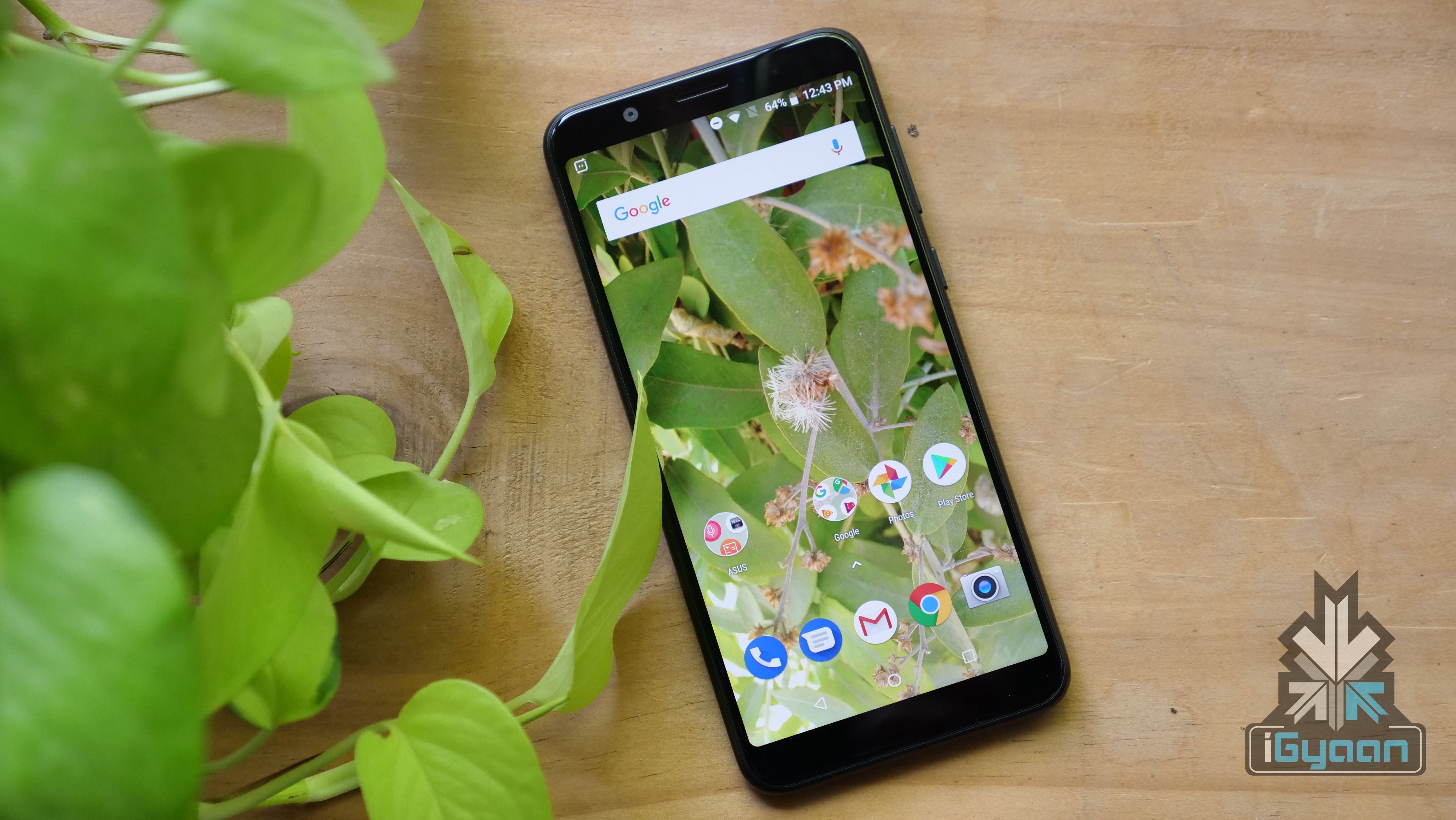
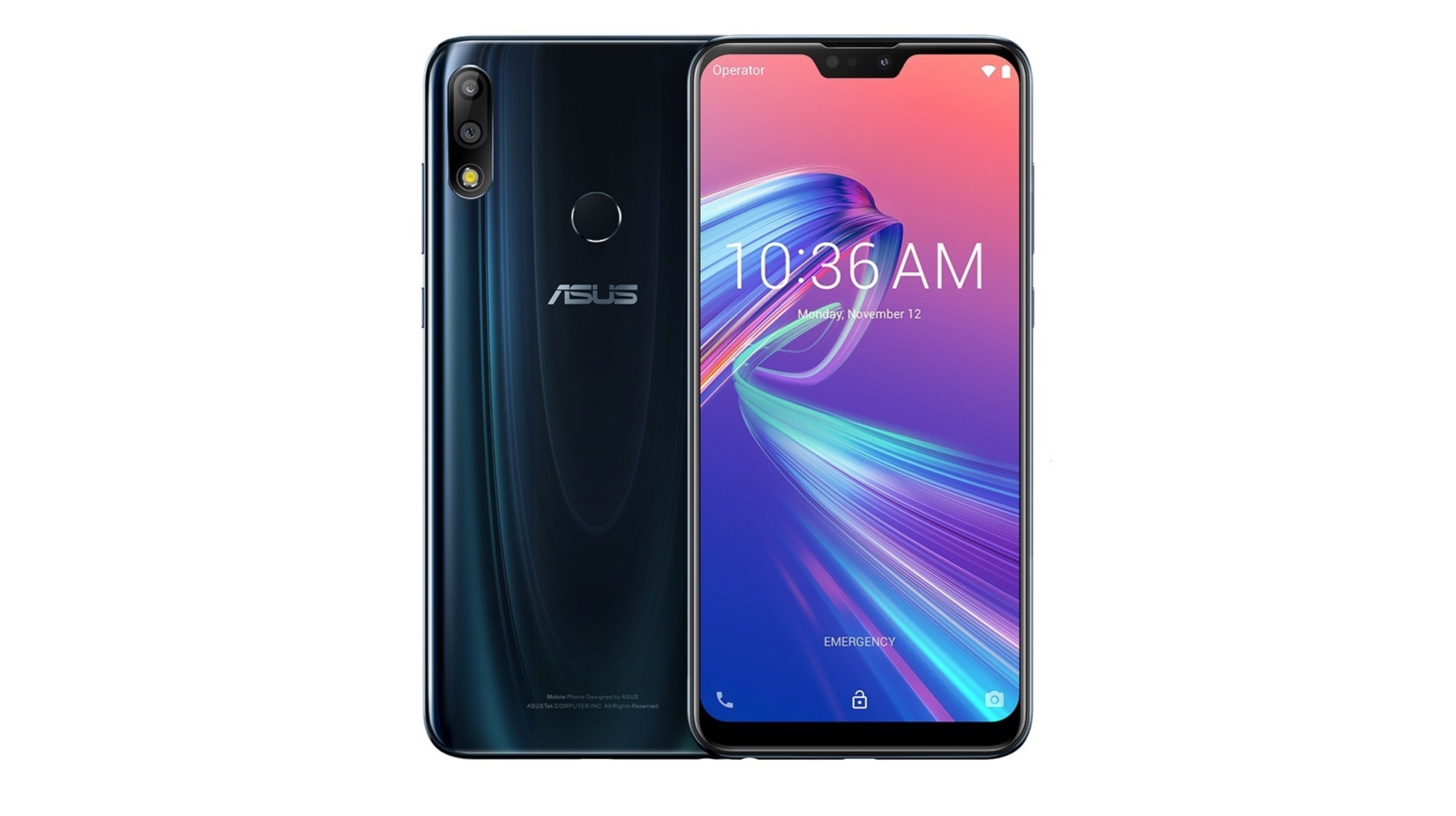
The ZenFone Max Pro M2 is the successor to the ZenFone Max Pro M1 which was warmly received by the Indian consumers. The device has a premium build with Corning Gorilla 6 protection on the front. It runs on stock Android OS which is fast and stutter-free. Like the Galaxy M30, it packs a massive 5,000 mAh lithium battery. It is the only device in our list whose 6 GB RAM variant is priced under 15k making it a good choice for performance enthusiasts and gamers. 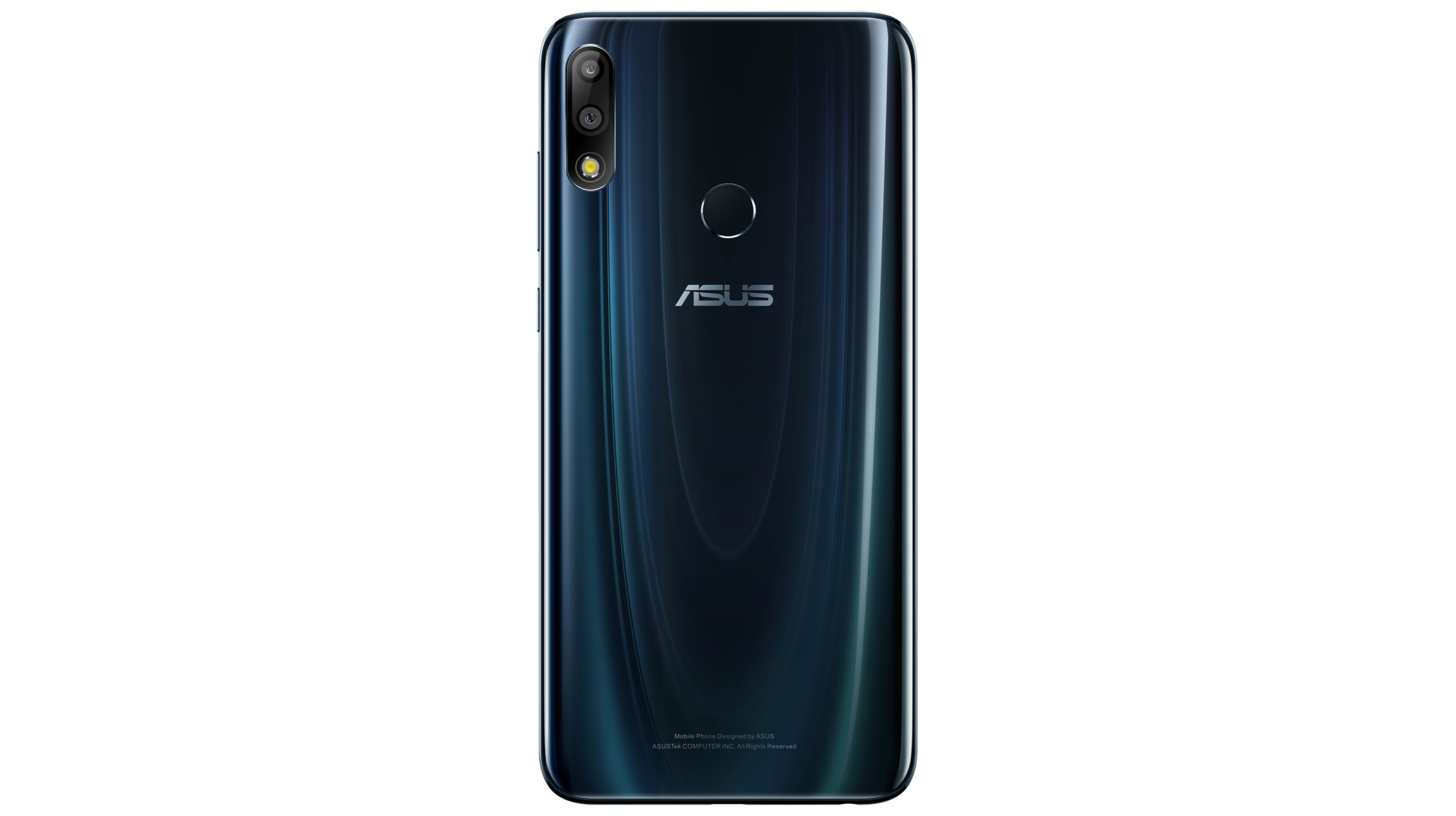
Specifications Summary:
- Price: Rs 13,999
- Display: 6.26 inch IPS LCD, 403 ppi
- Rear Camera: 12 MP + 5 MP, Front Camera: 13 MP
- SoC: Snapdragon 660, Octa-Core CPU, Adreno 512 GPU
- Battery: 5,000 mAh, 10 W Charging
- Storage: 6 GB + 64 GB, Expandable upto 512 GB via dedicated slot
Click Here To Buy Asus ZenFone Max Pro M2
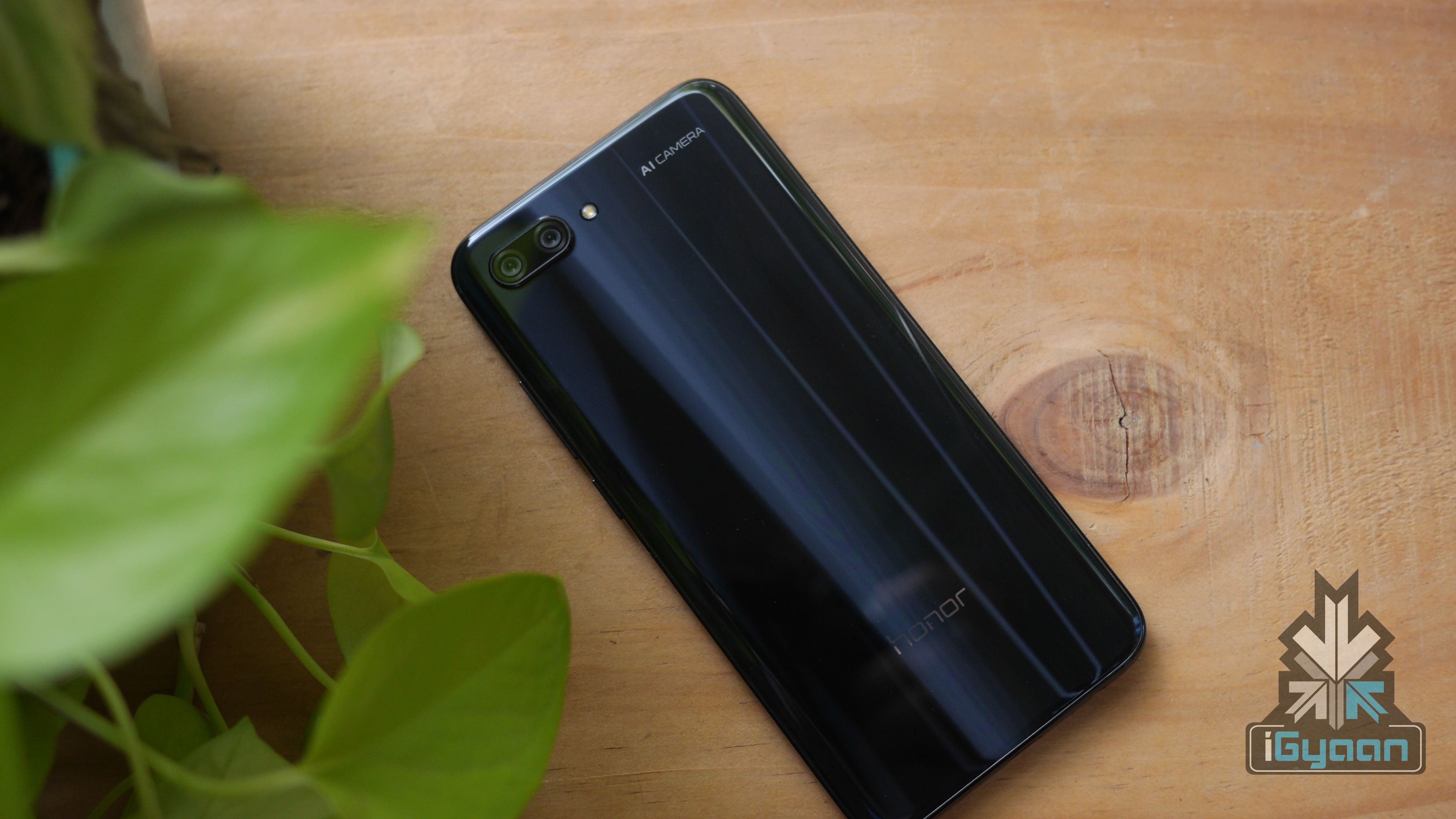
The Looker – Honor 8x
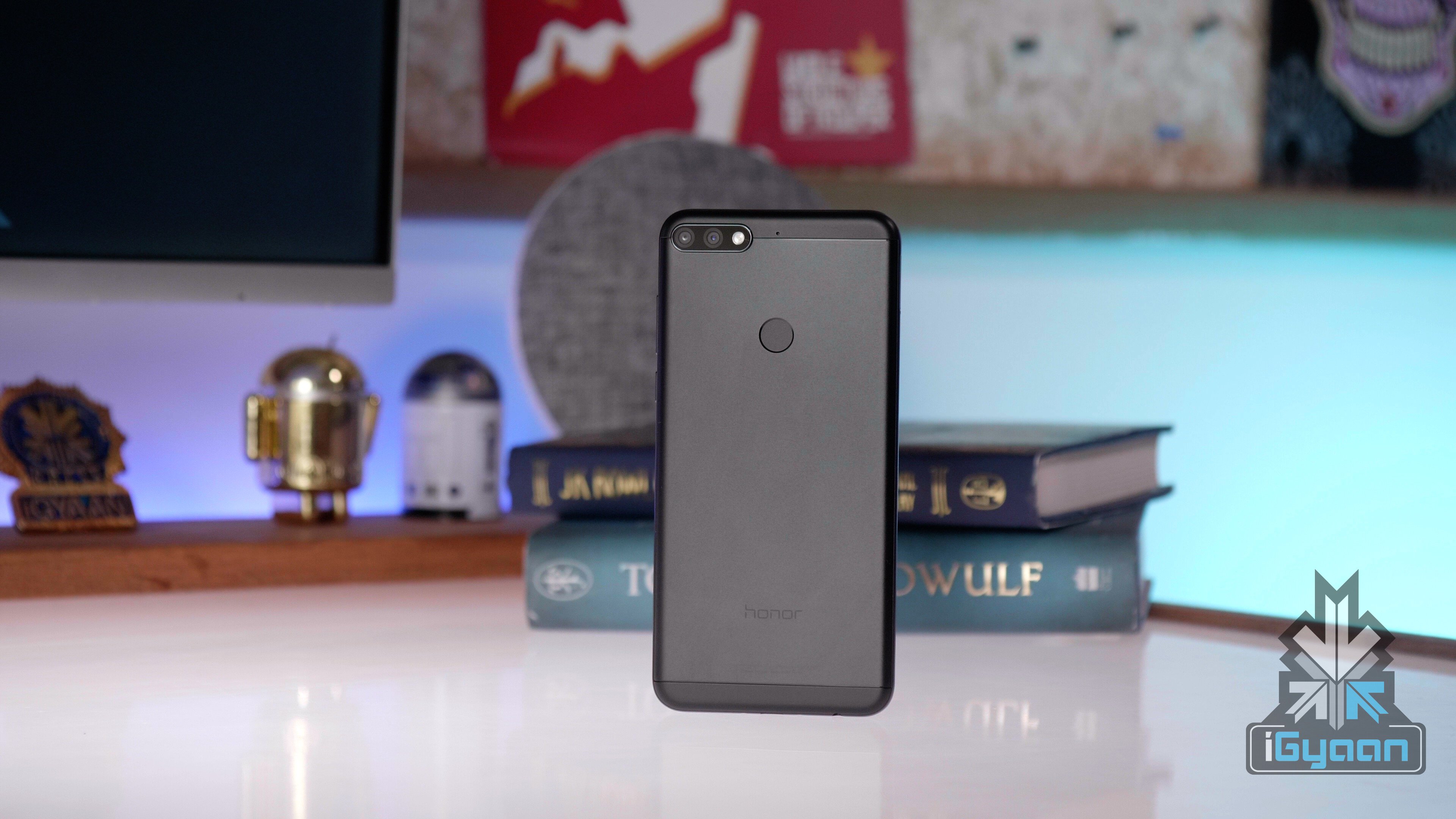
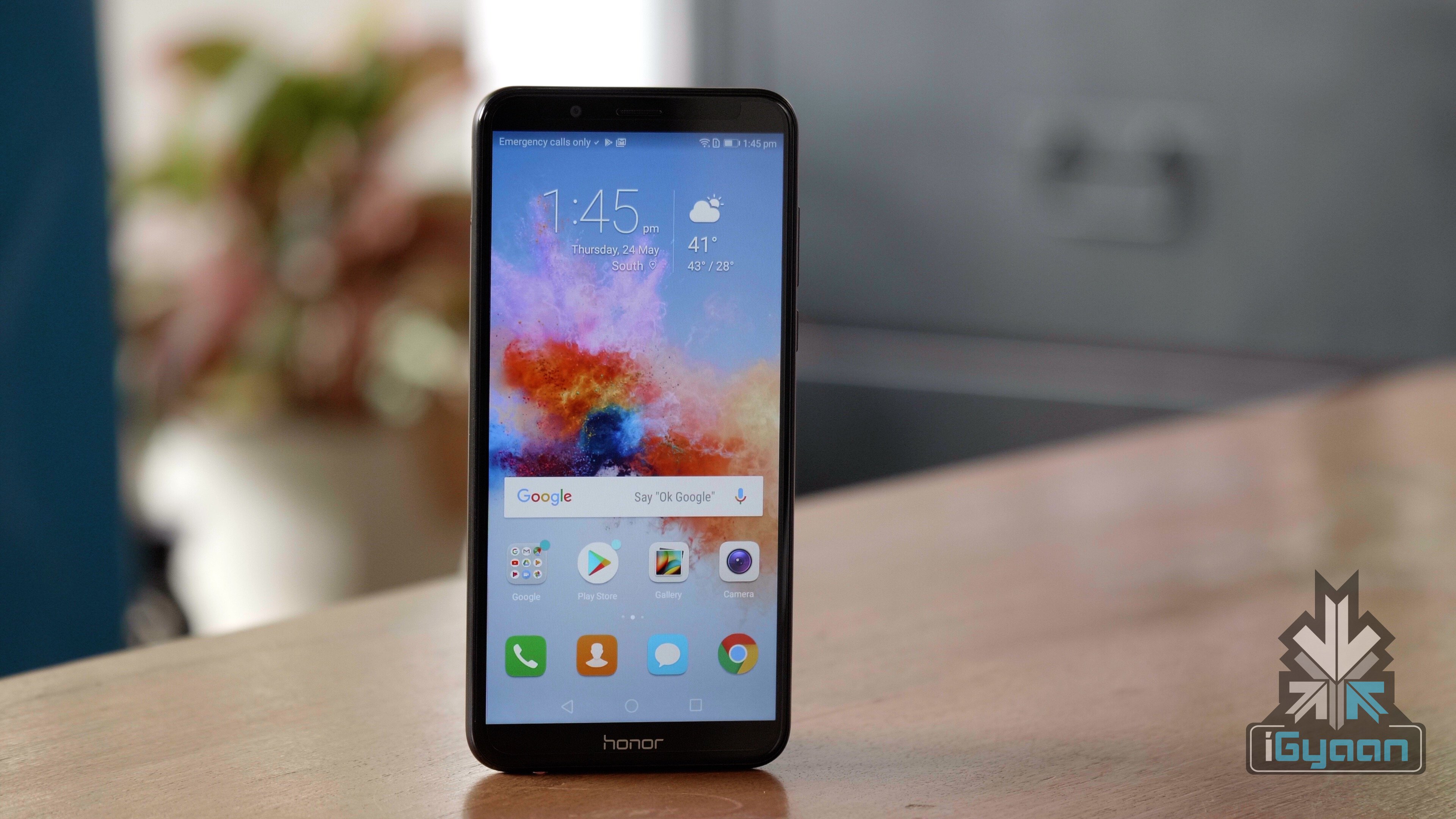
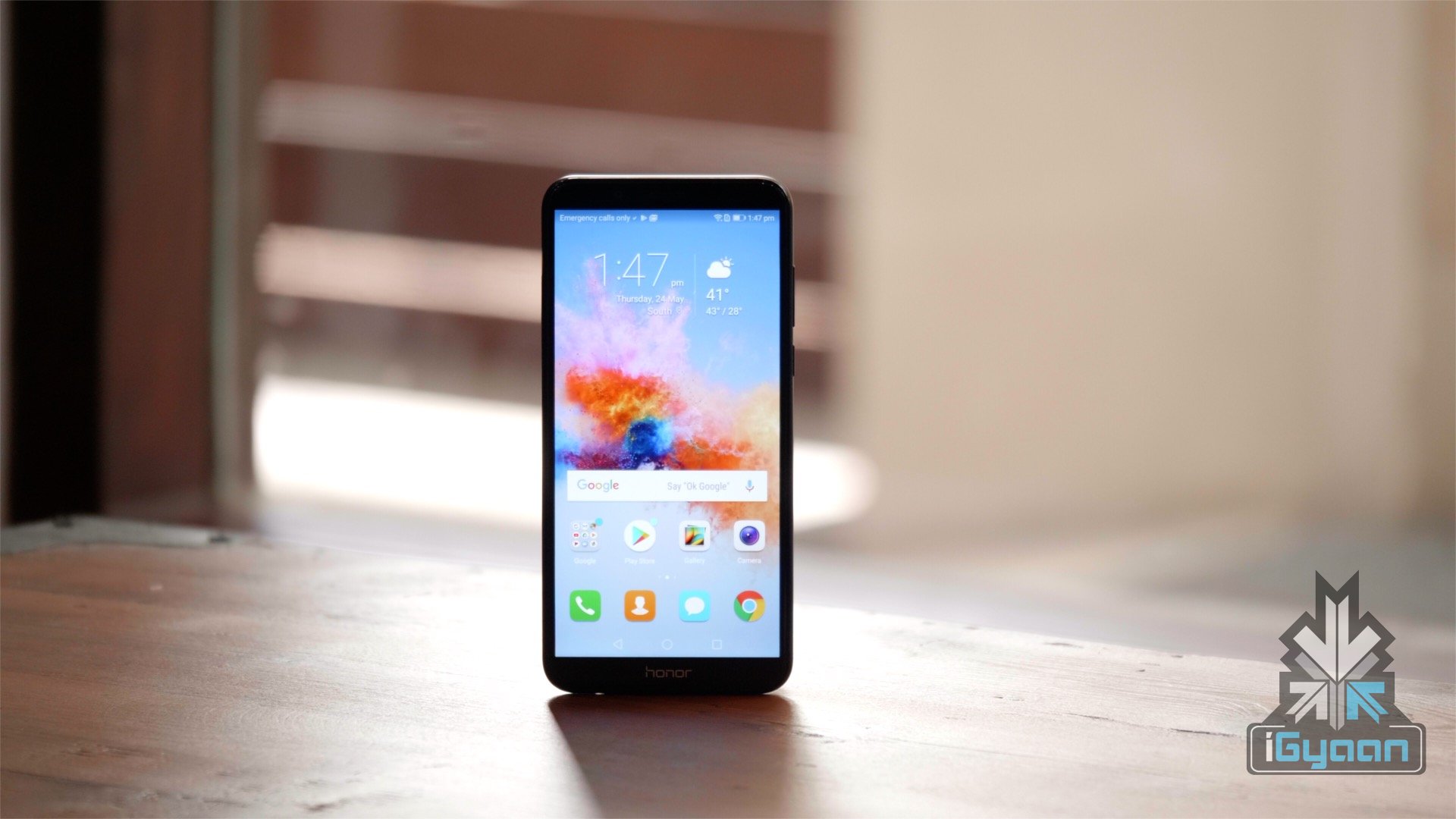
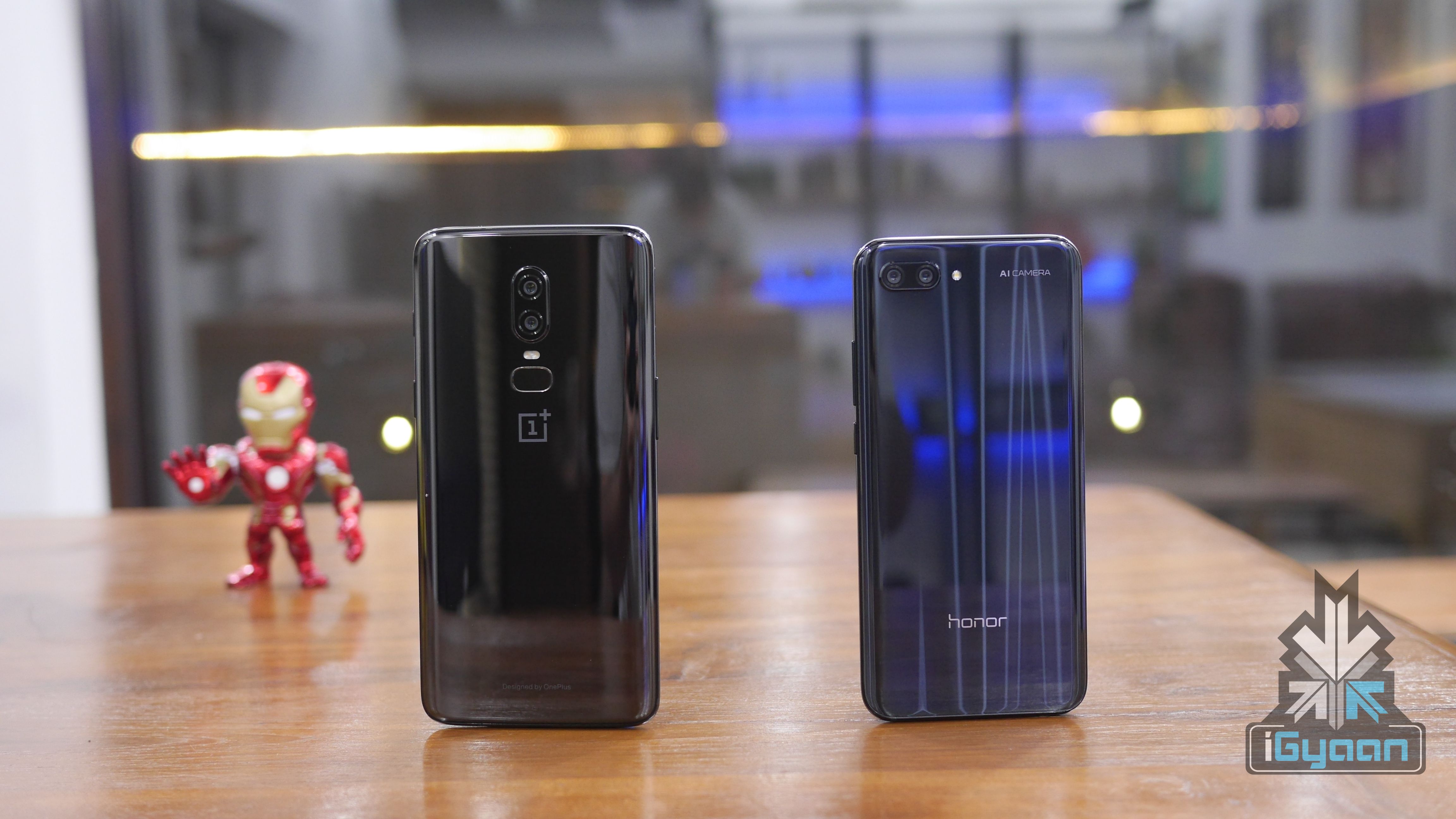
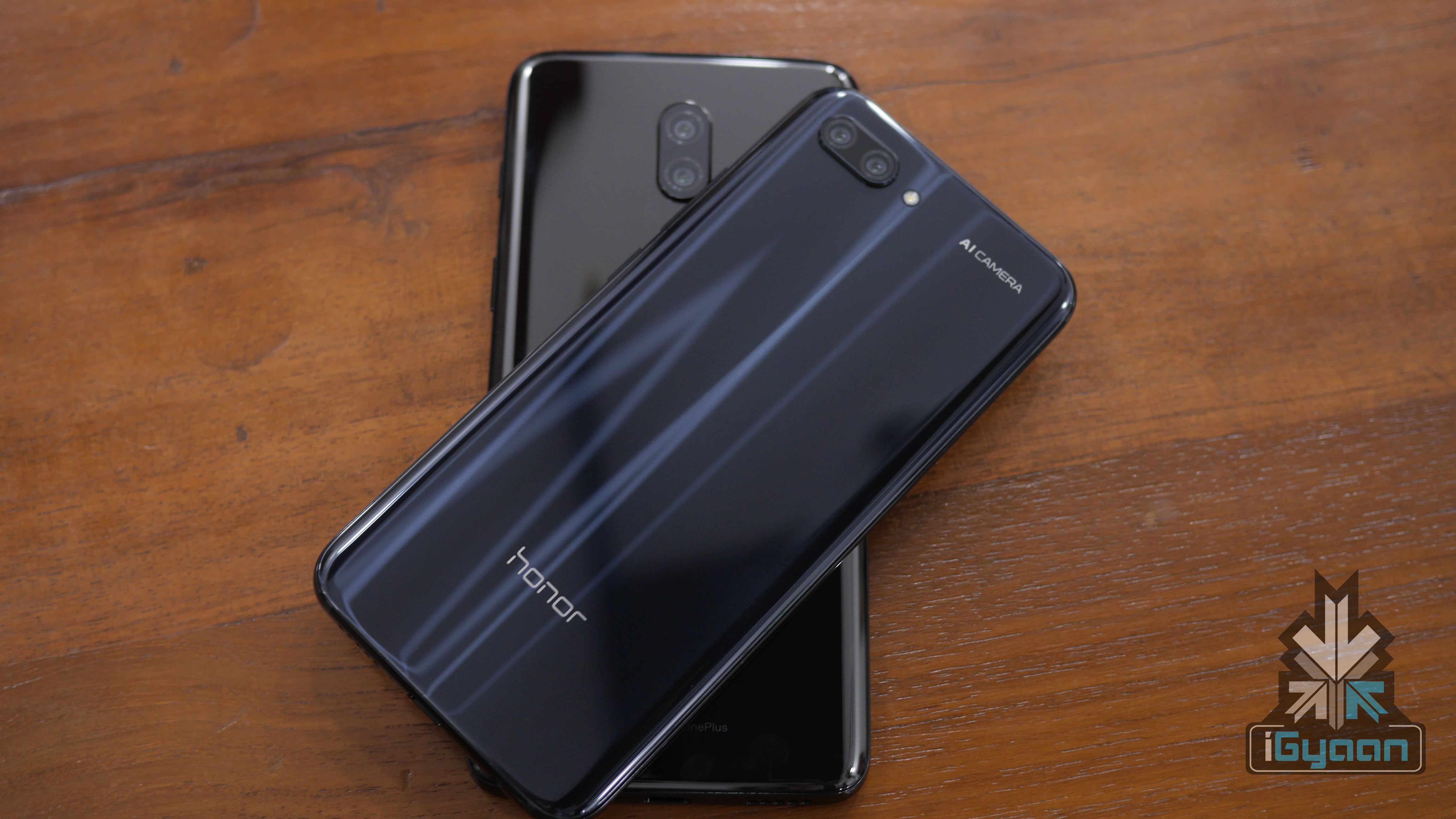
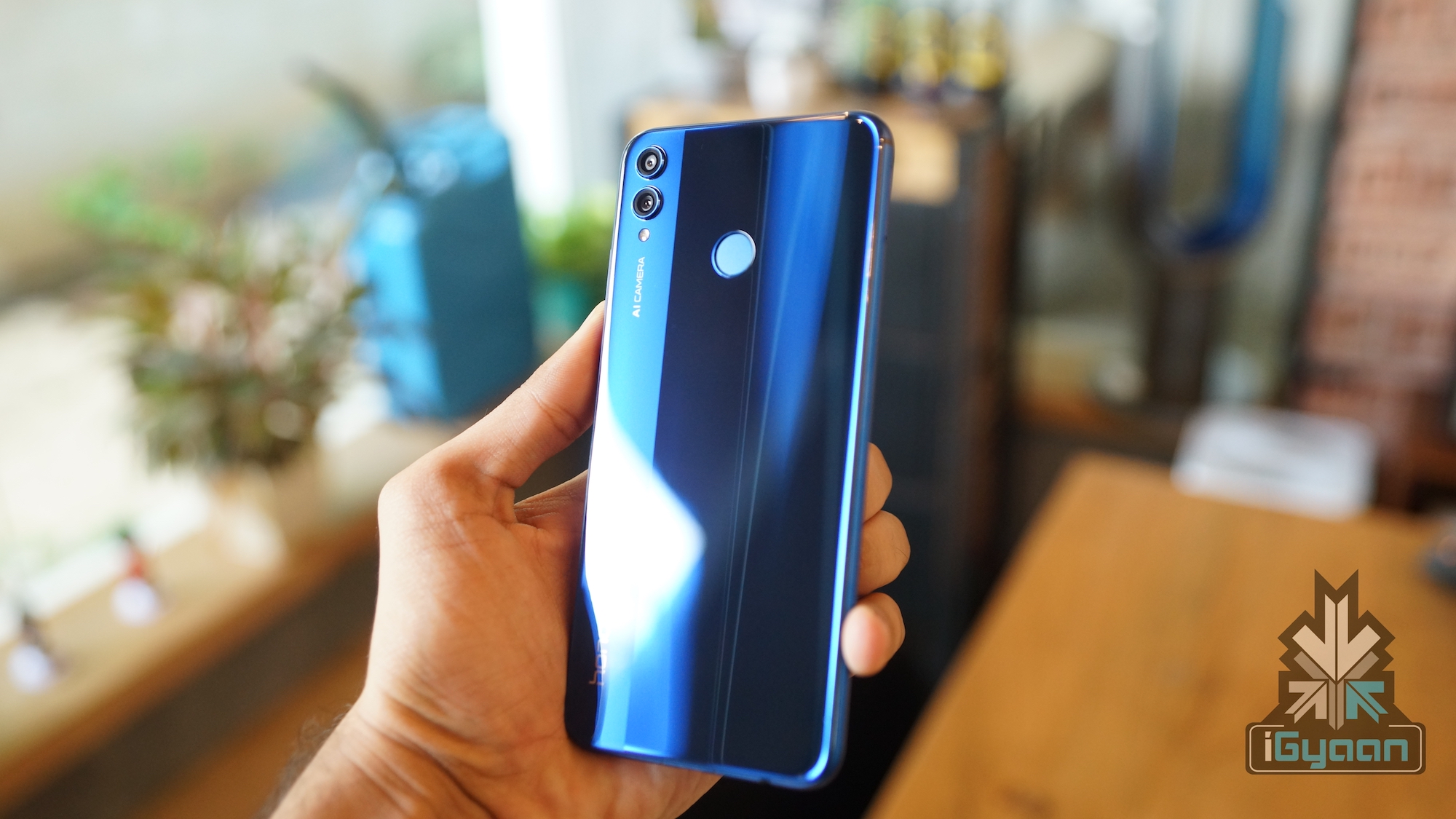
The Honor 8x is a well balanced smartphone that is generally overlooked by consumers. It has a top-notch build with an aluminium frame and glass on both the front and back. It packs a large 6.5 inch display with Full HD+ resolution which is protected with Corning Gorilla Glass 3. It features the Kirin 710 SoC which is manufactured using 12 nm fabrication process.
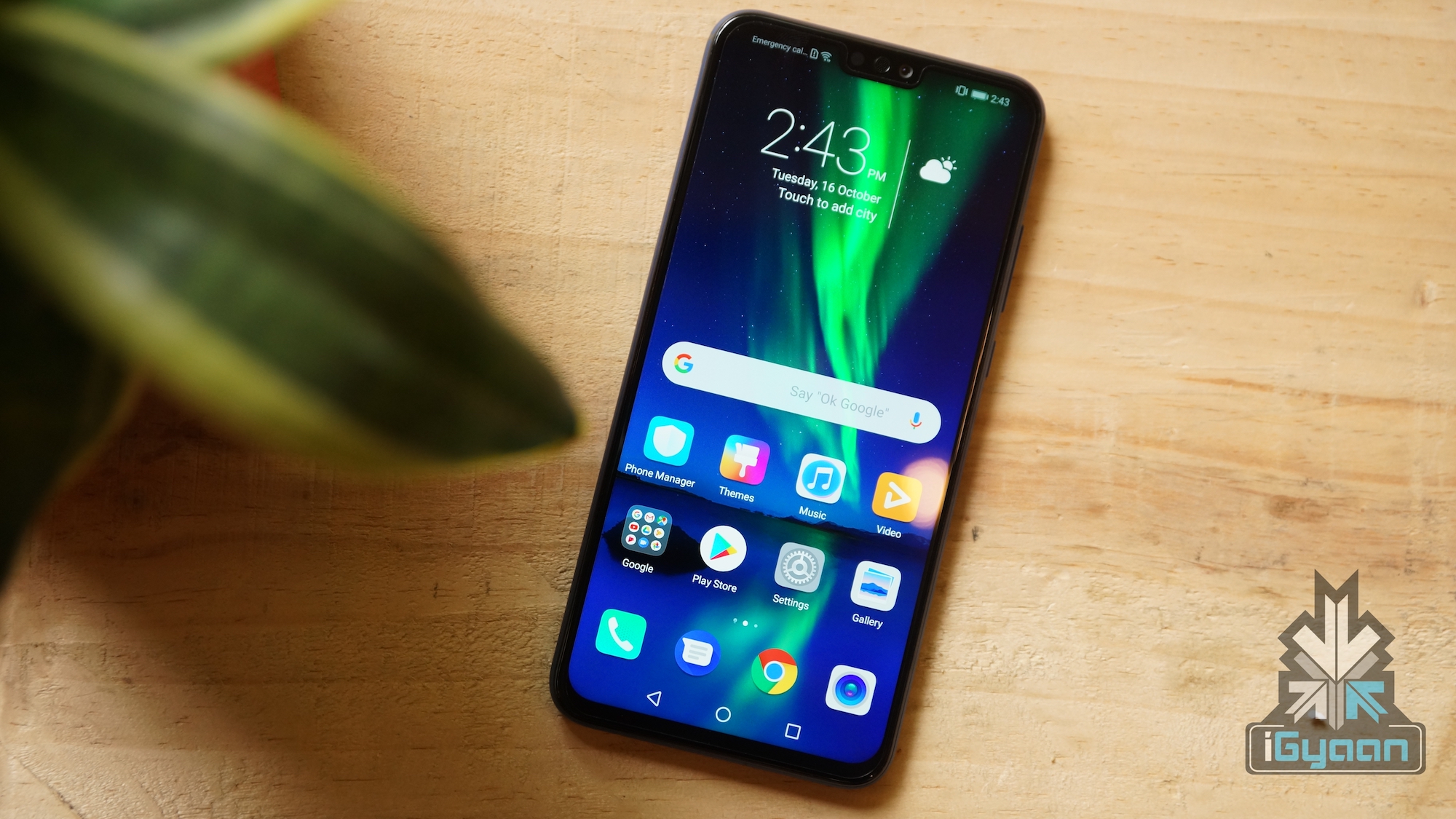
Specifications Summary:
- Price: Rs 14,499
- Display: 6.5 inch IPS LCD, 397 ppi
- Rear Camera: 20 MP + 2 MP, Front Camera: 16 MP
- SoC: Kirin 710, Octa-Core CPU, Mali G51 MP4 GPU
- Battery: 3,750 mAh, 10 W Charging
- Storage: 4 GB + 64 GB, Expandable upto 400 GB via dedicated slot
Affordable Beast – Redmi Note 7
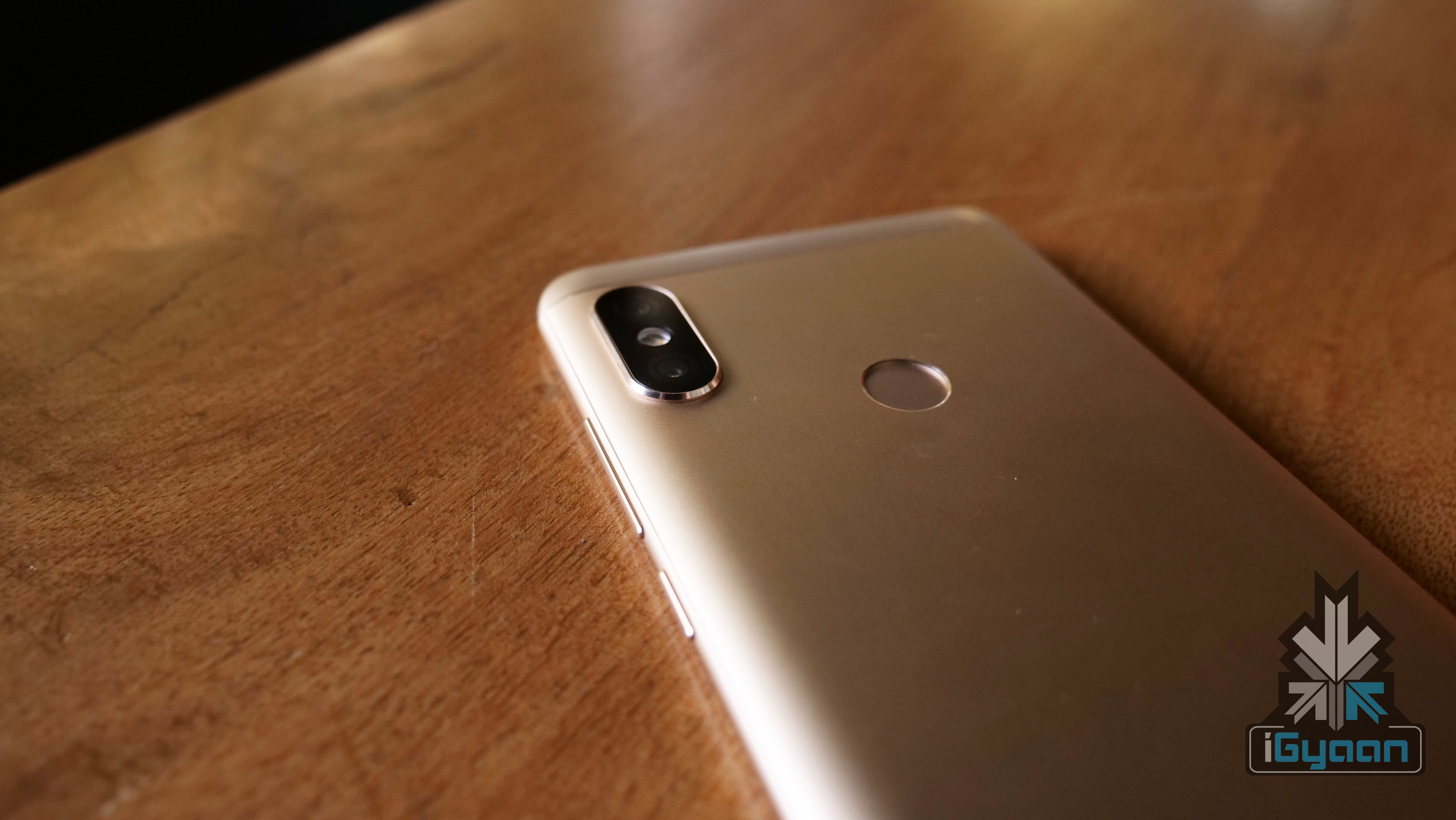
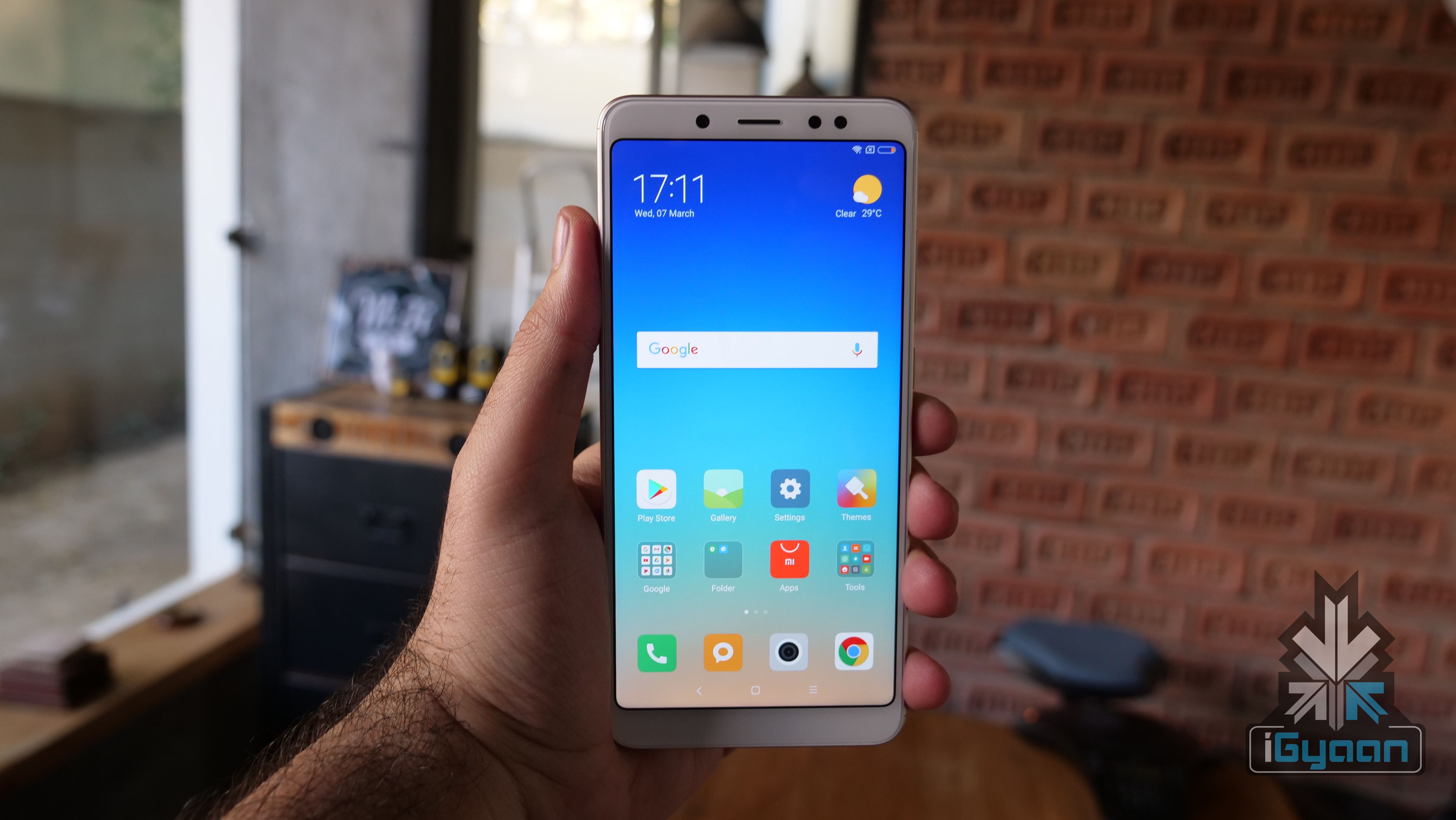
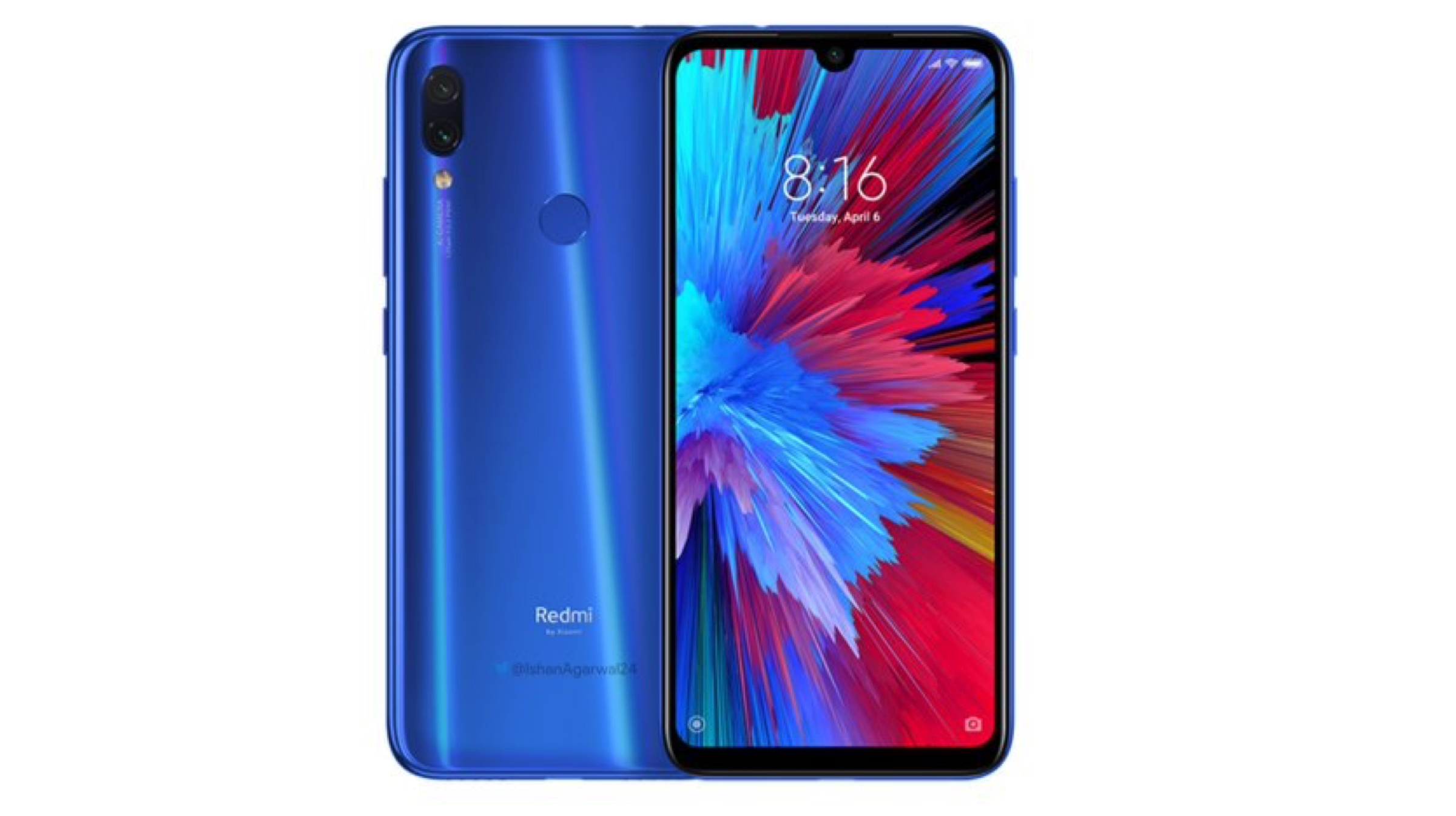
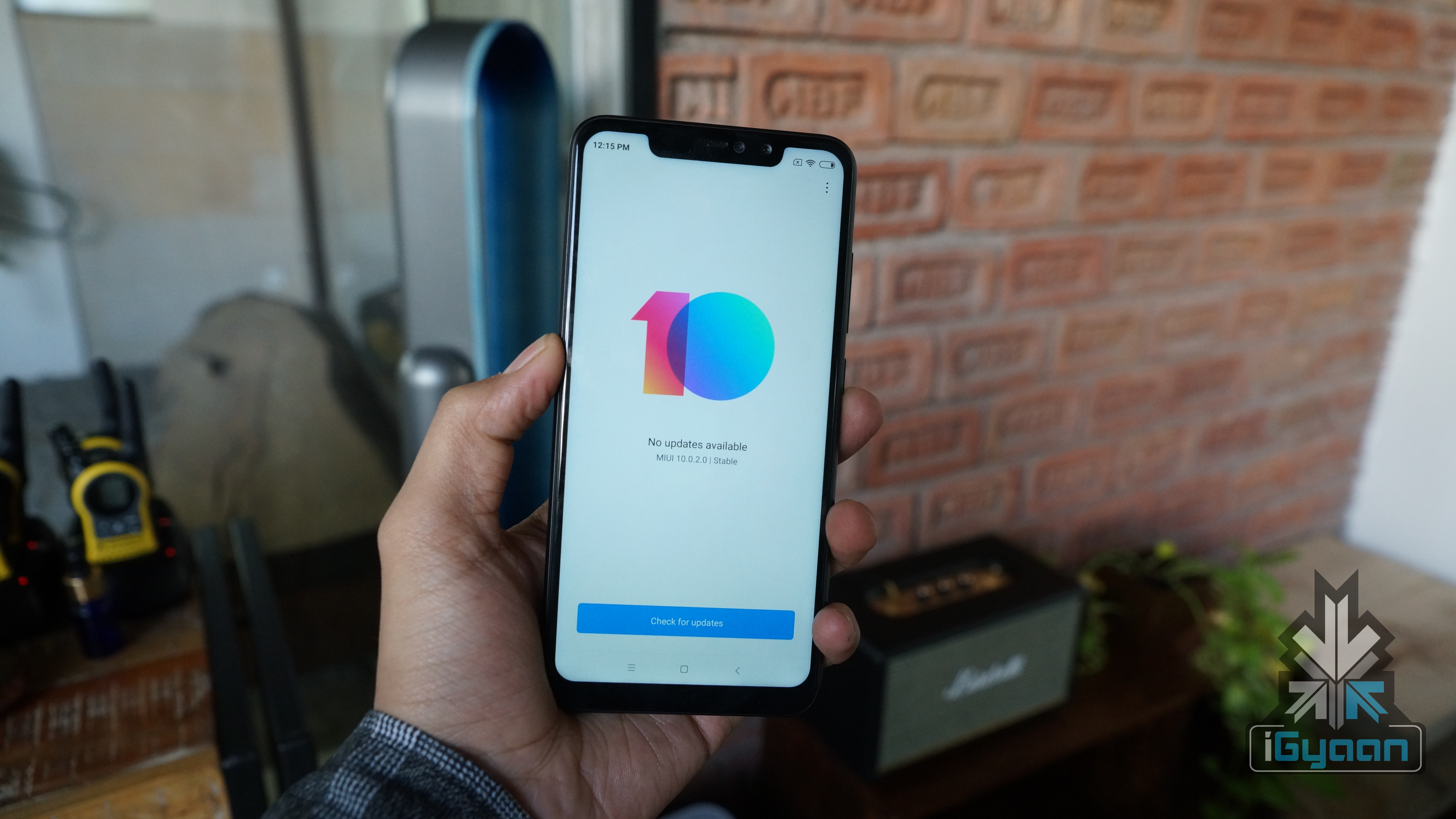
The Redmi Note 7 is the less feature rich and more affordable variant of the Note 7 Pro. It has a 6.3 inch dewdrop notch display with Corning Gorilla Glass 5 protection on the front. Under the hood, it packs the Snapdragon 660 SoC which consists of an Octa-Core CPU and Adreno 512 GPU. It packs a large 4,000 mAh battery which supports QuickCharge 4.0. For photography, it has dual rear cameras and a single selfie camera.
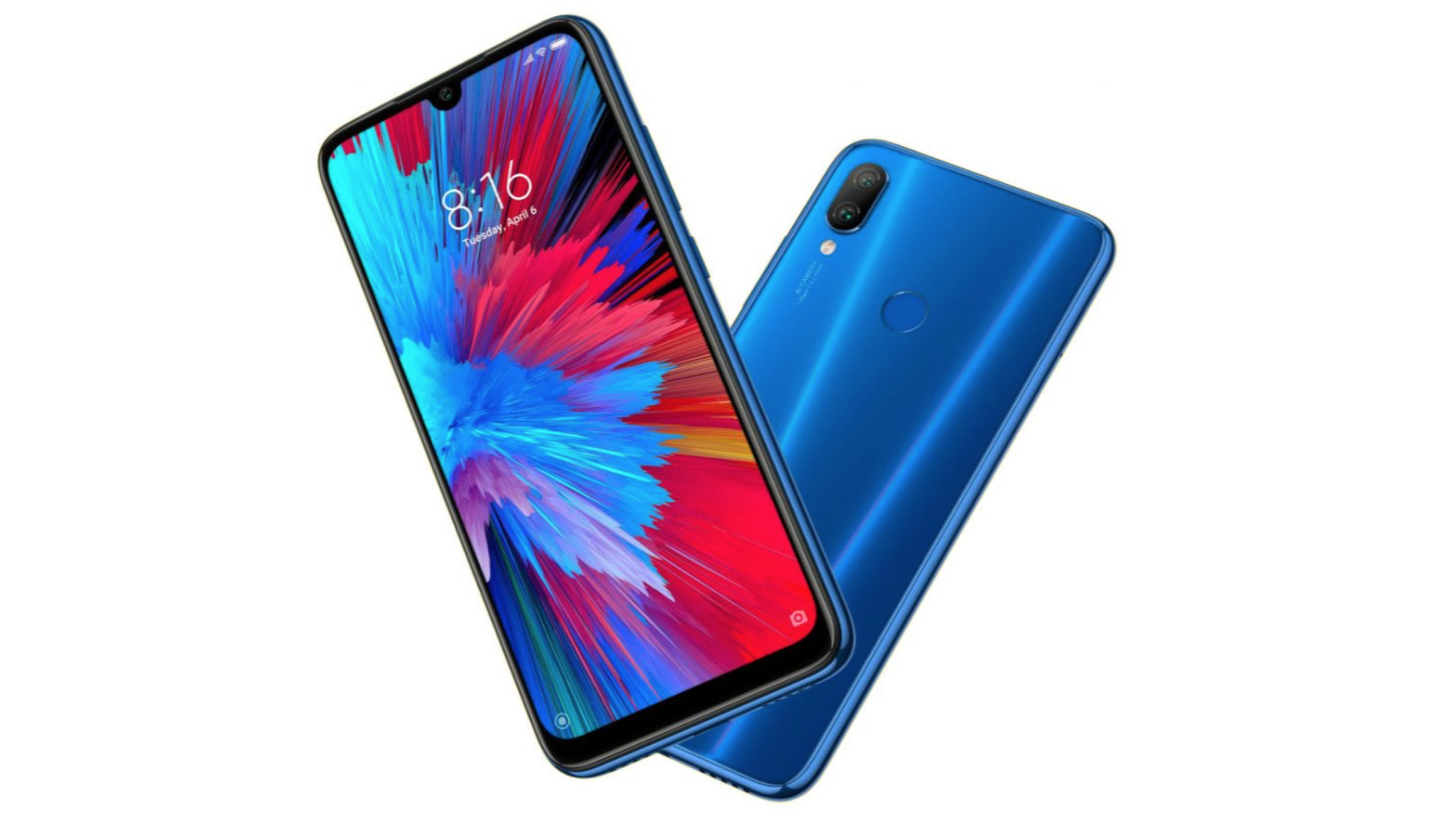
Specifications Summary:
- Price: Rs 11,999
- Display: 6.3 inch IPS LCD, 409 ppi
- Rear Camera: 12 MP + 2 MP, Front Camera: 13 MP
- SoC: Snapdragon 660, Octa-Core CPU, Adreno 512 GPU
- Battery: 4,000 mAh, 18W Fast Charge Support (Charger sold seprately)
- Storage: 4 GB + 64 GB, Expandable upto 256 GB, uses SIM 2 slot
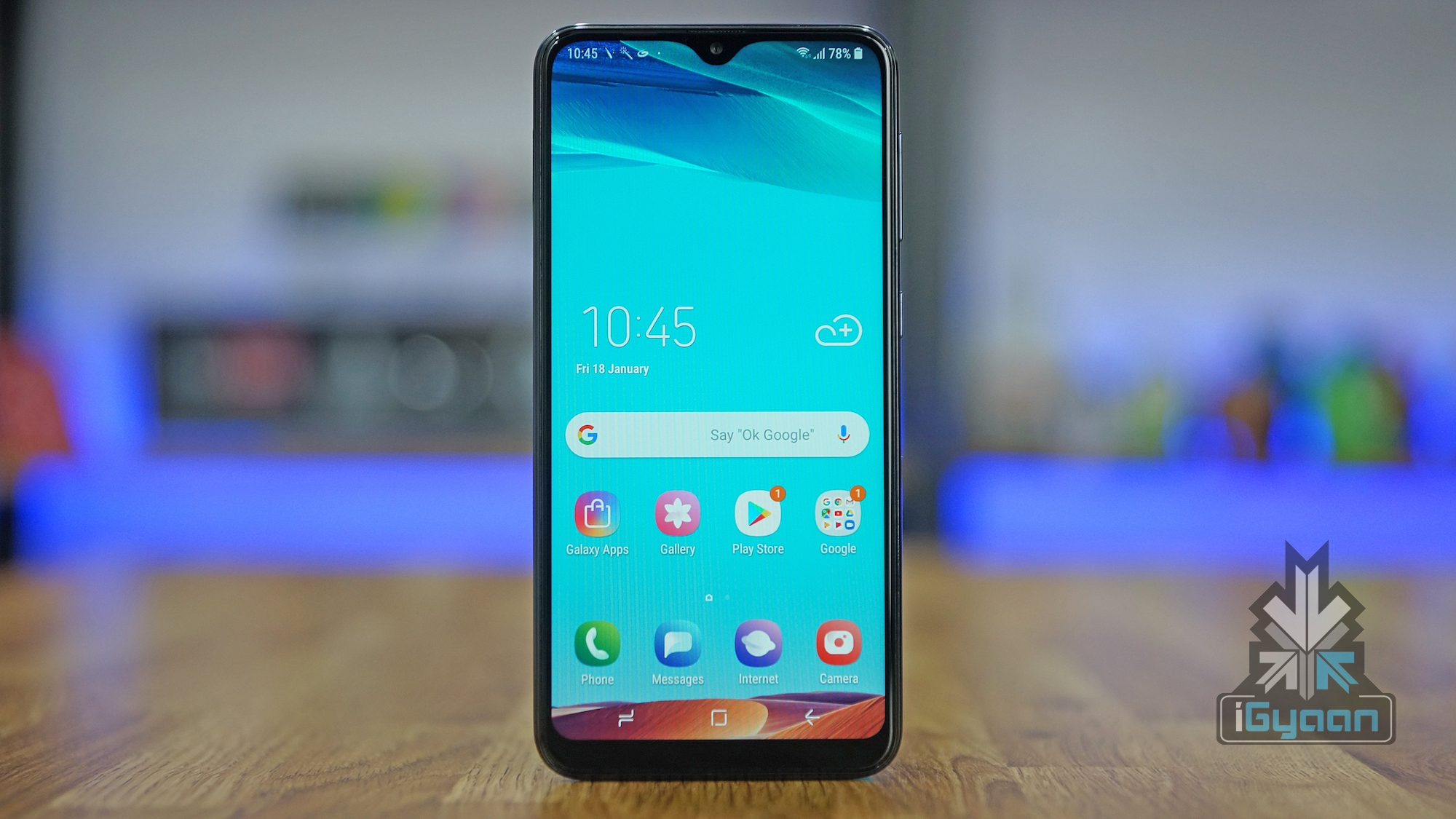
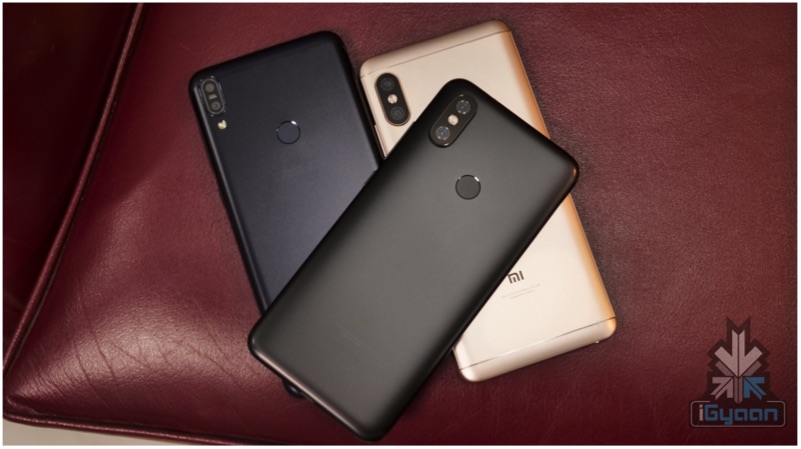
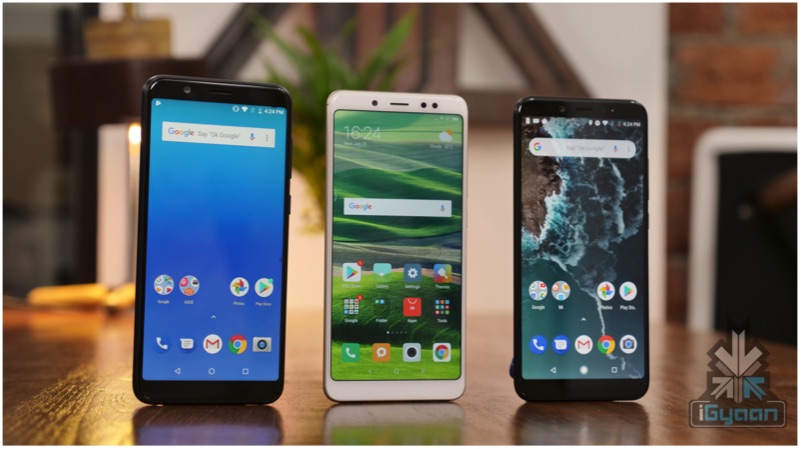
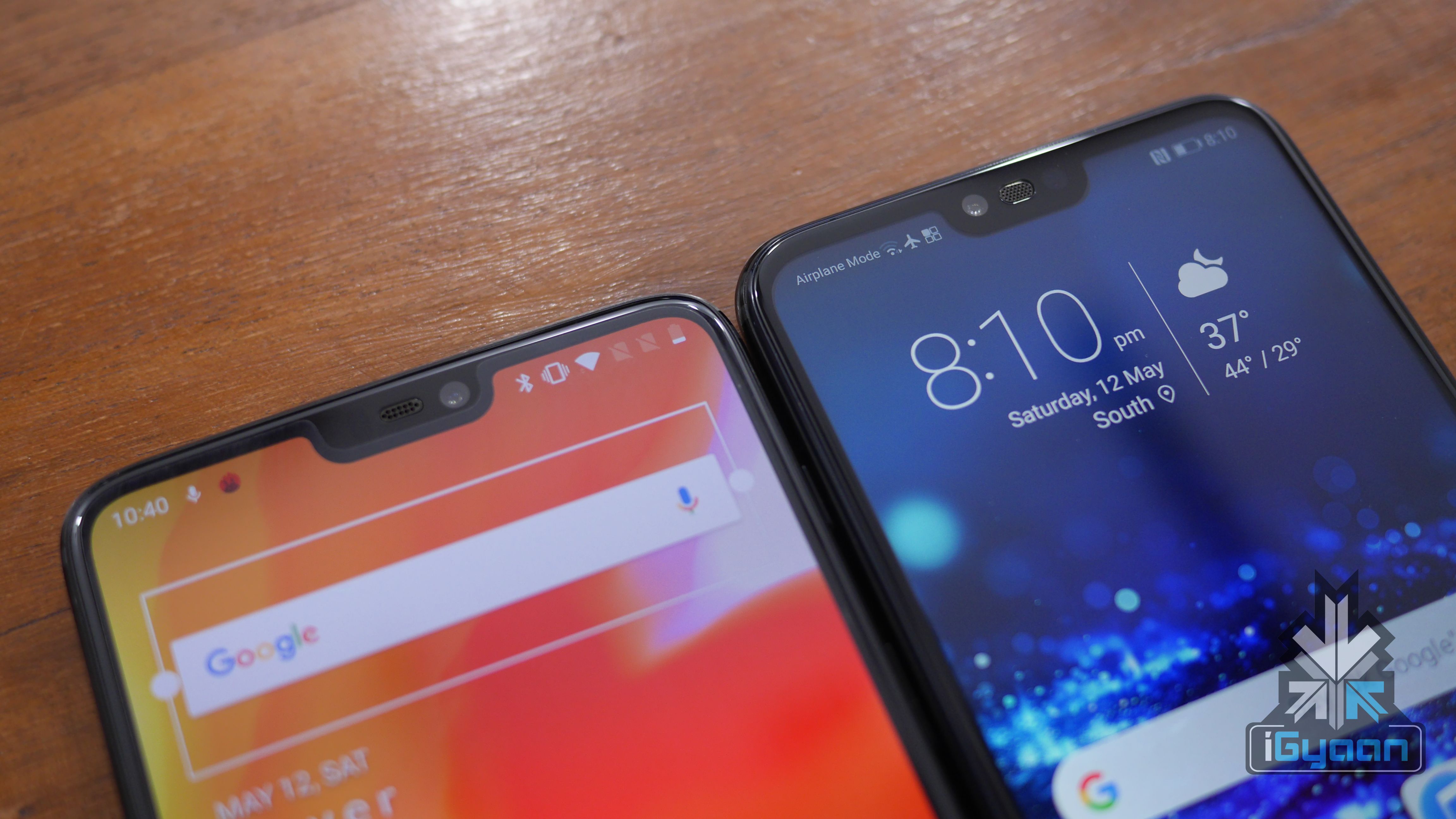
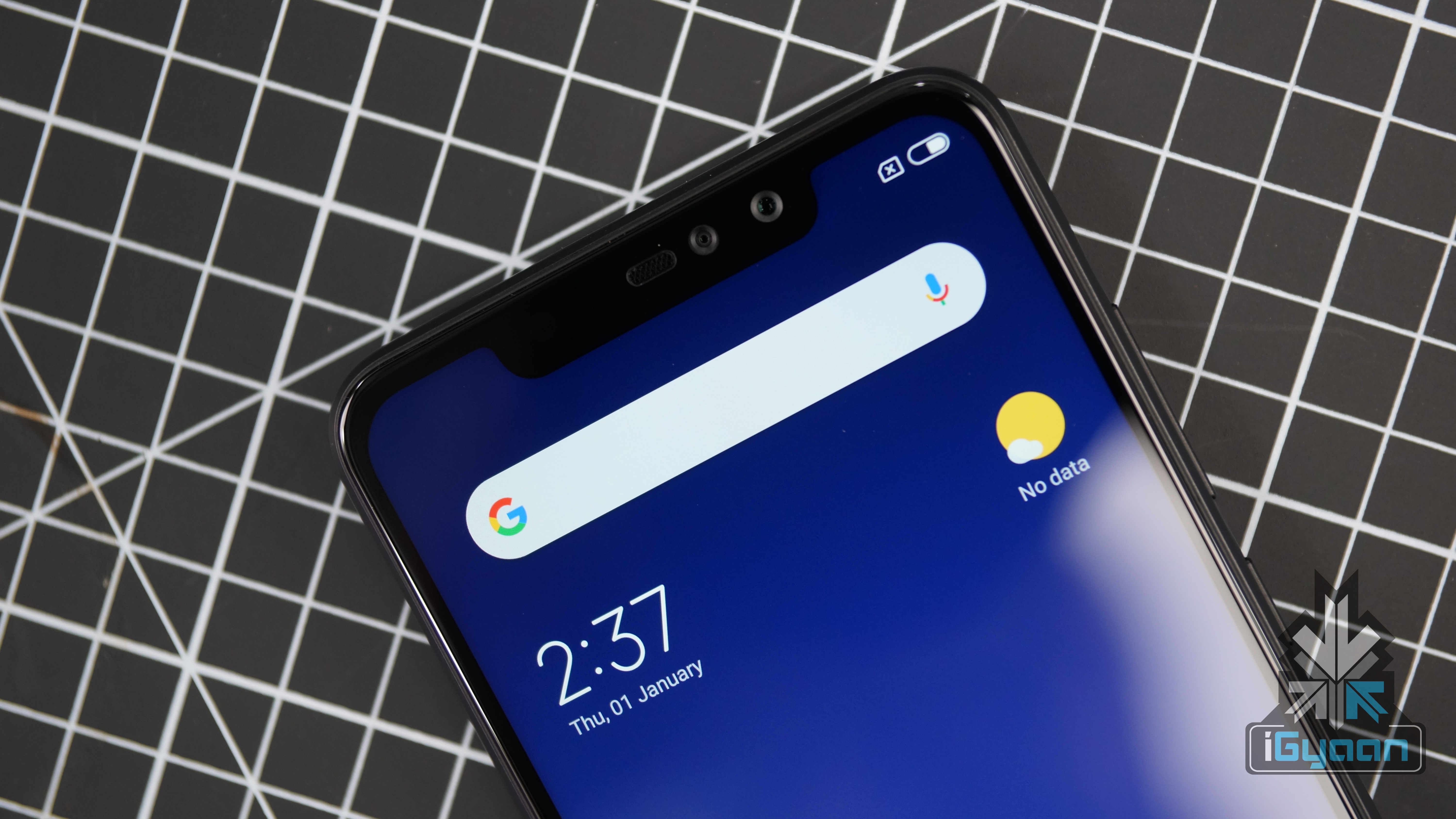
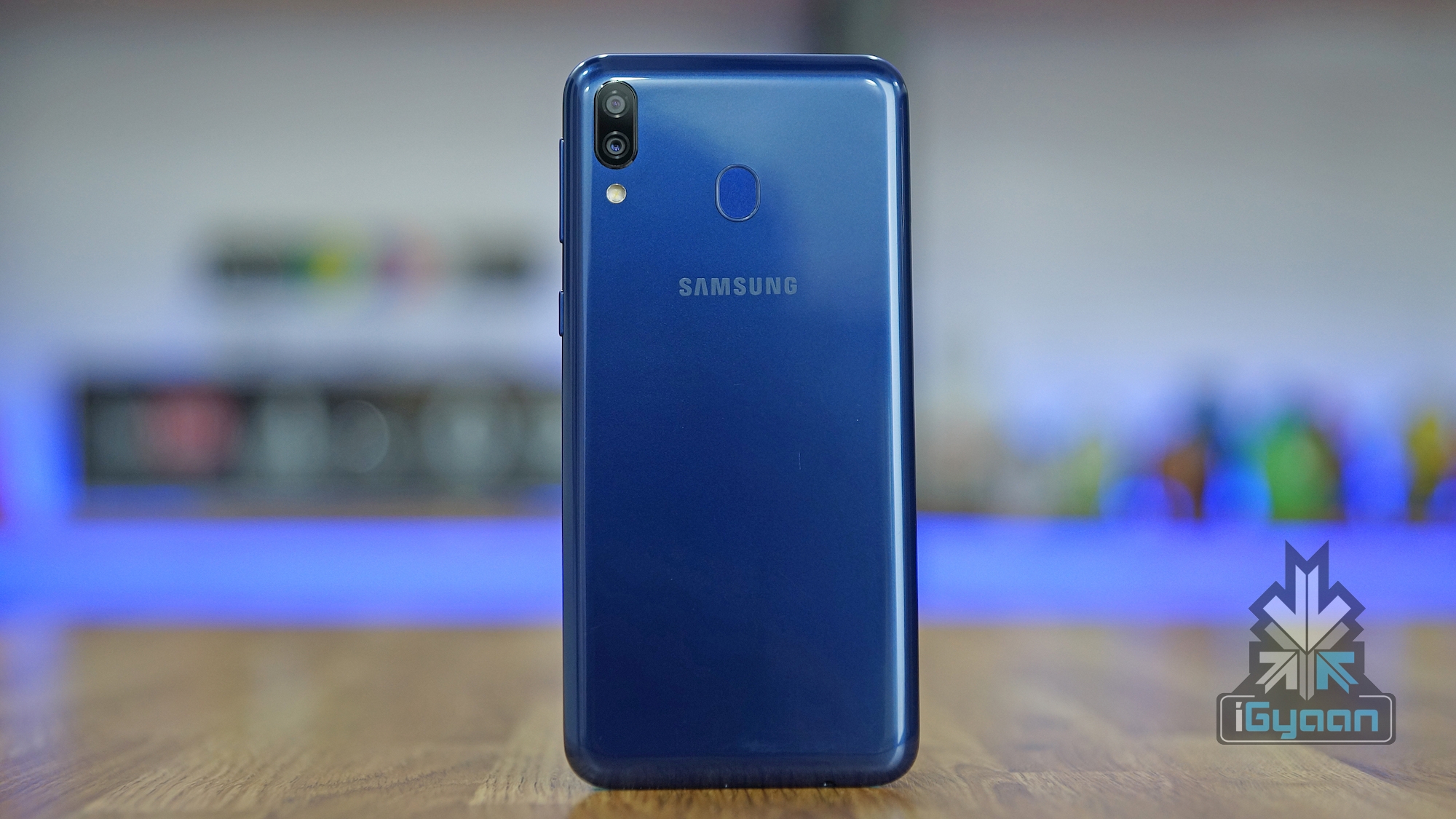
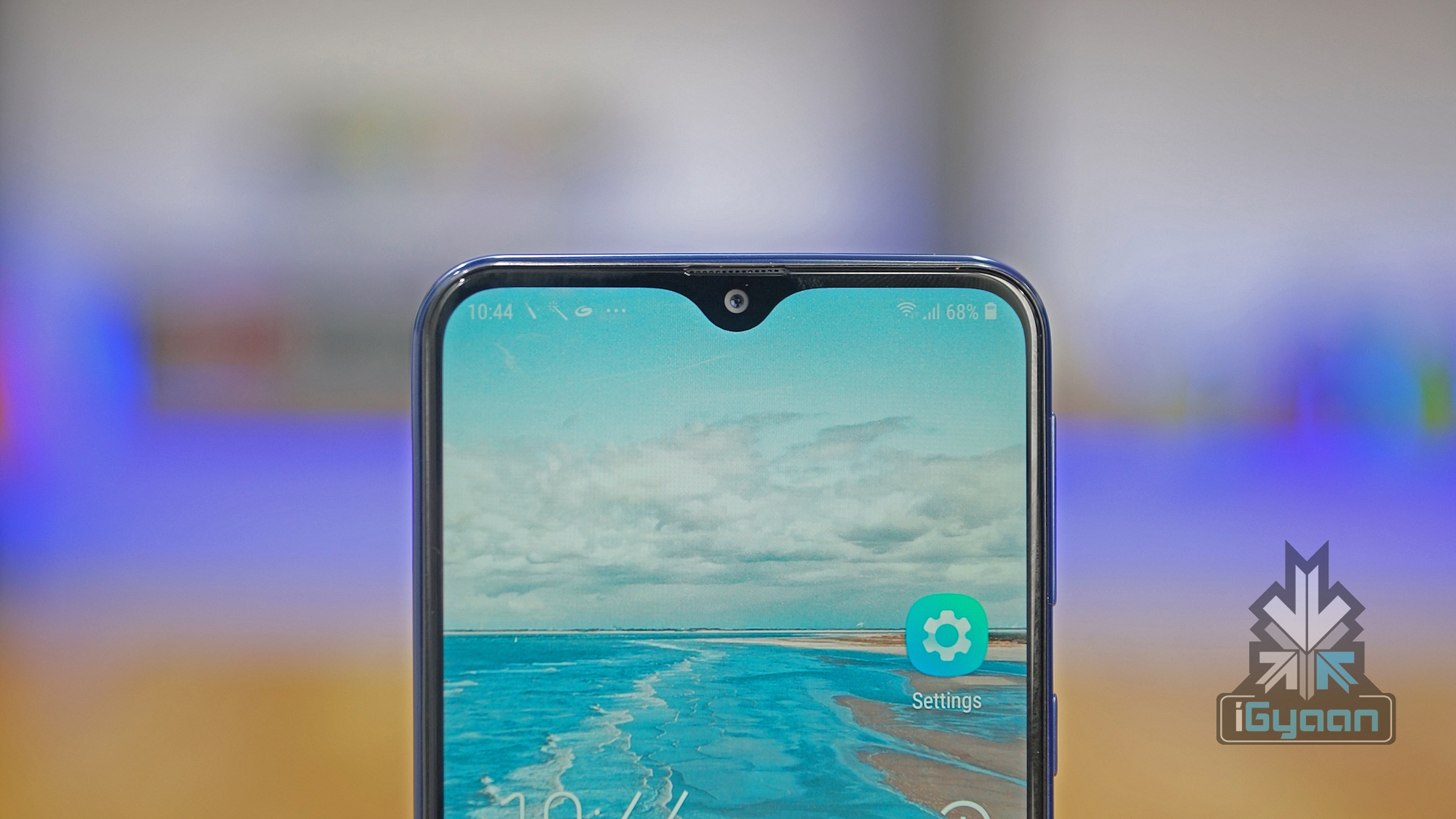 The Samsung Galaxy M20 sports a waterdrop notch, which also houses the front camera. The ASUS Zenfone Max Pro M2 has a trapezium-like notch, which doesn’t take up much space in the display. The Redmi Note 6 Pro, on the other hand, sports a wider notch that is larger than the other 2 phones.
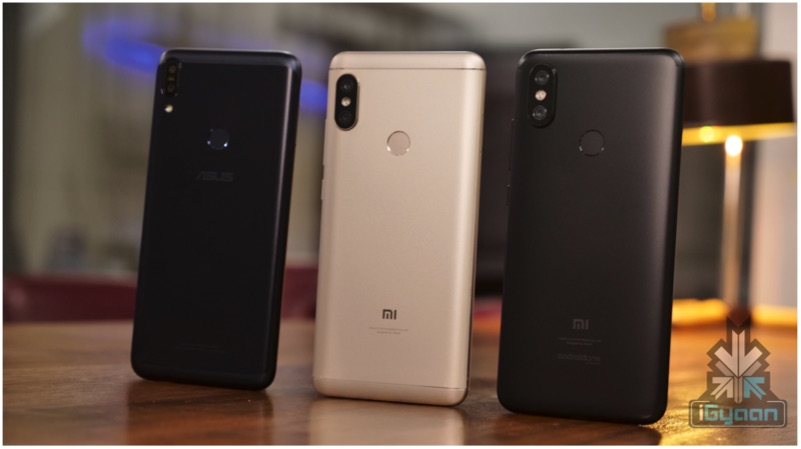
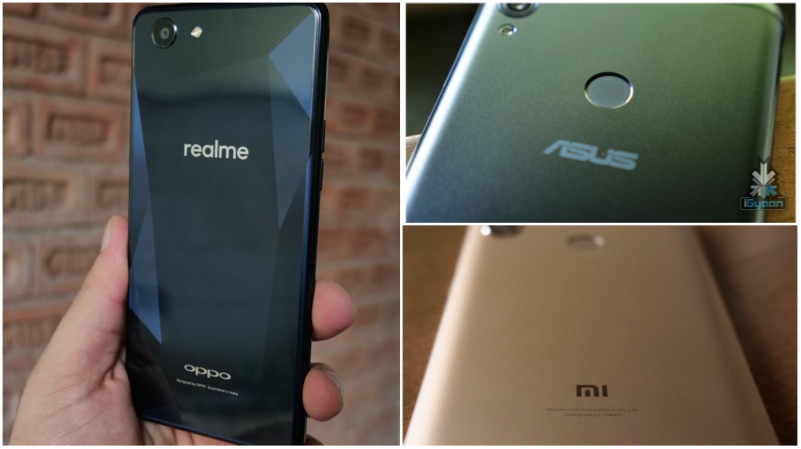
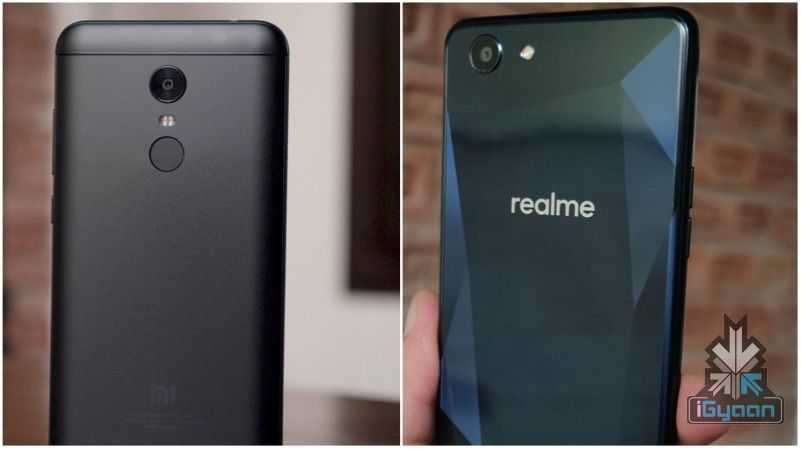
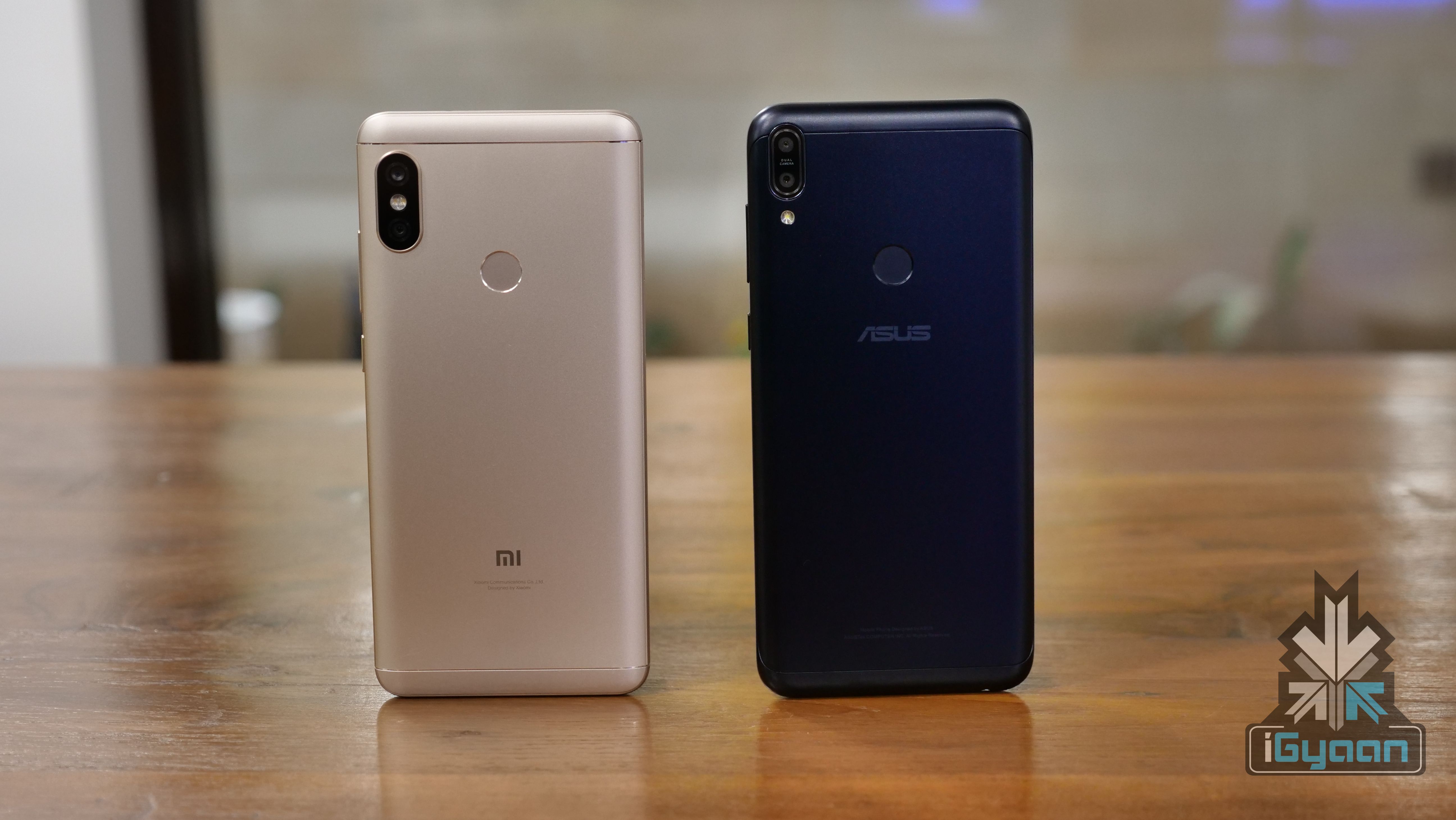
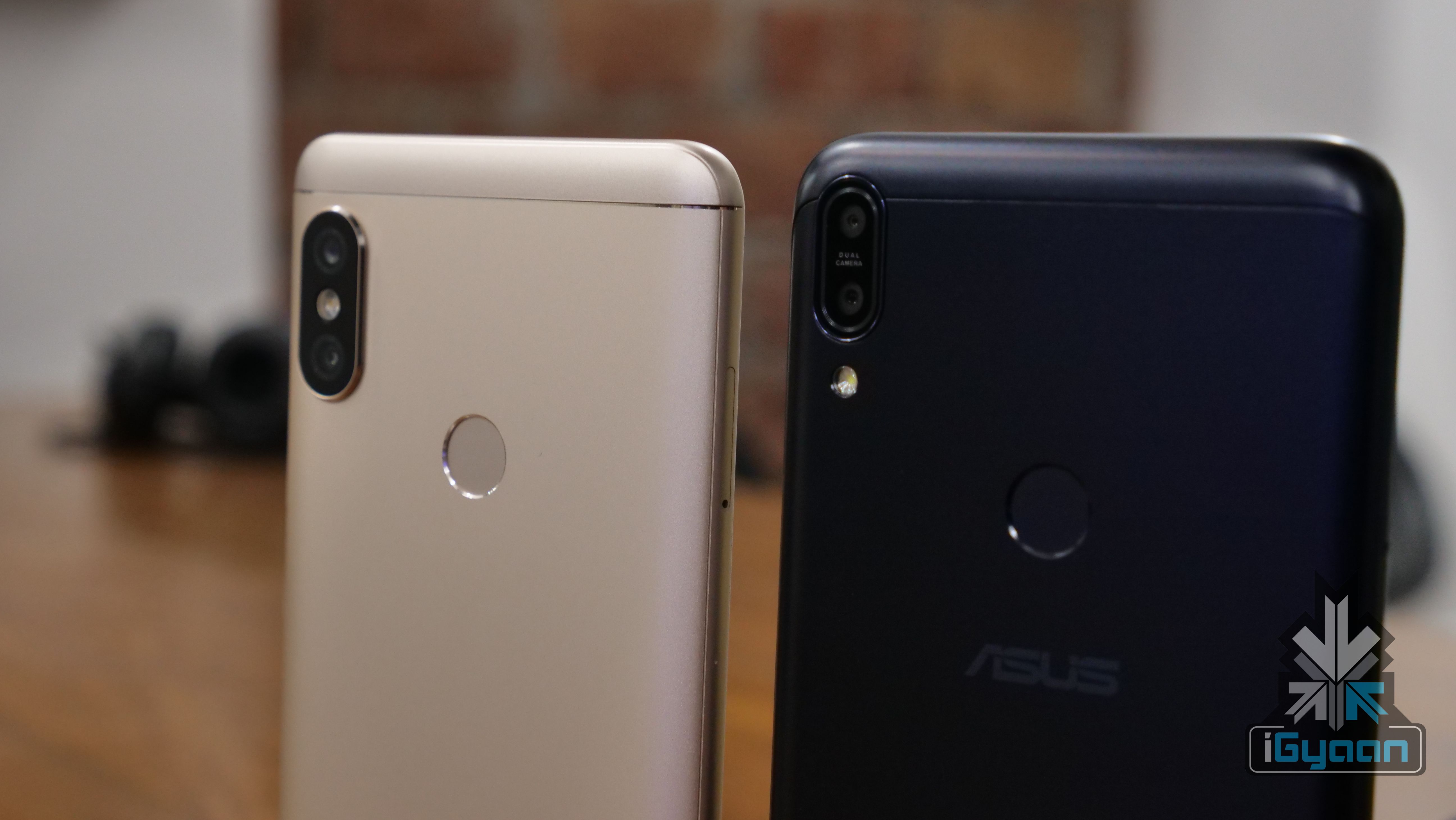
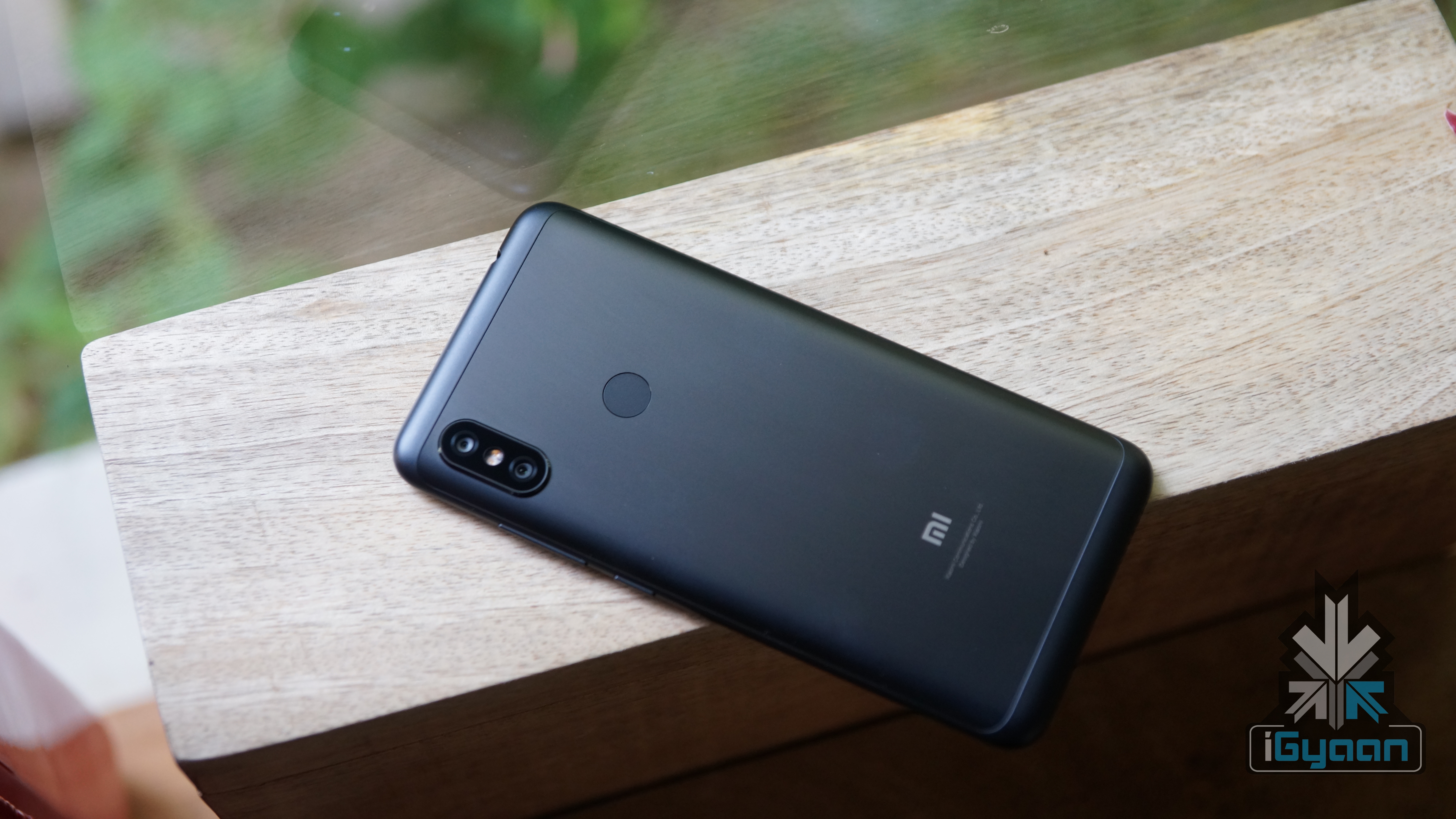
  Talking about the back panels, the Samsung Galaxy M20 has a plastic back, which actually gives a premium look. Similarly, the ASUS device has a laminated glossy plastic back. It looks good, but picks up smudges pretty easily. The Redmi Note 6 Pro is the only smartphone here which brings a metal back panel to the game. It has a smooth matte finish, making it a bit slippery, but good to hold and look at the same time.
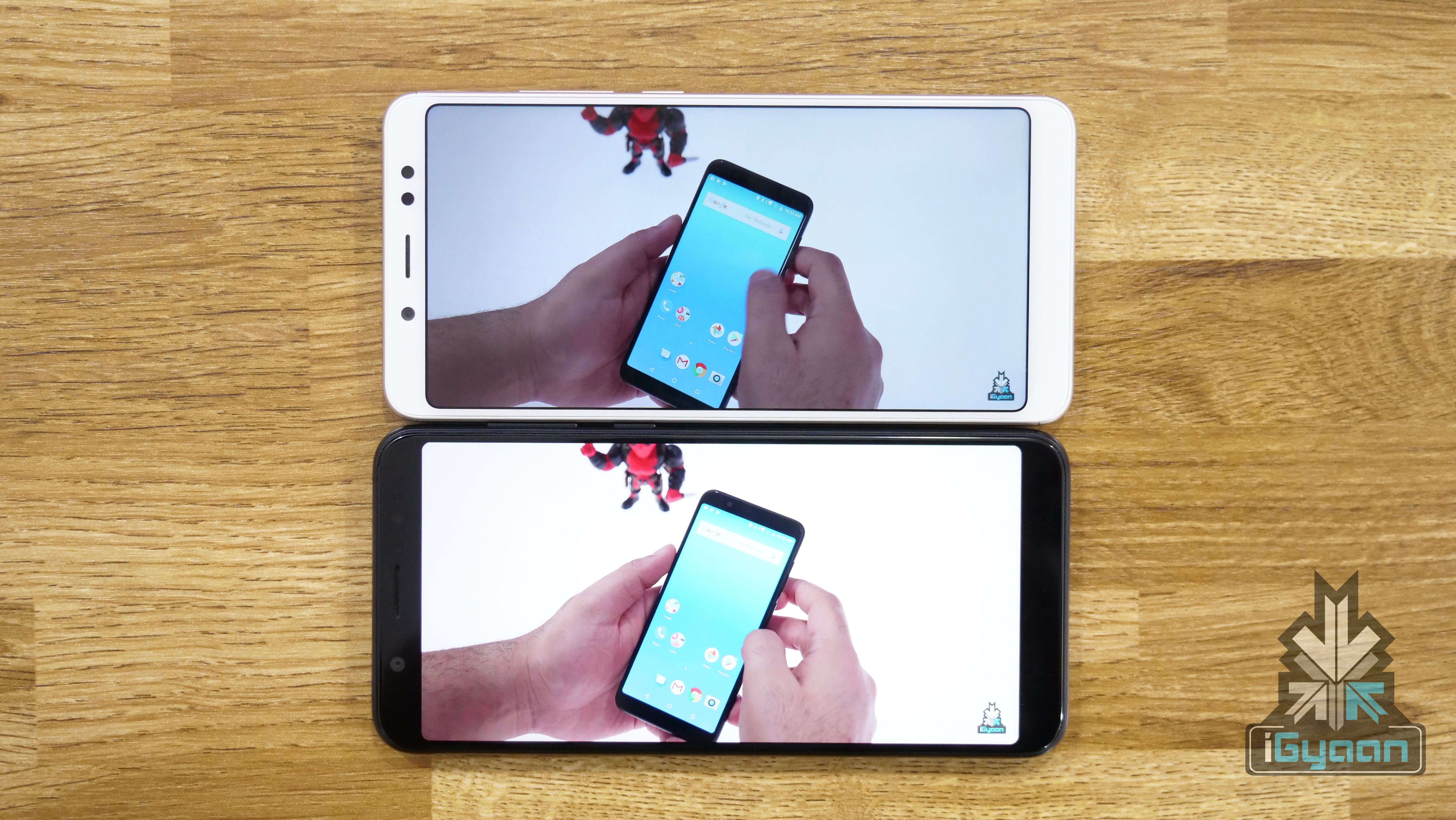
 The Galaxy M20 brings the Samsung-developed PLS TFT capacitative screen to the table, with a size of 6.3 inches. The phone has a 83.6 percent screen-to-body ratio, which is higher as compared to the other two devices. With a resolution of 2340 x 1080 px, a 19.5:9 aspect ratio and a Pixel density of 409ppi, it clearly has an edge over the ASUS and Redmi devices.
 The Zenfone Max Pro M2 has an 6. 2 inch IPS LCD, and a 82 percent screen-to-body ratio. With a slightly lower resolution at 2280 x 1080 px and 19:9 ratio, it matches the specs of the Redmi Note 6 Pro. The Galaxy M20, being the latest phone in the category, shows worthwhile improvements when it comes to display.
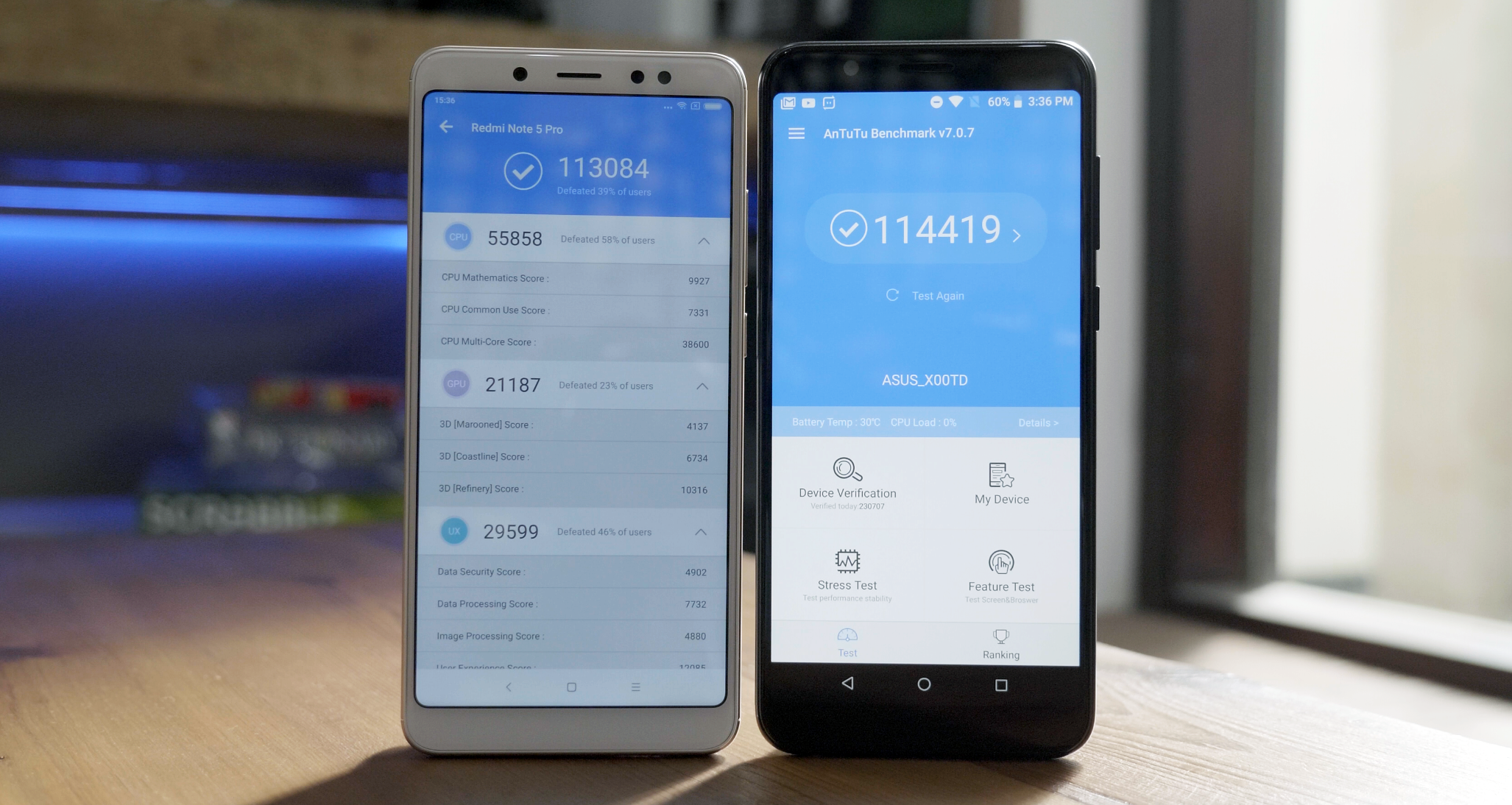
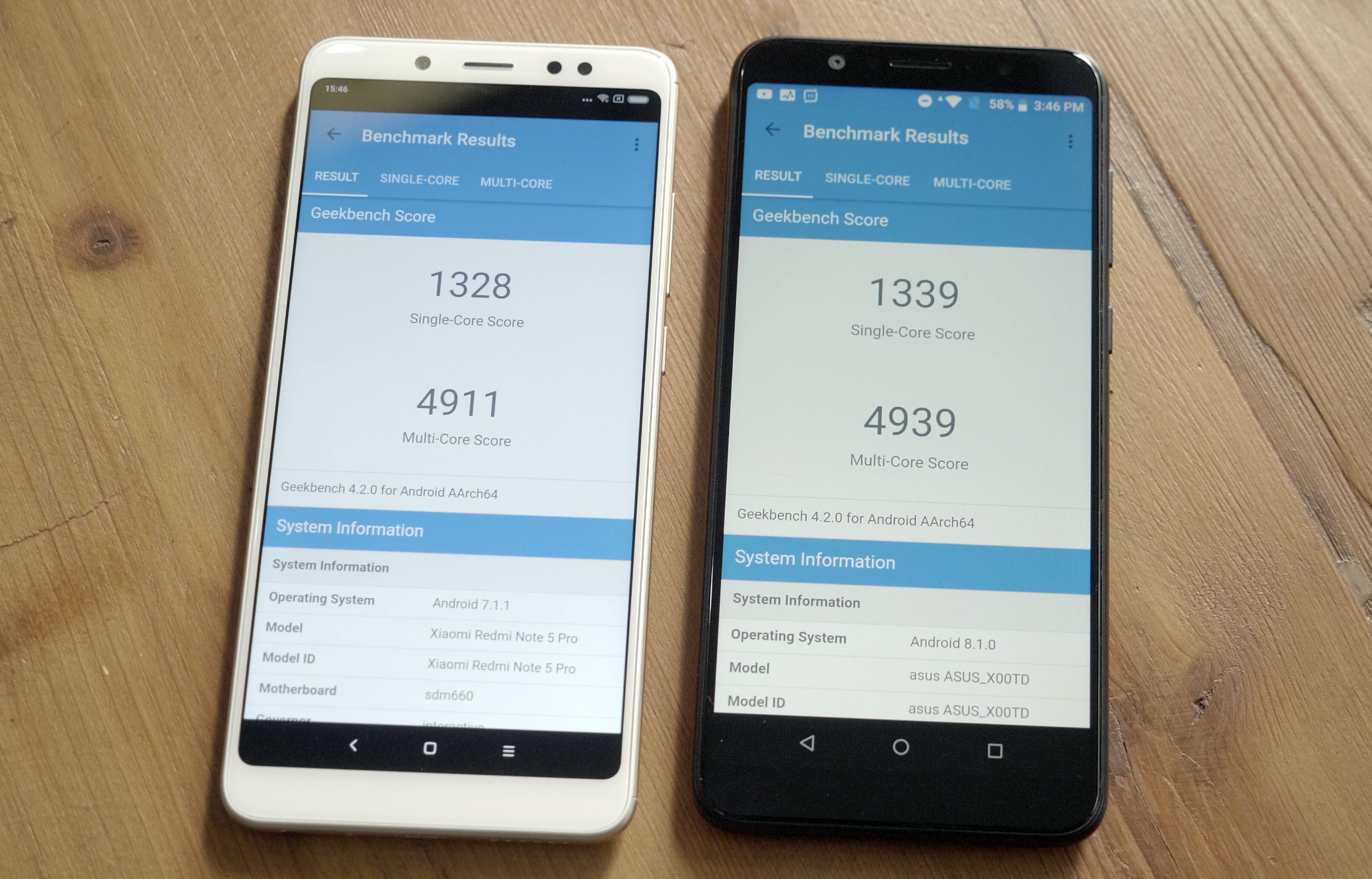
 Starting with the Samsung Galaxy M20, it packs an Exynos 7904 Octa chipset (14nm). Both the Zenfone and the Redmi devices, on the other hand, run on the Snapdragon SoC. The Zenfone Max Pro M2 has a Snapdragon 660 chipset, which houses an Octa-core CPU (4×2.2 GHz Kryo 260 & 4×1.8 GHz Kryo 260).
 The Redmi Note 6 Pro runs on a slightly older Snapdragon 636 SoC, with an Octa-core 1.8 GHz Kryo 260. While the Zenfone and the Redmi have Adreno GPUs, the Galaxy M20 has a Mali-G71 MP2 GPU.
  All three smartphones are available in both 3 GB and 4 GB RAM variants, providing 32 GB and 64 GB internal storage variants respectively. The Zenfone Max Pro M2 is also available in a 3rd variant with 6GB RAM and 64 GB storage, which is saying something.
 While the Redmi Note 6 Pro supports expandable storage up to 256 GB, both the M20 and Zenfone support microSD cards upto 512 GB. It’s interesting to note that the Zenfone and the Galaxy M20 both use dedicated memory card slots. The Redmi Note 6 Pro uses the slot for the SIM 2, so that’s something to point out here.
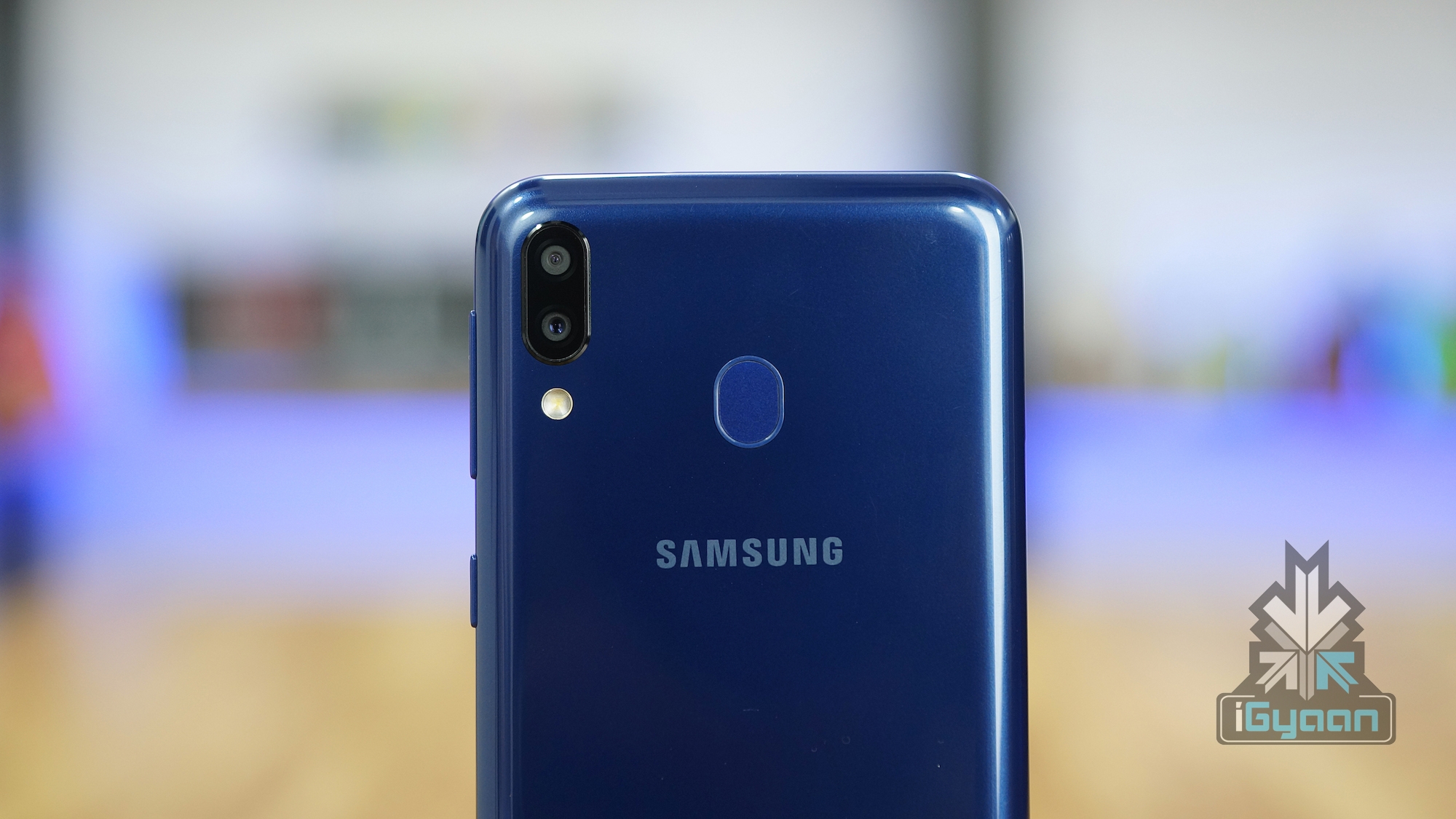 In an era of dual-camera setups, none of these smartphones disappoint. The Samsung Galaxy M20 has a 13 MP (f/1.9) primary camera, with a secondary ultra-wide 5 MP (f/2.2) camera with a depth sensor. It’s equipped with a 8 MP (f/2.0) front selfie camera. Both these cameras support HDR and can record videos at 1080p (30fps).
 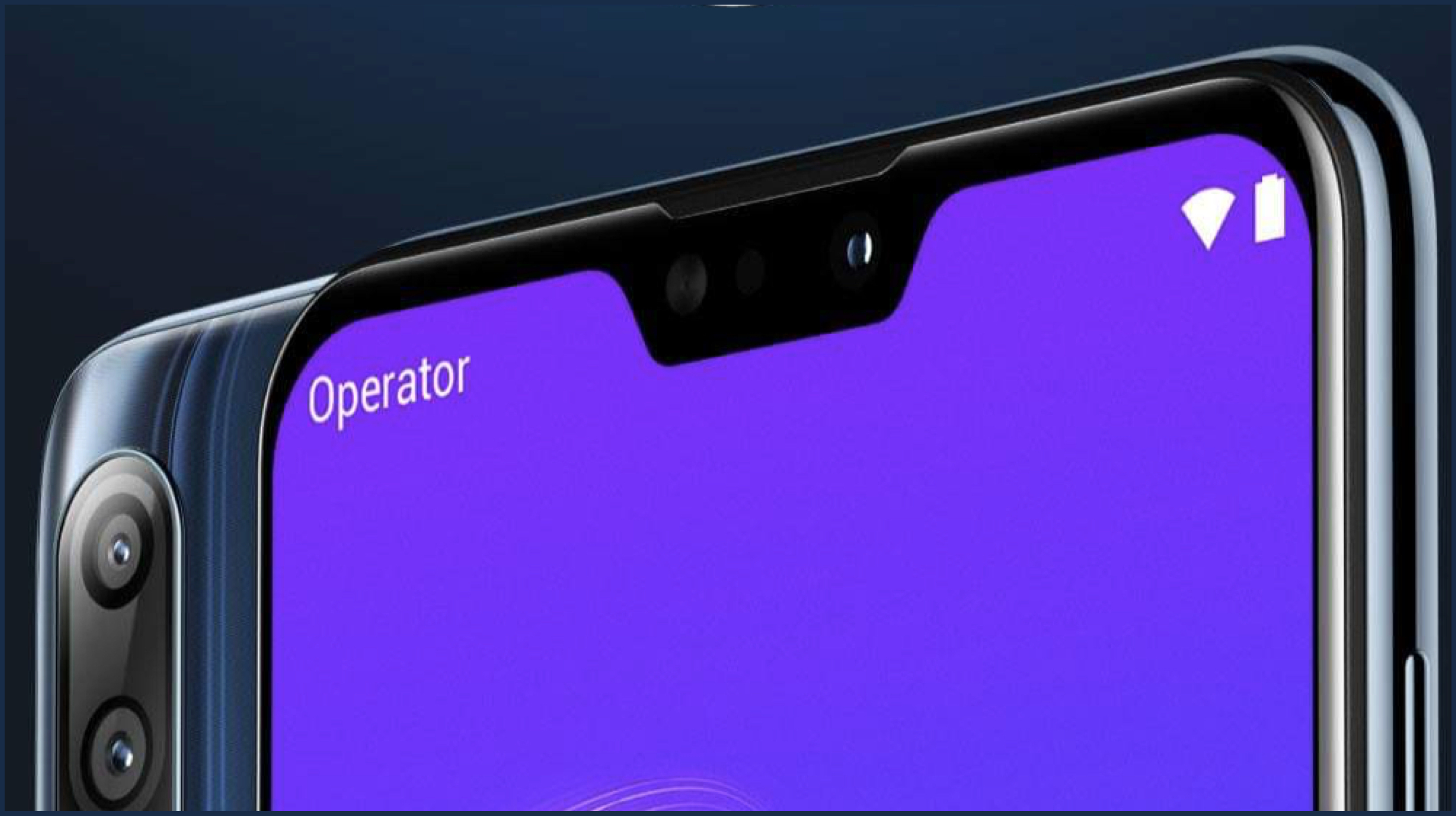 The Zenfone Max Pro M2 has a 12 MP (f/1.8) primary camera, along with a secondary 5 MP (f/2.2) camera, again with a depth sensor. In terms of the front camera, it has a 13 MP (f/2.0) front camera, which supports HDR and even has a LED flash. The best part about the Zenfone’s camera is the fact that it supports 2K recording, and 1080p recording at 60fps.
 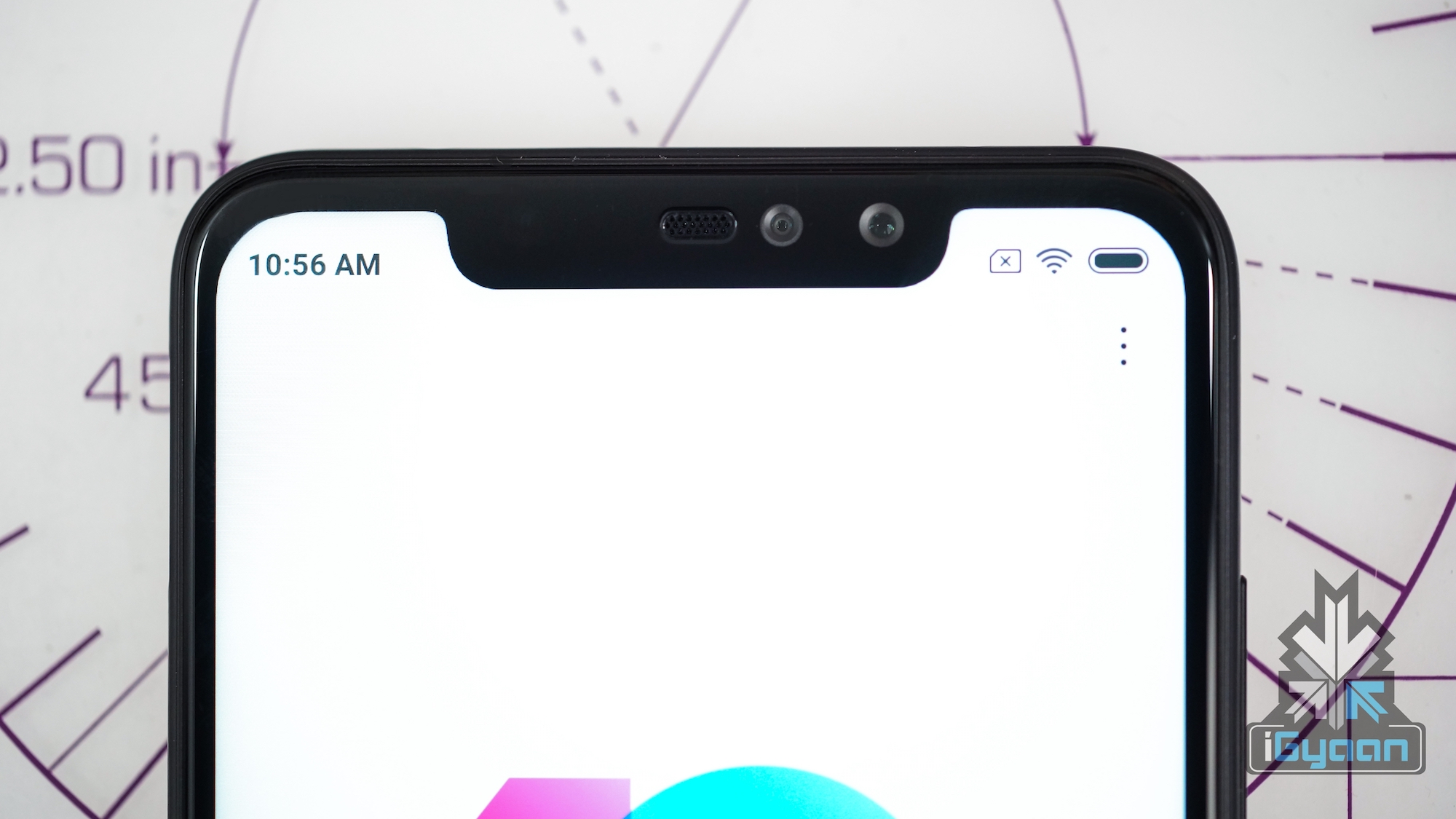 The Redmi Note 6 Pro sports a 12 MP (f/1.9) dual pixel primary camera, with a secondary 5 MP (f/.2.2) camera with a depth sensor. It has an amazing 20 MP (f/2.0) front camera with a secondary 2 MP front camera (with a depth sensor). It also supports recording at 1080p (30fps).
 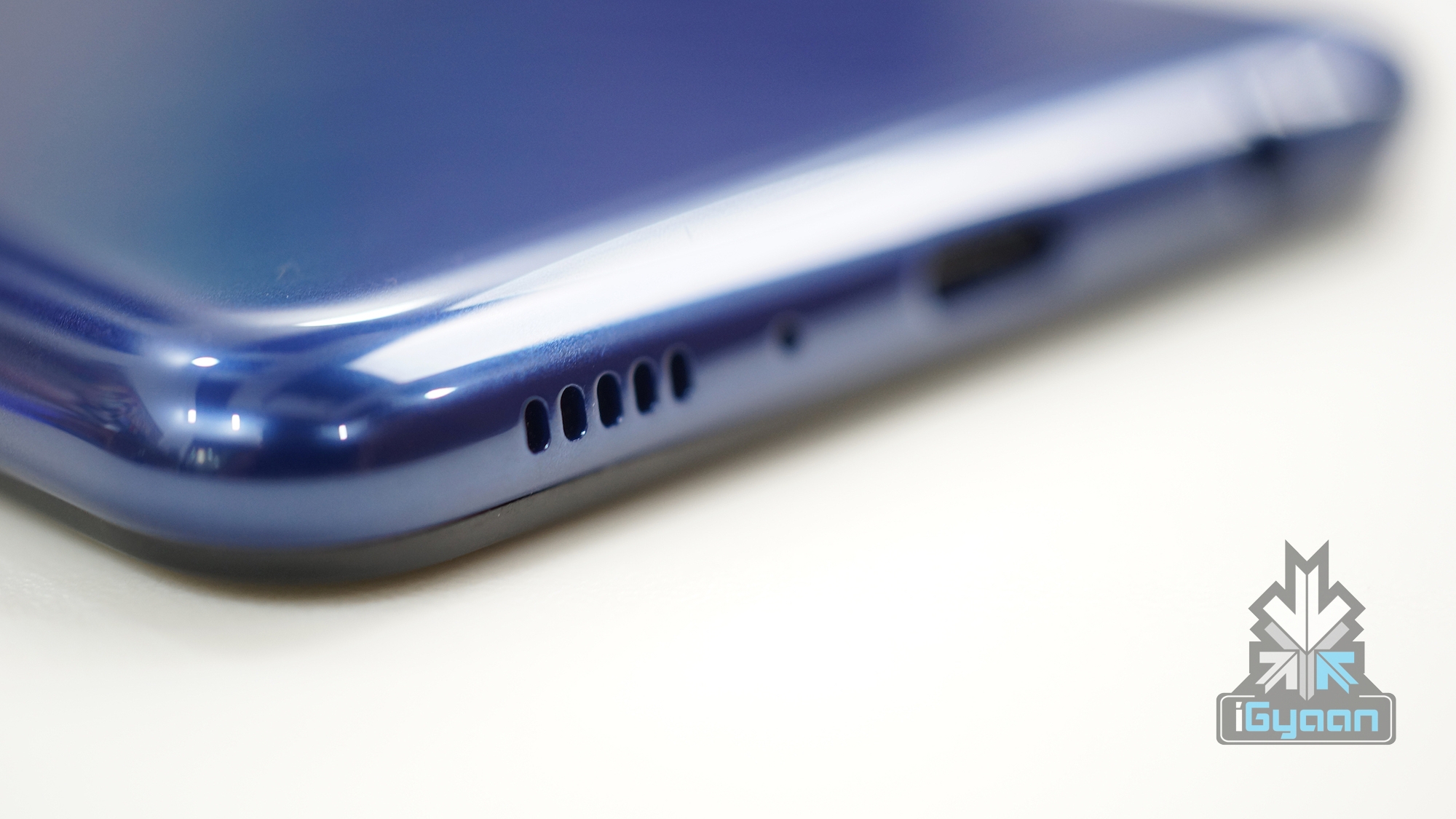 Both the Samsung Galaxy M20 and the Zenfone Max Pro M2 pack a 5000 mAh battery, which is a bliss for those who use their phone on the heavy side. The Redmi Note 6 Pro has a 4000 mAh battery. A bit lower than its counterparts, but still enough to handle over a day’s worth of usage. The Samsung Galaxy M20 supports fast charging too.
 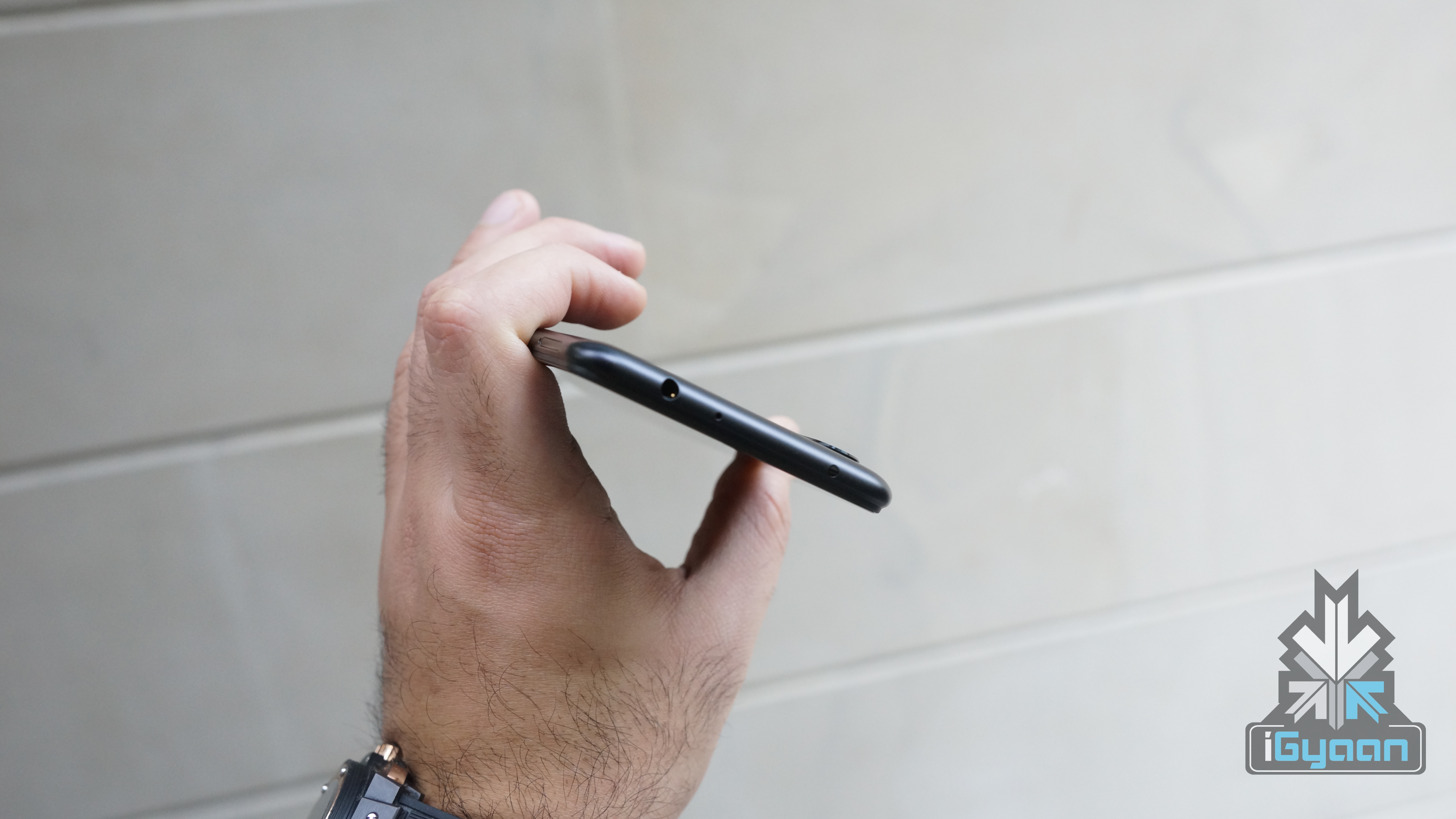 All the devices have standard connectivity options, with the exception of an infrared port on the Redmi Note 6 Pro, which makes the device MI Remote compatible. The only device among these three which supports Type-C connectivity is the Galaxy M20, so that’s an added bonus. All three smartphones have rear-mounted fingerprint sensors.
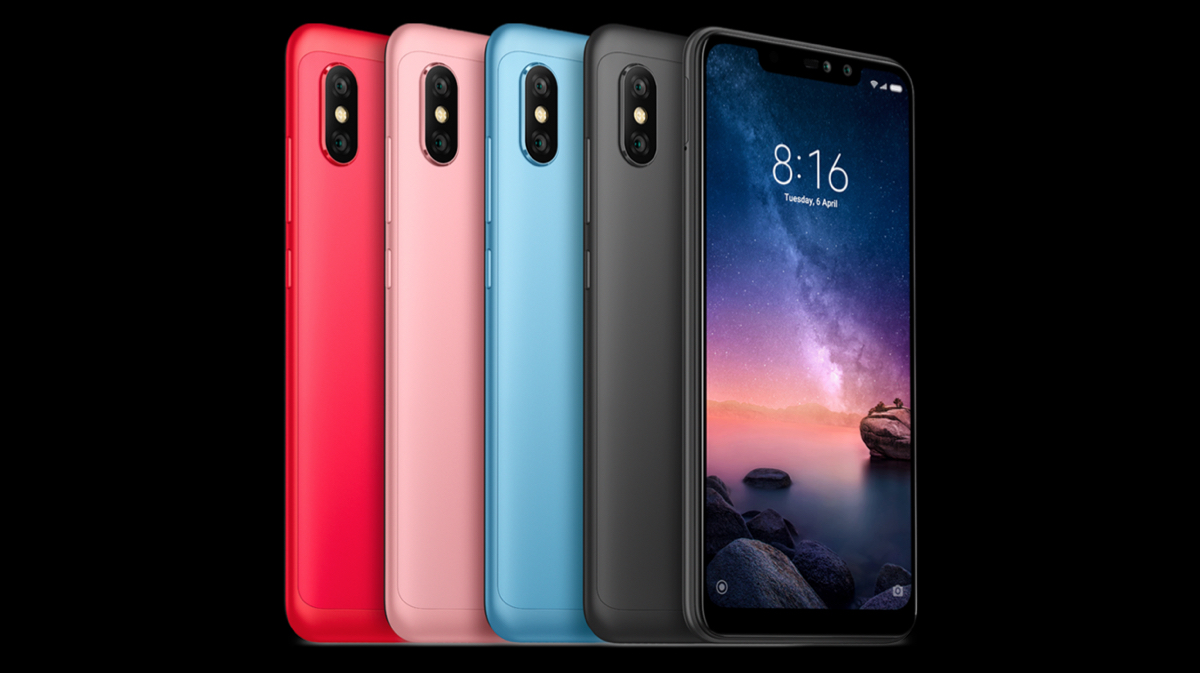 The Samsung Galaxy M20 is available in two colours, Ocean Blue and Charcoal Black. Similarly, the Zenfone is also available in two colours, namely Blue and Titanium. The Redmi 6 Pro offers 4 different colour options. It’s available in Black, Blue, Rose Gold and Red.