Tag: e-commerce

  • Indian Government Bans Smartphone Online Exclusive Sales

    Indian Government Bans Smartphone Online Exclusive Sales

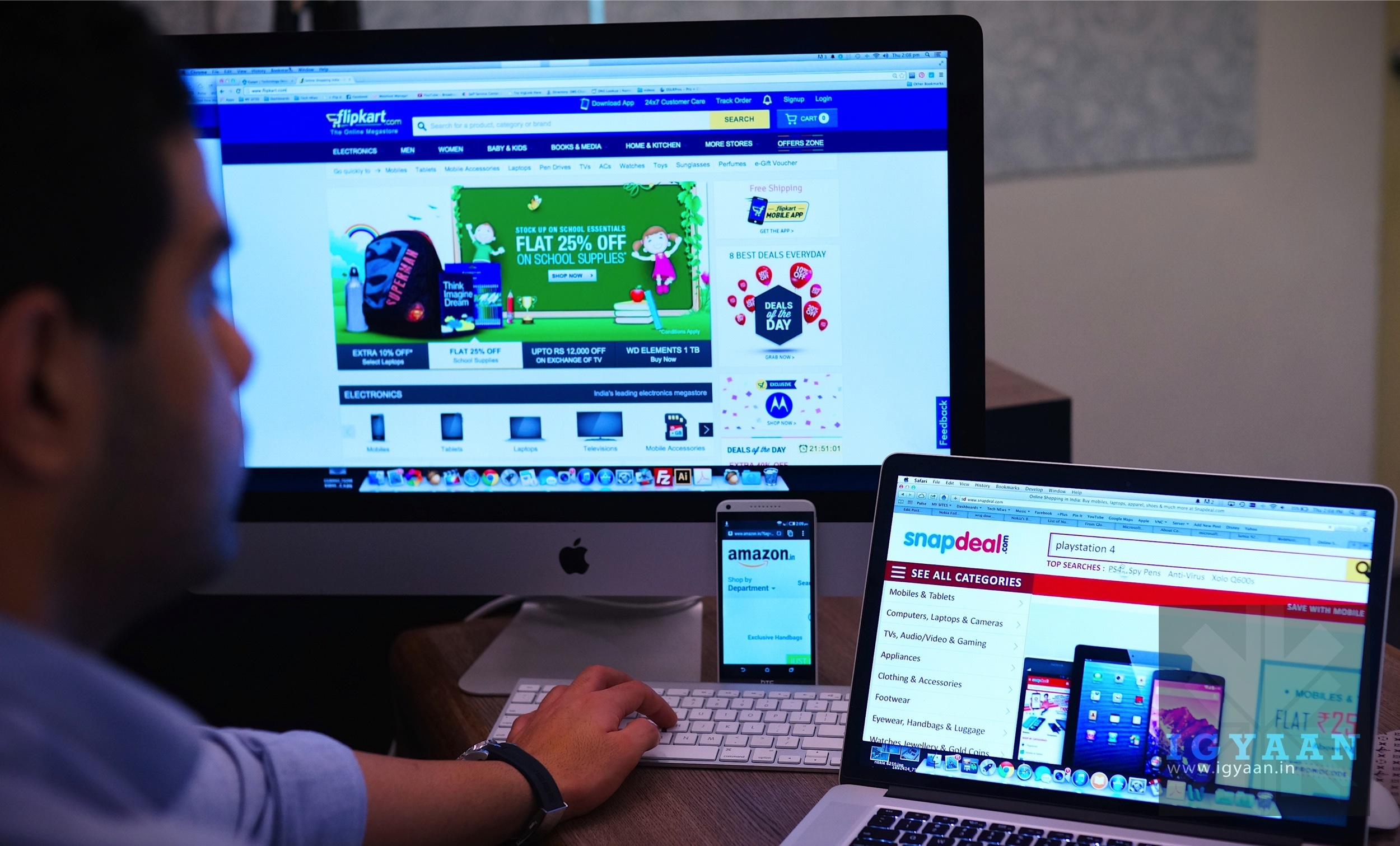
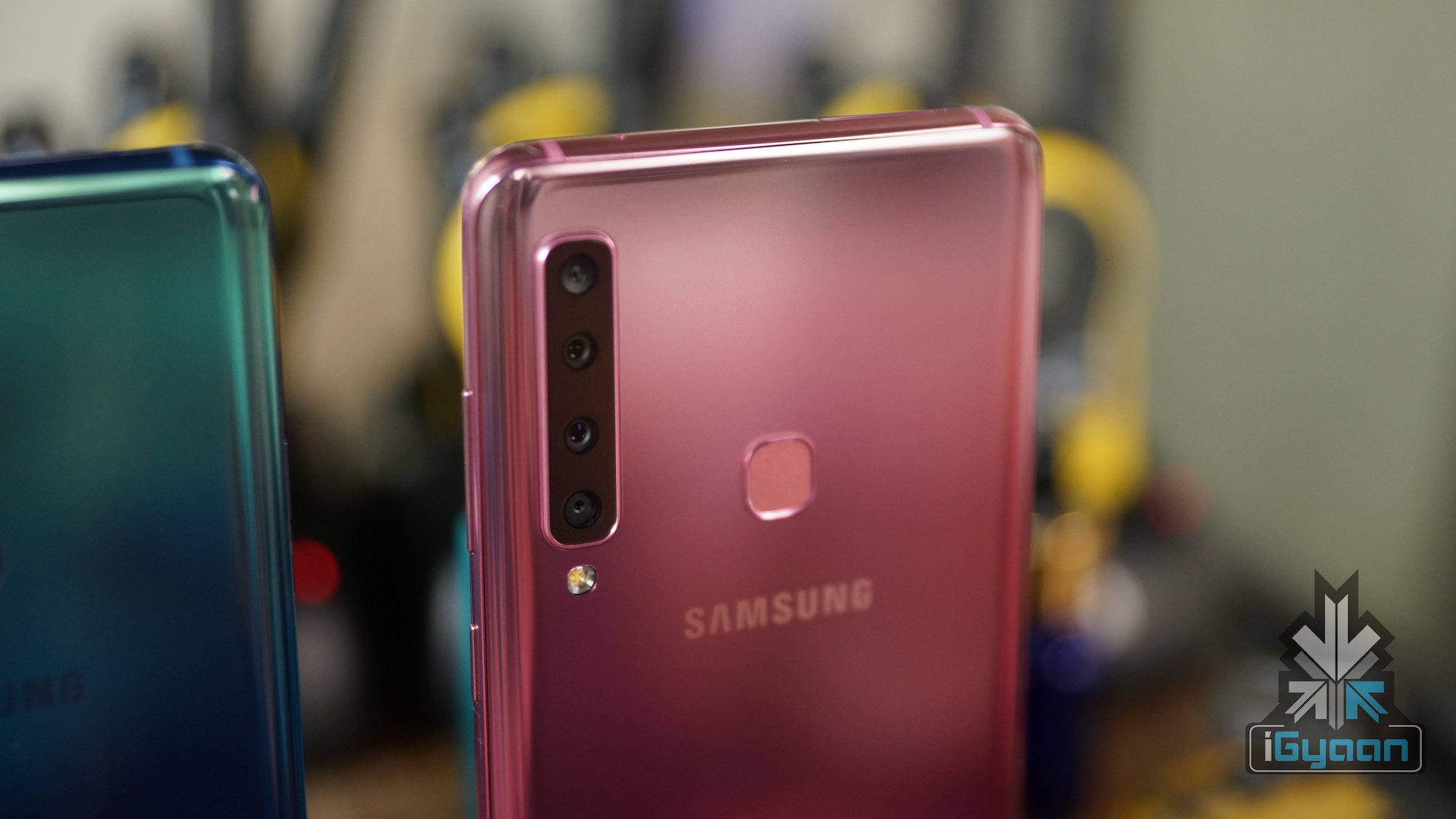
    India is a largely online buyer’s market and many phone manufacturers have switched to selling online instead of investing in brick and mortar stores. Samsung has been in the number one position in terms of smartphone sales worldwide for quite some time now. But Xiaomi had taken the lead in the first quarter of 2018 in terms of India smartphone shipments market share. But now, it seems like Samsung will get a leg up in this battle with a new law that has been introduced by the government banning exclusive deals of phone manufacturers with online marketplaces.

    What Exactly Happened?

    Most manufacturers these days such as Xiaomi, Oppo, Vivo and even OnePlus use these exclusive launches with one of the E-commerce players to promote their phones and drive sales. The new law will bring the websites including Amazon and Flipkart to a level playing field. The government also directed that a single vendor can sell a maximum of 25% of its inventory on an e-commerce platform. This is where Samsung’s brick and mortar stores come in. Since the Chinese manufacturers heavily depend on online sales which help them keep their phone prices down, we can expect a surge in prices of these phones in future. We can also expect phones being sold out quicker. A black marketing of phones due to their unavailability can also be a cause for concern. Xiaomi and OnePlus has already started opening their own storefronts in several locations in India. But they are not nearly enough to compete with Samsung.
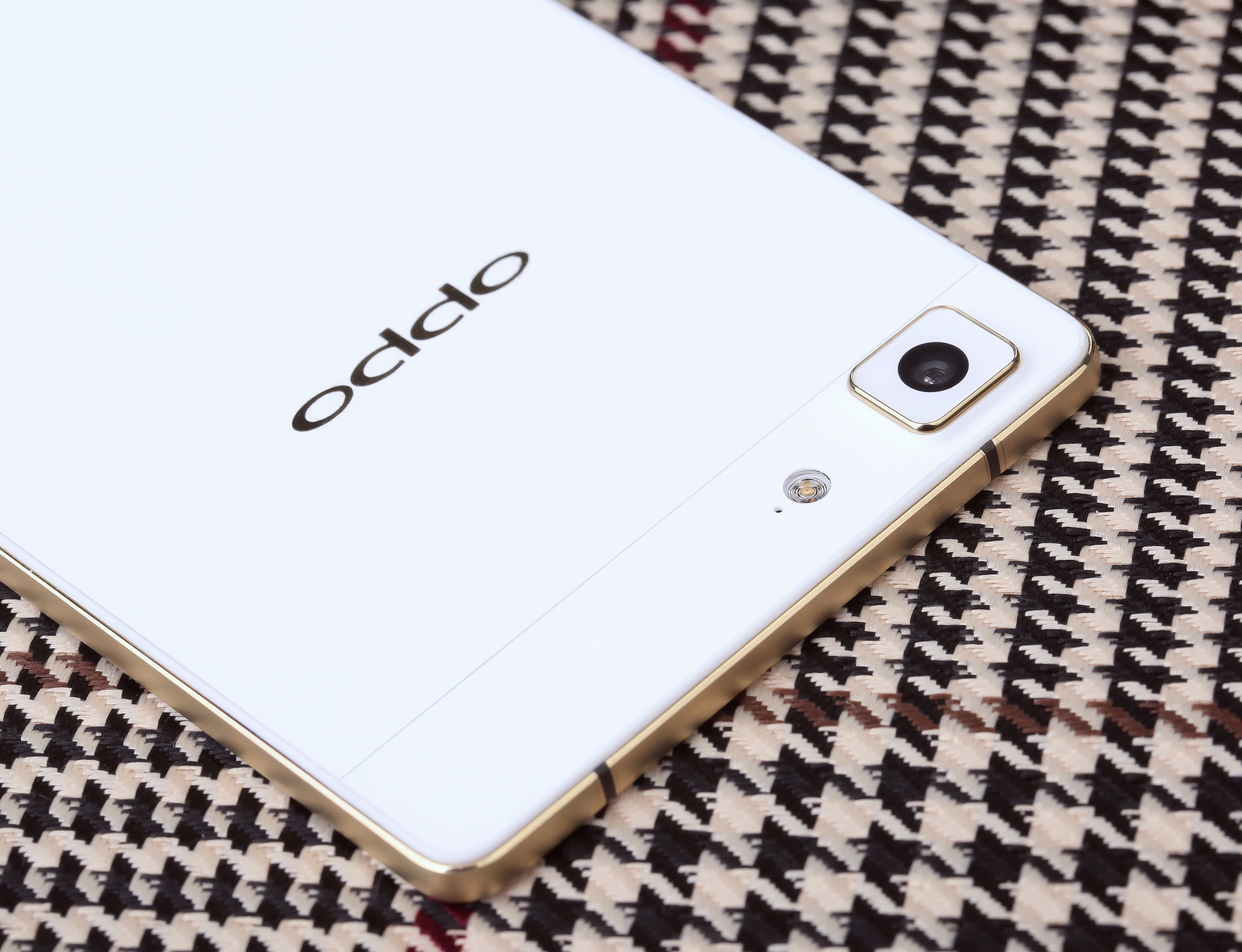
    According to Counterpoint, about two years ago, 5% of Xiaomi’s volumes came from offline channels which has grown to around 30%. This can largely be attributed to them opening their own stores and selling through other affiliate stores as well. Xiaomi has around  500 Mi stores at the moment while Samsung has around 2100 stores in the country. This also means that Indian manufacturers who completely missed out on the online selling bandwagon might just regain their footing in the business. OnePlus had also said in March 2018 that they will expand their offline selling stores, which they call ‘experience zone’. Their plans included 10 cities which also include Delhi, Mumbai, Chennai and others.

    It is also important to note that the offline segment witnessed an annual growth of 6.6 per cent in Q3 2018 but still online channels continued to dominate with around 60 per cent of the Indian smartphone market in that quarter.

  • Mobile Websites or Apps, Shouldn’t the Choice Be Ours?

    Mobile Websites or Apps, Shouldn’t the Choice Be Ours?

    Fashion e-commerce store, Myntra recently made headlines when it announced that it will be shutting down their website and will be solely an app-based business. Myntra and its parent company, Flipkart have already shut down their mobile websites and are only accessible through their apps. This exclusive app based model raises several questions, most important of which is; why are we being forced to download more apps, has the smartphone consumer base grown strong enough to support the app-only business model?

    The switching of Myntra to an app-only business entity might make sense to the e-tailor. The company claims to make 85 percent of all visits from its smartphone app and 63 percent of all purchases on their websites from apps. But this inclination to mobile platform has ceased the freedom from millions of users the choice between a desktop website or a mobile app. It’s not only the case with Myntra, but many other e-commerce giants are forcing customers to switch to their respective mobile applications.

    It’s hard not to notice Flipkart, Zomato, Make My Trip and many more, flooding our lives with ads and other such promotional activities, egging us to opt for their app.  And when we visit an online website to shop or to book movie tickets, the first thing that appears before us is the advertising of their app. Sometimes, we can’t get away unless we download it.

    zomato o
    Yes Zomato, we’re quite happy living in the Browser Age.

    These retailers also announce exciting offers after regular intervals which are only applicable to apps and cannot be availed through the website. It’s an unethical force trade practice to make things work in their favour. While it may make things much easier for retailers to handle, it erodes the convenience that a user is entitled to. Everyday, they seem to find innovate ways to bombard consumers with reasons to add an extra widget to their handsets.

    One such “subtle” example of an ad:

    jabong

    Big online stores should keep in mind that apps are just an extension to the website, and have an existence as long as they have a presence on the web. The desktop sites add appeal when looking for clothing, footwear, and places, and applications can’t substitute them. When you’re deciding if you should invest in a pair of jeans, not even the massive 5.5-inch of the iPhone 6 Plus replicate the seamless experience of a website.

    Although there could be many factors for e-commerce dealers in terms of profit and traffic, the option of selection should not be taken away from the customers. Choosing between a website and an app should be the sole choice of the customer, a practice followed by e-commerce majors globally.

    Have something to add?  [poll id="31"]

  • Snapdeal Buys FreeCharge to Strengthen its Stand in the Mobile Commerce Market

    Snapdeal Buys FreeCharge to Strengthen its Stand in the Mobile Commerce Market

    E-commerce website, Snapdeal, is one of the most prominant players in the market along with Flipkart and Amazon. The company has now announced that it has acquired the mobile payment app, Freecharge. With this move the company hopes to gather more users as well as create new services to extend its offerings.

    FreeCharge lets users pay for their mobile recharges, DTH and utility for multiple service providers. Every day 75 million mobile recharges are done in India out of which only 3 Million are done online, so it is definitely a massive market to have captured. While the service providers do provide online payment options, there has been a growth in the number of payment apps in the market.

    Speaking on the acquisition, Snapdeal founder, Kunal Bahl said, “The age of monolithic e-commerce platforms is over; it is now time to build an impactful digital commerce ecosystem in India that is multidimensional and inclusive…At Snapdeal we are building an ecosystem that powers billions of digital commerce transactions in the country in the coming years. “

    FreeCharge’s founder, Kunal Shah said that their service is at the forefront of the mobile commerce revolution in India. He added that 85% of our transactions originate from mobile, and the user retention of the service is really high.

    Following this deal, FreeCharge will continue to operate as an independent service. Snapdeal says that it will collaborate with its new partner to offer innovative services to the users. We’ll get to know more about how Snapdeal will benefit from this deal in the near future.

  • Myntra to Completely Shut Down its Web Division and Become an App-Only Platform

    Myntra to Completely Shut Down its Web Division and Become an App-Only Platform

    The online fashion retailer Myntra has decided to shut down its website completely. From May 1 this year, the online vendor will become an mobile retailer, limiting itself to the app only. It’s a first by any e-commerce player to slay off its web division to become a mobile only entity.

    We earlier reported about Myntra is shutting down its mobile website, now at the end of this month, its website will also shut down.

    The reputed publishing daily says that although Myntra officials haven’t commented on the report, they’ve got a trusted insider source who has revealed about the company’s advertising and marketing plans. According to the source, the same will soon be made official by the company.

    myntra

    With the earlier announcement, Myntra officials unfolded their revenue source and stated that almost 80% of the traffic comes from mobile. Sales rate is also high through mobile application, reaching 70% as compared to the desktop platform.

    The growing innovation in tech sector is drastically changing the shopping behaviour of buyers. The e-tailer has seen rapid growth rate in just nine months and Flipkart is likely to follow soon. This all indicates the progress in the mobile technology domain and the ability of Indians to adapt quickly.

  • Alibaba’s New Innovation Lets You Make Payments Through Selfies

    Alibaba’s New Innovation Lets You Make Payments Through Selfies

    Mobile payments have now been around for a while. A large number of users have by now grown accustomed to paying for their shopping through their phones. Apple and Samsung have also introduced new technologies that lets you use your phone as a credit/debit card. But the Chinese e-commerce company, Alibaba, has given a whole new look to mobile payment and has made spending your hard earned cash more fun.

    Alibaba founder Jack Ma showcased their new facial recognition technology which lets users pay through their mobile devices. This new payment method is expected to be called “Smile to Pay”. This feature will let users pay for their purchases by just scanning their faces. It is something like the Apple Pay and Samsung Pay where users have to authenticate a payment by using their fingerprint instead here you get to do it with a selfie.

    Mr. Jack Ma presented his innovation at the CeBit conference being held at Hanover, Germany. He gave a live demo in which he went to Alibaba’s website and clicked buy after which the facial recognition screen turned up. As soon as the software recognized Ma, the purchase was done. He said that this technology would replace passwords and this is the manner in which people will engage in online shopping in the future. Mr. Ma though did not give any more details about the technology. Smile To Pay is expected to be first released in China. We’ll learn more about it later, but you have to admit that it is a cool way to pay for your purchases.

  • Xiaomi Sues Website For Illegally Selling Its Products

    Xiaomi Sues Website For Illegally Selling Its Products

    Chinese handset maker, Xiaomi, will be taking legal action against websites who are selling its phones illegally in India and infringing on the company’s trademark. The issue came into prominence when Ericsson alleged that Xiaomi was selling it’s products illegally through third party websites. The company is going through a patent dispute with equipment maker Ericsson.

    Ericsson had alleged earlier this month that Xiaomi was selling Mediatek chipset powered smartphones through the site Xiaomishop.com. Ericcson claimed is it as a violation of  the interim order of the Delhi High Court that allowed the company to sell only Qualcomm chipset based smartphones. Xiaomi, in turn, told the court that the site was not an authorised seller of its products.

    [quote text_size=”small” author=”Manu Jain” author_title=”Head of India Operations at Xiaomi”]

    They’re infringing on trademarks and they’re making the world believe that it’s a genuine Xiaomi site, which it is not. The products sold on these websites are not meant for India and are sold at significantly higher price points. We have written to them multiple times, and we will be taking legal action against them.

    [/quote]

    Jain added that though Xiaomishop.com site is not functional anymore, the company will still proceed with legal action against it and four to five other sites, which were selling Xiaomi products illegally.

    As of now, the only authorized Xiaomi sellers in India are Flipkart and Airtel. Xiaomi is also in talks with manufacturing partners Foxconn and Inventec to set up a proper manufacturing base in India following the Indian law. India is the company’s second-largest base after China.

  • Lava Officially Brings Out a New Budget Smartphone, The Iris X8

    Lava Officially Brings Out a New Budget Smartphone, The Iris X8

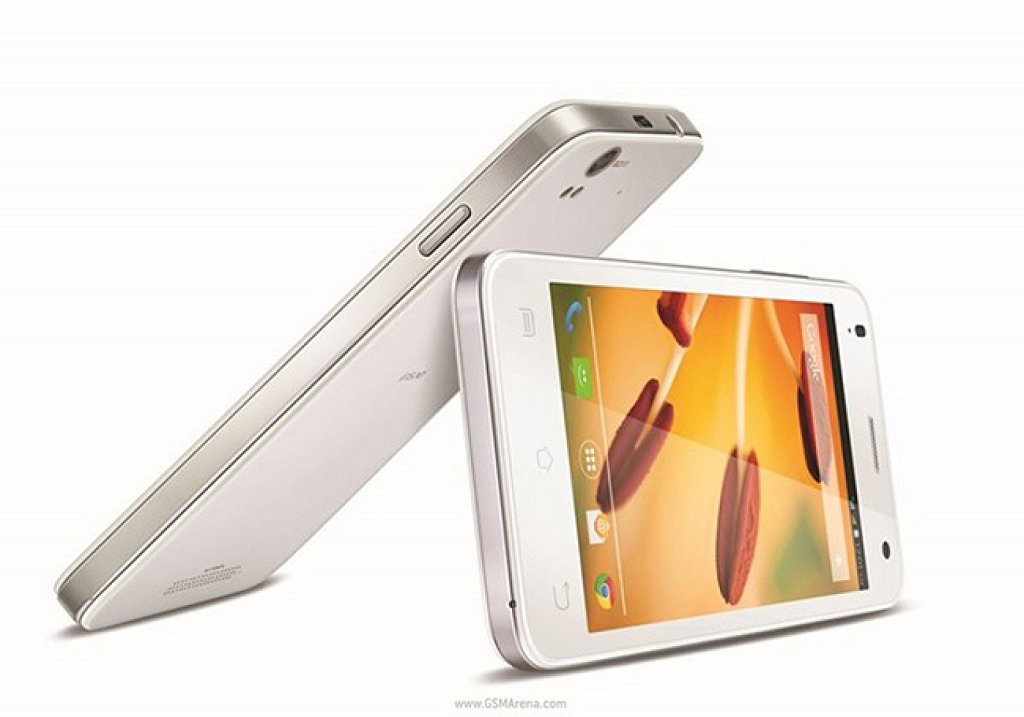
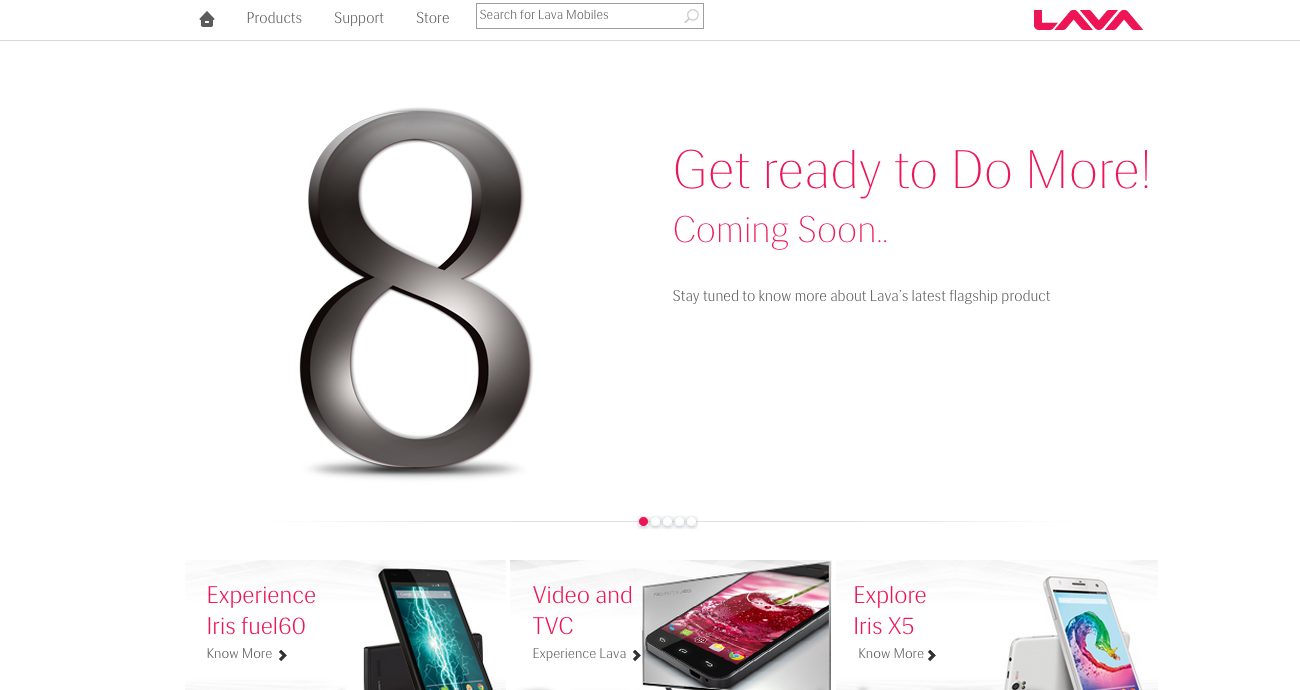
    Indian mobile phone brand Lava was all ready to unveil its brand new device to take on the likes of the Redmi Note and the Yureka. On its website, it only posted the number 8 with the tagline “Get Ready to do more!” calling it their latest flagship offering. Now the company has officially launched the device and its called the Lava Iris X8.

    Earlier Flipkart had mistakenly leaked the specs of the device. The listing was later removed, but it did flaunt off some impressive specs which got folks excited for the device.

    The Website listing for the upcoming Lava Iris X8
    The Website listing for the Lava Iris X8

    The Iris X8 sports a 5.0 inch, 1280×720 IPS HD display. The display will be protected with Asahi Dragontrail glass. The device is powered by a 1.4GHz octa-core MediaTek processor along with 2 GB RAM. It has 16 GB internal storage that is expandable up to 32 GB.

    On the camera front, the Iris X8 packs an 8 MP camera on the back along with dual LED flash, while a 3 MP selfie camera sits on the front. The device is powered by a 2500 mAh battery. It also offers features like Smart Wake-up and Gesture controls.

    The Iris X8 comes with Android KitkKat 4.4 out of the box and is apparently upgradeable to Lollipop. Lava has also tied up with Airtel to provide 500 MB of bundled 3G data per month for two months.

    By the looks of it, the X8 seems like a great device for anyone who doesn’t want to wait in line for the YU Yureka or the Redmi Note. With a price tag of Rs. 8,999, the device has good enough features to compete efficiently in the sub-Rs.10,000 market. Wait for the hands-on and full review of the Lava Iris X8 on iGyaan, coming up soon.

  • China Offers 100% Ownership to Foreign Investors of E-Commerce Companies

    China Offers 100% Ownership to Foreign Investors of E-Commerce Companies

    China is doing everything in its power to excite foreign investors to come invest their resources in their country. The government of China has now allowed foreign investors to hold 100% stake in e-commerce companies in Shanghai’s Free Trade Zone.

    This new policy comes from China’s Ministry of Industry and Information Technology. Previously the investors needed to partner with a Chinese company to conduct business. They were also only allowed to own 55 percent stake in the company. China aims to gather more access to retailers and consumers outside the country.

    The Shanghai Free Trade Zone (SFTZ) was established in 2013. It is the first free trade zone in mainland China and spans across 29 square kilometers. The intention is for the SFTZ to expand gradually to cover the entire 1,210 square kilometres.

    Chinese E-Commerce company Alibaba made history by offering a $25 Billion IPO.
    Chinese E-Commerce company Alibaba made history by offering a $25 Billion IPO.

    At present, there are more than 12,000 companies operating in the SFTZ. This number also includes 1,677 foreign-funded firms. This decision today will help the foreign companies such as Amazon to infiltrate into the Chinese e-commerce space.

    The Chinese e-commerce market is profitable and growing at a rapid rate. At present, there are about 330 million online shoppers in the country, which, for perspective, is more than the entire population of the United States. Chinese e-commerce company, Alibaba.com had also shown its might on the NYSE when if offered the biggest IPO in history worth US$ 25 Billion. Alibaba is planning to enter India and was in talks with Snapdeal in September 2014.

  • Flipkart Imposed With Rs. 23.51 Crore Fine For Evading Taxes

    Flipkart Imposed With Rs. 23.51 Crore Fine For Evading Taxes

    Flipkart is the king of the e-commerce space in India. In just a few years of its existence, it has made a name for itself as a trustworthy marketplace. The company has a base of more than 26 million registered users. But it found itself in an unfavorable situation when the Income Tax department slammed a penalty of Rs. 23.51 crore.

    The Income Tax (IT) department from Noida and Ghaziabad carried out raids at the Dasna based warehouse of the company in Ghaziabad. The books of the firm were seized by the authorities, and several irregularities were observed. According to the officials the company collected taxes from the consumers but didn’t deposit it with the tax department.

    The officials of the department also said that the trading partners listed by the company were also bogus firms. These are some serious allegations against Flipkart and all it said in return is that it would extend full support to the authorities.

    E-commerce companies have worked under the government radar for a while but recently there has been an increased focus on their workings. E-commerce markets are also opposed by the conventional brick and mortar shop owners as they provide heavy discounts that discourage customers from buying the products from shops, especially in the electronics arena. We’ll be looking into this story as more details arrive; keep checking this space for more.

  • Winner | Best E Commerce Website | iGyaan Tech Awards 2014

    Winner | Best E Commerce Website | iGyaan Tech Awards 2014

    Shopping online is the biggest thing at present and is so possibly the future ; so much so, that certain companies are resorting exclusively to online sales. A good e-commerce website should be well designed with a stunning layout, user friendly interface, easy to browse -search -checkout, good customer service and have a variety of products all under one roof. Should have a great and working Mobile App that offers quick access in our low network land.


    Voting is now Closed! The Winner for the Best E Commerce Website in the iGyaan Tech Awards 2014 is Flipkart.com

    The winner of the giveaway is announced HERE.


    [button link=”https://www.igyaan.in/93968/igyaan-tech-awards-2014/” size=”large” text_size=”beta” newtab=”on”]Back To Awards Categories[/button]


  • Flipkart Launches the First Indian E-Commerce Android Wear App

    Flipkart Launches the First Indian E-Commerce Android Wear App

    All the industry giants are pointing towards wearable technology as the next leap in consumer electronics. But the market has given the segment a lukewarm response. It must have to do with the technology being relatively new and in its beginning stages. But Flipkart seems to be confident of the success of this form factor and so, they have launched the first Indian e-commerce app on Google Android Wear.

    To get the app on your device; you need to update the latest version of the Flipkart app. Once you have paired the device with your wearable, the app will be available automatically on it.

    The Android Wear app can assist you in your shopping by giving you tracking information, one-touch wishlist, notifications about price drop and personalized offers’ notifications. It has also got support for voice-based searches.

    Flipkart is the exclusive address for the Moto 360, which has been the best smartwatch yet. It will surely try to target the segment in the future. Introducing an app in a new operating system environment will give Flipkart some first-mover advantages. We’ll wait and see how it works out for this e-commerce giant.

  • More Jobs Thanks To The Battle Of E-Commerce

    More Jobs Thanks To The Battle Of E-Commerce

    Flipkart, India’s largest online retail portal, took a great leap this year when it bought Myntra for $330 Million. It was the largest acquisition in the Indian E-commerce sector since last two years. Flipkart is now in battle with Amazon.in and they are locked in competition for the throne of the biggest e-commerce website in India. The invasion of giants like Ebay and Amazon is forcing Indian online retailers to get critical masses to compete.

    E-commerce-money-1

    Founded by two ex-employees of Amazon, Flipkart is expanding day by day and is introducing new categories to their site. They also grabbed an exclusive deal with Motorola Mobility for the sales of Moto X, Moto G and Moto E which has been a phenomenal success. The company immediately rand out of pieces after the release of Moto G and E, even though they had prepared and kept a massive stock.

    Flipkart’s merger with Myntra created an entity with annual sales of $1.5 billion, which is over half of the country’s emerging online shopping market. Venture capitalists have been bucketing money into the sector, scenting potential.

    So far, $497 million worth of deals have been struck already this year, in comparison to the $592 million for all of last year. Most are small in value but significant stepping stones as retailers put together critical mass.

    This battle of the e-throne is also giving a boost to the number of jobs in the sector. The new websites are going live and old ones are expanding. As foreign and domestic e-retail giants are swelling up their businesses antagonistically against each other, hiring activities are expected to grow by over 30 per cent in the sector and may help create up to 50,000 jobs in the coming years.

    Since 2012, considering the growth vista of the E-commerce sector in India, major venture capital firms such as Accel Partners have invested significantly. In one of the principal fund raising, Flipkart.com, in August 2012, raised about INR 822 crore (US$140 million). Entertainment ticketing website BookMyShow.com raised INR 100 crore (US$17 million) asset by Accel Partners. On July 10, 2013, Flipkart announced it had received $200 million from existing investors Tiger Global, Naspers, Accel Partners, and ICONIQ Capital. New investors who are making up the additional $160 million include Dragoneer Investment Group, Morgan Stanley Wealth Management, Sofina, Vulcan Inc. and more from Tiger Global.

    blog_ecommerceHiring has been rather slow in the e-commerce space over last couple of years, but recruitments are expected to rapidly grow by 33 per cent, over the previous year as various retail brands are also bringing in their business online.

    According to Amazon, the industry is growing at a fast rate and there is still a huge potential for growth. They have grown exponentially over the last 11 months and chances are they will continue to see growth.

    To match the rise and pace of the sector, there will be an explosion of new jobs and recruitment’s soon. The scenario of the sector can  be compared with the BPO explosion in early 2000’s which employs approximately 1 Million professionals at present. Nevertheless, BPO offered jobs to people from all walks of life, from housewives to high school graduates, while E-commerce sector need skilled employs which restrict their hiring process.

    Driving sales growth is India’s fast-growing number of Internet connections which was triggered by exploding sales of affordable smartphones and data plans. Internet users, total of 175 million, expected to grow to 429 million by 2019. Up to 30 per cent of e-shopping now is done using mobile devices. About three-quarters of online shoppers are aged 15-to-34. This broad consumer market and the fact that e-commerce websites in India are constantly trying to up their game is creating a huge potential for an jobs in the industry.

    Important Update: Last night Reuters reported that the Indian Government is planning to ease the restrictions on foreign e-commerce sites like Amazon. Another good development since this will allow them to sell their own products in the Indian market.

iGyaan Network
Privacy Overview

This website uses cookies so that we can provide you with the best user experience possible. Cookie information is stored in your browser and performs functions such as recognising you when you return to our website and helping our team to understand which sections of the website you find most interesting and useful.