Tag: electric car

  • Tesla Will Unveil The Model Y SUV On March 14

    Tesla Will Unveil The Model Y SUV On March 14

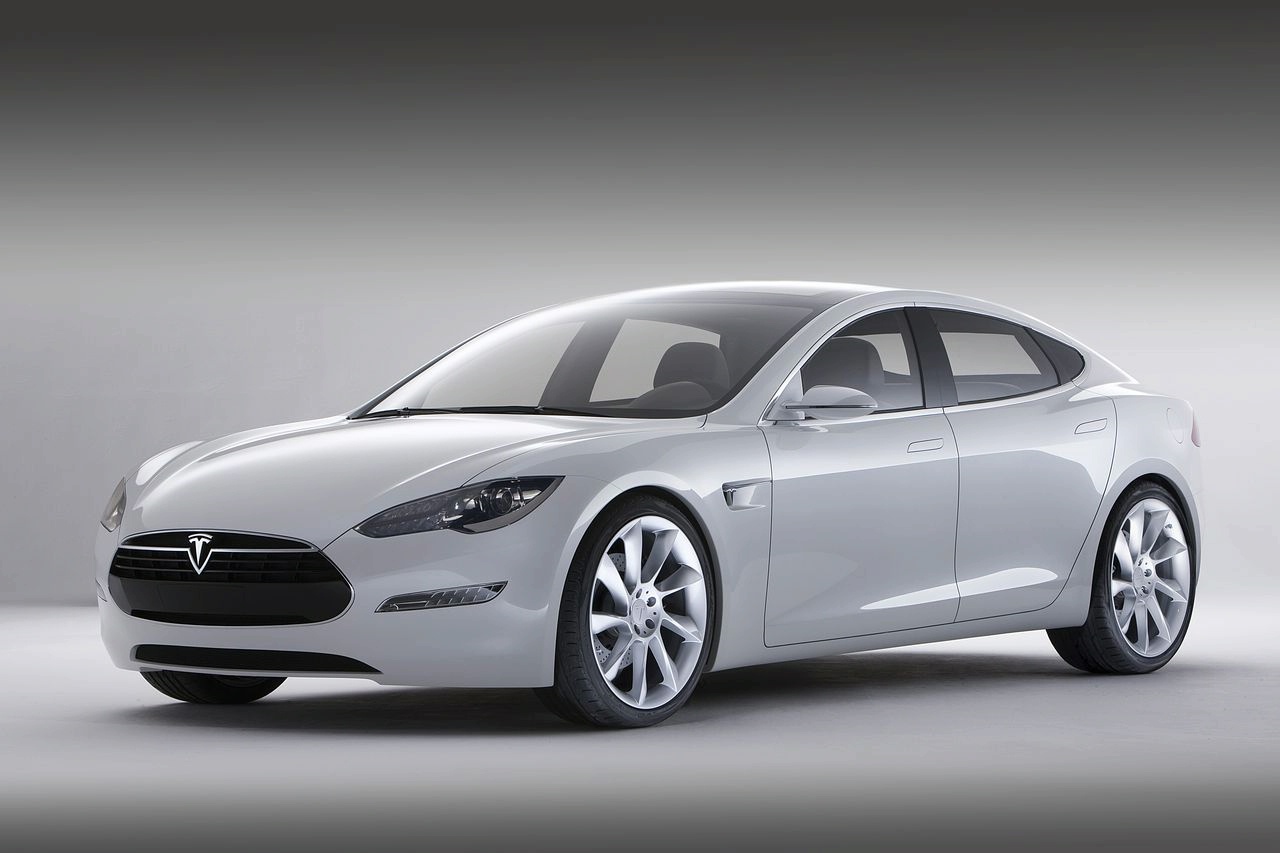
    Tesla CEO Elon Musk has announced on Twitter that the long-awaited electric Sports Utility Vehicle (SUV) from the company, the Model Y will be unveiled on March 14. The event will take place at the company’s design studio in Los Angeles, USA. Notably, the Model Y will be the fifth car the company will launch since it was founded in the year 2003.

    Tesla Model Y

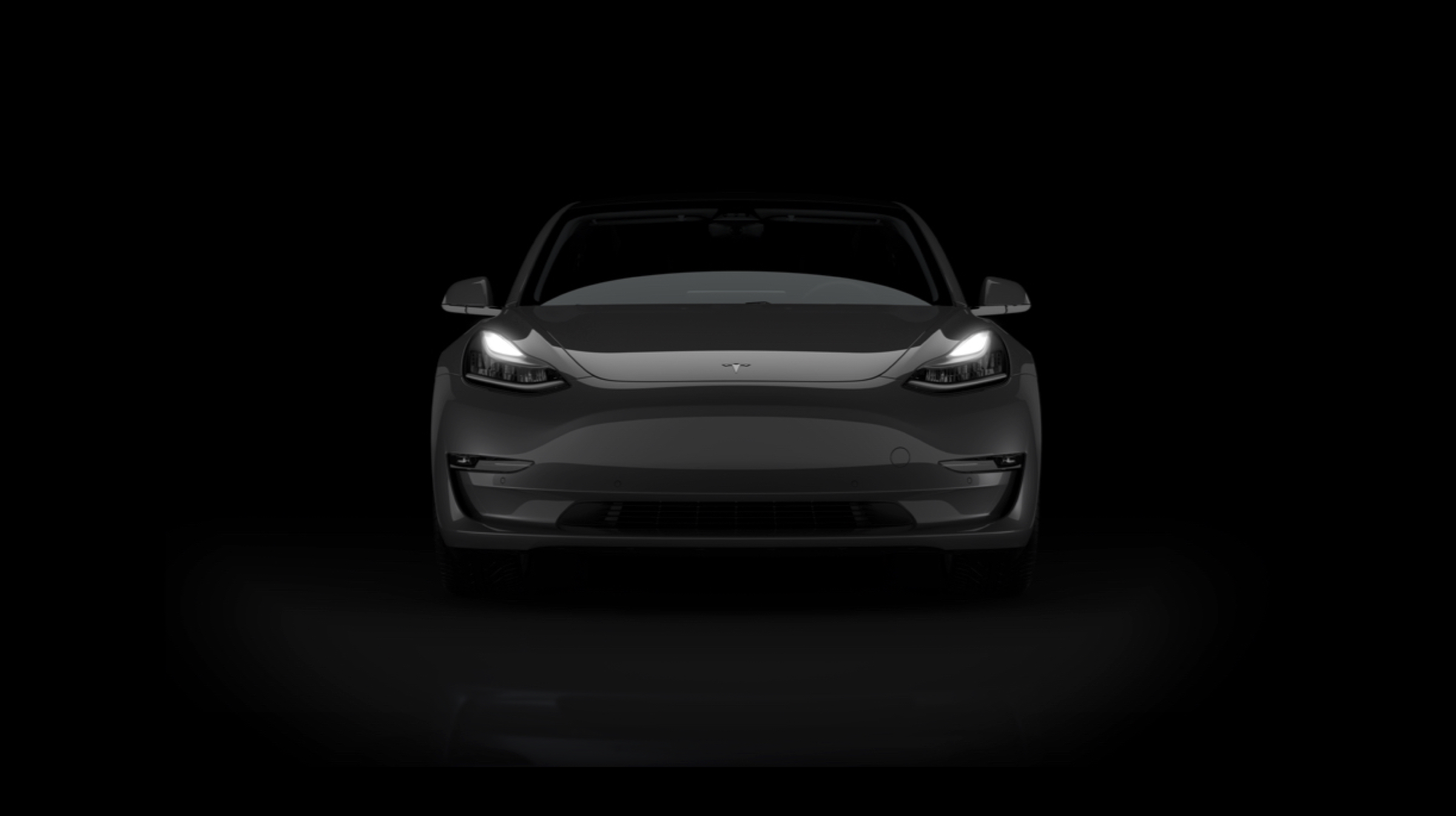
    The upcoming Tesla Model Y SUV will be the second one the company has ever made, the first one being the Model X which was unveiled in the year 2015. Model Y is expected to be an affordable vehicle by the company.  While many aspects about the SUV aren’t known yet, Musk on Twitter revealed some key details about the electric car. The vehicle will share most of its features with the Model 3, Tesla’s most affordable car currently. However, the Model Y being an SUV will be 10 percent larger than the Model 3 and will cost as much more. Therefore, the estimated price for the base model of the car is around USD 40,000 (around Rs 28,33,140).
    As far as the battery of the car is concerned, the Model Y will be offered with the same battery capacities as the Model 3. The three battery capacity options include the following:

    • Standard Range- 50kWh battery
    • Mid-Range -62kWh battery
    • Long-Range- 74kWh battery

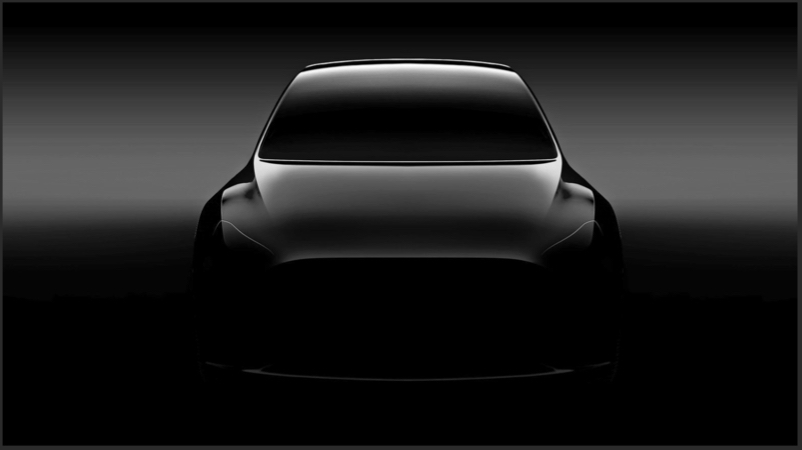
    Unfortunately, the Model Y being an SUV will have slightly less range than the Model 3. The latter claims either a 220 mi (354 km) range on Standard model; 264 mi (425 km) on the Mid Range model; and 325 mi (523 km) on the Long Range model. Until now, Tesla has only revealed the silhouette of the Model Y, so there is no official confirmation on how it will look like.
    Also read: Honor 20 With Triple Rear Cameras, In-Display Fingerprint Sensor Leaks

    The Model Y launch event will also see test rides offered, along with all the detailed specifications and pricing, according to the Tesla CEO. The company will manufacture the SUV at its Gigafactory in Reno, Nevada. The volume production of the car is expected to start in 2020, with an eventual plan on manufacturing it in the Tesla Gigafactory in Shanghai China. This suggests that the deliveries of the car are likely to start in late 2020 or 2021.
     

  • New Electric Car Chargers Will Add 100 KM Range In 3 minutes of Charge

    New Electric Car Chargers Will Add 100 KM Range In 3 minutes of Charge

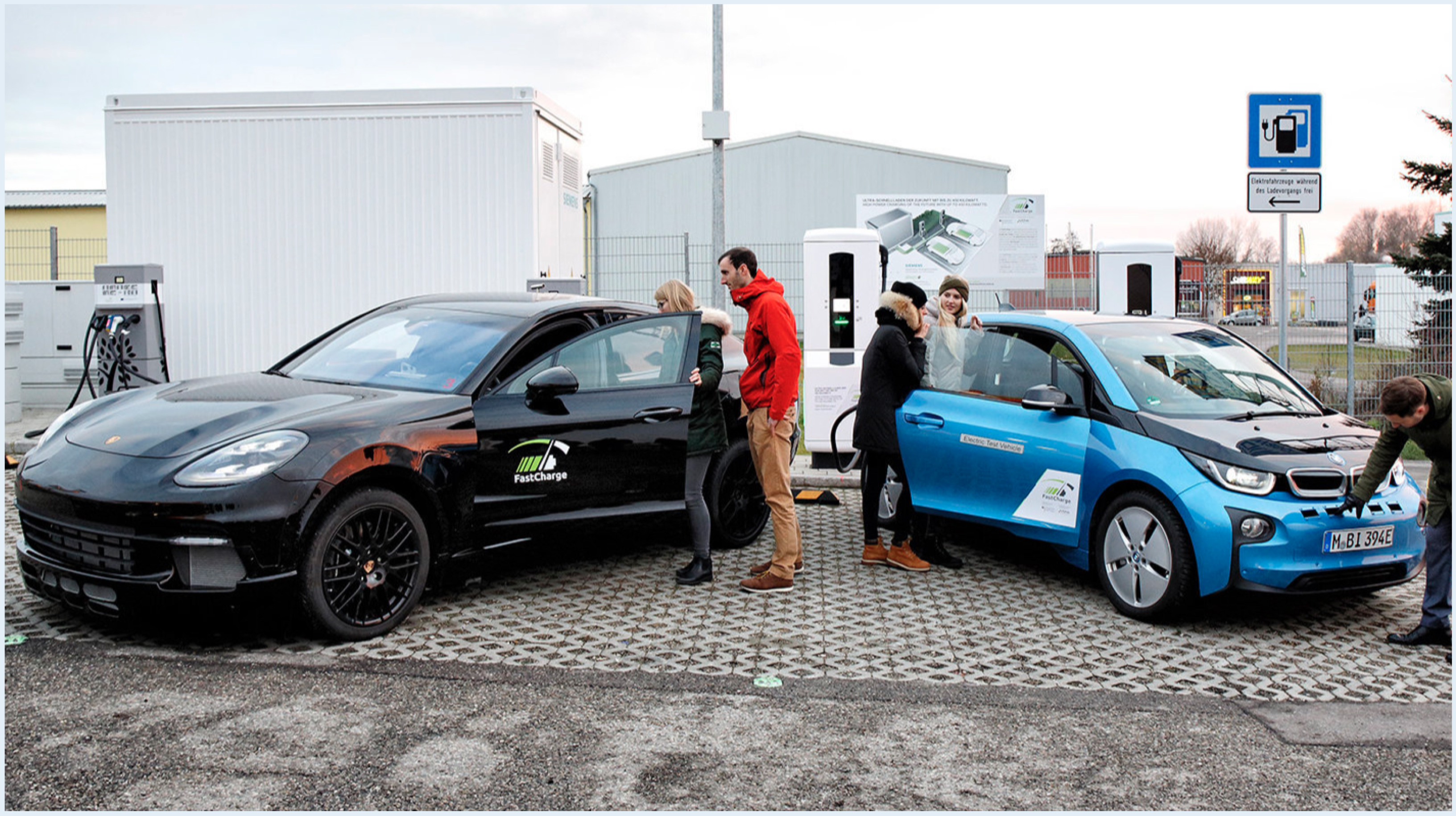
    It is apparent that EVs (Electric Vehicles) are the future means of transportation. Not only are electric cars better for the environment but they are also powerful enough to compete with an IC (Internal Combustion) engine powered vehicle. The only limiting factor in their adoption is their limited range and the time they take to charge. America based Tesla is a pioneer in the personal electric car industry but German automobile manufacturers are also catching up fast. BMW and Porsche as a part of their “FastCharge” consortium showcased a super fast EV charger.

    How Fast: 450kW fast!

    The new charger that was showcased by the company is set up in Jettingen-Scheppach, Bavaria in Germany. It can pump out current at 900 volts and 500 amps which is equivalent to 450 kW. Most notably, this charger is compatible with Europe’s standard Combined Charging System (CCS) that Tesla has also agreed to support. BMW showcased a research i3 electric car which was able to charge with 350 kW of power. Porsche also demonstrated their Panamera based electric car which charged with a record 400 kW. In comparison to the current industry standard, the Tesla Supercharger can charge a car at 120 kW. However, Tesla had previously announced that their next generation Superchargers will be able to output double the charge as their current models. The next-gen Tesla Superchargers will start rolling out in 2019.

    Also Read: Samsung Files Patents For New Notch Designs

    The Porsche test vehicle was equipped with a 90 kWh battery pack and it also had a special cooling system. The 400kW charger was able to add a range of 100 Kms to the car in a mere three minutes. While the BMW i3 was able to charge from 10 percent to 80 percent in 15 minutes. These results are definitely surprising but are currently in their testing phase. Though Porsche’s upcoming Taycan will be able to support 350 kW of charge which will be up for grabs from the coming year.


  • Ferrari’s Design Company Working On A $2M Electric Hypercar

    Ferrari’s Design Company Working On A $2M Electric Hypercar

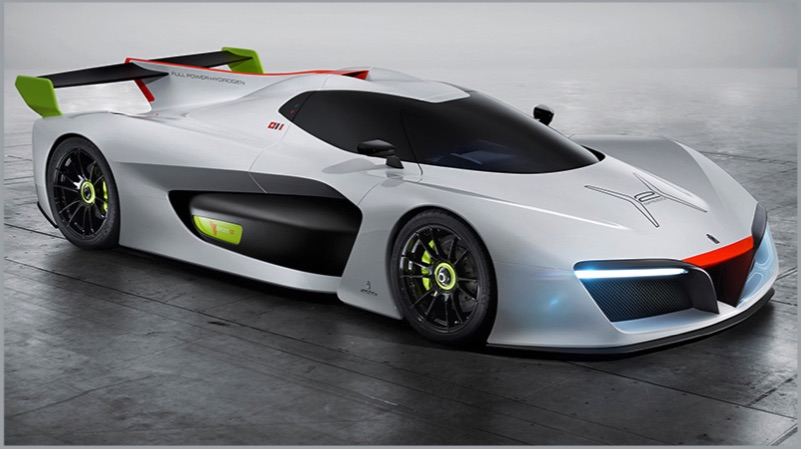
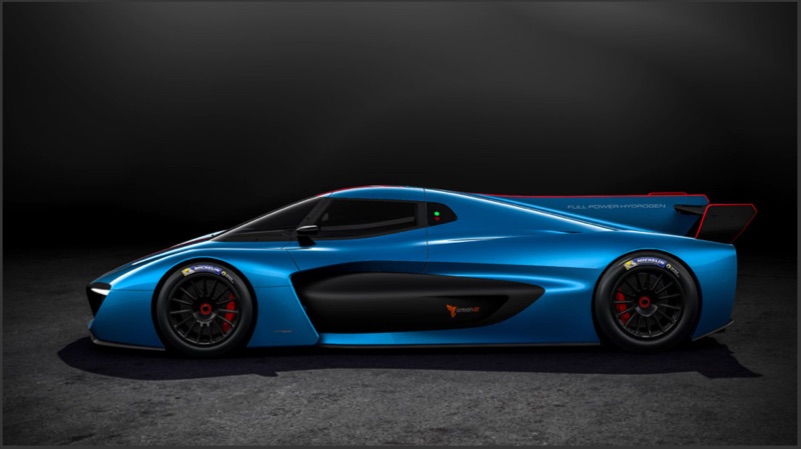
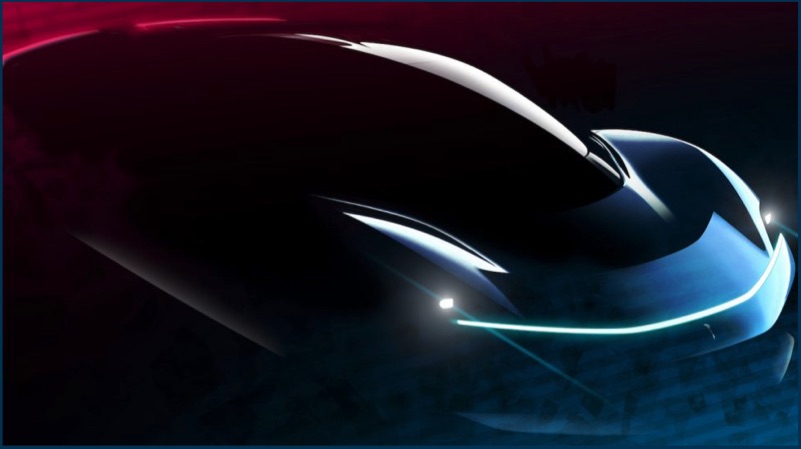
    The company which designed the Ferrari F40, Pininfarina, is planning to launch a $2 million electric hypercar according to reports. Pininfarina has designed Maserati cars as well. Now the company is planning to launch its own hypercar in hopes to set a benchmark in the history of car making. The company is calling this the PF0 or the PF Zero.

    Small History

    Pininfarina was responsible for designing the classic Ferrari F40. The company showcased its capabilities in the 2016 Geneva Automobile Convention. With their H2 Speed 2018, the company introduced the world to its first hydrogen-powered hypercar. The car could go from 0 to 100km/h in just 3.4 seconds. The new PF0 plans to blow that record out of the water by supposedly going from 0 to 100 miles/hr in less than two seconds.

    Pininfarina
    Pininfarina H2 Speed via Pininfarina

    Press Release

    In the press release, Michael Perschke, the CEO of Automobili Pininfarina said:

    Automobili Pininfarina is a pioneering new business created to service the most discerning clients in the world. Our product portfolio will launch with an innovative, zero-emissions hypercar that represents the progression we aim to make at the pinnacle of the luxury and sports car market.

    With PF0 the company aims to deliver speed and luxury in a single package. The car could do well in Silicon Valley where the electric car is the new buzzwords.

    Must Read: Google Could Be Fined US$ 11 Billion In EU’s Antitrust Case

    Top Speed

    PF0 will feature a charging time from 0 to 80 percent in a mere 15 minutes. This puts Tesla’s Supercharging stations to shame which take up to 20 minutes for a 0 to 50 percent charge.

    Pininfarina Ferrari
    Pininfarina PF0 Design via Pininfarina NYC Press Release

    Final Verdict

    Pininfarina designed the Ferrari F40 to run on gasoline, with their PF0 the company wants to enter the electric hypercar market. To face the competition the company has to keep up with the market standards of an electric car. Whether or not Pininfarina can set itself apart from the competition will be seen when the concept is unveiled at the 2019 Geneva convention.


  • Apple Increases Efforts to Ready Electric Car by 2019

    Apple Increases Efforts to Ready Electric Car by 2019

    According to the Verge, Apple Inc. has trebled its 600-person team to increase the muscle of its electric car plans. The project is codenamed Titan and the company hopes to complete it by 2019. While Apple loyalists wait with bated breath for this addition to the tech world, it remains unclear if the car would be fully automated.

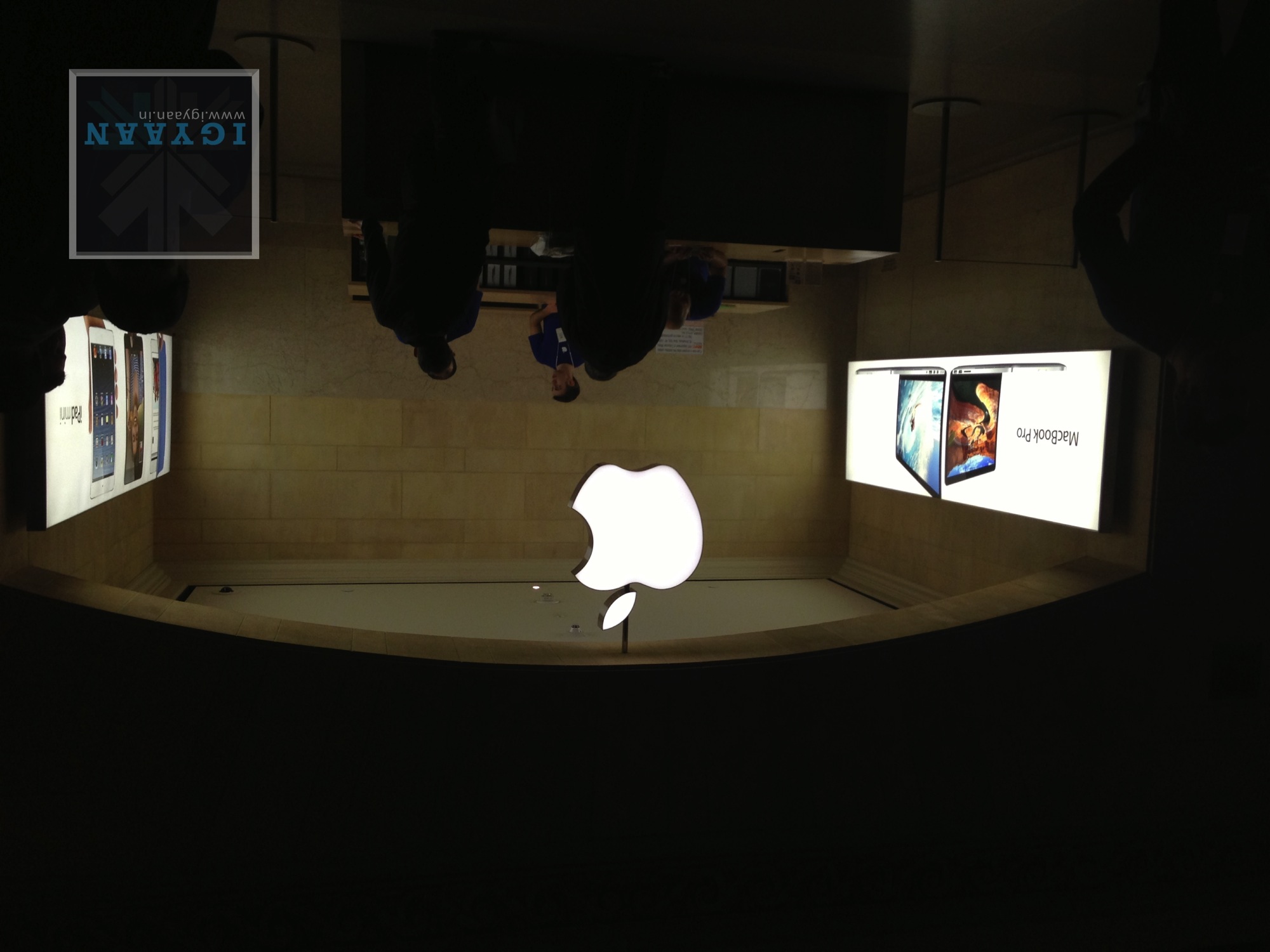
    Apple LOGO Store 2

    Additionally, the 2019 deadline does not necessarily mean that the car would be ready to enter the market and be up for shipping by then. This date is also a year ahead of the initial deadline for the automobile. Titan therefore becomes one of Apple’s most ambitious projects, especially after the company’s absolute lack of prior experience in the automobile industry.

    Source: [tw-button size=”medium” background=”#07ABE2″ color=”” target=”_blank” link=”http://www.theverge.com/apple/2015/9/21/9365833/apple-electric-car-2019-report”]The Verge[/tw-button]

  • Apple’s Electric Car to be Based on BMW i3

    Apple’s Electric Car to be Based on BMW i3

    The news about Apple‘s electric car project is gaining traction day by day and according to a latest report, the company is negotiating with BMW to use i3 electric cars as a base for the project. Similar reports surfaced in March this year, but BMW denied such claims.

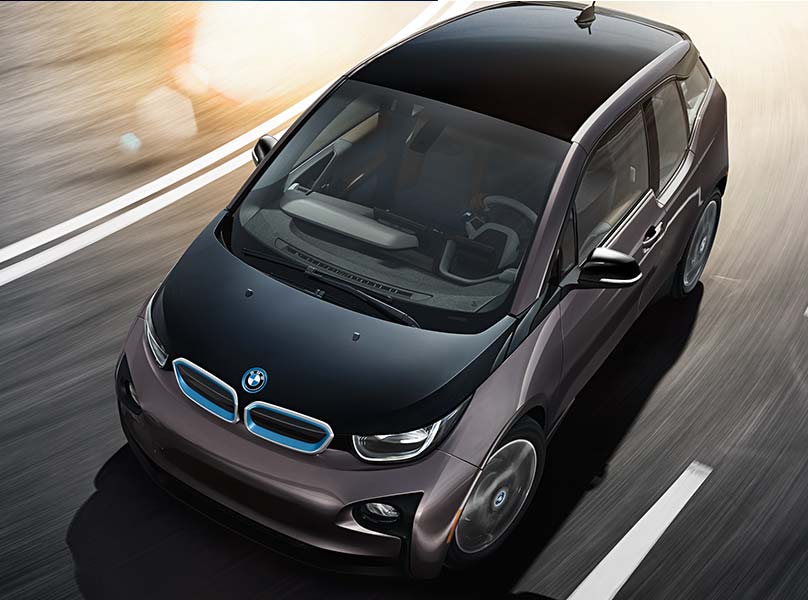
    BMW i3
    BMW i3

    BMW’s i3 is an all-electric car which can run for 80 and 90 miles on a full charge. At a recharge rate of 20 miles per hour, it takes four hours to charge the car from a public charger. The body is made from carbon-fiber-reinforced polymer, which reportedly attracted Apple in the first place. The carbon fiber polymer can be of great use in the manufacturing process of iPhones and iPads. BMW used carbon fiber polymer to reduce energy consumption, so it can also be used to extend the battery life of Apple’s devices.

    If Apple enters the car market with its electric car project, it would not only face Tesla (currently one of the major players in electric cars), but also Google, BMW and every other car manufacturer trying to break into electric cars.

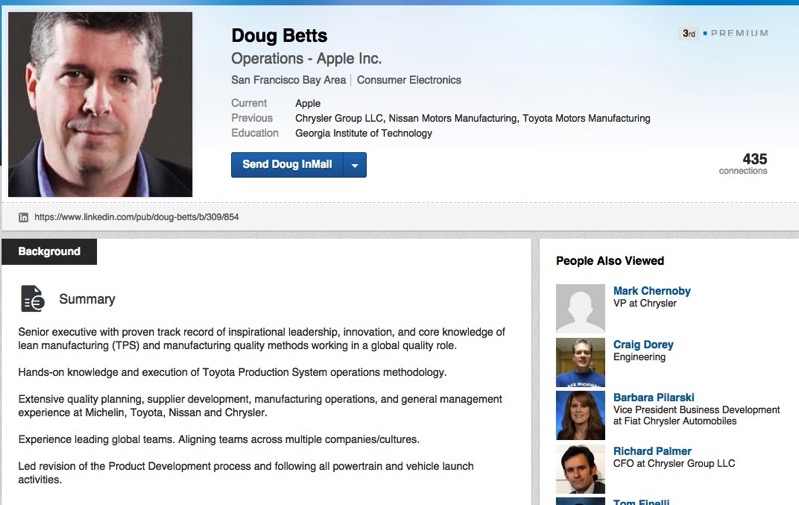
    As we earlier reported, Apple is hiring new staff from automobile companies to start its electric car project, called Project Titan. The recently hired include Doug Betts, a former VP for Fiat Chrysler Automobiles (FCA) and Steve Zadesky, a veteran product designer and former Ford Motor Co. engineer.

    Source: [tw-button size=”small” background=”” color=”” target=”_blank” link=”http://9to5mac.com/2015/07/24/apple-bmw-negotiations/”]9to5Mac[/tw-button]

  • What We Know About The Apple Car So Far

    What We Know About The Apple Car So Far

    As reported earlier by us, Apple has not yet made an official announcement about its new electric car project that is currently being called Project Titan. What we know about it, is that Apple has been on a recruiting spree, hiring about a hundred new professionals from Tesla, Ford, Mercedes-Benz and the like. They have also hired  former deputy director of the Autonomous Systems Lab at the Swiss Federal Institute of Technology, Paul Furgale. In fact very recently, Apple just settled a law suit filed against them by automotive battery manufacturer A123 Systems accusing them of an attempt to use A123 employees to start a battery operation.

    Doug Betts Apple Inc.

    Their latest hire is Mr.Betts, a former VP for Fiat Chrysler Automobiles (FCA), who has also worked with Toyota and Nissan in the past. He worked at Chrysler from 2007 to 2014 and is said to have left one day after after the company had a relatively poor showing in a Consumer Reports quality survey.  It is said that Mr.Betts may be the first major automotive executive to join Apple.

    Furgale is said to be hiring recruits and researchers to work with him while Apple CEO Tim Cook is also said to have hired Steve Zedesky, a veteran product designer and former Ford Motor Co. engineer, to hire a 1000 member team and recruit employees from other parts of Apple.

    This initiative from Apple Inc. comes at a time when many other software companies are looking at opportunities in the automobile industry by creating software savvy, driver-less cars. Google and Uber have also been reported as developing and testing what might be called the next-gen automobiles.

    Source: [tw-button size=”medium” background=”#07ABE2″ color=”” target=”_blank” link=”http://www.wsj.com/article_email/apple-hires-auto-industry-manufacturing-veteran-1437430826-lMyQjAxMTI1NjIwMDgyODA4Wj”]Wall Street Journal[/tw-button]

    [tw-button size=”medium” background=”#07ABE2″ color=”” target=”_blank” link=”http://mashable.com/2015/07/22/apple-hires-fca-vp-car-project/”]Mashable[/tw-button]

  • Former GM Boss Says Apple Should Refrain From Making Cars

    Former GM Boss Says Apple Should Refrain From Making Cars

    Former General Motors(GM) boss, Dan Akerson has warned Apple to stay away from manufacturing their own car, instead he advised the Cupertino based giant to focus on making in-car technology (something like CarPlay). He also suggested that profit margins on cars are relatively meager in comparison to iPhone which is practically a money minting machine.

    [quote text_size=”small” author=”Dan Akerson” author_title=”Fomer GM Boss”]

    A lot of people who don’t ever operate in it(automobile manufacturing) don’t understand and have a tendency to underestimate. They’d better think carefully if they want to get into the hard-core manufacturing. We take steel, raw steel, and turn it into car. They have no idea what they’re getting into if they get into that.

    [/quote]

    Reports of Apple prepping its own electric vehicle surfaced last week. The report further stated that the Cupertino-based giant has a team of up to 1,000 employees working on a secret project code-named ‘Titan’. Anonymous sources also suggest the possibility of a car that resembles a minivan.

    Meanwhile, earlier it was also reported that Apple’s market value stands at a whopping $745 billion, making it the world’s largest company in terms of market capitalization, could be a factor that prompted CEO Tim Cook to venture into a new territory.

  • Renault-Nissan Has Sold 1,00,000 Zero-Emission Cars

    Renault-Nissan Has Sold 1,00,000 Zero-Emission Cars

    Allison Howard, American graduate student at Kennesaw State University in Atlanta, Georgia purchased a Nissan Leaf earlier this month. That Nissan Leaf was the 1,00,000th zero-emission car sold by the Renault-Nissan alliance.

    The age of the mainstream zero-emission vehicle is here. We expect demand to keep growing as the charging infrastructure develops – and we remain 100 percent committed to zero-emission technology for the long term.

    – Carlos Ghosn, CEO, Renault-Nissan

    Renault-Nissan has sold more zero-emission cars than all other automotive manufacturers put together. Electric cars sold by the French-Japanese alliance have driven approximately 841 million kilometers, enough to circle the earth more than 20,000 times, and they have produced no-emissions while doing so. Together, they have saved 53 million litres of oil and prevented emissions of 124 million kg of CO2.

    The Nissan Leaf makes up more than half of all global sales of pure electric driven cars. More than 71,000 sales comfortably makes it the world’s best-selling electric vehicle. The Nissan Leaf won the 2011 World Car of the Year, European Car of the Year 2011 and Car of the Year Japan 2011-2012 awards.The top markets for the Leaf are the United States with about 30,000 units, Japan with 28,000 units, and Europe with 12,000 units.

    Comparatively, Renault has sold 30,000 electric vehicles since late 2011, looking after other segments of the EV market with the Kangoo Z.E., Zoe, Twizy and Fluence Z.E.

  • Is This The Future? Tesla Unveils 90-Second Car Battery Pack Swap

    Is This The Future? Tesla Unveils 90-Second Car Battery Pack Swap

    While there have been many electric and hybrid car models around for quite some time now, the idea of charging the batteries manually and “plugging in your car” didn’t bode well with many customers. That might just change now.

    Tesla has unveiled a new system that allows people to change the battery pack in their electric cars in just 90-seconds, less than half the time it takes to fill up a car with petrol/diesel.

    Musk and Franz Von Holzhausen, Tesla’s chief designer, demonstrated the system late yesterday at the company’s Hawthorne, California, design studio.

    “There are some people, they take a lot of convincing,” Musk said at an event at Tesla’s Los Angeles design studio. “Hopefully this is what convinces people finally that electric cars are the future.”

    The device removes and replaces the car’s 1,000-pound (454 kilogram) lithium-ion battery with a fully charged one in just 90 seconds, said Musk, who used it to swap packs in two cars faster than an Audi AG sedan could be refilled with gasoline.

    A battery pack swap will cost between $60 and $80, about the same as filling up a 15-gallon gas tank, Musk said. Drivers who choose to swap must reclaim their original battery on their return trip or pay the difference in cost for the new pack.

    These charging stations will cost about a half a million dollars each to build. They will be located alongside Tesla’s fast-charging stations, which take around 30 minutes to charge the car’s battery.

    A boost for the clean fuel industry!

    [Via]

  • AutoGyaan : Volkswagen E-Bugster Concept shown off

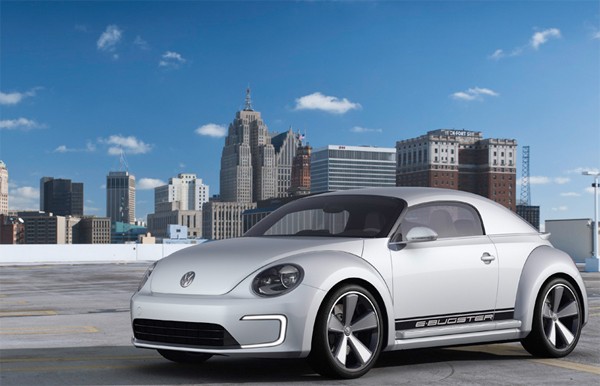
    AutoGyaan : Volkswagen E-Bugster Concept shown off

    VW did launch their new Beetle at the Auto Expo 2012, but they forgot to include this batboy in their Indian lineup. The new E-Bugster Concept is a full electric 114 HP motor powered retro styled ride. The vehicle is powered with 315 KG’s worth of lithium-ion batteries, which are placed in the trunk of the new Beetle. It does 0-100 in 11 Seconds and has a 160 KM range on just battery juices. Fancy yourself an E-Bug?

  • BEAT Electric – Coming Soon

    BEAT Electric – Coming Soon


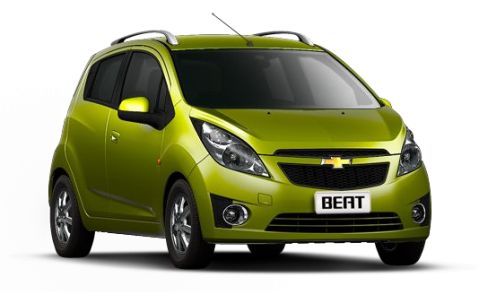
    With the launch of the Chevrolet BEAT Diesel next month, GM plans to unveil an electronic varient of the car. Working alongside Reva for the past year, the auto manufaturer has developed a vehicle with a range of 130Kms on a full charge which taks 8 hours, and a motor that gives 60bhp.

    A GM official said that, “The plan is to just showcase our technology and organise test drives for a few people. The vehicles will be assembled here from parts designed and sourced globally. We are not looking to launch this immediately as we do not have the right charging infrastructure for EVs in this country as yet.”

  • Rolls – Royce makes an Electric Phantom – Wants your opinion on production!

    Rolls – Royce makes an Electric Phantom – Wants your opinion on production!

    Luxury car maker Rolls Royce has just announced an electric prototype of its flagship the “Phantom”. Possibly the best luxury car available today. The car dubbed 102EX is still a prototype and the company along with the CEO want people to join in a global debate to see  whether or not they should go into production. Primarily if Luxury and an electric motor can co-exist in harmony without denting the ego of the Phantom owner!

    Join the global debate at www.ElectricLuxury.com


    PR

    Rolls-Royce Motor Cars Confirms Electric Test Vehicle Project

    Goodwood UK

    Rolls-Royce Motor Cars today confirmed the development of 102EX, a one-off, fully electric powered Phantom, to debut at the Geneva Motor Show on 1 March 2011. The car will tour during 2011, serving as a test bed to gather a bank of research data which will be crucial in informing future decisions on alternative drive-trains for Rolls-Royce Motor Cars.

    “We have engineered the world’s first battery electric vehicle for the ultra-luxury segment,” said CEO Torsten Müller-Ötvös, speaking from the company’s headquarters in Goodwood. “With this vehicle, we begin an exploration into alternative drive-trains, seeking clarity on which alternative technologies may be suitable to drive Rolls-Royce motor cars of the future.”

    Rolls-Royce produces cars that represent the pinnacle in luxurious motoring for the world’s most discerning customers. With 102EX, also known as the Phantom Experimental Electric (EE), it is the company’s intention to carefully test the opinions and reactions to alternative drive-train options of a range of stakeholders including owners, enthusiasts, members of the public and the media.

    102EX will serve as a working test bed for a global tour that takes in Europe, the Middle East, Asia and North America. Through test drives, owners will be given the opportunity to experience an alternative drive-train technology and to feedback their experiences, thoughts and concerns directly to Rolls-Royce.

    While there are no plans to develop a production version, as one of the company’s EX models it will serve to begin a dialogue with existing owners and stakeholders, posing as well as answering questions of its audience.

    These include the car’s ability to deliver an acceptable range between re-charges and to operate in extreme weather conditions. But also to benchmark reliability and quality against customer expectations of the world’s pinnacle automotive brand.
    “I must be convinced that any alternative drive-train we choose for the future delivers an authentic Rolls-Royce experience,” added Müller-Ötvös. “It must be a technology that is right for our customers, our brand and which sets us on a sound footing for a sustainable future.”

    In preparation for the Geneva debut, Rolls-Royce will launch the website www.electricluxury.com this week, a portal to fuel a wider global debate seeking views on the question of electric luxury from media, VIPs and stakeholders. The site will also deliver regular updates of the car’s progress while on tour.

    Full technical specifications for 102EX, as well as images and b-roll will be published at 00:01 GMT on 1 March 2011.

  • Volkswagen’s XL1 concept plug-in diesel hybrid has 133 KMPL range

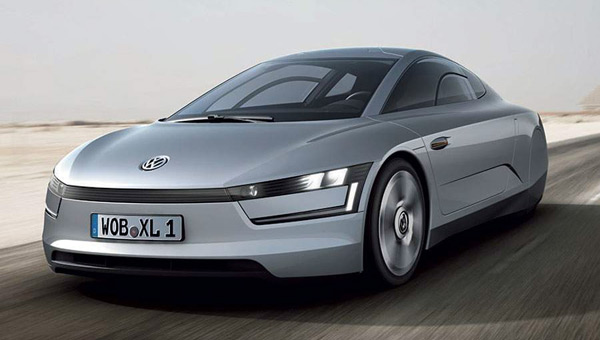
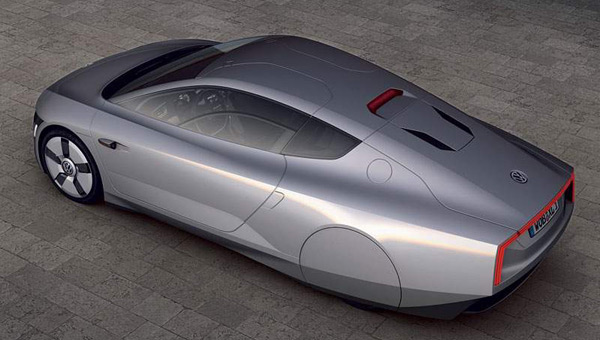
    Volkswagen’s XL1 plug in hybrid diesel (futuristic) concept car, is perfect for the Indian Consumer. If we all remember Maruti’s new advertising campaign “Deti kitna hai?”. This car delivers a whopping 133 KPML range – and that too on Diesel. Brilliant, isn’t it? It also, produces only 24g of CO2 per kilometer traveled.

    Volkswagen has achieved a 795kg curb weight by using carbon fiber, magnesium, ceramics, and aluminum to shave down any excess weight from the XL1, Testing shows only 0.186 drag coefficient.

    Read the PRESS STATEMENT below to get a better feel.

    Volkswagen unveils the XL1 Super Efficient Vehicle in Qatar

    The new Volkswagen XL1 Super Efficient Vehicle (SEV) has been unveiled at the Qatar Motor Show. Pioneering construction techniques, an advanced plug-in hybrid drivetrain and innovative packaging all play a part in allowing the XL1 to return 313 mpg on the combined cycle while emitting 24 g/km of CO2 to set a new benchmark for vehicle efficiency.

    Powering the XL1 is a compact 800 cc TDI two-cylinder common rail diesel engine developing 48 PS. It’s linked to an electric motor producing 27 PS, resulting in a total of 75 PS – a modest output yet more than enough when the low kerb weight (795 kg) of the vehicle is taken into account.

    The TDI engine is linked to an electric motor and a seven-speed DSG gearbox with an automatic clutch mounted between each unit. The electric motor can either work independently of the TDI engine or in tandem when accelerating. In pure electric mode the XL1 can travel up to 35 km before the diesel engine cuts in. Accelerating from rest to 62 mph can be achieved in 11.9 seconds; the electronically limited top speed is 99 mph.

    In both its styling and packaging the XL1 draws on lessons learned from the 1-Litre car (2002) and the L1 concept (2009). The XL1 has evolved to feature staggered seating with the driver and passenger placed next to each other in a body structure made from advanced new materials providing immense strength yet weighing just 230 kg.

    To make such weight savings possible, and yet viable for series production, Volkswagen developed and patented a new system for the manufacture of the Carbon Fibre Reinforced Polymer (CFRP) parts on the car called the Resin Transfer Moulding (RTM) process.

    In total the XL1 weighs 795 kg. In addition to the body structure, the weight is accounted for by the drivetrain (227 kg), the running gear (153 kg), the interior including a pair of bucket seats (80 kg) and the electrical system (105 kg). In total just 23.2 per cent of the car (184 kg) is made out of either steel or iron.

    Further savings are made through the extensive use of lightweight materials including magnesium (wheels), ceramics (brake discs) and aluminium (dampers, steering system, brake calipers).

    The styling of the XL1 is borne out of functional requirements – easy access to the interior is granted via a pair of elegant scissor doors that hinge on the A-pillar while the profile of the car has been honed in the wind tunnel, the result being a remarkable coefficient of drag figure of 0.186. The XL1’s overall length (3,970 mm) and width (1,682 mm) are similar to those of a Volkswagen Polo yet its height (1,184 mm) is more akin to that of a Lamborghini Gallardo Spyder.

    Although the XL1 is still very much a concept, its unveiling marks the next step towards the birth of a new class of Super Efficient Vehicles, while the advent of a process such as RTM is a significant milestone.

    Source : Volkswagen

iGyaan Network
Privacy Overview

This website uses cookies so that we can provide you with the best user experience possible. Cookie information is stored in your browser and performs functions such as recognising you when you return to our website and helping our team to understand which sections of the website you find most interesting and useful.