Tag: future

  • Is The Future Of Charging Wireless?

    Is The Future Of Charging Wireless?

    Apple introduced wireless charging with the iPhone models in the year 2017 which include the iPhone 8, iPhone 8 Plus and the iPhone X.  While the technology was available for a long time in smartphones, its embracement by Apple made it mainstream. Smartphone OEMs followed Apple and started introducing wireless charging in their devices. The market of wireless chargers has also grown exponentially over the past two years. But, the technology is still imperfect and slow in its current state. So, what could be the next big thing in wireless charging and will we ever see a future without wires?

    Introduction and History
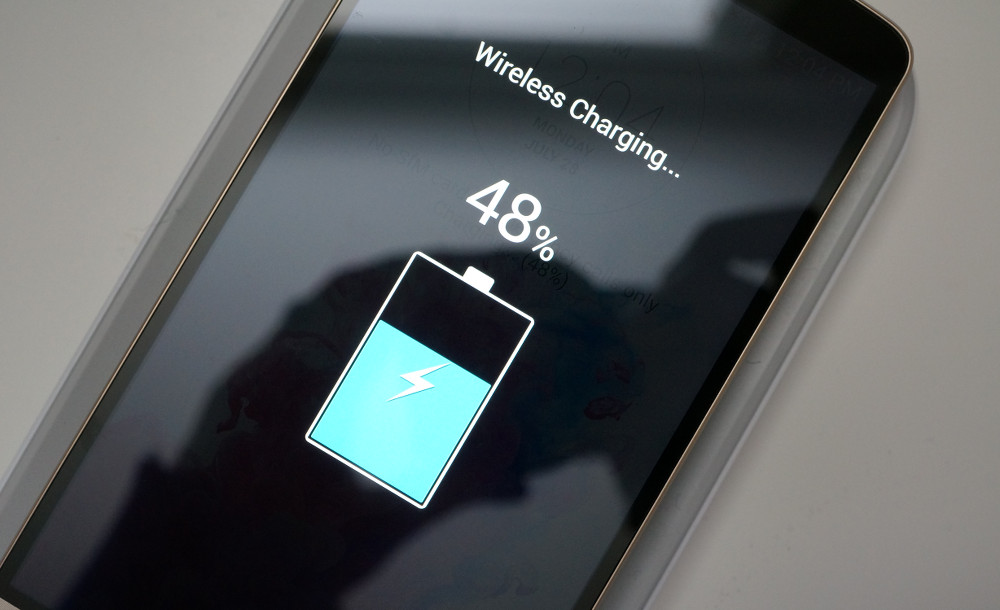
    Wireless charging is a feature that allows compatible electronic devices to recharge via electromagnetic induction. This allows the transfer of power without the hassles of cables and wires. The feature has grown to become immensely popular in smartphones lately.  It was first introduced with the Nokia Lumia 820 and 920 back in September 2012. Soon after that, OEM’s like LG and Samsung brought this feature to their flagship devices. In today’s day and age, the feature is more common and is generally observed in premium smartphones. This feature only works in smartphones that use glass, plastic or ceramic back as metal does not allow electricity to pass via induction technology.
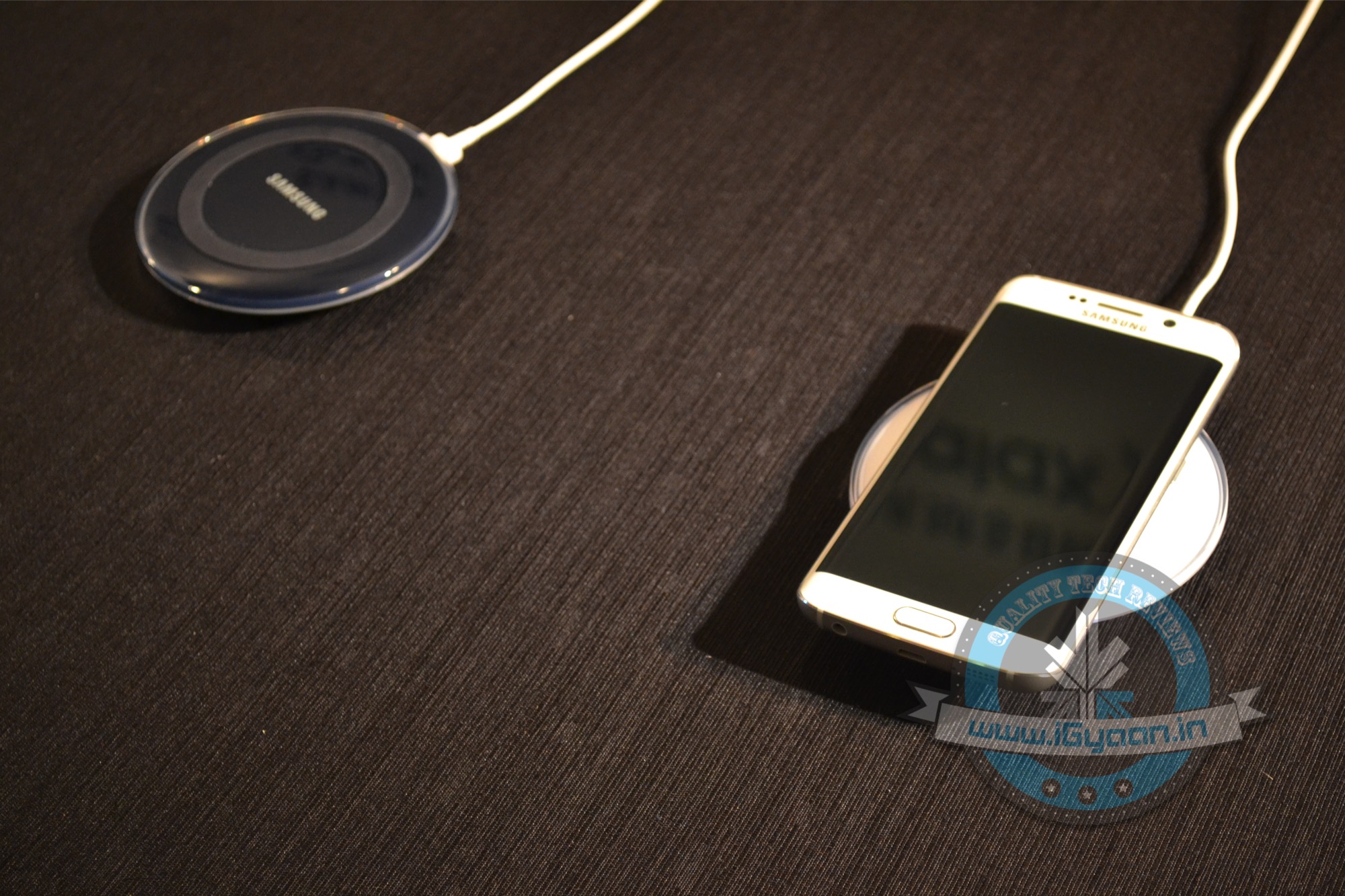
    Most smartphones that support wireless charging technology are certified by the Qi standard. This standard was established by the Wireless Power Consortium (WPC) in the year 2010. Some modern smartphones that make use of the Qi standard to pack wireless charging include Samsung Galaxy S10 series, iPhone XS, XS Max, Pixel 3, Pixel 3XL, and the Huawei Mate 20 Pro. A Qi certified dock or a charger is used which is connected to a wall outlet. The smartphone or any Qi-enabled device can be placed over the charger or on the dock to charge it. The current record for fastest wireless charging on a smartphone is held by Xiaomi’s latest flagship the Mi 9; which supports 20W wireless charging. 

    Why Wireless Charging?
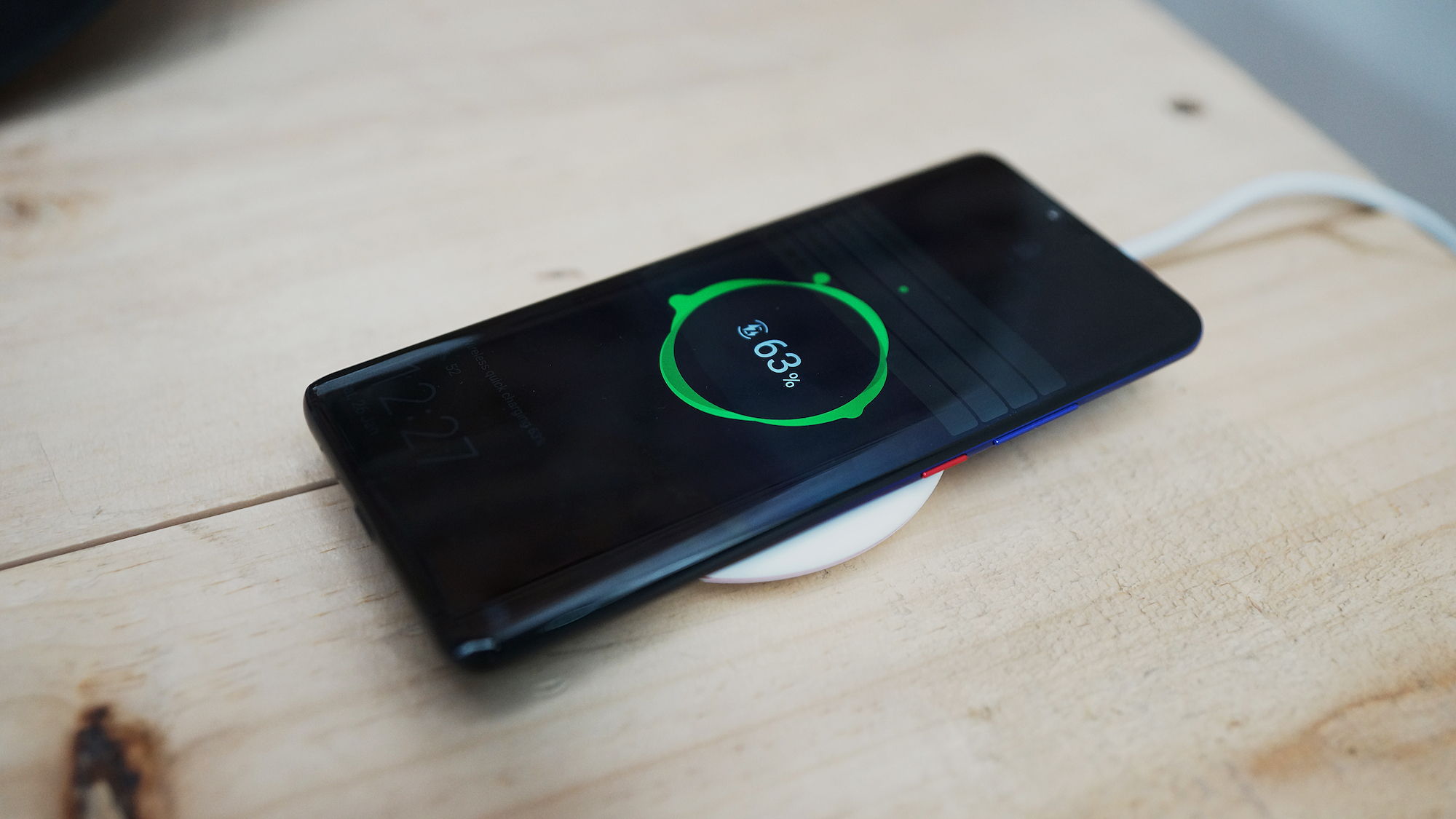
    The Wireless Charging technology may not be in its best state right now, but it’s unarguably useful because of many reasons. Some of the reasons to choose the feature over conventional charging are highlighted below:

    • Convenience: This one is a no brainer, as just keeping a device over the charging dock is easier than plugging it in. This aspect of convenient charging makes the best case to switch to a Qi-enabled device.
    • Safer, because of a shielded connection: The feature uses induction, and there is no fiddling with wires, which makes this a safer way to charge an electronic device. One might argue that the wire is present but is needed to be handled with rarely.
    • Increased durability of ports: Regular plugging and unplugging an electronic device will mechanically wear out the connection port over time. With wireless charging, there is no need to fiddle with a wire, so the ports remain intact.
    • Increasing developments in technology: This point is valid for wired charging as well, but seeing how wireless charging has improved over the years, it will be very interesting to see what the future holds for this visionary technology.
    The Future Of Wireless Charging
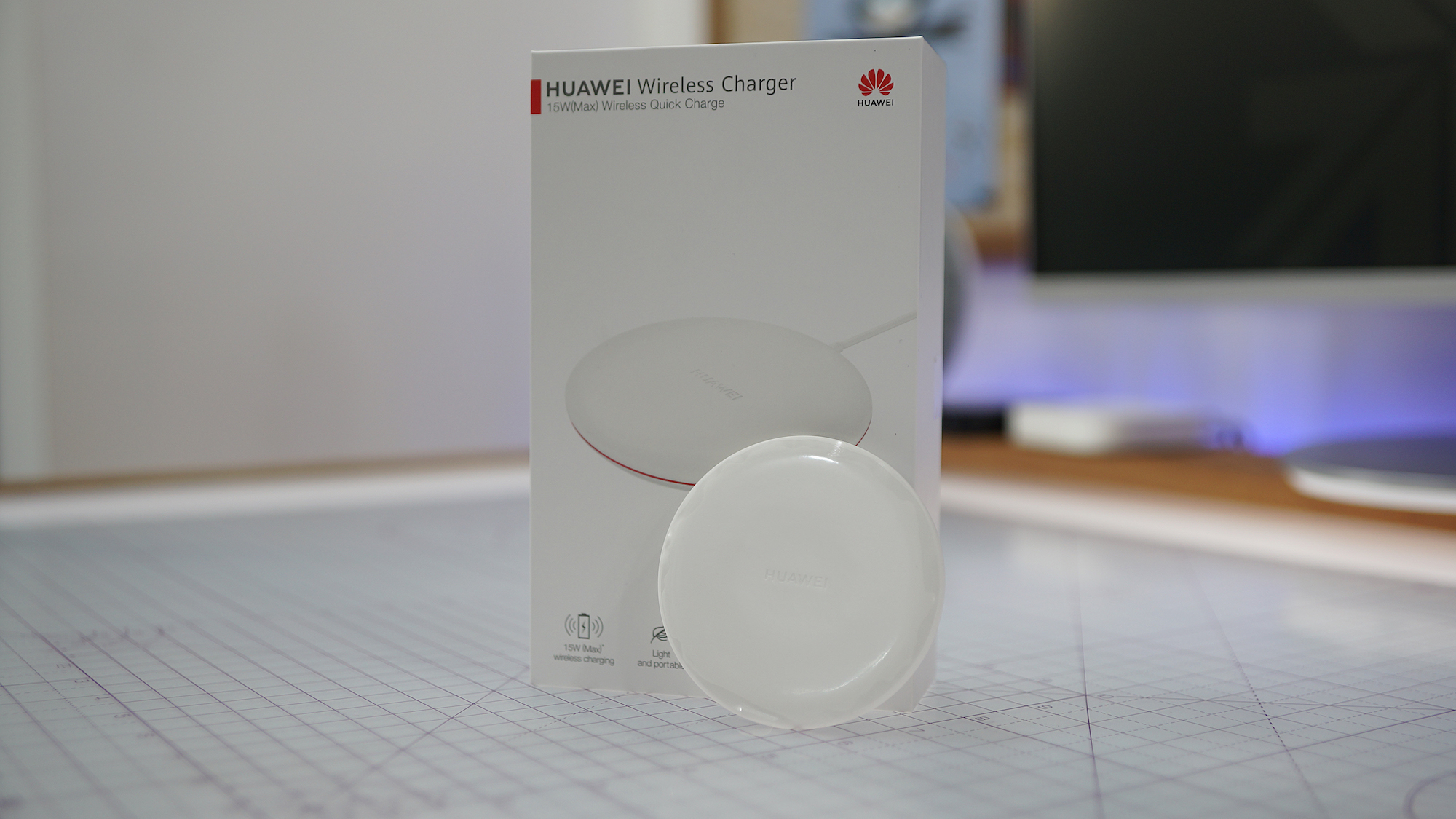
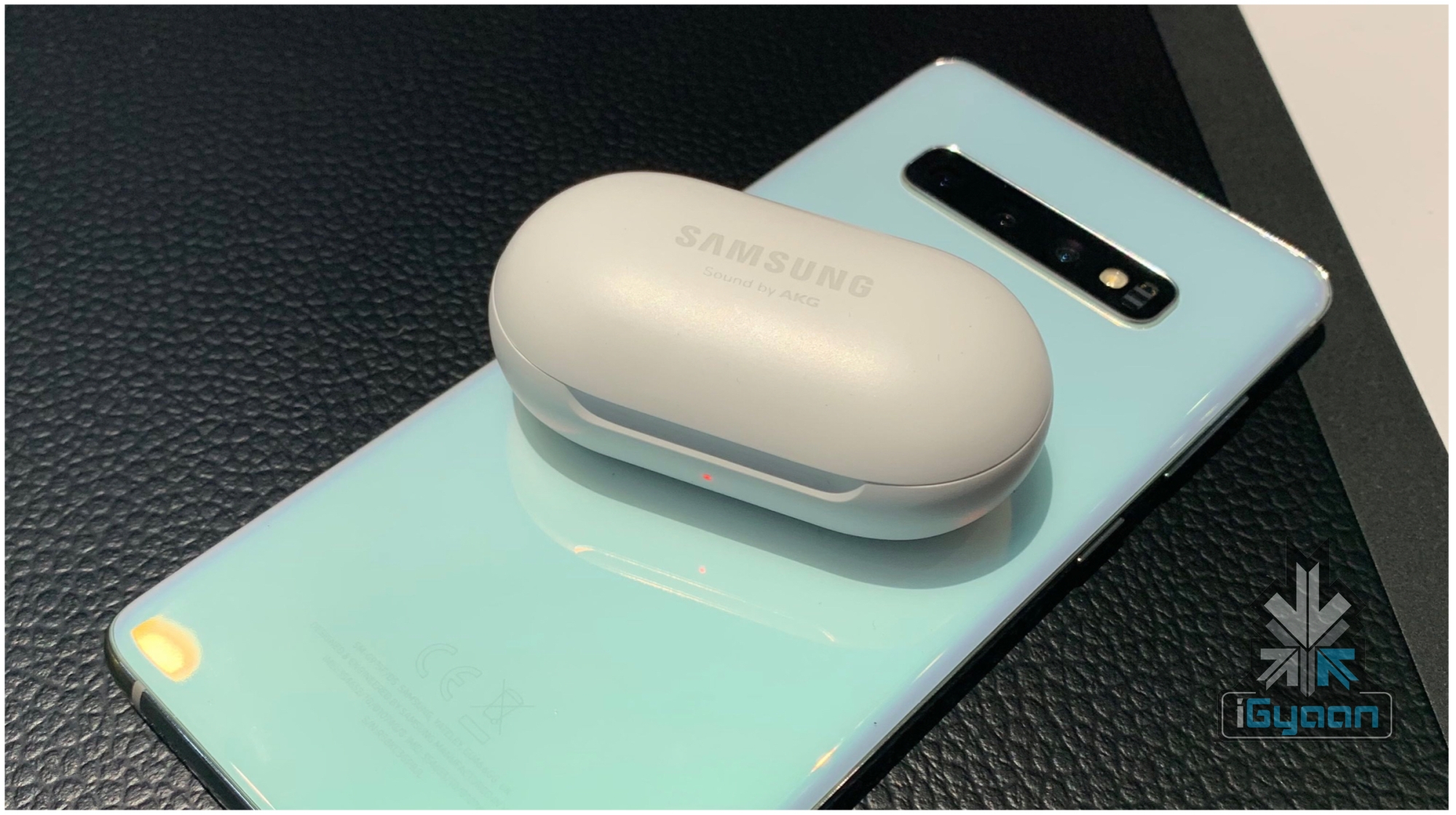
    While wireless charging is a great feature to have and saves the user a lot of hassle in handling cables; it is still not as fast and efficient as wired charging. Also, there is no consumer solution currently available which can transfer current from a distance. The development of this technology is still in its nascent stage and the prototypes of it working aren’t very promising. Disney in the year 2017 showcased a prototype room which turned the whole space into a wireless charger. Unfortunately, this required an aluminium room and a metal pole in between. In order to create a wireless charging enabled room, designs and aesthetics take a backseat. 
    Also read: OnePlus 7 Listed Online Confirming Price & Specifications

    One more problem with wireless charging is overheating. The manufacturers have struggled to increase the charging speed with minimal heating. Notably, overheating is the reason that has caused the production delay of the highly anticipated AirPower wireless charging mat from Apple. But as is the case with every new technology, wireless charging is also expected to get better with time and it is expected to work at a faster speed, that too from a distance and with much less heat dissipation. Vivo, the Chinese smartphone manufacturer has recently partnered with Energous; which is known for its long-distance wireless charging technology. This collaboration is expected to further increase the pace of development of wireless charging technology. The future of wireless charging seems very exciting and may lead to one where there are no wires, and our devices never run out of battery.

  • Contact Lenses Could Work as Displays and Fitness Trackers in the Future

    Contact Lenses Could Work as Displays and Fitness Trackers in the Future

    Forget VR headsets that simulate concussions or augmented reality that alters the world around you. Here’s a concept of lenses from the future that could work as electronic displays, along with tracking the vital stats of the body. A team of researchers at University of South Australia have come up with a concept of a conductive polymer film coating that is capable of achieving this with future contact lenses.
    If the concept is realised into reality, it would be an immensely huge leap for virtual reality. As users do away with cumbersome VR headsets, this piece of futuristic technology would change lifestyles in an unprecedented way.

    The idea behind the research is to use water-compatible conductors on contact lenses which would render them capable of measuring glucose levels or creating electronic displays.

    Is it time for good-bye already?
    Is it time for good-bye already?

    Professor Drew Evans describes comments on their research and says, “The trick is to provide power to the contact lens display. We are excited by advances from other researchers showing you can use tear drops to power special batteries. There is a possibility to modify this for use with our conductive coatings.” He further added that the inspiration behind the research came from wearables and their increasing presence in the contemporary world.

    Many people who require contact lenses for eye-sight correction, shy away from opting for them because the idea of making the eye under-go any kind of external physical contact is not a welcomed one. But if the future truly offers us electronic displays that could be attached to the eye-ball would you say yay or nay? Let us know in the comments below.

    Source

  • Samsung Launches ISOCELL, Image Sensor Technology for Premium Mobile Devices

    Samsung Launches ISOCELL, Image Sensor Technology for Premium Mobile Devices

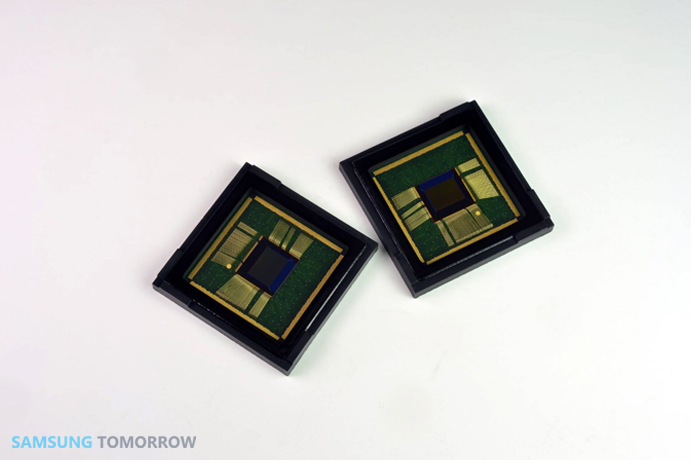
    Samsung shows the camera technology in the next generation of Galaxy smartphones. The devices will likely feature ISOCELL, the company’s new imaging sensor. Samsung claims that the new sensor adds advanced pixel technology that polices the absorption of electrons for improved color fidelity, even when lighting isn’t ideal. The new sensor will be available only in new premium smartphones and tablets.

    The quality of an image sensor is determined by the amount of light that is accurately captured by the individual pixels within the sensor array. Samsung says this is been a challenging task for them, with the market pressure to increase camera resolution and image quality, without growing the camera size, the pixels have had to shrink, while improving their performance at the same time.

    029

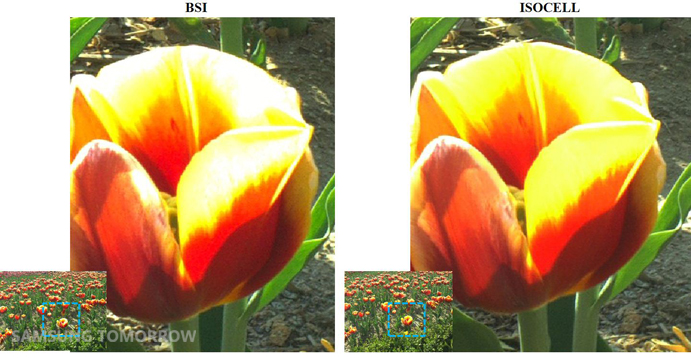
    To meet this challenge, previous sensor technology developments focused on improving the light absorption of each pixel, and have progressed pixel technology from FSI (Front Side Illumination) to BSI (Back Side Illumination) which places photodiode at the top to maximize photoelectric efficiency. While being very effective at the time, this BSI technology also faced limitations in improving image quality as pixel sizes continued to decrease.

    While, the ISOCELL technology forms a physical barrier between neighboring pixels, isolating the pixel. The company claims, this isolation enables more photons to be collected from the micro-lens and absorbed into the correct pixel’s photodiode minimizing undesired electrical crosstalk between pixels and allowing expanded full well capacity.

    This new sensor is specifically for phones with 8 MP or higher, which could mean a drop down from the 13 MP camera seen in the Galaxy S4 and Note 3. A full camera unit with the new ISOCELL would also take up less space inside devices compared to previous imaging sensors, with a reduced height which can result to even thinner smartphones.

    [via]

  • A Sneak Peek into the Future of Tech

    A Sneak Peek into the Future of Tech

    Technology is ever-growing, one would say each day something new is developed. In this ever growing age of technology, it is not easy to keep yourself updated with all the new developments in the world of technology. We live in a world where present technology seems to fulfill, in some cases present technology is also ahead of what SOME people may think. It is always good to know what does the future technology got for us.

    Google Glass:

    google glass

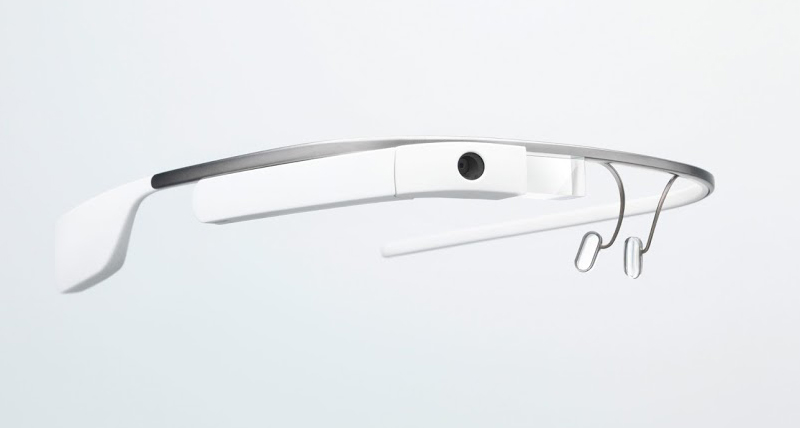
    Google glass is a great step in technology. What is the Google Glass ?

    Google Glass is a wearable computer with an optical head-mounted display (OHMD) that has been developed by Google in the Project Glass research and development project, with a mission;  Production of a mass-market ubiquitous computer. Google Glass displays information in a smartphone-like hands-free format, that can interact with the Internet via natural language voice commands

    As per Google, Glass is fairly simple to use, for taking an image one just has to say take a picture and its all done, you can record everything hands free, even share what you see – Live! get directions right in front of you, just speak to send a message, ask anything that’s on your mind, translate your voice, get few answers without even asking. The structure for the Google Glass is strong and light with an Evolutionary design. The colors it will be available in Charcoal, Tangerine, Shale, Cotton, Sky.


    All this features would be of better understanding after you watch this:

    [youtube id=”v1uyQZNg2vE” width=”100%” height=”300px”]

    We will have to see if Glass would live up to our expectation as Rumored Google is getting these available from next year just for $299. But, will Glass be able to maintain its position in the market because if we look at the technology it is growing, so the day is not far when we might have the same technology on our goggles or in the lenses we wear. 

    Oculus Rift

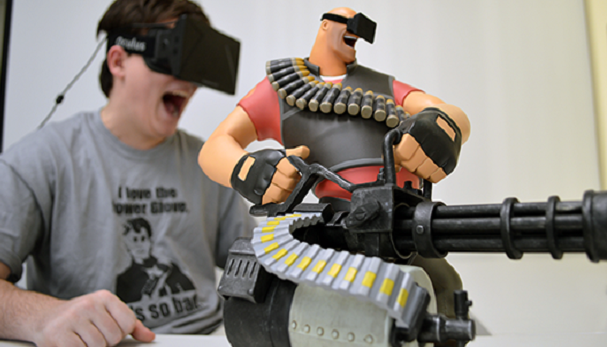
    The Oculus Rift is an upcoming virtual reality head-mounted display developed by Oculus VR, who have raised $16 million, of which $2.4 million was raised with crowfunding via Kickstarter. The company, founded by Palmer Luckey and the co-founders of Scale form and id Software, John Carmack was later hired as its Chief Technology Officer. 

    The Oculus Rift is a next-generation virtual reality headset designed for immersive gaming. The test kits are in the process of being shipped out, are you getting your own Oculus Rift development kit?

    Oculus Rift

    For more information and to see how this works watch the video below.

    [youtube id=”1QnXHe_MIx4#at=21″ width=”100%” height=”300px”]

    The Future Cars

    If we talk about the technology in the future cars, the BMW i8 concept car is the best example we can quote as if now.

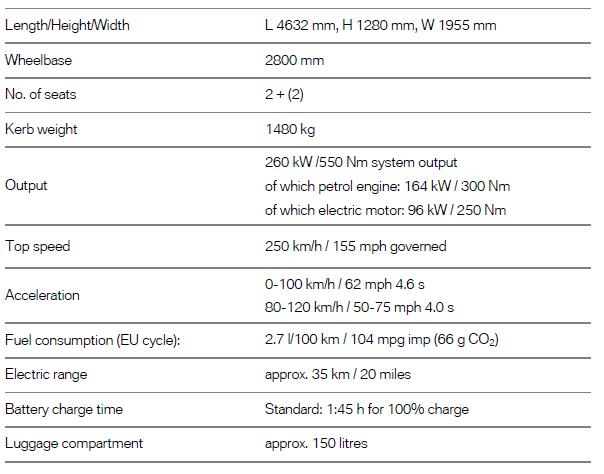
    The BMW i8, first introduced as the BMW Concept Vision Efficient Dynamics, is a plug-in hybrid under development by BMW. The initial turbodiesel concept car unveiled at the 2009 Frankfurt Motor Show, and the BMW i8 gasoline-powered concept car destined for production unveiled at the 2011 Frankfurt Motor Show. The i8 concept has a 7.2 kWh lithium-ion battery pack which delivers an all-electric range of 35 km.

    The Vision Efficient Dynamics concept car is a plug-in hybrid with a three cylinder turbo diesel engine. Additionally, there are two electric motors with 139 horsepower. It allows acceleration to 100 km/h in 4.8 seconds and an electronically limited top speed of 250 km/h.

    According to BMW, the average fuel consumption in the EU test cycle (KV01) is 3.76 liters/100 kilometers and has a carbon dioxide emission rating of 99 grams per kilometer (1,3 l/100 km and 33g CO2/km ; EU-PHEV ECE-R101). The estimated all-electric range is 50 km, and the 24-liter diesel tank extends the total vehicle range to up to 700 km. The lightweight chassis made mainly from aluminium, windshield, top, doors and fenders are made from polycarbonate glass and the body has a drag coefficient of 0.22.

    BMW i8 specs
    BMW i8 specs


    [youtube id=”YmF_nTAksrQ” width=”100%” height=”300px”]


    These are just some that technologies that are upcoming, but as mentioned above the world of technology is ever-growing with ideas and resources. We can hope for a better and luxurious future.

  • Concept : The Future of Car Doors

    Concept : The Future of Car Doors

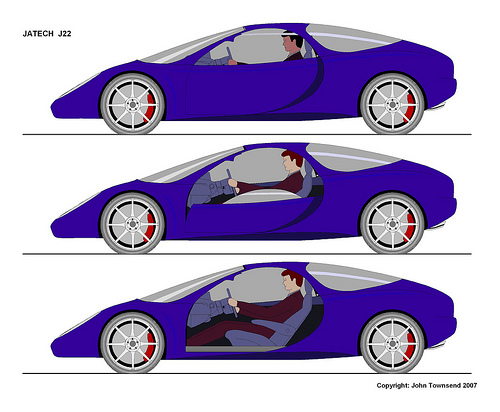
    Now this is an amazing video demonstrating the use of a creative yet useful technology. Looking at the video it seems that this concepts was made quite some time ago and dropped . We wish some company would buy this doors design and implement it in their cars. Its simply brilliant.


    The rolling door not only makes it easier to get out or get into the vehicle, it also makes parking a breeze as you will see in the video. It will come in really hand for those tight parking spots you would have faced, if you live in cities like Delhi or Mumbai. The door is theoretically also much safer, since it can’t accidentally be left open or opened while the car is moving.

    The company behind the design is called Jatech, but it seems that after they made this video their work on the project stopped completely.


  • Yummy : A 3D Printer that works on Chocolate

    Yummy : A 3D Printer that works on Chocolate

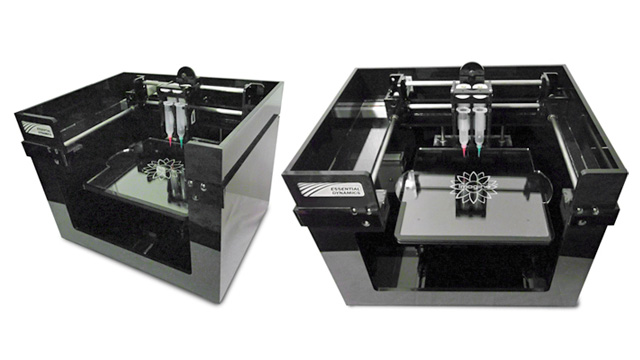
    Imagine 3D printer is the first of its kind 3D printer, instead of meted plastic this printer can make 3D objects using molten chocolate in its syringes. 3D printing is the next step in the Industry especially with its advancements every day. Using a 3D printer to make items in chocolate could actually change to way people celebrate functions or festivals. The printer has other capabilities and in addition to chocolate, the syringes can also be filled with cheese, epoxy, silicone, and even concrete for those permanent casts.

    [box style=”rounded” border=”full”]

    Wiki

    3D printing is a phrase used to describe the process of creating three dimensional objects from digital file using a materials printer, in a manner similar to printing images on paper. The term is most closely associated with additive manufacturing technology, where an object is created by laying down successive layers of material. Recently the term is increasingly being used to describe all types of additive manufacturing processes, or even other types of rapid prototyping technology.

    Since 2003 there has been large growth in the sale of 3D printers. Additionally, the cost of 3D printers has gone down.The technology also finds use in the fields of jewelry, footwear, industrial design, architecture, engineering and construction (AEC), automotive, aerospace, dental and medical industries, education, geographic information systems, civil engineering, and many others.

    [/box]

    [ED]

  • Microsoft shows of the Future in a Video : We watch in amazement

    Microsoft like every other company sees a future for themselves and a world around it, their vision and what they wish to achieve. In the Company’s Productivity Future Vision concept video they make it clear that they would like seamless interconnectivity. From translating eyeglasses, to active Car window displays and transparent fridge displays. Phone to Tablet to TV transfers, it just seems so smooth and seamless. Check it out.


  • PCI Express Cables will do 32Gbps in 2013

    PCI Express Cables will do 32Gbps in 2013

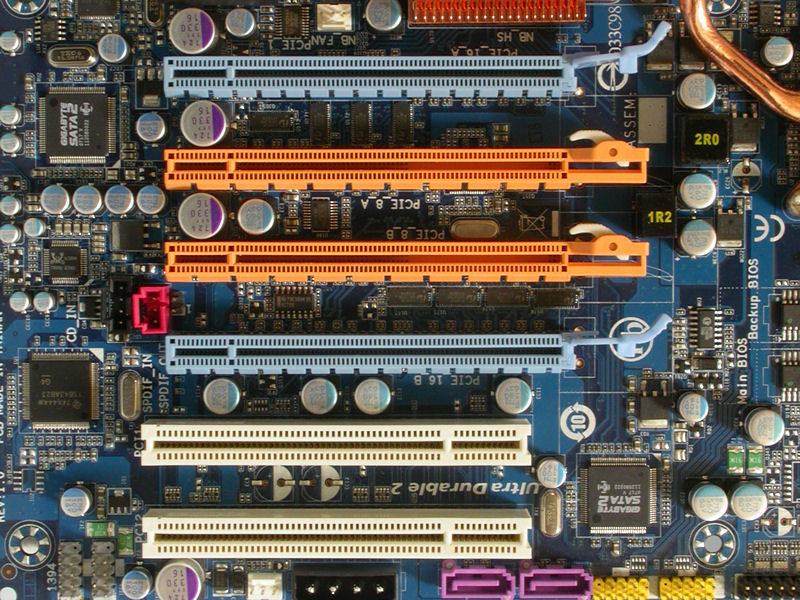
    PCI Special Interest Group has just held its annual meeting and developer conference in California, where plans for a 32Gbps PCIe cable were revealed. The connecters are said to be be flast wires made completely out of copper and will have speed to distance ratio of 32Gbps up to 10 feet or 3m approx. This standard will be called the PCI 3.0 and will be available late 2013.

    The PCI 4.0 details were not mentioned , but the information that the launch is 4 years away was let out.

    [EE Times]

  • The Nextep Computer: Sony Concept

    The Nextep Computer: Sony Concept


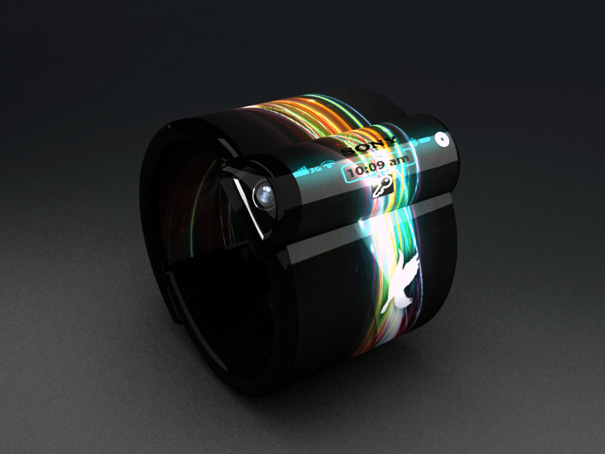
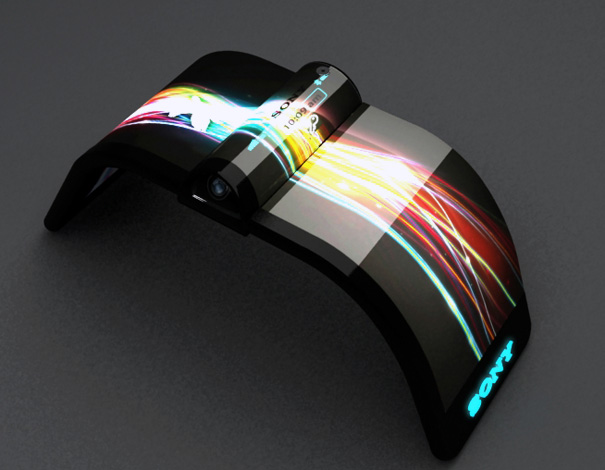
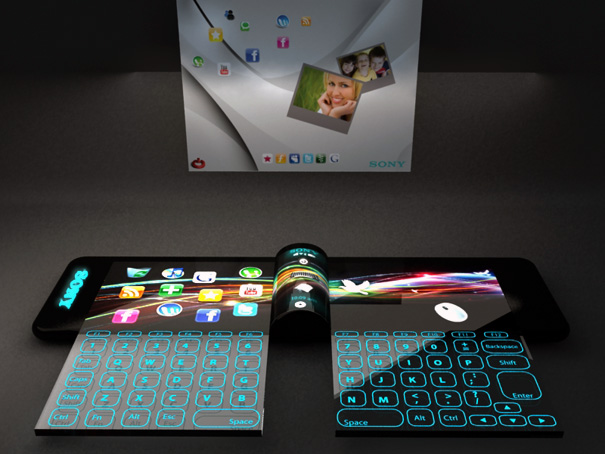
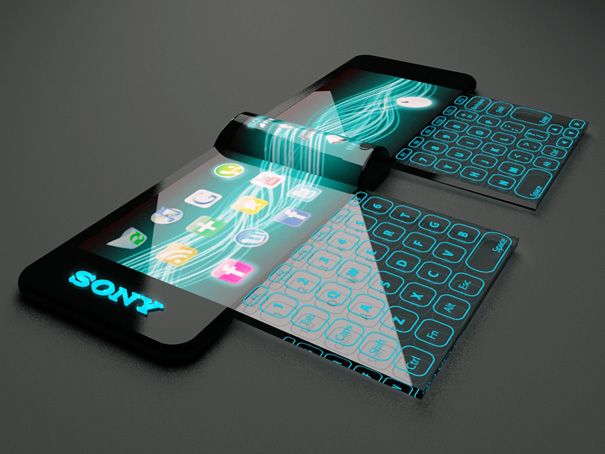
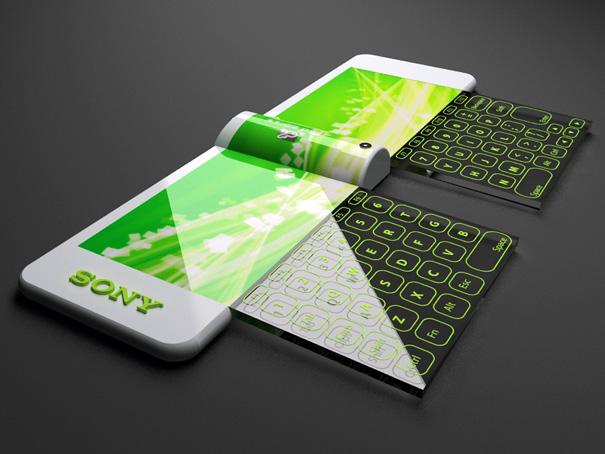
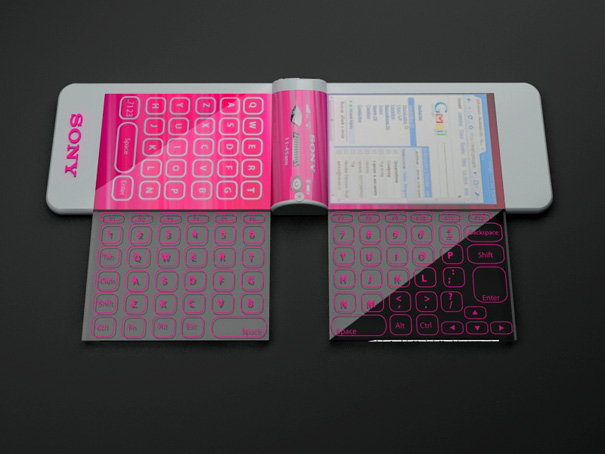
    Our present need for internet connectivity is so profound that secondary devices like the Nextep Computer are bound to happen. Developed to be worn as a bracelet, this computer concept is constructed out of a flexible OLED touchscreen. Earmarked for the year 2020, features like a holographic projector (for screen), pull-out extra keyboard panels and social networking compatibility, make the concept plausible. Nine years from now is not too far away, so how many of you think we’d be buying such gadgets?


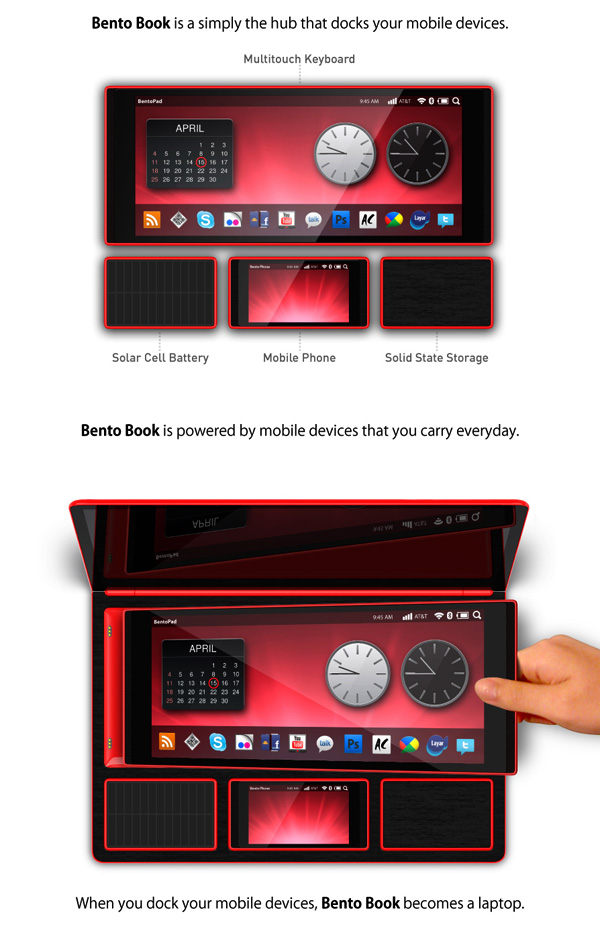
  • The Bento Book – A Laptop & Tablet Hybrid

    The Bento Book – A Laptop & Tablet Hybrid


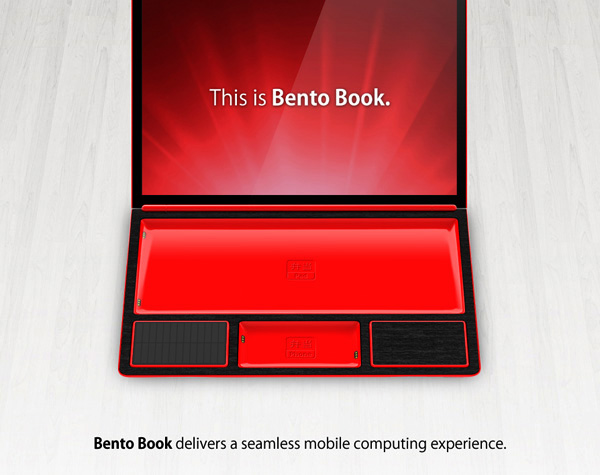
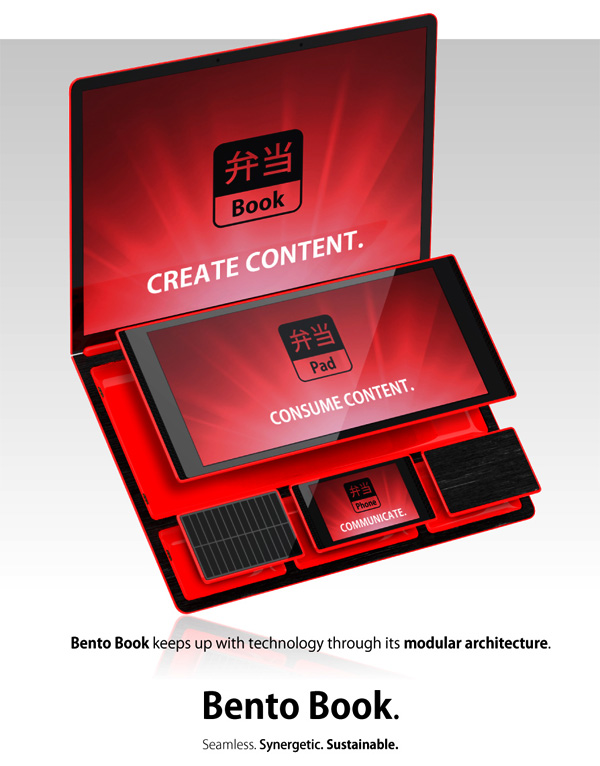
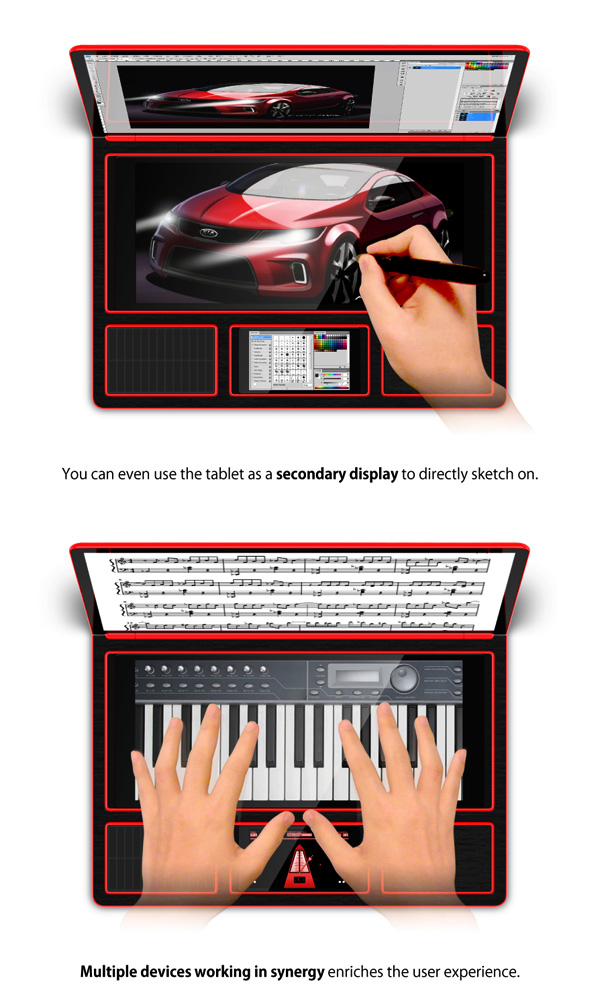
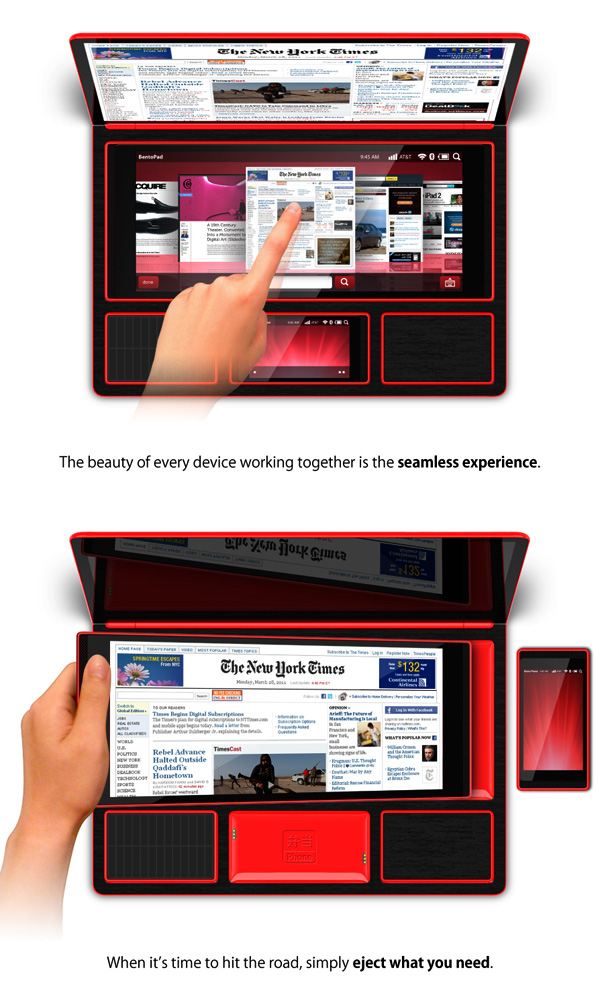
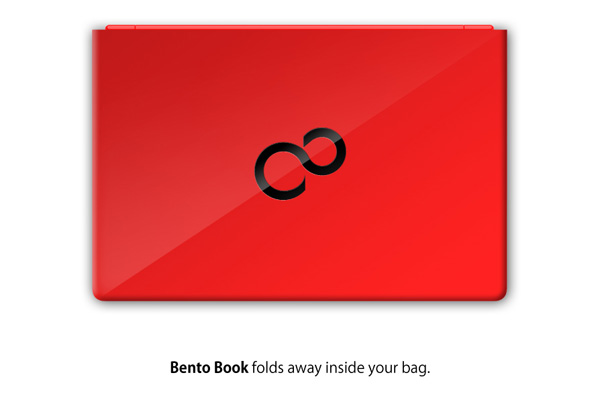
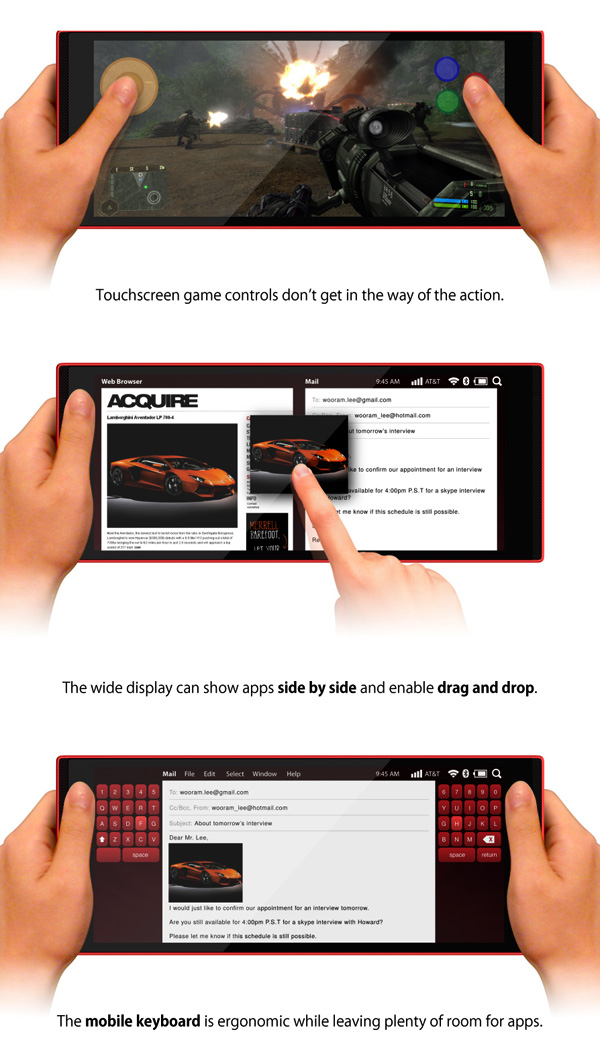
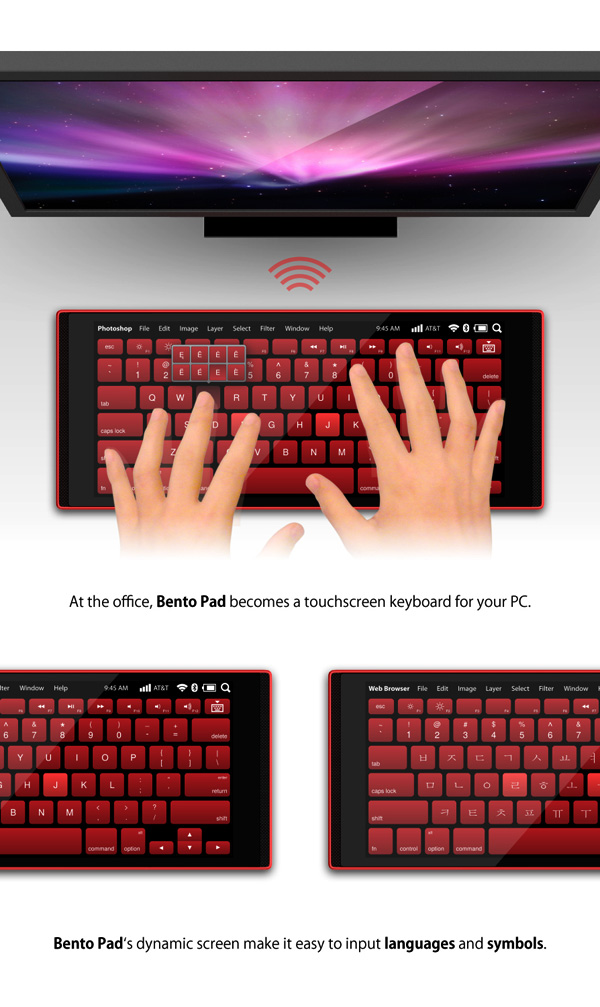
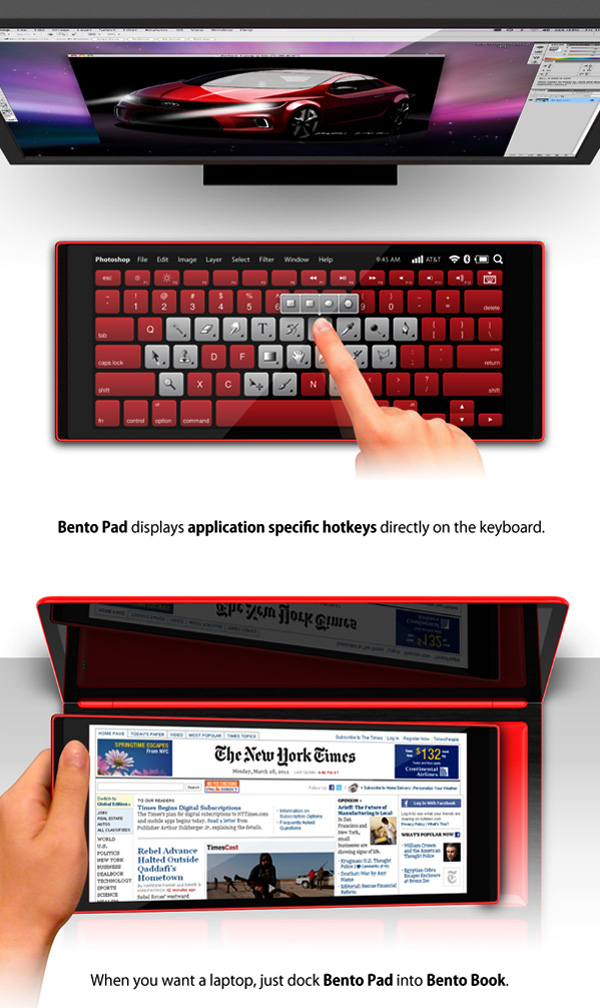
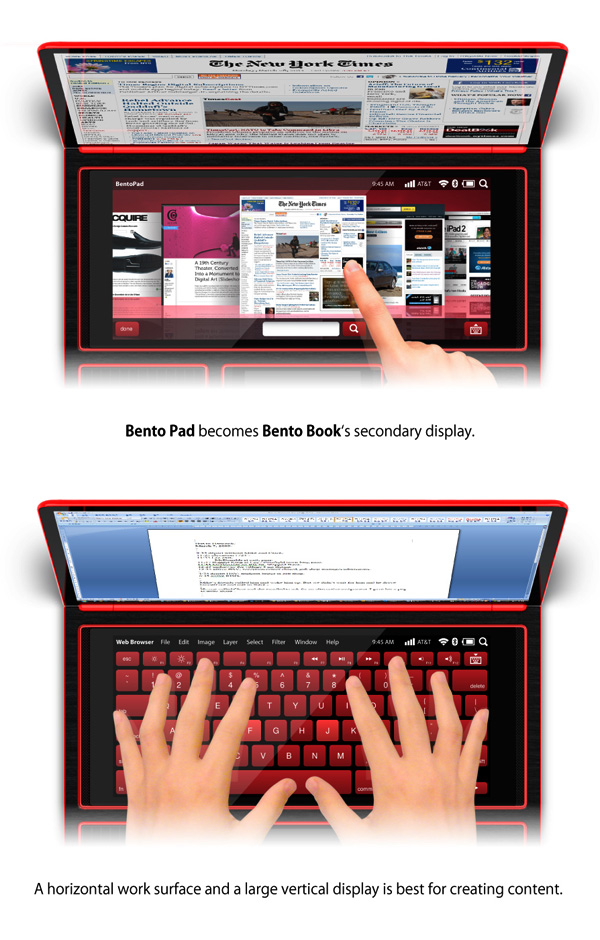
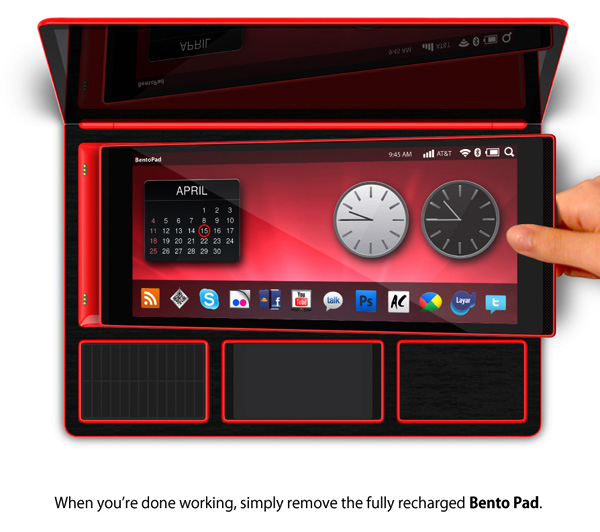
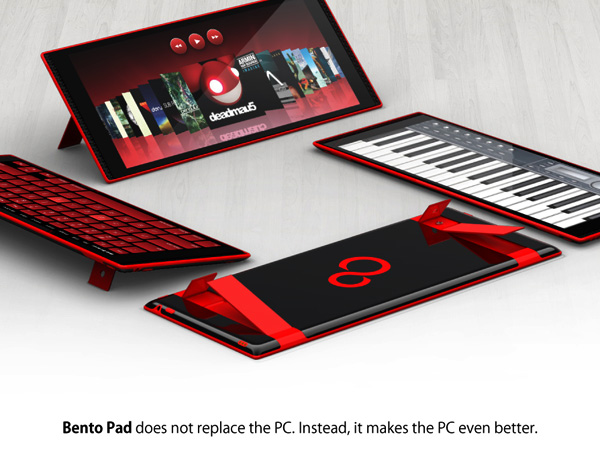
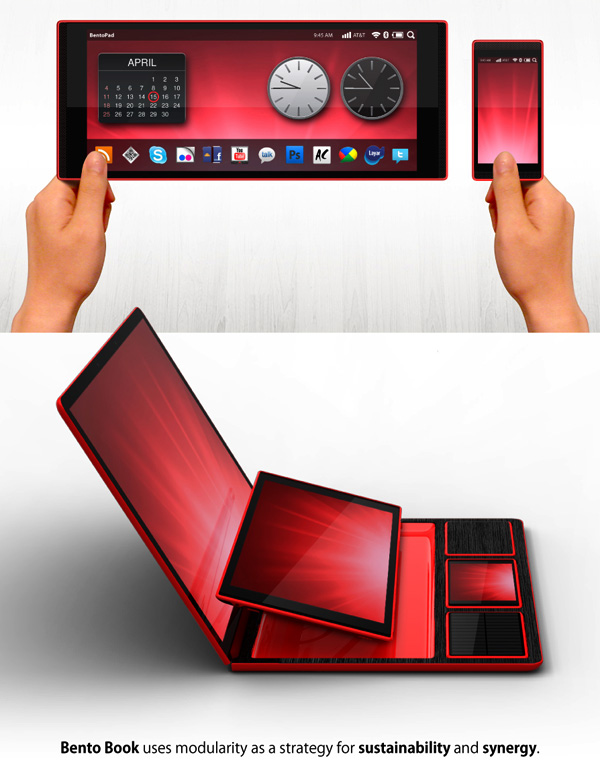
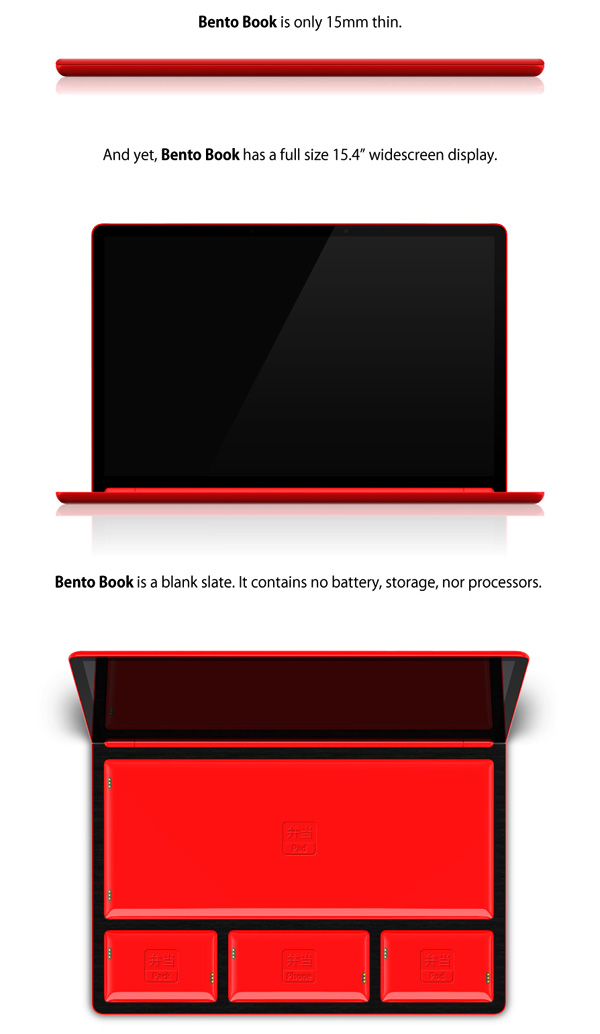
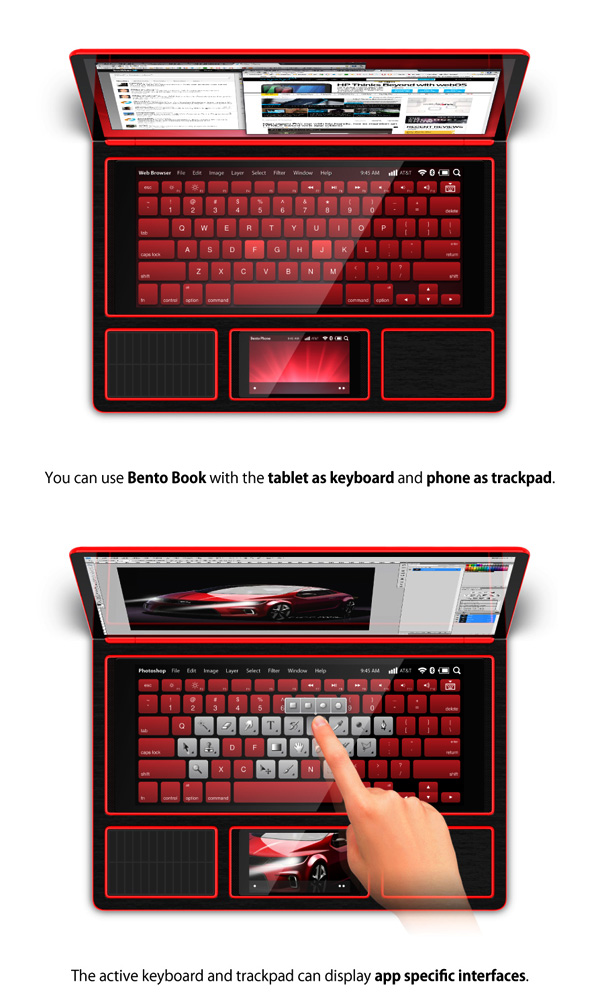
    Bento is quite an exceptional and forward thinking concept by René Woo-Ram Lee. It’s quite a plausible scenario that most of us use/own a tablet, a PC, external hard drives and a smartphone. Now combine the power of these to have fully customizable Bento Laptop! The Box accommodates all the gear to work as one whole unit or individually; as you see fit.

    Features

    • Laptop with 15″ OLED screen
    • 11″ tablet and 4″ phone sit in shallow depressions
    • Solar powered lithium-ion battery
    • 1TB SSD drive

  • Triple Screen Android Phone Concept

    Triple Screen Android Phone Concept

    When we first saw this video we were quite impressed with the concept of a triple screen phone. It has a few features we found very interesting such as the rolodex and the book reader app. However, after some heated discussion we came to the conclusion that the third screen doesn’t bring much to the  phone as most functions that it performs can be achieved with just 2 screens. The third screen seems a little over the top and reminds us of the old Paan Parag add when Jalal Agha pulls out a strip of sachets when asked ‘Ek se mera kya hoga?’

  • The Mozilla Seabird Concept

    The Mozilla Seabird is a concept device which promises to herald in a future where we have to carry just one device for all our technology needs. It threatens to replace traditional desktops, laptops and even tablets. The device was conceptualized a few years ago, and it seems that the base technology to run this magical device is finally catching up. You never know when your next Android phone might pop out a projected keyboard from the sides. Watch the video above.

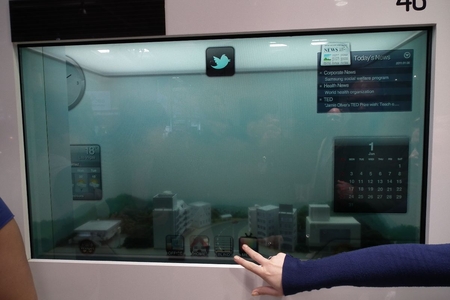
  • Samsung shows off ambient-light power source based transparent LCD display

    Samsung shows off ambient-light power source based transparent LCD display

    Before we begin to talk about this next piece of hardware, let me tell you that we want one! The Samsung ambient light based transparent LCD shows what technology has achieved today. What we saw in movies and SCI-FI flick is becoming real day by day.

    What you see here is a prototype 46-inch display with 1920 x 1080 resolution and ten-finger touchscreen capability. The device generates is power from surrounding light, much like our calculators.

    Whats impressive is the fact that Samsung has been able to make a working prototype of a Huge touchscreen TV which along with its solar cells, efficiently generates power from your wall light bulb, enough to sustain itself.

    Makes you want to throw your calculator doesn’t it? well even your TV/Monitor.

    Whats more, there are some rumors of Samsung using this technology to develop larger panels than the ones currently in existence. The biggest panels that the company currently releases is a 65-inch model.

    [IT Pro Portal]

iGyaan Network
Privacy Overview

This website uses cookies so that we can provide you with the best user experience possible. Cookie information is stored in your browser and performs functions such as recognising you when you return to our website and helping our team to understand which sections of the website you find most interesting and useful.