Tag: home button

  • I Spent A Day With The iPhone X And I Am Done With The Home Button

    I Spent A Day With The iPhone X And I Am Done With The Home Button

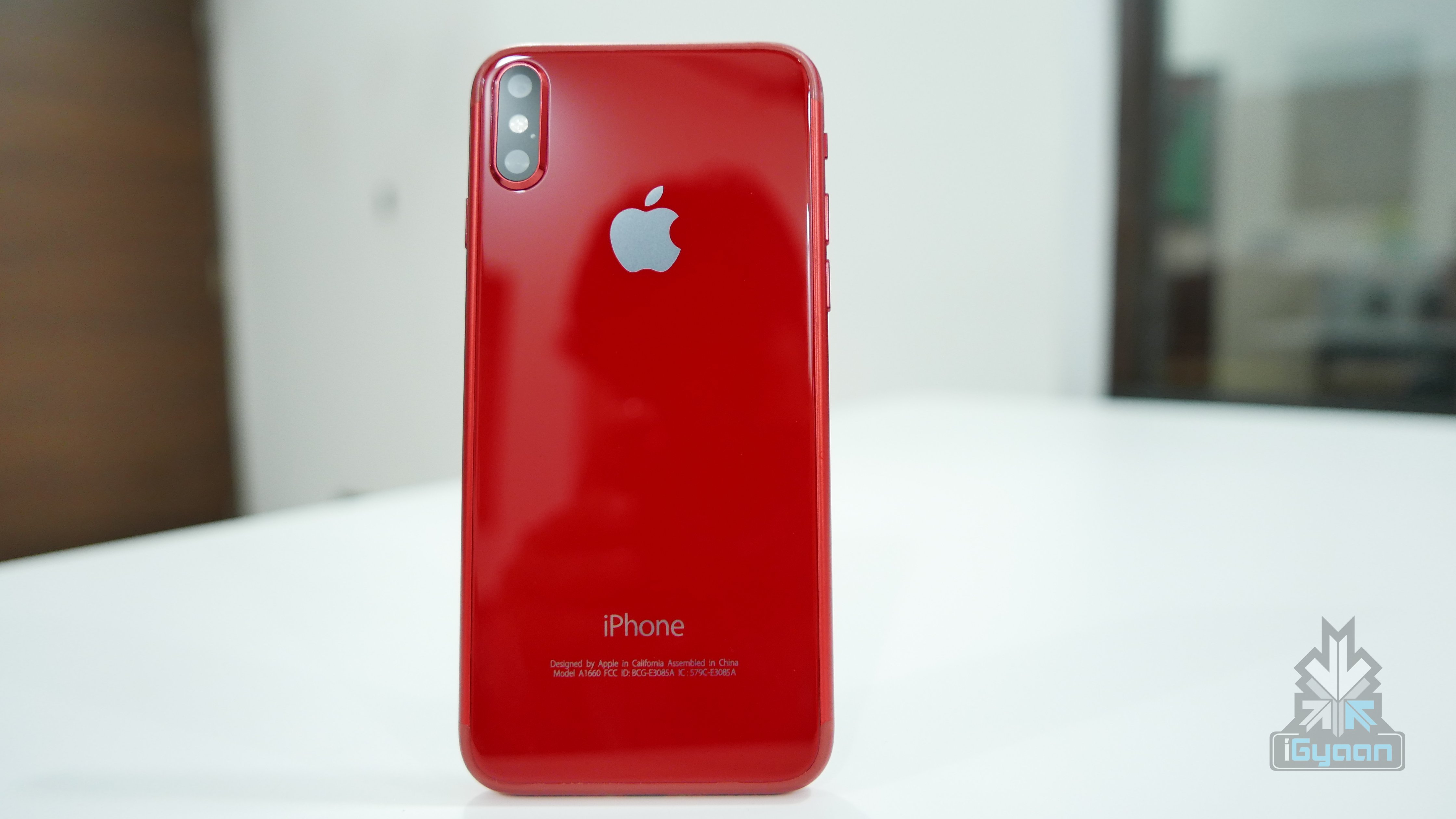
    The iPhone has been one of my two primary devices for many years. When Apple announced the iPhone X back in September the biggest concern as a potential iPhone X user was the lack of the two main things that had been engraved in my muscle memory; the home button and the Touch ID.

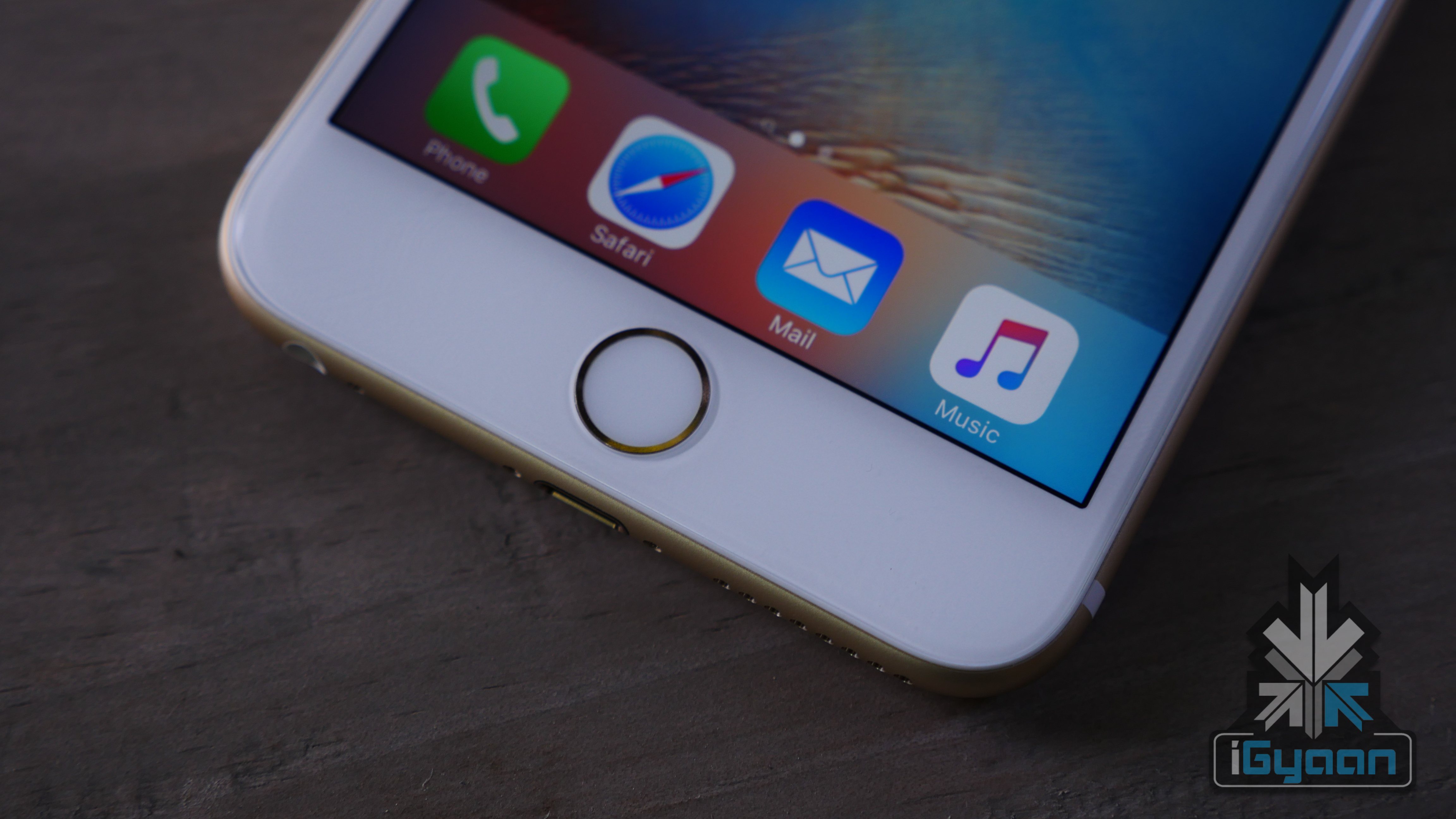
    The iPhone X has a new modern edge to edge design, and with this the iPhone X also loses the home button, the most iconic iPhone feature since the launch of the first iPhone. Using an iPhone required a lot of interaction with the home button and Touch-ID sensor which was also placed in the home button since the iPhone 5s. And it was this high usage of the sensor and button , that made Apple change the fragile physical button with a press mechanism with a more long lasting pressure sensitive sensor with no physical movement. This potentially means that the home button on the iPhone 7 and iPhone 8 will last you as long as the phone is functional.


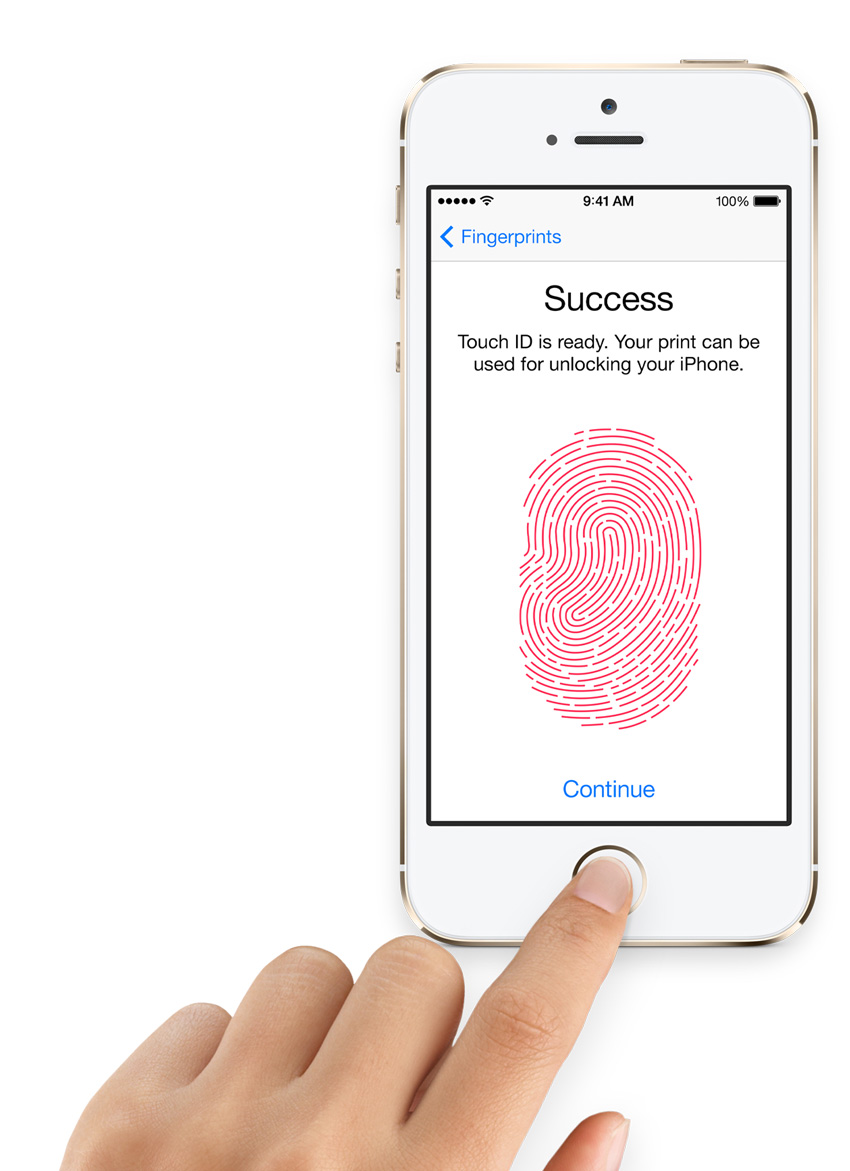
    The Touch ID is also engraved into muscle memory, on an iPhone the Touch ID does a lot more than simply allow access to the phone, it allows access and security to auto-fill forms, logins for apps and passwords for the iCloud Keychain. TouchID is also fused with banking apps and security wallets to enable access. Apple Pay is one of the most common use case scenarios where the Touch ID is used frequently and it is pretty seamless as a payments system.

    Being a fan of physical and tactile keys, I was already disappointed that Apple had removed the physical button with a seamless pressure sensitive glass on the iPhone 7. But, since Apple had added a Taptic Engine inside the iPhone 7 and iPhone 8 the feeling of pressing button does remain for each time you press the home button, at least when the phones are powered on.

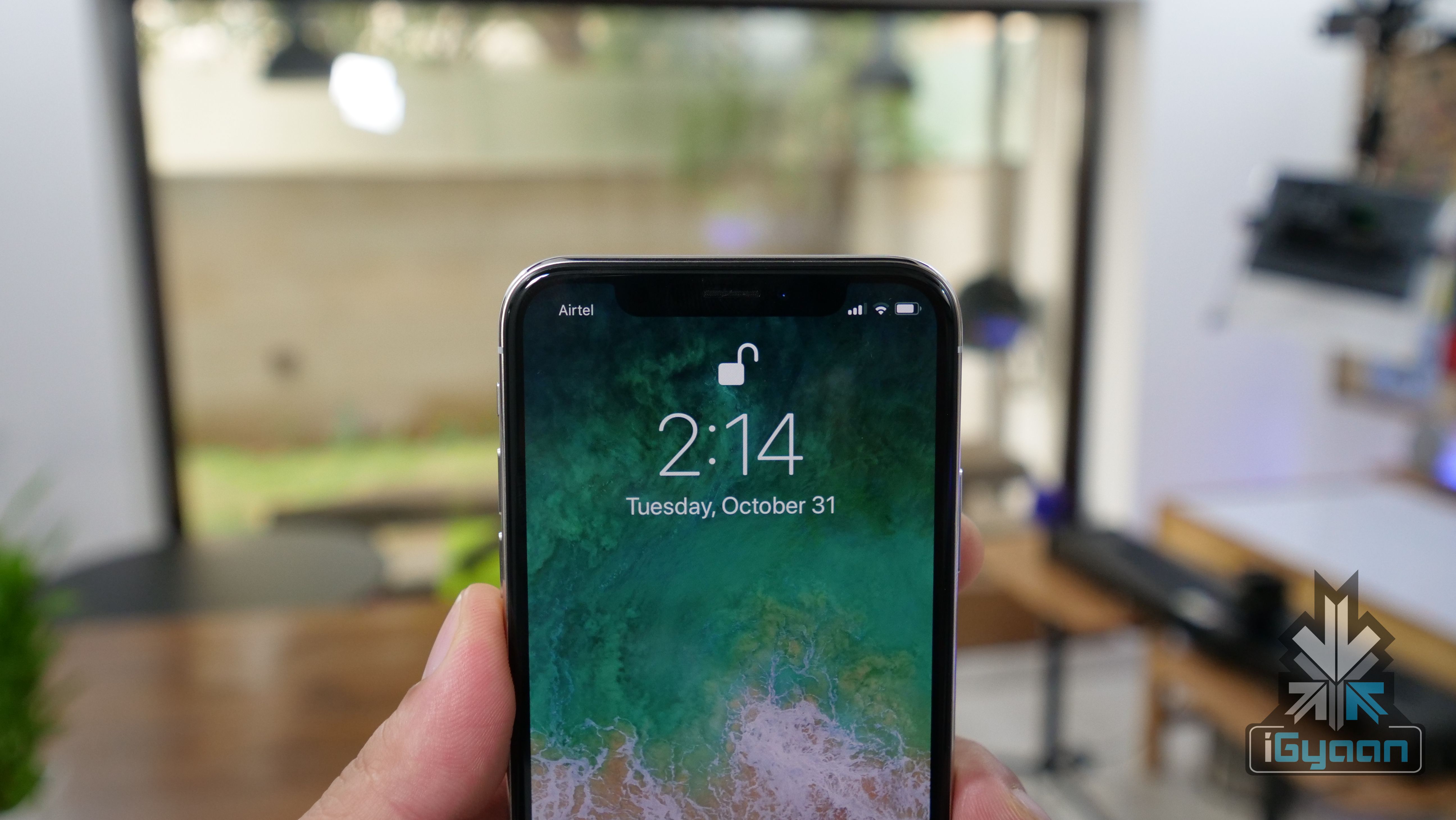
    With the iPhone X, I was pretty sure that getting used to an iPhone without Touch ID and more importantly without a home button would be rather disastrous, and time consuming. But, I couldn’t have been more wrong. The iPhone X has a natural feeling design, and even though that tiny bar at the bottom may appear to have no significance apart from being a design/visual cue, it seems to do a lot more. Only a few minutes into the usage of the iPhone X and the need of the home button seems to fade away. It also helps that apple has made the animations and the transitions very detailed and smooth.  iOS 11 for the iPhone X is also designed to fully make use of the large screen real estate using the edges in different areas differently. In Apple’s words “It just works”.
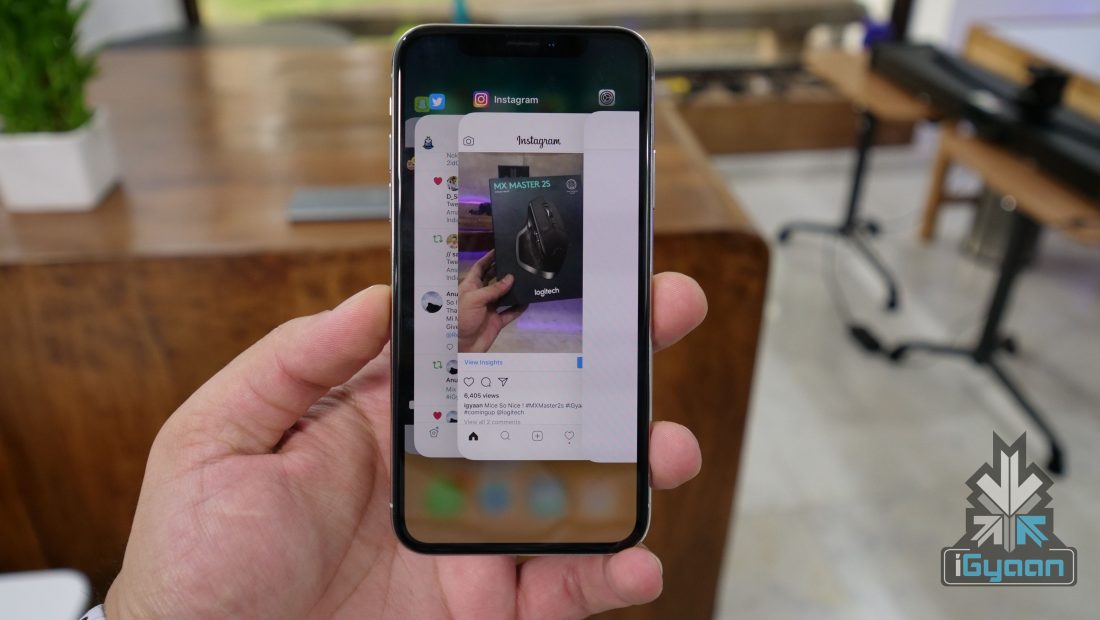
    Face ID on the other hand is something you will take some time with. The fact that you have to look at your phone before you unlock it means, that reaching the home screen from the lock-screen seems to take longer. Normally due to muscle memory you would place your thumb on the iPhone’s Touch ID before you even looked at the display, and would have found your phone already at the home screen by the time you glanced at the screen. This prior action would make the unlock process feel faster than the time it takes for Face ID to unlock, simply because now you have to stare at the phone while it unlocks.

    Face ID is also surprisingly good, works in pitch darkness and even in bright light, in sunlight the phone does see IR interference from the sunlight and thus would require you to bring the phone closer to the face, but it works. It however is not ideal, not after how simple it was to unlock with Touch ID.

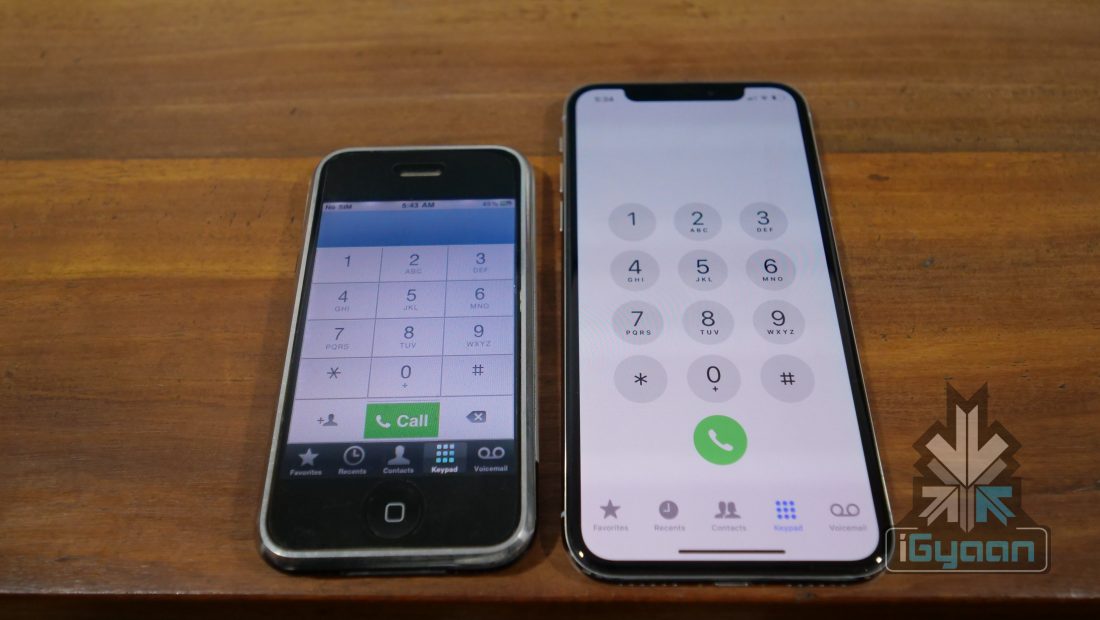
    The home button, however, is something that I have happily forgotten, and only realised this when I picked up my iPhone 8 Plus and attempted to swipe up to reach the home screen. This just after spending 24 hours with the iPhone X .

    #RIPHomeButton
  • Apple iPhone 8 To Launch Without A Physical Or Virtual Home Button

    Apple iPhone 8 To Launch Without A Physical Or Virtual Home Button

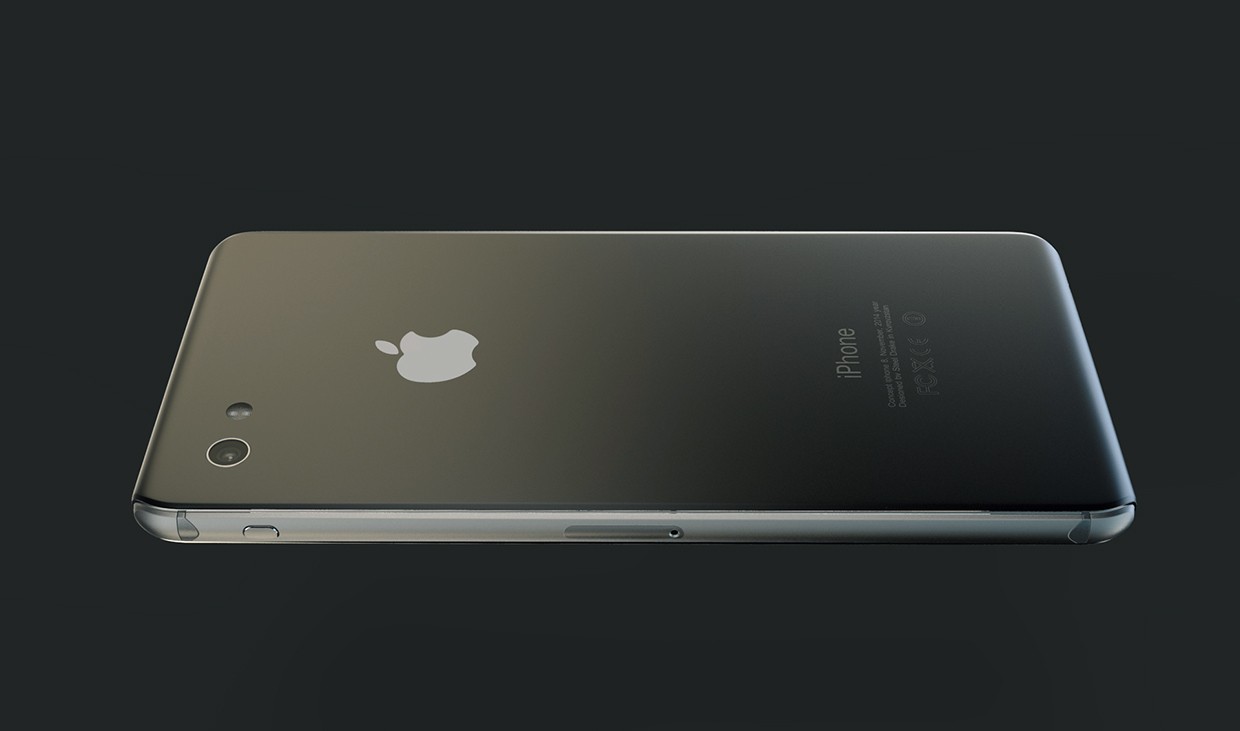
    While, there have been reports of Apple ditching the physical home button in its upcoming flagship the iPhone 8, the latest rumour, claims that the iPhone 8 will be launched without a physical or digital home button. So, Apple may be completely eliminating its iconic home button.

    It has further been reported that Apple’s upcoming iPhone 8 might rely on gesture controls for carrying out tasks like navigating to the home screen, opening the new multitasking App Switcher, all of which were previously done via the home button.

    In addition to removal of the home button, the iPhone 8 will include a taller OLED screen with rounded corners. The power button on the right side of the iPhone 8 is reportedly longer, for easier access and reach while holding the device in one hand. Apple has putatively opted not to hide the notch area at the top of the display.

    Furthermore, the report added that the smartphone will have a stainless steel band around the device which the glass curves into. It stated that the steel band “has small antenna cuts on the corners like past iPhones to improve reception”. The previous leaks suggested that the iPhone 8 will also have facial recognition feature to make up for the loss of fingerprint scanner.

    Apple is preparing to debut the redesigned OLED iPhone 8 at September 12 alongside iterative updates to its current smartphone line-up, the iPhone 7s. The iPhone maker is also expected to launch the new Apple TV with 4K support and Apple Watch Series 3 with LTE capability.

  • Apple iPhone 7 May Not have a Home Button

    Apple iPhone 7 May Not have a Home Button

    The iPhone 7 to be launched this year is expected to bring about a significant design change for the Cupertino-based technology giant. With Apple revising the design of the iPhone with each new number, the iPhone 7 is expected to improve its looks drastically in comparison to the iPhone 6s.

    Adding to the rumors of the new all glass design is the recent announcement by LG. The company announced that they have developed a new display technology which will allow manufacturers of smartphones to place a fingerprint scanner right on the display glass.

    LG-display-fingerprit-2-840×596

    It is not new information that LG is one of the biggest display providers to Apple, and with the next iPhone due in September 2016, LG’s announcement comes right on time. The new display by LG allows the user to scan their finger anywhere on the glass of the screen, making the need for a button or a panel to scan the fingerprint redundant. LG said its new module has a false acceptance rate (FAR) of 0.002 percent. Because the module is sealed under a layer of glass, it remains protected from splashes and scratches.

    Back in June 2015 reports pointed to Apple working on an integrated fingerprint scanner display :

    Apple is internally developing touch and display driver integration (TDDI) single-chip solutions for its iPhones, according to sources in Taiwan’s IC design industry.

    The TDDI single-chip solutions will also come with integrated fingerprint sensors, said the sources. The integrated design would fit into future iPhone designs – models with ultra-thin and ultra-narrow displays, and with a whole plane design eliminating the Home button.

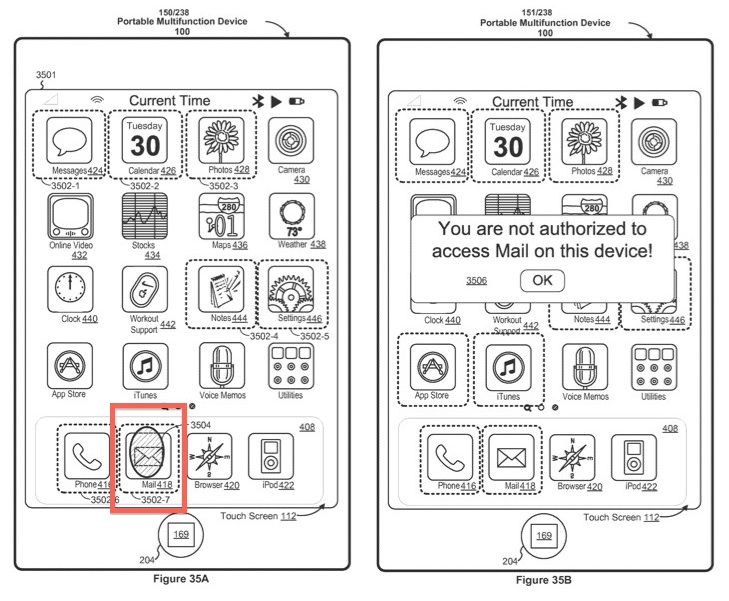
    In fact, Apple also has a patent for the same.

    touch_id_mail_auth

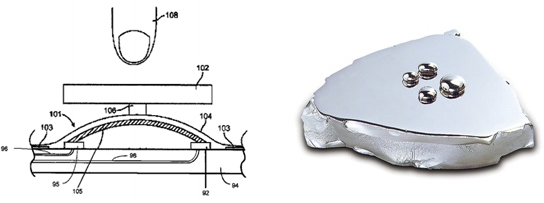
    Other reports point to a flush home button made of liquid metal, which would be recessed when pressed but would return to original shape after recovery.

    Liquidmetal-Home

    LG’s solution, which is 0.3mm thick, is inserted on the lower backside of a smartphone’s cover glass. LG has also designed its own adhesive to allow this module to be stuck to the glass of the smartphone.

    iphone 6s plus 2

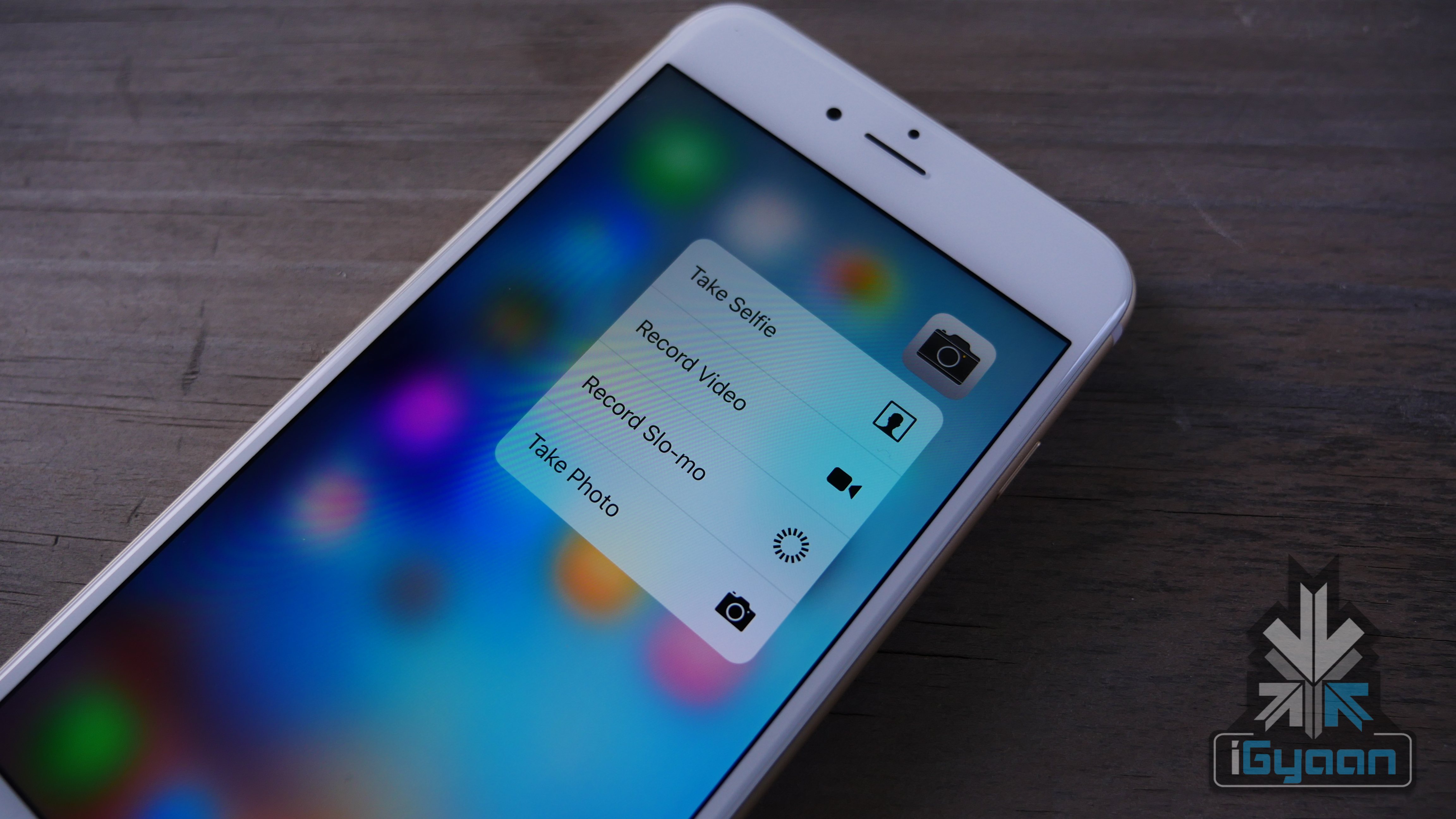
    With 3D touch, the need for the home button may also be directly replaced by making the screen 3D touch capable. With LG’s new fingerprint technology, and Apple’s 3D Touch released with the iPhone 6s combined with rumors of a seamless glass design, it is highly likely that Apple may drop the home button on the iPhone 7.

    Via

  • The iPhone May Lose its Home Button

    The iPhone May Lose its Home Button

    There is no possibility that we’re getting a look at the next iPhone before the second half of next year, but why should that stop us from speculating about that one device everyone loves to hate?

    Piper Jaffrey analyst Gene Munster writes in a blog post,

    “3D Touch may provide Apple with a way to eliminate the home button on the phone and use the additional space to make the screen bigger or make the device smaller. One barrier to this could be Touch ID, which is integrated into the home button currently. Apple would need to move the Touch ID reader to potentially the side of the phone to remove the home button.”

    Could it be possible then? iPhone 7 is also expected to be smaller in design with negligible or no changes to the screen size. Additionally, Apple recently filed a patent which suggests that the company wants to put Touch ID behind the display instead of the side, same as what Munster mentions.iPhone 6s and 6s plus igyaan 3

    At the same time, there have been other patents as well which have hinted at not only keeping the home button but also adding new features and technology to it. The tech giant recently patented a way to use the Touch ID as type of a track pad. This feature would be able to identify the direction of your fingerprint movement and provide two user interfaces based on the movement of the swipe.

    There is a 50% chance of Apple getting rid of its home button, if Munster’s speculations are to be taken into account.. Do you think Apple will actually do away with one of the most characteristic feature of its iPhone? Let us know in the comments below.

  • Rumours Suggest, Apple Plans to Remove the Home Button on its iPhone

    Rumours Suggest, Apple Plans to Remove the Home Button on its iPhone

    Apple is reportedly working on an iPhone design that will remove the iconic home button. A recent post on the website, AppleInsider, claims that the company is planning to replace the home button with a virtual one. The website also claims that the redesign wouldn’t take place for at least two years and may not be seen in the next version of the iPhone.

    Touch-ID-in-action

    Apple has made Touch ID, its fingerprint recognition feature, available on every device launched since iPhone 5s. The company has integrated Touch ID onto many of its services and is developing more uses for it. As a result, it will not ditch the feature in favour of a virtual home button, just yet.

    To make the virtual home button possible, Apple is working on integrating Touch ID into the iPhone’s display. According to AppleInsider, patents have been filed which would allow people to scan their fingerprints on the display itself. If the company is successful in integrating Touch ID onto the display, the home button could be replaced by an on-screen button. Until then, Apple’s plan of having a virtual home button remains long-term.

iGyaan Network
Privacy Overview

This website uses cookies so that we can provide you with the best user experience possible. Cookie information is stored in your browser and performs functions such as recognising you when you return to our website and helping our team to understand which sections of the website you find most interesting and useful.