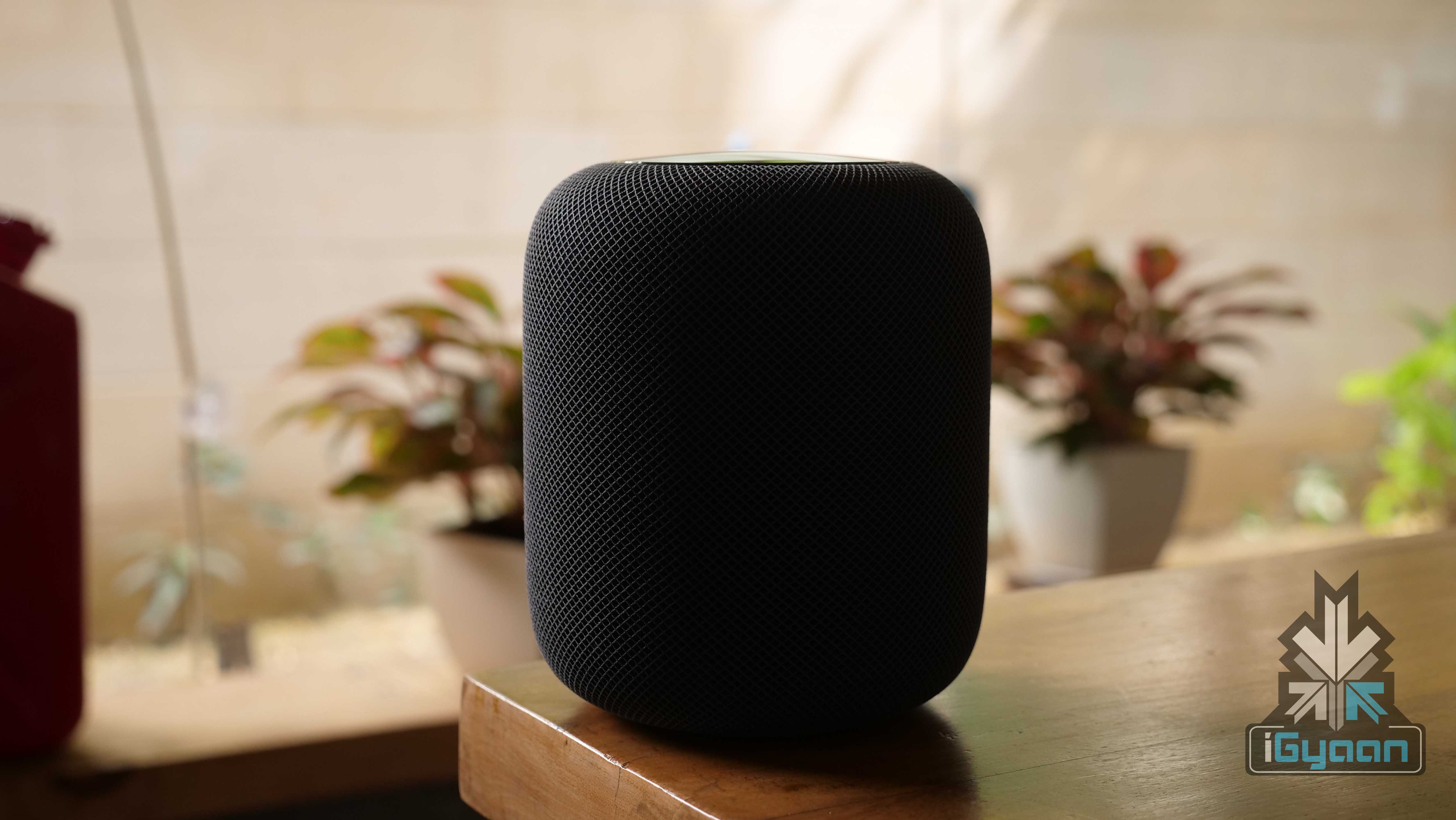
Tag: HomePod

  • Apple Could Launch A Lower-Priced HomePod After Disappointing HomePod Sales

    Apple Could Launch A Lower-Priced HomePod After Disappointing HomePod Sales

    At the Worldwide Developer’s Conference 2017, Apple unveiled its first-ever smart speaker, the Apple HomePod. After a lot of delays, it finally went on sale on the 27th of January. So far, the smart speaker from Apple has been very well-received by critics for its sound quality. However, it appears that quality in performance has not translated into sales for Apple. According to Ming-Chi Kuo, an analyst at KGI Securities, HomePod shipments “could be far below market expectations” this year.
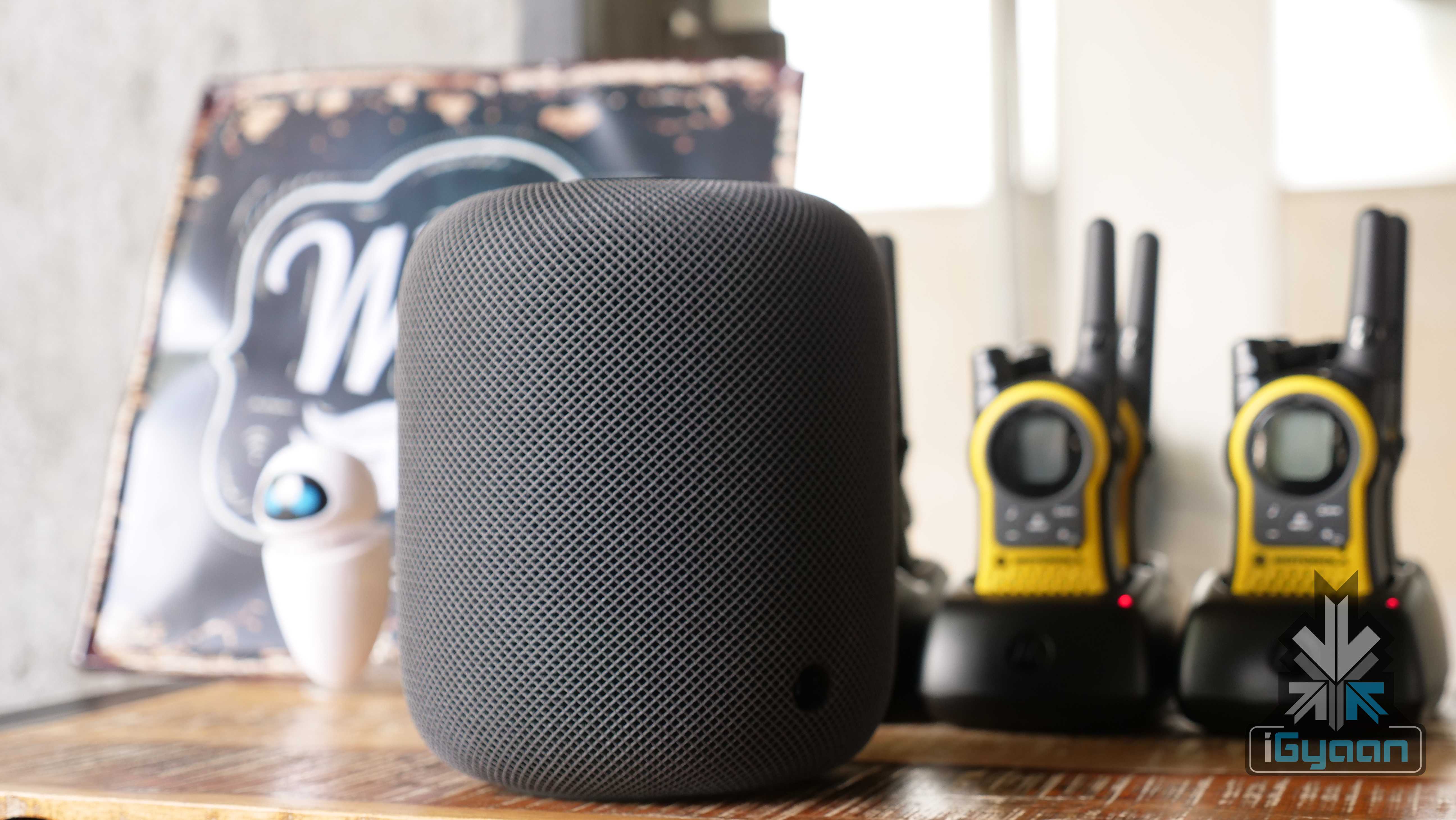
    In a research note, Kuo has said that the market expects HomePod shipments to arrive at 5-10 million units in the 2018 fiscal year. But, according to their forecast, 2 to 2.5 million units of HomePod will be shipped this fiscal year. The major factors that could have impacted the sales of the smart speaker are its design and pricing.

    The HomePod retails for US$ 349 in the US and Kuo believes this high price could “could undermine demand despite the excellent sound quality.” While the Google Home Max is even pricier at US$ 399, Google also sells the cheaper Google Home Mini and Google Home, which have the same smart qualities albeit a much lower price. This means that Apple might be persuaded into launching an affordable version of its smart speaker, especially since that is what its competitors are doing as well.
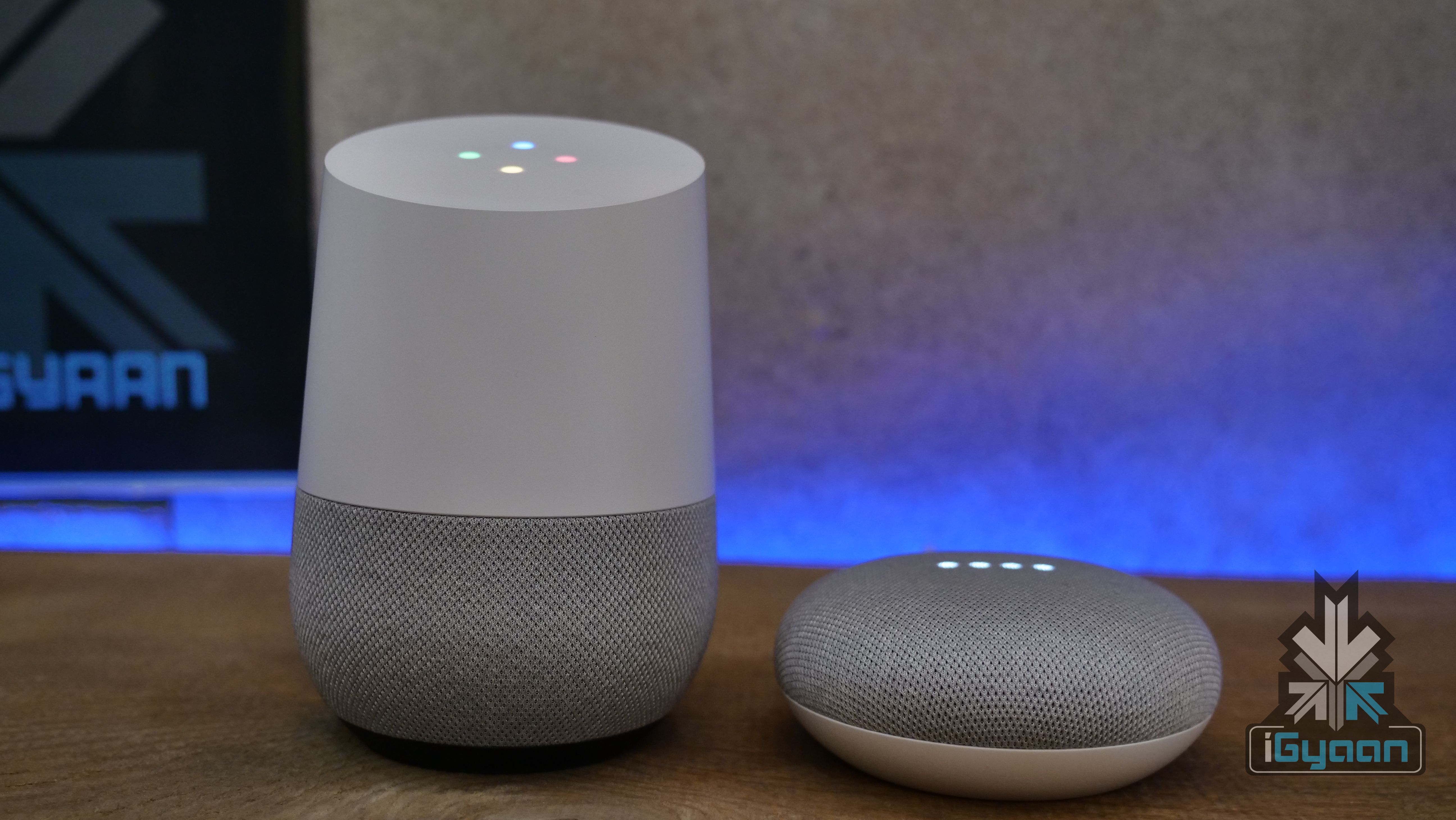
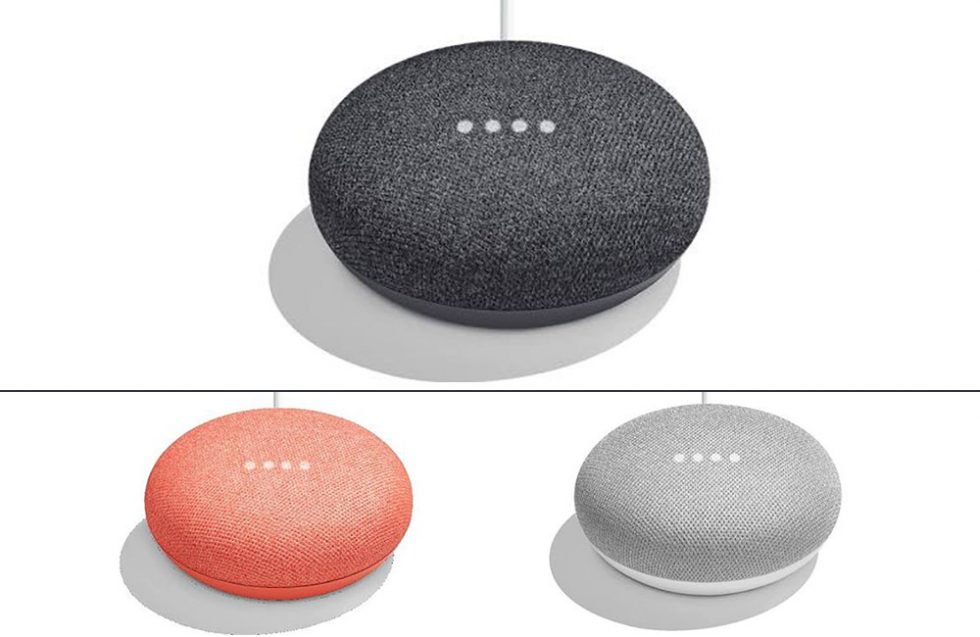
    Google Home, Home Mini

    Ming-Chi Kuo has said the lower-cost HomePod might be a quick fix for sales but, not a long-term option. He believes Apple needs to improve Siri, support more languages, and make other improvements to its smart speaker to stay competitive in the market. Kuo has often been right in predicting Apple’s products and recent rumours certainly support his claim for a more affordable HomePod. However, whether these predictions will indeed be proven right is yet to be seen.
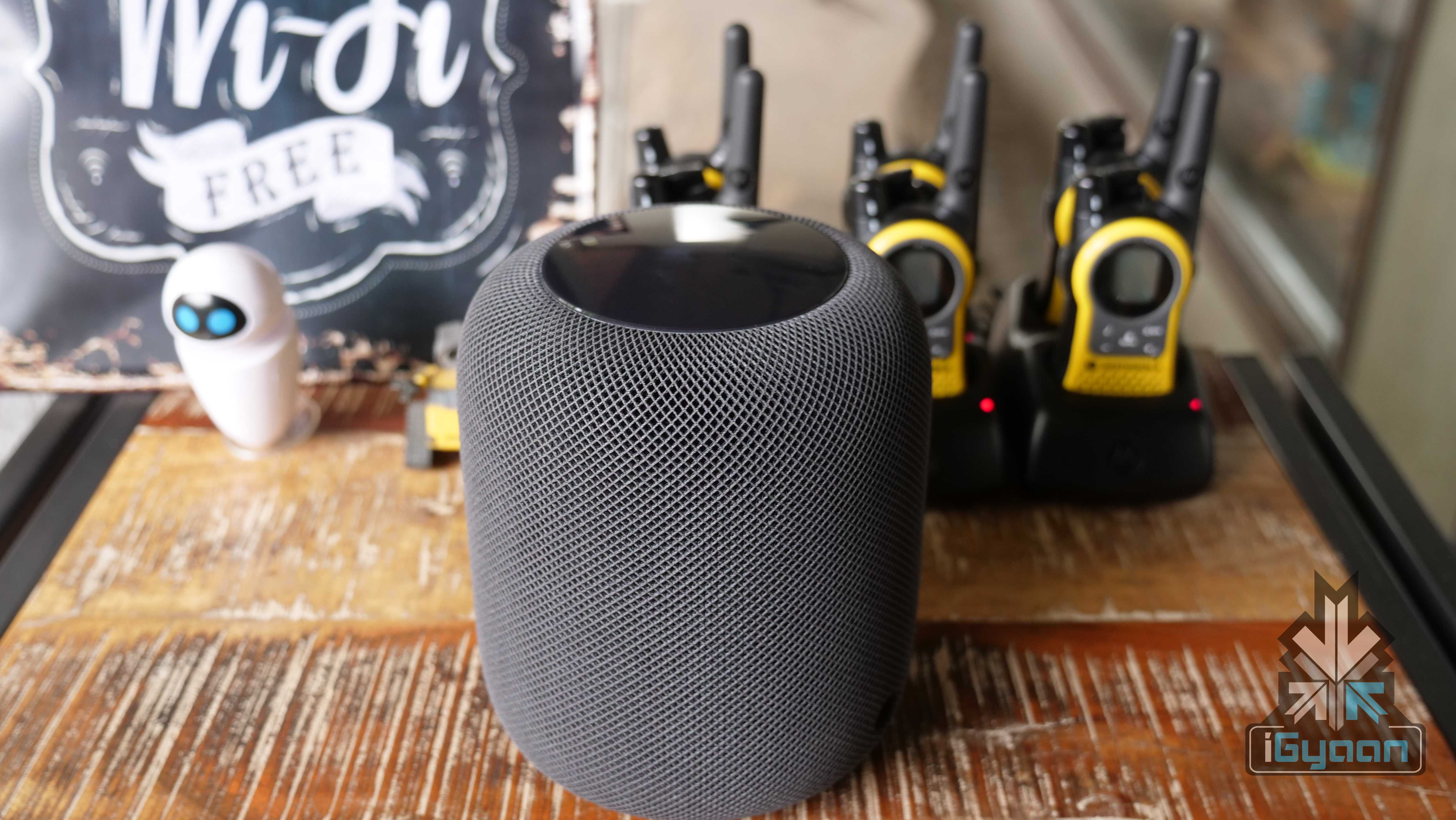
    The Worldwide Developer’s Conference 2018 is just around the corner and like in 2017, Apple could unveil this lower-priced HomePod at WWDC.

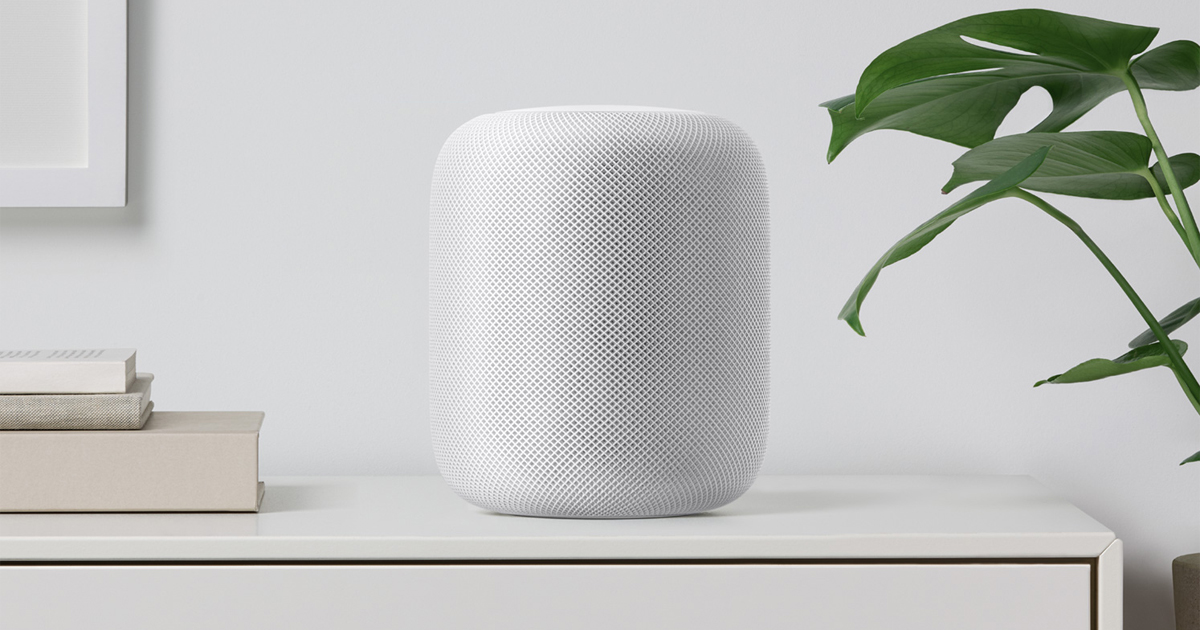
  • Apple HomePods Are Leaving A White Stain On Wooden Surfaces

    Apple HomePods Are Leaving A White Stain On Wooden Surfaces

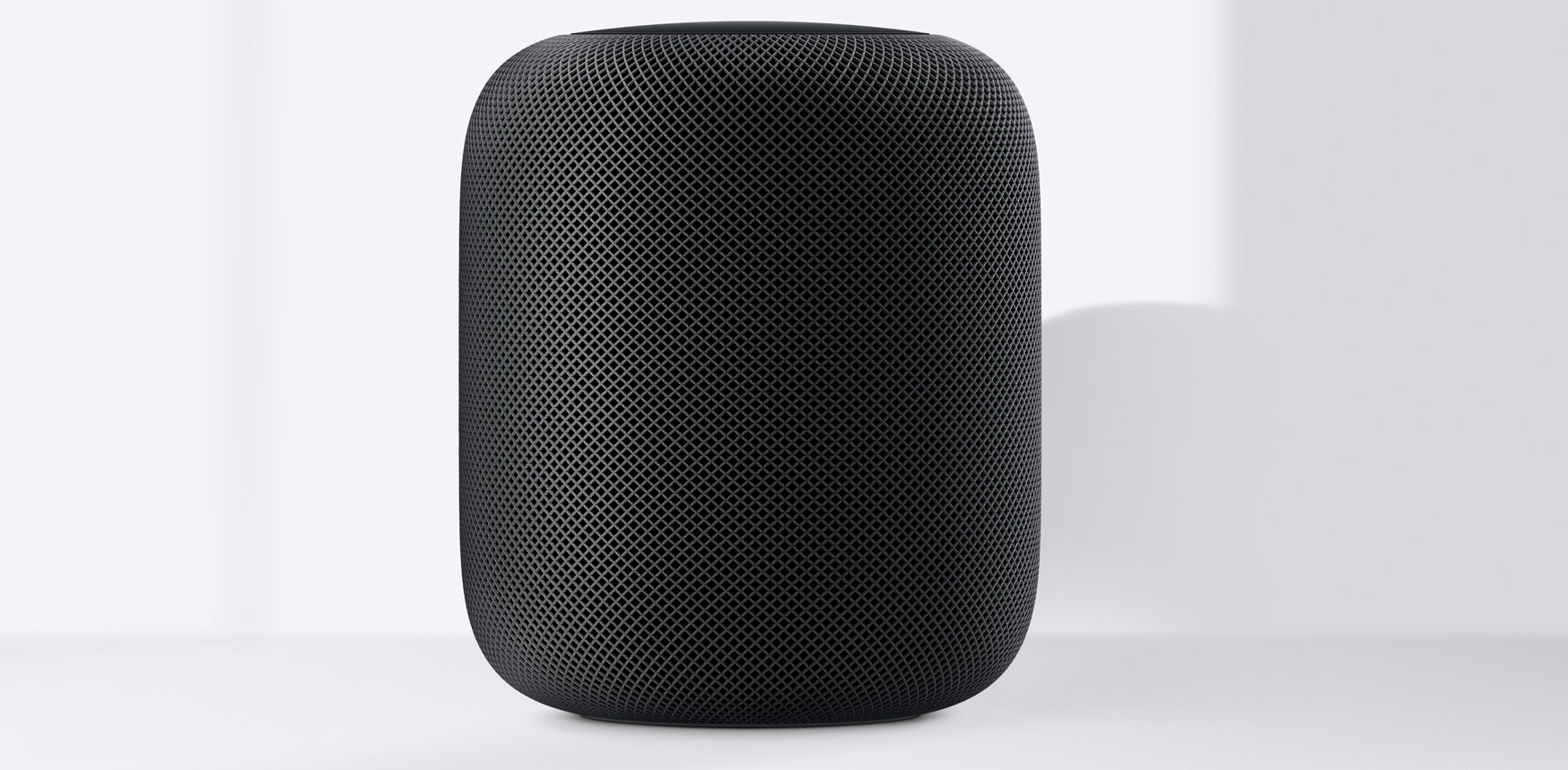
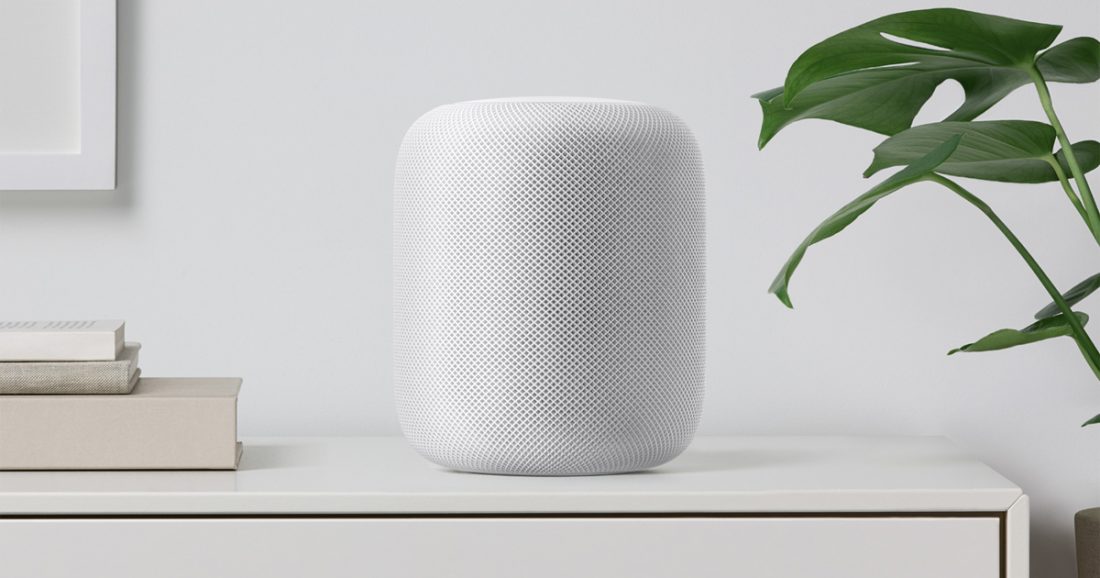
    The Apple HomePod is Apple’s answer to Amazon Echo and Google Home. Ever since its launch, the HomePod has received rave reviews. It is even being termed as the best-sounding smart speaker on the market right now. According to a number of HomePod users, the Siri-powered speaker tends to leave a permanent mark on the wooden surface. The marks are quite reminiscent of a hollow circle, that has a major effect on the oil-based wood table.

    After such complaints, Apple updated its official support page for HomePod. It now reads:

    It is not unusual for any speaker with a vibration-dampening silicone base to leave mild marks when placed on some wooden surfaces. The marks can be caused by oils diffusing between the silicone base and the table surface, and will often go away after several days when the speaker is removed from the wooden surface.

    If not, wiping the surface gently with a soft damp or dry cloth may remove the marks. However, if marks persist, clean the surface with the furniture manufacturer’s recommended cleaning process. If you’re concerned about this, we recommend placing your HomePod on a different surface.

    HomePod’s Base is made using soft Silicone, which is known to observe oil on a molecular level, which makes the table dry creating a permanent mark. Apple announced its Siri-powered smart speaker HomePod at its developer conference in June 2017. At the time, the company said it would go on sale in December 2017. However, due to some reasons, Apple pushed the release and it went on sale on the 9th of February.

    Apple HomePod

    Powered by the same chipset as the iPhone 6, the smart speaker runs on the A8 chipset. It has built-in Siri, six microphones and HomeKit support to control compatible smart home devices. An interesting feature is the ability to automatically optimise sound for a given room. The Google Home Max also has a similar feature where it automatically optimises the sound based on where it is kept in a room. It also has seven tweeters and a high excursion woofer.

    Despite the late launch, the HomePod will ship without features like AirPlay 2, which allows pairing and multiroom audio.


  • Apple HomePod Smart Speaker Up For Pre-Orders For US$ 349

    Apple HomePod Smart Speaker Up For Pre-Orders For US$ 349

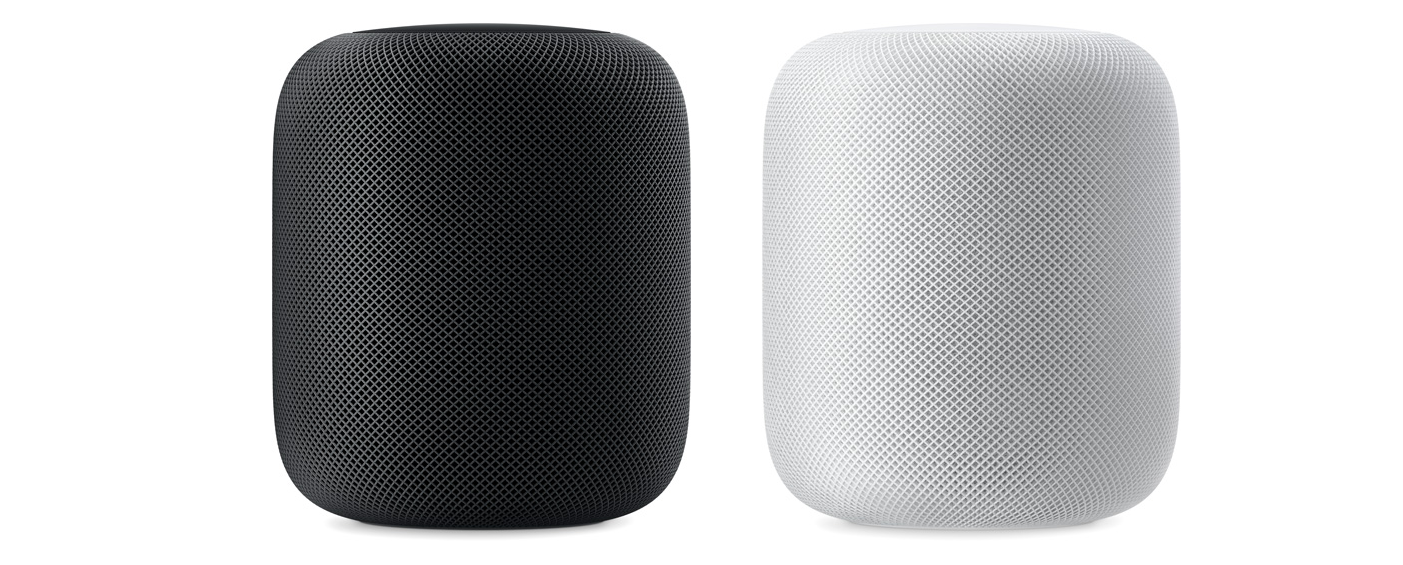
    Apple announced its Siri-powered smart speaker HomePod at its developer conference in June 2017. At the time, the company said it would go on sale in December 2017. However, due to some reasons, Apple pushed the release and it is now finally available in the US, UK and Australia at a price of US$ 349. The HomePod will hit the stores on February 9th and that is the shipping date of the pre-ordered units as well. It will be available in two colour variants, white and space grey.

    HomePod

    While the fanfare around an Apple product launch is enough for it to be sold out within minutes, the HomePod is still available for pre-orders. Even though it is a new kind of product from Apple, the company still makes about two-thirds of its sales from its smartphones.

    The HomePod is powered by Apple’s A8 chip, which also powered the iPhone 6. It has built-in Siri, six microphones and HomeKit support to control compatible smart home devices. An interesting feature is the ability to automatically optimise sound for a given room. The Google Home Max also has a similar feature where it automatically optimises the sound based on where it is kept in a room. It also has seven tweeters and a high excursion woofer.

    Despite the late launch, the HomePod will ship without features like AirPlay 2, which allows pairing and multiroom audio. Apple has said that those features will be added via a software update.

    The Competition

    Amazon and Google are its two biggest competitors in this industry. For its size, the Apple HomePod is the priciest offering in the market. The Google Home Max is much larger and is priced at US$ 399. The Google Home is priced at US$129 while the Amazon Echo costs US$ 99. Both Google and Amazon offer an ultra-affordable variant of their smart speakers, the Google Home Mini and Amazon Echo Dot. Both are priced at US$ 49.

    A lot of smart speakers in the market also support Spotify playback, the most successful music streaming service now. The HomePod, however, will only support Apple Music.

    There is no word on the HomePod’s availability in the Indian market as of now. With Google also not bringing its smart speakers in the Indian market, it’ll be interesting to see both the company’s strategy for India.

    You can pre-order it here

  • Samsung Might Launch A HomePod Competitor In 2018

    Samsung Might Launch A HomePod Competitor In 2018

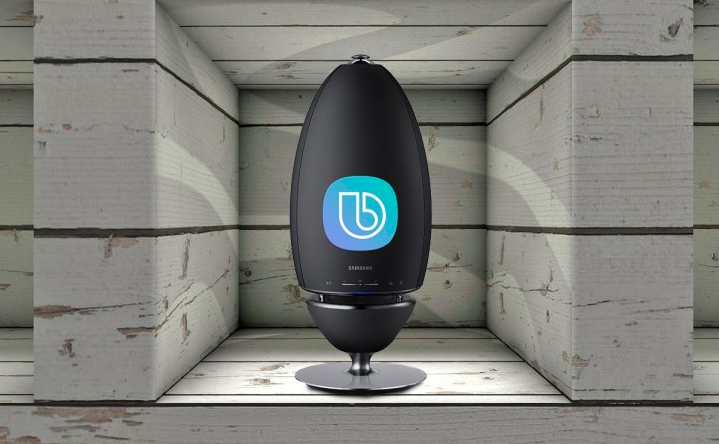
    Smart home tech is the new thing and tech giants like Google and Amazon already have a vast variety of products to offer in this segment. Apple unveiled its HomePod back in June and it was slated to be launched in December 2017 but, its release has now been pushed to early-2018. To compete with the HomePod and possibly the Google Home Max, Samsung will be launching it Bixby-powered smart speaker in early-2018 as well.

    Apple HomePod Powered By Siri

    Sources briefed on the plans tell Bloomberg that Samsung’s smart speaker “will have a strong focus on audio quality and the management of connected home appliances such as lights and locks.”

    Like a lot of smart speakers, beyond just playing music and syncing up with your phone, the Samsung speaker will also join the SmartThings ecosystem. The report did not include any further details, but theoretically, you will be able to talk to your Samsung speaker to turn on lights, set the temperature in your home and more.

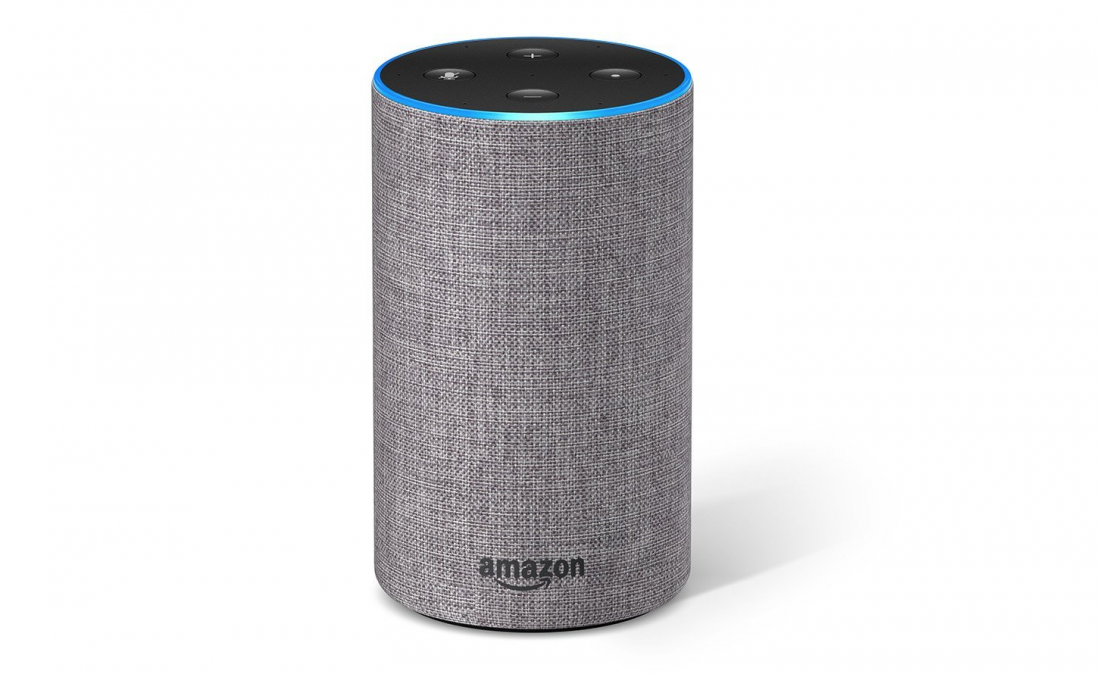
    Amazon Echo Powered By Alexa

    Although the pricing and availability of the speaker are still not confirmed,  Samsung is said to be targeting somewhere around US $200 for the price point of the smart speaker. That would place it in between of the US $100 Amazon Echo and the $349 HomePod that Apple will release early next year.

  • Apple Pushes The Launch Of HomePod Smart Speaker To Early 2018

    Apple Pushes The Launch Of HomePod Smart Speaker To Early 2018

    The holiday season is a time when companies try to push their marquee products into the market to take advantage of an average consumer’s spending spree. Apple Inc however, has decided to evade this season and wait till early next year to launch its much awaited foray into the smart speaker industry. HomePod, the Siri powered smart speaker which was unveiled back in June will start shipping to the US, UK and Australia in only early 2018.

    The smart speaker industry has become more competitive this year and launching a first smart speaker at the end of 2017 was already a but late from Apple. Amazon’s Echo lineup and Alphabet Inc’s Google Home speakers have been dominating the market and with a price tag of US $349, the HomePod already have a stiff competition from its own price tag.

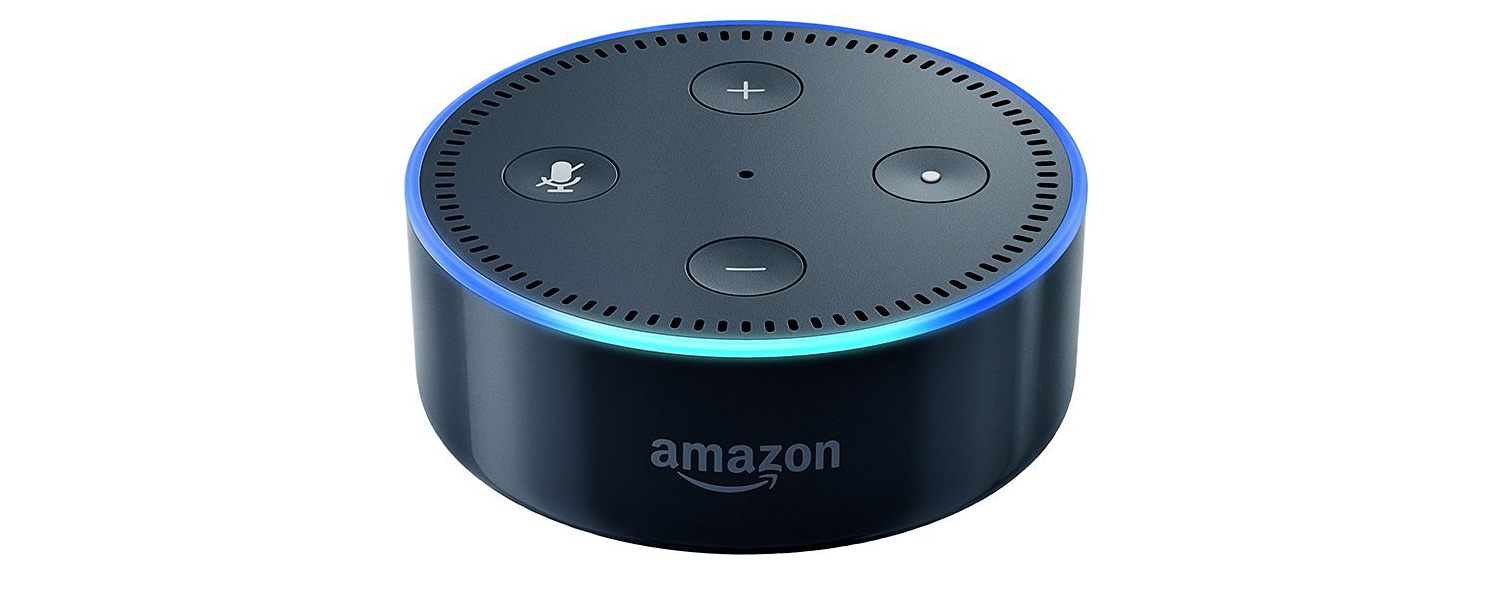
    Amazon Echo Dot Retails For US $49

    Bob O’Donnell, founder of Technalysis Research, said, “Apple has forecast between $84 billion and $87 billion in revenue for the holiday – mostly driven by sales of its $999 iPhone X – so it’s unlikely that missing a few weeks of sales of its $349 speaker will affect its financial results.”

    AI Assistants are more used in smart speakers than phones. Even if the majority of Echo or Google Home users own an iPhone, it is highly likely that they’re talking to Alexa or Google Assistant more than Siri.

    Google Home Mini retails for US $49 as well

    Another big responsibilty on the shoulders of the HomePod is Apple Music. The rival smart speakers play music from Spotify, even though Google and Amazon have their own music streaming services. The HomePod however, will not have this option and will drive more people to subscribe to Apple Music and the rise of rival Spotify.

  • 2nd Generation Apple HomePod Will Have Face ID

    2nd Generation Apple HomePod Will Have Face ID

    Apple’ first ever HomePod has not even hit the store shelved yet and reports of the second generation of Apple’s smart speaker are already out. A new report from Nikkei suggests that Apple is already working on a next-gen HomePod which might have some head-turning features. In particular, the second generation HomePod could have a camera and Apple’s Face ID technology, which only just made its way into the Apple lineup with the iPhone X.

    David Ho, the president of Inventec Appliances, which produces the HomePod and AirPods for Apple said:

    We see trends that engineers are designing smart speakers that will not only come with voice recognition but also incorporate features such as facial and image recognition.

    Such AI-related features are set to make people’s lives more convenient and to make the product easier to use.

    Jeff Pu, an analyst with Yuanta Investment Consulting, also said that, “Apple could roll out HomePods with 3D-sensing cameras in 2019.”

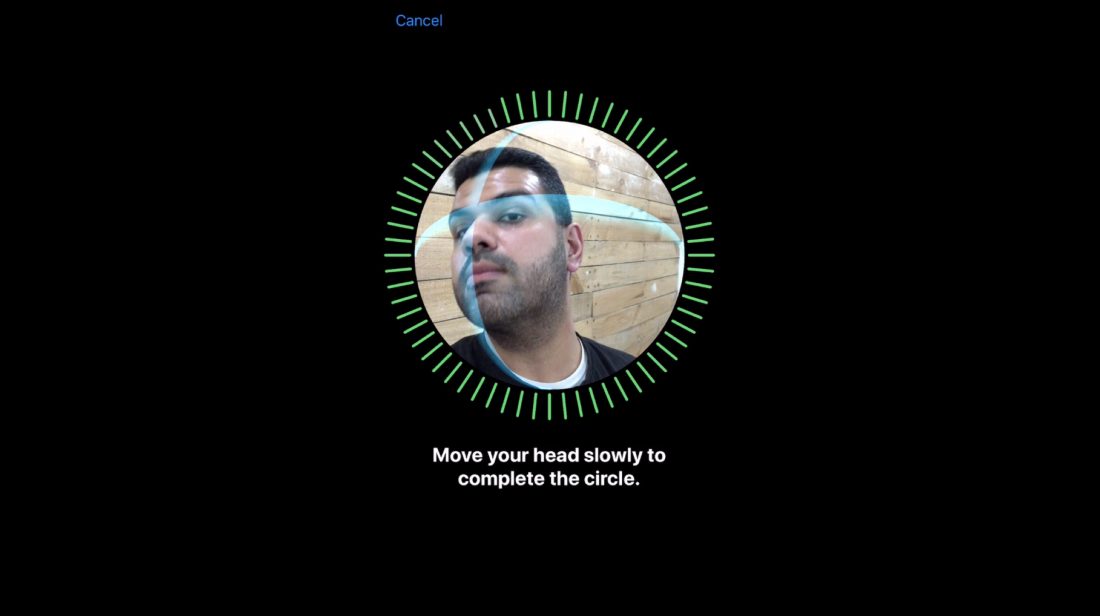
    Face ID on iPhone X

    Apple has the means and ability to come out with a smart speaker with Face ID. After all, it is one of the biggest tech companies in the world. For someone who has never really been a trendsetter and pursued tried and tested technologies, introducing Face ID on a smart speaker could start a revolution in the smart speaker industry.

    Companies like Amazon and Google, who are the two big players in the smart speaker game might just have to do something radical if Apple does release a Face ID HomePod (FacePod?) in 2019.

    The question arises here is, what is the use of Face ID on a smart speaker? Face ID on a phone or a tablet makes sense since it is a form of authentication because you lock your device. When do you “lock” your smart speaker? Face ID on a smart speaker could have other implications as well such as personalised response to the face it detects but, what if all members of the apartment are there?

    WHatever it may be, Apple may or may not launch a HomePod with Face ID in 2019 but, if it does, it will definitely turn some heads.

  • Apple HomePod Spotted Ahead Of December Launch

    Apple HomePod Spotted Ahead Of December Launch

    Apple unveiled the HomePod during its annual WWDC event in 2017 and is expected to officially launch it in December. A recent Instagram post by, who seems like a supply chain worker, of the HomePod has shed more light on what the smart speaker will look like when it is launched. The user posted a photo of the speaker on Instagram with the hashtag #HomePod and the location is pinned to Shanghai, China. In the image, what seems like the user’s kitchen, you can see the HomePod, a charger, and its box.

    https://www.instagram.com/p/BYfhudMAzIN/

    Later, a Twitter user posted a screenshot showing a HomePod appeared in the control center of his iPhone while driving through Menlo Park in California. The HomePod is labeled ‘Kitchen’ and it seems like an Apple employee is testing the smart speaker in their home. Lately, HomePod has been in the news for more being more than just a smart speaker. After Apple accidentally released the firmware of HomePod, several details about the upcoming iPhone were fished out by experts, ranging from a virtual home button to facial recognition to bezel-less display.

    https://twitter.com/BenedictEvans/status/905977272959512576

    The two images barely reveal anything about the HomePod and a lot of it was already revealed by the firmware. The launch of the HomePod is set for December, but, before December comes, the September 12 launch event is just around the corner where Apple might announce the all new iPhone. Stay tuned for more details.

  • Apple Hints At September Launch of The iPhone 8 with US$ 50 Billion in Q4 Earnings

    Apple Hints At September Launch of The iPhone 8 with US$ 50 Billion in Q4 Earnings

    The rumours of delay in launch of the Apple iPhone 8 have been innumerous, but Apple’s Q3 earnings announcement suggested quite the opposite. Tim Cook said that Apple is expected to earn revenue anywhere from US $49 billion to US $52 billion in the next quarter, which ends in September.

    The earnings represented by Apple are high enough to hint that the iPhone 8 may go on sale in September itself, during the fourth financial quarter.

    Further to support the claims of an early iPhone 8 launch is the statement made by Tim Cook, saying that Apple would have “very exciting Fall.” He also said :

    We’ve put everything we know into coming up with the guidance…we really like what we see for the beginning of the back-to-school season.”

    Though nothing can be confirmed, but we certainly hope that the iPhone 8 is one of the reasons for quoting such optimistic earnings prediction. A September release would impact Apple’s Fourth Quarter revenue immensely.

    That said, the earlier reports of manufacturers backing out from contracts with Apple, problems with installing few features like the Touch ID, etc have led the analysts to make a common prediction. They expect that the delays and shortage of supplies may mean that iPhone 8 will see a very limited release in September.

    We have also been receiving constant updates about the next iPhone’s design, features etc. – courtesy the leaked HomePod firmware. But that doesn’t mean the redesigned iPhone is what Apple plans to release this September. There has been some speculations about Apple splitting the iPhone line by releasing theiPhone 7S in September, and the redesigned model – iPhone 8, a few months later.

    These speculations could also mean that the significant earnings predicted by Apple could be from expectations of people upgrading to the rumoured iPhone lineup – iPhone 7s and 7s Plus. Or maybe Apple is banking on massive HomePod sales, either way Apple is definitely prepared for  something “very exciting” this fall.

  • Details Of The Apple iPhone 8 Confirmed By HomePod’s Firmware

    Details Of The Apple iPhone 8 Confirmed By HomePod’s Firmware

    Apple announced it’s smart speaker – HomePod at the annual WWDC (World Wide Developer Conference) at 5 June 2017. The $349 Siri powered speaker is said to rival Amazon’s Echo and Google’s Home and will be available for purchase in December.

    After introducing the HomePod at the conference, Apple pushed out a developer update for it’s wireless speaker ahead of its launch.  A bunch of developers examined the firmware bearing the name “AudioAccessory1,1”. The update revealed that the HomePod included the codebase for the next iPhone, along with the secrets about the smart speaker.

    Here’s a roundup of all the secrets found in the HomePod firmware –

    References to an LED matrix 

    According to one of the coders, it’s possible that HomePod will have a dot LED matrix screen that could display shapes, symbols,icons or even text. References to a Siri button on the top of the device were also found. This could mean that the existence of an LED matrix could potentially offer additional information to the user.


    References to an Infra-Red Camera and Facial Recognition Feature

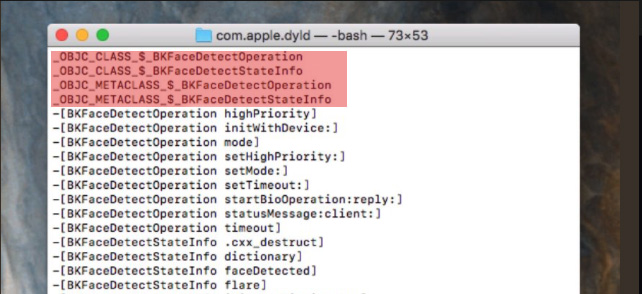
    A code snippet was found that refers to iPhone’s infra-red, face recognition-based unlocking capabilities. The code consisted of the lines “BKFaceDetect” which probably refers to Biometric Kit and facial detection tech. .

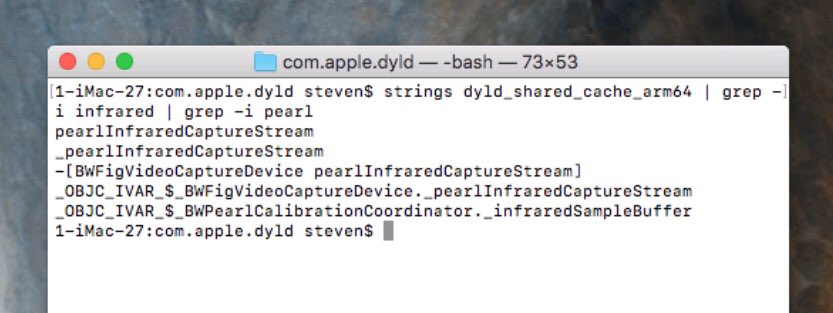
    References to an infrared camera – “pearlInfraredCapture Stream”, which can be used to detect your face even in the dark have also been seen. Reports of Apple using an infrared camera for 3D face scanning in the iPhone 8 have also been seen earlier this month.

    A tweet from one of the developers pretty much confirmed the facial unlocking feature in the iPhone 8.


    References to the iPhone 8 Form Factor

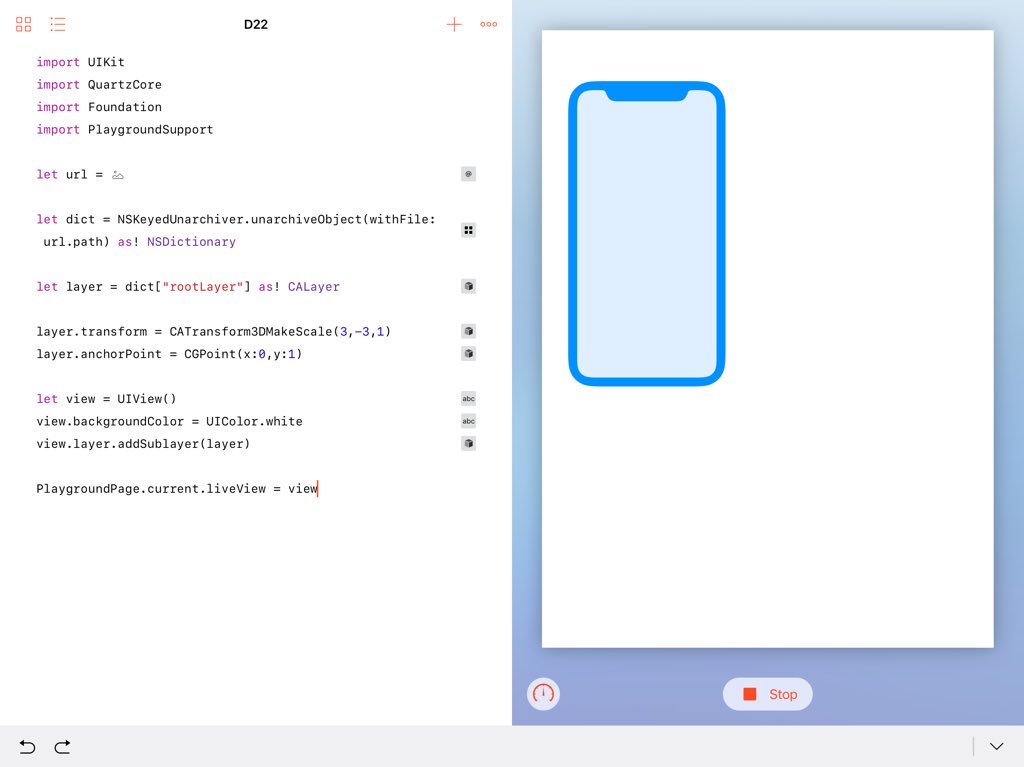
    HomePod firmware also appears to have carried an icon of the iPhone 8. Confirming the all-screen design, a stylized image of the new iPhone was also extracted from the “Payment_glyph_phone-D22.caar” in “PassKitUIFoundation.framework”.

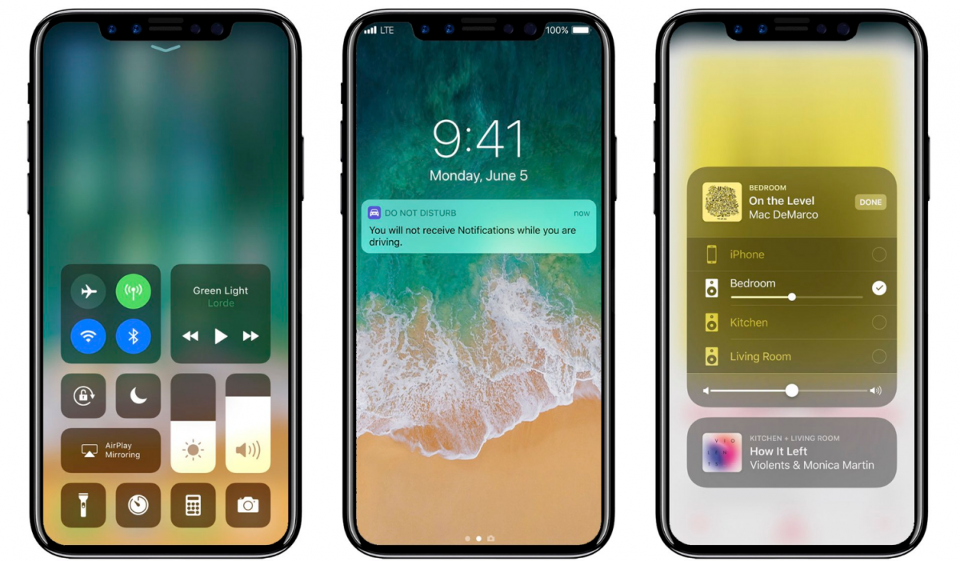
    Later, another developer tweeted a high resolution version of the of the next iPhone’s icon. The form factor revealed a bezel-less, edge to edge display extending around the top speaker and sensors.


    The earlier icons of the previous iPhones like iPhone 5s had a home button which doubled as the Touch ID. The placement of the TouchID and the home button in the iPhone 8 is still not disclosed . Apple might just give the fingerprint sensor a miss in the new iPhone.

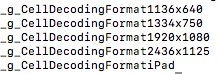
    References to a 2436×1125 Resolution

    Another snippet of the code was tweeted yesterday containing references to a 5.15-inch screen with the rumoured 2436 x 1125 resolution.

    Assuming the speculations are true, iPhone 8 will have a pixel density around 521 PPI with 3x Retina display which is higher than the existing iPhone lineup.

    Tap to wake feature 

    A tap to wake feature has also been discovered. The developers say that it may be similar to the Lumia 950’s Double-tap to wake the phone feature.

    References to a virtual Home Button

    A developer confirmed that the traditional home button will now be replaced with a virtual home button called the “home indicator”. The coders also shot down the possibility of a Touch ID.

    Apple will not be the first to use facial recognition and edge to edge display. Both the features have already been seen on other Android phones like Samsung Galaxy S8 and S8+, LG G6 etc. But with the increased pixel density and the 3x Retina display, the iPhone 8 will be at par with the latest high-end Android phones like the Galaxy S8 (2960 x 1440) or the Google Pixel (1080 x 1920), which tend to offer more pixel-dense displays.

    It is still not definitive whether the features extracted from the code will make it into the iPhone 8 or not. But as these are the samples of code released by Apple, it is more likely that the said features will be present in the upcoming smartphone.

  • Apple Working On a Siri Activated Wireless Charging Dock

    Apple Working On a Siri Activated Wireless Charging Dock

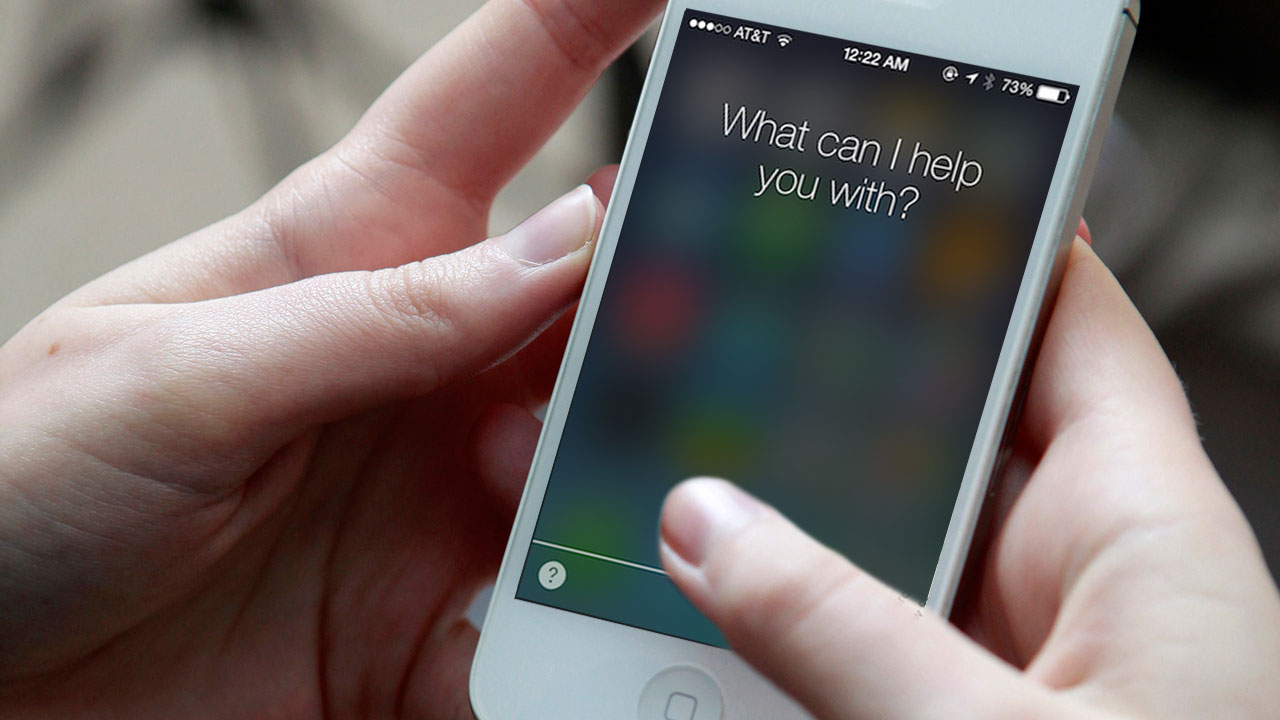
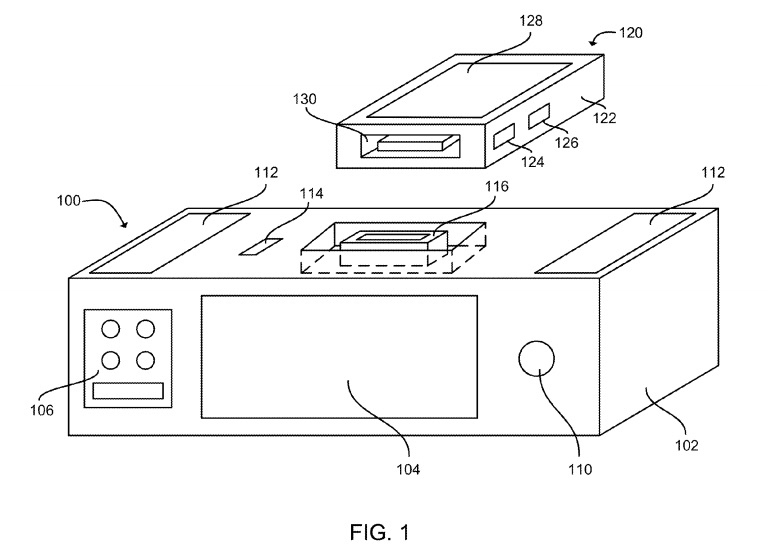
    The rumours about Apple bringing wireless charging to its iPhone 8 lineup have been innumerous. Given its membership in the wireless power consortium, Apple is likely to depend upon the Qi inductive standard for its rumoured new feature. For a feature like wireless charging, the company will most likely have to come up with a pad- like device, may be like a -Siri powered wireless charging dock. And considering that Apple has recently been granted a new patent which states, “Smart dock for activating a voice recognition mode of a portable electronic device,” the company might just roll out a Siri powered dock sometime in the future.

    The patent describes a device that could serve as a dock  for “a portable electronic device”, an iPhone outfitted with microphones for voice commands, allowing the users to access the phone from a distance, processors and wireless charging. The microphone installation in dock indicates it being powered by Siri. Further, the patent also states multiple ways of powering the iPhone which includes wireless charging, docks that range from basic microphone and speaker integrated connectors to mini computers with displays.

    Filed back in 2012, the patent defines Siri integration in the dock as “a voice recognition mode of the portable electronic device,” than a built in feature but considering the upcoming trends in the tech world, Apple might infuse Siri directly in the dock. The filing date of the patent also suggests that Apple might have been working on the idea for a while.

    Amidst all the ongoing rumours and announcements, the $349 HomePod, one of the upcoming Apple product is also expected to hit the stores in December. The Siri supported speaker is rumoured to serious contender against the Amazon Echo and Google Home. As to when the Siri powered wireless charging will be announced or if it ever will be, its all upto Apple. Amongst all the speculation, we still can’t claim it for sure until Apple officially announces the rumoured Siri connected dock.

iGyaan Network
Privacy Overview

This website uses cookies so that we can provide you with the best user experience possible. Cookie information is stored in your browser and performs functions such as recognising you when you return to our website and helping our team to understand which sections of the website you find most interesting and useful.