Tag: IDC

  • Xiaomi Leads The Wearables Industry With 21 Percent Market Share

    Xiaomi Leads The Wearables Industry With 21 Percent Market Share

    IDC short for International Data Corporation has revealed that global shipments of wearable devices have grown significantly YoY from the year 2017 to 2018. The biggest gainer in market share and the top spot for the maximum number of devices sold is held by Xiaomi. The full chart for shipments from different companies can be found below.
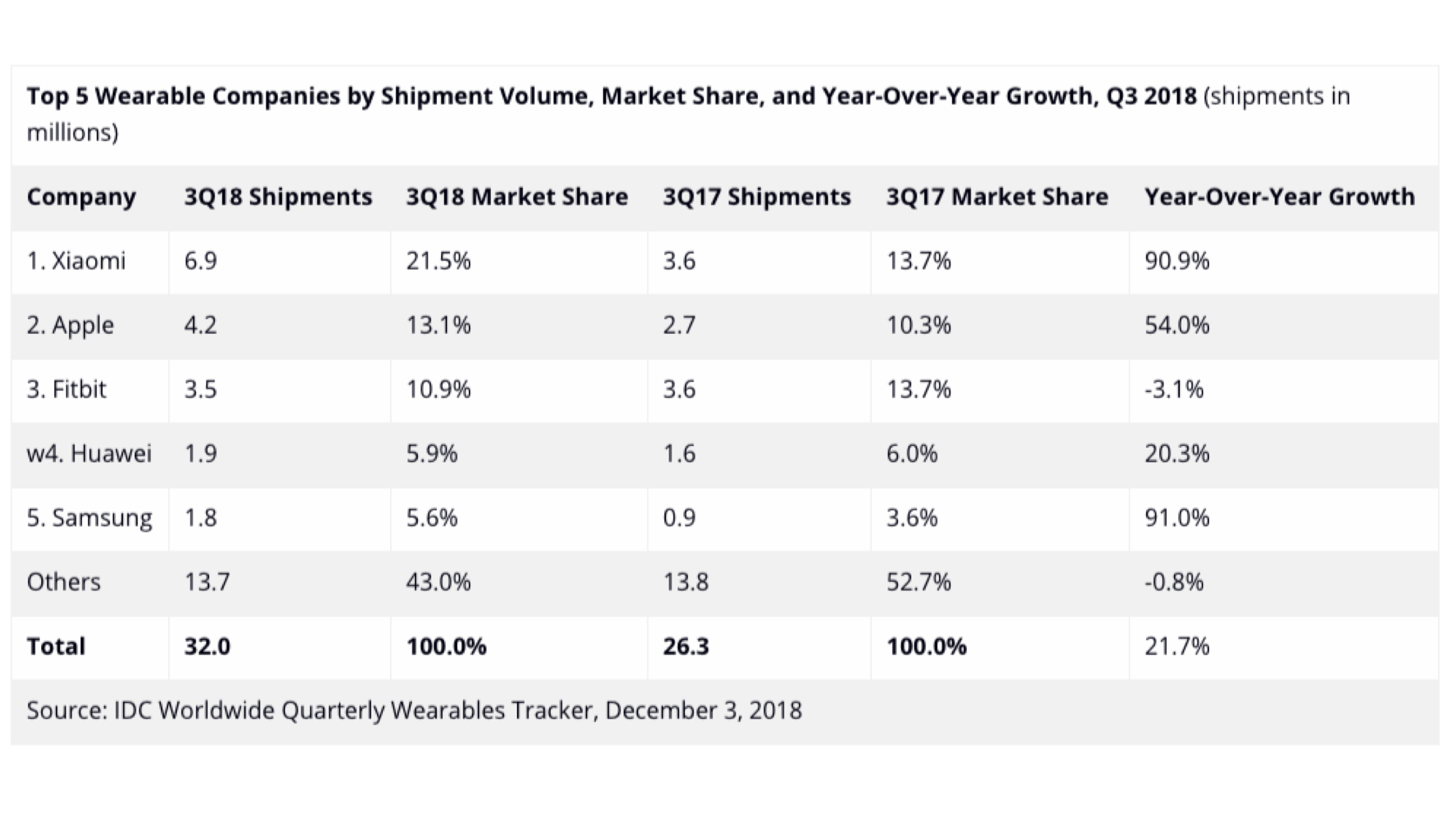
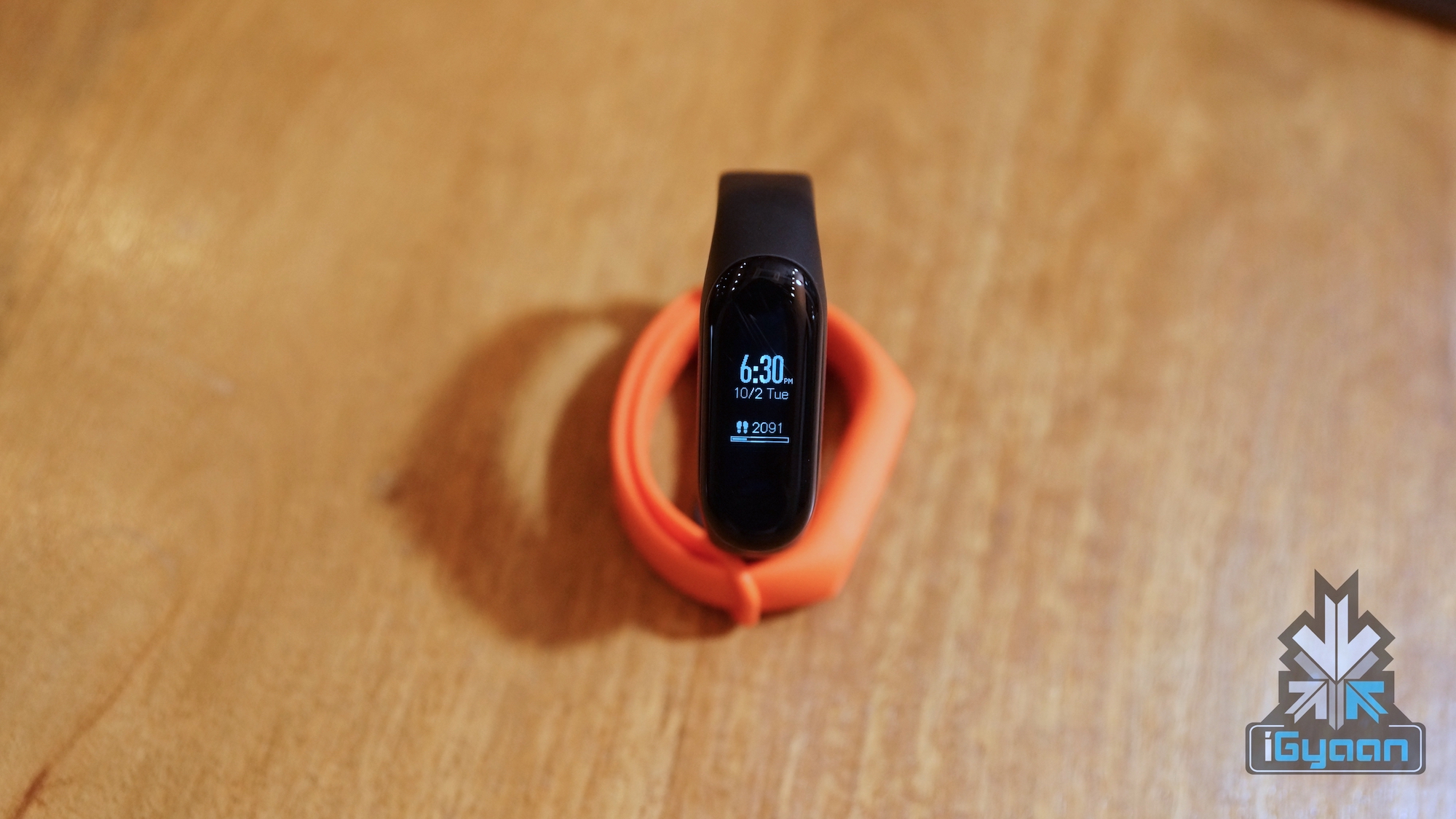
    According to the report published by IDC, Xiaomi sold 6.9 million wearable devices in Q3 of 2018, up from 3.6 million in Q3 of 2017. Major contributors in Xiaomi’s portfolio is the Mi Band which is an affordable fitness band. Noteworthy, Xiaomi’s stake grew from 13.7 percent to 21.5 percent which is significant growth. Apple Watch Wearable
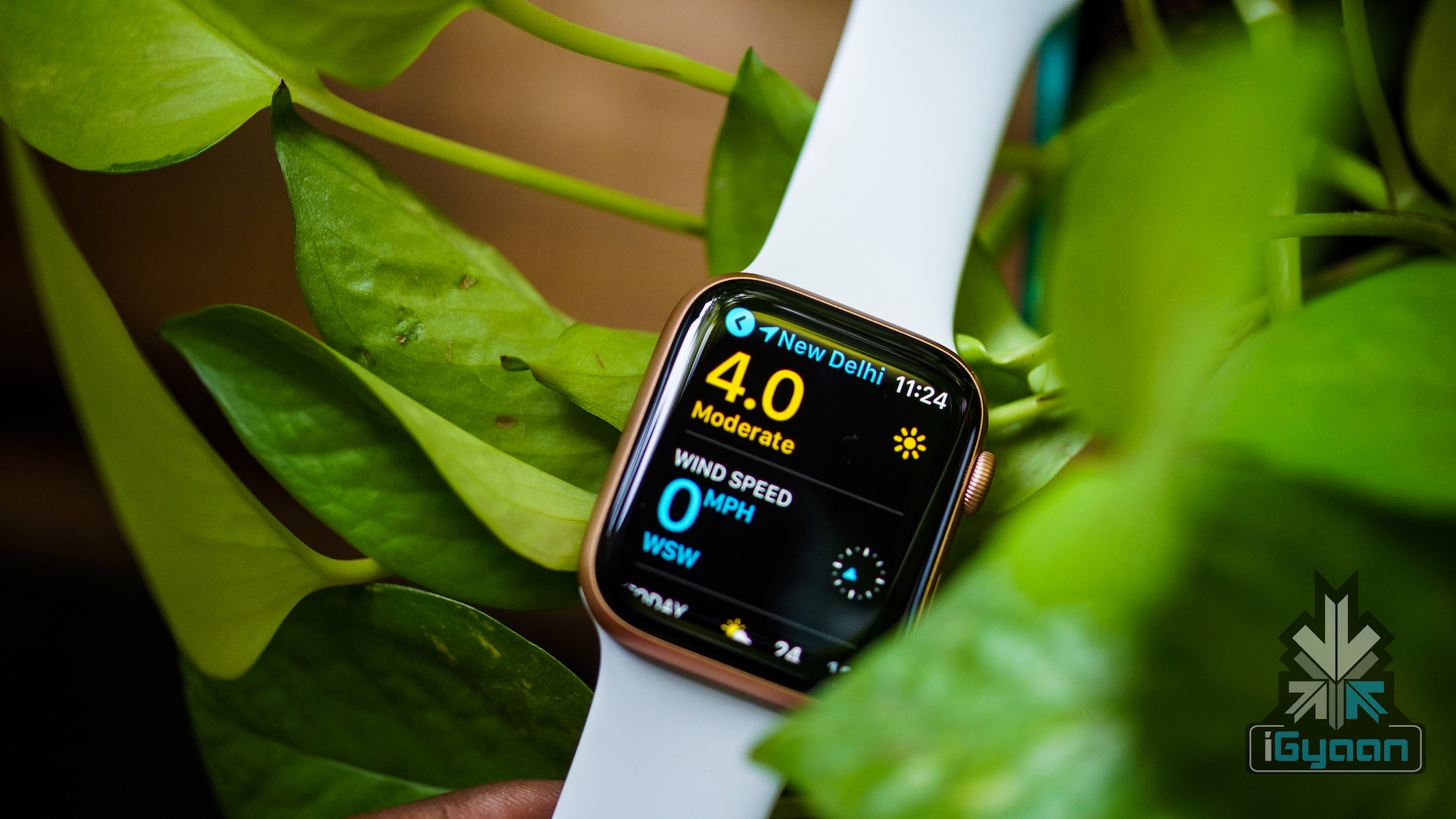
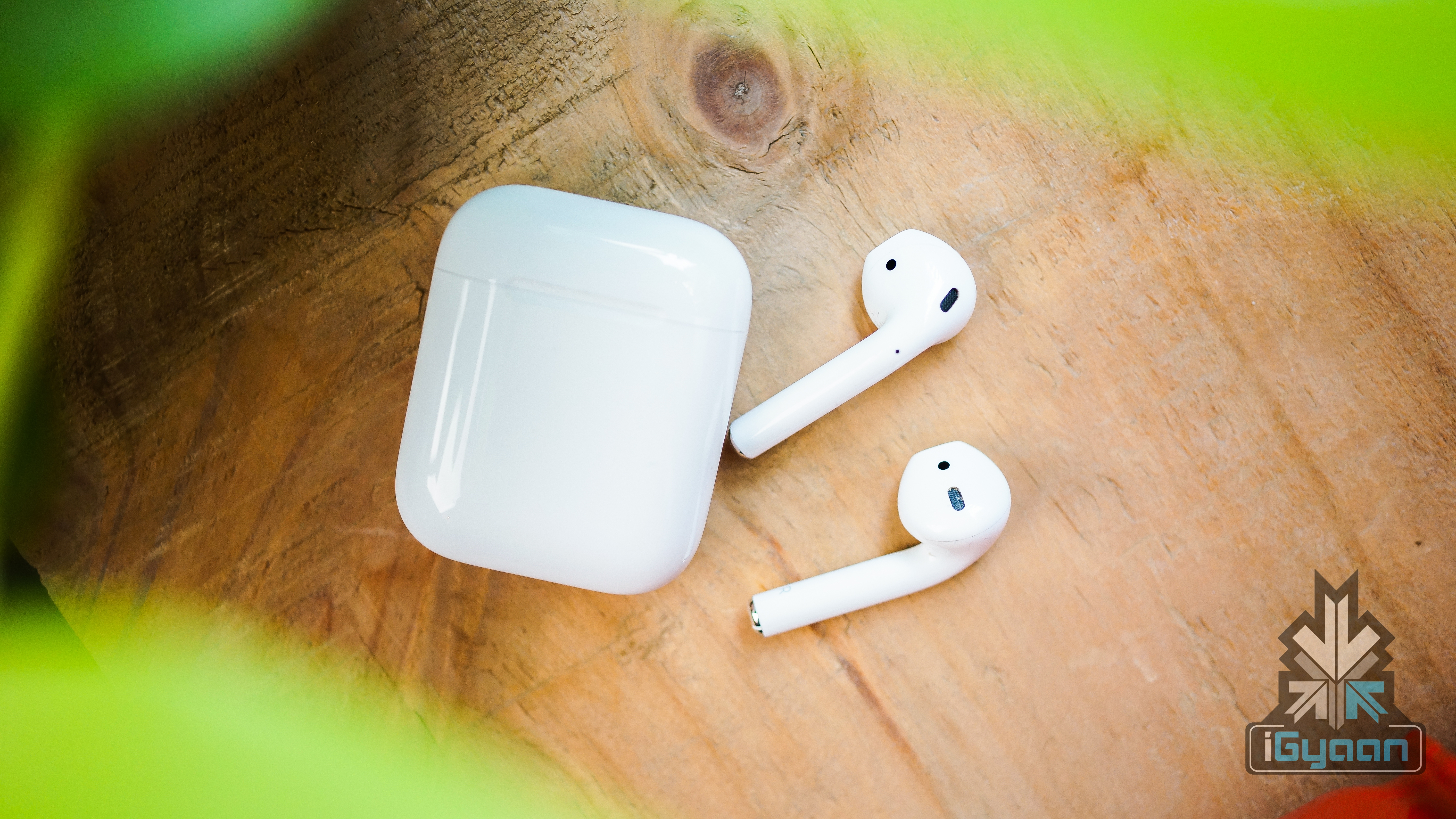
    Following Xioami in the list is the American giant, Apple which sold 4.2 million smart wearables in Q3 of 2018. The devices in Apple’s portfolio include the Apple Watch and Apple AirPods. In comparison to Q3 of 2017, Apple saw close to 3 percent growth in the overall marketshare which grew from 10.3 percent to 13.1 percent. IDC Wearable Report
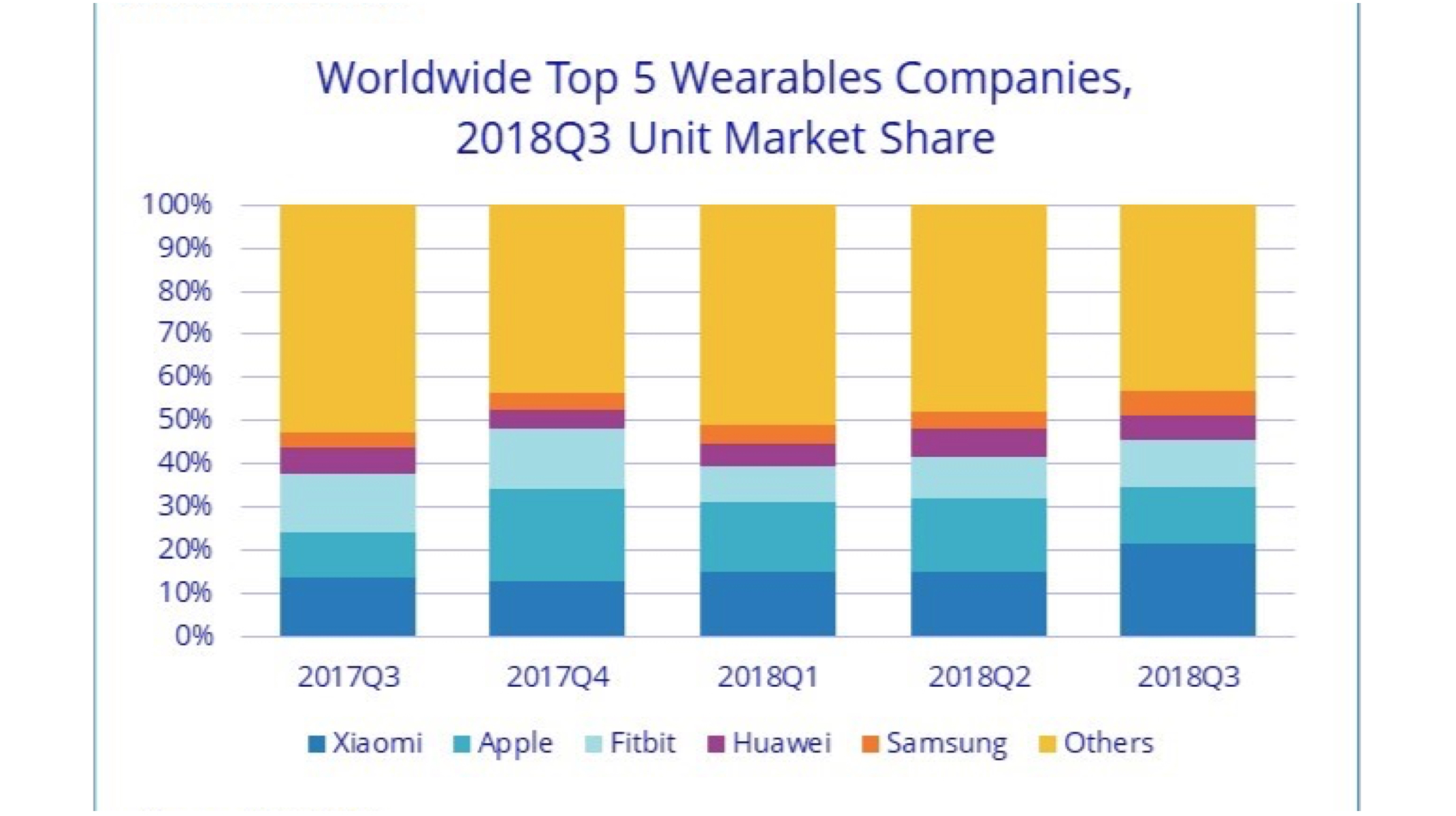
    Coming in at number three is Fitbit whose sale fell slightly YoY. In the Q3 of 2017, the company sold 3.6 million wearables, whereas in Q3 of 2018 it sold 3.5 million units. The overall YoY growth for the company fell over 3 percent. In Q3 of 2017 Fitbit had a market share fo 13.7 percent which fell to 10.9 percent in third quarter of the following year.
    Other companies including Huawei and Samsung also sold a considerable amount of wearable devices in two years. Both companies saw an upward trend in terms of sale. Noteworthy, the market share of Korea based Samsung grew 91 percent between the two time frames. The company sold 0.9 million wearable devices in the third quarter of 2017 which double to 1.8 million for Q3 of 2018.

    Also Read: Huawei Cancels MateBook X And E Over US Trade Ban

    Conclusively, the data reveals that the demand for wearable devices is seeing rapid growth and 2019 is expected to translate into the charts climbing even higher. 
  • According to IDC, India’s Smartphone Market Will Overtake USA’s by 2017

    According to IDC, India’s Smartphone Market Will Overtake USA’s by 2017

    International Data Cooperation (IDC) recently reported that, after a slow start in the first quarter, the smartphone shipment in India grew 44% to 26.5 million units, in the June quarter. Not just this but we can also expect a huge leap forward over the next few years, as people will switch to smartphones and 4G-enabled devices.

    “By 2017, we expect India to overtake USA to be the second largest smartphone market globally,” it said in a statement issued by IDC.

    “This strong second quarter performance saw smartphone shipments grow by 19%, following a sluggish first quarter this year,” IDC added.

    However, we should note that the IDC hasn’t released shipment numbers for the January-March 2015 quarter. Samsung maintained its leadership in the Indian smartphone market with 23% share, followed by Micromax (17% ), Intex (11%), Lava (7%) and Lenovo (6%).

    Times of India accompanied this information with the fact that the overall Indian mobile phone market has actually shrunk by 6% in the said quarter on a year-on-year basis. 59.4 million units were shipped in the June quarter, as  compared to 63.2 million units being shipped in the second quarter of 2014.

    “e-tailers have opened additional avenues for growth for many vendors in India, who would have otherwise struggled to get a hold in the complex distribution network,” IDC India Mobile Phone team Research Manager Kiran Kumar said. This explains the reason for such magnanimous growth as vendors are using online retail or “eTail” to infiltrate the market. However, India continues to be a retail dominated market, even as companies like, Lenovo and Xiaomi are continuing to expand in the subcontinent.

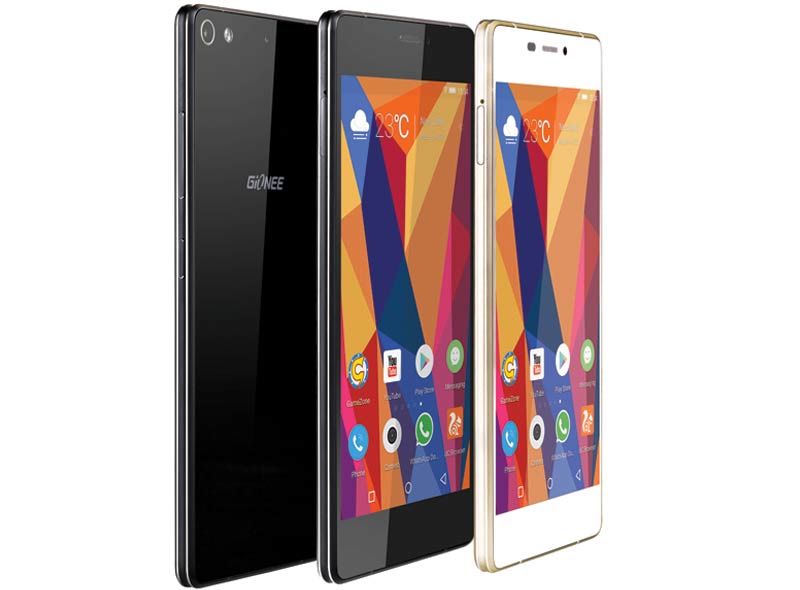
    A second reason is that Chinese phone companies like the above mentioned, as well as Huawei and Gionee account for 12% of the total smartphone market in the second quarter. This means that China has tripled its shipments to India,thereby doubling the units shipped, from last year.

    The IDC concludes by saying that, at the rate India’s going, it might be able to overtake America’s Smartphone market by 2017. That would be interesting, wouldn’t it?

  • Micromax Fast Capturing Samsung’s Rapidly Losing Ground

    Micromax Fast Capturing Samsung’s Rapidly Losing Ground

    A few months back, Samsung got its first jolt in rating when Xiaomi kicked it from the top of the podium to second spot in China. A few days later, Samsung was overtaken in the Indian market by the homeboy Micromax in Q2 2014. Samsung denied the news and said that it was still at the top. Well, seems like Samsung’s woes have not finished yet.

    Market research firm IDC is reporting a drastic fall in Samsung’s market share. At the same time, Micromax is showing positive gains. While Samsung slipped from 29% market share to 24%, Micromax gained a healthy lead of 2 percent and went from 18% to 20%.

    Samsung’s sales have been falling over the last couple of years. The culprit can easily be found. The electronic giant has not brought any exceptional device in a while, and even the innovative Note 4 is out of the reach of the average consumers. Samsung is also facing stiff competition from Chinese and Indian brands who are fast adopting high specs, low price formula.

    Though Micromax too doesn’t have any exceptional device in its portfolio, its Indian brand appeal comes to its rescue. The company has been berated for its unsavory after sales service. Recently, the company has hinted at making products based on CyanogenMod that would take care of most of its headaches. The custom ROM is known globally for its stock android experience with amazing customisability features and regular updates. The CyanogenMod-based devices will be released under the brand name ‘Yu’ and are expected to be launched next month. If Micromax plays its cards right, it can literally go places with the Yu. The advice for Samsung has been around for a while, it is to go back to the drawing board and start from scratch, and finally the company is paying heed to it. We just have to wait another quarter to know the further fate of these companies.

  • Xiaomi Now Holds the ‘World’s Third-Largest Smartphone Maker’ Tag

    Xiaomi Now Holds the ‘World’s Third-Largest Smartphone Maker’ Tag

    Despite being in controversies regarding privacy concerns, Xiaomi, the Chinese handset maker, has become the world’s third-biggest smartphone maker. According to the recent report by International Data Corporation (IDC), the smartphone maker has tripled the shipments since last year.

    Also, it’s the first time Xiaomi has made it to the list of top 5 smartphone makers in the world, released by IDC. The company is trailing behind Samsung, who despite witnessing a steep fall in shipment from last year, still leads the race followed by Apple in the second position.

    It is to be noted that Xiaomi’s focus on China and the neighbouring markets like Southeast Asia helped boost Xiaomi into the top 5 by resulting in triple-digit year-over-year growth in the third quarter of 2014. According to IDC,  the launch of Xiaomi’s flagship phone MI4, which is meant to compete against Samsung’s Galaxy S5 and Apple’s iPhone in August, was the key to its success.

    Xiaomi Redmi 1s Unboxing 16

    Although, the company has made a mark in China and its adjacent markets, it is still unclear how well it will fare in other markets where it faces greater competition from already established smartphone giants – Samsung and Apple. The report illustrates that while Samsung (24.7 percent) and Apple (12.3 percent) still dominate, LG’s recent popularity and increasing sale has also moved it to fourth.

    “Despite rumors of a slowing market, smartphone shipments continue to see record-setting volumes. We’ve finally reached a point where the most developed markets are experiencing single-digit growth while emerging markets are still growing at more than 30 percent collectively,” said Ryan Reith, Program Director with IDC’s Worldwide Quarterly Mobile Phone Tracker.

    While Samsung remained the world’s leading smartphone maker, IDC said it was the only company in the top 5 to see shipment volume decline year-over-year. Meanwhile, Apple’s latest iPhone 6 and iPhone 6 Plus pushed Apple to its largest third-quarter shipment ever.

    The report reveals that Apple has sold close to 10 million units during their first launch weekend of the new smartphones and also continued to sell previous generation iPhone 5s and 5c in large numbers, which made up the bulk of Apple’s volume for the quarter.

  • After Acquiring Motorola, Lenovo to Become the Third Largest Smartphone Vendor in India

    After Acquiring Motorola, Lenovo to Become the Third Largest Smartphone Vendor in India

    New reports by IDC have revealed that Lenovo is set to become the third largest smartphone vendor in India. But only after the completion of its acquisition of Motorola Mobility is complete. The acquisition is considered one of the sharpest move in the industry for the Chinese company, which has previously made its name though PC sales.

    “Presently, Motorola is at number four in India. And, we are expecting to close the acquisition by the end of the calendar year, which we believe make us the third largest smartphone player the in the Indian market,” Amar Babu, managing director at Lenovo India said.

    Amar said that Lenovo’s smartphone business has grown by 200% year on year, much faster than the rest of the market. He added that Lenovo will build the Motorola brand the way it has built the ThinkPad notebook brand within the company.

    The overall Indian smartphone market is expected to cross 80 million devices by shipments, up from 44 million a year back. Shipments grew by 84% year-on-year in the second quarter of 2014 to June, with vendors shipping a total of 18.42 million smartphones.

    Motorola-logo-AH

    The company is also positive on setting up manufacturing units in the country, given the ‘Make in India’ initiative by the Indian government and the company is hoping for certain incentives by the government that would encourage the same.

    The company is already the number one player in the PC market in India. In the Indian smartphone market, Lenovo lags behind Motorola, which is the fourth largest player. The company also plans to enhance its position in the tablet market in India. Lenovo recently launched its new range of ‘Yoga’ tablets in India, priced between Rs 20,990 to Rs 47,990. The range — comprising of four devices — will go on sale today exclusively on eCommerce site, Flipkart.

  • According to IDC, India Will be a Tough Market for Android One

    According to IDC, India Will be a Tough Market for Android One

    Google launched Android One handsets with great promises by not just the company, but also the home grown players that collaborated with the search giant and came out with inexpensive handsets.  Though the Android One smartphones, which are priced Rs 6,399 onwards, have been advertised more than any other handset launched by the three companies, they have failed to get the sort of response they expected.

    “Despite significant marketing spend already in evidence on Android One, IDC believes India will be a tough crucible for Google. Blocked out of China, Google has no choice but to make a large downstream investment in the Next Billion consumer segment in India,” the research firm said.

    android-one-540x334

    The Android One initiative was expected to be an instant success and their manufacturers were expected to make huge profits on the ‘exceptional’ handsets that the company launched last month. They also got good reviews and Micromax’s Android One handset was called the best handset that the company had ever launched.

    India is the first country where the California-based firm’s Android One devices have been launched. Roll out across other markets like Indonesia, Philippines, Pakistan, Bangladesh, Nepal and Sri Lanka will follow in coming months. The reports added that the Android One will go further and effectively create a bipolar environment where the high-end will be dominated by the likes of Apple and Samsung with their iPhone and Galaxy flagship devices and the low-end will increasingly close around Rs. 6,000 average selling price.

  • According to IDC, Samsung is Still No.1 in India

    According to IDC, Samsung is Still No.1 in India

    India being a fast growing smartphone market has become the centre of smartphone wars. Apple and Samsung have been trying hard to keep up with players such as Micromax, Lava, Karbon and the new entrant Xiaomi.

    The Indian handset market is currently led by Samsung with Micromax at No. 2, according to an International Data Corporation (IDC) report for India’s mobile market in Q2. The market could experience a shuffle in the rankings amongst the top five vendors in coming quarters, as Chinese and local device makers aggressively tap the entry level segment of smartphones.

    The digits in the IDC report showed that in the overall mobile market, Samsung had a 17 per cent share, while Micromax had a 14 per cent share, ahead of Nokia which was the previous number two and which now has a mere 10 percent share. Karbon and Lava are at number four and five respectively and rest is acquired by other phone makers.

    In smartphones, Samsung ha held a 29% share, which however was a sharp fall from the 35% it held in the January-March period, as aggressive competitors such as Micromax, Lava and Motorola ate into its share. Micromax remained in second place with 18% share, up from 15% in the previous quarter.

    “While Samsung has held on to its leadership position in the market, it is noteworthy that Micromax is growing faster. Samsung needs to continue to address the low-end of the market aggressively, and also needs a blockbuster product at the high end to regain momentum,” said Jaideep Mehta, vice president and general manager, South Asia, IDC.

    IDC (2)

    At the start of the month, another research by Hong Kong-based Counterpoint Technology Market Research showed that, in the April-June period, Micromax’s share of the overall handset market stood at 16.6 per cent, while Samsung’s was 14.4 per cent. The mismatch in numbers may be the result of use different methodology. IDC said it collects data from various sources, including vendors and channels.

    The report also pointed out that with the entrance of Chinese vendors and Mozilla in the smartphone category at $50 level, the low-end segment of the smartphone market will become crucial in the coming quarters. It will be really interesting to see what news Q3 and Q4 will bring out in the Indian mobile and smartphone market with the entry of players like Xiaomi, Oppo. Xiaomi in particular has created a stir in market with the launch of a sole device, the samsung Xiaomi Mi3 .

  • Smartphones Outselling Feature Phones For The First Time Ever

    Smartphones Outselling Feature Phones For The First Time Ever

    Smartphones are now outselling cheaper feature phones for the first time in history, according to new findings from research firm IDC.

    Tracking shipments over the first three months of 2013, 51.6% of the 418.6 million mobile phones shipped were smartphones. The number of phones shipped for the traditionally slow quarter (Q4 2012, the holiday season, saw shipments hit 483.2 million) rose year-on-year too, with 2012’s Q1 shipments peaking at 402.4 million.

    “Phone users want computers in their pockets. The days where phones are used primarily to make phone calls and send text messages are quickly fading away,” said Kevin Restivo, senior research analyst with IDC’s Worldwide Quarterly Mobile Phone Tracker.

    “As a result, the balance of smartphone power has shifted to phone makers that are most dependent on smartphones.”

    Samsung Electronics continues to dominate. It shipped 70.7 million smartphones during the first quarter, 60.7 percent more than a year earlier, according to IDC.

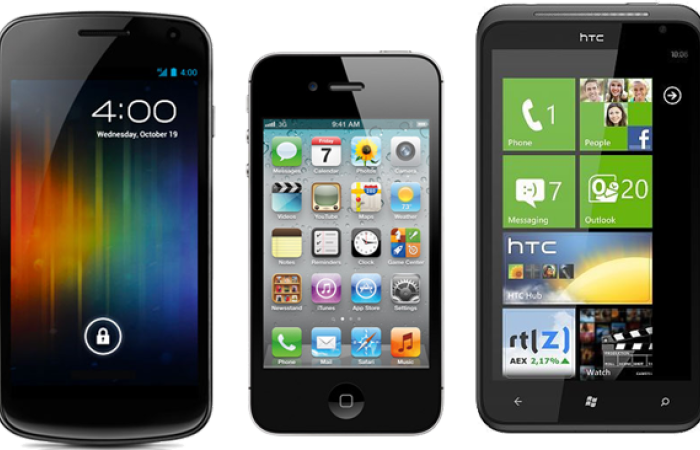
    smartphones

    Apple remains the second-largest smartphone vendor, shipping 37.4 million iPhones. That’s an annual growth rate of just 6.6 percent, though, the slowest of the top five vendors. The last time iPhone sales posted a single-digit year-on-year growth rate was in the third quarter of 2009.

    LG, on the other hand, managed to more that double its shipments, to 10.3 million units. That was enough to outship both Huawei Technologies and ZTE, which last year were ahead of the South Korean vendor. LG’s growth was driven in large part by its 3G smartphone portfolio, including the L series and the Nexus 4. LTE-enabled devices, including the Optimus G series, also contributed to LG’s success, according to IDC.

    [IDC, Memeburn]

iGyaan Network
Privacy Overview

This website uses cookies so that we can provide you with the best user experience possible. Cookie information is stored in your browser and performs functions such as recognising you when you return to our website and helping our team to understand which sections of the website you find most interesting and useful.