Tag: In Display Fingerprint Scanner

  • 2021 Apple iPhone Said To Feature An In Display Fingerprint Sensor

    2021 Apple iPhone Said To Feature An In Display Fingerprint Sensor

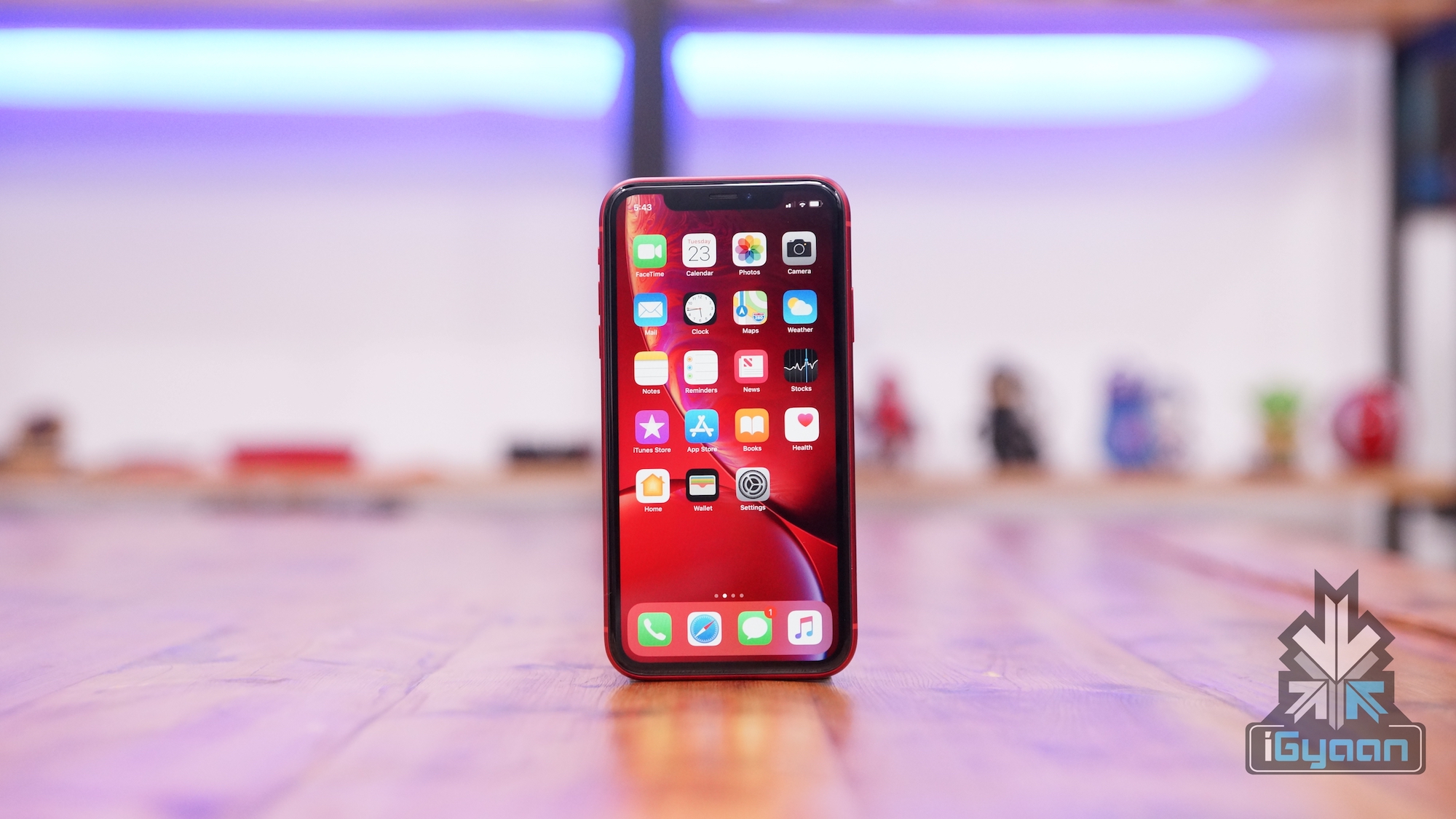
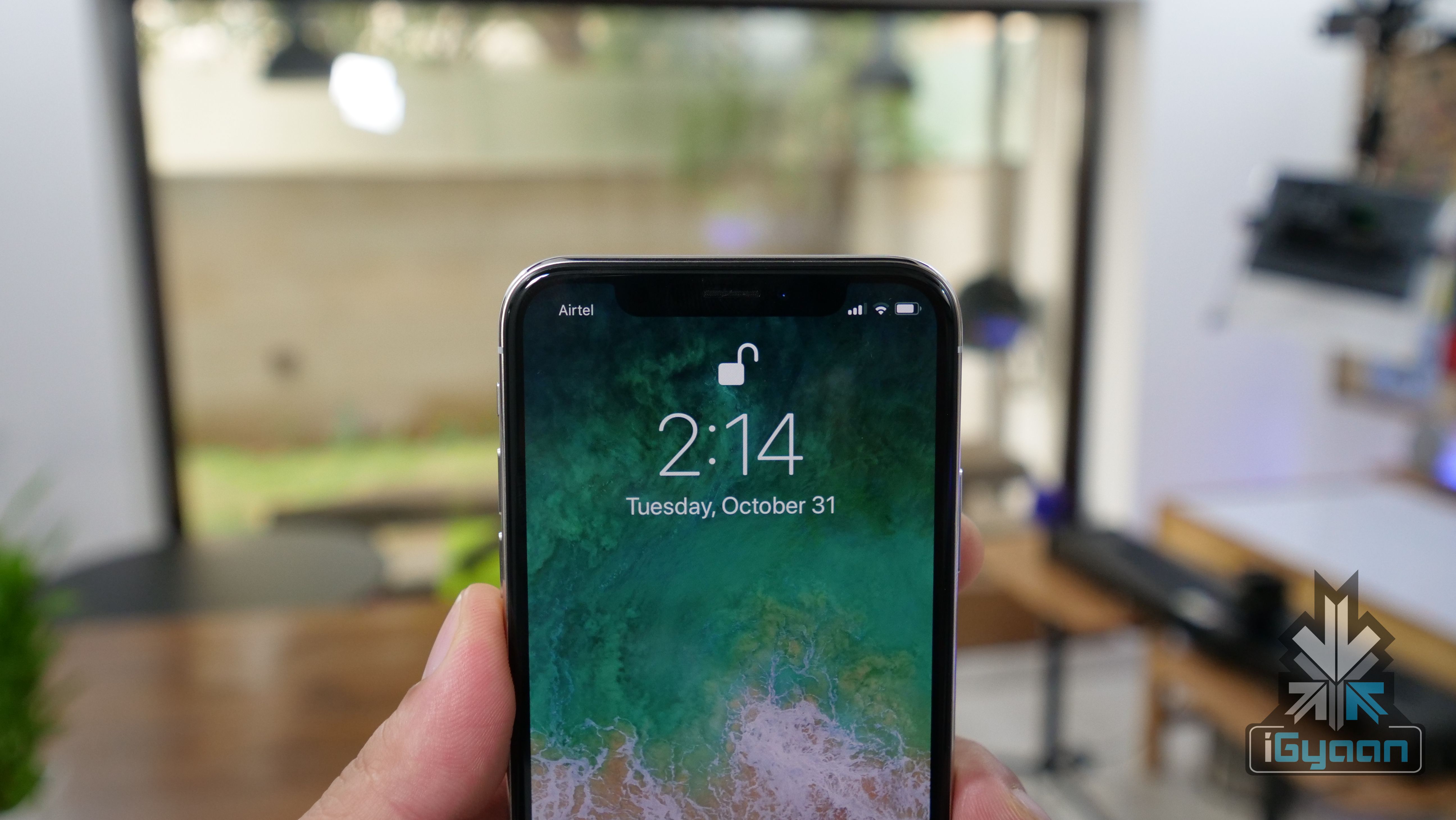
    Apple had bid farewell to its Touch ID fingerprint security solution since the launch of the iPhone X. The feature of fingerprint for protection was first introduced in iPhone 5S and had been a staple for the next couple of generations. Now, Apple has seen a shift towards Face ID for its primary source of security and has been incorporated in its flagships. According to a new report, Apple might reintroduce Touch ID with an in-display fingerprint scanner with its 2021 iPhone.

    Apple iPhone

    The new technology will reportedly be available with Apple’s facial recognition solution in two years. In-display fingerprint sensors are not new by any means but the tech giant has yet to incorporate the technology. Previously, Apple was reported to have been working on the technology since 2017 according to patents but has held off from its induction. The reason for this could probably be blamed on the technology itself. Currently, in-display sensors are bulky module sizes and draw more power than conventional fingerprint scanners. 
    Apple iPhone

    According to analysts, the problems that current-gen smartphones face should be dealt with within the next two years. It would allow for a hassle-free introduction of the technology. Furthermore, Apple iPhones have also rumoured to likely use an ultrasonic fingerprint sensor. The relatively new technology is also seemingly a better match for the Apple Watch for security purposes. The Apple Watch does not feature any form of biometric security as of right now, hence, the potential of this is far-reaching. Additionally, Touch ID and Face ID security systems being used together for future two-factor authentication can make the systems highly secure and less vulnerable to hacking.
    Apple iPhone

    Also ReadRedmi Note 8 Confirmed, Will Be A Lot More Powerful Than Note 7

    Conclusively, these are still analytical speculations and, although highly likely, is yet to be confirmed by any official channels. Apple 2021 iPhone is two years away so drawing concrete conclusion is difficult. It is still unconfirmed if the 2019 iPhone won’t feature Touch ID of any form. Hence, readers are advised to not be hopeful if the feature makes it to 2019 iPhone. More information is expected to available in the arriving months, stay tuned for updates. 
  • LCD In Display Fingerprint Scanner Arriving In Smartphones Next Year

    LCD In Display Fingerprint Scanner Arriving In Smartphones Next Year

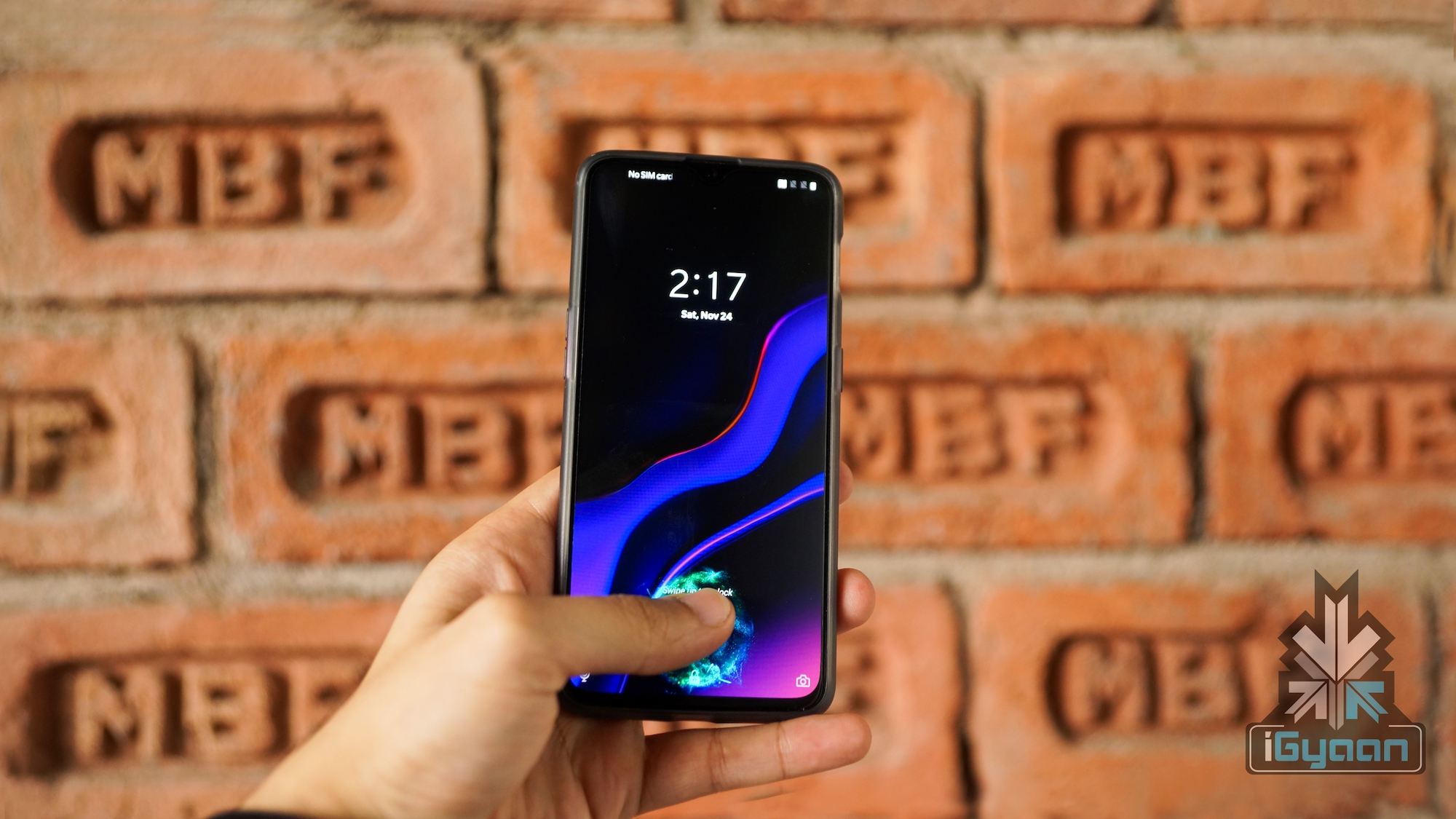
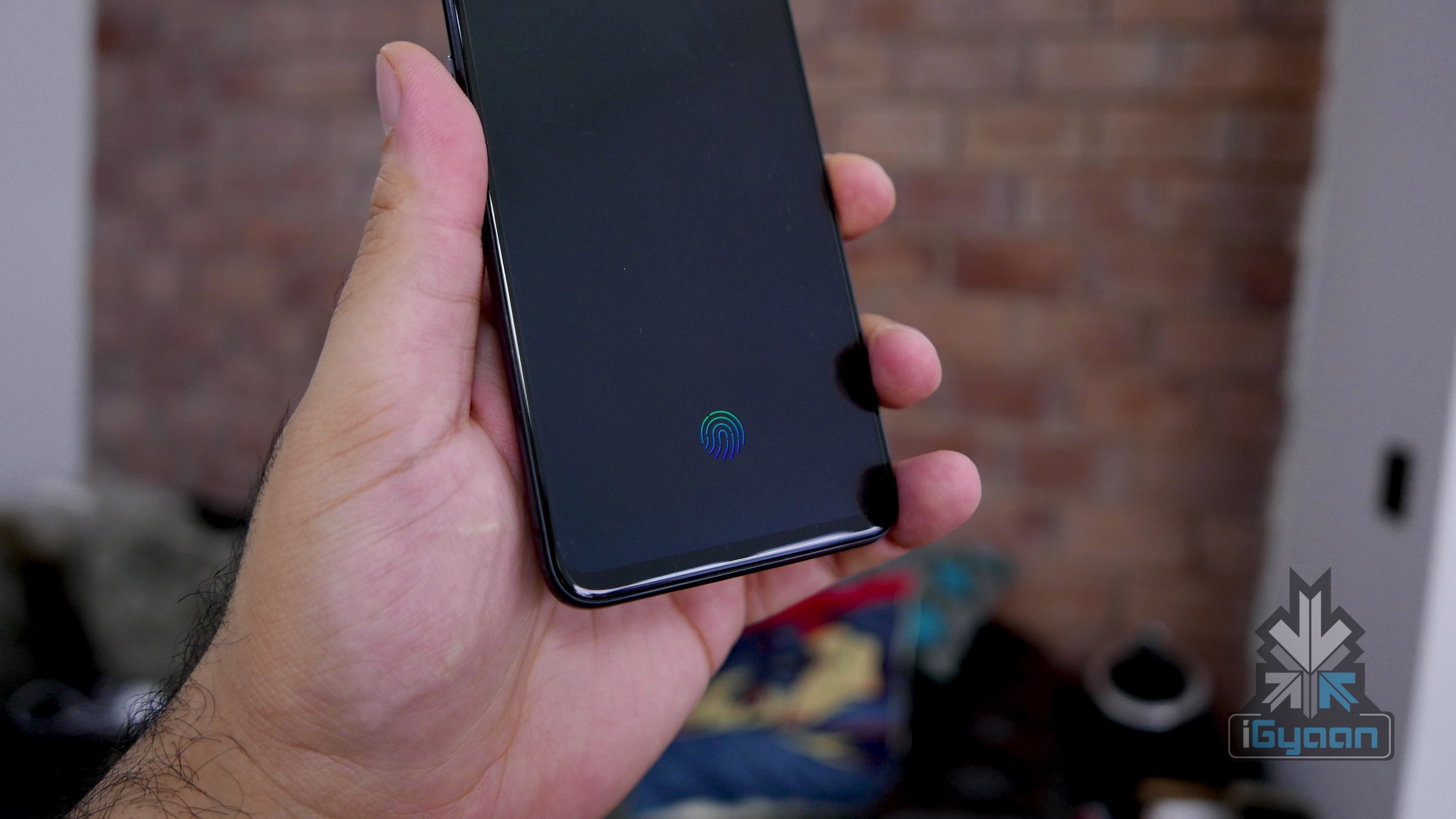
    The in display fingerprint scanners for smartphones was first shown off at the Consumer Electronics Show (CES) last year by Vivo. Few months after, the technology was made commercially available in the form of the Vivo X21 UD smartphone. Since then, many other major OEMs have started providing an in display fingerprint sensor on their devices.

    In Display Fingerprint Scanner
    OnePlus 6T

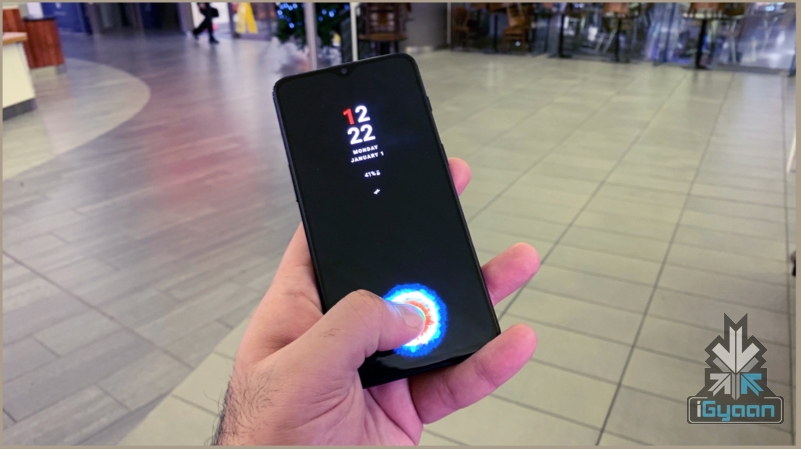
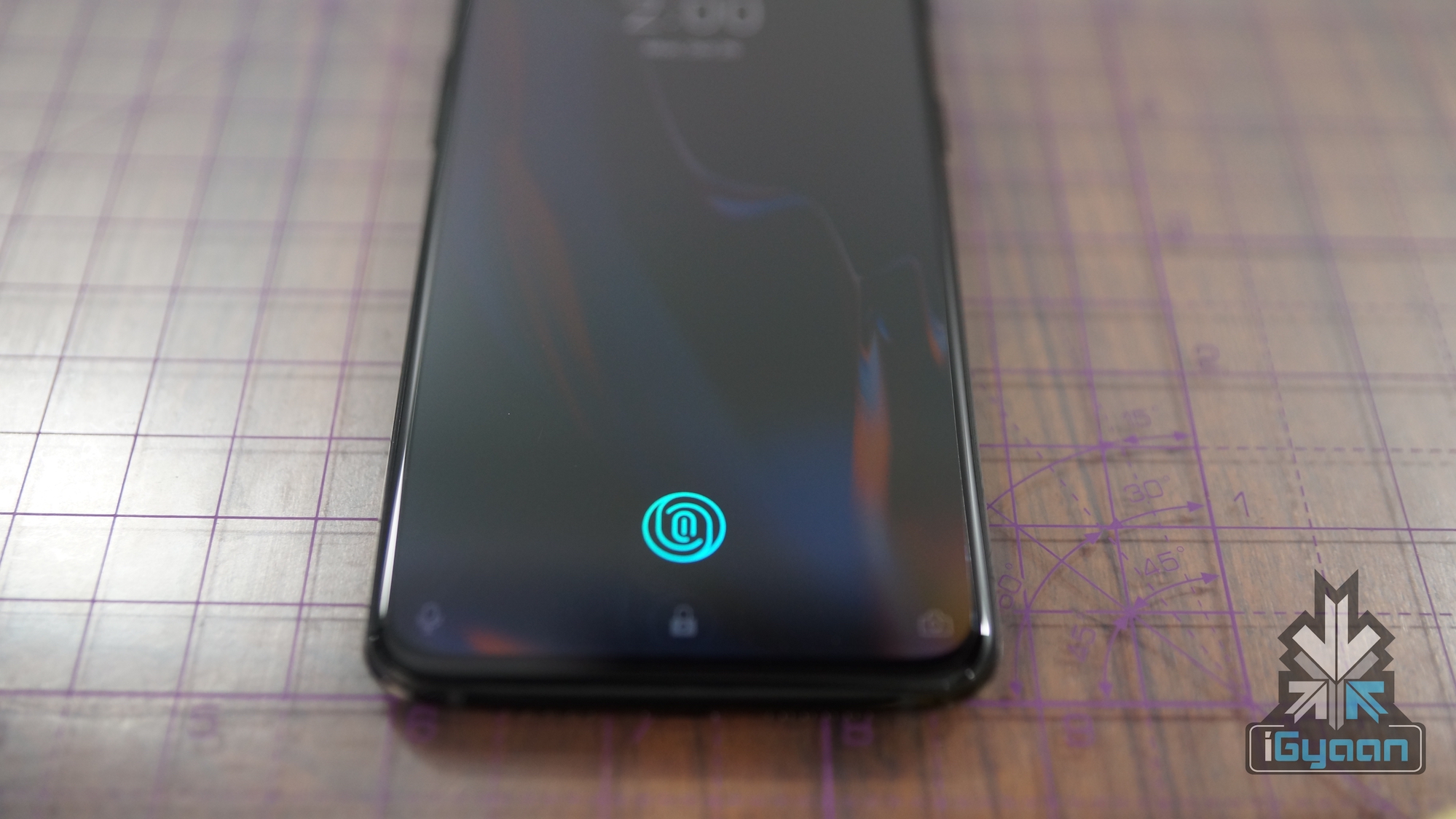
    Notably, the feature has been limited to smartphones that feature an OLED display. Mainly due to the reason that only an OLED display allows light to pass through; to authenticate a fingerprint via the underneath mounted sensor. While there are benefits to an OLED display, they are significantly expensive than LCD displays to be used in smartphones.

    Now, another Chinese display giant BOE; who is one of the world’s largest display suppliers has announced it has successfully developed the technology. The company plans on mass producing LCD displays with support for in display fingerprint scanners by the end of this year. This suggests handsets with the technology will be ready for primetime by early next year.

    What Makes It Groundbreaking?

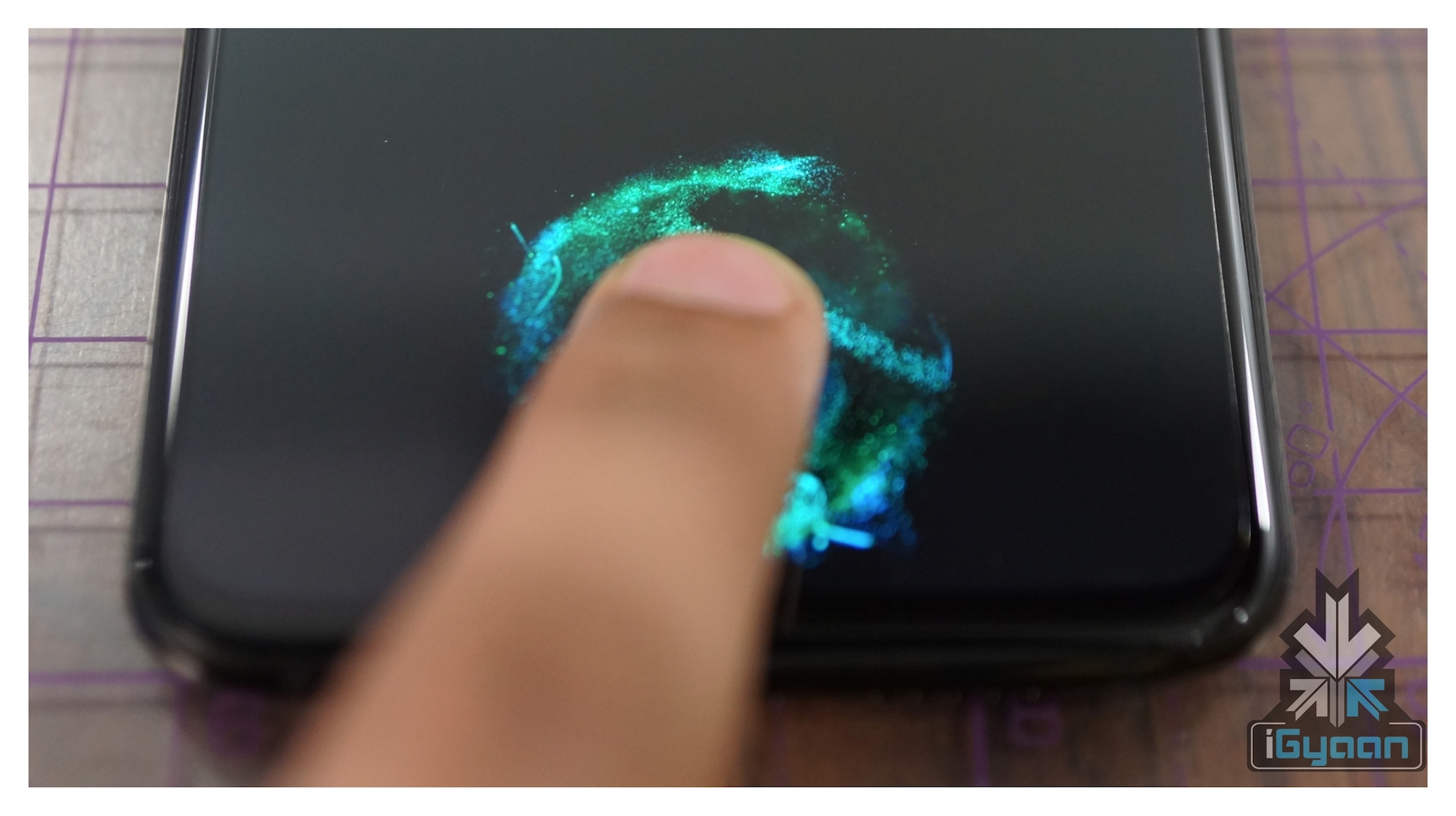
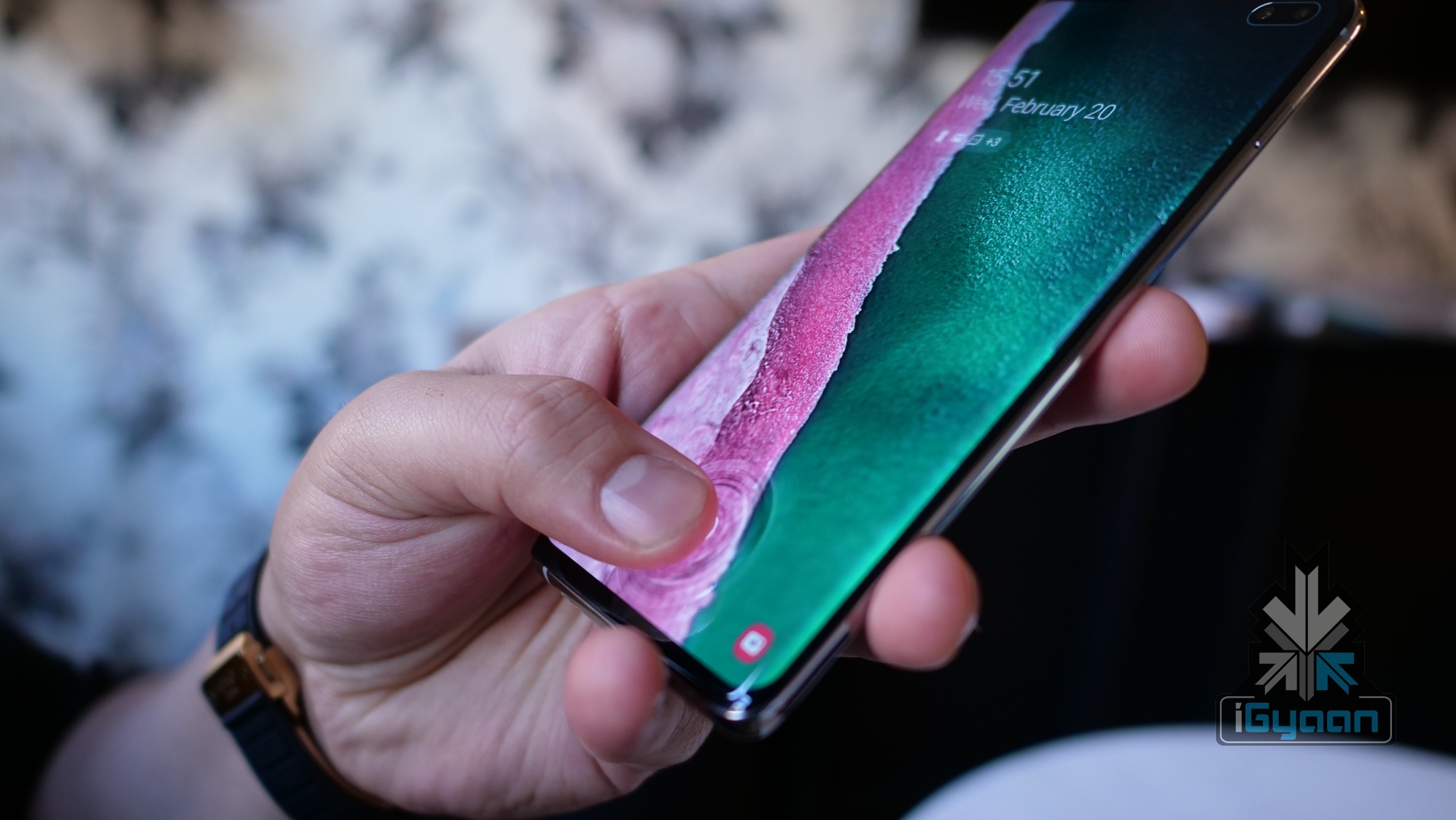
    As mentioned above, traditional in display fingerprint scanners use light to authenticate and unlock the smartphone, like in the OnePlus 6T. These are called Optical fingerprint scanners. Samsung in its Galaxy S10, Galaxy S10+ and Galaxy S10 5G uses an ultrasonic in display fingerprint sensor. As opposed to optical ones, these use a sonic pulse wave to authenticate the user’s fingerprint and is claimed to be more secure than the former. In the past, both instances have used an OLED display to work because neither light nor a sonic pulse wave can pass through conventional LCD displays.

    As LCD displays are more affordable to manufacture and are found in abundance in budget and mid-range smartphones; an LCD in display fingerprint scanner is big news. This insinuates future budget devices may be featuring a fingerprint sensor inside the handset’s screen. Surprisingly, a senior executive at Xiaomi has already confirmed that smartphones with this feature will be released as early as the next year.

    In Display Fingerprint Scanner
    In Display Fingerprint Sensor

    Also read: Samsung Galaxy Watch Active 2 Leaked In Images

    Back in the month of April, a Chinese company Fortsense also announced; that it has successfully tested working in display fingerprint scanning technology for LCD displays. This news was considered a groundbreaking breakthrough, as Statistics have shown that LCD-screen models accounted for up to 85% of a total of 1.456 billion smartphones shipped worldwide in 2018. It also meant that if more major display makers follow suit, the technology would be available in major budget devices.

  • Apple Patents In-display Fingerprint Scanner, May Feature In Future iPhones

    Apple Patents In-display Fingerprint Scanner, May Feature In Future iPhones

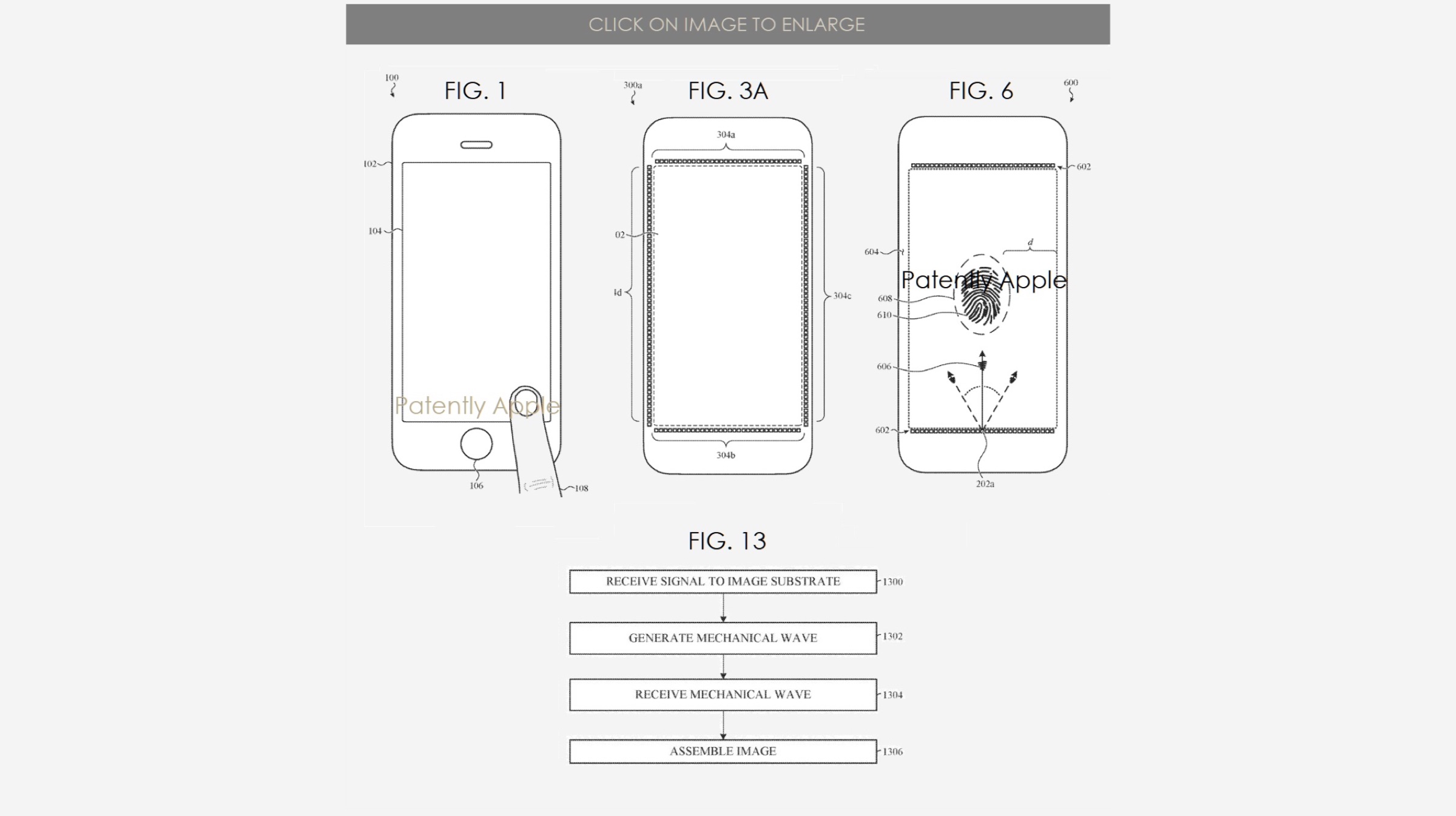
    In-display fingerprint scanners are slowly becoming a norm for flagship smartphones. First incorporated in the Vivo X20 Plus UD, the in-display scanners were later introduced by companies like OnePlus, and Huawei. Furthermore, South Korean technology company Samsung introduced the world’s first ultrasonic fingerprint scanner in the Galaxy S10+. The American technology giant, Apple till now has abstained from implementing the technology on its devices but this is likely to change soon. The company was granted a patent for what looks like to be an in-display biometric scanner for a future iPhone. 

    The patent showcases “methods of biometric imaging of input surfaces”, which directly relate to an acoustic imaging system. Using the aforementioned technique, a high-resolution image of the object can be mapped, in this case, a fingerprint. Since Apple has never used an in-display fingerprint scanner in any of its devices yet, this patent getting published may be a start for the company. 

    How Does The Scanner Work?
    iPhone XR

    As per the patent, an acoustic transducer is configured to generate acoustic outputs in response to a signal from a controller. The outputs may be in the form of mechanical waves or pulses, and they will be coded with the help of the controller. To obtain the image of the fingerprint, the acoustic imaging system can use a multitude of techniques, including reflection, diffraction and transmission. Further notes from the patent state that the acoustic imaging system can also be used to map biometrically unique features of the fingers like size, shape and skin patterns. Moreover, some notes also affirm that the imaging technique can capture features like the user’s ears and other prominent features. 

    iPhone 7

    Also Read: Latest Renders Reveal The Upcoming Moto Z4 In All Its Glory

    Considering that Apple originally filed the aforementioned patent in the third quarter of the year 2016, this technology may never see the light of day in the immediate future. However, implications of the same tech can be incorporated in newer Apple devices, and since Apple is highly focused on security detail, it might be the best-in-class too. 

  • In Display Fingerprint Scanners For LCD Displays Are Now A Reality

    In Display Fingerprint Scanners For LCD Displays Are Now A Reality

    The in display fingerprint scanners for smartphones was first shown off at the Consumer Electronics Show (CES) last year by Vivo. Few months after, the technology was made commercially available in the form of the Vivo X21 UD. Since then, many other major OEMs have started providing an in display fingerprint sensor in their devices. Notably, the feature is only limited to smartphones that feature an OLED display. Mainly due to the reason, only OLED display allowed light to pass through to authenticate a fingerprint via the underneath mounted sensor. That all changes now, as a Chinese company Fortsense has announced it has successfully developed in display fingerprint scanners for handsets with an LCD display.

    Why Is It Big News?
    Galaxy S10+

    As mentioned above, traditional in display fingerprint scanners use light to authenticate and unlock the smartphone, like in the OnePlus 6T. These are called Optical fingerprint scanners. Samsung in its Galaxy S10, Galaxy S10+ and Galaxy S10 5G uses an ultrasonic in display fingerprint sensor. As opposed to optical ones, these use a sonic pulse wave to authenticate the user’s fingerprint and is claimed to be more secure than the former. In the past, both instances have used an OLED display to work because neither light or a sonic pulse wave can pass through conventional LCD displays.

    As LCD displays are more affordable to manufacture and are found in abundance in budget and mid-range smartphones; an LCD in display fingerprint scanner is big news. This insinuates future budget devices may be featuring a fingerprint sensor inside the handset’s screen. Surprisingly, a senior executive at Xiaomi has already confirmed that smartphones with this feature will be released as early as the next year.

    How Does It Work?

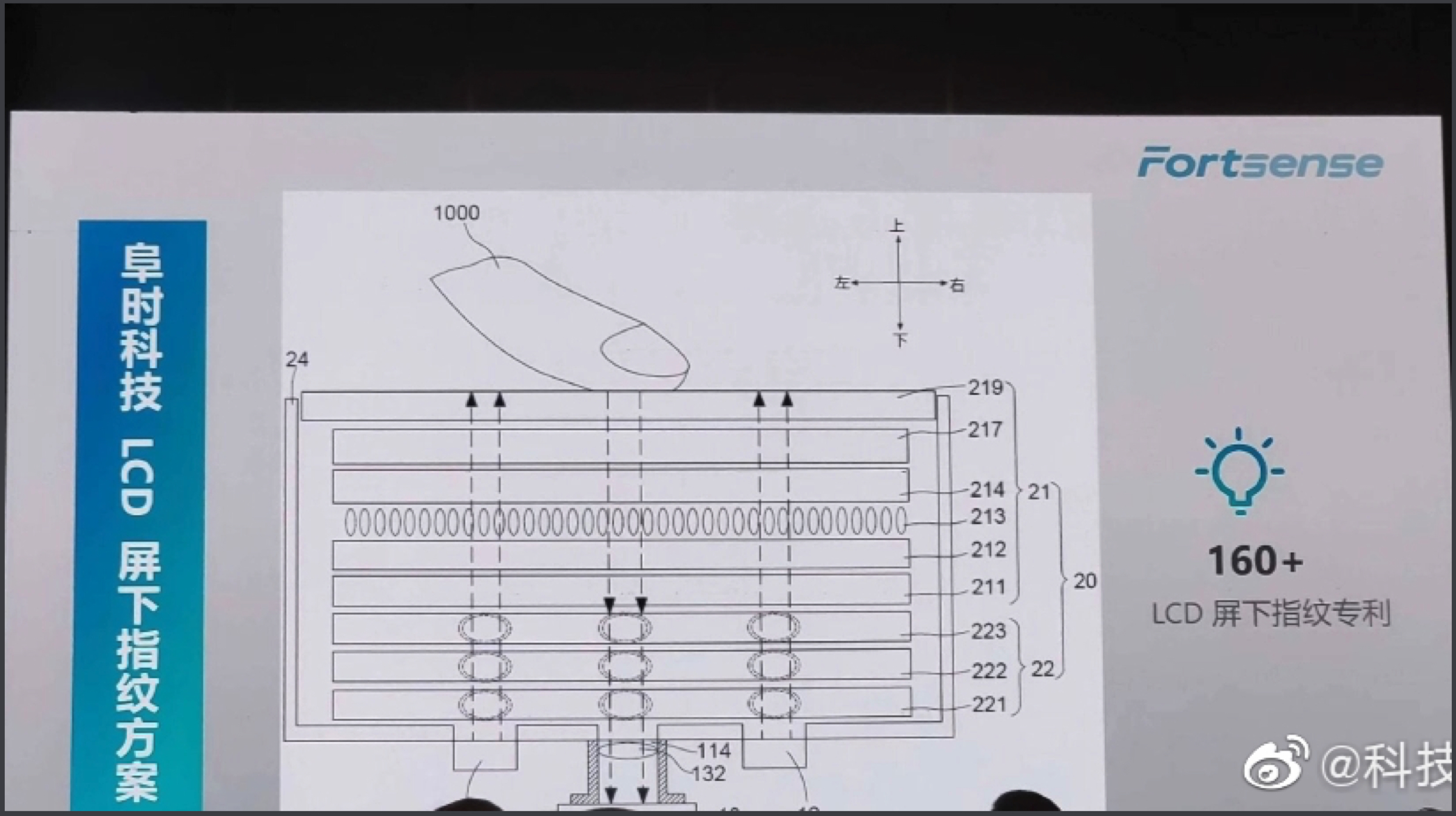
    The R&D team of the Fortsense company claims to make the LCD in display fingerprint scanners work, it had to revise and improve the quality of the LCD backlight panel. It was achieved by enhancing the fingerprint optical path scheme of the display panel. The images from the announcement suggest the fingerprint sensor is an optical kind, but like them, a camera inside the screen is not visible. This might mean it is a completely different kind of technology. 

    Also read: Top Android And iOS Competitors That Got Lost In The Wheel Of Time

    Fortsense also claims to have adopted an algorithm based approach for its LCD in display fingerprint scanners. A combination of deep learning neural network algorithm for optimization and recognition of fingerprints quickly is used in the process. According to the company, the recognition speed is comparable to traditional fingerprint sensors.

iGyaan Network
Privacy Overview

This website uses cookies so that we can provide you with the best user experience possible. Cookie information is stored in your browser and performs functions such as recognising you when you return to our website and helping our team to understand which sections of the website you find most interesting and useful.