Tag: internet

  • World Wide Web Turns 30, Top 10 Internet Moments

    World Wide Web Turns 30, Top 10 Internet Moments

    The World Wide Web or WWW for short has turned 30 today. It is the anniversary of the information space that has since changed the world drastically. The Internet is accessible everywhere in the world and is used for just about anything you can ever imagine. But it wasn’t always like that. Let’s take a moment to look back at the top 10 moments that have shaped the Internet to what it is today.

    1) The Creation Of The World Wide Web
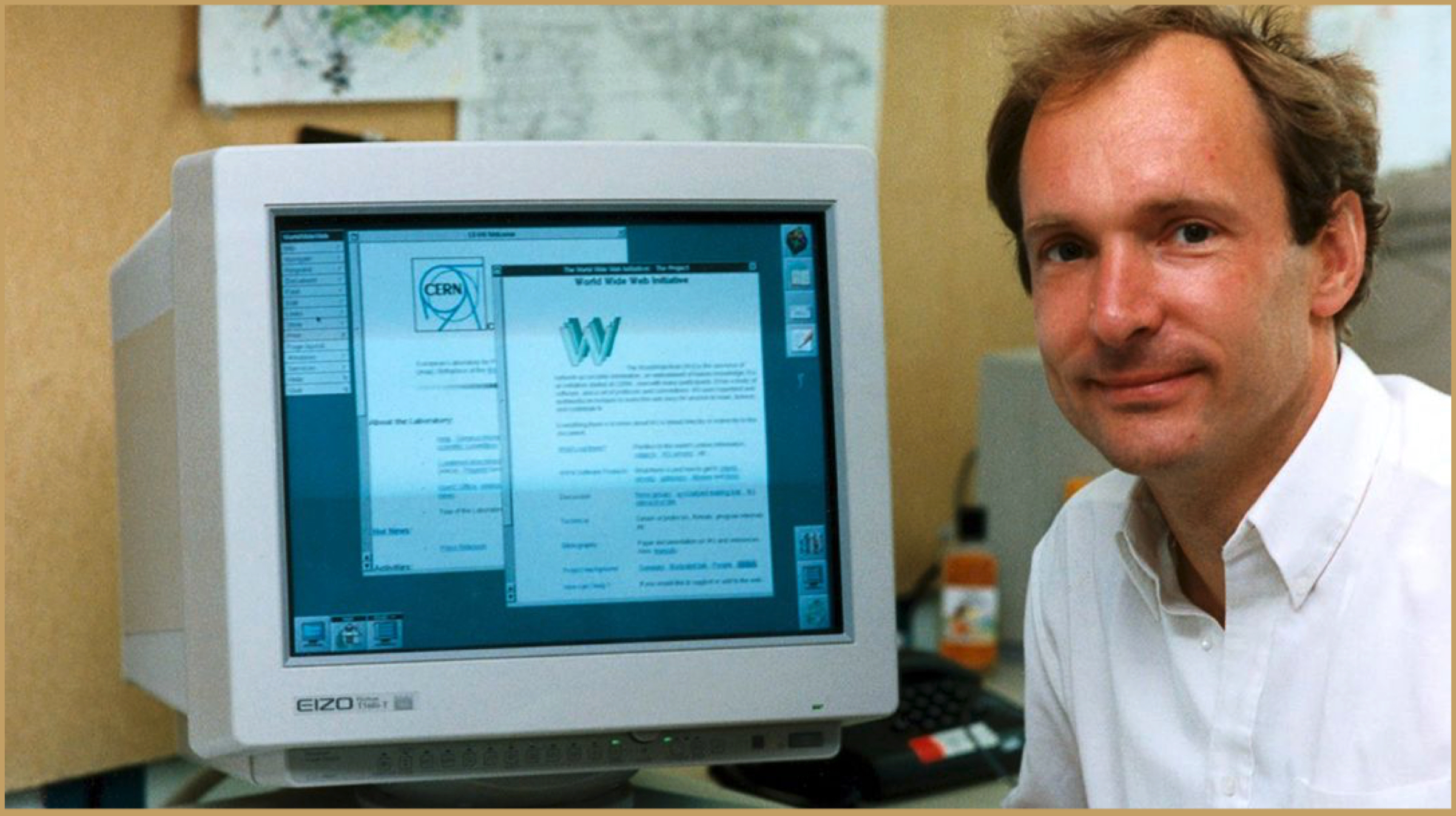
    In March 1989, Sir Tim Berners-Lee submitted a proposal to his chief at CERN, a science lab outside Geneva, Switzerland. The proposal was of the World Wide Web as a communication medium for the organisation. His idea at the time was called “Vague, but exciting” by his supervisor. 

    2) The First Website
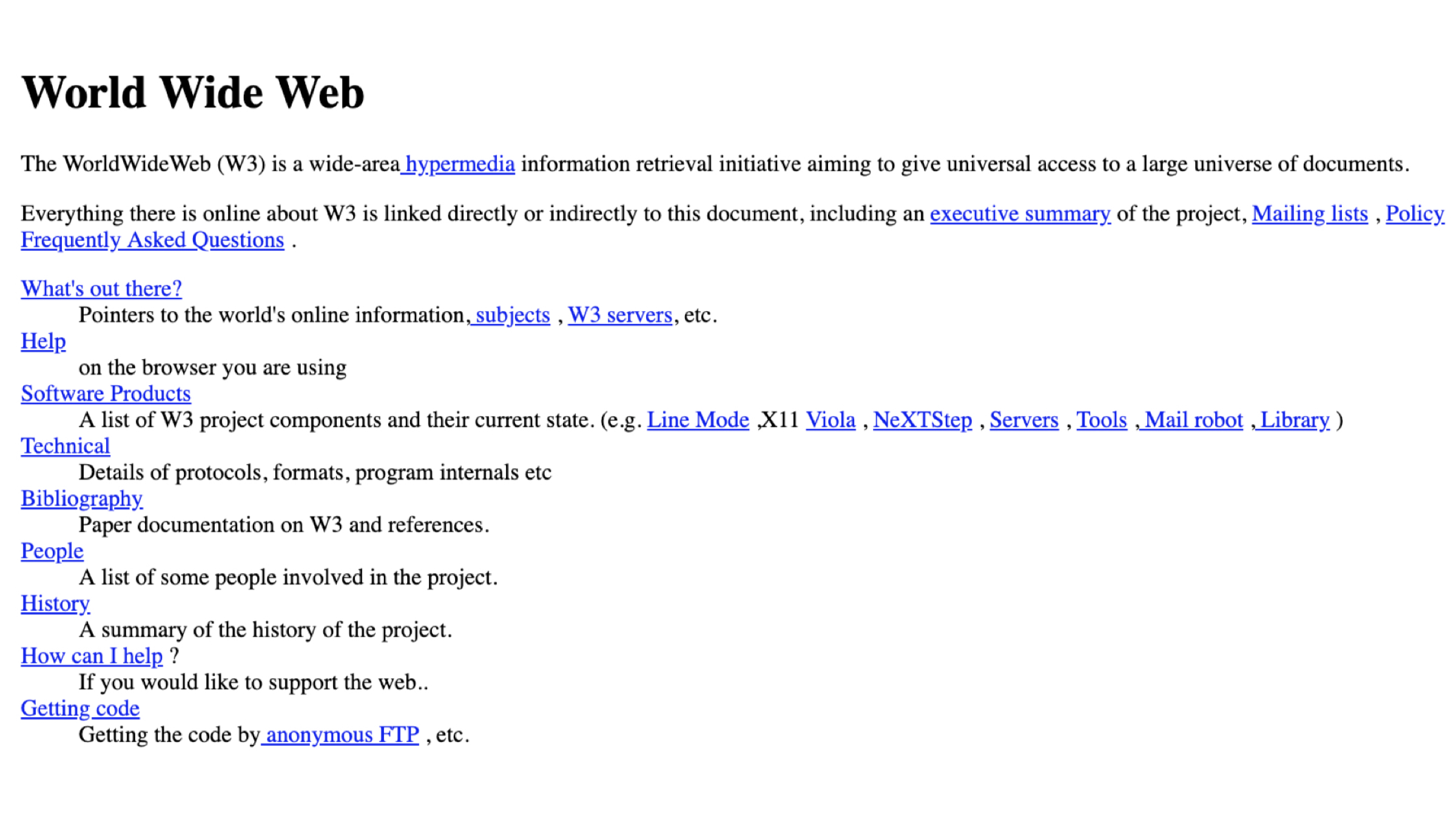
    The world’s first website went live on August 6, 1991, and was created by CERN. It has information and details about the world wide web project and also marked the time when the idea was shared with the world. It might not look up to the standards of 2019 but it was a big deal when it was set up and made way for the foundation of the internet.

    3) Amazon Was Created
    On the 5th of July 1994, Jeff Bezos founded the world’s first online bookstore which he called ‘Cadabra’ but later changed its name to Amazon due to a misunderstanding with a lawyer. The website is one of the largest E-commerce stores today and has made its founder one of the wealthiest people in the world.

    4) Hotmail Revolutionizes Email
    On 4th July 1996, Hotmail was founded by Sabeer Bhatia and Jack Smith. It was the first email service not tied down to a particular ISP and used HTML based email formatting methods. The advent of Hotmail is still considered one of the biggest steps in revolutionizing email.

    5) First Mobile Phone With Internet Access
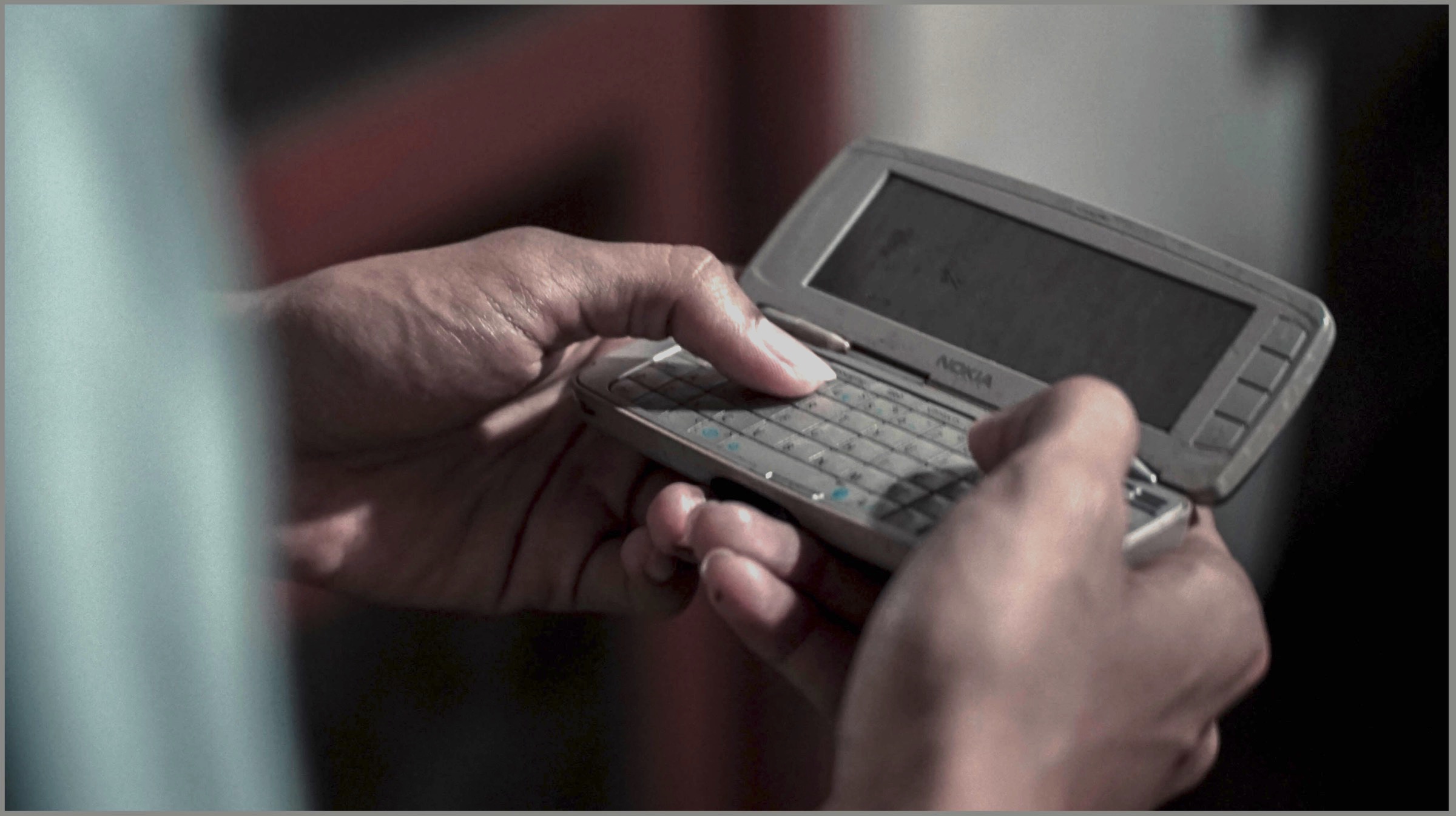
    There was a time when Nokia reigned supreme in the mobile business. That may not be the case today but it did make the world’s first phone with access to the internet natively. It was the Nokia 9000 communicator which had the feature. However, the device did not perform well in terms of sales because of a steep price and lack of proper internet penetration. The fact cannot be denied that this device undoubtedly paved the way for mobile internet as it is today.

    6) Google Searched Its Way Into Our Homes
    It’s hard to imagine one’s life without Google in today’s world. But in the year 1995, it was named ‘Backrub’ and was just a research project at Stanford University. However, the project turned into a reality on the 7th of September 1998, with the name Google derived from the word ‘Googol’ which is said to be the largest number in the world.

    7) Wikipedia Made Assignments Easier

    All of us have heard of or have visited Wikipedia once to assist with our assignments. The first entry on the free encyclopedia was published on 15th January 2001, by Jimmy Wales and Larry Sanger. The name Wikipedia is derived from the Hawaiian word for ‘quick’. It has since then starred in a number of controversies, particularly because of the decentralised option to edit data. Nonetheless, Wikipedia is still the first source people learn about most topics.

    8) Facebook Connected The World
    In February of 2004, 19-year-old Mark Zuckerberg and his friend Eduardo Saverin started Facebook. What started as a way for students in a university to connect to each other quickly became a rage across the world. It also made Zuckerberg the youngest self-made billionaire at the time. Despite the controversies the platform faces today, Facebook still holds a significant place in shaping the Internet to where it is today.

    9) First YouTube Video Shared
    On April 23 of 2005, ex-PayPal employees Chad Hurley, Steve Chen, and Jawed Karim uploaded the first video on YouTube. The video sharing website is now the primary medium users watch videos online. It was a simple video of a Zoo and was shot by Karim himself. The platform now has over 1.3 billion users and the users aggregately account for over 5 billion videos views every single day.

    10) First Tweet Was Sent
    Also read: Pokemon Go Styled, Harry Potter Wizards United To Launch Soon

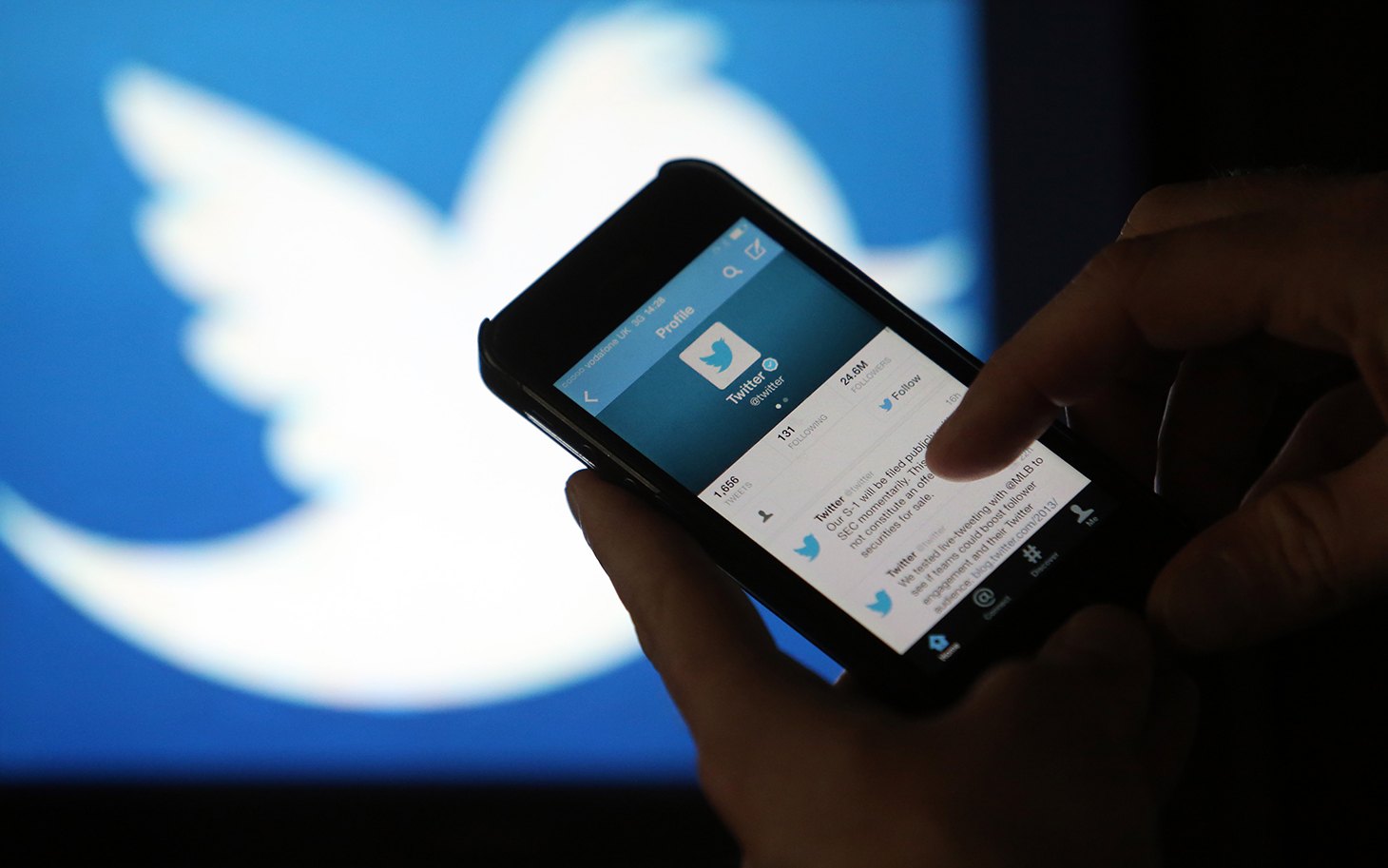
    On 21st March 2006, Jack Dorsey sent out the first tweet which still exists on his profile. The tweet read “Just setting up my twttr”. The platform was called ‘twttr’ for a long time which was inspired by Flickr. Then the name was changed to Twitter and it paved its way into the widely popular social media network as we know today.
  • New Amazon Internet Browser For Android Weighs 2MB

    New Amazon Internet Browser For Android Weighs 2MB

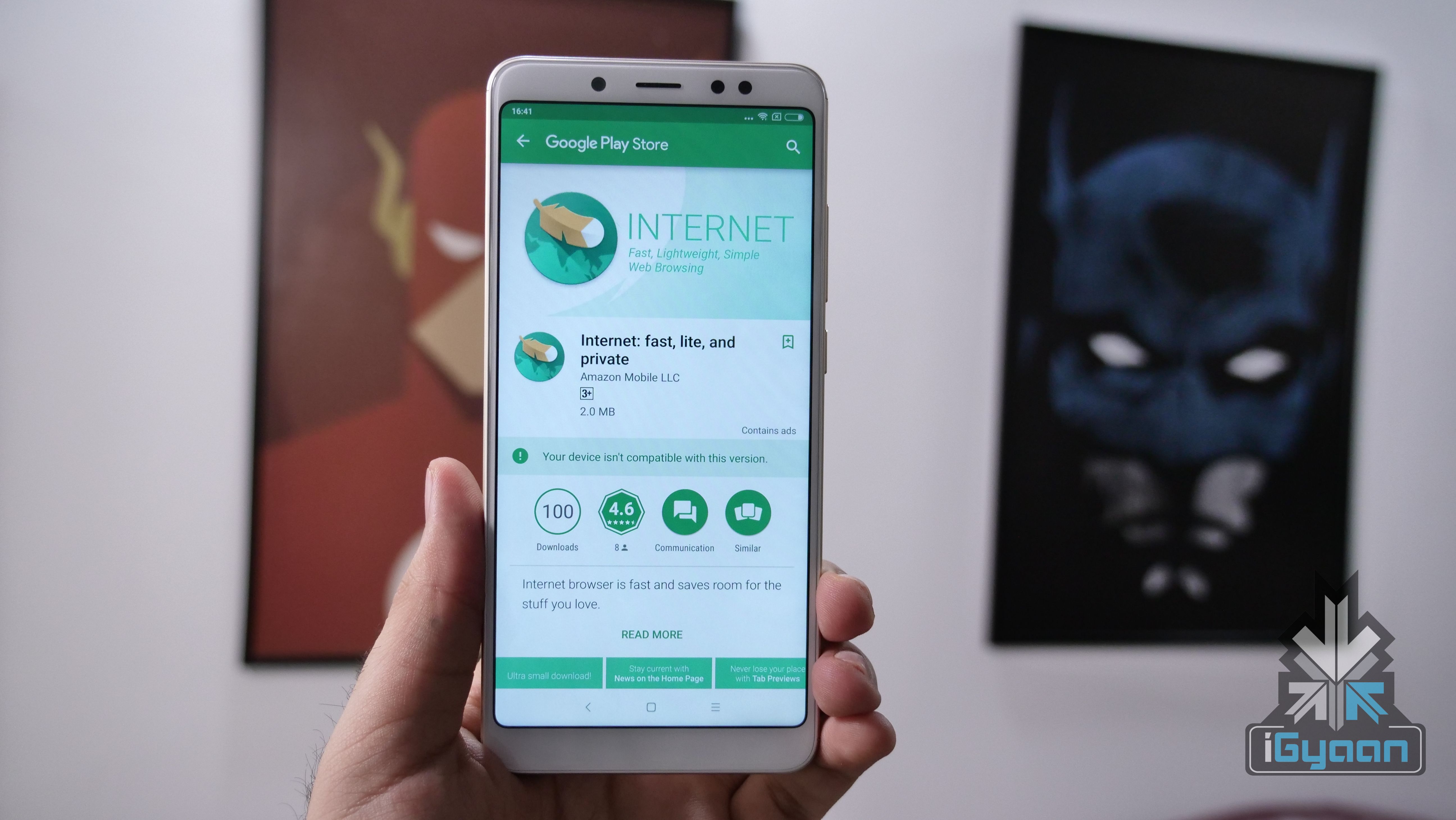
    Amazon has just released a new browser for Android users in India. The new browser, named ‘Internet’ is specifically designed for to consume much less data than usual browsers. Apparently, the Amazon Internet browser also provides a very private user experience as it does not ask for any permissions to collect private data. The app is available to download via Google Play Store and is compatible with Android devices running Android 5.0 Lollipop and above. However, we were not able to install the app on our Redmi Note 5 Pro running Android 7.1.1 Nougat.

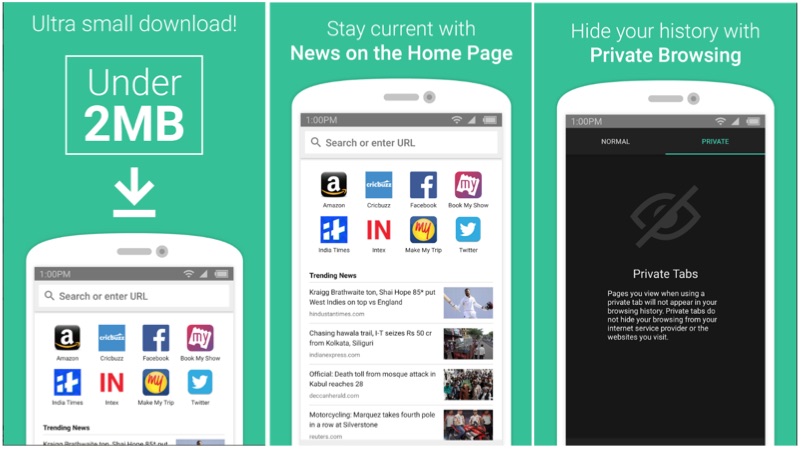
    Just like any other browser, the Internet browser app from Amazon Internet has basic features like fullscreen reading mode. The homepage layout is also very similar to other browsers like Chrome with tabs for trending news and most visited pages. Just like the incognito mode on Chrome, there is a private mode to let users hide browsing history from their devices.

    Amazon Internet is not the first ‘lite’ app by Amazon for the Indian audience. The company recently launched the lite version of its highly popular reading app, Kindle. The Kindle Lite, just like Internet, weighs less than 2MB in size and offers a basic e-book reading experience. The app is specifically designed for devices with a slower internet connection and for areas with unstable data connectivity.

    A full-fledged browser that hardly takes up any space is ideal for people with entry-level smartphones. While many of us are used to 4GB RAM and minimum of 64GB onboard storage, there are consumers with entry-level Android smartphones with 8GB of onboard storage. This means that apps like Internet, Messenger Lite etc can help these users get a good user experience without their smartphones running out of space constantly.


  • Google Is Planning For A Faster Mobile Internet Experience

    Google Is Planning For A Faster Mobile Internet Experience

    Most of the websites are designed for a desktop user experience. However, the number of people who access the internet through their smartphones is increasing by the day. In 2015, 55% of the Google searches came from a smartphone, which has been increased to 77% in 2016. This tells us that, 2 out of three users are accessing the internet through mobile devices.

    To improve the mobile internet experience, Google came up with the concept called project Accelerated Mobile Pages (AMP). It loads pages quickly on smartphones. Similarly, Facebook also uses Instant articles, which loads the stories on Facebook in quicker than a usual browser.

    What is project AMP?

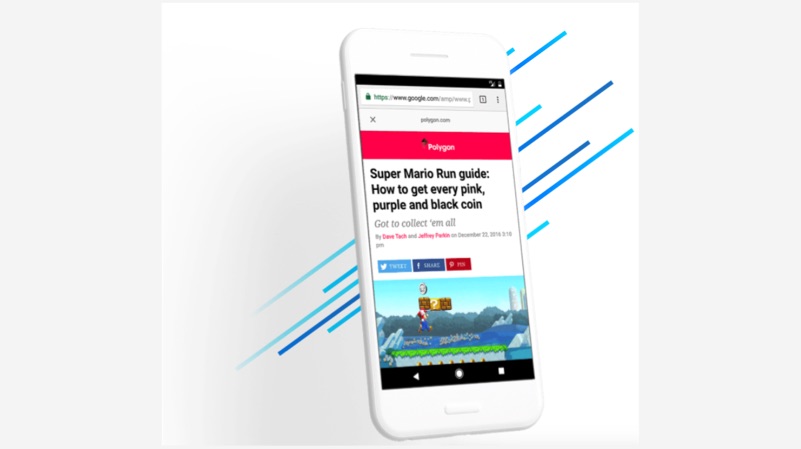
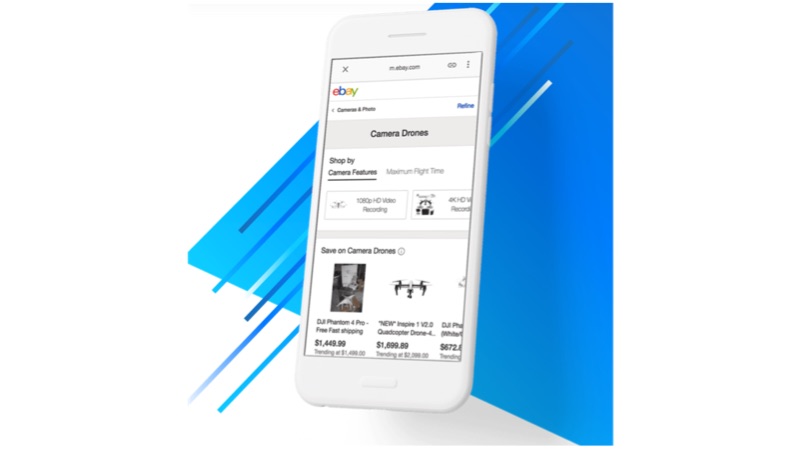
    Project Accelerated Mobile Pages is a special initiative from Google, which offers a web-page in a mobile-friendly page. For instance, the articles on the Google news feed and Twitter load much faster compared to the standard loading speeds. However, the organisation which hosts the source article has to be a part of the AMP network.

    Internet Experience

    AMP is an open source framework, so publishers don’t have to pay for the AMP implementation on their websites. The Accelerated Mobile Pages version of a website just displays the content without other elements. In fact, AMP engaged pages can load in less than 1.5 seconds, which helps to bring in more traffic.

    However, AMP is also known for reducing the revenue, due to difficulty in ads implementation.

    Internet Experience

    The next step

    Google is happy with its progress so far and is planning to improve the complete internet experience. The company is visioning for the “User-First” mobile experience using the Accelerated Mobile Pages’ capabilities. However, this does not mean that Google is planning to own the entire internet, but, the company is planning to improve the smartphone internet user experience.

    Google will provide the tools to several web standards organisation and help to do the research on the technology for setting new standard guidelines. Similarly, the mobile-friendly web will help Google’s Business-model. Google will start giving more insights about AMP to third-party developers, which answers the question of Google being greedy about owning the internet.

  • India has the Poorest Internet in Asia Pacific

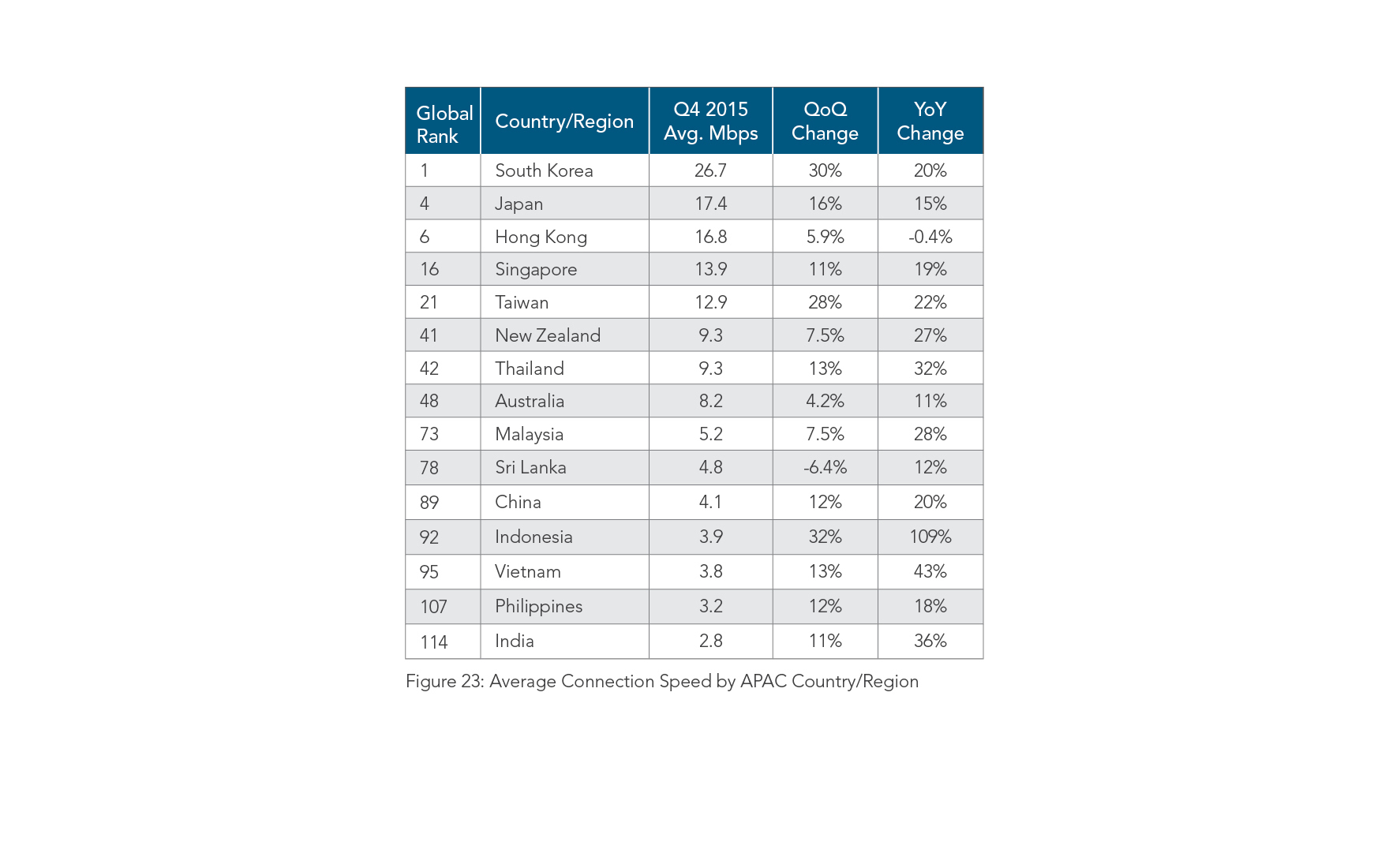
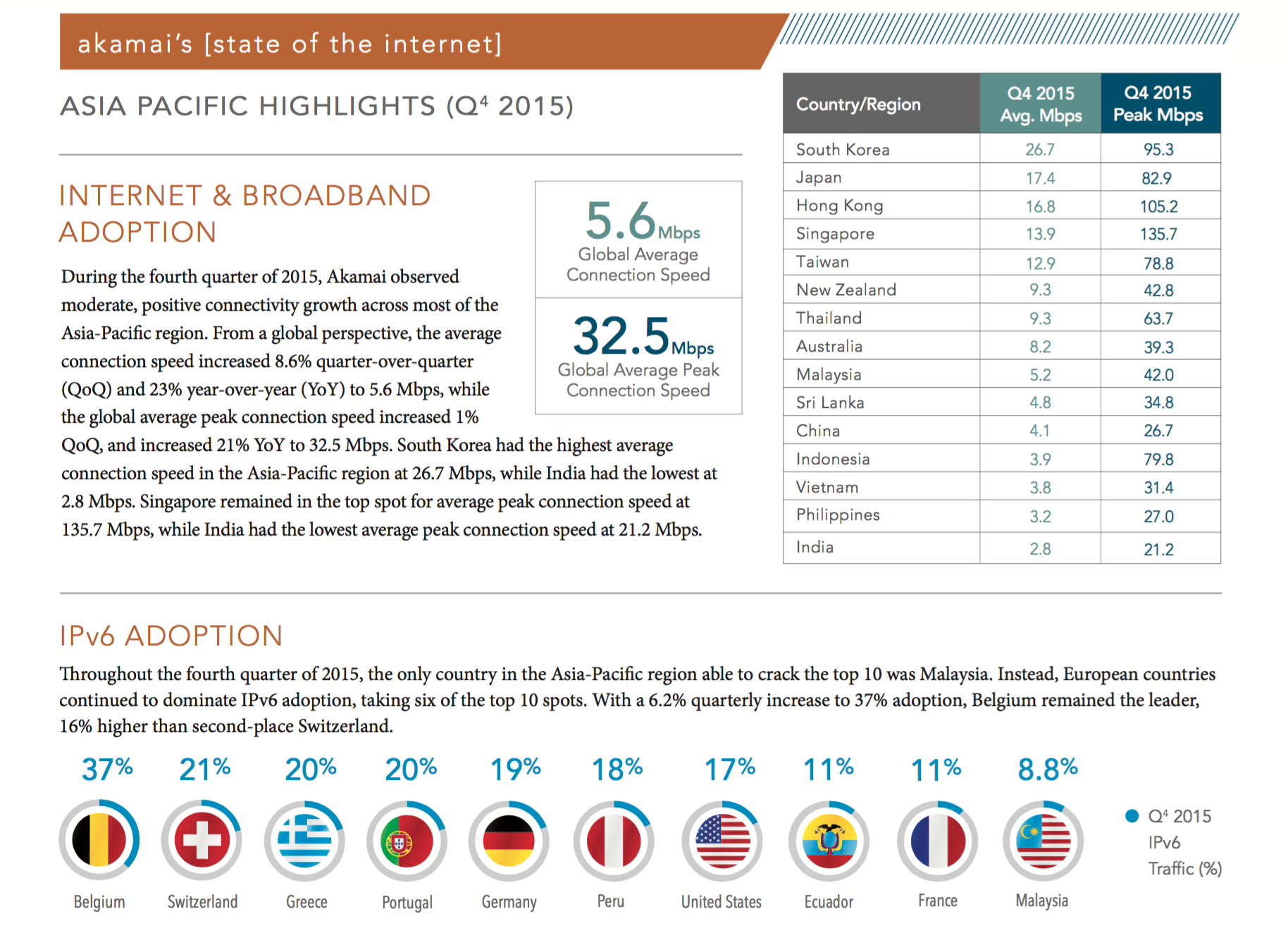
    In December 2015 the global average internet speed increased to 5.6 Mbps, an increase of 23 % year on year. India however, looks at the picture differently.

    Internet speed

    Akamai released a State of the Internet Report which states:

    From a global perspective, the average connection speed increased 8.6 percent quarter-over-quarter (QoQ) and 23 percent year-over-year (YoY) to 5.6 Mbps, while the global average peak connection speed increased 1 percent QoQ, and increased 21 percent YoY to 32.5 Mbps,

    South Korea tops the rank in APAC, with an average of 26.7 Mbps, India on the other hand has an average of 2.8 Mbps. South Korea (95.3 Mbps) and Macao (83.1 Mbps) show 10% and 13% growth year on year respectively.

    State of Internet Report 2015

    The report also pointed out that 43 countries/regions saw IPv4 address counts grow 10 percent or more in the quarter ended December 2015 while 13 saw counts decline 10 percent or more compared with the July-September quarter of 2015. You can read the full report in the source link below.

    Source


  • Australia to Have 5G Network by 2020, Says Vodafone

    Australia to Have 5G Network by 2020, Says Vodafone

    We all know that 5G is the next big thing. We are also aware that the speeds 5G promises will be massive. While many countries still try to have an established 4G network, including India, Australia is one country which wants to stay ahead of the pack. According to Vodafone, Australia will likely have 5G mobile network by 2020.

    The development of the fifth-generation mobile network has invited a number of eager investors. After all, the next-gen network promises supremely fast speeds and will be the guiding factor for everything from ‘Internet of Things’ to driverless cars.

    Vodafone’s Australian chief Benoit Hanssen believes Australia will be among the first countries to have 5G network by 2020. “Australia adopted the smartphone enthusiastically — smartphone penetration is one of the highest in the world,” he said. “There is a readiness to adopt new things, and you have a population that can largely afford to adopt new things. We do think that as 5G comes out, Australia will be there.”

    corbis

    Indeed, Australia has embraced 4G greatly with almost 70% of Vodafone customers on 4G phones. Hanssen expects the figure to cross 90% this year. 5G is all set to break speed records if the tests have anything to show for it. In 2015,  British scientists claimed they broke speed records during tests of 5G data connections, reaching one terabit per second. According to the BBC, with such a speed, it “would be theoretically possible to download a file 100 times the size of a feature film in about three seconds.”

    Spectrums have and continue to be the main reason behind the delay of not only 5G but 4G as well. In fact, many countries still face a lack of 3G connectivity. The release of spectrum is being negotiated globally. We wonder how long it takes before we can even begin talking about 5G in India, which is still being introduced to 4G network slowly.

  • TRAI Received Only 21 Counter-Comments On Net Neutrality

    TRAI Received Only 21 Counter-Comments On Net Neutrality

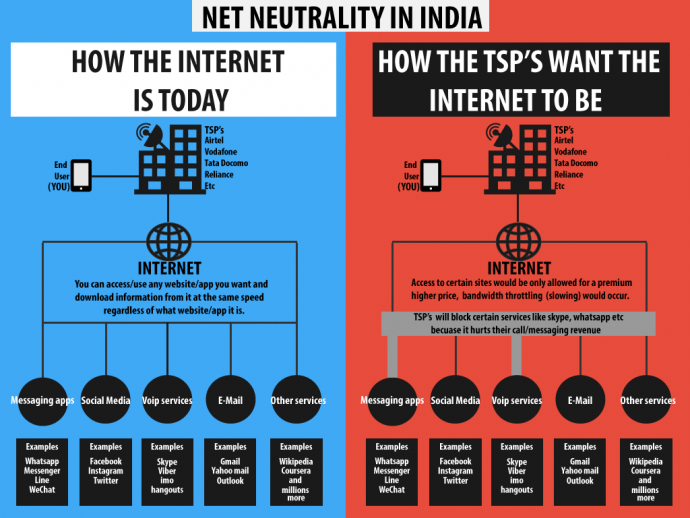
    Last year, the Telecom Regulatory Authority of India (TRAI) raised the issue of net neutrality and, needless to say, it sparked off a major debate. This eventually led TRAI to invite public comments on the differential pricing of net services and the last date to submit counter-comments was 14th January.Net Neutrality

    Of the total 24 million applications submitted over TRAI’s paper on the differential pricing of data, a significant aspect of net neutrality, there were only 21 counter-comments submitted by individuals or organisations.

    List of telecom operators that countered the proposal of keeping net services neutral of discriminatory pricing include Airtel, Vodafone, Idea Cellular and Reliance Communications, through industry bodies, Cellular Operators Association of India (COAI) and Association of Unified Telecom Service of India (AUSPI). COAI and AUSPI said in their joint counter-comment,

    “Price differentiation will allow TSPs to cater to specific consumer requirements, including facilitation of access to those segments that are currently unconnected or poorly connected. Price differentiation is a widely adopted business practice used in many industries.”

    While talking about the net-neutrality debate in India, how can we not talk about Facebook and its Free Basics? While openly opposing differential pricing of internet services, Facebook continued to defend Free Basics and claimed one more time that it’s not a threat to net neutrality.The company defended itself in an official statement,

    “This is not true and evidence refutes it. In addition, this need not be a material concern since the programme is open to all operators on the same terms in a non-exclusive manner.”

    While the future of net neutrality still seems uncertain, we can only hope to wait and watch the events unfold. In the meantime, find more information here Facebook’s Free Basics.

  • Internet Grows to 299 Million Domain Names in Q3

    Internet Grows to 299 Million Domain Names in Q3

    VeriSign, Inc., a global leader in domain names and internet security today announced that there are approximately 229 million domain names worldwide across all top-level domains (TLDs) as of September 30, 2015. The number reached this tally after an additional 3.1 million domain names were added to the internet in the third quarter of 2015.

    The 3.1 million increase in domain names also leads to a 1.1 percent increase over the second quarter of 2015. The .com and .net TLDs reached an aggregate total of approximately 135.2 million domains in the domain name base. This makes it a 3.4 percent yearly increase. As of September 30th, there are 120.1 million .com domain names and 15.1 million .net names.

    Verisign

    During the third quarter, Verisign processed 9.2 million new domain name registrations for .com and .net, as compared to 8.7 million domain names for the same period last year. The company’s average daily Domain Name System (DNS) query load was about 120 billion queries per day across all TLDs operated by Verisign, with a peak reaching to 593 billion. Furthermore, the daily average query load increased 8.0 percent and the peak increased by 225.3 percent. Year over year, the daily average query load increased by 4.8 percent, and the peak increased by 86.4 percent.

  • Brazil Shuts Down WhatsApp for 48 Hours

    Brazil Shuts Down WhatsApp for 48 Hours

    Update: Within 12 hours of issuing it, the ban has been revoked. WhatsApp is working again in Brazil, for now.

    Looks like it’s time to shove that smartphone aside for two days and look up from the phone screen if you’re in Brazil. The country has closed WhatsApp for 48 hours. Reasons for this have not been disclosed.

    In the past, there has been much ado by Brazil’s telecommunication companies to curb interaction on WhatsApp. They claim that the free calling feature of the app is illegal and requires stricter regulations.Brazil WhatsApp BanIn an attempt to distinguish itself from countries like the US, especially post the entire NSA spying scandal, Brazil had passed net neutrality laws in 2014, the internet ‘Bill of Rights’ being an example. Two years down the line, things seem to be taking a turn for the worse in Brazil. Soon, individuals would have to enter their address and phone numbers, among other details, to be able to use websites and apps.

    With the government having given no explicit reason for this 48-hour long ban, the current picture is just as hazy as the future of WhatsApp in Brazil. The ban has already let to a huge uproar with grievances being expressed on social media. At the same time, WhatsApp competitors like Telegram are doing exceptionally well. Let’s see where it goes from here for the Brazilian cyber space and internet laws.

  • Facebook Would Soon Allow You to Post Comments Even When Offline

    Facebook Would Soon Allow You to Post Comments Even When Offline

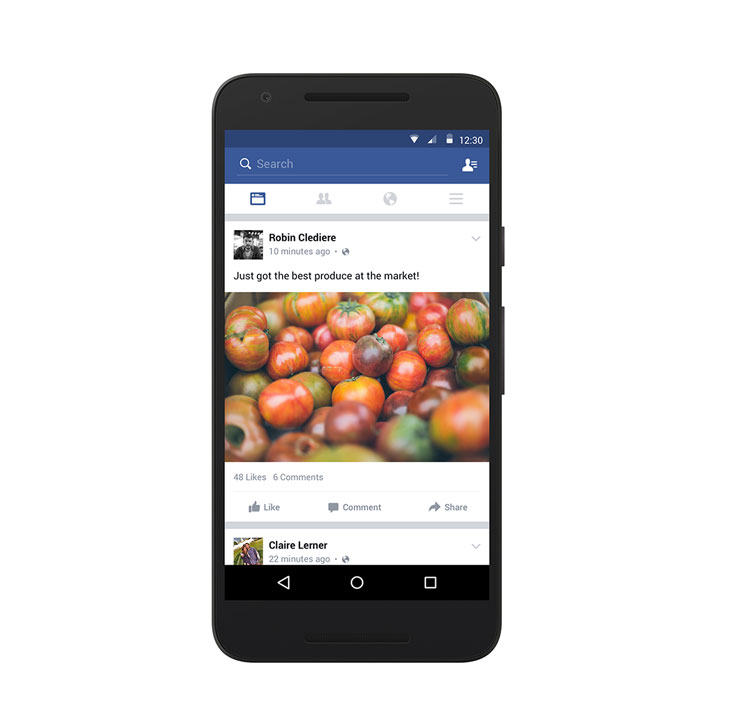
    Facebook has announced that they are currently testing an update for its News Feed on Android devices for those with slow internet connection. They plan to enhance their efficiency even on slow connections by taking previously downloaded and unread items and pushing them to the top of all the posts.

    Facebook Android

    The cached items will still be displayed by relevance and will replace the spinning icon that appears at the top of the page when you are waiting for the new posts to load. This will help you view stories that you might have missed, while new posts load in the background.

    Furthermore, this update will extend to your interactions with friends on Facebook. Users will now be allowed to post comments on posts even when offline. Obviously, there’s a catch here, your comment will be posted as soon as a connection is detected next. But, you’ll be able to like and share posts without a connection.

    Facebook is expected to test and roll out this update soon. It also mentions that users in developed markets will be able to benefit from this especially when they’re stuck in a place with bad connectivity.

    Facebook has decided on bringing this update especially to Android devices as stats show that Facebook’s growing user base is emerging in markets within Asia, where the online connectivity in most places is rather slow. Facebook had also previously launched Facebook Lite which is basically a lightweight Android version of the Facebook app to eight countries – Bangladesh, Nepal, Nigeria, South Africa, Sudan, Sri Lanka, Vietnam and Zimbabwe.

    Recently, Facebook seems to be responsibly realising the impact it has made around the world and playing an important part in communication and information access. So, if this successfully works out all we can do is reap the benefits of it.

    Source

  • Facebook and Alphabet Team Up For New Drone Project to Provide Internet

    Facebook and Alphabet Team Up For New Drone Project to Provide Internet

    Alphabet (Google’s parent company) and Facebook have brought their forces together to develop drones that can provide broadband internet access from above the Earth. Both companies have reportedly registered new drone designs with the US Federal Aviation Administration.

    Military Drone

    Apart from this, Alphabet is currently planning a secret operation at the Spaceport America allegedly creating a solar-powered drone. With smaller drones gaining the attention of big business firms like Alphabet and Amazon with their project Wing and Prime Air respectively, Google and Facebook are working on a larger drone that will be able to operate even as high as 90,000 feet above ground level.

    If their assessments are to be trusted, we can safely assume that these drones could possible be flying for weeks or months, thereby could also potentially provide cities and towns with high-speed internet in underdeveloped countries.

    “We’re working on ways to use drones and satellites to connect the billion people who don’t live in range of existing wireless networks,” said Facebook’s CEO, Mark Zuckerberg, in July.

    This project was preceded by Facebook last year, setting up an initiative with Nokia, Samsung and others to provide online access to two-thirds of the world via internet.org. However, that was a lone project, this one on the other hand, is a collaboration with Alphabet which would in turn help both companies reach new users in their advertising market. All we can hope for is that this initiative churns out something good. What do you think of this collaboration? Feel free to post your comments in the comment section below.

  • 7 Technology Misconceptions You Would Want To Know About

    7 Technology Misconceptions You Would Want To Know About

    It’s a little frightening when you start looking at how many electronic gadgets you own. Today, our most precious personal possession has got to be our phones. And the more expensive the phone, the more precious (in Gollum’s voice) it gets.

    We all take that extra bit of care when it comes to our laptops and smartphones, or at least we try. But sometimes we tend to do things that have been subject to so many paranoid and not-so paranoid theories. We have decided to take a look at some of them and bust those that have worried you for a long time.

    1. Charging Your Phone Overnight Can Damage Battery Life

    Phone charging

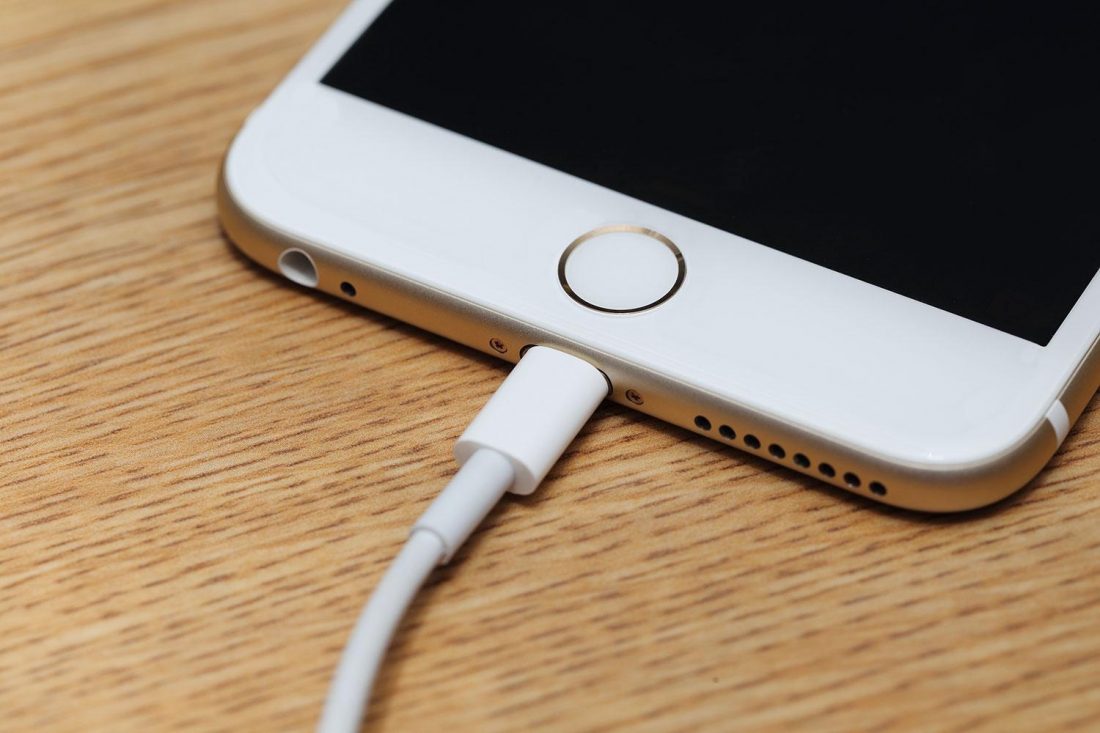
    Not everyone remembers to remove the phone from the charger just before bed time. And in the morning you tend to freak out because you feel you’ve damaged the battery. There is a long running myth that charging your phone overnight can reduce the battery life of the phone or even cause your battery to explode. But is this really true?

    This may have been the case for older nickel-cadmium and nickel-metal hydride rechargeable cells that came before the introduction of the li-ion batteries. Now, every phone is fitted with a li-ion battery and rest assured these batteries will not explode. The phones are smarter today. It automatically cuts off the charger once your phone has reached full charge. Apple has stated that “You can recharge a lithium-ion polymer battery whenever convenient, without requiring a full charge or discharge cycle.”

    2. Using Third-Party Chargers Will Cause Your Phone to Burst Into Flames

    Don’t buy unbranded, cheap knockoffs.


    We tend to buy cheaper chargers sometimes because original, company made chargers are a little pricey. And as long as it charges the phone, we assure ourselves that it’s all right. But knockoffs are the reason you hear about gadgets catching fire or bursting. Third-party chargers are alright as long as they aren’t ridiculously cheap. A charger from Belkin, for example, is okay to buy, but it may not charge your device as fast as an original charger.

    Knockoffs don’t usually have a brand name, and if they do, they’re pretty much an unknown brand. These are the chargers you want to avoid at all cost. It’s easy to tell the knockoffs from the trustables. You just need to keep your eyes open. Though, we would suggest always going for an original. It might be a little expensive but it’s worth it if you don’t want your phone going all ‘flame on’ on you.

    3. Going Incognito is Cool

    incognito-mode

    Not. We all know that every web browser has an incognito mode or private browser. Private browsers do not save your search history and it won’t record where you go and what you do. Usually people use it if they don’t want unnecessary ads popping up since nowadays ads on Facebook, for example, are tailored to what you search on the internet; or it’s used to browse sites that are…questionable.

    But what you might not be aware of is that your browser isn’t completely private. Your internet service provider will still know about the sites you visit. Even the law enforcement will know about it, if they’re looking into it. So the next time you visit a site that you’re not really supposed to, remember who’s watching. Just saying.

    4. Password Protected WiFi  Networks Are Safe From Hackers


    Well, it depends on the network really. There’s a home network and a network that is used when you’re not at home. Your home network is usually very safe if it’s password protected (as long as the password is not PASSWORD) and employs WPA or WPA/2 encryption.

    Outside networks, though, are a little different, and a little more open to hacking. It’s incredibly easy for hackers to download just the right software to eavesdrop into your network. Once that is done, they can look into any data that is being transferred over the net. “Hackers can launch ‘evil twin’ networks that look like the real thing, grab your password and go to town compromising your security,” said Rich Sootkoos, Boingo’s VP.

    So for office networks and other outdoor networks it’s always advisable to protect your info using VPN companies such as Express VPN or IP Vanish.

    5. Prolonged Mobile Usage Can Cause Cancer


    This and the next one are for the health crazies out there. Years ago some reports suggested that prolonged exposure to the phone over time can cause cancer because of the radio frequencies they emit. It was believed that the radiation from your cellphone could cause certain types of cancer.

    While there are many scientific papers on this study, there have been no cases over the years to suggest the authenticity of this. Every electronic device gives off a certain amount of radiation right from your microwave to your refrigerator. While we agree that they can be harmful, you do not need to panic as much as the reports suggest.

    So far there have been no documented case that suggest cancer caused by cellphone radiation. Cancer Research UK said that, “So far, the scientific evidence shows it is unlikely that mobile phones could increase the risk of brain tumours, or any other type of cancer. But we do not know enough to completely rule out a risk.”

    6. Laptop On The Lap Can Cause Impotency

    Laptop


    Apart from the cancer scare, impotency is the next big concern when it comes to using electronic devices. There were theories that keeping your laptop on your lap or a phone in your pocket may result in decreased male fertility. The worry was that laptops could increase scrotal temperature.

    These researches were widely declared as “speculation”and that further studies were needed to prove this contention. There is no correlation between increased scrotal temperature and infertility as of now and there have been no such cases that suggest the same. However, a word of caution must be given for anyone who keeps the laptop on their laps for a long time as the heat from the device cannot be a good thing, according to gut feeling. So we’ll just go with ‘mostly false’ regarding this story.

    7. More Megapixels Mean Better Camera


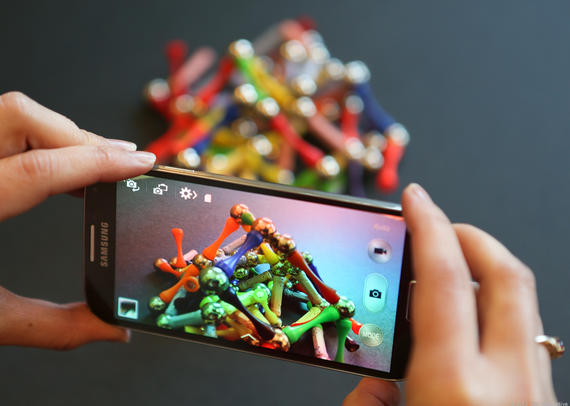
    Not really. We have come to believe that a camera having a higher megapixel results in better quality images. That’s not the case at all. Megapixels have nothing to do with quality, and only helps if you plan on blowing up the photo. What’s important for quality is the camera lens and light sensor, its processor and its optics.

    Galaxy S4

    This is why an iPhone 6, for example, with only 8-megapixel camera can take on those that come with 12 or 16 megapixels. And remember the whopping 41-megapixel Nokia Pureview 808? If you zoomed in on a photo taken by that up to four times, you won’t find any loss in image quality. However, the Pureview 808 actually offers a default 5-megapixel resolution, and you could easily go for an 8 megapixel camera over that and still get the same quality images.


  • A Quick Guide to Help Secure Your Online Browsing

    A Quick Guide to Help Secure Your Online Browsing

    It’s uncanny how closely every little act of ours in the Cyber Space is tracked and recorded. Users of the virtual world seem to have consciously surrendered their privacy in exchange for cat videos, Instagram hearts and of course, selfies. Meet the Big Brother of our generation, boys and girls -the Internet. Dangerously close to being disturbing, a user’s privacy is no more a matter of concern for them, or even a territory under their control.

    Ever wondered why items from your last visit to Flipkart keep popping up on your Facebook homepage? How does YouTube know about that designer bag you’ve been drooling at on Myntra? Ask any one of these questions and thus begins a trail of creepy realisations. Every time a website is visited by a user, a linked network of all sorts of virtual pathways is put in motion that can be traced back to the user at any given point of time.

    A unique identifier for any computer on the internet is called its IP address. This is what the computers use to send data to other computers connected on the network. Your IP address leaves all your online browsing -pretty much your entire virtual existence -vulnerable to any hacker with even a rudimentary knowledge of hacking. Visiting the top 50 websites an average user opens would result in installing over 3000 tracking files on the computer. Though anonymous proxy servers are a great option of hiding your IP address, there’s still an entire sea of information related to your Web surfing stored on your computer.Internet

    Cookies are another aspect of browsing which leaves your Web history open to access by others. The user can block cookies entirely, which would also disable online banking and shopping websites as well, or simply third party cookies.

    One of the most basic steps of wiping the slate clean is deleting your Web surfing history. Pretty much all browsers allow  the user this option of covering their tracks. However despite these guidelines, any network administrator can access the history at the network level even if it is removed from your computer.

    Don’t lose heart though for there’s a way around all of this as well – and that is where privacy settings of individual browsers come in. Let’s take a look at the five most used browsers and their privacy settings:

    Internet Explorer

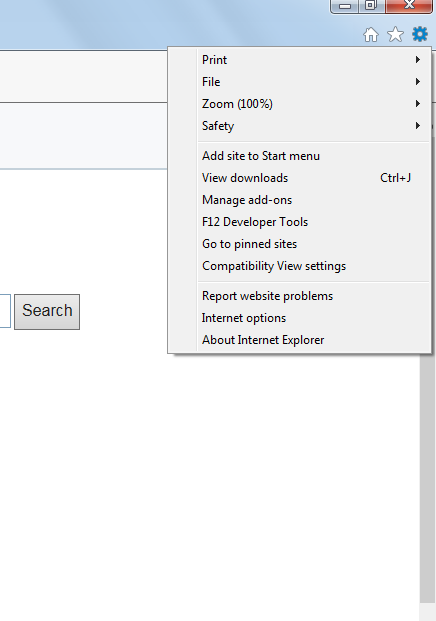
    1. Open a new tab and select ‘Safety’ on the top right corner tabInternet Explorer Step 1

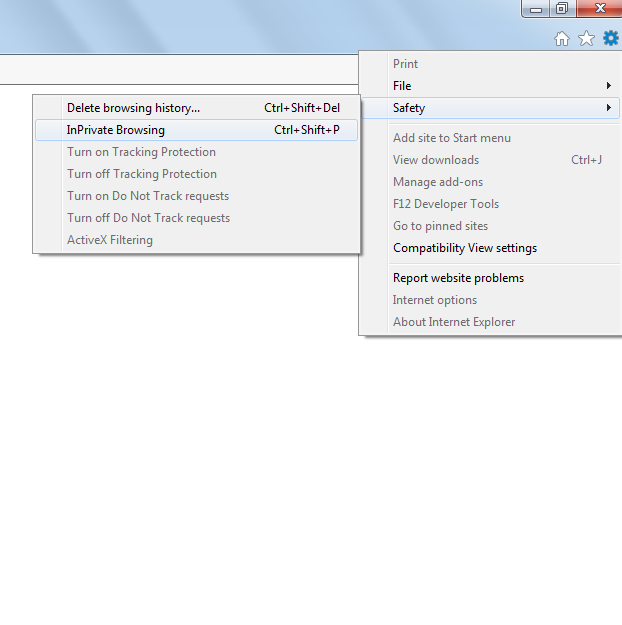
    2. Select. ‘InPrivate Browsing’ from the new tab that opens. (Control+Shift+P)Internet Explorer Step 2And voila!

    Safari

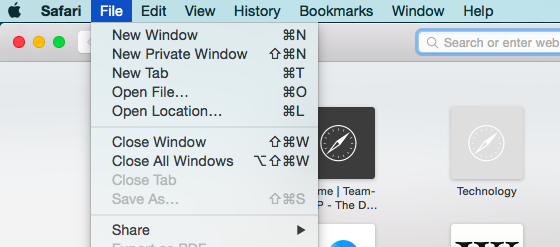
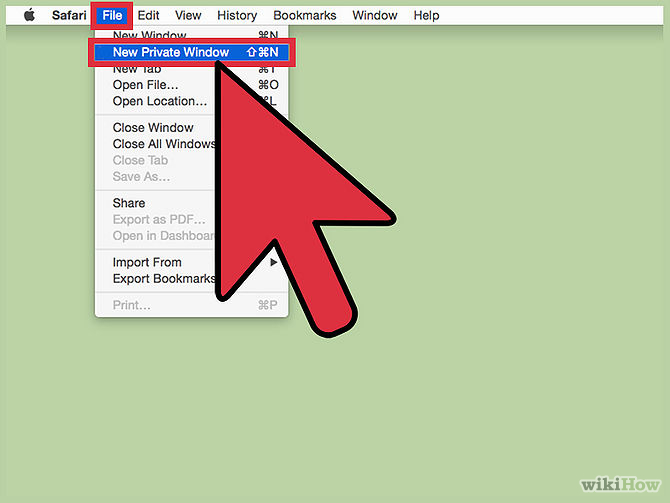
    1. Go to the main Safari menu.

    Safari Private Browsing

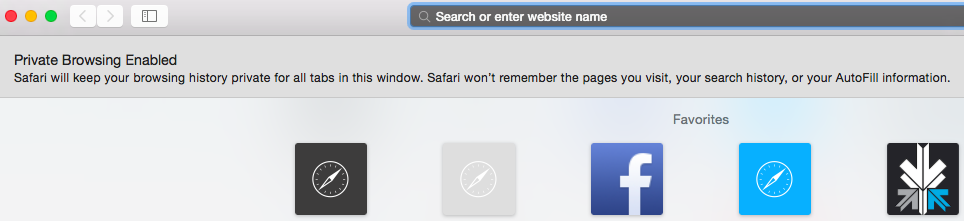
    2. From ‘File’, choose ‘New Private Window’. (Command+Shift+N)

    Safari Private Browsing  2

    You, techno-geek, you, that’s how you make Jobs proud.

    Google Chrome

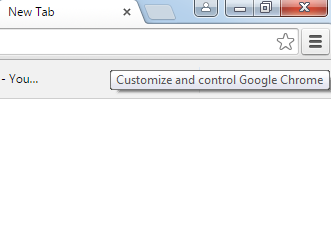
    1. Click on the page icon next to the URL window on the top right of the screen.

    Google Chrome Step 1

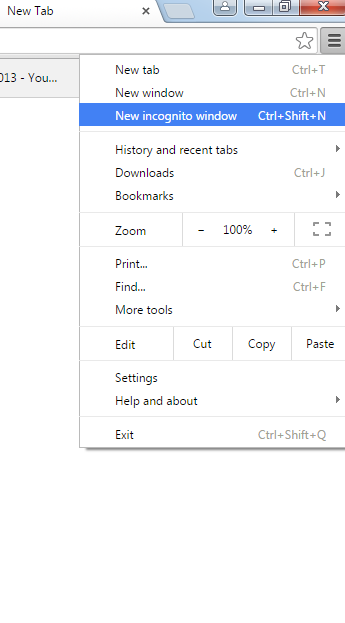
    2. Select ‘New Incognito Window’. (Control+Shift+N)

    Google Chrome Step 2

    Congratulations, Facebook will no longer know about the Mills and Boons you’ve been bulk-buying off Amazon.

    Firefox

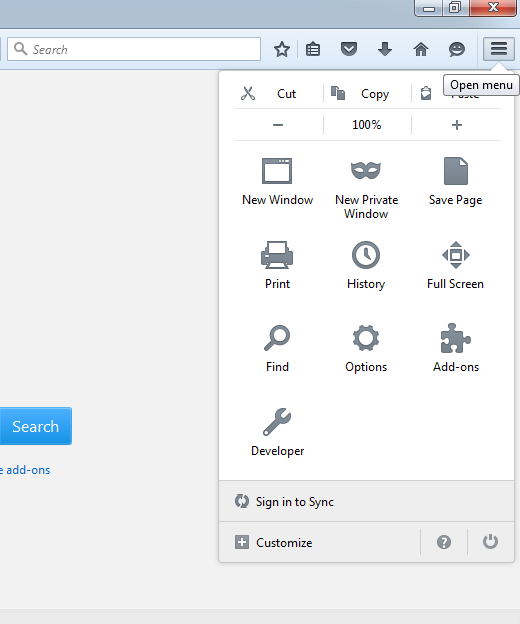
    1. Click on the menu button on the top right side of the browser window.Firefox Step 1

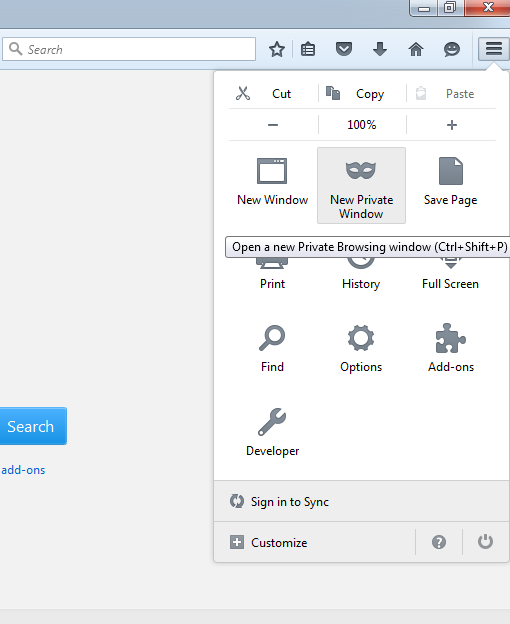
    2. Click on ‘New Private Window’ (Control+Shift+P)Firefox Step 2

    Yes, it’s that simple. Who would have thought, right?

    Opera

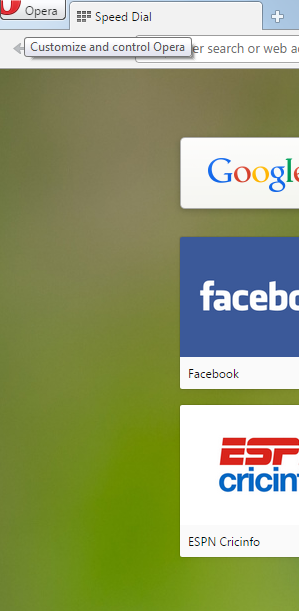
    1. Go to the ‘Opera’ button on the top-left corner of the screen.Opera Step 1

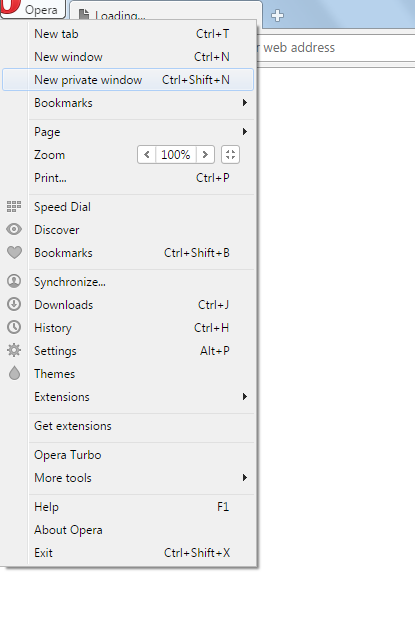
    2. Choose ‘New Private Window’. (Control+Shift+N)Opera Step 2

    My, my, look at you working out that secrecy muscle now.

    These are some basic hacks to help you avoid online tracking. While the country kicks up a ruckus about the recent proposal of storing instant messages for at least 90 days before being able to delete them, all the best hiding your virtual activity from the government for now. May your secrets be dark, deep and worthy of all the trouble of hiding them.


  • Why You Should Think Before Using Facebook’s Indian Flag Photo

    Why You Should Think Before Using Facebook’s Indian Flag Photo

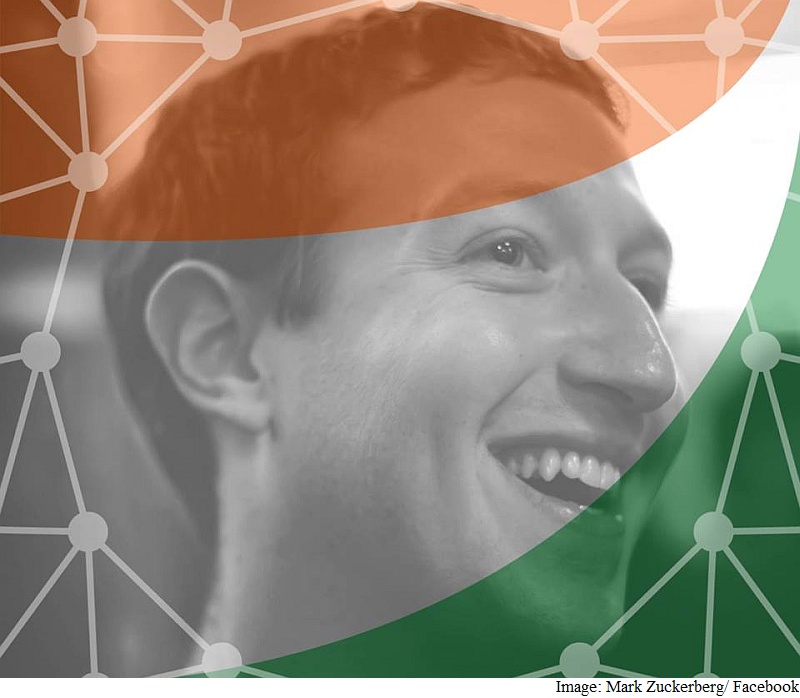
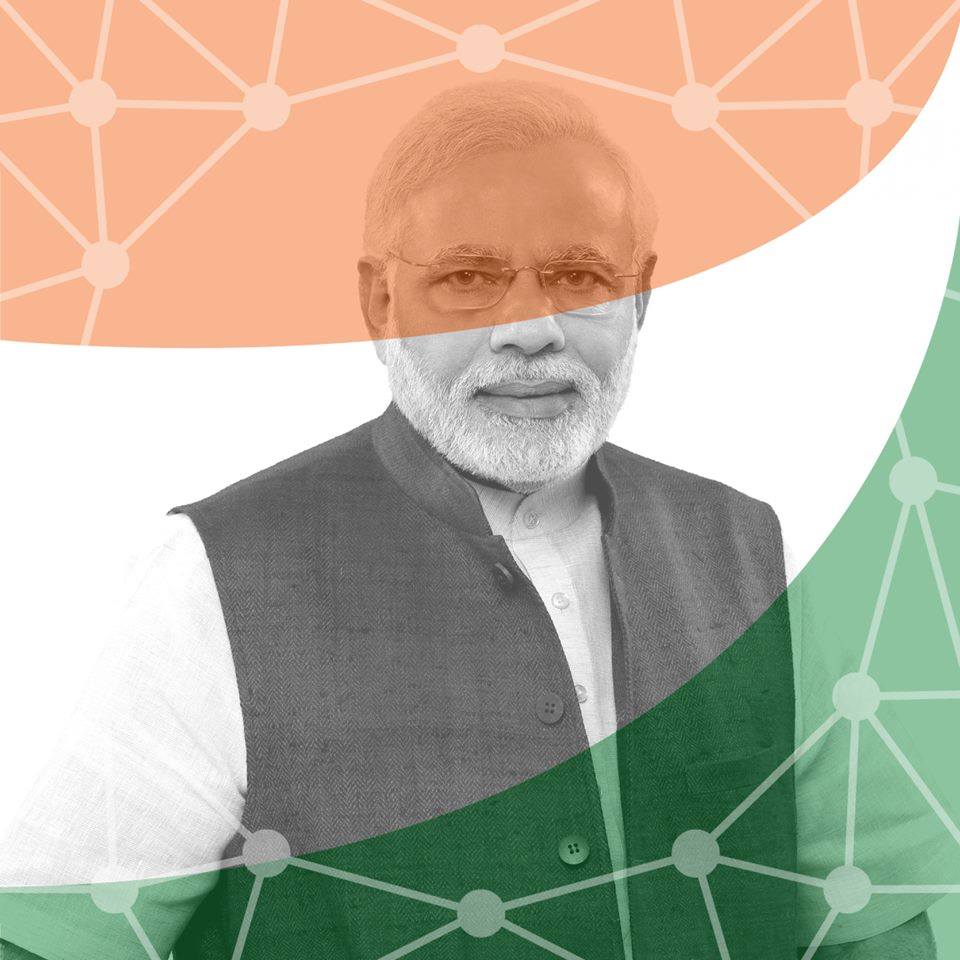
    Mark Zuckerberg recently changed his Facebook display picture to one which has an over-lay of the Indian flag. This was done following his Town Hall meeting with Prime Minister Narendra Modi in Silicon Valley this week. Zuckerberg unequivocally expressed his support for the Digital India campaign of the country.

    Mark Zuckerberg

    Prime Minister Modi soon followed league and changed his display picture on Facebook as well. Facebook also introduced a feature which allowed users everywhere to make the tri-colour part of their display pictures. Post this, people, as we know them to be, switched their profile pictures left and right and centre. All of a sudden, we woke up to find unanimous, enthusiastic support for Digital India. Utopia, could it be?

    Narendra ModiMaybe not. A lot of netizens took to social media platforms to express their dismay at the new feature, which was allegedly directly connected with Facebook’s Internet.org. It was assumed that these pictures had a source code which would automatically link them to Internet.org, inadvertently making them support the initiative.

    Now the idea of thousands and millions being included within the ambit of the virtual world sounds brilliant and one everyone is up for. But before that, those endorsing this initiative as part of Digital India campaign need to understand all that it entails.internet.org

    Internet.org:

    Internet.org refers to a collaboration between Facebook and six other companies, namely, Samsung, Qualcomm, Nokia, Ericsson, MediaTek and Opera Software. The aim of this collaboration is to bring easily accessible internet to developing countries, especially in remote rural areas. However since it includes only selected services and online operators, it is seen not only as a direct threat to net neutrality but also as rampant publicizing of Facebook. It would be a single company, or a small group of them, which would decide what services are made available and which ones are excluded, a right earlier extended only to the user of the internet, not the service providers.

    However, earlier today, an official statement was made by Facebook which reads as follows:

    “There is absolutely no connection between updating your profile picture for digital India and registering support for Internet.org. An engineer mistakenly used the words “Internet.org profile picture” as a shorthand name he chose for part of the code. But this product in no way connects to or registers support for Internet.org. We are changing the code today to eliminate any confusion.”

    mark_zuckerberg_internet_org_reuters

    And so, the hue and cry gradually died. But the proposition still remains -before you jump at the idea of a tri-coloured display picture, try remembering the things it implies. Granted such a picture does not necessarily mean support for Internet.org, yet the issue of separating Digital India from Internet.org remains just as relevant. Nothing would be better on the tech front than to have a country where internet is available in every household. But any policy that endangers net neutrality, and therefore, the freedom of expression and to make choices in the virtual space, needs to be reconsidered.


iGyaan Network
Privacy Overview

This website uses cookies so that we can provide you with the best user experience possible. Cookie information is stored in your browser and performs functions such as recognising you when you return to our website and helping our team to understand which sections of the website you find most interesting and useful.