Apple launched the iPhone X on the 12th of September in the US and announced that the phone will be available to pre-order from the 27th of October in markets such as India. Priced at Rs 89000 for the 64GB variant, the Apple iPhone X will be the most expensive iPhone ever launched in India and the pre-orders begin at 1. Reports suggest that due to the intricate manufacturing process of the FaceID technology, Apple has only been able to produce half the iPhone X’s it expected to make in 2017. This means that the demand will be high and you will have to be extremely diligent to successfully pre-order the iPhone X when the bookings go live.
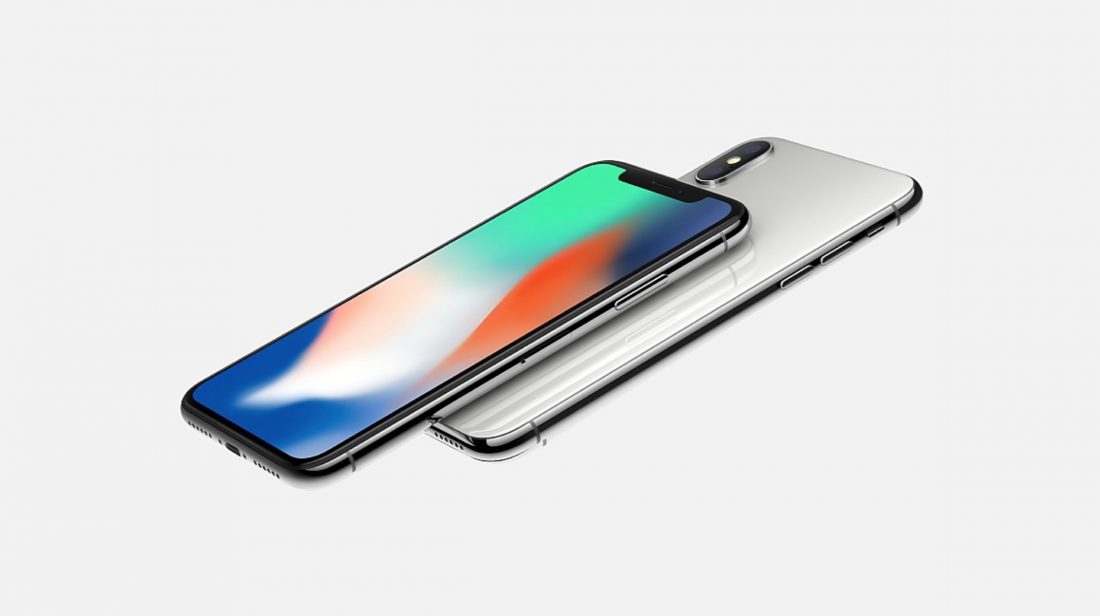
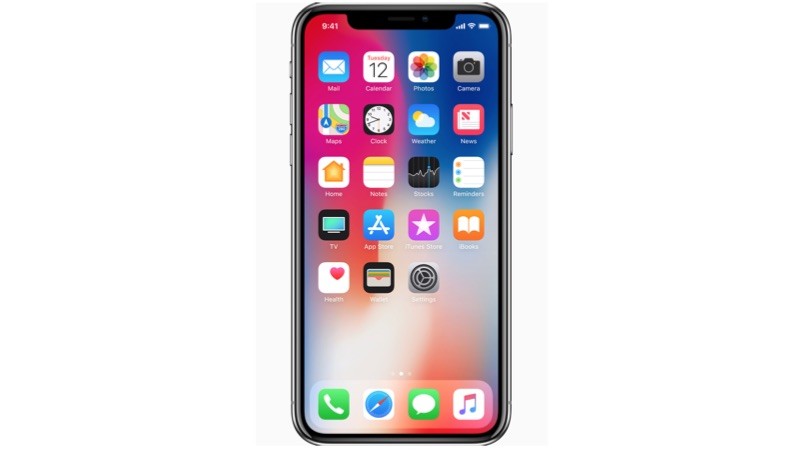
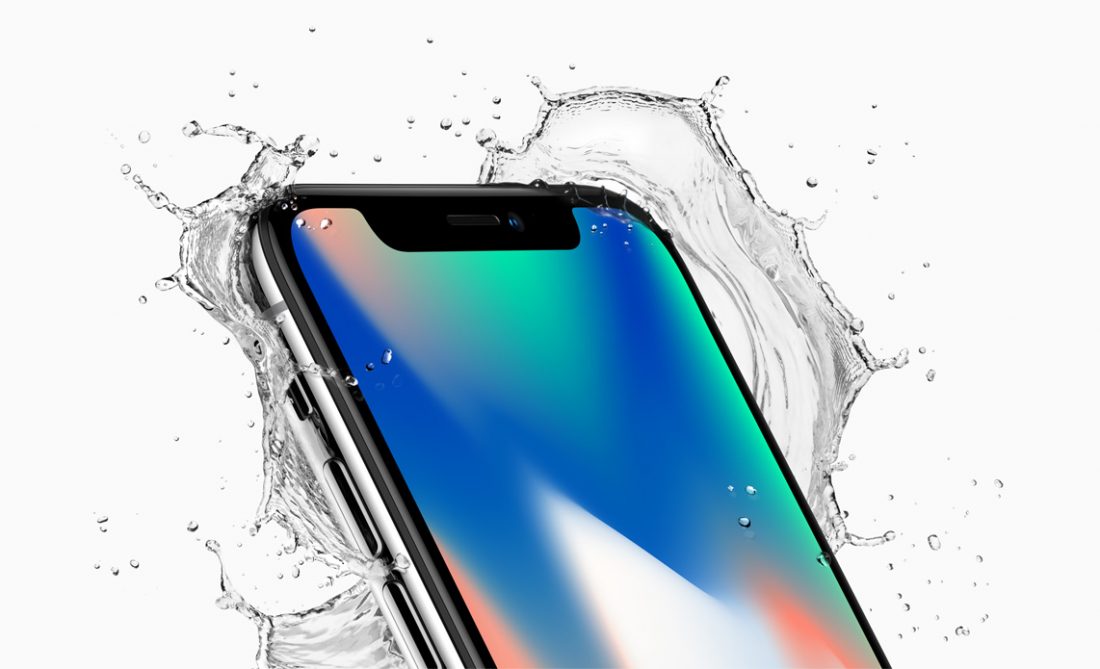
The iPhone X has a 5.8-inch 2436 x 1125 px OLED True Tone Super Retina display with minimal bezels around it. The phone runs iOS 11 and is powered by a 3,000 mAh battery which charges through the Apple signature lightning port placed at the bottom of the phone. Under the hood, the smartphone has the Apple A11 Bionic chipset with a neural engine, a hexa-core processor, 3GB of RAM and storage options of 64GB, and 256GB. As is with every iPhone, the onboard storage can not be expanded via a microSD card. The small bezels mean there is no physical home button, which is now replaced with gestures for navigation. Siri is activated by pressing the now larger lock/unlock button. The iPhone X is also IP67 certified for water and dust resistance.
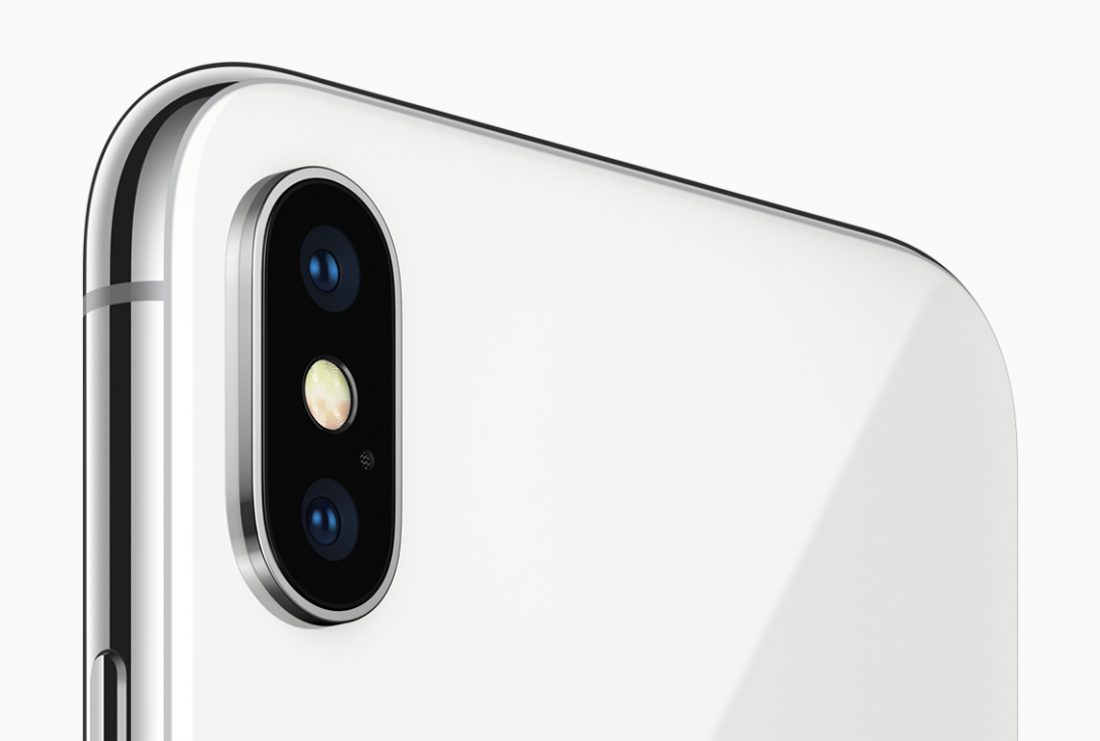
The iPhone X has dual 12-megapixel rear cameras, and it’s equipped with dual optical image stabilisation. The sensors are both larger and faster, according to Apple, and the main camera is equipped with a wide angle lens and has an f/1.8 aperture while the secondary telephoto lens has an f/2.4 aperture. In between the two cameras is a quad-LED True Tone flash. Both the front and back cameras have the portrait mode. The rear cameras have the portrait lighting feature, just like the iPhone 8 and iPhone 8 Plus.
Apple launched the highly anticipated iPhone X on the 12th of September along with the iPhone 8 and iPhone 8 Plus. Tim Cook took to stage to announce that the new marquee smartphone will have very thin bezels and now home button. The navigation inside the phone will be controlled by gestures and there will be no TouchID. Considering the tedious process of manufacturing and new technologies used by Apple, it was reported that the iPhone X will made made in limited numbers in 2017 and full-fledged manufacturing will start in 2018.
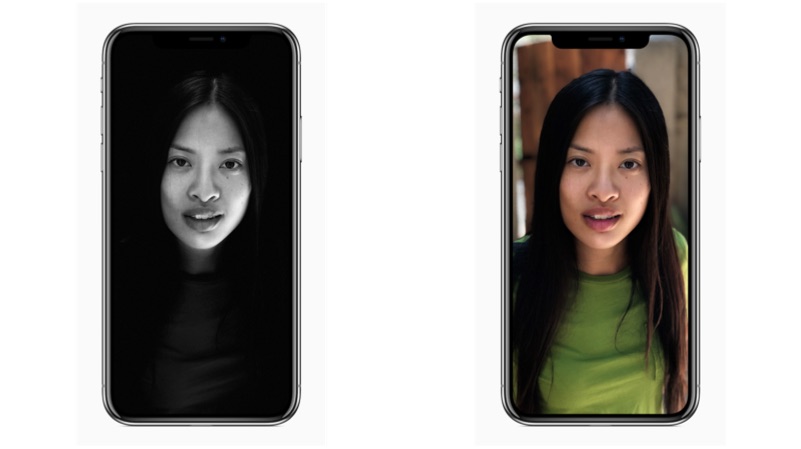
The iPhone X is hands down the most anticipated iPhone ion the recent past and is dubbed as the “true successor” of the original iPhone which was launched in 2007. The design language is completely different from what we’ve become accustomed to seeing with an iPhone. The new facial recognition technology is apparently more convenient and safer than TouchID while the bezel-less display with a notch at the top has been well-received. The iPhone X will detect your face even in the dark by mapping your face. Apple claims the chances of someone else unlocking your iPhone through FaceID is one in a million. FaceID will work with Apple Pay and third party apps that supported TouchID. Another feature is called Animojis wherein you can create emojis controlled by your face and share it on iMessage.
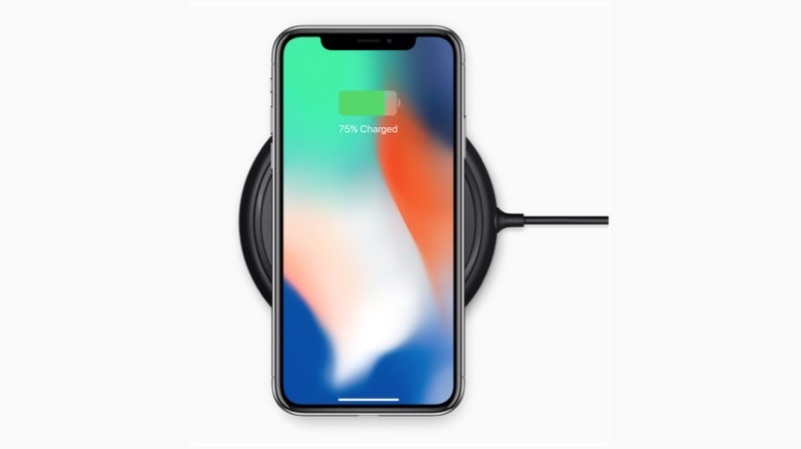
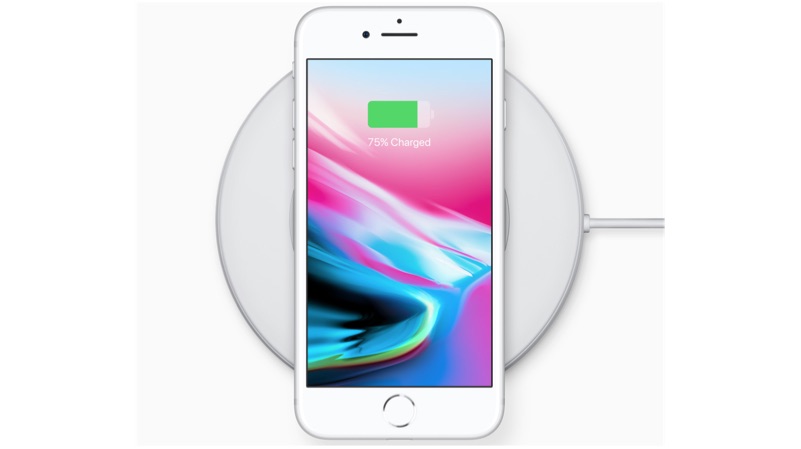
The iPhone X has a 5.8-inch 2436 x 1125 px OLED True Tone Super Retina display with minimal bezels around it. The phone runs iOS 11 and is powered by a 3,000 mAh battery which charges through the Apple signature lightning port placed at the bottom of the phone. Because of the all-glass design, the iPhone X also has wireless charging like the iPhone 8 and iPhone 8 Plus. Under the hood, the smartphone has the Apple A11 Bionic chipset with a neural engine, a hexacore processor, 3GB of RAM and storage options of 64GB, and 256GB. As is with every iPhone, the onboard storage can not be expanded via a microSD card. The small bezels mean there is no physical home button, which is now replaced with gestures for navigation. Siri is activated by pressing the now larger lock/unlock button. The iPhone X is also IP67 certified for water and dust resistance, and wireless charging.
The iPhone X has vertically placed dual 12-megapixel rear cameras, and it’s equipped with dual optical image stabilisation. The sensors are both larger and faster, according to Apple, and the main camera is equipped with a wide angle lens and has an f/1.8 aperture while the secondary telephoto lens has an f/2.4 aperture. In between the two cameras is a quad-LED True Tone flash. Both the front and back cameras have the portrait mode. On the front is a 7MP camera with an f/2.2 aperture. Both the rear cameras and the front camera have the portrait lighting feature, just like the iPhone 8 and iPhone 8 Plus.
The iPhone X is priced at US$999 for the 64GB variant in the US, GBP 999 in the UK and Rs 89000 in India for the 64GB variant. Pre-orders for the smartphone begin on the 27th of October and the device will go on sale on the 3rd of November.
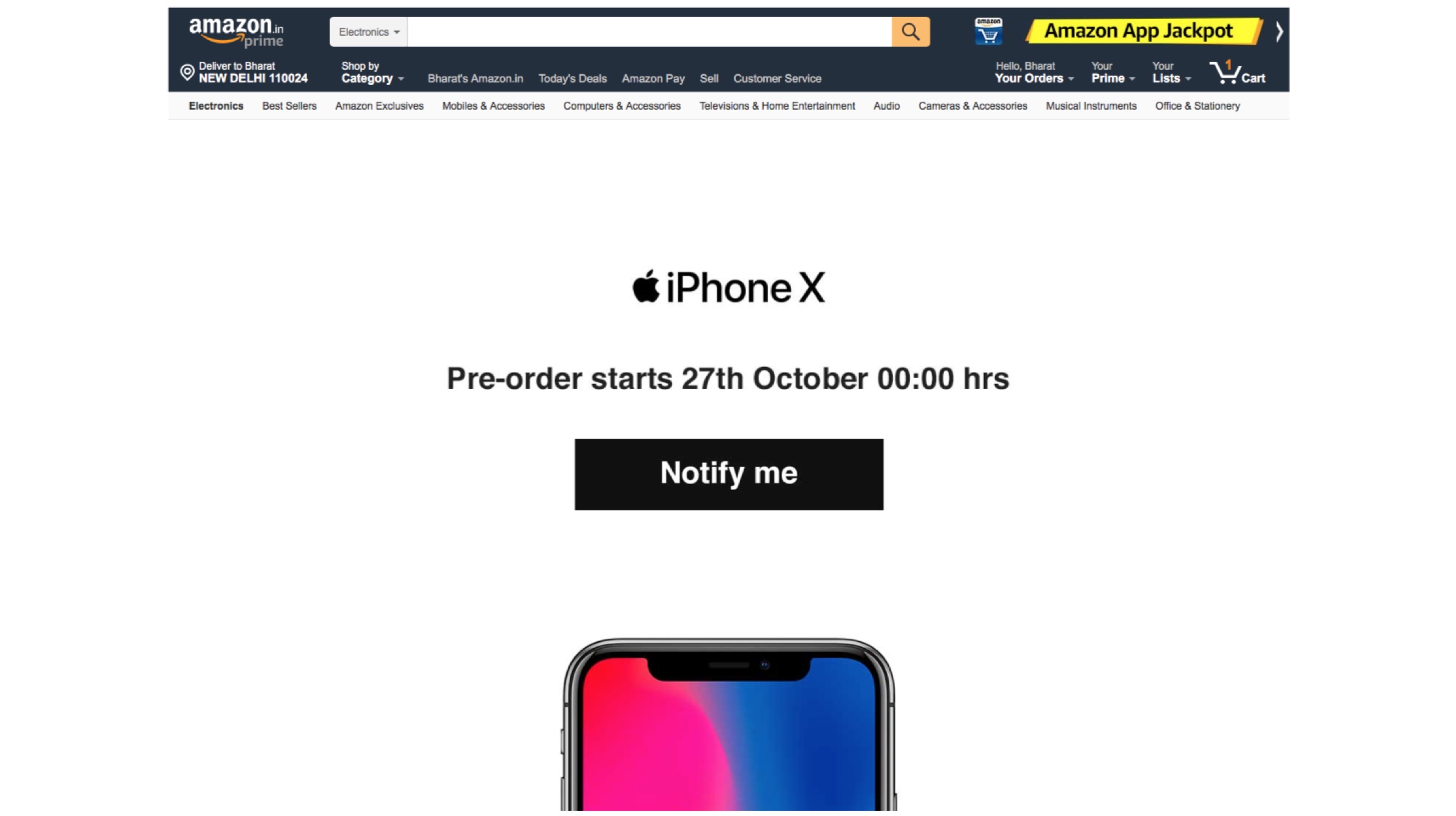
When the iPhone X was launched on the 12th of September, it was announced that the phone will go on sale on 3rd of November while the pre-orders will begin on the 27th of October. India is one of the select few countries to get the marquee smartphone along with the US and UK. Amazon India recently made the iPhone X pre-order page live.
The Apple iPhone X will be the most expensive iPhone in India and possibly the most expensive smartphone with the price of the 256GB variant expected to be around Rs 105,000. The 64GB variant will be priced at Rs 89000, which is about Rs 5000 more than the 256GB variant of the iPhone 8 Plus. The iPhone X has a new design and a few omissions which might not go down well for a lot of iPhone users. Due to the thin bezels, there is no home button and therefore, no TouchID. Apple has replaced it with FaceID, a facial recognition system which Apple claims is better and safer than TouchID. The 3.5mm headphone jack has started feeling like an anomaly and doesn’t feature in the new iPhone X.
The iPhone X has a 5.8-inch 2436 x 1125 px OLED True Tone Super Retina display with minimal bezels around it. The phone runs iOS 11 and is powered by a 3,000 mAh battery which charges through the Apple signature lightning port placed at the bottom of the phone. Because of the all-glass design, the iPhone X also has wireless charging like the iPhone 8 and iPhone 8 Plus. Under the hood, the smartphone has the Apple A11 Bionic chipset with a neural engine, a hexacore processor, 3GB of RAM and storage options of 64GB, and 256GB. As is with every iPhone, the onboard storage can not be expanded via a microSD card. The small bezels mean there is no physical home button, which is now replaced with gestures for navigation. Siri is activated by pressing the now larger lock/unlock button. The iPhone X is also IP67 certified for water and dust resistance, and wireless charging.
The iPhone X has vertically placed dual 12-megapixel rear cameras, and it’s equipped with dual optical image stabilisation. The sensors are both larger and faster, according to Apple, and the main camera is equipped with a wide angle lens and has an f/1.8 aperture while the secondary telephoto lens has an f/2.4 aperture. In between the two cameras is a quad-LED True Tone flash. Both the front and back cameras have the portrait mode. On the front is a 7MP camera with an f/2.2 aperture. Both the rear cameras and the front camera have the portrait lighting feature, just like the iPhone 8 and iPhone 8 Plus.
The iPhone X will be available thrugh online and offline channels. More launch offers will be announced at the time of the launch of the phone in the country.
The iPhone X was unveiled on September 12th to much fanfare. The marquee iPhone of 2017, the iPhone X will be launched on November 3rd in India will be priced at Rs 89000 for the 64GB variant. Although the launch is a month away, a video has surfaced online showing off the iPhone X in all its glory. The short clip doesn’t show off anything particularly notable like animoji or the infamous FaceID fail but, it does give us a good look at the iPhoneX’s edge-to-edge screen.
The phone appears to be on AT&T’s network and the Redditor who posted the video claims it was recorded in San Jose. If you don’t know much about the American geography, San Jose isn’t too far away from Apple’s HQ in Cupertino.
In the video, you can see that the person holding the phone is rotating it in his hands showing off the front and back of the iPhone X. A shaking padlock appears to signal that FaceID is locking him out and someone else owns the device, most likely an Apple employee with early access to the iPhone X. Looks like FaceID is secure after all? A lot of commenters on the thread claim to have seen the iPhone X out and about in the Bay Area and it in’t surprising that someone finally caught one on video.
The iPhone X will go on sale on November 3rd in major countries including India and there are reports that the smartphone will be available in limited quantities up until 2018 due to manufacturing delays. Priced at Rs 89000 for the 64GB variant, the iPhone X is poised to be the most expensive iPhone in the Indian market when it launches.
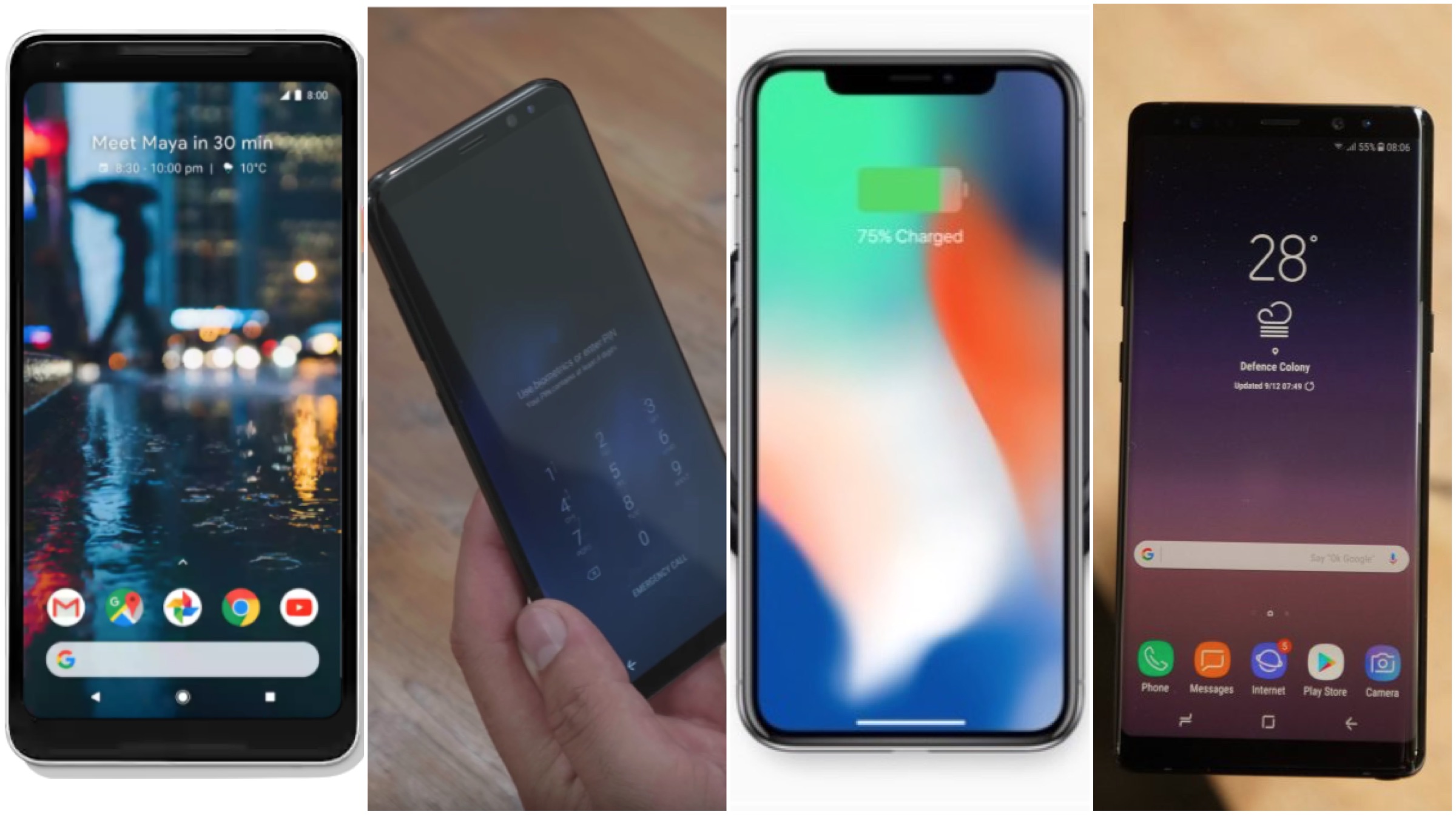
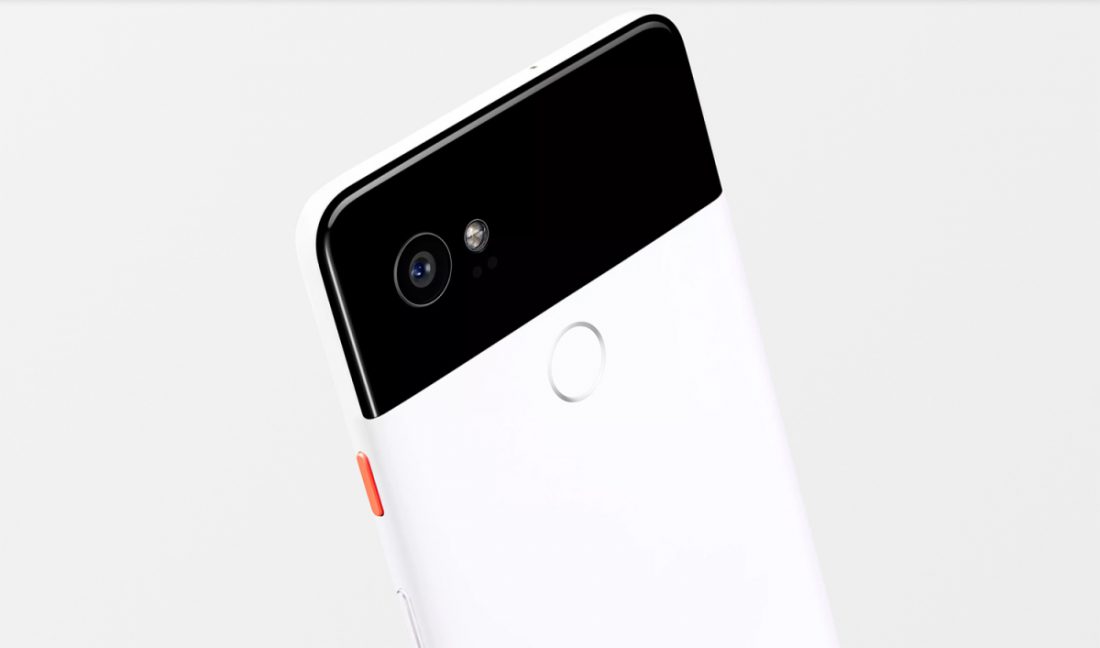
The Google Pixel 2 was launched on October 4th as the marquee Pixel device for 2017. It strays away a little from the thick bezels that the Pixel 2 has but, still incorporates the front-firing speakers in relatively thinner bezels. Just like the Pixel 2, there is a tight integration with Google Assistant in Google’s attempt to harmonise AI, software and hardware. So, how does the bigger Google flagship stack up against the competition? let’s find out:
Google Pixel 2 XL
The smartphone has a 6 inch 2880 x 1440 px POLED display which translates into an 18:9 aspect ratio. Protecting the display is Corning Gorilla Glass 5. Just like the Pixel 2, the device runs Android 8.0 Oreo out of the box and will receive the Android P update in 2018. Powering the device is a 3520 mAh battery which is larger than the one found in the Pixel 2. Under the hood, the Pixel 2 XL has the Qualcomm Snapdragon 835 chipset, 2.4GHz octa core processor, Adreno 540, 4GB RAM and 64GB/128GB onboard storage. The fingerprint sensor sits at the back of the device but, this time around the “glass window” is smaller.
On the camera front, Google has decided to go for a single camera setup similar to last year’s Pixel phones. The rear-facing camera is a 12.2 MP sensor with an f/1.8 aperture and 1.4 micron pixel size. On the front is an 8MP camera with an f/2.4 aperture. Google has introduced new features in the camera department like the addition of AR. Google says Pixel 2 XL has greater high dynamic range, optical image stabilisation, and a portrait mode that doesn’t use a second camera but dual-sensor image technology. The Pixel 2 XL uses both OIS and EIS simultaneously for better clarity and stable images and videos.
Samsung Galaxy S8+
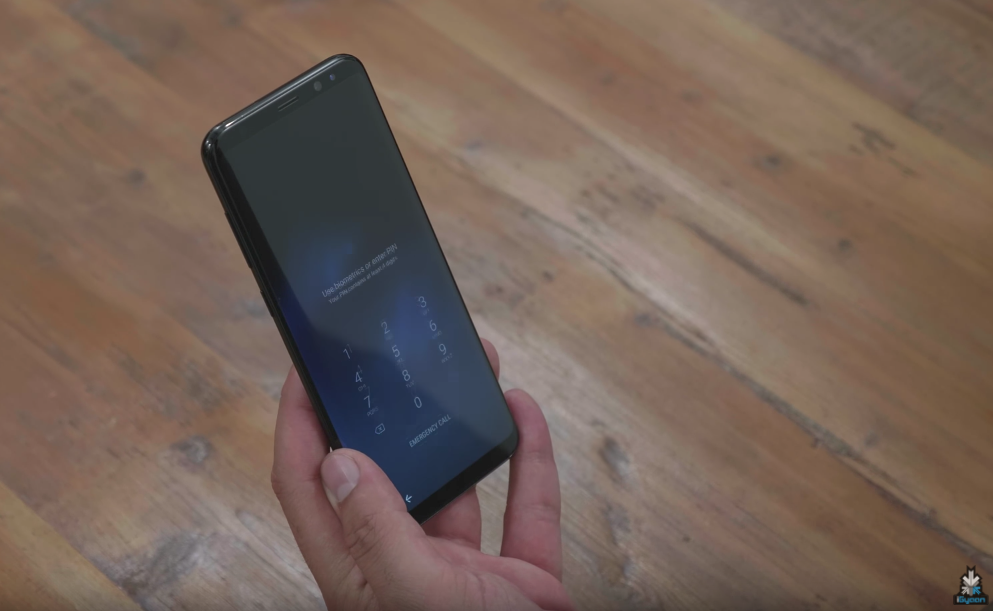
The Samsung Galaxy S8+ has a 6.2 inch 2960×1440 px Super AMOLED display with a 570ppi. Powering the device is a 3000 mAh battery and it runs Android 7.1 Nougat out of the box. Under the hood, the smartphone has Exynos 8895 chipset, 64GB or 128GB onboard storage options which is expandable up to 256GB via microSD card and 4GB RAM or 6GB RAM variants. The Galaxy S8+ is also water and dust resistant. The Galaxy S8 has a glass black which means it is wireless charging compatible. The smartphone has an awkwardly placed fingerprint sensor right next to the camera.
For cameras, both phones get a main Dual Pixel 12MP OIS (F1.7), Front: 8MP AF (F1.7). While the battery on the Galaxy S8 is 3000 man, the S8plus has a 3500 mAh battery. Both support fast charging and wireless charging as well.
Apple iPhone X
The iPhone X has a 5.8-inch 2436 x 1125 px OLED True Tone Super Retina display with minimal bezels around it. The phone runs iOS 11 and is powered by a 3,000 mAh battery which charges through the Apple signature lightning port placed at the bottom of the phone. Because of the all-glass design, the iPhone 8 also has wireless charging. Under the hood, the smartphone has the Apple A11 Bionic chipset with a neural engine, a hexacore processor, 3GB of RAM and storage options of 64GB, and 256GB. Apple has also gotten rid of TouchID and replaced it with facial recognition called FaceID which Apple claims has a security breach chances of 1 in a million.
On the optics front, the iPhone X has dual 12-megapixel rear cameras, and it’s equipped with dual optical image stabilization. The main camera is equipped with a wide angle lens and has an f/1.8 aperture while the secondary telephoto lens has an f/2.4 aperture.
Samsung Galaxy Note8
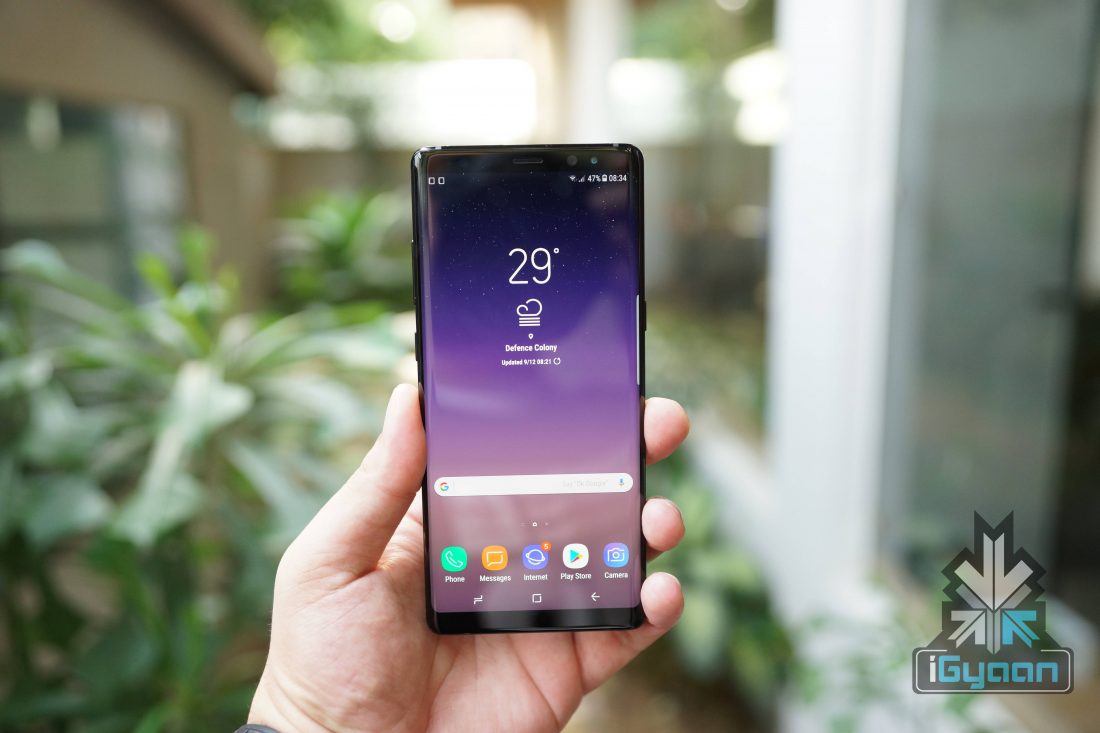
The Galaxy Note8 has a 6.3 inch 2960 x 1440 px Super AMOLED display with an 18.5:9 aspect ratio, which is the same aspect ratio found on the Galaxy S8 and S8+. Powering the device is a 3300 mAh battery which is smaller than the 3500 mAh battery found on the Galaxy Note7 with wireless charging capabilities, and runs Android Nougat 7.1.1 with Samsung’s custom skin on top. The device has the Exynos 8895 chipset, 2.3GHz Quad-Core (Custom CPU) + 1.7GHz Quad-Core (Cortex-A53) processor, 6GB of RAM and 128GB onboard storage, which is expandable up to 256GB via microSD card. The graphics are handled by the Mali-G71 MP20 GPU.
The new Note8 has a 12MP dual-camera setup, one of which has a wide lens and the other a telephoto. The telephoto lens allows a user to zoom in losslessly for an up to 2x magnification. The use of dual camera allows for the ability to blur out the background for professional looking bokeh effect shots, something that seems to be common in smartphones in 2017. The Galaxy Note8, Samsung claims, is the first smartphone to feature OIS in both the cameras at the back.
Samsung and Apple may be rivals in the smartphone domain but, Samsung has always manufactures key components of the iPhone including the displays. And it looks like with the iPhone X, Samsung is poised to make a lot of money. Studying the costs of the components Samsung has made for the iPhone X, it reveals that the South Korean tech giant will earn about US$110 for every iPhone X sold.
A market research study conducted for the Wall Street Journal says that Samsung also makes batteries and capacitors for the flagship iPhone X. The highest-profile Samsung component in the iPhone X is also the most expensive, the new OLED screen. This is a custom-made display built to Apple’s specifications. The analysis reports states:
Samsung is likely to earn about $4 billion more in revenue making parts for the iPhone X than from the parts it makes for its own flagship Galaxy S8 handset. Counterpoint expects Apple will sell 130 million iPhone X units, earning Samsung $110 on each through the summer of 2019, while Galaxy S8’s global sales are expected to be 50 million, earning Samsung $202 each from components such as displays and chips in its first 20 months of sales.
The analysis, even though notes the irony is not a fair comparison. The research notes the profit Samsung’s component division makes for the Galaxy S8 but, not the mobile division makes for Galaxy S8 sold. Samsung obviously makes more money by selling its own smartphone because it makes more components for it but, since the iPhone X is expected to sell in far higher volumes, the total value of component sales will be higher for the iPhone. A report by investment bank CLSA estimated that Apple’s component orders make up more than a third of Samsung’s revenue. Oh, the irony.
The yet to be released iPhone Xwas met with great response after it was announced that it will finally sport an OLED display. Apple has been using LCD panels for its iPhones for the longest time and the need for a display with more vibrant colours and deeper blacks was on the rise. Apple satiated those needs with the iPhone X but, it looks like the dream of an OLED display on all iPhones will be short-lived. The Wall Street Journal has reported that Apple is interested in buying LCD display panels from a Japanese manufacturer, Japan Display. But, the LCD panels won’t be any ordinary LCD panels, in fact these LCD displays are called Full Active and are expected to make up 70% of Apple’s display orders for its next lineup of iPhones which will launch in September 2018.
Full Active LCD screens apparently make it easy for smartphone manufacturers to make edge-to-edge phones even more compact. As compared to OLED screens, Full Active LCD screens are only 0.5mm thick (or thin), or half the thickness of OLED screens. Apple’s desire to switch Full Active LCD screen suggests that the Cupertino-based tech giant is on the move to make its smartphones even more bezel-less than the iPhone X. It may also be a case of Apple sticking to LCD screens for its non-marquee smartphones. This also makes sense as LCD screens are cheaper to produce than OLED displays.
The fact that the iPhone X doesn’t come out till November is enough for us to believe that its preliminary to hear things about the 2018 iPhone. It is more than possible that Apple is bulk-ordering these screens for its budget-tier iPhones like the iPhone SE.
When Tim Cook announced the iPhone 8 and iPhone 8 Plus and paused for a second before saying, “One more thing,” the anticipation of the iPhone X turned into reality. He went on to unveil the iPhone X with an all-screen design, “superior cameras” and “revolutionary FaceID” technology. The afterthought of the iPhone X announcement was, “What about the iPhone 8?” That thought translated into action as the launch of the iPhone 8 and iPhone 8 Plus saw an underwhelming turnout across the globe. Over the years, iPhone launch days have seen huge turnouts with people camping outside retail outlets just to get their hands on the new iPhones before it runs of out of stock.
In countries like the UK and Australia, it was heavily reported that there hardly any people waiting to buy the iPhone 8 and that most of the consumers are holding back their credit cards for the new iPhone X. This begs the question, why did Apple release the iPhone 8 and iPhone 8 Plus? Why not name them the iPhone 7s and iPhone 7s Plus and keep a sizeable price difference between these phones and the iPhone X to attract consumers? The 256GB variant of the iPhone 8 Plus will cost you Rs 86000 in India and the 64GB variant of the iPhone X will retail at Rs 89000. People who love iPhones have used 16GB variants of their favourite devices for a long time and using a 64GB variant now will anyway be a storage bump for them. So, anyone willing to spend such a large amount of money for an iPhone would rather wait a month and get an iPhone with a new design and cameras.
Another point to note here is that even though the new cameras on the iPhone 8 and iPhone 8 Plus are better than the previous generation and the A11 bionic chipset is destroying the Snapdragon 835 on speed tests. Historically, iPhones have never been slow or have buggy software due to the internals. Apple has been known to optimise the software and hardware in a way that an iPhone 5s after 4 years of its launch still operates better than most of the Android phones launched back in 2013. This begs the question that will an iPhone 7 or even an iPhone 6 user upgrade to an iPhone 8, or wait for the iPhone X? There are reports that the 2018 iPhone will get TouchID back and the fingerprint sensor will be placed under the display. If people are sceptical about FaceID, won’t they rather wait a year and upgrade to the 2018 iPhone?
Apple has definitely put in a lot of though here and wouldn’t have invested so much of money if it didn’t see a return and has targeted the consumer section that will buy the iPhone 8 or the iPhone 8 Plus. Have you bought the iPhone 8 yet or are you waiting for the iPhone X? Let us know in the comments.
The Apple iPhone 8 and iPhone 8 Plus were launched on September 12th along with the highly anticipated iPhone X. In India, the iPhone 8 and 8 Plus became available for pre-orders on September 22nd for a starting price of Rs 64000 for the iPhone 8 64GB storage variant. During their launch, Apple claimed that the camera performance of the iPhone 8 and iPhone 8 Plus is much better than the previous gen iPhones and DXOmark has backed that claim. According to DXOmark, the cameras on the iPhone 8 and iPhone 8 Plus are the best smartphone cameras in the market right now.
The Apple iPhone 8 Plus is the best-performing mobile device camera we have ever tested. Its overall DxOMark Mobile score of 94 sets a new record, beating out the 90 points for both the Google Pixel and the HTC U11, as well as the 92 that its sibling iPhone 8 just scored.
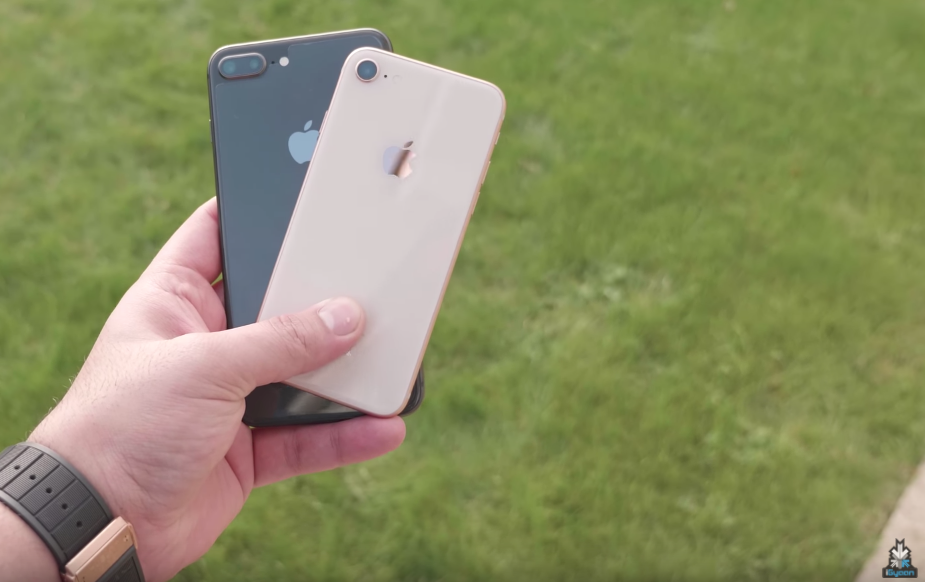
In terms of build quality and appearance, both the phones do not deviate too much from the design language of the iPhone 7 and iPhone 7 Plus which were launched back in 2016. The most noticeable difference here is the glass back which enables wireless charging in the iPhone 8 and iPhone 8 Plus. Under the hood, the two new iPhones have the A11 Bionic chipset which, so far has beaten the Qualcomm Snapdragon 835 chipset in benchmark results. The next big difference is the cameras.
In terms of optics, the new iPhone 8 has the same 12MP sensor with an f/1.8 aperture with a few software upgrades and OIS. On the front is a 7MP camera with an f/2.2 aperture which records 1920 x 1080 px videos at 30fps. The iPhone 8 Plus features a 12MP dual-camera setup. The primary wide-angle lens has an f/1.7 aperture and the secondary telephoto lens has an f/2.8 aperture. The new “Portrait Lighting” feature allows users to adjust the lighting for portrait shots. On the front is a 7MP camera with an f/2.2 aperture which records 1920 x 1080 px videos at 30fps. The dual-cameras at the back record 4K videos at 60fps.
According to DXOmark, the iPhone 8 Plus also has one of the best video-taking capabilities.
For Video, its score of 89 is among our highest, but tied with the HTC U11 and slightly below the Pixel’s 91. Of course, the Pixel is nearly a year old now, so it makes sense that Apple’s new flagship is breaking new ground.
The iPhone 8 and iPhone 8 Plus have definitely suffered because of the attention that the iPhone X has received. This report from DXOmark should spark some interest in the two iPhones and consumers might consider buying either of the phones instead of waiting for the thousand-dollar iPhone X releasing later this year.
Apple launched the much awaited iPhone Xon September 12th. One of the most talked about features of the phone before and even after the launch is its display. The iPhone X’s design is a huge departure from the previous gen iPhones and looks like a 2017 flagship device with minimal bezels. A notch at the top of the display, which has already become synonymous with the iPhone houses all the sensors and the cameras. The iPhone X however, is not the first phone to have a notch, the Essential Ph-One also has a notch at the top which houses the front camera and looks like a cyborg’s eye.
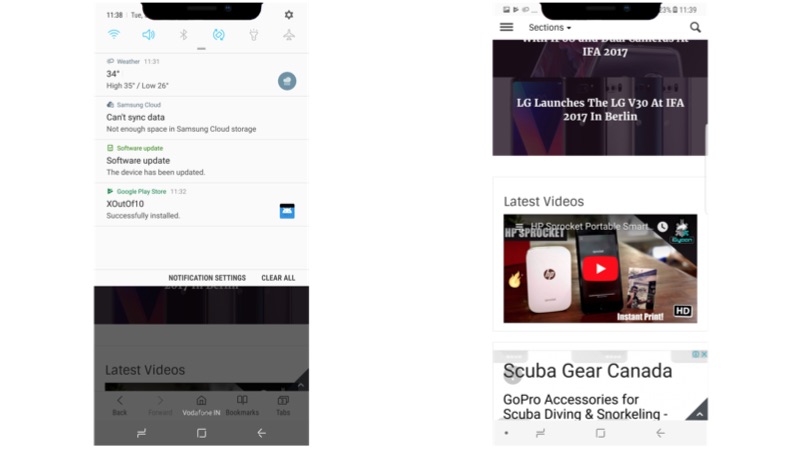
If you are someone who is a fan of that notch on the iPhone X but, do not want to wait until November to see how a display with notch looks like, there is an app for you to experience it right now. Developed by Github user idoideas, XOutOf10 is an app that lets you simulate the iPhone X notch on practically any Android device. The developer believes that this app will save your $999.
If you want to know how the iPhone X notch will look like on your Android device, you can download the app from here. You need Android 6.0 Marshmallow or above to run this app. The developer warns Marshmallow users that the notch will disappear when the status bar is expanded due to Android API limitations set by Google.
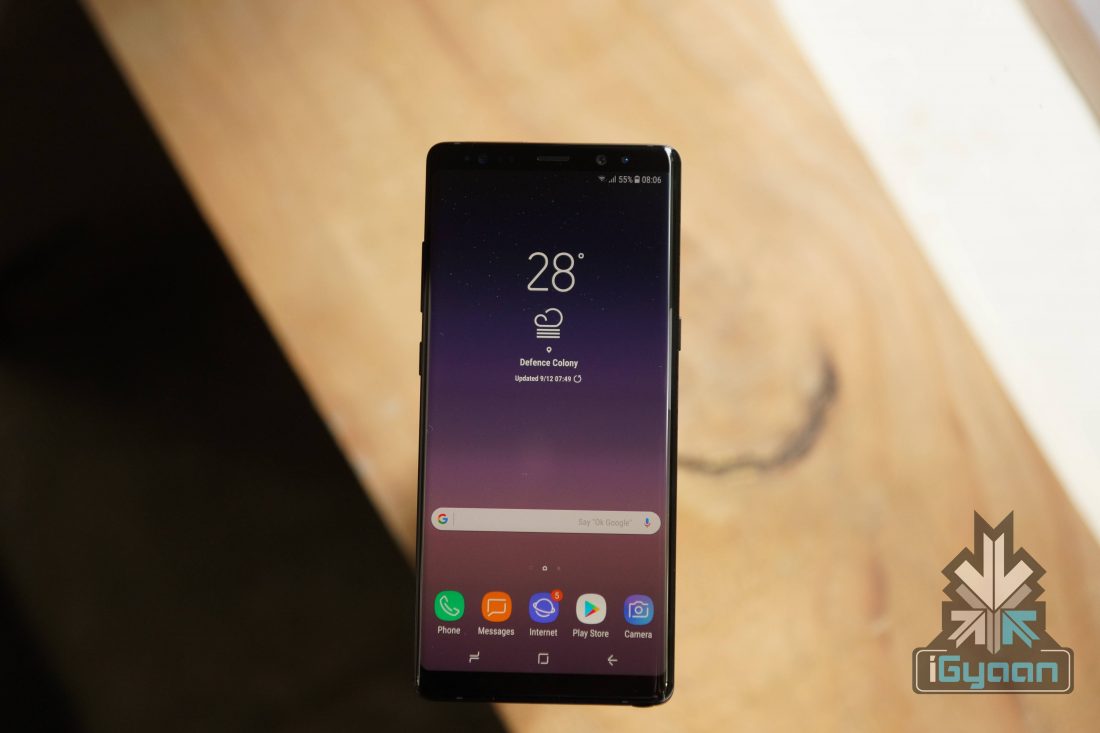
This is how the notch looks like on the Samsung Galaxy Note8–
Apple launched the real successor to the original iPhone from 2007 on September 12 at an event held in the Steve Jobs Theater. The iPhone X has a huge screen, thin bezels, and no home button. No home button meant that the beloved TouchID had to be replaced with something else. Enter FaceID. Apple has said that FaceID, unlike other facial recognition software in Android smartphones, will work under extremely dim lighting and will unlock the phone only when you look at it. How much if that is true and foolproof, only time will tell.
One of the main concerns of FaceID is theft and how just pointing the phone at the owner can unlock the phone, making it easier for thieves to steal it. Keith Krimbel, an interested customer emailed Apple SVP of Software Engineering Craig Federighi.
What will prevent a thief from taking my phone, pointing it at my face, and running?
A few hours later, Federighi responded. In an email, which Krimbel posted on Twitter, Federighi said
There are two mitigations: If you don’t stare at the phone, it won’t unlock. Also, if you grip the buttons on both sides of the phone when you hand it over, it will temporarily disable FaceID.
The solution seems quite simple, just squeeze the phone and disable FaceID. But, if the heat of the moment gets better of you and you’re not able to disable the function, simply close your eyes.
Samsung has been the number one smartphone maker in the world for a while and Apple has always been a close second. Recently, Huawei overtook Apple as the second largest smartphone maker because of the sales in Q2 of 2017. Apple is expected to take that position back and challenge Samsung once again with the launch of the iPhone 8, iPhone 8 Plus and the iPhone X. Samsung has been riding high on the success of its flagship Galaxy S8 and S8+ and the newly launched Galaxy Note8 has already received record breaking pre-orders in the United States and South Korea.
With the Samsung Galaxy S8+, iPhone 8+, iPhone X and the Galaxy Note8 competing for the best flagship of 2017, let’s see how each of them stack up against each other.
Apple iPhone X
The iPhone X has a 5.8-inch 2436 x 1125 px OLED True Tone Super Retina display with minimal bezels around it. The phone runs iOS 11 and is powered by a 3,000 mAh battery which charges through the Apple signature lightning port placed at the bottom of the phone. Because of the all-glass design, the iPhone 8 also has wireless charging. Under the hood, the smartphone has the Apple A11 Bionic chipset with a neural engine, a hexacore processor, 3GB of RAM and storage options of 64GB, and 256GB. Apple has also gotten rid of TouchID and replaced it with facial recognition called FaceID which Apple claims has a security breach chances of 1 in a million.
On the optics front, the iPhone X has dual 12-megapixel rear cameras, and it’s equipped with dual optical image stabilization. The main camera is equipped with a wide angle lens and has an f/1.8 aperture while the secondary telephoto lens has an f/2.4 aperture.
Samsung Galaxy S8 and Galaxy S8+
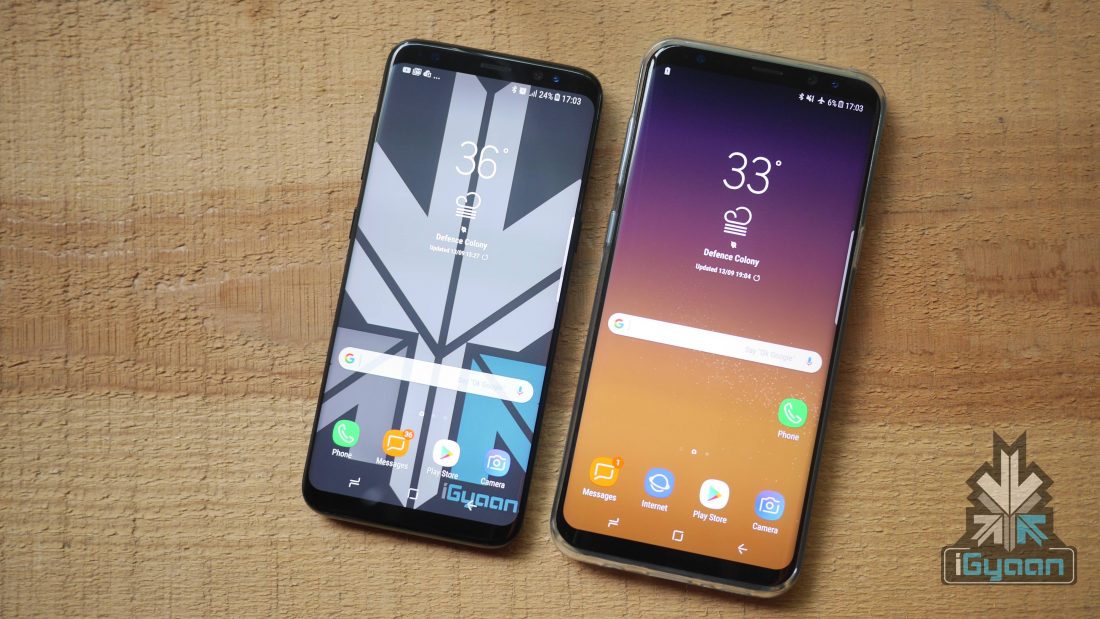
The Samsung Galaxy S8 has a 5.8” 2960×1440 px display with a 570ppi while the S8+ has a 6.2” 2960×1440 px display with a 529ppi density. Both have Samsung’s own super-AMOLED display. The Galaxy S8 is powered by a 3000 mAh battery while the Galaxy S8+ has a 3500 mAh battery. Both the smartphones run Android 7.1.1 Nougat out of the box and Samsung has confirmed an update Android 8.0 Oreo soon. Under the hood, both the smartphones have Exynos 8895 chipset, 64GB or 128GB onboard storae options which is expandable up to 256GB via microSD card. The Galaxy S8 has 4GB RAM while the Galaxy S8+ has 4GB or 6GB RAM variants.
For cameras, both phones get a main Dual Pixel 12MP OIS (F1.7), Front: 8MP AF (F1.7). While the battery on the Galaxy S8 is 3000 man, the S8plus has a 3500 mAh battery. Both support fast charging and wireless charging as well.
Apple iPhone 8 and iPhone 8 Plus
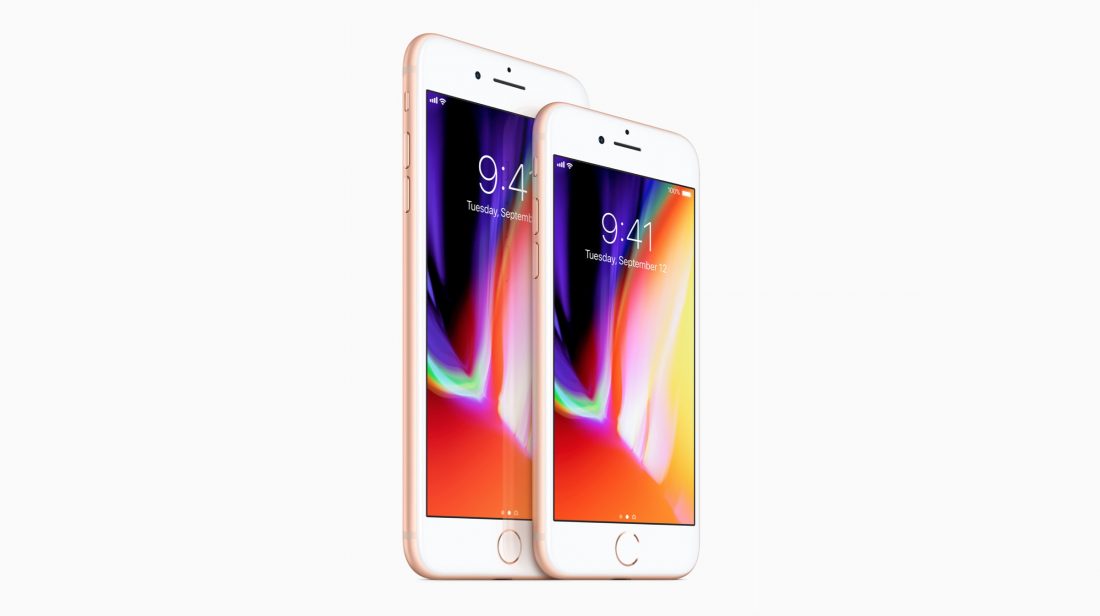
The Apple iPhone 8 has a 4.7 inch 1334 x 750 px True Tone display and the iPhone 8 Plus has a 5.5 inch 1920 x 1080 px True Tone Display. Under the hood, the iPhone 8 and iPhone 8 Plus have the A11 Bionic chipset with a hexacore processor and the new Apple GPU. Both the phones now have wireless charging capabilities. Both the phones run iOS 11 and the battery of the iPhone 8 and 8 Plus is identical to the iPhone 7 and iPhone 7 Plus respectively.
On the camera front, there’s a 12-megapixel sensor on the iPhone 8 that is larger, faster and has optical image stabilization. The iPhone 8 Plus also has new 12 MP sensors. The main camera is equipped with a wide angle lens and has an f/1.8 aperture while the secondary telephoto lens has an f/2.8 aperture. The dual cameras on the iPhone 8 Plus also have a new “Portrait Lighting” feature to adjust the lighting for portrait shots.
Samsung Galaxy Note8
The Galaxy Note8 has a 6.3 inch 2960 x 1440 px Super AMOLED display with an 18.5:9 aspect ratio, which is the same aspect ratio found on the Galaxy S8 and S8+. Powering the device is a 3300 mAh battery which is smaller than the 3500 mAh battery found on the Galaxy Note7 with wireless charging capabilities, and runs Android Nougat 7.1.1 with Samsung’s custom skin on top. The device has the Exynos 8895 chipset, 2.3GHz Quad-Core (Custom CPU) + 1.7GHz Quad-Core (Cortex-A53) processor, 6GB of RAM and 128GB onboard storage, which is expandable up to 256GB via microSD card. The graphics are handled by the Mali-G71 MP20 GPU.
The new Note8 has a 12MP dual-camera setup, one of which has a wide lens and the other a telephoto. The telephoto lens allows a user to zoom in losslessly for an up to 2x magnification. The use of dual camera allows for the ability to blur out the background for professional looking bokeh effect shots, something that seems to be common in smartphones in 2017. The Galaxy Note8, Samsung claims, is the first smartphone to feature OIS in both the cameras at the back.
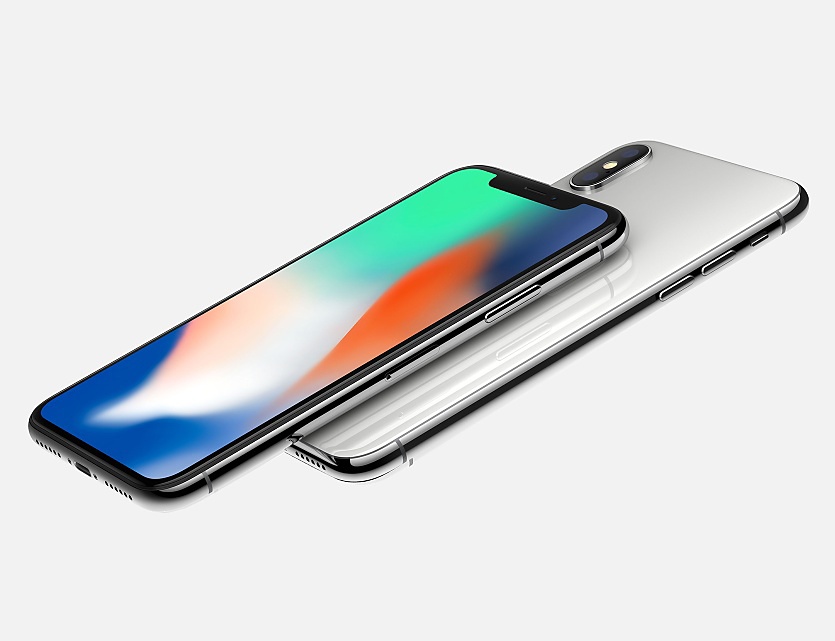
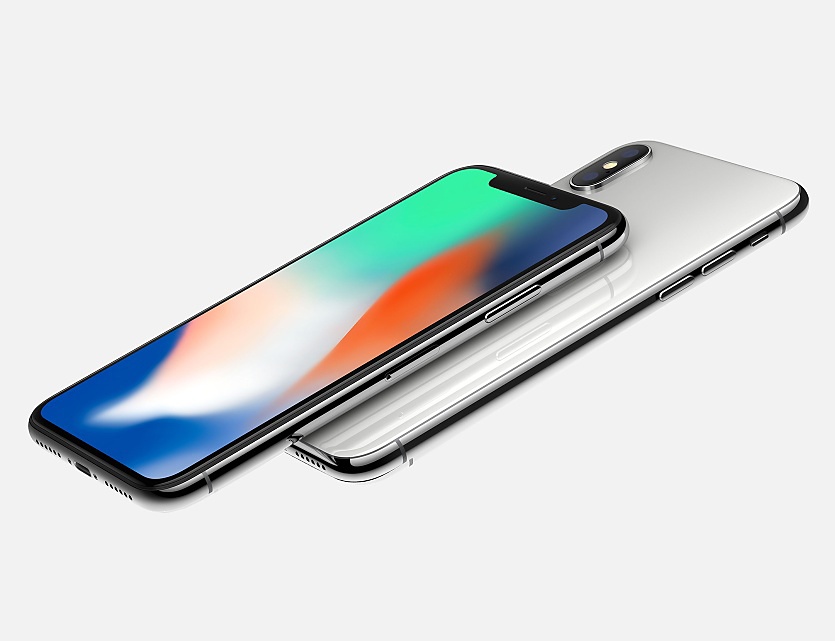
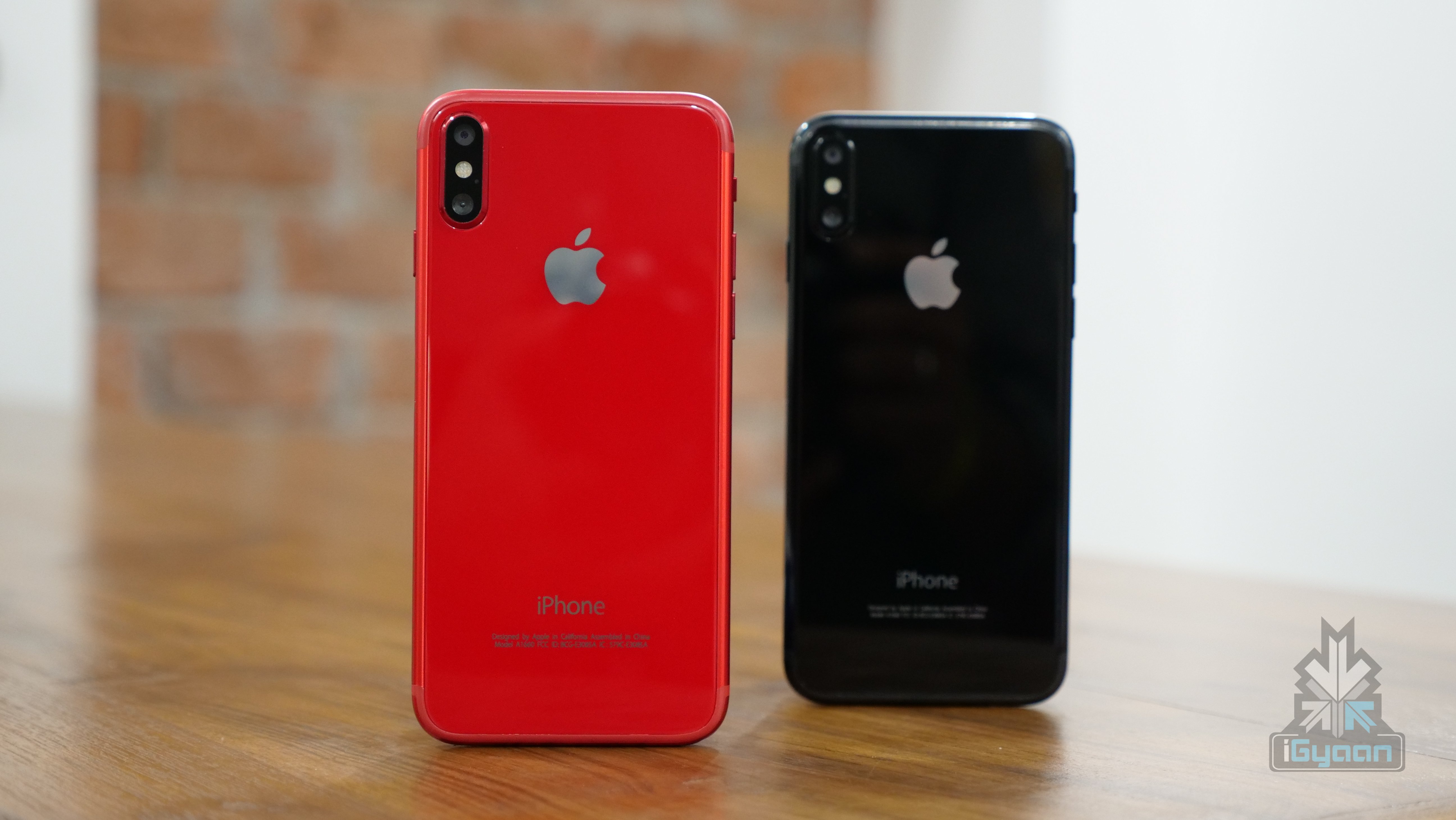
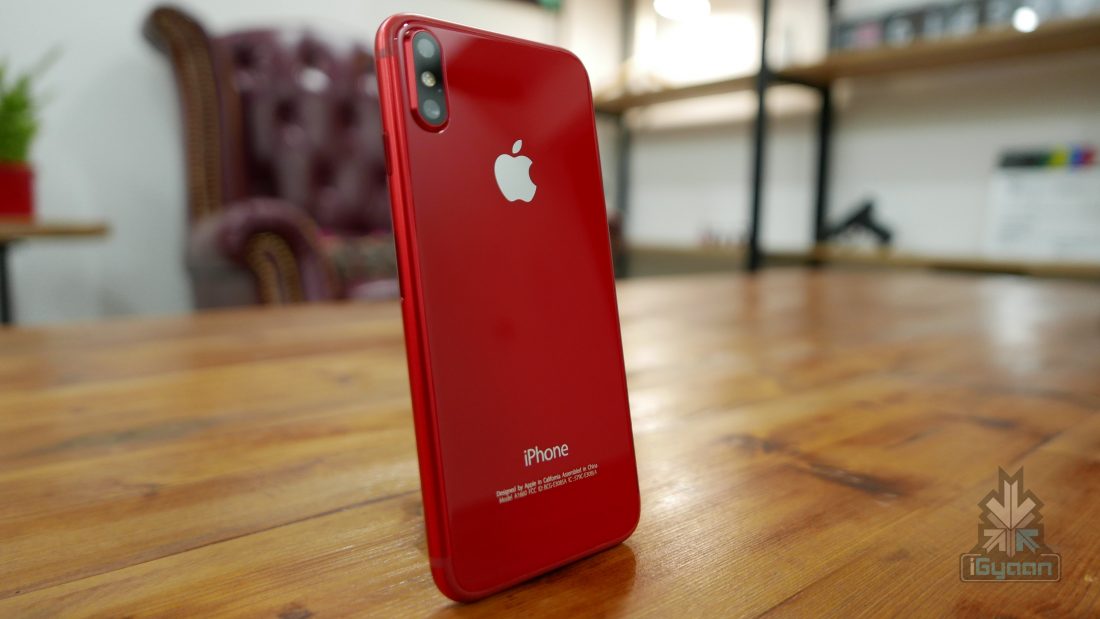
Tim Cook took the Steve Jobs Theater stage to introduce the successor the to original iPhone from 2007 on September 12. The iPhone X (pronounced as iPhone Ten) is touted as the future of phones by Apple and features a huge design departure from the previous generation iPhones. The iPhone X has an all-glass design with a stainless steel frame around the edges.
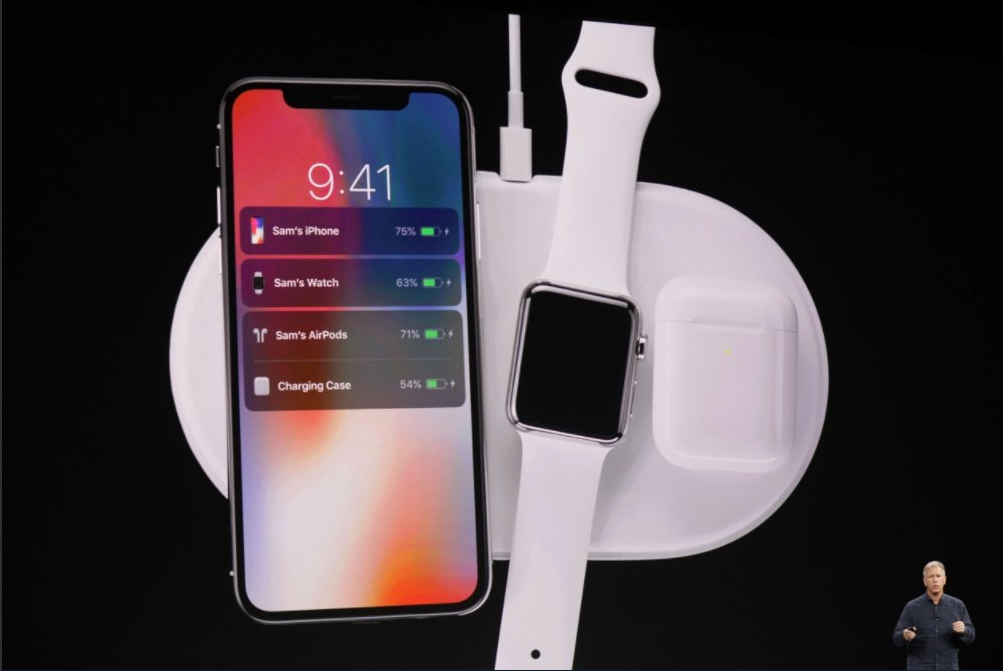
The flagship iPhone X has a 5.8-inch 2436 x 1125 px OLED True Tone Super Retina display with minimal bezels around it. The phone runs iOS 11 and is powered by a 3,000 mAh battery which charges through the Apple signature lightning port placed at the bottom of the phone. Because of the all-glass design, the iPhone 8 also has wireless charging. Under the hood, the smartphone has the Apple A11 Bionic chipset with a neural engine, a hexacore processor, 3GB of RAM and storage options of 64GB, and 256GB. As is with every iPhone, the onboard storage can not be expanded via a microSD card. The small bezels mean there is no physical home button, which is now replaced with gestures for navigation. Siri is activated by pressing the now larger lock/unlock button. The iPhone X is also IP67 certified for water and dust resistance, and wireless charging.
Apple has gotten rid of the TouchID and replaced it with 3D facial recognition. The technology is called FaceID and unlocks the phone by just looking at it. The new iPhone X will detect your face even in the dark by mapping your face. Apple claims the chances of someone else unlocking your iPhone through FaceID is one in a million. FaceID will work with Apple Pay and third party apps that supported TouchID. Another feature is called Animojis. Yiu can create emojis controlled by your face and share it on iMessage.
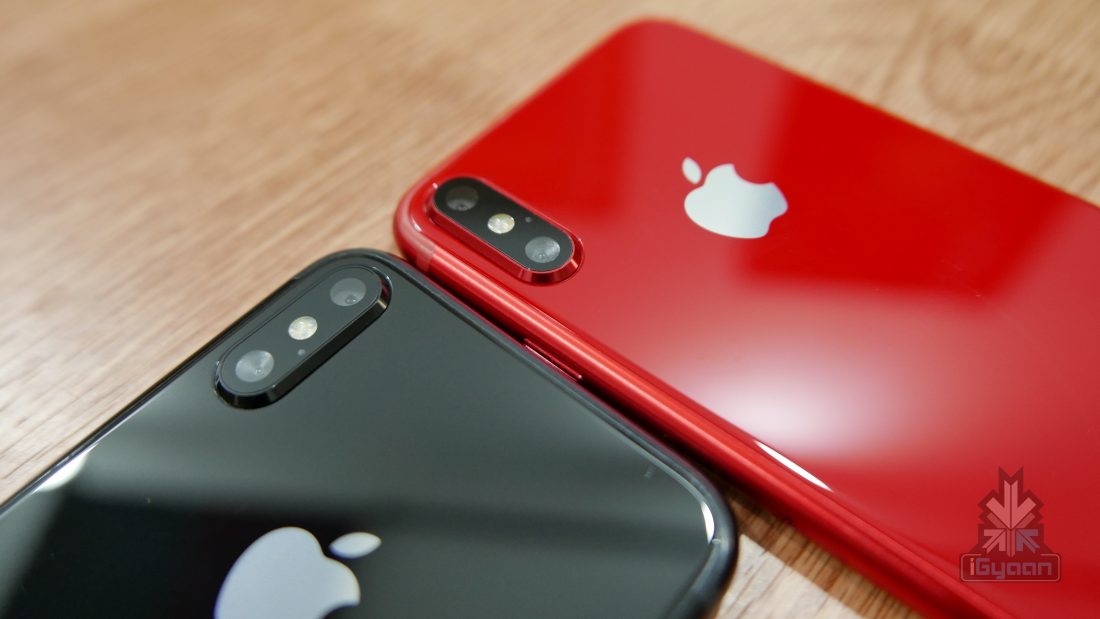
On the optics front, the iPhone X has dual 12-megapixel rear cameras, and it’s equipped with dual optical image stabilization. The sensors are both larger and faster, according to Apple, and the main camera is equipped with a wide angle lens and has an f/1.8 aperture while the secondary telephoto lens has an f/2.4 aperture. In between the two cameras is a quad-LED True Tone flash. Both the front and back cameras have the portrait mode. The rear cameras have the portrait lighting feature, just like the iPhone 8 and iPhone 8 Plus.
In India, the 64GB variant of the iPhone X will be available at a price of Rs 89000 and go on sale on 3rd November on Amazon, Flipkart, and Apple India’s official website. For offline purchase, the iPhone X will be available at Apple Retail outlets and select partner retailers.
After months of speculation and numerous leaks, Apple has finally launched the iPhone X. Apple announced the new iPhone during the annual launch event being held at the Steve Jobs Theater in San Cupertino. The Apple iPhone X will be available in Space Gray and Silver colour variants.
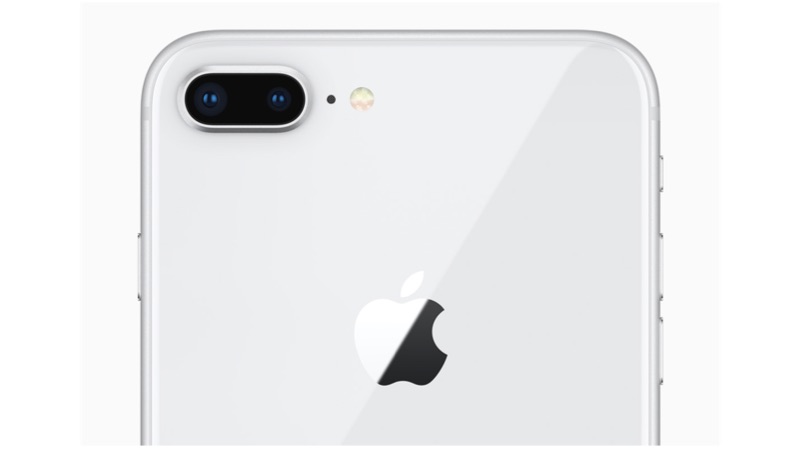
The iPhone 8 has an all-glass design with a stainless steel frame around the edges. The design of the iPhone 8 is a huge departure from the previous generation and the vertically placed dual-camera setup might divide opinions.
Over the past decade, we’ve pushed forward with innovation after innovation, bringing us to this moment, when we can create devices that are far more intelligent, far more capable, and far more creative than ever before.
The flagship iPhone X has a 5.8-inch 2436 x 1125 px OLED True Tone Super Retina display with minimal bezels around it. The phone runs iOS 11 and is powered by a 3,000 mAh battery which charges through the Apple signature lightning port placed at the bottom of the phone. Because of the all-glass design, the iPhone 8 also has wireless charging. Under the hood, the smartphone has the Apple A11 Bionic chipset with a neural engine, a hexacore processor, 3GB of RAM and storage options of 64GB, and 256GB. As is with every iPhone, the onboard storage can not be expanded via a microSD card. The small bezels mean there is no physical home button, which is now replaced with gestures for navigation. Siri is activated by pressing the now larger lock/unlock button. The iPhone X is also IP67 certified for water and dust resistance, and wireless charging.
A move that was heavily leaked has also been confirmed. Apple has gotten rid of the TouchID and replaced it with 3D facial recognition. The technology is called FaceID and unlocks the phone by just looking at it. The new iPhone X will detect your face even in the dark by mapping your face. Apple claims the chances of someone else unlocking your iPhone through FaceID is one in a million. FaceID will work with Apple Pay and third party apps that supported TouchID. Another feature is called Animojis. Yiu can create emojis controlled by your face and share it on iMessage.
On the optics front, the iPhone X has dual 12-megapixel rear cameras, and it’s equipped with dual optical image stabilization. The sensors are both larger and faster, according to Apple, and the main camera is equipped with a wide angle lens and has an f/1.8 aperture while the secondary telephoto lens has an f/2.4 aperture. In between the two cameras is a quad-LED True Tone flash. Both the front and back cameras have the portrait mode. The rear cameras have the portrait lighting feature, just like the iPhone 8 and iPhone 8 Plus.
The iPhone 8 is priced at USD 999 for the 64GB variant and USD 1149 for the 256GB variant. The smartphone will go on sale in the United States on 24th October 2017 and subsequently make its way to the global market in late September and early October. In India, the iPhone X 64GB variant is priced at Rs 89000 and will be available in India from November 3, 2017.
Apple recently sent out invites for its September 12 event where it will announce three new iPhones and a host of upgrades to its existing products. Keeping the excitement of the new iPhones aside, products like an LTE enabled Apple Watch, 4K supported Apple TV will also be launched during the event.
Without a doubt, the most anticipated launch is that of the iPhone 8. There have been a lot of rumours and leaks about the upcoming flagship iPhone, let’s take a look at what we know about it so far
Display
The most talked-about feature of the upcoming iPhone 8 is its bezel less display. Ever since the launch of the Samsung Galaxy S8 and S8+ with the infinity display, rumours have suggested a 5.8 inch bezel-less display on the next iPhone. Apple is also said to finally be using OLED panels, and rumours suggest that the iPhone 8 will feature a curved OLED display which will pit it against the Samsung Galaxy S8 and S8+’s display. A new iOS 11 GM leak suggests that tThe display of the device may feature True Tone support like the iPad Pro.
Design
One of the most noticeable deviations for the iPhone 8 from the previous gen iPhones is going to its design. The smartphone will reportedly sport a “glass sandwich” design to support wireless charging. The phone will have a metal frame and very thin bezels with a notch on top to house the front camera, 3D sensors and other along with all the other necessary sensors. The lock button was reported to be larger this time around, mainly due to a fingerprint sensor housed in it but, these reports seem to have been deemed false. The headphone jack will still be dearly missed although, it may not seem that out of order or radical this time around.
Price
Multiple reports have confirmed that the new iPhone will break the US 1000 price barrier and cost USD 999 for the base 64GB variant. The other two variants will be the 256GB variant for USD 1099 and the 512GB variant for USD 1199. This bumped up storage is reportedly due to the phone’s 4K ay 60 FPS video taking capabilities through the front and back camera. Apple will also market the phone for AR functionalities and the apps to support that won’t be light on the storage, hence, the increased storage space makes sense. The price, on the other hand, will take a while to get used to.
Security
Ever since the iPhone 5S, TouchID has been a staple for all Apple mobile devices and has become the main security feature to access your Apple Account as well. According to the HomePod firmware leak, the new iPhone 8 will not feature a fingerprint sensor and instead will be replaced by a facial recognition system dubbed as ‘FaceID’. These rumours gained impedance when the 3D sensing modules of the iPhone 8 were leaked.
The lack of bezels forced Apple to replace the home button and after the initial reports of a virtual home button, it seems like the iPhone 8 will come without a physical or virtual home button and instead use gestures for navigation. A new iOS 11 GM leak has revealed that the iPhone 8 will have gesture support. Pulling upwards on the bar brings up the Home screen and a longer pull brings up the App Switcher.
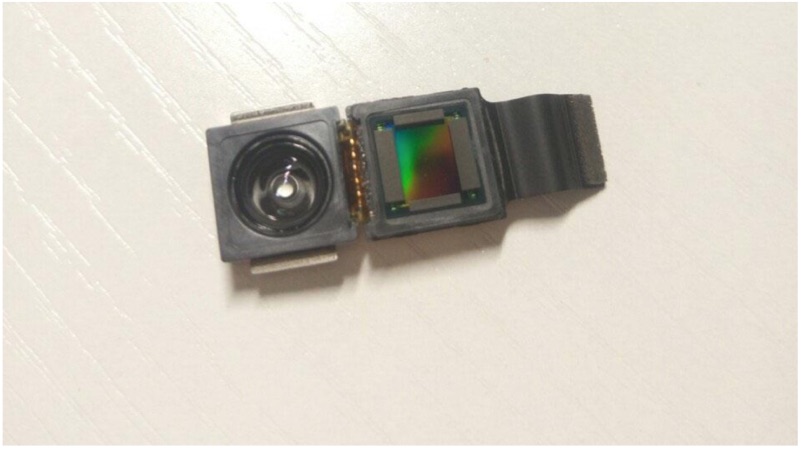
iPhone 8 3D Sensing Module
Camera
Interestingly, not a lot has been revealed about the iPhone 8’s cameras, except that this time around the dual cameras will be vertically placed. The HomePod firmware also revealed that the rear front facing cameras will record 4K videos at 60 FPS. According to Korea Economic Daily, Apple is working on facial recognition technology leveraging the cameras for “biometric” identification. Like Touch ID — but with your face instead of your thumbprint. In addition to that, a leaked patent application spills out the details of a sensor that will tell you if you’re human or not. This is Apple’s effort towards developing a rear-facing 3D laser system that would improve AR depth detection as well autofocus for photography. The phone will support Apple’s new HVEC file type, which reduces the file size by a significant amount. This makes sense because 4K videos generally have large file sizes and HVEC can reduce the size by almost 50 per cent resulting in better storage management. The same iOS 11 GM leak has revealed new video recording options
– 1080p HD at 240 fps 480 MB
– 4K at 24 fps (film style)
– 4K at 60 fps 400 MB
New Colour?
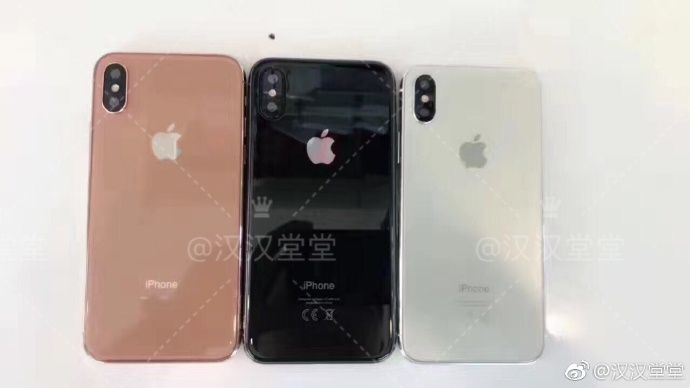
The Rose Gold colour variant on the iPhone 6S back in 2015 was a trendsetter and how. Apple led the charge in experimenting with its flagship device’s colour variants and a lot of companies followed suit. But the iPhone 7 and 7 Plus might be the last ones to sport the swanky Rose Gold colour as KGI Securities analyst Ming-Chi Kuo has said that Apple might drop the colour variant for the upcoming iPhone 8. Ming-Chi Kuo, who has been a reliable source of Apple news suggests that the new iPhone will only arrive in Black, Silver and Copper Gold. The new Copper Gold Colour may be called “Blush Gold.”
Under The Hood
Apple will introduce the new A11 Fusion chipset at the September 12 event. All the three new iPhones will have the A11 Fusion chipset which will like every chipset upgrade, be more power efficient and faster than the previous generations. The iPhone 8 will have 4GB RAM and as discussed earlier, come in three storage variants, 64GB, 256GB and 512GB. The battery
Apple A11 Geekbench4,?4600,8500 and 4300,7000?This is two different clock frequencies, and the final result may be between the two
Apple’s decision to remove the headphone jack from the iPhone 7 and 7 Plus and not introduce wireless charging was heavily panned in 2016. Things in 2017 though, are looking much better for iPhone fans as new leaks suggest that the iPhone 8 will definitely feature wireless charging.
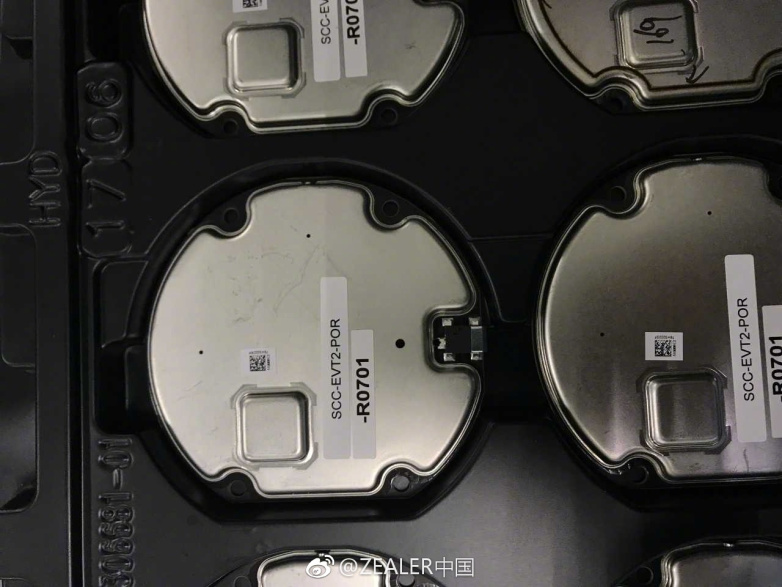
The images show the purported component that will enable wireless charging on all of Apple’s next-generation iPhones. The part will be placed on the back of the iPhone 8 and iPhone 7s, right under the rear glass shell. It has been already reported that the iPhone lineup will have a “glass sandwich” design, which means glass front and back. This news further legitimises the HomePod firmware leak which suggested that wireless charging support will be built into iOS. Having an all glass design allows manufacturers to add wireless charging capabilities even though it’s not as durable as having an all metal design.
What’s It Going To Be Called?
The new iPhone was touted as the iPhone 8 and the other two devices as the iPhone 7S and iPhone 7S Plus, going by Apple’s history. A recent report however, has revealed that the marquee device will be called the iPhone X, as it is the 10th anniversary iPhone or the iPhone Edition. The other two variants will then be named iPhone 8 and iPhone 8 Plus. The Apple invite for the event doesn’t give anything away and in fact does not even hint towards an iPhone launch, unlike a lot of other recent flagship launch invites like the Samsung Galaxy Note8 or Huawei Mate 10.