Tag: launch

  • Huawei Launches The Huawei Mate 20,  20 X and 20 Pro

    Huawei Launches The Huawei Mate 20, 20 X and 20 Pro

    Huawei has launched its new flagship smartphones the Mate 20, Mate 20 X and Mate 20 Pro. The new devices replace the previous Mate series devices and offer improved specs and optics. The phones are built around Huawei’s new 7 nm chipset the Kirin 980 and offer varied specifications, along with varying price brackets.


    Huawei Mate 20

    The lowest variant the Mate 20 is also the cheapest in price. The phone has a 6.53 inch display with a 2244 x 1080 px resolution and 381 ppi pixel density. The display has an 18:7:9 aspect ratio and features a water-drop notch on the top to house the front camera.

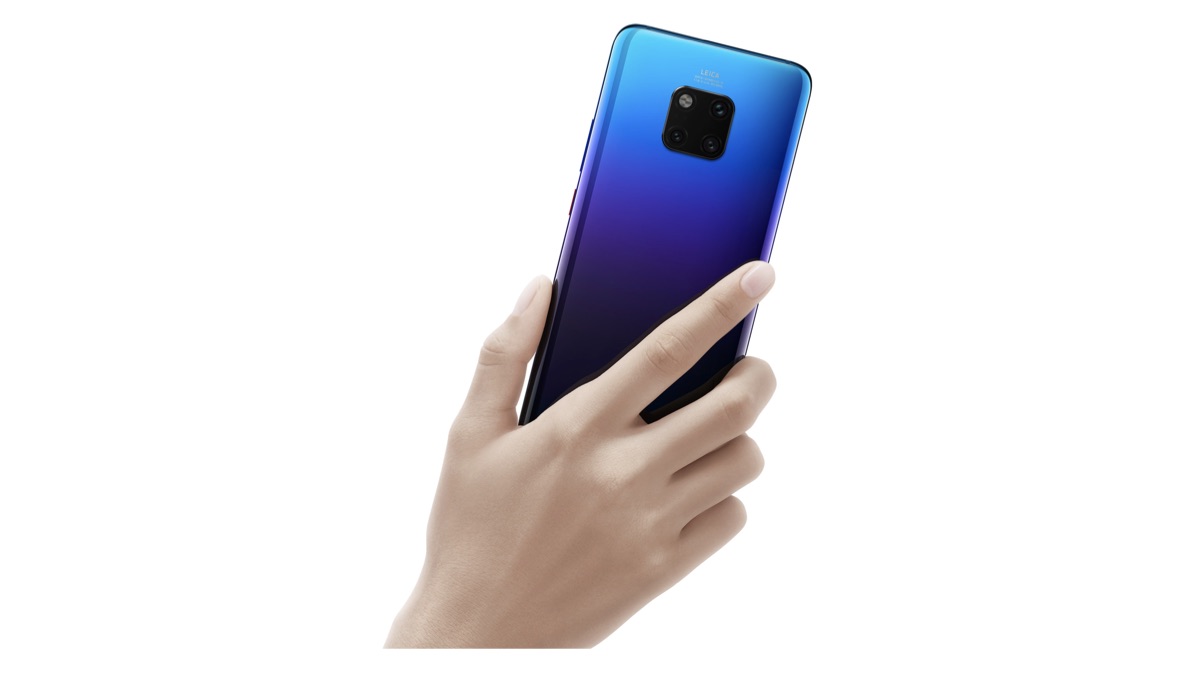
    The Huawei Mate 20 has a rear mounted physical fingerprint reader and an IP 53 rating for dust and water resistance. The phone features a glass front and back design mounted on an aluminium frame. At the back of the phone are triple cameras with Leica lenses which were earlier teased by the company and placed inside a square camera mount. The primary camera is a 16 MP sensor with a wide-angle lens and an f/1.8 aperture. This is paired with an additional 12 MP ultra-wide sensor with an f/2.2 aperture. Finally an 8 MP telephoto f/2.4 aperture lens equipped camera completes the layout. This new camera setup allows Huawei to access a wide range of focus lengths from 16 mm to 270 mm.
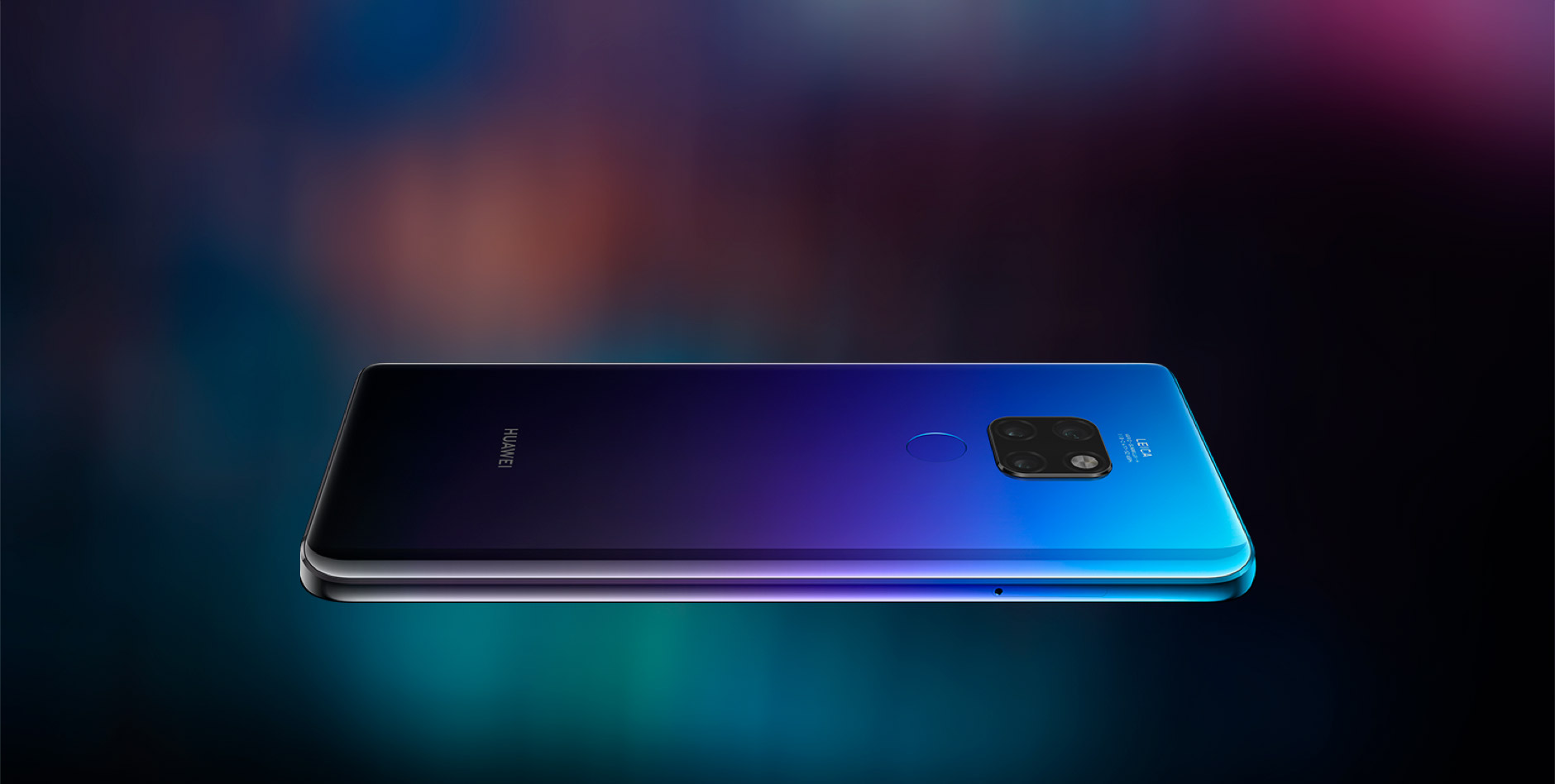
    The front houses a 24 MP f/2.0 sensor inside the water drop notch, allowing for larger screen real estate than the Pro. The Mate 20 has either 4 GB or 6GB of RAM and is paired with 128 GB of storage, the phone also offers expandability via the NM cards which are unique to Huawei phones for now.

    The phone has a 4000 mAh battery and will be available in four colours ; Midnight Blue, Black, Emerald Green and including the popular twilight colour option

    Huawei Mate 20 X


    The Huawei  Mate 20 X is the largest of the three with a 7,2 inch display and a 2244 x 1080 px resolution. The phone also runs on the Kirin 980 platform, but is designed to impress the phablet market which now primarily is based around the Samsung Galaxy Note series.  The Mate 20 X has HUAWEI Supercool which features a liquid multi-dimensional cooling system with a Vapour Chamber and a Graphene Film.

    The Mate 20 X has support for the HUAWEI M-Pen, which can be used to activate the Memo directly from a locked screen. The screen has a 4096 high level pressure sensitivity, which according to the company makes using the Pen, lifelike.

    While larger the Mate 20 X has an IP 53 rating for dust and water resistance. This is the only smartphone in the line-up to offer a dedicated 3.5 mm headphone jack. The fingerprint sensor is placed on the back under the square triple camera layout much like the Mate 20.  The camera layout is equipped with a Leica 40 MP Wide Angle Lens, f/1.8 aperture camera paired with a Leica 20 MP Ultra Wide Angle Lens, f/2.2 aperture based module. The 8 MP Telephoto sensor is the third sensor and offers a 3X zoom along with an f/2.4 aperture equipped Leica lens. The Mate 20 x has laser focus, phase focus and contrast focus along with Huawei AI Image Stabilisation.

    The phone will be available in only one variant with 6GB of RAM and 128 GB of Storage, and will be expandable via a NM card to upto 256 GB. The battery is a massive 5000 mAh unit which supports Huawei’s fast charge capabilities. The Mate 20 X will only be available in two colours Phantom Silver and Midnight Blue.

    Huawei Mate 20 Pro

    The Huawei Mate 20 Pro as the name suggests offers better specs and is also the phone that will be sold globally and remains the true flagship launched by the company.

    The Huawei Mate 20 Pro has a 6.39 inch curved OLED display with a  3120 x 1440 px resolution and 538 ppi pixel density. The phone has a full sized notch display with a 19:5:9 aspect ratio and Corning Gorilla Glass protection. Just like the Mate 20 the phone is based on the new 7 nm Kirin 980 chipset. This has dual neural processing units which help it compute solutions of task based questions. This allows for AI based camera modes that will automatically detect what you are shooting (like food, landscapes or portraits).
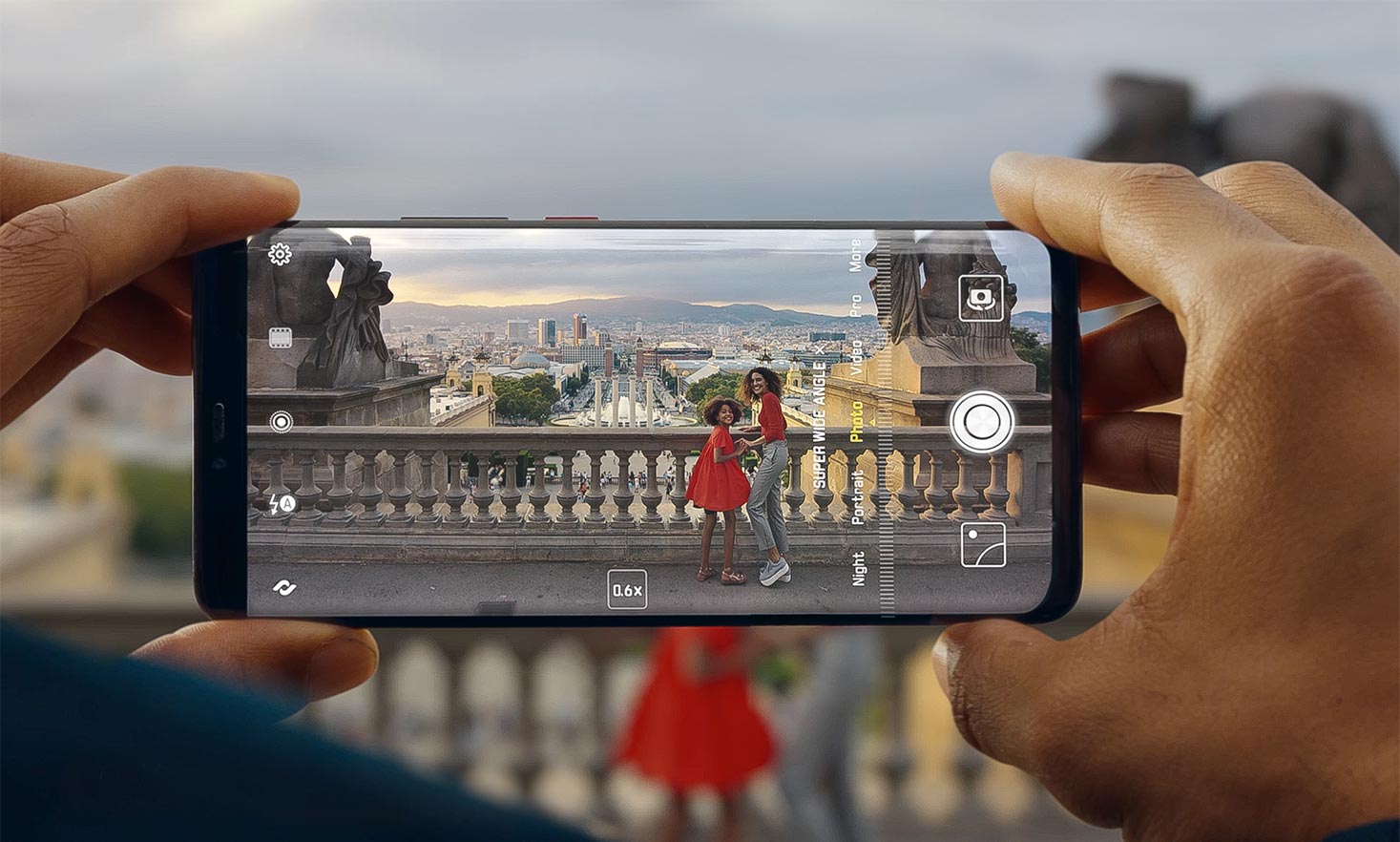
    The Mate 20 Pro also has larger camera sensors in comparison to the Mate 20. Still made in collaboration with Leica, the first is a 40 MP wide lens f/1.8 aperture based camera. Paired with a 20 MP ultra wide sensor with an f/2.2 aperture and an 8 MP telephoto sensor with f/2.4 aperture. While this gives the Mate 20 Pro more megapixels, the phone also features a wide ISO range up to 102,400 ISO. The camera also supports Super HDR capability and can shoot macro shots of objects as close as 2.5 cm. Just like the Mate 20 the varied camera setup allows for varied focal lengths ranging from 16 mm to 270 mm.

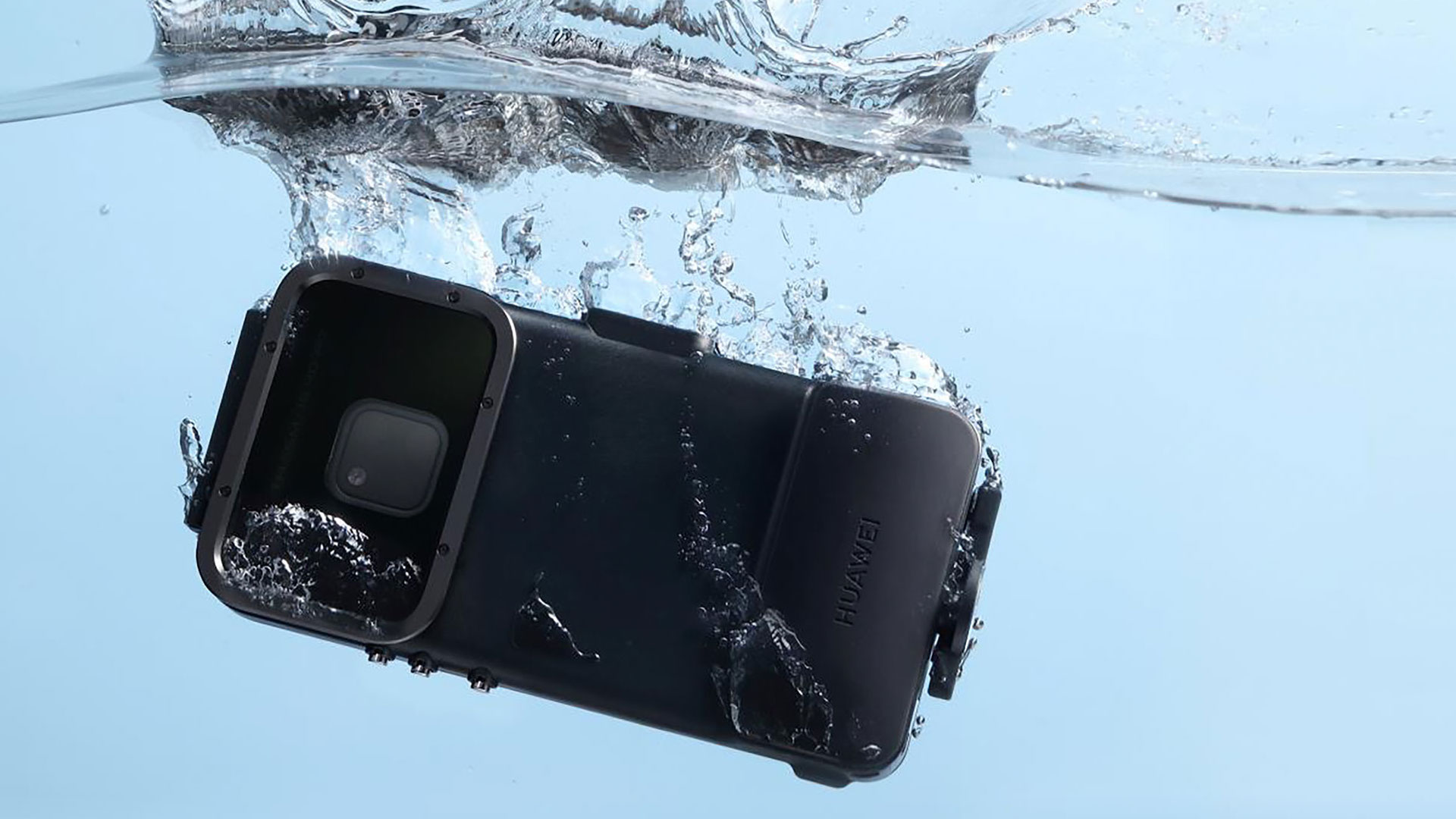
    The Mate 20 Pro is the only phone of the three which is IP68 rated water and dust resistant. Huawei also provides a special underwater case for the Mate 20 Pro to allow for underwater photography upto a depth of 5 meter .
     

    The dual NPUs present in the device offers features such as AI Portrait Colour video. With this, you can implement effects in your videos, in real time. The device also offers a 3D live emoji feature which looks pretty similar to Apple’s Animoji. It has a new 3D live object modelling feature. With this you can just scan an object and the smartphone will recreate it in 3D. You can then animate this 3D model or can even integrate it with your surroundings using a skeleton mapping system. You can even interact with the 3D model if you are taking a photo or video, and it will mimic your actions.

    The Huawei Mate 20 Pro features an in-display fingerprint sensor a first for the Chinese brand. The fingerprint reader uses a 10 level dynamic pressure sensing technology which improves the unlock speed, which has increased by 30% compared to the previous generation. The phone also offers up a 3D face unlock with an IR flood illuminator and 3D sensor placed next to the front cameras in the notch of the display.

    Reverse Wireless Charging

    The Mate 20 and Mate 20 Pro pack a 4,200 mAh battery, offering great battery back up. The company has also introduced a 40 W fast charger which it claims can charge 1 % in just 30 seconds. The fast charger and the device have gone through various security checks and procedures and are absolutely safe, according to Huawei. Huawei has also included a 15 W fast charging wireless charger. This is compatible with both the devices.

    The most impressive feature however is the reverse wireless charging. The Mate 20 Pro can be used as a wireless charger for other smartphones. By placing another smartphone with wireless charging capabilities in contact with the Mate 20 Pro’s back, the Mate 20 pro can wireless charge the other device.

     

    Huawei Mate 20 costs €799 for the 4GB RAM and 128GB storage variant and €849 for the 6GB RAM and 128GB storage variant.

    Huawei Mate 20 Pro costs EUR 1049 for its 6GB RAM and 128GB storage variant.

    Huawei Mate 20 X costs EUR 899 for its 8GB RAM and 128 GB storage variant.

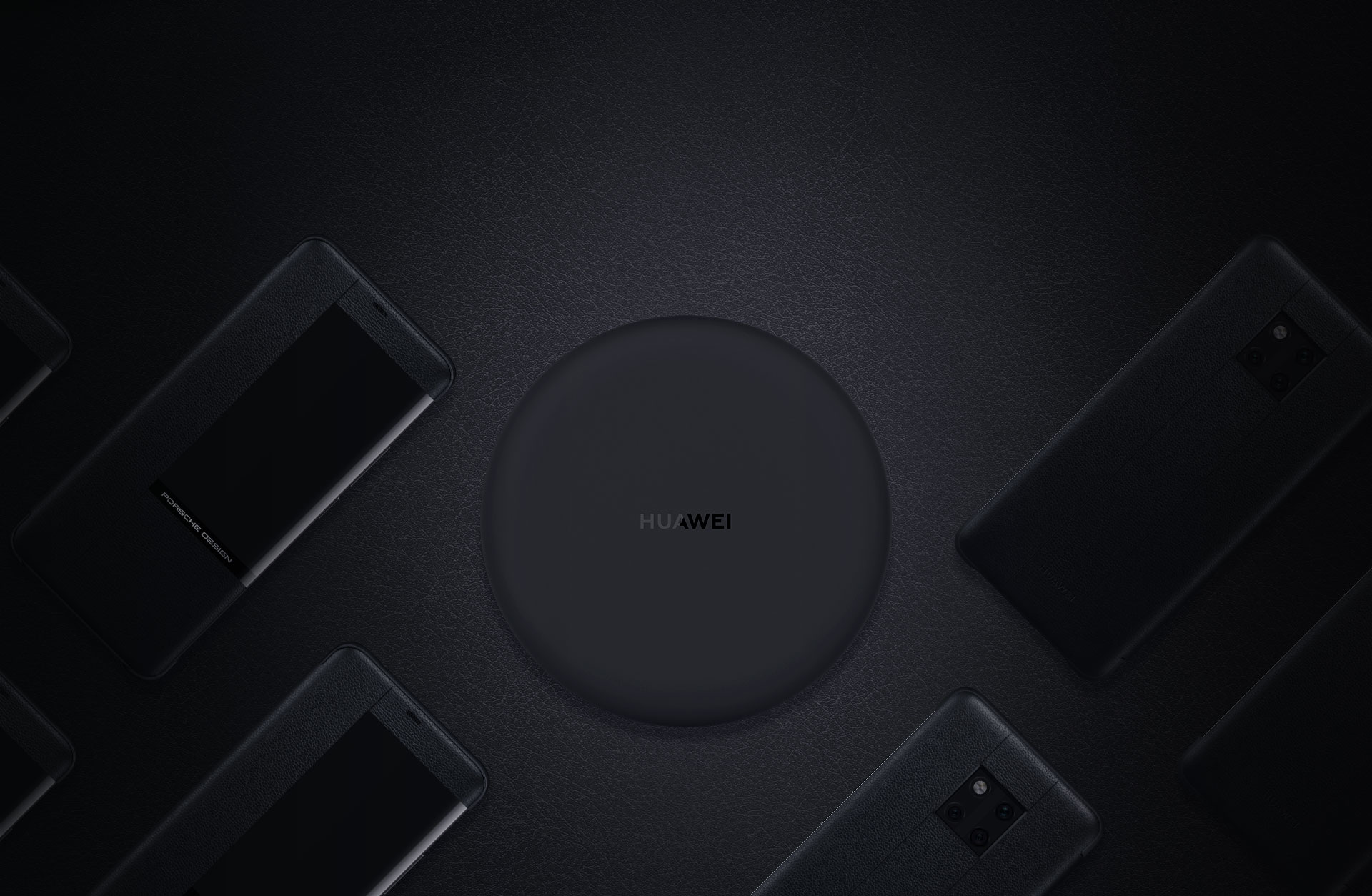
    All three devices will go on sale mid November 2018. The Mate 20 Pro will launch in India end November, with the Mate 20 and Mate 20 x to be launched subsequently. Huawei has also launched a variety of cases and accessories to go alongside the three devices, including a wireless charger for the Mate 20 pro and Mate 20 RS.

  • HMD Global Launches Nokia X7 In China

    HMD Global Launches Nokia X7 In China

    HMD Global on Tuesday launched a new premium smartphone called the Nokia X7. The device is currently available in China and Nokia will soon launch the device in other markets as well.
    Specifications:

    The Nokia X7 measures 154.8 x  75.76 x 7.97 mm and weighs 178 grams. It has a 6.18-inch Full HD+ LCD display with a resolution of 2280 x 1080 px and a pixel density of 408 ppi. The smartphone has an aspect ratio of 18.7:9 and runs on the Octa-Core Qualcomm Snapdragon 710 CPU along with the Adreno 616 GPU. It is available in 3 storage variants, 4 GB RAM with 64 GB ROM or 6 GB RAM with 64/128 GB ROM which is expandable up to 400 GB via a microSD card.

    The Nokia x7 runs on Android 8.1 Oreo and it has a 3,500 mAh battery with fast charging support. The handset has dual rear cameras with dual LED flash, the first sensor is a 12 MP, f/1.8 aperture equipped main sensor with OIS (Optical Image Stabilisation) and a secondary 13 MP sensor. The device can capture 4k 2160p video at 30 fps. Other than the dual rear cameras, it also has a 20 MP front selfie camera. 

    In terms of connectivity, it has 802.11 Wi-Fi, Bluetooth 5.0, a 3.5 mm headphone jack and USB Type-C port for charging and data transfer. The device can be securely by the onscreen pattern lock or the rear-mounted fingerprint sensor. Talking about the sensors, the smartphone has an electronic compass, gyroscope, ambient sensor, accelerometer, and a proximity sensor.

    Package contents of the device include the handset itself, a 9V/2A charger, a USB cable, a card reader and a protective case.

    Also read: Xiaomi Mi Mix 3 To Launch On October 25

    Price and Colours:


    The device is available in 4 different colors which are Dark Blue, Night Red, Magic Night silver and Night Black. The price for different variants are as follows:

    • Nokia X7 4 GB RAM / 64 GB ROM price- CNY 1,699 (around Rs. 18,000)
    • Nokia X7 6 GB RAM / 64 GB ROM price- CNY 1,999 (around Rs. 21,200)
    • Nokia X7 6 GB RAM / 128 GB ROM price- CNY 2,499 (around Rs. 26,500)
  • Honor 8X Launched In India

    Honor 8X Launched In India

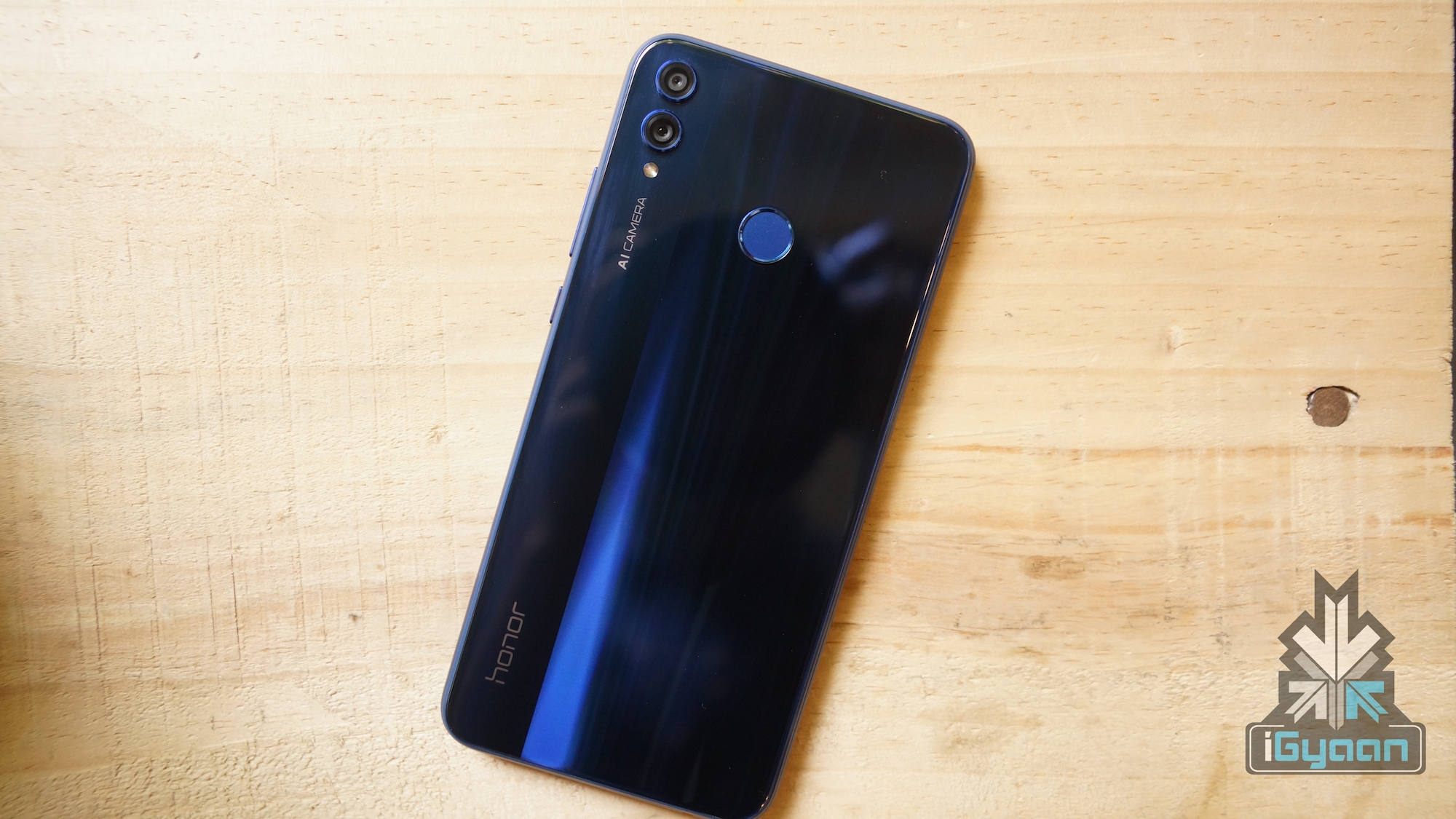
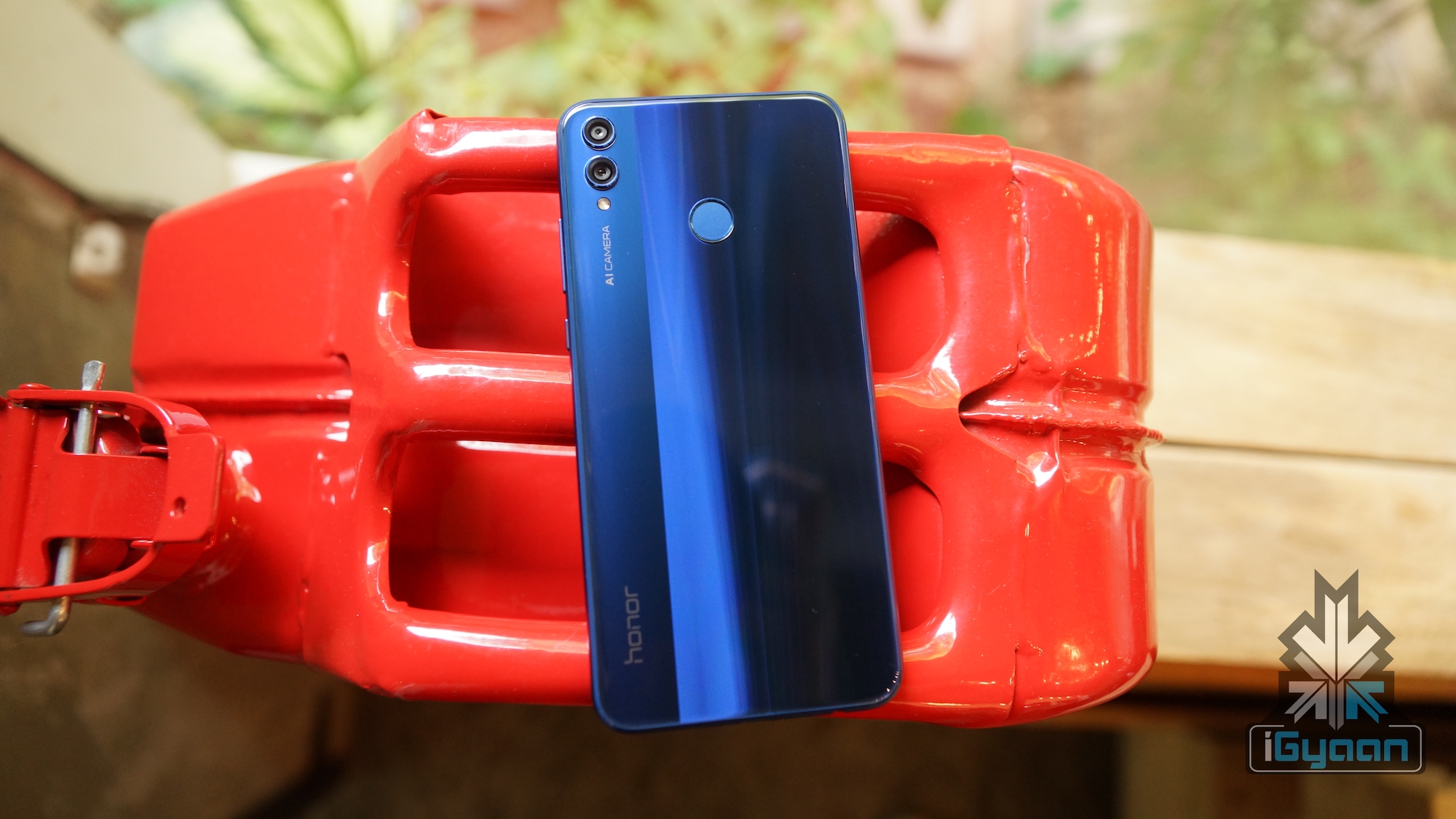
    The Honor 8X had been launched alongside the Honor 8X Max in China last month. Both the devices sport huge displays and some impressive specifications. Today, the Honor 8X has been launched in India. The Honor 8X starts at a price of Rs 14,999 for its base variant and is available exclusively on Amazon.

    Design

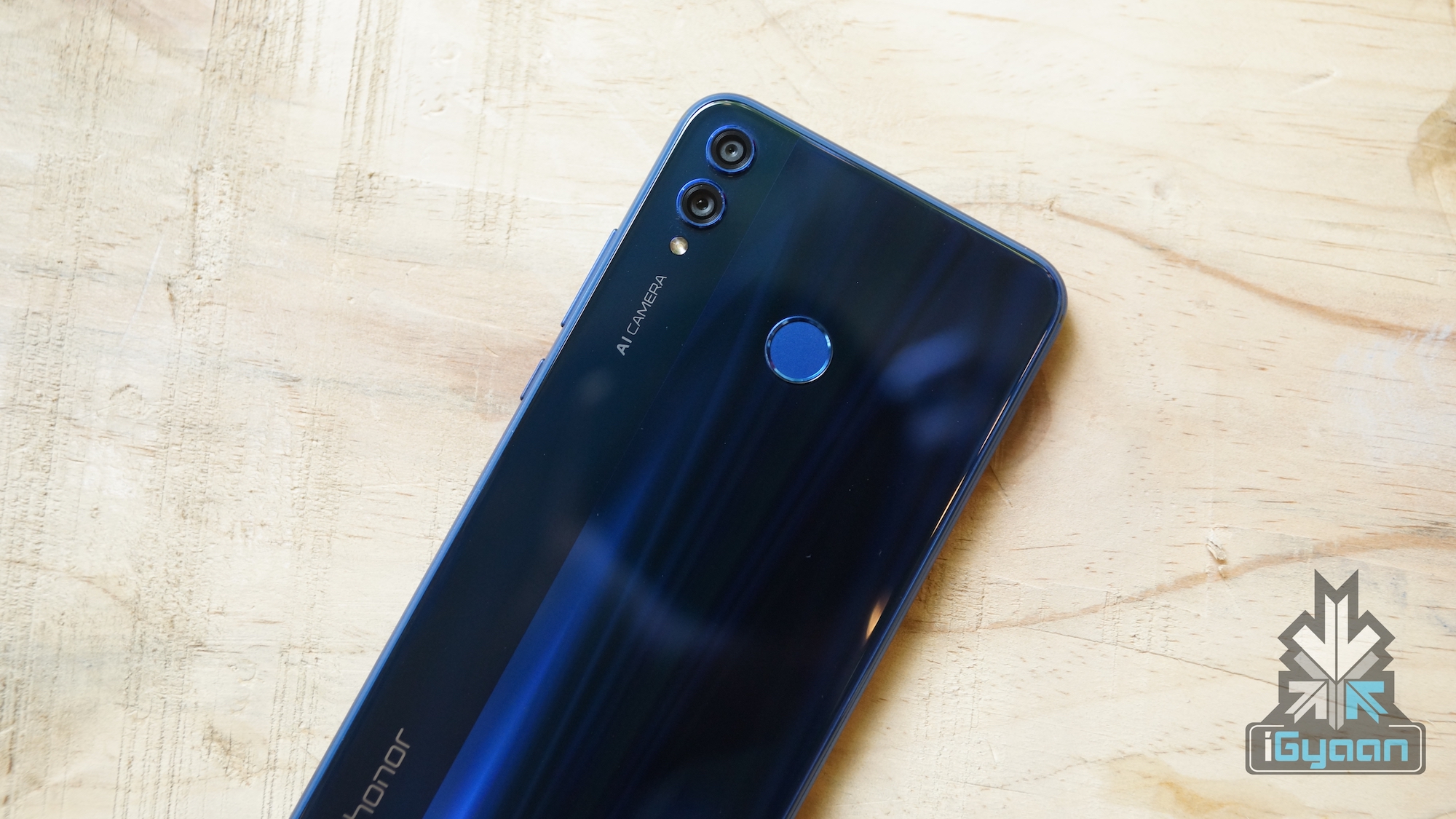
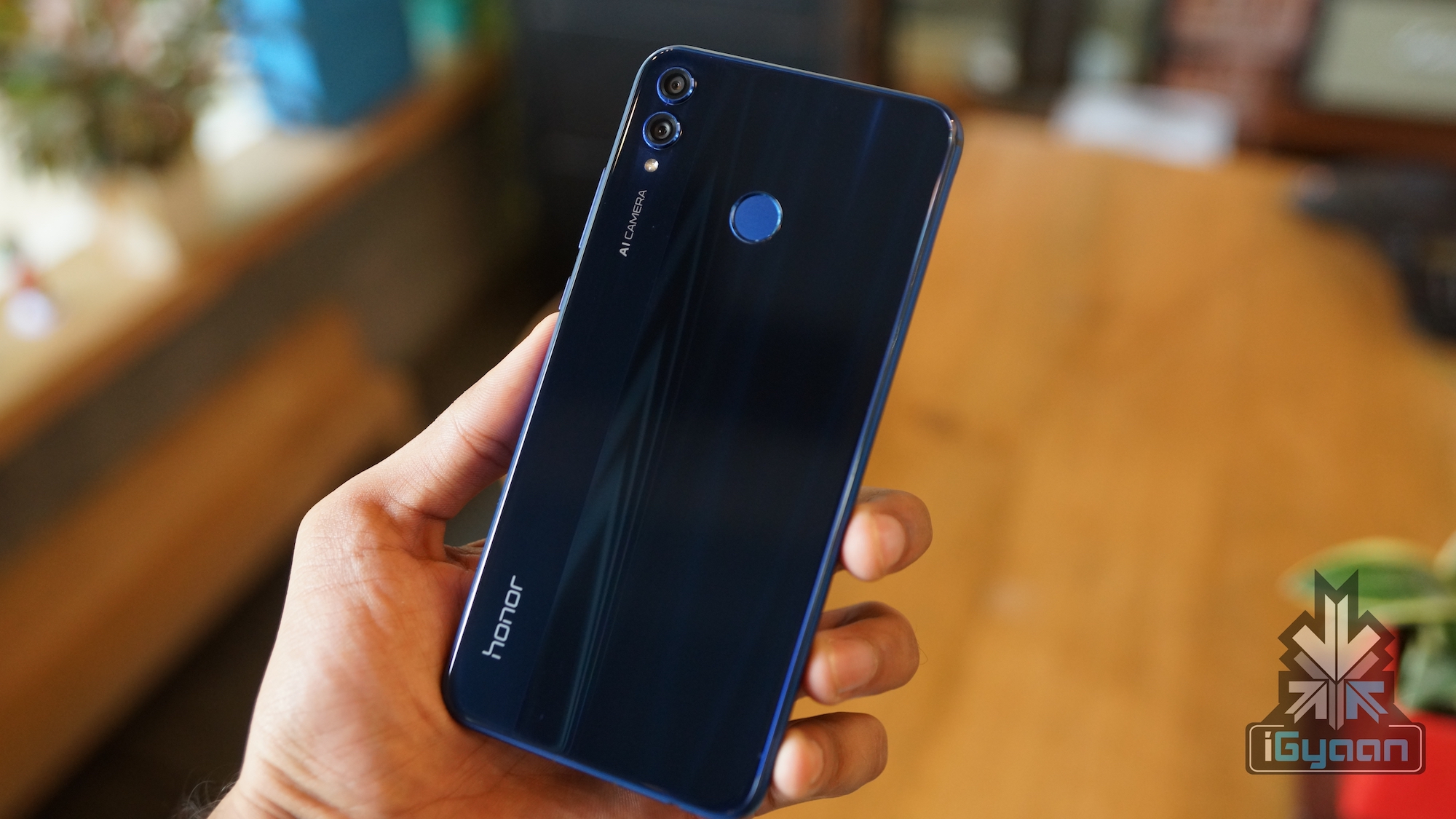
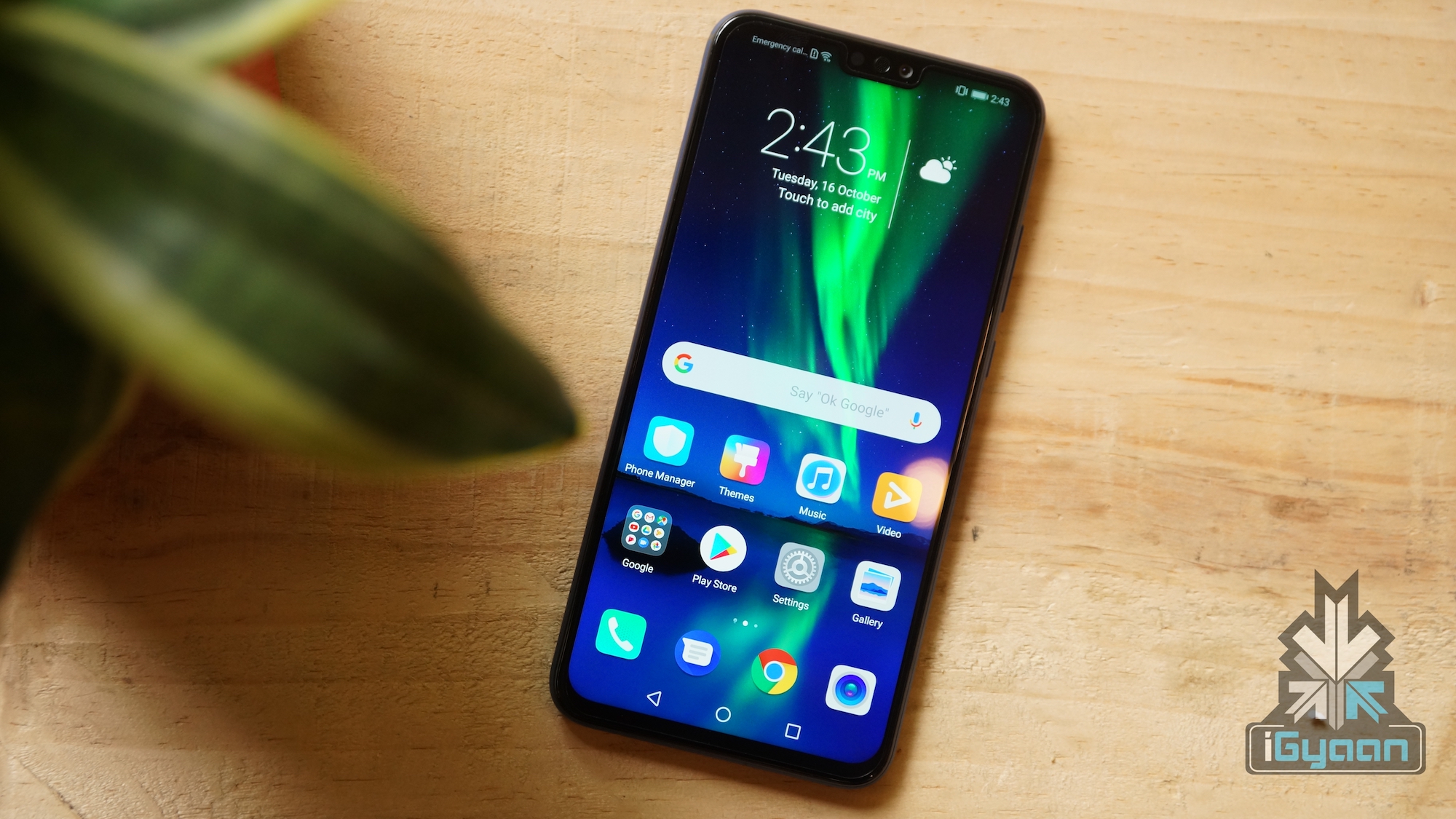
    The Honor 8X has a double textured design. It has a metal middle frame and 2.5D glass. The back is made of 15 layers of Aurora Glass, according to the company.The finish on the device looks really premium and stylish. The display houses a notch, thin bezels and a very slim chin. On the back, there is the dual rear camera setup, LED flash, fingerprint scanner and the Honor branding.

    Display


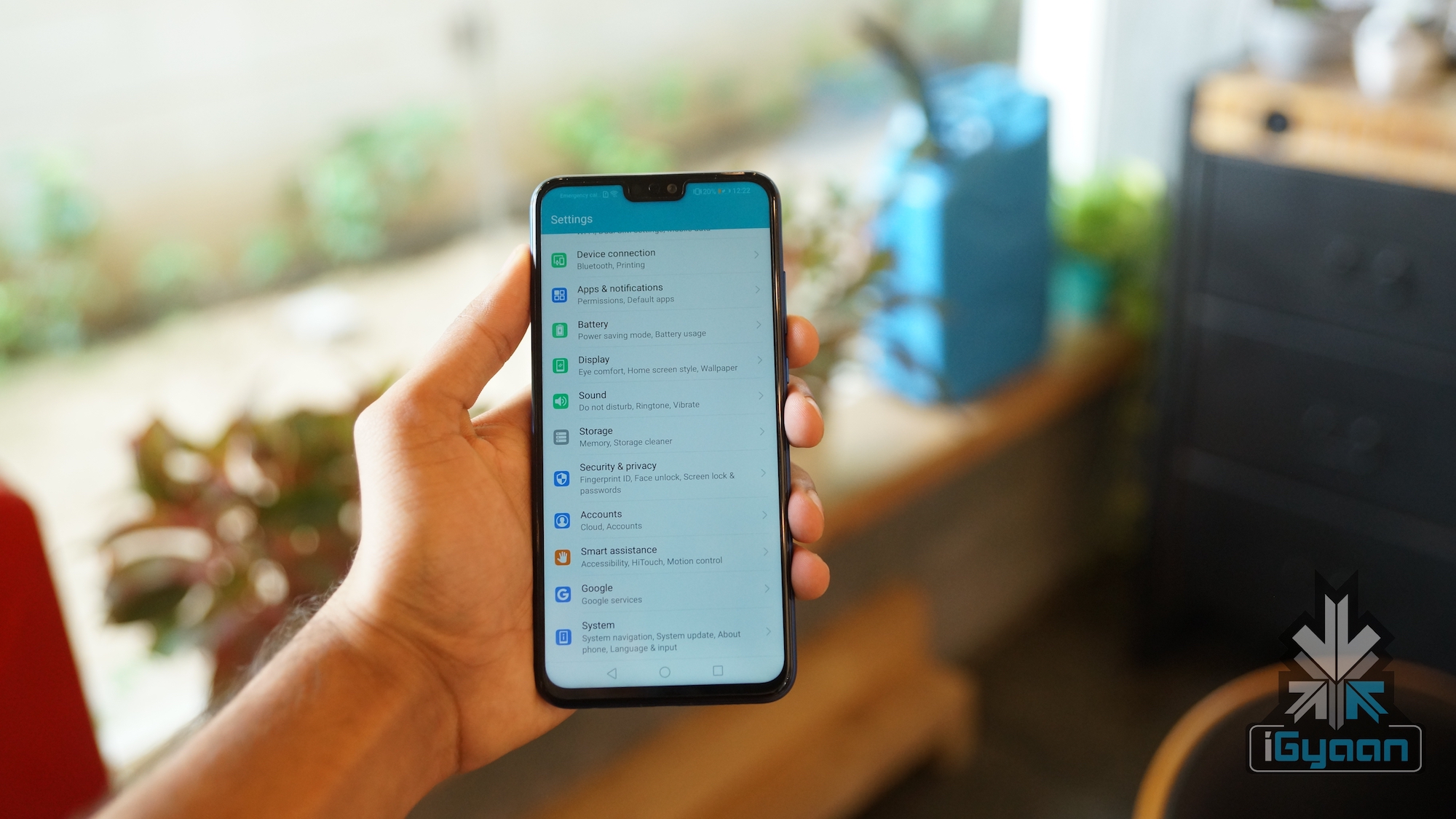
    The device has a 6.5 inch IPS LCD display with a 19:5:9 aspect ratio. It has a resolution of 2340 x 1080 px and a pixel density of 396 ppi. The device has a screen-to-body ratio of 91%. The display is bright and vibrant and has good viewing angles.

    Processor

    The Honor 8X runs on the Hisilicon kirin 710 SoC. It has an Octa Core CPU with a clock speed of 2.2 GHz. The device has 4 GB and 6 GB RAM options. It has the Mali G51 GPU with GPU Turbo technology. It has 64 GB and 128 GB storage variants and the storage is expandable upto 400 GB via a microSD card. The device is running on EMUI 8.2 based on Android 8.1 Oreo.

    Camera

    The device has a 20 MP + 2 MP dual camera setup on the back. The 2 MP sensor is a depth sensor. The camera setup has PDAF and is AI ability. It shoots 1080p videos at 30 fps. It has a 16 MP front facing camera which shoots 1080p videos at 30 fps.

    Battery & Other Features

    Under the hood, the device packs a 3,750 mAh battery. It has a fingerprint reader, headphone jack and a microUSB port for charging and connectivity. The device has Wi-Fi, Bluetooth 4.2 and GPS for connectivity.

    Price & Availability

    The Honor 8X costs Rs 14,999 for its 4 GB/ 64 GB variant, Rs 16,999 for 6GB/ 64 GB variant and Rs 18,999 for the 6 GB/ 128 GB variant. It will be available exclusively on Amazon and the sale for the device starts on October 24.

  • Samsung Galaxy A9 Launched With Five Camera Setup

    Samsung Galaxy A9 Launched With Five Camera Setup

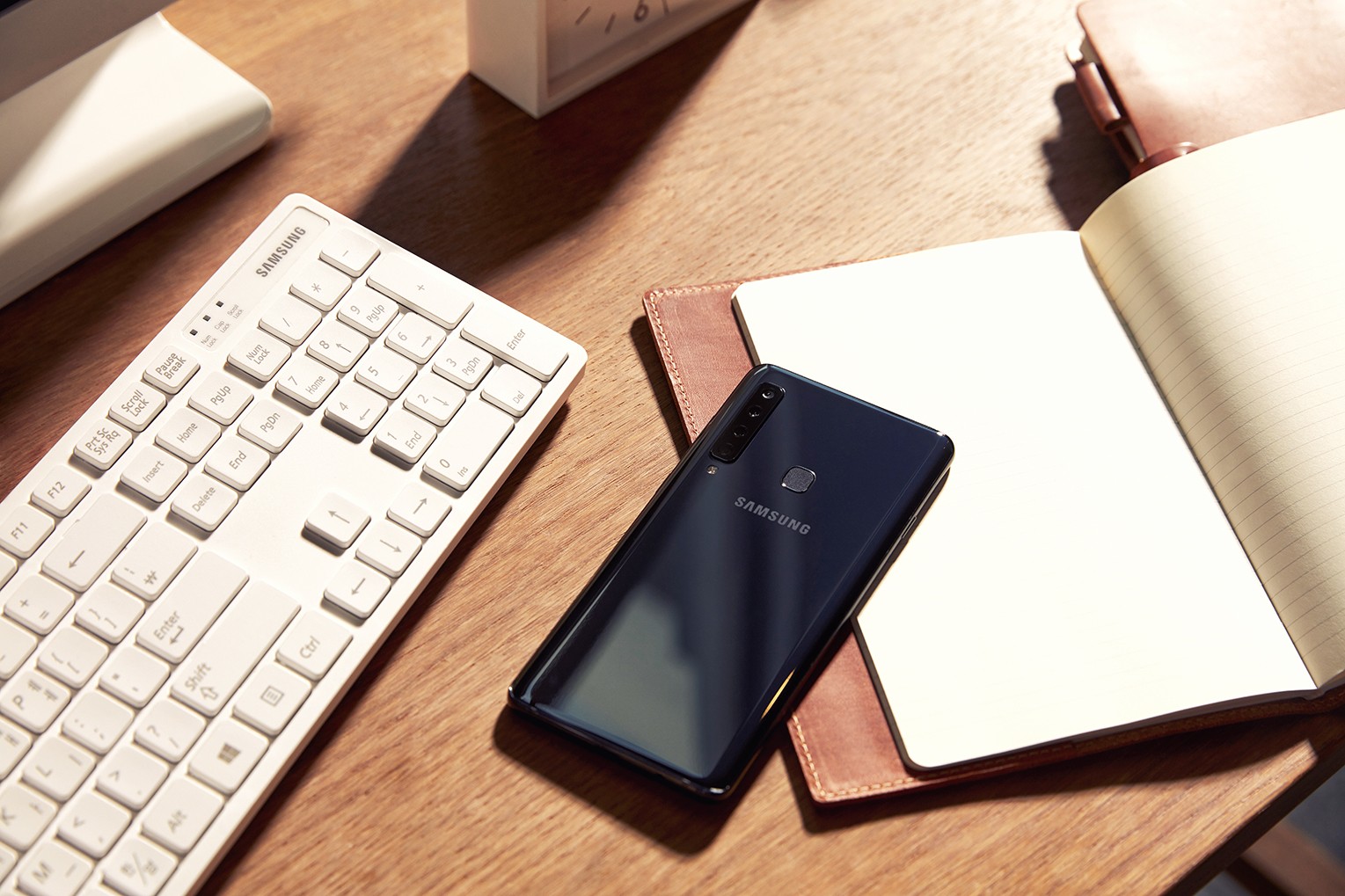
    Samsung has announced the new Galaxy A9 with five cameras an event in Malaysia. The new Samsung Galaxy A9 has a 6.3 inch, 2280 x 1080 px FHD+ Super AMOLED display, with a 392 ppi pixel density. It runs on the Qualcomm Snapdragon 660 SoC with an Octa-Core processor and the Adreno 512 GPU. The device has two variants with either 6 GB or 8 GB of RAM and 128 GB of internal storage which is expandable up to 512 GB via a microSD card. The device has a 3,800 mAh battery and supports Quick Charge 2.0. For securely unlocking the smartphone, it has a fingerprint sensor at the back and also has a face unlock option.


    Samsung Galaxy A9 Has Quad Cameras:

    The key highlight of the Samsung A9 is the vertical quad camera setup at the back of the device. The phone has four different camera sensors, each with a unique function. The first camera in this vertical alignment is an 8 MP, f/2.4, ultra wide sensor with a 120-degree viewing angle. The second camera is a 10 MP, f/2.4 aperture equipped, telephoto lens with 2x optical zoom. The third is the 24 MP, f/1.7 aperture equipped main camera. Finally, there is a 5 MP, f/2.2 aperture equipped depth sensor for live focus. The single LED flash is placed below this setup.

    The device can also capture 4k 2160p video at 30 fps. Along with the four rear cameras, the phone also has an 8MP front-facing selfie camera that can record Full HD 1080p videos at 30 fps.

    Also read: Razer Phone 2 Launched With Vapor Chamber Cooling For US$ 799

    Galaxy A9 Price and Availability:

    The Galaxy A9 starts at a price of £ 549 (around Rs 53,500) But, Expected in India around Rs. 35000. The smartphone will be sold in three color variants: Lemonade Blue, Bubblegum pink and Glossy Black. The phone will go on sale in November 2018 globally including in India.

    https://www.youtube.com/watch?v=sWc57bVUoFk


  • OnePlus 6T India Launch Set For 30th October

    OnePlus 6T India Launch Set For 30th October

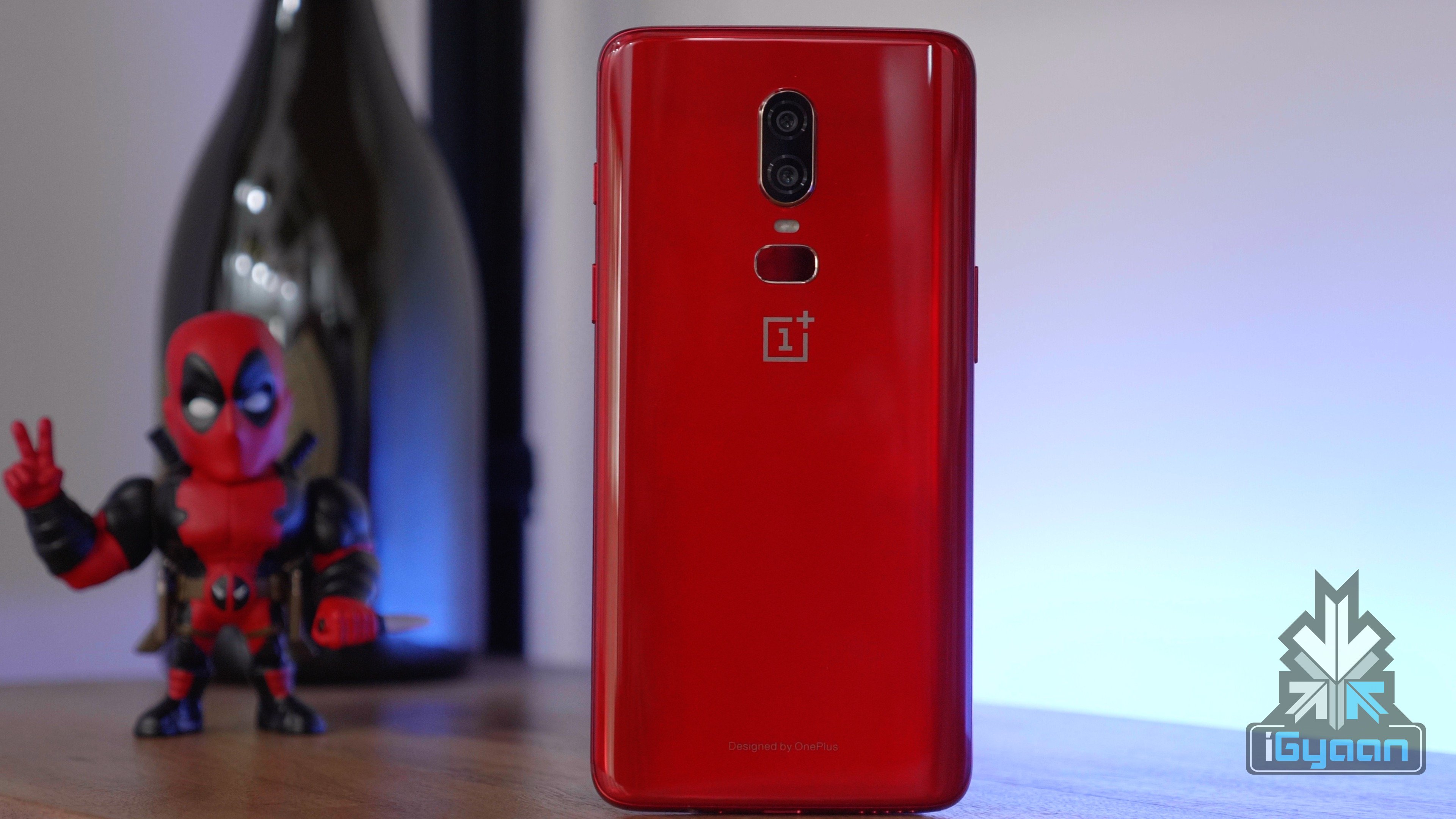
    The launch of the much awaited OnePlus 6T has been announced. The smartphone will be launched in an event in New Delhi, on October 30. Invites for the event will be available on oneplus.in from 10:00 AM on October 17 and cost Rs 999. Those who attend the event will get a gift hamper full of super add-ons and OnePlus merchandise.

    Also Read: OnePlus 6T Listed on Amazon With Type-C Earphones

    The event will start at 8:30 PM IST. The company claims that the attendees will be the ‘first in the world’ to experience the OnePlus 6T. The OnePlus 6T is the next flagship killer from OnePlus and is set to be faster than its predecessor. The device features an in-display fingerprint sensor and a tiny water drop notch on its display. The device is expected to have better performance than the OnePlus 6 as its tagline ‘Unlock the Speed’ conveys.

    Pre-Booking & Specifications

    The pre-booking for the device is set to open on the official launch date or even sooner as a listing on Amazon had gone up earlier. The listing detailed the device and also said that those who pre-book the device will receive free Type-C Earphones and Rs 500 Amazon Pay Balance. The Type-C Earphones will put an end to complaints regarding the lack of a headphone jack.

    The device is said to have a 6.41 inch Super AMOLED display. It will reportedly run on the Qualcomm Snapdragon 845 SoC and has 8 GB of RAM. The device may have a 512 GB storage variant this time, considering the fact that OnePlus doesn’t offer expandable storage support and that it is offered in most phones these days. The device will run Android 9 Pie out of the box and might have an IP rating this time around.

    The exact details of the OnePlus 6T, along with the price will be known after its launch on October 30. Stay tuned to iGyaan for more information about the device.

  • LG V40 ThinQ Launched With Five Cameras

    LG V40 ThinQ Launched With Five Cameras

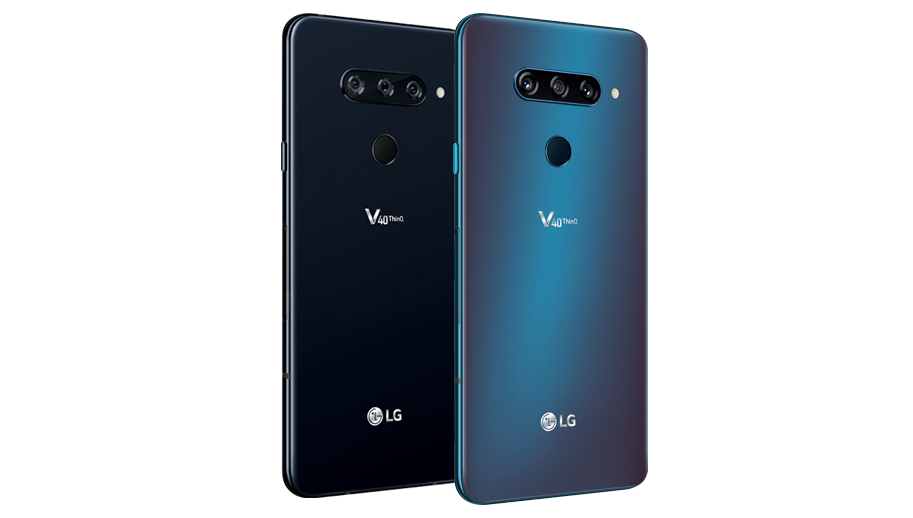
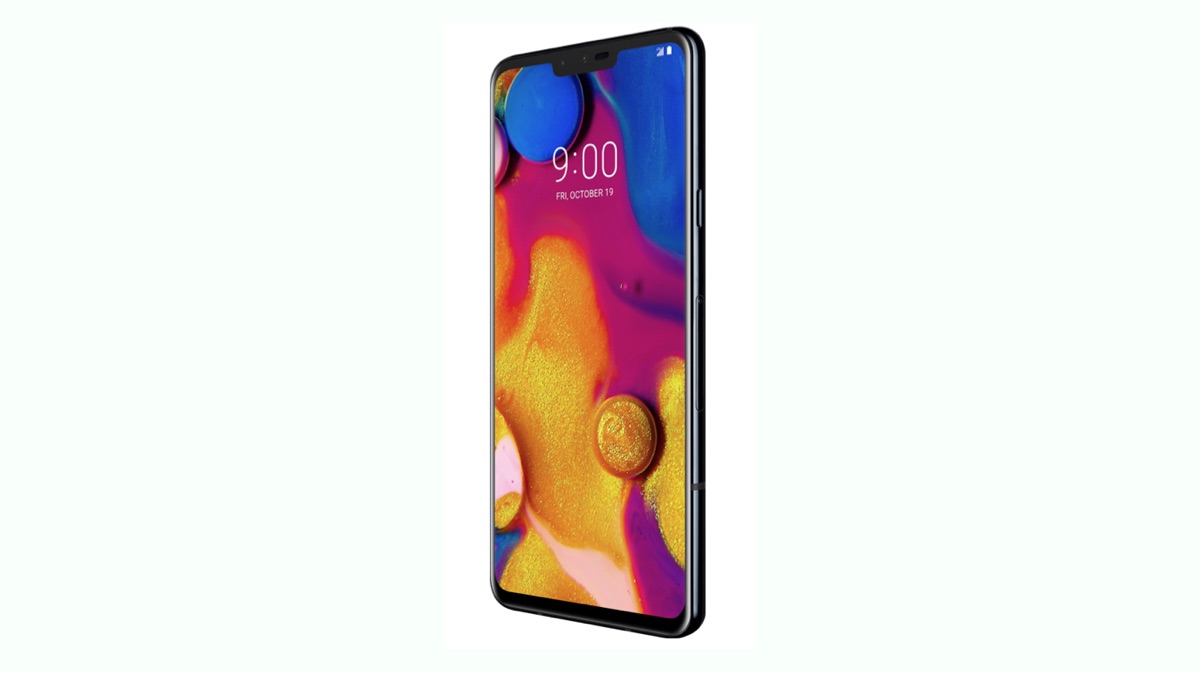
    The new LG V40 ThinQ is the second flagship device launched by LG this year. It is pretty similar to the LG G7 in terms of specifications and design, but performs a monster leap in the camera department. The smartphone has 5 cameras; three on the back  and two front cameras.

    Camera:

    The camera setup on the LG V40 ThinQ is unique, with three rear cameras and two front cameras. The three rear cameras are actually three different cameras and not just three sensors. This means that each camera produces a different picture, of varying size and quality.

    The setup features a standard 12 MP camera, which is the primary camera. This has a f/1.5 aperture and a pixel size of 1.4 micron. This is a larger pixel size than the LG G7, and will offer an improved camera performance. Next up, it has a super wide 16 MP camera with a f/1.9 aperture and a 107 degree field of view. Along with this, there is a 12 MP telephoto camera and offers 2x the zoom capability over a regular lens.

    The three different cameras provide different images, as mentioned before and LG has incorporated features that really make this setup useful. The device has a’triple preview’ feature which shows you a live preview from all the three cameras, simultaneously. With this, you can choose as to which camera would be the best option for that particular setting. The smartphone also has a ‘triple shot’ feature which lets you take the same image from all the three cameras, without having to switch from one camera to another. Interestingly, it also saves a GIF transition between the shots along with the three individual images.

    The camera also has a cine shot feature which lets you animate a certain part of your image, to make it more interesting. The LG V40 ThinQ has AI camera features as well which automatically adjust saturation, shutter speed and other settings to ensure that you shoot the best image. The camera also has inbuilt Google lens functionality.

    Specifications:

    The LG V40 ThinQ has a 6.4 inch, OLED display. It has a resolution of 3120 x 1440 px, a 19:5:9 aspect ratio and a pixel density of 537 ppi. The screen has Corning Gorilla Glass 5 protection and an always-on display.

    It is powered by the Qualcomm Snapdragon 845 SoC with an Octa Core CPU. It has the Adreno 630 GPU. the device has 6 GB of RAM and 64 GB of inbuilt storage which is expandable upto 512 GB. The LG V40 ThinQ has Boombox speakers and a 32-bit quad DAC. It has DTS X Surround Sound and a headphone jack as well.

    The device has an IP68 water and dust resistance rating and supports wireless charging. The LG V40 ThinQ runs Android Oreo out of the box and has a 3,300 mAh battery. The device also has a dedicated Google Assistant Button.


    Launch Offers & Price:

    The LG V40 ThinQ has been launched in the US and there is no word about the India launch as of now. It retails in the US between $ 900 and $ 980 depending on the mobile carrier. Pre-orders for the device are now open and LG does offer interesting deals for the same. Upon the pre-order of an LG V40 ThinQ, the company offers a DJI Osmo Mobile 2 gimbal and a SanDisk 256 GB microSD card for free, along with the device.

  • Nokia 5.1 Plus India Launch On 1st October : Priced at Rs 10,999

    Nokia 5.1 Plus India Launch On 1st October : Priced at Rs 10,999

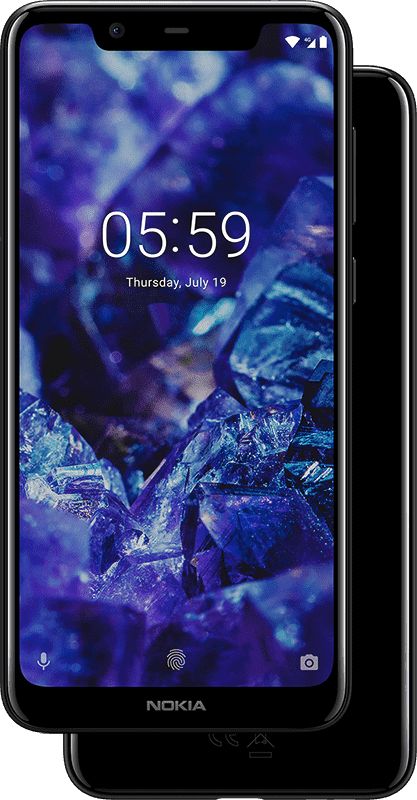
    HMD global announced the Nokia 5.1 plus in the European market in August 2018. They have now announced the Nokia 5.1 plus for the Indian market. The device will go on sale from 1st October. The smartphone is priced at Rs 10,999.

    Design :

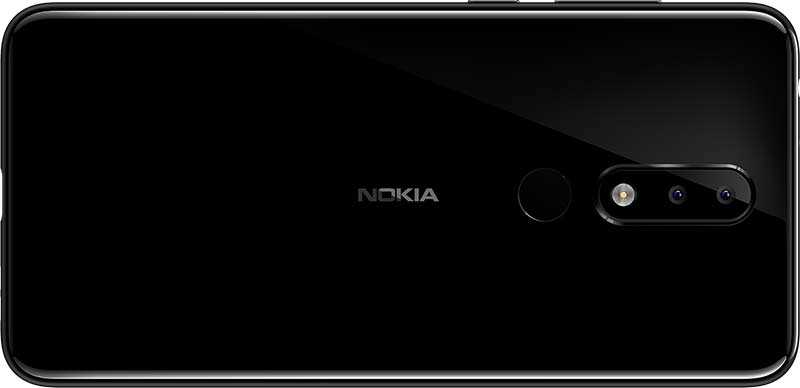
    Nokia 5.1 plus has a 5.8 inch HD+ display with a 19:9 aspect ratio. The display has a notch along with slim bezels on either sides. The chin of the phone is quite thick and has the Nokia branding on it. The device has a glass black, made of 2.5D curved glass. The device has a dual camera setup on the back along with an LED flash. Placed below camera is the fingerprint sensor. The power button and volume rockers are placed on right side of the phone.

    Also Read: Motorola One Power Launched In India : Full Specifications & Details

    Camera:

    The Nokia 5.1 plus has a set of dual rear cameras. It has a 13 MP sensor with an f/2.0 aperture and a 5 MP depth sensor, along with LED flash. The device has an 8 MP front facing camera with an f/2.2 aperture. It also has AI assistance which could enhance camera performance.


    Processor and battery:

    The new Nokia 5.1 plus has a Mediatek Helio P60 quad-core processor and 3 GB of RAM. The device has 32 GB of inbuilt storage which is expandable up to 400 GB. It packs a 3060 mAh non-removable battery. The Helio P60 chipset also optimises tasks, giving the device a longer battery life.


    Availability:

    The new Nokia 5.1 plus will be put on sale from the 1st of October 2018. Customers can only buy it online as it is a Flipkart exclusive device and is priced at Rs. 10,999/-.


  • Motorola One Power Launched In India : Full Specifications & Details

    Motorola One Power Launched In India : Full Specifications & Details

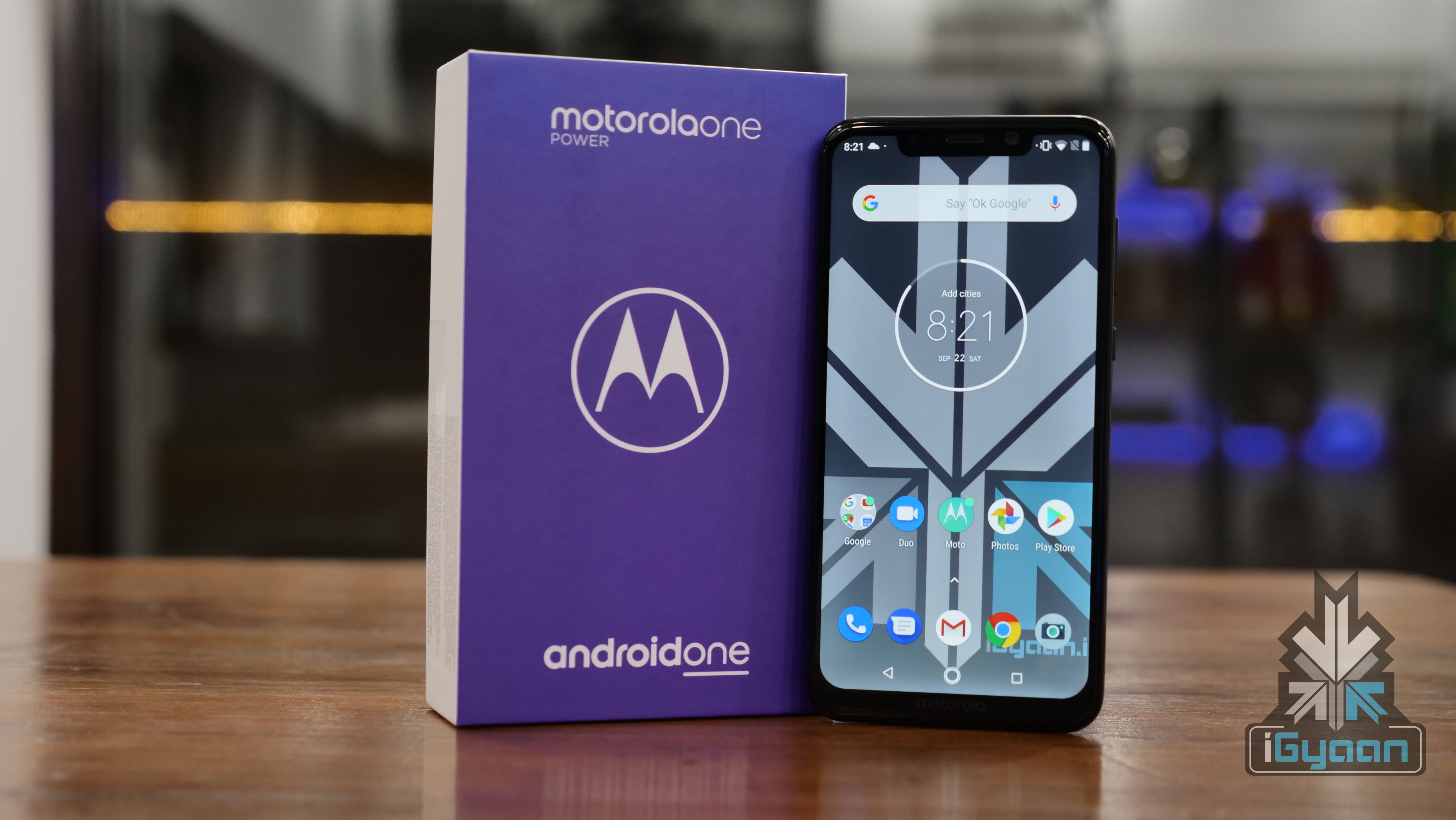
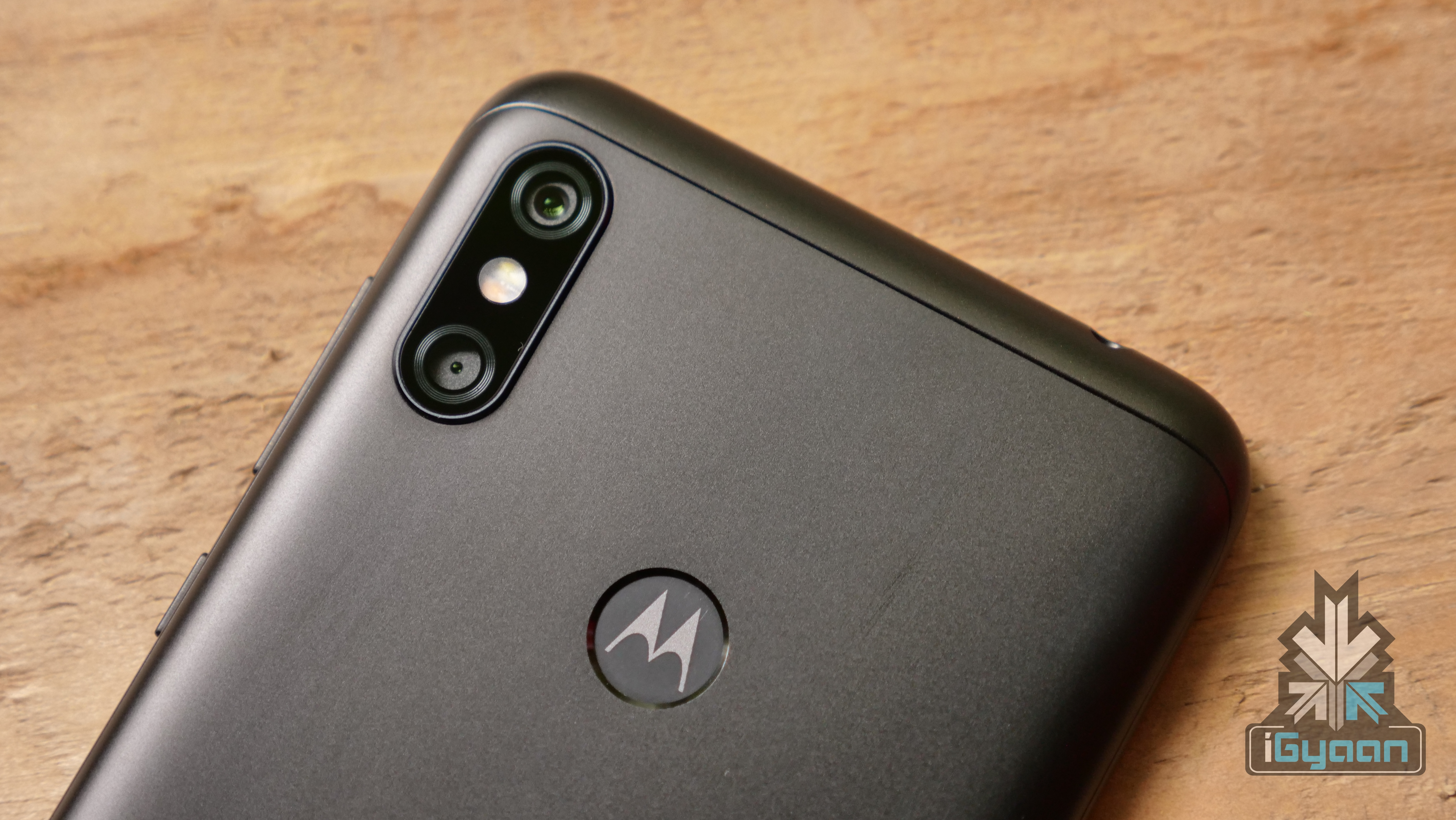
    The Motorola One Power, an India exclusive has been launched by the company today. The device is similar to the Motorola P30 Note launched in China a few months back, but packs a few minor differences. The Moto One Power sports a notch on its display and a dual camera setup on the rear.

    Buy the Moto One Power here.

    Design :

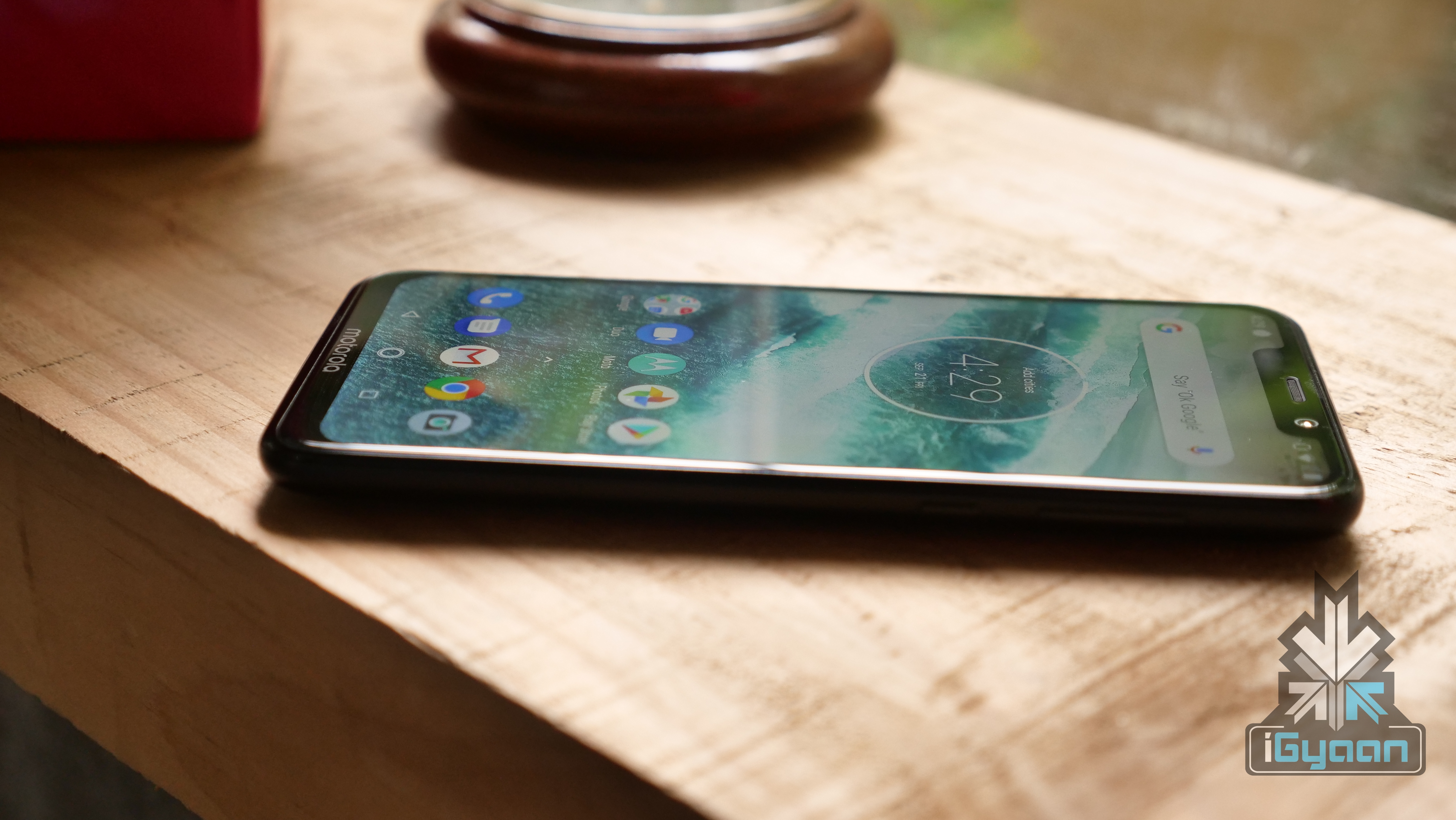
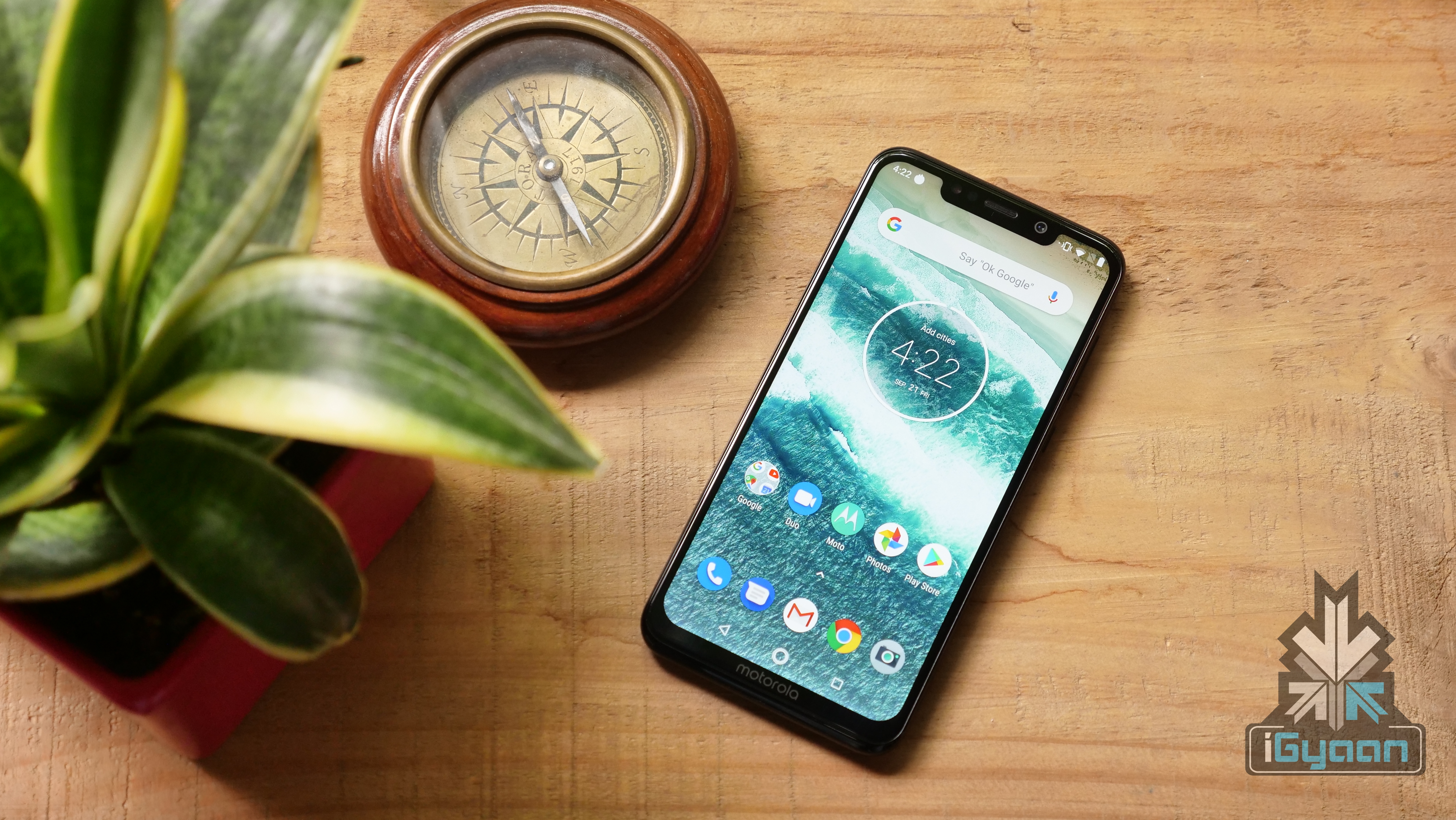
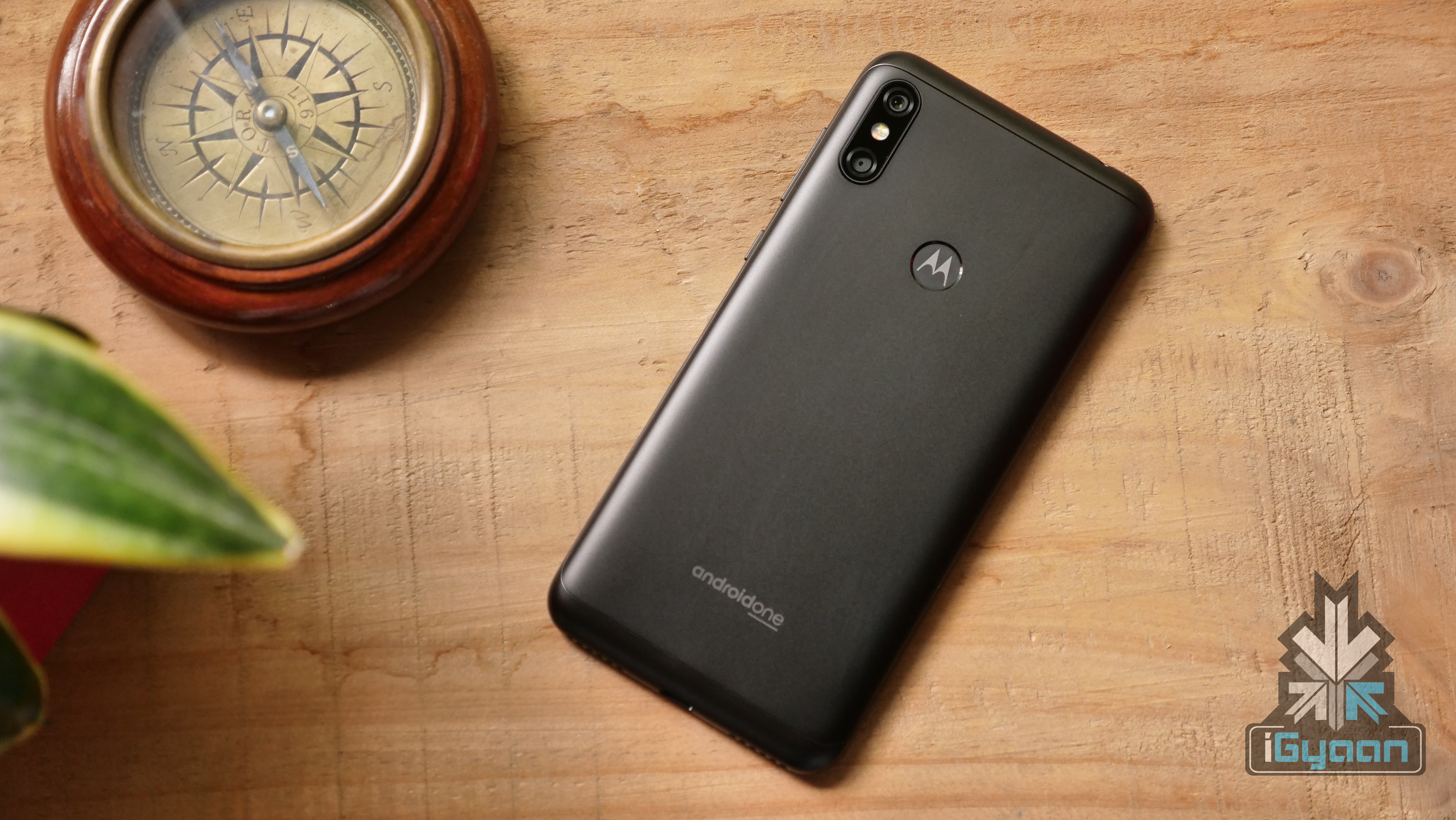
    The Moto One Power is pretty different from other Moto devices in terms of design.  The device has a notched display and a vertical dual camera setup, away from the conventional Moto styling.

    Display :

    The device has a 6.2 inch LCD display. It has an 18:9 aspect ratio with a native resolution of 2246 x 1080 pixels, with a density of 403 ppi. The display has a notch and a wide chin, with thin bezels on the side.

    Processor :

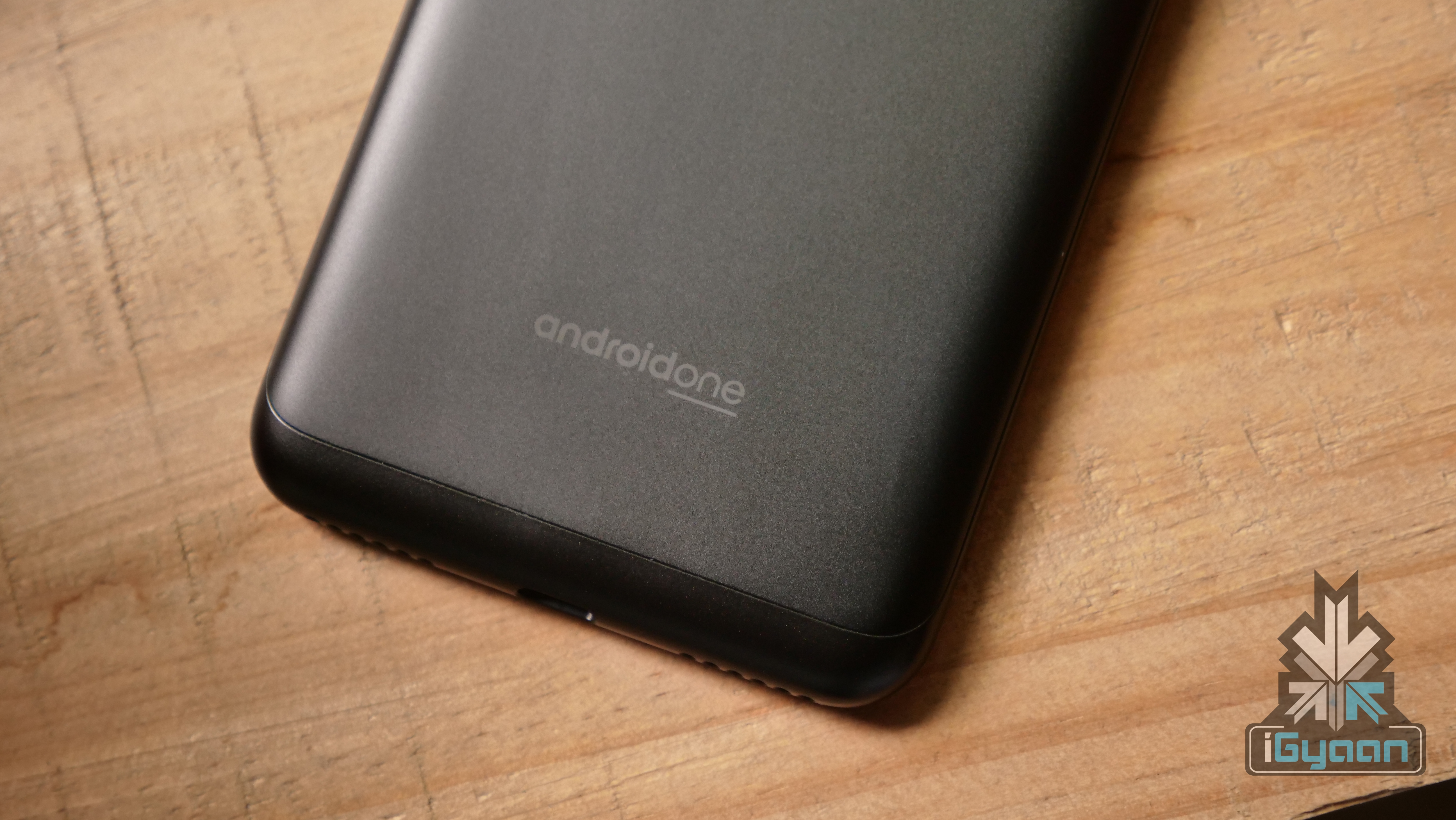
    The Moto One Power runs on the Snapdragon 636 SoC with an Adreno 509 GPU. The processor has a clock speed of 1.8 GHz and has 4 GB of RAM. The device has an internal memory of 64 GB. The Moto One Power runs Android 8.1 Oreo out of the box and gives a clean, stock Android experience with Android One.

    Camera :

    The device has a 16 MP + 5 MP dual rear camera setup. The 16 MP sensor has an aperture of f/1.8 and the 5 MP sensor has an aperture of f/2.2. The device has a 12 MP front camera which captures 1080p video at 30 fps.

    Battery & Other Features :

    The Moto One Power has a massive 5000 mAh battery with fast charging, to offer a lasting battery life. The device also has a USB Type-C port and a rear mounted fingerprint scanner on the Moto dimple.

    The device is available exclusively on Flipkart and is priced at Rs 15,999. You can also watch our video on the Moto One Power below:


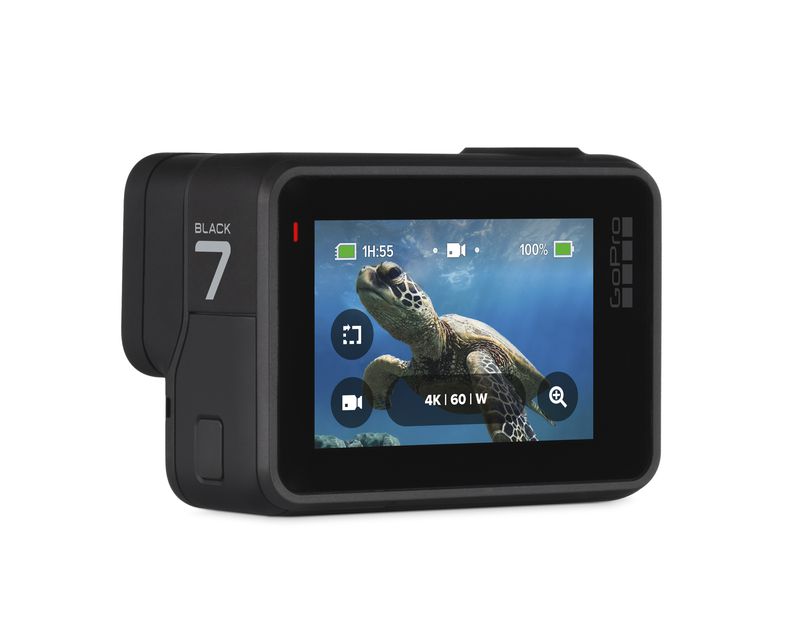
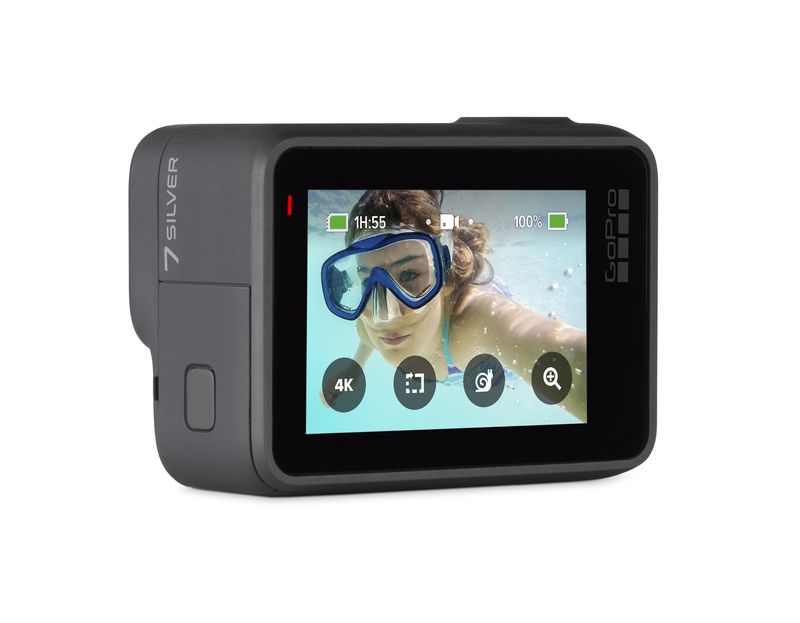
  • GoPro Hero 7 Launched, Starts $199, Rs. 19000 In India

    GoPro Hero 7 Launched, Starts $199, Rs. 19000 In India

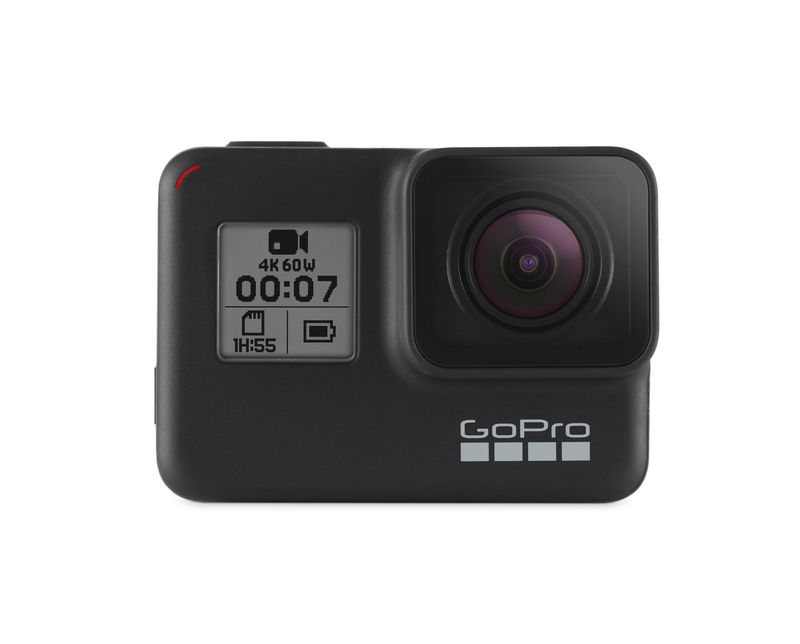
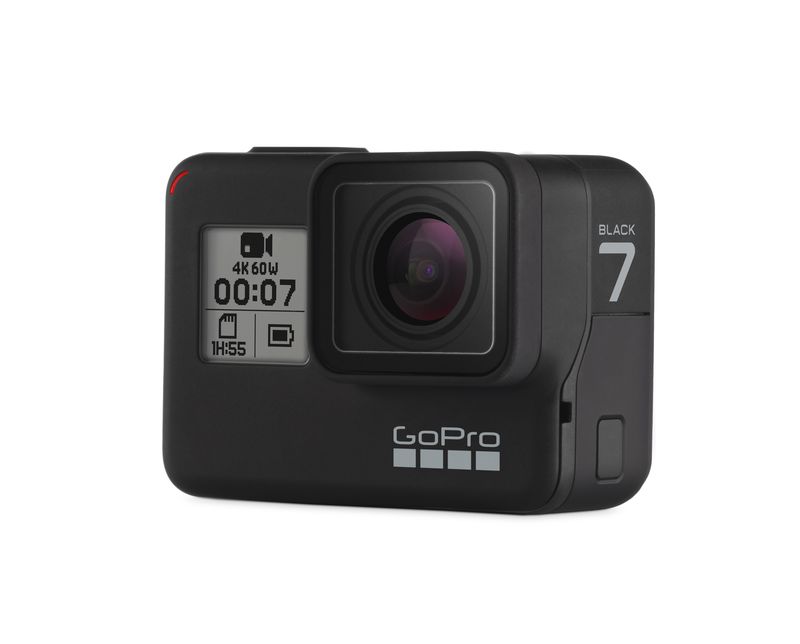
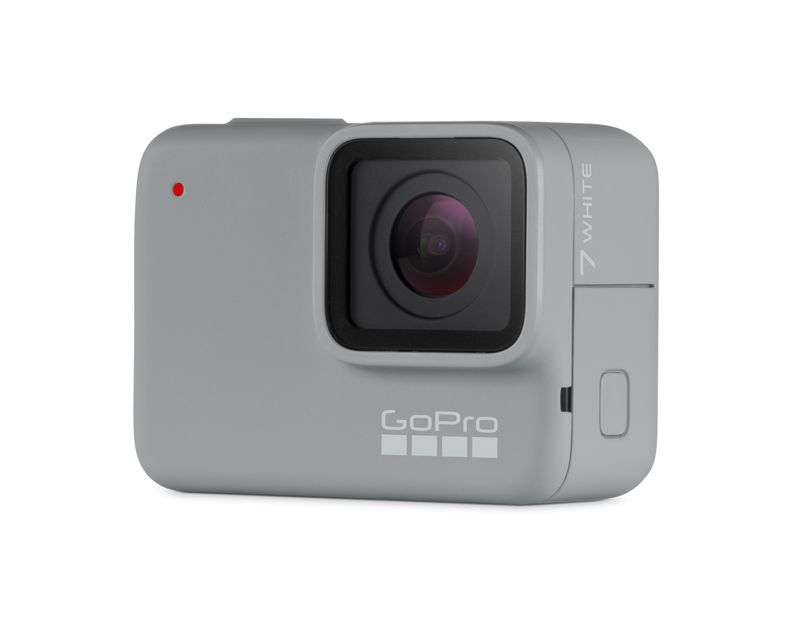
    GoPro has announced the new Go Pro Hero 7 lineup of cameras. The devices are split into White, Silver and Black variants.  The devices are set to go on sale on 27th September. The Black version of the camera is the most expensive and loaded with the maximum features.

    Hero 7 Black:

    The GoPro Hero 7 Black is powered by the custom GP1 processor GoPro announced last year. It can shoot video in 4K at 60 fps and super slow motion. It also has many new options such as live-streaming, hyper-lapse (almost) and a terrifically better image stabilisation.

    Despite the fact that the Hero 7 has the same processor from last year, the company claims that it has better performance and more RAM. With the new Hero 7 Black, you can livestream your video directly to Facebook, Twitch, YouTube or Vimeo over a cellular connection. It also has a new time-lapse mode called the TimeWarp which takes faster, smoother time-lapse videos, almost seeming like a hyper-lapse.

    One of the highlights of the Hero 7 Black is the new ‘hyper smooth’ video. This technology uses electronic stabilisation and the camera’s internal sensors. This then makes real-time predictions on how the camera will move and accordingly crops the image slightly and warps the image to compensate for sake. While this might not sound like much, GoPro’s comparison shows the drastic change this has brought. The hyper smooth feature looks like the footage has been shot using a gimbal.

    The GoPro Hero 7 Black captures 12 MP images and has an option to shoot in RAW. IT also has Wi-Fi, GPS, face/smile detection and filter’s out wind noise.

    The device also has voice control, which lets you execute certain commands with just your voice. For example, you can just say “GoPro, take a photo” and it shall click one for you. It is waterproof upto 33 feet and has a touchscreen as well.

    As mentioned before, the Hero 7 Black will be available starting 27th September. It is priced at Rs 36,00 in India.

    Hero 7 Silver & Hero 7 White:

    The Hero 7 Silver and Hero 7 White are a step behind when it comes to features, only when compared to the Hero 7 black. The Hero 7 Silver can shoot video in 4K at 30 fps while the Hero 7 Whit can shoot 1080p video at 60fps. Both the devices feature a built-in batter while the Black edition has a removable battery.

    The Hero 7 Silver clicks 10 MP pictures  and has HDR while the Hero 7 White lacks HDR and clicks 10 MP pictures as well. The two devices lack the hyper smooth video stabilisation offered by the black edition. They also lack the live streaming capability and time warp video.

    The Hero 7 Silver and Hero 7 White have a touch screen, have voice control and slow motion video capability as well.

    The devices will be available starting 27th September. The GoPro Hero 7 Silver costs Rs 27,000 and the Hero 7 White costs Rs 19,000.


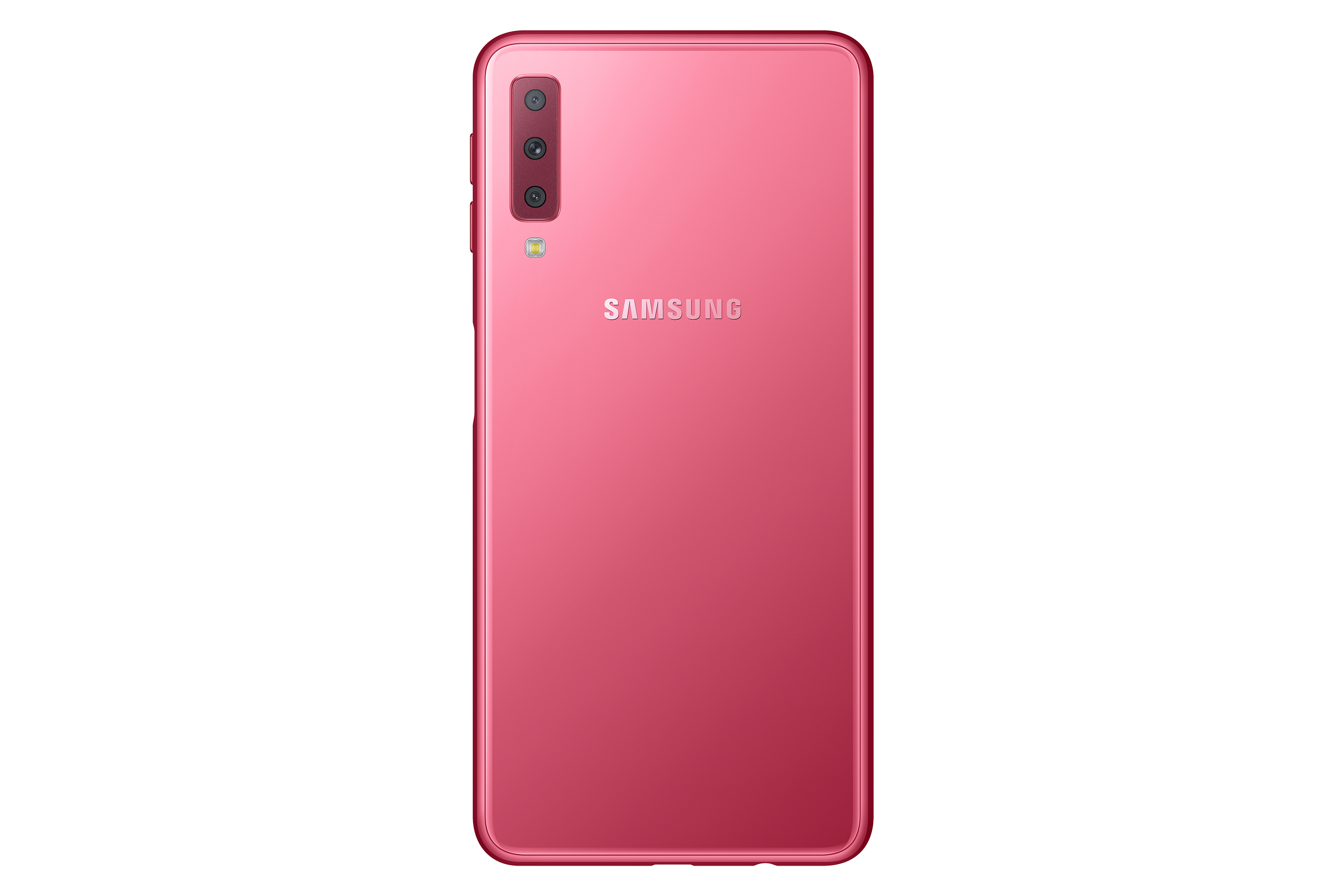
  • Samsung Launches Galaxy A7 With Triple Camera Setup: Specifications

    Samsung Launches Galaxy A7 With Triple Camera Setup: Specifications

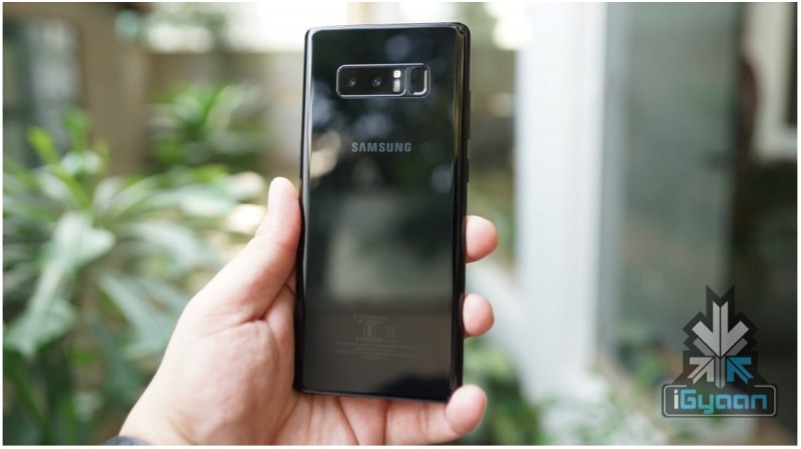
    Samsung has launched its first ever triple camera phone, the Samsung Galaxy A7 (2018). The device has a sleek design, and is rumoured to be under Rs 30,000. The device carries premium features which were only available on Samsung’s flagship devices earlier.

    Specifications:

    The highlight of the device is the triple camera arrangement on the back. The setup consists of 24 MP primary lens, an 8 MP ultra wide lens and a 5 MP depth sensor. The device also has a Live Focus feature which lets you to adjust the bokeh effect. The device also combines four pixels into one to let more light in and give better images.

    The Galaxy A7 has a 24 MP front camera and an adjustable LED flash along with it. It will help you take bokeh selfies and has Pro Lighting Mode. The front camera also has AR emojis and flattering filters.

    The Galaxy A7 has a 6 inch Super AMOLED display. It has a native resolution of 2220 x 1080 pixels.The device is supported by Dolby Atmos sound technology for a better audio output. Another striking feature on the device is the fingerprint scanner. The fingerprint scanner is mounted on to the side of the device to offer a more comfortable unlocking position, according to the company.

    The device also comes loaded with some Samsung exclusive features such as Bixby, Samsung Pay and Samsung Health. It is available in blue, black, pink and gold colours.The recent report about the lineup change in the Galaxy A and J series is turning out to be true and Samsung is trying to offer a better experience at different price ranges.

    The device is set to lunch during the Samsung Galaxy event on 11th October. The event is also rumoured to showcase the first quad camera smartphone by Samsung. The launch of the Galaxy A7 shows that Samsung is no longer reserving features like a triple camera for its flagship devices. More details like availability and pricing will be known after the event.

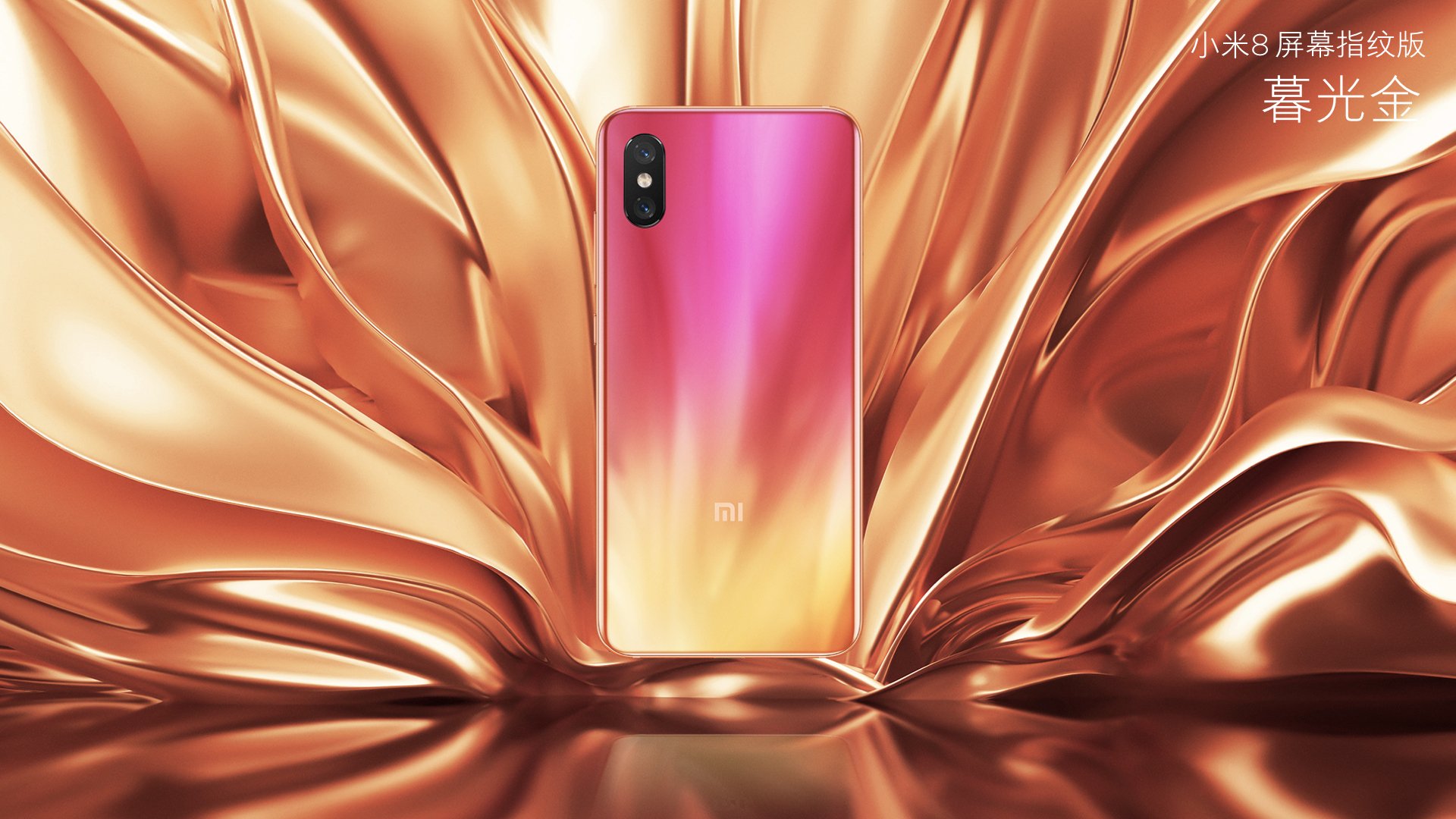
  • Xiaomi Launches Mi 8 Pro, Mi 8 Lite : In-Display Fingerprint Scanner & More

    Xiaomi Launches Mi 8 Pro, Mi 8 Lite : In-Display Fingerprint Scanner & More

    Xiaomi has added to its lineup of Mi 8 smartphones with two new devices. The Mi 8 Pro and Mi 8 Lite were launched at an event held in China. The highlight is the in-display fingerprint scanner in the Mi 8 Pro, which shares most of its features with the existing Mi 8.

    The device is available in two variants. It has a 6 GB and 8 GB RAM variant with 128 GB of internal storage. These variants are priced at CNY 3199 and CNY 3599 which are around Rs 33,703 and Rs 37,755 respectively. The Mi 8 Lite carries a lesser array of features as the name suggests. The device is available in three variants. It has a 4 GB RAM/ 64 GB storage variant and a 6 GB RAM with 64 GB/ 128 GB of storage. The devices costs  CNY 1,399, CNY 1,699 and CNY 1,999  which is around Rs 14,691, Rs 17,842 and Rs 20,992 respectively.


    Xiaomi Mi 8 Pro Specs:

    The Xiaomi Mi 8 Pro has a 6.21 inch FHD+ AMOLED display. The display has a notch and a resolution of 2248 x 1080 pixels and an 18:9 aspect ratio. The device runs on the Qualcomm Snapdragon 845 SoC. It has a dual rear camera setup with a 12 MP + 12 MP sensor and with 4-axis Optical Image Stabilisation. The front camera has a 20 MP sensor.

    The device has a 3400 mAh battery, USB Type-C port and Bluetooth 5.0 connectivity. The device is available in white, blue, gold and black colour options.

    Xiaomi Mi 8 Lite Specs:

    The Xiaomi Mi 8 Lite has a 6.26 inch LCD display with a native resolution of 2280 x 1080 pixels a 19:9 aspect ratio. The device runs on the Qualcomm Snapdragon 660 SoC. The Mi 8 Lite also has a dual rear camera setup. It has a 12 MP + 5 MP setup with PDAF and HDR capability. The form camera has a 24 MP sensor.

    The device has a 3350 mAh battery, USB Type-C port and Bluetooth 5.0 connectivity. The device is available in Aurora Blue, Sunset Gold and Midnight Black colour options.


  • Samsung Teases Launch Of Possible 4 Camera Phone

    Samsung Teases Launch Of Possible 4 Camera Phone

    Samsung just tweeted an invite for its special event and its got everyone buzzing. The event will be held on 11th October and will see the launch of a new Galaxy device. It is highly unlikely that Samsung will be announcing a new flagship at this time of the year. We can expect an A- series device .

    What is interesting though, is the content of the tweet. Samsung has highlighted the words “4x the fun”, which could be the rumoured 4 camera device. This could also mean the launch of a device with a 4x optical zoom. What is clear though, is that the highlight of the device is going to be the camera.

    Rumours of all kinds have been afloat about Samsung’s new camera setup. Reports of 4 rear cameras, 3 rear cameras and a single front camera  and also 2 rear and 2 front cameras have emerged. This basically covers all the permutations associated with 4 cameras. We can be expecting a 4 rear camera setup, though. With Huawei all set to announce their triple rear camera phone on 16th September, 4 cameras is not a long shot.

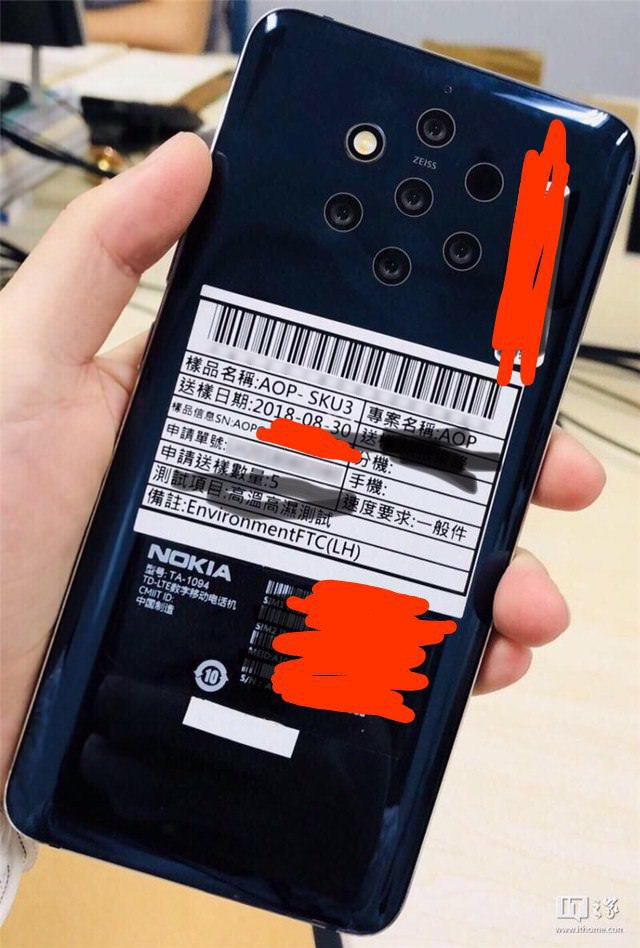
    Also Read:Nokia 9 Leaked With Hands- On Images

    The possibility of a 4x optical zoom support on the device is also another possibility. No other smartphone has this capability as of now and Samsung itself has 2x optical zoom even in its latest flagship devices. However, the possibility of a non-flagship device having such extensive and groundbreaking features is slim. Especially, considering the fact that the A series is a mid-range device. This also leads to the possibility that Samsung could announce a new series in the Galaxy segment, dedicating it to camera performance.

    Alleged Nokia 9 with penta camera setup

    The race to get ahead with camera setups has been the most crucial for manufacturers. With a dual camera setup becoming common even in low range phones, its time to step up the game. Rumours of HMD’s flagship Nokia 9 with a penta lens setup have been doing the rounds. Samsung’s Galaxy event will come just a few days after the Google’s special event, which will see the launch of the Pixel 3 and Pixel 3 XL smartphones.


  • Apple iPhone XS and iPhone XS Max Launched

    Apple iPhone XS and iPhone XS Max Launched

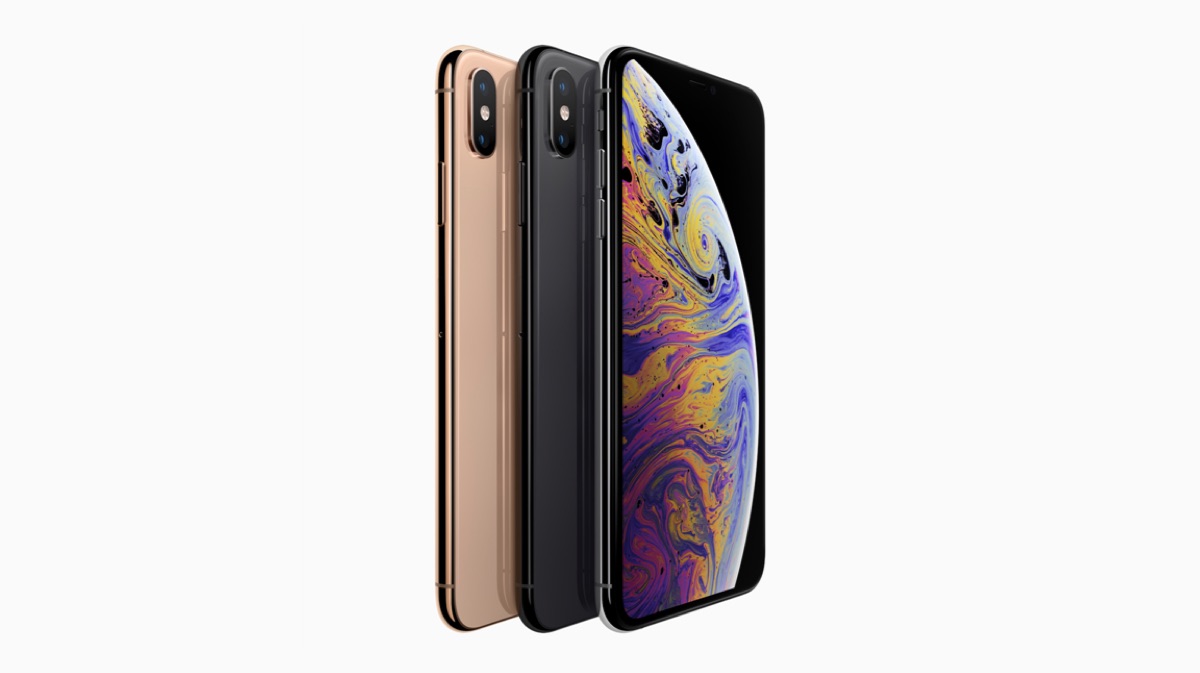
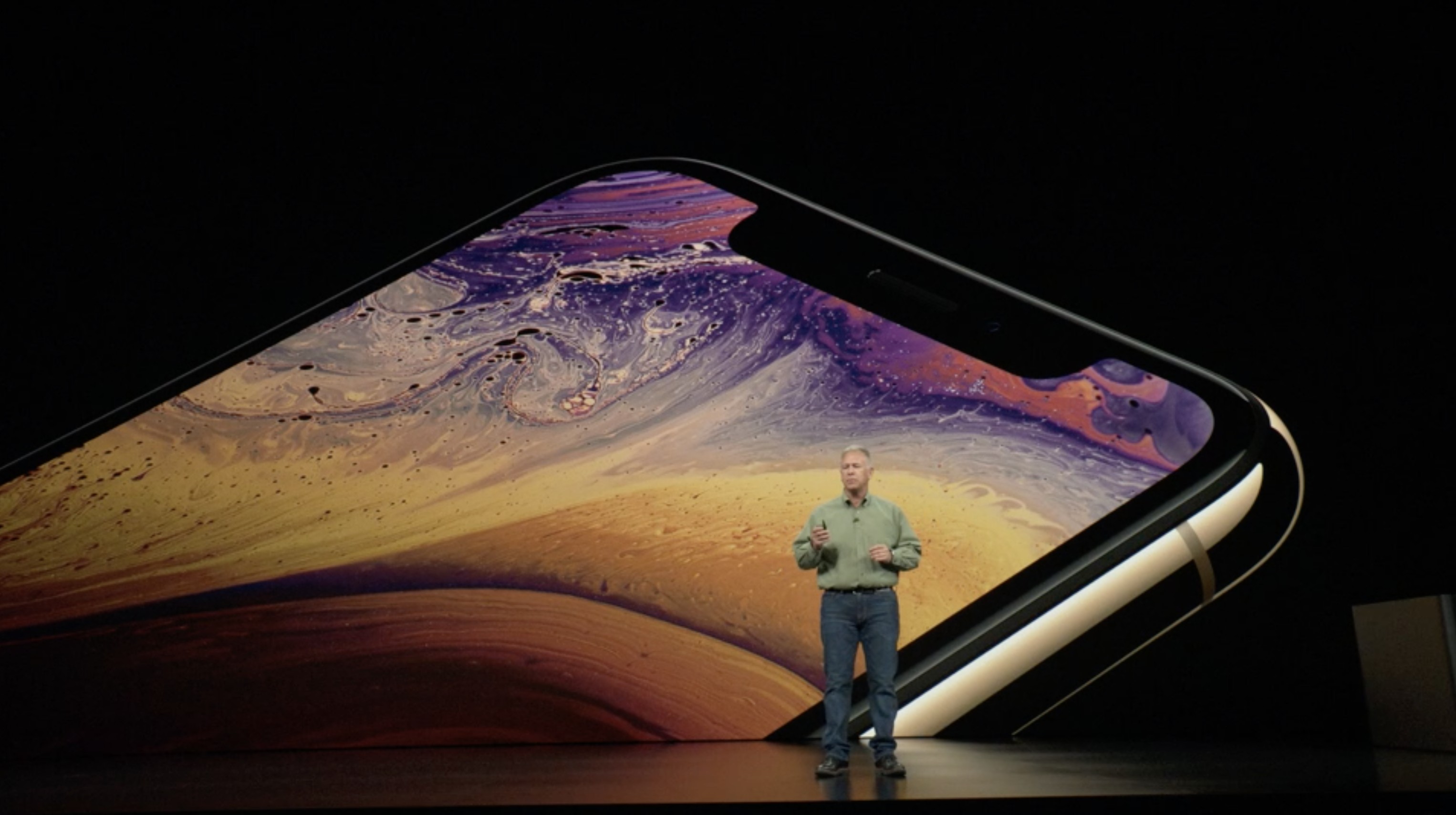
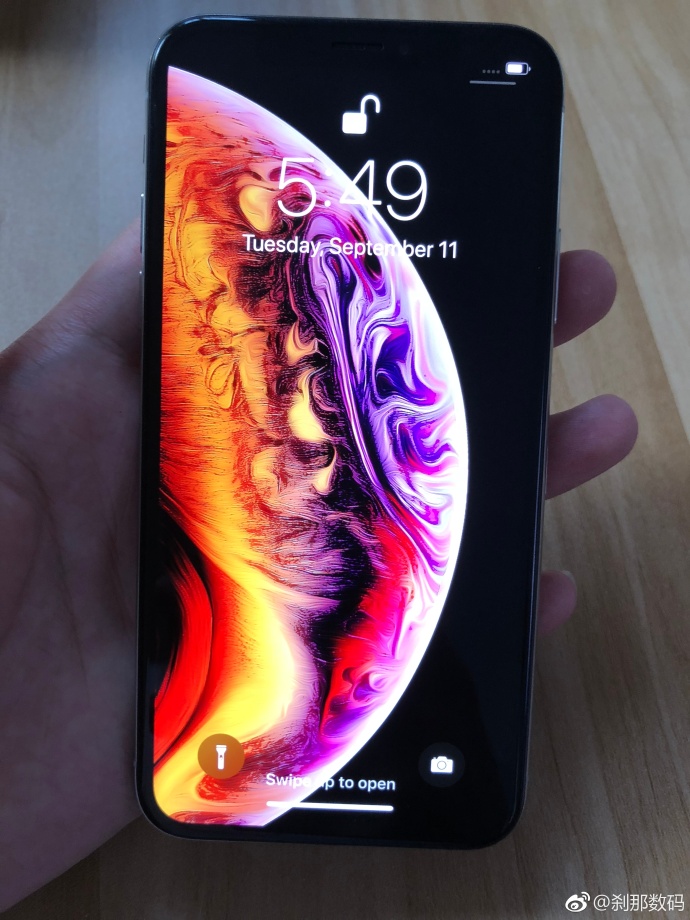
    The much awaited successor to the iPhone X is here. Apple has launched the brand new iPhone XS and iPhone XS Max, shedding the ‘Plus’ tag for its smartphone.

    Design:


    The devices are made of surgical grade stainless steel and have a gold finish on the front and glass back. The devices also have rounded corners. Apple claims to have used the most durable glass ever in a smartphone for the display. The devices also have a silver and space grey finish other than the gold finish. The iPhone XS and iPhone XS Max have IP68 dust and water protection.

    Display:

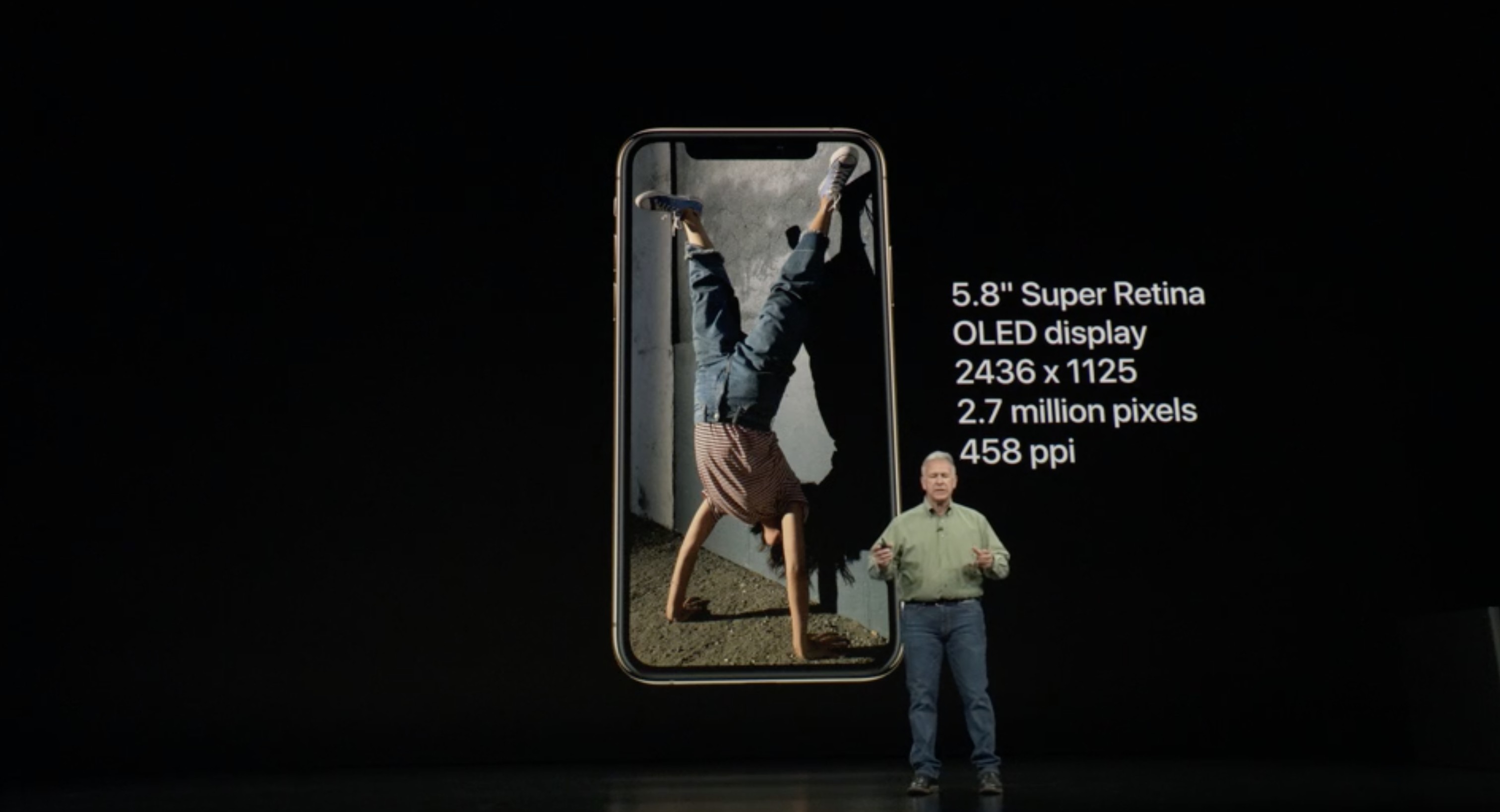
    The iPhone XS has a Super Retina OLED, 5.8 inch display. This is a bigger display than the iPhone 8 Plus but an overall smaller device in size. The device has a native resolution of 2436 x 1125 pixels and a pixel density of 458 ppi.

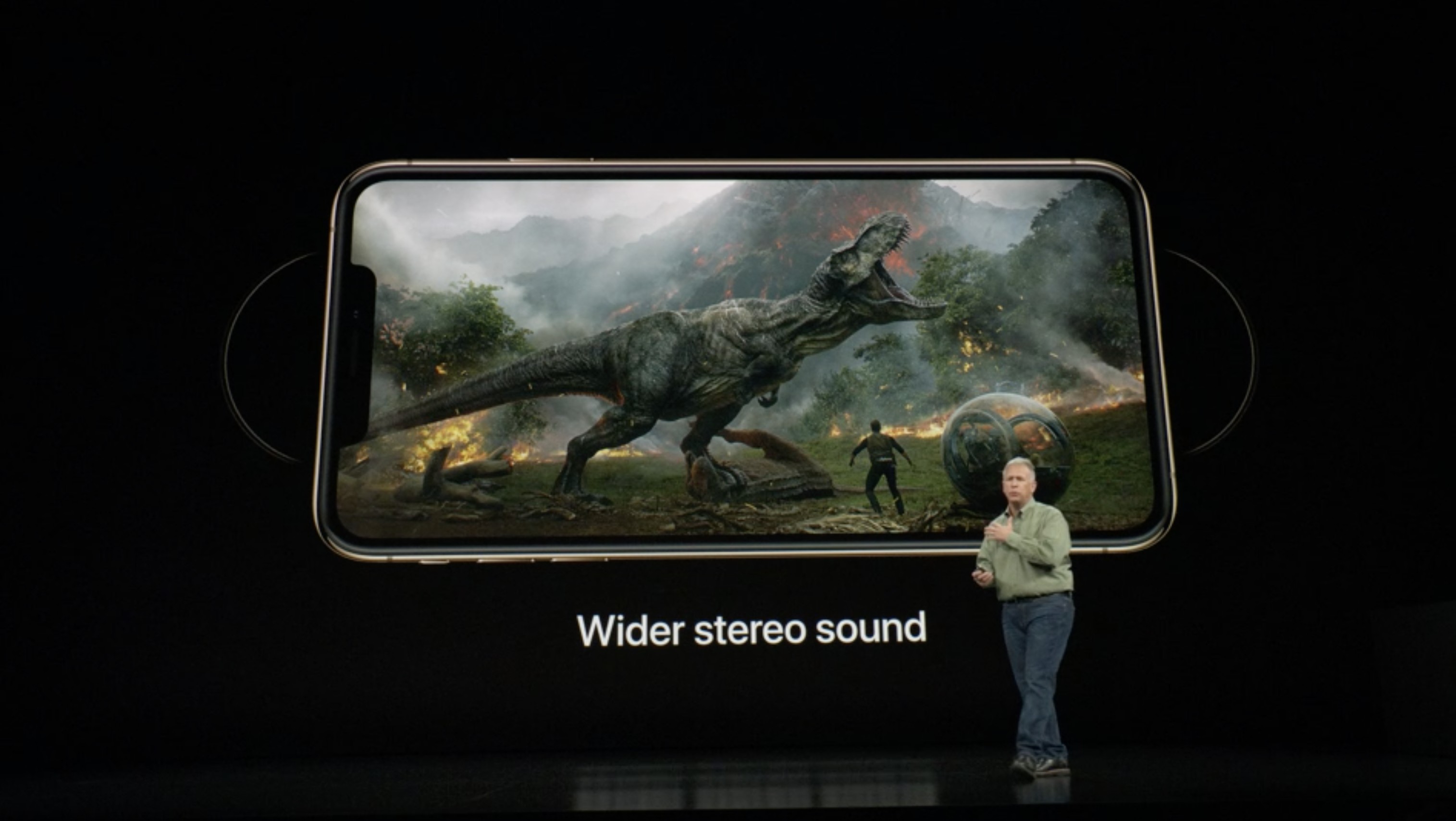
    The iPhone XS Max has a massive 6.5 inch with a Super Retina OLED display. The display has a resolution of 2688 x 1242 and a pixel density of 458 ppi. The massive size of the iPhone XS Max allows for a ‘split view’ in some apps while the device is in the horizontal position. This allows for more utility in one app.

    The screen on both the devices have a 60 % greater dynamic range, offering better experiences than before.The devices also continue to support 3D touching and have True Tone display.

    Processor:

    The iPhone XS and iPhone XS Max use the highly anticipated A12 Bionic chip. This is the first 7 nanometer production chip in a smartphone and houses  6.9 billion transistors.  The iPhone XS and iPhone XS Max have a 6 core CPU. This consists of 2 high performance cores and 4 high efficiency cores. This makes the new iPhone 15 % faster while using 40 % lower power.

    The GPU has 4 cores and is  50 % faster than A11 bionic. This gives a  huge jump in graphics, according to Apple. The Neural engine has an 8 core design compared to 2 cores on the A11. It also has Dedicated Machine Learning.

    The new A12 bionic can process 5 trillion operations per second. The devices will be available in storage options of upto 512 GB internal storage.The A12 bionic also improves the daily use of the device. It helps apps launch upto 30% faster. Providing a smoother every day experience.

    Camera:


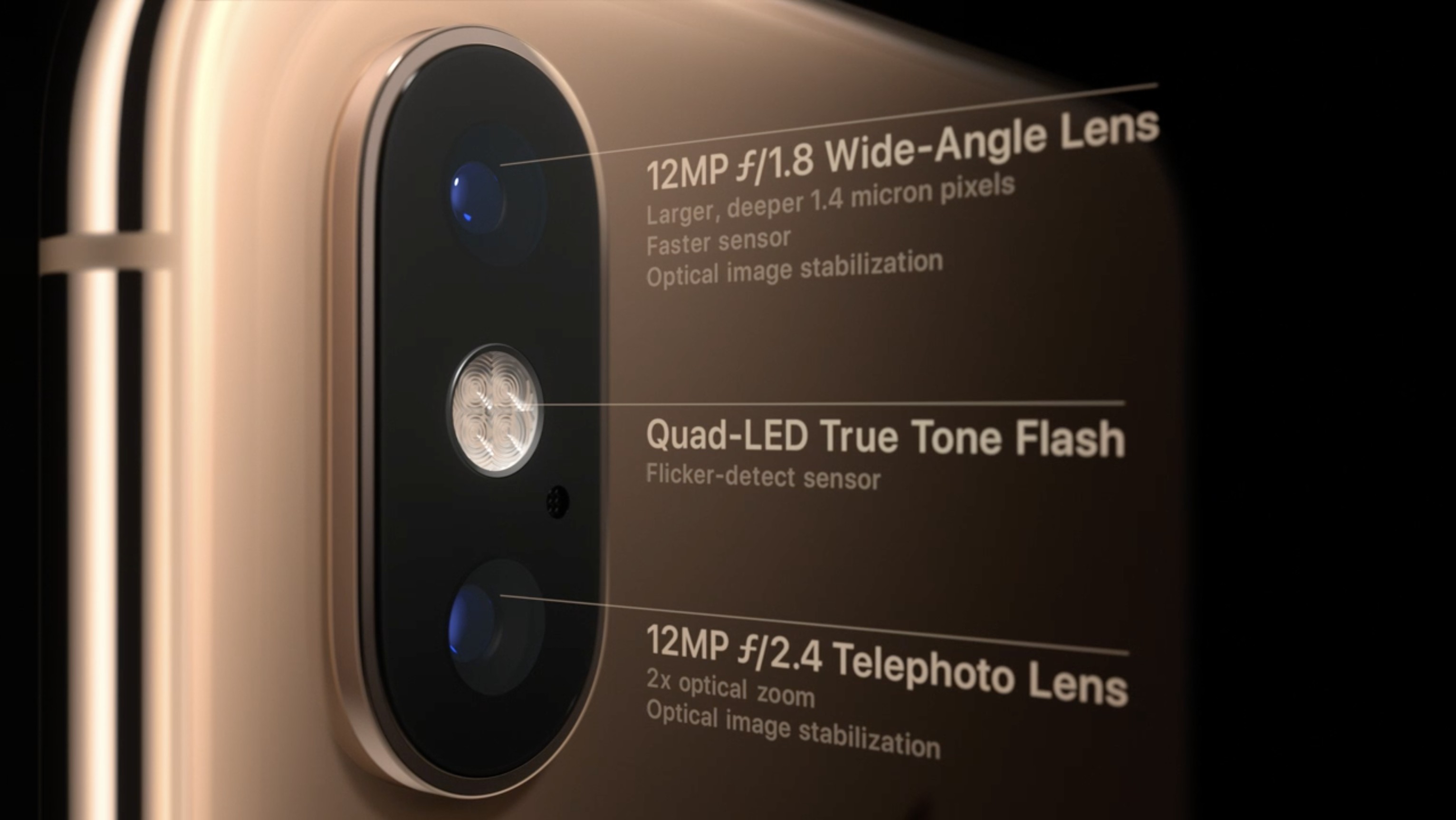
    The iPhone XS and iPhone XS Max have a dual rear camera setup. Apple has improved this setup and it features a 12 MP wide lens and a 12 Mp telephoto lens. This is supported by an improved true tone flash.The devices use larger sensors and the lenses have an aperture of f/1.8.The smartphones also have Optical Image Stabilisation

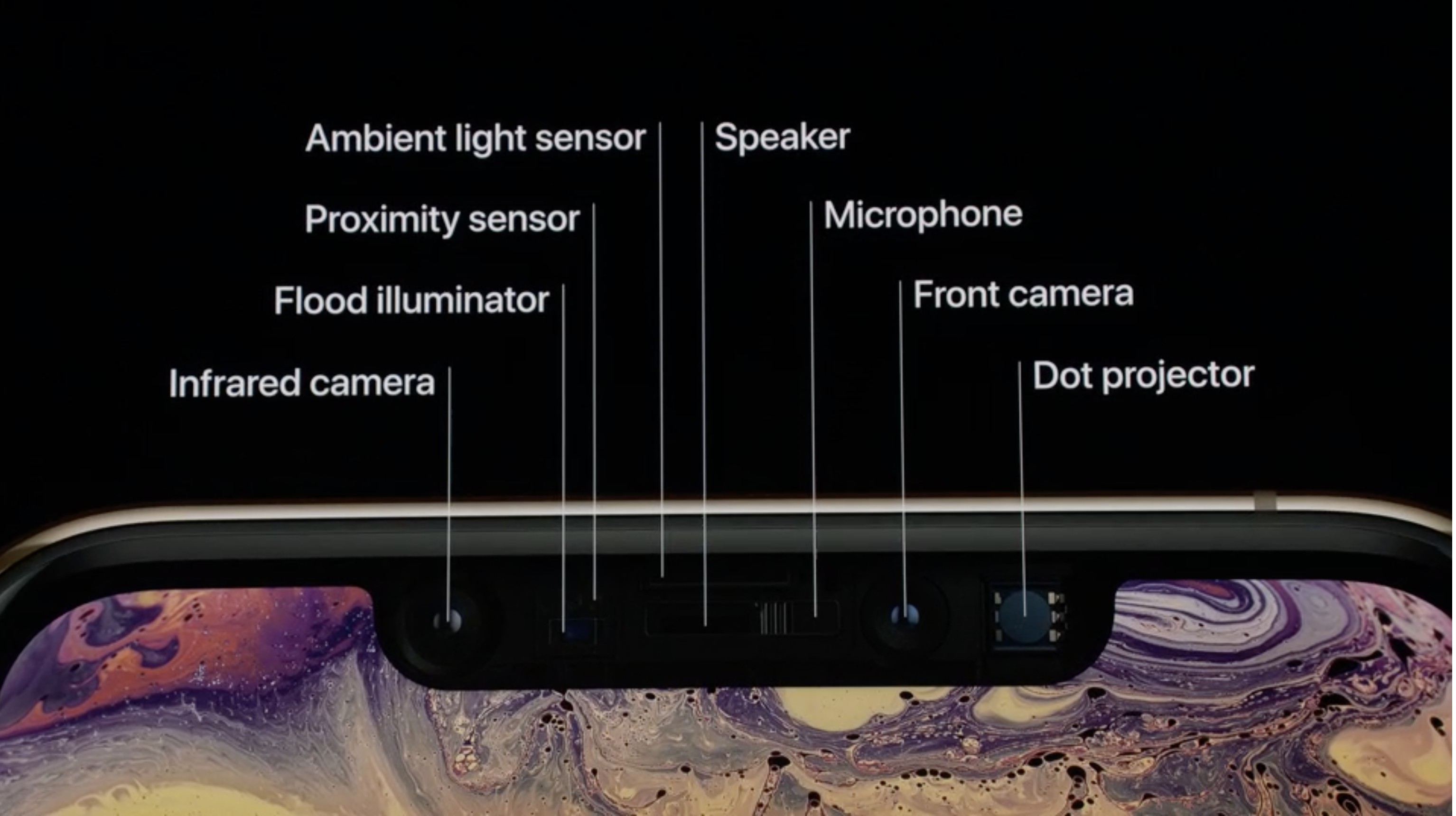
    The front camera setup hosts a 7 MP sensor. The front true depth system contains the sensor along with an IR camera and dot projector. This also provides depth in selfie portraits.

    The new A12 bionic has an Image signal processor (ISP). This works to automatically adjust exposure, white balance, focus, noise reduction, and many more features whenever an image is taken.The chip also connects the ISP to the neural engine to make images better. It features Face and body detection, scene recognition, feature mapping and reduces red eye instantly. It can also perform 1 trillion operations per photo.

    The camera also features Smart HDR. This ensures zero shutter lag. What this does is, it captures secondary inter frames and long exposure shots  to bring out more details, finding all the best parts and merging them into one image.The devices also feature advanced portrait mode and bokeh mode. This allows you to adjust the depth of field even after taking the picture. The new sensor is 2x faster and records stereo sound while shooting video.

    Battery:

    Apple claims that the devices run on the best batteries any iPhone has featured. The iPhone XS has a battery which lasts 30 minutes longer than the iPhone X. The iPhone XS Max has the biggest battery featured in an iPhone and lasts an hour and a half longer than the iPhone X.

    Other Features:

    The new devices are Dual SIM with Dual Standby. They also use the eSIM technology. This uses a single physical SIM and one eSIM. Apple will also launch a special Chinese model, with two physical SIMs.

    The Face ID is faster with better algorithms and a faster secure enclave. It is the most secure facial authentication ever in a smartphone, according to Apple.

    The technology also helps to provide the use of Animoji over a live video call. It also helps in a better selfie scene option.  The iPhone XS and iPhone XS Max also feature Siri Shortcuts on iOs 12 . The devices feature the core ML, which is 9x faster and  runs on 1/10th of the energy.

    There are huge jumps in Augmented Reality. The ARkit 2 , provides enhanced surface and object detection.  AR quick look,  can bring out an object you were looking at in your browser. This basically superimposes any object on to your surroundings to get you a better look at any object you might be wanting.

    Price:

    The iPhone XS is available in three storage options of 64 GB , 256 GB and 512 GB and starts at $ 999. In India the phone will start at Rs. 99,900.

    The iPhone XS Max will be available in the same three variants and starts at $ 1099. In India the iPhone XS Max will start at Rs.  109,900.

    Pre orders for the devices starts on 14th September and shipping begins on 28th September. The devices will go on sale in India a week after the global sale begins.


  • Apple Launch Event Today : Everything You Need To Know

    One of the most anticipated events of 2018 is right around the corner. Apple’s September 12th event is what is on everyone’s mind and the new iPhone range is due to take centre stage. Apart from this, Apple is also rumoured to unveil the AirPods 2 and the Apple Watch 4 and possibly some more devices.

    Launch Event:

    The Apple Launch event will take place at the Steve Jobs Theatre on 12th September at 10:00 AM PDT. This converts to 10:30 PM Indian Standard timeThis is 6:00 PM in the United Kingdom, 9:00 PM in UAE and 3:00 AM in Australia. The event can also be live streamed using various methods.

    Those owning any apple device such as iPhone, iPad, Mac, or iPod can view it on the Apple TV app. The event can also be live-streamed on Safari and Microsoft Edge for Windows users.

    iPhone:

    The iPhone lineup for this year is arguably the most exciting thing about the event. Apple is bound to take a few steps to ensure the growth of its smartphone sales. Which have started to see a slight decline after the initial buzz of the iPhone X. The only solution which will help Apple out of that situation is to expand its customer base.

    Via Spigen

    For years, Apple stuck to manufacturing devices and delivering it to consumers. Unlike other manufacturers, Apple doesn’t focus much on market trends and what the consumers exactly want. They focused on bringing the best experience for users, but users never got much of a say in it. This might have started pinching them a little but as Apple is now looking to change their approach and cater to consumers.

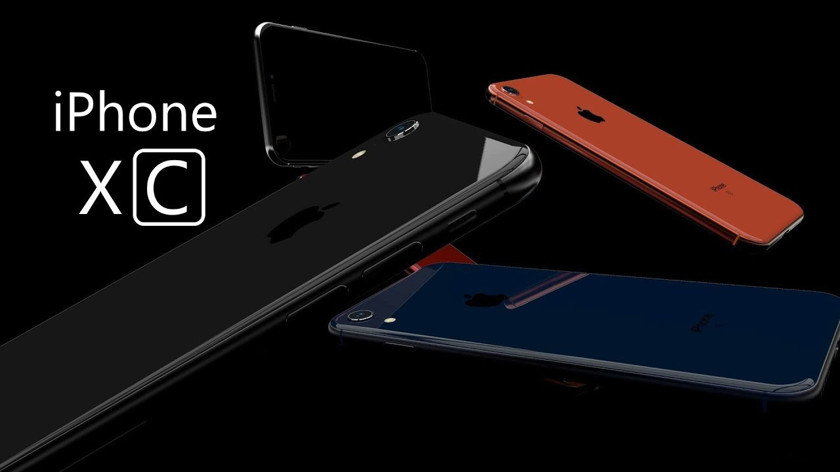
    We expect to see 3 variants of the iPhone which will cover a wide range of features, sizes and price. The devices will be called the iPhone Xs, the iPhone Xs Plus and the iPhone XC, according to reports. The iPhone Xs and Xs Plus will feature the same design as the iPhone X and will have OLED screens. The iPhone XC on the other hand, will feature an LCD display.


    The sole reason for Apple to go in for the iPhone XC is to try to expand their market by offering a cheaper version of the iPhone. So lets find out all the rumours about these devices:

    Design:

    The iPhone Xs will sport a 5.8 inch screen while the iPhone Xs Plus has a 6.5 inch display. Both the devices sport a notch and design elements drawn majorly from the iPhone X. They will sport OLED displays and with glass bodies and stainless steel casing.


    The cheaper, 6.1 inch iPhone XC on the other hand sports an LCD display. The display design is also based on the iPhone X. The device will sporting a glass body with an aluminium casing. The major design difference with the iPhone XC and the other two variants is the presence of only a single camera on the back.

    All three of the devices will reportedly not have a Touch ID button and will fully depend on Face ID for its security. It is also rumoured that Apple will discontinue the 3D touch feature on the devices.

    Processor:

    The highlight of the new series of iPhones is the A12 bionic chipset from Apple. This is supposed to be a step up from the existing A11 bionic chip, which is already one of the fastest and most efficient chipsets out there. This is due to the manufacturing process behind the A12 chipset. The A12 chip uses the 7nm process as compared to the A11’s 10 nm process. This reduces the size of the transistors in the chip, allowing more transistors to fit into the same space. Therefore allowing for a better, smoother performance.

    The A12 reportedly offers an increase in multi-core usability, supposed to bring up multi-core performance by 25-30%.  The GPU performance is reported to have an even higher increment at 40%. This might not directly translate to gaming performance, according to experts. Analysts predict a real time number of around 25%. The A12 chip also gives a big boost to AI and machine learning. This will incorporate with the operating system to give better battery performance and camera results, according to reports.

    Camera:

    Alleged iPhone XC spotted


    It is highly improbable that we will see a triple camera setup on the  new iPhone. Reports indicate an improved sensor on the dual camera setup on the iPhone Xs and iPhone Xs Plus. Renders and leaks also reveal that the iPhone XC will however, only have a single rear camera. The camera sensors will be an improvement over last year’s devices in all senses. There will be better low light performance and enhanced AI integration to offer support in the portrait mode of the devices.

    Battery:

    All the three variants might have improved battery performance, more importantly they should. A flagship device in 2018 should meet numerous requirements to live up to tis name. One of the most important ones is a better battery life. It is obvious that the 6.5 inch iPhone Xs Plus will house a high battery, given its size and the demand from its display unit.  Apart from this, the A12 bionic chipset will ensure better optimisation and longer battery life. Reports also suggest that Apple has worked on improving the idle battery life of the iPhones.


    Price & Other Features:

    Recent leaks also show that the devices will have dual SIM capabilities. The pricing of the devices is expected to cover a larger area so as to cater to a bigger consumer base. The iPhone XC is reported to be priced at CNY 5,888 which is around Rs 62,000. The iPhone XS is listed at CNY 7,388 and the iPhone XS Plus is at CNY 8,388 which are around Rs 77,980 and Rs 88,535 respectively.


    iPad Pro:

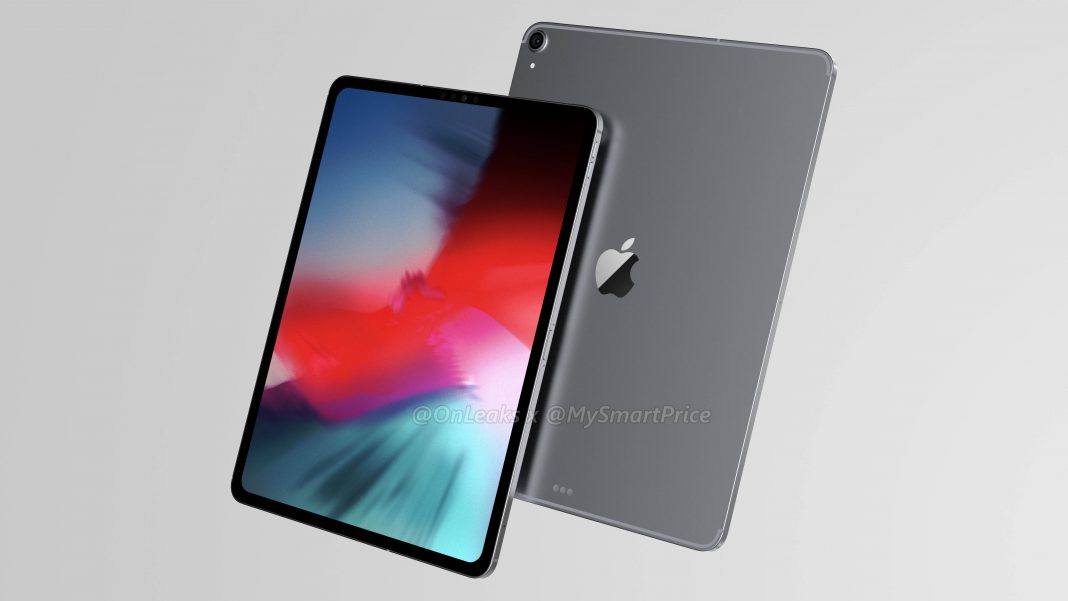
    The iPad Pro is expected to launch in a 12.9 inch and 10.5 inch variant. Numerous leaks and renders based on the said leaks have given us a fair idea about what the device may look like. The new iPad Pro will reportedly sport a sharper, bezel less design. We can also see the absence of a home button which could mean that the device is getting Face ID and that we won’t see touch ID anymore. However, the device will have to be vertical whenever you use Face ID as it doesn’t work horizontally.

    It is also reported that the devices will sport an LCD display and not an OLED panel which is a bit disappointing. The iPad Pro will use the new A12X chipset and have 4 GB of RAM, according to reports. Storage will be variable, with options going up to 512 GB.
    The iPad Pro will reportedly continue to offer Apple Pencil support and the smaller bezels will mean we will see a smaller device, despite the same screen size. The device is also rumoured to be dumping the lightning port to make way for a USB Type-C port.

    The iPad Pro is expected to launch at Rs 54,999 for the 10.2 inch variant and Rs 64,999 for the 12.9 inch variant.


    Apple Watch 4:

    Latest reports suggest that Apple will be launching six brand new Apple Watch 4 models at the upcoming event. It is also reported that the devices will all sport ceramic backs and could possibly support LTE.


    The device is also said to sport thinner bezels and will reportedly support electrocardiography (ECG) for advanced health tracking. The thinner bezels mean that we will get to see a larger display on a device the same size. The larger display can house more information and better optimisation of apps.


    AirPods 2 & AirPower:

    According to multiple reports, Apple is coming up with a successor to the already successful AirPods. The devices are said to sport a series of new features which will enhance the experience further. It is said that we will be able to summon Siri through the “Hey Siri” command rather than tapping the sides of the AirPods. Another widely expected feature is that of the launch of Apple’s AirPower wireless charging mat. This is highly relevant to the AirPods as it is rumoured that the AirPods 2 will support wireless charging.

    And that’s not it, the new AirPods 2 are reported to support noise cancellation as well. Adding to this list is a report that they will be splash proof but not entirely waterproof.


    MacBook:

    We may be witness to the launch of an upgraded version of the MacBook. However, it is not clear whether this would replace the current 12 inch MacBook or whether it will be a totally different lineup. The new MacBook is reported to have a Touch ID sensor. The MacBook will also lack a TouchBar which we had seen in the MacBook Pro.

    Certain speculations about an upgraded version of the MacBook Air is also doing the rounds, but this doesn’t seem too probable in the near future. Following the release of thinner, bezel less laptops at the IFA 2018, Apple might be looking as the new MacBook as an answer to the same.


    With a wide range of products expected to be launched at this event, the level of excitement is higher than ever. With the power to change the course of the smartphone market, its time for Apple’s next big move.


  • Huami Launches Amazfit Pace & Amazfit Cor Smartwatches In India

    Huami Launches Amazfit Pace & Amazfit Cor Smartwatches In India

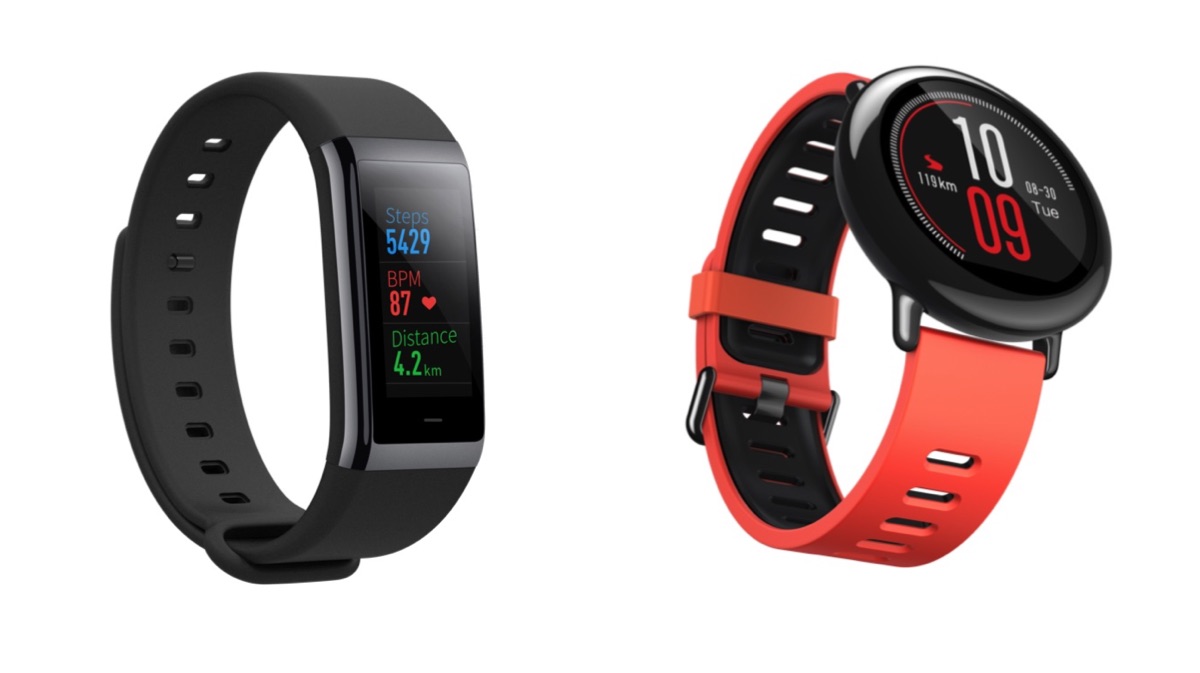
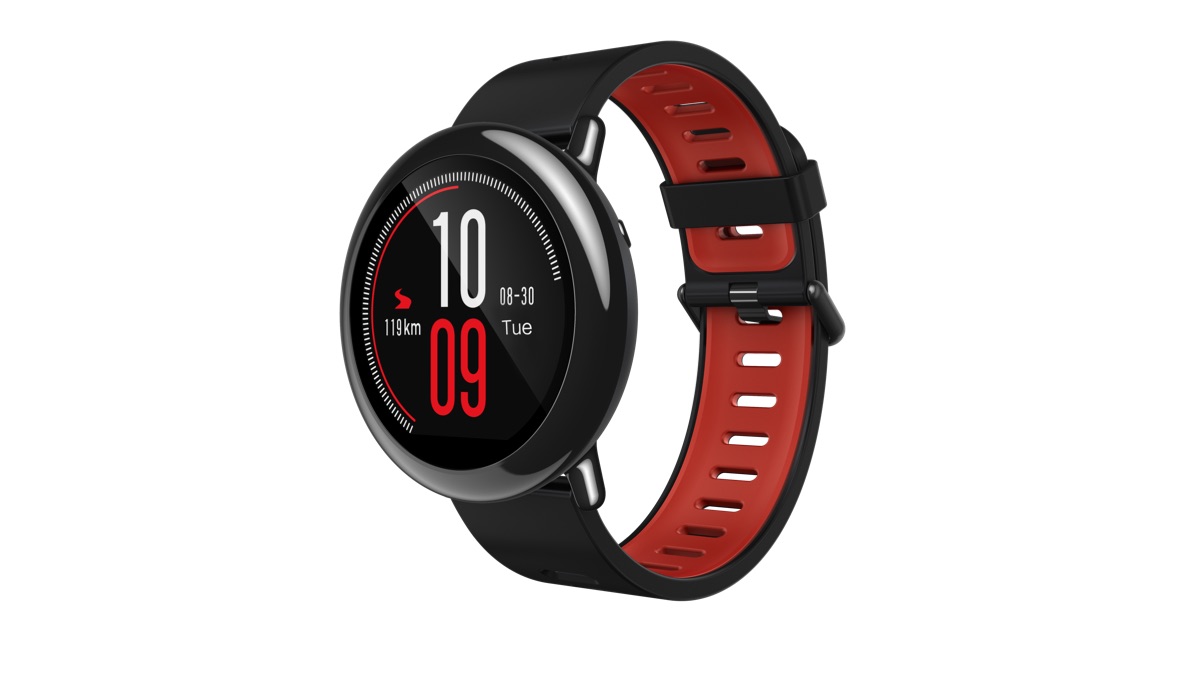
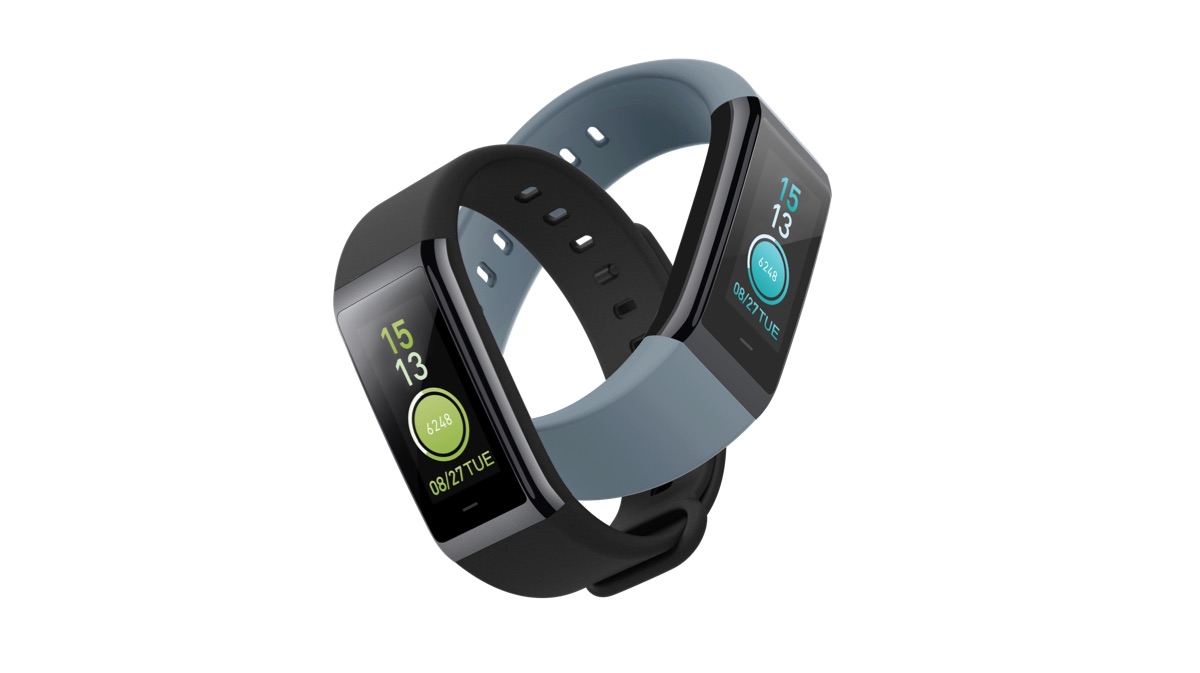
    Huami has launched two new smartwatches in India. The brand, which comes under smartphone maker Xiaomi has launched its Huami Amazfit Pace and Huami Amazfit Cor smartwatches . The Amazfit Cor is a fitness band while the round dial Amazfit Pace is a full fledged smartwatch. The devices are available for purchase exclusively through Amazon.

    Amazfit Pace:

    Huami Amazfit Pace

    The Huami Amazfit Pace has a 1.2 inch IPS LCD touchscreen. The device is has 2.5D Corning Gorilla Glass 3. It also has IP67 certification making it resistant to dust, rain, splashing and accidental submersion. The device has a stainless steel frame.

    The Huami Amazfit Pace has an always on display which helps you view notifications at any time. It has a 3-Axis accelerometer for tracking activities, sports and sleep. The device also tracks your heart rate using an Optical heart rate sensor. The device can also be connected wirelessly to bluetooth earphones to play music.

    The Huami Amazfit Pace is compatible with iOs and Android devices and also has an internal memory of 2.4 GB. The device claims to have a battery life of upto 11 days on a single charge and normal use. The device is available exclusively on Amazon at a price of Rs 9,999.


    Amazfit Cor:

    Huami Amazfit Cor

    The Huami Amazfit Cor has a 1.2 inch IPS LCD touchscreen. The device has 2.5D Corning Gorilla Glass 3. It is water and dust resistant and has a stainless steel frame. It has a 3-Axis accelerometer for tracking activities, sports and sleep. The device also tracks your heart rate using an Optical heart rate sensor.

    The Huami Amazfit Cor also features exercise tracking with heart rate zones, 7-day weather forecast, alarms, timer and a stopwatch. It has comprehensive tracking when it comes to fitness with steps tracking, calorie tracker, sleep tracker and movement reminders.

    The Huami Amazfit Cor is compatible with iOS and Android devices. The device claims to have a battery life of upto 12 days on a single charge. The device is available exclusively on Amazon at a price of Rs 3,999.

    Huami is also the exclusive maker of Xiaomi’s Mi Band. However, the Amazfit Pace and Amazfit Cor will be under Huami’s banner.

iGyaan Network
Privacy Overview

This website uses cookies so that we can provide you with the best user experience possible. Cookie information is stored in your browser and performs functions such as recognising you when you return to our website and helping our team to understand which sections of the website you find most interesting and useful.