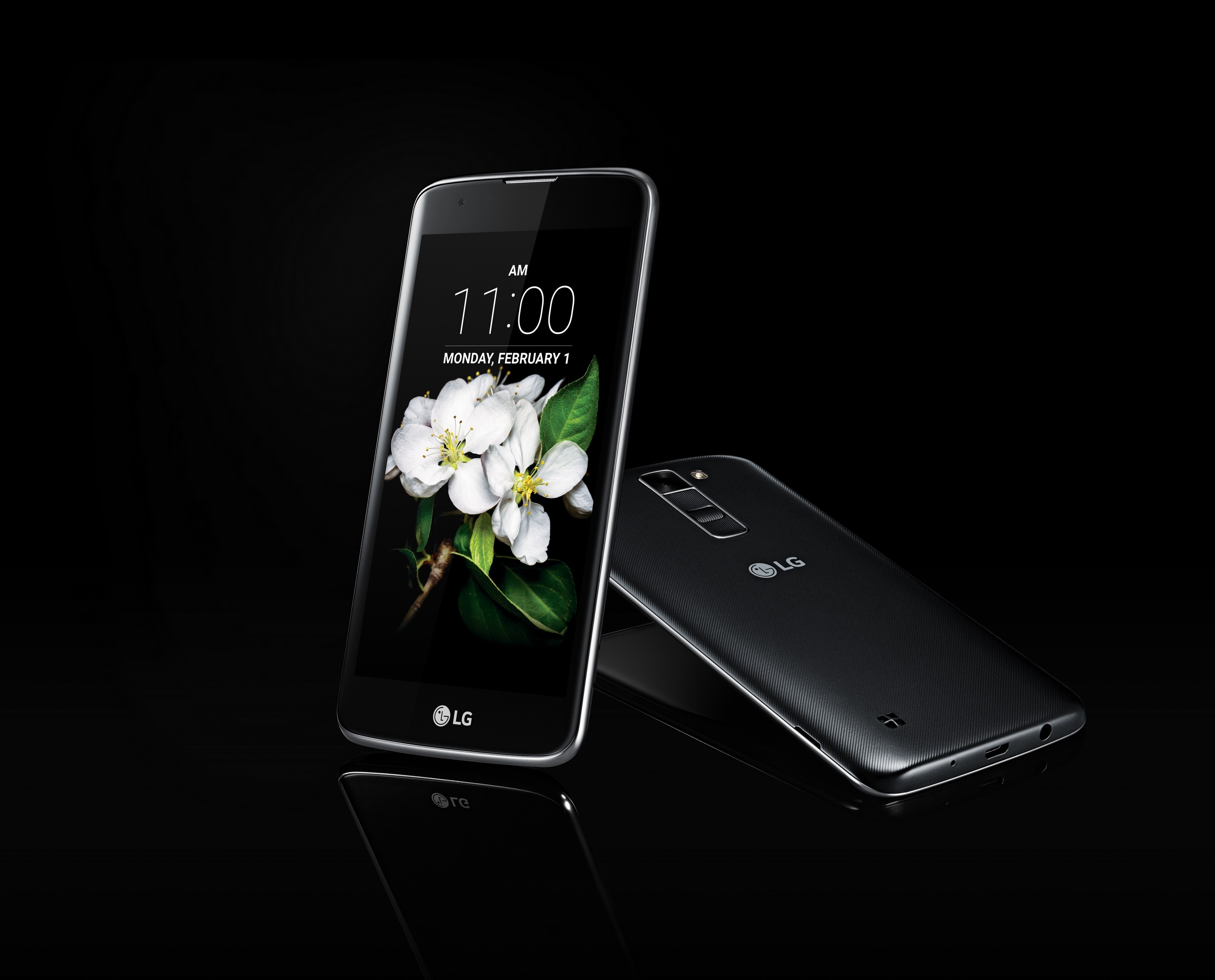
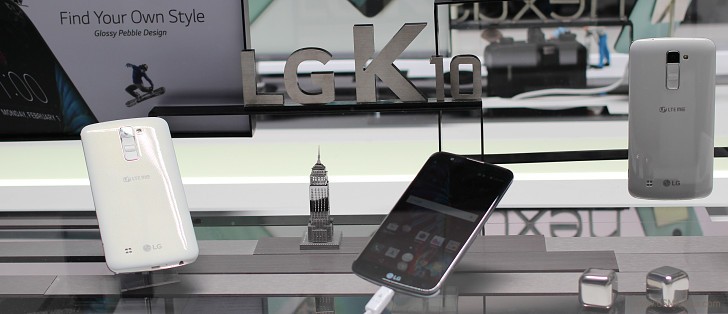
According to communication received from LG, the latest range of mid range offerings from the South Korean Tech giant, LG K7, and LG K10 are slated for launch this week. These smartphones will be available in South Korea starting January 14th.
Specifications of the model launched in Korea reveal the device to have a quad-core 1.2 GHz CPU, backed by 1.5GB, while internal memory is 16GB. In terms of camera, the device sports a 13MP rear unit and a 5MP front shooter.
The measurment of the phone will be 146.6 × 74.8 × 8.8mm and it will weigh 140g. On the outside will be a nice 5.3 inch, 720p display. The phone will come equipped with Android 5.1 Lolipop, and will pack a 2300 mAh battery to keep it going through the day. Connectivity options on the much awaited phone include Wi-Fi (802.11 b, g, n), Bluetooth 4.1, NFC, USB 2.0, and Micro SD. It will be available in three color options Indigo, Black, and White.
Pricing of the K10 is set at a tag of KRW 200,000( Approx Rs 11,037), but expect it to be priced a bit higher when it hits Indian shores.
Xiaomi launched the Redmi 3 in China on Monday morning, but the company isn’t done yet. Next up is the launch of the much awaited Mi 5 this month. This is what we know about the device so far:
3D Touch3D Touch is the new cool thing in town and everyone wants to have a piece of it. Reports emerging from China tell us that Xiaomi too is interested in having this technology for its future flagship devices. This could be one of the reasons the expected Mi 5 announcement has been delayed. January will see the first set of phones to arrive with the new processors including the Mi5 and (perhaps) Galaxy S7.
CameraWe have heard several rumours about the camera of the Mi5. The latest one suggests that the phone will sport a 16 MP rear camera with dual LED flash. The front camera will be marked at 8 MP.
ChipsetXiaomi’s Mi5 will be among the first devices to sport the newest chipset, Snapdragon 820. Earlier, single-core score of the Snapdragon 820 was placed at 2162, which was quite underwhelming give that the latest A9 chipset from Apple has a score close to 2500. However, a new score of 2300 points was revealed by a popular leakster. Though it is still not on par with Apple, it is still a better score and keeps hopes alive for better performing devices next year.
Battery, Storage and Other DetailsThis power hungry device is set to pack a battery of 3,030 mAh with support for Quick Charge 3.0 technology. A fingerprint sensor can also be expected as many new devices are now coming out with it. Other features expected to be part of Mi5 include 4GB RAM and 16/64GB of Internal storage. Other rumored specs include 3 GB or 4 GB RAM, with a minimum of 32 GB internal storage. At the software end, the handset will run MIUI 7 based on Android 6.0 Marshmallow.
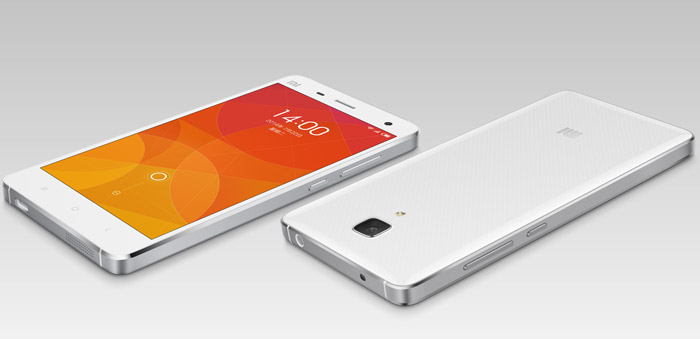
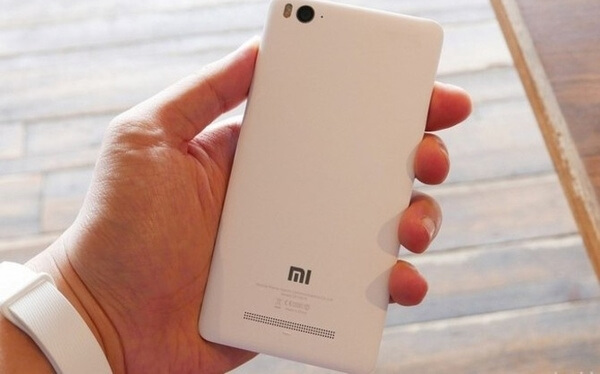
Design and Display:Earlier today, Weibo posted some images of the Mi5 in its black variant which has since been removed.The images concur with past renders of the device. The 5.2-inch QHD (1440×2560) AMOLED display of the device is also expected sports a slimming frame and a wide display, and a thick lower bezel.
Price and LaunchThe expected price of the Mi5 is around 1,999 Yuan (Rs. 20,500 approx.) Xiaomi is set to launch the Mi 5 on January 21st.
In an official teaser released earlier, Xiaomi had mentioned 12th January as the official date for the global release of Xiaomi Redmi 3. As for China, the phone was launched there on Monday morning.
The specs of the phone include a 5 inch display with 1280 X 720 resolution, as had been revealed by the teaser earlier. It’s powered by an octa-core Qualcomm Snapdragon 616 processor, along with four cores marked at 1.2 GHz, and another four cores at 1.5 GHz.
Redmi 3 further has 16 GB of in-built storage expandable up to 128 GB via microSD card. The highlight of the device is its massive 4,100 mAh non-removable battery. It runs on MIUI 7 with no news about the Android version of the phone.
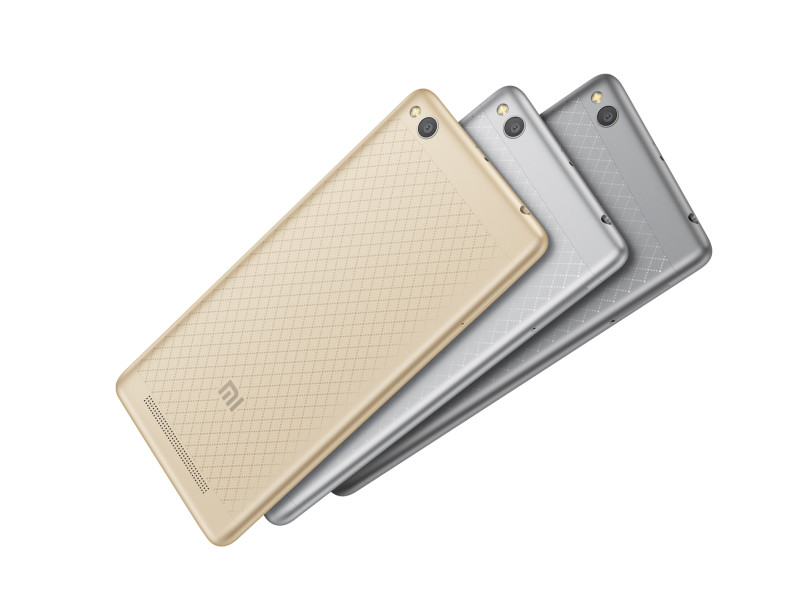
Redmi 3 has a 13 MP main camera with LED flash and 1080p full-HD video recording, and a 5 MP front camera also capable of full-HD recording. The phone is a dual SIM device capable of supporting one Micro-SIM and one Nano-SIM along with a microSD card; with an all-metal body, Redmi has a plaid design on the back and is priced at CNY 699 (about Rs. 7,000).
Specs
Xiaomi Redmi 3
Display
5-inch IPS LCD
Resolution
1280 X 720 (294 ppi)
Processor
octa-core Qualcomm Snapdragon 616
GPU
Adreno 405
Storage
16 GB
Rear Camera
13 MP, f/2.2, LED flash
Front Camera
5 MP, f/2.2
Expandability
128 GB
Battery
Non-removable 4,100 mAh
Connectivity
Wi-Fi 802.11 b/g/n, hotspot, Bluetooth v4.0, GPS with A-GPS, GLONASS, BDS, microUSB v2.0
OS
MIUI 7
Price
CNY 699 (about Rs. 7,000), Price in India unannounced
Polaroid is the company best known for its instant-film camera from the 70’s which revolutionised photography back in the day. An old school, no non-sense camera that made it easy for anyone to become a photographer, and in the true sense made photography a thing for the youth.
It’s been decades since the release of the photo spitting device, but Polaroid still thinks it can attract new, younger customers to the brand with this refreshed take of the old concept. And, to be honest, the marketing guys at Polaroid have got their thinking right.
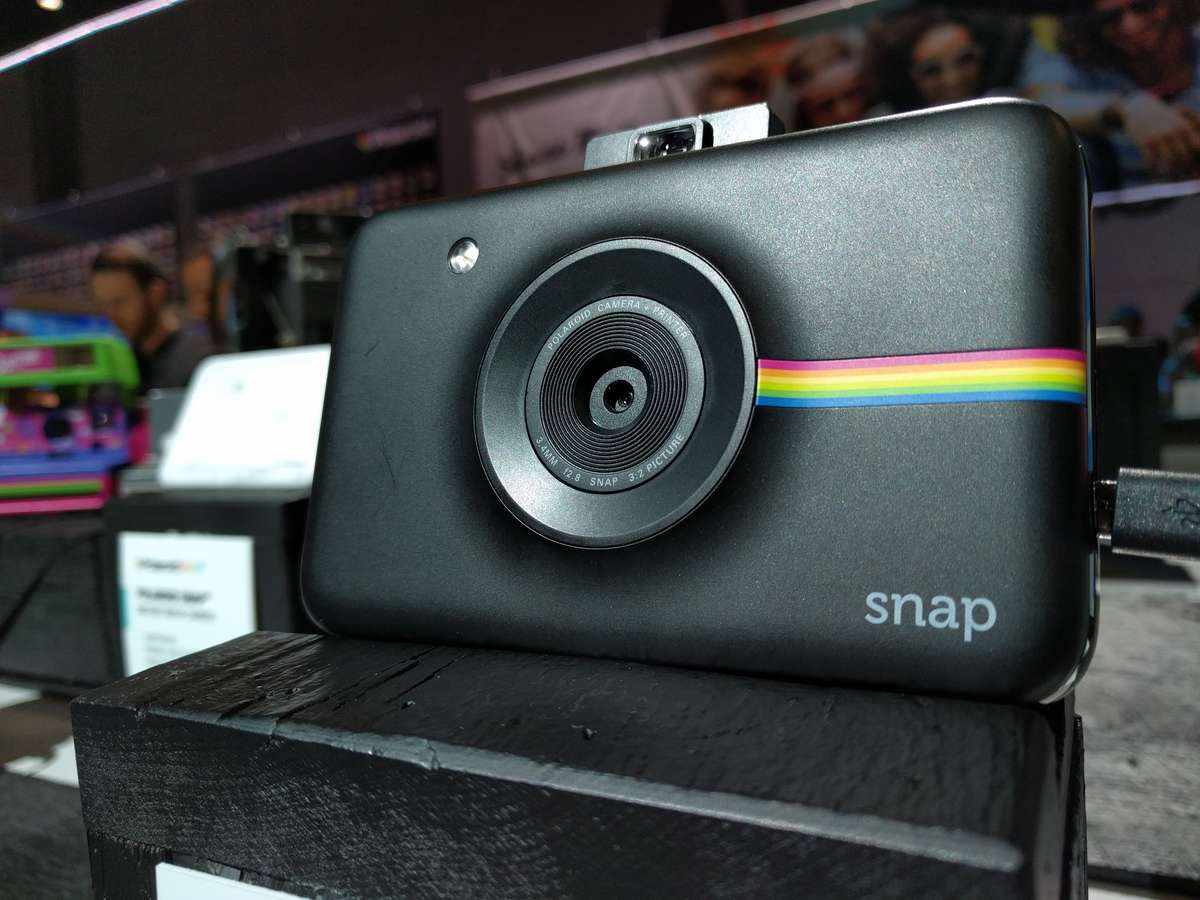
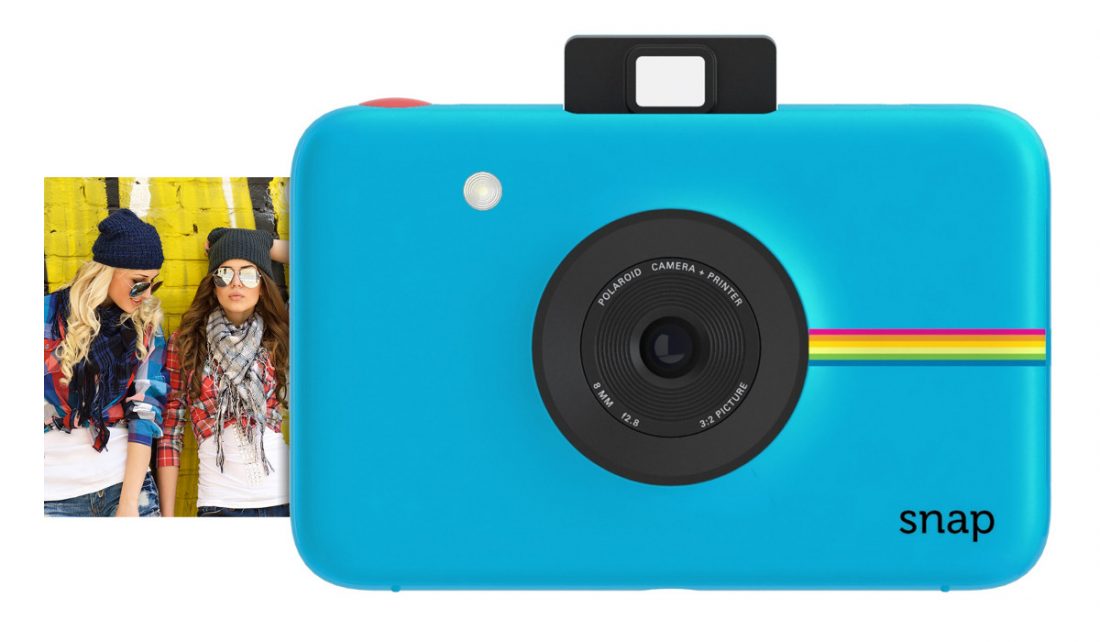
The Polaroid Snap is a cute looking digital camera that throws out instant-film prints and it even has the iconic rainbow stripe. Since this is a digital camera, it comes with a couple of nifty features not present on its predecessors. A 3.5-inch touchscreen LCD on the back of the Snap lets users line up shots or even select photos to print at any time.
The Snap’s bluetooth capability allows other devices carrying photos to connect to it and lets them print from Polaroid’s printing barrel. The Snap has a 10-megapixel sensor, shoots 1080p Full HD video, and has a microSD card slot for expandable storage. No launch plans for India have been revealed, but considering its price $99 (Approx Rs, 6,500) if it indeed lands on our shores, this camera is sure going to have a lot of takers.
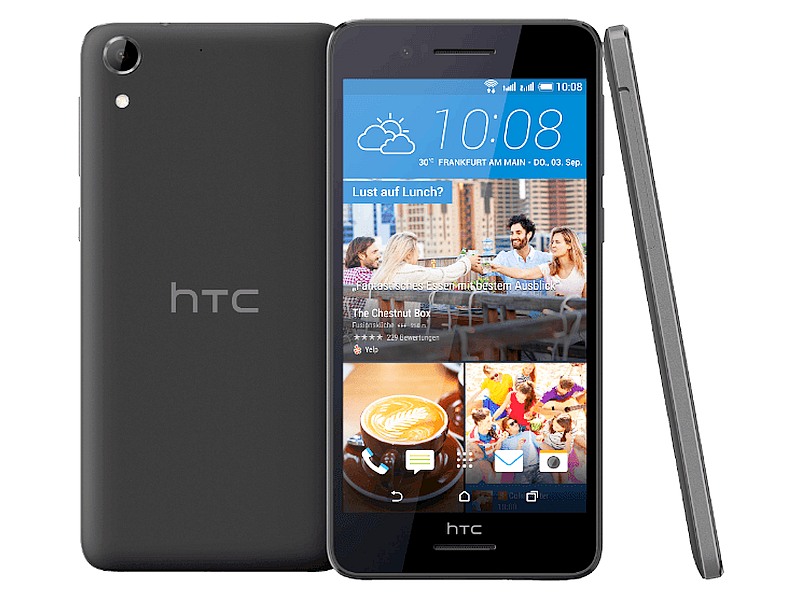
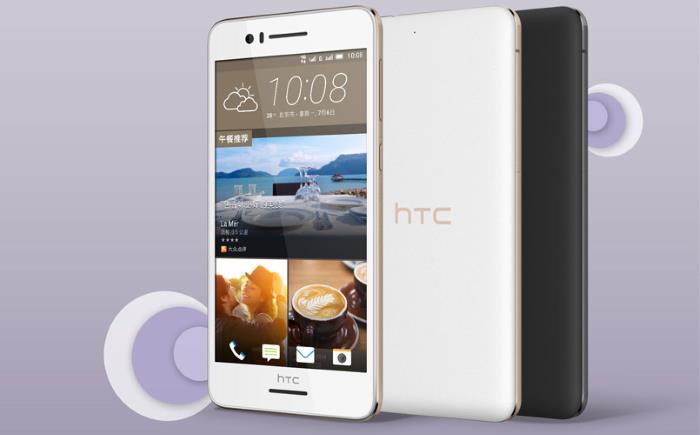
After the launch of the HTC Desire 828 Dual SIM and HTC One A9 in India last month, HTC today has launched the Desire 728 Dual SIM in India – priced at Rs. 17,990.The phone will be made available for purchase only through major offline retailers starting next next week and will have two color options -White Luxury and Purple Myst.
The Desire 728 runs on Android 5.1.1 Lollipop with HTC Sense and features a 5.5-inch HD (720×1280 pixels) IPS display. It packs a 13-megapixel rear camera with LED flash, and a 5- megapixel front facing shooter. Also, the handset is powered by a Octa-core MediaTek MT6753 SoC (clocked at 1.3GHz) and 2GB of RAM.
It comes with 16GB in-built storage which is expandable via microSD card (up to 2TB). Connectivity options on the handset include Wi-Fi, FM radio, Bluetooth, GPRS/ EDGE, GPS/ A-GPS, 3G and Micro-USB and 4G LTE TDD connectivity with support for Indian networks.
According to official listing of the HTC Desire 728 Dual SIM, the handset is backed by a 2800 mAh battery that can offer up to 21 hours of talk time and up to 485 hours of standby time in 3G. The dimensions are 157.9×77.84×7.87mm and it weighs at a measly 153 grams. It also comes with HTC proprietary BooMSound Technology, and Dolby audio for all audiophiles in the market.
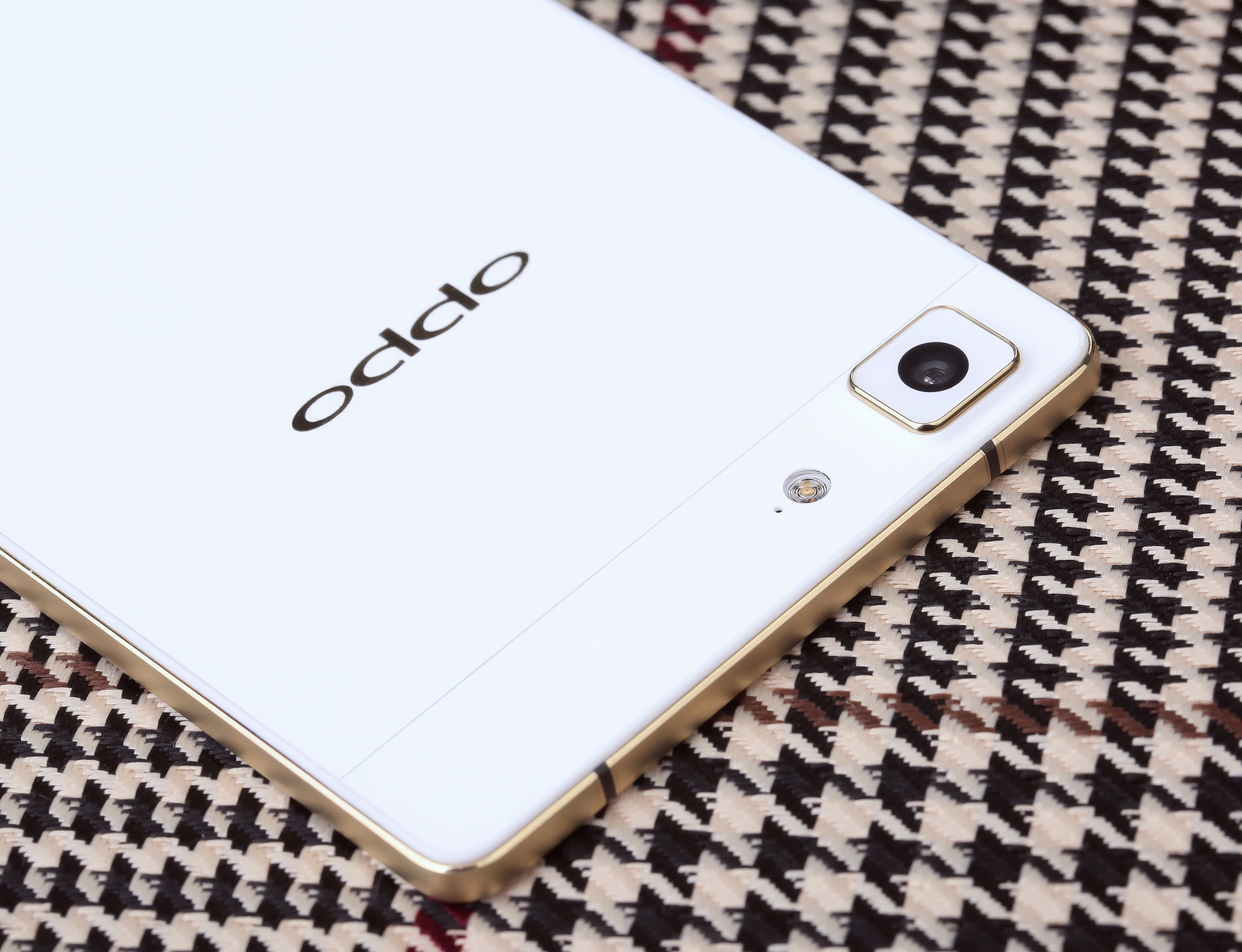
CES 2016 has seen a number of high profile launches, and device confirmations already, and now jumping into the mix is the Chinese Smartphone maker, Oppo, which in its latest official communications has invited the media, and its partners to a launch event on the 28th of this month.
Keeping in mind how Oppo conducts its business, this press event could well see the Chinese company bring to the market its much awaited Oppo F1.
Teasing the media, and fanboys alike, the company tweeted,”Attention photography lovers! Something exciting is coming your way. Stay tuned.”
The phone is rumoured to come equipped with an above par 13 Megapixel snapper, with ‘Phase Detection Autofocus’ technology, and will be the camera centric F series phone that Oppo had previously talked about.
Sadly, there isn’t much clarity about the other specs of the phone, but an 8 Megapixel front camera, backed by 3GB of RAM, and a Snapdragon processor could be expected. On the upside the phone will sport a 5 inch display.
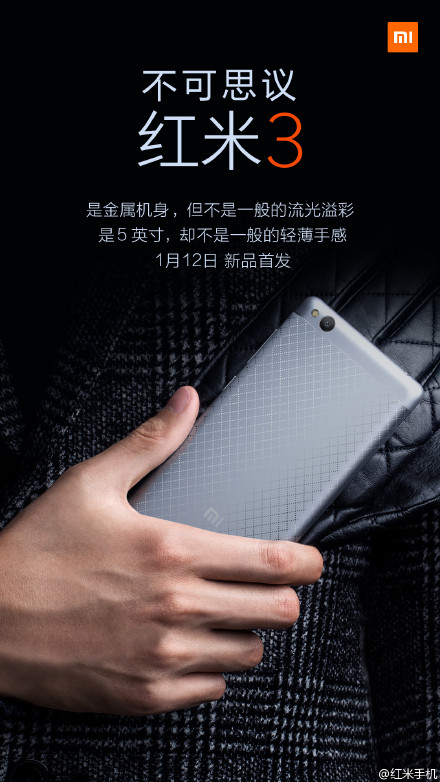
Xiaomi has released a new teaser for Redmi 3 which confirms its global launch date. The phone will arrive next week on 12th January. The teaser was posted by the company on its official Weibo account.
It was further revealed that the device will have a 5-inch display and an all-metal body which sports a plaid design on the back. There is no word on any other specs of the device yet but speculations place it at 1.5GHz CPU with a resolution of 1280 × 720 for its 5-inch display.
The RAM is marked at 2 GB and the memory is at 16 GB. The cameras would have 13 MP for the main camera and 5 MP for the selfie camera. Furthermore, the device is expected to be powered by Android Lollipop 5.1. Watch this space for all other updates.
Microsoft fanboys, the day you’ve been waiting for is here. United States based tech giant, Microsoft has launched its highly appreciated laptop killer range, the Surface Pro in India today. The Surface Pro 3 models start at Rs 73,990, while the Surface Pro 4 range starts at Rs 89,990. The country being a make or break market for Microsoft, this over-the-top pricing for the Pro 3, and Pro 4 range could hurt Microsoft in the long run.
The Surface Pro 4 features a 12.3-inch Pixel Sense display, that can output a maximum resolution of 2736 x 1824 (267 PPI). It will run on a 6th Gen Intel Core m3, i5, or i7 processor. The device will have 4GB,8GB,16GB RAM depending on the variant of choice, and will be available in storage options of 128GB, 256GB, 512GB, 1TB SSD drives. To add to this, the Surface Pro 4 will also come equipped with Intel HD Graphic chips, or an Intel Iris chip for the top of the line i7 variant.
The hybrid tablet will be powered by Windows 10, and the cool thing about the the device is that it turns into a fully-powered laptop while running a desktop software. Battery life is promised at just over 9 hours on a single charge, and the device will weigh not over 786 grams.A 5MP front, and 8MP camera at the back are also found on the tablet.
Surface Pro 3, on the other hand, has a smaller 12-inch ClearType screen that can output maximum resolution of 2160x1440p and will be available in Core i3 and Core i5 processor options. Further specifications reveal variants with 4GB RAM and 128GB SSD; 8GB RAM and 128GB SSD; and 8GB RAM and 256GB SSD. The tablet comes with the same connectivity options as its newer sibling, but the camera on the front and back have 5MP resolution.
Asus had announced the Zenfone Zoom at CES last year, and now a year after the announcement there is finally some news on its arrival in India. The phone was launched in Taiwan, the home to the company, last month, and was expected to be made available in the US next month.
Though it was supposed to arrive in India in Q3 2015, but clearly that did not happen. The latest update on this comes in an official statement by Asus,
“Scheduled to hit the Indian market later this month, the new addition to ASUS’ expanding smartphone range, the imaging-masterpiece will truly enable the users to ‘See The World Up Close’!”
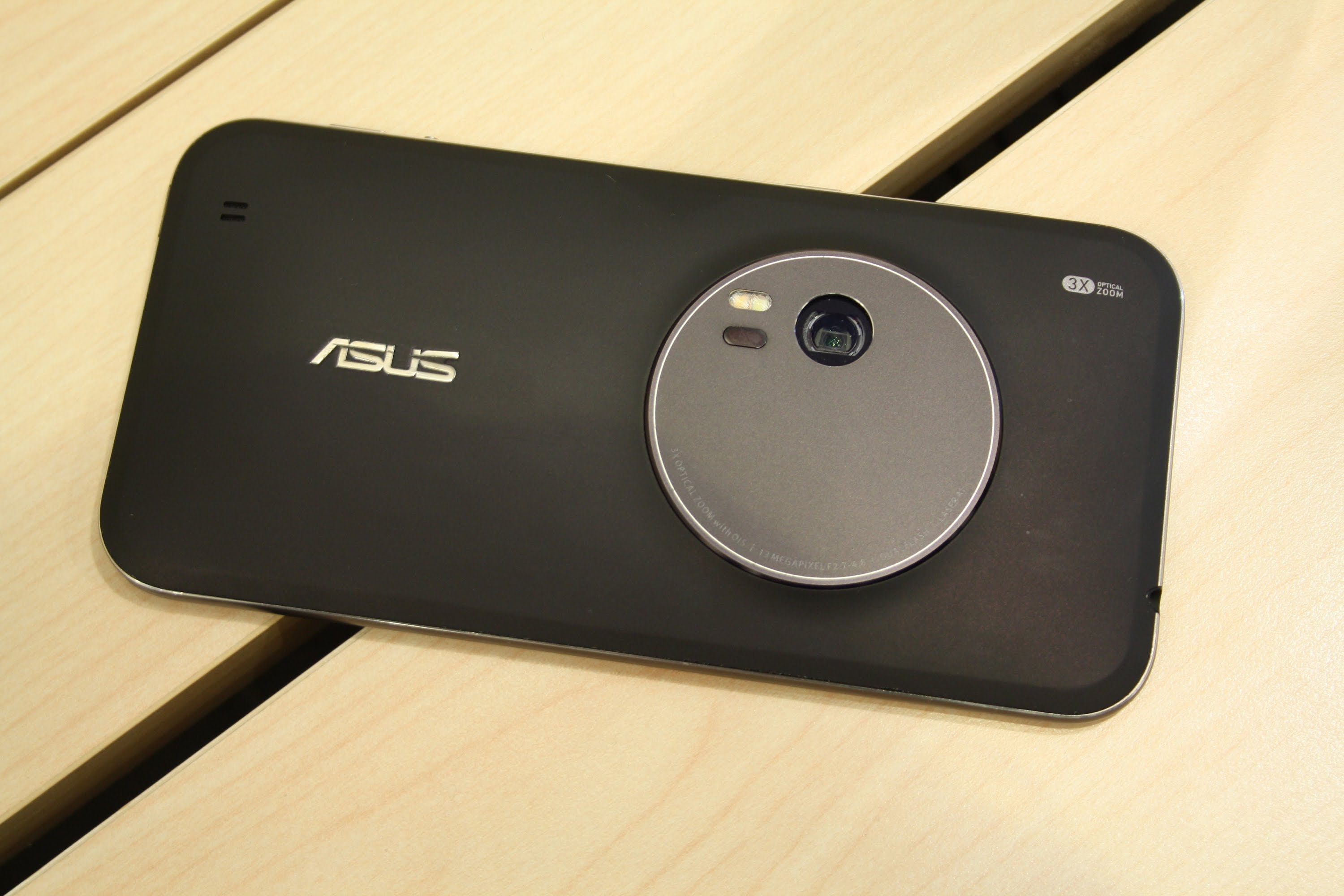
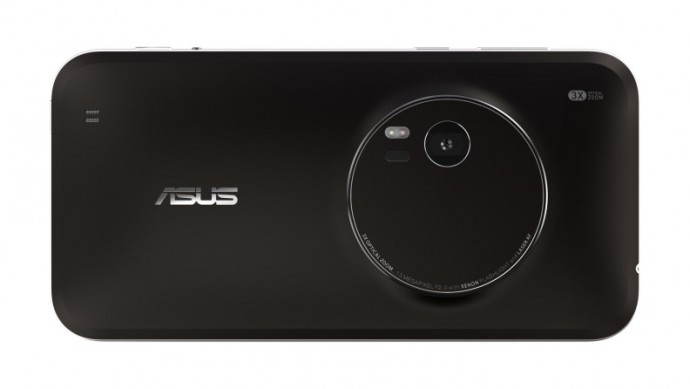
The company claims to “reinvent smartphone photography” with Zoom which sports a 13 MP camera that has 10-element lens, 3X optical zoom, and optical image stabilization. The back of the smartphone is reminiscent of the Nokia Lumia 1020. In terms of specs, Zoom has a 5.5 inch, Corning Gorilla Glass display, 3,000 mAh battery and it runs on Android 5.0 Lollipop. There has been no mention of the Indian price of the phone yet, but in the US it is expected to be $399 (about Rs. 27,000).
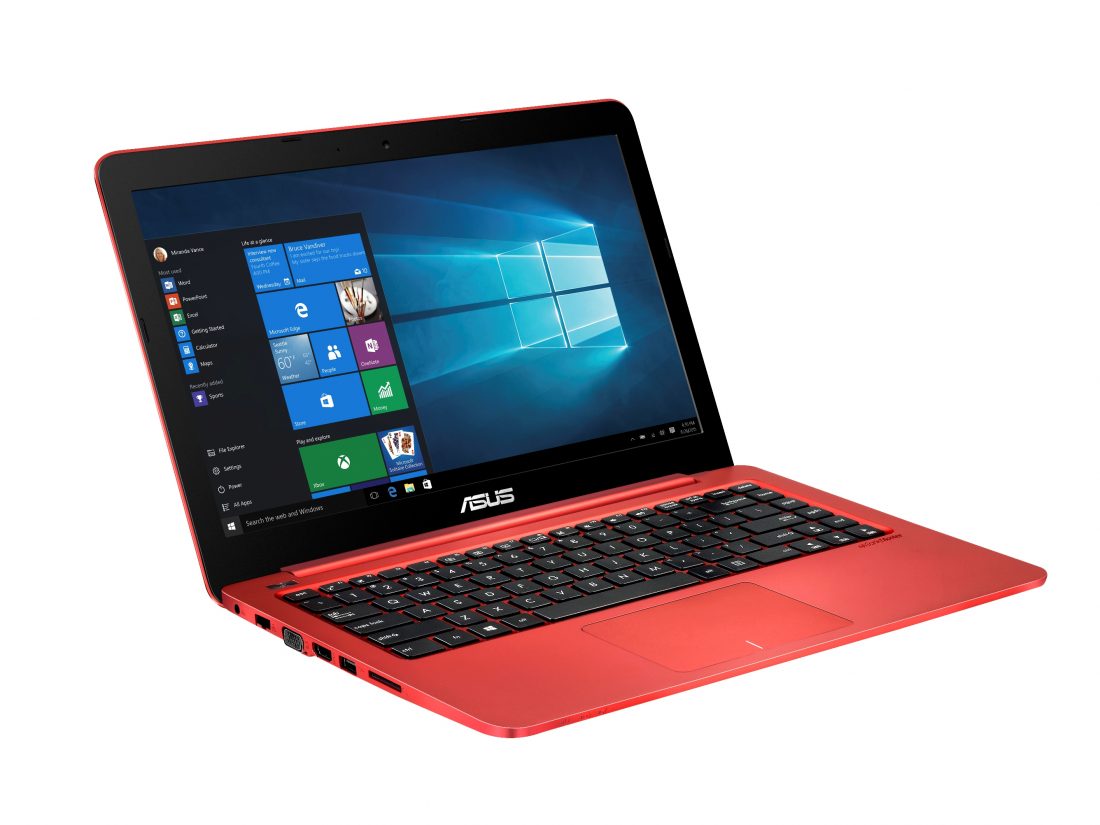
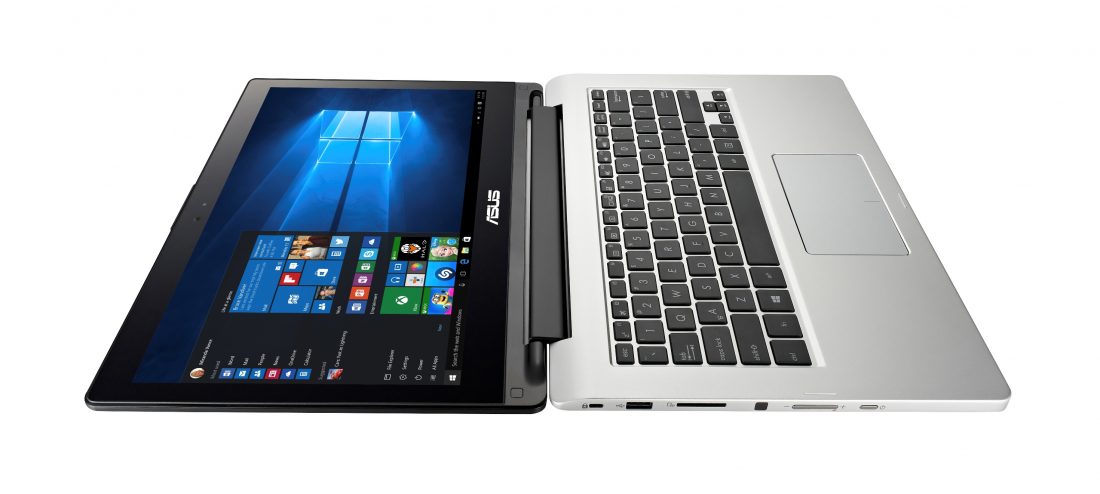
Asus has expanded its portfolio with the launch of the Asus EeeBook E402 and Asus EeeBook E205SA in India today. The former is a 14-inch compact and lightweight notebook with HDD expansion slot up to 3 TB, while the later is an entry level convertible notebook with a sensitive and accurate touch display and up to 8 hours of battery life.
Asus has launched the two notebooks seeing the growing demand for affordable, compact and ultra-portable computing devices in the country. The company claims that their EeeBook series are pocket-friendly notebooks that are “elegantly crafted for high mobility and style”.
Asus EeeBook E402
Both the notebooks run on the latest Windows 10 64-bit OS. The 14-inch EeeBook E402 measures at 2.19 cm in thickness and weighs 1.65 kg. The device is powered by Intel Dual-Core Celeron N2840 processor and has an on-board memory of 2GB. The notebook also comes with Intel HD Graphics 4000, VGA web camera, and a 2-Cell Li-ion prismatic battery pack. Asus also claims that the E402 offers a large display, upgradable storage option and comes packed with technology aimed at improving user experience, all at an affordable price tag of Rs. 23,990.
The notebook features SonicMaster technology for audio, Splendid technology for the demanding viewing standards, and the company’s own Smart Gesture technology for multiple Windows gesture on the large touchpad.
Asus E2055A
Meanwhile, the entry-level 11.6-inch EeeBook E205SA comes with a metallic finish that gives it a premium look. The 360 degree convertible notebook weighs 1.20 kg and is being offered in two colour options – Dark Blue and Crystal Silver. Furthermore, the notebook promises 8 hours of battery life on a single charge, powered by a reversible USB-Type C port, and is priced at Rs. 18,999.
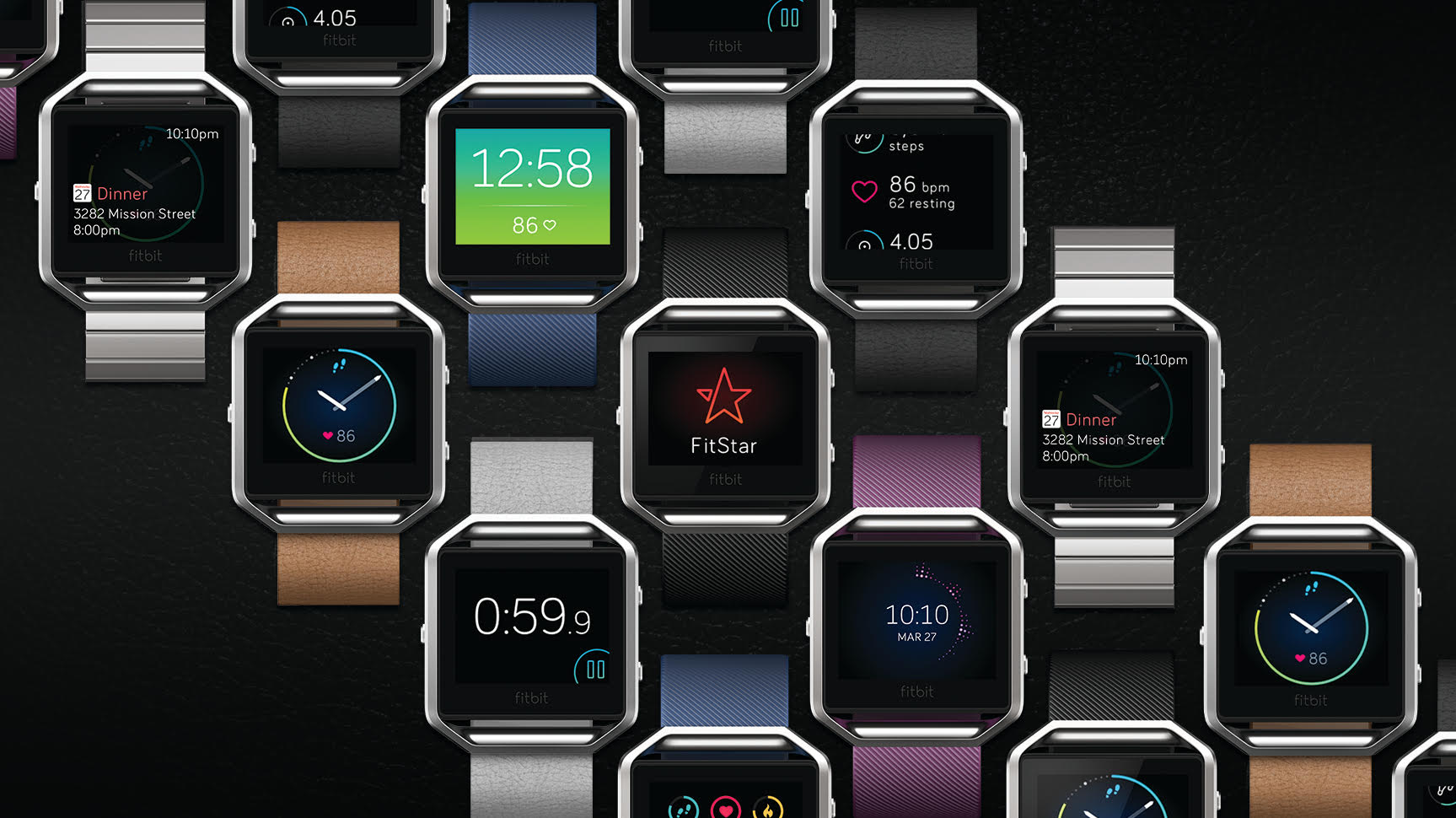
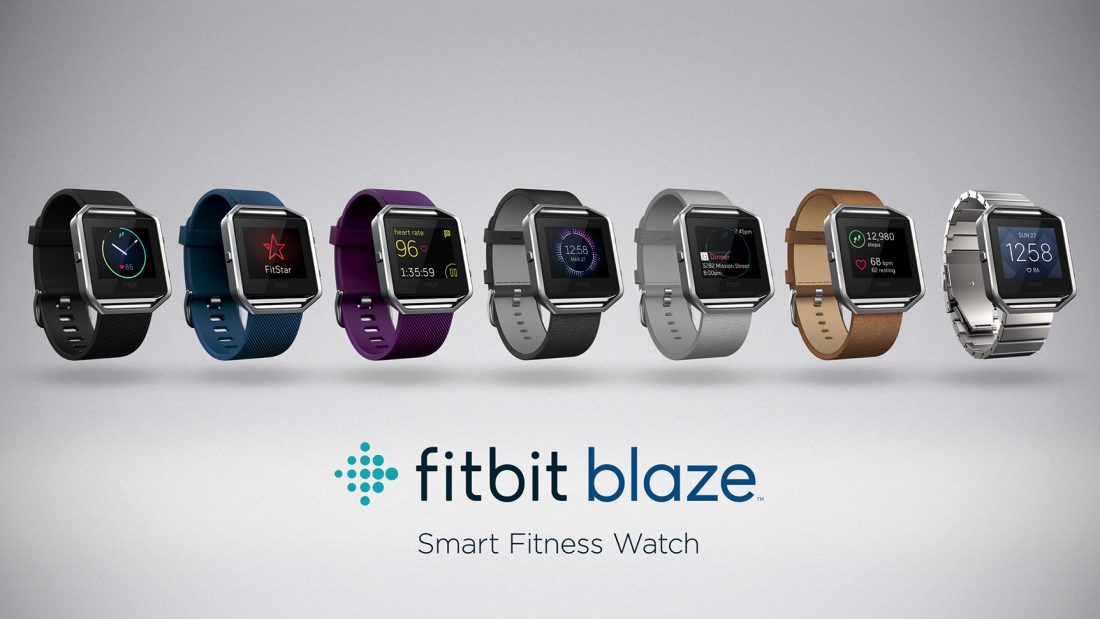
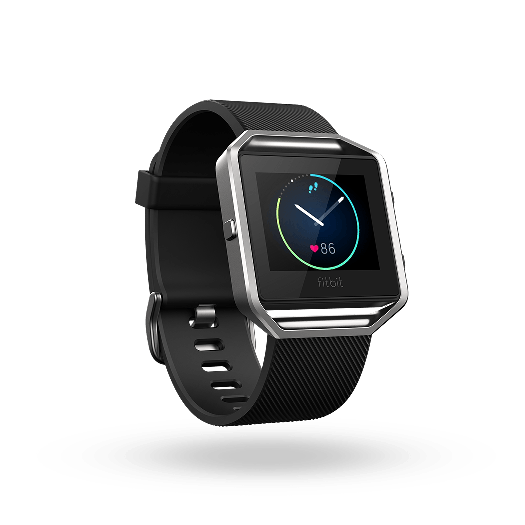
Fitbit’s Blaze smartwatch arrives in India and is up for preorder today while availability with retailers all over the world starts in March.The watch boasts of features like compatibility with over 200 Android, iOS and Windows devices and a battery that lasts up to 5 days, according to Fitbit.
The watch comes equipped with a sleep-tracker, GPS and Bluetooth Smart which notifies the user of calls, texts and calendars notifications. The user can also accept or reject calls using the watch when its connected to a compatible smartphone. On-screen controls also allows the user to navigate and play music from the connected smartphone. PurePulse feature of Blaze tracks the heart-rate of the user and helps make training routines more efficient.
Blaze seems high on design with its interchangeable bands, modular design and a high resolution colour touchscreen. It has a stainless steel display which further has three options to choose from -black, mist grey and camel. There is another option of a Luxe stainless steel band paired with the display frame available in silver.
The watch is priced at Rs. 19,999 and has three colour variants for the band -black, blue and plum. The company promises additional changeable accessories for the watch soon.
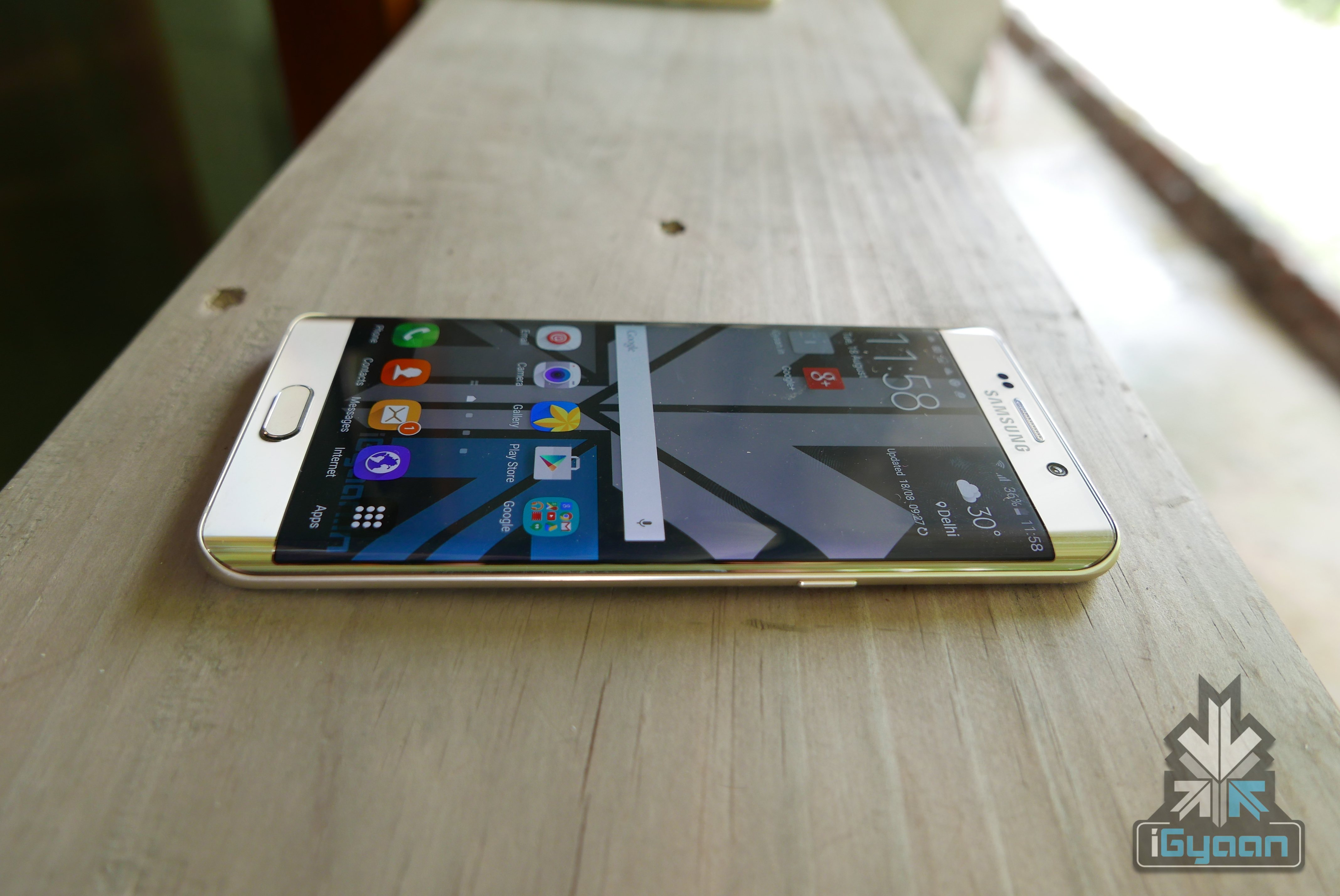
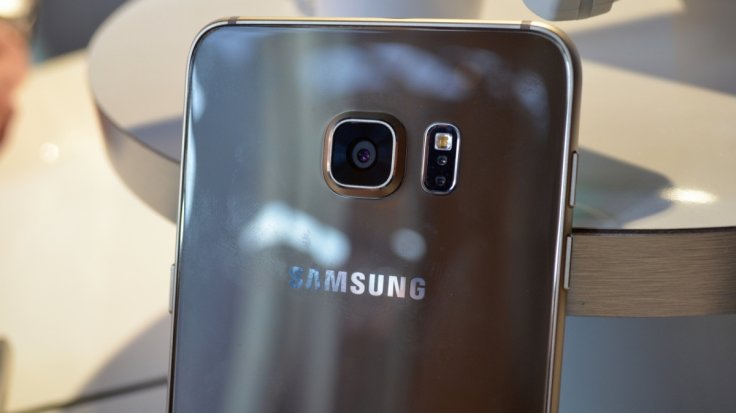
The Samsung Galaxy S7 is reportedly going to be unveiled on February 21st and be up for sale in the market by March. To the dismay of buyers, it won’t be launched at CES. It seems like a long wait before the S7 is up for grabs, but in the meantime, here is a round up of everything we know so far about the phone.
Variants
South Korea’s Electronic Times has reported that Samsung’s initial production would include 5 million Galaxy S7 handsets. The new flagship of the company would have two variants, a 5.2 inch Galaxy S7 and a Galaxy S7 Edge with a larger curved screen of 5.5 inches. The division between the two variants would include 3.3 million S7 phones and 1.6 million S7 Edge phones.
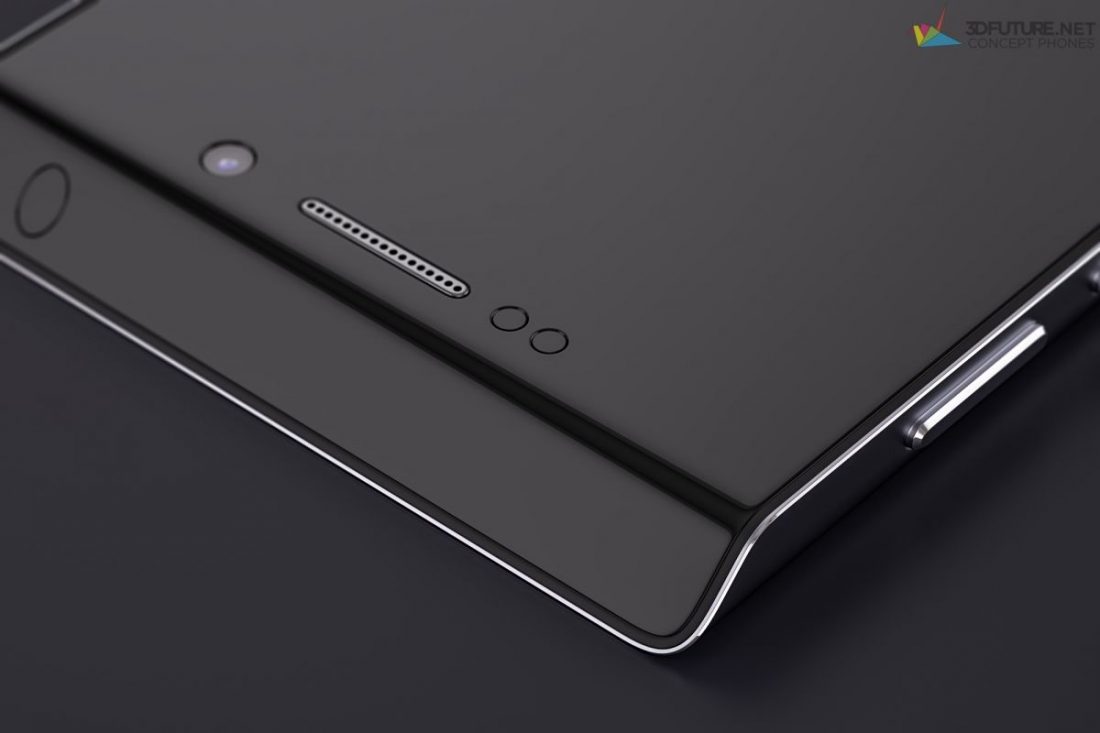
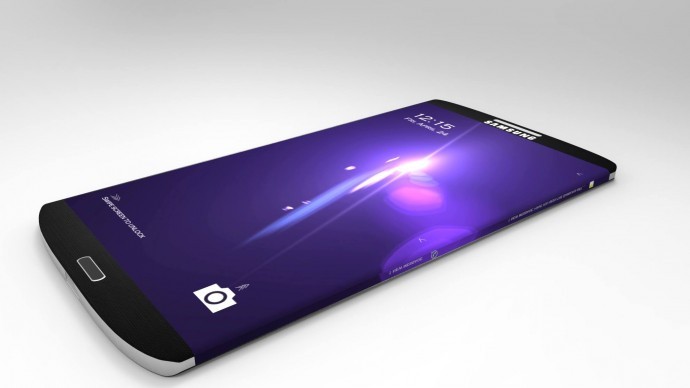
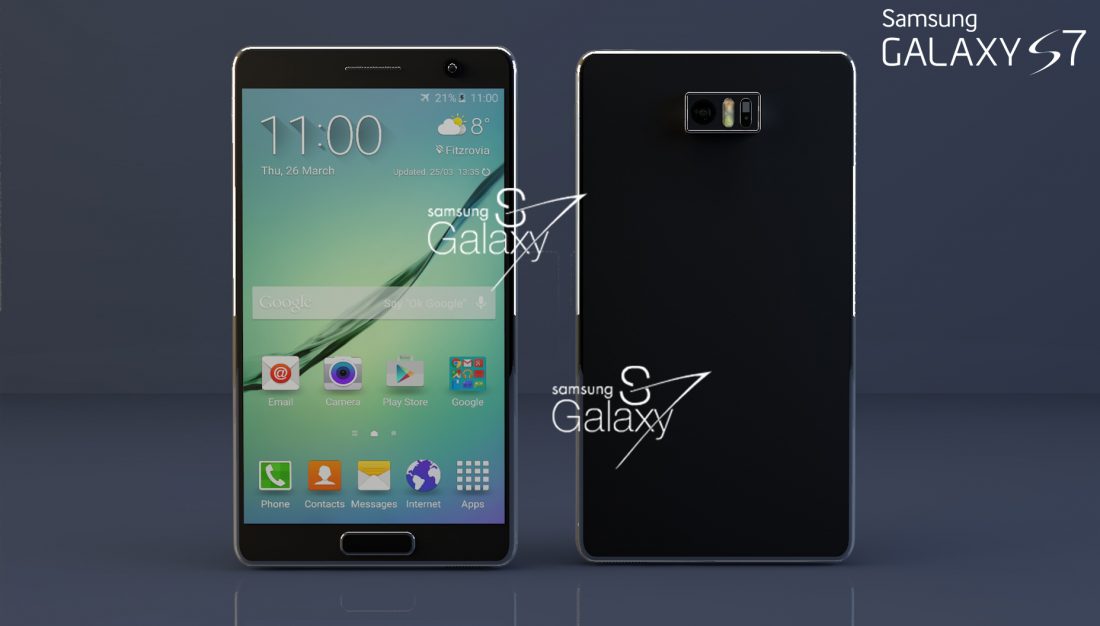
Samsung S7 Concept
Samsung is creating a buzz about its next rumoured smartphone, the Galaxy S7 Premium Edition. According to rumours, this phone will only be offered in South Korea and could feature a 4K display with a dual-lens camera module made by Sony. Reports suggest that the Exynos 8890 for the Galaxy S7 Special Edition will come with the Mali-T880 and 14 cores.
Display
Samsung Galaxy S7 is likely to arrive with a pressure sensitive display.Though Samsung is tight-lipped about its new smartphones, its silence hasn’t done much to keep speculations and rumours in check as Wall Street Journal reports that the display of S7 will be pressure sensitive. Looks like Samsung is all set follow in the footsteps of Apple which cannot stop talking about the 3-D Touch of the iPhone 6s and 6s Plus.
The S7 will have a 5.2 inch display while the S7 Edge will have a 5.5 inch curved display. The company is expected to incorporate 4K display in its flagship devices.
Bigger Battery
The phones will have larger batteries that would make them last longer than their predecessors. The S7 will come equipped with a 3,000 mAh battery while the S7 Edge will be marked at 3,600 mAh. The S6 and S6 Edge have 2,550 mAh and 2,600 mAh battery capacities respectively. While the S7 batteries are the best Samsung has offered so far in its flagship, they would not be user-replaceable. But you can still expect the S7 to charge wirelessly in 2 hours and S7 Edge in 2.2 hours. The Type C USB Port of the devices would ensure significantly faster charging.
Camera
BRITECELL is Samsung’s new camera technology that is expected to be part of the upcoming Galaxy S7. The technology will be showcased at CES and viewers will get a sneak peek into what they can expect from the flagship handset, at least on the camera front.
It has been speculated for a while that Samsung is looking to improve its camera quality rather than upgrade its pixels. So a 12 MP camera for the S7 series wouldn’t be all that surprising.
MicroSD Card Slot
The Galaxy S7 might come with a microSD slot for memory expansion and therefore improve on a feature that most people had a problem with in the previous installments of the Galaxy line-up.
Chipset
The Galaxy S7 will arrive in two variants – one powered by the new Snapdragon 820 chipset and the other being Exynos 8890. The Exynos 8890 has earned a record score of 100K in the AnTuTu benchmark test and has beat out competition from the likes of Huawei’s Kirin 950 SoC (79K points) and the Mate 8, which secured more than 94K points.
Dust and Water-Proof
Samsung Galaxy S7 flagship devices will be waterproof. They are also expected to arrive with an IP67 rating which makes them dustproof as well.
Design
The new smartphone might use magnesium alloy in the construction of its body. While, the Galaxy S6 uses an aluminum frame and a glass body, the S7 could be Samsung’s first full metal flagship device, ever. The reason for this is reportedly because the metal is lighter and more durable as compared to its glass-bodied devices, plus magnesium generates much less heat than aluminum, which is something the smartphone industry is definitely looking at as a feature in all their phones.
The flagships will not be entirely new smartphones but simply upgraded and improved versions of the S6 series, similar to what Apple has been doing with its iPhones.
There are also rumours of a retina scanner as well to be included in the smartphone. Watch this space for all the latest updates on the Samsung Galaxy S7 devices.
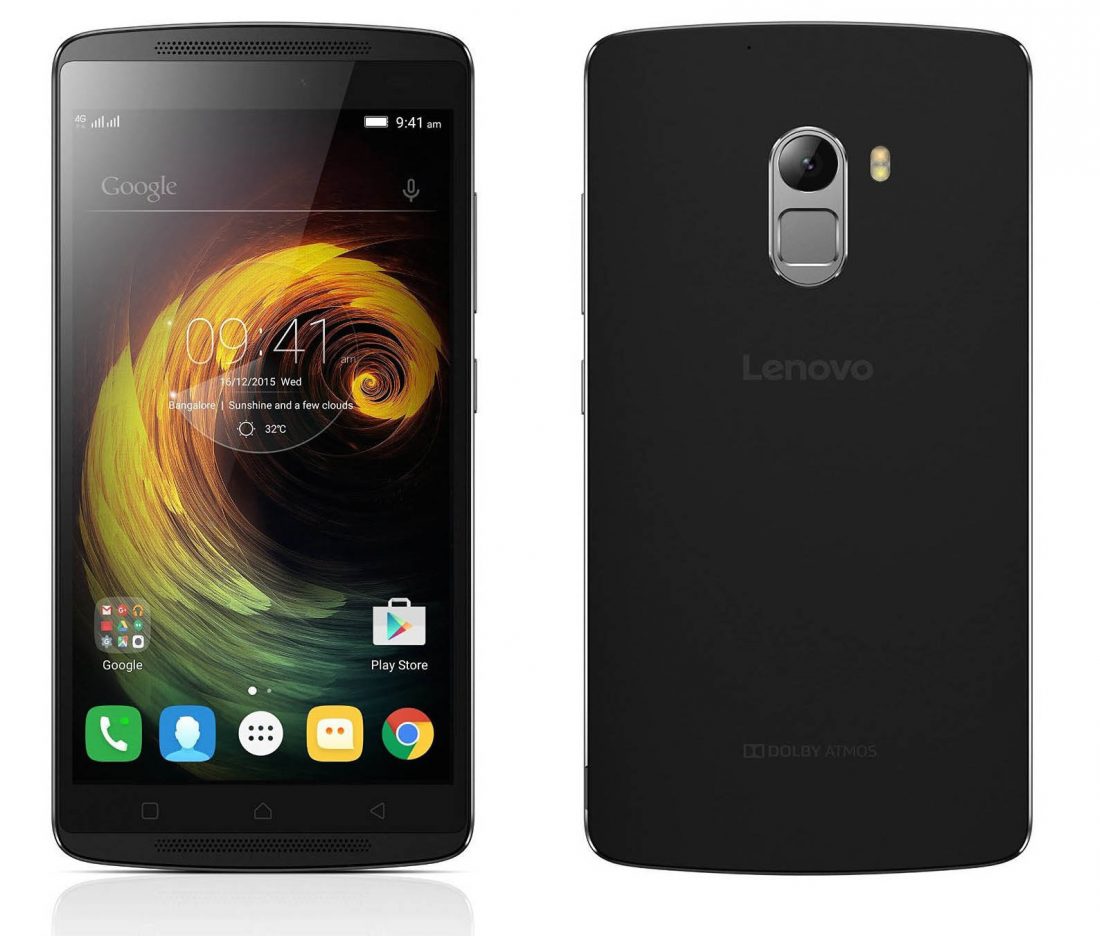
Lenovo Vibe K4 Note has been finally launched in India today with a price tag of Rs. 11,999. It will be up for customers to buy as part of a flash sale on Amazon.in on the 19th of January. The registrations for the device start today.
Lenovo also launched a Vibe K4 Note bundle with AntVR virtual reality headset priced at Rs. 13,299. This will be available for Rs. 12,499 for the first few flash sales, minus the VR headset. The headset will have to be bought separately at a price of Rs. 1,299, and its available in Tuxedo Black colour.
Coming back to Vibe K4 Note, the phone has a finger-print scanner and dual-front speakers with Dolby Atmos audio. The device is dual-SIM, has 4G LTE support and has a 5.5 inch display. On the camera front, it packs a 13 MP main camera and a 5 front camera. The K4 Note is powered by Android OS 5.1. Find other specs in the table below.
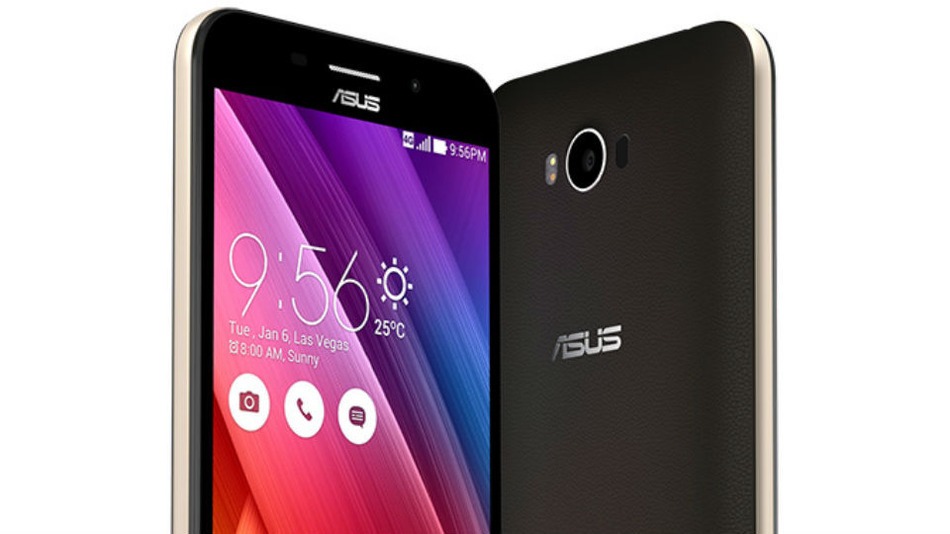
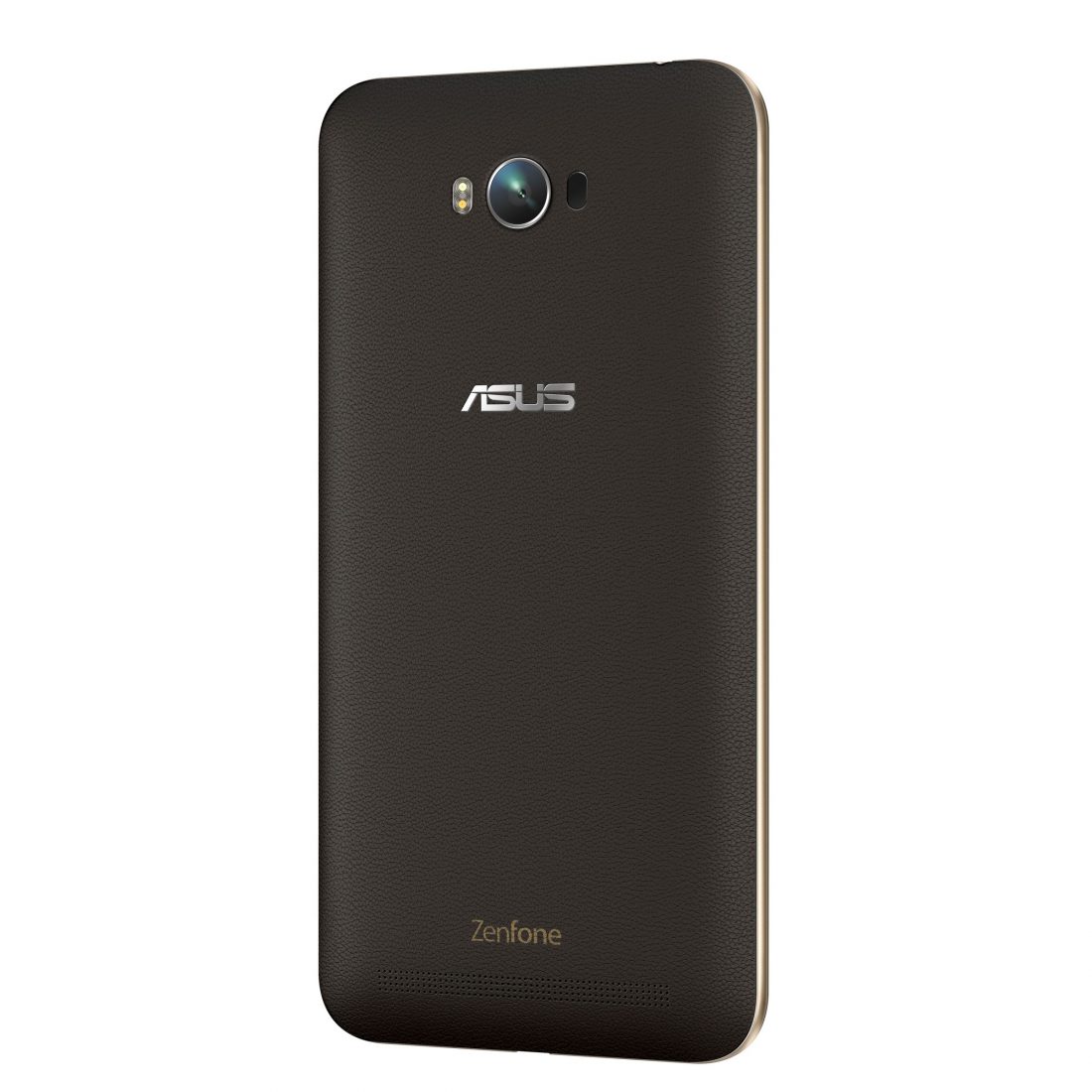
Asus ZenFone Max launches in India today priced at Rs. 9,999. The highlight of the device is its 5,000 mAh battery. The massive battery on the Zenfone Max also lets you use the device as a power bank to charge other smartphones and tablets. Additionally, it requires less charging cycles, making it more efficient and last longer, according to Asus.
In terms of specs and hardware, the phone comes in a 5.2 mm thin body, along with 13 MP main camera and 5 MP front camera. ZenFone Max is powered by Snapdragon 410 quad-core processor with 2 GB RAM and 16 GB in-built storage expandable up to 64 GB.
Pre-booking for the ZenFone Max began today at 12 PM on Flipkart and Amazon, and it will be up for sale at Asus Exclusive stores and other retail stores starting the second fortnight of January.
Asus is set to launch the Zenfone Max on the 4th of January, with a massive battery of 5000mAh. The company posted a tweet today reminding fans to mark their calendars. The new device in the Zenfone line sports a 5.5-inch HD IPS display with 267 ppi pixel density and Corning Gorilla Glass on top.
Under the hood you get Qualcomm’s Snapdragon 410 chipset with a 1.2GHz Cortex-A53 quad-core processor. The device will be offered in 8GB and 16GB storage variant (expandable up to 128GB), with 2GB of RAM. on the camera front, the Zenfone Max packs a 13MP rear camera and a 5MP selfie shooter with laser autofocus, dual-LED, geo-tagging, touch focus, face detection and panorama.
The handset will run on Android 5.1 Lollipop (upgradable to Marshmallow) with Asus ZenUI on top. The massive battery on the Zenfone Max also lets you use the device as a power bank to charge other smartphones and tablets.
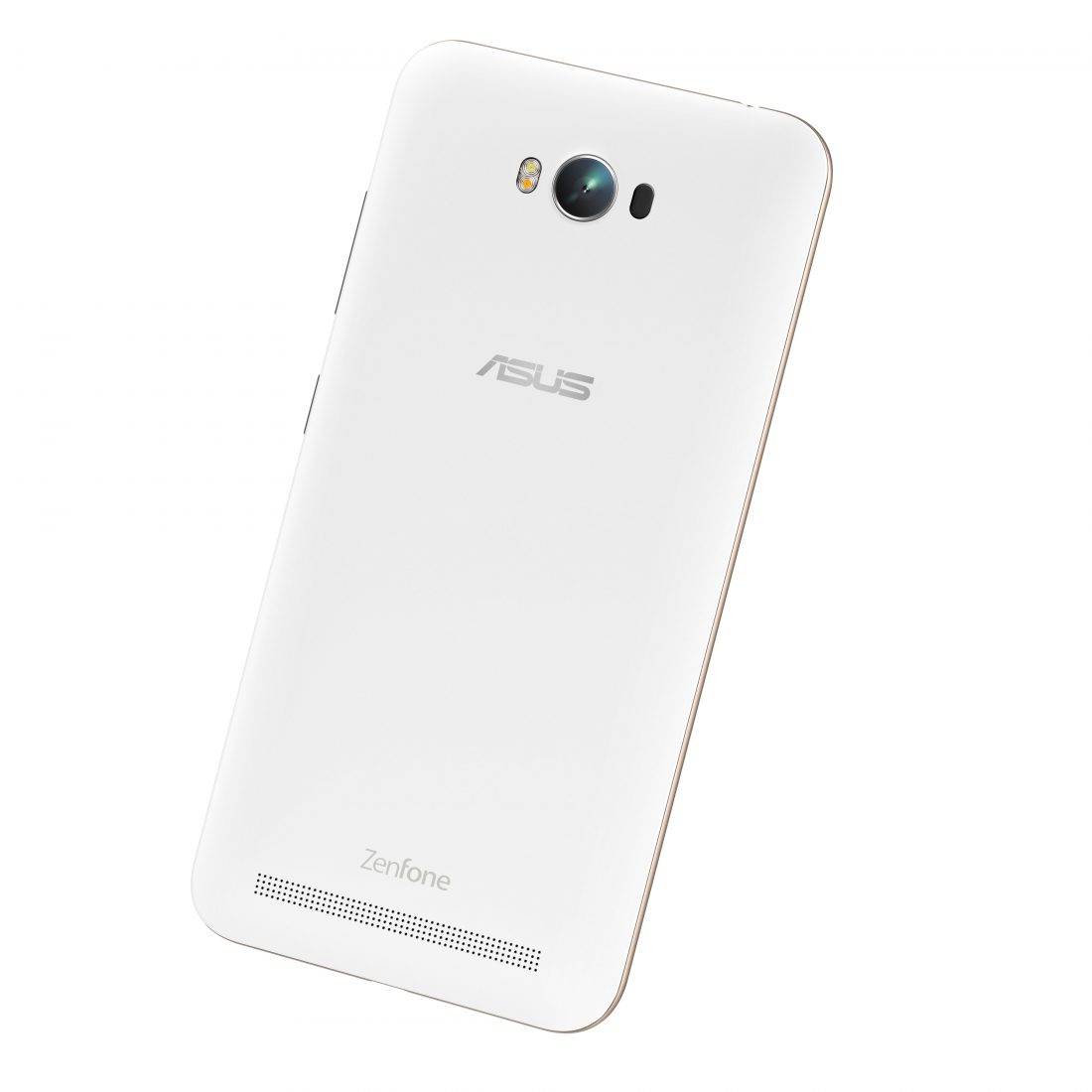
Lastly, the device will be available in black and white colour options and can be purchased exclusively from Flipkart starting January 4. You’ll have to wait till the 4th for the official price of the device.

 We have heard several rumours about the camera of the Mi5. The latest one suggests that the phone will sport a 16 MP rear camera with dual LED flash. The front camera will be marked at 8 MP.
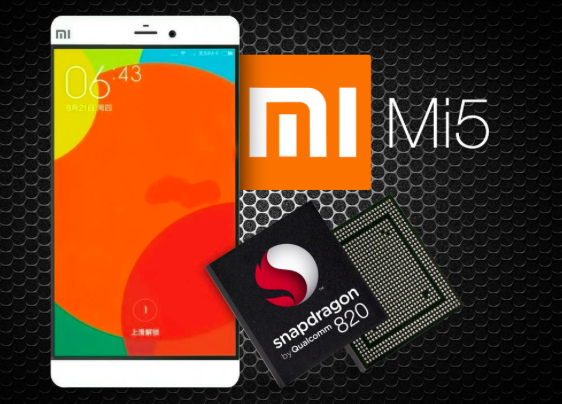 Xiaomi’s Mi5 will be among the first devices to sport the newest chipset, Snapdragon 820. Earlier, single-core score of the Snapdragon 820 was placed at 2162, which was quite underwhelming give that the latest A9 chipset from Apple has a score close to 2500. However, a new score of 2300 points was revealed by a popular leakster. Though it is still not on par with Apple, it is still a better score and keeps hopes alive for better performing devices next year.
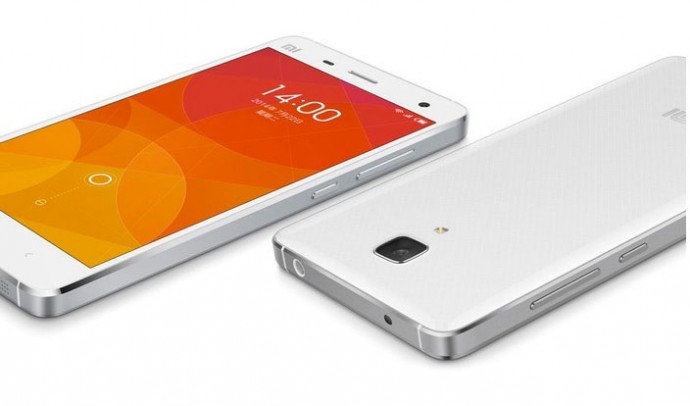 This power hungry device is set to pack a battery of 3,030 mAh with support for Quick Charge 3.0 technology. A fingerprint sensor can also be expected as many new devices are now coming out with it. Other features expected to be part of Mi5 include 4GB RAM and 16/64GB of Internal storage. Other rumored specs include 3 GB or 4 GB RAM, with a minimum of 32 GB internal storage. At the software end, the handset will run MIUI 7 based on Android 6.0 Marshmallow.
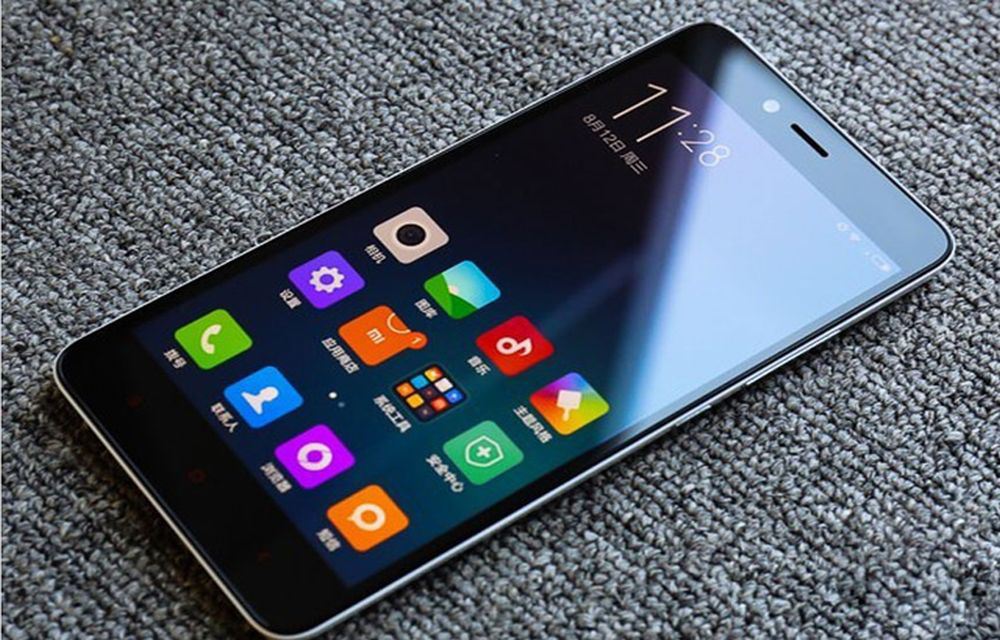 Earlier today,
 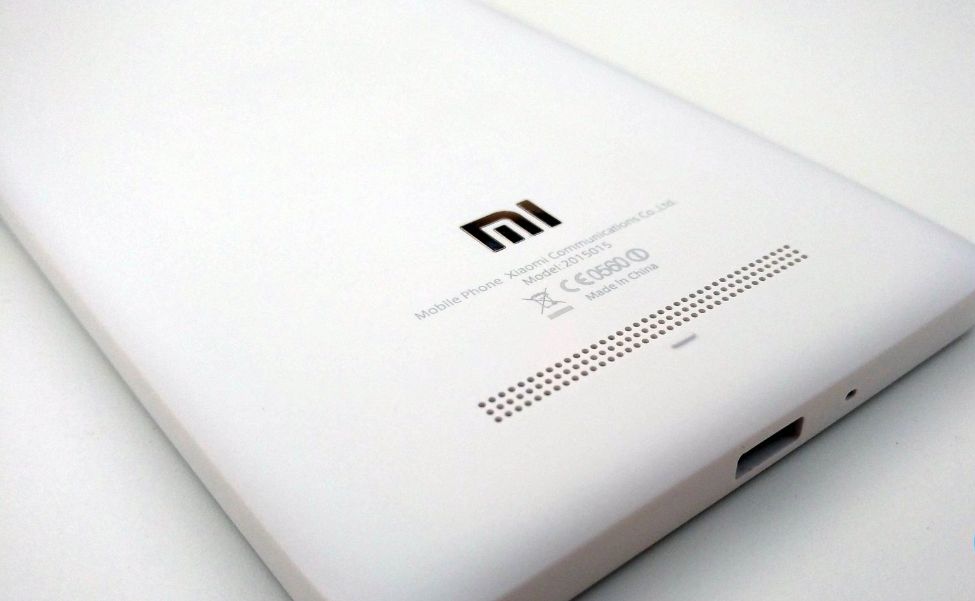 The expected price of the Mi5 is around 1,999 Yuan (Rs. 20,500 approx.) Xiaomi is set to launch the Mi 5 on January 21st.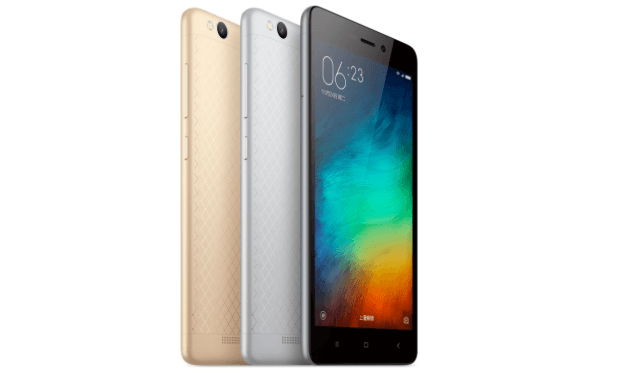
 It comes with 16GB in-built storage which is expandable via microSD card (up to 2TB). Connectivity options on the handset include Wi-Fi, FM radio, Bluetooth, GPRS/ EDGE, GPS/ A-GPS, 3G and Micro-USB and 4G LTE TDD connectivity with support for Indian networks.