Tag: Legal accusations

  • Mark Zuckerberg Testified For 5 Hours And Won It For Facebook

    Mark Zuckerberg Testified For 5 Hours And Won It For Facebook

    Mark Zuckerberg didn’t reveal the hotel he stayed in during the testimony while Facebook users share their travel plans to everyone. This pretty much sums up the entire deposition of the Facebook co-founder Mark Zuckerberg. The CEO of the largest social media company, Zuckerberg sat in front of the Congressmen and tried to clarify the role of Facebook in the whole Cambridge Analytica data breach scandal. Leading up to the testimony, it was reported that Facebook had arranged training with DC Consultants for Mark Zuckerberg.

    The testimony, or more so the idea of putting Mark Zuckerberg through his paces, even though exciting for its mere existence, was anything but. All the Senators present at the testimony were inept of the working of social media and the business model of Facebook. And that clearly showed in the five-hour long testimony which was a huge win for Facebook and Mark Zuckerberg. The testimony meant that Facebook was prepared to go under the cosh to prove its innocence or remorse, and it did so and came out pretty much unscathed.
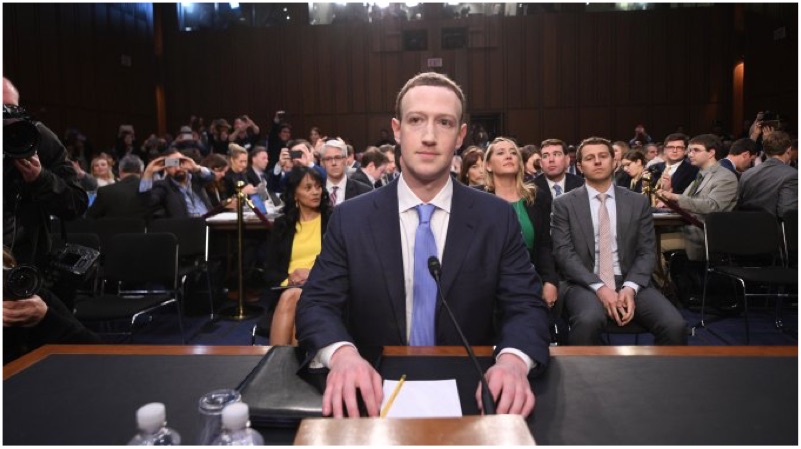
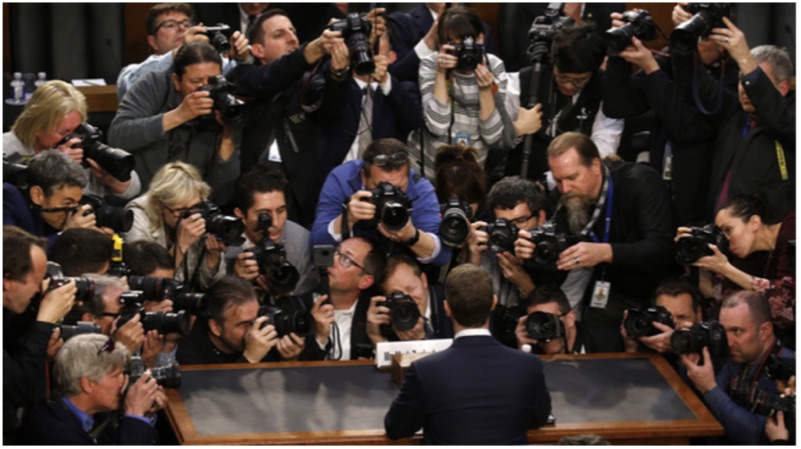
    Mark Zuckerberg clearly knew what was to be done as he dodged any questions that could have had further implications. He repeated a lot of the answers, most of them coming from his own Facebook post from a few weeks ago. That goes on to prove how surfaced the questions were from the Senators. It is worth noting that every Senator had only five minutes with Zuckerberg, which meant that very few asked tough questions and even fewer had the opportunity to follow that up with another query.

    After the testimony, important questions like did Facebook cover up the Cambridge Analytica scandal? Or decide against adding privacy protections earlier to protect its developer platform? Another rising question is whether it is a breach of trust on Facebook’s part to delete Zuckerberg’s Facebook messages out of recipients’ inboxes? Unfortunately, nobody even began to scratch the surface that could have further led to answers to these questions. Whether Zuckerberg would have complied and answered to those questions is a different kettle of fish altogether.

    Facebook’s homework for this testimony also shone through during the questioning. The most common questions asked Zuckerberg were a few things that Facebook had taken care of well in advance. For example, Mark  Zuckerberg was asked about Facebook’s ineptness during the 2016 Election campaign. On 9th of April, Facebook had announced that it had deleted the accounts of Russian GRU intelligence operatives in June 2016.

    Another question that was asked, was “Is Facebook Sorry?” To which Zuckerberg replied:

    We didn’t take a broad enough view of what our responsibility is and that was a huge mistake. That was my mistake.

    The five-hour long testimony ended with Zuckerberg unmoved and calm while many viewers felt let down by the lack of knowledge behind the questions directed at him. The testimony might have left a lot of questions unanswered but, it appears to be a win for Facebook. The social media giant has pretty much laid the facts in front of the world. To prove that the testimony was a success for Facebook, investors rewarded Facebook with a 4.5% share price boost.
  • BlackBerry Sues Facebook For Patent Infringement

    BlackBerry Sues Facebook For Patent Infringement

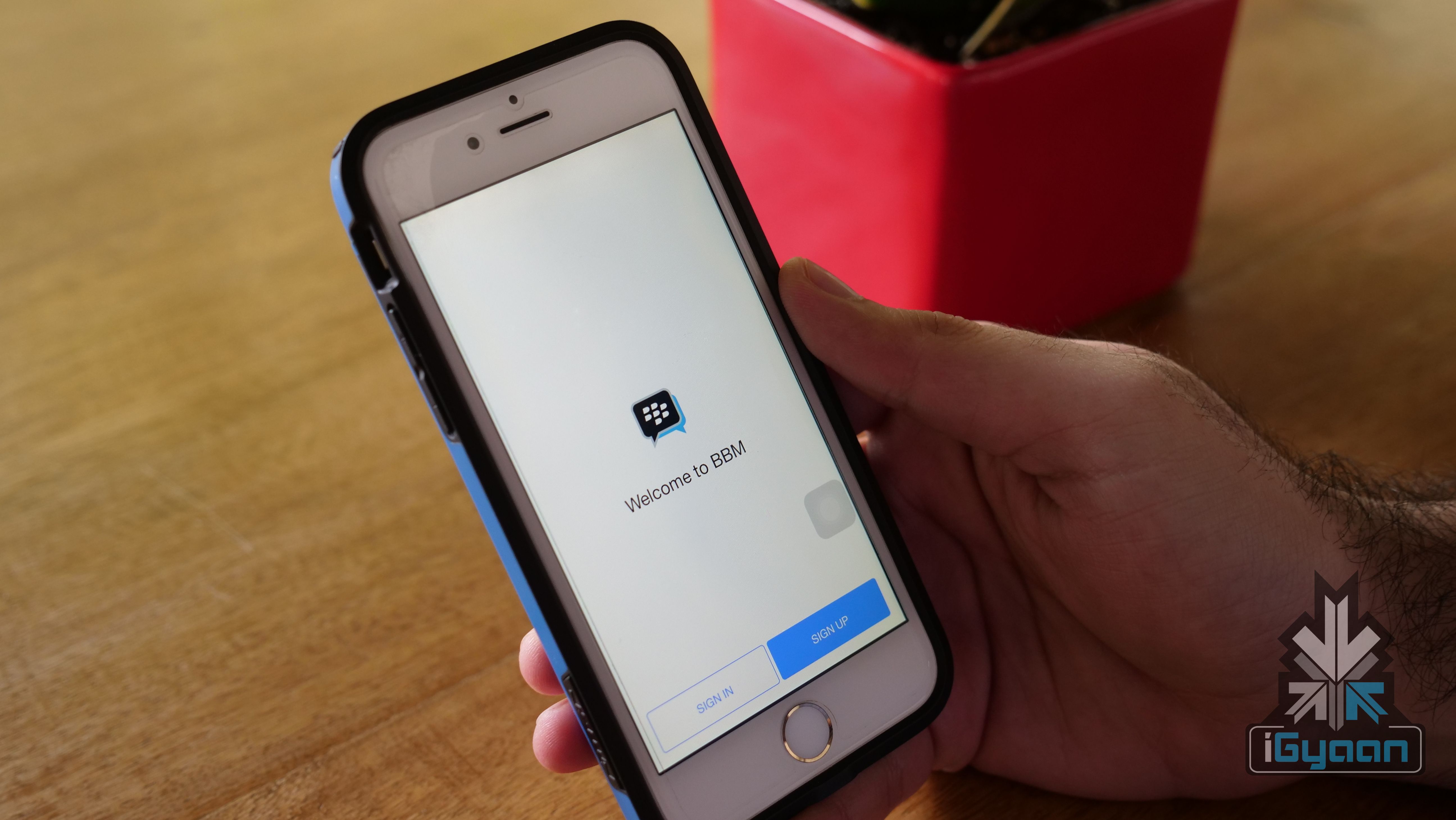
    Once considered to be one of the biggest mobile makers in the world, BlackBerry has gone through its fair share of dip. Ever since the rise of iOS and Android OS platforms, BlackBerry and its popularity has been on a decline. The BlackBerry Messenger used to be one of the most popular messaging services and has since been replaced by the likes of WhatsApp. However, it appears that BlackBerry feels undone by Facebook as it has sued the social networking company for patent infringement.

    In a Los Angeles Federal Court, BlackBerry, Ltd. filed a lawsuit against Facebook, Inc. for infringing a patent on its messaging technology. The lawsuit focuses on Facebook Messenger and Facebook-owned properties like WhatsApp, Instagram. BlackBerry claims that for several years, it has attempted to have a dialogue with Facebook over the infringed patents.

    Facebook Messenger

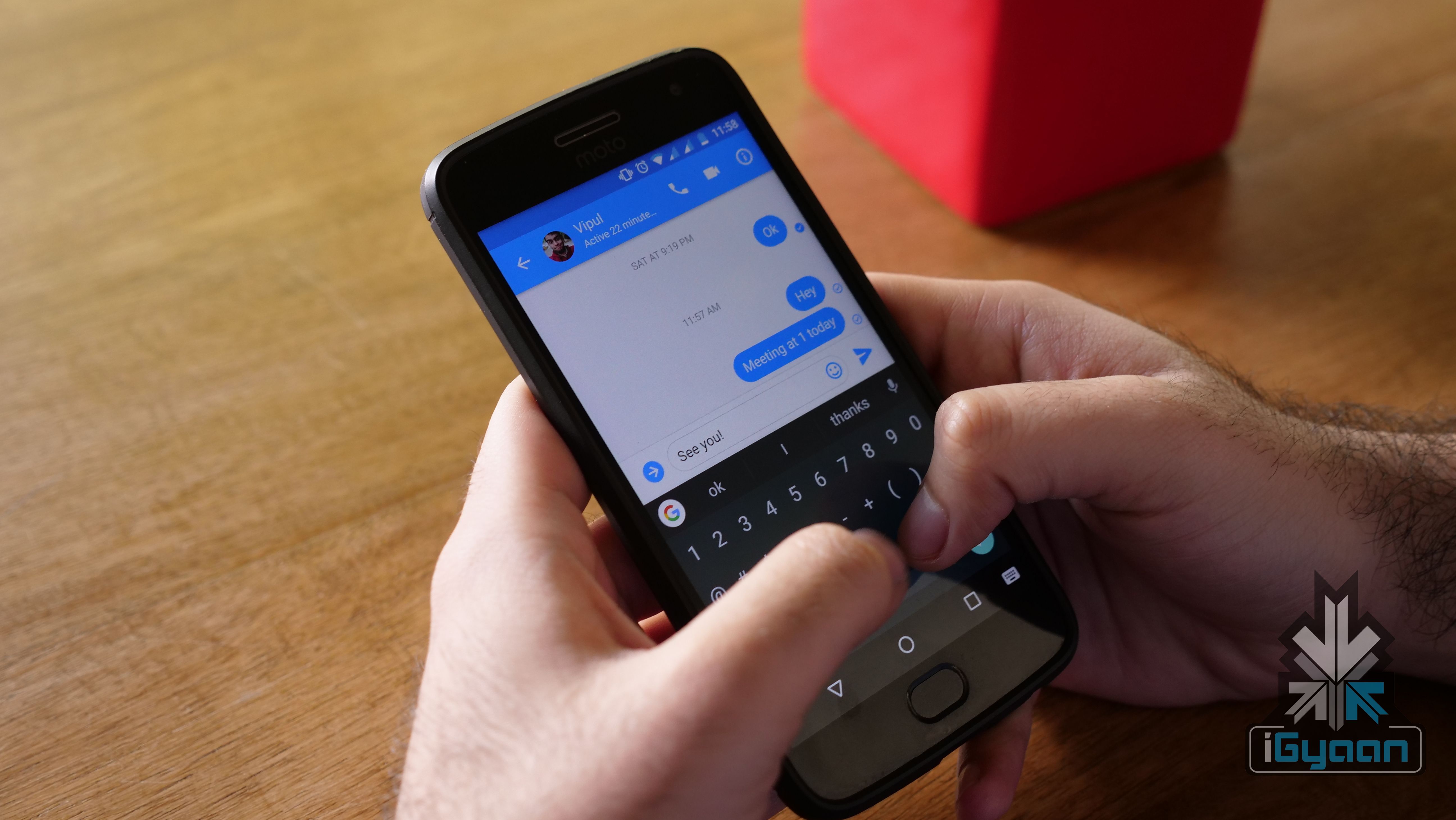
    A few things that have been noted in the lawsuit include showing an unread message indicator on top of an icon. Something that WhatsApp and Facebook Messenger introduced a while ago. Here are a few other features noted in the lawsuit:

    • Showing multiple incoming messages in the inbox
    • Not showing timestamps of every message in a thread
    • Selecting a Photo Tag

    The lawsuit appears to be related to BBM, once highly popular and now, obsolete. Using BBM, users could send unlimited messages to each other, a lot like iMessage. However, as the popularity of Blackberry devices dwindled, the company made the messaging service available for iOS and Android.

    Considering companies like Apple, Google have similar messaging apps, it is surprising that they weren’t in the firing line as well. Facebook, on the other hand, has come out with a harsh response to the lawsuit:

    BlackBerry’s suit sadly reflects the current state of its messaging business. Having abandoned its efforts to innovate, BlackBerry is now looking to tax the innovation of others. We intend to fight.

    Conclusion

    If past lawsuits are anything to go by, this legal battle will be on for a while.

  • Ford Sues John Cena For Breach Of Contract

    Ford Sues John Cena For Breach Of Contract

    One of the most famous superstars in the Hollywood John Cena has been sued American car-maker Ford.

    Last year, Ford handpicked 500 applicants out of total of about 7,000 aspirants to purchase the company’s new Ford GT. Some of those chosen were high-profile clients, such as John Cena. It was done as a marketing gimmick to show how cool and amazing the new car is. That, however, loses a bit of sheen when a celebrity goes ahead sells that car in less than a month since getting it.

    That is exactly what John Cena did. He received the car on the 23rd of September, and sold it less than a month later, on the 20th of October. At the time of purchase, Cena had signed a contract with Ford which stated that he will keep the car for at least 2 years, which he didn’t.

    The agreement, which John Cena signed, reads:

    By signing this Order Confirmation Form you are verifying the following: … (B) You understand that being selected for the opportunity to purchase this vehicle is non-transferable and agree not to sell the vehicle within the first 24 months of delivery.

    John Cena later confirmed in a phone conversation with Ford that he had sold the car, and promised to work with the company to make things right. However, Ford has said that this has not turned out the way it should have and is now suing Cena for damages. This is what the lawsuit reads:

    Mr. Cena has unfairly made a large profit from the unauthorized resale flip of the vehicle, and Ford has suffered additional damages and losses, including, but not limited to, loss of brand value, ambassador activity, and customer goodwill due to the improper sale.

    It will be interesting how this legal battle pans out.

    [poll id=”56″]

  • Qualcomm Sues Apple Again For Infringing Palm OS Patents

    Qualcomm Sues Apple Again For Infringing Palm OS Patents

    The Apple-Qualcomm legal battle seizes to fizzle any time soon. After Apple filed a counter-suit against its bitter tech-rival, Qualcomm has responded with a new patent infringement lawsuit against the Cupertino-based tech giant.

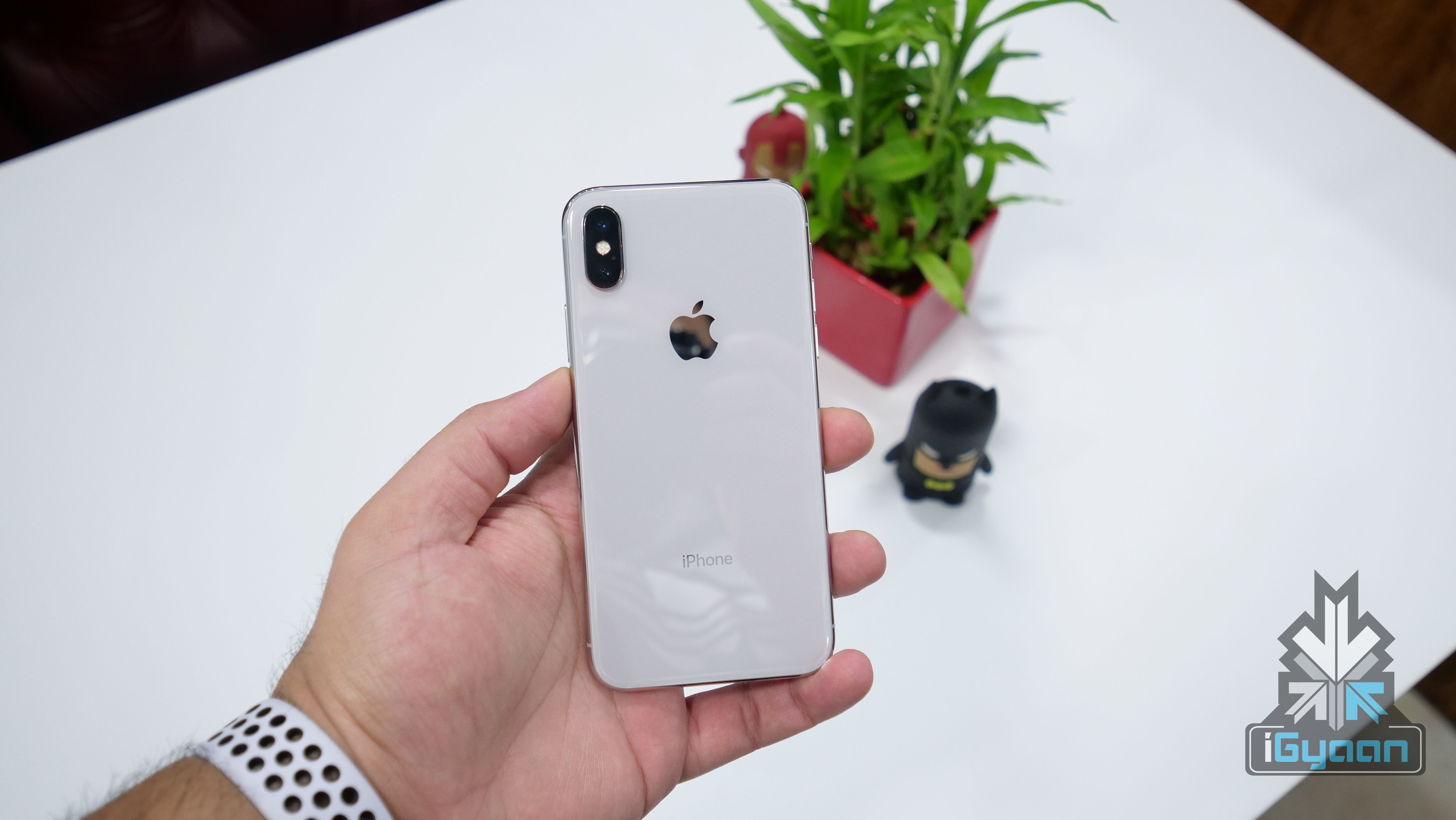
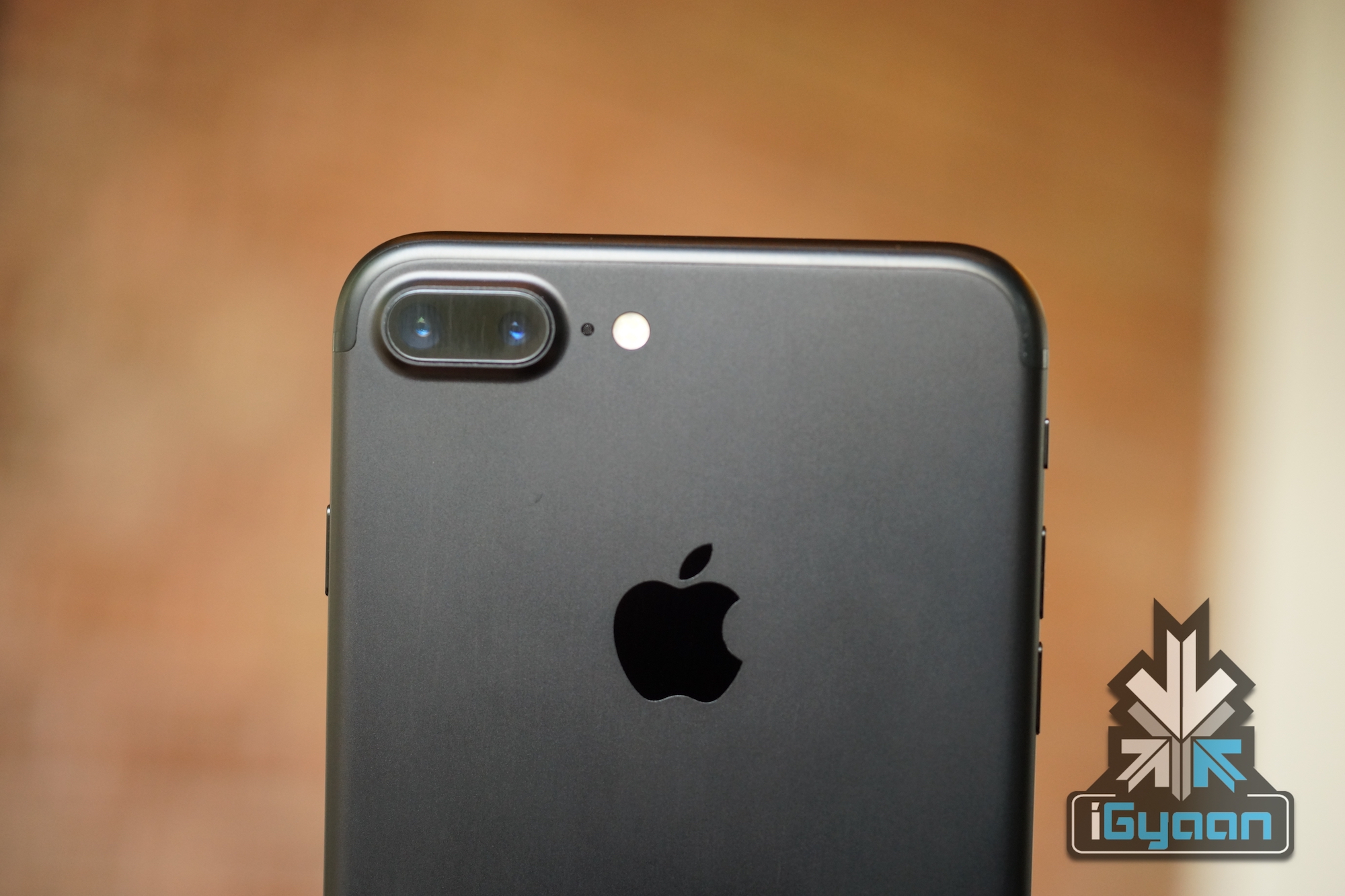
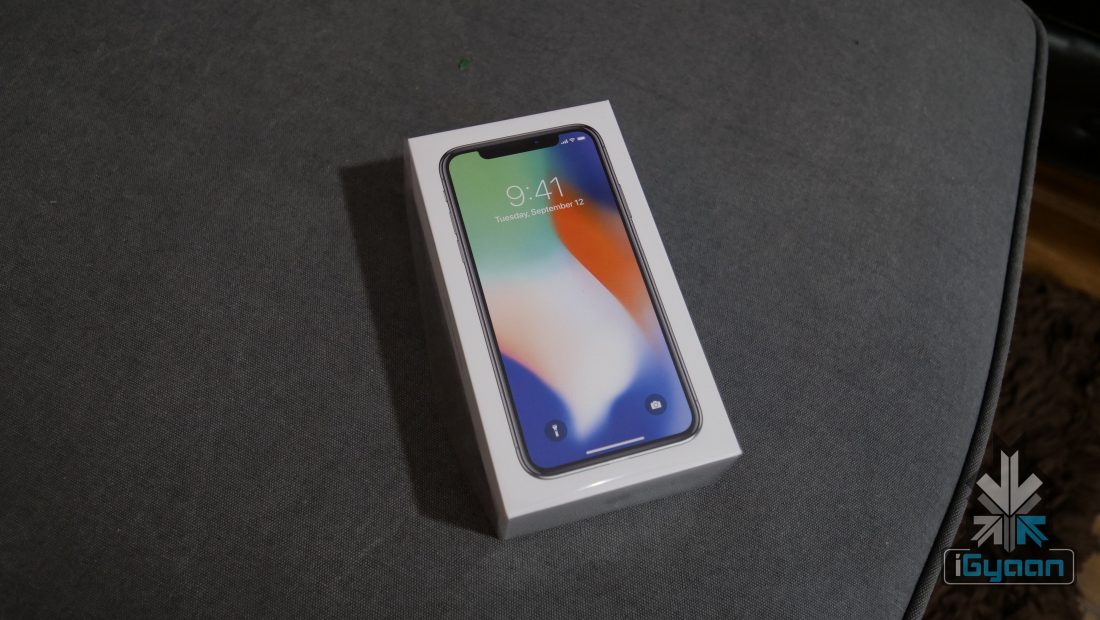
    Qualcomm wants the iPhone X banned because it claims that Apple infringed the chip maker’s patents, including some relating to improving bandwidth in devices, saving power and enhancing photos from the rear-facing camera. Qualcomm has also claimed that Apple copied some elements of the Palm OS, which Qualcomm obtained the rights to in 2014, when it bought many of Palm’s other patents.

    In its filing of the suit, Qualcomm said:

    All of these Palm inventions – owned by Qualcomm – have vastly improved the functionality of mobile devices and the user experience, and all of them are widely found in Apple products without license or permission.

    However, Qualcomm has claimed that this is not in response to Apple’s latest lawsuit. In fact, this lawsuit was in the company’s plan for a long time and the timing is just a coincidence. Donald Rosenburg said:

    You can’t react that quickly to file lawsuits. We were in the process of filing three new district court cases in San Diego today, and one new ITC case in Washington, D.C. Those involve a group of 16 patents that are additional to the ones we have already sued them on, and five of those 16 are ones we are suing them on in the ITC seeking an exclusion order.

    This is a new lawsuit by Qualcomm in quick succession. Back in October, it claimed that Apple was giving rival processor company Intel information about its chips.

  • Apple’s Counter Suit Against Qualcomm Could Mean Bad News To Android Phones

    Apple’s Counter Suit Against Qualcomm Could Mean Bad News To Android Phones

    Apple vs Qualcomm is not a new story. The two tech giants have been embroiled in a legal battle for many years now. But, this legal battle is not just two big companies going against each other, the result of the legal battle will have consequences which the whole tech industry will have to deal with.

    Apple has filed a new countersuit against Qualcomm, in which it is targeting some Snapdragon chips that power some of the most prominent Android phones in the market right now. Even though Apple has received support from other Android phone makers in this case, Apple targeting Snapdragon chipsets won’t go down well with these companies which rely on Qualcomm’s chipsets for powering their devices.

    In a revised response to Qualcomm’s previous lawsuit, it has listed some accusations of its own. Apple says it owns at least eight patents related to battery life that Qualcomm’s chips have violated.

    The patents describe technologies that allow a certain part of a phone’s processor to only draw the minimum power needed and turn off when it’s not needed. The two main chipsets in question here are the Snapdragon 800 and Snapdragon 820 chipsets.

    Apple is asking for damages from Qualcomm, but, an actual number has not been specified yet.

  • Qualcomm Sues Apple Again For Sharing Software With Intel

    Qualcomm Sues Apple Again For Sharing Software With Intel

    The legal battle between Qualcomm and Apple has been extended as Qualcomm has now sued Apple for allegedly sharing proprietary Qualcomm technologies with its market rival, Intel. In the lawsuit, filed on the 1st of November, Qualcomm is accusing the Apple of breaching a software license contract. To prove its claim, Qualcomm says it has email in which Apple requested confidential documentation. It has been reported that the email contained an Intel engineer in the distribution list.

    Qualcomm goes on to claim that according to the contract between the two companies, Qualcomm has the permission to audit Apple’s handling of its software, however, Apple has refused any such requests. The details of the lawsuit do not clarify the amount of money Qualcomm has sued the tech giant for but, considering the recent legal battles between the two companies, Qualcomm might not settle for a meagre amount.

    It was reported that Apple will drop Qualcomm components from its 2018 iOS devices, ending a long-term partnership with the American chip maker. This news came after a series of legal battles were dragged on between Apple and Qualcomm. Apple, along with Samsung is also suing Qualcomm for taking advantage of its monopoly.

    Qualcomm has not had an ideal time in terms of its legal battles after it was fined a record US $773 million by Taiwan’s Fair Trade Commission. The Commission said that Qualcomm misused the monopoly in the smartphone business to squeeze higher licensing fees and better terms out of its customers.


  • India’s Anti-Trust Probe With Google at a Glance

    India’s Anti-Trust Probe With Google at a Glance

    Amidst a struggle of dealing with anti-competition claims laid down by EU, Google’s tryst with turbulent waters continued as India followed suit and accused the California based company of rigging search results in August this year. The preliminary findings of the three year old probe were submitted to both Google and Competition Commission of India by early September. Allegedly, the search results  benefit many of Google’s own businesses, making its other customers lose out on online attention.  Here’s a quick look at the story so far:

    Main Concern:

    The possibility of Google using the search engines to promote its own services without the users even realising it is a little more than disconcerting. Similar to the European investigation, Indian authorities are also convinced that the search engine is being used to favour Google’s maps service, travel sites, and advertising products. This inevitably means that the customers using Google’s advertising services are losing out on opportunities and suffering loss in business.

    Google Antitrust

    Names of Companies Involved:

    There are various prominent names blaming Google of being close to ignoring their existence on its search engine. These names include Flipkart, Facebook, Nokia, Bharat matrimony, nonprofit Consumer Unity and Trust Society.

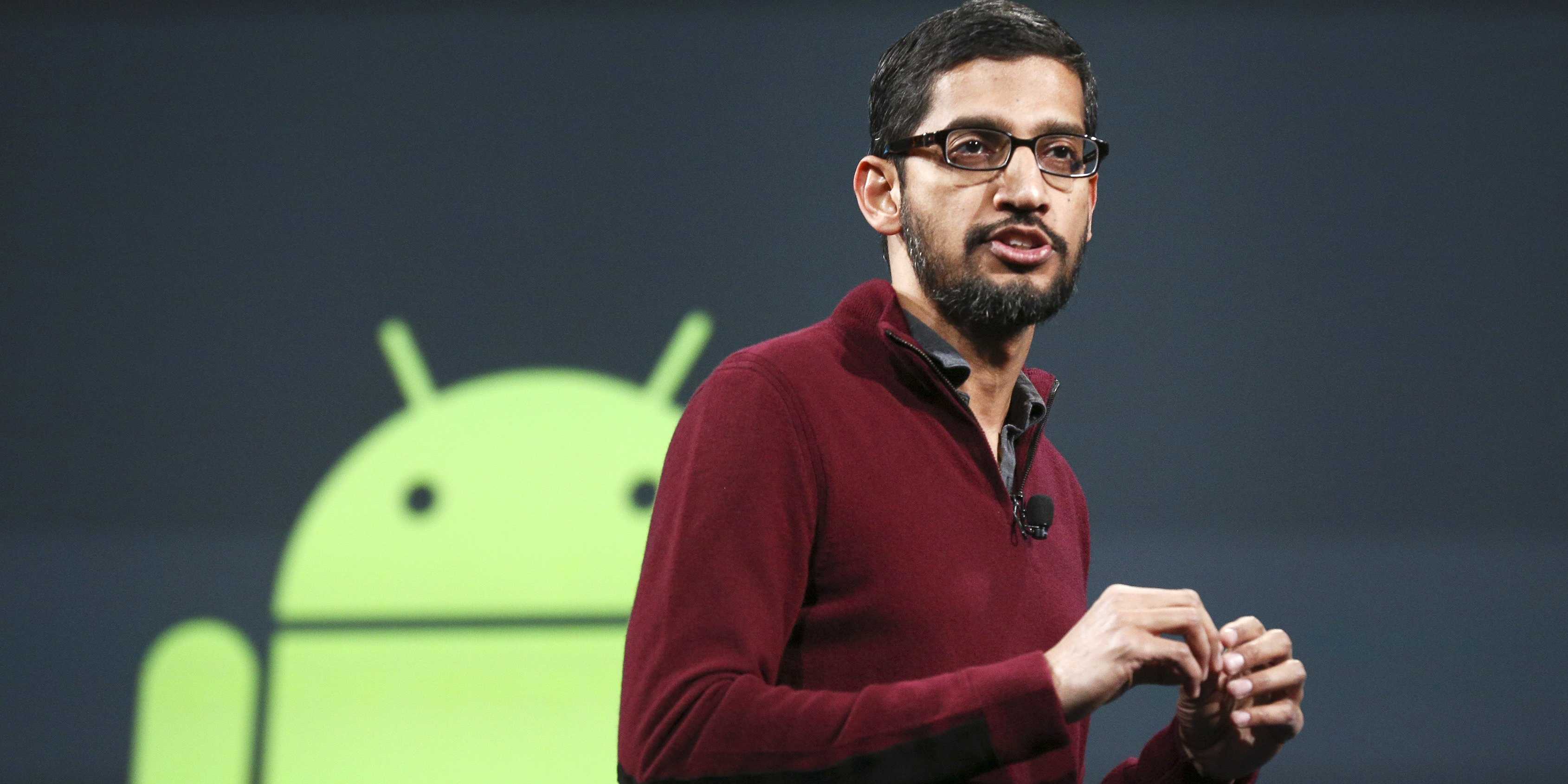
    Sundar Pichai, the Google CEO.
    Sundar Pichai, the Google CEO.

    However, there are websites within the country which have refused to participate in this complaint. These companies are Times Internet, Make My Trip, Group M, and Rediff.

    Possible Consequences for Google:

    Last year Google had paid a fine of $166,000 after having failed to cooperate with a probe. If this year the company finds itself itself in a similar situation, it may have to pay 10% of its revenues. Google’s net income is $14 billion on $66 billion in revenue for 2014 according to what the company revealed last year.

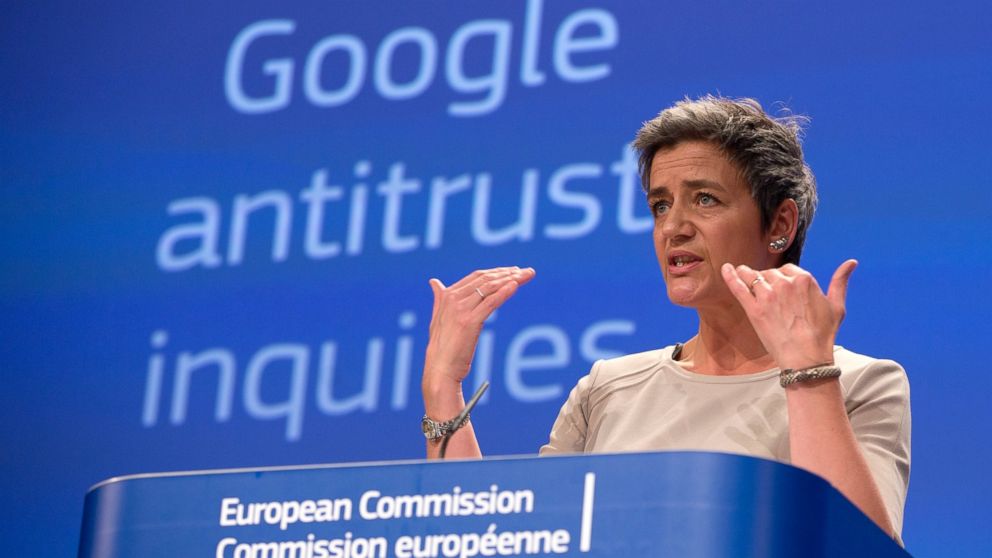
    European Union's Competition chief Margrethe Vestager speaks  about Google in a media conference in April, 2015.
    European Union’s Competition Chief, Margrethe Vestager speaks about Google in a media conference in April, 2015.

    Rumours and accusations of Google catering primarily to its own self-interests have been floating around since forever. More recently in April this year, European Commission launched a statement which accused the company with similar allegations like the Indian authorities, and stated that Google:

    “…abused its dominant position in the markets for general internet search services in the European Economic Area (EEA) by systematically favouring its own comparison shopping product in its general search results pages”

    It formally charged Google of violating EU competition and antitrust laws by exploiting its foothold in the virtual world. Google responded to this in September by claiming the accusations are false and unfounded. While both sides have their own respective arguments to offer, no conclusion has been reached so far. Google has courted legal entanglements for over a decade now, and prominent names like Microsoft and TripAdvisor have been among the complainants. Let’s see how the company sails through the choppiness of Indian and European turbulence this time.

iGyaan Network
Privacy Overview

This website uses cookies so that we can provide you with the best user experience possible. Cookie information is stored in your browser and performs functions such as recognising you when you return to our website and helping our team to understand which sections of the website you find most interesting and useful.