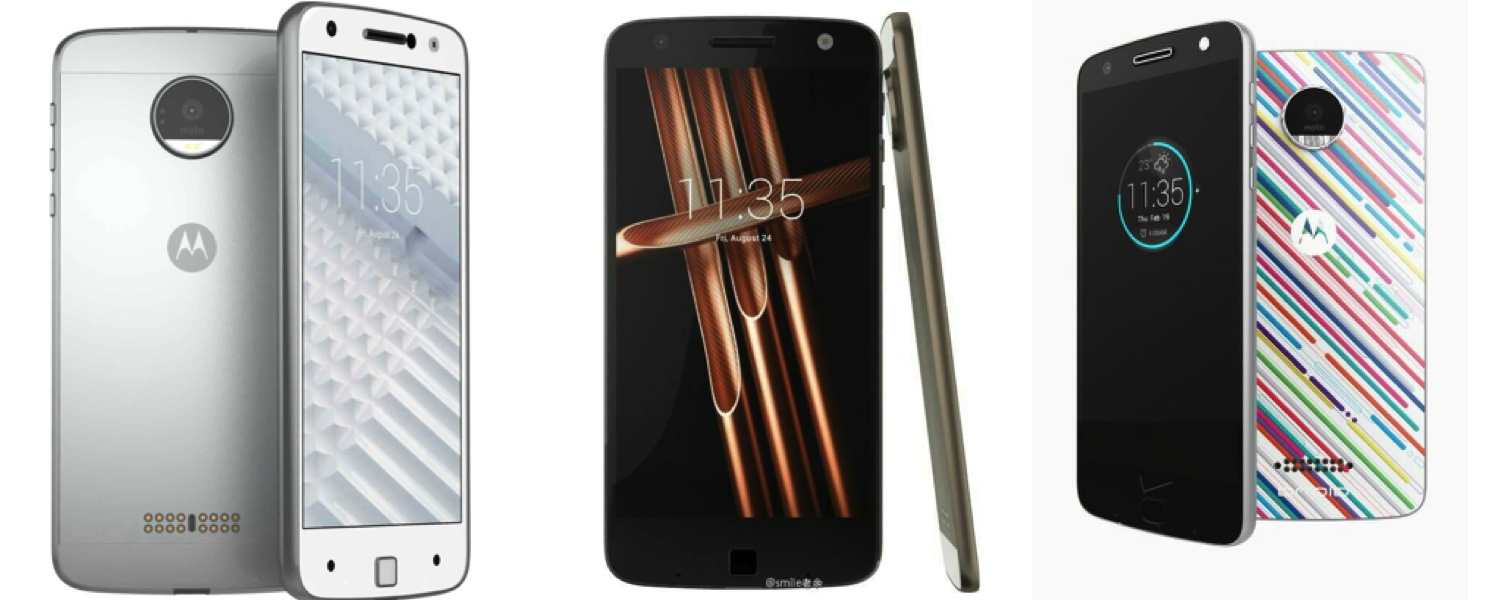
While the Moto G 2016 is just around the corner and a lot of information for the handsets is now available, little was known for the Moto X for 2016 until now. Evleaks and HelloMotoHK have posted pictures of a new Moto phone which coincide with past information of the Moto X.
The All-Metal design is already looking good, and may leave a supremely positive impact for the Lenovo take over. The improvement in the build quality and materials means that the Moto X may join the ranks of high-end smartphones. While the Moto G for 2106 will be the first Lenovo-branded Moto phones to hit the market, the Moto X will be the defining handsets. Lenovo owned Moto also seems to be taking a liking to the Square fingerprint scanner in the front which has also been spotted in the leaks of the Moto G4
While an image from HelloMotoHK clearly shows the Droid branding, it could simply be the return of the Droid X or it could be the Droid Turbo as Evan claims that they are two separate handsets. While earlier leaks have pointed to a Qualcomm 820 chipset with 1.6 GHz on the clock along with 4G of RAM, not factual information exists for the handsets.
HTC is ready for its comeback and to help the Taiwanese company back on the tech map is their brand new One series phone the HTC One A9. This year has seen some major handsets from the company, but with all the backlash in their choice of chipsets in the HTC One M9 plus and pricing of their portfolio along with the sheer delay in launching phones, has left prospective HTC owners with a sour taste. We purposefully waited for HTC to reveal the price before concluding our Review. So that we could include it as a major factor for this review.
Overview
The HTC One A9 does what HTC has been trying to do for a while, make a fantastic all metal phone for a considerably affordable price without letting go of important specifications.
The HTC One A9 is a Snapdeal exclusive in India and has been launched for Rs. 29,999 . You can buy one here : SnapDeal
Build Quality and Hardware
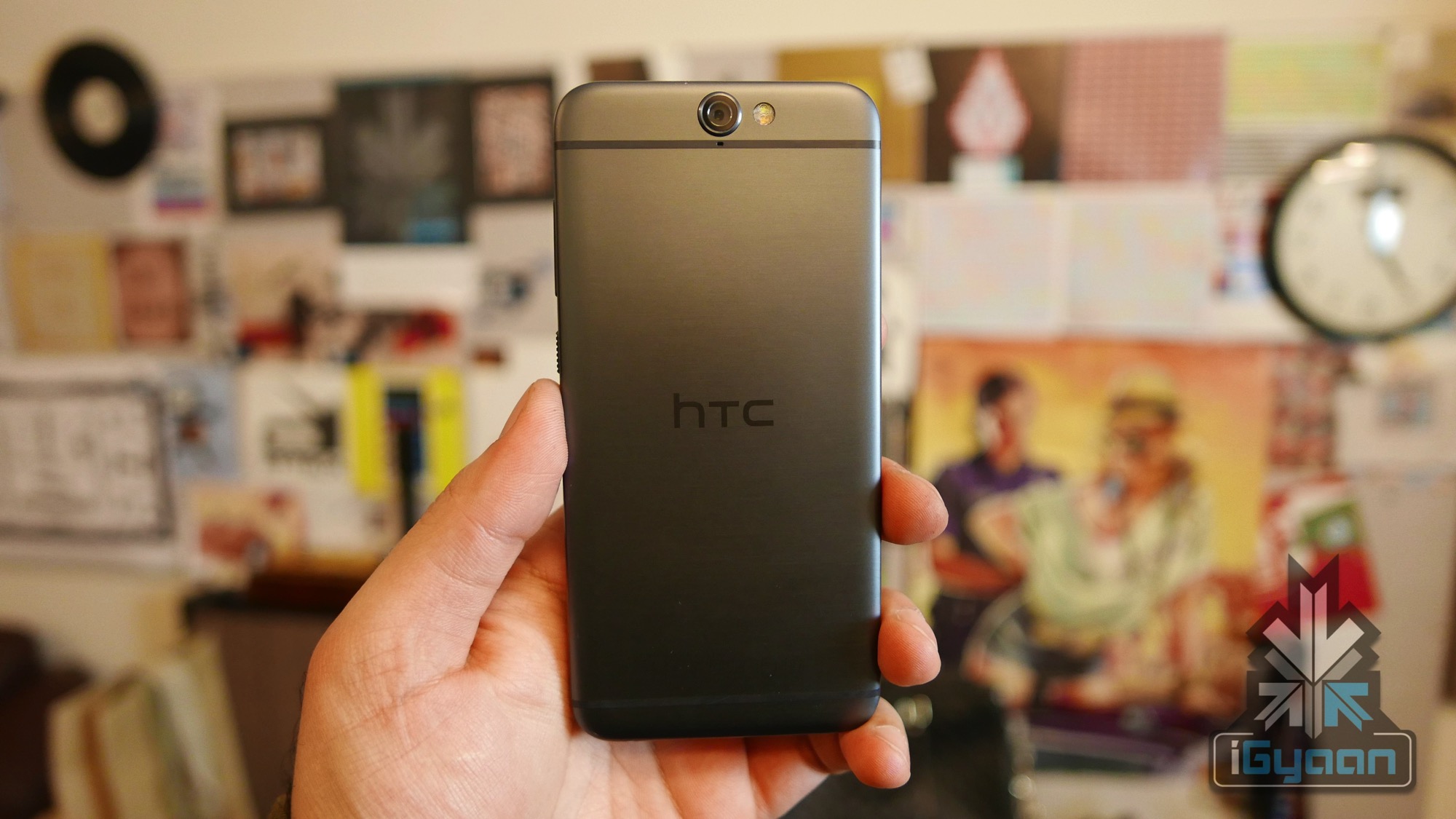
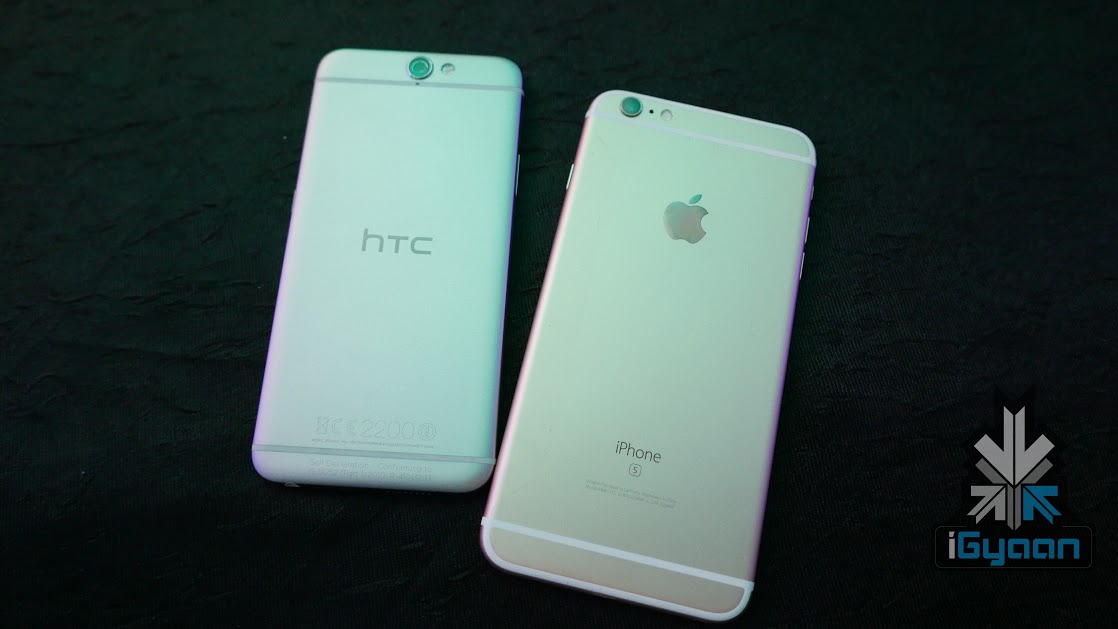
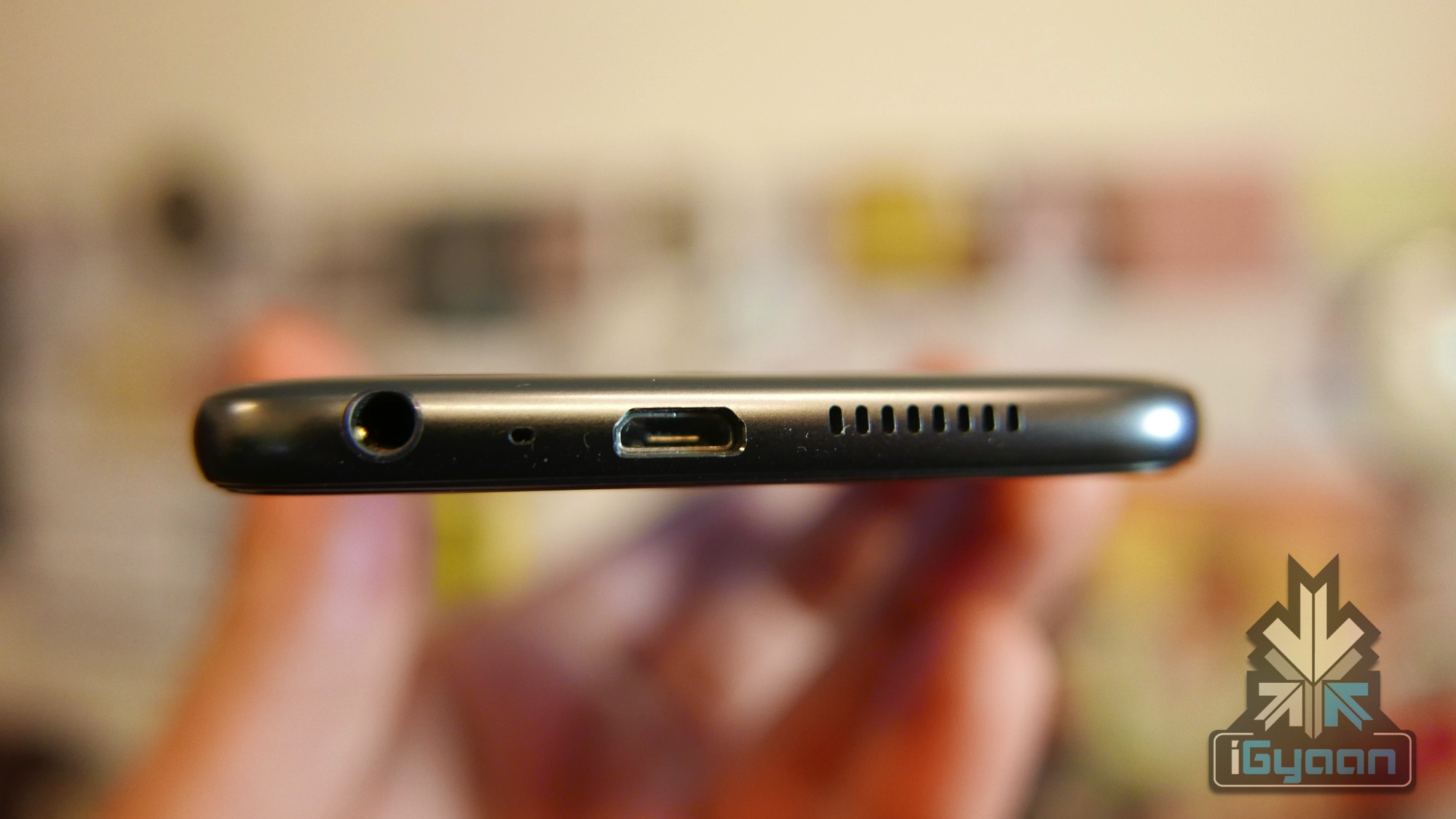
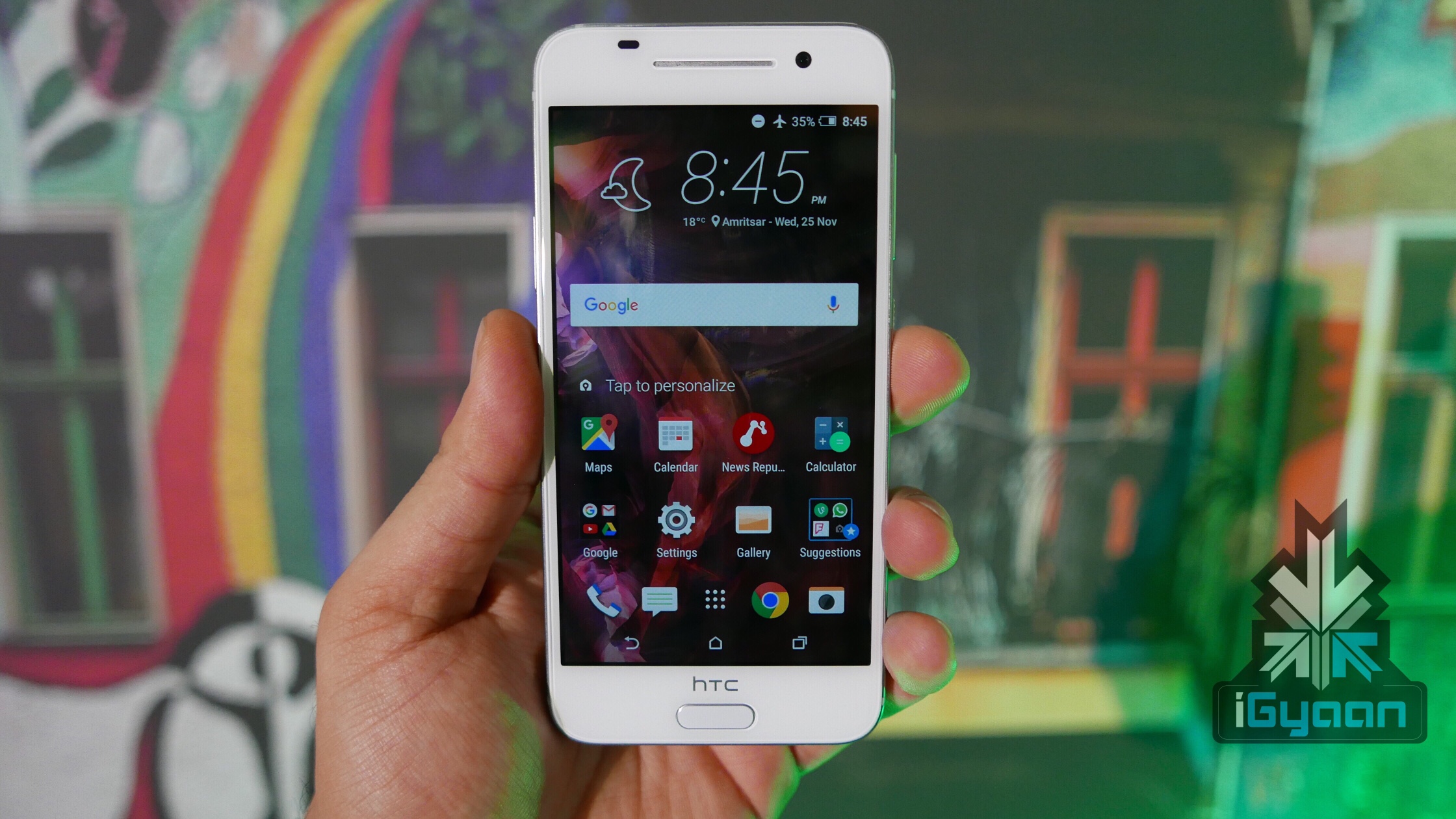
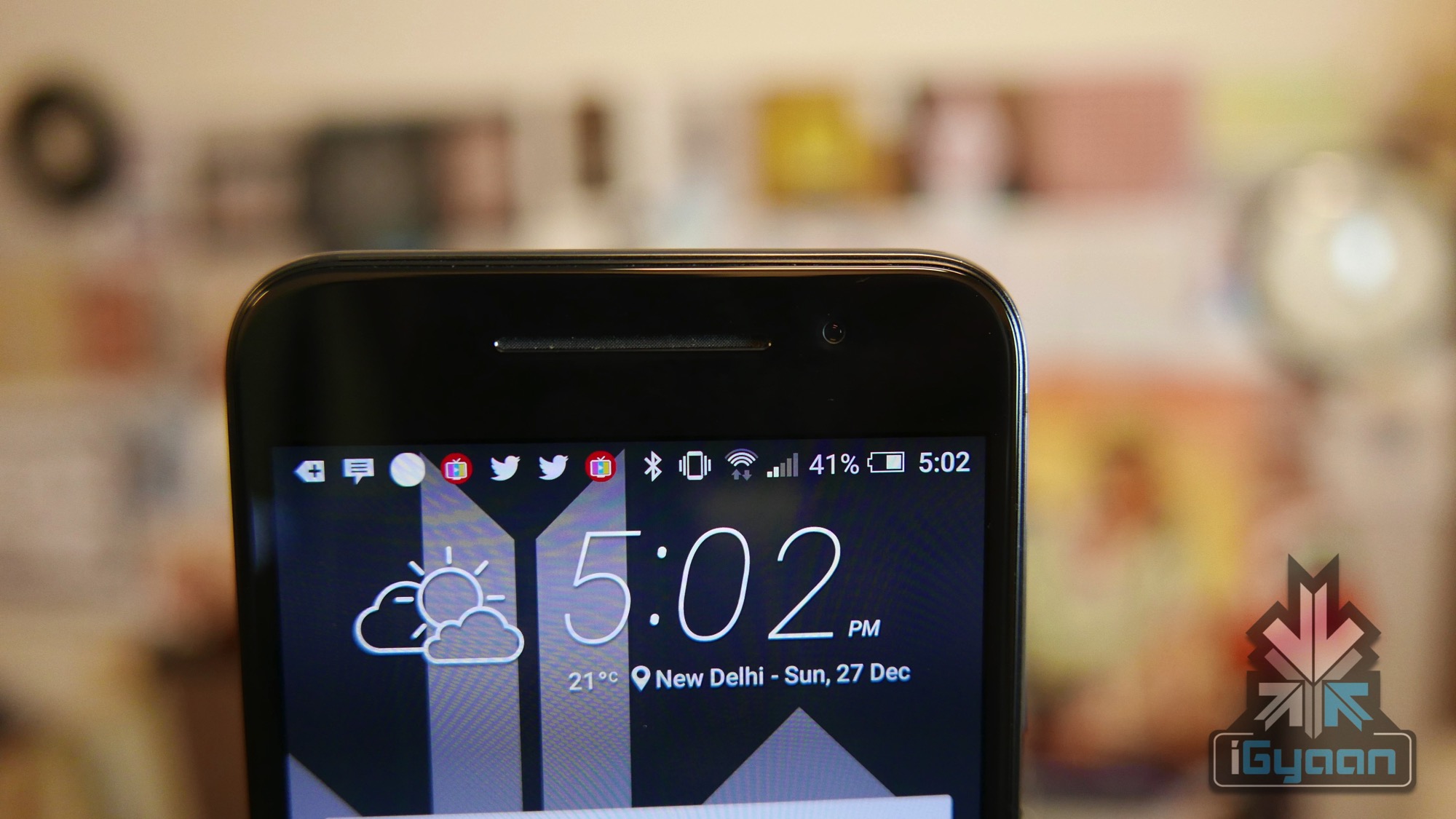
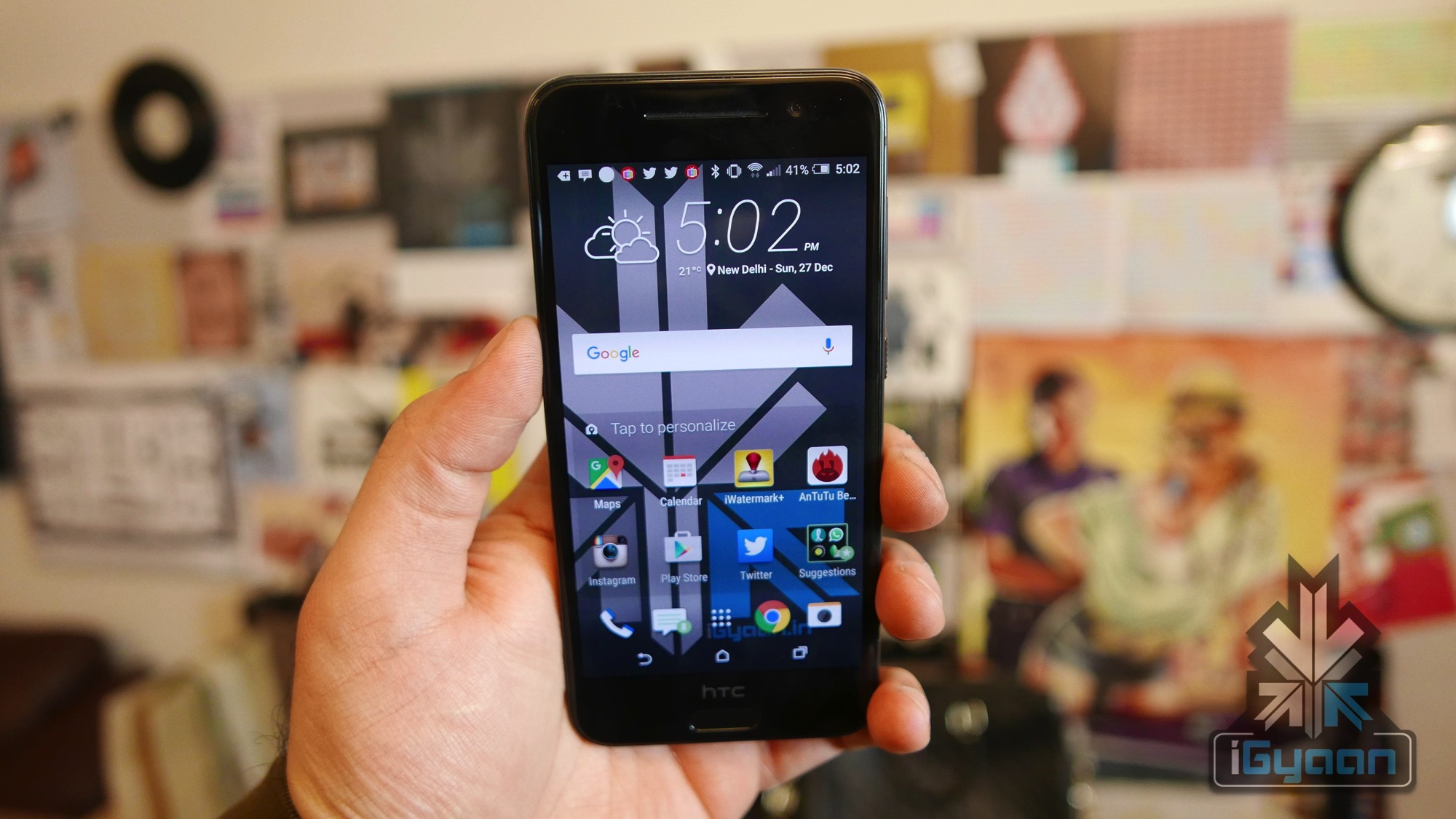
The all metal back and the overall design of the phone is familiar. The HTC One A9 resembles the iPhone 6/6s or vice versa. Whatever be the case the handset looks good and is available in a wide gamut of colours and options for the market however in India it has only been launched in the Gray and silver colours.
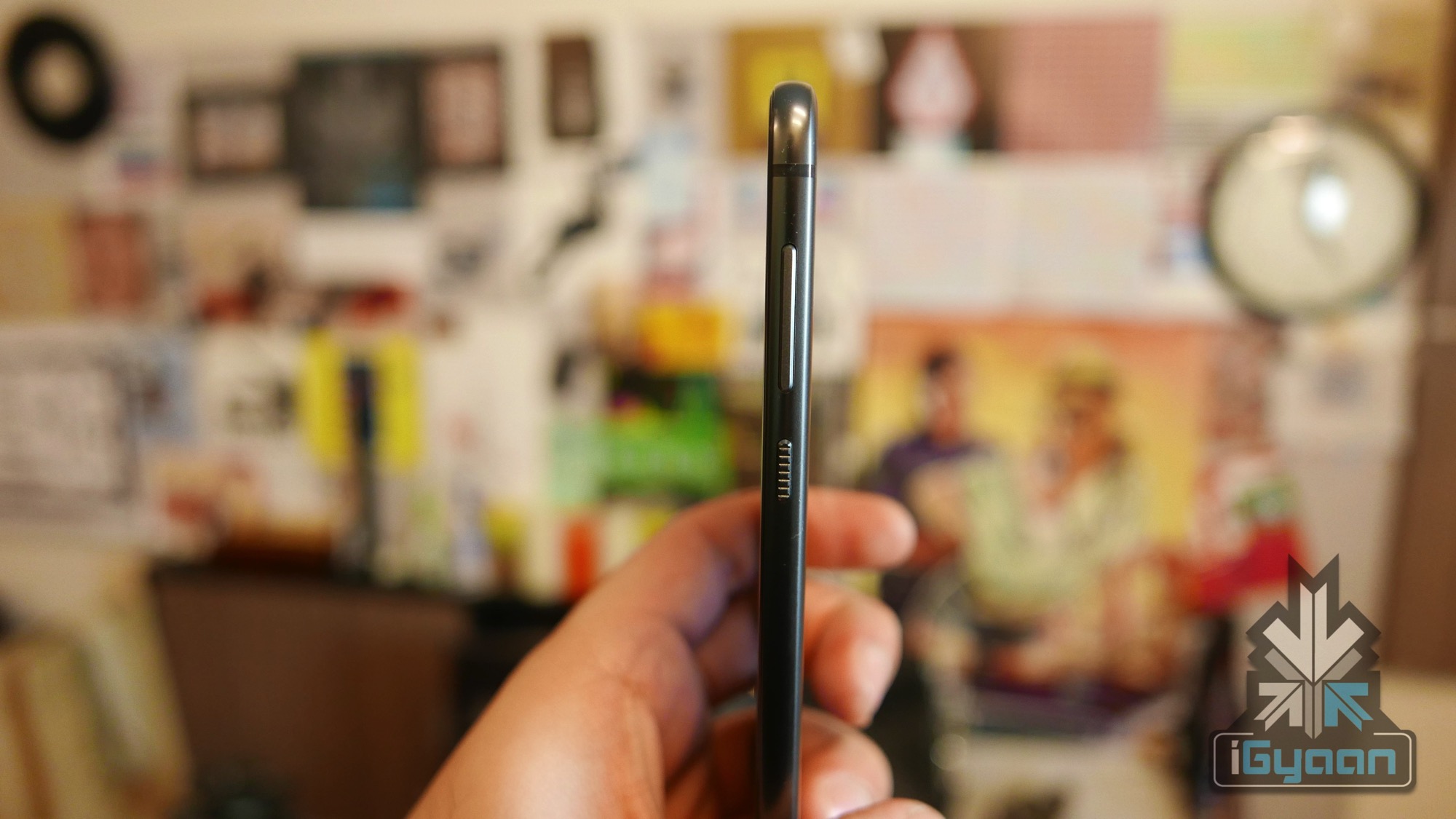
The phone is built extremely well and feels excellent in the hand, The rounded edges of the phone mould into your palms and make the hard metal feel smooth and soft to hold. The design is striking and the HTC One A9 is made so most of its pressure areas stay protected.
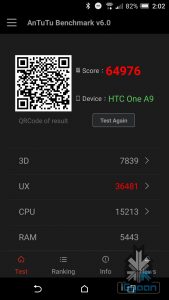
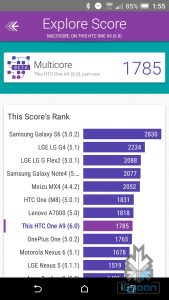
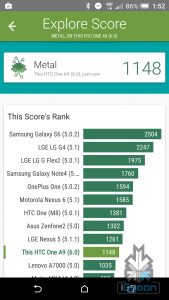
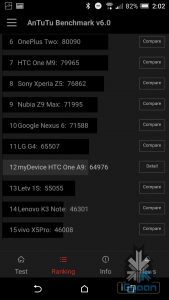
The bezel is beautifully matched with a curved edge front glass curves, which in itself is a Gorilla Glass 3. It should be noted that, Hardware wise HTC does lose out to the competition. The biggest let down for a consumer is specs on paper, when compared to the high price of Rs. 29,990 the specs do not match up. A Snapdragon 615 chipset is today found in phones that cost under 10K, so is 2 GB of RAM and a 5 inch display.
No one is giving points to HTC for the 2150 mAh battery or a Full HD display. The AMOLED nature of it is well appreciated and so is the brilliant fingerprint scanner that HTC has basically done a fantastic job with. All of this hardware doesn’t matter when it comes to the experience of the HTC One A9 which we will detail below. For those who are specification NERDs your review stops here. Move Along!
In all entirety what HTC is trying to do is simple. HTC phones are designed beautifully and work really well. I recently met someone who was still using an HTC One {M7} and was very happy with the handset, still happy with it!, Its almost 2016 for christ’s sake!
The phone comes with Android 6.0 out of the box, one of the not so many in this range that have the ability to say that. HTC has worked really hard into giving an experience that does not leave you disappointed. The company is trying to pull a cheap “Apple”, they want to give you the best experience, they do not want you to worry about “specs” and they want to do it relatively cheaper than Apple.
The problem with that logic is, that most who are non Apple Sheep, prefer to know what horse power is under the hood of their Android powered sedan. In that context, problems and bugs are often blamed on the hardware.
However, this is where HTC scores an epic WIN! From picking up your phone in the morning to keeping it away at night, you literally have no issues, slow downs, or crashes. This is what you are paying for, more than you should, but that is it.
Games work really well, so do day to day tasks. Multitasking is liquid smooth, and so is the intense processing in some of the many camera features bundled with the handset. The HTC One A9 is what you need to be looking at, for basically not worrying about using a smartphone. The temperature is controlled beautifully and the phone does not heat up or become uncomfortable to use.
Camera, Multimedia and Display
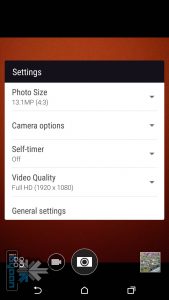
The camera combination on the HTC One A9 is a 13 MP main camera and an UltraPixel front camera which is roughly 4 MP with their large 2µm pixel size. The front camera miss autofocus, which honestly is not expected in this price bracket.
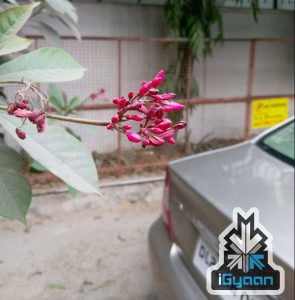
The rear camera shines when clicking images, the colours pop the dynamic range is excellent and focus quick. The camera is exceptionally fast and has zero shutter lag, something that HTC has done well in the past. The contrast and colour on the HTC One A9 is their best yet and the images really speak for it. You will find yourself clicking a lot of pictures, and video too, although many in this price segment offer 4k video. With the HTC One A9, you are still stuck at 1920 x 1080p video although with OIS, which offers good stability and sharpness.
The display is a AMOLED display which is appreciated by a lot of people for great colours and deep blacks. The viewing angles may not be as much as an IPS display, but AMOLED displays make for great media consumption.
The HTC One A9 is missing Boomsound speakers and the quality of sound that we are used to from HTC devices. The audio experience from the headphones is excellent and will the throughly enjoyed. Even though HTC no longer embraces Beats audio , some of the tweaks are present in the device and improve the audio experience.
Software and UX
HTC has managed to pull a bunny out of the hat, the Android 6.0 out of the box means many owners will cherish being on the latest OS, which is traditionally not the case with HTC. Apart from the Nexus 9 , most HTC devices are late to the latest Android party, in this case however HTC made an exception.
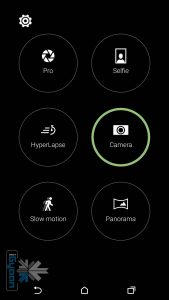
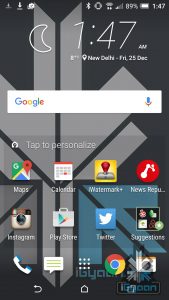
The UI is HTC Sense and works extremely well between the grid style icons and new blinkfeed. The Camera application is highly improved and quick to open and click pictures with. Nifty UI improvements make navigation quick and easy getting used to. You will still get all HTC personalisation features and easy migrate which will move you from any other phone to the new HTC One A9.
Quick and intuitive the software has been beautifully synced to work with the hardware on the HTC One A9 and it shows in the usage of the handset.
Networks and Battery
The HTC One A9 supports all major LTE Bands in India and works flawlessly on Airtel throughout its covered regions. Network dropped wherever other devices would drop it too. It does do a better job of holding on to the call while in transit.
Battery life is the one major question, while in most cases battery realistically drain out by 8 hours of use, sometimes it was much longer as much as 12 hours of use. The phone tends to last longer when it is not hunting for networks, and whereas this is the case with most phones, the HTC One A9 manages to last considerably longer if you are on Wi-Fi.
Function
Time
Talk Time
4.5 Hours
Music
10 Hours
Internet on LTE
5 Hours
Internet on WiFi
8 Hours
Conclusion
HTC made on hell of a phone with the HTC One A9, to add to possibly the strongest lineup of handsets for any company. But, just like many devices in the past the price does not seem to do it justice. While HTC phones are built to last, and look and feel great, have impressive UIs and software experiences along with hardware that is top notch and engineered to work well with their software. All of which you see on the HTC One A9, but since there is no calculation for experience of using a handset, the price will be truly the biggest letdown of the handset, and the only issue worth considering.
The HTC One A9 offers a user experience which is easy to forget about, because it does not bother you. HTC has finally understood what people want, but do they want it from HTC ? That may be real question. The HTC One A9 paces through the day of a modern consumer who is on the go , a slim and lightweight package, built well and around a smooth user experience, from software to customer service. One of the best phones in this price bracket and truly one worth your hard earned money.
The HTC One A9 is a Snapdeal exclusive in India and has been launched for Rs. 29,999 . You can buy one here : SnapDeal
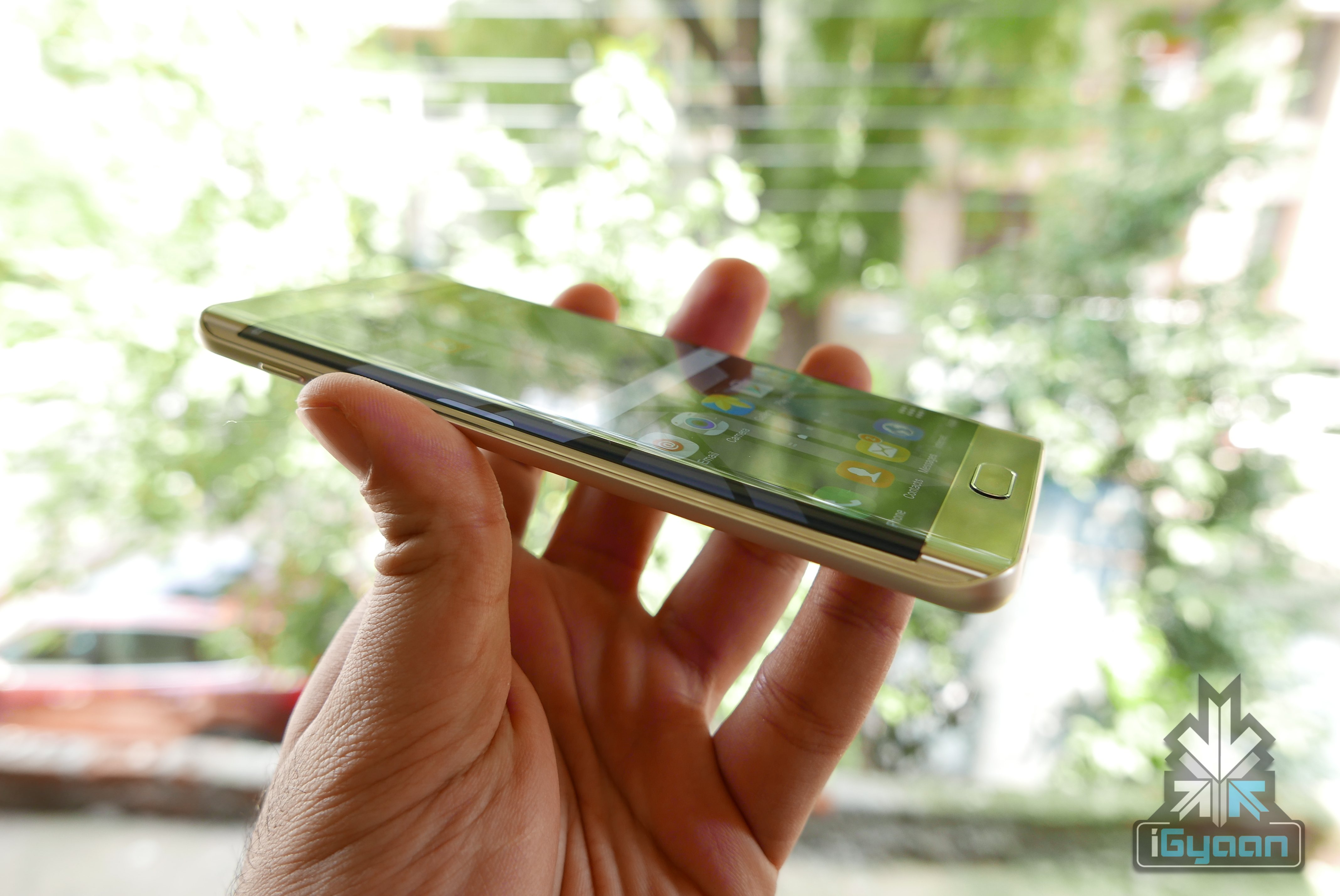
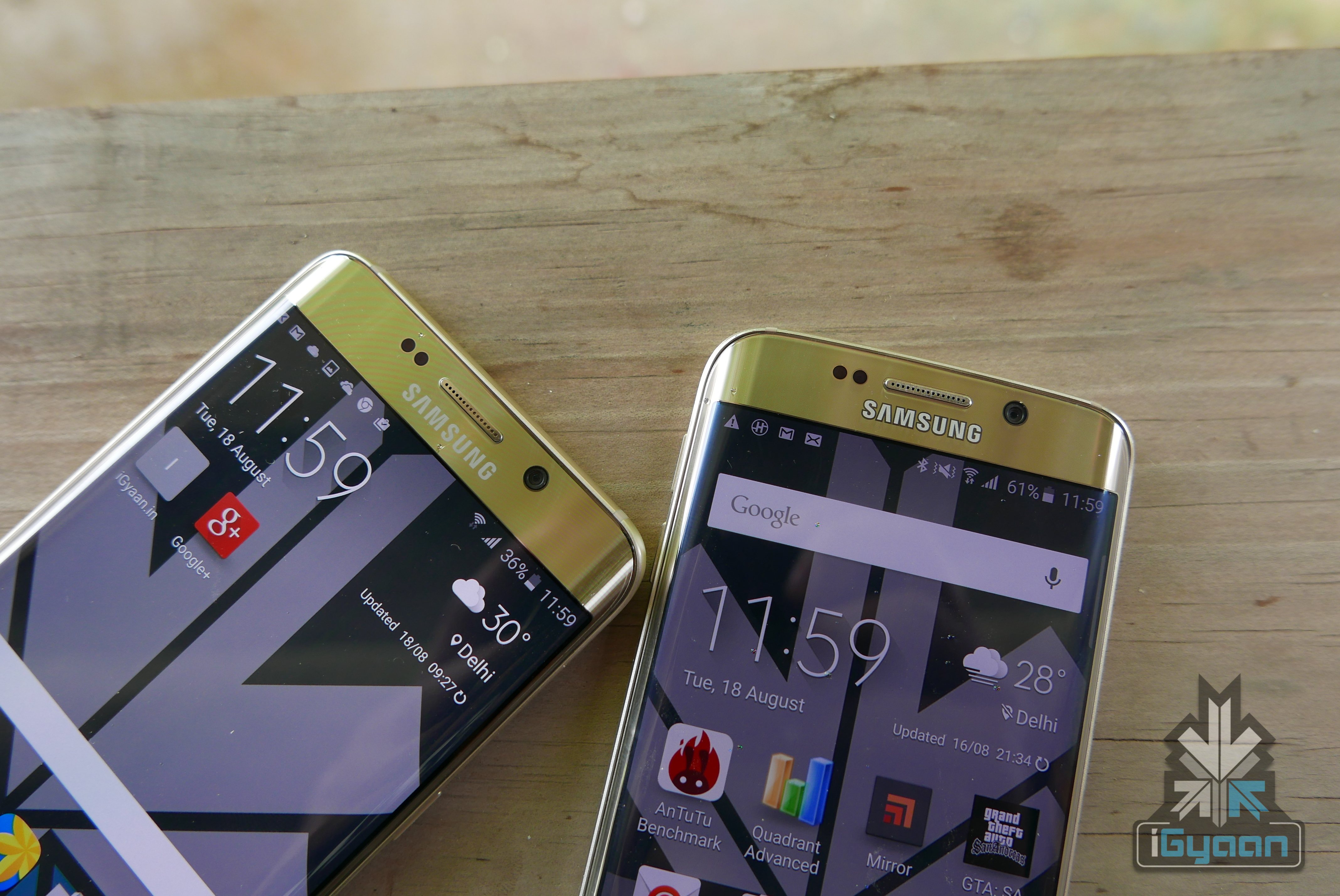
The tech world is really fast when it comes to improving things. Samsung’s Galaxy S6 Edge + is still pretty new and there are already rumours afloat about what might be called the Galaxy S7. Apparently, the new smartphone might use magnesium alloy in the construction of its body.
While, the Galaxy S6 uses an aluminum frame and a glass body, the rumoured S7 could be Samsung’s first full metal flagship device, ever. The reason for this is reportedly because the metal is lighter and more durable as compared to its glass-bodied devices, plus magnesium generates much less heat than aluminum, which is something the smartphone industry is definitely looking at as a feature in all their phones.
Finally, the galaxy S7 is allegedly coming out in the first half of 2016, there’s not much else that is known about this device, as of now.
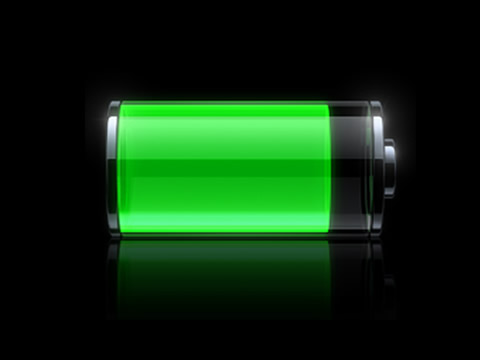
The first “modern” battery consisted of an apparatus made with metal plates and brine soaked cardboard and was invented by an Italian physicist named Count Alessandro Volta in 1799. Since then, the materials used have changed tremendously, but the basic principle has remained the same. When a device is connected to a battery, a reaction takes place that generates electricity. This is called an electrochemical reaction.
Mankind’s appetite for electricity has grown exponentially since the 1800s. Today, batteries are found in a vast variety of devices from wristwatches and alarm clocks to smartphones and laptops. Lets look at a few of the most common batteries that we find around us everyday.
If you look at any battery today, be it a pencil cell or a car battery, the first thing you’ll notice is that it has two terminals marked + and – . On pencil cells and flashlight batteries like AA, AAA, C or a D cell battery, the terminals are at opposite ends of the battery. On higher capacity batteries like a 9V or a car battery the terminals are located together on top of the battery. If a wire is connected to both terminals, electricity will flow from the -‘ve terminal to the +’ve terminal as fast as possible. This will drain the battery very quickly and is dangerous when applied to larger batteries.
A battery consists of five main components. There is a cathode, which connects to the +’ve terminal, an anode, which connects to the -‘ve terminal, a seperator, which prevents the anode and cathode from touching each other, an electrolyte, which allows the charge to flow from the anode to the cathode and lastly a collector, which conducts the electricity out of the battery.
When you put a battery in a device, it completes the load circuit. What happens next differs from battery to battery but the idea remains the same. The anode goes through an oxidation reaction in which two or more ions from the electrolyte react with the anode material and creates a new compound and two or more electrons. At the same time, the cathode goes through a reduction reaction in which the cathode material, ions and free electrons combine to form other compounds. While this sounds very complicated, its actually very easy. The anode reacts with the electrolyte to create electrons and the cathode reacts with the electrolyte to absorb electrons. The end result is electricity. A battery will last as long as it has materials to continue the reaction at both electrodes.
A few commonly found batteries include:
Zinc Carbon Battery: This type of battery chemistry is commonly found in many cheap AA, AAA, C and D cell batteries. The anode is Zinc, the cathode is Manganese Dioxide and the electrolyte is Ammonium Chloride or Zinc Chloride.
Alkaline Battery: This is also another commonly found battery chemistry. The cathode is composed of a manganese dioxide mixture, while the anode is a zinc powder. It gets its name from the potassium hydroxide electrolyte, which is an alkaline substance.
Lithium Ion: Lithium ion batteries are used in high performance devices that require frequent charging. These include phones, laptops, tablets and even electric cars. While the exact components of Lithium Ion batteries vary, the most common practice is to have a lithium cobalt oxide cathode and a carbon anode.
Lead Acid: This is the typical car battery. It consists of lead dioxide and metallic lead electrodes that are suspended in a Sulfuric Acid solution.
The two main categories of batteries are Primary (one time use) batteries and Secondary (rechargeable) batteries. The only difference between the two is that when an external current is applied to a secondary battery, the electrochemical reaction happens in reverse, which restores the charge of the battery. There are three main types of rechargeable batteries, Lithium Ion (LiOn), Nickle Metal Hydride (NiMH) and Nickle Cadmium (NiCd). NiCd batteries were the first widely available rechargeable batteries but they suffered from a problem known as the memory effect. These batteries, if not fully discharged during every use, would quickly start to loose power.
NiCd batteries were largely replaced by NiMH batteries which boasted a much larger capacity as well as a reduced memory effect. The only problem with NiMH batteries was their relatively short shelf life. Like NiMH batteries, LiOn batteries have a long life, but they hold a charge better, operate at higher voltages, and come in a much smaller and lighter package.
An offshoot of the LiOn technology is the Lithium Polymer (LiPo) battery. While LiOn batteries are the norm for most laptops, LiPo batteries offer significant advantages in space as well as weight savings. These types of batteries consist of an anode and cathode material that has been laminated onto a microperforated plastic sheet which, as the name implies, allows the passage of ions but seperates the anode from the cathode. This allows LiPo batteries to created in almost any shape from round to square and anywhere in the middle. Most mobile phones and tablets have these batteries as they boast the highest charge density of any battery available in the market today.
Looking to the future, many people believe that the days of the battery are numbered and that they will soon be replaced by fuel cells. While we look forward to the day we have to start popping H2 cartridges into our phones once a month, it is still a while away.
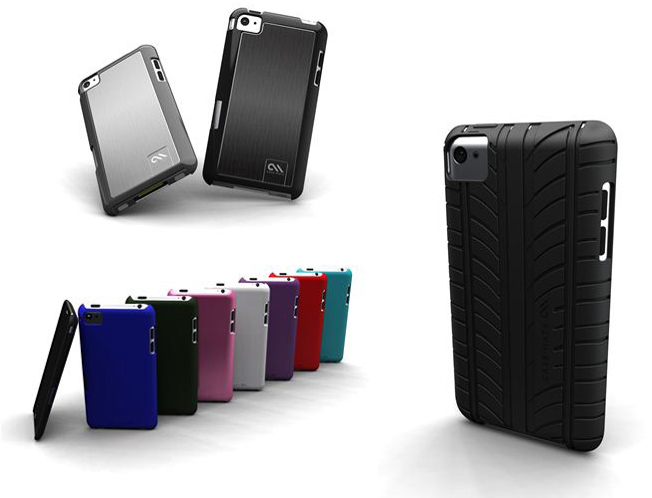
If one thing is for sure, all other speculation can be put to rest when CaseMate “accidentally” leaks the iPhone 5 design. In an attempt to gather eyeballs (we believe ) the accessory manufacturer updated its website with a series of new cases. The link was soon after replaced with an announcement stating :
The wait is almost over as the next generation iPhone 5 / iPhone 4S will be released in the coming weeks. The new iPhone promises more technology than ever, all in the palm of your hand. The guessing game continues whether Apple will unveil the iPhone 5 or the iPhone 4S. Case-Mate will be ready with a collection of iPhone 5 cases / iPhone 4S cases to protect your new iPhone in your own personal style.
But that didn’t happen before people could grab the images off the website. The new design is identical to the rumors from before, a thin tapered device with now what appears to be an aluminum back.
Casemate is one of the better known manufacturers, so these image only add confirmation if anything to the upcoming device from Cupertino.
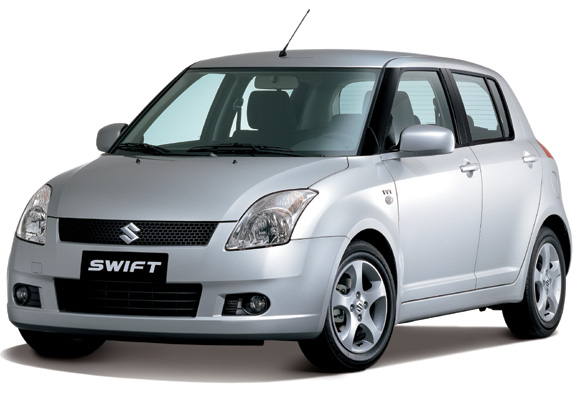
Maruti Suzuki Swift, is one of india’s best selling hatchbacks. After nearly six years in service, the car is finally due for an overhaul. The new Swift which is due to launch next month is said to be more fuel efficient and will come in 1.2l Petrol and 1.3l Diesel varients.
The new Swift is built on a slightly longer platform and engineers have managed a substantial weight reduction by replacing the metal fuel tank with a plastic one. This has improved the car’s mileage by almost 13%. The new model will be produced in the company’s Manesar Facility. The petrol version is said to give a mileage of around 20 kmpl as compared to the existing mileage of 17.9 kmpl. Similarly, the diesel variant will give a mileage of around 23.8 kmpl as compared to the existing mileage of 21 kmpl. No pricing details have been shared by the company as yet.
According to an industry expert, plastic fuel tanks are usually 25-35 per cent lighter than the conventional metal tanks. Besides the decrease in weight, these tanks are corrosion-free, durable, non-explosive and easily recyclable. Maruti may also offer a four-speed automatic transmission option in the petrol version of the new car.
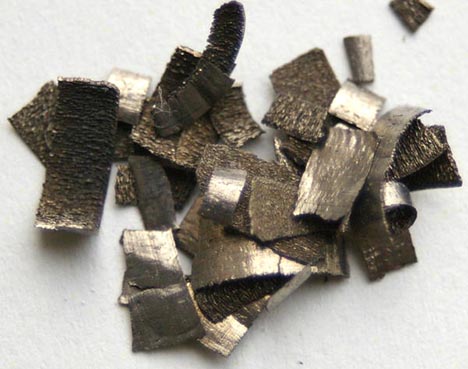
Rare earth metals are used in the production of everything from iPods to flat screen TV’s. China was the worlds leading source of these metals till today when scientists from Japan announced that they had located a huge cache of these metals in the Pacific Ocean. China accounts for 97 per cent of the world’s production of 17 rare-earth elements, whose unique electrical, magnetic, optical and thermal properties make them vital ingredients for some of the most technologically advanced products.
According to the journal Nature Geoscience, a team of scientists led by Yasuhiro Kato, found an estimated 100 billion tonnes of the minerals in mud at 78 locations on the Pacific seabed. To give an idea of just how much that is, the current reserves of rare earth metals amount to 110 million tons which are found mostly in China, Russia and other Soviet countries and the US. The commercial viability of procuring these metals has yet to be worked out as they are located deep in the ocean, at approximately 13,000ft and 16,250ft.
China’s commerce ministry said that between January and November last year, the country exported 35,000 tonnes of rare-earth minerals, up 14.5 per cent on 2009. About a third of China’s reserves have already been used up, leaving about 15 years’ worth at the current rate of depletion.
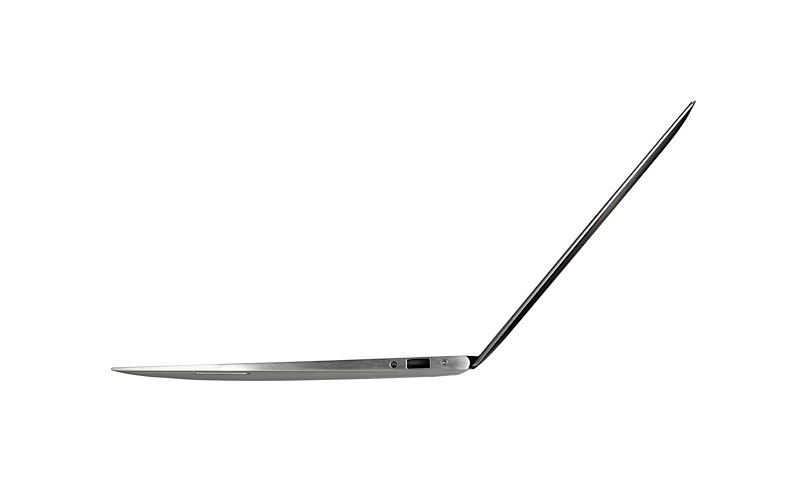
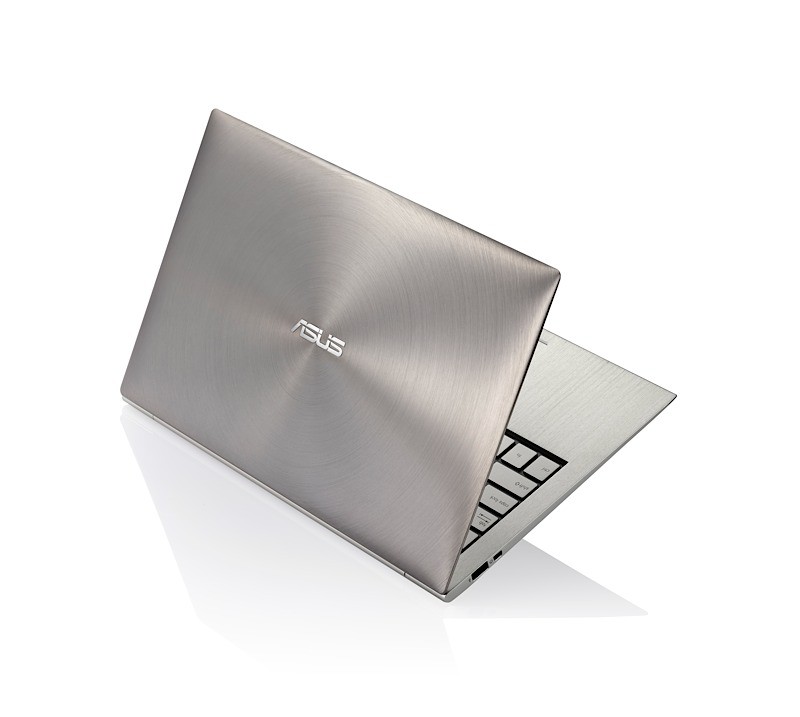
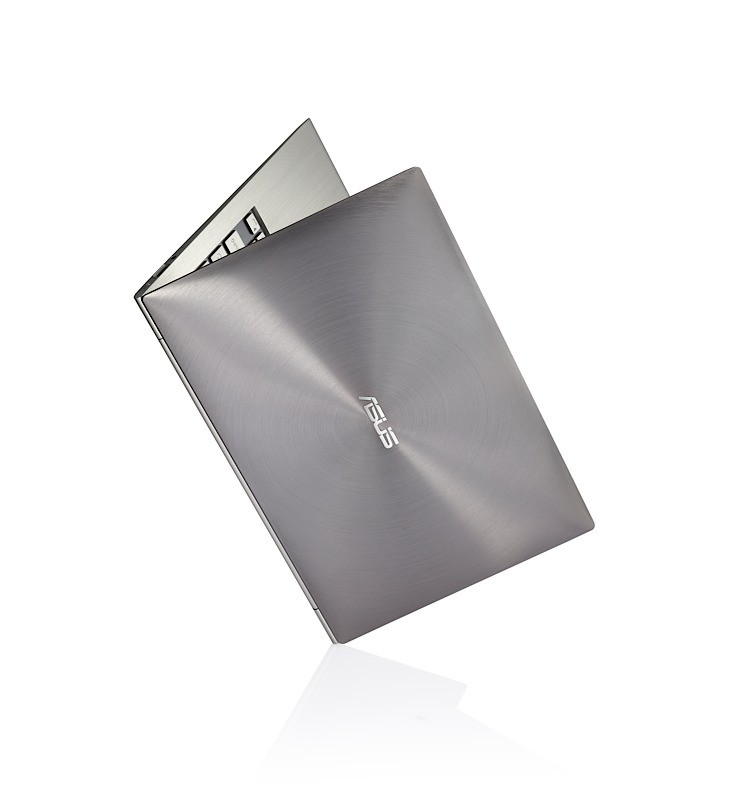
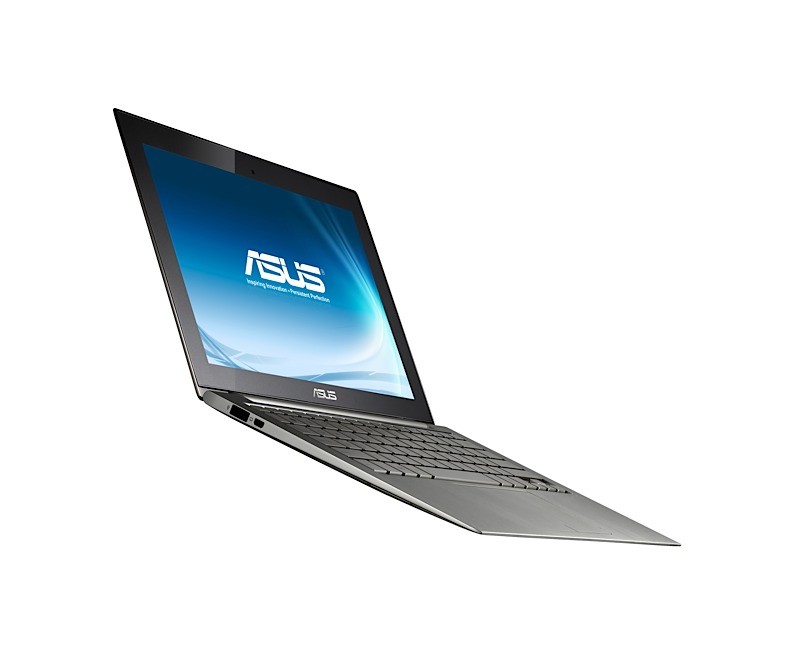
ASUS has unveiled a range of Ultra thin Laptops dubbed the UX21.
Specs include
17mm thickness at thickest part
Upto Core i7 Sandy Bridge
2 Second resume from Sleep
SATA III SSD
USB 3.0
Hibernation For a Week
All Glass Trackpad
All metal Keyboard
PRESS RELEASE
ASUS “INNOVATION BEYOND EXPECTATIONS” AT COMPUTEX 2011
Chairman Jonney Shih unveils the stunning Padfone device, a 3D tablet, ultra-thin and light notebooks and netbooks, plus the world’s first PC motion sensing controller and a sleek 27″ All-in-One HD desktop
Taipei, Taiwan (Computex, May 30, 2011) – ASUS Chairman Jonney Shih has unveiled the highly-anticipated Padfone along with the latest ASUS innovations, which include new UX Series notebooks, redesigned N Series notebooks with SonicMaster audio technology, the revolutionary and versatile Eee Pad Memo 3D, ultra-thin Eee PC X101 netbooks, and unique home entertainment devices such as the motion-sensing WAVI Xtion and the 27″ All-in-One high-definition ET2700XVT desktop PC. With “Break the Rules, Innovation Beyond Expectations” as the dominant theme this year, Mr. Shih has reiterated the company’s strength in cutting-edge designs and superior engineering skills to help bring users the devices of their dreams. “Breaking the rules and changing the status quo are the keys to our success, and we strive to offer customers an experience that surpasses their expectations,” said Mr. Shih.
Padfone elevates consumer choice to new levels
Innovation is at the heart of ASUS design and the new Padfone reveals exciting new possibilities for mobile computing and communication. This convergent device combines a smartphone and a tablet computer into one symbiotic gadget that allows consumers to choose the screen size that best fits their activities while seamlessly sharing data and 3G internet access.
UX Series ultraportables
ASUS is noted for its exquisite design, and nowhere else is this more evident than in the new UX Series, developed in close cooperation with Intel® to ensure the best products become available to consumers. These astonishingly thin ultraportables are made possible through the use of a strong but light aluminum alloy shell with a unique ‘spun’ finish on polished surfaces. The artistry of the series draws inspiration from luxury timepieces, displaying sharp edges, an oversized keyboard and smartphone-like touchpad for added comfort, as well as reinforced hinges for extended longevity. Measuring a mere 17mm at its thickest point, the needle-thin UX Series nonetheless packs impressive specifications, with the latest 2nd generation Intel® Core™ mobile processors up to the powerful i7, SATA 6Gb/s solid-state drives and the Instant On feature, which resumes the notebook in seconds.
N Series notebooks and All-in-One PC with SonicMaster
ASUS continues to innovate in PC audio. The same SonicMaster technology that ASUS first developed with Bang & Olufsen ICEpower® for the incredible NX90 can now be enjoyed on the new N Series, where stunning high-gloss designs meet the very latest mobile technology. This latest N Series, co-designed by ASUS and world renowned designer David Lewis, comes with the addition of a dedicated external subwoofer for deep bass extension that would otherwise be impossible to replicate on a notebook. Desktop PC users can also experience the same well-appointed luxury with the 27″ HD All-in-One ET2700XVT desktop PC, which offers ultra-wide 178-degree viewing angles and optional 10-point multi-touch for smooth, fully consolidated computing.
Eee Pad MeMO 3D adds depth to tablet devices
Recognizing that no two users have quite the same needs when it comes to tablets, ASUS has introduced a fourth tablet to go alongside the recently announced Eee Pad Transformer, Eee Pad Slider and Eee Slate. Powered by the latest version of the Android operating system, the Eee Pad MeMO 3D has a 7″ multi-touch screen that can also be used with the supplied stylus for note taking in portrait orientation, plus a unique glasses-free 3D display mode for entertainment on the go.
The Eee Pad MeMO 3D is designed to be an alternative take on the 10″ tablet that is fast becoming a standard size. This portrait-oriented device uses a screen that can also be used more traditionally with all Android Honeycomb applications, should users choose to do so.
Eee PC evolved
ASUS evolves the Eee PC further with new models that take netbooks to ever-greater heights. The new Eee PC X101 has been designed from the start to be the perfect ultraportable for modern mobile users, with its Intel® MeeGo operating system incorporating full support for a wide range of social networking services. Eee PC X101 Series netbooks are also offered with the Windows® 7 operating system, and models ship with both solid state and mechanical hard drive storage configurations.
Wireless home entertainment with WAVI Xtion
Drawing on its research and development foundations, ASUS has worked closely with PrimeSense™, the leader in motion-sensing technology, in crafting the world’s first and only open-source, controller-free gesture-based device for PC. WAVI Xtion offers limitless enjoyment for consumers, upscaling PC fun onto big screen TV. The technology represents total integration of multimedia, social networking and gaming. The Xtion Browser affords internet usage with hand and body movements for an interactive experience, expanding web content with larger fonts, icons and graphics for livelier navigation. The Xtion Portal acts as an app store where users can purchase new games and utilities designed for WAVI Xtion, while social networking becomes more intuitive with a controller-free interface and exciting gesture input, also using an attractive visual style. WAVI Xtion ships with a game bundle that includes MayaFit™, Beat Booster, and DanceWall™, all perfect for exercise and fun for the entire family. Better still, the Xtion Engine incorporates gesture-based controls into many existing PC games, so consumers can experience them in a completely new way.
PRODUCT APPENDICES
Padfone
The ASUS Padfone is a device that explores one possible convergence between two popular mobile devices – the smartphone and tablet. The Padfone solves the problem of data transfer hassles and multiple SIM cards when both a smartphone and 3G tablet are used. With the Padfone, the smartphone docks inside the tablet to give users an expanded view to suit their tasks. With the phone docked, it can recharge from the tablet’s larger battery and the tablet can also make use of the smartphone’s 3G internet connection. The dual interfaces for both the pad and phone ensure an enhanced user experience as the layout is automatically adjusted for all activities such as video conferencing, web browsing and emailing.
UX Series
Notebook PC users demand the very best performance in increasingly portable packages, which is exactly what the new ASUS UX Series delivers. Clad in a svelte aluminum alloy shell that has a unique ‘spun’ finish, the UX Series packs a number of impressive features, including 2nd generation Intel® Core™ mobile processors, including the powerful i7, to ensure blistering performance. Up to 7-hour battery charges mean that the UX Series is always ready for action – and with the Instant On feature it resumes work in seconds.
N Series
The new ASUS N Series combines a stunning design with the very latest mobile technology and legendary SonicMaster audio, which has already made a name for the ASUS NX90. The slim, glossy black exterior denotes a premium notebook with specifications to match, including cutting-edge features such as second generation Intel® Core™ mobile processors and USB 3.0. Developed together with Bang & Olufsen ICEpower®, ASUS SonicMaster ensures that the N Series sounds as good as it looks, with oversized internal speakers, sophisticated audio processing and a bundled dedicated subwoofer that delivers deep, rich bass that belies the notebook’s compact size. This latest N Series is co-designed by ASUS and renowned designer David Lewis.
Eee Pad MeMO 3D
The ASUS Eee Pad MeMO 3D is designed to be an alternative take on the 10″ tablet that is fast becoming a standard size. This portrait-oriented device has a 7″ multi-touch screen that can be used in the usual way with Android Honeycomb applications, but there’s also the added twist of stylus support, so users can opt for handwriting input and treat the MeMO 3D much like a digital notepad. Productivity is only one area where the Memo 3D scores highly, though. The bundled MeMIC Bluetooth hands-free headset makes it ideal for listening to music and making calls, while flipping the MeMO 3D into landscape turns it into a glasses-free 3D display that adds a new dimension to mobile entertainment. Consumers can enjoy movies, games and photos in 3D, all from the palm of their hand.
Eee PC X101
The ASUS Eee PC X101 is a new netbook that is designed to perfectly meet the needs of the modern mobile user who lives and works online. Just 17.6mm thick and weighing less than 950g, the Eee PC X101 can be slipped into a bag and taken anywhere, but this is no cut-down portable computer – it packs a 10.1″ screen, QWERTY keyboard and the latest Intel® Atom™ N435 processor. Users can get online with 802.11b/g/n Wi-Fi, where the Eee PC X101 really comes into its own. The Intel® MeeGo operating system has full support for a wide range of social networking services and a raft of productivity tools built in, making this a netbook that’s ready for use right out of the box. There’s also the X101H model, which has all the same features but comes with a hybrid hard drive and choice of Window® 7 or MeeGo.
WAVI Xtion
ASUS WAVI Xtion is a sophisticated multi-component technology, and the result of extensive cooperation, innovation and development. While ASUS has been working closely with PrimeSense™ in creating the core technology behind WAVI Xtion, the product also brings to market a host of additional pioneering highlights. Collaboration with AppSide has resulted in the creation of Xtion Portal, and ASUS has also worked with Hillcrest on the highly-interactive Xtion Browser. Bundled game DanceWall™, which gets consumers physically active as they enjoy themselves with family and friends, was developed by Softkinetic Studios.
All-in-One ET2700XVT
Featuring a 27″ HD display with ultra-wide 178-degree viewing angles, HDMI-in ports, a digital TV tuner and SonicMaster audio, the ASUS All-in-One ET2700XVT is the perfect desktop for any home or office. This is more than a mere monitor – it is a full PC at far less the space requirements of other desktops, with optional 10-point multi-touch that makes it ideal for entertainment applications.