Tag: miui 9

  • Xiaomi Mi MIX 2, Mi 6 Will Soon Get Face Unlock Feature

    Xiaomi Mi MIX 2, Mi 6 Will Soon Get Face Unlock Feature

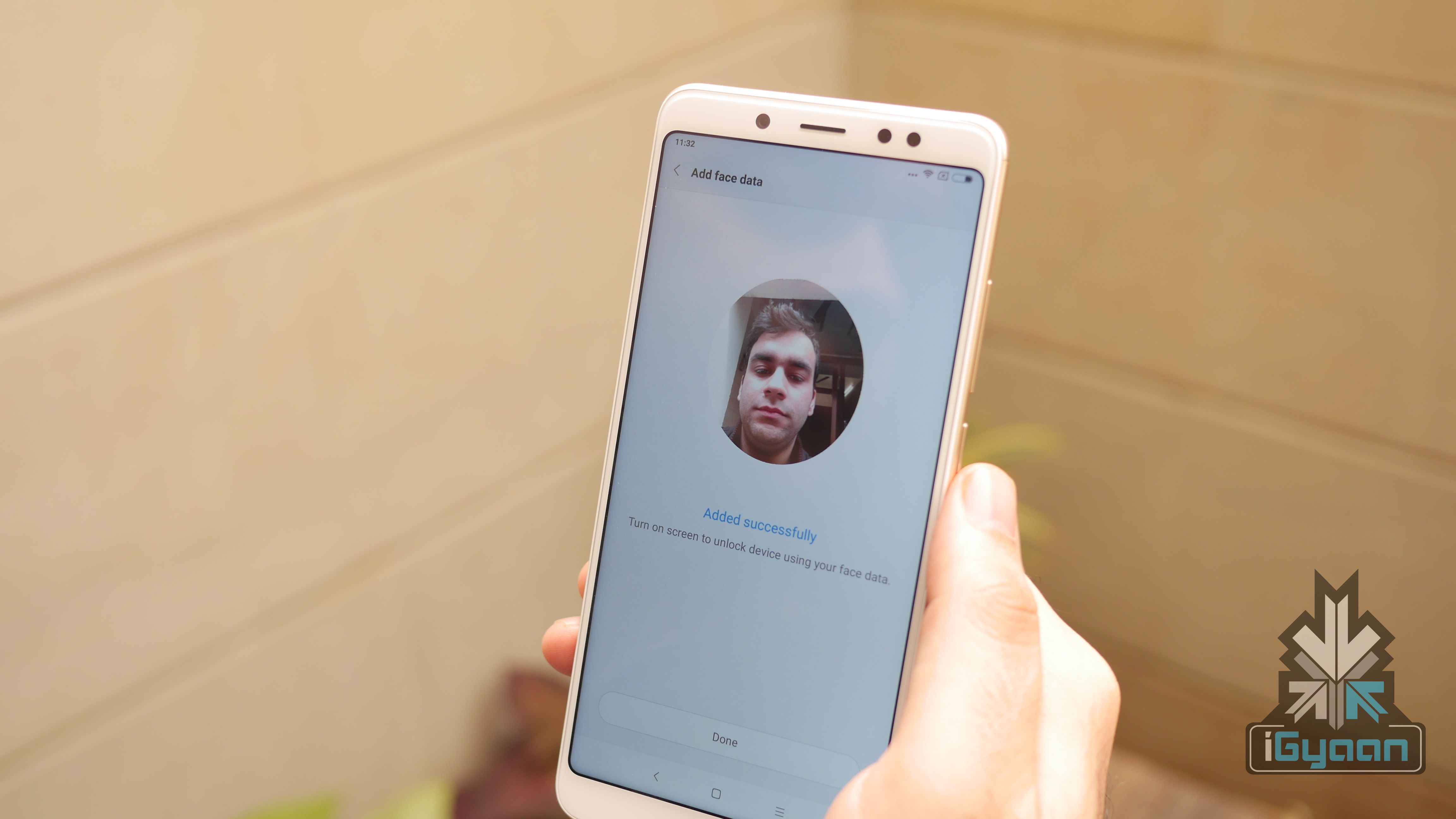
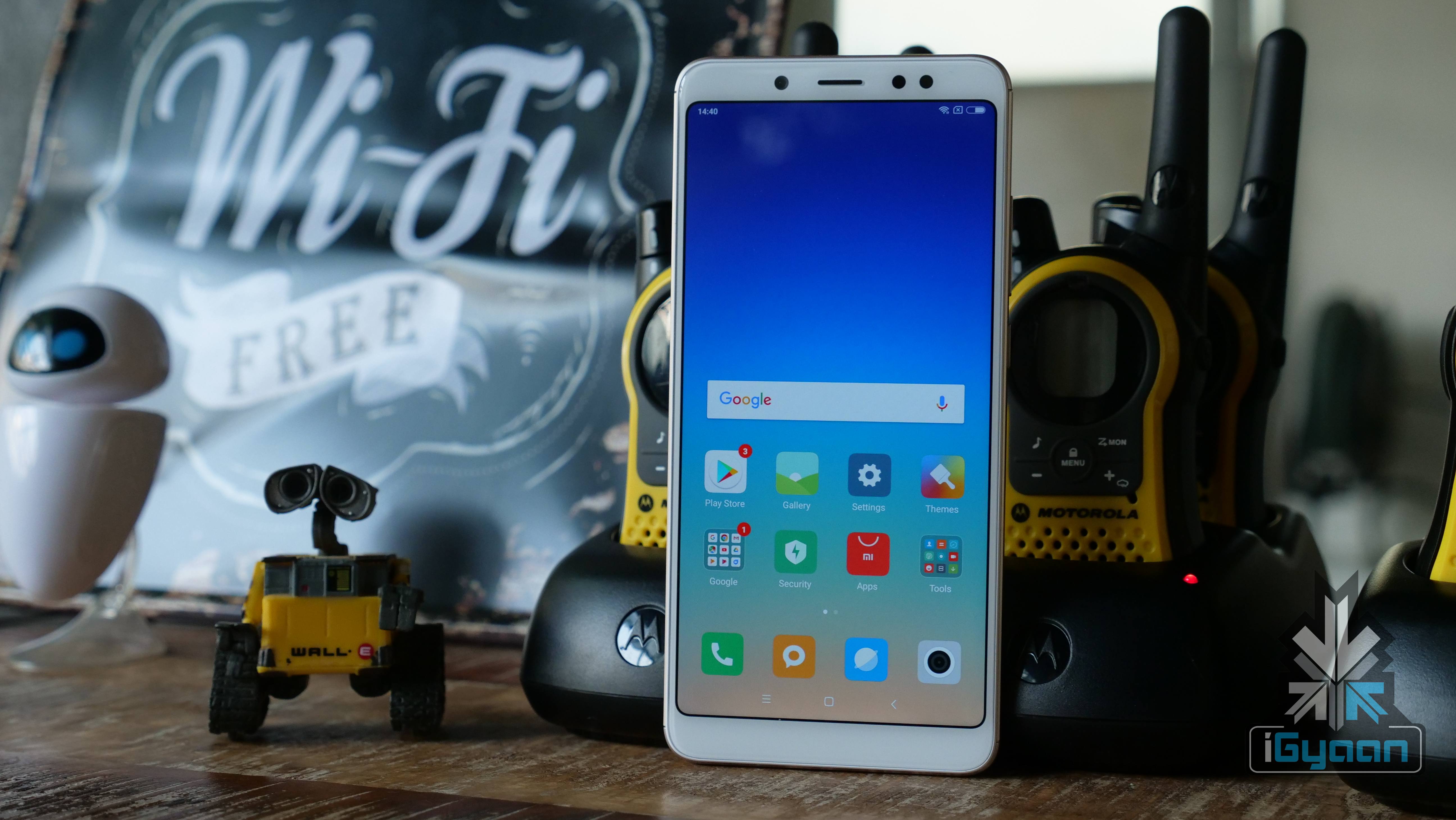
    The Xiaomi Redmi Note 5 Pro is the first Xiaomi smartphone to support Face Unlock. Similarly, the company is testing this feature for the Mi MIX 2 and the Mi 6 on the beta version. In fact, users can install the Global beta ROM to test this feature. However, as the ROM is in beta stage, it might not be suitable for a primary device.

    So, if you own a Mi MIX 2 or the Mi 6, the device will receive an OTA update in next few days. However, the company warns about using the feature, as it can be fooled using a photo or a video.

    Specifications of Xiaomi Mi MIX 2

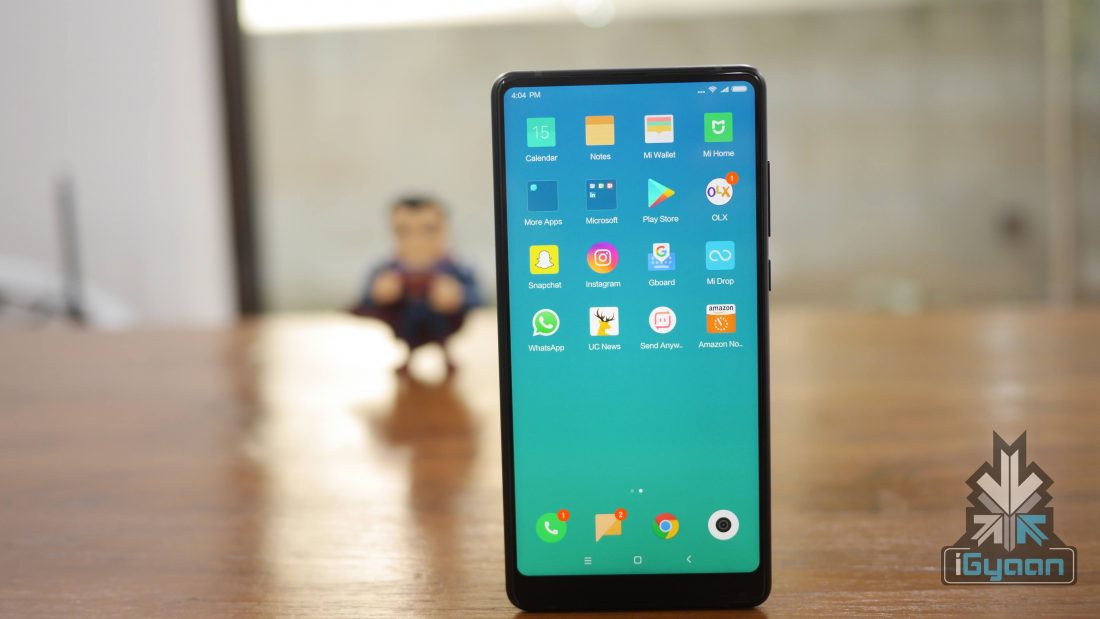
    The Xiaomi Mi Mix 2 has a 5.99 inch 2160 x 1080 px LCD display with an 18:9 aspect ratio. The device is powered by a 3,400 mAh battery which is considerably smaller than the previous generation Mix’s 4,400 mAh battery. The Mi Mix 2 runs Android 7.1.1 with Xiaomi’s custom MIUI 9 on top.

    Under the hood, the flagship smartphone has the Qualcomm Snapdragon 835 chipset, Adreno 540 GPU, 6GB RAM and storage options of 64GB, 128GB or 256GB. A special edition Mi Mix 2 with a full ceramic body, 8GB RAM and 128GB onboard storage has also been announced.

    The smartphone sports a 12-megapixel Sony IMX386 sensor with 1.25-micron pixels, an f/2.0 aperture 4-axis optical image stabilisation, 5-piece lens, and facial recognition. On the front is a 5MP which features facial recognition as well.
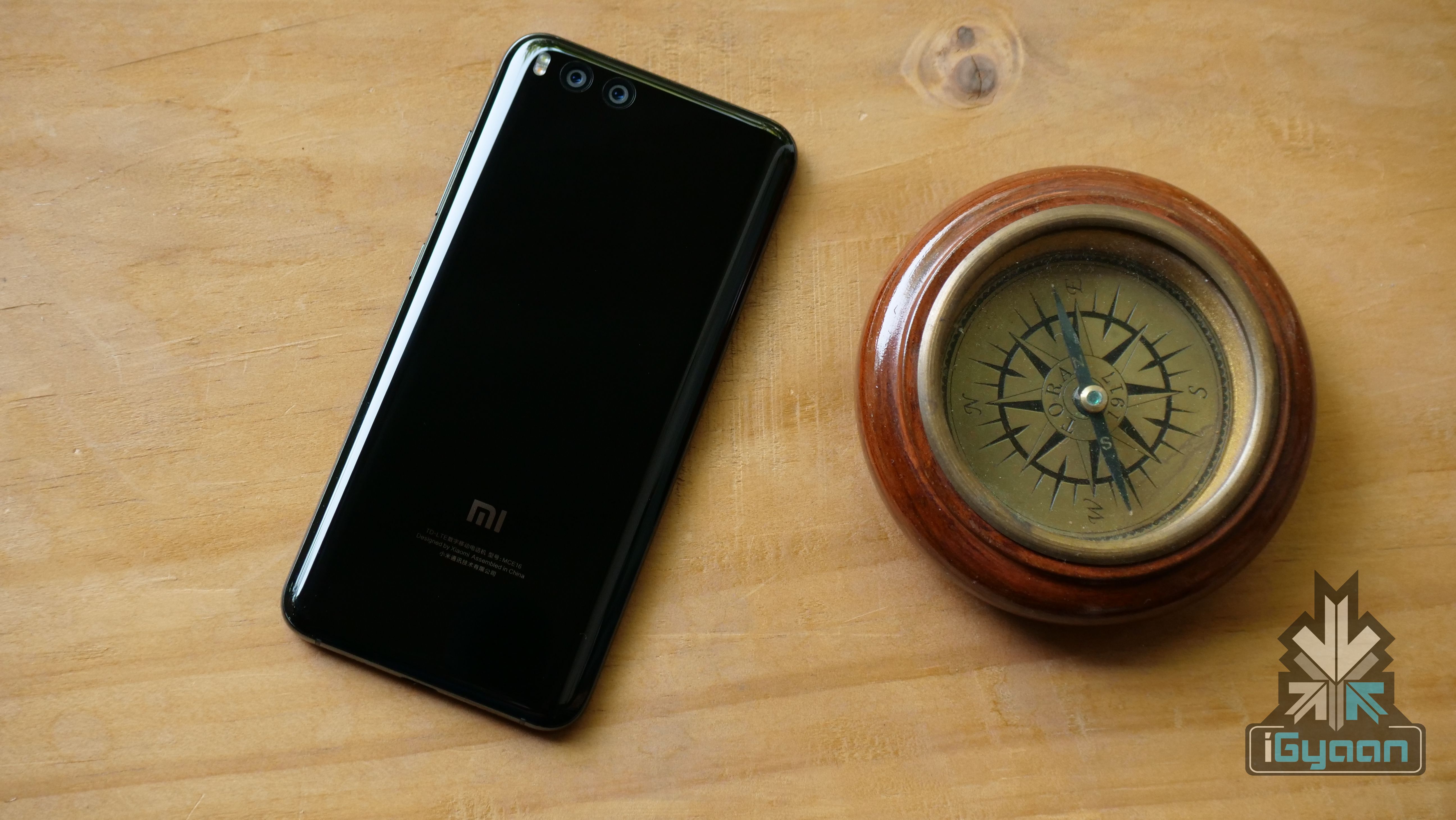
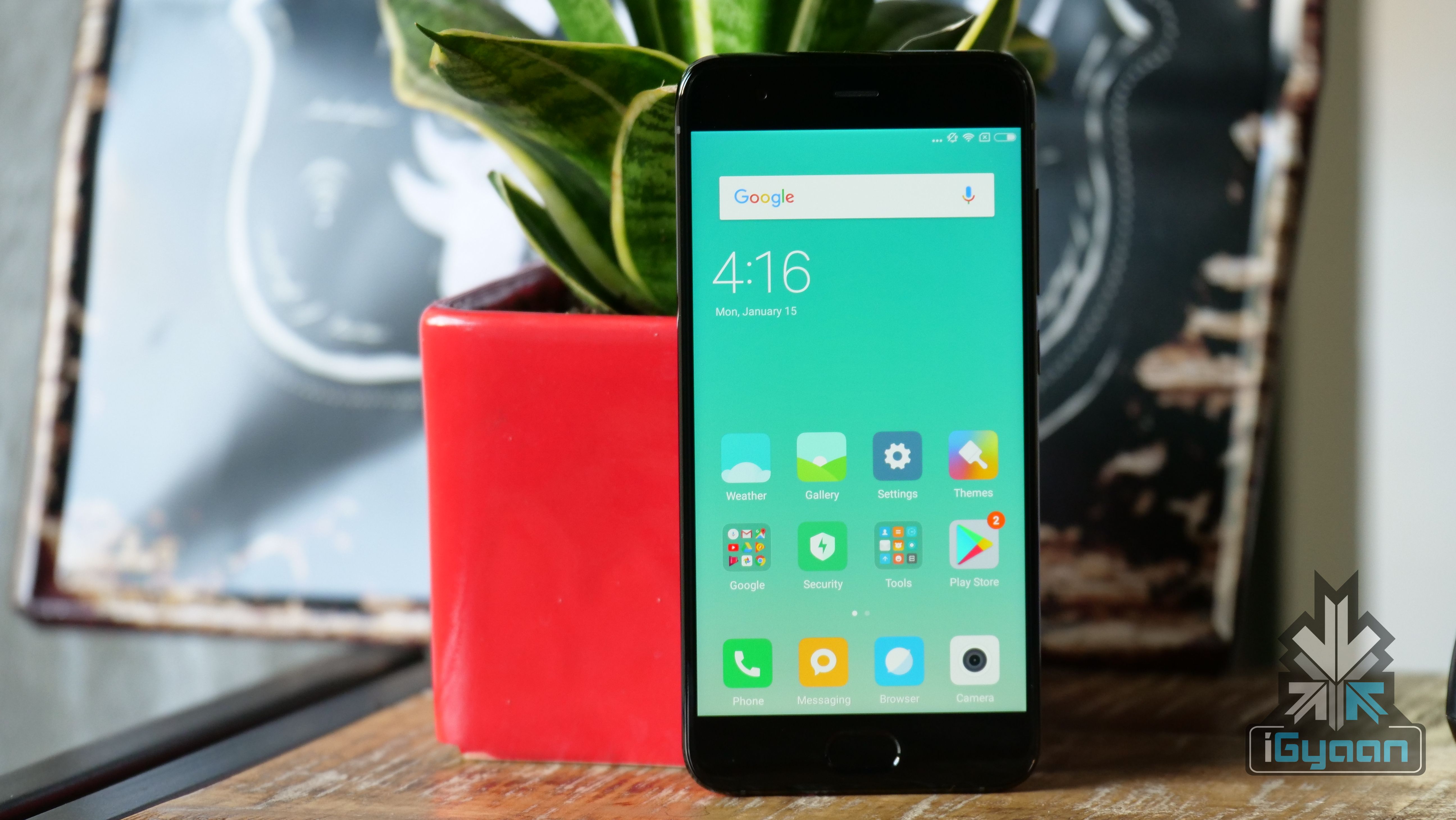
    Mi MIX 2
    Mi Mix 2
    Specifications of Mi 6

    The Mi 6 has a 5.15 inch 1920 x 1080 px LCD display. Under the hood, the device has Qualcomm Snapdragon 835 and Adreno 540 GPU for graphics. The fingerprint sensor is housed in the home button just below the display. Powering the device is a 3350 mAh battery and the phone runs Android 7.1 Nougat with MUI skin on top.

    The Mi 6 has a dual camera set up of two 12MP cameras at the back. On its front, it has an 8MP camera which records 1080P videos.
  • Xiaomi Redmi Note 5 Pro For Rs. 11,799: Here’s How To Avail The Offer

    Xiaomi Redmi Note 5 Pro For Rs. 11,799: Here’s How To Avail The Offer

    Xiaomi launched the Redmi Note 5 Pro in India starting at Rs. 13,999. The phone will go on sale via Flipkart and Mi.com from the 22nd of February. The company claims that this is the fastest Redmi Note ever, thanks to the presence of the Snapdragon 636 chipset. While the Xiaomi Redmi Note 5 Pro has a great price, there are ways to buy it at an even more affordable price. Here’s how!

    Offer
    • This offer is applicable for Jio Prime users
    • A user has to make a recharge of either Rs. 198 or Rs.299
    • These plans will credit double data + 100 percent cashback via Jio vouchers
    • The company will credit 44 cashback vouchers of value Rs. 50
    • These vouchers can be redeemed via recharging on My Jio app
    • One can also recharge for Rs. 9,999, that offers 4.5 TB data instead of 2.5 TB data for 360 days instead of 750 GB
    • The offer is applicable up to 3 consecutive recharges on a single number
    • The plans are applicable on all variants of Xiaomi Redmi Note 5 and Xiaomi Redmi Note 5 Pro

    Specifications

    The Xiaomi Redmi Note 5 Pro has a 5.99-inch display with a pixel resolution of 2160 x 1080p. Under the hood, the smartphone has a Qualcomm Snapdragon 636 chipset and an Adreno 309 GPU. The device will be available in either 4GB RAM and 64GB storage or 6GB RAM and 64GB storage.

    The fingerprint scanner is placed on the back of the phone and it has an aluminium unibody build. The smartphone runs on Android 7 Nougat with custom MIUI 9 skin on the top. The infamous face unlock feature is not available out of the box. However, a software update in March is expected to include the feature.

    To the back of the smartphone is a vertically place dual-camera setup. It is a 12MP colour sensor f/2.2 and 5MP f/2.0 colour sensor setup. The smartphone clicks portrait mode photos from the front and rear cameras. The phone has a 20 MP IMX376 front-facing camera, with Beautify 4.0 software to enhance portrait mode photos. Finally, Xiaomi Redmi Note 5 Pro offers a massive 4000 mAh battery with Qualcomm Quick charge 2.0 capability.

    Conclusion:

    The Redmi Note 5 Pro, at this price, is a great device. In our recent camera comparison with the Honor 7X and Mi A1, it came out on top with a better overall score. With the Jio offer, the Redmi Note 5 Pro becomes an even better proposition and could sway a lot of people away from the Redmi Note 5.

    Buy the Xiaomi Redmi Note 5 Pro here

  • MIUI Vs Android One? Users Choose Stock Android!

    MIUI Vs Android One? Users Choose Stock Android!

    Every Android user is proud of the choices on offer on Android OS. Same cannot be said about iOS and a lot of consumers choose an Android device for this particular reason, we all liked to be spoiled for choices. However, over the years, a lot of people have formed a liking towards stock Android OS, which doesn’t offer as many options as a custom skin.

    Xiaomi, famous for its MIUI running Android smartphones in India, recently held a poll on Twitter. The question asked was whether users prefer MIUI or Android One. Android One means stock Android OS and the majority voted for Android One. The poll was subsequently deleted since users chose stock OS over its proprietary custom skin.

    It is fair to say that this is very subjective. Some people prefer the custom skins like MIUIwhich offers a lot of options to customise smartphones according to one’s personal preferences. While others prefer stock OS which might not provide a lot of customisation options but, it does feel more stable than a lot of skins.

    Xiaomi even launched an Android One device, the Mi A1 back in September 2017. Xiaomi has made some excellent devices over the years with great hardware. While MIUI has not been everyone’s cup of tea, the Mi A1 was the perfect device for such users. The Mi A1 had Xiaomi’s hardware and stock Android OS.

    Redmi Y1

    The poll on Twitter just revealed that while custom skins are great, stock Android OS is probably better. And who knows, maybe this poll will make Xiaomi launch a successor to the Mi A1 as well!

  • 4-Year-Old Xiaomi Redmi Note Receives MIUI 9 Update

    4-Year-Old Xiaomi Redmi Note Receives MIUI 9 Update

    In this day and age of companies pulling the plug on software support only a year after launching it, Xiaomi has taken a different route. After rolling out the MIUI 9 update for the Redmi 1S, the company has started updating the Redmi Note to MIUI 9 as well.

    However, it is worth noting that this updates the smartphone to MIUI 9 which is built on Android 4.4 KitKat and not Android Nougat or Oreo. While the UI of the phone sees an upgrade, the security patch is dated as far back as October 2016. The Redmi Note and Redmi Note Prime, both have started receiving the new update.

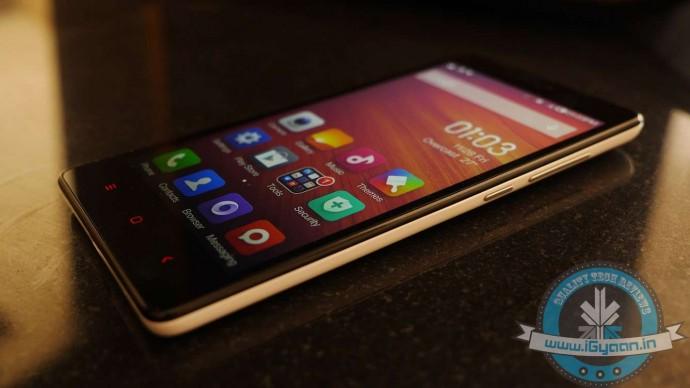
    MIUI 9

    The version for the Redmi Note is MIUI 9.2.2.0.KHIMIEK, while the Prime variant is receiving MIUI 9.2.3.0.KHKMIEK. The size of the update can be anything between 150 to 200MB for either device. By the end of the week, the update will be rolled out to all devices.

    Here are the top features of the new MIUI 9 skin:

    Faster App Launching Speed

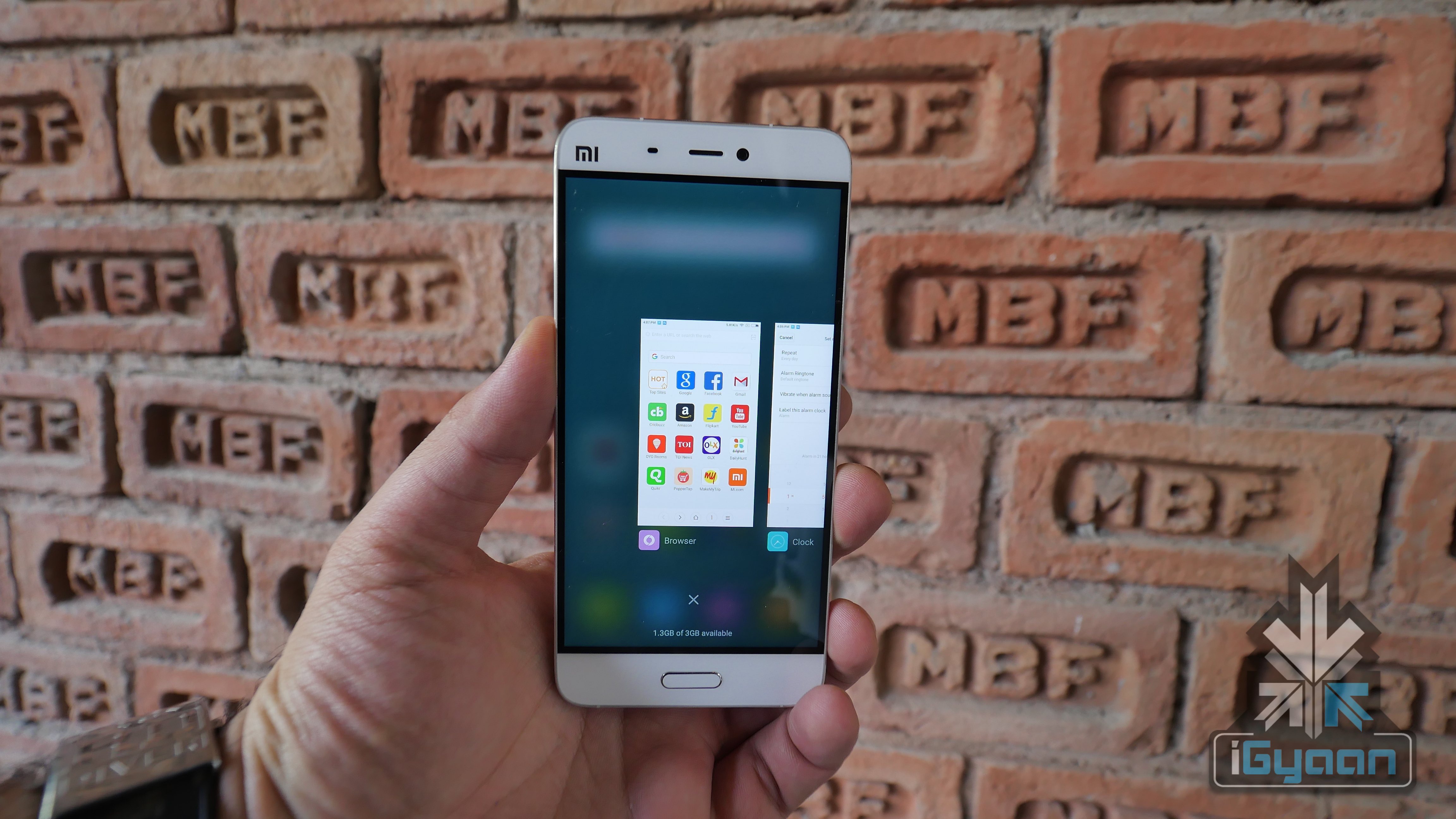
    One of the main criticisms of MIUI has been its sluggish nature and the slow speed of general usage even in the flagship devices. Keeping that in mind, Xiaomi has promised much faster app launching speeds and navigation between multiple apps will be snappier as well. Performance enhancements are always welcome and this looks to be a step in the right direction for the Chinese giant.

    MIUI 9

    Split-screen

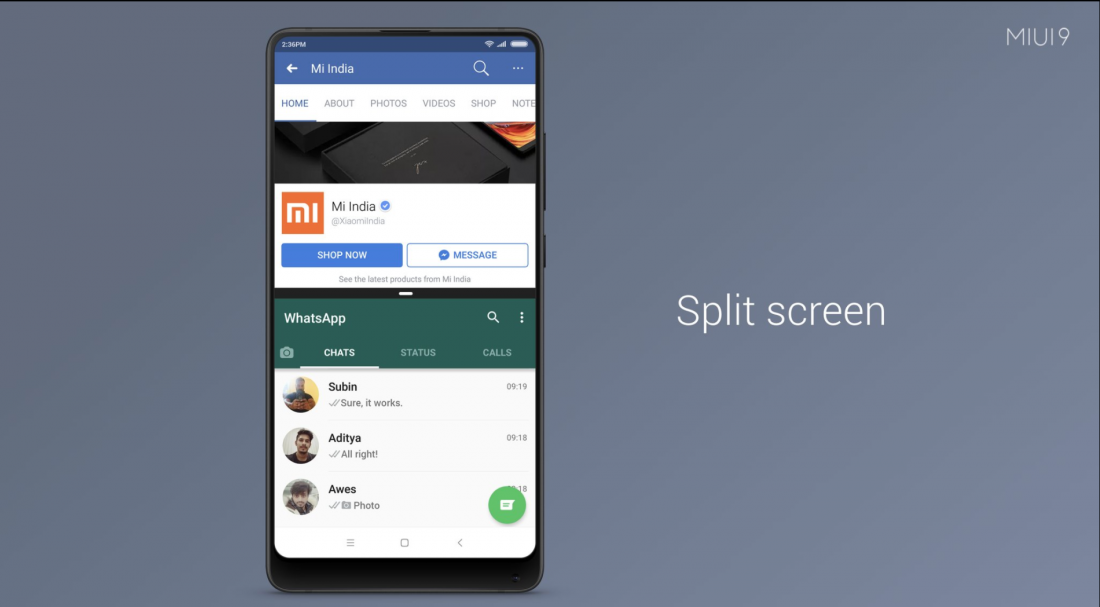
    The split-screen feature was one of the major upgrades in Android Nougat and a plethora of phones from mid-rangers to flagships have embraced this handy little feature. Xiaomi, on the other hand, has launched it just now with MIUI 9 and it’s a welcome update.

    Under The Hood Updates

    Xiaomi has also introduced MIUI 9 with a few features that run in the background for example application prioritisation. This basically means that apps in the foreground will use up more power, but that has been on Android for a while. It also has better cache management, a new file system and a bunch of other tweaks to make the user experience crisper and snappier.

    It is heartening to see that Xiaomi is still updating its old smartphones. For context, the OnePlus 3T, launched in late-2016 will not receive a software update, now that it runs Android 8 Oreo.
  • MIUI 9 Is Coming To These 40 Xiaomi Smartphones

    MIUI 9 Is Coming To These 40 Xiaomi Smartphones

    Xiaomi has announced 40 of its smartphones, some dating back to 2012, will receive MIUI 9 update soon. MIUI 9 was officially launched in India back in November along with the Redmi Y1 and Redmi Y1 Lite.

    The list of the smartphones that can be upgraded to MIUI 9 are Xiaomi Mi Mix 2, Mi Note 3, Mi 6, Mi Max 2, Mi 5X, Mi Mix, Mi Note 2, Redmi 5, Redmi 5 Plus, Redmi Note 4X, Redmi Note 5A, Redmi 5A, Mi 5, Mi 4, Mi 3, Mi 2, Mi 5C, Mi 5s, Mi 5s Plus, Mi Max, Mi 4s, Mi 4C, Mi Note, Redmi 4X, Redmi 3S, Redmi 3X, Redmi 4A, Redmi 4 high version, Redmi Note 2, Redmi Note 3, Redmi Note 4, Redmi Pro, Mi 2S, Redmi 2, Redmi 2A, Redmi 1S, Redmi Note, Mi Pad 3, Mi Pad 2 and Mi Pad.

    One of the most noticeable aspects of this announcement is that some smartphones in the list were launched more than six years ago. In a world where new smartphones are launched with old software and two-year-old devices lose support from their OEMs, this move by Xiaomi is commendable.

    As far as MIUI 9 is concerned, here are a few key features of the new version of MIUI.

    Faster App Launching Speed

    One of the main criticisms of MIUI has been its sluggish nature and the slow speed of general usage even in the flagship devices. Keeping that in mind, Xiaomi has promised much faster app launching speeds and navigation between multiple apps will be snappier as well. Performance enhancements are always welcome and this looks to be a step in the right direction for the Chinese giant.

    Split-screen

    The split-screen feature was one of the major upgrades in Android Nougat and a plethora of phones from mid-rangers to flagships have embraced this handy little feature. Xiaomi, on the other hand, has launched it just now with MIUI 9 and it’s a welcome update.

    Under The Hood Updates

    Xiaomi has also introduced MIUI 9 with a few features that run in the background for example application prioritisation. This basically means that apps in the foreground will use up more power, but that has been on Android for a while. It also has better cache management, a new file system and a bunch of other tweaks to make the user experience crisper and snappier.

    There is no timeline defined by the company regarding the seeding of the update. For 40 devices, the seeding might be a slow process but, owners of smartphones like the Redmi 1S will not mind it.
  • MIUI 9 Rollout For Xiaomi Mi 6 Global Variant Begins

    MIUI 9 Rollout For Xiaomi Mi 6 Global Variant Begins

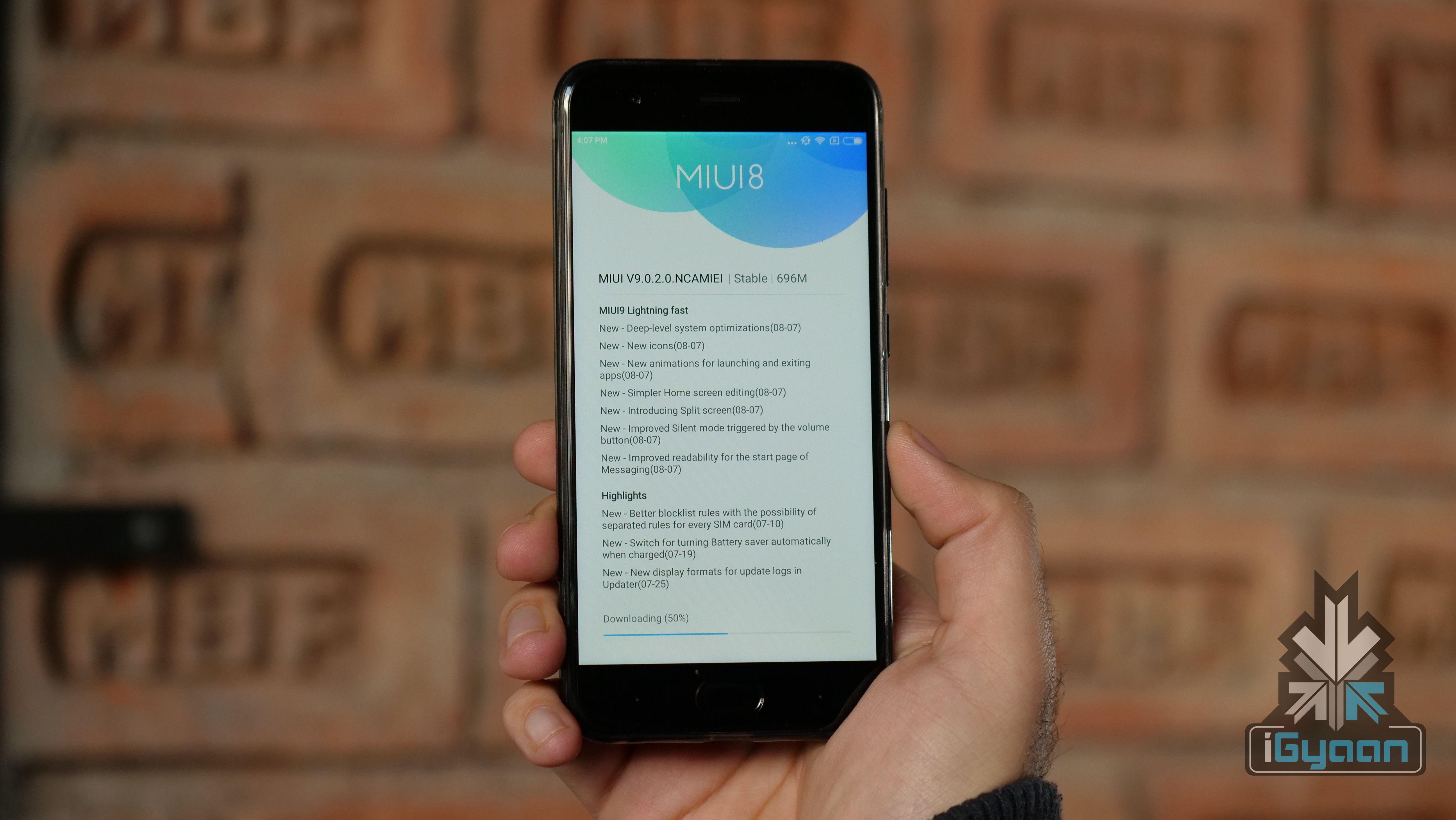
    At the launch event of the Xiaomi Redmi Y1 and Redmi Y1 Lite, the company also announced a list of smartphones that will receive an update to MIUI 9 in the coming months. While Xiaomi Mi Mix 2 was one of the first devices to receive the update, the Xiaomi Mi 6 has now joined the list of smartphones as well. The company has rolled out an update to MIUI 9.0.2 which brings a host of new features with it.

    Here are a few new features that will be introduced with the new MIUI 9:

    Faster App Launching Speed

    One of the main criticisms of MIUI has been its sluggish nature and the slow speed of general usage even in the flagship devices. Keeping that in mind, Xiaomi has promised much faster app launching speeds and navigation between multiple apps will be snappier as well. Performance enhancements are always welcome and this looks to be a step in the right direction for the Chinese giant.


    The ‘Smart’ Features

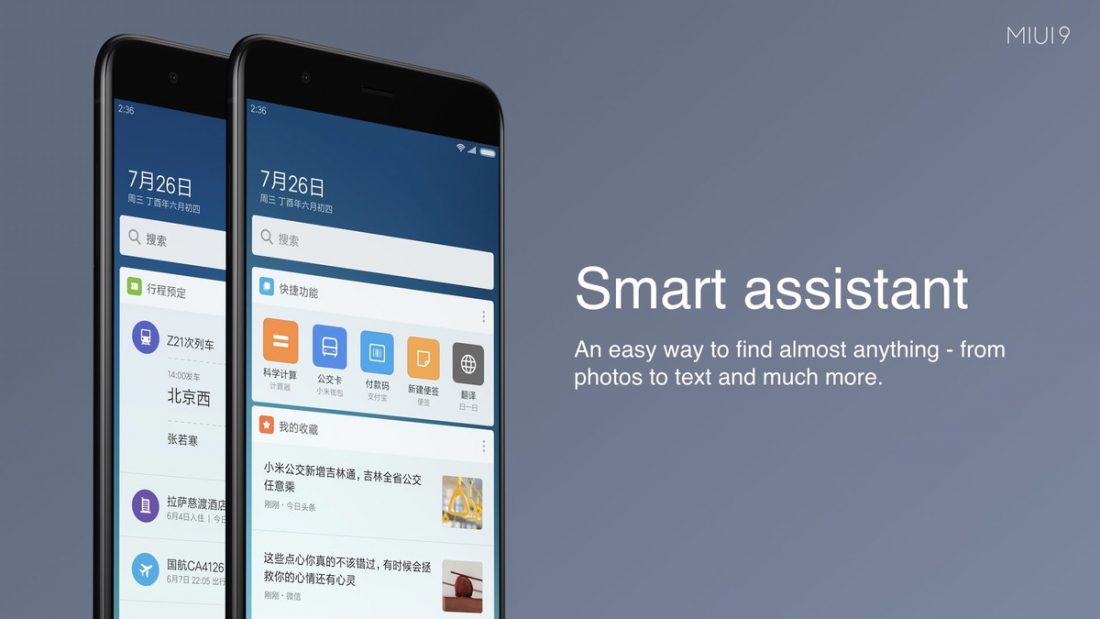
    Xiaomi has also launched its Smart Assistant to compete with the likes of Google Assistant, Siri, Alexa and even Bixby. The voice assistant will be available in China only for the time being as localisation of the software may take time. Image search allows you to search your image talliers by image context keywords, so if you a looking for pictures of dogs that you have clicked you will be able to do that. It basically means that you can open up a relevant app on the basis of the content on your current app. For example, if a friend sends you a restaurant’s name, you can open up Zomato to look up the restaurant.

    Split-screen

    The split-screen feature was one of the major upgrades in Android Nougat and a plethora of phones from mid-rangers to flagships have embraced this handy little feature. Xiaomi, on the other hand, has launched it just now with MIUI 9 and it’s a welcome update.

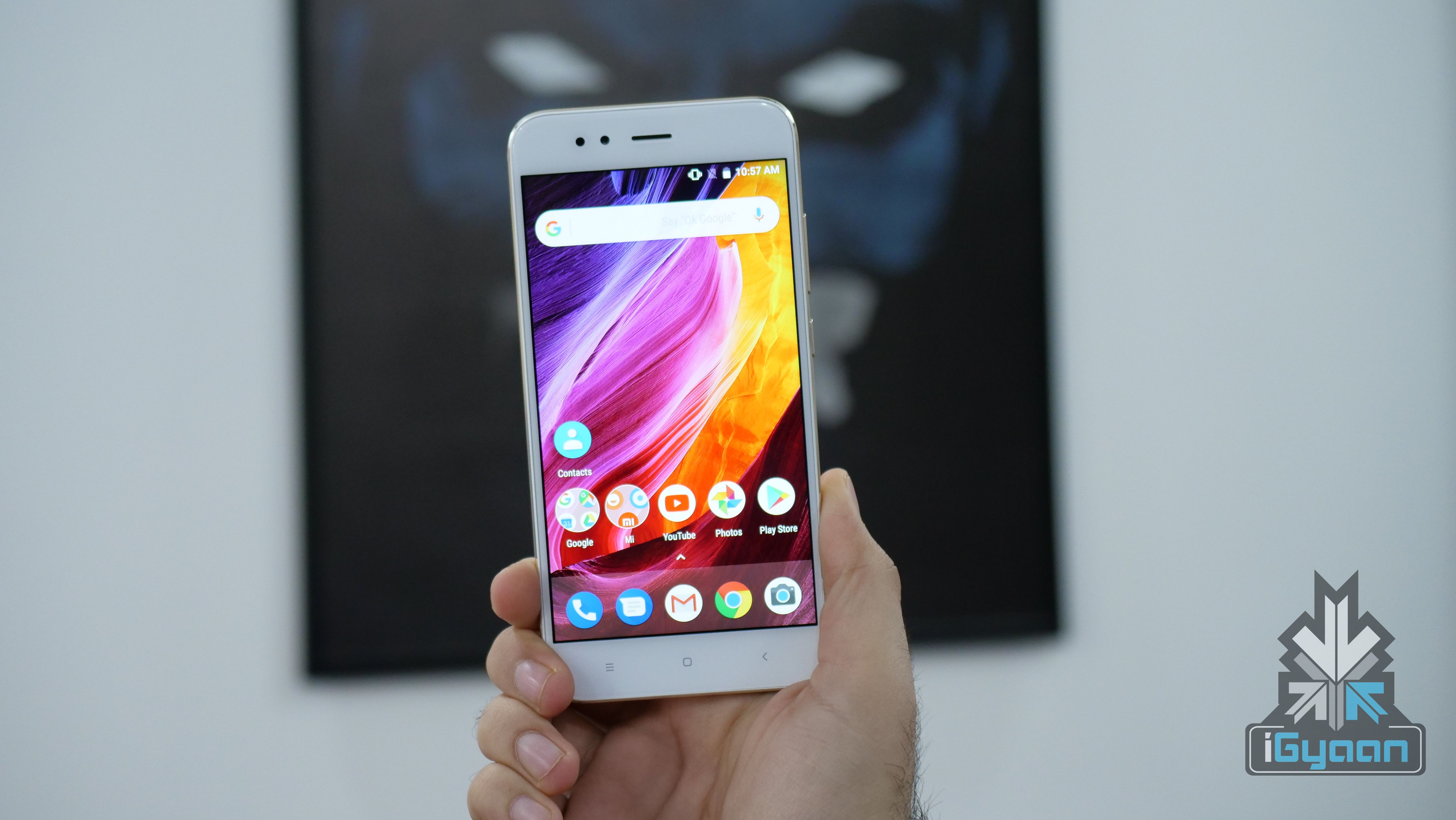
    The Mi 6 has a 5.15 inch LCD display with a 1920 x 1080 px resolution.

    Under the hood, the device has the Qualcomm Snapdragon 835 chipset and Adreno 540 GPU for graphics. The fingerprint sensor is housed inside the home button just below the display. Xiaomi Mi 6 is also splash-resistant, with the SIM tray also sealed against splashes.

    Powering the device is a 3350 mAh battery which charges via a USB C port.

    The Mi 6 has a dual camera set up of two 12MP cameras at the back. One of the cameras has a wide-angle lens with 4-axis Optical Image stabilisation with an f/1.8 aperture while the other one is equipped with a telephoto lens with an f/2.6 aperture for 2X lossless zoom and bokeh effect photos. On its front, it has an 8MP camera which records 1080P videos.
    You can buy the Xiaomi Mi 6 here.

  • Xiaomi Introduces Full Display Gestures In The New Beta Build Of MIUI 9

    Xiaomi Introduces Full Display Gestures In The New Beta Build Of MIUI 9

    Xiaomi appears to be preparing its users for the future with the new beta build of MIUI 9. Ever since the iPhone X removed the home button, it has become increasingly inevitable that smartphones in the coming years will solely rely on gestures of navigation with the OS.

    With the latest beta update, Xiaomi has added ‘full display gestures’ that appear to be inspired by the iPhone X a lot. For example, in order to reach the home screen, the user has to swipe up from the bottom of the screen while swiping from the bottom to the top and pausing for a second brings up your recent apps. Other gestures include swiping from the left or right of the screen to the middle to take the user to the previous page. Over the years, Xiaomi has taken “inspiration” for Apple for its platform. From the MIUI layout to “MiDrop,” the not-so-subtle hints have always been there. Being one of the first Android smartphone makers to shift to all display gestures similar to the iPhone X will only strengthen the previous argument.

    Over the years, Android’s take on navigation within the OS has been different from that of iOS. While Android phones have had three navigation buttons, iOS has had a physical home button which solved multiple purposes like multitasking, invoking Siri and other gestures like swiping from the left or right of the screen to the middle to take the user to the previous page. So, when Apple introduced these gestures in the iPhone X, the transition was a lot smoother thanks to the presence of gestures in the past iPhones.

    Android, on the other hand, has used the three buttons, the home, back and multitasking button for every little navigation within the OS. These have either been software buttons or physical buttons, with nowadays OEMs offering the choice of both the navigation systems. When Android does shift to only gestures, the transition for users might not be as natural and organic as it was for iOS users.

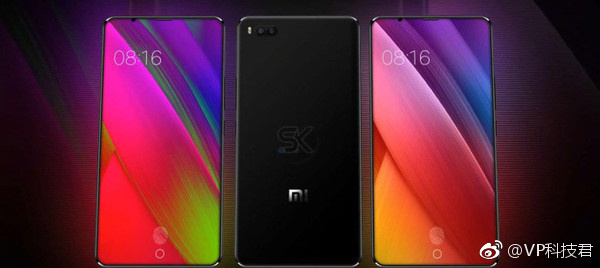
    A few Xiaomi Mi 7 renders were leaked with conflicting reports. Some suggested that the device will have an in-display fingerprint sensor while the other report claimed that Xiaomi is working on an iPhone X-like Face ID system. One thing in common, however, was the all-screen design of the phone. Xiaomi phones have had on-display as well as physical and touch capacitive navigation buttons. Introducing navigation via gestures a few months before the launch of the Mi 7 might hint at an all display design of the Mi 7 and the company’s foray into gesture-based navigation with Android.

    Xiaomi Mi 7 Renders

    For now, users with the Xiaomi Mi Mix 2, Mi Mix, Redmi 5, and Redmi 5 Plus can preview these gestures on their devices.


  • MIUI 9 Will Be The Last Update For These Xiaomi Phones

    MIUI 9 Will Be The Last Update For These Xiaomi Phones

    Xiaomi recently announced its plans of rolling out MIUI 9 to its Indian smartphones. Along with the launch of the Xiaomi Redmi Y1 Lite and Redmi Y1, the company released a list of smartphones that will get the MIUI 9 stable ROM update in the coming weeks. However, in a recent blog post, it also announced that for Mi 2/2S, Mi 4i, Redmi 1S, Redmi Note 4G, Redmi 2, Redmi 2 Prime, and Mi Note, MIUI 9 will be last update ever.

    In a blog post, Xiaomi wrote:

    To ensure the best performance of MIUI, we have to make a tough decision of suspending the update of 6 devices after a long-time discussion and evaluation about the release time of devices, active users, hardware performance, etc.

    As far as the final MIUI 9 Global stable ROM is concerned, it will be gradually rolled out to aforementioned devices from December 2017 to January 2018.

    Users who flashed the MIUI 9 beta version on their smartphone should have a keen eye on the Xiaomi forums as the company will be posting instructions for flashing to the MIUI 9 Global Stable ROM. Xiaomi has also said that MIUI Global Beta ROM 7.11.16 will be the last beta update for the smartphones that are mentioned above.

    Here is a list of smartphones that will receive the new MIUI 9 update-

    Mi 2, Mi 3, Mi 4, Redmi Note 4G, Mi Note, Mi 4i, Redmi 2, Redmi 2 Prime, Redmi Note 4G Prime, Redmi Note 2, Mi Mix, Mi Note 2, Mi 5, Mi 5s, Mi Max, Mi Max Prime, Redmi Note 3, Redmi 3, Redmi 3S, Redmi 3S Prime, Mi Mix 2, Mi Note 3, Mi 6, Mi Max 2, Redmi Note 4, Redmi Note 4xX, Redmi Note 5A, Redmi 4, Redmi 4A, Redmi Y1 and Redmi Y1 Lite.

    [poll id=50]

  • MIUI 9 Update In India To Start Rolling Out In November

    MIUI 9 Update In India To Start Rolling Out In November

    At an event in Delhi on the 2nd of November, Xiaomi announced that MIUI 9 update will start rolling out to compatible devices in November. The compatible devices for MIUI 9 are

    Mi 2, Mi 3, Mi 4, Redmi Note 4G, Mi Note, Mi 4i, Redmi 2, Redmi 2 Prime, Redmi Note 4G Prime, Redmi Note 2, Mi Mix, Mi Note 2, Mi 5, Mi 5s, Mi Max, Mi Max Prime, Redmi Note 3, Redmi 3, Redmi 3S, Redmi 3S Prime, Mi Mix 2, Mi Note 3, Mi 6, Mi Max 2, Redmi Note 4, Redmi Note 4xX, Redmi Note 5A, Redmi 4, Redmi 4A, Redmi Y1 and Redmi Y1 Lite.

    Faster App Launching Speed

    One of the main criticisms of MIUI has been its sluggish nature and the slow speed of general usage even in the flagship devices. Keeping that in mind, Xiaomi has promised much faster app launching speeds and navigation between multiple apps will be snappier as well. Performance enhancements are always welcome and this looks to be a step in the right direction for the Chinese giant.

    Under The Hood Updates

    Xiaomi has also introduced MIUI 9 with a few features that run in the background for example application prioritisation. This basically means that apps in the foreground will use up more power, but that has been on Android for a while. It also has better cache management, a new file system and a bunch of other tweaks to make the user experience crisper and snappier.

    The ‘Smart’ Features

    Xiaomi has also launched its Smart Assistant to compete with the likes of Google Assistant, Siri, Alexa and even Bixby. The voice assistant will be available in China only for the time being as localisation of the software may take time. Image search allows you to search your image talliers by image context keywords, so if you a looking for pictures with dogs that you have clicked you will be able to do that. The Smart App Launcher is a feature that makes a lot of sense as well. It basically means that you can open up a relevant app on the basis of the content on your current app. For example, if a friend sends you a restaurant’s name, you can open up Zomato to look up the restaurant.

    Split-screen Is here, Finally.

    The split-screen feature was one of the major upgrades in Android Nougat and a plethora of phones from mid-rangers to flagships have embraced this handy little feature. Xiaomi, on the other hand, has launched it just now with MIUI 9 and it’s a welcome update.

    The beta version of MIUI 9 will start rolling out to Xiaomi Redmi Note 4, Mi Mix 2 and Mi Max 2 on the 3rd of November.


  • New Redmi Phone And MIUI 9 Global ROM Coming To India On 2nd November

    New Redmi Phone And MIUI 9 Global ROM Coming To India On 2nd November

    Xiaomi has announced that its latest version of custom skin, MIUI 9 will be launched in India on the 2nd of November along with a new smartphone which will focus on selfies. MIUI India took to Twitter to announce that MIUI 9 will enter the Indian market on the 2nd of November.

    This means that all eligible Mi and Redmi phones will eventually receive the MIUI 9 Global Stable ROM update very soon. Xiaomi’s MIUI 9 brings in a lot of new features like split screen, faster app launching speed, application prioritisation and more. It will be interesting to see if the Smart Assistant launched with MIUI 9 in China will make its way to India or not.

    The next big announcement was from the Twitter account of Redmi. Redmi confirmed that the new phone launching will not be the Mi Note 3 or even a new Redmi Note phone.

    The Xiaomi Mi Note series has been hugely popular in China and after the success of the Redmi Note series, it was speculated that the Mi Note series will also debut in India albeit a higher price tag. Xiaomi teased the launch of the Mi A1 in a similar way back in August and it looks like the new phone will be an India-centric phone and compete with other mid rangers that claim to have the “best selfie camera.”

    Xiaomi recently launched the Redmi 5A in China earlier in October which is the successor to the Redmi 4A. In August, Xiaomi launched the Redmi Note 5A in China, with a 16MP front camera which focuses on selfies. It might be possible that these two phones will be launched with new names and start a new lineup of mid-ranged selfie phones in India.

  • MIUI 9 Launched With New Features

    MIUI 9 Launched With New Features

    MIUI has long been one of the most polarising custom Android skins. It has garnered quite a fan base across the board but also has its fair share of cynics, and you can’t disregard either. For long, MIUI has been a highly customisable but also slow and unstable skin that a lot of people love to hate. Even Xiaomi’s latest flagship Mi 6 with all the high end specs was found to be a little slow in certain areas. To deal with all that, Xiaomi has launched MIUI 9 with new features. It is worth noting that MIUI 9 will for the time being just be available in China, and the release date for other markets has not yet been announced.

    Faster App Launching Speed

    One of the main criticisms of MIUI has been its sluggish nature and the slow speed of general usage even in the flagship devices. Keeping that in mind, Xiaomi has promised much faster app launching speeds and navigation between multiple apps will be snappier as well. Performance enhancements are always welcome and this looks to be a step in the right direction for the Chinese giant.

    Under The Hood Updates

    Xiaomi has also introduced MIUI 9 with a few features that run in the background for example application prioritisation. This basically means that apps in the foreground will use up more power, but that has been on Android for a while. It also has better cache management, a new file system and a bunch of other tweaks to make the user experience crisper and snappier.

    The ‘Smart’ Features

    Xiaomi has also launched its Smart Assistant to compete with the likes of Google Assistant, Siri, Alexa and even Bixby. The voice assistant will be available in China only for the time being as localisation of the software may take time. Image search allows you to search your image talliers by image context keywords, so if you a looking for pictures with dogs that you have clicked you will be able to do that. The Smart App Launcher is a feature that makes a lot of sense as well. It basically means that you can open up a relevant app on the basis of the content on your current app. For example, if a friend sends you a restaurant’s name, you can open up Zomato to look up the restaurant.

    Split-screen Is here, Finally.

    The split-screen feature was one of the major upgrades in Android Nougat and a plethora of phones from mid-rangers to flagships have embraced this handy little feature. Xiaomi, on the other hand, has launched it just now with MIUI 9 and it’s a welcome update.

    Xiaomi will begin to roll out the MIUI developer beta 9 from August 11 to the Xiaomi Mi6, with more phones will follow suit in the coming months. There is no clarity as to when Xiaomi will launch MIUI 9 in the global market.

iGyaan Network
Privacy Overview

This website uses cookies so that we can provide you with the best user experience possible. Cookie information is stored in your browser and performs functions such as recognising you when you return to our website and helping our team to understand which sections of the website you find most interesting and useful.