Tag: official launch

  • Xiaomi Mi 8 Officially Launched With 3D Face Unlock

    Xiaomi Mi 8 Officially Launched With 3D Face Unlock

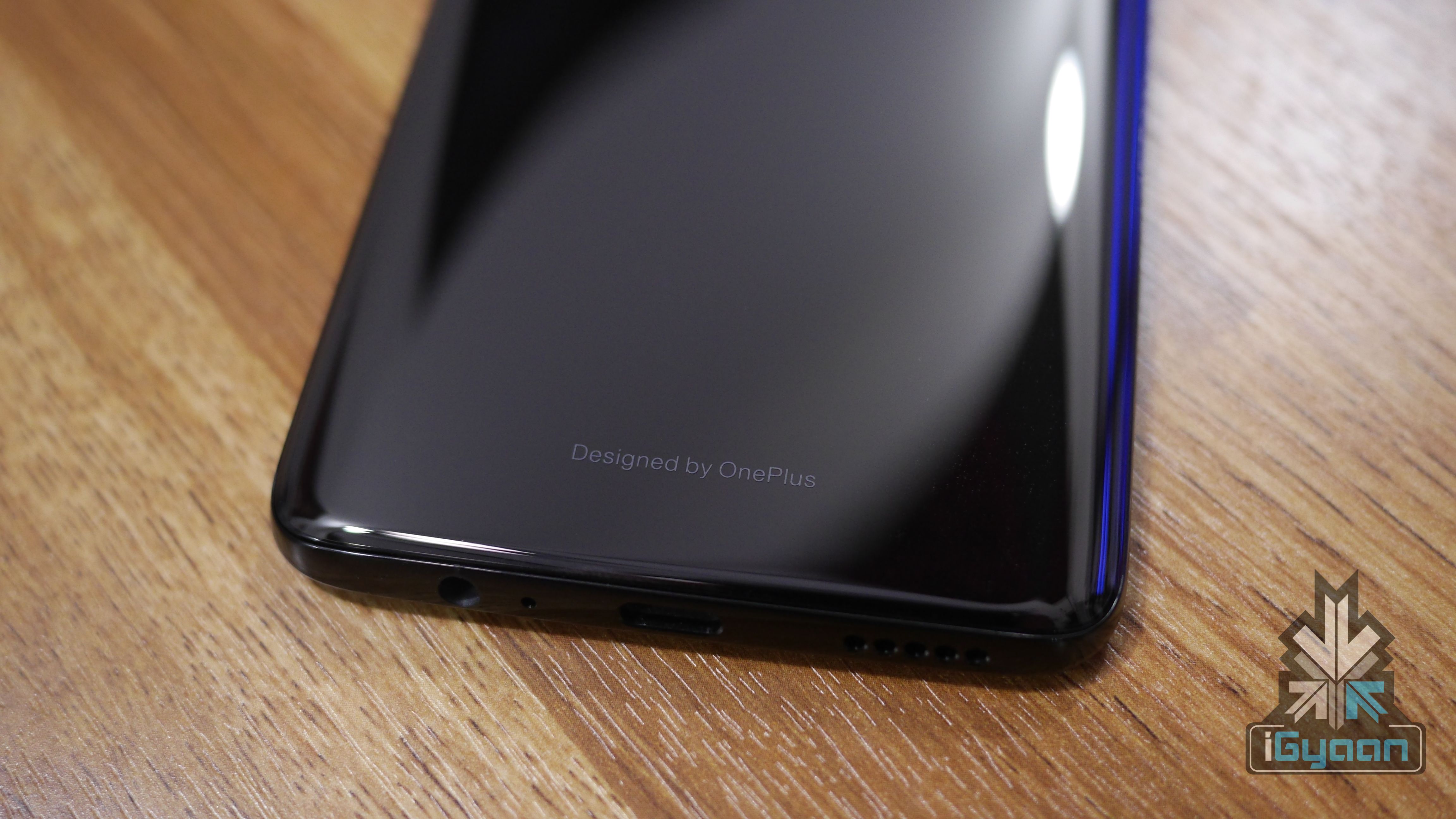
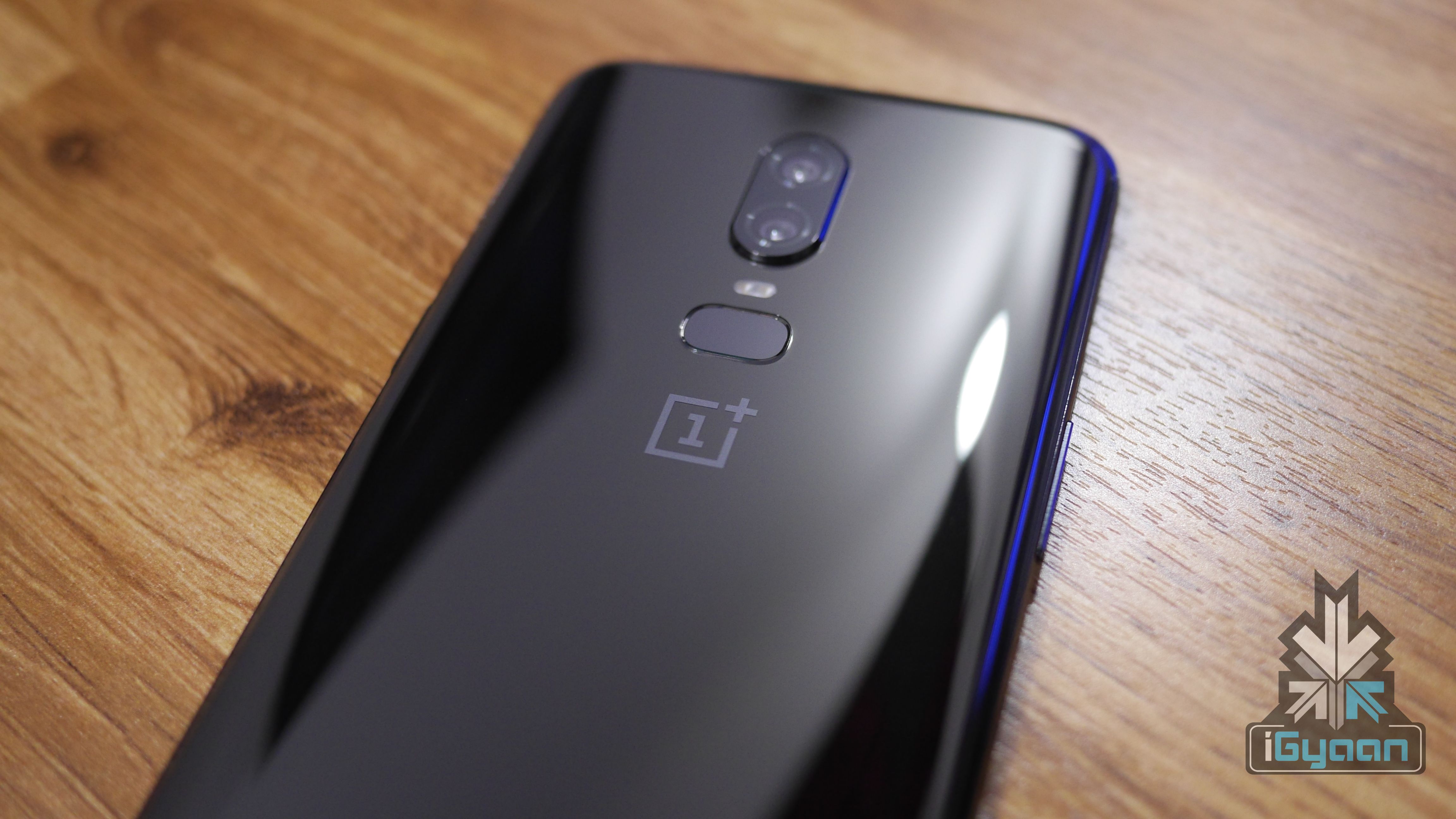
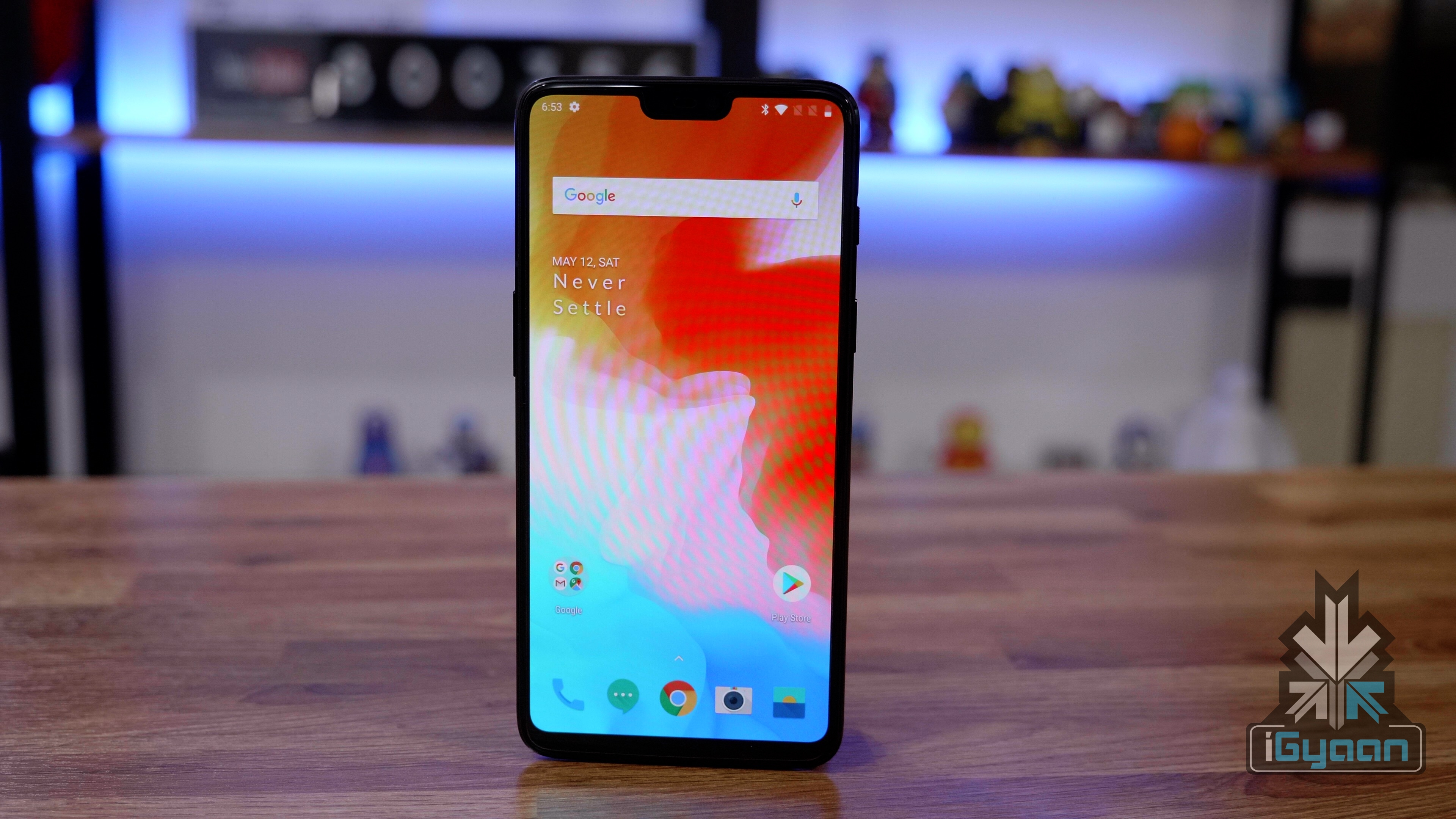
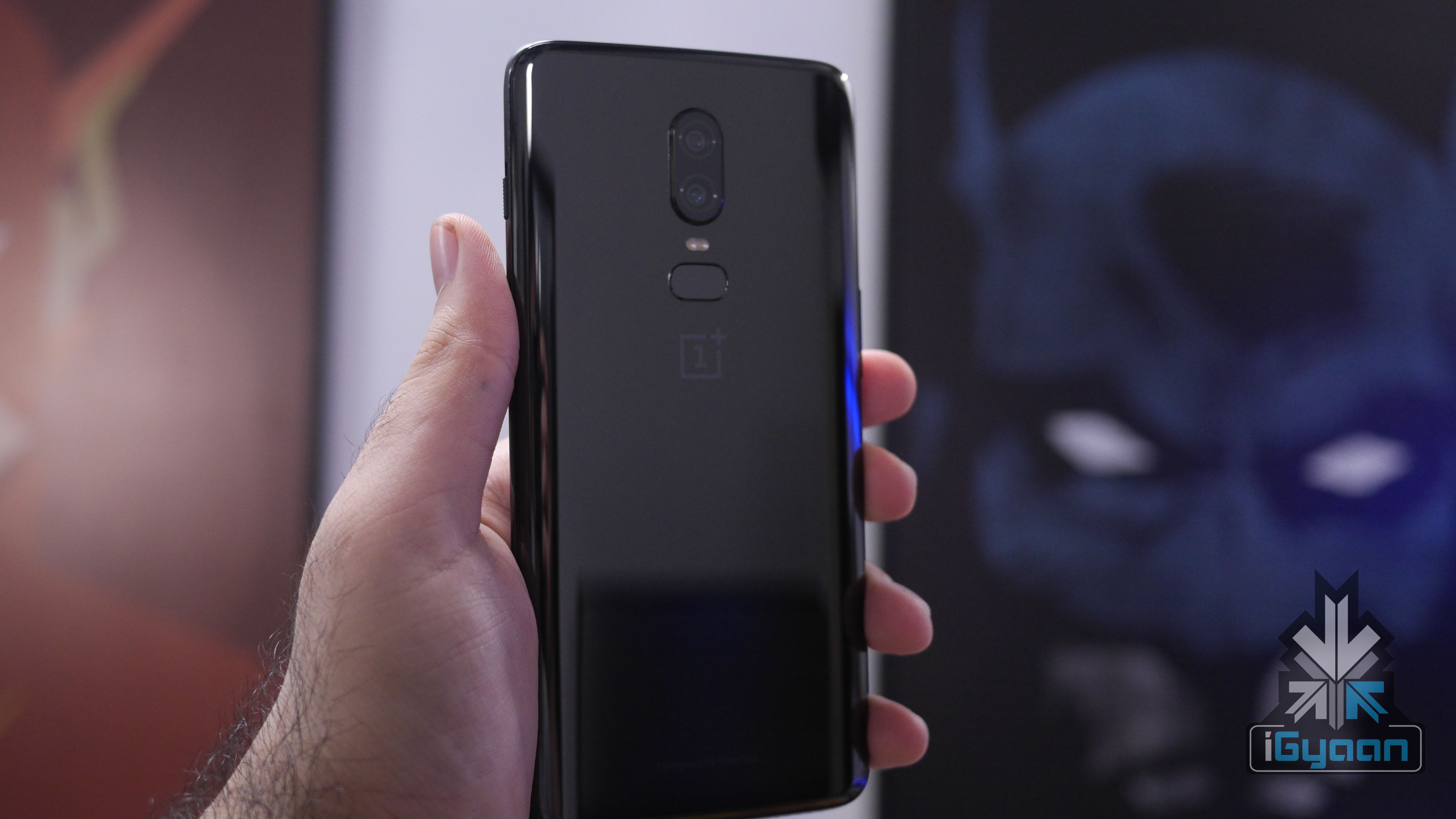
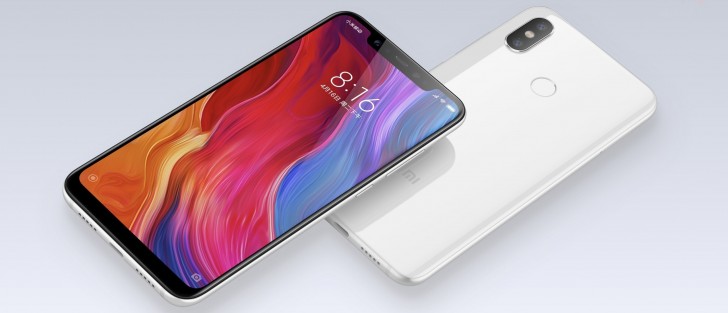
    Xiaomi hosted its 8th anniversary launch event in China and unveiled a plethora of devices. The most anticipated device to launch at the event was the Xiaomi Mi 8. For weeks there were rumours about the Mi 8 being the first Android smartphone to launch with a Face ID-like facial recognition system and even feature an in-display fingerprint sensor. All these rumours were put to rest by Xiaomi and the Mi 8 looks like the best iPhone X recreation yet.

    The Mi 8 will be available in three variants in China. The 6GB RAM/64GB storage is priced at CNY2,699 (Rs 28400 approx.), the 6GB RAM/128GB storage model will cost CNY2,999 (Rs 315000) and the priciest version will retail for CNY 3299 (Rs 34700 approx.) with the same RAM and 256GB storage. It goes on sale in China on June 5th via its official online and offline stores.

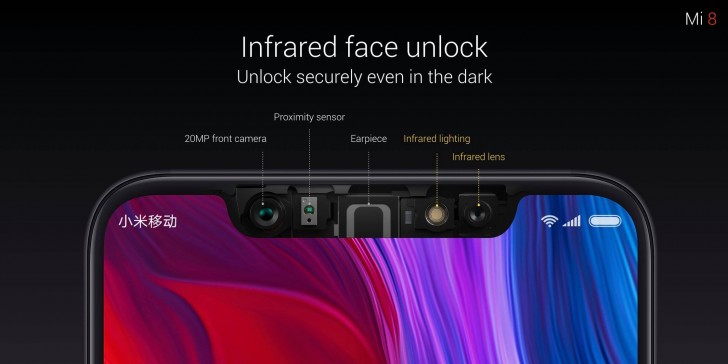
    The Mi 8 is Xiaomi’s first smartphone to sport a notch, a trend slowly becoming the norm. The Mi 8’s notch, however, should not disappoint a lot of people since it solves a purpose, just like the iPhone X’s notch does. As we have been speculating for weeks, the Mi 8 is indeed the first Android smartphone to feature 3D facial recognition which means Xiaomi had to incorporate more sensors than usual in the notch.
    The Xiaomi Mi 8 is also the first smartphone with Dual GPS technology. The dual GPS technology doesn’t use the L1 frequency like other smartphones. It instead uses the L5 frequency usually used by the aeronautical industry. According to Xiaomi, the dual-frequency GPS detects the location more accurately by eliminating radio disturbances from buildings. It also reduces signal delays, making navigation faster.

    The Xiaomi Mi 8 has a 6.21 inch Super AMOLED display (by Samsung) with a 2248 x 1080 px resolution. The unusual resolution is a result of an 18.7:9 aspect ratio. Xiaomi, like OnePlus, has stuck to a FullHD+ resolution instead of a QuadHD+ resolution found in devices like the Galaxy S9.

    Under the hood, the smartphone runs on the Snapdragon 845 chipset with 6GB of RAM coupled with 64GB/128GB/256GB of onboard storage. The onboard storage will not be expandable, which has been the case for flagship Xiaomi devices for a while. The fingeprint sensor is placed on the back of smartphones, giving users an option to choose between Face Unlock and a fingerprint sensor.
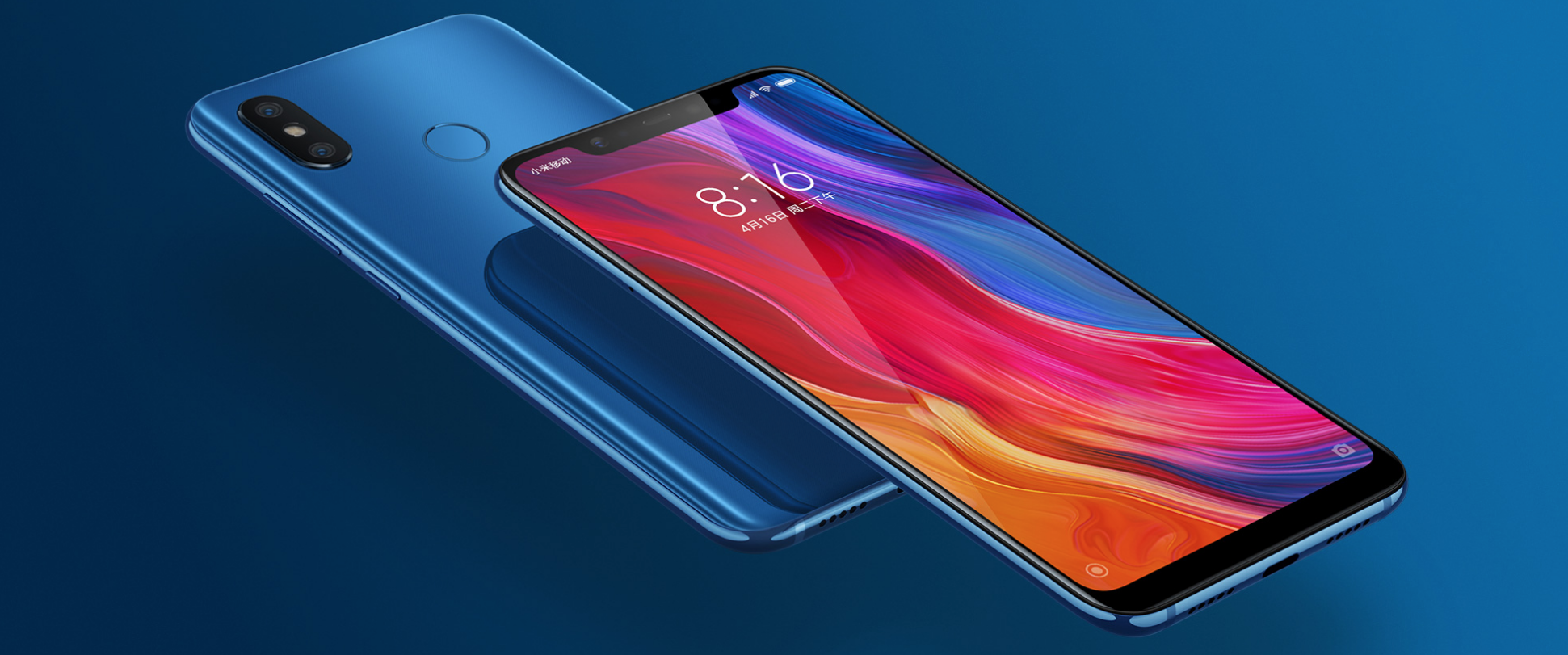
    Powering the smartphone will be a 3400 mAh battery which charges via USB C port. Despite the glass back, the Xiaomi Mi 8 does not have wireless charging. Out of the box, the Mi 8 will run Android 8.1 Oreo with the new MIUI 10 on top. MIUI 10 was also announced at the same event and comes with Xiaomi’s own Xiao Ai smart assistant, similar to Google Assistant and Siri.

    The vertically-placed dual-camera setup is also reminiscent of the iPhone X. However, Xiaomi appears to have adopted the design for its 2018 lineup of smartphones. To the back is a primary 12MP RGB sensor with an f/1.8 aperture coupled with a 12MP telephoto lens with an f/2.4 aperture and 1-micron pixel size. The notch houses a 20MP AI camera with an f/2.0 aperture. Just like the iPhone X, it also has a portrait lighting feature and Xiaomi’s own take on the animojis.

    The company went a step further and launched a special edition Mi 8 as well. The Xiaomi Mi 8 Explorer Edition has an in-display fingerprint sensor which the company claims is faster than Vivo’s. It is also the first-ever smartphone with a pressure sensitive fingerprint sensor. The specifications remain the same as the Mi 8 but, the rear-facing fingerprint sensor disappears. The back of the device has a transparent glass that gives a peek to the internals of the device.
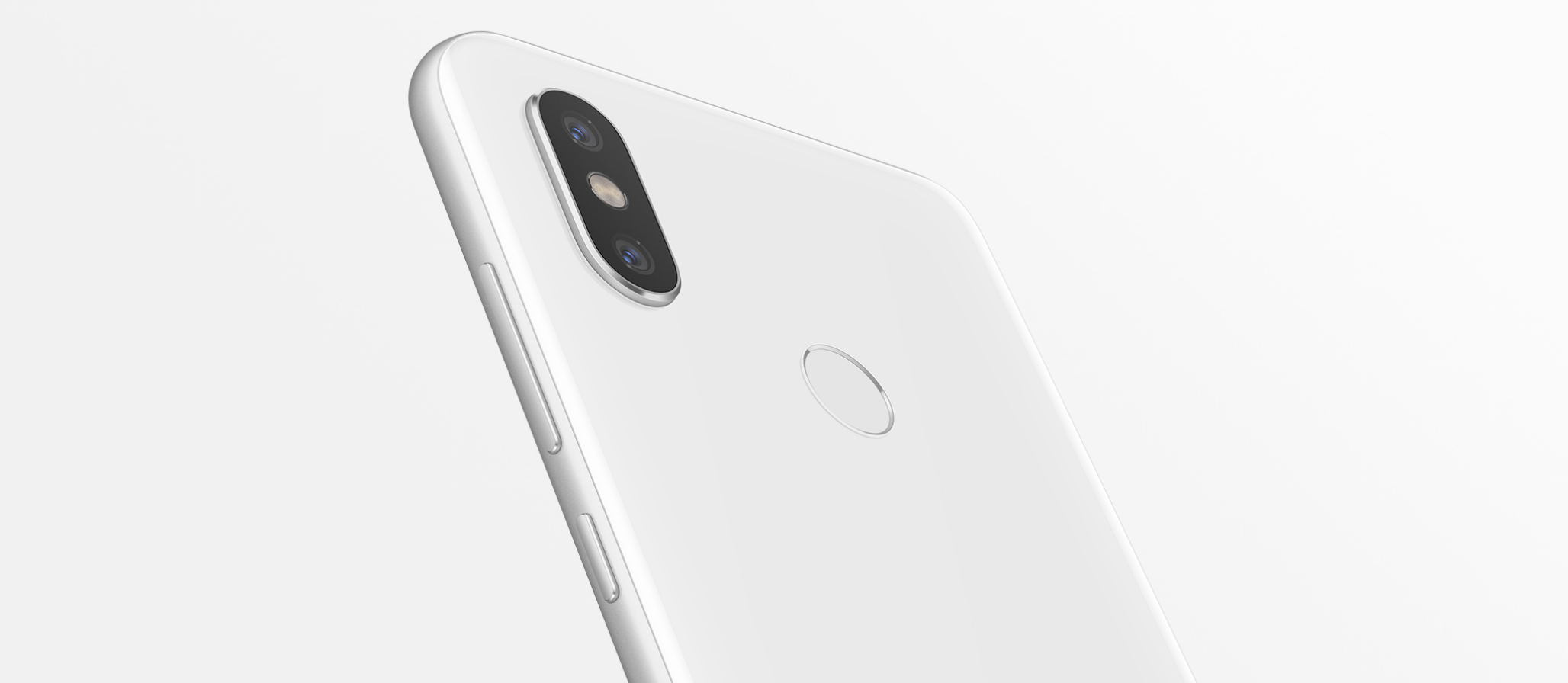
    The Mi 8 Explorer Edition is priced at CNY3,799 (Rs 40000 approx.) and will be available in the 6GB RAM/128GB storage variant only.

    The Xiaomi Mi 8 has a big notch like the iPhone X and follows an industry-wide trend. However, the notch has a reason to exist as it is the first-ever Android smartphone to feature 3D facial recognition technology. With it being a world-first, we expect the company to launch it in other major markets like India. There are no details about it yet and we shall keep you posted on any developments regarding the matter.
  • LG V35 ThinQ Without A Notch Launched Starting US$ 900

    LG V35 ThinQ Without A Notch Launched Starting US$ 900

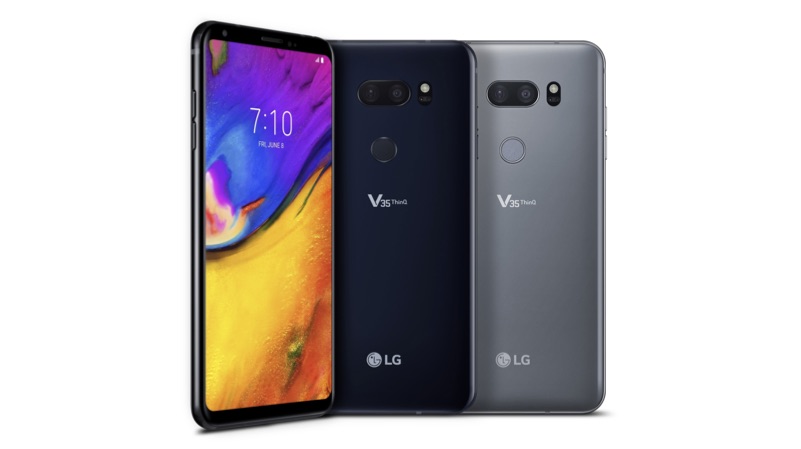
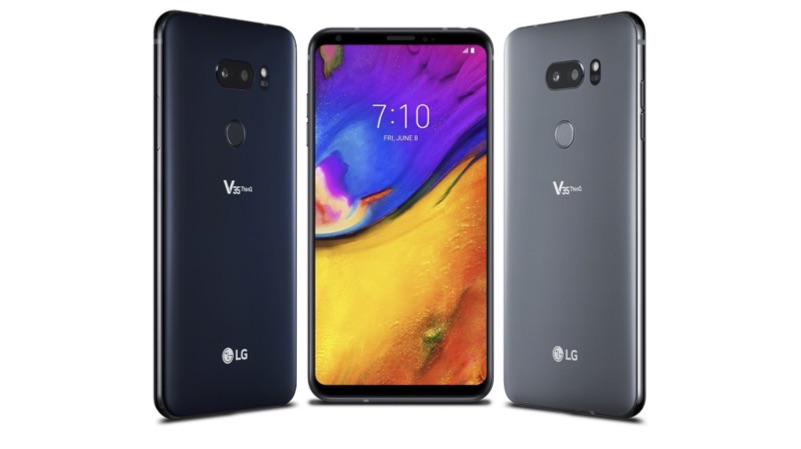
    LG has launched a second flagship smartphone in the space of one month. Rather quietly, the company unveiled the LG V35 ThinQ which will go on sale in the US on June 8th for a starting price of US$ 900 (Rs 61000 approx.). The smartphone is identical to the LG V30 ThinQ which in turn, looked exactly like the LG V30 which was launched on August 31st at IFA 2017. The V35 ThinQ with its unusually large name is part of LG’s revamped launch strategy wherein the company would launch a smartphone if and when required rather than following a fixed pattern.

    Apart from the new Snapdragon 845 SoC, the specifications remain the same as the LG V30 ThinQ. The display, the battery, the build quality is exactly like its predecessor, which was launch at MWC 2018 in February. The camera department sees an improvement as well since the V35 ThinQ has the same camera implementation as the LG G7 ThinQ.

    The LG V35 ThinQ has a 6 inch OLED display with a 2880 x 1440 px resolution. The 18:9 aspect ratio means that the smartphone does not have a notch unlike the LG G7 ThinQ. This should please the notch haters even though it’s evident that the notch is what’s trending right now.

    Must Read: Lenovo Z5 Will Offer 30 Minutes Of Talk Time At 0% Battery

    Under the hood, the smartphone runs on the Qualcomm Snapdragon 845 chipset coupled with 6GB of RAM and 64GB or 128GB of onboard storage. The storage is expandable up to 2TB via microSD card. The fingerprint sensor is placed on the back which also doubles up as a power button. LG again differentiates between the G7 ThinQ and V35 ThinQ here as the G7 has a side-mounted power button and even a Google Assistant button.

    Powering the device is a 3300 mAh battery with wireless charging QuickCharge 3.0. Out of the box, the LG V35 ThinQ will run Android 8.0 Oreo with LG’s own custom skin on top. As the ‘ThinQ’ moniker suggests, there will be a lot “AI features” within the UI and camera app.

    To the back of the smartphone is a horizontally-placed dual-camera setup. The primary 16MP wide-angle sensor has an f/1.9 aperture while the secondary 16MP RGB sensor has an f/1.6 aperture. To the front of the device is an 8MP camera with an f/1.9 aperture. There will be a lot of AI features within the camera app like scene detection for a better user experience.

    The LG V35 ThinQ seems like an amalgamation of the V30 and G7 ThinQ. The design might please the notch haters but, in the world of the OnePlus 6 and Galaxy S9, it’ll be interesting to see how many people opt for an LG flagship smartphone now.

  • HTC U12 Plus With Four Cameras, Snapdragon 845, Pressure Sensitive Buttons Launched

    HTC U12 Plus With Four Cameras, Snapdragon 845, Pressure Sensitive Buttons Launched

    The month of May has been an exciting one for smartphone enthusiasts around the globe. OnePlus launched the OnePlus 6, which has been well-received by consumers so far and Xiaomi is all set to launch the Mi 8 on May 31st. HTC, which last launched a flagship smartphone in November 2017, has unveiled the new HTC U12 Plus at an event in New York.

    On the 30th of January, the Google-HTC deal worth US$ 1.1 billion was finalised. The acquisition saw the transfer of over 2,000 engineers from HTC. Along with the transfer, Google also received a non-exclusive license for HTC’s intellectual property. HTC announced at the time that the company will continue making smartphones and the HTC U12 Plus is the third smartphone launched since the deal was closed.

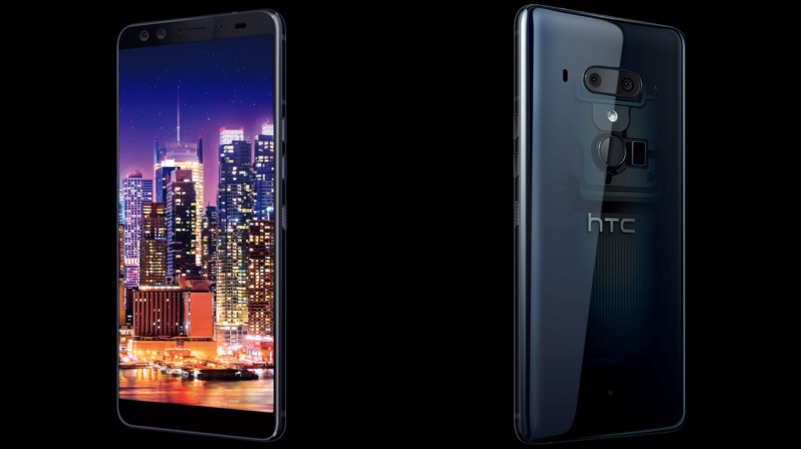
    The U12 Plus is a 2018 flagship smartphone thanks to its top-notch specifications. HTC adopted a new design language with the U11+ and has continued with that for the U12 Plus as well. The smartphone has an 18:9 aspect ratio with thin bezels all around the display. It is worth noting that the company has not completely given in to the smartphone trends. The device does not support a notch, unlike modern flagship devices like the OnePlus 6, LG G7 ThinQ and more.

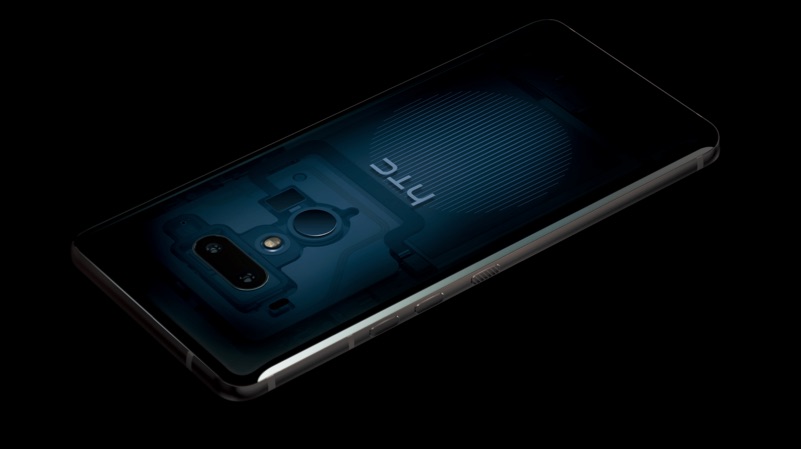
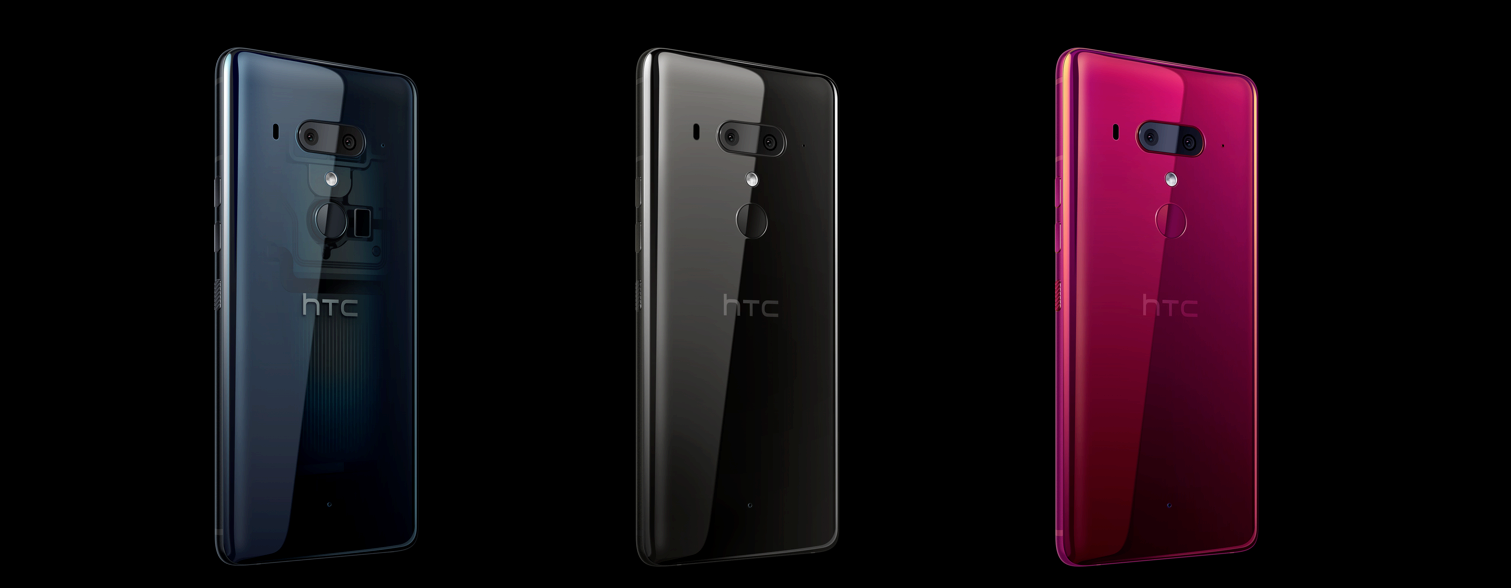
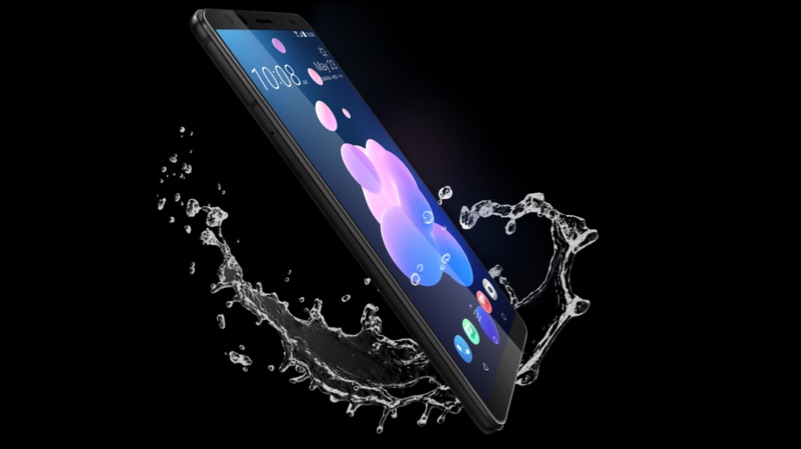
    The HTC U12 Plus has an all-glass design with an aluminium frame. The liquid glass design retains its place along with impressive colour variants. The Solar Red on the HTC U11 continues to be one of the best colour variants on a smartphone. With the U11+, HTC introduced a translucent colour variant, wherein the internals of the device are visible from the back. This time around, the translucent colour has a blue hue to it and in the images at least, looks impressive. The smartphone is also IP68 rated for water and dust resistance.

    The U12 Plus has a 6 inch Super LCD6 display with a 2880 x 1440 px resolution and 537 ppi. It would have been great to see an OLED display here but, HTC has stuck to an LCD panel just like the U11 and U11+.

    Under the hood, the HTCU12 Plus runs on the Qualcomm Snapdragon 845 chipset coupled with 6GB of RAM and either 64GB or 128GB storage. The onboard storage is expandable up to 400GB via a microSD card slot. The fingerprint sensor sits on the back of the smartphone. The physical buttons like the volume rockers are now replaced with pressure-sensitive buttons. This means that pressing these buttons won’t give you a physical feedback instead, there will be a haptic feedback.

    Powering the device is a 3500 mAh battery which charges via a USB C port. The headphone jack is missing, just like the U11+. Out of the box, the U12 Plus will run Android 8 Oreo with HTC Sense UI on top.

    Edge Sense is another feature that HTC has made its own in the past couple of years. This time around, there is Edge Sense 2.0 which takes things up a notch. The Edge Sense panel will now have the ability to sense where your hands are. This means that if you’re using the phone with one hand, you can tap twice with your thumb to shrink the display. Other Edge Sense features are also present, wherein users can squeeze the frame of the device to launch a particular app or action.

    The HTC U12 Plus is also the first device in the U series to feature dual-camera setup. HTC has gone a step further and introduced a dual-camera setup on the front and back both. The back consists of a 12MP primary sensor with an f/1.75 aperture and a 16MP telephoto lens with an f/2.6 aperture. The U12 Plus also has the ability to record 4K videos at 60fps. The front of the device houses a dual 8MP setup wherein both the sensors have an f/2.0 aperture that records 1080P videos.

    The HTC U12 Plus is priced at US$ 799 for the base model and US$ 849 for the 128GB storage variant in the US. There are no details about launch and availability of the U12 Plus in India as of now.

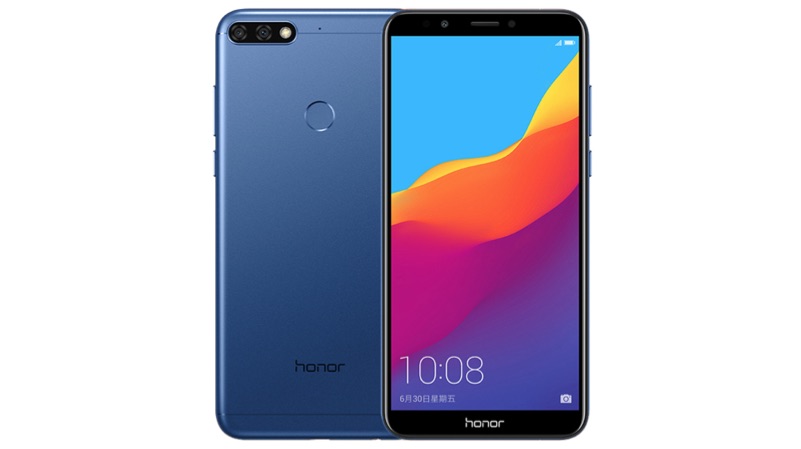
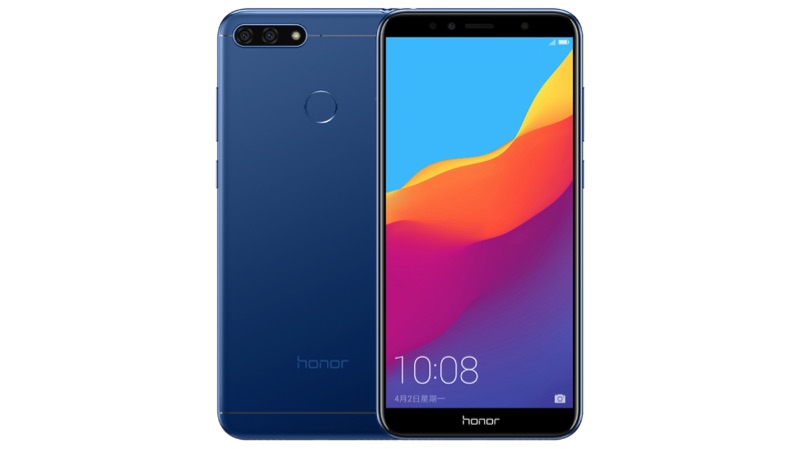
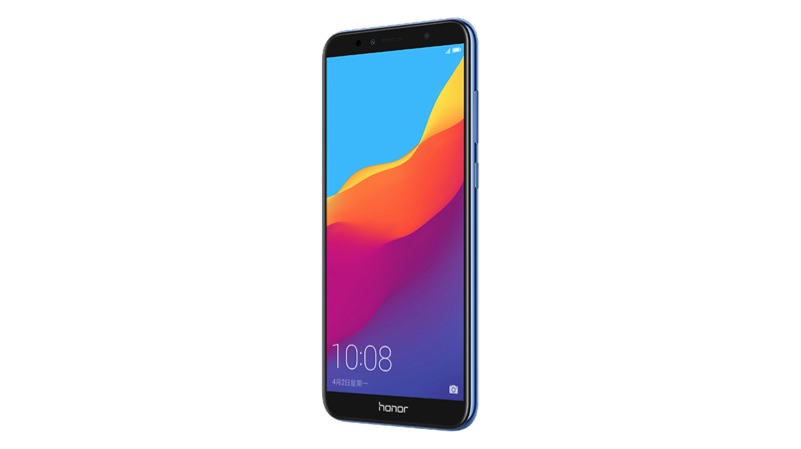
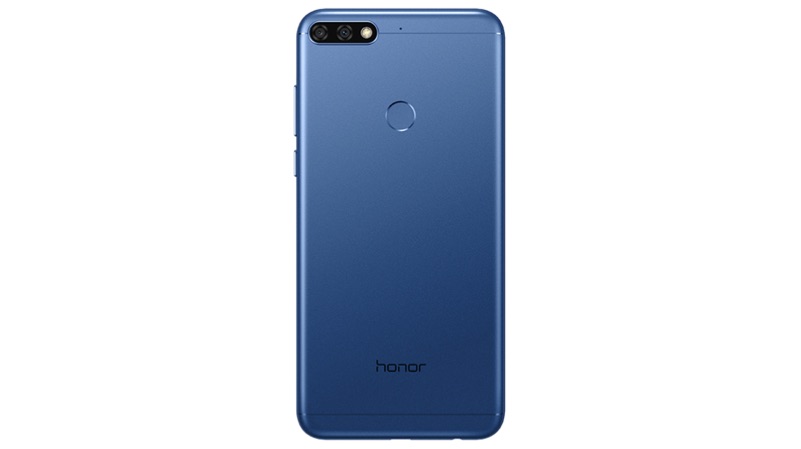
  • Honor 7A, Honor 7C Launched In India Starting Rs 8999

    Honor 7A, Honor 7C Launched In India Starting Rs 8999

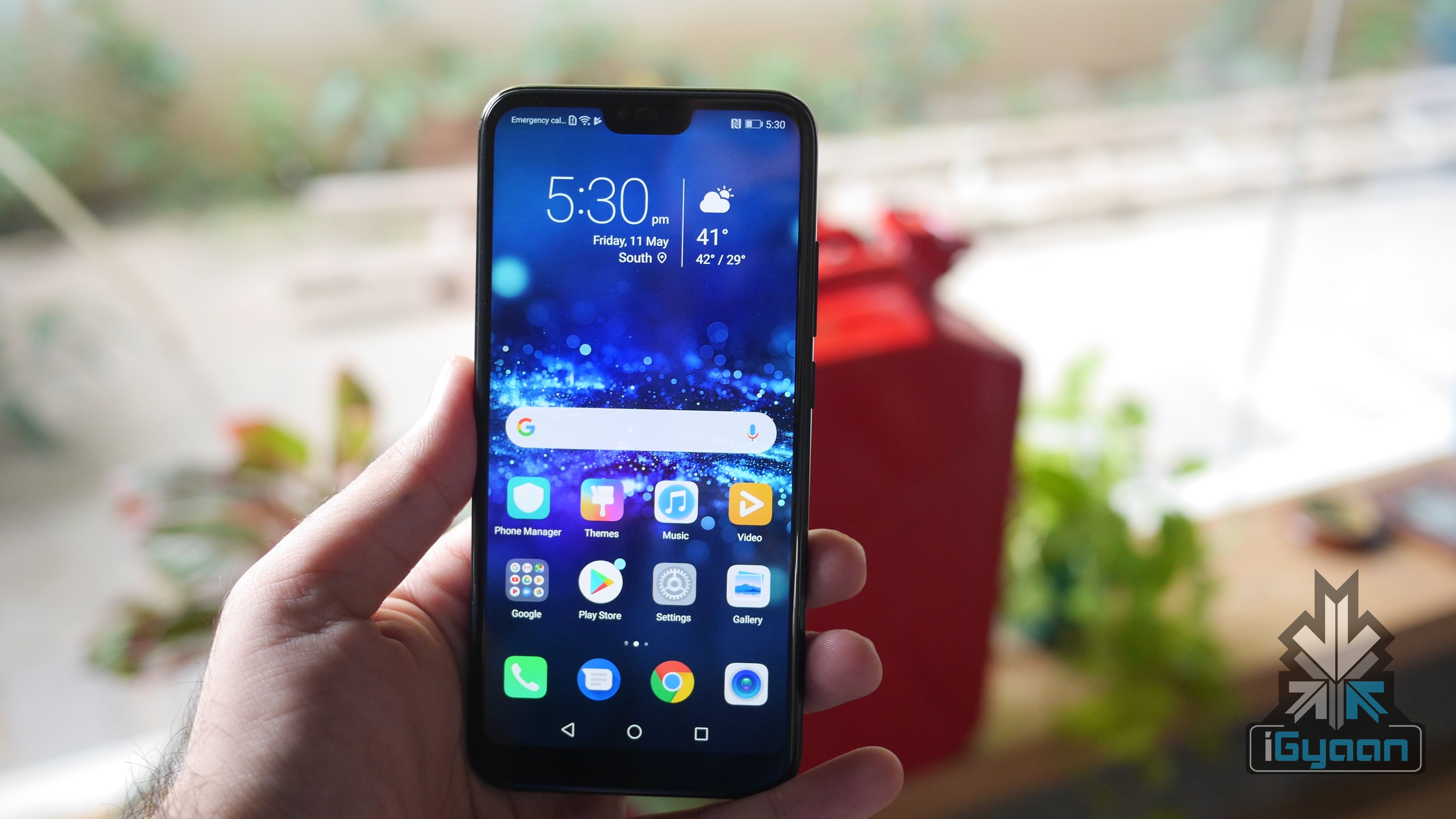
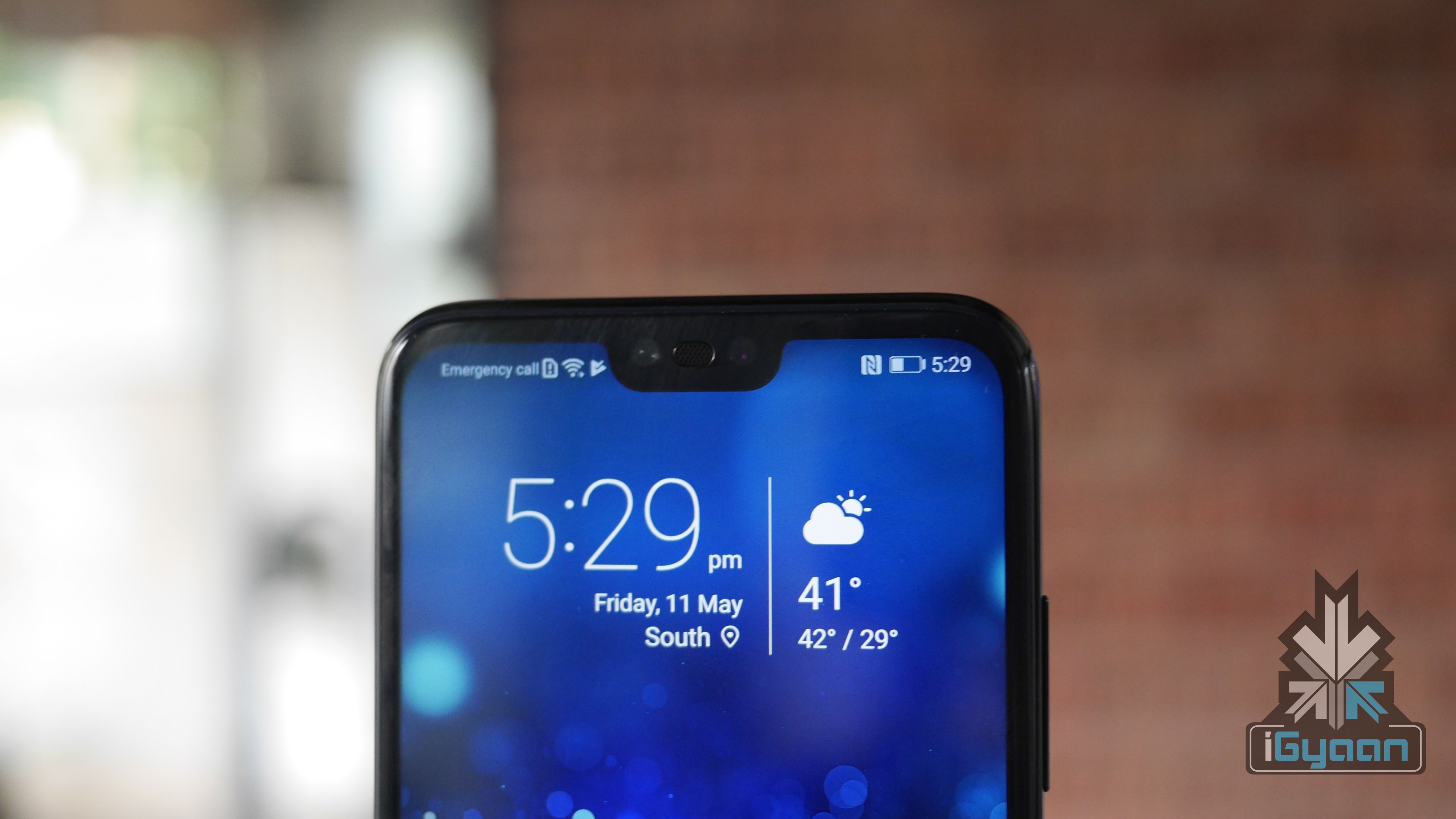
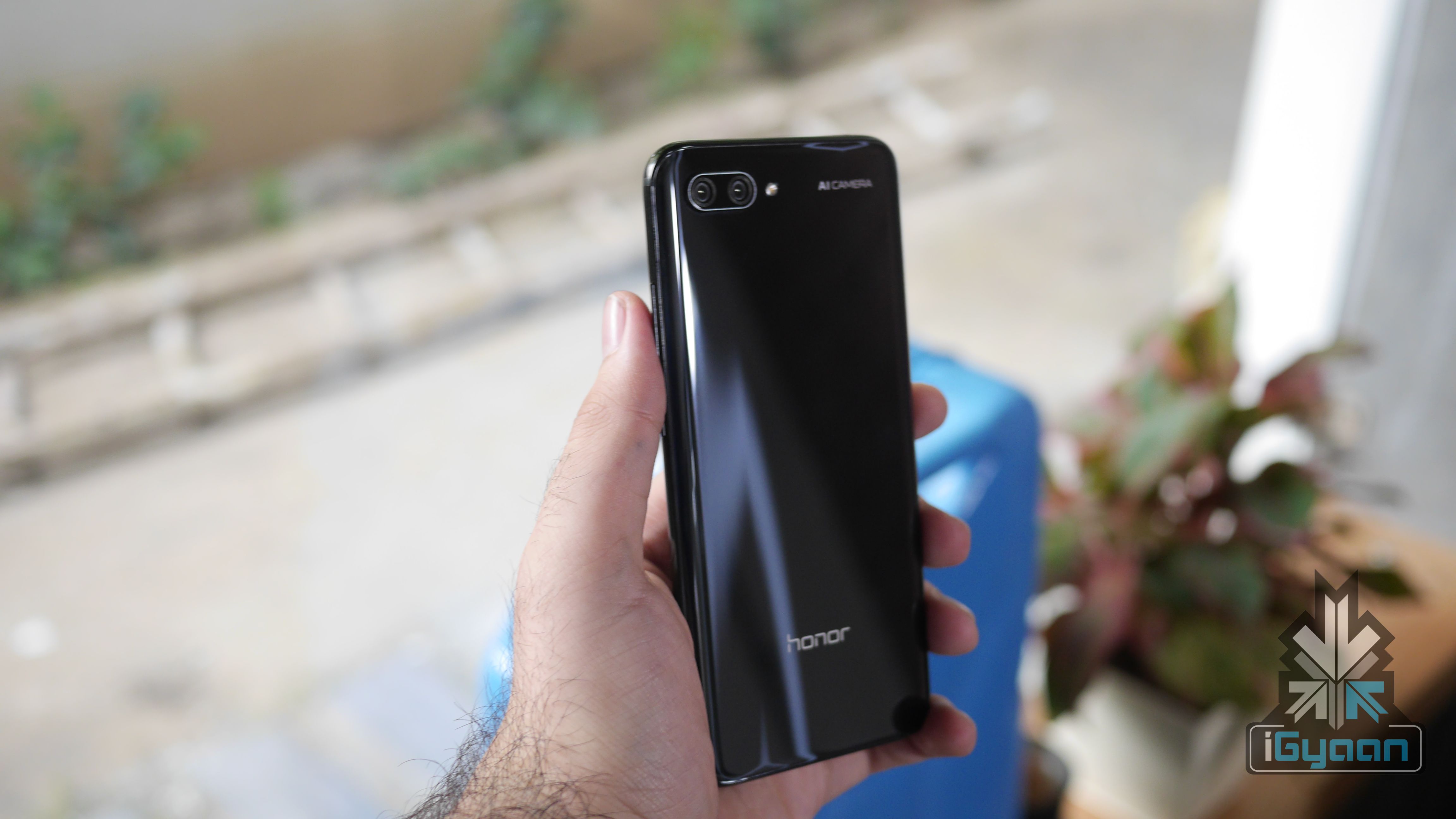
    Huawei’s sub-brand Honor has launched some great budget smartphones over the past few months. The Honor 9 Lite, especially, for its price has been a great device in the congested sub-10K category. To add to its budget smartphone portfolio, the company has launched the Honor 7A and Honor 7C in India.

    The Honor 7A is priced at Rs 8999 and will be available in only one variant. The smartphone will go on sale via Flipkart from 12 pm on May 29th. The Honor 7C is priced at Rs 9999 for the 3GB RAM/32GB storage variant, while its 4GB RAM/64GB storage variant will retail for Rs 11999. The Honor 7C will be sold via Amazon at 12 pm from May 31st.

    Honor 7A

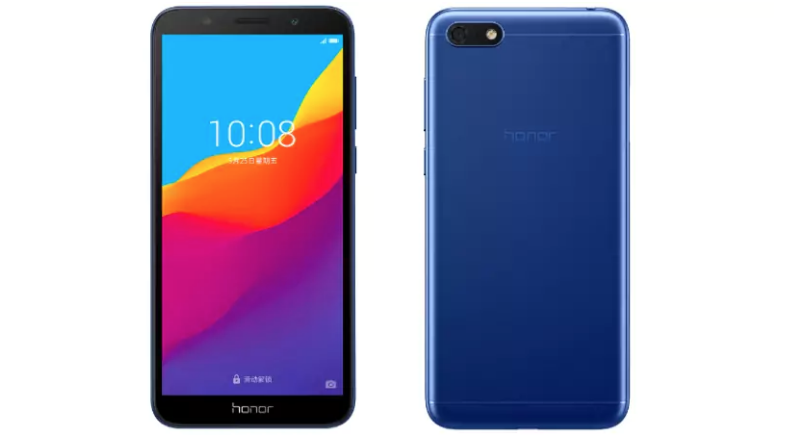
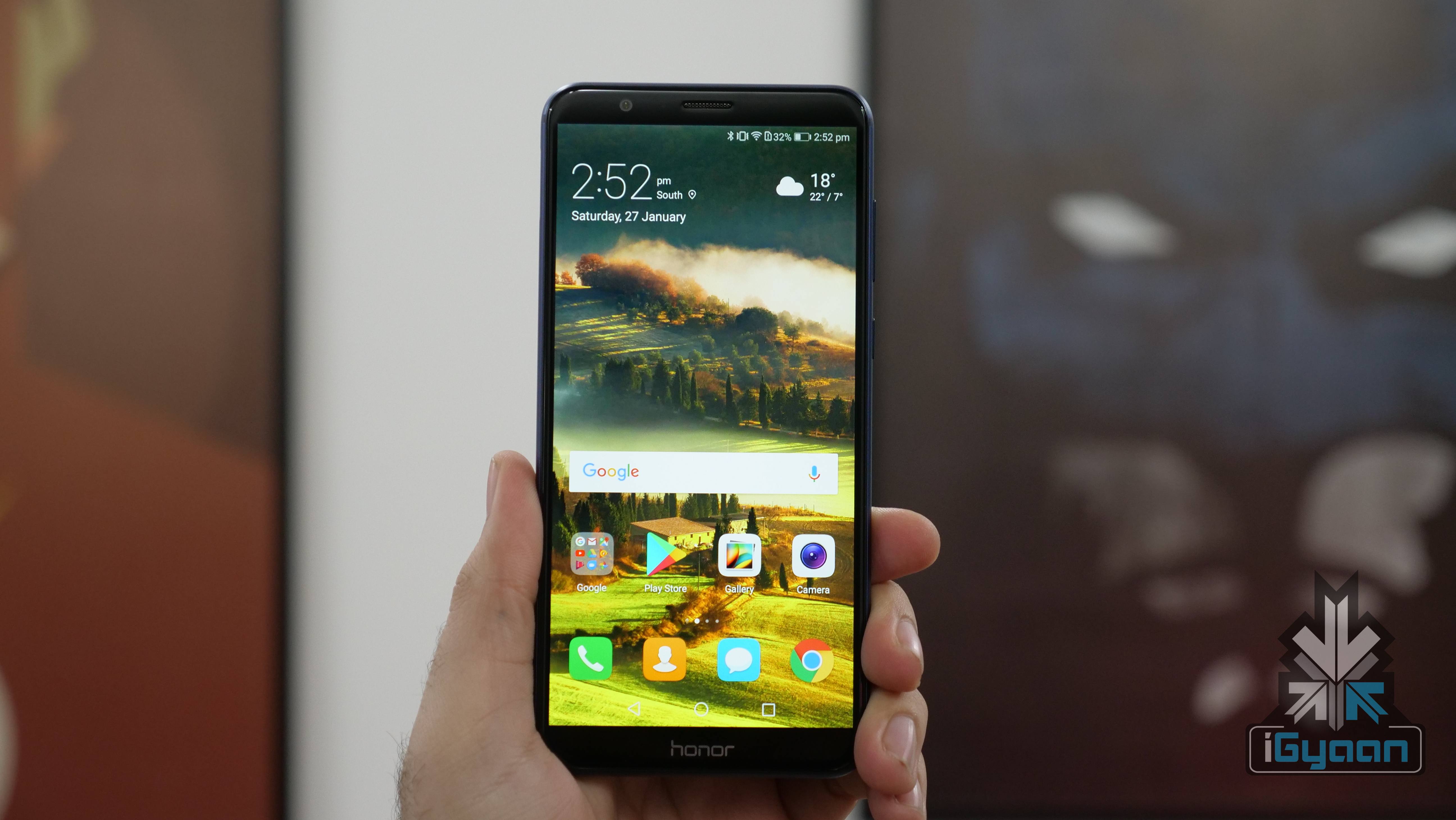
    The Honor 7A has a 5.7 inch IPS LCD display with a 1440 x 720 px and a 2.5 D curved glass for protection. It has an 18:9 aspect ratio which has become the norm for budget smartphones in India.

    Under the hood, the device runs on the Qualcomm Snapdragon 430 Octa-core chipset with 3GB RAM and 32GB onboard storage. Additionally, the smartphone supports memory expansion up to 256GB.

    The Honor 7A has a 3000 mAh sealed battery with a micro USB port for charging and data syncing. The phone runs on the latest Android 8 Oreo OS with custom EMUI 8.0 skin on the top.

    The Honor 7A has a dual setup with a 13MP RGB sensor and a 2MP depth sensor. The main sensor will help the smartphone to capture the picture and the secondary sensor will add the depth effect. The device has an 8MP front-facing camera with support for Face Unlock and 1080p video recording capability.

    Honor 7C

    The Honor 7C has a 5.99 inch IPS LCD display with a 1440 x 720 px and a 2.5D curved glass on top.

    Under the hood, the smartphone has a Qualcomm Snapdragon 450 Octa-core chipset with 3GB/4GB RAM and 32/64GB storage. Similarly, the storage is expandable using a micro SD card up to 256GB.

    The Honor 7C has a 3000 mAh sealed battery with a micro USB port for charging and data syncing. The phone runs on the latest Android 8 Oreo OS with custom EMUI 8.0 skin on the top.

    The phone has a dual primary camera setup with a 13MP primary sensor and a 2MP depth sensor. There is an 8MP front-facing camera which. In fact, both the cameras support portrait mode with 1080p video recording capability.

    The Honor 7A and Honor 7C have decent specifications for the price, however, devices like the Redmi Note 5 have a 1080P display and run on the Qualcomm Snapdragon 625 SoC. The smartphones go on sale this month and there will definitely be suitors for the smartphones.

  • Samsung Galaxy J6, Galaxy J8 Launched In India Starting Rs 13990

    Samsung Galaxy J6, Galaxy J8 Launched In India Starting Rs 13990

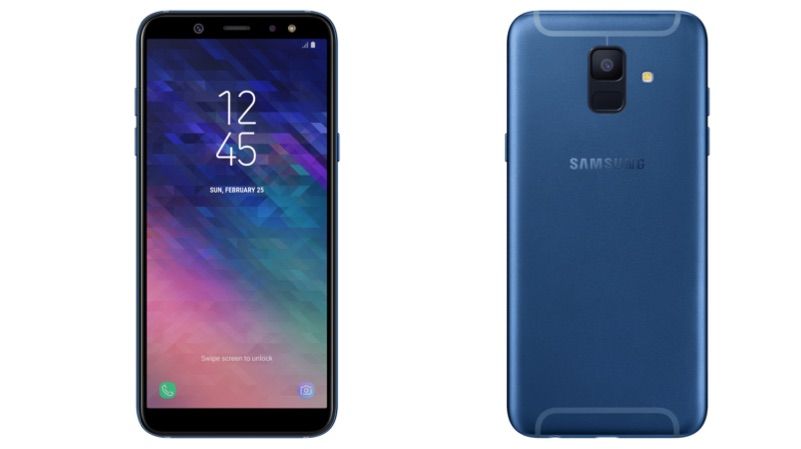
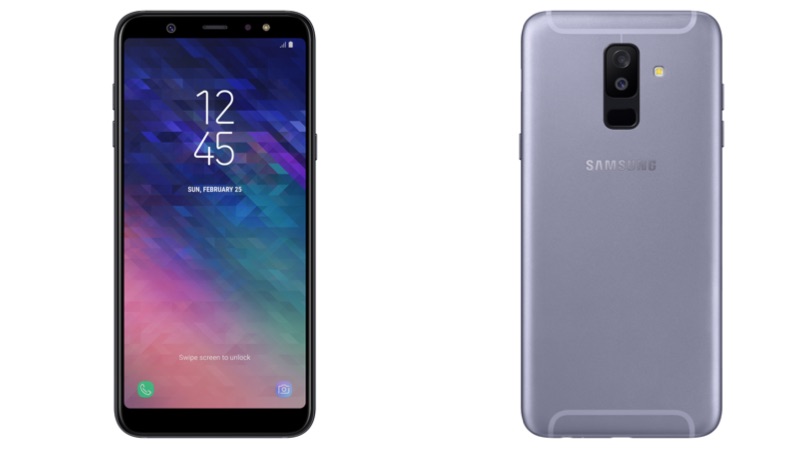
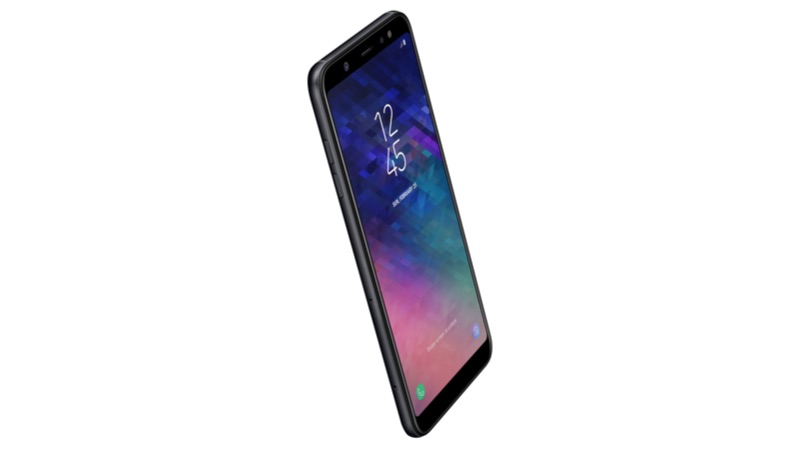
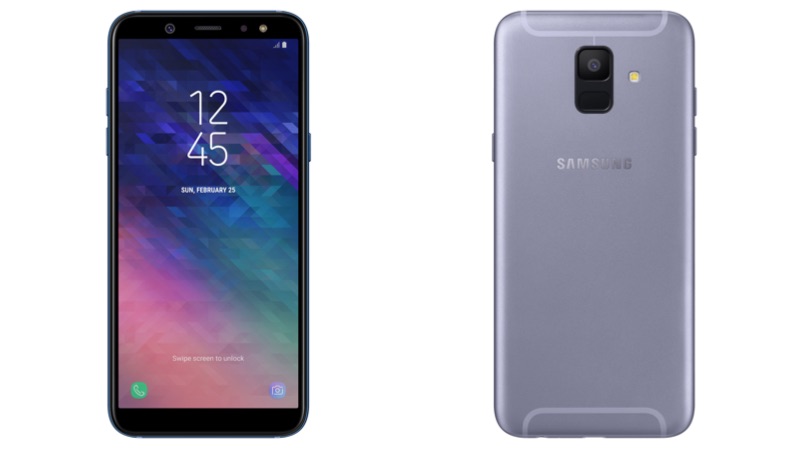
    Samsung launched four new budget smartphones in India on May 21st. The pricier of the four are the Galaxy A6 and A6+ while the Galaxy J6 and J8 are the company’s sub-20K smartphones. Samsung has had a successful start to 2018 with its flagship smartphones, the Galaxy S9 and S9+. Samsung has launched two great smartphones in 2018 so far, the Galaxy S9 and S9+. The company’s budget offerings, on the other hand, have been underwhelming, to say the least. Brands like Xiaomi, Asus and now Realme, have far more superior budget devices than what Samsung has launched in India so far.

    The Samsung Galaxy J6 will retail in India at a starting price of Rs 13990 for the 32GB storage variant, while the 64GB variant will cost Rs 16490. The priciest of the two will be the Galaxy J8, which is priced at Rs 18990 for the Indian market. The Galaxy J6 and J8 will go on sale in India on May 22nd and June 20th, respectively, via Flipkart, Paytm Mall, Samsung India E-Store, and Samsung retail stores offline.

    Samsung Galaxy J6

    The Galaxy J6, priced at Rs 13990, has a 5.6 inch Super AMOLED display with a 1480 x 720 px resolution. The company’s “Infinity Display” has trickled down to the Galaxy A series as well as the device has an 18.5:9 aspect ratio.

    Under the hood, it runs on the Exynos 7870 chipset coupled with 3GB RAM/32GB storage or 4GB RAM/64GB storage. The storage will be expandable up to 256GB storage via microSD card. The fingerprint sensor is placed on the back of the device right below the camera module. Powering the smartphone is a 3000 mAh battery.

    The Galaxy A6 has a 13MP rear camera with an f/1.9 aperture, while the front of the device houses an 8MP sensor with an f/1.9 aperture.

    Samsung Galaxy J8
    Galaxy A6+

    The Galaxy J8 has a 6 inch Super AMOLED display with a 2220 x 1080 px resolution. This also translates into an 18.5:9 aspect ratio.

    Under the hood, the smartphone runs on the Qualcomm Snapdragon 450 chipset coupled with 4GB of RAM and 64GB of onboard storage. The storage can be expanded up to 256GB storage via microSD card. The fingerprint sensor is placed on the back of the device right below the camera module. Powering the smartphone is a 3500 mAh battery.

    The camera setup gets an upgrade here, too. The Galaxy J8 has a 16MP primary sensor with an f/1.7 aperture along with a 5MP secondary sensor with an f/1.9 aperture. To the front is a 16MP sensor with an f/1.9 aperture.

    The Galaxy J6 and Galaxy J8 are much more affordable than the Galaxy A6 and A6+ without missing out on too many features. However, it’ll be interesting to see how the two smartphones do in the price category with the likes of Redmi Note 5 Pro, Zenfone Max Pro and others.

  • Samsung Galaxy A6, Galaxy A6+ Launched In India Starting Rs 21990

    Samsung Galaxy A6, Galaxy A6+ Launched In India Starting Rs 21990

    Samsung has launched two great smartphones in 2018 so far, the Galaxy S9 and S9+. The company’s budget offerings, on the other hand, have been underwhelming, to say the least. Brands like Xiaomi, Asus and now Realme, have far more superior budget devices than what Samsung has launched in India so far. In a bid to take control of the budget smartphone market again, Samsung has launched the Galaxy A6, A6+ in India on May 21st.

    The Samsung Galaxy A6 will retail in India at a starting price of Rs 21,990 for the 32GB storage variant, while the 64GB variant will cost Rs 22990. The priciest of the two will be the Galaxy A6+, which is priced at Rs 25990 for the Indian market. The Galaxy A6 and A6+ will go on sale in India on May 22nd via Amazon, Paytm Mall, Samsung India E-Store, and Samsung retail stores offline.

    Samsung Galaxy A6

    The Galaxy A6, priced at Rs 21990, has a 5.6 inch Super AMOLED display with a 1480 x 720 px resolution. The company’s “Infinity Display” has trickled down to the Galaxy A series as well as the device has an 18.5:9 aspect ratio.

    Under the hood, it runs on the Exynos 7 series chipset coupled with 3GB RAM/32GB storage or 4GB RAM/64GB storage. The storage will be expandable up to 256GB storage via microSD card. The fingerprint sensor is placed on the back of the device right below the camera module. Powering the smartphone is a 3000 mAh battery.

    The Galaxy A6 has a 16MP rear camera with an f/1.7 aperture, while the front of the device houses a 16MP sensor with an f/1.9 aperture.

    Samsung Galaxy A6+

    Justifying its ‘Plus’ moniker, the Galaxy A6+ has a 6 inch Super AMOLED display with a 2220 x 1080 px resolution. This also translates into an 18.5:9 aspect ratio.

    Under the hood, the smartphone runs on the Qualcomm Snapdragon 450 chipset coupled with 4GB of RAM and 64GB of onboard storage. The storage can be expanded up to 256GB storage via microSD card. The fingerprint sensor is placed on the back of the device right below the camera module. Powering the smartphone is a 3500 mAh battery.

    The camera setup gets an upgrade here, too. The Galaxy A6+ has a 16MP primary sensor with an f/1.7 aperture along with a 5MP secondary sensor with an f/1.9 aperture. To the front is a 24MP sensor with an f/1.9 aperture.

    At a price of Rs 21990, the Galaxy A6 only has an HD+ display, while devices like the Moto X4 have a 1080P display along with a premium all-glass build. Even the Galaxy A6+ only has the Snapdragon 450 chipset at a price of Rs 25990 while the Nokia 7 Plus runs on the Snapdragon 660 SoC. The smartphones go on sale on May 22nd, although, it’s hard to judge who the targeted audience is for these smartphones.

  • Honor Play 7 With 18:9 Aspect Ratio Launched

    Honor Play 7 With 18:9 Aspect Ratio Launched

    Huawei’s sub-brand Honor has had a good start to 2018. The Honor 9 Lite is still one of the best budget smartphones in India and the recently launched Honor 10 looks impressive as well. The company has continuously launched several budget smartphones in the Chinese market that follow the Honor 7X design language. The new Honor Play 7 is another budget device from the company which looks a lot like the Honor 7X.

    The Honor 7 Play is only available in one variant and is priced at CNY 599 (Rs 6400 approx.). There are no details about the smartphone’s availability in India. The Honor 7A and 7C, on the other hand, will be unveiled next week and will be sold exclusively via Flipkart. Unlike a lot of Honor smartphones, the Honor Play 7 runs on a MediaTek chipset rather than a budget Kirin chip.

    Honor 7X

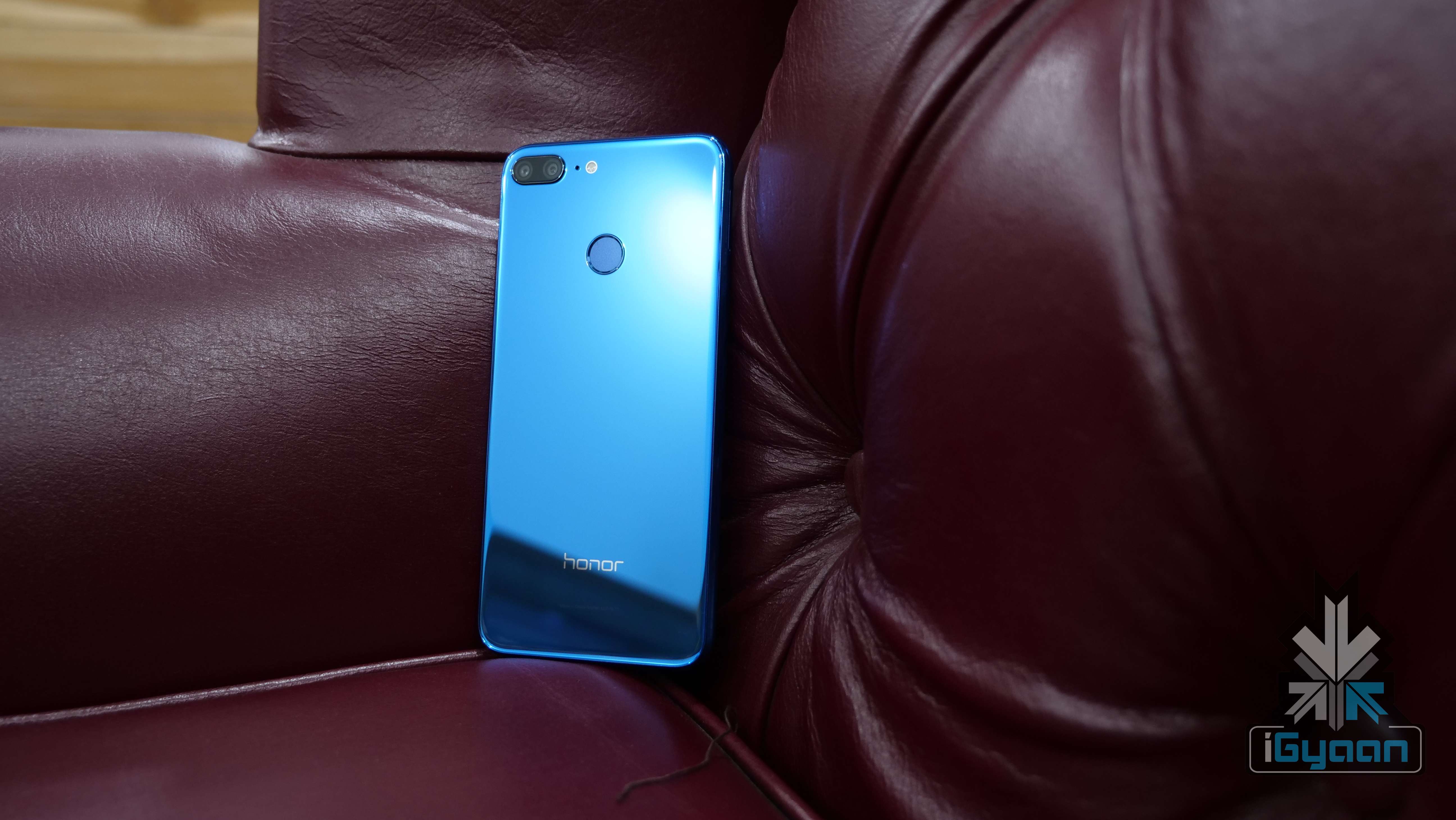
    It has a 5.45-inch IPS LCD display with a 1440 x 720 px resolution. This translates into an 18:9 aspect ratio and the device has thin bezels around the display, very similar to the Honor 7X or the Honor 9 Lite.

    Under the hood, the Honor Play 7 runs on the MediaTek MT6739 chipset coupled with 2GB of RAM and 16GB of onboard storage. The onboard storage can be expanded up to 256GB via microSD card. The fingerprint sensor is missing on the Honor Play 7, which is disappointing since a lot of budget smartphones these days always feature a fingerprint sensor.

    Powering the smartphone is a 3020 mAh battery which charges via a micro USB port. For a Full HD+ display resolution, this battery, in theory at least, should suffice for a day. To the front of the smartphone is a 24MP camera with an f/2.0 aperture and a soft LED flash. The back of the Honor Play 7 features a 13MP CMOS sensor with a dual-tone LED flash and 4X digital zoom.

    Honor 9 Lite

    The budget smartphone looks like it’ll remain a China-exclusive for now. The Honor 7A and Honor 7C will launch in India soon as the company plans to expand its budget smartphone portfolio.

  • OnePlus 6 Avengers Infinity War Edition Launched In India For Rs 44999

    OnePlus 6 Avengers Infinity War Edition Launched In India For Rs 44999

    A day after launching the OnePlus 6 in London, the company has launched a new variant of the flagship smartphone in India. The OnePlus 6 Avengers Infinity War has launched in India for a price of Rs. The limited edition variant will be available in the 8GB RAM/256GB storage variant only. It is priced at Rs 44999 and go on sale in India from the 29th of May. The device will go on sale via Amazon exclusively and like the OnePlus 5T Star Wars Edition will be available in a limited number only.

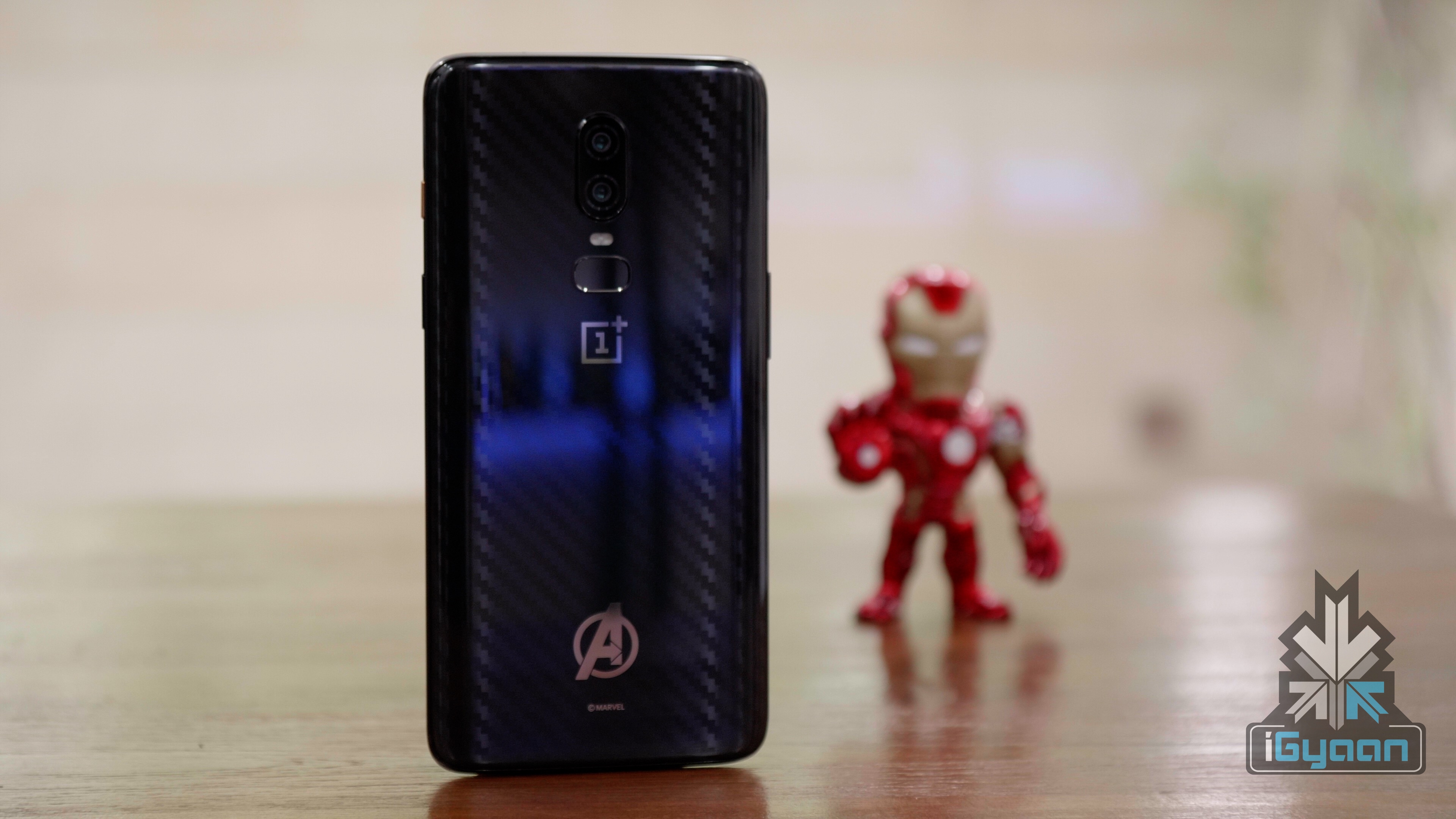
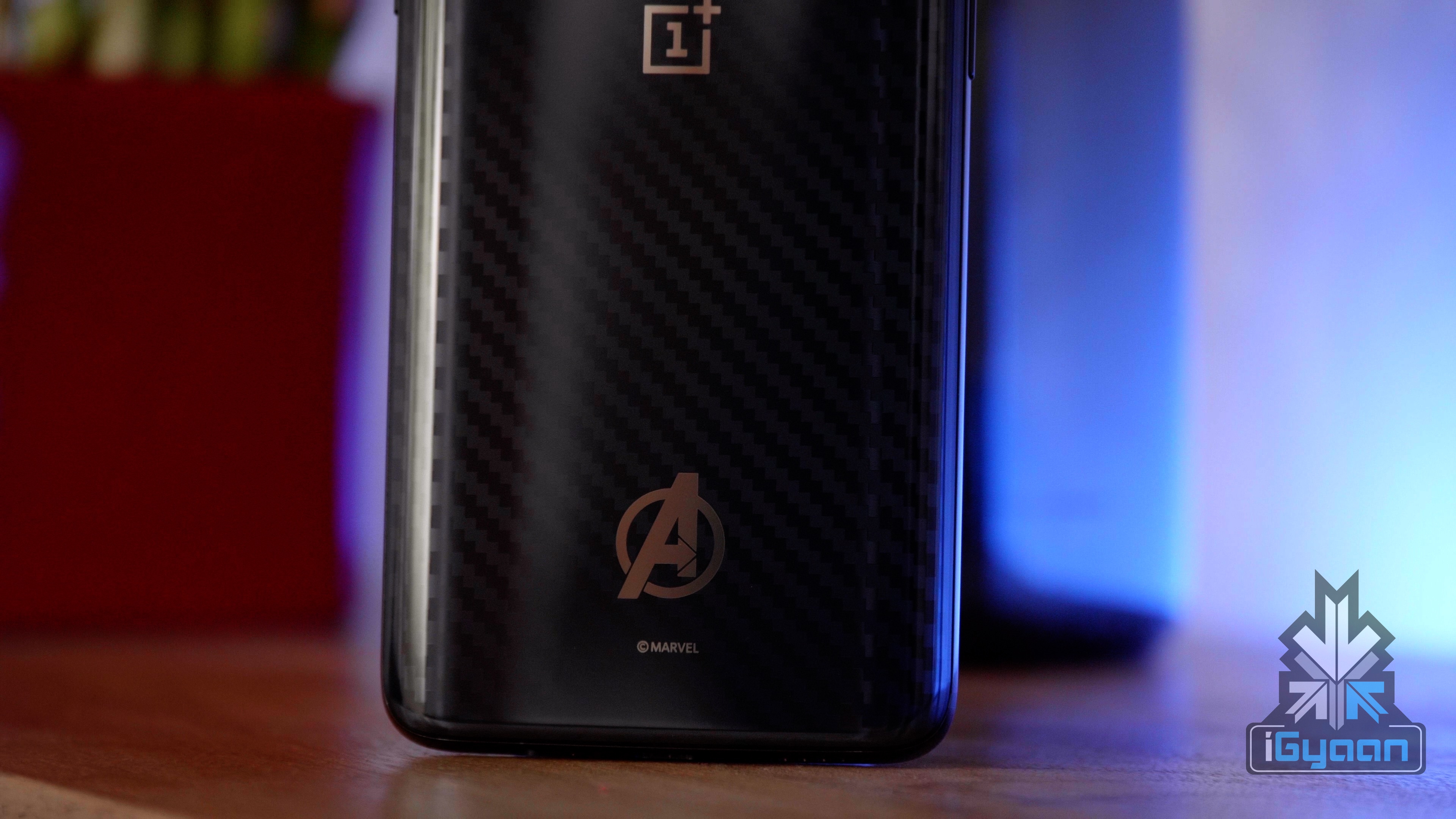
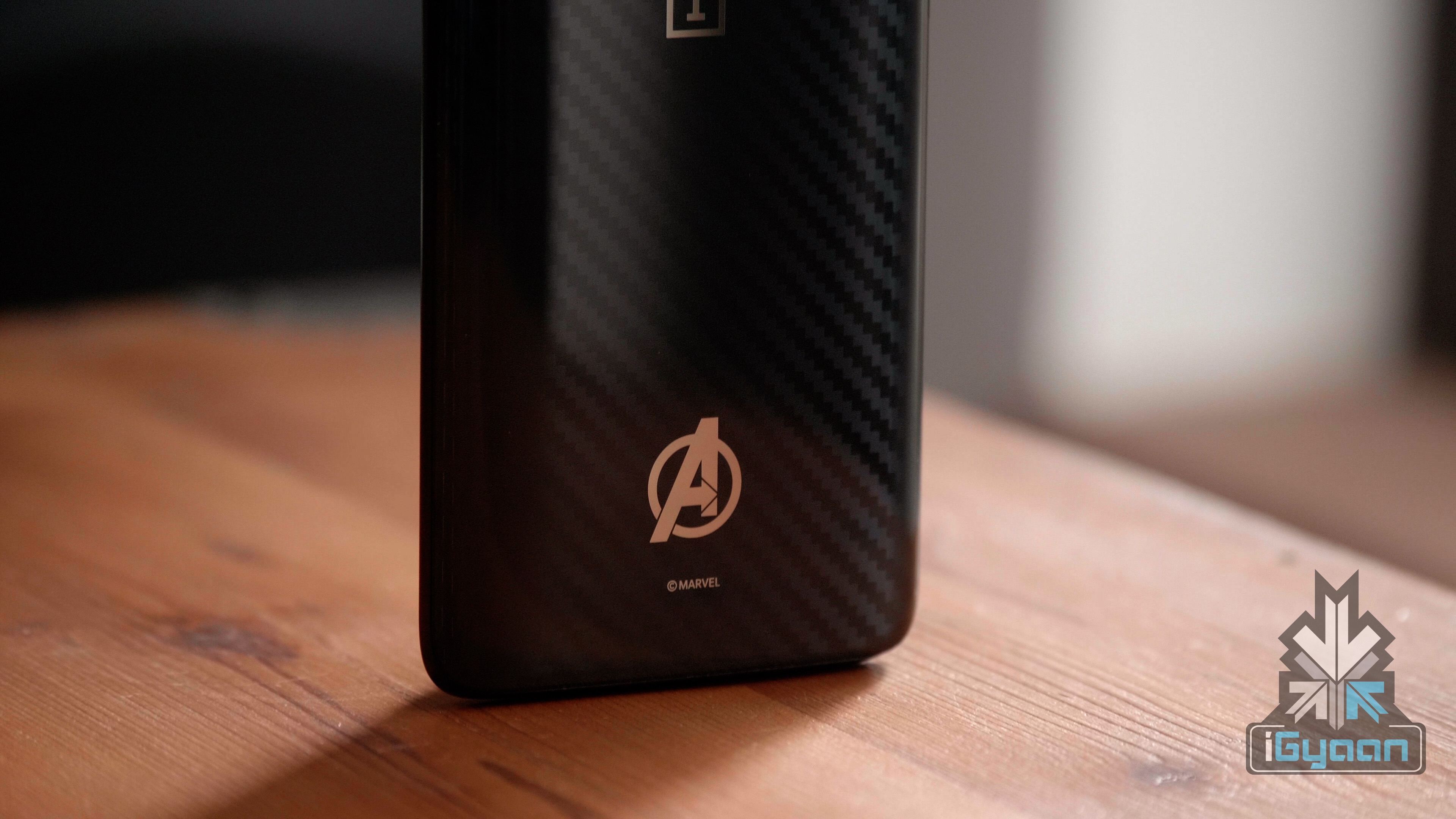
    The OnePlus 6 Avengers Infinity War Edition has the same all-glass design like the OnePlus 6. However, there is a carbon fibre finish underneath the glass, giving it a very different look than the regular OnePlus 6. The alert slider also has a golden accent as opposed to the black colour on the regular OnePlus 6. It is possible that this particular look and feel will be launched in other countries as a OnePlus Carbon Fibre variant just like the OnePlus 5T Sandstone.

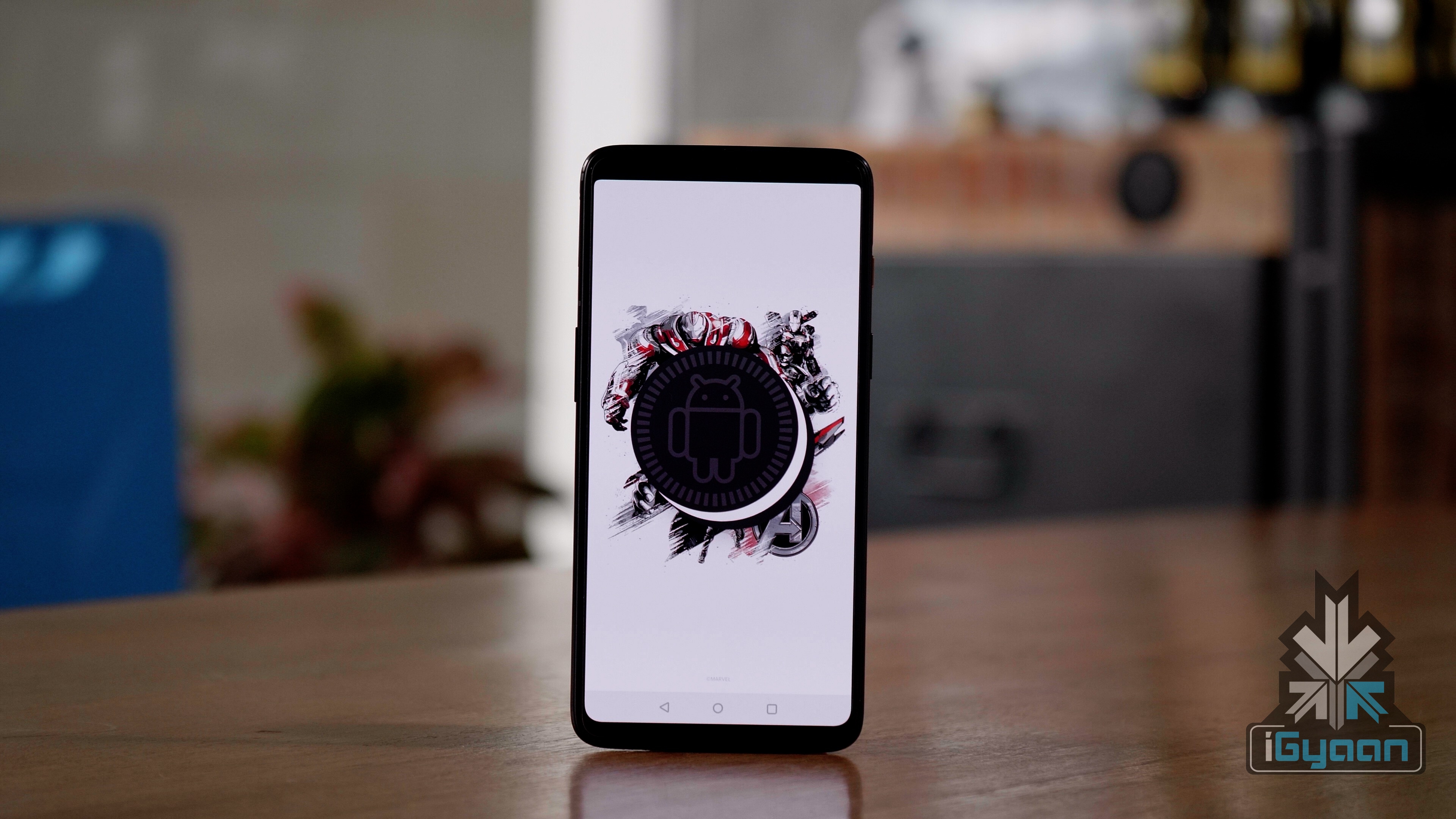
    With the OnePlus 6 Avengers Infinity War Edition, you also get custom Avengers Infinity War wallpapers. There is also an Avengers Theme preinstalled which has a dark look to it with golden accents. It is possible that this theme will somehow make its way to other OnePlus devices as well in the future. For now, however, it is exclusive to limited edition OnePlus 6. The specifications remain the same as the OnePlus 6.

    It has a 6.28 inch Optic AMOLED display with a 2280 x 1080 px resolution. The aspect ratio is 19:9 which means it is slightly taller than the OnePlus 5T.

    It runs on the Qualcomm Snapdragon 845 chipset which has an octa-core processor clocked at 2.8GHz. Coupled with the flagship chipset is 8GB of RAM and 256GB onboard storage. The storage is still not user-expandable just like every other OnePlus device. The fingerprint sensor is still placed on the rear but, it has a more oval shape this time around.

    Powering the device is a 3300 mAh battery with DashCharge support. DashCharge continues to be one of the fastest charging technologies and could be the reason why OnePlus did not think that wireless charging was necessary here. Out of the box, the OnePlus 6 will run Android 8.1 Oreo with OxygenOS on top. The smartphone will have gesture support which we tested on the OnePlus 5T during its Beta test.

    The dual-camera setup on the back includes a 16MP Sony IMX 519 sensor and a 20MP Sony IMX 376K sensor. Both are RGB sensors and have an f/1.7 aperture with OIS, another first for a OnePlus device. The cameras also record 4K videos at 60fps which is a great feature for content creators. To the front of the smartphone is a 16MP Sony IMX 371 sensor with an f/2.0 aperture and EIS which records 1080P videos.

    The OnePlus 6 Avengers Infinity War Edition looks extremely nice and could be a great buy for Marvel fanatics looking for a special edition product for their collection!

  • OnePlus 6 Launched In India Starting Rs 34999

    OnePlus 6 Launched In India Starting Rs 34999

    OnePlus launched its latest flagship smartphone, the OnePlus 6 at an event in London on May 16th. The company held a separate event in Mumbai on May 17th to launch the device in India. The OnePlus 6 will be available in three variants, one with 6GB RAM/128GB storage, the other 8GB RAM/128GB storage, and the final variant will have 8GB RAM/256GB storage.

    The base model is priced at Rs 34,999, and the 8GB RAM/128GB model will retail for Rs 39999.

    The OnePlus 6 has a 6.28 inch Optic AMOLED display with a 2280 x 1080 px resolution. The aspect ratio is 19:9 which means it is slightly taller than the OnePlus 5T.

    Must Read: Unboxing The OnePlus 6

    The 6 runs on the Qualcomm Snapdragon 845 chipset which has an octa-core processor clocked at 2.8GHz. Coupled with the flagship chipset is either 6GB or 8GB of RAM with three storage options of 64GB, 128GB and 256GB. The storage is still not user-expandable just like every other OnePlus device. The fingerprint sensor is still placed on the rear but, it has a more oval shape this time around.

    Powering the device is a 3300 mAh battery with DashCharge support. DashCharge continues to be one of the fastest charging technologies and could be the reason why OnePlus did not think that wireless charging was necessary here. Out of the box, the OnePlus 6 will run Android 8.1 Oreo with OxygenOS on top. The smartphone will have gesture support which we tested on the OnePlus 5T during its Beta test. The company has announced that users will be able to download Android P Developer’s Preview from the OnePlus website soon.

    OnePlus has stuck to its guns in terms of optics. The company dropped the telephoto lens with the OnePlus 5T and replaced it with another RGB sensor. The same is the case with the OnePlus 6. The company believes that its software can take good enough portrait modes (a feature that has become popular over the past two years). The dual-camera setup includes a 16MP Sony IMX 519 sensor and a 20MP Sony IMX 376K sensor. Both are RGB sensors and have an f/1.7 aperture with OIS, another first for a OnePlus device. The cameras also record 4K videos at 60fps which is a great feature for content creators. To the front of the smartphone is a 16MP Sony IMX 371 sensor with an f/2.0 aperture and EIS which records 1080P videos.

    At a starting price of Rs 34999, it is marginally pricier than the OnePlus 5T. New design, features and a solid pricing mean the OnePlus 6 has great potential in the Indian market.

    Unboxing Video

  • OnePlus 6 Officially Launched Starting US$ 529

    OnePlus 6 Officially Launched Starting US$ 529

    After months of leaks, the OnePlus 6 has been unveiled. The young Chinese smartphone maker took to stage in London, one day after the Honor 10 launch to reveal the new flagship smartphone which will launch in India tomorrow on May 17th. The OnePlus 6, as expected, will be available in three variants, one with 6GB RAM and 64GB storage, one with 8GB RAM and 128GB storage and the third with 8GB RAM and 256GB storage. The base model is priced at US$ 529  (Rs 35,800 approx.), the 8GB RAM/128GB model will retail for US$ 579 (Rs 39200 approx.) while the 8GB RAM/256GB storage variant will cost you US$ 629 (Rs 42500 approx.).

    The OnePlus 6 has a lot of ‘firsts’ for OnePlus flagship smartphones. Even though the OnePlus X had a glass back, the OnePlus 6 is the first flagship smartphone from the brand to have an all-glass design. One thing worth noting here is that the OnePlus 6 doesn’t support wireless charging, despite the glass back. The dual-camera setup is now placed vertically as opposed to the iPhone 7 Plus-style horizontal placement on the OnePlus 5/5T. Then there is the infamous notch which can be hidden through software but, already has a polarising opinion among reviewers and consumers alike.

    The OnePlus 6 has a 6.28 inch Optic AMOLED display with a 2280 x 1080 px resolution. The aspect ratio is 19:9 which means it is slightly taller than the OnePlus 5T.

    The 6 runs on the Qualcomm Snapdragon 845 chipset which has an octa-core processor clocked at 2.8GHz. Coupled with the flagship chipset is either 6GB or 8GB of RAM with three storage options of 64GB, 128GB and 256GB. The storage is still not user-expandable just like every other OnePlus device. The fingerprint sensor is still placed on the rear but, it has a more oval shape this time around.

    Powering the device is a 3300 mAh battery with DashCharge support. DashCharge continues to be one of the fastest charging technologies and could be the reason why OnePlus did not think that wireless charging was necessary here. Out of the box, the OnePlus 6 will run Android 8.1 Oreo with OxygenOS on top. The smartphone will have gesture support which we tested on the OnePlus 5T during its Beta test. The company has announced that users will be able to download Android P Developer’s Preview from the OnePlus website soon.

    OnePlus has stuck to its guns in terms of optics. The company dropped the telephoto lens with the OnePlus 5T and replaced it with another RGB sensor. The same is the case with the OnePlus 6. The company believes that its software can take good enough portrait modes (a feature that has become popular over the past two years). The dual-camera setup includes a 16MP Sony IMX 519 sensor and a 20MP Sony IMX 376K sensor. Both are RGB sensors and have an f/1.7 aperture with OIS, another first for a OnePlus device. The cameras also record 4K videos at 60fps which is a great feature for content creators. To the front of the smartphone is a 16MP Sony IMX 371 sensor with an f/2.0 aperture and EIS which records 1080P videos.

    The OnePlus 6 is marginally pricier than the OnePlus 5T. It will be interesting to see how the pricing in India is affected at the launch event on May 17th. Stay tuned for all the India-specific details about the OnePlus 6!

  • OnePlus Launches OnePlus Bullets Wireless Earbuds For US$ 69

    OnePlus Launches OnePlus Bullets Wireless Earbuds For US$ 69

    OnePlus kicked off its OnePlus launch event in London with the launch of the OnePlus Bullets Wireless. The Bullets Wireless will retail for US$69 (Rs 4700 approx.) from June 5th. The price and availability details for India could be unveiled tomorrow at the OnePlus 6 India launch.

    The OnePlus Bullets Wireless earphones are not truly wireless earbuds like the AirPods. The left and the right earbuds are connected via a wire that goes around the user’s neck. Interestingly, the earbuds have fast charging, and can be charged using a type C cable. OnePlus claims that just 10 minutes of charge can provide up to 5 hours of battery life which sounds incredible.

    The battery of earbuds rests on the neck and there is also inline control for music and call-taking. OnePlus also announced that the earbuds are magnetic, and once connected together, the earbuds switch off automatically to save battery life. Interestingly enough, users can pick up incoming calls by simply detaching the earbuds. These features are backward compatible with the OnePlus 6 and previous OnePlus smartphones.

    The earbuds have a range of up to 10 meters and are powered by the Google Assistant.

    At a price of US$ 69, the OnePlus Bullets Wireless look promising. It will be interesting to see if OnePlus launches these earbuds in India and what the price will be.

  • Honor 10 Launched In India For Rs 32999

    Honor 10 Launched In India For Rs 32999

    Huawei’s sub-brand Honor launched the Honor 10 in China on April 19th. At an event in London on May 15th, the company globally launched its new flagship smartphone. The Honor 10 will be available in only one variant in India. The smartphone will have 6GB RAM and 128GB storage and will be priced at Rs 32999. The Honor 10 will be available via Flipkart exclusively.

    Like a lot of Android smartphones in 2018, the Honor 10 also has a notch on the display. The notch is smaller compared to the iPhone X and resembles the notch found on the Huawei P20 Pro and LG G7 ThinQ. The smartphone has an all-glass build with an aluminium frame giving it a premium and modern look.

    Must Read: Lenovo’s Next Flagship Smartphone Will Be Tailor-Made For Notch Haters

    The colour variants are also very interesting with the Honor 10. Two of the colour variants have a dual-tone colour of blue and pink and in the images at least, looks pretty fantastic. The fingerprint reader like expected is not embedded inside the display, instead, it is an invisible ultrasonic fingerprint sensor that can also detect a wet finger. It is also front-facing since it is housed inside the chin of the smartphone.
    The Honor 10 has a 5.84 inch IPS LCD display with a 2280 x 1080 px resolution. The 19:9 aspect ratio will come in handy when users decide to hide the notch, forcing the display into a conventional 18:9 aspect ratio.

    The new flagship smartphone runs on the HiSilicon Kirin 970 chipset, the same chipset found on the Huawei P20 Pro. The chipset is coupled with 6GB of RAM with 128GB of non-user expandable storage. There is a dual SIM slot but, no space for a microSD card. However, 128GB storage should suffice for most people, if not 64GB. Powering the smartphone is a 3400 mAh battery with SuperCharge compatibility.

    Honor also claims that the Honor 10’s dual-camera setup has a lot of AI capabilities. The company is betting big on the device’s AI capabilities, which Honor is calling “AI 2.0.” According to Honor, AI 2.0 can detect dynamic pictures more accurately. The phone’s AI 2.0 can also process Prisma-like image effects twice as fast as the iPhone X.

    The smartphone has a dual-camera setup on the back, consisting of a 16MP RGB sensor with an f/1.8 aperture and a 24MP Monochrome sensor. The rear cameras record 4K videos at 30fps. The notch on the display, along with the sensors and an earpiece, also houses a 24MP camera with an f/2.0 aperture. The front-camera only records 1080P videos at 30fps.
    The Honor 10 has a great build quality and design with impressive specifications. The smartphone will take on the OnePlus 6 in the Indian market.

  • OPPO Realme 1 Launched In India Starting Rs 8990

    OPPO Realme 1 Launched In India Starting Rs 8990

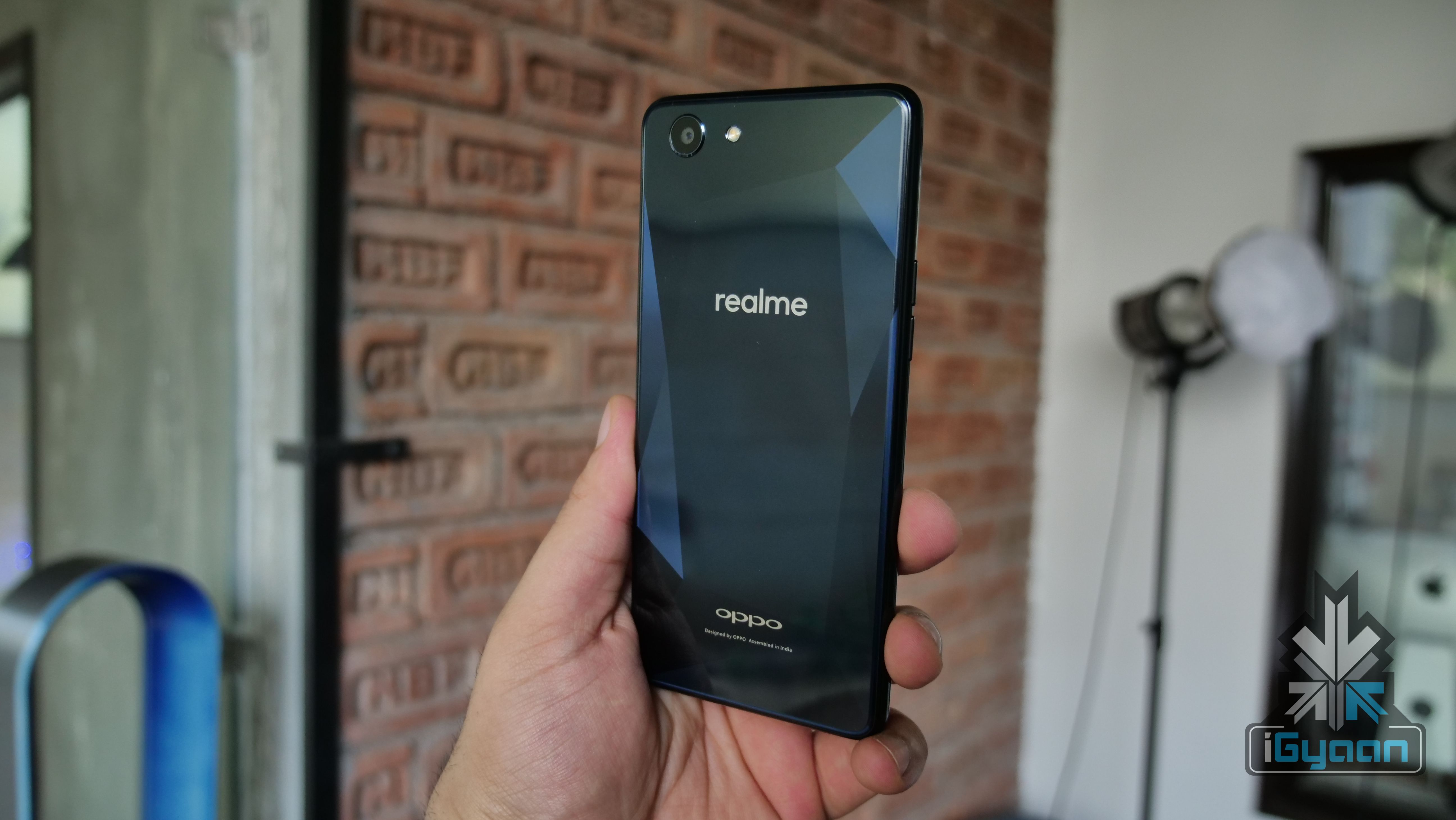
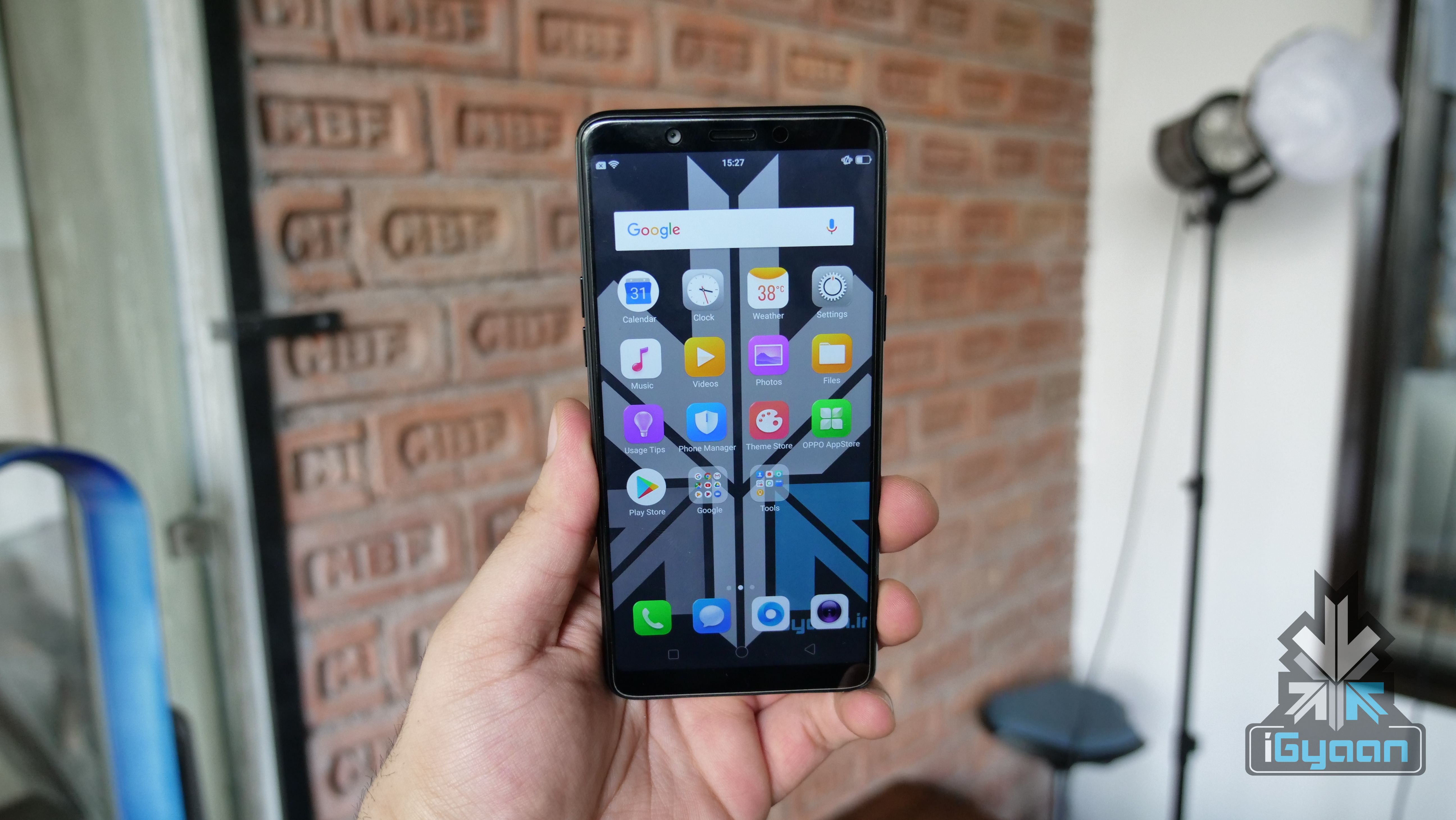
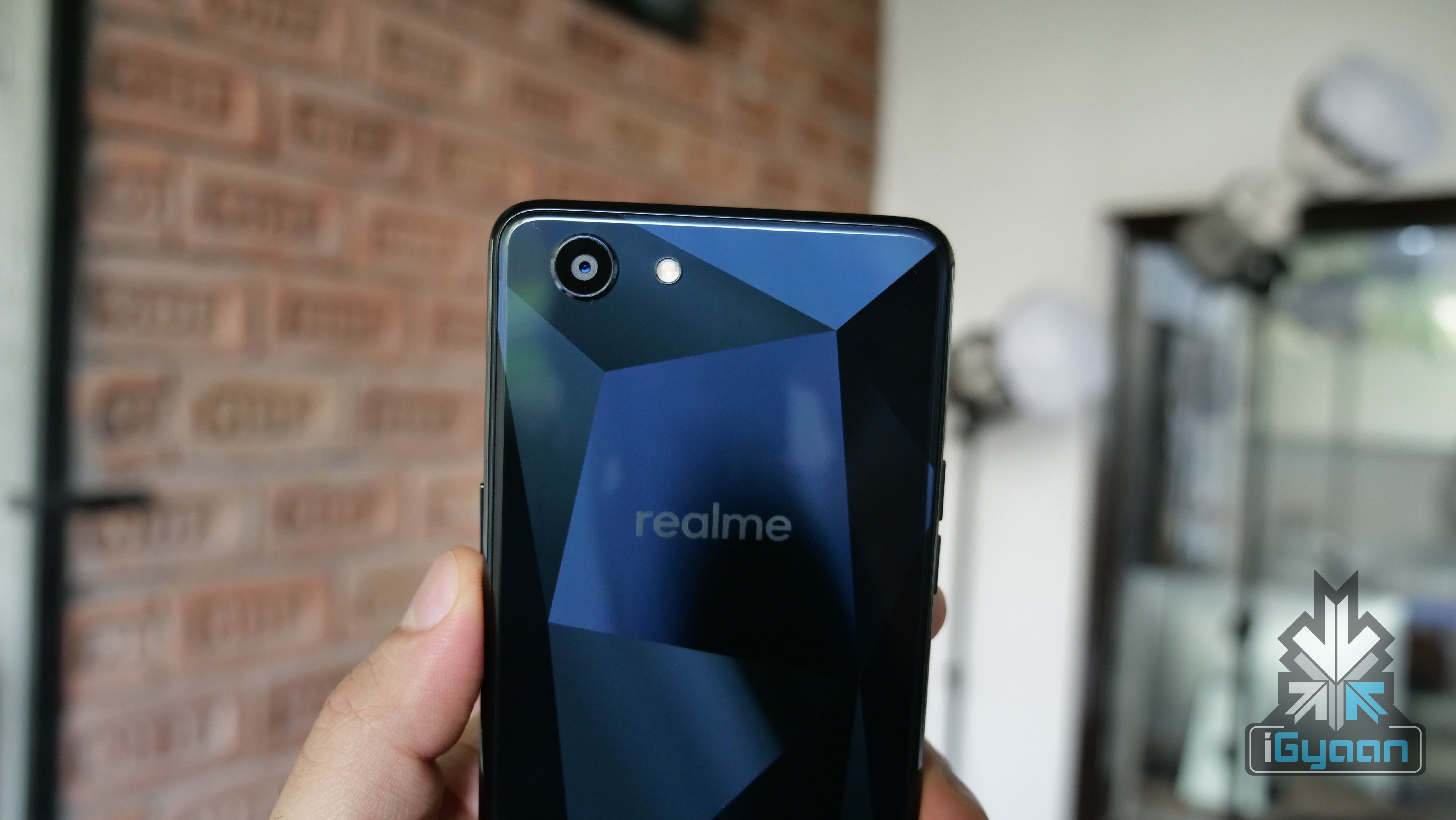
    OPPO has unveiled its new sub-brand for India, Realme. Under the new brand, the company has launched the Realme 1 in India at a starting price of Rs 8990. The smartphone will be available in three variants, one with 3GB RAM/32GB storage, second with 4GB RAM/64GB storage and the third with 6GB RAM/128GB storage. It is an Amazon-exclusive device and the first sale will be on the 25th of May and commence at 12 noon.

    The OPPO Realme 1 is an interesting device with a few peculiar decisions taken by the company. Two of the most popular features of a budget smartphone, dual-camera setup and fingerprint sensor are both missing from the smartphone. This can be a deal breaker for many as a fingerprint sensor has become a norm for any smartphone these days.

    The Realme 1 has a 6 inch display with a 2160 x 1080 px resolution. This translates into an 18:9 aspect ratio which has become increasingly common these days.

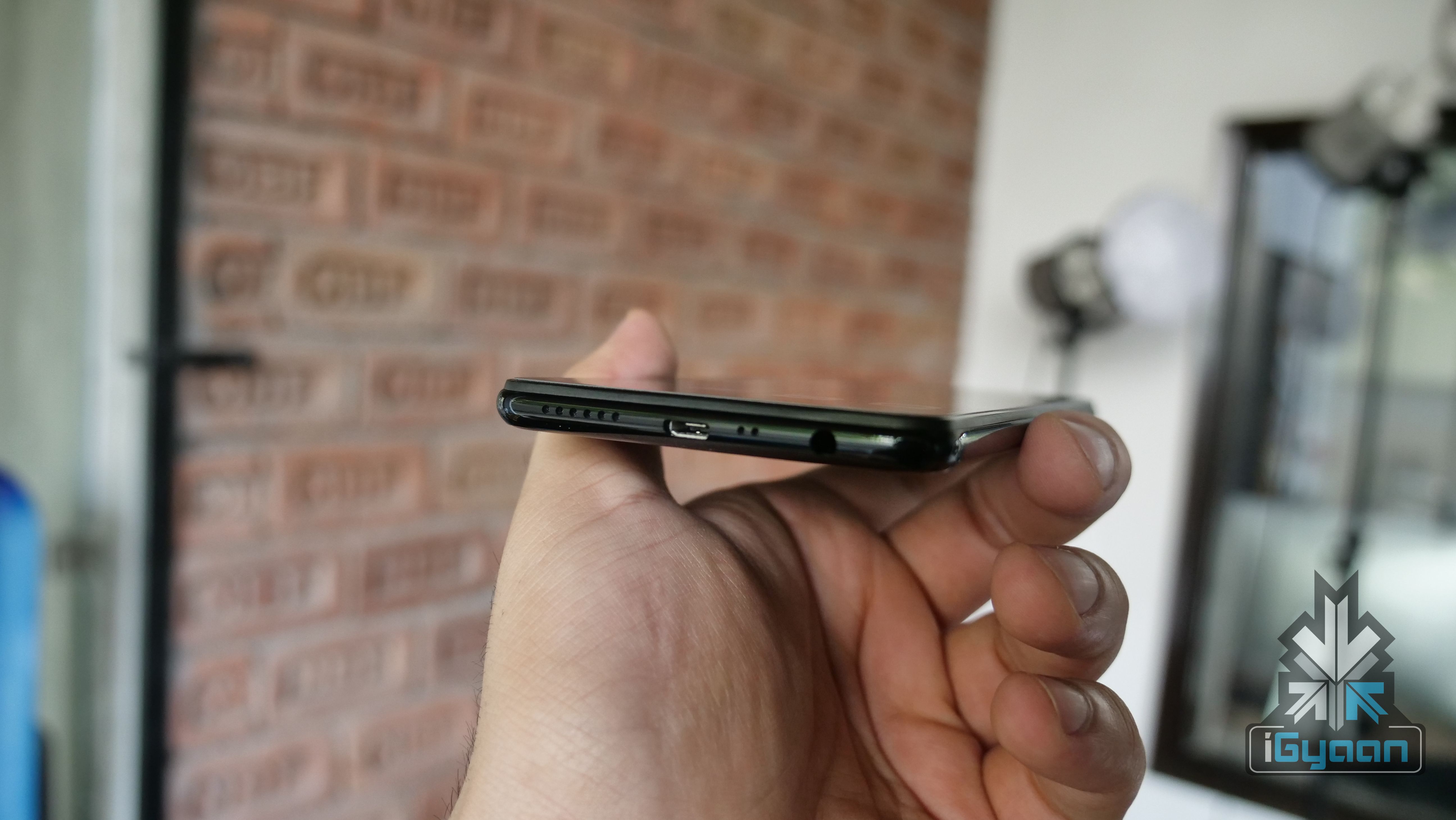
    The smartphone runs on the MediaTek MT6771 Helio P60 chipset coupled with 3GB/4GB/6GB RAM and 32GB/64GB/128GB storage. The onboard storage is expandable via a microSD card in case you run out of the onboard storage provided. Powering the smartphone is 3410 mAh battery which charges via a micro USB slot.

    The Realme 1 runs Android 8.1 Oreo out of the box with ColorOS 5.0 on top. The custom skin is very similar to skins by Chinese smartphone makers, there is no app drawer and you’ll barely notice the version of Android because of the heavy customisation. There OPPO Cloud for people to store their data on the internet instead of their devices. Clone Apps will let consumers use two separate accounts of the same app, which can come in handy for a lot of people.

    Must Read: Unboxing The Huawei P20 Lite

    The smartphone also misses out on a dual-camera setup, again, a feature that has become the norm. It has a 13MP camera on the back along with an 8MP front-facing camera.

    At a starting price of Rs 8990, the Realme 1 is a great competitor for the Redmi Note 5. However, you do miss out on a fingerprint sensor on the Realme 1. The sale of the smartphone begins on May 25th via Amazon.

    Buy The Realme 1 Here

  • Asus Launches Android Go Smartphone Zenfone Live L1 With An 18:9 Aspect Ratio

    Asus Launches Android Go Smartphone Zenfone Live L1 With An 18:9 Aspect Ratio

    Asus launched an impressive budget smartphone, the Zenfone Max Pro in India in April. The company is also expected to launch the Asus Zenfone 5Z which it unveiled at MWC 2018. However, before a flagship smartphone launch, the company has unveiled its first-ever Android Go smartphone, the Zenfone Live L1. Asus has launched the new smartphone in Indonesia for a price of around IDR 1.5 million (Rs 7200 approx.).


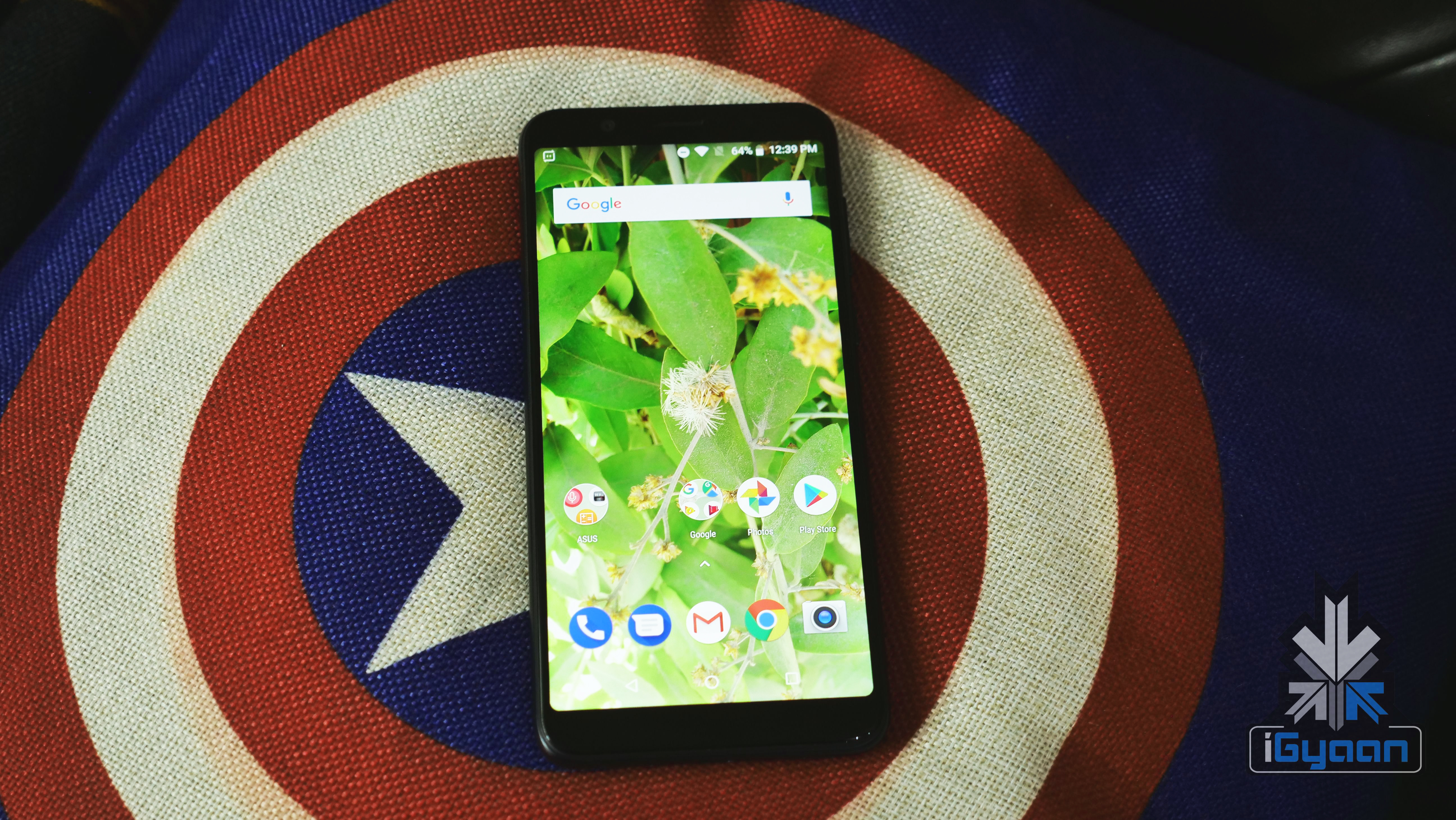
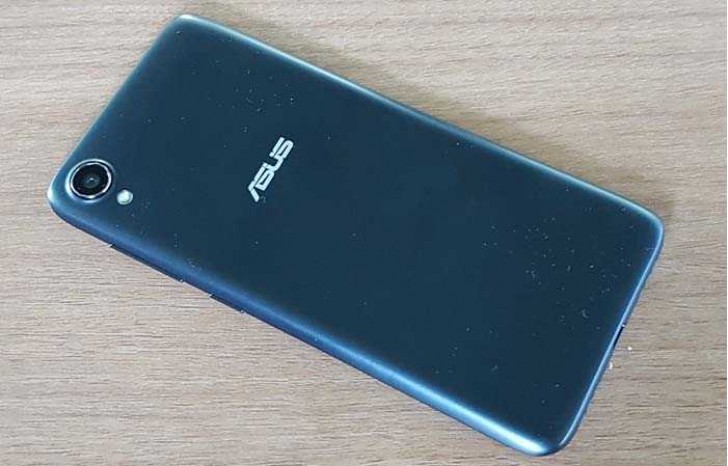
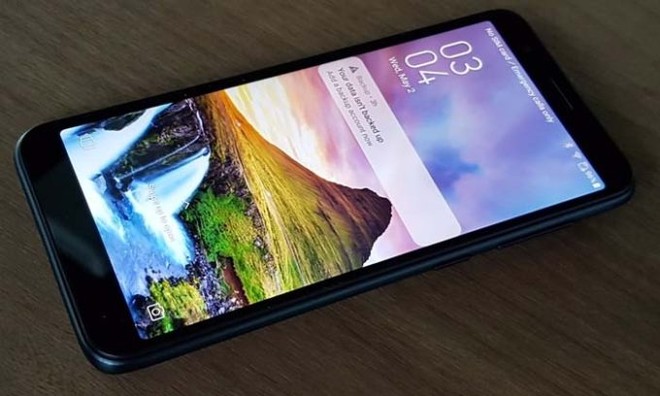
    The Asus Zenfone Live L1 is an entry-level Android Go device that has a 5.45 inch display with a 1440 x 720 px resolution.

    Under the hood, the smartphone runs on the Qualcomm Snapdragon 425 chipset paired with 1GB of RAM and 16GB onboard storage. The onboard storage can be expanded using a microSD card slot. The smartphone runs on Android 8.1 Oreo (Go Edition) out of the box. Asus has also launched a 2GB RAM variant of the smartphone which runs Android 8 Oreo with ZenUI 5.0 on top.

    Powering the smartphone is a 3000 mAh battery which charges via a micro USB port. To the back of the smartphone is a 13MP camera with an LED flash while the front of the device houses a 5MP camera.

    Must Read: OnePlus 6: Everything We Know So Far

    About Android Go

    At the Google I/O event in May 2017, Google promised to launch a custom version of Android tailor-made for lower-end devices. On the 5th of December, Android Go (Oreo edition) was officially launched and made available to smartphone manufacturers and developers.

    The idea behind Android Go is for Google to create a version of Android OS which is designed to run better on phones with either 512MB or 1GB of RAM. In the world of OnePlus 5T with its 8GB of RAM or Galaxy Note8’s 6GB RAM, it is easy to forget that there are lower-end smartphones currently available in the market which have 1GB of RAM or less.

    Must Read: Asus Zenfone Max Pro Receives Face Unlock Feature Via New Software Update

    Google has claimed that Android Go’s Oreo edition will be a variant of Android Oreo that a manufacturer can just set by ticking off a configuration flag. What this basically does is that it sets up the phone to use the “Go” versions of a handful of Google apps such as the main Google app, Google Assistant, Google Maps, Gmail, and others. Google claims that the smaller apps and slimmer OS can as much as halve the amount of storage that’s taken up by default on a new phone running default OS.

    For an entry-level Android Go device, the Zenfone Live L1 has impressive specifications, especially when compared to the likes of the Nokia 1, another Android Go device. However, the Zenfone Live doe snot have a fingerprint sensor which is a norm for a 2018 a smartphone. There are no details about the smartphone’s launch in India as of now.

  • LG G7 ThinQ To launch In India On May 25th

    LG G7 ThinQ To launch In India On May 25th

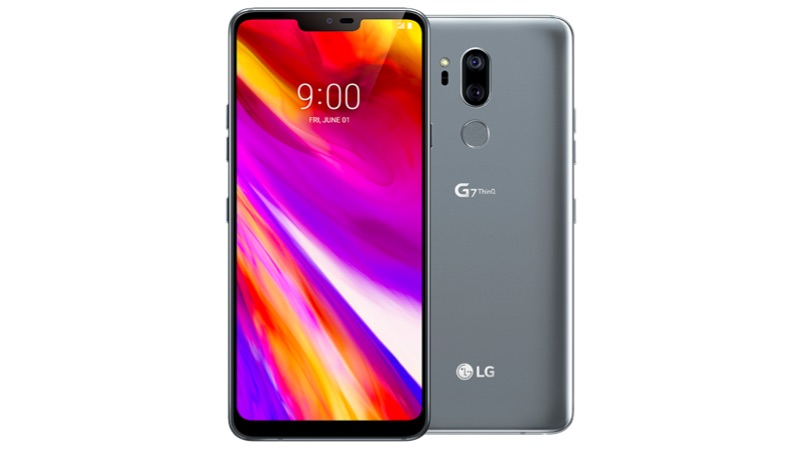
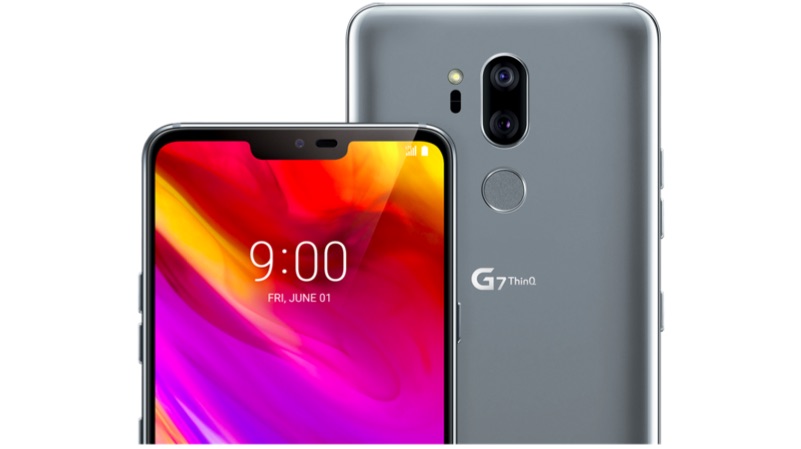
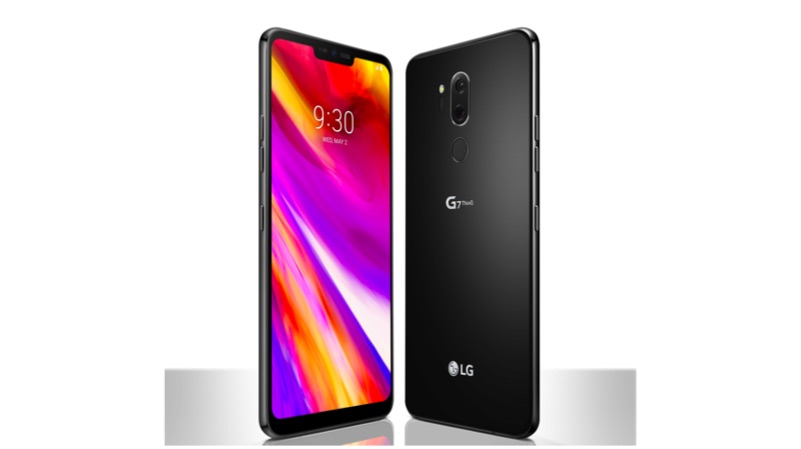
    After a rehashed launch strategy and new design, the LG G7 ThinQ is official. LG has launched its new flagship smartphone with an unusually long name that might put some people off. Nevertheless, the smartphone has high-end specs, build and design as the company plans to resurrect its smartphone business.

    The G7 ThinQ will launch in India on the 25th of May and could be priced at Rs 54999 for the 4GB RAM model. The company has announced that the smartphone will be available in Platinum Gray, Aurora Black, Moroccan Blue and Raspberry Red colour variants. Even before the launch, LG started hinting at a few new features of the LG G7 ThinQ like its Boombox speakers. Apparently, this speaker will increase the base sound level by more than 6dB with twice the amount of bass. LG believes that this translates to more than ten times the loudness than that of an average smartphone. The bass can further be amplified by placing the device on a solid surface or box.

    Colour Variants

    The G7 ThinQ has a 6.1 inch IPS LCD display with a 3120 x 1440 px resolution. The device has a 19.5:9 aspect ratio which will come in handy when the user decides to hide the notch.

    Under the hood, the smartphone runs on the latest Qualcomm Snapdragon 845 chipset coupled with 4GB of RAM and 64GB of onboard storage. The storage will be expandable via a microSD card. Powering the G7 ThinQ is a 3000 mAh battery with QuickCharge 4.o and wireless charging. The G7 ThinQ+ will have 6GB of RAM and 128GB of onboard storage.

    The new flagship smartphone will run Android 8 Oreo out of the box LG’s AI Pack 2.0. LG has announced that it plans to push out an update for Android P as soon as Google launches it.

    The fingerprint sensor placed on the back of the smartphone no longer doubled up as a power button. The power button now sits on the right side of the device in a more conventional position. Interestingly, there is a Google Assistant button placed below the volume rockers on the left side. The button is not remappable right now and can only be disabled if a user is not a fan of the Google Assistant. AI is a theme well spread out throughout LG’s UI here. The camera app has an AI Cam button wherein the camera can sense a scene and automatically tweak certain settings for, theoretically, a better shot.

    To the back of the smartphone is a vertically placed dual-camera setup. The primary 16MP wide-angle sensor has an f/1.9 aperture while the secondary 16MP RGB sensor has an f/1.9 aperture. To the front of the device is an 8MP camera with an f/1.9 aperture.

    The LG G7 ThinQ looks a lot like an Android flagship smartphone of 2018 with a notch and an all-glass design. How well it resonates with LG loyalists and Android users, in general, is a question that only time will answer. In India, the G7 ThinQ will be up against the likes of the Galaxy S9, OnePlus 6 and even Xiaomi could launch the Mi MIX 2s in India soon.

iGyaan Network
Privacy Overview

This website uses cookies so that we can provide you with the best user experience possible. Cookie information is stored in your browser and performs functions such as recognising you when you return to our website and helping our team to understand which sections of the website you find most interesting and useful.