Tag: project treble

  • What Is Android Fragmentation, And Will Google Be Ever Able To Fix It?

    What Is Android Fragmentation, And Will Google Be Ever Able To Fix It?

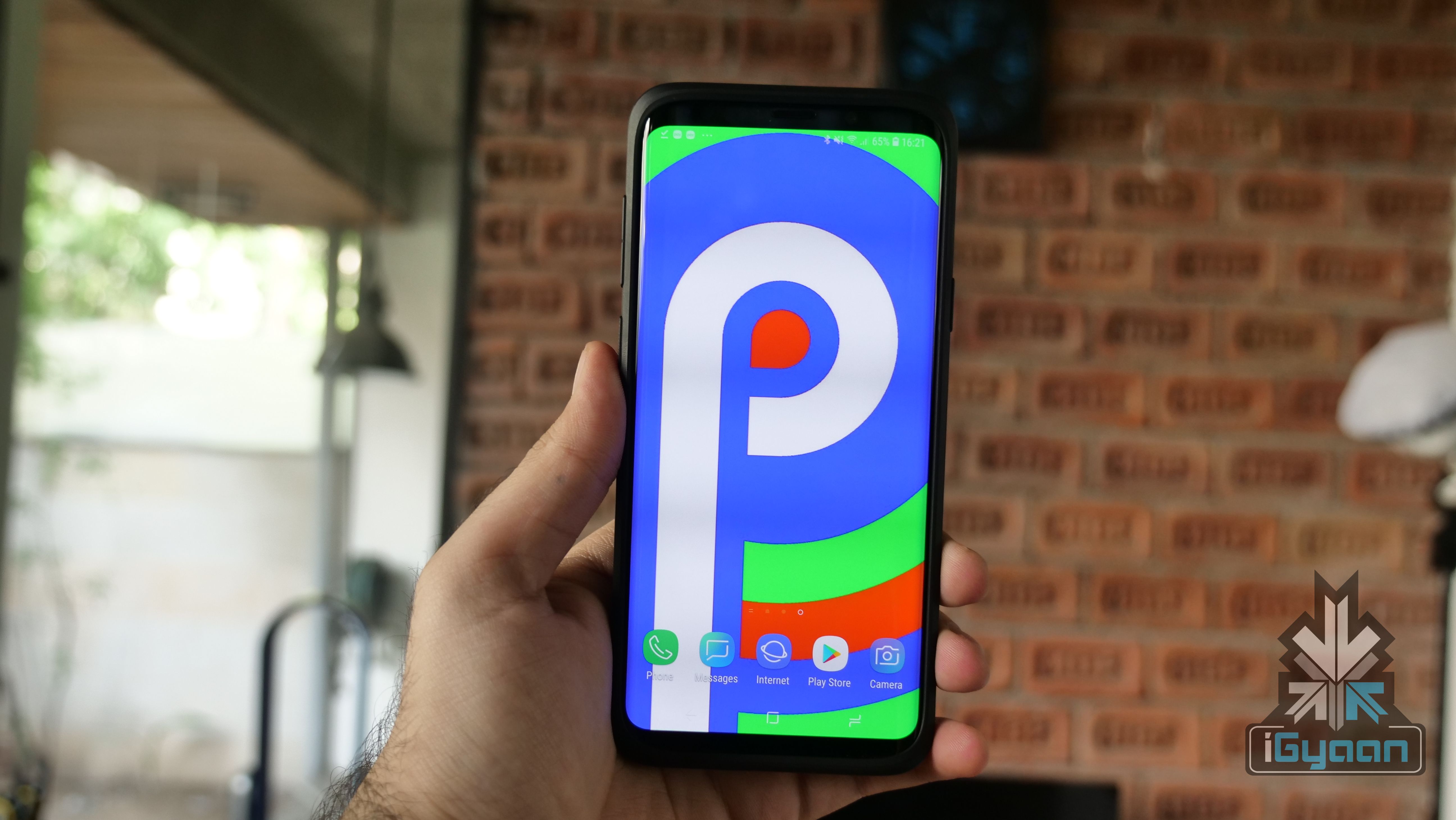
    Google released the latest generation of its Operating System, Android 9 Pie back in August last year for Pixel smartphones. The update marked the ninth major release of the software by the company. But, despite the latest generation of Android out almost seven months ago, many of the modern devices are still stuck at one or more generations older software. What’s even more surprising is that some OEMs are launching new smartphones with old software on purpose.
    This disparity in Android devices makes the mind think about what problems could there be that restrict some manufacturers into providing older versions of the software. The alarming number of different available Android versions in the market is called Android Fragmentation. This inequality of software versions has plagued the Android Platform since its inception. But is there a way for Google to fix it?

    The Current State Of Android Fragmentation
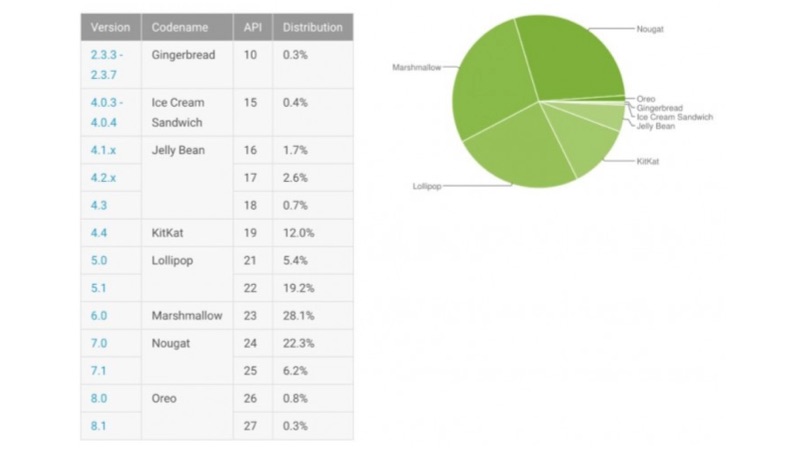
    Google releases a report every year in October highlighting the distribution of different software versions. The data, though a few months old, gives an insight on how things are currently on Android’s side. This is what Google found in their testing:

    Version Name Release Year

    Distribution

    (in %)

    2.3.3 

    2.3.7

    Gingerbread 2010 0.2%

    4.0.3 

    4.0.4

    Ice Cream Sandwich 2011 0.3%

    4.1

    4.2

    4.3

    Jellybean 2012 3.0%
    4.4 KitKat 2013 7.6%

    5.0

    5.1

    Lollipop 2014 17.9%
    6.0 Marshmallow 2015 21.3%

    7.0

    7.1

    Nougat 2016 28.2%

    8.0

    8.1

    Oreo 2017 21.5%


    By looking at the above table, there is no mention of the latest Android 9 Pie, because, at the time of this report in October last year, it was still below 0.1%. The numbers are expected to be significantly higher since then. Despite being released for more than two months, the software still couldn’t make it to the list. The most used version was Android 7 Nougat, which had more than 28% of users. This shows how manufacturers refrain from providing any updates to the devices.

    Besides not providing new features with the lack of Android updates, they also pose a grave security threat. Every month, Google releases security patches for Android, but not every smartphone gets it. But it’s not the company’s fault, because updating a smartphone with the latest firmware is the OEM’s responsibility.

    The Reason For Fragmentation On Android 
    Android Pie Android 9 Google

    The reason that the manufacturers continue to provide older software with newer devices or refuse to update them faster than normal; is that most of them have to optimise Android according to the company’s custom skins. These can range from a lightly customised one, like Oneplus’ OxygenOS or a heavily customised take on Android, like Xiaomi’s MIUI. So the OEMs take their own sweet time to adopt the latest version and release it.

    When Google provides the manufacturers with the latest Android Platform Development Kit (PDK), they have to start developments on the software. The process includes testing out the new version with the device’s hardware. Then the version is added with manufacturer specific software features, like the aforementioned skin and is tested and certified for bugs. For some manufacturers like HMD Global, Essential and OnePlus, the process has been proven to take only a few days or weeks. 

    How Can Google Prevent It Further?
    The only way that Google can prevent Android Fragmentation from happening in future releases is by being strict with OEMs. And it’s not like the company hasn’t tried. Despite warning the manufacturers when they slacked in providing software updates, the results weren’t much different. Google then released Project Treble in 2017 with Android Oreo. This modified how the updates are delivered by bypassing the chip manufacturers’ modifications to it. It was an ambitious step and worked in theory, but unfortunately, the situation didn’t change much.
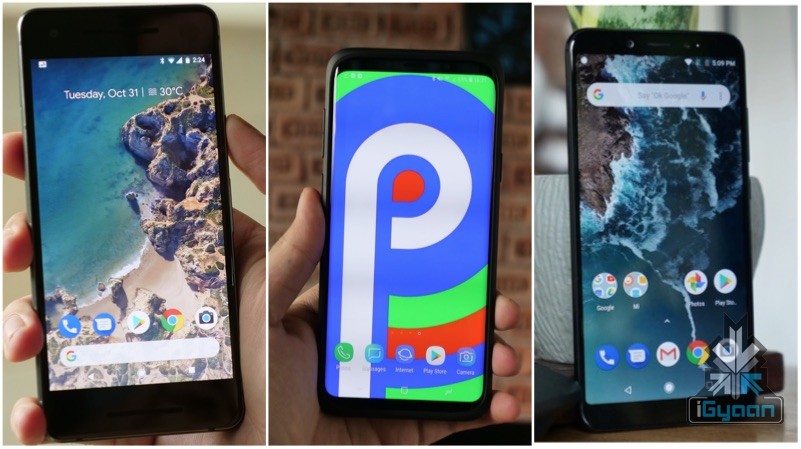
    Android Go Stock Android Android One

    Also read: Tesla Unveils Faster Third Generation Supercharger

    Google tried to fix Android Fragmentation further by signing up more OEMs to the Android Pie Beta Program. This provided them with more time to develop the software according to their own customisations and was a step in the right direction. But, if the company has to fix the problem further, it has to get more manufacturers on board and if possible, then all of them. But this sends out hope that the company is serious about the issue and it may take some more time to fix. If manufacturers are serious about the disparity in updates, the days of Android Fragmentation may be over sooner than later.
     

  • All Android Pie 9.0 Devices Get Project Treble

    All Android Pie 9.0 Devices Get Project Treble

    Google held their Android Dev Summit last week in California. The company demonstrated multiple changes for current & future Android devices. One of them is a big announcement for a long pertaining issue.  For a long period of time, Android users have been complaining to OEM’s and Google for delayed updates on their devices. During the Dev Summit, Google developers showcased a solution to the problem in the shape of Project Treble. The company has declared that every upcoming Android 9.0 Pie devices will be Project Treble Compliant.

    What Is Project Treble?

    Project Treble was first introduced with Android 8.0 Oreo which has matured a lot since then. It is a mechanism that is concerned with pushing faster updates on an Android devices. Google developers demonstrated a common GSI (Generic System Image) running on devices from different manufacturers. Before this devices had a specific GSI engine per manufacturer, tweaked for compatibility with their devices. This uncommon GSI would increase the time for companies to modify the pure AOSP (Android Open Source Project) code that Google released. Now onwards Google will open GSI information for manufacturers so they directly modify pure AOSP code which was first sent to chip makers to enable their chipset compatibility.

    Android One Android Go Stock Android

    In the past, lastest updates used to go through multiple checkpoints in order to be capable of deploying onto an Android device. Previously when Google released an Android update it was first sent to chip makers like Qualcomm & Mediatek. The chip makers would optimise the code according to the architecture on their chipsets. The update was then forwarded to manufacturers who would tweak the same as per the need of their respective devices & also integrate their proprietary software bits. This  then leads to the OTA (Over The Air) update on their devices.

    What’s In It For The Users?

    Also Read: OnePlus 6T Thunder Purple Unboxing And First Look

    Post Project Treble compliance the users would be able to receive faster updates on their smart devices. It will enable them to make the most out of what the latest Android firmware has on offer. Google as Android has always been criticised when compared to its Apple iOS counterparts.


  • OnePlus 5, 5T Get Support For Project Treble With The Latest OxygenOS

    OnePlus 5, 5T Get Support For Project Treble With The Latest OxygenOS

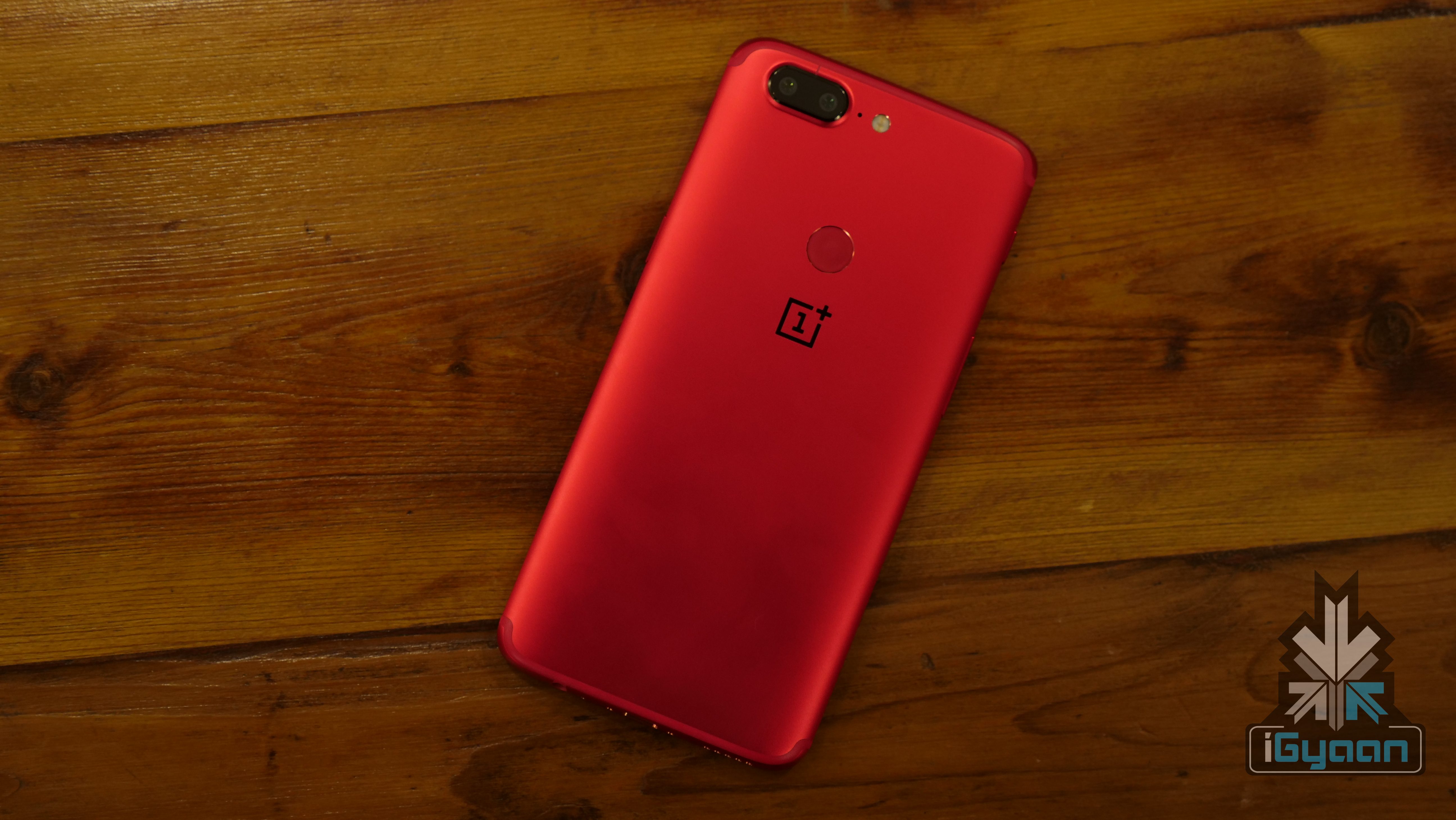
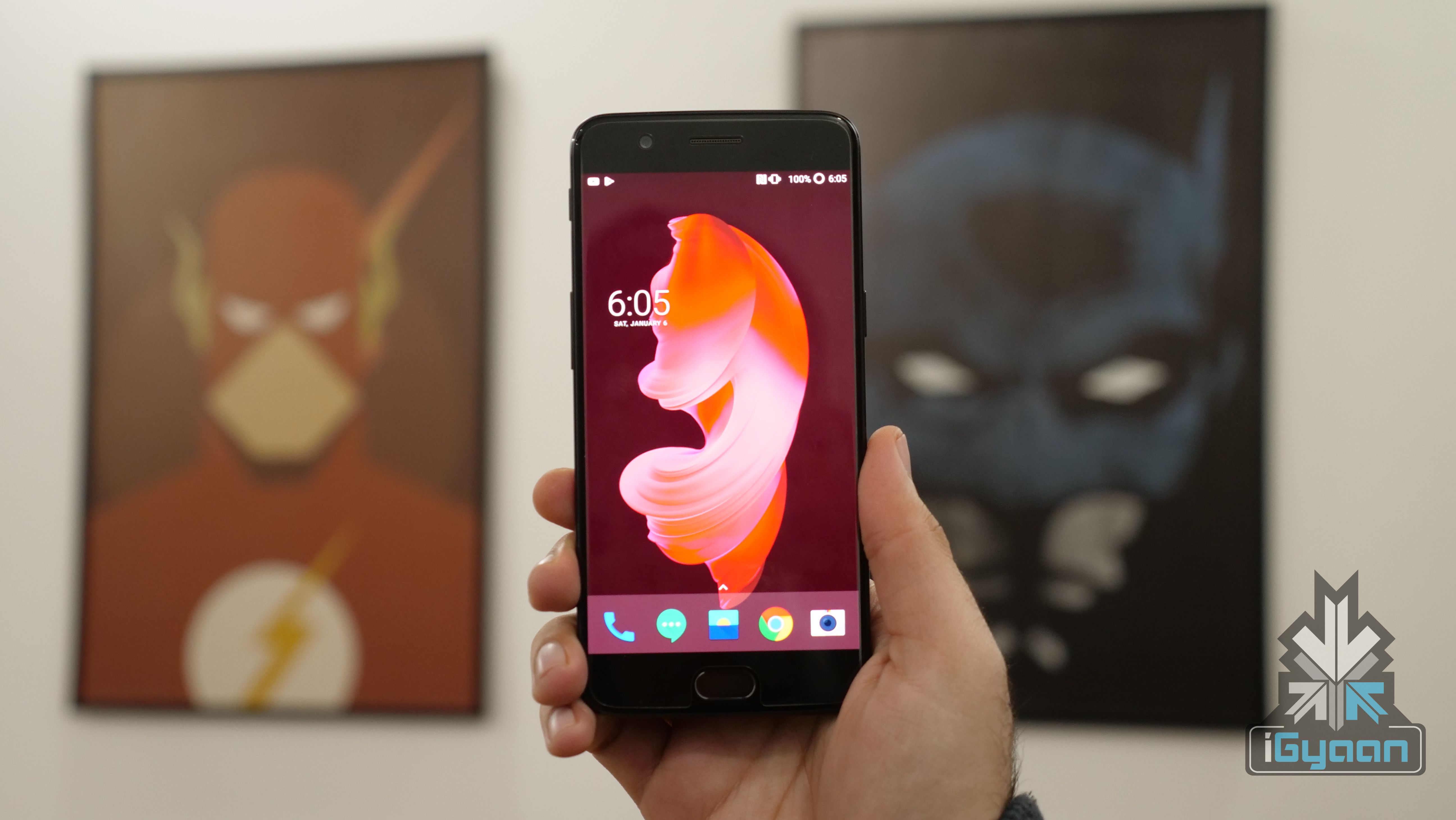
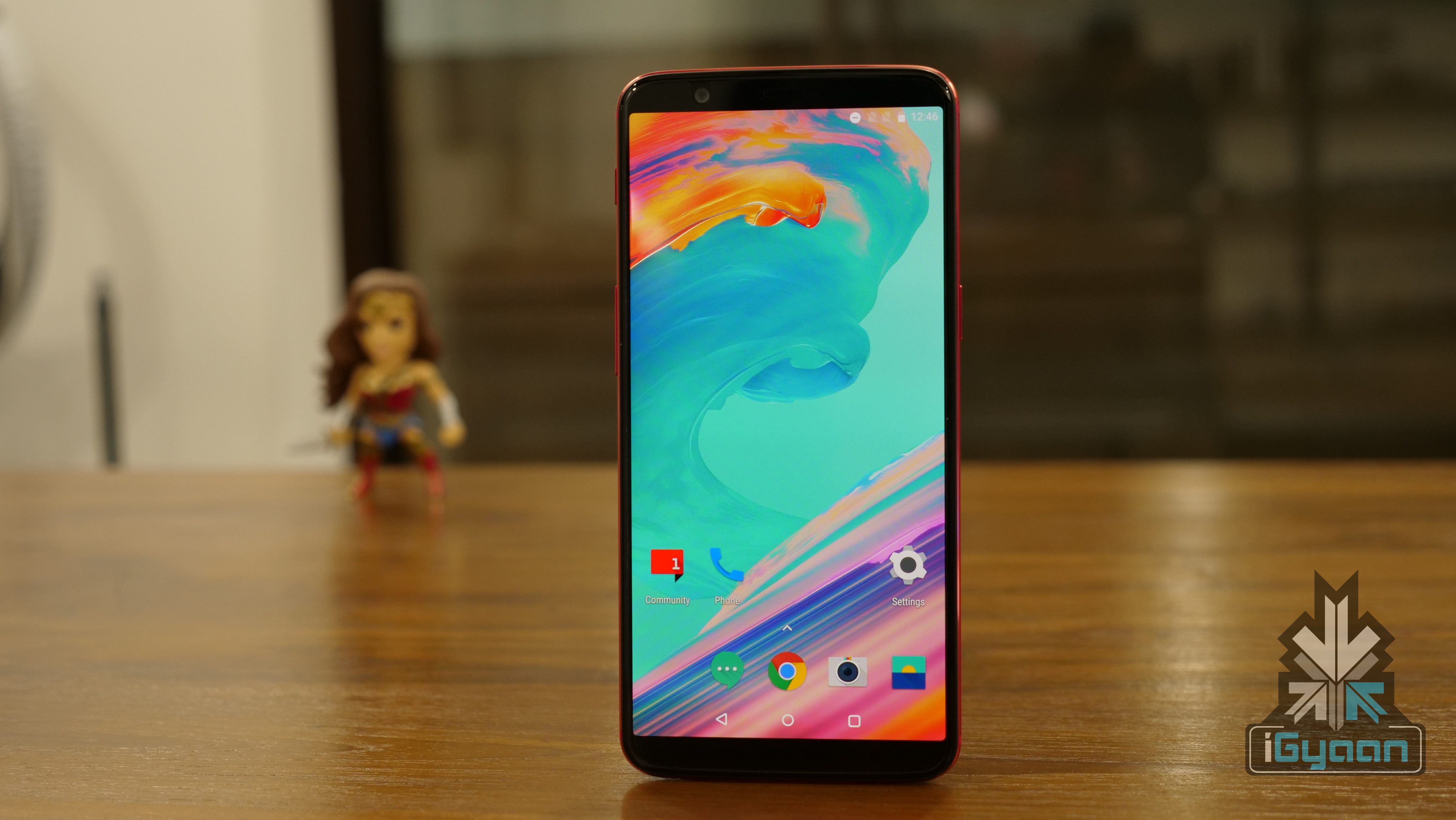
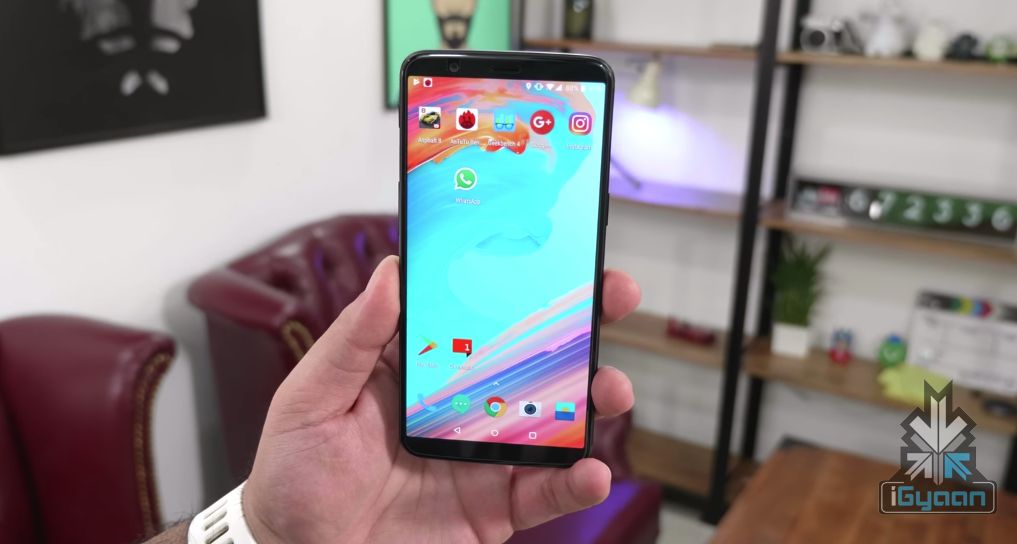
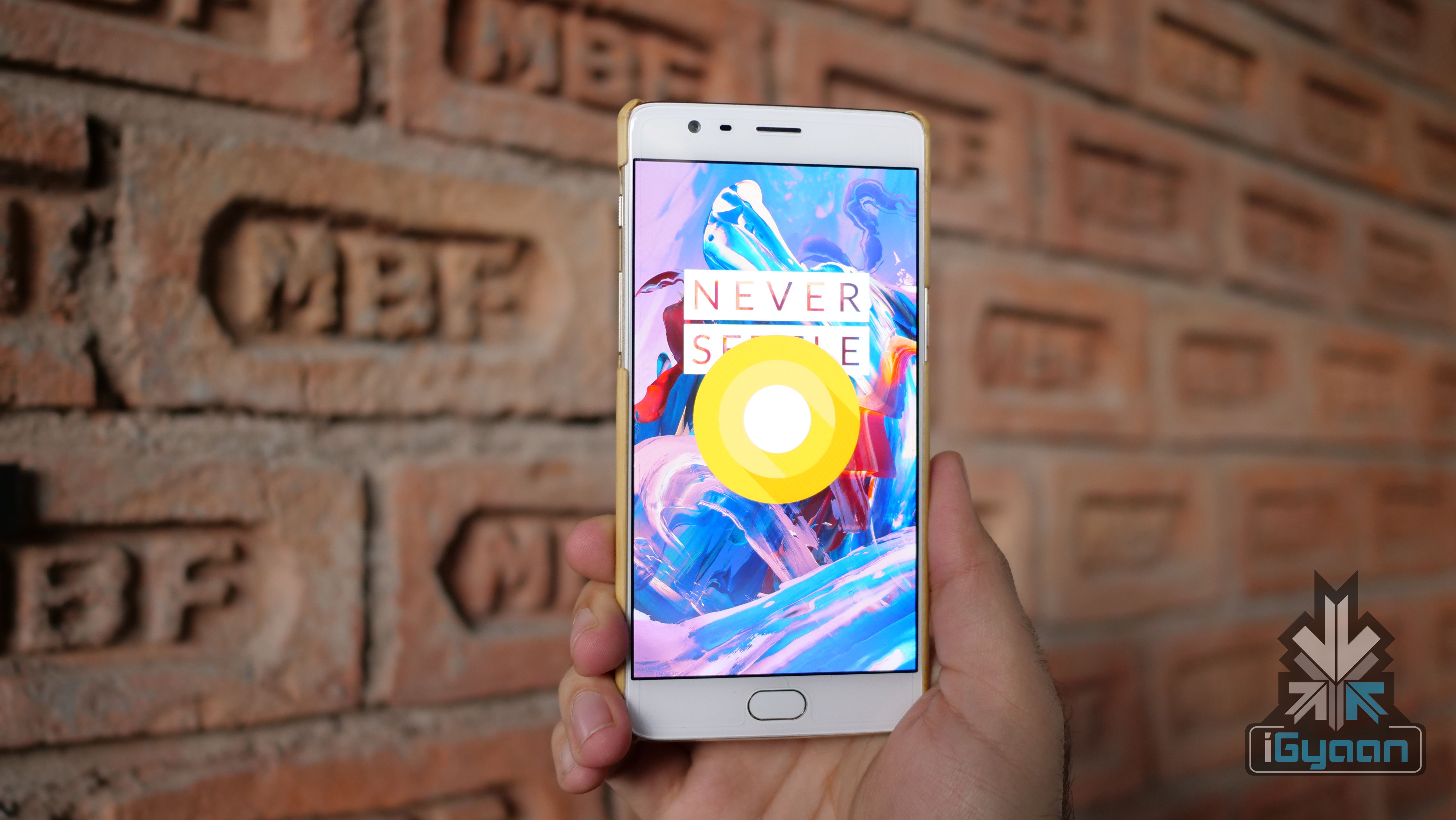
    OnePlus has been in the news of late for more than just the OnePlus 6. The company recently promised three years of service for every OnePlus smartphone. This includes software updates for 2 years and an extended year of security patches. The company has now taken a step further by including support for Project Treble in the latest OxygenOS Beta update for the OnePlus 5 and OnePlus 5T.

    OnePlus 5

    OnePlus has been publically sceptical about Project Treble. No OnePlus smartphone, up until now, supported Project Treble. In one of its AMAs (As Me Anything), OnePlus explained that the possibility of customers’ devices becoming bricked was too much of a risk. It even confirmed that the OnePlus 5 and 5T would not receive this feature.

    Partitions were not required for Android N and previous versions of Android, all of our current devices do not feature a partition. According to our tests, if we were to modify the partition layout via OTA there is a risk that devices will brick during the partitioning.

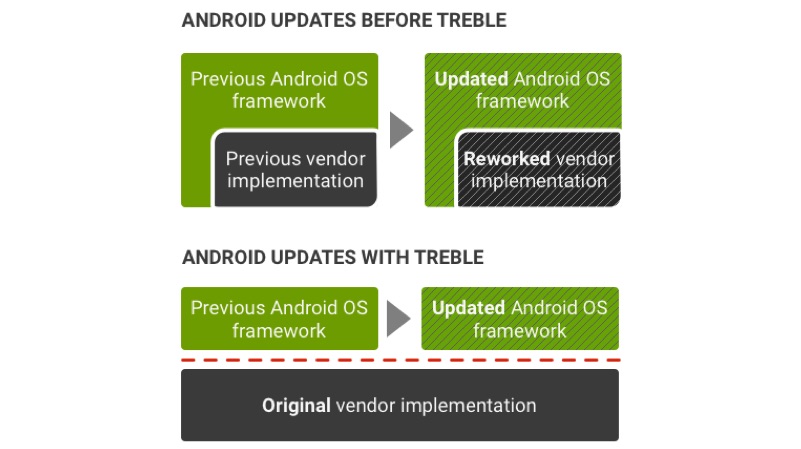
    Project Treble is Google’s effort at reducing the time it takes for OEMs to receive the new OS and optimise it for its devices and then push out the update. A few months ago, Android received a new Vendor Interface, which is largely what Project Treble is about. The VI’s aim is to separate the “Vendor Implementation” (that is, “the device-specific, lower-level software written in large part by the silicon manufacturers”), from the Android OS framework.

    OnePlus 5T
    OnePlus 5T

    The new VI is supposed to sit between the Android OS framework and Vendor Implementation. And the new VI will be validated by a Vendor Test Suite (VTS), which is analogous to the Compatibility Test Suite (CTS) that Google has been using for API testing of apps. The VTS ensures forward-compatibility of the VI.

    Software updates for major Android smartphone makers like Samsung have been painstakingly few and far between. With Project Treble, Google wants to shorten that process. OnePlus now, appears to be onboard with Google’s initiative and is definitely a good news for OnePlus users. This also means that future smartphone owners have another reason to consider buying a OnePlus device since not many smartphone makers are known for providing timely software updates.

  • Android P: What To Expect

    Android P: What To Expect

    With the launch of Android 8 Oreo, Google natively introduced features like notification dots and always on display. However, the upcoming Android P is expected to build upon that introduce more features:

    Five expected Features of Android P:

    Support for notch

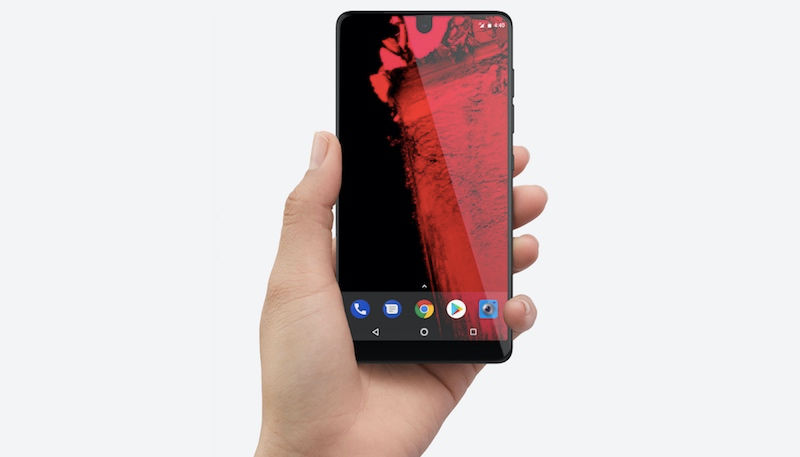
    Android P is expected to support smartphones with a notch. Though Android already have smartphones with the notch (Essential Ph-1) the inclusion of support for notch will have a major impact on the Apps and layouts. In fact, the upcoming Pixel 3 is also expected to embrace the notch.

    notch
    Essential Ph-1

    Dark mode

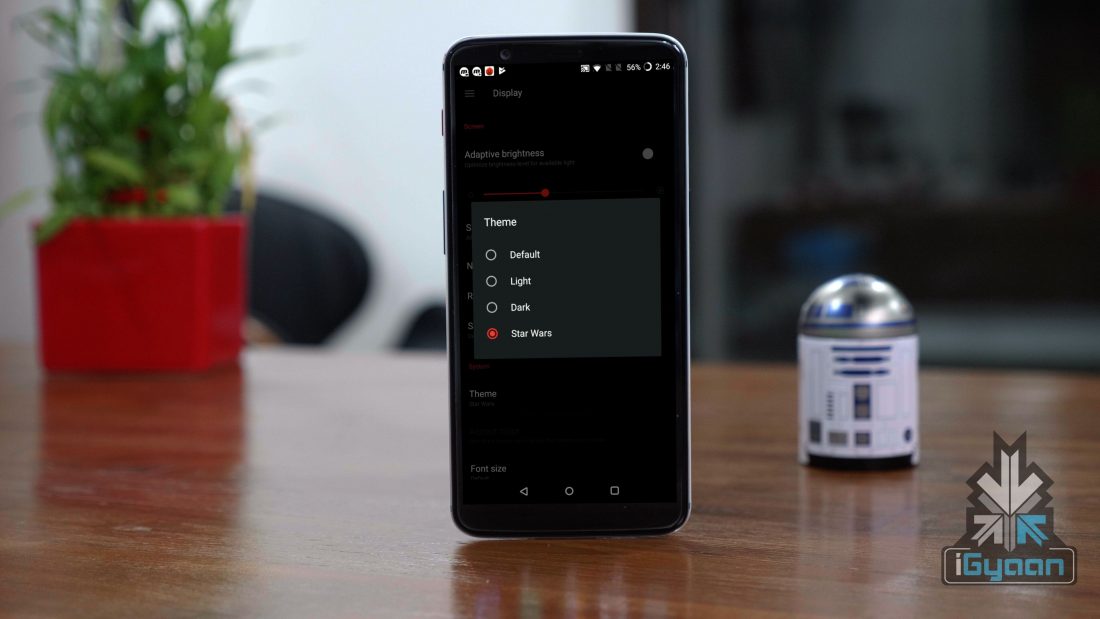
    This is probably the most anticipated feature of Android OS. In fact, few smartphone OEMs like Samsung and OnePlus does support dark mode, which has a huge impact on the battery life of the device, that too on a device with an OLED display.

    Strict privacy controls

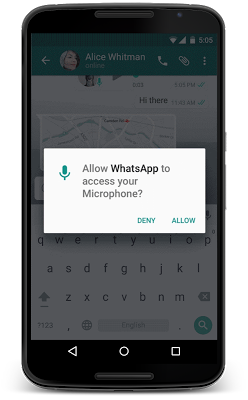
    Users security has been the biggest all-time concern for the smartphones powered by Android OS. The Android 6 Marshmallow came with the option to ask permission to use certain features of the phone. The Android P will take this to the next level with additional control over the microphone, camera, and internet accessibility. However, MIUI has this option from last four years.

    Solving the OS fragmentation issues

    Starting with the Android P with the help of Project Treble, Google will push faster OS updates to more smartphones. In fact, smartphones like the Honor View10 and the Xiaomi Redmi Note 5 Pro are expected to be the first set of smartphones to support Project Treble.

    More customisation options

    The Android P is expected to offer more customisations, compared to the earlier versions of the Android operating system. Google might release the Google Pixel launcher for the general public. As of now, the Pixel launcher is limited to a small number of smartphones. Though it is available on Google Play store, it is incompatible with most of the smartphones.

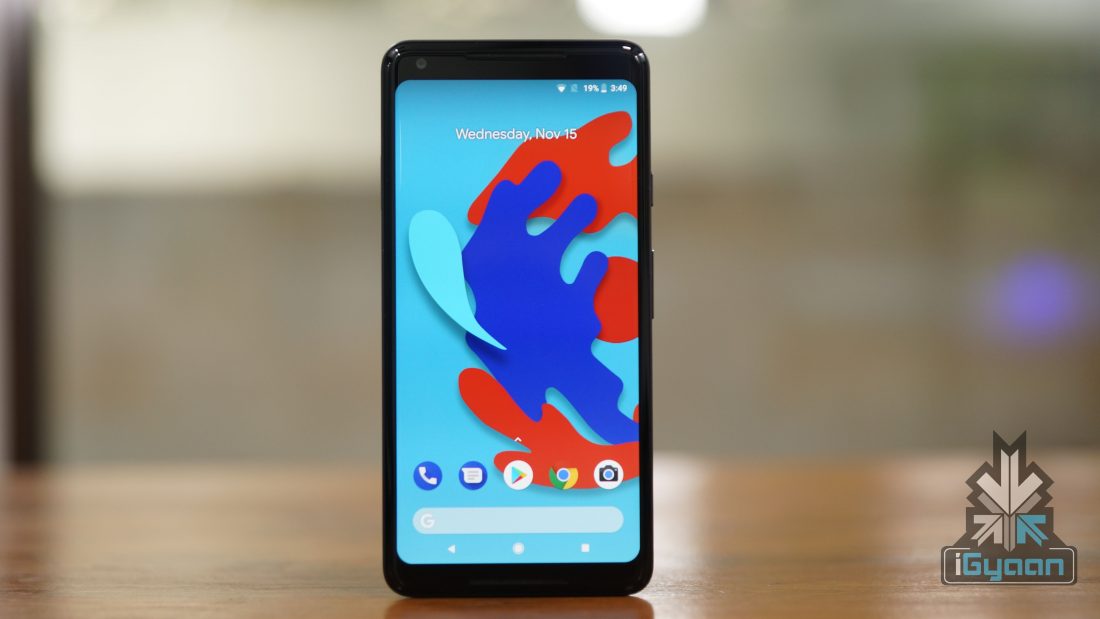
    Pixel 2 XL Runs Android 8 Oreo

  • Xiaomi Redmi Note 5 Pro Could Get Faster Software Updates

    Xiaomi Redmi Note 5 Pro Could Get Faster Software Updates

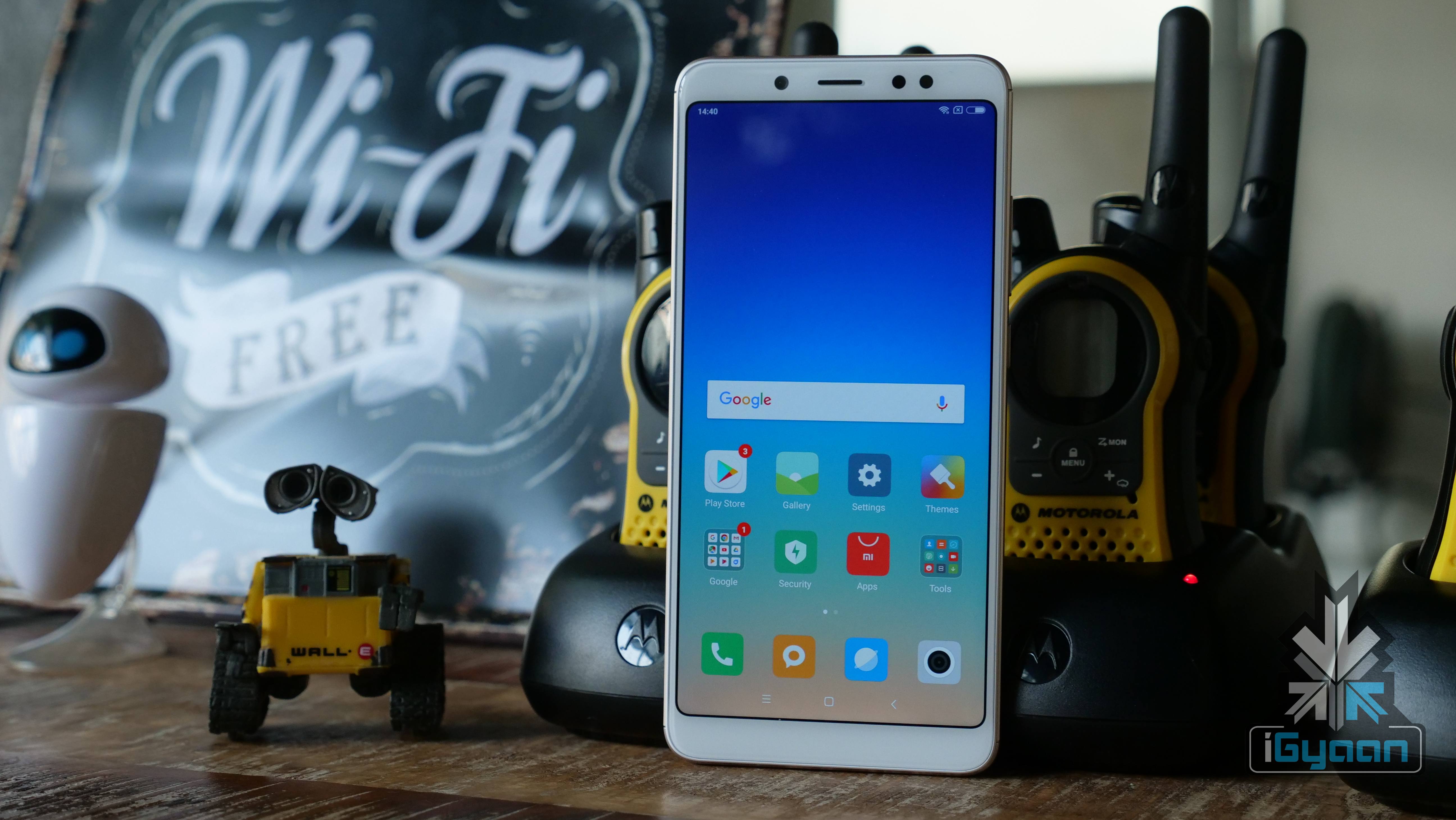
    Xiaomi recently launched the Redmi Note 5 Pro in India for Rs 13,999. While the smartphone is a great product for its price and was in fact, sold out within minutes. Xiaomi has a missed a few marks on this smartphone. As a smartphone of 2018, it is surprising that it still runs Android 7.1 Nougat out of the box.

    However, Xiaomi may have a fix for this as well. A new report claims that the smartphone may soon receive Android 8.1 Oreo with support for project Treble, which enables faster Android updates on a smartphone with a custom skin. However, as per the developer, the company is testing the Oreo build internally and no actual time frame is specified. This means that the Redmi Note 5 Pro could be the first Xiaomi smartphone to support Project Treble.

    Redmi Note 5 Pro

    What is Project Treble?

    Project Treble is a feature that is included as a part of Android 8 Oreo OS. This enables OEMs to make software updates faster and easier. A few months ago Android gained a “Vendor Interface” (VI), largely due to a new development effort from Google. The VI’s aim is to separate the “Vendor Implementation” (that is, “the device-specific, lower-level software written in large part by the silicon manufacturers”), from the Android OS framework.

    The new VI is supposed to sit between the Android OS framework and Vendor Implementation. And the new VI will be validated by a Vendor Test Suite (VTS), which is analogous to the Compatibility Test Suite (CTS) that Google has been using for API testing of apps. The VTS ensures forward-compatibility of the VI.

    Credits: Android Authority

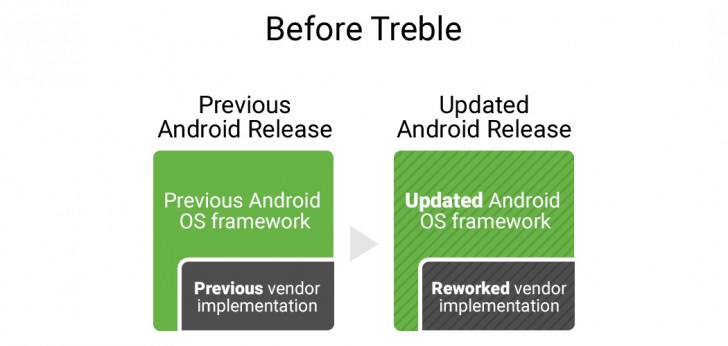
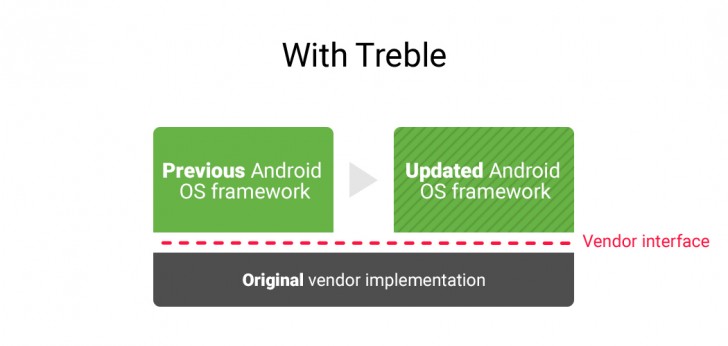
    What project Treble brings to the table is quite evident from the two images above. Before, the VI needed to be reworked after every single Android OS framework update, while with Project Treble, that won’t be the case anymore.

    Specifications:

    The Xiaomi Redmi Note 5 Pro has a 5.99-inch 2160 x 1080p IPS LCD display with Gorilla Glass protection. Under the hood, the smartphone is powered by Qualcomm Snapdragon 636 Octa-core chipset with either 4GB or 6GB RAM and 64GB storage.

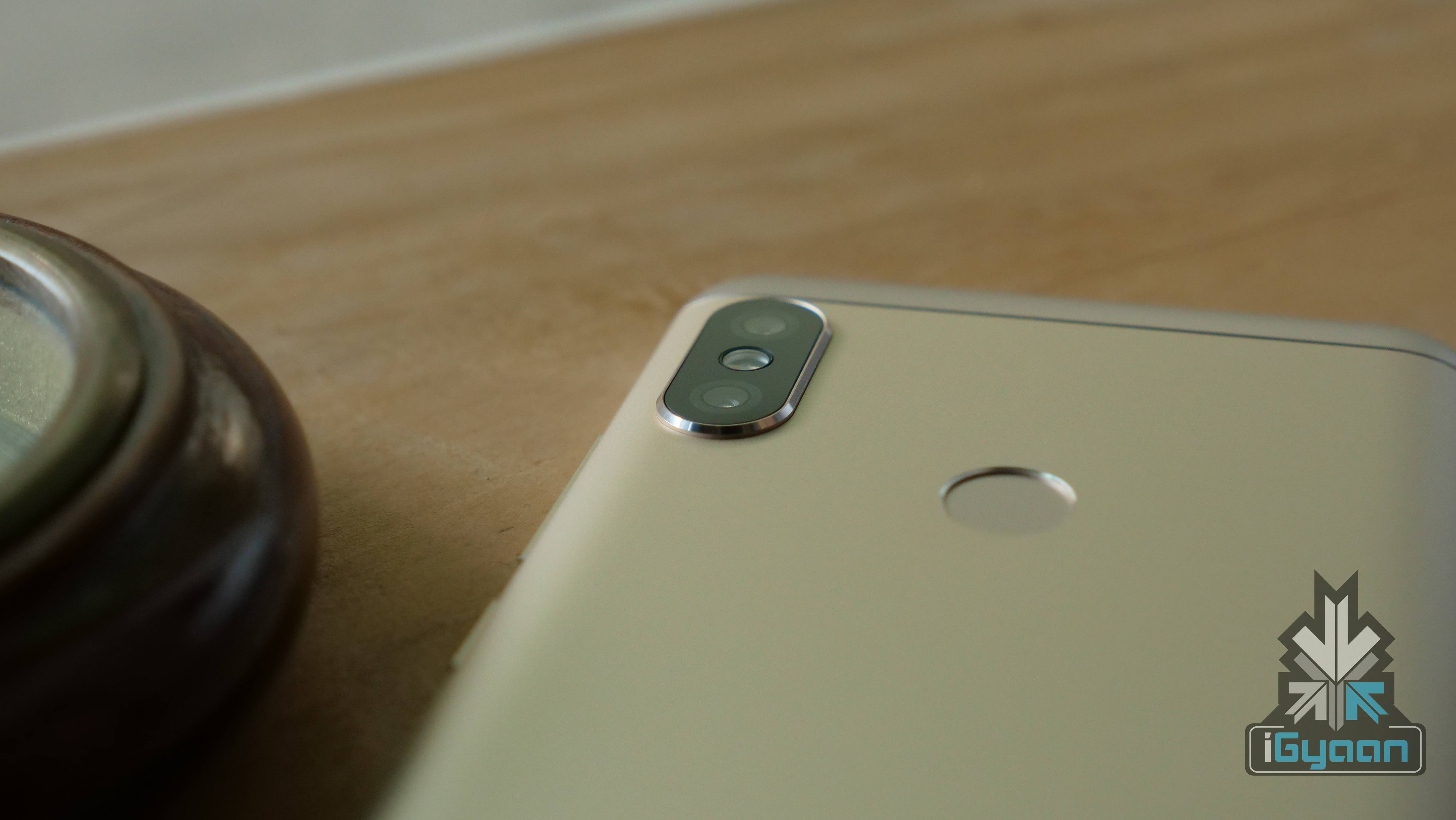
    The smartphone has a dual primary camera setup with a 12 MP primary camera and secondary 5 MP depth sensing sensor. For the first time, the company has used a 20 MP front-facing camera with soft selfie-light.

    Redmi Note 5 Pro

    In terms of operating system, the smartphone runs on Android 7 Nougat with custom MIUI skin on the top. Finally, the smartphone features a 4000 mAh battery with Qualcomm Quick charge 2.0 capability.

  • OnePlus And Project Treble Explained

    OnePlus And Project Treble Explained

    Android phones apart from Pixel and Nexus devices have been known to receive slow software updates over the years. OnePlus recently conceded that its devices do not support Project Treble. Here is the reason:

    Partitions were not required for Android N and previous versions of Android, all of our current devices do not feature a partition. According to our tests, if we were to modify the partition layout via OTA there is a risk that devices will brick during the partitioning.

    The reason appears to be valid as the company decided to weigh the pros and cons of this major change and then decided against it. Even without Project Treble, OnePlus believes that it can still quickly and efficiently release Android updates. The good news for some, however, is that most, if not all, OnePlus devices in 2018 should support Project Treble by shipping with Android Oreo and the new partition scheme.

    Project Treble is Google’s effort at reducing the time it takes for OEMs to receive the new OS and optimise it for its devices and then push out the update. A few months ago, Android received a new Vendor Interface, which is largely what Project Treble is about. The VI’s aim is to separate the “Vendor Implementation” (that is, “the device-specific, lower-level software written in large part by the silicon manufacturers”), from the Android OS framework.

    The new VI is supposed to sit between the Android OS framework and Vendor Implementation. And the new VI will be validated by a Vendor Test Suite (VTS), which is analogous to the Compatibility Test Suite (CTS) that Google has been using for API testing of apps. The VTS ensures forward-compatibility of the VI.

    What all of this means is that if a phone supports Project treble, it is more likely to receive fast software updates as compared to other smartphones that don’t.

  • OnePlus Confirms It Won’t Have Project Treble On The OnePlus 5T

    OnePlus Confirms It Won’t Have Project Treble On The OnePlus 5T

    OnePlus held an AMA and answered quite a few questions about the new OnePlus 5T. One user asked if the OnePlus 5T or any other OnePlus smartphone will be updated to support Project Treble, which basically means if any OnePlus device will be fast-tracked for updates. OnePlus confirmed that neither the OnePlus 5T, nor any other OnePlus phone, will be updated to support Treble.

    Android software updates have been a painfully long process for devices other than the Pixel or Nexus. That has mainly been due to other OEMs going through their own long process of customising the new version of Android and then slowly rolling out their version of Android to its users.

    But, a few months ago Android gained a “Vendor Interface” (VI), largely due to a new development effort from Google called Project Treble. The VI’s aim is to separate the “Vendor Implementation” (that is, “the device-specific, lower-level software written in large part by the silicon manufacturers”), from the Android OS framework.

    The new VI is supposed to sit between the Android OS framework and Vendor Implementation. And the new VI will be validated by a Vendor Test Suite (VTS), which is analogous to the Compatibility Test Suite (CTS) that Google has been using for API testing of apps. The VTS ensures forward-compatibility of the VI.

    What project Treble brings to the table is quite evident from the two images above. Before, the VI needed to be reworked after every single Android OS framework update, while from now on that won’t be the case anymore.

    So, what does it mean for the OnePlus 5T? It means that unless OnePlus is quick with its testing and back-end engineering, the OnePlus 5T will be slow to get the latest Android software update, just like a lot of other Android phones.

iGyaan Network
Privacy Overview

This website uses cookies so that we can provide you with the best user experience possible. Cookie information is stored in your browser and performs functions such as recognising you when you return to our website and helping our team to understand which sections of the website you find most interesting and useful.