Tag: Radeon

  • Indian Pricing Of AMD Ryzen 3000 CPUs Revealed

    Indian Pricing Of AMD Ryzen 3000 CPUs Revealed

    AMD has finally released its much awaited third generation Ryzen CPUs. The company on the 7/7 (7th of July) launched eight new 7nm Ryzen 3000 series desktop processors. They are the first to incorporate AMD’s latest Zen 2 architecture built on a 7nm manufacturing process. The CPUs will go on sale globally alongside the new NAVI Radeon GPUs and motherboards from the company. AMD has currently only announced the pricing of CPUs for the Indian market.

    Price

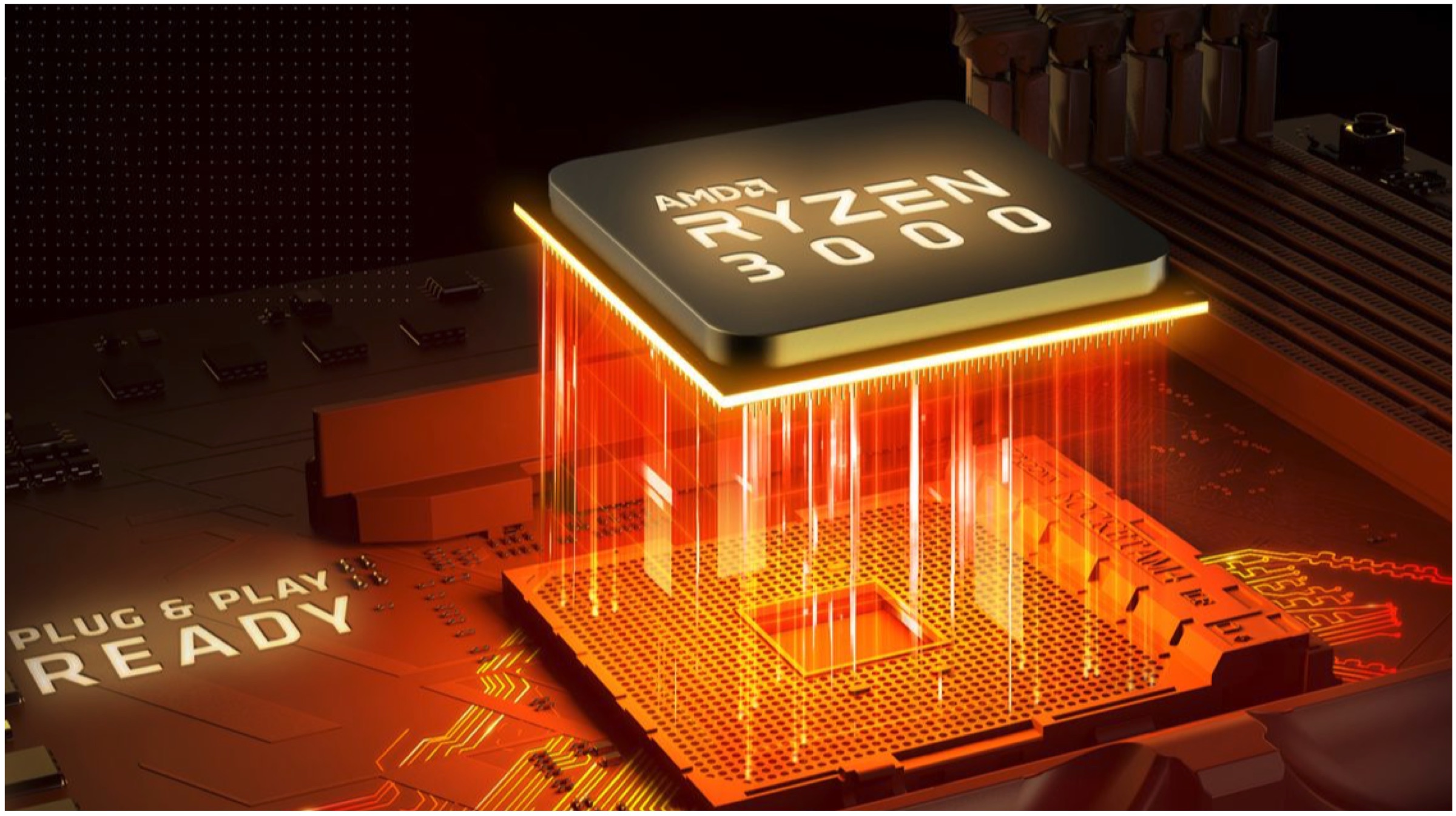
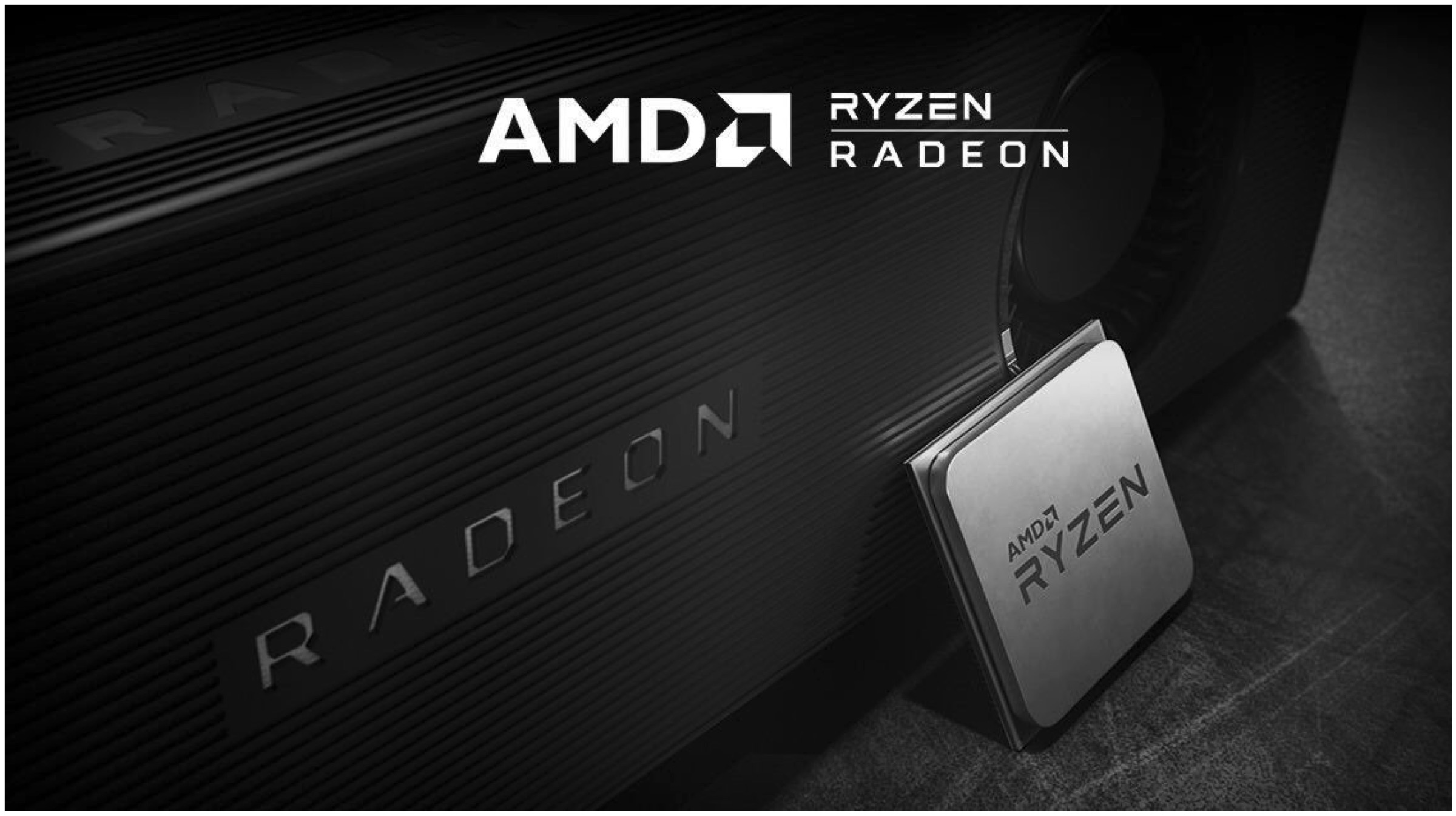
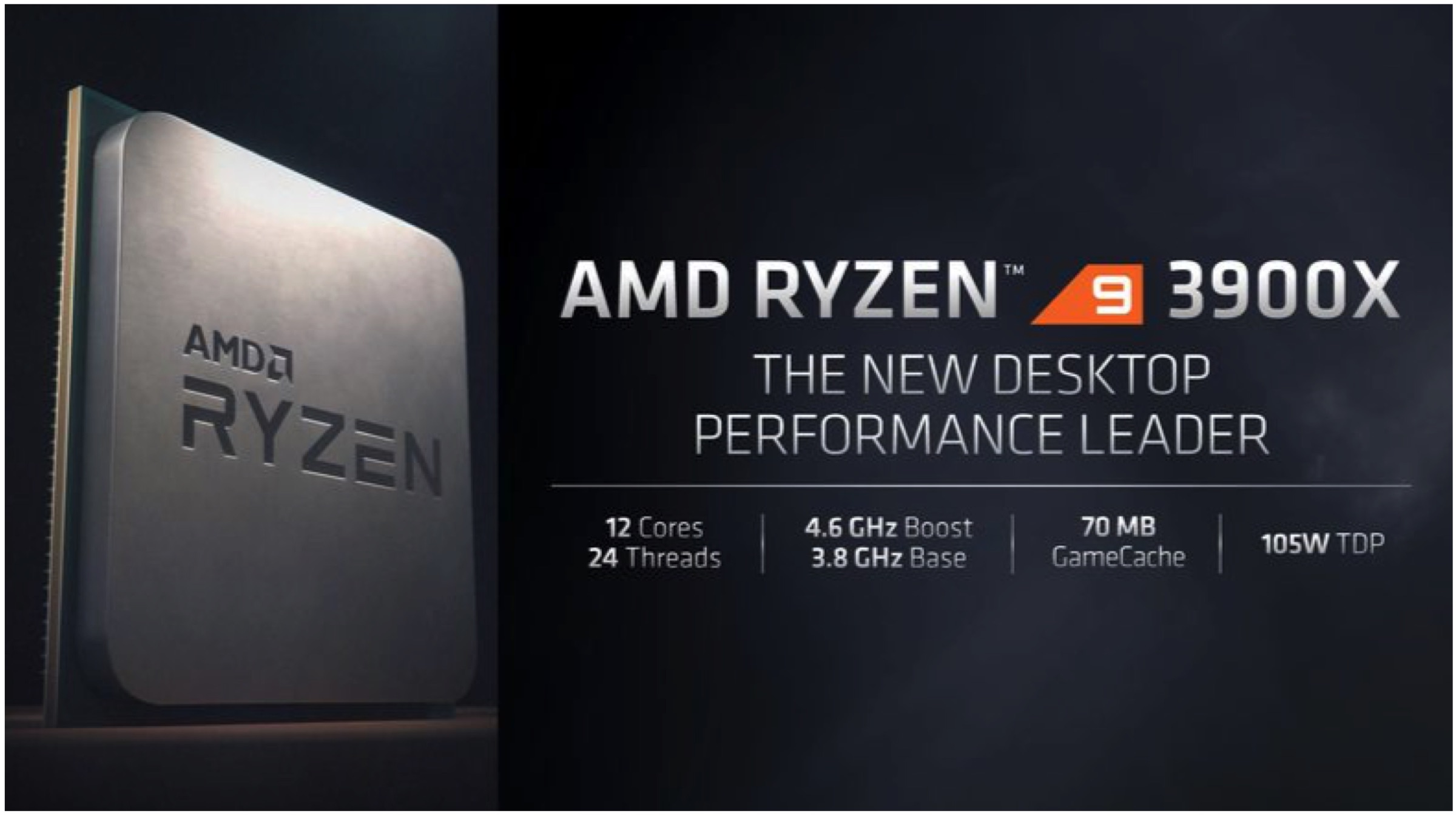
    The top end Ryzen 9 3950X with 16 cores will only be available from September. The Ryzen 9 3900X, with 12 cores an 24 threads, will go on sale today for INR 35,990 in India (approx Rs. 42,470 after 18% tax). AMD’s 8 core CPUs like the Ryzen 7 3800X and 3700X are priced at INR 28,490 and INR 24990 (excluding tax) respectively; while the mid range affordable yet powerful cores such as the Ryzen 5 3600X and 3600 will sell for INR 17,690 and INR 14,490 (excluding tax) respectively. The aforementioned cards are all fabricated on a 7nm architecture and will replace the second generation of Ryzen processors.
    Ryzen

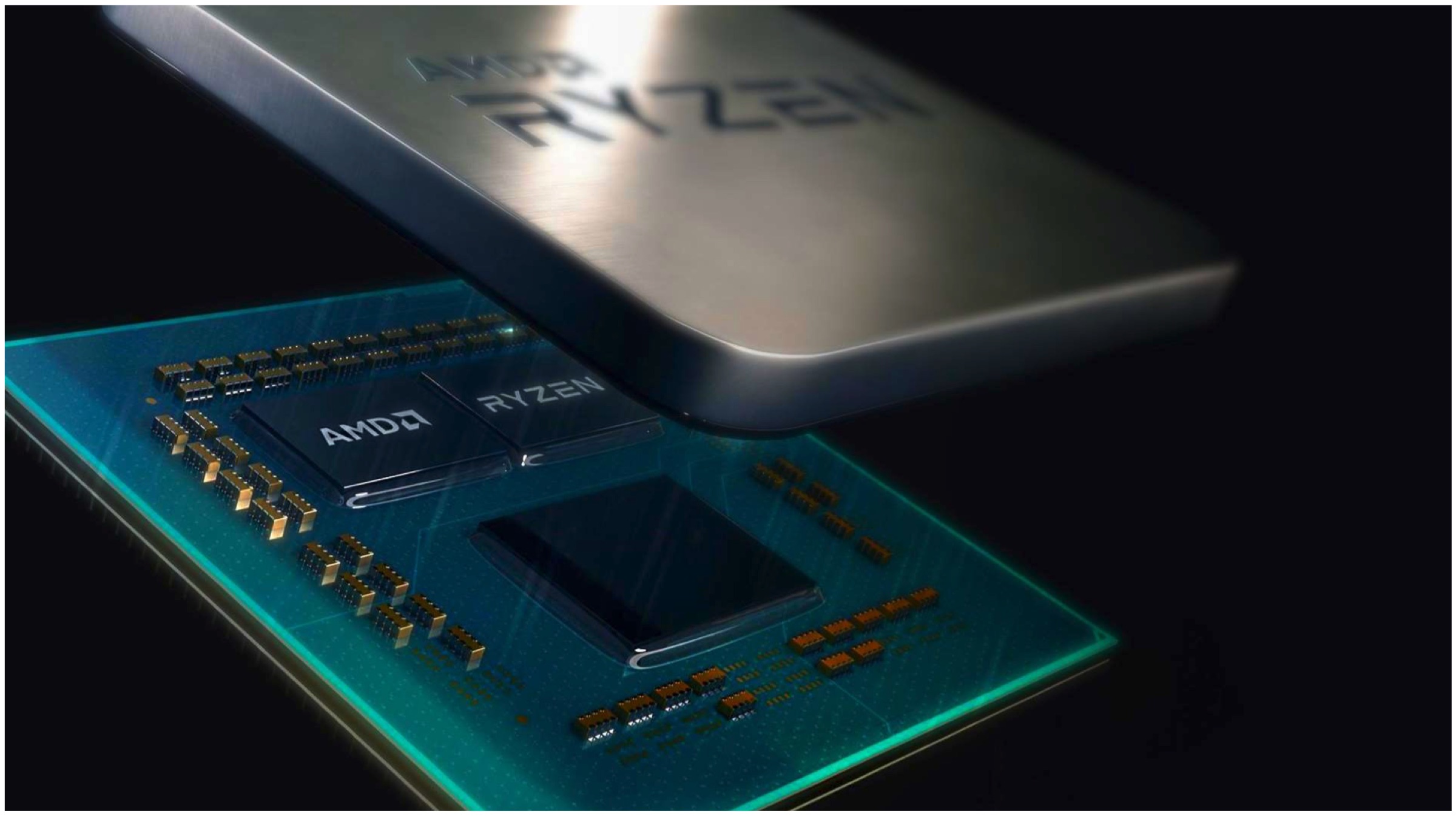
    AMD also launched two new APUs, namely, the Ryzen 5 3400G and Ryzen 3200G; they are based on the previous gen Zen+ architecture that features Radeon Vega graphics processors. The prices for the CPUs are INR 10,990 and INR 7,190 (excluding tax) respectively and are aimed at casual or budget gamers. The new launches are AMD’s move on upgrading their single-threaded and multi-threaded performance to outclass the 9th generation Intel Core processors.
    Ryzen

    The Competition

     Intel has infamously struggled with the transition to the 10nm fabrication process and will only incorporate it in its upcoming 10th gen CPUs. The company has stayed competitive by tweaking its 14nm chipsets to give better performance but team red is taking the lead now. The company’s 10th gen Intel Core processors will have to bring great new improvements or features to stay relevant against AMD. Intel and AMD have always been neck-in-neck with their PC components arms race, with Intel always having an edge. Now, AMD is seemingly ahead of the curve and already a step ahead of Intel. Only time will tell how Intel responds to the new threat it faces in the computing industry.
    Also ReadTop Upcoming Smartphones To Look Out For In Second Half Of 2019

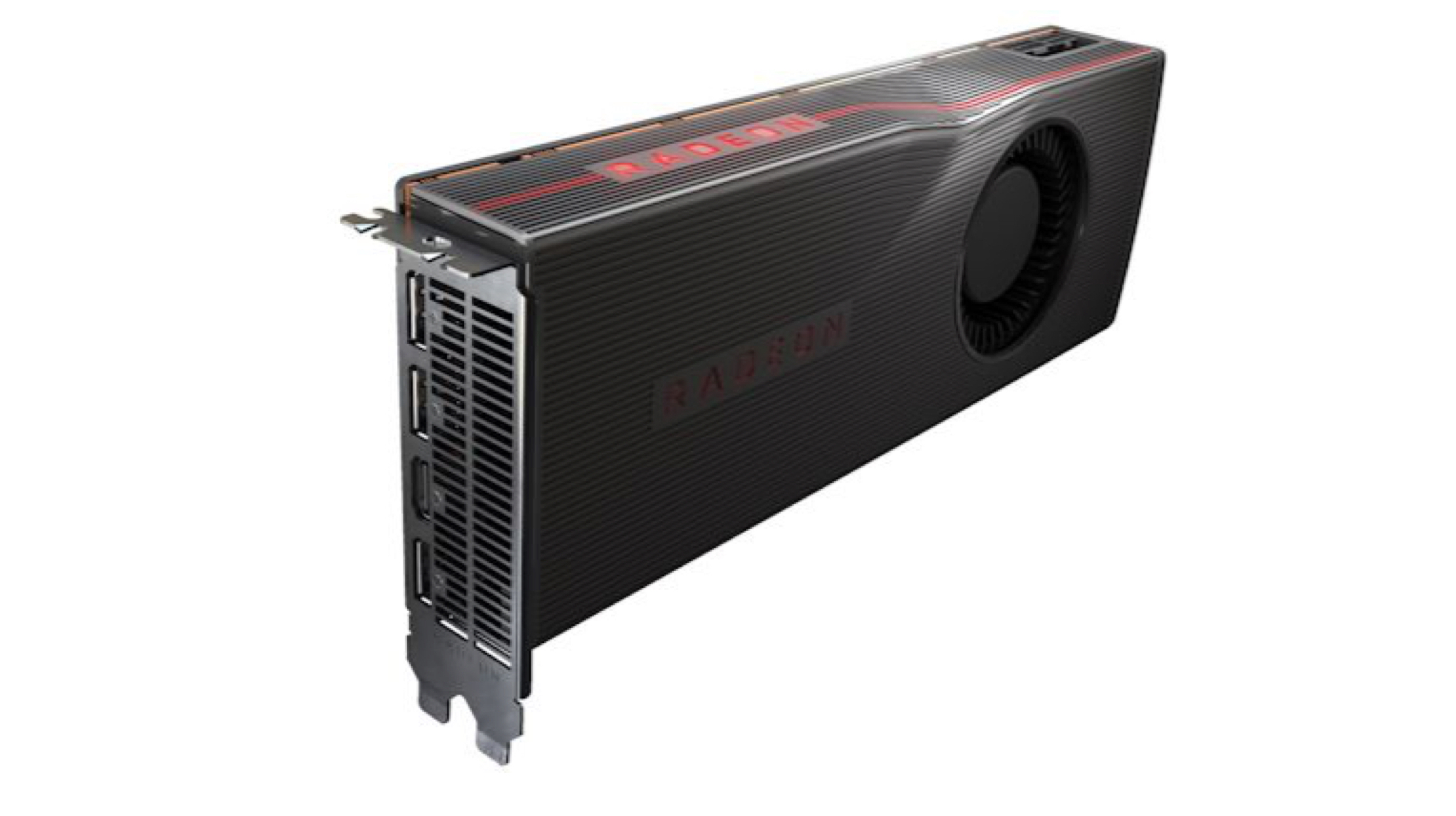
    AMD has also launched its new motherboards and NAVI based Radeon GPUs; however, the pricing of the later is yet to be announced for the Indian market. The company will partner with other brands like Asus, Gigabyte, MSI and more to introduce its X570 chipset based motherboards. Its prices range from INR 13,805 for Asus Prime X570-p/CSM to INR 38,150 for Asus ROG Crosshair VIII Formula. The second being a flagship motherboard and both exclude GST taxes.
  • AMD Reveals Prices Of Top End Ryzen CPU And Radeon GPU

    AMD Reveals Prices Of Top End Ryzen CPU And Radeon GPU

    AMD has taken the computing world by storm with its announcements of various new generation CPUs and GPUs. The American company’s latest lineup have spurred its competitors such as NVIDIA and Intel. Both companies’ have seen a downfall in their respective stocks post-AMD’s announcement two-weeks prior at Computex 2019. Team red went on stage about the pricing of some of its top-notch products at E3 gaming expo 2019.

    Ryzen 9 3950X

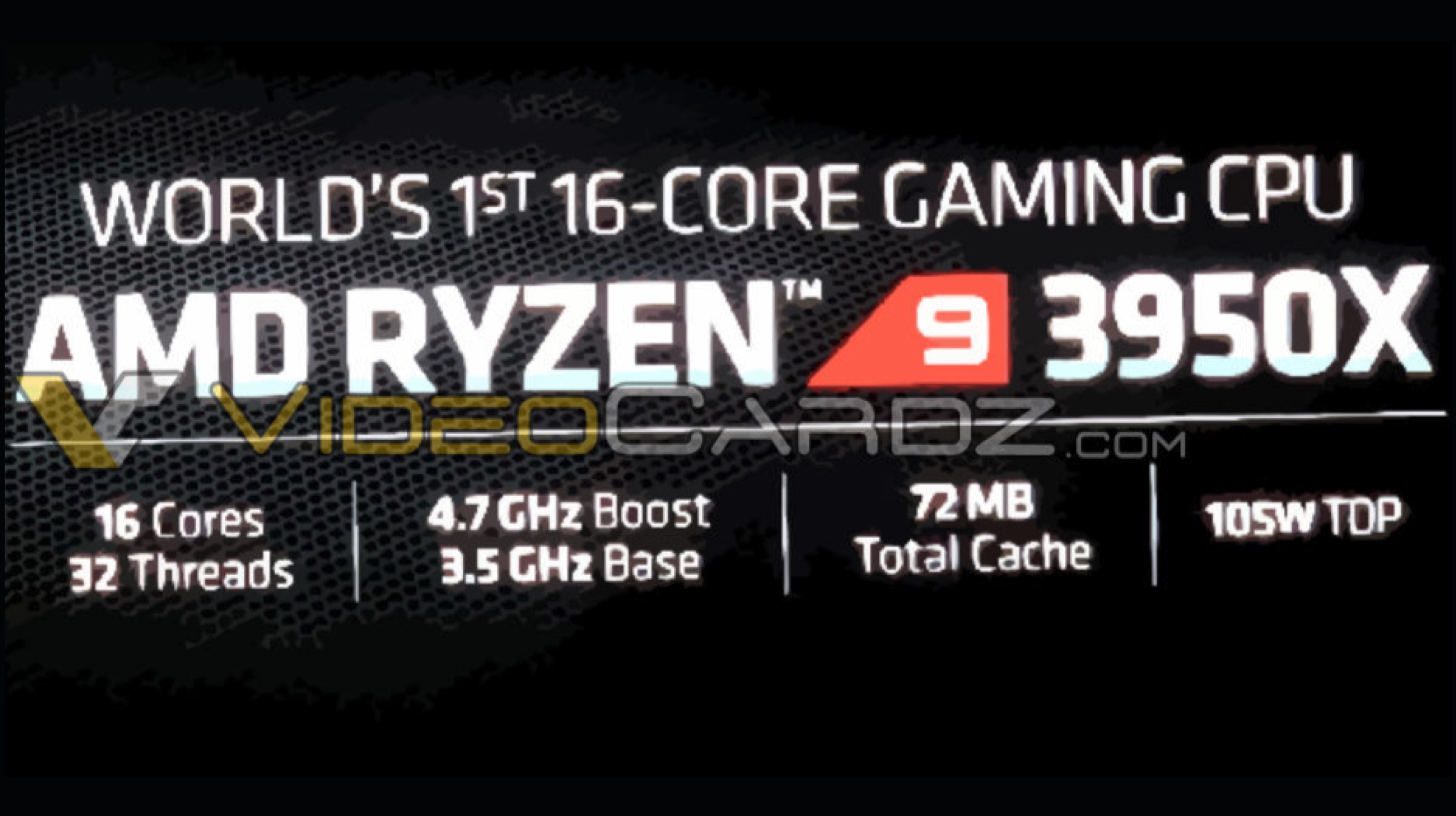
    AMD’s Next Horizon Gaming Event at E3 2019 gaming expo unveiled the pricing of the worlds only gaming-centric CPU with 16 cores. Ryzen 9 3950X is priced at $750 (approx. Rs.52,000). The 16-core/ 32-thread CPU chipset has a base clock of 3.5GHz base clock and a boost clock of 4.7GHz. The cache is a massive 72MB and a relatively low 105W TDP for a 16-core processor. Even a 16-core Threadripper from AMD is rated at 180 watts; Intel’s very own 16-core has a 165W TDP.

    The 7nm processors are proving to be much more power efficient and cheaper, not only in workloads for creators but for gaming performance as well. Apart from being the only 16-core gaming CPU, it is also compatible with an AM4 motherboard, becoming a Threadripper class capable CPU fully operational in a consumer grade small motherboards. Both Intel’s and AMD’s 16-core CPU draw a lot more power from expensive and large motherboards that harbour larger sockets.

    AMD

    Alongside the announcement, pricing was also revealed for its other lower-specced Ryzen 3000 series lineup. 

    • Ryzen 9 3900X – $499
    • Ryzen 7 3800X – $399
    • Ryzen 7 3700X – $329
    • Ryzen 5 3600X – $249
    • Ryzen 5 3600 – $199
    • Ryzen 5 3400G – $149
    • Ryzen 3 3200G – $99
    Radeon RX 5700 Series

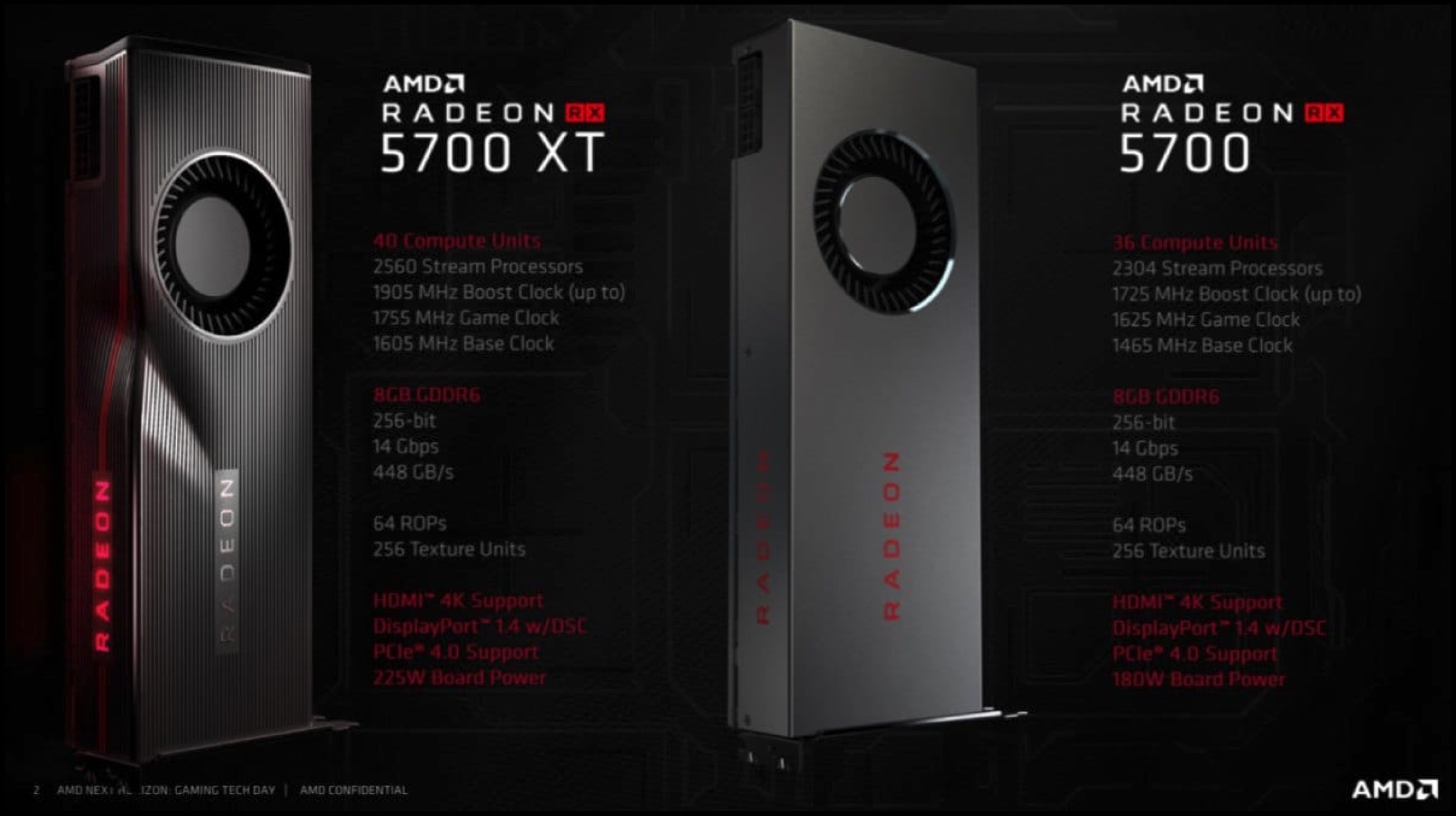
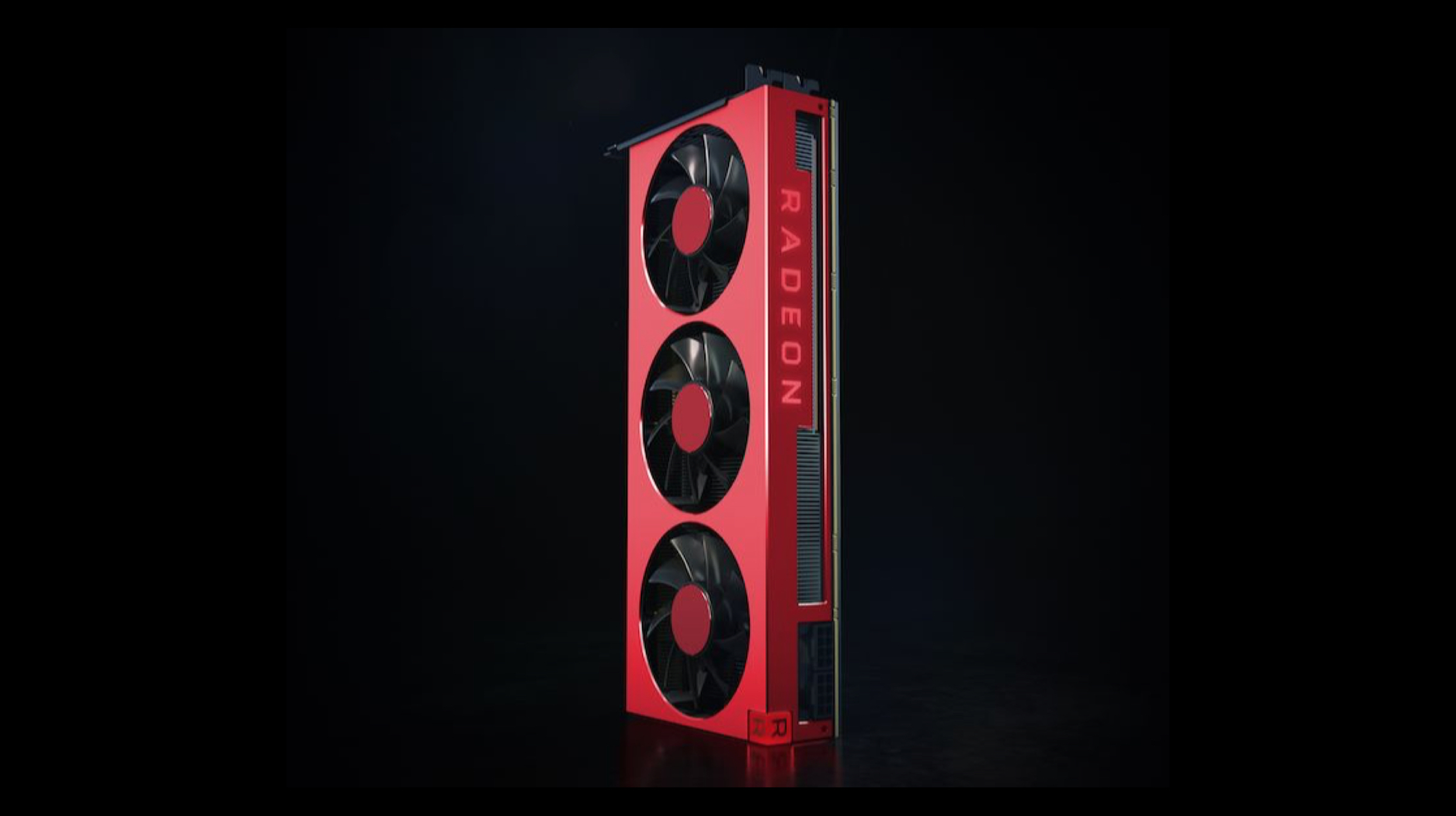
    AMD announced two variants of its upper-mid-price range GPUs that will compete with NVIDIA’s RTX series GeForce graphics card. The company is focusing on the price range that is more accessible to gamers and focuses on beating NVIDIA at a lower price bracket. RX 5700 will cost $380 (approx. Rs.26,500) and provide noticeably better performance compared to the RTX 2060 GPU priced at $350 (approx. Rs.24,500). The higher variant RX 5700 XT is priced at $450 (approx. Rs.31,000) and also bests the RTX 2070 priced at $500 (approx. Rs.35,000). 

    Additionally, AMD unveiled a new proprietary Radeon Image Sharpening that will be supported by almost every game without requiring developers’ support. This technique barely has an impact on performance and framerate while improving the overall visual fidelity. RIS was seen in demos at E3 and is technically capable of being adopted by other GPU manufacturers. The new software is exclusive to the RX 5700 series for now, while generic version called Contrast Adaptive Sharpening is being prepared for developers to directly integrate into their games. A new Radeon Anti-Lag has also been announced, that reduces input lag during stressful computations faced by the GPU. This will help give an advantage during competitive games with faster response times.

    AMD

    Also ReadUbisoft Roundup At E3

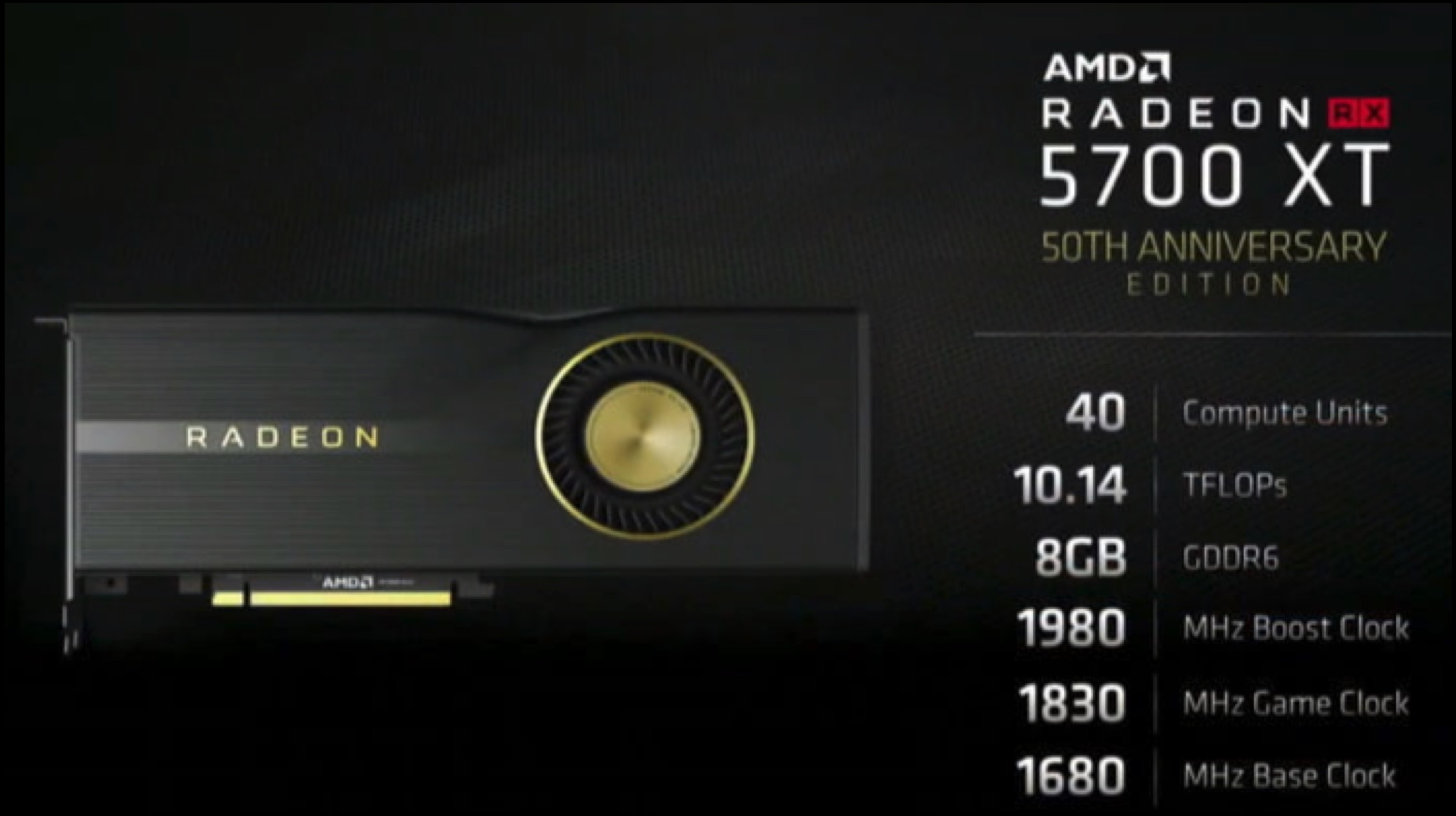
    The new AMD graphics card will be available on 7th July 2019 (7th day of the 7th month with the 7nm processor chips), along with a special 50th Anniversary Edition Radeon RX 5700 XT. The special edition features black chassis and higher clocks that allow the card to go over 10TFLOPs. AMD still has time before taking on NVIDIA’s current top-end GPUs with its upcoming NAVI GPU in 2020. 

  • AMD Ryzen 9 3950X And Radeon RX 5700XT Leaked

    AMD Ryzen 9 3950X And Radeon RX 5700XT Leaked

    AMD is having its share in the spotlight after its various announcements in Computex 2019. The American chip manufacturer company impressed the global audience with its new lineup of CPUs and GPUs, with many rumours and leaks surrounding the much-awaited products. In a new report, detailed specifications on AMD’s Radeon RX 5700 XT and confirmed existence of a 16-core Ryzen 3000 processor was uncovered.

    Ryzen 9 3950X

    The leaked 16-core CPU processor is being dubbed the Ryzen 9 3950X and will be the flagship Zen 2 product available for consumers. The AMD chipset features a 16 core/ 32 threads with a boost clock of 4.7Ghz (base 3.5Ghz) and a TDP of 105W. Gaming is the main focus of the new chipset that runs on the existing 3000 motherboards. AMD Ryzen 9 3950X is essentially a 3900X with all of its cores on both chiplets enabled for more raw output in performance with 16 cores. Ryzen

    The top-end consumer chipset will most probably be announced along with the new Navi GPUs. AMD Ryzen 9 3900X currently has no competition, with the closest being the high-end Intel Core i9-9900K Coffee Lake chipset for gaming. The Ryzen 9 is the first gaming dedicated CPU that crosses the 8-core milestone and should, on paper, outperform the Core i9 CPU.

    Radeon

    Radeon RX 5700 XT

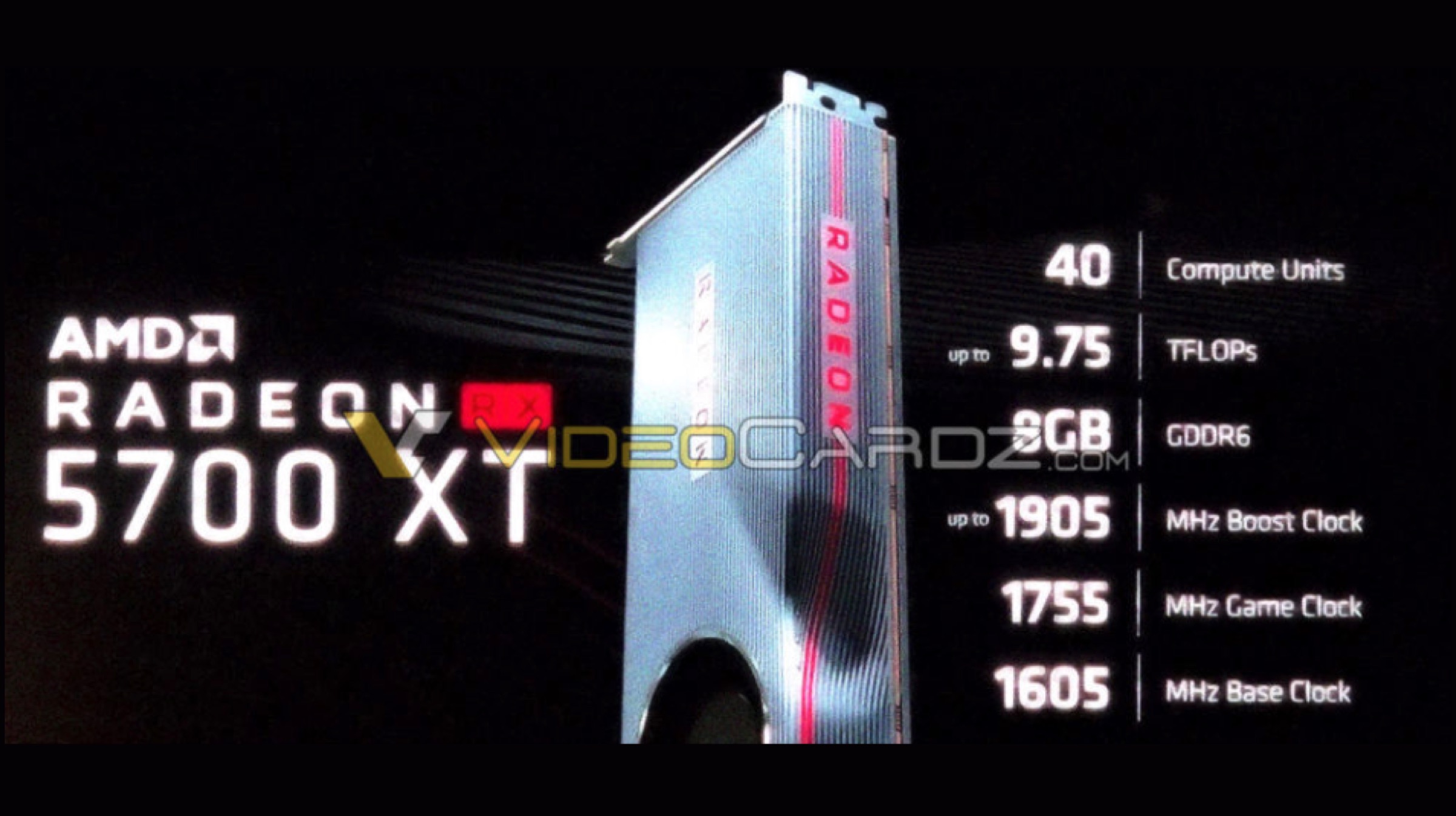
    AMD’s reveal of its RDNA graphical architecture based Radeon RX 5000 GPUs at the Horizon Next Gaming event might be offset with a new leak. The leakster apparently got his hands on the slides meant for the show. Images leaked show the details of the GPU, including the picture of the RX 5700XT. The new generation Radeon is expected to go up against NVIDIA’s GeForce RTX 2070 GPU.

    AMD

    Also ReadHTC To Launch A Mid Range Smartphone Called The U19e On The 11th Of June

    AMD Radeon RX 5700XT features 40 compute units or 2560 streaming processors that deliver 9.75 TFLOPs of FP32 performance. The 7nm GPU will sport 8GB of GDDR6 VRAM with a core clock of 1606MHz and a boost clock of 1905 MHz. This is by far the highest clockspeed seen in any AMD GPU, all thanks to its new RDNA architecture and 7nm process. Apparently, a ‘Game Clock’ is also planned which will probably be a hybrid state between boost and base clocks for when the entire GPU is not being fully utilized.

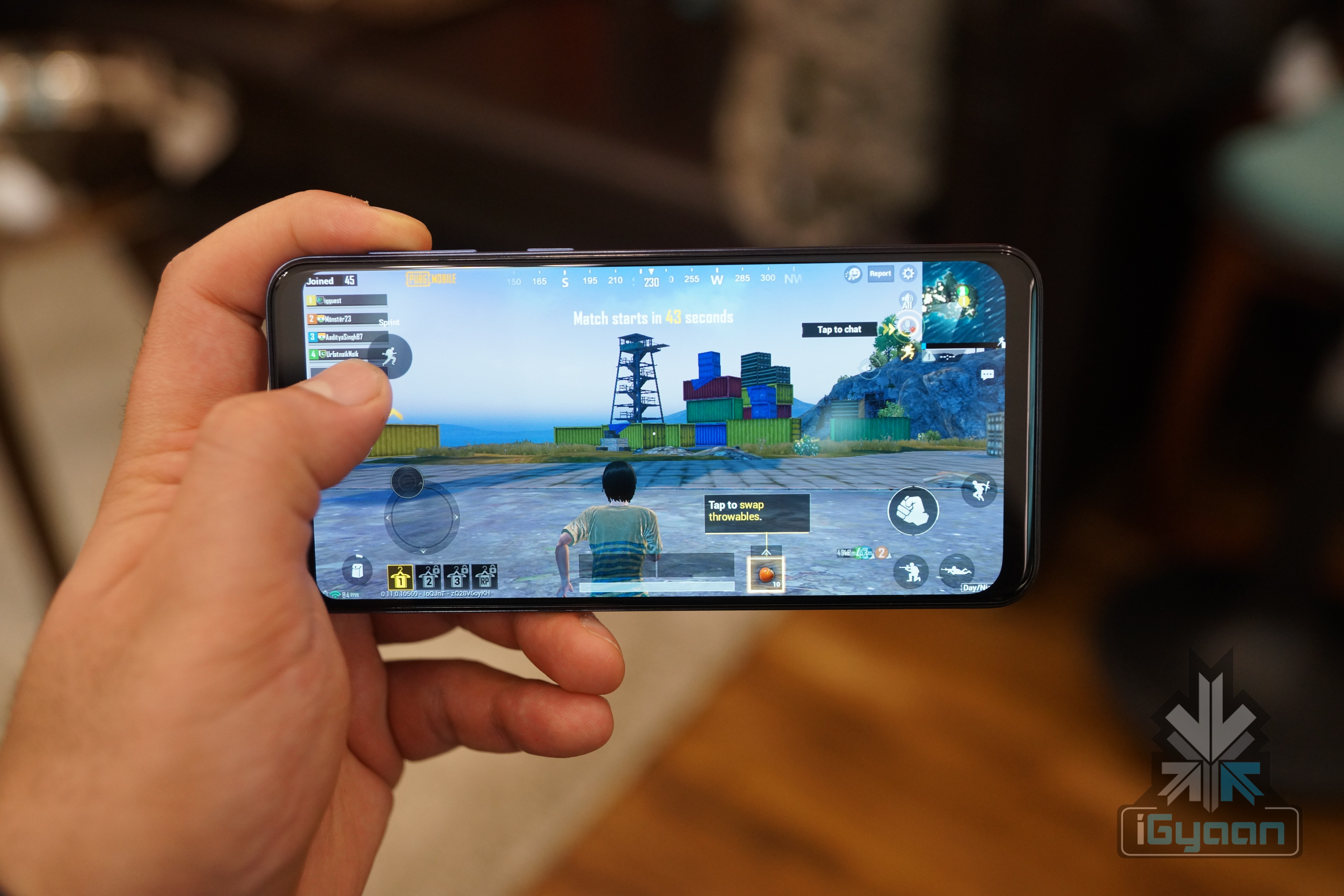
  • Samsung Collaborating With AMD For Radeon Graphics On Its Smartphones

    Samsung Collaborating With AMD For Radeon Graphics On Its Smartphones

    The gaming industry is currently valued at an estimated $93 Billion, with mobile gaming accounting for the largest piece of the pie. American chip manufacturer AMD and Samsung have announced their partnership for upcoming smartphone graphics. Looking at the pace at which the mobile gaming industry is growing, it was only a matter of time until tech giants like AMD had the aforementioned sector in their sights.

    Previously, the video game industry used to be a small part of the entertainment business but now, it is one of the major forefronts for digital media. In the year 2018, the gaming industry raked up the same amount of revenue as the US film industry. Unlike in the past when development teams and investment were low and the return profitable, now a dedicated highly qualified team works on a million-dollar project just for the sake of development.

    Samsung alongside AMD confirmed the joint venture in a common report. The partnership will see the development of a new ultra-low power high-performance graphics technology. AMD is confirmed to have licensed its proprietary graphical technology to Samsung for use in future mobile chipsets. The South Korean giant will reportedly pay for AMD’s brand new recently announced RDNA graphics architecture.

    This will mark a new market for AMD to capitalize on. The graphics technology from team Red will seek to replace the ARM-based Mali GPUs that are found in the Exynos chipsets. Samsung’s strategy to retail different chipsets in different countries may lead to certain countries not witnessing the aforementioned architecture. Most countries are receiving the Exynos chipset while US, Canada, China, Japan and Latin America receive the Qualcomm Snapdragon processors with Adreno GPUs. 

    Also ReadAs Apple Retires iTunes, Here Is How It Paved The Way For Modern Music Platforms

    It can be noted that AMD previously owned the Adreno GPU technology before it sold its graphics division to Qualcomm in 2009. Radeon graphics are renowned for its desktop GPU lineup and incorporation in game consoles like PS4 and Xbox One. Its architecture is also being optimized in upcoming Google Stadia, the cloud gaming service.

  • AMD Reveals 3rd Gen  Ryzen CPUs And 7nm Radeon RX5000 GPU

    AMD Reveals 3rd Gen Ryzen CPUs And 7nm Radeon RX5000 GPU

    Rumours had been trickling by on the new lineup of 3rd generation Ryzen and Radeon NAVI GPUs of AMD. Computex 2019 launched with its very first keynote by AMD’s CEO, Dr. Lisa Su. AMD has various announcements to make on their lineups and their new data centre offerings, AMD Epyc.

    AMD NAVI

    A major announcement in AMD’s keynote was it’s much awaited new 7nm GPUs which will be a part of their Radeon NAVI, i.e AMD Radeon RX 5000 lineup of graphics cards. The nomenclature is influenced by the company’s 50th anniversary.

    The new microarchitecture, called RDNA, is set to replace the GCN architecture that has powered AMD’s Radeon GPU. The notable improvements thus far have been the new compute design engine, multi-level cache hierarchy and a streamlined graphics pipeline. Essentially providing higher clock speeds for the graphics card at a lower power. The new GPUs are also the first to adopt the PCIe Gen 4.

    A quick benchmark on the Strange Brigade has AMD’s Radeon RX 5700 take a marginal 10% lead on NVidia’s RTX 2070 graphics card. AMD is expected to start shipping by July 2019, although the details are reported to be revealed on June 10. 

    AMD RYZEN 3RD GEN

    The new and highly anticipated CPU lineups from AMD were finally unveiled. Being built on a 7nm process node, the AMD Ryzen 7 3700X is an 8 core/16 threads processor which is also compatible with the AM4 socket but will need the latest X570 platform to bring out its full potential. This does not mean using older motherboards such as the X370 or X470 is pointless. A significant lead in terms of performance was showcased by AMD’s new CPU over Intel’s Core i7-9700K in comparison. The 3700X scoring 4806 points in Cinebench while 9700K only managed 3276 points. This, however, was not the top SKU in the mainstream lineup. The 3800X followed after 3700X and had a base clock of 3.9 GHz and a boost clock of 4.5GHz. The 3800X has 105W TDP in comparison to 3700X with 65W TDP. 3800X had a mean lead of 11% that went upto 34% when in comparison to its older generation Ryzen 7 2700Z when performance was testes in gaming.

    AMD has also announced the Ryzen 9 top of the line SKUs, with the most powerful being Ryzen 9 3900X, a 12-core/ 24 threads processor with a 105W TDP draw. Its base clock sits at 3.8Ghz while the boost clock reaches 4.6GHz that utilizes two chiplets to achieve the high core count. Blender benchmark was used to pit the Ryzen 9 3900X against Intel’s Core i9-9920X processor that has a 165W TDP, in which the new Ryzen processor outclassed in both single and multi-core performance.

    AMD EPYC


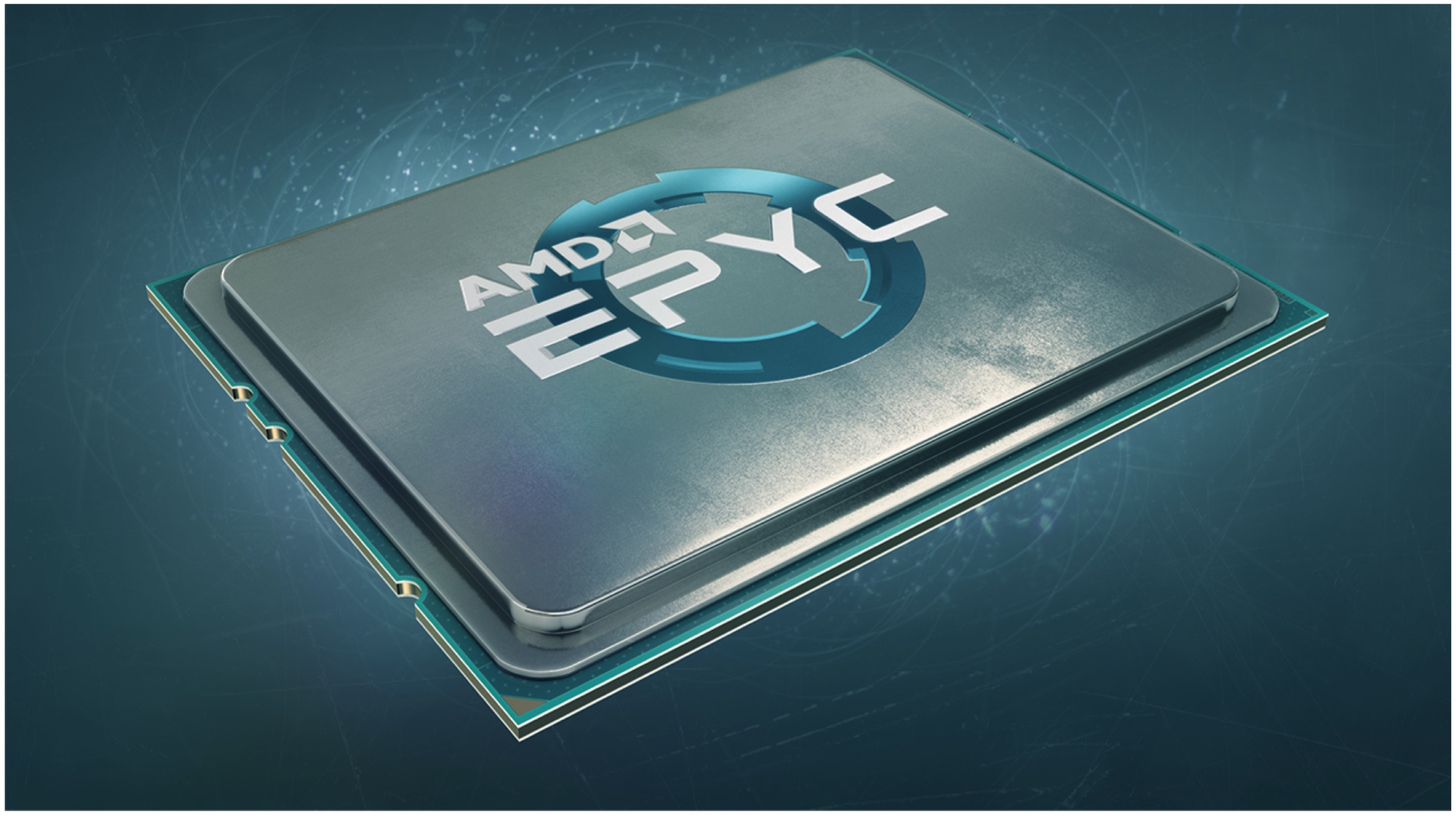
    Dr Lisa Su, the CEO of AMD, announced the new data centre offerings, AMD EPYC. EPYC has grown over the last 3 years to have more than 60 solutions on more than 50 cloud installations. This was followed by AMD’s crown jewel, the Frontier Supercomputer at Oak Ridge, National Laboratory that is capable of more than 1.5 exaFLOPS and is reportedly said to receive the world’s fastest supercomputer once it goes live.

    Similarly to Sony’s announcements of collaborating with Microsoft for their cloud computing solutions, AMD unveiled that it has also incorporated AMD EPYC with Microsoft’s Azure.

    Also ReadIntel Announces Octa Core i9-9900KS CPU With All Cores Clocked At 5.0 GHz

    Codenamed ‘Rome’ the 2nd Gen EPYC processors by AMD give upto 64 cores per socket and are claimed to be able to push out four times more floating point workload per socket when compared to its previous generation. A demonstration showcased the 2nd Gen AMD EPYC 2-socket solution going up against an Intel Cascade Lake 8280 28 core/ socket 2-socket solution. The EPYC solution crunched out 19.60 ns/Day compared to the Intel solution. The launch is set to be in Q3 2019.

  • Peek into the future of Graphics Hardware

    Peek into the future of Graphics Hardware

    It’s close to four years now that graphics chips for our favourite video cards have been manufactured using 28nm process. Back in the day when TSMC moved up from the 40nm process directly to the 28nm process node capable of fitting billions more transistors into their GPUs it marked a monumental leap for the gaming industry.

    This leap was what lead to the Xbox One, and PS4 coming to reality, the reason that gave Nvidia and ATI the power to equip us with the hardware to achieve what then was the dream of 1080p/1440p at 60+ frames with a single card. Fast forward to 2016, and thanks largely to the Taiwanese chip maker, TSMC, the industry has been stuck in a limbo struggling to improve the graphics hardware at hand.

    1440p and 4K monitor and TVs have made their way to into our homes some time back, but sadly gaming on them at their native resolutions without shelling a fortune has remained a distant dream because of this stagnation that the industry has faced. But worry no more, 2016  comes bearing gifts in the form of the upgrade to the new 14/16nm process nodes.

    titan
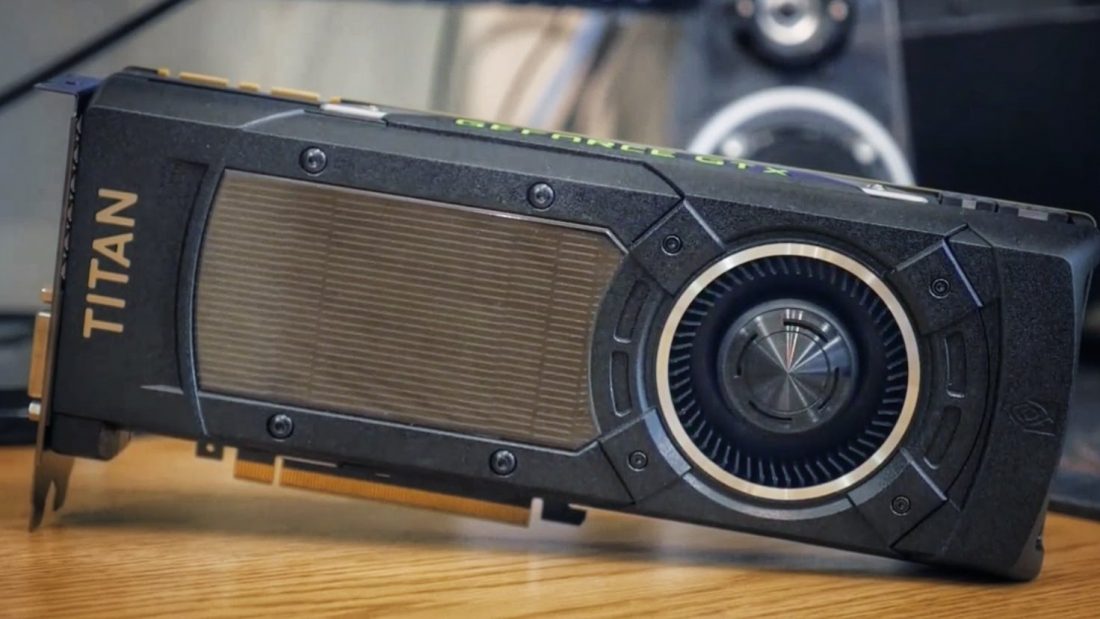
    The beast GTX Titan

    In simple terms, you will see 2016 come with graphics hardware that would give almost double the performance for the same price point. More importantly for budget conscious users in India building low-cost builds you will get graphic cards that maintain performance but cost almost half as what you would be paying for a card right now.

    This upgrade on the manufacturing side of things should allow for much, much more complex GPUs. To put things in perspective last year’s high-end cards such as the Gtx Titan X and the Radeon Fury X which maxed out at between 8-9 billion transistors will see their successors using the Pascal, and Arctic architecture house between 16-17 billion transistors, resulting in almost double the power, at the same cost. No amount of stress on this fact could explain how big a leap this will be for the gaming industry in the coming days.

    FuryX

    This move up will also enable these new architecture cards to use second-generation stacked HBM (High Bandwith Memory) which will provide better optimization of VRAM(Video card memory) than what previous generation GDDR5 memory provided. First-generation of HBM only allowed 4GB of HBM RAM to be used, but improved bandwidth using the new process node could take this figure easily up to 16/32 GB of RAM.This could be especially useful for managing the high demands of 4K, multiple displays, and VR gaming that the future holds for us.

    Add to this the added bonus of highly improved power efficiency leading to low chances of a need for an upgrade to a new expensive PSU, and possibly even decreased power bills, it just makes it more and more obvious as to why the average gamer should be excited about 2016.

    the_witcher_3_wild_hunt_gameplay-wide

    With VR making for an increased push into our gaming world, and people looking at 1440 and 4k gaming seriously, these advancements in GPU tech could make all of it well within an average gaming enthusiasts reach in a few months time when the first cards carrying 14/16nm nodes hit the market.

    And just to be clear, if VR, and high-resolution PC  gaming isn’t your thing, the impact of this switch in process will extend across the market, and into your homes in one way or the other. This ripple effect might take some time but as the whole range of 14/16nm GPUs appears with new chips, we could very well be looking at not far off double the performance at any given price point by year’s end.

    Assassins creed

    This move could also prompt console makers such as Sony, and Microsoft which use iterations of Radeon HD 7870, and 7790 to power their beasts to use the latest in GPU technology for cheaper consoles in a year’s time. So no matter what platform is your choice, 2016 is going to be a good time for all those who like to game.

iGyaan Network
Privacy Overview

This website uses cookies so that we can provide you with the best user experience possible. Cookie information is stored in your browser and performs functions such as recognising you when you return to our website and helping our team to understand which sections of the website you find most interesting and useful.