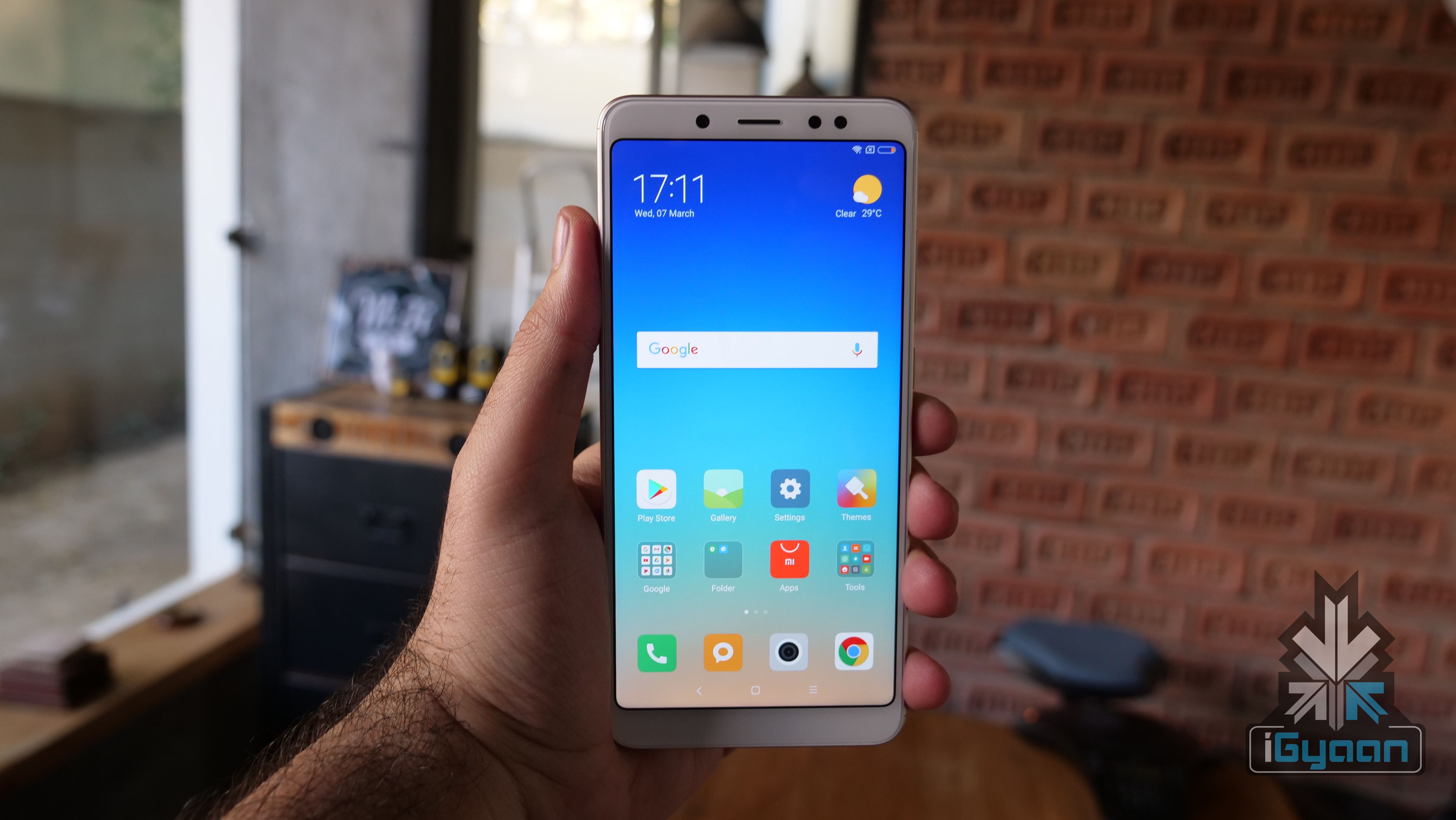
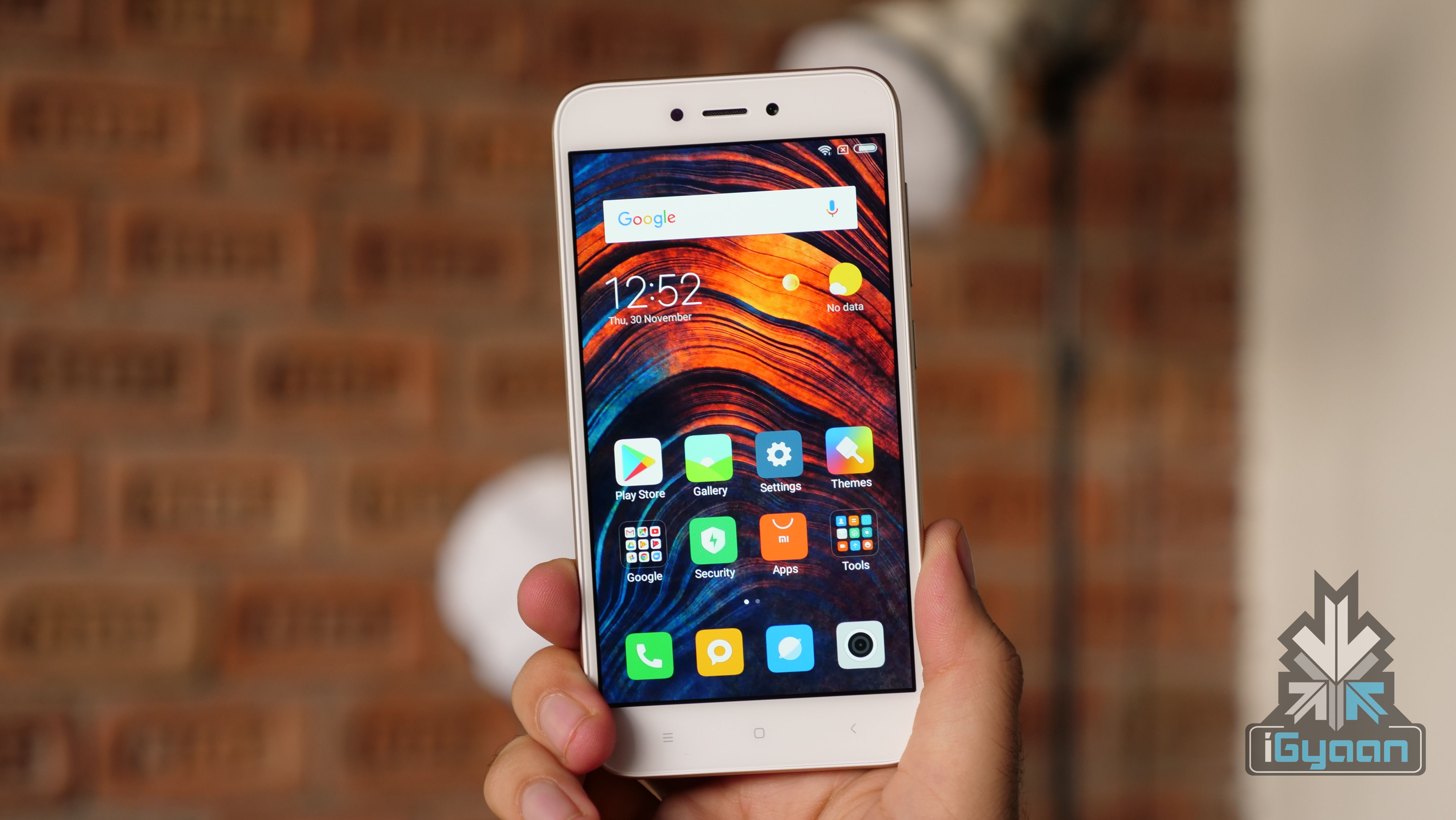
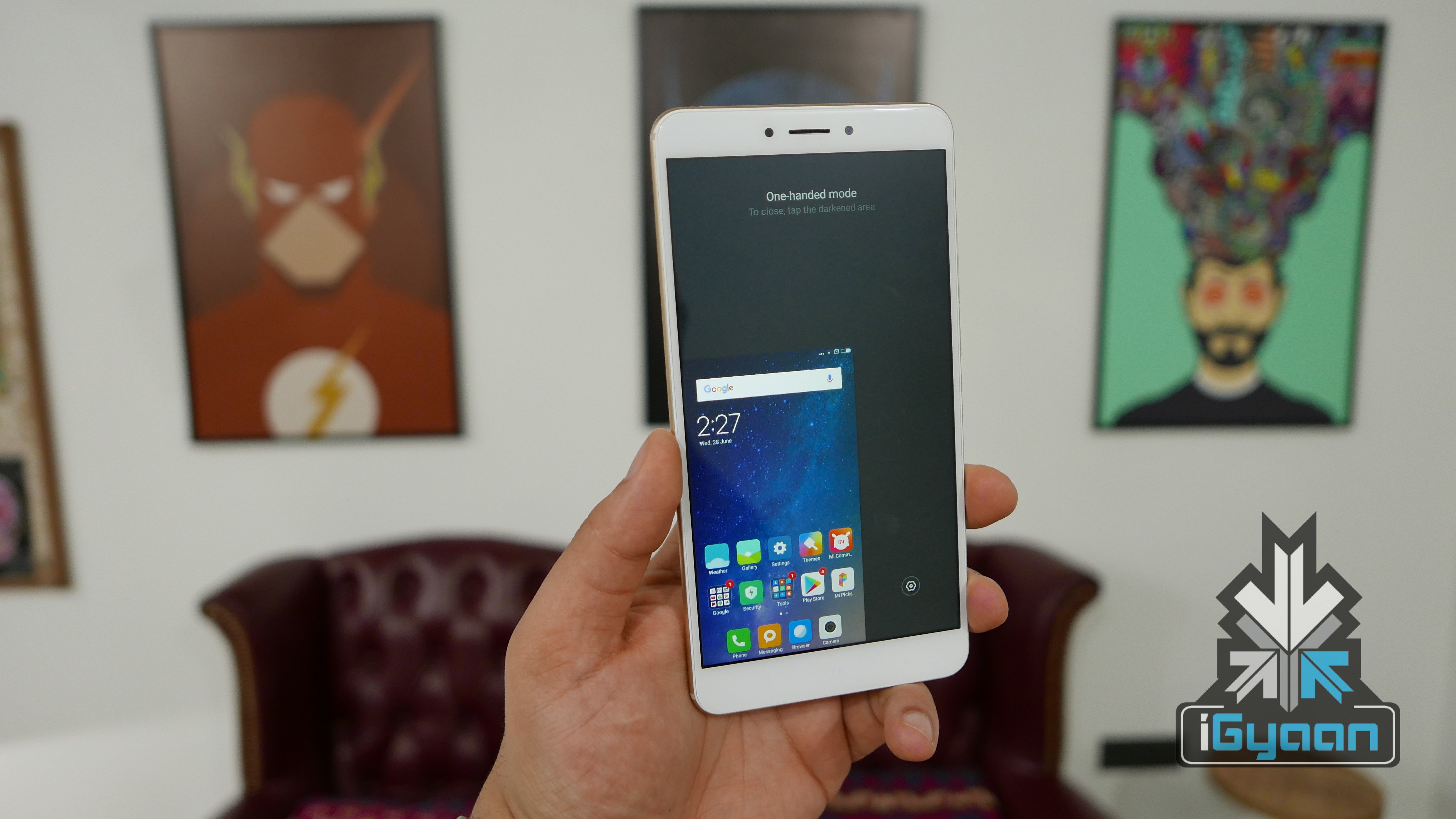
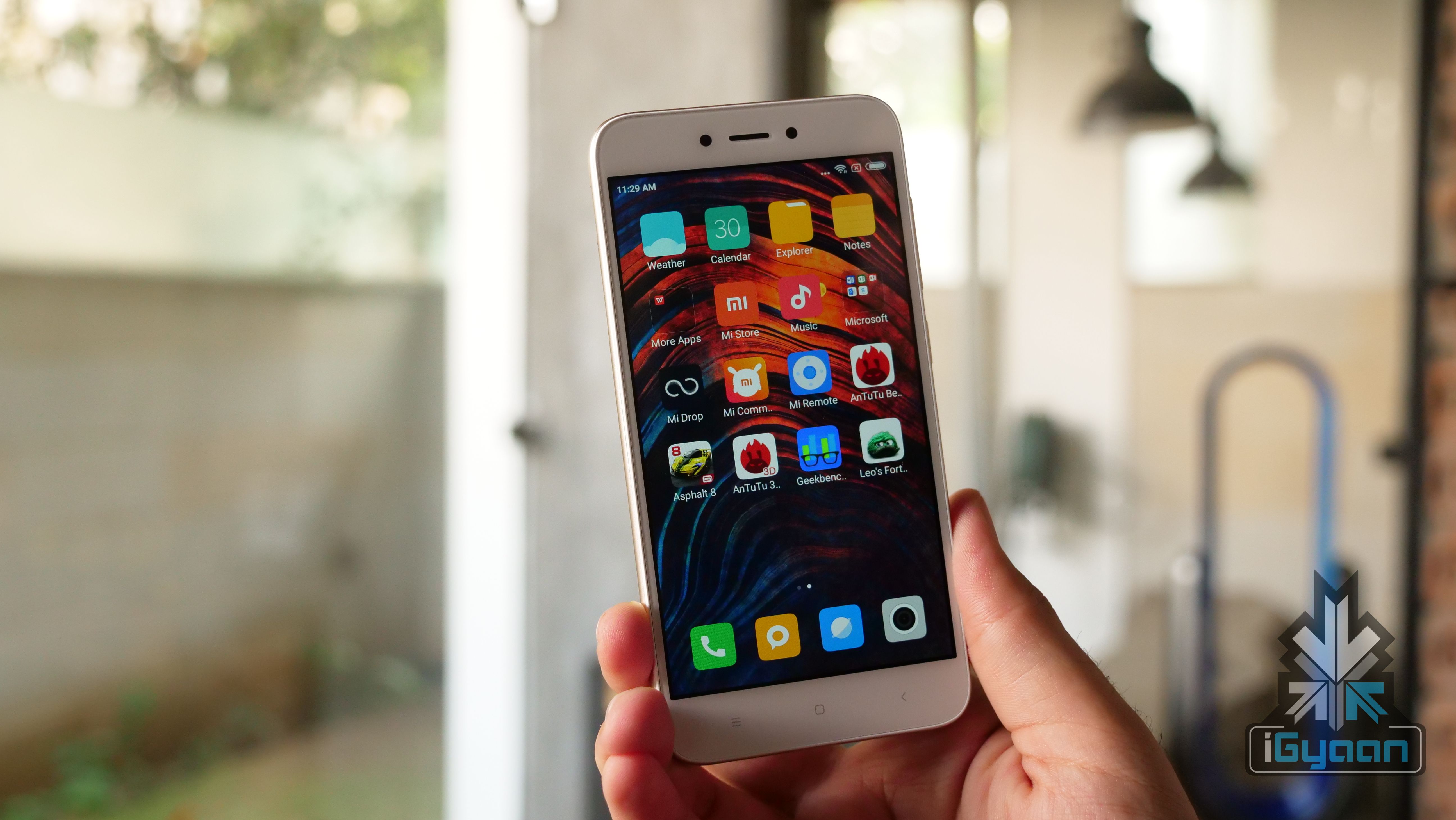
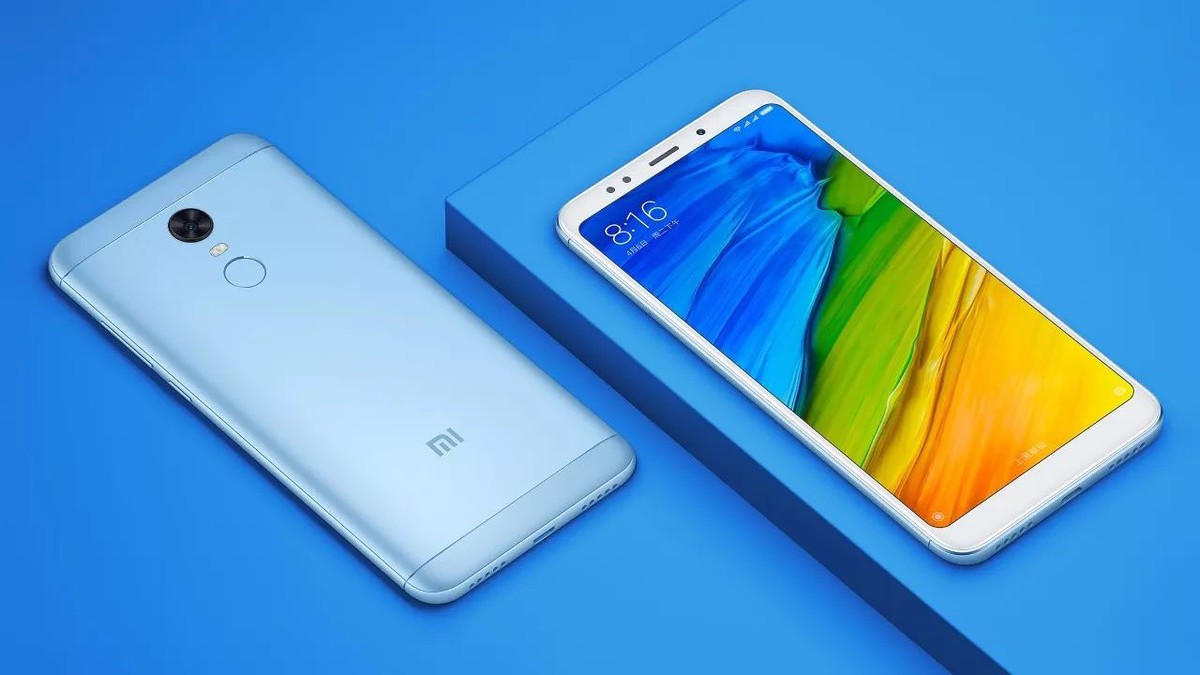
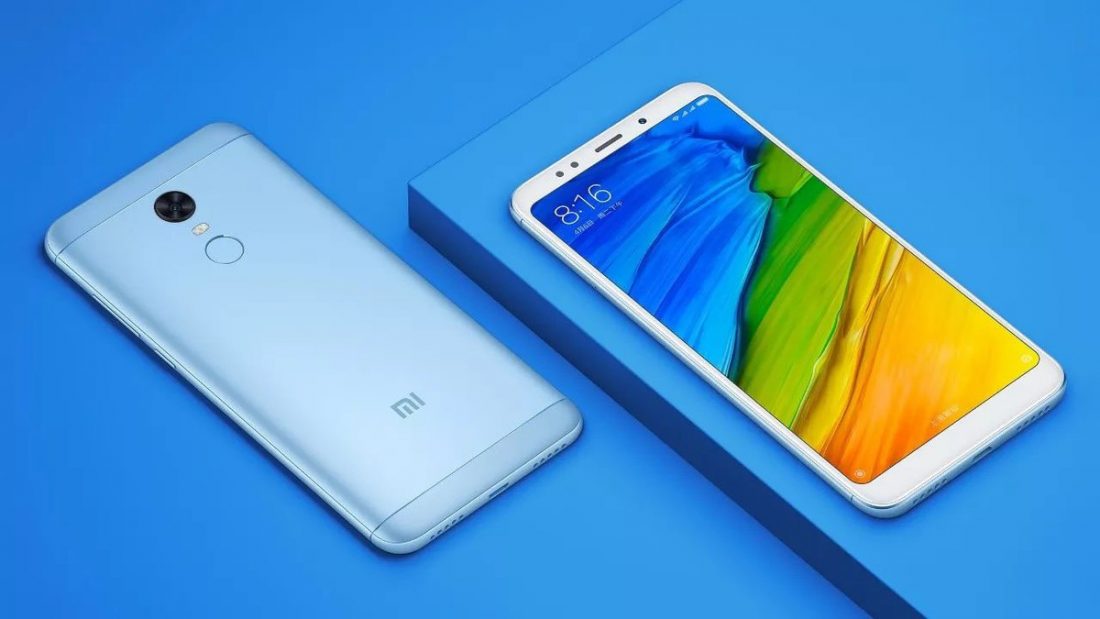
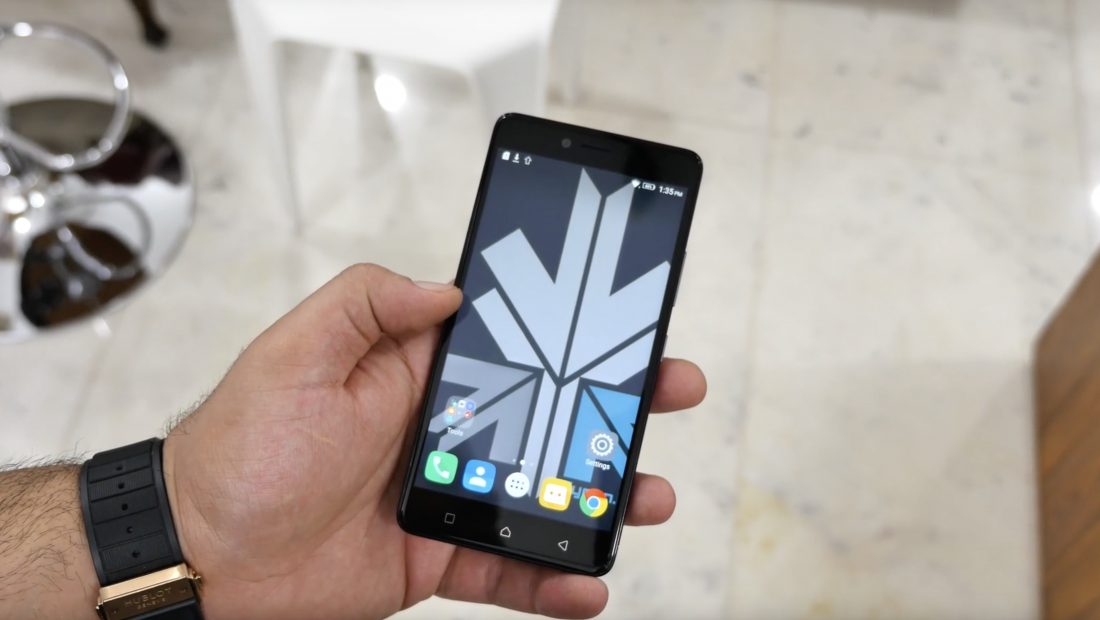
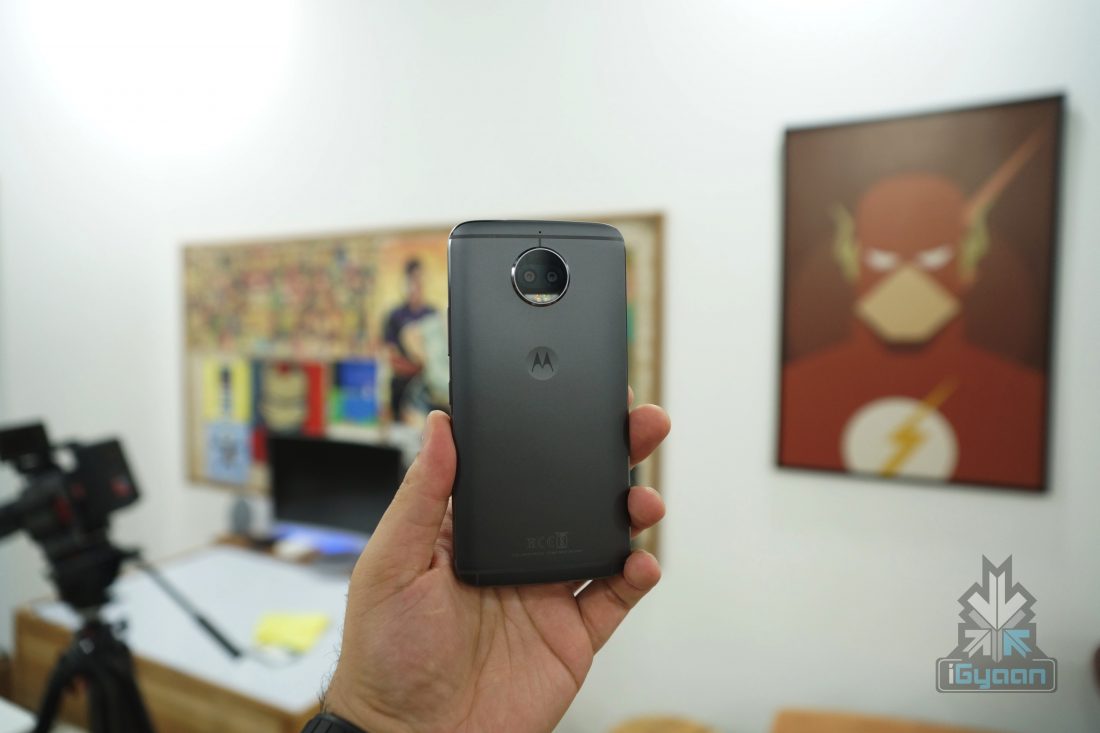
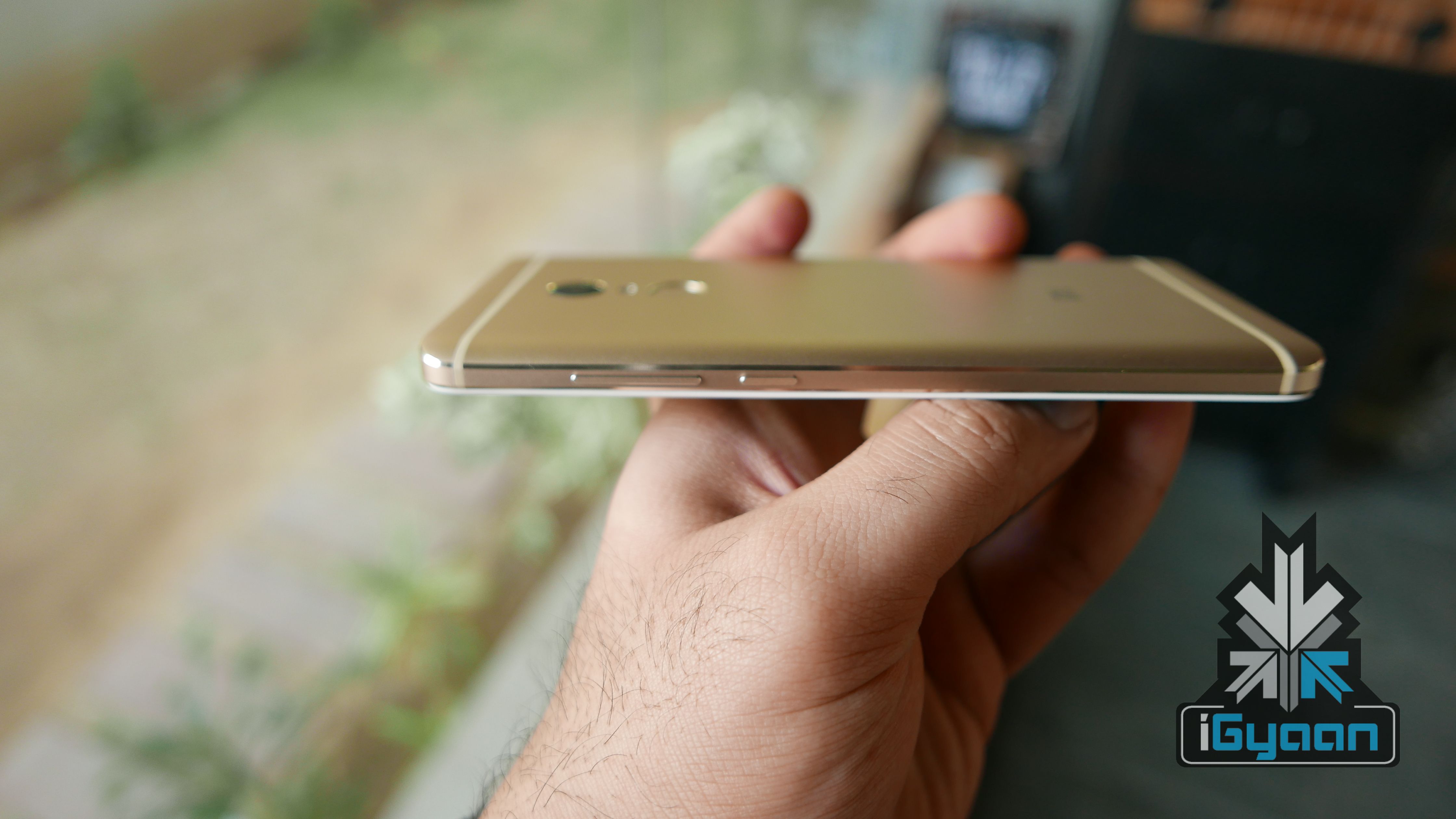
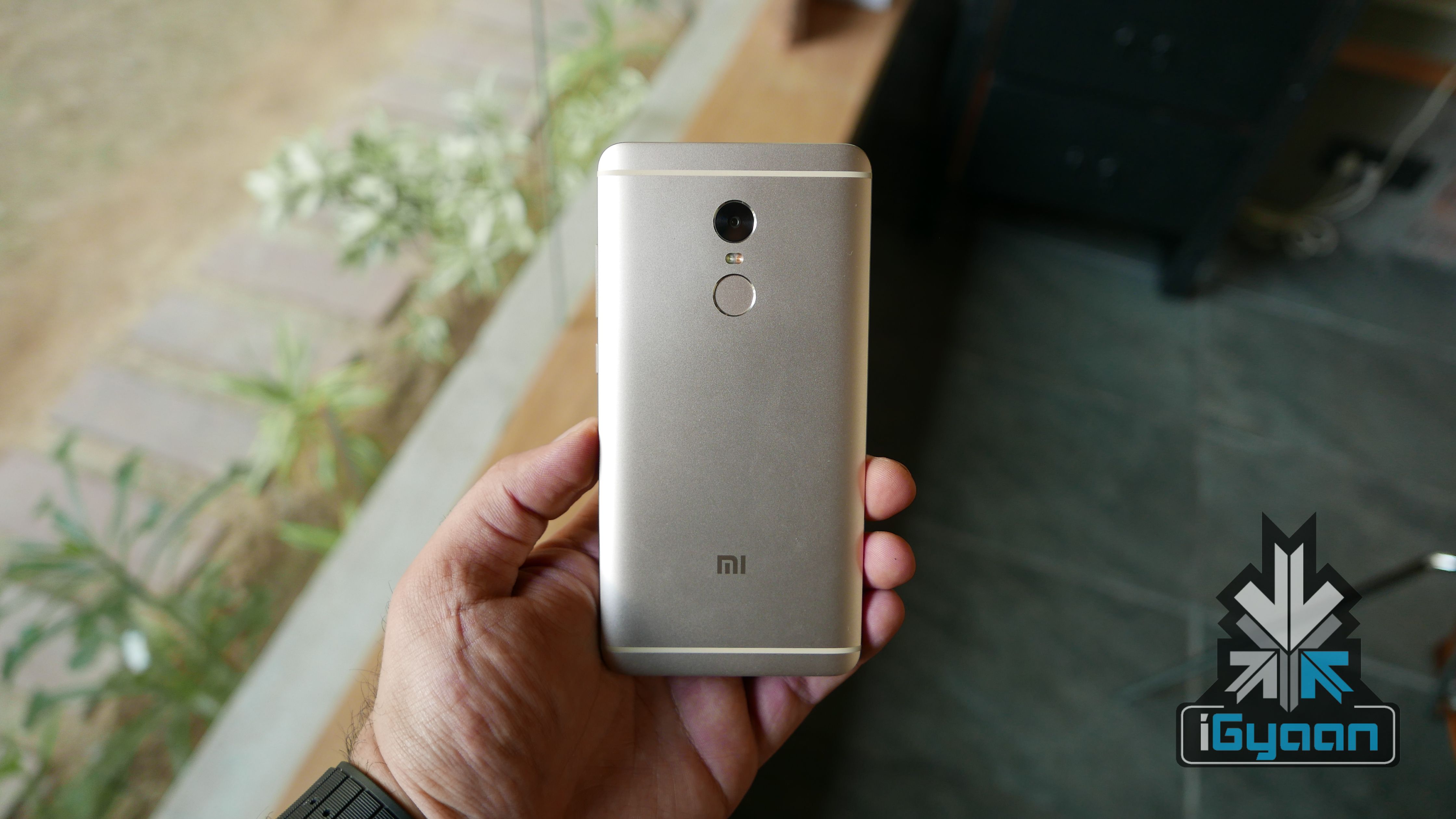
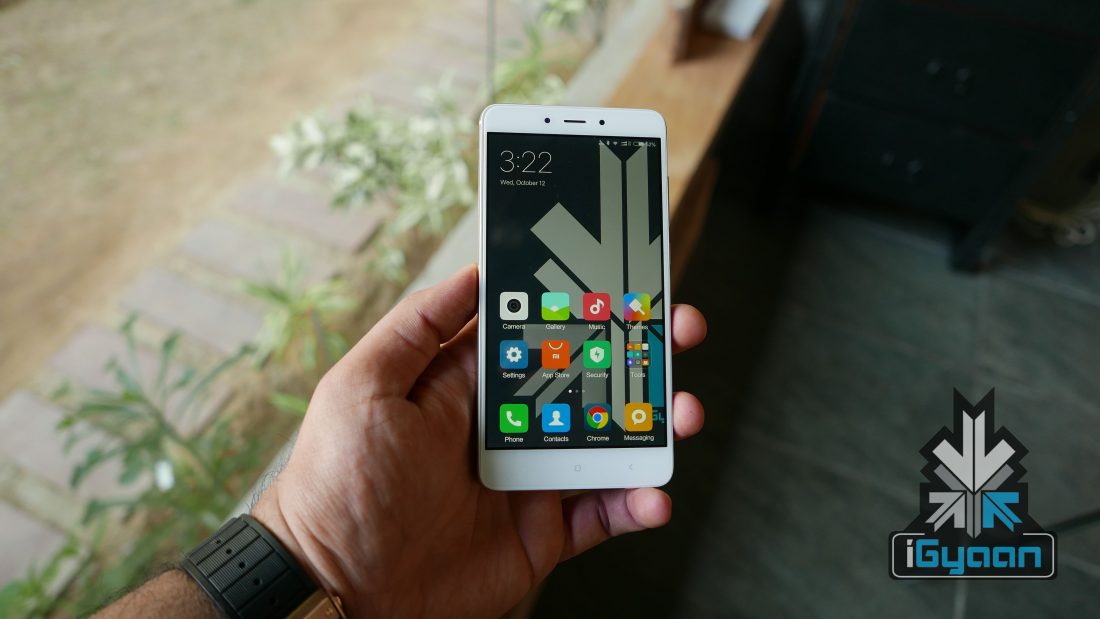
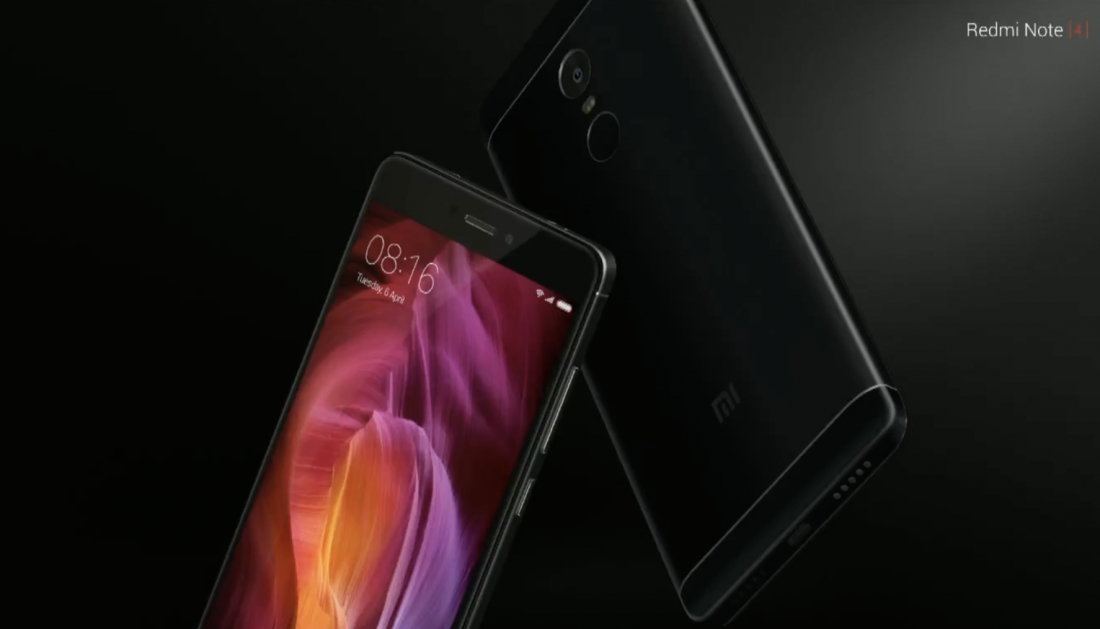
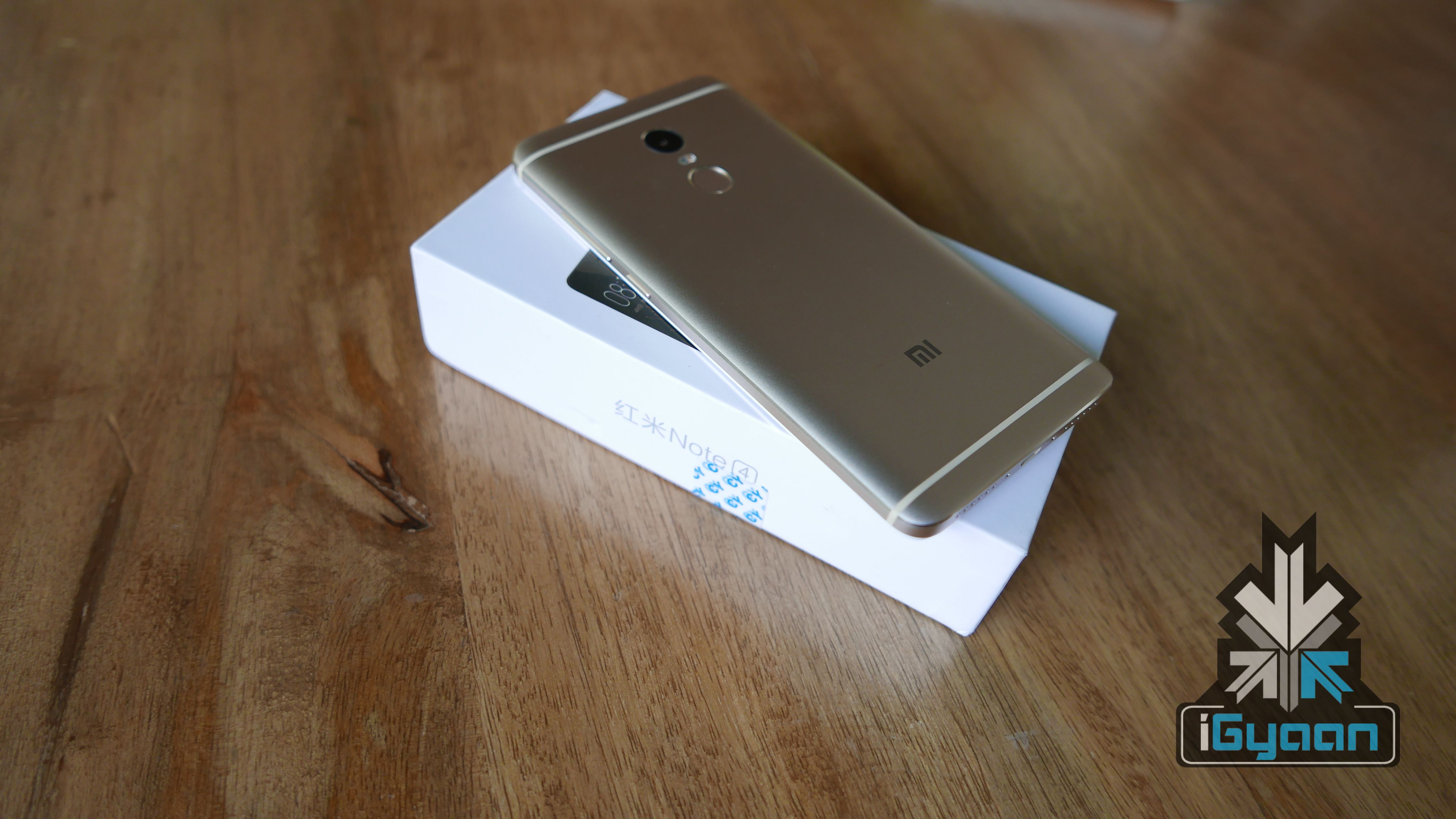
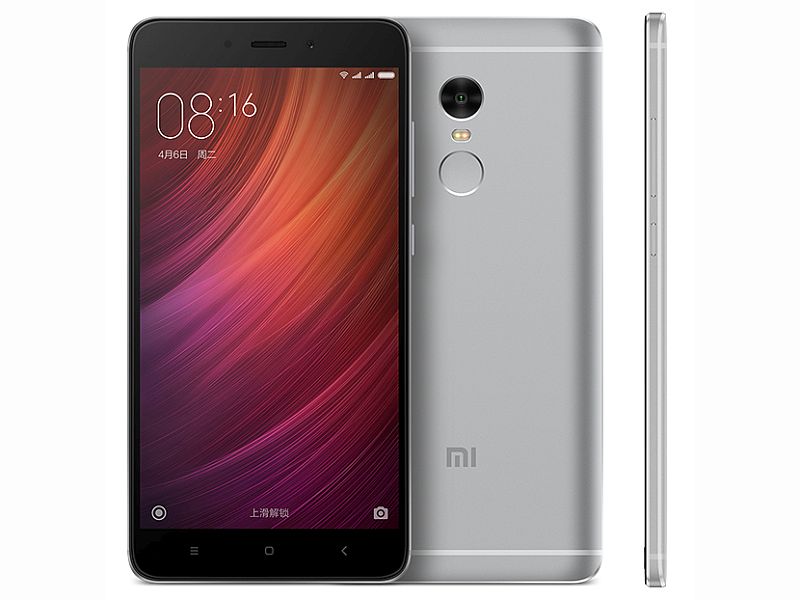
Xiaomi India launched the Xiaomi Redmi Note 5 in India on the 14th of February. The smartphone is the successor to Xiaomi’s best selling Redmi Note 4. While many believe the Redmi Note 5 Pro should have been the Redmi Note 5 in India, the true Note 4 successor has launched in China. It is similar to the Redmi Note 5 Pro but, with some better features and camera upgrades.
The Xioami Redmi Note 5 AI is available in two storage and three RAM variants. The 3GB/32GB combination and the 4GB/6GB and 64GB combination. The 4GB RAM model retails for CNY 1,399 and the 6GB RAM model retails for CNY 1,699. Interestingly, this pricing is very similar to the Indian pricing of the Redmi Note 5 Pro.
The Redmi Note 5 AI runs on Android 8 Oreo with MIUI 9 on top. In India, only the Mi A1 and Mi MIX 2 have been updated to Android 8 Oreo so far. It even supports Project Treble, which means it is bound to receive faster software updates when compared to other Xiaomi devices.
Specifications of the Xioami Redmi Note 5 AI
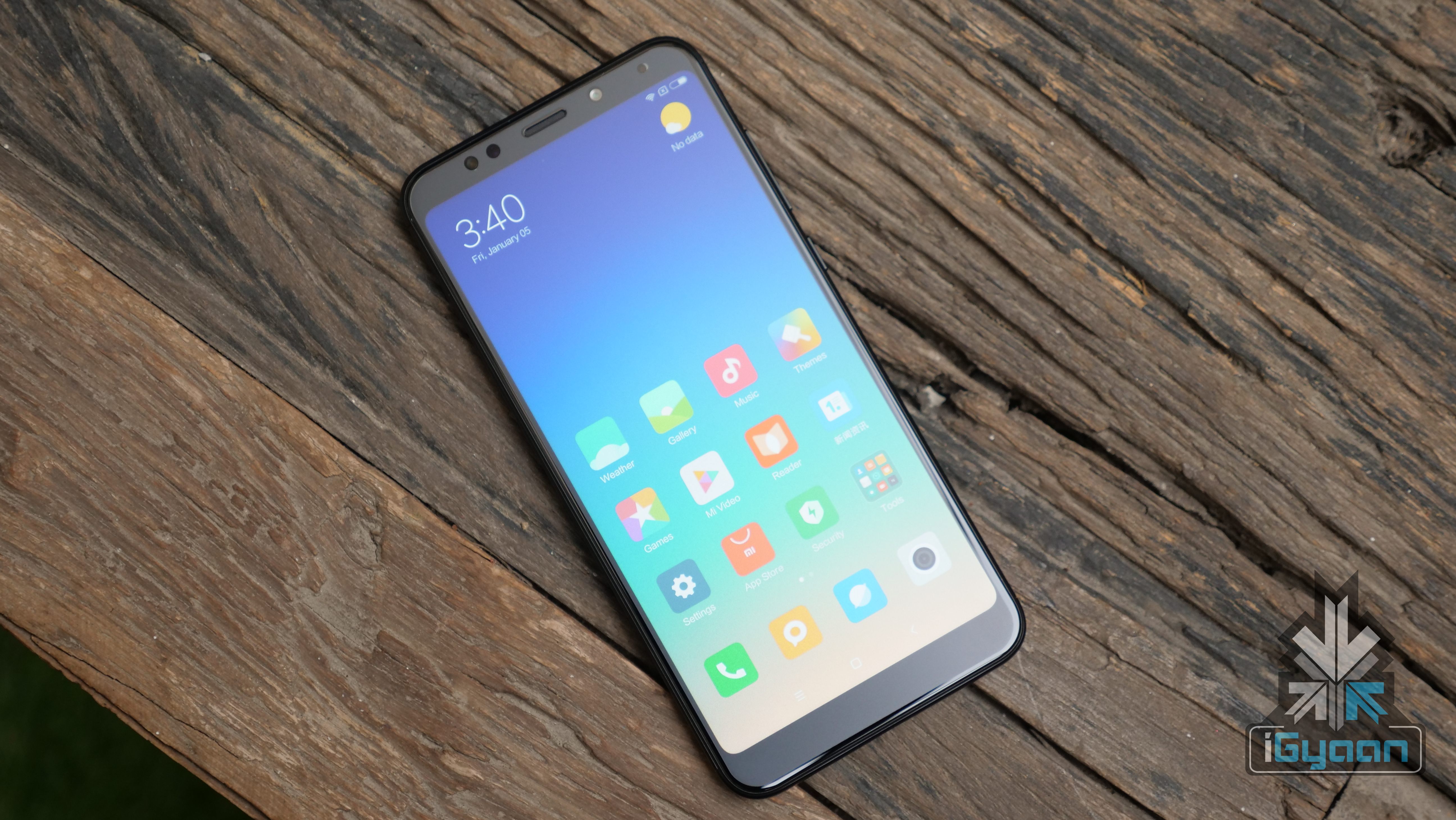
The smartphone has a 5.99 inch FHD+ 2160 x 1080 px IPS LCD display with 2.5D finish. Under the hood, the device has a Qualcomm Snapdragon 636 Octa-core chipset with 3GB or 6GB RAM and 32GB or 64GB storage.
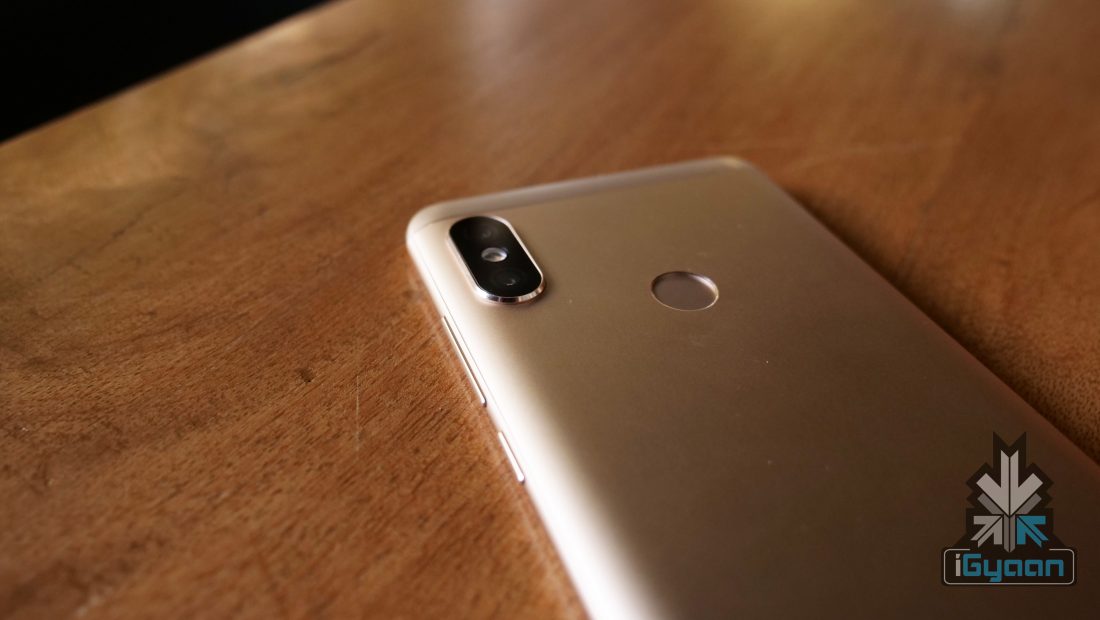
On paper, the Redmi Note 5 AI has a similar dual camera setup compared to the Redmi Note 5 Pro. However, the Chinese version has a much better 12MP primary sensor with 1.4 micron pixel size and an f/1.9 aperture. However, the secondary sensor on the back remains the same for both the devices. The difference does not stop there, as the Redmi Note 5 AI’s camera also supports Dual PD dual-core speed focus for a faster autofocus speed. However, not all is doom and gloom for the Redmi Note 5 Pro as it sports a superior 20MP front camera compared to the 13MP sensor found on the Redmi Note 5 AI.
Finally, both devices come with a 4000 mAh battery. The Redmi Note 5 AI also supports Qualcomm QuickCharge 3.0 while the Redmi Note 5 Pro is limited to Quick charge 2.0.
Xiaomi India claimed that the Redmi Note 4 was the number one budget-centric smartphone in 2017. The device had almost everything that a user can ask for in a smartphone in that budget. However, by the end of 2017 things changed. Users were looking for a smartphone with features like bezel-less display and dual cameras, and the Redmi Note 4 had none of those.
Xiaomi recently launched the Redmi Note 5, the successor to the Redmi Note 4. Is this the smartphone that users were anticipating from the brand? Is a rebranded Redmi 5 Plus a worthy upgrade over the Redmi Note 4?
Display
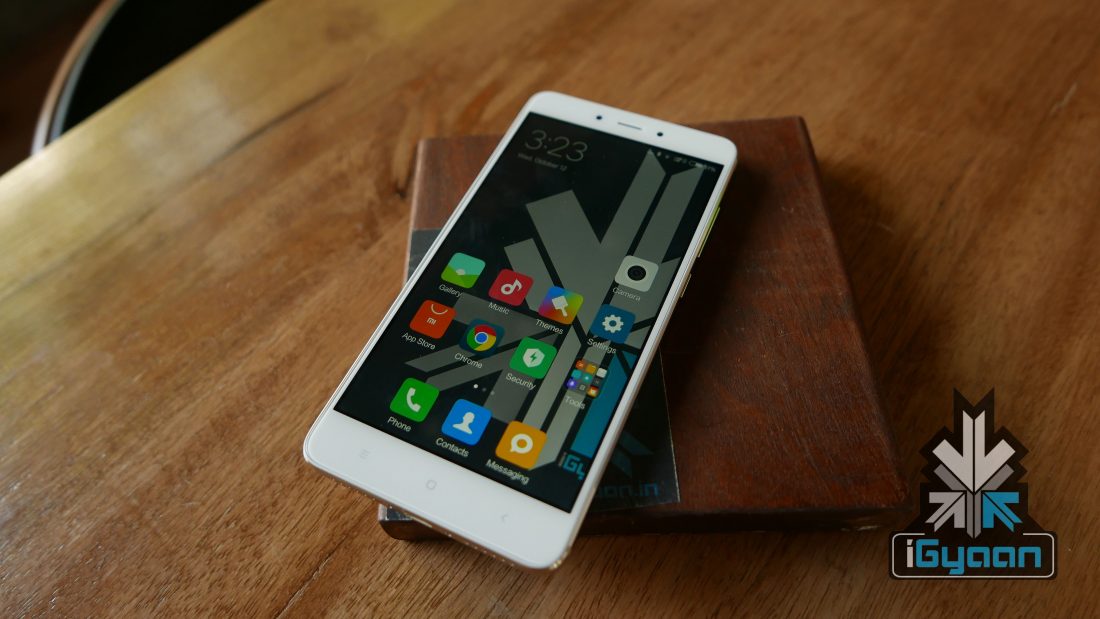
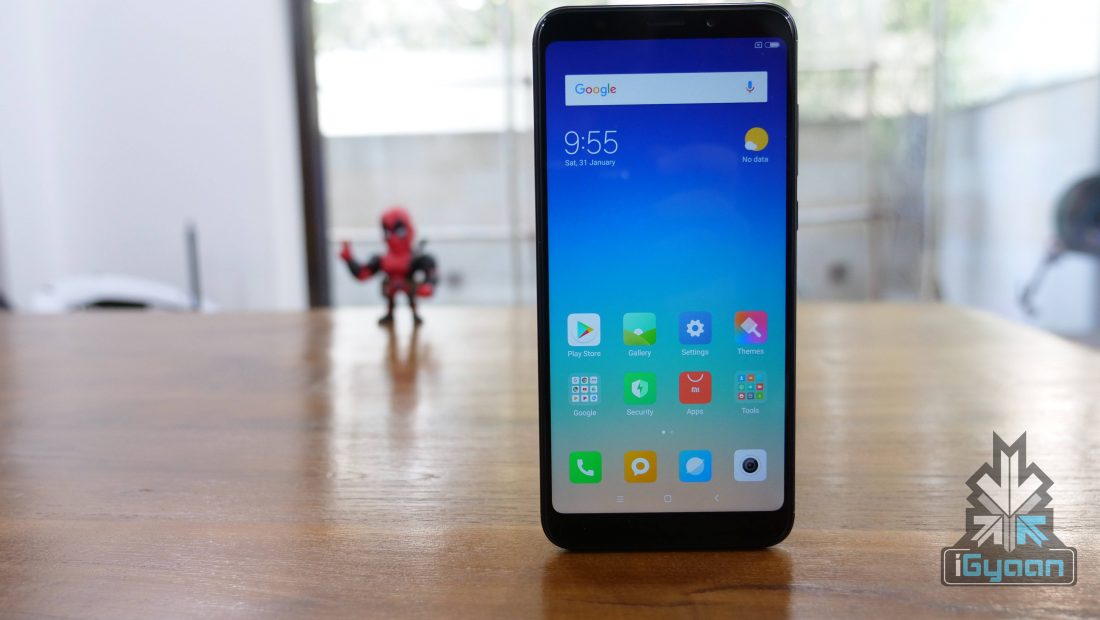
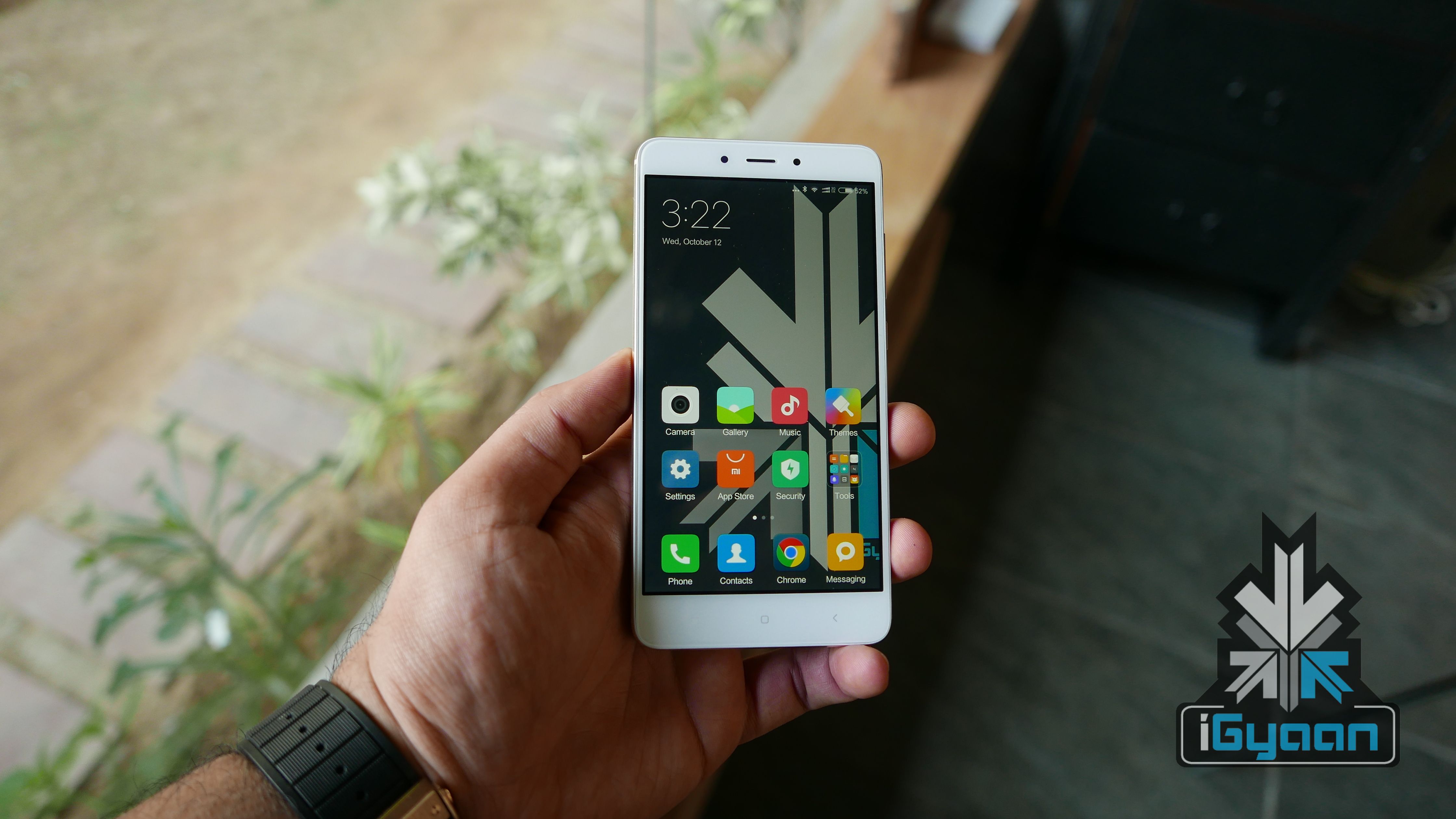
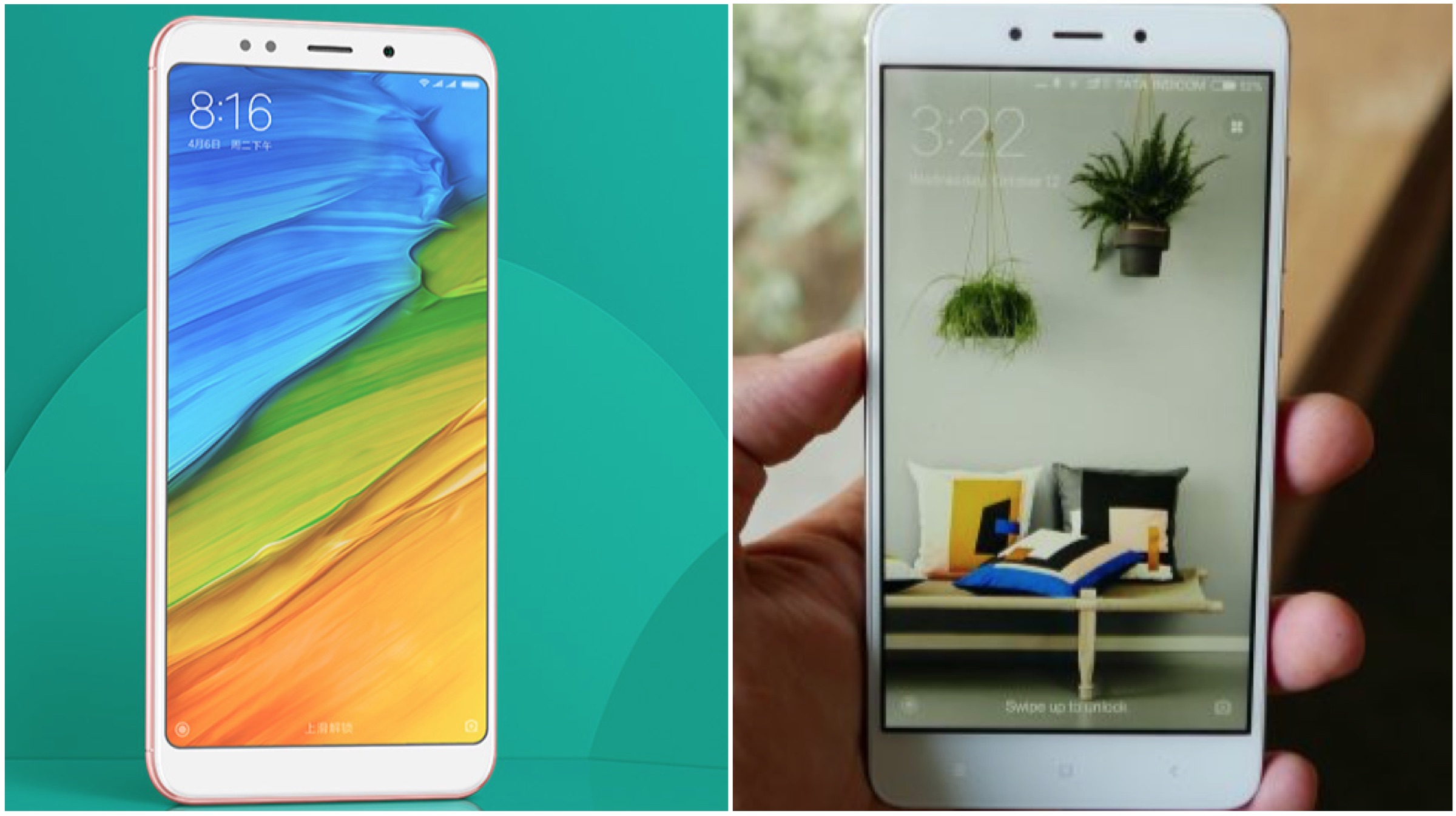
The Xiaomi Redmi Note 4 has a 5.5 inch 1920 x 108px IPS LCD display with prominent bezels. The display is vivid and has great viewing angles. However, it has big bezels and looks dated for today’s standards. However, the Redmi Note 5 has a 5.99 inch FHD+ 2160 x 1080px IPS LCD display. Colours and contrast have been improved over the Redmi Note 4. Finally, the Redmi Note 5 opts for “Full Display” design with a taller 18:9 aspect ratio.
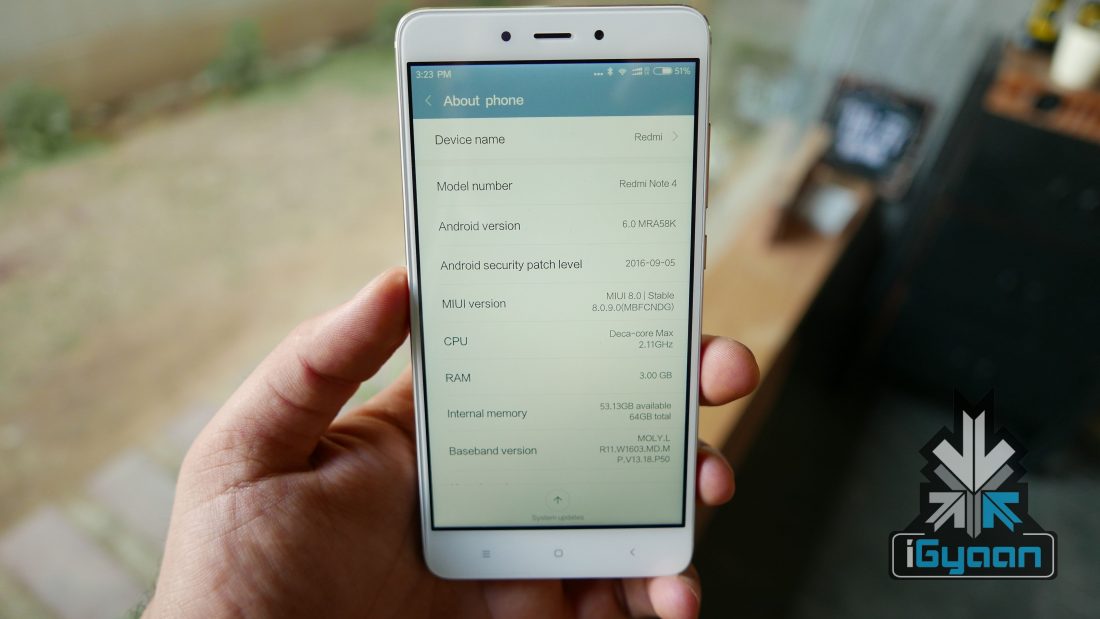
Xiaomi Redmi Note 4
Under The Hood
The Redmi Note 4 and Note 5 are powered by the Snapdragon 625 Octa-core chipset. The chipset is based on the 14 nm FinFET architecture with great thermal efficiency and battery life. So, both the devices will offer similar user experience as they use an identical chipset. So, you will not feel a difference in terms of performance.
Design
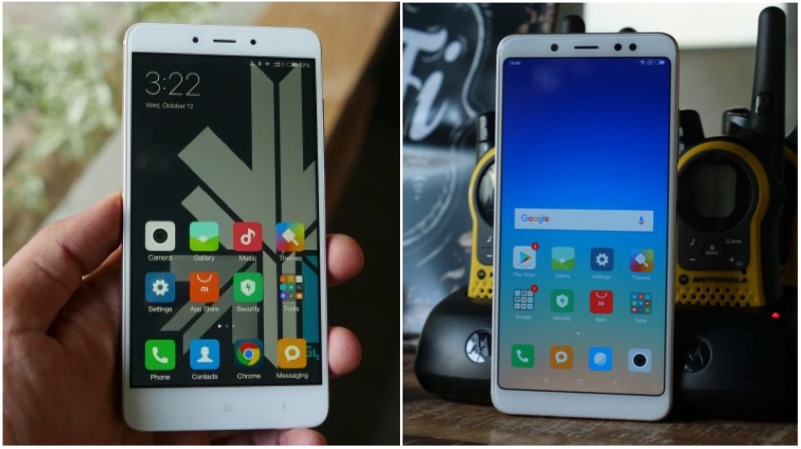
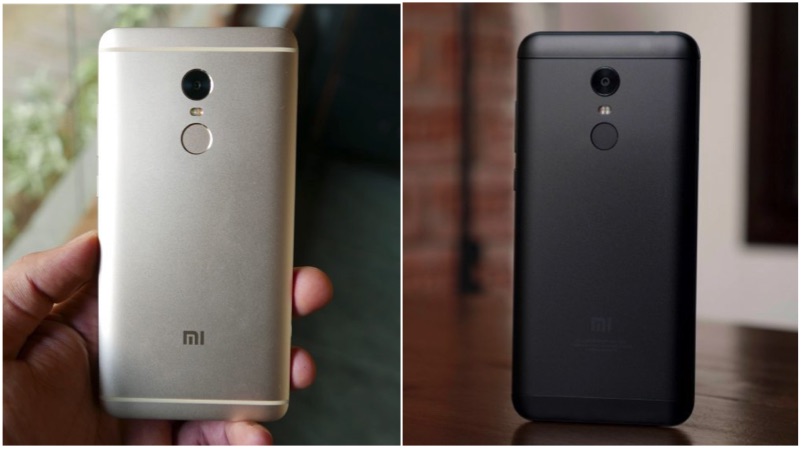
Except for the display, the smartphones have an identical metal unibody design. However, the design feels old-fashioned in front other smartphones like the Honor 9 Lite.
Left: Redmi Note 4 Right: Redmi Note 5
Camera
The Xiaomi Redmi Note 4 has a 13MP primary camera and the Note 5 has a 12MP primary camera. Though the number of pixels has been decreased, the 1.25-micron pixel size on the Note 5 helps the device to take better photos. Similarly, the Redmi Note 5 also excels in video department with 4K @30fps video recording capability, as the Note 4 maxes out at 1080 @30fps. For the front-facing camera, these phones use an identical 5MP sensor with f/2.0 aperture.
Battery
The Redmi Note 5 has a 4000 mAh battery and the Redmi Note 4 has a slightly bigger 4100 mAh battery. However, the Note 5 does support Quick Charge 2.0 and the Note 4 doesn’t.
Xiaomi Redmi Note 5
Conclusion:
If you have a Redmi Note 4 and happy with the performance but not happy with the display and the camera, then go with the Redmi Note 5. However, if you are not happy with the performance and camera, then better skip the Redmi Note 5, as there are no differences. Similarly, consider the Xiaomi Redmi Note 5 Pro, which offers better performance with a much better dual camera setup and a front-facing camera with face unlock. It is also powered by the Snapdragon 636 chipset.
Xiaomi has launched the Redmi Note 5 in India at a starting price of Rs. 9,999. The device will finally go on sale on the 22nd of February in India. The Redmi Note 5 has huge shoes to fill in, considering the Redmi Note 4 is the bestselling smartphone by Xiaomi.
Xiaomi Redmi Note 4
A few weeks ago, a news from China claimed that Xiaomi won’t launch a Redmi Note 5 in China and instead rename the Redmi 5 Plus as Redmi Note 5 for the Indian market. While many were sceptical about this move, it felt more plausible at that time. Now, it is official that the Redmi 5 Plus is indeed the Redmi Note 5. So, what has changed between the two generations?
The first thing you notice when you hold the new Note 5 is the display and its 18:9 aspect ratio. The smartphone industry has moved on from the 16:9 aspect ratio and it made sense for Xiaomi to launch a modern looking device in 2018. The Redmi Note 5 provides that with its relatively thinner bezels. The Redmi Note 5 is not a bezel-less device by any means and the Gold colour makes the presence of the bezels more prominent, thanks to the white colour.
Redmi Note 5
Having said that, the Redmi Note 5, in terms of design, is a definite upgrade over the Redmi Note 4. It is still built very sturdily with an aluminium unibody design.
Under the hood, the Redmi Note 5 has the same the Qualcomm Snapdragon 625 chipset as the Redmi Note 4. The company claims that the Snapdragon 625 is one of the best budget chipsets and that is one of the reasons the Note 5 has maintained the chipset. When you look at flagship devices, a 2018 flagship phone launching with the Snapdragon 835 would not make sense because the Snapdragon 845 exists. Similarly, the Note 5 should have had a better chipset, like the Redmi Note 5 Pro has the Snapdragon 636 chipset.
This move might stop a lot of Redmi Note 4 owners from upgrading in 2018. Since, the Redmi Note 4 continues to perform great and its succesor won’t really provide anything better. A lot of customers usually look for hardware upgrade rather than design changes, especially in the budget category. Probably, Redmi Note 4 users could get tempted to update to the Note 5 Pro considering it has a newer and better chipset under the hood.
Redmi Note 4
The Redmi Note 4’s biggest issue was its camera performance. Xiaomi claims that the Redmi Note 5 has much better camera performance than the Redmi Note 4. It has a 12MP primary camera with an f/2.2 aperture. On paper, these aren’t the most flattering numbers but, it performs better than the Redmi Note 4. But again, is that worthy enough for a generational upgrade?
The Xiaomi Redmi Note 4 had a great battery performance thanks to the Snapdragon 625 chipset and the 4000 mAh battery. In a world where companies are making smartphones slimmer by reducing battery sizes, Xiaomi has done something else. The Redmi Note 5 has the same combination of the Snapdragon 625 chipset and a 4000 mAh battery. But, it also has a bigger display which means that the battery performance might be affected slightly.
At a price of Rs. 9999, this smartphone is a great prospect for some with a Redmi Note 3 or older phone. However, people who own a Redmi Note 4 would be hard pressed not to take out their wallets for the Redmi Note 5. What are your thoughts? let us know in the comments.
Not so slowly, Xiaomi has gone on to become one of the most successful smartphone brands in India. A market that is so price sensitive, Xiaomi seems to have cracked the code to succeed here. Every few months, the company launches a smartphone that in one way or another, is a great device for its price bracket.
Apart from just launching budget devices, the company has introduced some great high-end smartphones as well. But, with so many Xiaomi smartphones in the India market right now, which ones are the best? Let’s take a look!
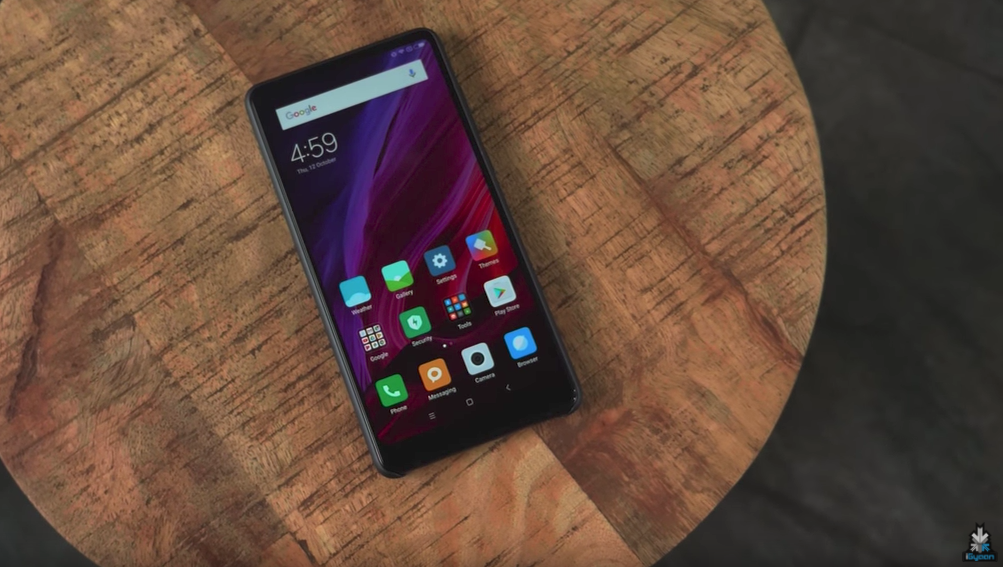
Xiaomi Mi Mix 2
The priciest Xiaomi smartphone available in India, the Mi Mix 2 was launched in October 2017. At the time of its launch, it had the best “design+specs” combination under Rs. 40,000. The OnePlus 5 looked archaic when put next to the Mi Mix 2 and the LG G6 had an older chipset. However, the launch of the OnePlus 5T changed that a bit. Even though the OnePlus 5T was launched in November, the Mi Mix 2 continues to be a great device at a price of Rs. 35999.
The Mi Mix 2 has a stunning tri-bezel less design with a ceramic back panel. This means that the Mi Mix 2 is a fingerprint magnet but, due to a darker shade, the fingerprints aren’t too prominent. It is also much more compact than the Mi Mix of 2016.
It has a 5.99 inch 2160 x 1080 px LCD display with an 18:9 aspect ratio. Xiaomi reverted to an 18:9 aspect ratio since the Mi Mix had a 17:9 aspect ratio. Also, in 2017, the 18:9 aspect ratio became the norm for flagship devices.
Under the hood, the flagship smartphone has the Qualcomm Snapdragon 835 chipset, Adreno 540 GPU, 6GB RAM and storage options of 64GB, 128GB or 256GB. The smartphone sports a 12MP Sony IMX386 sensor with 1.25-micron pixels, an f/2.0 aperture 4-axis optical image stabilisation, 5-piece lens, and facial recognition. On the front is a 5MP which features facial recognition as well.
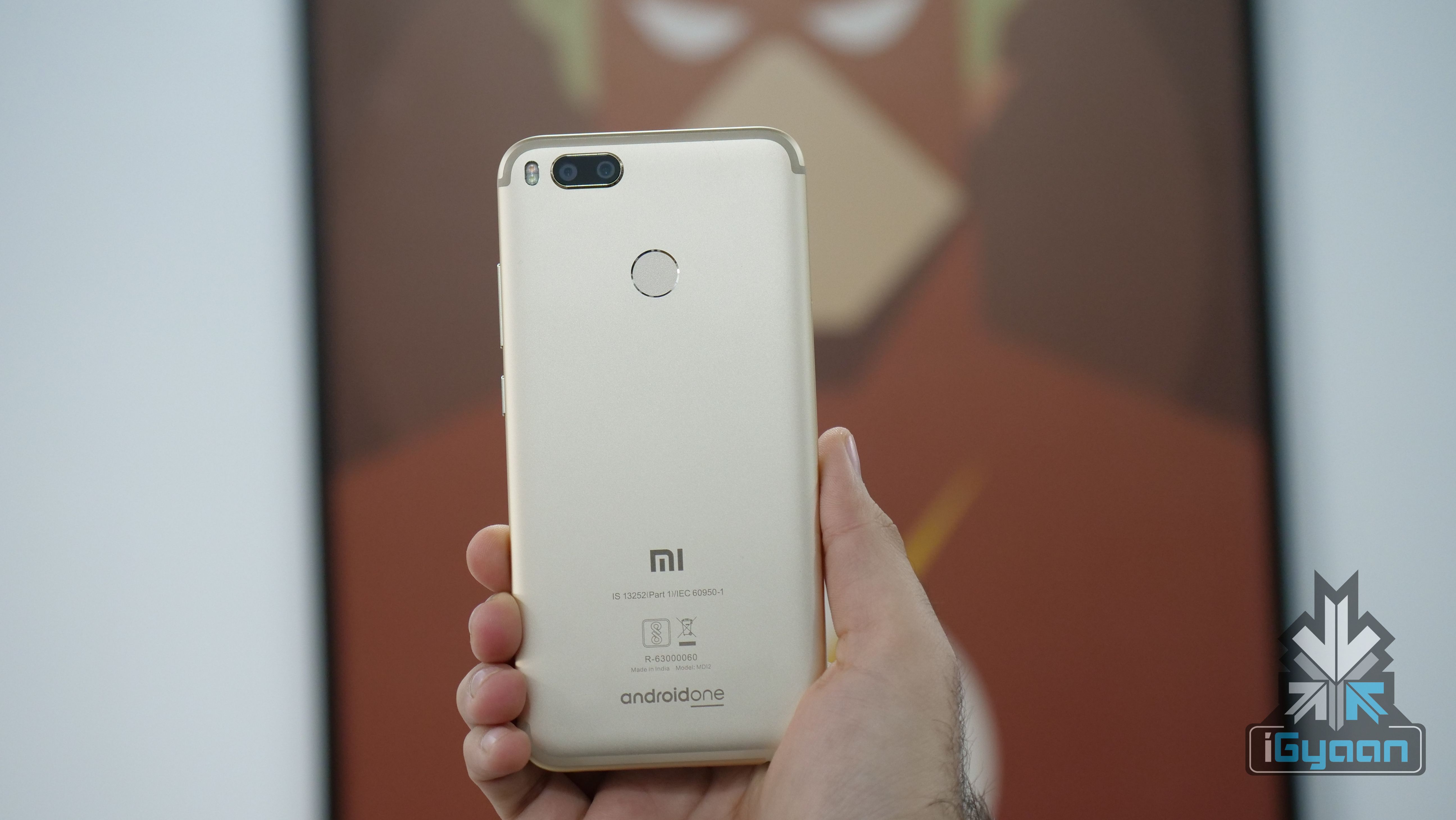
Xiaomi Mi A1
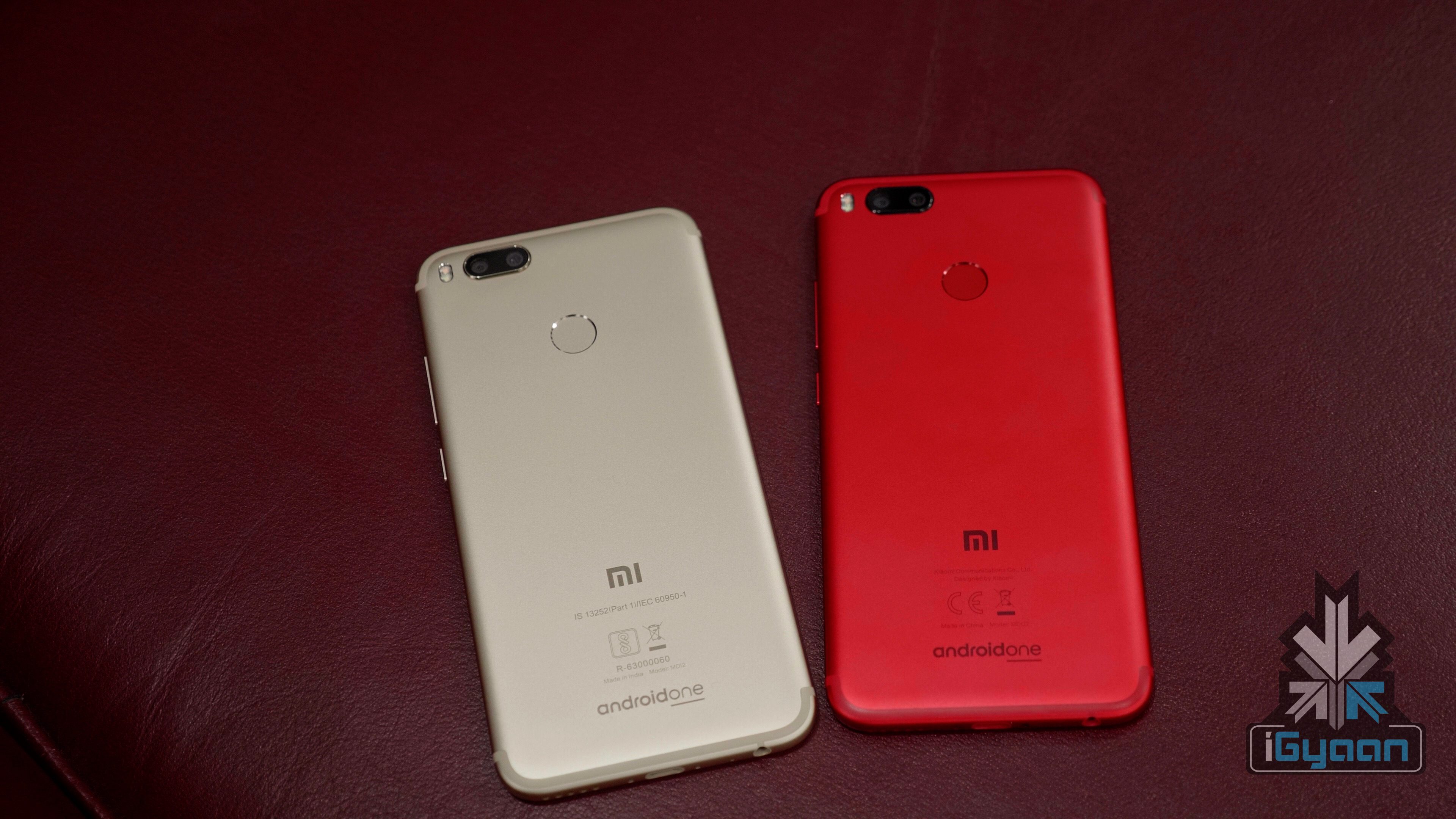
The Mi A1 is the only Xiaomi device in India that runs stock Android OS. At a price of Rs. 13999, the Mi A1 continues to be a fan-favourite and there isn’t much wrong with the device. It has a great dual-camera setup, a reliable Snapdragon 625 chipset and is even available in a red colour variant now. The Honor 7X has a more modern design, however, it runs EMUI which might not be everyone’s cup of tea.
The Mi A1 has a 5.5 inch LTPS display with a 1920 x 1080 px resolution. The smartphone has the Qualcomm Snapdragon 625 chipset, 8x ARM Cortex A53 2.0GHz 64-bit processor, 4GB RAM and 64GB of onboard storage which is expandable via microSD card.
The Xiaomi Mi A1 has a 12MP equipped with a wide-angle lens with an f/2.2 aperture while the other one is a 12MP telephoto lens with an f/2.6 aperture. For landscape shots, Xiaomi has introduced a wide angle lens while on the front is a 5MP camera.
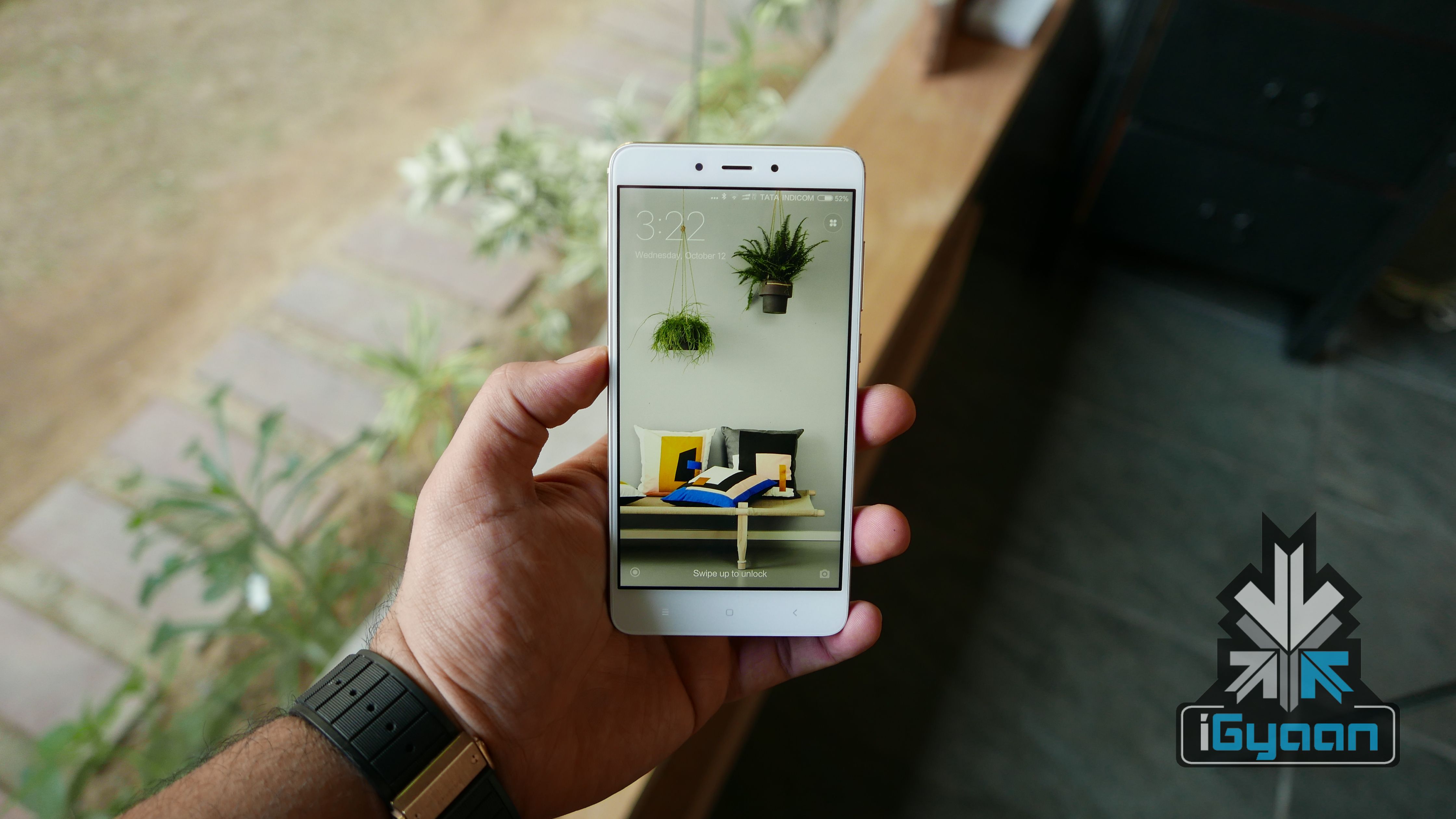
Xiaomi Redmi Note 4
The most successful Xiaomi smartphone by the company’s own admission, the Redmi Note 4 continues to do well in the Indian market. The Redmi Note 4 was launched in early-2017 and had astonishing specifications for a smartphone priced at around Rs. 10,000. It sold like hotcakes in India and it is evident that consumers are eagerly waiting for the Redmi Note 5 to launch in India.
The Redmi Note 4 has a 5.5 inch LCD display which has good visibility indoor and outdoor, along with wide viewing angles. Under the hood, it has the Qualcomm Snapdragon 625 chipset, 3GB or 4GB of RAM and 16GB or 32GB of storage.
The front houses a 5 MP camera, and the rear a 13 MP shooter with decent colour optimisations.
Xiomi Redmi 5A
At a price of Rs. 4999, the Redmi 5A is as good a smartphone you can get. When HMD Global launched the Nokia 2 at a price of Rs. 6999 running on Snapdragon 212, the Redmi 5A was launched with the Snapdragon 425 chipset.
The Redmi 5A has a 5 inch LCD display with a 1280 x 720 px resolution. It is powered by the Qualcomm Snapdragon 425 chipset, has a quad-core CPU clocked at 1.4GHz, along with 2GB/3GB of RAM, 16GB/32GB of onboard storage which can be expanded up to 128GB via microSD card. The dual-SIM Redmi 5A is powered by a 3000 mAh battery.
The Redmi 5A has a 13MP rear camera with an f/2.2 aperture, burst mode, panorama mode, HDR mode, and more. To the front is a 5MP camera with an f/2.0 aperture. The smartphone records 1920 x 1080 px videos.
Xiaomi Mi Max 2
As bezels get thinner, the lines between a smartphone and phablet become blurier. However, the Mi Miax 2 continues to be a true blue phablet in the Indian market. With great battery life, the Mi Max 2 is ideal for people whose primary media consumption happens on a smartphone. It is priced at Rs. 13999 for the 32GB storage variant and is worth the price!
The Mi Max 2 has a unibody metal design along with a 6.44-inch display with a 1920 x 1080 px resolution.
It runs on the Qualcomm Snapdragon 625 chipset, has 3GB or 4GB of RAM along with 32GB or 64 of onboard storage.
To the back of the phone is a 12MP camera and the front houses a 5MP camera.
Which is your favourite Xiaomi device right now? Let us know in the comments!
Every passing year, the quality of budget smartphones increases and 2017 was no different. The smartphones under the Rs. 10000 price bracket have become better with little compromises in quality. As 2017 draws to an end, let’s take a look at the top phones launched under the Rs. 10000 category:
Xiaomi Redmi Note 4
Hands down, one of the most famous smartphones to be launched in 2017, the Redmi Note 4 set the standard for budget phones in India. To Xiaomi’s own admission, the Redmi Note 4 is its most successful phone in India and it still offers a lot in terms of performance in this price category.
The Redmi Note 4 has a 5.5 inch 1920 x 1080 px IPS LCD display.
Under the hood, the device has the Qualcomm Snapdragon 625 chipset, Adreno 506 GPU, 3GB of RAM and 32GB of onboard storage which can be expanded up to 128GB via microSD card.
Powering the device is a massive 4100 mAh battery which charges via a microSD card. The fingerprint sensor, in typical Redmi fashion, sits at the back of the phone just below the camera sensor.
The Redmi Note 4 has a 13MP rear-facing camera and a 5MP front-facing camera.
Moto E4 Plus
The Moto E4 plus has a 5.5 inch 1280 x 720px IPS LCD display along with Corning Gorilla Glass 3 and an oleophobic coating.
The Motorola Moto E4 Plus is powered by 1.4GHz quad-core MediaTek MTK6737M processor and has 3GB of RAM with 32GB of internal storage along with microSD card expansion.
The phone also runs Android 7.1.1 out of the box and should be updated to the next generation Android by the company, as the UI is mostly stock with some Moto features including the Moto display, some gestures and One-Key Navigation. The front also has a fingerprint sensor along with notification led light.
The Moto E4 Plus is powered by a massive 5000 mAh battery.
For optics, the front has a 5 MP camera with a front flash while the main camera is a 13 MP, f/2.0 with 720p video capture at 30fps.
Lenovo K8 Plus
The Lenovo K8 Plus has a 5.2 inch 1920 x 1080 px IPS LCD display with three touch capacitive navigation buttons below. The device an oleophobic coating to resist fingerprint smudges and a Corning Gorilla Glass 3 for protection.
Under the hood, the smartphone has the MediaTek Helio P25 chipset, a 2.6 GHz octa-core processor, Mali T880 GPU, 3GB RAM with 32GB onboard storage which is expandable up to 128GB via microSD card. Similar to the K8 Note, the K8 Plus has a dedicated microSD card slot along with two nano-SIM card slots.
Powering the device is a 4,000 mAh battery and it runs stock Android 7.1.1 Nougat after Lenovo decided to drop the Vibe Pure UI and go the stock OS route. The device has an all-metal unibody design and the fingerprint sensor sits at the back.
The Lenovo K8 Plus sports a vertically placed dual-camera setup, much like the recently launched Lenovo K8 Note. It has a primary 13MP Pure cell sensor mated with a 5MP Samsung BSI sensor dual camera with an f/2.0 aperture and dual LED flash. The smartphone is capable of depth effect shots, bokeh effect shots, and dual ISP images. On the front is an 8MP wide-angle lens with an f/2.0 and an LED flash. Both the front and back camera record 1920 x 1080 px videos at 30 FPS.
Moto G5
Arguably the best camera phone in the price segment, the Moto G5 was launched back in March of 2017 and still holds up well in this price segment.
It has a 5.5 inch 1920 x 1080 px IPS LCD display with Corning Gorilla Glass on top.
Lenovo-owned Motorola launched the Moto G5 along with the Moto G5 Plus in India in February 2017. Even though in August, Moto G5s and Moto G5s Plus were launched as an incremental upgrade, the Moto G5 at this price is a great option. With stock Android OS and a more than capable Snapdragon 430 chipset, the Moto G5 fits the bill for a lot of consumers. It has 3GB of RAM and 16GB of onboard storage which can be expanded via microSD card.
It is powered by a 2800 mAh which charges via a micro USB slot.
The Moto G5 has a 13MP f/2.0 camera with phase detect autofocus with a 5 MP front camera. The rear camera records 1080P videos at 30fps while the front camera also records 1080P videos.
The Redmi 5A has a 5 inch LCD display with a 1280 x 720 px resolution.
The Redmi 5A is powered by the Qualcomm Snapdragon 425 chipset, quad-core CPU clocked at 1.4GHz, along with 2GB/3GB of RAM, 16GB/32GB of onboard storage which can be expanded up to 128GB via microSD card.
The dual-SIM Redmi 5A is powered by a 3000 mAh battery.
The device runs Android 7.1 Nougat out of the box with Xiaomi’s custom MIUI 9 skin on top.
The Redmi 5A has a 13MP rear camera with an f/2.2 aperture, burst mode, panorama mode, HDR mode, and more. To the front is a 5MP camera with an f/2.0 aperture. The smartphone records 1920 x 1080 px videos.
Budget smartphones in India have to be the best in class to gain any sort of attention from the consumers. This is thanks to the overcrowding in the segment and some great devices that have been launched over the past year or so. One of them has been the Xioami Redmi Note 4. By the company’s own admission, the Redmi Note 4 is Xiaomi’s most successful smartphone in India.
Xiaomi Redmi 5 Plus
In what might be a shock move, the Chinese smartphone maker might not launch a successor to the Redmi Note 4 and instead market the Redmi 5 Plus as the successor to the Redmi Note 4. According to a Supermoderator on the MIUI forum, the Xiaomi Redmi 5 Plus is going to remain the company’s only large-screened affordable option. This is not an official confirmation but, it as close as it gets to one.
In India, Xiaomi has historically launched phones with different names in India and it won’t be surprising if the Redmi 5 Plus is launched as the Redmi Note 5. The ‘Note’ moniker will matter a lot as the consumers already associate the term ‘Note’ with a big phone, and the Redmi 5 Plus falls into that category with a 6-inch display.
Xiaomi Redmi Note 4
However, does the Redmi 5 Plus pose enough of an upgrade over the Redmi Note 4 which will persuade the Redmi Note 4 owners to upgrade? Let’s find out.
Specifications
Redmi Note 4
Redmi 5 Plus
Display
5.5-inch IPS LCD
5.99-inch IPS LCD
Resolution
1920 x 1080 px
401ppi
2160 x 1080 px
403ppi
Chipset
Qualcomm Snapdragon 625
Qualcomm Snapdragon 625
Battery
4100 mAh
4000 mAh
RAM
2GB/3GB/4GB
3GB/4GB
Storage
32GB/64GB, Expandable up to 128GB
32GB/64GB, Expandable up to 256GB
Primary camera
13 MP f/2.0 aperture
12MP f/2.2 aperture
Secondary camera
5 MP f/2.0
5MP
Add-ons
Fingerprint sensor
Fingerprint sensor
Modern design
Although specs on paper never really tell the whole picture, a comparison on paper is sometimes enough to show a clear picture. That is the case with the Redmi 5 Plus and Redmi Note 4 debate. If Xiaomi launches the Redmi 5 Plus as the Redmi Note 5 in India, it will end up disappointing a lot of consumers which the Chinese smartphone maker will not want.
A refresh of the Redmi Note 4 with a better chipset and the same design as the Redmi 5 Plus might just do the trick. The design of the Redmi 5 Plus is a definite upgrade to the same-old class Redmu design of the Redmi Note 4. But, when you look at what the Redmi 5 Plus has to offer over the Redmi Note 4, it falls short in a lot of aspects.
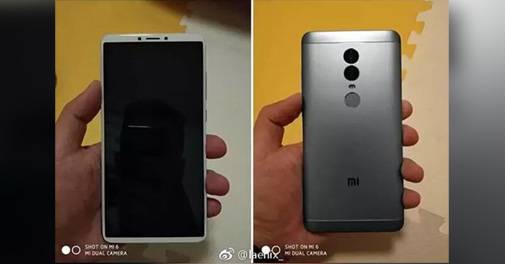
Possible Redmi Note 5 Leak
It has a marginally smaller battery than the Redmi Note 4 despite having a larger screen size. It has the same Qualcomm Snapdragon 625 chipset despite coming out almost a year after the Redmi Note 4.
Even though you shouldn’t expect a lot from a one-generation upgrade, the Redmi Note 4 to Redmi 5 Plus just doesn’t make sense, at least on the paper. Let’s hope Xiaomi scraps the idea of dropping the ‘Note’ lineup and launches a worthy successor to the beloved Redmi Note 4.
The Xiaomi Redmi Note 4 is one of the most popular smartphones in India. The budget smartphone with a big battery and decent camera became the benchmark of budget smartphones over the past year. While Xiaomi and other brands have come out with similarly priced devices, a lot of consumers are waiting for the Xiaomi Redmi Note 5 to launch. The sad news is that Xiaomi might not be launching the Redmi Note 5 and instead, the recently launched Redmi 5 Plus will be the only big screen device from Xiaomi, as of this moment.
According to a Supermoderator on the MIUI forum, the Xiaomi Redmi 5 Plus is going to remain the company’s only large-screened affordable option. This is not an official confirmation but, it as close as it gets to one.
The Redmi 5 Plus was launched in China along with its smaller sibling, the Redmi 5 on the 7th of December. It is possible that Xiaomi will launch the Redmi 5 Plus in India as the Redmi Note 5, considering the Redmi Note 4’s immense success in the country.
Xiaomi Redmi 5 Plus
It has a 5.99-inch display with a 2160 x 1080px resolution which again, translated to an 18:9 aspect ratio. Similar to the Redmi 5, its display also has rounded corners.
Under the hood, the Redmi 5 Plus has the Qualcomm Snapdragon 625 chipset, 2.0GHz octa-core processor, Adreno 506 GPU, 3GB or 4GB of RAM, and 32GB or 64GB of onboard storage which will be expandable via microSD card. The fingerprint sensor sits at the back of the device which has become a Redmi signature irrespective of thin or thick bezels.
The Redmi 5 Plus is powered by a massive 4000 mAh battery which, according to Xiaomi, has a standby time of up to 17 days. The device has a micro USB port for charging and data syncing along with a 3.5mm headphone jack.
The Redmi 5 Plus has a 12MP primary camera and a 5MP secondary camera with beautify 3.0 software.
India recently became the second largest smartphone market in the world, only behind China. For years, the mid-range smartphone market has had a plethora of phones offering top of the line performance at an affordable price. 2017 saw dual-camera phones entering the sub-20K segment while other phones continued to deliver the best in class performance with very little compromises. Let’s take a look at the top smartphones between Rs 10,000 to Rs 20,000 that you can buy right now.
Xiaomi Redmi Note 4
Priced the cheapest in this list, the Xiaomi Redmi Note 4 is by no means the cheapest in terms of specifications and performance. The Redmi Note 4 has a 5.5 inch IPS LCD display with a 1920 x 1080 px resolution. Powering the device is a massive 4100 mAh battery and it runs Android 6.0 Marshmallow out of the box. Under the hood, the smartphone has a the Qualcomm Snapdragon 625 chipset, up to 4GB of RAM and 64GB of onboard storage which can be expanded via microSD card. It has a rear mounted 13MP camera with an f/2.0 aperture and records 1920 x 1080 px videos at 30fps. The front of the smartphone has a 5MP camera with an f/2.0 aperture which records 1280 x 720 px videos at 30fps.
Lenovo K8 Note
Another smartphone with a dual camera setup at the back, the Lenovo K8 Note is priced slightly higher than the Redmi Note 4 and offers stock Android OS and a guaranteed update to Android 8.0 Oreo. The Lenovo K8 Note packs the Helio X23 chipset with a 2.3GHz high-performing deca-core processor and the Mali T-880 MP4 GPU. The device has two variants – 3GB RAM with 32GB onboard storage and 4GB RAM with 64GB onboard storage which is expandable up to 128GB via a microSD card and features USB OTG support for added storage options. The phone features a 5.5-inch 1920 x 1080 px display with a pixel density of 441ppi and a Corning Gorilla Glass with oleophobic coating for scratch resistance. The smartphone is powered by a 4,000mAh battery with turbo charge.
The Lenovo K8 Note has a 13MP Pure cell sensor mated with a 5MP Samsung BSI sensor dual camera setup and dual LED flash at the back. The phone is capable of depth mode effects along with 1920 x 1080 px Video capture. A 13MP camera with LED flash and an f/2.0 aperture sits on the front of the device above the display.
Xiaomi Mi A1
Stock Android OS with Xiaomi’s hardware and a confirmed upgrade to Android 8.0 Oreo and Android P for Rs 14999. This seemed surreal up until August when Xiaomi launched the Android One Xiaomi Mi A1 in India with a best-in-segment dual-camera setup at the back. The smartphone has a 5.5 inch 1920 x 1080 px LTPS display with Corning Gorilla Glass on top for protection and aluminium unibody build. Powering the device is a 3080 mAh battery and 2A charging through the Type C port. The Mi A1 runs pure Android 7.1.2 Nougat OS. Even though the phone has stock Android OS, Xiaomi has retained a few apps, such as the Mi camera app since the Google app doesn’t support dual-camera functions right now. The phone has the Qualcomm Snapdragon 625 chipset, 8x ARM Cortex A53 2.0GHz 64-bit processor, 4GB RAM and 64GB of onboard storage which is expandable via microSD card. Handling the graphics under the hood is the Adreno 505 GPU. The fingerprint sensor sits at the back of the device below the camera. Xiaomi has also included a dedicated headphone amplifier for better music listening experience.
The Xiaomi Mi A1 features dual sensors – 12MP with an f/2.2 aperture (26mm) and 12MP with an f/2.6 aperture (50mm) setup with 1.25-micron pixel size. Out of the two cameras at the back, the primary one is equipped with a telephoto lens and the secondary camera has a wide-angle lens. The telephoto lens allows the user to take bokeh effect shots with blurred background and a 2X optical lossless zoom. For landscape shots, Xiaomi has introduced a wide angle lens while on the front is a 5MP camera.
Moto G5s Plus
Motorola followed up the highly successful Moto G5 Plus with the Moto G5s Plus. With stock Android OS and dual-cameras at the back, it really is a toss-up between the G5s Plus and the Mi A1. The Moto G5S Plus has a 5.5 inch 1920 x 1080 px display with Corning Gorilla Glass 3 on top for protection. The device is powered by a 3,000 mAh battery with included turbo charge capabilities. The Moto G5S Plus runs Android 7.1.1 Nougat with little customisation done by the manufacturer resulting in stock Android OS experience. The smartphone has the Qualcomm 625 chipset, an octa-core processor clocked at 2.0 GHz with 4GB RAM and 64GB of onboard storage which can be expanded up to 128GB via a microSD card. The fingerprint sensor is housed inside the home button which sits below the display.
The Moto G5S Plus features rear-mounted 13MP dual-cameras with an f/2.0 aperture. The dual camera captures Bokeh, and selective focus shots, along with other capabilities of background replacement and exposure management. On the front is a wide angle 8MP camera with a single LED flash and a panoramic mode. The rear cameras capture videos in 4K at 30 FPS and the front camera records videos in 1080P at 30 FPS. According to Motorola, additional features such as Night Display and Quick Reply enhance the software experience.
Apple iPhone SE
The Apple iPhone SE was launched in India in March 2016, which should automatically make it a no-go. But, the good thing about an iPhone is the support it gets from Apple. The recently launched iOS 11 was made available to a phone as old as the iPhone 5s, which proves that the software of the iPhone SE will be up-to-date for another 2 years at least. If you miss the good old days of smartphones that were truly usable with one hand, then the iPhone SE is the way to go. The iPhone SE has a 4-inch 1136 x 640 px Retina display. Powering the device is Apple’s A9 chipset which can also be found in the iPhone 6s and iPhone 6s Plus. The iPhoen SE has a 12MP rear mounted camera with an f/2.2 aperture and a front facing 1.2MP camera with an f/2.4 aperture. The rear mounted 12Mp camera is capable of recording 3840 x 2160 px videos at 30fps while the front facing camera records 1920 x 1080 px videos at 30fps.
In order to solidify its already growing presence in the offline market in India, Xiaomi has teamed up with Big Bazaar. You will soon be able to buy the Xiaomi Redmi 4and Redmi Note 4at Big Bazaar outlets.
Wait no more! Xiaomi is coming soon to your nearest Big Bazaar, so get ready to have your very own Redmi 4 & Redmi Note 4! @XiaomiIndiapic.twitter.com/DrzXh9eaY3
Xiaomi, just like a lot of other Chinese OEMs came to India focusing on the online market. Over the course of time, smartphone makers realised that an untapped offline market might yield them better results than focusing more on the online market. OnePlus, a company that has solely operated through its online channels recently announced a partnership with Croma. OnePlus also has its OnePlus experience stores but, there are only two in India. So, a deal with an offline retailer with a widespread operation in India made sense.Apart from Big Bazaar, Xiaomi already sells its phones via multiple offline chains like Sangeetha Mobiles, LOT, Big C, Univercell and more along with its own Mi Home stores across country.
With record-breaking sales figures, the Redmi Note 4 has been Xiaomi’s best-selling smartphone. The company turned a few competitors’ heads when it announced that it has shipped over 10 million smartphones in September globally, and over 25 million phones in India in 3 years since entering the market. Xiaomi has been selling its mid-rangers like hot cakes in the current festive season. During the sales on Amazon and Flipkart over a course of 3 days, Xiaomi sold over a million devices.
Xiaomi announced that during the recent Amazon and Flipkart sales, Xiaomi managed to sell over 1 million handsets. And now, in order to lure customers to the company’s own website mi.com, Xiaomi is hosting a three-day ‘Diwali With Mi’ sale from 27th September. Let’s take a look at the top deals for you to save some bank during the Diwali shopping:
Xiaomi Mi A1
The newly launched mid-ranger Mi A1 has dual-cameras and stock Android. The Xiaomi Mi A1 has a 5.5 inch 1920 x 1080 px LTPS display with Corning Gorilla Glass on top for protection and aluminum unibody build. Powering the device is a 3080 mAh battery and 2A charging through the Type C port. The Mi A1 runs pure Android 7.1.2 Nougat OS. The phone has the Qualcomm Snapdragon 625 chipset, 8x ARM Cortex A53 2.0GHz 64-bit processor, 4GB RAM and 64GB of onboard storage which is expandable via microSD card. In terms of optics, the smartphone features dual sensors – 12MP with an f/2.2 aperture (26mm) and 12MP with an f/2.6 aperture (50mm) setup with 1.25-micron pixel size. Out of the two cameras at the back, the primary one is equipped with a telephoto lens and the secondary camera has a wide-angle lens. The telephoto lens allows the user to take bokeh effect shots with blurred background and a 2X optical lossless zoom. For landscape shots, Xiaomi has introduced a wide angle lens while on the front is a 5MP camera.
Redmi Note 4
The Redmi Note 4 was launched in early 2017 in India. It has a 5.5 inch 1920 x 1080 px IPS LCD display. The smartphone runs 6.0 Marshmallow with Xiaomi’s custom skin MIUI on top. Under the hood, the device is powered by the Qualcomm Snapdragon 625 chipset, 3GB RAM/32GB storage or 4GB RAM/64GB onboard storage, which is expandable up to 128GB via microSD card. Powering the device is a massive 4100 mAh battery and a fingerprint sensor sits at the back of the device just below the camera. On the camera front, it has a 13MP rear facing camera and a 5MP front facing camera. The 32GB storage variant costs Rs 10999 but, will be available for Rs 9999 during the sale. The 64GB storage variant costs 12999 and will retail for Rs 10999 during the sale.
Xiaomi Redmi 4
The Xiaomi Redmi 4 has a 5-inch 1280 x 720 px LCD display and a 4100 mAh battery. Under the hood, the device has the Qualcomm Snapdragon 425 chipset, and 2GB RAM/16GB storage or 3GB RAM/32GB storage variants. On the optics front, the device has a rear facing 13-megapixel sensor with an f/2.0 aperture, PDAF, and LED flash. On the front is a 5MP camera with an f/2.2 aperture.
Audio Accessories
Apart from smartphones, Xiaomi has a few deals in its audio department as well. The Xiaomi over-ear Mi Comfort Headphones will be avilable at a price of Rs 2699, they usually retail for Rs 2999. The Mi In-Ear Headphones will be available at Rs 499 instead of Rs 599. The Mi Bluetooth Speaker Basic 2 will also be available to buy during the sale.
Xiaomi will be planning to sell more handsets when the sale starts and pile on the million sales it did during the Amazon and Flipkart sale.
Last year was all bout smartphone fires and about the infamous Samsung Galaxy Note 7 which was LIT (pun intended)! Long story short, lots of Note 7 handsets started randomly catching fire and Samsung recalled all the units and hence, the ‘Note 7 bursting into flames’ jokes came into being. In a rather bizarre news, a Xiaomi Redmi Note 4 was caught on tape bursting into flames in a shop in Bengaluru.
As the shopkeeper was trying to insert a Sim card in the phone, it caught fire after an explosion and burned the handset’s entire body. In the video, you can see that the phone isn’t connected to any charger or an accessory and quite astonishingly burst into flames while the retailer was handling the phone. A lot of similar cases are a result of overheating due to charging, so this is a rather rare case and quite bizarre.
Image via TechCase
In a yet another Firegate incident, the Xiaomi Redmi Note 4 bursting into flames seems like an isolated incident and although it is scary, no one in the incident got hurt. After Samsung Galaxy Note 7, this news comes in as a shock as we expect all the smartphone makers to be on top of their stop-the-phone-from-catching-fire game. We will reiterate that this is an isolated incident and doesn’t necessarily indicate and serious or inherent problem in the Xiaomi Redmi Note 4.
Late on Monday, Xiaomi released a statement which indicates that it believes the video is of an unrelated incident. Here’s Xiaomi India’s statement on the incident:
At Xiaomi, customer safety is of utmost importance to us. We investigated the Redmi Note 4 in the images, and concluded that it was a case of damage due to a faulty third-party charger used by the customer. Nonetheless we worked with the Poorvika store where the unit was bought, and replaced the customer’s damaged unit with a brand new Redmi Note 4. However, after a thorough investigation, we cannot validate the source of this video, as it has no relation to this case, and was not from the Poorvika store. In fact, it is unclear if this separate and unrelated incident depicted in the video involved a Xiaomi device.
Note- It appears that the video is fake and iGyaan has received the following statement from Xiaomi
At Xiaomi, customer safety is of utmost importance to us.
Recently, a video has been shared across a few news publications claiming that a Redmi Note 4 unit experienced an explosive scenario. We would like to state that this video has no relation to the concerned Redmi Note 4.
After an internal investigation, we found that the only recent incident of a burnt Redmi Note 4 stemmed from a Bangalore based customer – Arjun. He had purchased a Redmi Note 4 from a Poorvika store in Bangalore on 1st June 2017. His phone was damaged at his home on 17th July 2017, following which he took the phone to the aforementioned Poorvika store on the same day.
As soon as we were alerted to this incident, we took the device back. After a thorough technical investigation, we found out that the damage was caused due to a faulty third-party charger used by the customer. In addition, there were signs of physical damage on the phone as well.
We advise our customers to only use Xiaomi authorized chargers and accessories.
Regarding the video being circulated, we would like to clarify the following points:
(1) The video was attained from a random WhatsApp group, and has nothing to do with this recent Redmi Note 4 case.
(2) In fact, there is no evidence in the video to suggest that the device is a Redmi Note 4 or any other Xiaomi phone.
(3) The video is not from the aforementioned Poorvika store, or any other Poorvika store. On further investigation, we found that the CCTV video was from a retailer in Anamangad, Kerala. Xiaomi India only started selling devices at 3G and Fone 4 stores a few weeks ago in Kerala.
(4) The CCTV video was recorded on a different date, not 1st June (when Arjun bought the phone) or 17th July (when his phone got damaged).
(5) The customer in the video is not Arjun. He has confirmed to Xiaomi that the people in the video does not include or represent him or any of his relatives.
It is unfortunate that a member of the technology blogging fraternity used a video of an unrelated incident attained from a WhatsApp group, and merged it with the above-mentioned case involving Arjun, without doing any investigation. We find this behaviour very irresponsible and disturbing. We are currently evaluating legal action against this publication.
To all our Mi Fans, we would like to re-emphasize that safety is of utmost importance to us! All of our devices go through stringent quality tests to ensure that you get the best quality. We will once again encourage everyone to only use Xiaomi authorized chargers and accessories.
The Xiaomi has launched the Redmi Note 4 in India for a starting price of Rs. 9999. for the 32 GB Storage plus 2GB RAM variant and is available in a new colour. With the 3 GB plus 32 Gb variant for Rs. 10,999 along with a 4GB plus 64 GB variant for Rs. 12999.
At an event held in New Delhi, Hugo Barra announced the next iteration of the Redmi Note series which did exceptionally well for the Chinese brand in India. The Redmi Note 4 was launched in China in September The Redmi Note 4 has a 5.5 inch LCD display which has good visibility indoor and outdoor, along with wide viewing angles. The front houses a 5 MP camera, and the rear a 13 MP shooter with decent colour optimisations. The Redmi Note 4 will come with MiUi 8 in India, and will be sold in the company’s typical Flash Sale model on Flipkart.
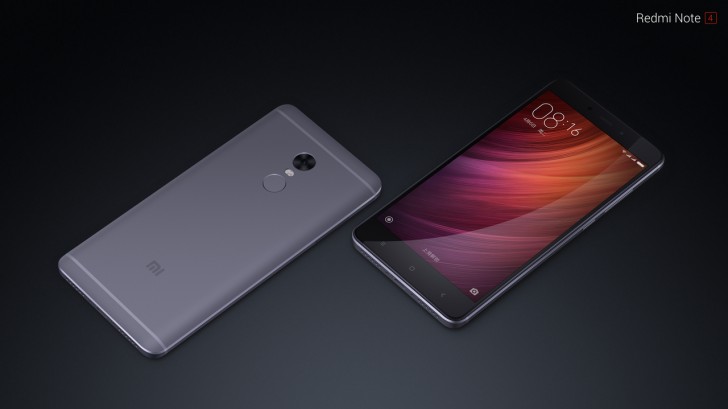
The Redmi Note 4 is going on sale in India in three variants one with 2GB of RAM and 32 GB of Storage and second with 3GB RAM and 32 GB Storage and finally 4 GB of RAM with 64 GB of storage, all will support 128 GB microSD cards. The Unibody design is 8.5mm in thickness but the rear edges are tapered to give a better in hand feel. The front glass also has a 2.5D glass that blends in with the frame of the Redmi Note 4.
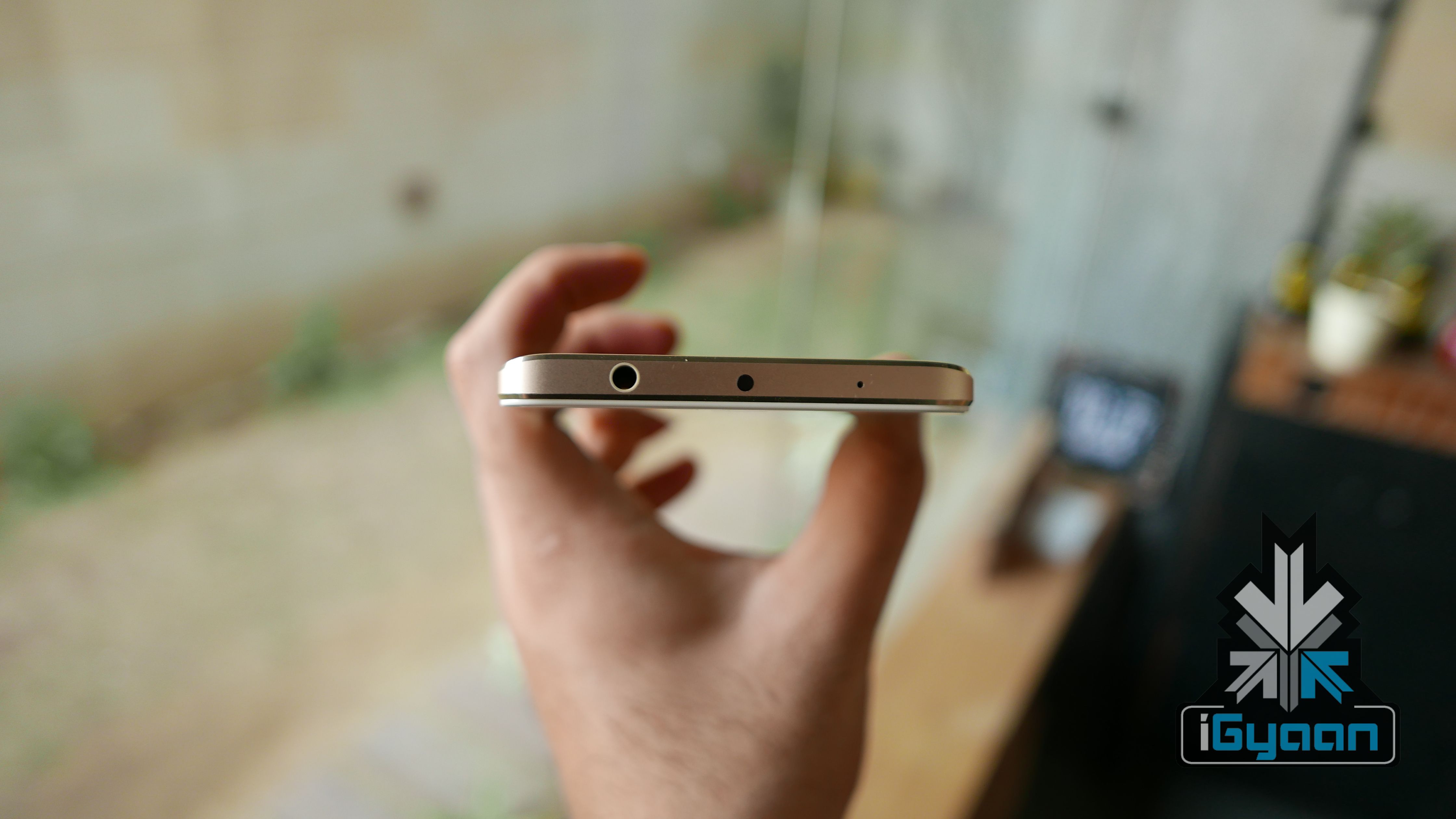
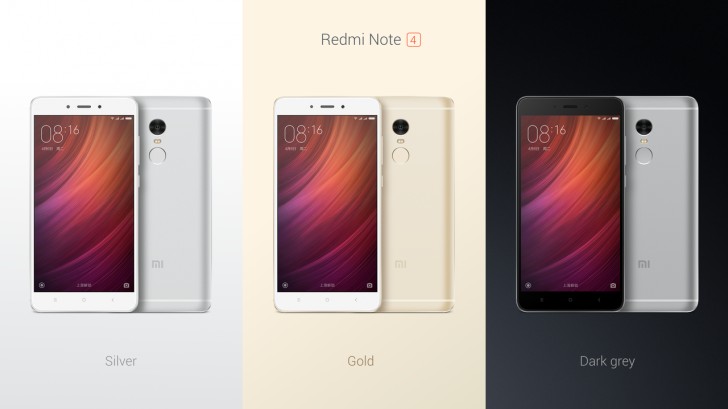
The Redmi Note 4 has a bottom firing speaker which sits next to the charging port, which is still a microUSB port, where we would have liked a USB C port in 2017. The Redmi Note 4 is available in a Gold, Grey and a Matte Black colour. The Black variant will be available for Sale at a later date.
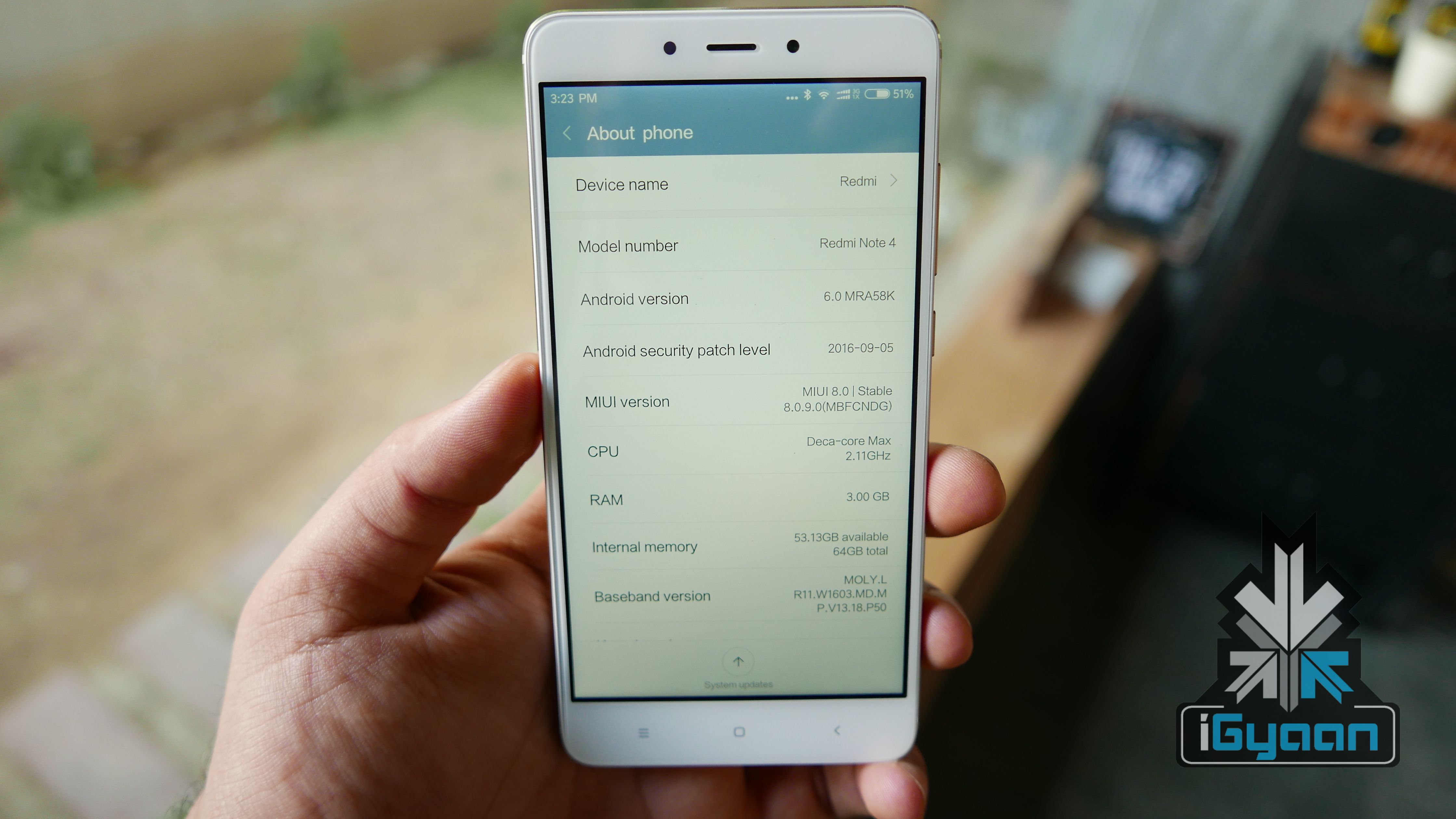
The Redmi Note 4 has a 4100 mAh battery, and in India has been launched with a Snapdragon 625 chipset along with Adreno 506 GPU.
Xiaomi is all set to launch the Redmi Note 4 in India on the 19th of January. This launch will help Xiaomi replace the dated Redmi Note 3 with a new and more current Redmi Note 4. The Redmi Note 4 was launched in China in September
The Redmi Note 4 has a 5.5 inch LCD display which has good visibility indoor and outdoor, along with wide viewing angles. The front houses a 5 MP camera, and the rear a 13 MP shooter with decent colour optimisations. The Redmi Note 4 will come with MiUi 7 However gets a quick update to MiUi 8 once you boot the handset.
If you cannot wait for the phone to be launched in India, and want to avoid flash sales you can buy the phone here : http://igy.me/2jBBIyD The phones bought from China will support CDMA, but, when Xiaomi launches in India, the phones will be restricted to GSM, 3G and 4G LTE. The phone runs on a Deca Core Mediatek Helio X20 Chipset and has a whopping 4100 mAh battery. India might get a Qualcomm Snapdragon chipset based phone, like previous launches.
Xiaomi is yet to launch the Redmi Note 4 in India. However we got an early preview of the device by ordering it from China. The Redmi Note 4 is an update to the Redmi Note 3 launched earlier this year and is expected to hit India in the next few weeks. Xiaomi may launch the phone in India with a Snapdragon chipset due to patent issues, but, we have heard news that they have been resolved. So we might see the Mediatek variant in India after all .
The Redmi Note 4 has a 5.5 inch LCD display which has good visibility indoor and outdoor, along with wide viewing angles. The front houses a 5 MP camera, and the rear a 13 MP shooter with decent colour optimisations. The Redmi Note 4 will come with MiUi 7 However gets a quick update to MiUi 8 once you boot the handset.
For the China variant the price is Rs. 13500 and it can be shipped to India. The phones bought from China will support CDMA, but, when Xiaomi launches in India, the phones will be restricted to GSM, 3G and 4G LTE. The phone runs on a Deca Core Mediatek Helio X20 Chipset and has a whopping 4100 mAh battery.
Xiaomi has launched the new Redmi Note 4 in China with a Deca Core (10 core) Helio X20 chipset. Consumers will get a 2GB/16GB and 3GB/64GB variant option.
The Redmi Note 4 runs on MIUI 8 with Marshmallow as a base and will get an update to Android Nougat later this year. The Xiaomi Redmi Note 4 starts at 899 yuan (Rs 9,000 ) for the 2GB variant and 1199 yuan (Rs 12,000) for the 3GB version.
Xiaomi Redmi Note 4 comes with a 5.5-inch full HD display (1920×1080 pixels) with 2.5D arc glass design along with a 4100 mAh Battery.
For India the company will bring the Xiaomi Redmi Note 4 to India Early October for a price starting Rs. 9999 Replacing the Redmi Note 3.