Tag: Sales Figures

  • New Apple India Chief Dismisses Discounts For Apple Products

    New Apple India Chief Dismisses Discounts For Apple Products

    Apple India’s new country head, Michel Coulomb has some radical plans for the company. Reports claim that he plans to dismantle the current sales strategy set by predecessor Sanjay Kaul to achieve a more ‘organised distribution’ structure for iPhones, iPads and Macs. This essentially means that consumers in India won’t be seeing discounts on Apple products like they’re used to.

    With this new strategy, distributors of Apple products in India will be trimmed. Hence, the company will look to maintain the prices of its products since up until now, distributors had the freedom to sell to any retailer, even at lower prices. All these details were shared by three persons directly aware of the development in the company.

    The earlier ‘open distribution’ strategy at Apple India had created a lot of discontent amongst its offline trade partners, since the distributors would often indulge in wholesaling to achieve targets leading to rampant deep discounting online and fluctuation in prices almost every day. So much so, Apple was even considered as a discounted brand. The new country head is pulling the plug after reviewing the scenario.

    [amazon_link asins=’B06ZXWWD6R’ template=’ProductAd’ store=’igyaan-21′ marketplace=’IN’ link_id=’9f6c459b-708e-11e8-93e6-5db4d94d1b7a’]

    Coulomb took charge of India for Apple back in December 2017. He also served as MD, Apple for the Middle East, Turkey and Africa. According to the executives, he will retain only two national distributors–Ingram Micro and Redington. Brightstar, Rashi Peripherals and HCL Infosystems will be slowly phased out of the system.

    Must Read: Apple Wins US$ 539 Million From Samsung In The Ongoing Patent Infringement Trial

    This doesn’t mean consumers will never see a discounted iPhone ever again. According to the executives,

    While there will still be special promotions online for Apple products, the days of deep price cuts seem to be over.

    The move does make sense for Apple. However, it’ll be interesting to see how much this will affect the sales of iPhones in India, a country that is so price-sensitive.
  • Apple iPhone X Accounts For 35% Profit Made By Smartphones in 2017

    Apple iPhone X Accounts For 35% Profit Made By Smartphones in 2017

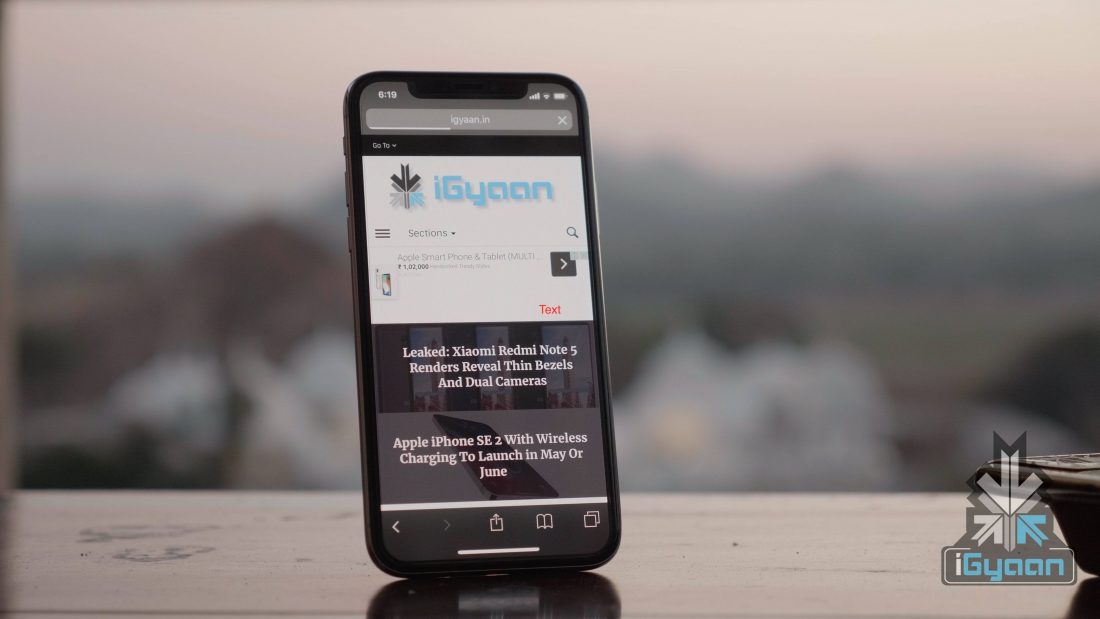
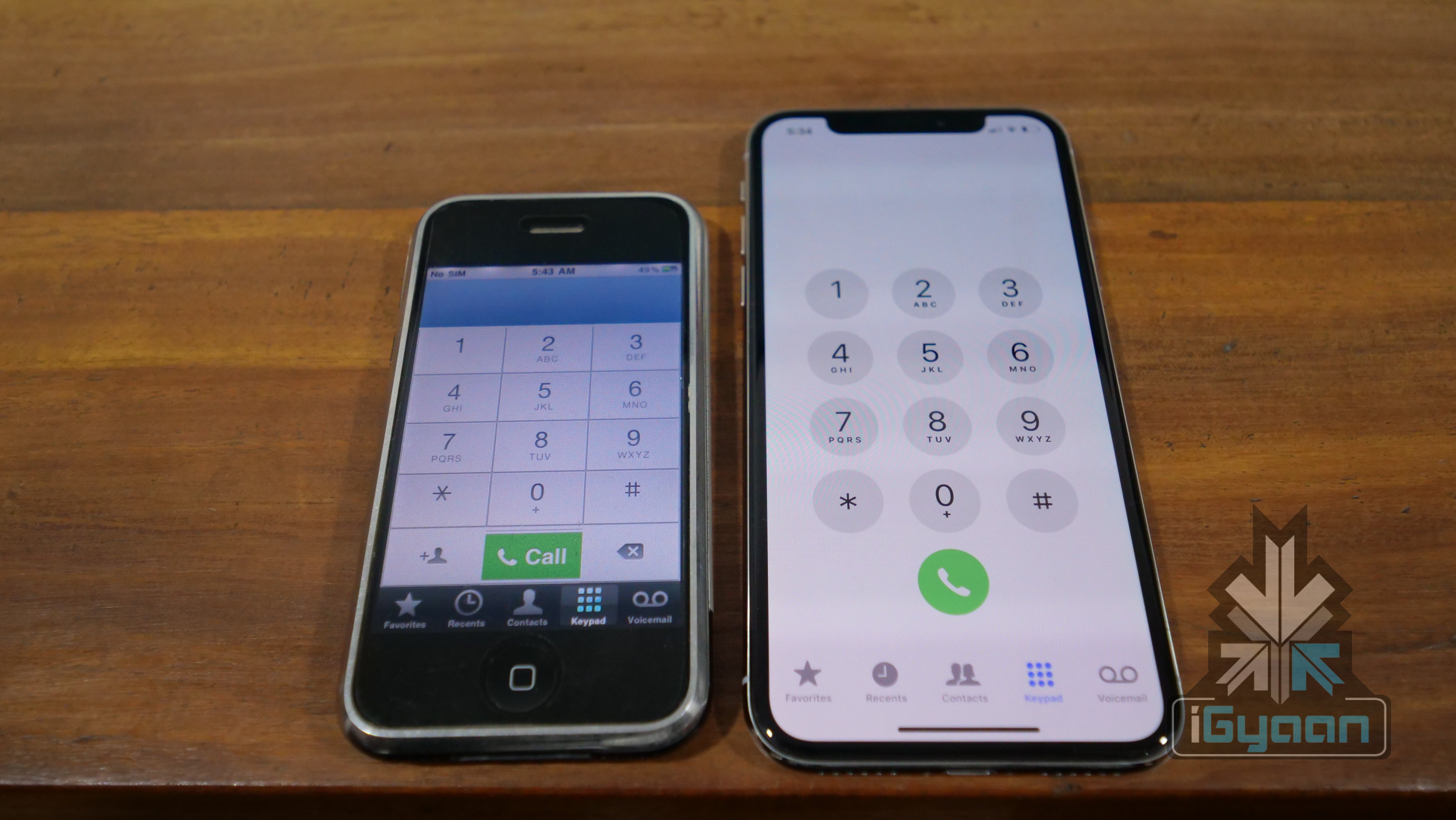
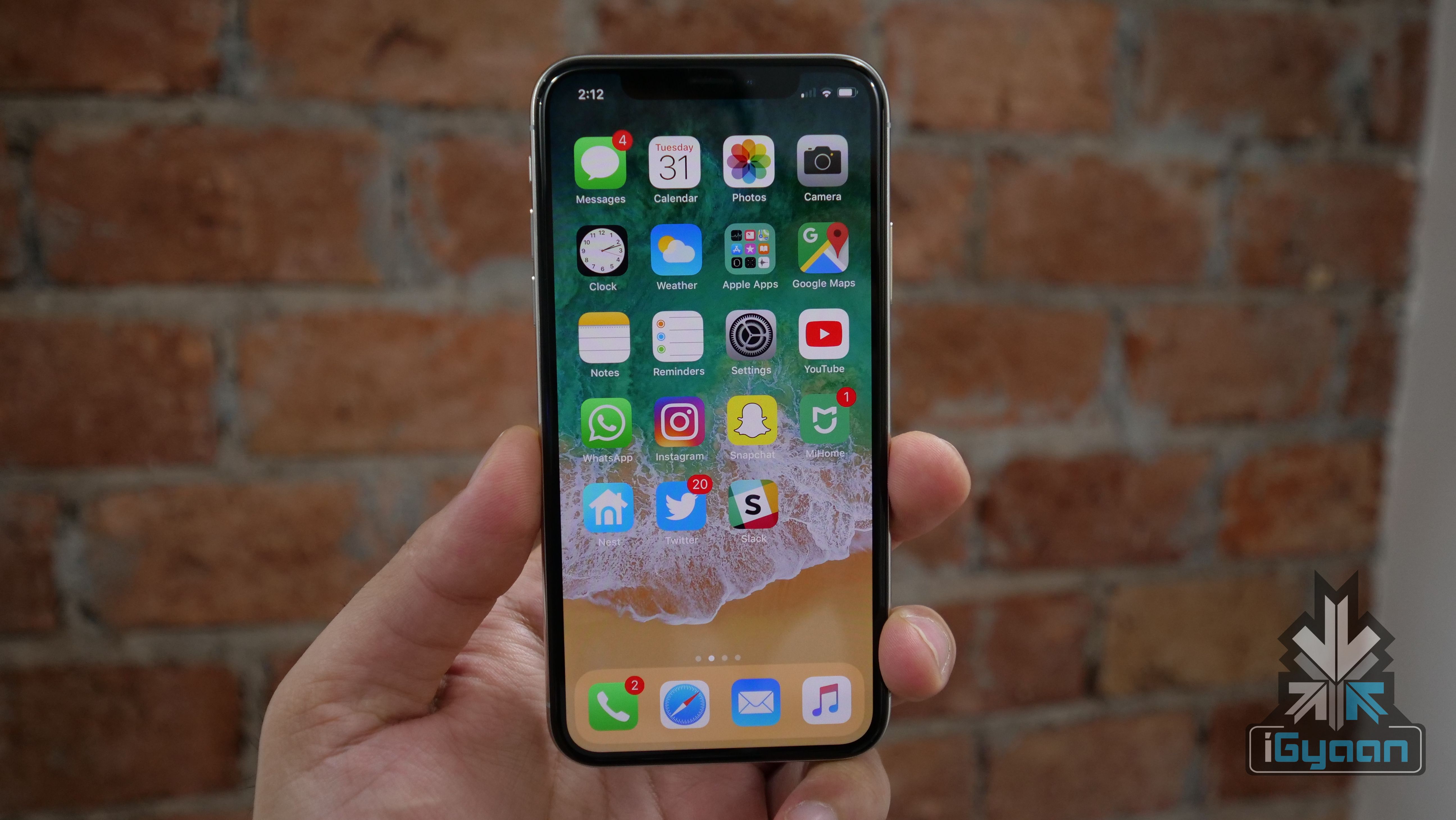
    2017 was a great year for smartphone enthusiasts. We saw thin bezels and tall displays become a norm and new smartphone designs like the iPhone X with a notch. However, that innovation in smartphones did not translate into desired sales as global mobile profits decreased by 1% year-on-year in Q4 of 2017. For Apple, though, it was not a gloomy year by any means. The Apple iPhone X alone generated 35% of the total mobile industry profit as Apple grew by 1% year-on-year in Q4 of 2017.

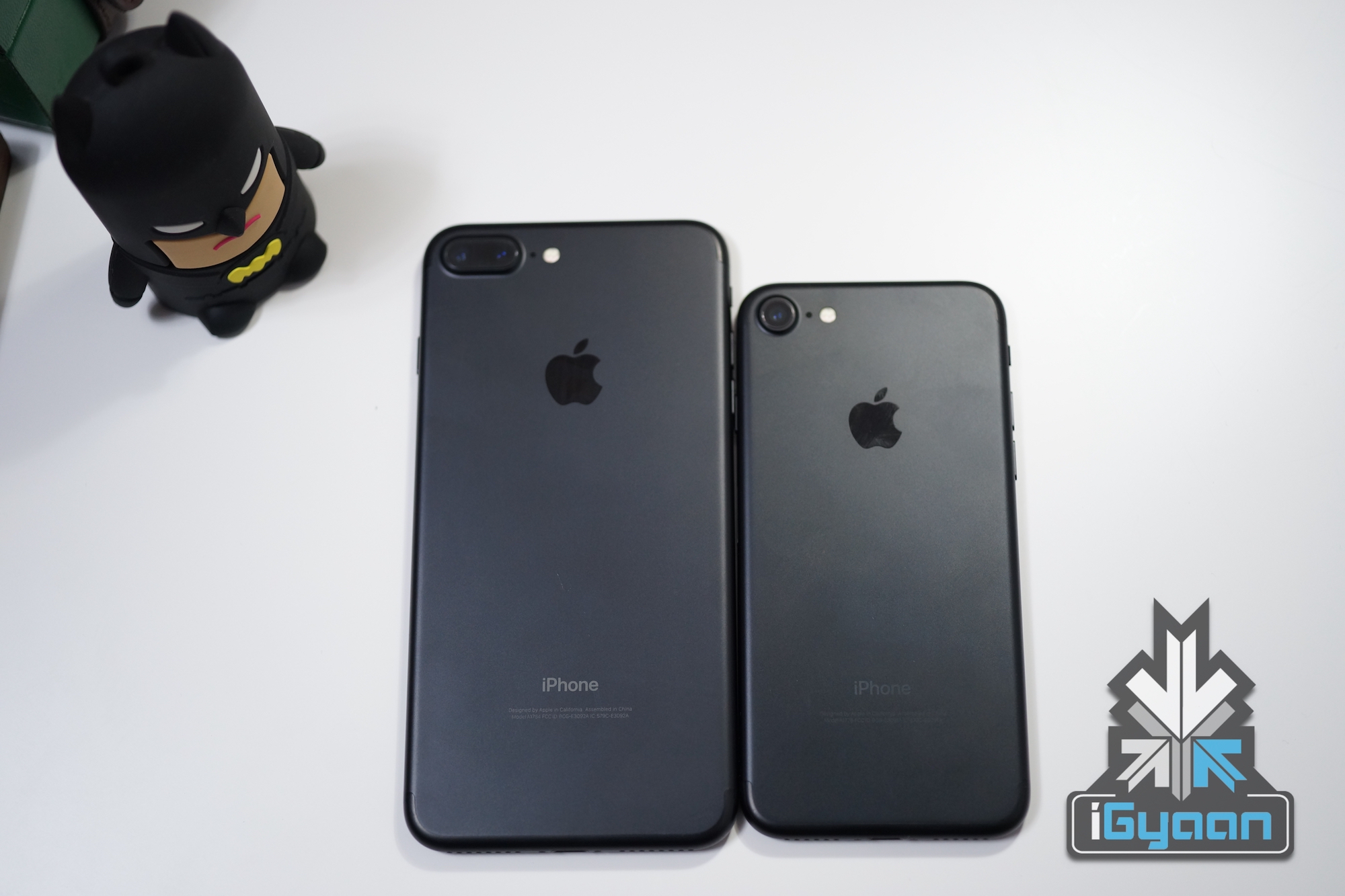
    Apple iPhone X
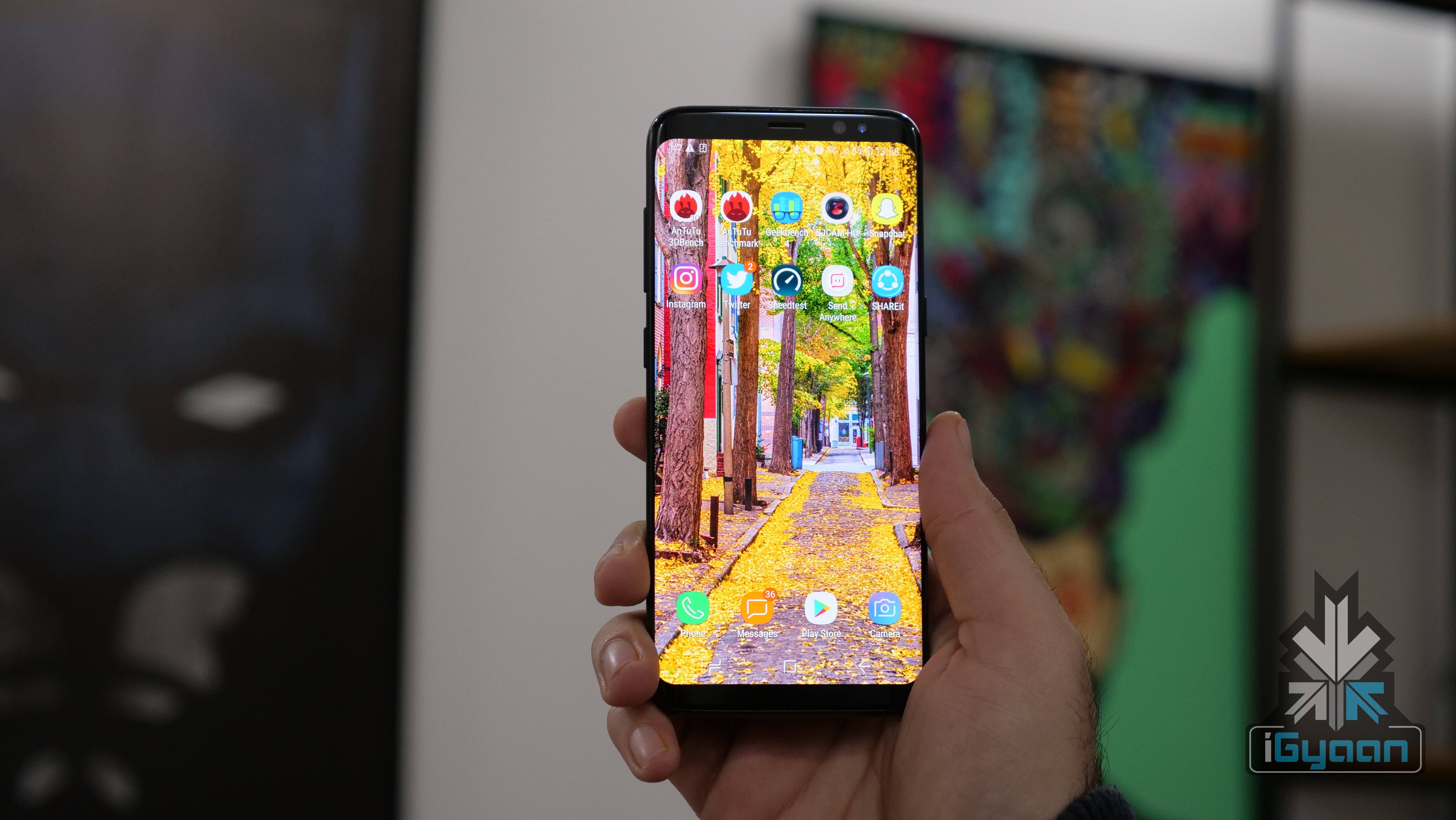
    Galaxy S8

    According to the latest report by Counterpoint Research, Apple remained the most profitable premium smartphone brand, capturing about 86% of the total handset market profits.

    Apple grew 1 percent (YoY) even with the iPhone X being available for only two months in Q4 2017. The iPhone X alone generated 21 percent of total industry revenue and 35 percent of total industry profits during the quarter.

    The share of iPhone X is likely to grow as it advances further into its life-cycle. Additionally, the longer shelf life of all iPhones ensured that Apple still has eight out of top 10 smartphones, including its three-year-old models, generating the most profits compared to current competing smartphones from other OEMs

    Interestingly, the iPhone X generated 5 times more profit than the combined profits of over 600 Android smartphone makers during the fourth quarter of 2017. Thanks to a host of budget smartphones on offer by Chinese OEMs, their cumulative profits crossed US$ 1.3 billion during Q4 2017. Interestingly, the average selling price of their smartphones increased year-on-year.

    These figures tell a curious tale about the iPhone X, which was heavily criticised for its price and design at the time of its launch. However, with time, the design of the iPhone X has set an industry wide trend and the price tag has not stopped it from being the most successful smartphone of 2017. Sales of the iPhone X are expected to increase further when the next generation of iPhones is launched later in 2018. The price of the iPhone X will go down and potential iPhone buyers will go for the iPhone X as the design of 2018 iPhones is expected to be similar to the iPhone X.

  • Samsung Will Launch An Online-Exclusive Line Of Smartphones In India

    Samsung Will Launch An Online-Exclusive Line Of Smartphones In India

    Samsung will soon launch a line of budget smartphones specifically for the online consumers. This new lineup will directly compete with Xiaomi and its dominant lineup in the sub-15K category. Samsung’s new smartphones will also enter the Rs. 5000-Rs. 15000 price bracket.

    According to IDC, Samsung and Xiaomi were the top two smartphone brands in India for the first time in Q3, 2017. The companies had a market share of 23.5% each, earning them the top spot in the Indian market with over 9.2 million smartphones. However, the top three smartphones sold during the July-September quarter were by Xiaomi. The majority of these sales happened through online channels and that is what Samsung intends to target with these new smartphones.

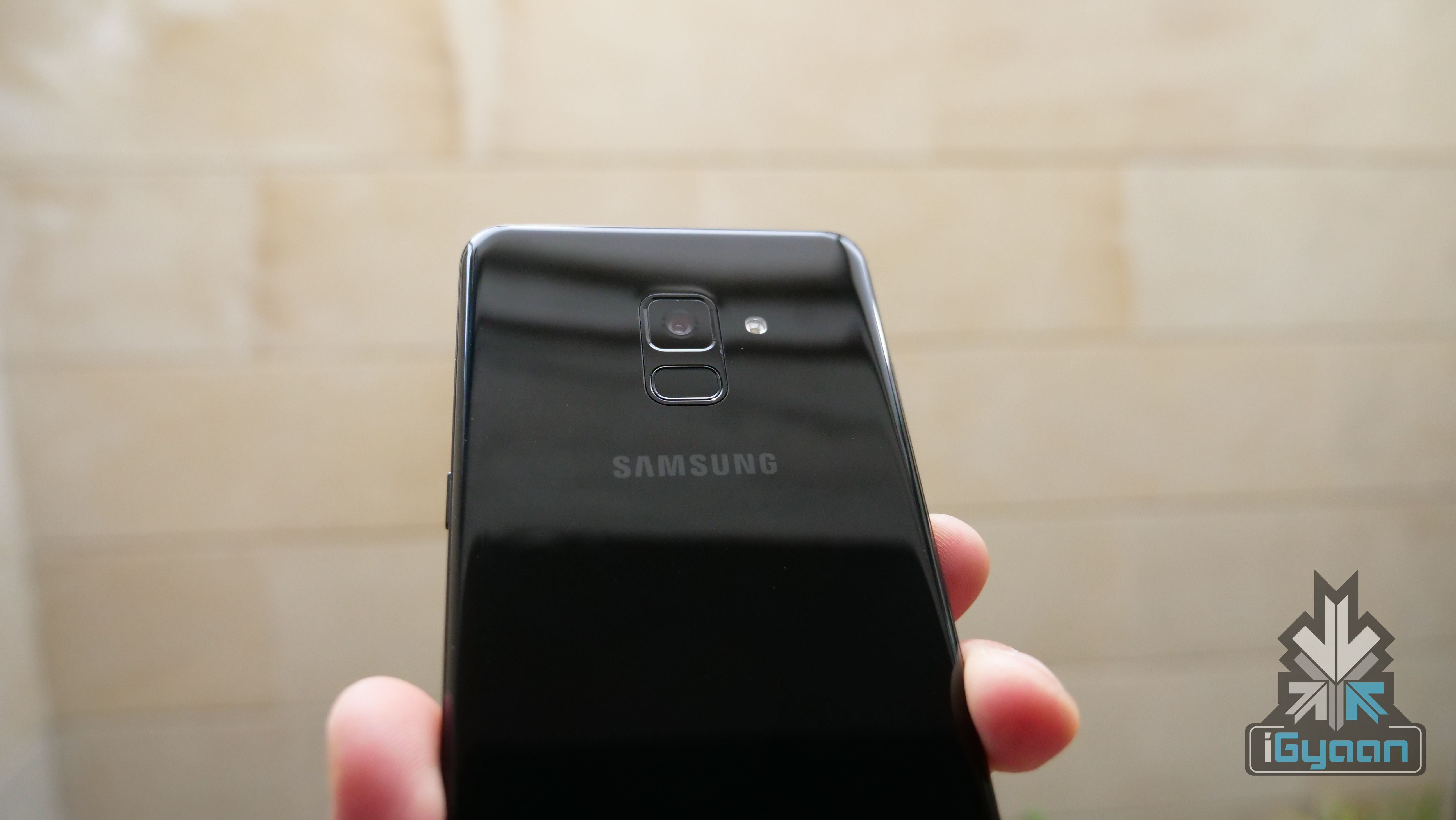
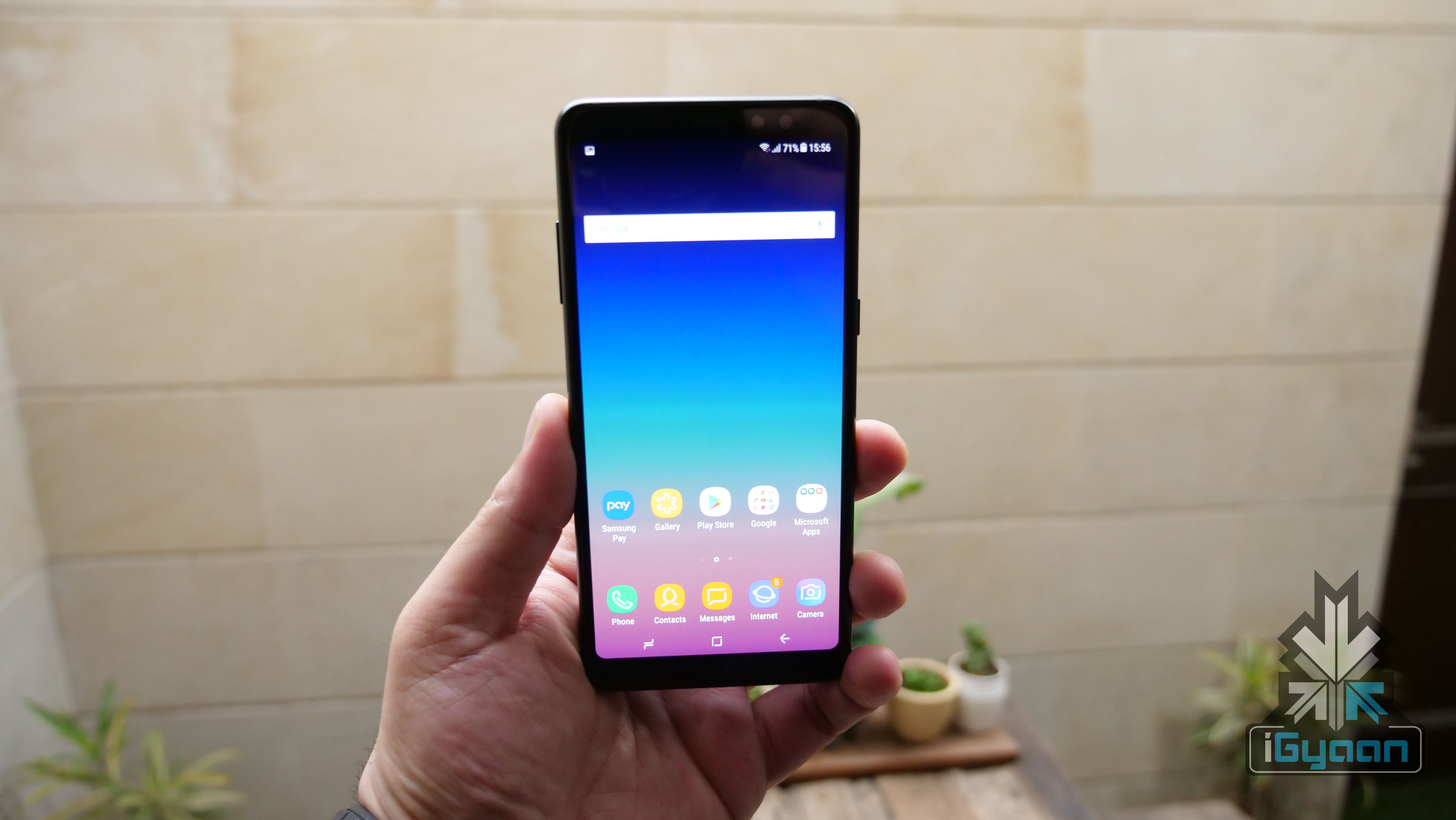
    Samsung Galaxy A8+

    [amazon_link asins=’B01LWNBIQQ’ template=’ProductAd’ store=’igyaan-21′ marketplace=’IN’ link_id=’6c3eab90-f9db-11e7-b162-97e96ad8937c’]

    At this point in time, Samsung online-exclusive line of smartphones is its On series while the recently launched Samsung Galaxy A8+ is also an Amazon-exclusive for now. According to Counterpoint Technology Market Research, a Hong Kong-based research firm, Xiaomi’s rise in India is due to the absence of competition in the online space. According to the MD of Xiaomi India, the brand has almost 50% share of online smartphone sales in India.

    A Samsung Executive has said:

    Samsung wants to extend its lead with Xiaomi which is possible by expanding e-commerce sales while consolidating its presence in offline channels. It will ensure that the 1.5 lakh brick-and-mortar stores selling its handsets are not neglected since Samsung knows it will take time for Xiaomi to build such a vast offline network.

    Redmi 5 Plus

    What smartphones Samsung will launch at this price category is yet to be seen but, they will have to have extremely solid specifications to deter Xiaomi’s top-selling devices in the price category. Furthermore, Xiaomi will soon launch the Redmi Note 5 in India, which will succeed the highly popular Redmi Note 4 and will be priced at around Rs. 11,000.

  • Google Sold More Than One Google Home Device Every Second Since October

    Google Sold More Than One Google Home Device Every Second Since October

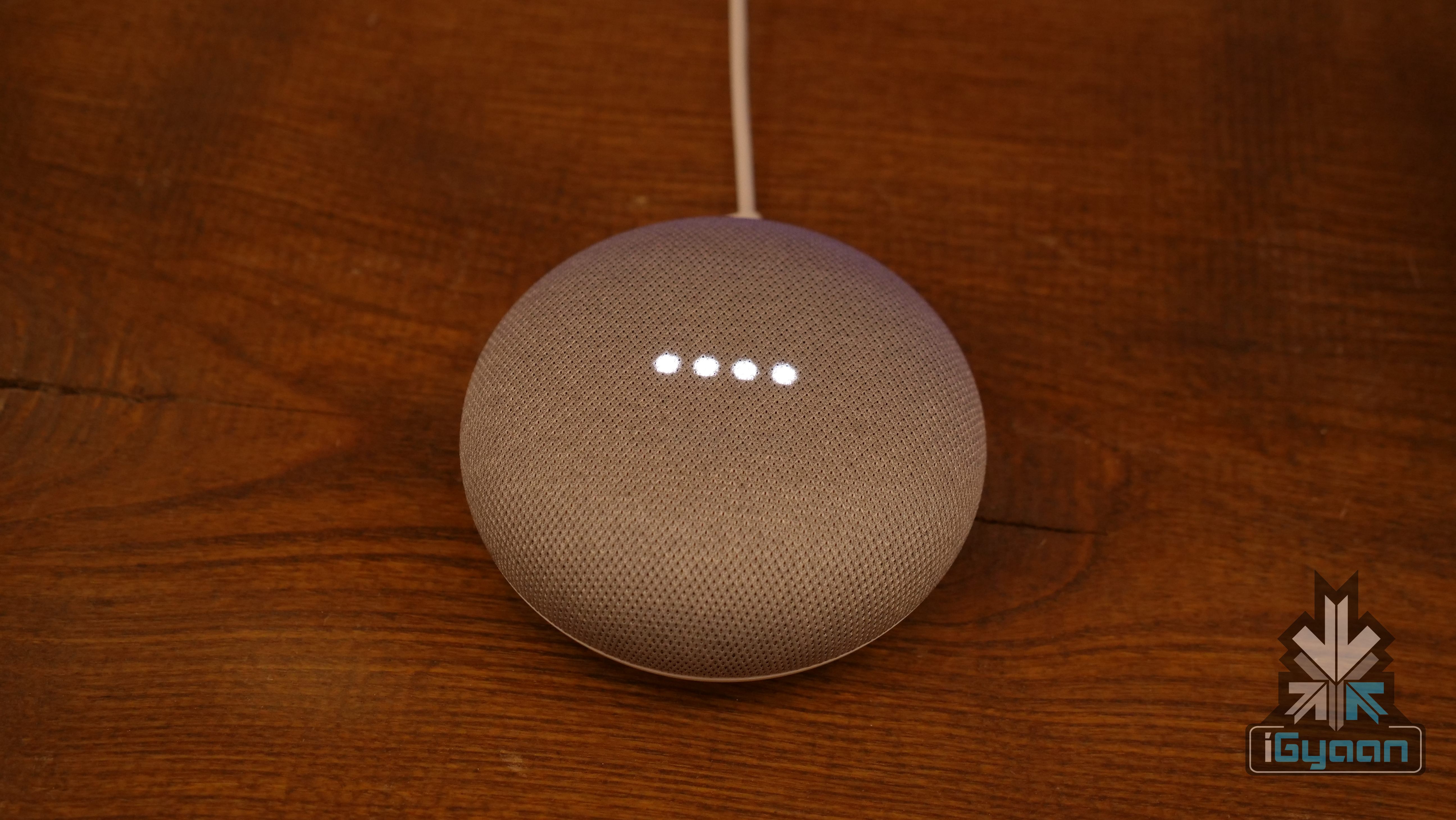
    On the 4th of October, Google took to stage to launch the Pixel 2 devices along with the highly anticipated cheaper version of the Google Home, called the Google Home Mini. As much exciting the Pixel 2 and Pixel 2 XL devices were, the Home Mini and the Home Max really caught people’s attention. Even though Amazon really opened up the smart speaker market with its line of Echo speakers, Google appears to be the company that has benefited from the surge in demand for more smart home tech.

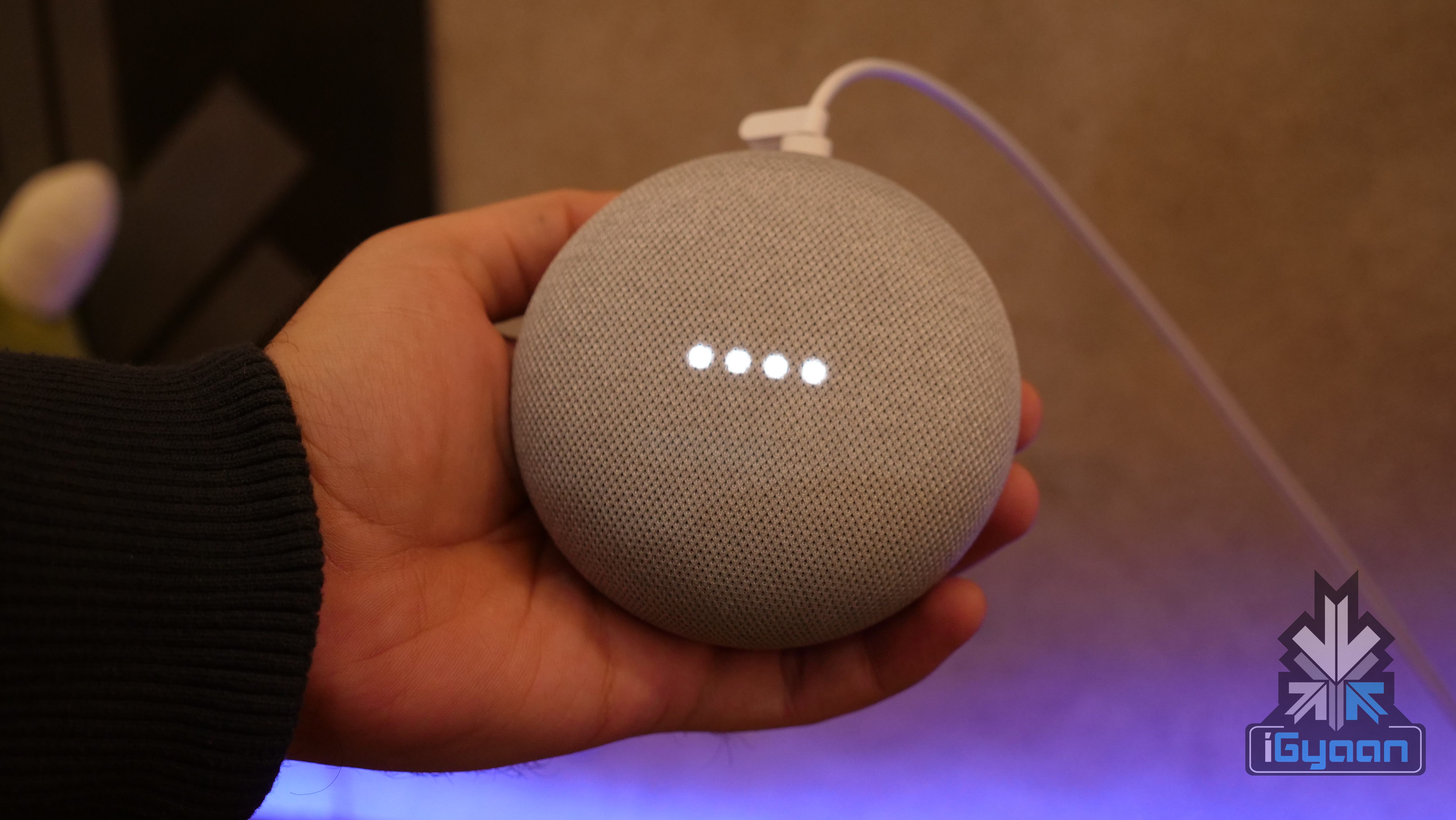
    Google Home Mini

    In a blog post, Google announced the success of its ‘Home’ lineup:

    So it’s no wonder we’ve sold tens of millions of all our Google devices for the home over this last year. And in fact, we sold more than one Google Home device every second since Google Home Mini started shipping in October.

    [amazon_link asins=’B071NB4PGV’ template=’ProductAd’ store=’igyaan-21′ marketplace=’IN’ link_id=’ab6d61d0-f2a4-11e7-8545-8583a883cf2e’]

    2017 was an important year of Google’s hardware, and where the Pixel 2 devices failed to meet the soaring expectations, the Google Home devices have been extremely well received. Before October od 2017, Google had one speaker, the Google Home which was sounded okay, but, wasn’t really affordable and the Amazon Echo Dot was available for less than half its price. Before the October launch event, there were rumours that Google will launch an Echo Dot competitive and so it did. The Home Mini was launched at a price of US $49 (Rs. 3,100 approx.) and came down to as low as US $20 during the holiday season.

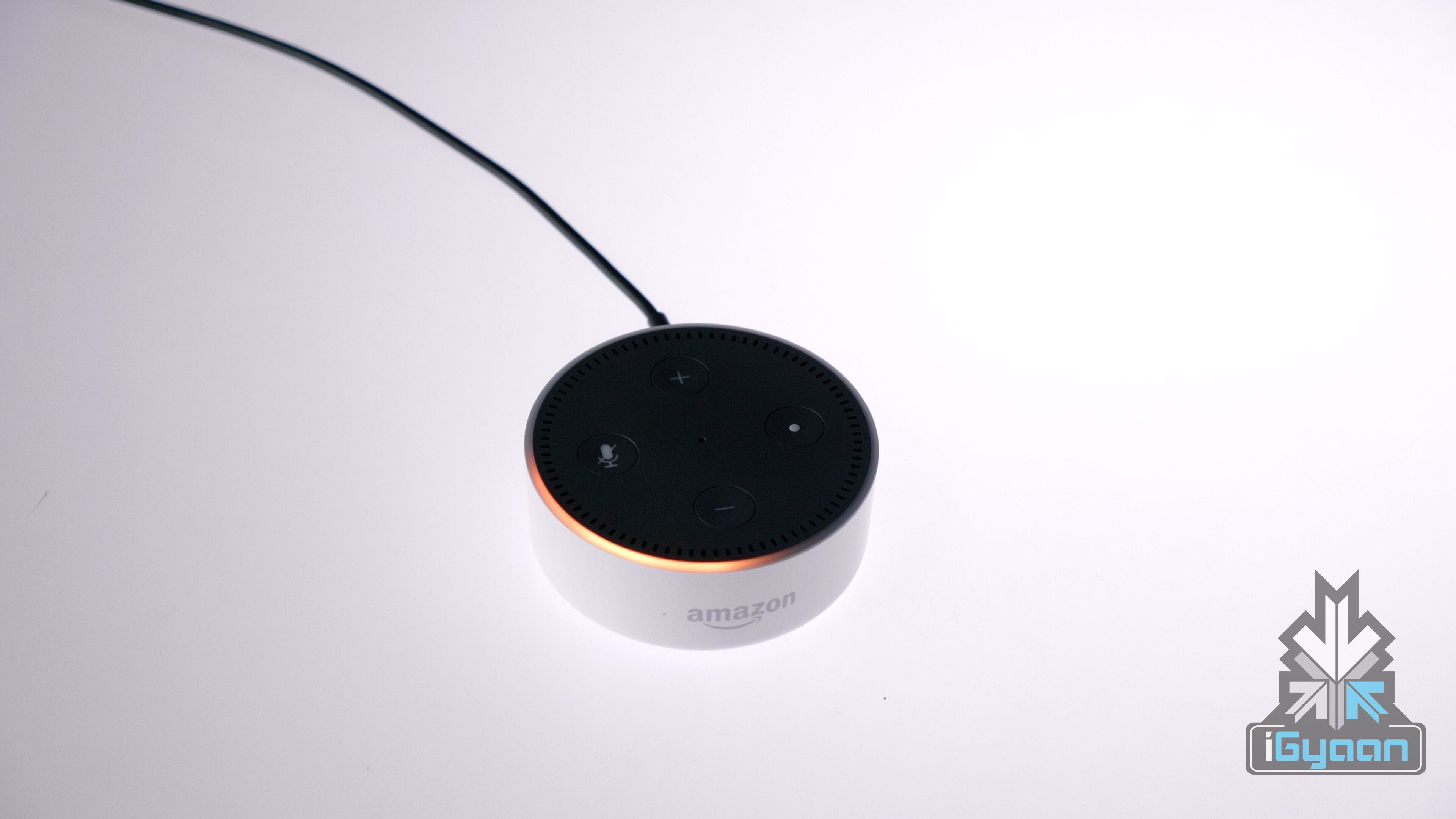
    Amazon Echo Dot Is Now Available In India

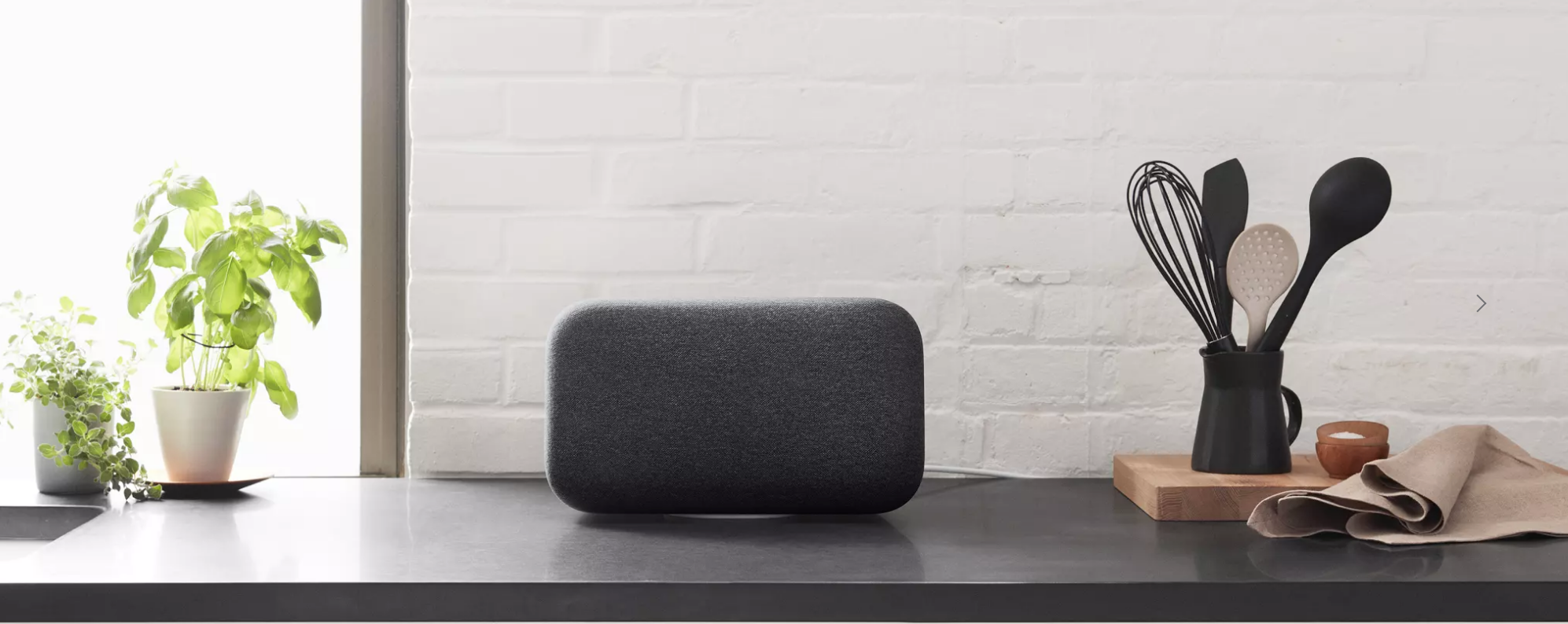
    While the Home Mini was for people who were just starting out with the whole smart home setup, the Google Home Max was for people who didn’t mind spending a lot of extra cash for a special sounding smart speaker. While the Home Mini, shaped like a doughnut can easily gel with your furniture and not attract a lot of attention, the Home Max is massive and will grab a lot of attention because of how it looks. It is also priced at US $399 (Rs. 25,000 approx.) which is definitely pricey for a smart speaker. Google Home Max has two 4.5-inch woofers with tweeters covered by a fabric speaker grill. It features touch controls, supports Bluetooth as well as Google Cast and has a 3.5mm audio jack.

    Google Home Max

    It also appears that more Google Assistant-powered devices are on the cards as CES rolls around:

    And next week, we have even more things in store for the Assistant at the Consumer Electronics Show in Las Vegas. If you’re at CES, stop by the Google Assistant Playground (Central Plaza-21) to check out some of our new integrations, devices, and the newest ways you can use your Assistant.

    While the Pixel 2 devices had their stumbling blocks due to both hardware and software shortcoming, the Google Home devices, especially after that initial hiccup have been rather successful for the company. There is still no word from the company about the Google Home devices being launched in Asian markets such as India. But, with Amazon introducing its three Echo speakers in India, Google Home devices might not be too far away either.

  • Apple Will Sell 16 Million Fewer iPhones Thanks To Its New Battery Replacement Program

    Apple Will Sell 16 Million Fewer iPhones Thanks To Its New Battery Replacement Program

    Apple has been in the news for the past few days, getting bad press over the Battery vs Performance slowdowns of the previous generation of iPhones. Although the company clarified its stance and revealed the intentions behind such a drastic step, consumers are still baffled and the company will have to do a lot of work in order to win their trust back. One step that the company took in that direction was reworking its battery replacement program.

    One the 29th of December, the company released a statement announcing its new battery replacement wherein the charges of replacing an out-of-warranty battery were much less than what it was before. According to the old program, it cost US $79 plus taxes to replace a battery but, it will now cost US $29 plus taxes. While this seems like a reasonable trade-off for the consumers, the company might be facing a significant drop in iPhone sales in 2018.

    According to Barclays analyst Mark Moskowitz, customers opting for a battery replacement instead of upgrading an iPhone could be a “mild headwind” for iPhone unit sales, potentially resulting in millions of fewer iPhone purchases during the year. He believes that up to 78% of iPhone users are eligible to upgrade their batteries.

    In our base case scenario, 10% of those 519M users take the $29 offer, and around 30% of them decide not to buy a new iPhone this year. This means around 16M iPhone sales could be at risk, creating ~4% downside to our current revenue estimate for C2018.

    It is to be seen whether the sales will see such a significant hit because it costs less to replace a battery. There are many other factors that influence a consumer to upgrade to a new phone like new features, better camera, or even a new design.

    Apple has said that a new battery in an affected iPhone will restore its old performance since the software tweak kicks in only when it notices a significantly degraded battery health. This was the prime reason behind Apple cutting down the cost of replacing an out-of-warranty. Apple has stated that the throttling of performance was never done to influence a consumer into buying a new iPhone but, there is no denying that it is an inevitable consequence of its actions. Perhaps, the company would have been better off by being transparent about such a huge issue and its steps to curb the side effects.

  • Nokia Lumia Achieved Record Sales Last Quarter

    Nokia Lumia Achieved Record Sales Last Quarter

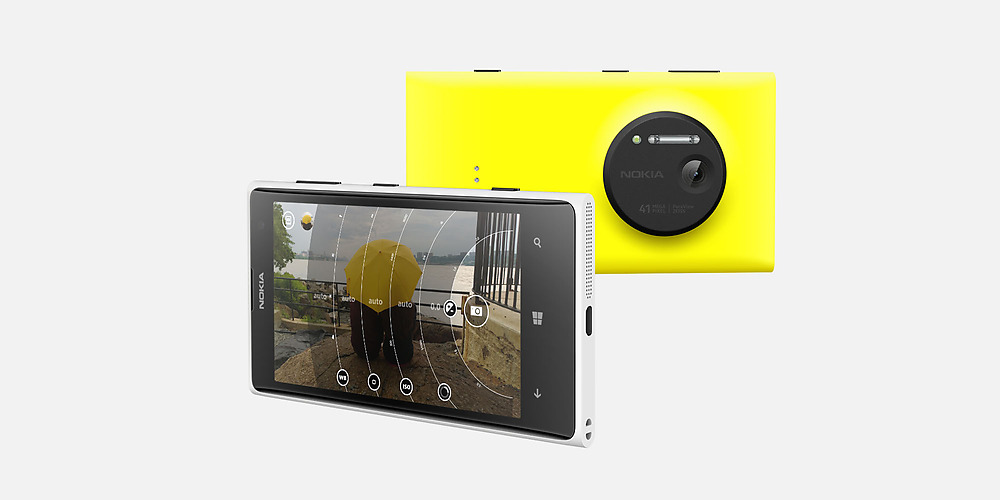
    Sales of Nokia Lumia smartphones have hit a record high as Nokia gears up to release another batch of Windows Phone 8 devices. It represents the fourth consecutive quarter in which Nokia Lumia sales have hit a new peak. 

    According to the Wall Street Journal‘s sources, Nokia sold “at least eight million” Nokia Lumia phones between July and September. Obviously this doesn’t even approach Apple or Samsung figures, but for a Windows Phone platform that comes a distant third to iOS and Android in usage numbers it’s truly noteworthy.

    It’s an improvement on the previous quarter’s record-smashing 7.4 million sales. It’s also a massive increase on the same quarter last year, during which Nokia sold only 2.9 million Lumia phones.

    Nokia is expected to release as many as six new devices including the Lumia 2520, which will be the company’s first tablet, and Lumia 1520 at the Nokia World event. A Nokia smartwatch patent emerged just last week, but we don’t expect launch of this device from Nokia this time around as it may very well be in a prototype stage.

    Not helping matters is the fact that Apple is expected to the launch its latest iPad on the same day, meaning that Nokia will have some seriously stiff competition as it vies for the world’s attention.

    The event will also be the first big public appearance for Elop since the acquisition, which saw him emerge as a leading candidate to take over from current Microsoft CEO Steve Ballmer when he goes into retirement in 2014.

  • Apple iPhone 5S Outselling iPhone 5C By Double

    Apple iPhone 5S Outselling iPhone 5C By Double

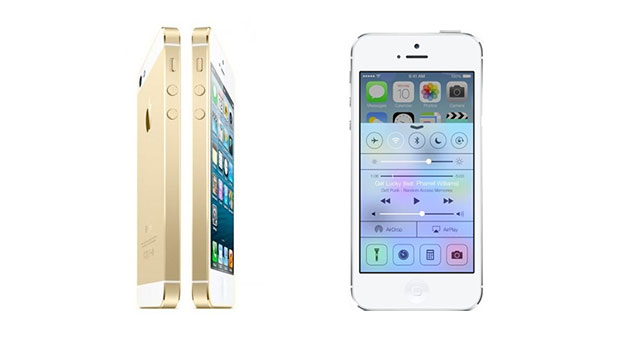
    When Apple introduced the iPhone 5c, the large consensus seemed to be that the newer, low-priced and colorful iPhone might outsell the more expensive iPhone 5s thanks to price alone. That isn’t the case, however, according to new research recently published by Consumer Intelligence Research Partners. The firm found that consumers are still flocking to the more powerful, and more expensive, iPhone 5s by a large margin.

    64 per cent of all iPhone sales in September were people snapping up the high-end Apple iPhone 5S, according to figures from CIRP.

    That’s compared to just 27 per cent for the Apple iPhone 5C, with the cheaper Apple iPhone 4S making up the remaining 9 per cent of all iPhone purchases last month.

    CIRP also found that the iPhone 5C is still selling better than the Apple iPhone 4S did last year when it was demoted following the launch of the iPhone 5. While the device accounts for 27% of iPhone sales in late September, the Apple iPhone 4s only made up 23% of sales in October 2012.

    Despite the iPhone 5S outselling the iPhone 5C, which is as predicted, the iPhone 5C as shown by the data is still an incredibly sought after device, of which Apple will undoubtedly sell millions of.

    The figures are particularly noteworthy considering it’s still hard to find specific iPhone 5s models. The gold version, for example, is still on super limited and short supply. In New York City, the white and black 16GB options are still easiest to find, even though the 32GB iPhone 5c is in stock at nearly every retailer. 

    [Via]

  • Worldwide PC Shipments in the Third Quarter of 2013 Declined 8.6 Percent

    Worldwide PC Shipments in the Third Quarter of 2013 Declined 8.6 Percent

    Global shipments of personal computers (PCs) have hit a five-year low, according to new figures from the research firm Gartner.

    Shipments totalled 80.3m units in the three months to September, down 8.6% from a year ago.

    PC sales have now fallen for six quarters in a row, hurt by the growing popularity of tablets and smartphones. Gartner said falling prices of tablets had further hurt sales of PCs in emerging markets.

    “The third quarter is often referred to as the ‘back-to-school’ quarter for PC sales, and sales this quarter dropped to their lowest volume since 2008,” said Mikako Kitagawa, principal analyst at Gartner in a canned quote.


    “Consumers’ shift from PCs to tablets for daily content consumption continued to decrease the installed base of PCs both in mature as well as in emerging markets. A greater availability of inexpensive Android tablets attracted first-time consumers in emerging markets, and as supplementary devices in mature markets.”

    Lenovo is still the top dog in this dying sector with 17.6 per cent of the market, growing its sales by 2.8 per cent of the year. Lenovo’s sales slacked off slightly in its home Chinese market but grew strongly in the US to offset this.

    Taiwan-based Acer and Asus, the world’s 5th and 6th largest PC makers, meanwhile, suffered a sharp fall in shipments of 22.6 and 22.5 percent on-year in the third quarter as both companies shift their focus away from PCs to other device markets.

  • Nokia Reports $196 Million Loss In Q1 2013 Earnings

    Nokia Reports $196 Million Loss In Q1 2013 Earnings

    Nokia posted an operating loss of €150 million (PDF), or around $196 million, today on around $7.65 billion in revenue,  with a total revenue for the quarter reaching €5.85 billion ($7.65 billion), which is down from €7.35 billion ($9.6 billion) during the same time last year.

    However, despite the losses, Nokia Lumia sales have hit a record high of 5.6 million in Q1 2013. This is up from 4.4 million during the previous quarter. In the same quarter last year, Nokia only sold two million Lumia smartphones, so that’s less than double of what they’re selling now. Since shipping their first Windows Phone device in November 2011, Nokia has just under 20 million Lumias.

    At the highest level, we are pleased that Nokia Group achieved underlying operating profitability for the third quarter in a row. While operating in a highly competitive environment, Nokia is executing our strategy with urgency and managing our costs very well.

    We have areas where we are making progress, and areas where we are further increasing the focus. For example, people are responding positively to the Lumia portfolio, and our volumes are increasing quarter over quarter. Nokia Siemens Networks delivered another strong quarter and contributed to an overall improvement in Nokia Group’s cash position. On the other hand, our Mobile Phones business faces a difficult competitive environment, and we are taking tactical actions and bringing new innovation to market to address our challenges.

    All of these efforts are aimed at improving our financial performance and delivering more value to our shareholders

    Nokia’s total smartphone volumes in Q4 2012 were 15.9 million units – 9.3 million Asha full-touch ‘smartphones’, 4.4 million Lumia smartphones and 2.2 million Symbian smartphones. That was noteworthy as it was the first that Lumia device numbers had exceeded those of Symbian.

    [The Next Web]

iGyaan Network
Privacy Overview

This website uses cookies so that we can provide you with the best user experience possible. Cookie information is stored in your browser and performs functions such as recognising you when you return to our website and helping our team to understand which sections of the website you find most interesting and useful.