Tag: unboxing

  • Unboxing The OnePlus 6 Red Edition

    Unboxing The OnePlus 6 Red Edition

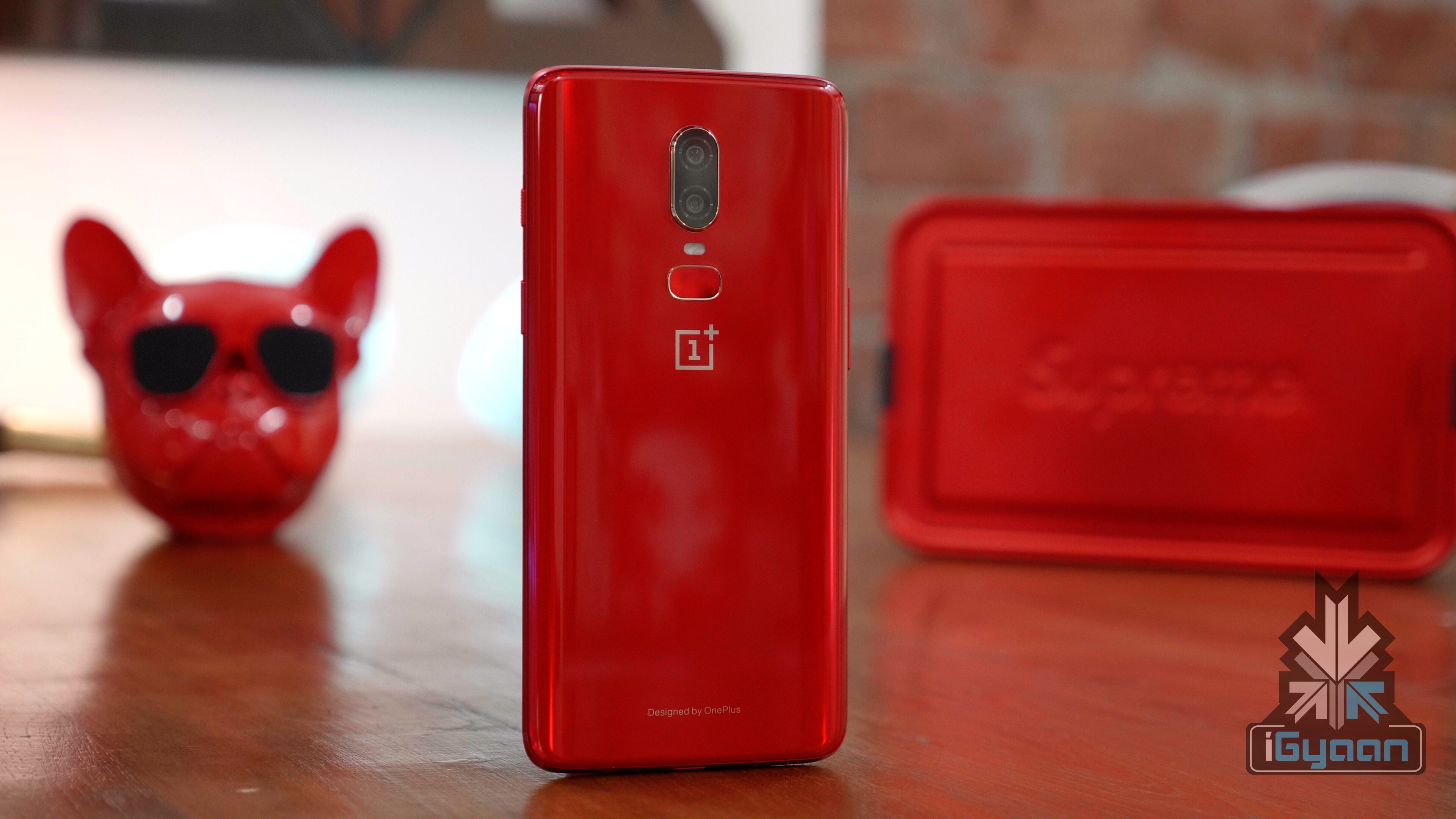
    OnePlus has launched the OnePlus 6 Red Edition in India. The new limited edition colour variant will only be available in the 8GB RAM/128GB storage model and retail for Rs 39999. This essentially means that consumers won’t have to pay extra money for the swanky new red colour. The device will go on sale on 16th July via Amazon and OnePlus.in.

    This is not the first time that OnePlus has launched a new “limited edition” colour variant of a flagship smartphone. The company launched a Soft Gold OnePlus 5 in August 2017. A few days after launching the OnePlus 5T, the company unveiled the OnePlus 5T Lava Red which went was sold worldwide as well. The new OnePlus 6 Red is another marketing tactic in order to bolster sales which are bound to slow down after the initial burst.

    [section label=”Unboxing”]

    Inside the box of the OnePlus 6 Red Edition
    • OnePlus 6 Red Edition
    • Wall Charger
    • USB-C Cable
    • Documentation
    • Sim Ejector Tool
    • Clear Case

    [section label=”First Impressions”]

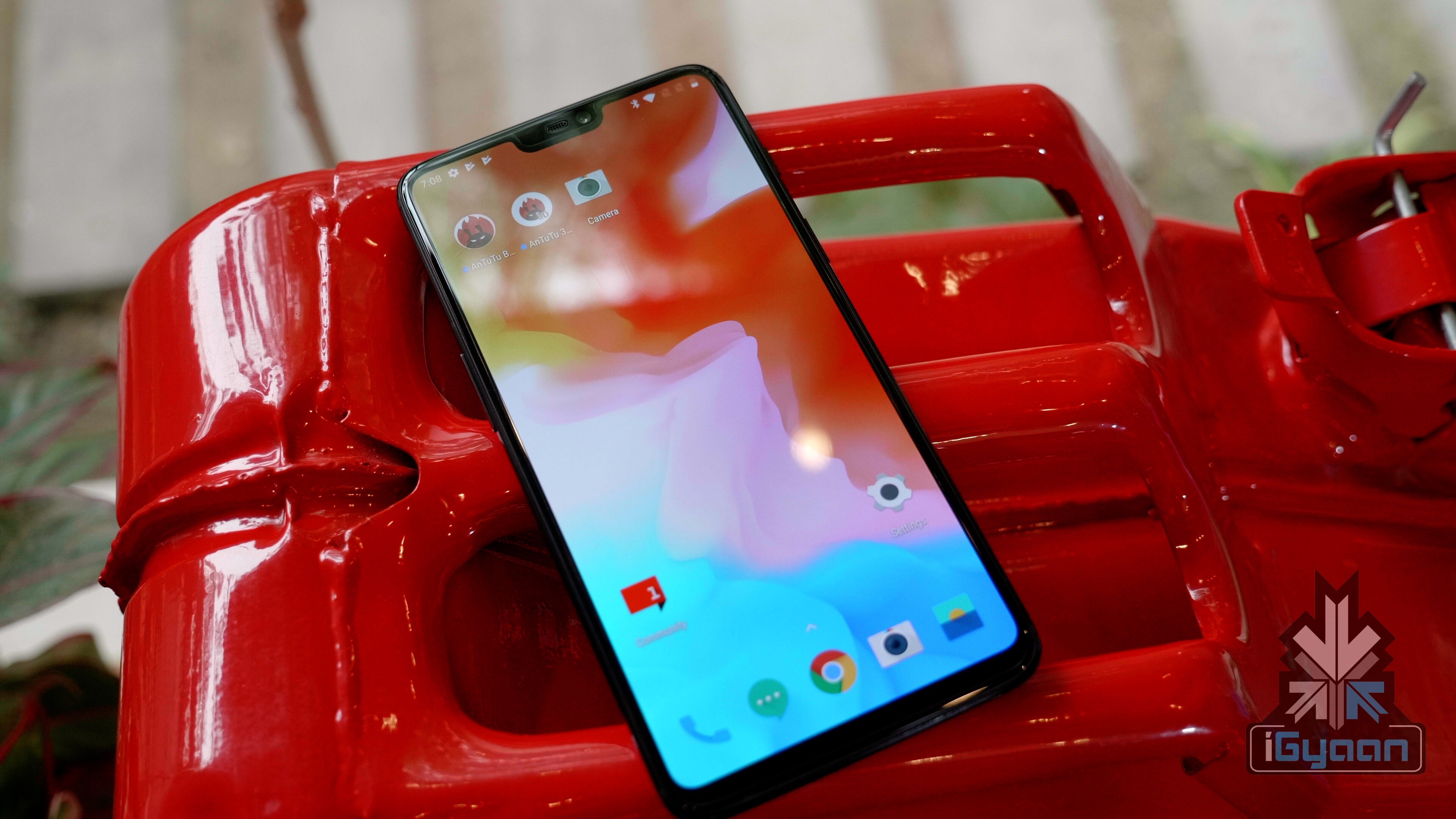
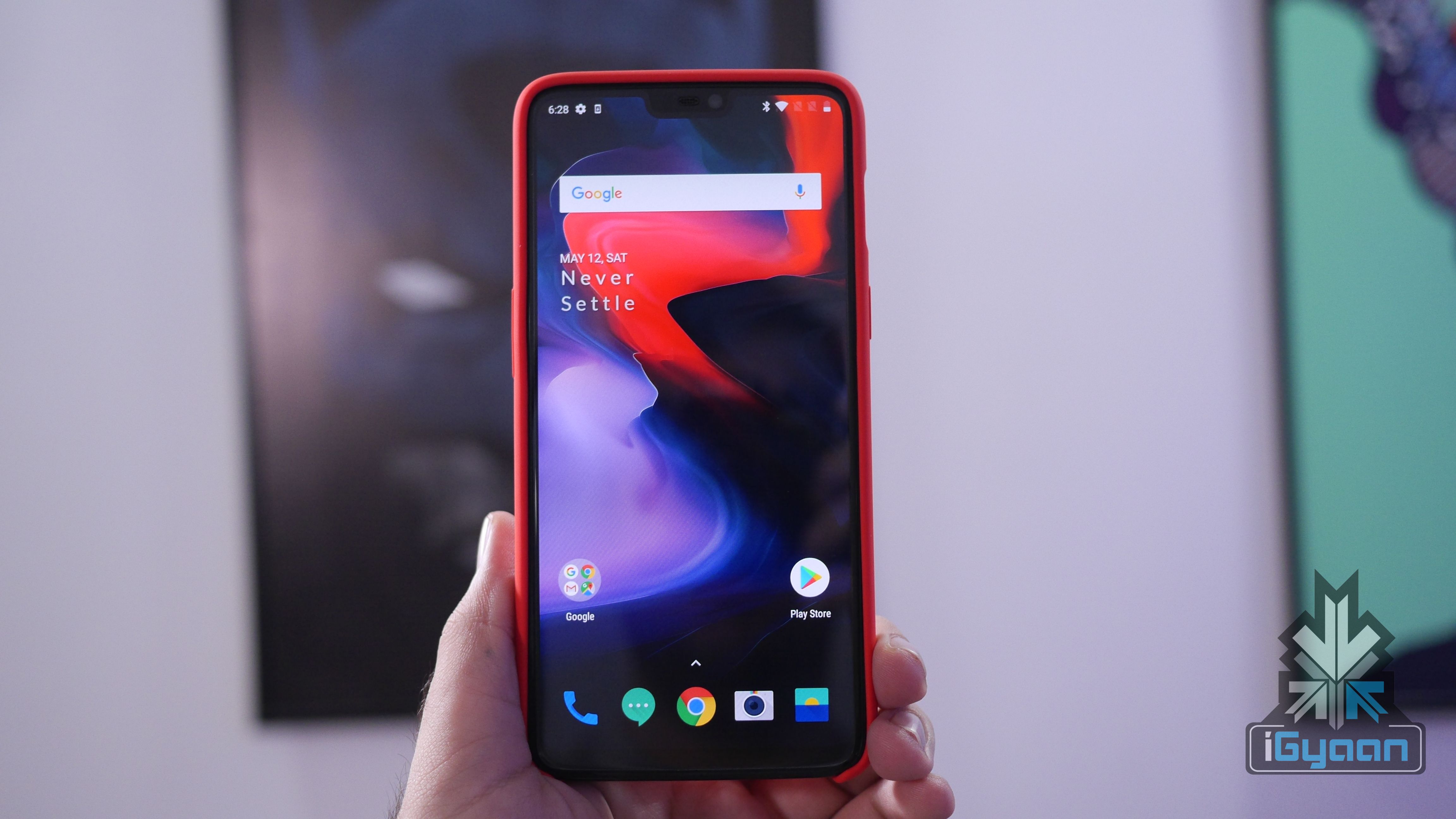
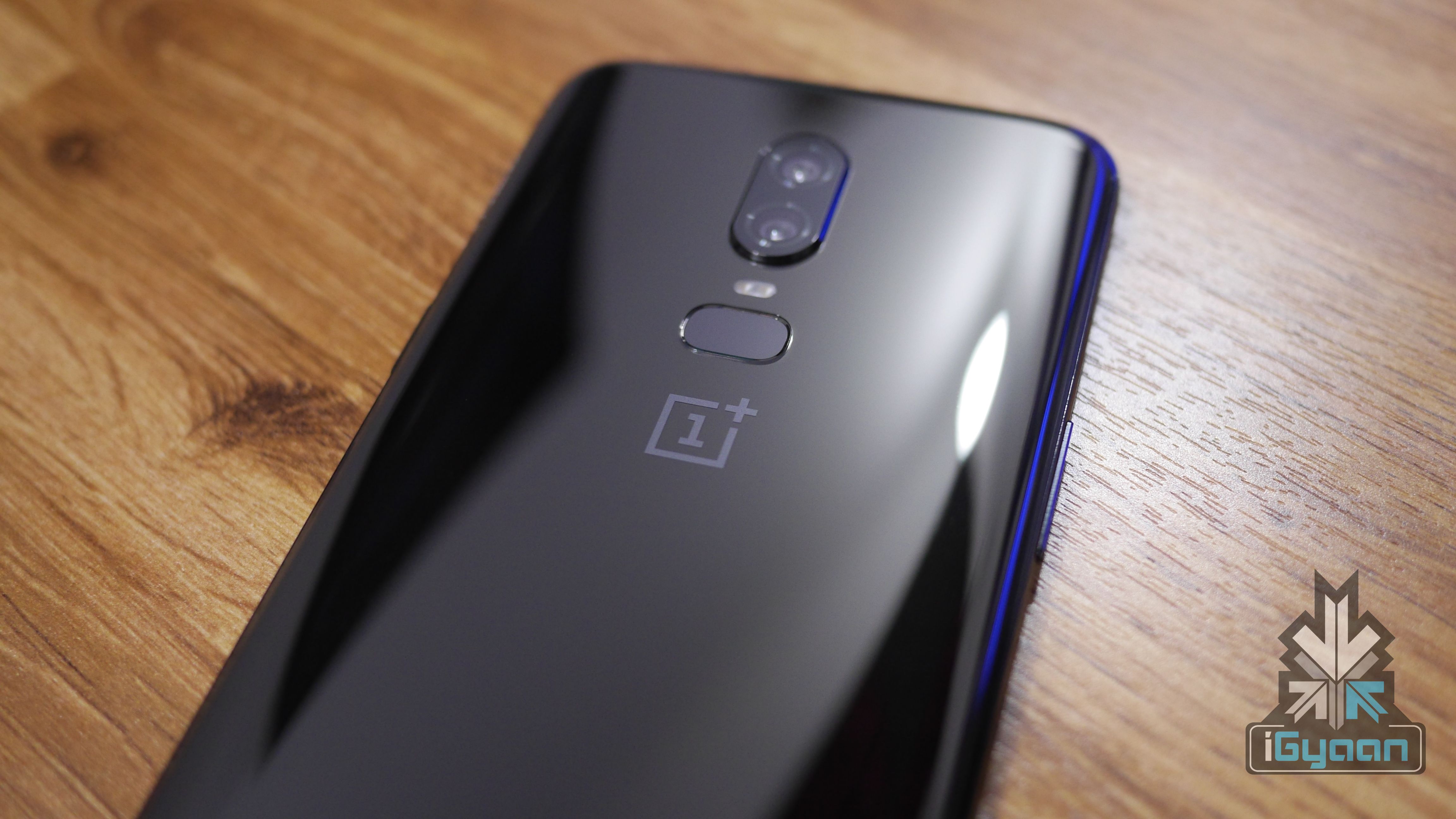
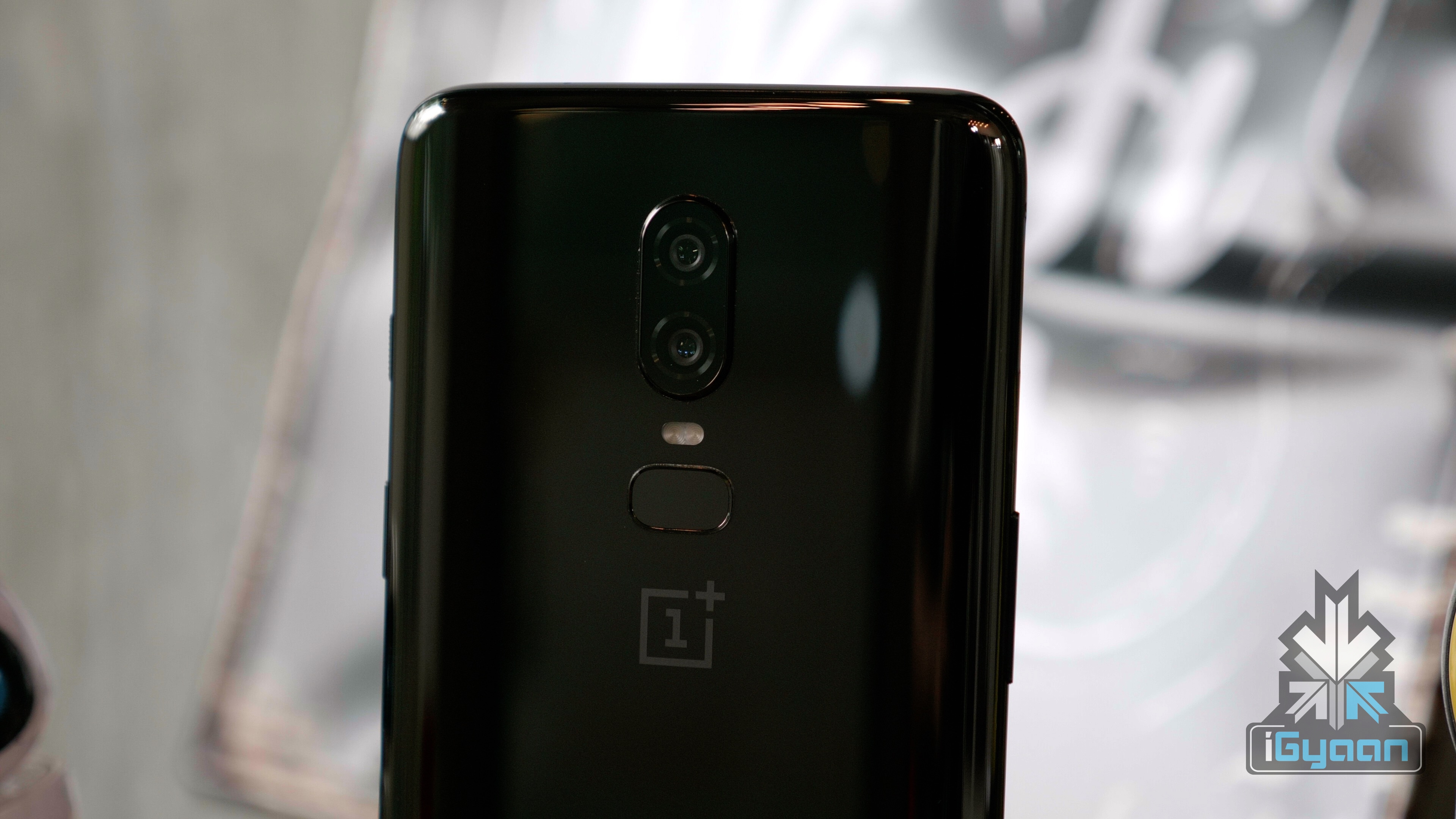
    The OnePlus 6 Red looks really good. That is how you sum up this smartphone. The device has a distinct red colour, unlike the Lava Red OnePlus 5T or even the iPhone 8 Product RED. The dark red colour blends in with the black front and maintains the premium look and feel of the OnePlus 6. The silver chrome around the camera module and fingerprint sensor is a nice touch as well.
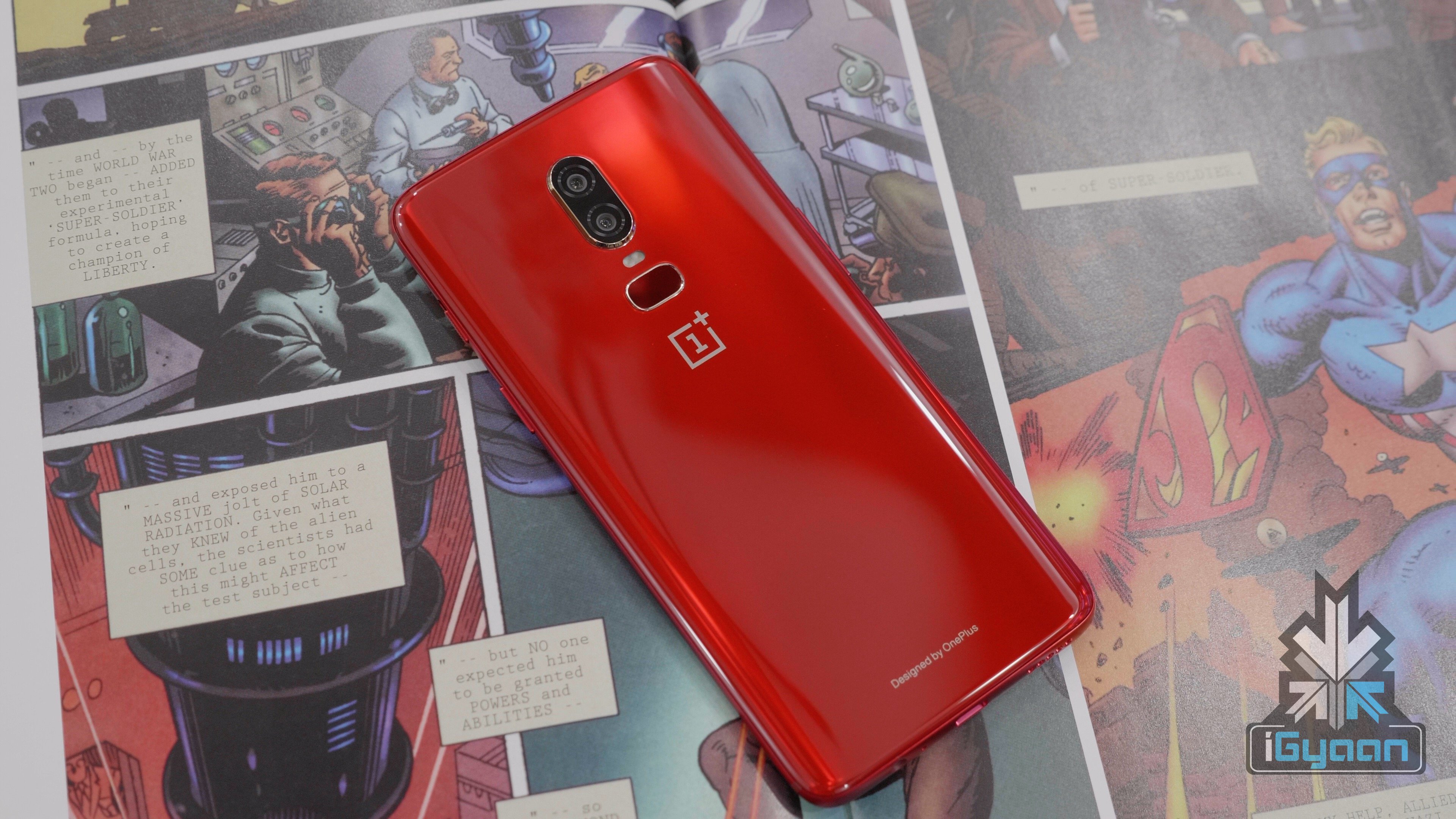
    As is with a special edition colour variant, everything inside the OnePlus Red Edition remains the same as the other variants. The new Red Edition joins Midnight Black, Silk White, Mirror Black, and Avengers Edition in the list of OnePlus 6 variants sold in India. We have checked out all the colour variants of the OnePlus 6 so far except Midnight Black. Fair to say that the Red Edition of OnePlus 6 does not disappoint.

    The OnePlus 6 has a 6.28 inch Optic AMOLED display with a 2280 x 1080 px resolution. The aspect ratio is 19:9 which means it is slightly taller than the OnePlus 5T.

    The 6 runs on the Qualcomm Snapdragon 845 chipset which has an octa-core processor clocked at 2.8GHz. Coupled with the flagship chipset is either 6GB or 8GB of RAM with three storage options of 64GB, 128GB and 256GB. The storage is still not user-expandable just like every other OnePlus device. The fingerprint sensor is still placed on the rear but, it has a more oval shape this time around.
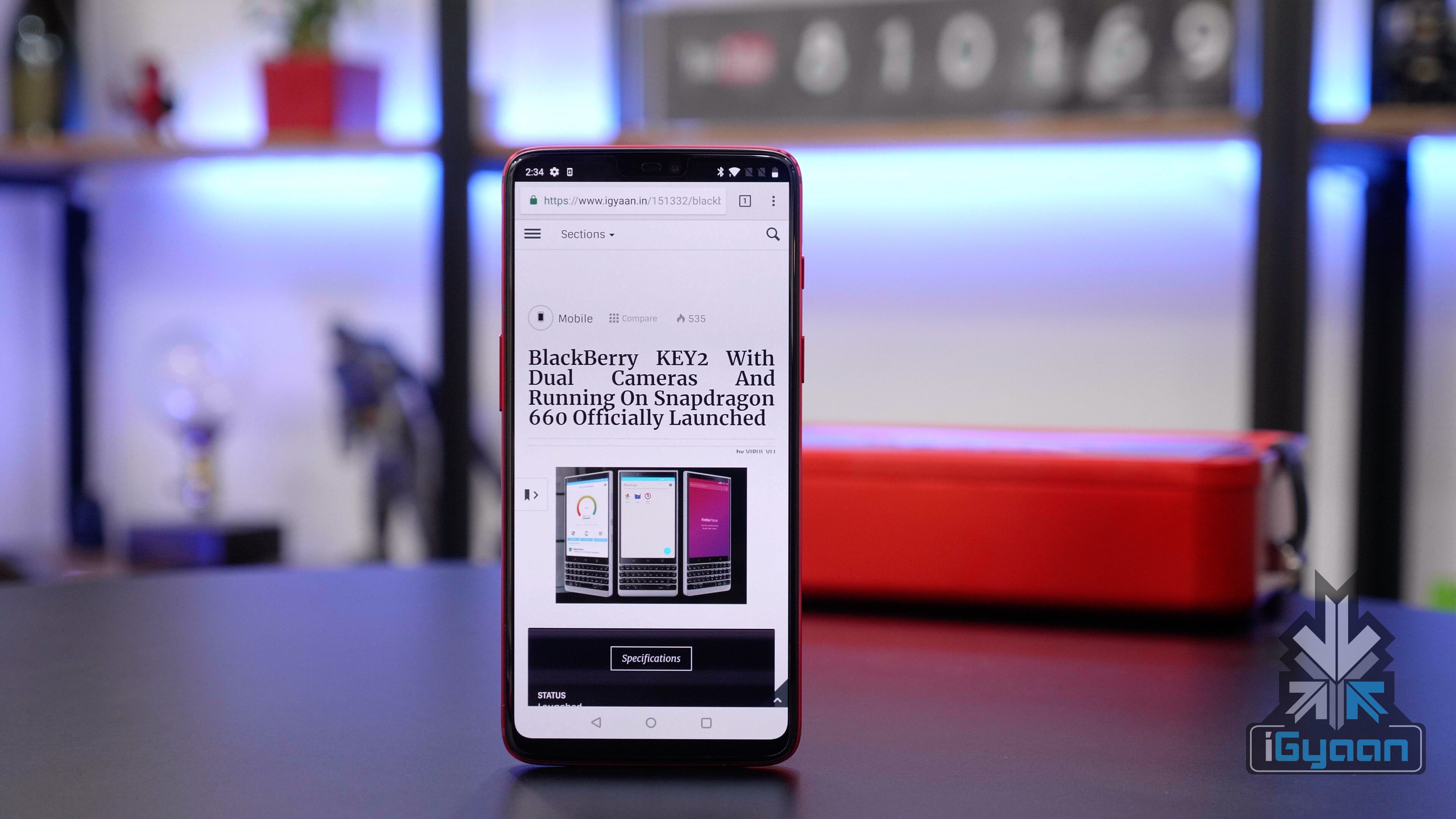
    Powering the device is a 3300 mAh battery with Dash Charge support. Dash Charge continues to be one of the fastest charging technologies and could be the reason why OnePlus did not think that wireless charging was necessary here. Out of the box, the OnePlus 6 runs Android 8.1 Oreo with OxygenOS on top. The smartphone has gesture support. The company has announced that users will be able to download Android P Developer’s Preview from the OnePlus website soon.

    The dual-camera on the OnePlus 6 includes a 16MP Sony IMX 519 sensor and a 20MP Sony IMX 376K sensor. Both are RGB sensors and have an f/1.7 aperture with OIS, another first for a OnePlus device. The cameras also record 4K videos at 60fps which is a great feature for content creators. To the front of the smartphone is a 16MP Sony IMX 371 sensor with an f/2.0 aperture and EIS which records 1080P videos.
    [section label=”Conclusion”]

    The OnePlus 6 Red Edition is just another option for OnePlus 6 suitors. With devices like the ASUS Zenfone 5Z and Xiaomi Mi 8 expected to launch in India soon, OnePlus would hope for this new colour variant to reinstate the OnePlus 6’s position as a top flagship smartphone in India. However, it’ll be interesting to see how the smartphone will fair once its potential competitors are launched in India.
  • Unboxing The HTC Desire 12, Desire 12+

    Unboxing The HTC Desire 12, Desire 12+

    HTC launched two new budget smartphones in India this month. The HTC Desire 12 and Desire 12+ were launched in the sub-20K category where the Indian market already has devices like the Huawei P20 Lite and Redmi Note 5 Pro. The Desire 12+ is also the first budget HTC smartphone to sport a dual-camera setup on the back.

    The HTC Desire 12 is priced at Rs 15800 while the Desire 12+ will retail for Rs 19790. Pre-order will be done exclusively on HTC India E-Store. Both the smartphones are available in retail since the 11th of June. With the competition quite steep, can the two HTC smartphones hold their own? Let’s unbox the two devices first and do a quick one-over before we dive deep into a review.

    [section label=”Unboxing”]

    Inside The Box Of HTC Desire 12, Desire 12+
    • HTC Desire 12/Desire 12+
    • Documentation
    • Wall Charger
    • Micro USB Cable
    • Earphones

    [section label=”Initial Impressions”]

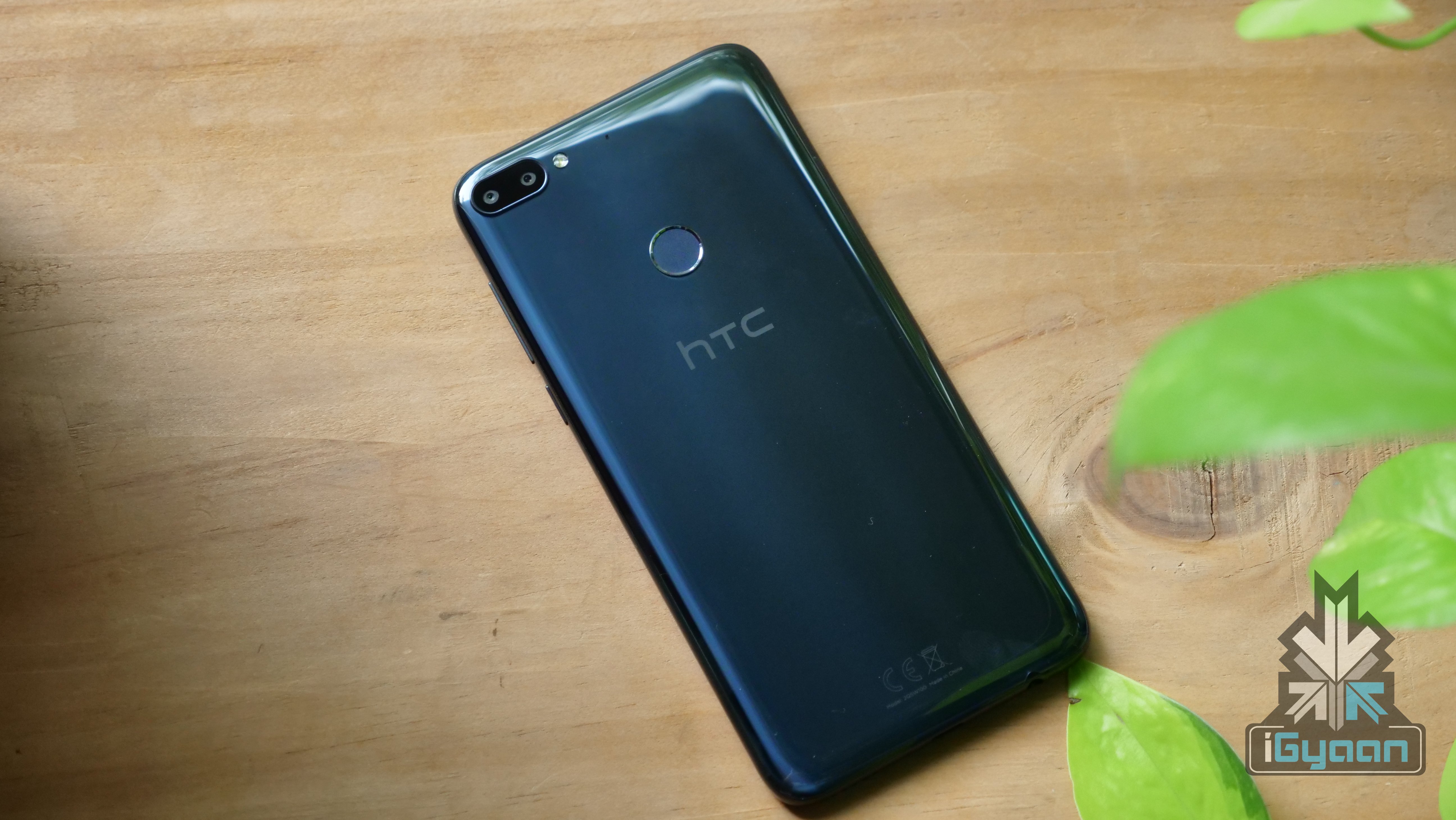
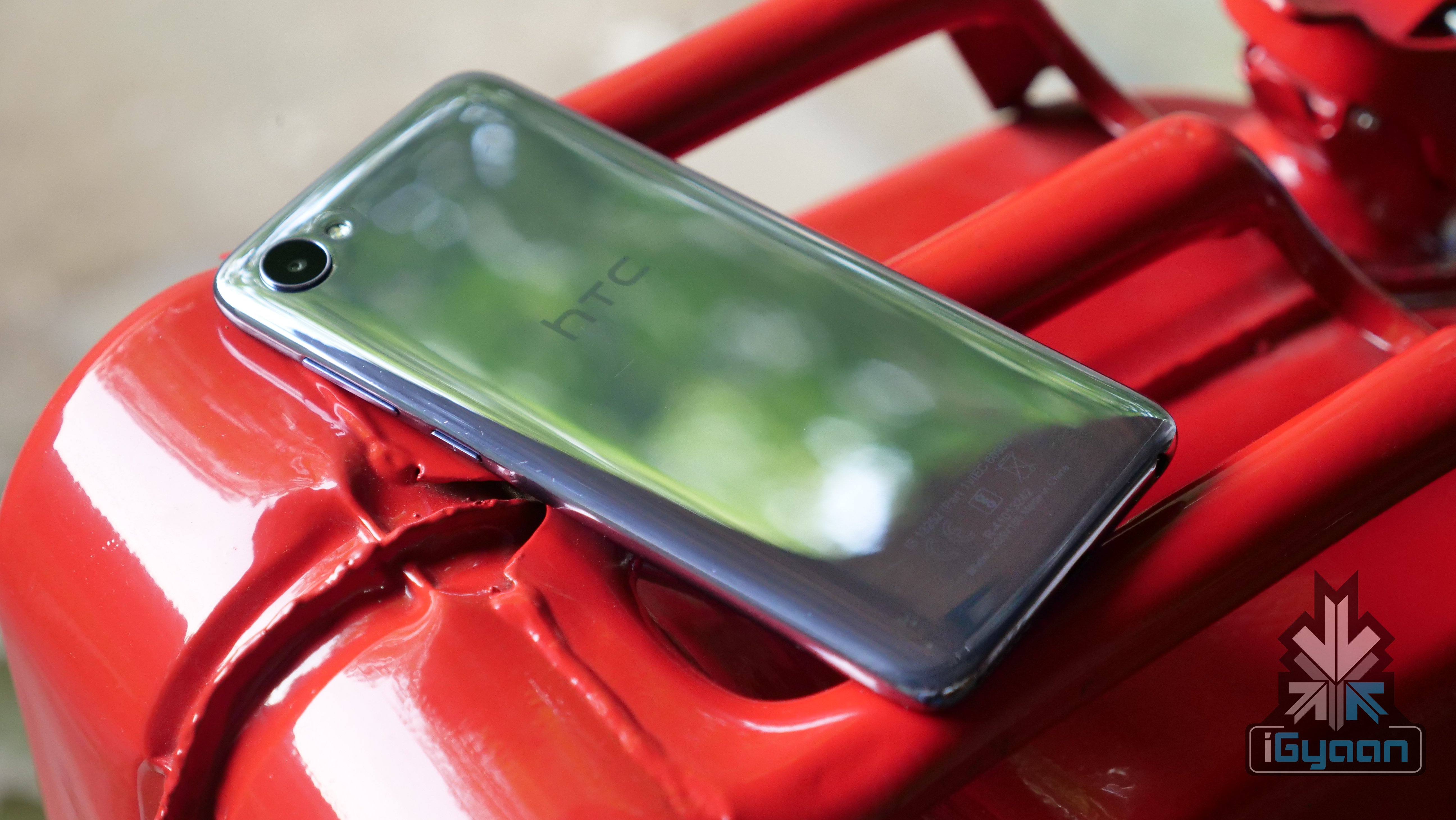
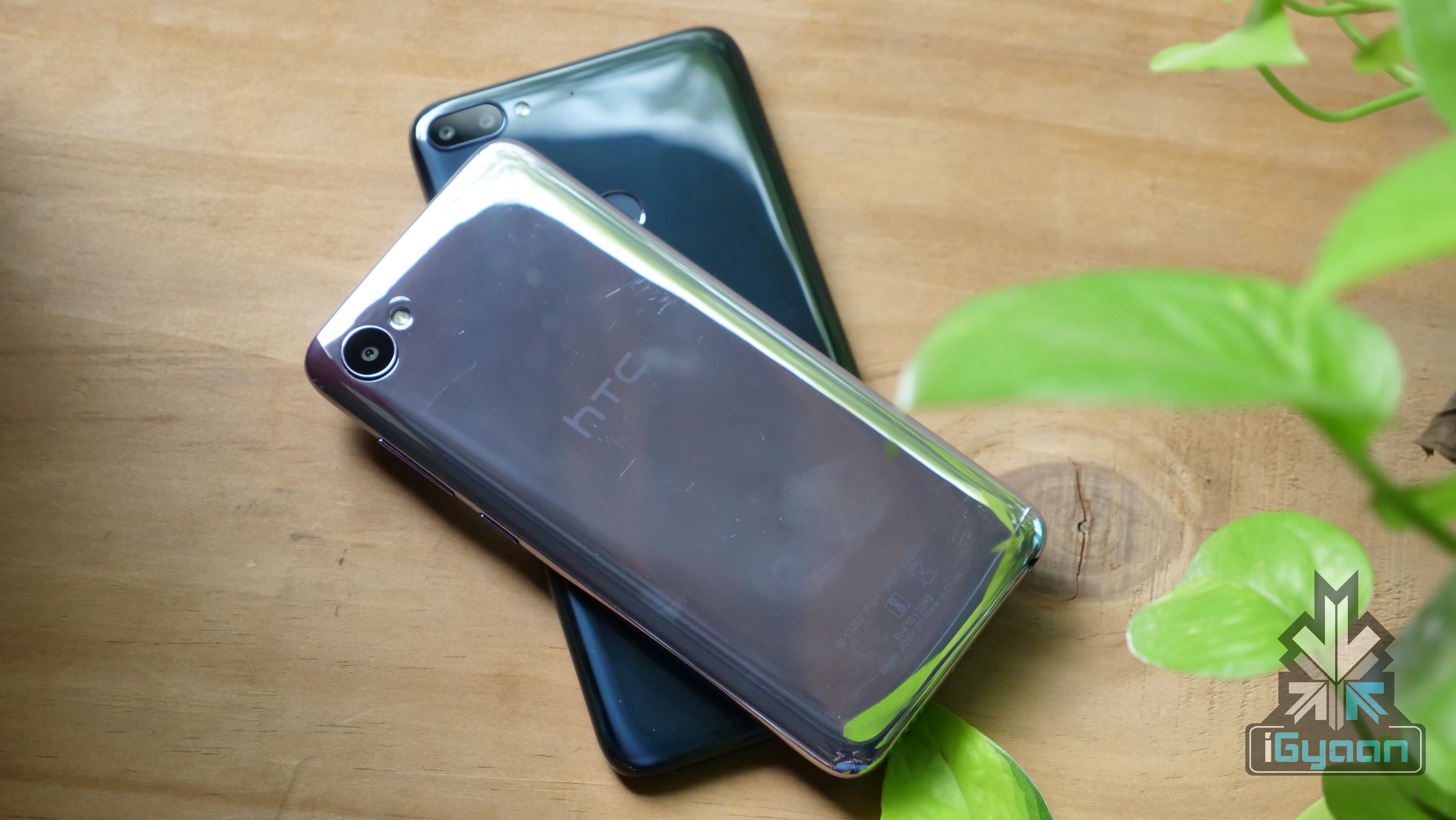
    The moment you hold the two devices you feel that they’re built well. The Desire 12 and Desire 12+ have an all-glass design which is on par with devices like the Huawei P20 Lite. The Desire 12 has a way more glossy finish on the back which is almost like a mirror. The finish on the Desire 12+ is a tad more subtle and at the end of the day, preferences are subjective.

    Both the smartphones sport a shoddy HD+ resolution which was bad even in 2016, let alone 2018. We already have devices like the Realme 1 or Zenfone Max Pro which cost way less and have a FullHD+ resolution. The fingerprint sensor on the Desire 12+ is placed on the back in a central position which is ergonomic. At a price of Rs 15800, the Desire 12 does not even have a fingerprint sensor.

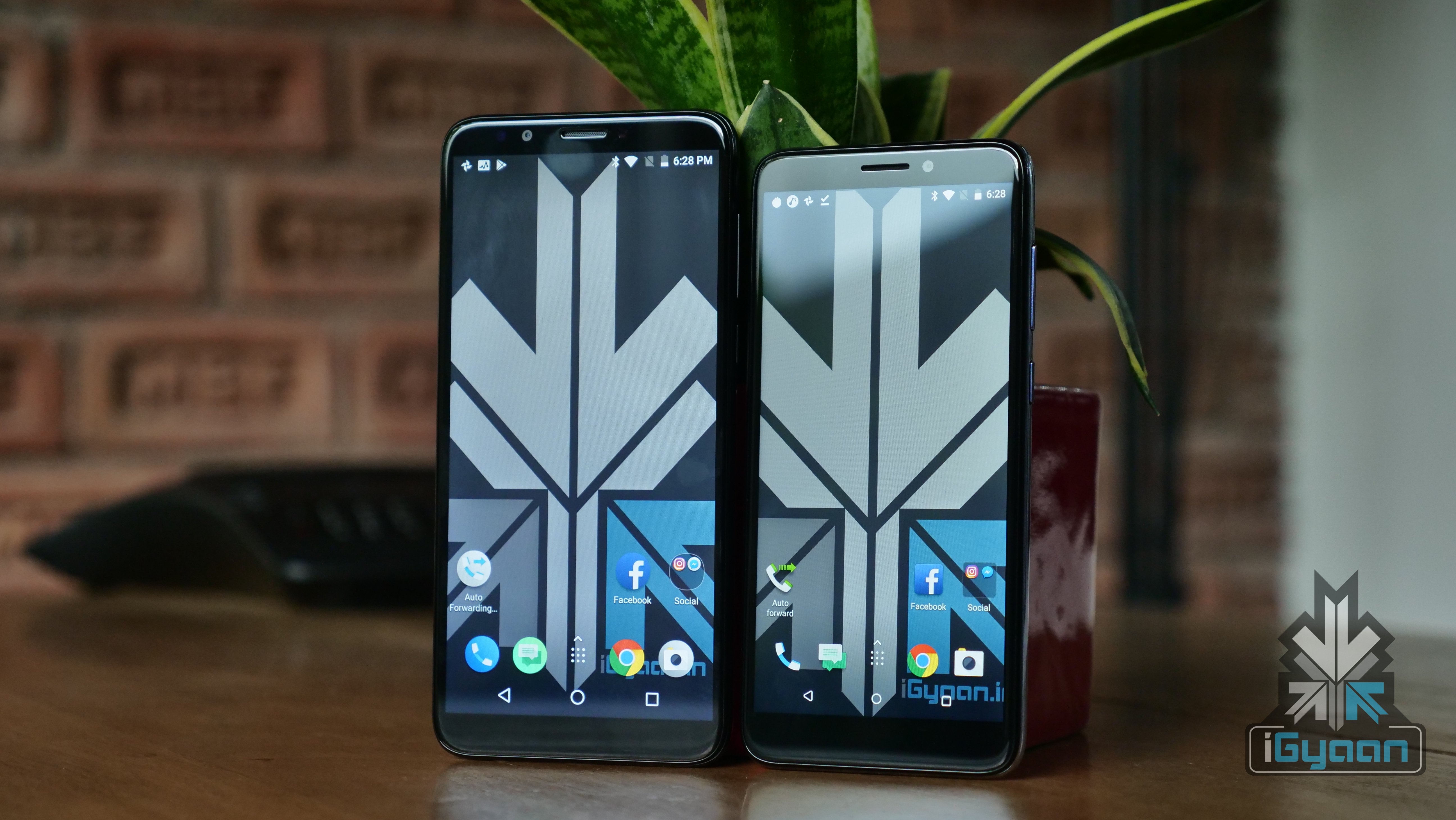
    The HTC Desire 12+ has a 6 inch IPS LCD display with a 1440 x 720 px resolution. This translates into an 18:9 aspect ratio and is the first budget smartphone from HTC to adopt the new aspect ratio.

    Under the hood, the device has the Qualcomm Snapdragon 450 octa-core chipset with 3GB RAM and 32GB storage. The storage is user expandable up to 2TB using a micro SD card. It is worth noting that the Redmi Note 5 Pro, priced at Rs 14999 in India, runs on the Snapdragon 636 chipset while the Huawei P20 Lite is powered by the Kirin 659 SoC. The fingerprint sensor is placed on the back of the device due to thin bezels.

    HTC Desire 12+

    Powering the smartphone is a 2965 mAh battery which charges via a micro USB port. It runs Android 8 Oreo out of the box with HTC SenseUI on top. The custom skin from HTC has bettered over the years and allows a ton of customisation options to the users.

    The smartphone has a dual primary camera setup with a 13MP RGB sensor and a 2MP depth sensor. To the front, the device has an 8MP front-facing camera. Both the camera units can record videos at up to 1080p at 30fps. Before the HTC U12+ was launched, this was the only HTC smartphone with a dual-camera available in the market.

    The HTC Desire 12 is a miniature version of the Desire 12+ with a few other changes. Unlike the ‘Plus’ variant, the Desire 12 misses out on a fingerprint sensor and dual camera setup. The HTC Desire 12 has a 5.5 inch IPS LCD display with a 1440 x 720 px resolution. Under the hood, it runs on the MediaTek 6739 Quad-core chipset with 3GB RAM and 32GB storage. Similarly, the storage is user expandable up to 400GB using a micro SD card.

    Powering the smartphone is a 2730 mAh battery which charges via a micro USB port. It runs Android 8 Oreo out of the box with HTC SenseUI on top. The smartphone has a 13MP primary camera but misses out on the depth sensor. The front houses a 5MP camera with an f/2.4 aperture that records 720P videos at 30fps.

    The HTC Desire 12 and Desire 12+ needed to be priced under Rs 10000 to have any sort of hope in the Indian market. A majority of Indian consumers have grown out of brand consciousness and really want a good device for their money. The HTC devices falter on paper, but, only an in-depth review will give us the full picture. Stay tuned for that!

  • Unboxing The Xiaomi Redmi Y2

    Unboxing The Xiaomi Redmi Y2

    Xiaomi has launched the Redmi Y2 in India at an event in New Delhi today. The smartphone succeeds the Redmi Y1 which was launched in late-2017 along with the Redmi Y1 Lite. The Redmi Y2 is a part of Xiaomi’s selfie-centric lineup of budget smartphones. At a starting price of Rs 9999, the Redmi Y2 will go on sale on 12th June via offline retailers. The 4GB RAM variant is priced at Rs 12999.

    [section label=”Unboxing”]

    Inside The Box Of Xiaomi Redmi Y2
    • Xiaomi Redmi Y2
    • Documentation
    • Sim Ejector Tool
    • Wall Charger
    • Micro USB Charger

    [section label=”Initial Impressions”]

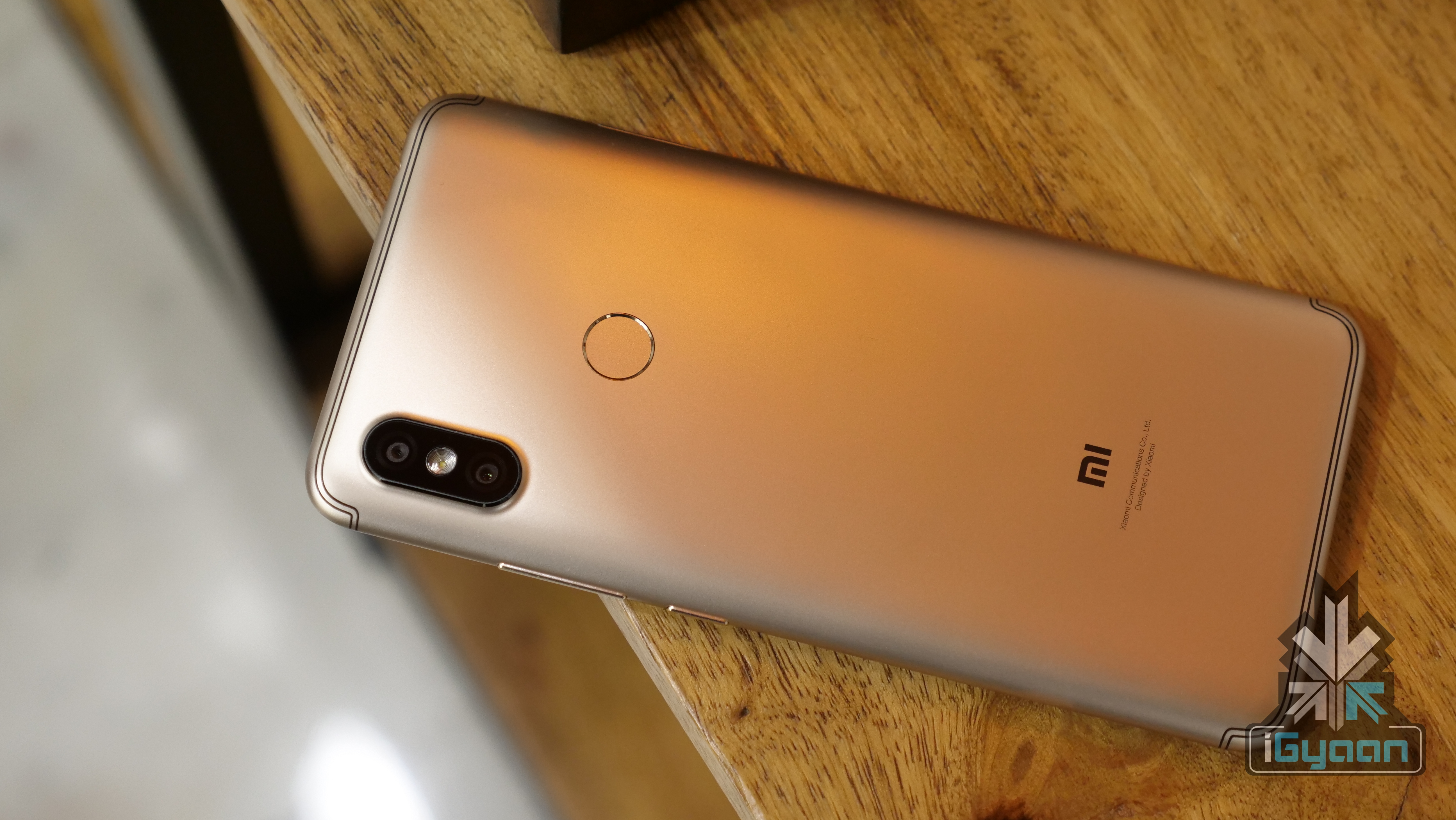
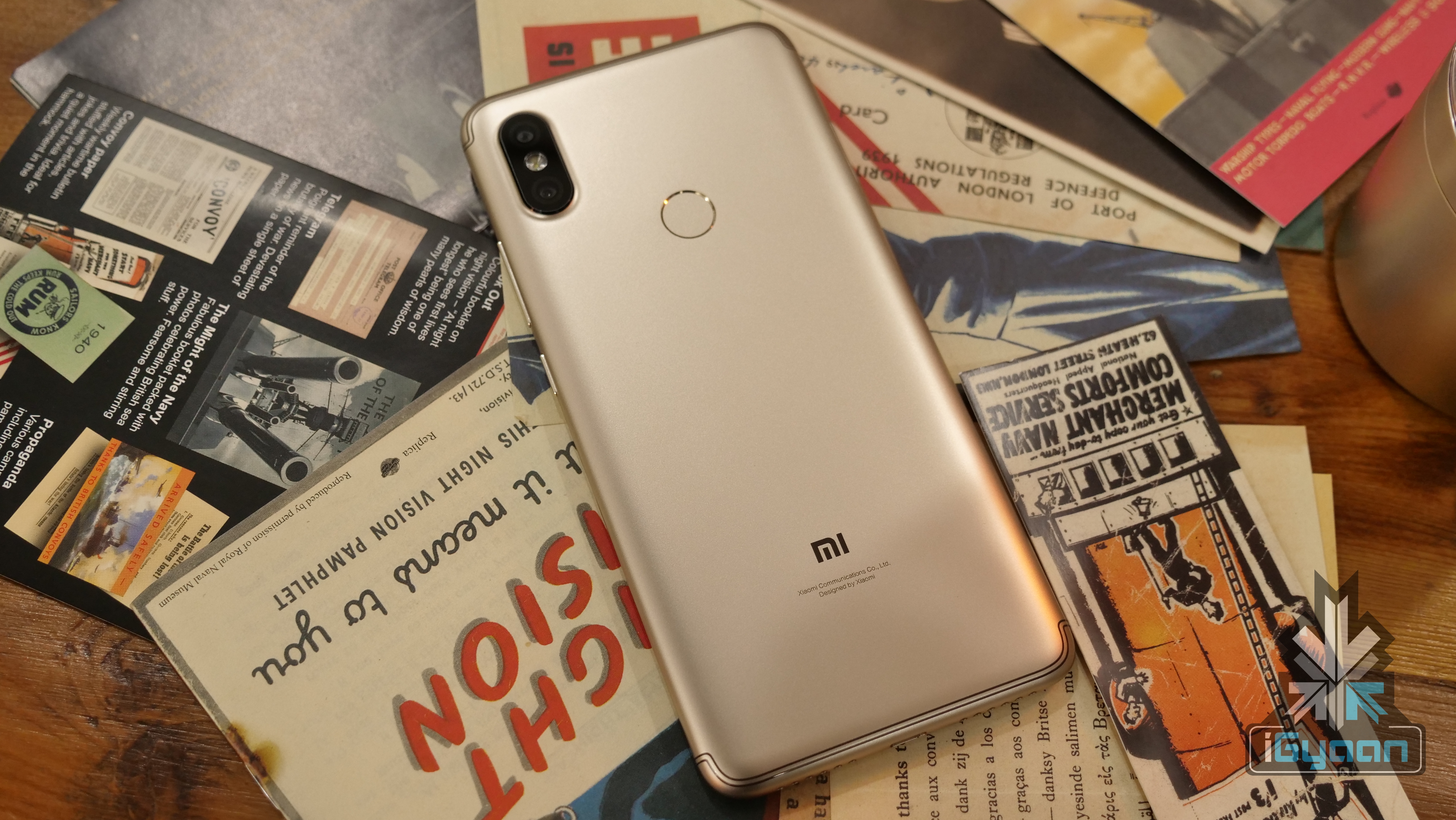
    The Redmi Y2 takes a lot of design cues from other Xiaomi smartphones launched in 2018. It has the same vertically place dual-camera setup found on the Mi MIX 2s and Redmi Note 5 Pro. The design is also familiar along with a circular fingerprint sensor placed on the back of the smartphone. The horizontal lines on the top and bottom of the device give it a distinct look compared to devices like the Redmi Note 5 Pro or Redmi Note 5.

    The Xiaomi Redmi Y2 has a 5.99 inch IPS LCD display with a 1440 x 720 px resolution. This translates into an 18:9 aspect ratio which has become the norm for even budget smartphones.

    Under the hood, the Redmi Y2 runs on the Snapdragon 625 chipset, a tried and tested SoC for Xiaomi. That chipset is coupled with either 3GB or 4GB of RAM along with either 32GB or 64GB of storage which is expandable via a microSD card. Powering the device is a 3080 mAh battery, which will charge via a micro USB port.

    To the back of the smartphone is a 12MP primary sensor with an f/2.2 aperture along with a 5MP depth sensor. To the front is a 16MP AI-powered camera which is capable of clicking portrait mode selfies using just the software. There is also a front-facing LED flash for better low-light images which has a 4500K brightness.

    The Xiaomi Redmi Y2 at a price of Rs 9999 will make sense for people whose primary function is to take a lot of photos. The front-facing camera is the device’s highlight and the company believes this is what differentiates the Redmi Note 5 and Redmi Y2 users. How the smartphone does against devices like the Honor 9 Lite and Redmi Note 5, only time will tell.

  • Unboxing The Moto G6

    Unboxing The Moto G6

    The sixth generation of Motorola’s highly acclaimed Moto G series has launched in India. The Moto G6, initially launched back on Apilr 19th in Brazil has made its way to India for a starting price of Rs 13999. The Moto G6 is the successor to the Moto G5s which was launched in August 2017 and it will go on sale via Amazon exclusively.
    Buy The Moto G6 Here

    The Moto G6 is a significant upgrade over the Moto G5s in terms of design and build quality. During the Moto G5s launch, there were premium smartphones with the 18:9 aspect ratio but, not many budget devices had adopted the feature. Since then, however, the 18:9 aspect ratio has become the norm across the board. The Moto G6 follows the norm as well and has thin bezels around the display with an 18:9 aspect ratio.

    [section label=”Unboxing”]

    Inside the box of the Moto G6
    • Moto G6
    • Documentation
    • Sim Ejector Tool
    • Wall Charger
    • USB-C Cable

    [section label=”First Impressions”]

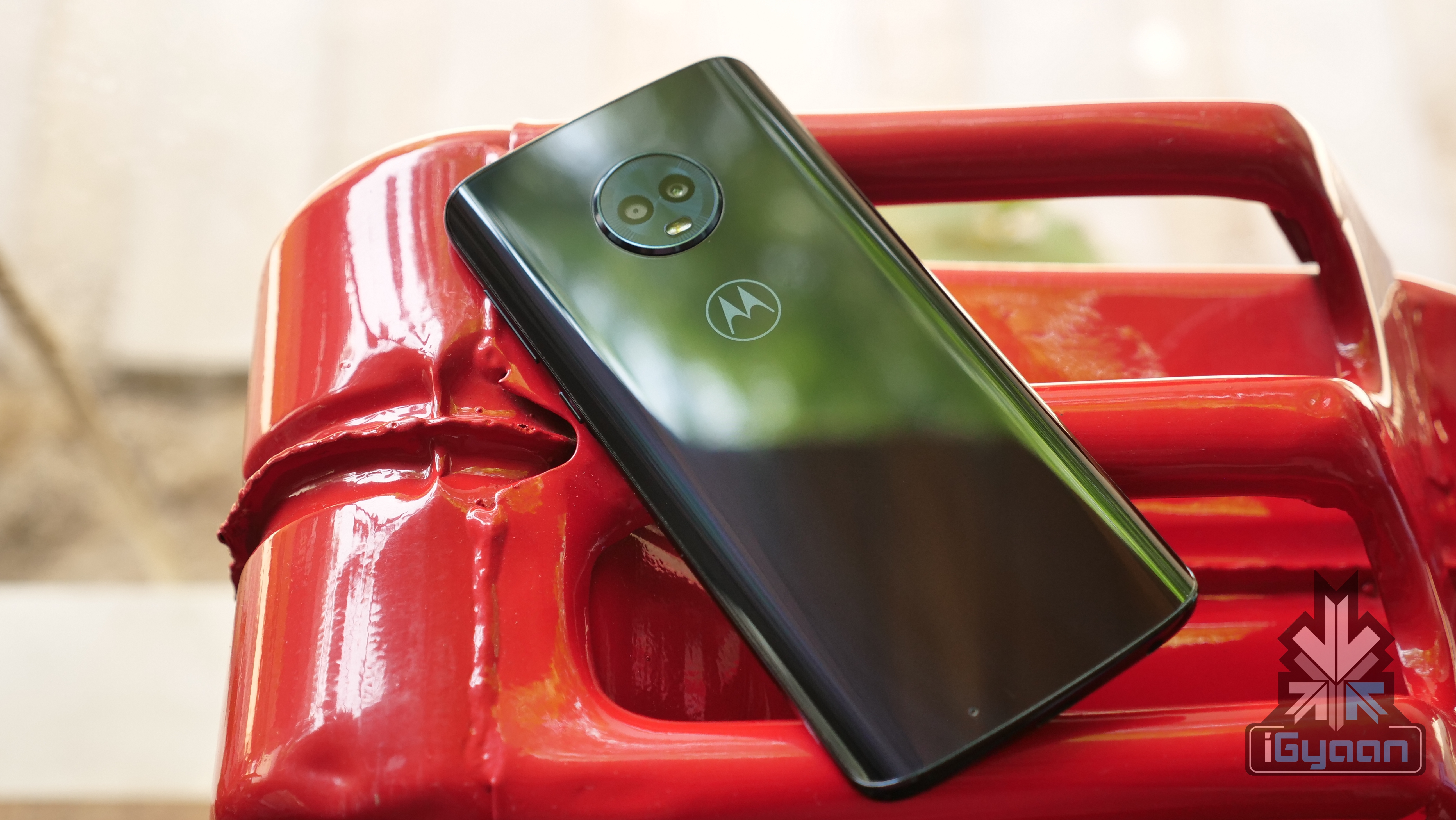
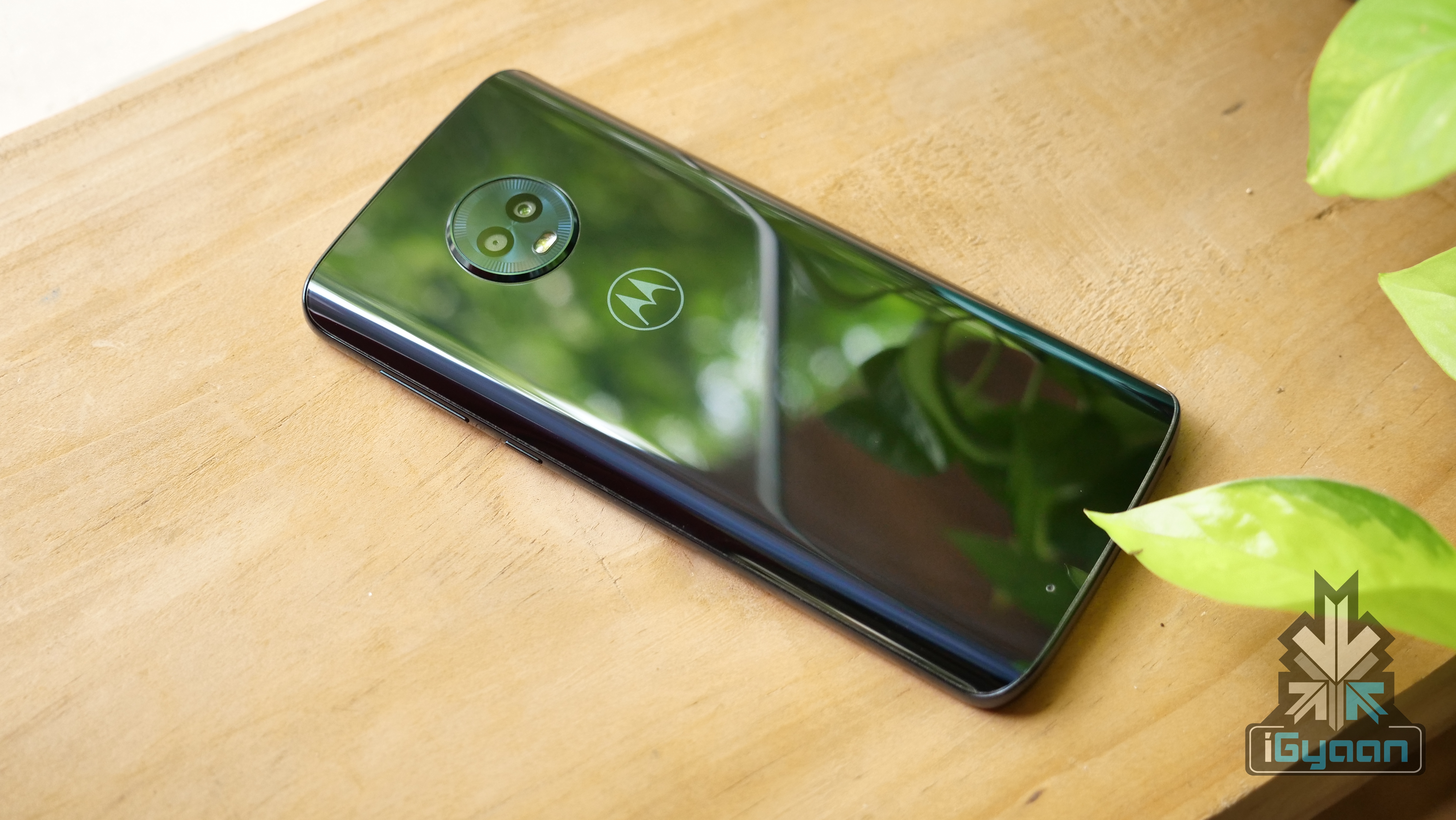
    A few years ago, most budget smartphones were flimsy and had a plastic build. That slowly transitioned into a metal unibody which is much more sturdier, if not the best-looking. 2018 appears to be the year of embracing the glass build quality. Honor did it with Honor 9 Lite and now Motorola has also adopted the all-glass design. The Moto G6 features Corning Gorilla Glass3 on the front and back with an aluminium frame. With the new design, the G6 will be a fingerprint magnet which means a skin or a case is highly recommended for people who like to keep their smartphones clean and pretty.

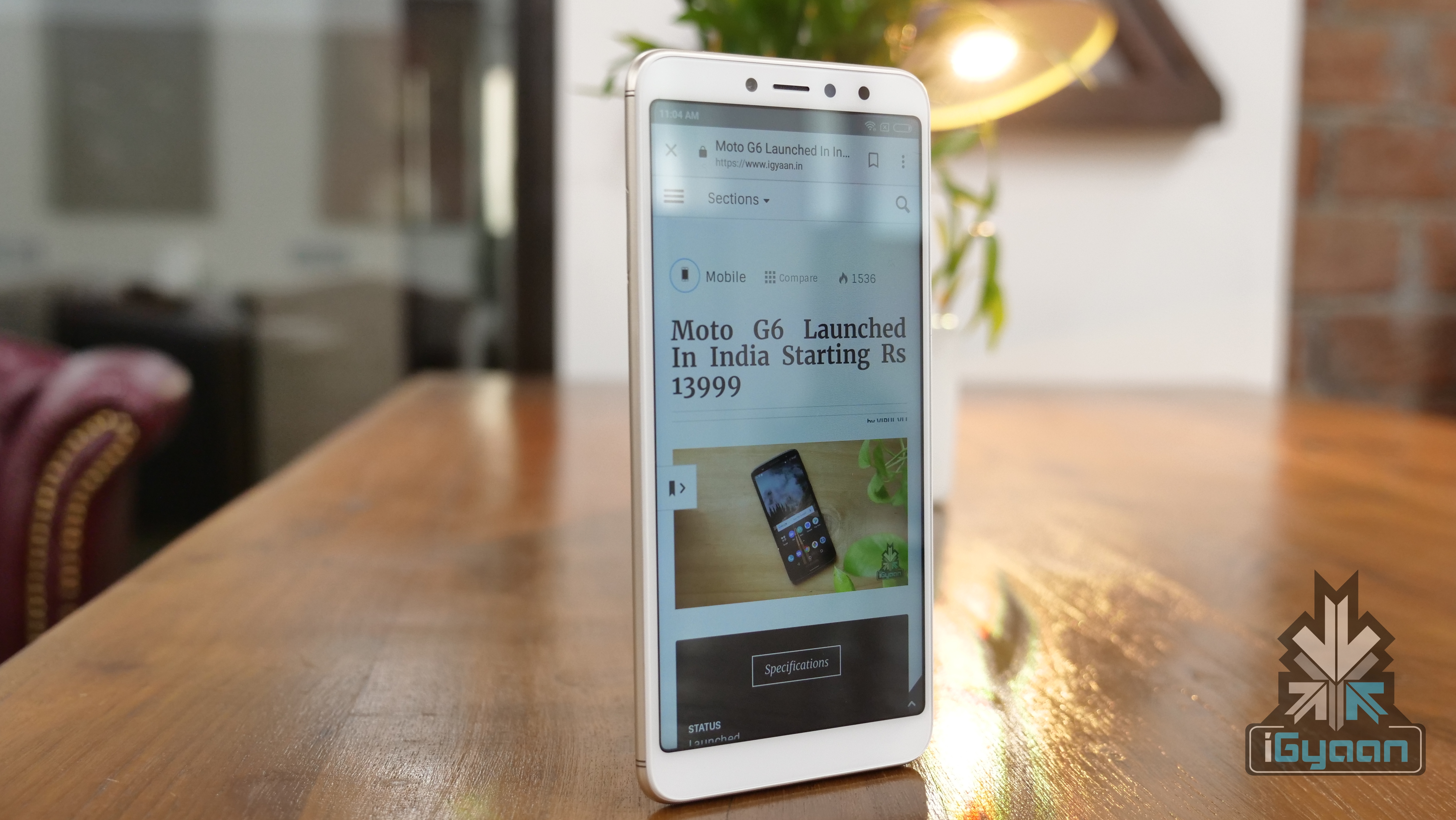
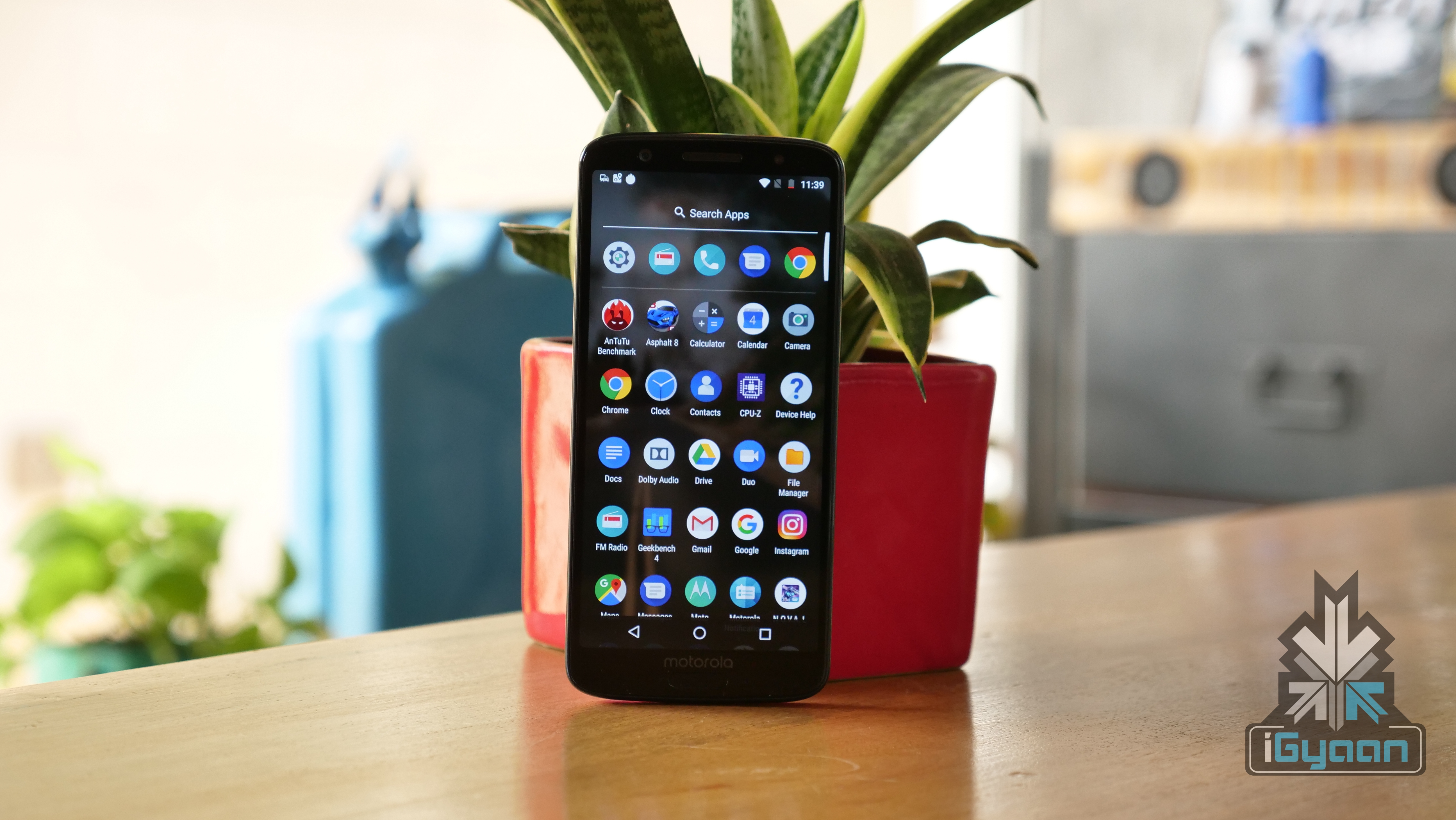
    The G6 has a 5.7 inch LCD display with a 2160×1080. This translates into an 18:9 aspect ratio and thankfully for many, it doesn’t have a notch. Even though it has an 18:9 aspect ratio, the bezels are not the thinnest and it has a 74.4% screen-to-body ratio which is not very high.

    Under the hood, the smartphone runs on the Snapdragon 450 chipset which has eight 1.8GHz Cortex A53 Cores (14nm) and is basically the rebranded Snapdragon 625. The Adreno 506 GPU adds the graphical prowess with either 3GB or 4GB RAM option bundled with a 32GB or 64GB storage option. The storage is expandable via a microSD card which will use up the second SIM slot.

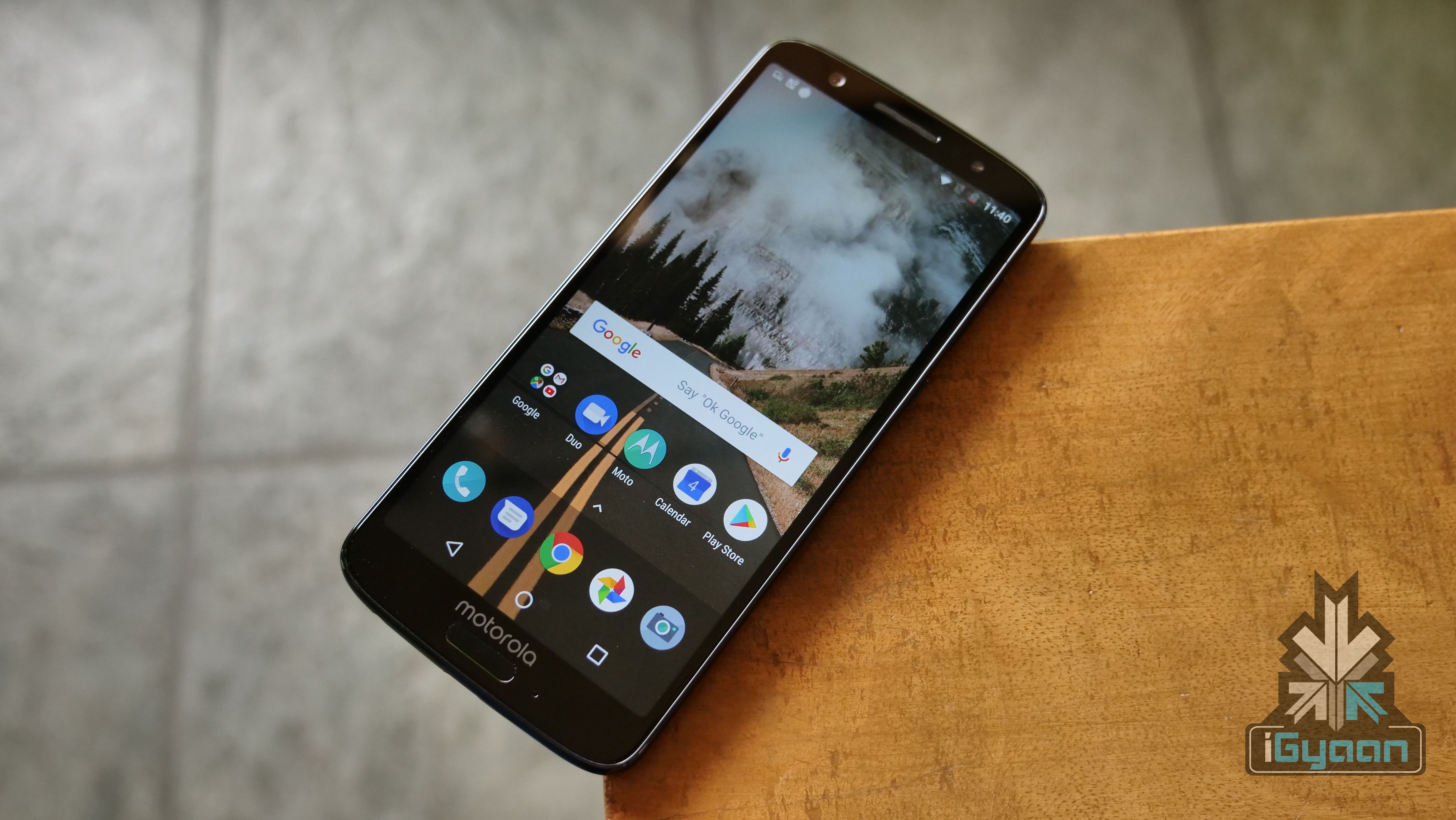
    The Moto G6 does get the USB C charging capabilities along with a 15W charger, which is bundled with a 3000mAh battery. The G6 will run close to stock Android 8 Oreo out of the box in typical Motorola fashion. There were talks of Motorola adopting Lenovo’s custom skin for the G and E series in 2018 but, it turned out to be a hoax.

    At the back is a dual camera setup, consisting of a primary 12MP RGB sensor with an f/1.8 aperture along with a 5MP depth sensor with an f/2.2 aperture. Much like previous smartphones from the company, users can apply a depth-of-field effect to a photo after it is shot, thanks to the saved depth information. Users will also get effects like a selective black-and-white mode, a time-lapse feature, face filters, motion photos and visual search for objects and landmarks. The front houses a 16MP camera with an f/2.2 aperture and an LED flash.

    The Moto G6 feels like a worthy upgrade over the Moto G5s. At this price point, however, the consumers also have the options of going for the Redmi Note 5 Pro or the Zenfone Max Pro which are powered by the Snapdragon 636. The G6 does have a better design with its a–glass build but, it’ll be interesting to see how the smartphone is received by the Indian consumers.

  • Unboxing The OnePlus 6 Avengers Infinity War Edition

    Unboxing The OnePlus 6 Avengers Infinity War Edition

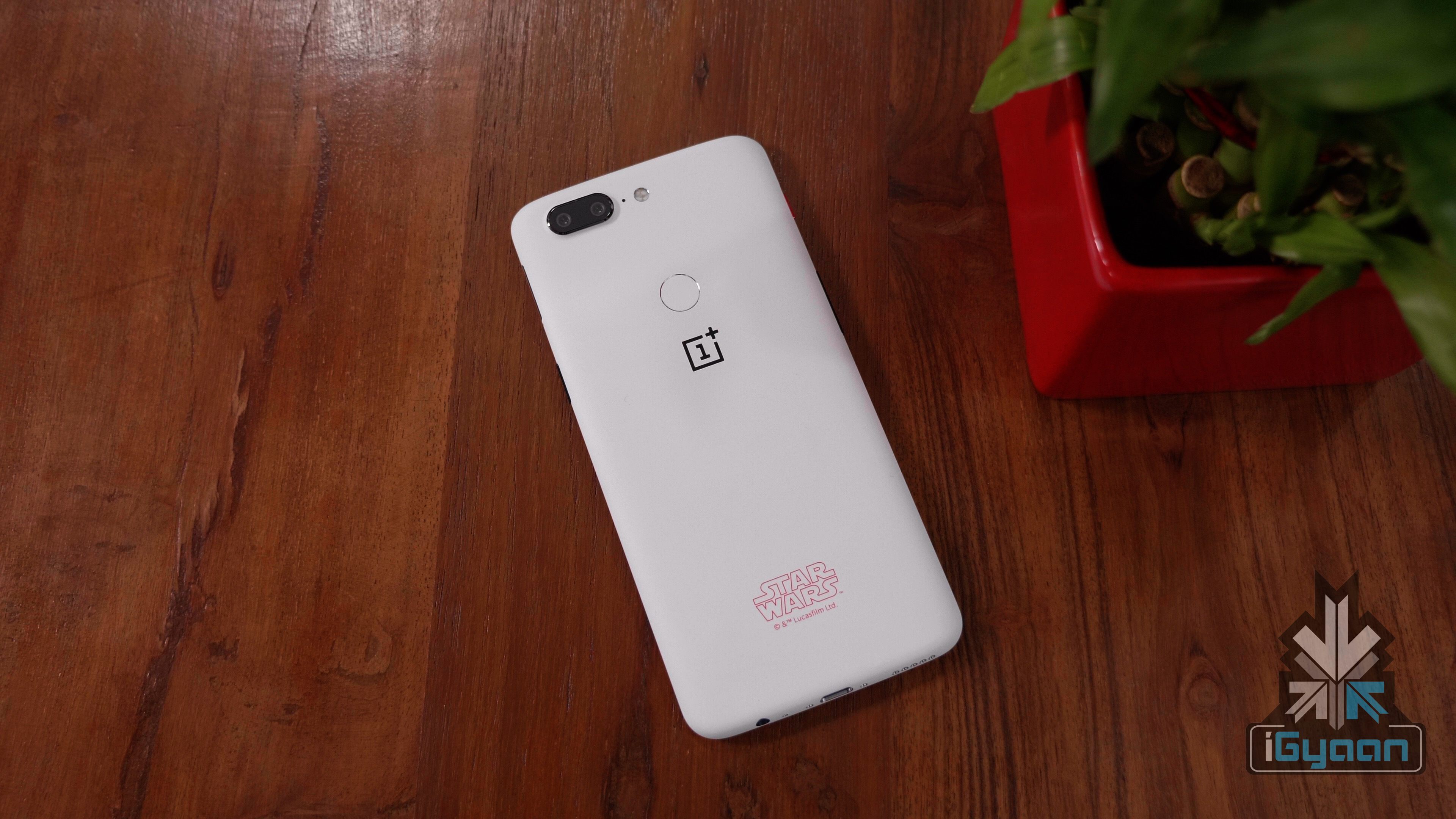
    On December 14th, almost a month after launching the OnePlus 5T, OnePlus unveiled the OnePlus 5T Star Wars Edition. It was a limited edition smartphone in association with the Star Wars: The Last Jedi film. On May 17th, one day after globally launching the OnePlus 6 in London, the Chinese smartphone maker launched the OnePlus 6 Avengers Infinity War Edition in India. The limited edition smartphone is in association with the recently released Avengers: Infinity War film.
    OnePlus 5T Star Wars Edition

    The smartphone will be available in variant only, with 8GB RAM and 256GB storage. In India, the device will retail for Rs 44999 via Amazon from May 29th. The special edition smartphone will also come in a different style of box.

    [section label=”Unboxing”]

    Inside the box of the OnePlus 6 Avengers Infinity War Edition
    • OnePlus 6 Avengers Infinity War Edition
    • Wall Charger
    • Type C Cable
    • Sim Ejector Tool
    • Documentation
    • Special Avengers Case
    • Medallion

    [section label=”Initial Impressions”]

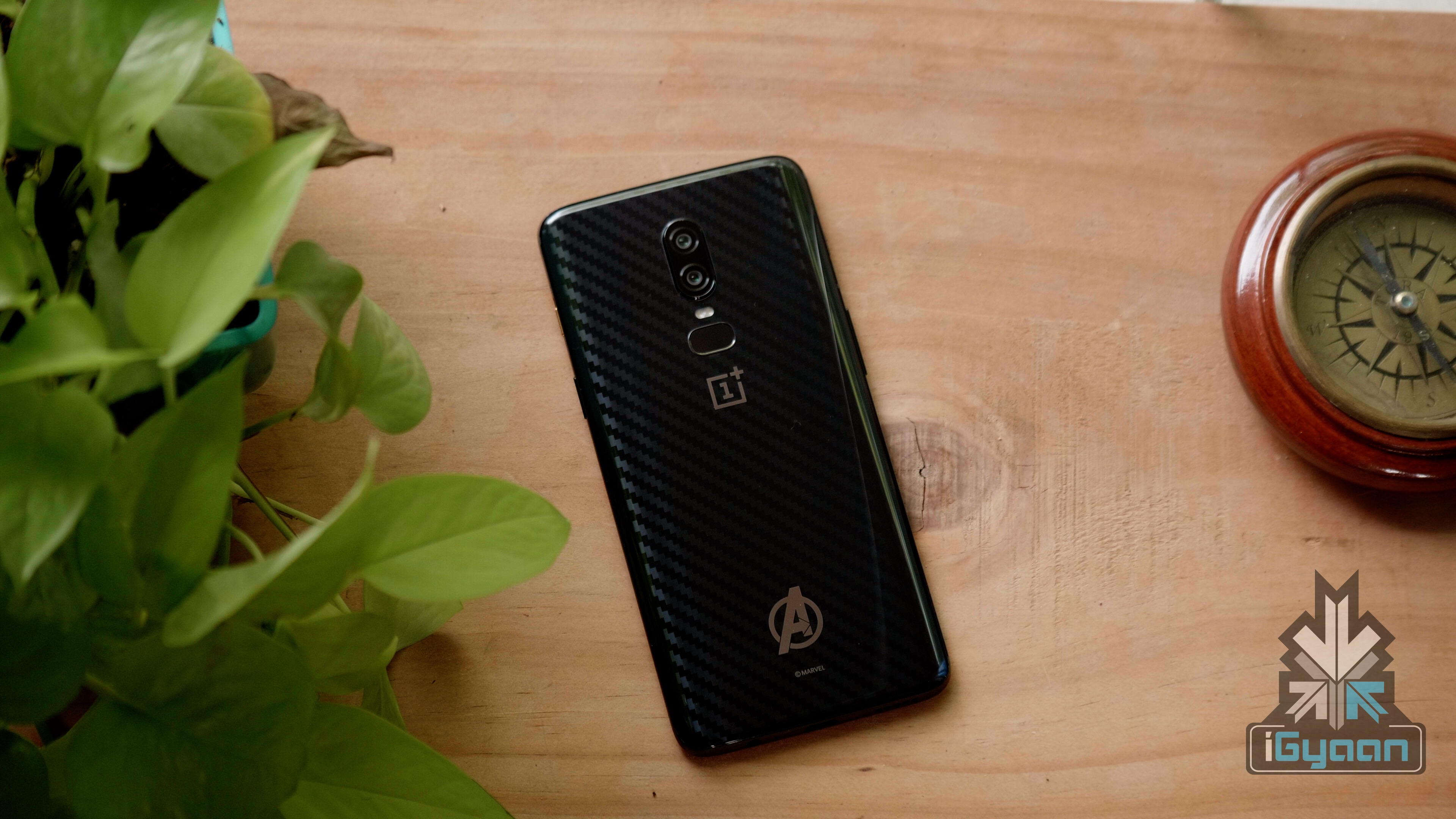
    OnePlus has gone out of its way to make this smartphone a special buy for Marvel fanatics. Every OnePlus 6 Avengers Infinity War Edition will retail with a special Avengers case, in our package was an Iron Man case. Every retail box will also have a gold coloured medallion. The company has announced if you collect 6 medallions, there is a special prize in store for you. The company has, however, not announced what the prize will be.

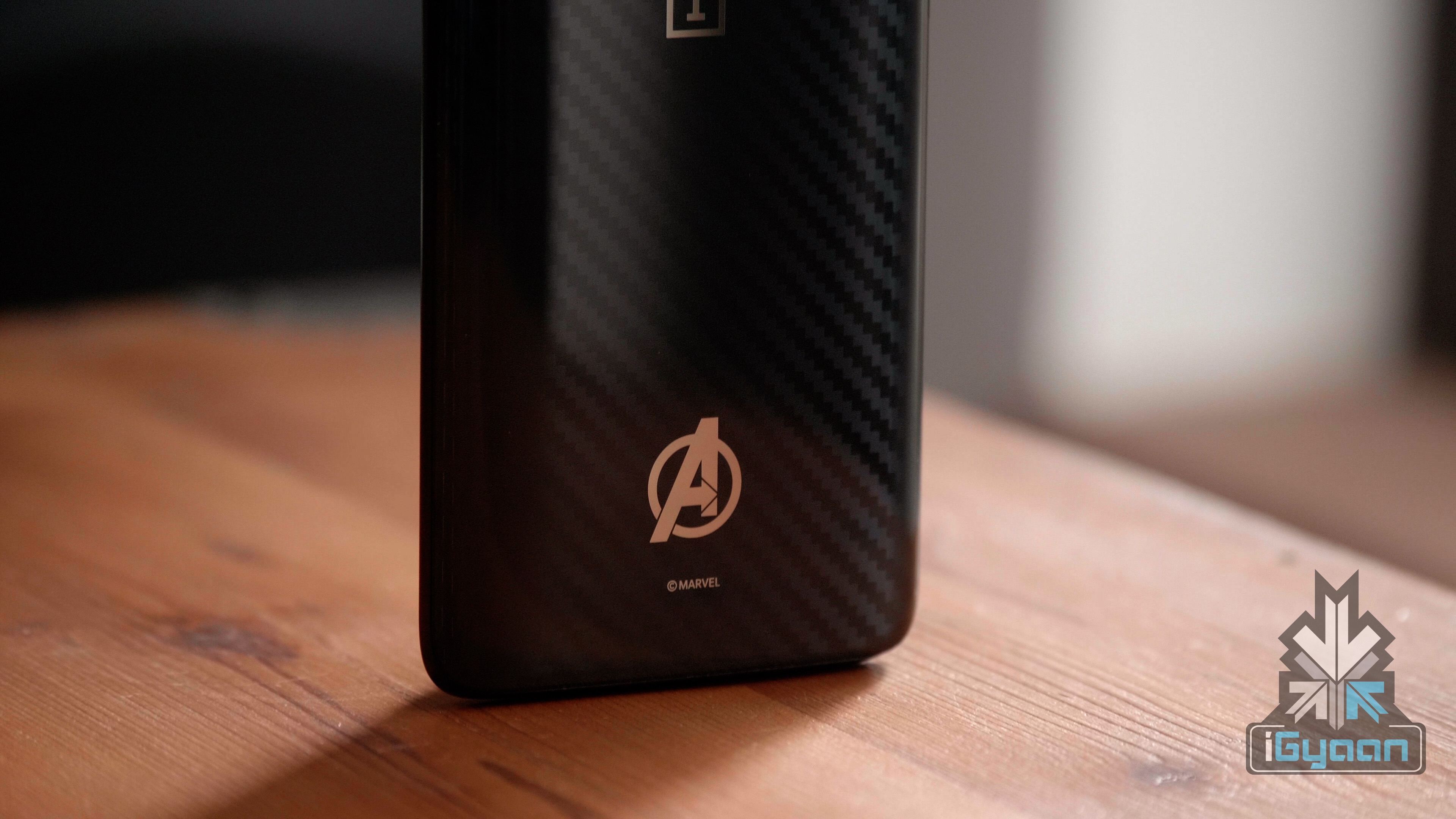
    The build quality, specifications are exactly the same as the regular OnePlus 6. However, with the OnePlus 6 Avengers Infinity War Edition, the back of the device has a carbon fibre finish underneath the glass. This look is reminiscent of the Carbon Fibra back panel which was available for the OnePlus One and OnePlus 2. The OnePlus continued to sell a snap-on case for its other devices with the carbon fibre finish. Like what OnePlus did with the OnePlus 5T Star Wars Edition, we expect the OnePlus 6 Carbon Fibre to be launched in other countries without the Avengers branding.

    It has a 6.28 inch Optic AMOLED display with a 2280 x 1080 px resolution. The aspect ratio is 19:9 which means it is slightly taller than the OnePlus 5T.

    It runs on the Qualcomm Snapdragon 845 chipset which has an octa-core processor clocked at 2.8GHz. Coupled with the flagship chipset is 8GB of RAM and 256GB onboard storage. The storage is still not user-expandable just like every other OnePlus device. The fingerprint sensor is still placed on the rear but, it has a more oval shape this time around.

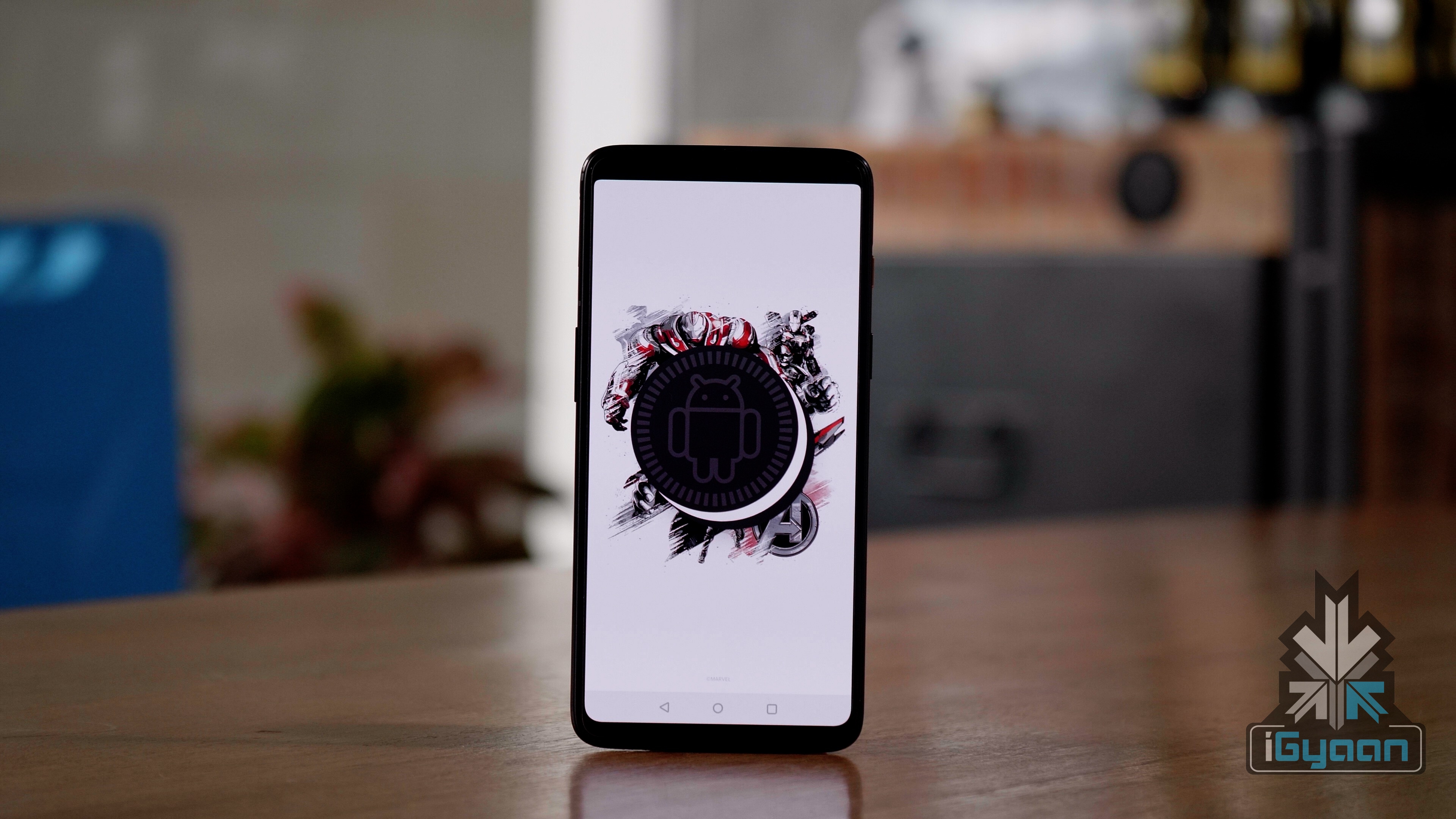
    Powering the device is a 3300 mAh battery with DashCharge support. DashCharge continues to be one of the fastest charging technologies and could be the reason why OnePlus did not think that wireless charging was necessary here. Out of the box, the OnePlus 6 will run Android 8.1 Oreo with OxygenOS on top. The smartphone will have gesture support which we tested on the OnePlus 5T during its Beta test. There is a special Avengers theme which is a dark theme with gold accents. There are also exclusive Avengers wallpapers pre-installed. It would have been really cool to have an Avengers font as well but, that is not available yet.

    The dual-camera setup on the back includes a 16MP Sony IMX 519 sensor and a 20MP Sony IMX 376K sensor. Both are RGB sensors and have an f/1.7 aperture with OIS, another first for a OnePlus device. The cameras also record 4K videos at 60fps which is a great feature for content creators. To the front of the smartphone is a 16MP Sony IMX 371 sensor with an f/2.0 aperture and EIS which records 1080P videos.

    The OnePlus Avengers Infinity War Edition is a collector’s dream and looks really good as well. It has the sturdiness of the OnePlus 6 and the carbon fibre underneath the glass gives it a distinguished look among the increasingly similar-looking flagship smartphones.

  • Unboxing The OnePlus 6

    Unboxing The OnePlus 6

    OnePlus has finally lifted the curtains off of the OnePlus 6 at an event in London. The OnePlus 6 will launch in India on May 17th where the pricing details will be announced. The OnePlus 6 follows up the successful OnePlus 5T, which was launched in November, about five months after the OnePlus 5 launch. Makes you wonder whether the OnePlus 6T is just around the corner!

    The base model of the OnePlus 6 is priced at US$ 529 (Rs 35,800 approx.), the 8GB RAM/128GB model will retail for US$ 579 (Rs 39200 approx.) while the 8GB RAM/256GB storage variant will cost you US$ 629 (Rs 42500).

    OnePlus has really made the OnePlus 6 a feature-packed smartphone, addressing the main complaints that users had with previous OnePlus smartphones. Even before the launch, OnePlus confirmed that the new flagship device will have an all-glass design and even have some sort of water resistance.

    [section label=”Unboxing”]

    [embedyt] https://www.youtube.com/watch?v=hLXzejzQM8Y[/embedyt]

    Inside the box of the OnePlus 6
    • OnePlus 6
    • Documentations
    • Sim Ejector Tool
    • Wall Charger
    • USB C Cable

    [section label=”Initial Impressions”]

    Just like every other OnePlus smartphone, you do not get any earphones inside the box. OnePlus has, however, launched a new pair of Bluetooth earbuds which should be available in India soon. The moment you take the OnePlus 6 out, you realise that this isn’t anything like a previous OnePlus device. The smartphone has a glossy finish thanks to an all-glass design. The aluminium frame gives it a solid build, maintaining a superior build quality we have known OnePlus smartphones to have. The back of the device is a fingerprint magnet and it is strongly suggested that you use a case or a skin.


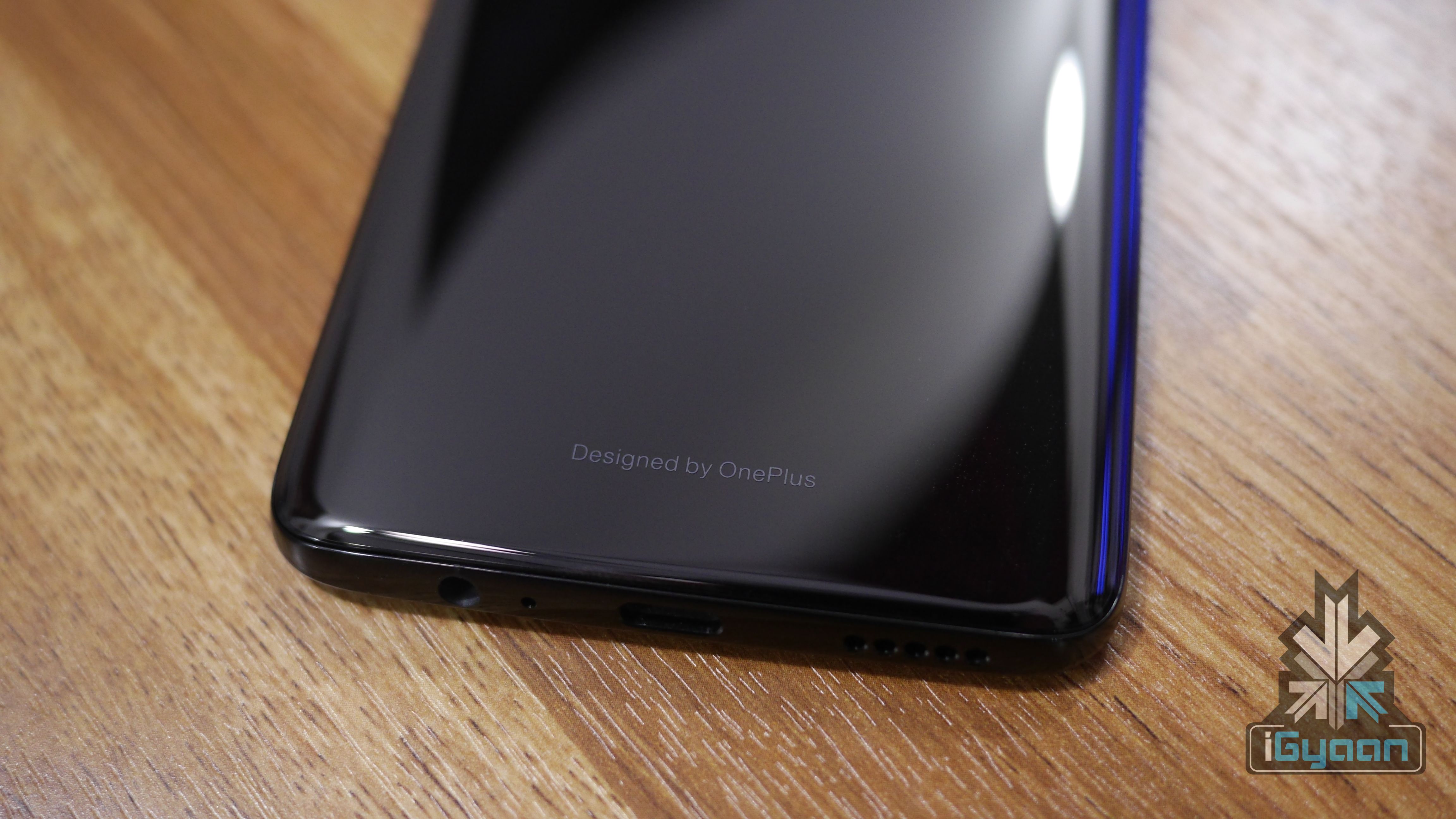
    The 3.5mm headphone jack retains its place on the bottom of the smartphone next to the USB C port. The OnePlus 6 is now water resistant as well but, the exact rating has not been confirmed yet. The alert slider has been shifted on the right-hand side with the power button, while the volume rockers sit on the left-hand side.

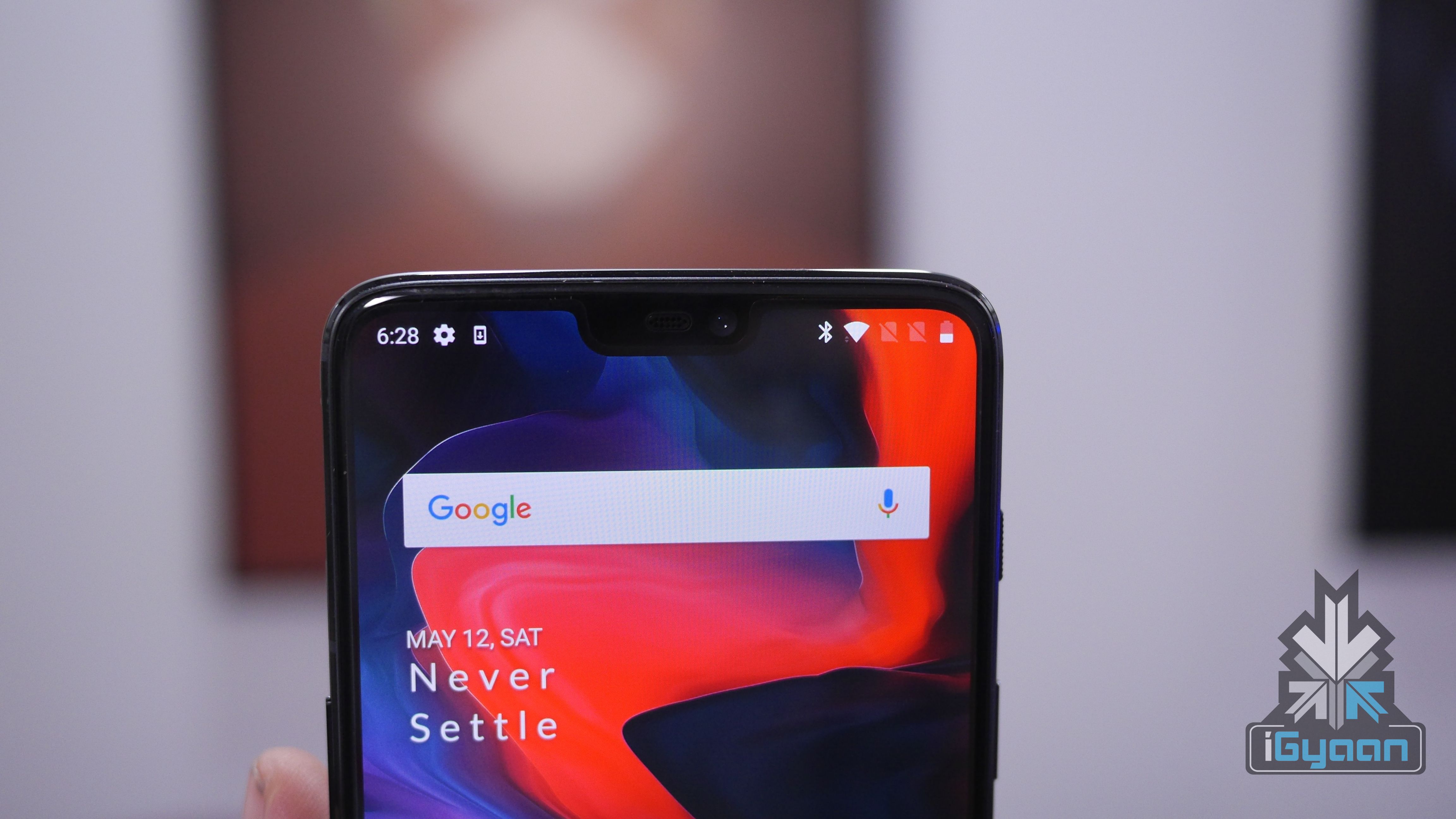
    The OnePlus 6 has a 6.28 inch Optic AMOLED display with a 2280 x 1080 px resolution. The aspect ratio is 19:9 which means it is slightly taller than the OnePlus 5T. The notch has also become very common among Android smartphones but, users will have an option to hide the notch via software.

    The 6 runs on the Qualcomm Snapdragon 845 chipset which has an octa-core processor clocked at 2.8GHz. Coupled with the flagship chipset is either 6GB or 8GB of RAM with three storage options of 64GB, 128GB and 256GB. The storage is still not user-expandable just like every other OnePlus device. The fingerprint sensor is still placed on the rear but, it has a more oval shape this time around.

    Powering the device is a 3300 mAh battery with DashCharge support. DashCharge continues to be one of the fastest charging technologies and could be the reason why OnePlus did not think that wireless charging was necessary here. Out of the box, the OnePlus 6 will run Android 8.1 Oreo with OxygenOS on top. The smartphone will have gesture support which we tested on the OnePlus 5T during its Beta test.

    The OnePlus 6 has a dual-camera setup on the back similar to the OnePlus 5T. The setup includes a 16MP Sony IMX 519 sensor and a 20MP Sony IMX 376K sensor. Both are RGB sensors and have an f/1.7 aperture with OIS, another first for a OnePlus device. The cameras also record 4K videos at 60fps which is a great feature for content creators. To the front of the smartphone is a 16MP Sony IMX 371 sensor with an f/2.0 aperture and EIS which records 1080P videos.

    We will be testing out the OnePlus 6 in details for our full review. The Honor 10, launched on May 15th, also has a glass back and a dual-camera setup. Would like to see a comparison between the two smartphones? Let us know in the comments!

  • Unboxing The Honor 10

    Unboxing The Honor 10

    Honor has launched the Honor 10 at an event in London. The Honor 10 will be available in two variants. The Honor 10 will be available in only one variant in India. The smartphone will have 6GB RAM and 128GB storage and will be priced at Rs 32999. The Honor 10 will be available via Flipkart exclusively.
    Succeeding the popular Honor 9, the Honor 10 has flagship specifications and an all-glass design. The smartphone also features a notch on the display like a lot of other modern-day Android smartphones. The colour variants are also very interesting with the Honor 10. Two of the colour variants have a dual-tone colour of blue and pink and in the images at least, looks pretty fantastic. The fingerprint reader like expected is not embedded inside the display, instead, it is an invisible ultrasonic fingerprint sensor that can also detect a wet finger.

    [section label=”Unboxing Video”]

    [section label=”Unboxing”]

    Inside the box of the Honor 10
    • Honor 10
    • Documentation
    • Sim Ejector Tool
    • Wall Charger
    • USB C Cable

    [section label=”Initial Impressions”]

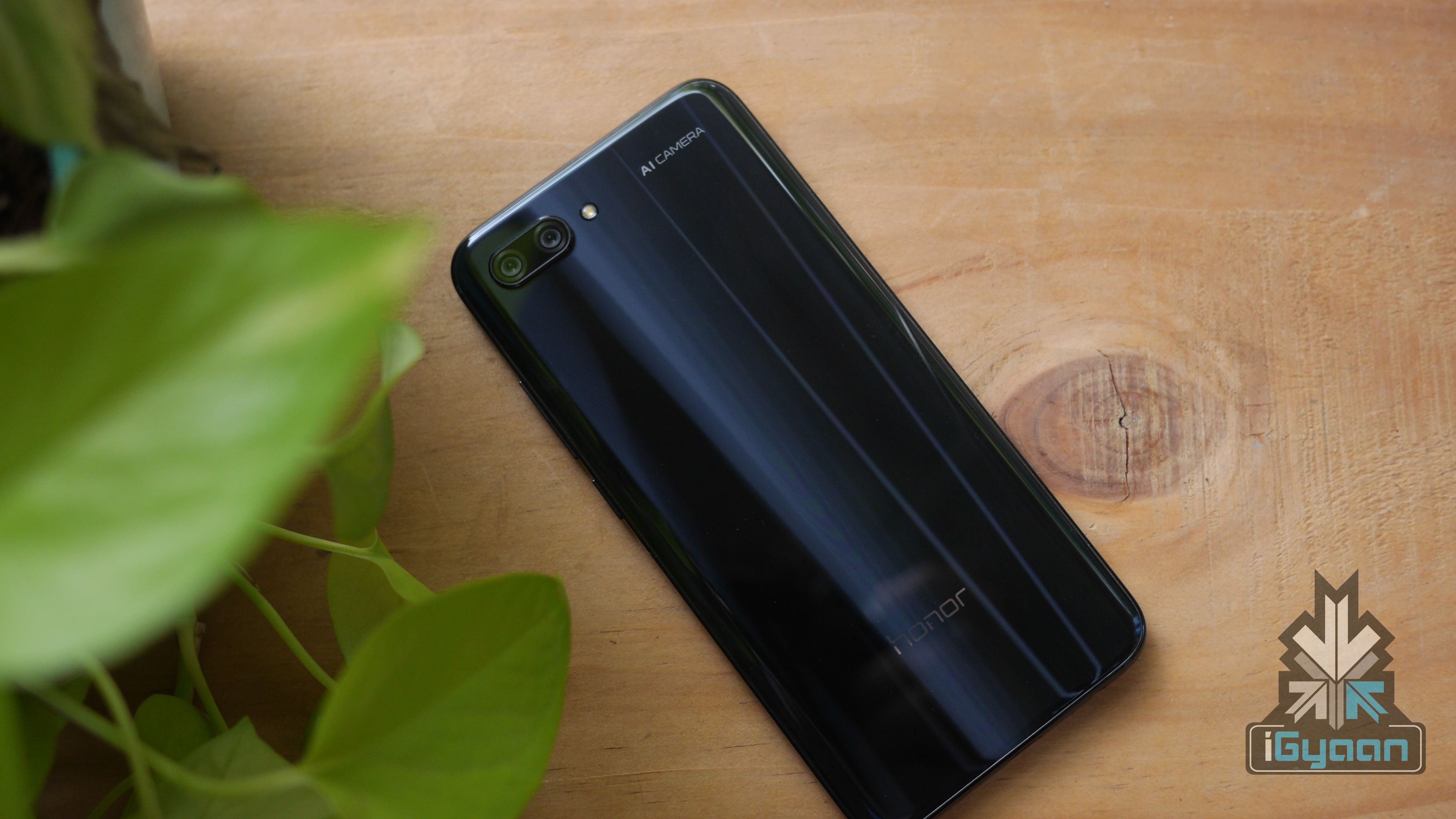
    The Honor 10 takes a lot of design cues from the Huawei P20 Pro. The notch on the display is the same size as the P20 Pro and the all-glass design is reminiscent of the Huawei flagship smartphone. Right off the bat, you’ll realise that this a slippery phone thanks to its build quality. The glass finish means that the back of the device is also a fingerprint sensor. It is best adviced to either use a case or a skin for a better grip.

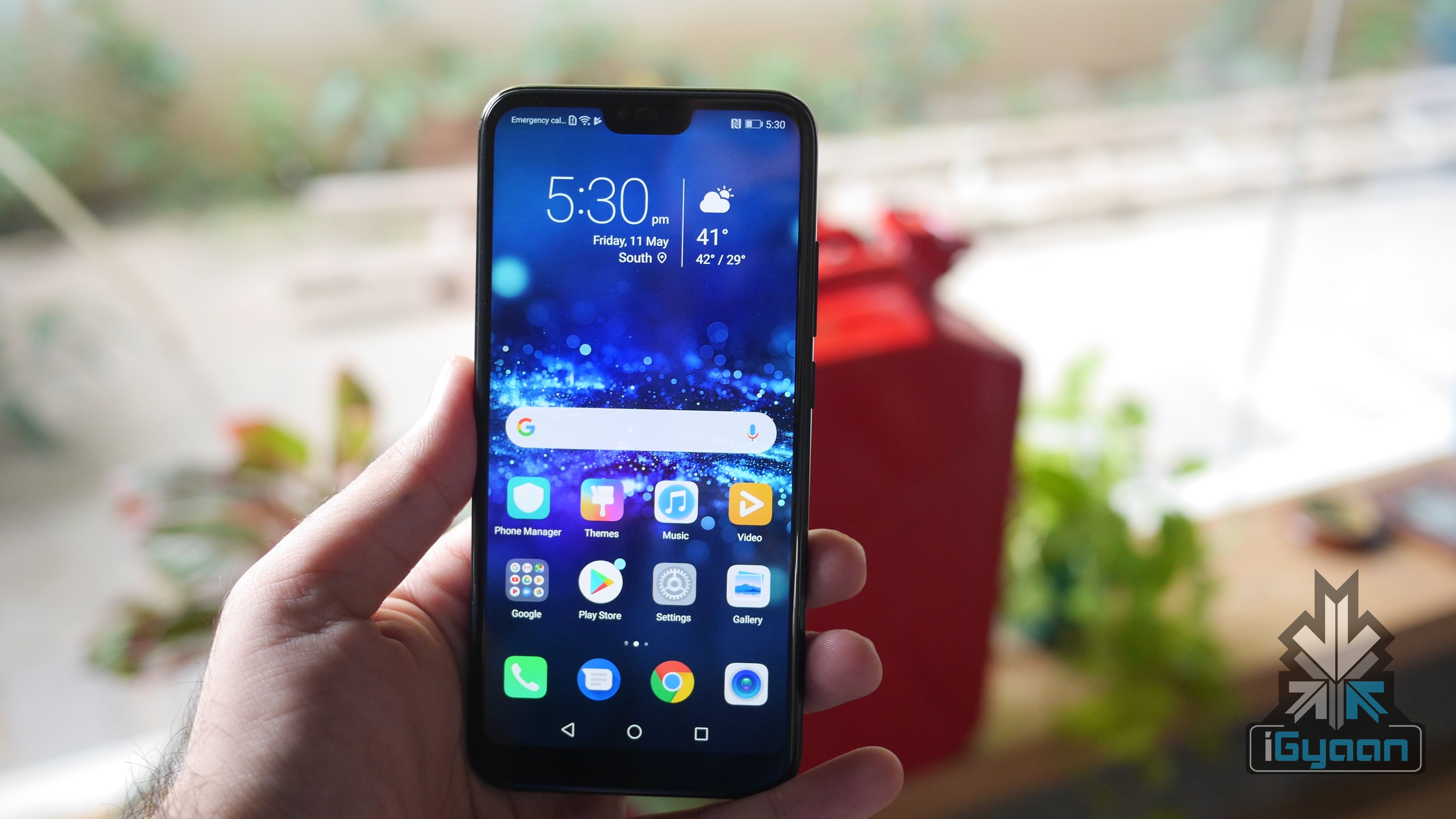
    The front of the smartphone is dominated by the 5.84 inch IPS LCD display with a 2280 x 1080 px resolution. The notch can be hidden using software which will turn the display into an 18:9 aspect ratio.

    Running everything under the hood is the company’s own flagship SoC, the HiSilicon Kirin 970. That is coupled with 6GB of RAM and 128GB storage. The flagship chipset can handle anything you throw at it and day-to-day usage is a breeze. The Honor 10 runs a highly customised version of Android 8.1 Oreo. For users who crave an app drawer and stock Android, there is always the Pixel Launcher.

    Powering the smartphone is a 3400 mAh battery which charges via a USB C port. It is worth noting that despite having a glass back, the smartphone does not support wireless charging. It is SuperCharge compatible which should charge the phone faster than usual.

    Honor has also touted AI capabilities of the Honor 10. AI seems to have become a very marketable term for smartphone makers these days. According to Honor, AI 2.0 can detect dynamic pictures more accurately. The phone’s AI 2.0 can also process Prisma-like image effects twice as fast as the iPhone X.

    The smartphone has a dual-camera setup on the back, consisting of a 16MP RGB sensor with an f/1.8 aperture and a 24MP Monochrome sensor. The rear cameras record 4K videos at 30fps. The notch on the display, along with the sensors and an earpiece, also houses a 24MP camera with an f/2.0 aperture. The front-camera only records 1080P videos at 30fps.


  • Unboxing The OPPO Realme 1

    Unboxing The OPPO Realme 1

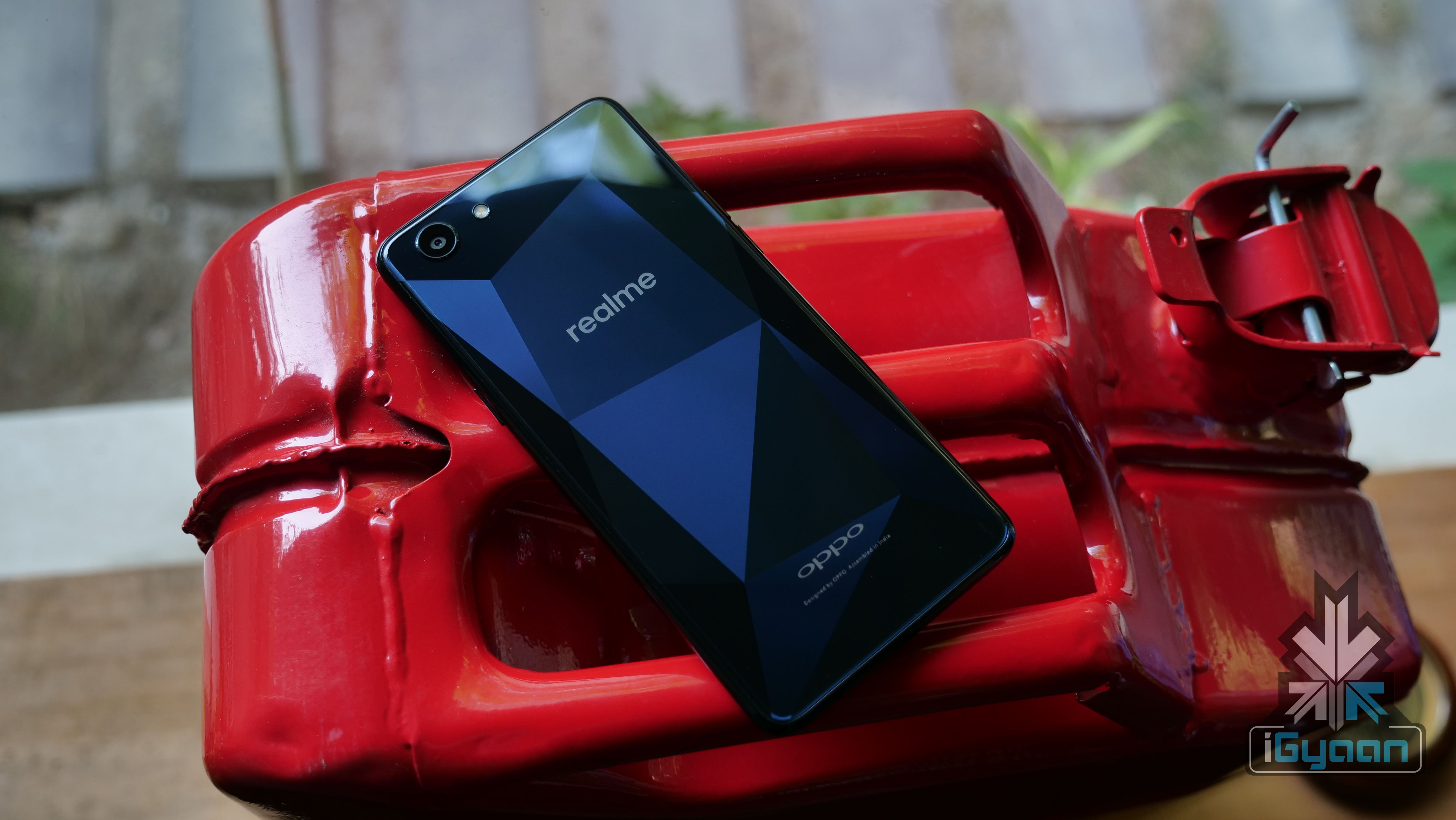
    Realme is an OPPO sub-brand which will launch its first smartphone in India, the Realme 1 on May 15th. The device will be an Amazon-exclusive and its product page has a few details about the smartphone listed already. The smartphone has a starting price tag of Rs 8990 for the 3GB RAM variant.

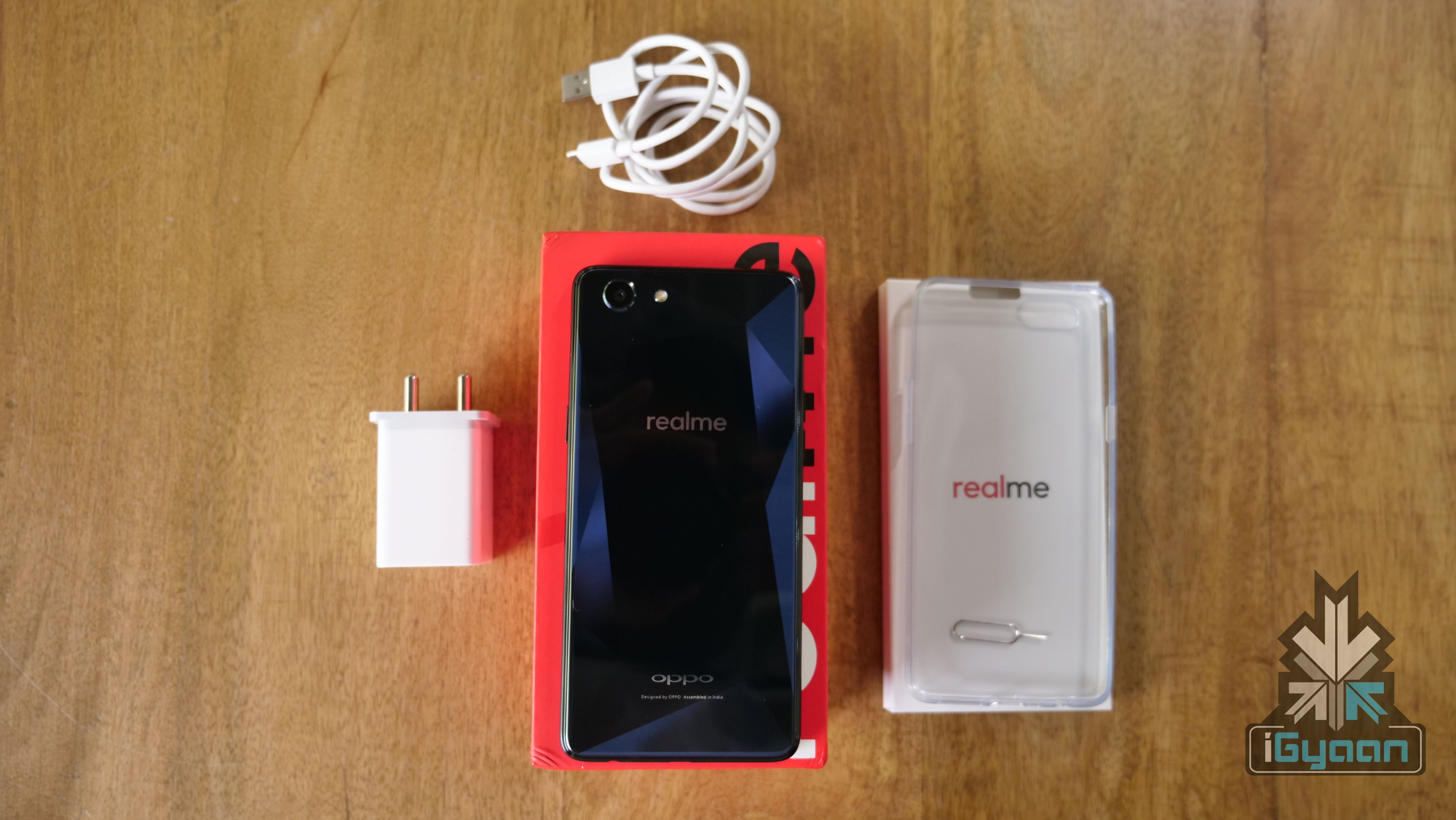
    [section label=”Unboxing”]

    Inside the box of the OPPO Realme 1

    • Realme 1
    • Wall Charger
    • Documentation
    • Sim Ejector Tool
    • Micro USB Cable

    [section label=”Initial Impressions”]

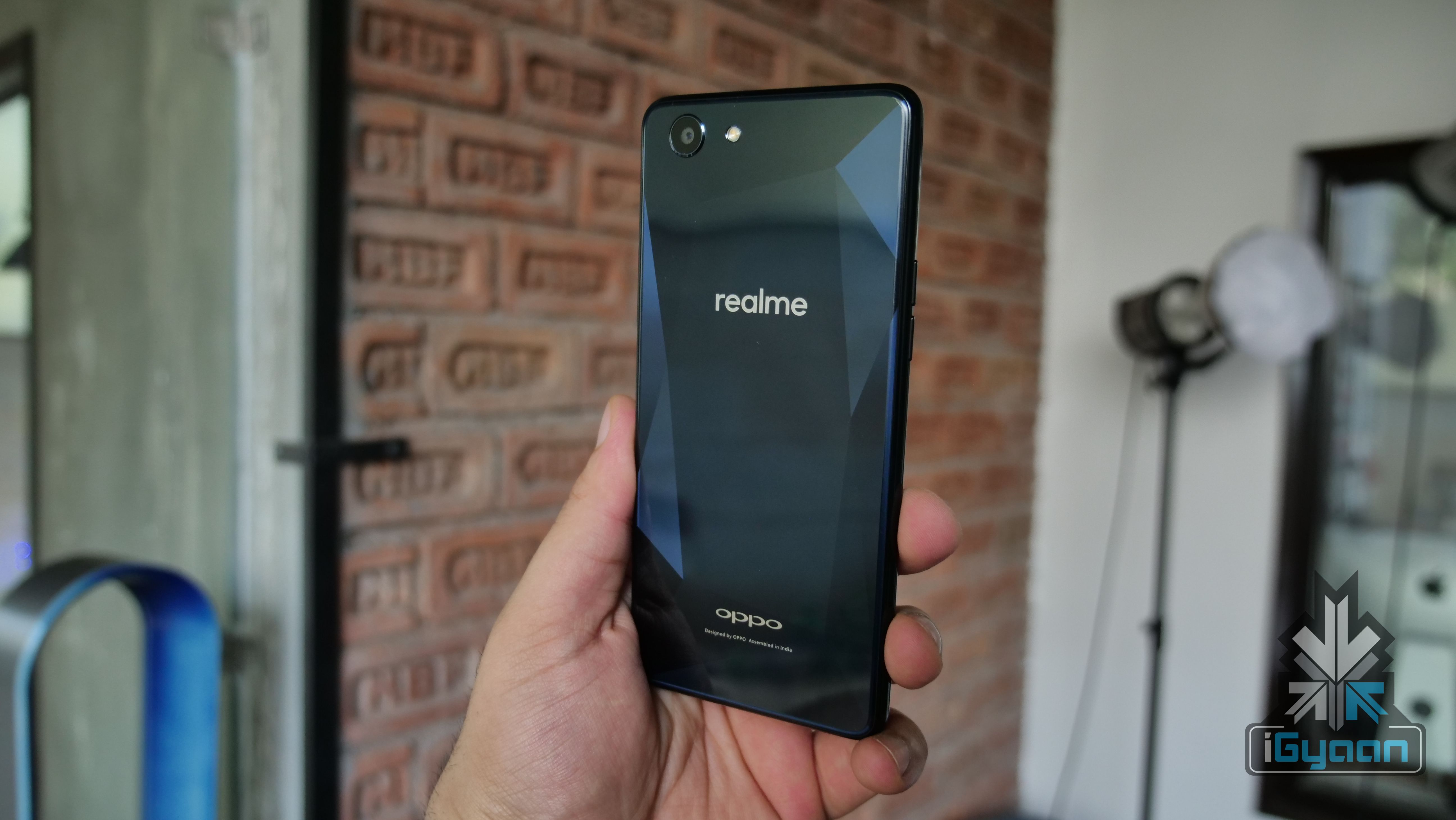
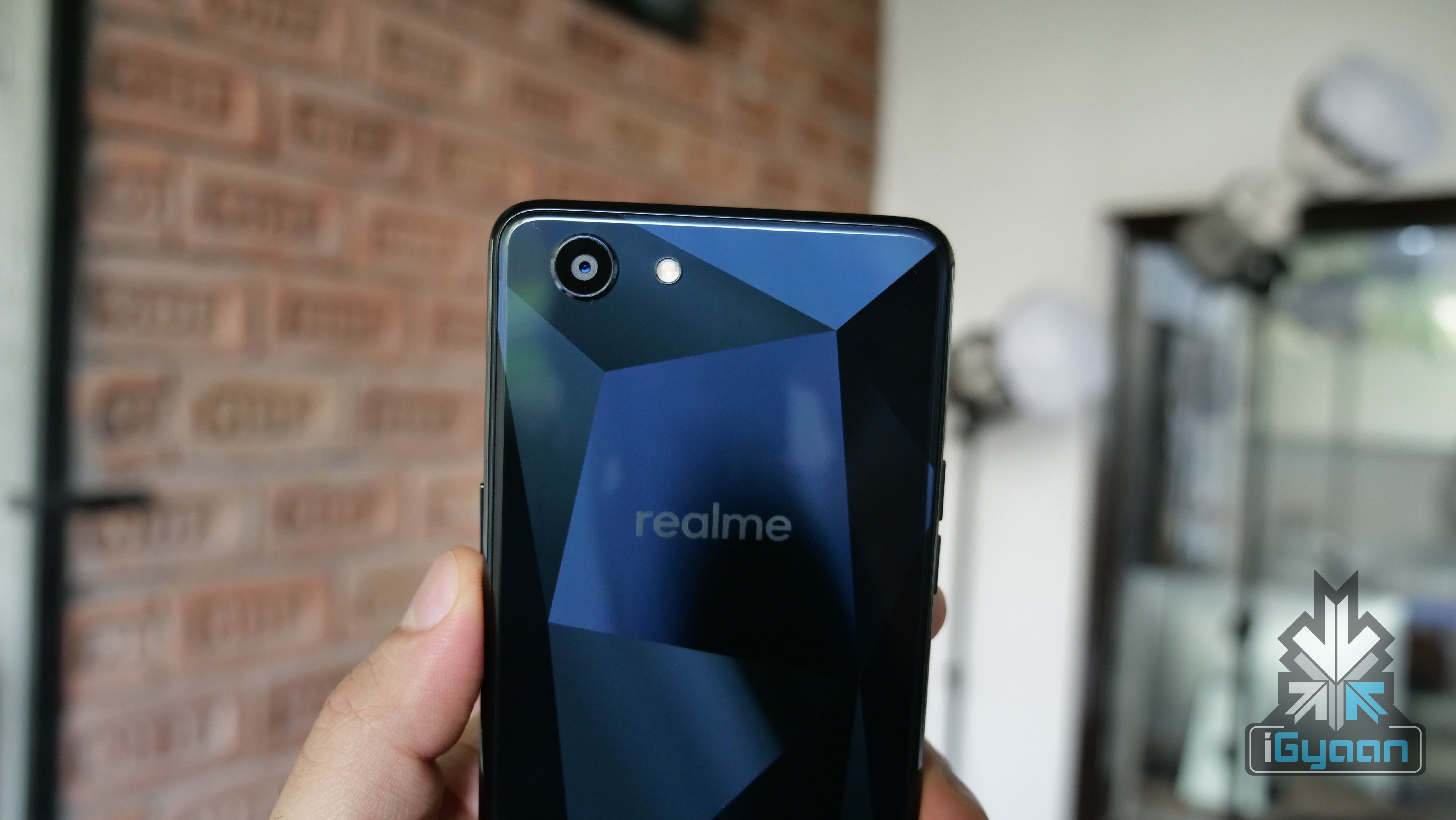
    The most striking feature of the Realme 1 is its back panel. The smartphone has a “Diamond Black” back which looks quite impressive as it reflects light differently from a different angle. This is thanks to the diamond-like cuts on the metal. It is worth noting that the back has a plain texture and that the cuts are not physical. The smartphone definitely feels hefty and won’t be the most lightweight smartphone you pick up.

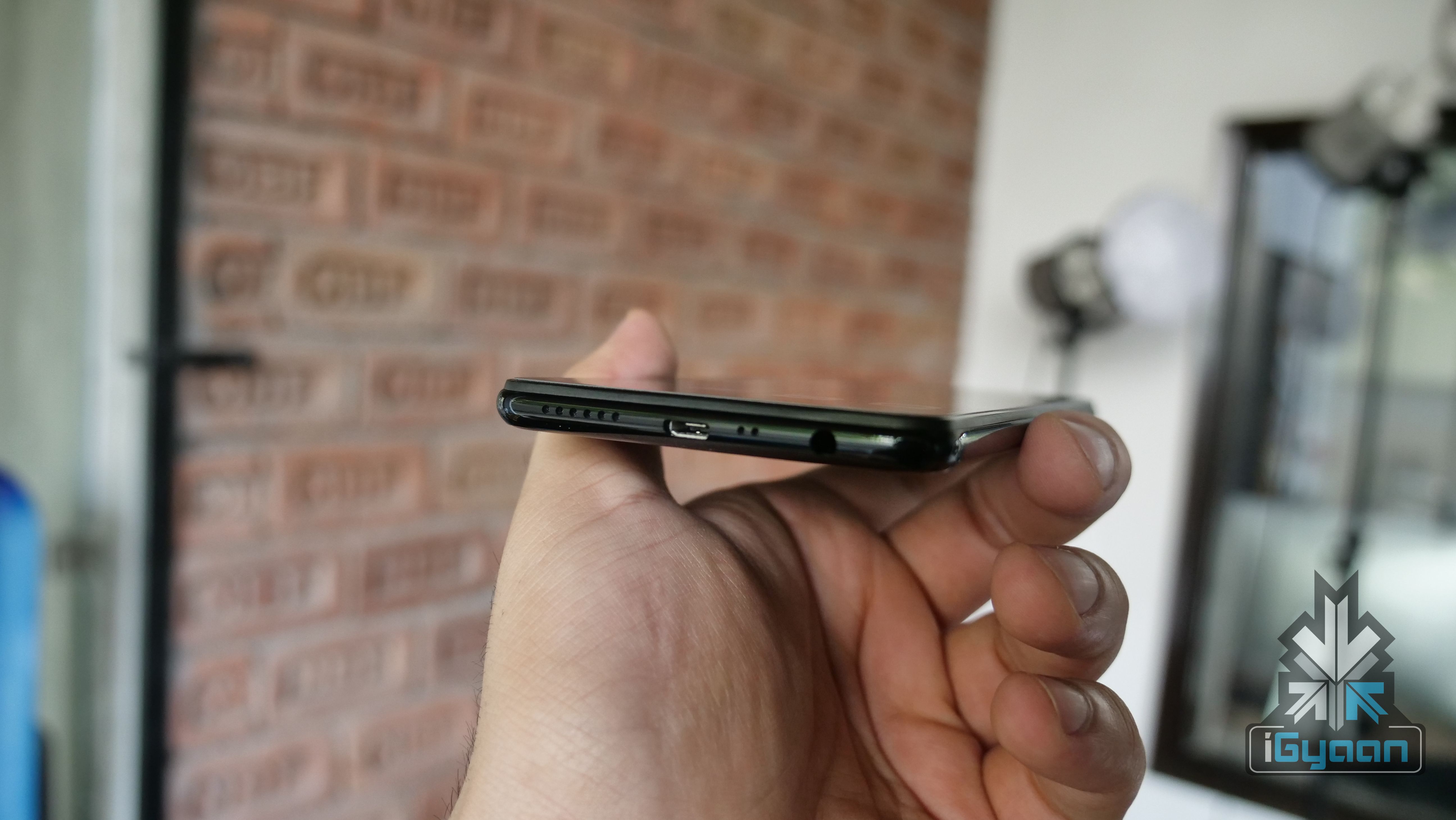
    To keep up with the competition, the Realme 1 has an 18:9 aspect ratio even though the bezels are quite visible and not the thinnest you’ll ever see. However, the smartphone does not have a fingerprint sensor, which is truly astonishing considering smartphones that cost Rs 7000 also have a fingerprint sensor these days.

    The Realme 1 has a 6 inch display with a 2160 x 1080 px resolution. The smartphone runs on the MediaTek MT6771 Helio P60 chipset coupled with 6GB RAM and 128GB storage. The onboard storage is expandable via a microSD card in case you run out of the 128Gb storage provided. Powering the smartphone is 3410 mAh battery which charges via a micro USB slot.

    The Realme 1 runs Android 8.1 Oreo out of the box with ColorOS 5.0 on top. The custom skin is very similar to skins by Chinese smartphone makers, there is no app drawer and you’ll barely notice the version of Android because of the heavy customisation. There OPPO Cloud for people to store their data on the internet instead of their devices. Clone Apps will let consumers use two separate accounts of the same app, which can come in handy for a lot of people.

    Must Read: Unboxing The Huawei P20 Lite

    The smartphone also misses out on a dual-camera setup, again, a feature that has become the norm. It has a 13MP camera on the back along with an 8MP front-facing camera.

    The OPPO Realme 1 looks apart from the competition but misses out on a few key features. Stay tuned for a full review of the Realme 1!

  • Unboxing The Huawei P20 Lite

    Unboxing The Huawei P20 Lite

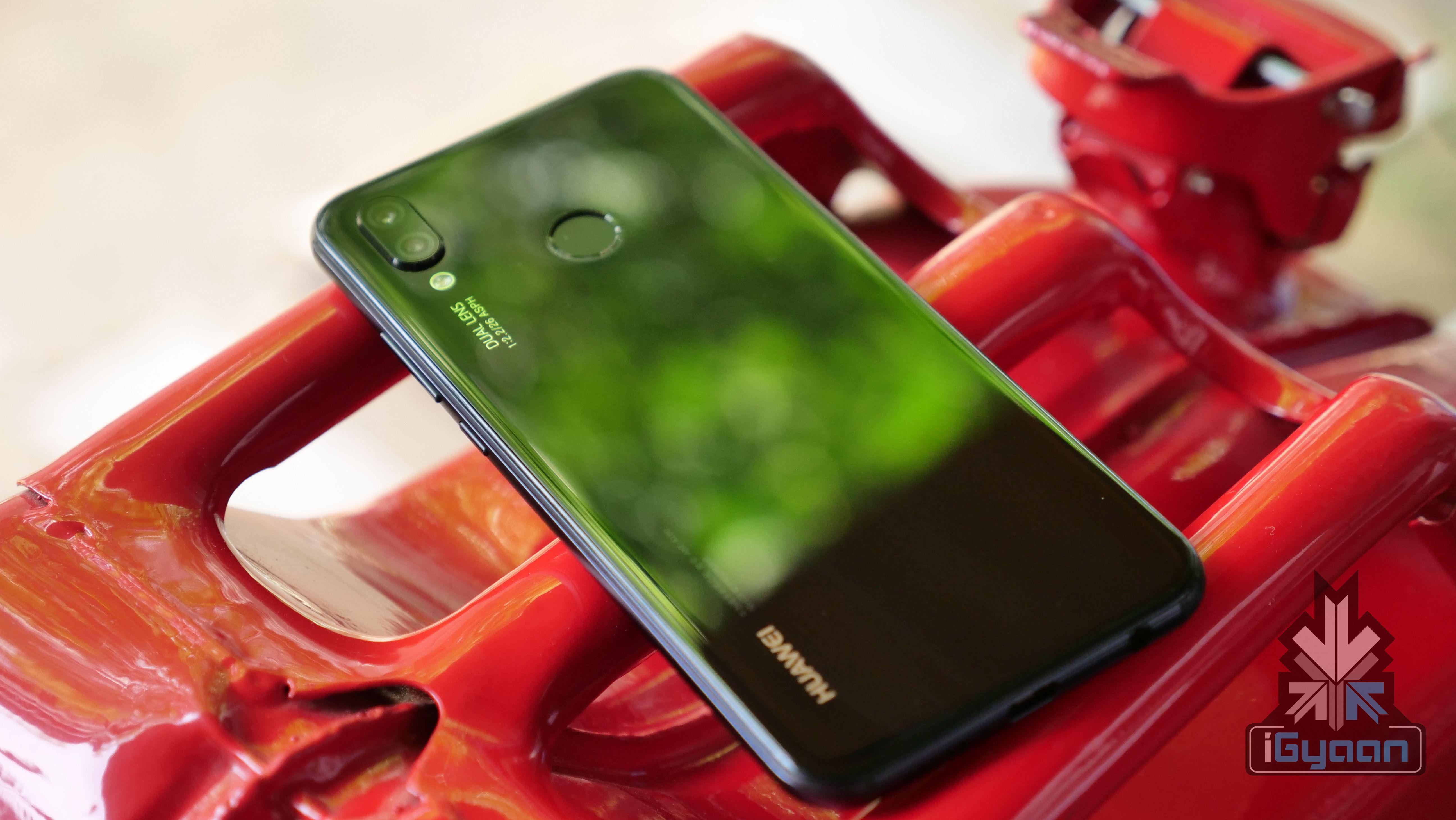
    Huawei launched the Huawei P20 Lite along with the P20 Pro in India on the 24th of April. The Huawei P20 Lite is a budget offering from Huawei which yet again, runs on the Kirin 659 chipset. However, there are a lot of new features and design changes that make it an exciting prospect, especially at its price of Rs 19999. Both the smartphones went on sale via Amazon on 7th May and there will be more sales in the coming weeks.

    The P20 Lite truly feels like a ‘Lite’ version of the P20 Pro. The Huawei P20 Pro has been grabbing all the spotlight with its Twilight colour variant and the triple-camera setup on the back. However, the P20 Lite appears to be the smartphone to get with its design and price in India.
    [section label=”Unboxing”]

    Inside the box of the Huawei P20 Lite

    • Huawei P20 Lite
    • Earphones
    • Wall Charger
    • USB C Cable
    • Clear Case
    • Sim Ejector Tool

    [section label=”Initial Impressions”]

    There will be a few documents in the retail unit which we did not have in our box.

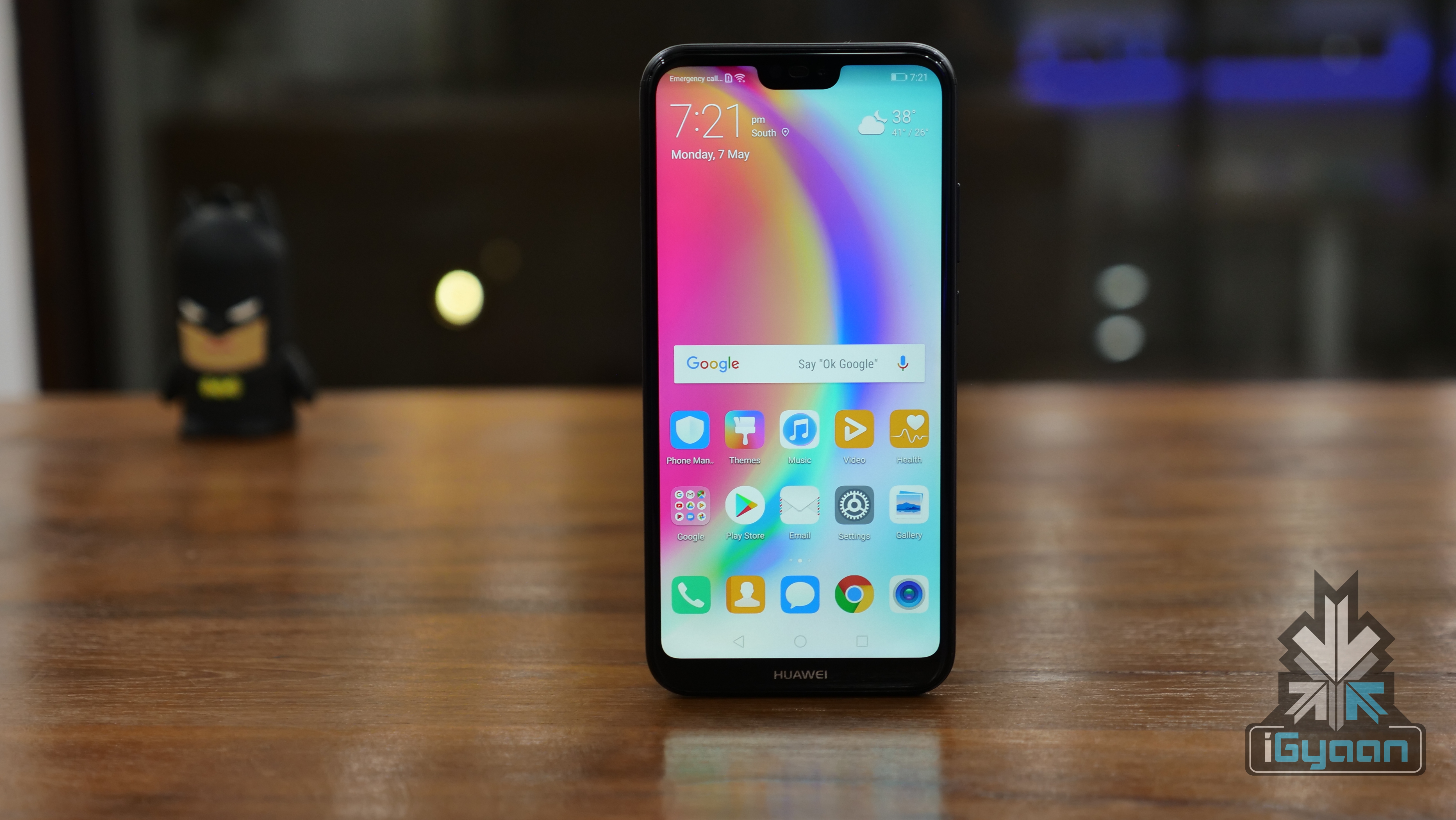
    The Huawei P20 Lite has a striking design that isn’t matched by many smartphones in this price category. It has an all-glass design with an aluminium frame that has the same colour as the glass so it doesn’t stick out like a sore thumb. The dual-camera setup on the back is placed vertically which, ever since the iPhone X was launched, has become the norm. The fingerprint sensor is placed on the back in the middle at a very comfortable position. Thanks to its different texture, it is also very easy to recognise the fingerprint sensor when it is in your pocket.

    The power button is situated on the right-hand side of the device along with the volume rockers. The left-hand side houses the SIM tray and that is it. The headphone jack (yes, it’s there) and the USB C port are situated at the bottom of the smartphone.

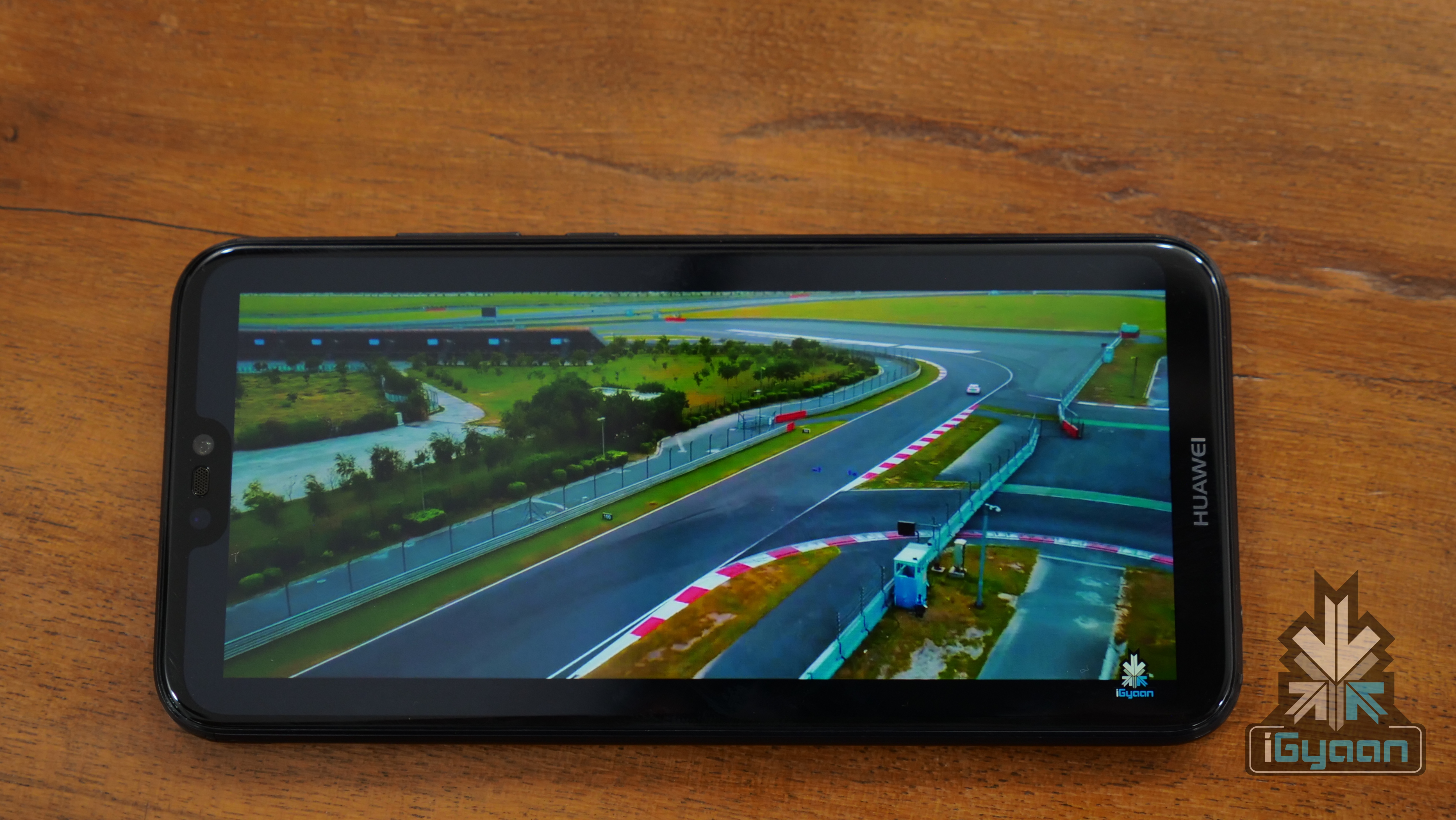
    The 5.84 inch LTPS IPS LCD display is powered by a 3000 mAh battery with support for SuperCharge. The smartphone has an unusual 19:9 aspect ratio thanks to that notch. This means that even after stretching a YouTube video, it won’t use the entire screen real estate. However, on the brighter side, the notch will be hidden at all times while consuming visual content.

    The P20 Lite runs on the HiSilicon Kirin 659 chipset which is coupled with 4GB of RAM and 64GB of storage. The storage is expandable via hybrid microSD card slot.

    The P20 Lite has a 16MP primary sensor with an f/2.2 aperture coupled with a 2MP depth sensor. On the front is a 24MP camera with an f/2.0 aperture. Both the front and back cameras record 1080P videos while the front camera also has 3D Portrait Lighting, similar iPhone’s Portrait Lighting.

    At a price of Rs 19999, the P20 Lite’s competition is dated. The design and build quality is somewhat matched by the Moto X4 which also has a glass build but that is about it. The P20 Lite might be the smartphone to get at this price but, we will leave that judgement for our in-depth review.

    [section label=”Unboxing Video”]

    Unboxing Video

  • Unboxing The Asus Zenfone Max Pro

    Unboxing The Asus Zenfone Max Pro

    Asus has officially launched the Zenfone Max Pro in India at an event in Delhi. The Zenfone Max Pro will go on sale in India via Flipkart. The Asus Zenfone Max Pro will be available in two variants in India for now, one with 3GB RAM and 32GB storage and the other with 4GB RAM and 64GB storage You can buy it by clicking here. At the launch, the company also announced that a 6GB RAM/128GB storage variant with better camera capabilities will be launched at a price of Rs 14999. However, no specific timeline for that launch was mentioned.

    The new smartphone has a few interesting features and specifications and at this price, it will compete with the Redmi Note 5 Pro in this highly congested budget smartphone segment in India.
    Asus, with the Zenfone Max Pro, is taking a different approach towards to the budget segment of the Indian smartphone market. There are a few aspects of the smartphone that will an “Asus-first,” especially for India. The Zenfone Max Pro launch is also a world first launch, just like the Redmi Note 5 Pro was.
    [section label=”Unboxing”]

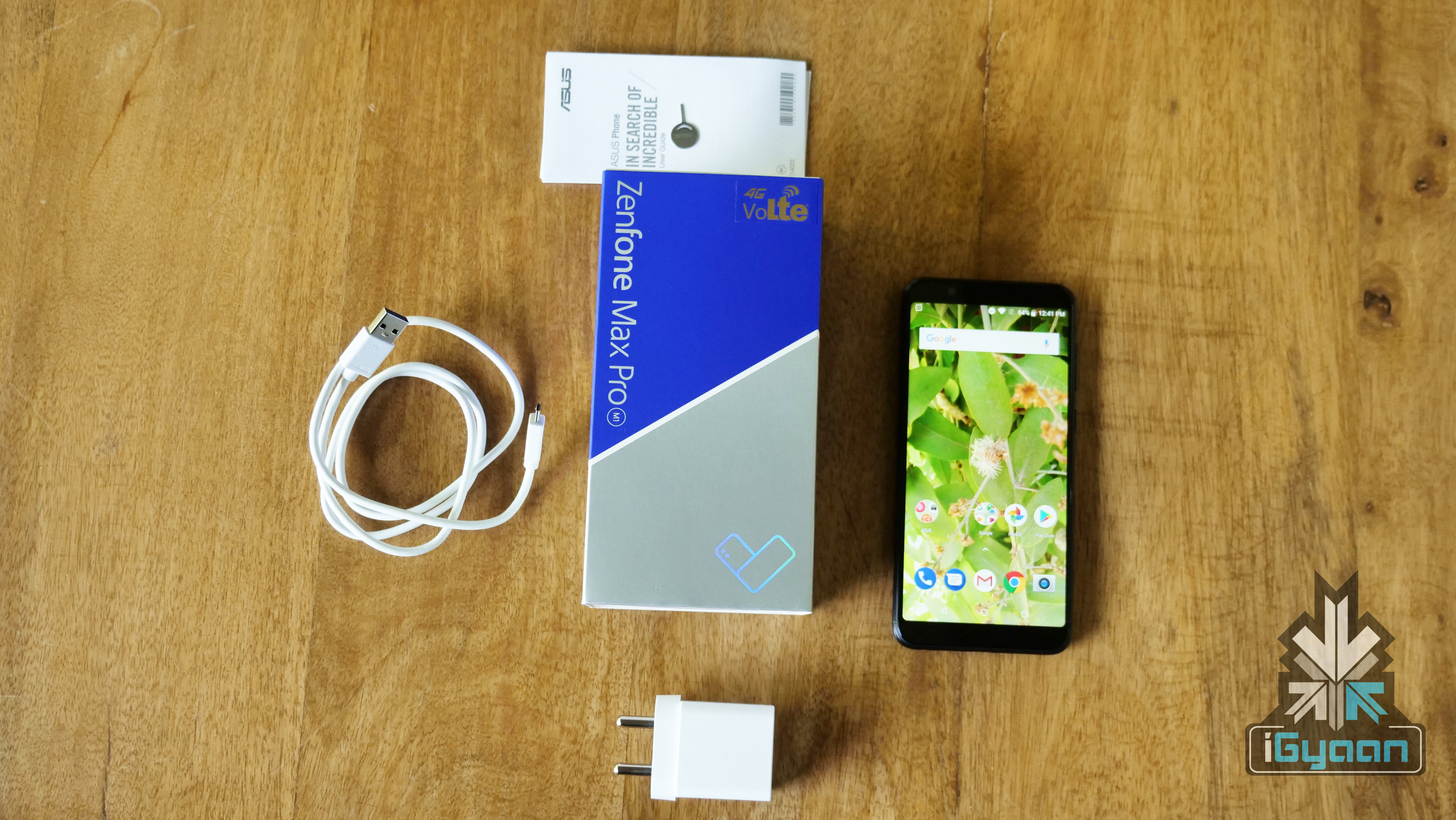
    Inside the box of the Asus Zenfone Max Pro:

    • Asus Zenfone Max Pro
    • Documentation
    • Micro USB Cable
    • 10W Wall Charger
    • Sim Ejector Tool

    [section label=”Initial Impressions”]

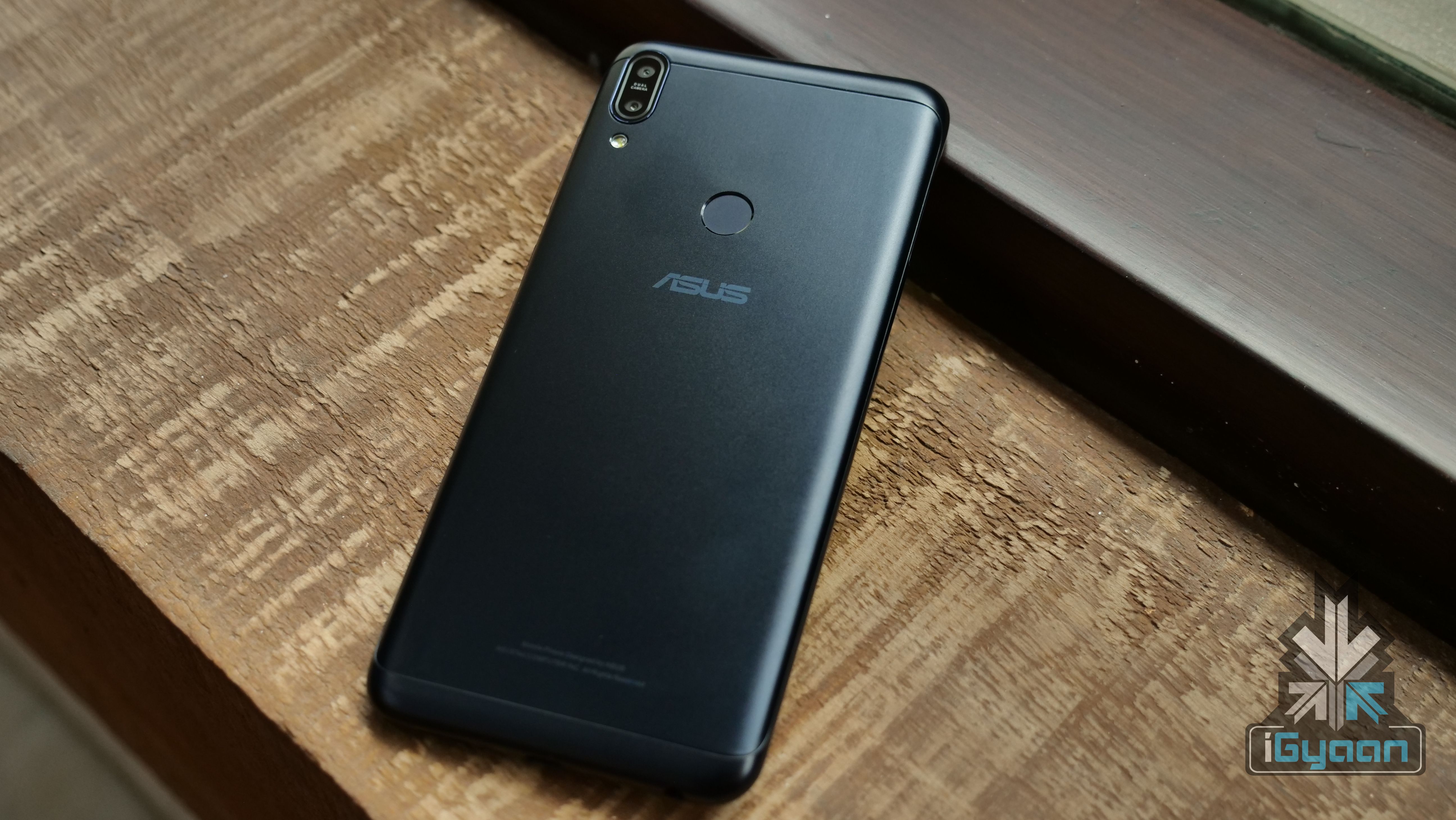
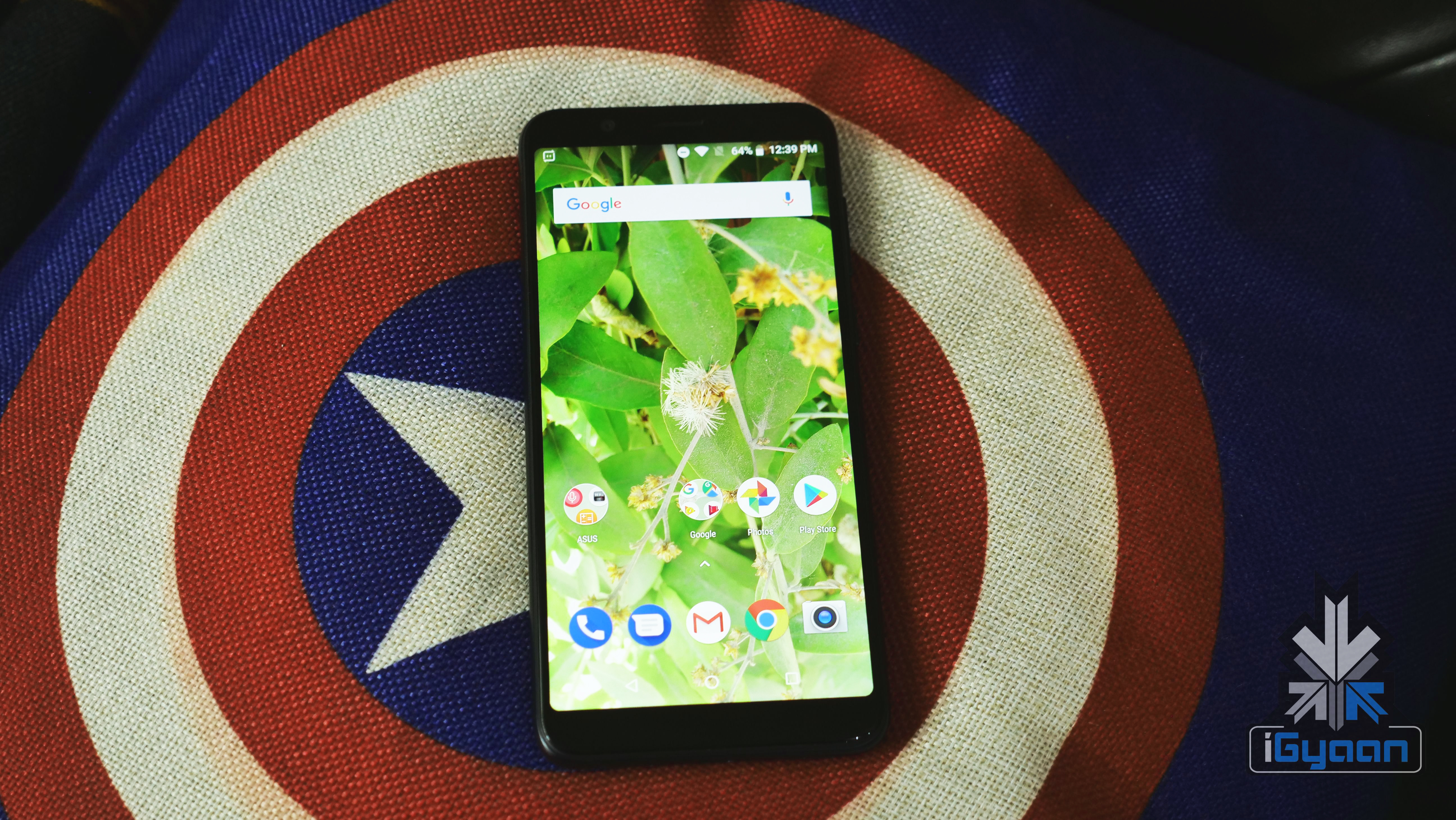
    Right off the bat, the Asus Zenfone Max Pro exuberates a sense of familiarity. The aluminium unibody design is prevalent across the budget category of smartphones and the Zenfone Max Pro is no different. The 18:9 aspect ratio and thinner bezels mean that a 5.99 inch display fits into the body of a regular 16:9 smartphone with a 5.5 inch display. Fair to say that the 18:9 aspect ratio has become the norm even in sub-15K smartphones. It is worth noting that even though the bezels are thin, they are still substantial and not as thin as some of the flagship devices.

    Another interesting feature of the Asus Zenfone Max Pro is its OS. So far, we have become accustomed to the heavily customised ZenUI on all Asus Android smartphones. However, with the new Asus Zenfone Max Pro, the company has decided to go for stock Android OS. Now, it is not Android One, which means it is not completely stock OS and there are a few pre-installed apps as well. However, it is much lighter than ZenUI which should bode well with the powerful Snapdragon 636 chipset.

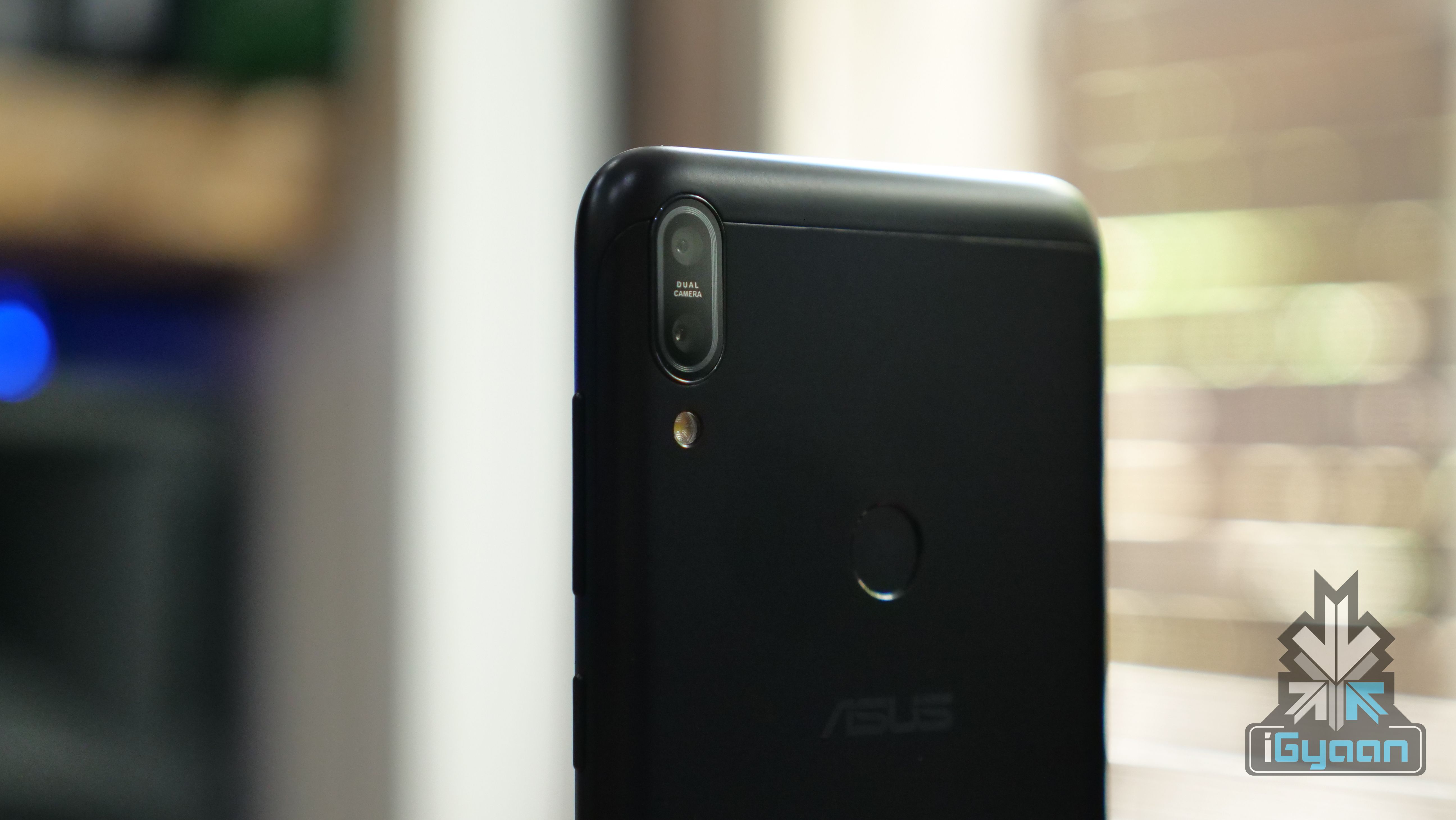
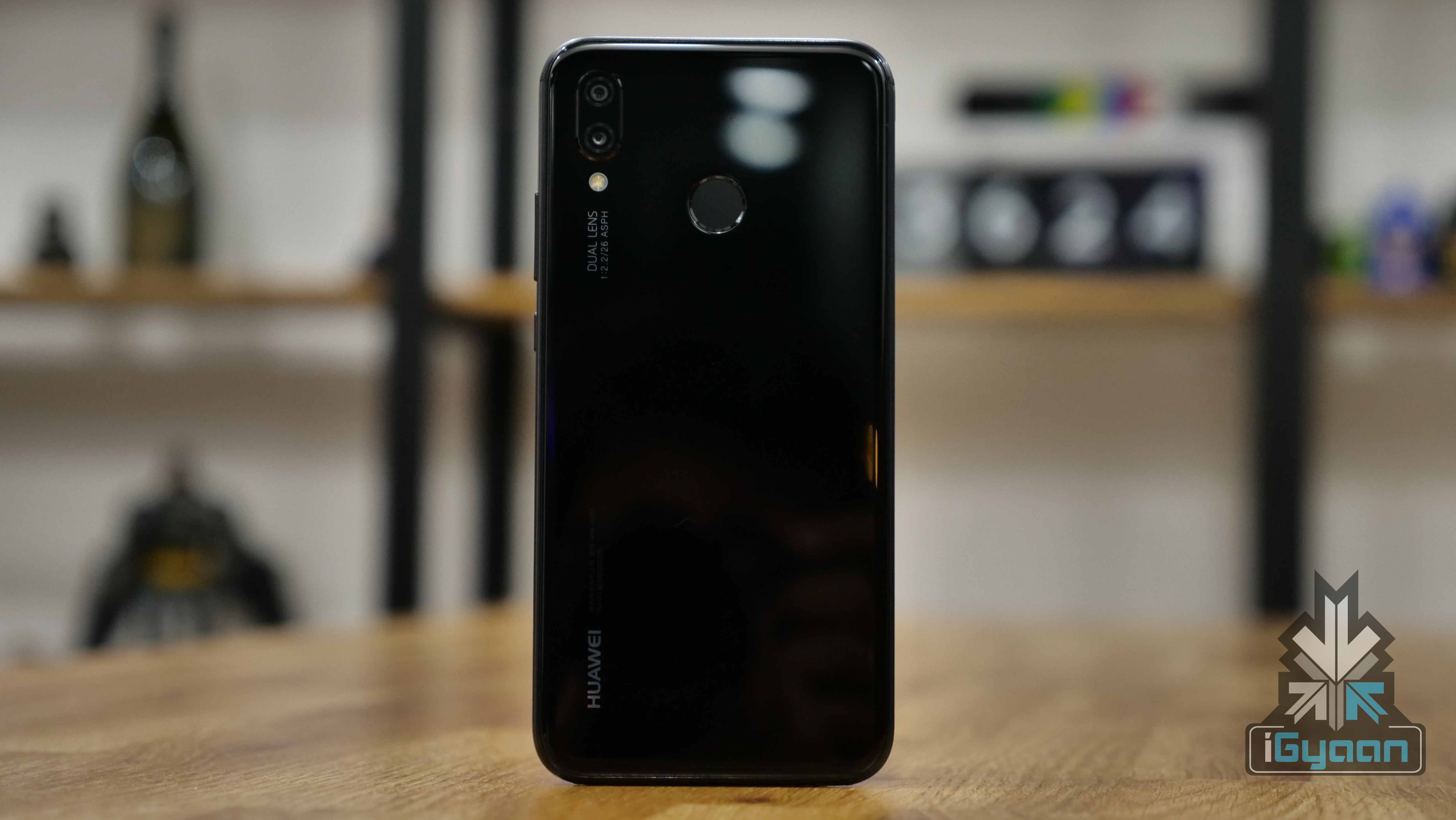
    The back of the smartphone also houses a vertically placed dual-camera setup which looks uncannily similar to the Redmi Note 5 Pro. It appears that this trend of vertically placed dual-camera setup on the side of the smartphone also took off with the iPhone X. The dual-camera setup consists of a depth sensor which will be used for portrait mode shots. It has a 13MP primary sensor with an f/2.2 aperture and the depth sensor is a 5MP camera. The front of the device houses an 8MP camera with an f/2.0 aperture and an LED flash.

    At a starting price of Rs 10999, the Zenfone Max Pro, despite its specifications matching the Redmi Note 5 Pro, will compete with the Redmi Note 5. Maybe, the launch of the Zenfone Max Pro will push Xiaomi into launching a follow-up to the Mi A1.

  • Unboxing The Nokia 7 Plus

    Unboxing The Nokia 7 Plus

    HMD Global has officially launched the Nokia 7 Plus in India at a price of Rs 25999. The smartphone will be up for preorders from the 20th of April via Amazon exclusively. Subsequently, the Nokia 7 Plus will go on sale on the 30th of April. Unlike a lot of other smartphones, the Nokia 7 Plus is only available in 4GB RAM/64GB storage variant. However, it will retail in two colours, Black with Copper and White with Copper, both of these look extremely premium and well built.

    Nokia has had a rocky start ever since making its return to the smartphone industry under a new management. In 2017, the company launched quite a few but, pricey budget smartphones in India. The brand Nokia picked up momentum when the Nokia 8 was launched in India at a very competitive price.
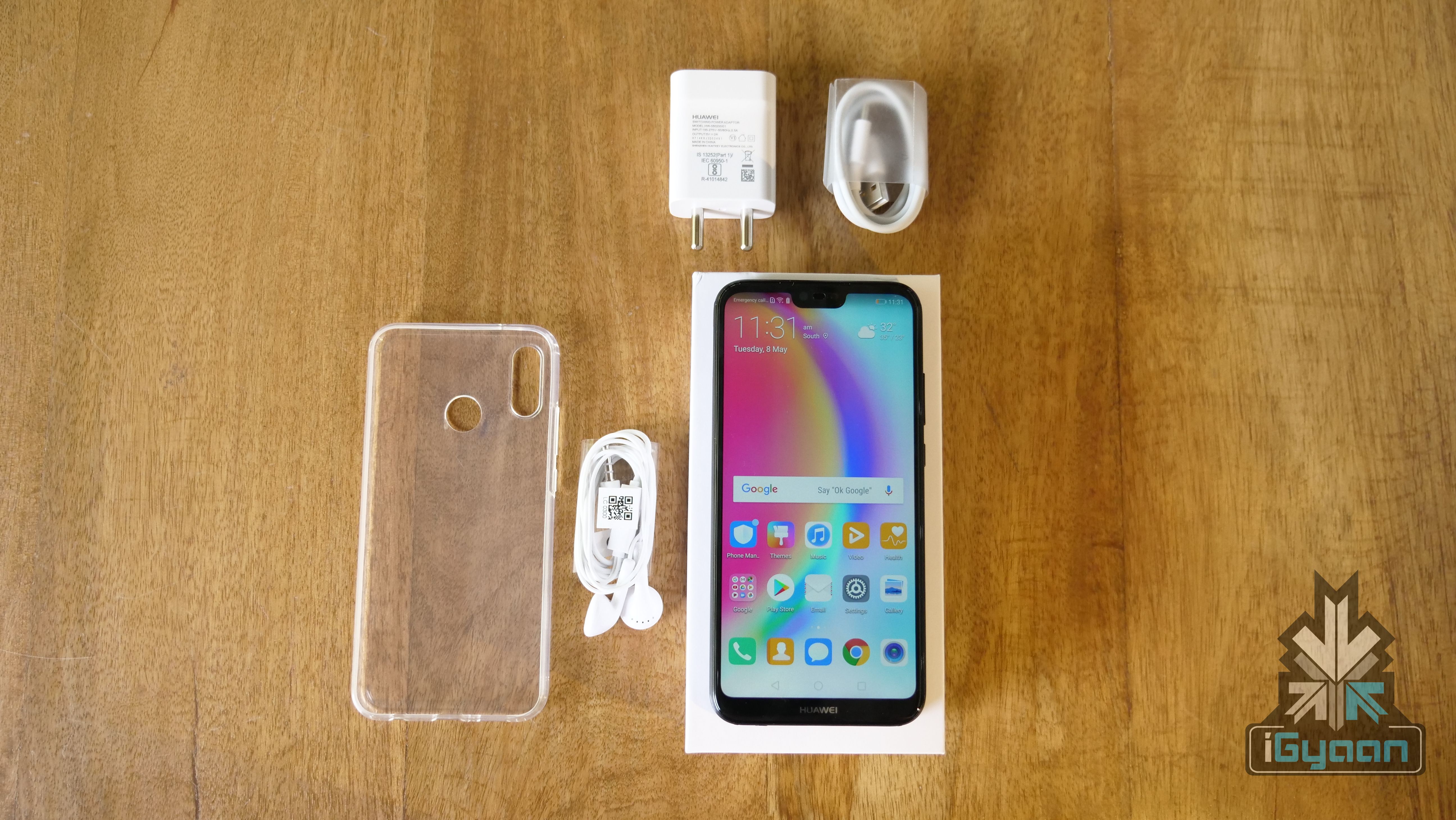
    With the launch of the Nokia 7 Plus, the once celebrated phone brand has entered untested waters. At a price of Rs 25999, the Nokia 7 Plus will try to fill the gaping hole in a segment where the Moto X4 is a lone warrior. The company has moved on from an older-looking design and refreshed its highly successful (in China) Nokia 7 for the global market.

    [section label=”Unboxing”]

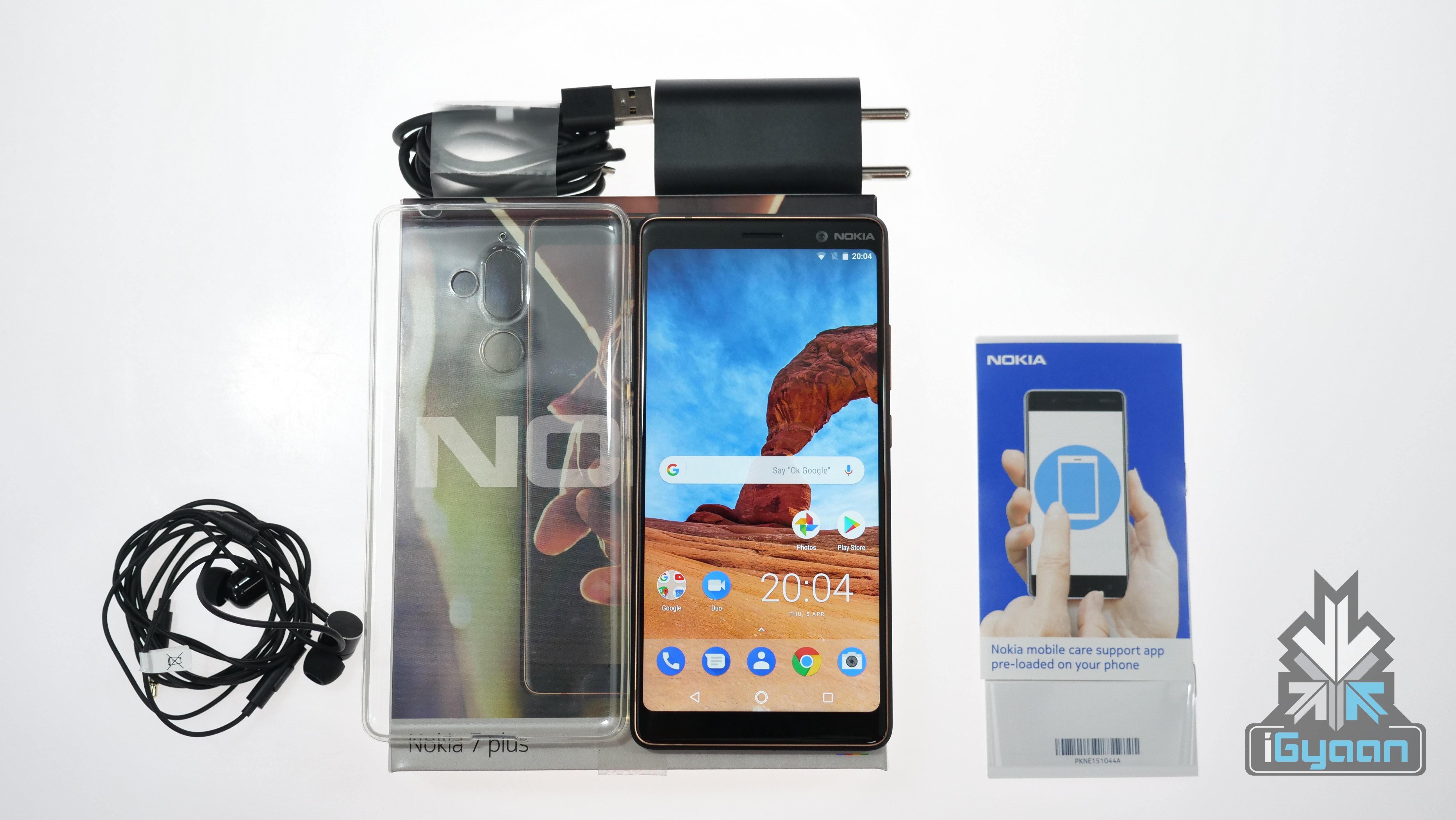
    Inside the box of the Nokia 7 Plus :

    • Nokia 7 Plus
    • Clear Case
    • Documentation
    • Sim Ejector Tool
    • Earphones
    • Wall Charger (Fast Charging compatible)
    • USB Type C Cable

    [section label=”Initial Impressions”]

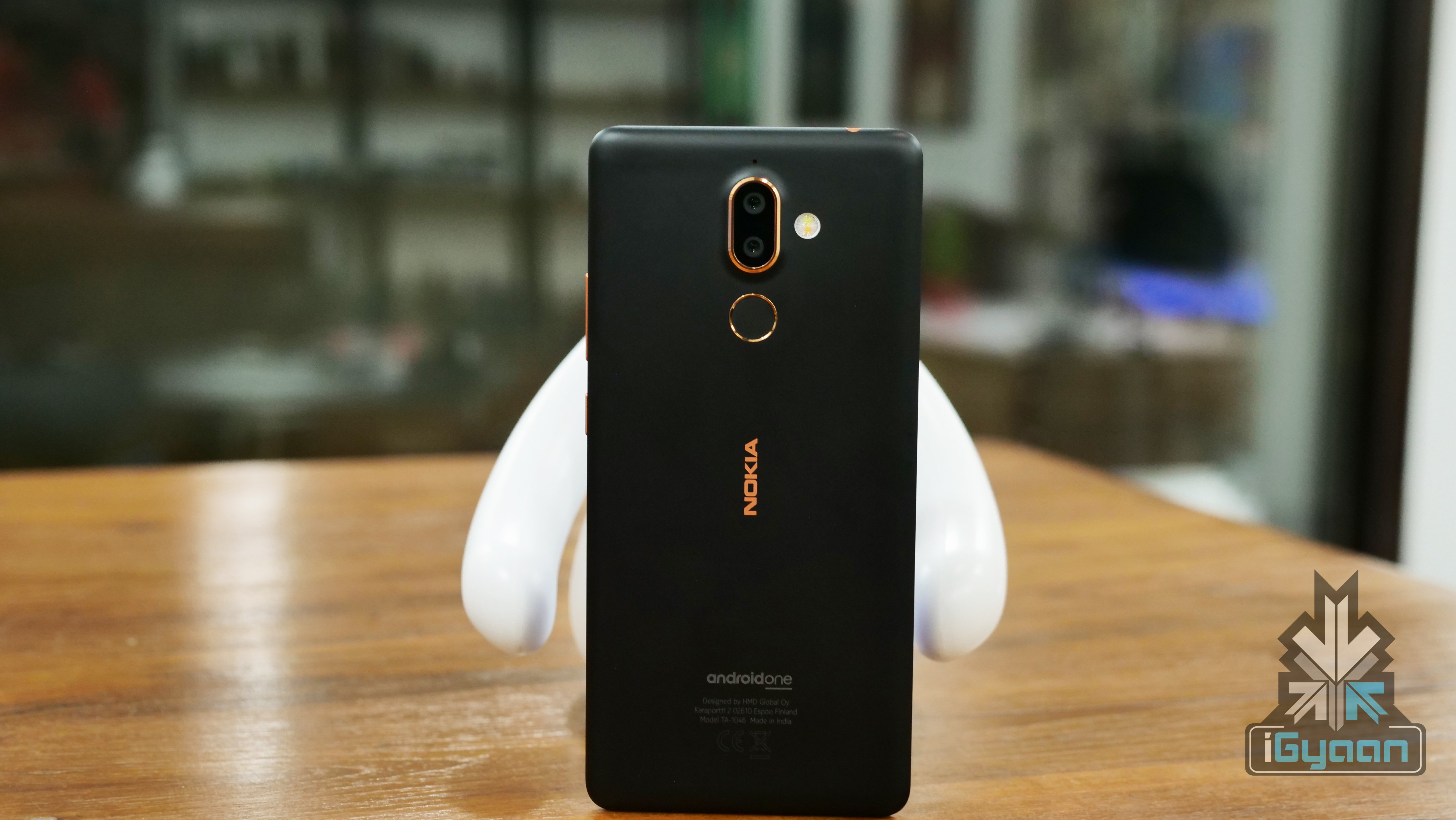
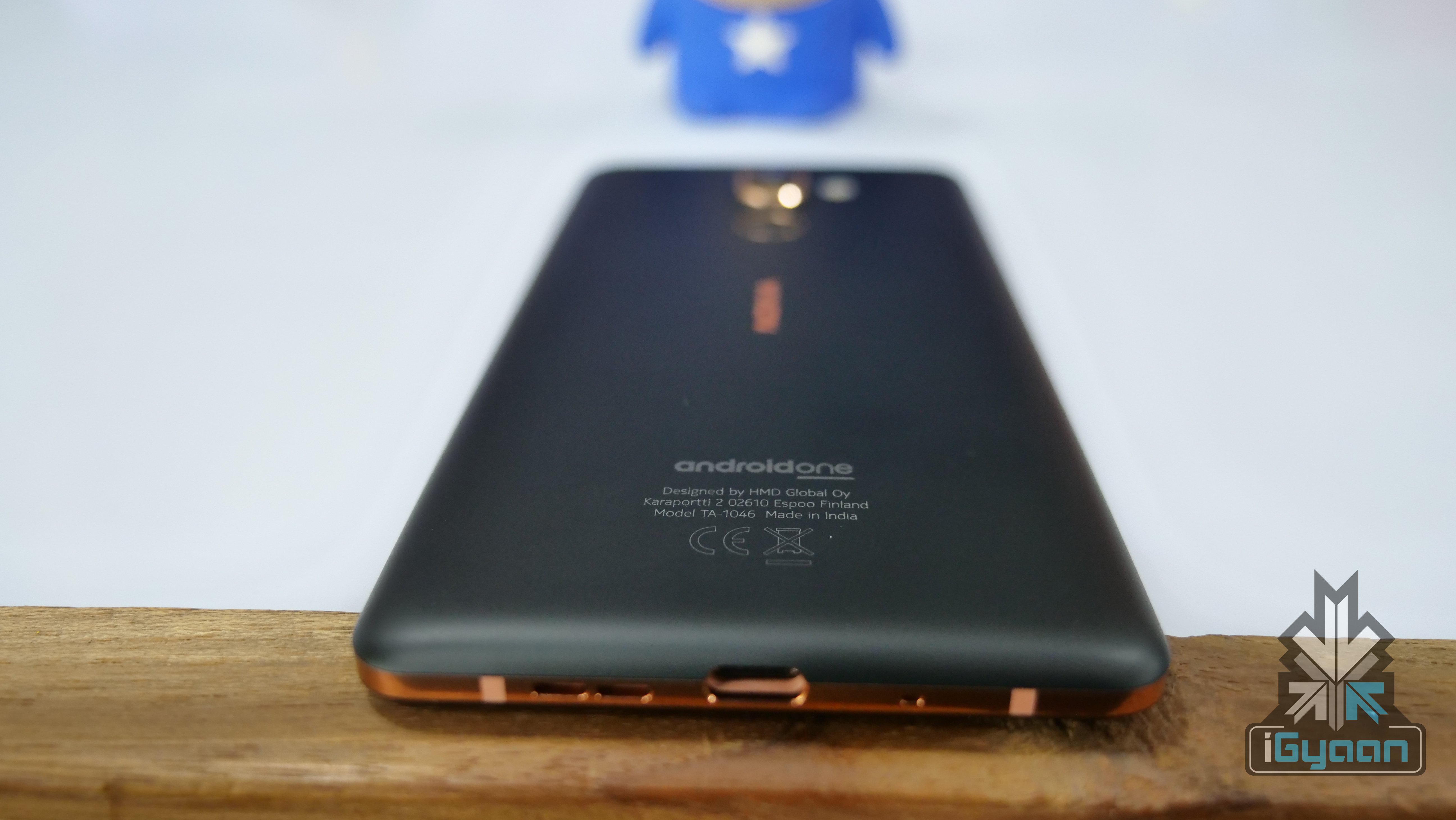
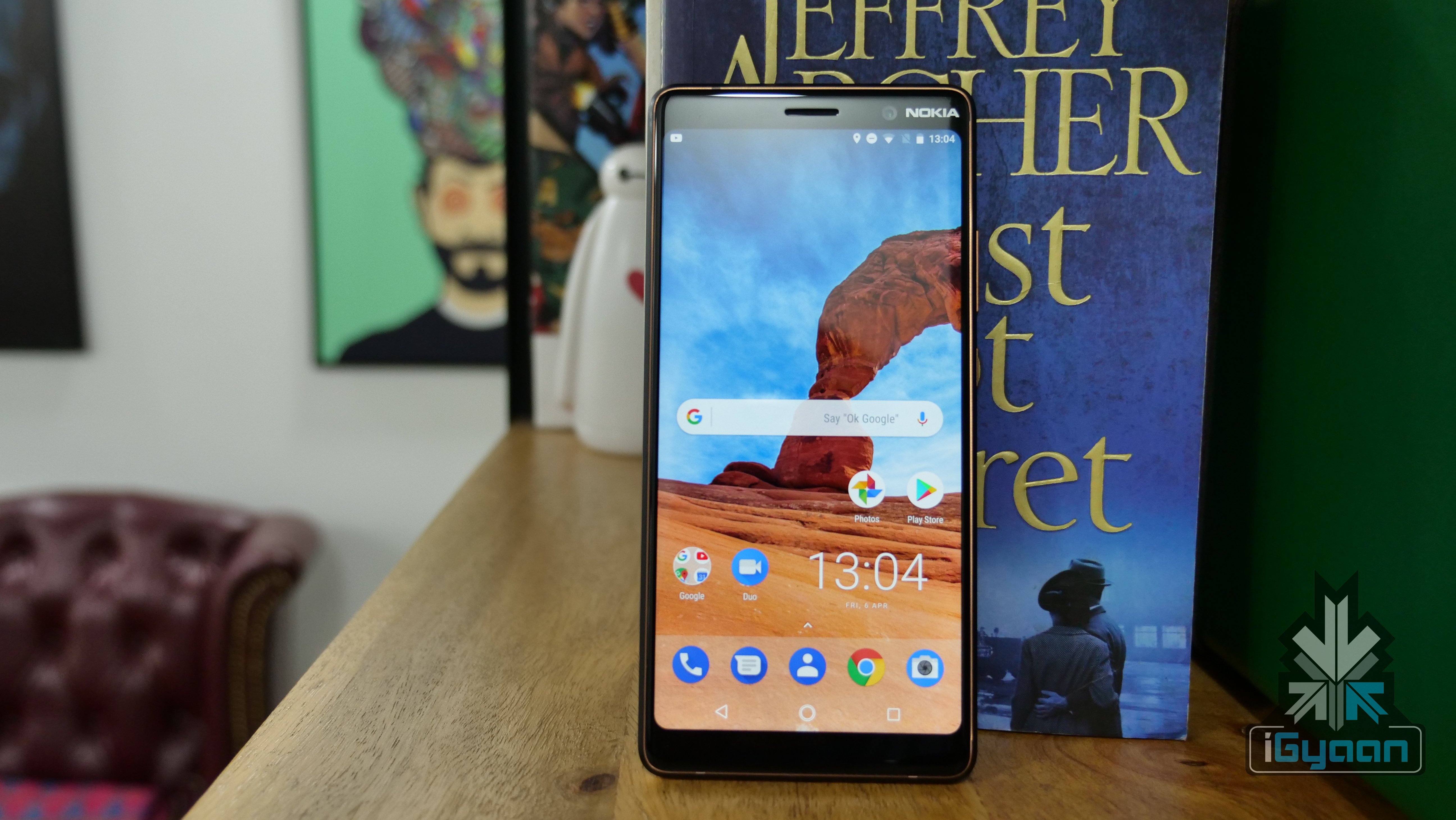
    The Nokia 7 Plus is a welcome refresh from HMD Global and that is visible the moment you hold the device. It has a metallic unibody design with a matte finish to the back which does not look cheap at all. On the contrary, it looks extremely premium and should give others in this range a run for their money.

    Another significant change in the Nokia 7 Plus is the placement of the fingerprint sensor. Up until now, HMD Global either placed the fingerprint sensor on the front or decided to have a phone sans fingerprint sensor. However, with the bezels considerably shrunken on the 7 Plus, the fingerprint sensor resides on the back. However, it is very centrally positioned which means it is easy to reach and is distinguishable.

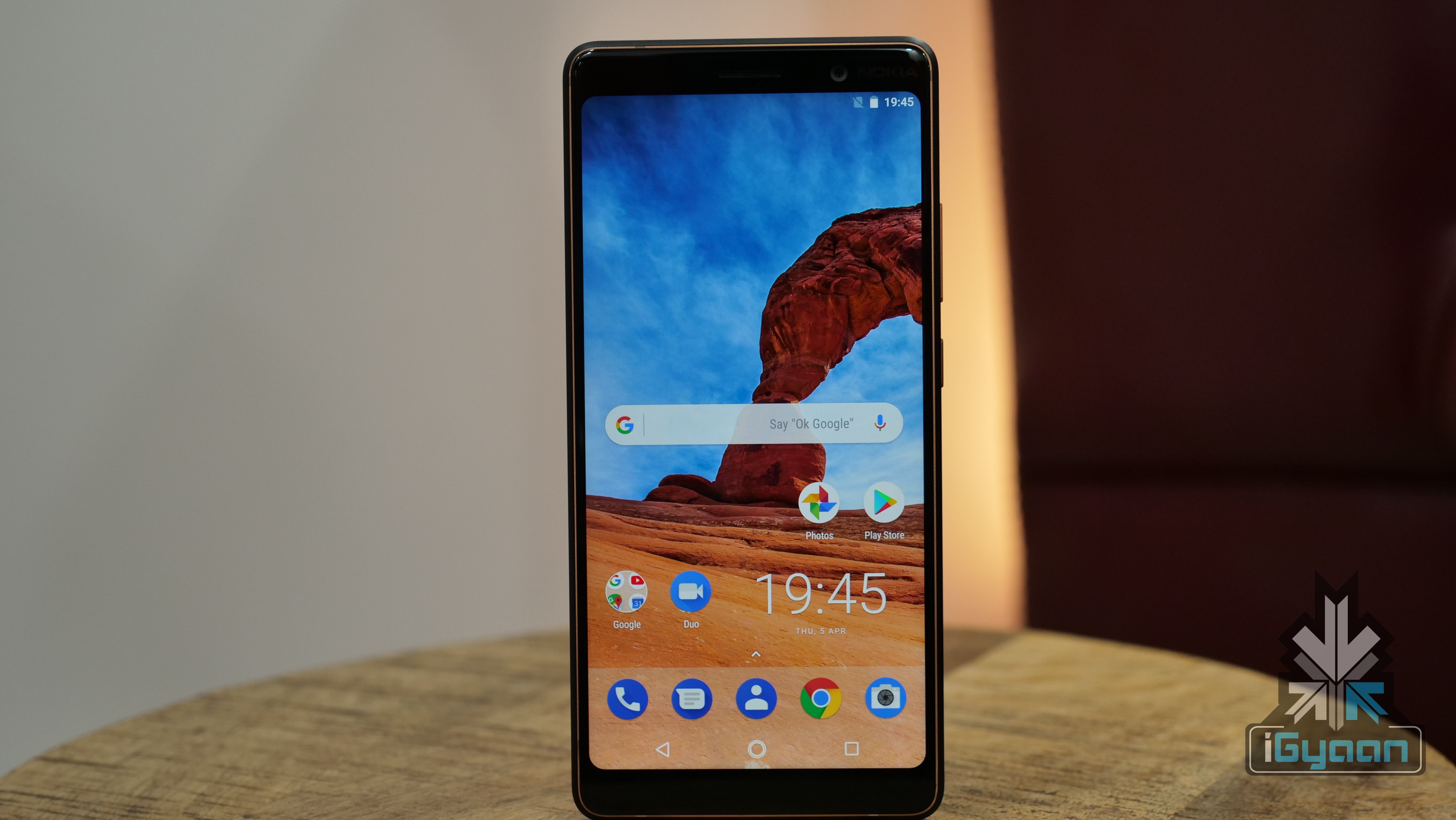
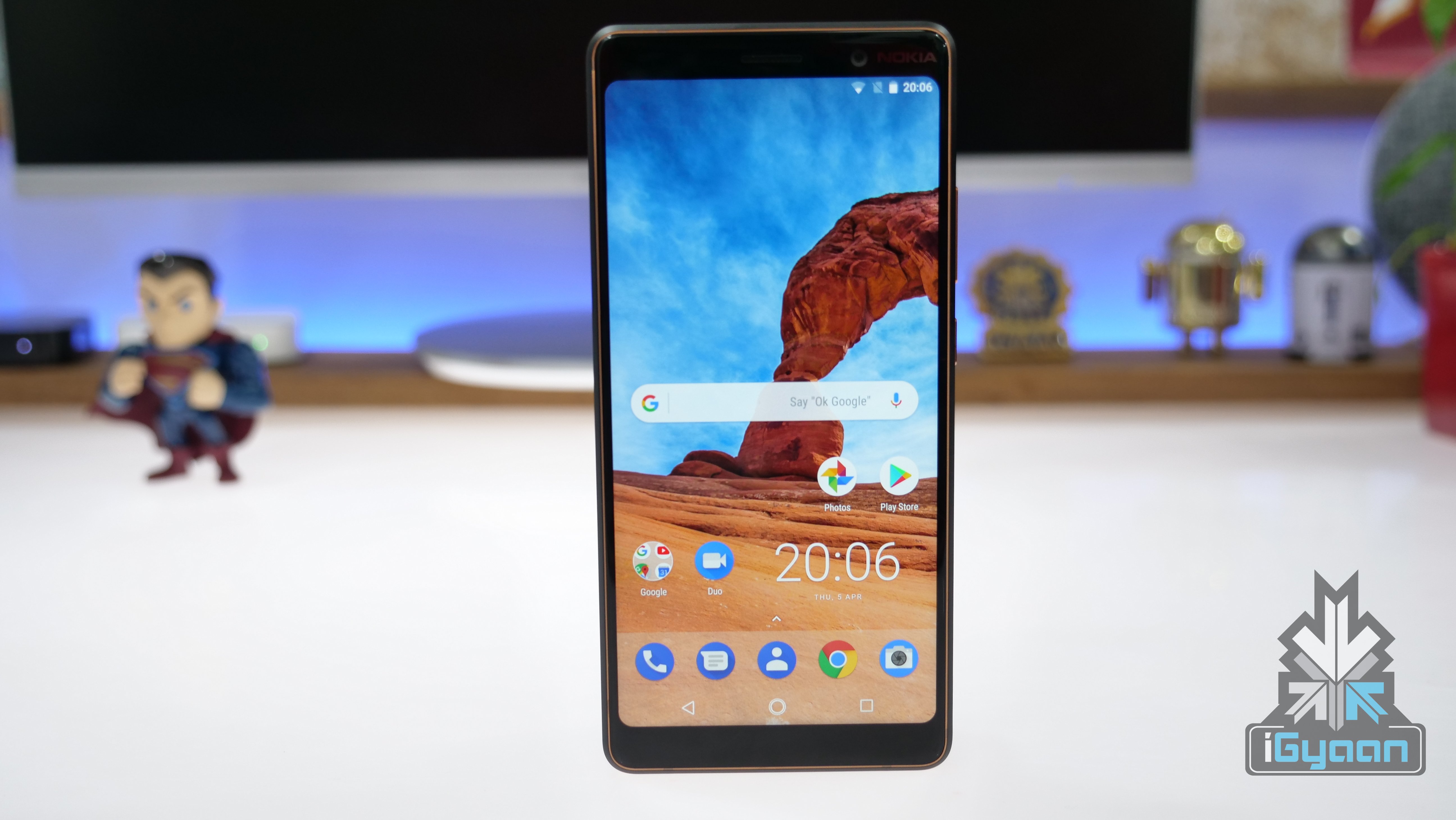
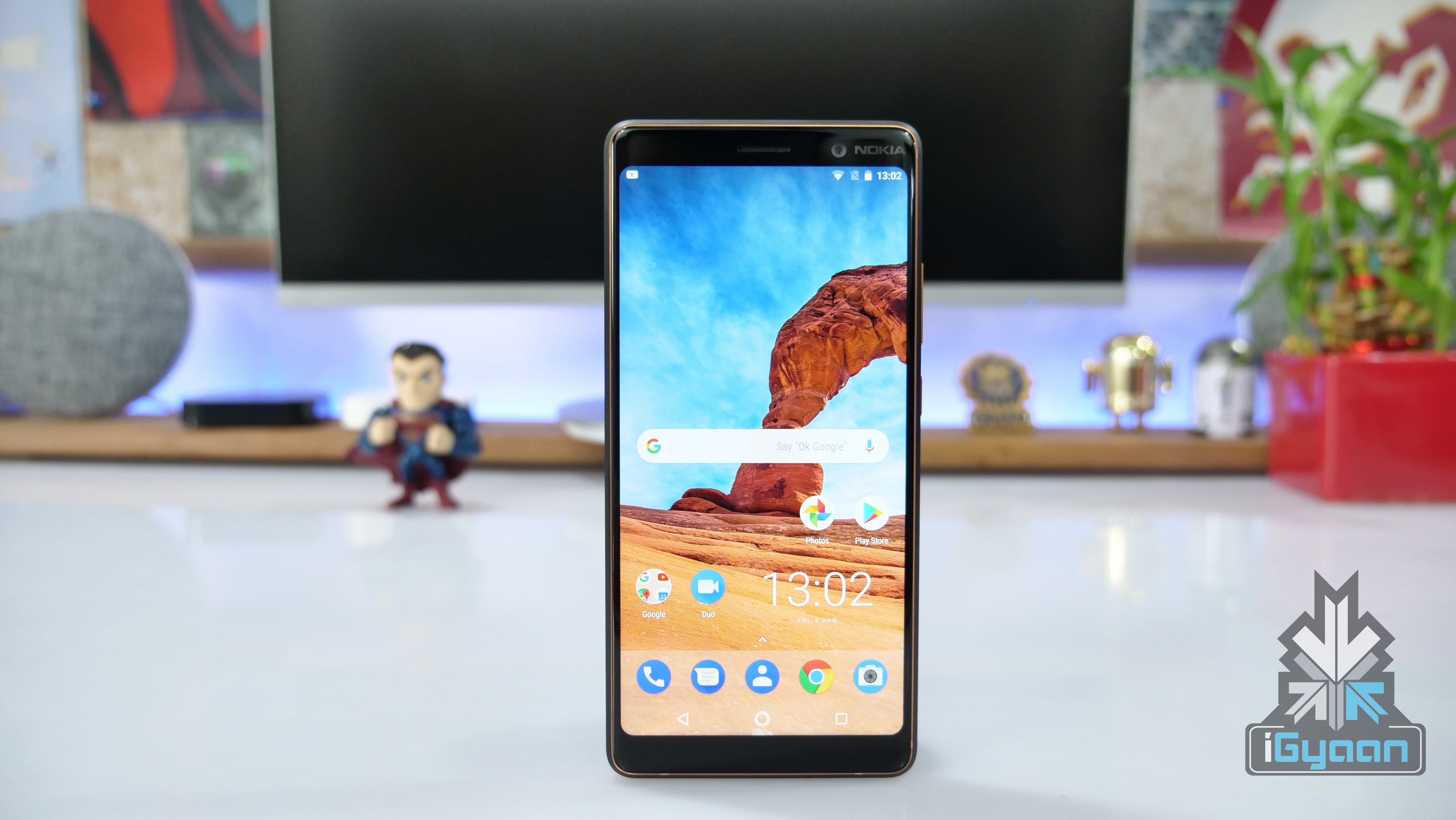
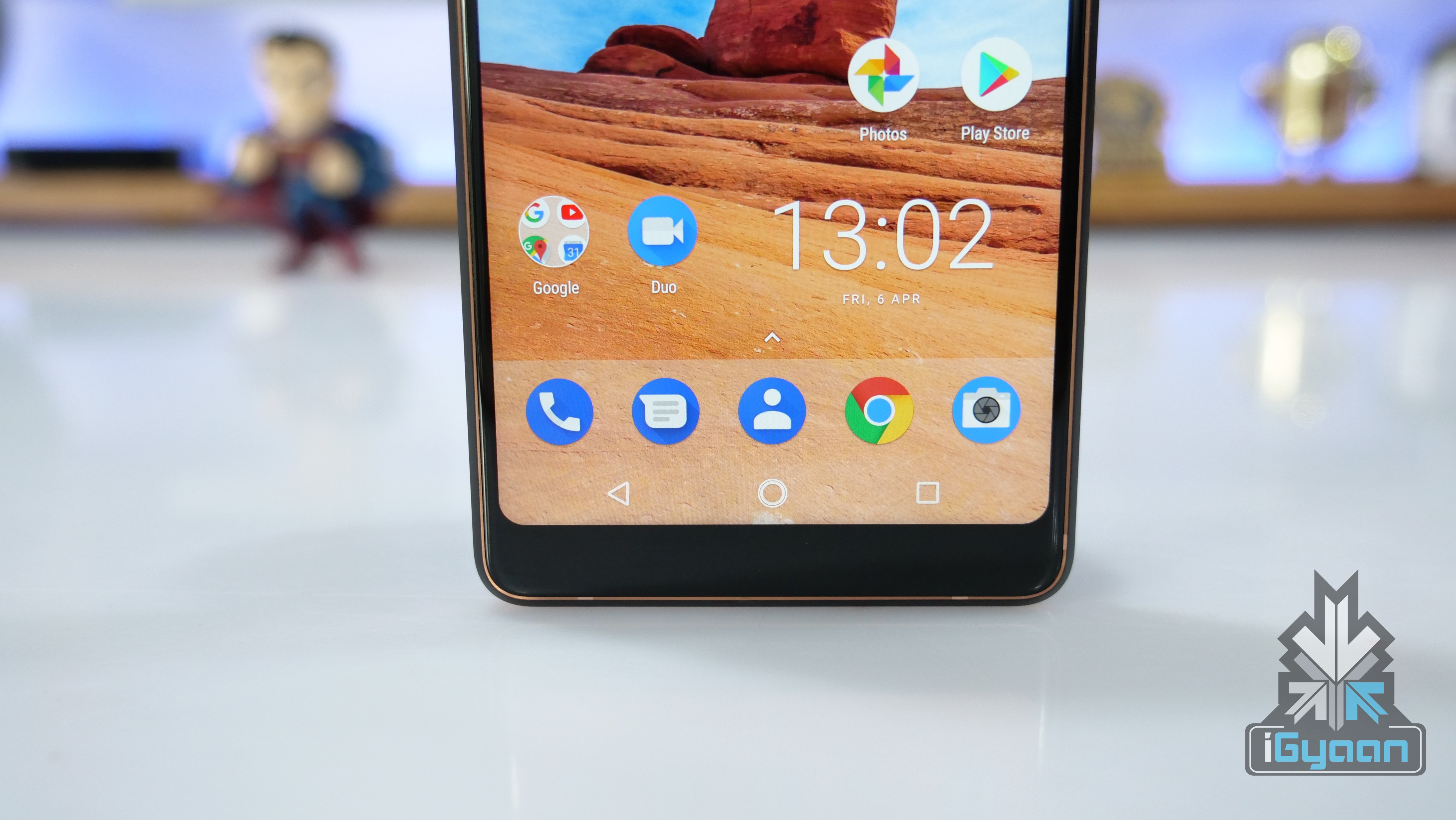
    While the 7 plus sports a taller display with thin bezels, they aren’t the thinnest by any stretch, in fact, the phone has a significant forehead and chin. The Nokia 7 Plus has a 6 inch IPS LCD display with a 2160 x 1080 px resolution. The bezels are visible on all the sides of the device but, after a few minutes of usage, your eyes and mind get used to the black space around the display. Thanks to its taller 18:9 aspect ratio the 7 Plus, even with its 6 inch display is easy to use and unless you have tiny hands, the one-handed usage should not be an issue.

    The Full HD+ IPS LCD display is bright and vibrant. It has great viewing angles and the 18:9 aspect ratio means the display can fit more content while the overall size of the smartphone has not changed drastically. The single bottom firing speaker is a let down hence, we suggest using external speakers or headphones for any sort of media consumption.

    The Nokia 7 Plus runs stock Android 8 Oreo OS and also supports the Android One program. This means the smartphone will receive timely software and security updates for at least a couple of years. Just like the previous Nokia devices, it runs stock OS which means no bloatware. However, there are a few people who prefer a custom skin like MIUI over stock OS. For them, apps like the Nova Launcher is the only way to heavily customise their UI.

    Under the hood, the Nokia 7 Plus has the Qualcomm Snapdragon 660 chipset. In fact, it is the first ever smartphone launched in India that is powered by the chipset. The 2.2 GHz octa-core processor handles day-to-day tasks extremely well. The stock OS and lack of any sort of bloatware also help its cause. The smartphone feels snappy to use and handles gaming quite well.

    The Nokia 7 Plus has a dual-camera setup on the back. The primary wide-angle sensor is a 12MP camera with an f/1.75 aperture coupled with a 13MP telephoto lens with an f/2.6 aperture. In our brief testing, we found the camera app to be a bit laggy and even while recording videos, the app stutters a bit.

    With an impressive build and stock Android out of the box, the Nokia 7 plus promises to be an exciting seller in the market. However, India being extremely price sensitive, sales might change that opinion. Stay tuned for our full review!

    [section label=”Unboxing Video”]

    Unboxing Video

  • Unboxing The Huawei P20 Pro

    Unboxing The Huawei P20 Pro

    Huawei’s P20 Pro may be a flagship for the company if you ignore their glossy limited edition Huawei Mate RS, but for a lot of others, it is a direct stab at flagship Android phones. The Huawei P20 Pro also makes a unique proposition with a triple rear camera setup which makes it unique for the flagship market too.

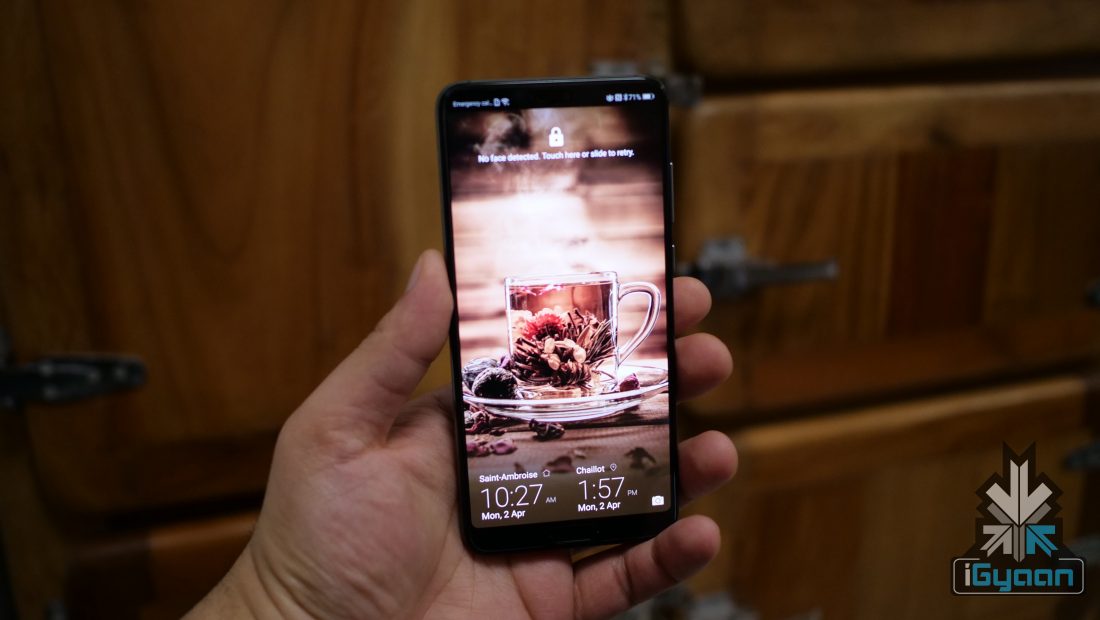
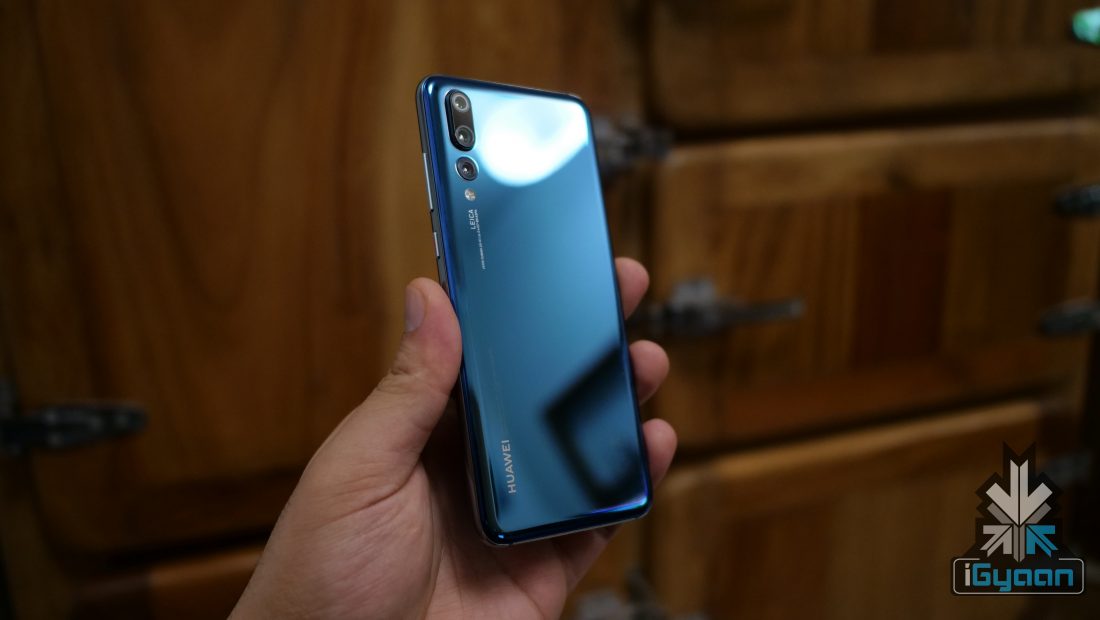
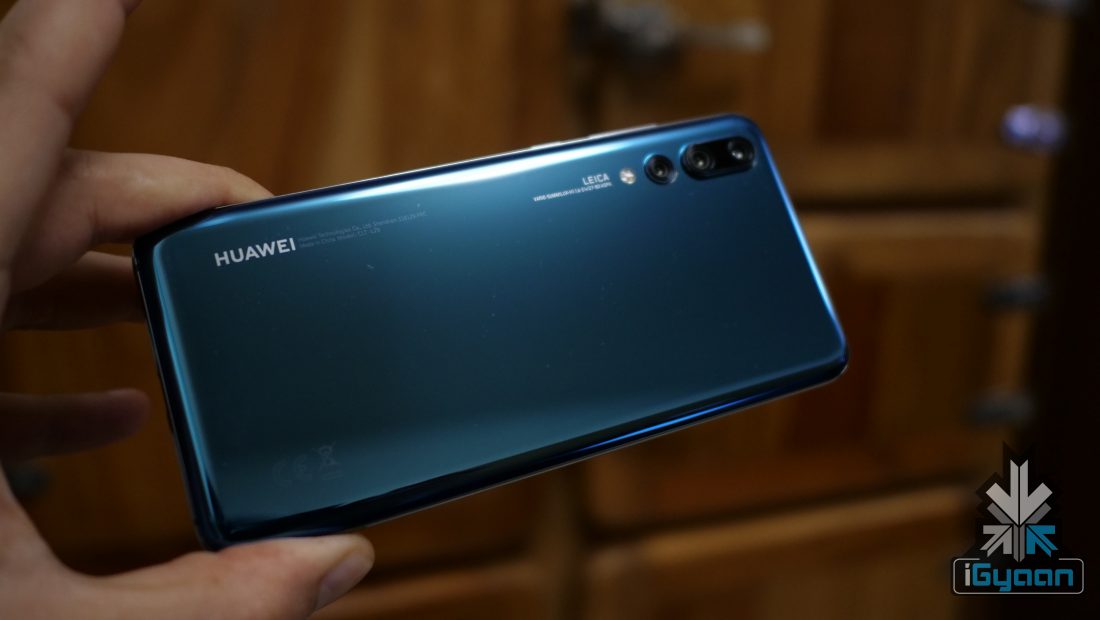
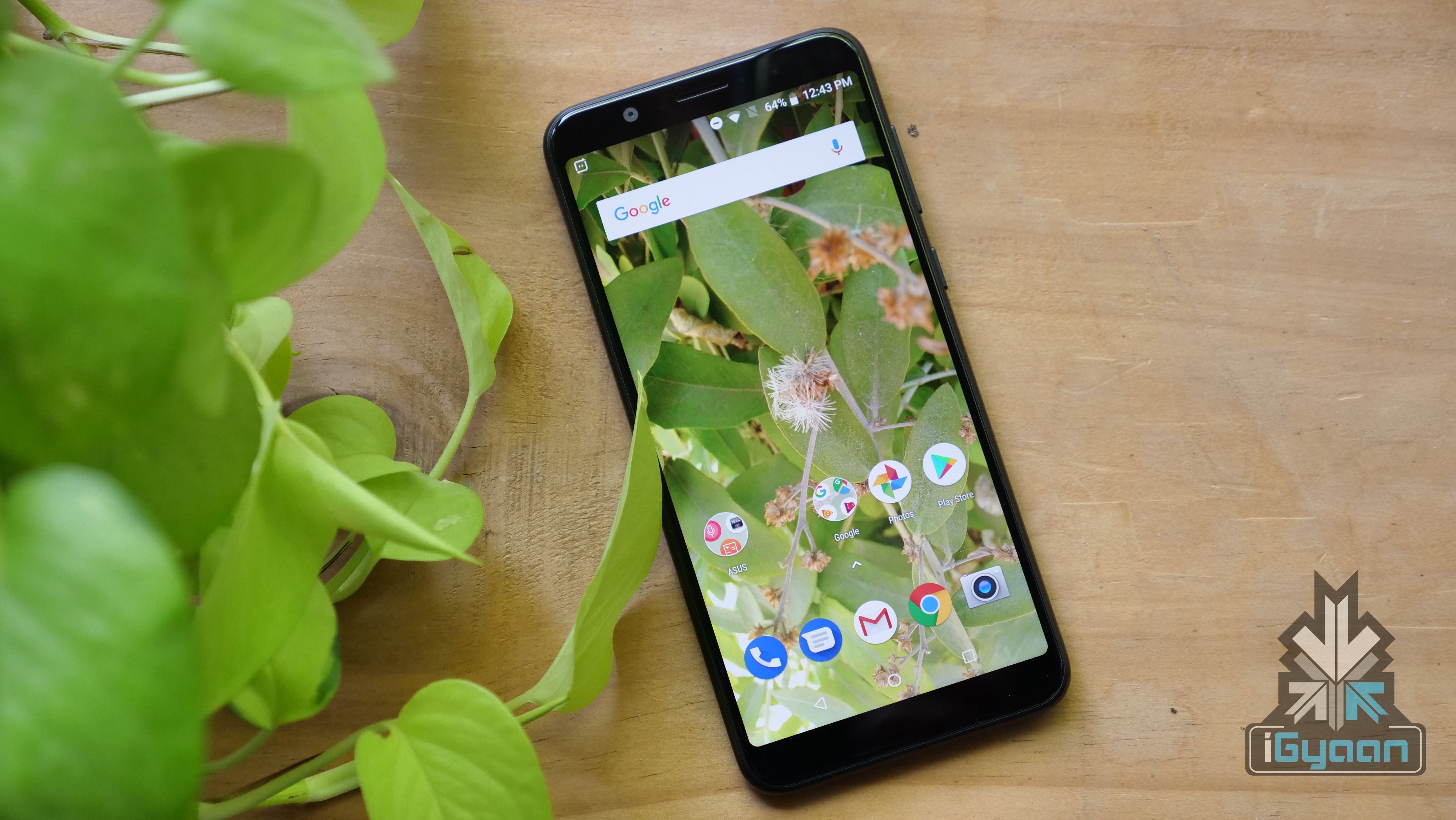
    [section label=”Initial Impressions”]While we had leaks aplenty the phone managed to live up to expectations with the design and feature set. The design is extremely close to that of the iPhone X. While the notch is smaller the metal frame sandwiched between the glass front and back looks extremely good.

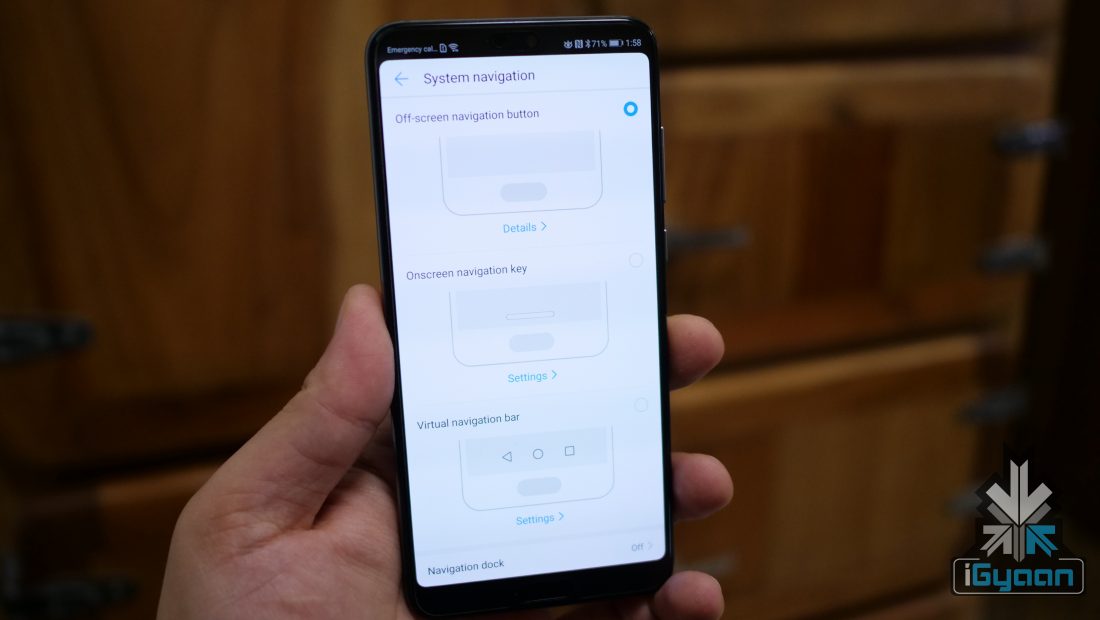
    The company wanted to retain the fingerprint sensor on the front which means that you get a large chin. But, at least a very usable fingerprint sensor. The fingerprint sensor also allows for the navigation to be moved off the screen.

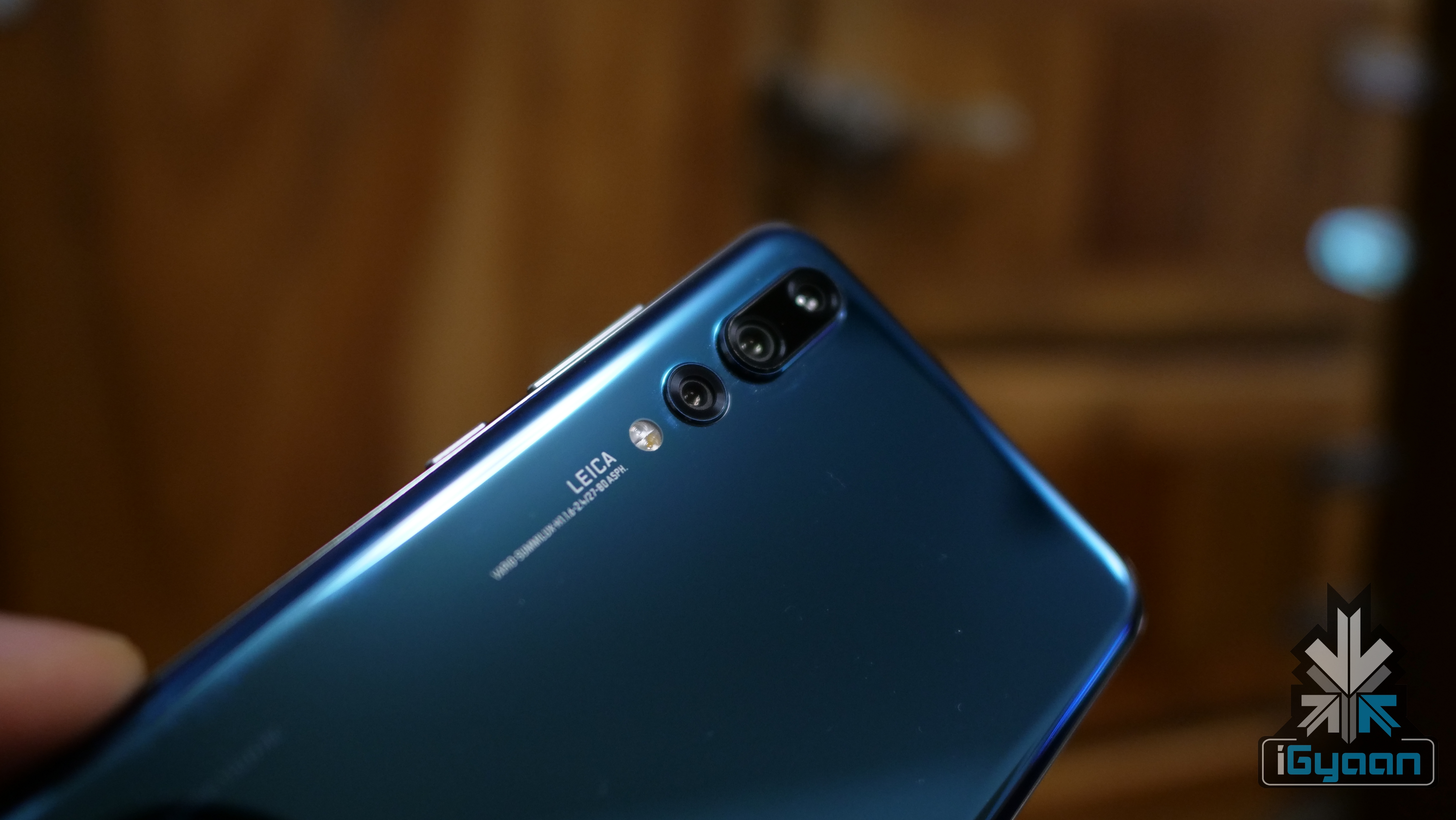
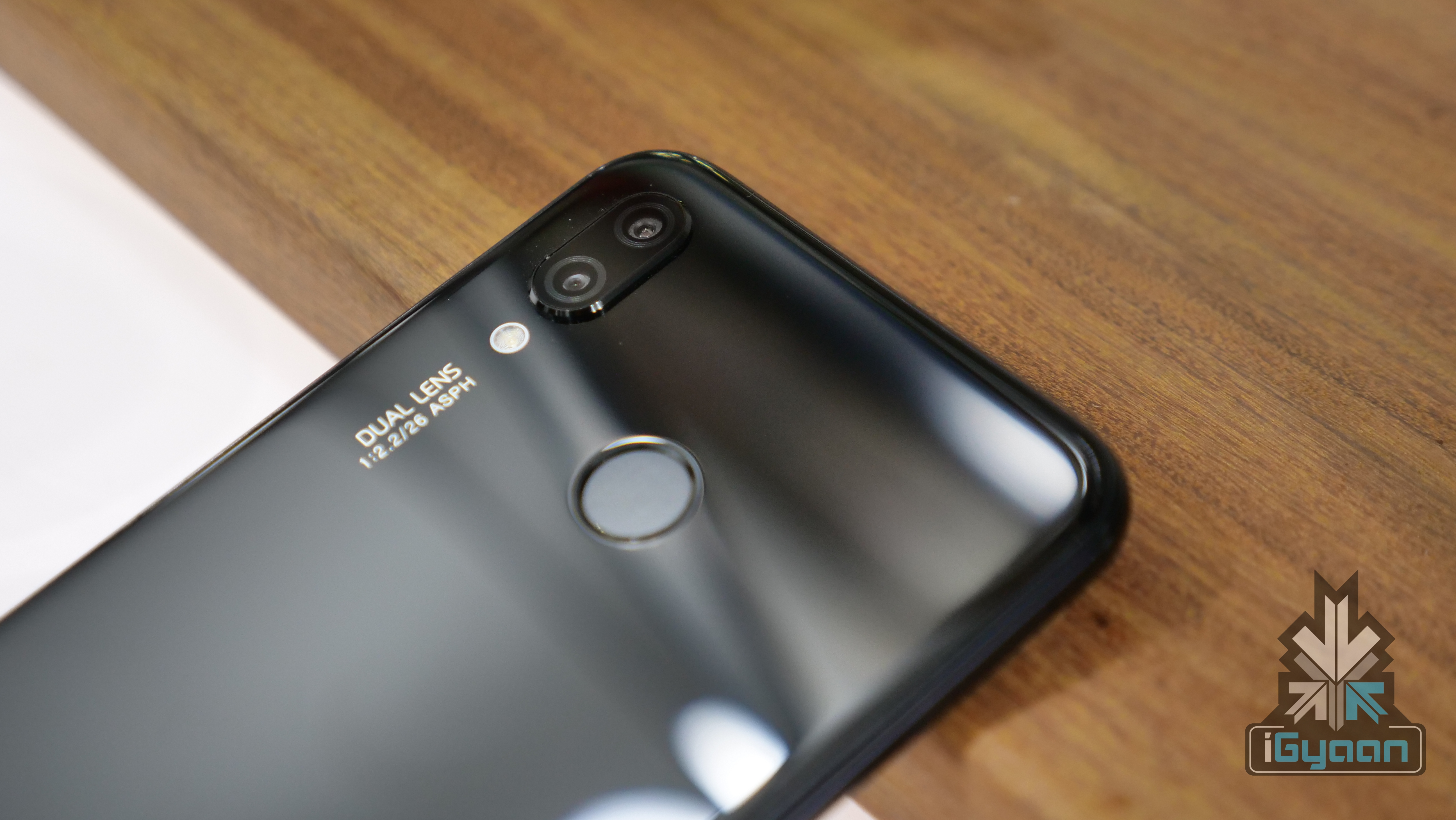
    The three cameras on the Huawei P20 Pro are, however, the most naturally noticeable feature of the phone. A massive 40 MP shooter makes for the primary camera with an f/1.8 aperture with an additional 20 MP (f/1.6) camera. The third 8 MP 3x optical zoom, telephoto lens equipped, shooter makes a good mix for excellent portraits and zoomed in shots. The camera gets a natural 3x zoom and a 5x hybrid zoom which allows for lossless zoomed in pictures. The front gets a 24 MP wide selfie camera.
    [section label=”Unboxing”]

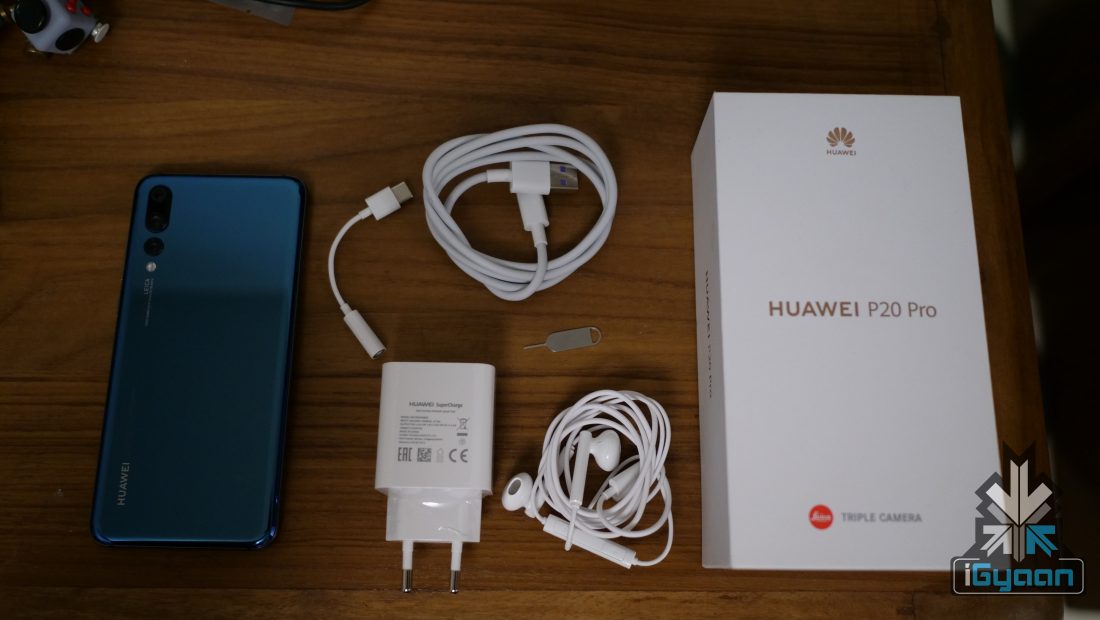
    The unboxing experience is not very special for the Huawei P20 Pro, however, you do get a complete set of accessories

    • Huawei P20 Pro
    • Documentation
    • USB Type C Earphones
    • USB C to 3.5mm Adapter
    • Sim Ejector Tool
    • SuperCharge Wall Charger
    • USB Type C Cable

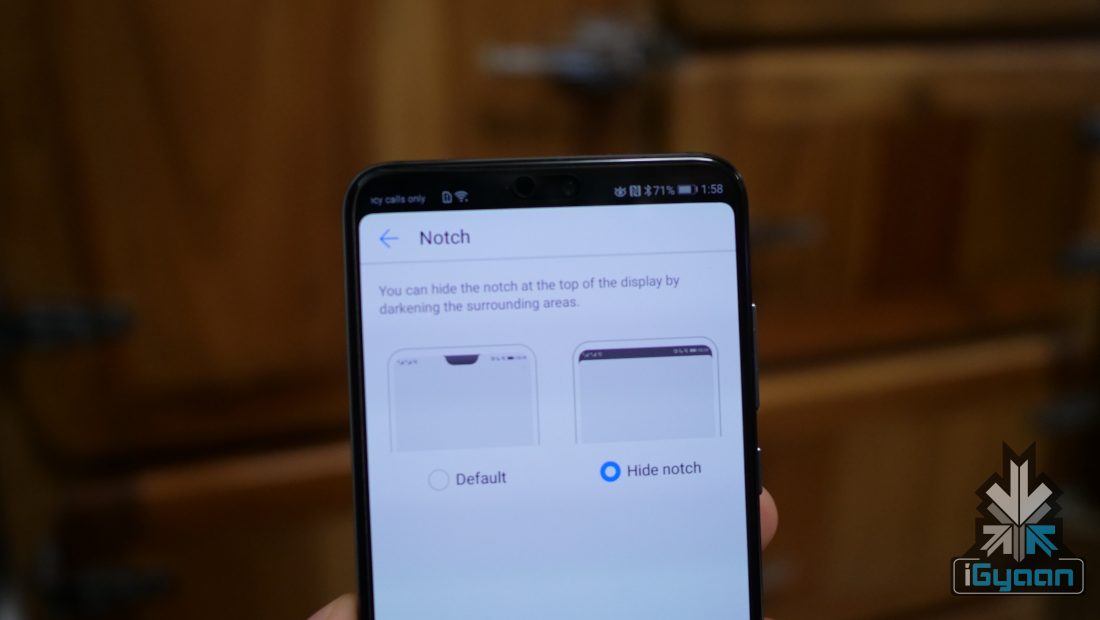
    The software experience of the phone is what makes the P20 Pro an interesting product. For starters, you get Android 8.1 out the box, with a promised update to Android 9 soon after release. The notorious notch can be hidden in software by making the status bar black, something which “no notch nazis” would like a lot.

    You can customise the OS quite a lot, from removing the navigation keys to duplication of commonly used apps. The camera app is also quite extensive with lots of shooting options. The phone also shoots and records H.265 video at 4k which is good as most phones still use dated codecs.

    The Huawei P20 Pro will come to India in April. Pricing is expected to be lower than the Euro 899 price it was launched for globally. The launch of the P20 Pro will also mark the return of the brand Huawei into India which stopped sales mid-2016.

    [section label=”Unboxing Video”]

    Huawei P20 Pro Unboxing Video

    [embedyt] https://www.youtube.com/watch?v=iODL1MBpCYE[/embedyt]

  • Unboxing The Apple iPhone X

    Unboxing The Apple iPhone X

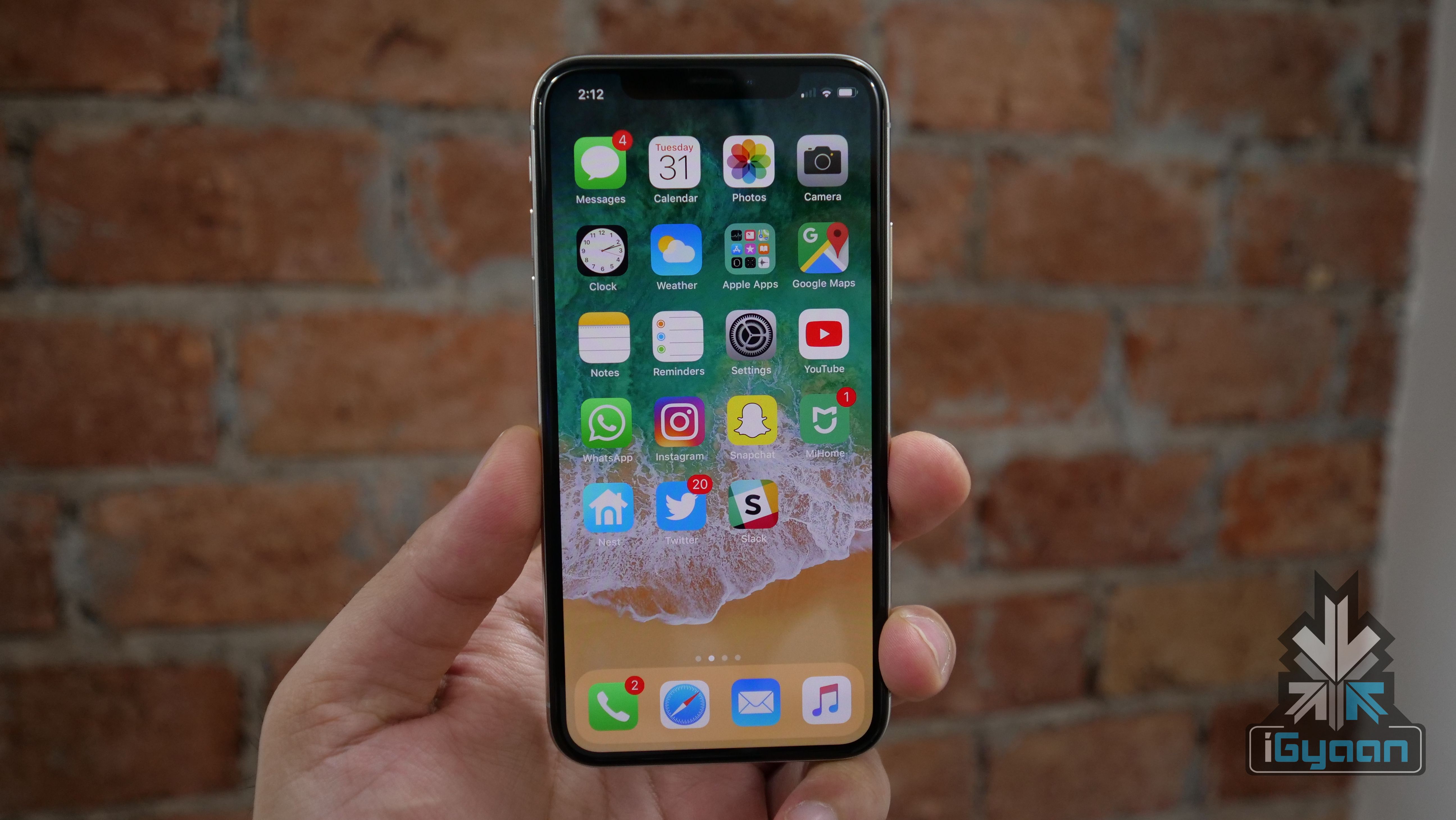
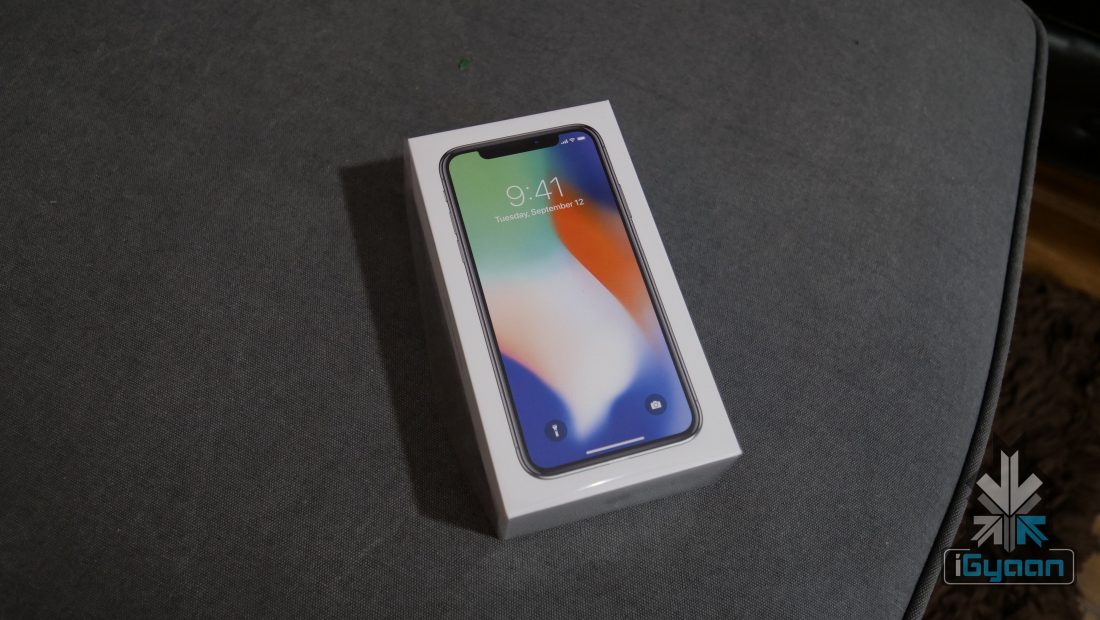
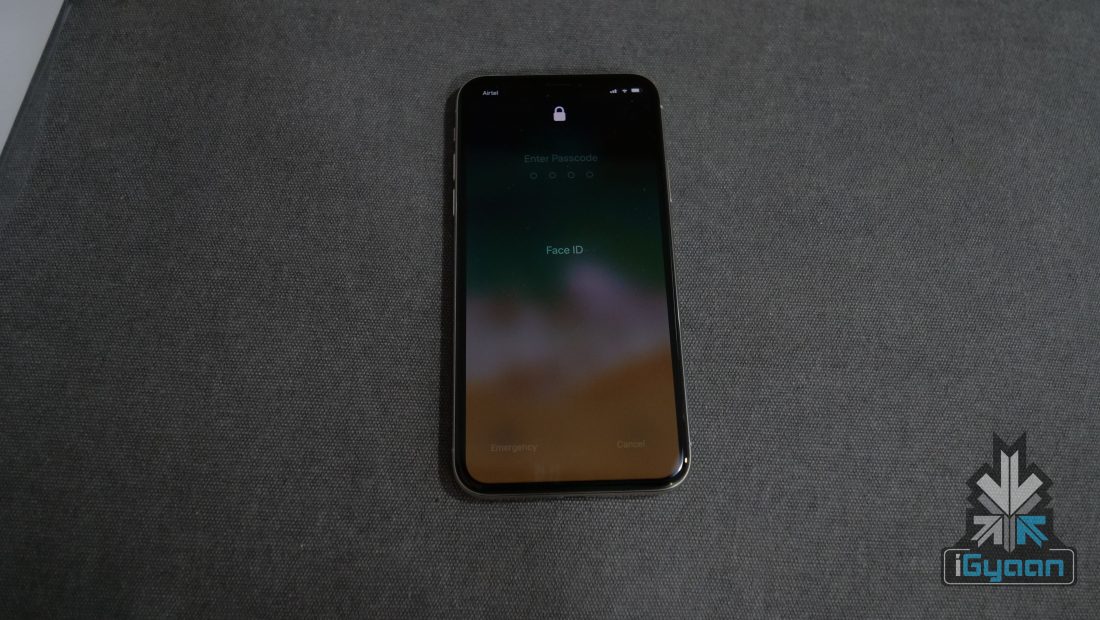
    Apple announced the tenth anniversary iPhone X along with the iPhone 8 and iPhone 8 Plus at a launch event on the 12th of September. As good as the iPhone 8 and iPhone 8 Plus are, they just could not capture the imagination of the consumers like the iPhone X did. Billed as the true successor to the original iPhone launched in 2007, the iPhone X is the first major departure from the signature iPhone design we’ve become accustomed to seeing over the years. It is the first iPhone to lose the home button since the iPhone was first ever launched. It has a near bezel-less design and what is poised to be an iconic “notch” on top that houses the true depth FaceID cameras and all the necessary sensors. The iPhone x is available in two sizes 64 GB and 256 GB

    Inside the box:

    • iPhone X
    • Documentation
    • Earpods
    • Sim ejector tool
    • Lightning to 3.5mm jack converter
    • Wall charger

    First impressions

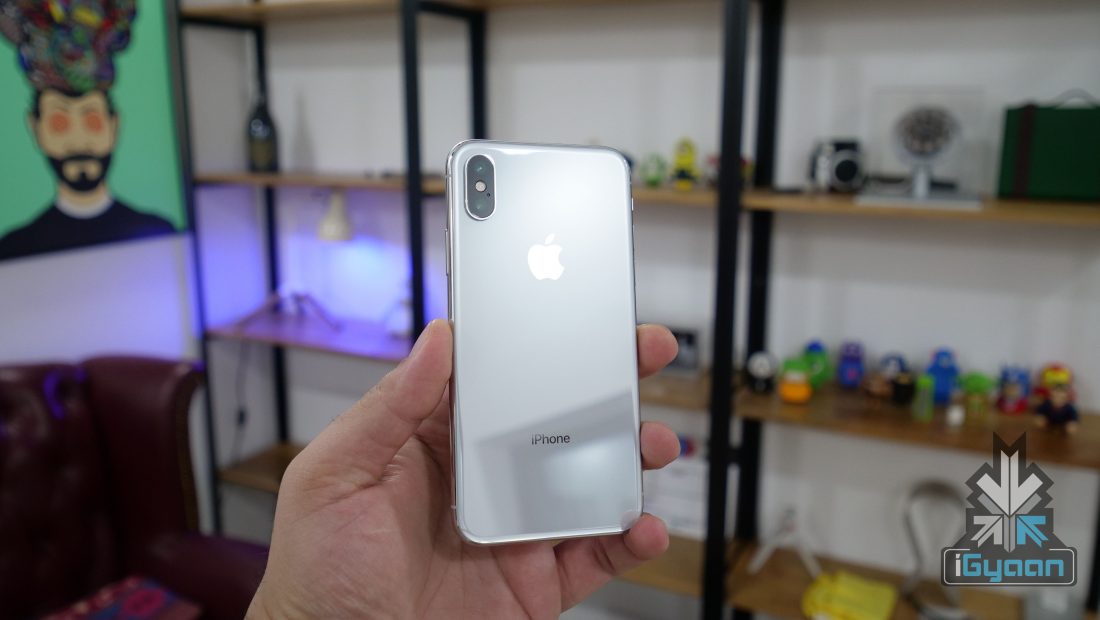
    The iPhone X has a 5.8-inch 2436 x 1125 px OLED True Tone Super Retina display. The phone runs iOS 11.1 and is powered by a 3,000 mAh battery which charges through the Apple signature lightning port placed at the bottom of the phone or via wireless charging. Because of the all-glass design, the iPhone 8 also has wireless charging. Under the hood, the smartphone has the Apple A11 Bionic chipset with a neural engine, a hexacore processor, 3GB of RAM and storage options of 64GB, and 256GB. The small bezels mean there is no physical home button, which is now replaced with gestures for navigation. Siri is activated by pressing the now larger lock/unlock button. The iPhone X is also IP67 certified for water and dust resistance, and wireless charging.

    The iPhone X has dual 12-megapixel rear cameras, and it’s equipped with dual optical image stabilization. The sensors are both larger and faster, according to Apple, and the main camera is equipped with a wide angle lens and has an f/1.8 aperture while the secondary telephoto lens has an f/2.4 aperture. In between the two cameras is a quad-LED True Tone flash. Both the front and back cameras have the portrait mode. The rear cameras have the portrait lighting feature, just like the iPhone 8 and iPhone 8 Plus.

  • Motorola Moto G5s Plus | Unboxing and Hands On

    Motorola Moto G5s Plus | Unboxing and Hands On

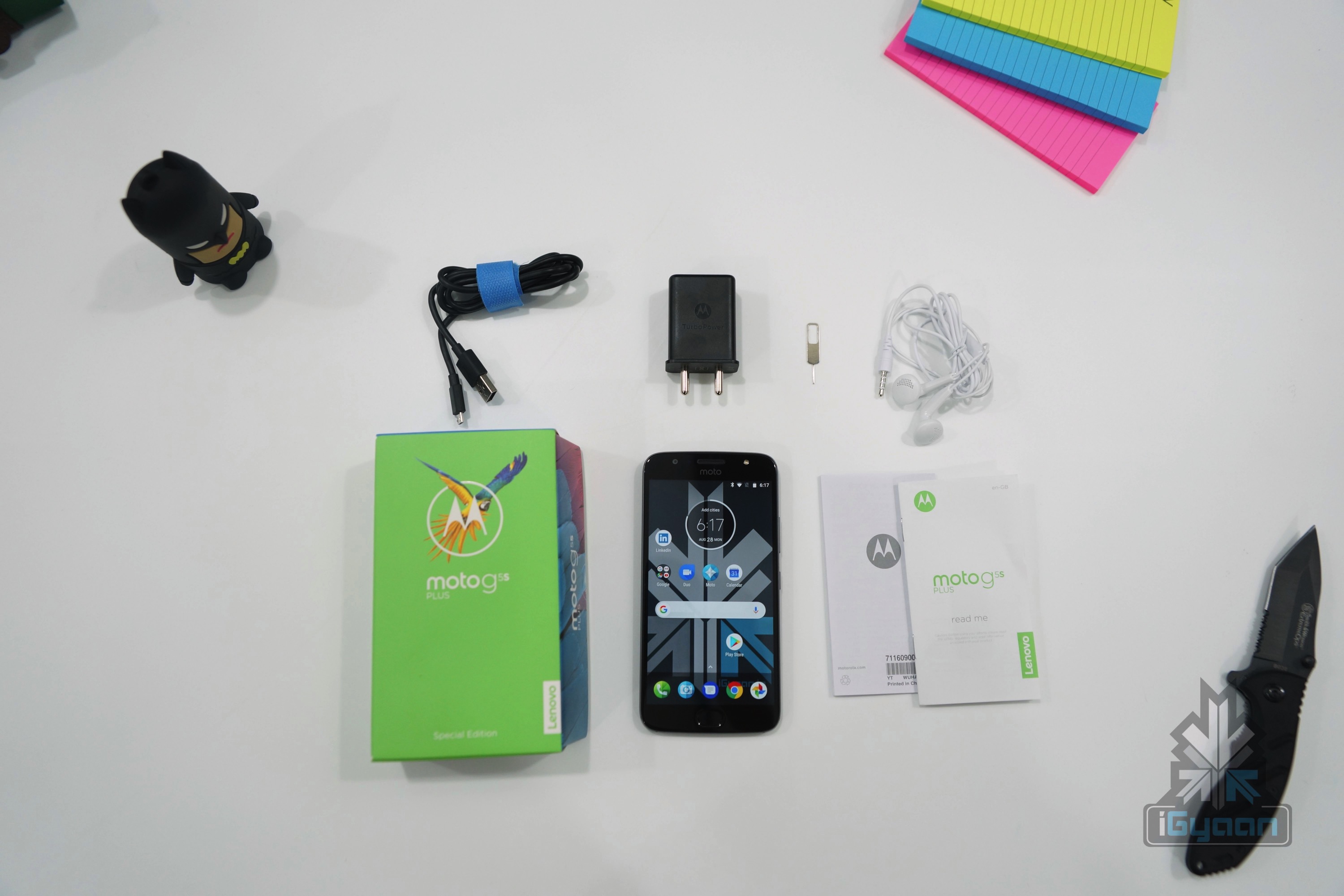
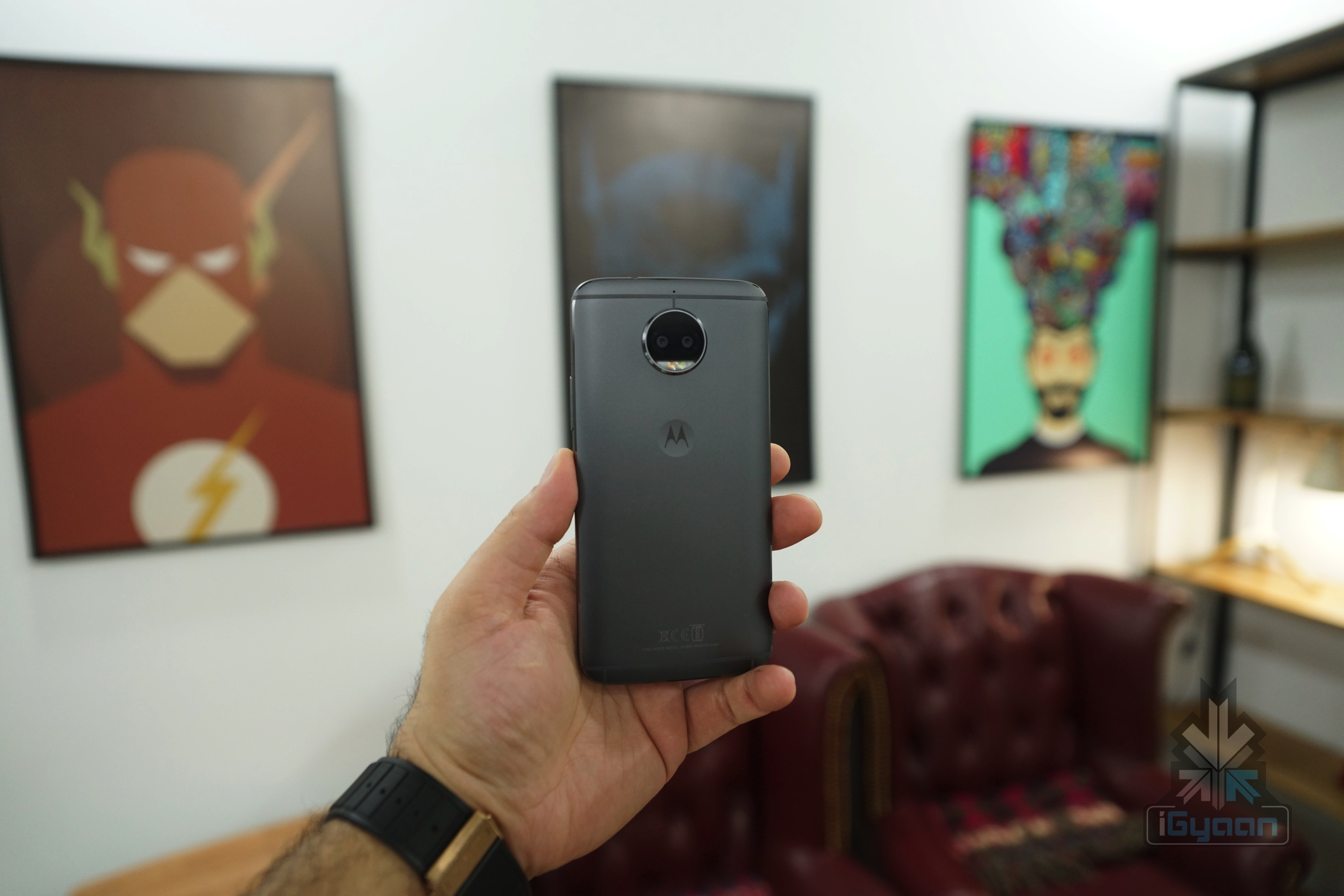
    The Moto G5s Plus has just been launched in India for a Price of Rs. 15999. The phone which will be exclusively available from Amazon, starting midnight will add dual camera capability to the Moto G5 Plus, and a slightly different design language.  In a typical fashion the Moto G5s Plus box features some of the specifications and color options of the Moto G5s Plus, inside the box you get:-

    • The Moto G5S Plus
    • Standard earphones
    • Sim ejector tool
    • Documentation
    • Micro USB charging and data syncing cable
    • Turbo charging capable wall adaptor

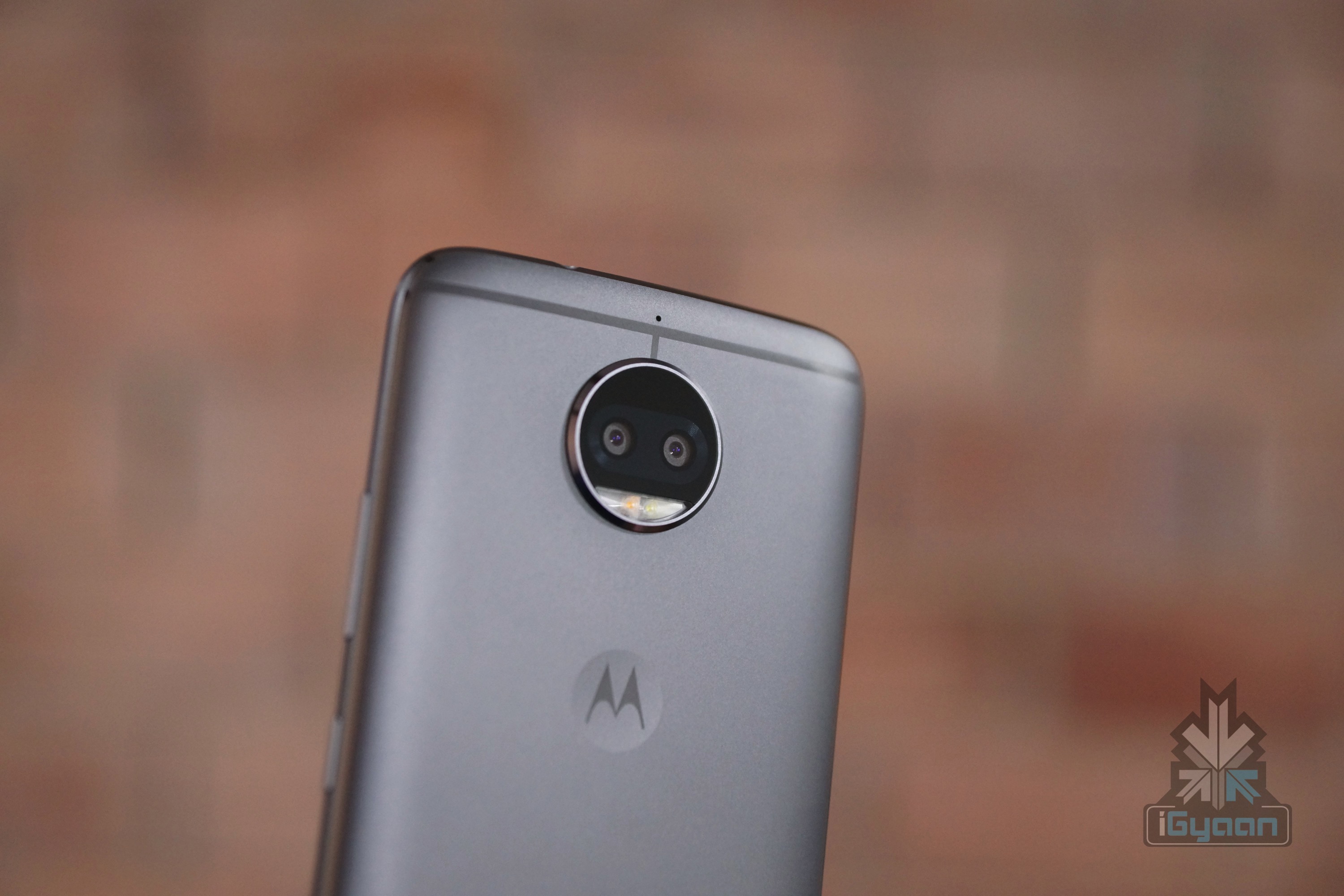
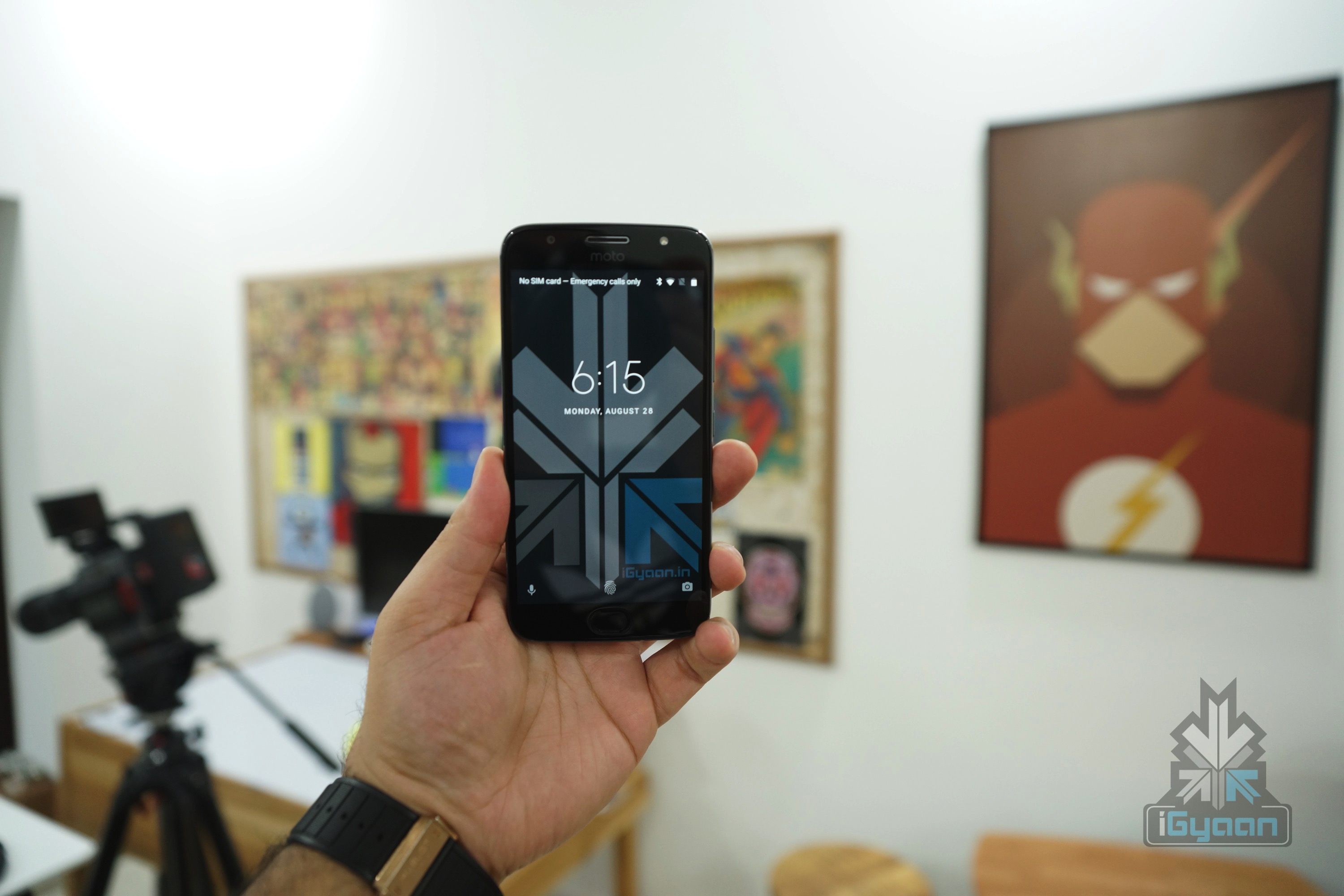
    The Moto G5s Plus is the bigger brother the Moto G5 Plus deserves and the design is in line with previous Moto G devices with a metal unibody and a round camera bump at the back. The textured power button and the volume rockers are placed on the right edge of the phone while the headphone jack sits on the top edge. The bottom has the main speaker and a micro-USB port ( we wish it was type-c).  The front of the device also has a home button which houses the fingerprint sensor which can be used as a one button navigation. The antenna lines are placed at the back of device along with the Moto dimple, which is placed just under the dual-camera setup.

    Motorola’s G5s Plus has a 5.5 inch 1920 x 1080 px IPS LCD display with a 401 ppi, the screen is protected by corning Gorilla Glass . The phone is powered by a 3,000 mAh battery with turbo power charging capabilities, providing 12V at 1.2Amps. The phone runs on the Qualcomm Snapdragon 625 chipset, which has an octa-core processor clocked at 2.0 GHz along with the Areno 506 GPU, which is assisted by 4GB RAM and 64GB onboard storage. The storage can be expanded up to 128GB via microSD card.

    The Moto G5S Plus has a 13MP dual-camera setup at the back with an f/2.0 aperture. The dual camera captures Bokeh, and selective focus shots, along with other capabilities of background replacement and exposure management. A dedicated Depth editor allows for these tweaks, which make the experience more than just a simple dual camera setup. Some of these dual camera tweaks are just amazing and we can’t wait to try them out properly.

    On the front is a wide angle 8MP camera with a single LED flash, the front camera captures 1080p video while the main camera captures 4k at 30fps. The Moto G5S Plus is an Amazon exclusive device and is available in two colours – Lunar Grey and Fine Gold. The phone goes on sale at midnight between 29th and 30th August.

    Unboxing Video

  • Unboxing The New Lenovo K8 Note On a Hot Air Balloon

    Unboxing The New Lenovo K8 Note On a Hot Air Balloon

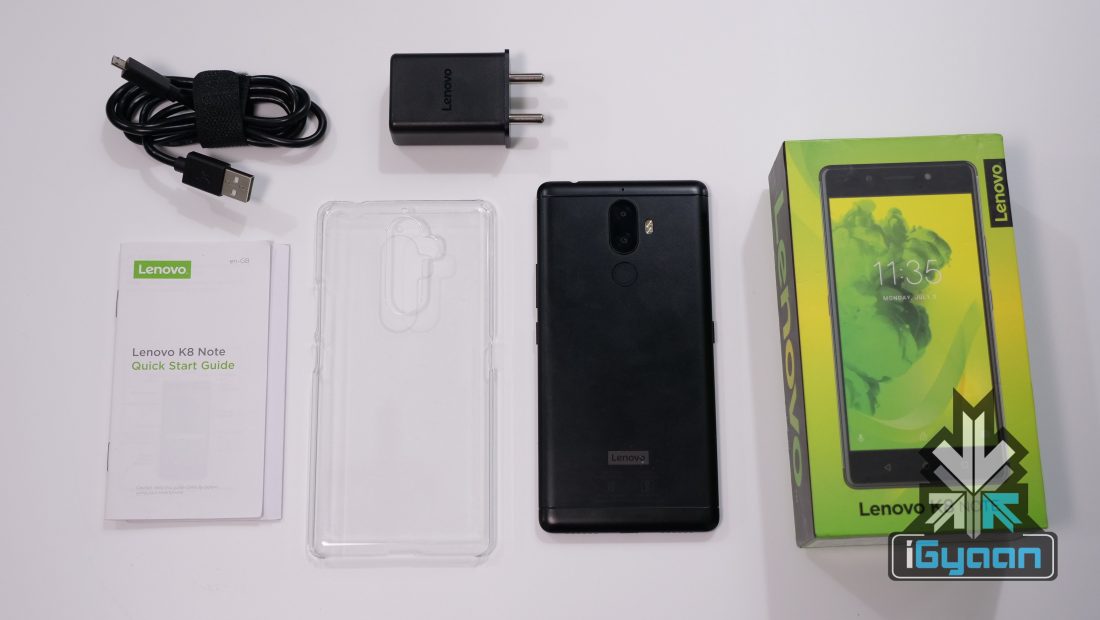
    Lenovo just launched the new Lenovo K8 Note in India, the phone which has a dual camera setup has been launched in the country in two variants 3GB+ 32GB  for Rs. 12,999 and 4 GB + 64 GB for Rs. 13999 and they go on sale on the 18th of August.  What you get inside the box-

    • The Lenovo K8 Note
    • Transparent back cover
    • Sim ejector tool
    • Documentation
    • Micro-USB cable for charging and data syncing
    • Wall plug


    The Lenovo K8 Note is run on a  MediaTek MT 6797D Helio X23 a Tri-cluster, 64-bit chipset with a 2.3 GHz high-performing deca-core processor and the Mali T-880 MP4 GPU. The device has either a 3GB or 4GB RAM and 32GB or 64GB onboard storage which is expandable via a microSD card. The Lenovo K8 Note runs stock Android 7.1.1 out of the box, and Lenovo has removed their Vibe UI complete for a pure Android experience, the phone also supports USB OTG for added storage options.

    The Lenovo K8 Note features a 5.5-inch 1920 x 1080 px display with a pixel density of 441ppi and a Corning Gorilla Glass with oleophobic coating for scratch and smudge resistance. The K8 Note is also splash resistant due to its P2i coating, although the resistance might decrease with time due to wear and tear of the nano coating. The fingerprint sensor sits at the back of the device under the cameras. The Lenovo K8 Note comes in two colours – Venom Black and Fine Gold.

    The phone features a deca core CPU, which manages to pull off day to day usage without lag, you also get quick multitasking and a responsive UI thanks to stock Android and ample amounts of RAM. The cameras also offer up a depth mode with a 13 MP + 5 MP combination allowing the user to simulate an f/1.2 aperture using the combination of light from both the cameras, blurring out the background of the subjects. This mode is great and the K8 Note is possibly the only device with this feature in the price bracket.

    The Lenovo K8 Note also features a unique customisable convenience key on the left of the device, designed to play and manage music, but can be assigned to launch an app or carry out a task online, even the painful Bixby button on the S8 and S8+ doesn’t do that.

    Take Part in our K8 Note Giveaway Below

    Lenovo K8 Note Giveaway

iGyaan Network
Privacy Overview

This website uses cookies so that we can provide you with the best user experience possible. Cookie information is stored in your browser and performs functions such as recognising you when you return to our website and helping our team to understand which sections of the website you find most interesting and useful.