Google has been proactively expanding the reach and utility of the Android ecosystem. It is now on smartphones, tablets, TVs, smartwatches and even in cars (with Android Auto). Now the tech giant is looking at a whole new arena to establish its dominance, and they have chosen the field of virtual reality.
Virtual reality as a new device ecosystem is growing rapidly. Major brands such as Samsung, HTC, Sony and others have unveiled their VR headsets that will be arriving in the market soon. In our first person experience with these headsets, we have found them to be promising, and it had tremendous potential as a new consumer medium. It is, therefore, obvious that Google wishes to be a frontrunner in the game.
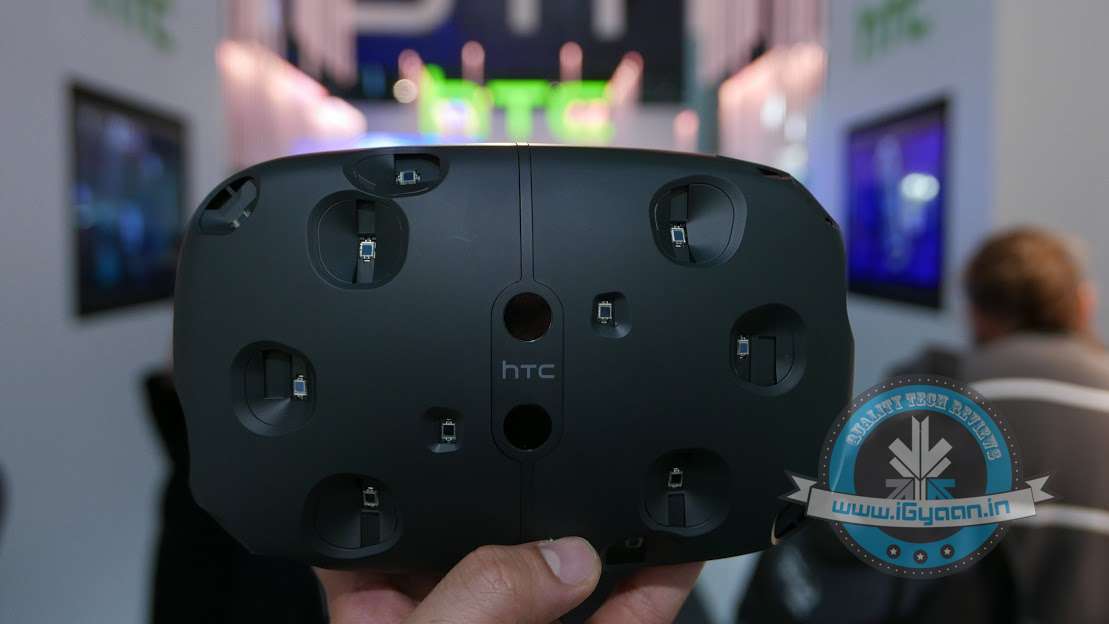
HTC recently forayed into Virtual Reality with the HTC Vive
The report was published in the Wall Street Journal, but Google hasn’t confirmed it as of yet. The report says that the Silicon Valley powerhouse has engaged tons of engineers to create a version of Android for the VR devices. This version will also be given out for free just like all the other Android counterparts.
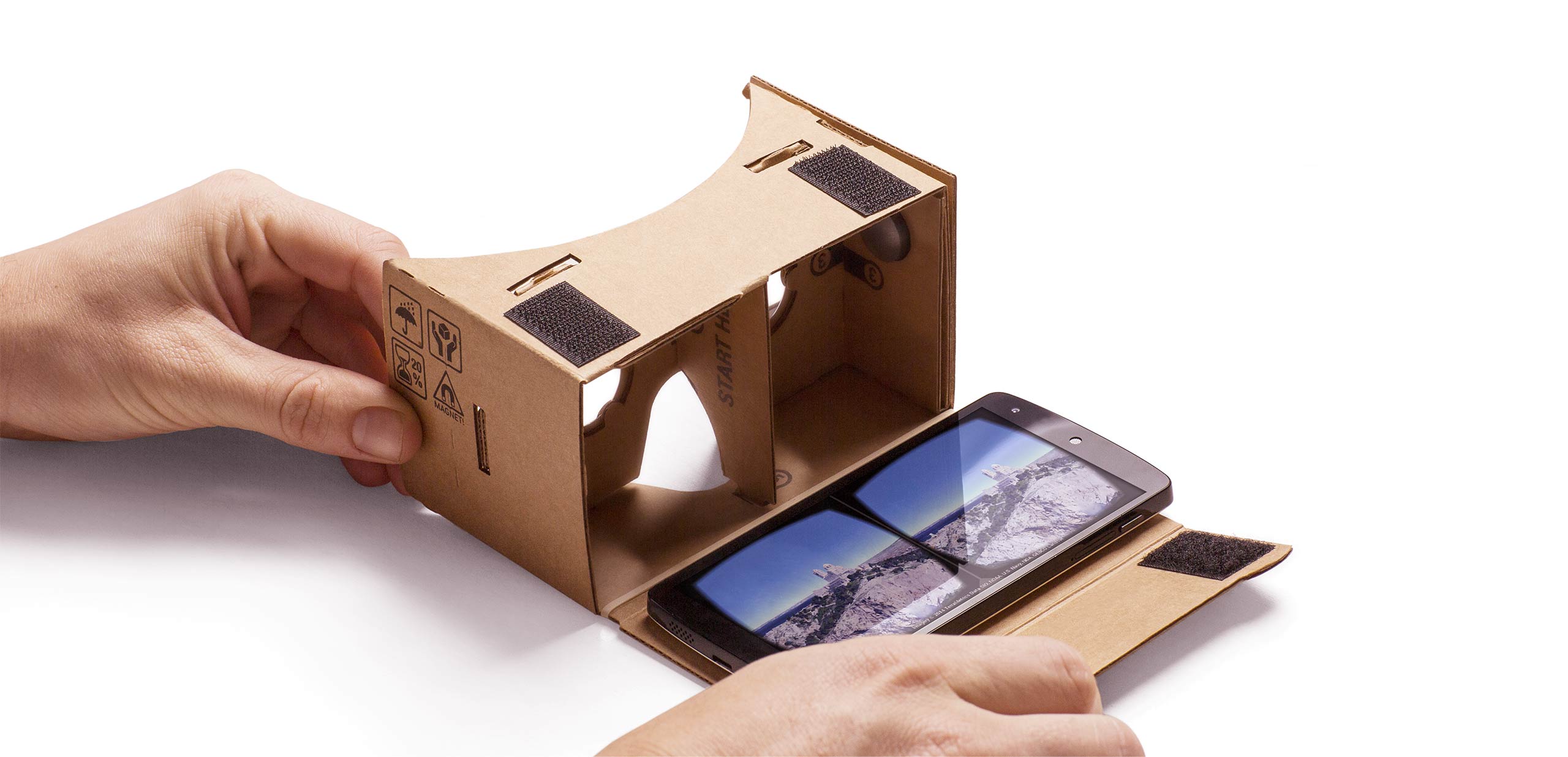
Google has already ventured in the VR game with its low-cost cardboard project. Users can get the affordable glasses, install the cardboard app, and they are ready for the VR experience. But the professional VR headsets offer more features than the cardboard contraption. A VR version of Android might include functionalities for touch controls and improved features. As of now it is not clear how the VR version of Android would look like, but with the right partners, Google might end up at the top of one more segment of the electronic market. Also, as it is a free offering, it might encourage other brands to step in the VR game to increase competition. This will also lead to an increase in the number of apps, games and other content for the VR headsets. It seems the age of virtual reality is finally upon us.
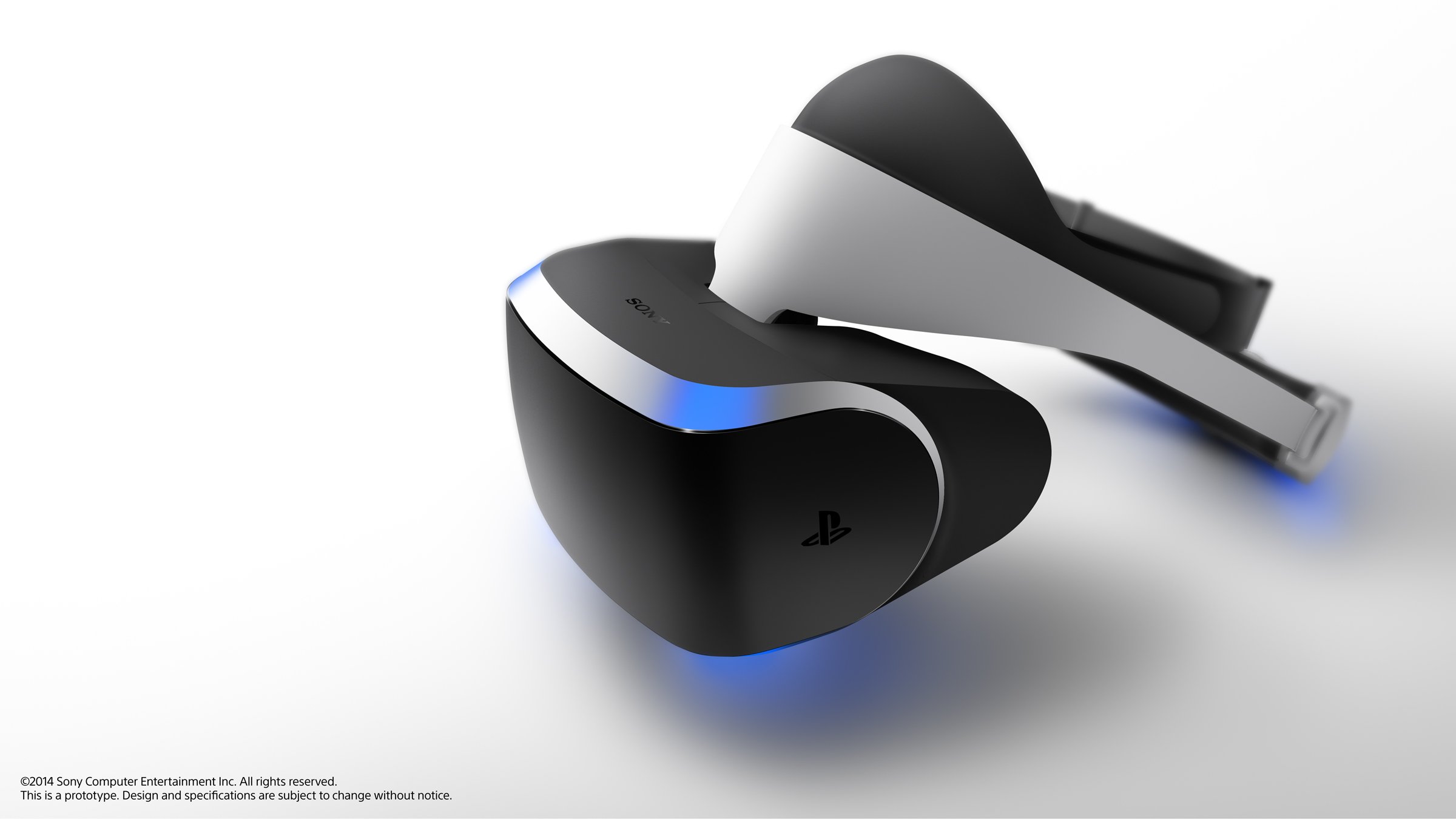
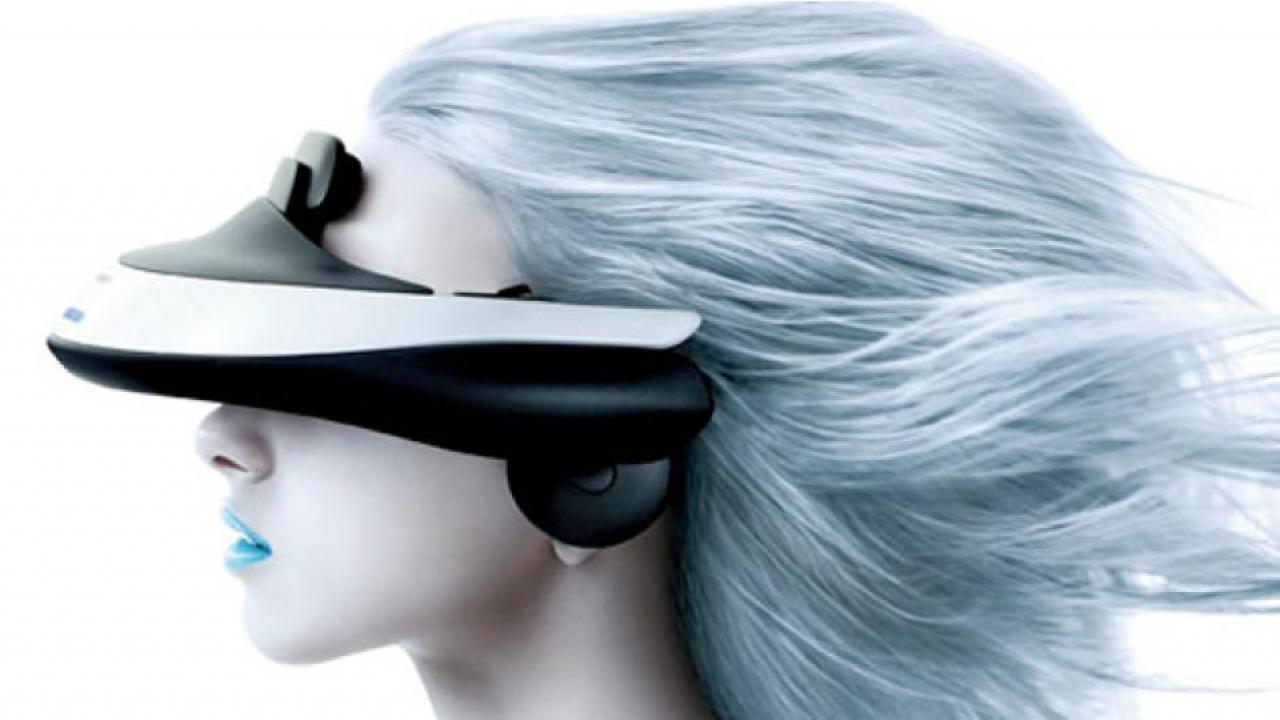
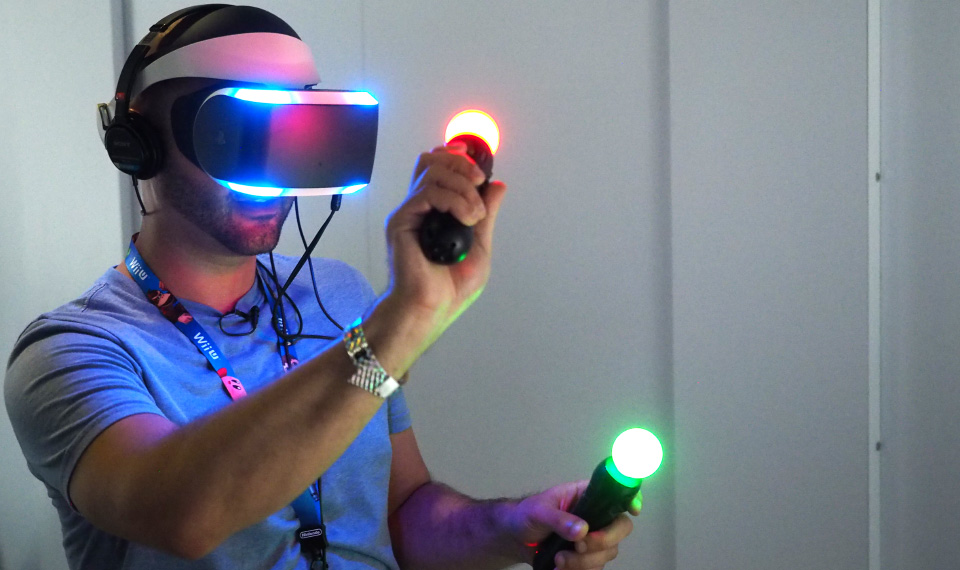
Sony today announced a spruced up version of its virtual reality headset, codenamed Project Morpheus, and Sony is already bragging about how better it is compared to the one they showed off last year. The new VR headset was showcased at a GDC presentation in San Francisco and Sony says it’ll start shipping in the first half of 2016.
New features include an OLED display with a Full HD resolution, while Sony says it’ll be able to offer framerates at 60fps and 120 fps. The screen has a 5.7 inch display, while a total of nine LEDs support 360 degree tracking. Sony also claims it has super low latency – 50 percent improved response than its predecessor.
[quote text_size=”small” author=”Shuhei Yoshida” author_title=”President of Worldwide Studios for Sony Computer Entertainment.”]
A new dimension of gaming is, at long last, here – and PlayStation is again at the forefront with Project Morpheus.
[/quote]
Meanwhile, Sony also stressed on its user friendly design, featuring a single band design and quick release button. The headband supports the weight of the unit on the top of your head, hence there is no pressure on your face. Other components have also been adjusted and configured to make the headset lighter, so players do not find the headset cumbersome or uncomfortable to use.
Sony says more details on the new Project Morpheus will be revealed at E3 and Beyond, along with more VR games.
Last March, Facebook acquired virtual reality (VR) headset maker Oculus with a vision of introducing the world to futuristic social media experience. The social media giant hasn’t taken a break since then and is coming up with one or the other breakthrough. Lately, Facebook has confirmed that it is working on virtual reality apps that will assist users in creating and viewing VR content.
In a conference today, Chris Cox, Chief Product Officer of Facebook, stamped the news saying that they’re working on apps for VR.
You realize, when you’re in it, that you’re looking at the future, and it’s going to be awesome. When you’re in Facebook, you’re just sending around these bits of experience — a photo, a video, a thought, whereas with VR, you could be sending a fuller picture.
According to Cox, the users will be able to create VR content of their own and share the surrounding environment with other app users. Though, he didn’t elaborate what all apps are in the progression and how are they going to work.
Facebook exhibited a small demo of the boundless platform at Sundance Film Festival this year. The company stepped forward and premiered its first short piece titled ‘Lost‘. It also confirmed to release five more flicks this year.
This step by Facebook is commendable. It would be exciting to see the apps that would give users freedom to create VR content of their choice and share it. This will give social media whole new space to grow.
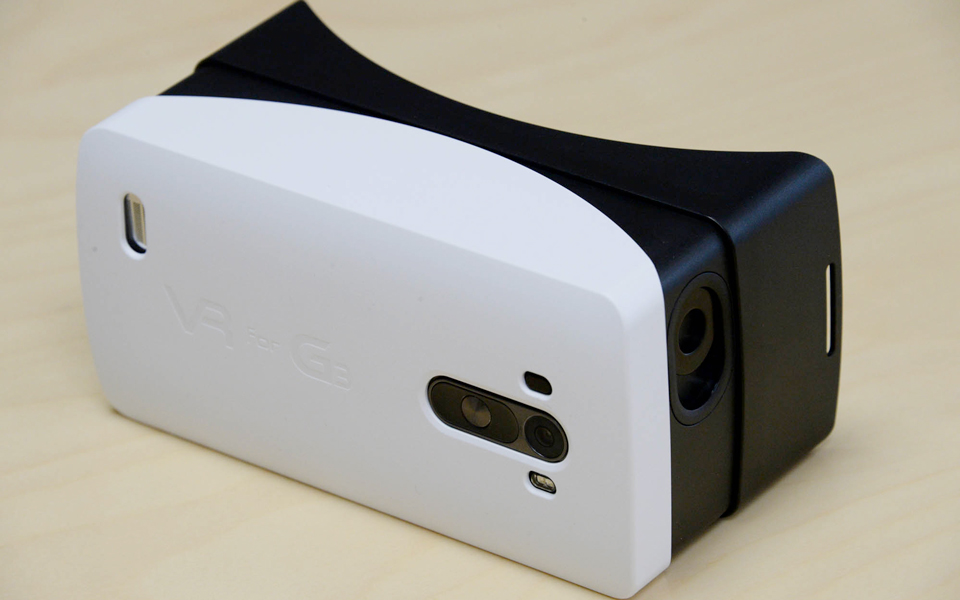
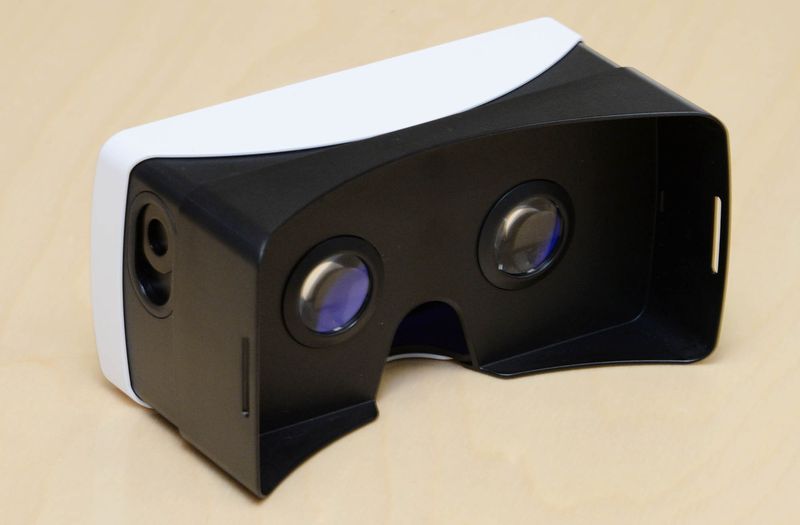
Virtual Reality headsets are the new tech every firm is betting on. But as it tuns out, none of them are available at a budget price – except one. At a mere $20, Google VR is super economical but it’s made out of cardboard. Quality would be no issue with the new VR headset by LG. The South Korean company has made a plastic version of the Google Cardboard that would be low in price. Called VR for G3, the headset will give virtual reality experience using the phone’s internal hardware.
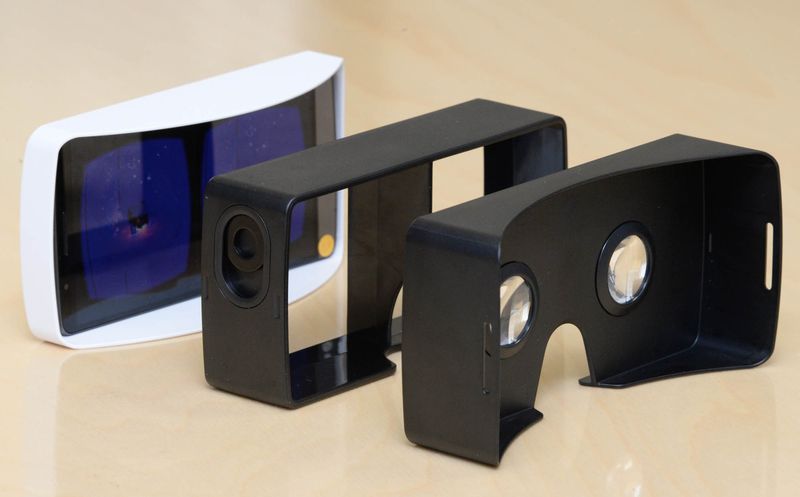
Based on Google Cardboard VR, the VR for G3 is a mere shell with lenses. The LG VR headset has three pieces which come assembled. A ring magnet like in the Cardboard VR headset sits on the left to select menu. A cutout on the back of the device reaches the volume rockers. Also, there are small cutouts for flash, laser autofocus, and speaker. The two slots are seen at the either ends, which can be used for a head strap.
Just strap your phone in the headset and it will send you right in the virtual world. As its plastic, it will cost low, but it is speculated that it may be available for free. Meanwhile, there is no word about its availability and price, and users have to wait till the next announcement.
Samsung released a Gear VR headset last year, but it costs $199. Not only this, one need to buy a Galaxy Note 4 as it is compatible with the Note 4 only.
The VR for G3 is definitely a good step to encourage the virtual reality concept to come into the mainstream.
The independent cinema fair of 2015, Sundance Film Festival, showcased some top-notch films. The one that left the world awestruck was the first virtual-reality film by Facebook-acquired Oculus. Facebook premiered its first short piece titled ‘Lost’. It is the first of five short animated flicks the company will be making this year.
Oculus has built in-house studio called Story Studio, where the company will be creating virtual reality films and research on the story telling.
By developing content for virtual reality, Oculus aims to attract more filmmakers to invest in the new technology. To start with, the company has tapped the highest talents from both the film industry and video gaming world. Veteran of Pixar Animation Studios and Lucasfilm Ltd., who were responsible for films like Toy Story and Monsters Inc., will be attached to the upcoming five-film project.
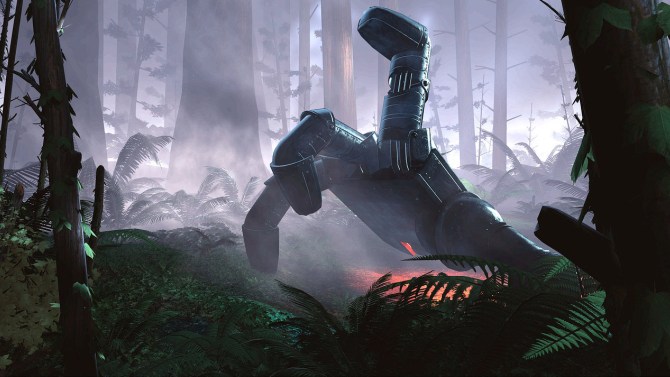
The premiered movie Lost is helmed by former Pixar artist Saschka Unseld, who is now the creative director of Story Studios. The film takes the viewers to the middle of the forest where a mechanical creature bounds into the scene. The Chief Executive of Oculus Brendan Iribe described the flick as ‘a real-time version of a Pixar experience that you’re inside of.’
Iribe further added to his statement –
This is really tuning into what a lot of people who are extending 360-degree film into VR cannot do yet. It’s getting into the heart and soul and magic of VR.
Virtual Reality films are the real-time cinema where you can not only see, but also feel your presence in the space. However, the concept of experiencing 360-degree panoramic view using a gadget that fixes at the head has not reached the masses as of yet. In spite, Samsung and Google have developed products like Galaxy Gear VR headset and Google’s Cardboard VR device, the journey of it to be available mainstream will take some time.
When Facebook acquired Oculus Rift for a price of $2 Billion, we had a feeling it has something big planned for it. Virtual Reality(VR) is a budding market that is growing at a slow and steady pace. Facebook sees huge potential for these devices and is now on a hiring spree to get Oculus Rift up and running in the consumer space.
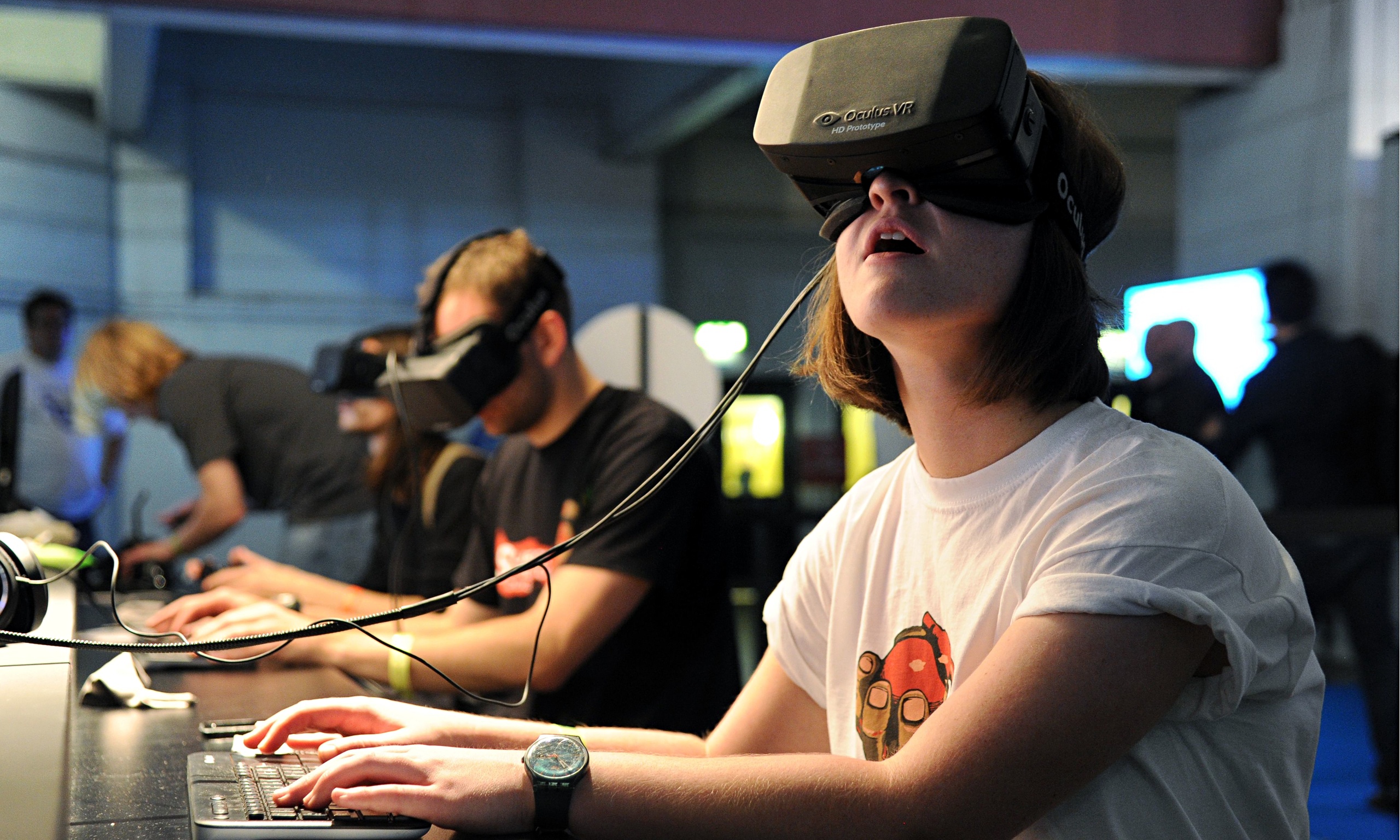
Oculus can be credit for bringing Virtual Reality back from the dead. Using the increased processing might of this generation chipset has helped these device give an authentic VR experience. The graphics quality has gotten better and there are now multiple headset options in the market that promise an immersive experience. While devices like Gear VR from Samsung are already in the market, Oculus Rift’s consumer version is still in the development stage.
Facebook acquired Oculus last year for a sum of $2 Billion
Facebook has listed 54 jobs on its website that seem to directly focus on it VR division. The jobs listed include managers to oversee logistics, procurement and global supply chain planning. Analysts believe this hints that the company is ready to bring the consumer version in the market.
If you want to test out the Oculus Rift, the company offers a Developers Kit that supports over 188 game titles. Other players in the VR market include Sony with its Project Morpheus, Google with the low-cost headset called the Cardboard project and Avegant Glyph. There are also some start-up projects working on their VR headsets too, like ANTVR.
We hope the wait for the consumer version of the Oculus Rift is coming to an end. It may be only a while before VR would be the way to game because of its immersive advantage.
CES 2015 has already some witnessed some awesome technological innovations. Apart from super slim bendable TV’s and mobile phones, we’ve seen some whacked out gaming products and accessories being flaunted at the biggest tech event of the year. These gadgets are bound to impress gamers as well as people who are not into hardcore gaming.
Here are the top gaming highlights from the largest consumer electronics tech extravaganza from Las Vegas-
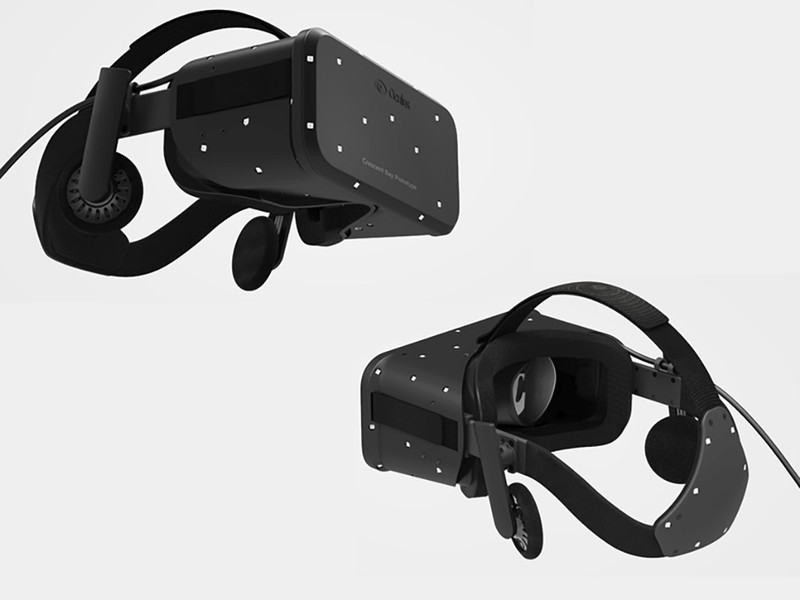
1. Occulus Rift Crescent Bay
The current Occulus Rift Prototype has been spruced up with new audio enhancements, thanks to the Crescent Bay Occulus Rift headset. These brand new lightweight headphones come with inbuilt sonics similar to a surround sound system.
Occulus has promised a 2015 consumer launch though there’s no confirmation of an exact release date.
2. Razer Going VR
Razer has announced its plans to make its VR technology an open source initiative, called OSVR(Open-Source Virtual Reality). It’s an effort by the company to make this technology more accessible and is going the Toyota way, providing information and technical support to whoever wants it. The VR headset is being showcased at CES and features a gyroscope, an accelerometer and a compass. In addition, it features a surround sound codec that will allow developers to add 3D sound to their gaming titles.
3. Mad Catz L.Y.N.X
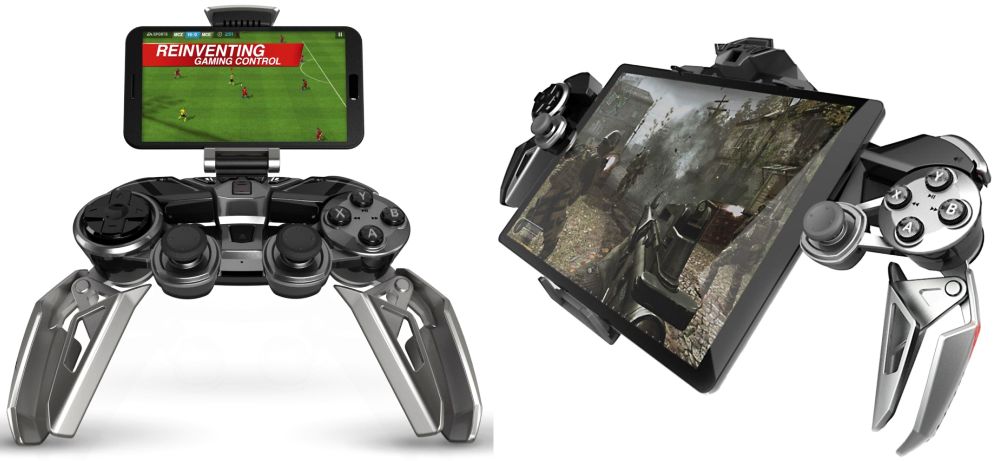
One of the snazziest gaming accessories we’ve come across in a long time, the Mad Catz L.Y.N.X looks like a ‘Transformer’ from the Hollywood blockbuster and can literally transform itself to suit your needs. It can either be used with a tablet, smartphone, QWERTY keyboard or just as a standalone controller. In addition, it also features an integrated mousepad for navigation and is compatible with Android, PC, SmartTV’s and also has Bluetooth support.
4. Dell Alienware
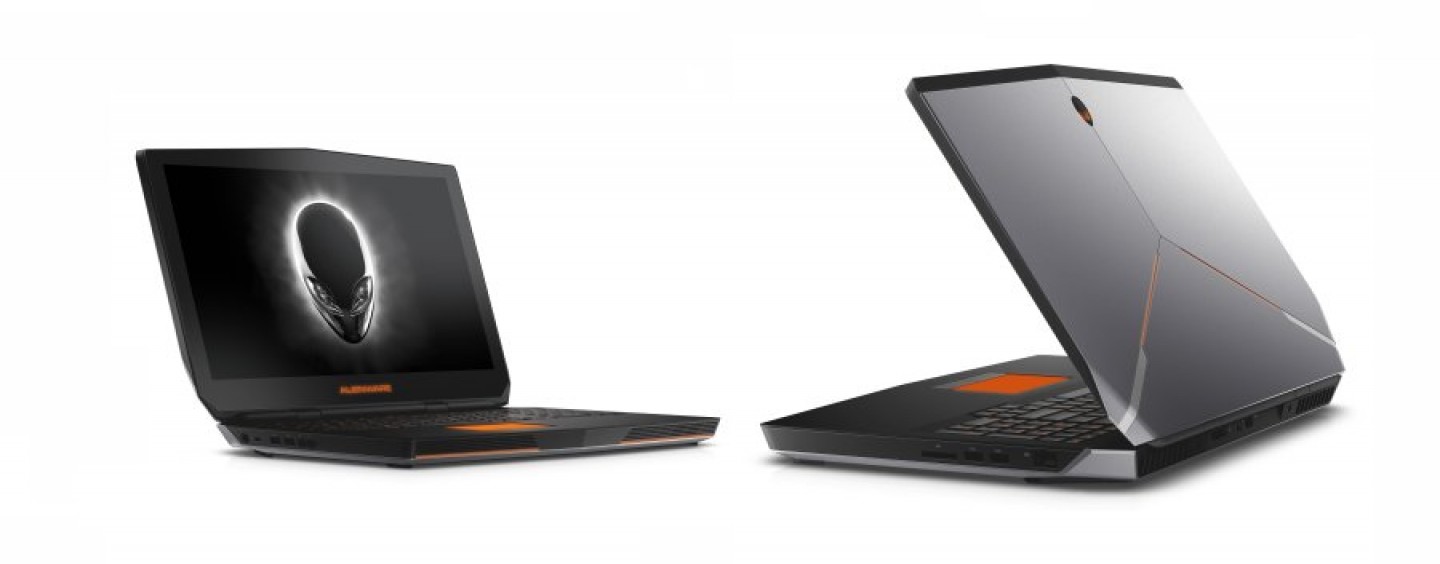
Dell after all hasn’t forgotten the gamers, the company showcased the Alienware 15 and 17 that feature Intel’s latest fifth-gen chipsets. The Core i7 quad-core chipsets are also bundled with Nvidia’s GTX980M GPU, which can also support desktop graphic cards via the Alienware Gaming Amplifier.
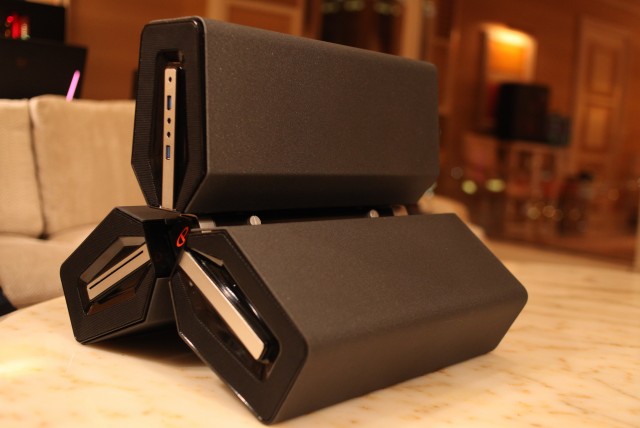
5. CyberPower’s Fang Trinity Gaming PC
Cyber Power’s Fanged gaming PC is pure eye candy. This gaming rig might be the whackiest desktop ever built.
Despite its bizarre looks, the Fang Trinity can house all standard PC components. The first one has enough room to fit in a graphic card, an intake fan and upto five solid sate drives. The second one houses the power supply along with the optical drive and hard drives. While, the third houses the processor, a compact Mini-ITX motherboard and even a liquid cooler fan.
As expected, the case alone costs about $350 while an entry-level configuration with the case will cost about $999 while a high-end gaming rig can go as high as $4000.
6. 3D Rudder
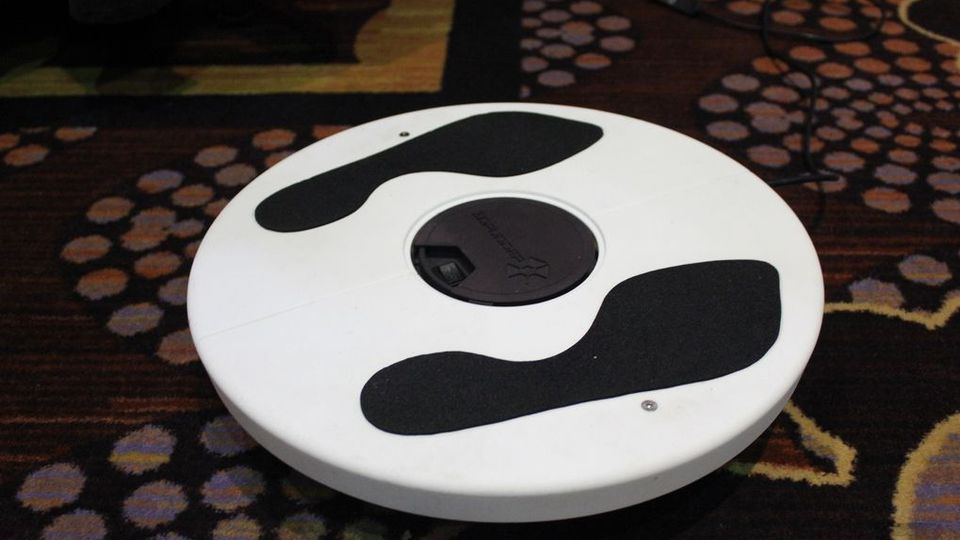
Virtual Reality is going leaps and bounds, and the 3DRudder is another such example. It is a rounded board that tracks your feet motion and then provide feedback to the controller, which then maps out different methods of control in the form of button presses or joystick motion.
The device is expected to be priced at $130 while shipping starts sometime in May.
7. Steel Series Sentry Eye Tracker and Apex M800 Keyboard
For Pro gamers, the SteelSeries Sentry Eye Tracker keeps a track of your eye movements when you’re playing. Based on the feedback, players can alter their strategy as viewers watching the live stream can see exactly where players are looking.
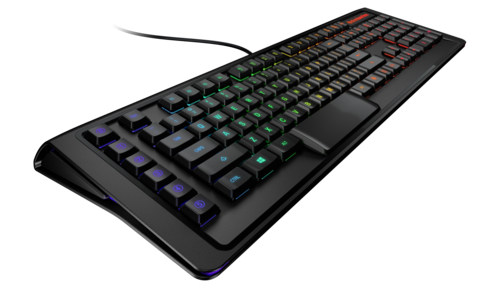
Meanwhile, the company also showcased their mechanical keyboard, the Steelseries Apex M800. The company touts it to be the most responsive and customisable keyboard ever built. It features a LED surface on every key, with colour choices of upto 16.8 million. The company claims the keyboard to be ultra responsive with 25 percent better response times than standard mechanical keyboards. The SteelSeries Apex M800 is priced at $245.
8. Turtle Beach Elite 800X
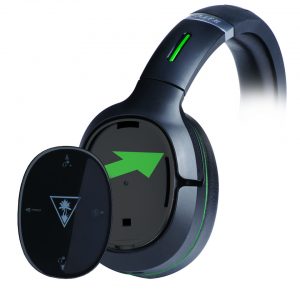
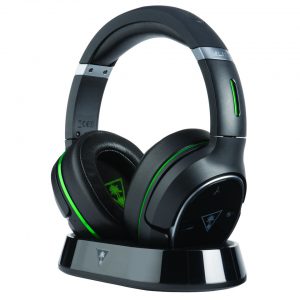
Turtle Beach announced a slew of headsets at CES this year, though the cream of crop was the Turtle Beach Elite 800X. It’s a brand new headset for the Xbox One which comes equipped with active noise cancellation along with an invisible microphone. It boasts off a 7.1 channel DTS surround sound including a plethora of customisable audio presets. Just like the PS4 version, it also comes with a magnetic charging stand.
9. Gaming SmartTV’s
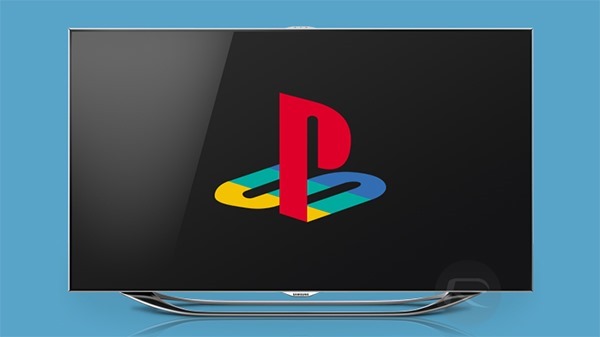
We don’t hear this very often, but Sony and Samsung for once are collaborating to bring ‘PlayStation Now’ to Samsung’ s latest range of smart TVs. Sony plans to bring over 300 PlayStation titles to the Korean manufacturer’s latest range of Smart TVs.
10. ASUS ROG Swift PG27AQ
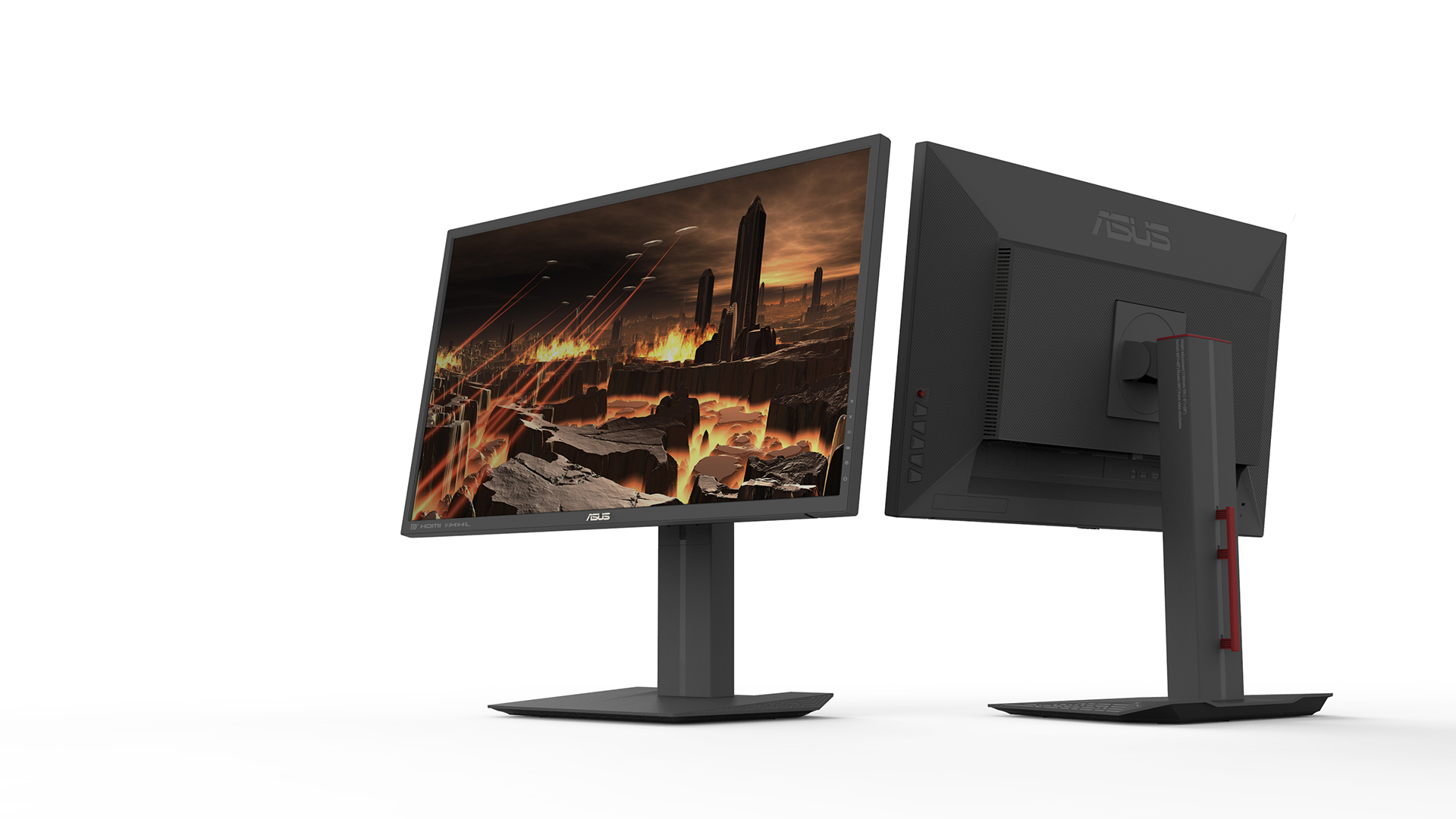
Asus has also announced a broad range of gaming accessories including the ROG Swift gaming monitor along with the Strix Series gaming gear. The 27 inch UHD gaming monitor features a stunning display resolution of 3840×2160 pixels 4K/UHD resolution.
It also features Nvidia’s G-Sync technology that works in conjunction with the computer’s GPU unit, eliminating stutters and screen lags to deliver one of a kind gaming experience. The monitor sports an ergonomic design with full tilt, swivel, pivot and height adjustment and has a super slim bezel.
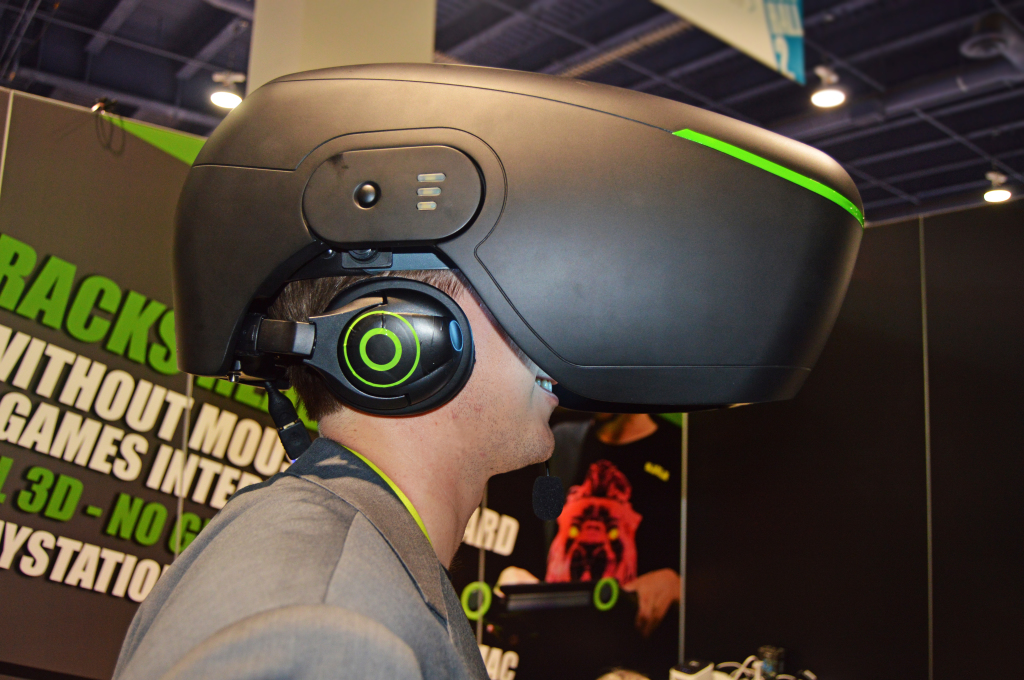
There are many folks who are eagerly waiting for the Virtual Reality (VR) revolution to come in their hands soon. We have seen the Oculus Rift, Sony’s Project Morpheus and others that are some huge headgears. But never would have someone thought that they’d want to look like a B1 Battle Droid from the Star Wars prequel while being in the virtual world. For the few who did, here’s 3D head that you can wear in your battle against the Jedis.
3DHead is really massive; it completely absorbs your head inside it. The visuals are played on an Android tablet that sits on the far end of the wearable, and the 3D is observed through the glasses placed inside the headgear. Just like other VR devices, you can use the device for gaming as well as watching 3D movies.
The 3DHead is impractically large (Source: Uploadvr)
The device also comes with a massive controller that has a slot to place the tablet. It is claimed to have good head tracking so playing first person games would be an immersive experience. 3DHead plays 3D as well as 2D games. The tablet can play the 3D content without the need of glasses. It can be connected to PC’s, Playstations and Xbox’s, and you can play all the games in VR mode. You can play the console games using their controllers. The makers claim that the device provides 2K picture resolution.
Overall the massive size of the device might make it too impractical for consumers to acquire. The hefty price tag of $600 for the headgear and another $600 for the controller might also dissuade people from buying it. But for those who are into Star Wars or Tron Cosplay and also want to have an unreal VR gaming experience, this might not be that bad an investment.
In the year 2014 Virtual Reality(VR) took a giant leap. From the hands of a limited few, the technology has now seeped into the consumer market. Oculus can be credited for bringing the technology to the mainstream. Taking cues from Oculus, several new devices have arrived in the market. Sony got its Project Morpheus and Samsung got the Gear VR headsets. There were also some independent attempts into making VR headsets including Google’s Cardboard project. The question remains – is this just a mere fad or is this technology here to stay? We delve into the past, present and future of VR Headsets today.
What is Virtual Reality?
According to a popular online encyclopedia, virtual reality is a computer simulated environment that can simulate physical presence in places in the real world or imagined worlds. It, in essence, creates a world that creates the perception of being in a whole new place. Using various other techniques, VR can create sensory perceptions of touch, smell, sounds and even taste.
The Journey to Now…
It’s not really a recent phenomenon in any sense of the word. There have been efforts to create an artificial environment for manipulating the senses since the 1800s. In 1860’s there were art installations that used a 360-degree panoramic mural to create an artificial reality. One of the most prominent examples of this is Sala delle Prospettive by Baldassare Peruzzi.
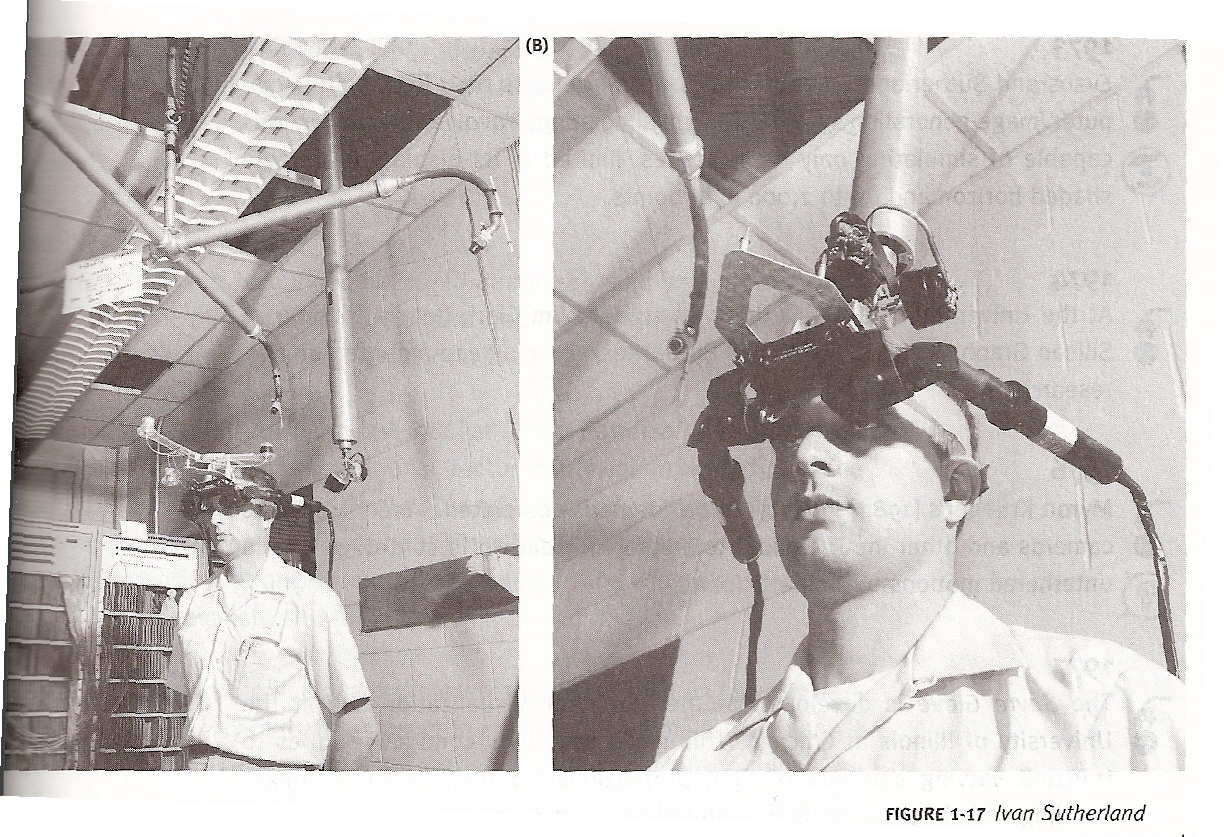
Since then, there have been multiple efforts to artistically take the audience into a perceived reality. But in 1968 the first computer artificial reality headsets came to become a reality. Dubbed the Sword of Damocles that was created by computer scientists Ivan Sutherland. It was archaic in every sense of the word. It only displayed wire-frame models and was so heavy that it needed to be suspended from the ceiling, thus getting its name.
Sword of Damocles was the first computer aided VR headset.
In 1991, Sega arrived with the first VR headsets for the consumers. Though it got a tepid response from the press, and there were fears that they could spoil the eyesight of children, this prevented it from getting to the shelves.
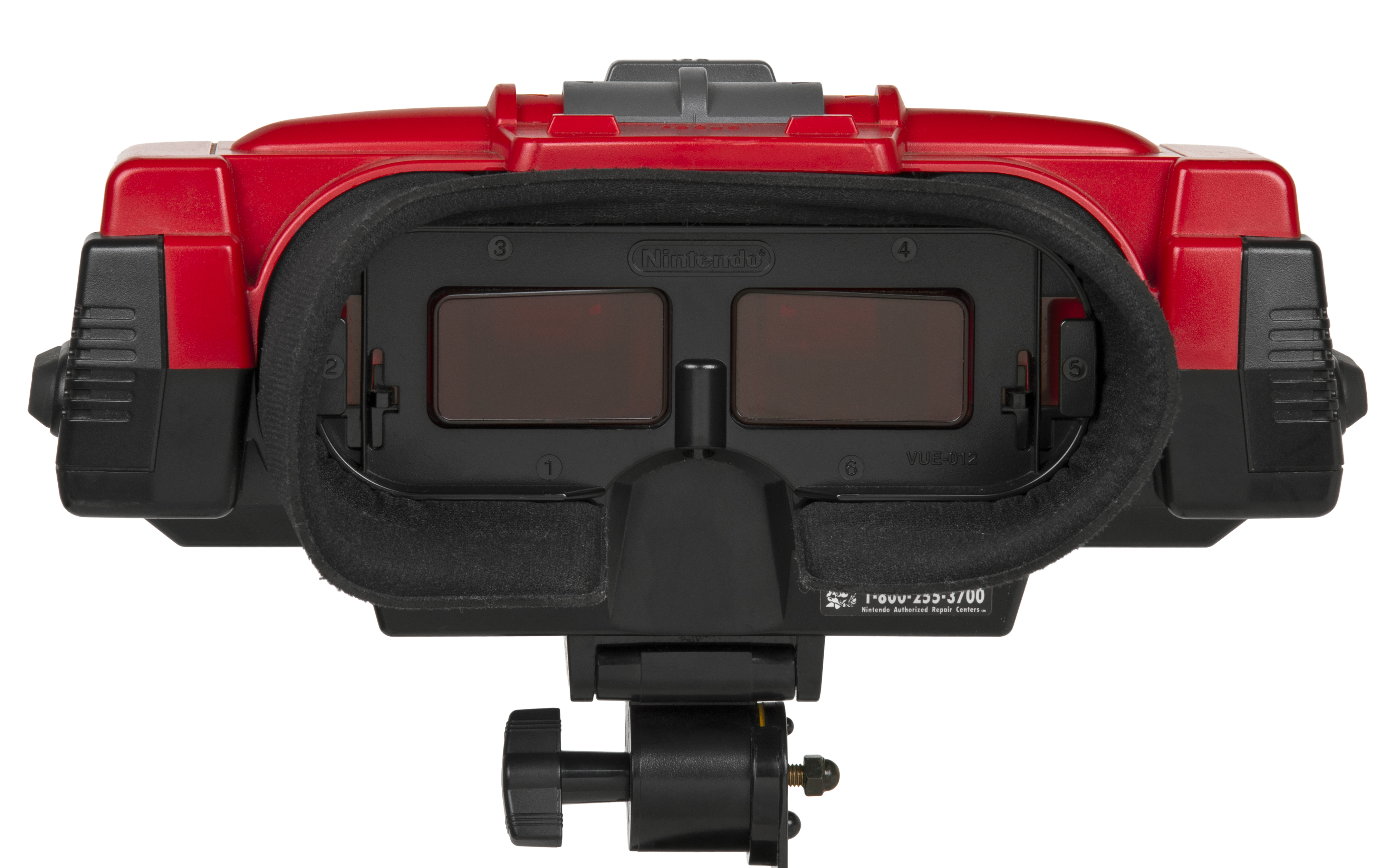
Nintendo tried its hand at VR headsets when it came out with the Virtual Boy in 1995. This device too was a commercial failure, and the users faced discomforts like dizziness, nausea, and headaches after extended use. The device was also lamented for the lack of a head tracking feature and color graphics.
Virtual Boy by Nintendo released in 1995
Fast forward to 2014, and we see a return with a vengeance of the VR technology. Aided by high processing power of modern day devices and the phenomenal breakthroughs in the mobile technology, it seems like VR has finally found its moment in time. The race was intensified with the purchase of Oculus VR by Facebook. Sony and Samsung soon followed with their own designs. Google tried to bring the technology in the grasps of everyone with the cardboard project, a DIY project through which you can create a stereoscopic VR headsets using cheap ingredients which costs just about $20.
How do VR Headsets work?
VR headsets pretty much use the concept of 3D glasses. On the displays, there are two images, one for each eye. These images, when viewed through a stereoscopic lens system, gives a perception of depth in the images. The brain brings together the two images as one and that creates the depth that immerses the user into the artificial world. Advanced VR systems like the Oculus have motion tracking system that responds to the user’s movement. Using hardware like the Omni treadmill, you feel like you are really moving around in the virtual environment.
The emergence of mobile-based portable headsets has made it a lot easier to access the technology. Devices like the Gear VR, Google cardboard, and ANTVR make it a lot easier to use. These even allow you to look at your movies with a perception of watching them on a big screen. This could possibly mean the end of movie theaters and the expensive popcorn that comes with it.
The other potential uses of the technology
There are a wide range of uses of VR technology.
Virtual Reality is not just limited to providing quality entertainment and gaming, it has many real world applications too. It can come in handy in multiple fields such as:
Virtual field Trips
The best way to learn about a new place is to go there and travel around. It can often be educational to travel. But if you cannot afford the trip, you have virtual reality to your rescue. The virtual tour can show you around the place and using complementary technologies like haptic mediums; you can get to touch and smell your new environment too. It can be a complete immersive experience that you wouldn’t want to come out of.
Education
Learning by doing is the best way to acquire knowledge. Using the tools provided by gaming advancements in VR, students can learn to interact with their future workplace. For example, an architect can learn to create buildings and manipulate it in real time, almost like Ariadne in Inception. It can even come handy to school children to bring lessons to them in a more interactive immersive fashion.
Training
Several military professionals are trained on VR surfaces. It is a lot more economical than creating real world environments and also decreases the chance of injury while training. It gives the chance to practice their lessons as many times as needed. Pilots are also trained on simulators that actively recreate the flying environment. VR can come handy to train drivers who work in specialized environments such as high terrains or ice roads.
Medicine
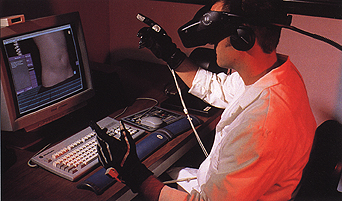
The technology can be used to train doctors.
Doctors can benefit from some virtual simulations too. Specialized surgeries that require immense precision require constant practice. In an artificially created environment, the surgeon can constantly train on the simulated body to perfect his/her skills that could someday come handy to save real lives.
Challenges with VR Devices
VR though has been in development for quite a while, but there are some limitations to the technology to make it more palatable to a mass audience. The confines of graphics and the tracking systems even in the best headsets results in various discomfort for the users. The industry needs to really work on the VR tracking systems.
The audio too is an important element of an immersive experience. The disconnect between the audio and visuals or low quality audio can also lead to motion sickness and other discomforts. The audio industry is being encouraged to fix the gap to create a more natural environment for the users.
There are also some issues with the content that can be created for consumption in the virtual world. Some psychologists say that the VR can create a generation of sociopaths who have gotten so used to first person violence that they are desensitized to it. To counter this, there is a need for regulation and codification of content meant for VR headsets. There should also be instruction and education on how to use the technology right so that it benefits all.
Virtual Reality has come a long way, but there still is long way ahead for the technology to grow.
A Long journey begins now.
With the processing power up to the mark and graphical interfaces replicating reality better than ever, this is the right time for VR to come out of its cocoon. The smartphone revolution has brought the VR technology in the grasps of everyone. Google’s cardboard project literally makes this technology universal. There is a long way to go with the potential applications of the technology, but its mainstream visibility will speed up its adoption in various fields. There is a lot the technology can offer us, and it’s just the beginning of the access to the virtual world. The immense potential of the technology is still up for unlocking. We’re excited about the prospects of VR, are you?
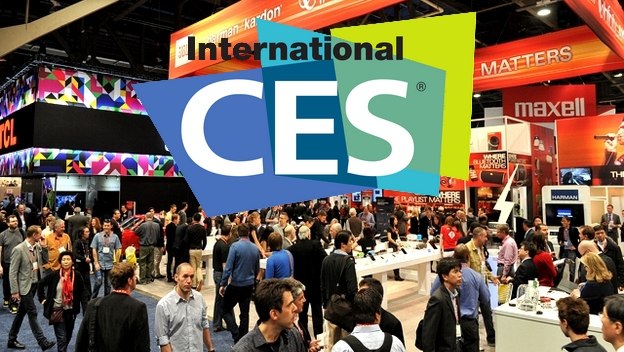
Consumer Electronic Show (CES) can simply be explained as a 3-day long extravagant exhibition of geeky stuff in Las Vegas. The event has been a launching pad for many concept devices and this year as well, we’ll be seeing some exceptional innovations for the first time. With new segments in the tech industry mushrooming and touching every corner of our lives. This year’s show is expected to be heavily focused on the Internet of Things (IoT) and latest automobile tech. Along with this, many global smartphone makers are expected to show off their devices including Huawei, Alcatel, Lenovo among others.
Here’s what you can expect from the Consumer Electronic Show 2015:
1. TVs
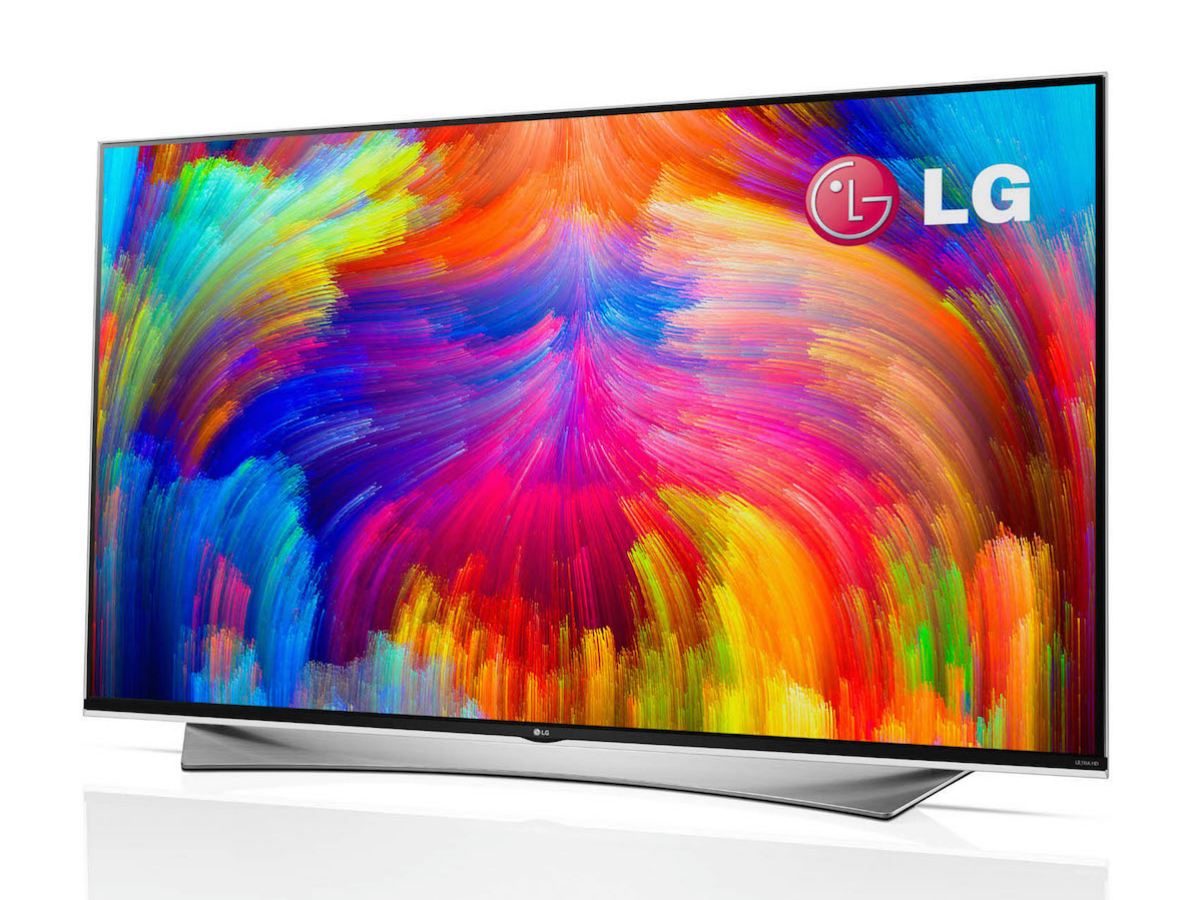
Since the commencement of this annual show, televisions have been the primary focus. CES has been the wonderland of colour televisions, HD TVs and almost every new technology that has shaped the television industry. This year at CES, we can expect to see more 4K TVs from LG and Samsung. LG has already confirmed that it will be showing off the new quantum dot-enabled 4K LCD TV. The new display technology uses nanocrystals placed in front of the LCD backlight to increase the range of colours, saturation and brightness over traditional LD displays. Samsung is also expected to launch TVs with similar technology, considering the traditional rivalry between of both South Korean electronic giants.
4K content streaming is also expected to go big at this year’s show. With Sony expected to launch a new range of 4K TVs, Sony Pictures will surely be coming up with more of 4K content to use those extra pixels. Along with this, 4K disc format is also said to make its debut at the CES 2015. However, we are not sure if it’s the right time.
2. Smartphones
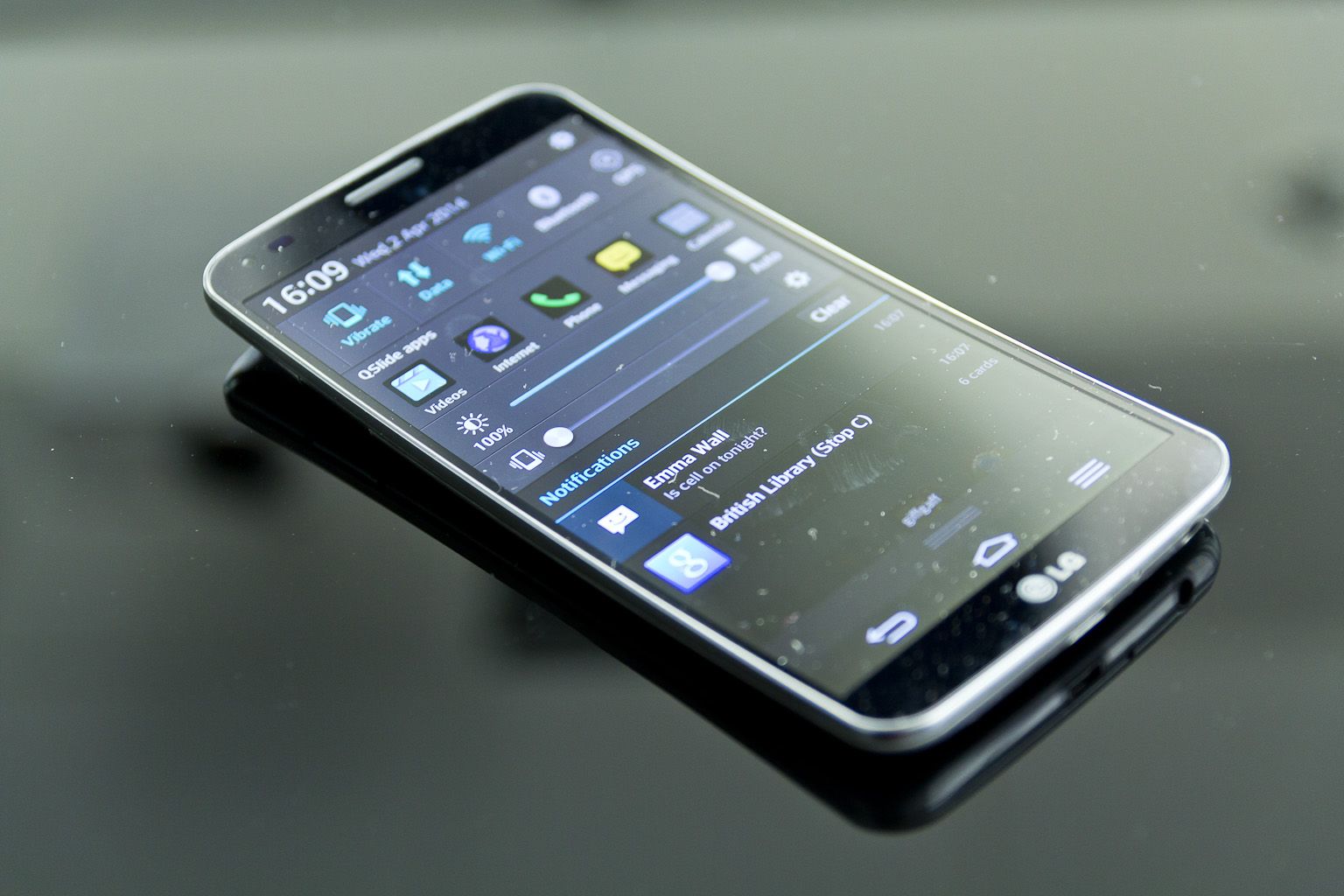
Probably, the biggest announcement in the smartphone segment will be the Qualcomm’s new Snapdragon 810 processor. LG looks geared to continue its smartphone bending tradition by revealing the LG G Flex 2 at CES 2015. The original G Flex featured LG’s flexible OLED display, but the structure of the phone itself was rigid.
Huawei, the Chinese firm, is trying mightily to break into the US market along with Alcatel and Lenovo. So, we can expect some big announcements from these companies. Also trying to get hold of the market is Microsoft. The company has avoided CES for the last couple of years, but Microsoft may make push its smartphones this time. And of course, there will be a vast amount of stages devoted to smartphone cases, headphones and other accessories.
3. Wearables
Last year’s CES saw the introduction of wearables. Subsequent launch of Android Wear fuelled the wearable segment and exploded the market with strings of new wearables. This segment has now started to congeal into a more manageable market. This CES should bring heart rate sensors to the must-do list of every fitness bands, which earlier were restricted to counting stairs, steps and sleep.
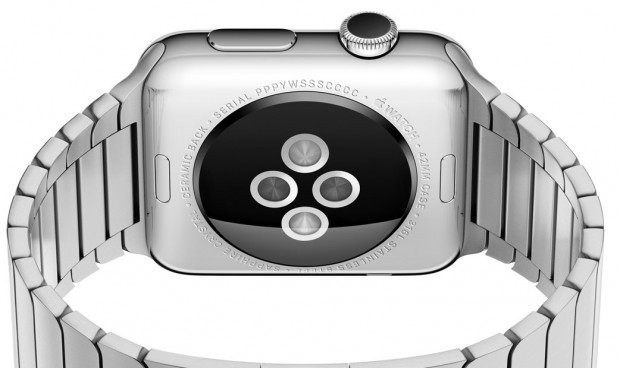
Well, not much can be said about the launch of new devices. It is expected that Apple Watch may finally start to sell. Other than that, not too many wearables are expected to launch this year.
4. Virtual Reality
Google’s much controversial Glass eyewear has proved to be a breakthrough in the VR segment, which encouraged more companies to join the race. A bunch of big names are expected to announce their VR devices at CES 2015 including Oculus Rift, Sony’s Project Morpheus and Samsung’s VR headset.
CES has a long history in the entertainment industry. There is no way big game makers will be losing the chance to show off their new VR headsets. We can expect new games, movies and apps to be announced at CES 2015.
5. Auto Tech
In 2010, Ford CEO Alan Mulally took the stage of CES. Since then, autombiles have become a significant part of the show. This year, many big brands like Ford, Audi, Mercedes, Hyundai, Toyota and more will be present at the CES. Toyota stole the show last year with its hydrogen-powered car and we can expect to see more next-gen fuel cars this year; at least we hope to. Along with this, we can expect to see some driver-less cars too but not from Google, as it doesn’t usually drop by CES .
Also, with Android Auto and Apple’s CarPlay on full consumer mode, we can expect car-makers to show off some new models equipped with these automobile communication systems. Navigation systems and head-up display on windscreens are also expected to go big at the CES 2015. We can also expect a peek into the future of car infotainment system, which is somehow still in a nascent stage.
This CES is warming up to be quite an exciting event, from which we can expect many new launches and perhaps a few surprises.
Virtual reality (VR) headsets have gained considerable buzz in the recent past. Oculus brought VR into mainstream, and several others followed soon after. Samsung’s Gear VR was the most prominent of all but to use it, you have to buy a Note 4. This is the reason it’s out of the reach of most enthusiasts. A Kickstarter project called ANTVR showed some promise with its innovative features and controllers. However, it’s Google who might bring the VR experience to everyone with the Google Cardboard project.
As the name suggests, the entire gadget is made up of just cardboard and some other small bits that you can find in your homes itself. You will have the support of Google; that will assist you in making the headset as well as provide software support for it. You can consider this as a gift from Google for all the big data you provide them.
Google has released new SDK for Android and Unity to create apps for the VR headsets. The Google Cardboard project can be considered the heights of jugaad device by a prominent company. The company already provides instructions to assist you in making your own DIY VR headsets. On a page dedicated to the Cardboard project, the company also featured several apps and games for the headsets.
The headsets work with any device and thus is accessible to all.
You can download the Cardboard app to start your VR experience. There are several demos already available in the app including a Google Earth flyby, a tour of Versailles and lets you watch Youtube videos on a virtual massive screen. Apart from this, you can download apps like Paul McCartney’s live performance, The Hobbit VR experience and several other fantastic visuals for your eyes only.
You can also buy the headsets, and they cost you somewhere between $20-$45. This is way cheaper than every other alternative in the market, and you can make it yourself for even less. The company says that it will be uploading instructions to make the device with extreme specifics such as how to cut using a blade, die-cutting or a laser cutter.
It’s great to see Google interested in an open source project for VR technology. The affordability of this technology is really encouraging. As it works with any phone, you don’t even have to buy an expensive new device to make it work. Of course, you might end up with nausea, headache and vertigo but it’s worth the effort to watch Sir Paul McCartney live, isn’t it?
Unlike Google’s Cardboard and Samsung Gear VR, which use a smartphone, Facebook and Oculus VR are aiming at a much more sophisticated, independent and ultra-high-res experience with their new VR prototype codenamed as Crescent Bay.
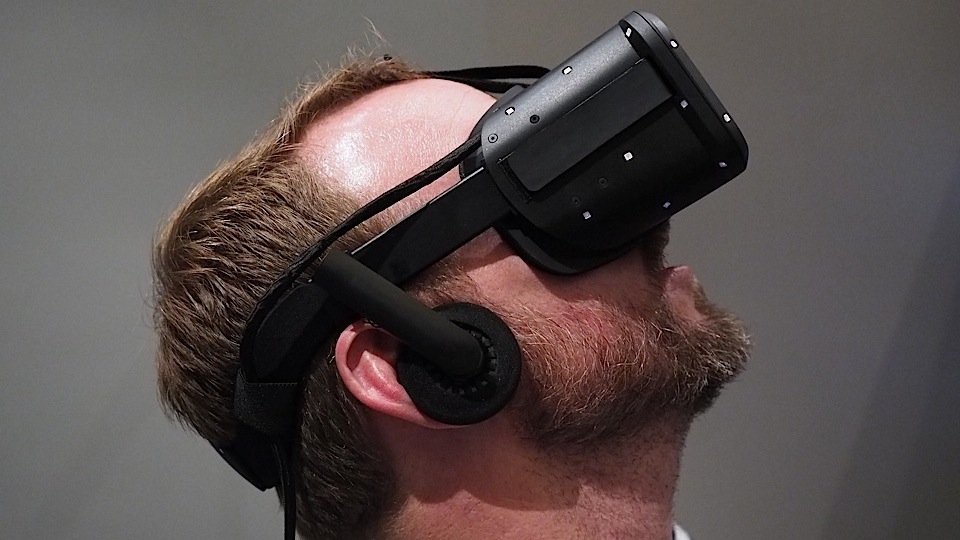
The company revealed the new prototype, which is an upgraded version DK2 Headset, at the recent Oculus connect conference. “It’s as big of a leap as we made from DK1 to DK2,” says Oculus CEO Brendan Iribe, referring to the first two versions of the Rift development kit. The new headset comes with 360-degree tracking, letting the Rift’s external camera track the back of the headset as well as the front, making it easier for people to move without feeling constrained by staying in the camera’s range.
The first Oculus Rift VR headsets were shipped in the spring of 2013, but a consumer version has not yet been announced. According to the company so far, over 100,000 Rift development kits have been shipped to 130 countries, and the company is still filling pre-orders for its second-generation model. The Crescent Bay prototype follows “Crystal Cove,” which was first shown off at CES 2014 in January — the DK2, which is based on it, came out a couple of months later.
Oculus and Samsung announced their Gear VR mobile headset earlier this month, and it is believed mobile and desktop VR will ultimately complement each other in coming time. Oculus created its first real in-headset user interface for the Gear VR, and it’s now said that it will be releasing a mobile app for VR games.
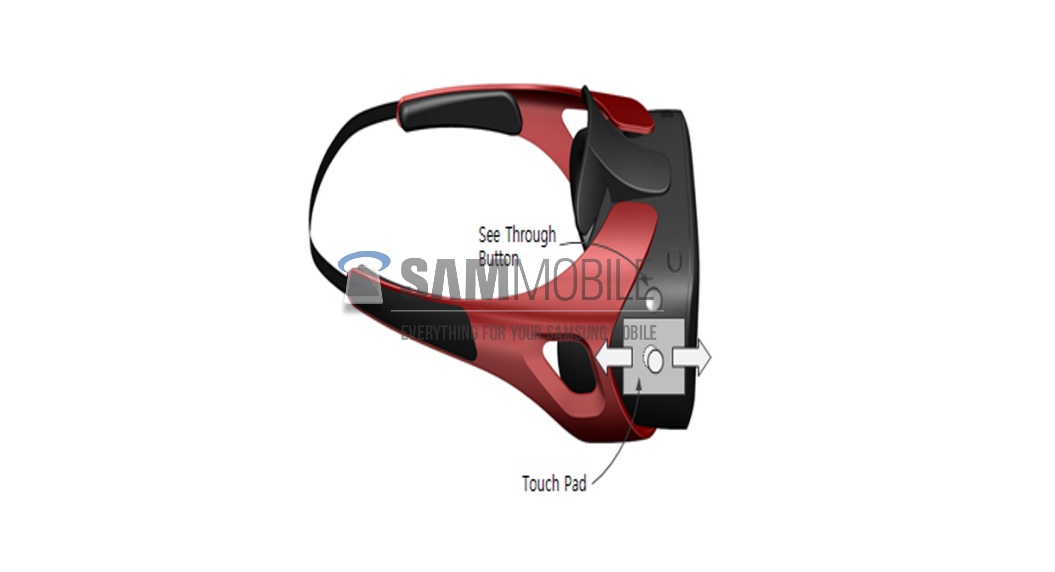
Facebook is working on it, Sony and Google too; so why should Samsung stay back and let them steal the thunder? Rumors are flying around high about Samsung’s plan to launch its own virtual reality headset. The device will take on Sony’s Project Morpheus headset and Oculus VR. And now, Sam Mobileleaked the first photo of the company’s forthcoming virtual reality headset the Gear VR yesterday.
Unlike the Oculus, the Gear VR won’t be a complete virtual reality headset on its own. The Gear VR headset introduces a modular design and structure providing users with dock for their Galaxy phones into the front. Gear VR will require a Galaxy phone in order to work because the design doesn’t include motion sensors or a screen independent of the docked smartphone.
Rumors started earlier this year, reporting that Samsung is working on an Oculus Rift-style virtual reality headset which was confirmed by Business Insider later. The leaked image is said to be first glimpse of the alleged Samsung virtual reality headset. Sam Mobile, in its post claims that the rumored virtual reality headset made by the South Korean giant will be announced alongside the alleged Galaxy Note 4 at IFA this year.
The leaked image of the alleged Samsung Gear VR headset purportedly shows its design and form factor. The report reveals that we can expect a ‘see-through button’ on the right side. It uses the smartphone’s rear-facing camera sensor to offer a video feed of the real outside world. It is also said to include a touchpad under the see-through button to navigate through the user interface on the Galaxy smartphone.
Also, same as with the company’s other Gear wearables, the alleged Gear VR is also said to get its dedicated section, including apps for the virtual reality headset. The report names some of the apps likely to be made available after the announcement, which include Theatre, 360 Player, and Gallery. In addition to this, Samsung Gear VR SDK will be also made available shortly after the launch, some reports reveals.
The headset will enter the still infant market of Virtual Reality market, which is dominated currently by the Facebook-acquired Oculus Rift. With the Gear VR, Samsung can make use of its marketing ability and reach markets where Oculus will take some time to reach. Samsung has the ability to do that, provided their product stands out and is appreciated by the consumers.