Tag: whatsapp

  • WhatsApp To Take Legal Action Against Businesses Abusing Its Platform

    WhatsApp To Take Legal Action Against Businesses Abusing Its Platform

    WhatsApp Messenger is one of the most popular smartphone applications in the world. It has millions of users all around the globe who rely on the platform to communicate. However, as the number of users goes up, the number of people wanting to exploit WhatsApp against its policies also increases. To counter such people or businesses, the company has announced that it will start taking legal actions against the business’; who are found sending bulk messages using the regular application. 

    About the decision
    WhatsApp

    As mentioned above, WhatsApp has threatened strict legal action against the entity who has been found abusing its messaging platform. This action is being taken after countless companies were found to use third-party applications and services to spam users of the platform. Notably, WhatsApp also has a separate platform for business owners to advertise and manage their companies called WhatsApp for Business. The entities abusing the platform were found to spam using the regular messaging app, which violates the user policy of the company. The company has announced the new policy will arrive into effect starting December 7.
    WhatsApp Samsung

    Also read: Huawei Nova 5i With Quad Rear Cameras Spotted On TENAA

    It was previously reported that WhatsApp was being exploited with the help of clones and third-party tools. These were used to help digital marketers and political leaders in India spam the users of the messaging platform at the time of general elections in the country last month. One quirk about the plan by the Facebook-owned application is that it claims of an end to end encryption in the messages sent on its platforms. With the level of security, not even the company should be able to read the messages sent on WhatsApp Messenger. The company claims it has a plan in place to identify the spammers from outside the platform.
  • WhatsApp Profile Photos Now Can’ Be Saved, New Album Features

    WhatsApp Profile Photos Now Can’ Be Saved, New Album Features

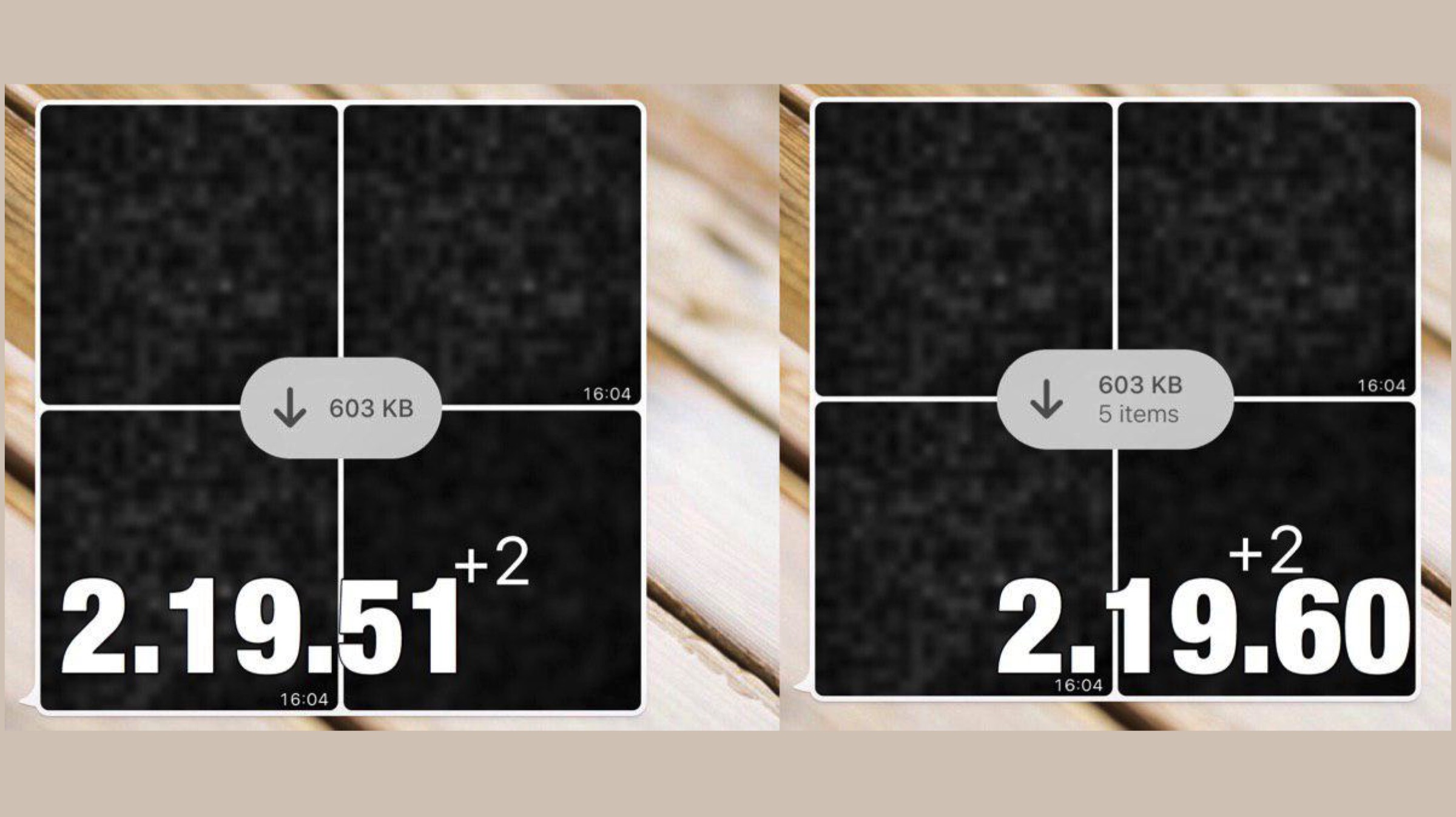
    The popular instant messaging platform, WhatsApp, is planning on removing the functionality that allowed users from saving someone else’s profile photo. This change was first noticed in the beta version of the application for iOS devices but now seems to be rolling out for Android users too. The latest update also adds new album features; such as providing more information about the files that need to be downloaded. These changes were spotted by a renowned WhatsApp leaker.

    WhatsApp for iOS: What’s New?

    WhatsApp

    The latest update from WhatsApp brings about many changes in the beta version on iOS. As mentioned above, the messaging app has stopped allowing to save someone else profile picture. While it is not confirmed wy this feature was provided in the first place, the removal of it seems to be related to privacy concerns. Apart from this, album improvements have also been added to the beta update. With this, whenever a user receives multiple images in a chat, the app will now tell the total size and number of images to be downloaded. All the aforementioned features were spotted in the beta version 2.19.60.26 of WhatsApp for iPhone.

    WhatsApp

    Also read: Top Smartphones Launch In India: June 2019

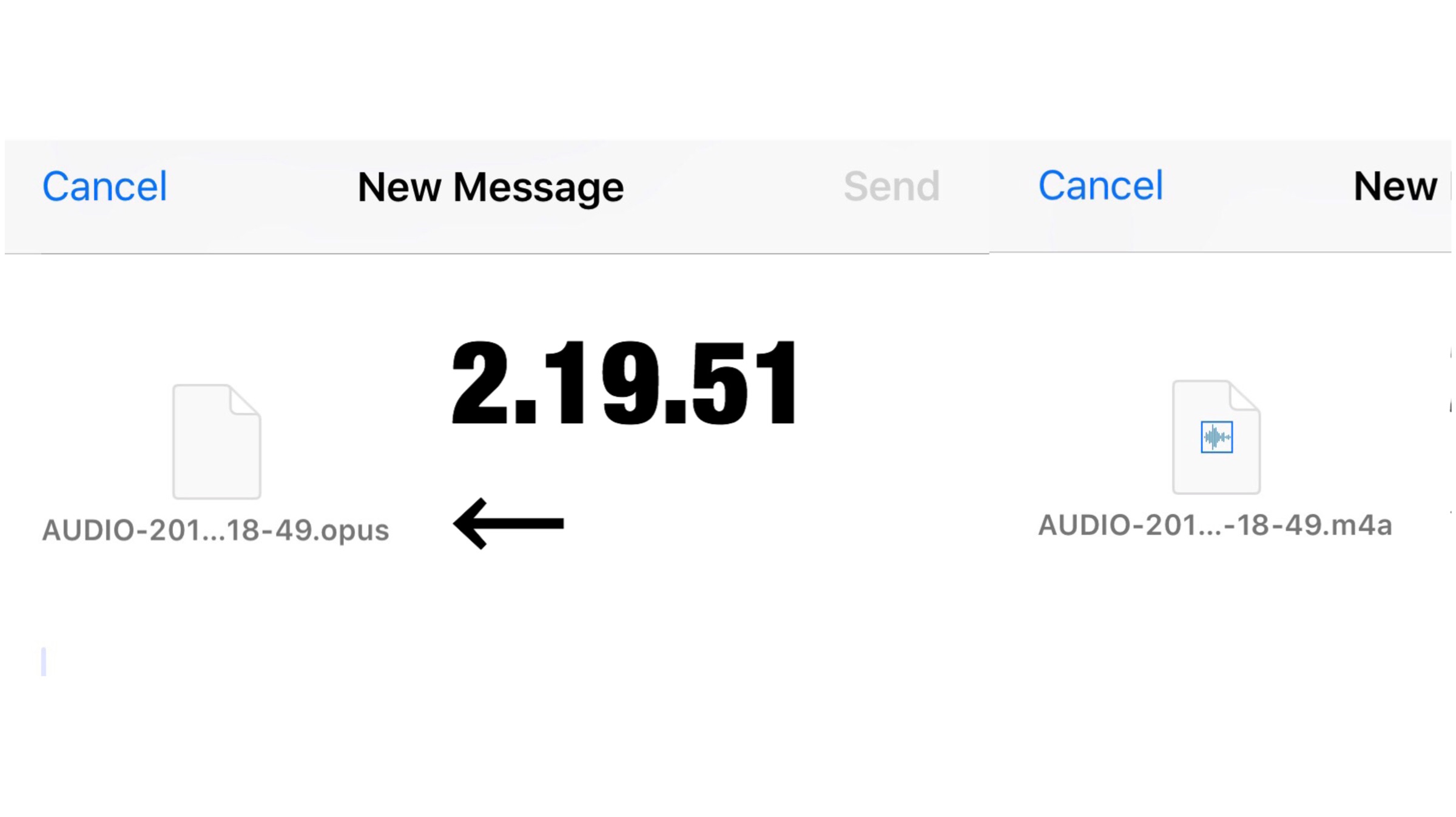
    Another change that is reported soon to arrive on WhatsApp is the use of a new media format. The current voice messages and audio filed use a format known as opus. This offers low latency and subpar quality of audio, which will now be replaced with the M4A audio coding format. The new format is reported to offer better quality and support in third-party apps. This feature is only available on iOS as of now. With the latest update, a new pop up prompting users to change their number when they try to delete their account. These features may make their way to the stable update soon.

  • Facebook, Instagram, WhatsApp Down For Users Around The World

    Facebook, Instagram, WhatsApp Down For Users Around The World

    Popular social networking website Facebook and its sub-services including WhatsApp and Instagram have been facing a service outage for a few hours in several regions. Hashtags labelled #WhatsAppDown, #InstagramDown and #FacebookDown have been trending on the microblogging website Twitter. 

    The Social Media Outage

    While the cause of the outage hasn’t been revealed, it was speculated to be a DDoS style attack. The aforementioned attack is a malicious attempt to disrupt normal traffic to a web property where multiple compromised systems, which are often infected with a Trojan computer virus, are used to target a single computer system. However, a post shared on Facebook’s official Twitter account dismissed the claims. The outage mainly affected parts of New England; the US; parts of Latin America; the UK; India; and the Philippines. Some cases of it were also reported in from Canada and Turkey. 

    Facebook’s advertisement section was also reported to be not functioning, and it prompted an error message when users tried to buy an advertisement set on the platform. It was also suggested that the website is weighing in on the option to return the advertiser’s money because of the issue, but no official statement on the matter has been released yet. With the desktop website of Facebook down, people also reported posts on the Instagram application not loading. The Stories function of the service also was reported to be down, as was the button to post new media. 

    Also read: Best Wireless Earphones In India Under Rs 2,000

    Similarly, Whatsapp was also not working for users when they tried sending a message. Notably, if users try to log in on apps like Spotify, Saavn through Facebook, the functionality would be down. All the services that went down were owned and managed by Facebook Inc. As of now, the services seem to be restored for the majority of users. Also, one can check the affected areas by visiting the following website

  • Whatsapp Group Invitation Feature Being Tested In Android Beta

    Whatsapp Group Invitation Feature Being Tested In Android Beta

    Whatsapp’s group invitation feature will enable users to stay in control of who can add them to a group. Reportedly, the company is now testing the functionality of the new update in Android Beta. This will be a step towards improving privacy settings for users. Also, Apple users who have registered for the public beta program will be able to test out this new feature.

    About The Update

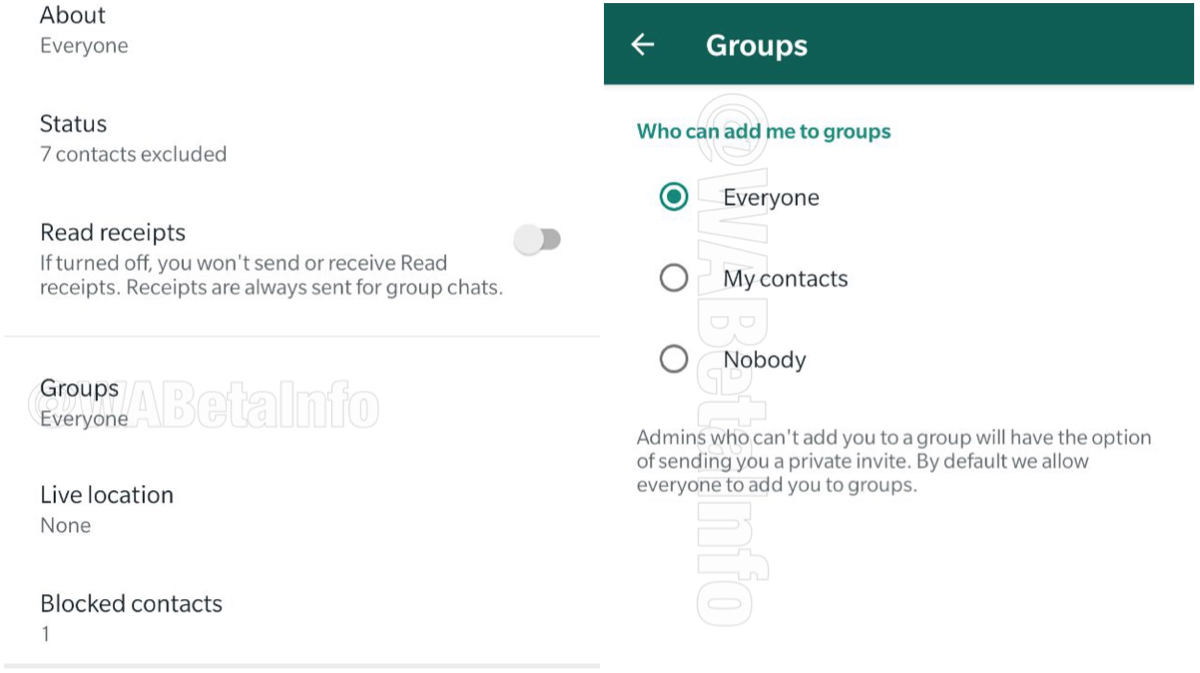
    The Group invitation feature will ensure that users will not be randomly added to a group. If a person wants to have a user in their group, the user would have to give them permission to do so. As per a screenshot shared in the report, the new restriction feature would be available under Whatsapp Settings > Account > Privacy > Groups.

    Restriction Levels

    After these steps, users will have the option to set a privacy limit that works for them. There will be three options in that menu: Everyone, My Contacts, and Nobody. It is quite obvious that the ‘Everyone’ option will allow any person to add the user to the group they want. That will hold true even if their numbers are not present in the contact list.

    If the user chooses ‘My Contacts’, he/she can limit the group invites to just those contacts who are added in the list. The ‘nobody’ feature will ensure that no one can add the user to any group without permission. The user will get a request every time someone wants to add him/her to their group. The invitation will expire within 72 hours, and a user cannot receive more than two invitations from the same group at the same time.

    Also Read: Logging Into Apps Will Soon Get Easier On Android

    The feature was first spotted in the Whatsapp beta update 2.19.55. At the same time, the test feature was rolled out to iOS TestFlight members. The update can be expected to roll out as soon as the company eradicates the bugs with the new feature.

  • WhatsApp for Android Redesigns The Settings Menu

    WhatsApp for Android Redesigns The Settings Menu

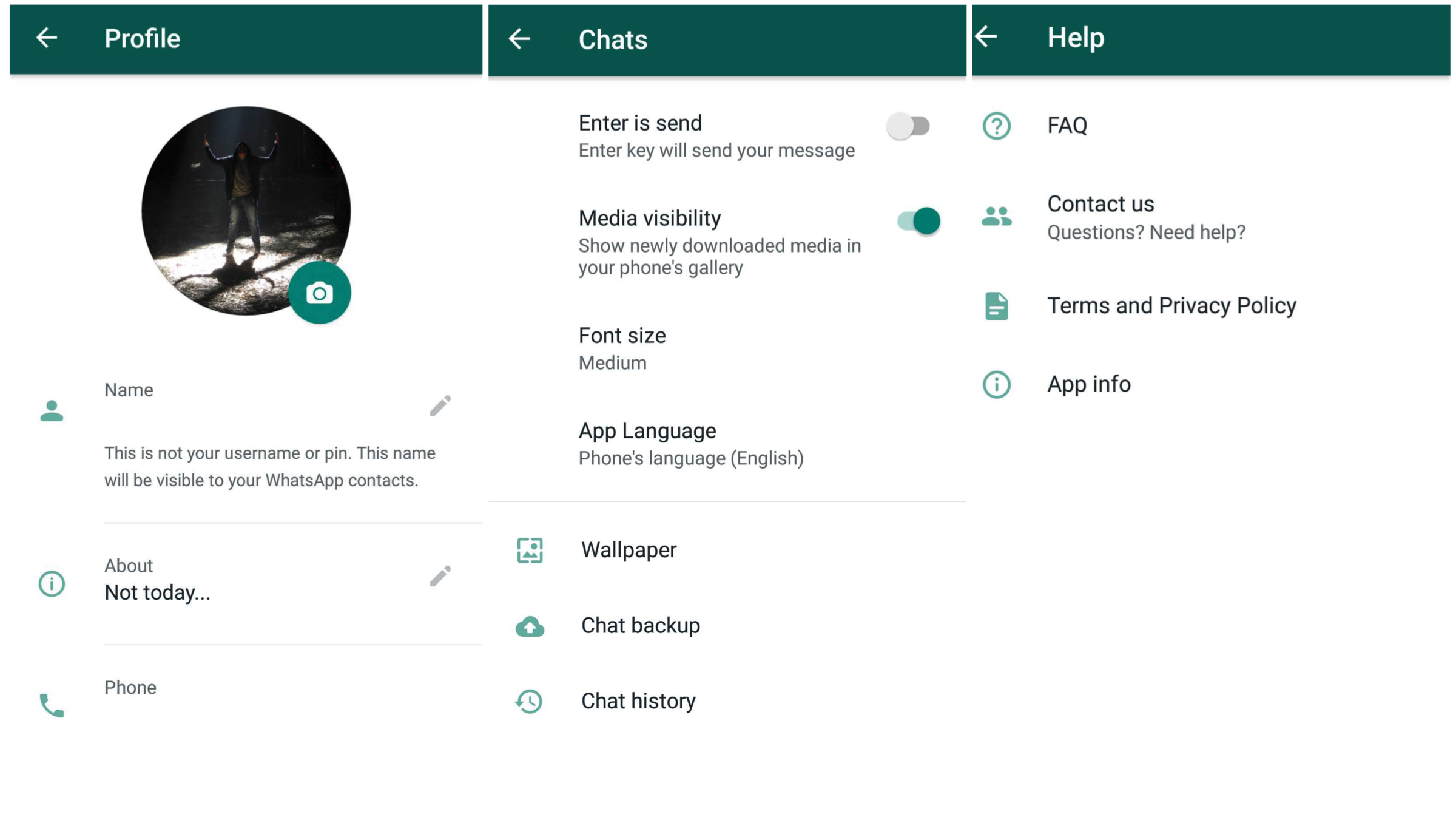
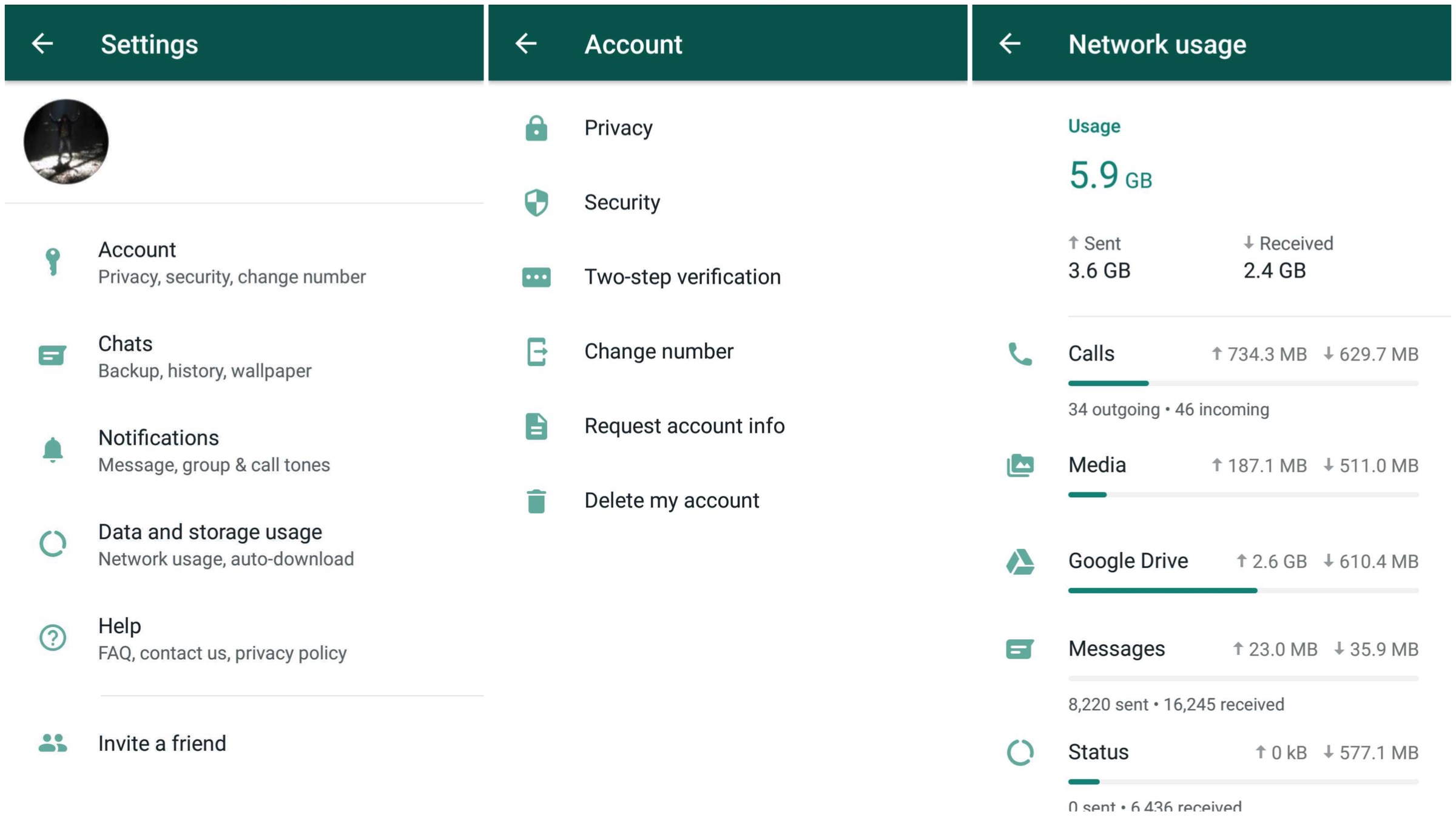
    WhatsApp in an update today has redesigned the settings menu for Android users. The update is now available for WhatsApp Beta users and has the build number v2.19.45. The update brings about significant design changes in the settings menu for the popular messaging app. It should be available in a stable update to the rest of the users soon.

    The update doesn’t introduce a new feature or settings altogether, but rather tries to beautify certain aspects of the menu. There are now icons to each option in the settings menu and the network usage page is also redesigned completely.

    WhatsApp v2.19.45: What’s New?

    The beta version of this update focusses on giving the settings menu of the app a design overhaul. ‘Accounts’ section now has a dedicated icon for each of the submenu. Options like ‘Security’, ‘Change number’, and ‘Two-step verification’ have also gained redesigned icons. The layout of all options in the ‘Notifications’ section remains the same though. All the tools in the ‘Help’ section have also been updated with dedicated icons. 

    Also read: Xiaomi Speaks Out Loud About Its Foldable Smartphone

    You can now see the net amount of data sent and received in the ‘Network Usage’ option and the memory usage in the ‘Storage’ section. These are absent on the app’s stable version. Also, the menu’s have a very different layout than what existed before and each parameter having an icon of their own. The release date of this update for the stable version hasn’t been announced yet, but it may be available shortly.

  • WhatsApp Adds New Feature To Control Spam Messages

    WhatsApp Adds New Feature To Control Spam Messages

    WhatsApp Messenger is a freeware, cross-platform messaging application that was started in the year 2009. In comparison to its initial release, the company has added several features and functionalities to the application. Except for text messaging it also provides services like Voice over IP (VoIP), media sharing and video calling. Due to its free price and ease of usage, it has become a huge hit amongst consumers across the globe.

    One issue that the company has tried to tackle for a long period of time is the propagation of fake news via the platform. In the month of July, last year WhatsApp launched a test to limit the forwarding of messages worldwide. The company specifically mentioned that its Indian users forward more messages and photos than users from any other country. The company tested a lower limit that restricts users to send messages to only five contacts at once.  Also, it removed the quick forward button next to media messages. According to the company, this step was taken to further improve the safety and privacy of its users. One example that helped to curb fake new is as follows:

    Labelling Forwarded Messages

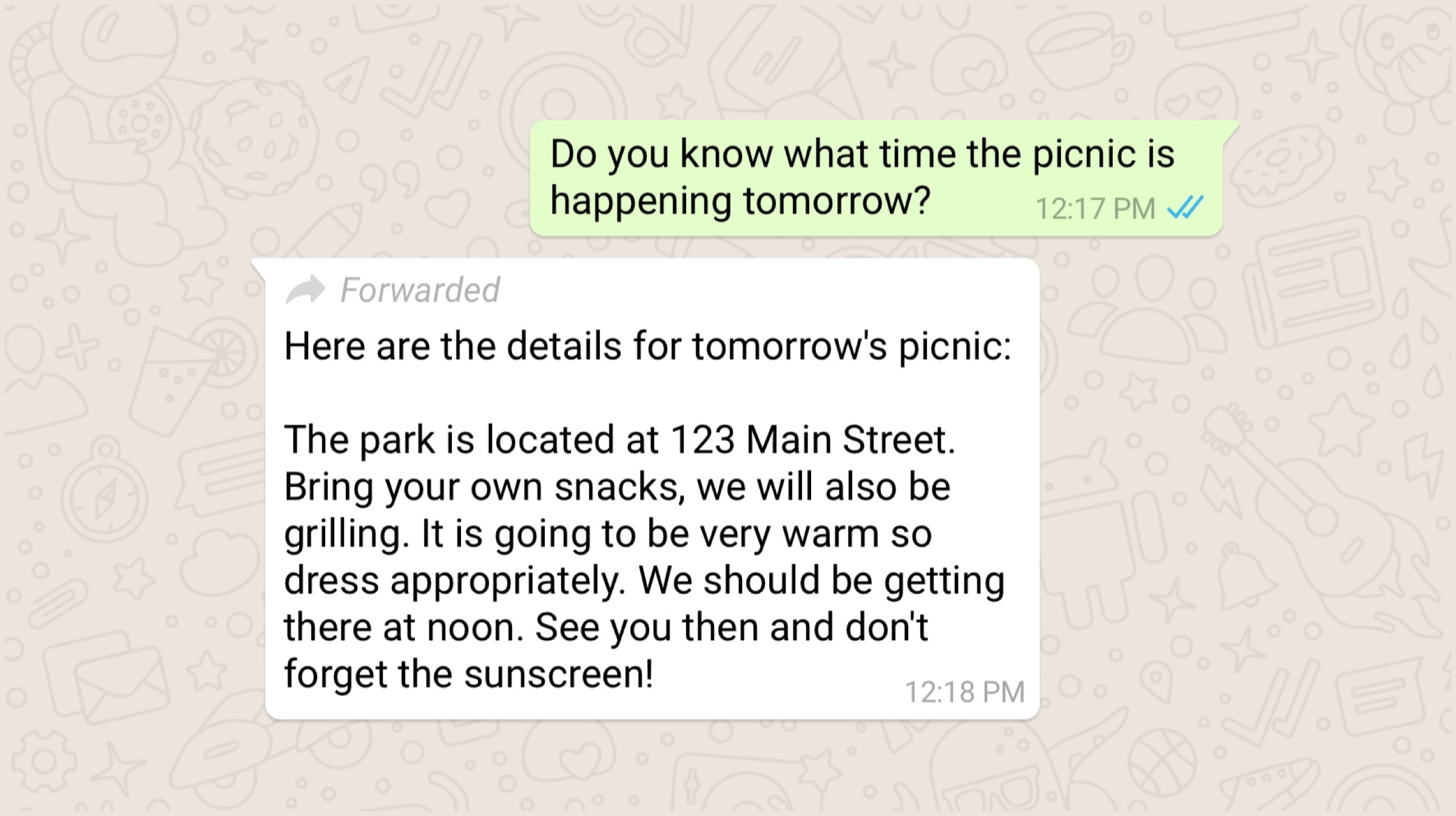
    The new update of WhatsApp adds a crucial feature to restrain the diffusion of sham messages via the messaging application. After the update, WhatsApp will show which messages a user receives have been forwarded to them. Such a message will carry a small arrow along with the forwarded tag. This will allow the receiver to know whether that particular message was actually written by the sender or it was forwarded information. 

    How Will It Stop False News?

    Also Read: Redmi To Soon Launch The Redmi Note 7, Redmi Note 7 Pro & Redmi Go In India

    This fresh feature of WhatsApp will allow the receiver to ascertain if a specific message was forwarded or purposely written. The receiver can then determine whether they should trust the claims of that message or not. 

  • WhatsApp Will Soon Stop Working On These Mobile Phones

    WhatsApp Will Soon Stop Working On These Mobile Phones

    WhatsApp Messenger is a cross-platform messaging and VoIP application that was originally launched in the year 2009. At the time of its launch, only a handful of companies manufactured smartphones. Android and iOS are currently the leading smartphone operating systems but the scenario was completely different a decade ago. According to WhatsApp, 70 percent of mobile phones sold at that time had operating systems offered by Nokia and BlackBerry. While Android, iOS and Windows Phone OS were on less than 25 percent mobile phones sold at that time.

    Phones That Will Soon Stop Supporting WhatsApp

    Prior to the inception of smartphones, Nokia feature phones ruled the mobile kingdom. Even after the launch of Android and iOS smartphones, those feature phones would sell in huge quantities. However, due to cheap feature-laden smartphones, the sales of Nokia feature phones started falling sharply. It has fallen so much so that the only 0.5 percent of all WhatsApp supporting devices are Nokia S40 phones.

    Prior to the inception of smartphones, Nokia feature phones ruled the mobile kingdom. Click to Share

    After the doom of Symbian, Nokia launched the Asha series smartphones which were both affordable and supported a wide variety of apps. Some smartphones from the Asha series that support WhatsApp include Asha 200 series, Asha 300 series and the Asha 500 series. Till now these smartphones supported all the functions of WhatsApp but now the company has pulled the cord on these devices as well. Therefore, Series 40 Nokia devices will soon stop supporting WhatsApp. In addition to Nokia S40 phones, WhatsApp will soon axe support from a variety of other smartphones which are as follows:

    • Android device 2.3.7 and older- Support until 1 February 2020
    • iOS 7 and older versions- Support until 1 February 2020

    Also Read: Press Renders Of Nokia 9 PureView Leak

  • 5 Best Instant Messaging Apps Other Than WhatsApp

    5 Best Instant Messaging Apps Other Than WhatsApp

    Instant messaging is a type of technology that offers real-time message and media transmission over the internet. It dates back to the early 90’s and some of the first platforms were AOL instant messenger and Yahoo’s Ytalk. But the launch of modern smartphones has completely revolutionised instant messaging and taken it to another level. WhatsApp and Facebook messenger are the prime examples of new era of Instant messaging. However, there are multiple other IM applications and software that have their own distinctive attributes and USP’s. Here is a list of 5 such applications that are available on both Android and iOS platforms.

    1.) Hike

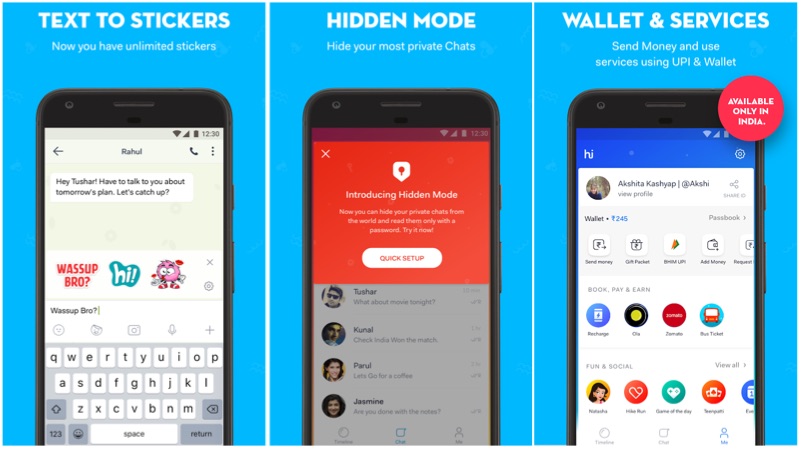
    Hike messenger is a free instant messaging app developed in 2012. It offers support for 10 languages and allows support for both text messaging and audio calls. One key highlight of Hike messenger is its offline chat ability that allows sending messages to users even if they don’t have an active internet connection. Some other distinctive features of Hike are a Hidden mode, 20,000 free stickers, better security and many more.

    The Hidden mode allows users to hide their chat with specific contacts that stay invisible from the main chat screen. Hike has an option to enable 128-bit encryption so hackers cannot tap into messages even if they are connected to the same Wi-Fi access point.

    Highlight- Extensive Features

    2.)Skype

    Skype was initially released in 2003 and was later taken over by Microsoft in 2011 for $ 2.9 Billion. It was one of the first pieces of software to offer video chat functionality. The mobile version of Skype offers free voice, video, and text messaging support. Talking about video calls, Skype mobile supports simultaneous calls with up to 24 contacts. Like other IM’s, it also allows sharing photos and videos with saved contacts.

    Highlight- Best Video Call Support

    3.)Discord

    Discord is a cross-platform text and voice chat app that is specifically designed for gamers. It allows creating separate channels for different topics and subjects. The user can easily see which of the team members are currently online and what game they are playing. In Discord, a user can easily send invite links to new members to join a particular group.

    Discord is a web-based instant messaging application hence, the users can log in from any device and view conversations. Unlike WhatsApp that can only function on one device at a given point of time. Additionally, users can also share their screencast with friends and participants.

    Highlight- Made For Gamers

    4.)Signal

    Signal is an instant messaging application built with security in mind. It was developed in 2013 and supports 31 international languages. It is an open source messaging app hence, it allows anyone to verify its security by auditing the code. Signal is the only private messenger to offer this level of security. It supports Group chat, text messaging, audio/video calling and private media sharing.

    Highlight- Security

    5.)Slack

    Slack is a cloud-based team collaboration instant messaging service which was founded in 2013. It allows groups, communities or teams to join via a specific invitation link or manually by the team admin. It integrates a large number of third-party services like GitHub, Google Drive, Dropbox, IBM Bluemix and many more which come handy in development environments in companies.

    Also read: Apple Updates The iPad Pro With Face ID And USB C Ports

    Slack is freemium software which means its basic functions are free to use but also offers paid features like unlimited app integration and ability to search more than 10,000 archived messages.

    Highlight- Team Collaboration


  • WhatsApp Group Voice And Video Calling Feature Rolling Out: Here’s How To Get It

    WhatsApp Group Voice And Video Calling Feature Rolling Out: Here’s How To Get It

    At Facebook’s F8 Conference, the company focussed a lot on data privacy and essentially showing how much it cares for every user’s data. While all of these features are essential for a safer space on the internet, the company also unveiled a few interesting features for Instagram and WhatsApp. One of those features was group voice and video calling. Now, the new feature is rolling out to WhatsApp Beta users.

    First and foremost, only users who have signed up for WhatsApp Beta will be able to use this feature for now. It is worth noting that the WhatsApp Beta program on Play Store is already full. This means that WhatsApp is not signing up any new Beta testers. While the group voice and video calling feature rolled out to a few testers last month, the new beta version is now available to all WhatsApp Beta users.

    Must Read: Apple’s Memoji Feature Will Let Users Create Personalised Animojis

    In order to initiate a group voice call, a WhatsApp Beta user must first call a contact. Then, hit the ‘add new members’ button at the top right corner to add more contacts into the conversation. The same process works for group video calling as well. It is worth noting that for now, maximum of four people can participate in a group call. FaceTime will soon get a feature wherein users will be able to add up to 32 members to a single call.

    Also, users can only add one contact at a time. This means that the process has to be repeated everytime you need to add a new member to the conversation. Users on a stable build of WhatsApp can participate in group voice and video calls. However, they cannot add or remove members from the call.

    WhatsApp is the world’s most popular messaging app and this feature will only make it better. Skype, one of the mainstays of video calling platforms has its work cut out.

  • WhatsApp Co-Founder Jan Koum Leaves Facebook Amid Data Privacy Concerns

    WhatsApp Co-Founder Jan Koum Leaves Facebook Amid Data Privacy Concerns

    Facebook has been embroiled in a huge debate about the internet as a whole. As social media has grown to become such an integral part of our lives, it is no secret that users have given more personal information than needed to various social media platforms over the years. Facebook has been under the cosh for allegedly, not using that information in an ethical manner. Now, it appears that the conversation of privacy has trickled down to Facebook-owned properties, mainly WhatsApp. Co-founder and CEO of WhatsApp, Jan Koum has announced that he will be leaving WhatsApp soon.

    https://www.facebook.com/jan.koum/posts/10156227307390011

    Jan took to his Facebook page to announce his departure, making sure he doesn’t give away any reasons that made him quit the company he started. A report by Washington Post claimed that he had a clash with Facebook and the company’s plans of using users’ private data. It also claimed that Jan plans to step down from Facebook’s board of directors.

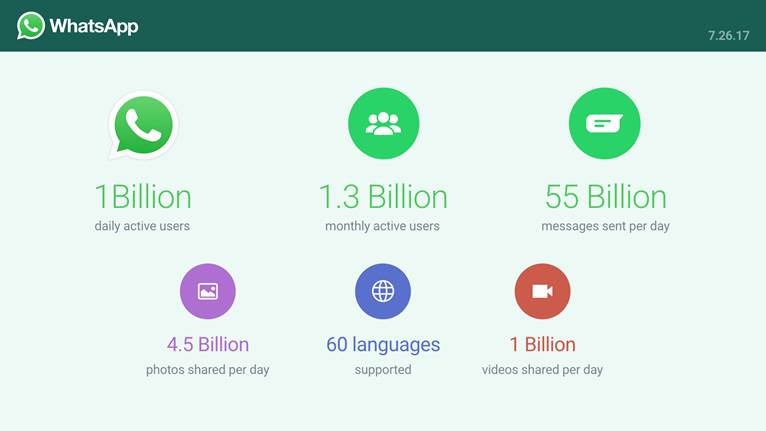
    In 2014, Facebook bought WhatsApp from Jan for a reported US$ 19 billion. The app has since become the most famous instant messaging service. In July 2017, the company announced that it had reached 1 billion active daily users who were sending 55 billion messages per day, 4.5 billion photos and 1 billion videos.

    Jan Koum

    WhatsApp has always pledged to protect user data and promised to protect that when Facebook bought the messaging service. In 2016, it further solidified its stance by introducing end-to-end encryption. However, Facebook, WhatsApp’s parent company has been accused of letting third parties use sensitive user data to their advantage. His departure will certainly be a blow for Facebook, especially after Brian Acton, co-founder of WhatsApp quit the company in November. Brian Acton, for that matter, has joined the rising voices of people concerned about data protection. The social media campaign, #DeleteFacebook has also gained impetus in the last few months.

    Facebook is yet to respond to reports of Jan quitting due to differences with Facebook about handling user data. However, Mark Zuckerberg, CEO of Facebook did reply to Jan’s post, saying:

    I will miss working so closely with you. I’m grateful for everything you’ve done to help connect the world, and for everything you’ve taught me, including about encryption and its ability to take power from centralized systems and put it back in people’s hands.

    It’ll be interesting to see the repercussions now since both the founders have quit the company. Facebook will be eager to continue building the legacy of its largest-ever acquisition in the wake of questionable times for the parent company.


  • Top Instant Messaging Apps For Android

    Top Instant Messaging Apps For Android

    Not a long time ago, we used to send wishes through postcards, which was later replaced by SMS. However, the rise of the internet has made SMS services redundant. Instant messengers have evolved into more than just text messaging mediums. Users can do things like international video calling to sending money, all in one single app. While these apps are free to use, the internet is the only prerequisite.

    The instant messengers help for all kind of stuff. From making an international video call to sharing a presentation. However, usually, the only requirement of these apps is the internet. Almost all the instant messengers work fine in either cellular data or a Wi-Fi network. So, here are the top three instant messengers available for Android. However, these three apps are universally compatible, which means they work fine on iOS as well.

    WhatsApp

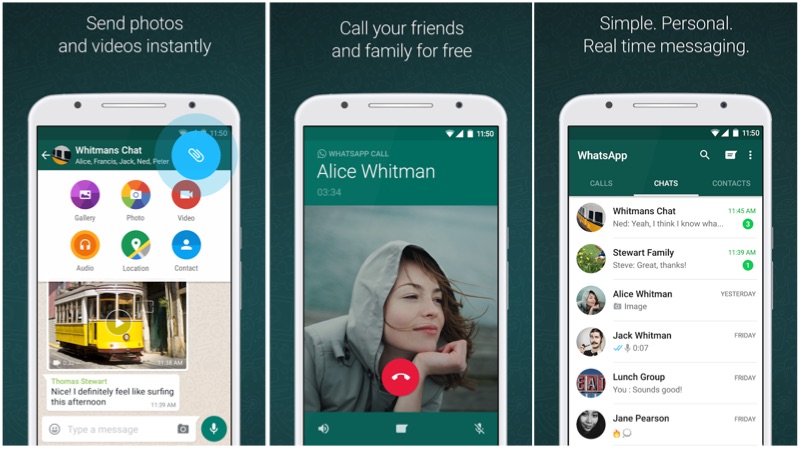
    Without a doubt, WhatsApp has become the most famous instant messaging apps in the world. While there are a few anomalies here and there, almost everyone with a smartphone has WhatsApp nowadays.  The free to use business model with no in-app ads make this one of the best messengers in the business. One can create groups and add up to 256 members.

    Pros:

    • Free to use
    • Ad-free user experience
    • Free voice and video calls
    • Simple UI
    • WhatsApp Pay

    Cons:

    • Requires an active SIM card for activationInstant Messengers
    Facebook Messenger

    The Facebook Messenger was something that was forced on to us. Facebook made the Messenger a standalone app and removed the option of chat from its main app. Hence, anyone with a Facebook app, had to move on to the Facebook Messenger as well. But, it has turned out to be a great messaging app, especially for people extremely active on Facebook. However, it has the option of replacing the standard SMS app as well.

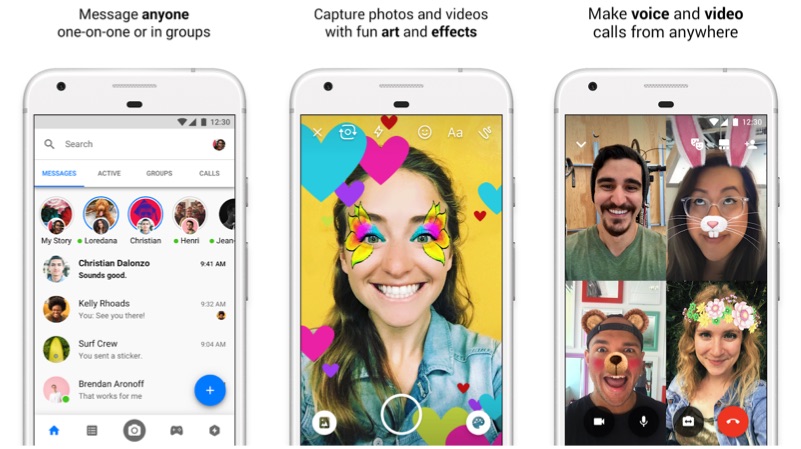
    The messenger has two sections, where it differentiates the messages and the active users. The active users are highlighted using a green dot. One can also initiate voice and video calls with a single touch of a button.

    Pros:

    • Free to use
    • Material UI
    • Free voice and video calls

    Cons:

    • In-app ads
    • App consumes a lot of space
    • Complex user experienceInstant Messengers
    Hike

    This is also an interesting instant messenger. Though it resembles WhatsApp, it has its own added advantage. The app comes with a hidden mode, where users can hide their secrete chats. This app also offers free stickers, which can be used instead of words to express a certain feeling. In fact, the app has stickers based on Indian celebrities and their famous dialogues as well.

    Pros:

    • Groups chat with up to 1000 members
    • UPI based Hike wallet
    • Gift packs

    Cons:

    • Small user base
    • In-app adsInstant Messengers

    [poll id=”60″]

  • WhatsApp Will Now Allow You to Share Your Location Live

    WhatsApp Will Now Allow You to Share Your Location Live

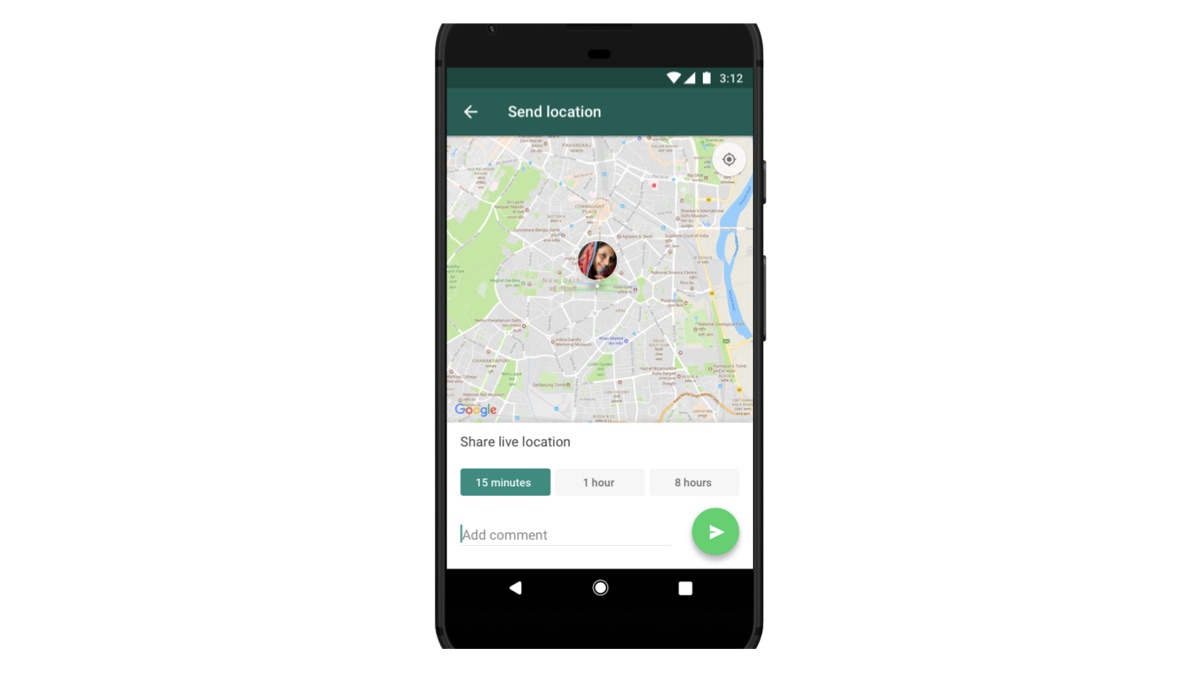
    What many will take as a safety solution, a location sharing feature that will share your location live with anyone you enable this feature with, hits the worlds most popular messaging application, WhatApp. With this new capability users can share their live location via a message help their friends/loved ones track them live.

    Since all communicating between two parties is encrypted, WhatsApp claims this private location sharing will remain secure and encrypted for the privacy protection of the users.

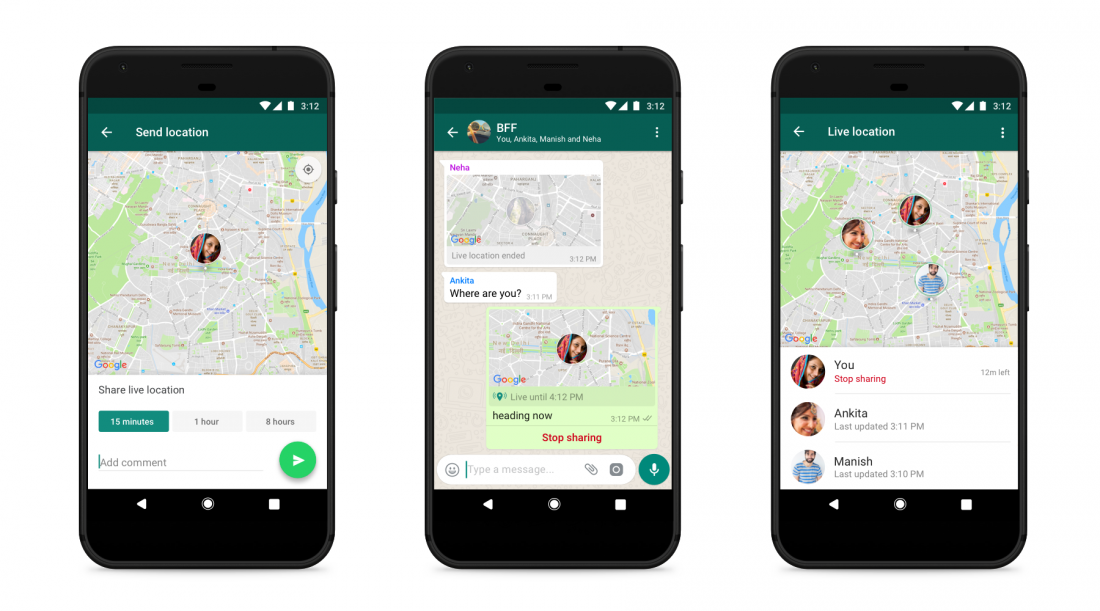
    The feature will go live across platforms whether iOS or Android and users will be able to initiate it though the location shirring menu in their apps. Whats even more interesting is that, if in a group chat, several members share their location, it will be seen in a common map.

    How to Activate Live Location:

    As an incremental update the feature will automatically show up within your app if your hardware ( smartphone) supports this feature.

    How to Share Live Location:

    • Open a chat with the person or group you want to share with.
    • Under “Location” in the attach button, there’s a new option to “Share Live Location.”
    • Choose for how long you want to share and tap send
    • Each person in the chat will be able to see your real-time location on a map
    • And if more than one person shares their Live Location in the group, all locations will be visible on the same map.
    • Once done you can stop sharing the location by tapping the “Stop Sharing” button

    Live Location is available on both Android and iPhone and will be rolling out in the app in the coming weeks.


  • WhatsApp Coloured Text Status Now Rolling Out to Android and iPhone

    WhatsApp Coloured Text Status Now Rolling Out to Android and iPhone

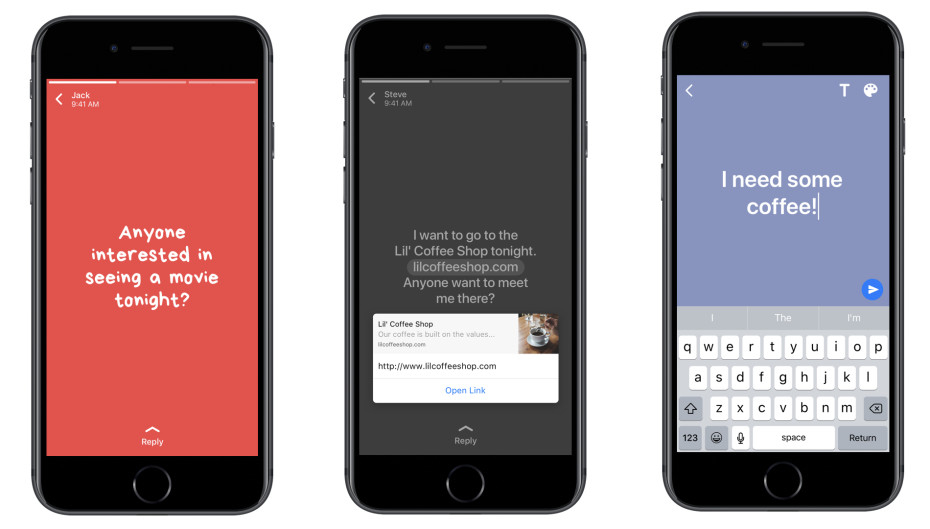
    WhatsApp has added a new feature to its ranks, quite similar to Facebook’s colourful status update. Apparently, now you can change our WhatsApp status update to suit your mood. The Users will now be able to update their statuses with more than just images or videos, and use colourful meme-like text posts.

    The new feature which is rolling out to Android and iOS devices, lets you write a snippet of text, choose a background color, and customize the font. This feature is specifically for WhatsApp’s Snapchat Stories clone. The Snapchat-like status update which disappears in 24 hours, was first introduced in February. Last month, Facebook announced that WhatsApp status feature has hit 250 million daily users, exceeding the Snap’s main product.

    Much like Facebook, the new WhatsApp update allows you to link out to other websites from within a text post. Seems like Facebook is handing down similar upgrades to its messaging app, which the social networking website acquired for 19 Billion dollars in 2014.

    Though WhatsApp has confirmed the new colourful text update, all may not be able to use the new feature as it has been remotely activated, and full-fledged rollout is still awaited.

    For iPhone users, the pen icon appears next to the camera icon in the new Status bar. For Android users, the floating pen icon shows up at the bottom of the Status tab, above the camera icon.

     The option to type a status, choose a font, emoji, and the background colour as well shows up by clicking on the pen icon. After writing the status and making necessary changes, press the green arrow key to send the text status. The status will then be published on WhatsApp for all your contacts to see. As usual, you can control who sees your status and know who viewed it by clicking on the ‘eye’ icon at the bottom of the screen.

  • WhatsApp Hits 1 Billion Active Users Per Day

    WhatsApp Hits 1 Billion Active Users Per Day

    The most popular messaging application in the world just hit a mammoth milestone. WhatsApp announced that it has hit the daily 1 billion active users mark and the growth is incredible! Compared to the numbers from last year where WhatsApp had 1 billion active users every month, this jump is massive and quite astonishing. To add to that, WhatsApp’s rendition of Snapchat stories has hit the 250 million daily active users mark as well. Interestingly, this is much more than what Snapchat itself enjoys currently.

    The Facebook-owned company shared this news in a blog post, stating that active users per month have reached 1.3 billion. Moreover, about 55 billion messages are shared every day in 60 supported languages. 1 billion videos and 4.5 billion images are shared every day on the messaging platform that has steamrolled every other messaging app in the market right now.

    WhatsApp has come a long way in the last few years. In 2014, it had monthly 450 million active users when Facebook acquired it for $19 billion. Since then, it has managed to almost triple its daily active users from 350 million to now 1 billion.

    A noteworthy development is the rise of WhatsApp status feature which launched in early-2017. It has hit a staggering daily 250 million active users. To put this stat into context, Snapchat as whole experiences about 166 million daily active users. And WhatsApp status feature was set out to be a ‘Snapchat Stories’ clone. Instagram stories, another Snapchat clone hit the 250 million daily active users as well.

    India is WhatsApp’s largest market with 200 million active users. In fact, back in February WhatsApp co-founder Brian Acton visited India in order to gather insights from people on how WhatsApp can contribute to the country in a more prominent way. WhatsApp is even looking to foray into the digital payment space in India.

  • WhatsApp Updates Terms of Service, Will Share Your Number with Facebook

    WhatsApp Updates Terms of Service, Will Share Your Number with Facebook

    WhatsApp has updated its Terms of Service now that the Facebook control is starting to seep through. WhatsApp says it will start sharing the phone numbers of its users with Facebook, its parent company.

    You can Opt Out if you do not want this by going to Settings – Account. Click to Share

    WhatsApp says they want a n easier way for people including businesses to find you. However, there will be no third-party banner ads on WhatsApp nor Spam.

    The intention is to charge companies to allow user to make transactions, and get appointment information, things like delivery and shipping notifications, product and service updates, and marketing. Which would make the use of WhatsApp more interactive while allowing the company to finally make some money.

    If you are an existing user, you can choose not to have your WhatsApp account information shared with Facebook to improve your Facebook ads and products experiences. Existing users who accept the updated Terms and Privacy Policy will have an additional 30 days to make this choice by going to Settings > Account.

    [toggles behavior=”toggle”]
    [toggle title=”Key Updates”]Respect for your privacy is coded into our DNA. Since we started WhatsApp, we’ve built our Services with a set of strong privacy principles in mind. In our updated Terms and Privacy Policy you’ll find:

    • Information that is easier to understand. Our updated Terms and Privacy Policy are easier to understand and reflect new features such as WhatsApp Calling and WhatsApp for web and desktop.
    • We joined Facebook in 2014. WhatsApp is now part of the Facebook family of companies. Our Privacy Policy explains how we work together to improve our services and offerings, like fighting spam across apps, making product suggestions, and showing relevant offers and ads on Facebook. Nothing you share on WhatsApp, including your messages, photos, and account information, will be shared onto Facebook or any of our other family of apps for others to see, and nothing you post on those apps will be shared on WhatsApp for others to see.
    • Your messages are yours, and we can’t read them. We’ve built privacy, end-to-end encryption, and other security features into WhatsApp. We don’t store your messages once they’ve been delivered. When they are end-to-end encrypted, we and third parties can’t read them.
    • No third-party banner ads. We still do not allow third-party banner ads on WhatsApp.
    • New ways to use WhatsApp. We will explore ways for you and businesses to communicate with each other using WhatsApp, such as through order, transaction, and appointment information, delivery and shipping notifications, product and service updates, and marketing. For example, you may receive flight status information for upcoming travel, a receipt for something you purchased, or a notification when a delivery will be made. Messages you may receive containing marketing could include an offer for something that might interest you. We do not want you to have a spammy experience; as with all of your messages, you can manage these communications, and we will honor the choices you make.

    [/toggle]
    [/toggles]

    Full details in the source link below.

iGyaan Network
Privacy Overview

This website uses cookies so that we can provide you with the best user experience possible. Cookie information is stored in your browser and performs functions such as recognising you when you return to our website and helping our team to understand which sections of the website you find most interesting and useful.