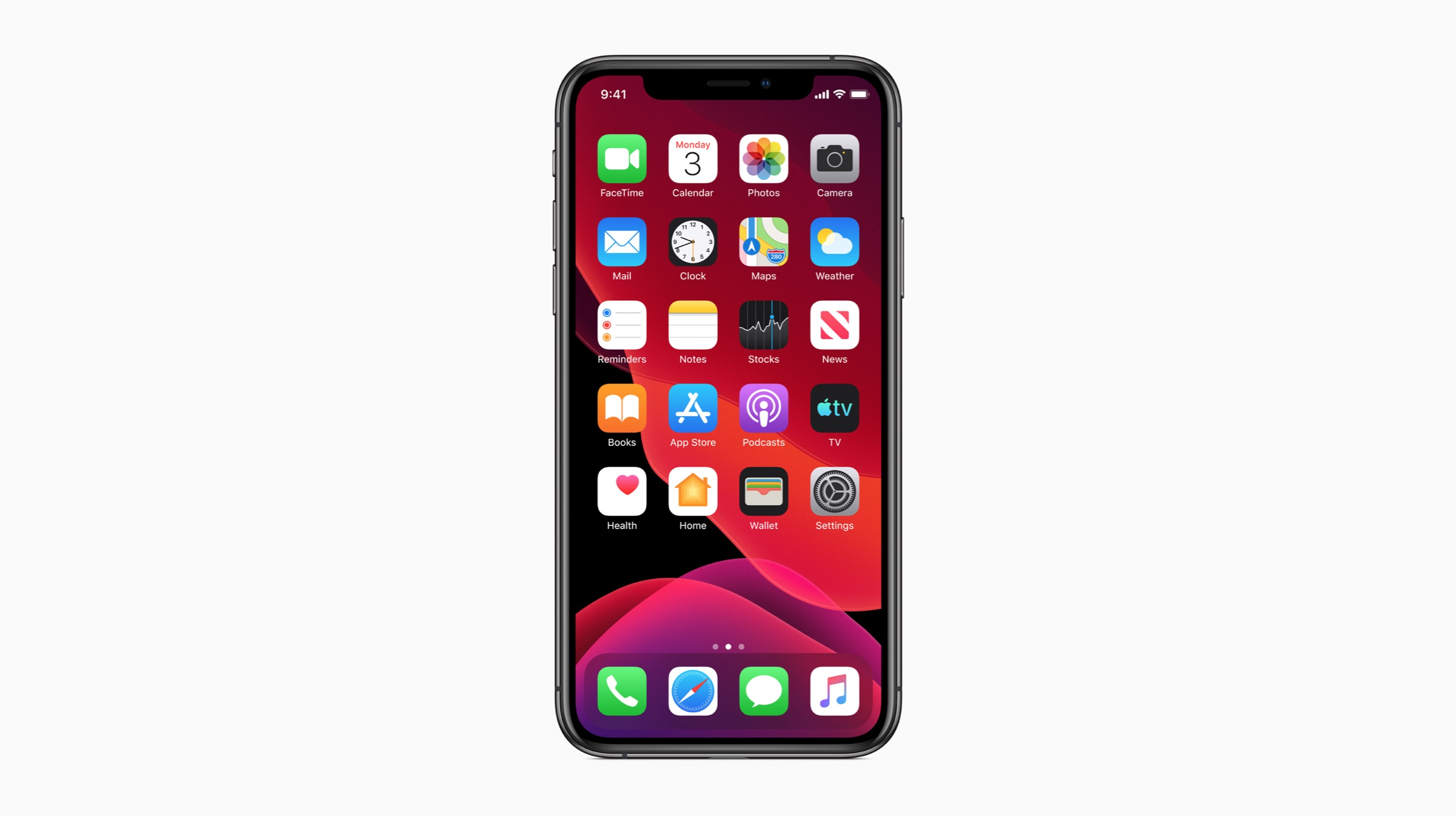
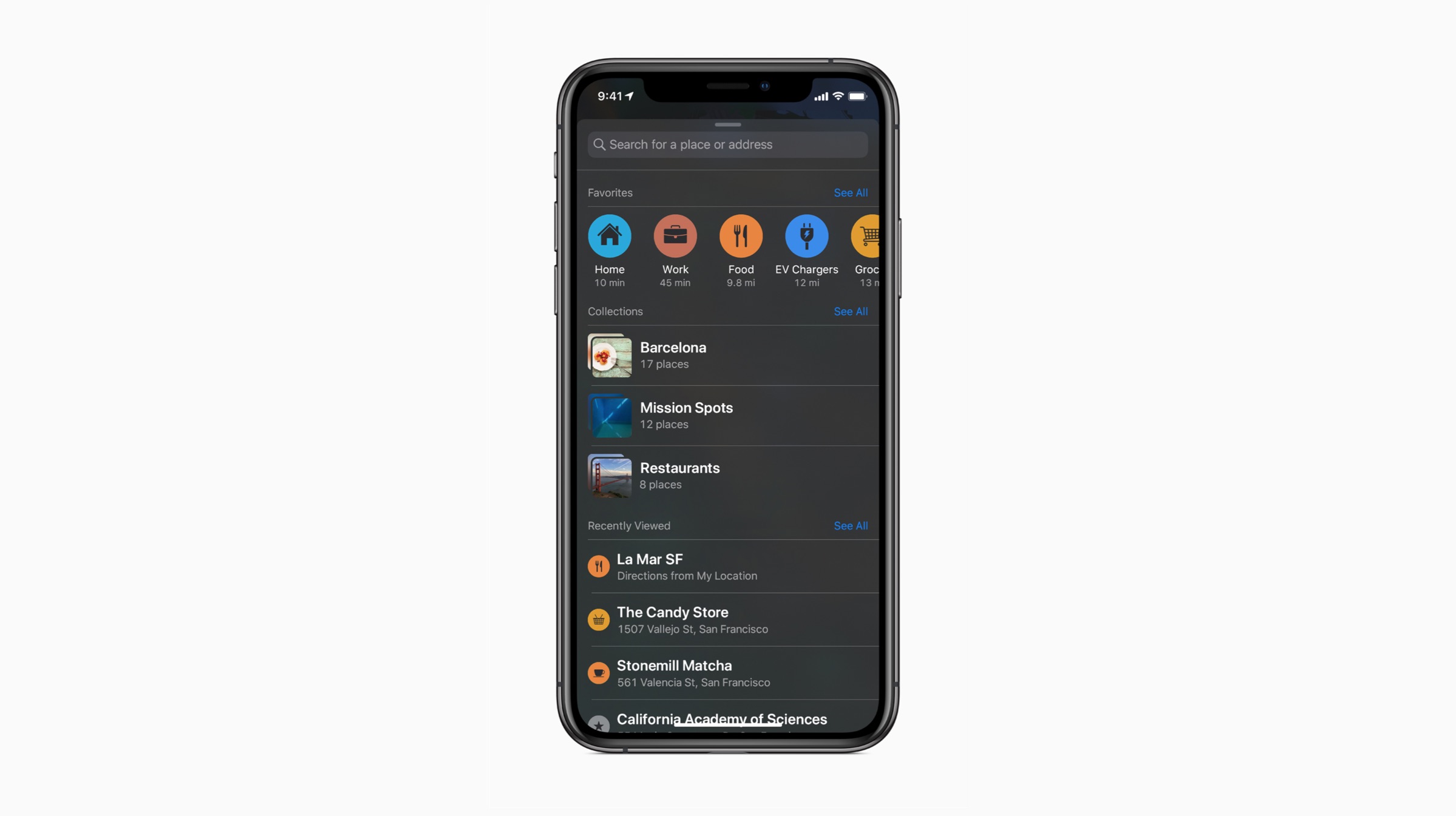
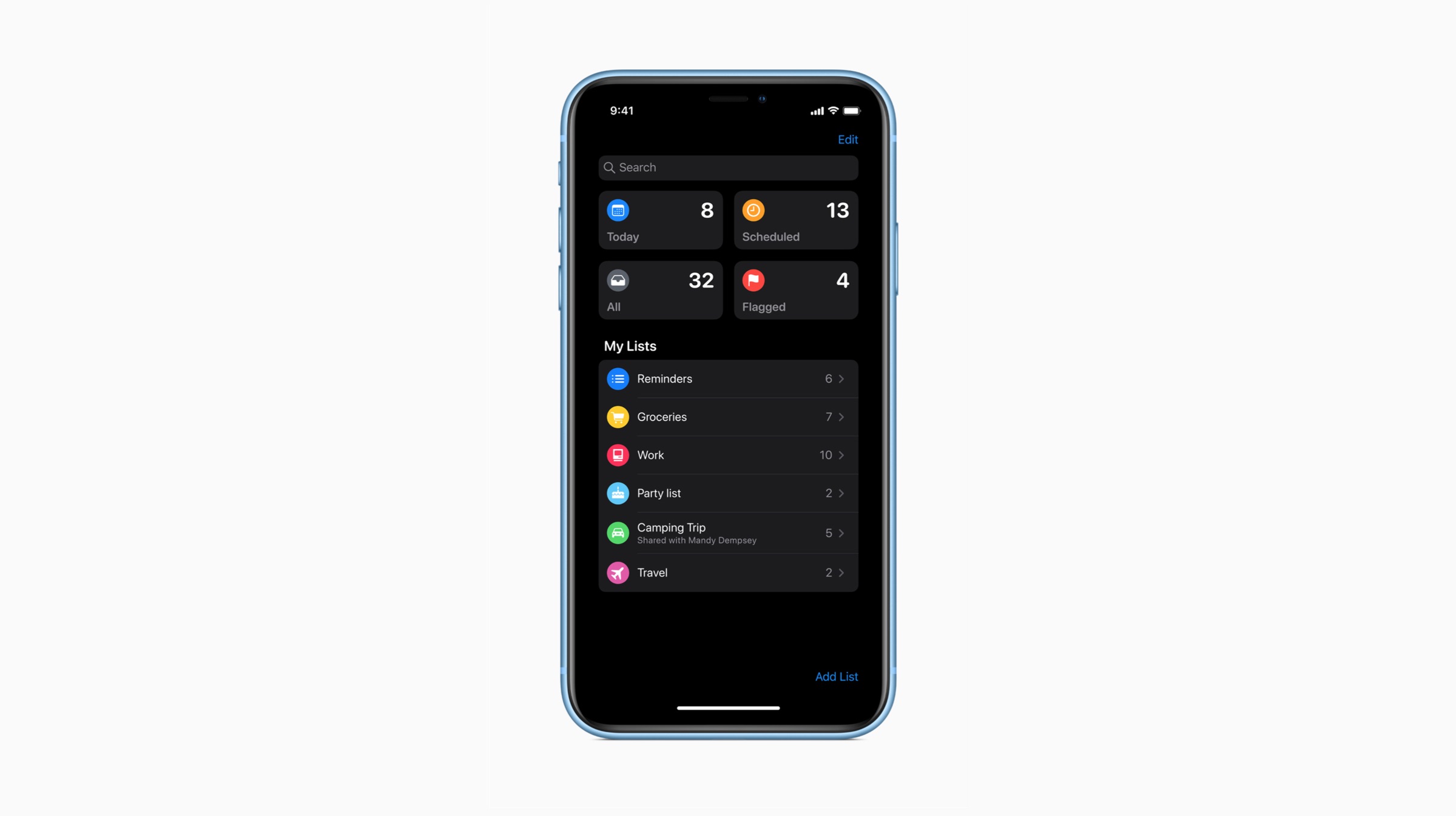
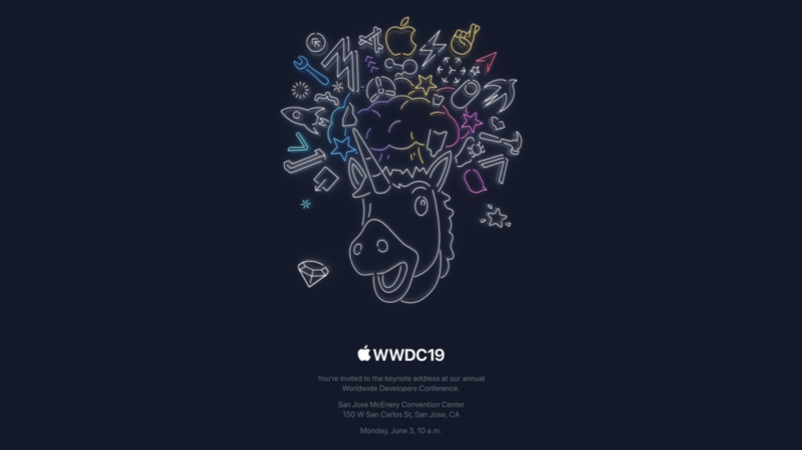
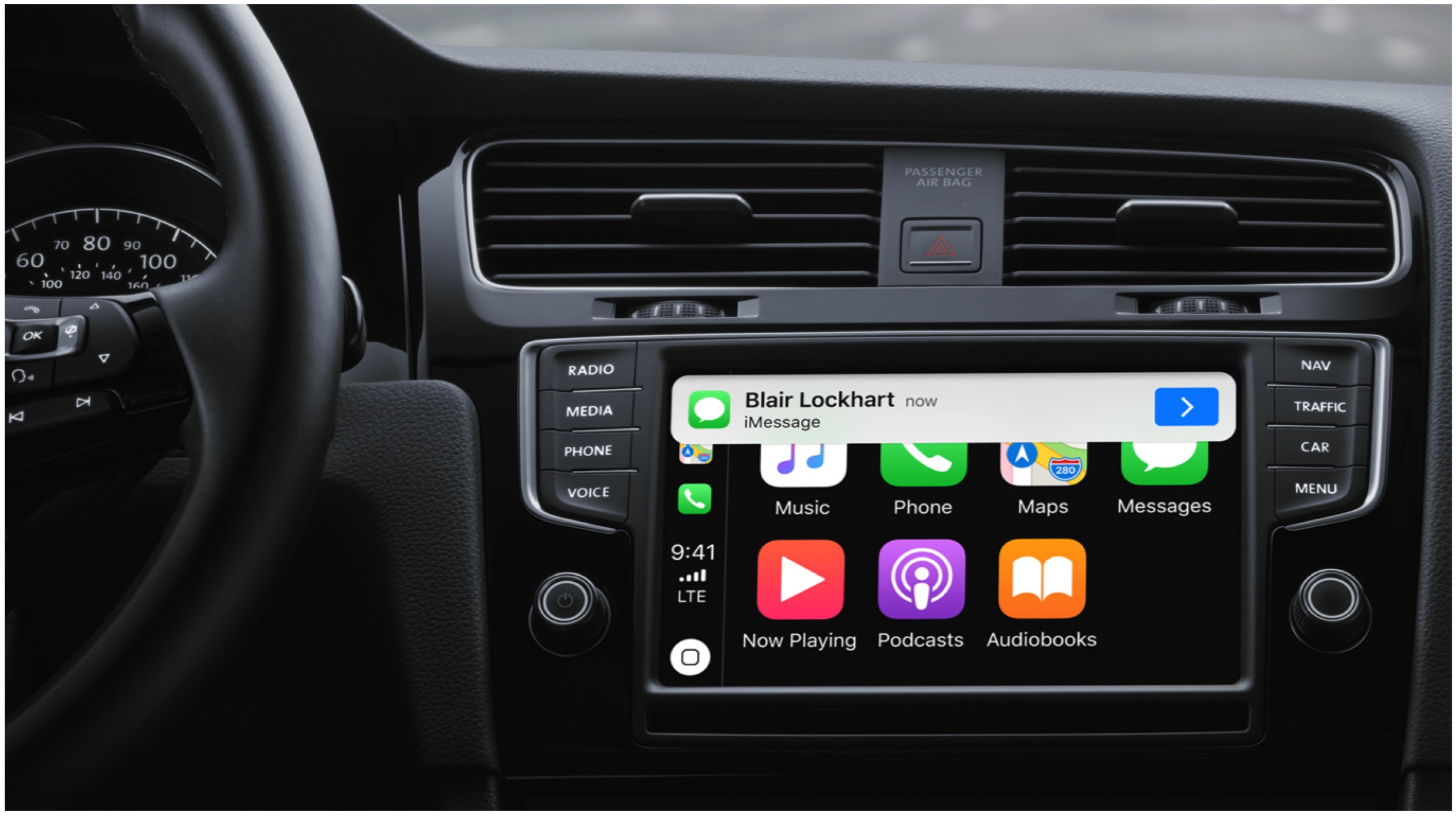
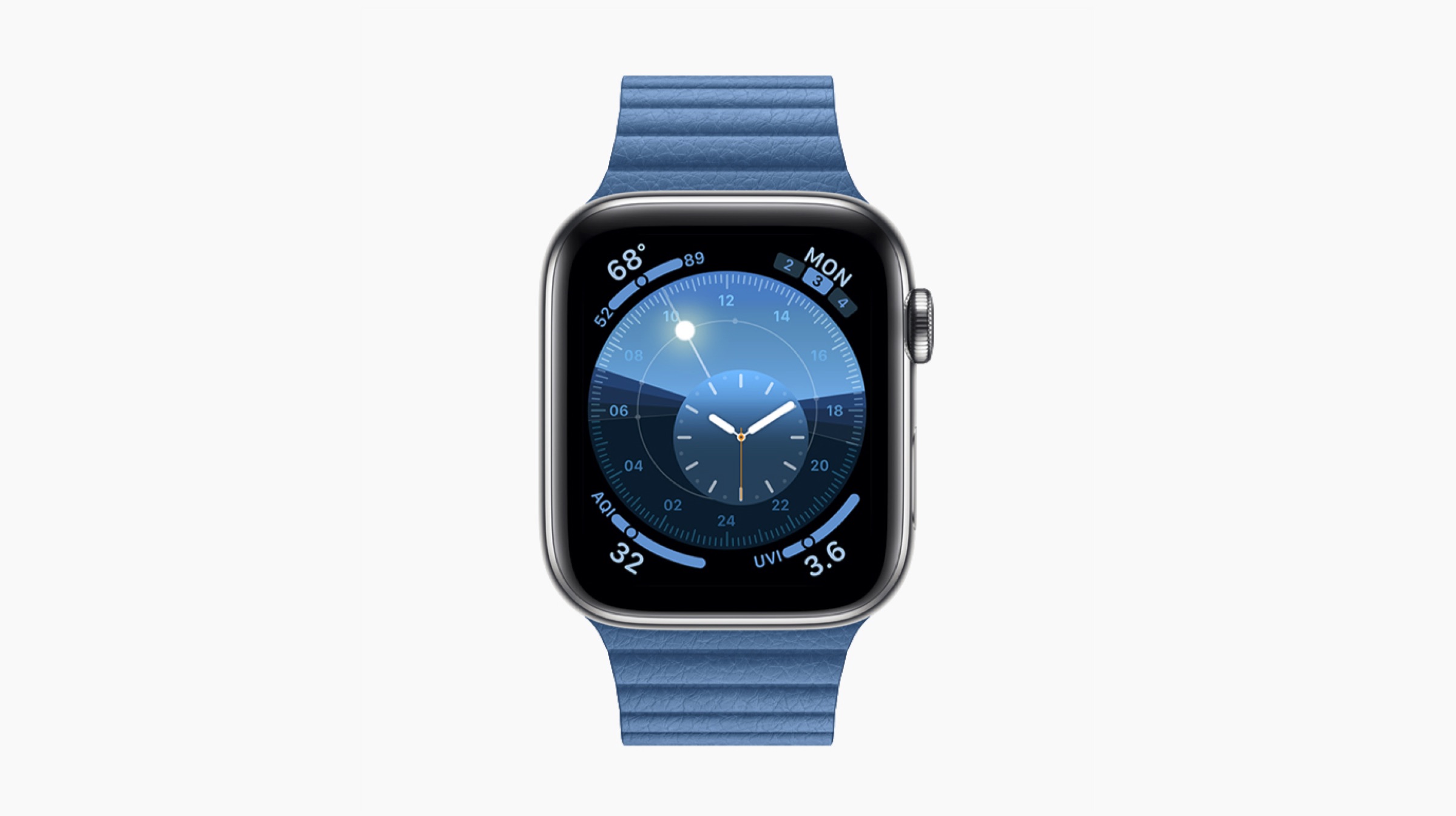
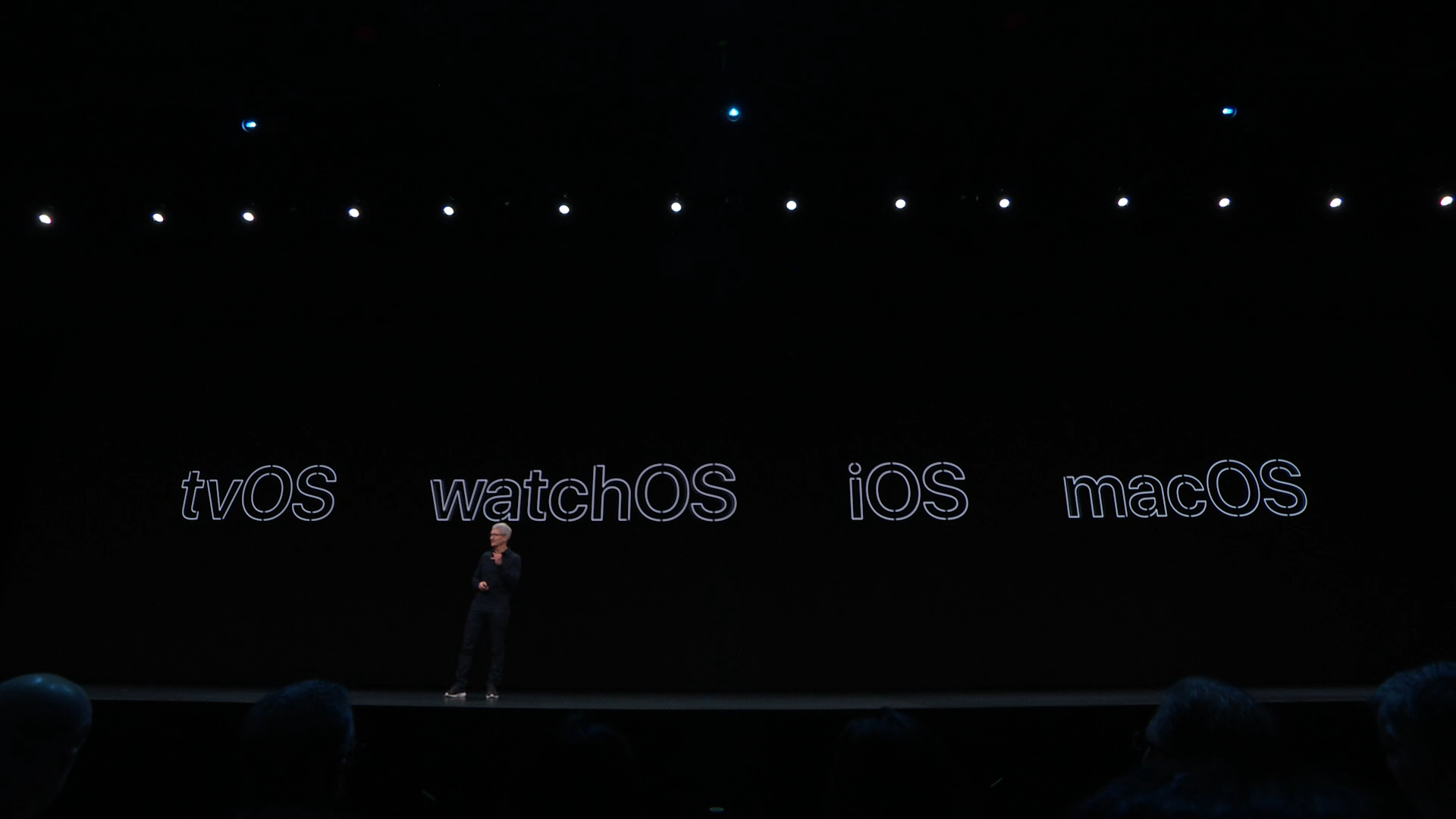
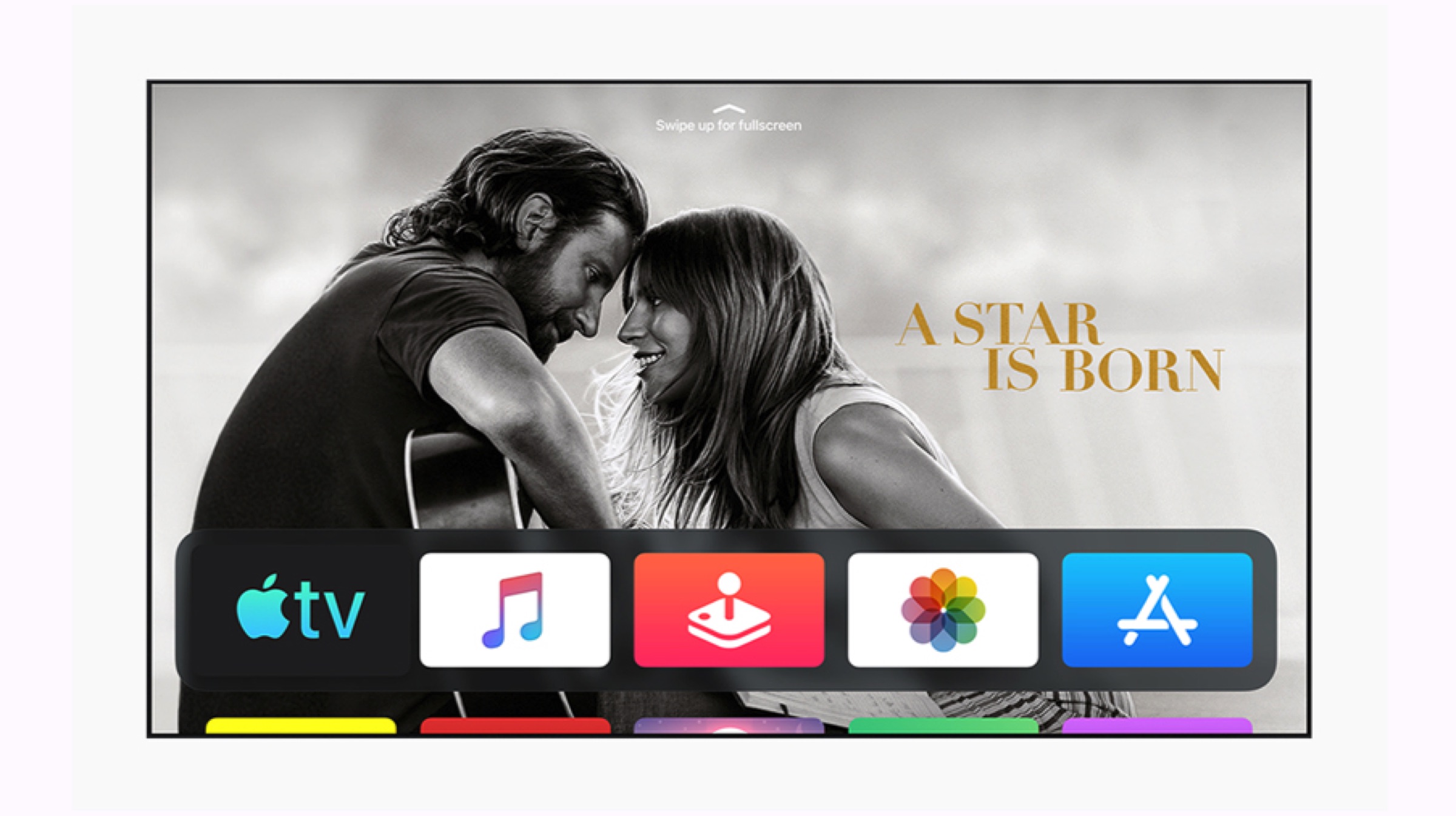
The first day of the WWDC 2019 saw some radical updates being brought forth by Apple. The American multinational company announced the iOS 13, the all-new Mac Pro and iPadOS, watchOS, tvOS and macOS. Furthermore, since the event was a ‘developers’ conference’, Apple also unveiled new software frameworks, especially for developers. The development kits include ARKit 3 and RealityKit frameworks. Additionally, Homekit will now be added to security cameras and wi-fi routers. HomeKit is a software framework by Apple that helps iOS-based devices to communicate with smart-home appliances.
ARKit 3
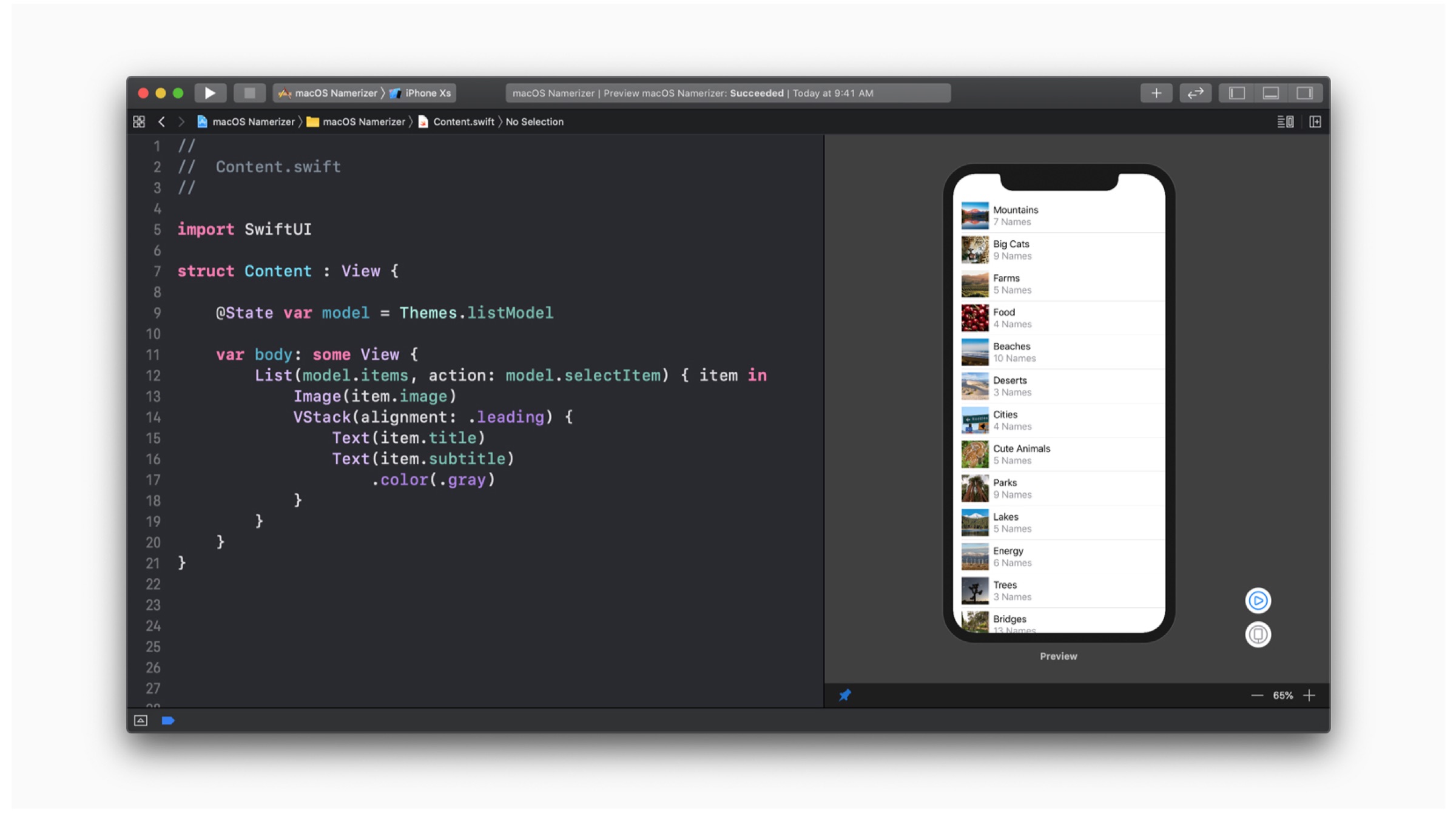
Developers will find it much easier to formulate AR-based applications with the updated ARKit iteration, which receives a fair overhaul in features from the ARKit 2. Using Motion Capture, developers can track human movements and feed them directly into the applications. Motion Capture will also be able to accurately track the limbs and torsos in real-time. People Occlusion is another feature being included in the ARKit 3 framework. It will ensure that all the Augmented Reality based content will show up naturally in front or behind people.
RealityKit
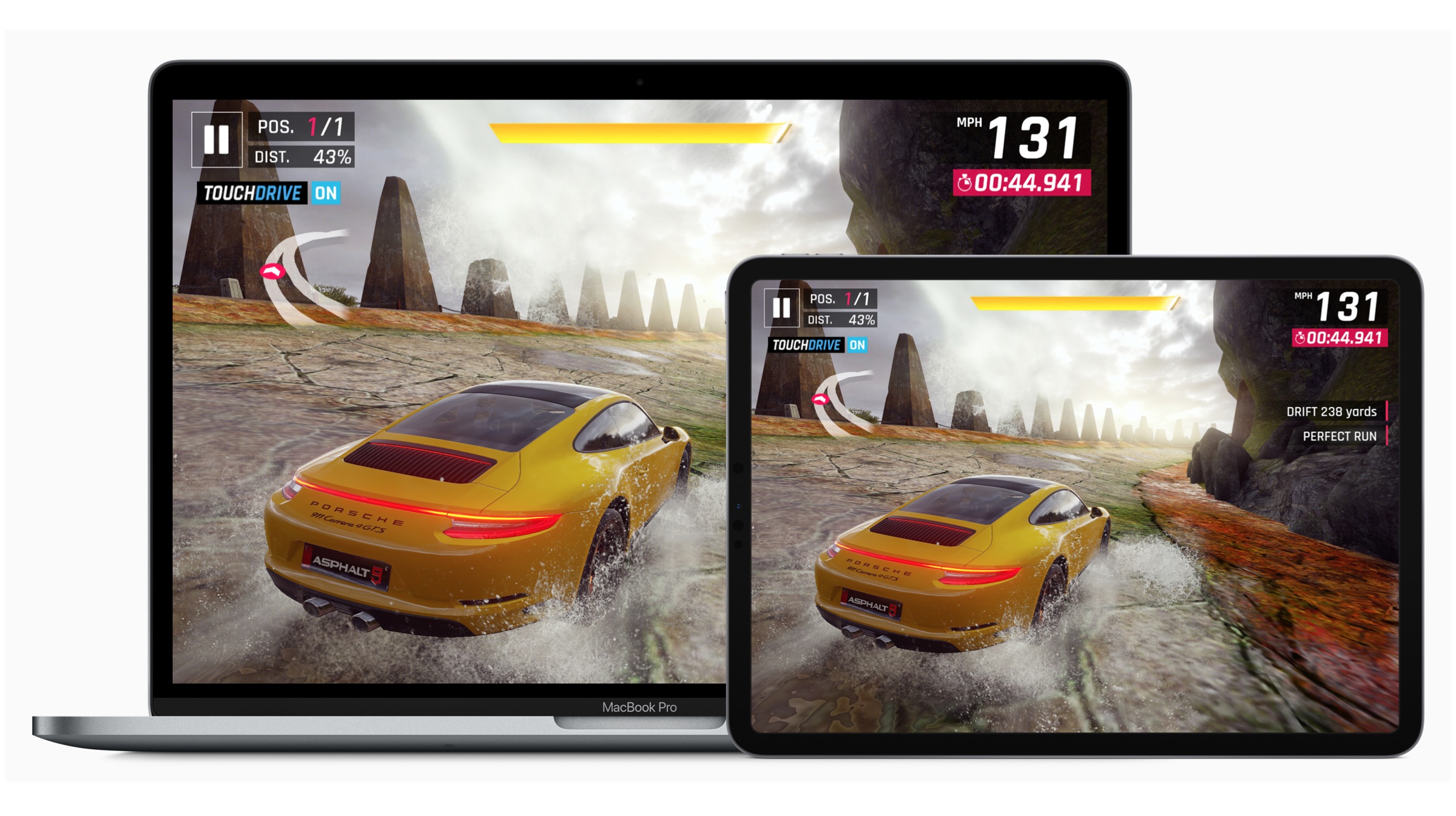
RealityKit was also introduced by the company, and it enables developers to fabricate ‘photorealistic’ AR experiences, Apple states. This implies that real-world environments can easily accommodate virtual objects. Effects such as motion blur can be manually added into scenes, which will simulate a real-world environment instead of a virtual environment. The company also announced the integration of RealityKit with Swift’s Application Programming Interface (API).
HomeKit
Also Read: Samsung Collaborating With AMD For Radeon Graphics On Its Smartphones
Regarding Apple’s interface to make Home-based Apple devices more accessible via devices running iOS, HomeKit will undergo two new developments. HomeKit Secure Video will ensure that the security cameras connected to the HomeKit network will process and analyze security feed directly on the user’s device rather than on the cloud. Furthermore, the 10-day feed will be encrypted and uploaded to the user’s iCloud account. Alongside, HomeKit-enabled routers will create a virtual firewall between the complete network and the devices connected to it. This will make sure that the network will remain secure even if one of the devices is breached.

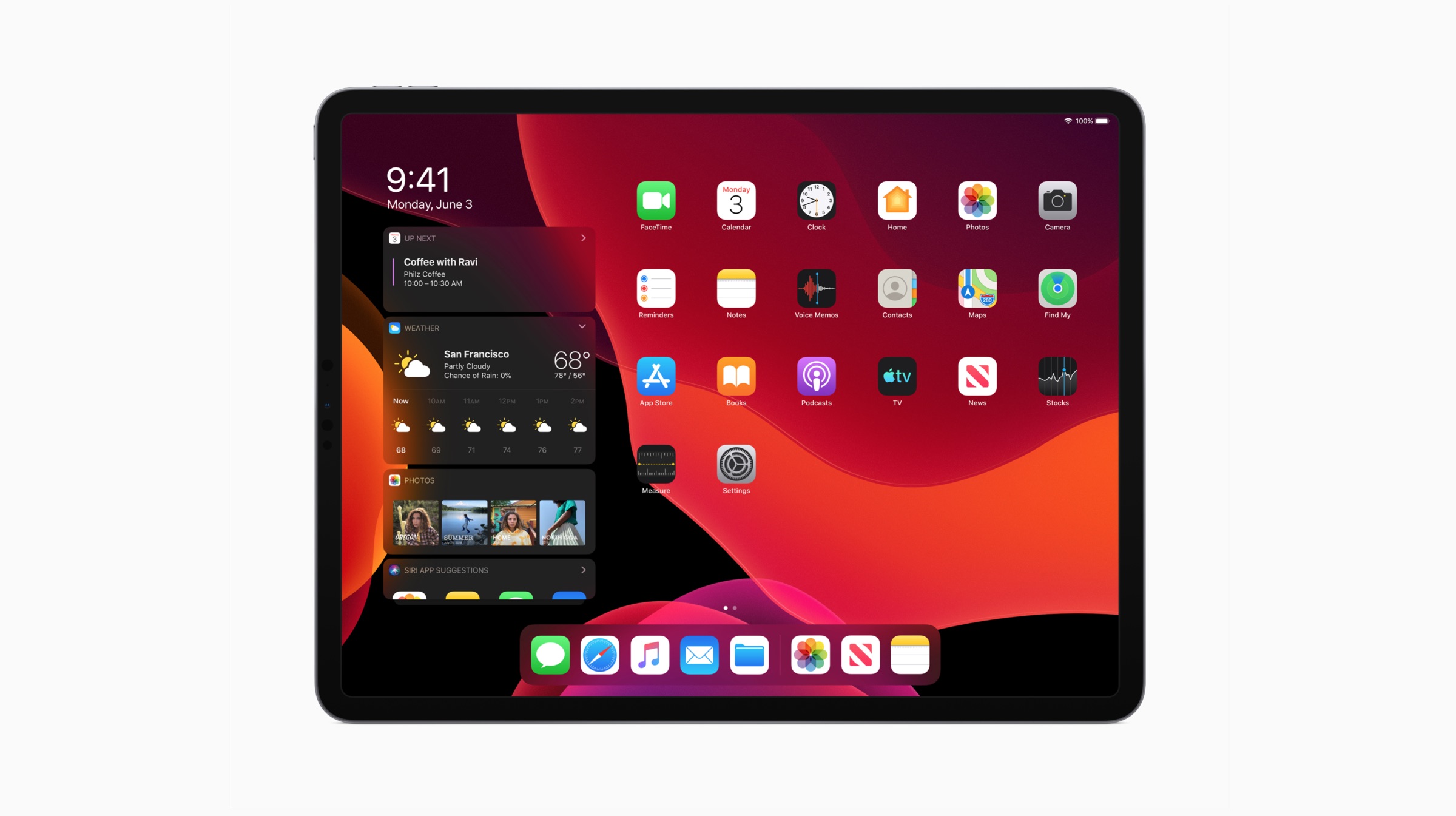
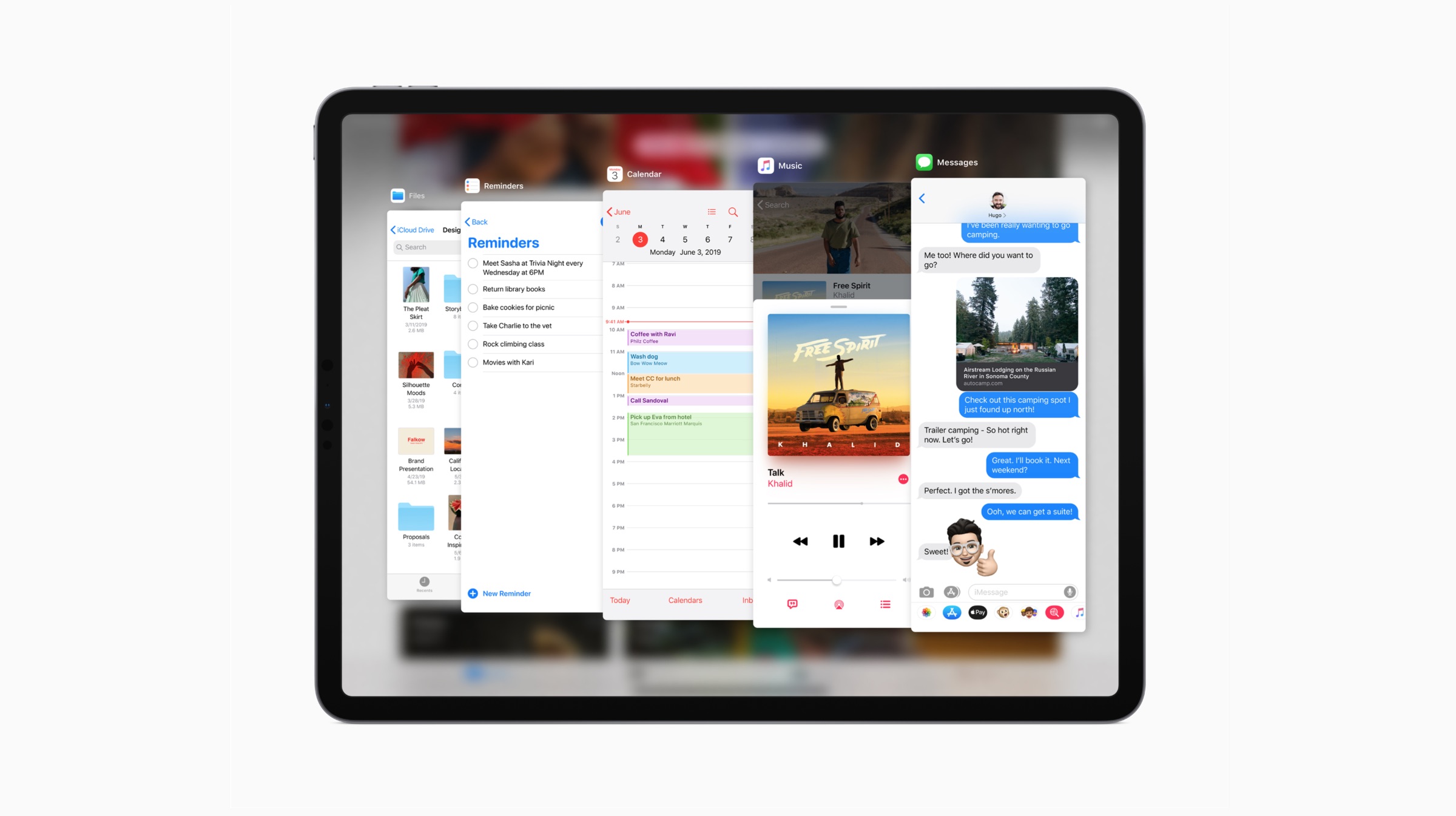
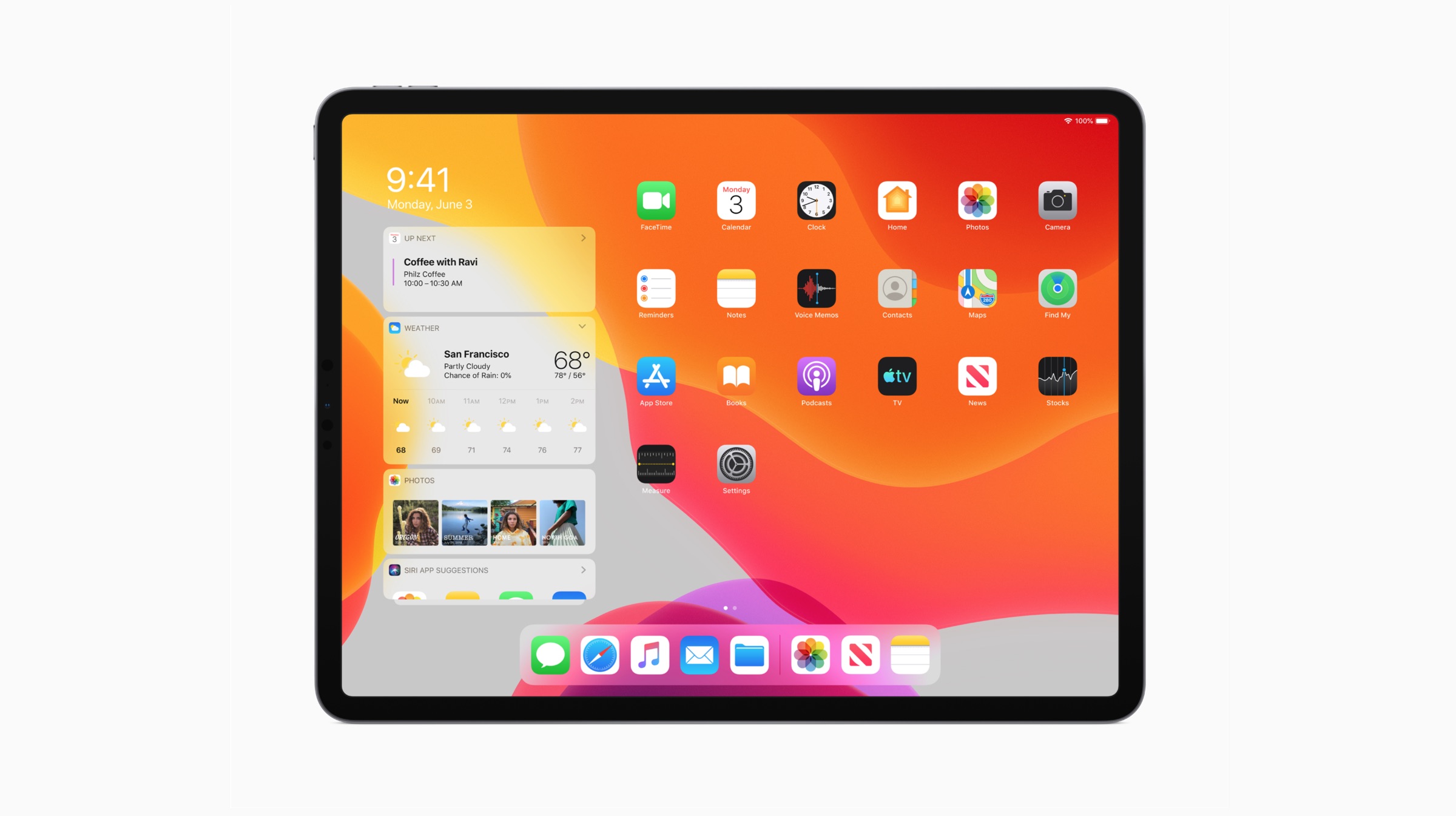 The all new iPadOS has a refreshed home screen with widgets support. Users can expand the widgets on one side of the screen, while the application icons take up the rest of the display. A host of multitasking gestures has also been introduced in the new operating system, so that users can simply ‘glide’ through their task list. For instance, users can drag the applications they intend to use and drop them alongside other applications. This will increase the ease with which users perform multiple tasks over different applications.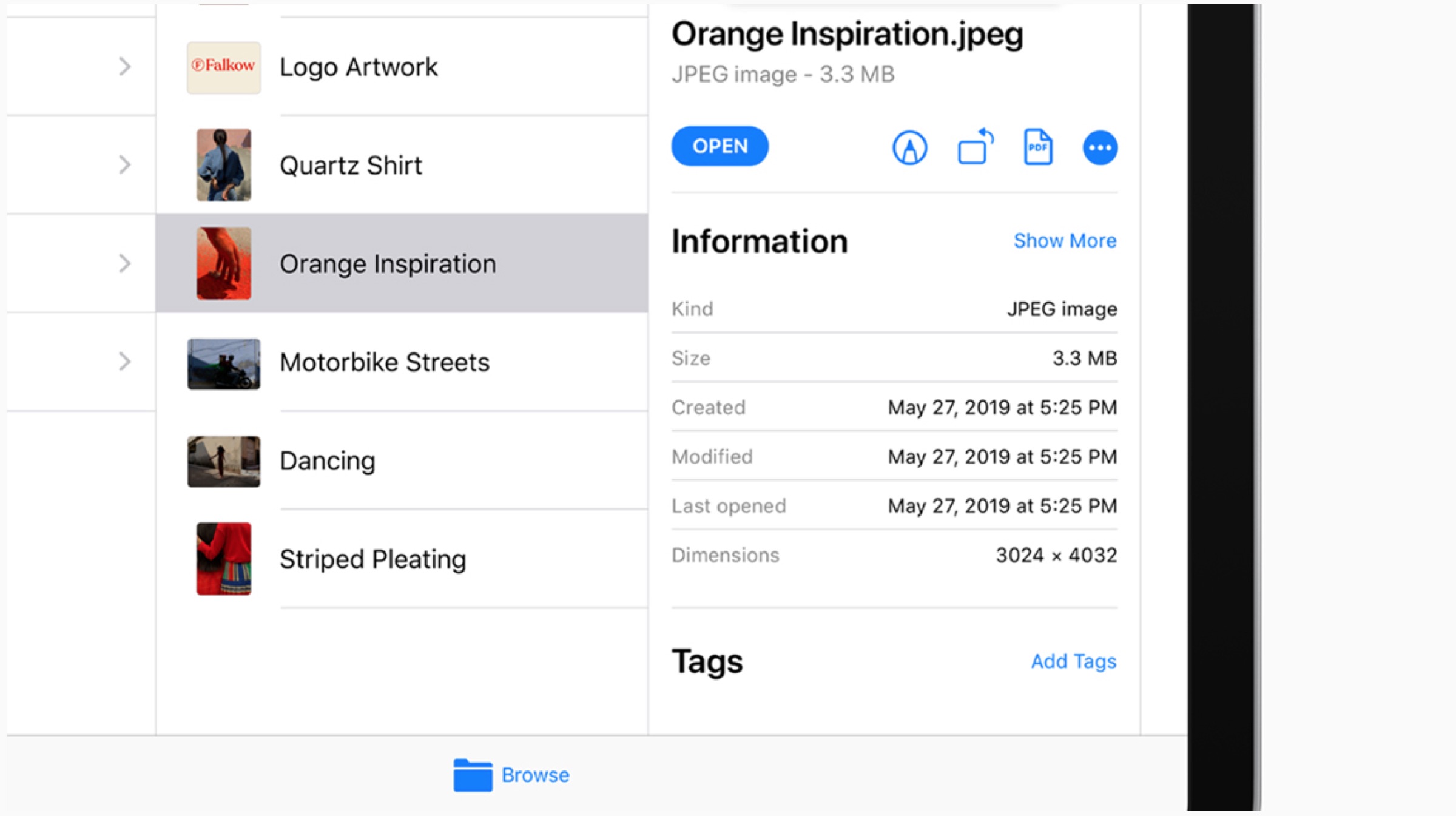

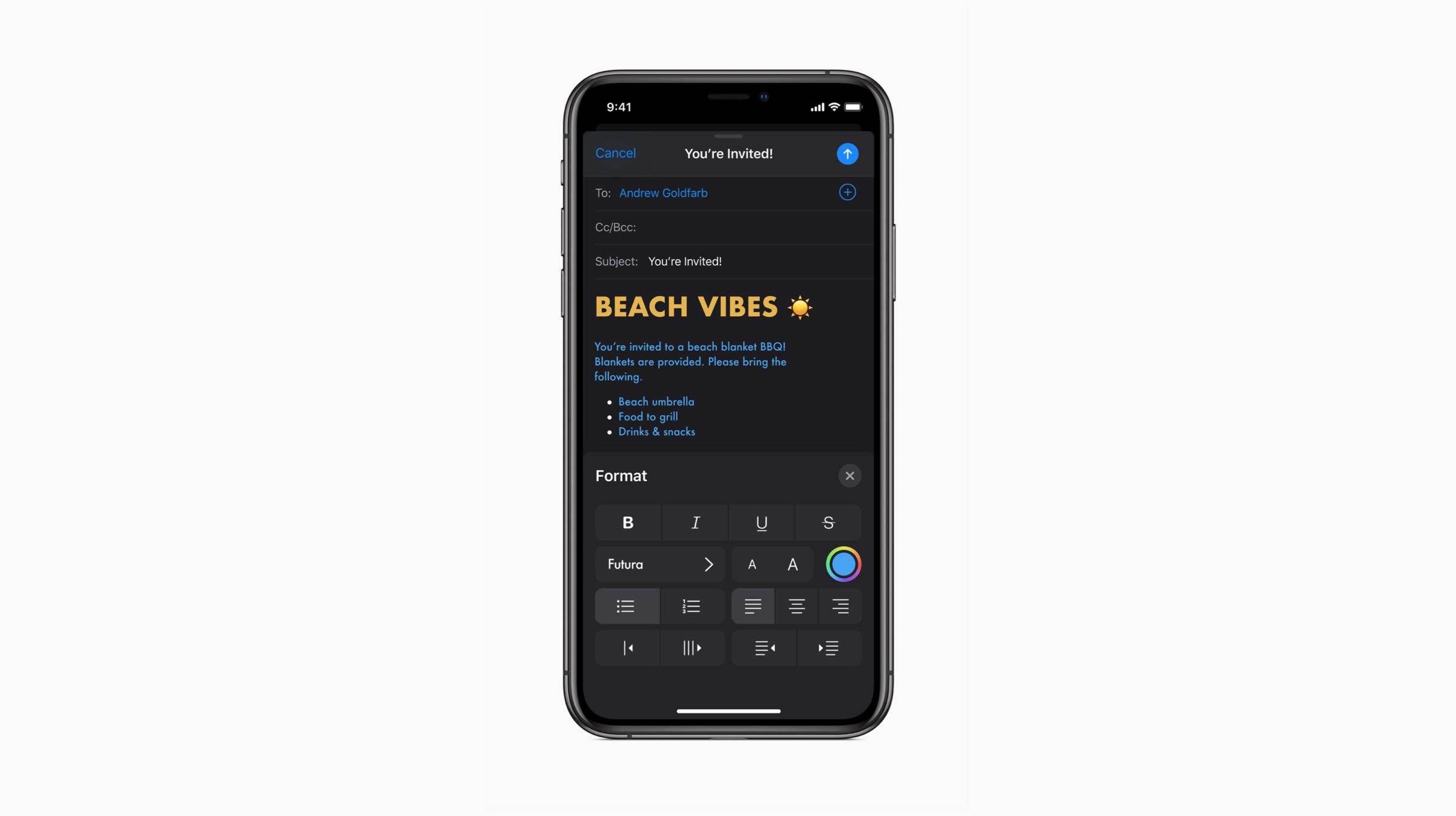
 Alongside the aforementioned features, Apple also introduced system-wide Dark Mode to the iPadOS that is applied across all applications. Users can install third party custom fonts which can be used while creating documents. Moreover, Apple’s iPad keyboard can now shrink down to a floating keyboard that can be moved across the screen. Pinching the regular keyboard will instantly convert it to the said floating mode. Performance boosts will ensure that users can launch their applications faster, unlock the iPad faster and reduce download sizes by up to 50 percent.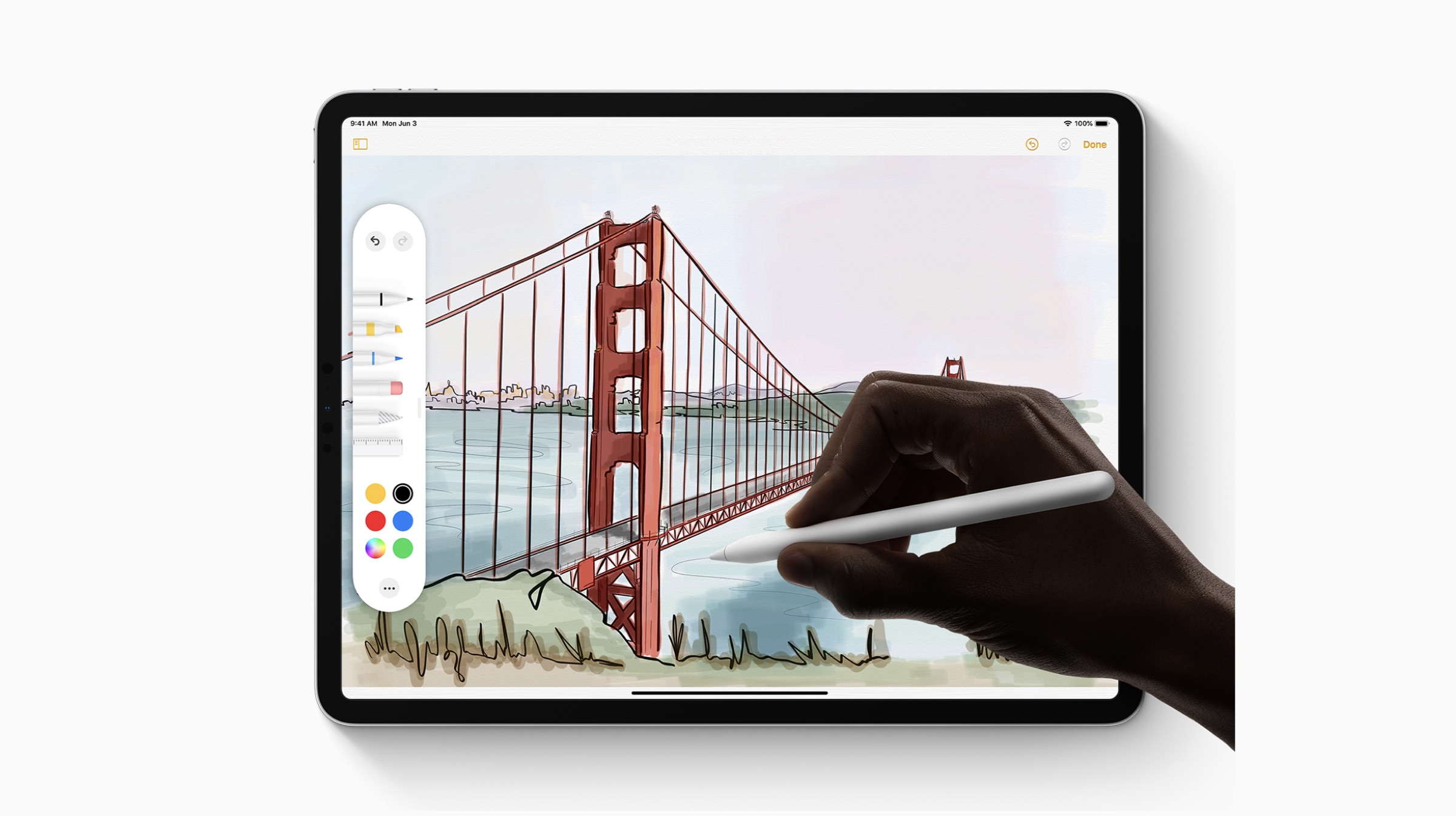
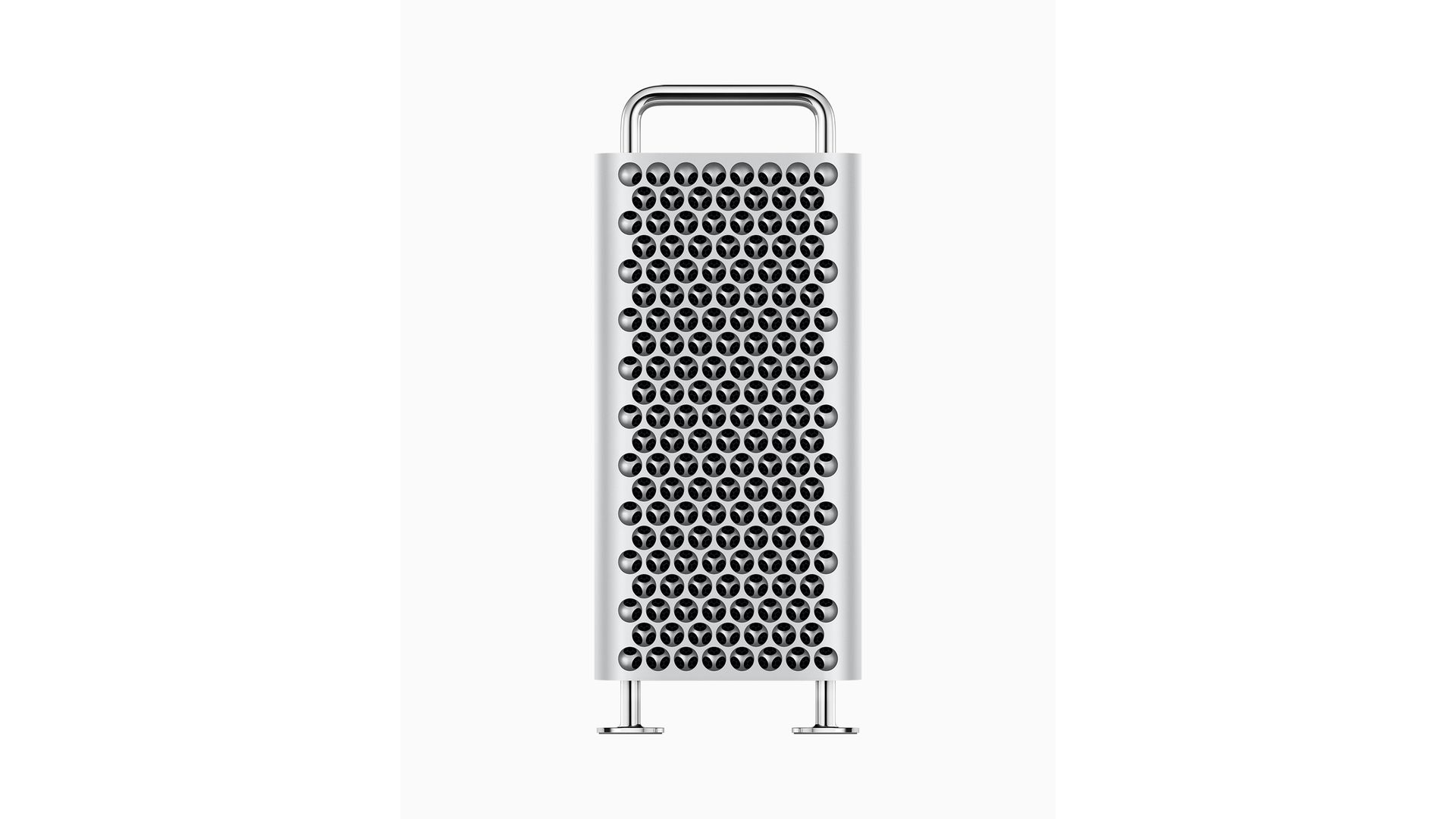
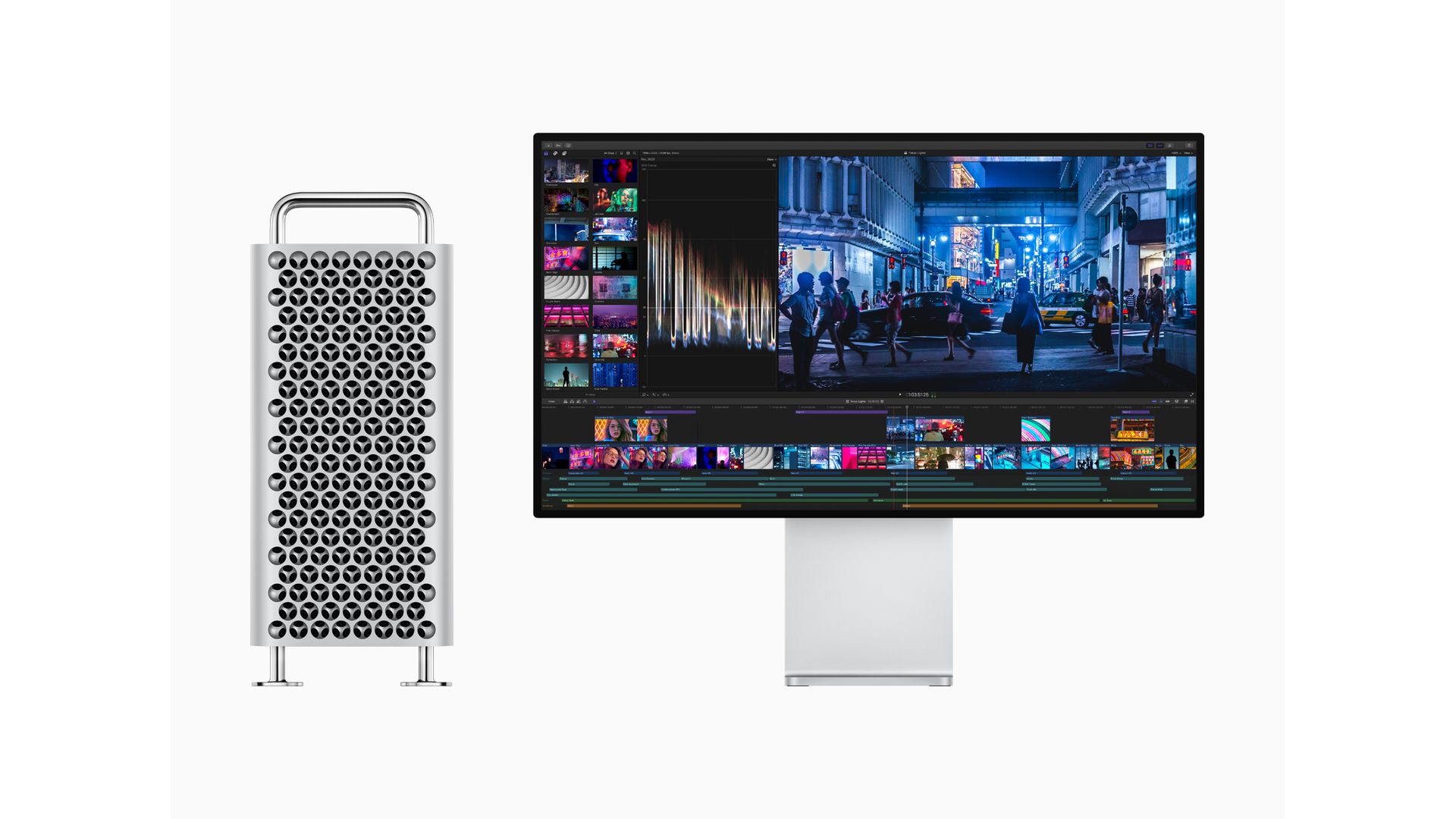 The Apple Mac Pro runs on the 28 core Intel Xeon processor with 300W of power and state-of-the-art cooling. Apple claims that the cooling system will enable the system to run at maximum power and efficiency. In terms of memory, the Mac Pro supports up to 1.5TB of RAM, which is staggering at the least. Expansion can be done via six-channel memory across 12 DIMM (Dual In-Line Memory Module) slots.
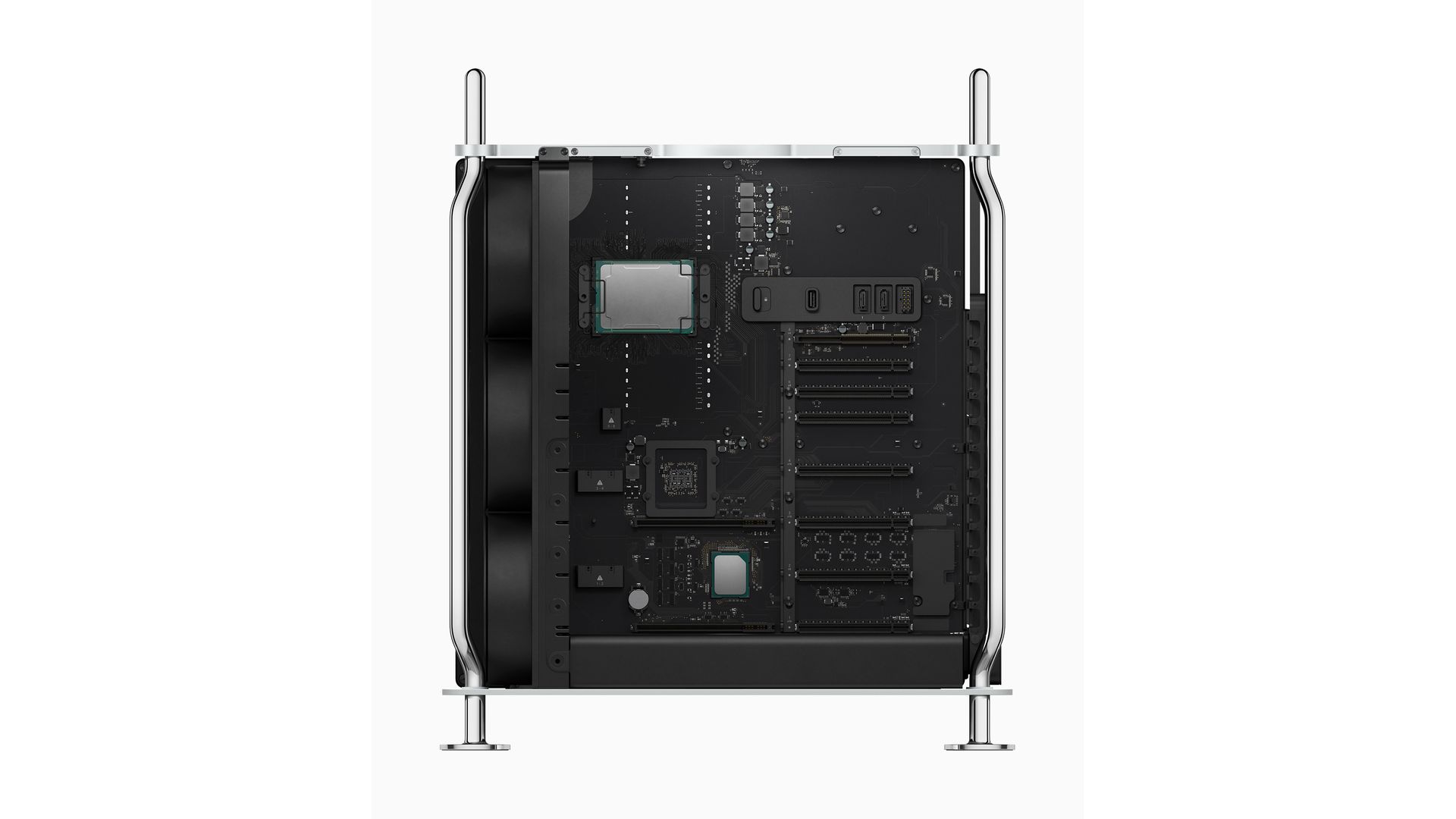 Another highlighting feature of the machine is the presence of eight PCI Express slots. Four out of those eight slots are double-wide, implying that they can house larger expansion cards. Regarding connectivity, the Mac Pro sports 2 USB-C/Thunderbolt 3 ports and two USB-A ports that are present on the front of the case.
 Additionally, Apple also launched the MPX module, which is a custom expansion module. In order to provide the components with more power and connectivity speeds, the MPX utilizes the dedicated Thunderbolt 3 module embedded in the motherboard. It can accommodate two graphics cards and sports a custom Thunderbolt connector to plug into the backbone of the motherboard. It also has its own dedicated heat sink for effective heat management.
 In terms of graphics, the MPX module can be kitted with AMD’s Radeon Pro Vega 2 or Radeon Pro Vega 2 Duo cards. This will consequently add a total of 4 GPU chips to the Mac Pro, summing up to around 128GB of High Bandwidth Memory graphics. Alongside the MBX module, Apple will also sell an I/O module that will equip the Mac Pro with two more Thunderbolt 3 ports and two USB-A ports, in addition to the 3.5mm headphone jack. A special feature of the I/O module is the “Afterburner”, which is a dedicated video card for graphics and editing. It uses the FPGA (
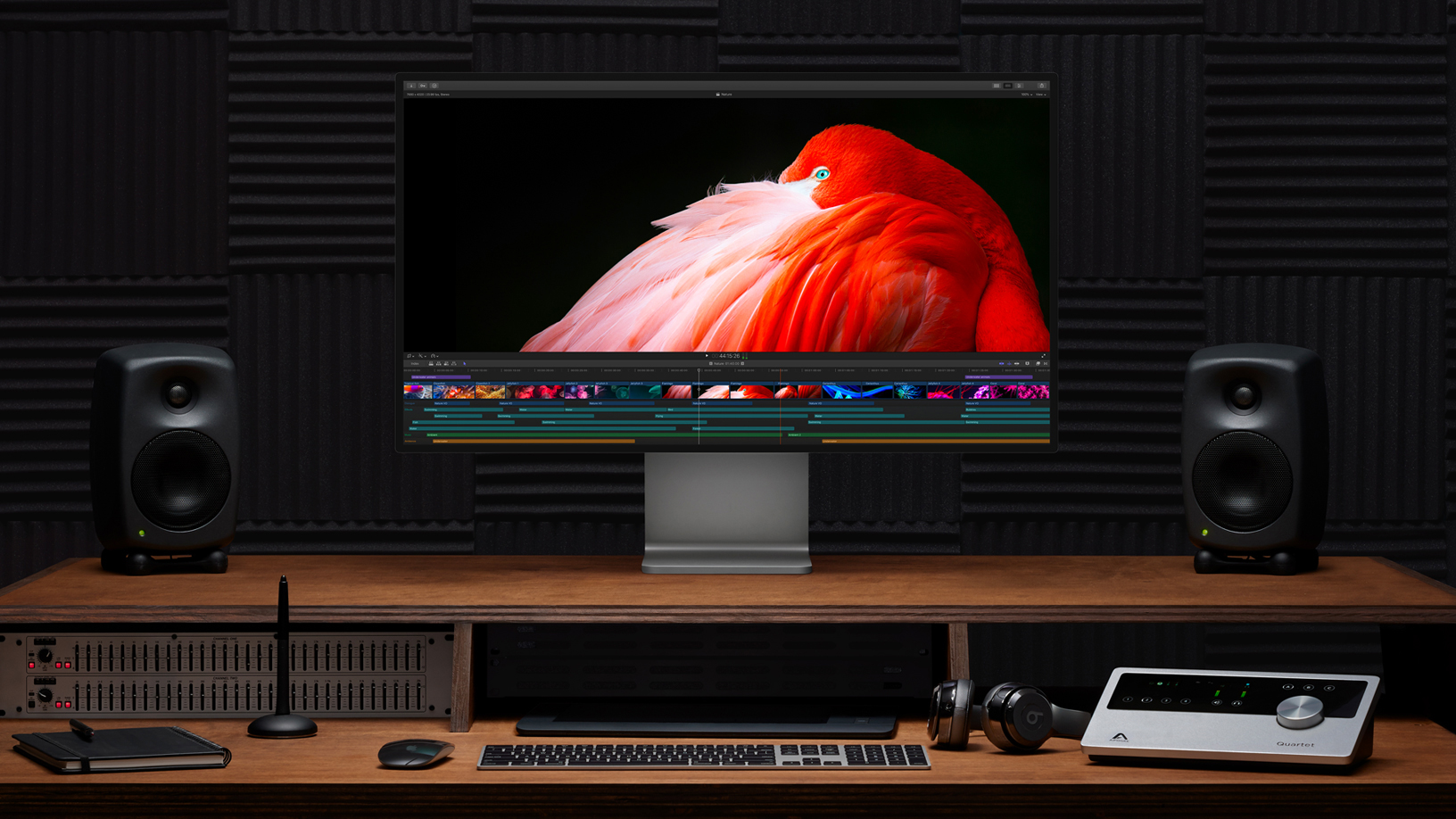
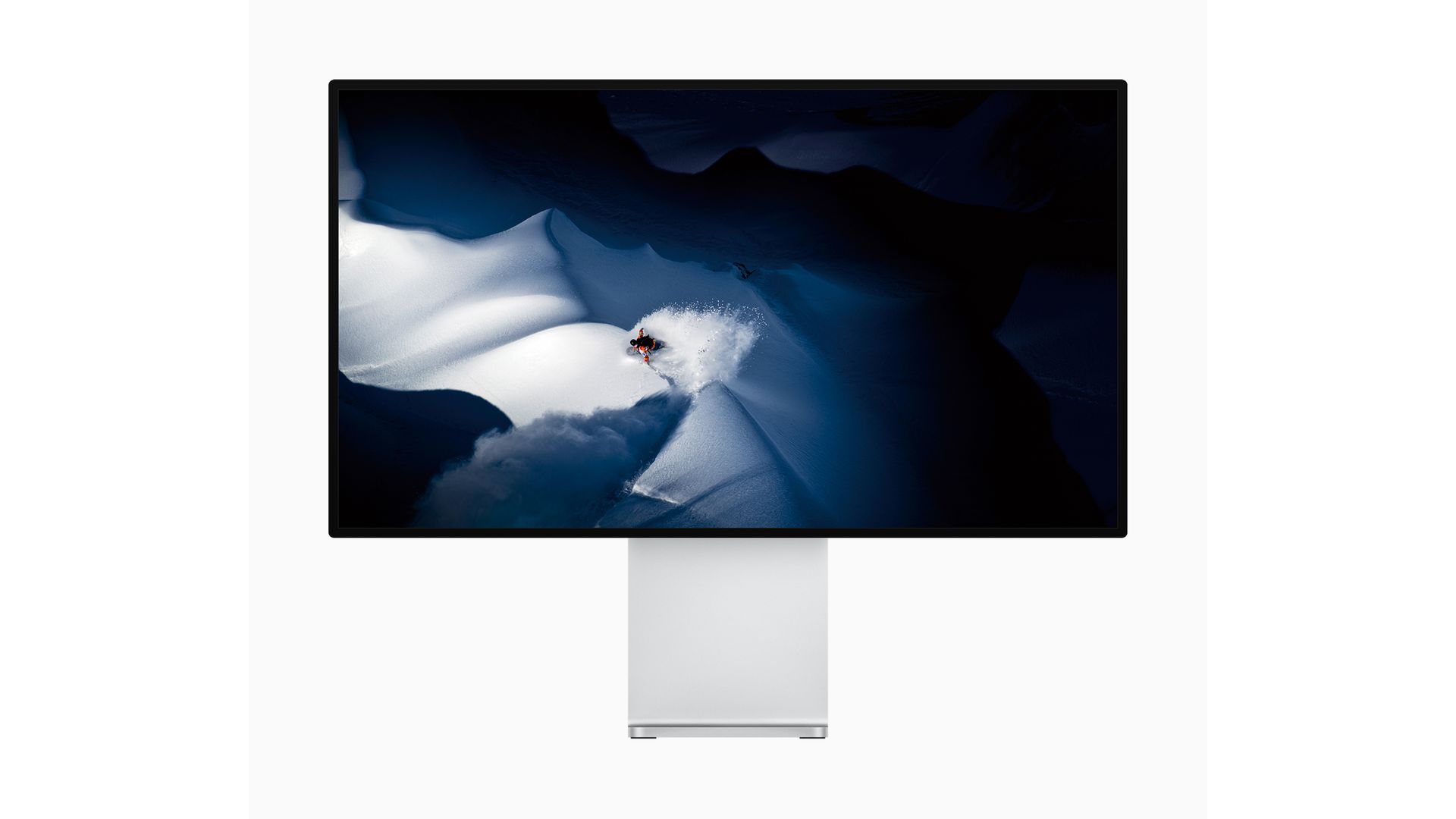
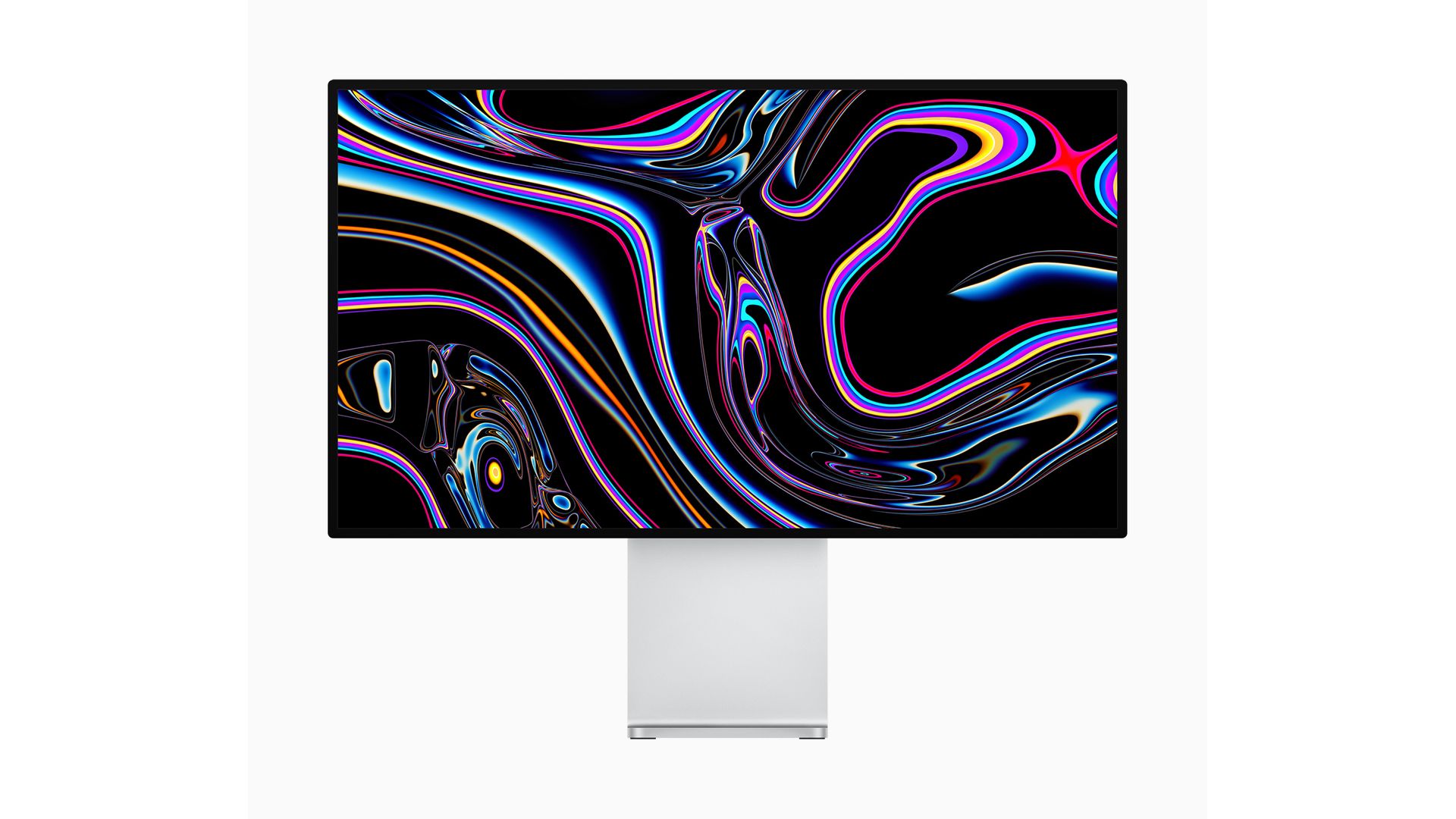 The company also unveiled a 6K monitor at the WWDC, which is named the Pro Display XDR. The 32-inch LCD display has a 6016 x 3384 px Retina HD screen. The monitor has ultra narrow 9mm bezels. The XDR stands for Extreme Dynamic Range. The display supports Apple’s True Tone automatic colour adjustment for ambient lighting.
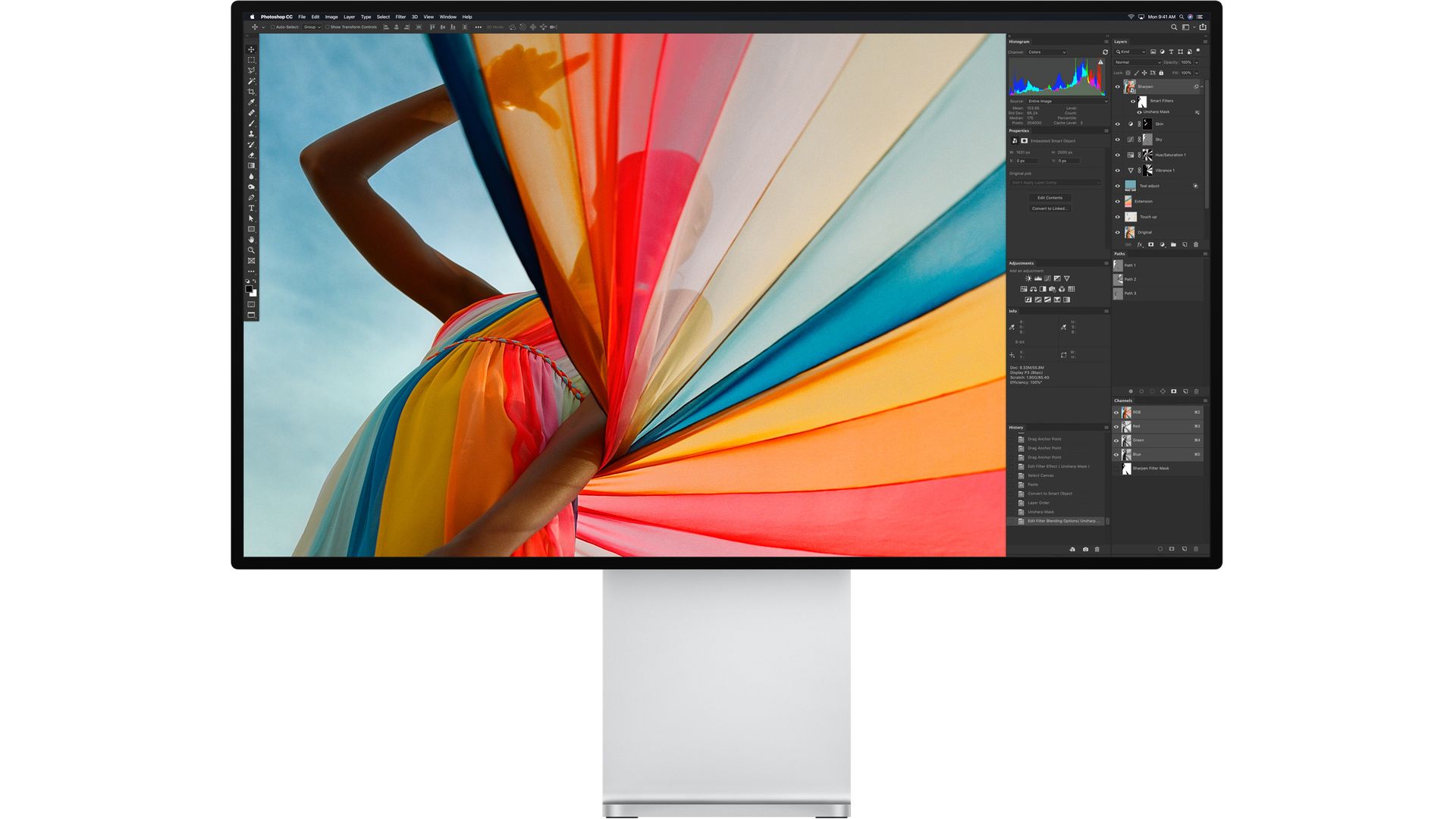 The display is 40 percent larger than the 5K display present in the iMac. It has a matte variant called Nanotexture and features an anti-reflective coating. The back of the monitor has a similar design to the Mac Pro, which acts as a heatsink. Apple claims that the screen can hit brightness levels of 1600 nits which will assist during the editing of HDR content. It connects to the Mac Pro via a Thunderbolt 3 cable. Moreover, the Pro Stand included with the monitor is extremely modular and functional. The display can be rotated into vertical mode using the Pro Stand.