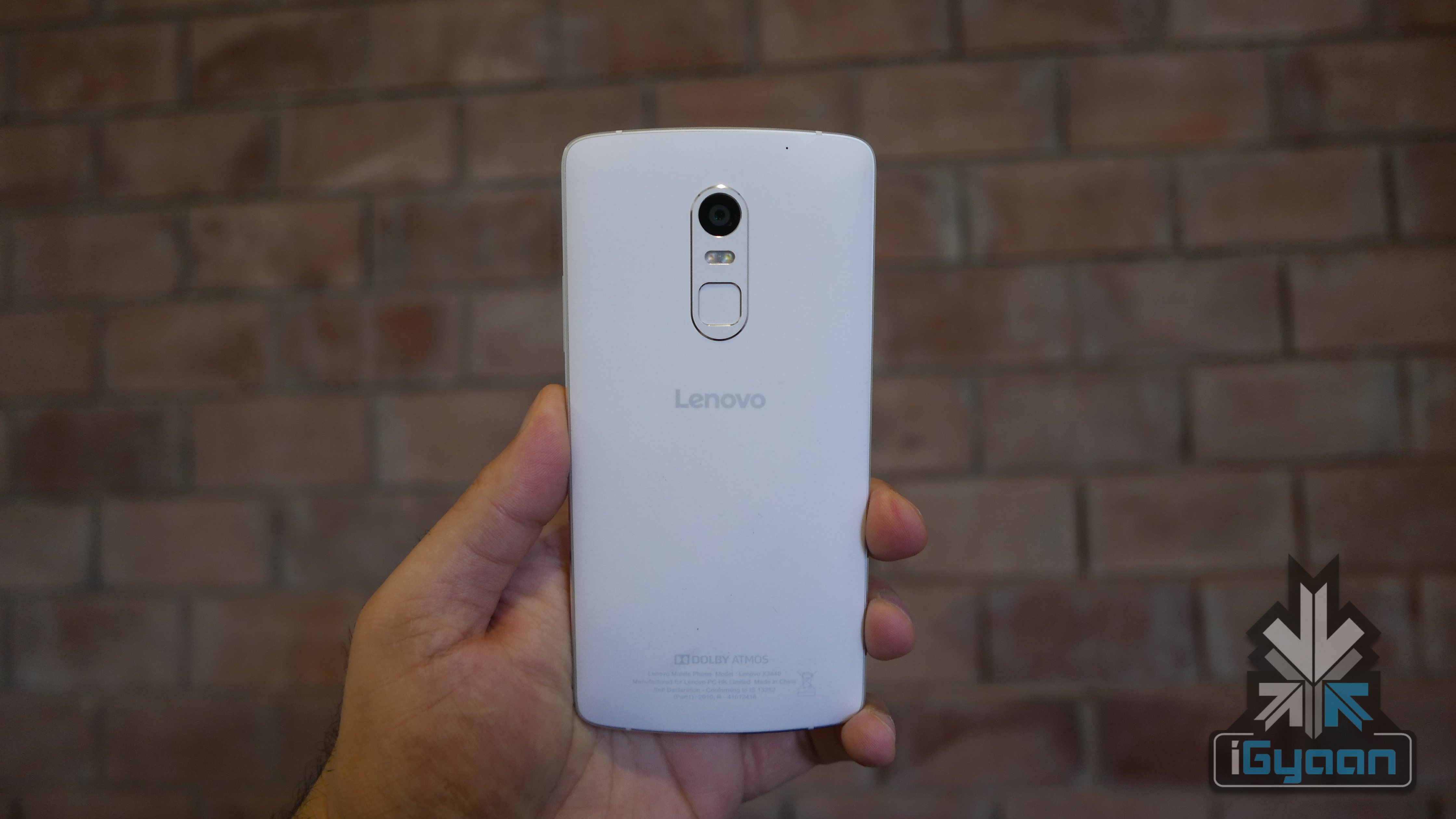
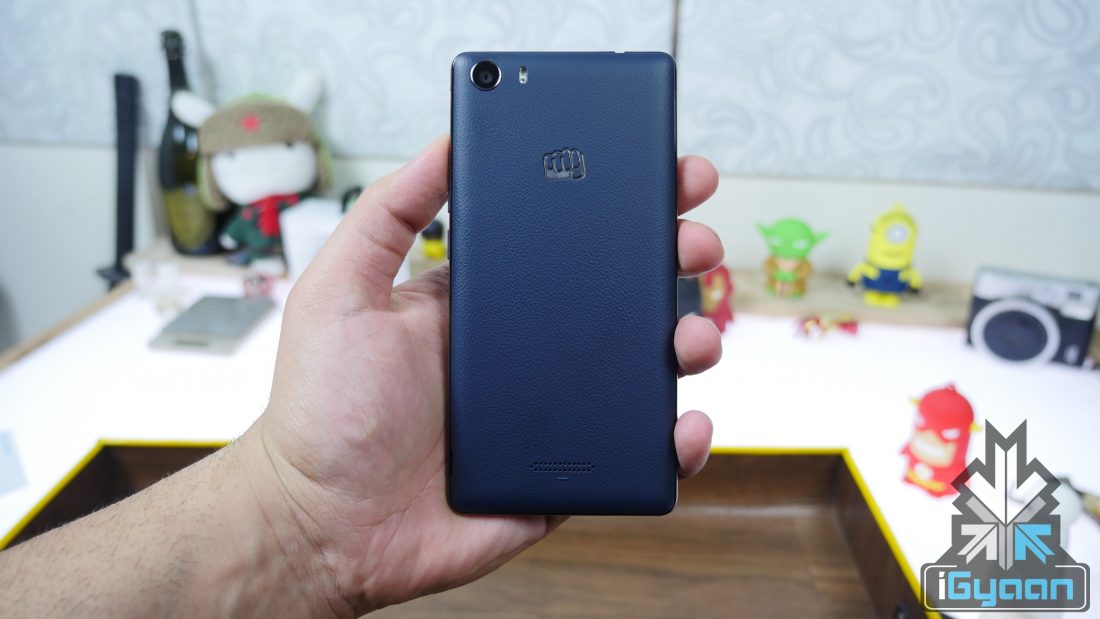
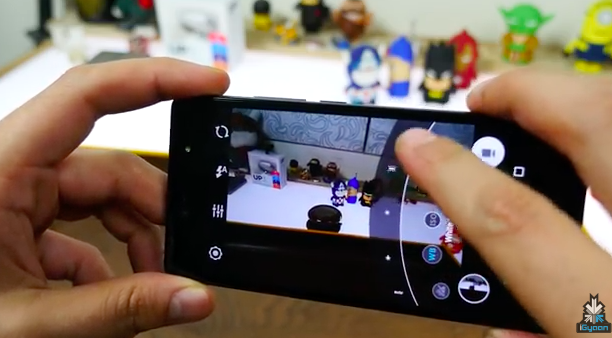
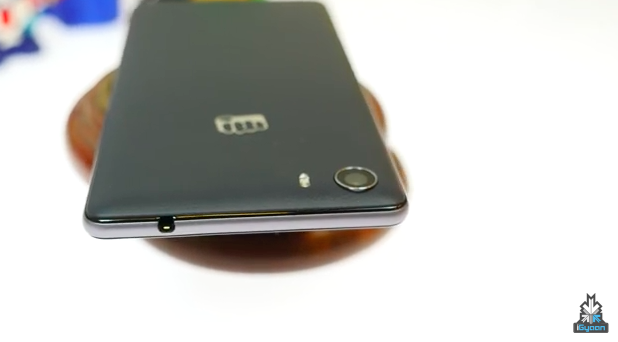
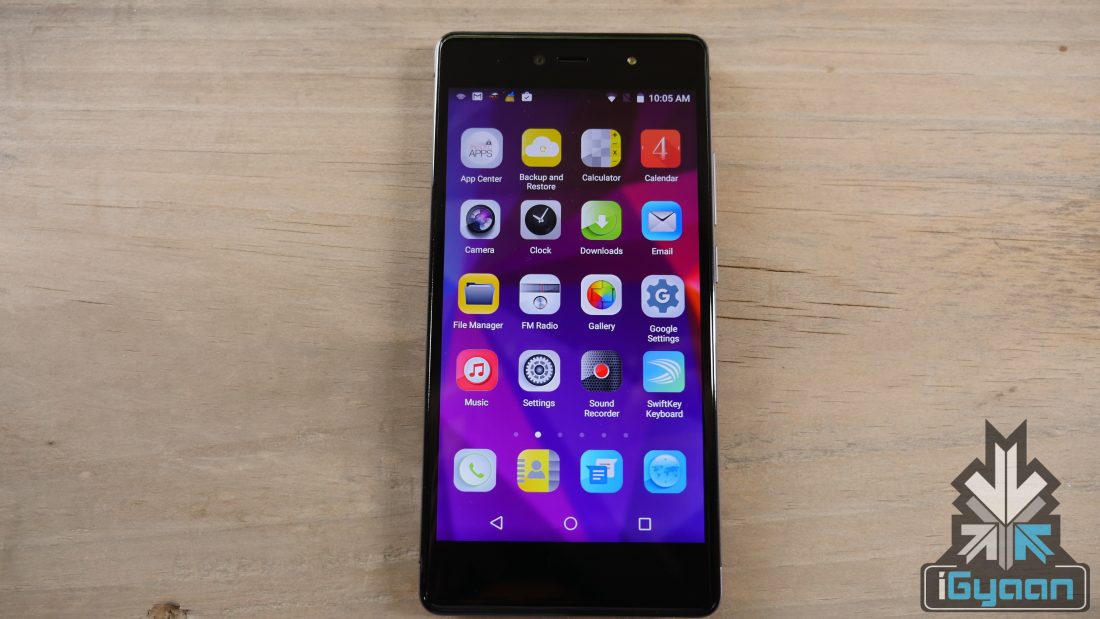
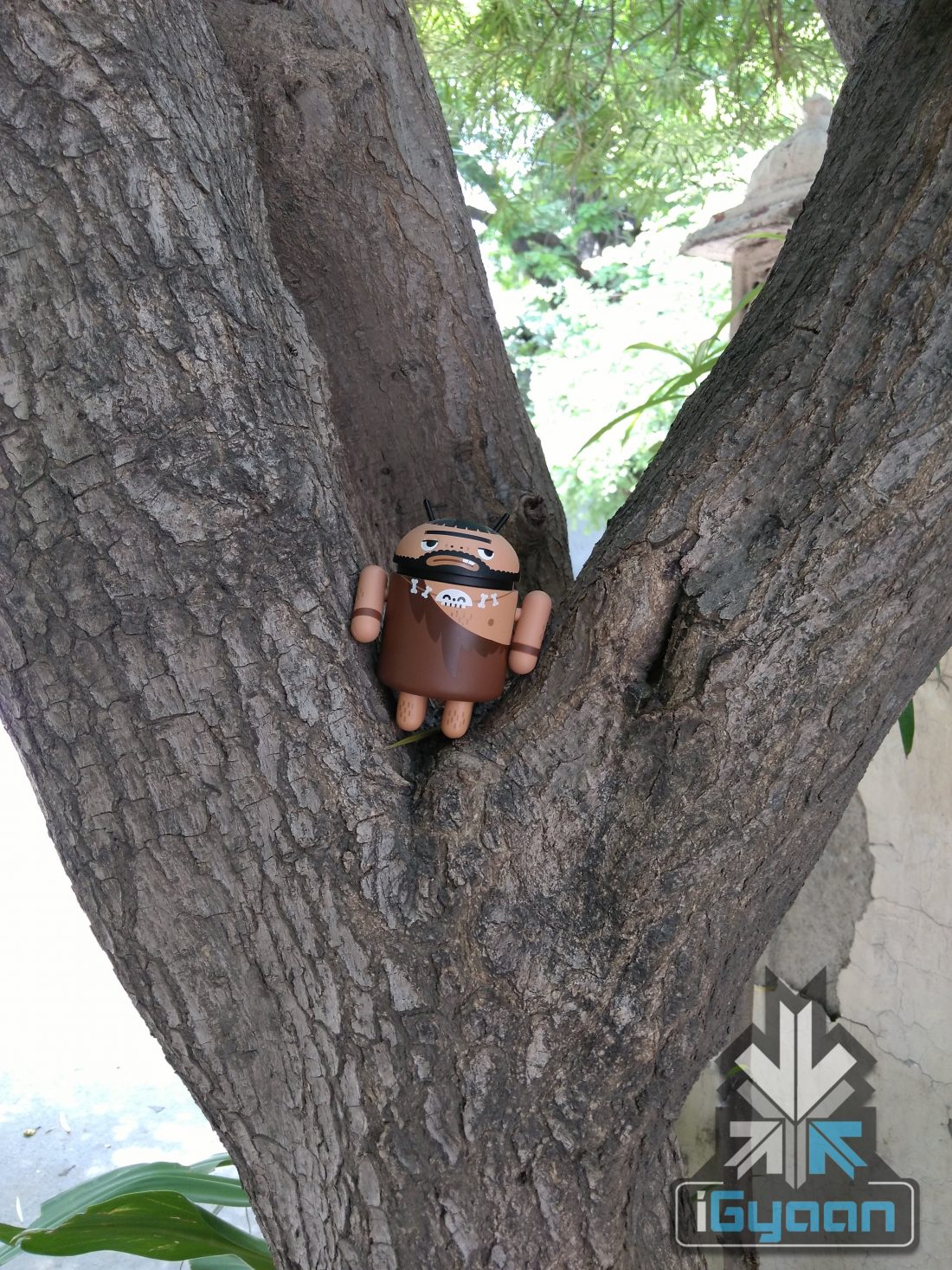
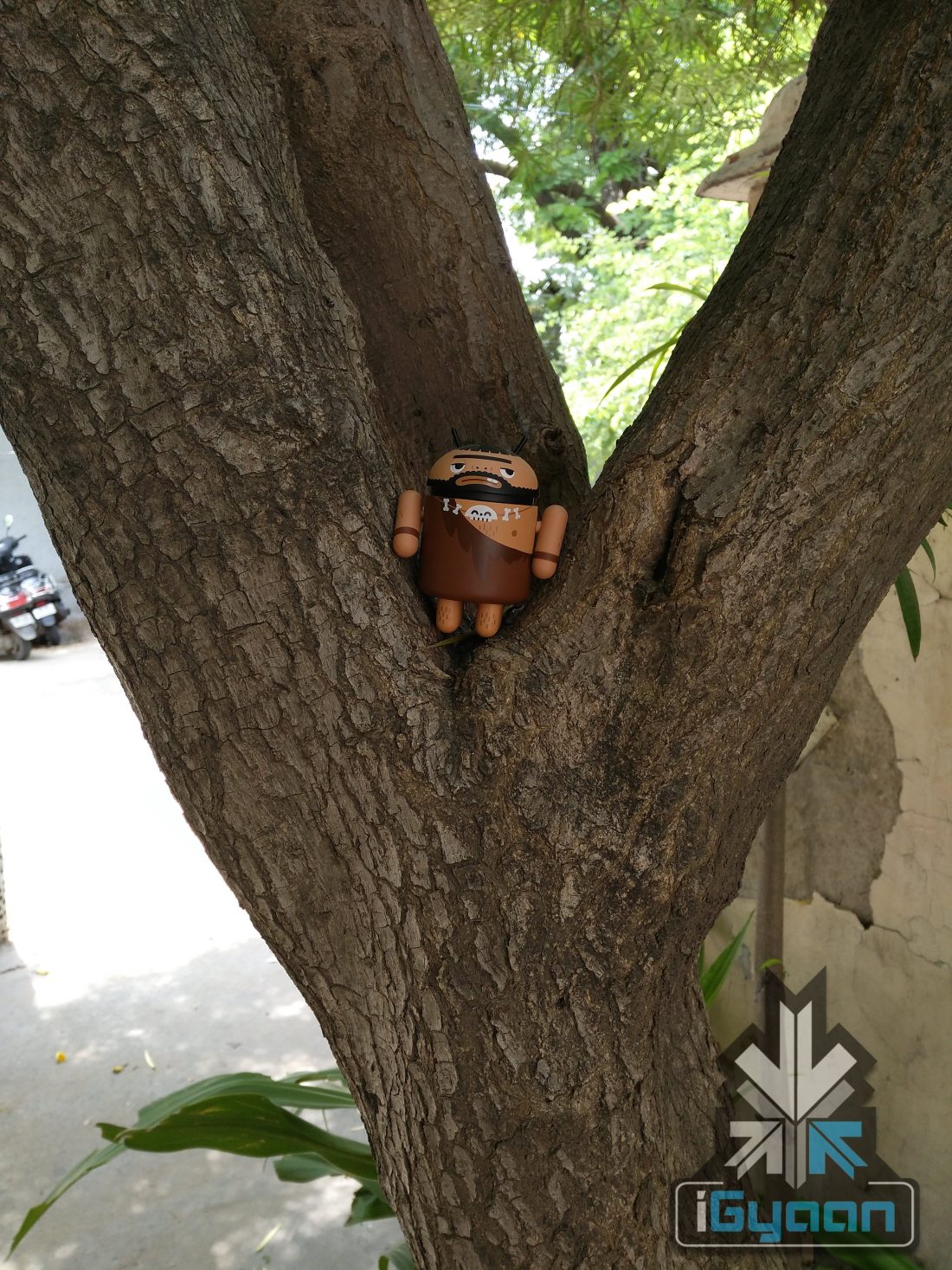
Launched at a price of Rs. 10999, the Honor 9 Lite is hands down one of the best smartphones you can buy at this price. It is also the only smartphone in this price range to have four cameras, two on the front and two on the back. While we review plenty of smartphones at iGyaan, we decided to put the Honor 9 Lite through its paces. We really wanted to see how good the cameras are on this phone!
Shot On Honor 9 Lite
So, we decided to let a professional photographer review the camera performance of the device. And here are the results.
Honor 9 Lite Overview
It has a 5.65-inch IPS LCD display with a 2160 x 1080 px resolution which translates into an 18:9 aspect ratio.
The display of the smartphone is reminiscent of the Honor 7X with thin bezels and an 18:9 aspect ratio. The Honor branding is housed in the bottom bezel just like the 7X while the fingerprint sensor is comfortably placed on the back of the device. The glass back of the smartphone is extremely reflective and will be a fingerprint magnet.
So, either keep a microfibre cloth handy with you all the time or use a case or a skin to protect it from little smudges and dings. The device is smaller than the Honor 7X thanks to a slightly smaller display as well and it is comfortable to hold and use the device with one hand.
Under the hood, similar to the Honor 7X, the Honor 9 Lite has the HiSilicon Kirin 659 chipset, an octa-core processor, the Mali-T830 MP2 GPU, 3GB or 4GB of RAM and storage options of 32GB and 64GB. It is worth noting that the onboard storage will be expandable up to 256GB via a microSD card. The fingerprint sensor is placed at the back and the bottom bezel on the front houses the Honor branding.
Powering the device is a 3000 mAh battery which also supports the Super Charge technology.
The Honor 9 Lite has four cameras. To the front and back, it has a 13MP + 2MP setup and both the setups record 1080P videos at 30fps.
With the Honor 7X garnering great reviews for price-to-performance ratio, the Honor 9 Lite has taken it up a notch with its competitive pricing in the India market. It has a modern design, a very capable chipset and dual cameras on the front and back.
The Motorola Moto X4 comes to India for a price of Rs 20999 for the 3GB RAM variant and Rs 22999 for the 4GB RAM variant , after an unexpectedly long wait. Is the new Moto X series phone the right sequel to the popular Moto X Play and Moto X Style?
[section label=”Build Quality and Design”]
Build Quality and Design
The design of the Moto X4 is pretty impressive, with a glass front and 3D curved glass back, the phone has a rigid aluminium frame and is protected by Gorilla Glass 3 with Native Damage Resistance. The Moto X4 is also IP68 water resistant, making it a really interesting proposition in the present price bracket.
The matte-finish frame feels excellent in the hand and the curved back fits comfortably in your palm. The cameras are placed in the notorious Moto round camera bump, however is well protected by a metal lip around the glass. The phone is offered up in two colors the Super Black and the Sterling Blue, both are interesting shades of their respective base colors and make the device look premium. Motorola has also placed all markings on the bottom of the phone next to the USB – C connector, making the device look clean.
The displays do have a top and lower bezel, but they are put to use with the large forward fitting speaker and front flash, along with the Fingerprint sensor which sits below the screen.
[section label=”Unboxing Video “]
Watch our unboxing video here-
[section label=”Hardware”]
Hardware
The Moto X4 has a 5.2 inch screen and while Motorola has used OLED displays in their phones frequently, the Moto X4 continues to use a 1920 x 1080 px LTPS IPS LCD display. Inside the Moto X4 has the Snapdragon 630 chipset with the Adreno 508 GPU. The 2.2 GHz oct core chipset manages to deliver impressive daily performance. Options of 3 / 4 GB of RAM and 32/ 64 GB of Storage (respectively) along with a 3000 mAh battery with Moto TurboPower charging.
The chipset does have FM radio capabilities and DUAL SIM support along with VoLTE for Indian networks.
The forward firing speaker is loud and clear, we would have liked the dual stereo speakers Moto has used in the past, but this single one works well. The dimply is vibrant and bright with excellent color accuracy and viewing angles. The display is easily readable indoors and out and offers a 10 point multi touch just as most smartphones nowadays.
Consumption of content will be a plenty with the loud speaker and good looking display the responsiveness of the device also enhances the multimedia experience. A few customisations for the display are available, a color mode and adaptive brightness come standard. Also standard is a display size modifier to allow for larger or smaller fits and icons.
The sound output from the 3.5mm jack and the included earphones are impressive, adding a pair of high quality headphones will also offer better results.
[section label=”Performance and Gaming”]
Performance and Gaming
The Qualcomm Snapdragon 630 chipset ( mid-high range chipset) works well on the Moto X4, paired up with the 4 GB RAM variant that we tested the phone offers impressive perforce for gaming and day to day usage. Multi tasking and peak task management along with RAM management is good with the stock Android and despite using the phone for over 4 weeks we found no slow down from the UI.
Games run well, including graphic intensive games manage to run at full graphics with impressive frame rates and no lag from the gaming experience. The forward firing speaker also helps the gaming experience, and whether you play arcade or intense games, the experience is pretty satisfactory.
[section label=”Android and Moto Experience”]
Android and Moto Experience
The Moto X4 runs a pure Android 7.1 ROM, with minor customisations from MOTO and a custom Camera APP. The user experience is lag free and pretty much as good as a pixel device. The Moto app has some interesting additions including the Moto Key which almost ever user for Moto X4 will learn to love. Much like Touch ID and Face ID the Moto Key on the Moto X4 will allow users to store passwords and sensitive information on the secure part of the Snapdragon 630 chip encrypted with the users fingerprints. This also will allow access into a windows computer, acting as a portable fingerprint reader for your laptop or desktop. The app available to download for Windows allows several more customisations.
The single button navigation also opens up more display real-estate and its gesture based experience is truly something that one can get used to .
The Moto X4 will be updated to Android Oreo soon claims the company, this will also enable Bluetooth 5.0 which is an OS dependant update, and the phone presently offers Bluetooth 4.1. But you do get the muti speaker connectivity because Bluetooth 5.0 hardware exists in the device, You can pair upto 4 different bluetooth speakers sync them up and have your own little party.
[section label=”Cameras”]
Cameras
The Moto X4 is made up of dual cameras at the rear, with one 12 MP sensor with an f/2.0 aperture and Dual Pixel AF while the other an 8 MP wide lens camera with an f/2.2 aperture.A huge improvement in the dual camera experience of the Moto X4 from previous Moto devices. With one Wide sensor the camera is able to do a lot more in the same space.
Wide Angle
Normal Shot
Wide Angle
Normal Shot
The HDR on the camera is really impressive offering up good levels of contrast on both the highs and mids. The dynamic range is pretty flexible and can be left in automatic for some interesting image results from the camera.
HDR On
HDR Off
The depth mode is a lot more accurate and fine tuned as well. Selecting out elements from the depth shot and editing them on the in built app allows for background replacement/blur or monochrome effects which can reproduce a lifelike shot.
Spot Colour (Red)
Normal Shot
Video capture from the phone with a resolution of 4k at 30 fps is good as well, we do miss stabilisation on the video capture which makes video caught by shaky hands, well “shaky!”
Both in video and images you get precise color saturation and sharp images, also assisted with the dual AF offered by the 12 MP primary camera. Additionally the manual mode assists in delivering more precise controls for the Photo Nerds in us.
[section label=”Phone and Battery”]
Phone and Battery
With support for all Indian networks on the 660 chipsets modem, and a robust Antenna on the Moto X4 call performance was top notch, with no call drops in weak network areas. The use of a three mic setup improves noise cancellation on the other end of the call and the earpiece is nice and loud. It is worth noting that the included headset also works with the noise cancellation microphones, and the earphones offer a full and impressive sound stage for music and voice calls.
Battery life will range from 4 hours of screen on time to 11 hours of screen on time depending on what your usage patterns look like. On an average the phone lasts a full day and then some, but in scenarios where you may need extra battery the TurboPower charger can juice you up for a good 5-7 hours of usage in about 15 minutes.
[section label=”Conclusion”]
Conclusion
Despite pretty big top and bottom bezels, the Motorola Moto X4 has a premium design and robust build quality a rigid frame and most importantly is the only phone in this price range with IP68 water proofing. The dual cameras are a lot more refined and offer up some interesting picture and video capabilities. Call quality and battery life on the Moto X4 delivers its due and the phone offers up a full experience. The phone is also kept in an interesting price bracket which leaves a good wiggle room for other brands whose flagship chipset based phones are 5-8 thousand in the north.
For the price and for IP68 alone the Moto X4 may just be the right phone in this price bracket, and with a lack of serious competition in this price range, Motorola may just reap the benefits of their pricing strategy. We would have liked to see a larger battery, an OLED display and stereo speakers. But the current arrangement is good at the price and we don’t really have that much to complain about.
In the market for a phone for Around Rs. 20000? give serious thought to the Moto X4.
Lenovo P2 as a smartphone offers an interesting mix of hardware and features, focusing more on the massive 5100 mAh battery which offers an impressive battery life on the phone which is just 8.3 mm in thickness. But, do the rest of the features match up with the price of the smartphone? And, is the Lenovo P2 worth your money? Let’s find out!
[section label=”Video Review”]
[section label=”Build And Design”]
Build and Design
The Lenovo P2 has a well built and solid, scratch resistant unibody aluminium design which should look good for long periods of time, if you don’t manage to ding and drop your phone a lot. The shell is well built and looks premium. The dual chamfers, one on the front and one on the back along with chrome accents around the camera, led flash and buttons makes the phone look clean and well made. The manufacturing of the phone is in India. So, Make in India for the win.
Design is very reminiscent with the phones we have seen in the past, with placements of the camera and led flash much like vibe phones seen recently, especially the K6 Note. If you liked the design on those phones, then the P2 does offer up improvements.
[section label=”Hardware”]
Hardware
The hardware is not top notch, with the Snapdragon 625 chipset based on 14nm tech offering octa-core at 2.0 GHz and an Adreno 506 GPU (similar to the Redmi Note 4) the Lenovo P2, is available in 3 GB or 4GB RAM options with 32 GB or 64 GB of Storage. You can add an upto 256 GB card but you lose the 2nd SIM slot on the hybrid tray (boo). The main camera is 13 MP with an f/2.0 aperture and the front camera is a 5MP shooter and the phone is powered by a massive 5100 mAh battery.
[section label=”Performance”]
Performance
The phone features a less powerful 625 chipset, so do not expect this to be a performance monster. The Lenovo P2 scores mediocre benchmark scores, and does decent multitasking Gaming experience is good , but no the best. The phone manages RAM well and despite a stock Android feel, some optimisations in the UI allow for smooth multitasking and everyday use, despite several weeks of usage.
The phone manages heat really well and we did not find the phone heating up extensively even when handling heavy tasks and high end graphics.
[section label=”Multimedia and Display”]
Multimedia and Display
The Super AMOLED display is a perfect example of technology trickling down to mid range phones. Super AMOLED, which is traditionally restricted to Samsung flagships, is now being used by Lenovo on their P2, giving it exceptional viewing angles and good depth of colour and brightness. The indoor and outdoor visibility is good and Black-levels are deep. The display does over-saturate the colours, a problem with most Super-AMOLEDs, however colour profile options allow for some basic changes. Switching to the Normal display mode in the settings shows some natural colours which definitely are flatter to the eye.
The viewing angles and colour quality of the display make watching videos and movies on the phone a great experience. You also have a decent speaker, but the included earphones are poor. Buy yourself a good pair of headphones (/earphones) to enjoy the good multimedia output from the headphone jack.
The P2 does not have Dolby support, and possibly the only phone in Lenovo’s arsenal to miss this out, Strange!
[section label=”Operating System”]
OS and UI
The Lenovo P2 runs on Android 6.0.1 out of the box, with a promised upgrade to Nougat in Late March 2017, which is a bit of a let down. You can expect to start hearing news of Android 8 around that time. However, it is good that the company has given a clear timeline of the updates.
The UI is fast and responsive and thanks to the RAM management stays that way for a long time. The UI is also close to stock much like their Moto phones, and the experience does feel much more like a Moto phone. Little bloatware is preloaded which can easily be uninstalled for those who do not need the unwanted Apps.
The Ui also has some interesting features, like using the Home button/fingerprint scanner for navigation and hiding the Nav-bar for a fuller-screen experience. You also have the ability to have two instances of apps like WhatsApp and Facebook installed so you do not have to log-out of apps and then log-in again. Helpful for those managing both personal and work social profiles.
[section label=”Battery”]
Battery Life and Charging
The Lenovo P2 lives up to expectations of a long battery life. Mixed with a 14nm architecture and a massive battery of 5100 mAh, the Lenovo P2 is a battery king. Expect 2 days of use for most advanced users and longer for average users. The ultimate power mode converts the Smartphone into a feature phone extending the battery life for weeks on an end.
[blockquote]The Lenovo P2 may be a truer battery and charging king [/blockquote]
The included fast charger is speeds up to the point where it delivers an impressive 12V 2A charge making the phone charge to a full in around 1.5 hours. When compared to Dash Charge, the Lenovo P2 may stay back in percentages, i.e achieving 40% vs 60% on the OnePlus 3 in the same time.
However, in real life numbers, it charges 2040 mAh of battery in the same time the Dash Charge charges 1800mAh and that too on a micro USB port. Lenovo has some interesting battery capability here.
Talk Time : 14 Hours
Screen On Time : 20 Hours +
Internet Browsing : 15 Hours +
Video : 10 Hours +
With the battery life, and optimisations, the Lenovo P2 becomes an impressive companion for travellers and media consumption junkies.
Netflix-athon anyone?
[section label=”Camera”]
Cameras
The Lenovo P2 has a 13 MP main camera which has a 21mm f/2.0 aperture equipped lens. Offering an impressive field of view and good depth of field. HDR works well and images look good in well-lit conditions. The phone also manages decent low light images, but you will find yourself using the flash a lot to get good pictures, if lighting is not adequate.
Colors can turn out flat, and images look definitely better on the Super-AMOLED display of the Lenovo P2 than they do on a LCD or LED panel at your home. The main camera also captures 4k video at 30fps, which allows you to get some high resolution video with a chipset that most manufacturers have restricted to Full HD. You also get electronic IS for video which is good for shaky hands, though, you lose some resolution and field of view once you enable this feature.
The front camera is good only is proper lighting, otherwise shots are over processed and noisy. For selfie-lovers the beauty mode cleans up most post processing needs. However, we found turning this off worked better for more natural and sharper looking images. Video on the front is restricted to 1080p and will come in handy for basic usage.
[section label=”Conclusion”]
Conclusion
The Lenovo P2 is designed for those who either travel a lot or forget charging their phone often. Features like a super fast charge, ora long battery life is a boon to a lot of people who work long hours too. Performance is good for most users but the phone is not designed for hardcore gaming enthusiasts and performance junkies.
The Lenovo P2 has a fast UI and some interesting features that can come in handy for new business owners like the dual apps and dual profiles on some social apps. The phone has excellent network strength, and works well with 4G and VoLTE. The hybrid SIM slot is a no-no for us but the option of buying the phone with a big storage of 64GB is an option. An option however, that is not currently on sale.
Another option to consider is that the Lenovo Z2 Plus which features a Snapdragon 820 chipset is now available for as low as Rs. 14999 which supersedes the value of the Lenovo P2 as a better price for spec ratio phone. Making the smartphone space more complicated than ever before.
Samsung Gear IconX is the first wireless set of earphones, offering true cord free experience from a big company. But, are they really worth the big price tag, or should you consider something more affordable.
[section label=”Design”]
Design and Build
The Gear IconX is built really well, with a good quality outer casing. The earphones offer up splash and dust resistant P2i Nano coating despite having a fairly wide feature set. They should withstand your sweat incase you decide to use these for your active life or sports.
The included wing tips and in ear plugs come in a total of 4 different sizes for a perfect fit and are extremely easy to switch.
The carry case also has a rubberized coating on the outside and is built to survive several drops, and it does not pop open incase you do drop it.
[section label=”Hardware”]
Hardware
The Samsung Gear IconX comes with 4GB of inbuilt storage, which can come in handy if you decide to get some music without your phone. Connectivity with your smartphone is via Bluetooth 4.1 (BLE). The Gear IconX also track your fitness via the inbuilt HR sensor and an Accelerometer. The capacitive touch input on both earphones allow for handling and navigating through your music handling calls and listening to the contextual menus.
The Gear IconX come with 2 microphones per earbud, for noise cancellation and audio for phone calls. The Frequency Range is 20~20 kHz, with a Speaker Sensitivity of 89.5 dB ± 3 dB / 1mW and a Speaker Impedance: 16 ohm.
Each earbud has a inbuilt 47 mAh while the outer carrying case has a 315 mAh.
[section label=”Audio Performance”]
Performance and Audio
When you setup your Gear IconX with your phone, the audio is usually set to 50% which is optimised to get you a good battery life.
Audio performance is excellent, while music volumes can be extremely high. Low range and Mids are handled extremely well and audio profiles can be customised using the Gear app on your Android phone.
You can also use a single earbud as a regular bluetooth earpiece incase you like to keep it old school and answer your calls like that.
If you go for your run or go about your fitness routine without your phone, the earphones will still track your health info and heartbeat and then sync up with your phone later.
As wireless earphones they have excellent range and sound and thanks to the snug fit the outside noise is easily cut. The ability to long press and listen to ambient sound means you don’t need to constantly pull the earphones out of your ear.
[section label=”Battery Life”]
Battery Life
The biggest downfall of the Gear IconX has to be the battery life, if you increase the volume from the default while connected to your phone, you will need to charge the IconX every 60-75 minutes. Which if you are used to listening to music for long periods is a definite negative.
The carry case will charge both your earbuds a total of three extra times. However, if you leave your earphones in the case they will be charged constantly basically draining the battery of the earphones and the case as well. Which means leaving your earphones overnight will kill them, making them impossible to travel with.
[section label=”Conclusion”]
Conclusion
The Samsung Gear IconX is the best direction towards a truly wireless music experience, and seems like a better setup than what is expected from the Apple AirPods. However with a 5 hour battery the AirPods have the definite advantage. The Gear IconX will work with iPhones and Windows Phones too if you have those, however, you will get basic bluetooth connectivity and not deep controls and customizations which can be had on Android phones via the Gear App.
The battery life however is a step backwards, and it seems that Samsung rushed into these too early without figuring out real usage scenarios. The poor batteries make it difficult to use these daily, or ever! The battery life is also unwarranted considering the heavy price tag on these.
This is the right approach, however, it’s pre-mature and the battery life is unacceptable, sound quality and volumes are great. The earphones are extremely light and fit well in your ear. The fitness features are also a great add-on.
Each year at around the same time Apple revises it’s iPhones, secrecy ensues prior to their launch. However, with the launch of the iPhone 7 and iPhone 7 Plus very little was left to imagination. Apple has solved some of the basic problems surrounding the iPhones in the past, while adding some new tricks. And, while the removal of the headphone jack seemed to be a problem during the launch, no one seems to be complaining now.
[section label=”Design”]
Design
Apple has made subtle changes to the design of the iPhone 7, for starters the edges are more rounded off and comfortable to hold. The antenna lines on the back of the phone have been moved out of sight, and if you get either the black or jet black colour the antenna lines are nearly invisible.
The addition of the Jet-black colour and the regular black colour has been appreciated by everyone. However, the black color due to it’s matte finish is extremely slippery and the jet-black iPhone is prone to scratches and damage. The slight change in the camera’s position and the size of the camera lens on the back is attractive to some, while ugly to others. Apple refuses to make the camera flush since the iPhone 6, and with the iPhone 7 it seems to have grown bigger and outward.
[section label=”Build Quality”]
Build Quality
Apple has made interesting changes to the phone to make the iPhone 7 water-resistant with an iP67 rating. The whole insides of the iPhone 7 are lined with a rubberized seal, including a nano coating on the electronics.
Although several tests have shown that the iPhone 7 has a far better water resistance than Samsung’s iP68 on their phones. The removal of the headphone jack and rubber lining of several of the iPhone’s ingress points (including a physical home button) has also made this possible. The Sim Card tray too, now, comes with a tiny rubber gasket.
The removal of a physical home button and the replacement with a touch glass surface, helps with the water resistance and also improves the life of the home button. While the back remains a solid aluminium shell, reinforced to avoid any bending issues, the front is speculated to be Gorilla Glass 5. The rear camera lens has a sapphire glass composite, which essentially has a layer of sapphire towards the outside.
[section label=”Unboxing Video”]
[section label=”Hardware”]
Hardware
Apple has upped the hardware on the iPhone 7 considerably. Starting with a much faster chipset A10 Fusion Quad Core CPU and Hexa Core GPU. The iPhone 7 gets 2 GB of RAM along with large storage options of 32 GB , 128 GB and 256 GB.
The iPhone 7 camera has been improved with a new lens structure, wider f1.8 aperture OIS and wide colour capture. The inbuilt audio gets an upgrade to stereo speakers, and digital out via lightning and the battery is now a larger 1960 mAh unit.
The home button has been replaced by a pressure sensitive glass panel, much like 3D touch, it senses the amount of force applied and vibrates to give feedback to your actions.
[section label=”Performance”]
Performance
The iPhone is a fantastic example that more RAM does not equal more performance. At a time where most major manufacturers are shifting towards 4GB and some manufacturers are shifting towards 6 GB RAM in their phones, the Apple iPhone 7 comes with just 2 GB of RAM. A big far cry from industry expectations and norms. The Apple iPhone 7 is extremely quick to respond to actions and UI commands.
Compute times are incredibly reduced and there is no lag between app launches and swiping between applications. The benchmark scores on the iPhone 7 surpass many Android flagships, and so does day to day performance. Expect excellent gaming graphics and top tier responsiveness from the iPhone 7. The performance surpasses that of even the iPad Pro which is considered a very solid performer. Antutu score of the iPhone 7 is consistently above 174000 which is much higher than even the Note 7.
[section label=”Display”]
Display
Adding a wide color gamut the iPhone 7’s display is able to output cinema standard colours.
Our biggest gripe, however, has to be the lack of a better resolution display, and with a 1334 × 750 px display on the iPhone 7 we are truly disappointed. The resolution is far more noticeable when you have used a 2K display, or even a 1080p display.
In 2015 Sony managed a 4K display into a smartphone. we expected at least a 1920 x 1080 px display in the new iPhone 7. This display is an LCD IPS display, not AMOLED as per expectations everyone had.
iPhone 7’s display has excellent viewing angles and is 25% more bright when compared to the iPhone 6s. The display still includes their 3D touch technology which allows you to initiate a contextual menu if you hard press on the screen. This is becoming more and more prominent and usable in iOS 10.
[section label=”Multimedia”]
Multimedia and Gaming
The multimedia experience is impressive on the iPhone 7, with the wide colour display watching videos is excellent. The stereo Speakers deliver more than 100 db of audio output which is the highest in this category. One of the speakers on the iPhone 7 is forward firing and that helps in watching those endless Vines or Facebook videos.
Gaming is excellent as has been with each iPhone, Games are optimized well to work on iOS and that is exactly the case with the iPhone 7. With a mix of high end gaming performance on the chipset along with good audio from the speakers and responsive feedback from the touchscreen, you will like the gaming experience a lot. The new six core GPU handles graphics with ease and delivers an extremely smooth gaming experience.
The removal of the 3.5 mm headphone jack will be a big impact for those with a good collection of analogue headphones, however, the improved battery life means that you will seldom need to charge your iPhone while listening to music. If you want to use analogue headphones using the included lightning to 3.5 mm adapter is the only resolve for now. Lightning headphones have already existed and a lot of companies will be releasing headphones with that capability in the coming months.
Audio though the lightning port can be pushed in high resolution and several streaming apps will support the output. Music is extremely well balanced and the volumes can be cranked yup high without loss to quality, which will be appreciated by serious audiophiles.
Apple wants you to go the bluetooth route, and we are not convinced. The included lightning EarPods sound pretty similar to previous variants, and still sound tinny are poor constructed and they simply do not stay in the ear. The removal of the 3.5 mm headphone jack seems pre-mature but also necessary if Apple is to be believed.
[section label=”Camera”]
Camera
The iPhone 7 gets an improved camera combination as well, with a 12 MP optical stabalization equipped main camera and a 7 MP front camera. The rear camera gets an ƒ/1.8 aperture, and an improved six-element lens, now that you can see the images on the screen the camera shoots with a wide color capture. The LED flash is also extremely bright with quad LED array for a more accurate flash colour, and it works really well, with a firing range of upto 10 feet. Assisting the low light performance the ƒ/1.8 aperture mixed with OIS lets you expose for a longer period and get a better image without any shake.
The camera shoots video upto 4k resolution, although a capacity of 128 GB or 256 GB is recommended for budding iPhone video enthusiasts as the video file sizes are massive. The video comes out impressive with the wide color capture.
You also get 120fps slow mo for 1080p video and 240fps slow-mo for 720p video. The camera and photos app in iOS 10 works well to display live images, and organise all your image collections making them easy to find. The new search options let you search by location, with friends and by time when they were clicked.
The front 7 MP camera gets good wide colour selfies for a more natural looking image. The retina flash feature is now brighter and allows for some light fill. The display is 25% brighter on iPhone 7, hence you get a brighter flash for selfies. The camera lens on the front camera is also wider than before so you can fill more people in your pictures.
[section label=”iOS 10″]
iOS 10 and iCloud
One of the biggest changes to hit iPhones this year has been iOS 10, and while iOS 10 is not limited to iPhone 7, the usability is far more improved. The menus and texts are easier to read and navigate. You also have more options in control centre, and finally iOS gets widgets. However, the new interface is far more optimised and smoother. Apps load quicker and multitasking is far more efficient. More 3D touch features are available, and at the least you can 3D touch on any app, even those which don’t support it to share the app with your friends via email or iMessage. iOS 10 also syncs WhatsApp and Skype like VOIP and IM services with deep linking so your contacts app allows you to initiate WhatsApp calls and Skype calls directly.
You also get the WhatsApp call history in your main call history. Moreover, now when you are on a WhatsApp call, and you get a regular call, it rings in the background and does not disconnect ( or hold ) the WhatsApp call.
Apart from these aesthetic changes, Apple also brings more deep integration of Home, with smart connected devices that now Siri can operate for you. So if you have supported hardware like a thermostat or Philips Hue lighting you can simply ask Siri to control it.
Siri is far more responsive and understands a whole new set of accents, including the Indian accent, much better. With iCloud sync you can now co-share documents and spreadsheets via iCloud with others who can operate without owning any Apple devices, managing the files on a browser online. Big improvements on speed and battery life thanks to lowering the footprint of services and preferences.make the iOS 10 experience great. However a lot of features are still missing and sharing is still properly restricted to Air Drop or third party apps like Send Anywhere.
[section label=”Networks and Battery”]
Networks and Battery
Thanks to new network radios provided by Intel, network strength is far more improved and there is less switching between 4G and 3G for a better much more improved network performance, in comparison to the iPhone 6s the iPhone 7 delivers far better network and call quality. Thanks to a mix of the new A10 fusion chipset with two little cores and the major improvements on iOS 10 along with a larger sized battery.
The iPhone 7 has significant battery life improvements, thanks to a large battery, iOS tweaks along with the big little architecture on the new chips. With heavy usage that includes phone calls, video recording, IM, editing and general browsing of the internet, mixed with gaming and video playback the iPhone 6s would require a charge by 3 pm if the start time was around 8 am. Now in a real life scenario the day completes with 20% left in the charge. This is significant and will change the usage case scenarios for a lot of people. The charging is still restricted to the lightning port, and if you want a quicker charge you will need to buy yourself a 12 W Apple iPad adapter, which the iPhone 7 supports natively.
[table style=”table-striped”]
iPhone 7
Battery Life (non stop)
Call Time 4G
6-7 Hours
Internet
8 Hours
Video
10 Hours
Gaming
5 Hours
Music
18 hours
[/table]
[section label=”Conclusion”]
Conclusion
On the outset, the iPhone 7 appears not to be a major upgrade, the reality is far from it. Apart from all the Jet Black and matte black goodness of the antenna hiding new colour, the iPhone 7 also improves heavily on many other aspects. The phone is very well sealed and water resistant, to the extent of being considered waterproof. The build quality is much more improved, and the performance is best in class.
The camera has improved from previous generations and DXO mark grades it extremely high among already available phones. You will find improvements on audio quality, battery life, network, call quality and the new home button.
The iPhone 7 is a worthy upgrade, and a good one at that, but we still want a better display and to be able to charge the phone while listening to music.
But, we still want a better display and to be able to charge the phone while listening to music.
Click to Share
The OnePlus 3 is the third from the Chinese manufacturer OnePlus. A company with claims of making flagship killers and a tagline that says “Never Settle”. However, the fist two phones have been compromised in one way or another, even though the OnePlus One was an impact maker, the Oneplus Two failed to deliver on promises. The OnePlus 3 is being projected as a true flagship killer, and while there are many reasons why this statement may be true, Let’s Find out in our Review if this stands True!
[section label=”Initial Thoughts”]
Initial Thoughts
One Month in and the OnePlus 3 is still pretty important to people, that says a lot about the positioning of the brand and the value it delivers with the OnePlus 3. The Oneplus 3 is the first phone from OnePlus to be sold entirely without invites or flash sales of any kind. Which does away with one of the biggest issues with owning a OnePlus handset. The phone is available outright all over the world with a price of US $ 399, in India the company launched the phone for Rs. 27999.
In a pure spec to price comparison, the OnePlus 3 seems to be somewhat in the lead.
Click to Share
[section label=”Build and Design”]
Build Quality and Design
The OnePlus 3 holds the best build quality of the Oneplus line of phones. An all metal shell that reflects a lot upon design and materials from the lineup of HTC phones and it is no way a bad thing. HTC has been one of our favorite manufacturers, and their build quality is a primary reason.
The front of the phone houses Gorilla Glass 4. However, you will only get a protection lip if you buy one of their covers. The included screen protector gets scratched easily and it is recommended that you replace your layer quickly.
We have no complaints with the OnePlus 3 design, in fact, we appreciate it a lot and it speaks a lot about what the company has learnt in the past three years. That being said we are still waiting for the gold color. The fact that the phone is metal, means that dents will be easy to get and so will be scratches.
[section label=”Hardware”]
Hardware
Hardware wise, OnePlus has left only one aspect behind, and pumped the rest of the OnePlus with the best meat on the market. The OnePlus 3 short of display resolution, features top of the line specifications and then some. Snapdragon 820 with a whopping 6 GB of RAM along with a standard 64 GB storage and 16 Mp and 8MP camera combinations.
[section label=”Performance”]
Performance and Gaming
With the latest update just about a month from the launch, OnePlus took care of a lot of the initial snags faced by the handset. Memory management is a whole lot improved, even though we didn’t really face any issues initially.
Scoring upwards of 140,000 in Antutu benchmark, the OnePlus 3 proves that you don’t need an expensive handset to get the power you desire. In fact, it scores the 1st place at the moment on Antutu with a score of 143532 without any mods.
6 GB of RAM is an overkill and OnePlus basically did it to draw attention towards the phone, with no real use of so much standby memory, it just makes the memory hungry apps last out longer. It does give a free buffer to multitask and allow for games to utilise this memory. At any time, however, there is usually awards of 3 GB of RAM free.
OnePlus may launch a 4 GB variant of the OnePlus 3 much like the LeMax 2, which would make more sense for an ordinary consumer and would also bring down the price by about Us $ 60.
Usual bits of daily use are good after one month of use, and especially good after the software update which tends to smooth things out. Switching between apps is easy and quick and the phone plays well when you push it to the limit.
[section label=”Camera and Multimedia”]
Multimedia and Camera
The AMOLED display is excellent and really puts vibrancy into the OnePlus 3. When compared to the dull display on the OnePlus 2 the OnePlus 3 really shines in this department. Media consumption is excellent on the handset which offers good viewing angles and bucket loads of brightness indoors and outdoors.
There is only one speaker on the phone and its sharp but sounds tinny. The audio levels are also average and not the best we have seen. You will find yourself looking for portable speakers or headphones to use this handset. Audio through the headphone jack is good and punchy. Also worth noting is the fact that this phone does, in fact, have a 3.5mm headphone jack. Something the Chinese siblings are missing in anticipation of Apple getting rid of it.
HDR and HD mode you will find yourself capturing some great outdoor shots. The usual OnePlus filters are also available and appreciated in the camera app. The camera is genrally faster, sharper and more detailed in capturing images and video.
A full manual mode allows you to customize and set up your shot if you are a photography nerd. The ability to store RAW lets you get a lot more from the images, and removing the processing engine from the smartphone and shifting it to you PC.
Colors and Contrast is on point and saturation is just right. Mostly outdoor images are excellent with the indoor images coming out good to average.
[section label=”Operating System”]
Oxygen OS
With Cyanogen completely out of the picture, a proprietary OS which has the same feel of Cyanogen developed in-house is a fantastic idea. A fast and smooth near- stock UI with basic customizations works well for the OnePlus 3.
You have the shelf which sits to the left of the home screen, which you can disable in case you don’t want it. you also get the ability to switch to a dark theme, or a light theme, among various other detailed customizations. A gesture setup allows you to launch the camera, enable the flashlight or control your music from a locked phone.
The operating system is now updated frequently to resolve bugs, and improve performance. Hopefully the transition to Android Nougat will not be as long as it was to Android Marshmallow , which happened earlier this year.
[section label=”Phone and Battery”]
Phone and Battery Life
The OnePlus 3 will take in two nano SIM cards and will work with essentially LTE and 4G networks in the region it is designed for. The Snapdragon 820 chip is quite versatile and a wide array of bands are well supported with the OnePlus 3.
The Network strength is good and so is phone call capability with little effect on the battery life. The earpiece is a tad bit low in volume, but not enough to be bothersome. The microphone is sensitive and noise cancellation good. Overall phone capability stands in the good to excellent region.
Battery life is average on the OnePlus 3, with just a 3000 mAh battery and a lot going on, the OnePlus 3 will require frequent recharges, and its recommended that you carry the Dash Charger. We find the charging living up to its name and claim. After a month the OnePlus 3 still charges quickly and crosses 60% in about 30 minutes.
Talk Time : 4.5 Hours
Browsing : 3-4 Hours
Music Playback : 14 Hours
Video : 5 Hours
The OnePlus 3 still deals with the heating issues, if you launch the camera in your pocket, you will find a blazing inferno in your pants, to avoid this keep the camera gesture disabled and the fingerprint sensor-enabled.
[section label=”Conclusion”]
Conclusion
The OnePlus 3 fixes all its earlier nags, it looks great and performs better. The OnePlus 3 does have NFC and a brilliant AMOLED display. The metal build is appreciated and so are the material covers that allow you to go back to sandstone or even the wood finish that everyone wanted on the original OnePlus One. The OnePlus 3 is probably the only phone in this price bracket that is worthy of a recommendation over handsets like the S7 Edge and HTC 10, however, there is a big catch.
HTC and more importantly Samsung now are vetrans in the smartphone business, not only are their phones more reliable they are more robust in day to day usage. The Galaxy S7 is considered the best phone from Samsung, and we personally love the HTC 10. The OnePlus 3 is an excellent replacement if you dont want to spend that much.
HTC has been struggling with their phones, for the past few years. Post the success of the HTC One M7 , the HTC One M8 and especially the One M9 failed to impress the world. In India HTC, last year launched the HTC One M9+ instead of the One M9. While this was done to attract more buyers, most swayed away to the other realm of competition especially because Samsung had launched the S6 and S6 Edge and Apple’s iPhone 6s was just around the corner.
While many were skeptical if HTC could make a comeback, the HTC 10 is the ultimate comeback king. This year HTC did not hold back on specifications, which has been an issue for the company in the past. HTC not only loaded the HTC 10 with the best hardware but also made it work really well. So should you be choosing the HTC 10 in your next Flagship purchase, there is more reason than ever, let’s discuss more in our review.
[section label=”Build Quality and Design”]
Build & Design
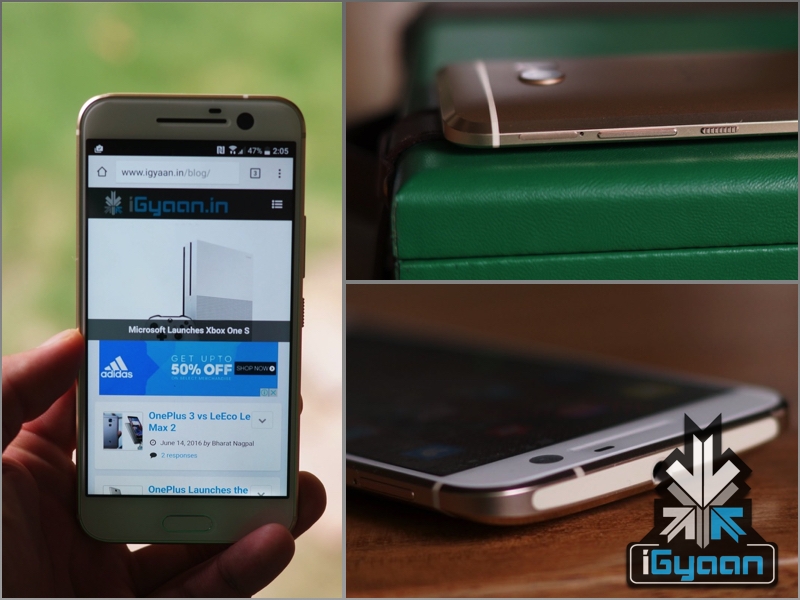
The build of the HTC 10, almost goes back in line with the HTC One M7, a single shell of Aluminum that s used to carve out space for fitting the innards of the phone. The HTC 10 is one beautiful smartphone, it exudes a premium look and is possibly the best-looking metal jacket smartphone out there.
With the design, HTC kept it simple, big bold chamfers on the back not only give it an excellent and unique look but an excellent fit in the palms of your hand whether you have big or tiny hands. The decision to go with the 5.2-inch display as opposed to a 5.5-inch display is welcome and people will find that they not only get a punchier display but also a comfortably sized smartphone.
The front gets Gorilla Glass 4, which gives the phone additional frontal protection. It also keeps the phone safe from scratches on the front. The metal construction is solid and despite several drops the phone is unscathed.
The HTC 10 misses out on waterproofing, which was a big plus on the Galaxy S7 this year. The HTC 10 only has an IP53 rating meaning, it will only survive basic splashes of water.
[section label=”Hardware”]
Hardware
This phone is loaded with the best of everything on the market right now. The HTC 10 gets a Qualcomm Snapdragon 820 with the Adreno 530 GPU, 4GB of RAM and a storage choice of 32 or 64 GB along with expandability up to a massive 2TB when cards are available.
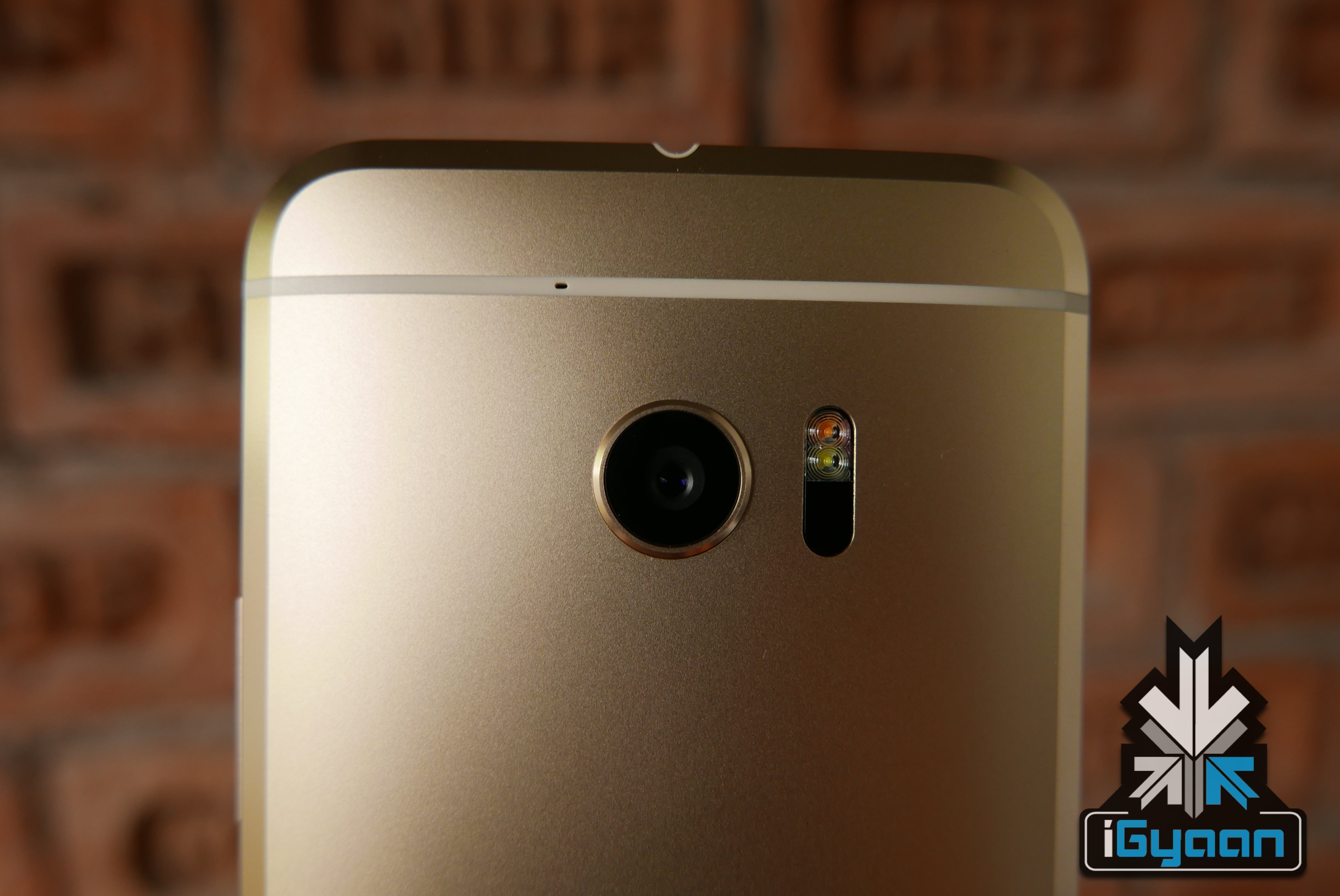
The rear gets improved 12 MP cameras, that HTC dubs “Ultrapixel 2″ and the front gets a 5 MP snapper. The HTC 10 is available in two colors the Carbon Grey and the Topaz Gold.
[section label=”Performance”]
Performance
Thanks to a cleaner HTC Sense UI and removal of duplicate apps, HTC has not only made the user experience more simplistic but has also removed redundancy in the day to day use of the phone, hence making the experience a more interesting one. The HTC 10 shows no sign of slow down despite several days of strict usage.
For heavy users, they will find that its a breeze switching between apps and playing high graphic intensity games. The phone scores excellent points on benchmarks and easily crosses the 110,000 mark on apps like Antutu Benchmark and scores 4747 on the Geekebench Multicore test putting it right on top of the comparison chart. The HTC 10 scores significantly better than the Galaxy S7 and the LG G5.
Owners will find themselves not being concerned with the usage of the phone, as it simply performs, so worrying about lag is a non-issue.
Multimedia and Display
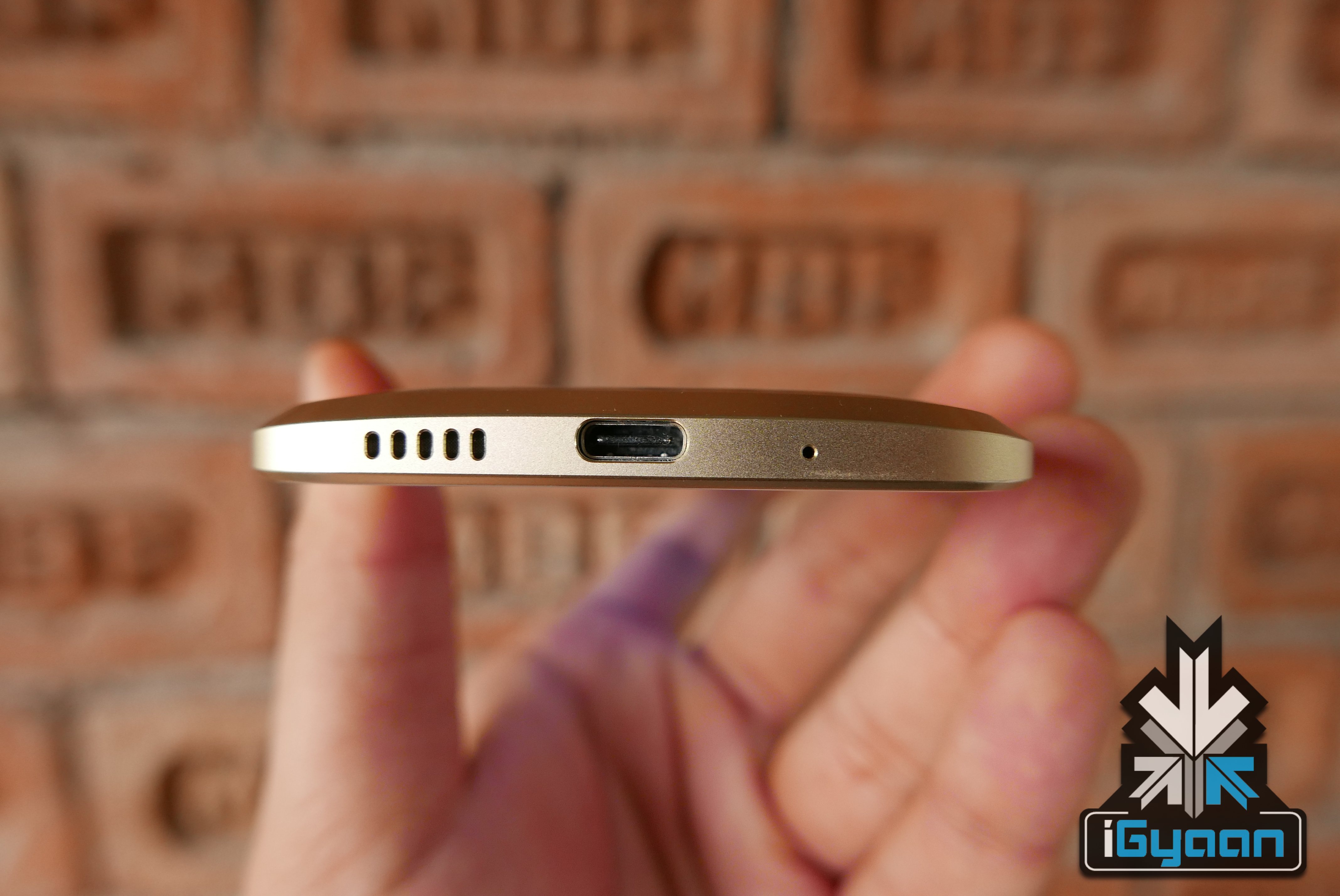
HTC 10 uses a new combination of speakers, a mid-range that sits next to the earpiece and a low range which sits next to the charging port. HTC calls this the BoomSound Hi-Fi edition. While we still prefer the original Boomsound layout, with two big speakers blasting loud music directly at our face, this is a more refined upgrade to that. A more fuller sound with a more accurate representation of what you are listening to.
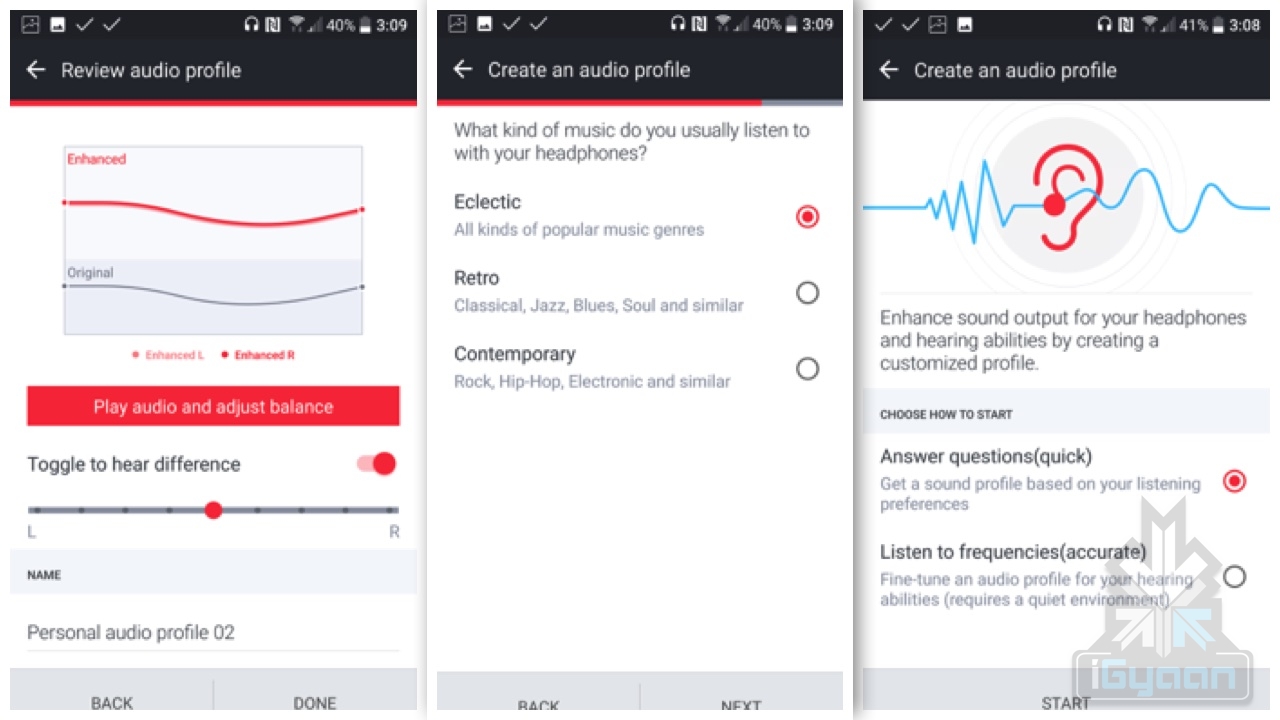
Audio is still loud, and great while watching a video or playing games. The HTC 10 also has a built-in DAC, which converts high-end digital audio to an analog signal. This significantly improves the audio quality of your files and now you can listen to high-res audio from the 3.5 mm headphone jack of the smartphone. Once you plug in your headphones, you’ll be asked to set up a personal audio profile which will enable you to listen for tones with each ear, allowing each user to setup headphones and tones specific to their ears and headphones. The HTC 10 supports multiple profiles for different headphones.
The display is bright, and vivid, and has an excellent color representation and wide viewing angles. The HTC 10 has a Super LCD 5 display running at Quad HD resolution. The color is much more refined than that of Samsung Galaxy S7’s Super AMOLED panel which tends to over saturate colors to make the screens look better than life. If you do prefer a more vibrant setup, the settings panel will allow you to switch your color modes.
The HTC 10 is also the first Android phone that supports Apple’s Airplay streaming, not only is this a welcome feature, it is the easiest and the best way to stream music if you have an Airplay device or an Airplay multiroom audio setup.
[section label=”Software and UI”]
Software & UI
Here is where HTC excelled with the HTC 10. The company had already been reducing the influence of Sense on Android as a UI layer. With the new Sense 8, HTC has gone into minimal interference while elevating the customer experience. The base of everything still remains Android, Android 6.0.1 this time around and HTC does still have things like the Blinkfeed interface which sits to the left of the main screen. Blinkfeed also should suggest some restaurants and Cafe’s where it is supported.
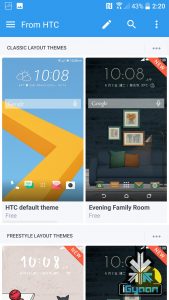
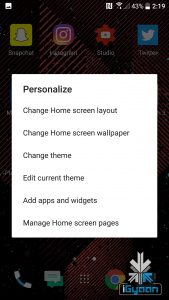
You can still change the size of the app drawer and you can still personalize the HTC 10 with custom themes, colors, and wallpapers. HTC’s apps are very limited but work really well , including the camera application, and the ZOE editor.
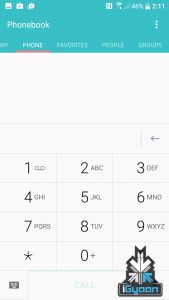
The phone dialer gets the usual HTC flavor with swipeable tabs, and the messaging app gets the stock Android treatment. The User interface is simple and flowy and easy to navigate through and HTC seems to have found the right mix with the HTC 10.
[section label=”Camera”]
Cameras
The main camera on the HTC 10 is a 12 MP shooter, and while the Galaxy S7 gets a lot of praise for the camera, the HTC 10 hold up a fantastic arena of its own. While HTC’s cameras in the past have failed to impress, that is certainly not the case this time around.
The f/1.8 is only 0.1 behind the f/1.7 on the Samsung Galaxy S7’s 12 MP camera. There is another difference here, while the HTC 10 has a Ultrapixel sensor which means that the pixels are 1.55 micron in size, those on the Galaxy S7 are only 1.4 micron in size. A larger pixel means more detail per pixel and more light passing through.
The camera is a breeze to operate, just like most of the UI, the experience of the camera is excellent. Low light performance is exceptional and the camera is quick to snap the moment. Laser autofocus with Phase detection comes into play and most of your snaps will end up being in focus right where you need them to be.
Both the front and main cameras support optical image stabilization, so whether you are capturing selfies on a trampoline or just 4k video from the main camera, the stabilization is not only apparent it is great.
Pictures are sharp and well saturated and have little noise in extremely dark environments. The contrast on the images is good, and the HTC 10 allows full manual control for those interested. You also have the ability to save RAW image files to tweak later on.
[section label=”Phone and Battery”]
Phone and Battery
The HTC 10 has full support for 4G LTE networks in India and you will get a solid sound on your calls as you would expect from an HTC device. Network switching is slow compared to others, so if you find yourself turning 4G off often, the dial times may take a while. Audio noise cancellation is superb and the HTC 10 outperforms most with respect to audio quality on phone calls.
The Quick Charge 3.0 on the 3000 mAh battery of the HTC 10 has been around way before “Dash Charge” from the OnePlus/ Oppo team. The protocol allows for the phone to achieve over 80% charge in less than an hour, easily attaining 60% or more in 30 minutes. This will not only change around how you charge the phone but how much less you care about charging the phone. While the LG G5 holds on to this feature, the Galaxy S7 ships without Quick Charge 3.0 and retains an older charge system.
The battery when fully charged will easily last you a day with a lot of online usage and camera. We traveled with the HTC 10 and seldom found ourselves looking for charge points even into late night hours.
You can easily get across 24 hours with the HTC 10 and then charge for 1 Hour and 15/20 minutes to get a full charge.
Talk Time : 6 Hours
Standby : 3 Days
Online : 5 Hours
Video Loop Test 50% Bright : 11 Hours
Video Loop Test 100% Bright : 8 Hours
[section label=”Conclusion”]
Conclusion
The HTC 10 stands in a time frame much after the competition had already proven to be flagship defining . The HTC 10, however, redeems the top spot by simply undoing everything HTC did wrong and re-doing everything they did right. The HTC 10 ticks all the right checkboxes and in the right way. The company has not held back on their promise of building a quality product that will not let you down over time. The HTC 10 not only looks good on paper it looks even better in your hand, outperforming everything in its path with a certain poise.
The Micromax Canvas 6 has all the makings of a good, maybe even a great handset, great build and great specs. However, it lacks in basic OS operations and the software makes it fall way down in category. watch our video review.
Lenovo has had great success in the past few years, especially with mobile phones. The Lenovo Vibe X3, while not the newest is a strong contender in the space, offering a lot of features in the under 20k bracket.
Overview
Showing off a strong design, with excellent build and optics. The Vibe X3 may be a camera first handset, one that Lenovo needed, especially to make a mark in the existing population.
Build Quality and Design
You will see a significant influence of Motorola in the design and aesthetic of the handset which now reflects a lot of metal and a prominent curved back (much like the Moto X)
The Front houses front facing speakers, a 5.5 inch Full HD display and a top glass which is much larger than the screen itself. The glass is Gorilla Glass 3, providing much-needed scratch resistance to the mix.
Hardware
Lenovo stuffed the Vibe X3 with a good set of hardware, 32GB of storage along with 3 GB of RAM. An impressive 21MP shooter with excellent low light performance, along with a 3500mAh battery.
4G+, Wi-Fi 802.11ad, VoLTE, Wi-Fi Direct, hotspot, Bluetooth v4.1, A-GPS, GLONASS, NFC, VoLTE
OS
Android 5.1.1 Lolipop
Price
Performance
Don’t hope to win any benchmarks with the Vibe X3, the overall stability, and usability of the OS is applaudable. The phone will manage to be your daily driver without requiring optimization for a very long time.
Games work well, and the Qualcomm Snapdragon 808 holds well in the area, downloading large games is not a problem, as 32 GB of onboard storage and an expandability up to 128GB have you covered with that.
Camera
The rear camera is a gem at this price point, equipped with an impressive low light capable camera, you will almost always be impressed with the images. The f/2.0 lens also helps considerably with the depth of field and subjects do tend to pop out with, especially if you are in close range.
The contrast and color of the phone’s camera are on point, and you will be thoroughly impressed with the result. You also have the ability to capture 4k video using the rear camera.
The front camera is brilliant for selfies, close up shots are always in focus, and the 8MP of resolution will help you get all the detail you need for the mugshot.
Multimedia and Display
With impressive audio and sound hardware, you will find yourself consuming media without any issues on the Lenovo Vibe X3. The forward facing speaker makes for loud and clear sound, without easily getting muffled with your fingers. Since the device can easily play 4k video, you can watch high-resolution videos with high-quality sound, even though the display is only 1080p. The Audio chipset in the Vibe X3 gives you a signal to noise ratio of 120dB which is mighty impressive.
This is one of the first handsets to offer Dolby Atmos built in allowing you to enjoy content that provides the capability. The Vibe X3 also works well with the Ant VR headset from Lenovo enabling you to experience their theatremax technology. Which makes watching movies at home as good as going to a cinema.
The display is 1080p resolution 5.5-inch display that has excellent viewing angles and color reproduction, it works well outdoors and indoors, in extremely bright conditions. The IPS panel is capable of delivering quick refreshes, so you will find yourself enjoying the deep blacks and vivid colors.
Phone Call and Battery
The Lenovo Vibe X3, offers up two sim card slots, or One SIM and One microSD slot, thanks to the hybrid SIM tray. The phone will offer up 4G networks in areas where available. Although, we found the 4G network on this handset to be slightly weak.
Mostly suffering network reception and dropping down to a 3G or a 2G band, possibly to maintain voice quality. Audio for calls is excellent thanks to 3 mic noise cancellation and a very loud earpiece.
The battery-life on the 3500mAh battery equipped Lenovo Vibe X3 is also impressive, giving you a good day’s use. You will find yourself being able to keep the screen on upwards of 6 hours on any given day.
Talk Time: 6 Hours
Internet: 8 Hours
Video: 6 Hours
Music: 18 Hours.
Conclusion
The phone offers up good specs, excellent build quality and great security with a conveniently placed fingerprint scanner. However, the price of Rs. 19,999 puts it in the slightly high price bracket, however if you compare it to the likes of handsets from the other brands like Motorola, Samsung, and even Sony, you will find yourself getting a great deal. This means you get good performance, reliable specs, and a worthy brand name.
However, if devices like the Redmi Note 3 shine your fancy, this handset may seem extra pricey, you also will find the One Plus X available now at a much dearer price.
With a lot of silence, expectations go down, and that is just about what the Chinese company “Xiaomi” needed to get their head back into the game. The Xiaomi Redmi Note 3 was launched in India with a lot of fanfare by a CEO resembling nothing less than a movie star riding in on the Ninebot hoverboard announced last year.
The Xiaomi Redmi Note 3 is a sequel to the popular Redmi Note series and does just about justice to the name of the product line and the company that is known for low-cost smartphones. Launched at a price of Rs. 9999 for the 2G RAM and 16 GB Storage variant and 11,999 for the 3GB RAM and 32 GB Storage option, the smartphone will be sold exclusively on the company’s website and e-commerce retailer Amazon till it becomes more readily available in offline channels. Redmi Note 3 on Amazon
So should you be getting in line for the Redmi Note 3, or is it all the Hype all over again, for a mediocre product? Let’s Find out.
Overview
The Redmi Note 3 has all the makings of a powerful budget smartphone. An all metal build, excellent specs, improved battery, good cameras and a new processor which impresses on benchmarks. The company continues its per-registration flash sale model which come 2016 seems unwanted. The phone impresses on many fronts and may turn out to the be the current choice of the masses just as the original Redmi Note did.
Build Quality and Design
With an all-metal build, the Chinese origin smartphone has outdone its previous visions. Anodised and sandblasted aluminum make up for most of its outer covering along with a protection glass which has not been named.
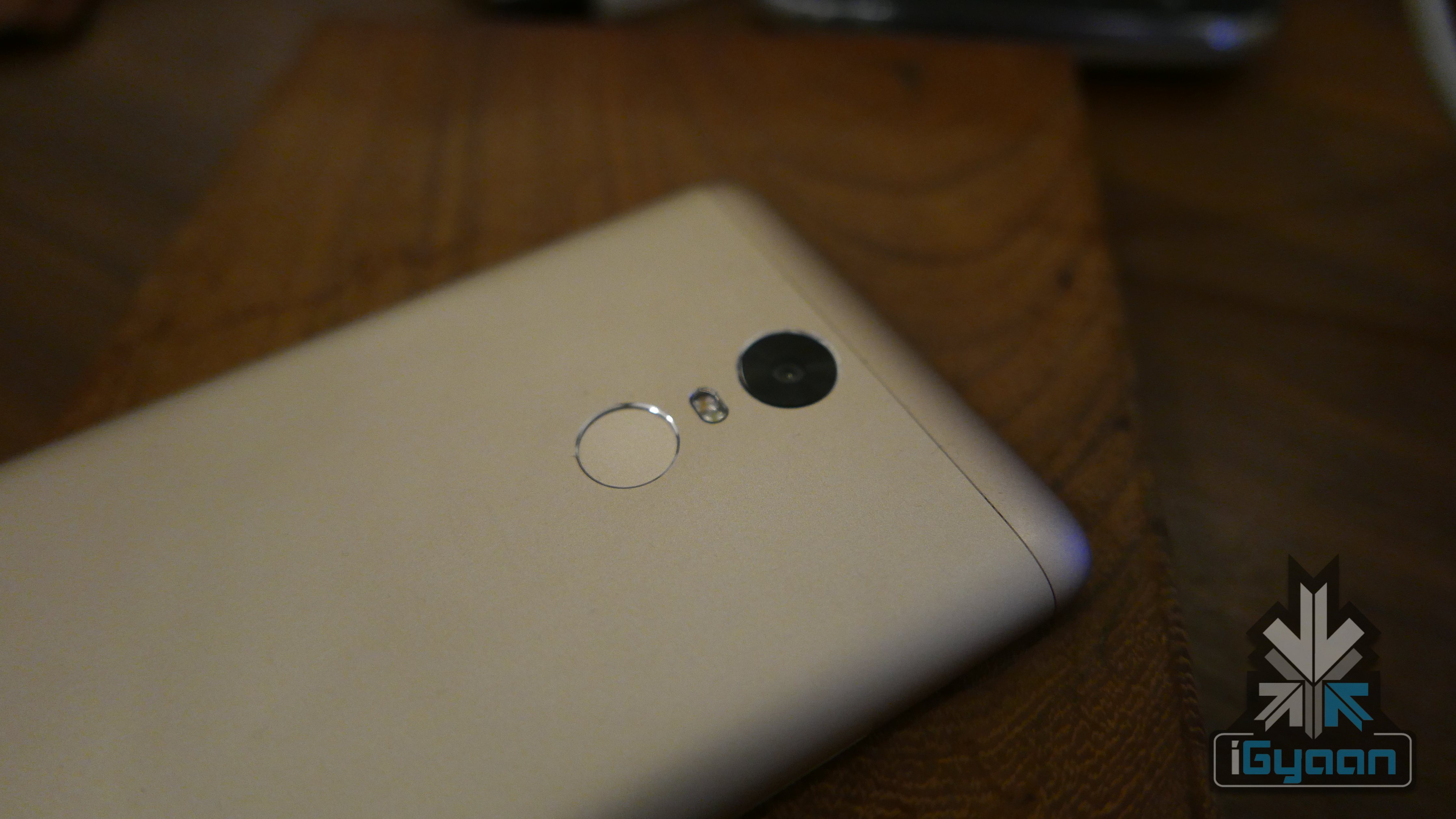
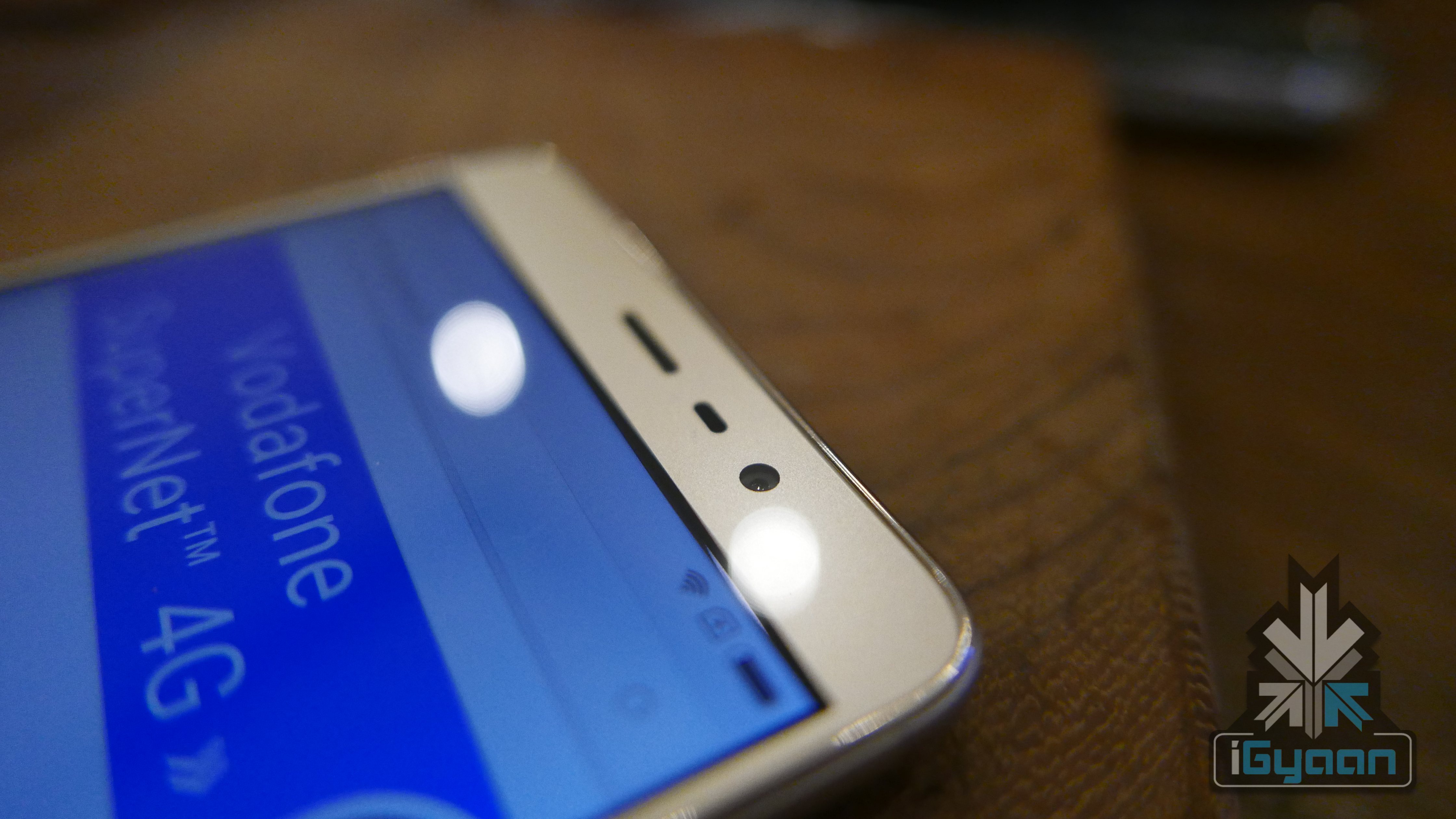
Design wise the phone follows the legacy of Xiaomi, the front is flat with no buttons, and the fingerprint sensor is placed at the back, identical in size and just below the camera module, giving the whole design a sense of completion. The form factor of the smartphone is great and thanks to the rounded back edges it fits ever so nicely in the hand. The speaker sits at the back, a not so prime position for sound. However, a small wedge on the back of the smartphone allows for the phone to sit slightly higher on the table, allowing sound to escape, albeit still not perfectly but better than if it were laying flat on the table.
Hardware
The Xiaomi Redmi Note 3 has all the makings of a Rs. 10000 smartphone. A new Snapdragon 650 chipset, 2/3 GB RAM options, expandable storage via MicroSD and a good set of cameras with wide lenses and an f2.0 aperture.
Specs
Xiaomi Redmi Note 3
Display
5.5 inches Full HD Display
Resolution
1920 x 1080
Dimensions
150 x 76 x 8.7 mm
Processor
Qualcomm Snapdragon 650 SoC
GPU
Adreno 510
RAM
2GB / 3GB LPDDR4
Storage
16GB / 32GB flash storage
Rear Camera
16 MP, f/2.0, phase detection autofocus, dual-LED
Front Camera
5 MP, f/2.0, 1080p
Expandability
128GB via microSD
Battery
4050mAh
Connectivity
4G+, Wi-Fi 802.11ad, VoLTE, Wi-Fi Direct, hotspot, Bluetooth v4.1, A-GPS, GLONASS, NFC, VoLTE
OS
Android 5.1.1 Lolipop with MIUI 7
Price
Display and Multimedia
Thanks to the new chipset and price drop in tech, the 1920 x1080p display is great and lag free. You also get a good enough chipset to run all your multimedia, which looks great on this display. The display has good viewing angles and a great outdoor visibility thanks to various display modes.
You will also get a reading mode which sort of, like Apple’s “Time Shift” mode, kills the blue in your screen to help you read better.
Video playback is buttery smooth, and the speaker does a decent enough job. However, external audio devices will do you better as with most smartphones.
Camera
The camera on the Redmi Note 3 is brilliant for the class of smartphone, and you will get an excellent depth of field and great bokeh. The camera focuses quickly and has great light detection. You will also get decent low light pictures thanks to the wide aperture on the lens of the camera.
The front camera is perfect for pictures, and you will almost always get good results. The video, on the other hand, is not all that great, the lack of any stabilization will make the video shaky. Also, the phone’s camera app does not natively record 4k video even though the likes of the LeEco 1s do. There are workarounds if you want 4k video. But, they are not recommended for the chipset.
Pre-Filter
Low Light 2
Low Light
Performance
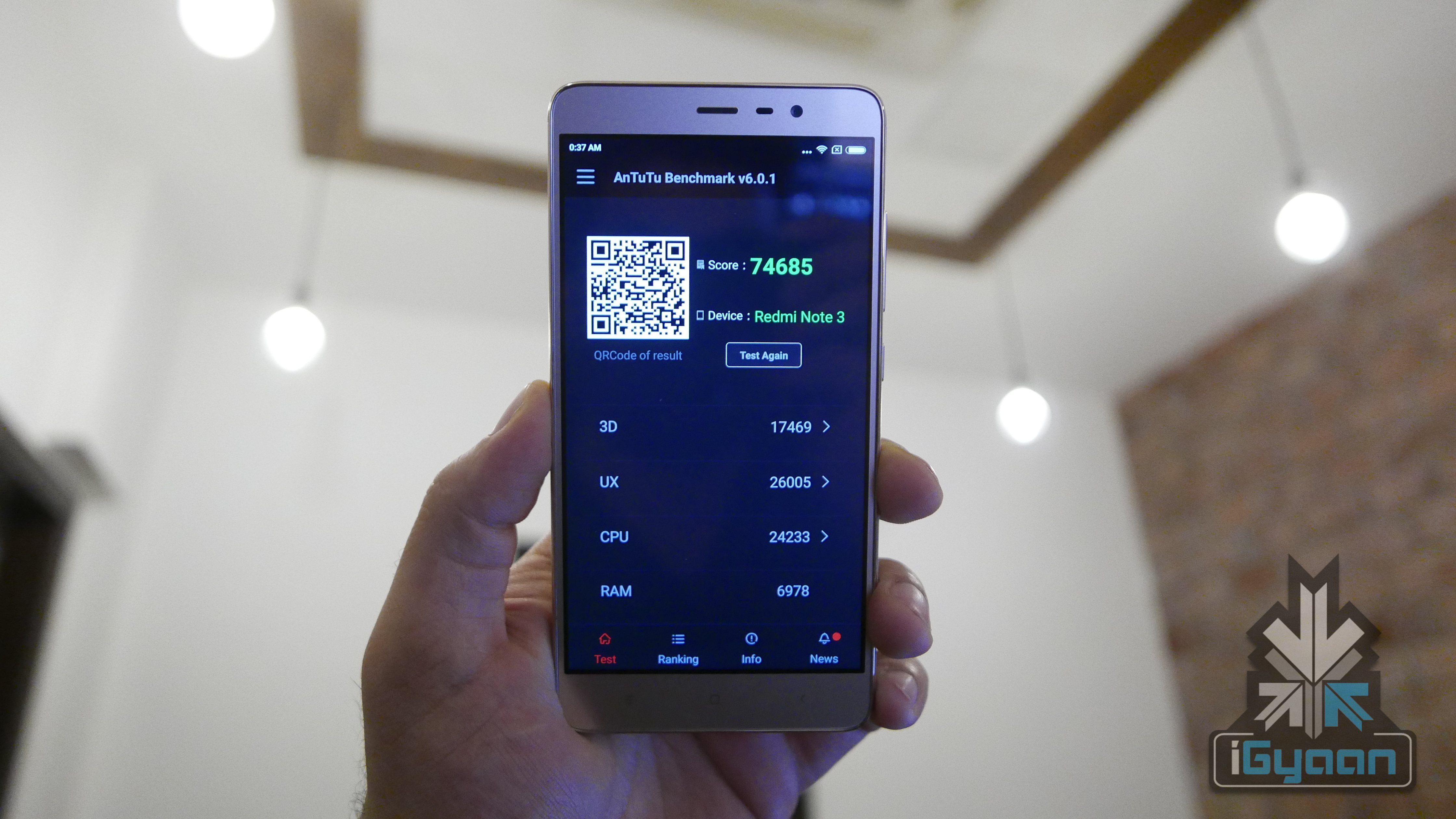
The Xiaomi Redmi Note 3, offers excellent performance in its class of smartphones. With Antutu crossing 70k easily on benchmark scores the device keeps its own in this highly competitive price bracket.
The overall UI is fast and responsive and offers a good day to day usage scenario. Multitasking works great and app optimization, as well as RAM optimization, works well on the Redmi Note 3.
Gaming is good too, with most games working flawlessly on the 3GB variant, which is recommended if you intend to do gaming a lot.
The fingerprint scanner which sits right under the camera is extremely fast and quick to unlock the device. The scanner rarely ever fails and will almost always get an unlock or help you click a picture. The MiUi software also allows you to encrypt folders using the rear fingerprint scanner, which can come in handy for those “A” rated apps and of course sensitive information.
Phone and Battery
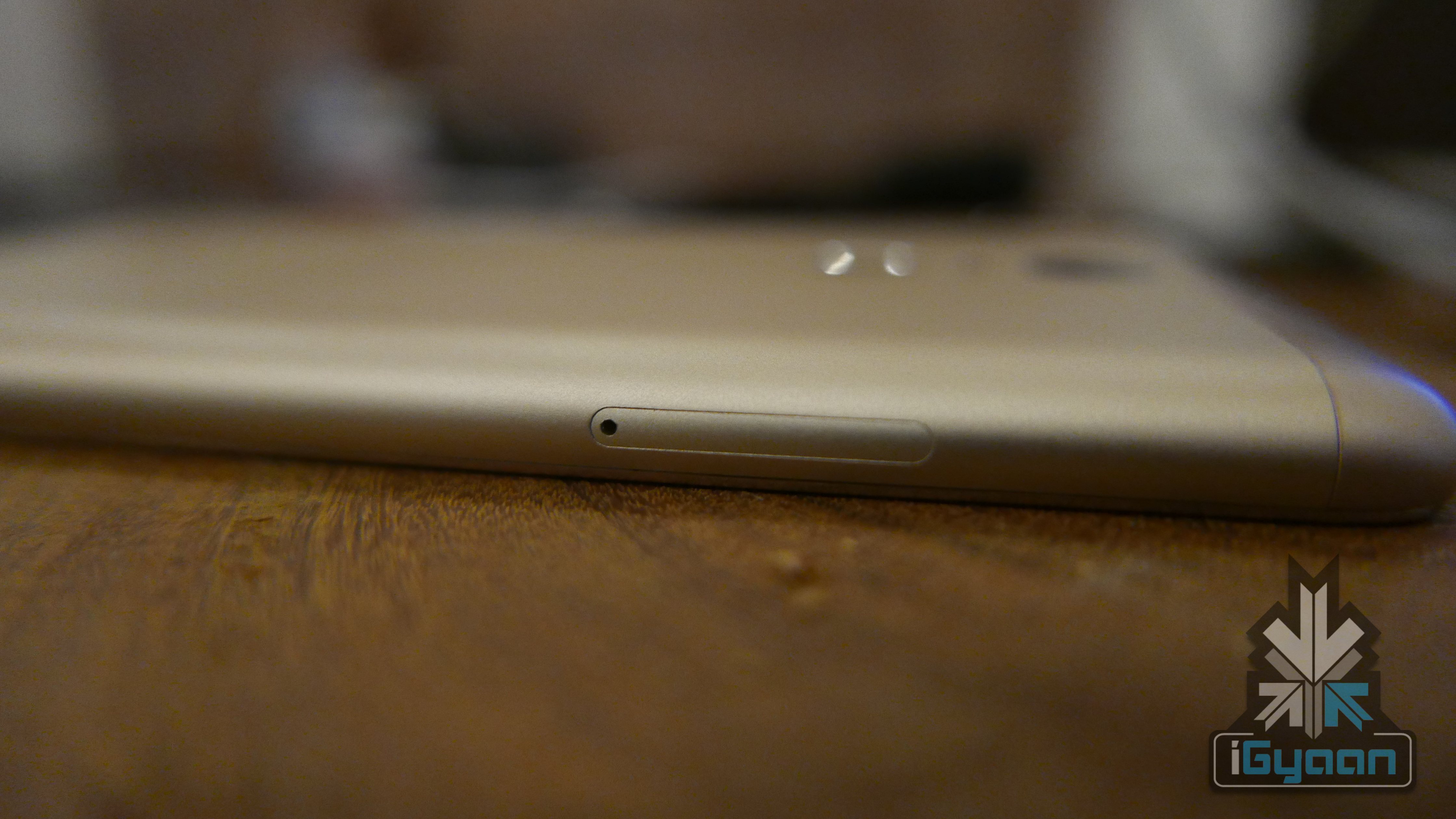
With support for two SIM cards, the Redmi Note 3 offers LTE across India, on both the cards, while you can also pop in a MicroSD card in case you choose to do that.
Dual Sim Hybrid Tray
The phone call capability is good, and overall network performance is at par within the category. You will also get good audio during calls whether incoming or outgoing.
Battery life is longer than expected, with a massive 4050 mAh battery you will get true to work one day of use without any compromises. Despite the battery being large, the chipset is designed to handle battery management well.
Talk Time: 6 Hours
Wireless Usage: 8 Hours
Music: 19 Hours
Gaming and Video: 10 Hours
Conclusion
Xiaomi is back with a vengeance. The company wants to earn back the goodwill of the market and no better device than the Redmi Note 3 to do that. At the launch the company promised timely updates and the Mi 5 launch in April, making the Mi fans jump up with joy.
As far as the phone is concerned, the Redmi Note 3 has excellent advantages over the competition, especially the LeEco Le1s. However, it also has drawbacks. The community that Xiaomi offers is unparalleled and large, and the overall support that you will get is appreciable. With both handsets offering their clout, it will come down to long term use and software support frequency to help decide the primary winner. However with the way things are going the Redmi Note 3 seems to be coming out on top.
A Budget Device that Looks Great and Performs Well
Micromax’s flagship Canvas 5 is a marked improvement from its predecessors, bumping up specs where it needed to most. The newest flagship tries to step out of Canvas 4’s shadow which saw some negativity regarding build quality and camera performance. With impressive design, performance, specs and a smooth UI for a budget device, the Canvas 5 is a solid device in the sub-Rs. 15,000 price range and gives a stiff competition to the Moto G (3rd Gen) and the OnePlus X. The Canvas 5, however, still has issues that will be familiar to long time Micromax users.
Overview
The Canvas 5 is available for Rs. 11,999 with 3 GB RAM and 8 GB internal storage, which is expandable up to 32 GB via MicroSD card slot. This year, Micromax has decided to forget about its past Canvas devices for something users will truly appreciate. Many OEMs like Micromax, Motorola and OnePlus want to prove that it is possible for a budget device to look and feel premium. The Canvas 5 seems to have found the right balance of hardware, design and build that is likely to attract consumers.
Build Quality and Design
The Canvas 5 has an impressive build and sleek design. The front sports a Gorilla Glass 3 with a 2.5D Curve Touch panel that melts along the edges, which is pleasing to the eyes and also makes the display look bigger than it actually is when switched off. The glass leaves no smudges and keeps the screen clean. All this along with a metal side and rounded edge gives the device a premium look.
In the back you have a removable plastic panel that has a faux leather texture to it. Because it’s extremely flexible, it’s not likely to break any time soon. The leather-like texture feels great in your hand and provides for a firm grip.
Hardware
Micromax has bumped up the hardware with an improved RAM and chipset. The Canvas 5 comes with 3 GB of RAM, which is handy for games, and a 1.3GHz octa core MediaTek MT6753 ARM Cortex-A53 chipset. Check out the full spec table below.
Specification
Micromax Canvas 5
Display
5.2-inch full HD screen, Corning Gorilla Glass 3 with 2.5D Curve Touch Panel
Resolution
1920×1080 pixels with 480ppi
Chipset
Media Tek MT6753, ARM Cortex-A53
CPU
1.3 GHz octa-core processor
GPU
Mali-T720 MP2
RAM
3 GB
Front Camera
5 MP with flash (2560×1920)
Rear Camera
13 MP AF (4160×3120)
Storage
11 GB (7.5GB available)
Expandability
Up to 128GB via MicroSD card slot
Battery
2,900 mAh battery
Connectivity
Wi-Fi 802.11 b/g/n, Bluetooth 4.0, GPS/AGPS, 4G LTE (LTE FDD 850MHz/1800MHz and TDD 2300MHz)
Operating System
Android 5.1.1 Lollipop
Price
Rs. 11,999
Performance
The device, with an octa-core 1.3 GHz processor and 3GB RAM, gives one of the smoothest performance that we have seen from any Micromax phone. The hardware allows you to multi-task with greater ease and also improves gaming performance, though the device starts to heat up when the cores start kicking in.
Swiping through the phone is snappy and fluid and you will love the ease of it all within 5 minutes of usage. The phone will respond quickly to all your basic day-to-day needs and with no app drawer, you can access your apps a lot faster, though . Talking about the apps, the Canvas 5 has a lot of bloatware like SwiftKey, Quikr and Snapdeal, all of which can be uninstalled this time around.
Games like Marvel’s Contest of Champions and Asphalt 8 work smoothly without and lags. However, playing for long periods at a stretch will heat up the smartphone.
Benchmark
The phone scored over 32000 on AnTuTu Benchmark and has been found to be 95% better than devices in the range, while it scores a 4931 on AndEBench Benchmark. We compared the Canvas 5’s results with that of the slightly higher OnePlus X, Yu Yureka and Moto G (3rd Gen) and this is what we found.
Benchmark
Micromax Canvas 5
OnePlus X
Yu Yureka
Moto G (3rd Gen)
AnTuTu
32801
41899
24258
23383
Vellamo (single core)
1061
1583
1038
1248
Vellamo (multicore)
1524
1445
1530
1243
AndEBench
4931
7623
4807
4160
As you can see, the Micromax Canvas 5 scores better than the Yu Yureka and the Moto G (3rd Gen), and also performs better than the OnePlus X in the multicore test.
Camera and Multimedia
The Canvas 5 actually has a great camera app with loads of modes and pro features like those found on flagship Samsung Galaxy phones. You also get an app that lets you retouch images and give the desired makeup that it needs.
The device features a 13MP rear camera and a 5MP front with flash. The images taken by the primary camera are fairly decent and is quick at capturing images. The added professional modes like ISO, exposure compensations and white balance help you take that perfect shot. So, for a mid-range device, the Canvas 5 gives you a lot to play around with.
The primary camera holds well under low light conditions and comes with standard Face Beauty and Smile Shutter features as well as Picture-in-Picture. The display of the device is a 1920x1080p panel with 480ppi which gives bright and vivid colours. So much so that it makes you want to switch on the phone even if you have nothing in particular to do. Outdoor visibility is decent, however, reflections on the screen can make it hard to see at certain angles.
Phone Network and Battery
The Canvas 5 joins the list of 4G network-ready Android phones this year along with the Moto G (Gen 3) and the OnePlus X.
A 2,900mAh battery lets you use the device for a whole day. Heavy usage will let the Canvas 5 serve you till the evening before requiring another round of charging. Charging the Canvas 5 takes a while, and if you happen to use a different cable for charging, you’ll get a notification telling you the charging is slow asking you to use an original charger.
Some neat features like ‘Smart Awake’ lets you access some apps like music player and camera without having to switch on your device. Simply make a pattern of C on the screen when on standby mode and the camera app will open. Similarly, drawing M will open up the music player. This is a neat way to save some juice.
The Canvas 5 gives up to 9 hours of talktime (3G) and around 6-7 hours of internet surfing on a single charge.
Talk Time : 9 hours
Standby : 275 hours
Internet : 7 hours
Music : 9 hours
Gaming : 2.5 hours
Conclusion
The Canvas 5 has a lot going for it and a lot that needs improvements still. A superb design and build quality along with great display and good performance makes this device worth every penny. Few things that could hold the device back, though, are the bloatware, the occasional heating issues, and most importantly, the poor after-sales service. The Canvas 5 is a pretty solid smartphone in its range and should definitely be an option if you’re in the market for budget devices.
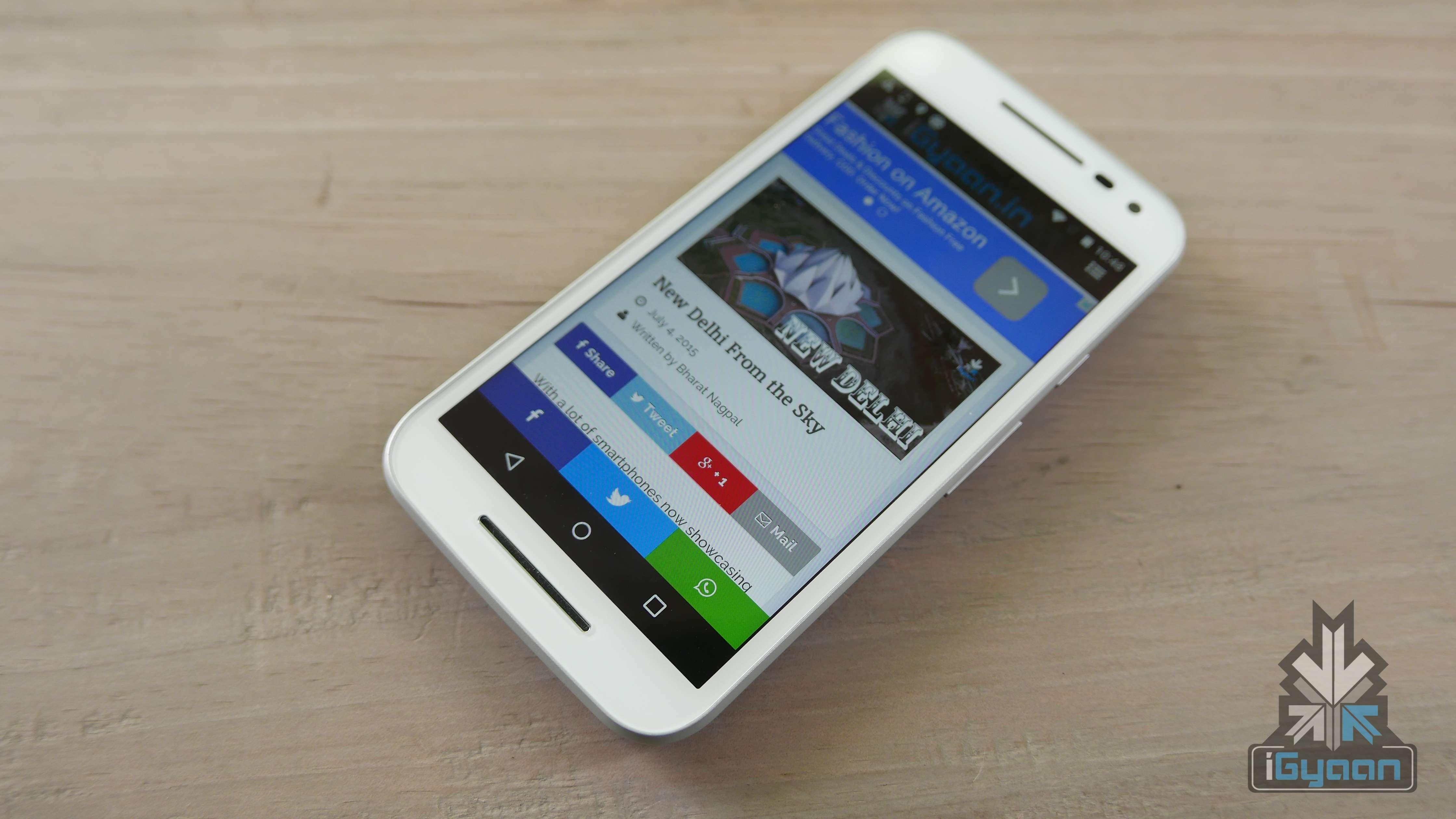
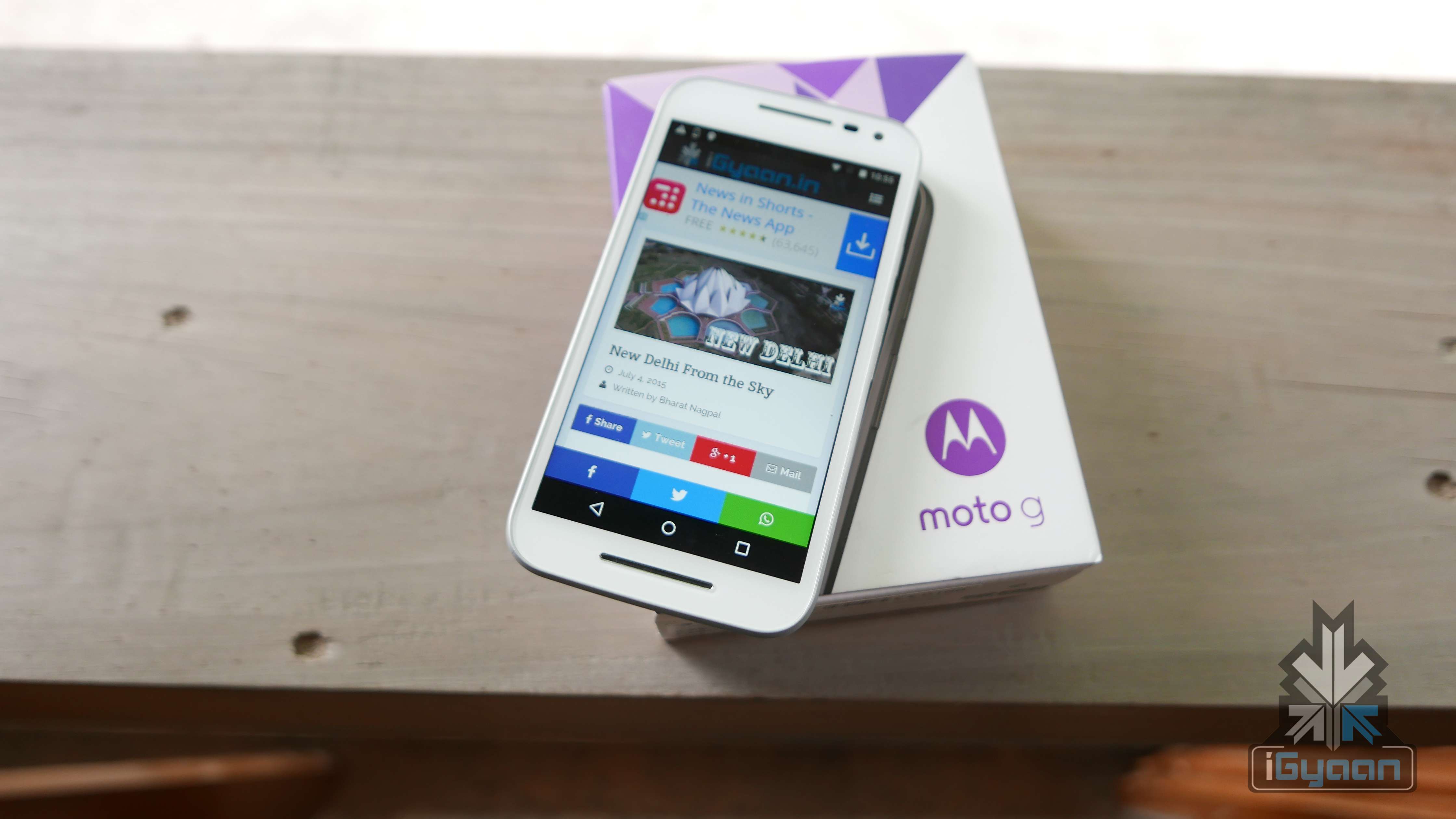
The new Moto G for 2015 is the hero for Motorola. With a whole spew of upgrades, the new Moto G is ready to take on the market. With little change in design and price, the customer is left asking for a lot more.
Overview
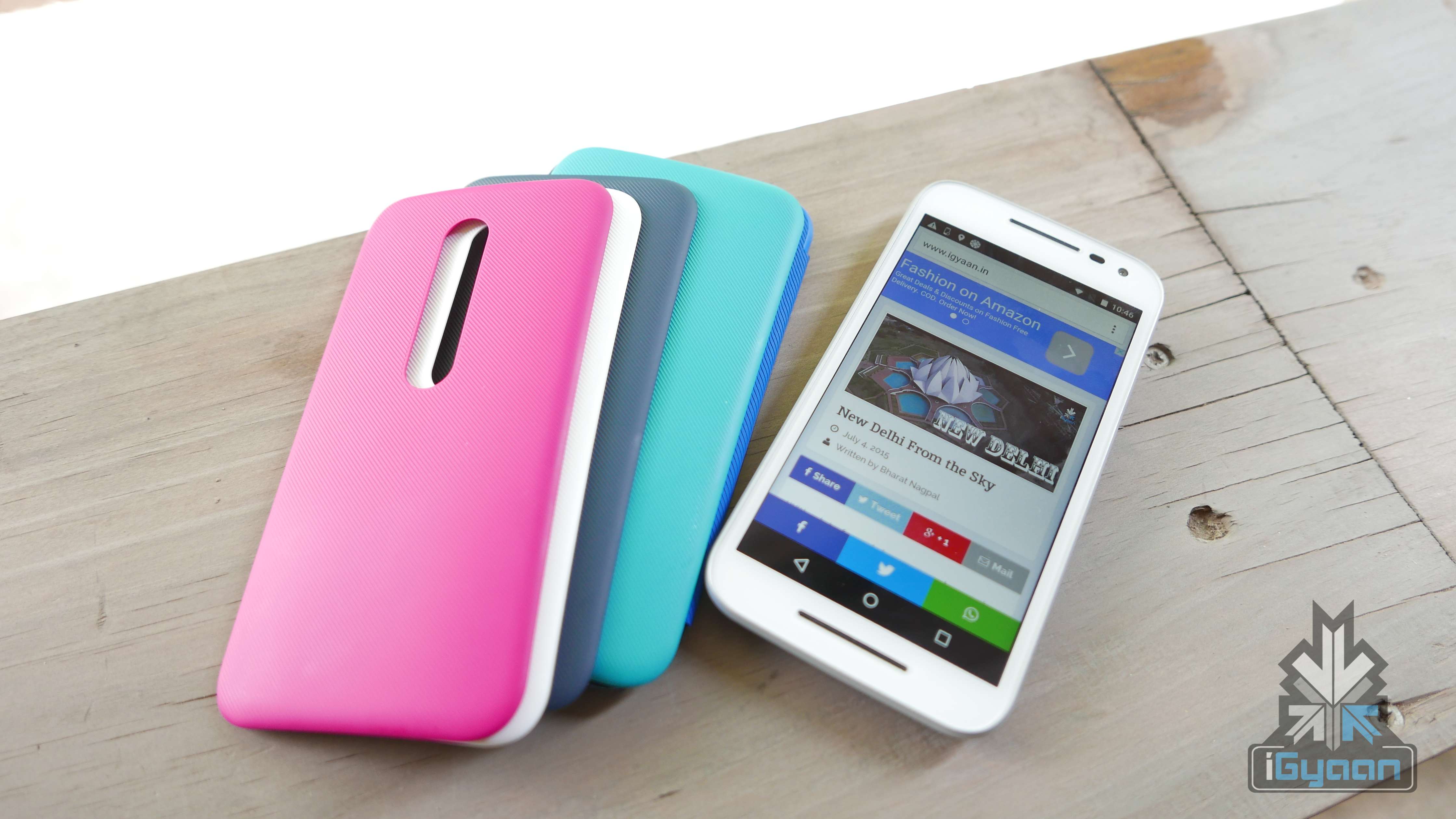
The new Moto G is available in two variants; a cheaper one priced at Rs. 11,999 comes with 8GB storage and 1 GB of RAM, whereas, a slightly expensive one at Rs 12,999 comes with 16 GB of storage and 2 GB of RAM. You also have a whole variety of covers that you can buy and swap with your current cover.
Build Quality and Design
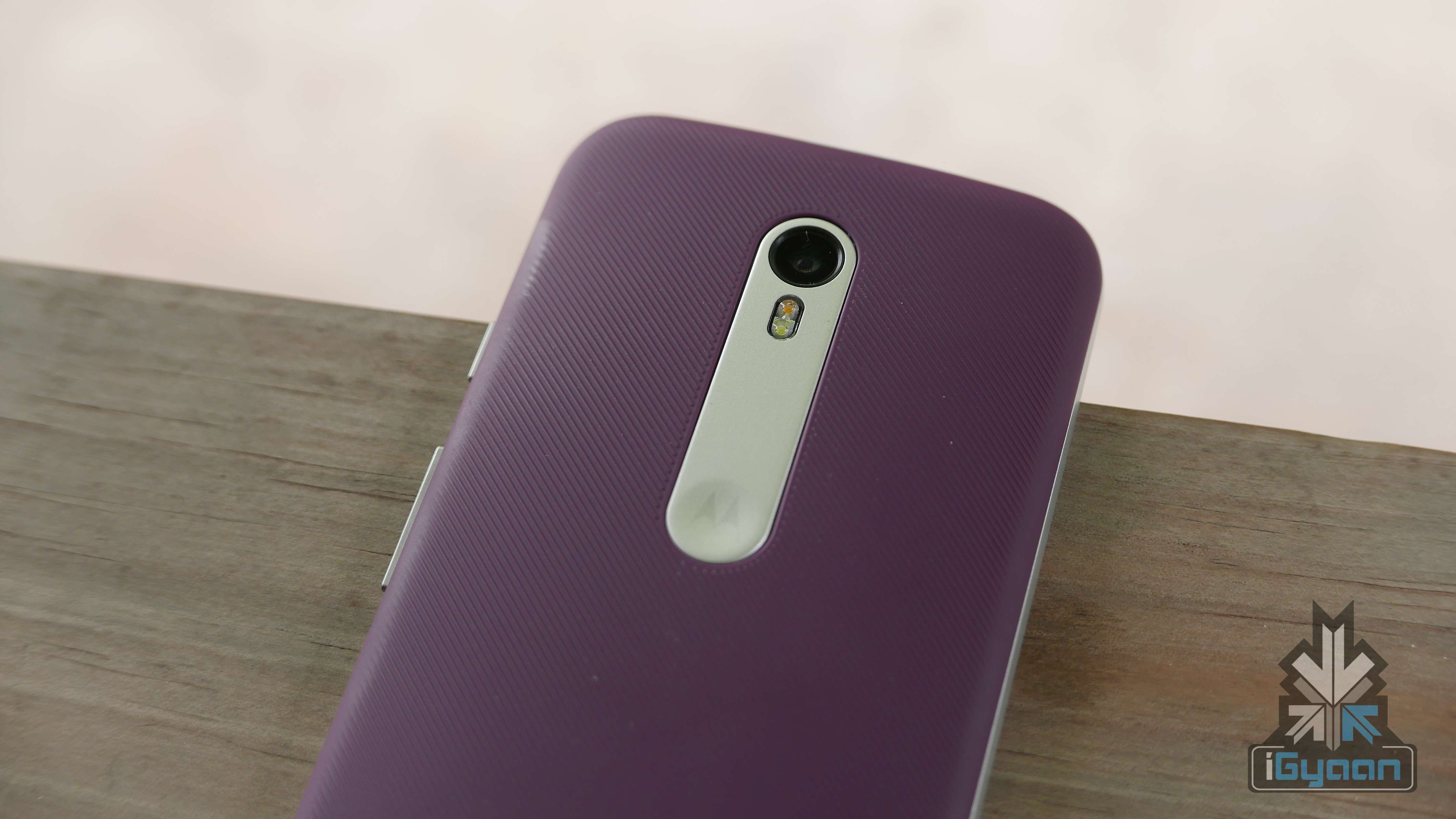
Design wise you have a whole lot of differences starting with the back of the new Moto G, all the way to the front. It’s more rounded and has silver accents, which add to the premium look and feel of the device. The long cut in the back panel houses the camera equipment and the panel has a new reassuring texture.
Build is superior when compared to the last gen of the Moto G. With the IPX7 rating, the new Moto G can also withstand 3 ft (1 M) of water immersion. This makes the phone one of kind in this price bracket and also the second device only after the Apple Watch to have this rating.
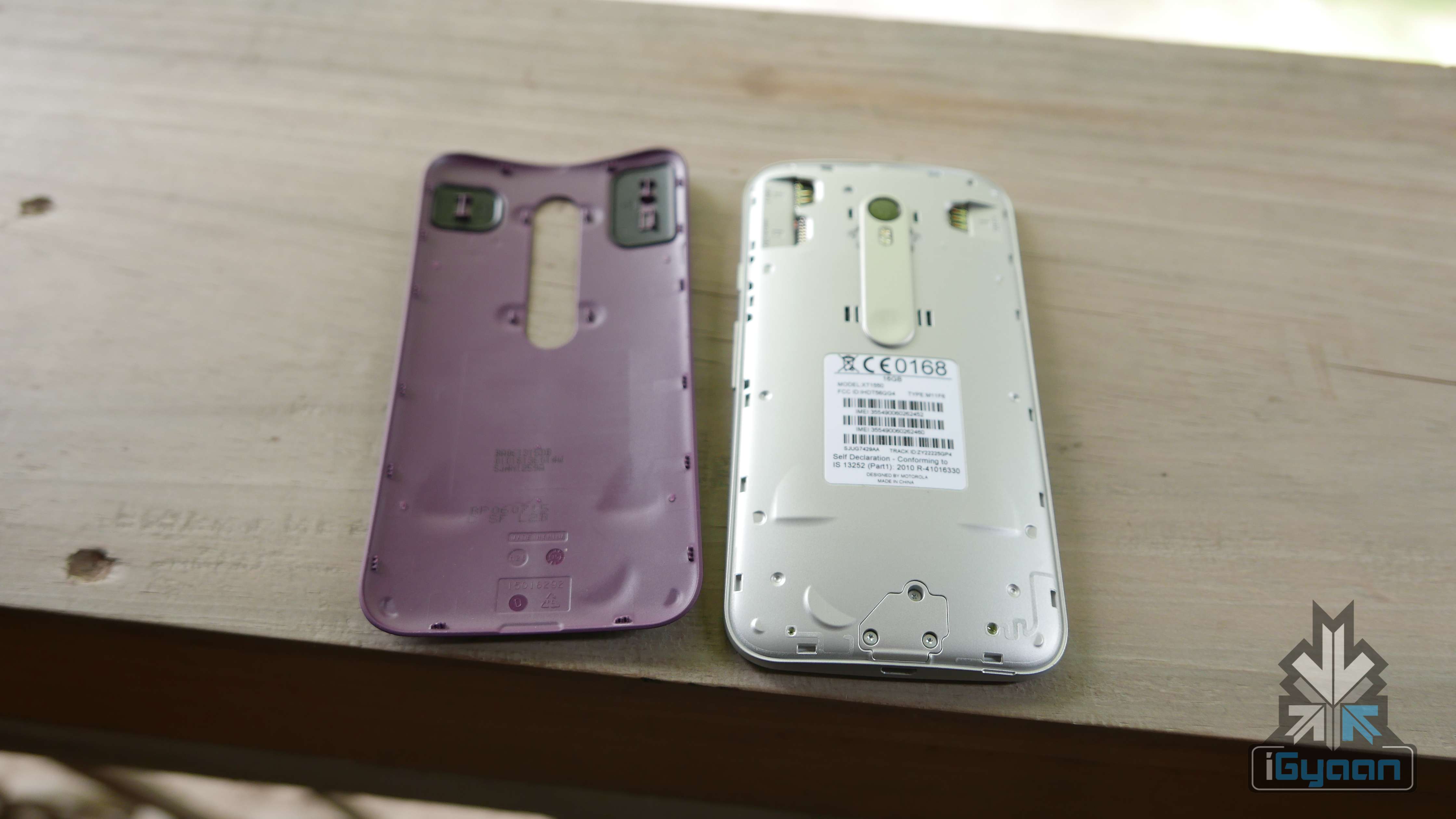
The plastic shells are high quality and swappable, which mean you can easily replace the back if damaged. The new Moto G also has Gorilla glass and a new solid structured frame that makes it a big winner in the build department.
Hardware
No hardware does not get a big boost, but you do get an improved camera, a slightly faster and more stable chipset and that is just about it. USB On the go is easily available, you also have micro SD card slots for expandability and two hardware options; 1 GB RAM + 8 GB Storage or 2 GB RAM + 16 GB Storage both of which support expandability and are separated only by a Rs. 1000 price difference.
The Moto G Gen 3 is more of a balanced smartphone. You won’t get a performance monster and you shouldn’t expect it to be one especially with the specifications it is packing. The 2 GB version, only slightly more expensive performs far better than the 1 GB variant. It will also bump up the onboard storage to 16 GB which would only make sense.
The User interface is fast and smooth and the stock Android helps with that to a big extent. The GPU handles multitasking and gaming with ease, although some applications tend to lag with the 1 GB variant. The 2 GB will work well for day to day usage and also with gaming.
Games work well with the 2 GB variant, as mentioned earlier. If you choose to run your games (like Asphalt 8) with higher graphics you will face some lag, mainly due to the limitations of graphics processing.
Camera and Multimedia
The 13 MP main camera is a big improvement, mix it up with the Android 5.1 camera capabilities and you get a great camera experience. Manually set up focus and exposure before you click the picture. The camera focuses quickly so you can go up close with your subjects and get a good depth of field. Images tend to be sharp and autofocus is snappy. Its a pity that the Moto G misses a proper oleophobic display, which would allow you to use the phone under water. No, you don’t have an underwater camera with the new Moto G.
No image stabalization also means that shaky hands need to beware of the induced camera shake. Video stays at 1080p and you also get some high speed capture at 720p reducing speeds to half, if needed.
The speaker is forward facing and has good audio. Despite the dual grills there is only a mono speaker. We would have liked a louder speaker, or at least a stereo speaker combo. The forward facing speaker makes the audio experience while watching video or playing games, improved.
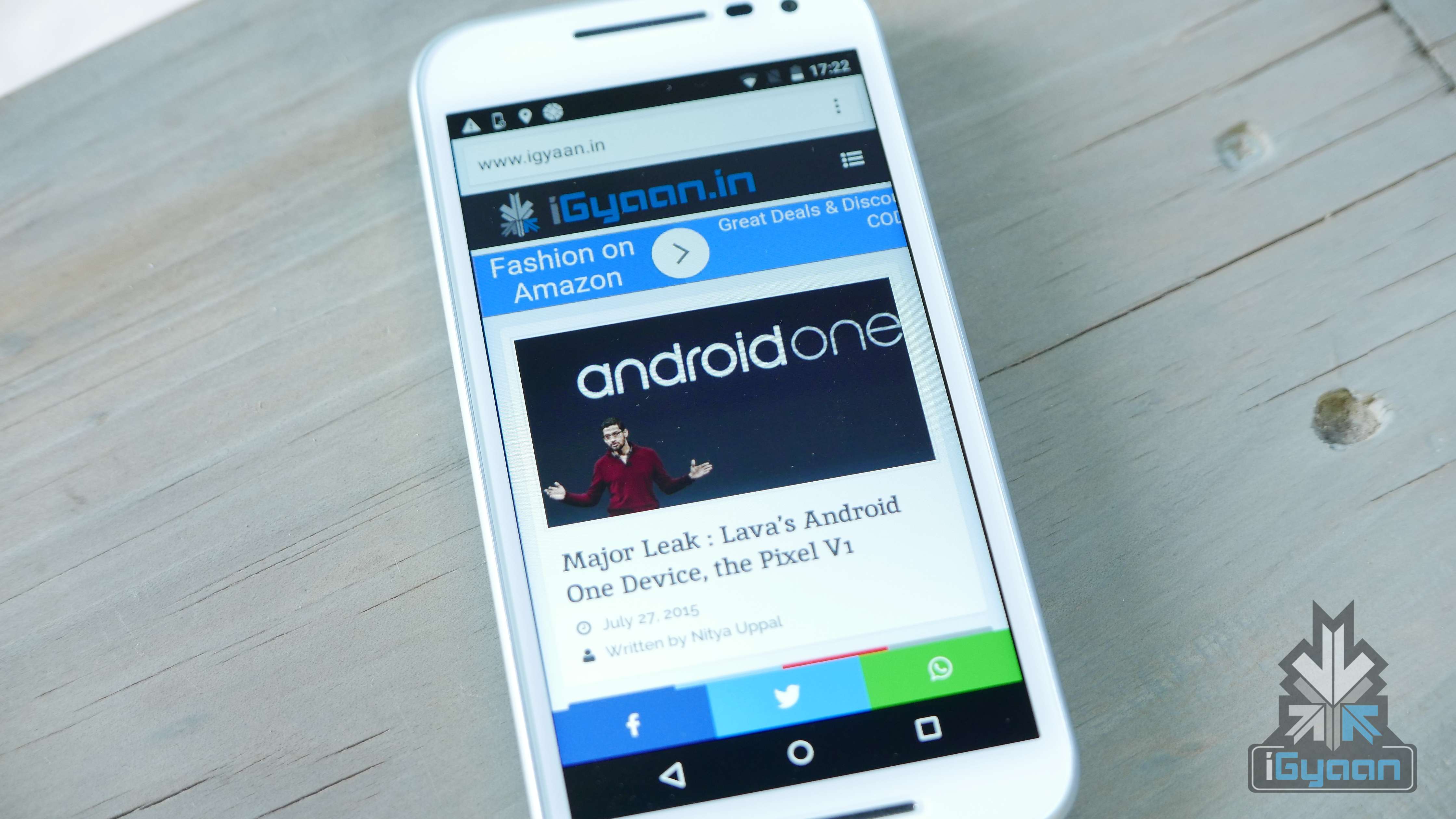
The display is still a 1280 x 720p panel but is extremely vivid and bright. Outdoor visibility could have been better, but is very usable. The display has good viewing angles and the colours pop, so you won’t find us complaining. We did want a 1080p display and since most of the competition does offer up a 1080p display in this segment, it became a let down for us.
Phone Networks and Battery
With the inclusion of 4G networks, the Moto G adds the list of network ready phones. A major deal of Androids will join this list by the end of the year as most network players will offer 4G services.
The network performance is good and the audio quality is excellent. The connection strength is a big improvement over the last gen. phone. With the IPX7 rating, the one thing we really wanted to check was underwater calling capability. The phone does ring, but making a call is practically impossible as the display goes crazy with electric conduction the minute you unlock the screen, so your phone will randomly jump from app to app. We don’t really want to be making calls underwater, but hey, it could come in handy.
We are getting mixed reports about the battery life, some users are complaining of battery drain and others of overheating issues. However, we faced no such issues, and the phone gave us 1+ day of average use. We are expecting 4-5 hours of talk time mixed with varied use. Charge the Moto G once a day and you are good to go.
Talk Time 4G : 4.5 Hours
Internet : 7-8 hours of surfing
Music : 11 hours
Video : 5 hours
Conclusion
The Moto G (3rd Gen) is a smart upgrade from a good company. They did miss out on a few key things, a better display and a better chipset would make this the best phone for the price. However, it is a smart choice. It has the trust of a motorola handset, and the added legacy of great phones like the Moto Defy. Also the IPX7 rating, makes it the only phone in this class, with any such rating. It will be useful for those who need it.
Lastly, the swappable colour covers make sense and add personal style. Availability is easy, no flash sales and no invites. Smartphones need to be easy to buy and readily available in 2015, and the new Moto G ticks all the boxes of being a well rounded phone.
[tw-button size=”medium” background=”#07ABE2″ color=”” target=”_blank” link=”http://www.flipkart.com/moto-g-3rd-generation/p/itme9ysjfazgqyqz?pid=MOBE6KK9HGWQ6ZAZ&affid=bhnagpalgm”]Buy Now [/tw-button]
Today Yu Televentures announced a new handset, the Yu Yureka Plus. The phone is a revision to the existing Yureka, with added benefits. The revised specs also called for a revised price of Rs. 9,999.
Registrations for this handset have started again today and the handset will go on sale on the 30th of July exclusively on Amazon.in.
Overview
The Yu Yureka Plus is a phone that the Yureka should have been, in the first place. However, it is the company’s way of letting their consumers know that they are listening. The Yureka Plus improves on key features without drastically increasing the price. Is it worth the extra moolah? Let us find out in the iGyaan review.
Alabaster White and Moonstone Grey
Hardware
Spec wise, the phone is more or less the same with some improved features. A higher resolution display with Gorilla Glass 3, a new Sony sensor in the camera and a stronger chassis.
Design wise, you really cannot tell one Yureka from the other (even if the other is a Plus). The only real design change is the availability of the the alabaster white colour, which is great to look at. Since it is a matte finish, it won’t attract fingerprints, but it will attract stains and pen marks just like the Silk white OnePlus One. For our other inputs on the design you can revisit the original Yureka review.
Build-wise, Yu claims that there is a brand new chassis which has been reinforced for additional rigidity in the frame. The phone is more resilient to drops and dings and just like the first gen Yureka, should last you a long time. The addition of Gorilla Glass 3 as a top layer of the display will make the phone slightly more tougher.
The Yureka was pretty tough as it is, and we showed that off in our review of the handset. Pop on a case and the included screen protector and you are good to go. However, the new white colour, despite being resistant to smudging and fingerprints, gets dirty easily and will attract ink stains and food stains.
Performance and Gaming
Just like on the design front, the performance of the Yu Yureka Plus is the same as the Yureka. The Hardware is identical and a few software improvements are apparent. The phone does not heat up despite excessive usage, and the plastic shell of the phone aids in keeping the heat at bay. Although the Yureka was in big trouble with heating issues, after some usage, it appears to be resolved.
We, just like everyone else who waited for a new device, expected a big bump in specs and that was not the case with the Yureka Plus. The company launched a modest update and the performance hasn’t been entirely impacted. The benchmark scores are higher due to software optimizations, but this might not be the case after weeks of usage.
Gaming seems better too, we did face few drops and jitters while playing games like Asphalt 8 and we are not sure if the full HD display will impact the GPU performance enough to make a difference in gaming.
Network, Calls and Battery
The Yu Yureka Plus will handle two LTE enabled SIM cards, however, you can have data running on one SIM at a time. LTE speeds are good as we managed over 20 Mbps downloads on Airtel Delhi Network. The network remains strong through most areas, which also impacts the battery less, hence improving the battery life.
Calls remain good too, the proximity sensor issue also seems to have been addressed. Sometimes however, during the calls the screen turns on, on its own, which can get rather frustrating. Dropped calls are negligible and can also be due to network limitations in certain areas.
Battery will last you a day with moderate usage. The Full HD display will impact the battery life a little extra, but optimisations from the company improve performance, considerably. We did hear mixed opinions about the battery last time, where some experienced good battery life while others had heating and battery drain issues. If that will be the case with the Yureka Plus or not, is presently unknown.
Talk Time : 5-6 Hours. (LTE)
Music : 10 Hours
Internet Usage : 5.5- 6 Hours
Multimedia and Gaming : 4 Hours.
Cyanogen
Yu Yureka was the reason that OnePlus had to drop Cyanogen OS usage on the One when it was launched in India. Their Cyanogen OS exclusivity partnership is one of the biggest reasons that makes the Yu franchise stand out. Cyanogen 12 OS comes out of the box on Android 5.0.2 along with many of the new features on the OS. The newer user interface has a highly improved experience. Transitions and page changes are fluid too. Cyanogen customization options make the usage very personal, and the tweaks and quick toggles make usage, easy.
Alabaster White and Moonstone Grey
Yu Brand Value and Promise
Negative chatter still remains high on the lack of service quality from Micromax. The Yu franchise also has the same response. With a lack of spares, service from the brand is slow and tedious and somewhat expensive in case of things like cracked display replacement.
The forums are active and a large community has adapted the brand and endorse it thoroughly. We don’t see many updates from the company when compared to the activity of companies like OnePlus and Xiaomi on their respective forums. However the discussion boards are full of consumers and prospective buyers communicating within themselves, which is in itself, a great thing. There are also YU team members who answer queries, in the usual, robotic manner.
Display and Camera
The increase in resolution is always welcome, especially when it brings along added Gorilla Glass 3 protection. The outdoor visibility is poor and at its brightest setting, it is barely visible. The increased resolution improves ppi to 400ppi which will improve the usage experience. The display has good colour reproduction and viewing angles.
The camera sensor has been improved from a previous gen Sony sensor to a newer sensor which will capture colours better and work well in low light conditions. The megapixels remain the same at 13MP, however images are sharper and contrast is better. Some samples are given below. Video is still shot at 1080p and thanks to better low light performance and colour saturation, the video quality is much better.
Yureka
Yureka Plus
Yureka
Yureka Plus
Conclusion
While the price difference is negligible and so are the improvements, the Yureka Plus adds a Full HD display and a better camera, with a supposedly better build. All of which are worthy of the Rs. 1,000 price increase. There is no loss in performance, in fact, it is a tad bit better. If Yureka was your choice before, the Yureka Plus should be your choice now. There are however some other options in this price bracket, the ZenPhone 2 and the new Moto G (3rd Gen) is just around the corner. Check out our video review below.
Click here to register for the Yu Yureka Plus : [tw-button size=”medium” background=”#07ABE2″ color=”” target=”_blank” link=”http://www.amazon.in/b/ref=as_li_ss_tl?_encoding=UTF8&camp=3626&creative=24822&linkCode=ur2&node=6690337031&pf_rd_i=yureka&pf_rd_m=A21TJRUUN4KGV&pf_rd_p=656691227&pf_rd_r=1R4GV1T0M1A7TNVFECFT&pf_rd_s=desktop-auto-sparkle&pf_rd_t=301&qid=1437731665&ref=spks_0_0_656691227&tag=igyaan-21″]Register Now[/tw-button]
HTC has had a tough year, tough decisions and a lot of devices. The company has had the slowest quarter yet and the stock prices have dropped to an all time low. The company also reported a net loss of $258 Million, which points to the fact that the company is not doing well.
However that has not stopped HTC from making new handsets, and in countries like India, the HTC market share is growing considerably.
The HTC One ME, adds fuel to the HTC fire in India, a handset that brings the best of the flagship world at a relatively lower cost.
Overview
The HTC One ME is a good mix of things from HTC. Priced at Rs. 40000 or US $ 630 (outright) the phone makes a lot of sense to people. However the use of mediate is slightly bothersome to the tech crowd, especially at such high prices.
Hardware
The HTC One ME has almost everything from the HTC One M9+ including most of the hardware. What differs is the chipset. The One ME uses the new MediaTek Helio X10 and is also the first phone with the said chipset. This enables devices to utilise full octal-cores at 2.2 GHz in 64 bit and also shoots high quality videos at upto 480 frames/sec. It allows a 120 Hz video display rate too.
Apart from that you will get 3 GB of RAM, a brilliant 2k display with 5.2 inch size, a 2560×1440 px resolution and 565 ppi.
The same camera as the One M9, a 20 MP f2.2 lens equipped sensor, and an HTC ultra pixel sensor for the front.
Specifications
HTC One ME
Display
5.2-inch Super LCD3
Resolution
WQHD 1440×2560 pixels : 565 ppi pixel density
Chipset
MediaTek Helio X10
Processor
Octa-Cora 2.2 GHz
GPU
PowerVR G6200
RAM
3 GB
Storage
32 GB
MicroSD Support
Yes, Upto 2TB
Rear Camera
20MP, f2.2, BSI Sensor, 4K Video Recording
Front Camera
HTC Ultrapixel, f2.0
Battery
2,840mAh
Operating System
Android Lollipop 5.0.2 with HTC Sense 7.0
Misc
Boom Sound Speakers / Fingerprint Scanner
Price
Rs. 40,500
Display, Multimedia and Camera
The display on the new ME is the same as the M9+, excellent colours, deep blacks and great outdoor visibility. The touch is highly sensitive and even works when there is water on the display or if your fingers are wet. You will also get features like double tap to turn on. The display is great for all sorts of usage like watching movies, playing games or even browsing the internet. The high resolution makes content optimized for this look, great and the strain on the eyes is reduced considerably.
Boomsound speakers have always had this ability to be better than the remaining devices in the price segment and that continues with the new One ME. Sound is excellent in the headphones, out speakers or via bluetooth. Volumes are kept high and bass levels deep, almost as if the profile is the same as the old ones when HTC handsets would ship with “Beats Audio,” however, only better.
The camera lens and sensor are relatively large, hence a lot of light passes through to get a really high detail image. The images have excellent contrast and sharpness, shallow depth of field on close ups and a large zoom ratio thanks to the large 20.1 MP size of the rear camera.
4k video can be captured in 5 minute bursts, which gets annoying for those looking for a seamless solution. There are alternatives, devices which do not have said limits including the one we chose for our project here. Video is jitter free and captured at 30fps and it looks good, as the colour is deep and light is aptly adjusted.
Camera App
The Camera App is in-depth and features a lot of the capabilities of HTC devices seen in the past, galleries and Zoe are now independent apps with independent cloud storages. This complicates things for first time users, but in the longer run, makes sense. You also get the usual filters and effects along with post capture edits, which were all a part of HTC’s Sense.
Rear Camera Bokeh Effect
Rear Camera Indoor
Wide Front Camera
Front Ultrapixel Camera
Performance and Gaming
The handset scores roughly 46-48k on Antutu 64 Bit benchmark, which is impressive taking into consideration, the price. However, most of the performance which may not appear on benchmarks can been seen in real time usage.
The handset will almost never lag. In the 2 weeks of usage, the handset has not slowed down and transitions remain smooth, despite consuming large parts of the storage and or RAM.
Gaming remains impressive, the 120 Hz refresh rate of the display helps tremendously. Boom sound adds to the experience and so does the impressive touch screen. The good thing is that the device does not heat up despite increased usage, or high periods of gaming.
Phone Networks and Battery
The HTC One ME accepts dual LTE sim cards, both of which need to be nano sim cards. Network strength is great and so is the audio on both sides. Both sim cards can run LTE data packs and can be switched, depending on your convenience or usage scenarios.
Battery life was impressive due to high levels of optimizations and range point locks. Despite several rumours of poor battery life, we did not face any such issues with the handset. On our handset, the battery life was rather impressive. We got an average of One day plus use. Another thing to brag about is the quick charge capability of the handset. The One ME reaches a full charge in just over an hour, 50% recharge can be achieved in about 15 minutes of time.
Type of Usage
Battery Life Expectancy
Phone Calls
5 Hours
Standby
3 Days
Gaming
3.5 Hours
Music Playback
11 Hours
Internet
7.5 Hours
Fingerprint, Blinkfeed and New Sense 7
The new style fingerprint scanner utilised by HTC is better by leaps and bounds. Versus the previous ten scanners, which required you to slide your finger across, the new “Apple Touch ID” style scanners are efficient and very usable. This makes your phone private and safe. You can easily unlock your device in the presence of others, without revealing your passwords or unlock patterns.
Fingerprint Sensor
The new Blinkfeed is far more seamless and smooth. The UI is easy and very pleasing to the eye, HTC has improved the layout of the content and things like fonts and colours have been tweaked to appear easy to the eye. You can now simplify content and chose what feeds you want, within your Blinkfeed. You can also set up custom channels for the same, to allow you to reach directly to your favourite feeds.
Sense 7 is a mega improvement over previous Sense UIs, more because of the way pure android is available to the consumer. The UI is far more simplified and streamlined, less invasive and does not come loaded with bloatware. Essentials like the “Zoe” feature and the “One Gallery” are cloud-only apps that serve a simple purpose.
Customisation has been HTC’s forté and it remains so, in the new Sense 7 on the new HTC One ME. The UI is extensively modifiable, and if you don’t like the BlinkFeed on the left you can simply use a third party launcher and replace it all.
Conclusion
HTC may not have gotten a lot of things right this year, but their devices in the Indian market show that the company has chosen the right things at the right time.
The HTC One ME is one such example. With Snapdragon not performing well on their current lineup of chipsets, HTC went with MediaTek and their latest “premium” chipsets. This has made the devices a lot more stable. However, this has also made one handset considerably vary from another. Some report of lag and battery drain while others, like us, appreciate the long battery life on our handset.
MediaTek aside, the HTC One ME is the plastic equivalent of the all round phone. The impressive display, great camera, excellent battery and seamless performance on our handset, makes us want to like it a lot. Just like any other scenario alternates do exist and with the S6 becoming cheap, a fixed storage and single sim is something that may make you pick the HTC One ME with its Dual Sim and 2TB expandability. However the S6 performs better and looks damn good.
LG in the past years has emerged as a true Android champion. A South Korean counter brand to the kingship of Samsung, especially in the Android smartphone market.
LG came into light after their partnership with Google on building the Nexus 4 and then the Nexus 5 along with LG’s own iterations of the handsets for the global consumer markets. All four of the devices by LG led them into a high stake position in the Android rat race.
Last year however, LG fell off the map with the LG G3, it also had a fall out with Google, who then decided to go with Motorola to manufacture the Nexus 6.
This year LG is back and they want vengeance, pitting up points in almost all areas, LG tried to reach the top of the ladder with their new flagship, the LG G4. But, just as the relevance of Mr. Amitabh Bachchan, on the stage at the time of launch, LG didn’t seem to think this through.
Hardware
The LG G4 is an iconic design from LG, while many companies have attempted to make leather looking handsets (Note 3 and Galaxy S5), LG actually made a smartphone with a genuine leather back panel.
LG also one upped Samsung with their interesting fast aperture camera and lens, with 16 MP and a f1.8 lens setup vs the f1.9 on the Galaxy S6 and Edge.
The LG G4 also has dual sim (certain regions) and a removable and replaceable battery along with micro-SD expansion all of which is lacking in the Galaxy S6 and S6 Edge.
Hardware Specs
LG G4
Display
5.5-inch Quad HD LCD
Resolution
2560 x 1440 PX
Chipset
Qualcomm Snapdragon 808 with X10 LTE
Processor
1.8GHz Hexa-core
GPU
Adreno 418
RAM
3GB
Primary Camera
16MP f/1.8 aperture
Front Camera
8MP f/1.8 aperture
Storage
32GB
Expandable Up to
2 TB
Battery
3,000 mAh
Operating System
Android 5.1 Lollipop with LG UX 4.0
Bluetooth
4.1 LE (APT-x)
Design, Build and Aesthetics
The LG G4 is designed in a new way, the introduction of a genuine leather back panel may have mixed reactions in certain religious countries. For example in India, LG has refrained from mentioning that the leather back panel is made from cow hide, which may prevent some people from buying the handset. The use of leather however is done in a brilliant way. The back panel takes 12 weeks to manufacture and uses a new technology for a process which normally takes a few days.
Leather Back Panel
Made from only the top layer (epidermis) of high quality cow leather, the back features tiny 0.001 micrometer pores for breathability. The end result is a smooth, soft touch back that should feel unlike any other smartphone on the market, while still allowing heat to dissipate.
Although some have mixed opinions about the design and use of leather, LG has done it rather tastefully and not only does is look impressive, but also feels great in the hand. There is also a Ceramic white which might become the preferred option, also because it is about 100$ cheaper (Rs. 6000 approx)
The front houses a LG G3-esque minimal bezel design from LG which is highly applauded on their previous smartphones, and the LG G4 is expected to have the same outlook.
The construction, however seems a lot less sturdy compared to previous generation G phones from LG. Gorilla Glass 3 has been used in place of Gorilla Glass 4 found on the Galaxy S6 and Edge.
The back panel is removable and replaceable, which means that it can be swapped out if damaged. Also reports of the leather weathering faster than ever, however we faced no such nuisance.
The buttons remain on the back, volume rockers and the main power button, which can also be used as a selfie mirror, sort of.
The phone also lacks premium materials, made mostly from plastics. In an age where Samsung’s flagship is a premium metal and glass device the LG G4 is sub-standard, and less premium.
Performance, Gaming and Display
Here is where the leather laden phone from LG, faces the first from the competition. The underpowered Hexa Core Snapdragon 808 is far inferior than expected. LG’s optimizations to improve battery have further reduced the performance output of this chipset.
In our Benchmark test the G4 stood last with the poorest score. when compared to HTC’s devices and Samsung devices.
The GPU works overtime to deliver high resolution to the 2K display, therefore reducing the graphics quality displayed during gaming.
Although the affect is minimum, but if have been playing on other devices like the HTC M9+ and the S6 you will notice the considerable amount of difference.
The UI is fast and snappy, transitions are quicker and lag is virtually non existent. We still find LG’s UI a little cluttered, and non easy to navigate.
Phone and Battery
The LG G4 in India comes with Dual Sim LTE, which means that both cards can run LTE networks. Networks speeds are weak, due to network strength issues, but we got 14 Mbps downloads in health network areas.
The dual sim setup is handy for a lot of people and on the LG G4 works well. However battery life is adversely affected by the G4 SIM usage, mostly from network searches.
LG is offering a spare battery with an external charger in many countries, this is justified thanks to the poor battery performance. The battery will barely last you a day, and the drain is massive due to the display and the network searches.
Talk Time : 3 Hours
Standby : 24 Hours
Internet : 3.5 Hours
Music : 9 Hours
Gaming : 2 Hours.
Honestly, the battery is a big let down for us. You cannot have a flagship, running lower spec hardware, with a poorly performing battery.
16MP f/1.8 aperture
Camera
The highlight of LG’s new-gen smartphones, and especially the G series smartphones has been the camera and optics. With the new G4, LG continues to use laser autofocus, but improves the camera considerably. Low light performance is excellent, thanks to a f1.8 lens, whereas the Galaxy S6 only manages a f1.9. The front camera however is not as wide on the G4 as on the S6/edge, but seems to have great capture capability.
Dynamic range is much improved, however we feel that indoor image quality needs to be better. The way the software is processing the images, they feel a lot more digital. Outdoor images are high in detail and contrast.
Images will almost always be in focus and sharp, thanks to the laser sensor, which is accurate and super fast.
Video is captured at 4k but to limits of 5 minutes to prevent the chipset from overheating. Finding the 4k option is slightly difficult for the first time around, as the phone records 1080p out the box.
4k Video Option
The front camera has a brilliant image quality and works well for “selfies” in low light conditions. The gesture shot allows you to click a picture by making a fist in front of the camera. This allows for a better image, which is less shaky.
Android and UI
With a lot of things built in as smart features, the usability of the LG G4 as a daily driver is easy. Android 5.1 comes out of the box and the UI is highly customizable.
Lg also allows you to customize individual icons, using inbuilt set of icons or your own images can be converted into an icon for any App.
Smart features also allow you to auto-magically enable or disable features as per your usage requirements. For eg. “When at Home turn on Wi-Fi” will automatically enable Wi-Fi on the G4 when you arrive at your’s home’s geolocation. While these features can be really handy, they are an added drain on the battery.
There is still a lot of clutter on the UI as LG is trying to do a lot. Qslide Apps sit in the notification panel, along with quick toggles. There is just so much happening on the G4, that you really want to simplify the usage.
LG’s included apps are also handy, like LG Health for fitness enthusiasts and LG Backup for security of data. Qremote lets you use the inbuilt IR blaster on the top of the phone to control your electronics and appliances, like a TV, Dish box, Air-Con etc. The Qremote turns out to be more useful than mentioned.
Conclusion
Just like each year before this, LG has maintained high quality and managed to make the phone good looking. However, the leather back restricts buyers and the phone may be too any for the female audience.There is a pink leather back cover as well as a red one, which also are more easily handled by men than women. The ceramic white drops the leather for a more LG plastic (they call it polycarbonate) approach.
It is distinctively a man phone, with features which are slightly lower than the competition. A price tag which is higher than the competition and a not so impressive performance and battery life. It does excel in the camera department, only if you are an outdoorsy kind of person. The UI is much more refined than seen in the past and the array of customizations is extensive. But, our money is well spent elsewhere.
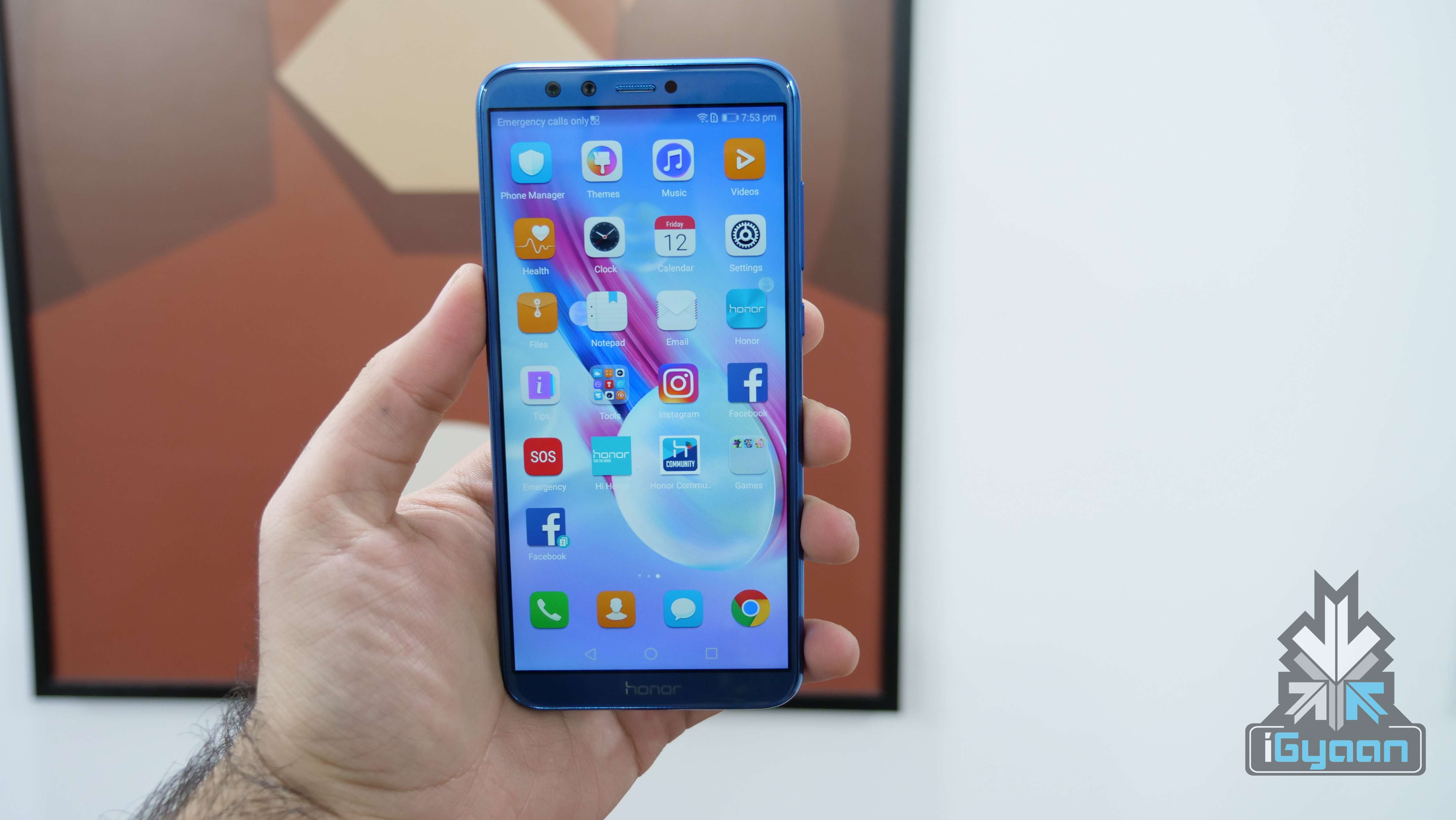

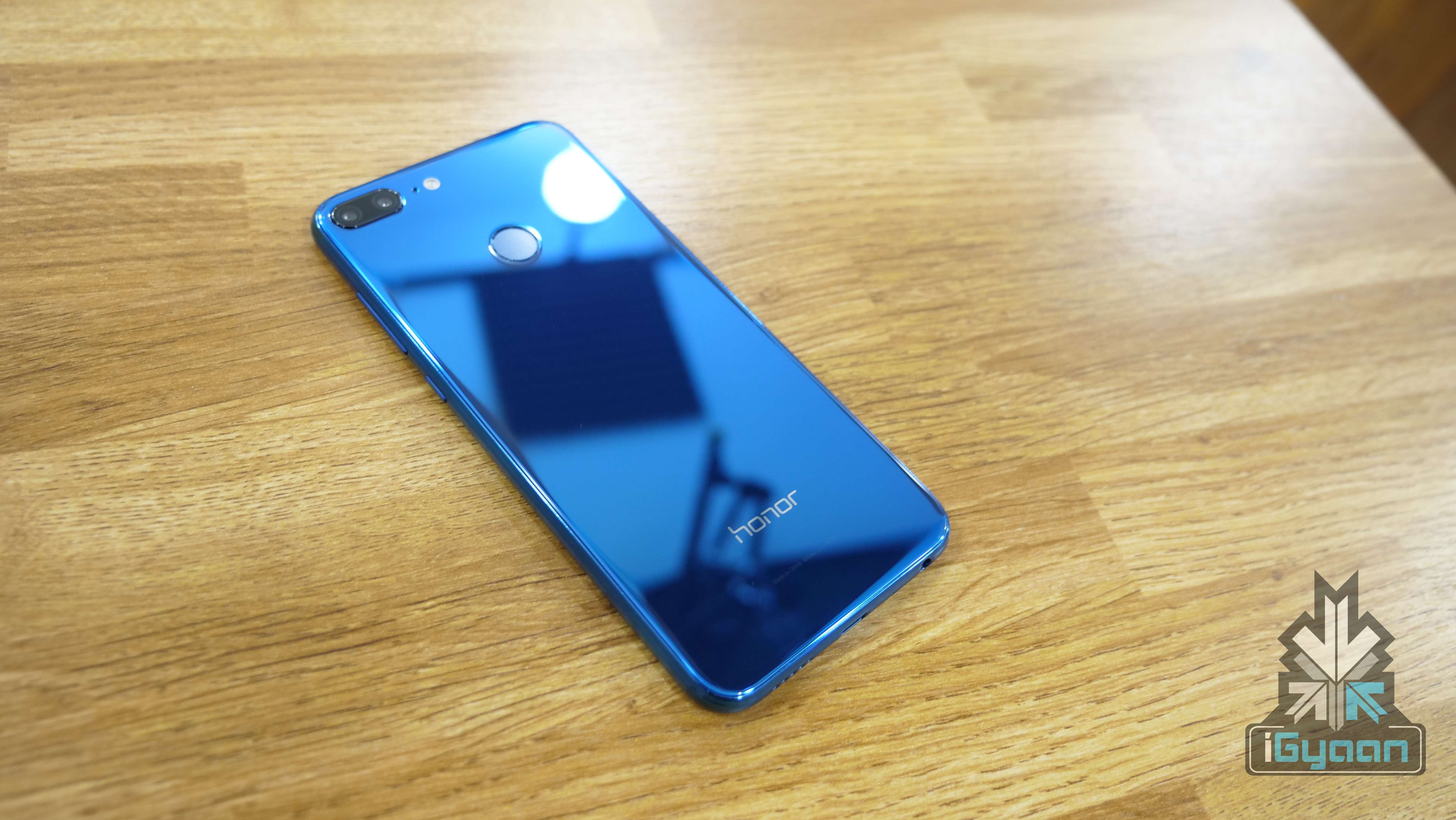

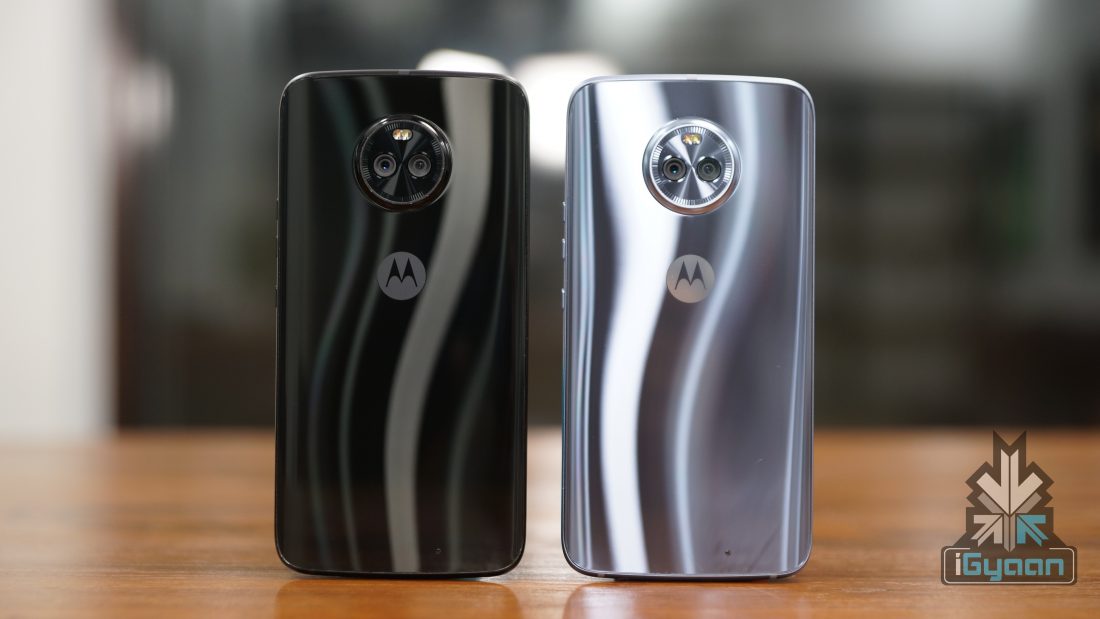
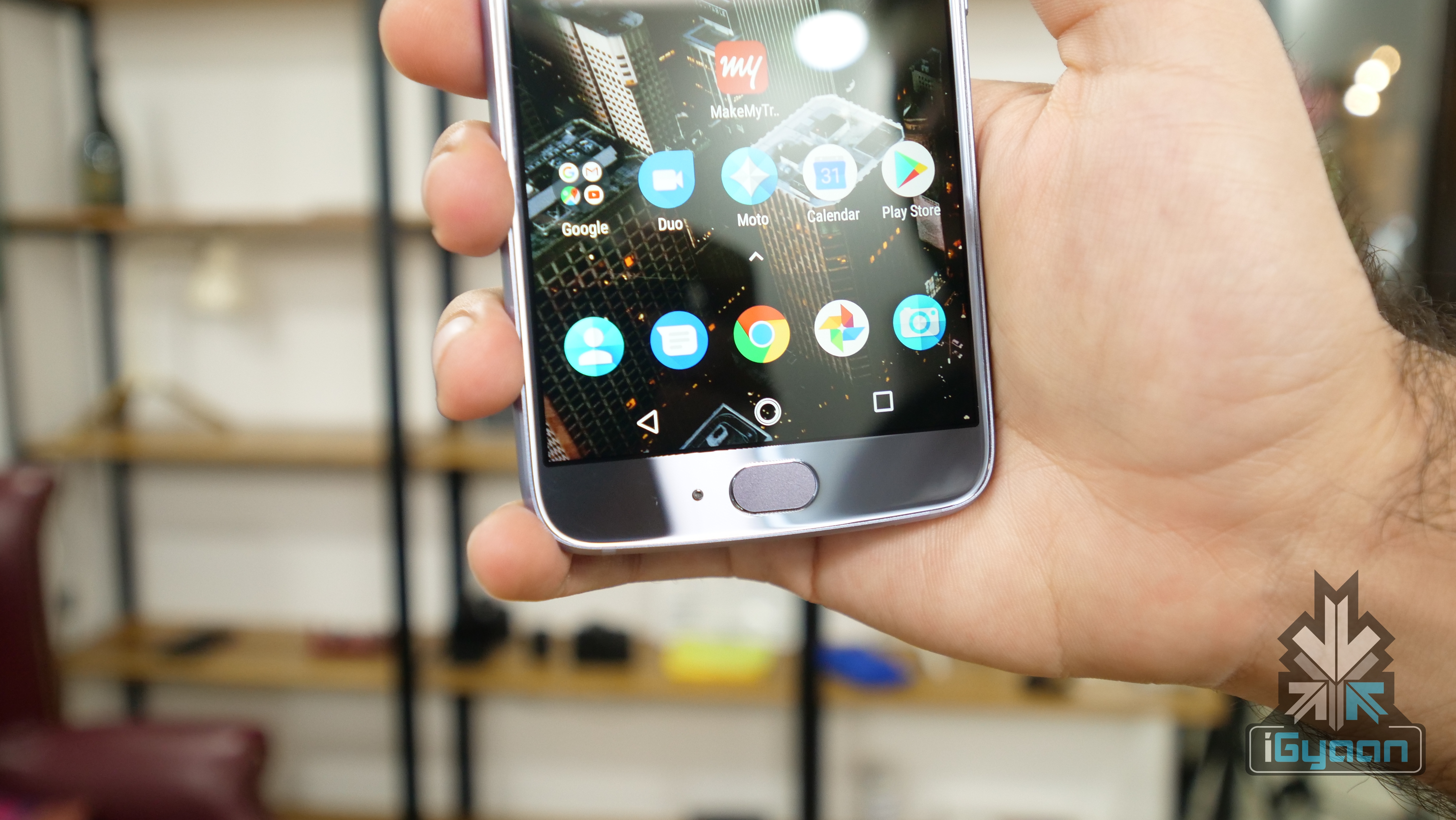

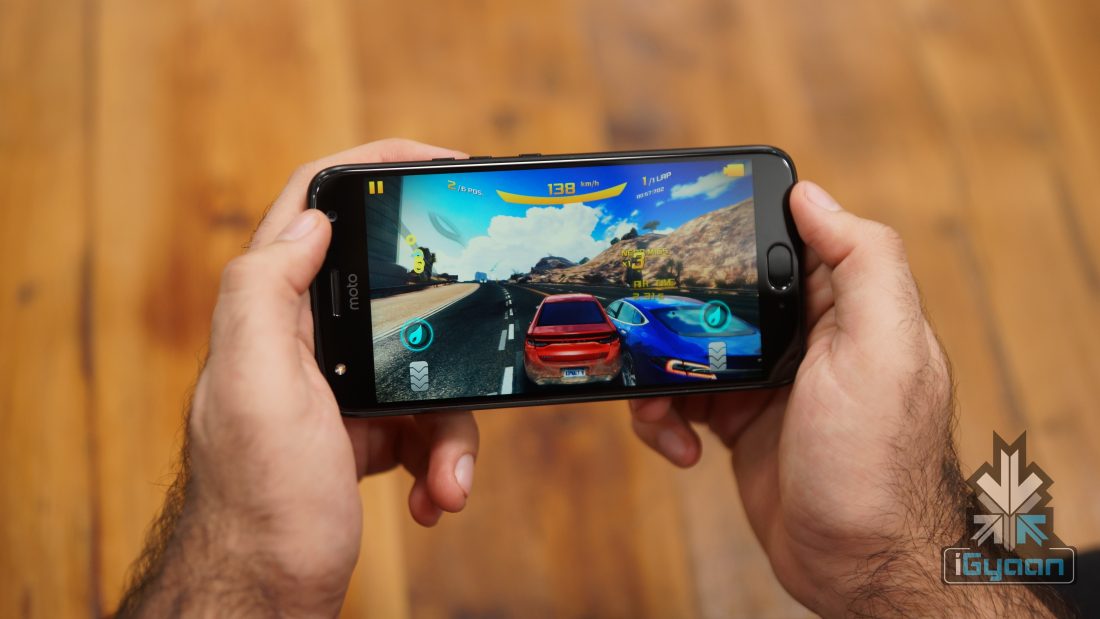
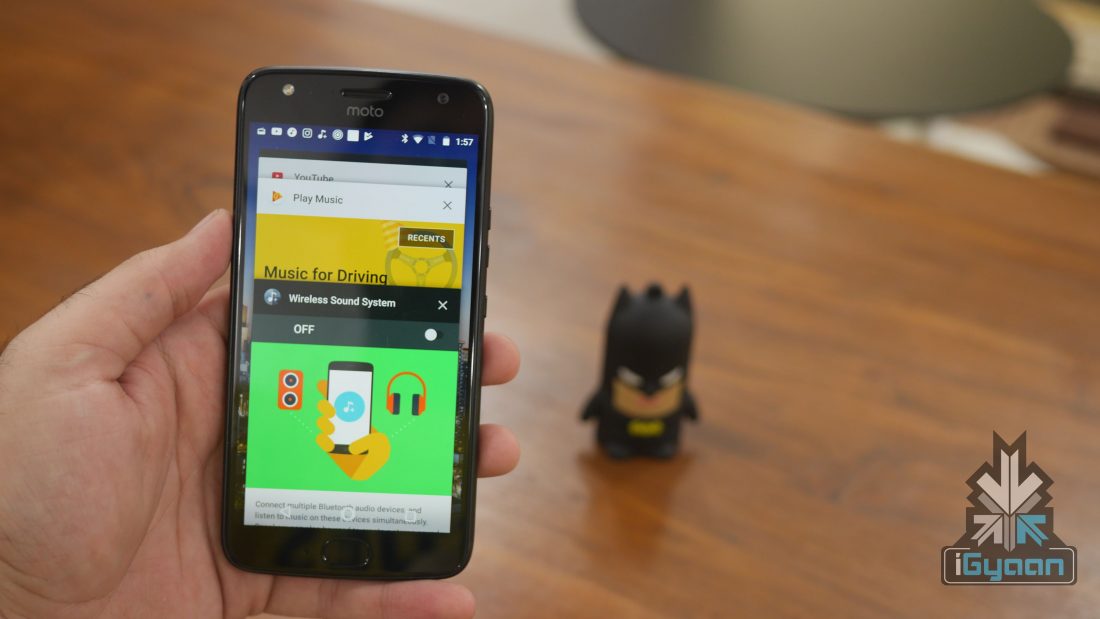
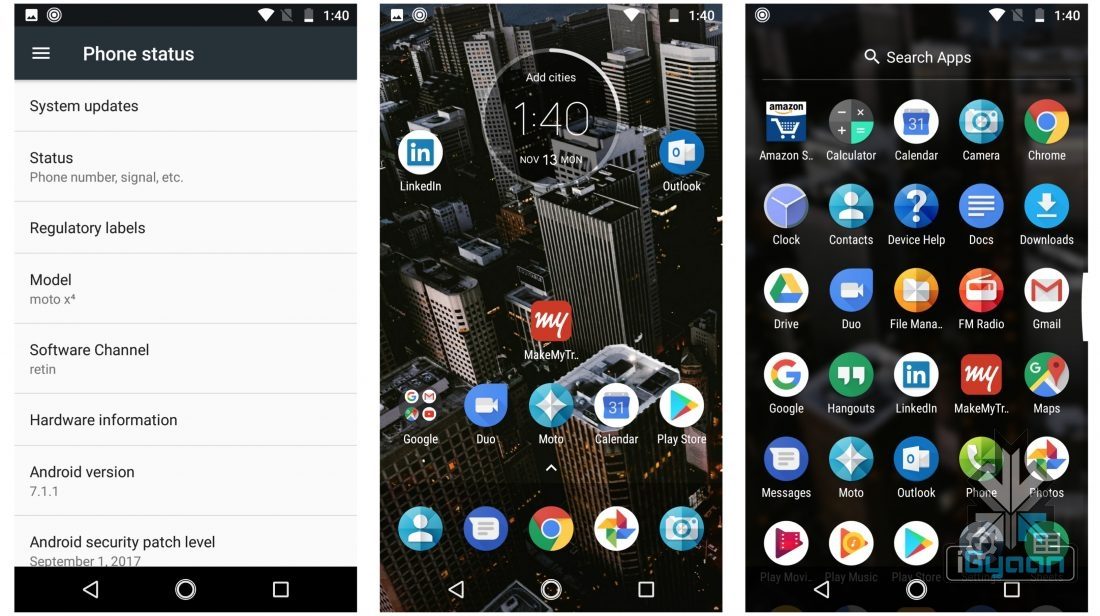
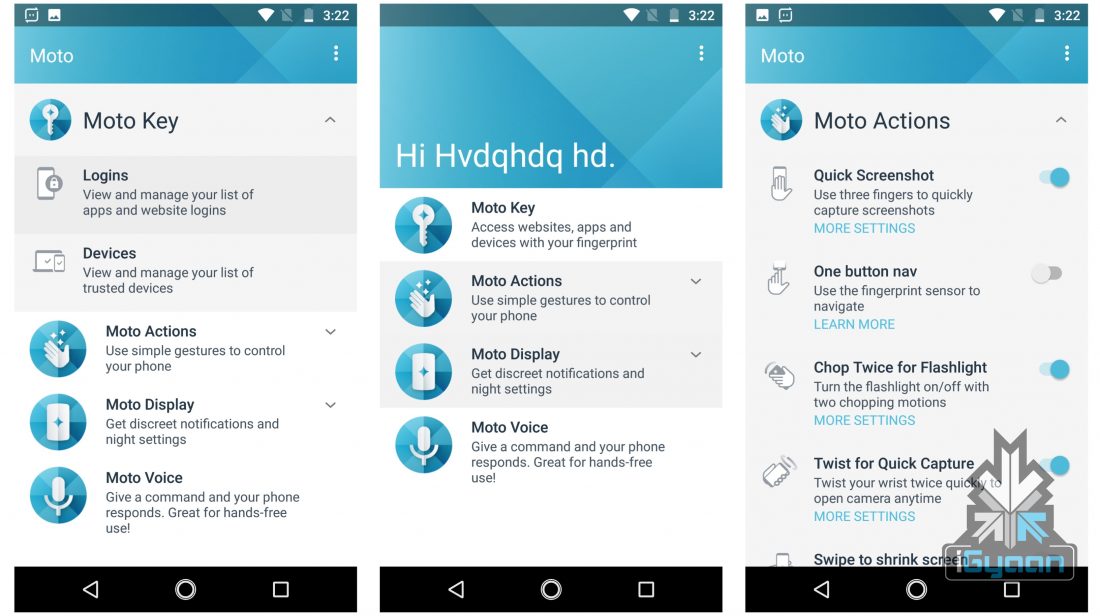


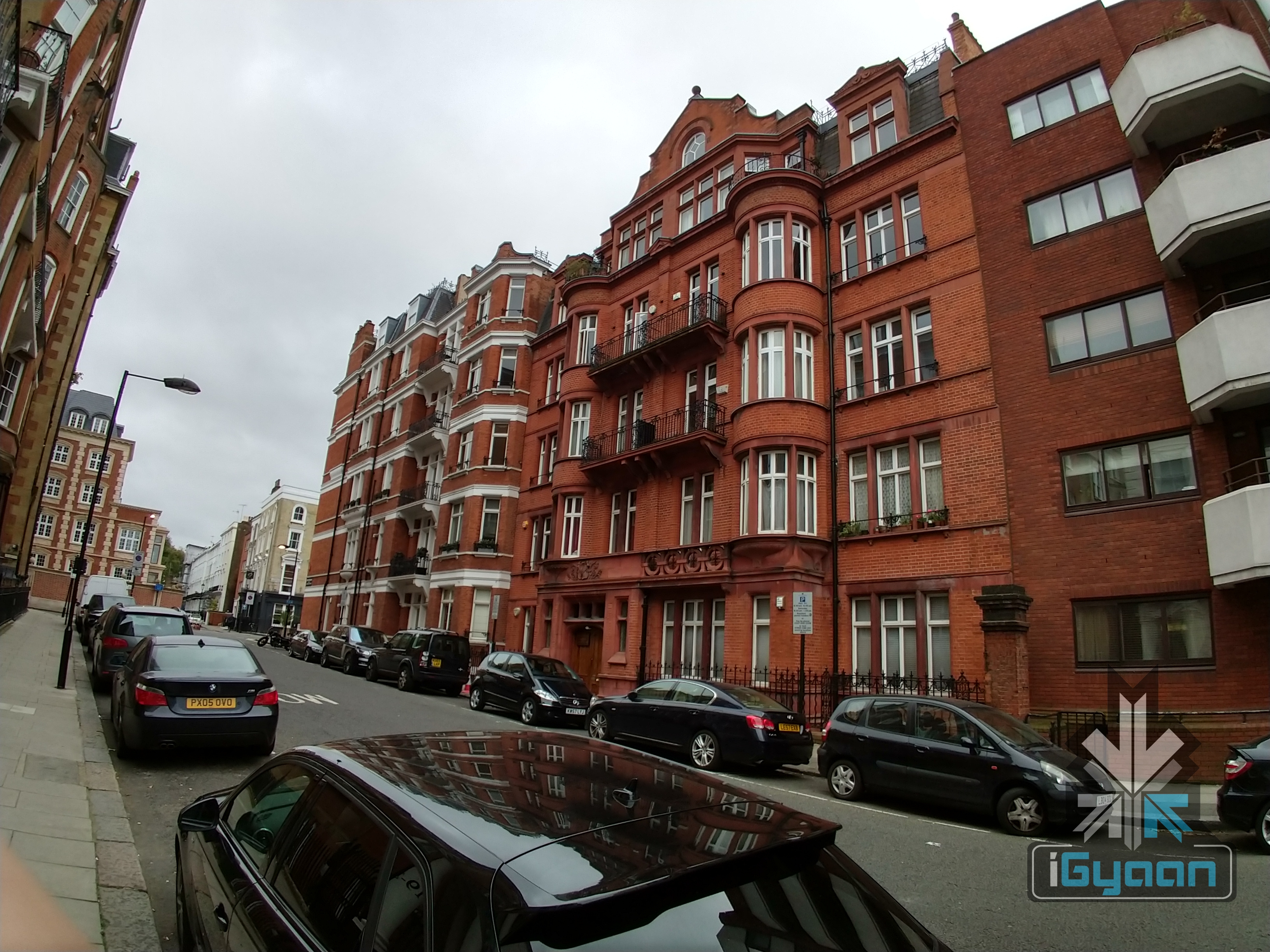
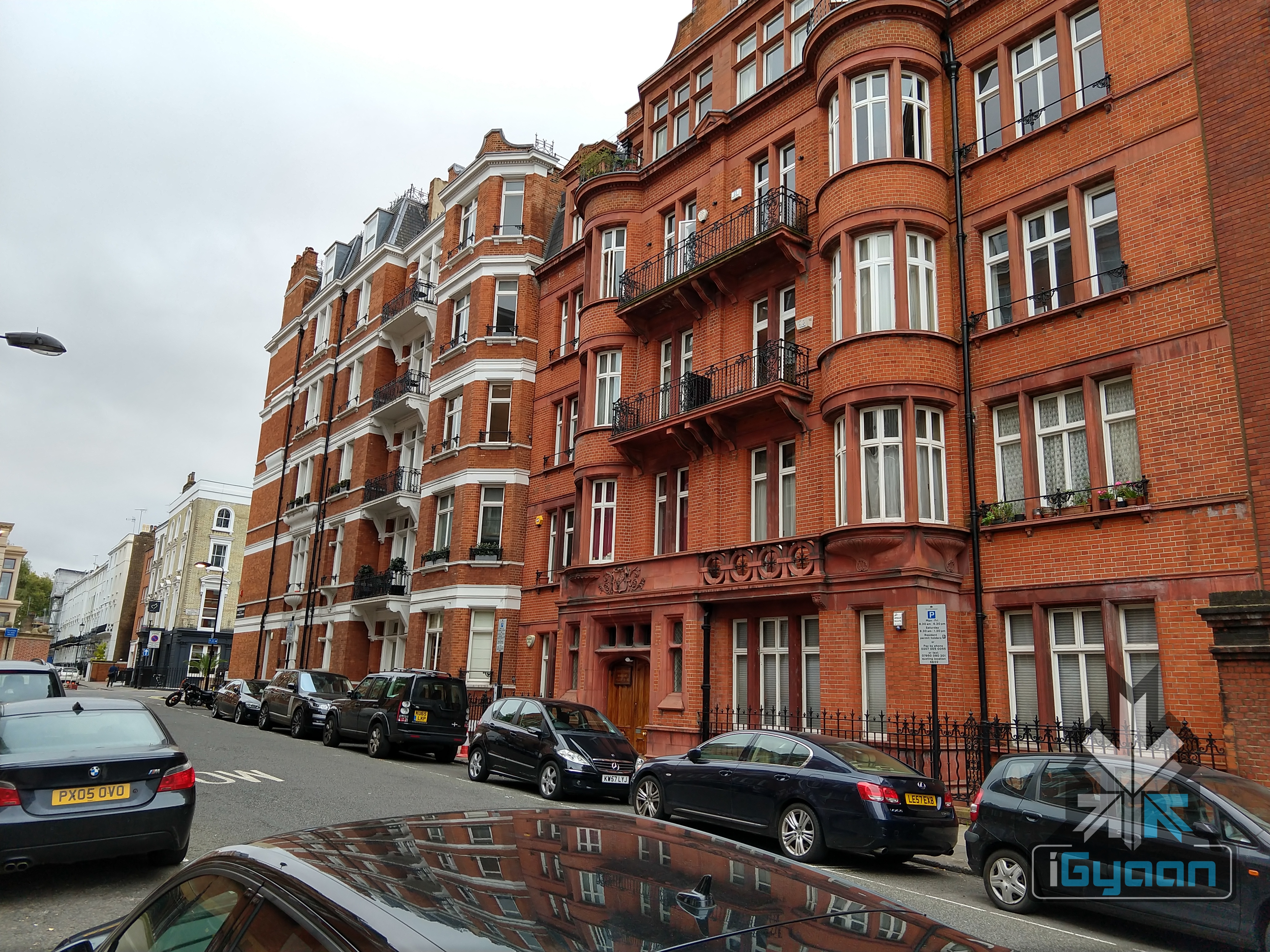




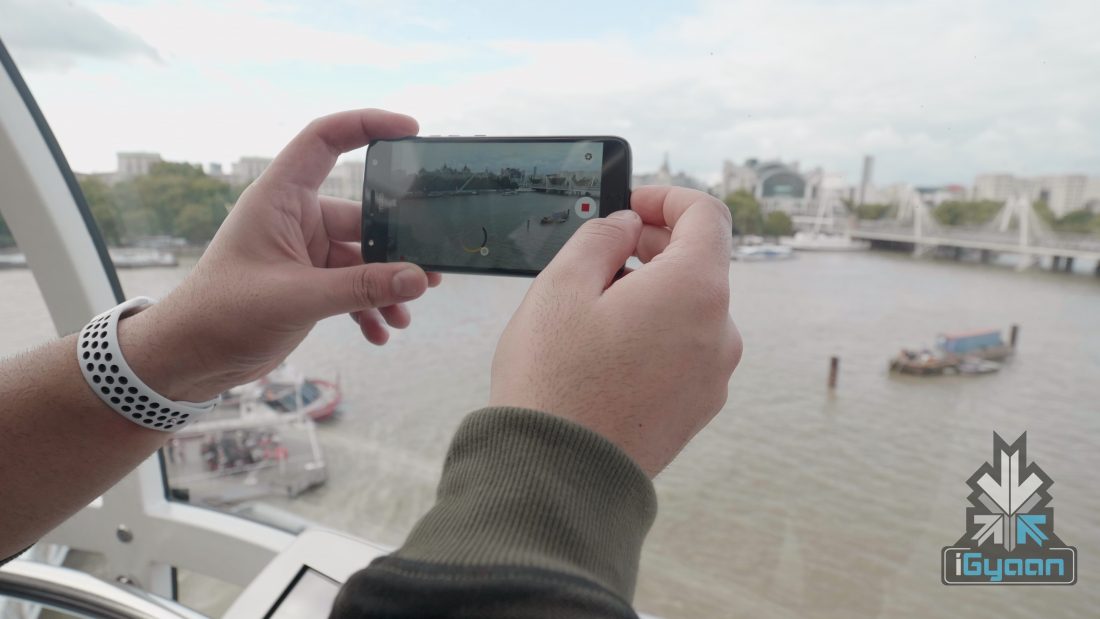
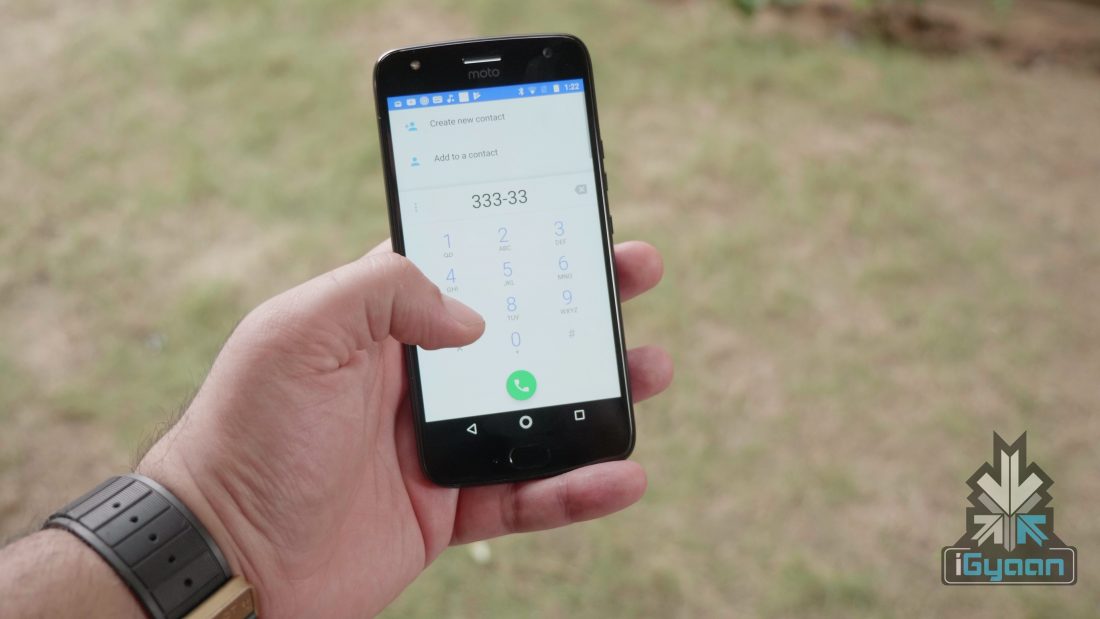
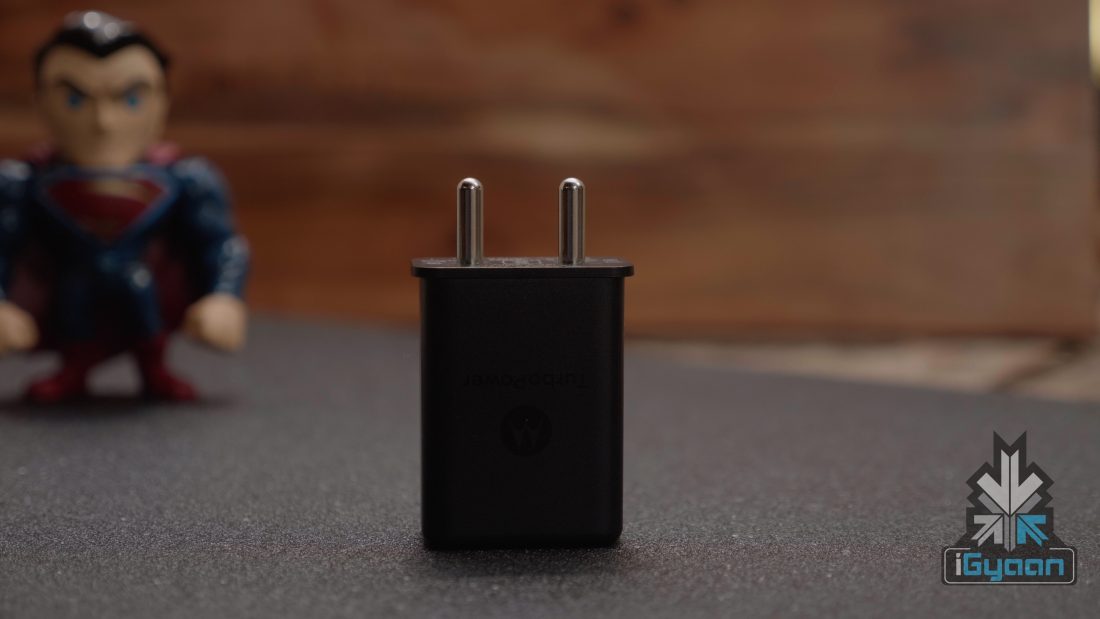
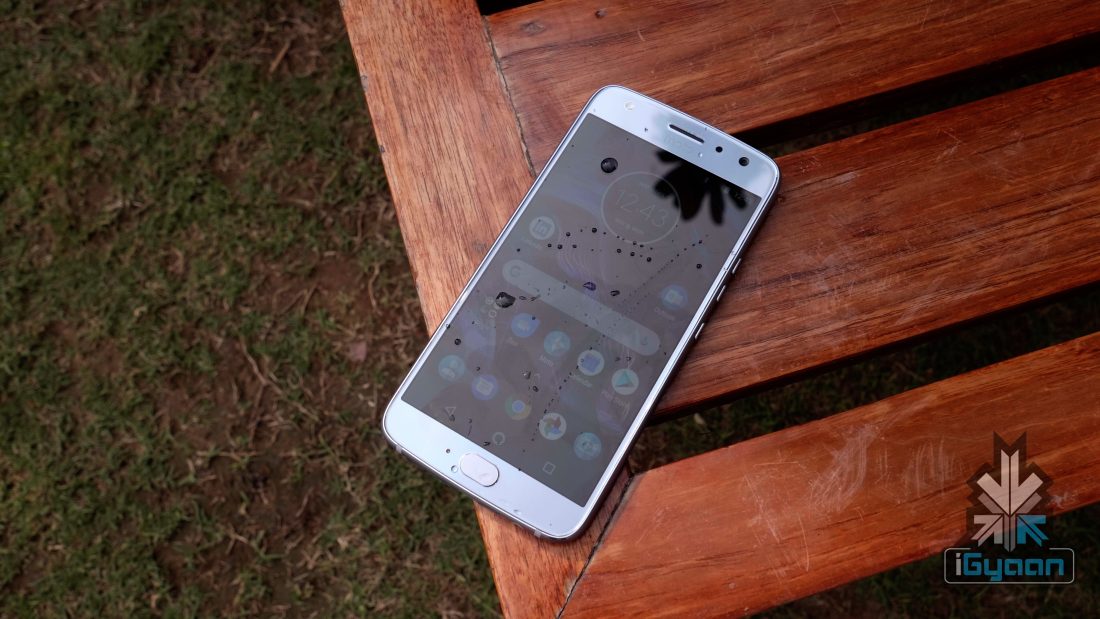
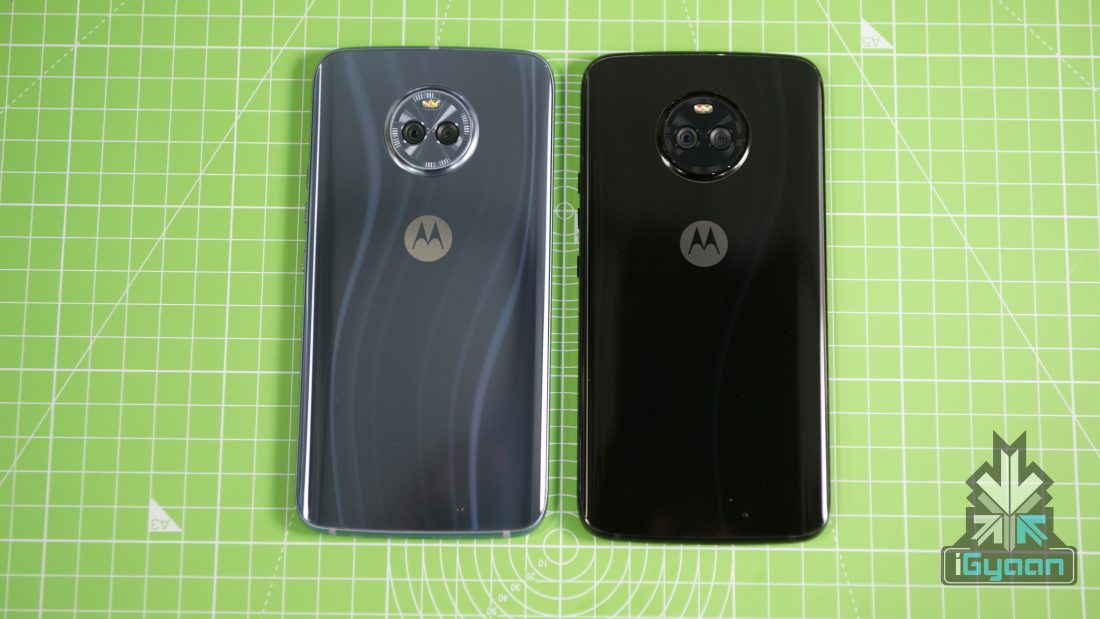

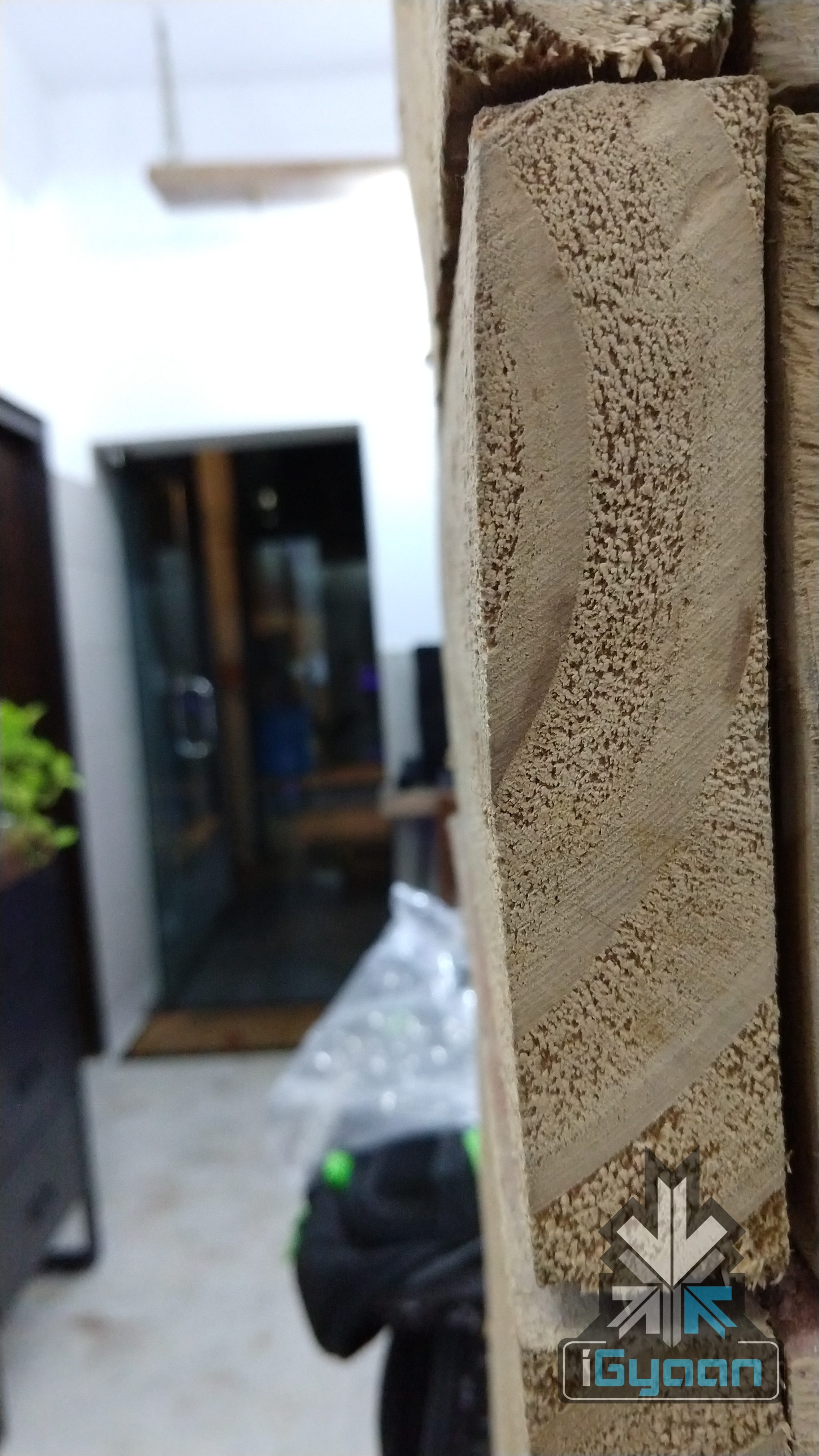
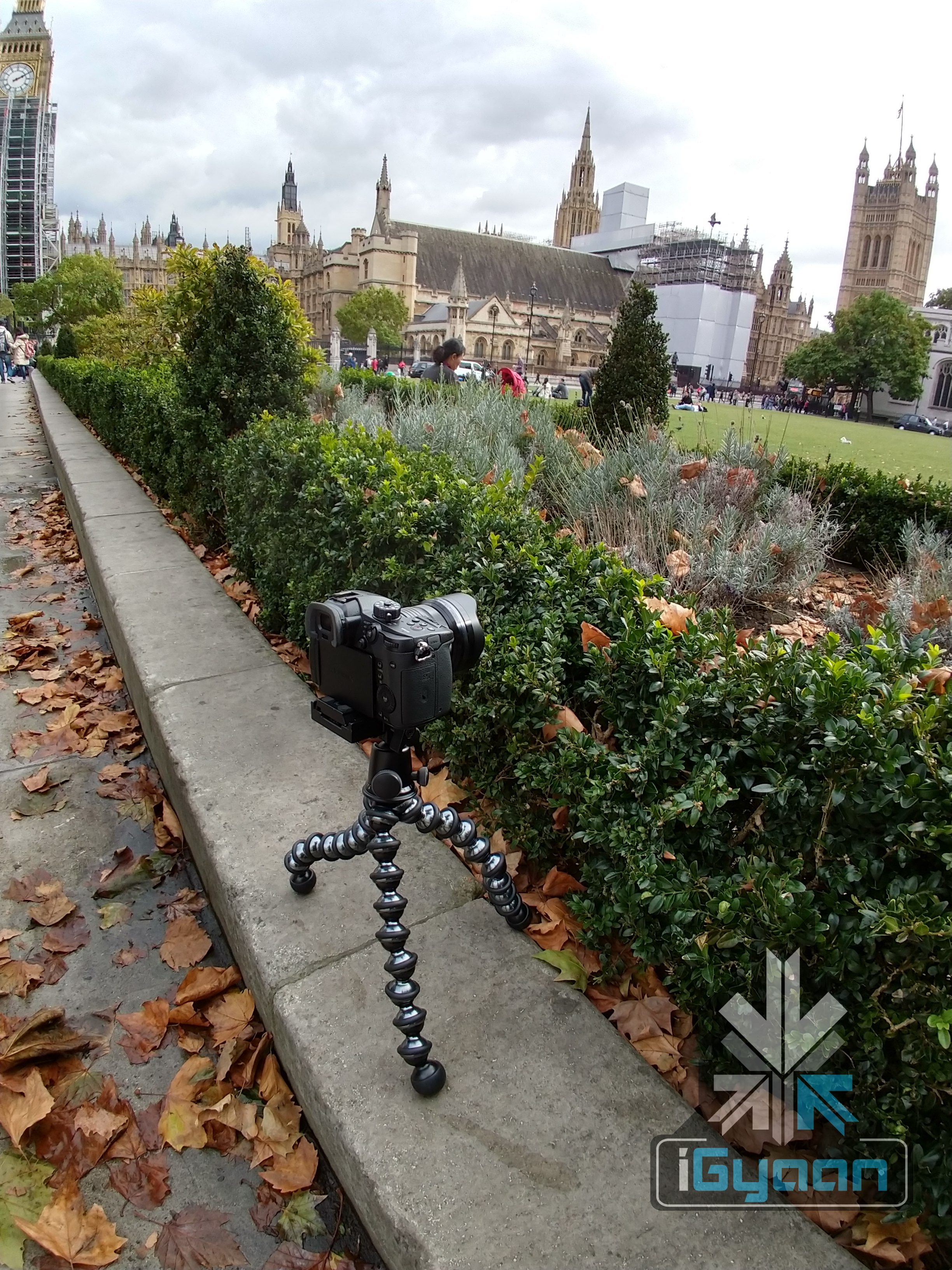
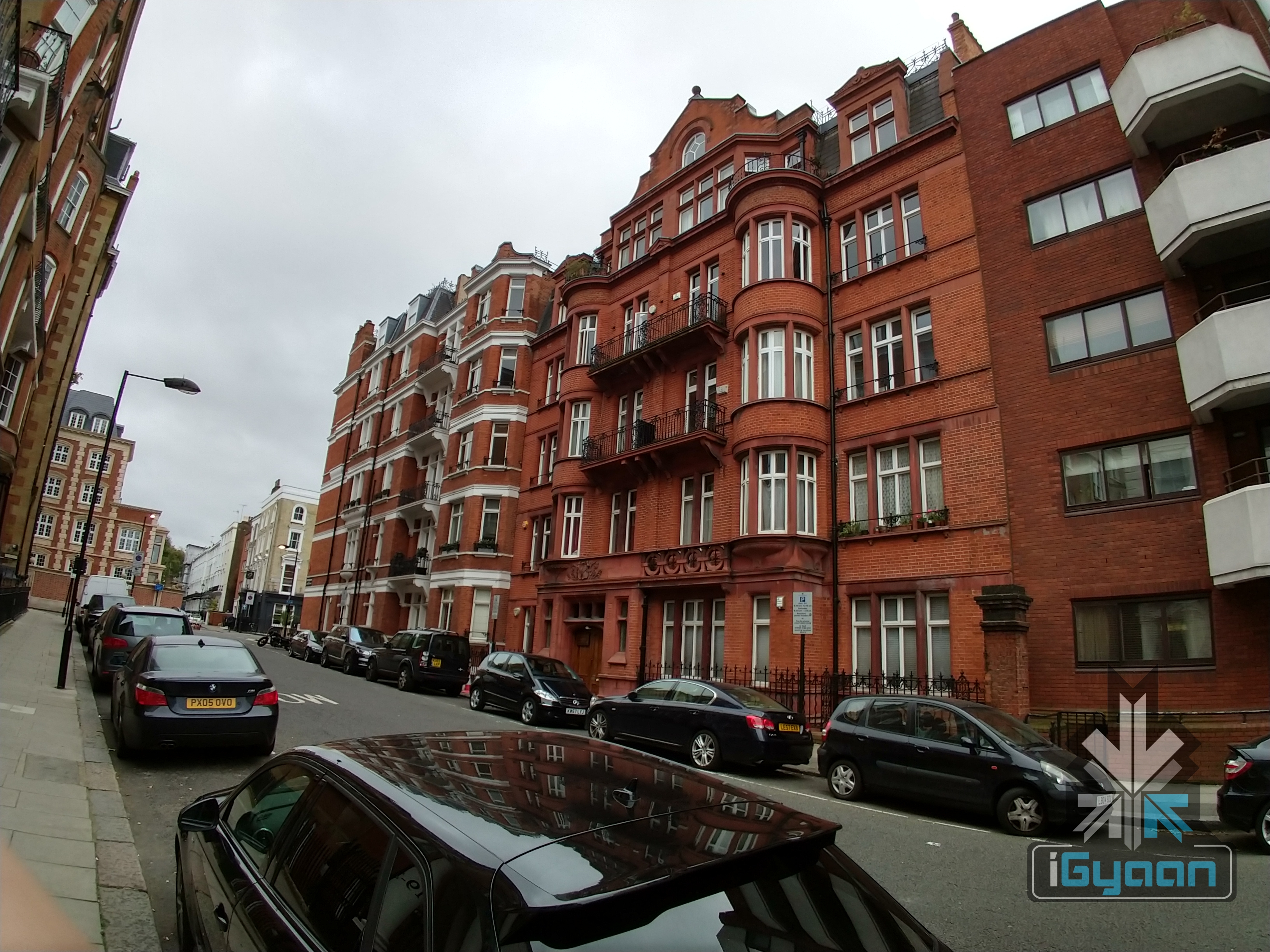








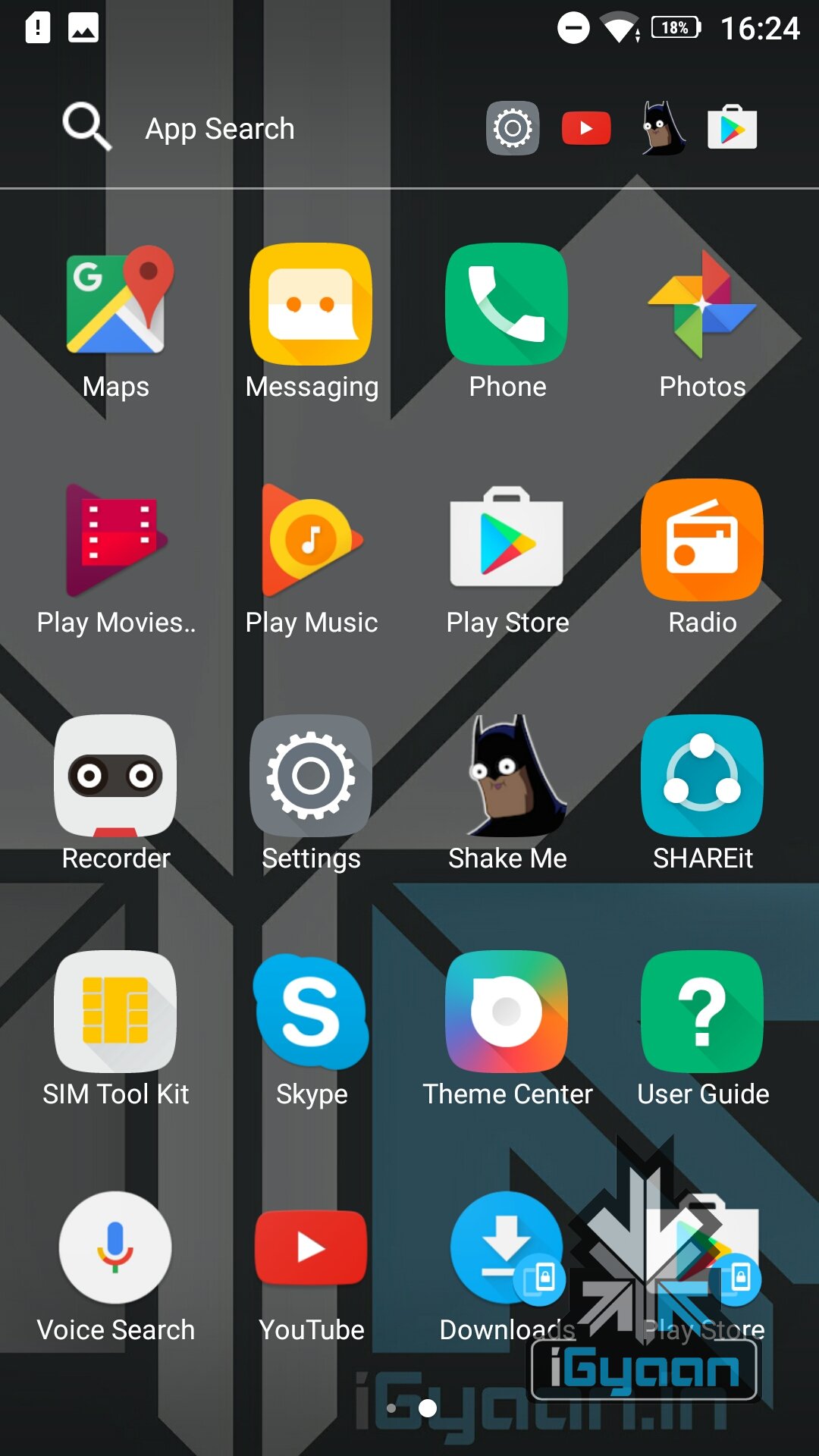
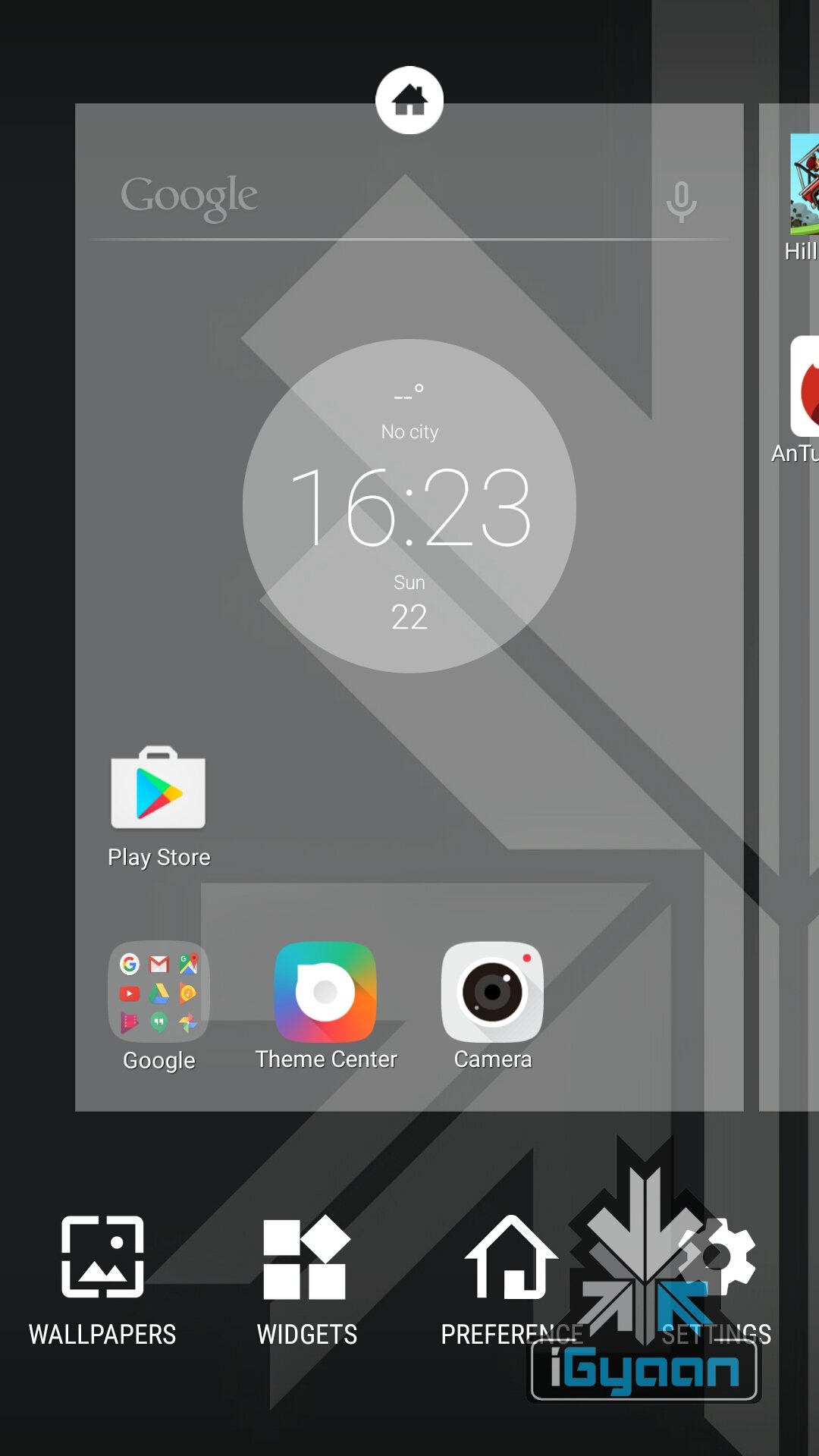
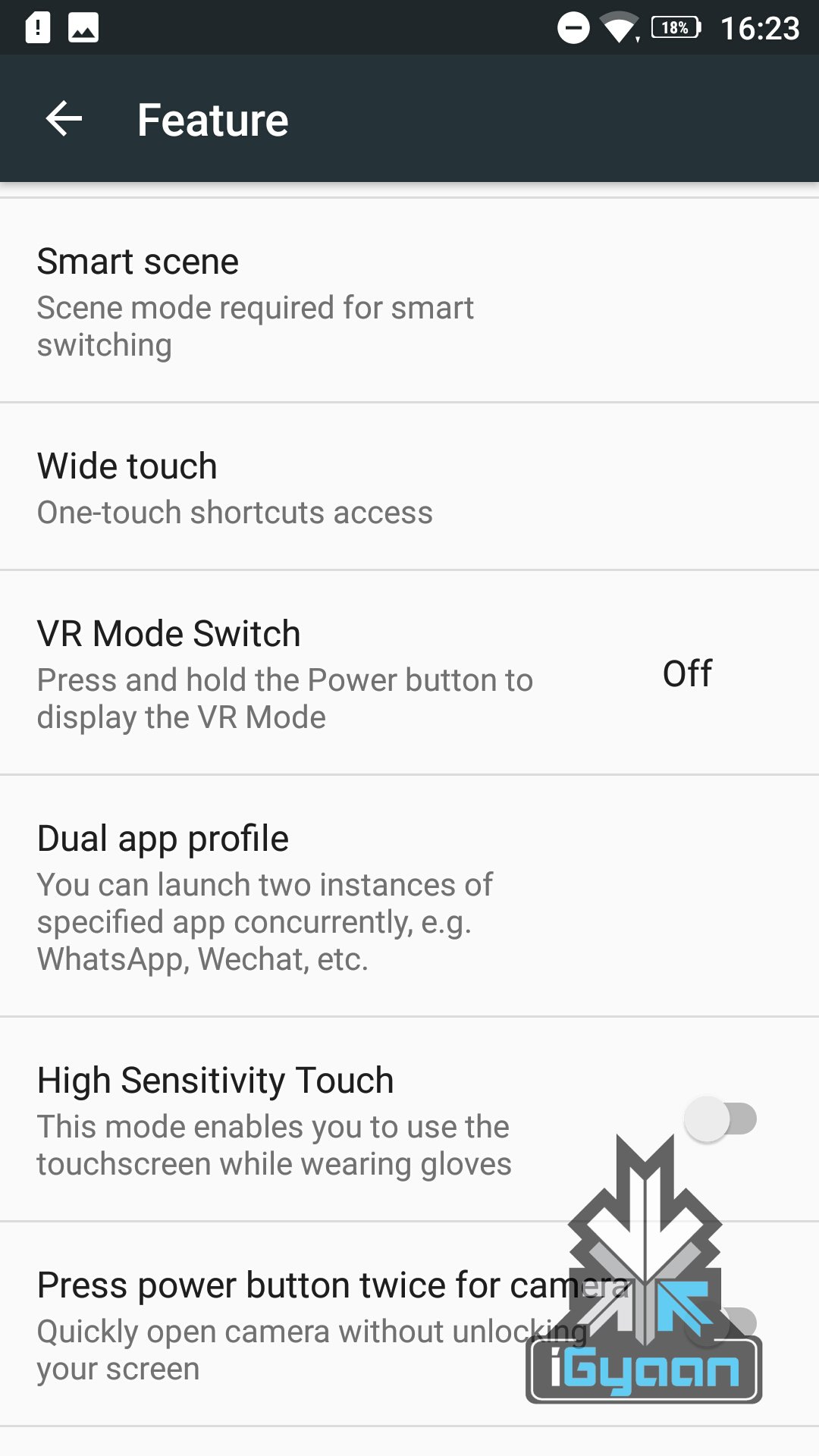
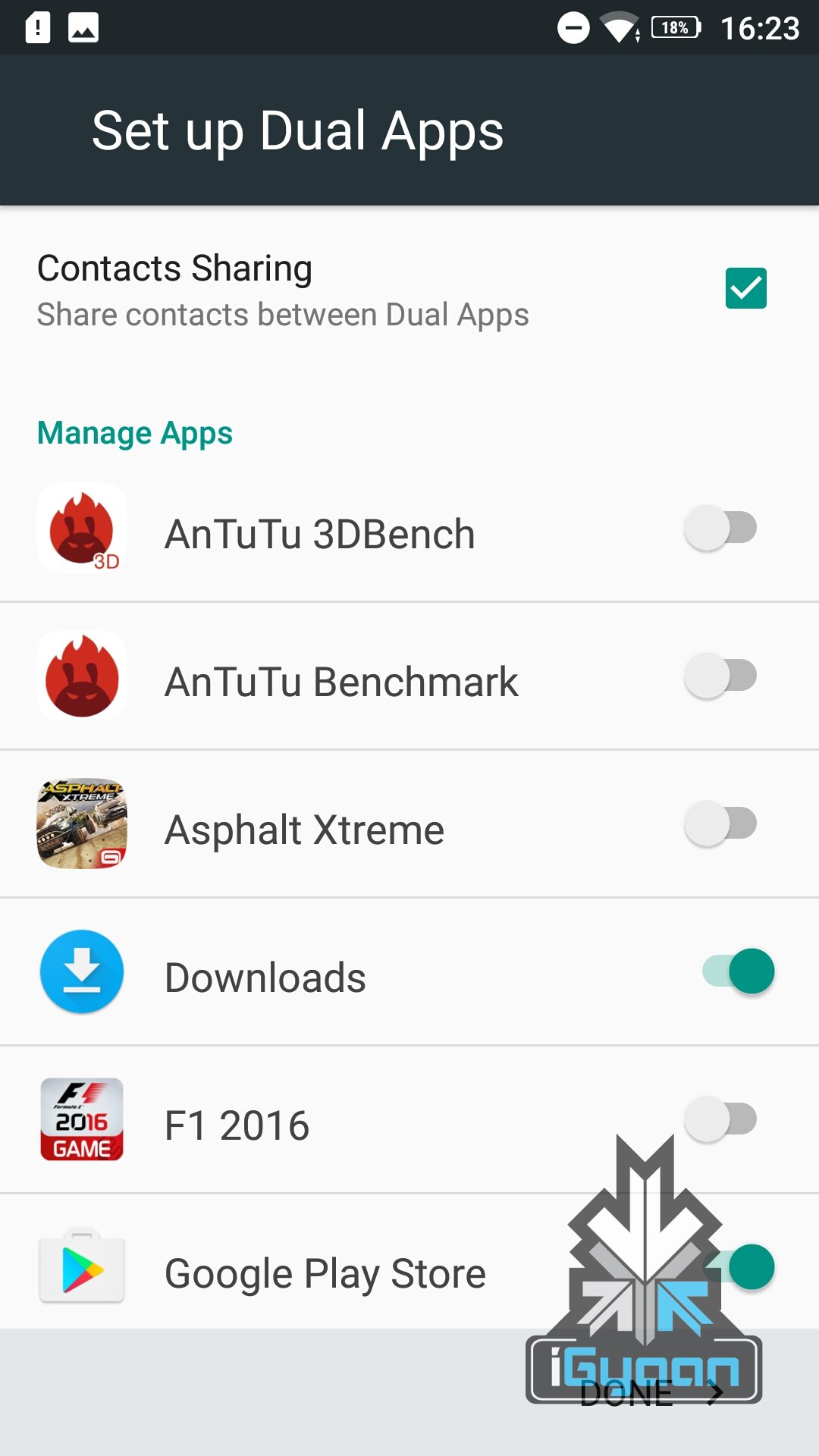
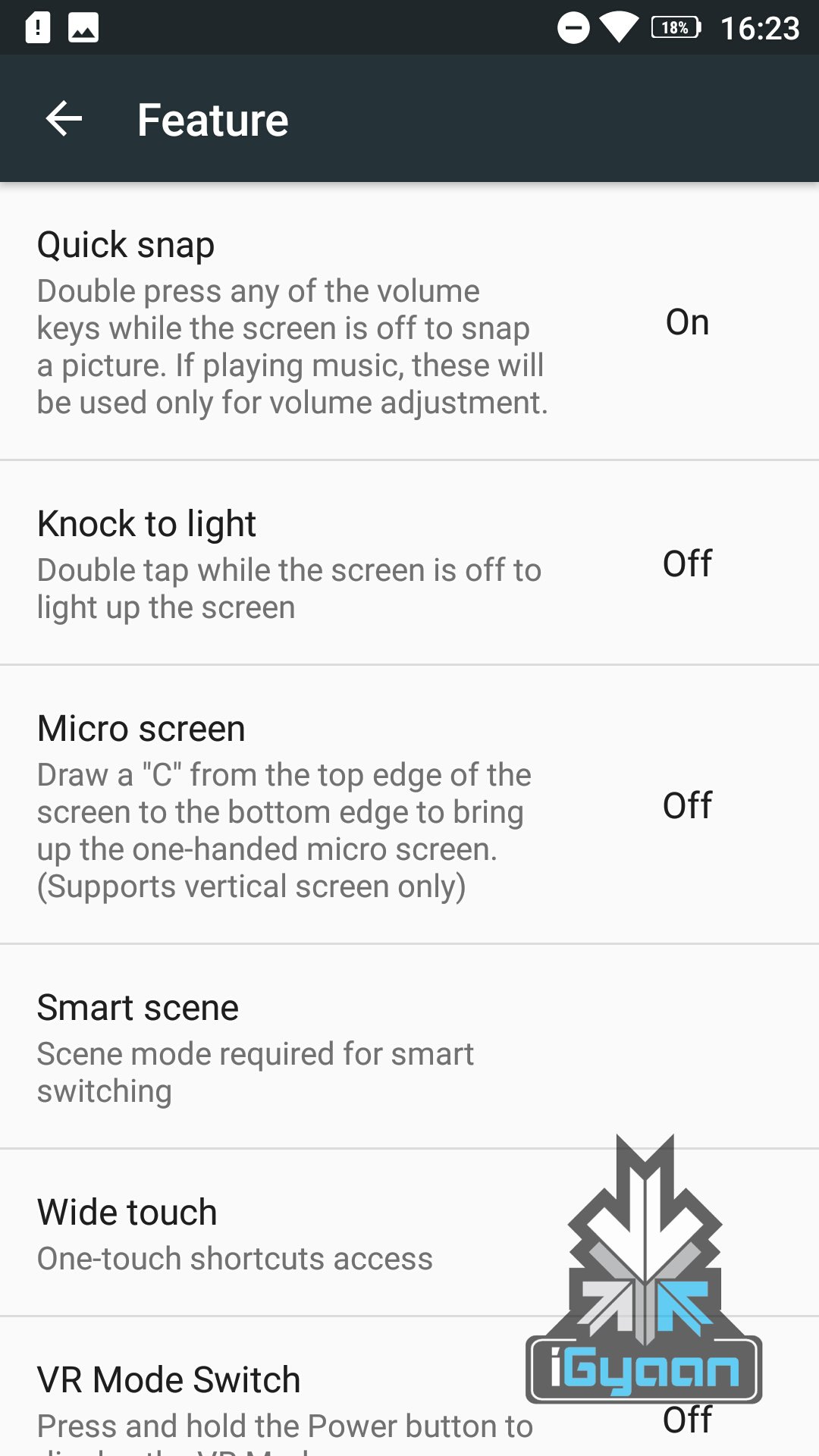
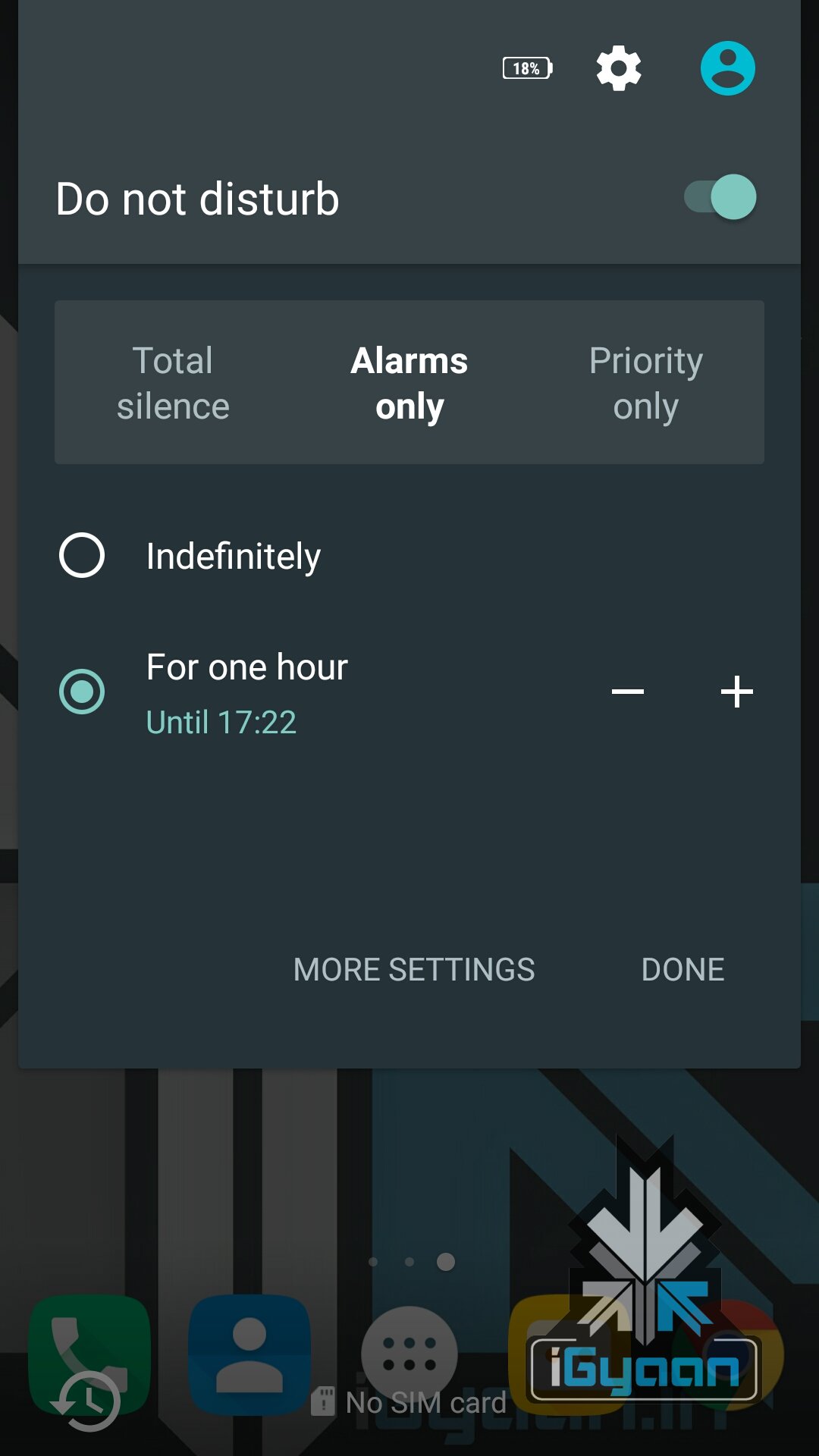
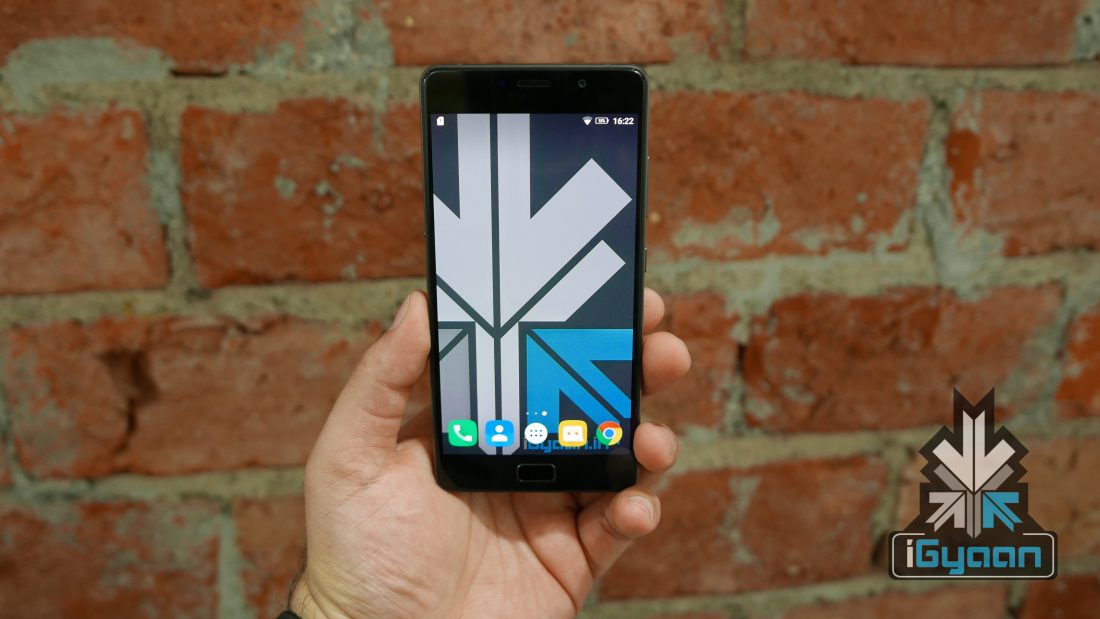
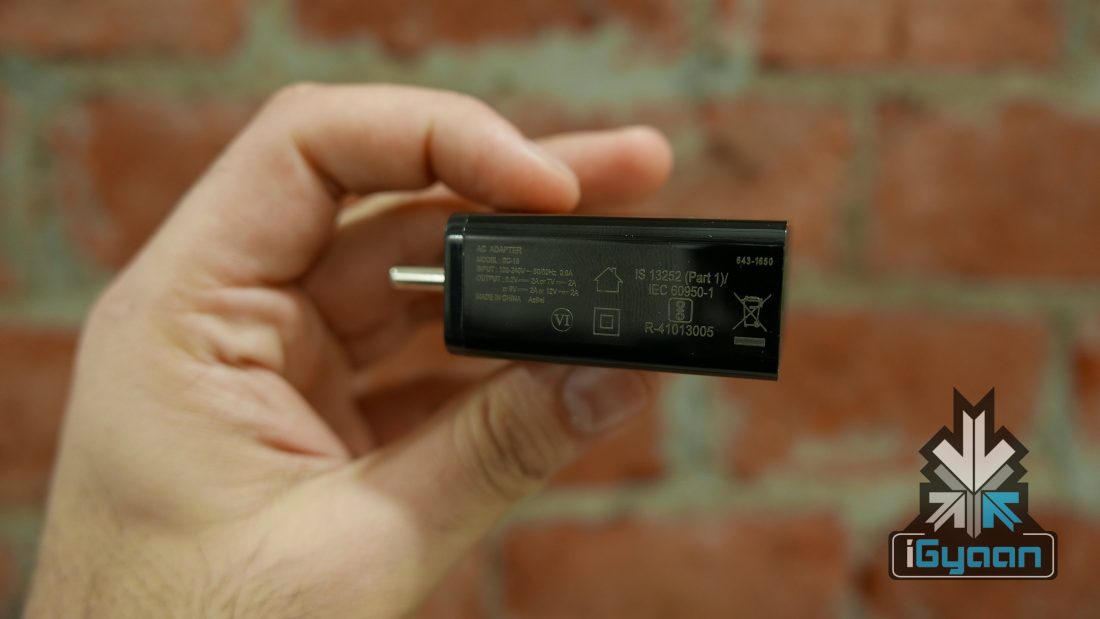
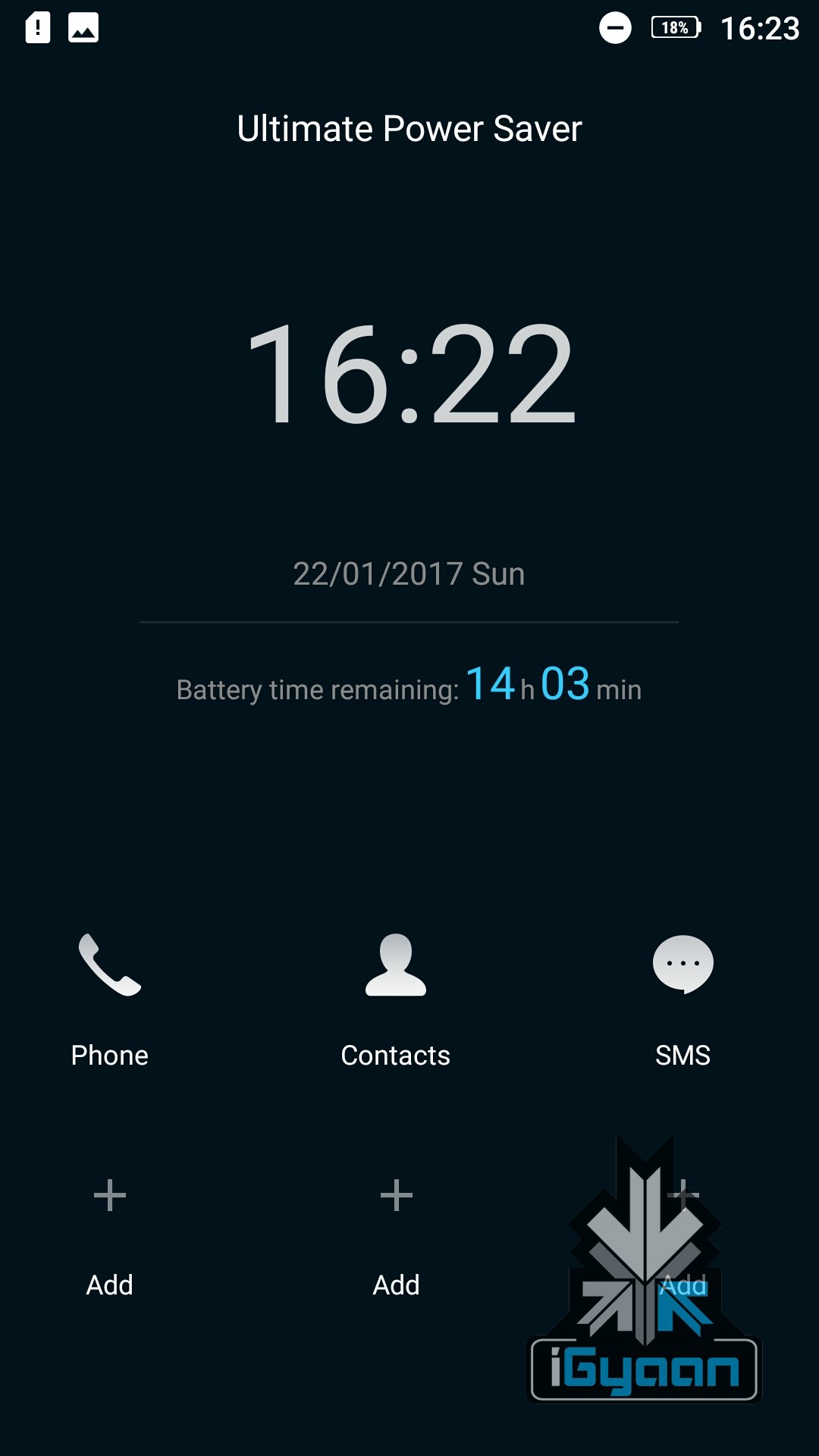 The included fast charger is speeds up to the point where it delivers an impressive 12V 2A charge making the phone charge to a full in around 1.5 hours. When compared to Dash Charge, the Lenovo P2 may stay back in percentages, i.e achieving 40% vs 60% on the OnePlus 3 in the same time.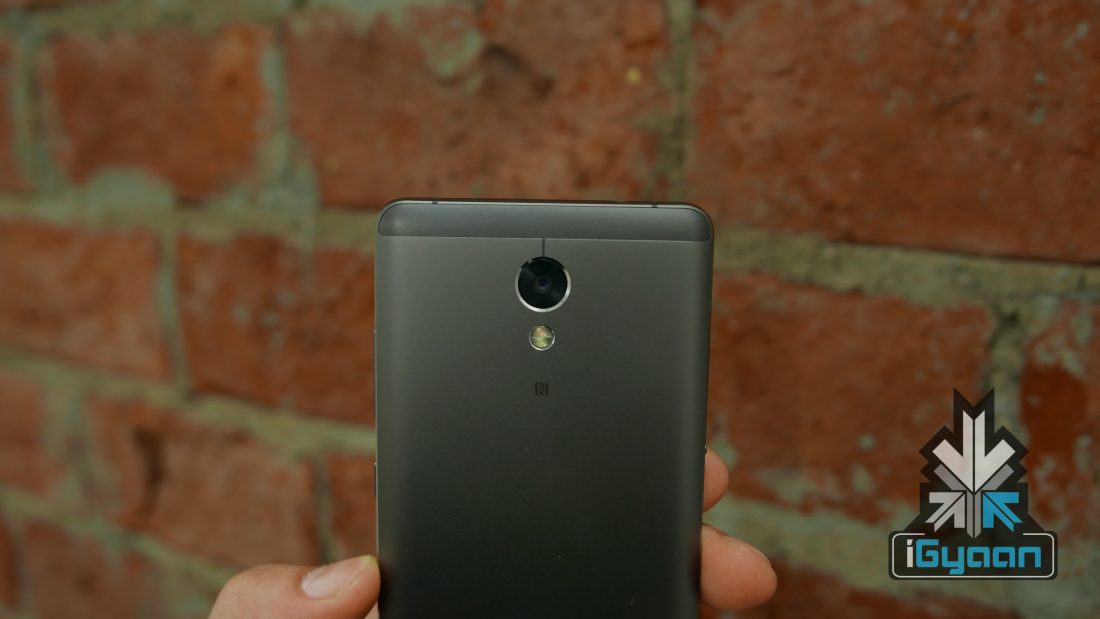
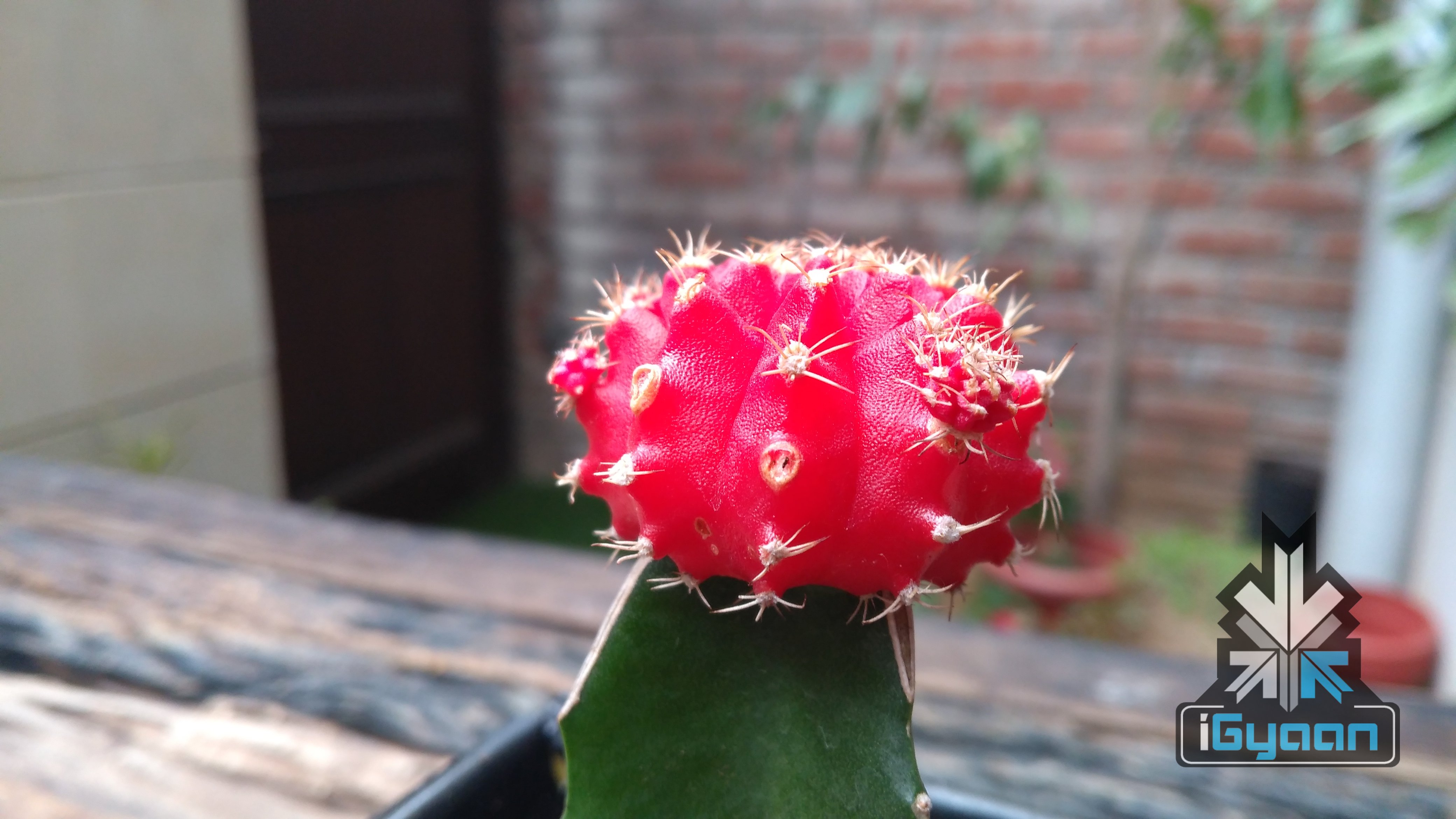
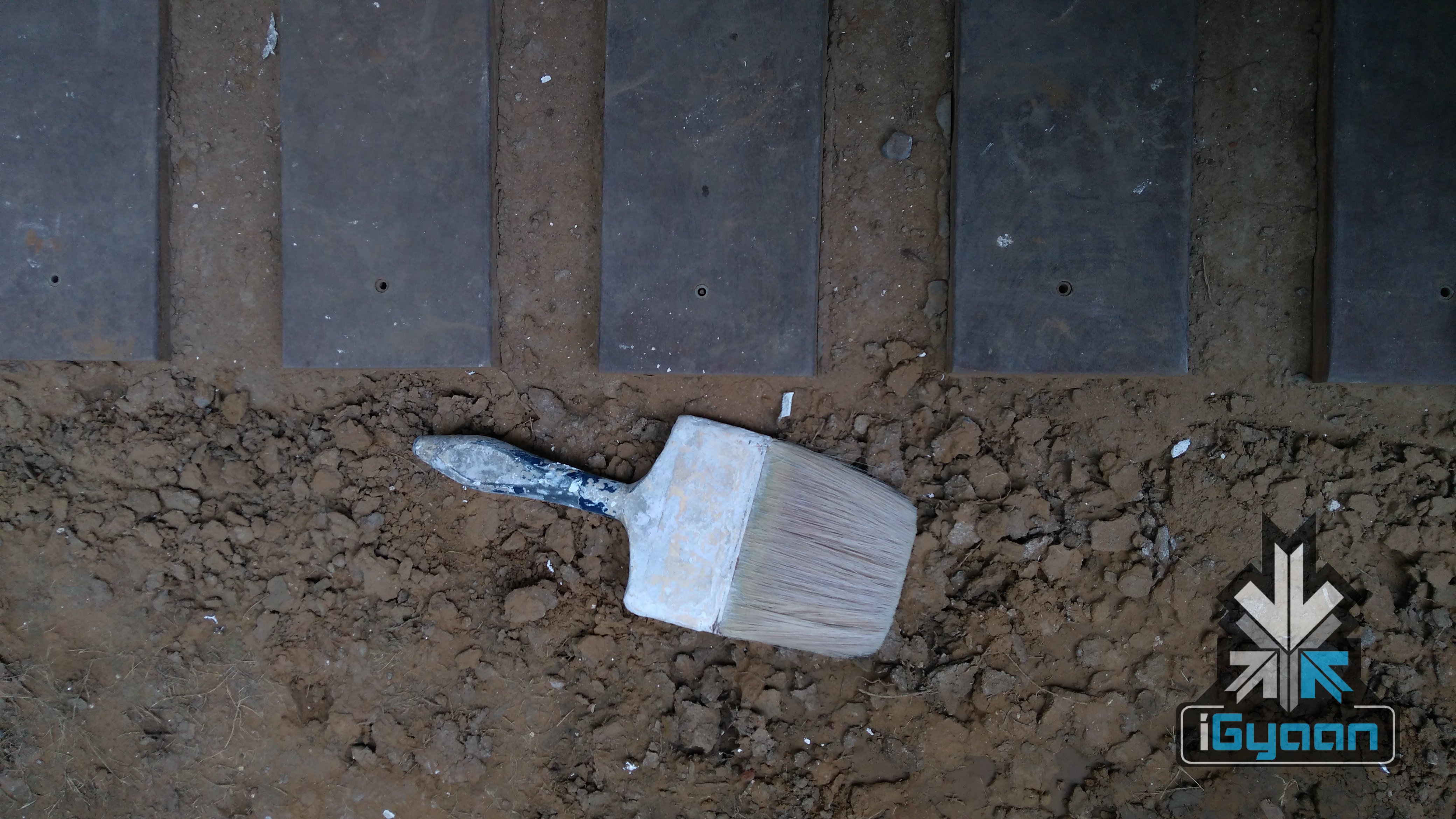
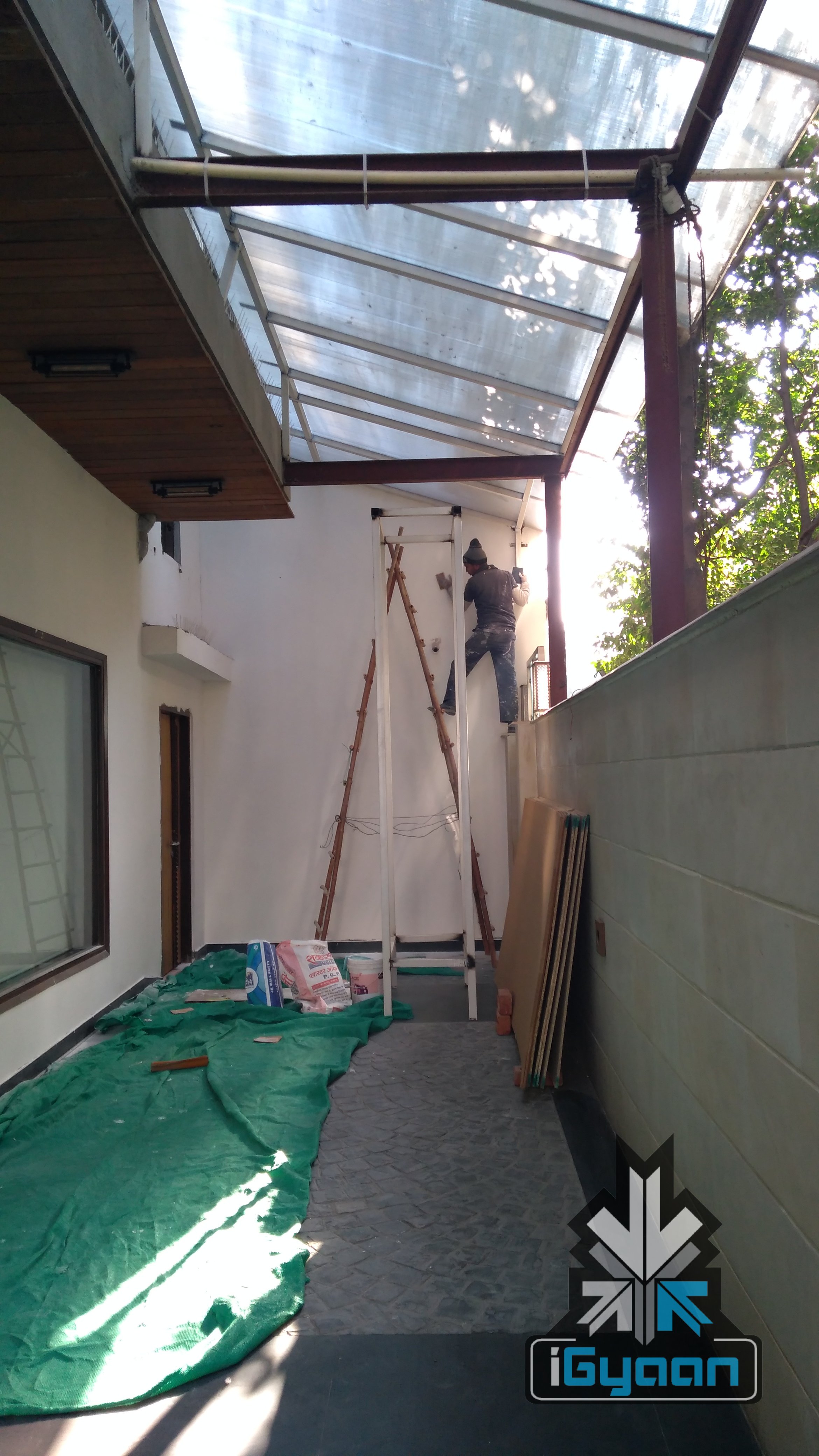
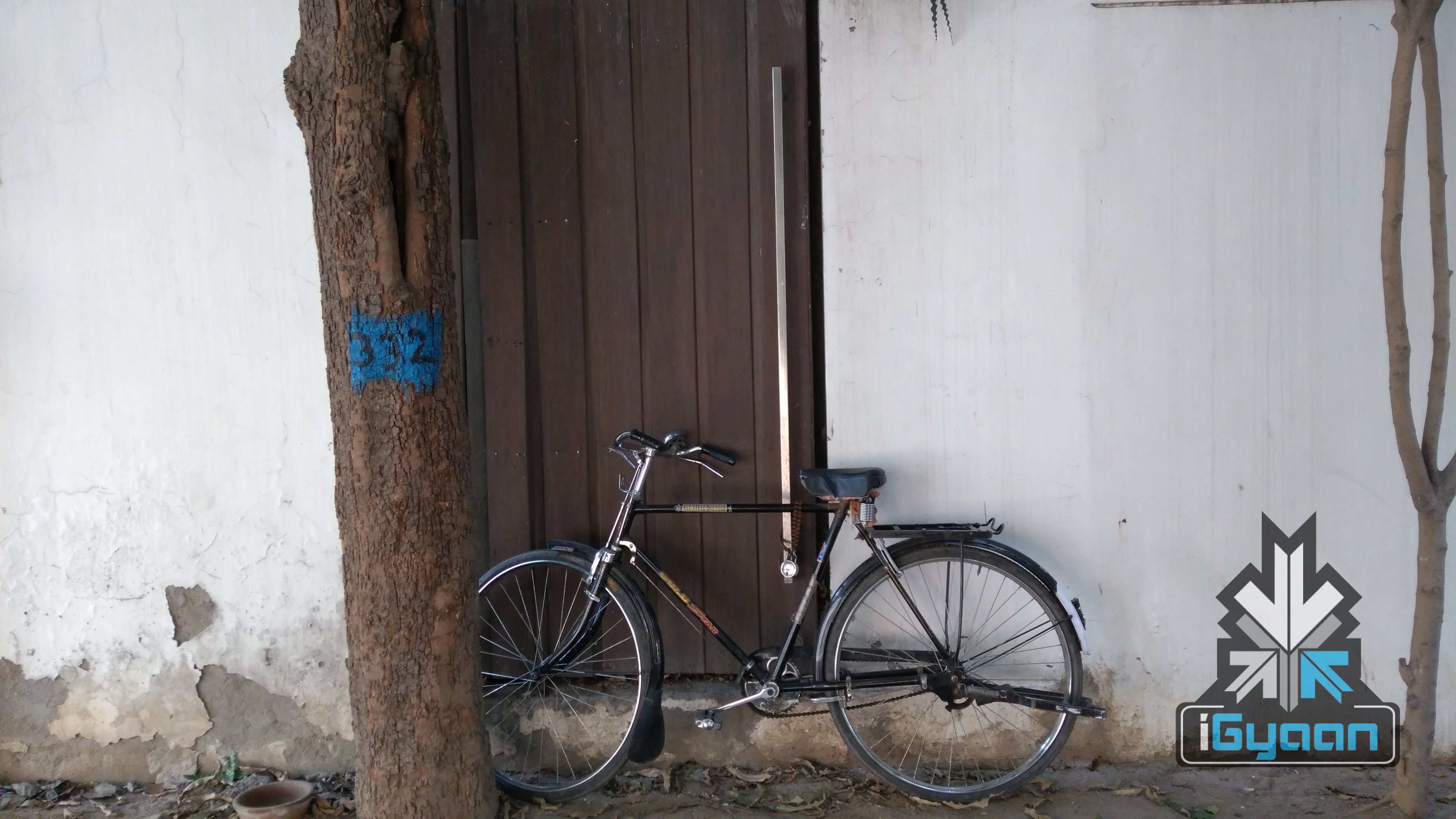
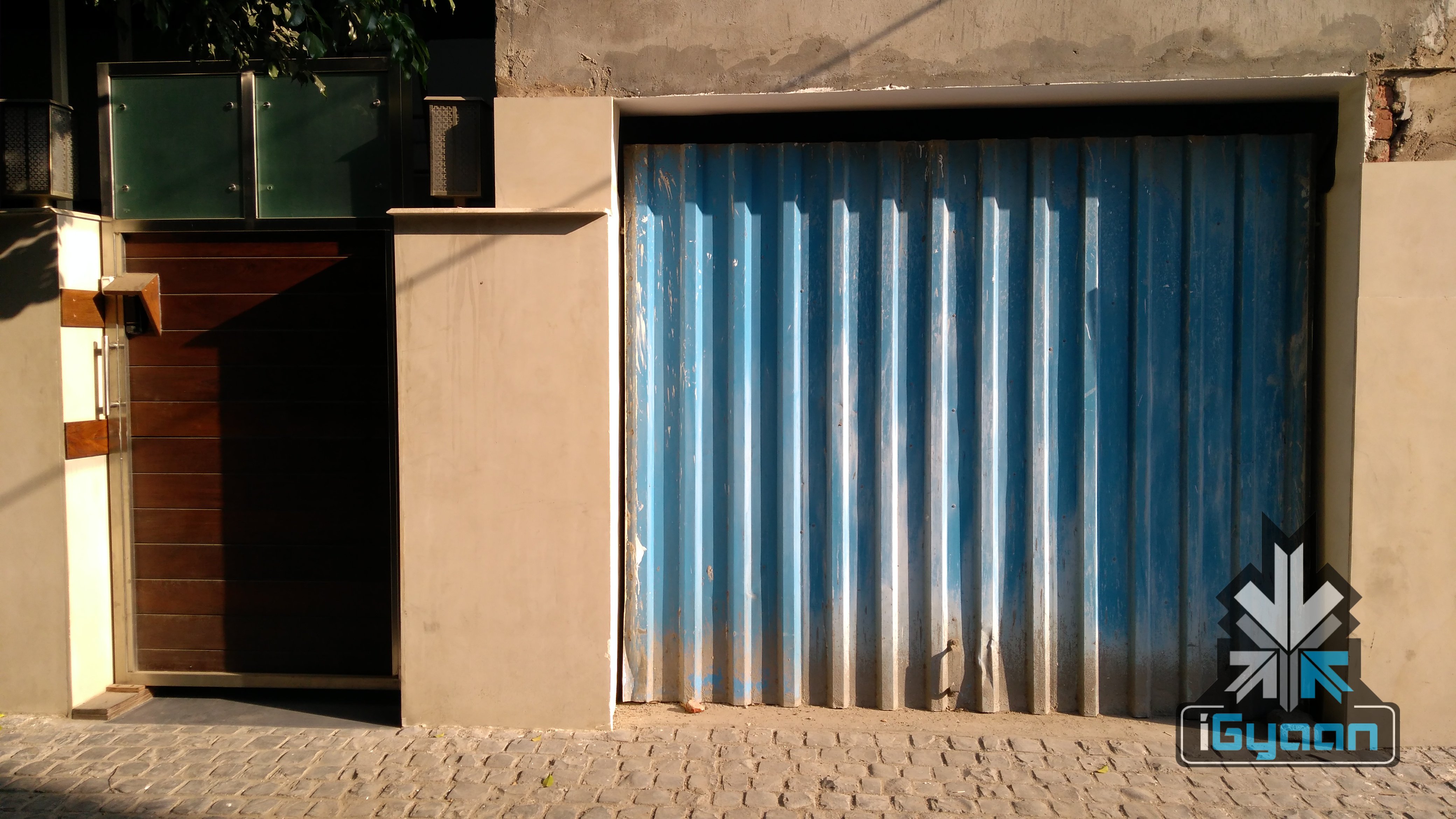
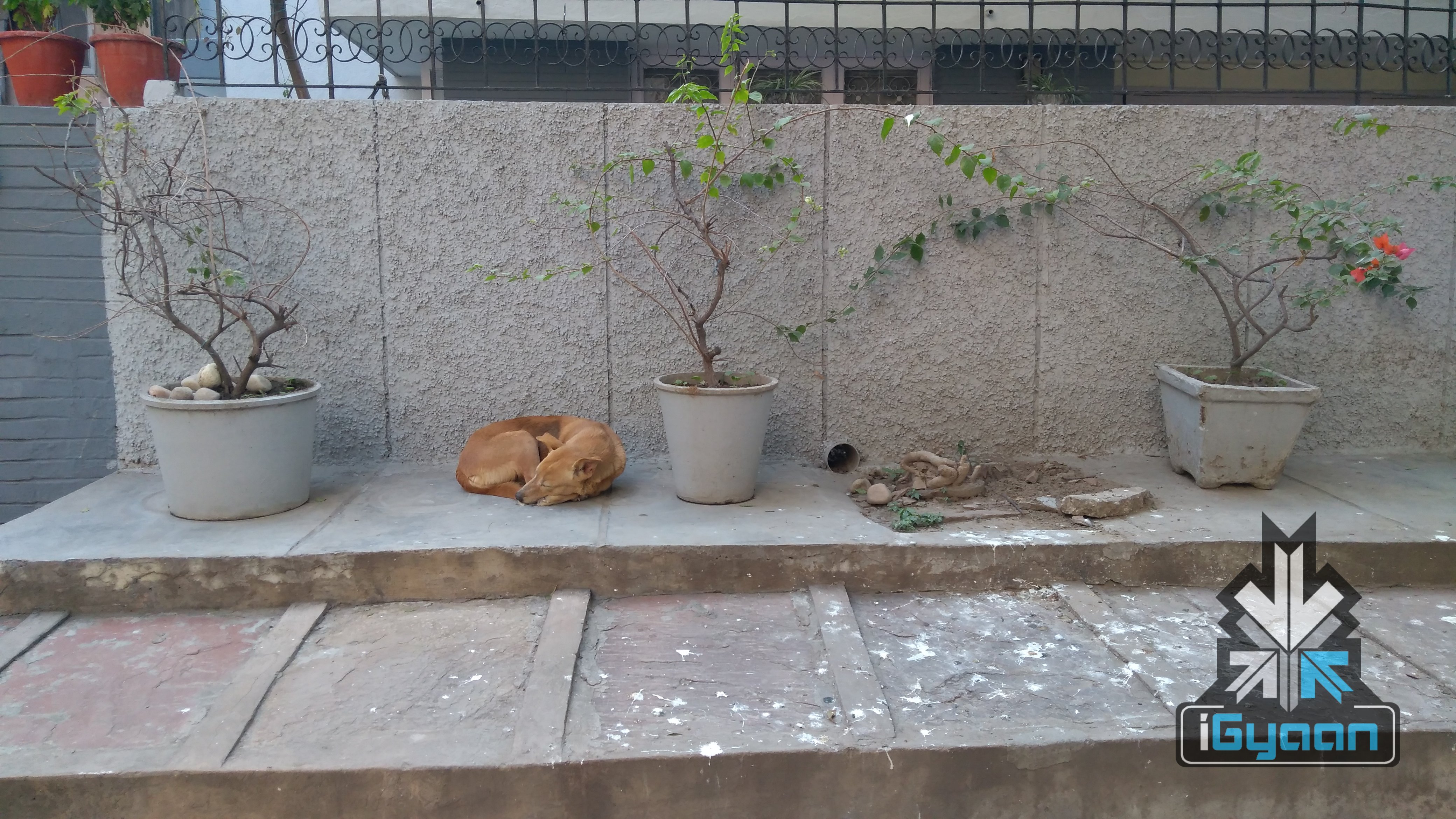
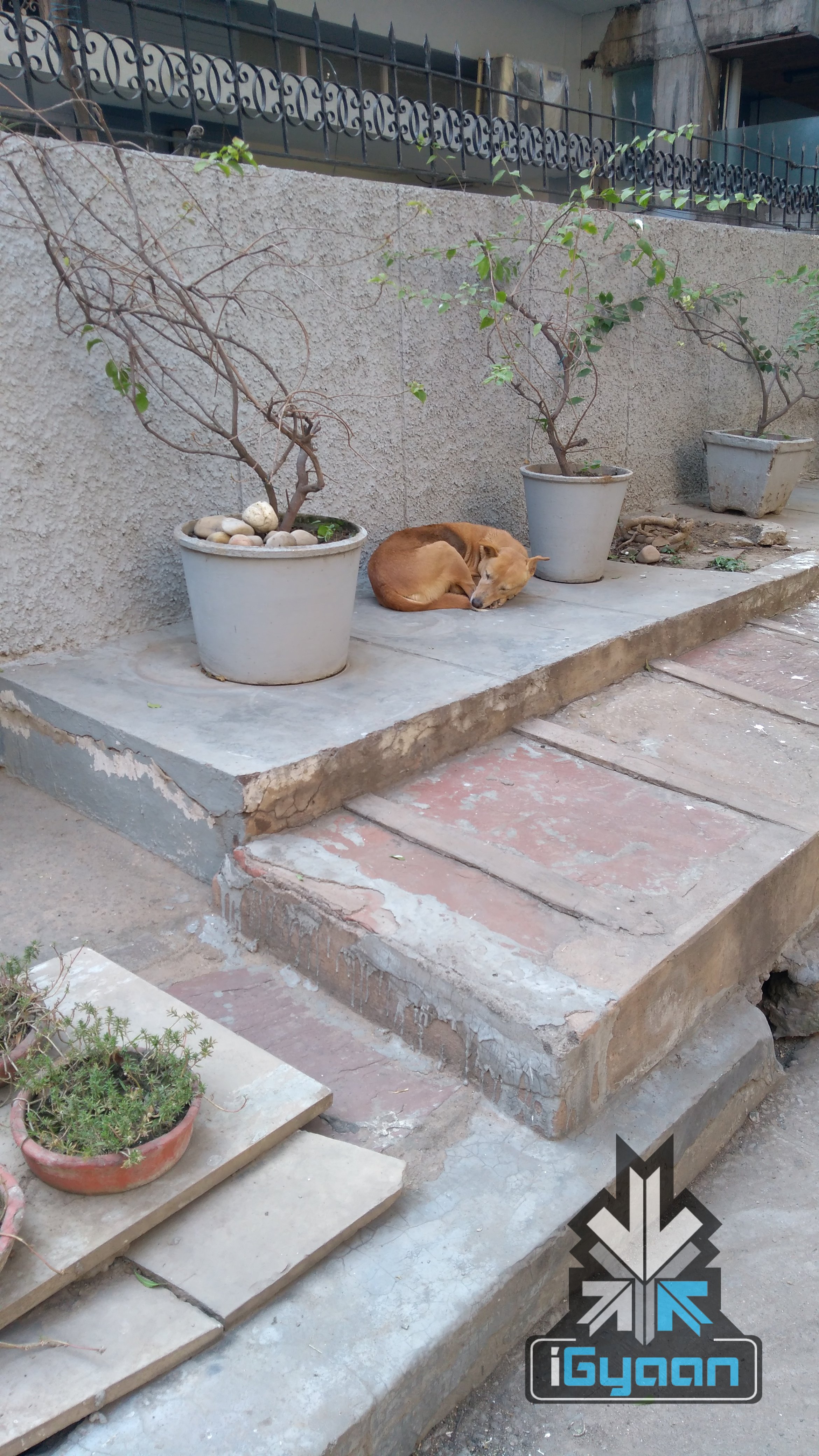
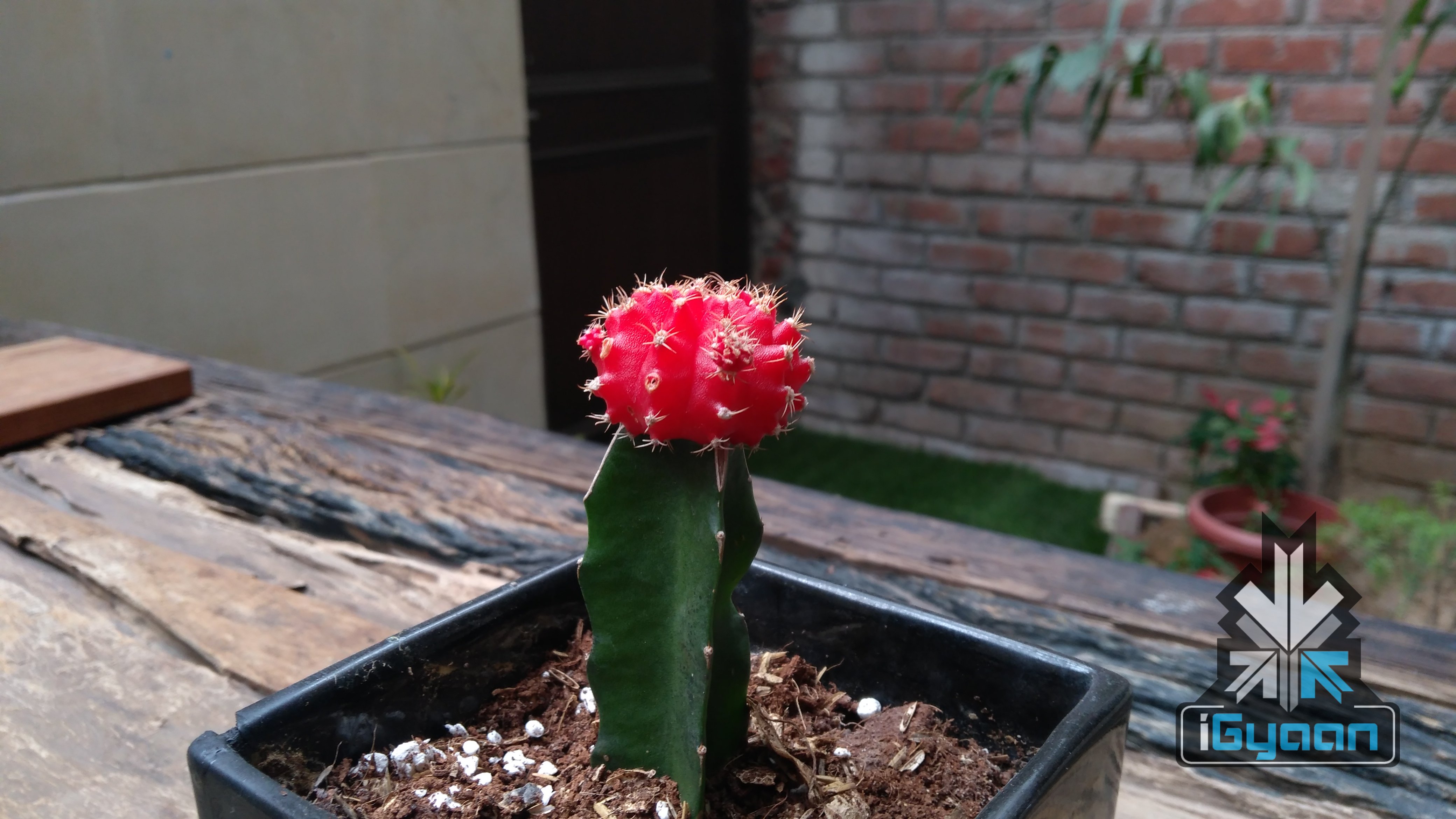

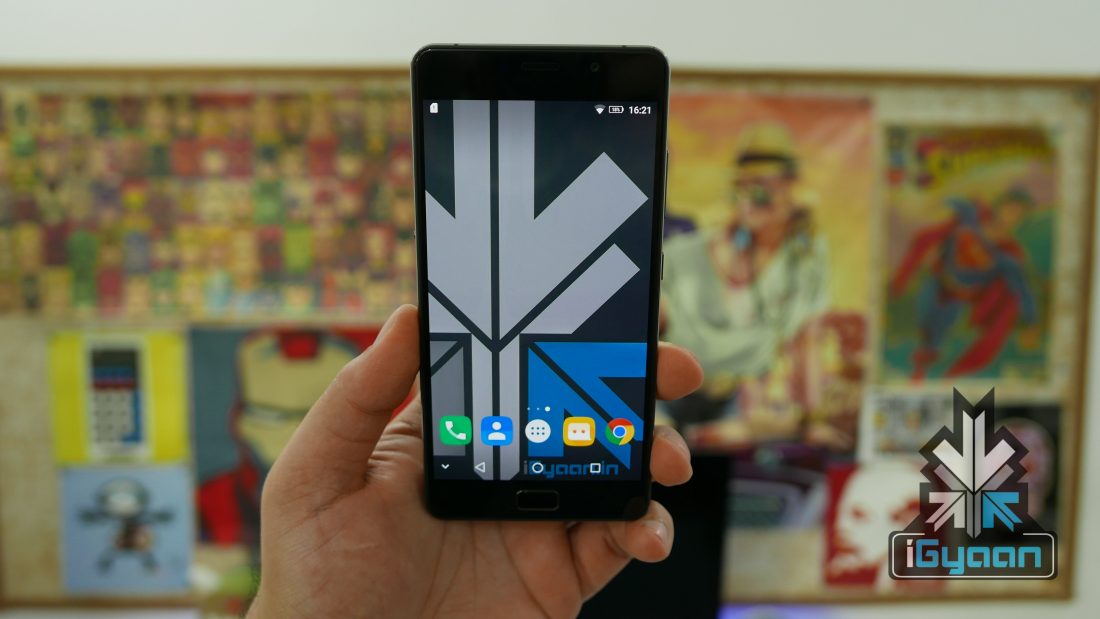
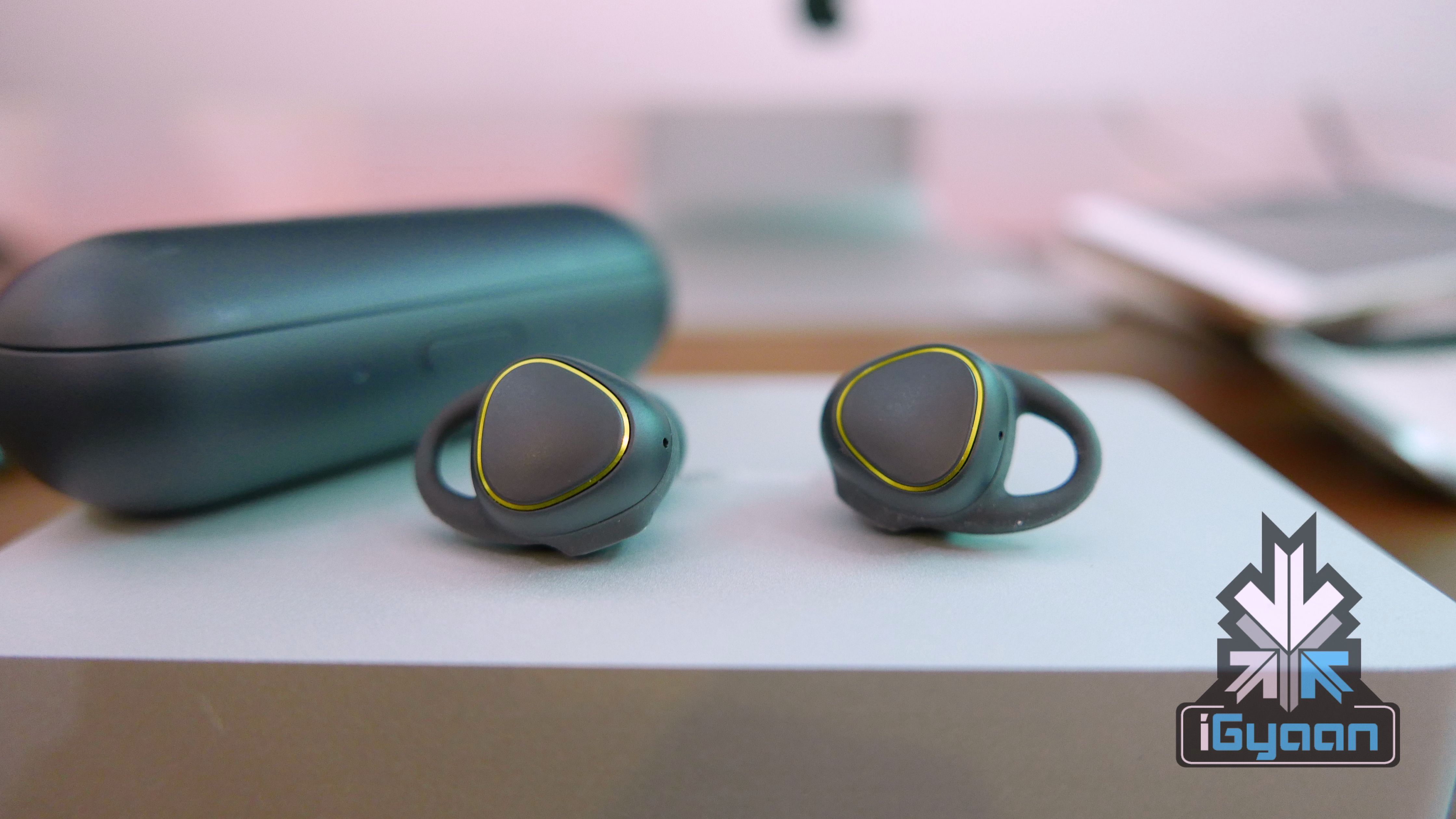
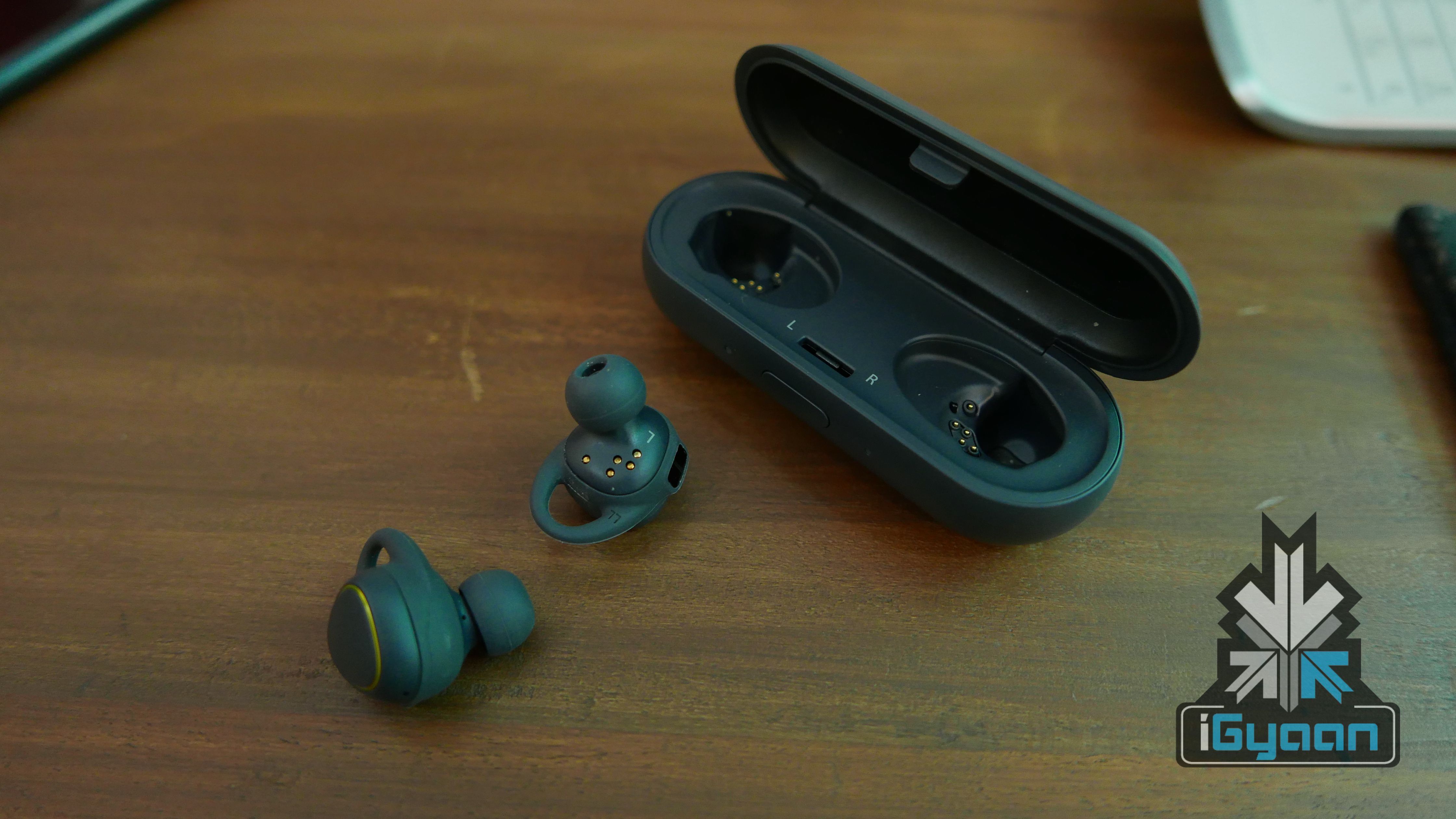
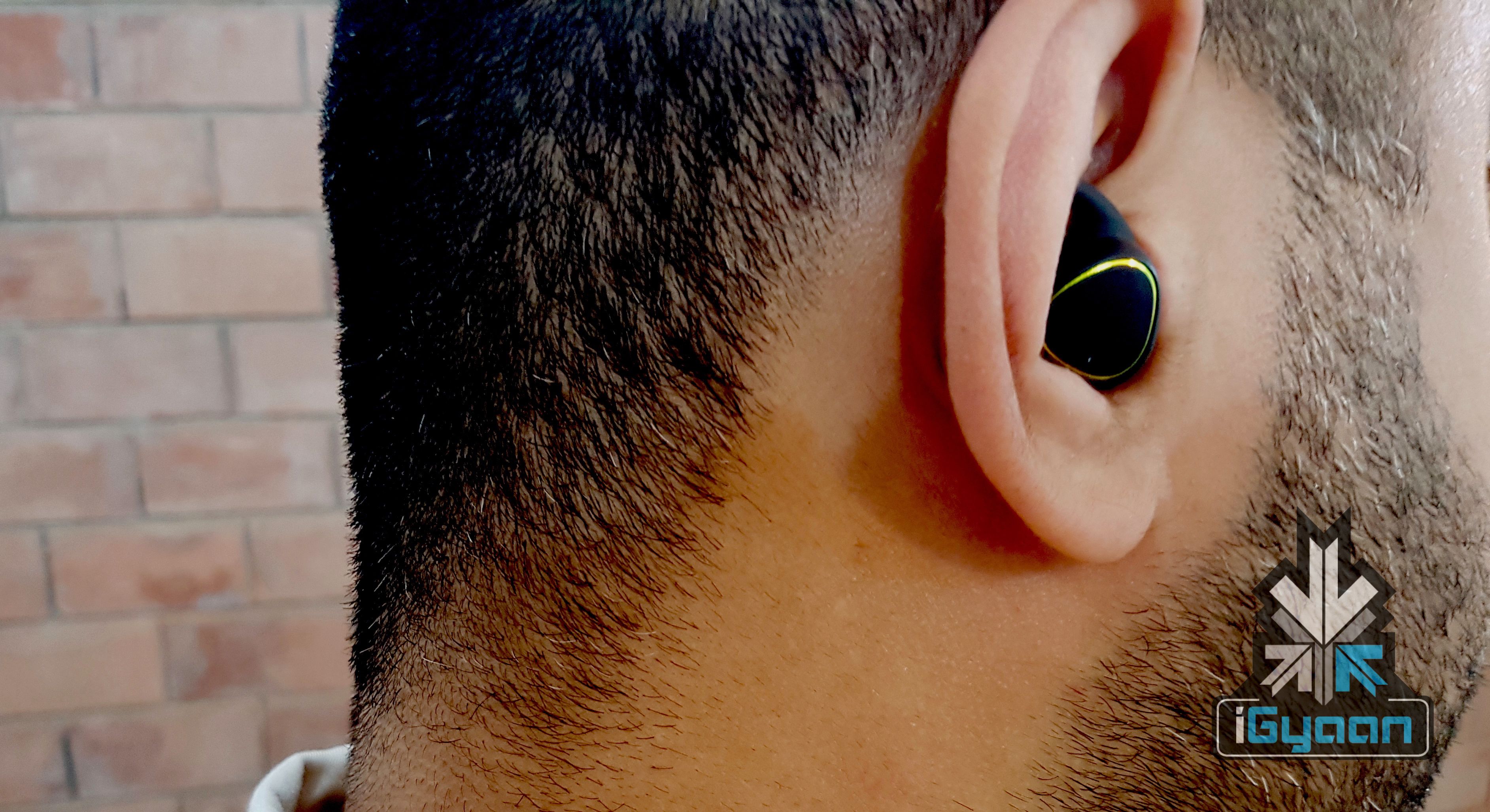
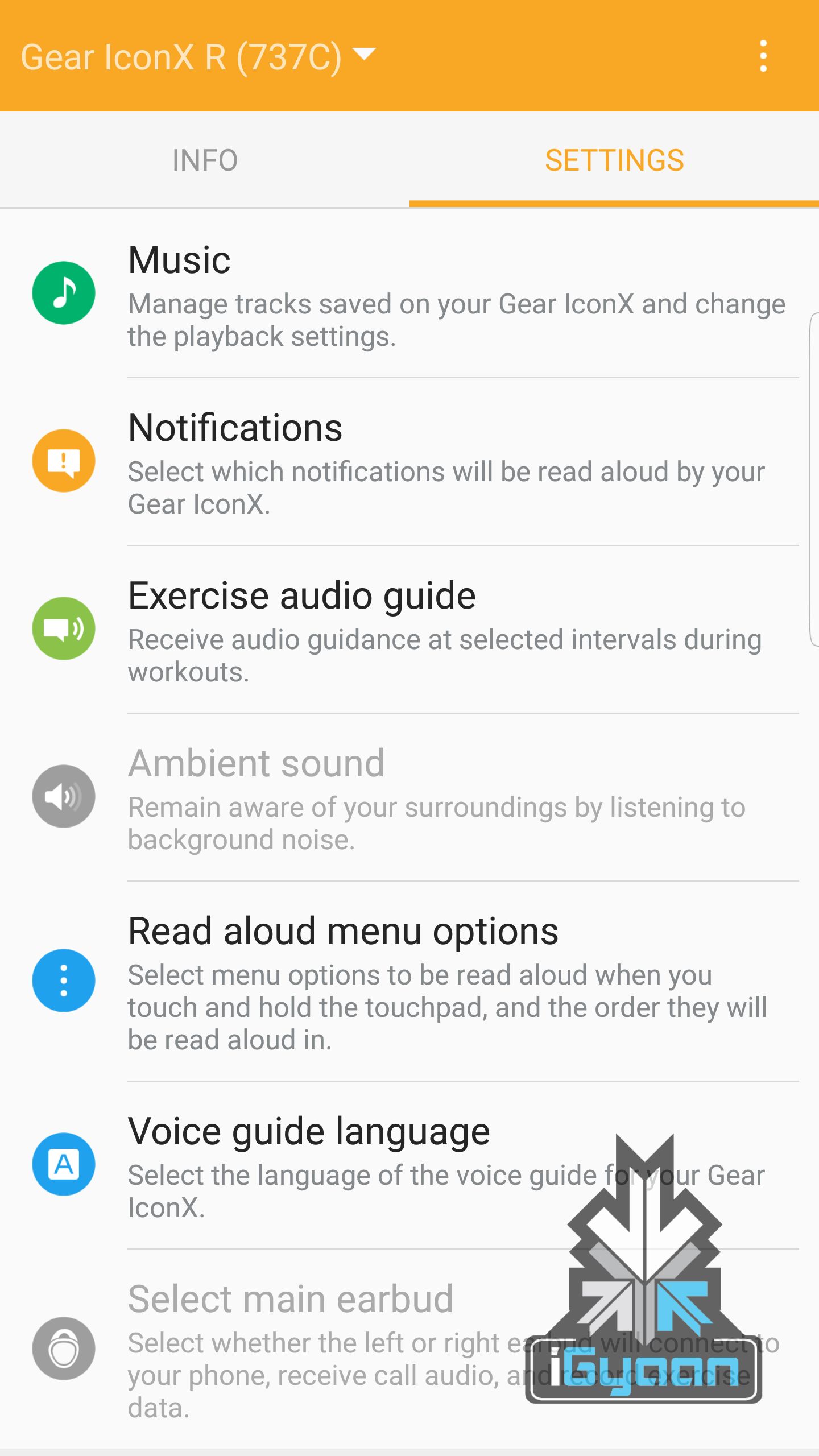
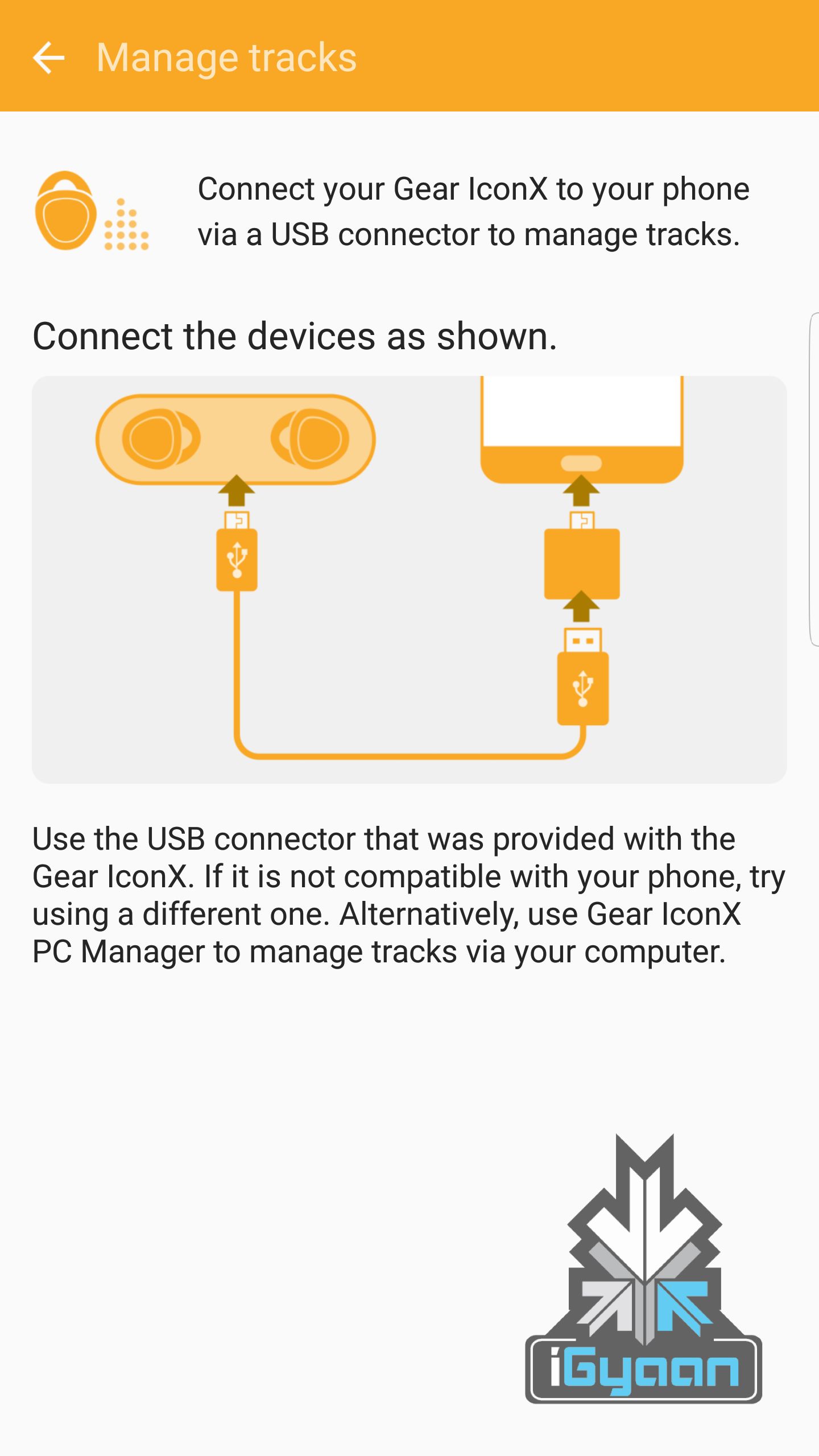

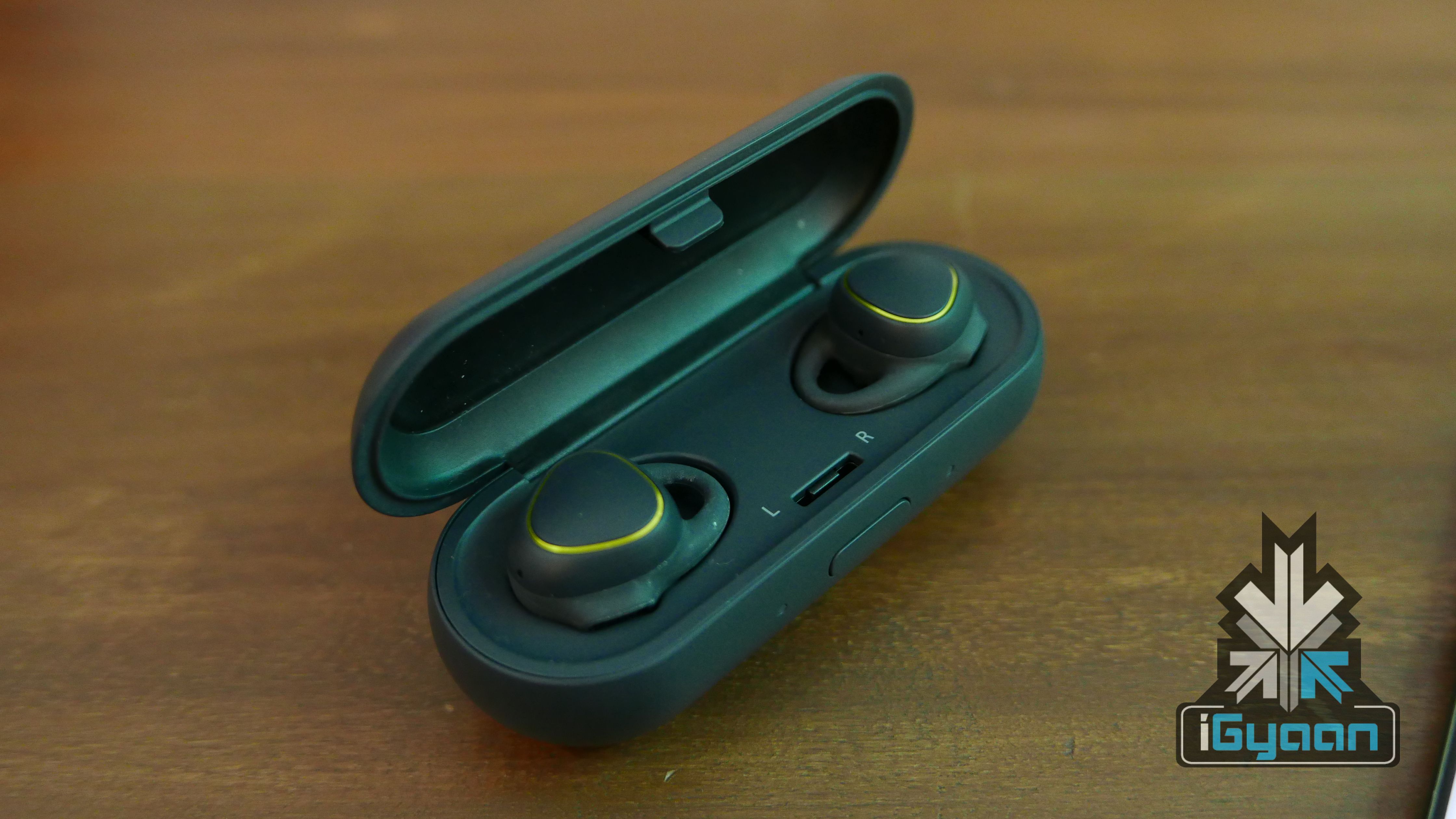
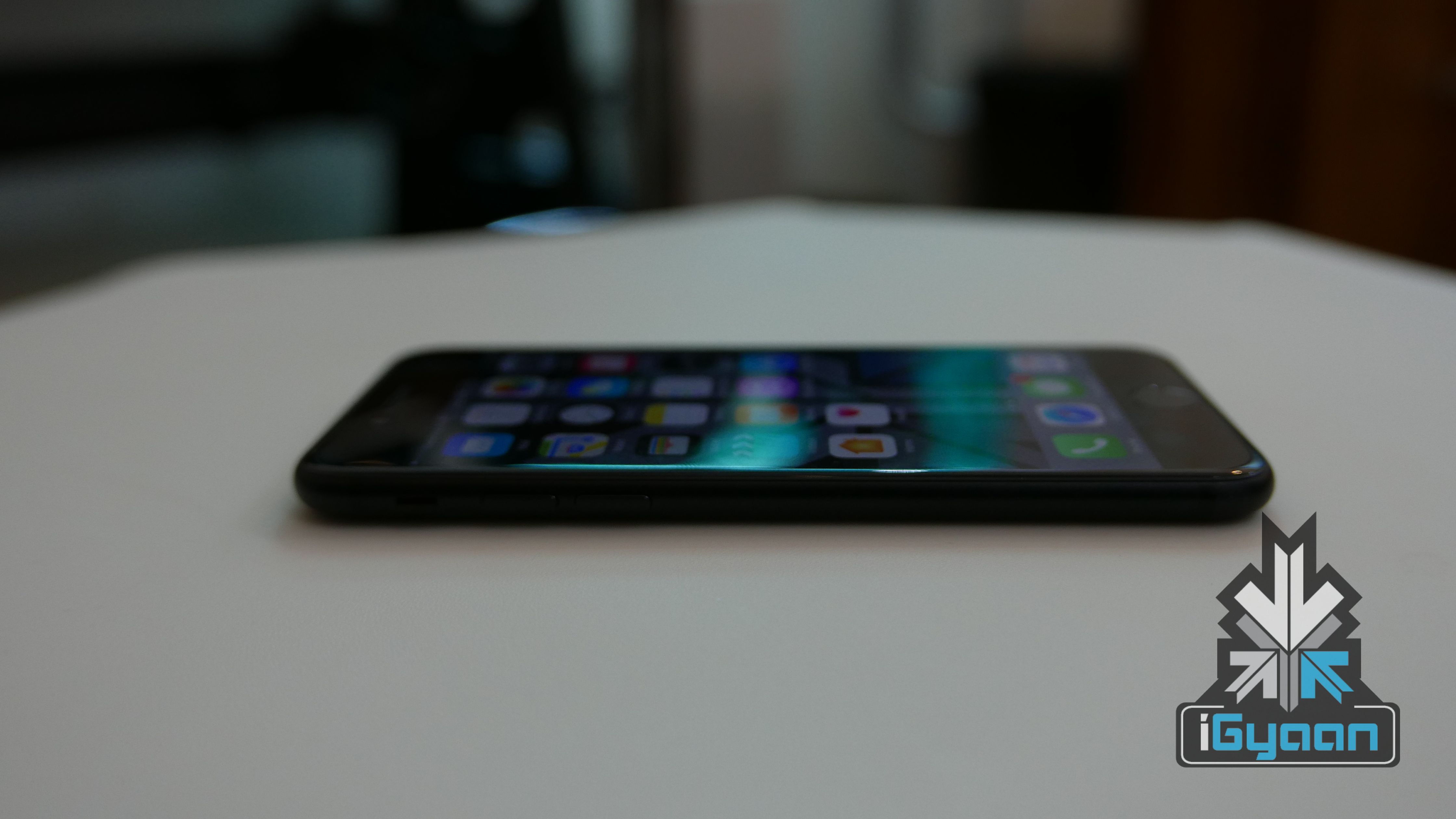
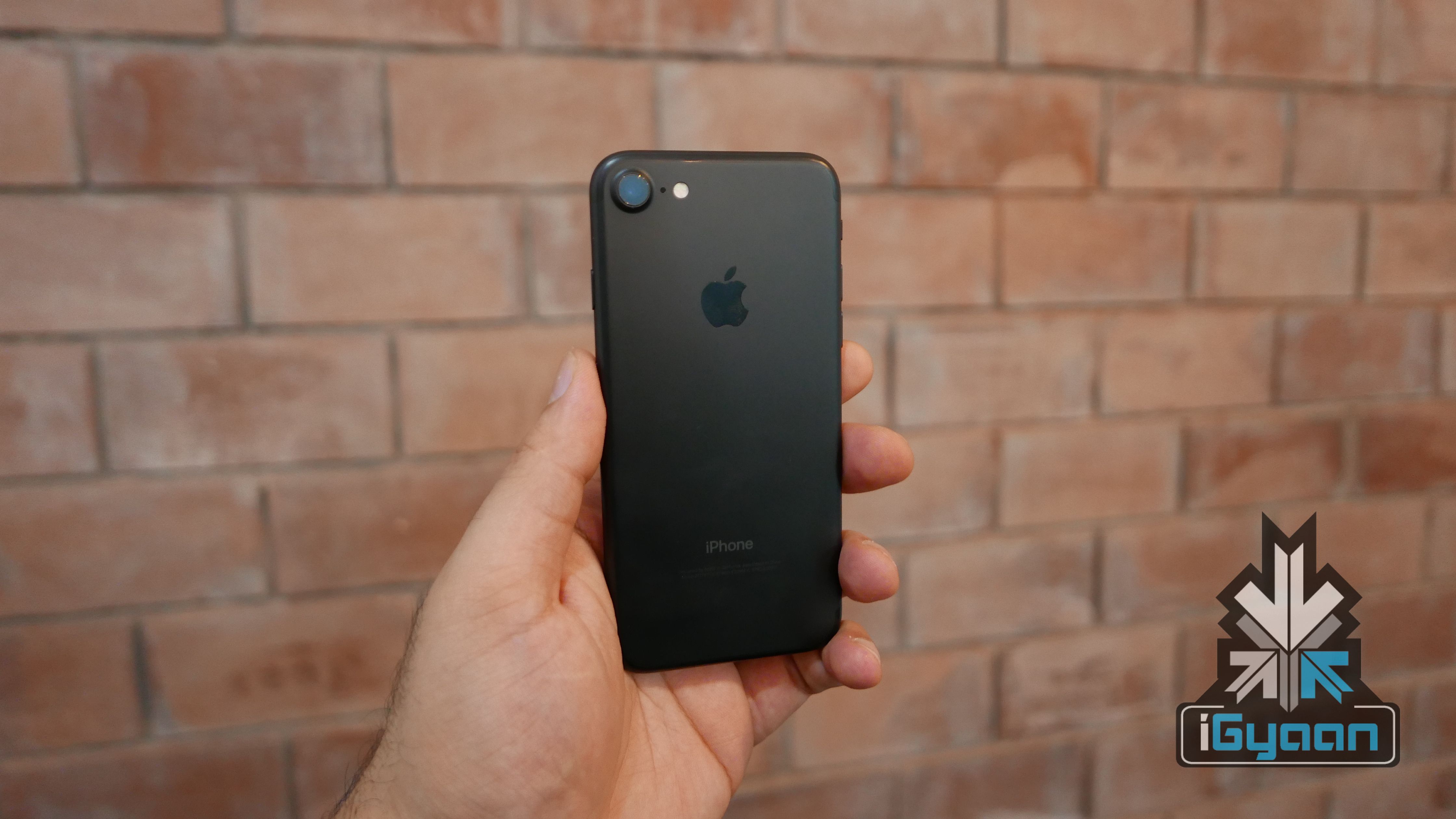
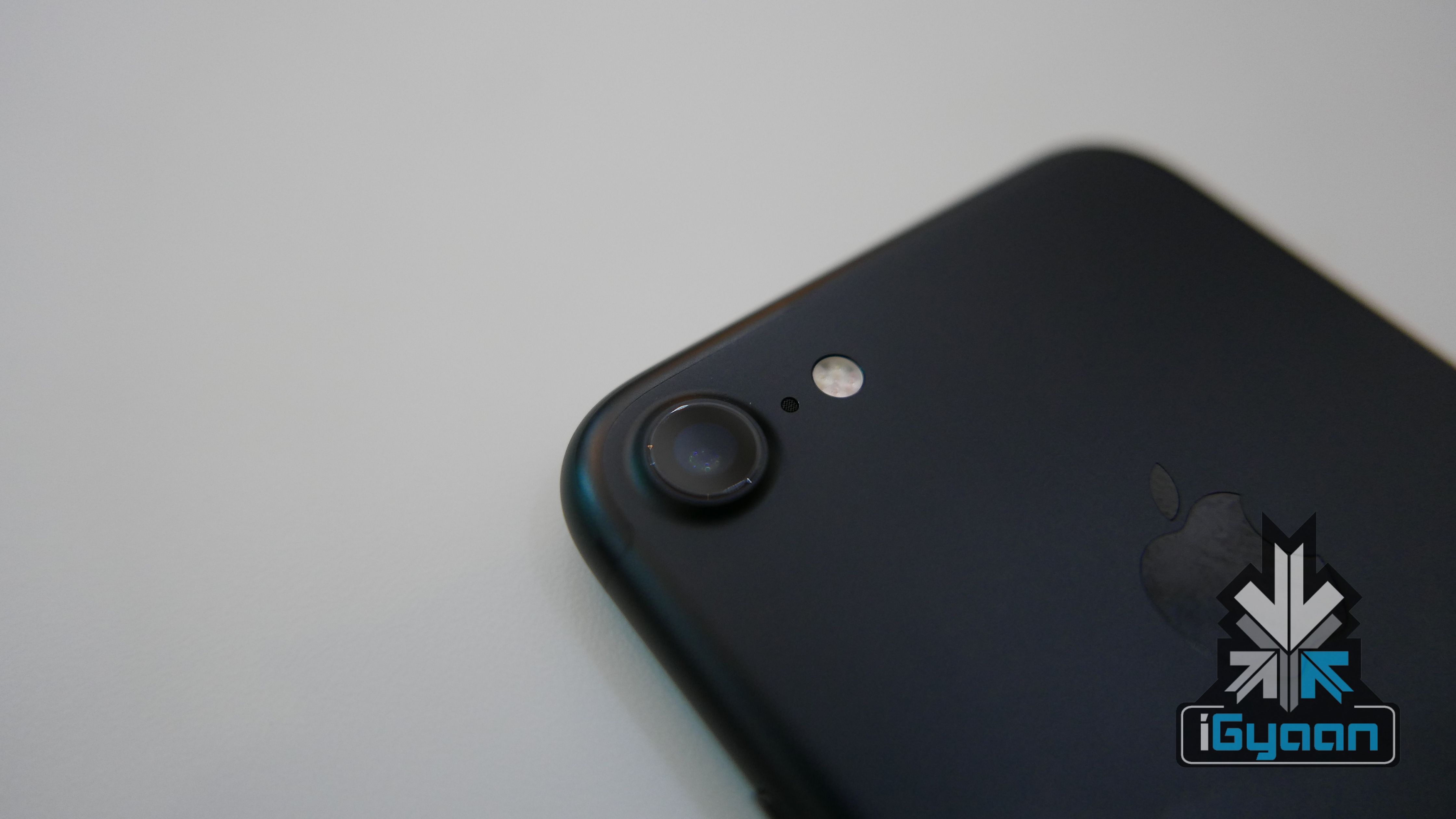
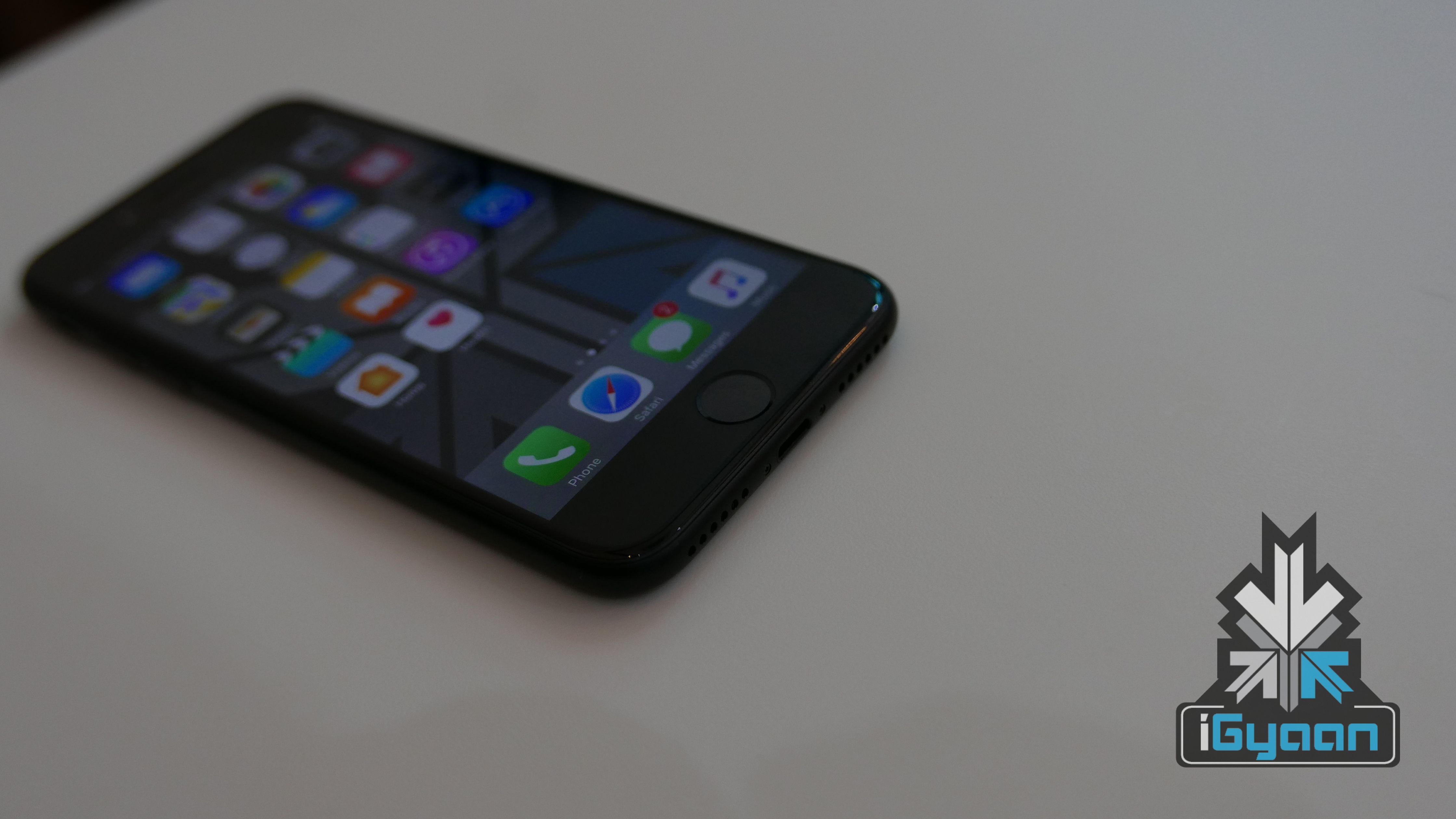
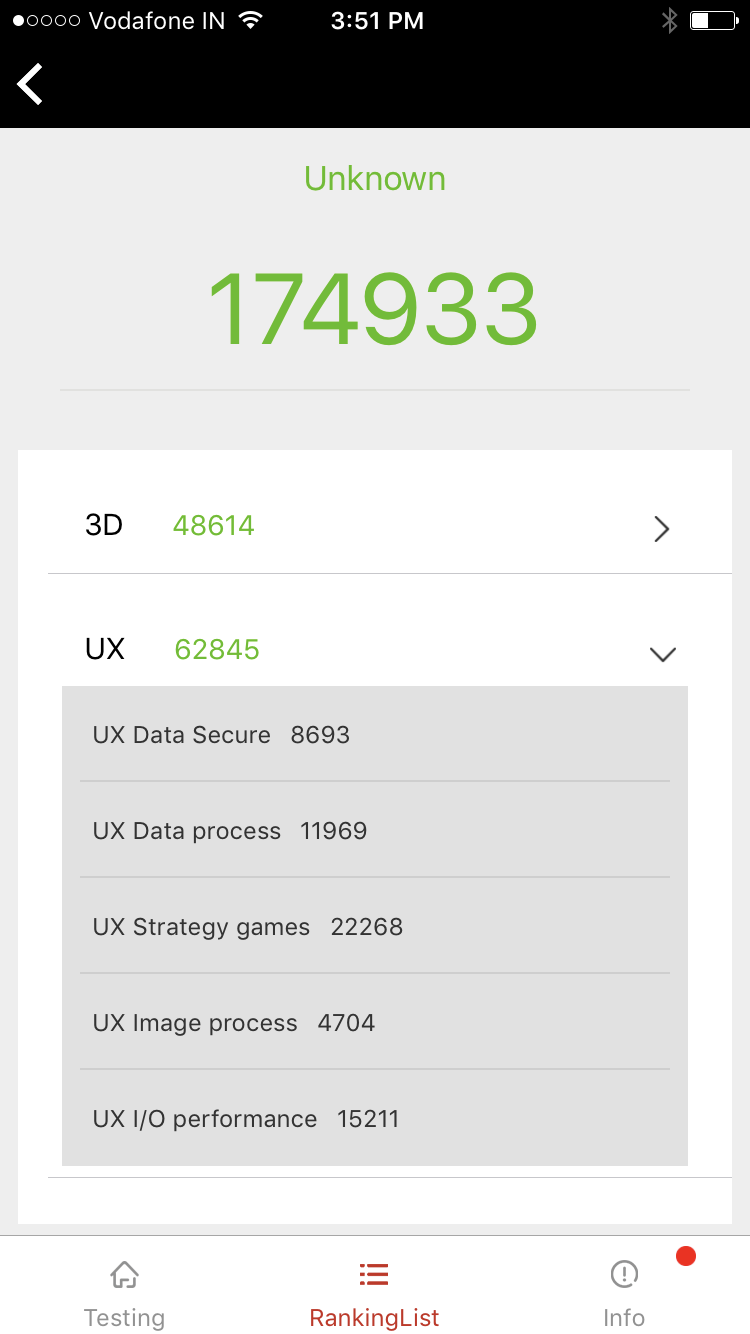
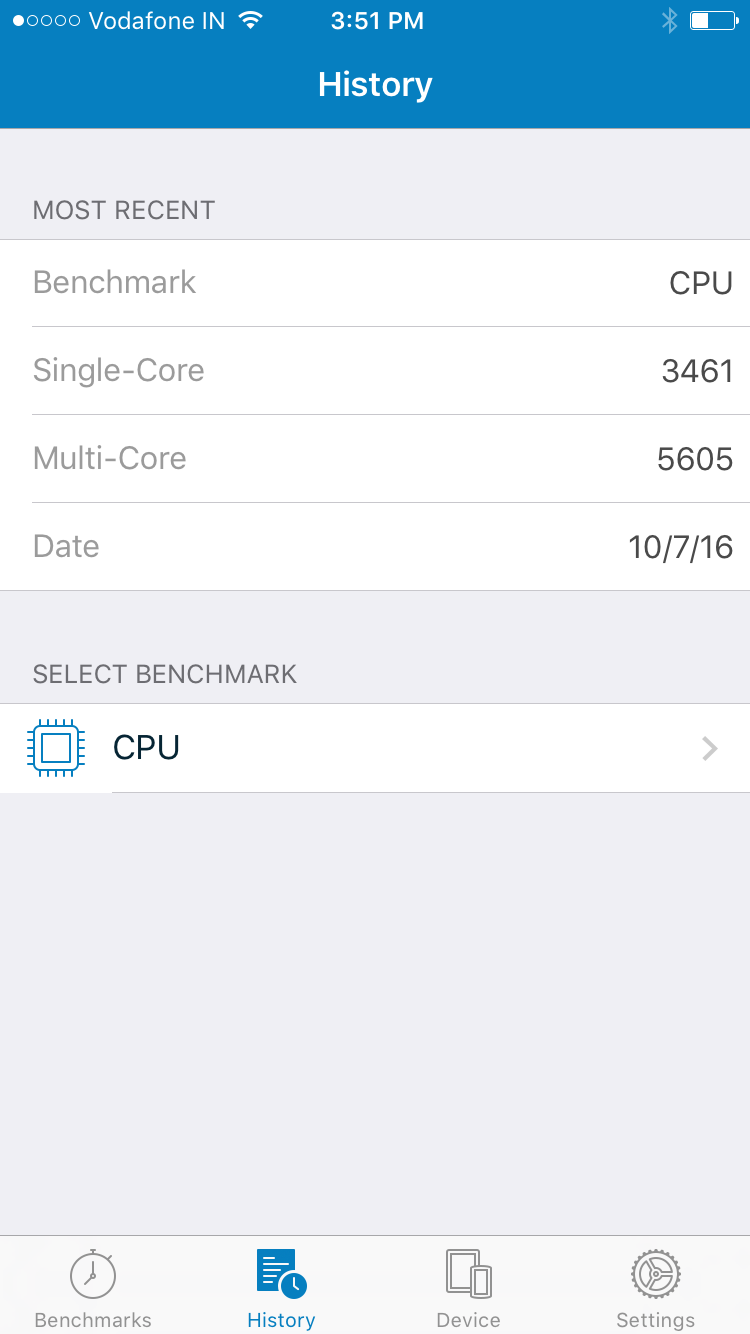
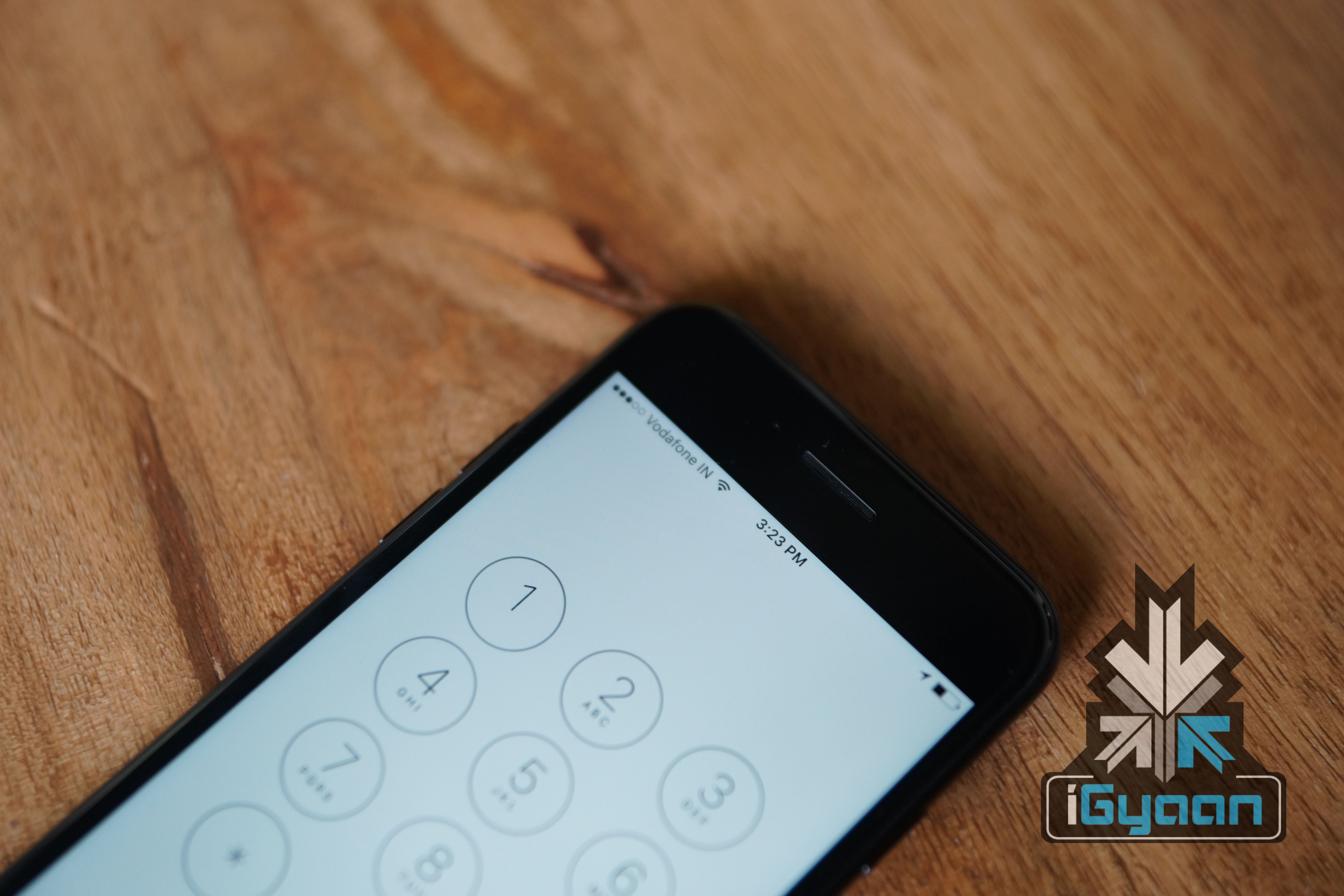
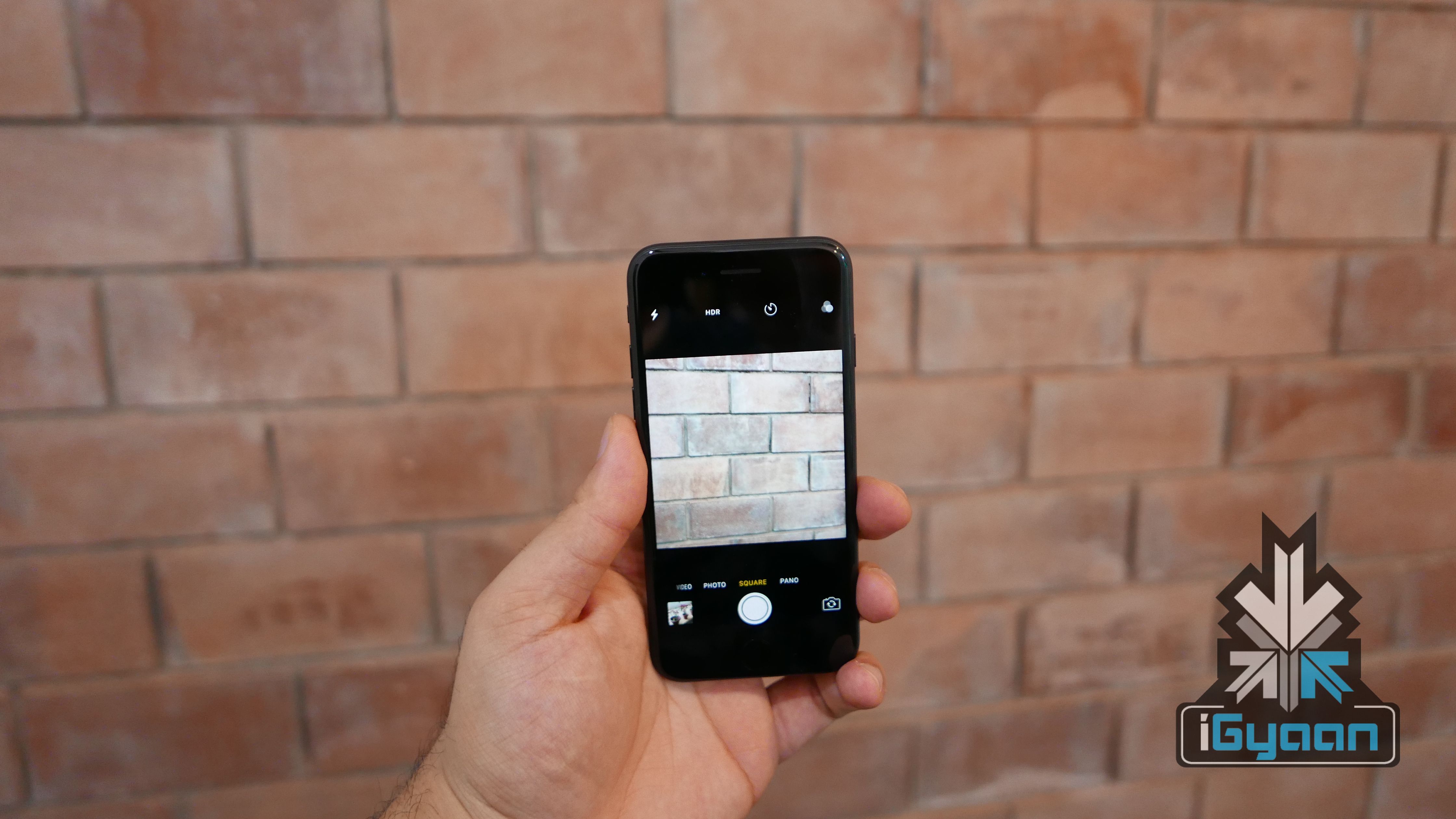
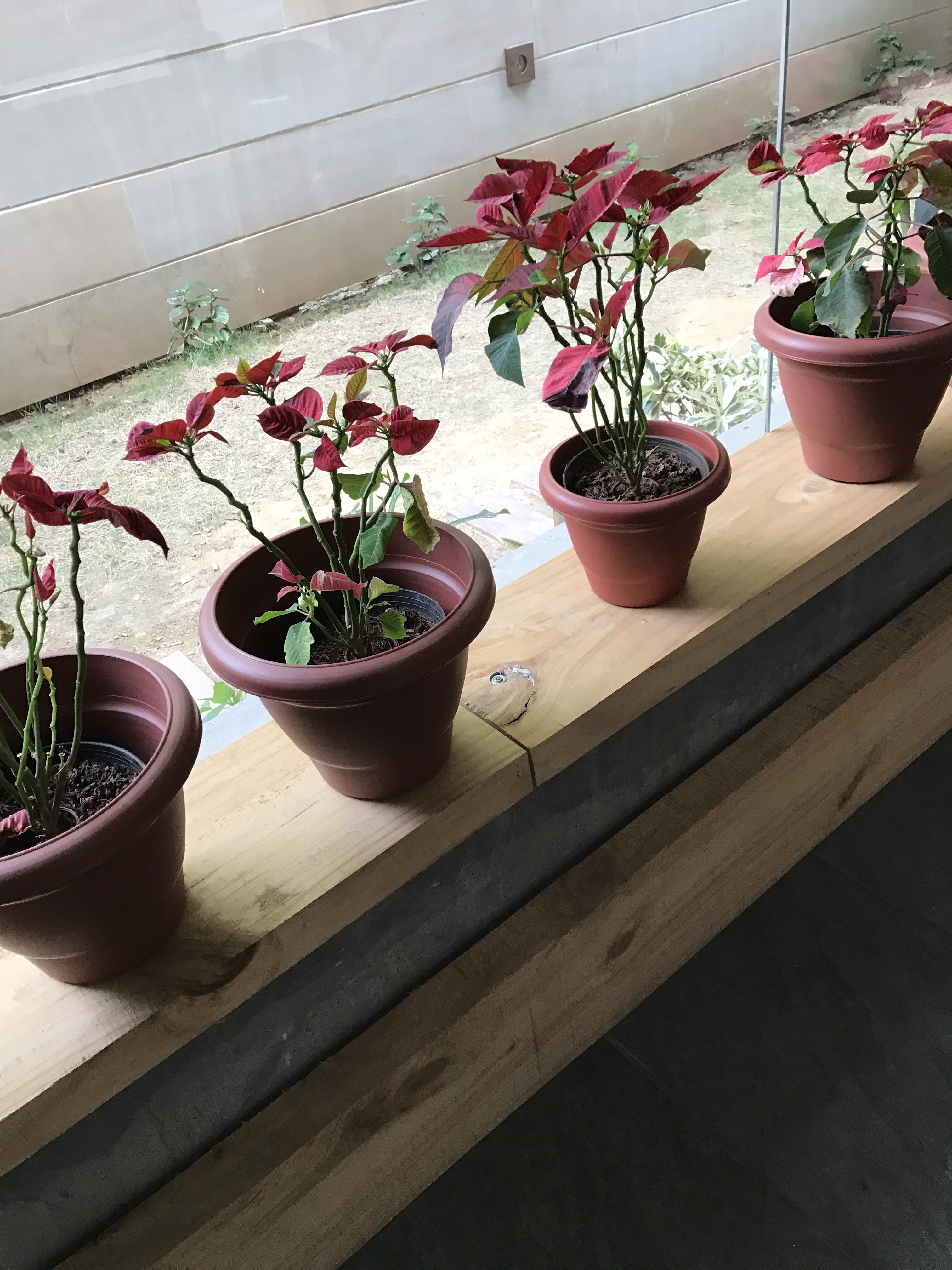





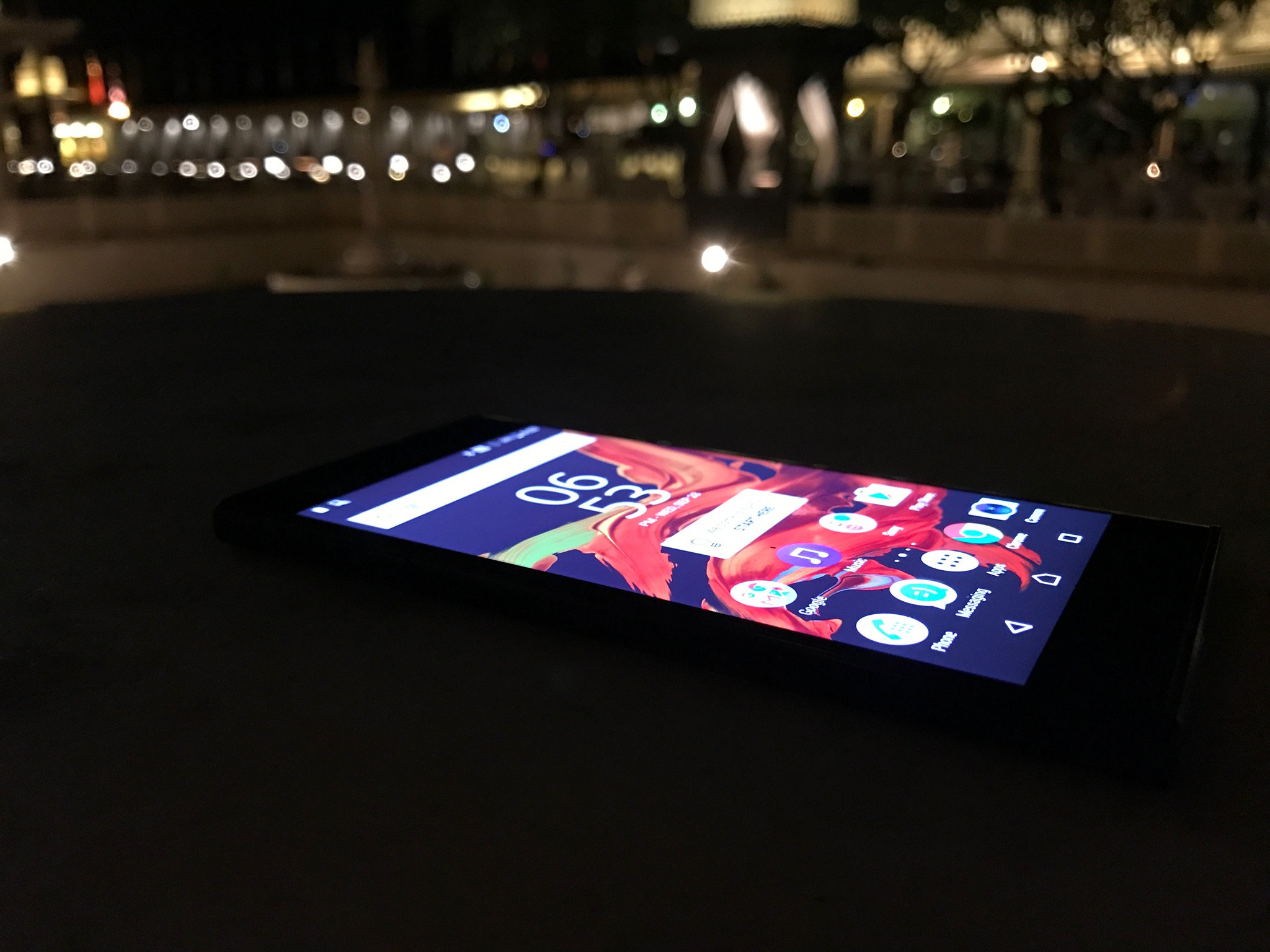
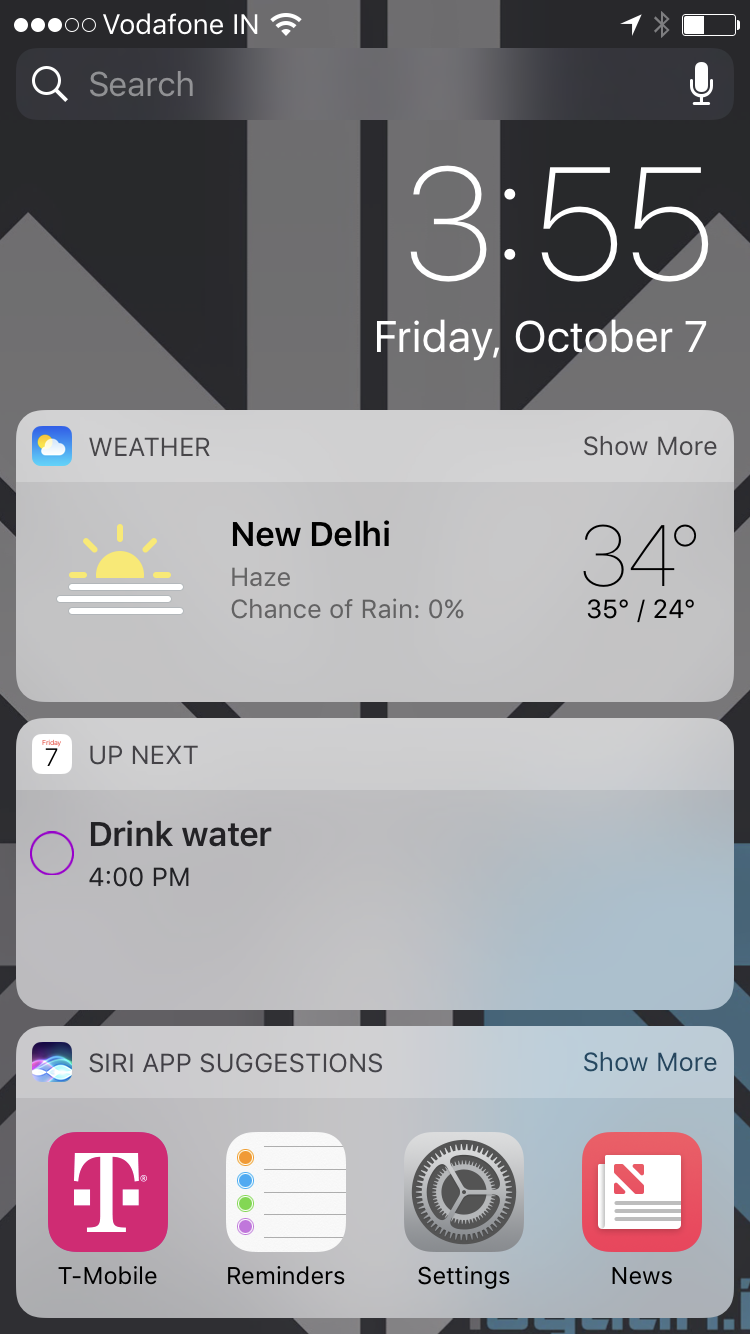
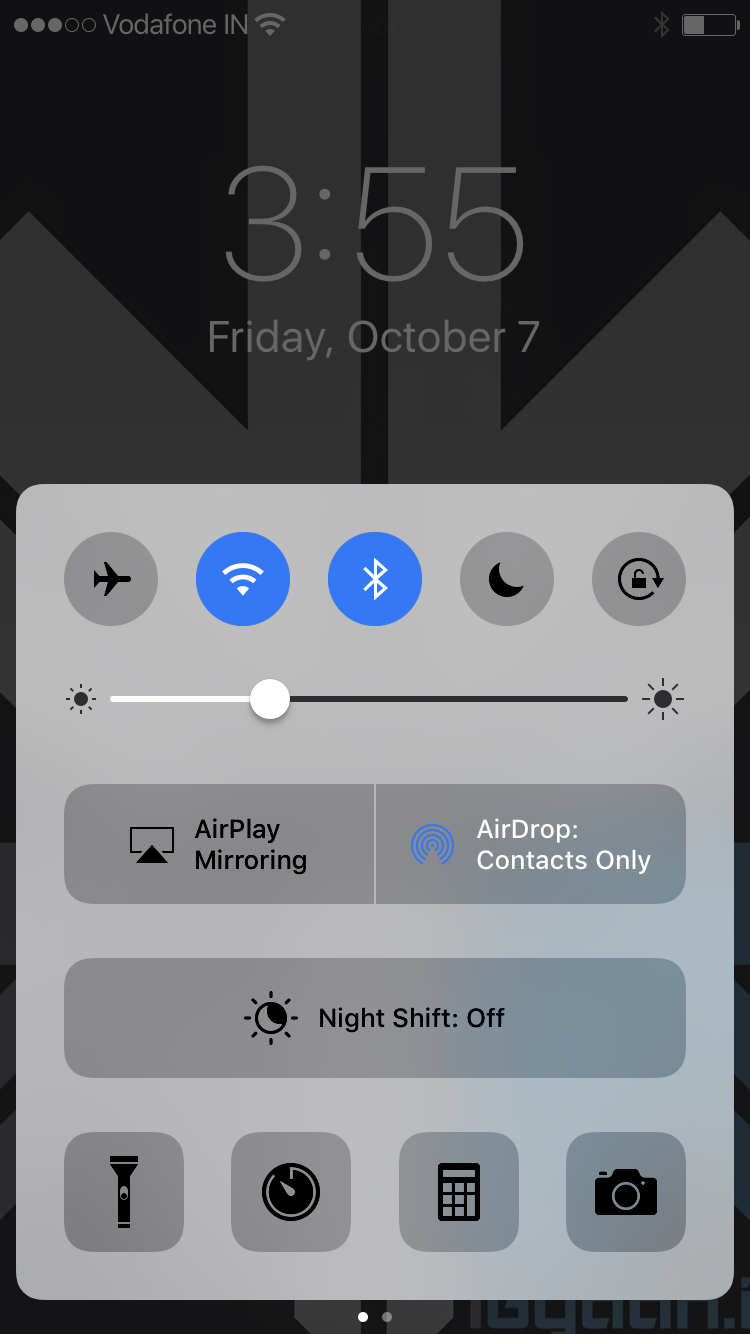
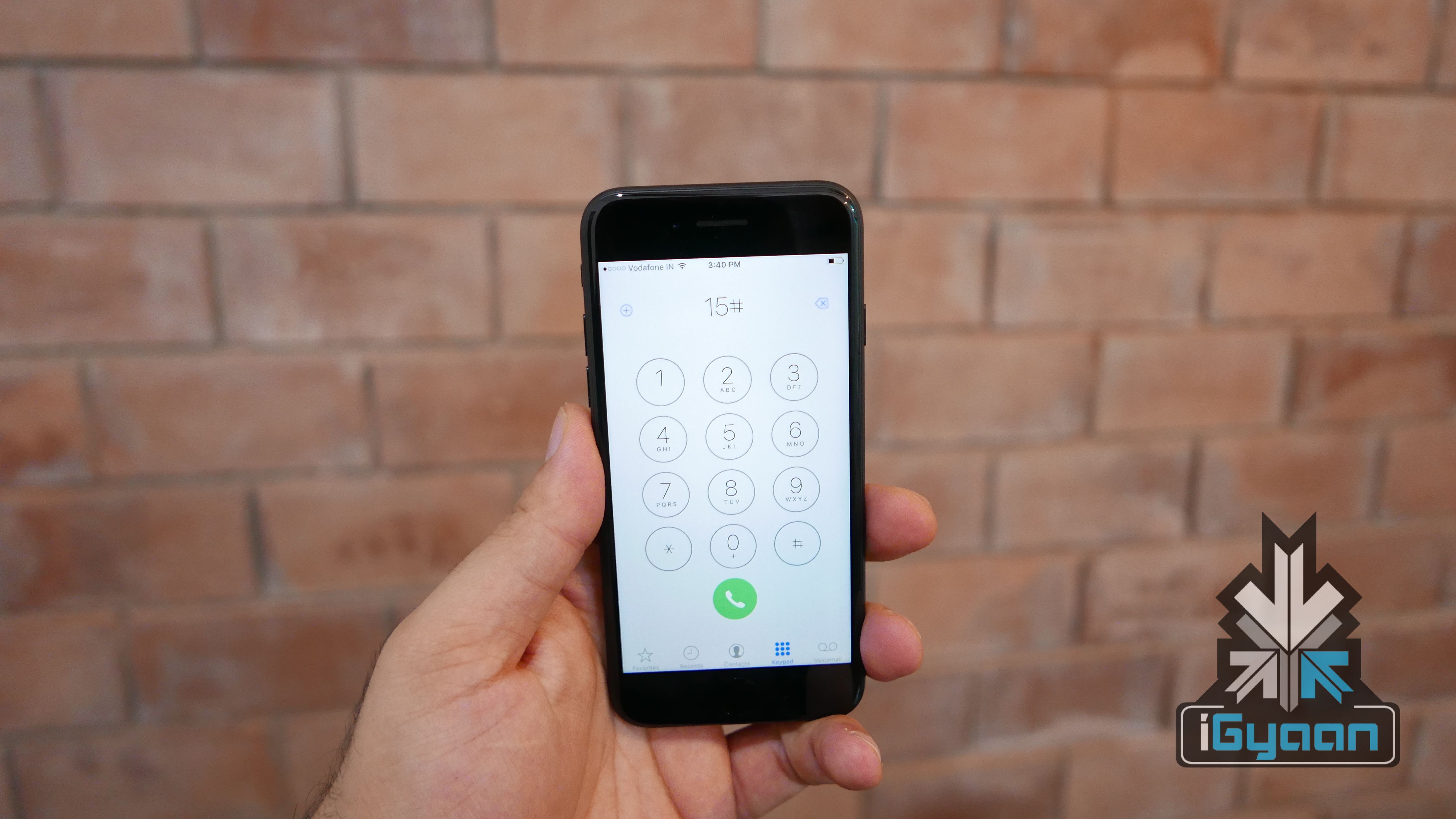
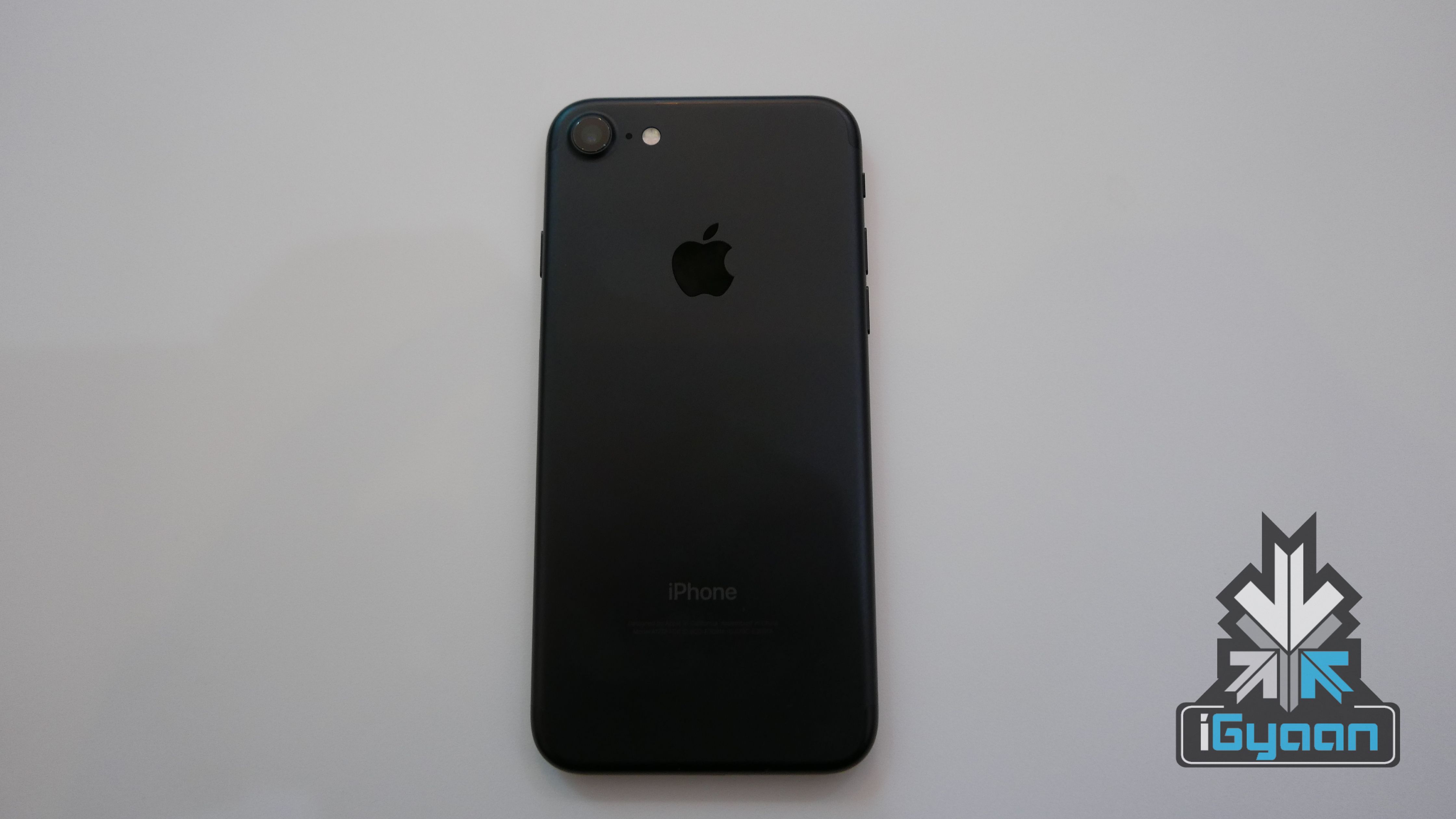
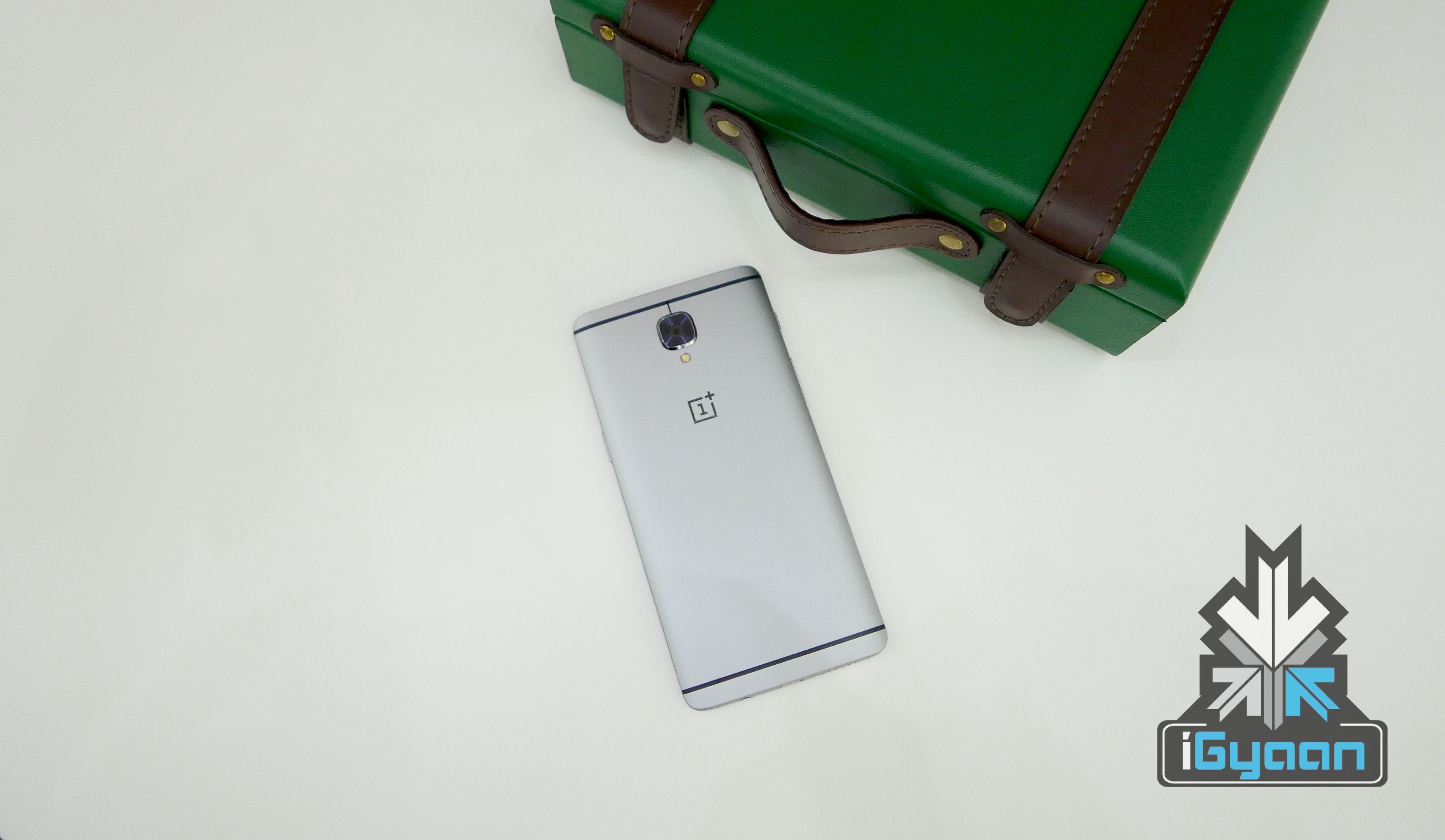
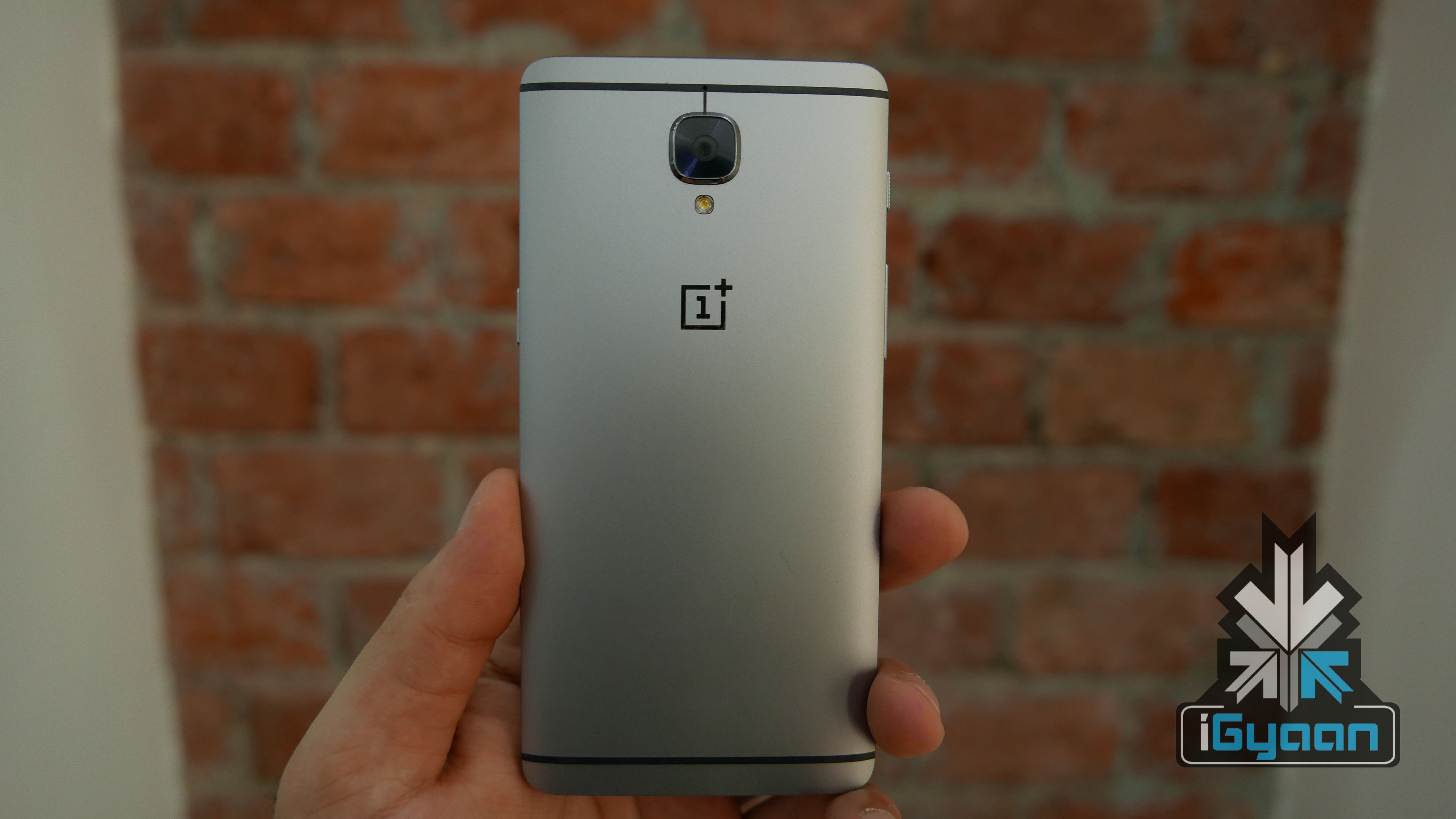
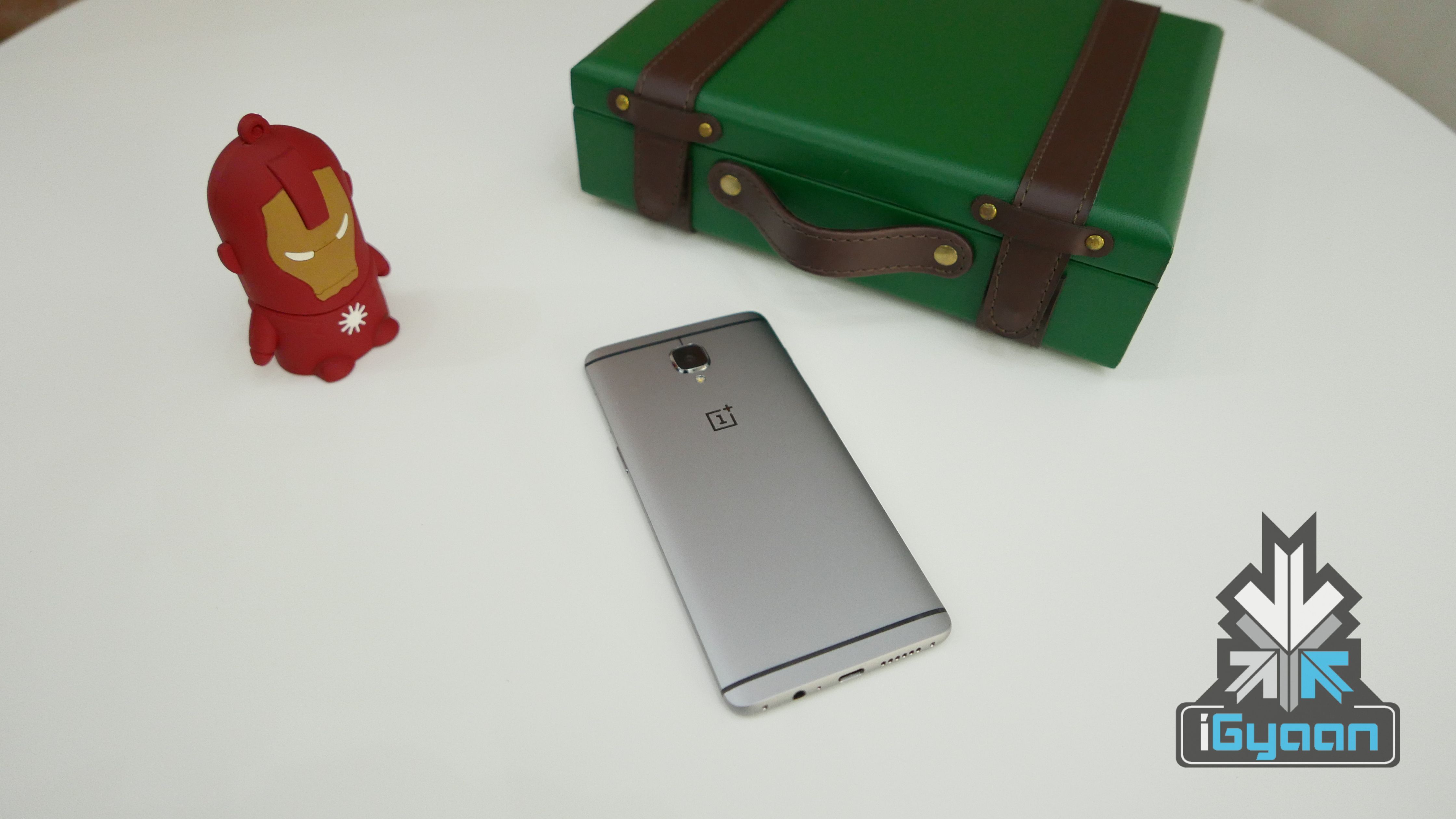
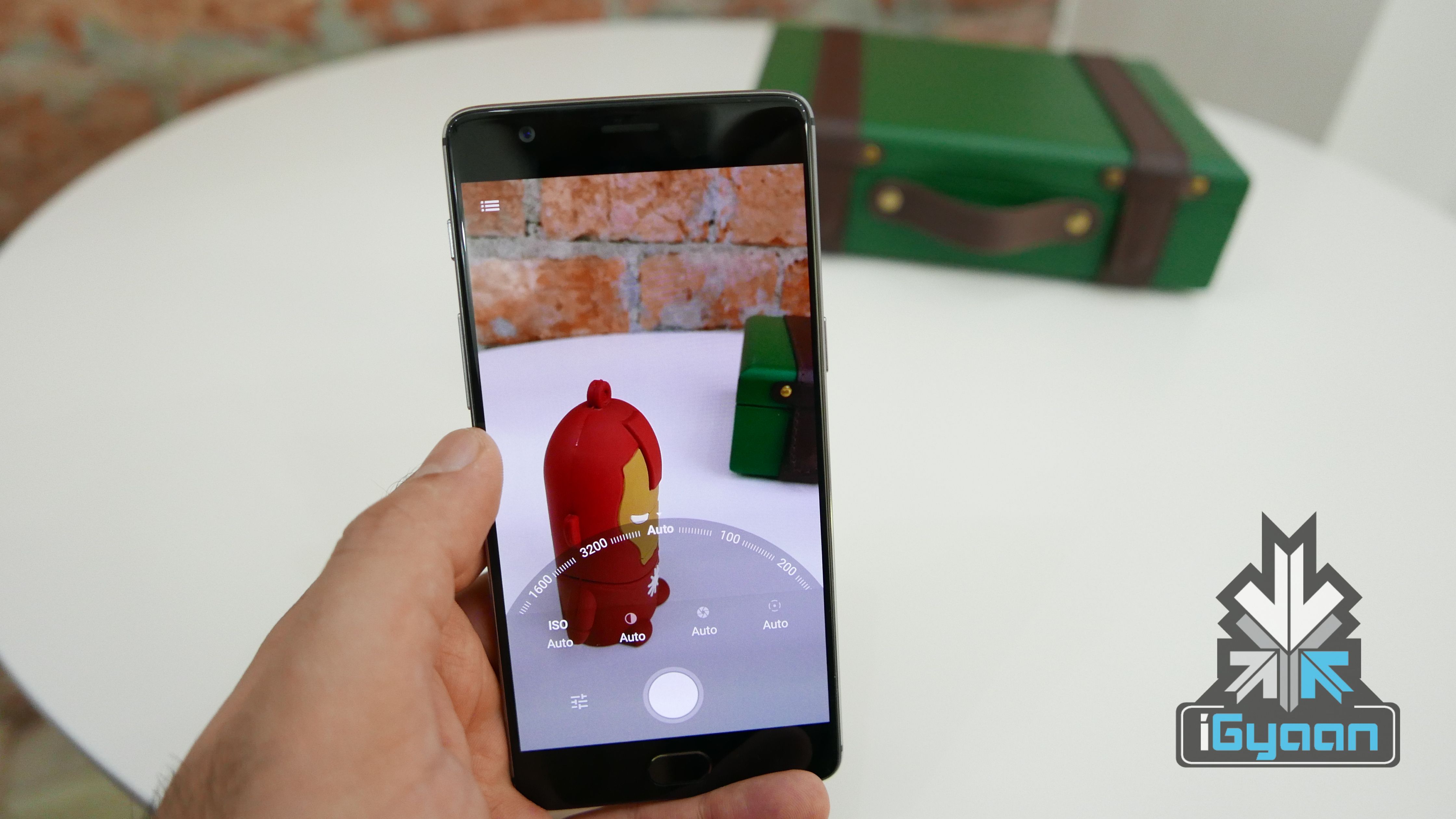
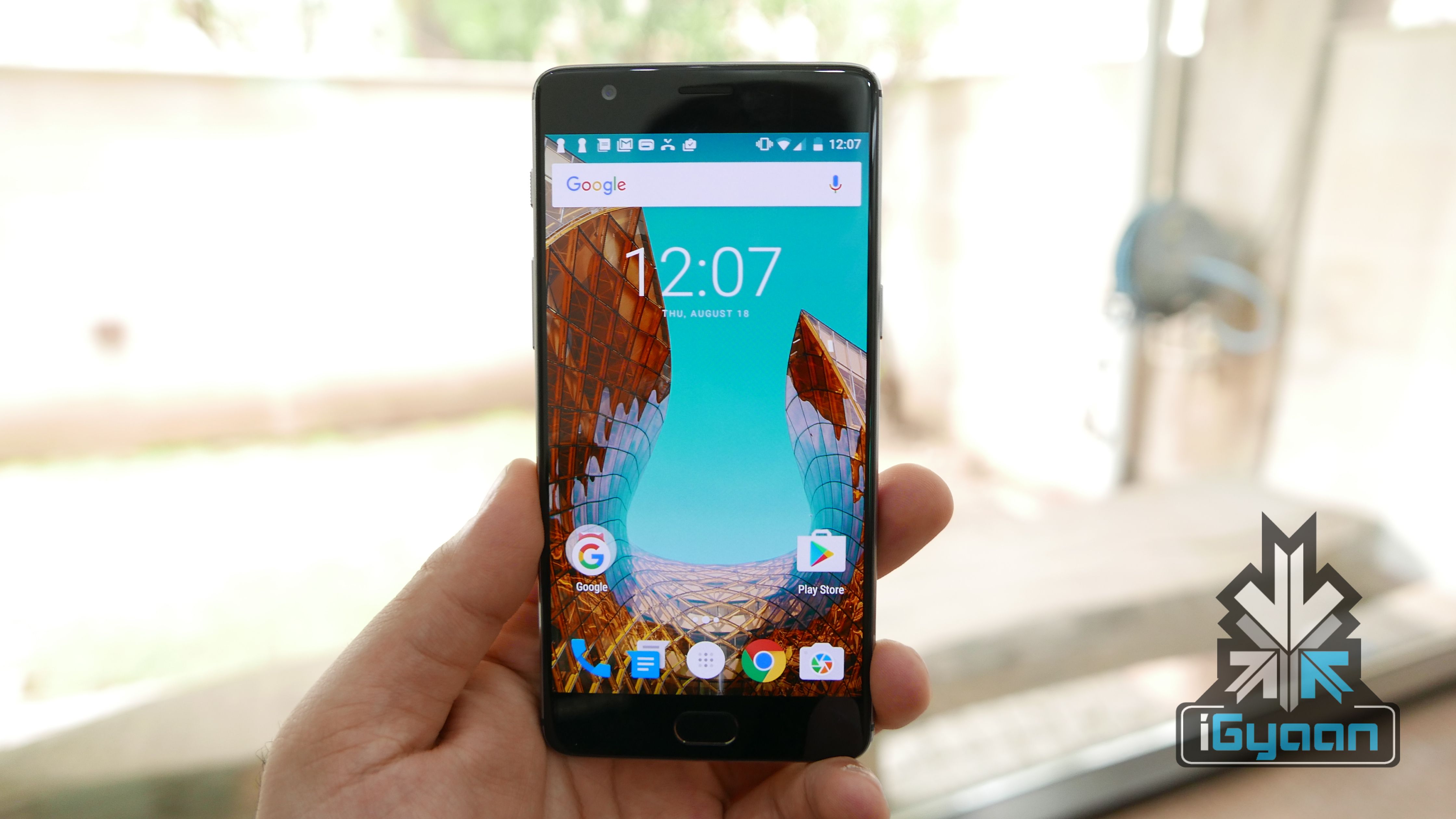

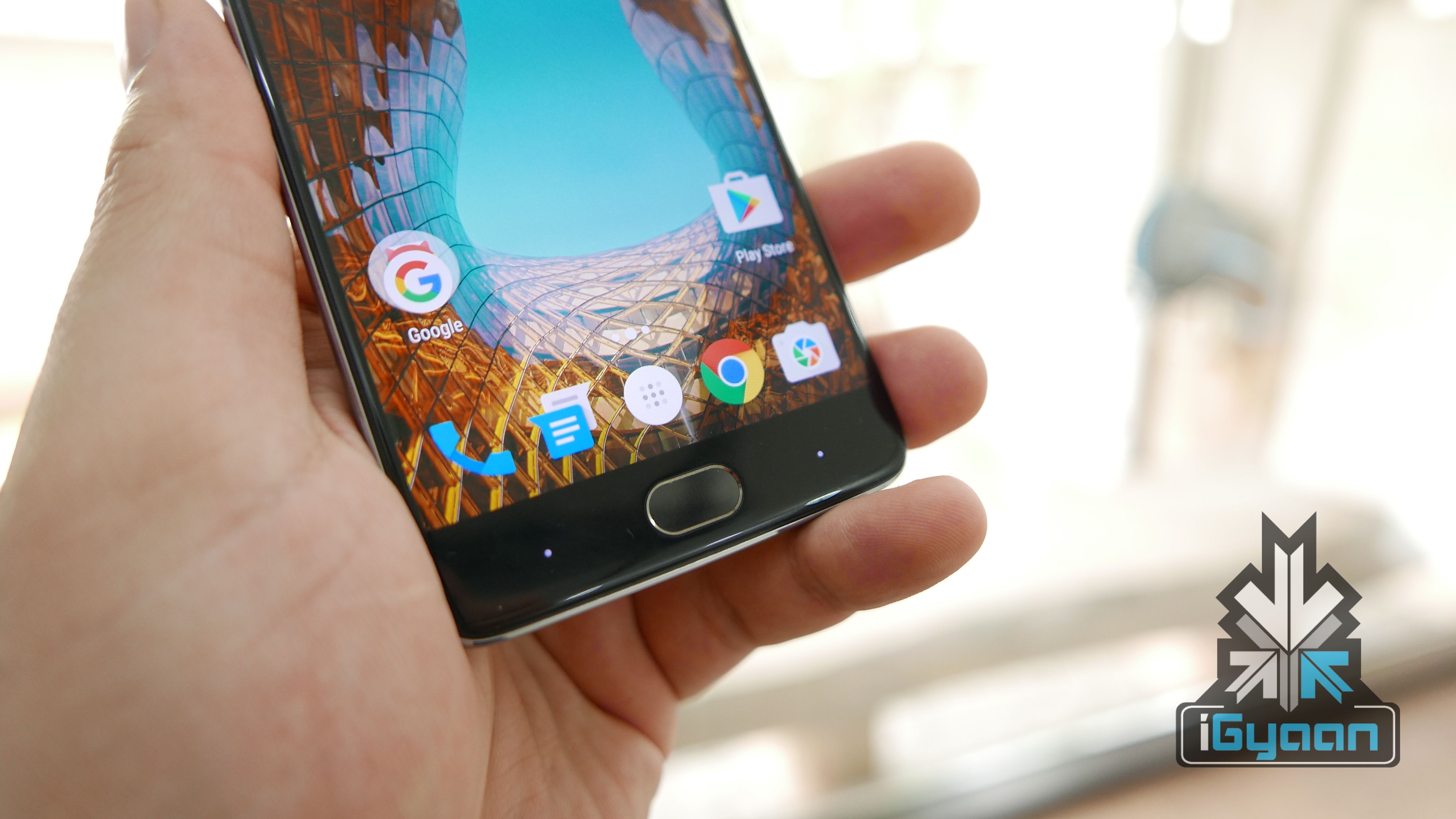

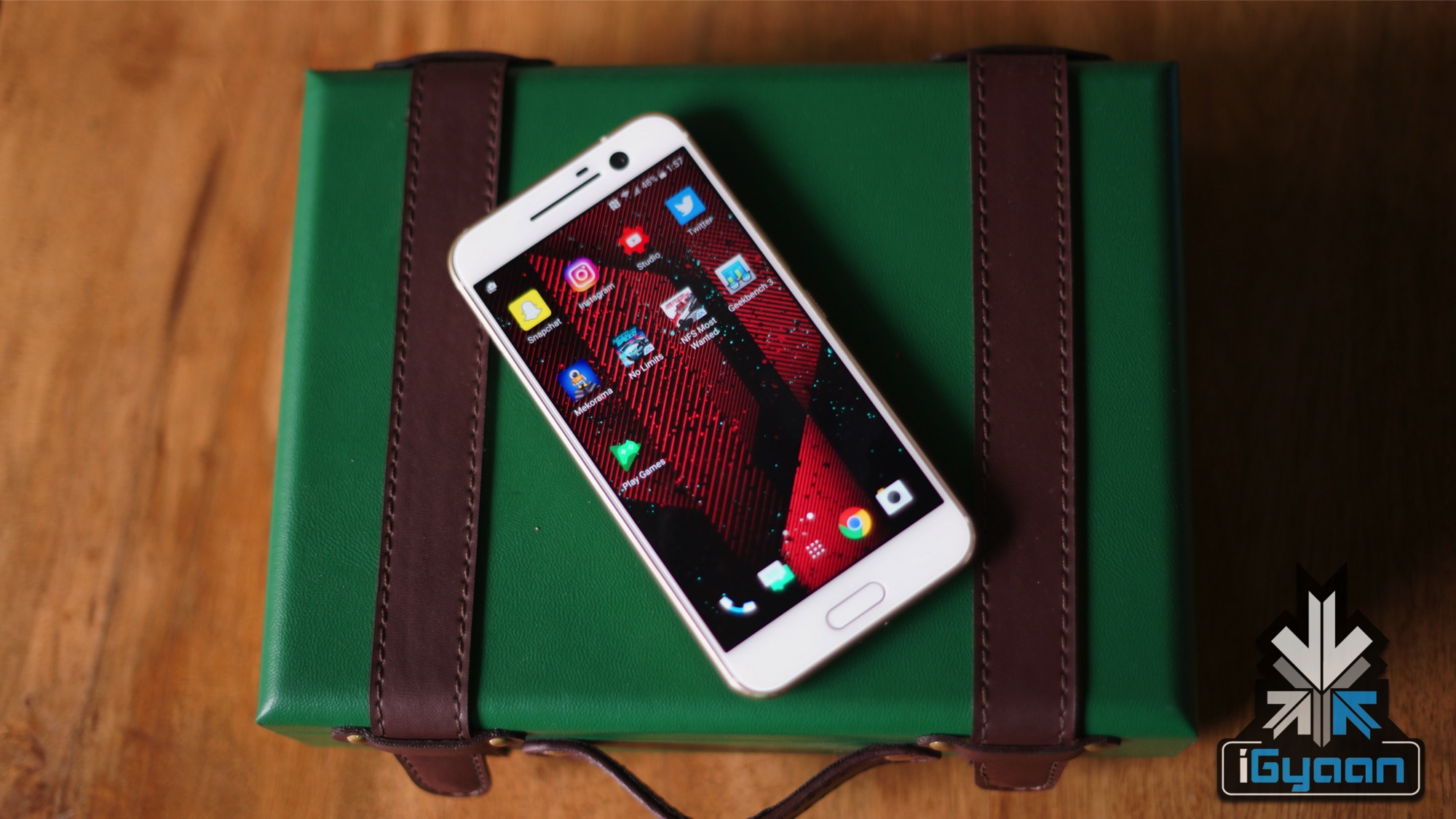
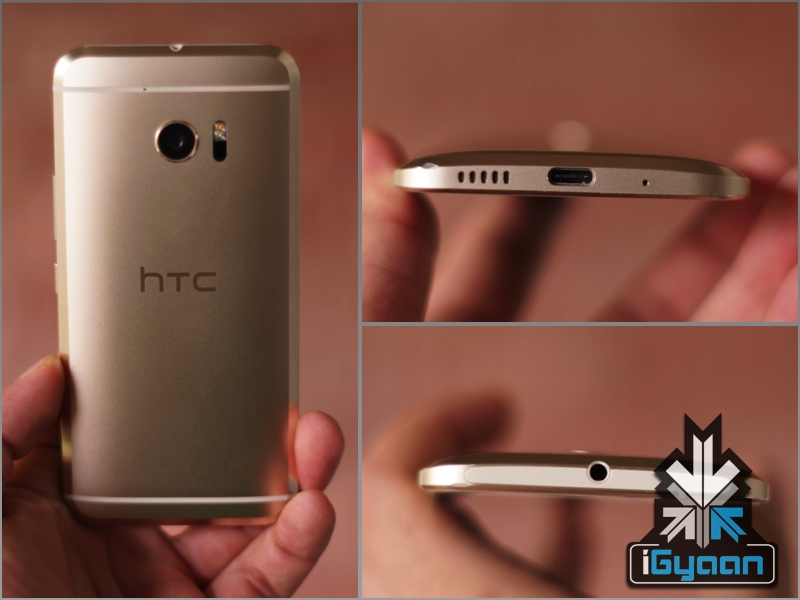
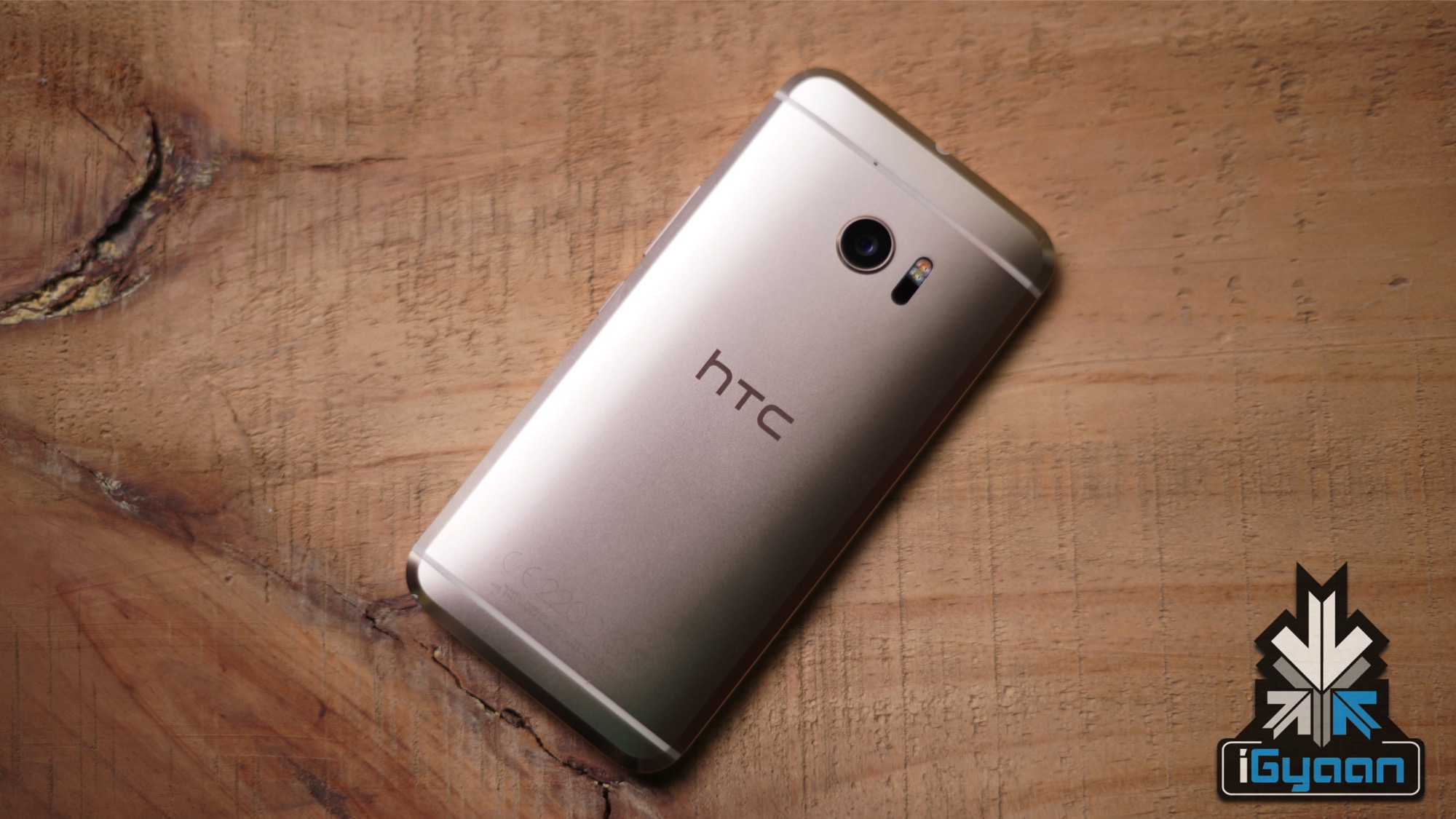
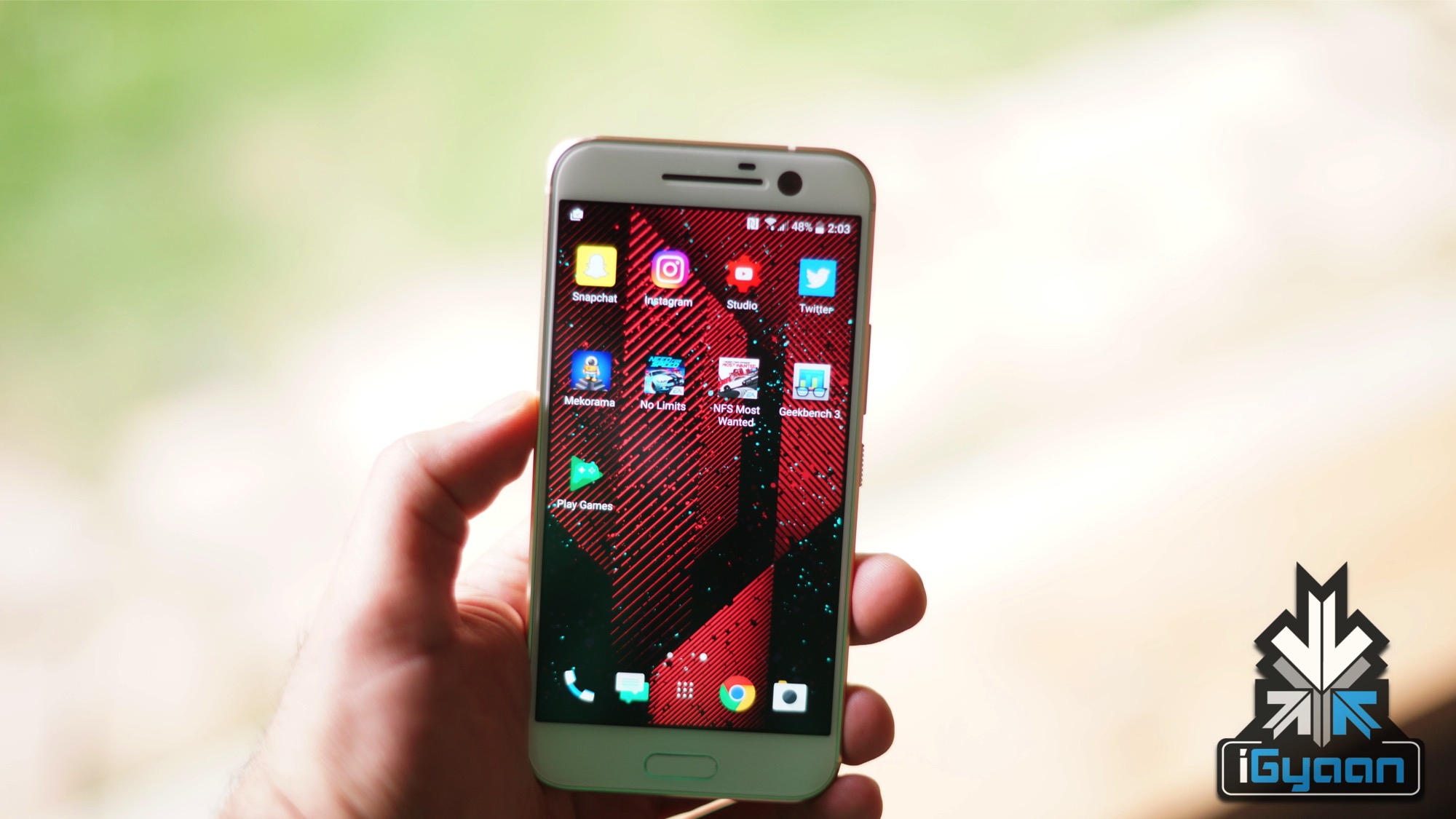
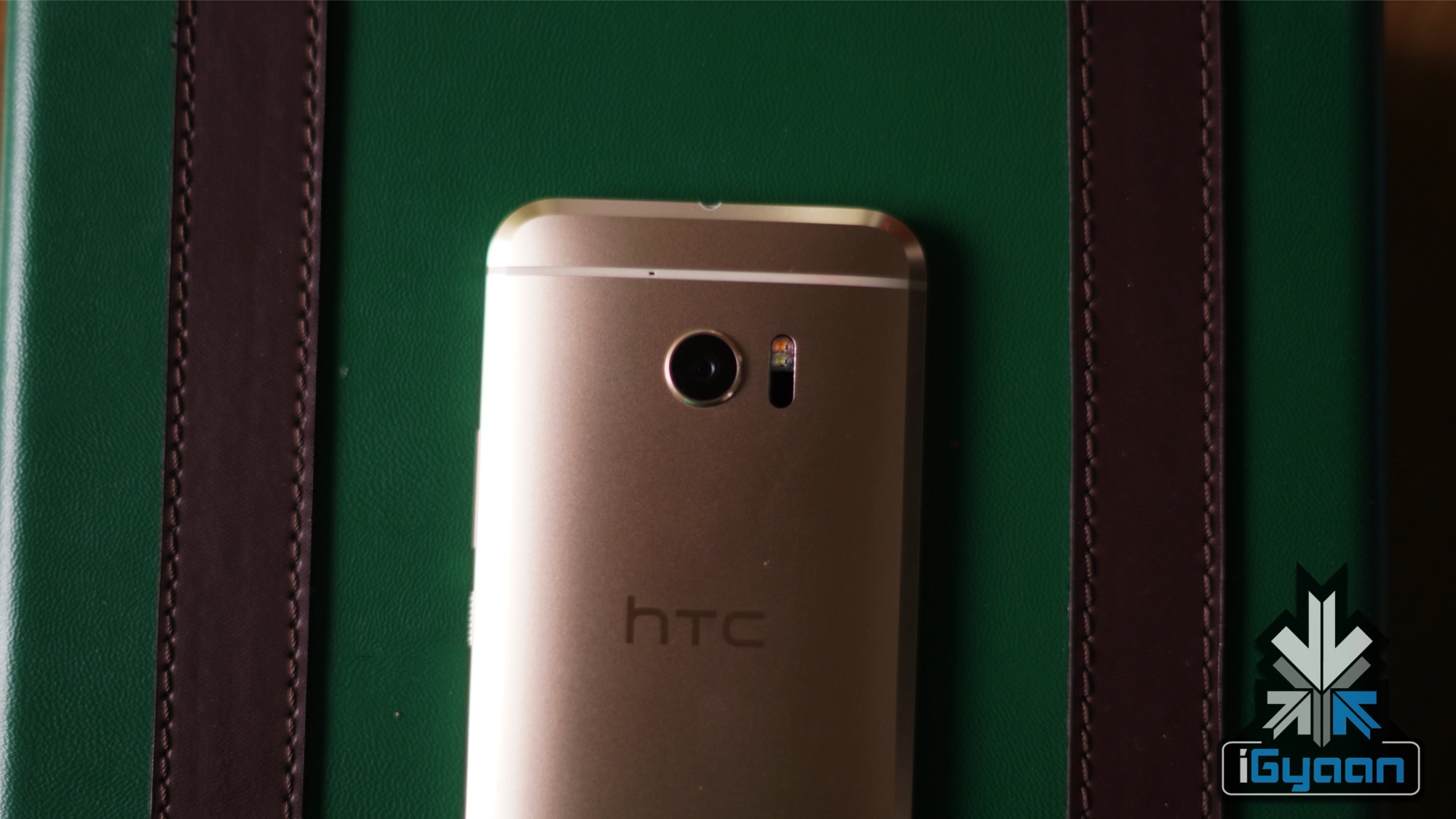
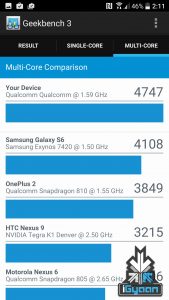
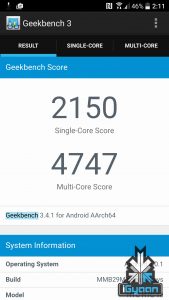
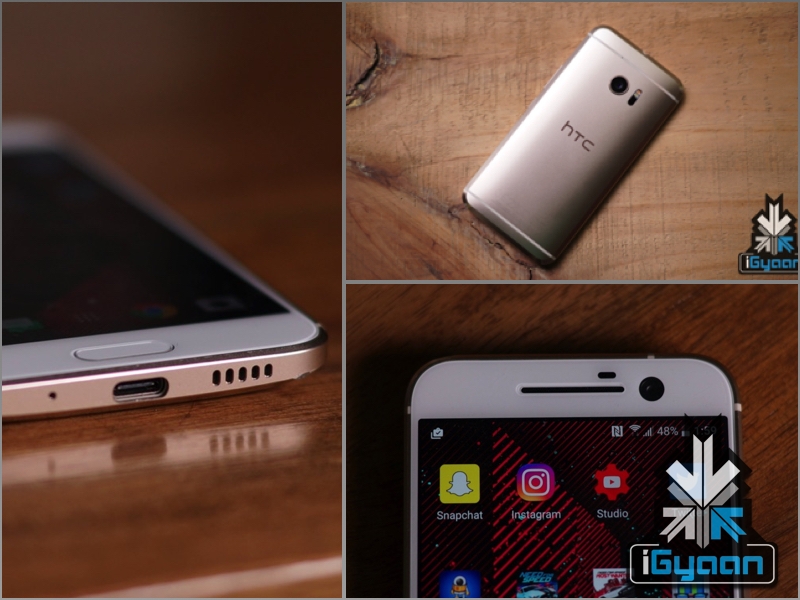 Multimedia and Display