Author: Abhinav Pathak

  • Zenfone Max Pro M1 6GB Variant with Updated Specs Launched

    Zenfone Max Pro M1 6GB Variant with Updated Specs Launched

    Asus launched the Zenfone Max Pro M1 in April. The company touted the smartphone as the device running on a completely stock version of Android 8.1 Oreo. During its initial launch, the smartphone only had two storage variants, a 3GB RAM with 32GB storage and 4GB RAM and 64GB storage. The company had promised to launch a 6GB variant of the smartphone, and it has finally delivered on its promise. The Zenfone Max Pro M1 with 6GB RAM will go on sale exclusively via Flipkart from 26th of July. Keeping in mind the track record of the previous sale, the 6GB variant may not last long. So those who were waiting for this variant should be on the for the smartphone on 26th July at 12 PM.
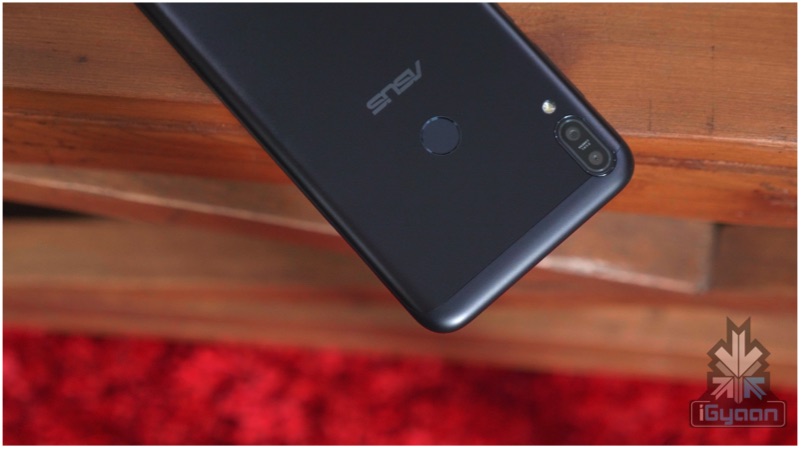
    Zenfone Max Pro M1
    Zenfone Max Pro
    Why A Zenfone Max Pro M1 With A 6GB Variant?

    Asus launch of a 6GB variant of the Zenfone Max Pro M1 could have something to do with the competition. The Xiaomi Mi A2 which is another mid-range smartphone has a 6GB RAM variant. So, it was only natural for Asus to launch a mid-range smartphone with a 6GB RAM variant. Since the Zenfone Max was launched recently, the company decided to launch its additional variant.
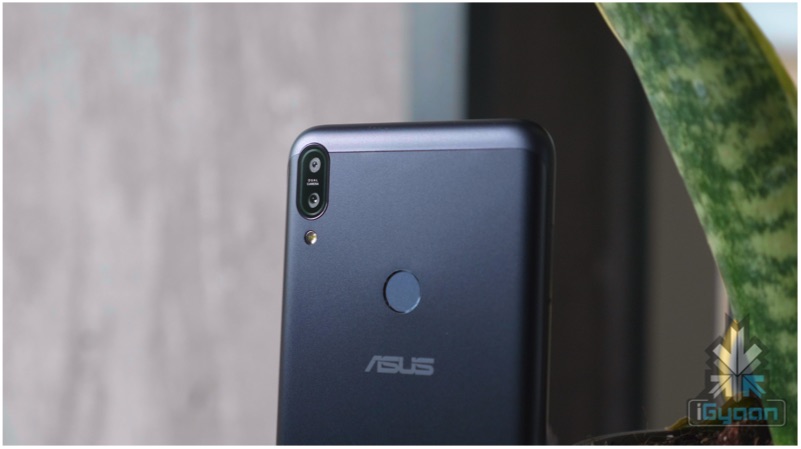
    Zenfone Max Pro M1
    Zenfone Max Pro

    Also Read: Top Smartphones Under Rs 20000

    What’s Changed With The Zenfone Max Pro M1 6GB Variant?

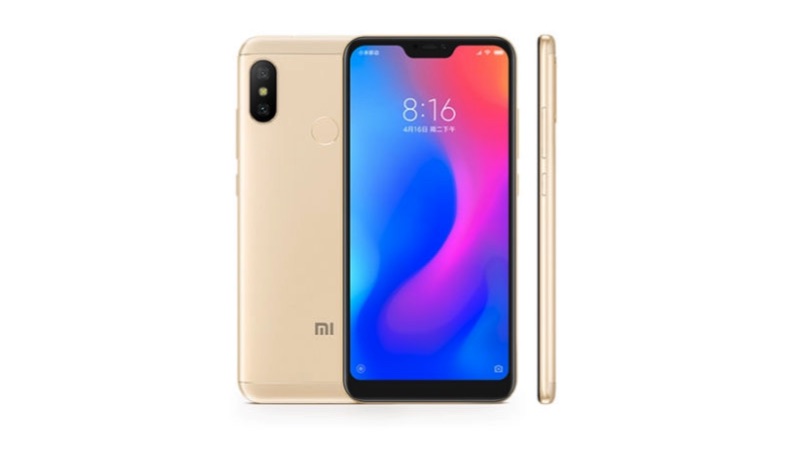
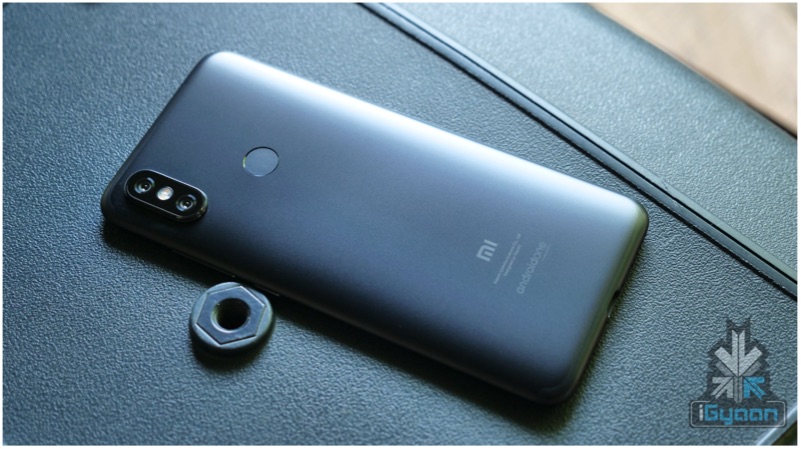
    Apart from a new RAM and storage variant, a few other specifications have changed. The 6GB variant also has a new camera setup. The front-facing camera has a 16 MP sensor with f/2.0 aperture and a 5 MP sensor with a f/2.4 aperture. The older variants had a 13 MP and a 5 MP sensor. For the front facing camera, the 6GB variant has a 16 MP sensor as opposed to the 5 MP on the older variant. The new variant has the same 5.99-inch IPS LCD panel with a 2160 x 1080 px resolution and 18:9 aspect ratio as the older versions.
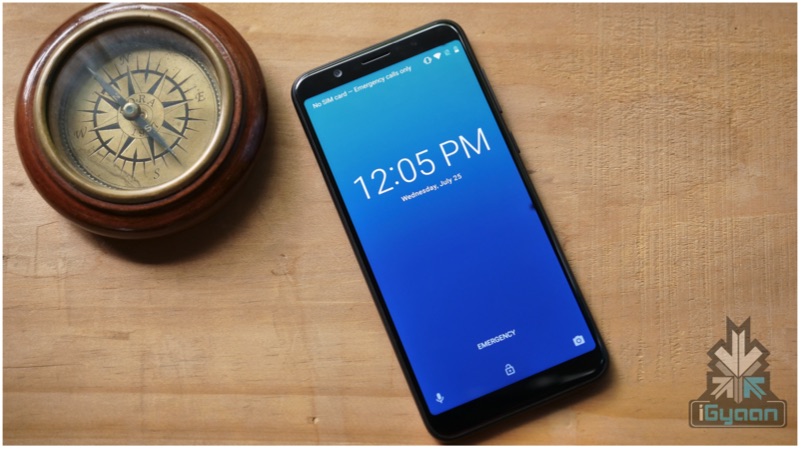
    Zenfone Max Pro M1
    Zenfone Max Pro Display
    Pricing And Availability

    The Asus Zenfone Max Pro M1 with 6GB RAM and 64GB storage will go on sale in India via Flipkart on 26th July starting from 12 PM. The smartphone will cost Rs. 14,999. You can buy the smartphone via this link. The smartphone will compete with the likes of the Redmi Note 5 Pro, which has a similar spec sheet and price tag.
    Have something to add? Leave a Comment Below!
  • Samsung Galaxy Note 9 512GB Storage / Price Leaked

    Samsung Galaxy Note 9 512GB Storage / Price Leaked

    Ahead of its launch on 9th August, the Samsung Galaxy Note 9 has already caught a lot of attention. There are a lot of rumours, leaks, and speculations about the smartphone. We already know about the all-new S-Pen and its Bluetooth connectivity. Now a leak suggests that Samsung will launch a 512GB storage variant of the smartphone.

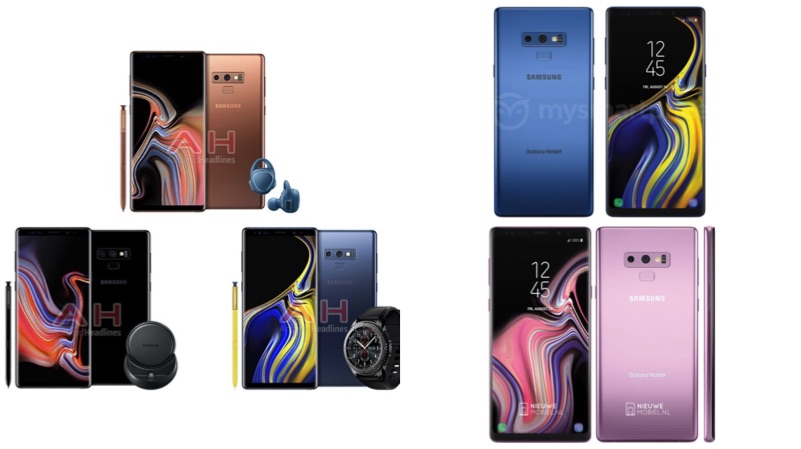
    In previous leaks of the Samsung Galaxy Note 9, we saw a few of its colour variants, namely, Black, Brown, Lilac Purple, and Coral Blue. Some of the images also showed a few colour variants of the S-Pen as well.

    Also Read: Galaxy Note 9 Accidentally Advertised By Samsung

    Note 9
    Via AndroidHeadlines, mysmartprice, and NIEUWE

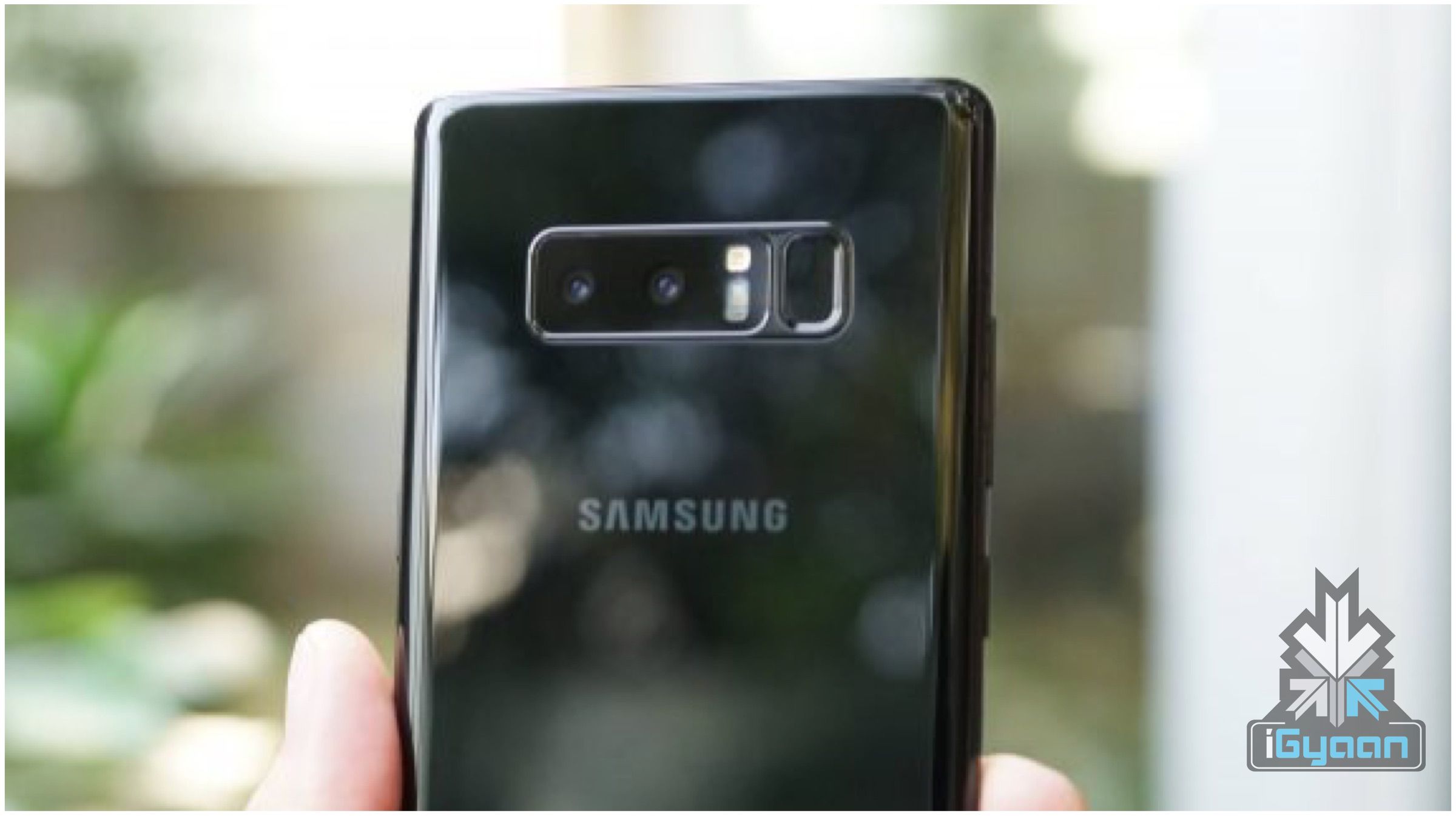
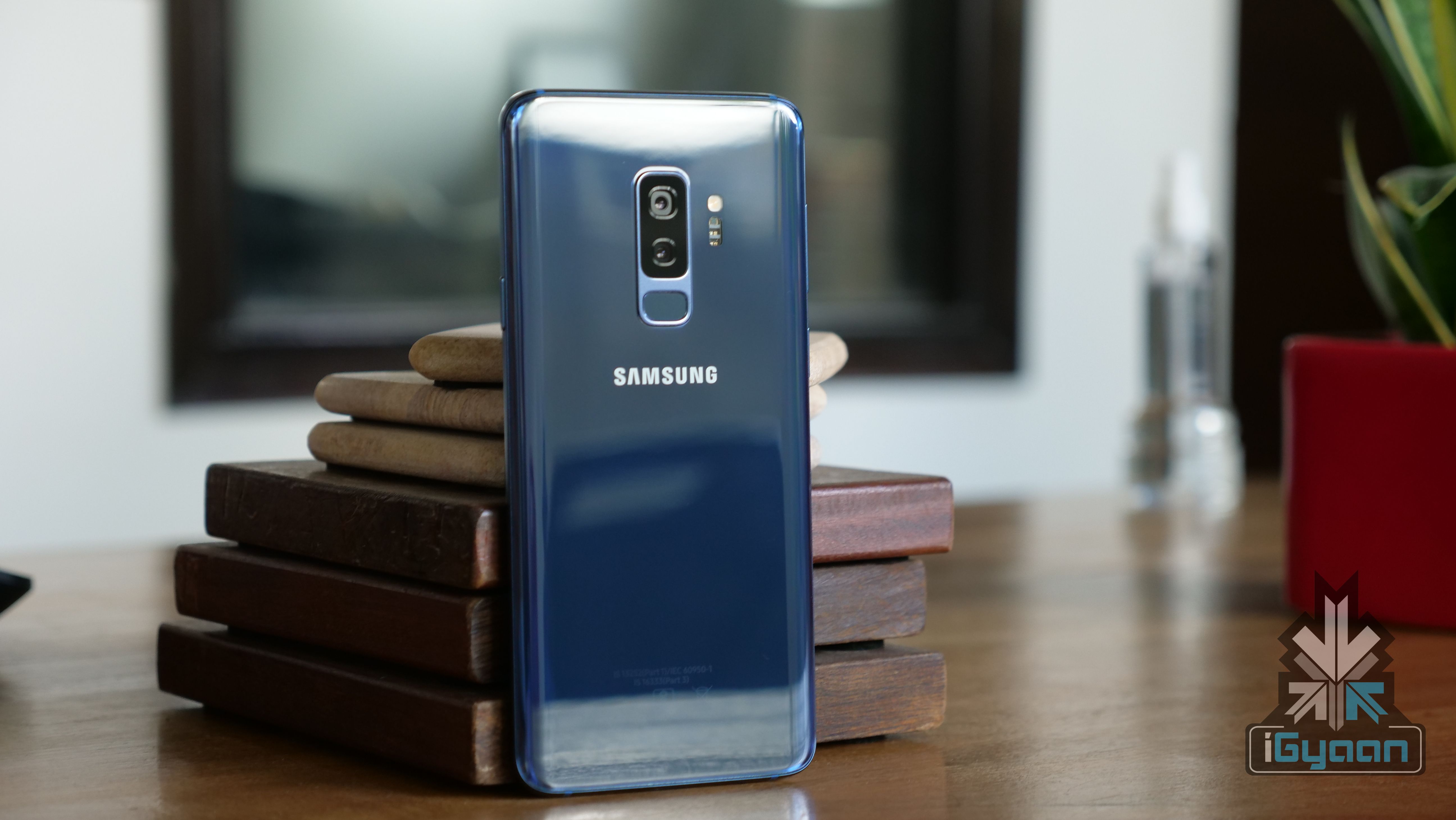
    Comparing these images with the Galaxy Note 8, we see that there is not a significant change in the design. There is only one noticeable difference between the Note 8 and the Samsung Galaxy Note 9. While the fingerprint sensor on the Note 8 is alongside the cameras, the Galaxy Note 9 features the fingerprint sensor below its camera setup.

    Galaxy Note 9
    Galaxy Note 8 Fingerprint

    Samsung has been closely competing with Apple in terms of their flagship pricing. While the older Galaxy Note 8 started at a price of Rs. 67,900, the Samsung Galaxy Note 9 could start at a price of US $1,228 (Rs. 84652.18 approx) for the 128GB variant. This is quite close to the price of the iPhone X, which was launched in 2017. There may be 64GB, 256GB, and 512GB variants of the device. However, the leak suggests that the 64GB and 256GB variants will not be sold in the European market. The 512GB variant of the smartphone may have a price tag of $1,465 (Rs.1,01,004.43 approx). We are hoping that the smartphone features the new Gorilla Glass 6 considering the price point of the device.
    A general expected price point even for a flagship was close to about $600 – $700 (Rs. 41,000 to Rs. 48,000). After the launch of iPhone X, the price of a smartphone is now comparable to a top of the line laptop. Now with Samsung Galaxy Note 9, we are approaching new price points for smartphones, this smartphone price trend is a bit concerning. However, we can take comfort in the fact that mid-range smartphones are now offering flagship-like performance for a significantly cheaper price point.

    Watch Below

    Have something to add? Leave a Comment Below!
  • Xiaomi Mi A2 and A2 Lite Launched

    Xiaomi Mi A2 and A2 Lite Launched

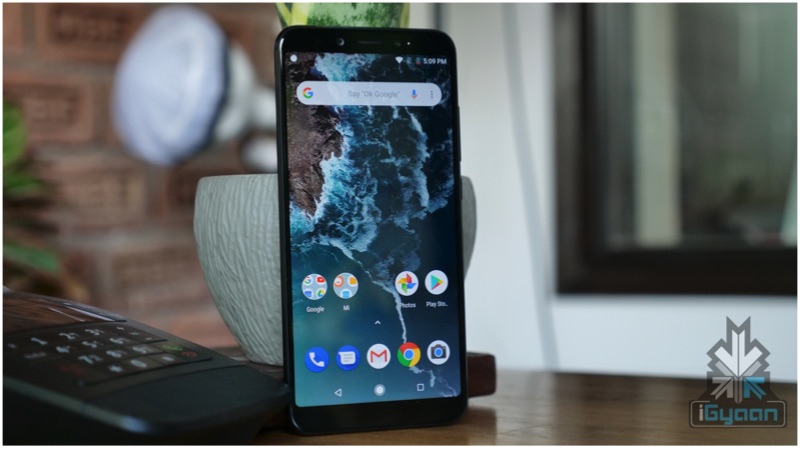
    When Xiaomi launched the Mi A1 back in September 2017, it also revealed the company’s sales figure for the month. Moreover, the Mi A1 was also the company’s first Android One device. The was also the company’s first smartphone in the Mi A series. Xiaomi claimed that it had sold close to 10 million devices in the month of September alone, making the Mi A1 one of the most bought smartphones of the year. Now, in the month of July 2018, the company has launched the Xiaomi Mi A2 and A2 Lite. While not much has changed from the Mi A1 to the Mi A2, there are still a few things that the company has decided to differently with the latter. The smartphone has launched on 24th July globally in Madrid, Spain.

    Also Read: Xiaomi Mi Max 3 Price Revealed Before Launch On 20th July

    What’s Changed From The Mi A1 To The Mi A2?

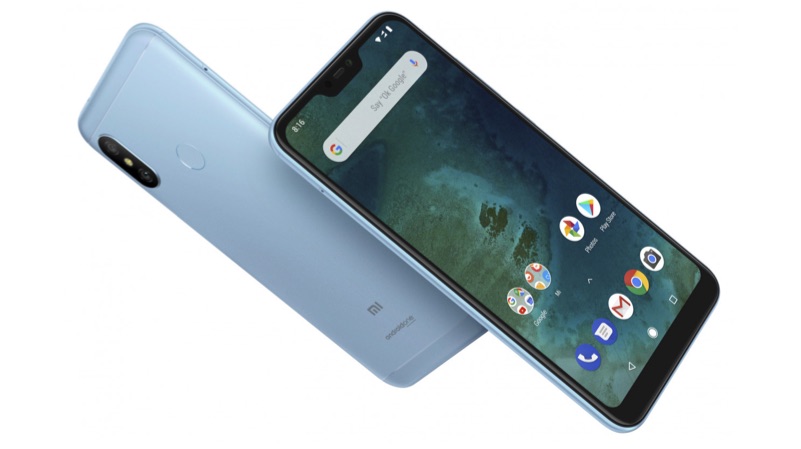
    The only similarity which both the Mi A1 and the Mi A2 share is that both of them are Android One devices, other than that, the company has introduced a lot of changes. The Xiaomi Mi A2 has a front glass design and an aluminum body. The display on the Mi A2 is a 5.99-inch panel with an aspect ratio of 18:9 and a resolution of 2160 x 1080 px. This display is an IPS LCD panel. Whereas, the Mi A1 has a 1920 x 1080 px IPS LCD panel.

    Mi A2 Lite
    Mi A2 Lite

    Powering the Xiaomi Mi A2 is a Qualcomm Snapdragon 660 chipset with the Adreno 512 GPU. Whereas, the Mi A1 had the Snapdragon 625 with the Adreno 506 GPU.

    The camera setup on the Mi A2 consists of a total of three sensors. The primary camera has a 12 MP sensor with a f/1.75 aperture and another 20 MP sensor with a f/1.75 aperture. Secondary camera of the device is a 20MP sensor with front-facing LED flash and a f/2.2 aperture. While the Mi A1 had a primary dual-camera with two 12MP sensors.

    Xiaomi Mi A2 and A2 Lite
    Mi A2 Camera

    What Xiaomi could have also done differently is add a fast charging capability to the Mi A2 since the chipset supports Qualcomm Quick Charge 4 technology. There are three storage variants of the Xiaomi Mi A2, a 4GB RAM and 32GB storage, 4GB RAM and 64GB storage, and a 6GB RAM and 128GB storage variant.

    Why The Mi A2 Lite?

    Even though the Mi A1 did really well, especially in the Indian market, many complained that the smartphone was slightly on the expensive side. To address this issue, Xiaomi has launched announced the Mi A2 Lite. The smartphone is advertised as the “entry-level Android One king”. Entry-level, because, the price of the Mi A2 could be under the Rs. 15,000 price bracket.

    Xiaomi MI A2 and A2 Lite
    MI A2

    While there is no word about whether this device will be launched in India, but we can expect it to arrive in India under another alias.

    The display on the Mi A2 Lite is a 5.84-inch panel with an aspect ratio of 19:9 and a resolution of 2280 x 1080 px. The Mi A2 Lite sports a notch-display. Both the Xiaomi Mi A2 and A2 Lite have an IPS LCD panel. The Mi A2 Lite is powered by the Snapdragon 625 with the Adreno 506 GPU. This chipset also featured in the Mi A1.

    Pricing And Availability

    The Mi A2 starts at a price of €249 (Rs. 20,071.20 approx) for the 32GB variant, with the 64GB costing around €279 (Rs. 22,500.42 approx), and the 128GB variant around €349 (Rs. 28,145.69 approx). While the Mi A2 Lite will start at €179 (Rs. 14,434.23 approx). The Mi A2 will go on sale in Spain starting 10th August, in France on 27th July, and in Italy and India on 8h August. While the Mi A2 will be available in India, the Mi A2 Lite will be sold in countries other than India.

    Xiaomi celebrated its first Android One anniversary with the launch of the Xiaomi Mi A2 and A2 Lite. The company has also emphasized the AI capabilities of both the smartphones through the launch. While you have to wait for our full review of the Mi A2, we already have an unboxing video ready for the smartphone. Take a look.

    Have something to add? Leave a Comment Below!


  • OnePlus 5 / 5T To Get OnePlus 6 Style Selfie Portrait Mode

    OnePlus 5 / 5T To Get OnePlus 6 Style Selfie Portrait Mode

    OnePlus follows a trend of releasing T version of its smartphones after a few months of the original device. The OnePlus 5 and OnePlus 5T follow the same trend. The OnePlus 5 launched on 20th June 2017, followed by the OnePlus 5T which launched on 21st November 2017. Now the OnePlus 6 is the company’s new 2018 flagship and it has brought some features which are unique to the smartphone, including the portrait selfie mode. This mode takes selfie shots with a bokeh effect in the background. The company is now planning to bring this feature to the OnePlus 5 and 5T.

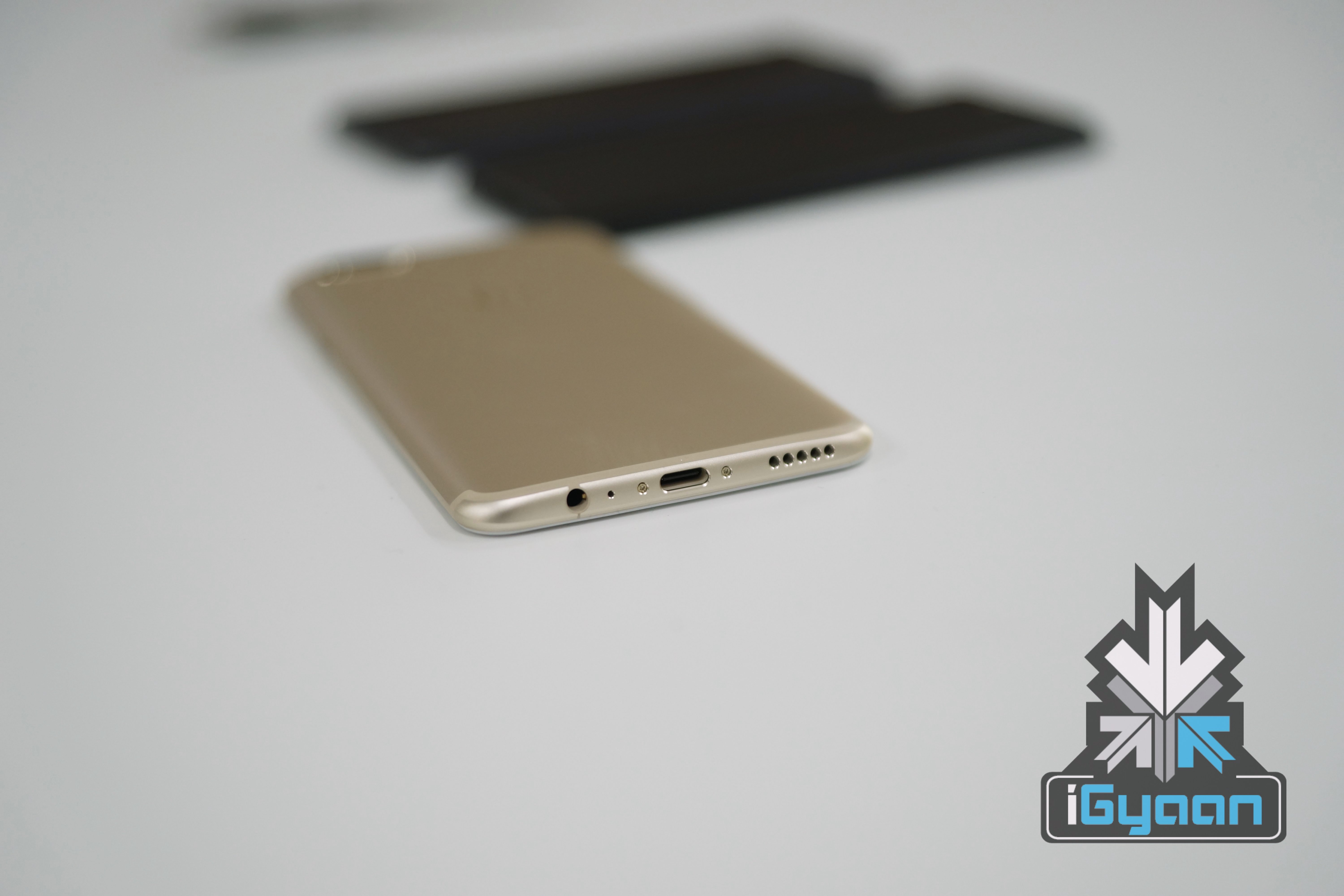
    OnePlus 5
    OnePlus 5 Gold

    OnePlus hosted Open Ears Forum event in India which happened on 7th July 2018. It is in this event that OnePlus confirmed about the selfie portrait mode update for the OnePlus 5 and OnePlus 5T.

    Also Read: OnePlus 5, 5T Get Support For Project Treble With The Latest OxygenOS

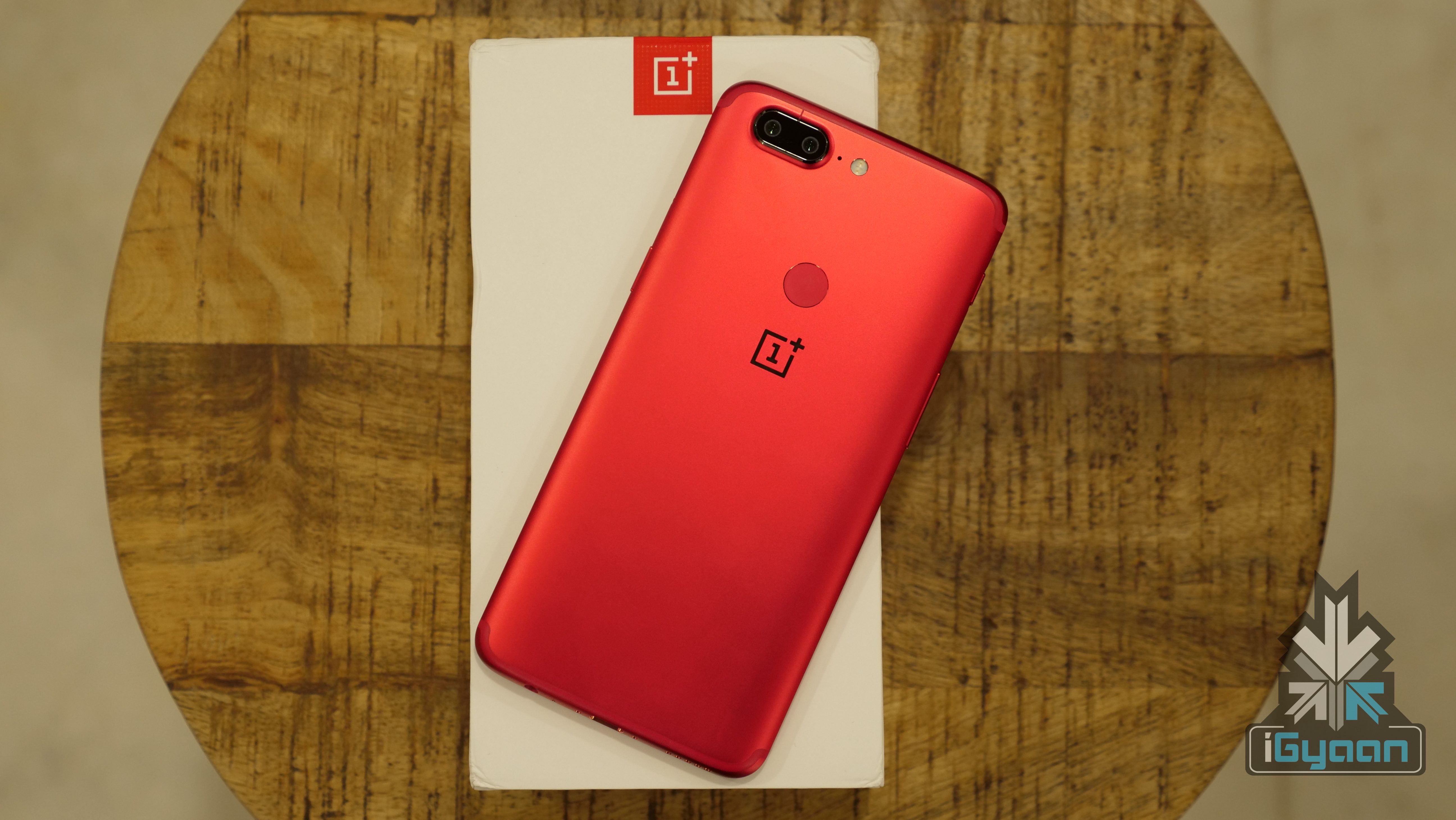
    OnePlus 5T
    OnePlus 5T Lava Red

    The OnePlus 6 did have the portrait mode feature out of the box but only for the rear-facing dual cameras. Rather, the smartphone received an OTA (Over The Air) OS update for OxygenOS 5.1.6. The smartphone takes these portrait mode selfies by solely depending on the software processing of the image. The OnePlus 5 and 5T users will also get a similar experience. The front-facing camera on all the three devices; OnePlus 5, OnePlus 5T, and the OnePlus 6, is a 16MP sensor. So, all the devices should produce a similar type of portrait image, but we will have to wait until the update is available to gauge better.

    What is worth noting is, both the OnePlus 5 and the OnePlus 5T run on previous year’s Snapdragon 835 chipset. So, it will be interesting to see how well the selfies taken with these smartphones do against the ones taken with the OnePlus 6.

    Have something to add? Leave a Comment Below!


  • Nokia X6 Globally Debuting As The Nokia 6.1 Plus

    Nokia X6 Globally Debuting As The Nokia 6.1 Plus

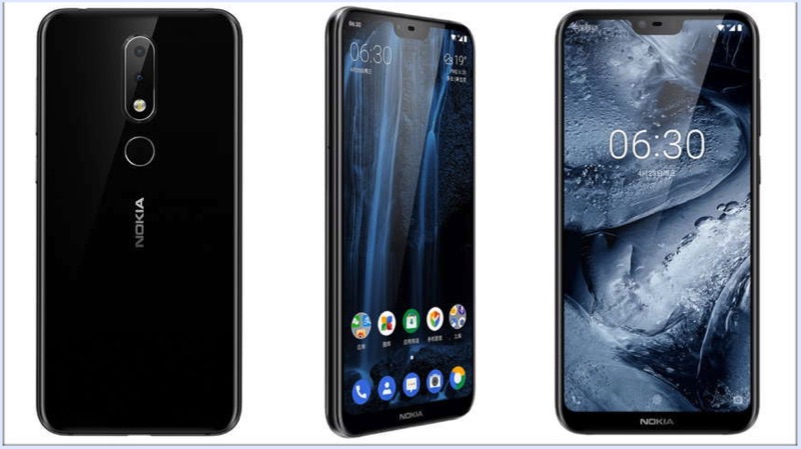
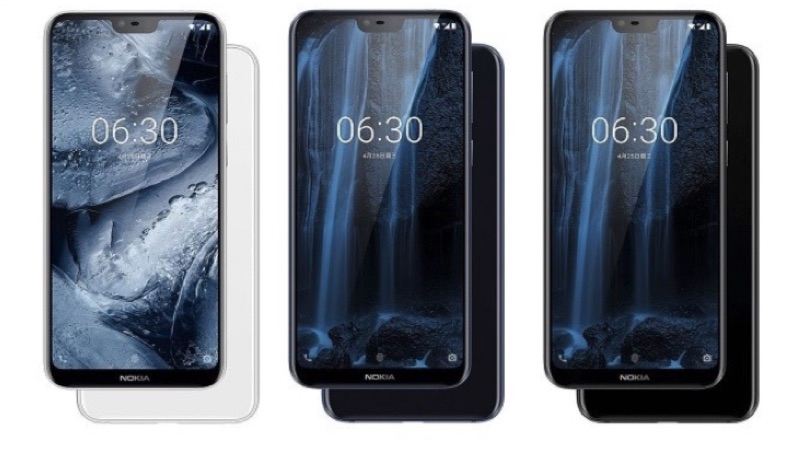
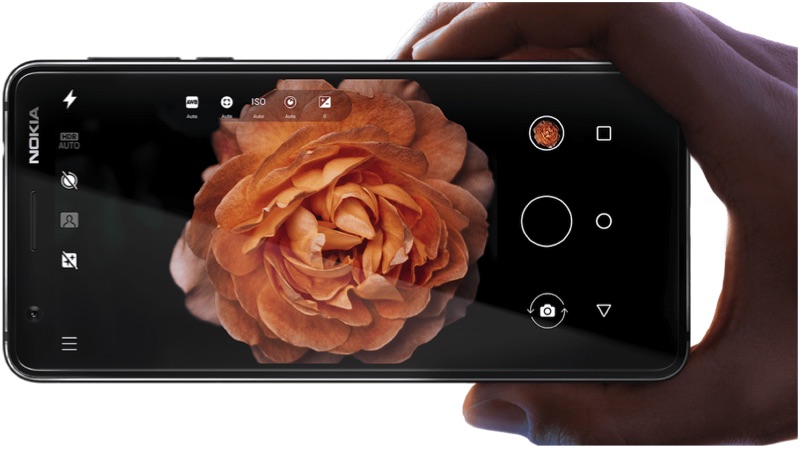
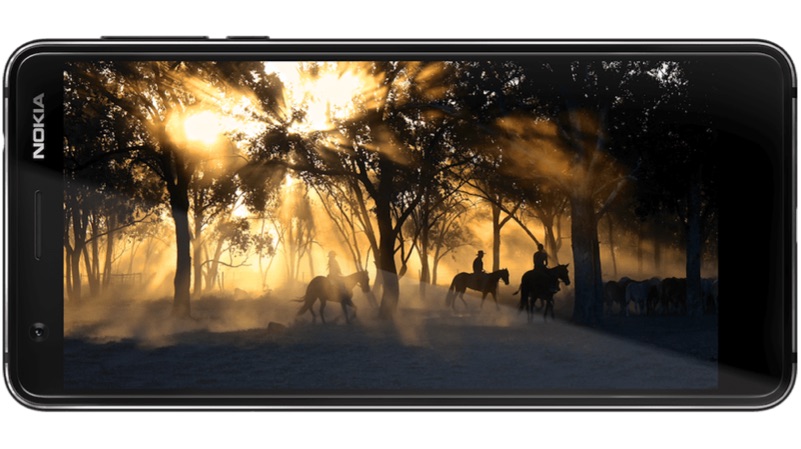
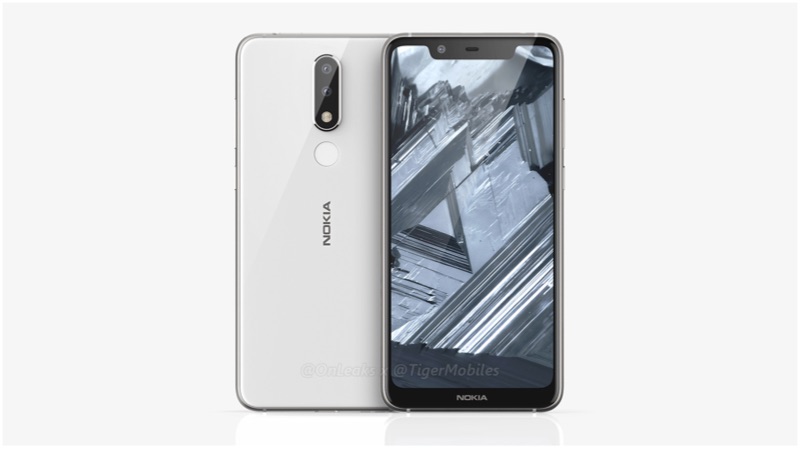
    When Nokia announced the mid-range Nokia X6 in China, people were expecting that the device will launch globally as well. The Nokia X6 starts at CNY 1,299 (Rs. 13,190.55 approx) and is on sale in China. Nokia has now launched the Nokia 6.1 Plus which is the Android One global variant of the Nokia X6. An Android One device is an unmodified variant of the Android OS, providing the device with a clean and bloatware-free experience. The Nokia 6.1 Plus is expected to go on sale on the 24th of July in Hong Kong, following which the phone will be available globally.

    Nokia 6.1 Plus
    Nokia 6.1 Plus

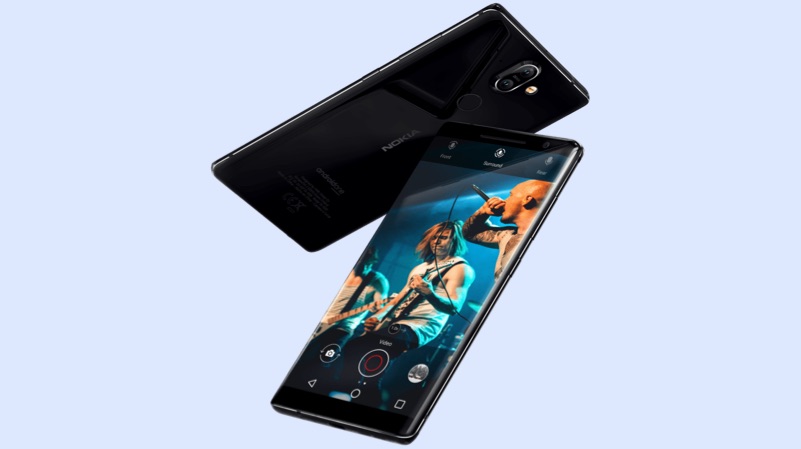
    Most of the phones Nokia is launching belong to the mid-range segment, with the exception of phones like the Nokia 8 and the Nokia 8 Sirroco. And, the Nokia 6.1 Plus is yet another mid-range smartphone. While there are certain rumours which indicate a new Nokia flagship is on its way in 2018, Nokia has been catering more to the budget-friendly price segments in the recent years.

    Nokia 6.1 Plus
    Nokia 8 Sirroco

    Also Read: Nokia 3.1 Officially Launched In India For Rs. 10,499

    The display on the Nokia 6.1 Plus is a 5.8-inch IPS LCD display with a 2280 x 1080 px resolution. The aspect ratio of the device is 19:9. The device uses Corning Gorilla Glass 3 for its front and back glass panels and it also has an aluminium frame.  The smartphone is available in Black / Copper and White / Iron colour variants.

    The Nokia 6.1 Plus is an Android One device which has the latest Android 8.1 (Oreo) out of the box. The device runs on the Qualcomm Snapdragon 636 SoC. This is an octa-core 1.8 GHz Kryo 260 chipset paired with the Adreno 509 GPU.

    The storage variant available globally for the Nokia 6.1 Plus is 64GB with 4GB RAM. While the internal storage is low, the smartphone allows you to use a MicroSD card of up to 400GB to expand storage.

    The camera setup of the Nokia 6.1 Plus sports a total of three cameras. The primary camera setup has a 16MP sensor with f/2.0 aperture and a  5MP depth sensor with f/2.0 aperture. The secondary camera is a 16MP sensor with a f/2.0 aperture. Powering the smartphone is a 3,060 mAh Li-Ion battery.

    Chipsets in smartphones are becoming powerful as well as power-efficient as they evolve further. While the Snapdragon 636 is a good SoC for a mid-range smartphone, Huawei offers AI-capabilities for the same price as well. A device like the Huawei Nova 3i uses the Kirin 710 SoC which can handle AI computation. The Nokia 6.1 Plus will most likely launch in India in the month of August or September. It will be interesting to see how well the smartphone does in the Indian market.

    Have something to add? Leave a Comment Below!
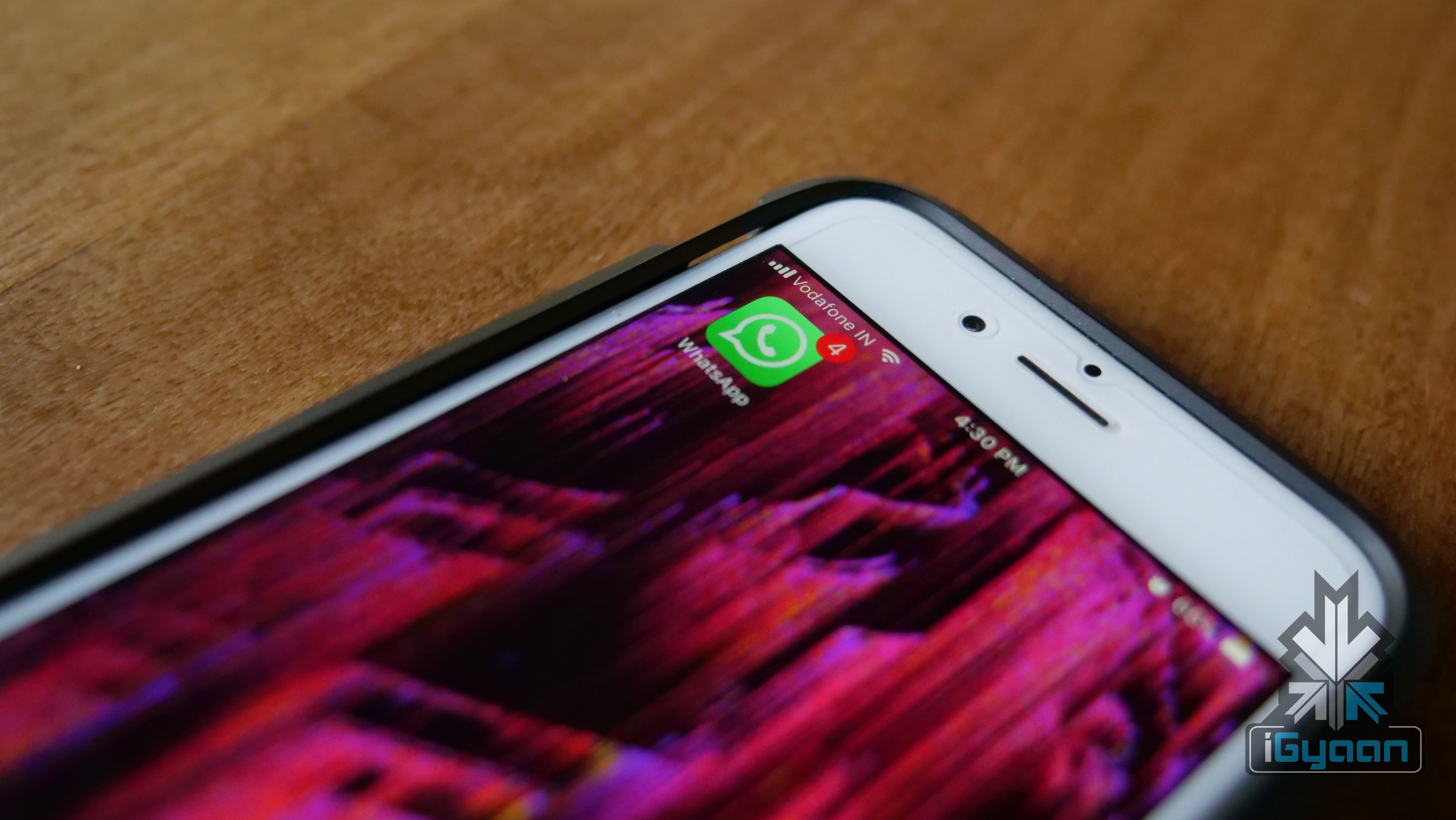
  • WhatsApp To Limit Message Forwarding After Violence In India

    WhatsApp To Limit Message Forwarding After Violence In India

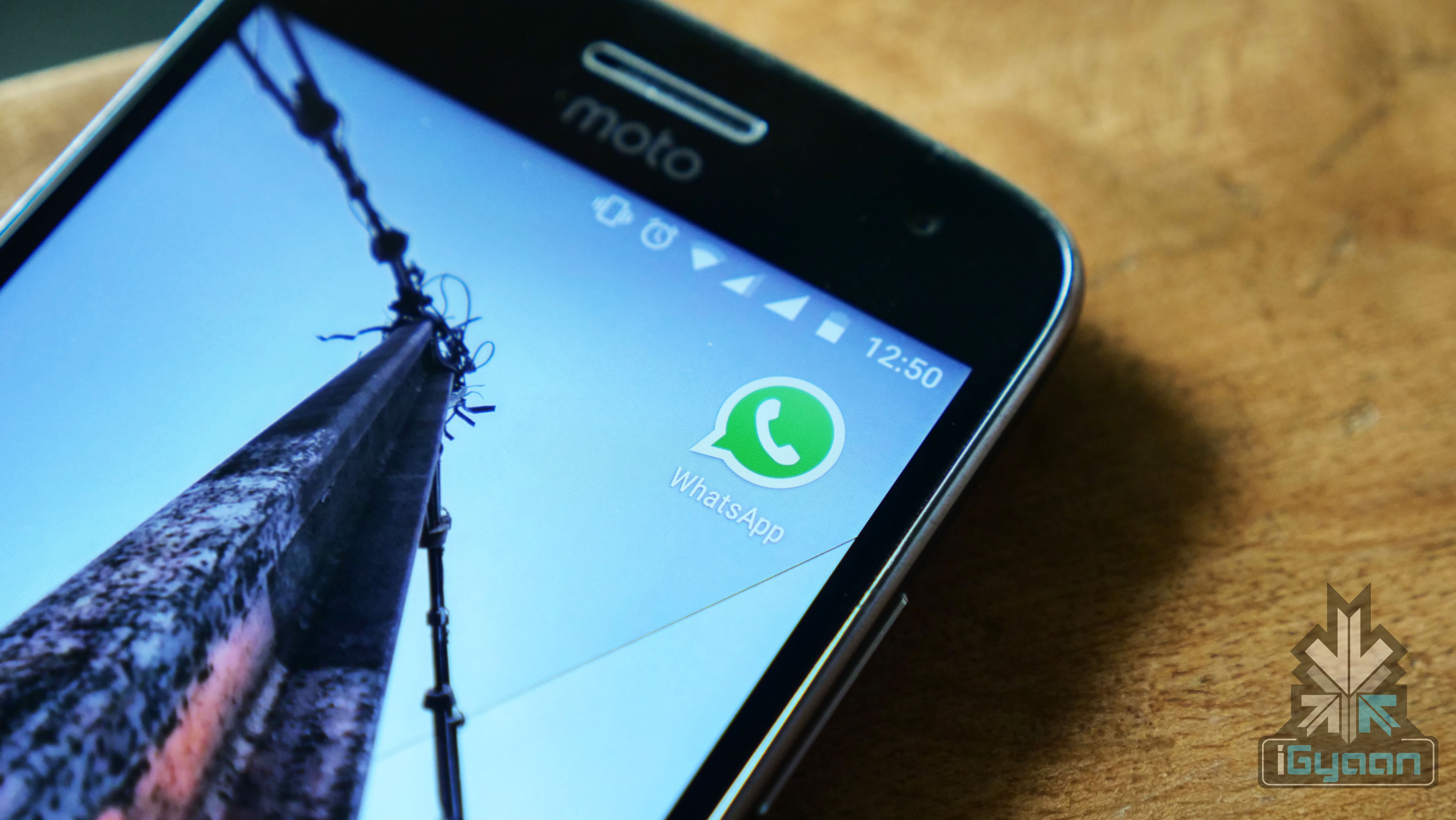
    India has been subject to a lot of violence because of fake news spreading across social media platforms. Because of fake WhatsApp news going viral in the district of Tiruvannamalai, a family of five lost their lives. Facebook currently owns the messaging platform and is now planning to bring major changes in the way WhatsApp works. In their latest announcement, Facebook said that they will limit the number of messages users can forward.

    Also Read: New Twitter Update Will Reduce Follower Count As Locked Accounts Are Removed

    WhatsApp

    The limit currently in India for forwarding a message is 250. The new WhatsApp update will bring this down to just 5 in India and globally the limit will be 20. The latest case of violence happened in Tamil Nadu. 65-year-old Rukmani and other four family members were travelling to a temple in Tiruvannamalai. They stopped at a village close to the temple to ask for direction when a woman wrongly suspected the family as child lifters. The rumour spread across the village via WhatsApp. The woman called her son who was ready with a mob. To avoid them, the family decided to turn back but found themselves surrounded by another mob in the neighbouring village. Again, because the news spread via WhatsApp. The family was then murdered.

    The above mentioned is just one of the many cases where the victims were subject to brutality because of fake news. This led to a dire need for some serious changes in the way the social media platforms work. The Ministry of Electronics and Information Technology, India raised its concerns about fake news to WhatsApp. Which is one of the reasons why the update is now the messaging platform’s top priority.

    WhatsApp
    WhatsApp

    Social media platforms are a space where people can share their opinions. However, people take this freedom of speech for granted. Regulations and protocols for people on social media is still a grey area. It is reassuring to see platforms like WhatsApp taking steps to manage and hopefully control the spreading of such fake information.

    Have something to add? Leave a Comment Below!
  • HTC Might Say Goodbye To The Indian Market

    HTC Might Say Goodbye To The Indian Market

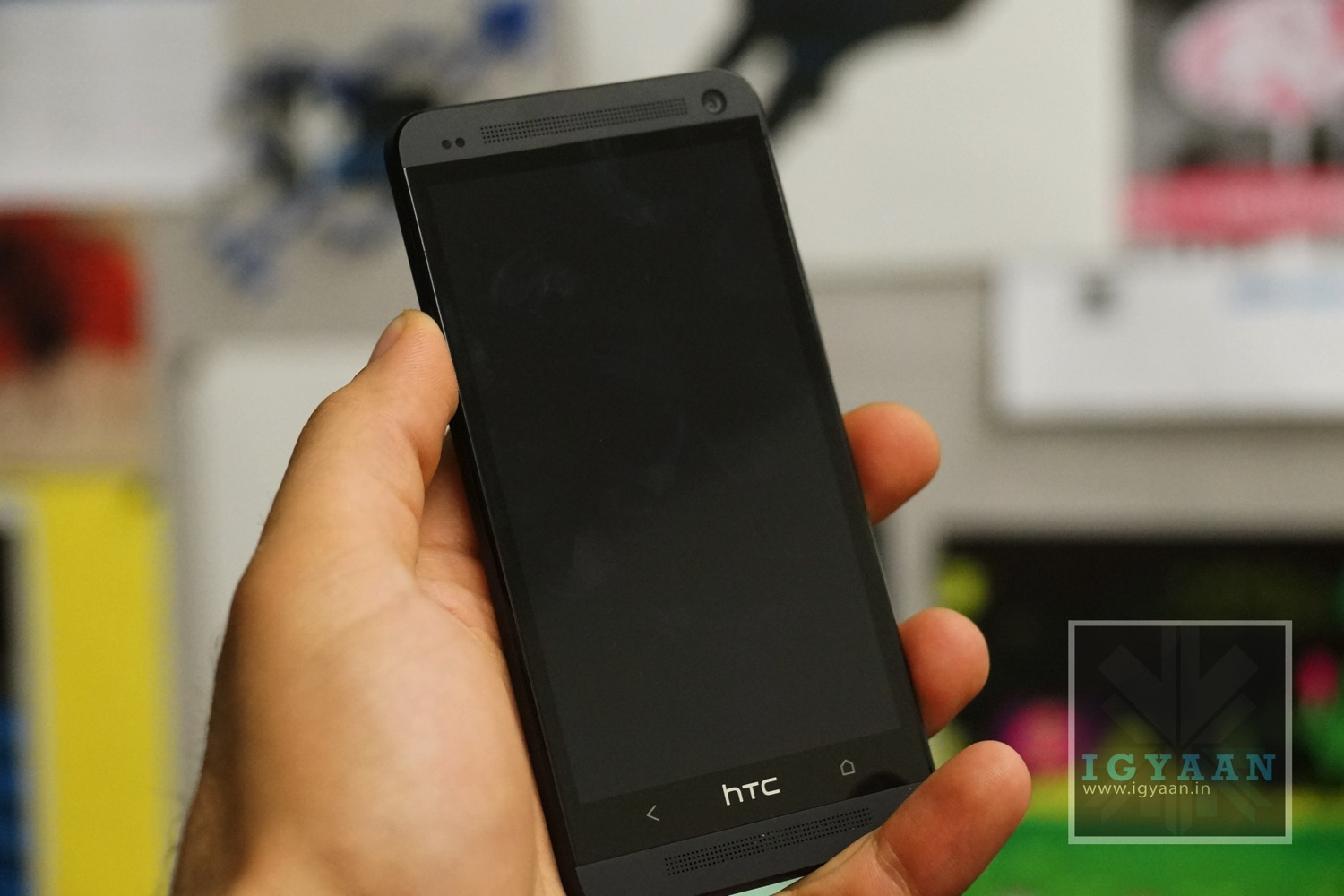
    With their sales dipping year after year, HTC might just call it quits in the Indian market. The company has been facing a bit of trouble across its global markets and are struggling to keep their sales figures up as well. In a recent report by the Economic Times, the resignation of Country Head Faisal Siddiqui, Sales Head Vijay Balachandran and Product Head R Nayyar has left the Indian arm of the company in dire straits. In a stunning move, the company has asked around 70 to 80 of its Indian employees to leave the company with only Chief Financial Officer Rajeev Tayal staying behind after the three key members’ resignation. Although the company could halt all Indian operations soon, they are still pushing forward with their Virtual Reality division which will be overseen and controlled by the Taiwanese branch of the company.

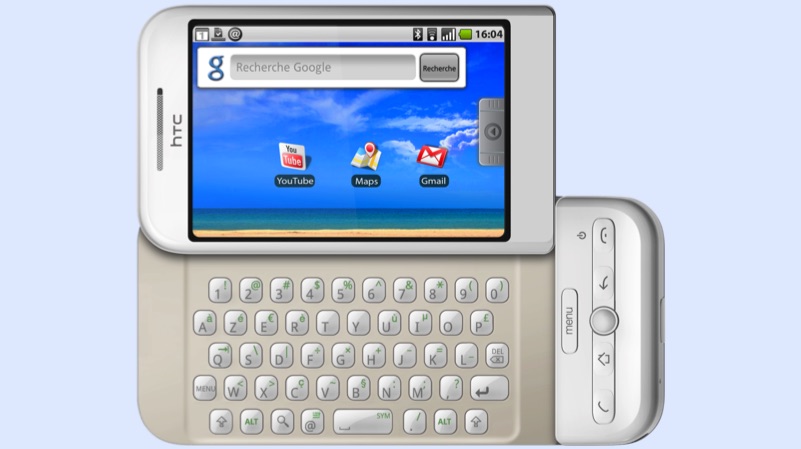
    HTC Dream
    HTC Dream

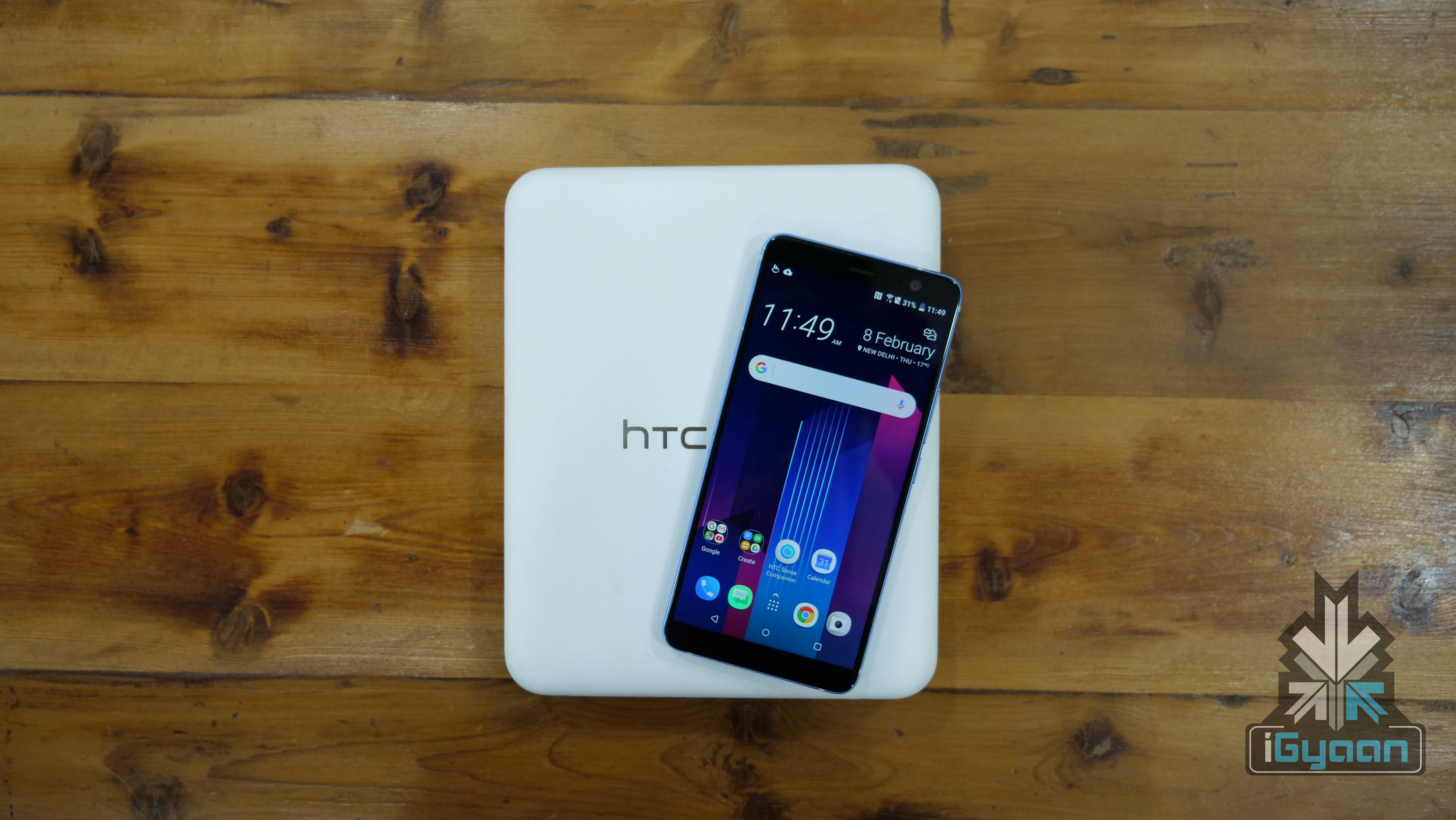
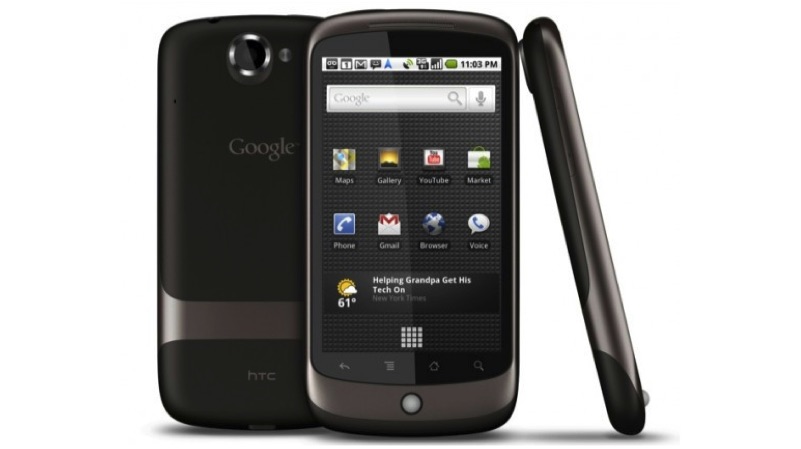
    Looking back at the company’s storied history, the HTC Dream was the first commercially sold Android phone back in September 2008. Since then, the company has been rather competitive in global markets. However, in recent years, the company has not been able to keep up with the pace at which other manufacturers are adding innovations to their smartphones. Despite launching a flagship like the HTC U11+, the company has not been able to do well in the markets. The device runs on the Snapdragon 845 with the Adreno 630 GPU. In its early years, the company launched the Nexus One in association with Google which did really well in the market. The company then released the HTC One (M7) which had one of the best cameras of its time. Despite having only a 4MP rear-facing camera, the smartphone could take professional looking shots. Its metallic design gave the phone a very unique look and it also had BoomSound front-firing stereo speakers. This was one of the major selling points of the smartphone since these speakers were the best sounding ones of their time. Arguably, the BoomSound speakers could still outperform speakers of many 2017 and even 2018 flagship smartphones.

    Must Read: Unboxing The HTC U11+

    HTC Nexus One
    HTC Nexus One

    This move means that the company will stop selling its smartphones through offline retailers. The company still plans to use online shopping portals like Flipkart to sell its smartphones in India. They also acknowledge the fact that India is one of the most crucial markets for a smartphone manufacturer. This could mean that the company still hasn’t completely given up on the Indian market as yet.

    HTC
    HTC One (M7)

    With its offline retail shut down, HTC may face some dispute by retailers. The major retailers of the company’s smartphones in India are the Optiemus Group, MPS Telecom, and Link Telecom. HTC owes debts in several crores to some of these retailers.

    The future for HTC looks bleak at this point in time. While the company has plans to keep on selling its smartphones, it will have to bring about some major changes in its business strategies to survive the competition.

    Have something to add? Leave a Comment Below!


  • Xiaomi Mi Max 3 Officially Launched In China

    Xiaomi Mi Max 3 Officially Launched In China

    Big screen-size smartphones have been around for a while now, ever since the first Samsung Galaxy Note launched back in 2011. From the standards of 2011, the Galaxy Note 1 was a phablet. Nowadays, 5.3-inches is the average screen size for a smartphone. The Xiaomi Mi Max series was the first from the company to launch with a 6.44-inch display. On 19th July, the Chinese manufacturer launched the Xioami Mi Max 3 in China. The phone has a starting price of CNY 1,699 (Rs. 17305.44 approx). Currently, the smartphone is exclusive to China, but Xiaomi could launch this device globally soon.

    Also Read: Xiaomi Redmi 6 Pro To Launch In Late-2018

    Xioami Mi Max 3
    Mi Max 3

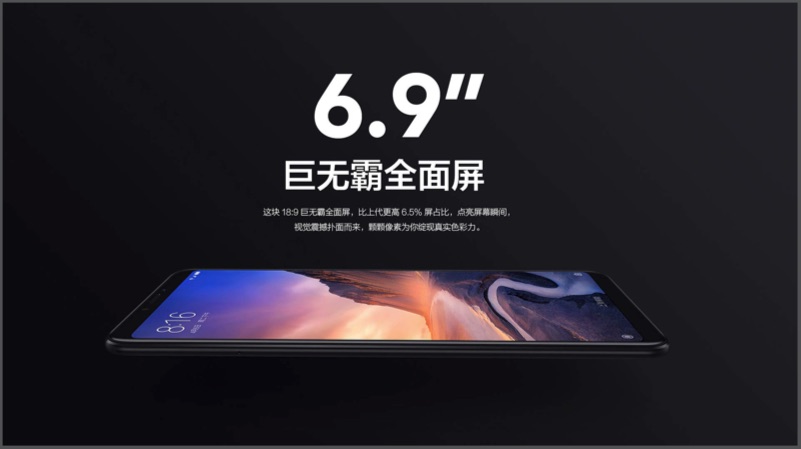
    Made with glass, the front panel of the Xiaomi Mi Max 3 houses the gigantic 6.9-inch display with 2160 x 1080 px resolution. The display is an IPS LCD panel with an 18:9 aspect ratio. The smartphone has an overall aluminum body.

    Xiaomi Mi Max 3

    The smartphone uses the MIUI 9.5 which is based on Android 8.1 (Oreo). The Xiaomi Mi Max 3 runs on the Qualcomm Snapdragon 636. This is an Octa-core 1.8 GHz Kryo 260 chipset. The SoC is paired with the Adreno 509 GPU.

    The Xiaomi Mi Max 3 will be available in two storage and RAM variants. The 64GB storage variant has a 4GB RAM and the 128GB variant has a 6GB RAM. The smartphone allows storage expandability of up to 256GB using MicroSD card. The price for the 64GB is CNY 1,699 (Rs. 17305.44 approx) and the 128GB variant will cost CNY 1,999 (Rs. 20361.14 approx).

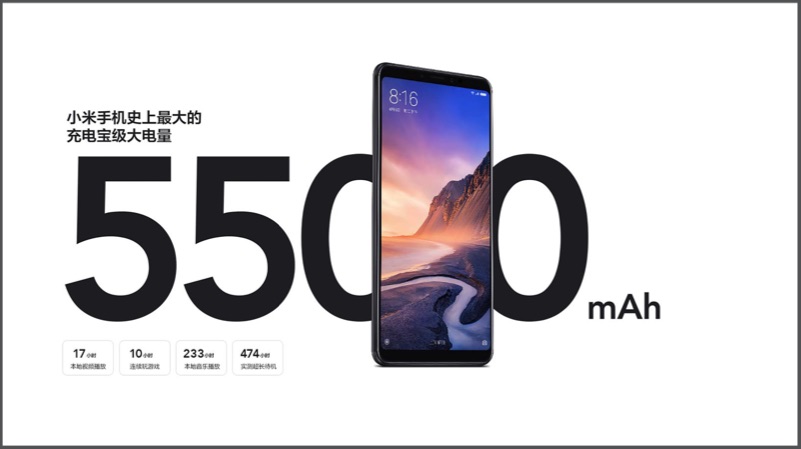
    For the first time, Xiaomi is introducing dual rear-facing camera for the Mi Max series. The primary camera for the Mi Max 3 has a 12 MP sensor with a f/1.9 aperture, and a 5 MP depth sensor. The secondary camera of the Xiaomi Mi Max 3 has a single 8MP sensor with f/2.0 aperture. The smartphone can shoot 2160p videos at 30fps, 720p and 1080p at 30fps gyro-EIS stabilization, and 720p@120fps. The phone will be powered by a massive 5,500 mAh Li-Ion battery.

    Mi Max 3 Battery

    Xiaomi is one of the top brands in India. With that said, there are already a lot of good smartphones in the price range at which the Mi Max 3 is sold in China. From the Samsung Galaxy J8 to the Huawei P2 Lite. We will have to wait until the device is officially launched in India.

    Have something to add? Leave a Comment Below!


  • Corning Gorilla Glass 6 Is The Next Generation Of Glass Panels

    Corning Gorilla Glass 6 Is The Next Generation Of Glass Panels

    When we talk about displays and glass panels, Corning is the top manufacturer that comes to mind. Corning is an American tech company with its headquarters in Corning, New York. The company specializes in manufacturing glass and ceramic materials. In a press release on the 19th of  July, Corning announced the latest in its Gorilla glass series, the Corning Gorilla Glass 6.

    The first version of Corning Gorilla Glass was designed specifically with the first generation of iPhones in mind. Although Apple has never officially claimed to use Corning glasses on their smartphones. The company demanded a strong glass material which would not only be durable but also responsive. Which is how Corning Gorilla Glass came to be. Since then, the company has made display and body panels for other companies like Samsung.

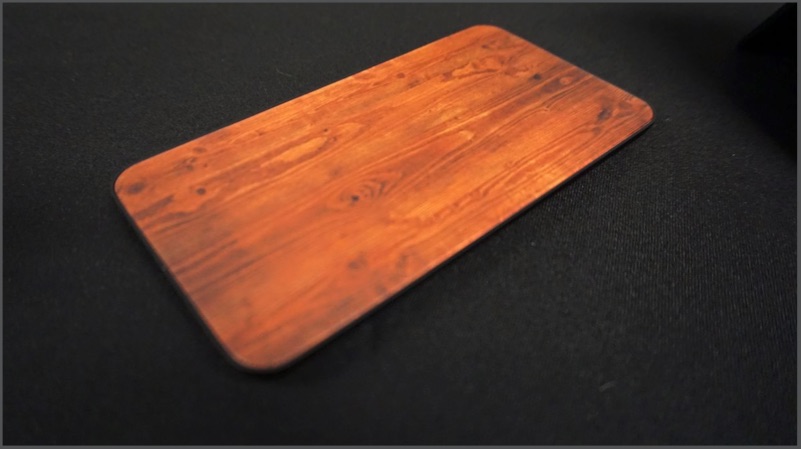
    Corning Gorilla Glass 6
    Wooden Finish On Gorilla Glass 6

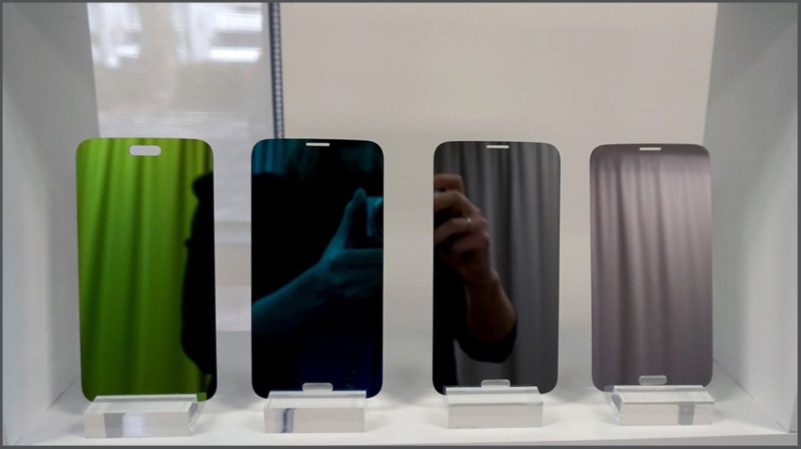
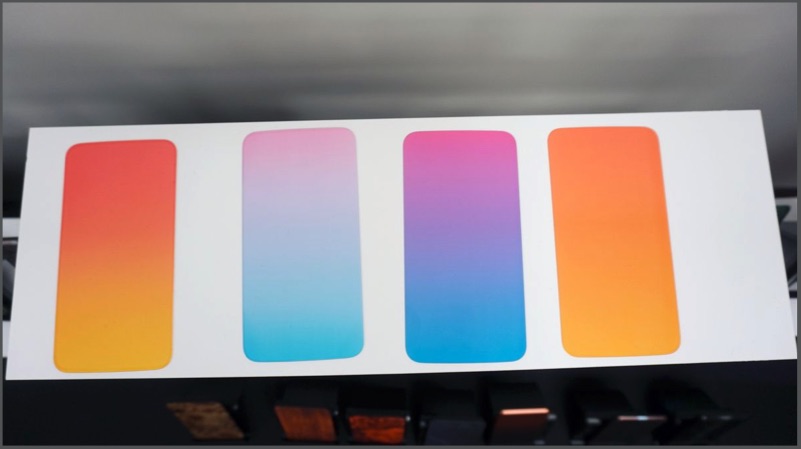
    The Corning Gorilla Glass 6 will allow users to customize the way they want to use the glass. They can use it for displays, or as textured back panels. The best part is, Corning will do the designing and texturing of the glass for the company.

    Corning Gorilla Glass 6
    Glass Customization

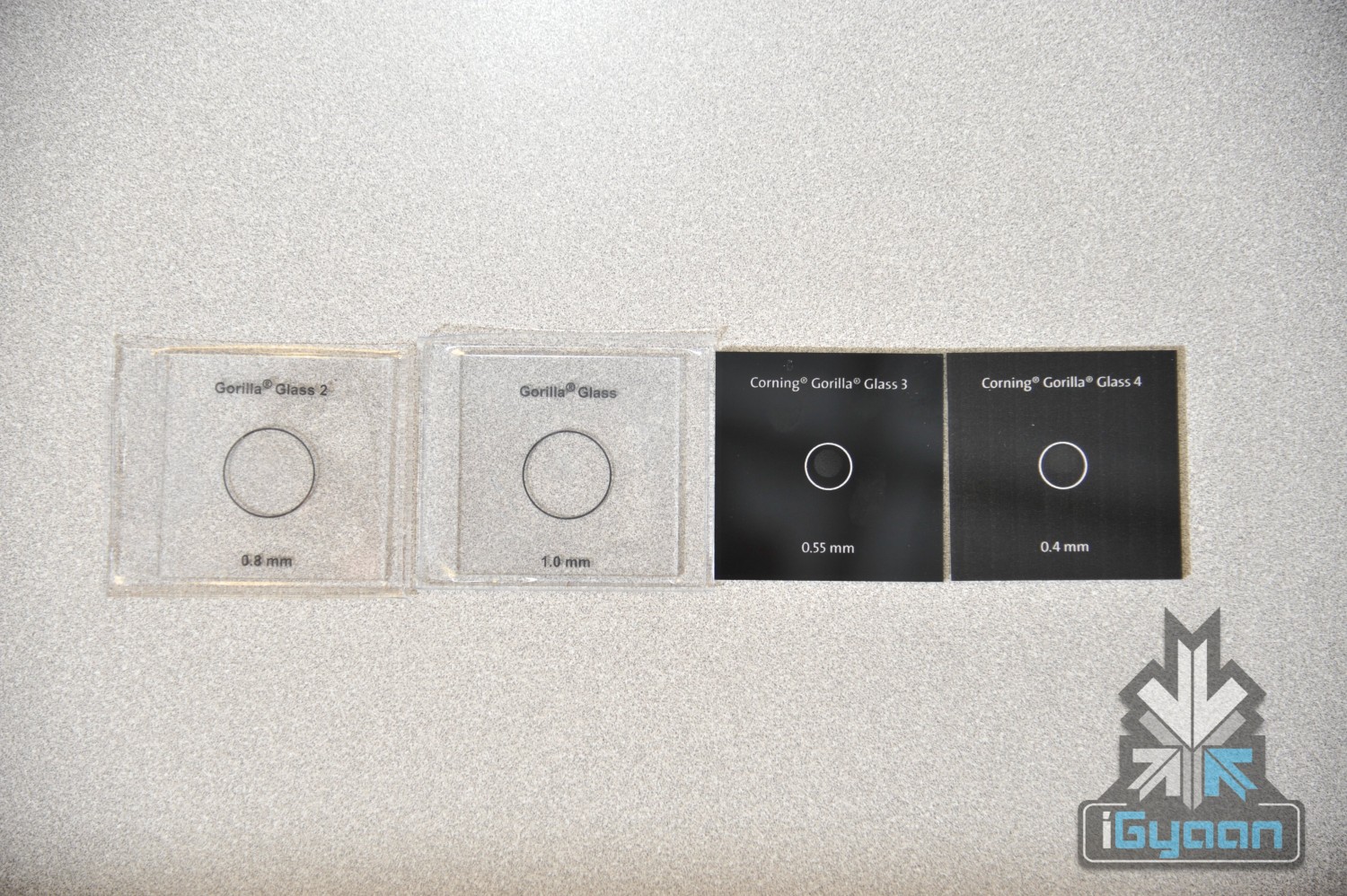
    With the increased demand for smartphones, the demand for their durability is also increasing. Coring has been developing glass panel technology since 2008 when it launched the first generation of Gorilla Glass Panels. Corning announced the second generation of the Gorilla glass four years after the first version, in 2012. With each passing year, Corning claims that it has not only worked on the durability of the glass panel, but also on its methodology of developing them.

    The latest Corning Gorilla Glass 6 can survive up to 15 drops from a height of 1 meter onto rough surfaces. This is twice the durability as compared to Corning Gorilla Glass 5 which could survive only 80% of drops from relatively the same height.

    Must Read: You Don’t Know Glass Like Corning Knows Glass

    Corning Gorilla Glass 6
    Various Versions Of Gorilla Glass

    Smartphones like the OnePlus 6, Nokia 8 Sirocco, and the LG G7 ThinQ use the Corning Gorilla Glass 5. Now that smartphone manufacturers are embracing full glass-body design, it is important that the material can survive rough use. The American company claims that Corning Gorilla Glass 6 is suitable for such scenarios. The glass will provide scratch resistance, optical clarity, wireless charging capabilities and enhanced durability.

    Corning claims that the Gorilla Glass 6 is durable enough to be used without a case. Since the company is already providing an option to customize the glass to give it the desired design, the need of case wouldn’t arise in the first place.

    It is quite coincidental that Corning announced the Gorilla Glass 6 before the launch of Galaxy Note 9 and the new iPhone line up. We believe that these smartphones could feature the Corning Gorilla Glass 6 in the form of a display as well as the back panel.

    In a smartphone, a display is its most used parts by a user. Which is why it is important for manufacturers to use a durable material. Once the Corning Gorilla Glass is officially available, it will be interesting to see how well it does.

    Have something to add? Leave a Comment Below!
  • Nokia 3.1 Officially Launched In India For Rs. 10,499

    Nokia 3.1 Officially Launched In India For Rs. 10,499

    HMD Global is out with yet another Nokia smartphone. This time the device belongs to the sub Rs. 15,000 price segment. The Nokia 3.1 has officially launched in India on the 19th of July at a price of Rs. 10,499. Nokia plans to sell the device on Paytm Mall and on their own website and it will available at offline retail stores as well. Out of the box, the smartphone will use the Android 8.0 (Oreo) and receive further updates to Android 8.1 (Oreo). The company claims a secure and up to date Android experience with Android One for the device. The sale for the Nokia 3.1 will start on the 21st of July.

    Also Read: Apple iPhone 9 Renders Reveal An iPhone X Like Notch

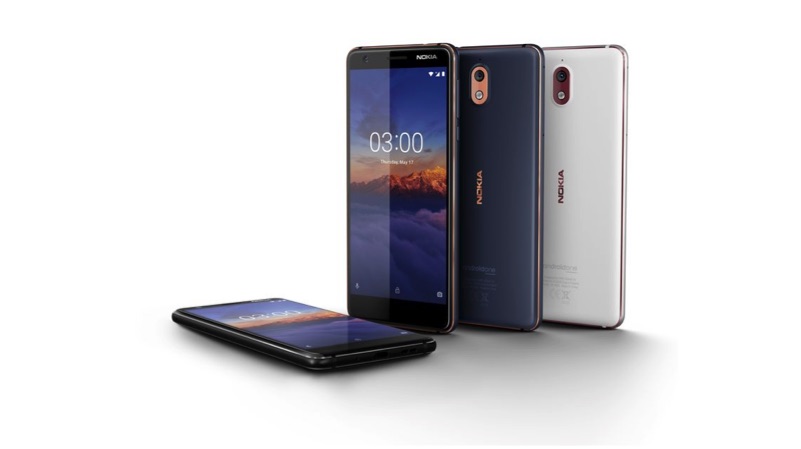
    Nokia 3.1

    The Nokia 3.1 has a 5.2-inch display with 1440 x 720 px and an aspect ratio of 18:9. The phone has an aluminium frame with a glass front panel and a plastic back panel. The phone weighs around 138.3 g. Nokia claims that the display uses Corning Gorilla Glass but, the version of glass used is unspecified.

    Nokia 3.1
    Nokia 3.1 Screen

    Running on an octa-core MediaTek MT6750, the Nokia 3.1 features the Mali-T860MP2 GPU. Out of eight cores, four Cortex-A53 cores run at 1.5 GHz and the remaining four run at 1.0 GHz. In India, only one storage variant of the smartphone will be sold which is the 16GB variant with 2GB RAM. The Nokia 3.1 has a MicroSD card slot allowing users to expand the storage up to 256GB.

    The camera setup of Nokia 3.1 consists of single primary and secondary sensors. The primary camera is a 13MP sensor with a f/2.0 aperture and an LED flash. This sensor is capable of shooting 720p videos at 30 fps as well. The secondary camera on this device is an 8MP sensor with a f/2.0 aperture.

    There is a 2990 mAh Li-Ion battery powering the Nokia 3.1. Considering that the smartphone is slightly underpowered, the 2,990 mAh should last a day in an ideal use case scenario.

    A device running on Android One means that it will receive the latest updates for the operating system as soon as they are available. On paper, the Nokia 3.1 seems like a value for money smartphone.

    Have something to add? Leave a Comment Below!


  • Vivo Nex Officially Launched In India For Rs. 44,990

    Vivo Nex Officially Launched In India For Rs. 44,990

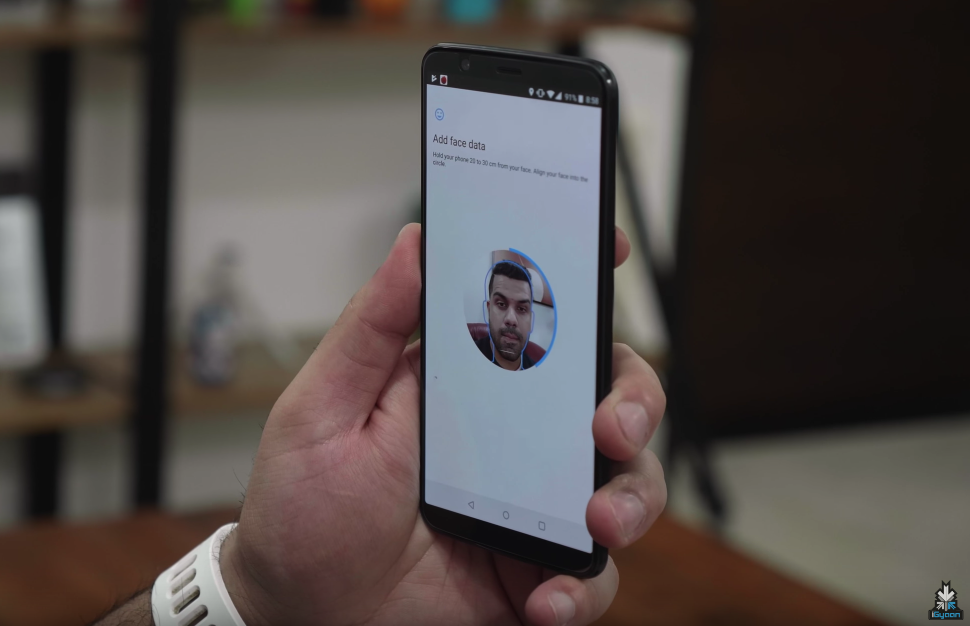
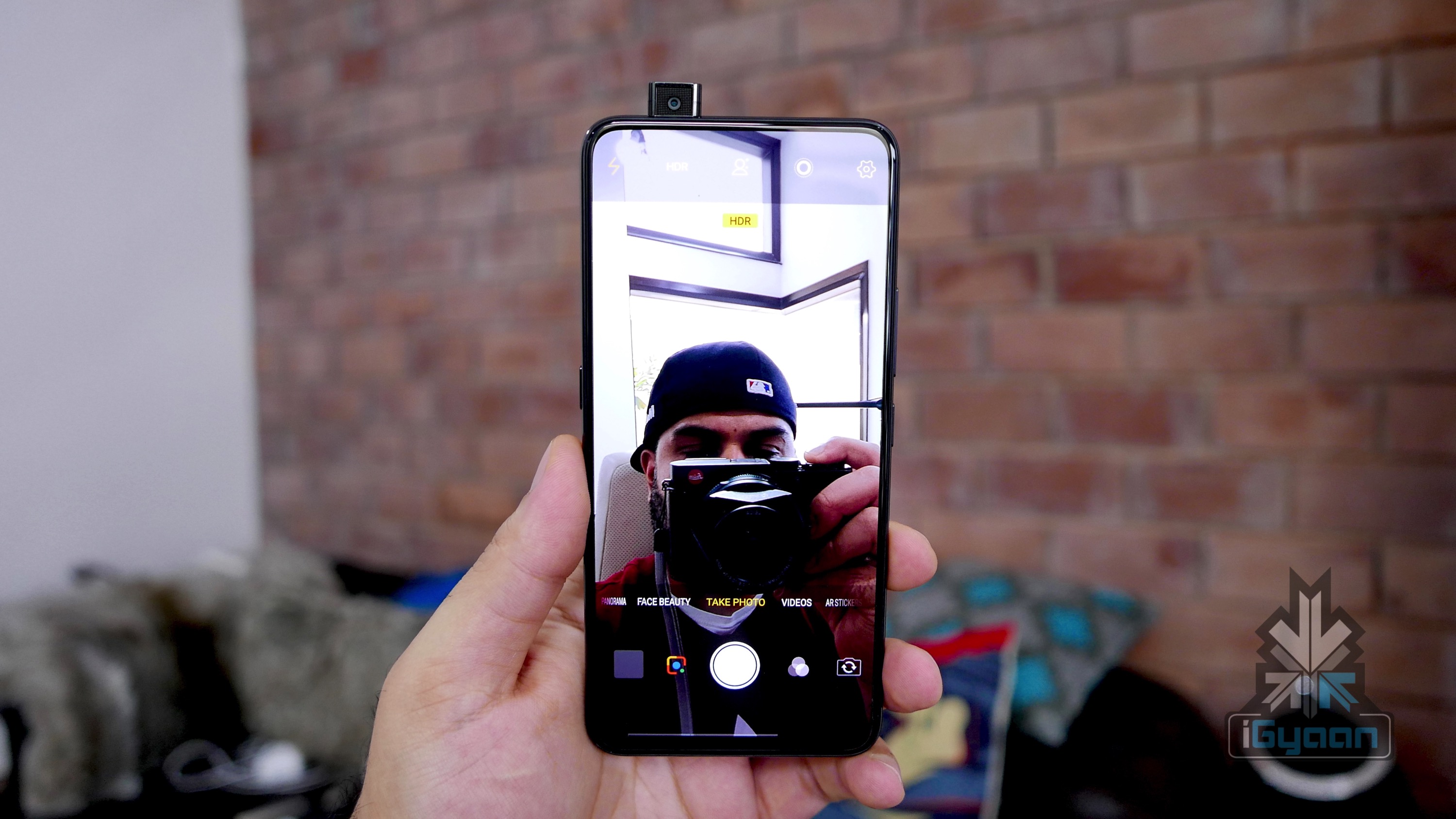
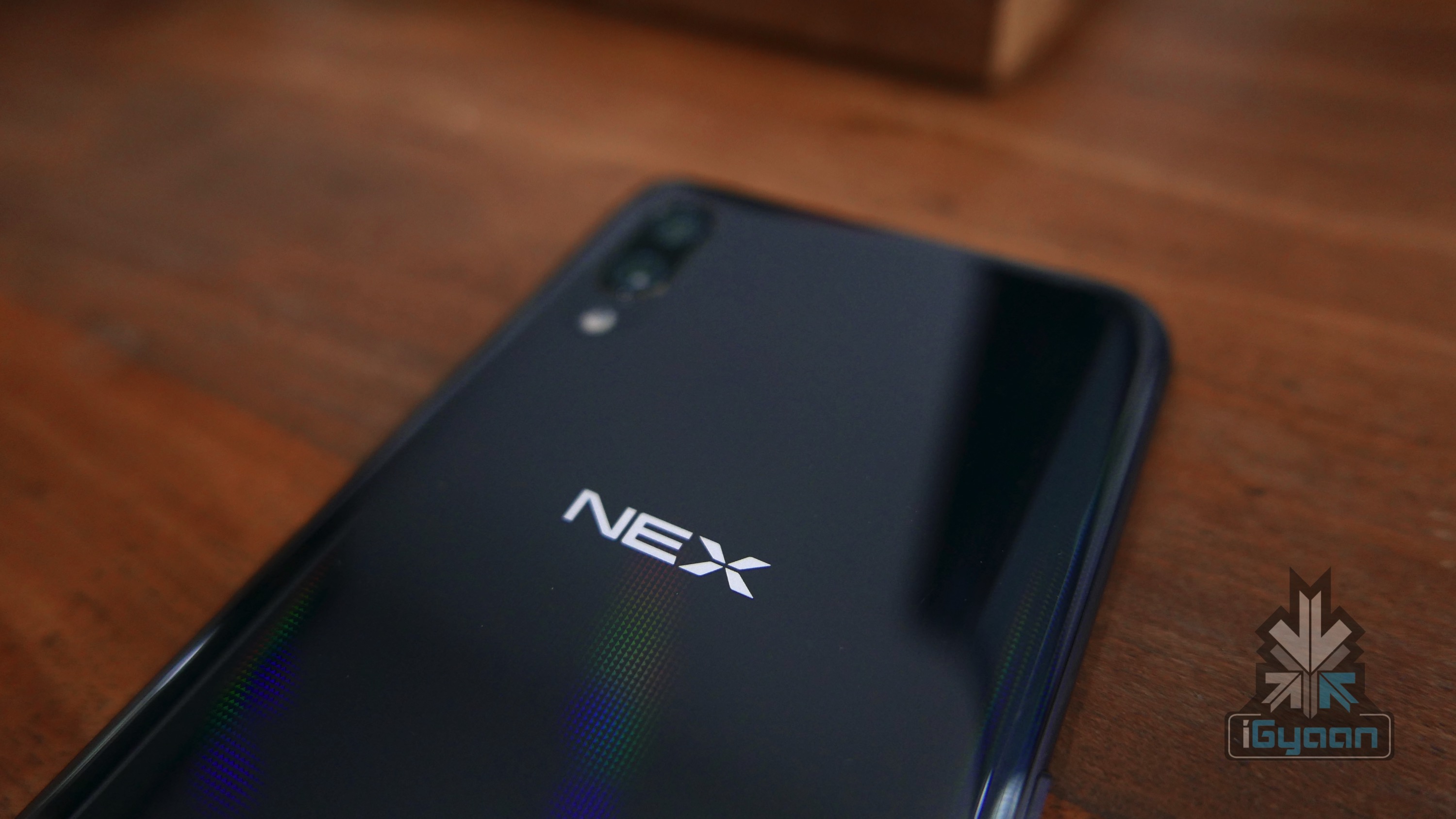
    Apple’s iPhone X set the bar rather high with its facial ID technology and also ushered in the trend of notch displays. It seems that smartphone manufacturers are now moving away from this design and are focussing on doing away with the notch. The Oppo Find X was the first phone to launch in India which featured face-unlock technology but without a notch display. Now, the Vivo Nex has officially launched and it also features a notch-less display and face-unlock technology. The smartphone will go on sale via Amazon at a price of  Rs. 44,990. 

    Vivo Nex

    Must Read: Huawei Gains A Patent On A Foldable Smartphone Design

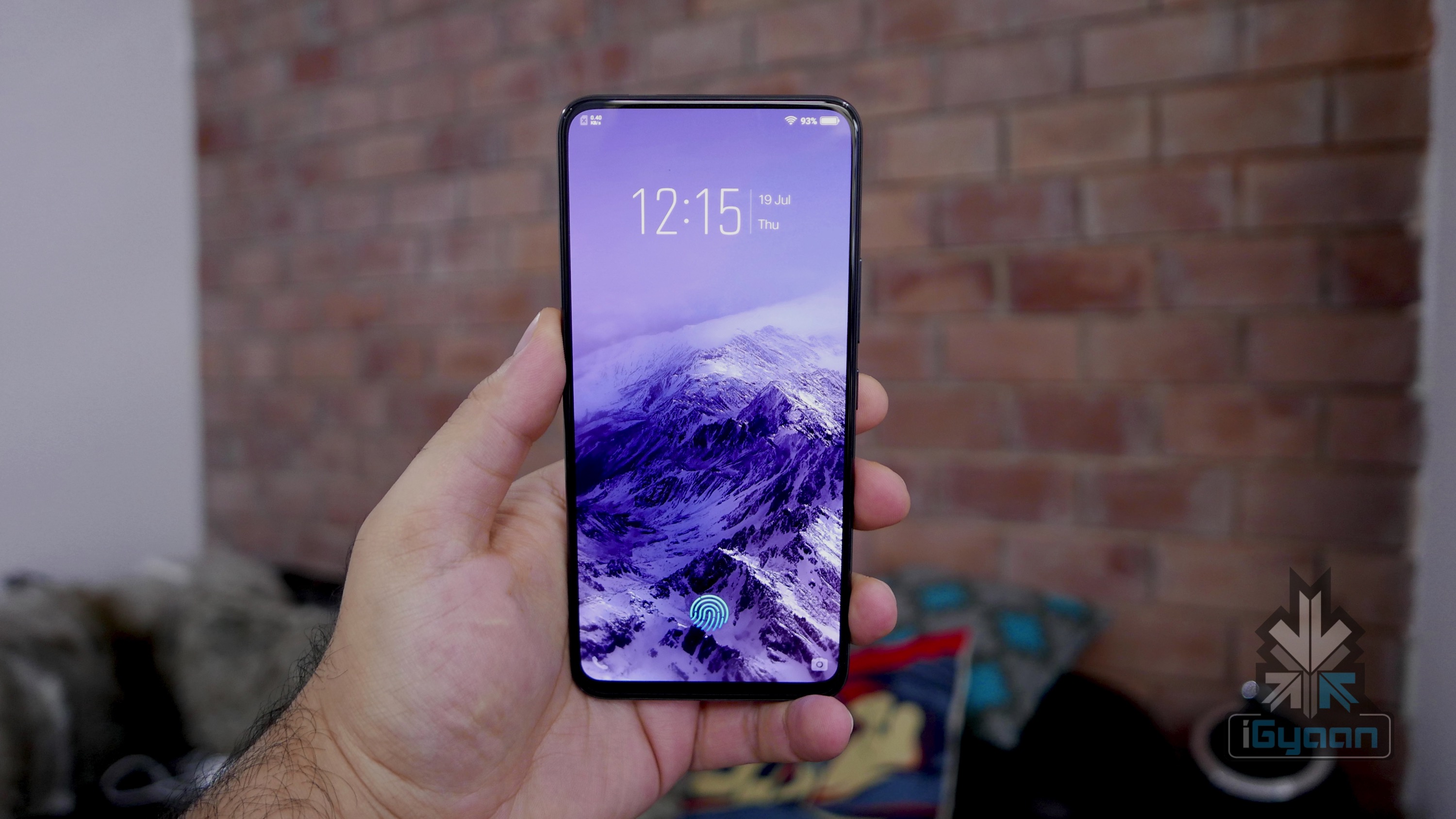
    The display on the Vivo Nex is a massive 6.59-inch panel with 2316 x 1080 px Full HD+ resolution and an aspect ratio of 19.3:9. The screen to body ratio of the smartphone is 91.24% which means that the phone sports ultra-thin bezels. The back panel of the smartphone has a sleek glass finish as well.

    Vivo Nex
    Vivo Nex Display

    The Indian variant of the Vivo Nex will be running on a Qualcomm Snapdragon 845 SoC. The Snapdragon 845 is a flagship chipset and has a total of eight Kyro 380 cores. This chipset will be paired with the Adreno 630 GPU.

    The Vivo Nex has launched with a single storage variant option. The 128GB storage variant is paired with 8GB RAM.

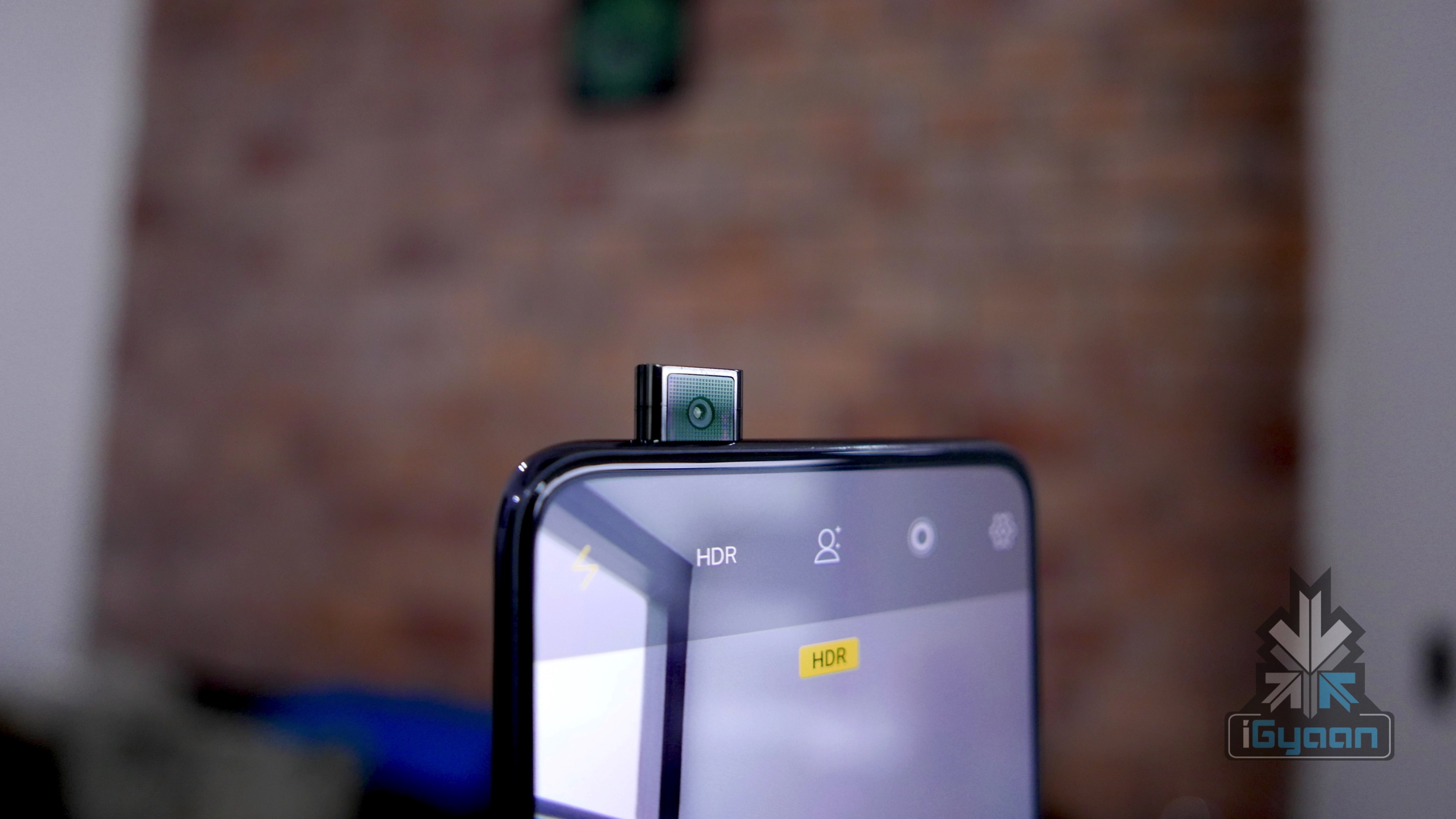
    Following the Oppo Find X, the Vivo Nex is the second smartphone to launch with a pop-up camera in India. The smartphone camera setup consists of a dual rear-facing and a single front-facing pop-up camera. The rear-facing camera has a 12 MP sensor with f/1.8 aperture and a 5 MP depth sensor with f/2.4 aperture. The primary camera is capable of recording 2160p and 1080p videos at 30 fps.

    Vivo Nex

    Apart from the face-unlock technology, the Vivo Nex also features an in-display fingerprint sensor. Powering all of this is a 4,000 mAh Li-Ion battery which should be enough for the smartphone to last an entire day.

    The trend of the notch-display is more or less at its last stage and we’re beginning to see various companies find a way around it. Regardless, the Vivo Nex and the innovation it has brought to the table is a sign that the industry is moving forward.

    Have something to add? Leave a Comment Below!


  • Nokia X5 Officially Launched In China On 18th July

    Nokia X5 Officially Launched In China On 18th July

    The Nokia X series was first introduced in February 2014 as Microsoft Mobile was marketing the Nokia X series at the time. The OS for these smartphones were based on Linux and had Android as its backbone. Now, HMD Global has reimagined the Nokia X series and after the Nokia X6  was released in China earlier this year, the Nokia X5 is the latest smartphone to launch in the Nokia X series. The smartphone launched on the 18th of July in China.

    Nokia X5

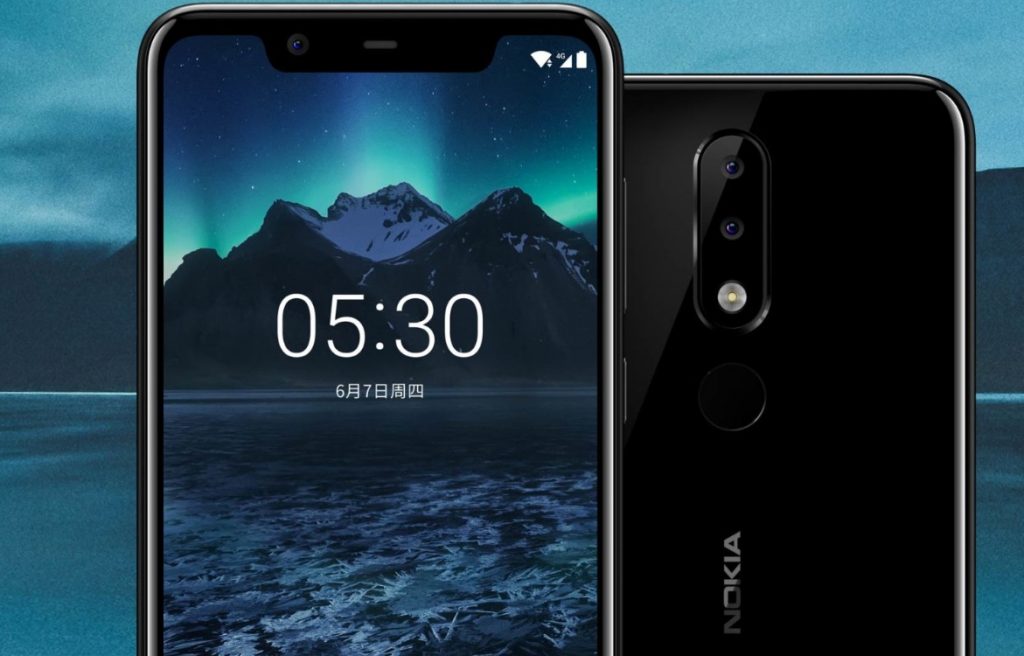
    The Nokia X5 will feature Android 8.1 (Oreo) out of the box and HMD claims that it will receive an Android P update as soon as it is available. The smartphone features a 5.86-inch notch-display with a resolution of 1520 x 720 pixels. The aspect ratio of the device is 19:9 with a screen to body ratio of 79.6%. The smartphone has a 2.5D curved display which gives it an elegant and sleek look. The phone is covered with glass panels on both the front and rear. Complementing the glass panels is a plastic frame as well.

    Also Read: BlackBerry Athena With Physical Keyboard Leaked

    The Nokia X5 runs on a MediaTek MT6771 Helio P60 SoC. This is an octa-core chipset with four Cortex-A73 and four Cortex-A53 cores running at 2.0 GHz. The GPU for the device is the MaliG72 MP3. The device will be available in two storage variants. The 32GB storage variant will have 3GB RAM and the 64GB variant will have 4GB RAM.

    There is a dual rear-facing and a single front-facing camera setup on the Nokia X5 as well. The rear camera has a 13 MP sensor with f/2.0 aperture and a 5MP depth sensor. The primary camera is capable of recording 1080p videos at 30fps. The front-facing camera is an 8MP sensor with a f/2.2 aperture.

    Powering the smartphone is a 3,060 mAh Li-Ion battery.

    The price for the Nokia X5 in China starts from CNY 999 (Rs. 10200.26 approx). If HMD Global releases the smartphone in India then we can expect the price to be close to its Chinese counterpart.

    Clearly, the Nokia X5 offers a lot of features for its price. However, we still believe that the Nokia X5 will face tough competition in this price segment. How it fairs against other smartphone is something we will keep an eye out for.

    Have something to add? Leave a Comment Below!


  • Xiaomi Mi Max 3 Price Revealed Before Launch On 20th July

    The mid-range smartphone segment is a tough nut to crack for a manufacturer. There are already a lot of devices which offer value for money features. One such smartphone series is the Xiaomi Mi Max. The first phone to launch in this series was the Mi Max back in July 2016. Xiaomi is all set to launch a new device for the Mi Max series, the Xiaomi Mi Max 3. The device will launch on the 20th of July at 10.30 AM in China (8.00 AM IST). Before the launch, however, the price for two of the device’s variants are already available on Weibo.

    Also Read: Honor 10 To Launch In India On May 15th For Rs 32999

    Xiaomi Mi Max 3
    Mi Max 3 Price Reveal via Weibo
    Pricing

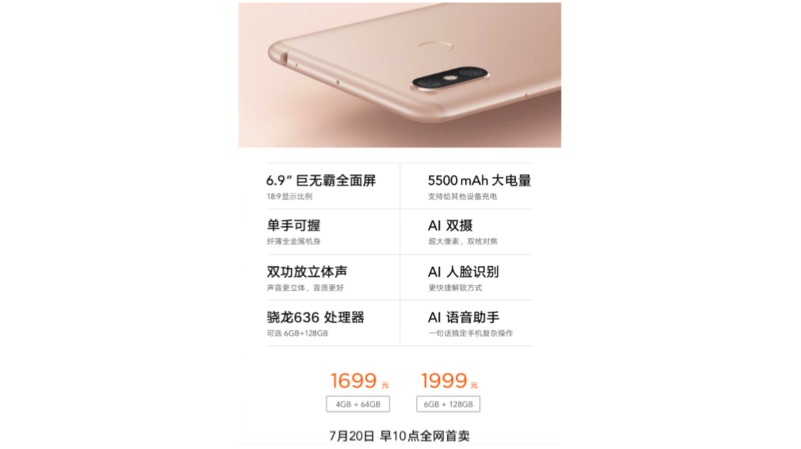
    We can get a rough idea of the Indian pricing of the smartphone from the Weibo post. The Xiaomi Mi Max 3 would cost CNY 1,699 (Rs. 17,335.89 approx) for the 4GB RAM and 64GB storage variant. While the 6GB RAM and 128GB storage variant would cost CNY 1,999 (Rs. 20,396.97 approx).

    Specs

    From the post, we also got a decent amount of information about some of the smartphone’s specifications. The Mi Max 3 could feature a large 5,500 mAh battery. This is by far the biggest battery Xiaomi has ever used in its devices. The smartphone’s predecessor, the Mi Max 2, featured a massive 5,300mAh battery as well.

    The Xiaomi Mi Max 3 will sport a 6.9-inch display, as suggested by the post. We can expect a 19:9 aspect ratio to go along with the display. The advertisement for the display size of the Mi Max 3 seems to be taking shots at what looks like an iPhone.

    Xiaomi Mi Max 3
    Mi Max 3 VS iPhone Look-Alike

    The post also confirms previous speculations regarding the Mix Max 3 featuring the Qualcomm Snapdragon 636 SoC. This chipset will be paired with the Adreno 509 GPU.

    Colour Variants

    The Xiaomi Mi Max 3 could launch in three colour variants. The usual Gold, Matte Black, and some shade of Blue. We will have to wait for the launch to find out the official names of these variants.

    Conclusion

    Xiaomi’s Mi Max series has always been big on screen-size, yet they are priced competitively. We can only expect the trend to continue with the Xiaomi Mi Max 3 as well. What do you guys think of the smartphone?

    Have something to add? Leave a Comment Below!
  • 8GB DRAM Announced By Samsung For AI-Powered Applications

    8GB DRAM Announced By Samsung For AI-Powered Applications

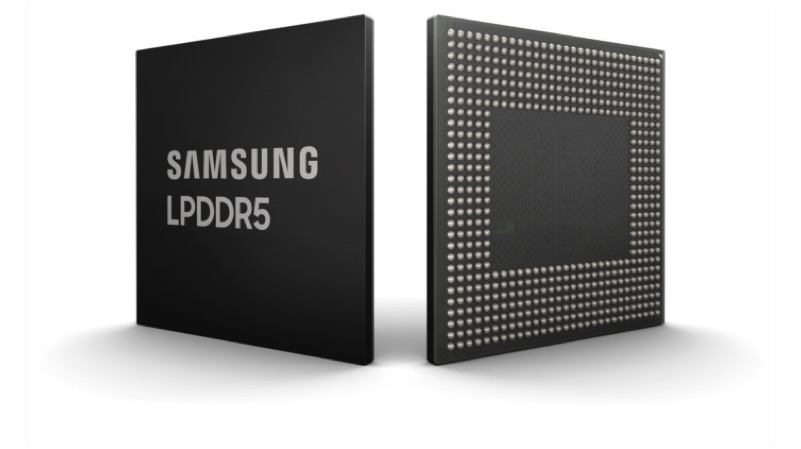
    Samsung has set a benchmark when it comes to all things computing related. From manufacturing displays to home appliances, Samsung has done it all. The latest innovation in their line up is 8GB DRAM which is essentially a Low Power type (LPDDR5). Made for smartphones, Samsung has focussed on integrating AI capabilities and 5G compatibility with this 8GB DRAM. Samsung also claims high data-rates for the LPDDR5 DRAMs. The announcement was made on Samsung’s news blog.

    Samsung 8GB DRAM
    Samsung 8GB DRAM

    The senior vice president of Memory Product Planning & Application Engineering at Samsung Electronics, Jinman Han, quoted:

    “This development of 8Gb LPDDR5 represents a major step forward for low-power mobile memory solutions.We will continue to expand our next-generation 10nm-class DRAM lineup as we accelerate the move toward greater use of premium memory across the global landscape”

    This is exciting news because a faster and better-optimized RAM module will allow smartphone manufacturers to integrate AI into their devices. And then we have 5G which Samsung claims will be compatible with the LDDPR5 8GB DRAM. Prior to this DRAM, Samsung had started mass producing the 8GB LPDDR4 DRAM back in 2014.

    Also Read: Google Sued For £3.2 Billion For Secretly Tracking Browsing Data For 4.4 Million iPhone Users

    According to claims by Samsung, the LPDDR5 will have data-rates of up to 6,400 megabits per second (Mb/s). This, compared to the current DRAM in flagship devices, is almost 1.5 times faster. Samsung further claims that you can send close to 14 full HD video files (with a total size of approximately 3.7GB each), in a mere second.

    The 8GB DRAM is also optimized to be less power hungry and work synchronously with the application processor. The LPDDR5 will achieve this optimization by lowering its voltage. Ultimately, Samsung wants to make the chip AI-friendly and better optimization will allow the DRAM to deliver better performance. The DRAM will also offer what Samsung is calling a ‘deep sleep mode’, which will essentially allow the DRAM to run on half of its usual power.

    Have something to add ? Leave a Comment Below!
  • Huami To Launch Two Smartwatches In India On 24th July

    Huami To Launch Two Smartwatches In India On 24th July

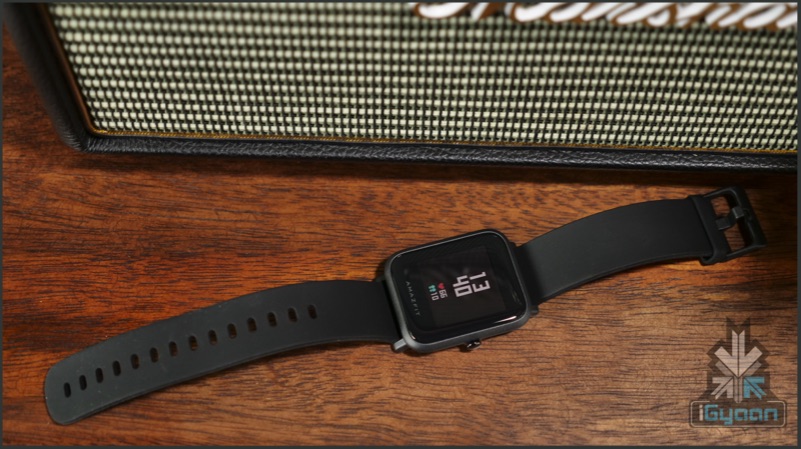
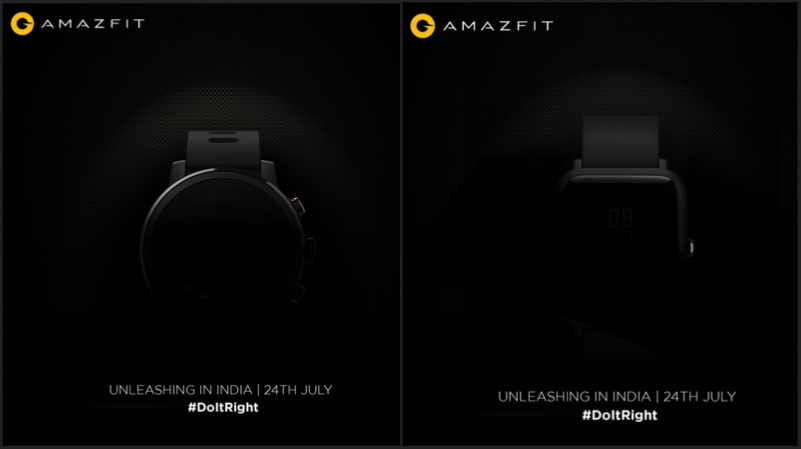
    Ever since wearables became a trend, Xiaomi has been launching its own line of fitness bands and smartwatches. Huami is a partnered brand with Xiaomi, which made the Mi Fit, Mi Band, and the Amazfit smartwatches. The brand is now launching in India with two smartwatches. The Amazfit Bip and Amazfit Stratos are the two wearables launching on the 24th of July. Huami made an official announcement via Twitter regarding these smartwatches.

    Huami
    Huami Announcement

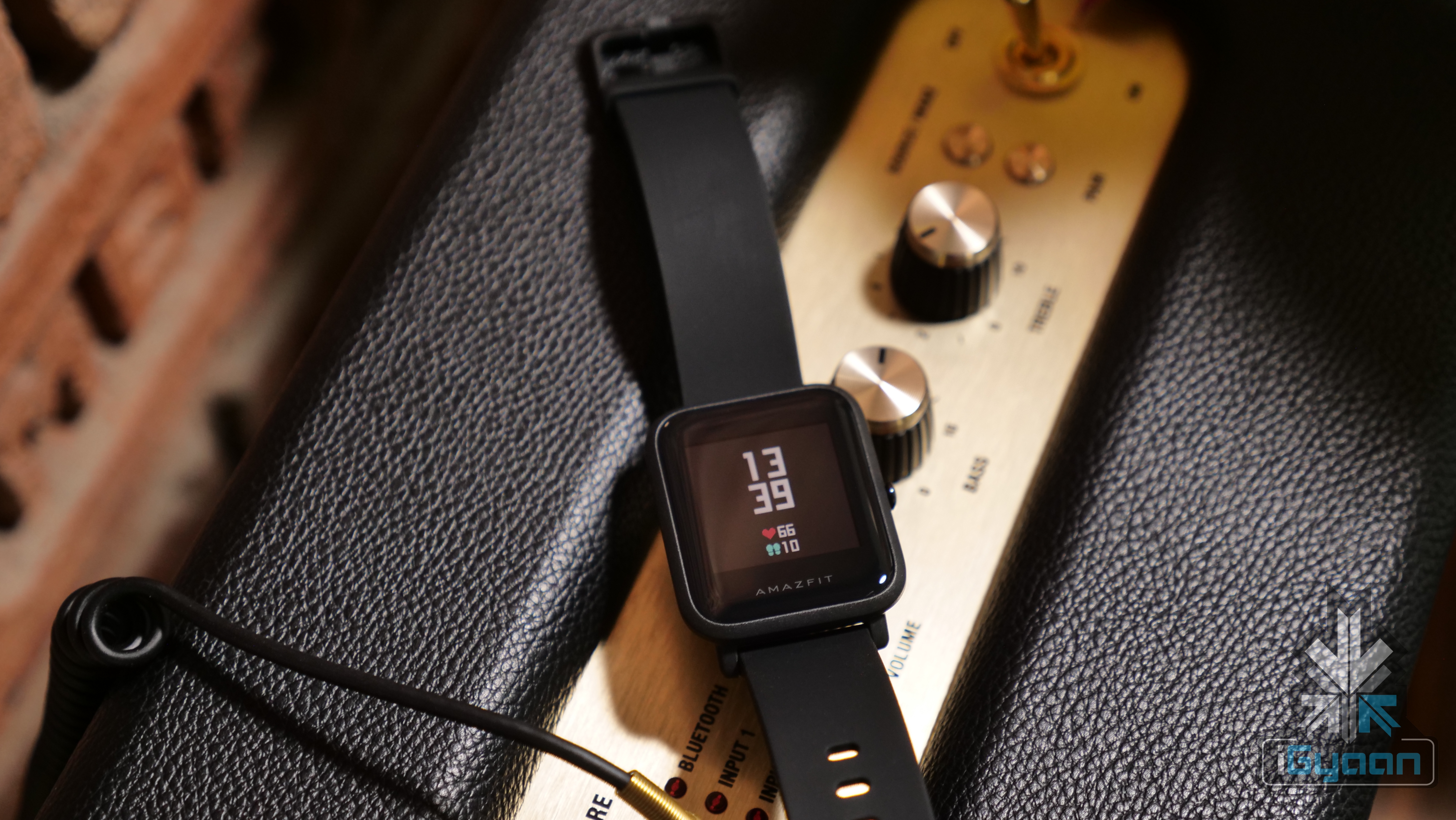
    While the Amazfit Stratos follows a circular design, the Amazfit Bip has a more rectangular aesthetic. The Amazfit Bip has rounded corners, making it look similar to the Apple Watch. The strap found on both the smartwatches are rubberized.

    Also Read: Asus ROG Gaming Smartphone Launch In India Confirmed

    Huami
    Amazfit Bip


    The Amazfit Stratos is comparatively on the pricier side, as it costs about US $199.99 (Rs. 13,718.31 approx). Whereas the Amazfit Bip costs US $99 (Rs 6,785.96 approx). Naturally, the latter has a few corners cut in terms of specifications but the Bip still holds its ground with an IP68 rating and an array of sensors. Both smartwatches offer a lot of fitness tracking features and are compatible with both iOS and Android devices. The Huami Amazfit Bip and Stratos both use a proprietary OS.

    Those who can’t wait for the devices to launch in India can directly order them from the US Amazon website. Considering the US price of these smartwatches are fairly competitive, we can expect the Indian prices to be relatively on the cheaper side as well. After their launch in India, we will give our final verdict on the price tags of the smartwatches. Given that the Indian market is already flooded with a plethora of fitness bands and smartwatches. On paper, both the Amazfit Bip and Amazfit Stratos look incredibly promising.

    Are you going to buy a Huami smartwatch when they are available for sale? We are all ears in the comment section, do leave your feedback.

iGyaan Network
Privacy Overview

This website uses cookies so that we can provide you with the best user experience possible. Cookie information is stored in your browser and performs functions such as recognising you when you return to our website and helping our team to understand which sections of the website you find most interesting and useful.